Home Blog Page 1325

Why Canadian Retailers Shouldn’t Use Secret Shoppers to Solve Problems

The secret shopper is a charismatic creature. Slinky and crafty, it presents a pair of faulty socks like a gauntlet, just willing your employees to mess up.

OK, secret shoppers are people, too. But there are some big downsides to outsourcing your quality care that shouldn’t be ignored. For a start, secret shoppers can hurt your employees’ morale, undermining the trust they have in you and in themselves.

What’s more, they offer short-term, inconsistent solutions, and they can only report on a random business day that may not represent your company’s true problem area. Finally, secret shoppers have limited scopes. So while they can pick out mistakes, they’re not positioned to actually fix the problems, which is the real goal.

There is a better way to diagnose and fix issues in your company before they become long-term problem areas. The answer is simple: Mobilize your existing workforce. These are the people who work with your brand every day. They know each other, they know your product, and they can catch problems quicker than any secret shopper could. Here’s how to get started:

  1. Make your employees ambassadors. Empower your team members to take the company’s success into their own hands. By eliminating the need for secret shoppers and trusting your employees to take control of their own progress, you make them ambassadors for your brand. Let’s face it — nobody knows your brand better than your employees, so treat them like the experts they are.

  2. Support peer-to-peer reflection. Send your employees to work with other teams at scheduled times, then ask them to reflect on what they’ve found. Feedback from peer-to-peer reflections will be much more effective because it’s immediate and relevant. Have a set process for how the scheduled visit will happen, provide an outline of what’s expected of each visit, and offer guidelines that everybody can follow for giving and receiving feedback.

  3. Reflect little and often. One of the downsides of employing secret shoppers is that they’re usually a once-a-year tactic or a short-term solution for ongoing needs. To get a real sense of your business’s pain points, reflect on issues and achievements little and often within your team. This will create a company culture of honesty and self-improvement, which will solve problems better than an annual check-up.
  4. Use feedback tools. You don’t have to rely on anecdotes and gossip from your team to solve problems. Instead, set up a network of tools to automate and regulate how you collect feedback. For example, use remote monitoring tools to help you record activities in other locations, and use a survey schedule to make your employees feel comfortable about reporting problems, suggesting improvements, and receiving feedback.

  5. Utilize the daily huddle. You don’t actually have to huddle, but setting aside time every day to get together as a team and briefly discuss problem areas, as well as recent achievements, will empower your employees. And make sure you end with a motivating statement that will give everybody energy.

Quality control isn’t something that should be championed externally. When you mobilize your workforce to manage its own performance, you’ll boost morale, increase unity and loyalty among your team, and create a pattern for catching and resolving issues before they grow. It’s a win-win for you and your employees.

Sam Bahreini, a seasoned operations officer and agile entrepreneur, is co-founder and COO of VoloForce, a company that helps enterprise retail brands understand organization implementation through automation and simplification.
Longchamp to Open in Canada

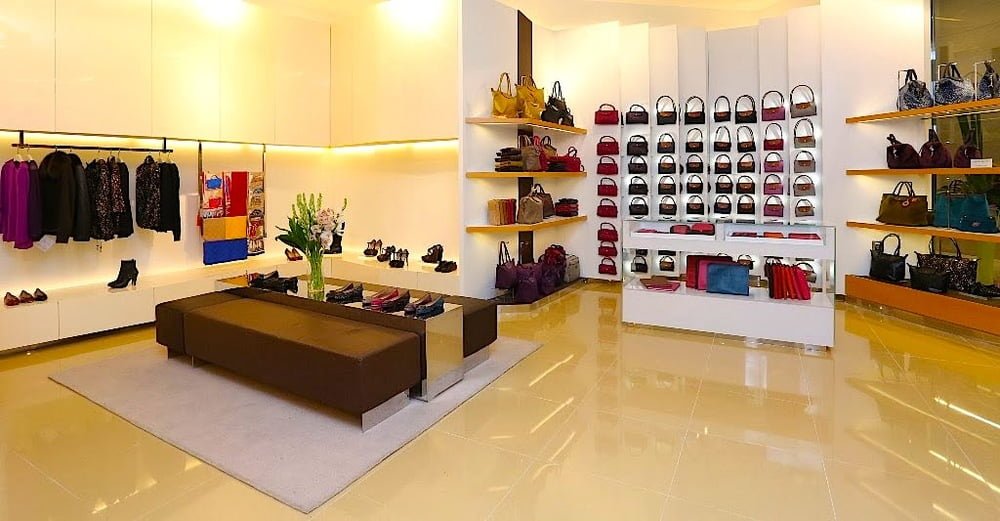
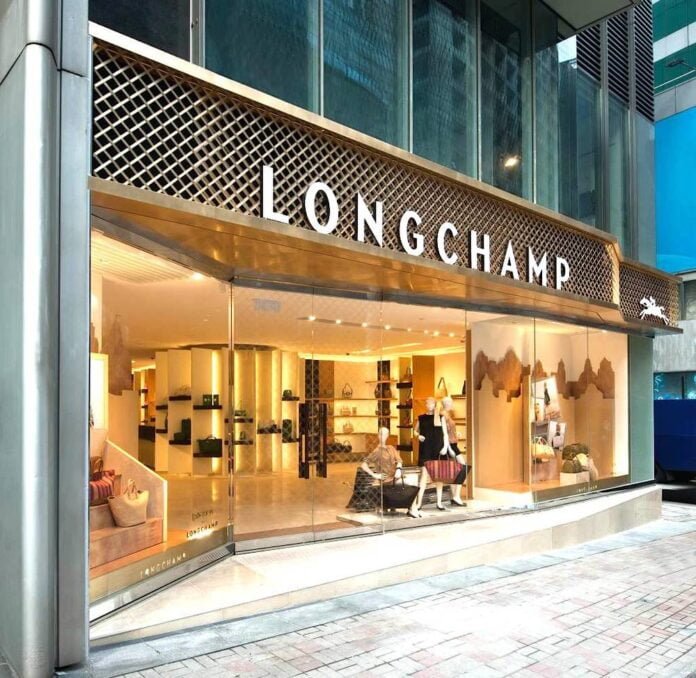
French luxury brand Longchamp will open its first free-standing Canadian location this spring at Toronto’s Yorkdale Shopping Centre. We spoke with the company’s New York City-based President and CEO about the brand’s Canadian success, as well as plans for more free-standing Longchamp stores. 

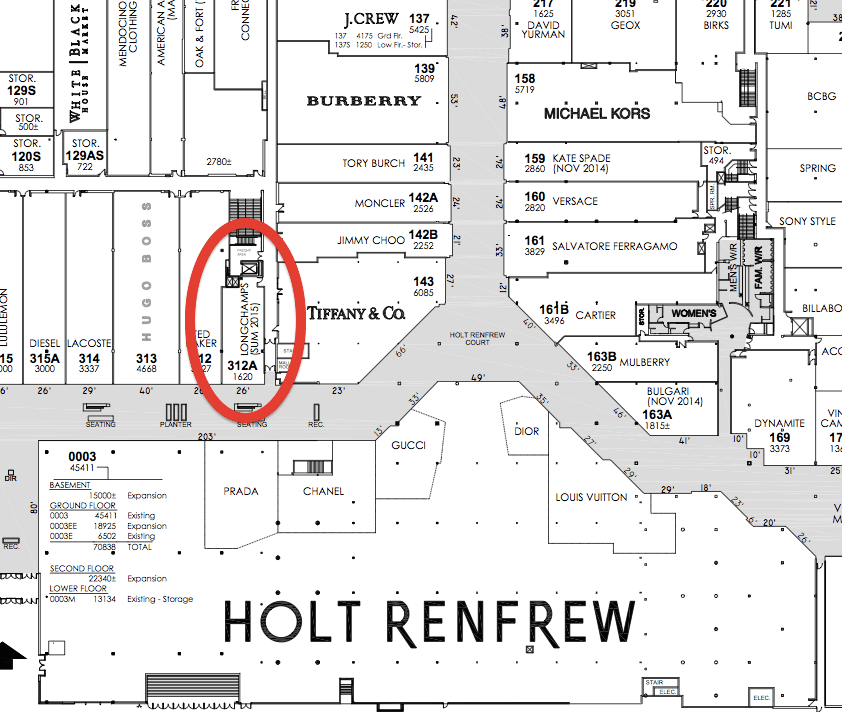
American President and CEO Stephanie Disegni tells us that Longchamp’s Canadian sales are strong and in order to present the brand’s entire collection (including ready-to-wear and footwear), it will open free-standing flagships to provide the ‘full Longchamp experience’. The Yorkdale store will measure just over 1,600 square feet, replacing Kate Spade which moved to a larger space. The reason Longchamp chose Yorkdale was because the opportunity arose, not to mention Yorkdale has built a strong mix of luxury tenants including the likes of Tiffany & Co., Jimmy Choo, Bulgari, Moncler, Ferragamo, Cartier and others. Longchamp’s Yorkdale location is ideally located across from Holt Renfrew‘s mall-front concessions for Chanel, Prada and Gucci, and is up the hall from the mall’s busy Tesla and Apple stores. 

Ms. Disegni says that Longchamp will evaluate the success of its Yorkdale boutique before announcing future Canadian locations. She says that several Canadian cities are on the brand’s radar and that Longchamp generally seeks space in the 1,500 square foot range, though stores can range from as small as 1,000 square feet to as large as 2,500 square feet. Longchamp will evaluate a variety of potential real estate opportunities, including upscale shopping centres and streetfronts. 

Longchamp accessories are currently carried in several upscale Canadian retailers including, Andrews in Toronto, Blu’s in Edmonton, Edward Chapman in Vancouver, and in several Holt Renfrew locations. Ms. Disegni says that strong sales at these and other wholesalers prompted Longchamp to launch free-standing stores with a wider product assortment. 

Longchamp currently operates 14 free-standing American locations and two outlets. Stores are located in metropolitan New York City (5 locations), Miami (2 locations), and in San Francisco, Las Vegas, Boston, Los Angeles (Costa Mesa), Philadelphia (King of Prussia), and Washington DC. Outlets are at Woodbury Common and Fashion Outlets of Chicago. The brand also retails in selected Bloomingdale’s, Nordstrom, Saks Fifth Avenue, and Von Maur locations, as well as various other upscale stores. 

Lowe’s Plans Aggressive Canadian Store Expansion

American home improvement and appliance retailer Lowe’s plans to substantially expand its Canadian store base. The company just announced three new locations, adding to its current 37 Canadian stores. We interviewed Lowe’s Canadian president, who tells us that the retailer could as much as triple its current Canadian store count. 

Last week Lowe’s announced that it was opening three new Canadian locations, each offering more than 40,000 in-stock products. Locations include: 

Lethbridge, Alberta – 3849 Mayor Magrath Drive South: In the spring of 2015 a 94,500 square foot location will feature an adjacent 19,500 square foot garden centre. The store will cost over $24 million to build. 

Saskatoon, Saskatchewan – 125 Betts Avenue: In the summer of 2015 an 86,000 square foot location will feature an adjacent 15,500 square foot garden centre. The store will cost over $20 million to build. 

Sault Ste. Marie, Ontario – 248 Northern Avenue: In the summer of 2015, a 75,000 square foot location will feature an adjacent 4,400 square foot permanent garden centre and a 6,300 square foot seasonal pop-up garden centre. The store will cost over $7 million to build. 

Each of these three stores will create between 120 and 140 jobs, as well as an additional 40 to 50 seasonal positions. 

“We are thrilled to be growing our presence in Canada and are always evaluating new opportunities to bring Lowe’s closer to our customers,” said Sylvain Prud‘homme, President, Lowe’s Canada. “These three new stores support our ongoing strategy to be the home improvement choice for Canadians and we see tremendous opportunity in these new markets for us.”

We interviewed Mr. Prud‘homme, asking him specifically about Lowe’s future plans for Canada. He tells us that the retailer’s goal is to ultimately operate between 100 and 120 Canadian locations, up from its current 37 stores. More new store locations will be announced shortly. Desired store sizes are generally in the 84,000-110,000 square foot range and while some of its stores are free-standing newly-built locations, some will replace other large-format retailers in a variety of locations. Its Sault Ste. Marie location, for example, is a ‘brownfield store’ replacing a former Zellers location in a local strip mall. Although Lowe’s typically locates in the suburbs, it is in the process of opening two Manhattan locations. At the moment there are no plans to open downtown Canadian locations, though this could change if the right opportunities become available. 

Last week, the retalier launched Lowe’s Holoroom in its North Etobicoke and Burlington stores — a first of its kind, home improvement simulator that applies 3-D and augmented reality technologies to provide home owners with an intuitive, immersive experience of their room renovation projects. The video above explains the concept. 

Lowe’s was founded in 1946 in North Wilkesboro, North Carolina. It has over 1,835 stores in the United States, Canada and Mexico. It serves about 15 million customers a week and its fiscal 2013 sales were U.S. $53.4 billion and it employs about 260,000. Lowe’s is the world’s second-largest hardware chain, behind Atlanta-based The Home Depot. 

Lowe’s first Canadian locations opened in southern Ontario in December of 2007. All of the retailer’s Canadian stores are currently located in Ontario, Alberta, Saskatchewan and British Columbia, employing over 6,000. 

We’ll update you when Lowe’s announces more details on its substantial Canadian store expansion. 

Omni Channel: A Necessity in Today’s Canadian Retail Landscape

By Todd Trombley

The Good Old Days: The emergence of the internet and the worldwide web changed everything about consumers and the retailers who serve them.  Before this change retailing was pretty simple. You were either a brick and mortar retailer or you were one of a few mail order catalogue based retailers.  If you were a brick and mortar store you offered service to your consumer that ranged from full service to very little service to no service. From about 1962 until about 2005 the idea of service level and how service level impacted the merchandise you carried along with the number and the nature of staff were major preoccupations of retailers.

And Then Retailing Went Boom: At some point; and it is impossible to precisely determine this exact point in time, the realities of the internet and worldwide web changed consumers’ behaviours.  People became addicted to the information that could be found through the internet. People began to realize that they could stay connected to others; friends and complete strangers, via the web.  We’ve all pretty much always been sponges for information and creatures that thrive on social connections, it is how we attempt to navigate and live in our little worlds.  It’s just that pre-internet this acquisition of knowledge, the pursuit of information and maintenance our social networks took a lot of time and effort. So, now we as consumers had these really easy to use tools that provided us information; pretty much at our finger tips and we had a means of maintaining our social networks without even having to directly connect with the people in the networks. Do you still wonder why people seem so hooked on the devices that enable them to stay connected to this gusher of information and connectedness?  You can’t walk down a sidewalk, drive a street, ride an elevator or stand in line today without seeing someone head down, fingers and thumbs pecking at keys getting this seemingly insatiable addiction satisfied.

Build It and They Will Come: So now given this reality, you better have a robust and deep presence on the web so that this hooked on info consumer can jones out on what you carry (website: CHECK).  Since you have to build this web presence anyway, to provide information to the information junkies, you might as well go all the way and allow them to actually buy product through this online avenue (online store: CHECK). While you’re making that happen you might as well build your online site and store so that they are used and seen optimally on the device most frequently used by today’s consumer, the ubiquitous smart phone, (handheld optimized online site: CHECK).  Just to complete your purchasing relationship with your consumers why not build a special app and give it your best customers so that they can be forever connected to you via an invisible electronic tether (digital app: CHECK).

Now that you’ve done all this to address the “information” and “transaction control” desires of your customers you need to address their ever expanding needs pertaining to their social networks. You see consumers now seem to have a greater than ever need to feel they belong to some group. In fact the groups they belong to; or “follow”, seem to define them and give them some sort of virtual yet very tangible identity.  This need is so great and so identity affirming that an ever expanding number of consumer want to “share” and announce to the world; or at least their network of people connected to them, exactly who it is that they find of interest.  Hello social media sites where your customers can connect to and follow you and stay updated on all the really cool stuff that you are doing to make their relationship with you all that it possibly can be and where they can then announce their affiliation with you and push your communication directed to them out to their own social connection network (Facebook: check; Twitter: CHECK; Instagram: CHECK; LinkedIn:CHECK).

Stick to Your Knitting: But hey, while you’re doing all of these super important things that are required of you in today’s retail cosmos don’t neglect the things that have traditionally meant winning or losing in retail.  Great merchandise, compelling displays of that merchandise, the best service offering regardless of your service level type, personnel that can engage with and establish a relationship with your customers and a strategy that causes consumers to beat a path directly to your door. These realities; along with a few more that are just beginning to gain traction, are the realities that make Omni Channel a vital necessity today and in the future.

Todd Trombley is a principal at Performance Improvement International (PII), a training, coaching and consulting company that works across a variety of industries developing executive and senior leadership’s ability to gain greater productivity from the teams and functional areas they lead. PII is based in Oakville Ontario and Detroit Michigan and works withclients throughout North America. The firm was founded in 1997.

Todd has worked with a number ofCanada’s leading retail organizations. This work usually finds him working within the Store Operations function improving revenue production by enhancing the skill-sets of sellers and managers and by bringing the resources of other functional areas of these firms more forcefully to bear within Operations.

When not at his clients Todd can often be found golfing; poorly, or riding one of his motorcycles; happily.

It’s ‘Crazy Friday’ in Quebec

By Eric Blais

Everybody loves a deal no matter what it’s called.

Black Friday, the retailer-created shopping event following Thanksgiving in the U.S., is increasingly popular in Canada.

A survey by New York-based IPG Mediabrands found a staggering one million Canadian workers plan on phoning in sick on Nov. 28 (Black Friday) and/or Dec. 1 (Cyber Monday), the dates of this year’s retail blitz.

According to findings from a survey conducted last year for BMO, 47% of Quebeckers were planning to make purchases on Black Friday in 2013, up from 41% in 2012.

Wikipedia offers this explanation for the name’s origins:

“The day’s name originated in Philadelphia, where it originally was used to describe the heavy and disruptive pedestrian and vehicle traffic which would occur on the day after Thanksgiving. Use of the term started before 1961 and began to see broader use outside Philadelphia around 1975. Later an alternative explanation was made: that retailers traditionally operated at a financial loss (“in the red”) from January through November, and “Black Friday” indicates the point at which retailers begin to turn a profit, or “in the black”.”

Whatever the origins, the name is meaningless, if not depressing, in French Québec.

Retailers have been using different French names to give meaning to their sales events. Some call it Vendredi Noir. Others like Banana Republic call it Super vendredi. Some simply call it Méga Vente Black Friday (it should be “solde”, not “vente”). To be safe, Centre HiFi calls it Vendredi noir and Black Friday.

L’office québécois de la langue française has tackled the problem and is recommending Vendredi fou (Crazy Friday).


Eric Blais is President of Toronto-based Headspace Marketing Inc., which also authors the website: www.WhatQuebecWants.com. 

Canadian Retail Sales Looking Up

For Q3 2014 overall, total retail gained 5.4% versus a year ago, also a 2½ year high. The 3-month trend (orange line in the chart above) continues to run above the underlying 12-month trend (green line). In fact, the 12-month trend has been more or less steadily improving since early last year. 

These results were buoyed up by a huge sales increase for new car dealers in September. The Food & Drug and the Store Merchandise sectors however also increased sales compared to their previous 2014 year-to-date averages. 

In the historical note department, September 2014 was the first time that Canadian retail sales eclipsed the $500 billion mark in any 12 month period. 

There are a number of positives for the holiday shopping season. 
– Recent strong sales increases in the critical Store Merchandise sector indicate good momentum going forward. 
– A weaker Canadian dollar should help keep more holiday spending at home. 
– Significantly lower gas prices will leave more money in consumers’ pockets for holiday spending. 
– Canada’s unemployment rate fell to 6.5% on October, the lowest level in 6 years. 

Each of these may not be a big deal on its own, but their combination could be powerful. Even so, this may not stop many retailers from blowing their brains out with discounts and promotions which they had already planned on. 

Food & Drug Stores

Retail sales at supermarkets and other grocery stores continued their up and down pattern with a year-over-year gain of 1.6% in September. For Q3 2014 overall however, sales increased only 0.4% from the same quarter a year ago. 

Other store types in this sector did better. Sales at health & personal care stores in Q3 were up 6.5% versus last year, while convenience stores gained 6.0%. 

Despite the choppiness, the Food & Drug sector seems to be slowly improving. The underlying 12 month trend (green line in the above chart) now stands at a gain of 2.8%. While this is quite modest, the rate is double what it was 12 months ago. 

Store Merchandise
 
Retail sales for the Store Merchandise sector were up 5.2% in Q3 2014 versus a year ago. This is the highest quarterly gain since Q1 2010. The 3 month trend (orange line in the chart) continues to track well ahead of the 12 month trend. In fact, the underlying trend is now at the highest it’s been since November 2008, before the Great Recession. 

A number of store types brought in significant Q3 sales increases, including other general merchandise stores up 8.3%, furniture stores up 8.2%, home furnishings stores up 6.9%, sporting goods, hobby, book & music stores up 6.3%, and clothing stores up 5.3%. Only miscellaneous store retailers showed a year-over-year sales decline for Q3 2014, down 0.4%. 

Overall, Store Merchandise is in good shape, and it’s the retail sector that gets the most lift from holiday shopping. 

Automotive & Related
 
Sales trends appear to be flattening in the Automotive & Related sector, although it’s a tale of two forces, namely, new car dealers versus gasoline stations. 

In September 2014, new car dealers’ retail sales were up an astounding 17.1% from the same month a year ago, and up 11.7% for Q3 overall. This is easily the highest sales growth in all of Canadian retail. 

Gasoline station sales however are moderating rapidly as pump prices fall. While gas stations’ retail sales were still up 2.9% in September, this is well off the 10%+ pace recorded in the first half of 2014. 

By The Numbers

Ed Strapagiel is a consultant specializing in applied marketing, business development and strategic planning. [Ed Strapagiel’s Website] 

For definitions of store types, see Statistics Canada. 

Harry Rosen’s Exceptional Customer Service Spearheads Store Expansion

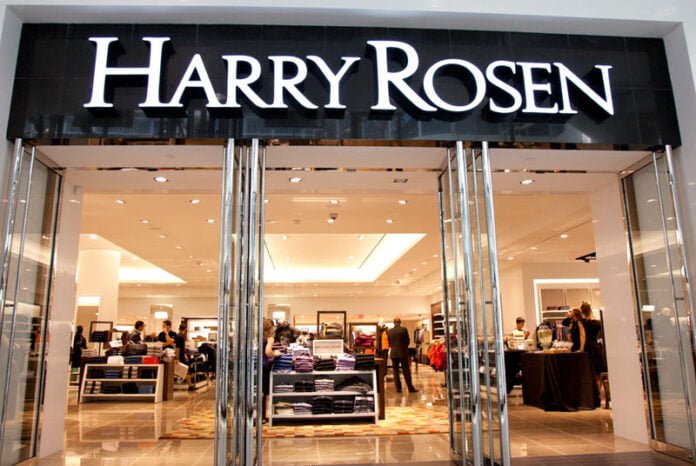
Despite the hype surrounding customer service provided by new-to-Canada retailers like Nordstrom, some of our homegrown retailers are able to hold their own and, in some cases, exceed that of the competition. One example is Harry Rosen, which continues to dominate Canadian market share for luxury menswear. We spoke with the company’s CEO, Larry Rosen, who provided insight on how the retailer provides exceptional customer service, as well as the retailer’s lofty growth plans which include new stores for Mississauga and Toronto. 

Harry Rosen spends more than any Canadian retailer on its employee training. Staff are extensively trained on the nuances of designer fashion, including the art of ‘clothesmanship’ – that is, determining the right garment for a man’s body shape. As well, Harry Rosen staff are provided training on how to relate to people. Training includes how to manage client lists, how to assess a client’s needs, how men shop in general, and how to build and maintain long-term relationships with clients. The company recognizes that men change over time and as a result, their wardrobe may require new pieces – be it a new tuxedo for black tie events, or a trendy sneaker for more casual outings. 

Although some employees are hired specifically to sell footwear, all Harry Rosen sales staff are trained in ‘shoemanship’ — how to properly fit a shoe, as well as how to pair it with a man’s wardrobe. Creating an entire look is key to Harry Rosen’s success, from ties to shoes to cufflinks and other accessories. 

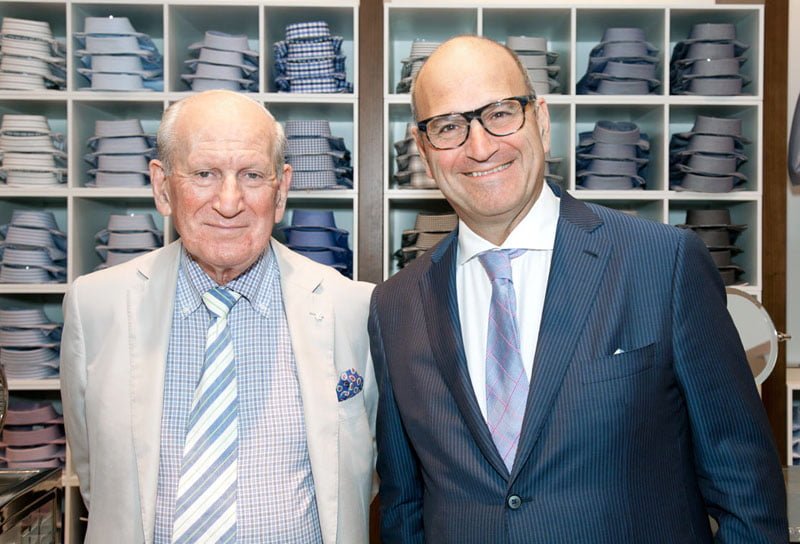
Founder Harry Rosen (left) with son, Larry. Larry Rosen is now CEO of Harry Rosen Inc.

Hiring the ‘right’ employee can be a challenge, and turnover in retail jobs is notoriously high. Not so for Harry Rosen. The retailer looks to hire sales staff who are friendly, hard working and interested in fashion. Staff are encouraged to continue learning well after the initial training is complete and according to Mr. Rosen, the company maintains a ‘coaching culture’ where mentoring and self-improvement are encouraged. As a result, Harry Rosen boasts a substantial number of long-term employees. 

Besides its exceptional staff, Harry Rosen provides a variety of tailored services to its customers — even home visits. For clients who exceed a spending threshold, a staffer may make a home visit to do a ‘closet cleaning’, to determine what new fashion pieces may be required in a man’s life, as well as what pieces may have become unnecessary. Over time, a man’s career and extra-curricular activities may change, resulting in new wardrobe requirements. As many of Harry Rosen’s best clients are also very busy, they’ve grown to appreciate the personalized services from the retailer’s well trained and thoughtful staff. Mr. Rosen says that if you “make it easy for them, men will be loyal”. 

Made-to-measure clothing has also become popular at Harry Rosen, now accounting for about 20% of the company’s suit business. Besides ensuring that a suit fits a man ‘like a glove’, made-to-measure has the added bonus of making the suit customizable, including whatever lining the customer desires, for example. 

Customer service was key to Harry Rosen’s success from the very start. When a young Harry Rosen and his brother Lou opened a 500 square foot men’s store in 1954, keeping information and contacting clients was key. Located on Parliament Street far removed from Toronto’s bustling shopping and business districts, Harry Rosen needed to find ways to get men to come back to his store. Keeping measurements and style preferences handy, and contacting customers when something of interest arrived, gained a fiercely loyal clientele for Harry Rosen. Exceptional product and customer service paid off — after several years, the store relocated to a substantially larger location in Toronto’s Financial District.

Exceptional customer service will continue to be vital, as competition heats up in Canadian luxury retailing. Homegrown Holt Renfrew is upping its menswear game, having recently opened a luxurious free-standing men’s store on Toronto’s Bloor Street (directly across the street from Rosen’s), as well as expanding its menswear offerings in many of its existing stores. Saks Fifth Avenue will open as many as seven Canadian stores, targeted to be more luxurious than its American locations. Hudson’s Bay is expanding its menswear offerings, bringing in new upscale lines such as Theory, Vince, Hugo Boss, Z-Zegna and Strellson to its flagship locations. La Maison Simons is on an aggressive Canadian store expansion, and the retailer carries some pricey, trendier designer lines. And Seattle-based Nordstrom, known for its customer service and extensive shoe selection, plans to open as many as 10 Canadian stores over the next several years.

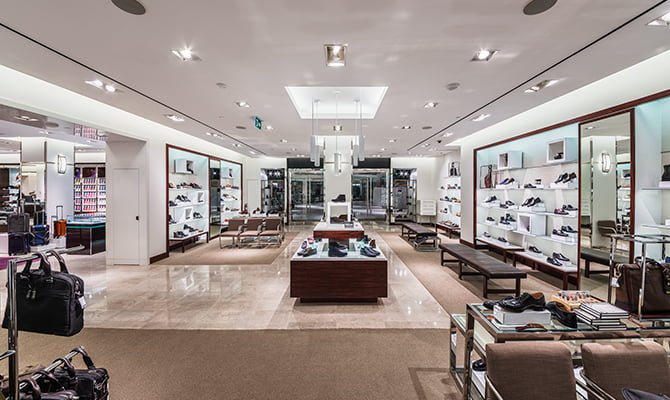
HARRY ROSEN’S NEW FOOTWEAR SHOP AT ITS OTTAWA RIDEAU CENTRE LOCATION.

Harry Rosen will compete with the best of them, we expect, given its efforts to satisfy the customer, as well as carry a breadth of luxury product available in few other Canadian stores. The company continues to maintain its core base of loyal shoppers despite the competition and, interestingly, business has been up at its Chinook Centre location since Nordstrom opened its first Canadian location in the Calgary mall a couple of months ago. Although an unprecedented number of luxury retailers are looking to attract Canada’s limited luxury dollars, Harry Rosen’s efforts will likely see it continue to thrive. 

To maintain market dominance in the face of competition, Harry Rosen is spending well in excess of $100 million on store renovations and new locations. Its Vancouver flagship will be overhauled, and its Oakridge Centre location recently saw a substantial renovation. A replacement Ottawa store opened this month, and a new replacement store will open at Toronto’s Sherway Gardens in 2015. Its Les Cours Mont-Royal location in downtown Montreal will see a world-class renovation/expansion, growing by 50% to become the company’s second-largest store. Larry Rosen also let us in on a secret that the retailer hasn’t yet revealed to the public – that Harry Rosen will replace its 10,000 square foot unit at Mississauga’s Square One with a world-class 18,000 square foot flagship in 2016. The new store will be part of an innovative luxury next to the mall’s new flagship Holt Renfrew, and we’ll discuss details in a separate article in the coming weeks. 

La Maison Simons to Open Unique Downtown Calgary Location

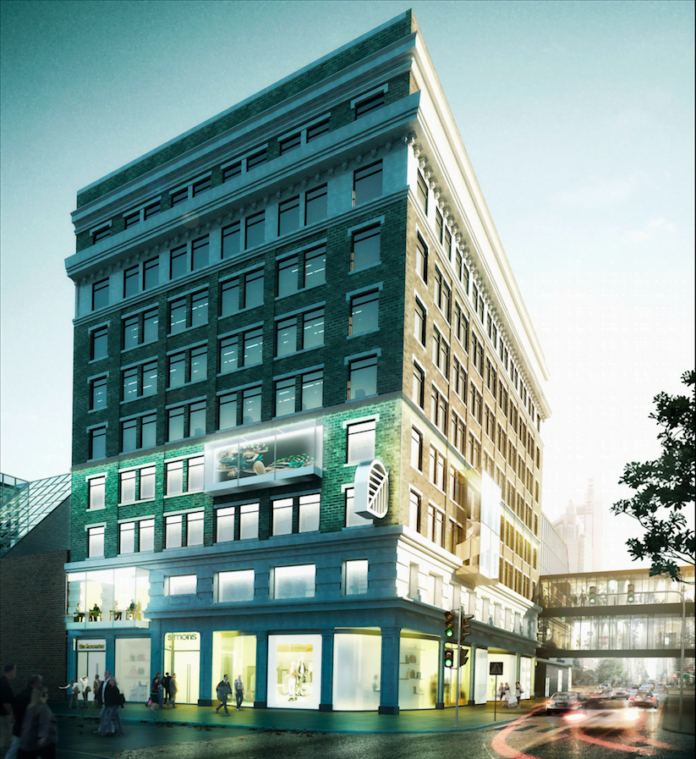
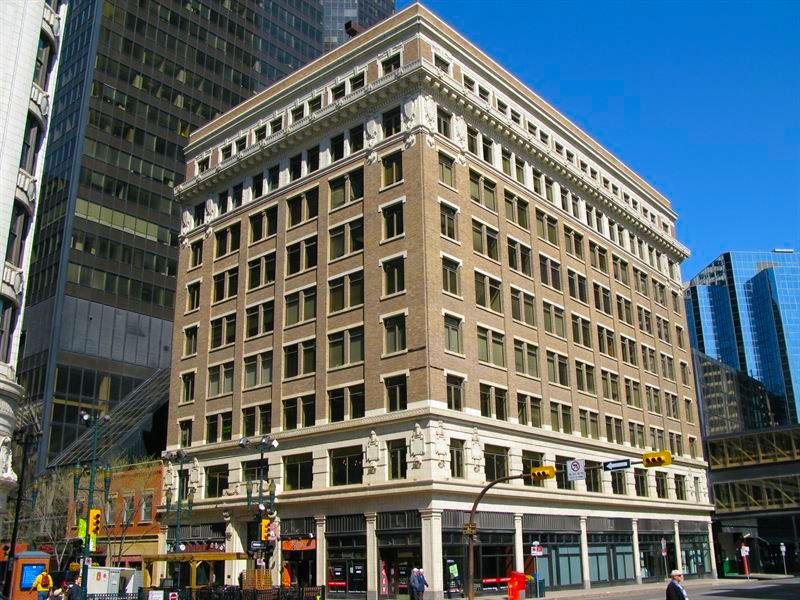
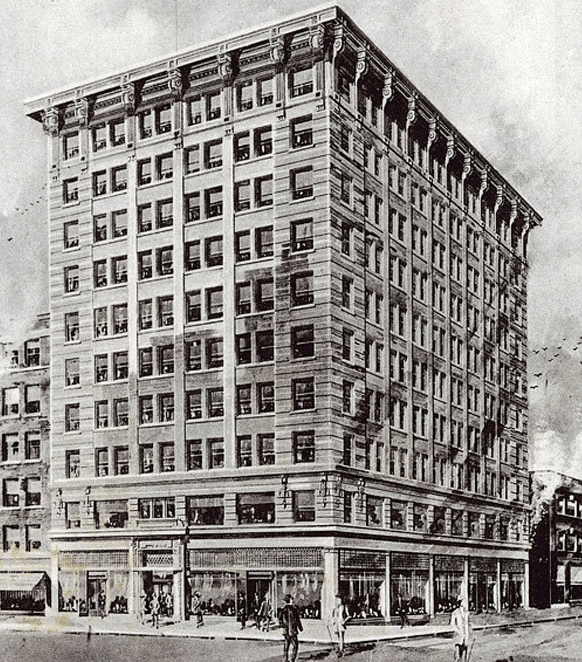
Quebec City-based fashion retailer La Maison Simons will open its second Alberta location in downtown Calgary. What’s remarkable is how the four-level store will occupy part of Calgary’s first skyscraper, The Lancaster Building, as well as the adjacent ground-floor TD Bank space within downtown Calgary’s CORE shopping centre. The 92,000 square foot store tentatively opens in March of 2017, and we interviewed CEO Peter Simons to learn more. 

The new store will be designed by innovative Calgary-based design firm McKinley Burkart, which will maintain the Lancaster Building’s architectural heritage. As with other Simons locations, the interior is expected to be bright and modern. Mr. Simons confirms that a significant art installation will be featured in the store, as is the case with all new Simons locations. The 10-floor Lancaster building was constructed in the year 1919, and the top floors of the building will continue to be dedicated to office space. 

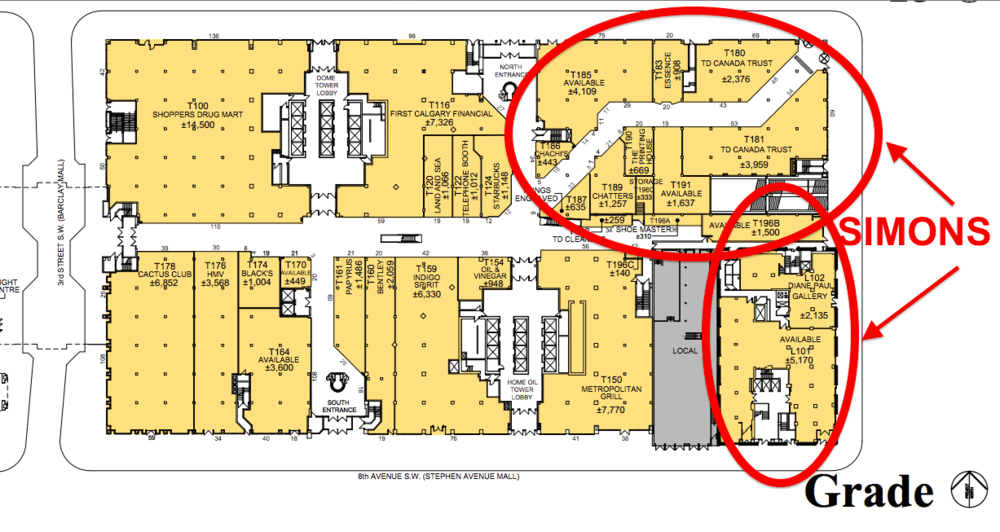
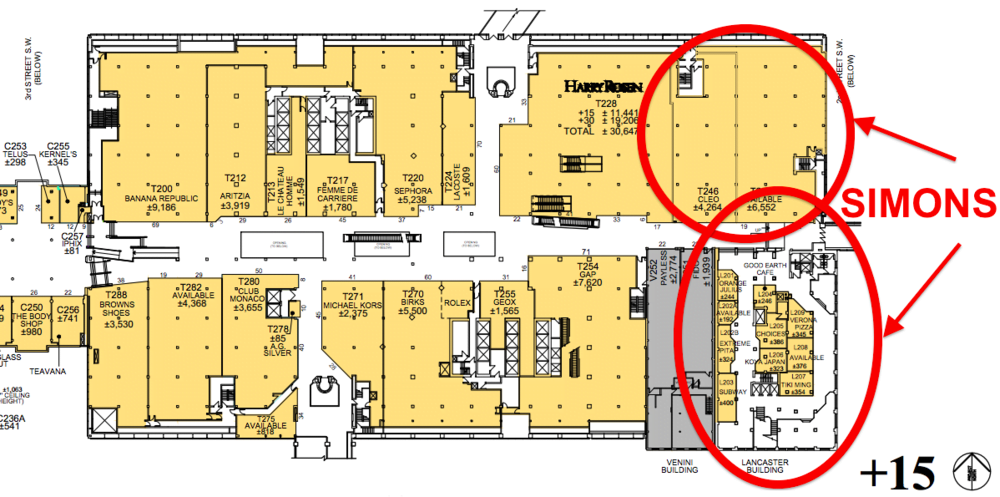
Besides occupying four floors in the Lancaster Building, Simons will take the adjacent ground floor retail space, occupied on the lease plan by TD Canada Trust. On the mall’s second-level, almost 11,000 square feet next to Harry Rosen will become occupied by Simons, with a pedestrian walkway separating Simons’ retail space. We’ve included lease plans, above, to try to convey the unique and somewhat complicated configuration of the new Simons store, which will see its four retail floors span the adjacent Lancaster Building and TD Square component of The CORE. 

Calgary is one of several cities to see new Simons store locations. in August of 2015, an 80,000 square foot store will open at Les Promenades Gatineau in suburban Ottawa and in October of 2015, a 100,000 square foot location will open at West Vancouver’s Park Royal. In March 2016, a 113,000 square foot Simons will open at Mississauga’s Square One and in August of 2016, a second Ottawa location, measuring just over 100,000 square feet, will open at Rideau Centre. 

Simons’s first location outside of the province of Quebec opened in October of 2012 at West Edmonton Mall. Measuring about 126,000 square feet, it’s the chain’s largest and according to sources, the second-highest selling in the company. 

Calgary’s CORE shopping centre spans almost 567,000 square feet on three levels. Its anchors include a 147,000 square foot Holt Renfrew, a 30,650 square foot Harry Rosen, and a 20,000 square foot Brooks Brothers store. The mall is managed by 20 VIC Management Inc. and is owned by AIMCo and Ivanhoé Cambridge. The mall serves a daytime population of approximately 175,000 people, and has a sales productivity of $609 per square foot. 

Simons was founded in Quebec City in 1840. The retailer is unique in how it pairs its substantial private-label fashion with a handful of higher-priced designers. Despite its large floorplates, Simons stores lack cosmetics departments and the large footwear areas typical in similar-sized department stores. Simons currently operates nine stores, including eight in the province of Quebec and one in Edmonton. The company has over 2,000 employees. 

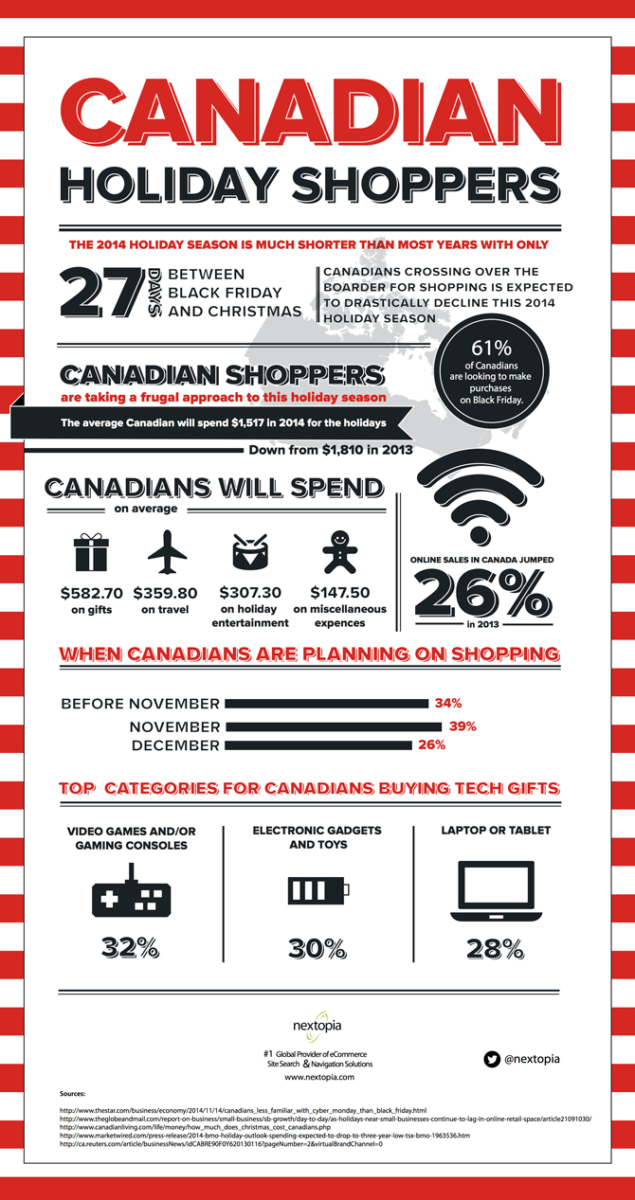
Infographic: Canadian Holiday Shoppers

The following infographic provides useful and interesting information on Canadian shoppers this Holiday Season. It was created for Retail Insider by Nextopia.

Infographic: Canadian Holiday Shoppers Nextopia

About Nextopia:

Since 1999, Nextopia has been in the business of helping retailers sell smarter and have been dedicated to growing online retailers businesses’ through innovative technology and proprietary methods. They do this by supplying customers with the tools and control they need to convert browsers into buyers. With over 1,600 customers, Nextopia is the #1 global provider of eCommerce site search and navigation solutions. Nextopia’s powerful technology streamlines and supercharges your sales and merchandising efforts, provides vital customer data through our back-end analytics, and improves your customers’ shopping experience.

Twitter: @Nextopia
Facebook: facebook.com/NextopiaSearch
YouTube: nextopiasoftware
Pinterest: pinterest.com/nextopiasearch
Google+: Nextopia Software

Sporting Life Opens New Location [With Photos], More Stores Planned

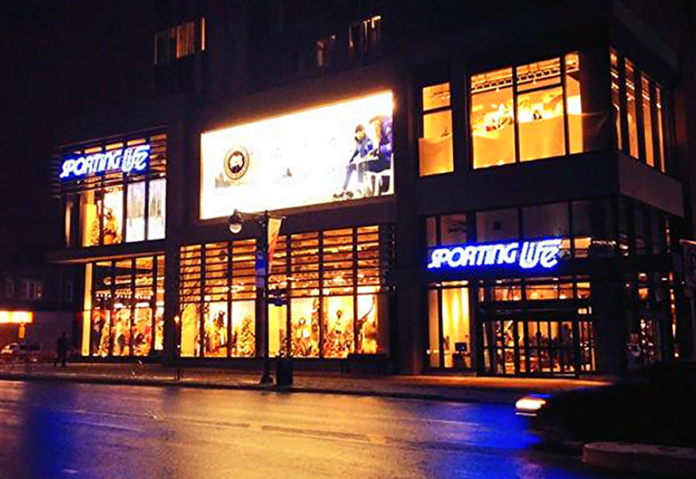
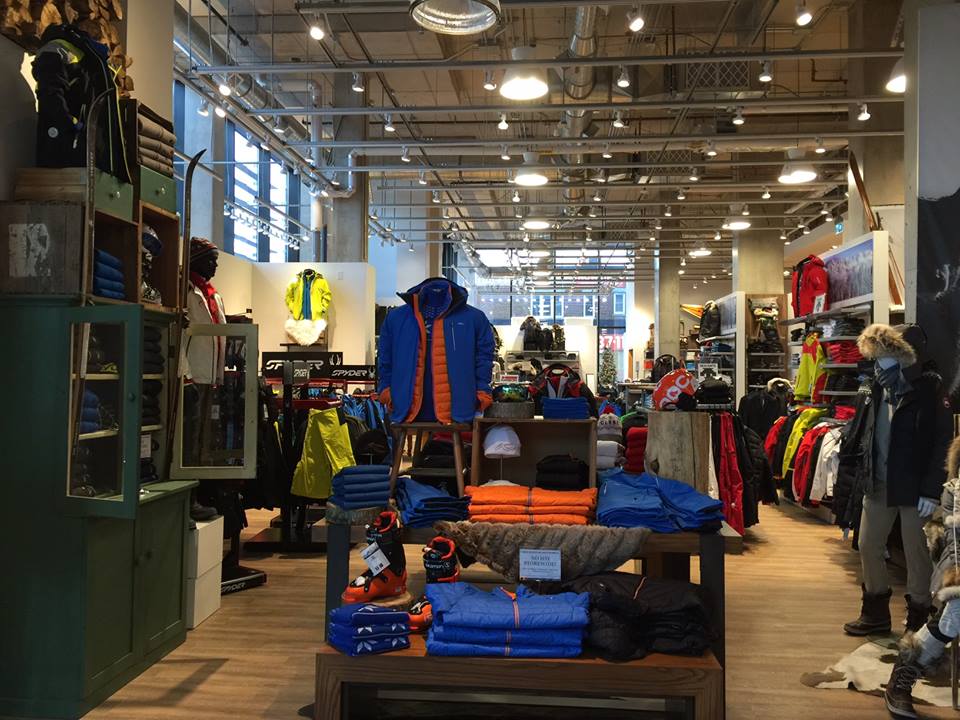
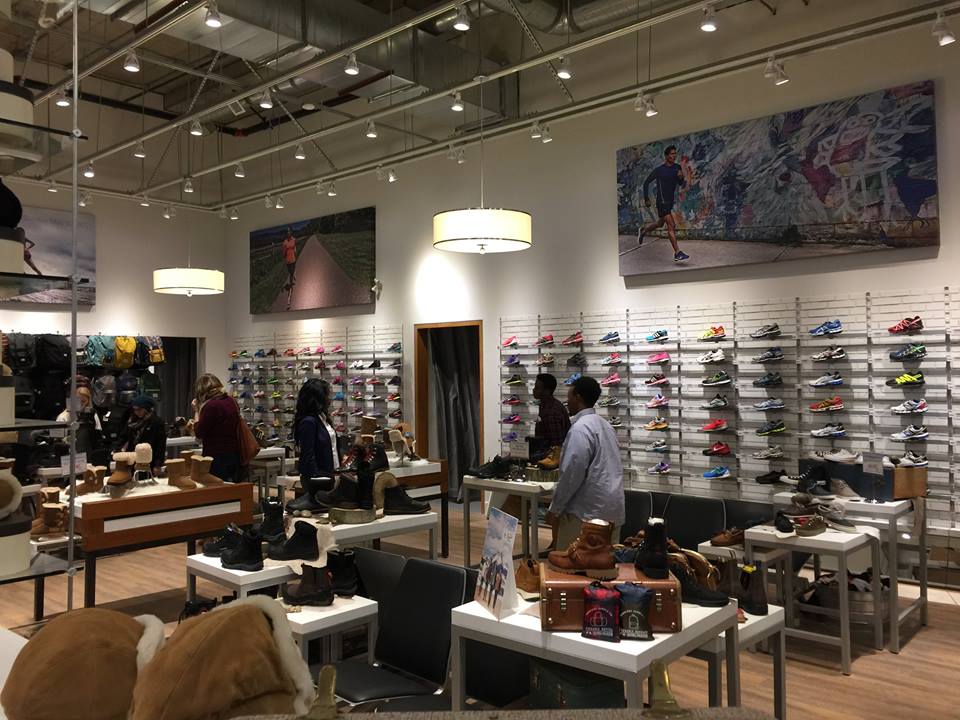
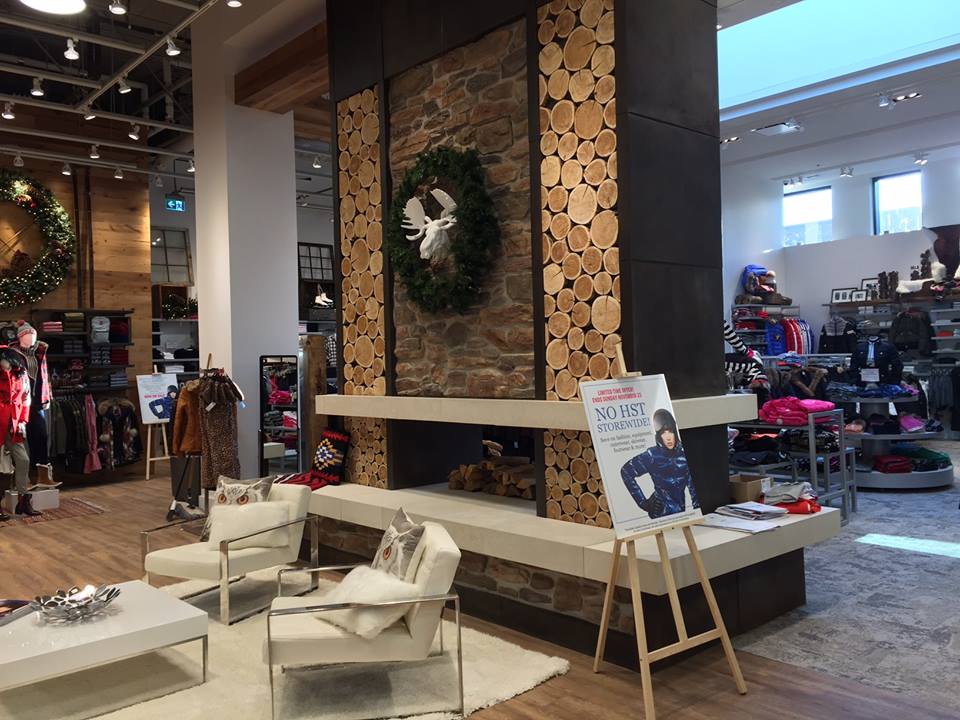
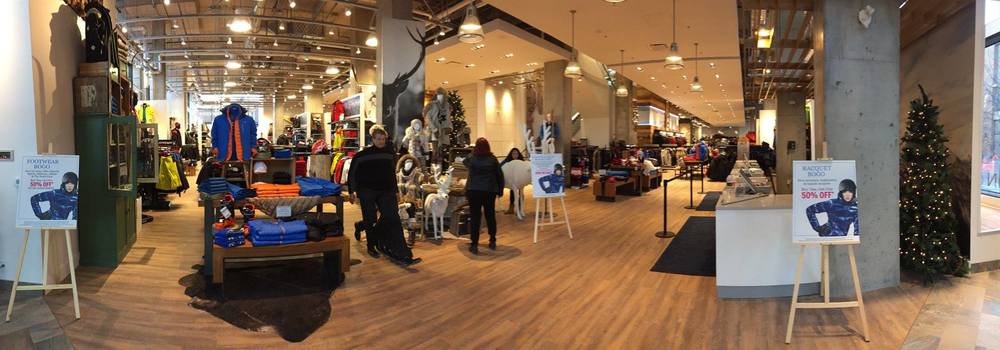
Upscale sporting goods retailer Sporting Life has opened its sixth Canadian location at Ottawa’s Lansdowne Park. The 43,000 square foot store is the latest for the company, which intends to open two stores a year for the next several years. Its stores are relatively large, measuring in the 30,000-50,000 square foot range. Its next confirmed store locations will open in Calgary and in Richmond Hill, Ontario, and the retailer is said to be seeking retail space in Vancouver, Edmonton, and Montreal. 

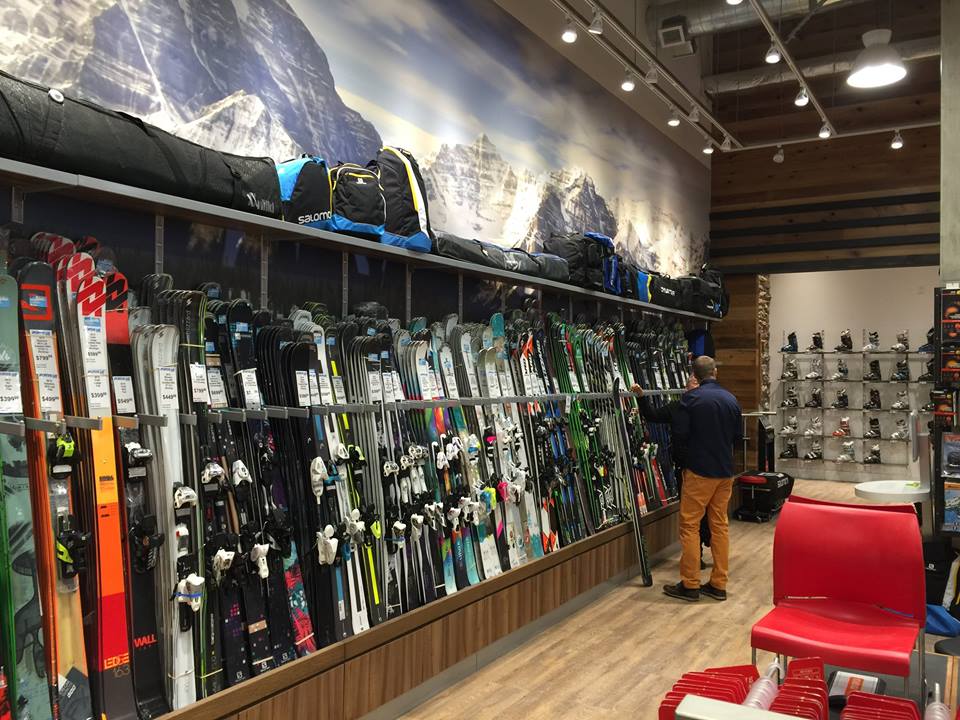
Founded in 1979, Sporting Life sells apparel and footwear, as well as equipment geared towards runners, cyclists, skiers, snowboarders and hikers. Some items can cost into the thousands. It has a large selection of outerwear, fleece and coats from popular brands Moncler, Canada Goose, and The North Face, among others. It also carries a mix of high-end and casual clothing brands including Barbour, Bogner, Hugo Boss, Grenoble, Mackage, John Varvatos and others. 

Sporting Life will open two locations in 2016: a 46,000 square foot unit at Calgary’s Southcentre, and a 44,000 square foot store at Hillcrest Mall in Richmond Hill, just north of Toronto. The company’s current locations include its Toronto flagship at 2665 Yonge Street (36,000 square feet), a bike and snowboard shop at 2545 Yonge Street (10,000 square feet), a 42,000 square foot location at Toronto’s Sherway Gardens, a 10,000 square foot store in Collingwood, Ontario, and a recently opened 32,000 square foot store in Markham, Ontario. Sporting Life’s Sherway Gardens store will be replaced by a similar-sized store in the mall’s newest expansion, while the current store will be demolished to house a 138,000 square foot Nordstrom, scheduled to open in 2017. 

Sporting Life President and CEO David Russell told the Toronto Star that Sporting Life sells about $100 million annually. Its current expansion plans were made possible after Fairfax Financial Holdings Ltd. bought 75% of Sporting Life in December of 2011.

Sporting Life’s expansion plans are lofty, especially considering that until September, the company hadn’t opened a new store in 14 years. The company’s expansion will be national and when Sporting Life expands into Western Canada, its merchandising will be modified. Mr. Russel said: 

“When we open a store in the lower mainland of British Columbia, for example, the clothing will be perhaps a little different; more layers as opposed to big heavy down parkas. And when we go to western Canada the skis are wider and there might be more emphasis on mountain biking as opposed to road biking.”

We’ll keep you updated on Sporting Life’s cross-Canada store expansion.