Home Blog Page 180

How Canadians shop Black Friday 2025: Vividata

Photo: Andrea Piacquadio

New data from Vividata’s Fall 2025 SCC | Study of the Canadian Consumer shows Canadians are blending social discovery, second-hand shopping and strong value-seeking behaviour as they head into Black Friday and Cyber Monday.

Pat Pellegrini
Pat Pellegrini

“Canadians aren’t just bargain-hunting they’re reshaping how they shop,” said Pat Pellegrini, president and CEO of Vividata.

“They’re blending social discovery, trusted recommendations, online convenience, and resale options into a single decision-making process. It’s a much more intentional, experience-driven retail journey than we’ve seen in the past.”

The study finds shoppers rely on a mix of digital and in-store cues. Nearly five million Canadians use social media to learn about new brands and products.

According to Vividata, 37 per cent of consumers discover new brands through social media, while 44 per cent rely on word-of-mouth, 35 per cent find items through in-store browsing, 14 per cent say influencers shape their choices and 21 per cent say celebrities influence their purchases.

Anil Rege
Anil Rege

“Canadians are now treating shopping like content,” said Anil Rege, fractional chief marketing officer at Vividata. “They move from inspiration to purchase quickly often in the same moment and expect brands to show up with experiences that feel credible, relevant, and easy to act on.

“The shape of today’s path to purchase has moved from a straight line to an infinity loop. The brands that win this Black Friday and Cyber Monday will be the ones who show up where consumers are — at every loop of the journey — with messaging that resonates the moment the impulse strikes.”

The findings show shoppers remain focused on deals, with 70 per cent always looking for special offers, 64 per cent seeking the lowest prices and 60 per cent using all available sales, coupons and deals. Nearly half say they will switch from a favourite brand if another is on special. Cyber Monday shoppers are 16 per cent more likely to use email coupons.

“These behaviours show that Canadians are extremely strategic shoppers,” Rege said. “They’re comparison-shopping, watching for offers, and stretching every dollar and they’re willing to change brands if the value equation shifts.”

Photo: Pavel Danilyuk

According to Vividata, 36 per cent of shoppers have increased their online shopping frequency and 23 per cent report greater use of second-hand platforms such as Facebook Marketplace, Kijiji and eBay. Black Friday and Cyber Monday shoppers spend an average of $376 a month online, often allocating a larger portion to clothing, footwear and accessories.

The study also highlights where Canadians shop online. Monthly unique visits include Amazon at 82 per cent, Temu at 57 per cent, Walmart at 42 per cent, Canadian Tire at 29 per cent, Etsy at 17 per cent and Shein at 15 per cent. The insights come from Vividata’s Fall 2025 SCC | Study of the Canadian Consumer and SCC/Digital, based on more than 75,000 respondents across the country.

More from Retail Insider:

MLSE Opens Holiday ‘Fan Access’ Pop-Up at Sherway Gardens

Real Sports in Toronto. Photo: Scotiabank Arena

Maple Leaf Sports and Entertainment is bringing its teams directly to holiday shoppers this year with a new installation at CF Sherway Gardens. From November 28 through December 31, fans of the Toronto Maple Leafs, Toronto Raptors, Toronto FC and Toronto Argonauts can visit a dedicated retail and experience space offering merchandise, memorabilia, ticketing options and live appearances by players and alumni.

The initiative, called the Fan Access holiday pop-up, is part of MLSE’s effort to extend its teams’ presence beyond Scotiabank Arena during one of the busiest shopping periods of the year. The company is positioning the pop-up as a retail environment that blends shopping with live engagement, rare items and franchise storytelling.

The concept arrives at a time when CF Sherway Gardens continues to evolve its mix of tenants. The mall has adapted following the departures of Hudson’s Bay, Nordstrom and Saks Fifth Avenue, and it is now leaning more heavily into stand-alone boutiques, dining destinations and branded experiences designed to drive foot traffic.

CF Sherway Gardens. Image: Cadillac Fairview

Merchandise, Experiences and Game Access

The Fan Access space goes further than a typical seasonal shop. Visitors will find products from Real Sports Apparel, MLSE’s flagship retail brand, but also several features meant to draw fans who want more than a jersey. The pop-up offers game tickets, Scotiabank Arena tour passes, game-worn items, on-site cresting and a selection of exclusive memorabilia that is usually reserved for the retailer’s Scotiabank Arena store.

Holiday gift wrapping is available with proceeds supporting MLSE Foundation. Fans can also watch live games inside the space and browse displays that highlight key moments in the history of the Maple Leafs, Raptors, Toronto FC and the Argonauts.

“Following the overwhelming positive reception to the Fan Access in-app platform, we challenged ourselves to pursue even more unique and impactful ways for fans to experience meaningful connection to our teams beyond the arena and the game,” said Shannon Hosford, Chief Marketing Officer at MLSE. “With special guest drop-ins, access to exclusive memorabilia and more, the Fan Access pop-up lets Toronto sports fans embed their favourite teams and players into their holiday traditions like never before.”

Players and Alumni Expected at the Pop-Up

MLSE plans to use the month-long run to bring in high-profile guests. Opening day on Black Friday will feature Maple Leafs alumnus Wendel Clark. Throughout December, current Maple Leafs and Raptors players will appear, along with alumni from the four franchises. Scheduled guests include Jamaal Magloire of the Raptors, Sebastian Giovinco of Toronto FC, Michael Pinball Clemons of the Argonauts, and Maple Leafs legends Darryl Sittler and Curtis Joseph. Team mascots will also participate.

The full appearance schedule is available at FanAccess.ca. MLSE is treating these visits as an anchor of the pop-up, intended to boost daily traffic and bolster the overall draw.

Real Sports in Toronto. Photo: Scotiabank Arena

Building on the Digital Fan Access Platform

The installation extends MLSE’s broader Fan Access program, which launched in the fall through the Maple Leafs and Raptors apps. That platform offers exclusive content, contests and experiences designed to deepen engagement with fans. By translating the program into a physical location, MLSE is testing how a hybrid approach might encourage stronger loyalty while reaching audiences outside the arena.

The Fan Access holiday pop-up also reflects MLSE’s increasing focus on year-round engagement. While the company’s teams remain among the most followed in Canadian sports, particularly the Maple Leafs and Raptors, MLSE has been expanding the commercial and experiential side of its business. Retail has become an important channel in that strategy.

More from Retail Insider:

Furble: Affordable Pet Prescription Service Online Launched

Image: Furble
Image: Furble

Furble, a new Canadian-built platform to safely and legally fill pet prescriptions online, along with food and wellness products, has officially launched nationwide. 

With 50% of Canadian pet owners skipping vet visits due to rising costs, Furble said it helps close the gap by connecting pet parents to licensed community pharmacies for affordable, convenient care delivered right to their door.

Founded by a team of experts in veterinary medicine, pharmacy, and healthcare, Furble was built to fix a problem Canadians have been facing for far too long: accessing affordable pet care. While e-commerce has transformed nearly everything Canadians buy, pet parents still had no trusted homegrown platform to fill prescriptions online legally and safely, it said.

Furble said it changes that – delivering prescriptions, food, and wellness products straight to owners’ doors while supporting veterinarians, and giving pet parents confidence that their pets are getting the care they deserve. 

Lisa MacIntyre-Smith

“As a long-time pet parent, I know how much our animals mean to us, and I’ve always been passionate about improving how we care for them,” said Lisa MacIntyre-Smith, CEO of Furble. “That’s what inspired Furble: to create an accessible and affordable, Canadian-built platform so families don’t have to choose between essential vet visits and the prescriptions and products their pets rely on. Every order supports pets getting the care they deserve while giving back to animals in need, driving real change for families and veterinarians across Canada.” 

How Does Furble Work?

After their veterinarian recommends a medication for their pet, pet parents can visit Furble to compare products, view transparent pricing, and select fulfillment options. Their veterinarian would then send their pet’s prescription to one of Furble’s licensed pharmacy partners, who would then process and deliver the order directly to the pet parent’s door, making care more efficient and accessible for pets and their families while supporting every step of a pet’s health journey, explained the company.

A portion of profit supports Canadian animal charities, and the Furble team further gives back to the community by regularly volunteering with these organizations, creating a ripple effect that strengthens not just individual families but the wider community of pets, caregivers, and veterinary professionals across Canada, it added. 

MacIntyre-Smith said rising costs are reshaping how Canadians care for their pets as nearly 50% of Canadian pet parents report skipping or avoiding vet visits due to financial concerns, highlighting how inflation and economic concerns are influencing decisions about essential care. 

Photo: Furble
Photo: Furble

“Pet owners are increasingly prioritizing convenience, value and affordability when purchasing pet products and services, especially for prescriptions and specialized items,” she said.

“Furble, the Canadian-built e-commerce platform, addresses this gap by offering vet-approved medications, food, and wellness products online, delivered directly to consumers’ homes. By combining accessibility with cost transparency, Furble gives pet parents an alternative to traditional clinic-based purchases while supporting veterinarians and local pharmacies.”

She said accessing essential pet prescriptions, supplements and wellness products can be complicated, time-consuming, and expensive. Limited availability, inconsistent pricing, distance and time constraints can make managing a pet’s health stressful, especially for pets with chronic conditions or special dietary needs. 

“This, alongside rising costs, is forcing families to make tough trade-offs that can impact their pets’ health. Furble partners with licensed Canadian pharmacies and veterinarians to simplify access while ensuring regulatory compliance, clinical oversight, product quality and safety. This Canadian-owned model ensures pet parents have reliable, consistent, and safe options while supporting local communities,” she added.

Furble’s ecommerce model improves accessibility, affordability, and trust in online pet care, said MacIntyre-Smith.

Photo: Furble
Photo: Furble

“Furble solves these challenges by connecting pet parents to licensed Canadian pharmacies, allowing prescriptions to be safely filled online, in accordance with all industry regulations. Orders, including medications, food and wellness products, are delivered directly to the door, improving accessibility and convenience,” she noted.

“With transparent pricing, veterinary-prescribed products, and licensed pharmacists overseeing medication dispensing, Furble provides a trusted, affordable and convenient way for families to keep their pets healthy. By complementing existing veterinary services rather than replacing them, Furble positions itself as a community-driven solution in Canada’s growing digital pet care market.”

More from Retail Insider:

Is Black Friday Still Even A Thing? (Opinion)

Photo: Max Fischer
Photo: Max Fischer

By Melody Neer, Content Specialist at True Media

Gone are the days of checking the ads and waiting in line at 5 a.m. (or even midnight). Both consumers and retailers are changing their mindsets around holiday shopping causing us to question – has the timeliness worn off?

Many retailers are starting earlier and spreading deals throughout the holiday season, starting as early as October. This is moving timelines, bringing more month-long deals and changing the concentration of when the best deals are happening. Last year, 87.3 million U.S. consumers still shopped online on Black Friday (NFC) but there is an evident shift happening. This year, major retailers like Walmart are shifting sales campaigns like Walmart holding two Black Friday events (Nov 14-16, Nov 28-30) along with online-only deals, membership deals and campaigns featuring partnerships to draw in a variety of shoppers. Target (among many brands and retailers) are doing an “early Black Friday” sale while also showcasing more savings through Target Circle and daily deals through the app.

Melody Neer
Melody Neer

While the week-long sprint between Thanksgiving and Giving Tuesday still is the prime focus, it’s no longer the retailers’ only focus or the “kick off” of the holiday shopping season. So since when has Black Friday shifted from one day to a month-long event?

Right now. As retailers are casting a wider net to capture more consumers throughout their buying journey, shoppers are seeking out better incentives. Some major retailers are bringing more member-exclusive deals, building the framework for repeat customers and loyalty beyond the holiday season, leaning into the shopping habits that buyers are showing – speciality and value. Consumers are looking for more bang for their buck, causing retailers to have to have to show up with these incentives to convert. Shoppers are looking for more value in their purchases this season, as they are seeking brands that offer quality, trust and a more meaningful shopping experience.

From economic uncertainty, supply chain limits and shipping delays to just searching for the right deals among expanded holiday windows – shoppers are juggling a lot of decisions. This is leading to more deliberate planning and purchasing decisions. Shoppers are buying but more cautiously, so the change in the traditional shopping windows benefits retailers who meet them at all stages of the buying process.

68% of shoppers are planning on utilizing digital resources to help inform their decision – from using AI to find the best deals to finding recommendations on social media, consumers are making more informed decisions (Deloitte). Consumers are trying to shop smarter, not harder when it comes to gift giving this season. Through this, shoppers are utilizing a broader approach and offering authentic, memorable shopping experiences. They are looking for retailers who are reducing pain points through added conveniences and offering seamless technology (like ordering online and offering pick up) and showcasing true experiences that feel worth the added time and money.

Photo: Max Fischer
Photo: Max Fischer

What do shopper habits mean for advertising? From the media perspective, it’s about shifting logistics to get in front of the right consumers at the right time.

Extending and splitting up campaigns into different flights to reach different audiences. Understanding your target audience and where they are showing up and being there when they are. Within that, having a variety in your media mix and clear messaging to meet shoppers where they are in the buying journey. Gen Z is more likely to research and discover on social media but more and more are buying in stores. Utilizing brand messaging and advertising across digital platforms while being intentional in your targeting to show up your consumers. Most of all, shoppers are looking for more authentic connections, so showing up for your audience is more important than ever.

Melody Neer is a Content Specialist at True Media. Melody is a mulit-hyphenate digital communications professional, specializing in content marketing and social media. With over 10 years in the MarComm space, she has developed a passion for strategic content marketing while combining a love for storytelling and a curiosity for digital and cultural trends. She works with the goal of creating captivating and engaging content that resonates with diverse audiences and meets business objectives.

More from Retail Insider:

Fast Shipping in 2025: The New Rules Every Retailer Must Know

Today’s retail landscape shows how shipping speed shapes customer behavior. Cart abandonment rates reach 70% when shipping choices don’t match customer expectations. Nearly two-thirds of customers want their orders delivered within 24 hours. Yet the data tells an interesting story: 95% of buyers choose free shipping with regular delivery over paid faster options.

Retail shipping strategies will face new challenges by 2025. McKinsey’s research shows that 90% of buyers don’t mind waiting two to three days to avoid shipping charges. These same customers expect their free shipping orders to arrive within three business days. This creates a tough challenge for retailers to solve.

Time matters in the shipping game. Your conversion rates can jump up to 20% by cutting just one day from delivery times without extra costs. Speed alone won’t win customer loyalty. Clear shipping policies matter to 74% of shoppers. The environmental effects of purchases rank very high in importance to 51% of consumers.

This piece will show you what these changing expectations mean to retailers in 2025. You’ll learn how to direct your shipping strategy without hurting your profits.

The shift from speed to delivery accuracy

The retail industry has been racing to deliver faster for years. In spite of that, recent data reveals a fundamental change in what consumers want – delivery speed has fallen from the #1 consumer priority in 2022 to #5 in 2024. This remarkable transformation marks a crucial moment for retailers as they plan their shipping strategies.

Why faster isn’t always better

The numbers tell a compelling story: 90% of consumers now prioritize delivery reliability over speed. The industry obsesses over ultra-fast shipping, but we learned that customers care more about certainty than speed. Almost 90% of shoppers don’t mind waiting 2-3 days for deliveries, especially to avoid shipping costs.

This change makes good business sense. Rushing deliveries just for speed leads to environmentally responsible issues and higher operational costs. Accuracy creates happier customers – 64% of shoppers are more likely to complete a purchase when they see estimated delivery dates.

The holiday season makes reliability absolutely critical. Parents need to know their children’s presents will arrive on time. A single late delivery can spoil a special moment and damage a brand’s reputation permanently.

How accurate delivery builds trust

Accurate delivery promises create deep customer confidence:

  • 98% of customers expect to track orders in real-time
  • Half of consumers say they’re less likely to shop again after a late delivery
  • 55% of shoppers say on-time delivery would make them more likely to buy from a retailer again

The race for speed has given way to the race for trust. Customers accept longer delivery windows if retailers meet the promised date. Transit time doesn’t cause anxiety – uncertainty does. Customers rank shipping transparency as their second most important priority, right after cost.

The message rings clear: to retailers in 2025, delivery accuracy means more than operational excellence. It provides emotional assurance that your brand keeps its promises, both literally and figuratively.

What customers really want in 2025

Image Source: Sifted

Shopping psychology in 2025 reveals patterns that extend far beyond delivery speed. Retailers who understand these shifting priorities gain a major competitive edge, as customers have become more intentional and value driven in their expectations. The numbers show what matters most to them:

  • Free shipping wins over speed. Seventy five percent of consumers place free shipping above fast delivery. More than 80 percent will still complete a purchase with a four to seven day delivery window if it comes at no extra cost. Free shipping even outranks price shopping for 57 percent of buyers, and retailers that offer it see cart completion rates rise by 82 percent.
  • Visibility and control build trust. About half of shoppers track their orders to ensure progress. Sixty three percent consider full visibility essential, and 95 percent expect updates at every stage, starting with order confirmation and ending with final delivery. Clear communication encourages repeat purchases.
  • Flexible delivery choices matter. Fifty three percent of shoppers feel more confident completing a purchase when multiple delivery options are available. Scheduled delivery times influence decisions for 70 percent of consumers. BOPIS continues to grow, with 32 percent of US shoppers using it recently. 

The hidden costs of ultra-fast delivery

Quick shipping hides a complex web of financial challenges that retailers struggle to handle in 2025. Customers want faster delivery, but the costs remain hidden from their view.

Rising carrier and logistics costs

Shipping costs for ecommerce delivery keep climbing as major carriers raise their rates. USPS has announced price hikes up to 10% for their Ground Advantage, Priority Mail, and Parcel Select services. UPS and FedEx have also raised their rates substantially. These increases show a fundamental change in fast shipping economics.

Last-mile delivery costs make up more than half of the total transportation expenses. Retailers who aim for faster delivery windows see these costs multiply faster. A recent industry survey shows 76% of retail executives have noticed rising shipping costs throughout their operations.

Effect on profit margins and pricing

These rising costs have led 75% of executives to admit that home delivery doesn’t boost their business profits. A package delivered next-day or same-day can cost retailers over $15—an unsustainable amount for most retail operations.

Quick delivery makes product returns more likely. This creates extra reverse logistics expenses that eat into already slim margins. Retailers now must choose: they can absorb these growing costs and watch profits shrink, or they can pass them to consumers through higher prices or shipping fees.

Inventory and fulfillment challenges

Quick shipping creates major operational complexities alongside financial pressures. Small businesses often struggle with inventory—43% don’t track it well. Perfect inventory management becomes crucial for ultra-fast shipping. Companies without immediate tracking and proper forecasting face problems with stockouts, overselling, and delayed fulfillment.

Warehouse management poses another crucial challenge. Poor operations result in lost items, inefficient picking routes, and badly allocated labor. Companies offering quick delivery feel these inefficiencies more strongly as time windows shrink.

Many retailers can’t see how shipping costs spread across their organization. This blind spot makes it hard to cut costs or find savings in their fast shipping programs.

When Retailers Should Consider a Fulfillment Partner

The right time to hand over fulfillment operations to a third-party partner can make or break many retailers’ success. Without doubt, several business signals show when you should make the switch. Growth overwhelming capacity shows up as the first red flag. Your business expansion guides you toward delayed shipments and unhappy customers, while outsourcing gives you the scalability you need to keep service standards high.

On top of that, if you spend countless hours each week packing orders or run out of storage space, you should think over partnership options. A fulfillment partner handles seasonal spikes without forcing you to hire permanent staff or expand facilities. Working with an experienced provider such as The Fulfillment Lab 3PL service provider helps retailers adjust quickly, optimize inventory placement, and keep delivery promises during unpredictable demand cycles.

The numbers tell an important story. Sixty seven percent of US consumers expect their goods delivered in two days or less. Meeting these expectations on your own gets harder as you grow. Fulfillment partners reduce shipping costs through smart inventory placement and often help retailers save fifteen to thirty five percent on published shipping rates.

Right now, outsourcing isn’t the best fit for every business. Companies with insufficient order volume might spend more than they save. Brands that need high-touch customer experiences or have already invested heavily in fulfillment operations might want to retain control.

Sustainability and smarter fulfillment strategies

Image Source: Etail Solutions

The retail industry has seen a remarkable shift toward sustainability, with 57% of consumers now showing strong interest in eco-conscious delivery options. Studies reveal that 99% of consumers are already taking steps, or are open to taking steps, to reduce their environmental footprint. Interest in environmentally conscious purchasing has risen 10 to 20 percentage points since 2019, and nearly half of shoppers would accept longer delivery times when it benefits the environment.

These trends shape how retailers approach fulfillment in 2025:

  • Slower shipping creates clear environmental advantages, with a 10% reduction in speed cutting emissions by 19%. This approach makes it easier to consolidate shipments, one of the most popular eco-friendly methods among consumers. E-cargo bikes and zero-emission vehicles support these combined deliveries with strong results.
  • Smart route optimization reduces fuel consumption and improves efficiency. Algorithms that shorten travel distances help retailers cut environmental impact, and customers become 30% more willing to wait when the benefits are explained in simple terms.
  • Shippers are making notable progress toward sustainability targets, with 97% reporting improvements. Cost savings and environmental responsibility often align, which explains why 67% of carriers say cost reduction motivates their sustainable practices. The key lies in finding a balanced approach through eco-conscious carrier selection and fuel-efficient routing.

Fast Shipping in 2025: The New Rules Every Retailer Must Know

Shipping speed shapes modern shopping habits in powerful ways. Cart abandonment rates rise to 70 percent when delivery options fail to meet expectations, and nearly two thirds of customers hope for next day arrival. Yet the data reveals a surprising trend. The vast majority of buyers still prefer free standard shipping, with 95 percent choosing it instead of faster paid alternatives.

Retail strategies will face new pressures in 2025. McKinsey’s research shows that most consumers are comfortable waiting two to three days as long as shipping stays free. At the same time, these shoppers expect those free deliveries to arrive within three business days.

Time remains a critical factor. Conversion rates can rise significantly when retailers shorten delivery times without adding extra cost. Even so, speed alone no longer drives loyalty. Clear and honest shipping policies influence decisions for nearly three quarters of customers, and environmental considerations influence behavior for half of them.

This article will explore what these shifting expectations mean for retailers in 2025. You will learn how to guide your shipping strategy in a way that satisfies customers while protecting your margins.

How Retailers Broke Black Friday Sales Records in 2024 (21 Tactics to Win Black Friday 2025)

With Black Friday nearing, sellers across the world are gearing up for this multi-million-dollar phenomenon, which requires all your attention as business owners. Of course, if you want to make the most of it, you’re going to have to move fast. Take Shopify merchants, for example: They alone generated $11.5 billion in sales during BFCM 2024, a 24% increase from 2023. Now is the time to finalize solutions and make decisions that will affect your sales for the rest of the year. Black Friday secrets are not voodoo! They just need you to move fast and act with precision.

Here are 21 tips for you to break the black friday online sales record in 2025!

How Shopify sellers broke Black Friday online sales record

2024 was a big year for Shopify and its merchants! According to Shopify’s official report, More than 76 million shoppers bought from stores around the world. What Caused this? Great deals, fast mobile checkouts, and engineered on-site merchandising. Clothing, Activewear, and cosmetics were the categories that led the market, and earlier campaigns were game changers!
Across peak season, bundling remains a top AOV lever, paired with tiered discounts, VIP early access, and smart free-shipping thresholds. A practical product bundling strategy helps teams frame “separate vs. bundle” value without eroding margins.

21 Black Friday tricks that make you stand out

You’ve got the ideas, you know you should do something, but you’re still not sure how. Here are 21 proven tips on how to make money off black friday:

  1. Turn your sale into an “event” with rotating deals

Time-sensitive offers keep people checking back (like daily or weekly ones). Example: “Morning: 25% off skincare, Afternoon: 2-for-1 candles, Evening: laptop flash sale.” This mirrors how big retailers drip-feed deals all weekend.

  1. Use tiered discounts to grow every cart

Appreciate higher spends with a discount: “10% over $50, 20% over $100, 30% over $200.” Black Friday shoppers are already spending more, so a visible ladder nudges them to hit the next tier.

  1. Add a mystery discount or prize wheel

One of the most well-known black friday secrets is the fun and games. Gamify the experience with a spin-to-win or scratch reveal. Like a pop-up with 10%, 15%, 20% or free shipping. 

  1. Give VIPs early access before the chaos

Give access earlier to email/SMS subscribers, making them feel more involved. Look at this: “VIP Black Friday starts Thursday at 6 PM.” Business owners and sellers are already promoting “early Black Friday”; so make your list feel special.

  1. Let shoppers build their own bundle

Instead of fixed sets, let customers mix and match within a discounted category. Look at this: “Pick 3 candles for 25% off.” This feels personalized and helps you move more SKUs without setting individual discounts. Instead of building these offers manually, you can use a product bundle app that Shopify merchants rely on to handle all the mix-and-match logic in the background. Shoppers just see a simple, fun interface for building their own bundles, while you keep full control over pricing and margins.

  1. Use cross-sell blocks to “complete the look”

On PDPs and in-cart, show logical add-ons like cases, chargers, or services. For example: “Customers who bought this laptop also saved 15% on the bag.” These suggestions instantly increase AOV.

  1. Set a smart free-shipping threshold

One of the most overlooked Black Friday tricks is free items, including shipping. It’s always a good idea to put your free-shipping bar just above your current AOV. Meaning if AOV is $60, offer free shipping at $75. Also, provide a progress bar to show customers how much more they need to purchase to get free shipping. This minor work can quietly boost cart size.

  1. Run “buy a gift card, get a bonus” offers

Gift cards convert late and not-so-sure shoppers. Like if they buy a $100 gift card, they’ll get a $15 bonus card. It’s easy to fulfill, and also pulls revenue.

  1. Create ultra-specific gift guides, not generic lists

Curate super niche guides. Imagine “Gifts under $30” or “For skincare beginners.” Independent-style guides win because they cut decision fatigue and feel editorial, not spammy.

  1. Use countdown timers and “ends soon” messaging

Black Friday is urgent; amplify it with timers. Timers like “Deal ends in 21:14:12” on offers. These timers imply honesty and a small FOMO, driving revenue faster.

  1. Make it a whole campaign, not a single day

“Early Black Friday” and “Cyber Monday early access” are becoming important pre-BFCM. Plan warm-up, main event, and goodbye phases with different angles, becoming visible to all customer groups

  1. Obsess over mobile checkout

Most BFCM traffic and a big part of revenue now come from mobile. Test your site on multiple devices and make sure it works well and is smooth. Otherwise, you’ll lose sales.

  1. Use cart abandonment flows as your safety net

People compare prices across tabs more than you’d imagine. Recover them with reminder emails or SMS showing products left behind, social proof, and a small offer that expires fast.

  1. Show live social proof on key offers

Use subtle notifications like the number of people who viewed the product or “Emma in Wales just bought this.” Social proof tools can lift trust and conversion, especially on important items that sell fast.

  1. Double down on loyalty members and repeat buyers

Offer extra points, exclusive bundles, or members-only discounts. Like Loyalty club free items. Retailers rely heavily on repeat customers over BFCM, so it’s important to make them feel special.

  1. Be transparent with price history and guarantees

In many shops, “deals” have been the same price as before, so shoppers are skeptical. Highlight real before/after pricing and offer a clear history.

  1. Drop one limited-edition or BFCM-only product

Create a product or bundle that exists only for this time of the year. Like a “Black Friday Box” with bestsellers at a good discount. This gives both real value and exclusivity, making people want to spend money on it.

  1. Staff real-time support to save shaky baskets

When people hesitate about size, specs, or shipping, live chat can step in. Promote the best features of your support team so people can rely on it.

  1. Work with creators and affiliates on curated picks

Give influencers personal codes and curated product lists pointing to your sale pages. See brands and media campaigns from last years to get inspiration.

  1. Use post-purchase upsells and reorder nudges

After checkout, offer add-ons that ship with the same order or subscriptions for consumables. Example: “Add a cleaning kit for 20% off before we pack your order” or “Subscribe and save 15% on refills.”

  1. Promote flexible returns and extended guarantees

Shoppers are wary of “dud deals,” especially on tech and big appliances. Highlight extended holiday returns and robust warranties in banners, PDPs, and checkout to lower perceived risk and push them over the line.

How Shopify Sellers Can Have a Smoother BFCM?

First things first, you need to know what actually sells (and that might be different from what you think is trendy). Here are the 10 most sold categories in Shopify in BFCM 2024:

  • Clothing (tops)
  • Pants & bottoms
  • Activewear/athleisure
  • Cosmetics & makeup
  • Fitness & nutrition products
  • Health & beauty (broader personal care category)
  • Fashion accessories & jewelry
  • Electronics & computers
  • Home & kitchen
  • Toys & accessories

Make sure you’re not working on your own! Use tools and apps that help and automate your sales and shop management processes. And select the ones that fit your needs, whether it’s marketing, sales automation, bundling, or even page customization. 

Finally, give your customers the right to play and choose inside your store. Making their own offer gives them the feeling of freedom and personal purchase. Apps like Fast Bundle make mix-and-match easy to set up, letting shoppers build bundles that feel personalized while boosting your AOV during Black Friday.

Final Thoughts

Black Friday 2025 can potentially be your chance to show up smarter, not louder. Build thoughtful bundles, clear messaging, and honest Black Friday offers that actually help shoppers decide. Do that, and this weekend won’t be a spike; it’ll be the start of your strongest season yet.

Are All-on-4 Dental Implants Worth It? A Quick Guide to The Benefits and Costs

Missing teeth or tooth loss can affect more than just appearance and confidence. They can change the way a person eats, speaks, and feels about their smile. One of the most sought-after dental care solutions is the All-on-4 implant. This type of oral health treatment has been gaining momentum today owing to its effectiveness.

Continue reading to learn about the benefits and costs, which will help you determine if this option is suitable for your needs.

A Quick Overview of All-on-4 Dental Implant Treatment

Before exploring the advantages, it helps to understand the basics of how the All-on-4 system works. Unlike traditional dentures or full-mouth prosthetic teeth that rely on adhesives or multiple implants, the All-on-4 method is different. This treatment replaces an entire arch of lost teeth using four implants to support a full, fixed bridge

For many patients, this raises the question: Are All-on-4 dental implants a good investment? Generally, the price per arch falls between USD$25,000 and USD$32,000. However, the amount can vary based on factors such as the clinic, materials used, and any additional treatments required. Despite the upfront cost, many patients find the long-term benefits worthwhile.

Key Benefits You Can Expect

Like any dental restoration or oral hygiene habit, the All-on-4 treatment comes with advantages that can make daily life more comfortable and convenient. Here are some of the most notable benefits:

Fewer Implants, Less Invasive

The All-on-4 method supports a full arch of teeth using just four strategically placed implants, compared with the six to eight used in traditional approaches. Fewer implants mean a simpler, less invasive procedure, often resulting in less discomfort, shorter appointments, and faster recovery. It’s also a great option for patients who may not be ideal candidates for more extensive surgery, thereby reducing overall surgical costs.

Strategic Placement

Every implant in the All-on-4 system is carefully positioned for maximum stability. The two front implants sit upright in the jaw’s densest bone. The two implants in the back are angled to increase support. This positioning avoids interference with nerves or sinuses.

This implant placement helps distribute bite forces evenly. It creates a solid foundation for your dental arch. At the same time, it preserves your facial structure.

Avoids Bone Grafting

Another major advantage of the All-on-4 approach is that many patients can avoid bone grafting altogether. In traditional implant treatments, bone grafts are often necessary to rebuild areas where the jawbone has weakened or become thin. This involves additional procedures, which increase both cost and recovery time.

With All-on-4, the back implants are placed at an angle. This allows them to anchor into areas of the jaw that naturally have more bone. As a result, patients with bone loss due to aging, gum disease, or long-term denture use may still be eligible for treatment without requiring grafting. This makes the entire process simpler and faster for many people.

Immediate Function

One of the most exciting aspects of All-on-4 is immediate function. Patients often leave the dental office with a temporary set of teeth that lets them speak clearly, enjoy soft foods, , and smile with confidence. And the best thing is that they don’t have to wait months for healing. This instant transformation also contributes to higher success rates and a smoother transition to the permanent restoration.

Permanent and Secure

Once fully integrated with the jawbone, All-on-4 implants anchor a custom-made permanent bridge. Unlike removable dentures that can slip or shift, this restoration stays firmly in place, improving comfort and providing peace of mind. By minimizing the risk of implant failure, it supports long-term dental health and stability.

Restores Chewing Ability

All-on-4 implants are designed to restore much of the chewing strength you’d have with natural teeth. Because the bridge is securely attached to the implants, pressure is distributed evenly across your jaw, allowing you to enjoy a wider variety of foods comfortably. This added stability supports proper nutrition, better oral hygiene, and long-term dental wellness. Many patients are pleasantly surprised by how natural and strong their bite feels again.

Regular dental visits and a proactive home-care routine help maintain the health of the implants and protect against future dental disease.

Comprehensive, Patient-Centered Approach

Every smile is different, which is why All-on-4 begins with a customized dental treatment plan. Your provider will evaluate the full arch, bite, jawbone, existing restorations, and overall oral health. Thoughtful pain management is incorporated into every stage to make the experience as comfortable as possible. This ensures you receive predictable, long-lasting results that truly transform your smile and confidence.

Key Takeaway

All-on-4 offers a stable and long-lasting solution for individuals with multiple missing teeth. Although the procedure involves surgery and a higher upfront cost than traditional dentures, many patients find the benefits worthwhile. It can restore confidence, make eating and speaking easier, and reduce the need for frequent adjustments.

Just remember that suitability depends on factors such as oral health, bone structure, and lifestyle habits. So, it’s best to consult a qualified dental professional to see if this treatment is the right choice. They can evaluate your oral condition, discuss available options, and help create a plan that meets your needs and goals.

How Premium Mobility and Logistics Are Reshaping the Canadian Retail Market

Canada’s retail market has been quietly transforming into one of the most dynamic and competitive environments in the country’s economy. From big box chains and grocery giants to indie boutiques and digitally native brands, every retailer is being forced to rethink what it means to serve customers who are connected, impatient, and used to having choices. The old model of waiting for shoppers to come to a store at a fixed time and place is fading. Modern retail in Canada is about meeting customers where they are, when they want, and in the way that feels easiest to them.

This shift is not only about e-commerce, although online shopping plays a major role. It is about mobility in a broader sense. Products need to move quickly. Information needs to move instantly. People – from store managers to senior executives – need to move where they are most useful. The retailers that understand this are building strategies that treat logistics, technology, and even physical travel as core elements of their value proposition rather than background details.

The New Canadian Shopper

Today’s Canadian shopper is not a single profile. They might be a downtown professional in Toronto ordering groceries on a phone, a family in suburban Calgary comparing prices online before driving to a warehouse club, or a young person in Halifax discovering brands through social media and expecting fast, cheap delivery.

What they have in common is rising expectations. Convenience is no longer a perk. It is a baseline requirement. Customers want to know if an item is available right now, whether they can reserve it, whether it can be delivered tonight, and whether the return process will be painless if it does not work out.

At the same time, shoppers are more informed. They compare prices across retailers in seconds. They read reviews. They notice when an experience feels clunky or slow. In this environment, a retailer is not only competing with the store down the street but also with any domestic or international player that can ship into the Canadian market.

Omnichannel as the Default Model

A decade ago, many retailers treated e-commerce as a side project. Today, omnichannel is the default operating model. Customers may research online and buy in store, or browse in store and order online later. They might expect to buy digitally and pick up at the curb, or order in store and have items shipped home because they do not want to carry bags.

Services like click and collect and ship from store have turned brick and mortar locations into mini distribution hubs. This creates opportunities to use existing real estate more efficiently, but it also creates complexity. Store teams now have to manage in person shoppers and online orders at the same time. Inventory systems have to track stock in real time so that the website does not promise items that are not actually available.

Canadian retailers are also experimenting with same day and next day delivery where population density and infrastructure make it feasible. In urban centers, it is becoming realistic for a customer to decide at lunchtime that they want something delivered before dinner. That expectation is increasingly shaping how retailers design their supply chains.

Logistics as a Strategic Weapon

Behind every slick user interface is a network of warehouses, trucks, and people making sure products are in the right place at the right time. In Canada, this is particularly challenging. It is a large country with relatively few major population centers, significant distance between them, and strong seasonal variation in weather.

Retailers are responding in several ways. Some are investing in regional distribution centers that bring stock closer to demand in the West, Central, and Atlantic regions. Others are testing micro fulfillment centers that sit inside or near urban stores, using automation to pick online orders quickly. Many are rethinking their relationships with third party logistics providers to gain more flexibility and control.

Last mile delivery remains one of the most difficult and expensive parts of the chain. Consumers are used to free or low cost delivery, but the true cost of sending a package to a suburban doorstep in a snowstorm is high. Canadian retailers that can optimize routes, consolidate shipments, and use technology to make drivers more efficient will have a real advantage.

Premium Mobility and Executive Access

While most of the attention goes to moving inventory and parcels, the movement of people inside retail organizations also matters. Decisions about store formats, assortments, and customer experience are still best informed by spending time on the ground. Senior leaders who can visit key markets frequently tend to have a better feel for what is working and what needs to change.

In practice, that sometimes means using fast travel options to make the geography of Canada feel smaller. When an executive team needs to visit multiple cities or remote communities in a short period of time, regular airline schedules do not always cooperate. In those cases, organizations may work with a private jet company to reach several locations in a compressed window, combining store visits, vendor meetings, and site assessments into a single tightly planned trip. It is not a tool every retailer uses, but in a highly competitive landscape it can support faster learning and quicker adjustments to strategy.

Experience Led Flagship Stores and Local Concepts

Even as digital channels grow, physical stores in Canada are not disappearing. They are changing roles. In major cities like Toronto, Vancouver, and Montreal, flagship stores are becoming showcases where brands tell their story through architecture, layout, and in store services. These locations are less about stocking every possible item and more about creating a memorable experience.

Shoppers might find interactive displays, curated collections, personalization stations, or services like tailoring and styling appointments. The goal is to make the visit feel worth the trip, even if the actual purchase happens later online.

Outside the largest cities, retailers are leaning into localization. Stores tailor their assortments based on regional preferences, climate, and community demographics. A store in northern Alberta does not need the same mix of products as one in downtown Ottawa. The retailers that succeed at this balancing act use data to guide their decisions but still leave room for regional managers to adjust based on what they see on the ground.

Technology Behind the Scenes

If you step into a modern Canadian store, you might notice touch screens, mobile checkout, or smart fitting rooms. However, much of the most important technology is invisible to customers.

Retailers are using data platforms and AI tools to predict demand, adjust inventory levels, and personalize marketing. Forecasting systems analyze historical sales, seasonal trends, and external factors like holidays, weather, or local events to suggest how much stock to send where. Inventory systems update in real time so staff can see exactly what is in the back room, what is in transit, and what is sitting in a nearby store.

On the customer side, loyalty programs have evolved into rich databases of behavior and preference. Instead of generic mass promotions, retailers can send targeted offers based on what a customer has actually shown interest in. Done well, this feels helpful rather than intrusive. Done badly, it feels like spam. The difference often comes down to how thoughtful the retailer is about frequency and relevance.

Sustainability and Ethics as Retail Differentiators

Canadian shoppers are increasingly paying attention to how and where products are made, not just how much they cost. Issues like sustainable materials, ethical labor practices, and carbon footprints are moving from the background to the front of buying decisions.

Retailers are responding in several ways. Some are working with local suppliers to shorten supply chains and support Canadian producers. Others are investing in certifications and audits to ensure their overseas partners meet certain standards. Waste reduction is another focus, whether through better packaging, circular programs that encourage repair and resale, or smarter inventory planning that reduces markdowns and unsold stock.

Sustainability also touches on store operations and logistics. Initiatives like energy efficient lighting, optimized delivery routes, and greener building designs can reduce both costs and environmental impact. For retailers that get it right, sustainability becomes part of the brand story and a reason customers choose them over competitors.

The Next Phase for Canadian Retailers

All of these pieces – shifting customer expectations, omnichannel strategies, logistics upgrades, premium mobility, in store experiences, advanced technology, and sustainability efforts – are converging into a new definition of what it means to be a successful retailer in Canada.

The market is not easy. Margins are tight, competition is global, and consumers are demanding. But the retailers that treat movement as an asset rather than a headache – moving goods intelligently, moving data instantly, and moving people strategically – are finding ways to turn complexity into opportunity.

In the end, Canadian retail is no longer just about filling shelves and opening doors. It is about orchestrating a fluid system of channels and touchpoints that feels simple to the customer, even when everything behind the scenes is anything but. The players who can keep that illusion of simplicity alive, while constantly adapting to new tools and behaviors, are the ones most likely to shape the next era of the industry.

Canadian Retail News From Around The Web For November 25, 2025

Canadian Retail News From Around The Web

News at a Glance

Retail Insider is streamlining its Canadian retail news from around the web to include a handful of top news stories that can be viewed quickly during the day. Here are the top stories from the past 24 hours.

Canadians taking full advantage of pre-Black Friday sales (CTV)

Why ‘Small Business Saturday’ is so important this year (Financial Post)

Armed with K-beauty, Canada’s Sukoshi has plans to invade America (CTV)

Why AI is poised to become Santa’s little helper this holiday (The Canadian Press)

RONA Becomes the First Home Improvement and Construction Retailer on DoorDash in Canada (Lumber Blue Book)

Nutella Canada kicks off holiday campaign at Toronto Santa Claus Parade (Grocery Business)

The Shoppers Drug Mart at Bloor and Bedford has the most unhinged social media account in the city (Toronto Life)

UFA Co-operative Ltd. opening first farm supply store in Saskatchewan (CTV)

Pür & Simple Signs Flagship Downtown Toronto Location After Six-Year Search (6ix Retail)

Toronto’s Pape Market Foodland celebrates new look (Grocery Business)

B.C. retailers, restaurants facing holiday hiring squeeze (BIV)

New retailer coming to occupy the former Canadian Tire on Vedder Road (Jysk, Fraser Valley Today)

CLOSURE: One of the largest grocery stores in Mississauga closes after 27 years (Re: Highland Farms, Insauga)

A Shop Serving The World’s Biggest Deliverable Pizza Is Opening In Vancouver (604 Now)

Salvation Army Opens 40th Ontario Thrift Store in Peterborough (To Do Canada)

Calgary genealogy society working to uncover secrets of thrift store mystery box (CBC)

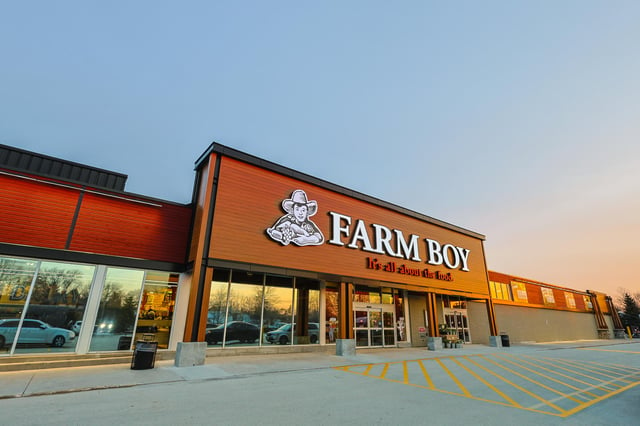
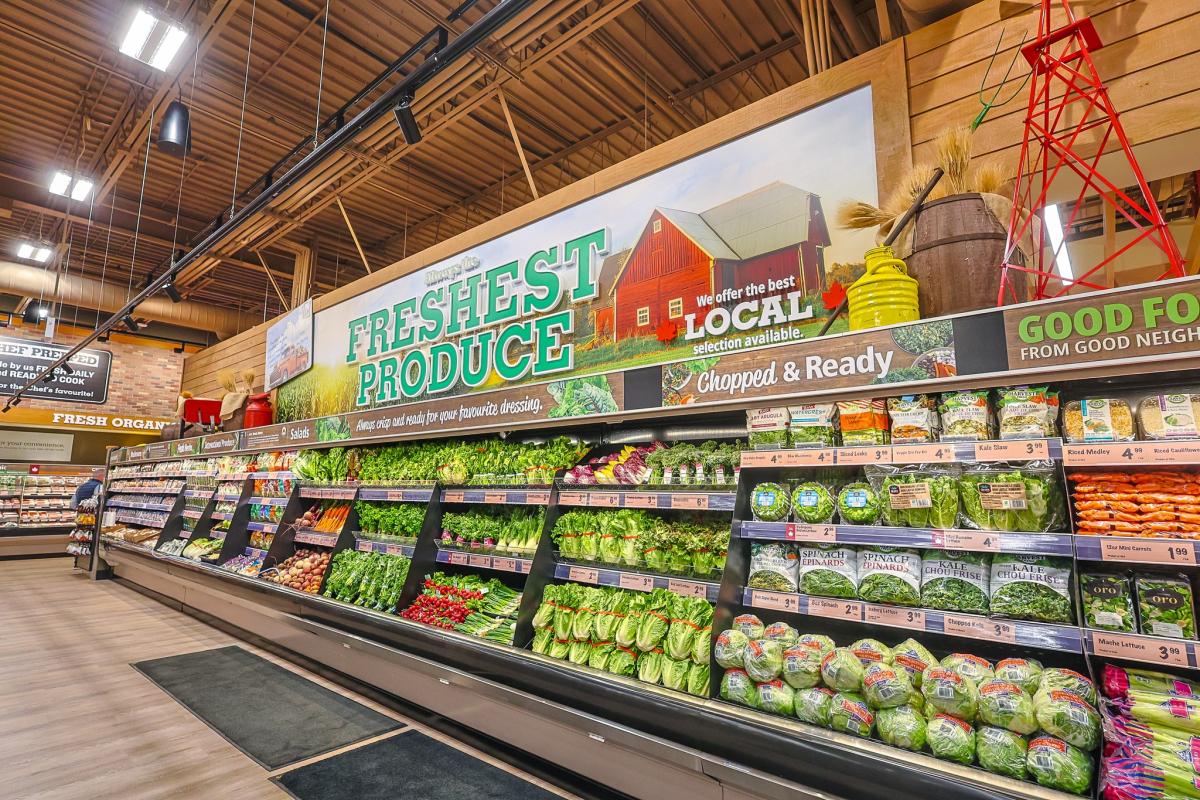
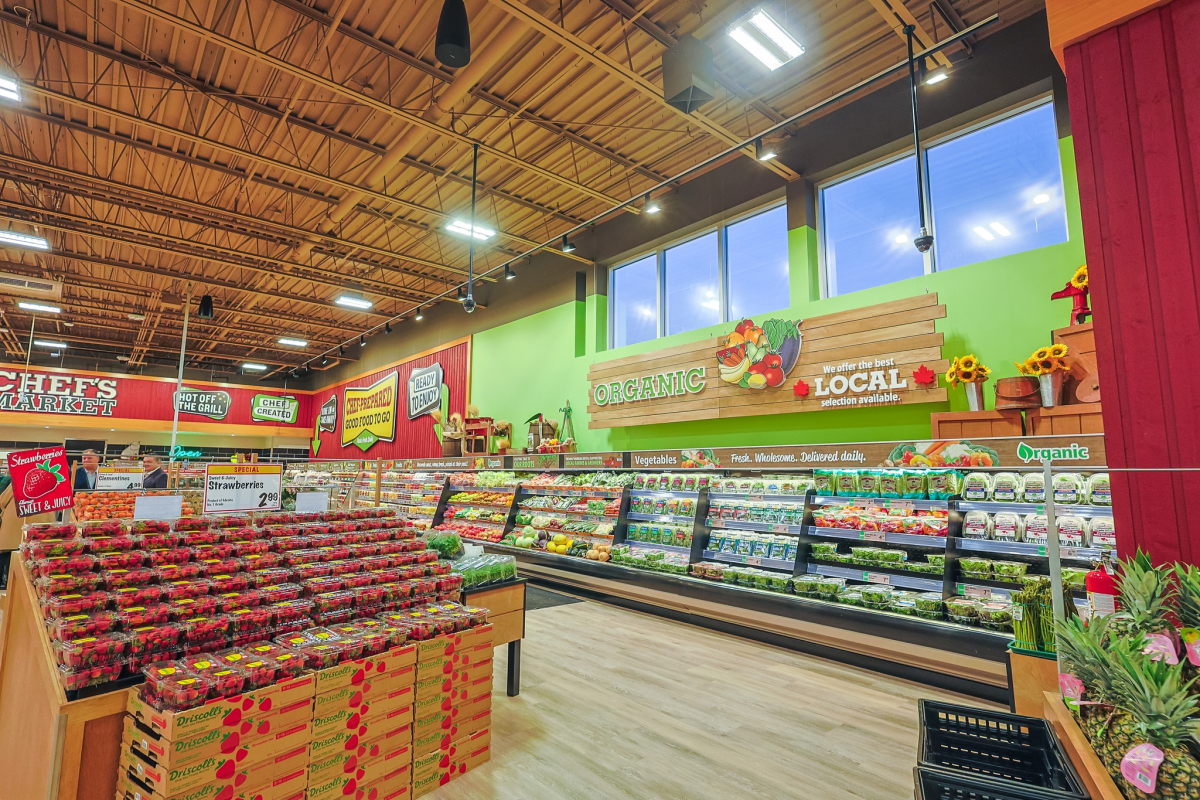
Kanata Farm Boy to reopen at new location on December 4 (Grocery Business)

Alimentation Couche-Tard Inc. sees Q2 same-store sales growth

PHOTO: CIRCLE K

Alimentation Couche-Tard Inc. announced on Monday its financial results for its second quarter ended October 12, 2025, with strong growth in net earnings attributable to shareholders.

Alex Miller
Alex Miller

Alex Miller, President and Chief Executive Officer, said: “With same-store sales growth across all our geographies for the second consecutive quarter, along with strong margins and sequential volume growth in fuel, we are encouraged by the positive momentum we’re continuing to build in our business.  

“We are outperforming our industry with an offer that is clearly resonating with our customers — from the continued growth of our Meal Deals and exclusive vendor partnerships to the success of our seasonal Fuel Day events, which are driving traffic and excitement at our sites. Looking ahead, we remain focused on delivering compelling value and investing in programs that drive operational excellence, optimize our supply chain, and enhance the customer experience in the store, at the pump, and digitally. I’m proud of our team’s performance and the progress we’re making together to win our customers,” he said.

Filipe Da Silva
Filipe Da Silva

Filipe Da Silva, Chief Financial Officer, added: “We closed the second quarter with growing optimism, reflecting steady progress supported by consistent execution and effective cost management across our operations. Core operating expenses growth remained under control, while we continued to advance our multi-year investment journey to unlock new capabilities that strengthen our network and create greater value for customers. This also marked the first full quarter from GetGo, which further broadens our food and convenience offering in the U.S. and opens new opportunities for customer engagement.” 

“During the second quarter, we also repurchased nearly $900 million of our shares through the buyback program, while, for the first half of the year, we invested close to $900 million in capital expenditures, reinforcing our balanced approach to capital allocation. As we look ahead, we remain committed to delivering earnings growth over the course of the year,” he said.

Quarterly Highlights

  • Net earnings attributable to shareholders of the Corporation were $740.6 million for the second quarter of fiscal 2026 compared with $708.8 million for the second quarter of fiscal 2025. Adjusted net earnings attributable to shareholders of the Corporation were approximately $734.0 million compared with $705.0 million for the corresponding quarter of last year, representing an increase of 4.1%.
     
  • Net earnings attributable to shareholders of the Corporation were $0.79 per diluted share for the second quarter of fiscal 2026 compared with $0.75 per diluted share for the second quarter of fiscal 2025. Adjusted diluted net earnings per share1 were $0.78, representing an increase of 5.4% from $0.74 for the corresponding quarter of last year.
     
  • Total merchandise and service revenues of $4.7 billion, an increase of 6.6%. Same-store merchandise revenues2 increased by 1.2% in the United States, by 0.5% in Europe and other regions1, and by 5.4% in Canada.
     
  • Merchandise and service gross margin increased by 0.9% in the United States to 34.7%, by 0.7% in Europe and other regions to 38.9%, and by 0.6% in Canada to 34.2%.
     
  • Same-store road transportation fuel volumes decreased by 0.6% in the United States, and by 1.8% in Europe and other regions, while it increased by 1.1% in Canada.
     
  • Road transportation fuel gross margin of 45.86¢ per gallon in the United States, a decrease of 0.24¢ per gallon, US 11.51¢ per liter in Europe and other regions, an increase of US 1.00¢ per liter, and CA 15.07¢ per liter in Canada, an increase of CA 1.72¢ per liter.

Couche-Tard is a global leader in convenience and mobility, operating in 29 countries and territories, with close to 17,300 stores, of which approximately 13,200 offer road transportation fuel. With its well-known Couche-Tard and Circle K banners, it is one of the largest independent convenience store operators in the United States and it is a leader in the convenience store industry and road transportation fuel retail in Canada, Scandinavia, the Baltics, Belgium, as well as in Ireland. It also has an important presence in Luxembourg, Germany, the Netherlands, Poland, as well as in Hong Kong Special Administrative Region of the People’s Republic of China. Approximately 149,500 people are employed throughout its network.

More from Retail Insider:

Alimentation Couche-Tard announces financial results for Q1 Fiscal Year 2026, revenues up 4.5%