Advertisement
Home Blog Page 210

Why Retailers Need Board Meeting Software to Stay Competitive in a Fast-Changing Market

Agility and collaboration have turned out to be the only way to stay afloat in the new retail environment. Retail leaders have to decide fast and efficiently, often in different regions, with changing consumer demands, rapidly changing digitalization, and global supply chain issues.

That’s why many forward-thinking retailers now rely on software for board meetings to streamline operations, improve communication, and strengthen decision-making. These tools help boards stay organized and competitive in a constantly changing market.


Board Management Before Meetings: Laying the Foundation for Success

Most of the inefficiencies in board operations can be experienced during the preparation phase. Retail boards have various roles to play, including managing the expansion and omnichannel plans of their stores and handling logistics and alliances, as well as investments in marketing. In the absence of the appropriate technology, the process of planning any board meeting may take excessive time to advance the process and may lead to loss of clarity in terms of accountability.

Selecting the right software for board meetings helps streamline this critical stage. With numerous vendors offering a variety of tools, it’s essential to choose a solution tailored to your board’s specific needs. A well-designed platform empowers directors to:

  • Schedule and organize meetings;
  • Keep track of meeting minutes;
  • Share files, agendas, and relevant reports securely;
  • Access and edit meeting materials in real time.

This centralized system makes each director aligned and willing to make a constructive contribution. To illustrate, a retailer who has to analyze the sales results in the first quarter or to grant an investment in e-commerce, the possibility to get all the necessary documents within a few seconds makes the preparation process faster and more efficient.

According to the Corporate Governance Institute’s study “The 10 Best Ways to Improve Your Board,” ensuring effective board reporting and meeting management is a key performance driver. Reliable digital tools allow retail boards to achieve this, cutting preparation time while improving the quality of decision-making.

Key features of advanced board meeting document management solution include:

  • Built-in calendars with meeting schedules and deadlines;
  • Automated notifications when new materials are uploaded;
  • Integration with Google Workspace and other productivity tools;
  • Capabilities for creating digital board books and secure file storage.

During Meetings: Enhancing Efficiency and Collaboration

When retail boards meet—whether virtually or in person—the focus should be on making strategic decisions, not on shuffling through papers or searching for files. Today’s digital board portals have made traditional, paper-based meetings nearly obsolete.

A paperless meeting environment allows directors to:

  • Access documents from any device, at any time;
  • Make annotations and take notes during discussions;
  • Search for key data or previous decisions instantly;
  • Send reminders or updates to other members;
  • Generate statistical and progress reports automatically.

For a retail company operating across multiple markets, this functionality is invaluable. Suppose a large international retailer decides to assess the possibilities of market expansion: employees in New York, London, and Toronto can read the same materials at the same time, comment on suggestions, and vote on projects safely, and all that the same platform.

These simplified processes enhance the effectiveness of board meetings and save useful time to be used in meaningful discussions. Directors do not have to spend hours on logistics organization but can work on performance measures, sustainability initiatives discussions, or product innovations approval.


After Meetings: Turning Decisions into Action

The meeting is usually followed by what occurs after the meeting, and this is one of the main factors that define the efficiency of the board. After meeting management is the fact that decisions made are translated into quantifiable results, which is very imperative in the retail sector that is very fast.

A good board management software system enables directors to save, monitor, and access documents of preceding meetings. Retailers depend on the continuity, as they have a tendency to have long-term strategic planning and performance monitoring. With digital solutions, boards can:

  • Archive all meeting materials securely;
  • Review past records to assess progress;
  • Share outcomes and follow-up actions with relevant teams;
  • Ensure every board member has access to updated information.

This is post-meeting transparency, which develops accountability and enhances governance. Regardless of pursuing the fresh merchandising strategy or analyzing store performance statistics, online tools can serve to keep the entire stakeholder engaged and on track.

Security is another critical advantage. Board portals are developed using high-quality encryption and restrictive access, meaning that the company information of importance, such as financial reports, supplier contracts, and strategic documents, is protected throughout the entire time.


The Strategic Advantage for Retailers

Retail is a business that requires swiftness and precision. With changing consumer preferences and growing competition, making timely and data-driven decisions will become one of the benchmarks of success. Board meetings software provides retail boards with the nimbleness and wisdom to avoid market turmoil.

The following are the major advantages that will be adopted by retailers:

  • Better decision-making: The centralization of information and the organization of the working process will minimize misunderstanding and time loss.
  • Enhanced collaboration: Directors are able to communicate and exchange ideas in any part of the world in a safe manner.
  • Increased productivity: Administrative overheads are overtaken by technology.
  • Reduced costs: Eliminating paper-based materials and travel-related expenses contributes to operational savings.
  • Better governance: Secure document storage and transparent reporting ensure compliance and accountability.

Verdict

The contemporary world of retail has to be agile, collaborative, and critical in choice. Retail boards need to be accurate and explicit whether they are arranging a quarterly review, a new collection, or expanding the stores.

Board meeting software provides the framework and effectiveness to make retailers do so, simplifying the preparation, discussion, and follow-up and making sure that all decisions made were data-centered and timely. In a business environment where the competition is intense and consumer demands change day by day, the utilization of the appropriate digital equipment is not only a convenience factor but also a tactically critical move towards a successful future.

7 Best GPS Fleet Trackers Transforming Retail Logistics

Retail logistics in the United States is evolving rapidly. Competitive delivery expectations, driver shortages, and sustainability goals demand precise visibility over every fleet vehicle. GPS fleet trackers increase visibility, improve routing accuracy, and enhance driver accountability.

GPS fleet trackers transform retail logistics by giving managers live data on vehicle location, route performance, and asset utilization. This article covers the 7 best GPS fleet trackers in the U.S. that are revolutionizing retail logistics through real-time analytics, automation, and cost efficiency.

Why Are GPS Fleet Trackers Critical In Retail Logistics?

Retail logistics in the U.S. depends on fuel efficiency, driver accountability, and on-time delivery. GPS fleet trackers increase control, accuracy, and reliability in all three areas.

  • Real-Time Fleet Visibility: Displays each vehicle’s live location, speed, and route progress on a centralized dashboard for immediate tracking and coordination.
  • Optimized Routing: Uses live traffic and distance data to calculate efficient routes, reducing idle time, fuel consumption, and delivery delays.
  • Driver Behavior Monitoring: Records speeding, braking, and idling events to identify unsafe or wasteful driving patterns and improve safety standards.
  • Predictive Maintenance: Tracks mileage, engine diagnostics, and fault codes to trigger alerts before mechanical failures occur, minimizing downtime.
  • Proof of Delivery: Logs delivery time and location automatically, providing verified records for every shipment and reducing delivery disputes.

Things to Consider Before Buying GPS Fleet Trackers

Selecting a GPS fleet tracker requires attention to performance, integration, and long-term reliability. Each factor below determines how effectively the system supports retail logistics.

Tracking Accuracy

Accurate tracking ensures operational control. Systems with location updates every 10 to 30 seconds provide reliable visibility. Real-time accuracy allows dispatchers to monitor fleet movement and verify delivery timelines without delay.

Reporting and Analytics

Detailed analytics improve decision-making. Trackers that record fuel use, route efficiency, and driver performance allow managers to identify waste and measure delivery effectiveness. Consistent reporting supports accurate performance evaluation.

System Integration

Integration with existing platforms ensures data continuity. The tracker should connect directly with ERP, dispatch, and warehouse systems. Centralized data flow maintains alignment between fleet activity, order status, and inventory movement.

Hardware Quality

Hardware durability impacts uptime. Devices with weather-resistant casings and vibration protection maintain consistent performance. Plug-in models simplify installation for smaller fleets, while hardwired units provide stability for long-term operations.
Scalability

A scalable platform maintains performance as fleets expand. Systems capable of handling several hundred or several thousand vehicles prevent future migration costs and maintain consistent tracking quality.

Regulatory Compliance

Compliance tools reduce administrative effort. Trackers with electronic logging and FMCSA-compatible reporting simplify record keeping and meet U.S. Department of Transportation requirements.

Cost Structure

Total ownership cost determines long-term value. Review hardware pricing, monthly subscriptions, and data usage limits. Balanced systems deliver accuracy and uptime without unnecessary expense.

Customer Support

Responsive support maintains operational continuity. Vendors providing 24-hour technical assistance, quick replacements, and local service coverage ensure consistent fleet visibility.

Data Security

Data protection safeguards business operations. Systems must use encrypted transmission, secure cloud storage, and user-level access control to prevent unauthorized data exposure.

User Interface

A clear interface improves daily management. Platforms with straightforward navigation and functional mobile access enable dispatchers and drivers to operate efficiently with minimal training.

What Are The  Best GPS Fleet Trackers Transforming Retail Logistics?

1. Matrack GPS Fleet Tracking

Matrack GPS Fleet Tracking is the best overall option for retail logistics in the U.S. It combines real-time tracking accuracy, strong diagnostics, and safety-oriented insights in a budget-friendly package. Matrack operates without long-term contracts and scales effectively for both small and large fleets. 

Key Features

  • Real-time tracking with 30-second updates
  • Advanced engine diagnostics and maintenance alerts
  • Driver behavior monitoring and safety scorecards
  • ELD compliance for DOT regulations
  • Geofencing for warehouse and delivery zones
  • Fuel and idle time analysis for cost reduction
  • No contracts or activation penalties

Ideal For

Retailers seeking a flexible, affordable GPS tracking system with strong diagnostics and reliable safety monitoring across fleets of 10 to 1,000 vehicles.

Core Strength

Matrack’s instant alert system provides precise control over fleet operations. Real-time notifications for engine faults, route deviations, and unauthorized movement support continuous fleet visibility and operational accuracy.

2. Samsara Vehicle Gateway & Asset Tracker

Samsara delivers a high-performance telematics solution combining hardware reliability with advanced analytics. Its integrated dashboard converts GPS and vehicle diagnostics into actionable logistics data.

Key Features

  • Second-by-second live tracking
  • AI-powered driver performance analysis
  • Integration with ERP and warehouse systems
  • Route replay and analytics for delivery optimization
  • IP67-rated hardware for weather resistance

Ideal For

Large retail networks managing nationwide fleets that require strong data analytics and seamless integration with internal logistics systems.

Core Strength

Samsara’s predictive analytics forecast traffic patterns, idle time, and route efficiency, enabling proactive route management and cost-efficient delivery planning.

3. Verizon Connect Fleet

Verizon Connect Fleet is one of the most established GPS tracking systems in the U.S., known for unmatched network reliability. It offers strong nationwide coverage and a proven record of consistent fleet visibility.

Key Features

  • Real-time route monitoring and driver tracking
  • Configurable geofencing and alerts
  • Maintenance scheduling with diagnostic insights
  • Mobile driver app for updates and navigation
  • Open API for business system integrations

Ideal For

Retail logistics operators managing coast-to-coast fleets that prioritize strong connectivity, network reliability, and high system uptime.

Core Strength

Verizon Connect’s LTE network ensures uninterrupted tracking performance even in remote regions, maintaining continuous delivery oversight for national fleets.

4. Teletrac Navman DIRECTOR

Teletrac Navman DIRECTOR emphasizes actionable data visualization and reporting accuracy. It converts raw fleet information into insights that support better driver performance and resource management.

Key Features

  • Configurable dashboards and key performance metrics
  • Driver safety reports and route compliance data
  • Fuel and idle-time analytics
  • Desktop and mobile accessibility
  • Integration with external dispatch tools

Ideal For

Retailers seeking advanced data reporting, performance tracking, and analytics-driven decision-making within fleet operations.

Core Strength

Teletrac’s analytics engine identifies inefficiencies and reduces idle time by up to 20 percent, improving delivery reliability and reducing overall fuel expenditure.

5. Fleet Complete

Fleet Complete provides an integrated solution for tracking vehicles, trailers, and movable assets within a single interface. Its modular design fits the diverse asset structure of retail logistics.

Key Features

  • Multi-asset tracking for vehicles and trailers
  • Theft prevention with remote immobilization
  • Geofencing alerts and route scheduling
  • Real-time driver logs and service hours tracking
  • Customizable reports and automated alerts

Ideal For

Omnichannel retailers managing mixed fleets that include delivery vans, trailers, and containers across multiple regions.

Core Strength

Fleet Complete’s asset tracking model improves utilization by up to 18 percent through unified visibility of all transport and storage assets.

6. TomTom Webfleet (Telematics)

TomTom Webfleet combines navigation expertise with fleet optimization tools, making it ideal for high-density urban delivery environments. It enhances driver guidance and shortens delivery times through intelligent routing.

Key Features

  • Live traffic-based route optimization
  • Integrated mobile navigation for drivers
  • Instant alerts for unsafe driving or route deviation
  • ETA prediction algorithms for customers
  • Compatibility with warehouse management systems

Ideal For

Retailers handling last-mile delivery operations where accurate navigation and time precision are essential for service reliability.

Core Strength

TomTom Webfleet’s routing algorithms use live traffic data to reduce delivery time and improve punctuality, ensuring consistent last-mile efficiency.

7. Geotab GO Device + MyGeotab Platform

Geotab offers one of the most customizable and scalable fleet tracking systems available. Its open software ecosystem supports integration with enterprise systems and third-party apps.

Key Features

  • Open SDK and API for custom development
  • Real-time vehicle diagnostics and tracking
  • Add-on modules for cameras, sensors, and trailers
  • Configurable driver dashboards
  • Access to Geotab Marketplace for integrations

Ideal For

Enterprises requiring full control over fleet data, internal customization, and integration with proprietary ERP or logistics systems.

Core Strength

Geotab’s open API environment transforms raw GPS and diagnostic data into tailored analytics dashboards, helping large retailers optimize routes, safety, and maintenance through data precision.

Final Verdict

GPS fleet trackers have become essential tools for modern retail logistics. They give businesses complete visibility over deliveries, optimize routes, and ensure compliance with safety and efficiency standards.

Among the available options, Matrack stands out as the most balanced choice for both small and large fleets. Its real-time tracking accuracy, strong diagnostics, and contract-free model make it a practical and reliable system for long-term use.

Solutions like Samsara, Verizon Connect, and Geotab further enhance large-scale operations with deeper analytics and system integrations. Choosing the right tracker depends on fleet size, integration needs, and budget, but every solution on this list improves logistics control, delivery speed, and overall operational efficiency.

Why Retail Businesses Choose Radius Fuel Cards for Fleet Management

Operating a retail company nowadays involves more than just filling shelves and luring shoppers. It also has a comprehensive supply chain to manage, including the timely delivery of products to various stores. These operations primarily involve maintaining a fleet of cars for most retailers. Fuel costs are soon to become one of the biggest continuous expenses, whether it is moving goods between warehouses, delivering to stores, or providing last-mile service to customers.

At this juncture, fuel cards come into play. A fuel card is not just another method to pay at the pump; it is a financial and operational solution designed to simplify fleet management, making it more cost-efficient and transparent. Radius fuel cards are among the solutions proposed for adoption by retail businesses of both large and small companies.

Managing the increasing Fuel prices

The cost of fuel is fluctuating and as a business needs to transport people, any slight increase will have a severe effect on profitability. The margins are generally low in retailers hence lessening costs on every top-up is necessary. Fuel cards provide businesses with the opportunity to access favorable fuel rates and receive regular discounts at a vast network of fuel stations.

This means that retail firms with extensive fleet sizes can effectively manage one of their most unpredictable costs.Having an organized system, retailers can better predict the amount of funds they will spend on fuel, which will save them from unexpected financial shocks associated with operating multiple vehicles.

Streamlining Administration

For the HR and finance departments, managing fuel costs without a card system can be a time-consuming process. Gathering receipts, reimbursements, and tracing errors is a needless complexity. To a large extent, this process is automated by fuel cards, which generate electronic records of all transactions.The retailers will be able to obtain detailed reports on the quantity of each vehicle being consumed, refuelling points, and general spending patterns.

This data can give the managers to point out the inefficiencies in a relatively short amount of time, such as drivers favoring stations that are more expensive or having a high fuel burnage rate because of ineffective route planning. By simplified management, companies release their employees to concentrate on more meaningful things instead of getting trapped in red paperwork. Assuring Openness and Reducing Fraud.

Ensuring Transparency and Minimising Fraud

This is one of the key issues in fleet management where the company’s funds must be utilized effectively. In the absence of a proper system, misuse of fuel allowances occasionally occurs. The fuel card provides real-time accountability of all the transactions in the fleet.

The retailers enjoy increased Transparency because they can monitor the usage by each driver and prevent fraudulent spending. This not only creates trust but also helps save the business from unjustified losses.

Supporting Business Growth

The transportation requirements of retail companies increase as their businesses expand. New companies open additional stores, develop their delivery services, or enter new markets. This might begin with a small fleet, but it will soon evolve into a complex operation. Fuel cards can also be expanded to support the business and provide centralized control of more than two vehicles, which are located in various locations.

When they offer cost savings and operational control, the Radius fuel cards are the means that help enhance development, rather than hinder it. Retailers will be able to invest more without fear of making a mistake in expanding their operations, as fuel costs are well taken care of.

A Step towards Sustainability

It is an emerging trend in retail because companies face increased pressure to reduce their environmental impact. Fuel cards would also be useful in this case. With comprehensive data on consumption, companies can track the performance of vehicles and identify areas of inefficiency in driving, as well as develop more intelligent routing approaches. The solutions, as well, include telematics systems in even some of the solutions, assisting the retailers to be more environmentally friendly, which conforms to the goals of corporate responsibility.

Conclusion

The ability to stay competitive in the retail industry is pegged on efficiency and cost control. The fuel cards are a critical part of the contemporary fleet control, be it the regulation of the fuel consumption and management tasks, Ensuring Transparency and sustainable development.

For retailers, it may come down to finding an option that strikes a balance between price, scale, and novelty. That is why a great number of businesses decide to use Radius fuel cards not only as a payment system, but also as a partner that helps them develop.

How Smart Shopping Assistants Are Reshaping the Way Canadians Buy Online

Over the past year, Canadian retailers have faced a complex mix of cautious consumer spending, shifting loyalty trends, and the rapid rise of artificial intelligence in commerce. Yet amid the challenges, a new class of digital tools is quietly redefining how Canadians discover and compare products online, and how retailers can connect with high-intent shoppers at precisely the right moment.

Artificial intelligence is no longer confined to product recommendations or chatbots. Today’s most innovative shopping assistants are bridging the gap between discovery and decision-making, helping users find the best options and return policies before they even reach checkout. This technology has the potential to not only drive conversions but also increase trust in online shopping, a critical factor as retailers navigate tighter margins and increasingly selective consumers.

The evolving Canadian shopper

According to a recent PwC Canada survey, more than 60 percent of consumers now plan to reduce discretionary spending during the 2025 holiday season. Yet those same consumers remain eager to shop smartly, researching prices, comparing value, and reading reviews before committing to a purchase. This has created a fertile ground for tools that can streamline the decision process while maintaining transparency.

Retailers, for their part, are investing heavily in customer experience. From CF Market Mall’s introduction of new concept stores in Calgary to independent boutiques emphasizing sustainable design, the focus has shifted toward helping shoppers feel informed and confident about their purchases. But online, confidence is often won or lost in seconds, and that’s where AI-powered shopping tools are beginning to make a measurable difference.

A new generation of shopping intelligence

One example is Shopday AI, an emerging shopping assistant that helps consumers make better buying decisions across thousands of online retailers. The tool works behind the scenes, analyzing product details, pricing, and policies to surface key insights such as which store offers the most flexible return terms or which brand has the best customer satisfaction ratings.

Rather than pushing a single retailer, the platform aims to deliver objective, actionable recommendations tailored to what the shopper is actually searching for. That’s particularly useful for popular home-comfort brands like Cushion Lab, known for ergonomic pillows and seat cushions. For instance, readers can explore details about the Cushion Lab return policy and best alternatives directly through Shopday’s assistant interface, giving them an instant view of return windows, shipping times, and competing options, all within a single experience.

Why transparency matters now more than ever

In an era when consumers have near-infinite choice but diminishing patience, transparency has become one of the strongest conversion drivers. Retailers that clearly communicate shipping costs, return windows, and sustainability commitments are outperforming competitors that hide details until the last step.

AI tools like Shopday’s are effectively codifying that transparency. By presenting key store policies upfront, whether for national chains or independent merchants, they reduce buyer hesitation and improve post-purchase satisfaction. The result is not only higher conversion rates but also fewer returns, an area that costs North American retailers an estimated $816 billion annually according to the National Retail Federation.

Implications for Canadian retailers

For Canadian retailers large and small, integrating with AI-driven shopping ecosystems could represent the next competitive frontier. These systems don’t replace e-commerce platforms; they amplify them by ensuring that accurate, trustworthy data such as product specs, reviews, availability, and policy information is readily accessible.

Retailers already experimenting with such integrations are reporting higher qualified traffic and lower customer acquisition costs. In a market where every click counts, that kind of efficiency could be the difference between a strong quarter and a missed target.

Furthermore, with privacy laws tightening and third-party cookies disappearing, context-based AI assistants offer an appealing path forward. Because they operate on real-time search and user intent rather than personal tracking, they align well with evolving consumer expectations around data security and transparency, two values Canadians rank highly when choosing where to shop.

The road ahead

Looking forward, the Canadian retail landscape will likely see a blend of traditional experience-driven retail and digital intelligence that personalizes without prying. AI shopping assistants like Shopday’s are still early in adoption, but their growing role in guiding informed, ethical, and efficient purchases hints at a major shift in how consumers will navigate the marketplace.

For retailers, the message is clear: success in 2025 won’t just come from offering great products, it will come from helping customers feel certain they are making the right choice. Whether through transparent policies, adaptive pricing, or intelligent shopping tools, the winners will be those who make the process not just faster, but smarter.

A&W reports 3rd straight quarter of sales growth

Food Court A&W Photo by Matthew at Best Edmonton Mall

A&W Food Services of Canada Inc. reported Friday its third consecutive quarter of same store sales growth, with income before taxes more than doubling year-over-year in its third quarter of fiscal 2025.

For the 12-week period ended September 7, 2025, A&W reported same store sales growth of 1.4 per cent and system sales growth of 3.1 per cent compared to the same period in 2024. Total system sales reached $479.6 million, an increase of $14.5 million from the previous year.

Susan Senecal
Susan Senecal

“We are pleased to report our third consecutive quarter of positive Same Store Sales Growth, a significant achievement amidst a challenging macroeconomic environment which continues to create headwinds for sales at A&W restaurants,” said Susan Senecal, Chief Executive Officer of A&W Food Services.

Senecal attributed the performance to successful marketing initiatives and new value-focused menu offerings.

“The Q3 2025 Same Store Sales Growth of 1.4% is a reflection of a positive response to A&W’s marketing campaigns and value offerings, which have resonated with guests who are looking for both great taste and value,” she said. “Through the first three quarters of 2025, we’ve achieved System Sales Growth of 2.9% which is attributed to both the positive Same Store Sales Growth and the opening of new A&W restaurants which is supported by our partnership with Suncor.”

Net income before income taxes for the quarter was $23.6 million, an increase of 163 per cent from $9.0 million in Q3 2024. Adjusted EBITDA rose to $25.8 million from $24.7 million, with a corresponding increase in margin from 32.5 per cent to 36.2 per cent.

The company said the jump in pre-tax income was largely due to the cessation of royalty expenses following a transaction completed in October 2024, in which Food Services acquired all outstanding units of A&W Revenue Royalties Income Fund. Lower operating costs also contributed to the increase, particularly $7.0 million in reduced marketing-related expenses through the National Advertising Fund.

Total revenue declined by six per cent year-over-year to $71.2 million, primarily due to the timing of new restaurant openings—seven fewer locations were opened in Q3 2025 compared to Q3 2024.

In the year-to-date period, A&W reported total revenue of $201.1 million, up from $199.1 million a year earlier. Net income for the first 36 weeks of fiscal 2025 was $39.3 million, compared to $22.8 million in the same period last year.

A&W declared a quarterly cash dividend of $0.480 per share on September 2, 2025, and said it remains committed to maintaining that level going forward.

Looking ahead, the company reaffirmed its full-year financial outlook, including Adjusted EBITDA guidance of $96 million to $101 million and a projected system sales growth rate between 1.5 and 4.5 per cent.

A&W operates over 1,070 quick-service restaurants across Canada and expects to expand to between 1,085 and 1,100 locations by the end of fiscal 2025.

More from Retail Insider:

Luca Faloni Opens 1st Canadian Flagship in Toronto

Luca Faloni at 130 Bloor Street West in Toronto. Photo: Ryan Fung

Italian luxury menswear brand Luca Faloni has opened its first Canadian flagship in Toronto. The 2,800-square-foot boutique, located at 130 Bloor Street West in the city’s prestigious Yorkville neighbourhood, brings the brand’s “Casa Faloni” retail concept to Canada for the first time, offering an immersive experience inspired by Italian craftsmanship and hospitality. 

Positioned beside Gucci and steps from brands such as Hermes and Louis Vuitton, the Toronto store represents a milestone in Luca Faloni’s journey from digital-native to global luxury brand. The location situates the brand among elite peers on Bloor Street, widely recognized as Canada’s preeminent luxury retail corridor.

“When I came to visit Toronto with a retail eye, it was clear immediately that Bloor Street was fantastic. Luxurious, elegant, and full of energy,” said Luca Faloni, founder of the eponymous brand, in an interview with Retail Insider. “It’s actually the first time we’ve positioned ourselves on a true luxury street. Until now, our stores have been in premium neighbourhoods, but not next to Gucci or Loro Piana. I’m very curious to see how customers perceive us in this new environment.”

Luca Faloni

The store also reflects the brand’s strategy of selecting locations where its clientele both lives and travels. “We prioritize cities that are not only major financial and cultural hubs but also destinations for tourism,” Faloni explained. “Toronto fits that perfectly. It’s one of North America’s six major hubs, and it opens the Canadian market for us.”

The Design: Italian Warmth Meets Canadian Modernism

True to its global aesthetic, each Luca Faloni boutique is conceived as a “Casa Faloni” — a home-like environment where guests can slow down, relax, and enjoy Italian hospitality. The Toronto flagship embraces that same philosophy while introducing an architectural dialogue between Italian materials and Canadian modernist influences.

The interior draws inspiration from Toronto landmarks such as Viljo Revell’s City Hall and the Ontario Science Centre, echoing their geometric precision and rhythm. The result is a space where sculptural pendant lighting and a refined grid layout convey calm, order, and sophistication.

Luca Faloni at 130 Bloor Street West in Toronto. Photo: Ryan Fung

Materials such as Canaletto walnut, white Carrara marble, and Cipollino green marble are used throughout, chosen for both their beauty and narrative resonance. “We wanted to create an atmosphere that feels warm and inviting,” said Faloni. “Toronto has a long winter, so we emphasized wood and soft lighting to make the space comfortable and reflective of our cashmere collections.”

The boutique includes a lounge, a bar for Italian aperitivi, and a craftsmanship corner featuring videos that showcase the artistry behind the brand’s knitwear and tailoring. A pool table adds to the home-like feel, underscoring the brand’s focus on leisure and connection rather than transactional shopping.

Luca Faloni at 130 Bloor Street West in Toronto. Photo: Ryan Fung

Built by GTA General Contractors

Toronto-based GTA General Contractors Ltd. led the build-out of the sophisticated space, translating Luca Faloni’s design vision into reality with precision and care. The company is well known for its expertise in high-end retail construction across Canada.

“Delivering Luca Faloni’s first Canadian flagship, and third North American location, was an exciting project for our team,” said Tyler Maynard, Executive Vice President at GTA General Contractors. “It required a high level of coordination, attention to detail, and respect for the brand’s refined aesthetic. From custom millwork to imported stone and lighting, every element had to align perfectly. We’re proud of how our team executed the vision, translating a world-class design into a finished space that truly reflects the craftsmanship of the brand.”

Luca Faloni at 130 Bloor Street West in Toronto. Photo: Ryan Fung

The Founder’s Journey: From Turin to the World

Founded in 2014 by Turin-born entrepreneur Luca Faloni, the brand was inspired by a personal realization that authentic Italian quality was difficult to find abroad. After years of living in London and San Francisco, Faloni saw an opportunity to deliver fine Italian craftsmanship directly to customers through an online direct-to-consumer model, long before the approach became a global trend.

“In 2012, I was living in San Francisco as the direct-to-consumer model was just emerging,” he recalled. “Most brands were focused on making mid-market products more affordable. I wondered why we couldn’t take the best that Italy offers, namely true luxury craftsmanship, and make it accessible at a fair, premium price point.”

The company began online and remained digital-only for its first six years. Today, it operates 12 boutiques worldwide, including locations in London, Milan, Paris, New York, Miami, Munich, and Zurich. Despite this growth, Faloni maintains a slow and deliberate expansion strategy. “We don’t open many stores each year,” he said. “It’s very difficult to find the perfect location with the right size, frontage, and co-tenancy. Each store must feel special.”

Luca Faloni at 130 Bloor Street West in Toronto. Photo: Ryan Fung

A Focus on Craftsmanship and Permanence

Luca Faloni’s collections are built around timeless staples crafted in Italy using the finest natural fibres including cashmere from Cariaggi, linen from Albini, and silk-cashmere blends for transitional seasons. “Our collection is not overly broad,” Faloni noted. “We focus on permanent designs that form the foundation of a luxury wardrobe with pieces that people truly need.”

This commitment to longevity has positioned the brand within the growing “quiet luxury” movement, attracting discerning clients seeking understated refinement. The brand’s aesthetic sits at the intersection of formal and casual, with garments designed to move seamlessly from city to leisure.

Faloni’s approach also rejects fast fashion’s churn of seasonal collections. “We don’t discount,” he said. “Our pricing remains fair throughout the year because we want customers to trust the value and quality of what they’re buying.”

Building Brand Presence in North America

North America now represents about 40 percent of the company’s online revenue, but with only two existing stores in New York and Miami, the brand sees Toronto as a critical next step. “Toronto is a natural choice,” Faloni said. “It’s an international city with a strong professional community. Our early following came from consultants, finance professionals, and lawyers, people who value quality but prefer an elegant and relaxed look.”

The Toronto flagship will also serve as a billboard for the brand, raising awareness among both locals and visitors. “When you open a store in a place like Bloor Street, thousands of people walk by every day,” Faloni explained. “Some may not buy immediately, but they’ll remember the brand and shop online later. Retail and e-commerce grow together.”

That interplay between physical and digital channels remains central to Luca Faloni’s retail strategy. “Once you have a store in a market, online customers take you more seriously,” he said. “It makes the brand feel real, tangible, and trustworthy.”

Luca Faloni at 130 Bloor Street West in Toronto. Photo: Ryan Fung

Canadian Market Potential

Faloni views Canada as an under-served opportunity for luxury fashion, with strong purchasing power and long winters that favour the brand’s signature cashmere offerings. “Toronto is a wealthy city with a climate that suits our products perfectly,” he said. “And stylistically, Canadians appreciate quality and subtle elegance, which are values that align with our brand.”

Asked about future Canadian expansion, Faloni hinted at possibilities beyond Bloor Street. “Eventually, yes,” he said. “We’ll likely open another store in Toronto before considering other cities. London already has three stores, and New York has two. Once a city reaches a certain size, it makes sense to deepen presence rather than spread too quickly.”

That careful pace reflects his philosophy of sustainable growth. “We build relationships gradually,” Faloni said. “This isn’t about opening a hundred stores overnight. A brand is built over time through great products, consistent quality, and connection with customers.”

A Measured Approach to Global Growth

Faloni’s patient, long-term mindset contrasts sharply with the hyper-expansion strategies often seen in fashion retail. “I’m not in a rush,” he said. “We grow steadily because we want to maintain craftsmanship and avoid stress. The Italian way is to enjoy the journey, not just the destination.”

Investors have supported that philosophy, allowing the company to focus on product excellence and measured expansion. “You can’t just raise a lot of money and open stores everywhere,” he said. “You need to build trust, fine-tune the product, and earn your customers’ loyalty.”

This approach has worked. The brand has attracted a loyal international following and earned praise from media outlets including Forbes and The Gentleman’s Journal. Notable wearers include Prince William, Cillian Murphy, and Penn Badgley.

Luca Faloni at 130 Bloor Street West in Toronto. Photo: Ryan Fung

Expanding Yorkville’s Retail Landscape

Luca Faloni’s arrival adds another prestigious name to Bloor Street’s evolving luxury landscape, which has transformed dramatically over the past decade. Once known primarily for Canadian heritage retailers, the area now features a roster of global fashion houses including Saint Laurent, Louis Vuitton, Hermès, and Prada.

“Bloor Street has changed so much in recent years,” Faloni observed. “It’s become one of the most beautiful retail streets in North America. To open our first Canadian flagship here, beside brands we deeply admire, is a great honour.”

More from Retail Insider:

Naturepedic Expands in Canada with Stores and Supima Sheets

Naturepedic store on Bayview Avenue in Toronto. Photo: Bayview Leaside BIA

Naturepedic, a U.S.-based pioneer in organic mattresses and bedding, is deepening its Canadian presence as consumer demand for sustainable and non-toxic sleep products grows. The company, founded in 2003 by environmental engineer Barry Cik, has become an industry leader by eliminating harmful chemicals from its mattresses and bedding. Now, with three stores in Canada and plans for future expansion, Naturepedic is strengthening its position in the Canadian market while introducing new products that further highlight its commitment to health and sustainability.

The company operates three dedicated galleries across the country. Its flagship in Toronto is located at 1617 Bayview Avenue in the city’s Leaside neighbourhood, a hub for family-oriented retail and specialty stores. In Oakville, Naturepedic’s showroom sits at 346 Lakeshore Road East in the heart of the downtown shopping district, while in Vancouver, its store is located at 1588 West Broadway within the upscale Granville Rise commercial area. In addition to these showrooms, Naturepedic products are available online for Canadian customers, offering nationwide accessibility.

Arin Schultz

According to Chief Growth Officer Arin Schultz, Canada remains an important growth market for the brand, despite some operational challenges related to tariffs.

“We’ve been in Canada for about 13 or 14 years now,” Schultz explained in an interview. “Those stores are technically independently owned under a licensee model, but as the brand grows, we definitely have our eye on expanding more into the Canadian market. I love Canada, and I think there’s a lot of areas where Naturepedic could do extremely well.”

Future Expansion Plans Across the Country

Naturepedic’s current Canadian footprint may be modest, but Schultz noted that the potential for growth is considerable. He pointed to opportunities in Alberta and Saskatchewan, including cities such as Calgary, Edmonton, and Regina. “If everything aligns, I honestly see the possibility of 10 to 12 stores in Canada by 2027 or 2028,” Schultz said.

That growth, however, is tempered by the challenges of navigating tariffs and trade policy. Schultz described these as a “slowing growth” factor for Canadian operations, saying that regulatory uncertainty can make long-term expansion difficult. “We make a product that Canadians love,” he said, “but we want a steady, clear path forward before committing to a larger rollout.”

Despite those hurdles, Schultz emphasized that Naturepedic remains committed to Canada, citing strong customer reception and the brand’s resonance with health-conscious and eco-minded consumers.

Naturepedic Leaside in Toronto. Photo: Naturepedic

Competitive Edge in the Canadian Market

The Canadian mattress market has seen several players emerge in recent years, including homegrown brands such as Silk & Snow. Schultz acknowledged their presence but highlighted what sets Naturepedic apart: customization and organic certifications.

“The customization really is a big help for us,” he said. “If we were making just a standard cushion-firm mattress like many others, we’d be competing directly. But with our EOS system, customers can tailor firmness to their own needs. That’s been a game-changer for couples with different sleep preferences.”

He also noted that Naturepedic’s strict adherence to organic standards, verified through third-party certifications, continues to attract Canadian buyers who are increasingly scrutinizing product safety and sustainability claims.

Supima sheets, photo: Naturepedic

Launch of Supima Organic Sheets

In addition to store expansion, Naturepedic is broadening its product categories with the introduction of Supima bedding in Canada. Available now in Toronto, Oakville, and Vancouver stores, as well as online, the new line positions Naturepedic as not only a mattress provider but also a leader in sustainable luxury bedding.

“Supima is an extra-long staple cotton that’s incredibly soft and durable,” Schultz explained. “Unlike cheaper sheets that wear out quickly, Supima holds up over time. For families, that means fewer replacements and less waste. It’s worth the investment.”

Supima represents only one percent of the world’s cotton supply, grown exclusively in the United States by a network of about 500 family-owned farms. Schultz emphasized that these farms embody values aligned with Naturepedic’s mission. “It just feels very good to give back to communities cultivating this cotton, including Native American growers. And the product itself is second to none.”

Naturepedic Vancouver location. Photo: Naturepedic

Durability and Environmental Benefits

Beyond luxury, the Supima launch is framed as an eco-conscious decision. Schultz highlighted how longer-lasting sheets can reduce landfill waste. “If you buy a cheap set of sheets, you might go through two or three sets in the time a Supima set lasts,” he said. “From an environmental impact perspective, that makes a difference.”

He added that organic cotton farming remains central to Naturepedic’s identity. “We did a ‘farm to bed’ campaign this year in Texas, meeting families who’ve been growing organic cotton for generations. It was powerful to see children now playing in fields that used to be treated with pesticides. That’s what sustainability really looks like.”

Naturepedic Oakville. Photo: Naturepedic

Seasonal Colours and Future Bedding Lines

Naturepedic plans to keep its bedding line fresh with seasonal colours beginning in 2026, mirroring the approach of the fashion industry. Schultz confirmed that new shades will be introduced in spring and fall collections, ensuring the bedding range evolves with customer tastes.

Looking ahead, the company will continue exploring the bedroom and sleep space, with possible expansions into categories such as furniture and bath products. However, Schultz stressed that Naturepedic intends to stay true to its core expertise. “We don’t want to lose sight of what made us special in the first place,” he said. “Everything we do will remain connected to sleep and wellness.”

More from Retail Insider:

Ottawa Targets Organized Retail Theft in Sweeping Justice Reforms

Prime Minister Mark Carney announces crime reform during a press conference on October 16, 2025. Photo: Radio Canada/CBC

Prime Minister Mark Carney announced new measures this week aimed at tackling organized retail theft and strengthening public safety across Canada. The plan includes tougher sentencing, reverse-onus bail for repeat offenders, and an investment of $1.8 billion to expand the Royal Canadian Mounted Police (RCMP).

The announcement marks the first time a federal government has explicitly recognized organized retail theft as a national economic and safety concern. The Retail Council of Canada (RCC) says it welcomed the move, calling it an important step in protecting workers, communities, and local economies.

“Retail crime is not a victimless offence,” RCC said in a statement. “It is a growing threat to workers, communities, and local economies. RCC looks forward to working with all levels of government to turn today’s commitments into real results.”

RCC Welcomes Federal Action on Organized Retail Theft

The Retail Council of Canada (RCC) is welcoming Ottawa’s decision to formally recognize organized retail theft as a national concern. The association, now led by President and CEO Kim Furlong, said the federal government’s plan to introduce tougher sentencing, strengthen bail conditions, and expand policing resources represents a critical step toward protecting retail workers and communities.

RCC has long called for stronger measures to address the growing threat posed by organized retail crime. The Council’s latest research found that losses tied to theft and related incidents reached approximately $9.1 billion in 2024, almost double what retailers reported a decade earlier. The issue has moved beyond property loss, with increased violence toward staff and customers prompting stores to heighten security measures and shorten operating hours.

While welcoming the federal response, RCC emphasized that lasting progress will depend on collaboration across jurisdictions. The organization is urging provinces to align their bail and sentencing frameworks with federal reforms to ensure consistent accountability for repeat and violent offenders.

According to RCC, organized retail theft remains one of the most pressing safety and economic challenges facing Canadian retailers. The Council said it will continue to work with law enforcement and all levels of government to ensure that today’s policy commitments translate into tangible improvements for retailers and the communities they serve.

retail theft crime. Photo: Greater Niagara Chamber of Commerce

Key Measures to Strengthen Public Safety

The federal government plans to table amendments to the Criminal Code next week. Proposed changes include introducing reverse-onus bail for serious and repeat offenders, consecutive sentencing for multiple crimes, and harsher penalties for organized retail theft.

Under the reforms, those accused of crimes such as violent assault, human trafficking, and theft linked to organized criminal networks will have to prove why they should be released on bail. The government says this will help prevent repeat offences and improve safety for workers and shoppers.

The plan also includes hiring 1,000 new RCMP officers nationwide to address rising levels of organized crime and online fraud. Of these, 150 positions will focus specifically on financial crime and the recovery of illicit assets.

National Scope of the Retail Crime Problem

According to the Retail Council of Canada and the Loss Prevention Research Council, 95 percent of surveyed retailers now identify organized retail crime as their greatest threat. The number of shoplifting incidents has climbed 66 percent over the past decade, with average losses per incident exceeding $500.

Police services across the country report similar trends. Toronto Police recorded nearly 43,000 “theft under” cases in 2024, up 10 percent from the previous year. In Vancouver, Kamloops, Red Deer, and Halifax, retail theft rates remain among the highest in the country.

National enforcement campaigns have also revealed troubling patterns. During police-led “retail blitz” operations in 2024, nearly one in five suspects arrested was a repeat offender, and authorities seized 121 weapons.

Retailers have responded by adding security staff, installing locked display cases, and, in some areas, reducing store hours. While some regional initiatives, such as Windsor Police’s business partnership program, have produced localized declines in theft, most communities continue to see year-over-year increases.

Coordinated Federal and Provincial Approach Needed

The federal government acknowledges that crime prevention depends on collaboration between all levels of government. Criminal law falls under federal jurisdiction, while provinces handle bail hearings, remand facilities, and court operations.

Justice Minister Sean Fraser said Ottawa is working with provinces and territories to ensure bail and sentencing reforms reflect community needs. “We are giving police and prosecutors stronger tools to keep violent offenders off our streets,” he said.

RCC has echoed that sentiment, noting that enforcement alone will not solve the crisis. Provincial investment in policing and judicial capacity will be essential to deliver the tougher penalties now being proposed.

Impact on Retailers and Communities

Retailers across Canada have described rising levels of organized retail theft as a serious safety concern for staff and shoppers. Many have implemented new security protocols and invested heavily in surveillance, training, and physical barriers to deter incidents.

The growing sophistication of criminal networks has further complicated enforcement. Stolen merchandise is often sold quickly through online resale markets, making recovery difficult. The federal government’s plan to bolster financial crime units is expected to help track and disrupt these digital operations.

“Organized retail theft affects more than retailers,” RCC stated. “It impacts consumers through higher prices and communities through increased violence and fear. Stronger legal tools are essential to reversing this trend.”

The government’s proposed reforms will be included in Budget 2025, scheduled for release on November 4. Once tabled, the amendments will require parliamentary approval and cooperation from provincial justice systems for implementation.

More from Retail Insider:

CF Market Mall in Calgary welcomes exciting new retailers

CF Market Mall. Photo: Mario Toneguzzi

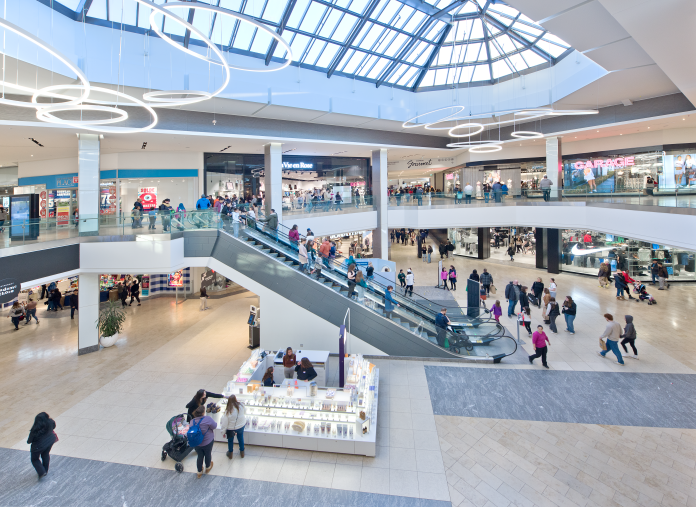
CF Market Mall in Calgary is undergoing a wave of retail activity, with several new stores opening, expanding, or relocating, according to Darryl Schmidt, senior executive with Cadillac Fairview.

“Ever New came out of The Bay when The Bay closed, and we’ve since signed a permanent deal with them,” said Schmidt, Vice-President of National Leasing. The brand is currently operating a pop-up in the former Joydrop location, with a permanent storefront scheduled to open in the west mall by Black Friday.

Darryl Schmidt
Darryl Schmidt

Other brands are also expanding their footprint in the centre Arc’teryx is expanding—they’re going to more than double in size. They’ve been very successful,” Schmidt said. “We’re relocating SoftMoc adjacent to them; same thing, they’ll almost double in size.”

Schmidt confirmed that Kiokii is opening soon and said Monza (restaurant) will open in the coming weeks after resolving earlier construction delays. “That’ll be great—adding more food and beverage to the site,” he said, noting that aligning food offerings with consumer trends has become a key focus for Cadillac Fairview’s portfolio.

Despite flat foot traffic, Schmidt said the centre has seen strong financial performance following the closure of The Bay. “We’ve been averaging about 10 per cent (growth in sales) here at Market Mall.”

He added that the shift is due to customers redirecting their spending. “There’s a void in the marketplace without The Bay. Customers are finding other specialty retailers to replace those lost sales,” he said.

Market Mall is currently achieving approximately $1,180 in sales per square foot, an all-time high in terms of sales productivity.

While several new leasing deals are in progress, Schmidt said they are not yet finalized. “I’ve got to wait until the ink is dry on some of the deals at Market Mall. We’re in a bit of a lull in terms of space availability and new store openings,” he said.

CF Market Mall. Photo: Mario Toneguzzi

Asked about future plans for The Bay’s former space, Schmidt said the company is awaiting a court ruling. “That’s one Ruby Liu had identified as one she wanted to take control of. So we’re waiting for the judge to render a decision,” he said.

More from Retail Insider:

Healthy Planet Launches Largest Fairtrade Campaign Across Canada

Photo: Healthy Planet

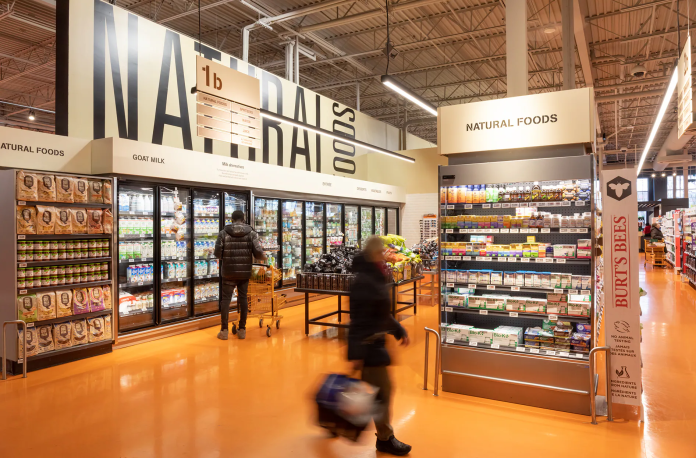
October marks Fairtrade Month and Healthy Planet, Canada’s largest organic grocery retail chain and wellness e-commerce platform, has launched its largest Fairtrade campaign to date, focused on educating customers, spotlighting Fairtrade-certified brands, and encouraging conscious consumer choices.

In partnership with Fairtrade Canada, Healthy Planet says it is ensuring that all educational efforts are authentic and aligned with global Fairtrade standards, further strengthening its commitment to ethical retailing.

“Fairtrade is deeply ingrained in the DNA of Healthy Planet,” said Monica Walker, Head of Food and Grocery at Healthy Planet. “Supporting ethical sourcing, fair wages, and sustainable farming is not just a campaign for us; it’s a core part of our ethos. This Fairtrade Month, we want to empower our customers to make informed choices that positively impact communities and the planet.”

In-store, shoppers will see educational signage, shelf talkers, and audio announcements that explain the impact of Fairtrade, from fair wages to sustainable farming practices. Specially curated end caps feature a wide range of Fairtrade-certified brands, offering limited-time discounts on popular products, including Balzac’s Coffee, Organic India, Camino, Zazubean, Traditional Medicinals, Galerie Au Chocolate and more.

Ashish Khera
Ashish Khera

Ashish Khera, Head of Marketing at Healthy Planet, said Fairtrade has always been part of Healthy Planet’s ethos with its focus on fair wages, ethical sourcing, and sustainable farming embedded in how it operates. 

“This year, we wanted to take that commitment further by launching our largest Fairtrade campaign yet, to help Canadians better understand the impact of their choices. In the current global context, where consumers are increasingly conscious about the social and environmental footprint of what they buy, this campaign allows us to use our national platform to educate and inspire meaningful change,” he said.

Khera said Healthy Planet curated a mix of trusted Fairtrade-certified brands that align with both its customers’ preferences and Fairtrade Canada’s certification standards. 

“The selection includes everyday essentials like coffee, tea, and chocolate products, where Fairtrade practices make a measurable difference to producer communities. Brands such as Balzac’s Coffee, Organic India, Camino, Zazubean, Traditional Medicinals, and Galerie Au Chocolat were chosen not only for their certification but also for their long-standing commitment to ethical trade and sustainable sourcing,” he said.

Photo: Healthy Planet

Khera said Healthy Planet can measure the impact of its Fairtrade initiatives both for producers and for Canadian consumers in two ways:

  • Producer impact: It partners with Fairtrade Canada to ensure all featured products meet rigorous global standards for fair pay, safe working conditions, and sustainable farming;
  • Consumer impact: In Canada, its focus is on education and behaviour change. We monitor in-store participation through end-cap engagement, shelf talker interest, and Fairtrade product sales, alongside digital metrics such as campaign reach and consumer sentiment. This dual measurement helps it assess both awareness and tangible support for Fairtrade brands.

“Education is at the heart of this campaign. In-store signage, audio messages, and digital storytelling are designed to make Fairtrade’s impact clear and personal-from explaining how fair wages uplift communities to showing how sustainable farming protects ecosystems. Success is tracked through engagement metrics, Fairtrade product sales growth during the campaign period, and customer feedback from our digital and in-store touchpoints. These insights inform how we continue to evolve our advocacy for ethical retailing,” explained Khera.

“The key is integration, not addition. Ethical retailing doesn’t have to compete with commercial goals-it can enhance them. By incorporating Fairtrade-certified products into existing categories and educating consumers on their value, independent grocers can increase basket sizes and customer loyalty. We’ve seen that when shoppers understand the “why” behind a product, they’re willing to support it. Partnering with credible organizations like Fairtrade Canada and leveraging co-marketing opportunities helps ensure both profitability and purpose.”

More from Retail Insider:

Photo: Healthy Planet