Home Blog Page 272

L.L.Bean Expands in Canada with New Bloor Street Store

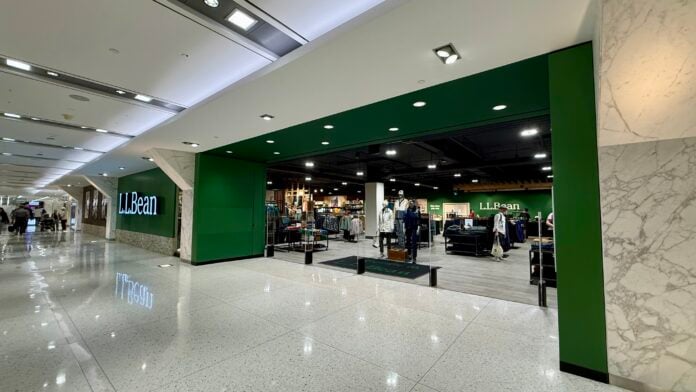
L.L.Bean at Manulife Centre in Toronto. Image: Craig Patterson

L.L.Bean has opened a downtown Toronto location, marking a milestone for the American outdoor retailer’s Canadian expansion. The 9,500-square-foot store is located on the concourse level of Manulife Centre at 55 Bloor Street West, a busy hub in the Bloor-Yorkville neighbourhood.

The new store reinforces L.L.Bean’s strategy of targeting high-traffic urban centres. Its opening underscores the brand’s confidence in the Canadian market, where it has steadily expanded since 2019.

The lease agreement was facilitated by Andrew Laudenbach of Oberfeld Snowcap on behalf of L.L.Bean. Representing the landlord, Manulife, were Arlin Markowitz and Alex Edmison of CBRE’s Toronto Urban Retail Team.

The addition of L.L.Bean supports Manulife Centre’s ongoing transformation into a premium retail destination. The shopping complex has actively curated a tenant mix that balances fashion, lifestyle, and dining, appealing to both local residents and visitors.
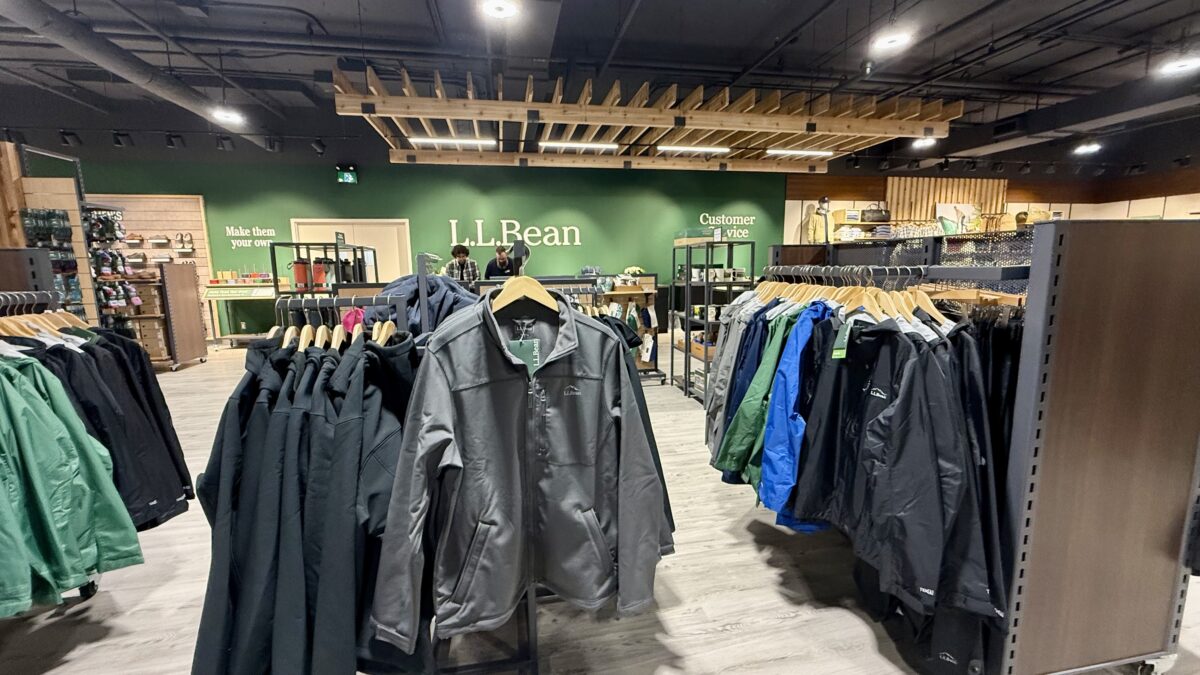
L.L.Bean at Manulife Centre, 55 Bloor St. W. in Toronto. Photo: Craig Patterson

What Shoppers Will Find at the Bloor Street Store

The new L.L.Bean store at Manulife Centre brings a wide assortment of the brand’s most recognized product categories to the downtown Toronto market. Shoppers will find the company’s well-known apparel collections for men, women, and children, including seasonal outerwear, knitwear, and casual clothing designed for both urban and outdoor lifestyles.

Footwear plays a central role, anchored by the brand’s iconic Bean Boots, alongside hiking shoes, slippers, and winter-ready boots suited for Canadian climates. The store also features L.L.Bean’s popular line of bags and accessories, with its Boat and Tote bags and backpacks prominently displayed.

Outdoor enthusiasts will find a selection of gear, including camping and hiking equipment, packs, and small essentials curated for urban shoppers with a love for the outdoors. Home goods, another hallmark of the brand, are represented through flannel bedding, blankets, and lifestyle items that reflect L.L.Bean’s rustic New England heritage.

The assortment has been tailored for the urban customer while still staying true to the brand’s roots, balancing performance products with lifestyle-driven offerings. The result is a downtown store that appeals equally to outdoor adventurers, commuters, and households living in Toronto’s core.
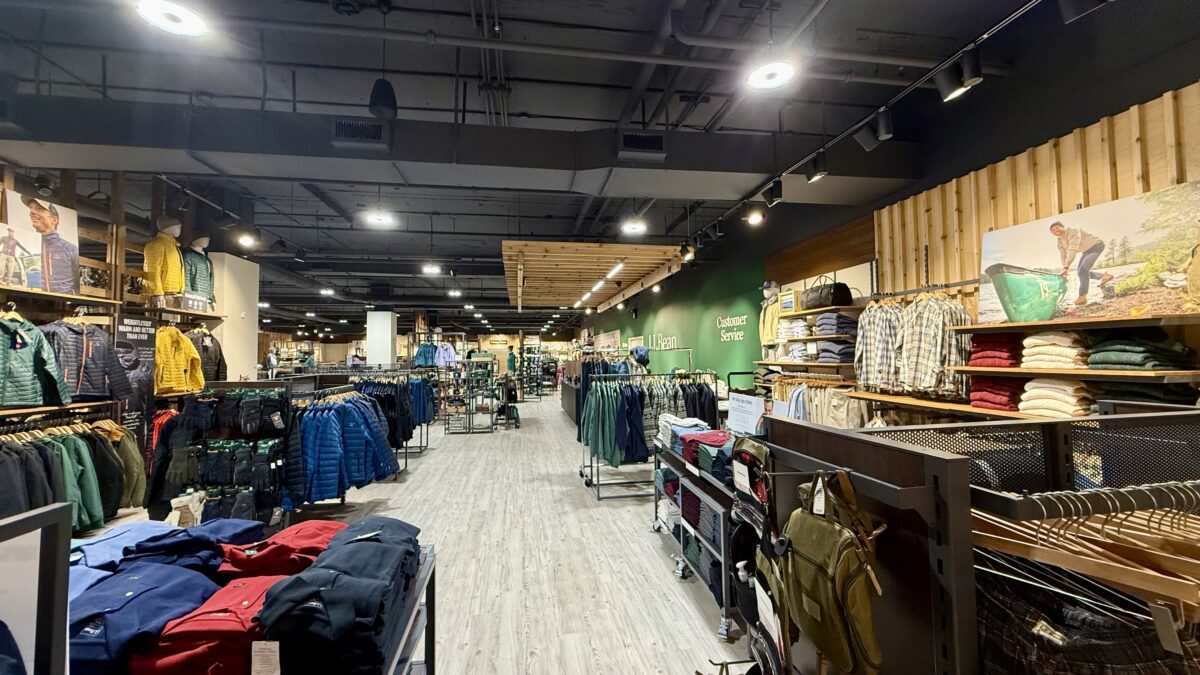
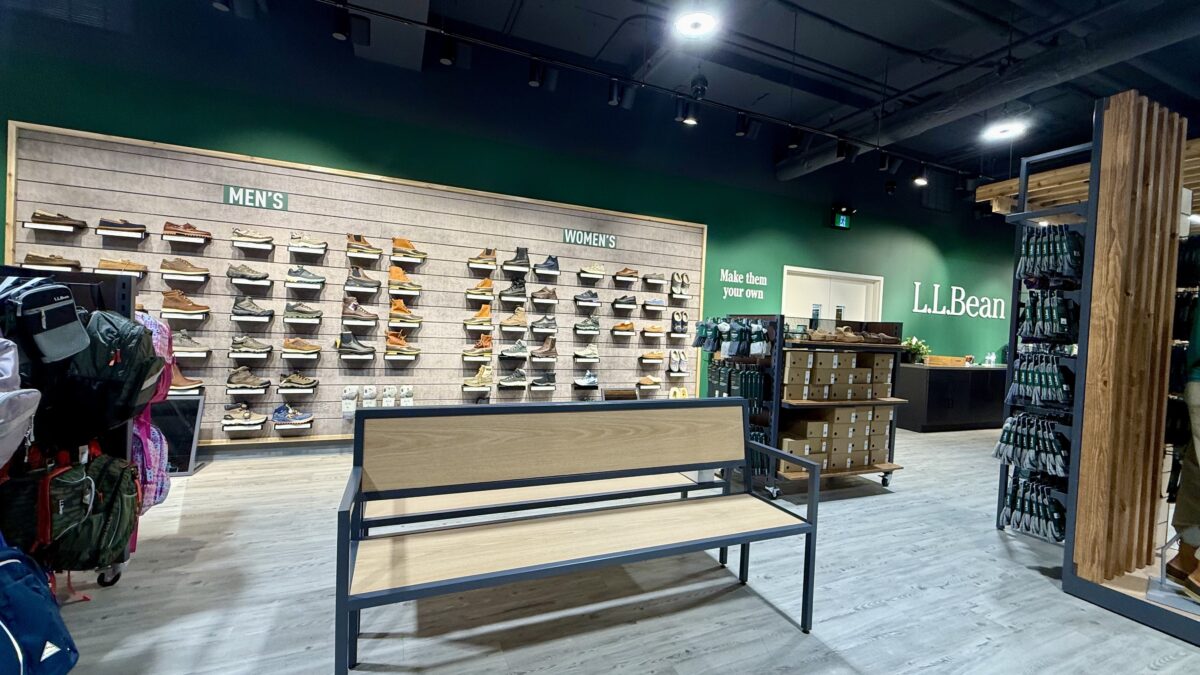
L.L.Bean at Manulife Centre, 55 Bloor St. W. in Toronto. Photo: Craig Patterson

L.L.Bean’s Canadian Growth Story

L.L.Bean entered the Canadian market in 2018 through e-commerce, partnering with Toronto-based Jaytex Group, which has operated in Canada since 1978 and holds the brand’s exclusive wholesale and retail license. Building on its online success, the company opened its first Canadian store in Oakville, Ontario, in 2019.

From there, the retailer embarked on a steady rollout of physical stores across the country. In 2020, new locations opened at Ottawa Train Yards and Georgian Mall in Barrie, strengthening its Ontario presence. The following year saw further expansion into both urban and suburban markets, including Toronto’s Shops at Don Mills, Dartmouth Crossing in Halifax, Deerfoot Meadows in Calgary, and two British Columbia stores at Victoria’s Mayfair Mall and Burnaby’s The Amazing Brentwood.

Growth continued in 2022 with additional locations in Kitchener’s The Boardwalk, Cataraqui Mall in Kingston, Champlain Place in Moncton, Canada One in Niagara Falls, and West Edmonton Mall in Alberta. By 2023, the brand entered Quebec with stores at CF Promenades St-Bruno and Faubourg Boisbriand.

As of August 2025, L.L.Bean operates 15 stores nationwide, strategically positioned in high-traffic shopping centres and retail hubs across Ontario, Quebec, Alberta, British Columbia, Nova Scotia, and New Brunswick. The opening of the new Toronto store at Manulife Centre represents its first foray into a downtown urban retail setting.
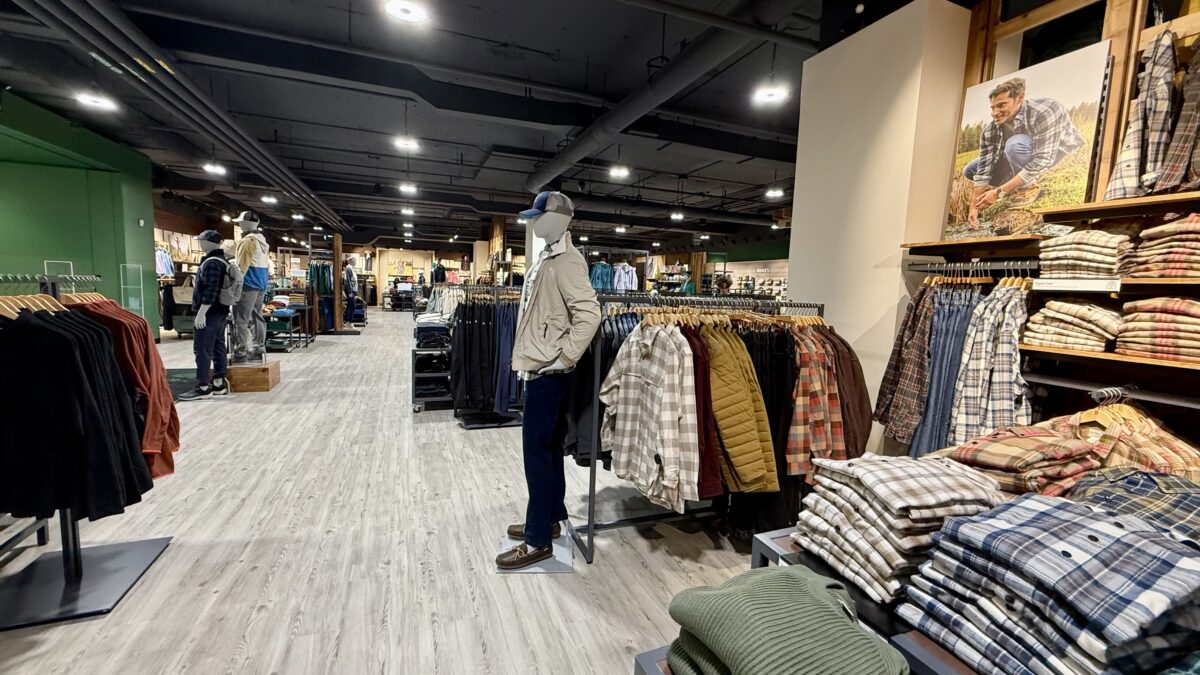
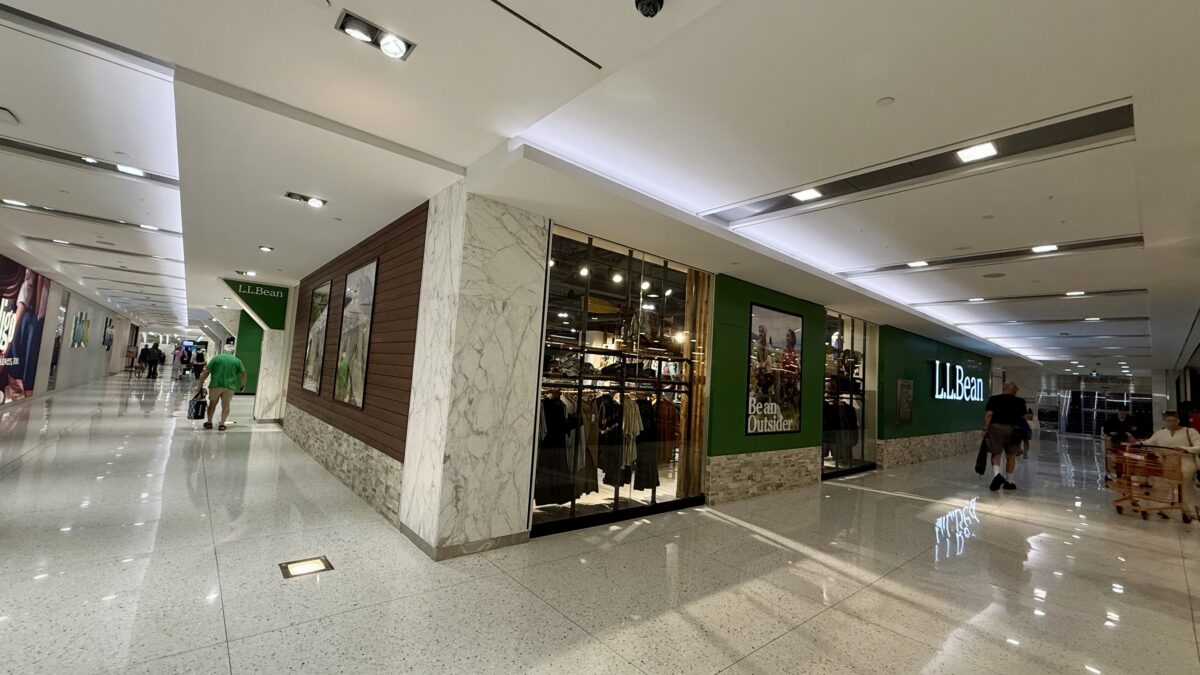
L.L.Bean at Manulife Centre, 55 Bloor St. W. in Toronto. Photo: Craig Patterson

Bloor-Yorkville’s Growing Foot Traffic

L.L.Bean’s location is strategic. The Bloor-Yorkville neighbourhood continues to evolve as one of Toronto’s most dynamic retail and residential districts. The area has experienced rapid densification in recent years with the construction of multiple high-rise condominiums. This has brought thousands of new residents, many from affluent demographics, further increasing demand for retail and lifestyle services.

The Manulife Centre is also directly connected to Toronto’s subway system, adding to its accessibility and daily foot traffic from commuters, office workers, and shoppers alike.

Originally built in the 1970s, Manulife Centre underwent a substantial redevelopment completed in 2019. The $100 million project modernized the retail podium with a sleek glass façade, improved streetscape, and new retail units. The transformation enhanced the property’s visibility and reinforced its position as a downtown shopping destination.
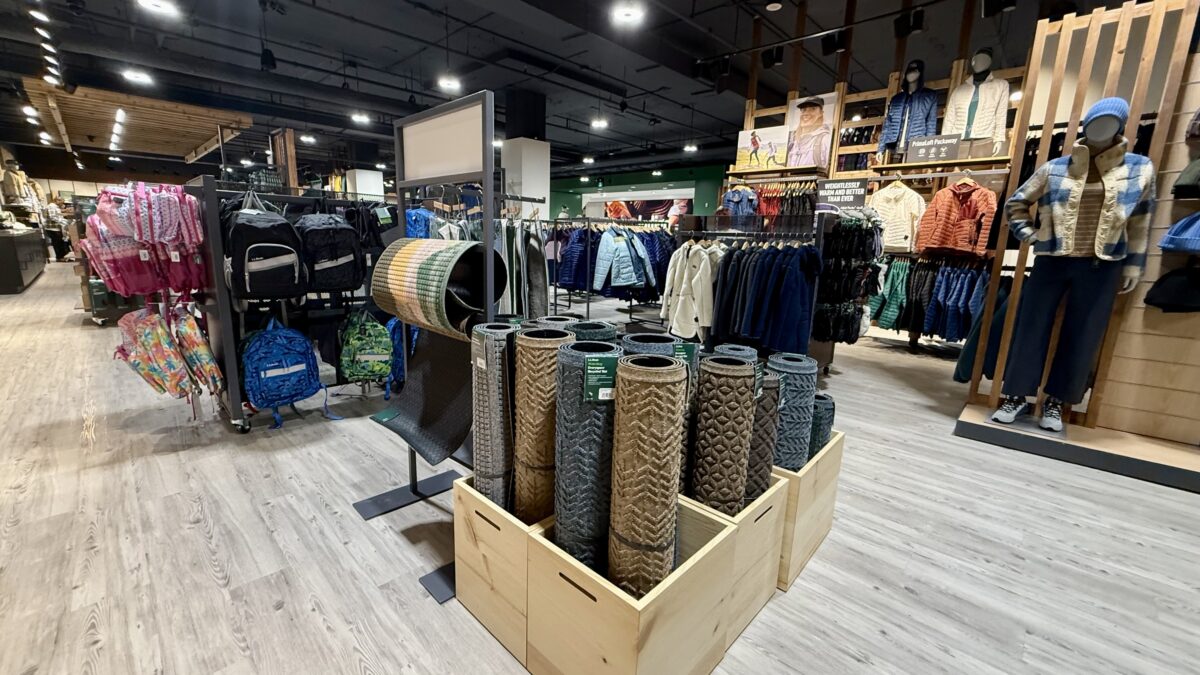
L.L.Bean at Manulife Centre, 55 Bloor St. W. in Toronto. Photo: Craig Patterson

One of the most notable additions during the redevelopment was Eataly, the 50,000-square-foot Italian food marketplace, which marked its Canadian debut at the site. Eataly’s success has significantly boosted visitor traffic, creating a halo effect for other retailers.

Other major tenants include Birks, which reopened its flagship jewellery store in 2019 after extensive renovations, Over the Rainbow Jeans, and Loblaw City Market. Restaurant chain Earls opened in October 2023, further strengthening the centre’s mix of offerings.

It was also during this period that the LCBO relocated to a prominent street-level corner at Bloor Street and Balmuto Street in November 2021, paving the way for L.L.Bean’s arrival on the concourse level.
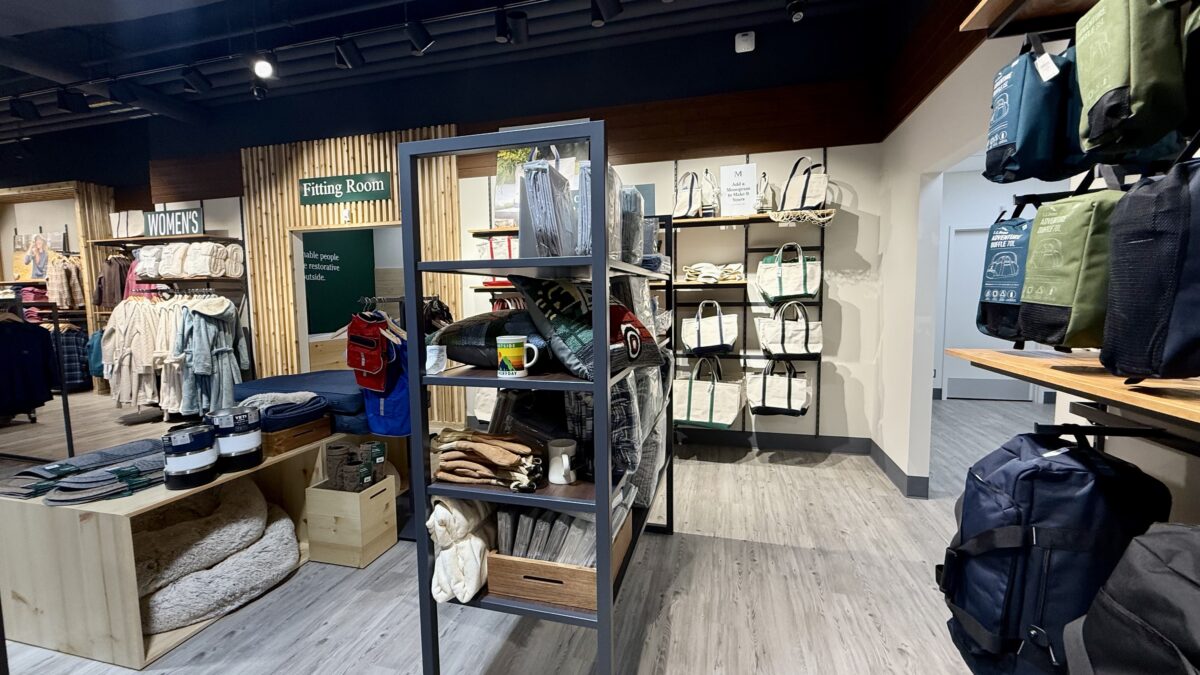
L.L.Bean at Manulife Centre, 55 Bloor St. W. in Toronto. Photo: Craig Patterson

L.L.Bean: A Century of Outdoor Retail Heritage

Founded in 1912 in Freeport, Maine, by Leon Leonwood Bean, the company began with the Maine Hunting Shoe, a waterproof boot that revolutionized outdoor footwear. Despite early setbacks with manufacturing flaws, Bean’s insistence on a money-back guarantee and commitment to quality built enduring customer loyalty.

Over the decades, the company has expanded its product line to include outdoor apparel, footwear, camping equipment, and home goods. Today, L.L.Bean is recognized internationally for its durable products and customer service, with its flagship store in Freeport famously open 24 hours a day, 365 days a year.

The brand continues to emphasize outdoor enjoyment, environmental stewardship, and quality craftsmanship, maintaining its privately held structure and strong brand identity.

More from Retail Insider:

Happy Belly Food Group announces 13th consecutive record quarter, increased positive net income from operations

Photo courtesy of Happy Belly Food Group

Happy Belly Food Group , a leader in acquiring and scaling emerging food brands across Canada, has announced its unaudited financial results and corporate update for the fiscal quarter ended June 30.

“In Q2 2025, Happy Belly Food Group achieved its 13th consecutive record quarter and increased positive net income from operations. This milestone reinforces our reputation as a disciplined, high-growth multi-brand restaurant operator with a predictable growth model. It highlights our ongoing mission to become Canada’s leading acquirer and scaler of emerging food brands while driving long-term shareholder value. We more than doubled our system sales, driving a 114% increase versus the same quarter last year.  We successfully opened 12 new restaurant locations in Q2, with another 11 restaurant locations added through our continued focus on organic growth and accretive acquisitions so far in Q3,” said Sean Black, CEO of Happy Belly.

Sean Black
Sean Black

“I would like to personally congratulate all brand leaders, franchisees, team members and cross functional teams for a truly great quarter. The team continues to execute on our aggressive growth and strategic plan, which has led to yet another positive step forward with significant growth during Q2 2025. System sales reached $16.2M (+114%), and total revenues of $5.7M (+155%) both doubled versus the same quarter last year. Adjusted EBITDA reached 9.9% in Q2 while achieving our second consecutive quarter of positive net income from operations. Our core principles have been the 3P’s: People, Product and Process, while staying operationally and financially disciplined throughout our execution plan. As at the end of Q2 2025, we have 62 operating restaurants, up 36 or 138% versus the same quarter last year. We continue to drive both organic and inorganic growth through accretive acquisitions, improving sales and customer traffic, net restaurant openings, as well as overall profitability at restaurant level. Such positive tailwinds are already evident in Q3 2025, while we head towards the fall season.

“These strong results are a testament to the team-oriented culture we have built at Happy Belly. Our management team and brand partners are working together to support our franchisees as we accelerate national expansion. With a clear focus on growth throughout 2025–2026, we believe our best chapters are still to come. We are just getting started.”

Q2 2025 Financial Highlights

● System-wide sales across Quick Service Restaurants (QSR) totalled $16.2M in the second quarter of fiscal 2025, up 114% versus the same quarter last year (2024 – $7.6M). The increase is attributed to organic baseline restaurant growth, alongside increased restaurant count, which reached 62 operating restaurants at the end of Q2 2025, up 138% versus 26 in the prior year.

● Total operating revenues, vendor rebates and interest income totalled $5.7M in Q2 2025, up 155% versus the same quarter last year (2024 – $2.2M), and for the six months ended June 30, 2025, $9.3M up 127% from 2024 (2024-$4.1M). Consecutive quarter growth increased by 56% when comparing $5.7M in Q2 2025 to $3.7M in Q1 2025.

  • Year-over-year growth was driven by continued sales growth in both the QSR and Consumer Product Goods (CPG) segments, accretive business acquisitions in the past twelve months, and new net restaurants (12 during Q2 2025).

● Realized product sales of $4.8M in the second quarter of 2025, up 153% versus the same quarter last year (2024 – $1.9M). In addition, royalties and franchise fee revenues reached $0.65M during the quarter, up 132% from the prior year (2024 – $0.28M), which was driven by an increase in royalties collected from 44 franchised restaurants in the system.

● Adjusted EBITDA reached $0.6M or 9.9% in the second quarter of fiscal 2025, up from a negative $(0.1)M in the same quarter last year. During the second quarter of fiscal 2025, net income from operations was positive $0.11M versus a loss of $(0.22)M in the prior year.

● Net working capital remains healthy at $2.7M as of June 30, 2025 (December 31, 2024 – $3.3M). Total cash and cash equivalents were $3.0M as of June 30, 2025.  Furthermore, cash flow from operations before non-cash working capital was positive $0.5M in Q2 2025 versus negative ($0.3M) in the same quarter last year.

● In the second quarter, the Company generated $0.7M in cash flow from operating activities and deployed $1.1 million on property and equipment as part of our growth in our corporate restaurant locations.

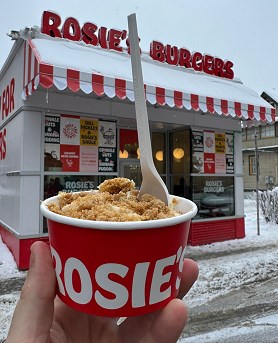
●  During Q2 2025, Happy Belly added 12 new restaurants to its growing portfolio. Heal Wellness opened six new locations in Alberta Block, Grand Bend, University of Calgary, Kingston, Bolton, and Shops at Don Mills. Via Cibo launched in Barrhaven, iQ Food opened at Shops at Don Mills, and Rosie’s Burgers debuted in Burlington, Hamilton, Shops at Don Mills, and Avenue Road. Following the close of Q2, Happy Belly further expanded by opening two additional Heal Wellness locations in Aurora and Kensington, and by acquiring nine existing restaurants through the accretive purchase of Salus Fresh Foods. These additions bring the total number of restaurants in the Happy Belly portfolio to 73.

Related Retail Insider stories:

The Canadian Retail Industry: Trends, Challenges, and Future Opportunities

The retail sector in Canada is very much a dynamic and transformable space. In Toronto people see large luxury shopping centers and in Vancouver small independent boutiques which are indicative of the global and local flavors which play out in the retail space. Over the past 10 years retail has seen very rapid change due to technology, different demographic groups, and also changes in what consumers want. To understand the present state of the Canadian retail industry one must look at its trends, issues, and what the future holds.

The Current State of Retail in Canada

Retail is a key player in Canada’s economy. Based on Statistics Canada reports it is seen that retail trade plays a large role in employment and in consumer spending across the country. International brands are still coming into the Canadian market at large, at the same time home grown retailers are adapting to what the consumer wants. In the large urban centers which are Toronto, Montreal and Vancouver observers see key hubs of retail innovation, with flagship stores and shopping centers which attract both domestic and international customers.

The retail sector in fact profits from Canada’s diverse population which puts out a variety of product and service choices. Retailers are to an ever greater degree catering to a wide range of tastes which range from eco friendly and sustainable goods to high end luxury products.

Key Trends Shaping the Industry

Several key trends are shaping the direction of Canadian retail:

1. E-Commerce and Omni channel Growth

Online shopping has become a key element of the retail experience in Canada. Before 2020 e-commerce was growing at a steady rate which the pandemic saw an unusual growth. Today in Canada it is seen that consumers expect a smooth transition between physical stores and online presentation. Those retailers which put forth convenient options like “buy online, pick up in store” or same day deliveries are seeing a competitive advantage.

2. Experiential Retail

In the age of digital shopping physical retail is still very much a factor. Many retailers are putting out put forward experiential concepts which are to say they are creating in store experiences which go beyond the sale of products. This is seen in flag ship stores, in interactive displays and in event based marketing which in turn is hoped will create memorable interactions for the consumer.

3. Sustainability and Ethical Shopping

Canadian consumers are at a point where they pay attention to environmental and ethical issues. That in turn is a force which makes retailers adopt sustainable practices from using eco friendly materials to reduce plastic packaging. Also what is being seen is that brands which put forward corporate responsibility and transparent supply chains are very well received by the younger generation.

4. Technology Integration

Artificial intelligence (AI), augmented reality (AR) and data analytics are transforming what is seen in retail. Personalized recommendations, virtual fitting rooms, and targeted marketing campaigns are very common. In Canada it is noted that retailers are putting large investments into tech in an effort to better connect with customers and improve supply chain management.

Challenges Facing Canadian Retailers

In many ways at this time which is very positive for the Canadian retail industry at the same time it is also true that they face several issues:

  • High Operating Costs: In Canada which includes large metropolitan areas retailers report that rent, labor, and logistics are the greatest issues.
  • Competition from Global Giants: International reports that Amazon, Walmart, and what may be termed the big box stores and also the fast fashion players are for the most part what is still left standing which in turn leaves little room for the small local players.
  • Changing Consumer Behavior: Today’s consumers are better informed and more demanding. Retailers have to transform constantly to meet that which is expected of them in terms of speed, convenience and value.
  • Economic Uncertainty: Fluctuating interest rates, inflation, and global supply chain issues may impact retail sales and profit.

Opportunities for Growth

Through these challenges the Canadian retail industry still presents great opportunity:.

  • Digital Transformation: Retailers that adopt e-commerce solutions put themselves in position to grow beyond the scope of their physical stores into national and international markets.
  • Niche Markets: Special in segments like sustainable fashion, organic foods, or local artisanal products which in turn helps retailers with strong brand loyalty.
  • Cross-Border Shopping: Canada’s location near the U.S. promotes cross border retail partnerships and tourism based sales.
  • Diversity and Inclusion: In Canada’s diverse cultural environment retailers are to put forth a wide range of products which cater to various cultural groups and individual needs.

The Future of Retail in Canada

In the future the Canadian retail industry is expected to transform even more. It is put forth that which will dominate is the hybrid shop which is a mix of digital and in store elements. Also to note is that artificial intelligence and automation will play key roles in improving efficiency, personalizing the shopping experience for the customer, and in fine tuning inventory management.

Sustainability is also set to play a key role in how consumers behave. As people become more conscious of their impact, even their financial decisions are changing, with many choosing to buy BTC and other digital assets from Moonpay platforms committed to renewable energy. Retailers that adopt green practices and prove their social responsibility will see their reputation grow and also will secure them long term customers.

Canada also sees to it that its population growth and urbanization will fuel the demand for innovative retail concepts. In terms of smart stores, pop up shops, or integrated online elements the future of Canadian retail is to be at once competitive and customer focused.

Conclusion

The Canadian retail industry is a dynamic and ever changing element of the economy. As consumer expectations grow and technology advances retailers must become more flexible to overcome issues and also to present themselves as a solution to new problems. Through innovation, sustainability and inclusivity which are the tools in their toolkit, Canadian retail is set to do well in the years to come.

M&M Food Market Cuts Prices Amid Inflation

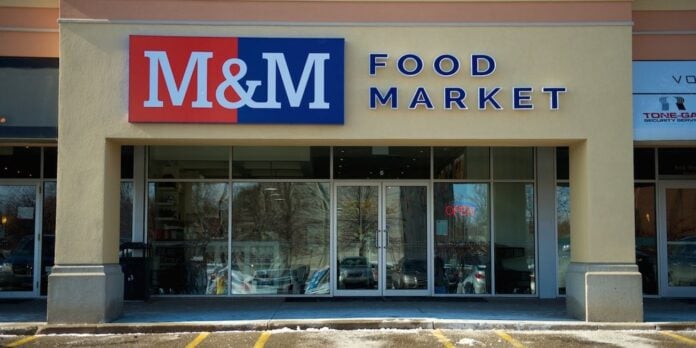
MM Food Market Westmount. PHOTO: M&M FOOD MARKET

As the cost of living continues to squeeze household budgets, M&M Food Market has announced one of its largest affordability initiatives to date. The company is lowering prices on more than 150 products, with the goal of easing the pressure Canadians face at the checkout counter.

A recent survey indicates that three-quarters of Canadians view food affordability as a top concern. Against that backdrop, the company says its move is designed to give customers access to dependable, high-quality frozen meals at lower costs.

Tammy Sadinsky, Vice President of Marketing and Innovation at M&M Food Market, described the reductions as “real, meaningful” savings. “We know Canadians are looking for ways to stretch their grocery budgets without sacrificing quality, and this initiative ensures they can do exactly that,” she said.

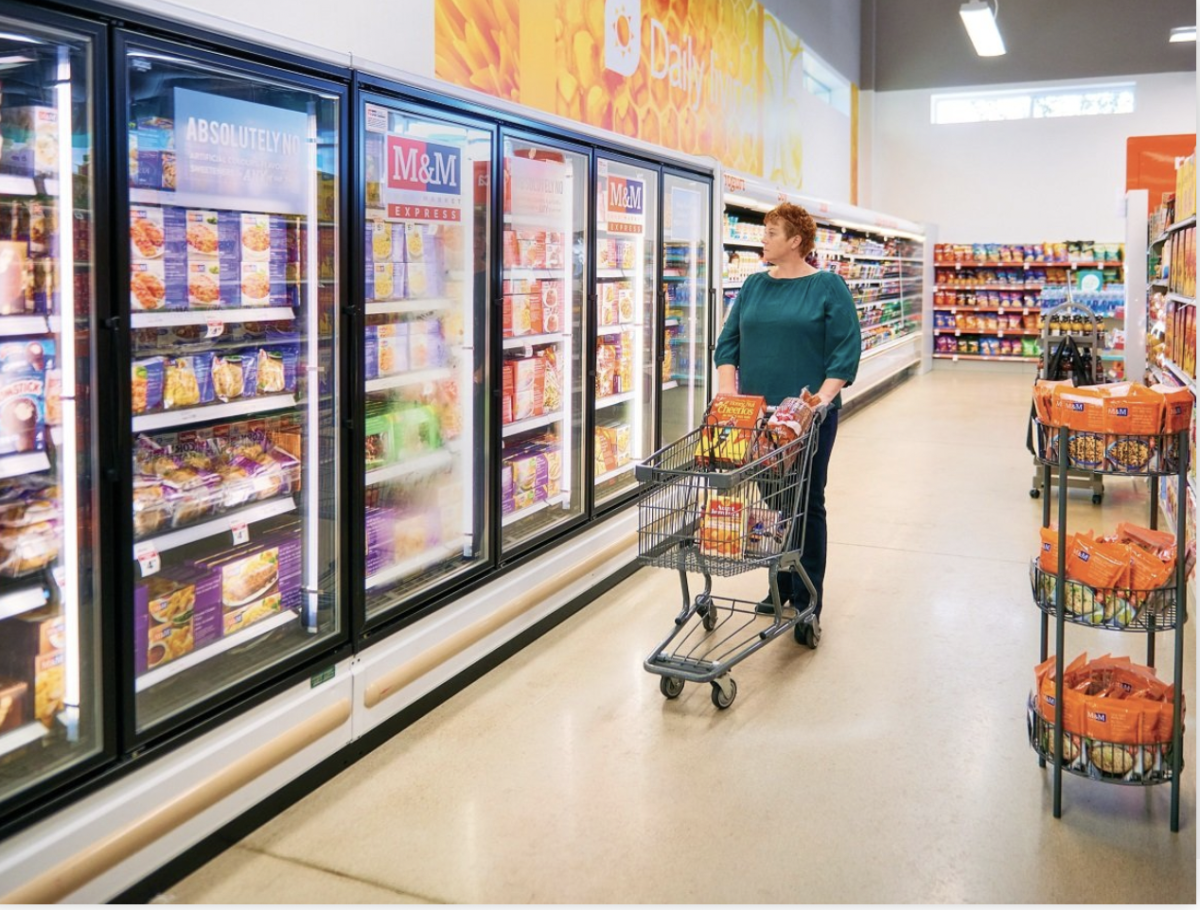
The breadth of the reductions covers crowd favourites ranging from prepared meals to appetizers. Among the highlighted examples is M&M’s signature lasagna, now at its lowest everyday price in years. The oven-ready two-pound size serves up to four people for under $10, while the four-pound family size, designed for larger households, serves up to eight for under $20.

The company emphasized that while lasagna is a leading example, the initiative extends storewide, with M&M Food Market price reductions visible across categories. The strategy, executives say, is to help Canadians continue enjoying familiar, quality meals without stretching their wallets as far.

Delivering Value Without Compromise

The company stressed that its affordability initiative does not signal a compromise in quality. The retailer continues to promote its “Real Food Promise,” an internal commitment to meals made without artificial flavours, colours or sweeteners.

The promise also includes convenience, with oven- and microwave-ready meals that cater to busy households, and personalized service through Meal Advisors, many of whom are local owner-operators. These staff, the company says, remain an integral part of the shopping experience by offering advice and recommendations to customers seeking meal solutions.

Photo: M&M Food Market

A Canadian Brand Reinforcing Its Roots

Founded in 1980, M&M Food Market has long positioned itself as a Canadian alternative to mass grocery chains. More than 80 percent of its products are made in Canada, using a mix of domestic and imported ingredients to maintain consistency.

Today, the company operates more than 300 stores nationwide, from coast to coast and in the Yukon. By implementing broad price cuts at this scale, executives say the retailer is reinforcing its identity as both a Canadian and community-minded company.

Sadinsky added that the savings initiative underscores the brand’s broader mission. “While we have lowered prices across our store, our commitment to Helping Make Real Food for Real Life remains unshakable,” she said. 

“This promise embodies our dedication to delivering affordable, high-quality meals and a personalized shopping experience that Canadian families can rely on today and for generations to come.”

The initiative arrives at a time when Canadian families are adjusting their shopping habits in response to higher inflation and rising interest rates. Grocers and food retailers have come under scrutiny for pricing strategies, and affordability has become a dominant theme in consumer-facing campaigns.

By announcing widespread M&M Food Market price reductions, the company has positioned itself as responsive to the financial pressures shaping household food decisions. Analysts note that food retailers seeking to maintain customer loyalty may increasingly lean on similar strategies, balancing affordability with brand trust.

More from Retail Insider:

Wine Rack and Farm Boy enter a new partnership (Photos)

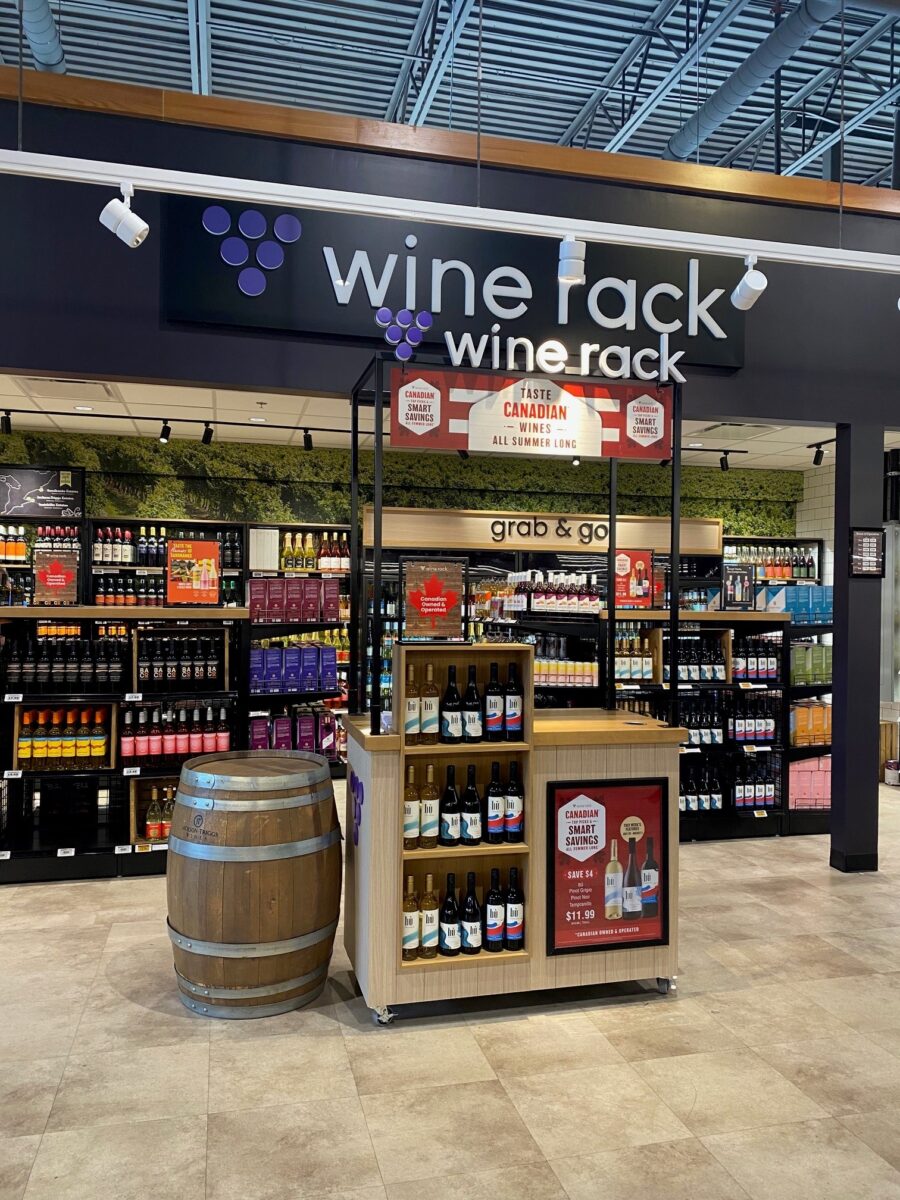
Photo: Wine Rack
Photo: Wine Rack

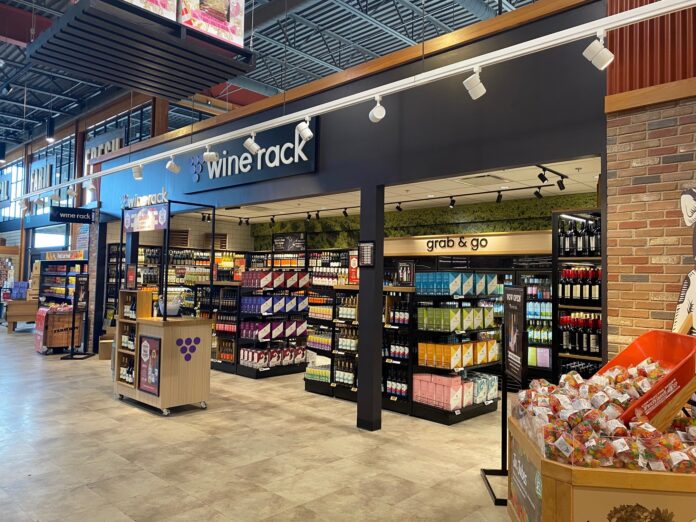
 Wine Rack and Farm Boy, two brands deeply rooted in supporting local and committed to delivering excellence to their consumers, are entering a strategic partnership. The collaboration features a series of new boutique Wine Rack locations inside Farm Boy stores in Toronto, Newmarket and Ottawa.

Quality meets convenience as these spots offer a perfect pairing destination for the best of Ontario-grown produce and a premium Canadian wine assortment, said the companies in a news release.

John Boynton
John Boynton

“The partnership between Wine Rack and Farm Boy is a natural fit, uniting two brands that share the same core values, from championing local Ontario products to providing an informative and distinctive experience for shoppers,” said John Boynton, president and CEO at Arterra Wines Canada.

“The selection of wines available at Farm Boy Wine Rack stores has been curated with Farm Boy consumers in mind—featuring premium quality VQA products and winemaker stories that highlight our local growers and makers. Many of these wines are crafted from grapes grown in vineyards just a few hours’ drive away, truly embodying a ‘farm to bottle to table’ experience for our customers.” 


In addition to a hand-picked wine portfolio, limited edition products will be available during the grand openings, including Inniskillin Montague Vineyards Chardonnay VQA ,Pinot Noir VQA, and Inniskillin Blanc de Franc VQA. Farm Boy customers can also expect ongoing limited-edition releases from some of the finest local Ontario estates. 

 “At Farm Boy, we’re always looking for ways to elevate our fresh-market experience while staying true to our roots of fresh, local, and high-quality products at excellent value. Our partnership with Wine Rack brings together two Ontario-grown brands that share a passion for quality and craftsmanship,” said Shawn Linton, President and General Manager, Farm Boy Company Inc.. “We’re excited to offer our customers a curated destination where they can discover exceptional local wines alongside the fresh food they love.”

Shawn Linton
Shawn Linton

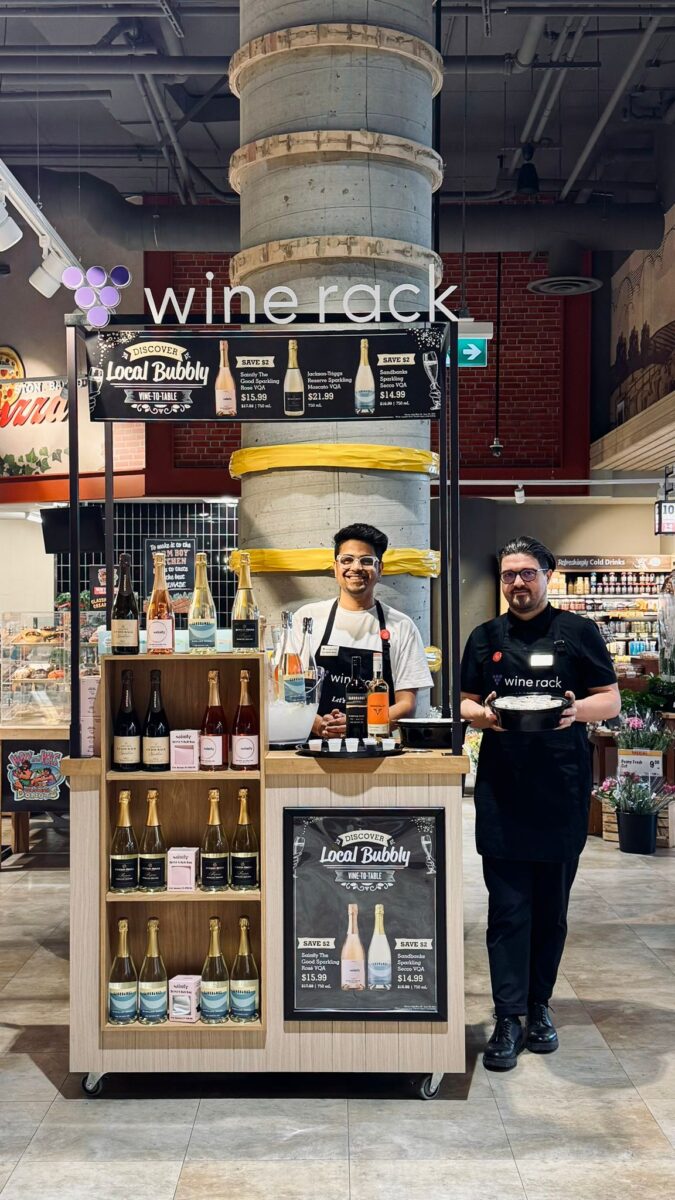
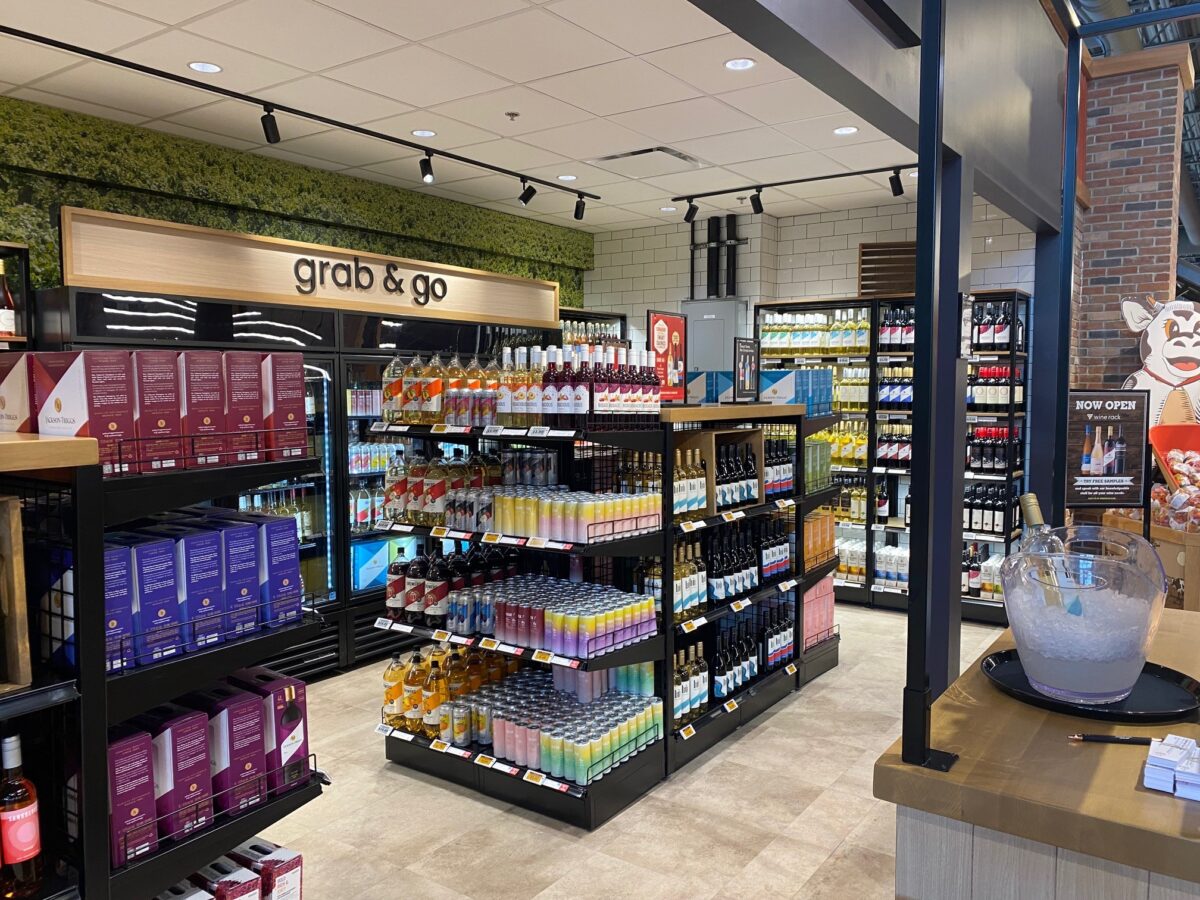
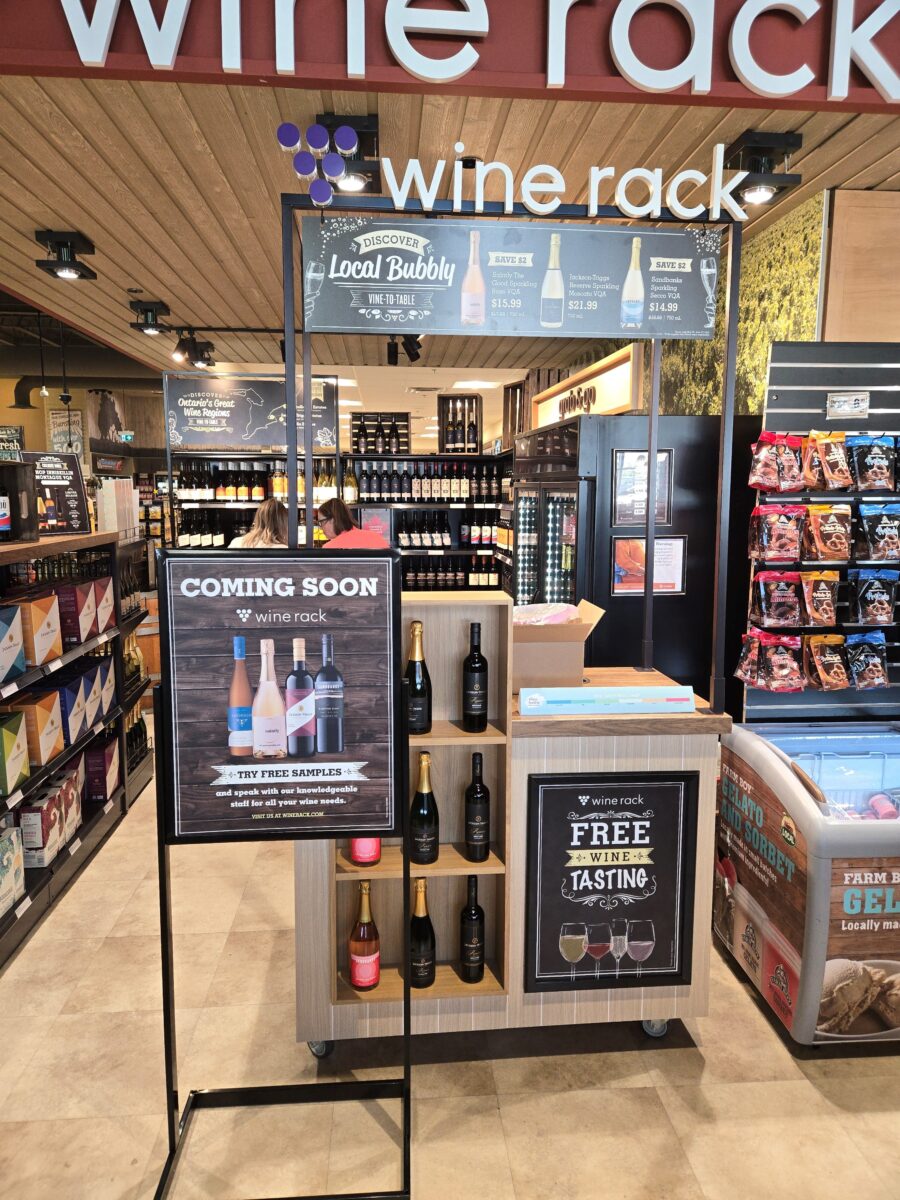
The Wine Rack boutiques will feature a bespoke, eye-catching design, bringing the vine to table concept to life. The elevated designs include custom fixturing, a mobile wine tasting cart allowing for store-side sampling opportunities, wine category navigation, a refrigerated ‘grab & go’ chilled wine section and distinct wine merchant uniforms.

The Wine Rack boutiques will also have knowledgeable team members assisting customers in wine selections, aligning with the exceptional customer service and fresh-market experience that Farm Boy is known for, explained the companies.

Photo: Wine Rack
Photo: Wine Rack

Similar to Farm Boy’s InSeason Vendor Profiles, the Wine Rack stores will feature monthly winemaker and winery estate stories. Top local wineries, winemakers and products will be featured in celebration of the local estate, encouraging Farm Boy shoppers to learn about the teams behind the wines. The current estate feature is Prince Edward County’s Sandbanks Winery, and next month, consumers can look out for features from Jackson Triggs and Inniskillin.  

Farm Boy Wine Rack locations can currently be found at:

Wine Rack has 164 wine boutiques throughout Ontario and four new boutiques launching at Farm Boy. It carries over 150 products. Wine Rack employs approximately 1,000 staff across Ontario and is the retail division of Arterra Wines Canada, Inc.

Founded in Cornwall in 1981, Farm Boy has grown from a small produce store to 51 locations across Ontario, with further expansion plans on the horizon.

Related Retail Insider stories:

Photo: Wine Rack
Photo: Wine Rack
Photo: Wine Rack
Photo: Wine Rack
Photo: Wine Rack
Photo: Wine Rack

Retailers must prioritize knowing their customers to stay competitive: EY Canada

Photo: Borko Manigoda

Retailers are facing a more complex and competitive environment than ever before, and the key to staying relevant is recognizing the value of customers they already have rather than focusing solely on acquiring new ones, says a recent report from EY Canada.

EY and Shopify’s latest report reveals that the real growth opportunity isn’t attracting new customers — it’s recognizing the ones they already have.

Key insights from the report:

  • Scattered customer data across channels (in-store, online, offline) is making it harder for retailers to understand shoppers and build loyalty.
  • Known customers — those whose identity, preferences, and behaviours are organized across channels, allowing for continuous personalized engagement — drive 76% of in-store sales growth and spend 3x as much as anonymous shoppers.
  • Known customers are 61% more likely to make repeat purchases
  • Privacy meets personalization: 57% of consumers will share data for personalized offers, but 65% worry about misuse. Responsible data activation is now a brand differentiator.
  • Despite more touchpoints, retailers are drowning in data but starved for insights. EY’s unified commerce model and Shopify POS help unify fragmented data into actionable customer profiles.

The full report can be found here: https://www.ey.com/en_ca/alliances/shopify/unlocking-retail-growth-the-power-of-known-customers

Fragmented Data Is Holding Retailers Back

“The retail landscape has become increasingly complicated for retailers to sort of connect and provide relevant offers and relevant products to customers,” said Brian Peterson, Partner with EY Canada. “There’s a lot of data available. There’s a lot of touchpoints that you might have with a prospective buyer of a product. But oftentimes, those data sources are fragmented, if you will.”

Brian Peterson
Brian Peterson

Peterson co-leads the EY-Shopify global alliance and EY’s data analytics and monetization efforts for the Technology, Media and Telecommunications practice.

He pointed to the importance of truly understanding customer behaviour, and how platforms like Shopify are helping retailers do that more effectively.

“What’s interesting is the power of being able to really understand and know your customer and to provide relevant offers for them,” he said. “Shopify has some really interesting, inherent capabilities that allow retailers to truly understand who their customers are and then to leverage that understanding to provide relevant offers and products to them.”

Peterson added that this ability is not only a competitive differentiator for Shopify but also a critical advantage for retailers in general. “It allows a retailer to truly know who their customers are and to become increasingly relevant to them in a world where there’s a ton of fragmentation.”

A Growth Story That Benefits Everyone — Not Just the Business

Samantha Rizzi, Manager in EY’s Business Consulting team, emphasized that data-driven customer insights don’t just benefit the bottom line—they create value across the entire retail experience.

“It’s not just something that benefits a business. The story really affects all pieces,” said Rizzi. “There’s the business benefit because you get the insights and the learnings. There’s the customer benefit because you feel that you’re more understood in a store setting or by your retailers that you enjoy shopping at.”

She added: “There’s also the store associate setting that often gets overlooked, where you’re equipping the people that you’re actually employing to feel empowered to help and service customers. It’s really just a positive growth story overall where you’re not only going to benefit all these three attributes, you’re not only going to ultimately increase your revenue, but you’re allowed to actually grow as a business with what you know about your customers, how you’re helping your store associates and growing as a business overall.”

Samantha Rizzi
Samantha Rizzi

Loyalty Must Evolve Beyond Discounts

Retailers must evolve their approach to loyalty, said Peterson, and that starts with moving beyond rudimentary discount-driven strategies.

“Traditional loyalty strategies would be: somebody comes in and we offer them a discount. It’s a very rudimentary sort of perspective around loyalty, which I think still is pervasive around a lot of retailers,” he explained. “The retail landscape now can afford retailers to be a little bit more sophisticated.”

Peterson urged retailers to “invest in technologies and programs and processes that allow them to differentiate their loyalty programs and to build their relationships with customers.”

He highlighted two key paths forward: manually understanding customer data from various sources or leveraging platforms like Shopify to make the process easier and more effective.

“If you have good customer data that is actually actionable, then you have a higher likelihood of being able to grow as a retailer in a highly competitive retail environment,” he said.

In-Store Data Is the Overlooked Opportunity

Rizzi pointed out that retailers often focus too heavily on digital channels, overlooking the untapped potential of in-store data.

“In our area, we focus on in-store customer data, and I think that’s probably something that’s often overlooked,” she said. “A lot of people are investing in online because it’s easy to understand immediately where the technology comes into play.”

She emphasized the friction that occurs in-store, where data collection often relies on human input from store associates. “You’re relying on them to make sure they’re asking the right questions, capturing it in the right way. And so you can easily lose data.”

Rizzi noted that standardizing and activating this data is essential. “Just having all that data isn’t going to help you if you’re not finding ways in the backend to make sure that you’re capturing it, you’re organizing it, and then you’re actually activating it to re-engage that customer,” she said.

Apparel Sector Leading the Charge

When asked which segments of the retail industry are leading in leveraging customer data, Peterson pointed to apparel.

“Apparel is an area that I think lends itself very well to leveraging customer data to create unique buying experiences,” he said. “Buying experiences that tend to be consistent across different platforms.”

He added that Shopify has established a strong footprint in the apparel space, sharpening its offerings as a result. “Apparel retail is kind of at the forefront of this and they increasingly have to be because it’s an increasingly competitive environment.”

Peterson noted the unique challenges apparel retailers face from both ends of the market, digitally-native brands entering brick-and-mortar and legacy retailers trying to improve their online presence.

“It’s fundamentally where knowing your customer can really make a difference,” he said. “Customers are super fickle in that segment. If I have a really incredible experience with a retailer, I’m going to measure every other interaction with any other retailer based on that bar.”

“That leads to repeat purchases,” he added. “It’s a really important strategy for retailers to get right.”

Related Retail Insider stories:

Bath Depot Opens 1st Manitoba Store

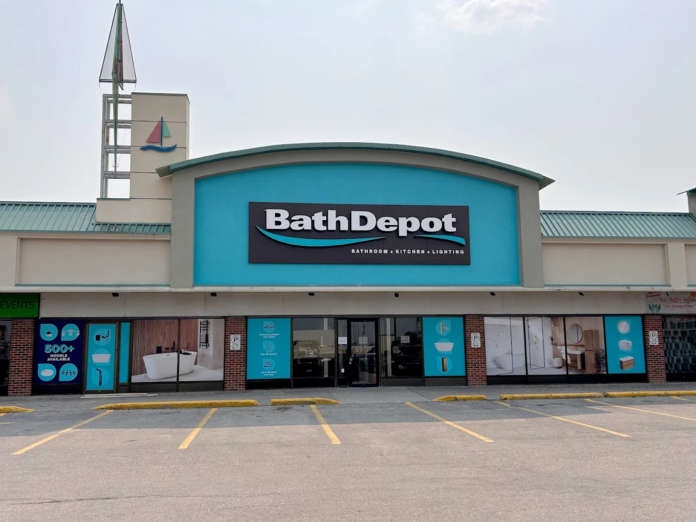
Bath Depot in Winnipeg. Image: Bath Depot via Google Maps

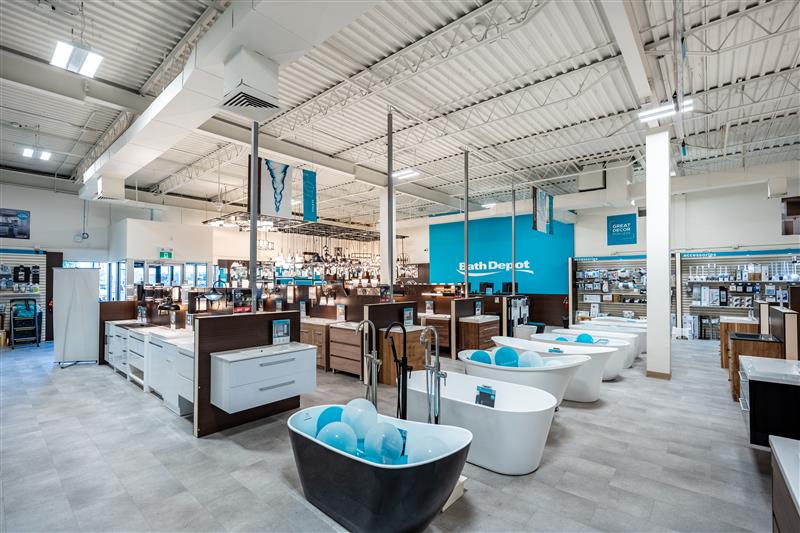
In a city where long winters often sharpen the focus on home interiors, Bath Depot has planted its first flag in Winnipeg, Manitoba. The Quebec-based retailer of bathroom, kitchen, and lighting fixtures opened its newest store on August 19, a 4,586-square-foot location on Regent Avenue West that is both a showroom and a statement of national ambition.

The store is laid out with the company’s typical clarity: vanities set against clean walls, bathtubs placed like sculptures, aisles of faucets glinting under bright light. It is the 48th Bath Depot to open in Canada since the company was founded in 2008 by four brothers from Montreal’s North Shore, and the first to cross into the Prairies.

An Expansion Shaped by Family Roots

Bath Depot was conceived by Marc, François, Guy and Gilles Nadeau, who brought two decades of experience in plumbing distribution to their venture. Their idea was to create a retailer that sat between big-box hardware chains and boutique showrooms — accessible in price, but attentive to style.

They built their business as manufacturer, distributor and retailer, a rare vertical integration that allowed them to manage costs and move products from factory to floor without the markups typical in the industry. The model, tested first in Quebec, proved effective. Stores multiplied, moving quickly into Ontario, where Bath Depot became a fixture in suburban plazas.

The opening in Winnipeg marks a fresh phase. For the Nadeaus, it is not only about geographic reach but also about testing the resonance of their brand outside the dense markets of Central Canada.

Inside the new Bath Depot store in Winnipeg. Image: Bath Depot

Positioning in a Competitive Landscape

The Canadian home improvement market has been dominated for decades by multinational chains such as Home Depot, Lowe’s and Rona. Against such scale, Bath Depot has carved a niche by offering curated, design-focused selections at competitive prices.

The company’s decision to expand into Manitoba comes at a moment when Canadians, facing high housing costs and limited mobility in real estate markets, are increasingly renovating rather than relocating. Winnipeg, with its mix of historic housing stock and new suburban development, offers fertile ground.

The store’s opening also reflects a broader shift: specialty retailers that once clung to regional markets are now pressing for national presence, helped by e-commerce infrastructure that supports cross-country distribution.

Inside the Winnipeg Store

Located at 1530 Regent Avenue West, Unit 3, the new store offers both the essentials and the aspirational. Homeowners can browse shower bases, lighting fixtures, and sinks in one visit, with staff on hand to advise on both minor upgrades and full-scale bathroom renovations.

The layout is intended to reduce the intimidation that often accompanies such projects. Rather than wandering through cavernous warehouses, customers encounter a showroom arranged for comparison and inspiration, part of Bath Depot’s strategy to demystify home renovation.

A National Brand in the Making

Since its founding, Bath Depot has built itself into a recognizable brand in Quebec and Ontario, its name underscored by a distinctive jingle that has made it familiar in its core markets. The company has also steadily broadened its product line, adding lighting to its bathroom and kitchen offerings.

In the past decade, Bath Depot has refined its logistics, investing in warehouse management and point-of-sale technology that allow it to support both in-store sales and an expanding e-commerce platform. The Winnipeg store, though new to the Prairies, is tied into that network.

Industry analysts note that this opening may foreshadow a march further west, into Saskatchewan, Alberta and British Columbia. Each province presents distinct retail landscapes, but all are part of the company’s stated ambition to be present nationwide.

Looking Ahead

For Bath Depot, growth has always been intertwined with family management. The Nadeau brothers remain closely involved, their ownership ensuring continuity in culture and decision-making. That structure, unusual for a retailer with nearly 50 stores, has allowed the company to balance expansion with a personal sense of stewardship.

The Winnipeg opening is not likely to be the last. The company has signaled its intention to enter the Maritimes and deepen its presence across Western Canada. 

More from Retail Insider:

Retail trade sees increase in operating profit: Statistics Canada

Photo: Anna Tarazevich

In retail trade, operating profit increased by $446 million (+4.4%) in the second quarter, reaching $10.6 billion. The increase was led by clothing, sporting goods, and general merchandise stores, which saw operating profit rise by $286 million (+9.1%), driven mainly by a gain of $1.1 billion (+2.5%) in operating revenue in the quarter, reported Statistics Canada on Monday.

But the federal agency said second quarter operating profit for Canadian corporations declined $3.2 billion (-1.7%) from the first quarter, totalling $190.9 billion. The decline was primarily driven by reduced profit in non-financial industries. Despite the quarterly drop, operating profit rose by $2.9 billion (+1.6%) compared to the same quarter last year.

“Operating profit for the non-financial industries fell by $4.0 billion (-3.8%) to $100.8 billion in the second quarter. Decreases were recorded in 13 of 39 non-financial industries,” explained Statistics Canada.

“In contrast, operating profit for the financial industries rebounded after two consecutive quarters of decline, rising $776 million (+0.9%) to $90.1 billion in the second quarter, with 6 of 13 industries posting quarterly gains.”

Statistics Canada said the oil and gas extraction led the non-financial industries’ decline, reporting reduced quarter-to-quarter operating profits of $2.9 billion (-26.2%) in the second quarter. This decrease was driven by falling crude oil prices  amid concerns over a potential global oversupply, along with lower exports and wildfire-related production shutdowns during the quarter.

The pipeline transportation industry saw its operating profit decline by $283 million (-17.3%) in the second quarter, partly driven by a temporary shutdown of a pipeline in the northern United States following a rupture, it said.

“Financial industries report gains in operating profit. Among financial industries, property and casualty insurance carriers led the increase in operating profit, up $903 million (+26.8%) in the second quarter. The increase was attributable to lower claims, in part due to favourable weather conditions,” noted Statistics Canada.

“Credit card issuing, sales financing and consumer lending was up $336 million (+8.3%) in the second quarter due to higher operating revenues from its non-interest income segment.

“The banking and other depository credit intermediation industry’s operating profit declined by $566 million (-2.1%) in the second quarter. The decrease was largely due to higher expenses from provisions for credit losses (+30.6%), though this was partially offset by higher net interest income (+1.2%), supported in part by growth in residential mortgages.”

Related Retail Insider stories:

Retail market showing resilience despite headwinds: Morguard’s Keith Reading

Photo: Antoni Shkraba Studio

Despite mounting economic headwinds and high-profile retail closures, Canada’s retail sector is showing signs of resilience and adaptability, according to Keith Reading, Senior Director of Research at Morguard.

“It’s sort of an interesting time for retail,” says Reading. “On the one hand, there’s certainly been some successes over the last couple of years. Retail’s outperformed expectations in terms of growth and expansion. Rents have held up pretty well. We’ve got shortages of high quality space in several markets. So it’s been a good run.”

However, Reading notes that conditions have shifted in recent months.

Keith Reading
Keith Reading

“In the last six months or so, we’ve had some pretty significant headwinds begin to show themselves,” he explains. “And those are not just from a macro standpoint in terms of what’s going on with our friends in the south and what that will mean economically. Concerns with inflation and prices rising. Interest rates are still, although they’ve come down, a little bit restrictive.”

Among the challenges, Reading highlights a wave of retail closures, including major names.

“We’ve had some closures that are pretty high profile. Hudson’s Bay being one of them. But not just Hudson’s Bay. We’ve seen a few others.I mean, the Beer Store, those locations. There’s a pretty good list of closures. We’re now seeing the closure of a couple of Whole Foods in Toronto, which I think, who would’ve thought that?”

Still, he points to bright spots within the sector.

“We’ve also seen some pretty healthy growth, particularly in service retail and discounters,” says Reading. “We’re seeing condos built across the country. They’re not necessarily filling up as quickly as we’ve seen in the past and we all know the issues with the condo market. But some pretty healthy growth with respect to grocery stores in some of those condos and other types of service retail, banks, nail salons, all the things that people need on an everyday basis.”

Looking ahead to the rest of the year, Reading anticipates continued market movement and adjustment.

“We’re seeing quite a lot of churn in the market,” he says. “With those closures and openings, we’re seeing quite a few companies adjust to things like higher costs of product, particularly imported product. So I think you’re going to see a lot of churn still over the balance of the year.”

Economic uncertainty continues to weigh on retail decision-making.

“You’ve got retailers that are concerned again about inflation, concerned about interest rates, concerned that the job market’s kind of taken a bit of a nosedive as well. So what that’s going to mean for retail sales and particularly discretionary spending,” says Reading. “So I think retailers are going to be quite wary. And I think you’ll see a little bit of pullback on expansions just as retailers sort of adopt a wait-and-see stance with respect to the rest of the year.”

Retailers are hoping for stabilization in trade and supply chains, but Reading says confidence remains shaky.

“The hope is that, in an ideal world, we’ll get a trade deal with the U.S., things will settle down, and then the retailers, the supply chains, the wholesalers will adjust accordingly,” he notes. “Right now there’s so much uncertainty. I saw a CEO survey the other day where the consensus was that it’s not if we’ll have a recession, it’s when. And so I think those types of headlines, retailers look at those and say, ‘Okay, we’ve expanded in the past couple of years. Now’s maybe the time to wait a little bit.’”

As for market performance, Reading predicts a temporary cooling.

“I think the retail market will slow a little bit,” he says. “But as we’ve seen for quite a few years now, the Canadian consumer has been more resilient than I think we expected. So I think we’ll just see sort of a flattening or a leveling off over the balance of the year. And then I think we’ll see what happens at the holiday season. And then I think in 2026, hopefully things will start to look much better.”

On the investment side, recent activity is signaling longer-term confidence in the sector.

“We’ve seen a few significant malls sell recently, particularly in Quebec, but in other parts of the country as well,” Reading adds. “And I think that’s a real signal that there is some optimism with regard to the medium to long term in terms of just where we think retail will be.”

Reading says many of these acquisitions involve repositioning plans and mixed-use development strategies.

“We’ve had quite a few private capital buyers buy malls, the intention is to add some residential, reposition the mall a little bit,” he says. “So I think there is a real sense of optimism for the medium to long term. I just think we’re in for a little bit of choppy waters, I think, over the next six to 12 months.”

The recent Morguard report on real estate can be found here.

Related Retail Insider stories:

Peavey Mart Set to Relaunch Under New Ownership

Image: Peavey Mart

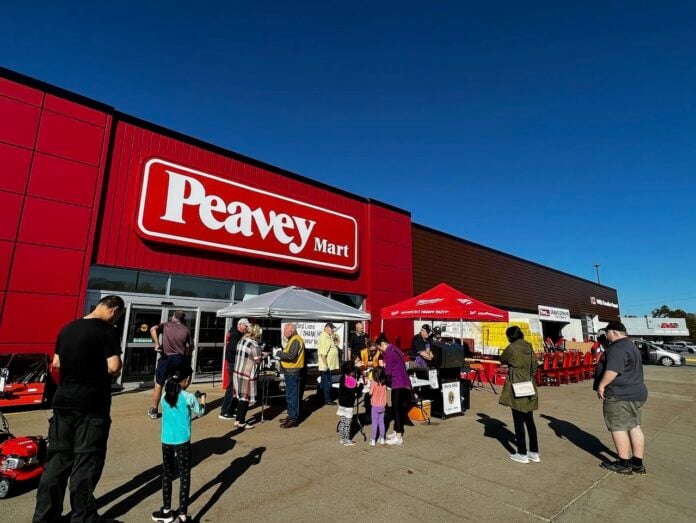
Peavey Mart, once the largest farm and ranch retailer in Canada, is preparing for a revival after shutting down operations earlier this year. Backed by a group of well-capitalized investors, the company will reopen select prairie locations in late fall 2025, beginning with stores in Spruce Grove, Westlock, Camrose, and Lacombe.

The new owners, operating under 2707162 Alberta Ltd., have acquired the rights to the Peavey Mart name and associated intellectual property from the now-defunct Peavey Industries LP. According to a statement, the relaunch will proceed without bank debt, an approach designed to ensure greater financial stability.

“We know that the closure of Peavey Mart stores left a gap for many customers,” said Doug Anderson, speaking on behalf of the new investors. “Our ownership group recognizes the importance of Peavey Mart in the Canadian retail landscape, and we’re grateful for the opportunity to relaunch the brand in these communities.”

Building a New Foundation

The investors have secured 40,000 square feet of distribution space in Red Deer, Alberta, which will serve as the operational hub for the relaunched chain. The group has also assembled a leadership team, with Kurt Schultz overseeing operations.

Schultz emphasized that the revived Peavey Mart will remain focused on its traditional core customers. “We’re bringing back the Peavey Mart that people know and love, a Peavey Mart focused on the needs of the farmer, rancher, and homesteader with a strong emphasis on providing value for dollars spent in our stores,” he said.

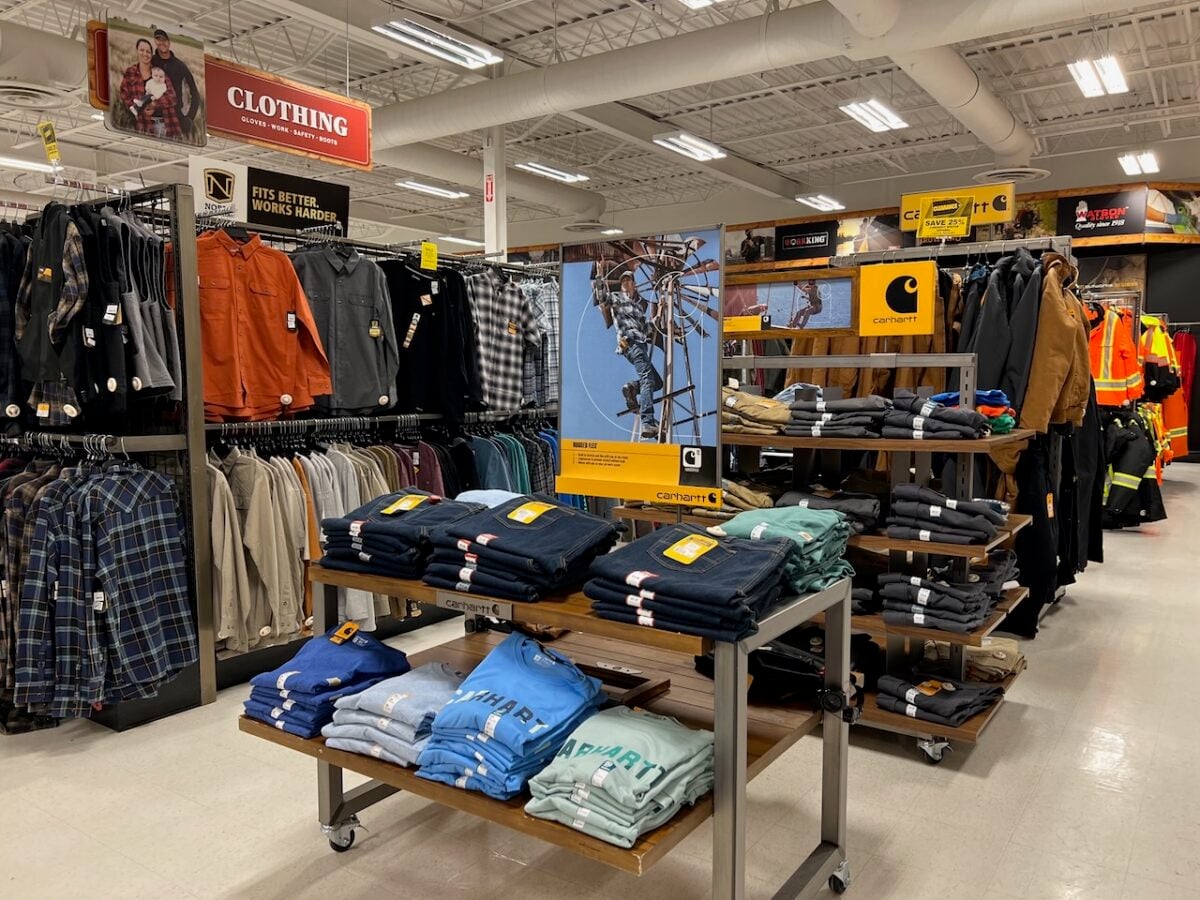
The new iteration of Peavey Mart will carry many of the familiar brands that defined its product mix, including DeWALT, Dickies, Scotts, Harvest Goodness, Rolling Acres, and Pit Boss. At the same time, the company has signaled a greater emphasis on high-quality, unique, and locally sourced items that align with the Canadian entrepreneurial spirit.

Image: Peavey Mart

A Canadian Retailer with a Tumultuous Past

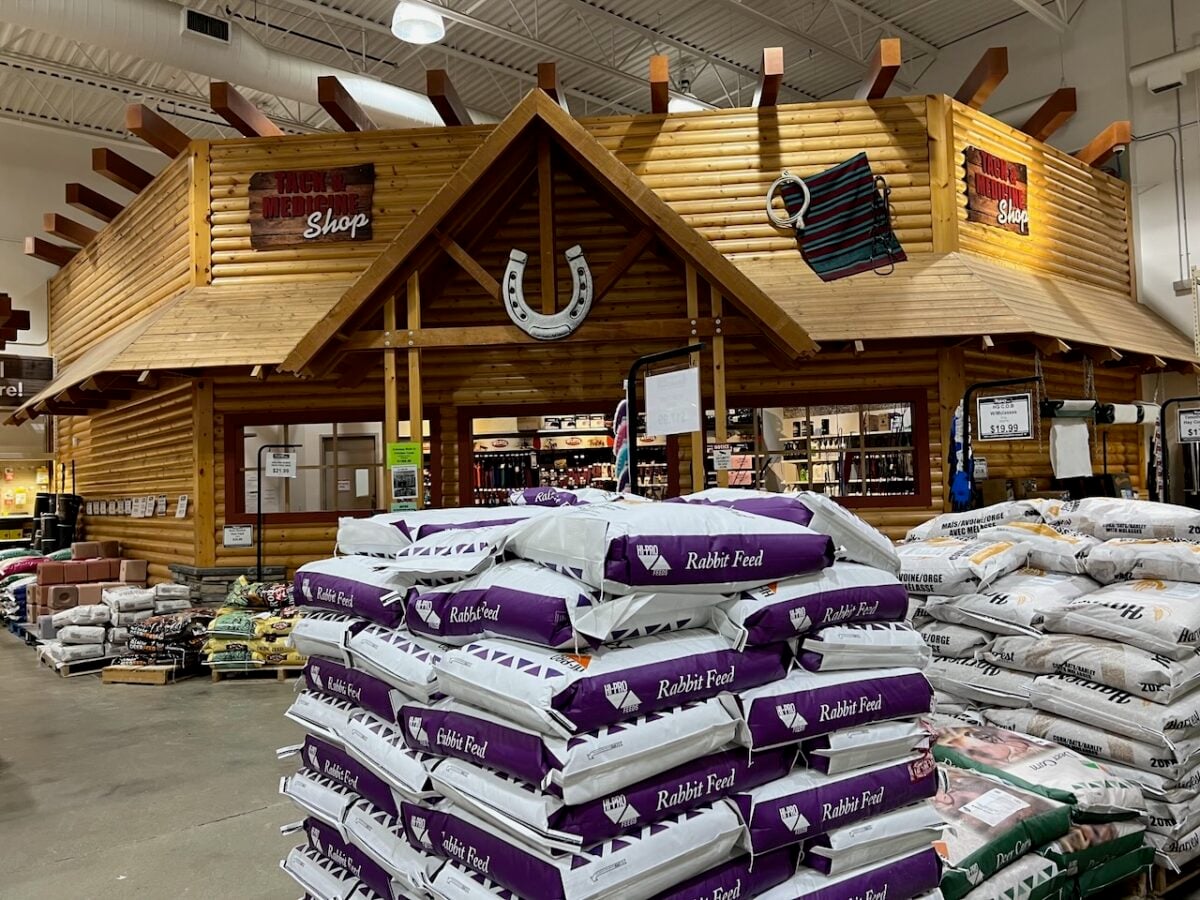
Peavey Mart’s return comes just months after the chain abruptly shuttered all of its more than 90 stores across the country. Based in Red Deer, Alberta, the retailer had long been a cornerstone for rural and small-town customers, offering agricultural equipment, hardware, workwear, and home improvement products.

The company’s history stretches back to 1967, when it was founded in Winnipeg as National Farmway Stores by the Minneapolis-based Peavey Company. After its rebranding as Peavey Mart in 1974, the business expanded across Western Canada. In 1984, following ConAgra’s acquisition of the Peavey Company, Canadian management acquired Peavey Mart outright, making it a wholly Canadian-owned retailer.

The company grew further after acquiring Ontario-based TSC Stores in 2016 and later expanding its presence in Manitoba. In 2020, Peavey Industries secured the Canadian master license for Ace Hardware, adding more than 100 locations to its retail portfolio.

From Expansion to Collapse

Despite its ambitious growth, Peavey Mart struggled in the years leading up to its closure. Early in 2025, the company began shutting down underperforming locations in Ontario and Nova Scotia. By spring, all stores nationwide were liquidated.

Industry analysts pointed to multiple challenges: declining consumer confidence, inflationary pressures, rising operating costs, supply chain disruptions, and increased competition from Canadian Tire and Home Depot. The retailer sought creditor protection as it faced mounting financial troubles, and by April 2025, every store had closed.

The collapse was particularly felt in rural communities, where Peavey Mart often served as a primary supplier for essential farm and ranch products. While many customers expressed dismay at the closures, some admitted to shopping less frequently, with liquidation events drawing more traffic than regular operations.

Image: Peavey Mart

A Focused Path Forward

The new ownership group aims to avoid repeating the missteps of the past. Plans call for reopening a core group of 7 to 12 locations across Alberta and Saskatchewan, rather than attempting a broad national footprint. The goal, according to Schultz, is to create an agile culture where store teams and operations work closely together to respond to customer needs.

“Creating an agile business model is critical to our success,” Schultz said. “This will ensure we can pivot quickly to meet customer expectations and build a profitable operation that lasts.”

By scaling back to a manageable regional footprint and avoiding heavy debt, the investors hope to create a leaner, more sustainable version of the brand. Whether this new chapter succeeds will depend not only on financial discipline but also on winning back customers who once relied on the retailer as part of daily rural life.

Community Expectations

The relaunch signals an important test for Canadian retail in the prairies. As large chains continue to dominate, Peavey Mart’s comeback represents an effort to preserve a distinctly regional model that caters to farmers, ranchers, and homesteaders.

The company’s focus on locally sourced products also reflects a broader consumer trend toward supporting Canadian-made goods. By aligning itself with that movement, Peavey Mart may carve out a more resilient niche in a competitive market.

Still, the road ahead will be difficult. National chains retain a significant advantage in scale, pricing, and logistics. Peavey Mart’s survival may depend on its ability to maintain strong community ties while adapting to modern retail realities.

More from Retail Insider: