Advertisement
Advertisement
Home Blog Page 278

How Polarized Sunglasses Help Reduce Eye Strain in Bright Conditions

Spending time outdoors, whether driving, walking, or relaxing at the beach, can be enjoyable and refreshing. However, intense sunlight and reflective surfaces can put a significant strain on your eyes. Bright conditions can lead to squinting, headaches, and overall discomfort, especially when the glare from surfaces like water, roads, or glass intensifies the light. Fortunately, polarized sunglasses offer a practical solution to this problem. These specially designed lenses help reduce glare and protect your eyes, significantly minimizing strain and enhancing visual comfort.

Understanding Glare and Eye Strain

Glare occurs when light reflects off flat surfaces, creating a harsh brightness that can obscure vision. Common examples include sunlight bouncing off car hoods, water, snow, or roads. This intense light forces your eyes to work harder to focus and filter the visual field, which can lead to eye fatigue, discomfort, and even long-term vision problems if exposure is frequent.

When your eyes are exposed to glare, they constantly adjust in an effort to make the scene clearer. Over time, this process causes strain on the eye muscles, leading to symptoms like blurred vision, watering eyes, and headaches. In bright outdoor conditions, especially during midday hours, this strain becomes more pronounced. That’s where polarized sunglasses come into play.

What Makes Polarized Sunglasses Different?

Polarized sunglasses are equipped with a special coating that filters horizontal light waves—the type most responsible for glare. Unlike regular sunglasses that simply darken your field of vision, polarized lenses specifically target the kind of light that bounces off reflective surfaces. This means they don’t just make things darker; they make them clearer and more comfortable to see.

These lenses work by blocking intense reflected light while still allowing vertical light (which helps us see) to pass through. The result is a clearer, crisper image with better contrast and reduced visual noise. Because your eyes don’t have to constantly adjust or squint, the risk of eye strain decreases significantly. For those who want to have both clear and tinted prescription lenses in the same frame, Eyebuydirect offers polarized sunglasses that combine style, function, and vision correction—making them an excellent all-in-one solution for everyday wear.

Benefits of Polarized Sunglasses in Bright Conditions

A key advantage of polarized sunglasses is that they improve how clearly you see while also helping to reduce visual discomfort. This is especially important in environments where reflective glare is common, such as driving on sunlit roads, spending time near water, or engaging in snow sports.

For drivers, polarized sunglasses can reduce the glare bouncing off other vehicles and the road, making it easier to focus on traffic and reducing reaction time. For outdoor enthusiasts, they offer a more comfortable and safe experience when hiking, fishing, or boating by improving depth perception and reducing the need to squint. The overall result is less eye fatigue and a reduced risk of headaches or temporary blurred vision.

How Polarization Supports Long-Term Eye Health

Prolonged exposure to bright sunlight and glare without proper eye protection can contribute to several vision problems. Exposure to ultraviolet (UV) rays from the sun has been associated with eye problems like cataracts, macular degeneration, and corneal sunburn, also known as photokeratitis. While many sunglasses provide UV protection, not all reduce glare effectively.

Polarized lenses combine both UV protection and glare reduction, offering a comprehensive approach to eye safety. By reducing strain and exposure to harsh light, these lenses can help maintain eye health over time, preventing the cumulative damage that can come from years of squinting into the sun.

Who Should Use Polarized Sunglasses?

People who spend extended periods in bright sunlight or near reflective surfaces can gain significant advantages from polarized sunglasses. They are especially helpful for:

  • Drivers who face road glare during daytime travel
  • Boaters and fishermen dealing with water reflections
  • Skiers and snowboarders exposed to bright snow glare
  • Cyclists and runners who train outdoors
  • Individuals who are sensitive to light or have experienced migraines in the past

Even individuals without specific eye conditions can benefit from the increased comfort and protection that polarized lenses offer.

While polarized sunglasses offer many advantages, it’s important to choose high-quality lenses to gain the full benefits. Cheap or poorly made polarized lenses may distort vision or offer inadequate protection. Choose lenses that offer complete protection against both UVA and UVB rays and are certified to meet standards for visual clarity.

Also, be mindful that polarized lenses can make it difficult to read digital screens, such as smartphones or car dashboard displays, as the polarization can interfere with screen visibility. If you’re someone who relies on digital navigation, test the glasses with your devices before committing.

Conclusion

Polarized sunglasses are more than just a stylish accessory—they’re an essential tool for protecting your vision in bright conditions. By filtering out glare and reducing the strain on your eyes, they contribute to daily comfort and long-term eye health. Whether you’re behind the wheel, out on the water, or simply enjoying a sunny day, investing in a quality pair of polarized sunglasses can make a noticeable difference in how you see and feel.

Amazon launches YXX1 Storage and Distribution Centre in Pitt Meadows, British Columbia (Photos)

Credit: Amazon
Credit: Amazon

Amazon announced Friday the launch of YXX1, the company’s first storage and distribution fulfilment centre in British Columbia.

YXX1 expands Amazon’s logistics network in Western Canada while engaging local suppliers and bringing jobs to the community, said the company.

“Amazon storage and distribution centres are specialized facilities that store, manage, and distribute inventory to regional fulfilment centres, allowing them to fulfil a wider selection of customer orders at the fastest-possible delivery speeds. Measuring 825,000 square feet, YXX1 has more than 100 employees at launch, who work with powered industrial trucks and the latest Amazon fulfilment technology to stow, pick and ship millions of items,” it said.

“YXX1 is Amazon’s fifth fulfilment centre in British Columbia, where the company also operates six delivery stations, a sortation centre and an AMXL delivery station. Vancouver is also home to one of Amazon’s two corporate Tech Hubs in Canada. Amazon has more than 10,000 regular full- and part-time employees in British Columbia.”

SureshKumar Aruchamy

“As Amazon’s first storage and distribution centre in British Columbia, YXX1 marks an important milestone for our business,” said SureshKumar Aruchamy, Regional Director of Operations at Amazon. “The strategic location of YXX1 in the Lower Mainland significantly reinforces Amazon’s ability to deliver to local customers at our fastest speeds ever while creating good jobs and investing in the local economy. We are proud to offer employees competitive pay, leading benefits and the opportunity to build in-demand skills to grow their careers.”

Nicole MacDonald
Nicole MacDonald

“Amazon’s investment in our region has created valuable jobs and economic opportunities for the region and local community, while also supporting Canadian businesses through their strong commitment to customer service,” said Nicole MacDonald, Mayor of Pitt Meadows. “Furthermore, Amazon’s partnership and generous support for bike repair stations to be installed throughout the city, demonstrates the company’s commitment to community well-being and sustainable transportation. We appreciate their continued engagement and investment.”


As part of Amazon’s commitment to investing in the local economy, the company has engaged more than 10 British Columbia- and Canada-based businesses on the construction and ongoing operations of YXX1, including Graham Construction and Engineering (construction management services); BGIS (facility management); Woodbridge (wooden pallets); Tenaquip (warehouse supplies); Can-tec Electrical (electrical services); and Work Authority, Mark’s Commercial, Levitt Safety and Big K Brand Clothing (safety clothing and equipment).

Jeremaya Woytowich
Jeremaya Woytowich

“YXX1 represents an investment in the region’s economy through the engagement of local businesses, subcontractors, and suppliers in the delivery of the project. Graham Construction is proud to have partnered with Amazon for the YXX1 SDC facility,” said Jeremaya Woytowich Operations Manager, Buildings – British Columbia.

As part of the company’s commitment to sustainability, it is donating $35,000 to install bike repair stations throughout Pitt Meadows. The stations will be strategically placed along the most travelled routes—including the Pitt River Greenway, major commuter paths, and the urban core—ensuring residents and visitors can maintain their bikes, scooters, e-scooters, and even strollers with confidence. This initiative aligns with Pitt Meadows’ Connected Communities Strategy, Parks, Recreation and Culture Master Plan, and Active Transportation initiatives.

By investing in this infrastructure, the community is reducing barriers to active transportation, promoting healthier lifestyles, creating a quieter and cleaner urban environment, and taking meaningful action toward climate goals. The versatile stations will make Pitt Meadows more accessible and inclusive for everyone, serving both residents and the many employees who bike or scooter through the area daily, said the company.

Credit: Amazon
Credit: Amazon

Amazon provides eligible operations employees with access to educational opportunities through upskilling programs like Career Choice, a paid benefit that allows them to grow their careers by building the skills needed for today’s most in-demand fields, including Transportation, Technology, and Administration and Business Services. Career Choice is offered in partnership with more than 20 educational institutions across Canada. To date, more than 8,000 frontline employees across Amazon’s Canadian fulfillment network have participated in the program.

Regular full- and part-time Amazon employees also receive competitive benefits, including medical, vision and dental coverage and a group RRSP plan.

Credit: Amazon
Credit: Amazon

For information about future career opportunities at Amazon facilities in British Columbia, including YXX1, interested candidates can visit www.amazon.ca/canadahourlyjobs.

Related Retail Insider stories:

Credit: Amazon
Credit: Amazon

Pizza Nova raises $231,045 for Variety – the Children’s Charity of Ontario with 2025 That’s Amore Pizza for Kids fundraiser

Domenic Primucci, president of Pizza Nova, back row, second from the right, joins Mike Primucci, far right, to present a cheque for $231,045 to Charlie Johnstone, CEO of Variety – The Children’s Charity of Ontario, third from the left, at Variety Village along with Ambassadors and family members, June 5, following Pizza Nova’s 2025 That’s Amore Pizza for Kids fundraiser.

Pizza Nova announced Friday that its 26th annual That’s Amore Pizza for Kids fundraiser has raised $231,045 in support of Variety – the Children’s Charity of Ontario.

Domenic Primucci, president of Pizza Nova, presented the funds to Charlie Johnstone, President and CEO of Variety Ontario, during a special event at Variety Village on June 5.

“Each year, I’m reminded of how powerful community can be when we come together for a meaningful cause,” said Primucci. “Thanks to the generosity of our guests and the dedication of our franchisees and team members, we’re able to help open doors for children to grow, play, and thrive. It’s a tradition that continues to inspire all of us at Pizza Nova.”

Charlie Johnstone
Charlie Johnstone

The company donated 50 cents from every dip sold at participating locations across Ontario throughout the month of May. The 2025 campaign featured a weekly pop-up pizza shop at the Variety Village Café, offering fresh slices and dips to support the cause.

Credit- Pizza Nova
Credit- Pizza Nova

“We are incredibly grateful for Pizza Nova’s unwavering support,” said Johnstone. “Their commitment has made a profound impact on the lives of countless children and families across Ontario.”

Since the partnership began in 1999, Pizza Nova has raised over $2.9 million for Variety, helping thousands of children with disabilities access inclusive sports, recreational programs, and life skills development.

Founded in 1963, Pizza Nova is a family-operated business with more than 150 stores and concession locations in Southern Ontario. They also have a line of Primucci branded products featuring Extra Virgin Olive Oil, Homestyle Tomato Sauce, Italian Hot Peppers, Spicy Green Olives, and Sundried Black Olives.

Related Retail Insider stories:

Ritz-Carlton Montreal and Holt Renfrew Launch Capsule

Ritz-Carlton Montreal x Holt Renfrew collection. Photo: Karolina Jez

In a new partnership that underscores Montreal’s deep roots in luxury and heritage retail, the Ritz-Carlton Montreal and Holt Renfrew Ogilvy are introducing a limited-edition fashion capsule collection that blends timeless sophistication with modern style. The collaboration, titled Ritz-Carlton Montreal x Holt Renfrew, launches exclusively at Holt Renfrew Ogilvy in Montreal on June 17, 2025.

The 19-piece collection brings together two storied Canadian institutions, each synonymous with high-end experiences and historic significance. Reflecting what the partners call “quiet luxury,” the collection features ready-to-wear apparel and accessories crafted for those who appreciate enduring elegance. Prices range from $40 CAD for a Ritz Pocket Notebook to $180 CAD for a Unisex Ritz Crewneck Fleece.

“Drawing inspiration from the rich heritage of Holt Renfrew Ogilvy and the esteemed legacy of The Ritz-Carlton Montreal, we have curated a capsule collection that embodies the intersection of lifestyle and culture, and captures the essence of chic, quiet luxury,” said Katia Piccolino, Director of Sales and Marketing/PR for the Ritz-Carlton Montreal. “This collection seamlessly blends effortless sophistication with enduring elegance, creating pieces that transcend time and trends.”

The collection will be refreshed with new pieces for the fall and winter seasons, and will be available through December 2025.

Ritz-Carlton Montreal x Holt Renfrew collection. Photo: Karolina Jez

Celebrating Montreal’s Golden Square Mile

The Ritz-Carlton Montreal, located at 1228 Sherbrooke Street West, has been a landmark in Montreal since its grand opening on December 31, 1912. The hotel holds the distinction of being the first Ritz-Carlton property in North America and has remained a symbol of luxury and refinement for over a century.

Founded by a group of prominent Montreal businessmen—including Charles Hosmer, Sir Herbert Holt, Sir Montagu Allan, and Sir Charles Gordon—the Ritz-Carlton Montreal was established under the conditions set by César Ritz himself. Each guest room was built with a private bathroom, a kitchen on each floor allowed for personalized room service, and 24-hour valet and concierge services were available—features that were groundbreaking for their time.

The hotel quickly became a hub for international dignitaries, royalty, and celebrities. Over the decades, it has hosted Queen Elizabeth the Queen Mother, Winston Churchill, Charles de Gaulle, Richard Nixon, Pierre Elliott Trudeau, Brian Mulroney, George Bush Sr., and many others. Elizabeth Taylor and Richard Burton famously celebrated their first wedding at the hotel in 1964.

Following a $200 million renovation completed in 2012, the Ritz-Carlton Montreal now offers 129 redesigned guestrooms and suites, as well as 45 luxury residences. Its renowned restaurant, Maison Boulud, operates in partnership with celebrated chef Daniel Boulud.

Ritz Carlton Hotel in Montreal. Image: Ritz Carleton

A Century-Old Relationship Between the Brands

The collaboration also celebrates a relationship between Holt Renfrew and The Ritz-Carlton that dates back over 100 years.

“At Holt Renfrew Ogilvy, we are passionate about offering our clients unique experiences that celebrate our community and underscore luxury, with cultural significance,” said Natalie Lord, Divisional Vice-President and General Manager at Holt Renfrew Ogilvy. “The relationship between Holt Renfrew and The Ritz Carlton goes back more than 100 years. This capsule collection is an ode to the enduring charm of the Ritz and his values, curated with modern ease for the effortlessly stylish set.”

Holt Renfrew itself traces its origins to 1837, when it was founded in Quebec City. The retailer has grown to become Canada’s leading luxury department store, offering a wide assortment of fashion and beauty brands both internationally renowned and exclusive to the Canadian market. Holt Renfrew was acquired by the Weston family in 1986 and remains privately owned. The former Holt Renfrew Montreal flagship was across the street from the Ritz at 1300 Sherbrooke Street West. That store closed in July 2020 with the completion of Holt Renfrew Ogilvy. 

Ritz-Carlton Montreal x Holt Renfrew collection. Photo: Karolina Jez

The Evolution of Holt Renfrew Ogilvy

The location for this exclusive launch—Holt Renfrew Ogilvy in Montreal—is a fusion of two of the city’s most celebrated retail institutions. Ogilvy first opened its doors in 1866, founded by Scottish immigrant James Angus Ogilvy. Known as “The Daylight Store” for its innovative architecture allowing abundant natural light, Ogilvy became a fixture of Montreal’s cultural and retail scene. The store was long celebrated for its signature bagpiper performances and elaborate mechanical holiday window displays.

Ownership of Ogilvy changed several times throughout the 20th century, eventually being acquired by the Nesbitt family, who ran the store for over 50 years. J. Aird Nesbitt expanded the store’s influence, adding features such as Tudor Hall, a 300-seat performance venue, and adopting innovative marketing strategies that elevated the store’s cultural standing.

In 2011, Wittington Investments—owned by the Weston family—acquired Ogilvy, paving the way for its eventual merger with Holt Renfrew. A major $150 million renovation between 2017 and 2020 created the modern Holt Renfrew Ogilvy we see today. The renovation expanded the property to approximately 250,000 square feet across six floors, while preserving architectural elements like the Bohemian crystal chandelier and Tudor Hall. 

Ritz-Carlton Montreal x Holt Renfrew collection. Photo: Karolina Jez

Today’s Holt Renfrew Ogilvy

Holt Renfrew Ogilvy, located at 1307 Saint Catherine Street West, is today a destination for luxury shopping in downtown Montreal, hosting boutiques for brands such as Louis Vuitton, Chanel, Gucci, and Burberry. The store also features beauty salons, personal shopping services, and a dining experience at the Holts Café. 

With the addition of the Ritz-Carlton Montreal x Holt Renfrew capsule collection, the department store continues its role as both a luxury retail destination and a curator of cultural experiences in Montreal.

More from Retail Insider:

Canadian Beef Prices Surge Ahead of BBQ Season

Loblaw Store Meat Department. Photo: Loblaws

With summer weather finally settling in, Canadians are returning to a familiar ritual—firing up the barbecue. But as they approach the meat counter in search of steaks and burgers, many are encountering a far less familiar reality: shockingly high prices. This year, the meat aisle has become a case study in supply-side economics and market dysfunction.

Since January, according to Statistics Canada, beef prices have surged at an alarming pace. Striploin is up 34.2%, top sirloin 33.7%, and rib cuts nearly 12%. Pork rib cuts and chicken breasts have each risen 5.9%, and even meatless burger patties are 6.8% more expensive. While all proteins in the so-called “meat trifecta” have climbed, beef leads the charge—by a wide margin.

Behind these increases lies a sobering trend. Canada’s beef cow inventory has dropped to just 3.38 million head—the lowest since 1989. That’s a 1.2% decrease from last year, signaling more than just cyclical decline. Many cattle producers are exiting the industry while prices are favourable, opting to reinvest in less volatile sectors or shift entirely to crop production. In short, the Canadian beef industry is retreating and becoming increasingly risk-averse.

South of the border, the U.S. is seeing a similar trend—but far less severe. According to the USDA, the American beef cow herd declined just 0.5% to 27.9 million head. And that gap shows up in retail prices. Over the past year, U.S. boneless sirloin steak rose just 5.7%, compared to a staggering 22% in Canada. Ground beef increased 10.8% in the U.S., but by 23% here at home. Beef inflation is simply hitting Canadians harder.

Other than a shrinking herd, there are several other contributing factors: Canada’s expansive geography, higher transportation costs, a limited number of federally licensed beef processors, carbon pricing, and higher labour costs all compound the problem. Regulations and logistical inefficiencies are more burdensome in Canada, driving up prices for retailers—and ultimately consumers.

But there’s another possibility we can’t afford to ignore: potential collusion within the industry. In the United States, the federal government has shown little tolerance for anti-competitive behaviour in the meat sector. Under President Joe Biden, the White House launched a 2022 investigation into price fixing among major meat packers—JBS, Tyson Foods, Cargill, and National Beef. That investigation has since resulted in several high-profile settlements, including an $83.5 million USD payout by JBS in February. The Canadian Competition Bureau, by contrast, has remained largely silent on similar concerns. Perhaps it’s time for that to change.

The consequences are already visible. According to IBIS World, Canadian per capita beef consumption fell by 7.1% in 2023 and another 2.1% in 2024. This is no longer just a matter of shifting dietary preferences—it’s a structural shift in consumer behaviour. Beef is increasingly seen as a luxury item, with ground beef becoming the primary choice for budget-conscious households still committed to red meat.

That’s unfortunate. Beef remains one of the most natural, authentic, and sustainable sources of protein available to Canadians. Canadian ranchers and processors have made significant strides in improving environmental stewardship and animal welfare, often without fanfare. As a whole, beef delivers exceptional nutritional value, supports rural economies, and offers a level of traceability and food safety few protein alternatives can match.

For many Canadian families, a summer steak on the grill is starting to feel more like a splurge than a staple. Consumers will continue to enjoy beef—but with moderation, and on occasions that justify the cost.

Barbecue season hasn’t disappeared. But for many, it’s starting to look a little different: more sausages, more chicken, and less striploin. A shame, really—for a product that offers so much more than just taste.

More from Retail Insider:
Motor vehicle sales spark increase in retail sales: Statistics Canada

Credit: Gustavo Fring

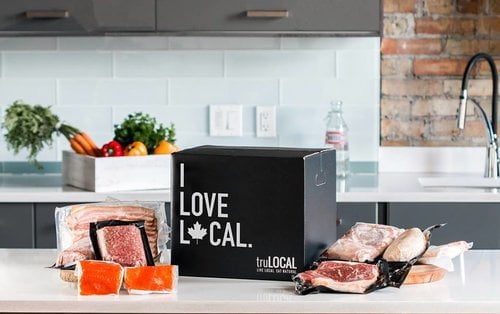
Retail sales reached $66.8 billion in March, an increase of 5.2% compared with the same month one year earlier. Higher sales were reported in 15 of the 18 commodity classes, according to a report released Friday by Statistics Canada.

“In March, the largest gain in dollar terms came from motor vehicle sales, which posted a year-over-year increase of 12.8%. Growth in this commodity class was mainly driven by higher sales of new motor vehicles (+13.5%), as sales of new minivans, sport utility vehicles and light trucks (+15.8%) led the gains. Used motor vehicles posted higher sales in March, increasing by 11.6% from the same month in 2024,” said the federal agency.

“Retail sales of clothing grew 8.9% in March 2025. The largest gain within this commodity class was for sales of women’s clothing (+8.3%), followed by sales of men’s clothing (+11.0%). Sales of footwear rose 5.4% compared with March 2024, with non-athletic footwear sales (+6.9%) leading the gains.”

In March 2025, the largest decline in dollar terms came from sales of automotive and household fuels (-3.4%). With lower prices seen at the pump, sales of automotive fuels posted a decrease of 3.6% compared with the same month one year earlier, added Statistics Canada.

“The advance estimate provided by the Monthly Retail Trade Survey suggests that unadjusted total retail sales in April 2025 increased by 5.8%. Because of its preliminary nature, this figure will be revised,” it said.

In another report released on Friday, Statistics Canada said employment rose in wholesale and retail trade (+43,000; +1.5%) in May, driven by gains in wholesale trade. The increase partially offsets monthly declines in March and April 2025 which totalled 55,000 (-1.8%).

Related Retail Insider stories:

Taza breaks ground on Real Canadian Superstore at Buffalo Run

Credit- Taza
Credit- Taza

Construction is now officially underway for the Real Canadian Superstore (Superstore) at Buffalo Run, part of the 1,200-acre Taza development on Tsuut’ina Nation lands.

A groundbreaking ceremony on Thursday marks a significant step forward in the partnership between Taza Development Corporation and Loblaw Companies Limited (Loblaw), bringing essential services to a rapidly growing community village just steps from Calgary’s southwest, said officials.

The event welcomed Nation leaders, project partners and community members to the site where the new Superstore will be built. It is the first to be built in collaboration with an Indigenous community in Alberta.

James Robertson
James Robertson

“Today’s groundbreaking represents more than a new retail addition—it’s a tangible step forward in our long-term vision for Taza as a place of opportunity, connection and economic strength for Tsuut’ina Nation and the surrounding region,” said James Robertson, President of Taza. “Today symbolizes what can be achieved when meaningful partnerships are built on shared values. Together with Loblaw and Tsuut’ina Nation, we’re creating a community that reflects inclusion, innovation and long-term prosperity.”

The project is expected to be completed in 2026 and Superstore will provide an expansive selection of groceries, general merchandise and household essentials. It will also create new employment opportunities for both Tsuut’ina Nation members and the surrounding region.

Jonathan Carroll
Jonathan Carroll

“This groundbreaking marks a significant milestone for Loblaw,” said Jonathan Carroll, Senior Vice President, Superstore Operations Loblaw Companies Limited. “It represents our first Real Canadian Superstore developed in partnership with a First Nation in Alberta, and reflects our commitment to thoughtful, long-term retail expansion. This location will serve a growing and diverse customer base in southwest Calgary and Tsuut’ina, and we’re proud to contribute to the momentum taking shape at Buffalo Run and the overall Taza Development.”

Buffalo Run, making up 390 acres of retail, dining and recreation experiences is one of three interconnected villages that make up the 1,200 acre Taza development. Home to a wide variety of local and national businesses, the adjacent Shops at Buffalo Run to the east of the Loblaw site are rapidly establishing the area as a premier commercial destination next door to Calgary.

The Shops at Buffalo Run (Image: Taza)

Taza is a joint venture between Tsuut’ina Nation and Canderel and represents one of North America’s largest Indigenous-led development projects.

“The addition of the Real Canadian Superstore further solidifies Buffalo Run as a place where community, commerce, and culture intersect,” say officials.

Related Retail Insider stories:

Retailers turn to predictive tech and mobile-first strategies amid ongoing uncertainty

Credit: Kampus Production

 In a world where unpredictability has become the norm, retailers are adapting with tech-first strategies to navigate everything from trade wars and tariffs to inflation and supply chain issues.

“Retailers almost live in a constant state of uncertainty,” says Mikhail Ishkhanov, Senior Director of Product Strategy and Sales Enablement at SOTI. “Now it’s tariffs, but over the past five years we’ve also had inflationary pressures, decreased consumer purchasing power, supply chain disruptions, and staffing challenges.”

Mikhail Ishkhanov
Mikhail Ishkhanov

With retail being a major focus area for SOTI, the Mississauga-based company is seeing technology play a key role in helping businesses manage one of their biggest pain points: inventory.

“When it comes to inventory we’re seeing retailers embrace predictive analytics,” says Ishkhanov. “That falls under the broader AI umbrella, but for me, the focus is on how predictive analytics help retailers manage just-in-time inventory. That means reducing holding costs while still having the right products at the right time, based on historical shopping data and consumer trends.”

Ishkhanov emphasizes how this becomes even more critical at scale. “Take the LCBO, for example. A small rural store several hours outside the city will need a completely different inventory strategy compared to a downtown flagship location. But both need real-time insights to manage inventory effectively.”

The right tools, he says, enable centralized and real-time inventory management—ensuring shelves are stocked and counts are accurate.

But what about smaller retailers who don’t have the same scale or infrastructure?

“Whether you’re a small, medium, or global-scale retailer, you have to start with a solid technology foundation,” says Ishkhanov. “If you don’t have the right technology to manage everything—from warehouse to front-of-house or stockroom to shelf—you won’t have the visibility you need.”

One advantage smaller retailers can leverage, he adds, is personalization. “We recently released a report showing that nearly 70% of Canadian consumers now prefer personalized, recommended shopping experiences.”

That kind of experience often comes from knowing your customer—and having the tools to act on that data. “Smaller retailers can partner with influencers or launch specialty products that become trends, helping them reach a targeted clientele,” says Ishkhanov. “But again, you need the technology to provide that personalization—tracking what’s selling, when it’s selling, and gaining insights from consumer data.”

He offers a firm reminder: “You can’t make good decisions off bad data. So all those systems—point-of-sale, self-checkout, warehouse scanning—must be connected. Otherwise, you’re just guessing.”

And with consumers increasingly tethered to their phones, retailers must adapt to a mobile-first world.

“The mobile device is now the primary way consumers engage with retailers,” Ishkhanov says. “Consumers want convenience—whether shopping in-store or online—but especially online, that experience has to be seamless. Security is also a major concern: ‘Do I trust this site with my data?’”

He continues: “The retailers that create a smooth, secure, omnichannel experience—recognizable both online and in-store—are going to win. Consumers now expect real-time visibility into their orders. Think of food delivery: we want to know exactly where our order is and how long it’ll take. That’s becoming the standard in retail, too.”

Credit: Tima Miroshnichenko

Another major shift is the rise of social commerce—buying directly through platforms like TikTok and Instagram—almost entirely driven by mobile.

“So, for retailers, particularly brick-and-mortar ones, embracing mobile and omnichannel is key to building brand loyalty and keeping consumers engaged,” he notes.

Ishkhanov offered one more example, this time on the employee side of the mobile revolution.

“We worked with a company called Tractor Supply Company. They developed an AI-based employee assistant . . . This assistant gives employees real-time product info, inventory levels, and brand messaging,” he says.

“So even a new employee can help a customer with confidence—just like someone who’s been there five years. It empowers the associate to deliver a much better, more personalized experience.”

As Ishkhanov puts it, “This is where technology shines: from warehouse to front-of-house, it supports the entire retail process. And that employee empowerment piece is becoming more and more important across the industry.”

Related Retail Insider stories:

Canadian Retail News From Around The Web For June 6, 2025

Canadian Retail News From Around The Web

News at a Glance

Retail Insider is streamlining its Canadian retail news from around the web to include a handful of top news stories that can be viewed quickly during the day. Here are the top stories from the past 24 hours.

Inside the ‘notorious’ Canadian shopping mall on a U.S. trade irritant hit list (Financial Post)

Competition Bureau urges retailers and landlords to drop property controls (The Canadian Press)

Lululemon’s Q1 profit reaches US$314.6 million, down from a year ago (The Canadian Press)

Lululemon shares plunge 23 per cent after hours on weak guidance (BIV)

Retail Council of Canada 32nd Canadian Grand Prix New Product Awards Gala (Grocery Business)

Longo’s marks progress on road to becoming a more sustainable retailer (Grocery Business)

Fairmont Hotel Vancouver’s owner sues Christian Dior in lease dispute (Business in Vancouver)

Public invited to weigh in on plans for Manitoba’s newest Costco store (CTV)

Superstore next landmark commercial store on Tsuut’ina Nation, breaks ground (Calgary Herald)

‘It’s a wonderful community’: Calgary’s oldest independent bookstore is celebrating 50 years (CTV)

Banned knives, stolen Winners clothes, illegal tobacco seized from Edmonton shop (Global)

16-year-old charged in connection to Grimsby jewellery store robbery (CityNews)

Downtown Vancouver Costco to start requiring membership to access food court (Vancouver Sun)

“The whole store erupted in cheers”: This couple got engaged on the last day of the Bay’s liquidation sale (Toronto Life)

Loblaw Pulls Folgers Coffee Over Price Dispute

Folgers Coffee. Photo: Simply Recipes

Shoppers across Canada will soon find Folgers coffee missing from Loblaw shelves as the country’s largest grocer moves to delist the iconic American coffee brand following an impasse over price increases.

In an internal email sent to retailers on Wednesday, Loblaw Companies Limited said that it had decided to pull all Folgers products from its stores after failing to reach a pricing agreement with the brand’s manufacturer, the J.M. Smucker Company. According to the email, Loblaw determined that the proposed price increases were significant and unjustified.

Suren Theivakadacham, category director at Loblaw, said in the email that the company was taking this step to protect its customers and to help keep prices low. Theivakadacham noted that the decision reflects Loblaw’s ongoing efforts to provide value for customers by rejecting unreasonable cost increases that would otherwise impact Canadian consumers.

The email included a list of alternative coffee products that stores can stock as Loblaw begins removing Folgers inventory. The company expects that most locations will be sold out of Folgers coffee within one to two weeks.

A Loblaw spokesperson, Catherine Thomas, said that the retailer considered the proposed cost increases from Folgers to be unreasonable and unjustified based on underlying costs. Thomas explained that Loblaw felt it was necessary to push back on the price hikes, particularly as many Canadians continue to face affordability challenges. She added that while the decision may inconvenience some customers, Loblaw believed it was the right step to take in order to address rising food prices.

Coffee Prices Soar Across Canada

The dispute comes amid sharp increases in coffee prices nationwide, creating new financial pressures for both retailers and consumers. According to Statistics Canada, the price of coffee and tea rose by 13.4 percent year-over-year in April, exceeding both the 3.8 percent increase in overall grocery costs and Canada’s general inflation rate of 1.7 percent for the same period.

In British Columbia, coffee prices climbed by 15 percent over the past year, amounting to roughly a dollar more per bag for many consumers. Analysts suggest that these price pressures are unlikely to ease in the near term.

Multiple Factors Behind Rising Costs

The current surge in coffee prices is being driven by a range of global, environmental, and economic factors. Severe droughts and extreme weather events in major coffee-producing regions such as Brazil have contributed to lower yields, reducing supply worldwide. In February 2025, global coffee bean prices reached $4.40 USD per pound, up from $1.43 USD per pound in late 2023—a dramatic 207 percent increase over just 15 months.

Climate-related disruptions continue to affect growing conditions, with droughts and unpredictable temperature fluctuations placing additional strain on harvests.

At the same time, a weaker Canadian dollar has made it more expensive for Canadian importers to purchase coffee from international suppliers. Trade tensions have also played a role, with coffee remaining subject to Canada’s retaliatory tariffs against the United States. Many Canadian distributors continue to source coffee through U.S.-based brokers, making Canadian pricing sensitive to U.S. trade policies.

These combined factors are driving up prices not only for packaged coffee sold in grocery stores but also for brewed coffee at cafes. While large chains such as Tim Hortons and McDonald’s may be better positioned to absorb these increases, smaller independent cafes and specialty roasters may be forced to pass costs directly on to consumers.

Smucker Signals More Price Increases Ahead

Folgers coffee is manufactured by the Ohio-based J.M. Smucker Company, which has already raised prices multiple times in the past year. In June and October, Smucker increased prices across its coffee portfolio, citing higher costs as the driving factor.

During a February earnings call, company president and CEO Mark Smucker told analysts that further price increases were likely in the coming fiscal year, probably within the first half. Smucker stated that pricing decisions were being made in response to ongoing increases in company costs.

Loblaw Maintains Tough Position on Supplier Pricing

Loblaw’s move to delist Folgers reflects a broader trend of Canadian grocers adopting a firmer stance in supplier negotiations as food inflation becomes an increasingly sensitive public issue. Loblaw, in particular, has positioned itself as taking a leadership role in protecting Canadian consumers from soaring prices.

With over 2,400 stores across the country operating under banners such as Loblaws, No Frills, Real Canadian Superstore, Shoppers Drug Mart, and T&T Supermarket, Loblaw serves approximately 90 percent of Canadians. The company’s private label brands, including President’s Choice and No Name, remain among the most recognized and widely purchased in the Canadian market.

Earlier this year, Loblaw announced plans to invest $2.2 billion in store expansion and supply chain improvements, with 80 new store openings and 8,000 new jobs planned for 2025. Over the next five years, the company expects to invest more than $10 billion into the Canadian economy.

Ongoing Uncertainty for Canadian Coffee Shoppers

For many Canadians, escalating coffee prices have become a significant pain point as part of broader cost-of-living challenges. The combination of global supply disruptions, climate effects, currency weakness, and trade issues continues to apply upward pressure on coffee prices, with little immediate relief in sight.

Industry experts warn that meaningful price stabilization may only occur once weather patterns improve in key growing regions and global trade tensions ease. In the meantime, the absence of Folgers from Loblaw shelves is likely to push some shoppers toward alternative brands as they continue navigating one of the most volatile coffee markets seen in years.

More from Retail Insider: