Emma (left), age 5, wishes to go to the ocean. Alyanah (right), age 10, wishes for a home entertainment centre. Pita Pit’s fundraising campaign supports Make-A-Wish Canada in granting wishes like theirs from May 12 to June 8, 2025.
Pita Pit, a Canadian-owned quick-service restaurant brand known for its fresh, customizable pita sandwiches, has announced the return of its national campaign in support of Make-A-Wish Canada, now in its eighth year.
The company said customers can support the initiative from May 12 to June 8 by donating $2 to get a Make-A-Wish star in-store. Pita Pit will also hold a one-day national promotion on Wednesday, June 4, during which participating stores will donate $1 from every pita, bowl, and salad sold. This special event allows customers to turn their meals into meaningful moments for Canadian children with critical illnesses.
Chris Cann
“We’re happy to embark on another year of our ongoing partnership with Make-A-Wish Canada,” said Chris Cann, Brand Leader at Pita Pit. “Each year, our franchisees, team members, and loyal customers come together to support this cause, and the impact is truly inspiring. We’re hopeful this year’s campaign will help grant even more wishes for very special children and their families.”
The month-long campaign aims to raise funds to help grant life-changing wishes for children facing critical illnesses, with customer engagement and store-level promotions taking place in more than 100 locations nationwide. Each donation directly contributes to bringing joy, strength, and hope to children in their communities.
Meaghan Stovel McKnight
“We’re grateful to Pita Pit for their longstanding commitment to our mission,” said Meaghan Stovel McKnight, Chief Executive Officer of Make-A-Wish Canada. “Their support helps us bring hope and joy to children when they need it most. Wishes have the power to be transformative for a wish child on their medical journey, and partners like Pita Pit help make that possible.”
Since 2017, Pita Pit and its community have raised over $229,000 for Make-A-Wish Canada, helping to grant wishes from coast to coast. Through in-store efforts, customer generosity, and franchisee contributions, the campaign continues to grow in impact each year.
Pita Pit, which was founded in 1995, is owned by Foodtastic, one of Canada’s largest restaurant franchisors, operating more than 1,200 locations across the country. Its diverse portfolio includes Freshii, Quesada, Pita Pit, Second Cup, Milestones, and over 22 other banners. Committed to quality, innovation, and growth, Foodtastic continues to expand its presence across North America.
Make-A-Wish creates life-changing wishes for children with critical illnesses.
“We are on a quest to bring every eligible child’s wish to life because a wish is an integral part of a child’s treatment journey. Research shows children who have wishes granted can build the physical and emotional strength they need to fight a critical illness. As an independently operating affiliate of Make-A-Wish International, Make-A-Wish Canada is part of the network of the world’s leading children’s wish-granting organization. We serve children in every community in Canada, and in 50 countries worldwide. Make-A-Wish Canada has granted more than 40,000 wishes over the past 40 years with 2,011 of them last year alone. Make-A-Wish Canada has been recognized as a Great Place to Work® for the second year in a row, and was also named one of the Best Workplaces™ Led by Women in 2025 and one of the Top 100 Best Workplaces for Giving Back in 2024,” says the organization.
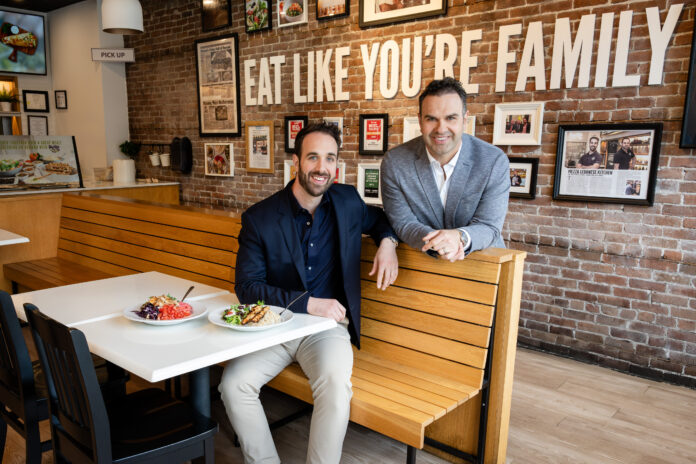
Mezza Lebanese Kitchen has expanded into Alberta with the opening of its first restaurant in Calgary.
Mezza is introducing its renowned East Coast donairs, shawarmas, and authentic Middle Eastern flavours to Western Canada.
As part of Mezza’s national growth strategy, this new location marks a significant milestone in its 35-year journey to bring healthy, delicious Lebanese cuisine all the way from Halifax to Calgary.
“Over the years, and as we expand across Canada, we’ve prioritized keeping authenticity at the core of our offerings,” said Peter Nahas, Co-Founder and Chief Concept Officer of Mezza Lebanese Kitchen. “From using generations-old family recipes and seasonings to focusing on high-quality ingredients, we remain committed to this principle.
“We believe that consumers can taste the difference in our quality, and we can’t wait to share that with the people of Alberta. Bringing Mezza to this vibrant province is more than just expanding our footprint—it’s about sharing the warmth, tradition, and authentic flavors of our Lebanese heritage with a new community.”
Tony and Peter Nahas
Last year saw another major development for the company with the opening of a 15,000-square-foot production facility in Halifax dedicated to maintaining the quality of Mezza’s dishes, including its creamy hummus, famous pickled turnips, and signature garlic sauce. All items are prepared fresh daily and used across all Mezza locations throughout the country.
Mezza traces its origins back to 1990 when the Nahas family emigrated from Lebanon to open their first restaurant in Halifax, which quickly became a popular dining destination within the city and its surrounding areas. With history rooted in family traditions and culinary excellence, Mezza has evolved from a beloved local brand into an award-winning franchise, remaining a favourite among locals.
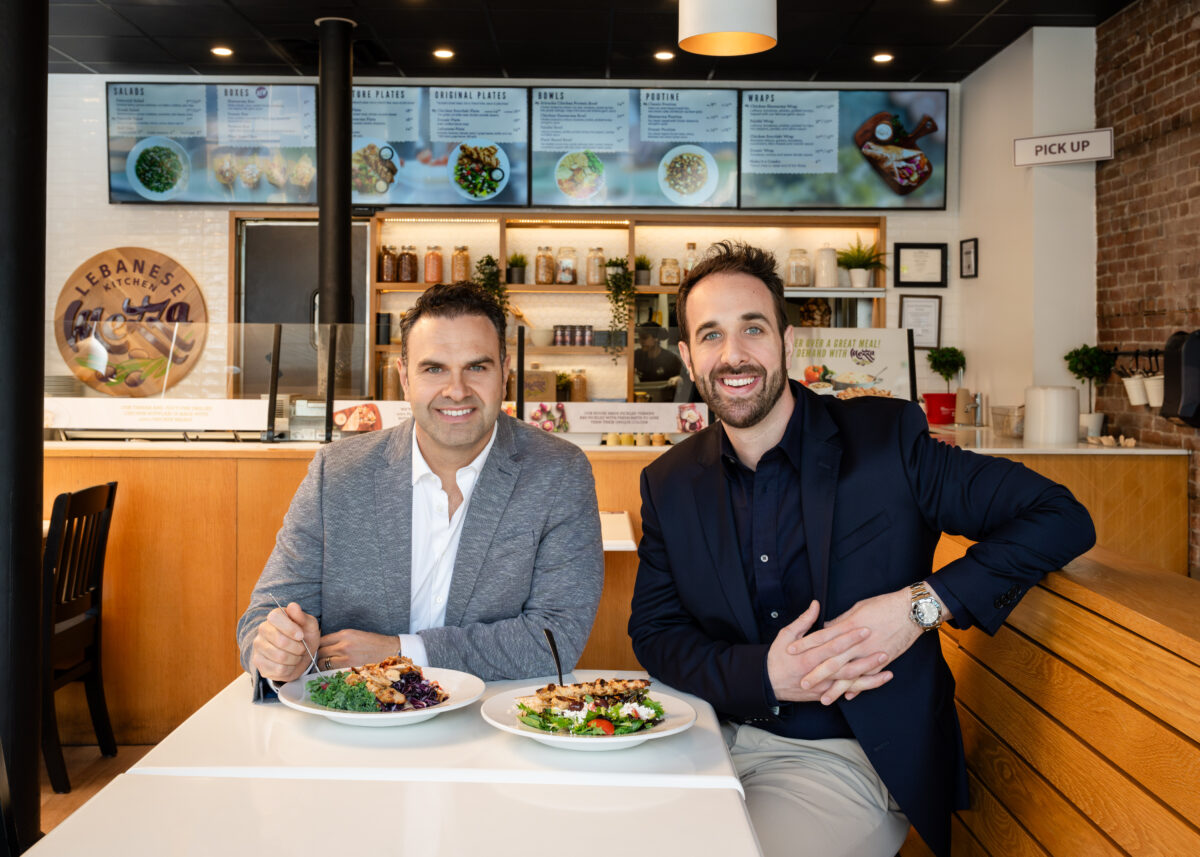
The quick-service restaurant, which is run by co-founders brothers Peter and Tony Nahas, has 23 locations in Canada.
Peter Nahas said 22 of those locations are in all four Atlantic provinces.
“Alberta is very strategic for us. There’s a significant number of East Coast transplants—people with Atlantic Canadian roots—who’ve moved West. There’s a strong community of East Coasters here, and part of our goal is to share that East Coast connection—our food, our Nova Scotia products—with them,” he said.
“What makes us unique is our family’s generations-old recipes. We want to share those with East Coasters as a taste of home, and also introduce them to those who aren’t from the East Coast. As an Atlantic Canadian-led Lebanese restaurant group, we’re excited to bring that to the Calgary and Edmonton markets.
“And honestly, I don’t think the market here is much different than in Atlantic Canada. Canadians coast to coast appreciate healthy, fresh, delicious food. Once they try it, they’re going to love it.”
The first one was opened by their parents when they immigrated to Halifax in 1990. And this month—May—actually marks its 35th anniversary.
“They opened their first location in the Halifax Shopping Centre. It was under a different brand at the time, but the concept was the same. It started with my parents. My brother and I grew up in the business and took over in 2012. That’s when we rebranded and reformulated into Mezza Lebanese Kitchen, which is what you see today. But it’s been a family-run business since day one in 1990,” said Nahas.
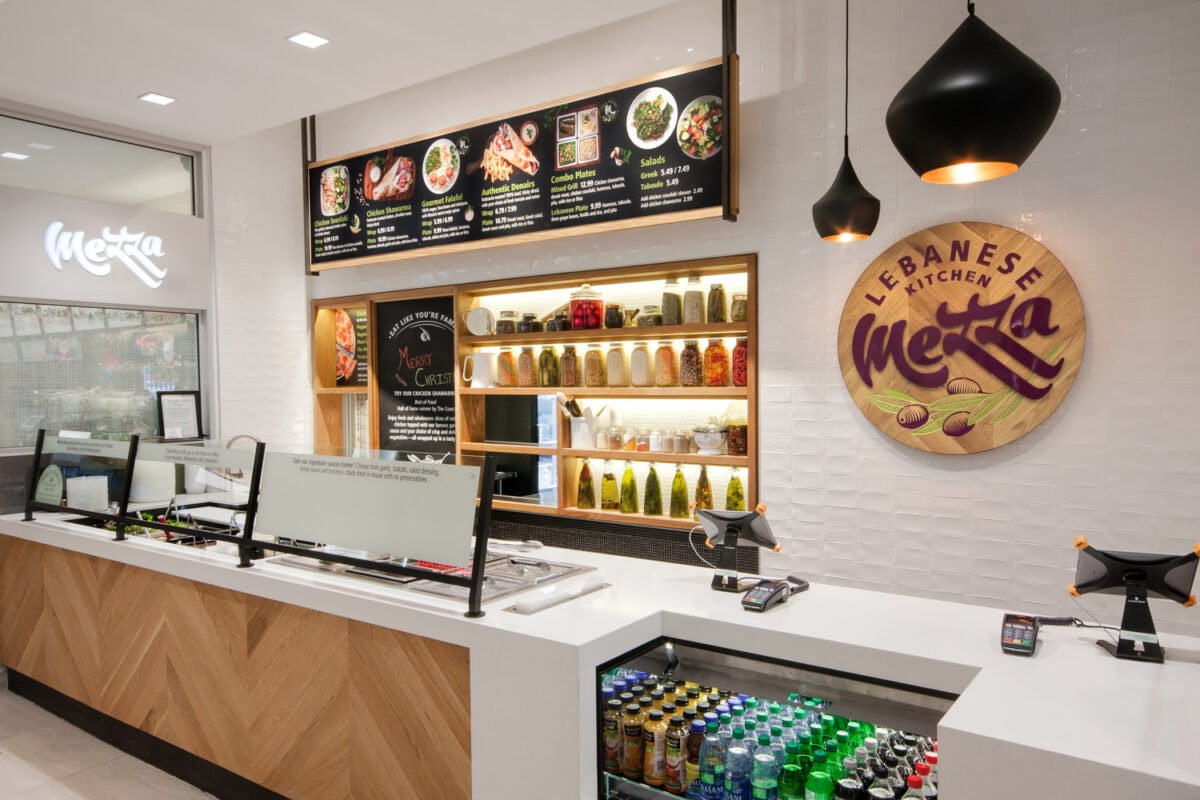
Mezza Lebanese Kitchen (Image: Fathom Studio)
“Our menu from 1990 had our core items that are still on the menu today: donair, shawarma, souvlaki and falafel. Those are our staples. We serve them as wraps, bowls, plates, poutines—modern formats, essentially.
“But if you look at old photos from back then, the core items haven’t changed. Donair has been on the menu for 35 years. Souvlaki, too—it’s always been served the same way: with Greek salad, your choice of rice or French fries, and either tzatziki sauce with the souvlaki or sweet donair sauce with the donair.
“Shawarma came a bit later—in the late ’90s, around 1997 or 1998. That’s when we started getting more into traditional Lebanese food.
“As you’d expect with any immigrant family starting out, they had everything on the menu—fish and chips, clubhouses, you name it—whatever they could cook to put food on the table.
“But donair and souvlaki have always been there. The more traditional Lebanese dishes like hummus, tabbouleh, shawarma—they came later in the ’90s. And in 2012, when my brother Tony and I took over, we focused on simplifying the menu. We leaned into our core Lebanese offerings and phased out the clubhouses, fish and chips, and so on. We focused on what makes us special and unique.”
Nahas said he would love to reach over 200 locations across the country eventually.
“I think in our QSR model, if you look at the strategic markets across Canada, 200+ is definitely within reach. You see similar growth with other brands in the ethnic food space,” he explained. “We’re aiming for that kind of scale, rolled out strategically across each province.
“The market has definitely shifted over the last 10 years—from sit-down restaurants to fast casual and quick-serve. But the key focus now is on quality and freshness. That’s what’s going to survive in this space, regardless of format.
“Consumers today prioritize good food. They want fresh ingredients. They want to know where their food comes from and what’s in it. They’re looking for clean food.
“I think if you’ve got a good product, at a good price, with great flavours—that never goes out of style. That’s not something that can get saturated.”
As economic uncertainty and ongoing trade tensions weigh on consumers, Canadian online retail sales saw a 3% YoY decline —compared to 3% growth in Q1 2024, according to Q1 Canadian retail insights from Salesforce’s 2025 Shopping Index, which analyzes activity from over 1.5 billion global shoppers across 67+ countries.
Retailers also witnessed a decline in average order value in Q1 2025 at $99.25, down 4% from $103.82 in Q1 2024, said Salesforce.
Caila Schwartz
“The Q1 2025 retail results paint a picture of a cautious Canadian consumer. High prices, economic uncertainty, and shifting priorities are all contributing to a more deliberate approach to online shopping. Canadian consumers are increasingly seeking out discounts and prioritizing value, while retailers are responding with targeted promotions and an emphasis on mobile-friendly experiences,” said Caila Schwartz, Director of Consumer Insights and Strategy for Retail and Consumer Goods at Salesforce.
With economic uncertainties and geopolitical climates impacting retail, Canadians are cautious and tightening their purse strings.
Digital commerce sales declined 3% YoY (compared to 3% growth in Q1 2024), the Shopping Index shows:
a decline in per-visit average spend, sitting at $2.57 (down 3% from $2.64 in Q1 2024)
a drop in conversion rate to 1.9% (down from 2.3% last quarter). A slight decrease of 2% from Q1 2024.
Canadian traffic was stagnant at 0% in the first quarter, with computers seeing a 15% growth while mobile declined by 4%.
Overall order volumes decreased by 5% in Canada, owing to computers seeing a decrease of 5% and mobile orders growing by 6%.
The rate of online traffic using site search was at 7% in the first quarter, accounting for 17% of all orders in Canada.
Mobile remains the biggest traffic driver and preferred channel for placing orders in Canada
Mobile drove 70% of all online traffic and 66% of all online orders in Q1 2025. The rate of orders coming from mobile devices continues to grow, with Q1 mobile orders growing 5% over the same period in 2024.
The average discount rate for Canada in the first quarter was 16%, which is a slight increase from the 15% seen during this time period last year.
The average order value (AOV) in Q1 2025 is $99.25, down 4% from $103.82 in Q1 2024.
The Canadian cart abandonment rate remained steady YoY
Desktop continues to lead when it comes to actually clicking the buy button, with a 80% cart abandonment rate versus 88% on mobile.
Work still remains on mobile to remove friction through the checkout funnel.
The share of Canadian traffic referred by social media was 10% in the first quarter, with 12% of mobile traffic being referred from social channels.
Schwartz said “we are still seeing the same type of 2024 consumer: cautious, pulling back on their spend, focusing on essentials.”
“We saw specifically in Canada, if we looked at the data, sales fell by 3% in Q1. But if we looked at the data over a five-quarter basis—well, technically nine quarters—on a year-over-year basis, sales have been kind of up and down between 3% and -3% over that time period. So we’re kind of in this same pattern of consumers really being cautious,” she said of the Salesforce data.
“We saw a decline in order volumes—consumers didn’t place more purchases than last year. It was about 5% down in Q1. But we also saw a decline in the per-visit spend, which is really interesting. It says to me that not only did we see that sales decline and order volume decline, but we also saw a pullback in how much they were spending per visit, which really corroborates that initial assumption: that it’s a rebalancing and a focus on essentials.”
Schwartz said the tariff uncertainty definitely doesn’t help put the consumer’s mind at ease.
“We’re paying attention very closely right now to see what’s happening. We’re still seeing spend, we’re still seeing activity, so we haven’t seen a dramatic drop-off. I think the consumer is going to be very sensitive to price right now—they have been for a long time. So any dramatic increase in prices over the next three to six months is really going to bring a lot more challenges from the consumer’s perspective. But it’s hard to know exactly what’s going to happen right now, given that things seem to be changing on a day-to-day basis,” she said.
“But I think if this continues, what we can expect to see is that same type of cautious consumer—probably some more pullback, definitely a refocusing again on essentials, and just a consumer that’s in a wait-and-see type of approach.”
Schwartz said we’ve seen a decline in consumer sentiment since 2022, when we really started to see inflation ramp up.
“We’ve been polling this every year now for the last few years, asking consumers how they feel about the economy or their own personal financial situation. What we’ve seen is that the consumer is feeling stretched. Last year, actually for the first time, we saw consumers say they were putting their money into savings, investing, and paying down debt—versus prioritizing physical goods or buying experiences, which really says to us that the consumer is trying to get their financial house in order—they’re really trying to buckle down,” she added.
Photo by
Andrea Piacquadio
Schwartz said what’s also interesting is how consumers are using mobile devices.
“We saw mobile usage by Canadians in terms of traffic—the rate of traffic coming to e-commerce sites from mobile—I would say is probably at its peak. We haven’t seen much movement in that metric over the last several quarters. But what is growing is the rate of orders coming from mobile devices, which is really interesting,” she explained.
“I think it says two things: one, the mobile buying experience is getting better—whether that’s through consolidated checkout experiences, more checkout or payment options, or better mobile carts overall. There’s a greater willingness and comfort on the part of the consumer to transact—especially for larger purchases—using their mobile devices.
That’s a very interesting one to see play out. My sense is we’ll still continue to see it grow, but we’re probably getting to the point where mobile usage and mobile saturation or penetration is coming to its peak—which is very cool from more of a technology perspective.”
IRIS, one of Canada’s largest and most established eyewear retailers, is marking its 35th anniversary in striking fashion—literally. The company has launched a refreshed edition of its “IRIS, it’s me” campaign for spring 2025, positioning its own employees as the face of the brand in a move that merges identity, authenticity, and fashion. Anchoring the national campaign is a reinterpretation of the Canadian hit “Sunglasses at Night” by Dante Hart, daughter of music icon Corey Hart.
This multifaceted campaign not only highlights the crucial role of IRIS’s employees in shaping customer experience but also elevates the company’s position in the style-conscious eyewear segment. The bold, fashion-forward push is part of a broader strategy to modernize the brand while deepening its human connection with customers.
Putting People at the Heart of the Brand
“The ‘IRIS, it’s me’ campaign is about more than marketing,” explained Mélanie Hajjar, Vice President of Marketing and Communications at IRIS. “It’s about telling the real story of our people—those who represent the IRIS experience every single day across Canada.”
Mélanie Hajjar, Vice President of Marketing and Communications at IRIS
Launched initially in 2024, the campaign’s 2025 iteration features real IRIS employees in its visual and video advertising. Hajjar emphasized that by showcasing actual team members instead of models, the company brings authenticity and approachability to the forefront—values that have shaped IRIS from the beginning.
“Customers who see the ads might actually walk into their local store and recognize someone from the campaign. That sense of familiarity and trust—that’s what we’re going for,” said Hajjar.
The choice has resonated internally as well. “Everyone wants to be part of it,” Hajjar noted. “It’s a full-on experience for our team—from makeup and styling to filming. But because they’re surrounded by their IRIS family during the shoot, they’re comfortable, and that joy really comes through.”
A Stylish New Direction
While IRIS is well known for its optometry and health expertise, the campaign represents a conscious effort to showcase the brand’s fashion sensibilities. “For many, eyewear isn’t just a tool to see better—it’s an expression of personality and style,” said Hajjar. “We want people to see that IRIS is also a leader in fashionable frames and forward-looking design.”
The use of “Sunglasses at Night,” reimagined by Dante Hart, adds both flair and cultural resonance. “It’s the perfect bridge between past and present,” said Hajjar. “The song is celebrating its 40th anniversary, we’re celebrating our 35th—and it’s iconic for Canadians.”
The track also appeals across generations. “Our core demographic is 35 to 49, but with Dante’s version and a recent remix by Heidi Klum and Tiga making the rounds on social media, we’re reaching younger audiences too.”
A Canadian Brand with Deep Roots
Founded in 1990 by optometrist Dr. Francis Jean, IRIS began in Baie-Comeau, Quebec. It originally started as a buying group in 1986 but evolved quickly into a full-service optical brand. “Dr. Jean had a big vision,” Hajjar said. “He started knocking on doors and inviting small-town optometry practices to join his franchise network under the IRIS name.”
The company’s expansion picked up pace in 2000 with the acquisition of Western Canada’s London Optical. That move brought IRIS to British Columbia, Alberta, and Ontario. However, Ontario posed unique challenges due to then-existing legislation that prohibited opticians and optometrists from working under the same roof.
“We were essentially illegal for seven years in Ontario,” Hajjar recalled. “But Dr. Jean believed strongly that professionals working together could offer a superior experience. In 2014, we finally won that legislative battle—though sadly, he passed away before seeing the victory.”
Today, IRIS operates approximately 150 locations across Canada, with its largest footprint in Quebec. The brand employs around 1,300 people, including contract optometrists, and provides full-service optical care—ranging from eye exams to ophthalmology clinics.
Image: IRIS Campaign
Now Part of a Larger Vision
Since 2017, IRIS has been part of the New Look Vision Group, which acquired the brand for $120 million. The move positioned New Look as the country’s largest optical retail network, with more than 375 locations.
The partnership has given IRIS the resources to continue growing—both in terms of footprint and product innovation. The brand has developed its own proprietary lens technologies and exclusive frame lines like “LYA,” short for “Love You All,” a nod to Dr. Jean’s warm signature sign-off in his emails.
All IRIS lenses are manufactured in Montreal, a decision that ties back to the campaign’s broader “Made in Canada” spirit. “We wanted this campaign to be entirely Canadian,” Hajjar said. “From the employees in our ads to the lenses we provide, this is a celebration of our Canadian identity.”
Differentiating in a Crowded Market
The Canadian optical market has become increasingly competitive, particularly with international players like Specsavers entering the field. Yet IRIS is confident in its differentiated value proposition.
“We’re not in the $69-glasses business,” said Hajjar. “We’re mid-to-high range because we offer something different—personalized, expert-driven care, and technology that truly enhances vision.”
That includes IRIS’s new “Apogee” lenses, which use VR-based eye tracking to produce highly customized lenses. “It’s as close as you can get to natural vision. One customer even joked about selling their car to afford a lifetime supply,” Hajjar laughed.
In-Store Over Online—for Now
While many optical retailers have moved into online sales, IRIS has not followed suit—at least, not fully.
“We currently don’t sell glasses online due to both legislative hurdles and our own quality standards,” said Hajjar. “In most provinces, online optical sales require a licensed optometrist to endorse each transaction, which complicates things.”
IRIS does offer online sales for contact lenses, provided the prescription is valid and under two years old. But for eyewear, the company prefers its personalized in-store model, which it believes delivers the best outcomes for customers.
“Ultimately, your vision is too important to compromise,” said Hajjar. “What you put on your face isn’t just plastic and metal—it’s a health device that defines how you see the world.”
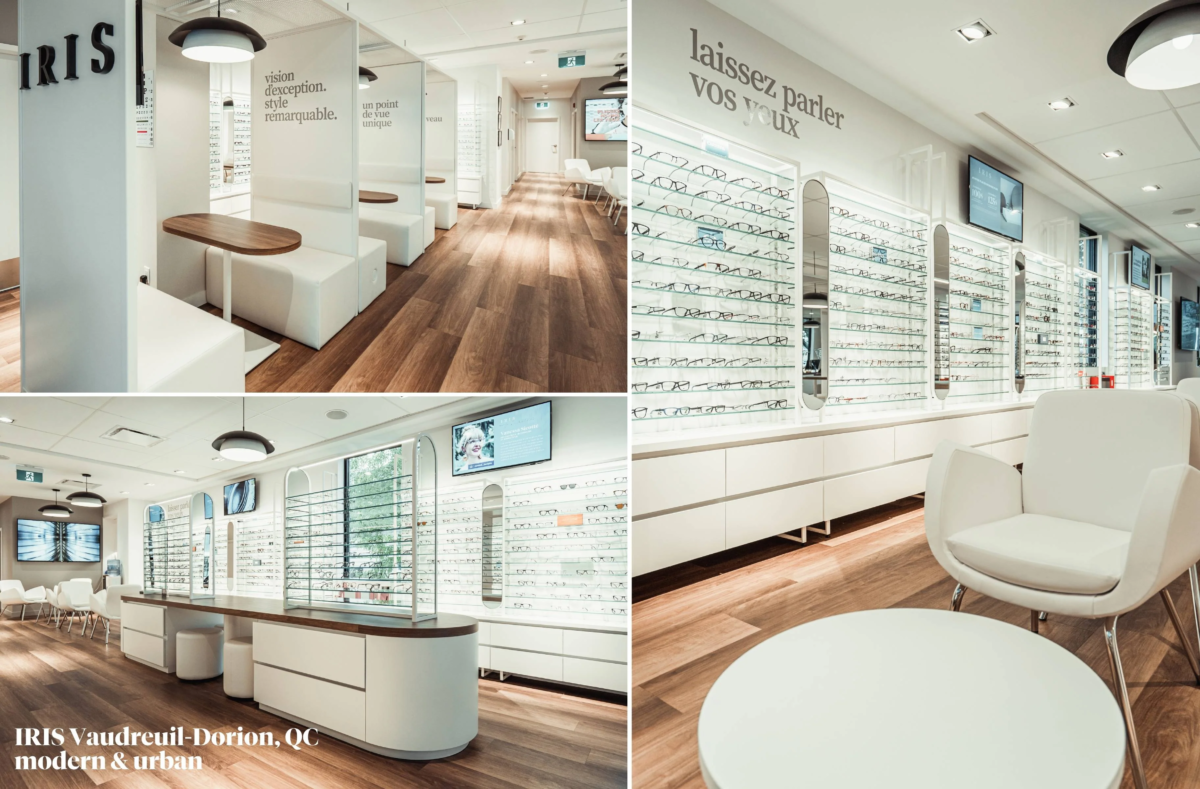
Image: IRIS
Looking to the Future
With plans to expand further in British Columbia and Ontario, IRIS continues to look ahead. “We’re growing, not just in store count, but in how we serve Canadians,” Hajjar said. “We’re expanding our exclusive collections and investing in new technologies that will change how people experience vision.”
Despite the competitive landscape, Hajjar believes that IRIS’s values will keep the brand thriving. “We’re not just in the business of selling glasses. We’re in the business of helping people see the world—and do so in style, with confidence and care.”
With a campaign that celebrates Canadian heritage, employee pride, and a legacy of innovation, IRIS’s 35th anniversary doesn’t just look back—it sets the tone for the future of vision care in Canada.
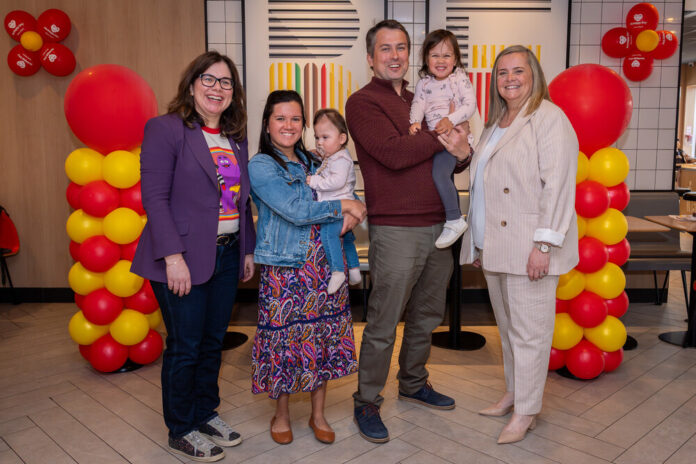
McDonald's Canada marked its 31st McHappy Day by raising over $11.3M+ for RMHC across Canada and local children's charities nationwide. The Michalski family, who received support from RMHC South Central Ontario, along with Kate Horton, President and CEO of RMHC Canada and Michèle Boudria, President and CEO of McDonald’s Canada, joined the festivities in-restaurant on McHappy Day. (CNW Group/McDonald's Canada)
McDonald’s Canada has announced a record-breaking McHappy Day, where communities showed up to help raise much-needed funds that will have a profound impact on the lives of families with sick and injured children.
Together with Canadians, the collective effort recently raised over $11.3 million for Ronald McDonald House Charities across Canada, and other local children’s charities nationwide.
Throughout McHappy Day, Canadians showed up in remarkable numbers, turning everyday purchases into extraordinary acts of generosity. Each purchase made on Thursday May 8, contributed significantly to the record-breaking fundraising total, showing how small actions can make a big difference to support families when they need it most, said McDonald’s in a press release.
“At its heart, McHappy Day is a community event hosted by McDonald’s Canada and its local, independent franchisees, driven by a commitment to the neighbourhoods and families they serve.”
Michèle Boudria
“Our franchisees are not just business leaders; they are community champions,” said Michèle Boudria, President and CEO of McDonald’s Canada. “McHappy Day is a shining example of their dedication to growing and fostering strong community connections, and the impact we can make for families with sick or injured children when we come together.”
This year marked the 31st McHappy Day in Canada, bringing the total to over $111.3 million raised to-date in support of RMHC across Canada and other local children’s charities. These funds have played a critical role in enabling RMHC across Canada to support nearly 500,000 families with sick and injured children since 1981. The generosity of Canadians ensures that even more families can remain close to their child’s hospital bedside, enabling parents to share precious bedtime stories and enjoy a home-cooked meal that provides comfort and peace, so families can truly focus on what matters most: caring for their child, explained the company.
Kate Horton
“McHappy Day is my favourite day of the year because it vividly illustrates the power of community and the life-changing impact of Canadian’s generosity,” said Kate Horton, President and CEO of Ronald McDonald House Charities Canada. “Thanks to the incredible support from our founding and forever partner, McDonald’s Canada, franchisees, guests, and our national donor partners, we can continue to provide essential comfort and resources to families with sick and injured children, keeping them close when it matters most.”
The impact of McHappy Day extends beyond a single day. Every day, McDonald’s Canada along with its local, independent franchisees, and guests, support RMHC families through Happy Meal and RMHC Cookie purchases, coin box, and at point of purchase with programs such as Round Up. As of May 13, guests can also support RMHC families by making a $1 donation through the McDonald’s app, said the company.
In Canada, two out of three families live outside a city with a children’s hospital and must travel for treatment if their child is seriously ill or injured. The impact of RMHC across Canada is far reaching as today, 1 in 4 Canadians have either stayed with RMHC or know someone who has. More than a place to stay, RMHC program locations across Canada give families the support and resources they need so they can focus on what matters most – caring for their child. The 16 Ronald McDonald House programs provide out-of-town families with holistic support and services such as meal, mental health and wellness programming, while the 19 Ronald McDonald Family Room programs provide a comfortable place for families to rest, recharge and fuel without having to leave the hospital.
Toronto’s dynamic food scene has added a new milestone with the inclusion of louf, a Palestinian restaurant, in Toronto Life’s prestigious 2025 Best New Restaurants list. Ranking No. 7 out of 20, louf is the first Palestinian establishment to be recognized in the magazine’s 43-year history of compiling the annual list. The announcement was made during a celebration held on May 12 at the Evergreen Brick Works.
The restaurant’s placement reflects the growing appreciation for refined, globally influenced dining in Toronto, as well as the rising profile of Palestinian cuisine. Located near Casa Loma, louf was opened in November 2024 by Chef Fadi Kattan and co-founder Nicole Mankinen, who have been intentional about integrating tradition, storytelling, and sustainability into every aspect of the restaurant.
Chef Fadi Kattan and co-founder Nicole Mankinen. Photo: louf
A Celebration of Palestinian Identity and Hospitality
“I’m proud of my co-founder and the team at louf for having all made this possible, for having made louf’s recognition from Toronto Life as part and parcel of the food scene in Toronto,” said Kattan. “Where we are the first restaurant to be proud of our Palestinian identity, to be proud of using locally sourced, sustainable Ontario produce, and to have a unique beverage list that caters with crafted nonalcoholic drinks and a beautiful selection of wines and cocktails to everyone. I am proud that louf today in Toronto symbolizes the truth of Palestinian hospitality, which is proud hospitality, welcoming everyone.”
The restaurant’s name, meaning “to turn” or “to revolve” in Arabic, signifies the cyclical nature of seasons, stories, and cultural legacies. louf has embraced that ethos by crafting a menu that reflects centuries-old Palestinian culinary techniques using fresh, locally sourced ingredients.
Photo: louf
Signature Dish Highlights Culinary Innovation
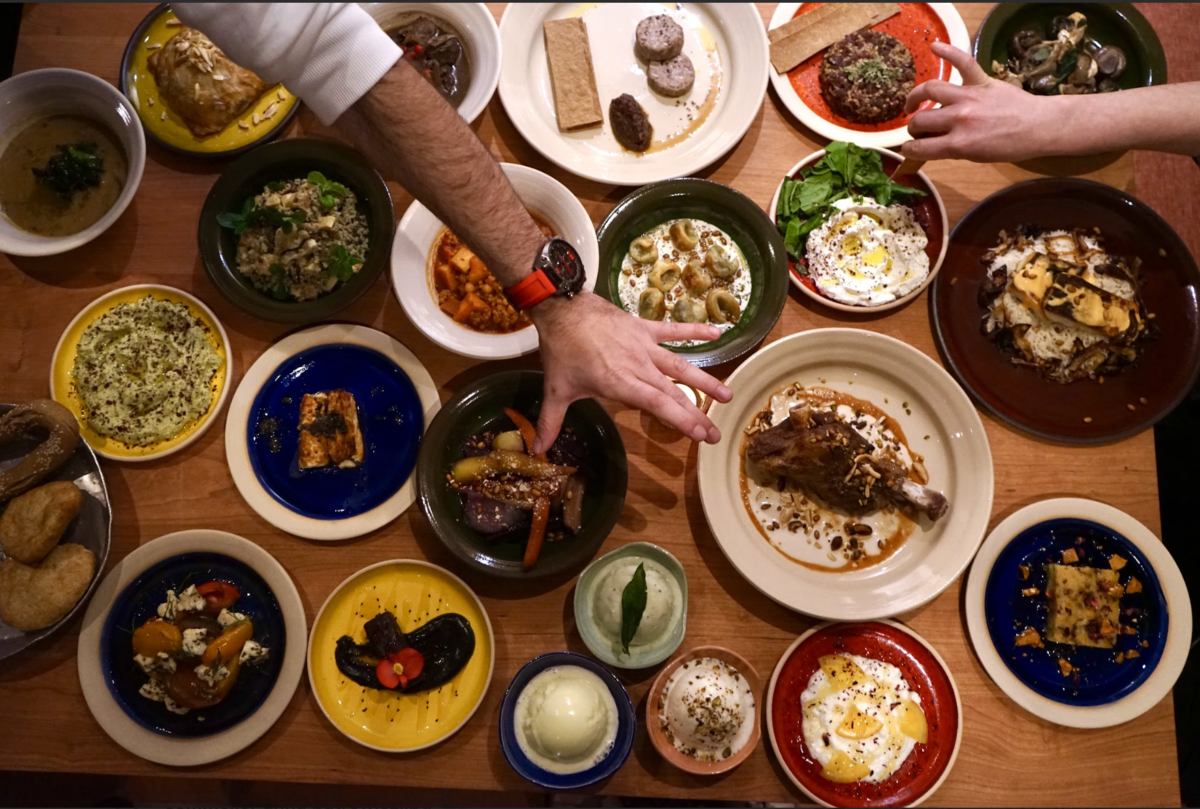
As part of Monday’s celebration, louf joined some of Toronto’s most acclaimed restaurants in showcasing its culinary approach. Chef Kattan prepared khubz bil zaatar w labaneh, a standout dish made with house-made Palestinian zaatar bread, artisanal local labaneh, Ontario-grown blood sorrel, grape molasses reduction, and sumac imported from Palestine. The dish encapsulates louf’s fusion of heritage and innovation.
“This is a watershed moment for Palestinian culinary representation in Toronto,” said Mankinen. “I am grateful to those who recognised the need to put Palestine on the culinary map in Toronto through Chef Fadi’s cuisine, and the craft of hospitality that is intrinsic to Palestinian culture.”
A Warm Welcome with Global Reach
Since its opening, louf has drawn both local and international diners eager to experience its uniquely curated hospitality. Located just steps from the city’s iconic Casa Loma, the restaurant offers more than just food—it serves stories, traditions, and cultural expression on every plate.
The ambiance is equally curated to reflect the values of openness and warmth that are central to Palestinian traditions. Every detail—from the nonalcoholic beverages to the locally sourced produce—has been crafted to ensure an inclusive and memorable guest experience.
Photo: louf
Expanding the Experience with Summer Events
As the summer season begins, louf is expanding its offerings through a series of special events and menu highlights that further showcase its culinary vision. The restaurant has opened its seasonal patio and launched multiple themed dining experiences.
On weekends, guests can enjoy a traditional Palestinian brunch. Weekday visitors are invited to the bar, where they’re served complimentary Palestinian-spiced nuts alongside a curated drink menu. Tuesday evenings are designated for steak night, where a 12-ounce Ontario-sourced striploin is basted in zaatar-infused ghee and topped with spicy shatta. Thursdays feature a $80 per-person date night menu designed to offer guests a full immersive culinary experience.
Beyond flavour, louf is committed to deepening understanding of Palestinian identity through the lens of food. Every dish is accompanied by thoughtful storytelling, whether about the origin of an ingredient or the family recipe that inspired its preparation. This narrative-driven approach helps elevate louf from simply a restaurant to a cultural touchstone within Toronto’s multicultural dining landscape.
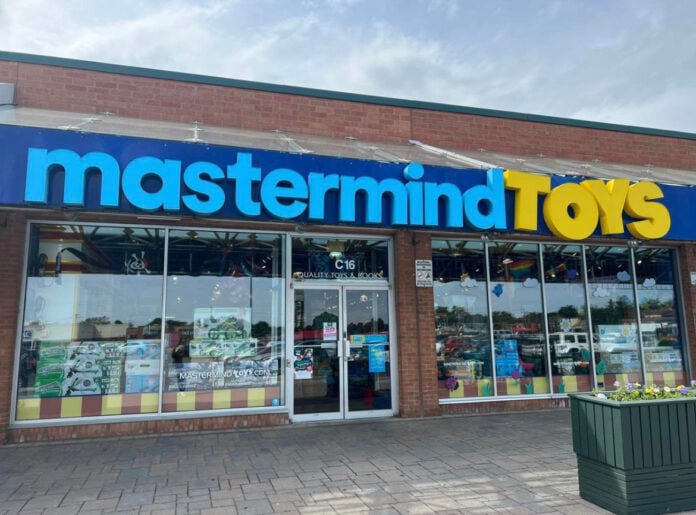
“I’m honoured to step into the role of CEO at Mastermind Toys, a beloved Canadian brand that has inspired generations through the power of play. With 47 stores coast to coast and over 40 years of history, Mastermind Toys has become a trusted destination for families across our country.
“In our home, play has always been more than fun. It’s where imagination took flight — where our kids built their first worlds out of blocks, books, and curiosity. Watching them learn and grow through play has shaped how I see the world and reminded me that creativity, wonder, and connection are foundations for learning — and leadership.
John Bayliss
“That’s why I’m so excited to lead a company that champions purposeful play. Mastermind Toys is more than a store — it’s a place where families discover joy, and every toy has the potential to spark something big.
“Thank you to Joseph Mimran, Frank Rocchetti, Stephan Tetrault and the Unity team for the opportunity. I can’t wait to work alongside the passionate and talented Mastermind team to write our next chapter.
“Let’s inspire the next generation — one toy, one story, one gift at a time.”
Recently, Mastermind Toys, Canada’s leading specialty toy and children’s lifestyle retailer, said that entrepreneur Stéphane Tétrault has made an equity investment in the company. This private transaction established Tétrault as a partner alongside co-owners Mimran and Rocchetti.
Tétrault, a French-Canadian entrepreneur, is the founder of Imports Dragon and co-owner of McFarlane Toys, bringing deep expertise in licensing, manufacturing, and toy innovation. With over 25 years in the toy industry, he has built Imports Dragon into one of Canada’s fastest-growing toy companies and helped propel McFarlane Toys to new heights as part of its ownership team. His extensive experience developing licensed products and innovative toys will support Mastermind Toys’ growth strategy and curated assortment, said Mastermind.
In December 2023, Mastermind Toys announced that it has entered into an asset purchase agreement with Unity Acquisitions Inc. Under the terms of the transaction, Unity purchased the majority of Mastermind Toys store locations.
On November 30 of that year, Mastermind Toys obtained Court approval to conduct liquidation sales at 18 of its store locations.
Prior to that, Mastermind Toys had been in business for 39 years and had 66 stores coast-to-coast.
Court documents at the time stated: “The Mastermind Entities are currently facing financial difficulties as a result of declining sales, gross margins, increased competition, commoditization of the toy category and other macro-economic trends facing many Canadian retailers. The Mastermind Entities’ financial difficulties were exacerbated by the COVID-19 pandemic, including as a result of store closures and an increase in shoppers making online purchases.
“Despite implementing cost reduction and other initiatives to improve profitability, Mastermind LP’s revenues and profitability have declined over the past several years. The Mastermind Entities do not have sufficient cash flow or liquidity to continue running its business and do not have sufficient funds to pay their liabilities as they become due.
“The Mastermind Entities are insolvent with liabilities well in excess of $5 million and unable to meet their obligations as they come due.”
Photo: Montreal Children's Hospital Foundation website
Children’s Miracle Network is launching its annual spring fundraising campaign in partnership with Walmart Canada, inviting Canadians to make a difference for children and families in their communities.
From May 8 to June 1, customers can donate in-store or online at Walmart.ca, with 100% of funds raised going directly to local children’s hospital foundations to support specialized care, life-saving equipment, and ground-breaking research, said a news release.
Adam Starkman
“Walmart Canada associates and customers are the driving force behind this campaign, helping ensure that children’s hospitals across the country have the resources they need,” said Adam Starkman, President and CEO of Canada’s Children’s Hospital Foundations. “Since the partnership began, more than $230 million has been raised, directly benefiting the hospitals that care for children and families when they need it most.”
Walmart Canada is making a lead donation of $1 million to kick off fundraising efforts. Over the years, Walmart Canada has been the largest corporate contributor to children’s healthcare in the country, with donations funding cutting-edge medical advancements and compassionate family-centered programs, said the news release.
Rob Nicol
“Our dedicated associates and customers make this campaign a reality, and their generosity has an incredible impact on children’s hospitals across Canada,” said Rob Nicol, Vice President, Corporate Affairs and Communications, Walmart Canada. “Every dollar donated helps children receive the specialized care they need. We’re so proud to keep supporting this important cause.”
This year’s campaign features inspiring patient stories, highlighting the real-life impact of donor support. Jack, a Champion from Children’s Hospital Foundation of Manitoba, is benefiting from donor-supported surgical equipment, research, and ongoing care at Manitoba’s only children’s hospital. To learn more about Jack’s story, click here.
Walmart Canada’s flagship online store, Walmart.ca, is visited by more than 1.5 million customers daily. With more than 100,000 associates, Walmart Canada is one of Canada’s largest employers and is ranked one of the country’s top 10 most influential brands. Walmart Canada’s extensive philanthropy program is focused on supporting Canadian families in need, and since 1994, Walmart Canada has raised and donated more than $850 million to Canadian charities.
Children’s Miracle Network raises funds and awareness for 170 member hospitals, 13 of which are in Canada. Donations stay local to fund critical treatments and healthcare services, purchase pediatric medical equipment, and support research. Its various fundraising partners and programs support its mission to save and improve the lives of as many children as possible.
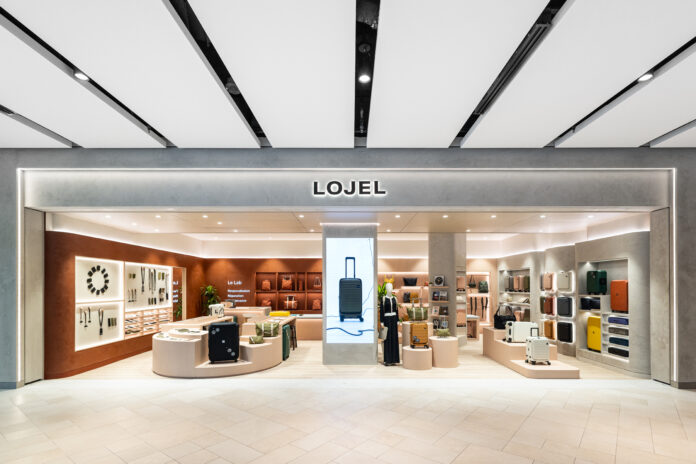
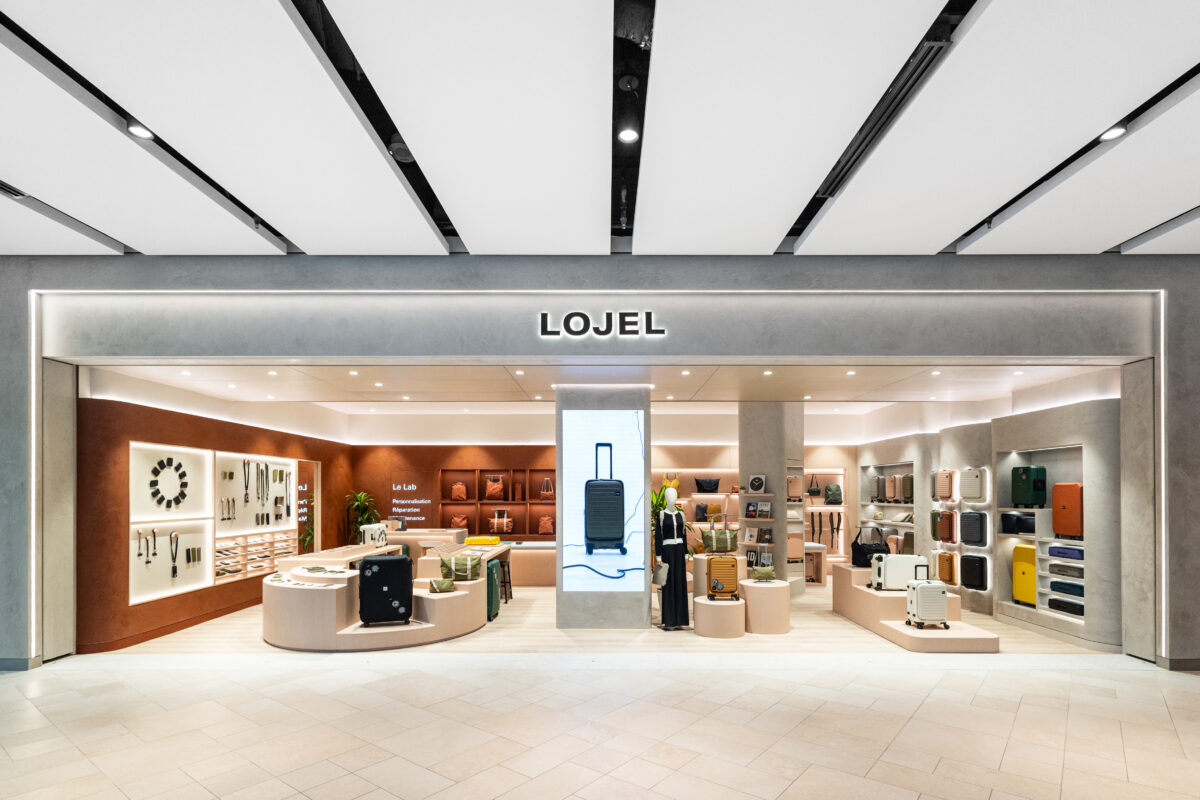
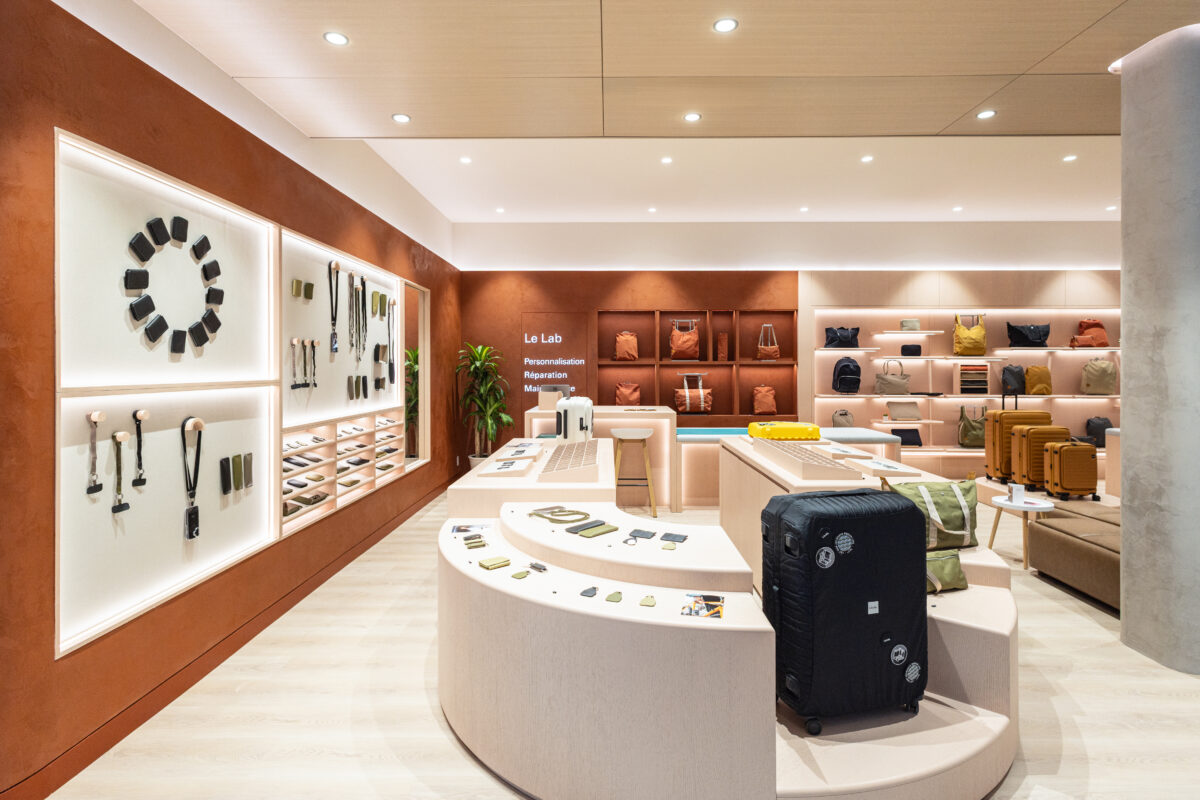
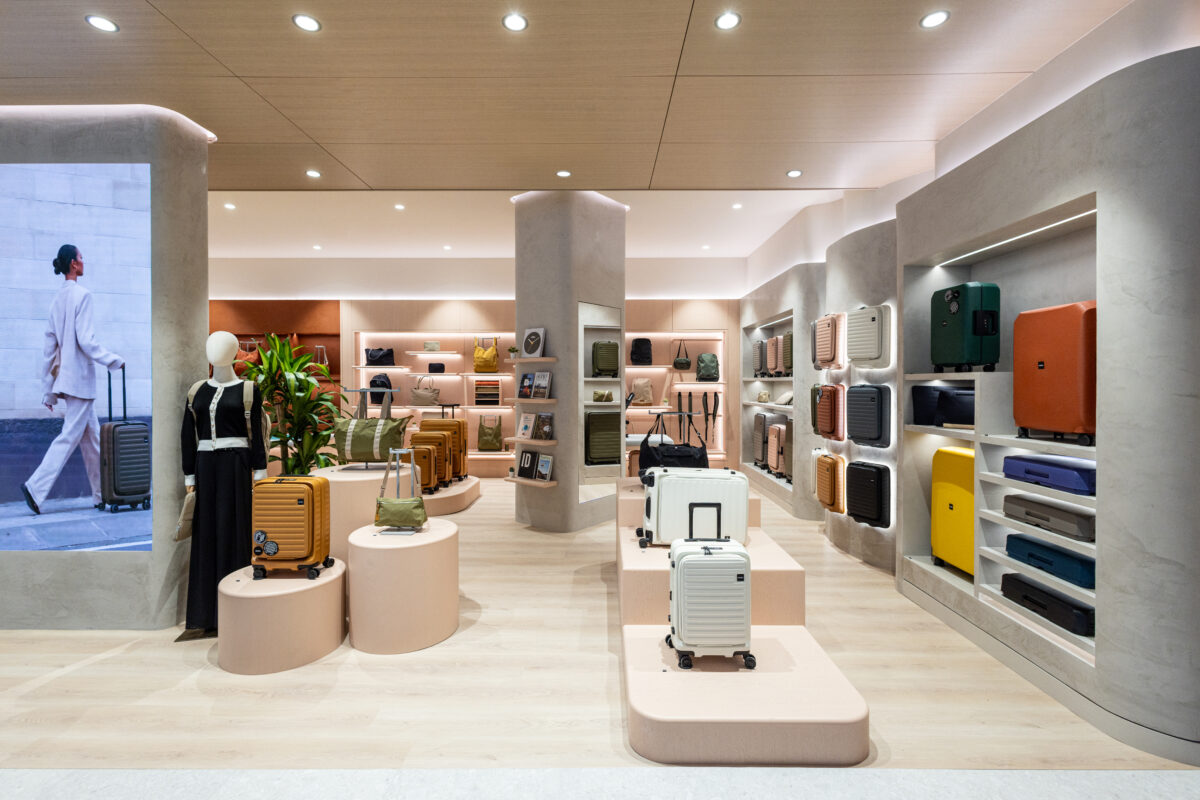
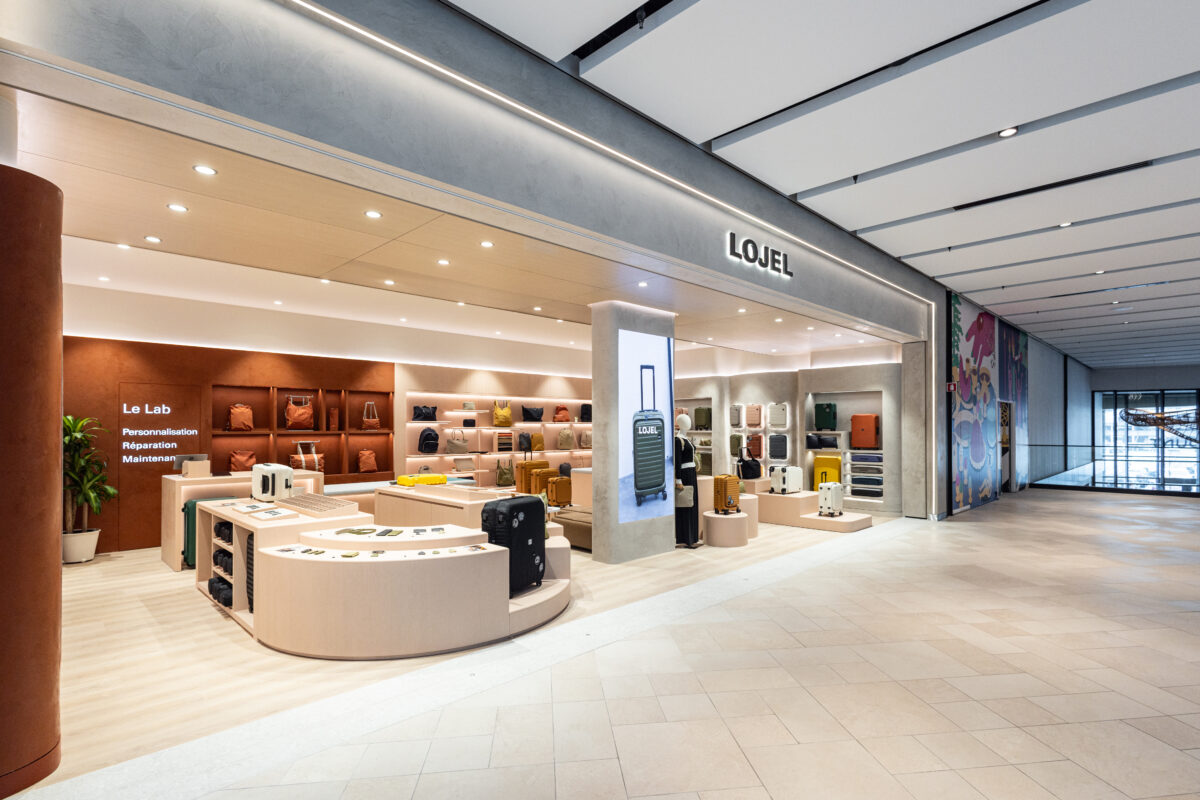
Global carry essentials brand LOJELhas opened its second location in Canada at Montreal’s Royalmount shopping centre.
Last fall, the brand launched its first North American store in the Kitsilano neighbourhood of Vancouver.
Kenzo Yoneno
“Montreal’s renown as a leader in sustainable and mindful urban living fully aligns with LOJEL’s progressive vision of design in support of conscious movement and lifestyles,” said Kenzo Yoneno, Chief ProductOfficer at LOJEL. “We’re forward-looking in our approach to products, studying emerging lifestyles to find problems that require new, responsible solutions.”
“With over 30 stores globally, the opening of LOJEL’s Montreal store marks a key milestone in our strategic Canadian expansion,” added Rachel Draper, General Manager, North America at LOJEL. “As one of Canada’s most popular travel hubs, with a renowned art and culture scene and support for a sustainable lifestyle, Montreal is the ideal location for LOJEL’s second Canadian store.
Rachel Draper
“Following the success of our Vancouver flagship, which also serves as our North America head office, we are thrilled to grow in a dynamic urban centre like Montreal that embraces our vision for a more sustainable future.”
Founded in 1989, LOJEL says its mission is to empower journeys through thoughtfully designed products that promote mindful movement and sustainability. Guided by three key principles—”Less, but better,” ensuring high-quality design; “Simply User-Centric,” prioritizing your needs; and “Modern Movement,” offering adaptable solutions—LOJEL delivers innovative carry essentials for all aspects of mobility, from international travel to everyday commutes, it says.
LOJEL is headquartered in Hong Kong with offices in Tokyo, Montreal, Vancouver, and Singapore, and sales locations across Australia, Cambodia, Canada, Hong Kong, Indonesia, Japan, Malaysia, Philippines, Singapore, Taiwan, Thailand, and the UAE, with online sales in Asia and North America.
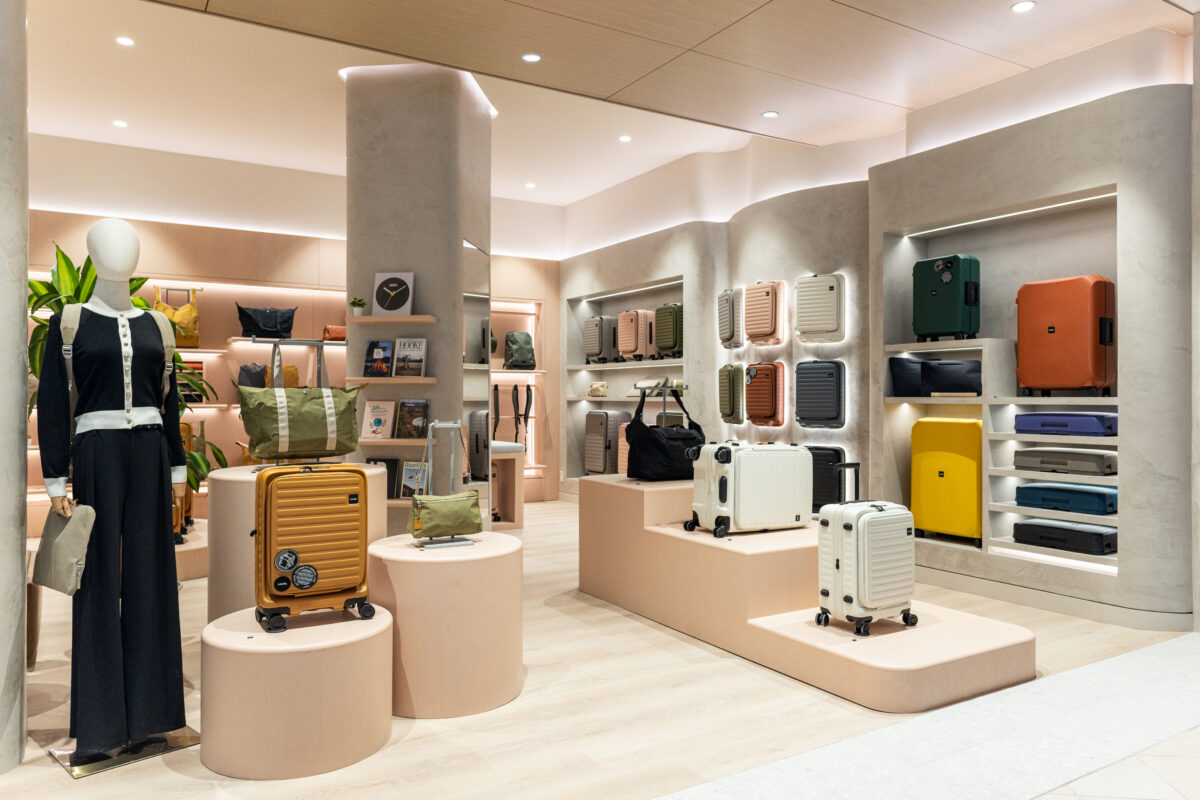
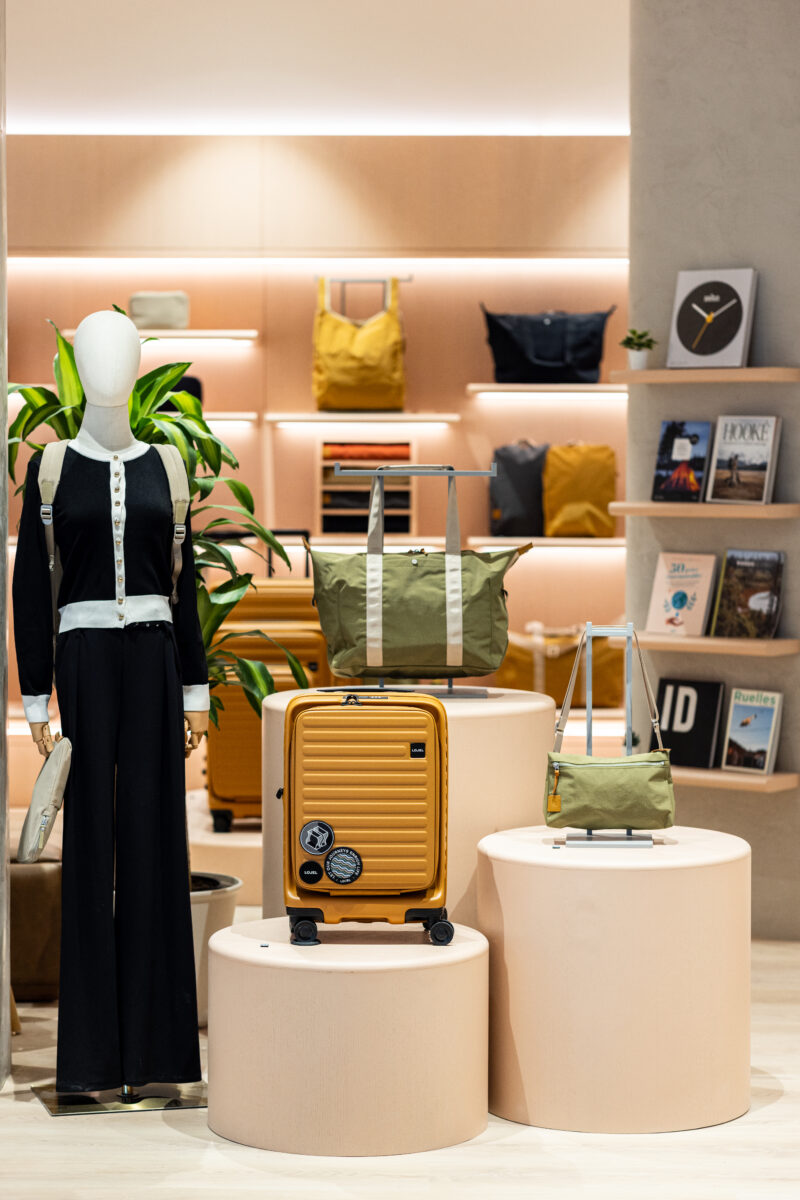
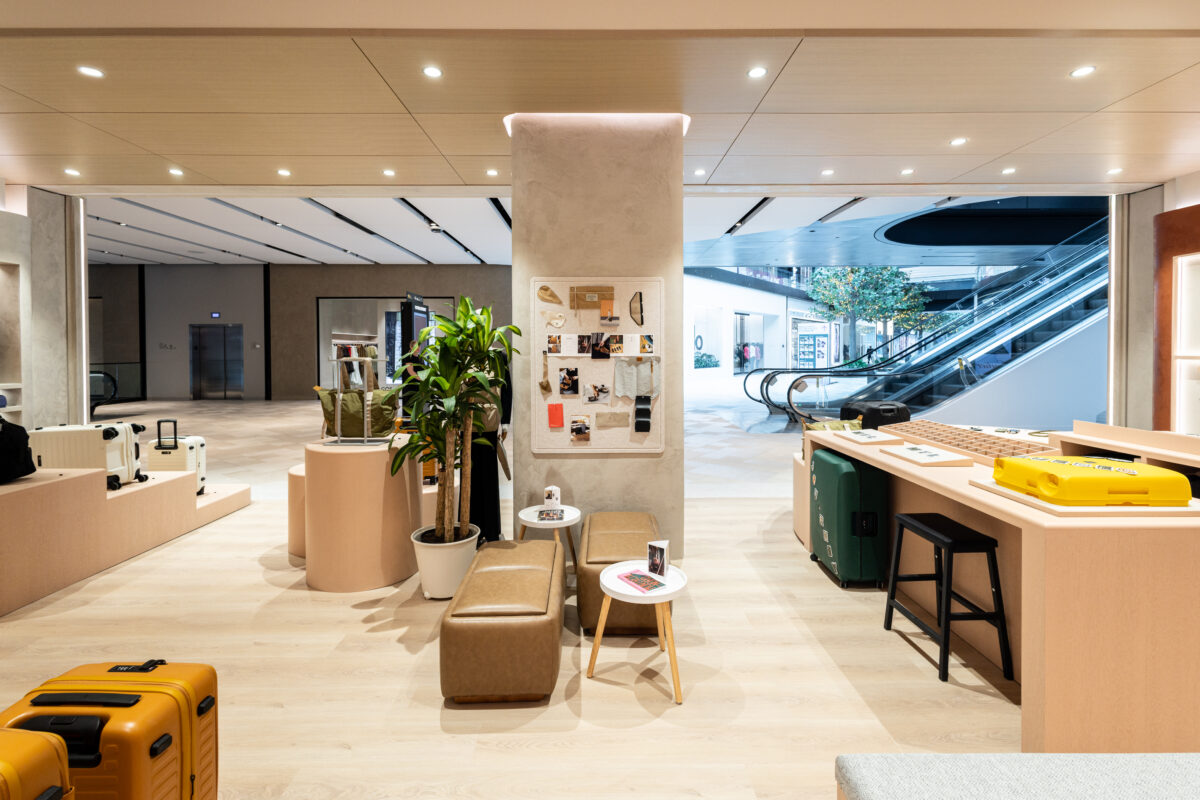
The retail said the new store’s design echoes LOJEL’s commitment to designing and producing high-quality products that simplify movement. Focusing on enabling human connection, the store resonates strongly with Royalmount’s commitment to creating a vibrant urban oasis where community, creativity, and connection thrive, it says.
Source: LOJEL
Recently, LOJEL has achieved The Climate Label Certification, verifying the brand’s investments in solutions aimed at reducing emissions and accelerating the global climate transition to net zero. This certification reassures consumers that they are choosing a brand that aligns with their values and is working to make a positive impact, it explained.
“LOJEL’s innovative products include the bestselling Cubo Collection, which offers six sizes that each feature an innovative flat-top, trunk-style opening, to allow for easy and convenient access in tight spaces. Expandable design and five internal pockets enable travelers to tailor its capacity for any last-minute packing additions. LOJEL is launching its first limited Cubo Collection colour drop, Sangria, which will be available at the Montreal store and online as of May 15. LOJEL lifestyle products have always empowered meaningful engagement in all forms of travel and movement,” it added.
Draper said the privately-owned, family-owned business “makes very thoughtfully designed products for everyday movement around carry essentials.
“We evolved from a traditional luggage brand to a brand that offers luggage, bags and accessories today, and you see us all over the globe now,” said Draper.
The company’s North American regional office is in Vancouver.
The first store in Canada opened last September in Vancouver.
Source: LOJEL
“Following our successful opening in Vancouver, we were looking to open a second location. We were intentionally looking to expand our retail footprint in Canada. We chose Montreal because the city and the consumers there really aligned with our brand’s values, specifically around creativity, being very design forward and thoughtful, sustainability driven in their every day,” explained Draper.
“And then on top of that, Royalmount, being really focused on sustainability and creating mindful customer experiences, just resonated very well with what we were looking to do as a next step.
“We’re currently very focused on where we are now, with our existing channels on ecommerce and our two stores now in Canada in Vancouver and Montreal. We are looking at expanding in the future in similar urban hubs where we can reach our customers with shared values, but right now we’re focused on our current locations.”
Source: LOJEL
Draper said the brand’s target customer is really a customer that’s looking to elevate their every day.
“Whether it’s going to the office or going on a big trip, they’re looking for products that are designed very well. We have a design for repair philosophy. Both from the long term durability standpoint, but the full circularity of the product.
“For example, with our top seller, our Cubo luggage line, if the wheels break on your luggage, those wheels can be replaced, rather than throwing out the entire luggage. And that’s something that really matters to our customers. You also just see the beautiful design, both in our products and our stores. Customers that embody and care about thoughtful design and creativity tend to be attracted to our stores, and then they tend to really align with the values around sustainability and that and the full circularity of our products.”
Source: LOJEL
Draper described Montreal as a “really cool city with one of the most dynamic travel hubs that we see in Canada, full of culture, one of the best train systems for every day travel and commuting, the sustainability leadership that you see in that city.”
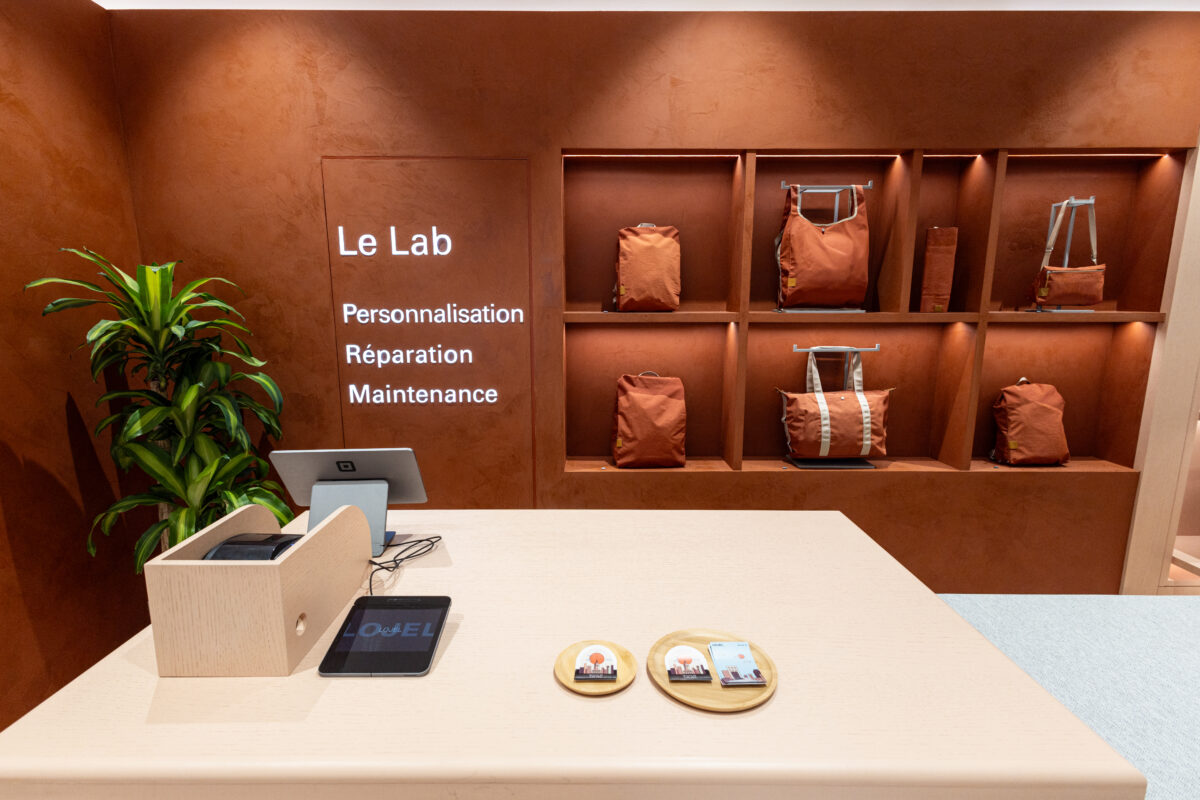
“It was just a natural next step for us. We’re really excited to reach customers. We actually have our customer launch event on May 24 coming up, where we’ll use our lab that typically is for product repairs and personalization, we’ll use that lab where we have a local person that will actually be able to sew on our LOJEL patches on customers products.”
The Montreal store is 1,200 square feet while the Vancouver flagship store is about 1,800 square feet.
As head of Canada’s largest small business association, representing 100,000 independently, Canadian-owned and operated businesses from coast to coast, I’m loving the “Buy Canadian” energy and initiatives popping up across the country in response to ridiculous U.S. tariffs. Nearly four in five Canadians say supporting local Canadian businesses is more crucial now than it was a year ago and 80% are likely to choose Canadian-made products over imported ones, according to a recent survey from Interac.
While the sentiment is exactly right, it’s also leading to some confusion and unintended side effects.
Dan Kelly
Some of the “Buy Canadian” lists making the rounds on social media suggest dropping U.S. brands that are actually produced in Canada or owned by independent Canadian businesses. Examples include independent bottlers of Coke and Pepsi or franchise restaurants like independently-owned McDonald’s or Dairy Queen locations. They, too, provide local jobs, support an incredible number of local initiatives and strengthen our local economies. Many businesses operating under a U.S. banner, like franchise restaurants, are still Canadian owned and should not be caught in the crossfire.
Other lists suggest looking for Canadian-made products when shopping at giant, US-owned retailers like Costco or Walmart. Is buying a Canadian-made box of crackers at Walmart or Costco better than buying an imported box of crackers at your locally owned independent store?
And it is also important to note that many small, independent, Canadian companies are sitting on a ton of inventory imported from the U.S. I spoke to a B.C. retailer of outdoor furniture who said that while he is promoting his made-in-Canada products, he worries about the unsold inventory of U.S.-made goods, including in many categories where there aren’t many Canadian alternatives. Much of this has been pre-paid and a movement to avoid U.S.-made goods indiscriminately can actually harm Canadian-owned businesses instead of helping them.
So does this mean we should all give up on buying Canadian? Absolutely not. CFIB research found that 66 cents of every dollar spent at a local small business or locally owned franchise stays within the community. If you’re shopping at a multinational retailer, only 11 cents are recirculated back into the local economy, and even less – eight cents – if you shop at online giants like Amazon.
As a consumer, the best way to buy and support Canadian is to buy and support local. Focus first on buying from Canadian-owned retailers and restaurants. This includes locally owned franchisees. In those businesses, do seek out the goods that are made in Canada when possible. But let’s not punish Canadian small businesses sitting on U.S. made inventory. Our local businesses provide local jobs. They pay local taxes. Neighbourhood shops and restaurants are critical parts of our communities and, more than ever, they need our support.
To buy Canadian or not to buy: that’s not even a question. The choice is clear. If you want to buy Canadian – buy local.