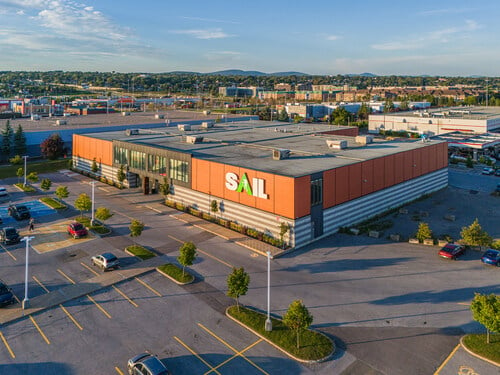
Retail site located in Quebec City, sold to Costco (CNW Group/Leyad)
Leyad, a Montréal-based real estate investment and development firm focused on acquiring and repositioning underutilized assets across Canada, has announced the successful sale of a retail site in Québec City to Costco Wholesale Corporation.
The transaction reflects its continued focus on strategic asset repositioning and its ability to execute high-impact deals with leading national tenants, said the company.
Since acquiring the property, Leyad implemented a focused value-add strategy to enhance the site’s appeal and long-term viability. The result was a well-positioned asset that attracted one of North America’s most respected retail brands, it said.
Henry Zavriyev
“This deal exemplifies Leyad’s ability to identify opportunity, act decisively, and create value through strategic execution,” said Henry Zavriyev, President of Leyad. “We are proud to have transacted with Costco and look forward to continuing to grow our presence in the Canadian retail market.”
The Québec City sale supports Leyad’s broader strategy of acquiring high-potential assets, unlocking their value, and pursuing timely dispositions. The company remains active across Canada and is currently evaluating new retail investment opportunities, added the company.
The site is at Mega Centre Lebourgneuf, located at 5600 Boul des Gradins in Quebec City.
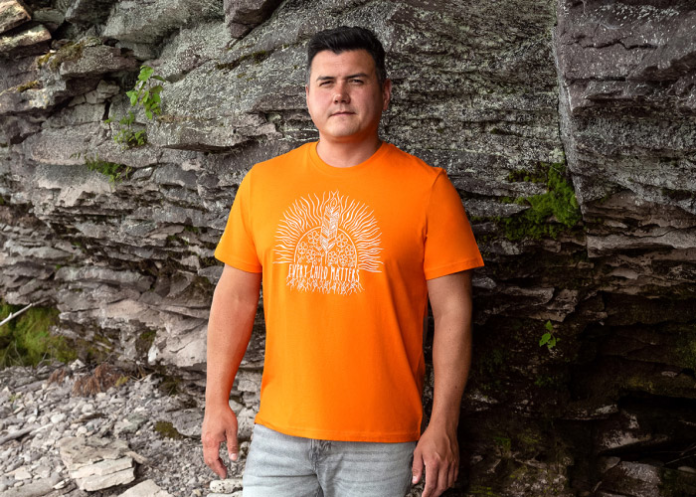
Giant Tiger Stores Limited is launching its fourth-year partnership with national Indigenous charity Indspire to create an exclusive orange shirt and raise awareness for National Day for Truth and Reconciliation.
Featuring a one-of-a-kind design by Two-Spirit Ojibwe artist Patrick Hunter, the shirt is available now at select Giant Tiger stores and GiantTiger.com, with 100% of profits raised from the sale of this shirt being donated to Indspire in support of the Learning from the Past Fund. This fund provides bursaries to Indigenous post-secondary students pursuing an education in Indigenous Studies and Languages, said the retailer.
Featuring author and activist Phyllis Webstad, Hunter, and Indspire Laureates, click HERE to watch how the partnership is driving education, awareness, and support through the Learning from the Past Fund.
“Huy tseep q\’u Indspire and Giant Tiger. I’ve been able to accomplish so much, through this bursary and through the award. I’m very, very grateful,” said Learning from the Past Fund bursary recipient Zoe George, Tsleil-Waututh & Squamish Nation.
Mike DeGagné
“Our ongoing collaboration with Giant Tiger is a powerful example of what reconciliation in action looks like,” said Mike DeGagné, President & CEO of Indspire. “The proceeds from the Orange Shirt Campaign help create lasting change by supporting First Nations, Inuit, and Métis students as they pursue education rooted in their languages, cultures, and communities. We are proud to work with partners like Giant Tiger who share our vision for a future shaped by strong Indigenous voices.”
Gabrielle Hargrove
“We’re proud to continue our longstanding partnership with Indspire. Through the sale of this shirt, we’ve proudly raised over $1.3 million to date, an extraordinary milestone that’s making a real difference for Indigenous post-secondary students,” said Gabrielle Hargrove, Senior Vice President and Human Resources Officer at Giant Tiger Stores Limited. “This initiative shows the incredible impact our stores and customers can make together. Every shirt sold helps shape a student’s future and create meaningful change in the communities we’re so proud to serve.”
Giant Tiger said it is proud to be a longstanding partner of Indspire, supporting programs that help Indigenous students graduate and become the leaders of tomorrow. Through the sale of the shirts, it has raised more than $1.3 million to date, in support of the Learning from the Past Fund, funding bursaries for Indigenous post-secondary students pursuing studies in Indigenous languages and culture.
For more information on the partnership with Indspire, visit gianttiger.com/pages/truth-and-reconciliation.
Hunter is a Two-Spirit Ojibwe artist originally from Red Lake, Ont. He specializes in acrylic paintings and digital designs, inspired by his Ojibwe roots. He creates with the intention of bringing more joy into the world, while increasing the awareness of Indigenous cultures and iconography.
Indspire is a national Indigenous registered charity that invests in the education of First Nations, Inuit, and Métis people for the long-term benefit of these individuals, their families, communities, and Canada. With the support of its funding partners, Indspire provides financial awards, delivers programs, and shares resources to help Indigenous students achieve their highest potential. In 2024-25, Indspire provided more than $31.6 million through over 8,800 bursaries and scholarships to Indigenous students across Canada.
Giant Tiger is a privately held company with over 260 locations across Canada.
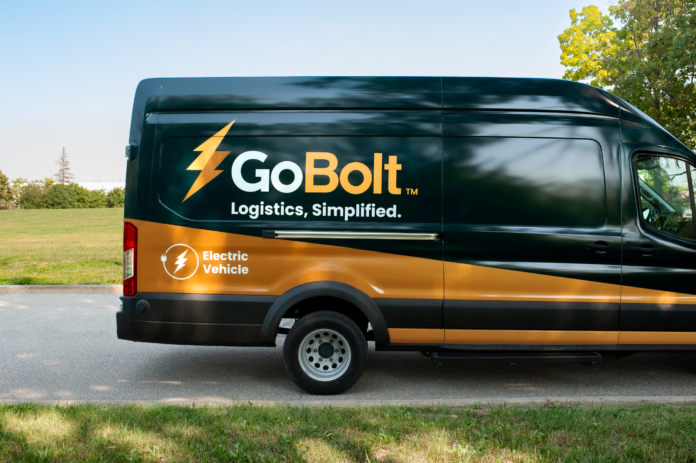
GoBolt, a technology-led third-party logistics (3PL) provider, has joined the Shopify Fulfillment Network(SFN), expanding merchant access to its scalable fulfillment and sustainable last mile delivery solutions through Shopify’s curated Fulfillment Network.
This partnership builds on GoBolt’s existing integration with Shopify, where merchants can connect their store with a suite of apps in minutes through a self-serve process, said the company.
Brands that choose GoBolt benefit from an end-to-end logistics solution that spans inventory management, warehouse fulfillment, last mile delivery, and returns processing, all supported by an advanced Shopify integration and delivered with industry-leading speed and sustainability, it said.
Mark Ang, co-founder of GoBolt
“Being selected as a Shopify Fulfillment Network Partner validates our commitment to building logistics solutions that truly fit what brands need,” said Mark Ang, Co-Founder and CEO of GoBolt. “This isn’t just about integration — it’s about giving merchants the control, visibility, and sustainability they need to compete and scale confidently.”
Fulfillment Designed for Growth
As a newly named Shopify Fulfillment Network Partner, GoBolt said it offers merchants fast, flexible fulfillment with unprecedented operational control:
Minutes to Connect — Self-serve integration that connects in just a few clicks.
Advanced Fulfillment Control — Features like Order Tagging, Fulfillment Holds, and Merged Orders give merchants granular control over which orders to fulfill without developer intervention.
Multi-Location Management — Manage fulfillment across strategically located facilities in key markets including Toronto, Vancouver, Calgary, Los Angeles, New York, and Houston through GoBolt’s Merchant Portal.
Affordable, Fast Delivery — Ship your orders using its heavily-discounted shipping rates, or with GoBolt Parcel, the highest-rated and most sustainable carrier in North America.
GoBolt said it supports over 400 fast-growing ecommerce brands — including Carpe, Outway, Koio, Cariuma, tentree, Honeylove, Meater, and more — helping them achieve measurable results like a 77% reduction in order fulfillment times and a 35-50% reduction in shipping costs.
Retail Insider is streamlining its Canadian retail news from around the web to include a handful of top news stories that can be viewed quickly during the day. Here are the top stories from the past several days.
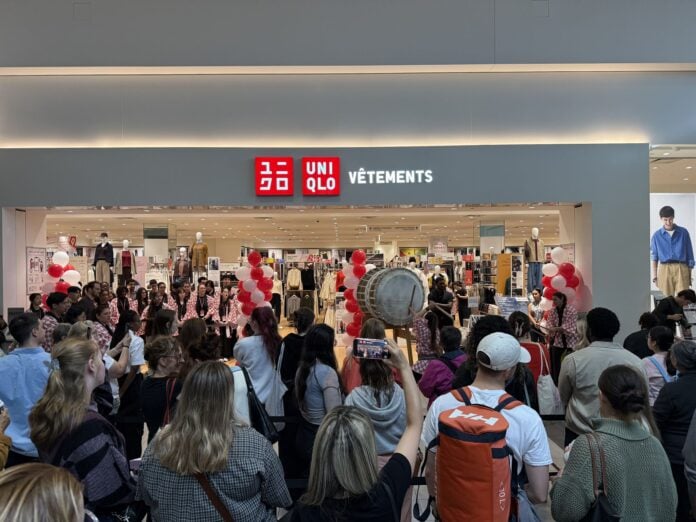
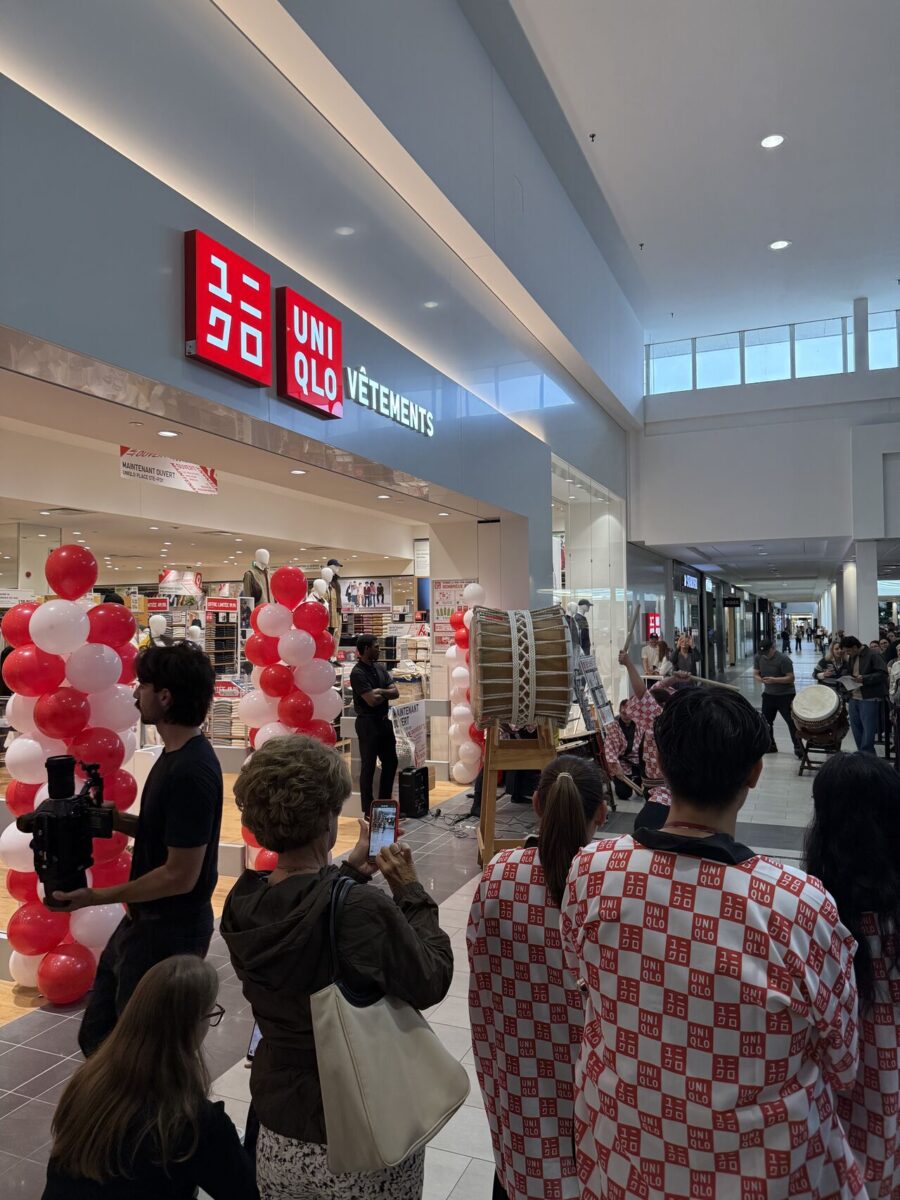
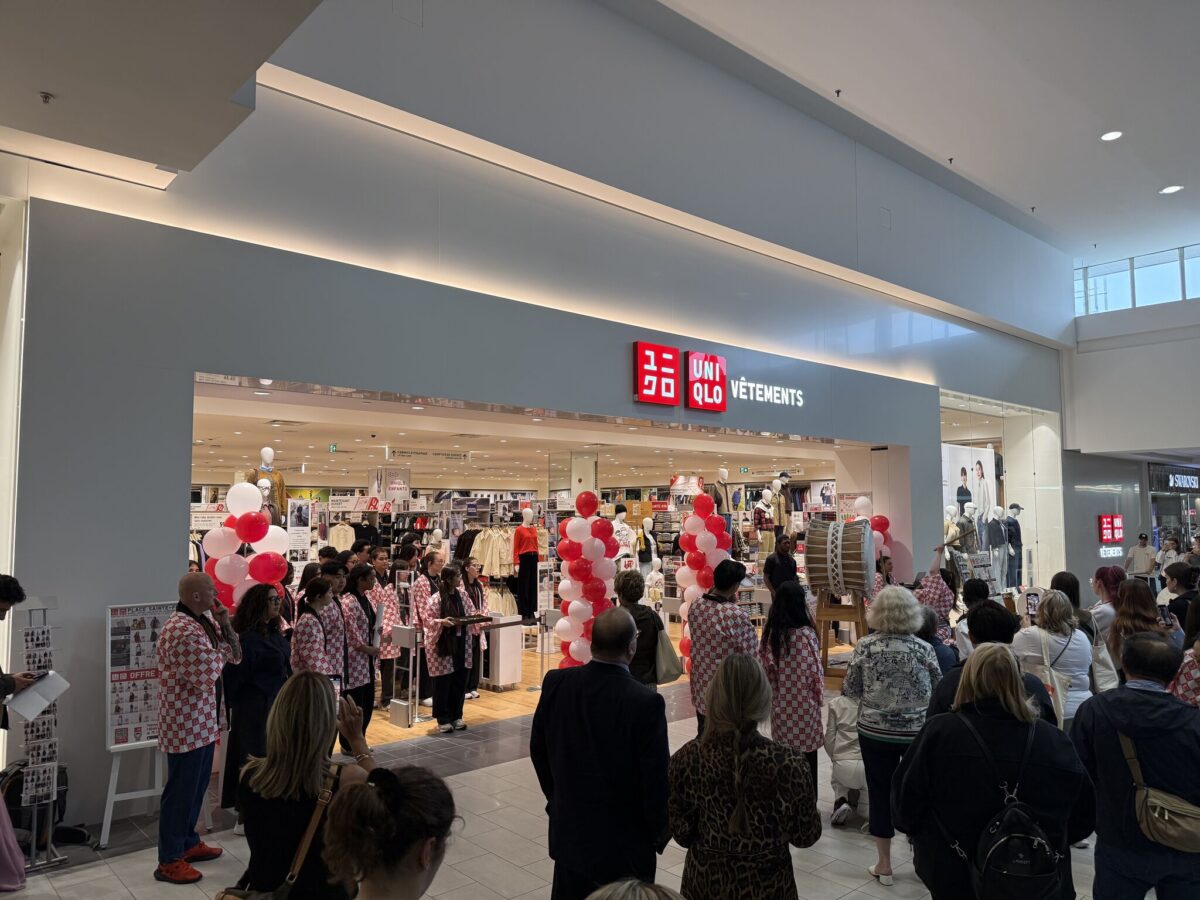
Japanese global apparel retailer Uniqlo is accelerating its Canadian expansion with the recent opening of two new stores in Quebec – Place Ste-Foy in Quebec City and Galeries d’Anjou in Montreal.
For the brand, it’s the first store in Quebec City.
Uniqlo opened its first store in Hiroshima in 1984 and now has over 2,500 stores worldwide, including 33 in Canada, and online at uniqlo.ca. Uniqlo creates LifeWear apparel based on the Japanese values of simplicity, quality, and longevity. LifeWear offers timeless designs, supreme fit, and comfort, and is shaped by customer needs to improve their daily lives, said the retailer.
Both Quebec locations span over 15,000 square feet and showcase Uniqlo’s unique customer experience and LifeWear lineup for men, women, and kids.
“Uniqlo has always entered new markets and increased locations in existing ones with high traffic locations in top properties – be it enclosed shopping centres or outdoor big box centres,” he said.
“Moving forward, we are looking for more of these as well as freestanding locations and high streets. Preferring stores of approximately 12,000 square feet.”
By the end of 2025, it’s anticipated that Uniqlo will operate 37 stores across Canada, strengthening its footprint in British Columbia, Quebec, and Alberta, while reinforcing its presence in major urban and suburban shopping destinations.
In a previous Retail Insider story, Yuya Tanahashi, Chief Operating Officer of Uniqlo in Canada, credited the rapid growth of Uniqlo to its continued community focused approach.
“We are very grateful to our patrons in Canada and look forward to fostering more meaningful relationships with new customers. I am optimistic about our Canadian growth, and we look forward to bringing LifeWear to new markets.”
Photo- Jeff Berkowitz LinkedIn
Uniqlo Place Ste-Foy and Galeries d’Anjou will offer UNIQLO’s iconic LifeWear products for men, women, and kids, such as Ultra-Light Down—warm, packable jackets perfect for layering or travel—and HEATTECH products—made of an innovative fabric that uses the moisture on your skin to generate heat. Other staples include high-quality Knitwear, including 100% cashmere, premium denim, t-shirts.
Uniqlo is a brand of Fast Retailing Co., Ltd., a leading Japanese retail holding company with global headquarters in Tokyo, Japan. Uniqlo is the largest of eight brands in the Fast Retailing Group, the others being GU, Theory, PLST (Plus T), Comptoir des Cotonniers, Princesse tam.tam, J Brand and Helmut Lang. With global sales of approximately 2.77 trillion yen for the 2023 fiscal year ending August 31, 2023 (US $18.92 billion, calculated in yen using the end of August 2023 rate of $1 = 146.2 yen), Fast Retailing is one of the world’s largest apparel retail companies, and Uniqlo is Japan’s leading specialty retailer.
Uniqlo continues to open large-scale stores in some of the world’s most important cities and locations, as part of its ongoing efforts to solidify its status as a global brand. Today the company has a total of more than 2,400 Uniqlo stores across the world, including Japan, Asia, Europe and North America. The total number of stores across Fast Retailing’s brands is now close to 3,600.
“The key to effectively reaching holiday shoppers is understanding where consumers are—physically, emotionally, and culturally—during every phase of the holiday season,” said Jillian Ryan, Senior Manager of Content Strategy at Mailchimp. “Our research provides a compelling look at these motivations, granting marketers new insights and strategies for connecting with shoppers.
“This report tells us that marketers have clear opportunities to reach customers, regardless of whether or not they’re offering deals or are operating outside of traditional shopping periods. There are all kinds of shoppers—and a single consumer can embody different archetypes as the season ebbs and flows. This new research builds on Mailchimp’s tradition of helping marketers understand and segment their audiences so the right message finds the right customer at the right time.”
For all the jokes about “Christmas Creep,” the buying festivities do begin sooner than widely acknowledged, said Intuit. According to the report, 43% of shoppers made a purchase tied to at least one major sales moment during the Early Lead-up phase, which takes place during October. And while conventional wisdom often touts discounts and deals as a reason for the season, 52% of holiday shoppers say their primary motivation for purchasing during the holidays is to bring joy to others, it said.
Photo: Andrea Piacquadio
Decoding the Holiday Season
The holiday season unfolds over seven distinct phases, each marked by unique emotional drivers, spending patterns, and shopping behaviours. Understanding these phases and the archetypal shopping behaviours that define them can be key to a successful holiday strategy, explained Intuit.
Early Lead-up: In October, holiday cheer can feel less like festive fun and more like a rogue party guest showing up too early. But for Gift-Giving Lifers, it’s a perfect time to check off a Christmas list—in part motivated by a sense of pride in telling others they’re finished. A prime indicator? Of the US shoppers who considered making a purchase during Amazon’s Prime Big Deal Days that month, 69% were buying gifts for others.
Pre-peak Sales: By November, audiences grow more receptive to holiday cues like music and films. For Joyful Shoppers, the desire to give something meaningful often outweighs the allure of a discount. For shoppers buying gifts for others during the holiday season, 31% fewer shoppers say price is an influential factor compared to other times of the year.
Peak Sales: This deal-driven phase is where most shoppers use peak events like Black Friday to buy gifts for others and themselves; a whopping 75% of global shoppers have made a purchase associated with at least 1 moment during this phase. Discount Devotees, a key audience for these moments, are a broad group united by their relentless pursuit of a great deal and the feeling of having outsmarted the system.
Festive Phase: Early December is a dynamic and emotionally charged period; some consumers are in the middle of holiday shopping, while others are just getting started. During this phase, 26% of shoppers made a purchase—often driven by regional traditions like St. Nicholas Day, for which 48% of Beneluxian and German shoppers made a purchase. It’s a popular shopping time for the Curators, who take their time hunting for gifts with a story.
Last-minute Sprint: The days leading up to Christmas are a mix of festive celebration and last-minute prep, as some settle into traditions while others race to wrap up their to-do list. The Last-minute Listers are anxious about gifts arriving on time—and they’ll turn to any brand that can help them cross the finish line. This is a crucial audience during this phase; 78% of those who consider a purchase on Super Saturday—the last Saturday before Christmas—are buying gifts for others.
Betwixtmas: Between Christmas and the New Year, consumers enter an indulgent phase driven by post-holiday relief. Here, the Self-Gifters take matters into their own hands: 68% of Australian, Canadian, and UK shoppers who consider a Boxing Day purchase are buying for themselves.
New Year: During this period, consumers shift from festive giving to self-reflection and renewal. The Self-Improvers are using January sales to support their resolutions—particularly in Europe, where 63% of shoppers participating in these sales are purchasing items for themselves.
“Navigating these many moments can be a complex and time-consuming challenge for marketers, but understanding what customers want—not just through survey data and expert advice, but also from the kinds of real-time marketing and financial insights and tools provided by the Intuit platform—can make all the difference,” it said.
Picture this: It’s mid-summer, and families are already storming store aisles and endlessly scrolling online—not for beach gear, but for pencils, laptops, and lunchboxes. Why the rush? In 2025, back-to-school shopping isn’t just a seasonal to-do; it’s a high-stakes hunt to outsmart tariffs, snag bargains, and leverage AI like never before.
With economic uncertainty looming, shoppers are savvier, starting earlier, and still fiercely committed to setting their kids up for success.
This year, value is king as prices climb and tariff threats loom. While overall spending dips slightly, the push for American-made goods is surging. Retailers, heads up: Stockpiles are keeping prices steady for now, but strategic discounts could unlock big wins for those who play it smart.
The Early Bird Gets the Deal: Shopping Starts Sooner Than You Think
Tariffs aren’t just news—they’re reshaping shopping carts. By early July 2025, a record 67% of back-to-school shoppers had already started, up from 55% last year and the highest since the National Retail Federation (NRF) began tracking in 2018. Why the rush? Over half (51%) fear tariff-driven price hikes, sparking a race to stock up early.
Clothing, notebooks, and essentials dominate lists, but affordability is the top priority. Make the shopping experience seamless, and you’ll earn loyalty. Still, 84% of shoppers have half their lists left to tackle, holding out until late August or mid-September for killer deals (47%), clearer needs (39%), or stretched budgets (24%). The season? It’s longer, smarter, and more unpredictable than ever.
Photo: Norma Mortenson
K-12 vs. College: Two Worlds, One Wallet Squeeze
Back-to-school isn’t one-size-fits-all. For K-12 families, the NRF projects average spending at $858.07 on supplies, electronics, clothing, and shoes—down slightly from $874.68 in 2024.
That’s a hefty $39.4 billion on apparel and tech alone. Value hunters are opting for cheaper alternatives, but tech essentials remain non-negotiable. College shoppers, meanwhile, are spending big: an average of $1,325.85 per student, down from $1,364.75 last year. But totals hit $88.8 billion, up from $86.6 billion, fueled by broader categories like furnishings and home goods. Where are they shopping? Online leads at 48%, with discount stores up 5 points to 36%, followed by department stores (35%) and campus bookstores (27%). Omnichannel rules—ignore it at your peril.
2025 Trends: Tariffs, Tech, and a Patriotic Twist
This isn’t your typical shopping spree. Here’s what’s driving the 2025 buzz:
Price Freezes to the Rescue: With tariffs on the horizon, retailers like Target and Dollar Tree are locking prices at 2024 levels, pulling in shoppers eager to beat the hike. It’s a bold move turning hesitation into action.
Made in America Mania: Deloitte’s 2025 Back-to-School Survey shows 48% of shoppers prioritizing U.S.-made products to dodge tariff impacts. Patriotism meets practicality.
AI: The New Shopping Sidekick: One in five parents is using AI to find deals, compare prices, and curate lists, per PwC. Deloitte goes one step further: A third are tapping generative AI for inspiration and efficiency.
Stores Stage a Comeback: Digital fatigue is real. Zeta Global’s survey shows big-box retailers like Walmart and Target capturing 26% of shopping plans, with department stores climbing to 21%. In-person deals are pulling shoppers back.
Retailer Playbook: 5 Power Moves to Own Back-to-School (and Beyond)
Inflation, tariffs, and economic jitters are making 2025 a retail battlefield. But with deal- obsessed shoppers, the winners will connect, convert, and captivate. Here’s how to dominate:
Own the Omnichannel Odyssey Shoppers bounce from apps to aisles—make it effortless. Offer BOPIS (buy online, pick up in store), curbside, and delivery that delights. Sync promotions across channels: That app coupon should be able to work in-store. Seamless = Sold.
Price Like a Pro Bargain hunters are relentless. Launch flash sales for urgency, bundle essentials (think supplies + tech), and keep deals flowing. Turn “maybe” into “must-buy” with smart combos.
Stretch the Season Forget one-week sprints—shopping now spans summer to fall. Extend promos into mid-September with timed drops. Keep the momentum; keep the sales.
Personalize or Perish Parents aren’t a monolith. Tailor for busy moms with history-based bundles; target digital-savvy teens via social preferences. Speak their language, and they’ll become more naturally engaged.
Unleash AI Magic Meet AI users where they are. Use it for hyper-relevant recommendations, A/B tests (product pics vs. lifestyle shots?), and segment smarts. Affluent parents want luxury; budget ones, basics. Never be afraid to test and tweak as necessary.
Unlock New Opportunities in 2025
Yes, 2025 has been one of the most challenging years for retailers and ecommerce but that doesn’t mean that it’s all doom and gloom. By utilizing the technology available to us such as AI-driven personalization techniques and A/B testing, merchants are able to directly connect with consumers in unprecedented ways. So, don’t wait to take advantage of new opportunities before the back-to-school shopping season is officially over!
Steve Maher
(Steve Maher is the Chief Executive Officer of Monetate, with over 25 years of experience leading technology companies. With a background spanning Fortune 500 enterprises and high-growth SaaS companies, he has a proven track record of driving innovation, delivering customer value, and leading global expansion into new markets and verticals.
Based in Dallas, TX, Steve is an avid weightlifter, a committed philanthropist supporting initiatives that help people and families impacted by neurodiversity, and enjoys spending quality time with his family.)
Mall entrance to the new Zellers store at Londonderry Mall in Edmonton. Image via Reddit
News that Zellers, the once-dominant Canadian discount retailer that disappeared from the national retail landscape more than a decade ago, is making a comeback was the talk of the retail industry this past week.
The first new store, spanning 60,000 square feet, will open at Londonderry Mallin Edmonton, the news was confirmed by landlord Leyad, which owns the shopping centre, making this the first announcement of a tenant filling a former Hudson’s Bay space since the department store chain’s collapse earlier this year.
Sources tell Retail Insider that INC Group’s owner is behind the new chain.
“Will Canadians maintain the level of initial excitement in Edmonton as when the former Bay gave it a go a couple of years ago? Maybe. Maybe less so. I think the success of Zellers in Edmonton will depend on what merchandise is in the store, at what price point and specification and the experience and ease of shopping,” he said.
“No doubt that there is a large and growing market for value (think Dollarama & Giant Tiger) so the timing could be right to cater to this target segment.
“Either way, the owners are wise to open one store and see what happens.”
“However, if I speculate, they may see an opportunity in capturing a niche of customers that HBC left behind after closing. I am not saying it is mid-market, because that is not who Zellers was as a brand; I am thinking of capturing the consumer who faces affordability challenges. That means the right assortment of products, and they need to move out the door fast,” he said.
“However, I am also not convinced that this should be a play on nostalgia; that is not a good strategy, especially for a defunct brand that has also failed to be resurrected. I see it differently; this incarnation should be dubbed not your grandmother’s Zellers, but rather what Zellers would have become if it had never closed. That would be a viable strategic move with the proviso that you have a clear vision of what the consumer and business model of this brand incarnation is about.
“And before anyone gets excited about growth, prove the consumer model first; selling apparel is a challenging game. And if you are trying to sell it through a brand that will be value-driven, that already has competition from Winners, Costco, Walmart, and online. Value-driven is about price, and that means a significant amount of product needs to move for the revenue needed to keep the lights on in a 60,000-square-foot store. Not impossible, but we’ve been here before.”
“I commend the shopping centre ownership for securing a Canadian solution for this key position at Londonderry with a 60,000-square-foot store. Edmonton is a Zellers market if there ever was one and the northeast demographic in the Londonderry Mall primary trade area is a perfect fit for the proposed new retail offering. I am impressed by the relatively fast turnaround of the space from HBC to the new Zellers format and the Canadian shopping centre industry can take note that bold action is possible and should be emulated. This along with the rumoured new operators of the Zellers brand is a national good news Canadian retail story,” he said.
“The anticipated new Zellers retail offering focused on apparel for women, men, and youth, along with contemporary home décor will be familiar to many shoppers and I expect the model will be welcomed by Edmonton shoppers and beyond as the brand hopefully rolls out across the country.
“The Canadian shopping centre industry plagued by risk aversion, a lack of innovation and imagination in recent years needs some good news in 2025 and the Zellers Londonderry announcement bodes well for shoppers and shopping centre owners alike across our great land.”
“At 60,000 square feet, this is no pop-up. It demands a well-oiled supply chain: disciplined replenishment cycles, breadth across home, seasonal and HBA categories, and an environment that signals freshness rather than clearance. If Zellers 3.0 positions itself merely as an outlet for low-cost apparel, it risks alienating shoppers who still associate the name with full-line value retailing,” he said.
“The brand’s equity is undeniable. This would be an unwise gamble if it was not. Canadians across a couple of generations can still recall the Club Z program and “lowest price is the law.” But brand recognition without execution is fragile. INC Group’s track record in discount fashion suggests a risk of over-promising and under-delivering.
“To earn staying power, Zellers 3.0 must look beyond signage and sentiment. Success will hinge on operational excellence: timely inbound flows, clarity in category leadership, and a shopping experience that delivers credibility against entrenched rivals like Walmart.
“In today’s market, branding alone won’t cut it. It’s the supply chain’s performance and executive leadership through this start up phase which will decide whether this comeback is a milestone or a misstep.”
Apple Store at CF Market Mall (Image: Mario Toneguzzi)
Real gross domestic product (GDP) declined 0.4% in the second quarter of 2025, following a 0.5% gain in the first quarter. The contraction in the second quarter was driven by significant declines in the export of goods, as well as decreased business investment in machinery and equipment. These declines were tempered by faster accumulations of business inventories, higher household spending and lower imports of goods, according to a report released Friday by Statistics Canada.
On a per capita basis, real GDP was down 0.4% in the second quarter, after an increase of 0.4% in the previous quarter. Final domestic demand, which represents total final consumption expenditures and investment in fixed capital, was up 0.9% in the second quarter of 2025, following a decline of 0.2% in the first quarter. Increased household and government spending led the rise in final domestic demand in the second quarter, said the federal agency.
“Exports declined 7.5% in the second quarter of 2025 after increasing 1.4% in the first quarter. As a consequence of United States-imposed tariffs, international exports of passenger cars and light trucks plummeted 24.7% in the second quarter. Exports of industrial machinery, equipment and parts (-18.5%) and travel services (-11.1%) also declined,” noted Statistics Canada.
“Amid the counter-tariff response by the Canadian government for imports from the United States, international imports declined 1.3% in the second quarter, after rising 0.9% in the previous quarter. Lower imports of passenger vehicles (-9.2%) and travel services (-8.5%; Canadians travelling abroad) were moderated by higher imports of intermediate metal products (+35.8%), more specifically, by unwrought gold, silver, and platinum group metals.
“Export (-3.3%) and import (-2.3%) prices fell in the second quarter, as businesses likely absorbed some of the additional costs of tariffs by lowering prices. Given the larger decline in export prices, the terms of trade—the ratio of the price of exports to the price of imports—fell 1.1%.”
“As expected, the economy contracted in the second quarter, as exports were walloped by the one-two punch of weaker U.S. demand and the unwind of a tariff-front running induced surge in Q1. Final domestic demand held up much better than overall GDP (+3.5% q/q), buoyed by a surprisingly strong, broad-based surge in consumer spending and one-time equipment import for an offshore oil field in Newfoundland and Labrador. Moving forward, consumption growth could ease from its hefty second quarter pace, reflecting the cooler jobs market. Note that employee compensation advanced at its slowest pace since the pandemic in the second quarter,” said Rishi Sondhi, Economist with TD Economics.
“Today’s GDP data fell in almost exactly in line with what the Bank of Canada expected in their latest forecast. However, domestic demand looks to have surprised on the upside. On the margin, this could enhance the argument for the Bank to stand pat on rates at their September 17th meeting. However, policymakers still have one more jobs and inflation report to digest before that time. The contraction in overall GDP also implies that slack built in the economy in Q2, and even with a better performance in Q3 likely on tap, the economy probably remains in excess supply. This points to further downward pressure on inflation and could pave the way for more rate cuts this year (see our updated forecast), especially with a policy rate only at the mid-point of what the Bank considers neutral for the economy. For their part, markets are pricing in a 55% chance of a cut in September, although one taking place by year’s end is fully priced in.”
Photo: Mario Toneguzzi
Also on Friday, Statistics Canada released another report indicating total sales in the food services and drinking places subsector increased 0.3% in June to $8.5 billion.
“In June, the largest increase in sales came from limited-service eating places (+0.5%). Higher sales were also observed at full-service restaurants and (+0.1%) and drinking places (+0.3%). Sales at special food services (-0.3%) declined,” added Statistics Canada.
“In June, seven provinces saw increased sales. Alberta (+1.5%) posted the largest increase in dollar terms, followed by British Columbia (+0.3%). Nova Scotia (+1.5%) and Manitoba (+1.3%) also showed strong growth. Quebec (-0.3%) saw the largest decrease in dollar terms.”
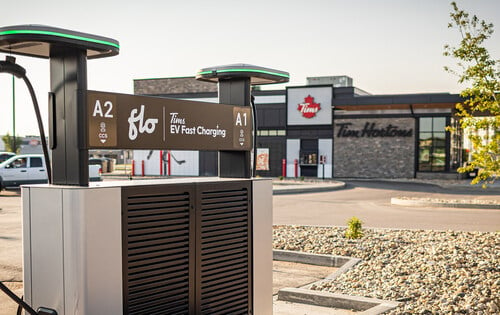
The first Tims restaurant to launch FLO EV fast chargers is already operational in Regina, Sask. There are up to 14 Tims restaurants planned to roll out FLO UltraTM EV fast chargers by the end of 2025 and 50 total locations are targeted to be live in 2026. (CNW Group/Tim Hortons)
Tim Hortons is partnering with Quebec-based FLO, a leading North American electric vehicle (EV) charging company, on a plan to deploy electric vehicle fast chargers at 100 Tims restaurants across Canada by the end of 2028.
“We’re thrilled to partner with FLO to make life a little easier for guests driving electric vehicles. Whether it’s grabbing a coffee and a charge before work, or taking a break on a roadtrip, we want every Tims Run to be convenient, welcoming, and a highlight of the journey,” said Hope Bagozzi, Chief Marketing Officer for Tim Hortons.
Hope Bagozzi
“Our planned rollout will make Tims the largest restaurant provider of EV fast charging in Canada and we are targeting installations in all 10 provinces to provide coast-to-coast coverage for our guests.”
The first EV fast chargers to be installed as part of this partnership are already open to the public in Regina, Sask., at 3810 Chuka Boulevard. Work is underway to launch EV fast chargers at up to 13 more Tims restaurants by the end of the year and up to 50 Tims restaurants by the end of 2026. Each participating restaurant will have an average of four charging ports for guests to use.
Louis Tremblay
“This partnership with Tim Hortons marks a pivotal moment in making EV charging a seamless part of everyday life for Canadians,” said Louis Tremblay, President and CEO of FLO. “By installing FLO Ultra chargers at trusted, well-visited locations, we’re not only building the reliable infrastructure EV drivers need but also empowering Canadians to confidently accelerate their transition to electric mobility.”
The charging stations selected for these deployments are the FLO Ultra, capable of delivering up to 120 kilometres (75 miles) of range in as little as 10 minutes, making fast, reliable charging more accessible than ever. These 100 chargers will be part of the FLO network, offering a leading uptime of over 98 per cent and allowing drivers to easily locate them and start a session directly from the FLO mobile app, said Tim Hortons.
“The partnership between Tim Hortons and FLO uniquely supports the large-scale deployment of charging stations, at convenient locations for EV owners. The CIB’s support for FLO brings more charging stations online across Canada, helping to address drivers’ range anxiety,” said Ehren Cory, CEO, Canada Infrastructure Bank.
Ehren Cory
In 1964, the first Tim Hortons restaurant in Hamilton, Ontario opened its door. Tim Hortons is Canada’s largest restaurant chain operating in the quick service industry with nearly 4,000 restaurants across the country. It has more than 6,000 restaurants in Canada, the United States and around the world.
FLO is a leading North American electric vehicle (EV) charging network operator and a smart charging solutions provider. Every month, it enables more than 2 million charging events thanks to over 140,000 fast and level 2 EV charging stations deployed at public, private and residential locations.