Home Blog Page 385

François Roberge reflects on 44 Years in retail and the rise of la Vie en Rose

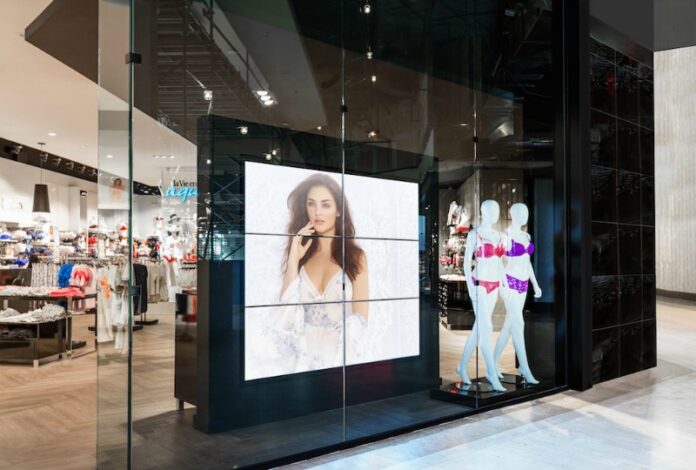
Image: La Vie en Rose

For François Roberge, President of la Vie en Rose, the retail world is more than a business—it’s a lifelong passion built on grit, instinct, and a drive to finish what he starts.

Earlier this year, the Retail Council of Canada (RCC) honoured Roberge with the Lifetime Achievement Award at the Excellence in Retailing Awards. 

The RCC said this honour is presented to a distinguished industry leader whose vision and impact have reshaped the retail landscape. Roberge was  recognized not only for his outstanding business leadership, but also for his lasting contributions to elevating Quebec’s fashion industry and strengthening Canada’s presence on the global retail stage.

François Roberge
François Roberge

Raised on a farm in Quebec and born into a family of merchants, Roberge began his career in retail behind the wheel of a delivery truck for Boutiques San Francisco. In 1996, he acquired la Vie en Rose and began a thoughtful transformation of the brand, relocating its headquarters to Montreal and charting a course for growth. Under his leadership, la Vie en Rose expanded internationally, entering the Saudi Arabian market in 2004, acquiring Bikini Village in 2015, and launching into the United States in 2024. Today, the brand is recognized as a global leader in intimate apparel, with over 400 stores across 20 countries and a team of more than 5,000 employees

Formative years learning discipline on a farm

Roberge, who was born in Quebec City in 1962, spent his formative years learning discipline on a farm. “When you start something, you must finish it. When you cut grass or care for animals, it’s seven days a week, just like retail. And you live with the seasons, which is similar in retail, too.”

But working the land wasn’t a long-term plan. “My dad never paid me. So I said, ‘If you don’t pay me, I’ll leave.’ And I did.”

That decision launched a 44-year journey in retail. “My first job was as a truck driver delivering goods to retail stores—for my uncle—44 years ago. That’s how I started.”

His uncle, a prominent Quebec retailer, owned Groupe San Francisco and Bikini Village. “He had about 185 stores at the time, before it all went bankrupt. He was one of the top retailers in Quebec.”

Roberge worked with him from 1981 to 1995, before seizing the opportunity to acquire the struggling la Vie en Rose chain.

Taking over the struggling la Vie en Rose chain

“It was a nice company owned by Algo Group. They were a dress manufacturer and also owned la Vie en Rose and One Plus One… la Vie en Rose had 26 stores across five provinces and was losing about $600,000 a year. I decided to buy it and turn the company around.”

The decision was rooted in experience: “My last job with my uncle was turning bad divisions into profitable ones. I’m good at turnarounds. I wanted a new challenge, and the name la Vie en Rose was strong. The store locations were great—Sherway, Yorkdale, Eaton Centre, Robson, Polo Park.”

From 23 stores in 1995, the brand has grown to 426 stores internationally. “We’re close to $650 million in revenue. We’re a good retailer. Not many know that, but we are.”

Asked what draws him to retail, Roberge shared: “My whole family was in retail—my uncle, my grandfather. My dad was a pharmacist but still did some retail.”

“What I love is the customer connection. You give them an experience, you sell goods, and you get paid right away. I love buying, sourcing, the whole process. I feel like a fish in water—comfortable and stress-free. This is my life.”

François Roberge
François Roberge

He leads with a team-first philosophy: “We win together, we lose together—but mostly, we win. It’s all about the team. My most important asset is my people. We’d never have achieved what we did without them.”

With a team of 5,000 employees, Roberge is quick to highlight their role in the company’s success. “That’s why in June we celebrated 40 years of la Vie en Rose. I’ve run it for 30 years . . . I changed the vision, but I’m proud to continue the idea.”

Looking to the future

Recently recognized by RCC, Roberge admitted: “I was very pleased. I’m not someone who chases awards—I just do my job. I hope I can continue to succeed. I said yes to the award, but I hope it’s not a sign I need to retire yet. I still have projects to complete.”

Looking ahead, Roberge sees transition on the horizon. “Hopefully my kids will take over in three to five years. I’ll be 67 or 68. I will be the President of the Board, stop to visit malls, visit factories, do other things. I’ll still be around to share experience, but it’s time to pass on the daily stress.”

“Retail is hard on the body, and the future is in technology—and I’m not a tech guy. My daughter and son, who are 35 and 33, will be ready soon.”

Reflecting on how retail has evolved, he said, “Forty years ago, we had so many Canadian retailers. Today, very few remain. It’s a tough market. New concepts last five to seven years, not 15 anymore. Everything changed—data, CRM, the web, social media.”

“Retail used to be about product, price, place, and promotion—now it’s a whole new game. Cash flow is key, not profit. If you don’t understand your mistakes fast, you’ll be in trouble fast. You need to be smart.”

But one thing hasn’t changed: the customer. “I’m a brick-and-mortar guy. Online is only 9% of my business. I like touching the customer experience directly.”

“Omnichannel is key—web, social, and physical stores all need to work together. The experience must be the same, regardless of the channel. Customers want fast service, good prices, good quality.”

Outside of retail, Roberge finds peace on his maple tree farm and fishing trips. “It’s a maple tree farm with a sugar shack. I make maple syrup.”

“My second passion is my family, and third is fishing. I go to northern Canada, B.C., Panama, the St. Lawrence River. I have a fishing boat.”

“I love it because I can turn off my phone and clear my mind. Same with the farm—cutting trees, working in the forest—it helps me disconnect.”

The biggest player in lingerie and swimwear in Canada

Pride in his company’s performance is unmistakable. “One thing you should know—I’m very proud of our team. We made 55 deals in Canada and five in the U.S. last year. The company has zero debt. We operate entirely with cash flow. That’s freedom.”

“I don’t spend money recklessly, but I have a clear vision, and that freedom is an incredible feeling.”

And for anyone who’s underestimated la Vie en Rose, Roberge has a final reminder: “La Vie en Rose is the biggest player in lingerie and swimwear in Canada. Close to 330 stores across the country—we’re bigger than Winners and everyone else in that space.”

Related Retail Insider stories:
RH Opens Experiential Showroom at Royalmount in Montreal

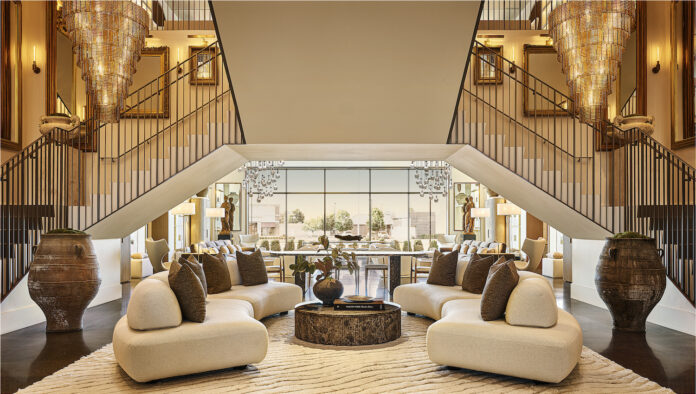
RH Gallery at Royalmount in Montreal. Image: RH

RH (formerly Restoration Hardware) has opened its second large-format Canadian gallery, bringing its immersive lifestyle concept to Quebec for the first time. Located at Royalmount in Montreal, the newly unveiled RH Royalmount Montreal store spans more than 50,000 square feet across multiple levels and introduces the brand’s full design, retail, and hospitality experience to the province.

This marks RH’s continued Canadian expansion following the 2017 opening of its approximately 65,000-square-foot gallery at Yorkdale Shopping Centre in Toronto. The Royalmount opening affirms RH’s commitment to positioning itself as a global luxury lifestyle brand, offering elevated experiences that blur the lines between retail, residential, and hospitality.

The RH Royalmount Montreal location serves as both a flagship showroom and an aspirational destination. Designed under the direction of RH Chairman and CEO Gary Friedman, the building is a striking, contemporary structure integrating natural materials and light to evoke a sense of openness and luxury.

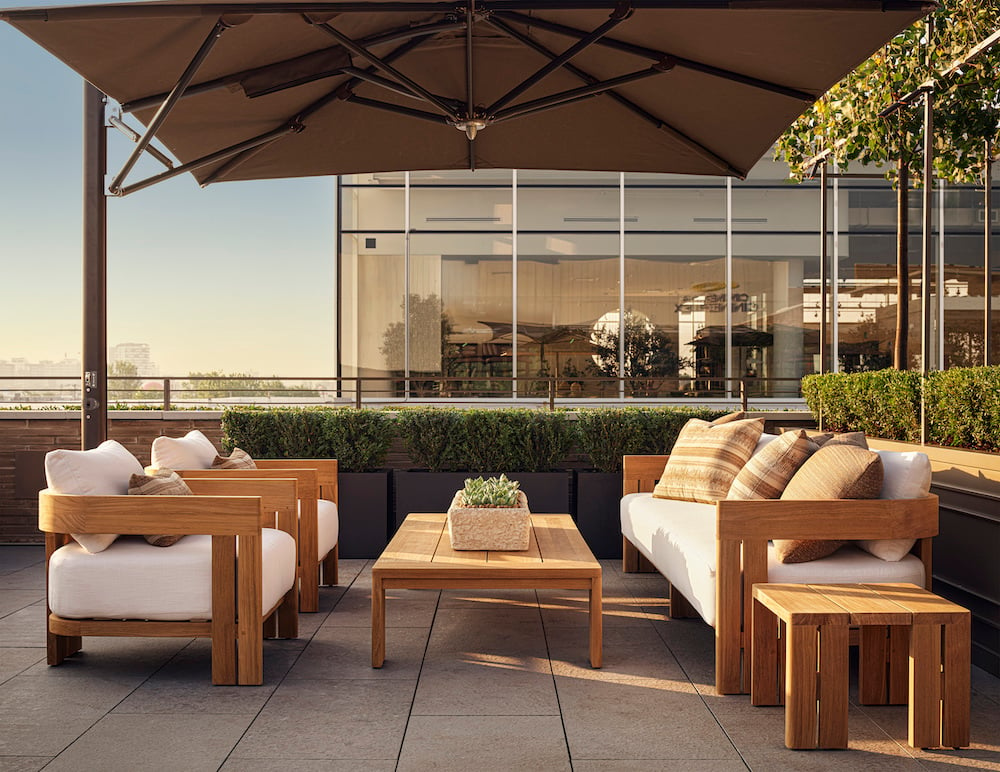
The three-level space includes the RH Interiors and RH Modern collections, RH Outdoor installations, and the RH Interior Design studio. Topping the experience is a rooftop RH Restaurant & Terrace, which features a skylit garden, cascading limestone water walls, and views overlooking the Royalmount complex.

Inside, shoppers are welcomed by grand architectural features, including floor-to-ceiling columns and a double floating staircase illuminated by a cast-glass chandelier installation beneath a multi-story skylight. The gallery showcases curated room settings, custom-designed courtyards inspired by classical European gardens, and RH’s signature outdoor lounge environments.

RH Gallery at Royalmount in Montreal. Image: RH

RH Royalmount Montreal Offers Full Lifestyle Immersion

The ground level of RH Royalmount Montreal houses RH Interiors and RH Modern, with rooms arranged to highlight heritage design and 20th-century modernism. Exterior courtyards bookend the building, offering lush outdoor vignettes.

On the second level, RH expands its interior assortment and showcases its professional services through the RH Interior Design studio. This interactive workspace spans 1,400 square feet and features floor-to-ceiling glass, custom millwork, and two private client rooms. A large selection of rugs, upholstery samples, and design libraries support clients seeking personalized home planning services.

The rooftop level elevates the brand’s hospitality ambitions with the RH Restaurant & Terrace. Set beneath a glass atrium, the restaurant offers a curated menu focused on timeless dishes and seafood, surrounded by olive trees, a central fountain, and plush seating. The outdoor terrace further extends the experience with limestone fire tables, trellised trees, and panoramic views of the area.

Royalmount in Montreal on Thursday, July 17, 2025. Photo: Maxime Frechette

Royalmount Becomes Home to RH’s Quebec Expansion

The RH Royalmount Montreal opening is the latest milestone in the development of Royalmount, the ambitious luxury retail and lifestyle district developed by Carbonleo. Opened to the public in September 2024, Royalmount brings over 824,000 square feet of retail space to a former industrial site at the junction of Décarie and Metropolitan Highways.

The centre is home to more than 170 stores and 60 food and beverage concepts, with nearly half debuting in the Quebec market for the first time. The retail offering is anchored by international luxury boutiques including Louis Vuitton, Gucci, Saint Laurent, Versace, and Moncler. Additional luxury openings this year include Rolex (which will house the largest boutique in Canada) and Tiffany & Co., expected later in 2025. Last week, Balenciaga opened at Royalmount. 

Royalmount’s emphasis on design, sustainability, and elevated experiences mirrors RH’s brand ethos. The retail complex is set within an LEED Gold-certified and carbon-neutral environment, complete with a large central park, public art installations, and transit connectivity via the De la Savane metro station.

Roof terrace at the RH Gallery at Royalmount in Montreal. Image: RH

RH Royalmount Montreal Reflects Brand’s Global Strategy

RH Royalmount Montreal reflects the evolution of the RH brand from its origins as a hardware store into a luxury lifestyle platform. The company’s RH Gallery concept, developed under CEO Gary Friedman’s leadership, merges high-end home furnishings with immersive architectural settings and integrated hospitality.

As part of this global repositioning, RH has launched notable galleries in major urban centres such as RH Chicago, RH San Francisco, and RH England at Aynho Park. These spaces go beyond traditional retail to deliver a full sensory brand experience, often set in repurposed heritage buildings or landmark custom constructions.

More from Retail Insider:

Business and consumer confidence remain subdued: Bank of Canada surveys

The Bank of Canada’s Business Outlook Survey, released on Monday, said tariffs and related uncertainty, along with spillover effects on the Canadian and global economies, continue to have major impacts on businesses’ outlooks.

“However, the worst-case scenarios that firms envisioned last quarter are now seen as less likely to occur,” it said.

Key findings from the Bank of Canada survey:

  • Sales outlooks remain pessimistic overall due to widespread concerns about the broader effects of a slowing economy. But recent monthly survey results suggest some improvement in firms’ outlooks—particularly among exporters—because few have been directly affected by the current tariffs.
  • Uncertainty continues to drive cautiousness in outlooks for hiring and investment. Most firms expect to maintain current staffing levels and limit investment to regular maintenance over the next 12 months.
  • For some, cost increases due to tariffs and trade uncertainty have materialized. Affected firms see weak demand and competition as constraining their ability to pass cost increases on to their customers, although most still plan for some pass-through.
  • Businesses’ expectations for short-term inflation have returned to levels reported at the end of 2024.

The Bank’s Canadian Survey of Consumer Expectations, also released on Monday, said consumers continued to see the labour market as soft.

“Fears of job loss remain elevated but have declined slightly since last quarter,” it said.

Other key findings of the Bank of Canada survey:

  • The trade conflict is leading consumers to become increasingly cautious about their spending plans and to change their spending behaviour. Many respondents expressed a desire to prioritize spending on Canadian goods and vacations in Canada.
  • Consumers’ short-term inflation expectations have changed little since increasing markedly in the first quarter of 2025. While consumers expect large increases in motor vehicle prices over the next 12 months, their inflation expectations for essential goods and services declined this quarter. More consumers cited tariffs as the most important factor affecting the Bank of Canada’s ability to control inflation.
Maria Solovieva
Maria Solovieva

Maria Solovieva, Economist, TD Economics, said business and consumer optimism remains subdued compared to late 2024, with firms anticipating weaker sales and consumers planning to cut back spending.

“In this defensive environment, we maintain our view for a weak Q2. Looking ahead, any easing of trade tensions, or at least more clarity around the scope and level of tariffs, could help prevent Q2 weakness from bleeding into Q3,” she said.

“One development that will not escape the Bank of Canada’s attention is the stickiness in inflation expectations. After rising last quarter, the sustained uptick in long-term views of both businesses and consumers, coupled with strong core inflation prints, likely seals off the path to a July rate cut.”

Related Retail Insider stories:

Skip partnering with Dollarama

SKIP THE DISHES

 Skip, Canada’s homegrown delivery network, and Dollarama are coming together “to highlight what value and convenience truly mean to consumers across the country, amid growing economic pressures”, the companies announced on Monday.

Starting today, Canadians can shop Dollarama with delivery straight to their doorstop. This partnership brings together two iconic Canadian brands with Dollarama’s unbeatable product offering and Skip’s fast, reliable delivery, making everyday convenience more accessible than ever, said the companies in a news release. 

Paul Sudarsan
Paul Sudarsan

“Finding the sweet spot between convenience and value isn’t always easy, and it’s often a daily challenge for Canadians,” said Paul Sudarsan, SVP, Partnerships at Skip.

“By bringing Dollarama to Skip, we’re eliminating that compromise. This partnership strengthens Skip’s role as the go-to destination for convenience and value, helping Canadians get what they need, when they need it.”

“This launch is a major milestone for both brands, expanding Skip’s retail footprint with over 1,300 Dollarama locations now live on the network across all provinces and territories where Skip operates. The coming together of Skip and Dollarama also underscores the shared mission of both companies: to deliver trusted, affordable convenience to Canadians,” they said.

“Just in time for peak Canadian summer, the thrill of uncovering unexpected Dollarama gems is now more convenient than ever. From backyard barbecues and birthday parties, baby showers and camp prep, to the early back-to-school scrambles, the two beloved Canadian brands are joining forces to make scoring a deal easier and more exciting than ever. Together, they’re bringing Canadians fast, budget-friendly access to a wide range of must haves, wherever and whenever they need them.”

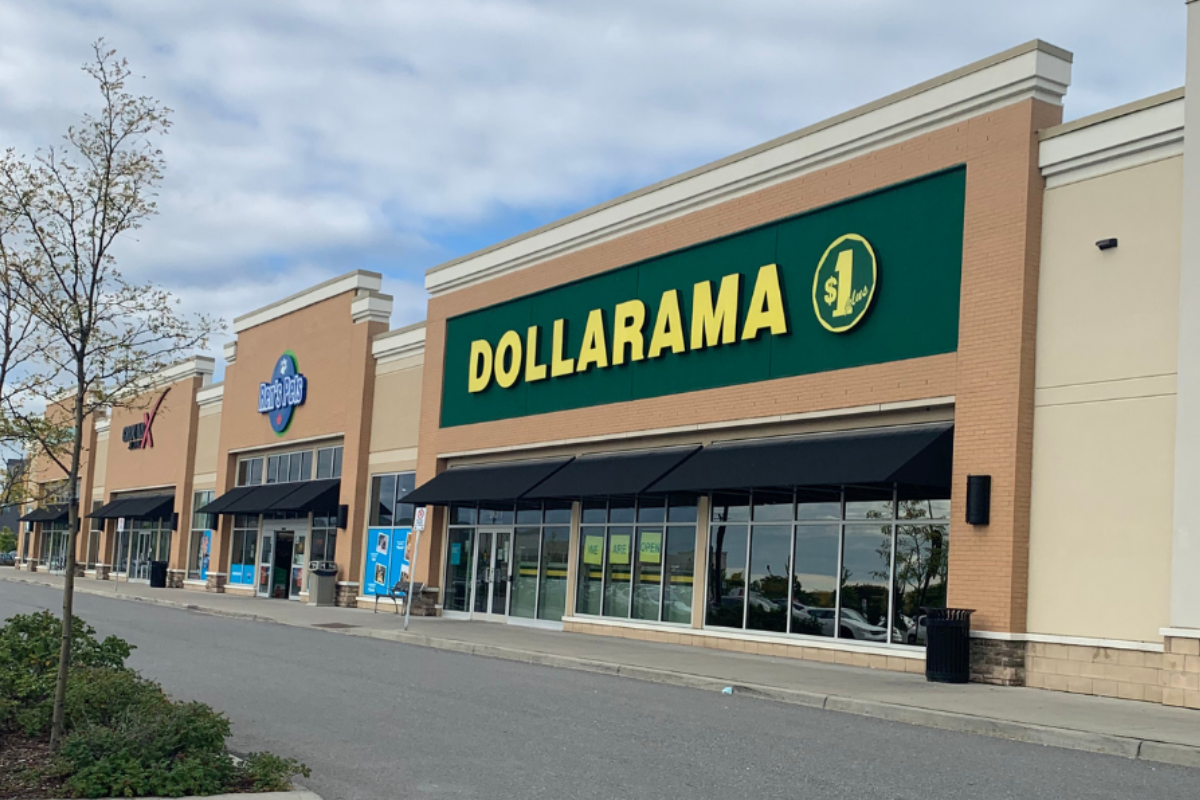
Dollarama (Image: Barrhaven BIA)

Skip said the partnership marks another exciting milestone in its ongoing retail expansion, with more national retail partnerships slated to launch throughout the summer, fall and beyond.

Skip is Canada’s homegrown delivery network. What started in 2012 as a local start-up in the Prairies has grown into a Canadian technology success story, connecting millions of Canadians in over 450 cities and towns with more than 50,000 local restaurant, grocery, convenience and retail partners.

Related Retail Insider stories:

Nearly 2 in 3 small businesses may permanently drop Canada Post if strike resumes following vote: CFIB

Photo: Canada Post

As Canada Post workers start to vote on the final employer offer today, new data from the Canadian Federation of Independent Business (CFIB) finds that a postal strike could push 63% of businesses to walk away from Canada Post permanently.

Dan Kelly

“Yo-yoing in and out of strike mandates is causing Canada’s small businesses – one of Canada Post’s last groups of profitable customers – to leave for good,” said Dan Kelly, CFIB president.

“Small business owners and other consumers need certainty. 13% of small businesses permanently dropped usage of Canada Post during the 2024 strike and every time Canada Post goes on strike, more and more businesses leave forever.”

The CFIB is Canada’s largest association of small and medium-sized businesses with 100,000 members across every industry and region.

According to CFIB research, four in five businesses still use Canada Post. Nearly three-quarters (73%) of those businesses use it for sending cheques, while 61% send other letter mail. Over half (58%) like to use Canada Post for its low cost and convenience (50%), while reliability (25%) and customer service (9%) ranked much lower.

CFIB said it estimates the 2024 strike cost small businesses between 75 million to $100 million each day. Most businesses (71%) responded to the disruptions by encouraging customers to use digital options, nearly half (45%) turned to private couriers, while 27% delayed mail. 

“In its most recent annual report, Canada Post reported having only 24% of the market share in parcel delivery compared to 62% in 2019. CFIB recent data shows small businesses (73%) mostly rely on private couriers for package delivery. If Canada Post doesn’t change its business model, it will continue losing critical market share making it impossible for the corporation to turn around its losses currently measured at $10 million per day,” explained the national organization.

Corinne Pohlmann

“The current model at Canada Post is in dire need of massive reform. It’s long overdue for the federal government to implement the well-studied changes that have been required for over a decade,” said Corinne Pohlmann, Executive Vice-President of Advocacy at CFIB.

“Small business owners deserve a long-term plan and a postal service they can count on.”

Related Retail Insider stories:

Balenciaga Opens 1st Quebec Store at Royalmount in Montreal

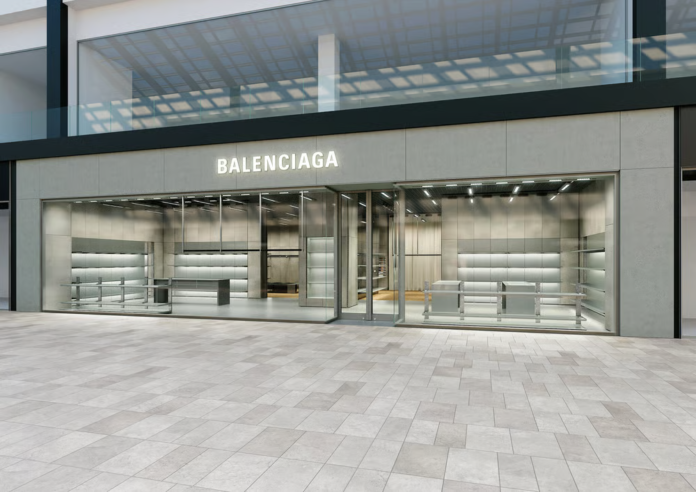
Balenciaga at Royalmount in Montreal. Image: Balenciaga

Luxury fashion house Balenciaga has opened its first standalone location in Quebec at the Royalmount retail complex in Montreal. The new 4,000-square-foot boutique marks the brand’s fifth standalone store in Canada, strengthening its presence in the country’s fast-growing luxury market.

The Balenciaga store at Royalmount offers Quebec shoppers access to the brand’s complete selection of men’s and women’s ready-to-wear collections, footwear, bags, jewelry, eyewear, and accessories. The space reflects the brand’s avant-garde approach to fashion and design, incorporating its distinct ‘Raw Architecture’ retail concept.

The store design follows Balenciaga’s experimental Raw Architecture concept, a design philosophy that reimagines traditional luxury retail environments. By celebrating the raw structural components of the space and prioritizing the reuse of existing materials, the store reflects the brand’s ongoing commitment to sustainability and environmental responsibility.

Balenciaga’s storefront is marked by a minimalist white-lit logo set against a bare concrete façade. Inside, the interior blends contrasting materials and finishes. Polished concrete flooring, smoked-glass partitions, and exposed steel clothing racks create a utilitarian aesthetic, softened by beige carpeting, leather seating, and flowing ecru curtains. Elements such as raw metal tables, extruded aluminum shelving, and an exposed ceiling grid reinforce the store’s industrial tone.

A Strategic Move into Quebec’s Luxury Market

The arrival of the Balenciaga store at Royalmount represents a milestone for the brand in Quebec. Until now, Balenciaga’s Montreal presence had been limited to Holt Renfrew Ogilvy concessions for both men’s and women’s collections. This new standalone store allows the brand to fully showcase its creative identity while gaining greater control over the customer experience.

The store was built by Montreal-based Elevate Build Inc..

Royalmount, a major new luxury destination in the city, provides a fitting backdrop for Balenciaga’s Quebec debut. The brand joins other high-end names such as Louis Vuitton, Gucci, Versace, and Golden Goose, further positioning Royalmount as a leading centre for luxury retail in the province.

Balenciaga’s Canadian Expansion Strategy

Balenciaga’s entry into Quebec with its fifth standalone location underscores the brand’s commitment to the Canadian luxury market. The brand, which is owned by French luxury conglomerate Kering, has grown its Canadian footprint steadily over the past several years.

Balenciaga’s first direct-to-consumer Canadian venture launched in 2018 with a concession at Holt Renfrew in Vancouver. In 2019, it opened its first flagship location at Yorkdale Shopping Centre in Toronto, followed by a significant expansion in the Bloor-Yorkville area, including a 7,000-square-foot flagship on Yorkville Avenue in 2022 — its largest store in North America.

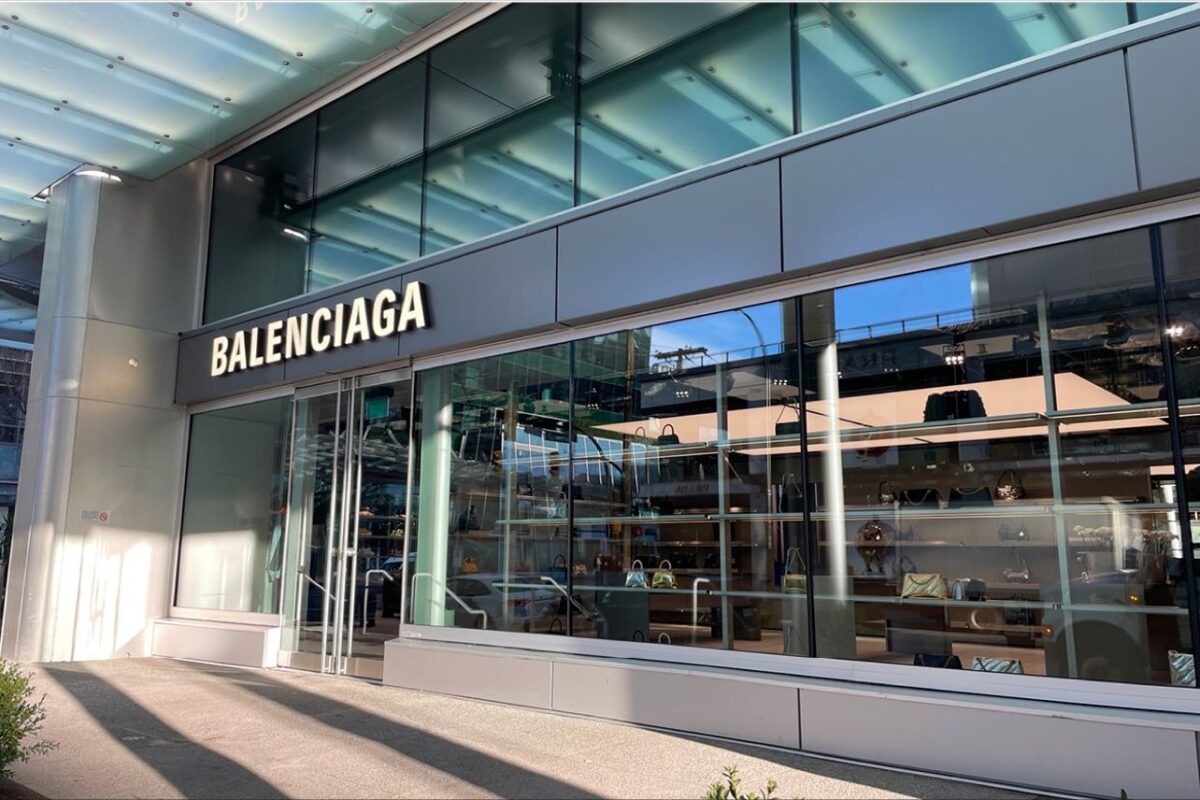
Other major openings include a 3,900-square-foot boutique at West Edmonton Mall in late 2023 and a 4,800-square-foot storefront at 1095 Alberni Street in Vancouver soon after. These locations reflect Balenciaga’s strategy of blending flagship locations with curated department store concessions to create brand consistency while reaching diverse consumer bases across Canada.

Thurlow Street facade of the new Balenciaga in Vancouver. Photo: Martin Moriarty

Royalmount: A New Epicentre of Luxury in Montreal

The Balenciaga store at Royalmount is part of a broader effort by luxury brands to tap into the opportunities presented by Carbonleo’s $7-billion mixed-use development in Montreal. Opened in September 2024, Royalmount has quickly become one of Canada’s most ambitious retail projects, transforming a 2.5 million square foot former industrial site into a modern urban village.

The 824,000-square-foot shopping precinct houses more than 170 retail stores and 60 restaurants. Nearly half of the dining and retail options represent first-time entries into the Quebec market. The development features a strong lineup of international luxury brands including Tiffany & Co., Saint Laurent, Moncler, Jimmy Choo, and Rolex, which will open its largest Canadian boutique on the site in September 2025.

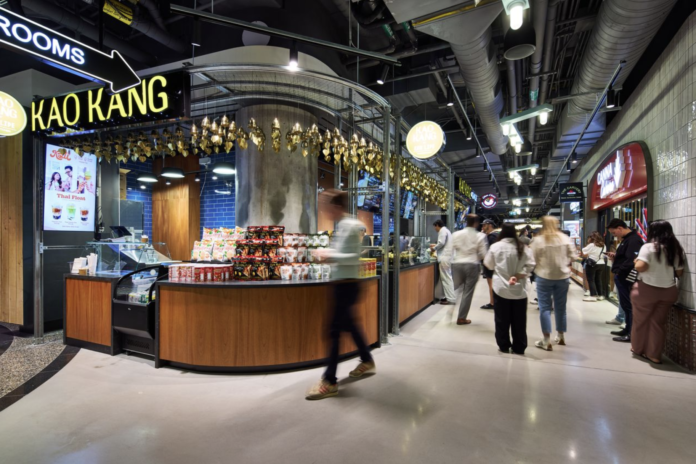
Beyond retail, Royalmount offers immersive amenities such as the Le Fou Fou food hall, a multi-brand beauty space called Rennaï, a VIP cinema, and a curated public art trail. The centre is also connected to the Montreal Metro via a skybridge, adding a layer of convenience for both local and tourist shoppers.

More from Retail Insider:

Rawcology Launches at Costco in Western Canada

Photo: Rawcology

Toronto-based Rawcology is reaching a major milestone with the launch of its organic grain-free granola at 38 Costco warehouse locations across Western Canada, beginning Monday, July 21. The launch introduces an exclusive 600-gram club-size bag of the brand’s best-selling Blueberry Grain-Free Granola, signaling a strategic expansion for the family-run food company that emphasizes healthy, inclusive snacking.

“This is a significant step for our company,” said Megan Loach Tomulka, co-founder of Rawcology. “We’ve been in business for eight years, and while we’ve had major launches in the past including a big one in the U.S. with Sprouts, this Costco rollout feels incredibly special. It’s a meaningful order and a new regional opportunity for our brand in Canada.”

Founded in 2017 by holistic nutritionist Tara Tomulka, alongside her sister Laura Powadiuk and sister-in-law Megan Loach Tomulka, Rawcology has built a national and international presence through a mission to make organic, allergen-friendly snacks accessible to a broad consumer base. The Costco launch marks the brand’s first entry into the club channel, with a product that has been sized and priced specifically for the warehouse format.

A Canadian-Made Exclusive for Costco Members

Rawcology co-owners and sisters. Left-to-right: Megan Loach Tomulka, Tara Tomulka, Laura Powadiuk. Photo: Rawcology

The product debuting at Costco features an exclusive 600-gram bag of Rawcology’s blueberry granola, made with wild blueberry powder sourced from Nova Scotia. “This is our first time producing a format of this size,” said Loach Tomulka. “It’s tailored for Costco members, who will enjoy about a 38 percent discount compared to the typical per-gram retail price.”

As part of the launch strategy, Rawcology will be conducting in-store demos across all 38 participating Costco warehouses during the first two weeks of rollout, particularly targeting the opening weekend. The brand’s co-founders will be visiting stores in the Vancouver area to support the initiative firsthand.

“There’s a strong health-conscious consumer base on the West Coast,” added Loach Tomulka. “We believe our grain-free, organic, and nut-free product fits perfectly with what shoppers in the region are looking for. It’s not just breakfast. It’s a snackable, versatile food that can be enjoyed post-workout, on top of yogurt, or even as a treat over ice cream.”

Manufacturing at Scale and Distribution Readiness

In preparation for the launch, Rawcology completed its largest production run to date. “We filled 72 pallets of product and shipped them out on three full trucks earlier this week,” said Loach Tomulka. “The final checklist was completed at midnight Monday, and the trucks left on Tuesday.”

The exclusive product is not only sizable, but represents the company’s ability to scale. “This rollout demonstrates to retailers that we have the manufacturing infrastructure to support high-volume orders,” she said. “It’s a significant growth point for our business.”

The current launch covers warehouses in British Columbia, Alberta, Saskatchewan, and Manitoba. Rawcology is optimistic that a strong performance will pave the way for future rollouts in Costco warehouses across other Canadian regions, and possibly internationally.

Photo: Rawcology

Engaging New Customers and Expanding Reach

In addition to demos, Rawcology is working with influencers to generate buzz around the launch. “We’re putting on some purple suits and hitting the streets in Vancouver,” said Loach Tomulka, referring to the brand’s signature purple packaging. “It’s important to get the product in front of people, let them taste it, and create memorable moments.”

The unique blend of wild blueberries, organic ingredients, and lack of grains, nuts, and seed oils makes the product highly distinctive on the shelf. “We’re proud to be offering something different. Our granola is not only delicious but also aligns with many dietary preferences, from gluten-free to school-safe,” she said.

While the focus is currently on Costco, the company has already lined up additional retail expansions for the fall. “We’re launching in Fortinos, part of the Loblaws group, in September, and targeting other retailers we haven’t been in before,” she noted. “We’re especially concentrating on the West Coast, where there’s strong demand for clean-label snacks.”

Staying True to Canadian Roots

What sets this launch apart is not just the product size or retail scale, but the brand’s strong Canadian identity. “Our blueberry powder comes from a farm in Nova Scotia, and we’re proud to highlight that Canadian ingredient,” said Tomulka. “It’s a premium addition that brings both health benefits and a taste of homegrown quality.”

Founded and based in Toronto, Rawcology has always prioritized Canadian sourcing where possible. The brand uses oats from the Prairies and maintains a zero-waste manufacturing facility, where leftover production crumbs are either donated or repurposed. Even the packaging is recyclable, reflecting Rawcology’s broader commitment to sustainability.

“Costco’s global reputation for organic products makes this partnership especially meaningful,” said Loach Tomulka. “They’re the largest retailer of organic food in the world, and that aligns so well with our mission.”

Building on a Grassroots Foundation

From its origins at farmers’ markets and local health food stores, Rawcology has grown to be carried in over 1,500 retail locations across Canada, the U.S., and select international markets. In Canada, its products can be found at retailers including Loblaws, Sobeys, Whole Foods, Metro, and Farm Boy. The brand also has an active e-commerce presence through Amazon, Well.ca, and its own website.

In the United States, Rawcology partnered with Sprouts Farmers Market, and the brand continues to gain traction in the natural and specialty food channels.

“We’ve always taken a grassroots approach,” said Loach Tomulka. “We built strong relationships with local retailers and grew from there. This Costco launch is a leap forward and a validation of all that foundational work.”

Photo: Rawcology

Looking Ahead: Innovation and Expansion

Rawcology is not slowing down. A new sub-brand is in the works, and the company continues to explore product innovation, particularly in the snack and breakfast categories. The goal is to expand further across Canada and into new global markets, including Australia and the U.S. West Coast.

“Being part of the Costco family opens doors,” said Loach Tomulka. “Buyers in different regions are watching to see how the product performs. Success in Western Canada could lead to opportunities in other international Costco markets.”

For now, all eyes are on the July 21 launch. “We’re incredibly thankful for the support we’ve received from the Costco team and from our community,” she said. “It’s a big week for us, and we’re excited to share our story with more Canadians than ever before.”

More from Retail Insider: 

Choice Properties REIT releases financial results

Photo: Choice Properties website

Choice Properties Real Estate Investment Trust recently announced its consolidated financial results for the three and six months ended June 30.

Rael Diamond
Rael Diamond

“Choice Properties delivered another solid quarter, reflecting the strength of our portfolio and disciplined financial strategy,” said Rael Diamond, President and Chief Executive Officer of the Trust. “Robust demand for our grocery-anchored retail and well-located industrial assets supported our performance, and we advanced our strategic priorities through $427 million in transactions that further strengthened our position.”

2025 Second Quarter Highlights

  • Reported a net loss for the quarter of $154.2 million compared to net income of $513.2 million in the same prior year period. The loss in the current quarter is primarily due to an unfavourable fair value adjustment in the Trust’s Exchangeable Units.
  • Reported FFO per unit diluted of $0.265, an increase of 3.9% compared to the same prior year period.
  • Period end occupancy remained strong at 97.8%: Retail at 97.8%, Industrial at 98.0%, and Mixed-Use & Residential at 95.4%.
  • Achieved leasing spreads on long-term renewals of 13.2% and 38.9% in the Retail and Industrial portfolios, respectively.
  • Same-Asset NOI on a cash basis increased by 1.4% compared to the same prior year period.
    • Retail increased by 1.7%;
    • Industrial increased by 0.2%. Growth in the industrial segment was impacted by a bad debt provision reversal in the prior year following the resolution of a tenant dispute. Excluding bad debt expense, industrial increased by 4.2%;
    • Mixed-Use & Residential increased by 1.6%.
  • Completed $427.1 million of transactions in the quarter:
    • Acquired an industrial distribution centre in Ajax, ON from Loblaw for a purchase price of $182.9 million. Concurrent with the transaction, the property was leased back to Loblaw.
    • Acquired eight industrial outdoor storage sites located across Canada for a purchase price of $162.0 million.
    • Disposed of nine industrial sites located in Calgary, AB for proceeds of $73.4 million.
    • Acquired a mixed-use parcel in Toronto, ON for $6.0 million and disposed of a retail property in Halifax, NS for $2.8 million.
  • Transferred $13.9 million of properties under development to income producing status, delivering approximately 30,900 square feet of new commercial GLA (including 6,900 square feet associated with a ground lease) on a proportionate share basis through retail intensifications.
  • Invested $34.2 million of capital in development projects on a proportionate share basis.
  • Maintained healthy and stable debt metrics with Adjusted Debt to EBITDAFV of 7.2x, Adjusted Debt to Total Assets at 40.8%, and Interest Coverage ratio of 3.3x.
  • Maintained a strong liquidity position with approximately $1.3 billion of available credit and a $13.5 billion pool of unencumbered properties.

“Subsequent to quarter end, Choice Properties and Loblaw renewed 39 of a tranche of 41 leases expiring in 2026, comprising 2.52 million of 2.62 million square feet, at a weighted average spread of 8.6% and a weighted average extension term of 5.0 years,” said Choice.

Year-to-Date Results

Choice Properties reported a net loss of $250.5 million for the six months ended June 30, 2025 compared to net income of $655.5 million in the same prior year period. The decrease of $906.0 million was primarily due to changes in certain non-cash adjustments to fair value including: a $1,040.9 million unfavourable change in the adjustment to fair value of the Trust’s Exchangeable Units due to the increase in the Trust’s unit price; partially offset by a $96.8 million favourable change in the adjustment to fair value of investment properties; and a $57.6 million favourable change in the adjustment to fair value of the investment in real estate securities of Allied, driven by the change in Allied’s unit price in the quarter.

Photo: Choice Properties website

Outlook

“We are focused on capital preservation, delivering stable and growing cash flows and net asset value appreciation. Our high-quality portfolio is primarily leased to necessity-based tenants and logistics providers, who are less sensitive to economic volatility and therefore provide stability to our overall portfolio. We will continue to advance our development program, with a focus on commercial developments, which provides us with the best opportunity to add high-quality real estate to our portfolio at a reasonable cost and drive net asset value appreciation over time,” said Choice.

“We are confident that our business model, stable tenant base, strong balance sheet, and disciplined approach to financial management will continue to benefit us.”

In 2025, Choice Properties said it is targeting:

  • Stable occupancy across the portfolio, resulting in approximately 2%-3% year-over-year growth in Same-Asset NOI, Cash Basis;
  • Annual FFO per unit diluted in a range of $1.05 to $1.06, reflecting approximately 2%-3% year-over-year growth; and
  • Strong leverage metrics, targeting Adjusted Debt to EBITDAFV below 7.5x.

Related Retail Insider stories:

Canada’s income gap hits record high as low-income wages decline: Statistics Canada

Photo: Tima Miroshnichenko

The income gap reached a record high in the first quarter of 2025; the highest income households gained from investments, while the lowest income households’ wages declined. Lower borrowing costs and easing inflationary pressures facilitated household saving and debt management, while declining real estate values weighed on the average wealth of younger age groups and the least wealthy, reported Statistics Canada.

“The income gap is defined as the difference in the share of disposable income between households in the top 40% of the income distribution and the bottom 40%. This gap reached a record high of 49.0 percentage points in the first quarter of 2025. The income gap increased each year following the onset of the COVID-19 pandemic. A low of 43.8 percentage points was recorded in the first quarter of 2021,” said the federal agency.

“Households’ ability to maintain their economic well-being varies with macroeconomic conditions. In contrast with prevailing high interest rates in 2023, the Bank of Canada reduced its policy rate from 5.0% in April 2024 to 2.75% in March 2025 in response to easing inflationary pressures. Along with declining interest rates, household interest payments decreased for the first time since 2022, declining by 4.8% in the first quarter of 2025 relative to the first quarter of 2024.

“While declining interest rates can lead to easing borrowing costs for households, they can also lead to lower yields on interest-bearing investments, such as savings and deposit accounts. Lower income households are more likely to benefit from declining interest rates, as they tend to be more indebted relative to higher income households. However, they also tend to have less diversified investment portfolios that focus on interest-bearing instruments rather than other forms of investments, such as equities.”

Lower income households also tend to be more susceptible to job loss during economic downturns. Amidst economic uncertainty, labour market conditions have recently weakened. Data from the Labour Force Survey show that the employment rate—the proportion of the population aged 15 years and older who are employed—has been on a declining trend since early 2023, explained Statistics Canada.

“The lowest income households (bottom 20% of the income distribution) had the weakest growth in disposable income in the first quarter of 2025 relative to one year earlier (+3.2%). This is because they were the only group that had declining average wages (-$17; -0.7%), due mainly to reduced hours of work. Labour market conditions were notably weak for people working in mining and manufacturing,” it said.

“The lowest income households also had the largest reduction in net investment income, as a decline in investment earnings (-$399; -35.3%) more than offset lower interest payments (-$107; -7.1%).”

Related Retail Insider stories:
New hospitality group Gaia House launched in Vancouver

Photo: Loula’s Taverna

Brothers Yianni and Petro Kerasiotis, the duo behind some of Vancouver’s most beloved neighbourhood restaurants, have unveiled their new hospitality group, Gaia House.

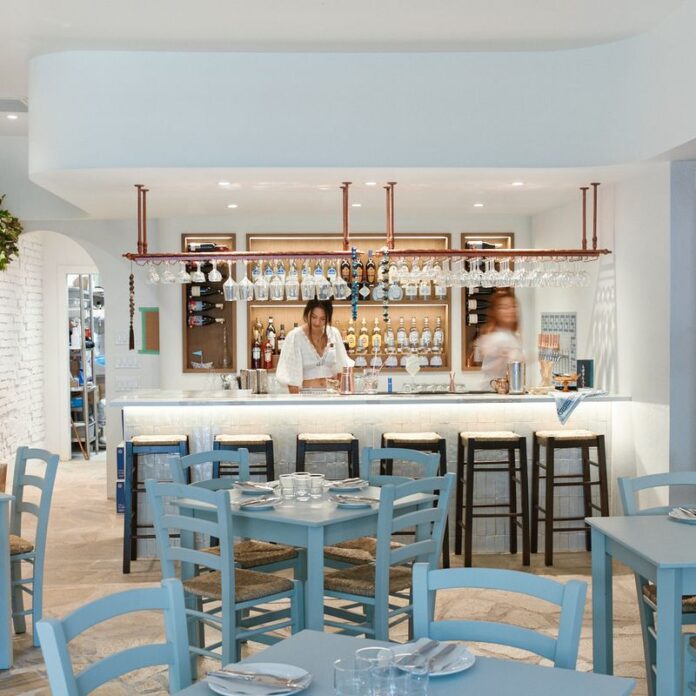
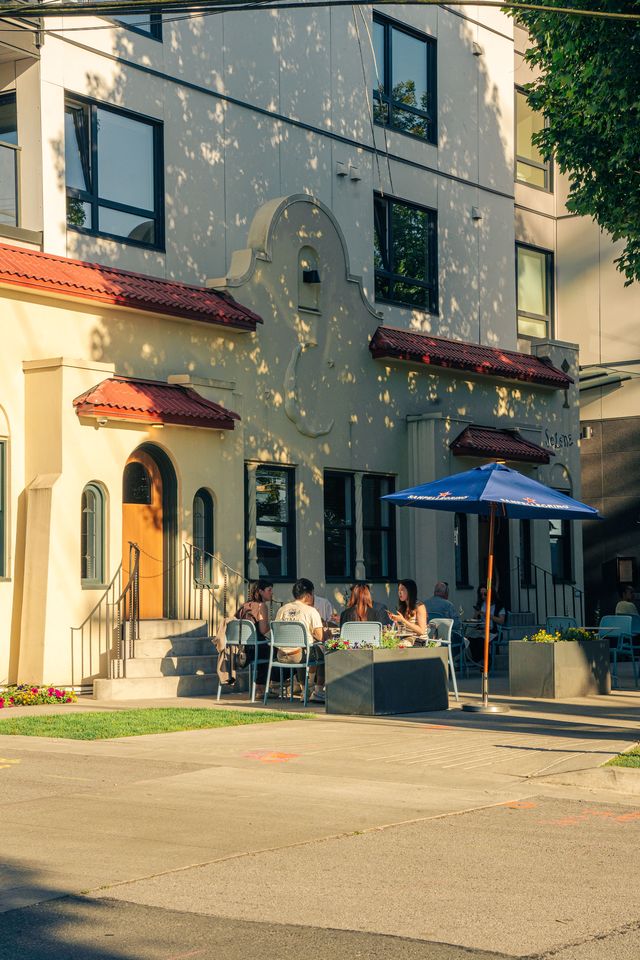
The brand brings together their family of establishments under one unified identity – from the newly opened Selene Aegean Bistro in Hastings-Sunrise, traditional Greek destination Nammos Estiatorio in Fraserhood, to contemporary Greek hotspot Loula’s Taverna on Commercial Drive, and Japanese-style speakeasy AMA. 

Named after the ancient Greek goddess of the Earth, Gaia is a symbol of creation, nourishment, and interconnectedness, said the company. 

Photo: AMA
Photo: AMA

“Our parents taught us what Greek hospitality, philoxenia, truly means. It’s about more than just good service; it’s about generosity, warmth, and making people feel like family,” said Yianni. “Now that we’ve opened several restaurants, we felt it was time to bring each concept together under one name. Gaia is our commitment to keep innovating in the industry while staying true to our roots.”

Yianni and Petro worked with award-winning Vancouver-based design firm, Glasfurd & Walker, to bring Gaia House to life.

Photo: Nammos Estiatorio

Creative director Phoebe Glasfurd explained the inspiration behind the brand: “Every concept under the Gaia name draws from rich, cultural roots while offering something unexpected and new. From the family-style spirit of Nammos to the refined Japanese storytelling of AMA, each Gaia brand carries its own identity, yet is united by a shared ethos: meaning, beauty, and a fresh perspective on tradition.

“The Gaia brand is represented by a unique word mark inspired by traditional Greek signage as a nod to their roots, accompanied by illustrations that capture the diverse and layered narratives of each culinary experience. Symbols from each venue are woven into a single, enchanted tapestry. Each element speaks to a story, a place, a feeling they have created.”

“Gaia House is the culmination of everything we stand for – it represents the next chapter for us, a foundation to grow from, while staying connected to where we come from,” added Petro. “It gives us the freedom to dream bigger and to keep building meaningful experiences for our guests, family, and friends. We already have exciting new projects coming up and can’t wait to share when the time comes.”

Related Retail Insider stories:
TriCity Pavilion set to open near Vancouver

Dope Bakehouse ready for solo debut in Vancouver

Photo: Selene Aegean Bistro