Advertisement
Home Blog Page 386

Canadian Tire selling Helly Hansen for close to $1.3 billion

Canadian Tire in Welland (Image: Canadian Tire)

Canadian Tire announced Wednesday that it has signed a definitive agreement to sell its Helly Hansen business to Kontoor Brands, Inc. for total gross proceeds of $1.276 billion, subject to closing adjustments. The transaction reflects CTC’s increasing focus on its Canadian retail portfolio, said the company in a news release.

Helly Hansen is an iconic global brand which designs and develops products used by professionals and outdoor enthusiasts around the world. Its high-performance apparel and gear are sold worldwide, including in Canadian Tire, SportChek and Mark’s stores in Canada, it said.
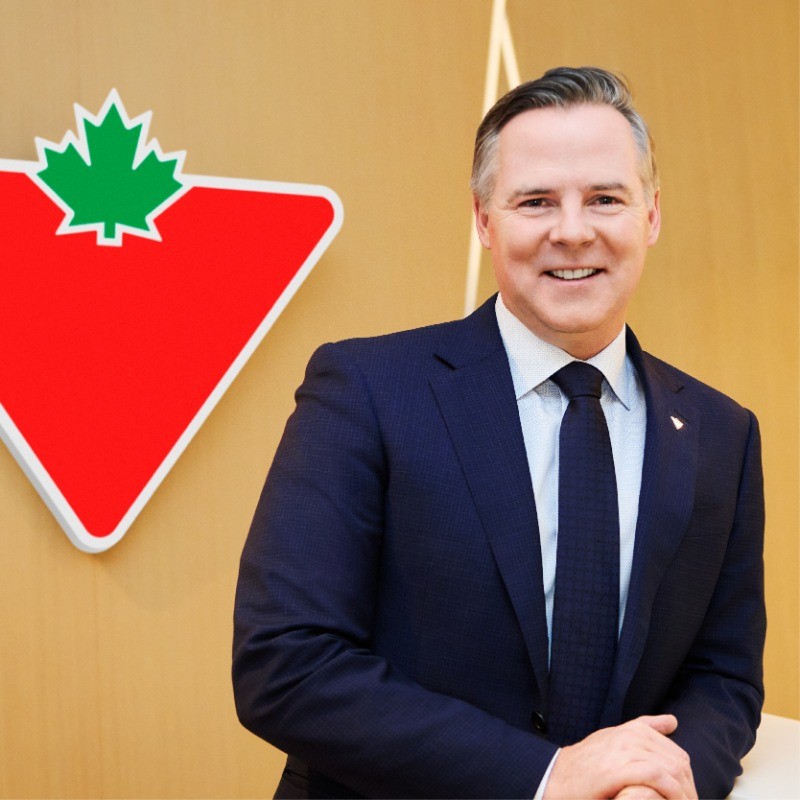
Greg Hicks
Greg Hicks

“As our strategy becomes more singularly focused on great Canadian retail, it is time to pass this iconic brand into global hands,” said Greg Hicks, President and CEO, Canadian Tire Corporation.

“For six years, we have been proud stewards of Helly Hansen, expanding its popularity and foothold into more parts of the world – increasing sales, brand awareness and elevating value in the process. This divestiture unlocks that value for our company and shareholders.”

Canadian Tire and Kontoor anticipate a smooth transition for employees, customers and partners, said the news release.

“As we shift from brand owner to brand customer, we expect Helly Hansen’s world-class products to remain on our shelves and on the shopping lists of our customers. We are excited to see where Kontoor takes the brand next,” said Hicks. “We thank the Helly Hansen team and leaders for their exceptional work, and for sharing great lessons in sourcing, brand design, and high-performance products with our CTC experts.”

Use of proceeds

Canadian Tire said it intends to adopt a balanced approach to the allocation of the transaction proceeds, consistent with its past practice. Proceeds are expected to be deployed to a combination of debt reduction, share repurchases, as well as investments to drive customer experience and growth in its core Canadian retail business. The proceeds will also provide CTC with additional flexibility for general corporate purposes, including to address market uncertainty. Further details will be communicated in a CTC strategic update, to be published March 6, 2025.

Transaction details

  • CTC has agreed to sell the company that owns and operates the Helly Hansen brands and related businesses. In conjunction with the transaction, CTC also expects to continue to sell Helly Hansen products in its banners under a multi-year supply agreement with Kontoor Brands.
  • It expects the transaction to close in the second quarter of 2025, subject to receiving all regulatory approvals and other customary closing conditions as well as the signing of the supply agreement between the two parties.
  • Total purchase price is $1.276 billion, subject to closing adjustments.
  • Helly Hansen worldwide revenue in 2024 was $894 million, including sales to CTC. 2024 EBITDA was $102 million on a Canadian IFRS basis. 2024 adjusted EBITDA was $76 million under the pre-IFRS 16 accounting standard employed by CTC at the time of the Helly Hansen acquisition.

Goldman Sachs & Co. LLC is serving as Canadian Tire Corporation’s exclusive financial advisor and Norton Rose Fulbright Canada LLP as its legal advisor.

Canadian Tire’s 2018 Acquisition of Helly Hansen: A Strategic Expansion into Global Outdoor Retail

In May 2018, Canadian Tire Corporation announced its agreement to acquire Helly Hansen. The strategic move aimed to enhance Canadian ’Tire’s owned brand portfolio and bolster its presence in the outdoor and workwear sectors. The acquisition was finalized in July 2018. 

The transaction involved Canadian Tire Corporation purchasing the company that owns and operates the Helly Hansen brands and related businesses for $985 million CAD, while assuming approximately $50 million CAD of operating debt, net of cash. The acquisition was expected to be immediately accretive to Canadian Tire Corporation’s earnings per share (EPS), earnings before interest, taxes, depreciation, and amortization (EBITDA), and cash flow, even before realizing potential synergies. 

Following the acquisition, Helly Hansen’s CEO, Paul Stoneham, and the existing management team continued to lead the business from Oslo, reporting to CTC’s Executive Vice President. This continuity aimed to preserve Helly Hansen’s brand identity and operational expertise while benefiting from CTC’s financial strength and retail network. 

About Canadian Tire Corporation and Helly Hansen

Canadian Tire Corporation, Limited is a group of companies that includes a Retail segment, a Financial Services division and CT REIT. The retail business is led by Canadian Tire, which was founded in 1922. Party City, PartSource and Gas+ are key parts of the Canadian Tire network. The Retail segment also includes Mark’s, a leading source for casual and industrial wear; Pro Hockey Life, a hockey specialty store catering to elite players; and SportChek, Hockey Experts, Sports Experts and Atmosphere, which offer the best active wear brands. It has close to 1,700 retail and gasoline outlets and CTC’s Financial Services division.

Helly Hansen is a globally recognized leader in premium outdoor and lifestyle apparel and footwear, with deep expertise in technical performance apparel in ski, sailing, and workwear. Helly Hansen’s family of brands and trademarks are sold in more than 40 countries around the world and include Helly Hansen, Helly Hansen Workwear, and Musto. Founded in Norway in 1877, Helly Hansen continues to develop professional grade apparel that helps people stay and feel alive. Through insights drawn from living and working in the world’s harshest environments, the company has developed a long list of first-to-market innovations, including the first supple waterproof fabrics nearly 150 years ago.

David Yurman names Eiza González as Global Brand Ambassador for Spring 2025 Sculpted Cable Campaign

Eiza González for David Yurman Spring 2025 Sculpted Cable Campaign

Luxury jewelry brand David Yurman has announced Mexican actress and singer Eiza González as its newest global ambassador. González stars alongside longtime ambassador Iris Law in the brand’s Spring 2025 Sculpted Cable campaign.

Set against the iconic backdrop of New York’s Solomon R. Guggenheim Museum, the campaign showcases David Yurman’s signature Cable design, reimagined in the Sculpted Cable collection. The campaign, captured by renowned luxury fashion photographer Tyrone Lebon and film director Frank Lebon, portrays González as a modern woman sculpting her own path through life, said the company in a news release.

“The greatest creatives in the world have sculpted their own paths,” said González, who will appear in Guy Ritchie’s upcoming film Fountain of Youth and Ash by director Flying Lotus this year. “When I left my hometown to move to America to expand my career, it was a challenging leap of faith, but it was the best decision I’ve ever made. It is so important to design your future. I really admire that in other people as well, especially David, Sybil, and Evan Yurman who broke boundaries within the design industry and are pioneers in their field.”

David Yurman’s Cable design, instantly recognizable and celebrated for its artistry, has been a defining feature of the brand for 50 years. The Sculpted Cable collection takes inspiration from the original helix shape, evolving it into a wavelike pattern while preserving its signature dimensional look, said the company.

“As we continue to innovate and evolve the hero Cable design that has defined our brand for 50 years, we strive to draw further inspiration from the arts,” said David Yurman President Evan Yurman. “As a brand founded by two artists, we are always rooted in the design and craftsmanship of what makes our styles unique. Getting to shoot this campaign with Eiza in such an iconic New York City landscape was such a special experience and perfectly represents the intention that this collection embodies.”

The Spring 2025 Women’s Sculpted Cable campaign is now live on DavidYurman.com and across all global social channels: @davidyurman and @davidyurmanmen.

David Yurman, founded in New York by sculptor David Yurman and painter Sybil Yurman, is a celebrated American jewelry company recognized for its artistic craftsmanship and signature Cable motif. Now led by their son, Evan Yurman, the brand continues to blend innovation and timeless design. David Yurman collections are available at 49 retail stores across the U.S., Canada, Hong Kong, and France, as well as through over 300 authorized fine jewelry and timepiece retailers worldwide.

Related Retail Insider stories:

Canada’s GST Holiday Ends Amid Criticism and Minimal Impact

Food in a shopping cart in a grocery store. Image: Canadian Centre for Policy Alternatives

The Canadian government’s temporary Goods and Services Tax/Harmonized Sales Tax (GST/HST) holiday was introduced with the aim of easing financial burdens on consumers and encouraging spending in key retail categories. However, as the program ends, its effectiveness is being called into question. Retail expert and founder of eCommerce Canada, David Nagy, sheds light on the tax holiday’s impact, describing it as largely ineffective and politically problematic.

From a government perspective, Nagy describes the initiative as a failure. “It was viewed as just a vote-buying initiative,” he explains. “It had little tangible impact and contributed to the Prime Minister’s resignation.” The GST holiday, instead of spurring economic activity, became a political liability. Its failure to generate meaningful consumer spending highlighted the lack of foresight in its execution.

David Nagy, founder of eCommerce Canada

Retailers Struggled with Operational Challenges 

Retailers faced significant challenges in adjusting their point-of-sale systems to accommodate the tax exemption. “From a retailer’s perspective? Hell no. It was a pain,” Nagy remarked. “I haven’t spoken to a single retailer who felt this boosted their business.”

For businesses with large product assortments, compliance was especially cumbersome. “If you’re selling mattresses, it’s easy—you just remove GST from a few SKUs,” Nagy explains. “But if you’ve got a catalog of 15,000 items, manually adjusting each is a nightmare.”

Smaller retailers and those using outdated systems were hit hardest. “For some, updating their systems was unbelievably unbearable,” Nagy added. Many businesses were forced to dedicate time and resources to implementing short-term changes that would have to be reversed once the program ended.

Minimal Consumer Impact Despite Costly Implementation 

Despite government intentions, consumers hardly noticed the tax break. “I don’t know anyone who actually benefited,” Nagy says. “It’s scoffed at—maybe I saved 15 cents? I haven’t even noticed it.”

In provinces where the GST is not harmonized, consumers might have seen the exemption reflected on receipts. However, even there, the impact was negligible. “It didn’t change my bill at checkout in any noticeable way,” he added.

Data Shows Spending Declined Despite Tax Holiday 

Moneris data from December 14, 2024, to January 15, 2025, revealed that consumer spending actually declined during the tax break. Overall spending across Canada dropped by 4% year-over-year, with transaction counts falling by 1%. Transaction sizes also fell by 3%, indicating the tax holiday did little to encourage more shopping.

Regional breakdowns further reinforced the lack of impact. Ontario, one of the provinces that matched the federal tax holiday, saw a 3% decrease in transaction counts and a 5% drop in transaction sizes. Saskatchewan, which posted a 4% increase in transaction sizes, was an exception, though most regions experienced declines.

Certain retail categories saw modest gains. Children’s and infant apparel stores experienced an 8% increase in transaction counts, while family clothing stores saw a 2% rise in transaction size. However, hobby, toy, and game stores suffered a 5% decline in transaction sizes, and restaurants were among the hardest hit, with a 6% drop in transaction counts and a 5% decline in average spend.

Consumer Psychology May Have Backfired 

Nagy suggests that the tax holiday may have inadvertently heightened consumer anxiety. 

“It shined a spotlight on the fact that the economy is struggling,” he explained. “Maybe I should be more concerned about my spending too?” This heightened awareness could have discouraged discretionary spending, counteracting the government’s goal of boosting retail activity.

Calls for Permanent Tax Exemptions on Essentials 

Some advocacy groups have proposed making the GST holiday permanent for essential goods. However, Nagy is skeptical. “Government still needs revenue,” he pointed out. “The GST contributes over $45 billion annually to the overall budget, it’s not insignificant.”

Instead of temporary tax relief, Nagy suggests a more strategic approach. “Subsidy versus investment—that’s the real debate,” he said. “I’d rather see government invest in enabling businesses to be profitable rather than relying on short-term tax breaks that don’t move the needle.”

Lessons for Future Economic Policies 

Looking ahead, Nagy believes economic stimulus measures should take a more long-term approach. “We need investment in growth, not just subsidies,” he said. “Canadian businesses are waiting for government handouts instead of being empowered to grow. That’s the real issue.”

The GST holiday’s shortcomings highlight the complexities of consumer behaviour and economic policy. Factors such as timing, economic conditions, and execution all play a role in a program’s success. While the tax exemption seemed promising on paper, its real-world impact was negligible at best—and detrimental at worst.

More from Retail Insider:

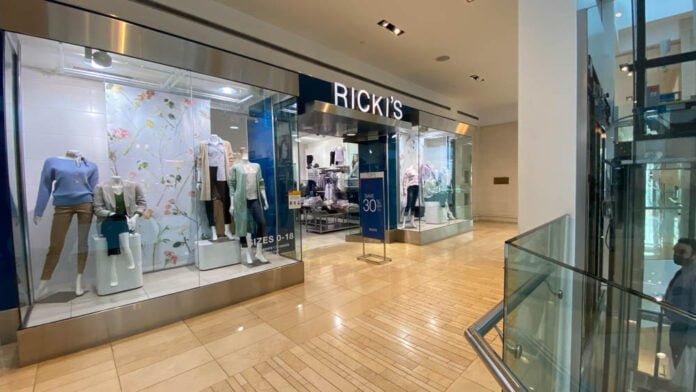
Putman Investments Buys Ricki’s and Cleo from Comark

Ricki's at "The Core" in Calgary
Ricki's at The CORE in Calgary. Photo: Jessica Finch

An Ontario court has granted approval for Comark Holdings Inc. to sell its struggling Ricki’s and Cleo apparel banners to Putman Investments Inc., the retail group behind Toys “R” Us Canada and HMV, among others. The deal, valued at approximately $12.8 million, includes the brands’ inventory, furnishings, intellectual property, trademarks, and select store leases.

The sale offers a lifeline to Ricki’s and Cleo, both of which have been under significant financial strain in recent years. The court approval also paves the way for Comark to explore options for its third brand, Bootlegger, with Winnipeg-based Warehouse One emerging as a potential buyer.

Putman Investments Expands Retail Portfolio

The acquisition aligns with Putman Investments’ strategy of acquiring distressed retail brands and attempting to revitalize them. Led by entrepreneur Doug Putman, the Ancaster, Ontario-based company has steadily expanded its retail holdings, purchasing Sunrise Records in 2014, HMV in 2019, Toys “R” Us Canada in 2021, and most recently, womenswear retailer Northern Reflections earlier this year.

Doug Putman
Doug Putman

In the apparel space, Putman has taken over Northern Reflections and now Ricki’s and Cleo. His past ventures include acquiring and rebranding 45 former DavidsTea locations into T. Kettle, though the chain now operates only two locations. His Rooms + Spaces concept, which sought to capitalize on Bed Bath & Beyond’s closure, has also shut down after struggling to gain traction in the home goods market.

Job Retention and Store Footprint Adjustments

While Comark has been liquidating Ricki’s and Cleo locations under its court-supervised restructuring, the acquisition by Putman means that many retail employees will be offered continued employment. Comark employs 2,056 workers across its three brands, though the exact number of jobs retained under the new ownership remains uncertain.

The future footprint of Ricki’s and Cleo is also unclear, with Comark currently operating 75 Ricki’s stores, 54 Cleo locations, 20 combined locations, and 19 locations shared between these two brands and Bootlegger. The court ruling indicates that the businesses will continue under Putman with a “reduced footprint,” suggesting some store closures or lease renegotiations may follow.

Comark’s Financial Troubles and Creditor Protection

Comark filed for creditor protection last month, citing several major financial setbacks, including:

  • The impact of the COVID-19 pandemic on consumer shopping habits
  • A 2021 ransomware attack that disrupted operations
  • Increased competition from ultra-low-cost retailers such as Shein and Temu
  • Supply chain and vendor challenges

In an affidavit filed in court, Comark CEO Shamsh Kassam stated that despite cost-cutting efforts, the company’s liquidity position had “rapidly deteriorated,” particularly in the slower post-holiday season. These challenges ultimately led the company to seek buyers for its struggling brands.

Cleo store in Lethbridge, AB. Photo: Downtown Lethbridge

Warehouse One Eyes Bootlegger Purchase

Alongside the Ricki’s and Cleo sale, Comark is exploring the sale of Bootlegger through a stalking horse bid process, where an initial bidder sets the floor price for other potential offers. Winnipeg-based Warehouse One, owned by Stern Partners, has emerged as the stalking horse bidder.

Interested parties have until Thursday to submit competing bids. If no alternative offers materialize, Comark will seek court approval to sell Bootlegger to Warehouse One, which plans to maintain at least 25 of Bootlegger’s current 53 stores. However, the financial terms of Warehouse One’s bid have not been disclosed.

Ronald Stern’s Connection to Comark

Stern Partners, which owns Warehouse One, also has direct ties to Comark itself. Government business registry filings indicate that Ronald Stern, founder and president of Stern Partners, is a director and major shareholder of a numbered company that wholly owns Comark. Stern Partners also owns Tip Top Tailors, Urban Barn, Silver Jeans Co., and Mr. Big & Tall.

Stern Partners has not publicly commented on its involvement in Comark’s restructuring or why Putman Investments did not bid on Bootlegger, despite acquiring the other two brands.

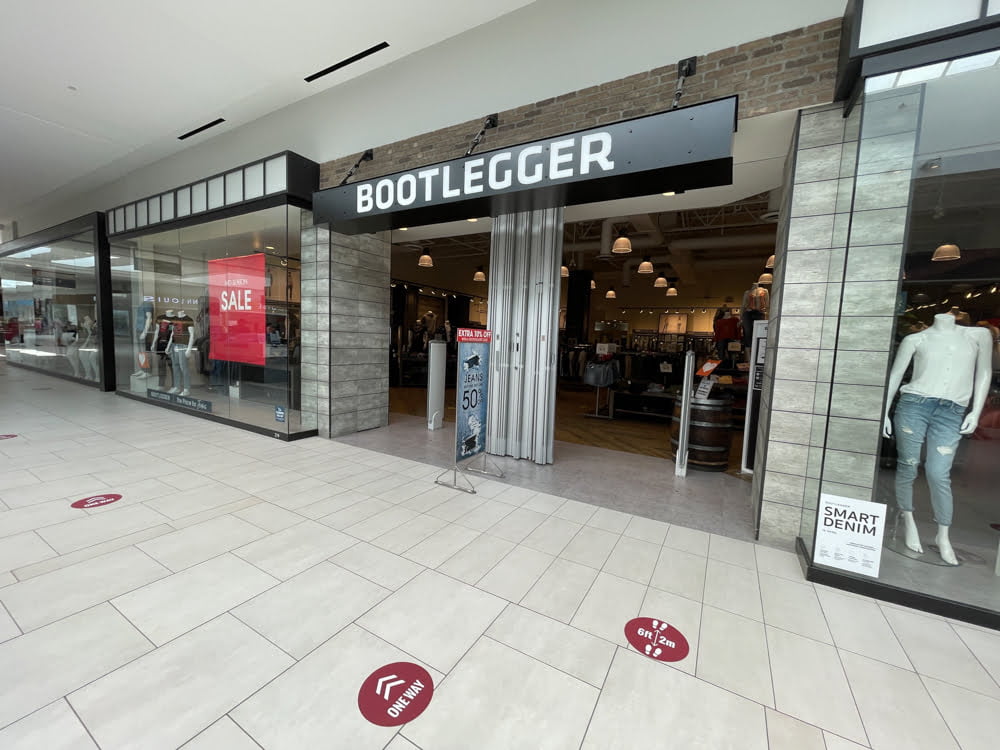
Bootlegger at Willowbrook Mall (July 2021). Photo: Lee Rivett.

Putman Investments’ Growing Retail Footprint

Doug Putman has made a name for himself by acquiring struggling but recognizable retail brands. His retail empire started in 2014 with the purchase of Sunrise Records, expanding into HMV and Toys “R” Us Canada.

In the apparel space, Putman has taken over Northern Reflections and now Ricki’s and Cleo. His past ventures include acquiring and rebranding 45 former DavidsTea locations into T. Kettle, though the chain now operates only two locations. His Rooms + Spaces concept, which sought to capitalize on Bed Bath & Beyond’s closure, has also shut down after struggling to gain traction in the home goods market.

More from Retail Insider:

RioCan reports 2024 was an “exceptional year”

5th and THIRD East Village (Image: RioCan)

RioCan Real Estate Investment Trust, announced Monday its financial results for the three months and year ended December, 2024, describing it as an “exceptional year.”

The company stated in a news release these were the key highlights:

  • High demand locations generate new leasing spreads of 36.7% for 2024; blended leasing spreads of 18.7%
  • Record-breaking committed occupancy at 98.0%; retail committed occupancy at high water mark of 98.7%
  • 98% completion of the 372 expected Fourth Quarter condominium and townhouse interim closings to date
  • Adjusted Debt to Adjusted EBITDA improved to 8.98x from 9.28x at the end of the prior year
Jonathan Gitlin

“RioCan had another exceptional year, continuing its trend of achieving its operational and financial objectives, reaching record occupancy and leasing spreads”, said Jonathan Gitlin, President and CEO of RioCan. “RioCan is well positioned to capitalize on the favourable retail real estate fundamentals in the under supplied Canadian market.

“Our recent Unit buybacks and the Board of Trustees’ decision to increase our distribution for the fourth consecutive year demonstrate confidence in our core business and our team’s ability to maximize asset value while strategically managing capital.”

RioCan said full year Funds From Operations Adjusted per unit was $1.81, an increase of $0.04 per unit or 2.3% compared to the prior year. This growth resulted from strong operating performance and completed developments, partially offset by reduced Net Operating Income related to the sale of lower growth commercial properties. Higher residential inventory gains and increases in interest income were offset by higher interest expense, it said.

Net income per unit for the year of $1.58, was $1.45 per unit higher than the prior year. In addition to the FFO items described above, net income included a $29.4 million reduction in the fair value of investment properties, compared to a fair value loss of $450.4 million in the prior year, contributing $1.40 per unit to the year-over-year increase, added the REIT.

It also said adjusted Debt to Adjusted EBITDA improved to 8.98x, FFO Payout Ratio1 was 61.9% and Liquidity1 was $1.7 billion.

“In 2024, RioCan achieved a record blended leasing spread of 18.7% with a new leasing spread of 36.7% and a renewal leasing spread of 13.1%. Leasing momentum grew steadily throughout the year, culminating in a strong Fourth Quarter performance and four consecutive quarters of double-digit leasing spread,” noted RioCan.

“Strong demand for space in RioCan’s premium portfolio drove committed occupancy and retail committed occupancy to record highs of 98.0% and 98.7%.

“4.8 million square feet were leased in 2024, including 1.5 million square feet of new leases. Our ongoing initiatives to continuously improve tenant quality and the productivity of our shopping centres, included the following: seven new grocery leases, three of which transformed retail assets into highly valued grocery-anchored centres; a 135,000 square foot lease with Canadian Tire in the GTA; and 40,000 square feet leased to Royal Bank of Canada including office space and a store front unit formally occupied by a fashion tenant at Yonge Eglinton Centre; An additional land lease for a 158,000 square foot Costco was finalized at RioCan Centre Burloak, replacing less resilient fashion-focused tenants with a strong, serviced-base anchor.

Residential rental operations

RioCan said residential rental operations generated $29.2 million of NOI, an increase of $7.7 million or 36.1% over last year. Residential Same Property NOI1 grew by 5.1% over the prior year. The 13 operating buildings have a fair value of $0.9 billion. Upon completion of construction at FourFifty The Well in the second quarter of 2024, capitalization of related costs ceased, leading to a short-term negative FFO impact of $2.1 million in 2024. We expect a positive contribution in 2025 as the NOI from the property ramps up.

For the full year, $225.8 million or 180,000 square feet of properties under development were transferred to income producing properties. In Q2 2024, the Wellington Market opened, significantly increasing foot traffic at The Well, it added.

RioCan is one of Canada’s largest real estate investment trusts. RioCan owns, manages and develops retail-focused, mixed-use properties located in prime, high-density transit-oriented areas where Canadians want to shop, live and work. As at September 30, 2024, its portfolio is comprised of 186 properties with an aggregate net leasable area of approximately 33 million square feet (at RioCan’s interest).

GWL Realty Advisors announces design-build development for Princess Auto

Source- GWL Realty Advisors

GWL Realty Advisors (GWLRA) has announced the development of a design-build industrial warehouse for Princess Auto Ltd. at Stoney North Logistics Centre in Balzac, just outside of Calgary, on behalf of its client The Great-West Life Canadian Real Estate Investment Fund No. 1 (CREIF).

Steven Marino
Steven Marino

“This project is in line with our ongoing strategy of investing in next-generation warehousing and logistics facilities in desirable locations,” said Steven Marino, Executive Vice President, Portfolio Management. “This project not only supports our strategic vision, but also demonstrates our strength in managing and developing industrial assets.”

Upon completion, Stoney North Logistic Centre, co-developed by GWLRA and Enright Capital Ltd., will offer over 2 million square feet of Tier 1 industrial warehouse space across 118 acres. The first building will comprise a 605,000 square foot warehouse, exclusively developed for Princess Auto Ltd., a prominent Canadian retail chain specializing in farm, industrial, garage, hydraulics, and surplus items, said GWLRA in a news release.

Robert Kavanagh
Robert Kavanagh

“GWLRA is very pleased to have completed this lease transaction, and we look forward to welcoming Princess Auto to the property upon completion in 2026,” said Robert Kavanagh, Senior Vice President for Western Canada for GWLRA. “Princess Auto Ltd. will occupy the property on a 15-year lease. They are a great lead tenant for our Stoney North Logistics Centre.”

The facility will include features sought by large-scale distribution tenants, such as a 40-foot ceiling height, ample loading doors, and trailer storage, said GWLRA.

It said Balzac serves as a primary distribution hub for Western Canada, attracting major retailers to establish their logistics facilities there. Stoney North Logistics Centre is particularly well located just north of the City of Calgary, offering easy access to Stoney Trail (Calgary’s ring highway) and Deerfoot Trail (Highway 2).

Kris Heieie
Kris Heieie

“We are thrilled to expand our distribution capabilities to better serve Canadians nationwide,” said Kris Heieie, Vice President of Supply Chain. “Staying in Northeast Calgary was important to us because of our incredible team. We wanted a location that supports our growth while keeping our team members close to home.”

GWL Realty Advisors manages an $18B portfolio of which just over 30% is invested in the industrial sector. Princess Auto is a private, Canadian-owned company that has been providing tradespeople, farmers, inventors, industrial workers, and Canadians with tools and equipment for nearly 100 years.

Related Retail Insider stories:


Silver Jeans Rebrands with Gen Z Focus and Denim Revival

Silver Jeans campaign image. Photo: Silver Jeans

Silver Jeans, a Canadian denim brand with a history spanning over a century, is taking bold steps to modernize and attract a new generation of consumers. With the resurgence of denim fashion in a highly competitive market, the brand is strategically positioning itself to capture the attention of Gen Z while staying true to its heritage of craftsmanship and quality.

Under the leadership of Suzanne Silverstein, CEO of Silver Jeans, and Amy Pascal, CMO of Silver Jeans, the company is launching its first-ever national campaign featuring Levi Dylan—grandson of Bob Dylan and son of Jakob Dylan. This campaign, crafted in collaboration with legendary creative director David Lipman (known for campaigns for Burberry, David Yurman, and La Mer), tells a raw, rock-and-roll-infused story that resonates with consumers who live and breathe in their jeans.

Suzanne Silverstein, CEO of Silver Jeans

“We want people to see these images and say, ‘I want those jeans,’” said Lipman.

The campaign, titled Spring 2025, features notable talent such as James Turlington (nephew of Christy Turlington), plus-size supermodel Tara Lynn, Frida Aasen, and Lameka Fox. This fresh, star-studded approach aims to position Silver Jeans as a modern, trend-forward brand while celebrating its 100+ years of denim expertise.

The Legacy and Evolution of Silver Jeans

Founded as part of Western Glove Works in Winnipeg, Manitoba, Silver Jeans has long been known for its durable, well-fitting jeans. While the brand has always focused on quality and craftsmanship, it is now broadening its offering to appeal to younger consumers.

“Our Canadian values of craftsmanship and quality remain core to who we are,” said Silverstein. “We’ve been making denim for over 100 years, and our expertise allows us to produce premium-quality denim at accessible prices.”

Amy Pascal, CMO of Silver Jeans

The brand is focusing on diversification with new product categories, including wide-leg, barrel-leg, and low-loose jeans, along with core staples such as black and white denim. “Our black denim launched in Fall 2024, and white denim is rolling out now,” noted Silverstein. “These are areas we’ve never been in before, but we see tremendous potential.”

A Stronger Presence in the U.S.

While Silver Jeans enjoys strong brand recognition in Canada, the U.S. market presents significant growth opportunities. Currently, half of Silver Jeans’ business comes from the U.S., and the company is executing a branding strategy to solidify its presence south of the border.

“We started by defining our DNA and voice internally before amplifying our story through marketing,” explained Pascal. “We needed to ensure that our U.S. customers understand what makes Silver Jeans special.”

The strategy has already yielded results, with an increase in engagement across Silver Jeans’ social media channels and e-commerce platform. The brand has been actively engaging with influencers and media, hosting events in New York, Toronto, and Montreal to build buzz and create long-term relationships within the fashion space.

Targeting Gen Z with Digital and Influencer Marketing

Understanding the importance of digital engagement, Silver Jeans has made significant investments in TikTok and Instagram to connect with Gen Z shoppers.

“TikTok is the new TV,” said Pascal. “Young consumers don’t just watch—it’s their primary source of entertainment, shopping discovery, and brand interaction. We’ve leaned into this space with a strategy focused on branded content, styling advice, and influencer collaborations.”

Silver Jeans has significantly grown its TikTok presence, increasing its audience by several hundred-fold. Through strategic partnerships with over 100 influencers, the brand has been able to create authentic, engaging content that resonates with younger consumers. These collaborations include styling videos, behind-the-scenes denim craftsmanship stories, and live shopping events.

“In-person activations help us create a deeper connection with our audience,” said Pascal. “We recently hosted a launch event in New York and plan to do the same in Toronto and Montreal.”

Image: Silver Jeans

Expanding the E-Commerce and Wholesale Business

E-commerce remains a crucial growth avenue for Silver Jeans, which relaunched its website in early 2024 to enhance the shopping experience.

“Our online business is growing at 25% year-over-year, thanks to a more intuitive user experience, better product discovery, and enhanced styling guides,” explained Silverstein. “We are also launching a loyalty program to reward our longtime customers and encourage repeat purchases.”

Beyond direct-to-consumer sales, wholesale partnerships remain essential. Silver Jeans is available at major retailers such as Marks in Canada and various department stores in the U.S., allowing consumers to experience the brand in-store.

Limited-Edition Capsule Collection

To coincide with the Spring 2025 campaign, Silver Jeans is launching a limited-edition capsule collection featuring studded vests and denim jackets. These exclusive pieces showcase the artistry of denim craftsmanship and will be available in limited quantities.

“The capsule collection is about pushing boundaries while maintaining affordability,” said Silverstein. “These exclusive designs will be priced slightly higher than our regular offerings but remain accessible to our customers.”

Levi Dylan. Image: Silver Jeans

Levi Dylan and the New Campaign: A Perfect Fit

The decision to feature Levi Dylan as the face of the Spring 2025 campaign aligns perfectly with the brand’s mission.

“Levi embodies everything that Silver Jeans stands for—authenticity, individuality, and effortless style,” said Pascal. “His rock-and-roll DNA makes him the perfect ambassador for a brand that champions self-expression through denim.”

The campaign will be a multi-channel initiative, spanning connected TV (CTV), online video ads (YouTube), and paid social media (TikTok & Instagram).

Looking Ahead: Silver Jeans’ Vision for the Future

With its momentum building, Silver Jeans has a clear roadmap for the next five years.

“Product will always be at the heart of what we do,” said Silverstein. “We’ll continue to evolve our offering, making sure we balance core styles with the latest trends.”

Marketing will also play a larger role in driving awareness, with plans to launch collaborations with artists, additional influencer partnerships, and expanded retail distribution.

A Commitment to Giving Back

Beyond fashion, Silver Jeans is also preparing to launch a charitable initiative in 2026. While details have yet to be fully unveiled, the program will align with the company’s values and give back to communities in meaningful ways.

“We believe in doing more than just making great jeans,” said Silverstein. “We’re dedicated to creating a positive impact, and our upcoming charitable partnership will reflect that commitment.”

More from Retail Insider:

Canada’s Food Inflation Drops, But Will Prices Spike Next?

Loblaws store. Photo: Just Food

For the first time since May 2017, food inflation in Canada dipped into negative territory, reaching -0.6% in January. The numbers seem reassuring—on the surface. Inflation at restaurants plummeted to an all-time low of -5.1%, while inflation for food purchased in stores stood at +1.9%. But before Canadians celebrate a rare break on their food bills, a deeper look at the data raises questions about whether these figures tell the full story.

One major factor at play is the temporary GST Holiday introduced nationwide, which slashed sales taxes on restaurant meals. While some provinces, such as Newfoundland & Labrador, Nova Scotia, Prince Edward Island, and New Brunswick, saw a 15% drop in GST/HST, others had lower reductions, like Ontario with a 13% decrease and most western provinces with a 5% decrease. Yet, despite this tax relief, restaurant inflation didn’t fall as much as one might expect, suggesting that underlying cost pressures in the food service sector remain significant. January 2025 was the only month when the GST Holiday covered the entire month, making its impact on inflation particularly pronounced. However, with the GST Holiday ending last weekend, consumers may soon feel the effects of returning taxes.

The declines in restaurant inflation varied across regions, indicating that restaurant price reductions have been more about tax cuts than true cost relief. If the GST Holiday masked the real trends, what happens now that it has ended? A snapback effect, with higher restaurant inflation, could hit consumers hard.

Grocery Store Inflation Still a Concern

Meanwhile, grocery store inflation also appears deflated, but not across the board. Some categories, like eggs and fresh and frozen meats, are rising, bucking the trend. These increases suggest that cost pressures remain in certain areas of the food sector, despite overall declines in food prices. Wages, uncertainty around borders, and tariffs are impacting prices. Additionally, the potential for opportunity pricing—where businesses raise prices opportunistically due to temporary market distortions like the GST Holiday—could further exacerbate cost increases for consumers. This brief period of negative food inflation may be more of an anomaly than a sign of lasting relief.

If the GST Holiday were removed from the equation, the true food inflation level would likely be significantly higher. Adjusting for tax relief, restaurant inflation would have been closer to 3-5%, rather than -5.1%, while grocery store food inflation would have been closer to 3-4%, instead of +1.9%. This suggests that the underlying cost pressures are still driving prices up, and consumers may face a stark reality now that the temporary tax break has expired.

Should the GST Holiday Have Been Made Permanent?

The bottom line? The GST Holiday should have been made permanent to prevent businesses from engaging in opportunity pricing. Without it, consumers are left vulnerable to sudden price hikes that exploit temporary market distortions. The GST Holiday may have temporarily softened food inflation, but it hasn’t resolved the structural issues keeping food prices high. With tax relief now expired, Canadians should brace for a potential rebound in prices.

Policymakers and industry leaders must focus on long-term solutions to address food affordability beyond temporary tax breaks—because now that the GST Holiday has ended, the real test begins. The GST Holiday may have temporarily softened food inflation, but it hasn’t resolved the structural issues keeping food prices high. With tax relief now expired, Canadians should brace for a potential rebound in prices. Policymakers and industry leaders must focus on long-term solutions to address food affordability beyond temporary tax breaks—because now that the GST Holiday has ended, the real test begins.

More from Retail Insider:

Canadian Consumer Price Index sees modest rise in January, driven by energy costs: Statistics Canada

Photo by Jack Sparrow

The Consumer Price Index (CPI) in Canada increased by 1.9% year over year in January 2025, following a 1.8% rise in December, according to new data released Tuesday by Statistics Canada. Excluding gasoline, the CPI climbed 1.7%.

Energy Costs Push CPI Higher

A key driver behind the January inflation increase was rising energy prices, particularly gasoline and natural gas. Gasoline prices surged 8.6% year over year, more than doubling December’s 3.5% increase. Manitoba saw the largest jump at 25.9%, following the reintroduction of the provincial gas tax at a lower rate after a one-year suspension. Meanwhile, natural gas prices rebounded, rising 4.8% year over year in January after declining 5.5% in December, explained the federal agency.

Food Prices Decline for the First Time Since 2017

Despite inflationary pressures in the energy sector, food prices provided some relief for consumers. The food component of the CPI dropped by 0.6% in January, marking the first annual decline since May 2017. Restaurant food prices plummeted by 5.1%, the steepest drop on record, more than tripling December’s 1.6% decrease. The decline is largely attributed to the goods and services tax (GST)/harmonized sales tax (HST) exemption introduced in December, said Statistics Canada.

The report said the purchase of passenger vehicles index posted a 0.4% increase in January, marking the first yearly gain in eight months. New vehicle prices rose 2.3% year over year, accelerating from a 0.9% increase in December. However, used vehicle prices continued their downward trend, falling 3.4% year over year—though at a slower rate compared to December’s 4.1% drop. This marks the 13th consecutive month of declining used vehicle prices.

GST/HST Tax Break Continues to Influence Prices

The GST/HST tax exemption, introduced in December 2024, continued to exert downward pressure on select price indexes. In addition to restaurant food prices, alcoholic beverages purchased from stores saw a 3.6% decline year over year in January, following a 1.3% drop in December. Toys, games (excluding video games), and hobby supplies also saw prices fall by 6.8% in January, following a 7.2% decline the previous month, added Statistics Canada.

The tax exemption, which applies to approximately 10% of the all-items CPI basket, remains in effect until February 15, 2025, suggesting continued impacts on the February CPI data, it said.