Retail Insider is streamlining its Canadian retail news from around the web to include a handful of top news stories that can be viewed quickly during the day. Here are the top stories from the past 48 hours.
The federal government’s recent overhaul of the Temporary Foreign Worker Program (TFWP) for food service has prompted predictable outcry from restaurant operators. As of January 2025, new caps limit TFWs to just 10% of a food service business’s workforce—down from 20% or more in recent years—and shorten work permits from two years to one. But this policy shift is not punitive. It reflects an overdue economic recalibration.
Put plainly, the TFWP in food service has run its course.
This is a rational policy correction, not regulatory overreach. Youth unemployment in Canada, particularly among those aged 15 to 24, now stands at 14.2%—a sharp indicator that domestic labour is available but being overlooked. That’s roughly one in seven young Canadians looking for work but unable to find it. Meanwhile, the sector continues to rely heavily on imported labour for entry-level roles that, with the right conditions, could and should be filled by Canadians.
The TFWP was designed as a stopgap—an emergency tool for employers unable to find domestic workers. In many industries, such as agriculture and seafood processing, that rationale still holds. But in food service—particularly in urban and suburban markets—it has become something else: a structural labour strategy aimed at suppressing wages, lowering turnover, and sidestepping long-term investments in human capital.
The numbers tell the story. In 2021, according to Statistics Canada, about 140,000 temporary residents—many under the TFWP—were employed in accommodation and food services, accounting for 17% of all temporary foreign workers in Canada. That same year, foreign nationals represented roughly 10% of the overall food service workforce. In certain quick-service chains, the concentration was even higher, effectively displacing Canadian youth from traditional workforce entry points.
Between 2018 and 2023, employer approvals for low-wage food service positions through the TFWP surged more than 4,800%. This is no longer a temporary fix—it is institutional dependency.
The economic cost is subtle but significant: a generation of young Canadians has been pushed to the sidelines. Historically, over one-quarter of Canadians began their working lives in food service or hospitality. These jobs have long served as a training ground for interpersonal skills, time management, and resilience—essential soft skills for the broader labour market. We’ve now outsourced that social utility to temporary labour.
This is not to dismiss the complexity of the restaurant sector. Since 2020, the number of food service establishments in Canada has dropped from more than 100,000 to about 87,000, reflecting the deep and lasting impact of the pandemic. Margins remain tight. Menu prices are rising. But consumer behaviour hasn’t collapsed—in fact, it’s evolved. In 2025, according to Canada’s Food Sentiment Index released by Dalhousie University, Canadians are spending 39% of their food budget at restaurants (up from 37% in 2023), and average monthly per capita spending has hit $198—a record.
The demand is there. Canadians are still showing up, despite rising costs. If operators are required to raise wages to attract local workers, evidence suggests diners will continue to foot the bill.
Still, labour costs are only part of the equation. Governments could provide relief by adjusting fiscal and regulatory pressures. Automation is another worthy option. But relying indefinitely on temporary labour to balance the books is poor economics.
The TFWP still has a role to play in select industries with clear recruitment challenges, but its use in food service—particularly in areas with ample domestic labour—should be phased out. Wage suppression is not a growth strategy. Neither is sidelining Canadian youth from their first real economic opportunity.
This is about building a more resilient, equitable, and sustainable food service sector—one that serves Canadians and is staffed by them too.
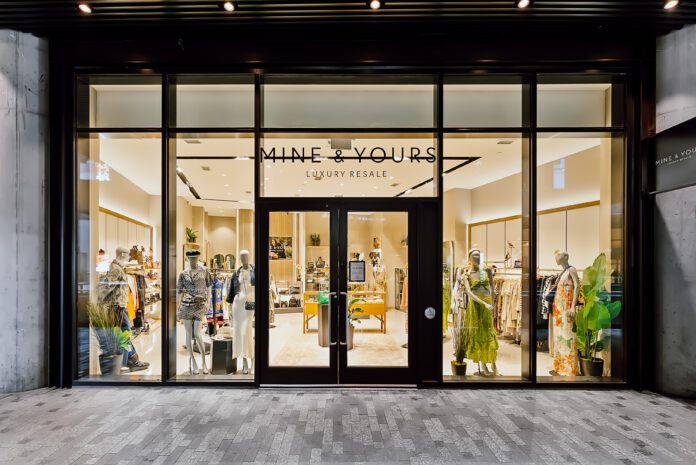
Mine & Yours at The Well in downtown Toronto. Image supplied
Luxury resale retailer Mine & Yours has opened its latest pop-up location at The Well in downtown Toronto, further solidifying the brand’s presence in Canada’s largest city. The store opened to the public last week, bringing a curated assortment of luxury resale fashion to a highly visible stretch of retail space situated between Lululemon and Sephora.
The approximately 1,100-square-foot location is slightly smaller than the brand’s Yorkville flagship and marks a major step in reaching new urban shoppers.
“We’re really excited to get that downtown customer,” said Courtney Watkins, founder of Mine & Yours, in an interview with Retail Insider. “We know in Toronto people don’t like to leave their little bubbles, and this new location is about reaching a new market we haven’t tapped into yet.”
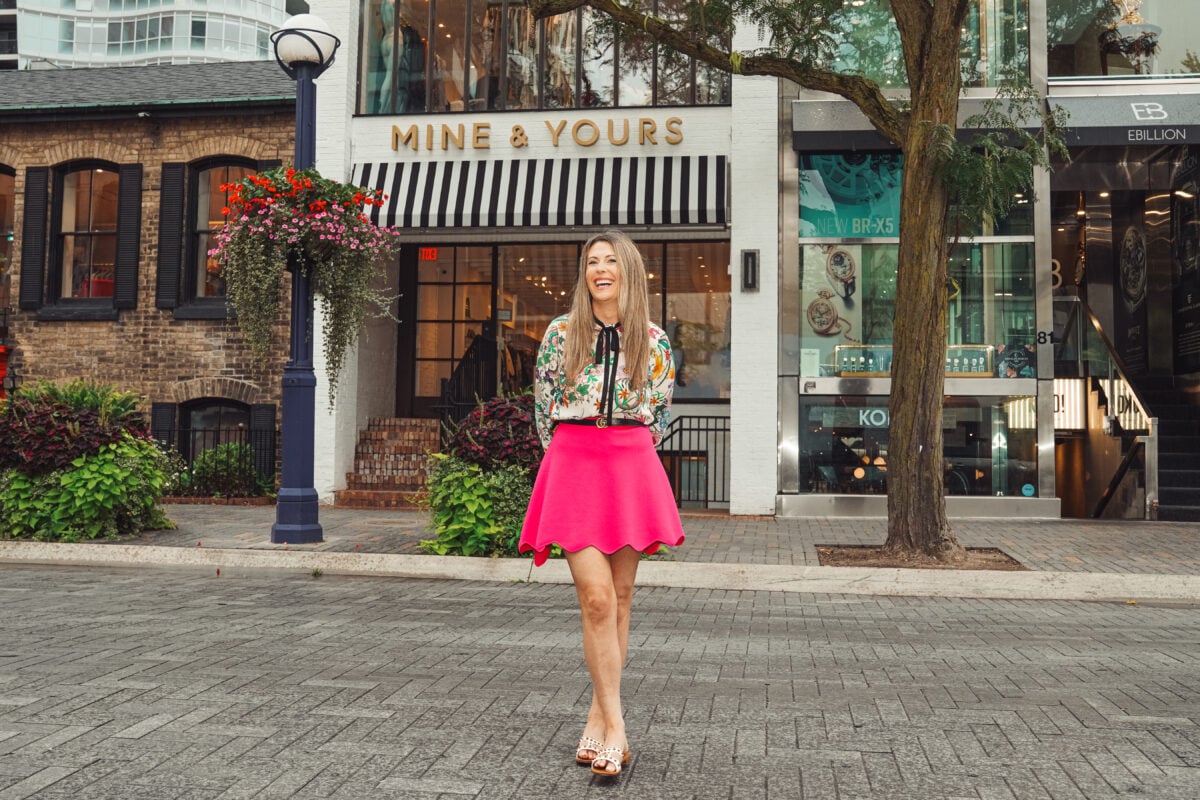
Courtney Watkins in front of the Toronto Mine & Yours at 79 Yorkville Avenue. Photo supplied
Contemporary Focus with Signature Luxury
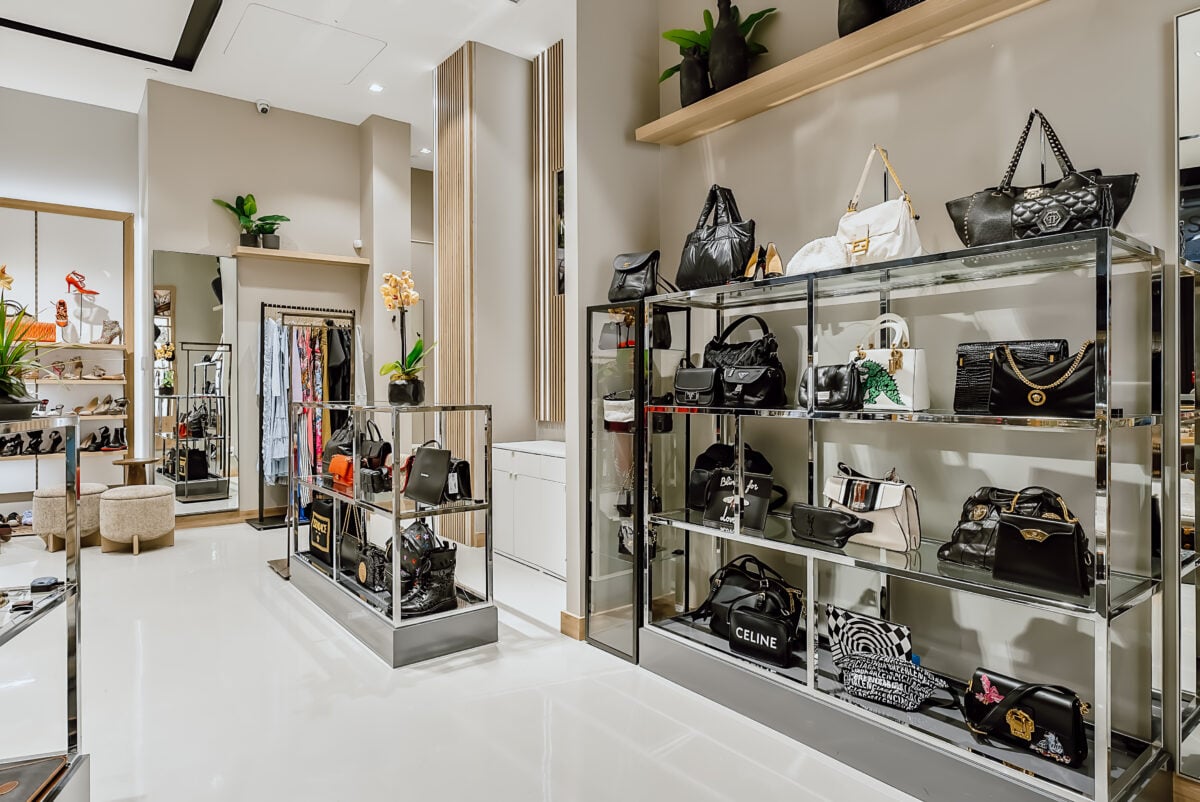
The Well pop-up showcases Mine & Yours’ signature selection of authenticated designer resale pieces, with a greater emphasis on accessible price points.
“We’re still going to have tons of our designer handbags and those luxury brands,” Watkins noted. “But at The Well, we’re focusing more on contemporary pieces—handbags under $1,000 and clothing in the $200–300 range.”
In contrast, the Yorkville store frequently stocks rare and high-end pieces, including dresses priced above $1,000 and luxury bags in the five-figure range.
“Every day we’re still meeting new clients who’ve never been to our store,” Watkins added. “The Well gives us a chance to meet that downtown customer who hasn’t ventured into Yorkville.”
Sustainable Fashion Joins The Well Retail Mix
Mine & Yours Toronto at The Well is part of a broader shift in Canadian retail that has seen resale operators welcomed into shopping centres once dominated by new product.
“The Well is redefining what it means to shop in Toronto,” said Watkins. “We’re excited to bring sustainable fashion into a mall setting that gets consistent foot traffic from residents, professionals, and tourists alike.”
Sustainability is central to the Mine & Yours brand, which offers pre-loved designer fashion as a way to reduce waste and extend the lifecycle of high-quality garments.
“We’re showing people that resale can be stylish, accessible, and luxurious,” said Watkins. “This is about introducing secondhand to shoppers who might not have considered it before.”
Mine & Yours at The Well in downtown Toronto. Image supplied
Buying to Begin in August
While the store is now open for shopping, Mine & Yours plans to launch its Toronto-based buying services at The Well in mid-August.
“We’ll be doing both appointments and drop-offs,” Watkins explained. “The parking situation at The Well makes it easy for people to bring in items, and we expect strong interest from local residents, especially those living in nearby condos.”
This hybrid model of retail and resale allows customers to both shop and sell, with cash, store credit, and consignment options available depending on the item’s value.
Short-Term Pop-Up With Long-Term Potential
The Well location is currently planned as a pop-up running through the end of November. However, Watkins said she is open to extending the presence or exploring new locations in Toronto, depending on customer response.
“We really want to expand our Toronto footprint,” she said. “If this goes well, we’ll either stay or look for other opportunities nearby. This is just the beginning.”
Mine & Yours first entered the Toronto market two years ago with its Yorkville Avenue boutique and has seen consistently strong sales growth in the city.
“Toronto has been a great market for us,” Watkins said. “We continue to meet new customers and are finding more people are open to resale than ever before.”
Model wearing clothing from Mine & Yours at The Well in downtown Toronto. Image supplied
Exclusive Product and Collaborations
The Well pop-up also features product drops and exclusive collaborations that set it apart from the brand’s other locations.
“We’ve done a couple of buying trips, so there’s a lot of product that’s completely new—including many pieces with tags still on,” said Watkins. “We’re also working with a few brands on pop-up activations and limited-edition items, including ones that are hard to find in Canada.”
This approach supports Mine & Yours’ strategy of refreshing inventory frequently and offering fashion-forward experiences in its physical stores.
Calgary Store Extended Following Positive Response
Beyond Toronto, Mine & Yours has seen continued success in Calgary’s Holt Renfrew store, where a pop-up store has been extended through the end of August.
The Calgary space, located in the former Dolce & Gabbana boutique, contrasts the company’s usual bright aesthetic with a darker, more dramatic interior.
“At first I wasn’t sure how it would look, but it turned out incredible,” Watkins said. “We might even rethink our branding going forward. It was that transformative.”
The Calgary store also leaned into Stampede season with themed product drops featuring denim, rhinestones, and Western-inspired fashion.
Malls Embrace the Resale Movement
Watkins said that mall landlords are now actively seeking out partnerships with resale operators, a stark change from just a few years ago.
“Five years ago, I couldn’t get anyone to take my call,” she said. “Malls would tell me they couldn’t allow secondhand stores due to clauses in their leases. Now, malls are reaching out to us.”
The Well, for example, contacted Mine & Yours to bring the brand into its retail mix, joining a broader wave of mixed-use projects incorporating sustainability into their tenant curation.
“There are still some places that won’t work with us due to old lease restrictions,” Watkins added, “but the tide is turning, and we’re seeing a lot more openness to the resale model.”
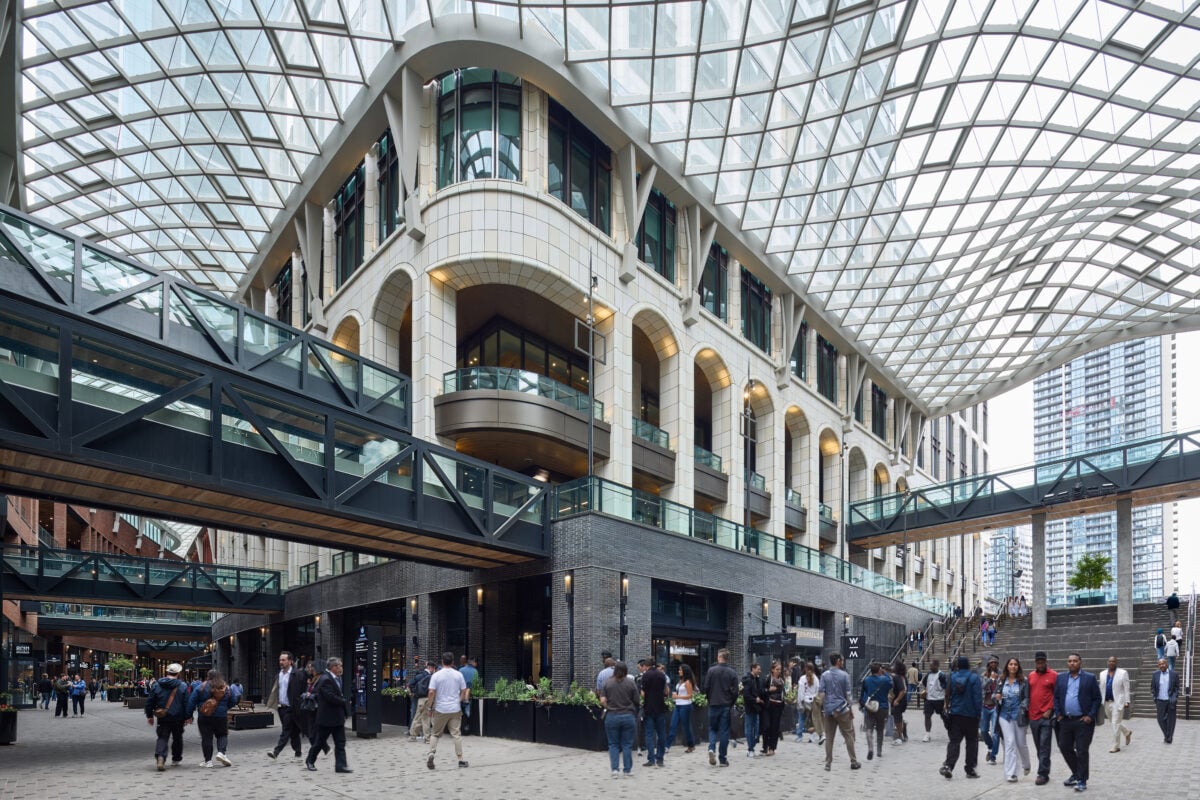
The Well in downtown Toronto. Photo: The Well
Meeting Market Gaps at The Well
The opening of Mine & Yours also fills a key category gap at The Well, which has established strength in food, wellness, and fitness but lacked women’s fashion.
“There’s Sweat and Tonic, some amazing restaurants, and a nail salon, but not much for women’s clothing,” said Watkins. “We’re excited to bring something truly different to the centre.”
The store’s unique offering complements the retail experience at The Well, which combines open-air walkways, upscale design, and experiential programming across a sprawling downtown site.
“We’re proud to be part of what The Well is building,” Watkins concluded. “It’s a community, not just a shopping centre, and we’re looking forward to meeting new clients every day.”
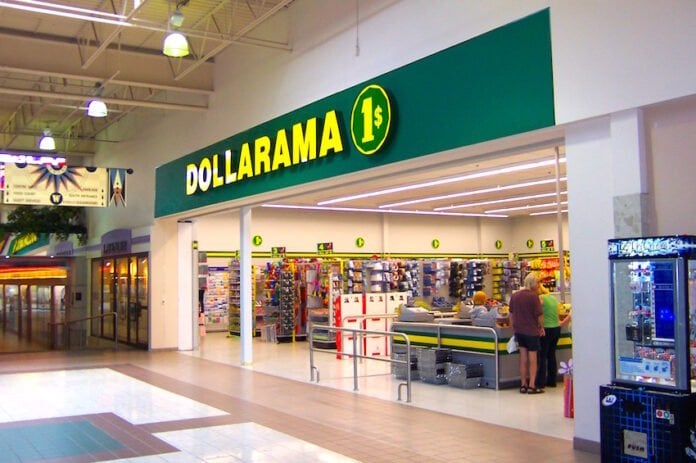
Dollarama Inc. announced Tuesday the closing of its previously announced acquisition of The Reject Shop Limited following receipt of the necessary shareholder, regulatory and court approvals.
Headquartered in Melbourne, The Reject Shop is Australia’s largest discount retailer with a well-located store network of more than 390 locations spanning every Australian state. This strategic acquisition marks Dollarama’s entry into the Australian market, building on its proven track record as a leading Canadian value retailer with a growing presence in Latin America through Dollarcity, said the company.
“We are pleased to officially welcome the TRS team to Dollarama,” said Neil Rossy, President and Chief Executive Officer of Dollarama. “Expanding our international reach supports our long-term growth strategy, and we are thrilled to be embarking on this exciting new chapter with TRS’s local leaders and more than 5,000 employees. By working together and applying Dollarama’s strengths in sourcing, merchandising and retail operations, we are well positioned to deliver compelling value to Australian consumers and to drive the expansion of our new Australian growth platform over the long term.”
Neil Rossy
Founded in 1992 and headquartered in Montréal, Quebec, Canada, Dollarama is a recognized Canadian value retailer offering a broad assortment of consumable products, general merchandise and seasonal items both in-store and online. It has 1,638 locations across Canada.
Dollarama also owns a 60.1% interest in Dollarcity, a growing Latin American value retailer. Dollarcity offers a broad assortment of consumable products, general merchandise and seasonal items at select, fixed price points up to US$4.00 (or the equivalent in local currency) in 644 conveniently located stores in Colombia, Guatemala, El Salvador and Peru.
In March, Dollarama announced it had entered into a definitive agreement to acquire all the issued and outstanding ordinary shares of The Reject Shop Limited for an all cash consideration of A$6.68 per ordinary share, which values The Reject Shop’s ordinary share capital at approximately A$259 million (C$233 million). The Transaction will be implemented by way of an Australian scheme of arrangement. The Reject Shop Board of Directors unanimously recommended that The Reject Shop’s shareholders vote in favour of the Arrangement, said Dollarama at the time.
Headquartered in Melbourne, The Reject Shop is Australia’s largest discount retailer with a store network of more than 390 locations across the country. Its offering includes private-label and national brand products. The Reject Shop generated consolidated sales of A$866 million (C$779 million) for the last twelve-month period ended December 29, 2024.
It has raised over $275 million in its history, which has supported sending more than 325,000 underserved youth to Tims Camps’ multi-year development program to build confidence, resiliency, and other critical skills to reach their full potential, said the company.
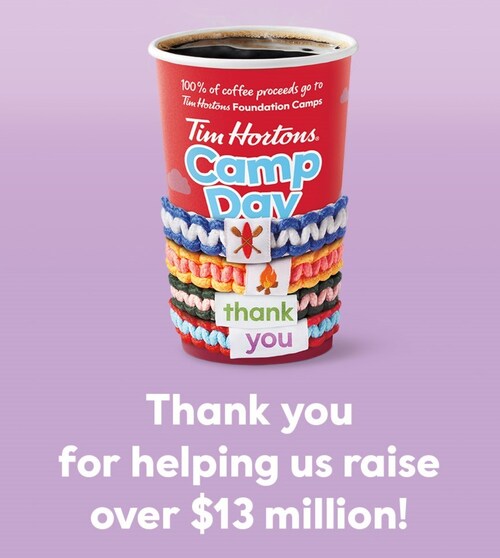
Tim Hortons® Camp Day® raised over $13 million this year for Tim Hortons Foundation Camps to help underserved youth reach their full potential (CNW Group/Tim Hortons)
“We’re so grateful to the many generous Tims guests who supported Camp Day again this year – and to our incredible Tim Hortons restaurant owners across the country for donating 100 per cent of proceeds from every hot coffee and iced coffee sold to our foundation,” said Axel Schwan, President of the company. “Thanks to your support we’re making a big impact in the lives of young people who deserve every opportunity to succeed.”
Axel Schwan
Every year on Camp Day, restaurant owners donate 100 per cent of the proceeds from hot and iced coffee sales to Tim Hortons Foundation Camps and raise additional funds through Camp Day bracelets, Camp Day donuts, Donation Badges, and other unique fundraising initiatives developed by local Tims restaurant owners and their team members.
Duncan Fulton
“The dedication and commitment Tims restaurant owners have for Camp Day along with the generosity of Canadians make it possible for thousands of youth to access programs that challenge, inspire, and change lives,” says Duncan Fulton, Board Chair of the Foundation Camps. “Thank you for showing up for the youth who need it most. You’ve made a lasting impact – not just this year, but for years to come.”
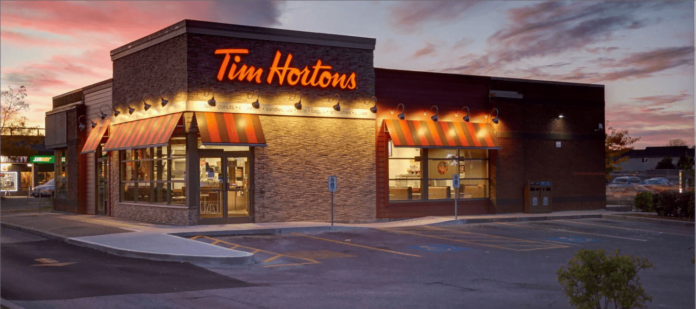
In 1964, the first restaurant in Hamilton, Ontario opened its doors. It is Canada’s largest restaurant chain operating in the quick service industry with nearly 4,000 restaurants across the country. The company has more than 6,000 restaurants in Canada, the United States and around the world.
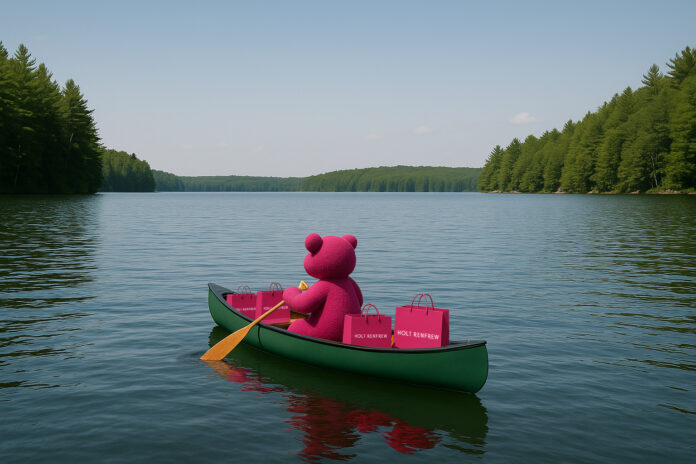
As part of a move to celebrate Canadian identity and luxury retail, Holt Renfrew is taking its signature magenta brand on the road this summer, reaching customers far beyond its traditional urban storefronts. The luxury department store is bringing curated experiences to popular destinations across the country, culminating in the first-ever Holt Renfrew Muskoka pop-up opening this August.
The initiative reflects Holt Renfrew’s evolving approach to retail, expanding into non-traditional settings and deepening its connection with communities across Canada. From Montreal’s electrifying Grand Prix weekend to the Calgary Stampede and now the tranquil shores of Ontario’s cottage country, Holt Renfrew is embracing its Canadian roots with vibrant seasonal activations.
“We are proud to be Canadian and are leaning more into it this year by celebrating magenta moments across the country,” said Carolyn Wright, Senior Vice President, Product at Holt Renfrew. “We started the summer off with the big race weekend in Montreal, and more recently with our Calgary Stampede debut, now, we are thrilled to bring Holts to Muskoka with a pop-up at the JW Marriott. Our customers can expect a beautiful curation of summer fashion and beauty edits for everyone—right on the lake. We are so excited to connect with the community in Muskoka.”
Holt Renfrew Muskoka Pop-Up to Debut at JW Marriott
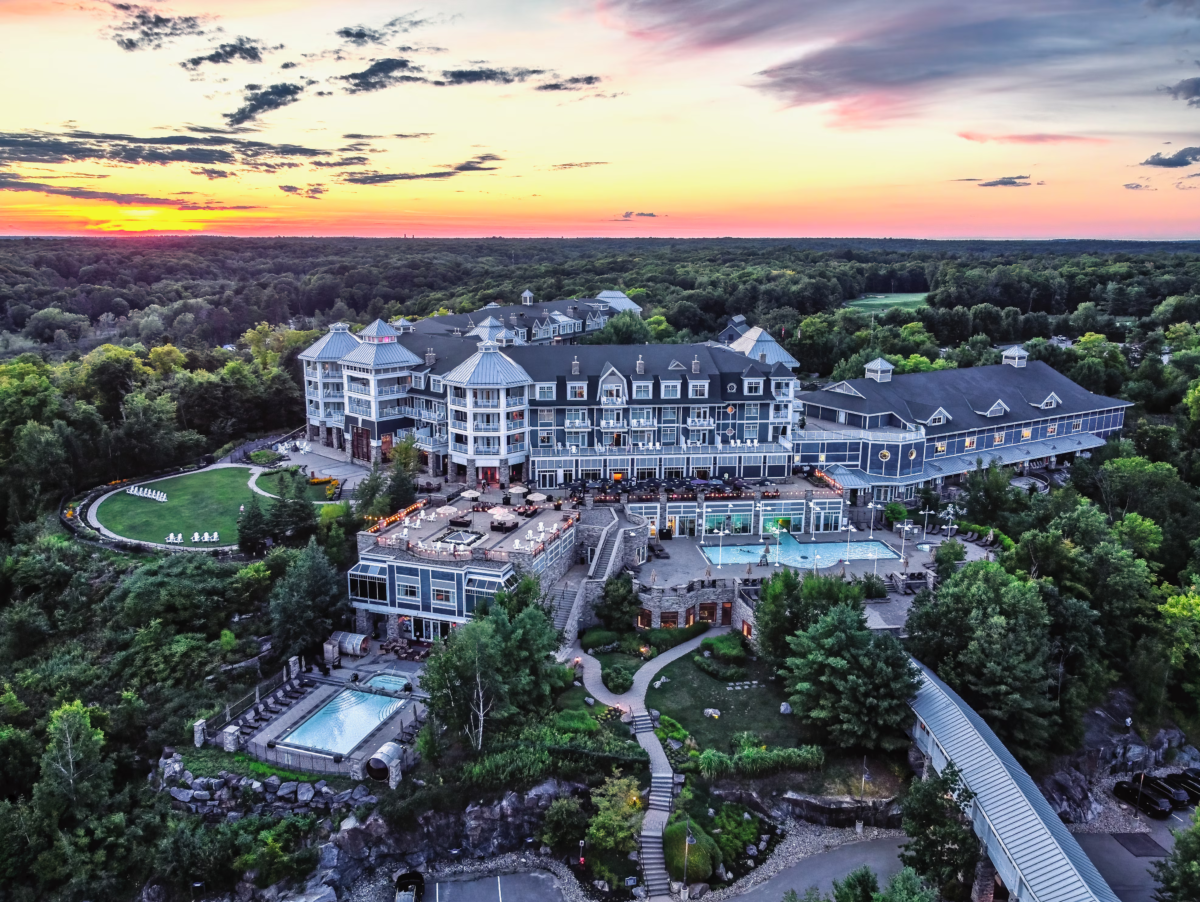
From August 1 to 10, Holt Renfrew will welcome shoppers to a lakeside retail experience at the JW Marriott The Rosseau Muskoka. This exclusive Holt Renfrew Muskoka pop-up marks the first time the retailer has hosted a dedicated storefront in Canada’s beloved cottage region. The pop-up will operate Monday through Saturday from 9 a.m. to 7 p.m., and Sundays from 10 a.m. to 7 p.m.
The boutique will offer a curated summer edit of fashion, beauty, and grooming across women’s and men’s categories. Customers can expect to shop luxury labels such as Amiri, Augustinus Bader, Birkenstock, Celine, Citizens of Humanity, Dôen, Fear of God ESSENTIALS, Fendi, Frame, La Mer, La Prairie, Loewe, Marc Jacobs, On, Rag & Bone, and Stone Island, among others.
Further enhancing the Muskoka experience, the pop-up will offer skincare services and a limited-edition capsule collection co-created with Canadian brand House of Blanks. Branded as “Holts Camp Muskoka,” the exclusive merchandise will be available only at this location, reinforcing the sense of place and exclusivity behind the summer campaign.
JW Marriott The Rosseau Muskoka. Image: Marriott Hotels
National Celebrations: Calgary Stampede and Montreal Grand Prix
Earlier this summer, Holt Renfrew made a debut appearance at the Calgary Stampede, bringing the brand’s signature polish to Canada’s largest rodeo. The Grit & Gloss pop-up at the BMO Centre introduced Stampede-goers to a fashion-forward interpretation of western style, with a mix of curated clothing, accessories, and beauty offerings.
Complementing the retail footprint was the Stampede Cellar Champion Wine Experience, a sophisticated lounge that offered panoramic views of Stampede Park. Guests were invited to relax above the midway, sampling wines from the Stampede Cellar Showdown International Wine Competition, accompanied by live music and elevated service. The experience blended Holt Renfrew’s focus on luxury with a culturally immersive atmosphere.
In Montreal, Holt Renfrew’s flagship Ogilvy store aligned with the city’s high-energy Grand Prix weekend, drawing crowds and car enthusiasts alike. McLaren supercars were on display outside the store, while inside, guests discovered an exclusive McLaren-themed pop-up. A variety of additional activations took place on the fifth floor of Ogilvy, featuring brands like Jack Victor, Sugar Blossom, and local partners including MFleurs, New City Gas, and food purveyors CA LEM Crèmerie and Mon Secret Gourmand.
These summer events have demonstrated Holt Renfrew’s ability to adapt the luxury retail model to meet Canadians where they are, creating localized experiences rooted in cultural relevance.
A Canadian Retailer with Deep Roots and Bold Ambitions
Founded in Quebec City in 1837, Holt Renfrew has long been a staple of Canada’s fashion landscape. Originally launched as a furrier, the retailer gained prestige through royal appointments and later transformed into a destination for international luxury brands, offering in-store boutiques from labels such as Chanel, Hermès, Dior, and Prada.
Headquartered in Toronto, the retailer operates six large-format stores across major Canadian cities, including a flagship on Bloor Street West. Known for its commitment to personalized service, sustainability, and diversity, Holt Renfrew continues to modernize its offerings for the 21st-century consumer.
The company was acquired by the Weston family in 1986 and remains privately owned and proudly Canadian. Its recent ventures into seasonal and regional pop-ups reflect a larger retail trend toward experiential shopping and hyper-localized branding, particularly as luxury customers seek more personal and meaningful interactions.
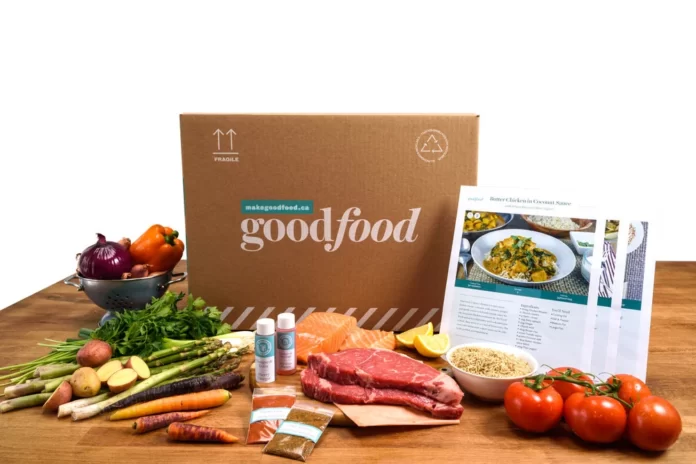
“In the third quarter, we continued to execute with discipline and delivered solid profitability metrics. Our gross margin held strong at over 44%, and we reported another quarter of positive Adjusted EBITDA, marking two and half years of positive Adjusted EBITDA performance. These results were driven by our ongoing focus on operational efficiency and product innovation, which also enabled us to return to positive adjusted free cash flow this quarter. Notably, despite the year-over-year decline in net sales, our customers’ average basket size and net sales per active customer reached all-time highs — a testament to the value our customers are placing on our offerings,” said Jonathan Ferrari, Chief Executive Officer of Goodfood.
Jonathan Ferrari
“We are particularly encouraged by the early success of our Heat & Eat meals, which have reached $1 million in run-rate revenue without advertising and are currently available only in Quebec. This performance underscores the early product-market fit and growth potential of this new category. In addition, our Bitcoin treasury strategy continues to show promising momentum, contributing positively to our financial performance and balance sheet flexibility this quarter. Finally, Genuine Tea — our first acquisition — is performing well and expanding our reach within high-quality, next generation consumer brands. Together, these initiatives reinforce our strategy of building a differentiated platform of next-generation food brands for Canadian consumers.”
Key financial results:
● Net sales were $31 million, with gross margin reaching 44.3% for a gross profit of $14 million for this quarter ● Net income of $0.1 million, adjusted EBITDA margin of 8.6% and adjusted EBITDA of $3 million for the quarter ● Cash flows provided by operating activities of $1 million and adjusted free cash flow1 was $0.2 million for the quarter ● Cash balance and marketable securities at $17 million, with Bitcoin Exchange-Traded Fund (BTC) at $3.2 million at quarter-end on initial investment of $3.0 million ● Launch of Heat & Eat meal solutions providing additional delicious options to customers in Quebec; ready for scaling phase in early Fiscal 2026 ● Genuine Tea, Goodfood’s first acquisition, continuing to outperform expectations, with sales displaying strong growth and the lease of a new, bigger facility setting the team for further expansion and success
eBay Canada has announced that the Entrepreneur of the Year Awards have returned, marking their 21st anniversary, offering $25,000 in awards dedicated to supporting and celebrating the innovation of Canadian small businesses.
The Entrepreneur of the Year Awards recognize small business owners who embody the innovation, determination, and passion of its seller community.
The Entrepreneur of the Year Awards are divided into four categories:
Entrepreneur of the Year ($10,000 CAD) is awarded to an outstanding entrepreneurial seller demonstrating exceptional business acumen, growth, and innovation on eBay’s platform.
Micro-Multinational Entrepreneur ($5,000 CAD) recognizes a seller who has successfully expanded their business globally through eBay.
Emerging Ecommerce Entrepreneur “Bricks and Mortar to Global Exporter” ($5,000 CAD) celebrates a seller who has grown their established business by strategically adding eBay as a sales channel.
Hometown Horizons Entrepreneur ($5,000 CAD) honours a seller in a rural or remote community who has used eBay to reach customers beyond their local area.
The 2024 Entrepreneur of the Year Awards celebrated a diverse and dynamic group of winners, each representing a unique sector of the business world. From collectibles to automotive parts, the 2024 winners exemplified excellence and creativity in their fields, said eBay.
Small business owners who are growing their businesses on eBay.ca are encouraged to submit their applications by August 15, 2025, at 11:59 p.m.
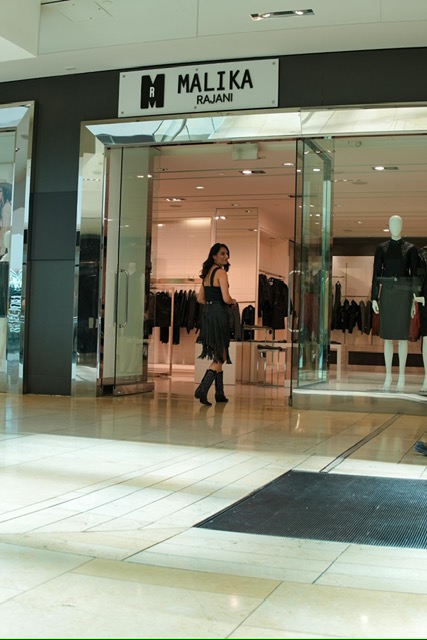
Rajani’s professional life is a balancing act between running a family-owned car dealership and leading a growing outerwear fashion brand.
When asked how long she has been General Manager at High River Toyota, she said, “It is about five years now. Just a year pre-COVID, I started working here at High River Toyota. I’ve been on and off. It’s a family business, so I had that flexibility of starting a fashion line along with working here. Then I went specifically to work for the fashion industry, and then I came back here when the family needed me, and I ran the fashion business from here.”
Malika Rajani
Rajani’s history with the dealership dates back to her early days in Canada. “I grew up in India, but when I came from India here, this was the first ever job I did here in Canada. I started off as a receptionist in the dealership and then just learned the ropes around, learned about all the different departments, and here I am now.”
Working as a female in the long dominated by men automotive industry
In an industry long dominated by men, Rajani acknowledges her role is unique: “It’s an anomaly for sure. When I started there were very few. Right now, the industry is growing and accepting a lot of female entrepreneurs, especially in a GM position. Right now, I think it’s an advantage because a woman GM is a lot different from a male GM in terms of thought process, in terms of taking care of their employees.”
She added, “I think there is a softer edge. With male GMs in a car dealership, it’s a lot aggressive. It’s a little bit harsher environment. I bring a softer edge to this position. Also coming from fashion, my thought process is a bit different compared to what a car GM would think. I bring in a different perspective to the business as well.”
That creative perspective stems from her deep passion for fashion — a passion that was always present but initially kept on the back burner. “As a daughter of an Indian parent, my dad was always of the opinion that fashion can be a hobby and I need to go out and get a degree. So I did my bachelor’s in commerce and then I went out to do masters in business management with finance and marketing as my background.”
But once she moved to Canada, Rajani decided it was time to pursue that passion. “I went to New York to study fashion at that point.” She enrolled at the Parsons School of Design.
Malika Rajani
Graduating into the 2008 recession wasn’t ideal. “I interned there with John Varvatos and Ralph Lauren, but it was hard to find jobs. So I came back home. I met someone from CrossIron Mills, which was the new mall that was just starting up, and I decided to open a store there — not with my designs, just a store that carried different brands.”
Eventually, the pull to design her own line became too strong to ignore. “I studied to be a fashion designer. I need to create my own designs.”
Rajani’s fashion business evolved from silk dresses to leather jackets — sparked by a personal need. “I myself wanted a leather jacket, couldn’t find anything different in the market. Everything seemed pretty similar. So I just went out, created a leather jacket for myself, and every time I wore it, people asked me where it was from and they wanted to buy it. That just triggered me into creating a couple other jackets. I did really good with them and I just diverted into that segment eventually.”
Malika Rajani
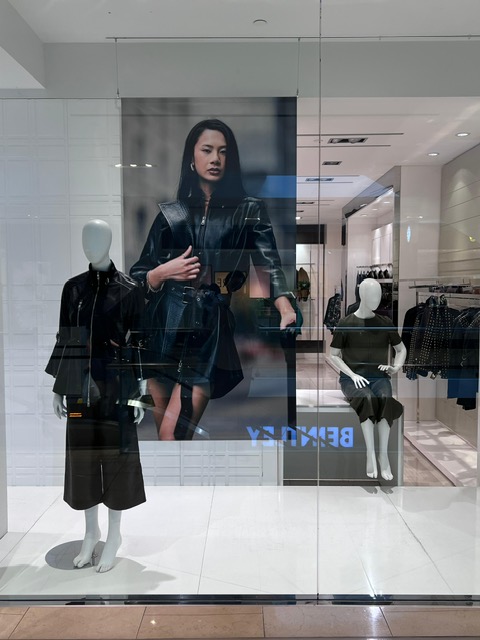
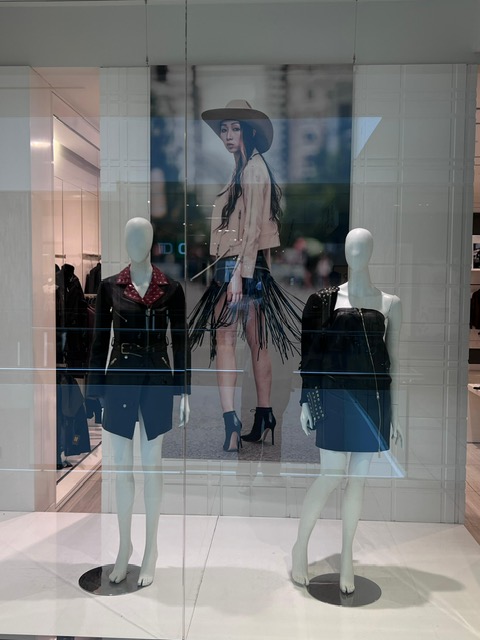
Today, her outerwear line is gaining increased visibility, including a pop-up location at The CORE Shopping Centre in downtown Calgary. “Yes, it’s a popup for a couple months, just to give visibility to my brand. I do really good online sales and I pop up here and there for a day or two, but this came up as a good opportunity to just have more visibility to the brand. So I decided to do that around Stampede, especially where people love leather fringes, and that’s what I’ve been offering right now.”
When asked if a permanent store is in the works, Rajani said, “It depends how these couple months go. The shopping habits of people have transitioned towards online shopping a lot. I don’t mind having this business concept of popping up in different malls for three to four months at once… but if the store does really good here, then I don’t mind extending the contract and just staying there — if that’s allowable or feasible.”
Juggling two demanding businesses
Juggling two demanding businesses isn’t easy, but Rajani makes it work. “My biggest advantage is it’s a family business. High River Toyota is a family business, so I have some leeway. Also, most of the time when I’m designing, when I’m connecting with my factories — because they are in Asia — my time difference is I have to sacrifice on my sleep while I do that and get to work in the morning here. Right now I have really dedicated employees running the store, but once in a while, I take a day off and just head to the store and tell everybody, ‘I’ll be in the store this day, so come see me if you want to see me.’”
Operating in both the auto and fashion sectors gives Rajani a front-row seat to shifting consumer behaviour. “People are uncertain about the future. Some people want to make their shopping decisions sooner because they’re not sure about what is to come… and some people just don’t want to pull that plug yet.”
“In the car business right now, if the tariff comes along, then the pricing goes up quite a bit. So you see two different kinds of customers — some want to pull the plug right away, some want to wait it out. Meanwhile, they miss out on the opportunity to buy the vehicle they like because of the colour, because of the availability.”
In fashion, the story is different. “People buy for occasions, people buy for events. Right now during the Calgary Stampede, which is huge — this year I think Stampede came back much bigger than previous years — people have the occasion and they want different outfits. So I find that consumers buying for events want instant gratification and they’re pulling the plug quicker.”
Despite conflicting economic signals, Rajani emphasizes that the key to staying ahead is agility. “Consumer behaviour is changing more frequently than we used to be able to predict. Every single month, we have to change our strategy.”
And while discounting may work in some sectors, she believes in differentiating based on experience. “At High River Toyota, we are a rural store. Our pull is more towards customer service. Some people are driven by customer service rather than discount.”
On the fashion side, she sees trends toward sustainability and resale. “A lot of people are gearing towards secondhand fashion. Different segments of people are behaving differently. You have to really categorize people into different segments and cater and market towards those segments separately.”
Malika Rajani
The joy of being an entrepreneur
Asked what she enjoys most about entrepreneurship, Rajani answered simply: “That I have the control. It’s not easy, yet it is satisfying at the end of the day. I like the final outcome — when I see the results, that’s satisfying.”
Her advice for young entrepreneurs? “It’s not easy. There’s a lot of challenges, a lot of sleepless nights. But after all of that, it is gratifying. It’s like a child that you’ve raised. Even if somebody fails, you learn from it. I feel like it’s not just about the end product, but also about the journey.”
With a business load that could tire even the most seasoned entrepreneur, Rajani said she finds balance through travel. “Sometimes it’s hard to balance, but I travel quite a bit. I try to get out of the city where I’m not accessible. That just gives me a good break. Wherever I travel, I also come back inspired to create more. I come back with a force — that’s what keeps me going.”
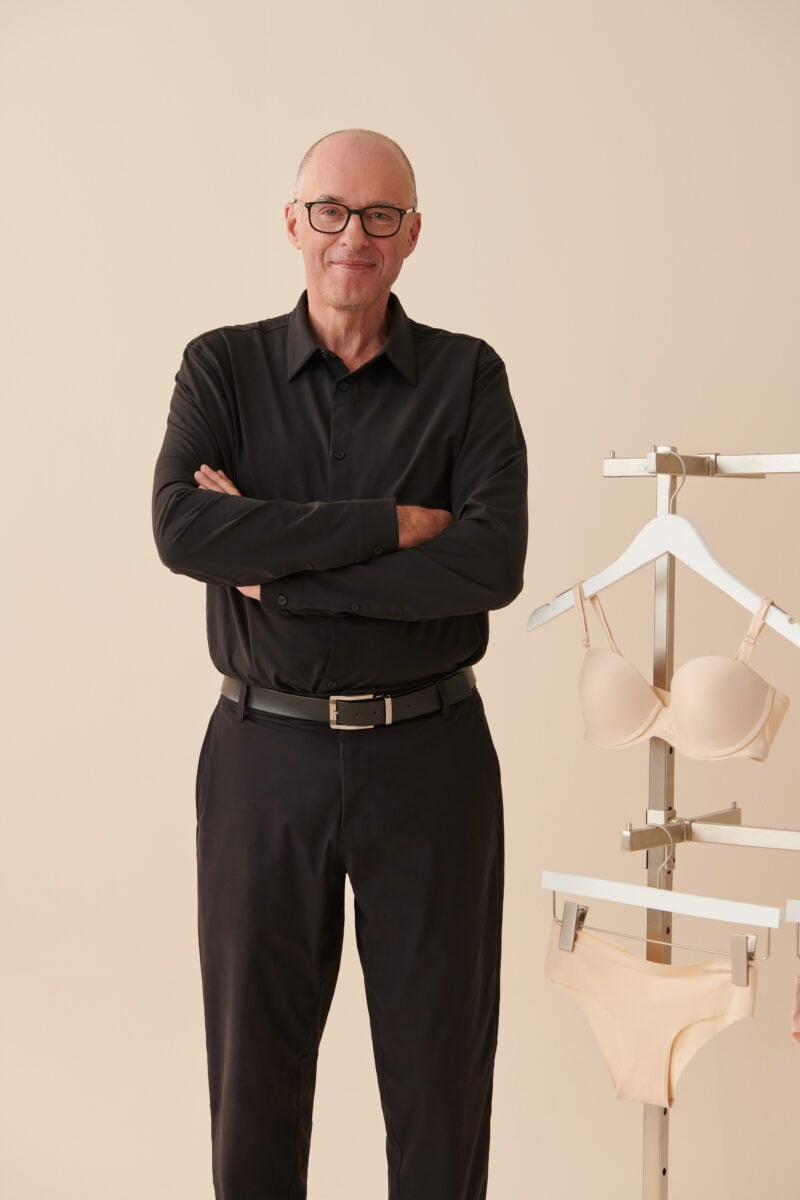
For François Roberge, President of la Vie en Rose, the retail world is more than a business—it’s a lifelong passion built on grit, instinct, and a drive to finish what he starts.
The RCC said this honour is presented to a distinguished industry leader whose vision and impact have reshaped the retail landscape. Roberge was recognized not only for his outstanding business leadership, but also for his lasting contributions to elevating Quebec’s fashion industry and strengthening Canada’s presence on the global retail stage.
François Roberge
Raised on a farm in Quebec and born into a family of merchants, Roberge began his career in retail behind the wheel of a delivery truck for Boutiques San Francisco. In 1996, he acquired la Vie en Rose and began a thoughtful transformation of the brand, relocating its headquarters to Montreal and charting a course for growth. Under his leadership, la Vie en Rose expanded internationally, entering the Saudi Arabian market in 2004, acquiring Bikini Village in 2015, and launching into the United States in 2024. Today, the brand is recognized as a global leader in intimate apparel, with over 400 stores across 20 countries and a team of more than 5,000 employees
Formative years learning discipline on a farm
Roberge, who was born in Quebec City in 1962, spent his formative years learning discipline on a farm. “When you start something, you must finish it. When you cut grass or care for animals, it’s seven days a week, just like retail. And you live with the seasons, which is similar in retail, too.”
But working the land wasn’t a long-term plan. “My dad never paid me. So I said, ‘If you don’t pay me, I’ll leave.’ And I did.”
That decision launched a 44-year journey in retail. “My first job was as a truck driver delivering goods to retail stores—for my uncle—44 years ago. That’s how I started.”
His uncle, a prominent Quebec retailer, owned Groupe San Francisco and Bikini Village. “He had about 185 stores at the time, before it all went bankrupt. He was one of the top retailers in Quebec.”
Roberge worked with him from 1981 to 1995, before seizing the opportunity to acquire the struggling la Vie en Rose chain.
Taking over the struggling la Vie en Rose chain
“It was a nice company owned by Algo Group. They were a dress manufacturer and also owned la Vie en Rose and One Plus One… la Vie en Rose had 26 stores across five provinces and was losing about $600,000 a year. I decided to buy it and turn the company around.”
The decision was rooted in experience: “My last job with my uncle was turning bad divisions into profitable ones. I’m good at turnarounds. I wanted a new challenge, and the name la Vie en Rose was strong. The store locations were great—Sherway, Yorkdale, Eaton Centre, Robson, Polo Park.”
From 23 stores in 1995, the brand has grown to 426 stores internationally. “We’re close to $650 million in revenue. We’re a good retailer. Not many know that, but we are.”
Asked what draws him to retail, Roberge shared: “My whole family was in retail—my uncle, my grandfather. My dad was a pharmacist but still did some retail.”
“What I love is the customer connection. You give them an experience, you sell goods, and you get paid right away. I love buying, sourcing, the whole process. I feel like a fish in water—comfortable and stress-free. This is my life.”
François Roberge
He leads with a team-first philosophy: “We win together, we lose together—but mostly, we win. It’s all about the team. My most important asset is my people. We’d never have achieved what we did without them.”
With a team of 5,000 employees, Roberge is quick to highlight their role in the company’s success. “That’s why in June we celebrated 40 years of la Vie en Rose. I’ve run it for 30 years . . . I changed the vision, but I’m proud to continue the idea.”
Looking to the future
Recently recognized by RCC, Roberge admitted: “I was very pleased. I’m not someone who chases awards—I just do my job. I hope I can continue to succeed. I said yes to the award, but I hope it’s not a sign I need to retire yet. I still have projects to complete.”
Looking ahead, Roberge sees transition on the horizon. “Hopefully my kids will take over in three to five years. I’ll be 67 or 68. I will be the President of the Board, stop to visit malls, visit factories, do other things. I’ll still be around to share experience, but it’s time to pass on the daily stress.”
“Retail is hard on the body, and the future is in technology—and I’m not a tech guy. My daughter and son, who are 35 and 33, will be ready soon.”
Reflecting on how retail has evolved, he said, “Forty years ago, we had so many Canadian retailers. Today, very few remain. It’s a tough market. New concepts last five to seven years, not 15 anymore. Everything changed—data, CRM, the web, social media.”
“Retail used to be about product, price, place, and promotion—now it’s a whole new game. Cash flow is key, not profit. If you don’t understand your mistakes fast, you’ll be in trouble fast. You need to be smart.”
But one thing hasn’t changed: the customer. “I’m a brick-and-mortar guy. Online is only 9% of my business. I like touching the customer experience directly.”
“Omnichannel is key—web, social, and physical stores all need to work together. The experience must be the same, regardless of the channel. Customers want fast service, good prices, good quality.”
Outside of retail, Roberge finds peace on his maple tree farm and fishing trips. “It’s a maple tree farm with a sugar shack. I make maple syrup.”
“My second passion is my family, and third is fishing. I go to northern Canada, B.C., Panama, the St. Lawrence River. I have a fishing boat.”
“I love it because I can turn off my phone and clear my mind. Same with the farm—cutting trees, working in the forest—it helps me disconnect.”
The biggest player in lingerie and swimwear in Canada
Pride in his company’s performance is unmistakable. “One thing you should know—I’m very proud of our team. We made 55 deals in Canada and five in the U.S. last year. The company has zero debt. We operate entirely with cash flow. That’s freedom.”
“I don’t spend money recklessly, but I have a clear vision, and that freedom is an incredible feeling.”
And for anyone who’s underestimated la Vie en Rose, Roberge has a final reminder: “La Vie en Rose is the biggest player in lingerie and swimwear in Canada. Close to 330 stores across the country—we’re bigger than Winners and everyone else in that space.”