Retail Insider is streamlining its Canadian retail news from around the web to include a handful of top news stories that can be viewed quickly during the day. Here are the top stories from the past 24 hours.
The results are in and Cyber Week turned out to be a good one for Canadian retailers, says Salesforce.
According to Salesforce, digital sales across Cyber Week reached $5.1 billion for Canadian retailers.
Caila Schwartz
“No doubt this has been a more challenging time for Canadian retailers than previous years. The combination of post strikes and fewer compelling discounts seems to have dampened Canadian shoppers’ Cyber Week enthusiasm. But there are reasons for businesses to be cheerful. Despite a slow Cyber Week, Canada’s overall holiday sales is up by 3% on last year and retailers saw a steady increase in digital traffic in the weeks leading up to Black Friday. Savvy shoppers likely started their holiday buying early to avoid delivery issues and didn’t need to make their main purchases during Cyber Week,” said Caila Schwartz, Director of Consumer Insights, Salesforce.
Here’s some key data points from Salesforce on the recent holiday spending period:
Digital sales reached $76 billion in the United States (up 7% YoY) and $314.9 billion globally (up 6% YoY).
The Black Friday online sales estimate for Canada is $309M CAD
Globally online sales reached $74.4 billion (up 5% YoY) and $17.5 billion (up 7% YoY) in the United States.
Global online sales reached $12.8 billion in the United States (up 3% YoY) and $49.7 billion globally (up 2% YoY).
The Canadian average discount rate during Cyber Week was 22% (down 7% YoY).
In contrast, the global average discount rate was 26% and the U.S. discount rate was 28%, both down 1% YoY.
The Average Order Value in Canada increased ever so slightly to $102 CAD up from $101 CAD last year.
Additional Global Findingsfrom Salesforce:
AI and agents play a big part in Cyber Week: Retailers doubled down on the use of AI, including agents, to power shopping experiences this season.
$60 billion of global online sales were influenced by AI and agents for product recommendations, targeted offers, and conversational customer service support.
Retailers used generative AI and agents 18% more during Cyber Week than the previous week, likely to drive efficiency and personalization for customers.
Mobile conversion picks up the pace: As consumers of all ages grow increasingly comfortable with mobile shopping and the mobile buying experience gets easier, the gap between mobile traffic and mobile orders is narrowing. This trend underscores a growing consumer willingness to make significant and high-value purchases directly from their smartphones.
More than 80% of both U.S. and global ecommerce traffic originated from a mobile device during Cyber Week
Exactly as predicted, mobile orders drove 70% of U.S. and global sales, up from 67% in 2023.
In total, mobile accounted for $220 billion in sales globally and $53.3 billion in the United States.
Mobile wallet usage also increased 16% globally during the week.
Social commerce plays critical role for retailers
Retailers implementing social commerce strategies saw 19% of their Cyber Week sales generated through platforms like TikTok Shop and Instagram.
Mixed bag of discounts drove mixed bag of results: Despite the threat of growing consumer appeal and low prices offered by Chinese marketplaces like Temu, Shein, and AliExpress, Western retailers did not offer significant discounts to compete.
Verticals with the highest global average discount rates included: Makeup (40%), General apparel (34%), Skincare (33%)
Verticals with the highest U.S. average discount rates included: General apparel (37%), Health and beauty (35%), Home appliance, decor, and furniture (23%)
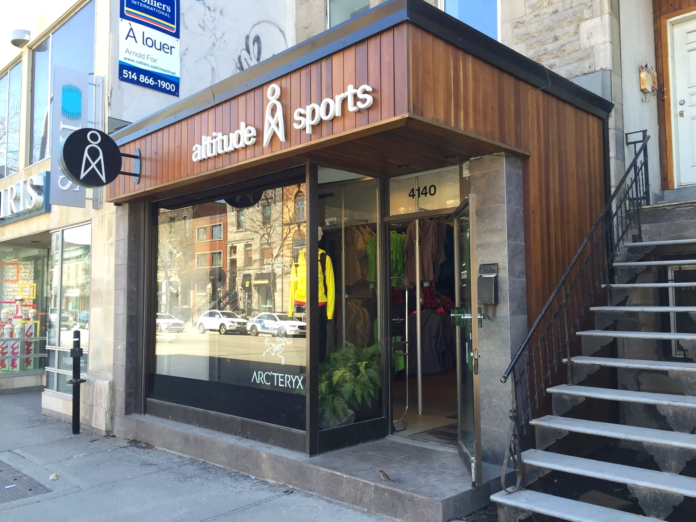
Altitude Sports store in Montreal. Photo: Mapquest
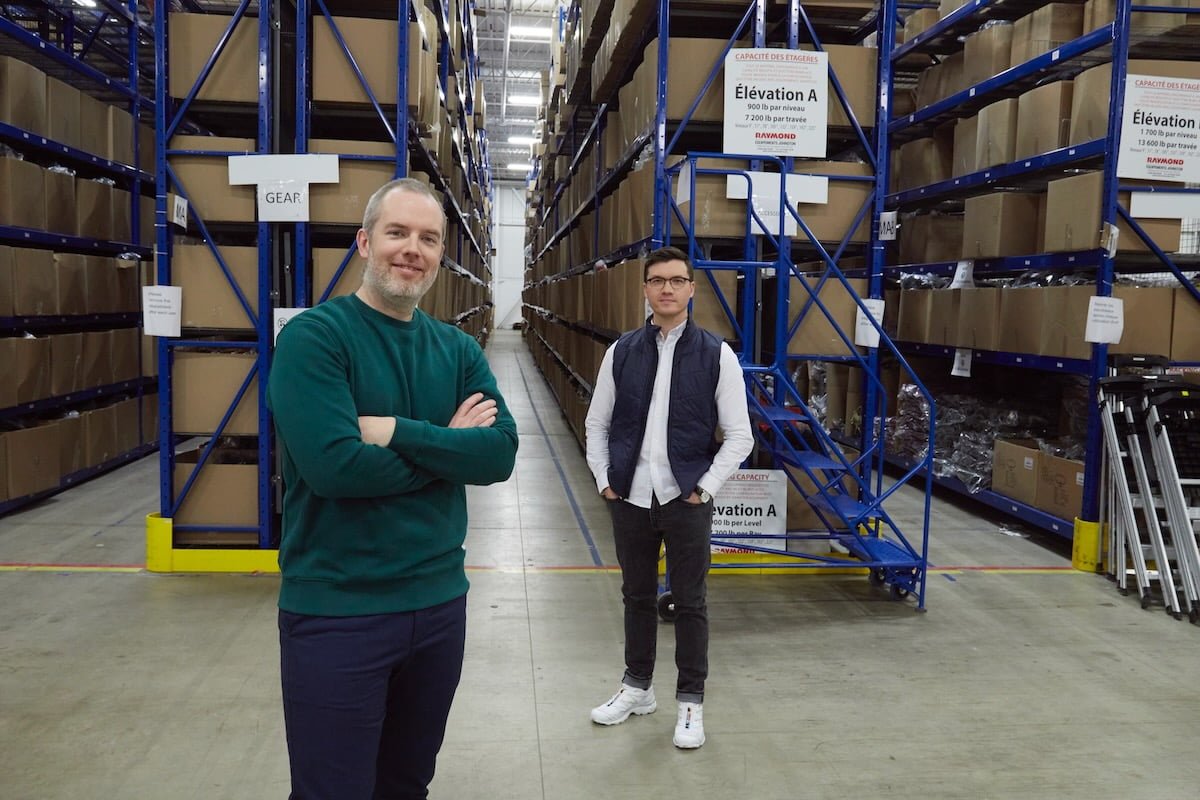
Altitude Sports, an outdoor gear and clothing company in Montreal, has recently achieved its B Corp certification. Alexandre Guimond, co-chief executive officer at Altitude Sports, discusses what the certification means along with future plans.
“Achieving this certification was more than a milestone – it represents a deep commitment across our company to not only uphold, but elevate and strengthen our sustainability practices in a tangible and measurable way,” says Alexandre Guimond.
Since coming out of the pandemic, Guimond says Altitude Sports has not only stabilized, but has seen rapid development.
“After the pandemic, there was a little stagnation. I think people might have seen that in other industries and in general retail as well. On our end, we managed to stay stable, or let’s say small growth over the last two years. The market has been a bit more challenging.”
Image: Altitude Sports
The B Corp certification: A commitment beyond profit
B Corps certification of recognizing top social, environmental, and legal standards aligns well with Altitude Sports. Guimond says the brand’s goal is to balance profit and purpose and create a path for other companies to follow.
“B Corp certification is a serious one; you want to feel like the due diligence was well done. It looks at five pillars of the organization – governance, environmental, workers, community, and customers – and I thought B Corp made sense for our company. When you start the process, it is really about looking at the business in deep detail.”
B Corp certification, photo used from Altitude Sports’ website
In order to achieve the certification, Guimond says the company had to go through brand partners to ensure each one met the B Corp standards. This not only takes time, but complicates the certification process.
“It is a scoring system. So you need 80 points to be officially B Corp certified. According to B Lab, around 45 per cent of companies that apply do not qualify. So it is not something you can get by just applying.”
Guimond says it ensures that only businesses committed to sustainable practices maintain the certification. This not only sets the business apart from others, but also ensures consumers the company is sustainable.
Guimond says it is not a simple ‘achieve it and forget it’ as the company needs to maintain its standards and continue to improve.
Just because you are B Corp certified, does not mean you can just sit down and stop. It is the beginning of the project and now we have a way to track our business and see the progress. We have to prove year over year that we are doing better.
For consumers shopping at Altitude Sports, the certification ensures their purchases support a company who is committed to positive changes and sustainability. Guimond says this increases consumers loyalty and trust – particularly among consumers who prioritize environmental sustainability and ethical practices.
Guimond says the company will continue to push itself to earn a higher score each year. Currently, the highest score is 200.
Future plans and sustainability goals
Expanding delivery services
Image: Altitude Sports
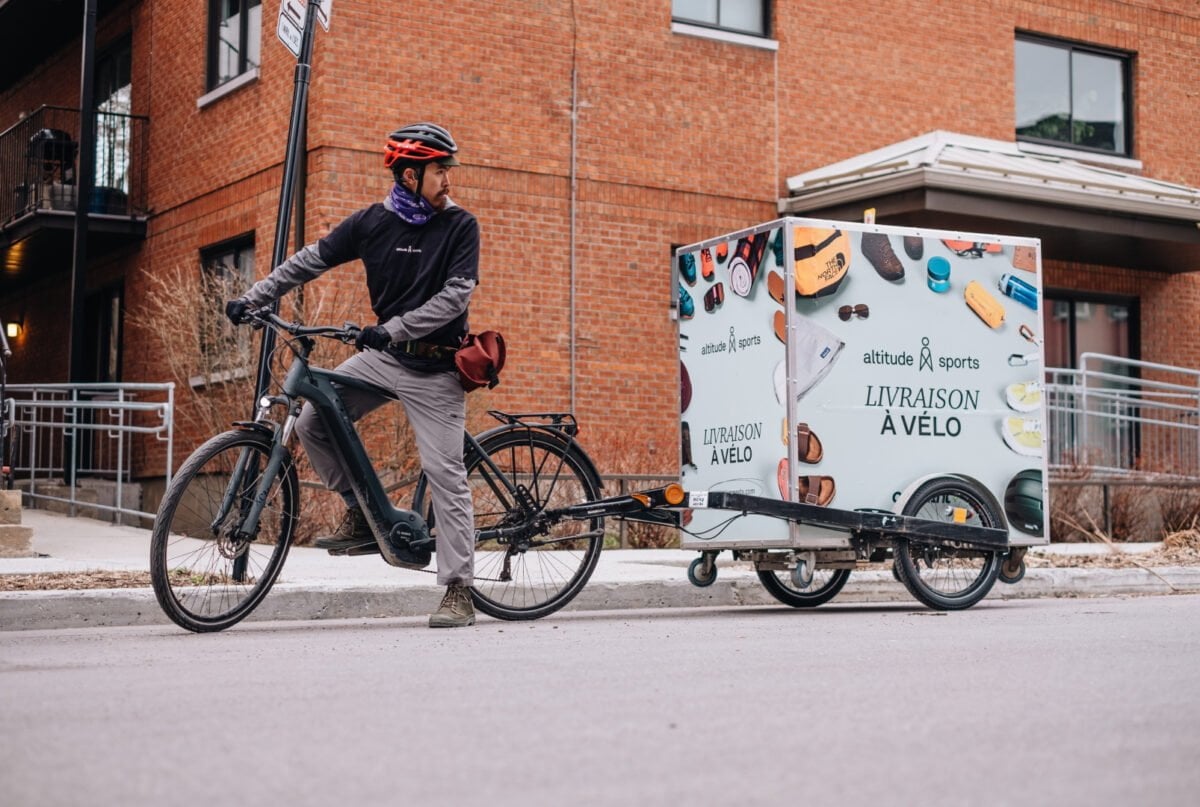
Guimond says the brand’s plan is to reduce emissions by expanding its electric delivery services. The brand is aiming for 20 per cent of deliveries with 100 per cent electric vehicles and 35 per cent to include last-mile deliveries with an electric vehicle by 2026.
“We are partnering with carriers who are investing in electric deliveries to help us reach our ambitious goal. I know it is bold, even though I would like that percentage to be higher and ideally sooner. So that is something we are putting a lot of effort into.”
In 2023, Altitude Sports partnered with Nationex, the first sustainable delivery company in Montreal. The delivery company offers electric vans and electric bicycles to deliver orders to people in the Montreal area.
Launching its own brand
Guimond says the brand is also working on providing its own collections and have already begun slowly.
“Right now, we are slowly launching our own brand. We felt there was a gap in the market with some items and we felt that we needed to provide a product that was really well done, but also affordable at the same time. And we felt that we could create products that could provide value.”
Other than launching its home brand, Guimond says Altitude Sports will also be expanding its categories. Starting next Spring, consumers can be able to purchase bikes and more cycling apparel from renowned brands.
“The goal is to show the best possible selection to our customers. The goal is to be able to connect with our brands and showcase their inventory and we have been doing that for about seven years now and have been growing steadily.”
Social media platform Pinterest has released Pinterest Predicts 2025 Trend Report, offering consumers and advertisers a preview of the most anticipated trends and inspiring ideas for the coming year.
The report covers everything from fashion, beauty, home decor, food & beverage and more, providing a comprehensive overview of emerging trends across various categories.
“Our trend-spotting process I believe is truly best in class because it leverages machine learning backed methodology. That’s really powered by how our audience uses Pinterest. Half a billion people come to Pinterest each month to search and shop for their next big thing, which gives us really unique insight into what’s next. So having worked on this over the past few years there are kind of two overarching themes that really stand out to me in this year’s report.
“The first one being Gen Z’s influence. We are really seeing Gen Z’s footprint in this year’s report, possibly more so than ever before. 65 percent of our trends are being driven by Gen Z. And I think that just really illustrates how this significant audience on Pinterest is really influencing how trends are showing up on Pinterest.
“Throughout the report, you’re going to see a lot of generational, I like to call them quirks or, traits, you’ll see them like very much shine through. And then the other thing that’s really standing out to me in this year’s report, we started to see it a little bit in 2024, Pinterest Predicts 2024 report, but people are really craving boldness and authenticity. When we kind of look at the relationship between Pinterest and another reason why people engage with it we view it as a valuable companion in the journey of self discovery because it really helps people create a roadmap to curating a life that’s aligned with their most authentic self.
“So one of the behaviors we’ve really seen emerge over the past few years is that people have become increasingly more daring and expressive. I view it as a bit of an unapologetic and somewhat maximalist behaviour. And it’s just really more prevalent than ever before in this year’s report.Most of these trends are very out there, but given our really successful rate in terms of accurately predicting trends, we’ve gotten 80 per cent of the trends that we predicted over the past five years correct. We feel very confident that this type of maximalist and unapologetic behavior is going to be a theme heading into 2025.”
Trends in the report cover fashion, beauty, decor, parenting, food and travel. With Gen Z driving 65% of the 2025 trends, next year will be about bold forms of expression and making a statement in every way.
Over half a billion people come to Pinterest each month to search and shop for the next big thing, which gives the platform a unique insight into what’s next. By analyzing year-over-year growth in search terms, Pinterest identifies the fast-rising patterns and curates findings into the future-looking report, which has proven over the past five years to be 80 per cent accurate.
Stanback said a few trends really stand out and she has a few personal favourites.
One is Castlecore. One of the reasons she loves that trend is because of the evolution of Gothic or Goth-related trends since 2021. And Gen Z and Millennials are driving the trend. It’s a new generation’s take on Goth and taking it back to its roots.
Another one of her personal favourites is Aura Beauty. The reason she likes the trend is because it’s very expressive, meant for people to express their aura on their face.
“I think it is really indicative of how younger generations are creating trends for their themselves and how they’re kind of using Pinterest to craft their own identity,” she said.
So one of the ways in which we offer our advertisers, our clients, to tap into this report is called is through a Pinterest Predicts Trend package. This gives advertisers an exclusive right to a specific trend in their country,” said Stanback.
“It includes a branded predict badge on their ads as they show up on Pinterest. A great example of this is that Nissan leveraged a travel trend last year called Dirt Flirts. It was all about off-roading. It’s a lot of sense for Nissan. So they bought a trend package for Dirt Flirts in Canada. And then RONA also tapped into Western Gothic, a very popular trend in 2024. We’re seeing these Gothic trends over the past few years. Very dark and moody interiors mixed with a bit of Western Americana kind of look. Those are two great examples of how brands in Canada have leveraged a trend package to bring a trend to life on Pinterest and align with their brands, of course.”
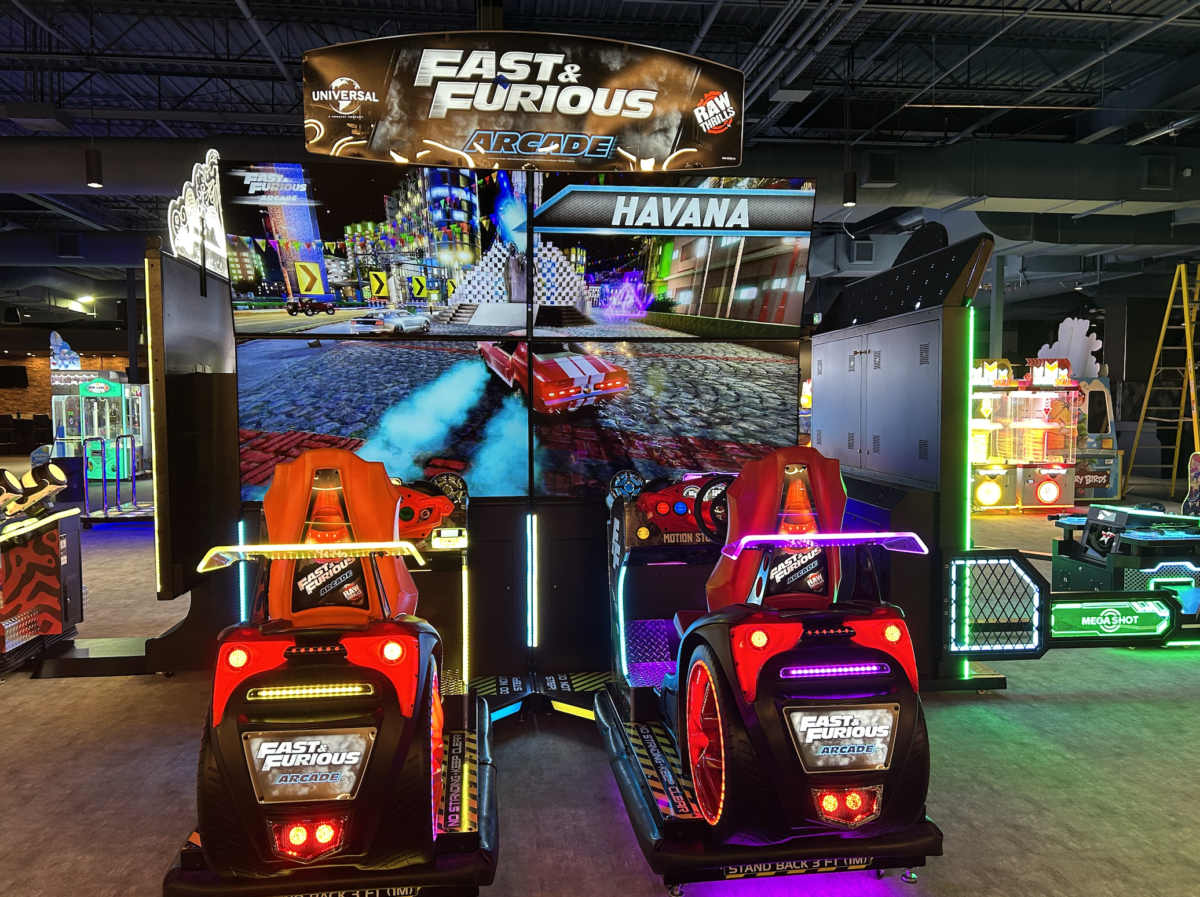
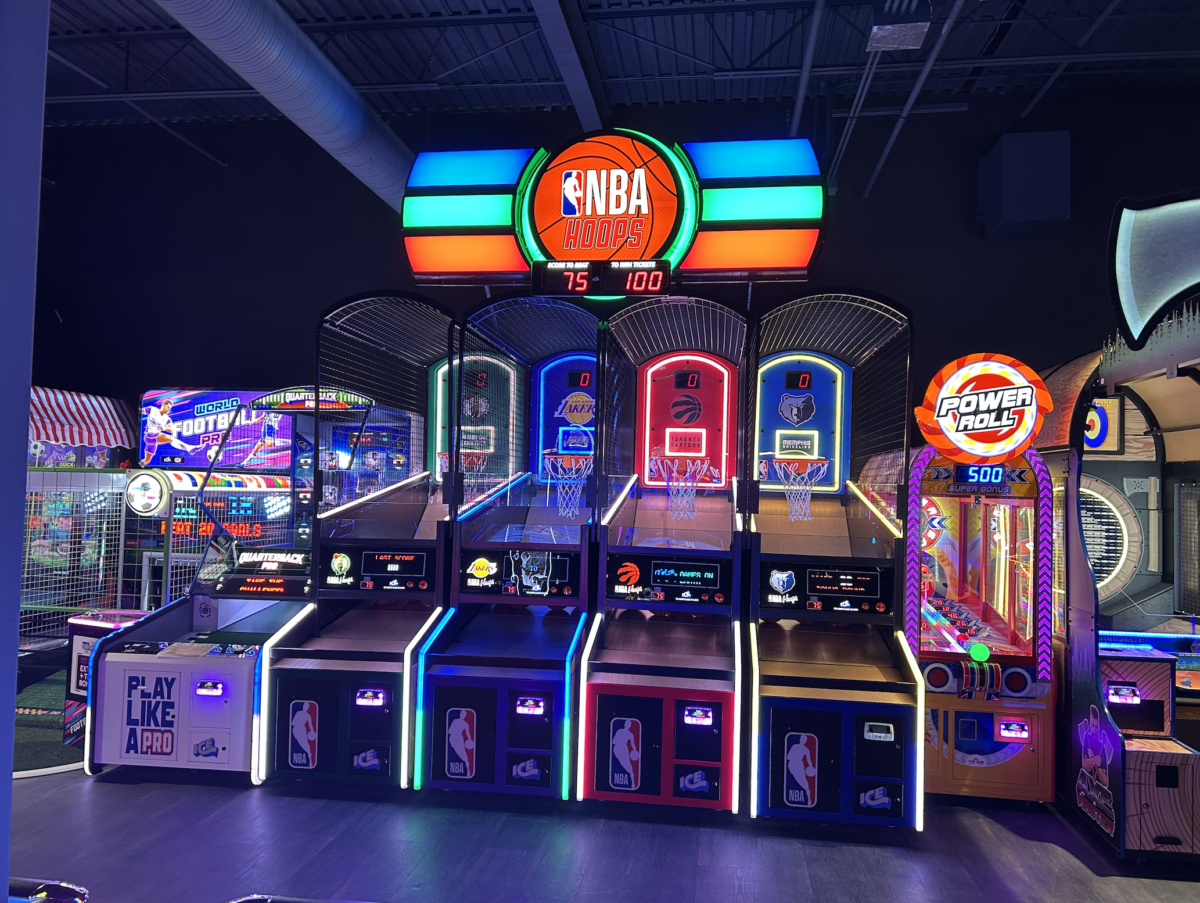
This dynamic new venue celebrates the future of entertainment with an energetic blend of cutting-edge attractions, high-tech experiences, and chef-driven dining to offer an unparalleled destination for fun and connection. With a seating capacity exceeding 1,000 guests, PowerPlay will act as the perfect setting for celebrations, corporate events, or casual outings.
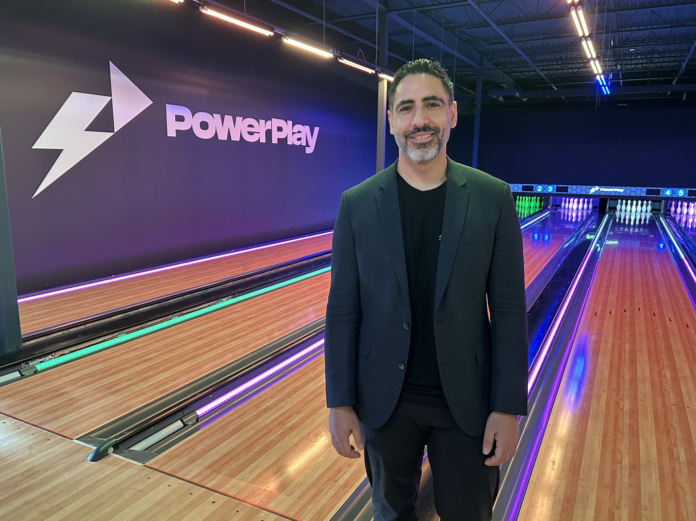
“We’re reinventing what entertainment means for our guests,” said Moe Farhat, Managing Partner, PowerPlay. “Every element of PowerPlay has been curated with innovation in mind. From cutting-edge games to premium dining and one-of-a-kind cinema experiences, we’ve created a place where people can come to celebrate, connect, and make memories that last.”
Moe Farhat. Photo: Mario Toneguzzi
Abigail Alfonso
“PowerPlay is a thrilling addition to Southcentre’s growing entertainment and dining options,” said Abigail Alfonso, General Manager, Southcentre Mall. “This venue enhances our position as a community hub, offering Calgarians of all ages a vibrant space to connect, relax, and enjoy unforgettable experiences.”
PowerPlay is located on the third level of the mall where Sears used to be and next to Decathlon.
Farhat said PowerPlay is designed to bring guests together for a truly immersive experience. From intimate gatherings to large-scale events, PowerPlay will offer a seamless blend of fun, food, and unforgettable moments. Experiential offerings will include interactive games and sports simulators, as well as a next-generation cinematic experience.
What to Expect at PowerPlay
Cinematic Excellence Like Never Before: PowerPlay’s micro cinemas redefine moviegoing. Each theater is equipped with Barco Series 4 laser projectors, JBL premium sound systems, and ultra-comfortable seating with in-seat dining service. Guests can even skip the lines with self-serve concessions powered by innovative “Just Walk Out” technology.
Immersive Gaming Experiences: Step into the action with attractions like Immersive Gamebox, where players enjoy 360-degree gameplay without the need for VR headsets
Strikezon and Golfzon Simulators: Offering real-time pitching and high-speed HD simulation for baseball players of all skill levels, in addition to advanced golf simulators that recreate iconic courses in stunning detail for an immersive golfing adventure.
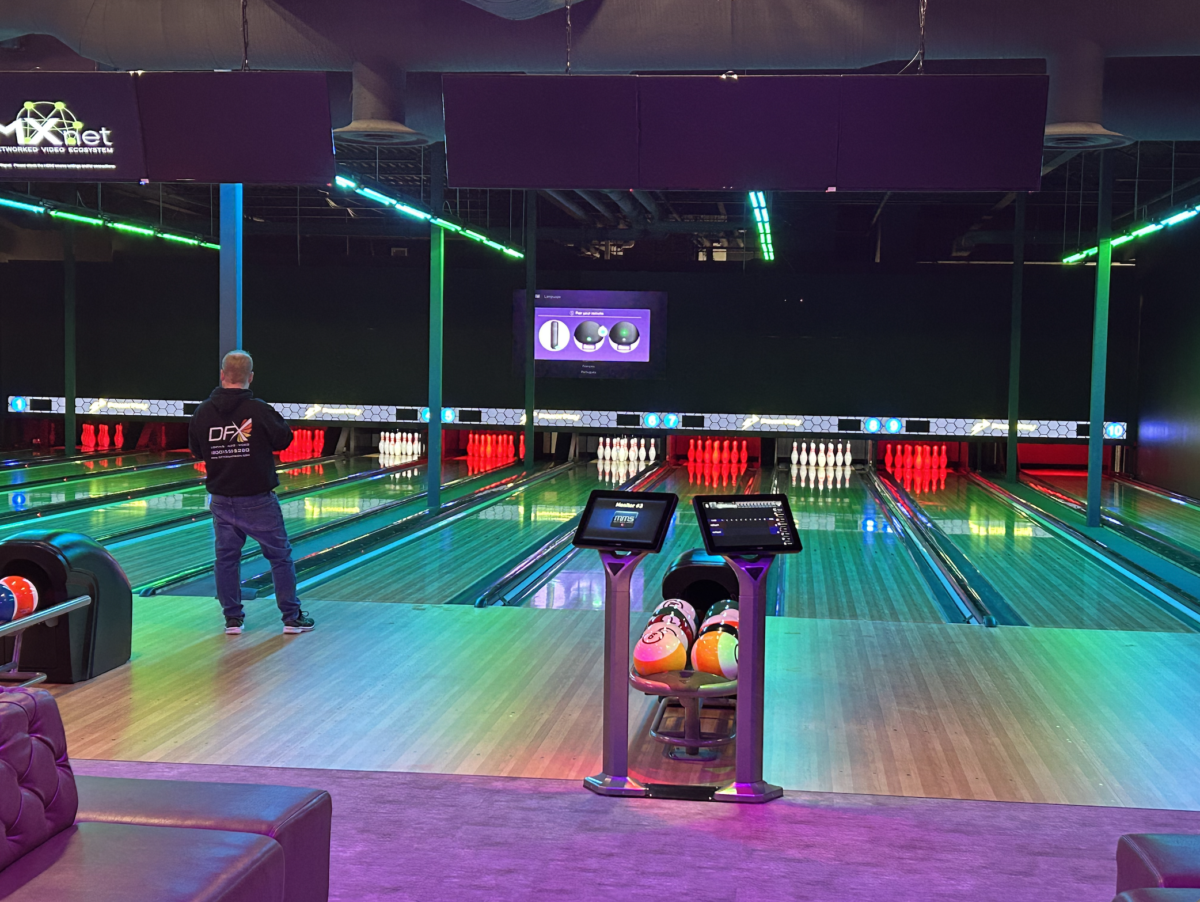
QubicaAMF HyperBowling: An electrifying fusion of bowling and gaming across 16 lanes will allows players to add strategic challenges and more fun to every frame. Above it all, a 100-foot LED wall will stream live sports, music videos, and vibrant visuals.
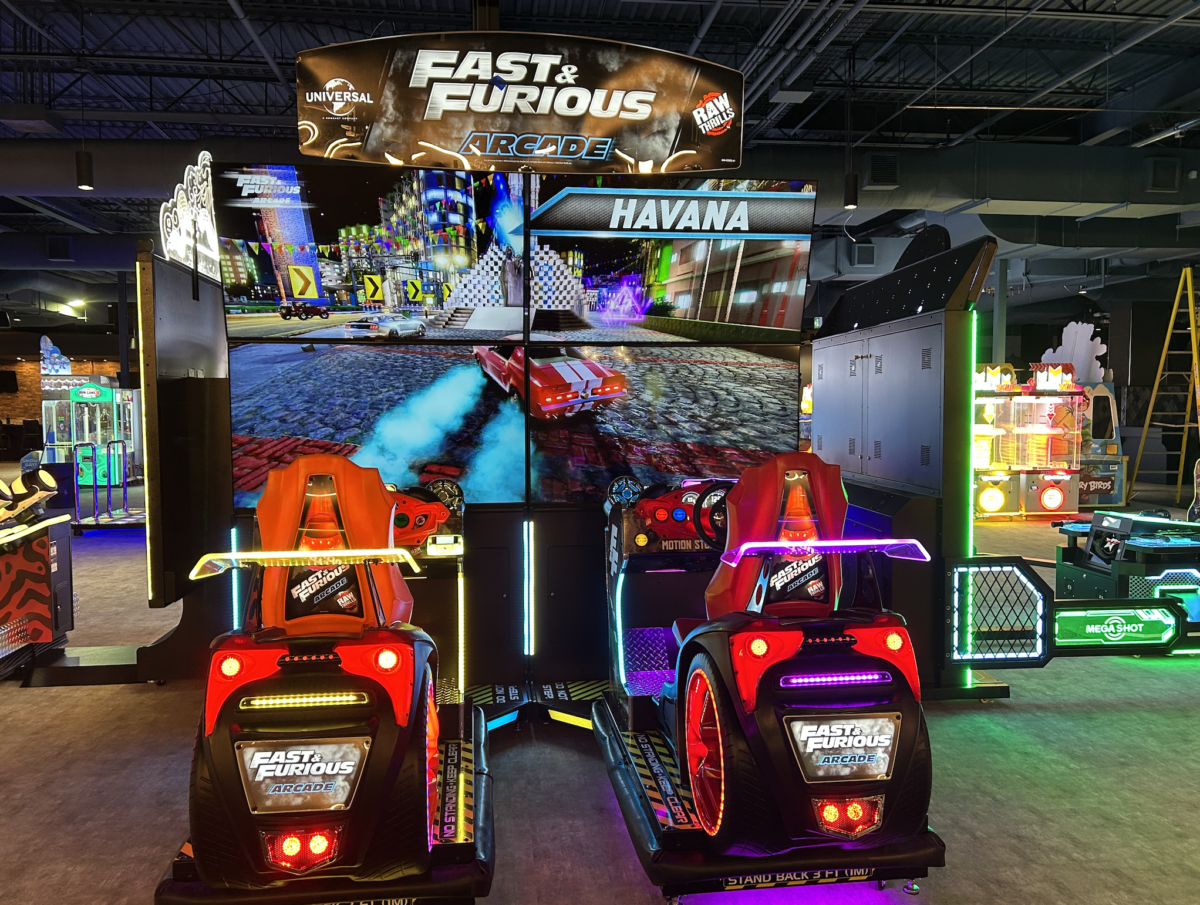
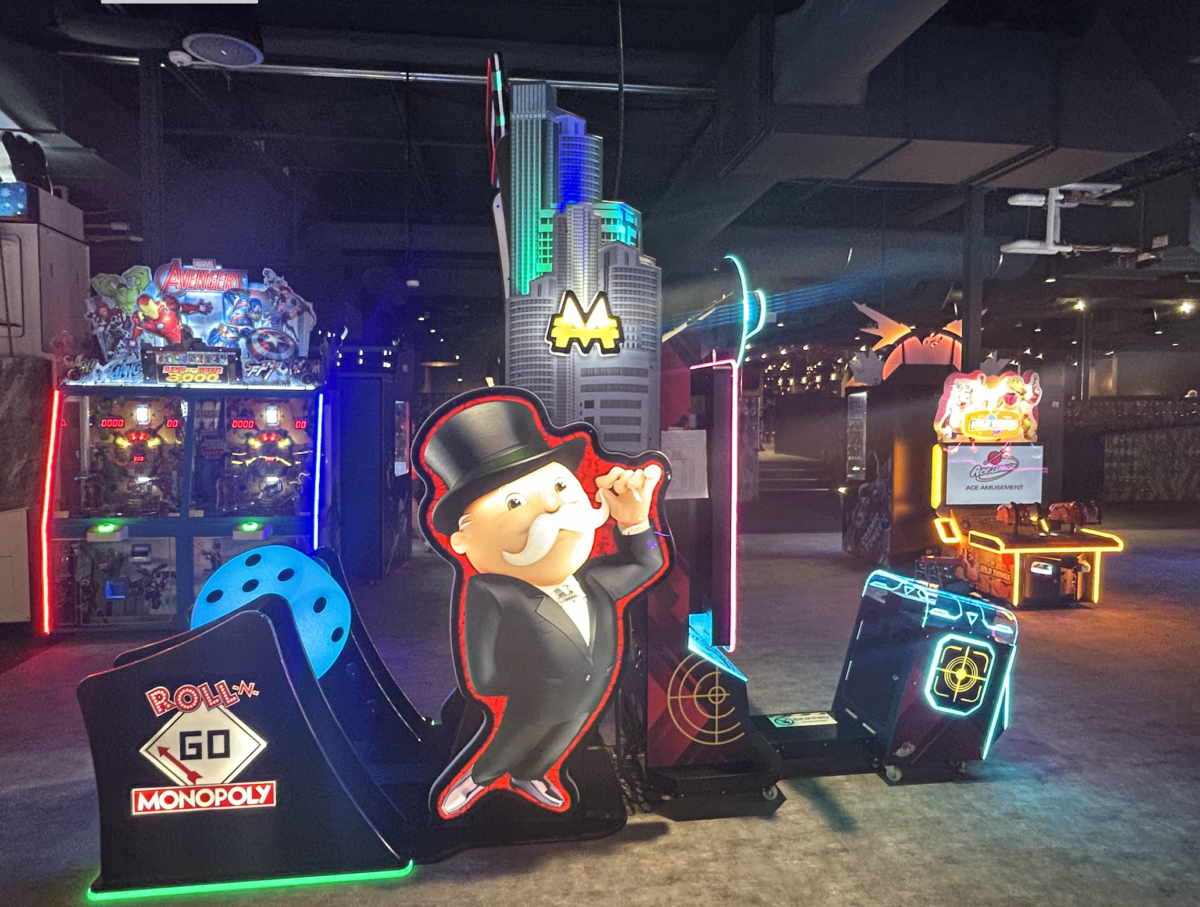
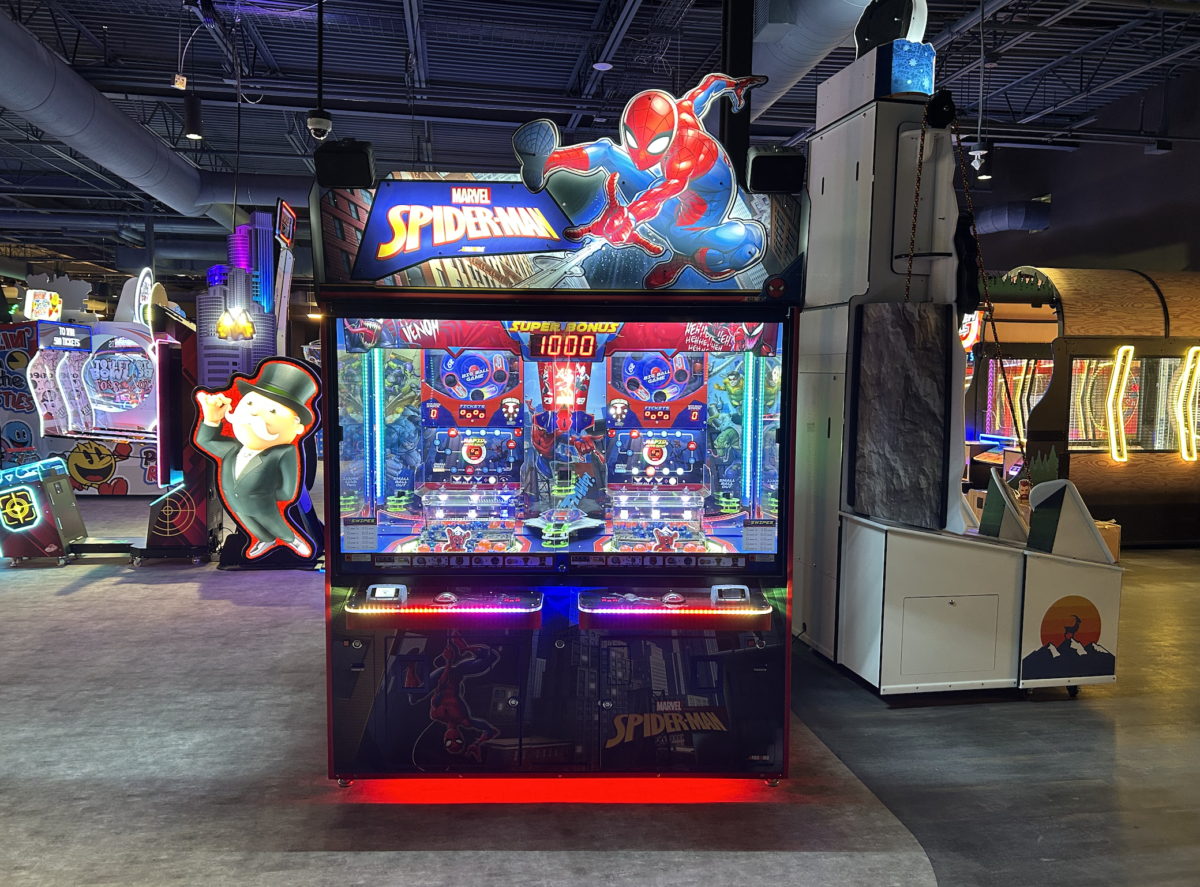
Worldclass Arcade: This wonderland of fun will feature the latest games alongside timeless classics for nonstop excitement.
Dining Designed to Impress: At PowerPlay, food is an integral part of the experience. Enjoy full-service dining throughout the venue, including gourmet bites at the cinemas and an elevated coffee bar. Whether you’re grabbing snacks or settling in for a full meal, PowerPlay’s culinary offerings are as innovative as its attractions.
In 2025, PowerPlay will continue to expand with the launch of exciting new features, including a hidden speakeasy, a rooftop patio, a laser tag arena, and a Starbucks, further solidifying its position as Calgary’s go-to destination for entertainment.
The company said the speakeasy will offer a sophisticated and intimate retreat from the excitement of the main attractions, delivering craft cocktails, curated music, and a refined atmosphere. PowerPlay’s rooftop patio will allow guests to soak up the sun in a dynamic dining and socializing space with exceptional food and refreshing drinks.
Farhat’s background is in finance and accounting. He was an investment advisor. His extended family is in the business of hospitality.
About four years ago he attended the Amusement Expo International in Orlando, Florida. He was fortunate to go out for dinner with a group of individuals he looks up to now. All innovators in the space. After chatting with them, he realized there was an opportunity to take what they’re doing and see if more technology could be used to bring the movie industry forward.
The Southcentre location is the first one for PowerPlay.
PowerPlay. Photo: Mario Toneguzzi
“If we are able to do this and be successful, we would just replicate it and take it across the country,” said Farhat.
Having a presence in a major shopping centre is significant, he added. Parking for one is a big bonus for a venue like PowerPlay that is 80,000 square feet. Accessibility is also a huge benefit.
“Prior to coming here Earl’s was just opening up. We were looking at the space. Oxford has been a great partner from the beginning. The more I learned in terms of the demographics of people coming here, the location, the people, it just kind of became more and more apparent that this was the perfect spot for PowerPlay,” added Farhat.
“The look and feel of the space is actually women. Women 25 to 70. The lights, the colours, everything is rooted for them primarily and for the entertainment side it’s all ages. We’ve got obviously a lot of TVs, we’ve got the games, we’ve got golf, we’ve got three bars, four, five if you include the speakeasy and the rooftop patio that are coming in the spring. But the look and space has a level of elegance that that’s the demographic I’m hoping will appreciate it and the rest will enjoy the space.
“We have an emphasis on the cinemas, the seats, the lights, the projectors, the screen. We’re really excited to bring this to market and hope that the community will appreciate it.”
There are 10 cinemas with bar and food service to customers’ seats.
Southcentre Mall is celebrating 50 years in business and features more than 160 stores and services, including Calgary exclusives like Crate & Barrel and Restoration Hardware. It is part of the Oxford Properties Group.
PowerPlay. Photo: Mario ToneguzziPowerPlay. Photo: Mario ToneguzziPowerPlay. Photo: Mario ToneguzziPowerPlay. Photo: Mario ToneguzziPowerPlay. Photo: Mario Toneguzzi
Happy Belly Food Group Inc., a leading consolidator of emerging food brands, has announced the opening of its newest co-branded store located at 2241 Bloor Street West in the heart of Toronto’s Bloor-West Village.
The grand opening event will be Saturday December 7 for the co-branded location operated by a single franchisee and featuring both Lettuce Love Café and Heal Wellness QSRs. Lettuce Love Café serves gluten-free meals, plant-based bowls, sandwiches, soups and wraps. Heal Wellness serves fresh smoothie bowls, acai bowls, and smoothies, the company said in a news release.
Sean Black
“This is our second co-branded location with our Heal Wellness and Lettuce Love brands, with a third co-branded store currently under construction and is anticipated to open in Q1 2025 in Hamilton’s Westdale Village,” said Sean Black, Chief Executive Officer. “The Bloor-West location is home to our second Lettuce Love location, and our 14th Heal Wellness.
“This street-front location has a perfect layout with indoor seating and a large corner patio that will provide ample customer seating for both brands during Toronto’s beautiful summer weather. Our co-branded approach demonstrates how we can utilize our multiple brands to secure larger prime real estate locations while ensuring occupancy costs remain reasonable for individual brands. We anticipate more co-branded locations utilizing a varying mix of our portfolio brands as we look to secure more premium street-front locations.
“When you walk through Bloor West Village, it won’t take you long to realize that this neighbourhood is home to a lot of families with young children, dogs, strollers, and expectant parents are a frequent sight. Families make use of parks, playgrounds, wading pools, and outdoor ice-skating rink. Close to daycares and public schools, Bloor West Village is the kind of neighbourhood perfectly suited for the customer demographics of Lettuce Love Café and Heal Wellness. Bloor Street is the hub of activity with lots of options for restaurants, shopping, and nightlife. Known as a small village in a big city, bustling Bloor West Village is roughly an 8-block strip offering over 430 bars, restaurants, shops, and services, including a lively nightlife scene. It’s a block from popular High Park, home to the High Park Zoo, an amphitheatre, and a nature centre. This jam-packed area is best explored by walking or biking, as parking is at a premium.”
Black said the company’s stable of emerging QSR brands continues to grow, so does the steady signing of franchise agreements and the securing of prime real estate locations across Canada, demonstrating its ability to quickly scale brands in both single and co-branded locations.
“The consistent growth of our brands across Canada underscores the strength of our franchising program. Franchisees gain from comprehensive training, continuous mentorship, and a range of resources that help streamline operations and foster success. By mitigating the typical risks of entrepreneurship and offering a clear path to profitability, our program continues to attract a strong wave of motivated investors. As our Happy Belly franchise program draws more franchisees to our brands, we’re able to accelerate organic growth,” he said.
Company plans to accelerate growth
“We look forward to continuing to execute on our franchising model as we accelerate our growth organically and inorganically through accretive M&A. The expansion of Lettuce Love Café and Heal Wellness is a prime example of our ability to execute an asset light franchise model. As free cash flow increases from the brand, we anticipate accelerating our store development schedule with growth from our franchise program.
“As we move forward, our 2025 pipeline of new stores continues to expand with franchise agreements and lease signings progressing across North America. We currently have 421 contractually committed retail locations from area developers across all emerging brands in the Happy Belly Portfolio-whether in development, under construction, or already open. As we open new stores, the Happy Belly footprint continues to grow. Our team is committed to sourcing and evaluating real estate, reviewing franchisee applications, and collaborating closely with area developers to support our asset-light franchising model. By focusing on securing high-quality franchisees and prime real estate locations across Canada, we will further strengthen our expansion efforts.”
A first-of-its-kind report authored by Circle Economy and funded by the H&M Foundation, provides an in-depth view of the current circularity in clothing and textiles. The Circularity Gap Report Textiles urges immediate action to diminish the textile industry’s environmental impact by embracing circular economy principles such as reuse, recycling, and slow fashion, said a news release.
The report highlights eye-opening data: only 0.3% of the 3.25 billion tonnes of materials consumed annually by the textile sector come from recycled sources, and fossil-fuel-based synthetic fibres make up 70% of its raw materials. Yet, by prioritizing renewable and recycled fibres, increasing garment durability, localising supply chains, and reducing the volume of production and consumption, the industry could make significant strides toward a more sustainable and circular model, said the release.
Christiane Dolva
“We supported this report to provide the textile industry with actionable insights,” says Christiane Dolva, Head of Innovation, Research & Demonstration at the H&M Foundation. “It emphasizes the most impactful circularity efforts. While not a complete solution, circularity can drive meaningful change. We hope these insights will support industry-wide transformation, benefiting both people and the planet.”
The report presents four recommendations going forward:
Transform the industry by cutting production volumes – address overproduction, reshape production cycles, and reduce resource use.
Set environmental priorities beyond carbon reduction – consider broader environmental impacts, especially on water ecosystems.
Ensure a socially just circular transition – focus on decent work, fair wages, and better working conditions.
Coordinate action across science, technology, policy, and finance – collective action across these areas is needed for a circular textile economy.
Hilde van Duijn
“The CGR Textiles is groundbreaking as the first in-depth analysis to measure circularity within the textiles sector, highlighting the urgent need for solutions that transform the entire textile value chain toward a circular model. Only through concrete, scalable actions can the industry contribute meaningfully to a sustainable future,” said Hilde van Duijn, Managing Director of Circle Economy Foundation.
The company said the report reinforces H&M Foundation’s current work such as Global Change Award, which accelerates innovation benefiting both people and the planet, and Saamuhika Shakti, which catalyses inclusive circularity in solidarity with waste pickers.
Going forward, the H&M Foundation said it will use the report’s findings to guide its efforts in decarbonizing the industry in a just and fair way, helping to identify where its philanthropic support can have the greatest impact.
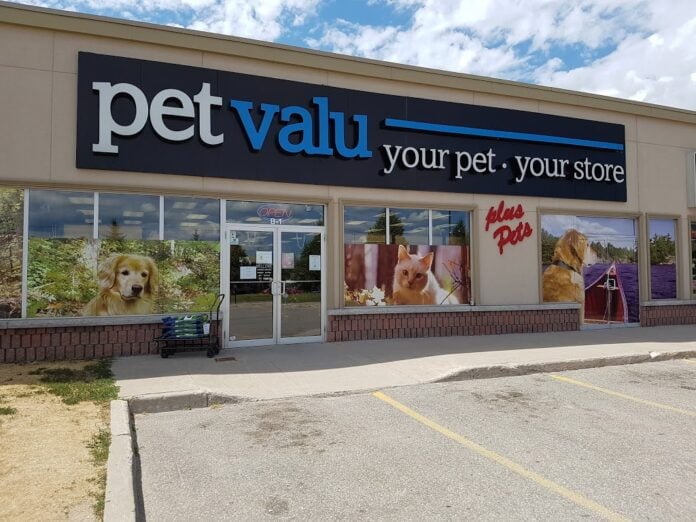
Pet Valu, the leading Canadian specialty retailer of pet food and pet-related supplies, has announced that its Companions for Change program had its most successful fundraising year since inception, collecting more than $4.1 million in monetary and product donations to date in 2024 for Canadian animal rescues, shelters and charities.
The philanthropic program also helped find fur-ever homes for more than 4,600 homeless pets across Canada this year, the company said in a news release.
Tanbir Grover
“This was a tremendous fundraising year for the Companions for Change program, a testament to the continued support from our franchisees and corporate store teams, as well as the compassion and generosity of devoted pet lovers across Canada,” said Tanbir Grover, Chief Digital and Marketing Officer at Pet Valu. “Since 2010, the Companions for Change program has raised more than $32 million and found fur-ever homes for over 51,000 pets. We have been fortunate to see firsthand the positive impact our program has on Canadian pet communities and look forward to continuing our efforts next year.”
The retailer said the Companions for Change program is a longtime supporter of Lions Foundation of Canada Dog Guides (“Dog Guides”), and this year, the Companions for Change program and Pet Valu together pledged to contribute $500,000 to a modern, purpose-built Puppy Training Room in Dog Guides’ new training centre in Oakville. The room, which will host small group classes on grooming, puppy fitness, confidence building, basic obedience and loose leash walking, will serve as a critical hub in the new school, providing the puppies with the best possible start before they enter formal training.
In addition to supporting the Puppy Training Room, the Companions for Change program continues to sponsor Dog Guides’ largest annual fundraiser, the national Pet Valu Walk for Dog Guides, and to provide Performatrin Ultra and Performatrin Prime food and treats to all puppies and dogs in training. In addition, in 2024 Pet Valu proudly sponsored 20 additional Dog Guides teams that enable greater independence for Canadians in need, it said.
With the goal of making an impact, each year, Companions for Change sponsorships help much-deserving animal organizations across Canada achieve larger capital projects. Since the sponsorships started in 2018, Pet Valu has provided meaningful, capital investments to 14 Canadian animal organizations, including the North Bay and District Humane Society. A sponsorship in 2018 enabled North Bay and District Humane Society to launch the North Bay Animal Rescue & Relief Transport and a second sponsorship in 2023, supported the construction of an adoption and wellness centre, establishing it as the “Hub of the North” for animal services in Ontario. This year, Pet Valu provided a third sponsorship which will allow the North Bay Animal Rescue & Relief Transport to remain on the road for another five years, added Pet Valu.
“One hundred per cent of every dollar raised through the Companions for Change program is distributed to pet organizations, enabling us to help pets, locally, regionally and nationally every year. Our support ranges from funding mobile spay and neutering units and animal transport to constructing new shelters and wellness facilities to providing much needed essentials to local pets waiting for home,” said Grover. “With hundreds of stores across Canada, we are able to impact the local communities in which we operate in a meaningful way.”
Multiple fundraising initiatives
The company said donations raised through the Companions for Change program originate from multiple fundraising initiatives hosted by Pet Valu and its franchisees. These include Pet Appreciation Month in June and Companions for Change month in October, during which devoted pet lovers contribute by purchasing PAWS, making custom donations and rounding up their purchases at checkout. This year, Pet Valu had its most successful Pet Appreciation Month, raising more than $2.2 million in monetary and product donations for over 400 animal-related causes across Canada.
Pet Valu and its franchisees also provide additional support by donating $1 per item on the sale of select Performatrin and Fresh 4 Life products in October. With the season of giving upon us, there are still ways to help pets in need. In stores now, Pet Valu offers a “give-what-you-can” calendar with all proceeds going towards the Companions for Change program or you can donate products instore to product donation bins for local pet organizations.
Pet Valu is Canada’s leading retailer of pet food and pet-related supplies with over 800 corporate-owned or franchised locations across the country.
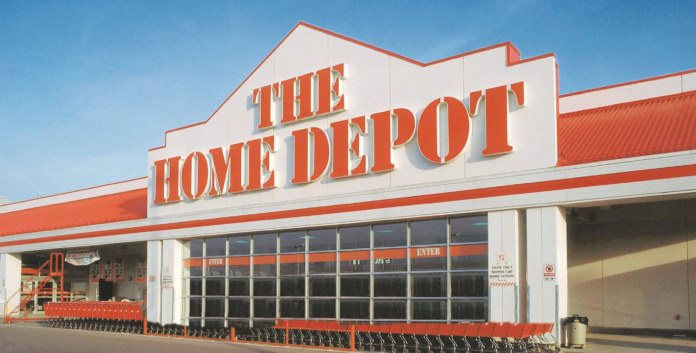
FIFA and The Home Depot are teaming up to bring the excitement of the FIFA World Cup 26™ to life across North America.
As the world’s largest home improvement retailer, with stores throughout Canada, Mexico and the USA where the tournament is to take place, the retailer will be the Official Home Improvement Retail Supporter in the region, the company announced in a news release.
Building on the retailer’s history of supporting football and other athletic events, fans can expect unique on-site “Built by The Home Depot” experiences at FIFA Fan Festivals and stadiums. The company will also bring the World Cup experience to its associates and customers with opportunities to participate in FIFA World Cup™ activations leading up to and during the 2026 edition, it said.
Doug Graham
“Being the official Home Improvement Retail Supporter of FIFA World Cup 2026™ is incredible, and we can’t wait to host our customers, partners, and associates,” said Doug Graham, vice president of ecommerce and marketing at The Home Depot Canada. “This is more than just a sponsorship; it’s about bringing communities, where we live and work, together to celebrate the biggest sporting event ever.”
FIFA Secretary General Mattias Grafström added, “We are delighted to welcome The Home Depot as an Official Supporter of the FIFA World Cup 26. The Home Depot’s commitment to innovation and community resonates with FIFA’s values of inclusivity and global engagement. As we prepare for the most inclusive FIFA World Cup in history, featuring 48 teams, this partnership will bring unique opportunities for fans, as well as meaningful engagement for The Home Depot’s customers and associates across the host countries.”
Through its Orange Apron Media network, select supplier partners in exclusive categories will have the opportunity to participate in various FIFA World Cup 26 activations alongside The Home Depot, said the company.
The Home Depot is the world’s largest home improvement specialty retailer. At the end of the third quarter, the company operated 2,345 retail stores and over 760 branches across all 50 states, the District of Columbia, Puerto Rico, the US Virgin Islands, Guam, ten Canadian provinces and Mexico. The company employs over 465,000 associates.
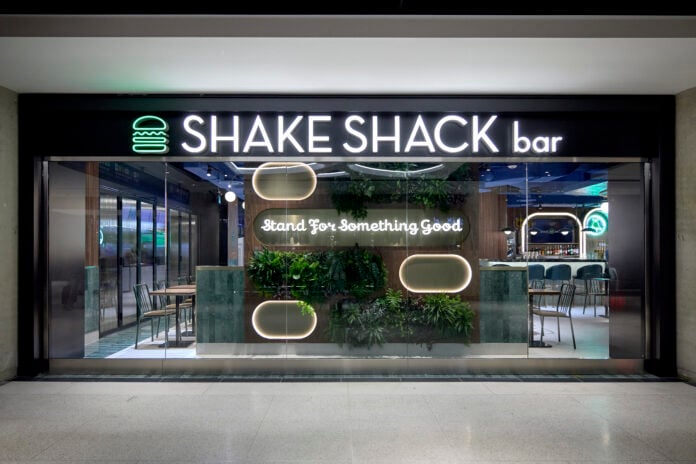
Shake Shack at Union Station in Toronto. Photo: Shake Shack
Toronto welcomes its second Shake Shack location at Union Station, a milestone in the brand’s Canadian expansion plan. Following the highly successful launch of its first Canadian flagship location at Yonge and Dundas earlier this year, the Union Station Shake Shack introduces unique offerings, including a full-service bar and locally inspired artwork, setting it apart as a destination for both locals and visitors.
Shake Shack Union Station: A Distinct Offering
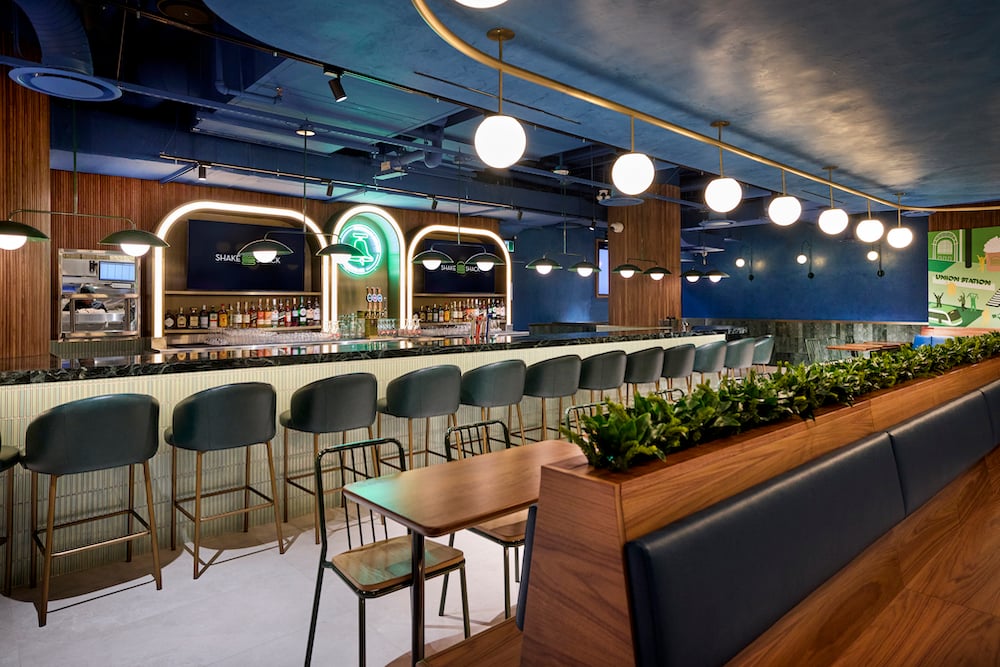
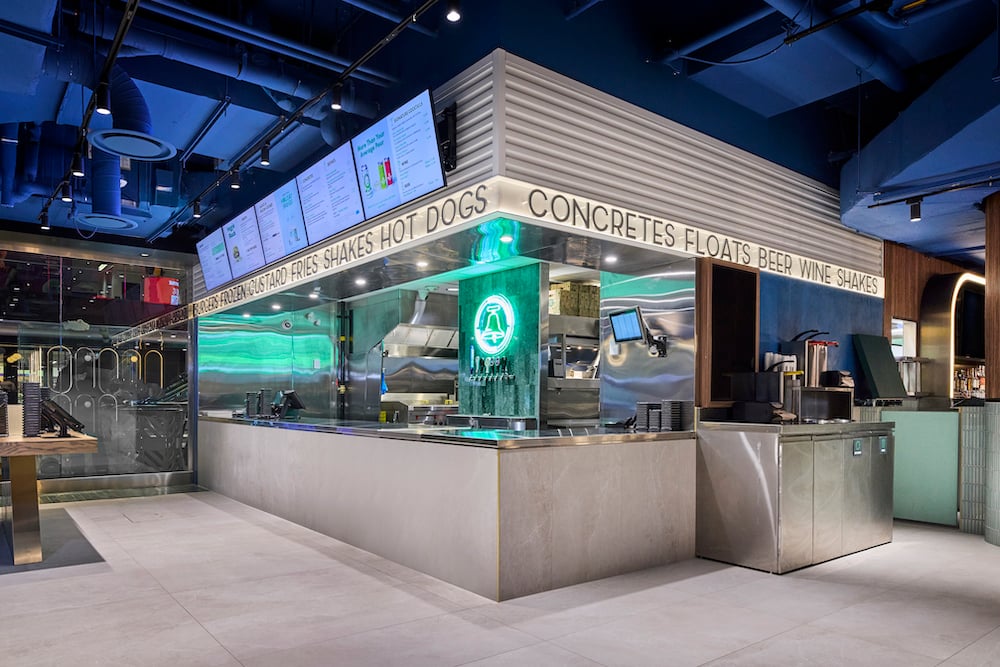
Shake Shack at Union Station is one of the few locations globally to feature a full-service bar, offering exclusive cocktails crafted for the Toronto market. This new addition elevates the brand’s fast-casual dining concept, creating an inviting space for commuters and downtown visitors seeking a premium experience. The bar complements Shake Shack’s signature menu items, including 100% Canadian Angus beef burgers, crispy chicken sandwiches, crinkle-cut fries, and hand-spun frozen custard made with locally sourced ingredients.
Adding a local touch, the space features artwork by Toronto-based illustrator Pui Yan Fong. Known for her storytelling through illustration, Pui Yan’s vibrant work highlights Shake Shack’s commitment to celebrating the diversity and culture of the communities it serves.
Shake Shack at Union Station in Toronto. Photo: Shake Shack
Rapid Growth for Shake Shack Canada
Shake Shack Canada, a partnership formed in 2023 between Toronto-based Osmington Inc. and Harlo Entertainment Inc., is spearheading the brand’s expansion in Canada. With plans to open 35 locations nationwide by 2035, the company is poised to establish Shake Shack as a leader in the premium fast-casual dining sector.
The first Canadian Shake Shack at Yonge and Dundas, located in the newly branded “The Tenor” complex at 10 Dundas Street West, quickly gained traction earlier this year, becoming a local favourite. The Union Station location builds on this momentum, offering a more robust experience with unique features tailored to its downtown setting.
Shake Shack at Union Station in Toronto. Photo: Shake Shack
Yorkdale Shopping Centre Location Coming Soon
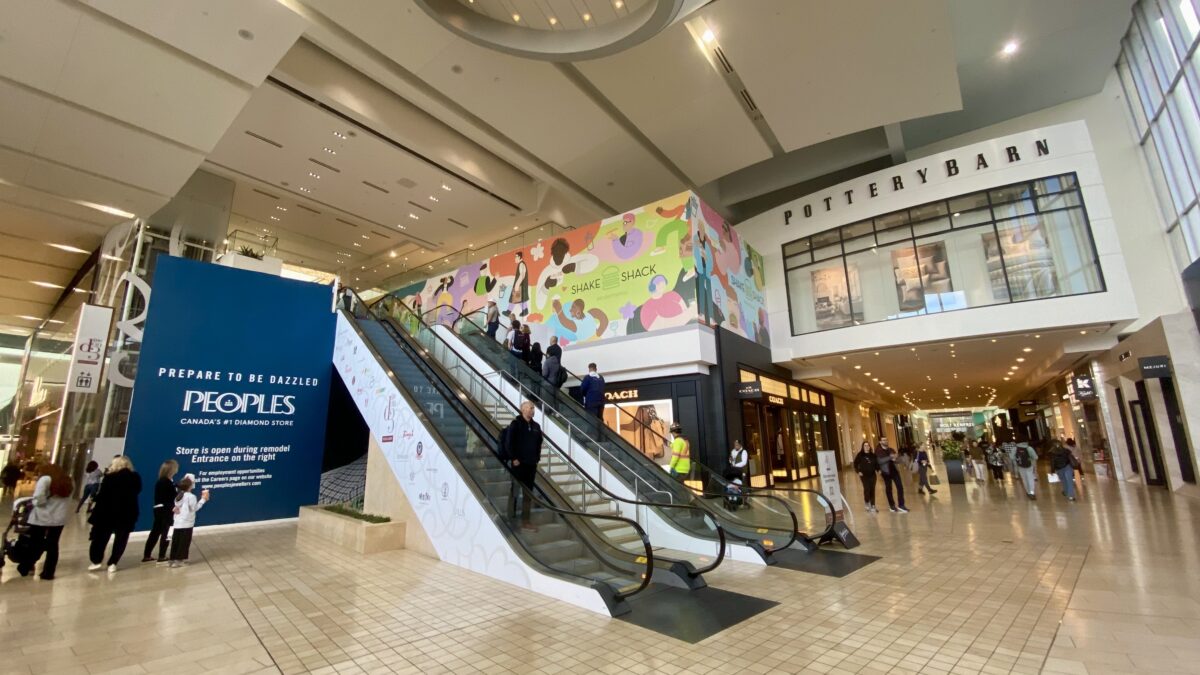
Shake Shack’s next Canadian location is set to open at Toronto’s Yorkdale Shopping Centre. This space, blending a former Illy Cafe on a mezzanine with part of the second level of the mall’s former Eaton’s department store, will create a visually striking dining area situated between two escalators.
The Yorkdale location will also feature artwork by Toronto illustrator Vivian Rosas, whose work celebrates community and diversity. The focus on integrating local artistry underscores Shake Shack’s dedication to making each restaurant distinct and community-focused.
Shake Shack construction hoarding at Toronto’s Yorkdale Shopping Centre on Thursday, October 24, 2024. Photo: Craig Patterson
A Global Powerhouse Makes Its Mark in Canada
Since its humble beginnings as a hot dog cart in New York City’s Madison Square Park in 2004, Shake Shack has grown to over 510 locations worldwide. With over 290 locations in the United States and more than 150 internationally, including cities like London, Tokyo, and Dubai, Shake Shack has become a global leader in fast-casual dining. Its entry into Canada marks another chapter in its international growth, leveraging the country’s appetite for premium, high-quality food options.
Shake Shack’s Canadian menu emphasizes local ingredients, such as Canadian dairy and 100% Angus beef, reflecting the company’s focus on delivering quality while connecting with local communities.