Home Blog Page 457

Carriage Trade Expanding Kingsway Store with Experiential Focus

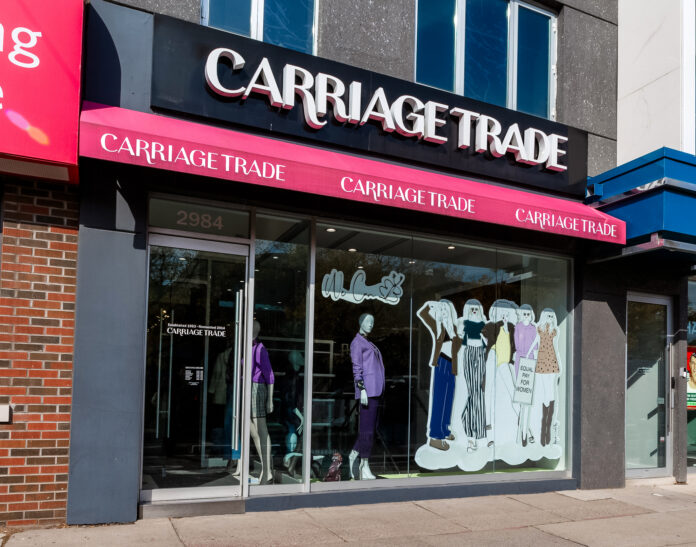
Carriage Trade on Bloor St. W. in Toronto. Image: Carriage Trade

A long-standing staple in Toronto’s high-end fashion scene is getting a significant upgrade. Carriage Trade, an upscale women’s fashion boutique at 2984 Bloor Street West in the city’s affluent Kingsway neighbourhood, is doubling its footprint as it redefines the modern boutique experience.

Founded in 1963—the very day U.S. President John F. Kennedy was assassinated, as owner Nori Mirza points out—the boutique has stood the test of time. “It started in the Kingsway and it’s always been there,” says Mirza. “Same location, for 62 years now.”

Nori Mirza

Carriage Trade boutique, once associated with mature clientele, has undergone a revitalization under Mirza’s leadership. Now, the retailer is preparing for its next phase: expanding to 6,000 square feet across two levels while amplifying customer service, style, and personalization.

Doubling in Size, Doubling Down on Service

“We’re basically doubling in size,” says Mirza. “We’ll have a main floor and a downstairs level, a coffee bar, a VIP room, and new programs for stylists and loyalty customers.”

The store’s current footprint will expand into the adjacent space, with construction carefully staged so the store doesn’t close during renovations. “We’re flipping everything to the new side first. Once that’s done, we’ll renovate the original side,” she explains. “We’re aiming for a full grand reopening by May 3rd.”

The boutique’s growth reflects not just a desire for more square footage but a vision for deeper customer engagement. Mirza emphasizes a “slow fashion” philosophy with curated wardrobes and styling consultations rather than transactional selling.

“We’re not commission-based. We’re very much community driven,” she says. “Women can shop anywhere—nobody needs anything. They come to us because of our service.”

Warm Design, Not Intimidation

The new space has been designed to be as welcoming as the staff. “We didn’t want that cold, black-and-white marble look,” says Mirza. “It’s warm, it’s feminine, it’s inviting.”

Fixtures will feature gold finishes and walnut shelving, complemented by design elements in dusty rose and emerald green velvet drapery. One of the standout features will be a custom-designed mural turned into wallpaper, greeting guests with a symbolic image of a woman with a horse and carriage.

“Our brand story is important,” Mirza notes. “The name Carriage Trade comes from an old English adjective describing a refined, first-class clientele. When I took over, some people thought the store was for their grandmother. But you can’t buy that kind of legacy.”

To reclaim and modernize that heritage, the boutique has brought back the horse-and-carriage logo, now embroidered on chairs and integrated throughout the refreshed space.
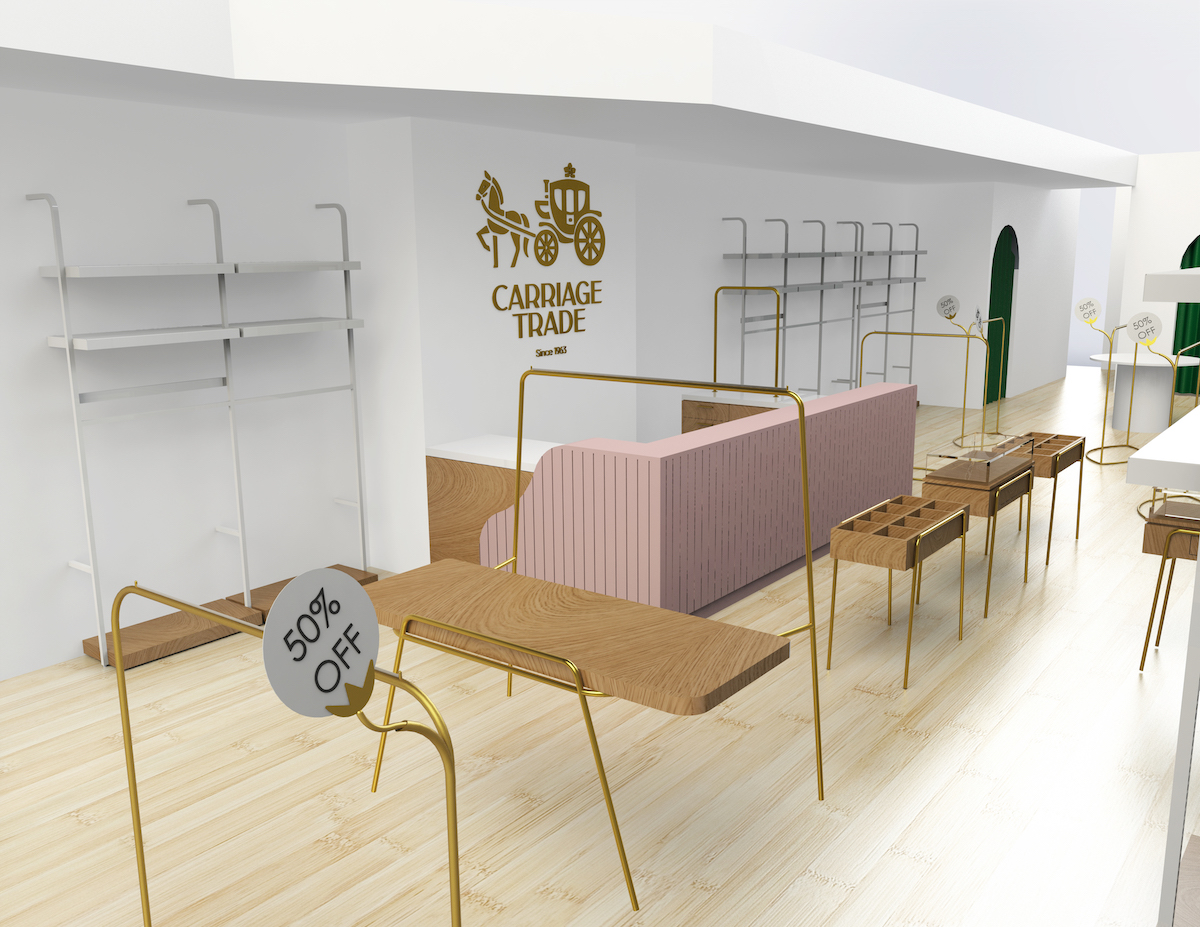
Rendering of the interior of the renovated/expanded Carriage Trade storefront in Toronto. Image supplied

Supporting Canadian Designers and Facing Tariffs

While Carriage Trade has long featured high-end imports, Mirza is placing increasing emphasis on Canadian talent.

“We’ve always had a lot of imports, but we’re trying to support more Canadian designers,” she says. 

Still, challenges remain. Denim, for example, remains mostly American-made due to a lack of Canadian options. “We’re looking for Canadian denim lines, but a lot still comes out of L.A. And with tariffs, some brands absorb the cost—for us, it’s hard to pass on those increases to customers.”

Online and Offline: Meeting Customers Where They Are

Despite doubling down on brick-and-mortar, Mirza has no immediate plans to open additional physical locations. Instead, she sees growth in expanding how customers shop, not where.

“A lot of people ask about other locations,” she says, “but I think our focus is digital. We’re seeing great traction online.”

Carriage Trade now offers curated deliveries, FaceTime styling appointments, and even car service to and from the boutique for VIP customers. “We’ll send a car, bring you in, and you’ll have a stylist waiting for you in the VIP room,” says Mirza.

The store’s online reach grew out of necessity during COVID-19. “We were forced to grow an online business,” she recalls. “Now we’re doing weekly live shopping events every Thursday at 6 p.m.”
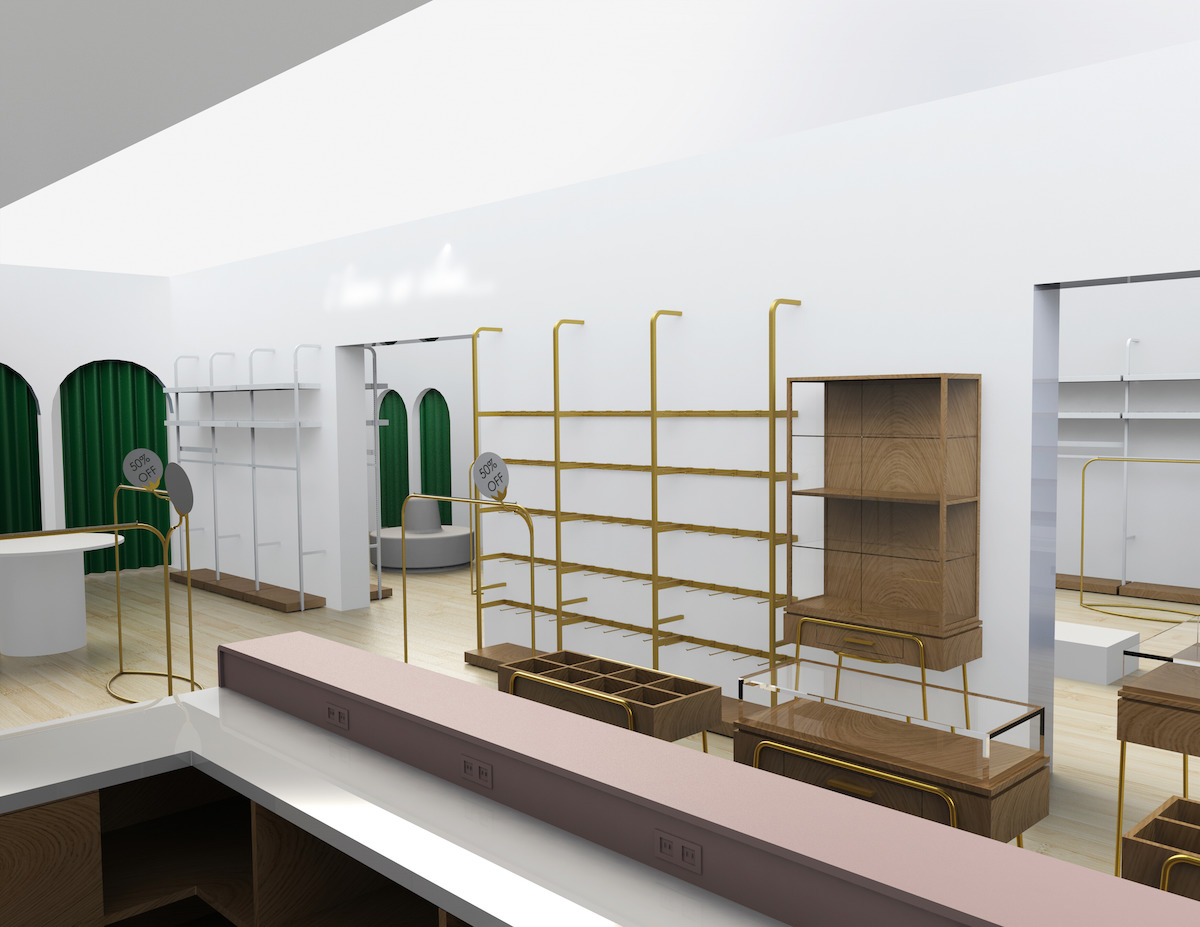
Rendering of the interior of the renovated/expanded Carriage Trade storefront in Toronto. Image supplied

Live Shopping Creates Real-Time Engagement

Carriage Trade boutique is one of the few Canadian independent retailers pioneering live shopping events.

“Every week we show vacation edits, seasonal wardrobes, or try-ons,” says Mirza. “We take requests for what people want to see. We have three to nine outfits per session, and they can ask questions in real time.”

This authentic connection has made a big impact. “People say, ‘I feel like I already know you!’ before they’ve even stepped in,” says Mirza. “We’re hugging by the time they leave.”

It’s a grassroots, tech-forward approach to customer service—without sacrificing the boutique’s personal touch. “It’s about showing them who we are,” she says. “Online can feel cold, but we work hard to make it warm.”

A New Chapter for a Toronto Institution

With the expansion nearing completion, Carriage Trade is not just enlarging its footprint—it’s enriching its legacy. Combining warmth, style, and a commitment to evolving retail, Mirza and her team are redefining what a boutique can be in 2025.

“There’s a shift happening,” she says. “People don’t want sterile, editorial campaigns. They want connection. They want personality.”


More from Retail Insider:

DoorDash debuts Festival Activation Fund, helping local restaurants reach more customers

To further level the playing field for entrepreneurs and support the growth of their businesses, DoorDash Canada is debuting the Festival Activation Fund: a new program designed to help Entrepreneurship and Access merchants on DoorDash share their love for food at summer festivals this year.

Equal access to opportunities for restaurant owners and operators is key to creating vibrant, flourishing communities, said the company in a news release.

The company said the Festival Activation Fund will provide 15 restaurants with up to 50% off a restaurant’s summer festival fee (up to $3,000 CAD) that occurs in any Canadian city – no matter how big or how small the community is – from June 1, 2025 to September 30, 2025. 

Heather Cameron
Heather Cameron

“Summer food festivals bring neighbourhoods together, boost local economies, and provide a welcoming space to celebrate the diverse, vibrant cultures that make each of our communities unique,” said Heather Cameron, Head of Brand and Creative at DoorDash Canada. “We’re proud to support restaurants in sharing their love for food with even more diners by helping to remove some barriers for entrepreneurs to succeed.”

Applications are now open and will be accepted until May 16, with successful recipients notified by June. Among other eligibility criteria, restaurants, gastropubs or bakeries must be an active partner on DoorDash, have between one and three physical locations in Canada with less than 20 employees per location and have a valid Canadian Revenue Agency (CRA) business number. 

The Festival Activation Fund builds on DoorDash Canada’s existing Entrepreneurship and Access programs which have provided dozens of grants to underrepresented entrepreneurs through #BlackFoodEnergy, Made By Women, and Kitchens Without Borders. Entrepreneurship and Access partners on DoorDash can also enjoy increased in-app searchability and other resources to help grow their businesses, said the company. 

Related Retail Insider stories:

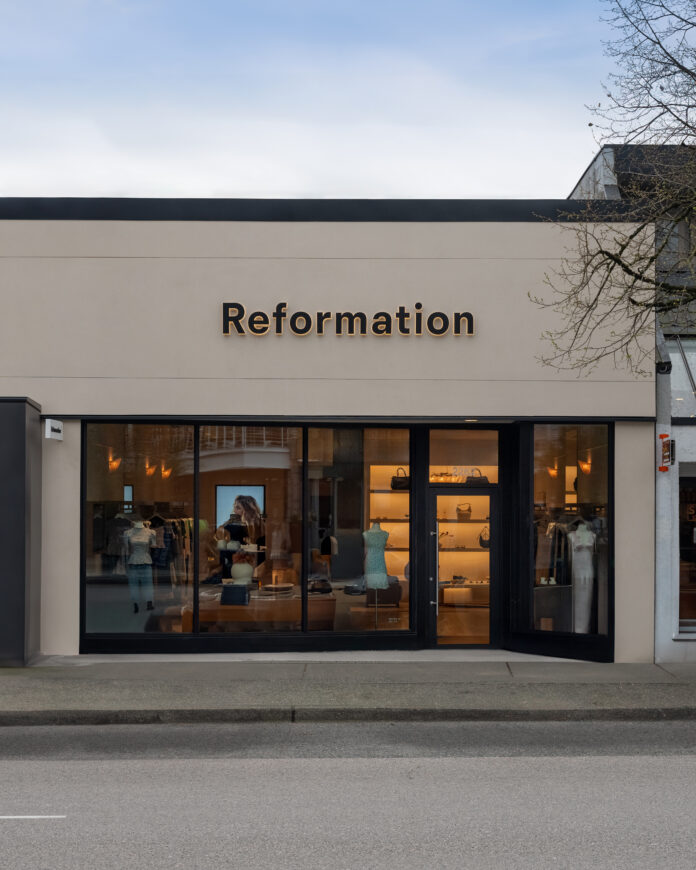
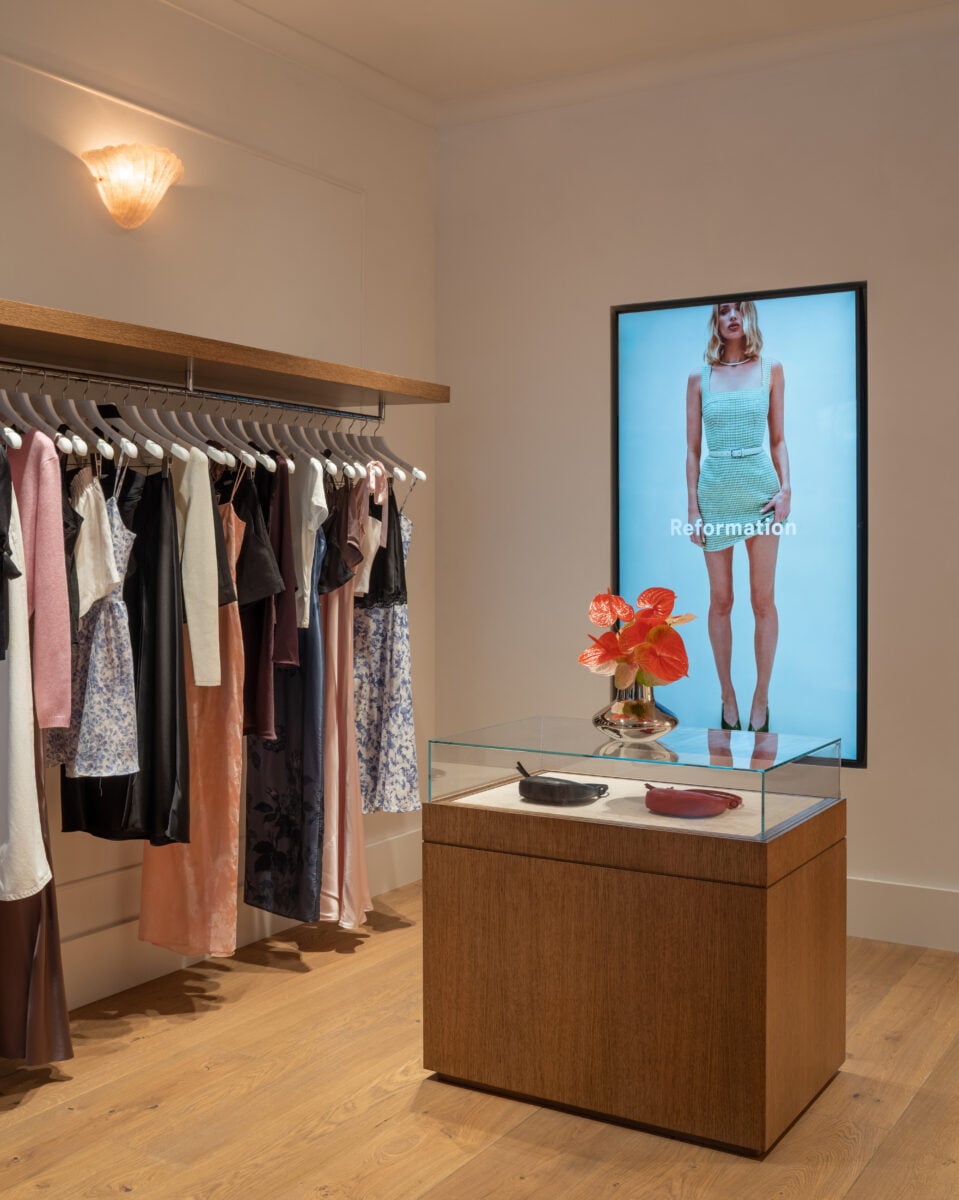
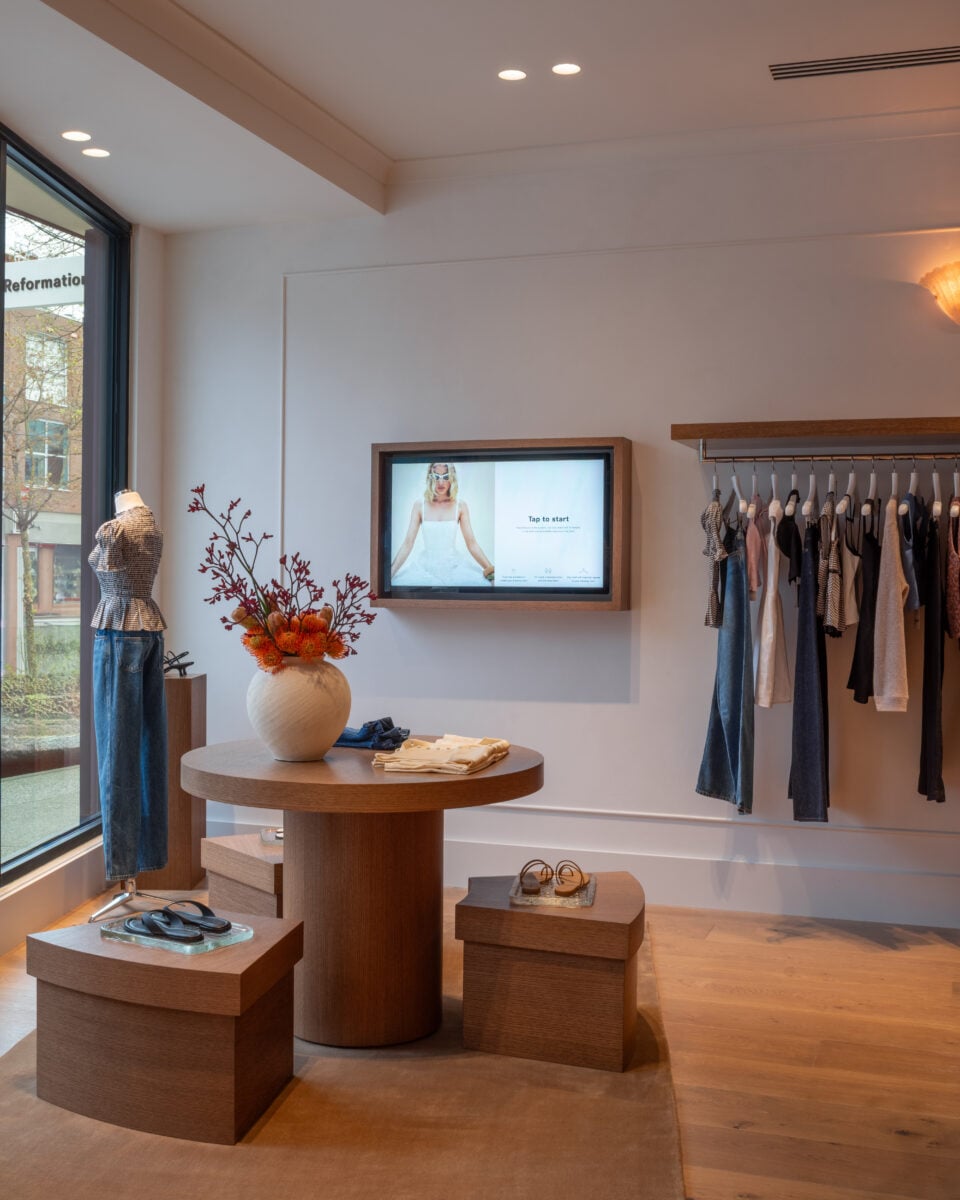
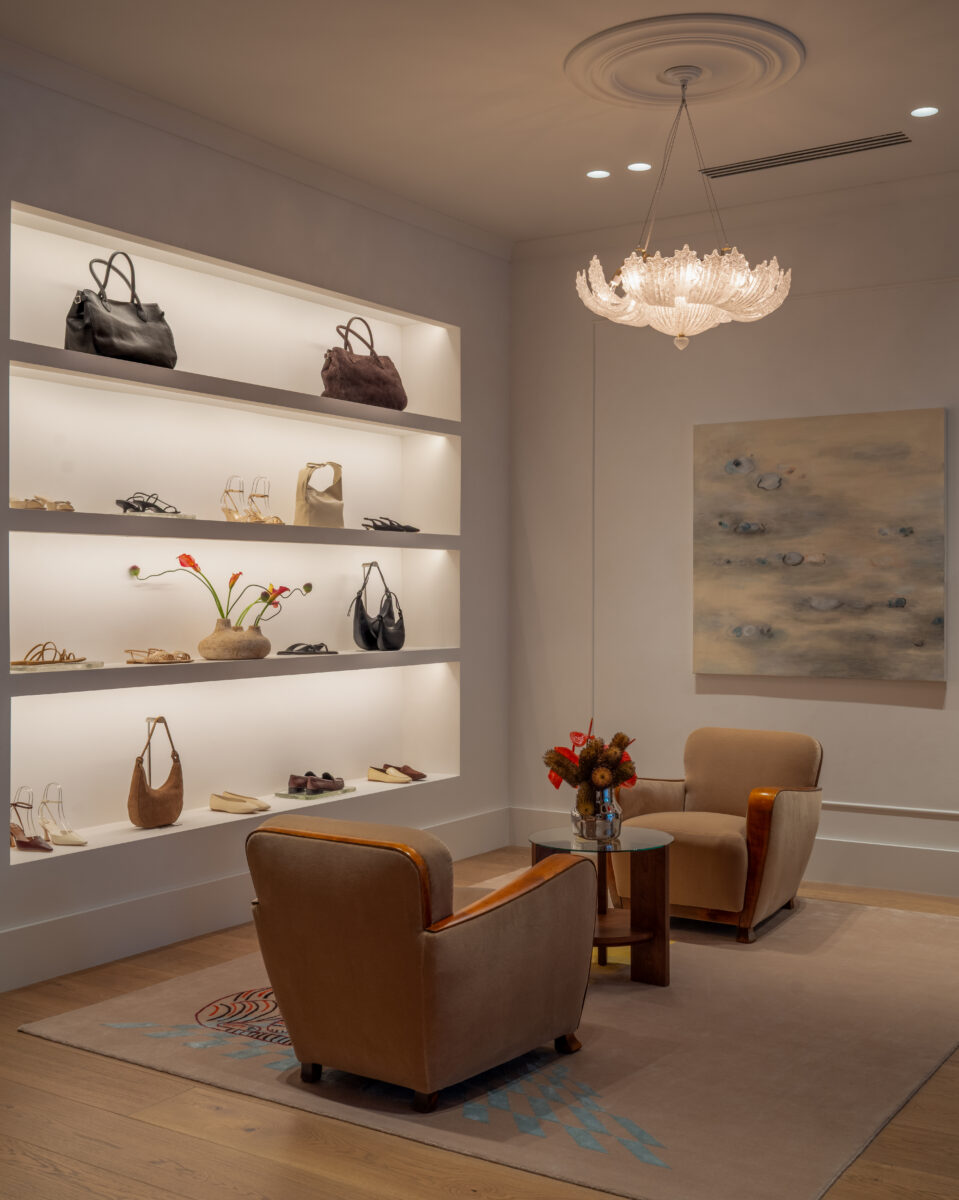
Reformation opens its first store in Vancouver (Photos)

Photo by Austin Leis for Reformation.

Sustainable fashion brand Reformation is opening its first store in Vancouver in the city’s trendy Kitsilano neighbourhood, marking the brand’s third location in the country and first in Western Canada. 

This retail space follows in the footsteps of Reformation’s first two Canadian locations, both located in Toronto. Situated at 2262 W 4th Ave, Vancouver, and spanning over 1,300 square feet, Reformation’s newest location brings its coveted styles across all product categories to Vancouver shoppers, 98% of which are made with recycled, regenerative, or renewable materials, in line with the brand’s commitment to being circular by 2030.

The Vancouver store marks the brand’s 53rd store globally and third overall in Canada, a global region of emphasis for the brand.

A full list of Reformation stores can be found here: https://www.thereformation.com/stores.html.

As with all of their retail locations, Reformation Vancouver was designed with sustainability in mind. Reformation invests in green building infrastructure in its facilities to minimize its waste, water, and energy footprints and leverages Green Business Certification standards across its global retail fleet. In addition to offsetting 100% of the store’s electricity usage with renewable energy, this location features vintage furnishings, hangers made with FSC-certified wood and reusable deadstock totes, said the company.

Customers can also recycle their well-loved Reformation pieces at any store through RefRecycling. To participate, customers can drop off their items at Ref Vancouver and receive credit towards future purchases, explained the retailer.

Sarah Hooe
Sarah Hooe

Sarah Hooe, VP Global Business Development at Reformation, said Reformation was founded in 2009 in Los Angeles.

“We’ve been a champion for sustainable fashion and climate action since day one, and that’s something that really differentiates us from the broader marketplace. From a product standpoint, we launch new styles in small quantities twice a week online and once a week in store,” she said.

“Once we understand what resonates with our customers, we produce more of it, which helps us mitigate literal and financial waste. Aesthetically, we’re famous for our vintage-inspired apparel that marries the best of timeless and trend-driven style. We really believe in a zero trade off value proposition: beautiful, flattering pieces that make you feel confident and are also better for the planet.

“Our first two Canadian stores are both in Toronto, so we’re excited to finally have a location on the other side of the country. It feels like a natural next step both in terms of reaching a broader audience across the country and a nod to our own roots as a West Coast-based brand.”

Photo by Austin Leis for Reformation.

Hooe said Kitsilano has three major characteristics that made it ideal for the retailer’s first Vancouver store: 1) alignment with its target demographic 2) a well-developed shopping area with a strong sense of community and 3) proximity to downtown and ease of access via public transportation. 

“The store itself is about 1,300 square feet total. What makes it so special is our unique tech-enabled format, which brings the best of online shopping to our physical locations. We have screens throughout the store that you can use to select items for your dressing room just like you would build a cart online. You can also work with one of our amazing store associates to do this, if you prefer,” she explained.

“Our team fulfills the dressing room from our back of house, which functions like a mini distribution centre, so your items are waiting for you when you enter the dressing room and customers don’t have to dig around for their size or carry armfuls of clothing around as they shop. We also have screens in our dressing rooms, which allow customers to request new sizes, colours or different styles altogether as they try items on and figure out what they do and don’t like.”

Photo by Austin Leis for Reformation.

“Selfishly, as someone born and raised in Canada, it’s really fun to lead the process of growing the brand across the country. Canada represents a significant customer acquisition opportunity as we focus on international expansion holistically as a brand. We see an opportunity in the marketplace for beautiful, sustainable apparel – particularly for work and dressier occasions – at our price point that we believe we have a unique opportunity to meet,” added Hooe.

Photo by Austin Leis for Reformation.

Will there be future Canadian stores?

“There’s nothing concrete to share right now, but the short answer is that we envision opening many more stores across the country. Right now, we’re focused on getting to know our customers in Vancouver in a deeper way and making sure we’re delivering the best possible in-store experience for them,” added Hooe.

“We also just formally launched the brand at Holt Renfrew, our exclusive wholesale partner in Canada, which brings Reformation to all of their doors in several major Canadian cities. It’s a huge opportunity to drive brand awareness and learn more about consumer preferences across the country, which we’ll use to inform both our retail and merchandising strategies.”

Related Retail Insider stories:

Photo by Austin Leis for Reformation.
Lela Dress - Rosin
Lela Dress – Rosin

Anatomy of a Leader: Wayne Pommen, Chief Revenue Officer, Affirm Canada

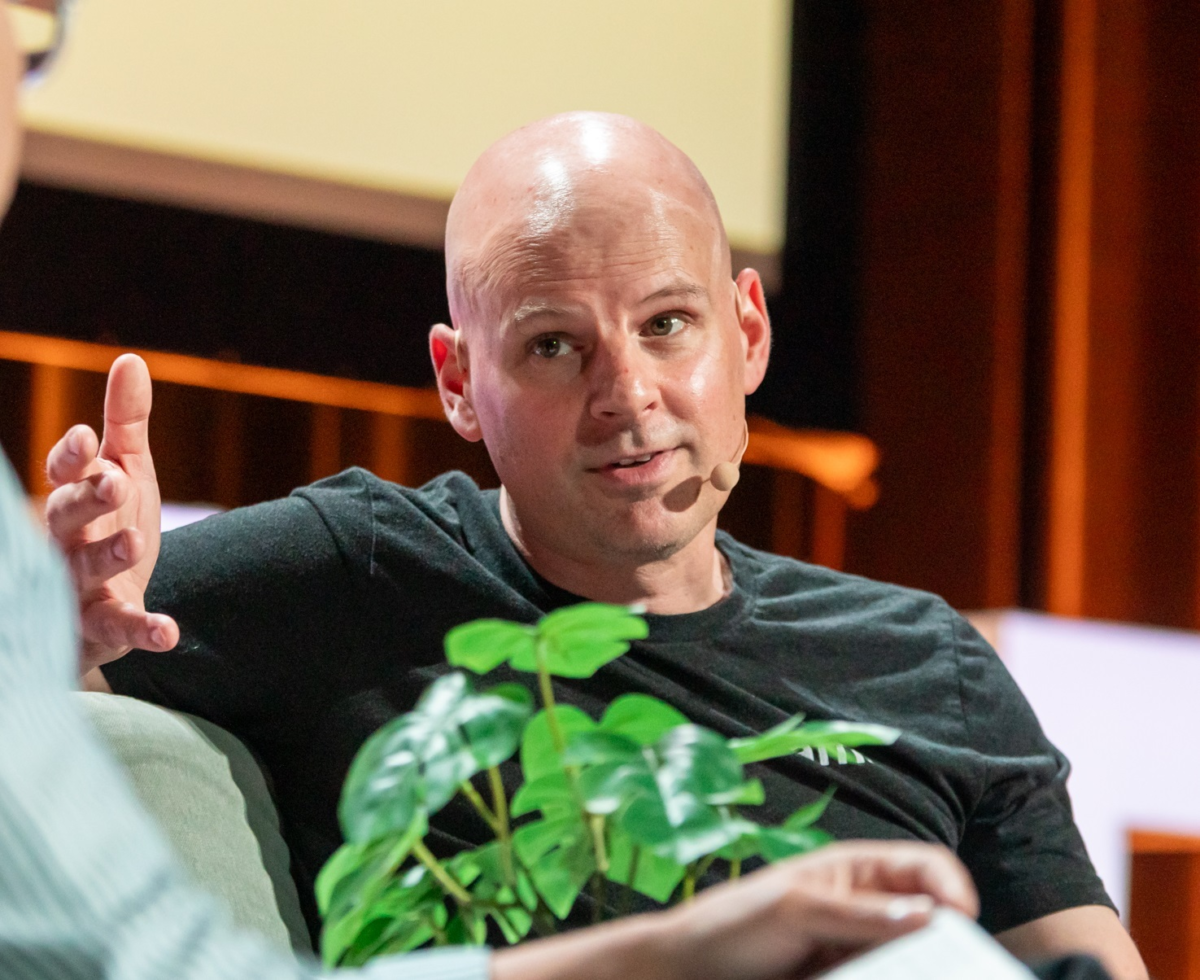
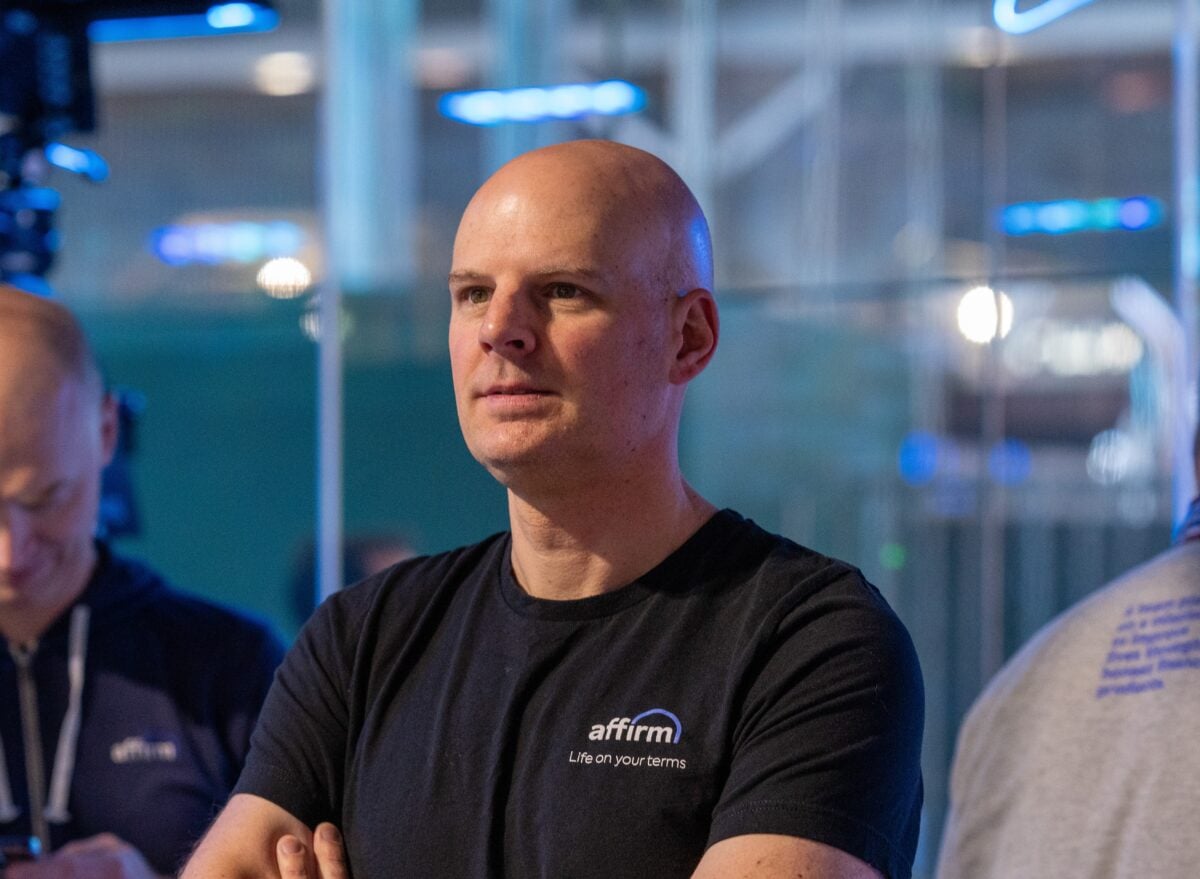
Wayne Pommen, the Chief Revenue Officer of Affirm Canada, is revolutionizing the payments landscape with the “Buy Now, Pay Later” model, providing consumers with a transparent and more manageable alternative to credit cards. In a recent interview, Pommen shared insights into his journey from a rower at Harvard and Cambridge to the leader of one of the fastest-growing financial services companies in Canada. 

His passion for innovation and customer-centric solutions has been the driving force behind Affirm’s expansion in the Canadian market, where it continues to challenge traditional lending practices and offer flexible payment solutions to e-commerce consumers.

Born and raised in Victoria, Pommen’s early interest in rowing led him to prestigious universities like Harvard and Cambridge, where he honed his leadership skills both in the classroom and on the water. It was during his tenure in private equity that he was first introduced to the financial services space, leading him to discover the immense potential of the “Buy Now, Pay Later” model. 

Wayne Pommen
Wayne Pommen

After launching PayBright, Canada’s first BNPL company, Pommen saw its rapid success and eventual acquisition, setting the stage for his leadership role at Affirm. Under his guidance, Affirm has become a trailblazer in the financial services sector, offering an innovative, customer-friendly way to manage payments.

Pommen attributes much of his business success to lessons learned from competitive sports. Rowing taught him the importance of teamwork, delayed gratification, and discipline—values he now applies to his leadership style at Affirm. Pommen emphasized how fostering a motivated team, aligned with a clear mission and a collaborative environment, is key to achieving success. With Affirm, he is reshaping the future of payments in Canada, providing a modern, flexible financial product that prioritizes transparency, integrity, and customer satisfaction over traditional banking practices.

Pommen grew up in Victoria and went to Harvard University for his undergraduate then to Cambridge in England for his PhD.

“When I grew up in Victoria, I started rowing. Right after the 92 Olympics, everybody was interested in rowing in Canada because there was Silken Laumann and I grew up pretty close to the National Rowing Training Centre,” explains Pommen.

“My mom signed me up for a rowing camp and one thing led to another and I ended up being pretty good at it. And I got recruited to row at Harvard. And so I ended up being in my final year, the captain of the Harvard crew.”

He majored in sociology and then his PhD was in international relations, focused specifically on international trade and the North American Free Trade Agreement.

When he was going to university what did he think he would end up doing as a career?

“I didn’t really know. I was always interested in business, in leadership, but I didn’t really know what path that would take. I still had really no idea when I finished my PhD and so I did what people often do in those cases. I went into consulting because it’s a good way to postpone a decision of what you’re supposed to be doing. So I worked at Bain & Company in London for a few years and that was a great experience. I learned a huge amount, worked with lots of interesting companies and met lots of interesting people and that gave me some time to think about what I wanted to do next. I did that for three and a half years,” says Pommen.

During that time he was transferred from the London office to the Toronto office. 

After a period of consulting, he worked at a private equity firm in Toronto called TorQuest Partners for six or seven years, and when he was there, he developed a focus on non-bank financial services. 

“So we were trying to make investments in lending companies, payments companies, things that the big banks didn’t really do where you could actually build and scale business without being stepped on by (a big bank),” he explains.

“I got to learn a lot about some of these businesses and that’s when I met a company, a very, very small company, called Health Smart Financial Services. And Health Smart Financial Services, you could think of as a very early buy now pay later competitor in the healthcare space. We used to do payment plans for dental procedures and veterinary treatments and things like that. I met that company. It was very small. It had five employees. It was part of a larger company actually. And I got involved, became the CEO, partnered with the shareholders, and that is what we then grew into PayBright and became the first true buy now pay later company in Canada where we were the first into the e-commerce business. 

“That turned into a very rapid five year growth until we sold the company in 2021. I didn’t really think I was getting into this really high growth tech sector, but that’s what happened because we realized that HealthSmart was very well positioned to pivot into this new payments trend of buy now pay later.”

Wayne Pommen
Wayne Pommen

There are a number of things Pommen likes about the industry. First there’s so much opportunity to do things better.

“in Affirm, what motivates us is that we think we’re bringing the customer a much more friendly and transparent payment option than they have when they use, let’s say, a credit card or a store card because we never charge late fees. We don’t have a revolving payment account like a credit card does. You can’t carry a balance. You can’t compound your interest. You never pay deferred interest. You never get a negative surprise with the product. And so that opportunity to sort of disrupt how things used to be done in a better way is really what motivates us. And so that’s what sort of gets me and the whole team out of bed each day, I would say,” adds Pommen.

Rowing was such an important part of his life growing up and he ended up being quite good at it. He rowed in the Oxford-Cambridge boat race, which is a big race they have in England. And then he rowed on the Canadian national team and went to the World Championships in 2003 and then decided after 2004 “that I should go and get a real job and not keep rowing.”

Pommen and his teammate had qualified in the men’s pairs for the Olympics in Athens in 2008 but he wanted to finish his education at Cambridge and he had also been elected the President of the Cambridge Boat Club for the 2004 Boat Race. 

“I think I learned more from sports for my business career than anything I learned in the classroom, especially the sport of rowing. Because number one, you have to figure out how to make the boat go with up to eight other people with all different personalities and very motivated, ambitious people, and you’d have to get them to work perfectly together over a long period of time. And so that sort of teamwork is hugely valuable to learn,” notes Pommen.

“And also the other thing is the delayed gratification in that sport is insane. You train all year for a couple of races. And there’s a huge amount of training and discipline and consistency that’s required and you shouldn’t expect results for a long time. And I find that it applies a lot to running companies.”

As a leader, Pommen says the principle he tries to follow is thinking often about what are the conditions he can create to have people do their best work and observing himself over the years and observing others.

“I think people do their best work when a few things are true. Number one, they’re intrinsically motivated because the work itself is interesting and they have ownership over it. Number two, they feel motivated by the mission and they feel connected to a larger purpose. And number three, they really like who they work with. And there’s a sense of camaraderie. Of course, people care about how much they get paid. And is this a prestigious job and what’s their title? But that’s not really what gets people through the hard times. 

Wayne Pommen
Wayne Pommen

“It’s the work, the mission, the people. And so I try to think about how do we make each of those things true for the team? I spend a lot of time connecting the work to the mission. What are we trying to accomplish? Making sure that the team has the right dynamics, low ego, no jerks, everybody’s working constructively together. And that we’re challenging people with work in a way that keeps them motivated, keeps them excited. And so for me, I see my job as a leader is constantly creating those conditions where people can excel. I can’t, I can tell people what to do to an extent, but my real job is to create the world for them to thrive.”

If he has a difficult leadership situation or he can’t figure out how to get people to work together, Pommen thinks about leadership lessons he learned on those rowing teams and about how the best coaches handled similar situations.

“I also find that even the most challenging nerve wracking thing that you encounter in your day-to-day business life is nothing compared to being on the start line at the world championships and so every time I think, oh, I’m getting stressed here, this is a big thing, I think, well, I’ve done this before. It kind of gives you confidence to take through life.”

Related Retail Insider stories:

Tahini’s Restaurants expands across Canada, eyes U.S. and European markets

Source: Tahini's
Source: Tahini's

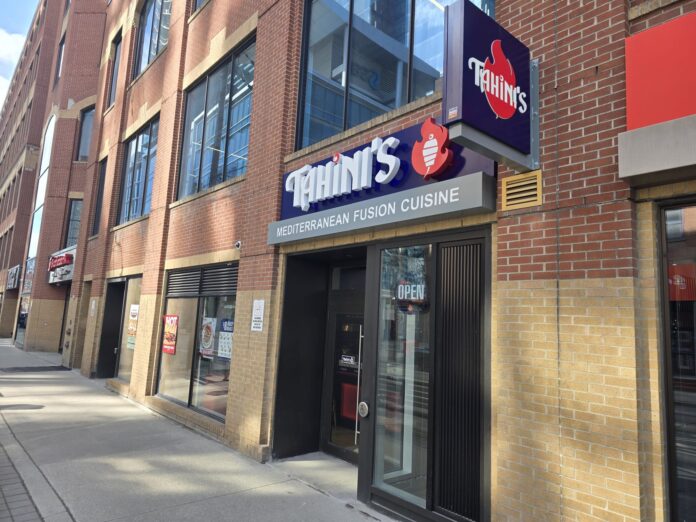
Tahini’s Restaurants, the rapidly growing Middle Eastern and Mediterranean chain, has reached a major milestone with the opening of its 60th location in Edmonton. 

Founded in 2011 and rebranded in 2016, the restaurant group is poised to dominate the ethnic food scene, offering a diverse fusion menu that blends classic shawarma with international flavours, such as butter chicken, Jamaican jerk chicken, and Korean barbecue.

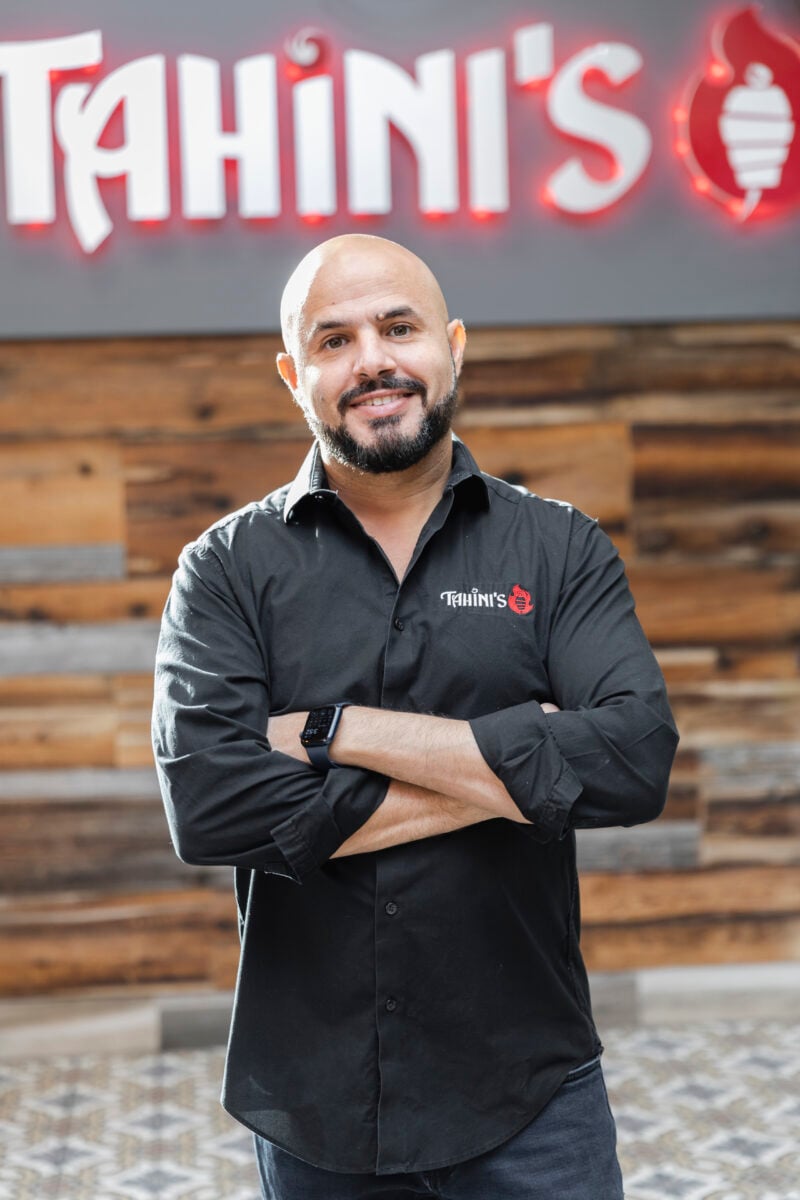
Omar Hamam
Omar Hamam

Founder and CEO Omar Hamam shared his vision for the brand, which seeks to become the go-to name for shawarma, similar to how McDonald’s dominates the burger industry.

With plans to expand to 100 locations across Canada, Tahini’s is not slowing down. The brand has already set its sights on the U.S. market, with three new locations expected to open in the coming months. Europe is also on the radar as part of the company’s ambitious international expansion plans. 

The key to Tahini’s success, according to Hamam, lies in its consistent product quality and its ability to cater to Canada’s diverse culinary preferences with innovative fusion dishes designed to appeal to both health-conscious consumers and those craving bold flavours.

As ethnic food continues to rise in popularity across Canada, particularly in urban centres, Tahini’s unique approach to combining Mediterranean and global cuisines is tapping into an increasingly sophisticated and adventurous consumer base. With a focus on quality, convenience, and taste, the brand is well-positioned to carve out a dominant spot in the competitive fast-casual dining landscape.

Hamam said “my dream is always to be the brand of choice when it comes to Middle Eastern and Mediterranean cuisine. That means we need to be all over Canada, North America, and Europe hopefully next.”

“We have 60 locations in Canada and we’re opening more. We plan to reach about a hundred, and we’re starting expansion into the US this year, with about three more locations. Hopefully, we can expand into the US as well.”

Hamam said the brand’s success is due to the fact that it’s very organized in the way it works, and the Middle Eastern industry in general is dominated by mom-and-pop shops. 

Tahini's
Tahini’s

“Every single place you go to, sometimes your experience varies completely. So at Tahini’s, we ensure that you have one consistent experience across the board, with familiar products people know. On top of that, we offer fusion cuisine. We’re not just about shawarma. For example, we have a butter chicken shawarma, which is Indian cuisine infused with Mediterranean flavors. We have Jamaican jerk chicken shawarma, and we’ve just introduced a Korean barbecue chicken shawarma,” he explained.

“Because Canada is so diverse, I thought, “Okay, our menu should reflect that too.” That’s how we diversified our menu to align with the Canadian consumer’s palate.”

Hamam said people’s palates have evolved. 

“Don’t get me wrong, I like burgers and hot dogs, but it’s not something I’d want to eat every day. For two reasons: A) it’s very unhealthy, and I’m usually health-conscious about what I eat. I think a lot of Canadians and North Americans are health-conscious in general. That’s a big factor. Shawarma, for example, is roasted chicken—it’s very healthy. It’s grilled, not fried, so you don’t have all the fat, and it’s a lot healthier overall. Plus, it packs a punch in terms of flavour. I think people want to eat healthy, but they also want something flavourful.”

Related Retail Insider stories:

Kinton Ramen expands rapidly, set to open to 50+ locations across Canada by year-end

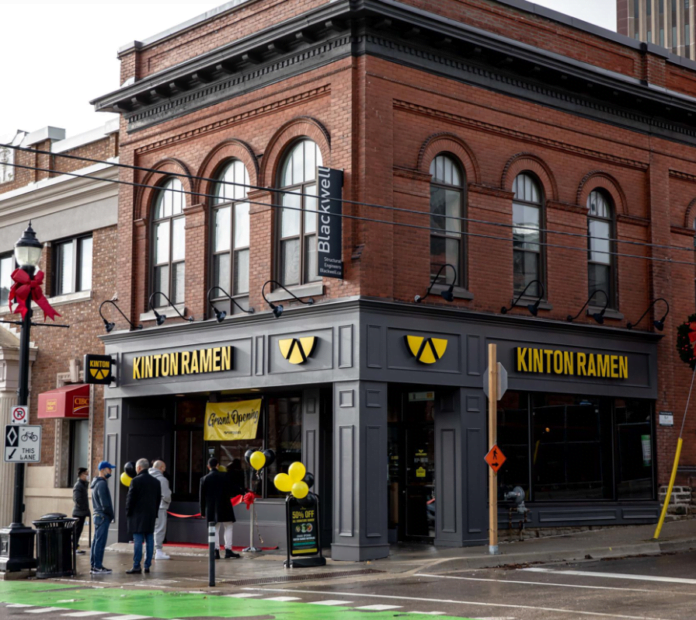
Kinton Ramen Waterloo (Image: Kinton Ramen)

KINKA Family, owners of the popular Canadian Kinton Ramen chain, continues its rapid expansion across the country with plans to exceed 50 locations by the end of the year. 

Currently operating 47 restaurants, the brand’s aggressive growth strategy includes significant moves into new markets, from the Greater Toronto Area to Western Canada and into the East Coast. The company’s ability to tap into the growing demand for authentic Japanese cuisine, particularly ramen, positions it as one of the most exciting players in Canada’s dynamic foodservice landscape.

Targeting a youthful, multicultural demographic aged 18-35, KINKA Family’s success lies in its strategic location choices. The chain focuses on dense urban centres near universities and vibrant, multicultural communities. 

With a footprint already in cities like Calgary, Vancouver, and Winnipeg, the brand is now expanding into major urban hubs such as Victoria, Oakville, and Waterloo. It also plans to explore new locations in high-growth regions, positioning itself for continued national dominance.

Looking ahead, KINKA Family’s growth trajectory is set to accelerate. The company is eyeing over 100 locations across Canada within the next five years, capitalizing on the increasing consumer appetite for ramen and other Japanese culinary experiences. 

As tastes evolve, the brand is benefiting from the booming popularity of ramen among younger generations, a trend that shows no signs of slowing down. With a robust pipeline of sites under construction and a clear vision for future growth, KINKA Family is poised to become a household name in Canadian dining.

Karalyn White
Karalyn White

Karalyn White, Senior Director of Franchising, said the brand looks to expand to areas that are very dense with its target demographic, which is 18 to 35. 

“We also have a very multicultural demographic, so places in urban centres close to universities and things like that. We also require about 1,700 square feet. That’s our sweet spot.”

The space allows for seating of between 40 to 60.

“Predominantly, our restaurants are in Toronto proper. We have expanded into many outskirts, like Oakville. We’re looking to open in Waterloo soon, and we’re opening soon in Barrie. We’ve got one in Newmarket as well. We’re targeting all the GTA locations. Next, we’re focused on the West. Right now, we’re looking for sites in Niagara and a second site in Oakville. We’re looking in Cambridge for sites, and then next, we’ll be looking east toward Pickering.”

“In Manitoba, we have one and are targeting another in Winnipeg. In Calgary, we’ve got one open. We have three under construction there. In Edmonton, we have two signed and one under construction. We’re looking for about two more sites.

“In BC, we have five open, most in the Greater Vancouver area. One is in Kelowna. We have two under construction in Victoria, and we’re targeting Nanaimo and Whistler for sites. We also have one under construction in Coquitlam. We are definitely targeting all the other urban areas in BC.”

Source- Kinton Ramen

White said sushi has been on people’s radars for a long time. 

“I think ramen is the next evolution in both franchising and growth. People just love it. My two kids, in their early teens, are all about ramen. Fifteen years ago, people were all about sushi, but now, they’re all about ramen. I think the younger demographic is really driving that, and they’re dragging their parents along. Their parents are getting into it, too. The flavours are just amazing. It’s something that Asian culture has been eating for hundreds of years, but it’s relatively new to the Canadian population, and it’s growing exponentially.”

Related Retail Insider stories:

Reitmans primed to expand and optimize its store footprint

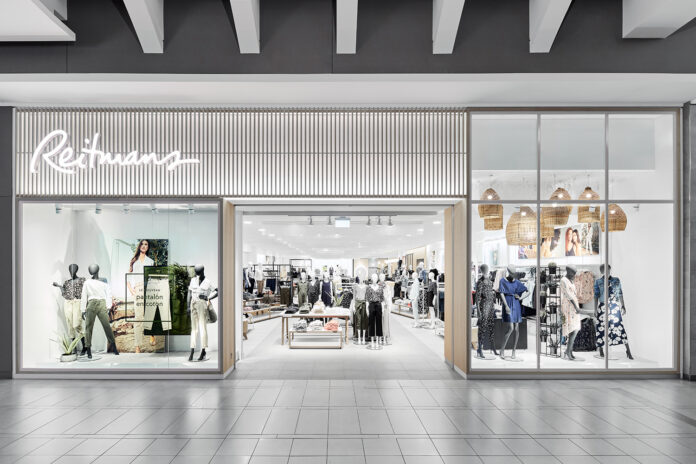
Reitmans (Canada) Limited, one of Canada’s leading specialty apparel retailers, released on Thursday its financial results for the fourth quarter of 2025, indicating the company is primed to expand and optimize its store footprint after recently finalizing its new five-year strategy focused on profitably driving accelerated brand growth, fueling growth with modernization, and igniting high performance.

The company operates 390 stores under three distinct banners consisting of 222 Reitmans, 86 PENN. Penningtons, and 82 RW&CO.

Highlights

  • When excluding the 53rd week of the prior year, net revenues decreased 1.4% to $773.8 million for the year and 2.9% to $204.8 million for the quarter.
  • Comparable sales, which include e-commerce net revenues, decreased 0.6% for the year and were essentially flat for the quarter.
  • Gross profit % was up 200 basis points to 56.2% for the year and flat for the quarter at 51.9%.
  • Adjusted EBITDA decreased $3.8 million to $25.4 million for the year and was a loss of $2.6 million for the quarter.
  • Net earnings decreased $2.7 million to $12.1 million for the year and was a loss of $4.2 million for the quarter.
Andrea Limbardi

“This past holiday season, we had one of our strongest ever Black Friday and Cyber Monday performance, as well as a very good lead-up to Christmas and Boxing Week,” said Andrea Limbardi, President and CEO. “The success of those shopping events largely offset the impact of warmer weather in the first half of the quarter, which delayed consumers transitioning to winter apparel. Overall, our brands remained on point with Reitmans growth as a gifting destination and menswear at RW&CO continuing to perform very well as it had all year, aligned with our respective strategies.

“We accomplished a lot in fiscal 2025. We continued to innovate and evolve our supply chain operations, replacing existing sorters in our Montreal distribution centre with the SORTRAK© Inventory Systems to streamline our store inventory management. We’re pleased to share that the implementation was successful and has been completed. We also made the strategic decision to streamline our operations by closing Thyme Maternity and RCL Market in January of 2025. Finally, we finished the year with a remarkably strong balance sheet, including a significant cash position, very healthy inventory level, and no debt.

“Looking ahead, RCL is primed to expand and optimize our store footprint. We’ve recently finalized our new five-year strategy focused on profitably driving accelerated brand growth, fueling growth with modernization, and igniting high performance. We expect to reinvest over $100 million over the next five years on capital projects focused on growth. Our ambition is to reach $1 billion in annual net revenue with Adjusted EBITDA to grow to $60-70 million by the end of fiscal 2030. We have three unique brands, each with their own unique value propositions, and our objective is to amplify the power of our brands to deliver on-trend fashion that Canadians will love, for years to come.”

The company said that on February 1, 2025, it had working capital of $165.7 million, including cash of $158.1 million compared to working capital of $154.4 million, including cash of $116.7 million at the prior year end. As at February 1, 2025 and February 3, 2024, RCL had no long-term debt other than lease liabilities and no amounts were drawn under the company’s bank credit facilities.

Canada’s consumer confidence hits record low in March

Hudson's Bay at CF Chinook Centre in Calgary in 2021. Photo: Jessica Finch/Retail Insider

The Conference Board of Canada’s Index of Consumer Confidence decreased 8.4 points in March to its lowest point on record.

This month’s drop in confidence was widespread, with the balance of opinion deteriorating across all four survey components. Key findings include:

  • Sentiments about future job opportunities have worsened in recent months with rising economic uncertainty, associated with potential tariffs, intensifying concerns about future employment prospects
  • Declines in consumer confidence were seen in most other provinces this month as well. The Atlantic provinces were an exception, however, as confidence in that region saw a significant improvement in March
  • As with job market sentiments, consumers’ financial confidence has been on a steady decline for some time
  • Despite easing inflation and falling interest rates, ongoing economic uncertainty remained a significant factor impacting consumers’ financial sentiment. Views on major purchases followed a similar trend

Also the Bank of Canada said overall, results of the first-quarter 2025 Canadian Survey of Consumer Expectations “show that the escalating trade conflict with the United States is damaging consumer sentiment. Confidence in the labour market has weakened significantly, and consumers have become more pessimistic about their financial health. Although consumption plans had been improving over the past several quarters, consumers now intend to spend more cautiously given the uncertainty around the trade conflict. They expect the trade conflict to lead to a higher cost of living, and this has pushed up their inflation expectations.”

Related Retail Insider stories:

Business conditions deteriorate in Canada: Bank of Canada


Peart Brothers Open GOODEE Retail Space in Westmount

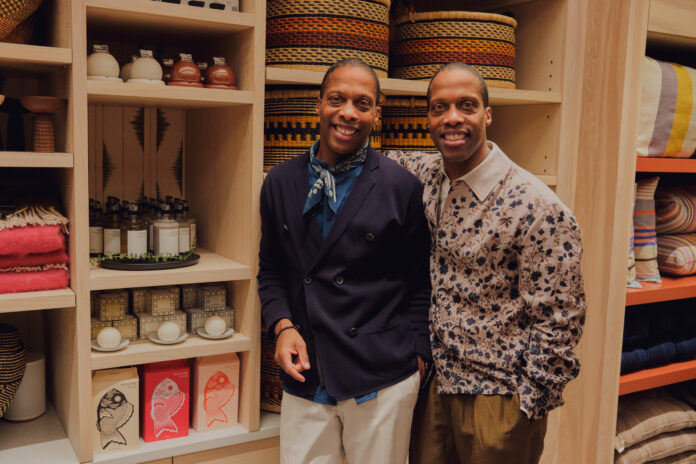
Byron and Dexter Peart in the new GOODEE retail space in Montreal's Westmount. Image supplied

Twin brothers Byron and Dexter Peart, widely recognized for launching the minimalist luxury brand WANT Les Essentiels, have returned to their hometown of Montreal with a new mission and a bold new retail concept. Their latest venture, GOODEE, has officially opened its first permanent retail location in Westmount at 4820 Sherbrooke Street West. The 1,000-square-foot space merges sustainability, exceptional design, and global craftsmanship in a curated, intentional environment that reflects the brothers’ evolved philosophy of conscious commerce.

“It’s a bit like coming back home,” said Dexter Peart in an interview. “Westmount was where we opened our first store with WANT. Now, years later, with GOODEE, it feels right to return to a neighbourhood we know so well—and one that knows us.”

What’s in a Name? Good Design, Good People, Good Impact

The name GOODEE encapsulates the brand’s core mission: to offer consumers good design from good people that creates a good impact. It’s a simple but powerful philosophy.

“When we were developing the brand, we wanted a name that would resonate emotionally and culturally,” said Dexter. “GOODEE is lighter, more joyful. It makes people smile when they hear it, and that’s the kind of energy we want to project—hopeful, colourful, accessible.”

Byron Peart agreed, adding, “The conversation around sustainability and ethics in design can often feel heavy or overly academic. GOODEE brings an uplifting and approachable tone to the dialogue.”

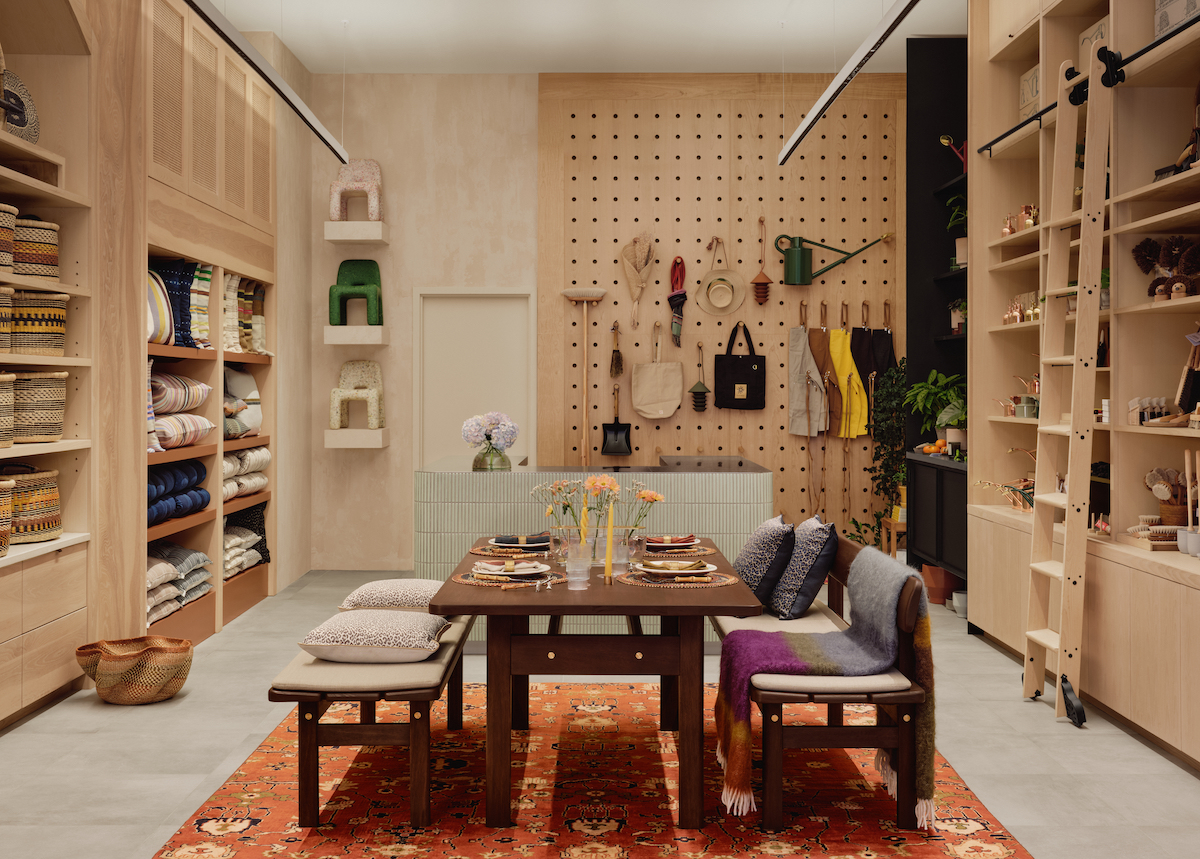
That tone is also reflected in the physical space. The retail store has been designed to feel more like a warm, lived-in home than a stark gallery. With tactile surfaces, natural materials, and vibrant displays, the store is meant to stimulate the senses and spark curiosity.

New GOODEE retail space in Montreal’s Westmount. Image supplied

A Curated World in 1,000 Square Feet

Stepping into the GOODEE store is meant to feel like stepping into a global home—one where every object tells a story. According to Byron, “People keep saying the space feels comforting, inviting. It’s already being described as a home, and that’s exactly the atmosphere we hoped to create.”

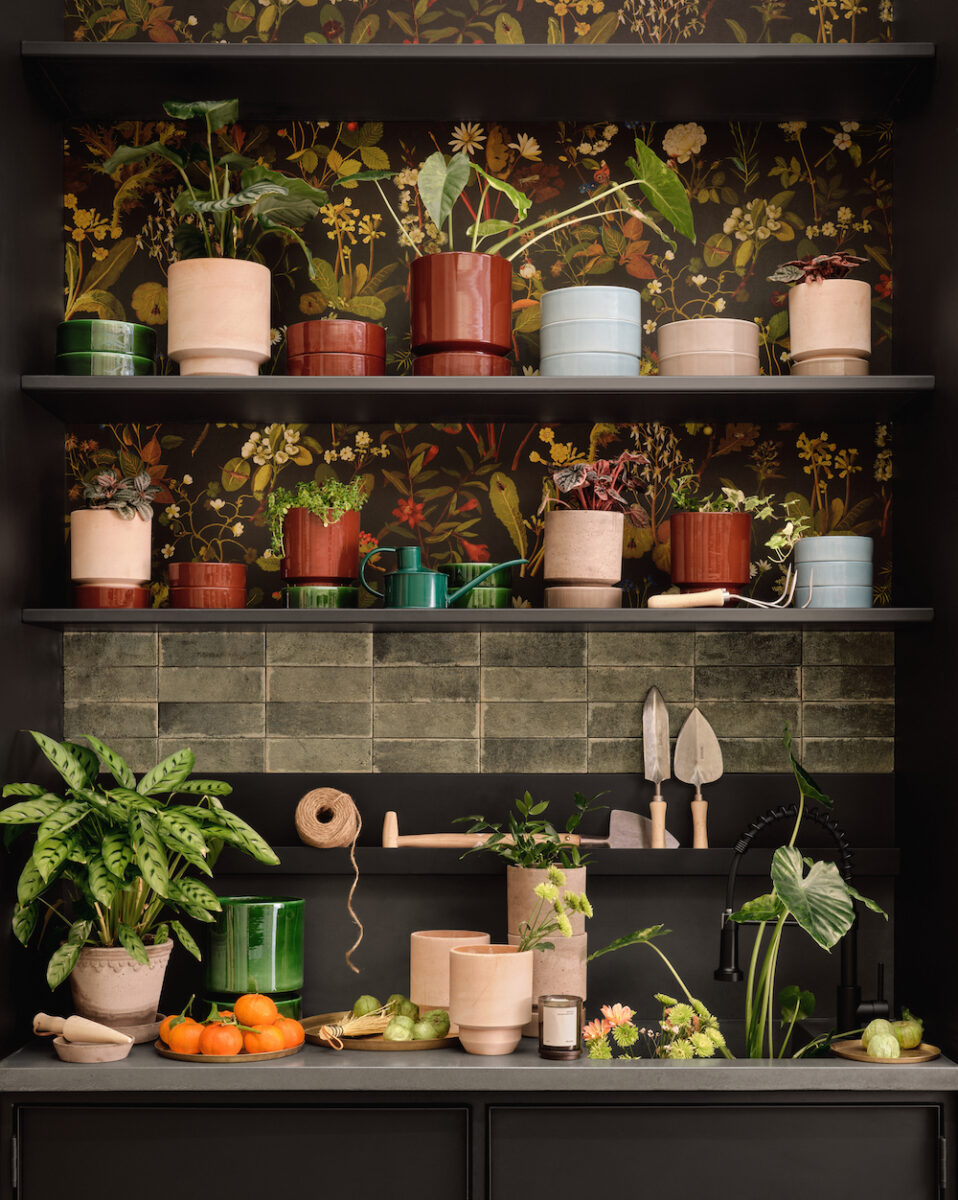
Inside the compact yet carefully arranged space, shoppers will find products from over 30 countries, ranging from home décor and tableware to gardening tools and children’s furniture. Everything is sourced with strict sustainability and ethical standards in mind.

Signature brands featured in the store include The Baba Tree, known for its vivid, handwoven baskets from Ghana, and ecoBirdy, a European brand that turns recycled plastic toys into beautifully designed children’s furniture.

“These are products that aren’t just beautiful—they’re meaningful,” said Dexter. “The Baba Tree is a fair-trade leader in Bolgatanga, while ecoBirdy runs educational programs teaching children about recycling. It’s that layered story that adds value beyond the product itself.”

Sustainability Meets Curation: The GOODEE Approved Process

What sets GOODEE apart is its rigorous vetting process. The brand’s internal assessment system—originally a 29-question survey—has matured over the years into a robust framework for evaluating the sustainability and ethical footprint of every brand and product it carries.

“We’re not trying to replicate what B Corp does,” said Byron, “but we are trying to highlight impact in all its diversity. Some brands focus on recycling, others empower women in underserved communities. Our job is to platform those efforts and make them visible to customers.”

GOODEE’s commitment is so deep that it publishes a detailed Impact Report annually, offering full transparency into its sourcing, partnerships, and environmental performance. For a company only six years old, having already issued five Impact Reports is an impressive feat.

“This isn’t about greenwashing,” Byron emphasized. “This is about creating trust through transparency. We want our customers to buy less, but buy better.”

New GOODEE retail space in Montreal’s Westmount. Image supplied

Digital First, Physical Next: Building a Bridge Between Worlds

GOODEE was launched in 2019 as a digital-first platform, a space where thoughtful consumers could discover and purchase ethically made home goods. The Peart brothers chose to start online to reach the widest possible audience across North America, but they always knew there would be a time to go physical.

“We realized there was a growing need to meet our customers in real life,” said Dexter. “There’s something irreplaceable about seeing, touching, and experiencing these products in person.”

The Montreal store is not GOODEE’s first foray into physical retail—previous pop-ups in Los Angeles and New York City tested the waters. However, this permanent space in Montreal represents a key milestone.

“We’re thinking of this as version 1.0,” said Dexter. “It’s a space for us to refine what physical retail means to GOODEE. Once we’ve honed that, yes—we absolutely have ambitions for more stores in other cities.”

Westmount as a Symbolic Launchpad

Choosing Westmount was more than a matter of convenience. Beyond its proximity to the GOODEE headquarters and the Pearts’ personal lives, the area also holds symbolic value.

“Westmount is going through something of a retail renaissance,” said Dexter. “We felt like we could be part of that revitalization. The last time we opened here, it was during a similar moment of transformation. It’s exciting to contribute again.”

The brothers also appreciate that being close to their office—just 10 minutes away—allows for nimble management and a hands-on approach to operations. “It’s a way to stay connected to the team, the customer, and the mission, all in one space,” Byron added.

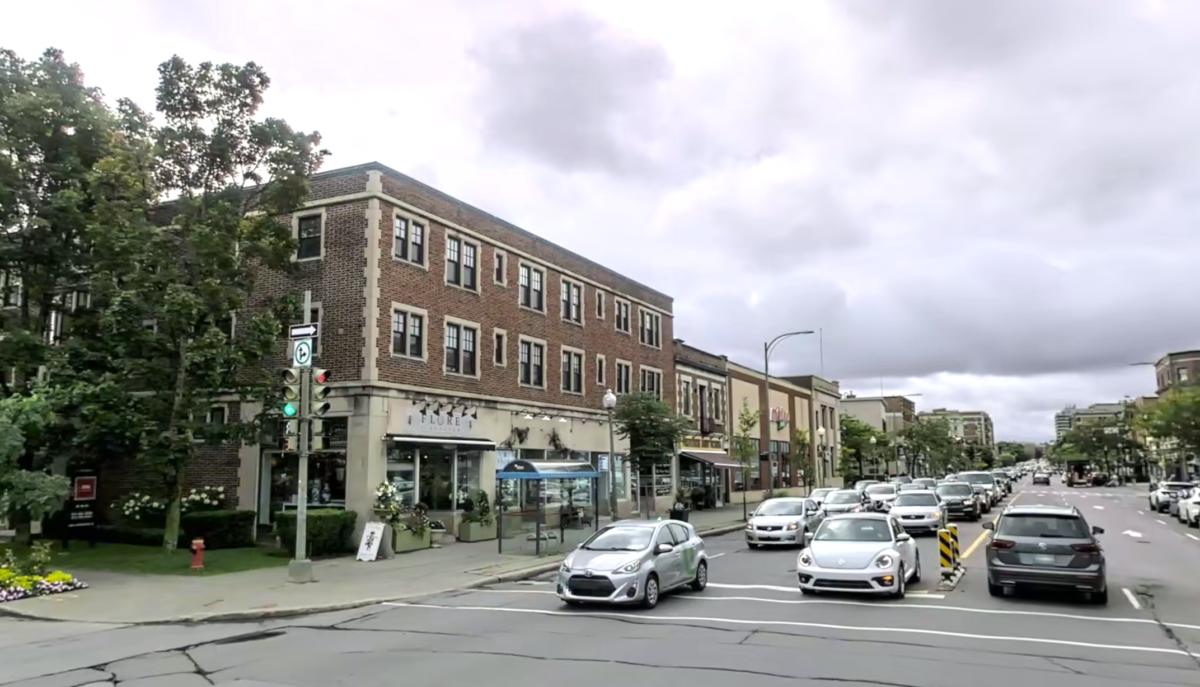
GOODEE opened in an historic brick building, in the retail space at 4820 Sherbrooke St. W. in Westmount. Image: Apple Maps

A Merchant’s Heart: Serving the Customer with Purpose

Byron, who has been spending much of his time on the retail floor since the store’s opening, sees his return to physical retail as a natural extension of his roots.

“I worked in stores when I was young—I’m a merchant at heart,” he laughed. “What I love about GOODEE is that we’re combining that love of retail with a higher purpose. We’re not just selling things; we’re telling stories, we’re building community.”

And it’s clear that this mission resonates with customers. In the few days since opening, shoppers have responded emotionally to the space, often commenting on how “different” the store feels compared to other retail environments in the city.

“This is not a transactional space,” Byron stressed. “It’s experiential. It’s thoughtful. It’s joyful.”

Looking Ahead: A Scalable Vision with Soul

As GOODEE establishes its first physical footprint, the Peart brothers are already thinking about what comes next. While they remain grounded in their digital platform, they see enormous potential in selective brick-and-mortar expansion.

“There are cities in North America that are already highly engaged with our brand,” said Dexter. “We’re keeping a close eye on where those communities are strongest and how we might be able to serve them better in person.”

But wherever GOODEE goes, its values will remain constant: ethical sourcing, design integrity, meaningful storytelling, and human connection.

“We’re small and mighty,” Byron said. “We’re not trying to be everything to everyone. We have a point of view—and in today’s retail landscape, that matters more than ever.”

A New Kind of Retail Experience

In an era when many retailers are struggling to define their purpose or differentiate their offering, GOODEE stands out for its clarity, consistency, and heart. The Westmount store is more than just a retail location—it’s a manifestation of a philosophy, one built on decades of design experience, deep ethical commitment, and a belief in the power of beauty to effect change.

“This isn’t about trends,” said Dexter. “This is about timeless values—about living with intention and choosing products that reflect that. That’s the future of retail as we see it.”

More from Retail Insider: