Wayne Pommen, the Chief Revenue Officer of Affirm Canada, is revolutionizing the payments landscape with the “Buy Now, Pay Later” model, providing consumers with a transparent and more manageable alternative to credit cards. In a recent interview, Pommen shared insights into his journey from a rower at Harvard and Cambridge to the leader of one of the fastest-growing financial services companies in Canada.
His passion for innovation and customer-centric solutions has been the driving force behind Affirm’s expansion in the Canadian market, where it continues to challenge traditional lending practices and offer flexible payment solutions to e-commerce consumers.
Born and raised in Victoria, Pommen’s early interest in rowing led him to prestigious universities like Harvard and Cambridge, where he honed his leadership skills both in the classroom and on the water. It was during his tenure in private equity that he was first introduced to the financial services space, leading him to discover the immense potential of the “Buy Now, Pay Later” model.

After launching PayBright, Canada’s first BNPL company, Pommen saw its rapid success and eventual acquisition, setting the stage for his leadership role at Affirm. Under his guidance, Affirm has become a trailblazer in the financial services sector, offering an innovative, customer-friendly way to manage payments.
Pommen attributes much of his business success to lessons learned from competitive sports. Rowing taught him the importance of teamwork, delayed gratification, and discipline—values he now applies to his leadership style at Affirm. Pommen emphasized how fostering a motivated team, aligned with a clear mission and a collaborative environment, is key to achieving success. With Affirm, he is reshaping the future of payments in Canada, providing a modern, flexible financial product that prioritizes transparency, integrity, and customer satisfaction over traditional banking practices.
Pommen grew up in Victoria and went to Harvard University for his undergraduate then to Cambridge in England for his PhD.
“When I grew up in Victoria, I started rowing. Right after the 92 Olympics, everybody was interested in rowing in Canada because there was Silken Laumann and I grew up pretty close to the National Rowing Training Centre,” explains Pommen.
“My mom signed me up for a rowing camp and one thing led to another and I ended up being pretty good at it. And I got recruited to row at Harvard. And so I ended up being in my final year, the captain of the Harvard crew.”
He majored in sociology and then his PhD was in international relations, focused specifically on international trade and the North American Free Trade Agreement.
When he was going to university what did he think he would end up doing as a career?
“I didn’t really know. I was always interested in business, in leadership, but I didn’t really know what path that would take. I still had really no idea when I finished my PhD and so I did what people often do in those cases. I went into consulting because it’s a good way to postpone a decision of what you’re supposed to be doing. So I worked at Bain & Company in London for a few years and that was a great experience. I learned a huge amount, worked with lots of interesting companies and met lots of interesting people and that gave me some time to think about what I wanted to do next. I did that for three and a half years,” says Pommen.
During that time he was transferred from the London office to the Toronto office.
After a period of consulting, he worked at a private equity firm in Toronto called TorQuest Partners for six or seven years, and when he was there, he developed a focus on non-bank financial services.
“So we were trying to make investments in lending companies, payments companies, things that the big banks didn’t really do where you could actually build and scale business without being stepped on by (a big bank),” he explains.
“I got to learn a lot about some of these businesses and that’s when I met a company, a very, very small company, called Health Smart Financial Services. And Health Smart Financial Services, you could think of as a very early buy now pay later competitor in the healthcare space. We used to do payment plans for dental procedures and veterinary treatments and things like that. I met that company. It was very small. It had five employees. It was part of a larger company actually. And I got involved, became the CEO, partnered with the shareholders, and that is what we then grew into PayBright and became the first true buy now pay later company in Canada where we were the first into the e-commerce business.
“That turned into a very rapid five year growth until we sold the company in 2021. I didn’t really think I was getting into this really high growth tech sector, but that’s what happened because we realized that HealthSmart was very well positioned to pivot into this new payments trend of buy now pay later.”

There are a number of things Pommen likes about the industry. First there’s so much opportunity to do things better.
“in Affirm, what motivates us is that we think we’re bringing the customer a much more friendly and transparent payment option than they have when they use, let’s say, a credit card or a store card because we never charge late fees. We don’t have a revolving payment account like a credit card does. You can’t carry a balance. You can’t compound your interest. You never pay deferred interest. You never get a negative surprise with the product. And so that opportunity to sort of disrupt how things used to be done in a better way is really what motivates us. And so that’s what sort of gets me and the whole team out of bed each day, I would say,” adds Pommen.
Rowing was such an important part of his life growing up and he ended up being quite good at it. He rowed in the Oxford-Cambridge boat race, which is a big race they have in England. And then he rowed on the Canadian national team and went to the World Championships in 2003 and then decided after 2004 “that I should go and get a real job and not keep rowing.”
Pommen and his teammate had qualified in the men’s pairs for the Olympics in Athens in 2008 but he wanted to finish his education at Cambridge and he had also been elected the President of the Cambridge Boat Club for the 2004 Boat Race.
“I think I learned more from sports for my business career than anything I learned in the classroom, especially the sport of rowing. Because number one, you have to figure out how to make the boat go with up to eight other people with all different personalities and very motivated, ambitious people, and you’d have to get them to work perfectly together over a long period of time. And so that sort of teamwork is hugely valuable to learn,” notes Pommen.
“And also the other thing is the delayed gratification in that sport is insane. You train all year for a couple of races. And there’s a huge amount of training and discipline and consistency that’s required and you shouldn’t expect results for a long time. And I find that it applies a lot to running companies.”
As a leader, Pommen says the principle he tries to follow is thinking often about what are the conditions he can create to have people do their best work and observing himself over the years and observing others.
“I think people do their best work when a few things are true. Number one, they’re intrinsically motivated because the work itself is interesting and they have ownership over it. Number two, they feel motivated by the mission and they feel connected to a larger purpose. And number three, they really like who they work with. And there’s a sense of camaraderie. Of course, people care about how much they get paid. And is this a prestigious job and what’s their title? But that’s not really what gets people through the hard times.
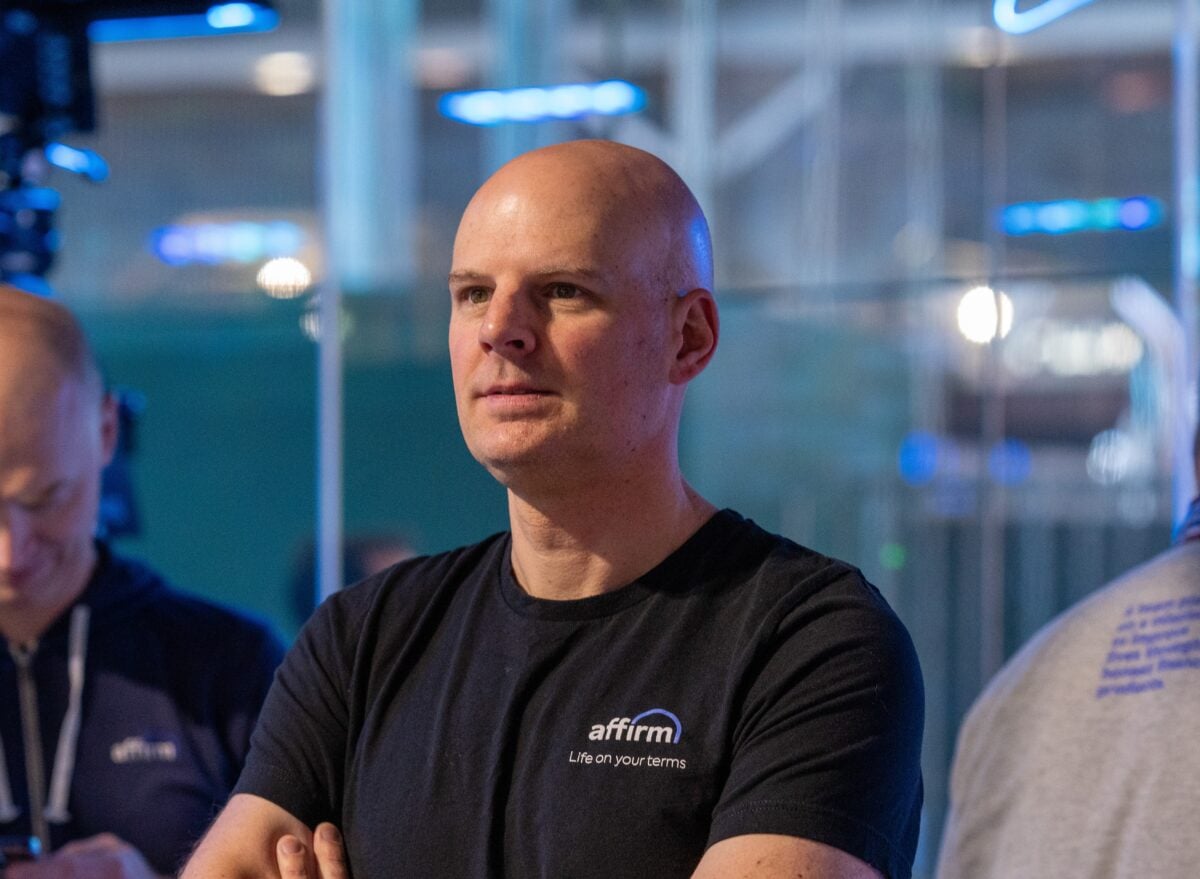
“It’s the work, the mission, the people. And so I try to think about how do we make each of those things true for the team? I spend a lot of time connecting the work to the mission. What are we trying to accomplish? Making sure that the team has the right dynamics, low ego, no jerks, everybody’s working constructively together. And that we’re challenging people with work in a way that keeps them motivated, keeps them excited. And so for me, I see my job as a leader is constantly creating those conditions where people can excel. I can’t, I can tell people what to do to an extent, but my real job is to create the world for them to thrive.”
If he has a difficult leadership situation or he can’t figure out how to get people to work together, Pommen thinks about leadership lessons he learned on those rowing teams and about how the best coaches handled similar situations.
“I also find that even the most challenging nerve wracking thing that you encounter in your day-to-day business life is nothing compared to being on the start line at the world championships and so every time I think, oh, I’m getting stressed here, this is a big thing, I think, well, I’ve done this before. It kind of gives you confidence to take through life.”
Related Retail Insider stories: