Advertisement
Advertisement
Home Blog Page 469

Royalmount Opens in Montreal 

Royalmount in Montreal. Photo: www.geminy.ca

The first phase of the retail component of the Royalmount development in Montreal opened to the public at 10am on Thursday, September 5. 

The ambitious project, spearheaded by developer Carbonleo and partially financed by L Catterton, adds competition to the Montreal retail scene. It also creates a second luxury node in the city, with the developer hoping that the market will expand to support both. 

The 824,000 square foot commercial centre features the largest concentration of international luxury stores in the province. Brands include Louis Vuitton, Gucci, and Versace, many of which are making their standalone store debut in Quebec.

Related: Royalmount in Montreal Announces Major Retail Tenants for the 100% Carbon-Neutral Development (November 2022)

Royalmount in Montreal – Louis Vuitton and Tiffany & Co. will open in several months. Photo: www.geminy.ca

The complex will feature 60 restaurants and cafes, including Le Fou Fou, a European-style food hall offering 12 dining options and four bars.

The 36,000 square foot multi-brand beauty space Rennaï opens September 5 as well, housing a vast range of brands with Canadian exclusives including Victoria Beckham.

The complex features a 77,000 square foot urban park at its centre. There is a public art trail with over 60 installations from both emerging and established artists, curated in partnership with MASSIVart.

Royalmount is on track to become the largest LEED Gold retail project in Canada, incorporating numerous eco-friendly features into its design. A $50 million 200-meter skybridge connects the complex directly to the De la Savane metro station, promoting the use of public transportation. 

Related: Royalmount in Montreal Announces Major Art Initiative Ahead of August Opening (June 2024)

Royalmount floor plan. Image: screen capture from Royalmount.com
Looking down from the second level towards Rennaï on the lower level, and Zara/Nike on the second level. Photo: Maxime Frechette

Eventually a VIP Cineplex and Rec Room arcade will open at Royalmount. And in 2026 an aquarium will open at Royalmount as well. 

About 50% of the 110 retailers were ready to open by September 5. Others will open later — Gucci, for example, will open September 20. Chocolate retailer Jeff de Bruges will open in December. And other retailers such as RH, Balenciaga, Tiffany & Co. and Rolex won’t open until 2025. 

Related: Royalmount in Montreal Announces Major Retail Tenants and Food Hall Ahead of August 2024 Grand Opening (April 2024)

The shopping centre has about 4,000 above and below-grade parking spots. And parking isn’t free technically — the first half-hour of parking at Royalmount is free, and you get an extra free half-hour if you download Royalmount’s parking app. It costs $2.50 per half hour to park at Royalmount after that. 

Future 7,400 square foot Rolex store at Royalmount in Montreal, which will become one of the largest in the world when it opens next year. Photo: Maxime Frechette

Royalmount is located at the intersection of Highway 40 and the Decarie Expressway. Some locals have expressed concerns about vehicular traffic in the area, which could increase as Royalmount gains popularity. Developer Carbonleo is suggesting visitors take alternative modes to get there, including public transit. 

The development is expected to eventually house a mix of high-rises with homes, offices, and a mix of parks and other buildings to create a larger community. The first phase of Royalmount opening this Thursday is only about 8% of the development’s ultimate build-out plans for the site, which began assembly about a decade ago. 

Birks recently announced that it was bringing the multi-brand luxury watch concept TimeVallée to Canada, with the first location open at Royalmount in Montreal. Photo: Maxime Frechette

Royalmount could be a draw for some tourists visiting the region, depending how extensively it markets itself as a destination. The expansive mix of luxury brands at Royalmount itself will make it a draw for those seeking such brands and price-points.  If it all works out, the centre could become one of the most productive in the country in terms of sales per square foot, similar to how Yorkdale dominates both luxury store availability and sales productivity in the Toronto market. 

Royalmount’s developer is hoping that locals will also flock to the centre’s high-end retailers, in effect expanding the luxury retail market in Montreal. Montreal is home to a considerable amount of wealth — five out of the 20 wealthiest neighbourhoods in Canada are in the city. That wealth has typically bought luxury goods elsewhere, leaving few luxury brands downtown beyond those at Holt Renfrew Ogilvy and a handful of others nearby. 

TAG Heuer watch store set to open at Royalmount in Montreal. Photo: Maxime Frechette

Holt Renfrew Ogilvy dominates downtown Montreal’s luxury retail offerings, with over 200,000 square feet of space housing brands and concessions for some significant luxury names. That includes Louis Vuitton, Tiffany & Co., Gucci, and David Yurman, which will also have standalone stores at Royalmount. Holt Renfrew Ogilvy will keep some area exclusives however, including concession boutique spaces for brands such as Hermes, Dior and Giorgio Armani. 

Centre Rockland on Montreal Island has already lost its Zara store to Royalmount, and other retailers such as H&M could also exit given the competition. Royalmount, as a sparkling new and dynamic retail centre, has advantages over some of the older shopping centres in the Montreal area as a result. 

This fall and into 2025, retailers and foodservice businesses will continue to open at Royalmount. Retail Insider will provide periodic updates on what’s newsworthy. 

Brands open at Royalmount as of September 5th include:

  • A&W
  • Accessoires Gio
  • AllTrueist
  • Aldo
  • Alo Yoga
  • Anine Bing
  • Arc’teryx
  • Bikini Village
  • Birks
  • BMO
  • Browns
  • Canada Goose
  • Christofle
  • Coach
  • David’s Tea
  • Dolce Vita
  • Dynamite
  • Garage
  • Greiche & Scaff
  • IWC
  • Jack & Jones
  • Jimmy Choo
  • Judith & Charles
  • Jugo Juice
  • L’Occitane
  • La Vie en Rose
  • Le Fou Fou
  • Longchamp
  • M/2
  • Mackage
  • Maison Monaco
  • Marie Saint Pierre pop-up
  • Mango
  • Michael Kors
  • Moments Intimes
  • Moncler
  • Nike
  • Olivier Peoples
  • Omega
  • Pilgrim
  • Qwelli
  • Rennaï
  • Sephora
  • Sports Experts
  • Starbucks
  • Steel N Ink
  • Steve Madden
  • Sunglass Hut
  • Swarovski
  • TAG Heuer
  • Time Vallée
  • Tris Coffin
  • Uniqlo
  • Versace
  • Yves Rocher
  • Zara
Birks concept store at Royalmount in Montreal. Photo: Maxime Frechette
Rennaï and Zara stores at Royalmount in Montreal. Photo: Maxime Frechette

Thank you Geminy for the first two photos in this article.

Lightspeed Powers New Le Fou Fou Food Hall  

Lightspeed Le FouFou (CNW Group/Lightspeed Commerce Inc.)

Lightspeed Commerce Inc. is making waves in Canada’s retail and hospitality sectors. The Montreal-based company has announced an exclusive partnership with Le Fou Fou, a new European-style food hall opening this week at the new Royalmount in Montreal.

Le Fou Fou is poised to become a centerpiece of Montreal’s vibrant dining and entertainment scene. Spanning over 30,000 square feet, the food hall features 12 distinct dining concepts, three bars, and a spacious 6,000 square foot outdoor terrace.

The partnership between Lightspeed and Le Fou Fou introduces cutting-edge technology to elevate the food hall experience. Lightspeed’s platform will power all vendors, offering a seamless blend of self-service and table-service ordering options. This integration aims to boost efficiency and position Le Fou Fou as a premier destination in Montreal’s competitive food scene.

Le Fou Fou food hall at Royalmount in Montreal. Photo: Le Fou Fou

Dax Dasilva, Founder and CEO of Lightspeed, said, “As a Montreal-based business, this partnership holds special significance for us. We’re not only supporting a project that will breathe new life into the area but also setting a new standard in the food hall industry.”

Le Fou Fou will utilize key features of the Lightspeed Restaurant platform, including multi-basket ordering and a Kitchen Display System. These technologies are designed to enhance operational efficiency and improve customer experience. The platform also incorporates a loyalty integration system, offering personalized rewards across various dining options.

Royalmount in Montreal. Photo supplied by Carbonleo

David Hass, Founder of MTB Collective, the company behind Le Fou Fou, emphasized the importance of technology in creating an exceptional guest experience. “The partnership between Le Fou Fou and Lightspeed allows for multi-basket ordering, resulting in a cutting-edge technology stack that addresses long-standing industry pain points,” Hass explained.
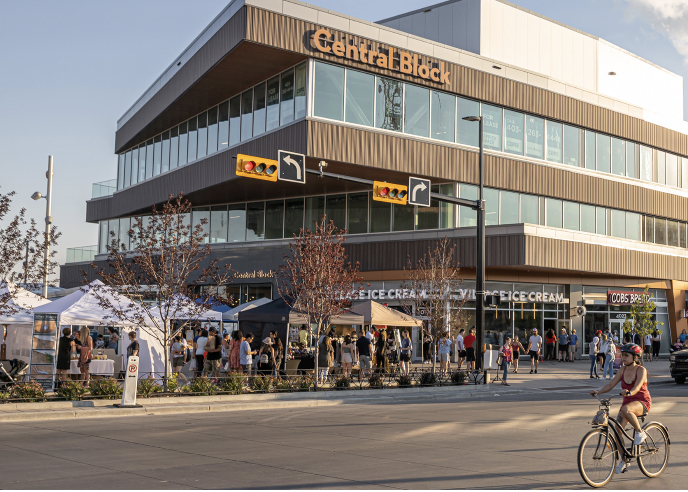
The food hall officially opened on September 5th, accommodating over 900 guests. It features a diverse range of culinary offerings, including Eva’s, Tiramisu, Le Taj, and several other popular local eateries.

Couche-Tard Q1 Earnings Slip as Consumer Spending Tightens

Photo: Couche-Tard

Canadian convenience store operator Alimentation Couche-Tard Inc. has reported a slight decrease in net earnings for the first quarter of fiscal 2025. The company attributes the dip to cautious consumer spending patterns.

The Quebec-based retail giant, known particularly for its Circle K brand, saw net earnings attributable to shareholders fall to US$790.80 million in Q1. This represents a decline from US$834.1 million in the same period last year.

Earnings per share stood at 83 cents, down from 85 cents in the previous year. Analysts had projected earnings of 84 cents per share, according to LSEG Data & Analytics.

Despite the earnings slip, Couche-Tard’s revenues showed significant growth. The company reported total revenues of US$18.3 billion, a substantial increase from US$15.6 billion in the prior year. The revenue boost was primarily driven by the company’s expanded European operations, following its acquisition of retail assets from French oil giant TotalEnergies SE.

Brian Hannasch, CEO of Couche-Tard, acknowledged the persistent weakness in consumer behaviour. At the same time, he emphasized the company’s focus on its long-term strategy amidst these challenges.

Hannasch highlighted the fragmented U.S. market as a source of consolidation opportunities. The company recently announced its acquisition of GetGo Café + Market, demonstrating its commitment to expansion. Couche-Tard has also made moves to take over Japan-based 7-Eleven owner Seven & i Holdings Co. Ltd., signalling further international growth ambitions.

Ontario Convenience Stores Begin Alcohol Sales Thursday 

Photo: Doug Ford via Twitter

Ontario’s retail landscape is undergoing a shift as convenience stores across the province begin selling alcoholic beverages starting Thursday. 

The Alcohol and Gaming Commission of Ontario (AGCO) has approved approximately 4,800 convenience store licenses for alcohol sales. The expansion allows these retailers to offer beer, cider, wine, and ready-to-drink beverages to customers.

Some have expressed concern about the potential impact on youth and communities. The Ontario Secondary School Teachers Federation (OSSTF) has raised alarms about the proximity of these newly licensed stores to educational institutions.

OSSTF President Karen Littlewood highlighted the lack of regulations regarding the distance between licensed convenience stores and schools. She pointed out that some stores, like Convenience Canada on Queen Street West in Toronto, are located just 130 meters from schools such as Parkdale Collegiate Institute.

The move contrasts with existing regulations for cannabis retailers, which must maintain a 150-meter distance from school properties. The discrepancy has sparked debates about consistency in public health and safety measures.

Community reactions are mixed. Some residents support the initiative, citing increased convenience and competition. Others worry about the potential risks associated with easy access to alcohol near schools and public spaces.
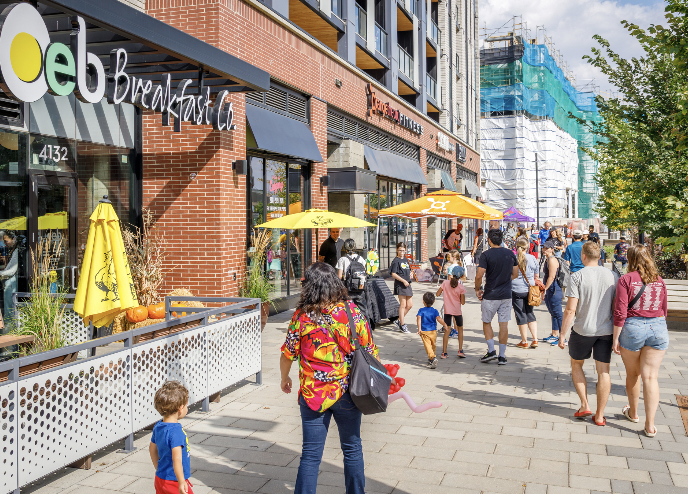

The Ontario government, led by Premier Doug Ford, has accelerated the timeline for the policy change. Initially slated for implementation by 2026, the government moved the date forward to September 2023 for convenience stores and October 31, 2023, for grocery stores.

To ensure compliance, the AGCO is intensifying inspections of licensed retailers. In a recent case, Mabelle Tuck Shop in Etobicoke faced a 21-day suspension of its alcohol retail license for allegedly selling alcohol before the official start date.

Related: Over 4,000 Ontario convenience stores approved for alcohol sales on September 5th

Chick-fil-A Shared Table food donation program surpasses 30 million meals

Photo courtesy of Chick-fil-A

Chick-fil-A, Inc. announced that the Chick-fil-A Shared Table® food donation program has provided over 30 million meals to local communities in need across Canada and the United States, while also helping the company surpass its 2025 corporate social responsibility goal to divert 25 million pounds of food waste from landfills one year ahead of schedule.

This significant achievement underscores the company’s commitment to fighting hunger and food insecurity while also demonstrating environmental stewardship, it said.

The company said the Canadian Public Health Organization estimates 15.9 per cent of households in Canada, equating to 5.8 million people, lack adequate access to food. Chick-fil-A Shared Table empowers local Chick-fil-A Owner-Operators to address this issue through donating surplus food from their restaurants to local community partners to help people facing hunger. Chick-fil-A, Inc. works with Second Harvest and Food Donation Connection to connect local Owner-Operators with these organizations, and more than 2,200 restaurants participate in the program. 

“Since 2012, meal programs, shelters and other organizations have transformed donated surplus food items – like chicken, salads and more – into meals for those affected by food insecurity. By repurposing extra food that would otherwise go to waste, Chick-fil-A has not only reduced its environmental footprint, but also made a meaningful impact in addressing hunger and food insecurity within local communities,” it said.

Andrew Cathy


“The heart of the Chick-fil-A Shared Table program lies with our local Restaurant Owner-Operators and the unique partnerships they develop with non-profits in their communities to feed people in need,” said Andrew T. Cathy, CEO of Chick-fil-A, Inc. “Like so many of the best ideas at Chick-fil-A, Shared Table began in our Operator community, and today, many of our Chick-fil-A local Owner-Operators choose to participate out of a genuine desire to make a positive impact in the communities they serve. That’s what makes the program so successful.”  

By the Numbers: 
• 106,000 pounds of food waste in Canada diverted from landfills by Chick-fil-A, Inc. and Chick-fil-A restaurants since 2020 
• 100% of Chick-fil-A restaurants in Canada participate in Chick-fil-A Shared Table 
• 106,000 meals created for individuals in need through from 16 Chick-fil-A restaurants participating in Chick-fil-A Shared Table in Canada 
• 1,200+ non-profit organizations across Canada and the U.S. engaged in Chick-fil-A Shared Table 
• 15.9% of households in Canada – equating to approximately 5.8 million people – lack adequate access to food (Source: Canadian Public Health Organization
• 44 million Americans – including 13 million children – are food insecure (Source: Feeding America)
• 160 billion pounds of food is estimated to be wasted each year in the U.S. alone (Source: ReFED)

Lori Nikkel

“We’re delighted to see the significant progress Chick-fil-A has made in the fight against hunger and food waste. Surplus food donations from Chick-fil-A restaurants across Canada not only help provide nourishing meals to local communities, but also divert greenhouse gases from the environment,” said Lori Nikkel, CEO of Second Harvest. “Food insecurity continues to impact Canadians, and through the partnership with Chick-fil-A, we’re able to make a true difference in the lives of those in need.”

“As food insecurity in Canada has grown, it’s important to me as a local business owner to be conscious about how I’m conducting business and giving back to those in need in my community,” said Karleen Rhodes, local Owner-Operator of Chick-fil-A West Edmonton Mall. “The Chick-fil-A Shared Table program is a genuine, caring way to support our neighbours – and that is really what makes Chick-fil-A a leader in the quick-service restaurant industry.”

Karleen Rhodes


Chick-fil-A, Inc. is the third largest quick-service restaurant company in the United States, known for its freshly-prepared food, signature hospitality and unique franchise model. More than 200,000 Team Members are employed by independent owner-operators in more than 3,000 restaurants across the United States, Canada, and Puerto Rico. In 2023, the company shared plans to expand by 2030 into Europe and Asia.  

The family-owned and privately held company was founded in 1967 by S. Truett Cathy.

Walmart Canada Faces Union Push at Mississauga Warehouse

Photo: Walmart Canada

Walmart Canada faces a unionization effort at its Mississauga warehouse. Unifor, Canada’s largest private sector union, has taken a step towards organizing workers at the facility.

The union recently filed an application with the Ontario Labour Relations Board (OLRB), setting in motion a process that could lead to a unionized workforce at the Walmart warehouse. The move comes as part of a broader trend in Canada’s retail and logistics sectors.

Unifor’s push began in December 2023, mirroring similar efforts across the country. Notably, Amazon workers in Metro Vancouver initiated their own unionization campaign in 2024, though that vote remains pending due to legal challenges.

Lana Payne, Unifor’s national president, emphasized the importance of this development. “Walmart workers deserve better job security, improved safety measures, and fair compensation,” she stated. “This application marks a crucial step towards achieving these goals.”

The OLRB will now process Unifor’s application and determine whether a vote is necessary. If the union’s membership cards represent at least 40% of eligible workers, a vote will be scheduled within five business days.

Samia Hashi, Unifor’s Ontario regional director, addressed potential challenges. “Despite top-down opposition, Walmart workers have shown they’re ready for union protection,” Hashi noted. “Unions benefit workers, and Walmart is no exception to this rule.”

Unifor, representing 315,000 workers across various economic sectors, has a history of advocating for workers’ rights and social justice both in Canada and internationally.

This unionization attempt follows other recent labor developments in Canadian retail. In August 2024, grocery chain Metro reached a tentative agreement with Unifor for renewing its collective agreement with unionized employees.

Related: Walmart Canada Unveils State-of-the-Art Fulfillment Centre in Alberta, Expanding Two-Day Shipping to 97% of Canadian Homes [CEO Interview]

Nordstrom family aims to take retailer private following Canadian exit last year

Former Nordstrom at CF Pacific Centre in Vancouver BC (Image: Lee Rivett)

Seattle-based Nordstrom faces a potential shift in ownership as family members propose a $3.76 billion privatization deal. 

The Nordstrom family, who currently own 33.4% of the company’s outstanding common stock, has offered to buy out shareholders at $23 per share. The proposal represents a premium of nearly 35% over the stock price since rumours of the transaction first emerged in March.

Backing the Nordstrom family in the venture is El Puerto de Liverpool, a prominent Mexican retail group. With over 300 stores in Mexico and a robust credit card business boasting 7.2 million active accounts, Liverpool already holds a 9.6% stake in Nordstrom stock.

Founded in 1901 as a shoe store, Nordstrom has evolved into a major player in the upscale retail sector in the US. Fourth-generation family members Erik and Peter Nordstrom currently lead the company as CEO and president, respectively.

In their letter to the board of directors, the family cited the passing of their father, Bruce Nordstrom, as one of the driving forces behind this move. Bruce Nordstrom, who served as chairman, died in May at the age of 90.

The proposed deal includes commitments for $250 million in new bank financing, demonstrating the group’s confidence in Nordstrom’s future prospects. 

The move follows financial struggles that led to Nordstorm exiting its Canadian operations last year. That included an online business as well as six full-priced stores and seven Nordstrom Rack locations. Spaces are now being back-filled, including announcements that La Maison Simons would occupy parts of the CF Toronto Eaton Centre and Yorkdale Nordstrom boxes in Toronto. 

Parkland Corp. to sell Florida assets in divestiture plan

On the Run location in Florida. Photo: Parkland Corporation

Canadian fuel retailer Parkland Corp. has announced plans to sell its Florida-based operations. This move is part of the company’s strategy to divest non-core assets and improve shareholder returns.

The Calgary-headquartered firm reported significant interest in its Florida assets on Tuesday. These include about 100 retail locations, nine cardlock facilities, and four bulk storage plants and warehouses across the state.

Parkland says it expects to complete the sale within the next 12 to 18 months. This divestiture aligns with the company’s ongoing efforts to streamline its portfolio and focus on high-growth areas.

The fuel retailer operates approximately 4,000 fuel and convenience retail stores across Canada, the United States, and the Caribbean. It also runs an oil refinery in Burnaby, British Columbia.

In Canada, Parkland has already listed 157 gas and convenience stores for sale. The company says it anticipates closing the previously announced sale of its Canadian propane business in the fourth quarter of this year.

To date, Parkland’s divestiture program has generated about $200 million in proceeds. With the addition of the Florida business, the company now projects its divestiture program to exceed $500 million by the end of 2025.

“Parkland continuously reviews all parts of its portfolio,” the company stated in a news release. “By divesting non-core assets, the company continues to focus on areas with the highest growth potential and strongest synergies with its core business.”

The move comes amid calls for more action to improve Parkland’s performance. U.S.-based activist investor Engine Capital LP and Parkland’s largest shareholder, Simpson Oil Ltd., have urged the company to conduct a review of strategic alternatives, including a potential sale.

However, Parkland maintains that such a review is unnecessary and does not align with the best interests of the majority of its shareholders. The company faces additional challenges, including a lawsuit filed by Simpson Oil in August.

The Cayman Islands-based Simpson Oil, which owns about 20% of Parkland’s shares, seeks to overturn voting restrictions that are part of a 2019 board governance agreement between the two companies.

Costco raises membership fees in Canada and US, implements stricter access controls

Costco Anjou Business Centre
Costco Anjou Business Centre (Image: Costco)

This week US-based multinational membership-only wholesale retailer Costco implemented its first membership fee increase since 2017 for Canadian and U.S. customers. This move comes alongside new measures to prevent non-members from accessing its warehouses.

The company revealed in July that annual membership fees would rise by $5 to $65 for three of its plans: “Gold Star,” “Business,” and “Business Add-On.” These changes took effect for new members signing up on or after September 1 and for renewals occurring after that date.

Costco’s premium “Executive Membership” also saw a price hike, increasing by $10 to $130 annually. However, Executive members will soon benefit from an increased annual reward cap of $1,250, up from the current $1,000 limit.

The fee increase is expected to impact approximately 52 million memberships, with Executive members accounting for slightly more than half of this figure. Costco has long relied on membership fees as a significant profit generator, using this revenue to offset expenses and maintain competitive pricing.

In the previous fiscal year, Costco’s membership fee revenue reached US$4.6 billion, marking an 8% increase from 2022. This substantial income stream plays a crucial role in the company’s business model, allowing it to offer competitive prices on a wide range of products.

Alongside the fee increases, Costco is implementing stricter access controls to curb membership sharing. The company plans to introduce membership scanning devices at warehouse entrances, requiring all members to scan their physical or digital membership cards before entry.

“Over the coming months, membership scanning devices will be used at the entrance door of your local warehouse,” Costco stated. This new policy aims to ensure that only valid members and their guests can access Costco’s facilities.

For members whose cards lack a photo, Costco advises bringing a valid photo ID. The company says it encourages these members to visit the membership counter to have their photo taken, streamlining future visits.

Additionally, Costco now requires all guests to be accompanied by a valid cardholder when entering its stores. This measure is designed to prevent non-members from using membership cards that don’t belong to them.

As of September 2024, Costco operates a vast network of 884 warehouses globally. This includes 611 locations in the United States and Puerto Rico, and 108 in Canada — representing a higher penetration of stores per capita. The company’s international presence spans several countries, including:

  • 40 warehouses in Mexico
  • 33 in Japan
  • 29 in the United Kingdom
  • 18 in Korea
  • 15 in Australia
  • 14 in Taiwan
  • 7 in China
  • 4 in Spain
  • 2 in France
  • 1 each in Iceland, New Zealand, and Sweden

Costco’s e-commerce operations complement its physical presence, with online platforms serving customers in the U.S., Canada, the U.K., Mexico, Korea, Taiwan, Japan, and Australia.

VIDEO: Ontario alcohol sales in convenience stores

Bruce Winder, a retail analyst, discusses the launch in Ontario on Thursday September 5 in convenience stores.

Bruce Winder

Sales of alcohol will be launched in Ontario grocery stores on October 31 this year.

Winder says the move will be a disruptor offering consumers convenience but with a limited assortment.

The question is going to be what the price of alcohol will be.

For grocery stores, the margins for alcohol are not high and as of January bigger grocery stores will have to add a return element to their locations.

Winder says the consumer response is mixed right now as other provinces like Quebec have been doing it for a long time. Some negative responses include what it means for residential neighbourhoods as well as social concerns over drinking.

The following is a statement from Anne Kothawala, President and CEO of the Convenience Industry Council of Canada, on the launch of beverage alcohol sales in convenience stores:

“Today is a milestone for consumers and convenience stores in the province of Ontario. It marks the end of antiquated, prohibition-era rules that have precluded the province’s 7,500 convenience stores from responsibly retailing beverage alcohol.

“Allowing beer, wine, and coolers to be sold in our stores will create new revenue streams for our local businesses and meet customer demands in an increasingly competitive marketplace. It will also give thousands of Ontario retailers and producers opportunities to secure and grow their businesses. According to economic research prepared for CICC by Cascadia Partners, expansion will result in an additional 9,300 new jobs in the province. It is a true win-win-win: for convenience stores, for local producers, and for consumers.

“We commend Premier Doug Ford and Minister Peter Bethlenfalvy for working with CICC closely and delivering on their commitment to increase both convenience and choice to Ontarians.

“Today is just the start. There are still issues that need to be addressed to ensure the retail framework works for everyone. As the voice of convenience stores in Ontario, we will continue to work with the government to provide our industry expertise moving forward to address our concerns around pricing and distribution.”

The Convenience Industry Council of Canada (CICC) is the voice of Ontario’s convenience industry and represents 7,500 retailers in Ontario that generate $16.8 billion in annual sales, employ 65,700 Ontarians and collect $4.3 billion annually in taxes for the provincial government.