Home Blog Page 630

Quartier Dix30 Near Montreal Seeing Major Tenant Updates Including Quebec’s Second T&T Supermarket [Interview]

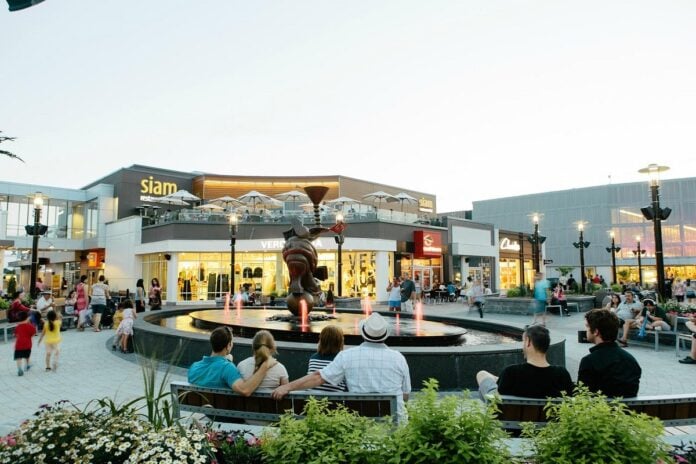
Quartier DIX30 (Image: Quartier DIX30)

The launch next year of a new T&T Supermarket at Quartier Dix30 in Brossard will give a huge boost to the redevelopment and transformation of the massive shopping centre in the Montreal area.

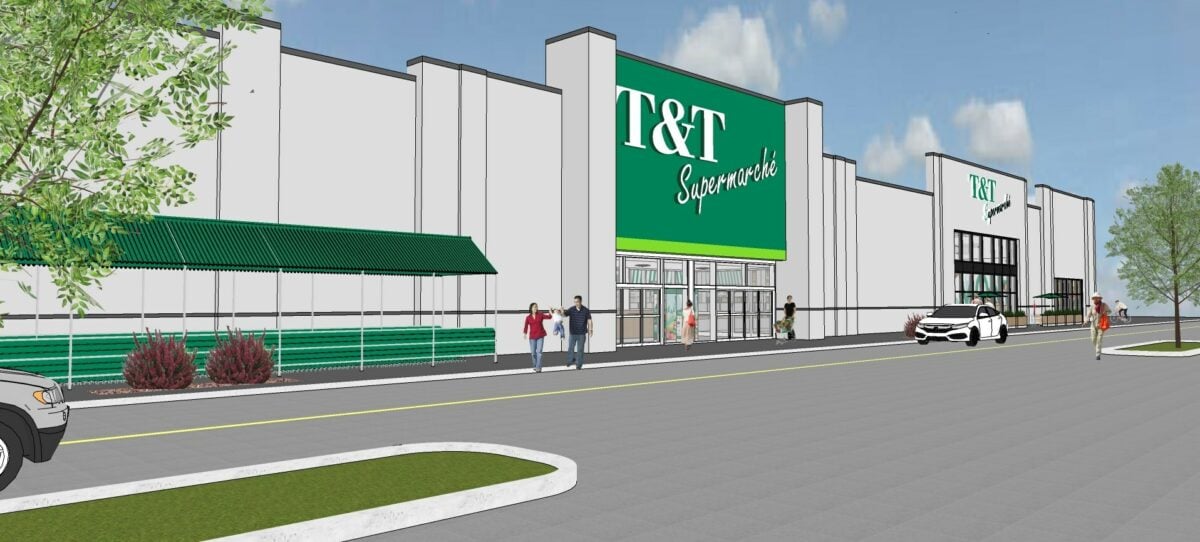
The successful Asian grocery chain will open in the fall of 2024.

Tina Lee, CEO of T&T Supermarkets (CNW Group/Loblaw Companies Limited)

“South Shore was one of the most requested locations from the community ever since we announced we’re coming to Quebec. After receiving such a warm welcome in Montreal last year, we’re looking forward to opening a second T&T Supermarket in Quebec,” said Tina Lee, Chief Executive Officer of T&T.

“We looked at many development opportunities, and Brossard’s Quartier Dix30 proved to be the obvious choice – it’s a popular and ever-expanding mall, and we aim to be an integral part of the vibrant community that is growing around us. With numerous residential units planned in the coming years, we see immense potential in catering to the evolving needs of our customers, ensuring convenience and a delightful shopping experience.”

Quartier DIX30
T&T’s New Brossard Location Rendering Photo (CNW Group/T&T Supermarkets)

Quartier Dix30 is the second-largest retail centre in Canada in terms of size, with 3,200,000 square feet of retail and office space, as well as a direct connection to the REM and thousands of residential units planned over the coming years.

Nicholas Kassis

Nicholas Kassis, Head of Leasing for the shopping centre, which is operated by Carbonleo, said the arrival of T&T is massive for Quartier Dix30. 

Carbonleo took over the management of the shopping centre in June 2022.

“Really one of the first things we knew that we wanted to do was how could we revive that centre. It’s the second largest shopping centre in Canada after West Edmonton Mall. It’s massive. It sits on about nine million square feet of land. The redevelopment potential for that site is massive,” said Kassis. “There was a lot of vacancy and we started looking at how can we improve in the short term the property.

“We knew already the new LRT train, the REM, that the government of Quebec were building, we were the only site in Quebec that had two stations. So we needed to capitalize on this. And we knew as well how the arrival of these new customers which (are) estimated at about 18.5 million visitors a year only for the southern portion of the REM, we knew that all this new customer base would change also the face of this mall.

“When we started looking at what we can improve, we realized that obviously there’s a huge Asian community on the south shore. We knew the T&T team pretty well and we knew what they were doing in Western Canada as well. We knew the success they were having. And having that type of offering is such a draw. Back in 2013, if I have my dates correct, Adonis opened on the South Shore and it really rapidly became one of the best grocery stores in Quebec and obviously became a huge draw for the southern part of Montreal. I think it was doing $1 million in sales per week at that time. So bringing a lot of traffic flow. And when you’re able to differentiate in your offering people will come from further than your typical day to day customer of this town.”

T&T Supermarket Montreal (Image: T&T Supermarket)

Kassis said T&T is a perfect fit for Quartier Dix30.

Nicolas Desourdy

“We’re proud to be working with T&T and to be able to contribute to the growth of this Canadian brand, while expanding the Quartier Dix30 offering. The arrival of this major player in the food industry represents added value for the dynamic and growing community of Brossard and the surrounding area and confirms Quartier Dix30 as the destination of choice for the South Shore,” said Nicolas Désourdy, President and Partner, Carbonleo, in a statement.

T&T Supermarkets is Canada’s largest Asian supermarket chain, with 33 stores located in British Columbia, Alberta, Ontario and Québec. T&T stores offer customers a vast selection of Asian products, including a wide variety of fruits and vegetables, meats, seafood, groceries, fresh breads baked daily, ready-to-eat meals and popular T&T private label products. 

The company was founded in Vancouver in 1993 and is under the Loblaw Group of Companies.
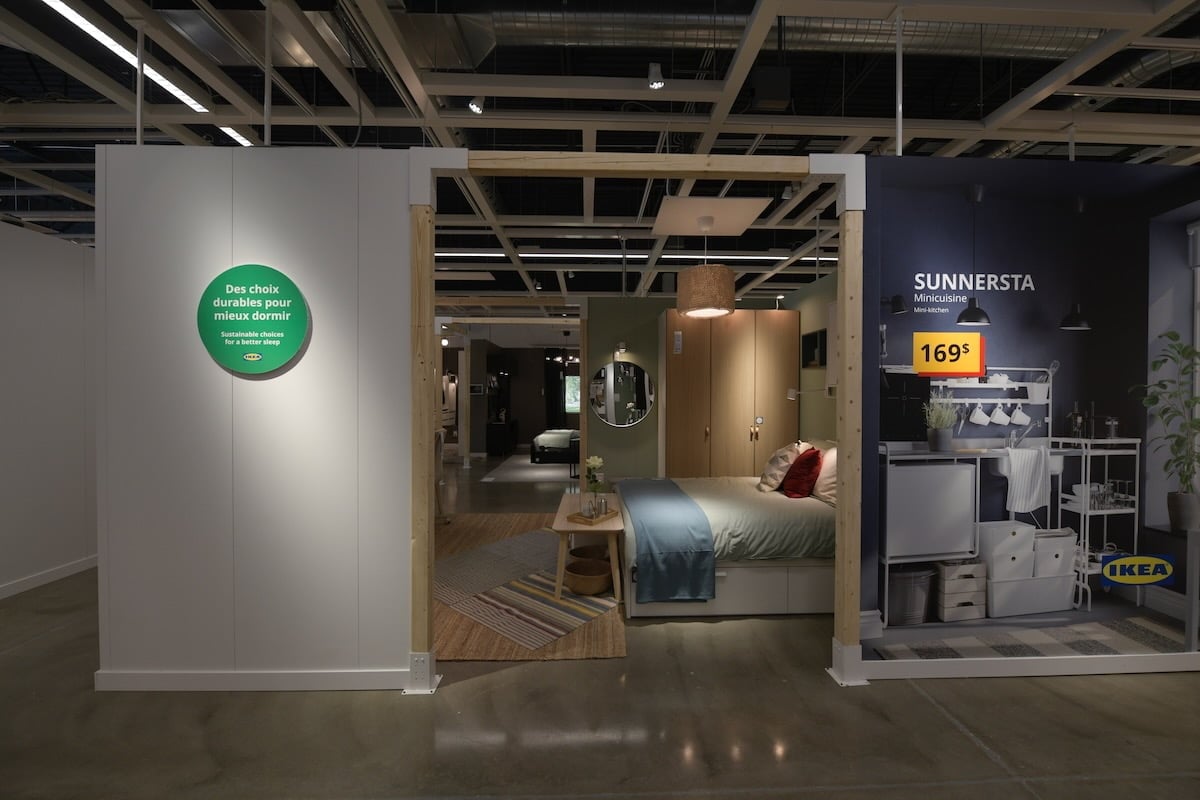
IKEA Pick and Order Point Boisbriand (Image: IKEA Canada)

Over the past year, Quartier Dix30 has added several new retailers including IKEA, Arc’teryx, Bath & Body Works.

“There’s a lot of new signatures that we’ll be able to announce shortly,” said Kassis. “What’s been great is that with all of the signatures that we’ve done since June of 2022 we’ve been able to reduce the vacancy of this (centre) by 47 per cent.”

Quartier DIX30 opened in 2006 with a third phase being completed in 2009. 

“There’s really a lot of activity and if we look at our sales of 2023 versus 2019 have increased by 31 per cent,” said Kassis. “It’s really, really positive.”
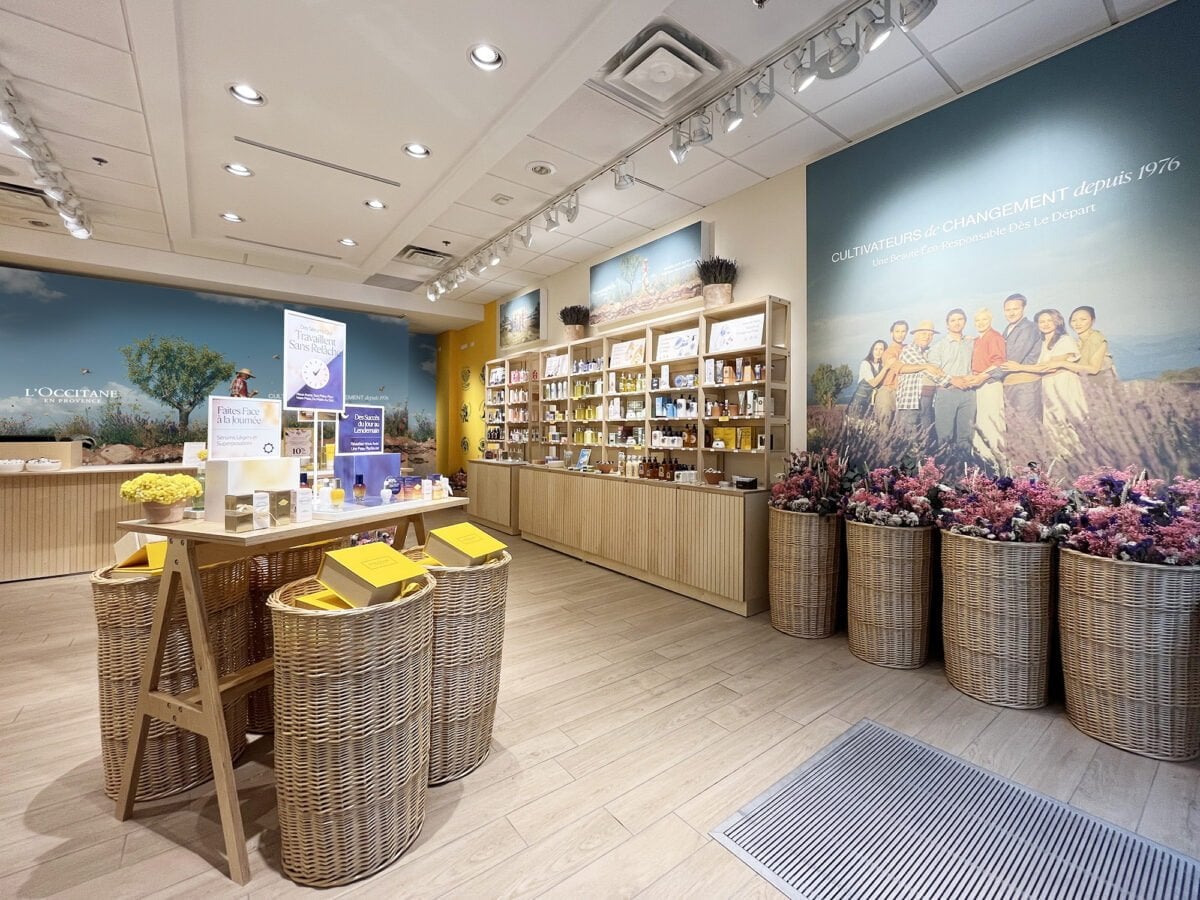

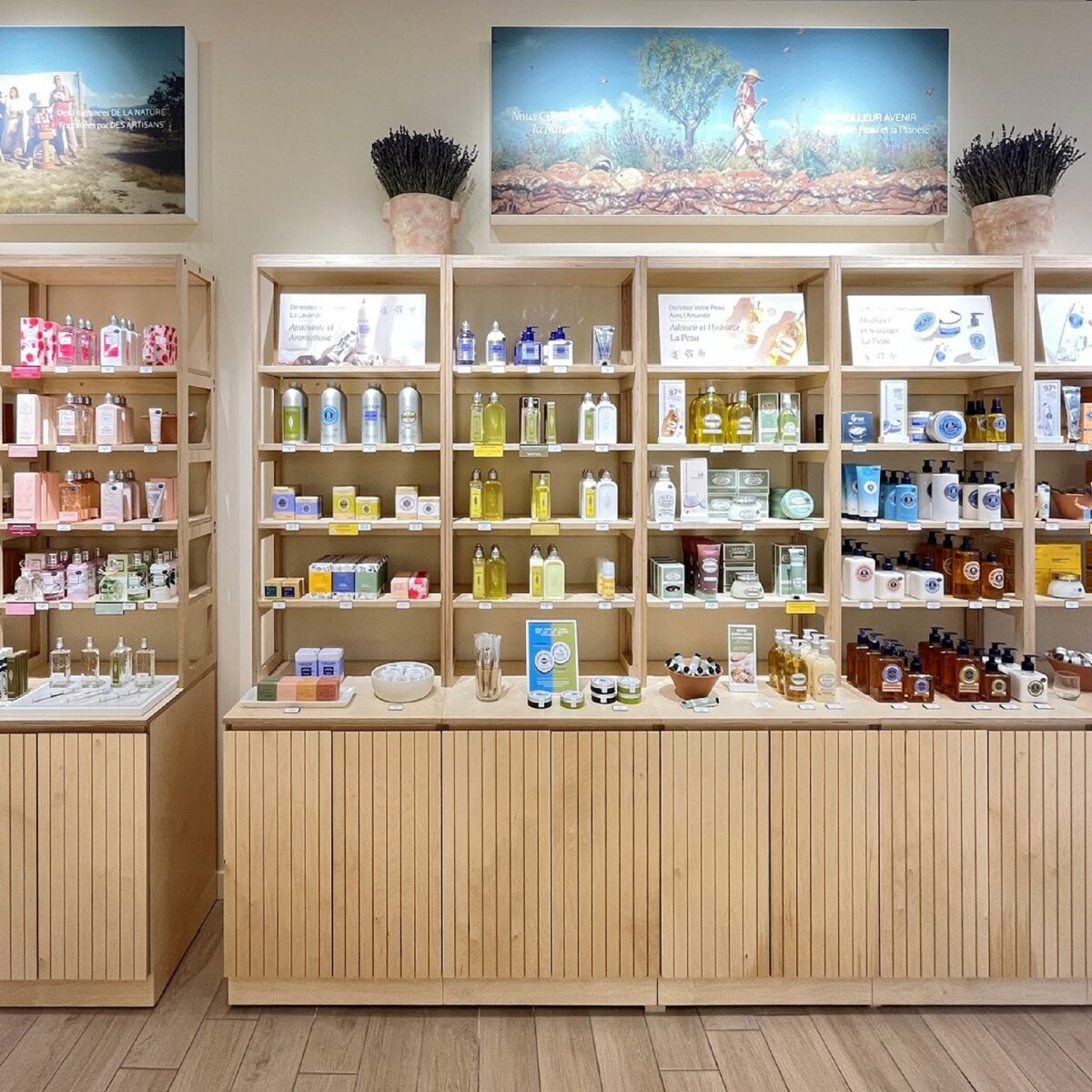
L’OCCITANE en Provence opens new store location at Quartier DIX30 in Brossard. (Image: L’Occitane)

The REM has greatly increased the number of visitors that are now coming from the Island of Montreal.

Plans are to build about 2,000 residential units over the years.

Kassis said the company will be investing between $15-20 million to put a linear park in the shopping centre area. 

In addition to Quartier DIX30, Carbonleo is also developing the massive Royalmount project on Montreal Island that will include a retail shopping centre, offices, hotels and thousands of units of residential. The company also developed and owns the Four Seasons Hotel in downtown Montreal which is connected to Holt Renfrew Ogilvy. 

Mr. Pretzels Chain Expands Beyond Malls in Canada Following Pandemic Challenges [Interview]

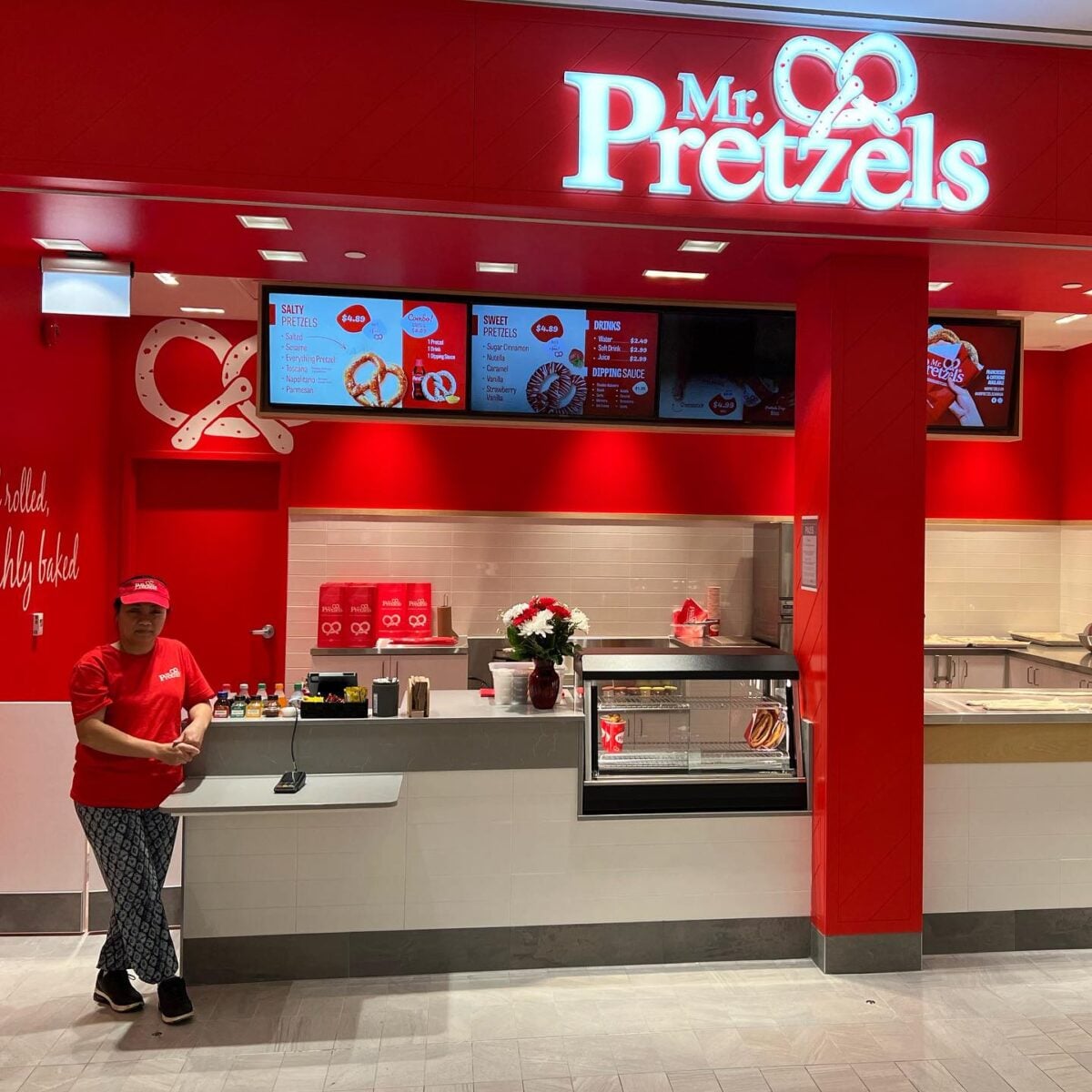
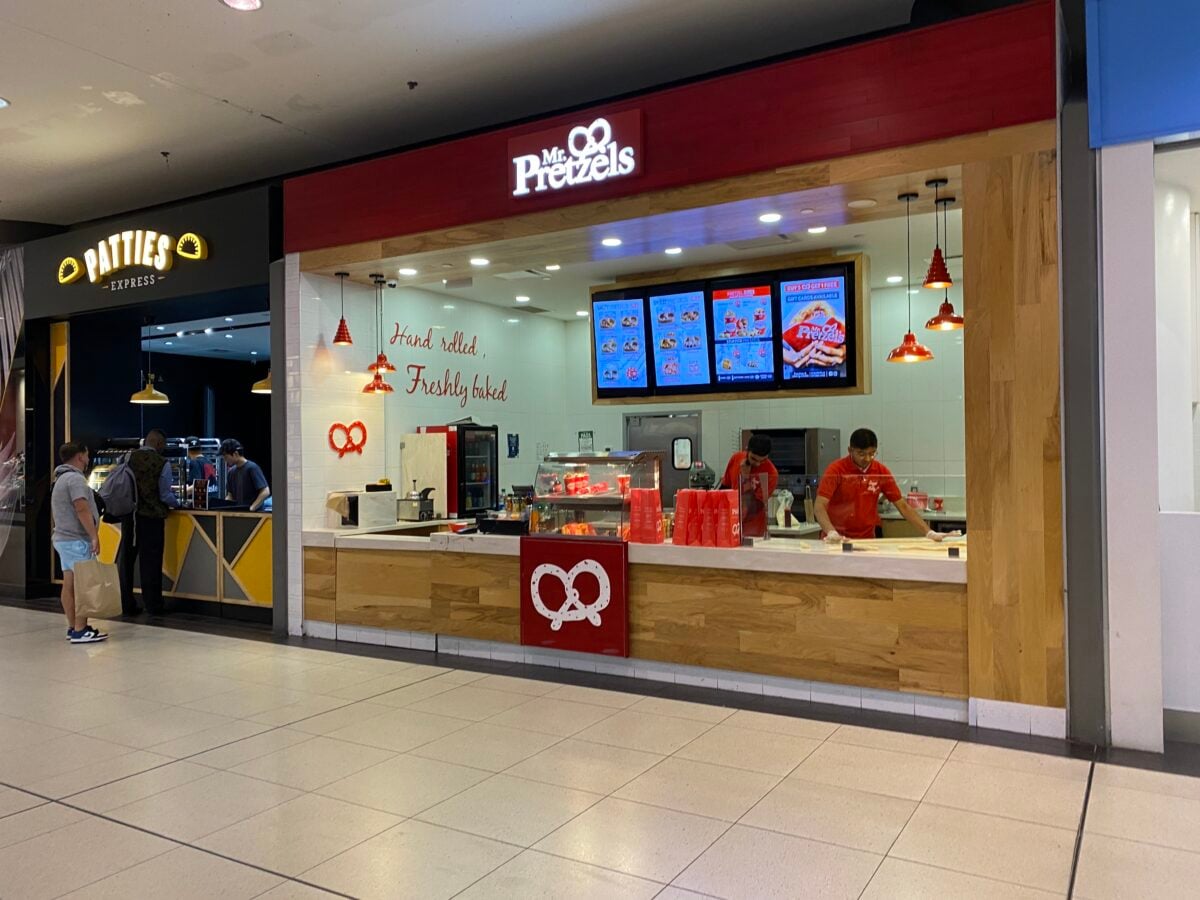
Mr. Pretzel at Conestoga Mall (Image: Mr. Pretzel)

Mr. Pretzels has been known over the years for its presence in shopping malls across the country.
But the brand is expanding into other areas as it builds its presence in Canada.
Carmine Di Fruscia, president of Mr. Pretzels in Canada, said the company currently has 80 locations, approaching 90 by the end of next year.

“What happened during COVID obviously every mall shut down, every province was a bit different to handle. That was a bit confusing. Quebec handled it one way, Ontario handled it another way, Alberta another. So we had to juggle all these things. At one point every single store was closed,” he said.

New Mr. Pretzel at CF Masonville Place (Image: Mr Pretzel)
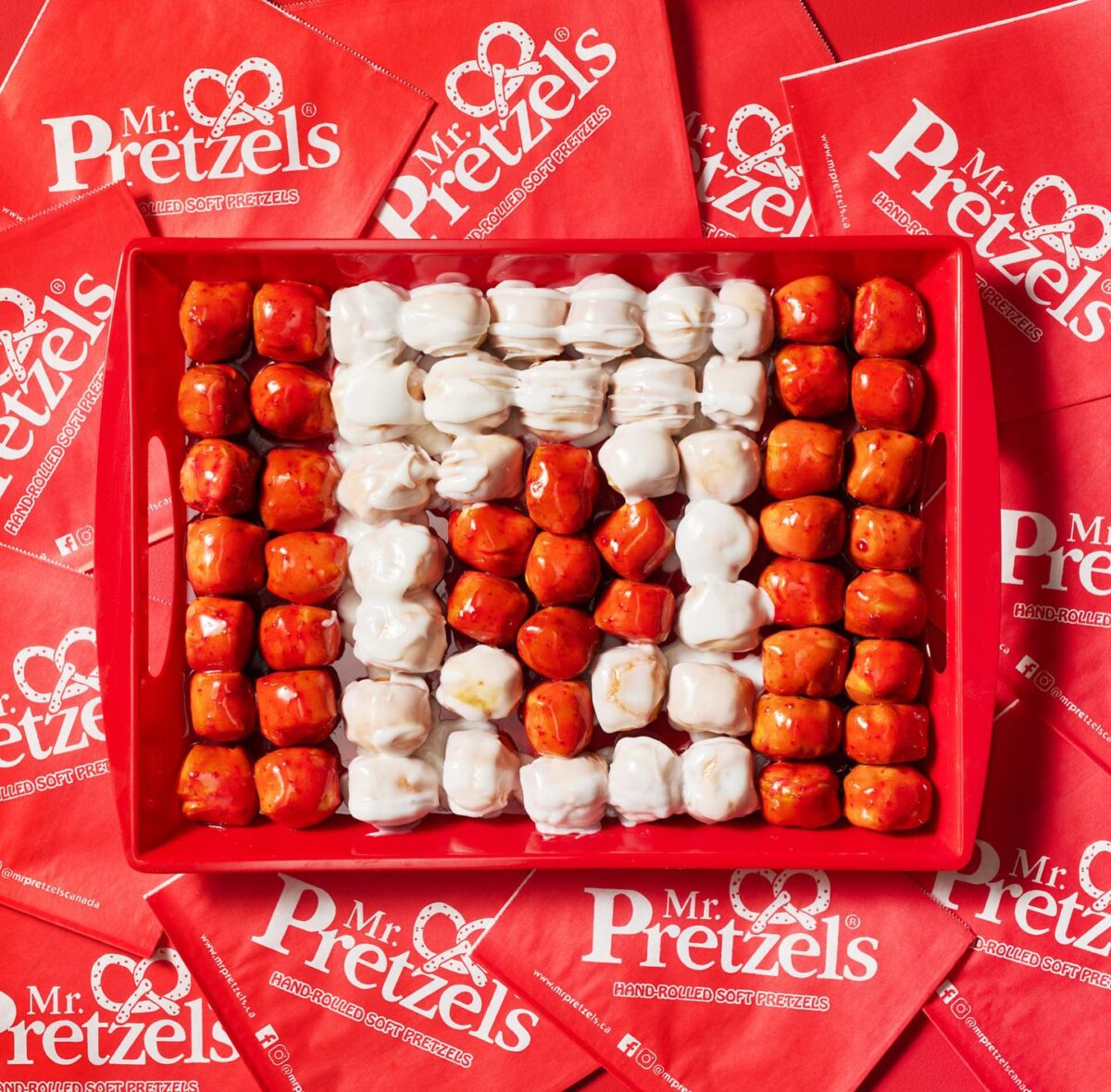
Image: Mr. Pretzel

“But then we kind of bounced back. We took that opportunity to reinvent ourselves. We came out with a baking kit. People were going crazy baking at home. So we created this baking kit that we sell in our stores. Then our competitor from the U.S. decided to leave Canada and we ended up picking all their locations up except for one. 

“So during the time the malls were slowing re-opening and closing and re-opening, we were continuing to open stores. Still business as usual. When we re-opened a lot of our customers came back. So our sales year-to-date are up easily about 12 per cent, 15 per cent which is a good number to be in. We came up with a few different flavours on our product.”

Di Fruscia said the company has recently opened five stores across Canada – Quebec, Ontario, Vancouver and Alberta. 

“And we’ve seemed to have gone to different markets. We’ve opened up in the airports, in the University of Calgary and that’s new for us,” he said. “We’re opening up our second location in the airport of Montreal. We’re in international and now we’re going into the domestic side. These numbers are just incredible, breaking all records. 

“University of Calgary was our first. Now we’re talking to the University of Ottawa, looking to go into different markets. Our primary market is always the malls.”

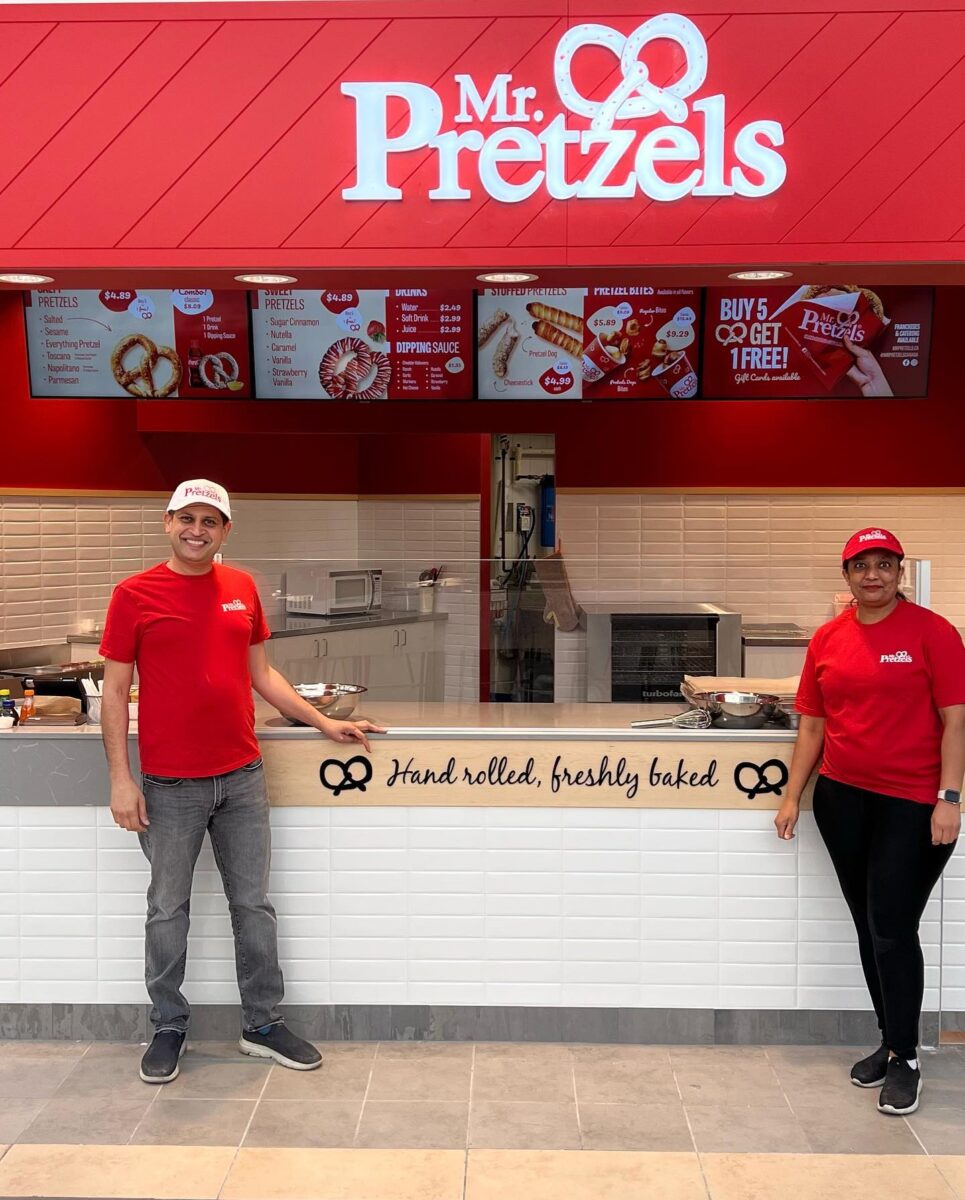
Image: Mr. Pretzel
Image: Mr. Pretzel

Mr. Pretzels has been present in Canada since 2013 and today has more than 300 locations across 20 countries.

“One area we haven’t been able to penetrate for a long time, which we are now, is the Maritimes. That’s our focus right now. We’re going to open one to two stores in the Maritimes,” said Di Fruscia. “What’s happening now going forward is we still have two more stores to open this year.

“Next year we’re looking at another maybe seven or eight stores.”

Image: Mr. Pretzel
Mr. Pretzels at CF Toronto Eaton Centre (Image: Dustin Fuhs)

Di Fruscia said high traffic areas is a very important part of the business. 

“We prefer obviously the kiosk model but we’ve done a lot of in-lines that have been very successful. Our primary is kiosk. If that’s not available we look at a small in-line,” he said. 

All of the pretzel dough is freshly prepared throughout the day and hand rolled on site for people to feast their eyes on. 

The company’s founder is Luiz Penna.

Canada’s first location was opened in Place Vertu shopping centre in Montreal four years ago after Di Fruscia met the founder of Mr. Pretzels at that time.

In 2018, Di Fruscia had plans to bring Italian bag brand O bag to Canada with a goal of opening 50 stores over five years.

“That franchise didn’t go well. It didn’t survive COVID,” he said. “O bag is a brand from Italy and in COVID times they were not receiving any merchandise. I guess they were buying some products from China. The import/export was horrible, bringing product in. They ended up closing or filing for bankruptcy protection. We had no choice. We weren’t getting the inventory. We ended up closing the two stores that were open.”

Canadian Retail Rent Survey Reveals Mixed Results and Optimism Amidst Economic Challenges [Interview]

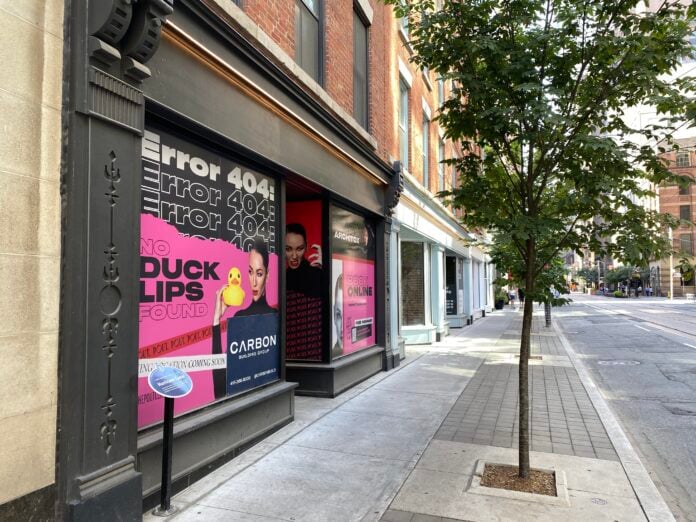
Future POUTx TORONTO on King Street East (Image: Dustin Fuhs)

The Canadian retail landscape experienced positive but mixed results in the first half of the year, with stronger performance being reported in select formats or nodes, according to the CBRE’s H1 2023 Retail Rent Survey. 

“The current economic climate, inflation and elevated interest rates have paused leasing activity amongst some retailers, but not all. The most active category groups vary by market and are most frequently led by QSR and personal services. As has been the case, good real estate continues to be leased quickly, resulting in limited vacancy amongst the most in-demand formats, particularly those that are unenclosed,” said the report. 

“This is expected to continue, and when paired with a softening supply pipeline – a byproduct of higher construction costs – could result in further rental appreciation over the next six months.

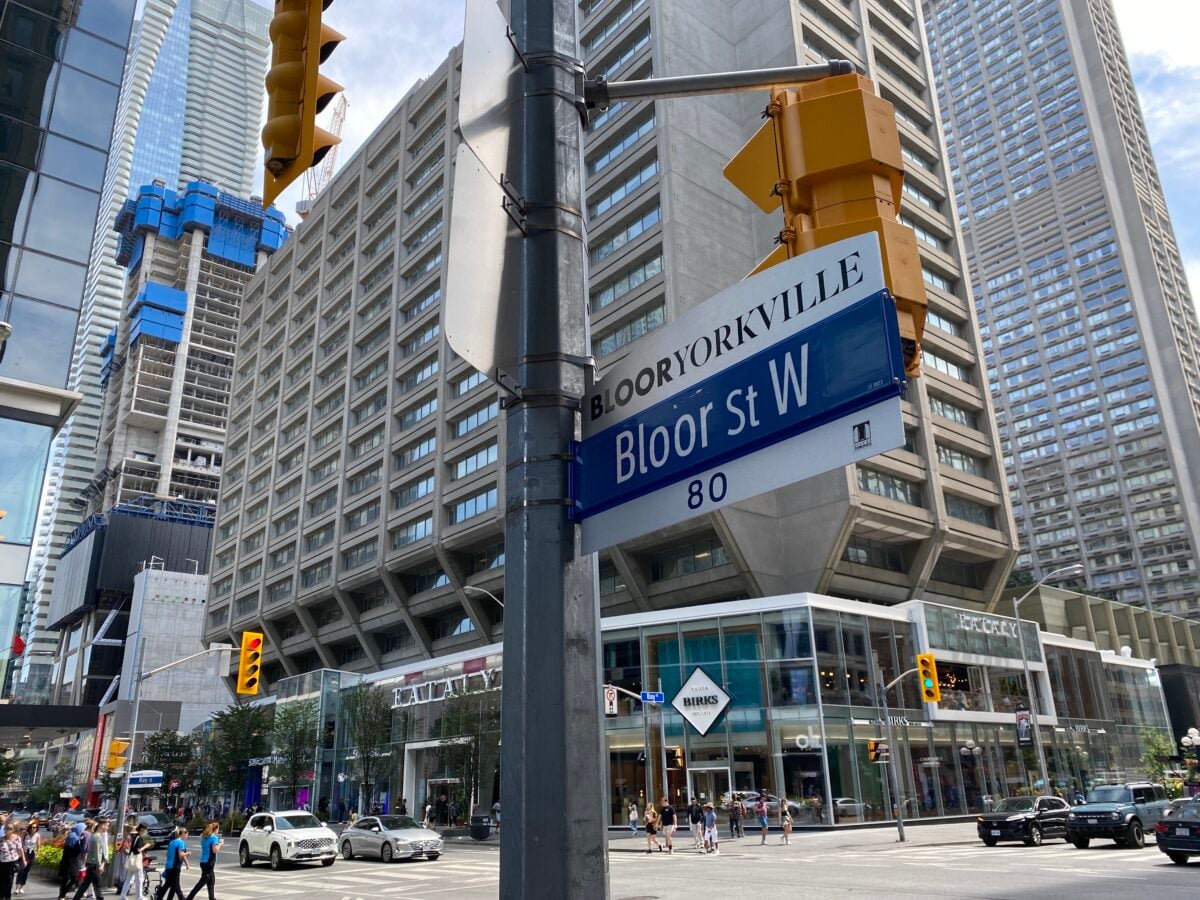
Bloor Yorkville at Bay Street (Image: Dustin Fuhs)

“Select cities have noted challenges with downtown areas, citing slower foot traffic from reduced office occupancy. This sentiment and its subsequent impact on urban retail formats are not uniform across the country; however, this category represents the greatest share of rent increases reported in this survey. In fact, five of 11 markets saw rental appreciation in two or more key urban nodes. High streets in Toronto, namely Bloor-Yorkville, remain a top destination for high profile retailers. Meanwhile, Sainte Catherine Street West in Montreal has seen an uptick in activity with initial phases of construction of the street revitalization nearing completion.

“More upward market movements were reported in H1 in comparison to prior editions of this report with 29 noted increases and only one reduction in benchmark rent prices. Geographically, Montreal and Calgary reported the highest number of rental rate increases, respectively up in eight and six formats or key urban areas.”

Key findings of the report:

  1. Open-air centres are reigning supreme with community (unenclosed), neighbourhood and convenience centres noting increased rental rate ranges in three of 11 markets. Demand remains strong for space in these formats, especially if grocery or food anchored;
  2. Key urban areas face various headwinds, however demand remains strong for the most desirable nodes: 30 per cent of high streets or streetfronts included in this report saw rental rate appreciation;
  3. Mixed-use, both urban and suburban, is gaining traction with each noting rental rate increases in three of 11 markets;
  4. Montreal and Calgary reported the highest number of rental rate increases, respectively up in eight and six formats or key urban areas. This was followed by Halifax (+5) and Toronto (+4); and 
  5. Sentiment remains optimistic across markets despite economic conditions. Activity remains positive, with best- in-class locations leasing quickly. 
Canada Retail Rent Survey H1 2023
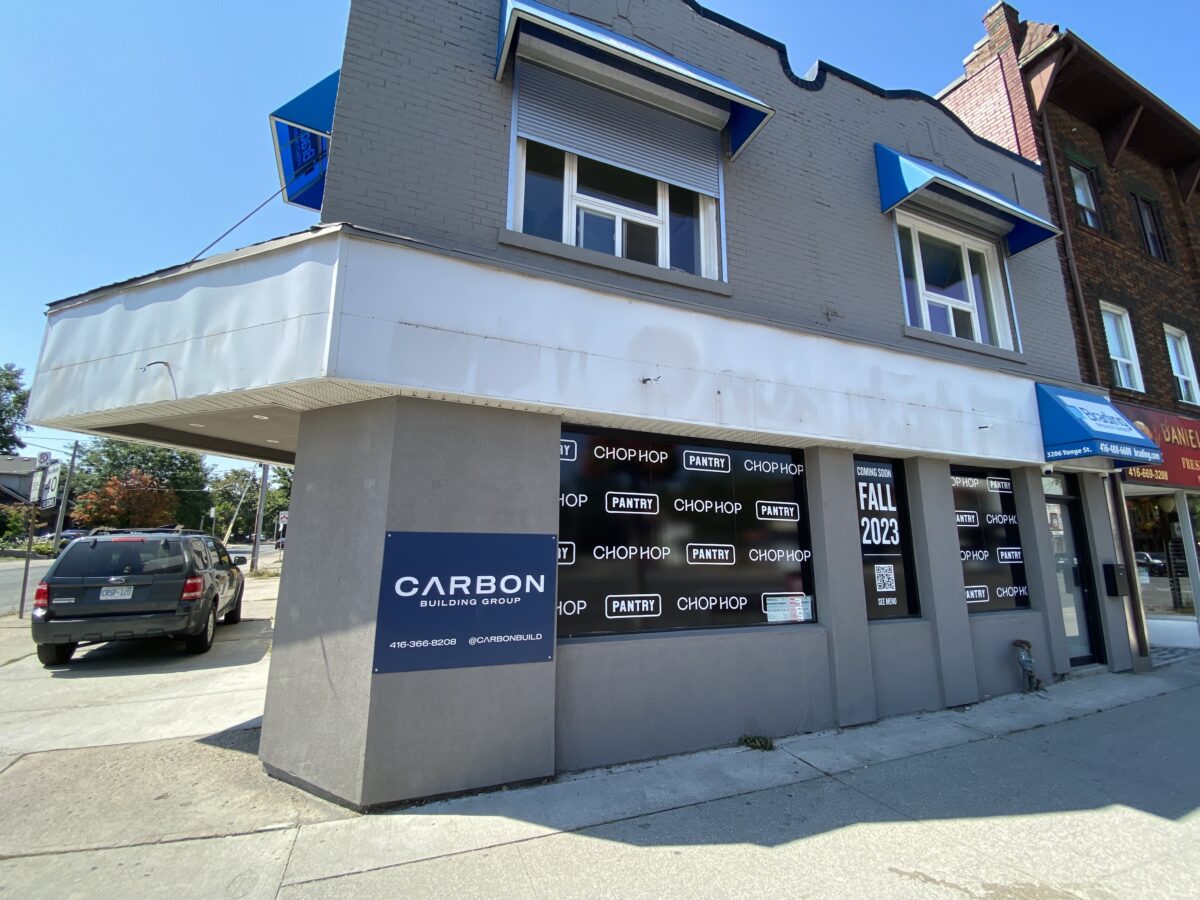
Future Chop Hop Pantry at Yonge and Woburn Ave (Image: Dustin Fuhs)

“We’re back in retail,” said Kate Camenzuli, Vice President of CBRE and Practice Lead, Occupier for Retail, Canada and Cross-Border. “Good real estate is moving quickly. We’re seeing growth in the retail sector. High streets are continuing to grow. 

Kate Camenzuli

“We’re excited to see how it continues to be a very tight market. The difficulty is that when it’s not a tight market it’s usually not super active. So it’s a very active market and across all metropolitan markets.

“I think we are seeing really good growth back into the cores of the city. I think we are seeing continued growth in community-based areas and suburban malls and streets.

“Overall high tides rise all ships and that’s one of the stories for this quarter that we are definitely seeing.”

Camenzuli said one trend that the retail industry is experiencing is groups that are traditionally street and new innovative street retailers are now coming back to the market.

“So we might see high street, suburban high street and sort of the out of enclosed malls outperform enclosed malls only because those are the new retailers right now that are coming into the market,” she said. “But the enclosed mall landlords have done a great job at attracting those traditional street retailers into the malls.”

She said moving quickly on good real estate is going to continue to be important.

Amazon’s Whole Foods Bet 6 Years Ago Has Been a Bust in Canada [Op-Ed]

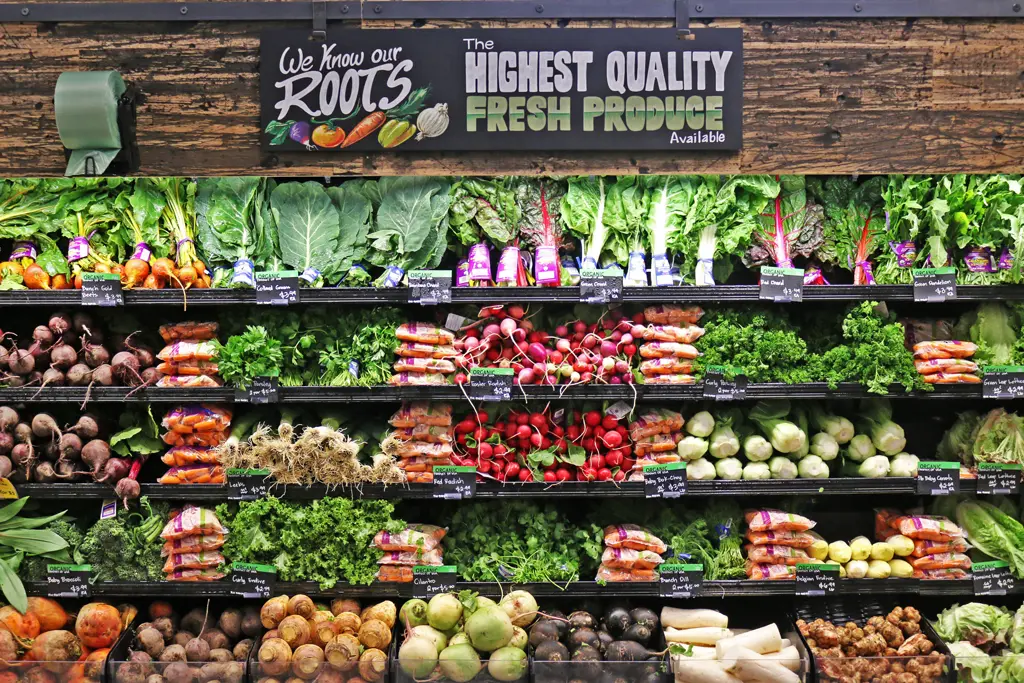
Image: Whole Foods Market

The necessity for increased competition within Canada’s grocery industry is a consensus that resonates across the nation. The identification of a prospective entity capable of catalyzing transformation within our food retail landscape, however, remains a formidable task. Contemplations veer towards the potential entrants, such as the Germany-based Aldi and Lidl, already ensconced in the United States, or perhaps Alimentation Couche-Tard, which embarked on a notable bid to acquire France-based Carrefour last year. Furthermore, one cannot dismiss the erstwhile anticipation surrounding Amazon, notably when it acquired Whole Foods for a princely sum approaching $14 billion USD in 2017. Yet, this anticipation has since given way to a more tempered assessment of Amazon’s performance in the grocery sector.

At the juncture of the acquisition, there was a prevalent belief among analysts that Amazon would seamlessly transfer its online successes into the realm of physical grocery markets, both in the United States and Canada. Indeed, the announcement of Amazon’s acquisition of Whole Foods elicited a pronounced downturn in Canadian grocery stocks. Loblaw and Empire, the conglomerate behind Sobeys, experienced share price depreciations exceeding 3.5 percent, while Metro observed a nearly three percent decline in its stock valuation. Canadian grocery retailers swiftly pivoted towards the burgeoning food virtual market, marked by the proliferation of “Clicks and Collects.” Despite these efforts, however, e-commerce continues to constitute less than four percent of Canada’s comprehensive food retail market, even amidst heightened investments in response to the exigencies of the pandemic.

Image: Whole Foods

Yet, since its acquisition, Whole Foods has failed to exhibit substantial growth. The preceding year witnessed virtually stagnant net income growth, a stark contrast to the promising eight percent experienced in 2017. Amazon’s strategic reliance on high-tech augmentations to the Whole Foods shopping experience, including self-checkout lanes bolstered by biometric payment mechanisms, garnered lukewarm reception at best. Moreover, the footprint of Whole Foods has remained unchanged since its acquisition. While the United States boasts approximately 500 stores, Canada’s count remains fixed at a mere 14. It is imperative to note that the cost of the average grocery basket at Whole Foods substantially eclipses the norm, a disconcerting observation in an era marked by skyrocketing food prices.

In addressing the topic of escalating food prices, Amazon’s ambitious foray into cashier-less grocery retailing, as evidenced by Amazon Fresh, has encountered its own set of challenges. This venture, perceived as a technological revolution in food retailing, eliminates the need for cashiers and employees, relying instead on sensors and smartphones. Presently, Amazon Fresh operates 38 stores, none of which are situated in Canada, although a few are scattered across Europe. Notably, Amazon temporarily halted the expansion of this venture less than a year ago, ostensibly for a comprehensive reassessment. In practice, these stores have often provided lower-quality products at inflated prices, resulting in an underwhelming consumer experience. Amazon, as it stands, is in search of a stable footing within the grocery industry, and Amazon Fresh remains, at best, a work-in-progress.

For those Canadians yearning for increased competition, the onus for improvement falls upon Amazon. Regrettably, Amazon is not poised to serve as Canada’s culinary budgetary guardian angel in the immediate future. Nevertheless, one may ponder whether the Canadian market poses unique challenges compared to its American counterpart. Ironically, the small grocery chain T&T, under the auspices of Loblaw, is preparing to embark upon the American market, commencing operations next year in the greater Seattle area. This development stands in stark contrast to the last attempt by an American grocery retailer to penetrate the Canadian market, a venture undertaken by Target in 2014, which concluded with well-documented challenges.

In summary, the imperative for increased competition within Canada’s grocery sector is irrefutable. The search for a catalyst to drive transformation within this domain continues to be a complex endeavor. While the promise of Amazon’s entry into the grocery realm was a cause for excitement, its performance to date has left much to be desired. Consequently, the Canadian market awaits a formidable entrant capable of reshaping the grocery industry landscape, as the quest for heightened competition persists.

CF Market Mall Hints at Major Tenant Expansion [Interview/Photos]

Image: CF Market Mall

With the recent opening of Japanese fashion brand Uniqlo at CF Chinook Centre in Calgary, it may be only a matter of time before the popular retailer also opens in sister shopping centre CF Market Mall.

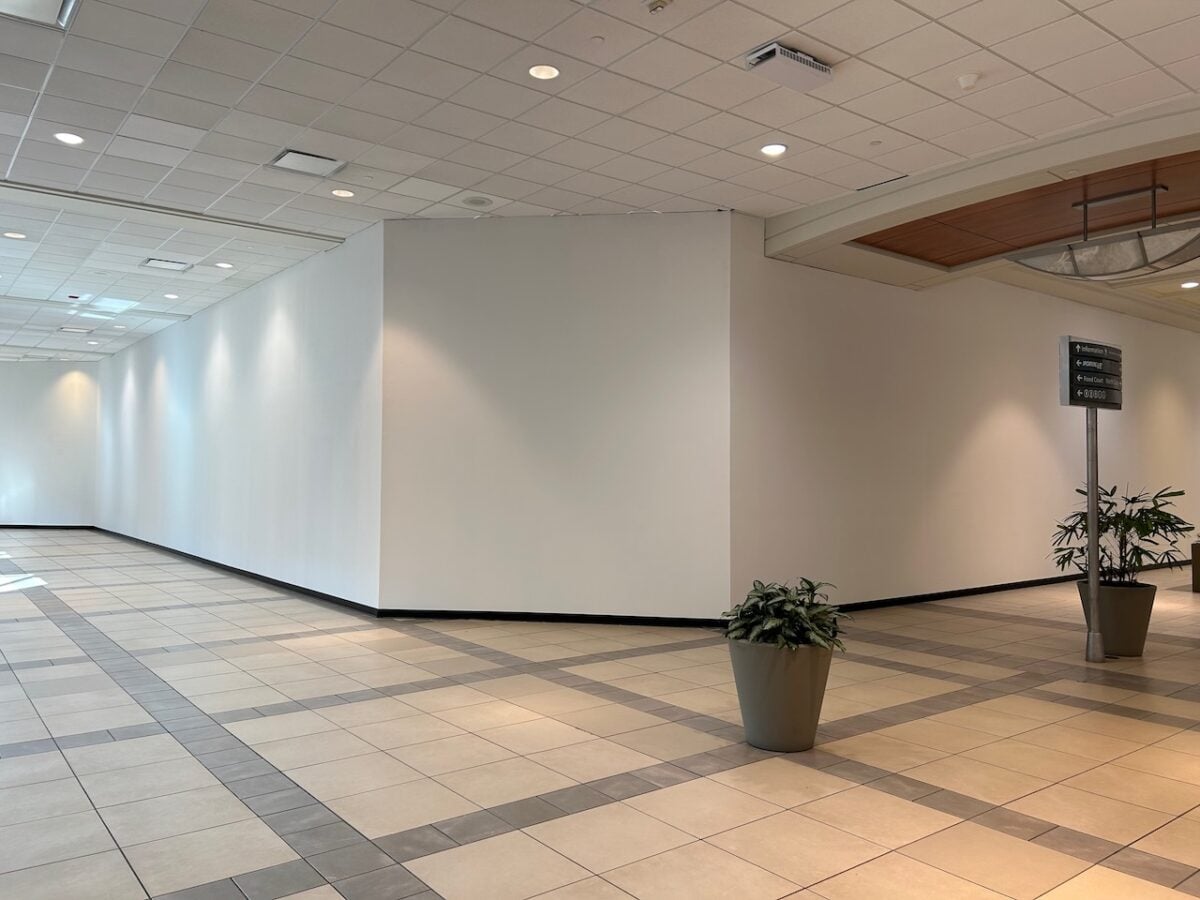
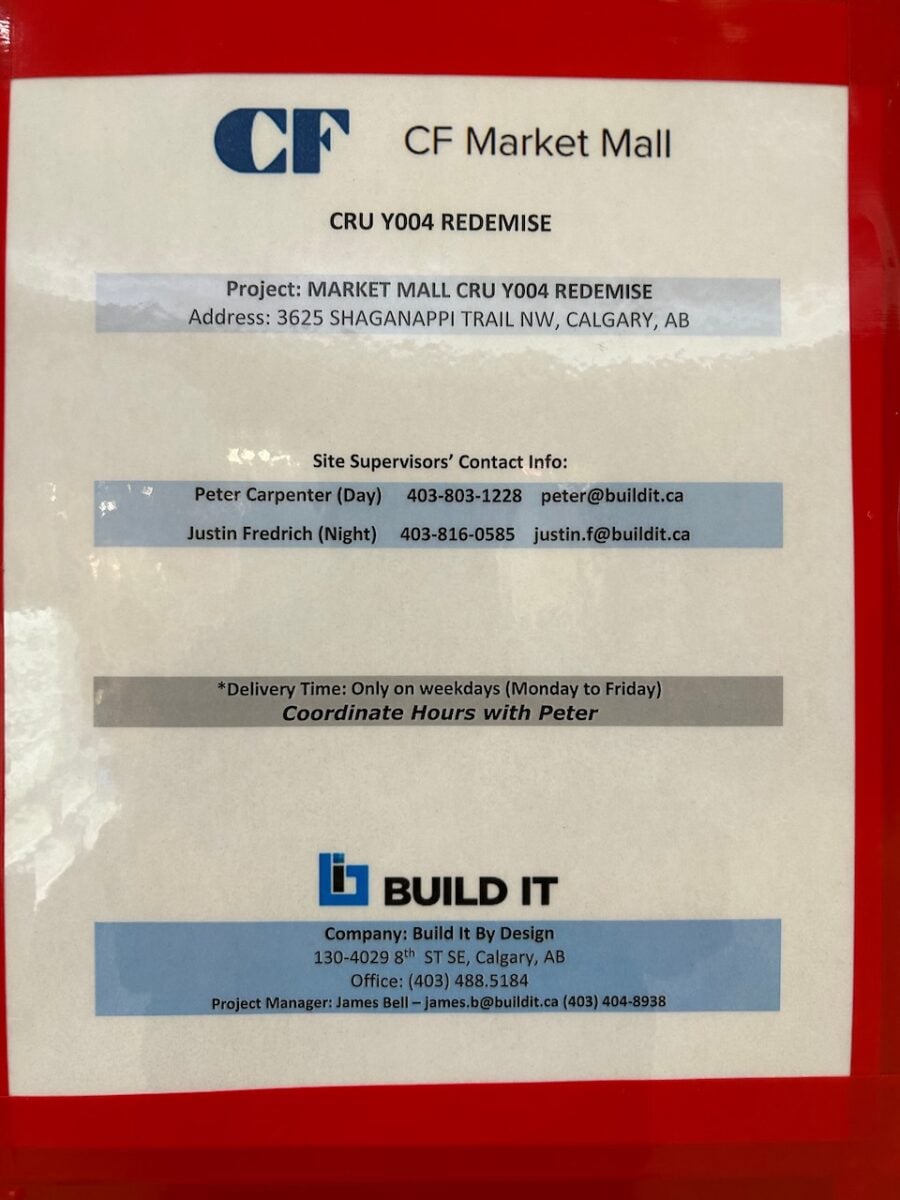
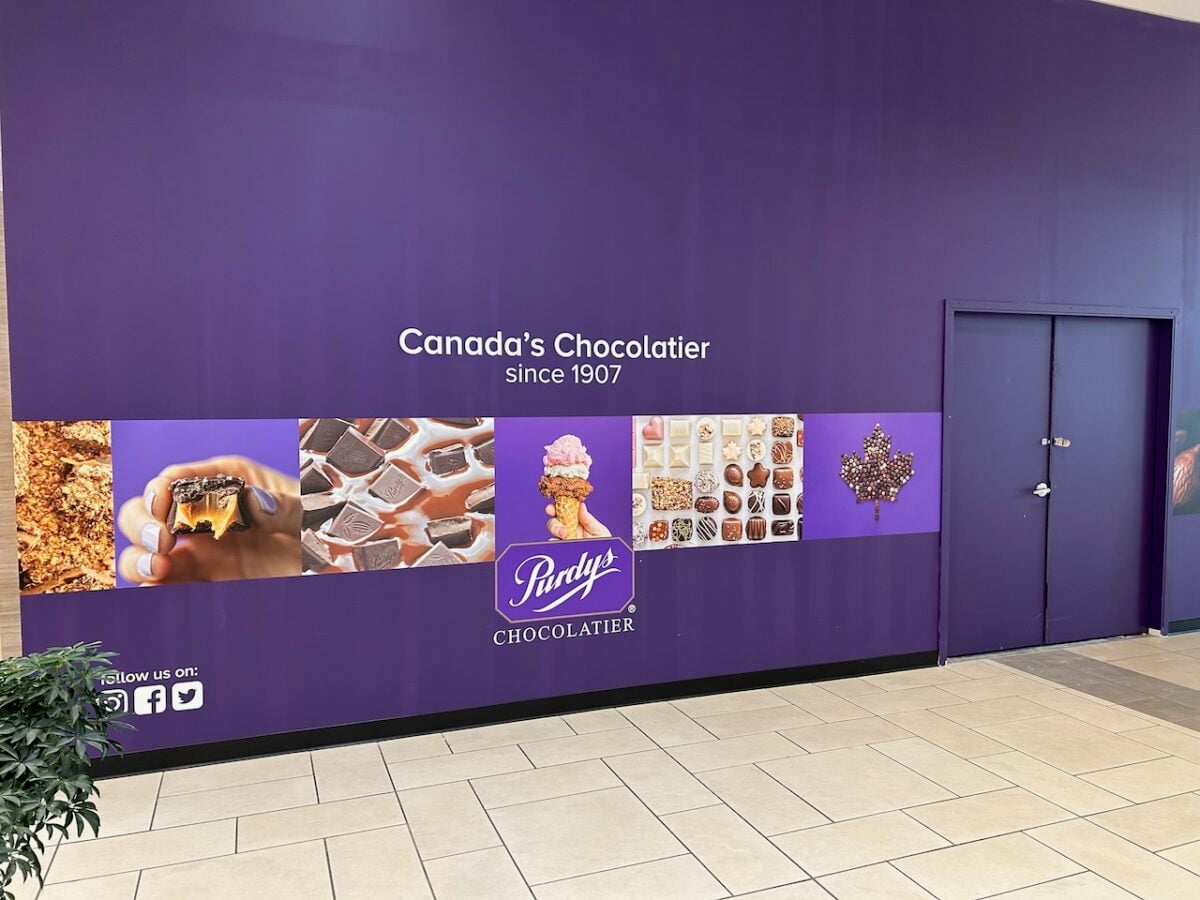
In fact, white hoarding is in place currently for a huge space in the heart of Market Mall, near the children’s play area, with a building permit sign on the walls for a “redemise”.

But officially there is no confirmation yet on what’s happening in that space.

“We have a new client that will take possession in the New Year and be joining our retail mix which I can’t name,” said Paige O’Neill, General Manager of Market Mall.

“They’re taking over about four stores.”

Future Uniqlo in CF Market Mall (Image: Mario Toneguzzi)

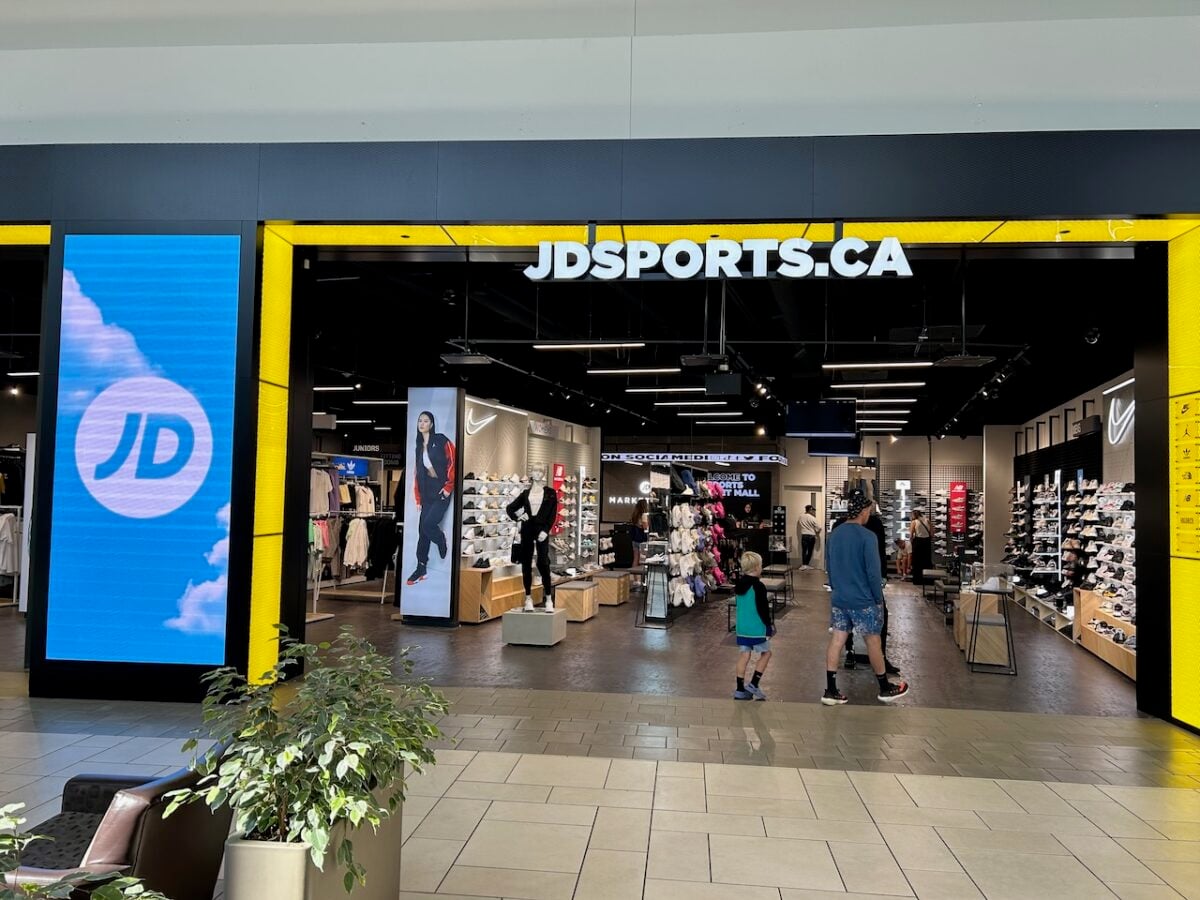
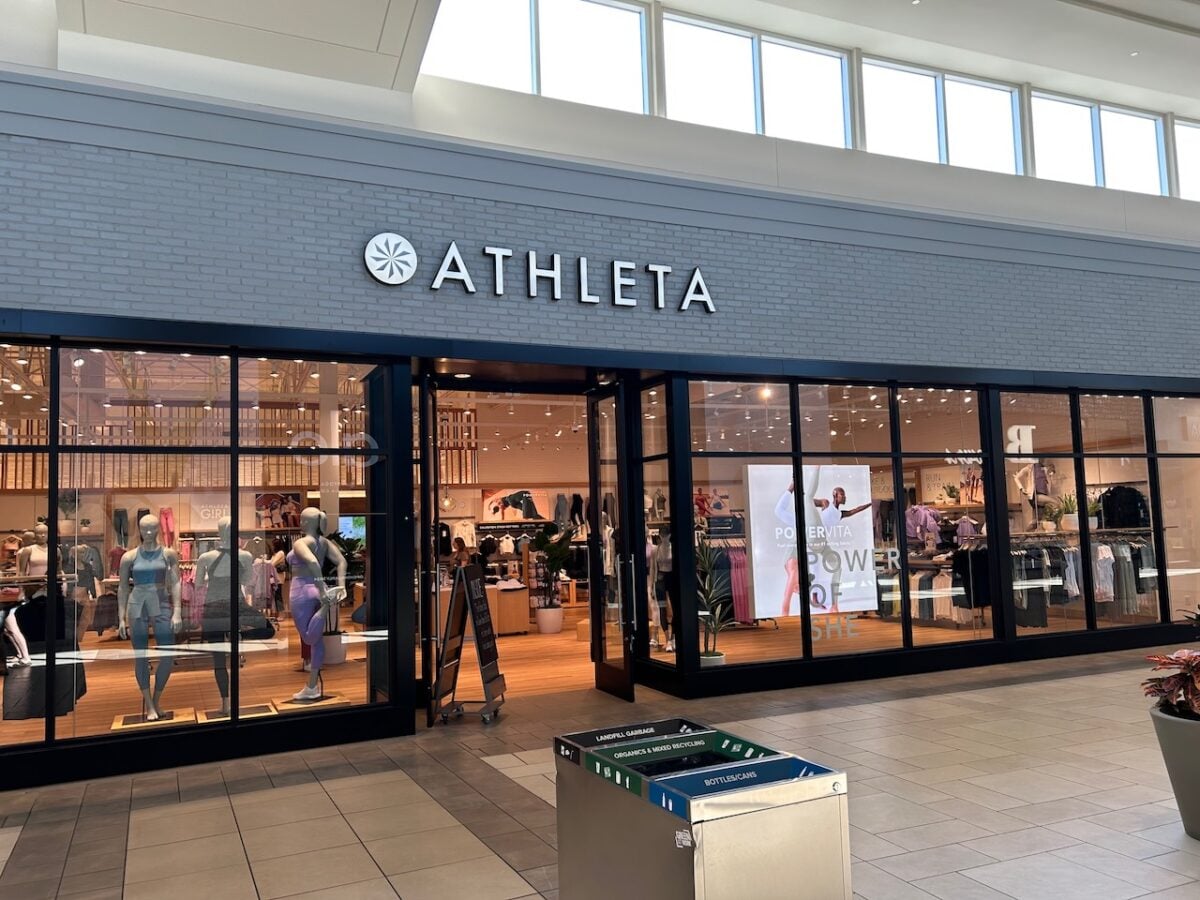
When asked if this is following in the footsteps of the big opening at CF Chinook Centre recently, O’Neill said: “Everything follows on the footsteps of Chinook. Athleta, JD Sports. When retailers are looking at a marketplace like Calgary and they’re looking to place one or two stores, I’d like to think that they’re looking at Chinook and Market Mall because we completely cover the city and they probably wouldn’t need many stores beyond that.”

The past year has been a busy one for leasing activity at Market Mall with some big retailers still to come in the near future. 

“We had a lot of openings early in the New Year,” said O’Neill. 

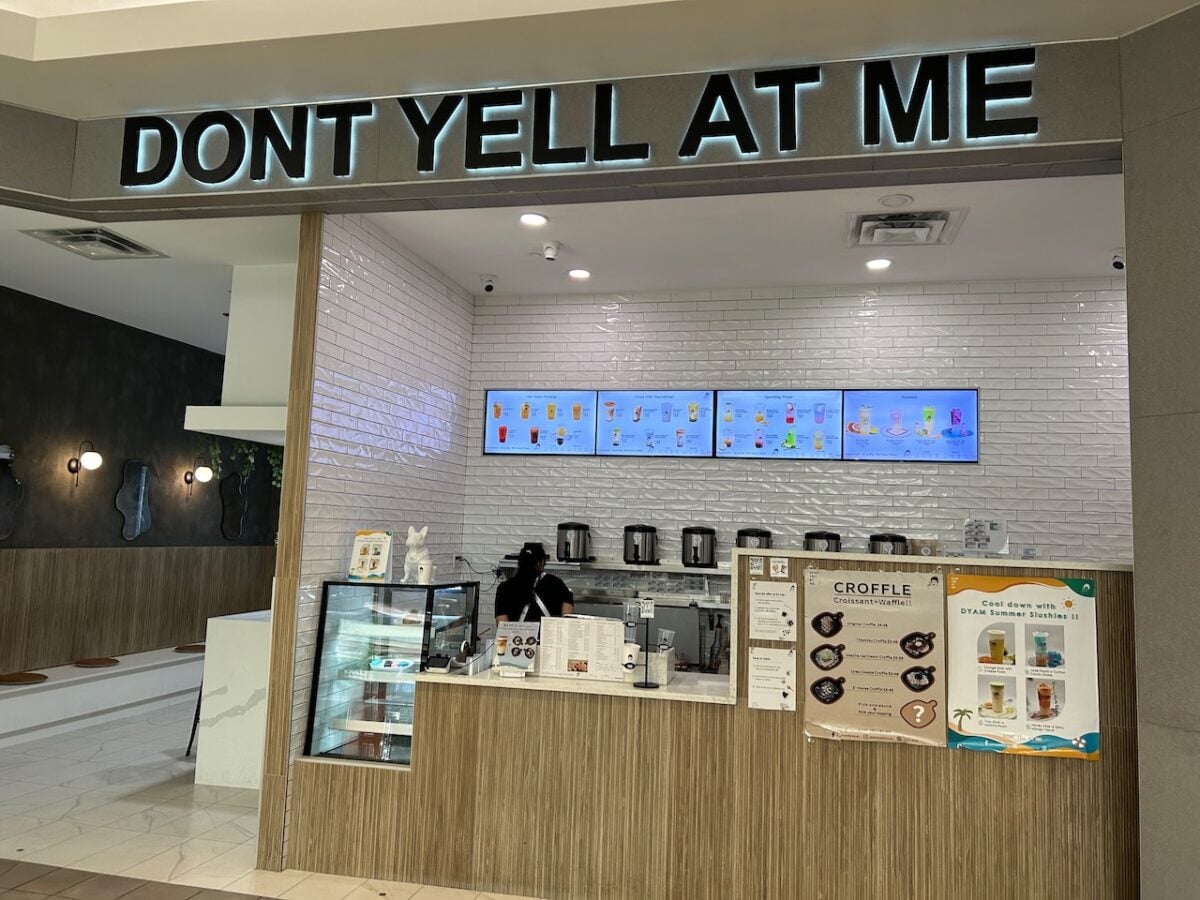
Don’t Yell at Me in CF Market Mall (Image: Mario Toneguzzi)

In the food court, there was Hurry Curry, Lava Grill, Kor, Stuffies.

“Our food court really became full again and also Don’t Yell At Me which is a bubble tea place – very unique name,” she said. 

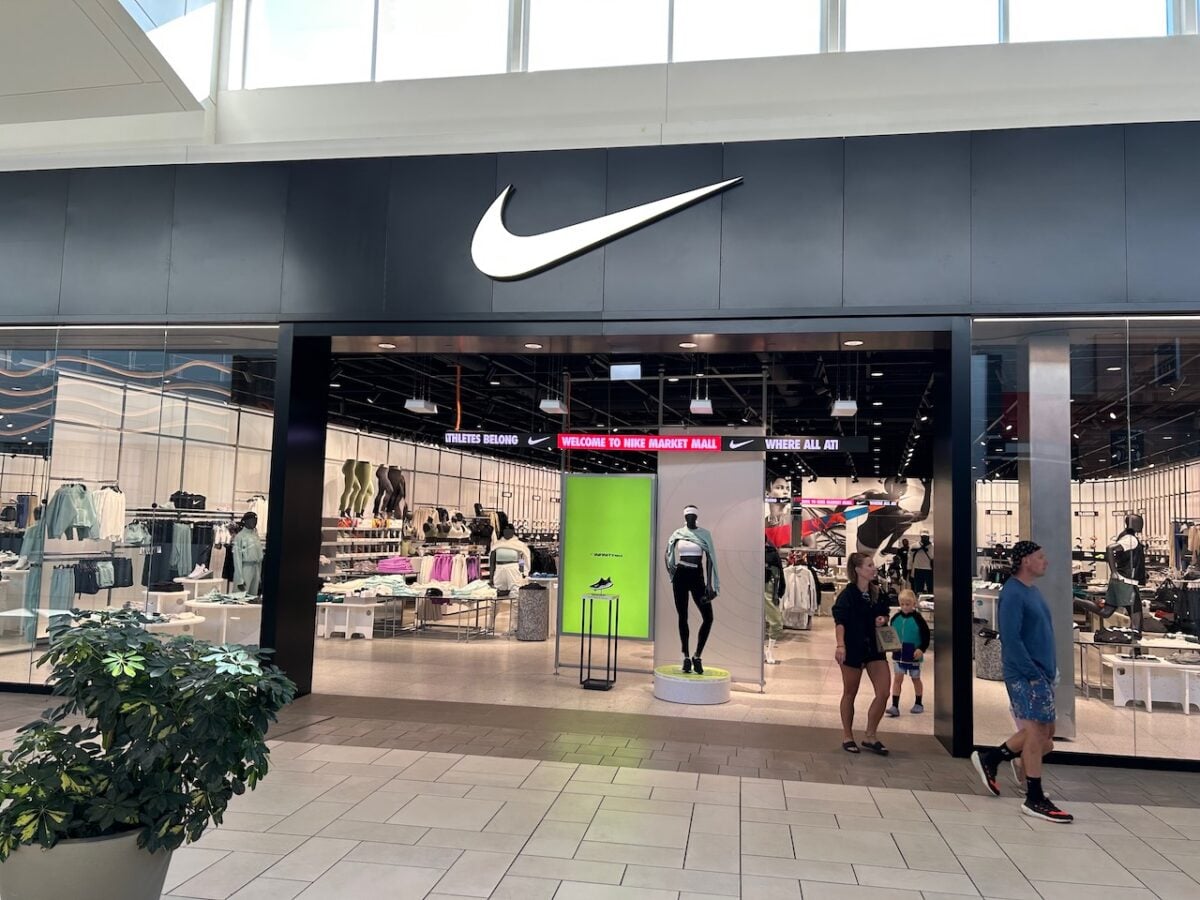
“Through the Spring and Summer, mostly in June and July, we had Pandora relocate and built a new store. We’ve had Nike open, JD Sports open. The Latest Scoop has relocated. We’re making some room for some new clients and Team Town Sports opened.

Youtube video
JD Sports in CF Market Mall (Image: Mario Toneguzzi)
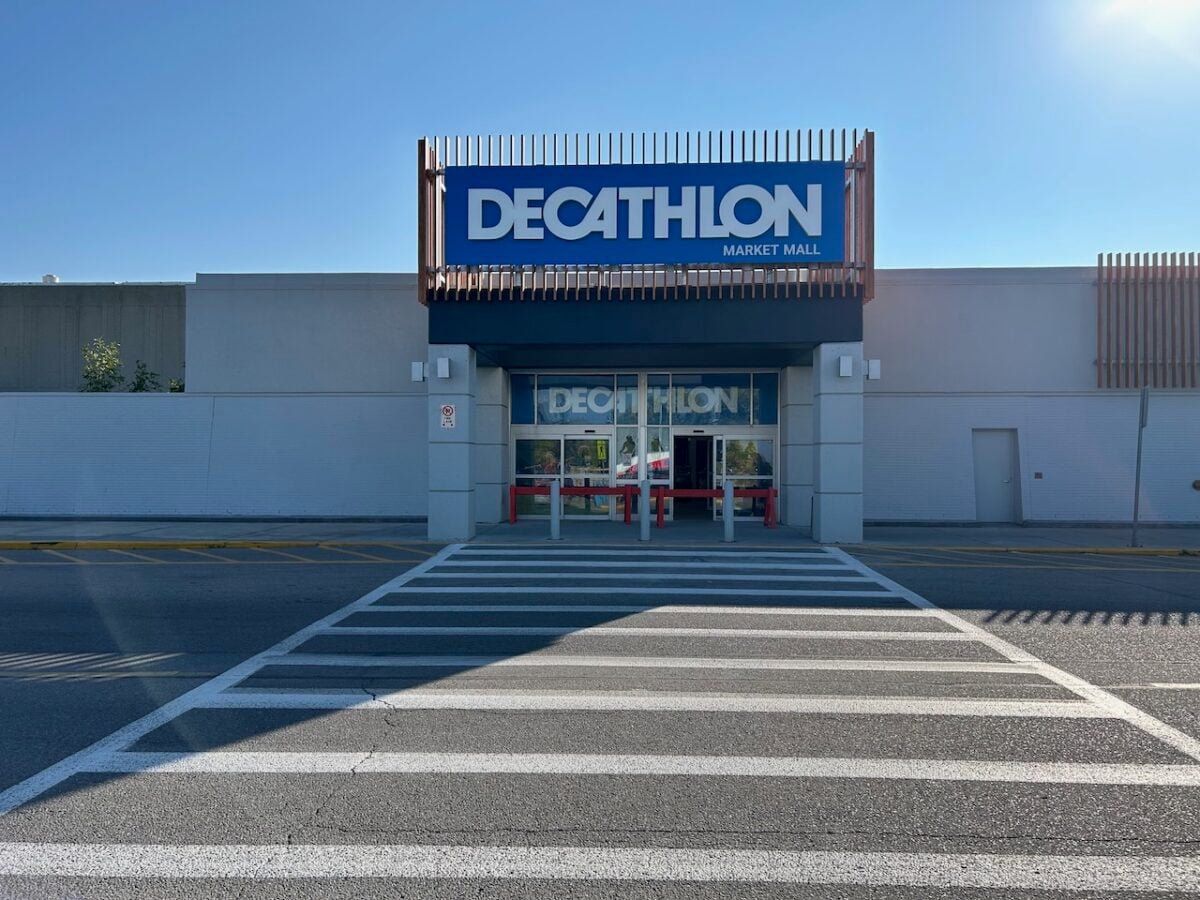
Future Decathlon in CF Market Mall (Image: Mario Toneguzzi)

“Decathlon, which took over the Toys R Us location, will open at the end of September. Athleta opened too.”

Alo is expected to open in early 2024. 

O’Neill said Decathlon opens a new market for the north part of the city. The retailer currently has a location in the south part of Calgary at Southcentre Mall. 

“It’s a unique retail offering. It has a wide variety of products. It also doesn’t necessarily compete too much with the Team Towns and the Sport Cheks to a certain degree, especially equipment wise. They don’t necessarily carry certain things in a larger capacity like hockey and golf whereas that market has been taken over by a lot of the other players in the city. But they have everything from equestrian to hunting to cycling,” she said. 

Athleta in CF Market Mall (Image: Mario Toneguzzi)

“It’s definitely unique. The price point is unique. And they carry their own brands. So it’s definitely a nice, unique feature to north Calgary.” 

The athleisure retail market is booming these days.

“I think COVID had an influence on that, whereby people were working from home. They weren’t necessarily in the suit and ties. And we’ve seen very much of a transition and even the athleisure stores carry business casual in some respects. If you walk into an Athleta, you can find workout clothes, you can find something that you could actually wear to work. These days, depending on your environment and your profession, that would be acceptable for sure – and fashionable actually,” said O’Neill.

“Even Nike carries some clothing. JD Sports some of the streetwear. They’re all sort of expanding. Even lululemon has the wear men and women could wear to work. I think fashion has shifted in some workplaces. It’s become a little more business casual, casual, depending on the environment.”

Nike in CF Market Mall (Image: Mario Toneguzzi)
Hurry Curry in CF Market Mall (Image: Mario Toneguzzi)

O’Neill said the food court at Market Mall is coming into its own. Some of the establishments like Hurry Curry are more of a fast casual concept which is not traditional food court offerings.

“There’s definitely a newer patience factor I would say with some of the clients in food courts these days. I think the quality is there. A lot of the food court clients are still struggling with food prices, higher prices, struggling to find people in the workforce,” she said. 

O’Neill said traffic at Market Mall is up from last year but still not quite at 2019 levels.

“But it’s very strong traffic and we’re starting to see obviously the back to school and we’ll have the traditional lulls going into Christmas but traffic’s been pretty good,” she said, adding the growth of the nearby mixed-use University District with its residential component will be beneficial for Market Mall.”

“The density in north Calgary is also beneficial. It’s growing. There’s still communities growing in the north. I think going into the Christmas season with all the new stores opening, we anticipate a pretty good Christmas season here.”

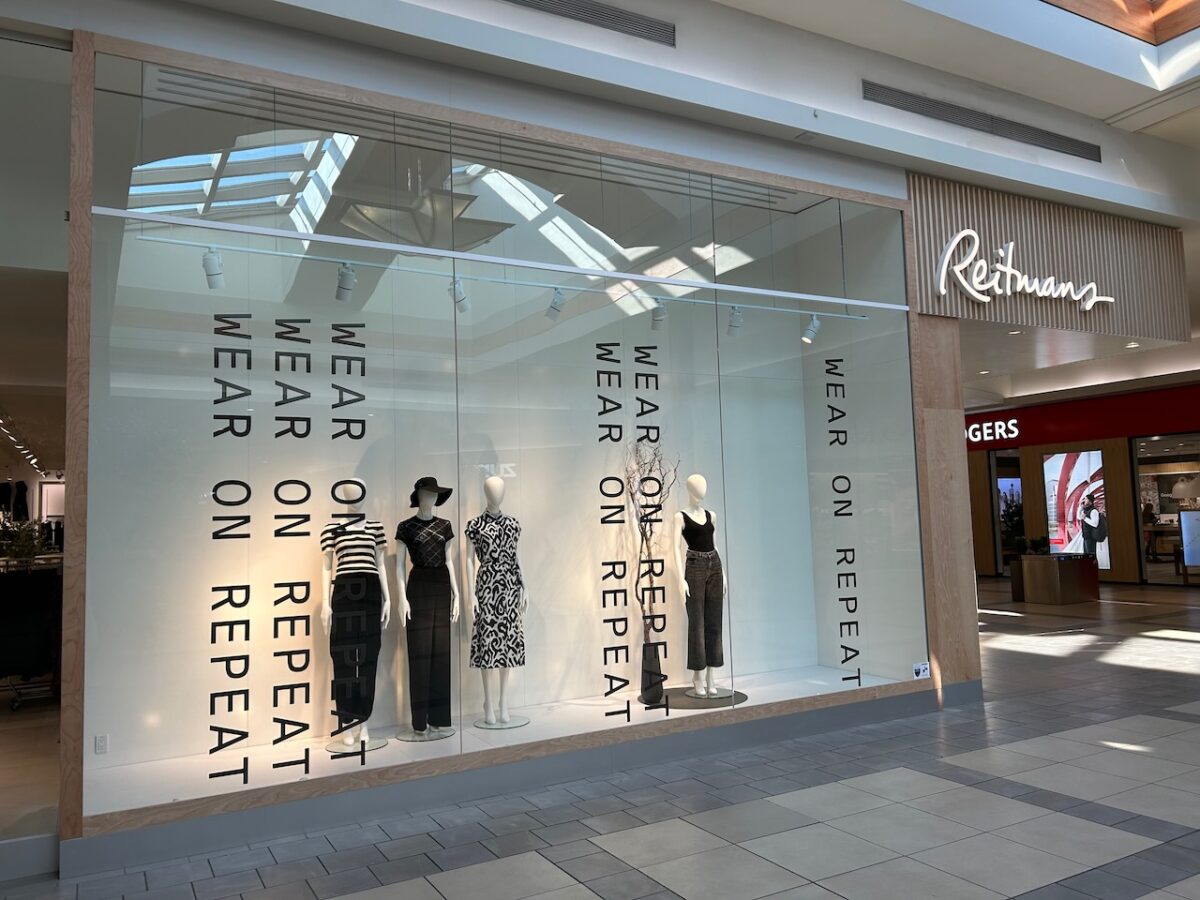
Reitmans in CF Market Mall (Image: Mario Toneguzzi)
Future Purdy’s in CF Market Mall (Image: Mario Toneguzzi)
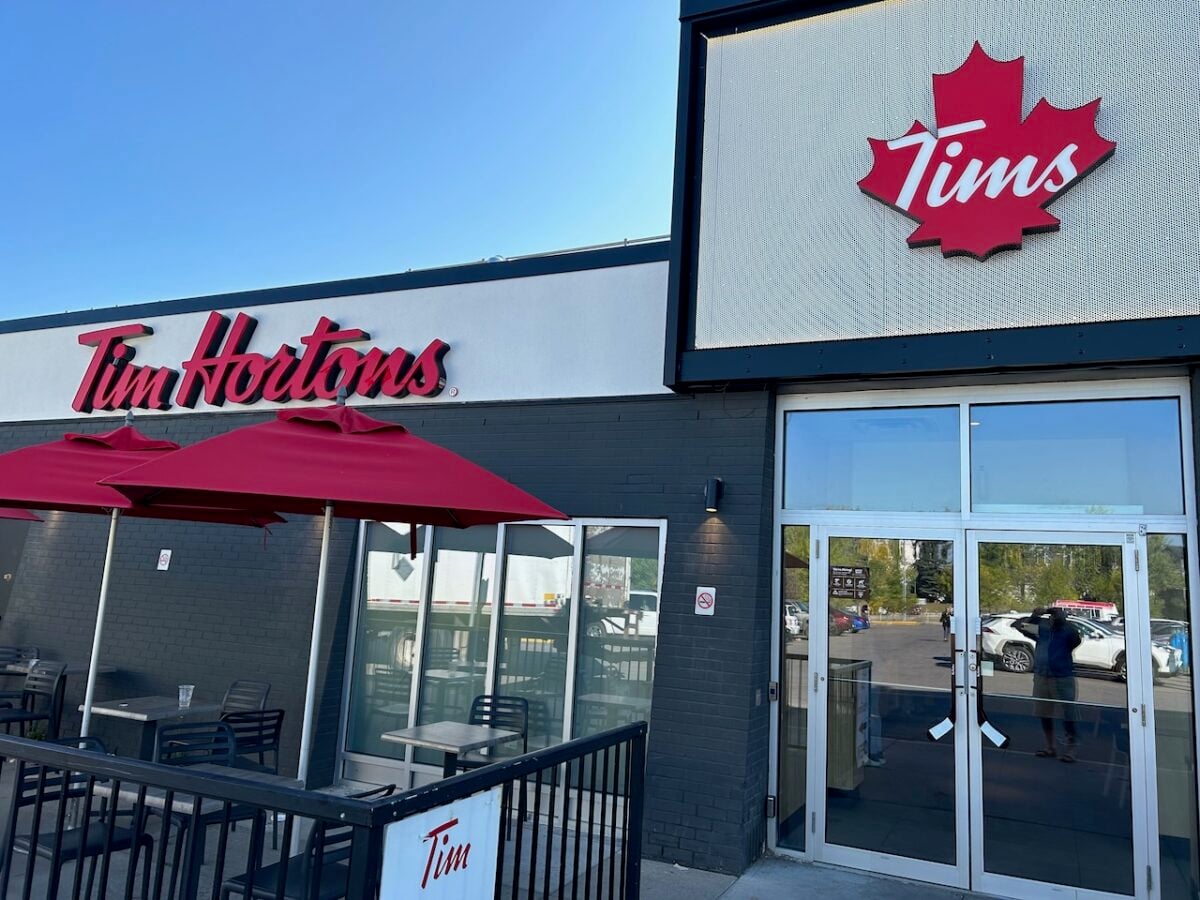
Tim Hortons in CF Market Mall (Image: Mario Toneguzzi)

Canadian Retail Sales Impacted by Wildfire Smoke and Pricey Cities [J.C. Williams Group Analysis]

Financial District in Toronto (Image: Dustin Fuhs)

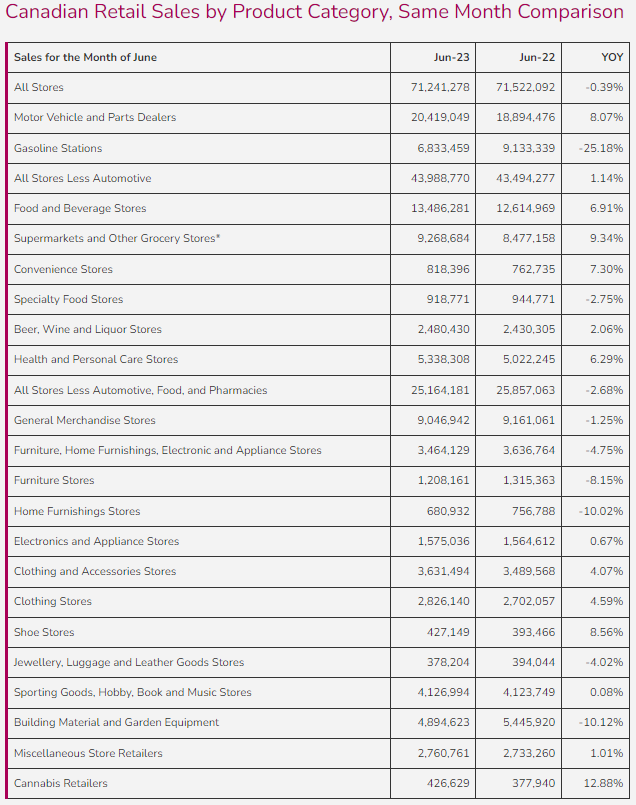
Canadian retail sales began to decrease in June 2023 with All Stores in June decreasing -0.4% YOY and All stores Less Automotive, Food, Pharmacies down -2.7% YOY as inflation continues its stronghold on Canadian consumers.  

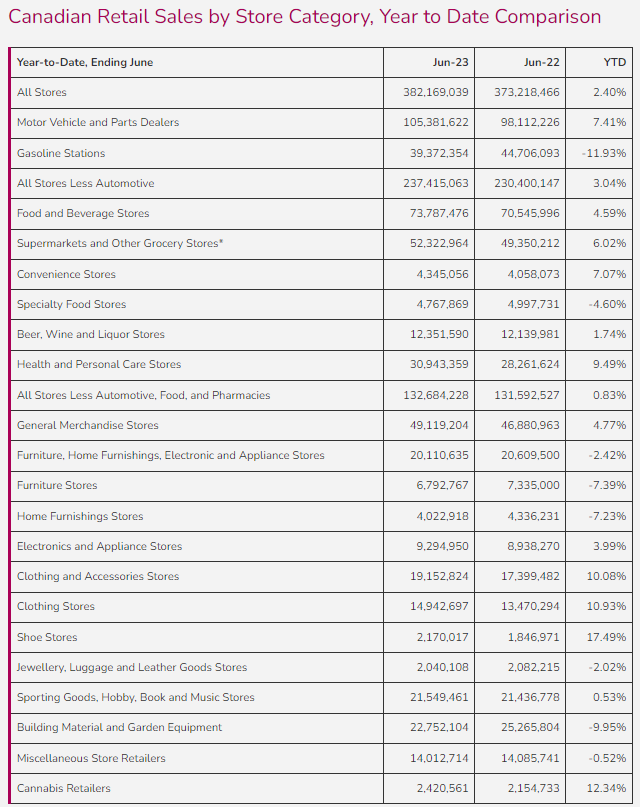
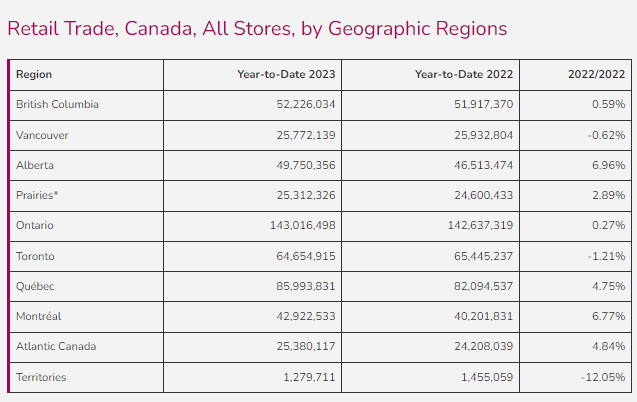
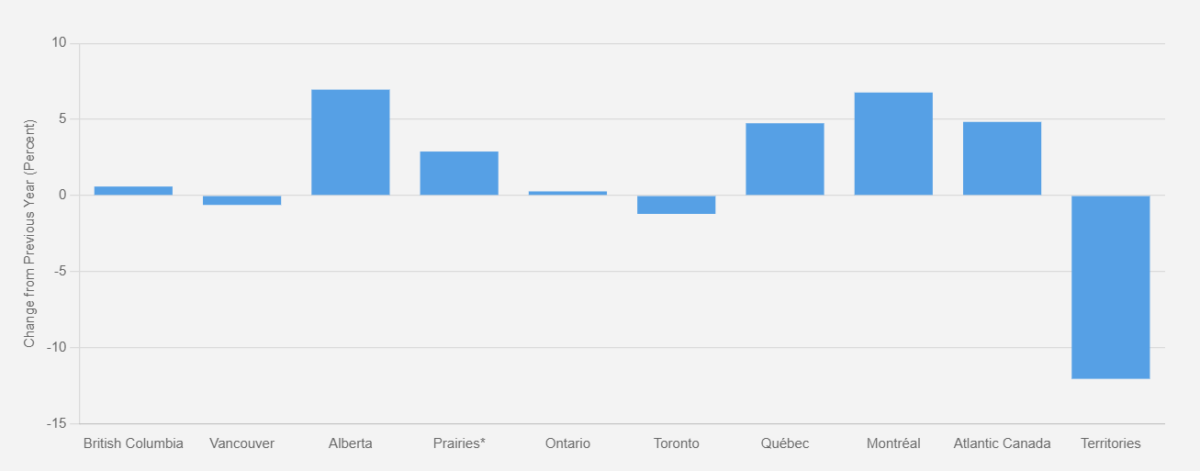
The decreases in sales is in part due to the continued decreases in spending in the two most expensive cities in the country: Toronto and Vancouver, down -1.2% YTD and -0.6 YTD respectively. These two cities account for, on average, approximately a quarter of total Canadian retail sales. As such, with the cost of living being the highest of all cities in Canada, consumers in these regions seen to be cutting back their spending more than others. In addition to the cost of living, June was a period of unprecedented wildfire smoke in Ontario, which likely kept many consumers inside and not spending.   There are numerous categories in June that are reflective of the effects of inflation:

  • Supermarkets and Other Grocery Stores, though up 9.3% YOY, rising food costs are up 9.1% over 2022, therefore a much less impressive increase,  
  • Building Material and Garden Equipment, down -10.1% YOY, and
  • Furniture, Home Furnishings, Electronics and Appliance Stores are all down in June, reflecting the effects of inflation down -4.8% YOY.

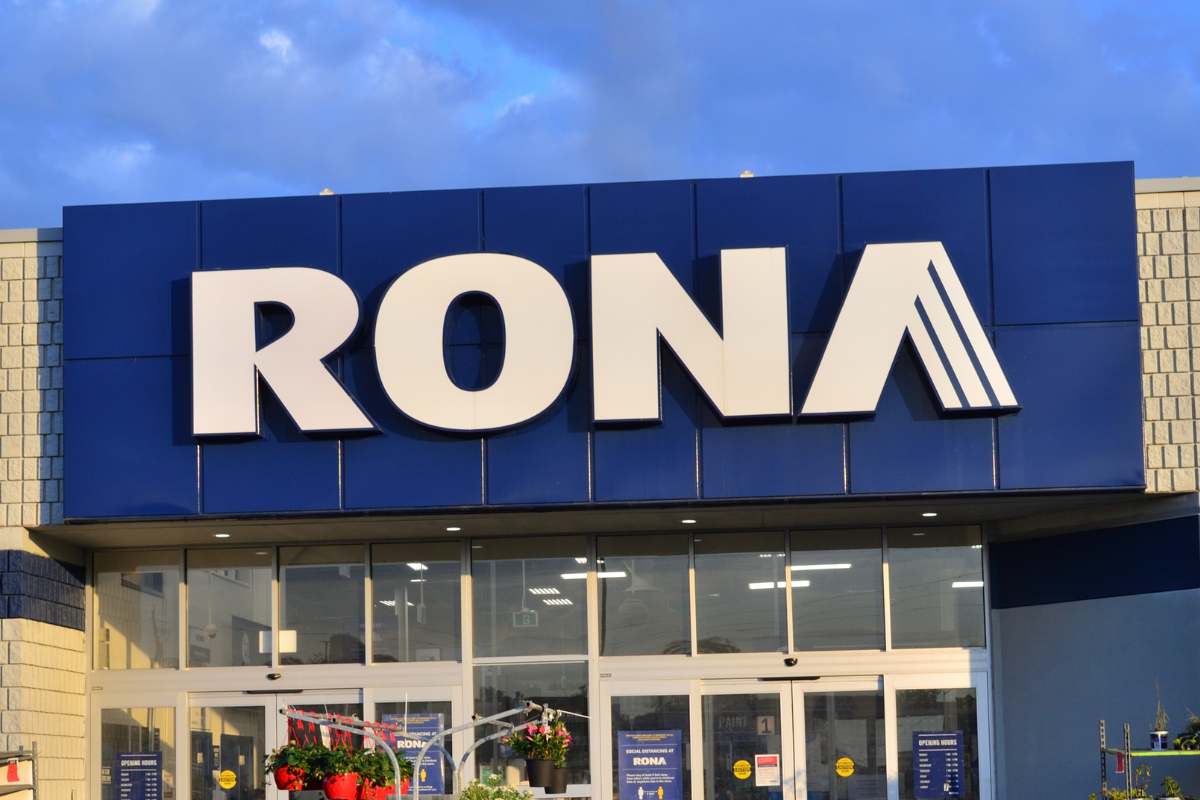
Apart from food, both other categories comprise of big ticket items, products that customers simply cannot afford at the moment. Rona, a significant retailer in the Building Material and Garden Equipment category, reported the elimination of 500 jobs in June as a result of these changing market conditions.

RONA Markham (Image: Wikipedia)

Though June will not yet reflect back-to-school sales, 2023 is expected to shower lower performance compared to previous years. As we are approaching the end of August, this is top of mind at JCWG. The Retail Council of Canada performed a survey of Canadian consumers for back-to-school with some interesting results:  

  • 81% of Canadians intend to shop at brick-and-mortar retailers in their neighbourhood rather than online,
  • 60% of Canadians expect to spend on stationary (the top category), whereas in 2022 stationary didn’t even crack the top ten, and
  • Big box stores are expected to take 62.3% of back-to-school sales in 2023.

The expected back-to-school trends from the survey are not surprising with wider inflation trends, such as consumers not looking to purchase electronics (typically big ticket items).   As we are in the throws of back-to-school at the writing of this bulletin, and even approaching Halloween, JCWG is thinking about:

  • Did Amazon Prime Day have the impact on Canadian sales that it does in the US in July?
  • Will Halloween be the latest shopping event to experience the post-pandemic “holiday creep” (moving the shopping season further forward)?
  • Which retailers will be the most successful in back-to-school with the changes in consumer preferences?
  • Are city sales decreases in part as a result of tourism, or mainly residents?
  • How have YOU prepared for the transition from back-to-school to Halloween?

For support with your retail strategy and seasonal merchandise planning, reach out to the trusted experience at JCWG!

Canadian Retail Sales by Product Category, Same Month Comparison
Canadian Retail Sales by Store Category, Year to Date Comparison
Retail Trade, Canada, All Stores, by Geographic Regions
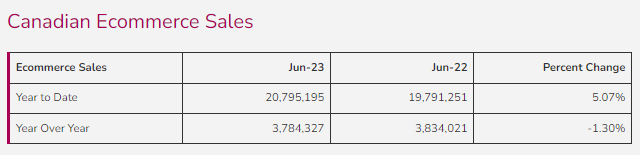
Canadian Ecommerce Sales

Urgent Plea to Extend CEBA Loan Repayment Deadline as 250,000 Canadian Businesses Teeter on Brink [Video]

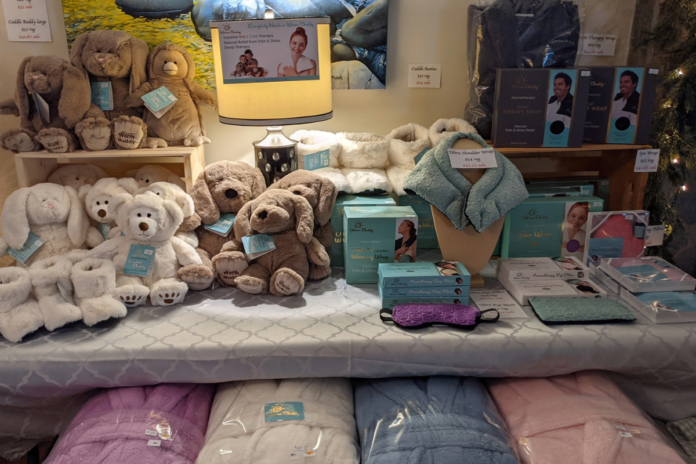
Image: Warm Buddy Company

According to the Canadian Federation of Independent Business, one-fifth of all businesses in Canada—nearly 250,000 small businesses—could be at risk of closing their doors next year unless the federal government changes the deadline for repayment of the Canada Emergency Business Account.

Currently the deadline is December 31. If the CEBA loan is not repaid by then, small business owners will lose the up to $20,000 forgivable portion and pay the entire amount at a five per cent interest rate.

CFIB is pushing the federal government to extend the repayment deadline for the CEBA loan to the end of December 2025 or at least 2024.

Youtube video

“Almost 900,000 CEBA loans were approved across Canada. Many businesses had no choice but to take on this loan due to circumstances beyond their control. This includes businesses in some of the hardest hit industries such as the retail industry and tourism sector. Mandatory business closures and other government health restrictions left businesses with severe income losses and cash flow issues,” says a recent letter sent by more than 250 business associations to Deputy Prime Minister and Finance Minister Chrystia Freeland.

“Despite their best efforts, high interest rates, inflation and increased labour costs are making it difficult for small-and-medium size businesses to keep their heads above water, let alone make any dent in the debt many had to take on to survive pandemic restrictions. A recent analysis of over 15,000 Canadian businesses found that inflation, input costs, and interest/debt costs are the three most acute obstacles faced by business (at 56 per cent, 40 per cent and 38 per cent, respectively), and the smaller the firm, the more constrained they are by debt.” 

The letter says 49 per cent of small businesses are still making below normal revenues; 50 per cent of Canadian foodservice operators are currently operating at a loss or breaking even compared to 12 per cent pre-pandemic; and, 45 per cent of Canada’s tourism businesses are likely or somewhat likely to close within the next three years without government intervention into their mounting debt load.

Many small business owners are also now discovering that in the fine print of the loan many of them unknowingly provided a personal guarantee on the loan, meaning even if the business closes its doors the owner is responsible personally for the debt.

That’s raising fears that this could lead not only to more business closures in the country but also to more personal bankruptcies.

In this video interview, Karen McKee, President of Warm Buddy, discusses the plight of small business owners today and the challenges they continue to face.

Youtube video

The Video Interview Series by Retail Insider is available on YouTube.

Connect with Mario Toneguzzi, a veteran of the media industry for more than 40 years and named in 2021 a Top Ten Business Journalist in the world and the only Canadian – to learn how you can tell your story, share your message and amplify it to a wide audience. He is Senior News Editor with Retail Insider and owner of Mario Toneguzzi Communications Inc. and can be reached at mdtoneguzzi@gmail.com.

Interviewed this episode:

Like, Share and Subscribe to Mario Toneguzzi on YouTube!

Follow Mario:

Also check out the other series offered by Retail Insider, including The Weekly podcast and The Interview Series, which are both available on Apple Podcasts, Stitcher, TuneIn, Google Podcasts, or through our dedicated RSS feed for Simplecast and other podcast players.

Follow Retail Insider:

Share your thoughts!