Home Blog Page 65

The Canadian Beauty Shopping Habits Turning Skincare Into a Self-Care Ritual

Beauty shopping is becoming less about filling a bathroom shelf and more about deciding what genuinely earns a place in an everyday routine. In Canada, where consumers can move between drugstores, department stores, specialist retailers and increasingly sophisticated online beauty shops, the choice is no longer simply about finding the newest product. It is about finding products that fit how people actually want to live.

That shift changes the meaning of skincare shopping. A purchase can be functional, but it can also become part of a slower evening ritual, a few minutes spent looking after yourself rather than simply addressing a perceived flaw. The result is a more considered relationship with beauty, where formulation, purpose and personal routine all matter.

The Beauty Shelf Is Becoming More Intentional

The most revealing change may be what consumers leave off the shelf. Instead of automatically building elaborate routines, shoppers are increasingly able to compare ingredients, understand what individual products are intended to do, and decide whether another step is genuinely necessary.

For someone building a quieter evening ritual, something as simple as applying a caffeine eye cream can become one small part of that process. OKOA’s formula combines caffeine and squalane with botanical extracts and other actives, and is designed for use around the eye contour. The broader lesson is less about one product than the way a specific step can have a defined purpose within a personal routine.

This kind of selectivity can make skincare feel less like maintenance and more like a moment of pause. The product matters, but so does the habit of stopping for a few minutes at the end of the day.

Ingredient Curiosity Is Changing the Shopping Experience

Canadian beauty retail is operating in a market where ingredient awareness has become increasingly visible. Shoppers do not necessarily need to understand every molecule in a formula, but they can now investigate why an ingredient is there and what role it is intended to play.

That is partly what makes modern skincare shopping different from simply choosing a product based on packaging. Consumers can compare formulas, read about active ingredients and decide whether a product aligns with their existing routine.

Retail Insider’s coverage of Indeed Labs’ 15th anniversary provides one example of how the Canadian market has developed around targeted, science-led skincare. The company’s history includes products designed around particular concerns rather than a one-size-fits-all approach, reflecting a wider emphasis on formulation and purpose.

For the consumer, that creates a more informed shopping experience. The question becomes less “What is everyone buying?” and more “What does my skin actually need?”

Self-Care Does Not Have to Mean More

There is a temptation to equate self-care with indulgence, but skincare can work differently. A routine can be calming precisely because it is familiar and limited.

A cleanser, moisturizer, treatment, and daytime SPF may be enough for one person. Someone else may enjoy adding an eye product or a more targeted treatment at night. Neither approach needs to be treated as superior.

That is where the idea of ritual becomes useful. Applying skincare slowly, rather than rushing through it, creates a small boundary between the demands of the day and the time that follows. The product becomes part of the ritual without becoming the whole point.

Canadian Retail Is Bringing More Choice to the Shelf

Choice is also becoming a larger part of the Canadian beauty landscape. Retail Insider’s recent coverage of IOPE’s arrival through Sephora Canada illustrates how international skincare brands rooted in research and ingredient development are continuing to enter the market. The launch gives Canadian shoppers another example of how global skincare concepts are increasingly available through familiar retail channels.

For consumers, more choice can be valuable, but it also makes discernment more important. When shelves become crowded with actives, technologies and claims, a routine built around a few clearly understood priorities may be easier to maintain.

The growth of research-led skincare also reflects the wider movement toward products that explain what they are designed to do, rather than relying entirely on the promise of transformation.

Shopping Can Become Part of the Ritual

There is another side to this trend that has less to do with ingredients and more to do with experience. Choosing a skincare product can become a form of self-care when the decision is deliberate.

Perhaps that means spending time reading the label instead of buying impulsively. Perhaps it means replacing a product that no longer suits your routine rather than accumulating three more alternatives. Or it can mean choosing a texture that makes an evening ritual enjoyable enough to repeat.

That relationship between precision and daily use is explored in the changing language of skincare, where longevity and thoughtful routines have become part of the broader conversation.

The Minimalist Beauty Cabinet Has an Advantage

A smaller routine does not necessarily mean a less sophisticated one. A carefully developed formula can combine several functions, allowing one product to serve a clear role without adding unnecessary complexity.

That is particularly relevant as shoppers become more attentive to the idea of a minimalist beauty wardrobe. The emphasis is not on owning the fewest products possible, but on knowing why each product is there. This approach is also reflected in the idea of minimalist beauty, where skincare staples are considered alongside personal style and everyday practicality.

The New Luxury Is a Routine You Actually Enjoy

Beauty shopping can still be exciting. New launches, unfamiliar ingredients and international brands all have their place. But the most sustainable purchase may be the one that becomes part of a routine you genuinely enjoy using.

That is perhaps the most interesting shift in Canadian beauty shopping. Skincare is moving beyond the idea of correction and toward something more personal: a few intentional minutes of care, supported by products chosen for a reason.

The mirror may still be part of the experience, but it is no longer the only measure of whether a routine feels worthwhile. As a recent Forbes discussion of the mirror and lens suggests, the way we look at something can change what we notice about it. In skincare, that may mean seeing the ritual itself as part of the benefit, not simply the appearance that follows.

From Busy Schedules to Better Systems: Running a More Efficient Cleaning Business

Running a cleaning company often looks straightforward from the outside, but the day-to-day reality involves much more than completing appointments. A business providing a cleaning service in Toronto or any other competitive market has to coordinate staff, supplies, customer expectations, travel time, scheduling, quality control, and billing without allowing small problems to disrupt the entire day. The businesses that operate most efficiently are usually not the ones working the fastest. They are the ones that build reliable systems around the work.

Efficiency matters because wasted time quickly becomes wasted money. A late crew can affect several appointments, poor inventory management can delay a job, and unclear instructions can lead to callbacks or customer complaints. Improving operations means reducing these points of friction while still maintaining consistent service.

Start With a Schedule That Matches Reality

An efficient cleaning schedule needs enough structure to keep teams productive without assuming that every job will go perfectly.

One common mistake is booking appointments too closely together. Travel delays, unusually messy properties, customer questions, or equipment problems can easily push a team behind schedule. Leaving reasonable buffers between jobs makes it easier to absorb these unexpected delays without affecting the rest of the day.

Scheduling should also take geography into account. Sending one team back and forth across a large service area wastes fuel and working hours. Grouping appointments by neighborhood or zone can reduce drive time and allow crews to complete more productive work during the same shift.

Recurring customers can make scheduling easier because their appointments are predictable. When possible, assigning consistent days and time windows helps create a stable weekly structure around which one-time and deep-cleaning jobs can be arranged.

Standardize the Way Jobs Are Done

Consistency becomes increasingly important as a cleaning company grows.

When every employee has a different idea of what “finished” means, quality becomes difficult to control. Clear procedures can help make sure important tasks are completed regardless of which team member is assigned to a property.

A standard cleaning sequence can also improve speed. Instead of deciding where to start at every job, employees can follow a familiar order from room to room. Over time, repeated routines reduce unnecessary movement and make it easier for experienced staff to notice when something has been missed.

Standardization does not mean every property should receive identical treatment. Homes and commercial spaces have different priorities. The goal is to establish a dependable baseline while still allowing employees to adapt to customer requests and property-specific requirements.

Give Employees Clear Job Information

Crews work more efficiently when they know what to expect before arriving.

Job notes can include the size of the property, access instructions, requested services, areas needing extra attention, pets, parking details, and any products that should or should not be used. Having this information available in advance reduces phone calls, confusion, and unnecessary trips back to the office.

Clear instructions are particularly important when customers request something outside the normal service package. A team that expects a standard appointment may not bring the right supplies for an oven cleaning, post-renovation cleanup, or other specialized task.

Accurate job records can also improve future visits. If employees record useful details after the first appointment, the next crew can arrive better prepared.

Keep Supplies Simple and Organized

Supply management may seem like a small part of running a cleaning business, but poor organization can create surprisingly large delays.

Teams should have a predictable set of products and tools for routine jobs. Standardizing supplies simplifies training and makes restocking easier because employees do not need to learn several different products that perform similar functions.

Vehicles and supply closets should also follow a consistent organization system. Employees should be able to see quickly when microfiber cloths, trash bags, gloves, cleaning solutions, or other frequently used items are running low.

Regular inventory checks are generally more efficient than emergency purchasing. Running out of a basic product in the middle of a workday can cost far more in lost time than maintaining a small reserve.

Equipment should receive similar attention. Vacuums, mops, extension poles, and other tools should be inspected periodically so worn or damaged equipment can be repaired before it fails during a job.

Train for Quality and Efficiency Together

Fast work is valuable only when the results meet customer expectations.

Training should therefore focus on both cleaning technique and workflow. Employees need to understand which areas require careful attention, which products are appropriate for different surfaces, and how to move through a property efficiently.

Experienced cleaners often develop shortcuts, but not every shortcut is useful. Skipping small details may save minutes during an appointment but create callbacks that cost much more later.

Training can also cover communication. Employees who know how to respond to simple customer questions or report a problem clearly can often resolve minor issues without involving a manager.

Refresher training is useful as well. Even experienced teams can develop inconsistent habits over time, especially when a company is busy.

Reduce Repeat Work With Better Quality Checks

Correcting a cleaning job after the customer complains is one of the least efficient ways to use company time.

A short quality check before leaving the property can prevent many callbacks. Employees can inspect high-visibility areas such as mirrors, floors, countertops, fixtures, and entryways to confirm that the finished result meets expectations.

For larger jobs, assigning one team member to perform a final walkthrough can be particularly helpful. A fresh set of eyes may notice something the person cleaning the area overlooked.

Customer feedback should also be treated as operational information rather than simply praise or criticism. If the same complaint appears repeatedly, there may be a weakness in training, scheduling, equipment, or procedures that needs to be addressed.

Make Communication Easy for Customers

Efficient operations extend beyond what happens during the cleaning appointment.

Customers should know how to book, reschedule, ask questions, and report concerns without going through unnecessary steps. Clear appointment confirmations can reduce missed visits and misunderstandings about arrival times.

Policies should also be easy to understand. Cancellation rules, payment expectations, service limitations, and preparation requirements are easier to manage when customers receive them before the appointment rather than after a disagreement occurs.

Simple communication can reduce administrative work. When customers already know what to expect, staff spend less time answering the same questions repeatedly.

Track the Numbers That Reveal Inefficiency

A cleaning business does not need complicated analytics to identify operational problems.

A few practical measurements can reveal where time and money are being lost. Businesses can compare estimated job times with actual completion times, track how often appointments require callbacks, and monitor how much travel occurs between properties.

Labor costs are another important indicator. A job that appears profitable based on its price may be much less attractive if it regularly takes longer than expected.

Customer retention can provide useful information too. Recurring customers create predictable revenue and generally require less marketing effort than constantly replacing lost clients.

The purpose of tracking these numbers is not to measure everything. It is to identify patterns that can guide better decisions.

Build Systems That Can Grow With the Business

A small cleaning company can often operate informally because the owner knows every customer, employee, and appointment.

That becomes harder as the business grows.

Processes that exist only in the owner’s head should gradually be documented. Scheduling rules, customer communication, supply procedures, training expectations, and quality standards become easier to maintain when employees can follow a shared system.

Delegation also becomes important. Owners who personally handle every schedule change, customer message, inventory purchase, and employee question eventually become a bottleneck.

Creating reliable procedures allows other team members to take responsibility without sacrificing consistency.

Efficiency Is Really About Removing Friction

A more efficient cleaning business does not necessarily need to squeeze more appointments into every day. In many cases, the biggest improvements come from eliminating avoidable delays and repeated work.

Better scheduling reduces unnecessary driving. Clear job information helps crews arrive prepared. Organized supplies prevent interruptions. Consistent training improves quality, while simple customer communication reduces administrative headaches.

Each improvement may appear small on its own, but together they can make daily operations noticeably smoother. When employees spend less time dealing with confusion and preventable problems, they can focus more attention on the work customers actually value.

Over time, that creates a business that is easier to manage, more predictable to operate, and better prepared to grow without allowing the quality of service to decline.

How Luxury Brands Use Packaging to Strengthen Brand Perception

A luxury product rarely sells on function alone. People buy a feeling, a status, a story. Long before anyone touches the product, the box tells them what to expect. Luxury brands understand this better than anyone. They treat packaging as part of the product itself, not as a wrapper to throw away.

Think about the last time you opened something expensive. The weight of the box, the softness of the lining, the quiet click when it closed. Every one of those details was planned. Nothing about it was an accident. Brands spend months, sometimes years, refining these small moments because they know perception is built in seconds and remembered for years.

 The First Impression of Premium Packaging

In a store or on a doorstep, packaging speaks before the product does. It sets the tone. A flimsy box suggests a cheap item, no matter how good the contents. A solid, well-crafted box suggests care, value, and expertise. This is why luxury brands invest so heavily in the outer shell.

Custom rigid boxes are the backbone of this strategy. Their thick, sturdy walls hold their shape under pressure. They do not bend, crease, or sag. When a customer lifts one, the heft alone communicates that something valuable sits inside. That physical feedback does more persuasive work than any slogan could.

The first impression also protects the price point. A brand charging a premium must justify it at every step. Packaging that looks and feels expensive reassures buyers that they made the right choice. It removes doubt before doubt has a chance to grow.

Material Choices That Signal Quality and Craftsmanship

Luxury brands choose materials with intent. Heavy chipboard, textured paper wraps, soft-touch laminates, velvet inserts, and metal accents each send a message. Texture matters as much as appearance. Fingers notice what eyes might miss.

Consider how a matte finish feels compared to a glossy one. Matte reads as understated and refined. Gloss reads as bold and modern. Neither is wrong, but each shapes perception differently. Luxury brands pick the one that matches their identity and stick with it.

Inserts play a quiet but powerful role too. Foam, silk, or moulded pulp cradles the product and holds it perfectly still. When a customer opens the box and finds the item resting exactly where it should be, they sense precision. Precision feels premium.

The Unboxing Experience and Its Role in Brand Loyalty

Unboxing has become a ritual. Customers film it, share it, and relive it. Luxury brands design this moment like a short performance with a beginning, middle, and end. Each layer reveals something new. Tissue paper, a branded seal, a card with a personal note. The reveal is slow on purpose.

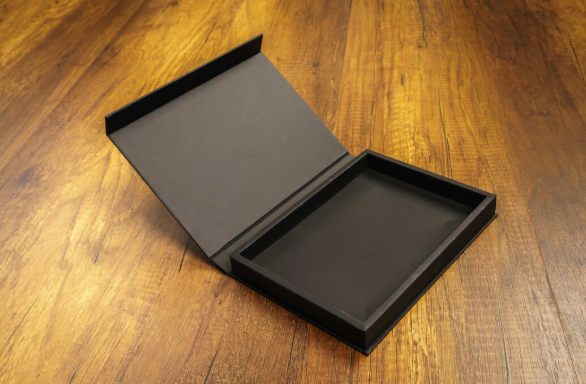
Magnetic closure boxes have become a favourite for this reason. The lid resists slightly, then releases with a satisfying pull. It closes with a soft snap that feels final and secure. That tiny bit of theatre turns a routine action into a memory. People keep these boxes on shelves long after the product is gone, which extends the brand’s presence in the home.

Loyalty grows from repeated positive moments. Every time a customer reopens that box, the brand earns another small deposit of goodwill. Over time, those deposits add up to trust, and trust drives repeat purchases.

Structural Details That Make Luxury Packaging Feel Exclusive

Structure is where engineering meets emotion. Luxury brands use shapes and mechanisms that ordinary packaging avoids. Drawer-style boxes slide open with a gentle glide. Book-style boxes fold back like a cover. Two-piece lift-off lids create a moment of pause before the reveal.

Ribbon pulls, hidden compartments, and layered trays add surprise. Surprise makes an experience memorable. Yet luxury brands never overdo it. Too many gimmicks feel cheap. The goal is elegance, not clutter. Restraint itself becomes a signal of confidence.

Fit also matters. A product that rattles inside a box feels careless. A product that sits snugly feels considered. Luxury brands measure every millimetre so nothing shifts in transit and nothing looks out of place on opening.

Color, Typography, and Finishing Techniques in High-End Packaging

Color palettes in luxury packaging tend to be tight and deliberate. Black, white, cream, deep navy, and forest green appear again and again because they carry weight and calm. Bright colors are used sparingly, often as a single accent to draw the eye.

Typography follows the same rule. Clean serif or minimalist sans-serif fonts, generous spacing, and small logos convey assurance. A brand that whispers its name suggests it does not need to shout. Customers read that as confidence.

Finishing techniques seal the impression. Foil stamping catches light and adds a metallic gleam. Embossing raises the logo so fingertips can trace it. Debossing presses it inward for a subtle, tactile mark. Spot UV highlights one element against a matte background. Each technique costs more, and customers can feel that cost even if they cannot name it.

Sustainable Luxury Packaging and the Modern Buyer

Today’s luxury buyer cares about impact. Wasteful packaging can damage perception as quickly as poor quality once did. Leading brands now use recycled boards, FSC-certified papers, plant-based inks, and reusable structures. They design boxes meant to be kept rather than binned.

Sustainability, when done well, strengthens luxury rather than diluting it. A box that is beautiful, durable, and responsibly made tells a story of thoughtfulness. It aligns the brand with values customers hold, which deepens emotional connection. Brands that mention their materials openly, without preaching, often earn the most respect.

Consistency Across Every Touchpoint of the Brand Experience

Perception falls apart when signals conflict. A polished storefront paired with a weak shipping box breaks the spell. Luxury brands maintain the same standard from website to store to doorstep. The packaging that arrives by courier matches the packaging handed over a counter.

This consistency builds recognition. A customer should know the brand from the box alone, without reading a single word. Distinct shapes, signature colors, and repeatable textures create that instant recall. Recognition breeds familiarity, and familiarity breeds preference.

Sourcing High-End Packaging Without Sacrificing Quality

Scaling premium packaging across thousands of units presents a challenge. Brands need volume without losing the details that make each box feel special. Working with a manufacturer that offers luxury rigid packaging boxes wholesale allows brands to secure consistent quality, custom sizes, and refined finishes at a cost that supports growth.

The right partner treats each order like a design project. Prototypes, material samples, and press proofs come before production. Tolerances stay tight. Colors match across batches. This reliability lets a brand promise the same experience to every customer, whether they are the first buyer or the ten-thousandth.

Final Thoughts

Packaging is the physical handshake between a brand and its customer. Luxury brands understand that this handshake must be firm, warm, and memorable. Through sturdy construction, refined materials, thoughtful structure, elegant finishing, and responsible sourcing, they turn a simple box into a statement of identity.

Every choice, from the weight of the board to the sound of a closing lid, works toward one goal: making the customer feel they hold something exceptional. When packaging achieves that, the brand no longer needs to explain its value. The box has already said it.

Boot Up in Style: Must-Have Women’s Boots for Every Season

With the right silhouette, premium materials, and timeless design, a well-chosen pair of boots can transition effortlessly between each season, making them one of the most versatile and worthwhile footwear investments you can make. Rather than following short and sharp seasonal trends, investing in a pair of boots that balance comfort, practicality, and style will ensure they remain a staple in your wardrobe no matter what new trends evolve.

Everyday Essential: The Versatility of Flat Boots

When searching for a pair of boots that will last you throughout each and every season, one of the key elements to prioritize is how versatile they are. Rather than opting for a boot that complements a specific outfit or time of year, finding a pair that will withstand all kinds of conditions and style choices is often the most valuable approach to take.

This is where flat boots become a notably strong contender – offering a balance between practicality and style that feels timeless. Unlike many other styles of boots that only fit certain looks or functions, flat boots can be easily styled with a variety of looks, whether it be jeans and knitwear during the colder months, or a flowing dress during the summertime, for example.

Although a heeled alternative may sometimes feel more formal, a flat sole offers greater comfort and practicality, particularly for all-day wear. Combined with their understated silhouette, flat boots provide the perfect balance between simplicity and sophistication, allowing them to complement an outfit without overpowering the overall look. From busy days spent on your feet to relaxed weekend plans, a high-quality pair of flat boots can become a reliable wardrobe staple that delivers both style and functionality throughout every season.

Material Matters: Choosing Boots Suited to All Seasons

The material your boot is crafted from is equally as important as the style of boot when it comes to finding a choice that will hold up throughout different times of the year. Making a considered choice when it comes to material can influence the durability, comfort, and ability of the boot to withstand regular wear across changing seasons.

Leather remains one of the most versatile choices for footwear due to its timeless appearance and hardwearing qualities. Visually, leather complements both formal and casual looks, whilst its durability makes it a strong choice for any kind of conditions.

Additionally, leather also develops over time, redefining its appearance after repeated wear, where it often softens and can develop a unique patina. In fact, research examining leather used in footwear production has highlighted its strength, flexibility, and resistance to mechanical stresses such as stretching, bending, and abrasion – all key factors that influence how a shoe performs during regular wear. This makes leather a particularly valuable choice for boots intended to transition between seasons, where durability and comfort are equally important considerations.

Although investing in premium leather boots might prove to be a more significant purchase upfront, their hardwearing nature makes them a worthwhile item to add to your wardrobe.

If you’re looking for a slightly softer look, suede is also a strong contender when it comes to picking the perfect material for a boot for all seasons. Its textured finish can add depth to any kind of outfit and help to create a luxurious appearance.

Balancing Versatility and Style: Finding the Perfect Color

When purchasing a pair of boots, choosing the right color can determine how easily they integrate into your existing wardrobe. For a pair of boots to become a staple all year long, classic colors are often the safest choice.

A neutral color palette including blacks, browns or tans are often a safe option when it comes to an everyday wardrobe staple. It’s very likely that a pair of black boots would match the majority of your wardrobe, for example, whereas a similar pair of shoes in a bolder color will require much more styling, matching far fewer items.

Much like material choices, a neutral color also offers a feeling of timelessness that you are unlikely to dislike in the future. In a world of fast fashion, different colors are constantly coming and going as part as trends, meaning that a bold color choice is likely to fall out of favour relatively quickly. A black or brown pair of boots will withstand the everchanging nature of fast fashion and therefore feel more desirable for a longer period of time.

Conclusion

Finding the perfect pair of women’s boots for every season is ultimately about choosing a style that offers the perfect balance between versatility, practicality, and personal expression. Rather than investing in footwear that only suits a particular trend or occasion, selecting a timeless silhouette, durable material, and complementary color can ensure your boots remain a reliable wardrobe staple throughout the year.

Iconic BIC® Cristal Reimagined as Seletti Lamp, Available for Pre-Order at Maison Territo

BIC® Cristal lamps

Few objects are as instantly recognizable as the BIC® Cristal. Since its introduction in 1950, the transparent hexagonal pen has become part of daily life around the world, valued for a design so familiar that its silhouette can be identified at a glance.

Now that everyday object has been transformed into something entirely unexpected. Italian design brand Seletti has reimagined the BIC® Cristal at 12 times its original scale, turning the legendary writing instrument into a sculptural lighting piece. The newly launched BIC® Lamp is now available for pre-order through Maison Territo in Montréal.

Created in collaboration with BIC®, Seletti and designer Mario Paroli, the lamp preserves the visual identity of the original pen while giving it a completely different purpose. It is offered in the Cristal’s three signature colours, blue, black and red, and can be configured as a floor lamp, pendant light or wall sconce.

Turning an Everyday Object Into Design

The appeal of the BIC® Lamp begins with recognition. The Cristal is an object generations of people have encountered at school, at work and at home, yet its simple industrial design has also earned a place within the broader history of modern design.

More than 120 billion BIC® pens have been sold worldwide, while the Cristal has been included in the collections of institutions including the Museum of Modern Art in New York and the Centre Pompidou in Paris.

Seletti takes that familiarity and changes the scale dramatically. At 12:1, details that disappear into the hand on the original pen become defining elements of a room. Materials have been selected to evoke the Cristal with precision while allowing the enlarged form to perform as functional lighting.

The effect is playful and immediately understandable. A utilitarian object becomes a statement piece capable of bringing humour, nostalgia and visual impact into an interior.

BIC® Cristal lamp in red

Seletti’s Playful Approach to Italian Design

Founded in Cicognara, Mantua, in 1964, Seletti has become known for an unconventional approach that brings together art, popular culture and functional design. Familiar objects and cultural references frequently appear throughout its collections, transformed through scale, context or unexpected materials.

The BIC® Lamp fits naturally into that philosophy. Its design does not disguise the source material. Instead, the familiar form is celebrated, with its exaggerated proportions creating a new relationship between the object and the surrounding space.

Used above a dining table, mounted on a wall, placed in a living area or introduced into a creative workspace, the lamp can function as both illumination and a strong visual element. Each of the three colours preserves the identity of the original BIC® Cristal while offering a different presence within an interior.

BIC® Cristal lamp in black

Three Colours, Multiple Ways to Use It

The collection draws directly from the BIC® Cristal colours most people know: classic blue, black and red. Presented at dramatically enlarged scale, those familiar accents become an important part of the lamp’s character.

The availability of floor, pendant and wall-mounted formats also gives designers flexibility in how the concept can be incorporated into a space. A pendant can create an unexpected focal point overhead, while the floor and wall versions allow the elongated silhouette of the pen to become part of the architecture of a room.

The concept works particularly well in interiors where art, collectible design and furniture are intended to create conversation and personality.

BIC® Cristal lamp in blue

Available for Pre-Order Through Maison Territo

The BIC® Lamp joins the selection of distinctive international design offered through Maison Territo at Royalmount. The Montréal design destination carries Seletti alongside a curated portfolio of furniture, lighting, surfaces and accessories from internationally recognized brands.

Maison Territo’s 11,000-square-foot showroom is conceived as an immersive environment where architects, interior designers and private clients can discover pieces in the context of complete interiors. The arrival of the BIC® Lamp adds a playful dimension to that assortment, introducing a piece that sits comfortably between functional lighting, sculpture and collectible design.

Clients interested in the new launch can register for pre-order updates and early access through Maison Territo, providing an opportunity to secure selected BIC® Lamp designs as they become available.

Pre-order:
Register for BIC® Lamp pre-order access at Maison Territo

Maison Territo is located at 5050 Côte de Liesse #1050, Mont-Royal, QC H4P 0C9, Canada.
For more information, call 514-800-0102.

Canadian economy bounces back in Q2: Statistics Canada

Andrea Piacquadio photo

Real gross domestic product (GDP) increased 0.8% in the second quarter of 2026, led by higher exports, household spending and business capital investment. The change in real GDP for the first quarter of 2026 was revised from 0.0% to 0.1%, led by upward revisions to exports, particularly non-metallic minerals and energy products, reported Statistics Canada on Friday.

On a per capita basis real GDP increased 1.0% in the second quarter of 2026, as the Canadian population declined for the third consecutive quarter, noted the federal agency.

Statistics Canada said exports rose 3.6% in the second quarter of 2026, the largest increase since the first quarter of 2023. The rise in exports in the second quarter of 2026 was led by an increase in exports of passenger cars and light trucks (+27.0%), coinciding with a rebound in auto production in Canada following declines in the preceding two quarters. Higher exports of intermediate metal products, energy products, and industrial machinery and equipment also boosted overall export volumes in the second quarter.

Imports rose 0.3% in the second quarter of 2026, after increasing 3.1% the previous quarter. Higher imports of tires, motor vehicle engines and vehicle parts led the overall increase, followed by imports of basic chemicals, and computers and computer peripherals. These increases were partially offset by a decline in imports of intermediate metal products, mainly unwrought gold, it said.

“Household final consumption expenditure rose 0.8% in the second quarter of 2026, led by higher spending on mutual funds and other investment services, passenger vehicles and rent. Meanwhile, households purchased less on gasoline and food in the second quarter, likely in response to higher prices. On a per capita basis, housing spending was up 1.0% in the second quarter,” added Statistics Canada.

“The second quarter bounce-back has landed as expected. Healthy recoveries were seen across the board, with still solid business investment. Ultimately this print shows that growth was roughly 1.8% (annualized) in the first half, with volatility in trade figures muddying the waters. This is a welcome result after some nervous handwringing about a fourth quarter contraction and a flat Q1,” said Andrew Hencic, Director & Senior Economist, TD Economics.

“The problem going forward is that trade uncertainty is back with new U.S. tariffs now imposed, Canadian retaliation due early next month, and the prospect of further escalation hard to dismiss. As we’ve written, the newly imposed duties are likely to shave 0.3 to 0.6 percentage points from growth over the next year. This would still leave growth through 2027 in the mid-1% range, but further escalation risks dragging this figure lower.”

Andrew Grantham, Senior Economist, CIBC Capital Markets, said the Canadian economy posted impressive growth in the second quarter of the year, driven by a surge in exports but also strong growth in domestic demand.

“However, given the recent escalation of trade tensions with the US, and with monthly data suggesting that the economy was already slowing even before new tariffs hit, today’s release will be viewed as old news and doesn’t change our forecast for the Bank of Canada to remain on hold,” he said.

“Consumer spending was also very solid in the quarter, with real spending rising by 3.3% annualized even as the sharp increase in gasoline prices drove inflation higher.  Spending growth was supported by a one-off payment of expanded household benefits from the federal government, which contributed to an 8.8% annualized increase in disposable incomes on the quarter. That meant that, even with strong spending growth, the household savings rate edged up slightly to 3.7%, from 3.3% in the prior quarter.”

Doug Porter, Chief Economist, BMO Capital Markets, said: “While impressive overall, there’s not a lot to seriously move the needle bigger picture for the BoC. The economy was better than the Bank expected in Q2 (they had 2.5%) and appeared to be picking up steam, but the sluggish start to Q3 and the trade flare-up cast a dark cloud over the near-term outlook. One encouraging development, reinforced by the Q2 uptick, is a comeback in business investment, especially for M&E (now up 6.3% y/y). Still, the BoC will likely wait and see how the economy handles the latest tariff spat—and how the tussle develops—before judging where rates need to go next. Look for the BoC to be on hold into 2027. That posture could last well into next year depending on how the trade backdrop unfolds and just how growth and inflation respond to the tariffs and counter-tariffs.”

More from Retail Insider:

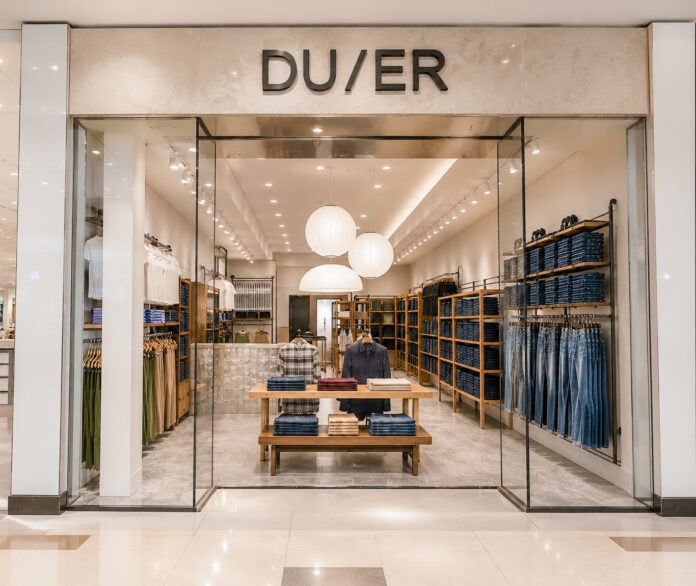
DUER expands to Winnipeg market with new store at CF Polo Park

DUER photo
DUER photo

DUER, the Vancouver apparel brand behind Performance Jeanswear, has expanded to the Winnipeg market with the opening of its store in Manitoba at CF Polo Park set for Saturday August 29.

Gary Lenett, company Founder, said the brand already had the demand, years of wholesale and ecommerce telling it people there love the product. 

“The only real question was where one store could reach the most of them. Polo Park settled that fast, more than 200 stores under one roof, pulling shoppers in from as far as Thunder Bay and Saskatchewan. And with winters like Manitoba’s, people would rather shop indoors than run between stores outside,” he said.

“We opened Banff in July, and Winnipeg is our third new store this year. Polo Park is about making sure we’ve got a real presence in the bigger Canadian centre, and Banff is the other side of that same push, proof we can reach a global customer without opening overseas, at least not yet. 

“Winnipeg and Banff don’t look like they have much in common, but the test’s the same: has the demand already shown up before we sign a lease.”

Gary Lenett. Photo by Juno Kim

Because the brand has built out a new category, Performance Jeanswear, the store ends up doing a lot of the educating: what the category actually is and what problem it solves. 

“People need to see the style and feel the performance for themselves. Once someone actually puts a pair of our pants on, we convert them at about 80% and that’s the number that keeps us investing in stores,” explained Lenett.

“Victoria and Banff taught us something else: they’re both tourist markets, and both did better than we expected going in. That’s got us looking at smaller, less permanent shops in resort towns, a way to meet that same demand without the size or lease term of a full store.”

Lenett said the Manitoba market has the same target customer, men and women 30 to 45 who lead an active, urban lifestyle. 

“What shifts is the assortment. Winnipeg’s winters run longer and colder, so we lean into the winter denim collection, and the hero piece is our Tech Fleece denim. It’s the same approach we take in Ossington, Ottawa and Square One, warm, breathable fabrics that are sophisticated enough to wear anywhere,” he noted.

Lenett said the retailer has mapped 10 additional stores over the next 24 months, though Canadian retail is only one part of that vision. 

“A second location in Vancouver, expansion into Montreal, maybe Saskatoon. But Seattle, a second San Francisco, and Salt Lake City is where a lot of the real growth sits,” he said.

More from Retail Insider:

IGA Returns to Longtime Edmonton Grocery Site Following L’OCA Closure

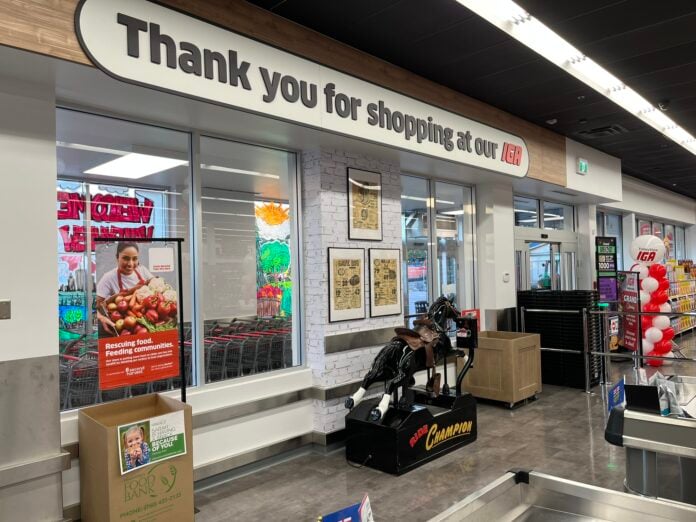
Valleyview IGA. Image: Alex Landry

Sobeys Inc. has reopened an IGA in west Edmonton at a grocery location with more than six decades of history, bringing a familiar banner back to the neighbourhood following the short-lived operation of L’OCA Quality Market.

The Valleyview IGA opened August 20 at 9106 142 Street NW in Edmonton’s Parkview neighbourhood. The site had been home to Andy’s Valleyview IGA for decades before longtime operator Andy Taschuk retired in 2024. L’OCA subsequently took over the space and operated there until the company closed its stores earlier this year.

The new IGA features fresh produce, a full-service bakery and deli, ready-to-eat meals and an assortment of local products. Sobeys said the offering reflects its commitment to supporting Alberta producers and serving the communities where it operates.

One particularly recognizable piece of the store’s history has survived the changes. The vintage horse that generations of customers have associated with the grocery store remains inside the location, and Sobeys confirmed to Retail Insider that it will stay.

A Familiar Horse Remains

The horse has remained through several changes to the store around it. When L’OCA took over the former Andy’s IGA, the company retained the fixture as part of its effort to acknowledge the location’s history.

Ben Cochrane, a partner at L’OCA Market, told Retail Insider in early 2025 that the horse had been at the store since the 1960s. He recalled riding it himself as a child while visiting his grandparents in the neighbourhood. L’OCA kept the horse when it converted the former IGA into its premium grocery concept, preserving a familiar link to the store’s past.

The location’s grocery history dates to at least the mid-1960s, with Andy’s Valleyview IGA becoming a longstanding fixture in west Edmonton. Taschuk operated the business for 59 years before retiring in 2024.

Taschuk returned to the location for the new IGA’s August 20 opening, joining customers welcoming the store back to the neighbourhood. Speaking to Global News, he described the surrounding community as highly supportive of its local grocer and expressed optimism that the reopened store would serve the area for years to come.

From Andy’s IGA to L’OCA

The recent changes began in 2024 when Taschuk announced his retirement and Andy’s Valleyview IGA closed at the end of July. The closure attracted attention beyond the immediate neighbourhood because of the store’s long history and its relationship with Edmonton’s Jewish community.

L’OCA Quality Market subsequently secured the location and opened there on January 31, 2025, less than a year after launching its first store in Sherwood Park. The Edmonton L’OCA was approximately 22,000 square feet, adapting the company’s culinary-focused grocery model to a considerably smaller footprint than its roughly 45,000-square-foot Sherwood Park flagship.

The store combined conventional grocery departments with prepared foods, a butcher, bakery, deli, café, pizza and sandwich offerings, and a range of house-made products. When Retail Insider toured the store following its opening, Cochrane said L’OCA had retained approximately 95 per cent of Andy’s former staff. The retailer also expanded the kosher assortment and preserved historical elements including the horse and old IGA materials.

At the time, the Edmonton opening formed part of a broader expansion strategy. L’OCA was planning a store in St. Albert and considering additional growth in Edmonton and potentially Calgary, although those plans would ultimately be abandoned.

L’OCA Closes After Ambitious Expansion

L’OCA announced in March 2026 that it would close its Edmonton and Sherwood Park stores, along with its restaurant operations, on March 12. The planned St. Albert location was also cancelled.

The company said it had been humbled by the difficulty of executing its locally focused, handcrafted business model and ultimately did not see a sustainable path forward. Retail Insider reported at the time, citing sources familiar with the business, that L’OCA’s operation had been losing approximately $1 million per month.

Its model involved extensive fresh-food production and prepared meals, while the larger Sherwood Park operation also incorporated full-service restaurant concepts. The Edmonton store ultimately operated for about 13 months.

The Valleyview site did not remain without a grocer for long. By June, signs of an IGA return had emerged, including approved signage for the property and Sobeys recruitment for a new management team. Five months after L’OCA closed, the site was operating under the IGA banner again.

IGA Returns Five Months After L’OCA Closure

The reopened store has hired approximately 45 to 50 employees, according to Edmonton city councillor Thu Parmar, with some former L’OCA employees joining the operation. L’OCA had similarly retained much of Andy’s staff when it entered the location in 2025, providing some workforce continuity through the changes in banners and operating models.

IGA’s return also underscores the continuing value of the Valleyview location as a neighbourhood grocery destination. The property has remained closely associated with food retail for more than 60 years despite the recent changes in operators and formats.

L’OCA brought a more elaborate model to the site, with a strong emphasis on culinary production, prepared foods and a premium shopping experience. The reopened IGA returns the property to a conventional neighbourhood supermarket format while maintaining fresh departments, prepared meals and local products.

The rapid turnaround highlights the value established grocery locations can retain within mature residential neighbourhoods. In Valleyview, Sobeys has returned a familiar banner to a site where generations of residents were already accustomed to shopping for groceries.

Longstanding Connection to Edmonton’s Jewish Community

The Valleyview store has also played a longstanding role within Edmonton’s Jewish community. For years, Andy’s Valleyview IGA was known for carrying kosher meat, groceries and Passover products.

Alberta Jewish News reported when Taschuk announced his retirement that Andy’s had been an important mainstream grocery source for kosher products in Edmonton and that Taschuk had supported Jewish community events. L’OCA recognized that history when it took over the store, retaining and expanding the kosher section as part of the conversion.

That relationship provides additional context for the August 20 reopening. Sobeys marked the opening with a ribbon-cutting ceremony and presented a cheque to the Jewish Federation of Edmonton in support of its work in the community.

For residents who have watched the property change from Andy’s IGA to L’OCA and back to IGA in little more than two years, the reopening marks another chapter for one of Edmonton’s longest-standing grocery locations. The IGA banner is familiar once again, as is the horse that has remained through decades of change.

More from Retail Insider:

Cineplex Turns Movie Fandom Into Growing Retail Business

RECENTLY OPENED VIP CINEPLEX THEATERS. PHOTO: LEE RIVETT

Cineplex is seeing Canadian moviegoers return to theatres in greater numbers while spending record amounts once they get there, with rapidly growing merchandise sales emerging as a new retail opportunity for the country’s largest cinema operator.

The Toronto-based company reported second-quarter revenue of $383.7 million, up 9.8% year-over-year and the highest Q2 revenue in its history, as theatre attendance increased 9.3% to 12.7 million guests. Adjusted EBITDA rose 20.4% to $40.8 million. The momentum has accelerated since the quarter ended, with Cineplex President and CEO Ellis Jacob telling analysts that the company had just recorded the highest-grossing week in its history, more than 20% ahead of its previous record set during the December 2015 release of Star Wars: The Force Awakens.

Cineplex is also generating more revenue from each visit. Box-office revenue per patron reached an all-time quarterly record of $13.91, while concession revenue per patron increased to a record $10.26. Theatre food-service revenue rose 11.8% to an all-time quarterly high of $130 million, with merchandise becoming an increasingly important part of that spending.

Movie Merchandise Sales Rise 45%

Merchandise sales increased 45% year-over-year during the quarter and reached a new quarterly record. Cineplex generated approximately $4 million from merchandise in Q2, with the category accounting for roughly one-third of the growth in concession revenue per patron. Products tied to major movie releases included collectibles from The Super Mario Galaxy Movie and Star Wars: The Mandalorian & Grogu, along with a red popcorn purse inspired by The Devil Wears Prada 2 that management said sold out almost immediately.

The demand is creating a retail opportunity that extends beyond the physical theatre. Jacob said Cineplex has added an online merchandise platform so consumers can continue purchasing products when inventory sells out at cinema locations. Cineplex Shop carries officially licensed movie merchandise including collectible popcorn vessels, apparel, drinkware and other products associated with current and recent releases. The shop currently carries more than 100 products, with merchandise tied to releases including The Odyssey, The Mandalorian & Grogu, Wicked and The Super Mario Galaxy Movie.

Movie merchandise represents a potentially attractive extension of the traditional cinema business because major releases continuously provide new intellectual property around which limited-edition products can be created. A successful film can generate ticket demand while simultaneously creating a temporary retail assortment supported by the same marketing campaign and cultural attention surrounding the release.

The strategy is increasingly visible across the cinema industry. U.S. exhibitors have expanded their merchandise businesses in recent years, particularly around collectible concession vessels and limited-edition products. AMC began selling 3D novelty buckets in 2019 and expanded from collectible vessels tied to nine films in 2023 to plans for more than 40 in 2026, according to the Los Angeles Times.

For Cineplex, the 45% increase indicates that Canadian moviegoers are participating in the same trend, with merchandise becoming a more meaningful contributor to spending growth rather than simply an ancillary concession item.

Cineplex Gets More From Each Theatre Visit

The merchandise growth is part of a broader increase in the value of each customer visit. Cineplex’s box-office revenue increased 11.2% to $176.2 million during the quarter, representing its second-highest quarterly box-office revenue since 2019. Box-office revenue per patron increased 1.7% to $13.91, while food-service revenue grew faster than attendance and concession spending per patron increased 2.2%.

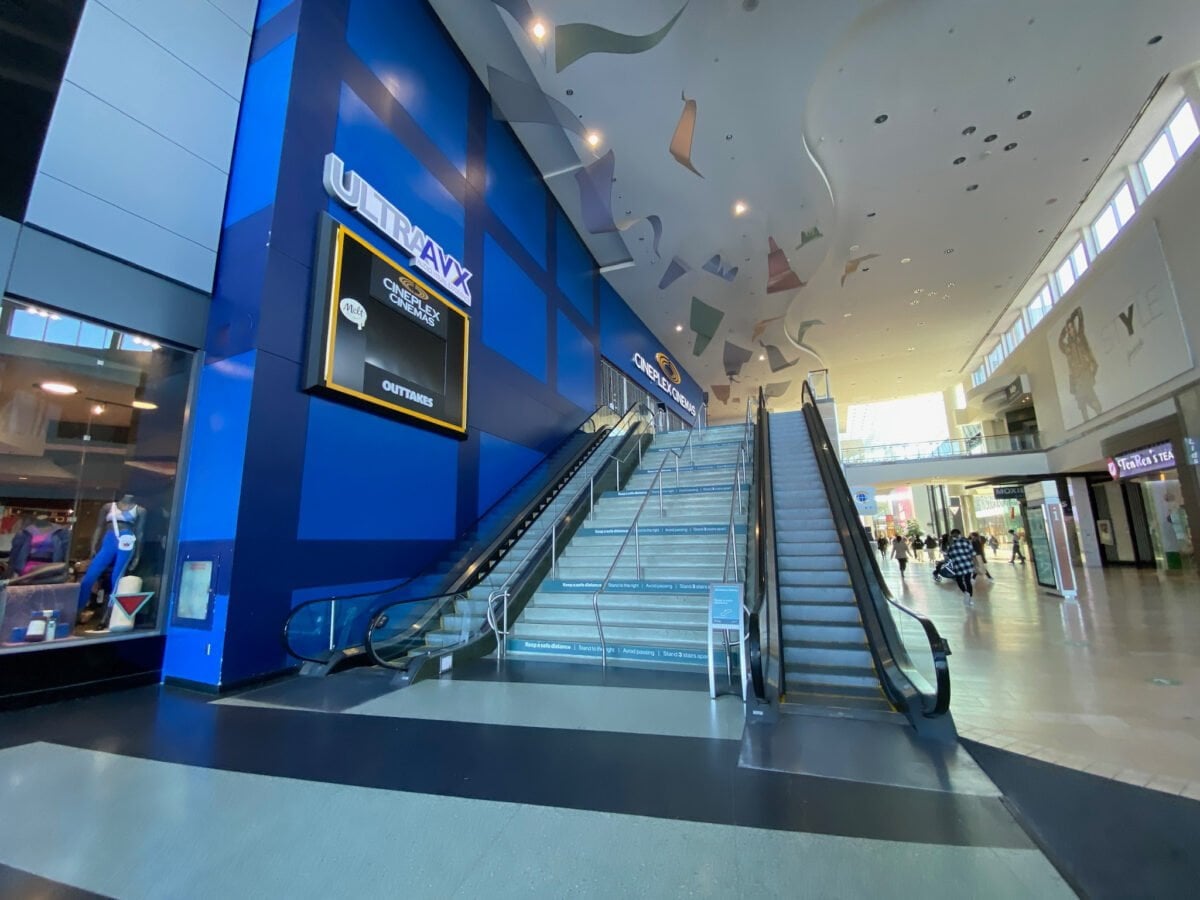
Premium cinema formats provide another opportunity to increase spending. Cineplex operates VIP Cinemas, UltraAVX, IMAX, 4DX and ScreenX locations across its network, and management reported strong demand for premium presentations around major releases. The Devil Wears Prada 2 delivered one of the strongest VIP performances in Cineplex history during the second quarter, while demand for IMAX presentations of The Odyssey has been particularly strong since the quarter ended.

Cineplex operates eight of the world’s 41 IMAX 70mm screens, giving the Canadian exhibitor a significant share of the global network capable of presenting films in the format. Management said sold-out screenings of The Odyssey highlighted consumer demand for premium theatrical experiences and the value of Cineplex’s premium-format footprint.

Box Office Momentum Accelerates in August

Cineplex’s second-quarter performance was supported by a broad mix of films rather than dependence on a single blockbuster, with family releases, horror films, franchise titles and original productions contributing to attendance. Management said the consistency of the film slate is important because it encourages repeat visits and reduces the volatility associated with relying on a small number of major releases.

That momentum strengthened substantially after the quarter ended. Jacob told analysts that during the first 10 days of August, Cineplex had already come close to generating the box-office revenue recorded during the entire month of August 2025, largely driven by The Odyssey and Spider-Man: Brand New Day. Cineplex also said the broader domestic box office surpassed $5 billion earlier in 2026 faster than in any year since 2019.

Younger consumers are contributing to the recovery. Management highlighted the return of Gen Z moviegoers during the quarter, particularly around titles including Obsession and Backrooms, and said moviegoing continues to resonate as a social experience for younger audiences. That demographic also has value to Cineplex’s advertising business, which positions its theatres as a way for brands to reach consumers who can be difficult to access through traditional media channels. Cineplex Media revenue increased 4.4% year-over-year to $20.2 million during Q2.

Cineplex at Yorkdale
Cineplex at Yorkdale – Photo by Dustin Fuhs

Canadian Consumers Remain Selective

The record spending at Cineplex comes against a more challenging backdrop for Canadian household consumption, where elevated living costs and economic uncertainty have continued to influence discretionary purchasing decisions.

Cineplex’s performance does not necessarily point to a broad rebound in discretionary spending. Instead, its theatre results suggest consumers remain willing to spend when an entertainment offering generates sufficient interest, particularly around major cultural events, recognizable intellectual property and experiences that are difficult to replicate at home. The combination of rising attendance and record per-patron spending indicates that consumers choosing to visit Cineplex are also accepting more opportunities to spend around that visit.

Results elsewhere in Cineplex’s business show that discretionary entertainment spending remains uneven. The company’s location-based entertainment segment, which includes The Rec Room and Playdium, continued to face what management described as macroeconomic headwinds affecting consumer spending. Adjusted store-level EBITDA fell to $3.9 million from $5.8 million a year earlier, while adjusted store-level margin declined to 12.2% from 17.5%.

Management said food-and-beverage revenue increased within the location-based entertainment business during the quarter while amusement revenue declined. That mix weighed on profitability because amusement represents the highest-margin revenue category in the segment. Cineplex noted that the second quarter is typically its lowest-traffic period for location-based entertainment and expects some of the pressure to reverse as the year progresses.

Playdium Expands as Competition Increases

Cineplex continues to invest in experiential entertainment despite the near-term softness, opening a new Playdium at Vaughan Mills in June and bringing its location-based entertainment portfolio to 17 locations. Cineplex told analysts that the location has delivered strong results since opening.

The expansion is part of Cineplex’s longer-term strategy of positioning The Rec Room and Playdium as social entertainment destinations, frequently within or near major shopping centres. These concepts can also serve a broader role within retail properties as landlords add entertainment, dining and other experiential uses intended to generate visits beyond conventional shopping.

Competition for that spending is increasing. Cineplex acknowledged during its earnings call that competing entertainment concepts have entered some markets around successful locations in its portfolio. Management said the trend is not widespread but noted that strong-performing locations have attracted additional entrants.

Canada has seen rapid expansion from other experiential entertainment concepts, including Winnipeg-founded Activate. The company said in April that it had grown to more than 75 locations worldwide, including 64 across North America, and plans to reach 100 locations across 12 countries by 2027.

The contrast within Cineplex’s own portfolio provides a useful indication of current consumer behaviour. Movie theatres are benefiting from a strong film slate and consumers willing to spend more around major releases, while broader location-based entertainment continues to encounter greater resistance from discretionary spending pressures and increased competition.

Loyalty Supports More Frequent Visits

Cineplex is also using loyalty and subscription programs to increase the frequency of customer visits. Scene+ has more than 15 million members and expanded during the quarter with the nationwide addition of Shell Canada, allowing members to earn and redeem points across categories including groceries, entertainment, dining, travel and fuel.

CineClub, Cineplex’s movie subscription program, recently marked its fifth anniversary and has more than 270,000 members. Cineplex said members visit its theatres at approximately four times the rate of non-members, making the subscription business another way to encourage repeat moviegoing as the film supply improves. Together, Scene+ and CineClub can help increase visitation, while premium formats, food and beverage and merchandise provide additional opportunities to generate revenue from each visit.

Cineplex is also expanding the uses of its theatre network beyond conventional film exhibition. During the second quarter, the company partnered with TSN to present select FIFA World Cup matches in theatres across Canada. Management described the response as encouraging and sees sporting events, concerts, live performances and specialty programming as additional ways to attract audiences and use theatre capacity.

Cineplex Looks to Strong Second Half

Cineplex expects theatrical momentum to continue through the remainder of 2026, supported by a release calendar spanning major franchise films, family titles, horror and other genres. Management said the industry is tracking toward approximately $10 billion in domestic box-office revenue this year, while the unusually strong start to August provides additional momentum heading into the second half.

For Cineplex, the recovery is increasingly about more than filling theatre seats. The company is generating record food and beverage spending, monetizing demand for premium movie experiences and turning film merchandise into a growing physical and digital retail category. Loyalty and subscription programs provide another mechanism for increasing visit frequency while Cineplex’s theatre network is being used for a wider range of entertainment events.

The movie remains the reason consumers arrive, but Cineplex is finding more ways to participate in the spending surrounding it. Merchandise, in particular, gives the company a retail category that can change with each new theatrical release and increasingly continue online after customers have left the cinema.

More from Retail Insider:

JD Sports Opens Downtown Montreal Flagship as Canadian Expansion Accelerates

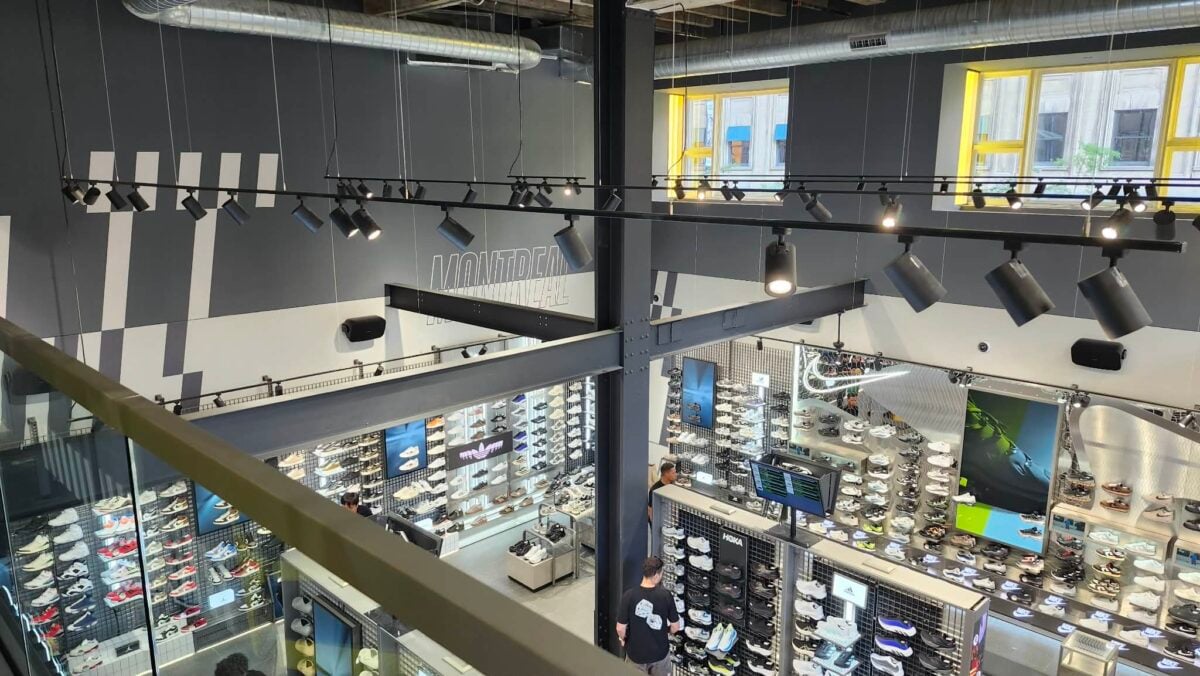
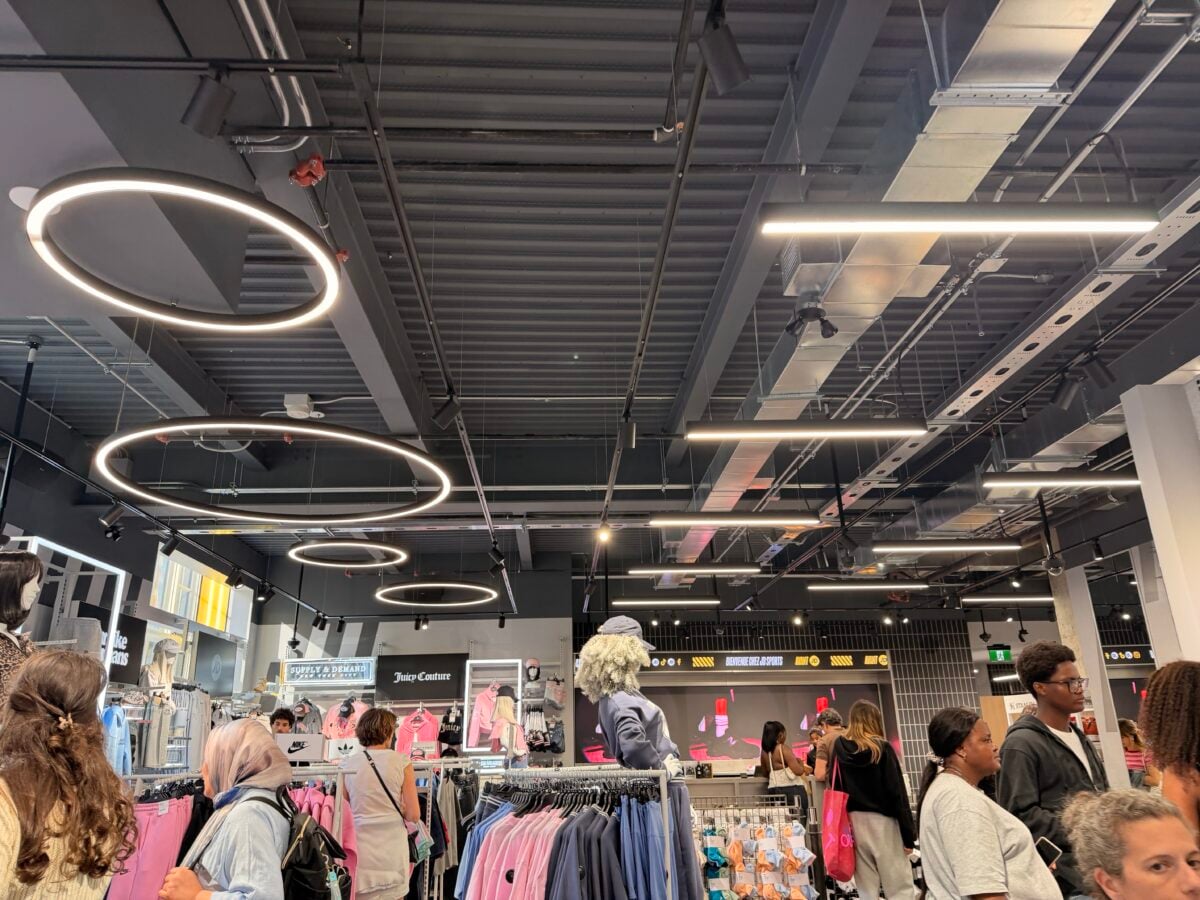
JD Sports in downtown Montreal. Photo: Victor DiLallo Balsis

JD Sports has opened its new flagship store at 777 Sainte-Catherine Street West in downtown Montreal, bringing the international sports-fashion retailer to one of the city’s most prominent retail corners as it continues an aggressive expansion across Canada.

Located at Sainte-Catherine Street West and McGill College Avenue, the store occupies the main retail level and a second level that previously functioned as a mezzanine. The space was formerly home to a large Banana Republic flagship, which closed in 2021 after operating for years within the distinctive former banking premises.

JD Sports has substantially transformed the interior for its arrival, introducing the contemporary store design found across the retailer’s growing Canadian network. The redevelopment has also attracted attention from heritage advocates over the removal of the property’s historic interior.

Major Downtown Location for JD Sports

The new flagship sits adjacent to the Montreal Eaton Centre and near McGill University, the McGill Metro station, office towers and other major retailers along Sainte-Catherine Street.

The entire premises at 777 Sainte-Catherine had previously been marketed as approximately 26,463 square feet across five levels. The ground floor accounts for approximately 5,453 square feet, while the roughly 3,946-square-foot mezzanine overlooks the main level. JD Sports occupies the main floor and former mezzanine, while the larger premises also include additional upper and lower-level space.

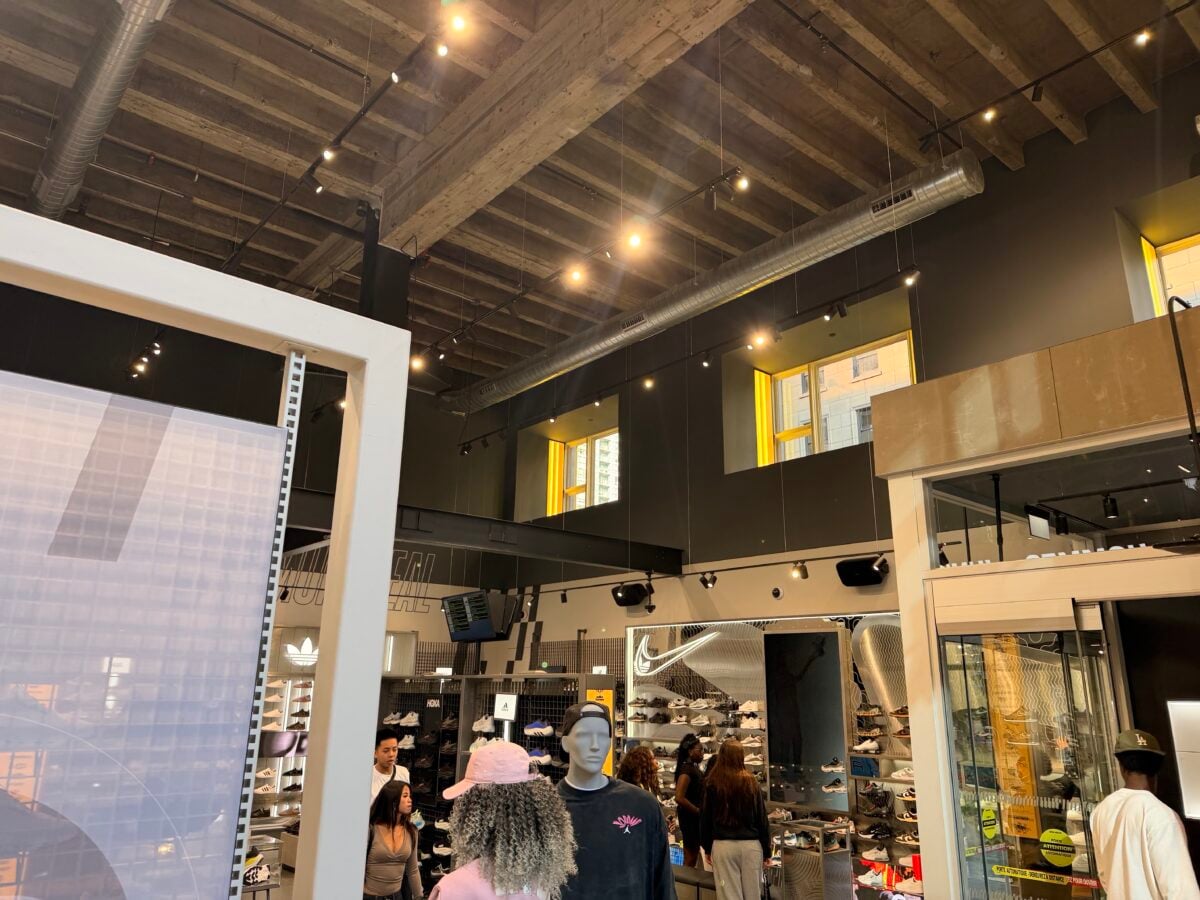
The location stands out for its substantial ceiling height and extensive exposure at one of downtown Montreal’s busiest intersections. The property has approximately 54 feet of frontage along Sainte-Catherine Street and about 120 feet along McGill College Avenue, creating considerable visibility along both streets.

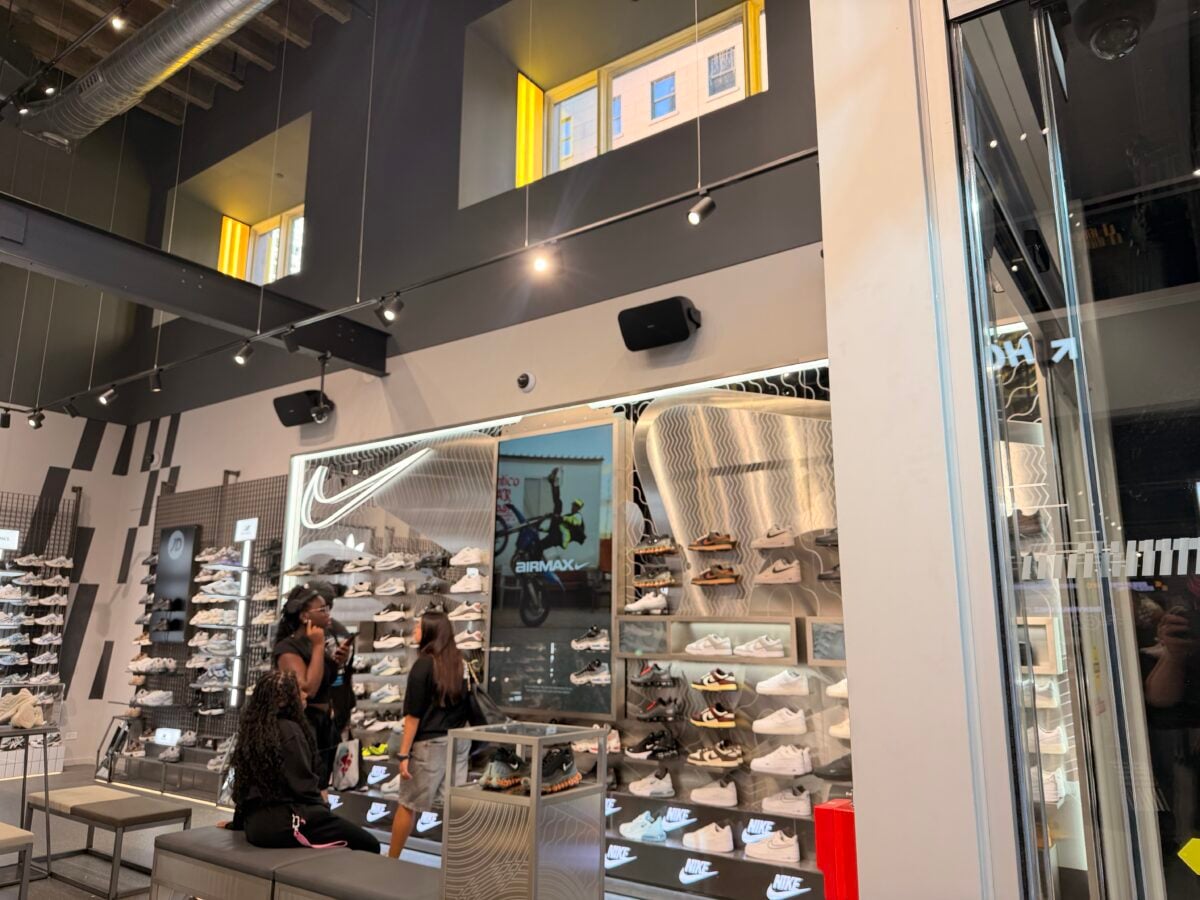
Inside, JD Sports has introduced the black-and-yellow visual identity used throughout its newer stores, with extensive footwear displays, apparel and digital elements. The retailer’s assortment centres on major sports and lifestyle brands including Nike, Jordan, adidas and New Balance, alongside a wider selection of footwear, apparel and accessories.

Jean-François Parent of JD Sports Canada previously described the Sainte-Catherine flagship as the company’s largest store to date in the region and a significant milestone for the brand in Canada.

JD Sports in downtown Montreal. Photo: Victor DiLallo Balsis
JD Sports in downtown Montreal. Photo: Maxime Frechette

Historic Interior Transformed

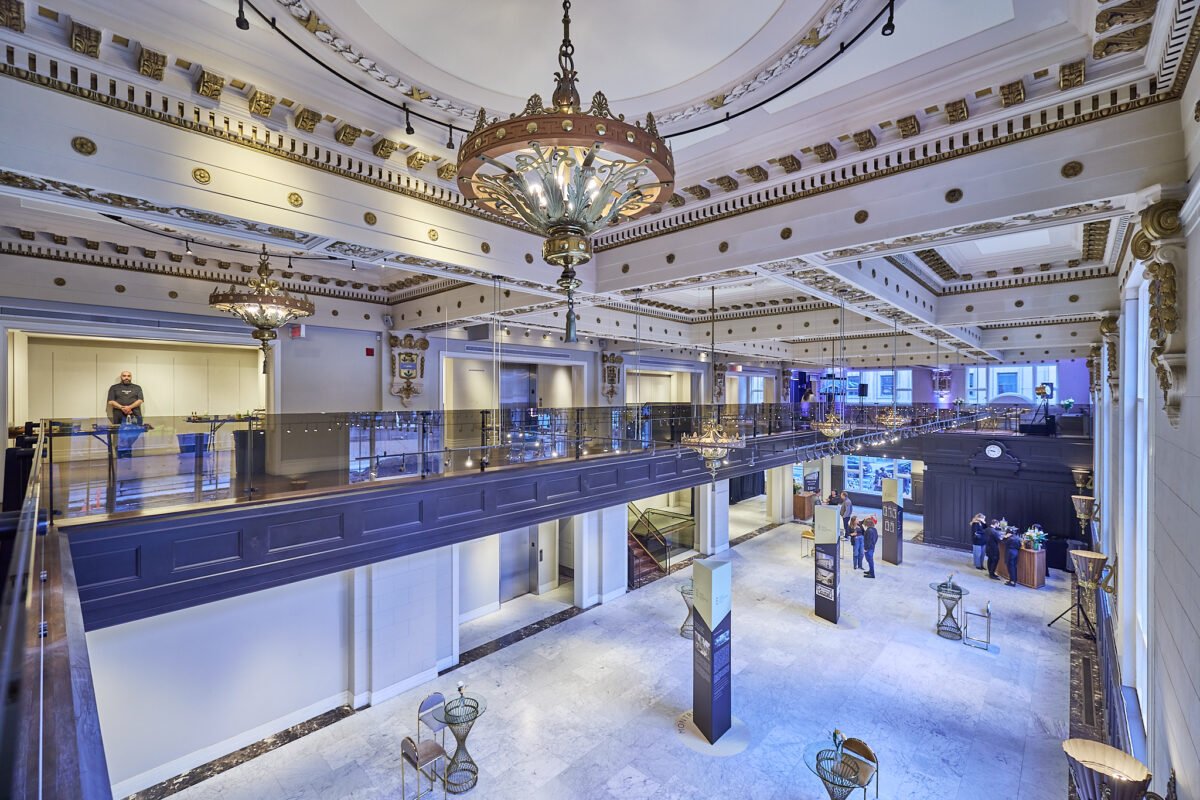
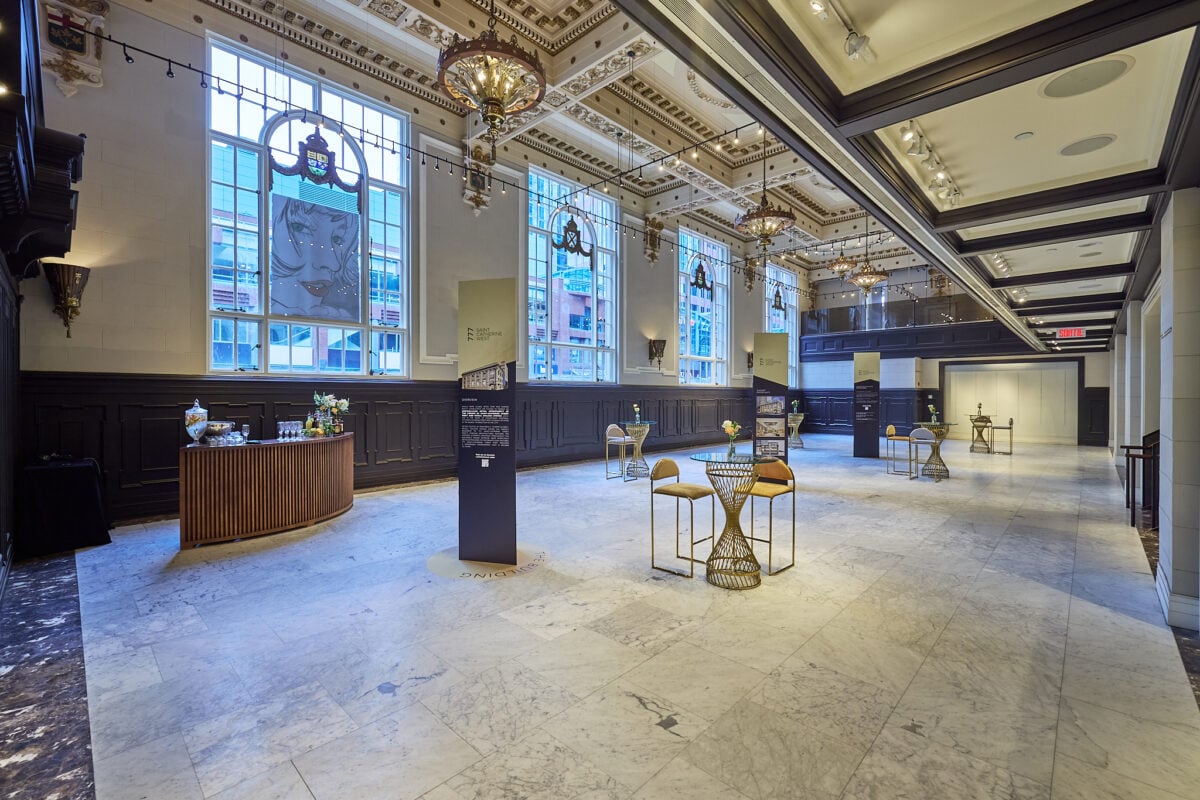
JD Sports’ arrival represents another chapter for a property with a long commercial history. The former banking premises date to the early 20th century, and significant elements of the interior survived through later adaptations of the space for retail use. Banana Republic incorporated the former banking hall and mezzanine into its store, retaining many of the architectural details that distinguished the location from a conventional retail unit.

That interior has been extensively changed for JD Sports. Before-and-after images of the property show the scale of the transformation, with much of the historic detailing removed as the space was rebuilt around the retailer’s contemporary store design.

The changes prompted concern from Héritage Montréal, which said it began investigating after receiving alerts about work at the property in early 2026. In a June update, the organization said the interior of the former Banque d’épargne de la cité et du district de Montréal, dating from the 1920s, had been completely demolished during the redevelopment.

Héritage Montréal said assurances provided by the City of Montreal in the 1990s had indicated that preservation of the interior was among the conditions associated with the development agreement that permitted construction of the office tower partly above the former bank. The organization said the interior was subsequently restored and adapted over the years for changing commercial uses.

According to Héritage Montréal, representatives of the Ville-Marie borough said the JD Sports project was authorized under regulations in effect and that municipal officials were unable to locate documentation confirming the earlier conservation commitments. The organization also met with representatives of JD Sports Canada, which it said had not been informed by the real estate brokers or architects involved with the project that there were heritage concerns surrounding the interior.

Héritage Montréal has since called on the City to have the Conseil du patrimoine de Montréal examine the case and recommend measures that could provide greater protection for significant heritage interiors. The case has also raised broader questions around how historically significant commercial interiors are documented and considered when buildings are adapted for new uses.

Before the demolition: 777 Ste-Catherine St. in May 2024, Looking from the mezzanine level to the main floor. Photo: Darwin Doleyres
Before the demolition: 777 Ste-Catherine St. in May 2024, Photo: Darwin Doleyres

High-Profile Sainte-Catherine Lease

JD Sports’ opening fills a prominent space that had represented a substantial vacancy along Sainte-Catherine Street following Banana Republic’s departure.

Jordan Karp, EVP and Head of Retail Services in Canada at Savills Canada, represented JD Sports in the lease transaction. Karp and Manon Parisien of Aurora Retail Group co-listed the property on behalf of landlord Pontegadea, the private investment group of Amancio Ortega, founder and largest shareholder of Inditex (owner of Zara).

The combination of the property’s scale, ceiling height, extensive frontage and location made 777 Sainte-Catherine an unusual flagship opportunity in the downtown leasing market. Its position also puts JD Sports within a concentration of major international sports, apparel and footwear retailers operating along the Sainte-Catherine corridor.

JD Sports in downtown Montreal. Photo: Maxime Frechette

JD Sports Accelerates Canadian Expansion

The Montreal flagship arrives amid a rapid expansion of JD Sports’ Canadian store network, with the retailer adding locations across several provinces while investing in larger stores in some of Canada’s biggest urban markets.

Quebec has been particularly active. JD Sports opened at CF Fairview Pointe-Claire on March 7, 2026, followed by a new location at Place Rosemère on July 16. Those stores joined an existing Quebec network that includes locations such as CF Promenades St-Bruno and CF Carrefour Laval, while the new Sainte-Catherine flagship gives JD a prominent presence in the heart of downtown Montreal.

Expansion has continued elsewhere in the country. JD opened a flagship at CF Toronto Eaton Centre on March 16 and entered New Brunswick with a store at Champlain Place in Dieppe on April 18. Another location recently opened at Intercity Shopping Centre in Thunder Bay, while a store at Mic Mac Mall in Dartmouth is expected to open in September, marking JD Sports’ entry into Nova Scotia.

The pace follows a particularly active 2025, when JD Sports Canada said it opened 12 stores across the country. Its Canadian network has been developing through a combination of shopping-centre locations and larger urban stores, including the Robson Street flagship in Vancouver that opened in 2025.

With downtown flagships now operating in Vancouver, Toronto and Montreal, JD Sports has established high-profile locations in Canada’s three largest urban retail markets while continuing to expand its suburban shopping-centre network. In the Montreal region, locations in Laval, Saint-Bruno, Pointe-Claire and Rosemère give the retailer broader regional coverage alongside its new downtown presence.

More from Retail Insider: