Retail Insider is streamlining its Canadian retail news from around the web to include a handful of top news stories that can be viewed quickly during the day. Here are the top stories from the past 24 hours.
Craig and Adam X., Founder and Creative Director at Adam X Atelier, discuss the foundation and philosophy behind his designs, highlighting his multicultural background and his passion for art and fashion. Adam’s journey began with foundational courses at George Brown College and styling at Ryerson University, leading him to discover the communicative power of fashion. Adam discusses his approach to designing garments that enhance the wearer’s beauty through meticulous draping, tailoring, and attention to detail, using various materials and inspirations ranging from movies to nature.
Adam discussed his creative process, from the emotional drive behind his collections to the meticulous steps of bringing a concept to life. He recounts a personal story that inspired the “Some Beings” collection, demonstrating how emotional narratives and experiences shape his work. The discussion transitions into Adam’s focus on womenswear, his experiences with retail and direct-to-consumer engagement, and the expansion of his brand into U.S. markets. Adam highlights the importance of reaching customers across all platforms and the ongoing effort to introduce ready-to-wear collections.
The interview concludes with reflections on the challenges and opportunities within the Canadian fashion industry, the importance of collaboration among designers, boutiques, and other industry participants, and advice for emerging designers. Adam emphasizes the transformative power of fashion, its ability to communicate, and the need for a supportive community and infrastructure to nurture Canadian talent.
Episode Sponsor:
SAJO – Canada’s first specialized retail builder. Visit SAJO to see their holistic approach and transdisciplinary team to explore and understand your needs.
If you prefer to listen to the audio version, it is available below:
The Interview Series audio podcasts by Retail Insider Canada are available on Apple Podcasts, Stitcher, TuneIn, Google Play, or through our dedicated RSS feed for Overcast and other podcast players. Also check out our The Weekly audio podcast where Craig and Lee discuss popular content published on Retail Insider which is part of the The Retail Insider Podcast Network.
Subscribe, Rate, and Review our Retail Insider Podcast!
Drop us a line at Craig@Retail-Insider.com. You can also rate us in Apple Podcasts or recommend us in Overcast to help more people discover the show!
Background Music Credit: Hard Boiled Kevin MacLeod (incompetech.com). Licensed under Creative Commons: By Attribution 3.0 License. http://creativecommons.org/licenses/by/3.0/
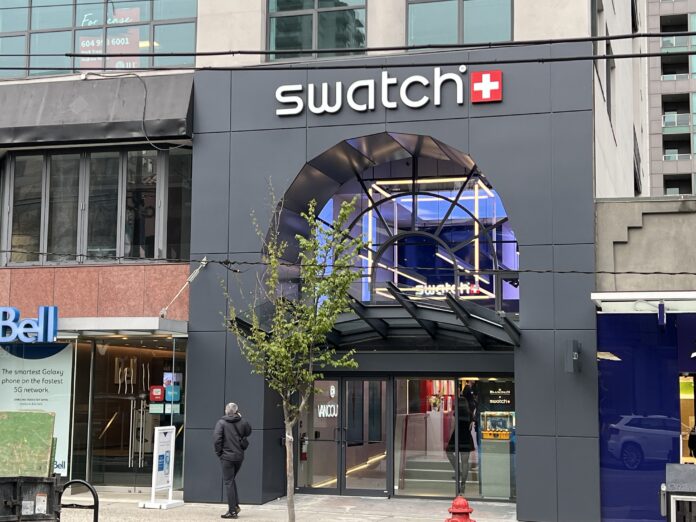
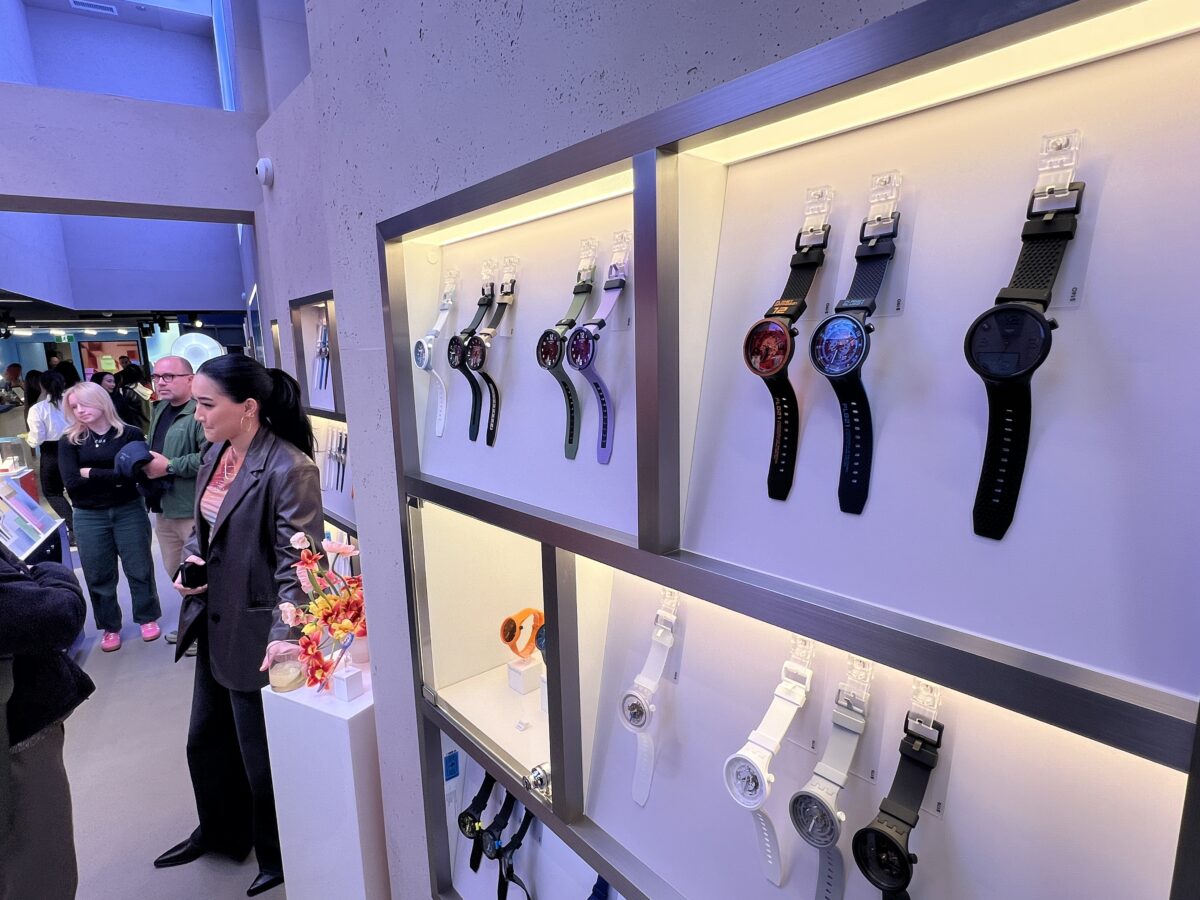
Swatch Vancouver storefront at 1145 Robson Street. Photo: Lee Rivett.
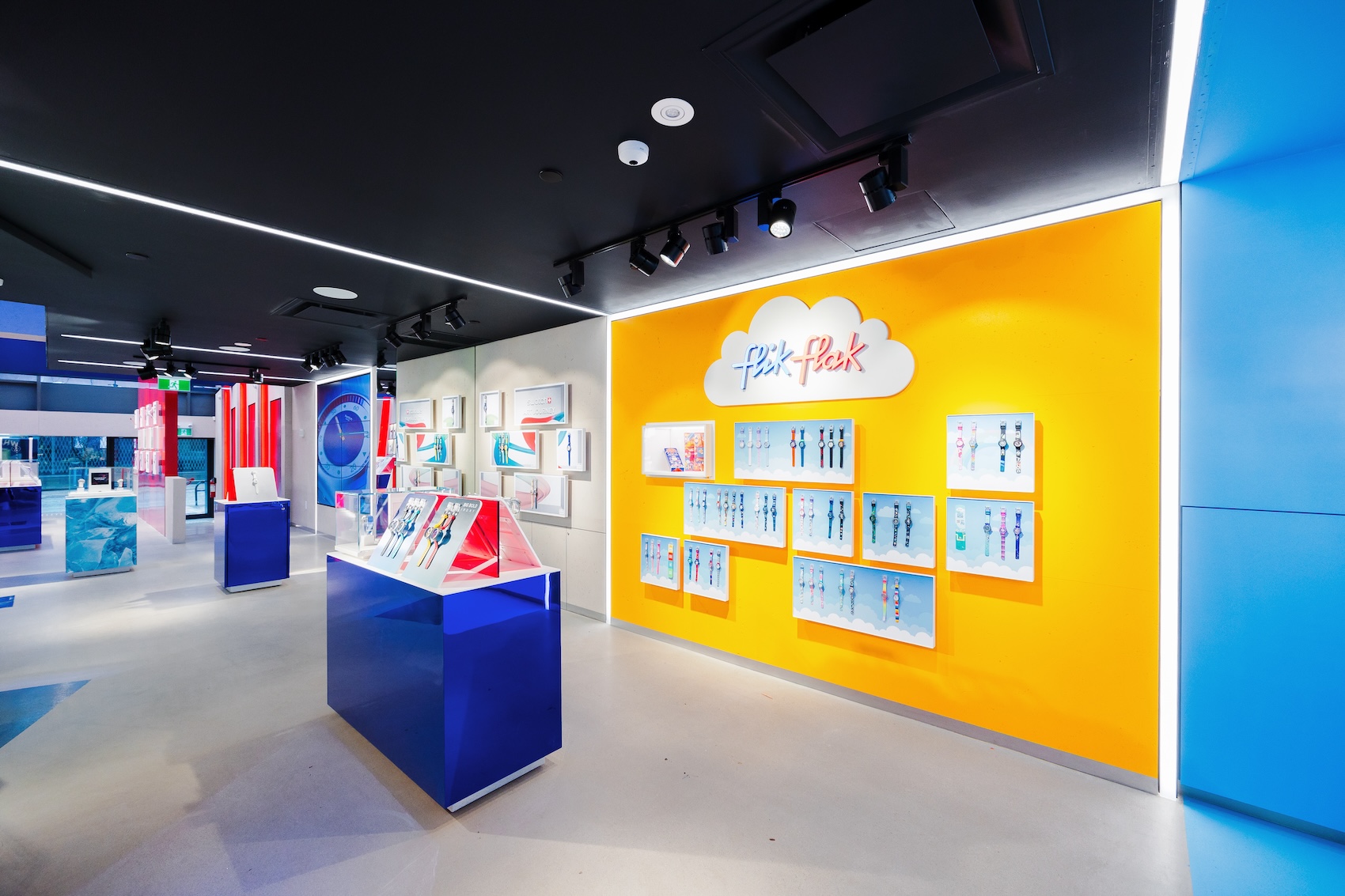
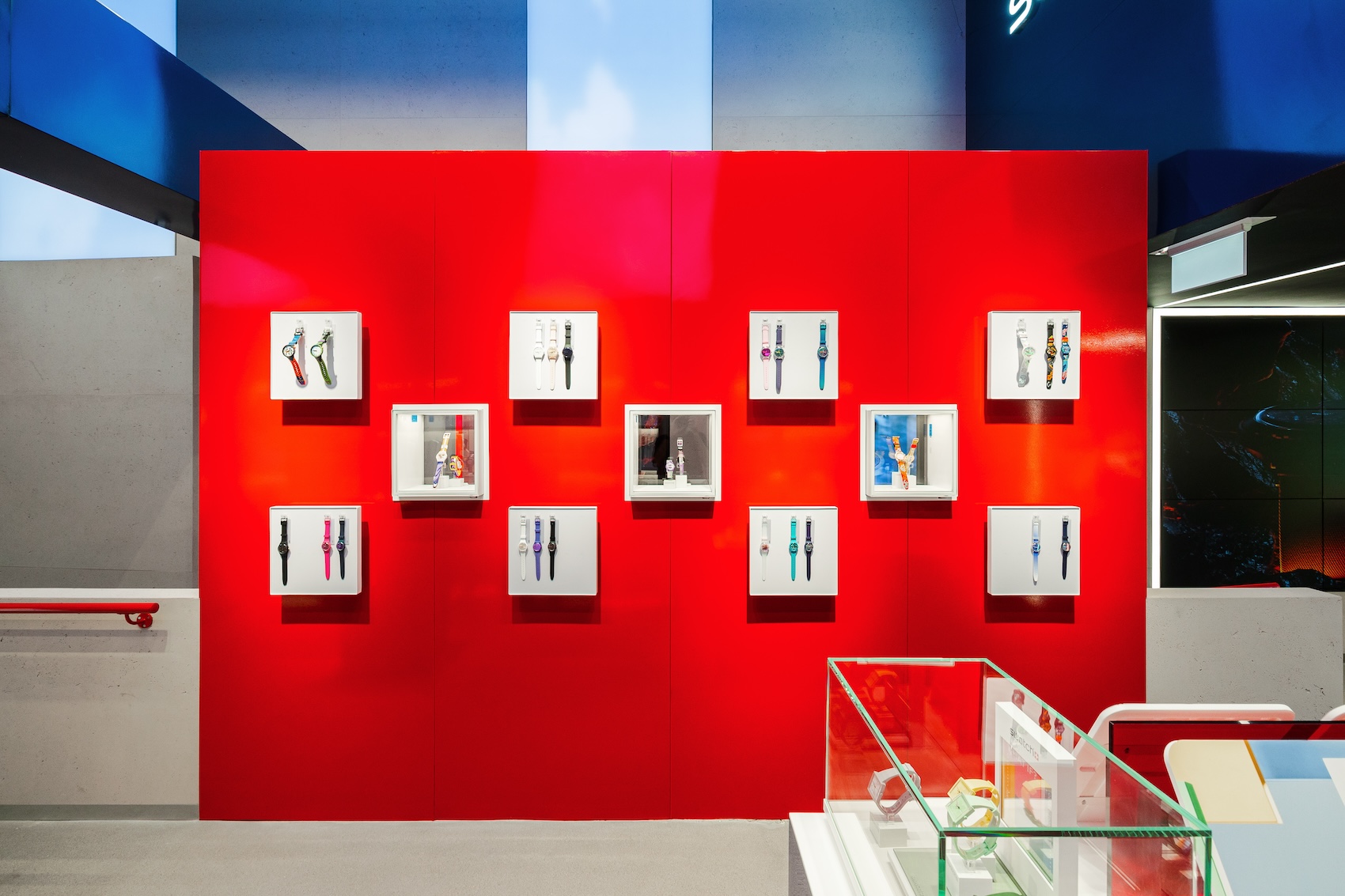
Swiss watchmaker Swatch recently opened a new flagship store at 1145 Robson Street in downtown Vancouver. The Vancouver store is part of a larger expansion in Canada for the brand.
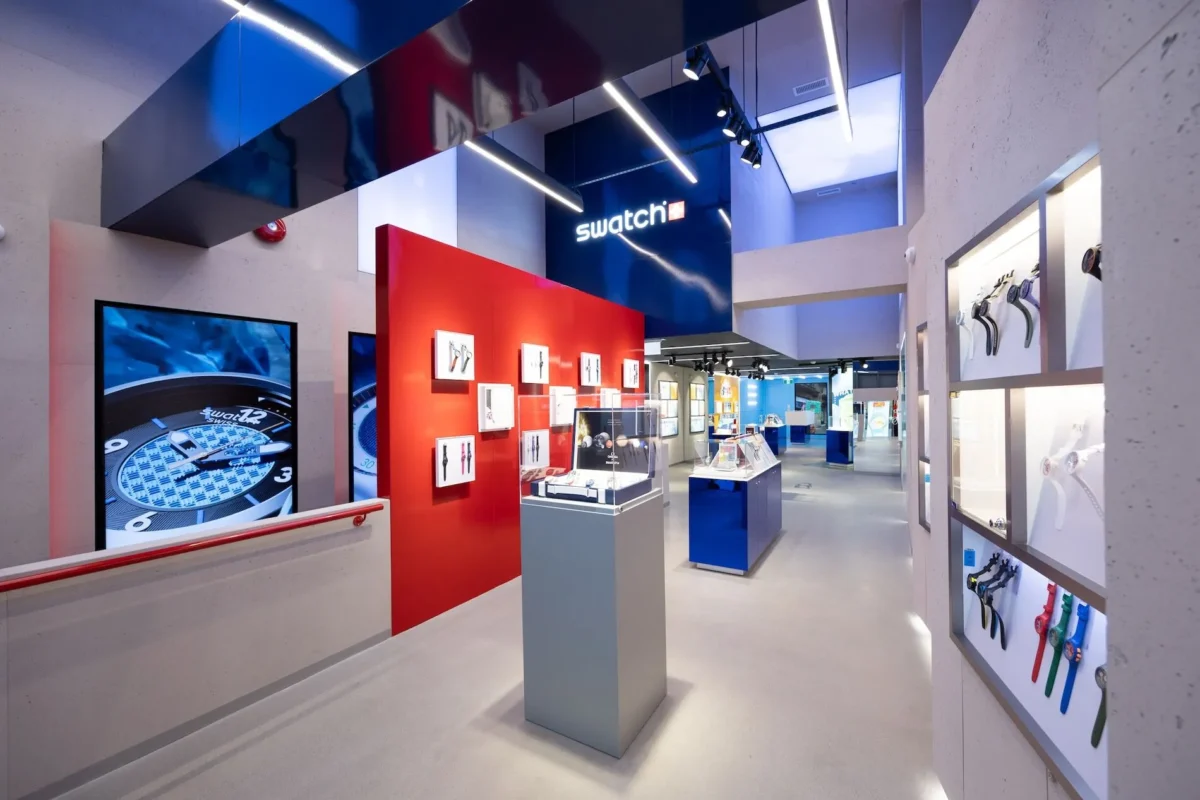
Shawn Kotania, brand manager in Canada, was on hand for the grand opening event last week. Kotania explained he was particularly proud of the design of the downtown Vancouver location as it “brings the outside inside”.
Swatch Vancouver entrance on Robson Street. Photo: Lee Rivett. Photo: Swatch
1 of 8
Photo: Swatch
Photo: Swatch
Photo: Swatch
Photo: Swatch
Photo: Swatch
Photo: Swatch
Photo: Swatch
Photo: Swatch
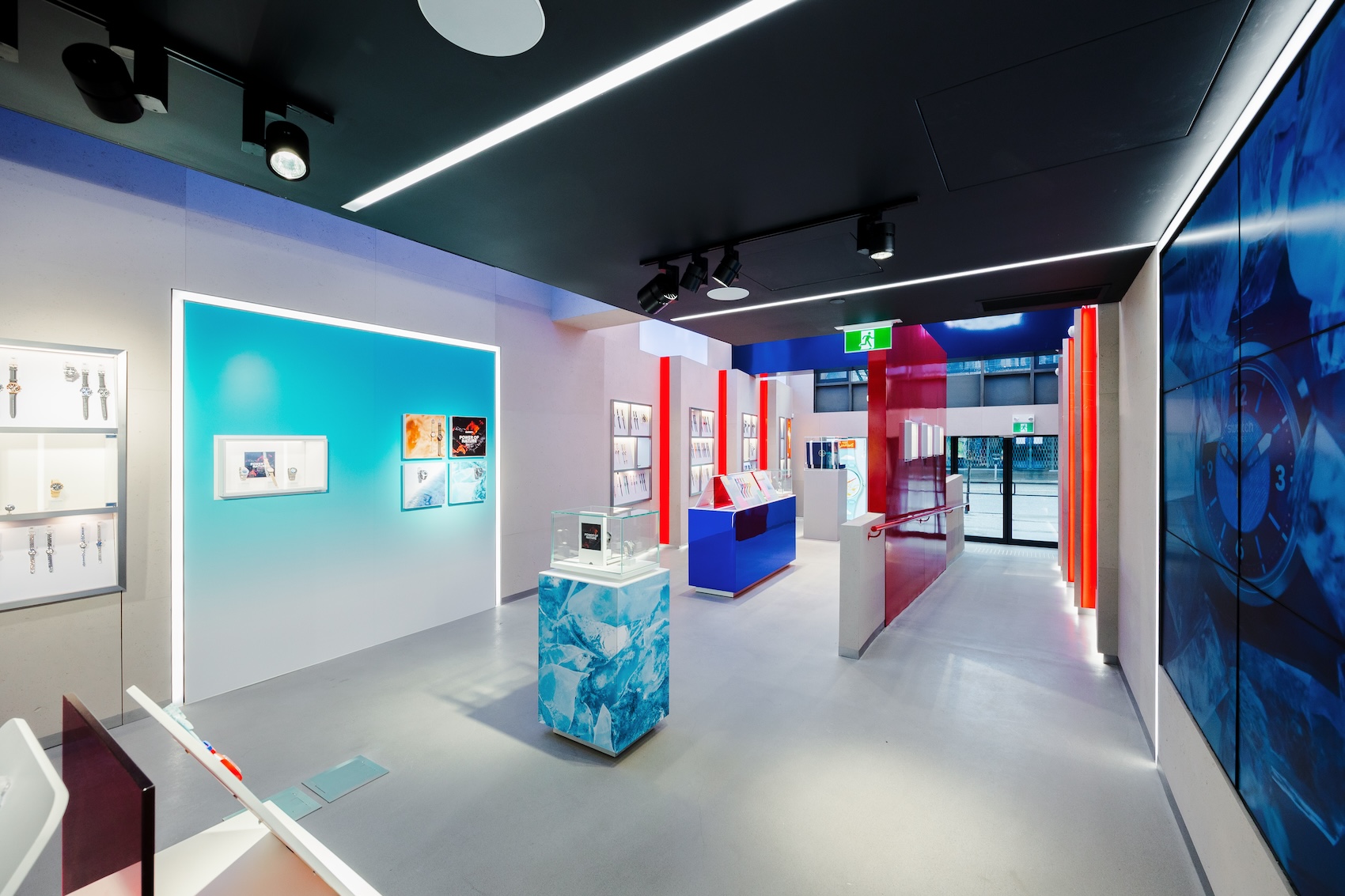
The design team had a unique challenge with the original space which was originally the entrance to a former Milestones restaurant which closed in 2017. The approximate 1,000 square feet of utilitarian space was framed with harsh concrete, accented with red accents. The design team set ahead with the task to “bring the outside in” which included interweaving natural light LED displays within the space.
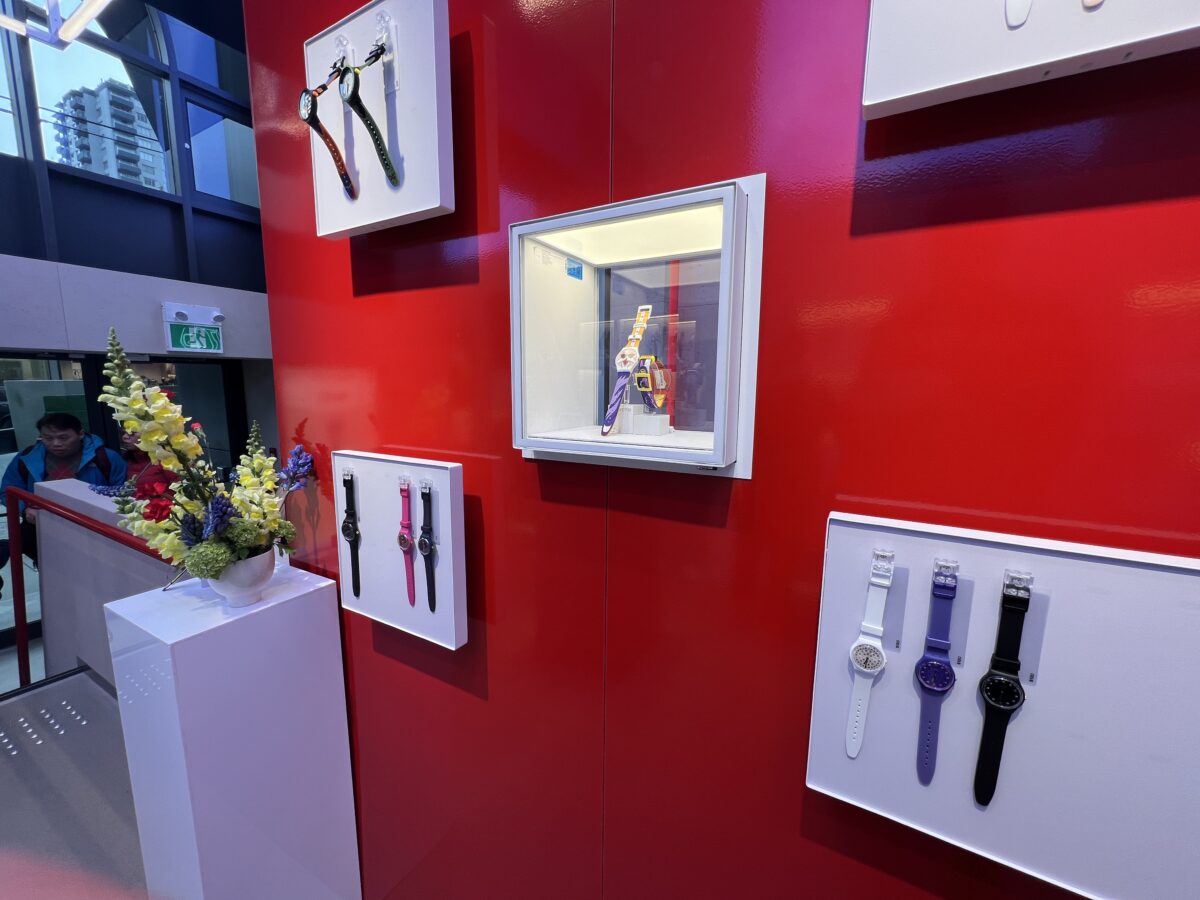
Open windows in the above space at Swatch Vancouver on Robson Street. Photo: Lee Rivett. Tata Gallery collaboration with Swatch. Photo: Lee Rivett. Cement walls with natural light from above at Swatch Vancouver on Robson Street. Photo: Lee Rivett.
A stroll through “The Swatch Group” history reveals that it was launched out of the idea of being an artistic and emotional “second watch”. Robson Street in downtown Vancouver is a destination for tourists, which means that sales could be high — cruise ship traffic has increased to record levels and visitor levels are strong overall.
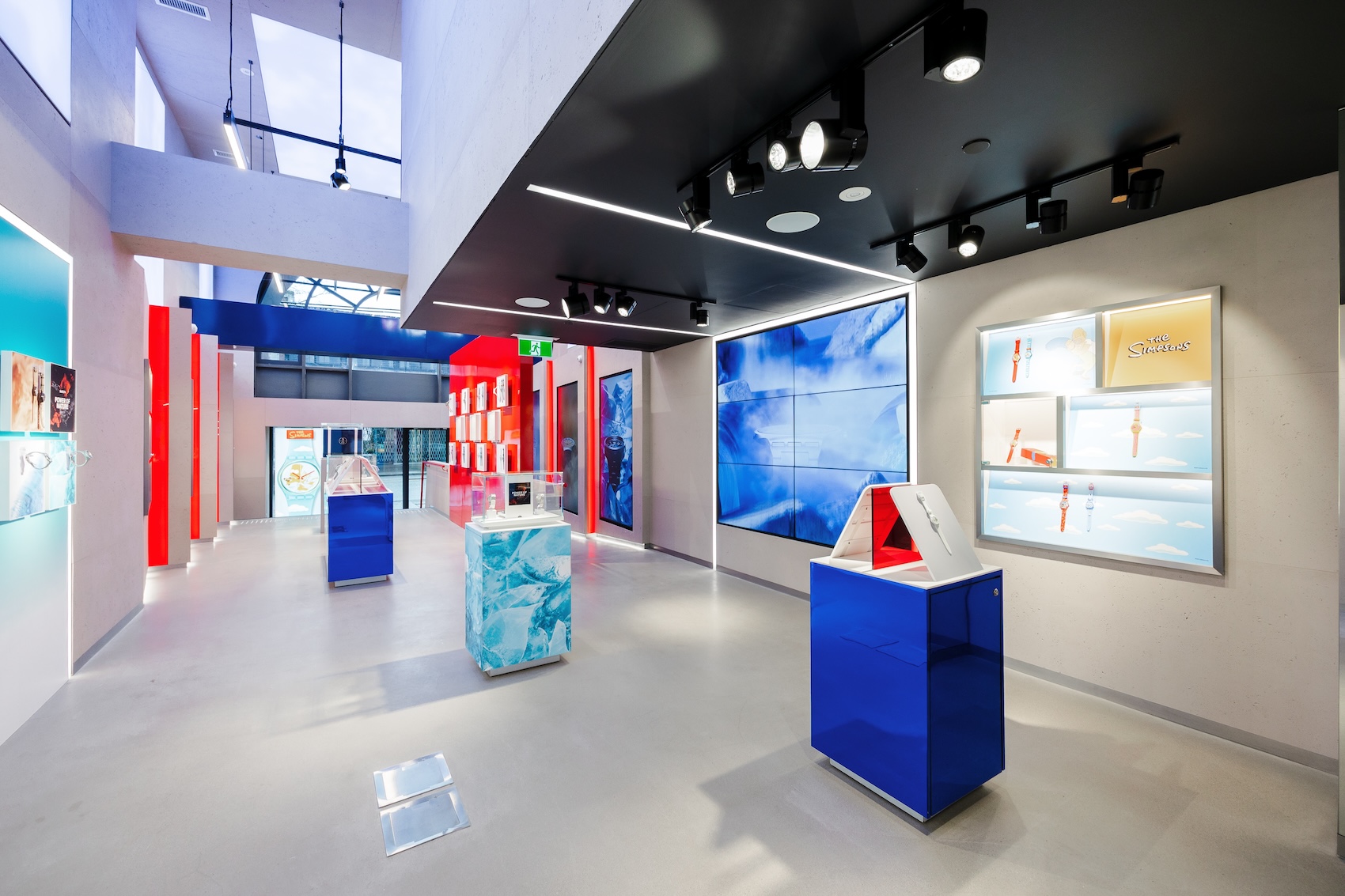
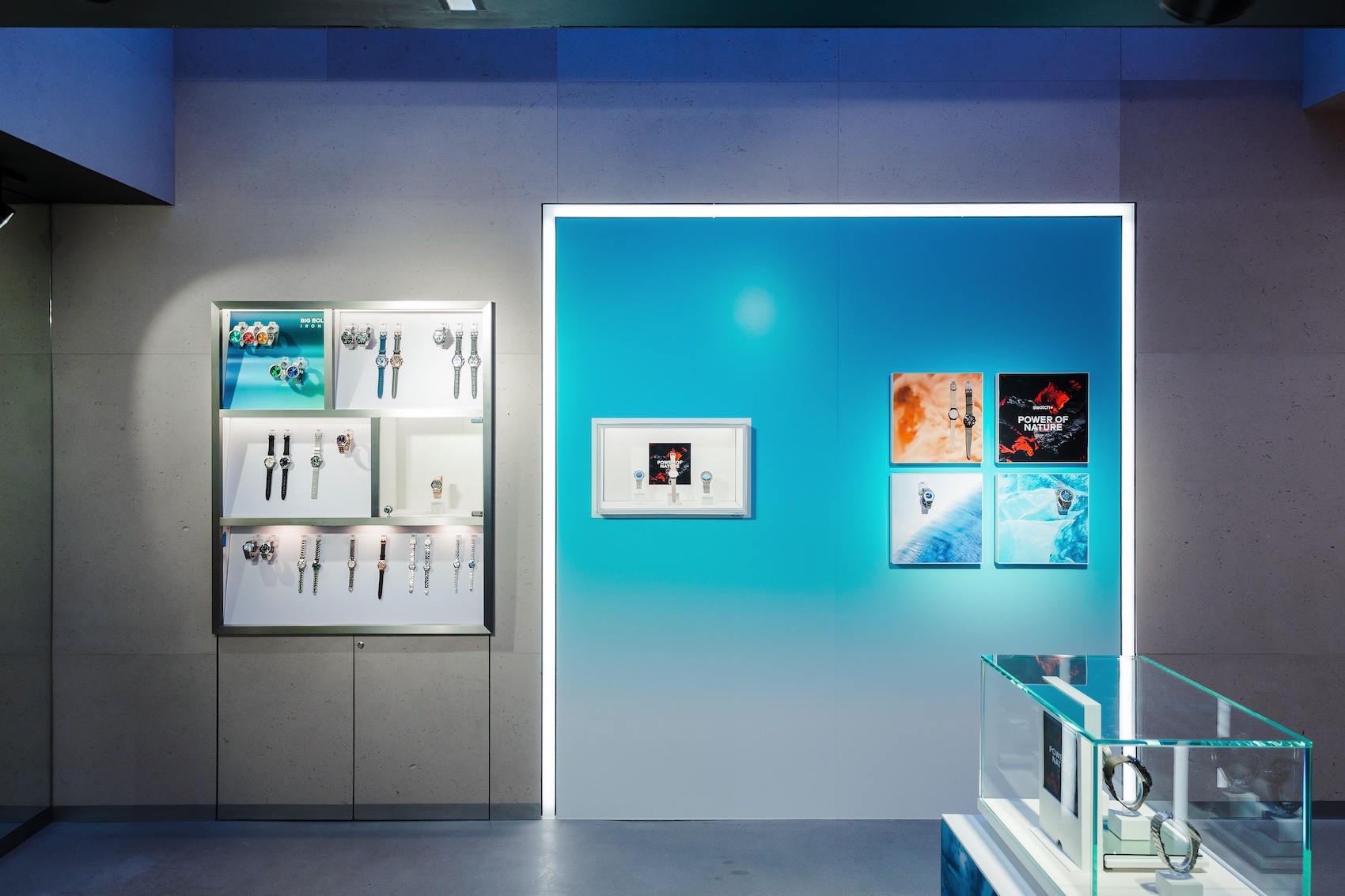
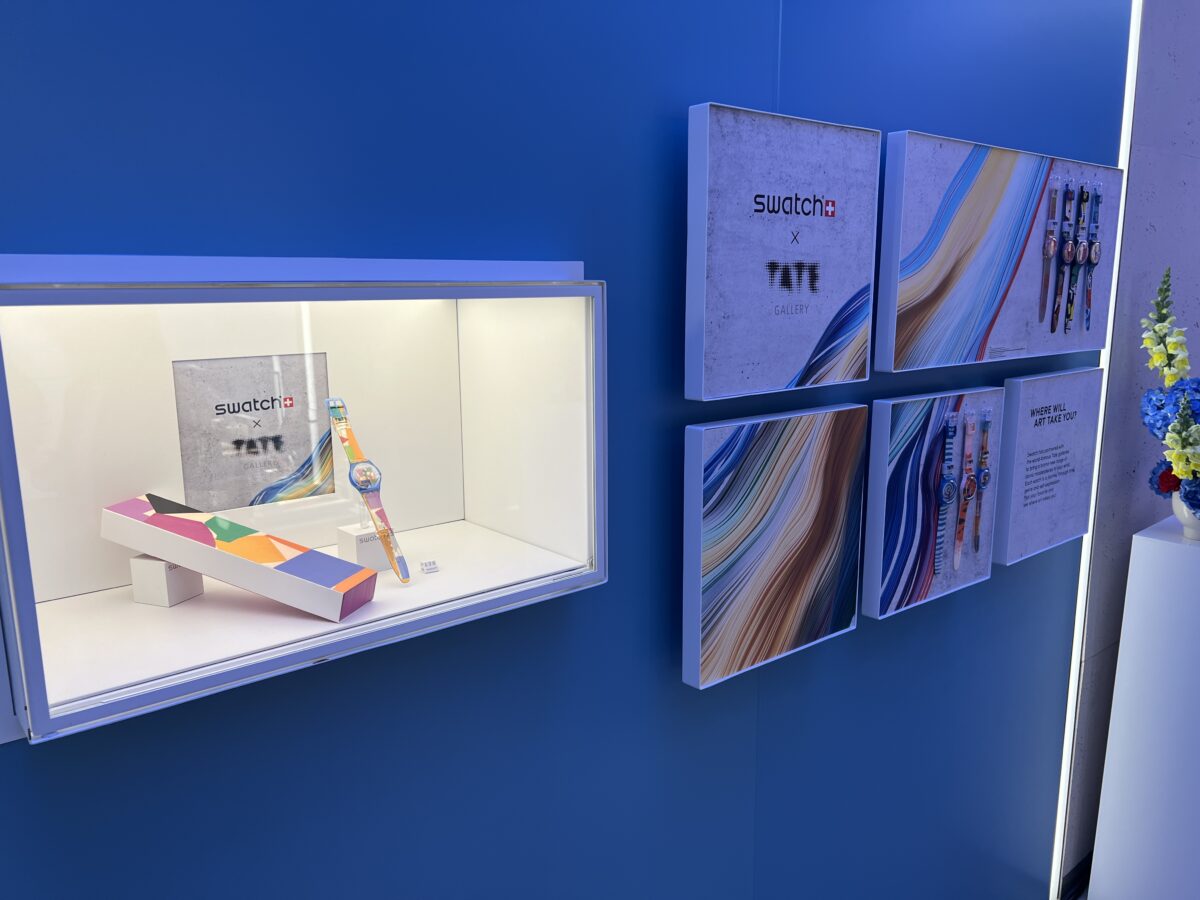
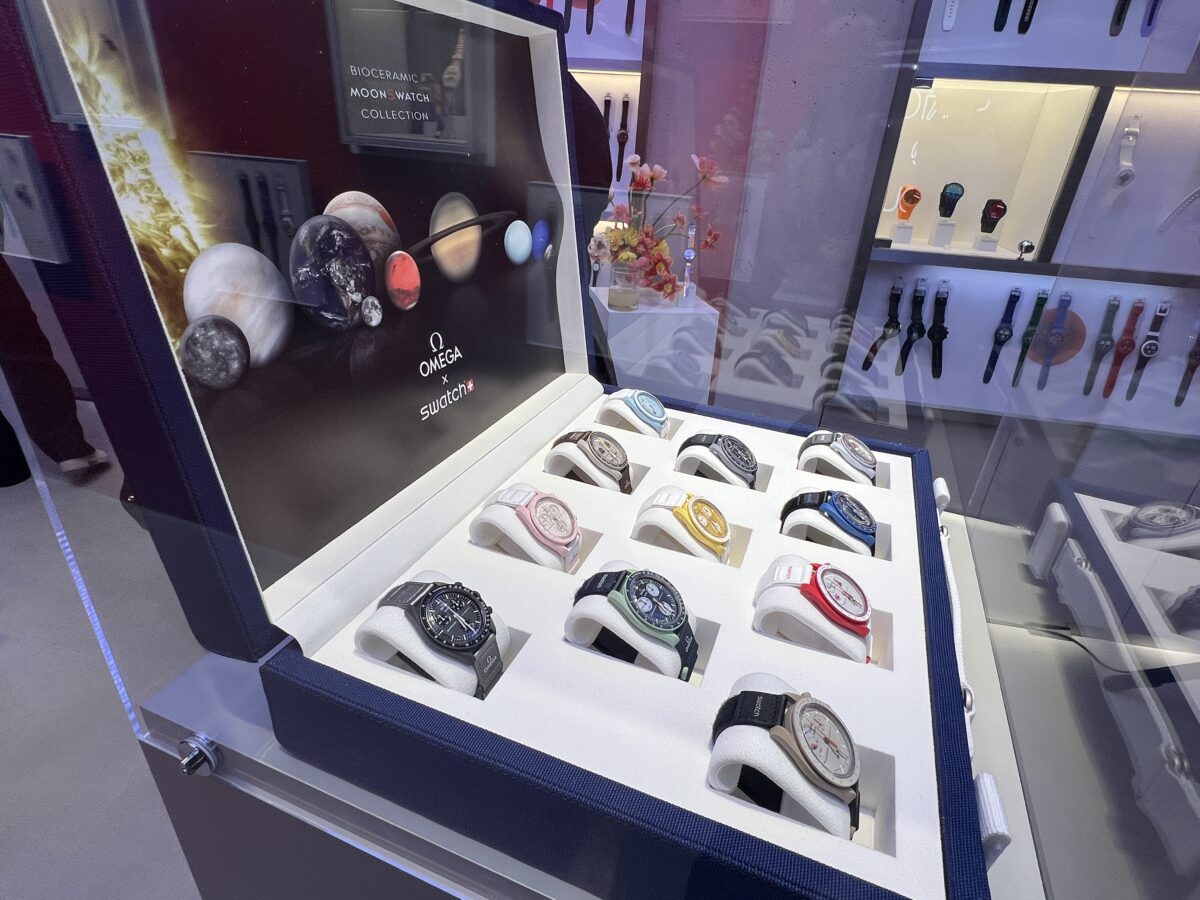
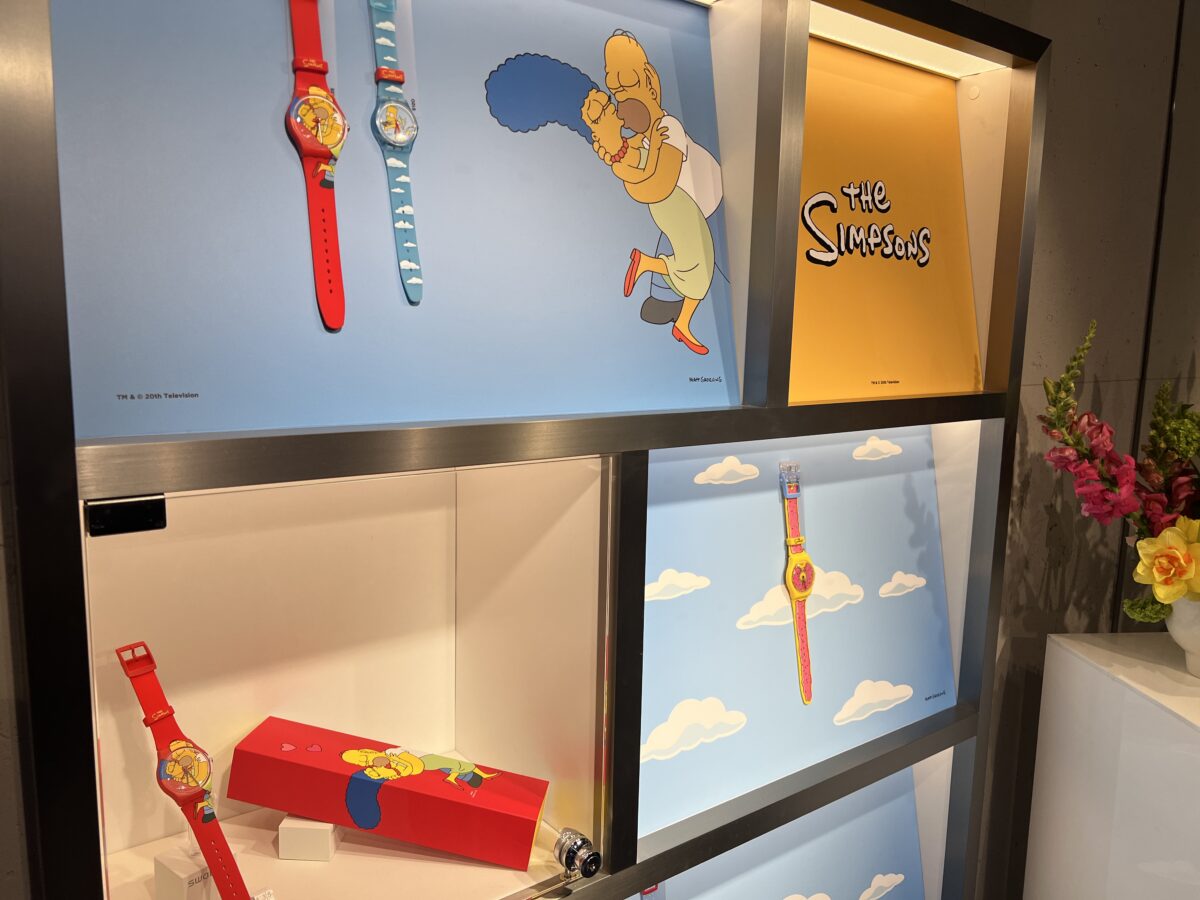
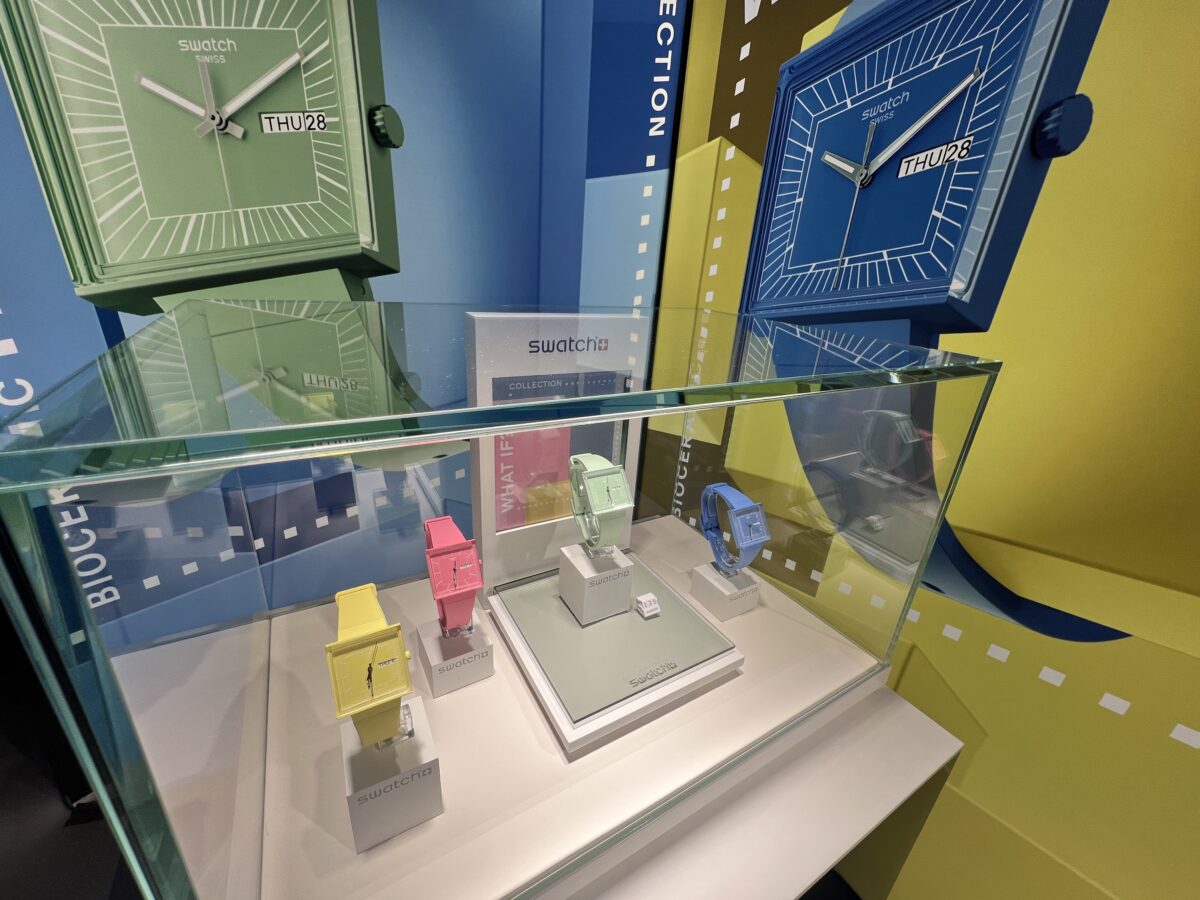
Swatch has a range of watch styles and prices. For the refined client, there’s the new ‘Art Journey’ collection which involves a collaboration with the world-famous Tate galleries. The adventurer may purchase something from the Bioceramic Moonswatch Collection in collaboration with Omega. The child at heart may look to the children’s Flik Flak collection – or even the adult child at heart for the “The Simpsons” collection.
Tata Gallery collaboration with Swatch. Photo: Lee Rivett. Moonswatch collaboration with Omega at Swatch Vancouver on Robson Street. Photo: Lee Rivett. The Simpsons collaboration with Swatch. Photo: Lee Rivett.
The new Vancouver store is located on the main floor of the John Robson Place building. The remaining second-floor space of the former Milestone’s restaurant has been separated and repurposed into additional office space.
Mario Negris and Martin Moriarty of Marcus & Millichap negotiated the lease deal on behalf of the landlord.
Swatch announced this location as part of a five store Canadian expansion in June 2023. Swatch underwent a rapid store expansion in Canada after the pandemic, having opened five stores since last summer alone. The company has now penetrated the country in a meaningful way with stores, which means that the store expansion may slow for now. The company now has 12 stores in Canada, in addition to the Robson Street store, including:
Metropolis at Metrotown (Vancouver/Burnaby)
Government Street (Victoria)
CF Chinook Centre (Calgary)
West Edmonton Mall (Edmonton)
CF Sherway Gardens (Toronto)
Yorkdale Shopping Centre (Toronto)
CF Toronto Eaton Centre (Toronto)
CF Rideau Centre (Ottawa)
CF Carrefour Laval (Montreal/Laval)
Montreal Eaton Centre (Montreal)
Halifax Shopping Centre (Halifax)
Tate Collection at Swatch Vancouver on Robson Street. Photo: Lee Rivett.
The Swatch Group Ltd. is a Swiss manufacturer which has acquired numerous luxury watchmakers over the years. Some Vancouver related-Swatch retail brands include:
OMEGA: Originally opened a stand-alone store in Fairmont Hotel Vancouver prior to the 2010 Vancouver Olympic Games. The boutique most recently relocated within the hotel in December 2021 to make way for Gucci to expand.
Alberni Street: The Swatch Group’s subsidiary finishes watches for LVMH (including Hublot) and Richemont (including IWC Schaffhausen, Officine Panerai and Piaget) which all have stores on downtown Vancouver’s Alberni Street.
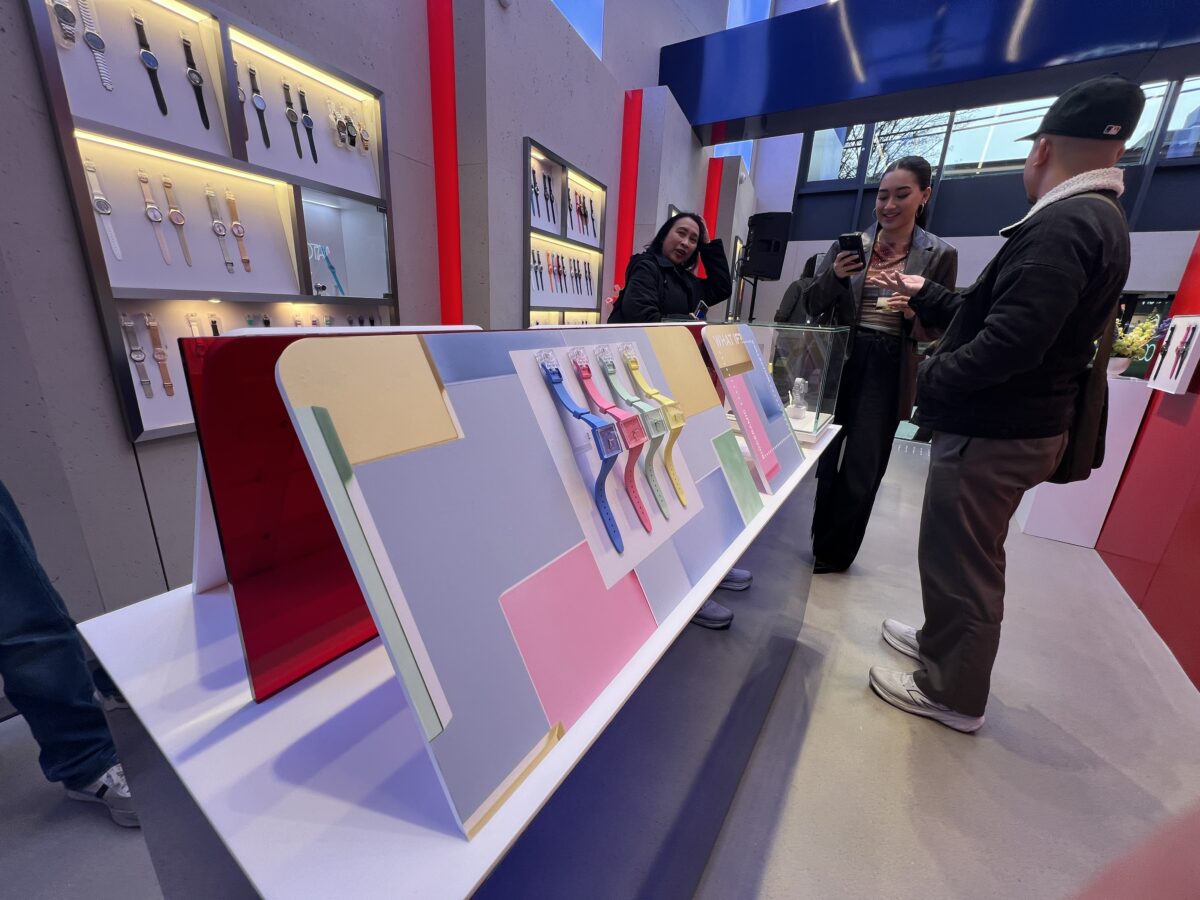
Additional photos of Swatch Vancouver on Robson Street:
What If? collection at Swatch Vancouver on Robson Street. Photo: Lee Rivett. Swatch Vancouver on Robson Street. Photo: Lee Rivett. Swatch Vancouver on Robson Street. Photo: Lee Rivett.
Montréal retail sales growth is expected to wane amid challenging economic conditions despite future completions, according to the recent Montréal Retail Spring 2024 report by commercial real estate firm JLL.
The report said retail sales in Montréal slowed in 2023. Decelerated growth is expected to continue this year given ongoing economic headwinds. While consumer spending has shifted away from home goods and electronics, there has been sustained sales growth in health and personal care, grocery, and general merchandise, said the report.
With the recovery of tourism on the island, there has been an increased interest in hotel and entertainment projects, it said.
Construction Photo of Royalmount (Image: CARBONLEO)Construction Photo of Royalmount (Image: CARBONLEO)
In the second half of 2024, Montréal will see the fulfillment of its long-awaited luxury shopping destination, Royalmount, along with the completion of new REM stations, enhancing public transit accessibility and retail opportunities, added JLL. Its opening date is scheduled for August 15 of this year.
“While effective retail leasing rates in Montréal showed a slight year- over-year increase, its growth rate was outpaced by Toronto, Vancouver, and the national average. The vacancy rate decreased and should continue to do so given the exorbitant cost associated with creating new retail supply. Asking rents should inch upward this year and make larger gains in 2025 as inflationary pressures subside,” said the report.
“The growth trajectory of sales in Montréal is tapering off, with an annual increase of 6.4 per cent compared to 2022’s 10.8 per cent growth rate. Stubborn economic pressures have prompted consumers to exercise restraint in their non-essential spending, signaling the end of the pandemic-era sales growth cycle. Despite this, sectors such as health and personal care, convenience, and grocery experienced robust sales growth. In contrast, traditionally strong sales-generating sectors including shoes and clothing failed to grow by at least three per cent.
“Despite facing economic challenges, the tourism industry made a remarkable comeback in 2023, indicating a strong recovery from the pandemic era. During the summer, the proportion of overseas travelers surged by 15 per cent compared to 2019. Additionally, year-over-year air passenger traffic increased by 32 per cent, surpassing 2019 levels by nearly four per cent. The revival of Montréal’s tourism has in turn pushed hotel occupancy levels and revenues upward, exceeding 2022 levels.
“Given the return of tourism in Montréal, multiple projects have been greenlit to take advantage of improved travel dynamics. Loto-Québec announced it will create a 200-room hotel neighboring the Montréal Casino, set to deliver in a few years, which will add to the pull the casino already has on locals and tourists alike.”
Image: Gestion Georges Coulombe
JLL said a seven-storey, 200-room hotel neighboring the Olympic Stadium was recently announced and set to deliver in 2025. In the coming months, the stadium will start having its damaged roof replaced, which will allow the venue to host events year-round and regain its luster, added JLL.
The upcoming completion of Royalmount by the year’s end will also boost tourism by featuring an aquarium and the city’s first-ever Rec Room.
“Montréal’s public transit ridership witnessed significant growth in 2023, with a notable 23.8 per cent year-over-year increase in overall metro station entries. Despite the improvement, ridership volumes in 2023 remain 24.2 per cent lower compared to the levels seen in 2019. Analysis of downtown station entries reveals an even wider difference largely influenced by the widespread adoption of hybrid work models,” explained the report.
“With phase 2 of the REM LRT project slated for completion in late 2024, downtown ridership is expected to receive a substantial boost. This phase will directly connect Midtown North, the West Island, and parts of the North Shore to the metro network, creating new commuting opportunities. The infrastructure and 18 stations for phase 2 have already been completed, with the remaining focus on finalizing the computer and control systems.”
The report said the upcoming arrival of the McGill REM station and Ivanhoe Cambridge’s proposed expansion plan for Place Montréal Trust are set to boost sales in the coming years. With the addition of 13 floors spanning 250,000 square feet above the downtown mall, the incorporation of residential units holds the potential to generate a substantial increase in local foot traffic, greatly benefiting the mall and its retailers.
JLL said Cadillac Fairview is also addressing the housing shortage on the island, planning to create a 35-storey tower with 510 units adjacent to the Bell Center. The building will be the first to seamlessly connect to the retail-focused underground city, which is set to benefit from the boost in foot traffic and sales when delivered in 2026.
“Economic pressure has impacted the retail outlook in Montréal, resulting in consumers tightening their discretionary budgets. Additionally, it’s projected that real consumer spending will stagnate while personal incomes decline. However, there are still reasons to remain optimistic. The upcoming delivery of Royalmount and numerous REM stations in the second half of the year should incentivize sales growth, along with future downtown densification efforts led by retail stakeholders. Furthermore, tourism has recovered, encouraging hotel and entertainment-centric developments that will strengthen the city’s international pull,” said JLL.
Cadillac Fairview is pleased to announce the construction of 510 units at 750 Peel Street in Montreal, part of the company’s Quad Windsor district (Image: Cadillac Fairview)Construction on Rue Sainte-Catherine (Image: Craig Patterson)
Jesse Provost, Associate Vice-President with JLL, said the retail sector in Montréal is slow starting the year from a real estate perspective.
Jesse Provost
“We’re not seeing all that many transactions occurring downtown at the moment. We’re seeing more activity in the suburbs of Montréal in general. There’s quite a bit of competition because of a lack of product currently on the market,” he said.
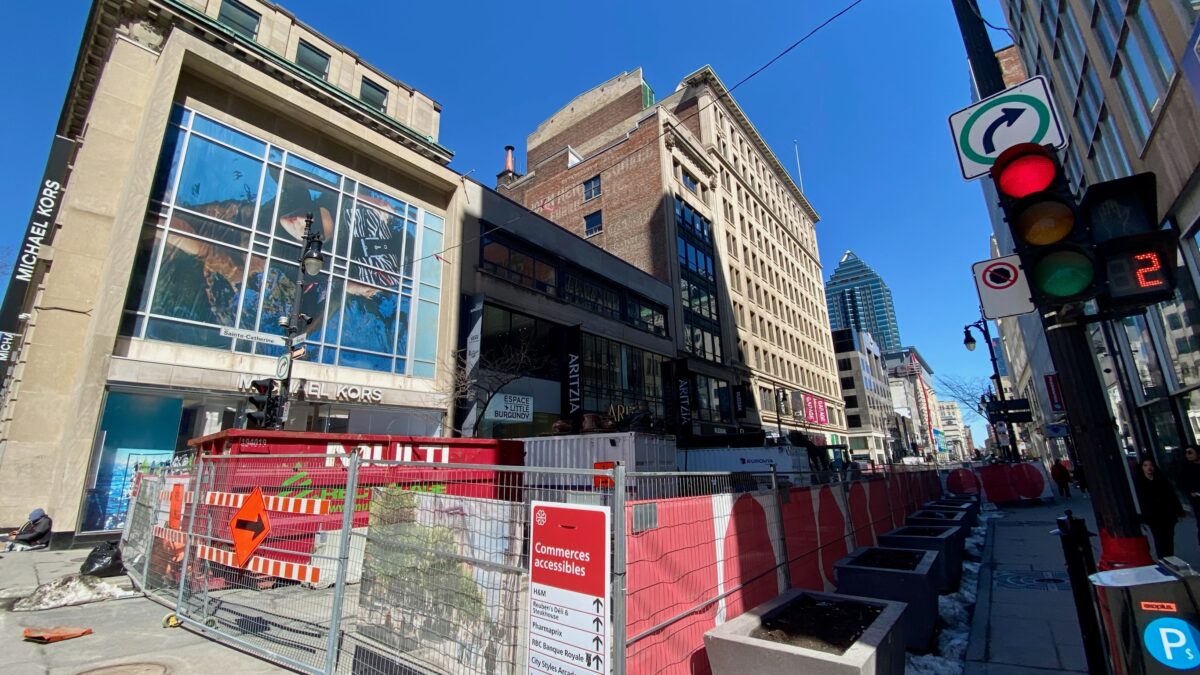
He said the continued renovation project along the popular Sainte-Catherine Street continues to impact the retail sector in the city’s downtown.
“The impact that has on the retail real estate is that a lot of retailers are looking on the street but are non-commital, they’re afraid of what the impact will be to open a store on a work site for example or in a construction area,” added Provost.
“There are at least one or two more phases of the project moving westward. There’s also going to be the renovation of the McGill College Street which is open to vehicular traffic today but the city has proposed to pedestrianize this area and create an entertainment and pedestrianized park if you will in that area.”
McGill College Avenue (Image: Craig Patterson)
Provost said there is a sense that Montréal is one of the Canadian cities lagging behind when it comes to a return to office work in the downtown.
“Based on recent articles I’ve read, we’re probably at about 65 per cent return to office compared to other cities that maybe are in the 70-75 per cent. But we don’t see it walking the streets right now because students are back and the tourism is booming really,” he said.
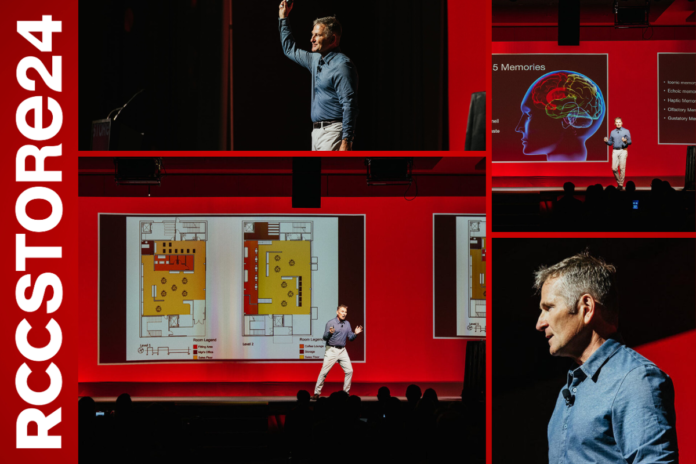
In a world where the status quo crumbles, retailers must boldly grab the reins of change. As a retail futurist, I’ve witnessed firsthand the seismic shifts reshaping our industry and am excited to share my insights at RCC STORE 24, hosted by Retail Council of Canada on May 28-29, 2024. My session will reveal new angles to understand and leverage these industry shifts, transforming them into unmatched competitive advantages. It’s an era to revolutionize retail as a hub of innovation.
I’ve always felt that RCC STORE 24 is a quintessential event for Canadian retailers, examining critical developments from AI-powered retail to sustainability, global strategies, and data privacy. This year’s agenda is a roadmap for decoding retail’s future.
At RCC STORE 24, my session Transforming Challenges into Your Future Competitive Advantage will focus on a new and bold era of what it means to compete. As we collectively face unstable societal systems in education, industry, capitalism, and sustainability, retail is uniquely poised to spearhead a historic transformation.
In an era of dwindling government trust and underfunded NGOs, retail stands at the cusp of a new opportunity and one that progressive retailers are already harnessing, transforming their brands into societal changemakers and fueling outsized growth in the process. Some are becoming educators, aligning academic development with brand purpose. Others are reversing the toll of climate change – not simply because there’s a moral case to do so but because there’s a strong business case to do so. And some are rewriting the 20th century rules of industrialism and reframing capitalism to work better for all. These retailers are leading an unstoppable wave of progress. It all amounts to a retail-led industrial renaissance – a theme I’ll delve into at RCC STORE 24.
I extend a personal invitation to every retailer aspiring to lead with purpose to join us at RCC STORE 24 on May 28-29, 2024. With Advanced Rates offering significant savings and a 20% discount for group purchases of 5 or more tickets, now is the time to purchase your tickets.
Let’s come together to redefine the role of retail and turn today’s challenges into tomorrow’s victories.
About Doug Stephens
Doug Stephens is the founder of Retail Prophet and widely recognized as one of the world’s foremost retail industry futurists. His intellectual work and thinking have influenced many of the world’s best retailers, agencies, and brands. He is the author of three internationally bestselling books on the future of retail and consumerism.
*Partner content. To work with Retail Insider, email Craig Patterson at: craig@retail-insider.com
Retail Insider is streamlining its Canadian retail news from around the web to include a handful of top news stories that can be viewed quickly during the day. Here are the top stories from the past 24 hours.
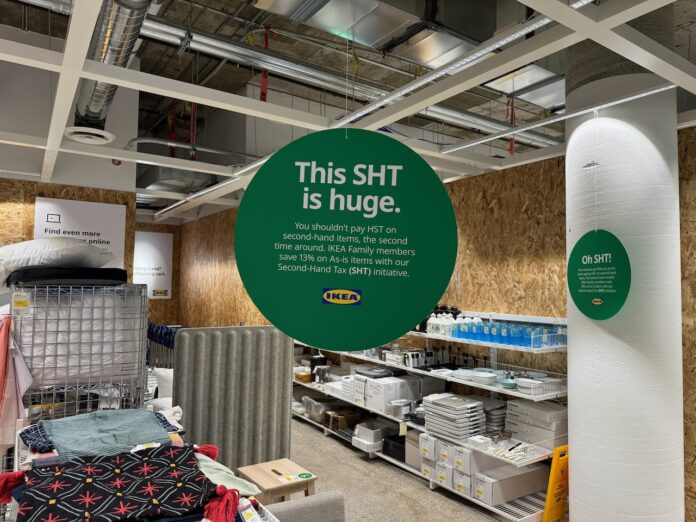
SHT Initiative at IKEA Canada (Image: IKEA Canada)
Retail giant IKEA has launched its Second-Hand Tax (SHT) initiative in Ontario at its As-is Marketplaces to promote sustainability and affordability.
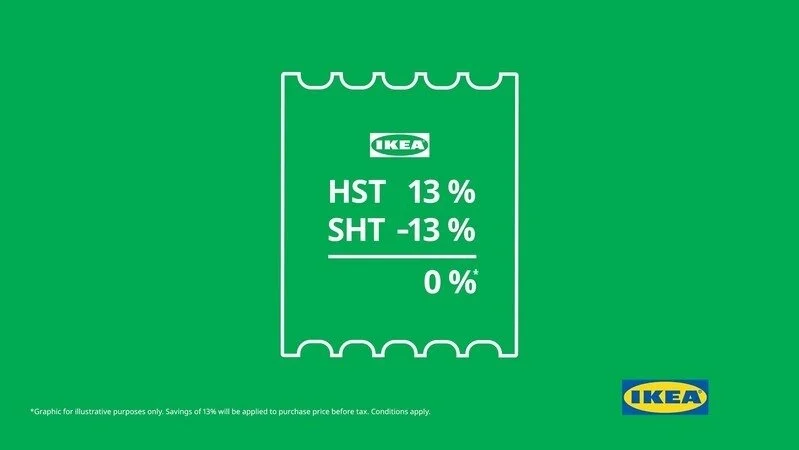
The initiative saves customers from paying the 13 per cent HST (harmonized sales tax) twice in the province.
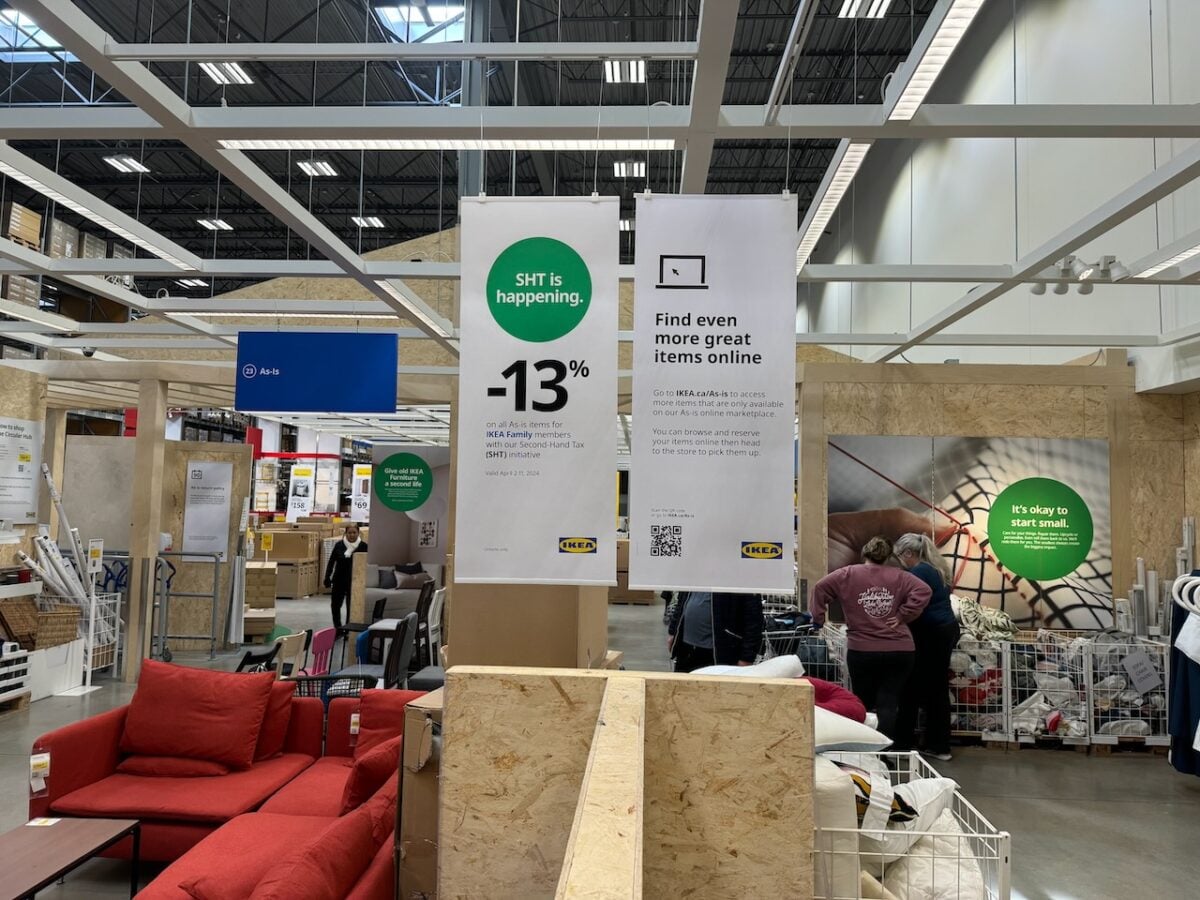
Currently until April 11, IKEA stores across Ontario will offer the SHT to IKEA Family members looking to shop more sustainably and affordably. Every item purchased in the As-is marketplace in-store will be reduced by 13 per cent to offset the tax burden, making shopping circular even more attractive, said the retailer.
Selwyn Crittendon
“We believe in doing more with less,” said Selwyn Crittendon, IKEA Canada CEO and Chief Sustainability Officer. “With our “Second-Hand Tax” initiative, we’re making sustainable choices, that also save people money, more attractive to average Canadians. It’s our little way of making a big difference.
“This is really about making sure that we bring meaningful change . . . It’s a counter tax that saves the value of HST on our second-hand items.”
Unfortunately today every time a second hand product is sold it is taxed.
Image: IKEA Canada SHT at IKEA Canada (Image: IKEA Canada)
The initiative, he said, helps to bring about a more circular economy and push for change to happen.
But SHT isn’t a permanent solution, said IKEA Canada, which is inviting the government and like-minded companies to help them put an end to the double tax on second-hand items, so that all Canadians can shop circular for less. Signing up for IKEA Family is free on IKEAFamily.ca. To show support for ending the double tax on second-hand items, the company is asking people to visit change.org.
“It’s a great initiative but we need more people and as of today we’ve got over 3,200 people that have signed our petition to make that change,” said Crittendon.
“IKEA believes second-hand furniture shouldn’t have another tax if we’re encouraging Canadians to do more with less. With our Second-Hand Tax initiative we aim to spark conversation about the unfairness especially with government and community stakeholders.”
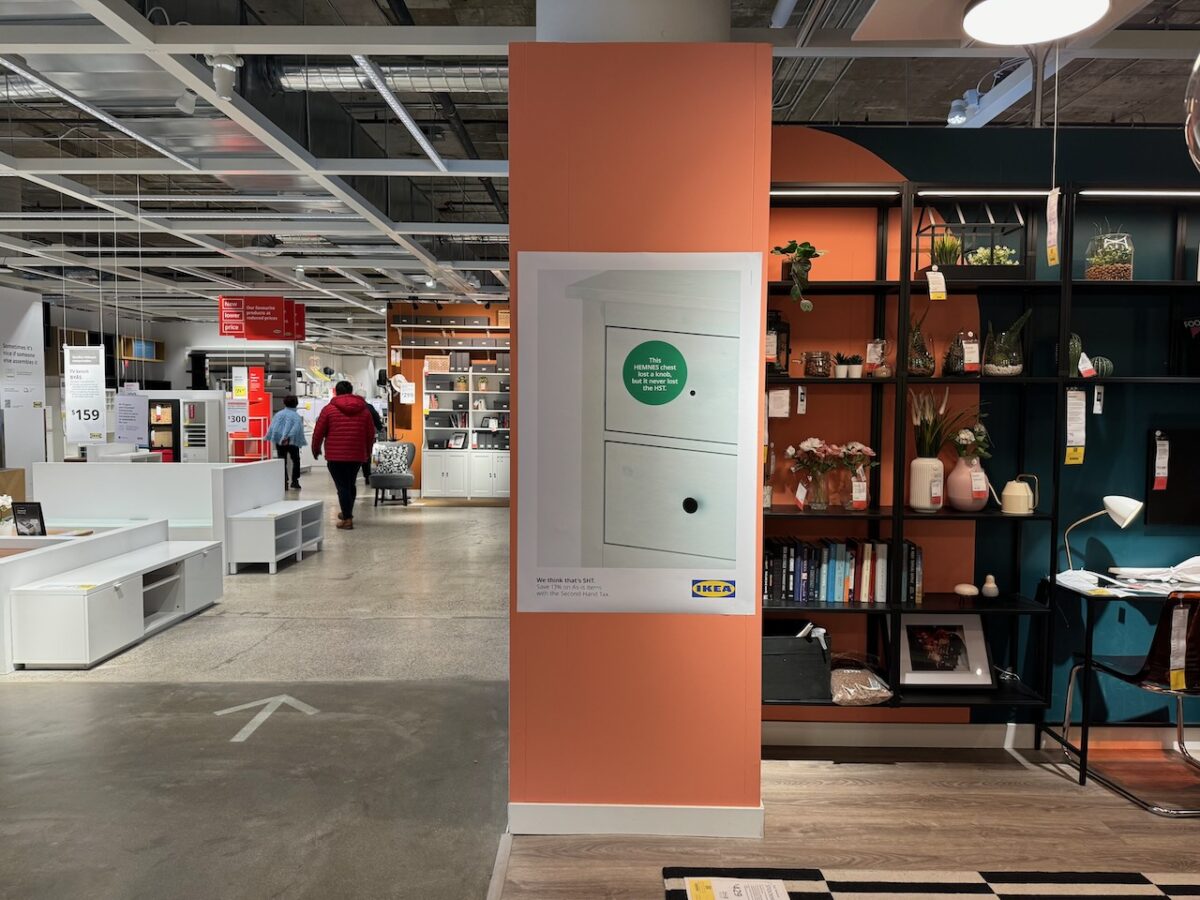
SHT Initiative at IKEA Canada (Image: IKEA Canada)
He said it’s another way of helping consumers and sparking some change in behaviour by helping them save 13 per cent on purchases.
“We want to make sure that affordability and sustainability are the true super powers of how we move forward. They should be lockstep but unfortunately it’s not always the case when you tax second-hand goods,” added Crittendon.
“That’s made IKEA Canada take a stand, urging consumers to shop sustainable and affordable second-hand options that are good for our planet and their wallets,” said the retailer.
Crittendon said the initiative began in Ontario and the impact already has been major. It has resonated with consumers in the province.
For IKEA, it’s not so much just about the opportunity for consumers to save money but it’s an opportunity to make change.
SHT Initiative at IKEA Canada (Image: IKEA Canada)
The initiative is part of Earth Month, a time to celebrate the planet and take action to protect it. Earth Day is Monday April 22.
Crittendon said the SHT initiative is only in place in Ontario right now but the company is “looking at many more ways to spark this conversation.” This initiative is just a step in that direction.
“This is not just IKEA trying to try another sales gimmick. This is IKEA taking the conversation and really bringing affordability and sustainability together in one topic. And if we can find a way to remove the tax on second-hand goods, this is an opportunity where we band together and we sign that petition and we make sure that we can make lasting change for many Canadians across this country,” he said.
The IKEA As-is Marketplace is a place where the retailer sells discontinued items, gently used and even its ex-showroom displays.
As months pass, Statistics Canada’s reports suggest that food inflation is easing, and prices are gradually stabilizing. However, many consumers are not experiencing this stabilization firsthand. This perceptual discrepancy has raised questions about the accuracy of Statistics Canada’s data on food prices.
Assessing the accuracy of data from the federal agency has been challenging, but recent analysis provides some insights. Through systematic price checks across the country, a discrepancy between Statistics Canada’s reports and the Agri-Food Analytics Lab’s Price Portal data has emerged. As methodologies and data access can vary, discrepancies are expected. But this of course raises concerns about the accuracy of national statistical forecasting and its impact on consumers and policy decisions.
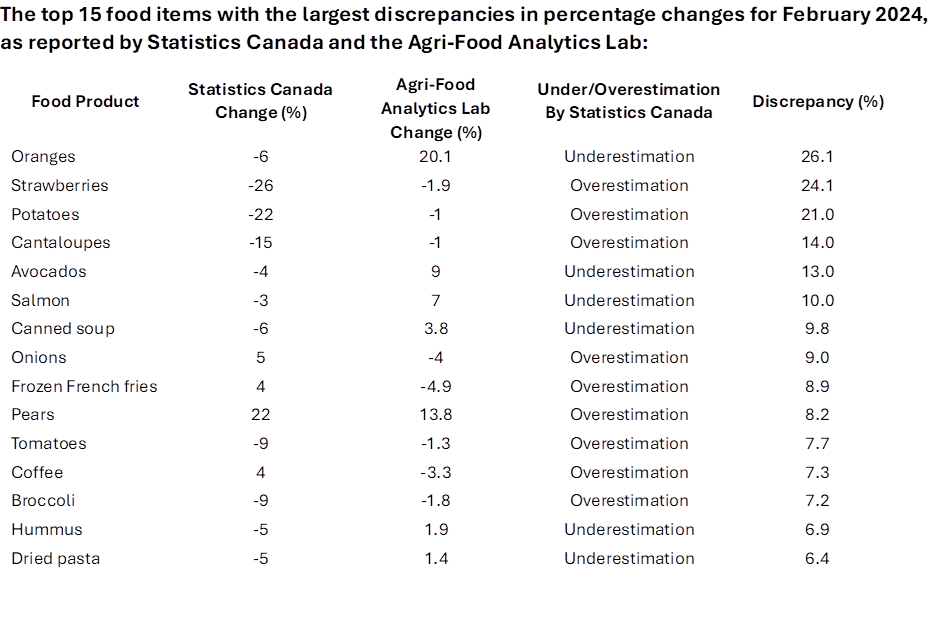
For example, the February 2024 list of selected food products released by Statistics Canada last week shows significant differences compared to the prices observed in grocery stores. That list is always released a few weeks after the CPI. When comparing our list of prices with Statistics Canada’s data, we found that the Mean Absolute Error (MAE) between the two lists is 5.59. This means that, on average, prices reported by Statistics Canada deviate from the actual observed values by 5.59 percentage points.
Specifically, February 2024 data reveals significant variances in food price changes. For instance, oranges were reported at -6% by Statistics Canada, while our data shows an increase of 20.1%. Similarly, avocados were reported at -4% by Statistics Canada, compared to our observation of a 9% increase. These discrepancies are not isolated instances; they are part of a pattern where 47% (16 out of 34 items listed) of food items are underestimated by Statistics Canada. This suggests that the agency’s reports may not always accurately reflect food inflation, although it is not indicative of a deliberate underestimation.
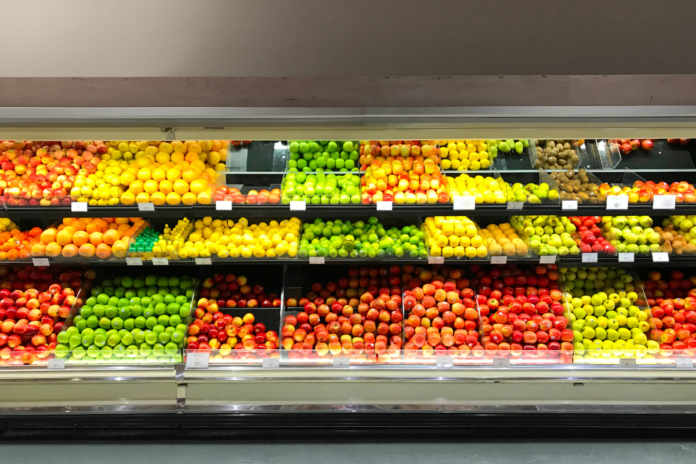
Produce at Metro (Image: Dustin Fuhs)
The implications of these underestimations and overestimations are significant. For consumers, it means that the cost of living might be higher than anticipated, impacting household financial planning. For the economy, it suggests that inflation in the food sector might be more pervasive than official figures indicate, potentially leading to misinformed policy decisions.
The MAE of 5.59 is not just a statistical figure; it represents the variance in real-world costs that Canadians face daily. This variance can exacerbate financial strain on families and may necessitate a recalibration of social assistance programs to accurately reflect the cost of living.
To enhance the accuracy of food price data, there is a clear need for Statistics Canada to refine its data collection and analysis methods. Collaboration with independent research bodies could improve the reliability of the data, ensuring that it accurately reflects market trends and aids in better-informed decision-making.
In October, Minister François-Philippe Champagne announced an investment in the Contributions Program for Non-Profit Consumer and Voluntary Organizations to broaden the scope of existing consumer projects, including expanding research in the retail sector, specifically in groceries. However, further investment is necessary.
Regardless of public opinion, Statistics Canada remains a crucial source of economic indicators. However, these are just that—indicators. Canada could benefit from a broader spectrum of reliable data sources.
While there is no reason to believe that these differences are deliberate, the discrepancies highlighted by Dalhousie University’s Price Checks urge a re-evaluation of how food price data is collected and reported in Canada. Canadians need to feel confident about the accuracy of the federal agency’s reports. Addressing these discrepancies is crucial for better budgeting and policy planning, ultimately affecting the economic well-being of all Canadians.
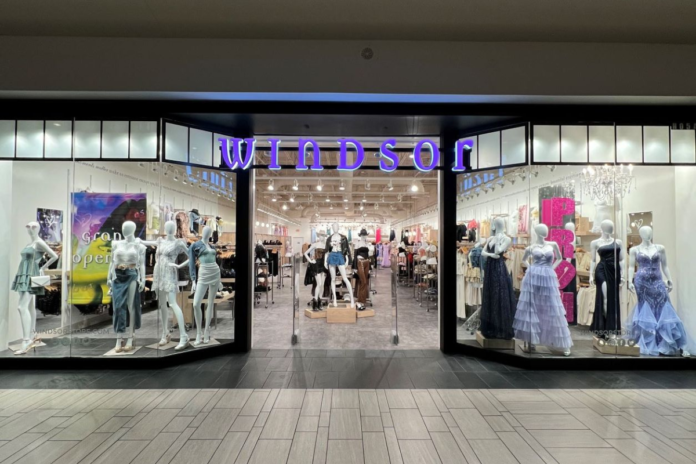
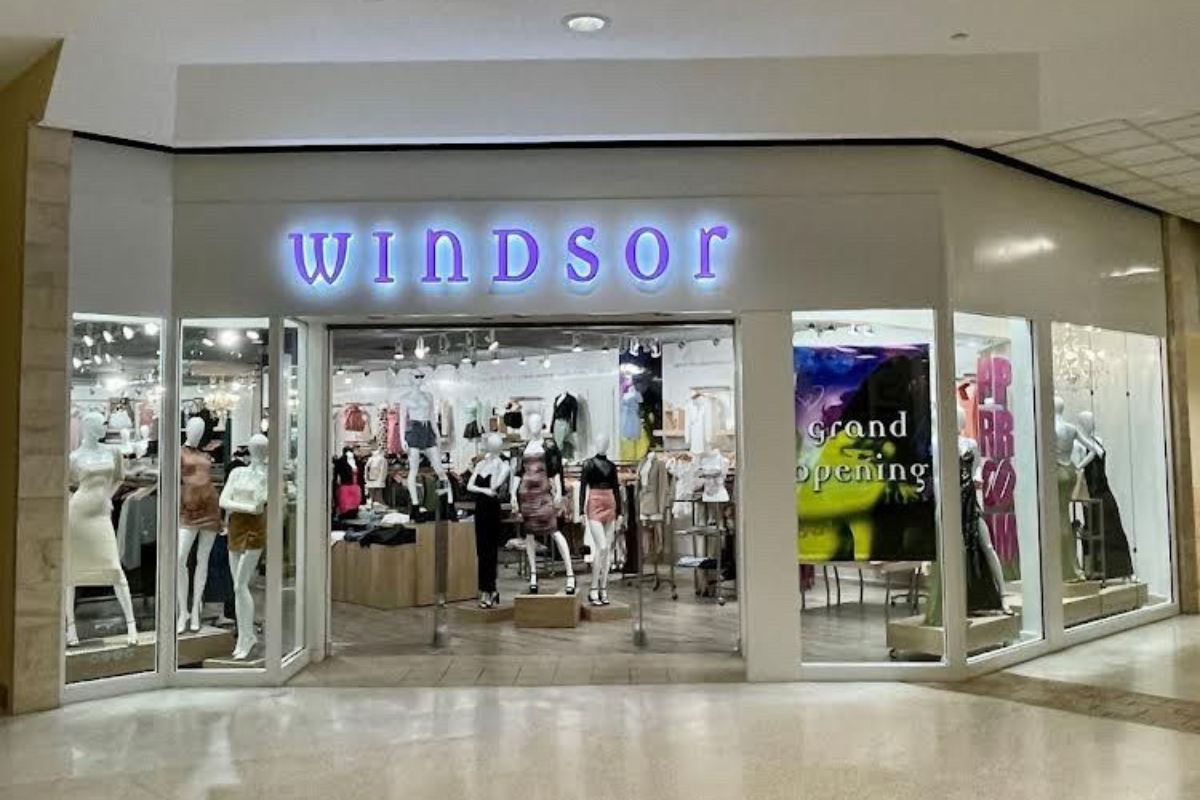
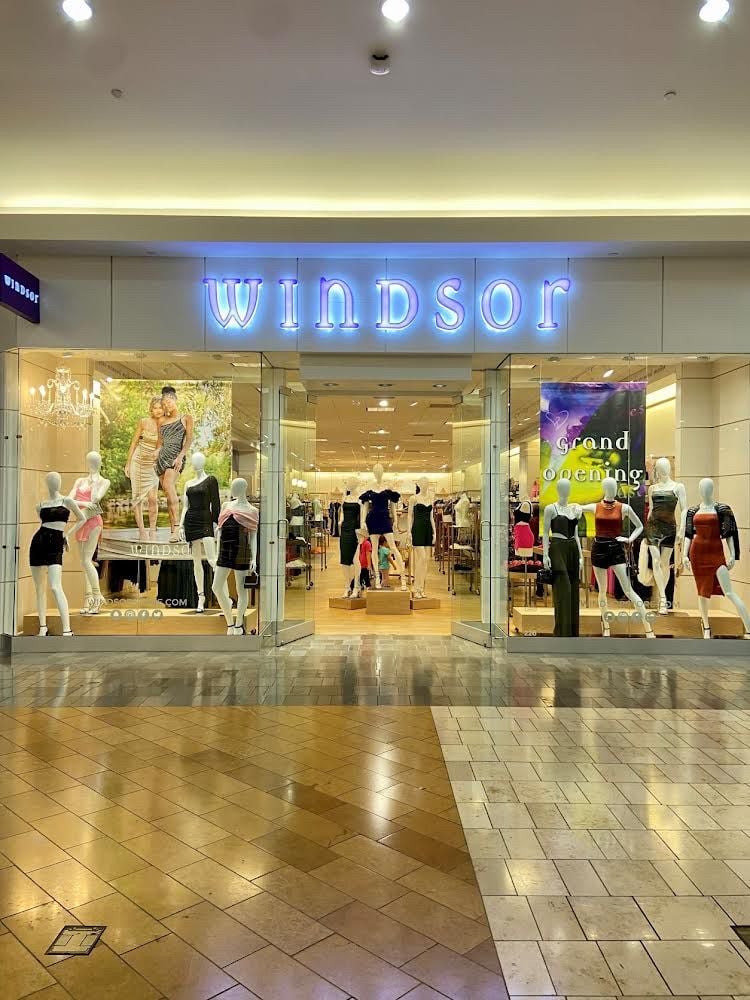
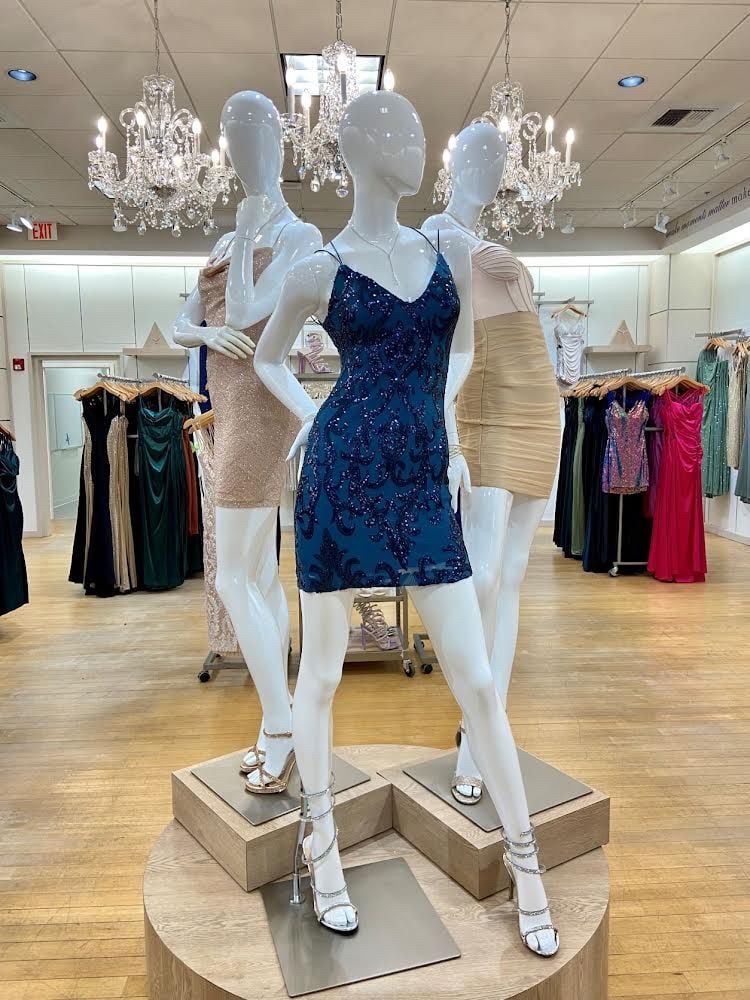
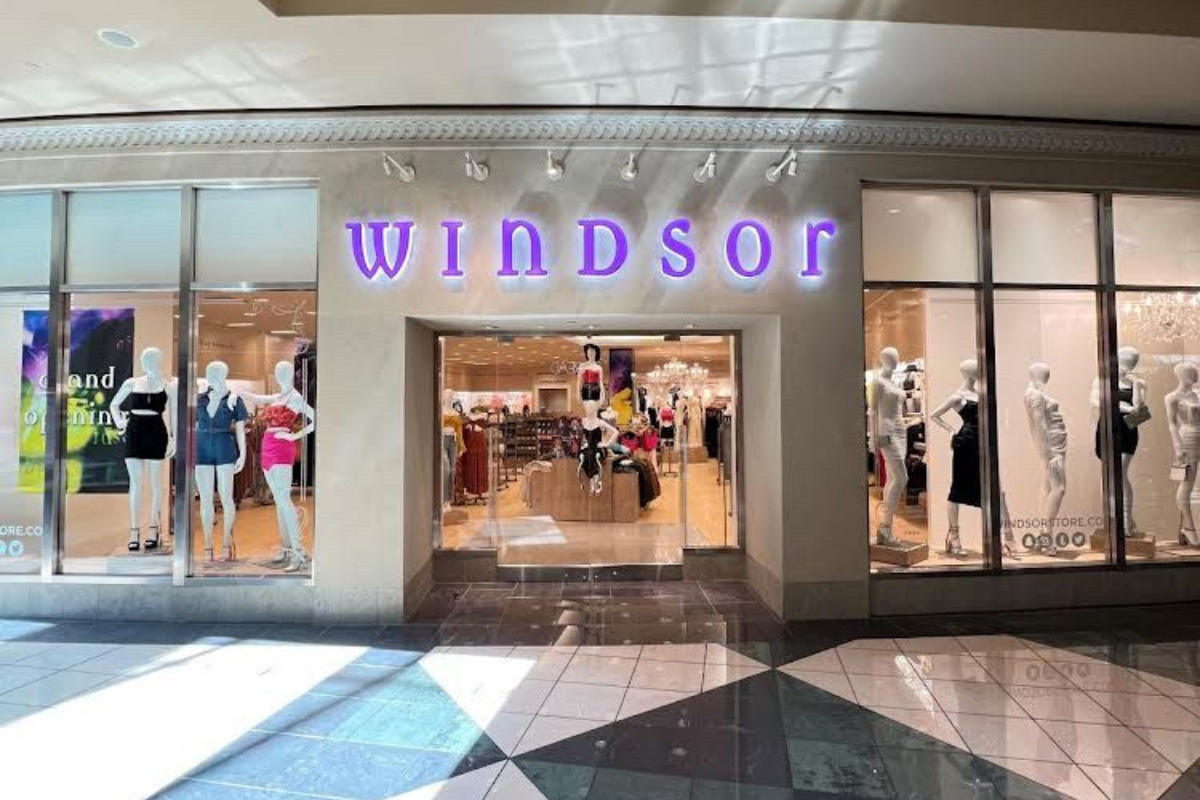
American-based women’s fashion brand Windsor is launching its first five stores in Canada this Spring with plans to significantly grow its footprint in the future.
The new stores will open in southern Ontario at CF Lime Ridge Mall in Hamilton, the Oshawa Centre in Oshawa, Hillcrest Mall in Richmond Hill, Upper Canada Mall in Newmarket, and Dufferin Mall in Toronto.
“We are beyond excited to serve the Canadian market with the opening of five new stores this Spring. We look forward to providing an opportunity for our customers in the region to experience the brand in-person and have access to our unique value proposition,” said Catherine Seaton, VP Marketing of Windsor.
“As we continue to make fashion accessible to all, we’re eager to invite women to experience the Windsor oasis that inspires and empowers through an ever evolving assortment of apparel and accessories for all of the meaningful moments in their lives.”
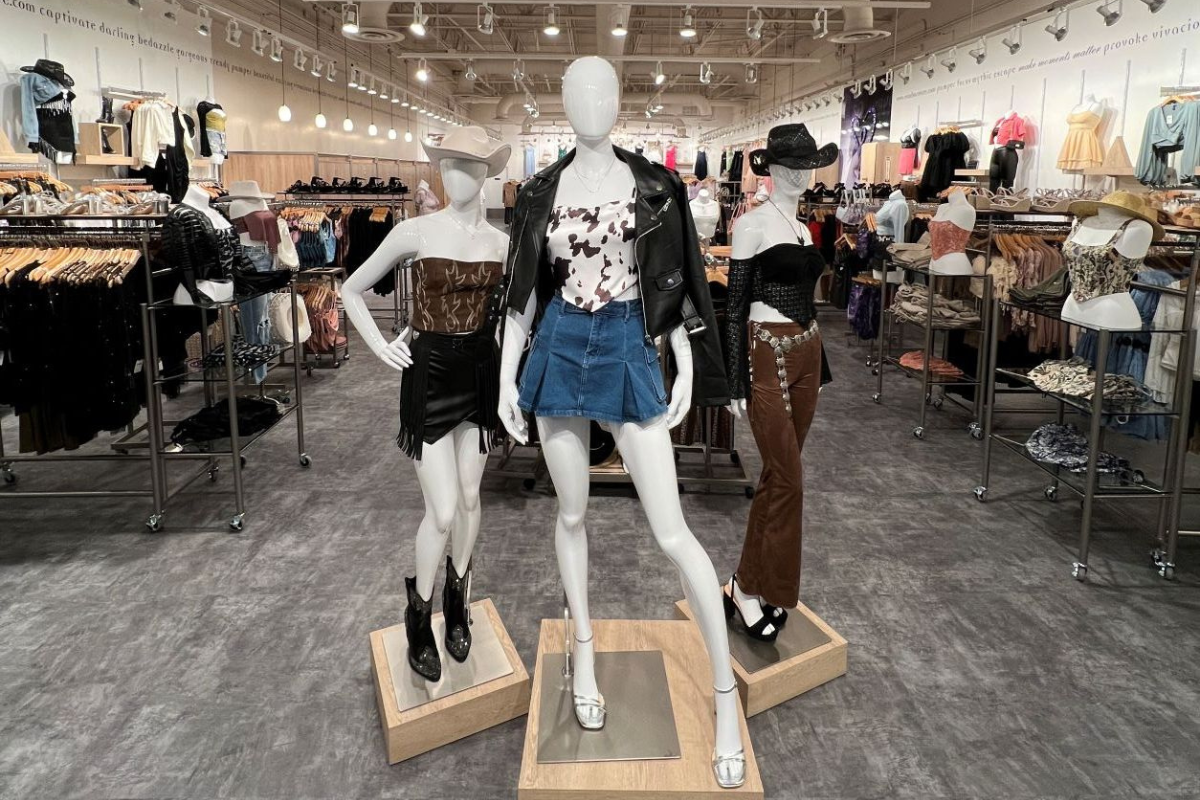
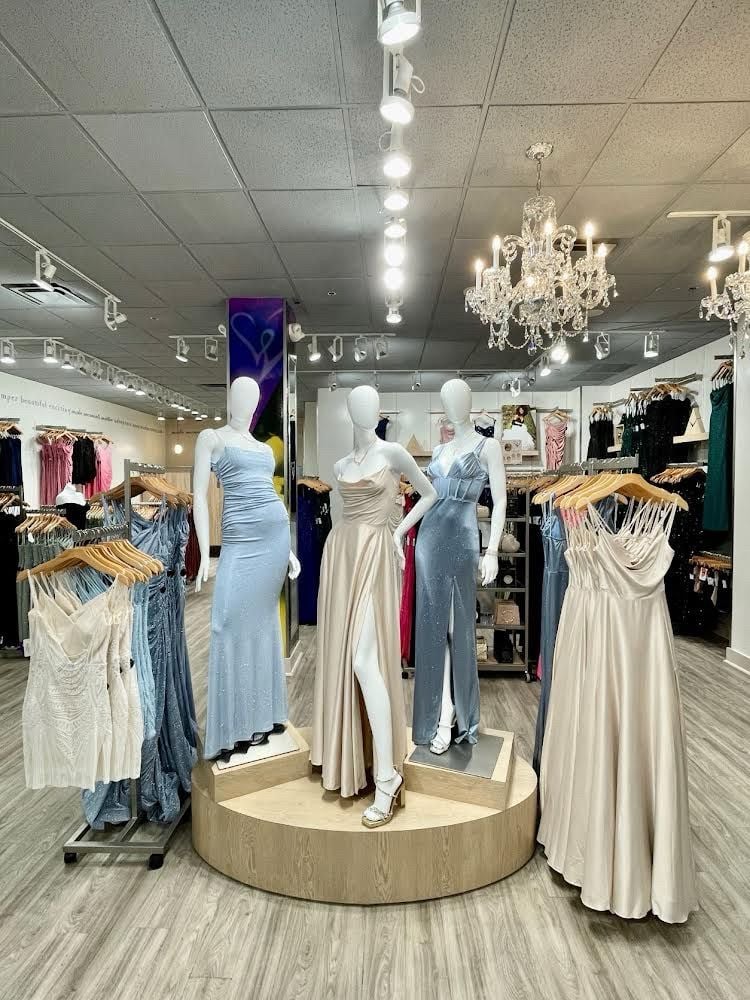
Grand Opening of Windsor Fashions at CF Lime Ridge Mall in Hamilton, Ontario (Image: Windsor) Windsor Fashions at CF Lime Ridge Mall in Hamilton, Ontario (Image: Windsor) Windsor Fashions at CF Lime Ridge Mall in Hamilton, Ontario (Image: Windsor)
The brand, which is based in Santa Fe Springs, California, and today has about 350 locations in the U.S. and Puerto Rico, was founded in 1937 by the Zekaria family.
“Our founders were two brothers and really what they were trying to bring to the market is fashion that was accessible for the broader public. They saw a lot of celebrities with these gorgeous gowns that a lot of people couldn’t afford,” said Seaton.
“They wanted to provide a place for a woman to go to when has a special occasion in her life that would have styles that she would look beautiful in, but that were also much more affordable and accessible from a price point perspective. That’s really the whole heart of where we come from as a brand in terms of making fashion accessible and we service her across all of the occasions in her life.
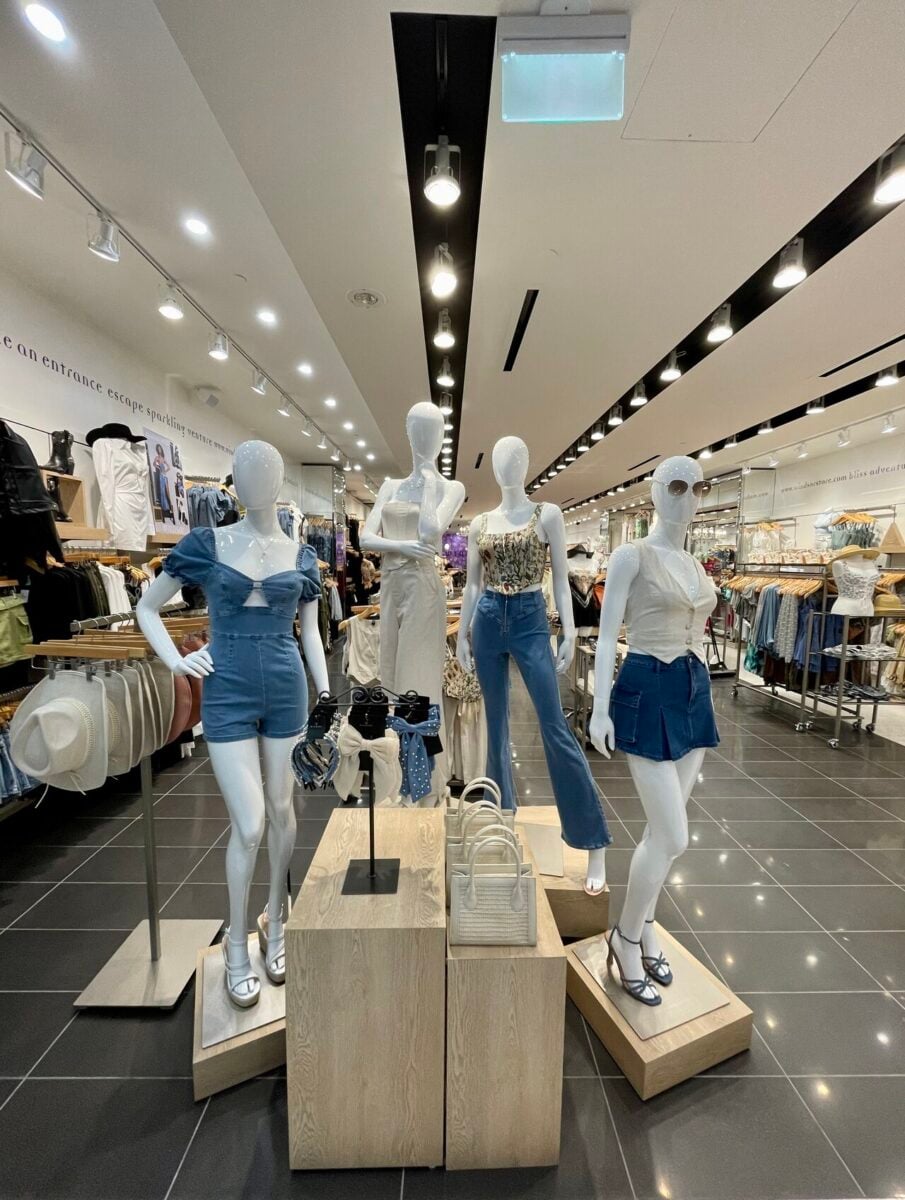
“Our assortment really is very broad. We’re almost like a mini department store in that we dress her from head to toe, inside out, with everything from casual denim to formal dresses and everything in between . . . We really focus more on where she’s going and what she’s looking to dress for, the occasion that she’s dressing for.”
Windsor in Florence, NC at Magnolia Mall (Image: Windsor)Windsor Fashions in Longview, TX (Image: Windsor)
Windsor in Florence, NC at Magnolia Mall (Image: Windsor)
Seaton said the brand expanded to Puerto Rico a few years ago and when it began to think of where to expand next it took a look at its existing customer base.
“We actually have a lot of customers in Canada, the majority of which are in the Greater Toronto Area. So there’s a very natural affinity that we already saw with customers purchasing online from us and even going across the border into our stores in New York and shopping from us there as well. So it just seemed like a really natural next step for us,” she said.
“Canada is also a large market in that there is an opportunity for more than five stores for sure. We see a lot of potential there.”
Carm Sivers
Carm Sivers, VP/Managing Director, Canada, said she was approached by Windsor at the end of 2022 about expanding into the Canadian market. She had experience in this previously for a number of different brands including The Gap, American Eagle and Psycho Bunny.
“I did my research. I talked to them a number of times and I said ‘you know, you’ve got something here because there’s a void for sure in the Canadian marketplace, when it comes to just a place where any girl/woman can go to get what she needs to feel pretty and feel special’,” she said.
Sivers felt moving into the Canadian market was a “sure-fire win” for the brand. With her experience in the Canadian market with other brands, Sivers looked at what real estate would be best for the initial expansion into the country.
“It started with outreach to the landlords to introduce the brand. We were knocking on doors, explaining who we were, what void we were trying to fill in the marketplace and selling our culture. I knew once they saw the concept they would be sold,” she said.
“There’s not a lot of vacancy in our Canadian malls. Real estate in the shopping centres in the US is quite different. You might be able to go into 10 malls and get 10 spaces just like that, where in Canada it’s not that easy. So it was more about what was available in the malls we wanted. Was it the right size? Was is the right market?
The first store opens at CF Lime Ridge on April 11. Oshawa Centre will open April 18 followed by Upper Canada and Hillcrest on April 25 and Dufferin Mall on May 9.
“We’re going to be able to serve a lot of the Toronto market because of the locations that we’re in,” said Seaton.
Windsor in Olympia, WA at Capital Mall (Image: Windsor)Windsor in Olympia, WA at Capital Mall (Image: Windsor)Image: Windsor
The stores opening in Canada have an average space of about 3,800 square feet. The brand usually looks for spaces of between 3,500 to 5,000 square feet.
“I think this has a lot of legs,” said Sivers. “After the first five, I already have my next strategic rollout in my head after that and then it’s filling the Ontario market and then we branch out to the West Coast, so we will be looking at both the B.C. and Alberta markets. The goal is to follow the feedback from our customers and put trust in our team’s on the ground.”
“When I look at it, honestly we can grow the Canadian market to be in the range of 60-80 stores. It will all depend on the consumer demand. We don’t want to oversaturate the market. I don’t believe in doing that.”
Windsor in Parkway Place in Huntsville, AL (Image: Windsor)
Seaton said the brand is growth oriented. Over the last two and a half to three years, the brand opened about 200 stores. The last two years it has opened 30 to 35 stores. The year before that it was 65 and then it was 30 the year before that. Even in COVID in 2020 it still opened about 12 stores.
“We know (Canada) is a different market than the U.S. We’re not going on with that U.S. consumer mindset. We understand it’s a different consumer, it’s a different market and we want to make sure that we’re really understanding what the Canadian customer is looking for from us and how we can service them in the right way and so we’ve done a lot of research there. We’ve done focus groups . . . to understand how do we really become a part of the community in a meaningful way as we step into these markets,” added Seaton.
“We strive to create the oasis experience for every guest. The oasis is about giving her that special experience, making her feel special. We want to differentiate ourselves by providing her that escape, and by cultivating the right guest experience so that when she has those special occasions to shop for, she thinks of Windsor and we become the brand of choice,” said Sivers.
Those interested in applying to work with Windsor, the link is available here.
Retail Insider is streamlining its Canadian retail news from around the web to include a handful of top news stories that can be viewed quickly during the day. Here are the top stories from the past three days.