Retail Insider is streamlining its Canadian retail news from around the web to include a handful of top news stories that can be viewed quickly during the day. Here are the top stories from the past several days.
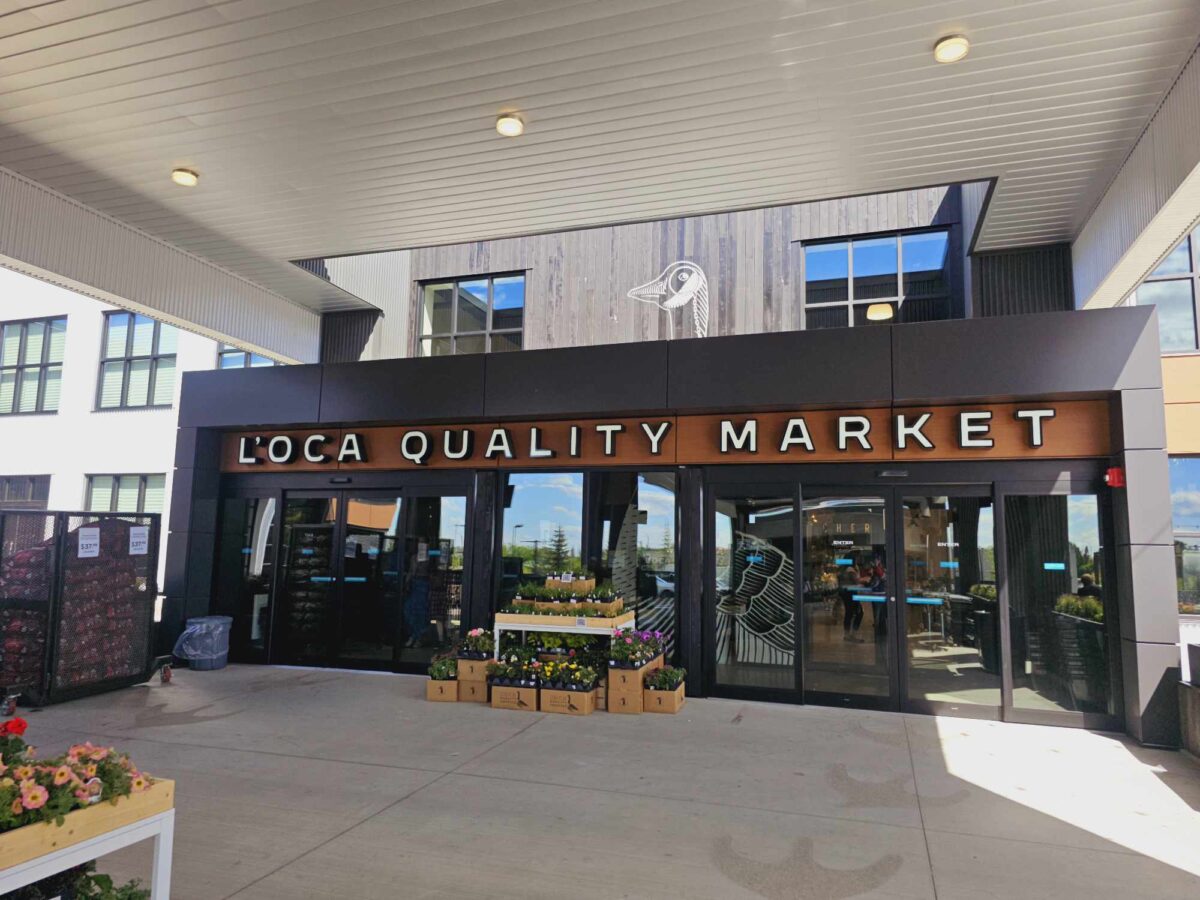
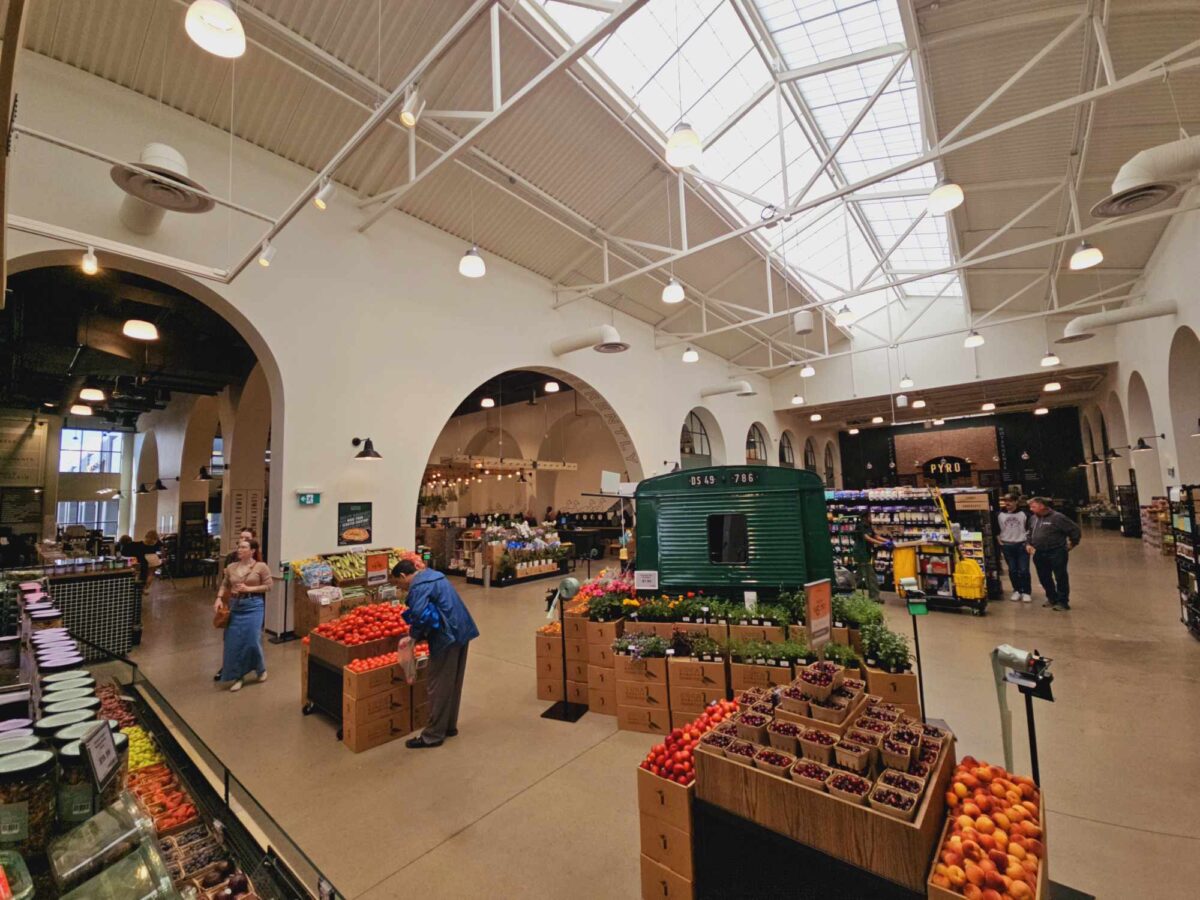
Entrance to the new L'OCA Market in Sherwood Park, Alberta. Photo: Christa Patterson
New grocery/market concept L’OCA Quality Market, has launched in Sherwood Park, Alberta, just outside of Edmonton, with plans to expand the brand to other locations.
Ben Cochrane, Partner with the company, said plans are already in the works to open a second location in Edmonton hopefully by the end of the year.
He said the brand is working with a grocer in the Crestwood area of Edmonton who is retiring after 65 years in the business. L’OCA will be taking over the spot where Andy’s IGA has existed with a smaller format of 21,000 square feet.
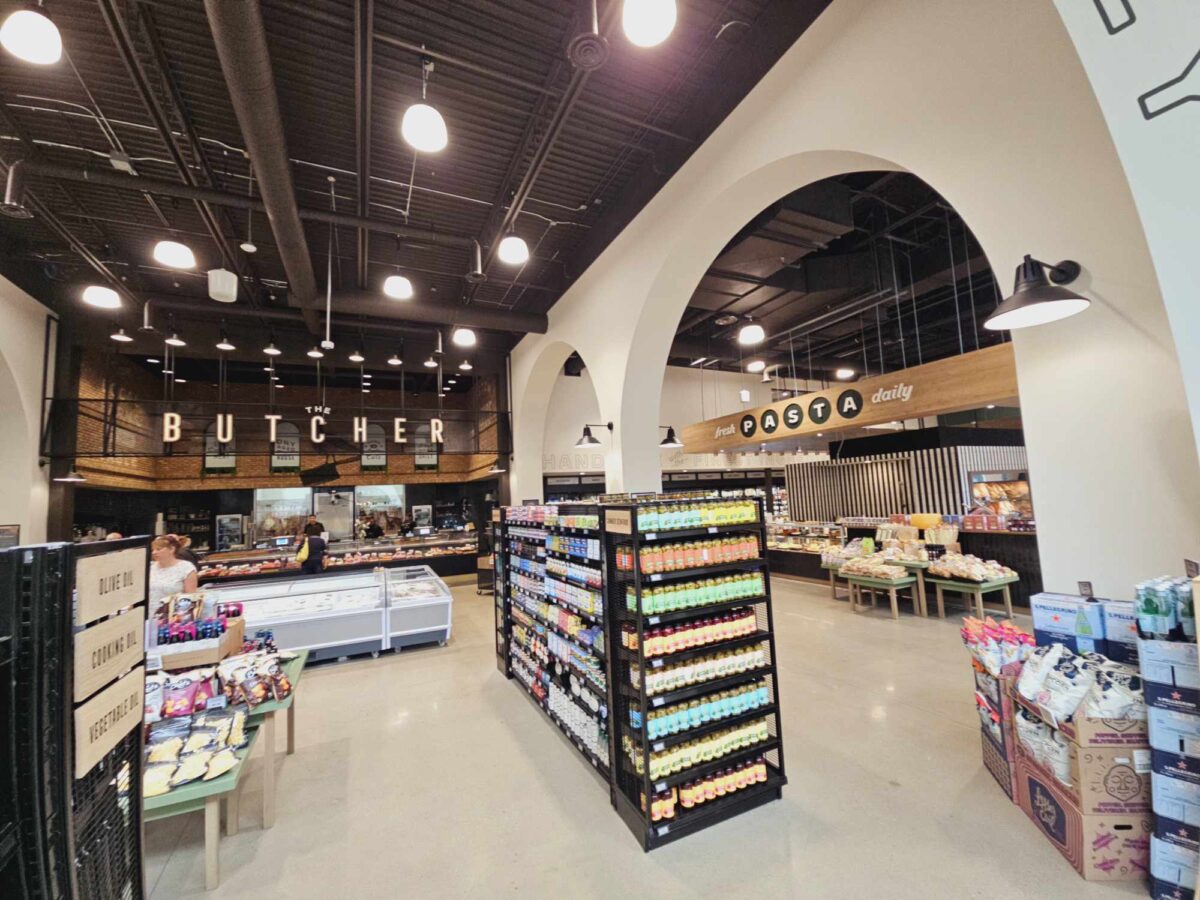
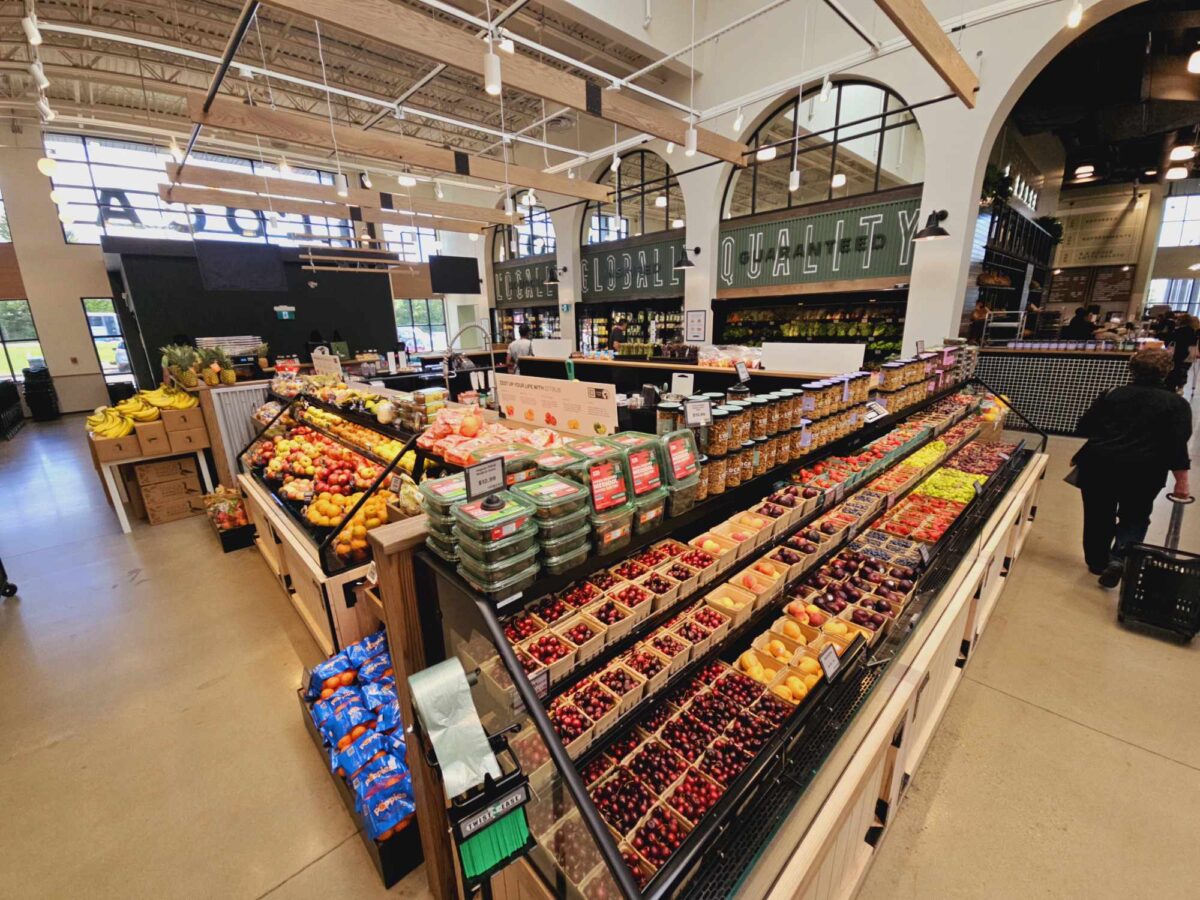
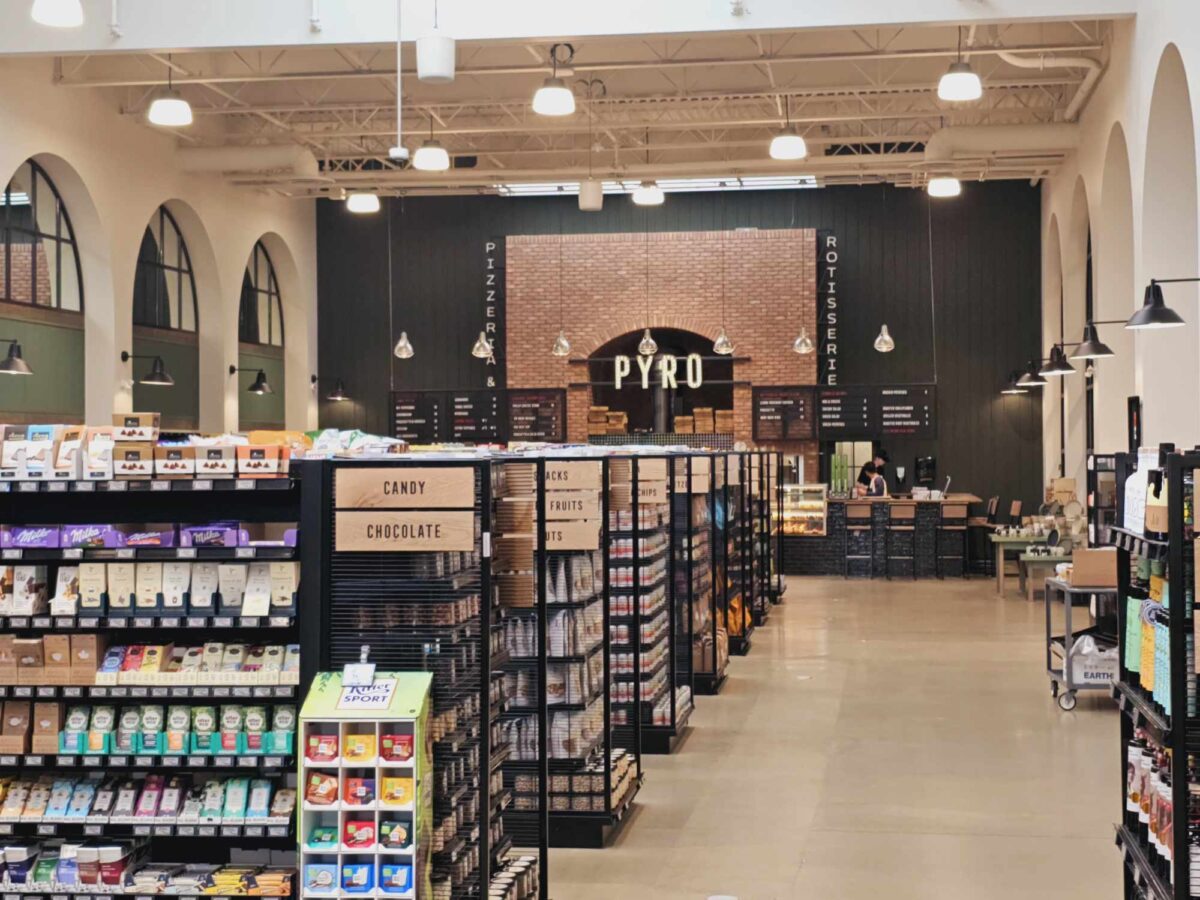
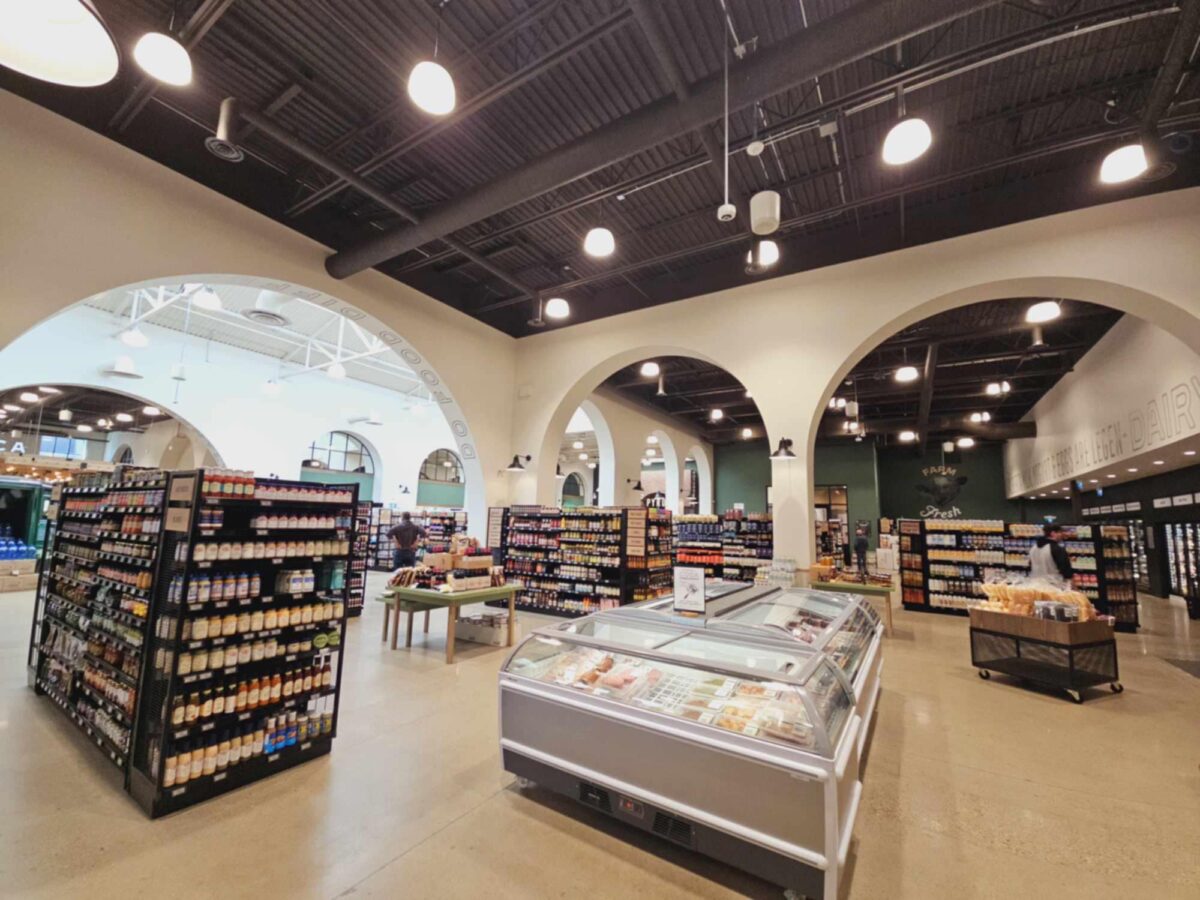
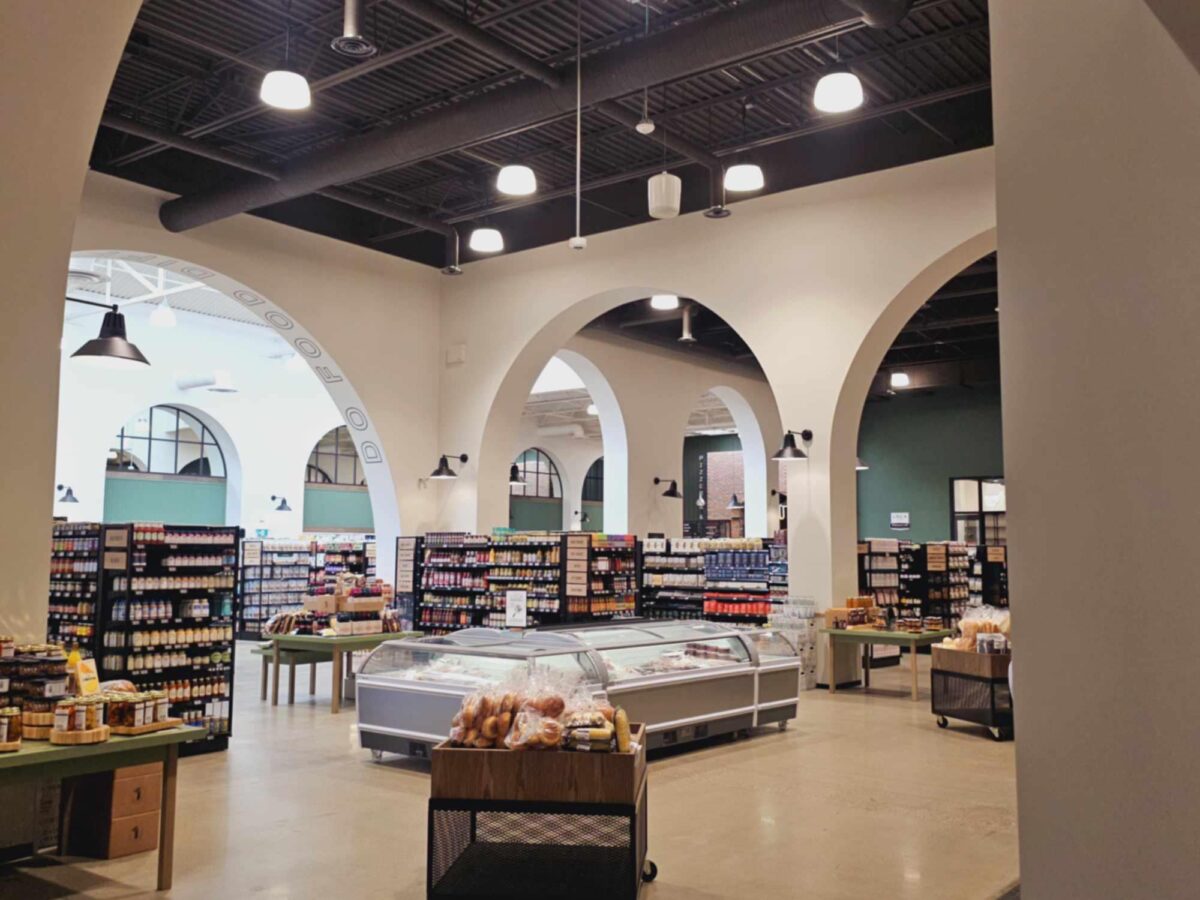
Video tour of L’OCA Quality Market in Sherwood Park, Alberta. Photo: Christa Patterson Entrance to L’OCA Quality Market in Sherwood Park, Alberta. Photo: Christa Patterson Inside L’OCA Quality Market in Sherwood Park, Alberta. Photo: Christa PattersonInside L’OCA Quality Market in Sherwood Park, Alberta. Photo: Christa PattersonInside L’OCA Quality Market in Sherwood Park, Alberta. Photo: Christa Patterson
“Stay tuned for a couple of announcements. We’re just finalizing a couple of things. Certainly, there’s one coming in another large suburb of Edmonton. Sooner than later, probably open in late 2025 or early 2026. Much more similar format to Sherwood Park, so larger scale, two restaurants, the whole thing,” said Cochrane.
Any thoughts of going beyond the Edmonton market?
“I’d love to. I think there’s opportunity. I get phone calls and texts and emails all the time from Vancouver, Winnipeg, Calgary, all kinds of people, asking when you opening here. I’m going to get my own backyard in order first, I was born and raised here in Edmonton, know the market a little better than the other ones, but we’d love to take the brand further afield and keep growing.”
Inside L’OCA Quality Market in Sherwood Park, Alberta. Photo: Christa PattersonInside L’OCA Quality Market in Sherwood Park, Alberta. Photo: Christa Patterson
The brand’s mission is to change how people experience food.
“It’s not your regular grocery store at all. Our mission kind of evolved into being do food differently. We’ve really taken that to heart. We want to bring some of the old world traditions, stuff you would see in more European style markets where the baker is baking right in front of you, things are actually made from scratch, it’s not frozen and shipped in from somewhere else and then just thrown into the oven. We actually make everything on site,” said Cochrane.
“We want to work with customers and educate them about the food that they’re consuming and where it’s from. Our butcher, we partner with a ranch just outside of Whitecourt, Alberta, about 100 miles away, and all our meat is butchered in shop right here, everything from the ground beef to the prime rib.
“We wanted to make (a grocery store) a little bit more fun, and engaging and exciting and interactive.”
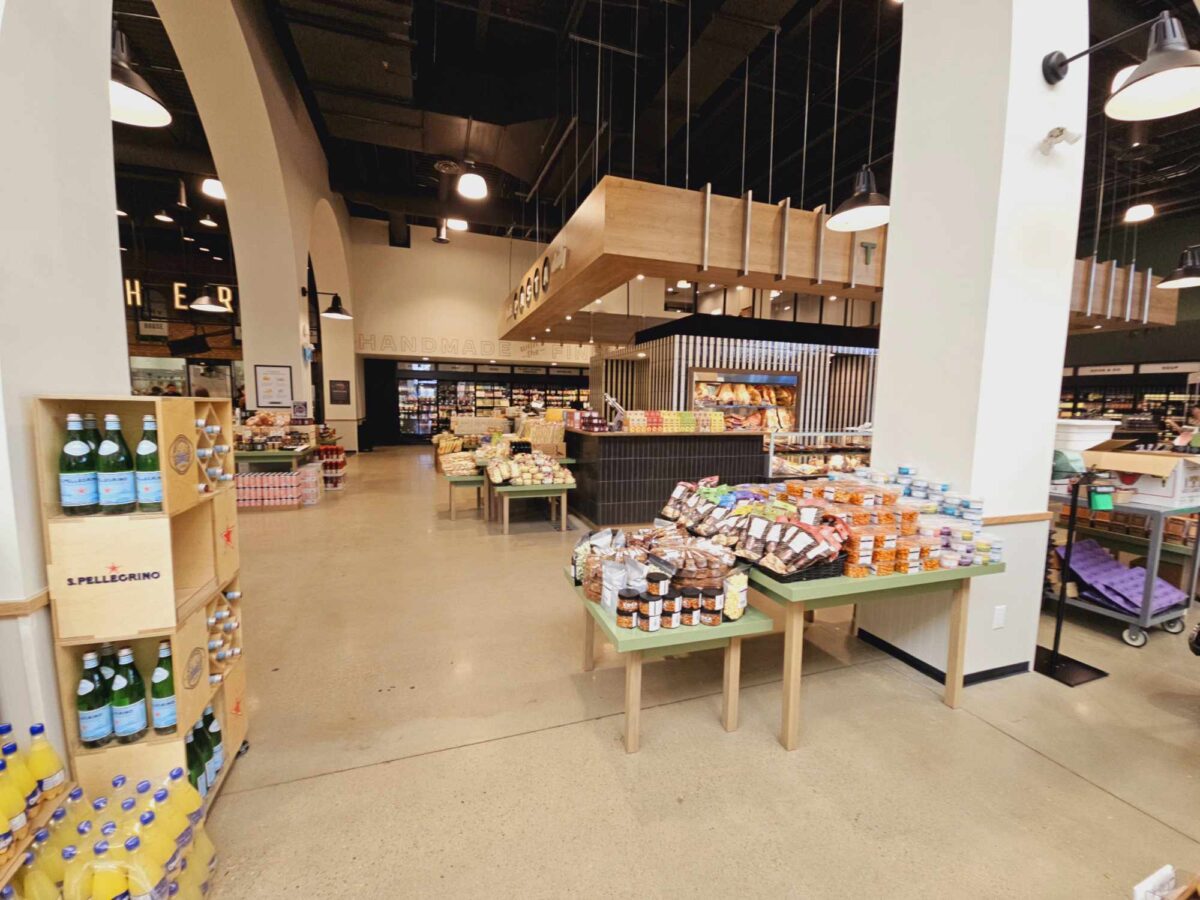
Inside L’OCA Quality Market in Sherwood Park, Alberta. Photo: Christa PattersonInside L’OCA Quality Market in Sherwood Park, Alberta. Photo: Christa Patterson
The 48,000-square-foot Sherwood Park store opened May 10.
“The reception’s been great. The community has been unbelievable. The first two weeks were an absolute zoo here. We ran out of parking constantly. But it was great. It was great to see that everyone was excited to have us in the community and kind of welcome us with open arms,” said Cochrane.
“It’s been great. It’s been growing every week. We’re starting to see a lot more regulars coming and doing their weekly shops, getting to know customers, customers getting to know staff.”
It’s a full service market with a butcher shop, bakery, patisserie, coffee roasting, a full grocery assortment of the best quality products from Canada and the local environment as well as around the world, a massive deli, market style produce with many local options, and a specialty department that has cheeses from around the world.
Also, it includes two full-service restaurants (Pyro and Oro) which is an integral part of the experience. Pyro is a casual concept with a wood-fired grill, a large format restaurant. And Oro is a modern Italian restaurant.
Inside L’OCA Quality Market in Sherwood Park, Alberta. Photo: Christa Patterson Inside L’OCA Quality Market in Sherwood Park, Alberta. Photo: Christa Patterson
Tofino chef Paul Moran, 2019 winner of Top Chef Canada and a former Michelin Star recipient, has been brought on board by L’OCA.
“The location is great. It’s only 15 minutes from downtown Edmonton. It’s a great community. A great family oriented community. A lot of sports get played here, a lot of teams, and things like that. We’re trying to work with a bunch of different people to activate this as another community space – kind of make grocery shopping a little more fun and exciting and involved,” added Cochrane.
“It’s a great community. There’s a lot of families here so the more we can teach people about food as they come of age, it benefits everyone for a long time.
Inside L’OCA Quality Market in Sherwood Park, Alberta. Photo: Christa PattersonParking area at L’OCA Quality Market in Sherwood Park, Alberta. Photo: Christa Patterson Shopping carts outside of L’OCA Quality Market in Sherwood Park, Alberta. Photo: Christa PattersonFront parking on Baseline Road for L’OCA Quality Market in Sherwood Park, Alberta. Photo: Christa Patterson Outdoor terrace at L’OCA Quality Market in Sherwood Park, Alberta. Photo: Christa Patterson
Holiday Guest Services at Tsawwassen Mills (Image: Tsawwassen Mills)
Salesforce’s initial 2024 holiday predictions indicate an interesting season ahead for retailers, as they navigate the shifting preferences of shoppers worldwide.
Though the Canadian economy is predicted to be stable into late 2024, retailers will still be faced with anticipating a myriad of other factors influencing shoppers, from convenience to the novelty of AI in their purchasing journey, said Salesforce.
The report said Chinese shopping apps will take market share as 63 per cent of Western consumers plan to purchase from Chinese shopping applications during the upcoming holiday season.
Also, shoppers will embrace AI to search for the perfect gift. This year, 53 per cent of shoppers are interested in using generative AI for gift inspiration. Salesforce predicts search will drive a nearly 3x better conversion rate compared to traffic not engaging with site search.
Dior Christmas tree/display at Yorkdale. Photo: Craig Patterson
Caila Schwartz
Caila Schwartz, Director, Consumer Strategy & Insights for Salesforce, said shoppers are taking on more debt. According to Salesforce research, 37 per cent of global shoppers say they’re using their credit cards more today than they were a year ago, while 32 per cent report using alternative credit services like “buy now, pay later” more frequently.
And, 43 per cent of consumers are carrying more debt compared to 2023.
“According to the Salesforce Shopping Index, online order volumes have been falling since 2022 and decreased by two per cent year over year in the first quarter of this year. In fact, 47 per cent of shoppers say they are buying the same amount, while 40 per cent are buying less compared to last year,” she said.
“When they do buy, they’re trading down, buying discounted merchandise, and seeking private labels. Only 15 per cent of consumers reported making no tradeoffs based on price. Consumers’ credit balances are increasing because they’re offloading inflation onto high interest credit cards.
“To balance this risk, consumers are saving more than ever. When asked to rank where their disposable income is going, most consumers said savings is their top priority, followed by physical goods, with experiences coming last. This is in marked contrast to last year when savings ranked last behind physical goods and experiences.”
Schwartz said consumers today are very price conscious and they’re making decisions based on prices and this is across all economic levels.
“It’s really hitting everyone,” she said.
“They’re feeling the pinch and with interest rates so high that feels even more burdensome to them. So we see that consumers are making tradeoffs.”
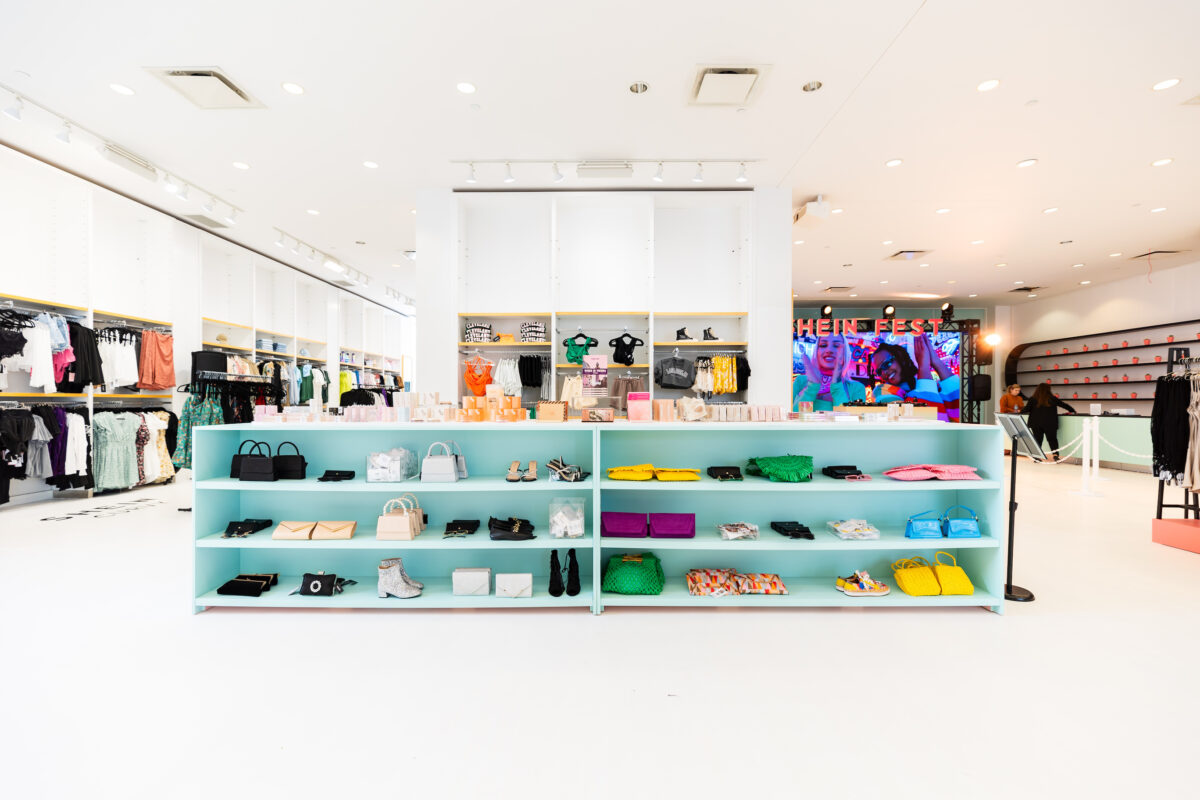
SHEIN Montreal Pop-up (Image: SHEIN)
Schwartz said consumers are looking for the best deal and this environment is primed for a takeover by Chinese shopping applications.
“In the last six months, two-thirds of consumers from Western markets made at least one purchase on Aliexpress, Cider, Shein, Temu, or TikTok. Why are they choosing these platforms? According to 58 per cent of consumers, these shopping applications offer the lowest prices,” she said.
“Which application beats the rest in the West? Temu is the clear winner, with 43 per cent of Western shoppers purchasing on this platform within the last six months. But for Gen Zers, Shein is the top destination, with half of this group placing an order recently. Retailers must pay attention: 63 per cent of Western consumers plan to purchase from Chinese shopping applications.”
Discount stores and retailers like Walmart are benefiting in this challenging economic environment.
“Walmart in their Q1 earnings talked about how they’re actually doing very well right now and it’s because they’re seeing the high income earner trading off and picking Walmart over other retailers, especially for those essential items,” said Schwartz. “Those lower priced or lower tier providers and retailers are doing quite well because the price conscious environment is hitting every single consumer.”
Image: Salesforce
She said based on what Salesforce is seeing in the data and what the current macroeconomic conditions indicate, unless there’s significant changes to interest rates and prices do not continue to rise at the rates that they’re continuing to rise at, the expectation is that we will continue to see “this level of pain for the consumer beyond the holidays.”
Retailers continue to face logistics challenges with costs but Schwartz said they shouldn’t push the shipping expenses back on shoppers. Free shipping offers are a top-three reason why consumers choose to make a purchase from a particular brand or retailer. And with shoppers focused on cost this year (rather than shipping times and return policies), discounted and free shipping are table stakes for the industry. In fact, over half of shoppers say they are more likely to purchase online than in store if delivery is free.
“For many years now, product recommendations and chatbots powered by AI have made merchandise discovery and issue resolution faster and more personalized for shoppers. And consumers have leaned in: Last holiday season, 17% of online purchases were influenced by AI – both predictive and generative. That totalled a whopping $199B of onlines sales worldwide in November and December. This year, consumers will increasingly leverage AI – knowingly or not – to search for the right gift at the right price,” explained Schwartz.
“In fact, 53 per cent of shoppers surveyed said they are interested in using generative AI for inspiring the perfect present. This holiday, generative AI search is poised to bring significant changes to consumer expectations and experiences thanks to big tech platforms. For example, as Google embeds Generative AI into its search product, consumers will adopt and act in more conversational ways when they search online. This means retailers can transition from keyword searches to natural prompts to find products on their websites. Brands like Instacart are already embedding generative AI into their search functionality, making the shopping experience more natural and intuitive. “
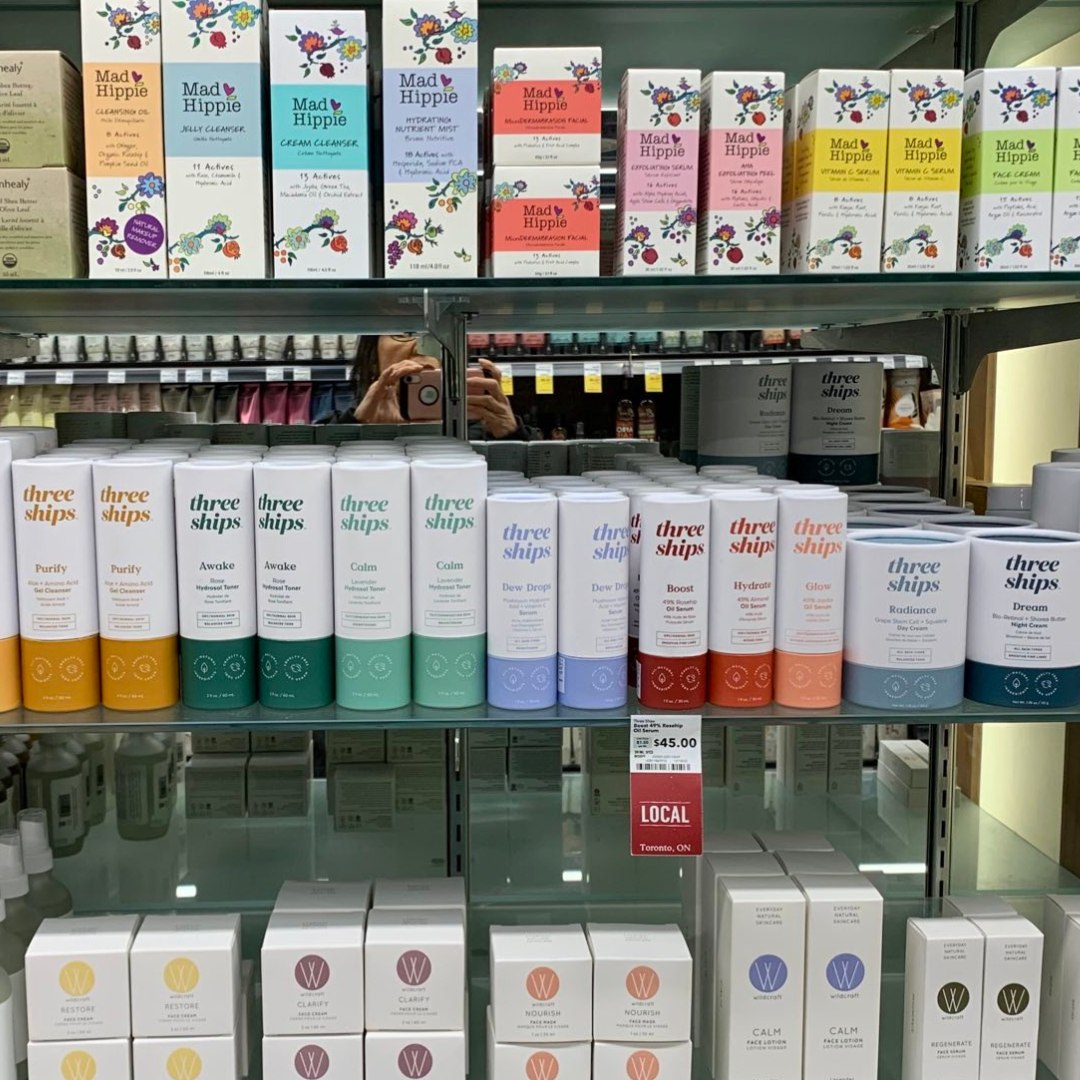
Three Ships Beauty at Detox Market (Image: Three Ships)
Three Ships Beauty, a Canadian natural skincare brand, is looking to continue to expand in Canada and in the United States market, including the goal of signing retailers such as Sephora. The brand will also be adding new collections due to demands and will be enhancing its retail and e-commerce experiences.
Connie Lo
The brand has recently been provided 3.5 million dollars, a fund from BDC Capital’s new Thrive Venture Fund with participation from strategic and angel investors, which will help the brand meet its goals.
“This is huge for Three Ships Beauty. Thanks to this funding from Thrive, we can expand our market reach and build more awareness around the products people already love. And with the right team in place, there is no limit to what we can achieve together,” says Connie Lo, co-founder of Three Ships Beauty.
About the brand
Three Ships Beauty at Detox Market (Image: Three Ships Beauty)
Launched in 2020, Three Ships Beauty is a natural skincare brand dedicated to using products with science-backed, plant ingredients without any fillers or chemicals. In addition, all of its packaging is 100 per cent made out of recycled materials.
The brand relaunched in 2020 as it was originally open under a different name.
Laura Burget
“Before Three Ships Beauty launched in July of 2020, we were actually operating the company under a different name, which was New Body. Back then, our brand language was much different, it was much more cheeky and we would use a lot of tropical imagery and tropical language within our products,” says Laura Burget, co-founder of Three Ships Beauty.
After noticing its demographic was a bit older than what they thought, which is around the millennial demographic instead of teens to mid-twenties, the brand changed: “So that led us to changing a lot of our messaging and also our product development to make sure that we appeal to this slightly older demographic,” says Burget. “The brand changed its name, product names, website, brand voice, and imagery – everything has changed.”
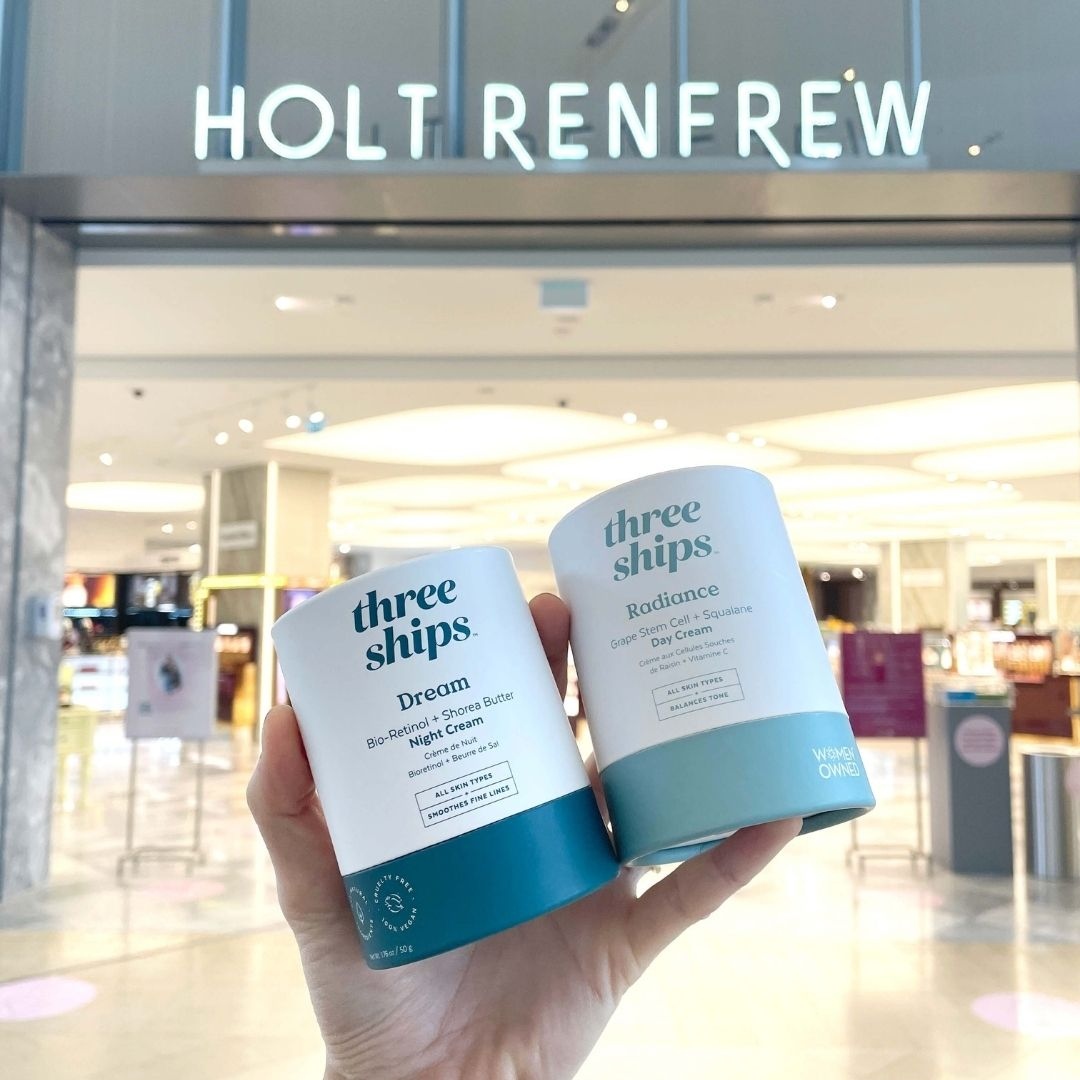
Three Ships at Whole Foods (Image: Three Ships Beauty)Three Ships at Holt Renfrew (Image: Three Ships Beauty)
Connie Lo and Laura Burget, co-founders of Three Ships Beauty, has received several skincare awards and was listed in the Forbes 30 under 30 as a leader in the clean beauty industry in 2022.
“We have a constant line of communication open with our consumers. Our level of differentiation is in our obsessive vetting of natural ingredients, ensuring our products are gentle and effective for sensitive skin. By ensuring that we don’t have common irritants or synthetic in our products, we are finding it leads to a lot of customers with sensitive skin finally finding a brand that doesn’t irritate their skin, doesn’t cause them to have rashes or have adverse events from using these new products. So I think that is a huge differentiator for us, is how gentle, yet effective, all of our products are,” says Burget.
Consumers can find a variety of products to match their skin needs such as toners, serums, creams, and masks. If a consumer is unsure of what products they need, Three Ships Beauty’s website provides a skin quiz that will guide you to the right product, making online shopping easier and faster. Currently, the brand has 23 skin care products with more coming later, such as body products.
Three Ships Beauty’s products can be found in retail stores across Canada and in the United States, such as Whole Foods, Indigo, and Hudson Bay.
Funding impact
Image: Three Ships Beauty
The funding for Three Ships Beauty will allow the company to grow its operations further, improve its retail and e-commerce channels, and will provide them the opportunity to spread more awareness about the brand and its products.
Currently the brand has a full-time team of 12, including its warehouse, but will now be able to hire more staff within the next two years.
“We have been able to get to this point with just those 12 full-time workers, but hiring more senior leadership is a huge goal for us for the next two years. And then of course, we will continue to invest in retail marketing and online marketing. I would say around 40 to 50 per cent of our fundraisers will be going into marketing,” says Lo.
Next stages for the Canadian market
Three Ships Beauty at Detox Market (Image: Three Ships)
From a retail perspective, Burget says the brand will continue to sell and grow at its existing retailers and will be hiring someone to continue to grow new retail distributions.
“The strategy we are thinking of is breaking out the Canadian retail landscape by the different types of retailers that our consumers are shopping at. For example, having a different strategy for dermatology clinics versus the natural beauty retailers and then having different forms of communication according to each type of retailer, so I am really excited about this new strategy,” says Burget.
Lo says when it comes down to its e-commerce strategy, “it all comes down to hiring.” Most of the brand’s marketing, such as email and SMS marketing, have been completed externally. However, Burget and Lo say as the brand is continuously growing, they are going to be hiring someone for an internal position. The brand will also be placing more focus on its website and will be hiring in-house roles for ad and media buying.
“The website is something that we haven’t had one team member responsible for and we haven’t done much in terms of website optimization. So we have actually sent out an offer to a full-time hire that comes over to us from Shopify and is going to be managing our website,” says Lo. “So the money we received has really placed us in a position to allow us to hire more people.”
As for expanding into retailers, Burget says the goal would be to land Sephora in Canada as “there is so much alignment between our customers and their shoppers.” The brand does not have any plans to open a standalone store as Burget says there are still lots of opportunities for them to partner with other reputable retailers. Outside of Canada, the brand will also continue to expand across the US.
“In five years, we want to be the clear leader within the natural beauty industry and in particular, help to set the new standard within natural beauty. We believed that there needs to be a legal definition and we want to be the brand leading the charge.
Retail Insider is streamlining its Canadian retail news from around the web to include a handful of top news stories that can be viewed quickly during the day. Here are the top stories from the past 24 hours.
Anatomy of a Leader: Meghan Roach, President and CEO of Roots
With a strong background in the world of finance, Meghan Roach has been steering retailer Roots for the past four years in what she describes as a “relentless pursuit of strategic growth and robust financial stewardship.”
Her financial journey began with her grandfather, who worked for Bell Canada. His started his career digging telephone poles, then became an early investor in the stock after learning about the employee share program. He gifted Roach her first Bell stock when she was just 12, and this ignited her passion for investing.
She still holds Bell stocks, adding, “I cannot bring myself to sell it, but my portfolio is now much bigger. I have always loved learning about companies and had a passion for finance and economics.”
Founders with Meghan Roach at the original cabin where Roots started in celebration of the 50th anniversary of Roots (Image: Roots)
Roach was born in Pembroke, Ontario, just outside of Ottawa and she associates much of her leadership style today with her up bringing.
“My father was a dentist and from a young age I spent time in his office. Whether it was helping with x-rays after school, cleaning on weekends, or sitting with my mother while she did the books, it was clear to me early on how much hard work and perseverance you need to make a business successful,” Roach said.
She left Pembroke midway through high school to attend Lakefield College School, an international boarding school that first piqued her interest in working globally.
She initially went to Queen’s University where she graduated with Bachelor of Commerce, then pursued a Chartered Accountant designation, before obtaining her MBA with Distinction from the University of Oxford.
At Queen’s she considered pursuing investment banking, working in her second year as an intern at National Bank Financial, where she had an opportunity to learn about trading, credit risk management, and investment banking.
“After the summer, I decided I wanted a deeper understanding of companies at a ground level and chose to pursue a Chartered Accountant designation,” she explained.
It worked out well for Roach, who early in her career leveraged her time at KPMG to obtain a coveted role at Teachers’ Private Capital, the direct private equity group of the Ontario Teachers’ Pension Plan. Roach was also made an FCPA, FCA earlier this year. The distinction of Fellow (FCPA, FCA) formally recognizes CPAs who have rendered exceptional service to the profession and in their communities and becoming an FCPA is the highest honour a CPA can receive.
“I joined Teachers’ at an interesting time. Lehman had just crashed and the volatility it created in the portfolio was unparallelled. One of my portfolio companies was heavily dependent on advertising and almost overnight it lost more than 50% of its revenue,” said Roach. “While a difficult period to manage through, when COVID-19 hit, I was able to reflect and draw on some of the lessons I learned during this time.”
Image: Meghan Roach
Transition has been a constant in Roach’s career. She was also at Teachers’ when they moved from geographic to sector focus and supported the set up of the software and consumer sectors. Shortly, thereafter she moved to England to purse her MBA at the University of Oxford, then joined Searchlight Capital Partners in its London office.
“When I joined Searchlight, the team was midway through raising their first fund. It was a fantastic experience to be there at the ground level, working to build sectors of focus and investing strategies.” Roach added, “I was coming from a large, well-established fund and it forced me to go back to thinking like an entrepreneur.”
Her time in private equity exposed Roach to both the investing and governance side of companies. She has held numerous private and public company board and audit committee roles in Europe and North America. Currently, she sits on the board of Roots, acts as a Vice Chair for the Holland Bloorview Kids Rehabilitation Hospital Foundation, a member of the Advisory Board of Shift Canada, and a member of the Investment Committee for the Nature Conservancy of Canada.
“The exposure I had to boards early in my career has been impactful in defining my approach as a CEO, particular those boards where multiple stakeholders were involved,” indicated Roach. “It has been fascinating to see the inside of a board room as an investor and now an operator and to consider the different priorities of each group.”
The Weeknd concert in Toronto, wearing one of the jackets designed in collaboration with the Japanese artist MR for the 10th anniversary of the Weeknd’s Thursday album (MR x The Weeknd x Roots) Image: Roots
In 2015, while she was at Searchlight Capital, the company purchased Roots, which began her journey with the iconic retail brand.
Before becoming the President and CEO of Roots in May 2020, she was on the company’s Board of Directors and Audit Committee from 2015 to 2017, then became Interim CFO in August 2019 before taking on the Interim CEO in January 2020.
It was an interesting transition for her because she went from being on the investment side of the retail sector to being on the board and then jumping into Roots on an interim basis and then full-time.
When Roots made it official and promoted Roach to her current role she said: “Over its 46 years, Roots has established a highly engaged and loyal consumer base, strong omni-channel capabilities, and a solid core product offering. I look forward to working with the talented and dedicated team at Roots to continue to build on this great foundation.”
Roach said what she liked about the brand was having an opportunity over a long period of time to develop a relationship with consumers and creating an emotional connection and driving common values together.
“Working with a heritage brand is unique. One must balance the legacy perceptions of the brand with the need to modernize and the long-term relationship many customers have with it,” she said.
What’s interesting about retail is the fact-driven nature of it. She likes the idea that in the industry you can try and test a number of different things and you can get an immediate consumer reaction.
“That’s a fascinating environment for me, as someone with a love of analytics,” added Roach.
Meghan Roach (Image: Roots)
She also steered the retailer through the challenging time of COVID-19.
“Despite the challenges it posed to Roots as a business, it was one of the most invigorating experiences of my career,” she said. “There was no room to be indecisive. We had to make choices quickly with limited information, while balancing the health and safety of our employees with a constant financial threat.”
And she did it with two small children at home.
“When COVID hit, we were living in a condo and my husband was also working from home,” added Roach. “My kids were literally running in and out of my meetings all day, but we made it work. It was a challenge that also brought me closer to my team, mainly of whom were dealing with the same pressures at home.”
Meghan Roach at the WXN Top 100 (Image Provided)
In November of last year, Roach was named one of Canada’s Most Powerful CEOs. The Canada’s Most Powerful CEOs Award recognizes individuals who exemplify the attributes of a powerful visionary with a strong foundational character, a sense of integrity, and the ability to elicit public trust.
“I am humbled to be recognized as one of Canada’s Most Powerful CEOs by WXN (Women’s Executive Network). This award is a testament to the incredible team at Roots, whose dedication, innovation, and commitment to excellence have propelled us forward, even in challenging times,” said Roach at the time.
As a leader, she described her style as being honest, transparent, approachable.
Her expectations of her team are clear as are the goals and objectives for the company.
“When times were tough, like during the pandemic, I was very transparent with the challenges we faced. When times were good and we were doing well, I was also clear with the team about what had gotten us to this place. I think that is really important as a leader. Being transparent, being honest, being direct, but also understanding that they are all people and we are all working together towards a common goal.”
Meghan Roach (Image: Roots)
Outside of work, Roach loves to spend time with her family and traveling.
She’s also passionate right now about muay thai, which is a martial art.
“I’m really enjoying it. It is a great stress relief as you cannot think about anything but muay thai (at VRTU Muay Thai) when you’re doing it. It’s also a very physically demanding sport,” she said.
“Loblaw’s decision to terminate multi-buy discounts is a controversial move that has both supporters and detractors. While it promises to level the playing field for all consumers, the long-term impact on prices and consumer choice remains uncertain.”
Loblaw announced the termination of its multi-buy discounts, such as “buy 2 for $4.99” or “one for $2.99,” effective immediately. This pricing strategy has been a contentious issue for consumers for years. The change will specifically impact Loblaw-owned No Frills stores, the company’s primary discount banner and Ontario’s most popular stores. Both the Parliamentary Committee and the Competition Bureau have long criticized this practice, with even Minister François-Philippe Champagne calling for its end.
New small format No Frills opens in downtown Toronto (CNW Group/Loblaw Companies Limited – Public Relations)
The practice, known as “volume discounting,” has been viewed by many as discriminatory against certain demographics, such as individuals who live alone or seniors who consume less food. According to a Dalhousie University survey conducted by Caddle last year, 38.1% of Canadians disliked the practice and wanted it eliminated. The only other industry tactic more reviled was shrinkflation, where the quantity of a food product is reduced while the price remains the same.
Volume discounting emerged years ago as a response to a surge in bulk-buying by consumers, largely inspired by the Costco model. Costco encouraged consumers to think big, promoting the idea that larger quantities yielded better deals. As volume discounting gained popularity, so did the criticism. Many argued it led to more food waste, as consumers were forced to buy more food to obtain a better deal.
However, a recent study in the European Economic Review found that ending volume discounts had unexpected consequences. Grocers in parts of Europe began offering more single-unit discounts, motivating high-consumption households to shop more frequently and purchase more. Loblaw likely read that study.
Conversely, a study in Health Economics suggested that multi-buys led more consumers to buy larger quantities of unhealthy foods.
Ending the practice is certainly a savvy political move for Loblaw and will likely be seen as a win by many consumers. However, the real impact will depend on how No Frills sets prices moving forward. Multi-buys or volume discounting benefited both retailers and suppliers with excess inventories or those wanting to promote certain products. This decision indicates a possible shift in the supply chain environment. This change does not guarantee a drop in prices or that deals for those who don’t need to buy in bulk will become more affordable. It merely ensures everyone is treated equally, which does not necessarily translate to better or more affordable treatment.
No Frills in Ajax (Image: Field Agent Canada)
The timing of Loblaw’s announcement in July is telling. Consumer reactions will likely vary; while some will celebrate, others may take their business elsewhere.
Ultimately, it remains unclear if this was the best decision for consumers, as it could deprive some of the opportunity to save through volume discounts. Large families and groups benefited from these discounts. Volume discounts also helped the supply chain manage inventory more effectively. The ideal solution would have been to offer the same unit-price deal to those who requested it, as some grocers already do, giving consumers more choice.
Prices at No Frills will need close monitoring to determine if this change truly benefits consumers. If Loblaw promises low prices, especially at No Frills, the company should honour this pledge without multi-buy discounts and avoid using this decision to raise prices for all, merely to appease a vocal minority. It will also be interesting to see if other grocers follow suit.
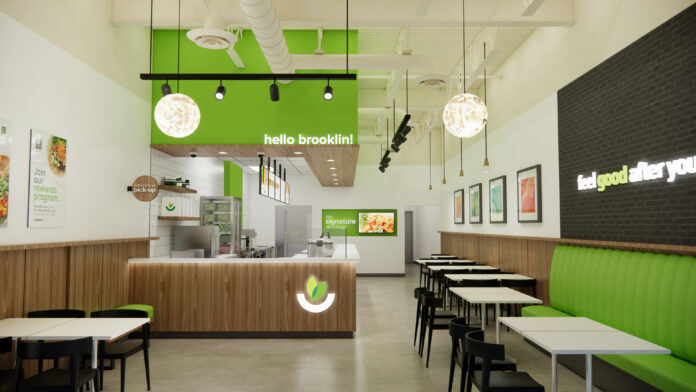
Chopped Leaf, a Canadian fast-casual restaurant chain, is embarking on a brand refresh and new look to celebrate its 15th year in business.
The brand’s original store in Kelowna, B.C., which opened in 2009, is the first location to highlight the new logo for the company and updated interior design.
“When The Chopped Leaf was founded in 2009, it was one of the few fast-casual restaurants that offered fast, healthier options. Overall, the landscape of food, health, and nutrition has evolved significantly since then,” said Genti Kongjika, Executive Vice-President, Chopped Leaf.
“It’s critical for any restaurant brand to evolve and stay fresh. We’ve done this while keeping true to our roots and maintaining the essence that makes Chopped Leaf unique and beloved by Canadians, and a rewarding franchise opportunity for entrepreneurs.”
Chopped Leaf, which has more than 115 restaurants across Canada and the United States, is known for its fresh salads, wraps and bowls.
Image: Chopped Leaf
The new look includes a revitalized interior design, logo and signage and it will be gradually rolled out as Chopped Leaf continues to expand nationwide.
“Canadians describe Chopped Leaf as vibrant, down-to-earth, inspiring, empathetic and approachable,” said Karen Paradine, head of Marketing at Chopped Leaf. “Our new look and design highlight that salads and greens are more than just health food – they’re comfort food.
“We aim to dispel the notion that greens are not craveable or fulfilling. For consumers choosing to eat better, only Chopped Leaf delivers comforting, quality, fulfilling and flavorful greens for everyone.
“From our perspective, it was the perfect time to refresh the brand. Our first restaurant was up for a renovation and we thought it’s turning 15 this year so we took the opportunity to re-establish our brand foundation and with that brand foundation . . . we then took it one step further to look at the restaurant design to make sure that the interior as well as our logo really reflects our brand strategy.”
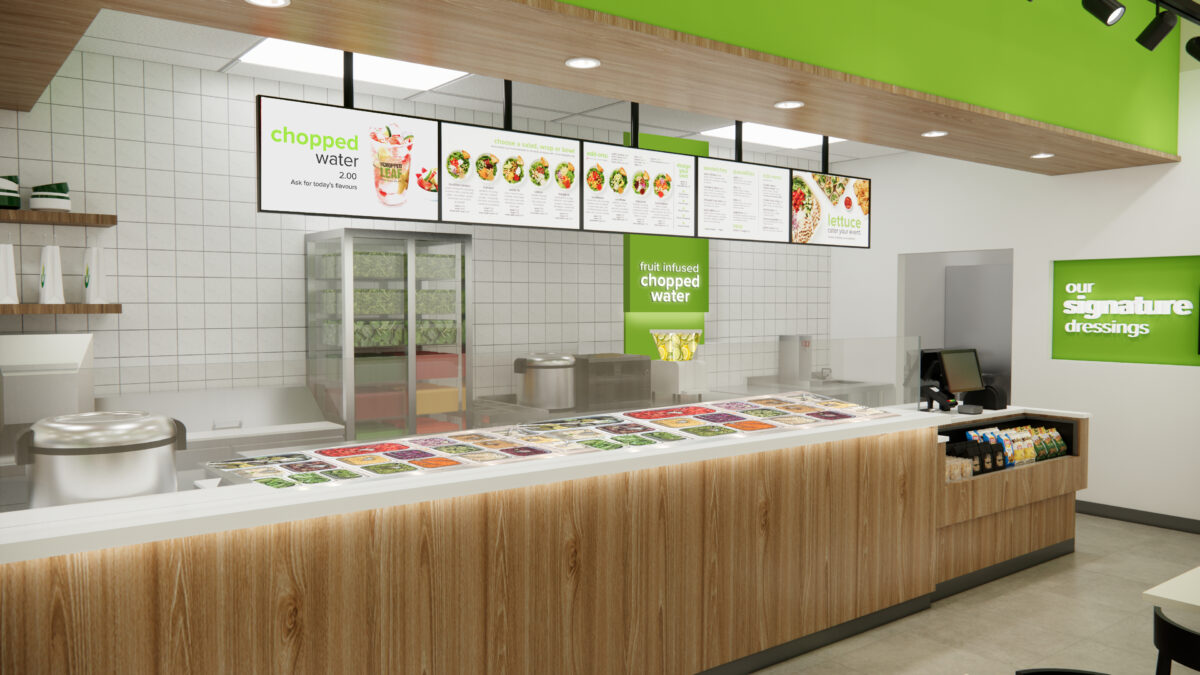
The ceiling was painted white so it feels brighter and fresher in the restaurant. Counters were lowered so customers can better see the preparation of the food. A spotlight has been put on iconic products such as its signature salad dressing.
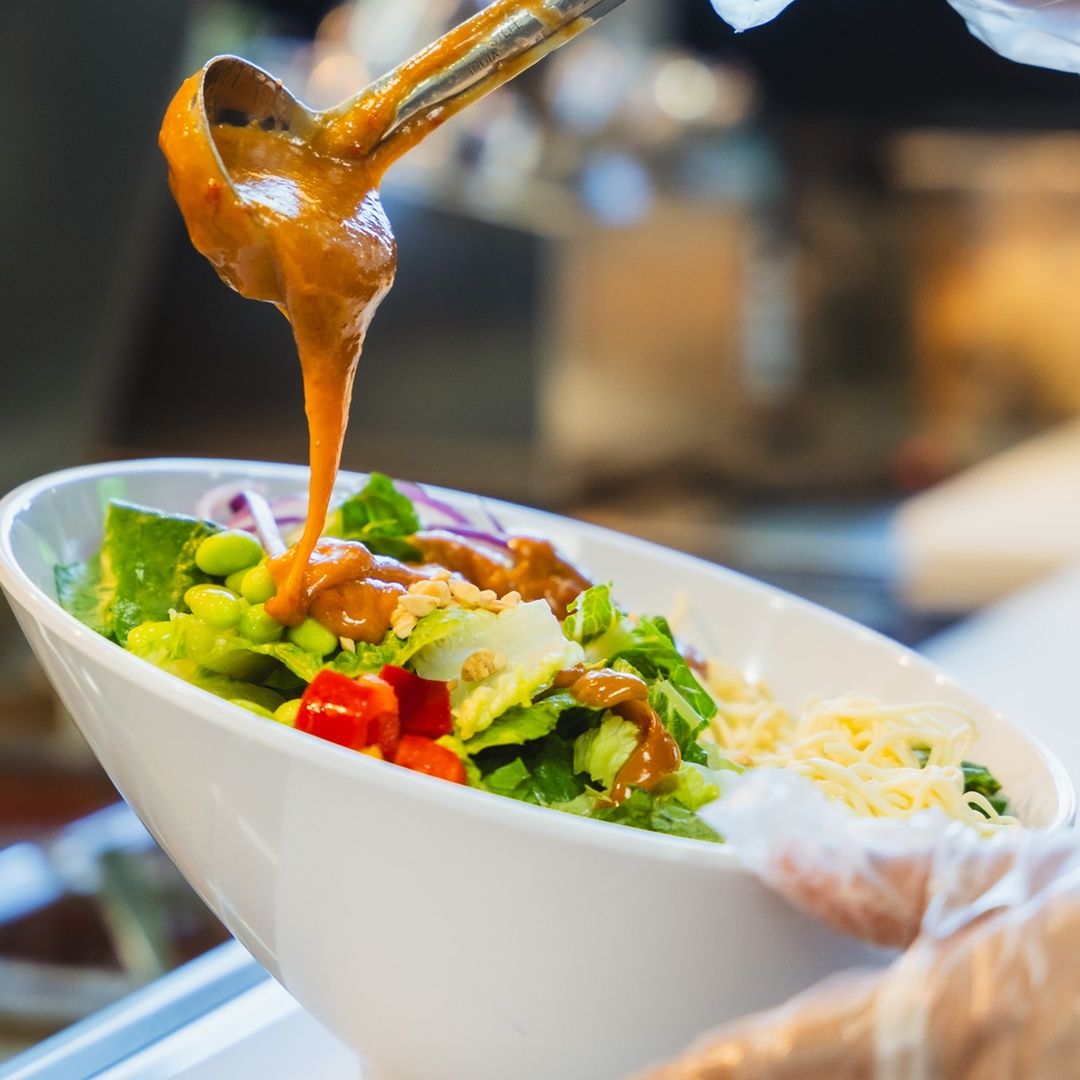
“This brand refresh was an evolution, not a revolution,” said Jean-Pierre Lacroix from Shikatani Lacroix, the agency behind the brand update. “We ensured that Chopped Leaf’s brand attributes of fresh quality choppings, irresistible signature dressings, menu variety, fruit infused Chopped Water and the ‘Feel Good After You Eat’ tagline are showcased throughout the new design.”
The Chopped Leaf (Image: The Chopped Leaf) The Chopped Leaf in Stoney Plain, AB (Image: The Chopped Leaf) The Chopped Leaf in Stoney Plain, AB (Image: The Chopped Leaf)
Paradine said the restaurant chain wants the customer to feel comfort when coming into one of the refreshed locations.
“It’s feeling a place of comfort and really what we’re trying to do is dispel the idea that greens is not comfort food. People go to pizza, burgers or soups or foods when they’re looking for comfort food. But consumers today really do feel good when they consume salads and greens and we want them to recognize The Chopped Leaf as that destination,” she said.
The new look Kelowna store just opened and the grand opening is scheduled on July 20-21.
The intent is to go through all the stores eventually.
“We’re a small brand right now so we can’t turn the switch on overnight but as restaurants go through modernizations and renewals we’ll be looking to bring in the new brand element.”
Retail Insider is streamlining its Canadian retail news from around the web to include a handful of top news stories that can be viewed quickly during the day. Here are the top stories from the past 24 hours.
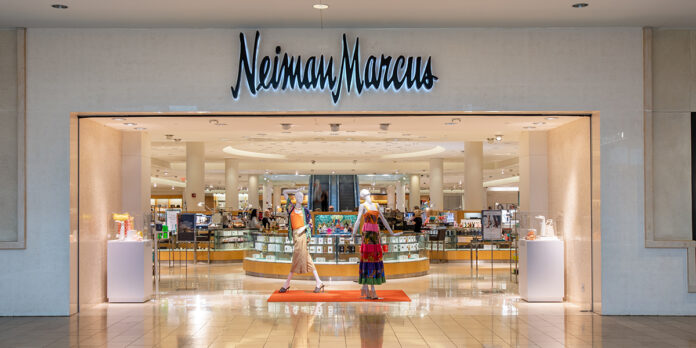
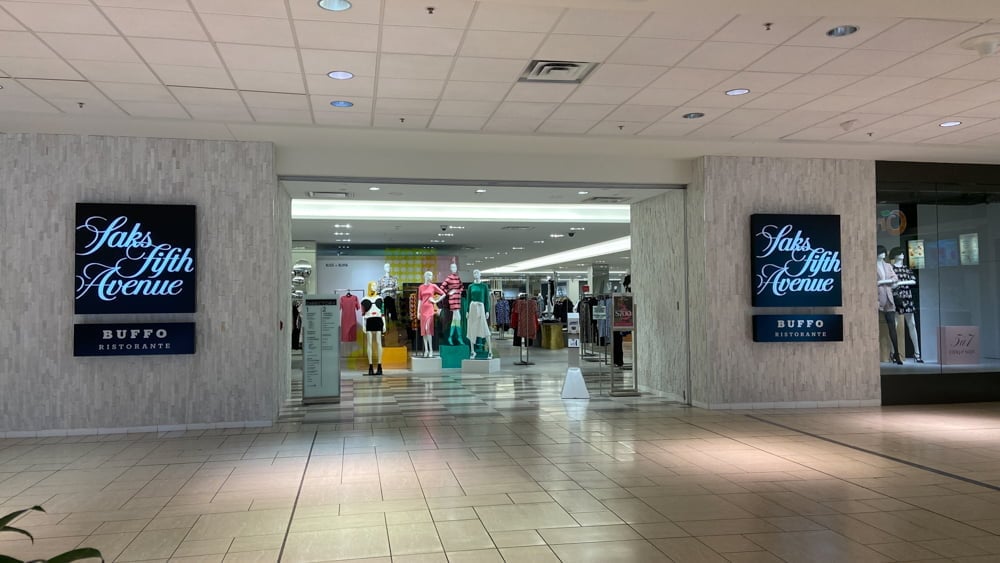
The Hudson’s Bay Company has struck a deal to acquire US-based luxury retail chain Neiman Marcus, as first reported in the Wall Street Journal. The $2.65 billion deal involves Amazon becoming a minority shareholder in the newly formed Saks Global division, which will operate in the US while its Canadian Saks operations with three stores remain uncertain. It’s not known if Neiman Marcus could enter the Canadian market with the deal and it’s also not yet known what might happen, if anything, with HBC’s Hudson’s Bay department store chain in Canada.
Merger negotiations with Saks and Neimans have been ongoing for months according to the Wall Street Journal — Retail Insider was also being told last year that there were talks for HBC to take over Neiman Marcus under the direction of Governor Richard Baker, who was raising funds at the time. The deal to acquire Neiman Marcus could be approved by boards as soon as Wednesday evening, according to the Wall Street Journal article.
About US $2 billion was raised from existing investors for the deal, including Baker’s private equity firm NRDC Equity Partners, as well as Rhône Capital and the Abu Dhabi Investment Council. About US $1.15 billion in debt financing is being provided by Apollo Global Management.
Saks Fifth Avenue at the Hudson’s Bay (Yonge and Queen) building in downtown Toronto. Photo: Dustin FuhsMen’s footwear at Saks in downtown Toronto. Photo: Dustin Fuhs
Amazon will be a minority shareholder and will provide Saks Global with technology and logistical expertise along with Salesforce, also a new minority shareholder, which will work with the company on new AI initiatives.
Marc Metrick, currently head of e-commerce at Saks, will run the combined companies according to the Wall Street Journal. Saks Global will have about US $10 billion in annual sales, with distribution of some of the world’s top luxury brands.
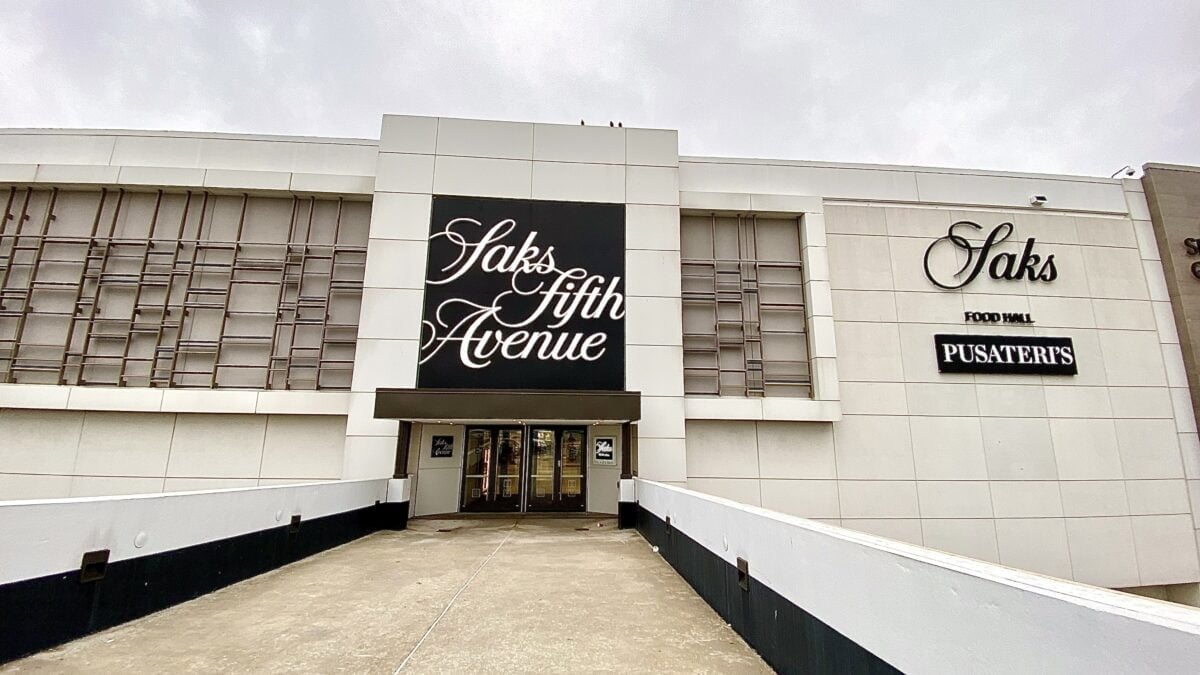
The Hudson’s Bay Company acquired Saks Fifth Avenue in 2013 and made plans to open about 10 Saks stores in Canada. Saks opened its first Canadian store in downtown Toronto in February of 2016. A second Toronto store opened a week later at CF Sherway Gardens, and in February of 2018 Saks opened its third Canadian store at CF Chinook Centre in Calgary.
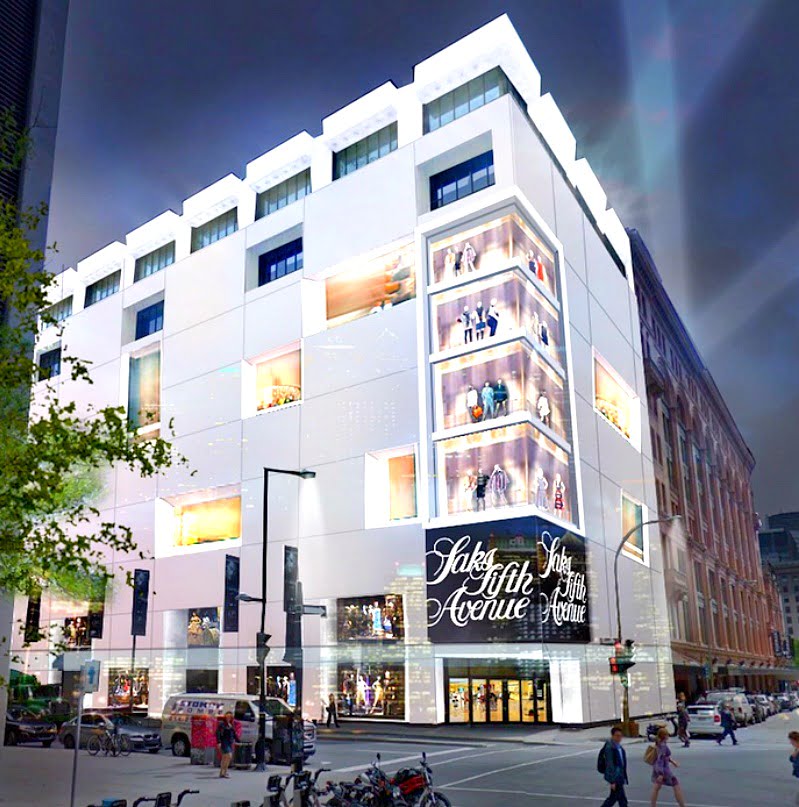
Saks Fifth Avenue CF Sherway Gardens, January 2023. Photo: Craig Patterson Rendering of the proposed/unbuilt Saks Fifth Avenue store in Montreal, via HBC
Saks had announced in 2016 that it would open a 220,000 square foot store in Montreal in the Hudson’s Bay building, and plans were subsequently shelved along with plans for a downtown Vancouver store. Saks could have entered the Edmonton and Ottawa markets as well before its expansion was halted.
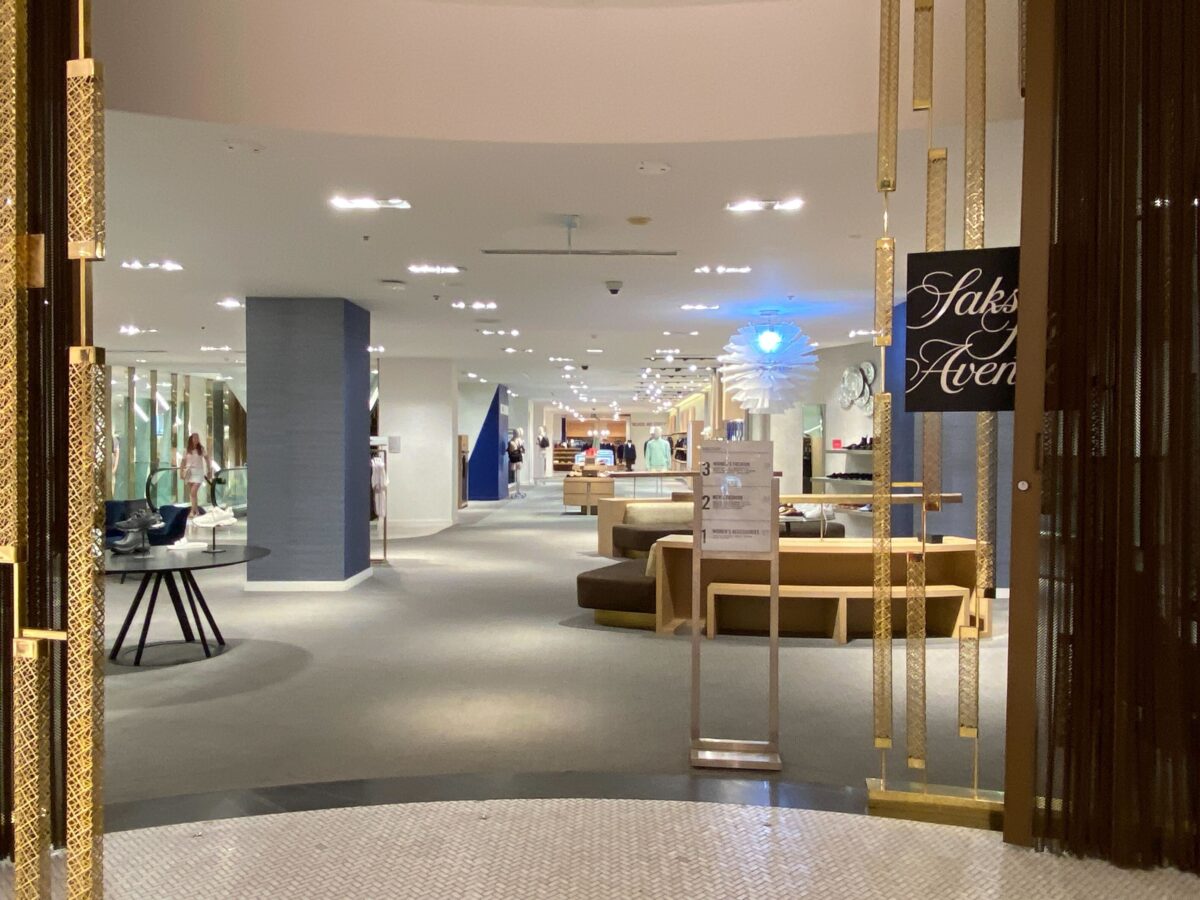
The future of Saks’ three Canadian stores is currently uncertain — product is particularly sparse in the Calgary CF Chinook Centre and Toronto CF Sherway Gardens Saks locations which have also been downsized since their openings, while luxury brand concessions have exited the downtown Toronto flagship Saks store that is integrated into the downtown Hudson’s Bay building.
It’s not known if Neiman Marcus could enter the Canadian market as part of the announced deal — the Hudson’s Bay Company’s operations include offices in New York City, and so far there’s been no overt mention of an expansion of Neiman Marcus into Canada. However before the pandemic, sources told Retail Insider that there was a possibility of Neiman Marcus coming to Canada, including a store at Burrard and Georgia streets in downtown Vancouver in a new development.
Retail expert Liza Amlani of of Retail Strategy Group pointed out in a brief interview on Wednesday that now that Neiman Marcus has shifted its focus to top spenders, a Canadian expansion is less likely given our small population and the dominance of such retailers as Holt Renfrew, which stocks many of the same brands found at Neiman Marcus.
Saks Fifth Avenue entrance on second level of CF Chinook Centre. Photo: Jessica FinchMen’s department at Saks Fifth Avenue in Calgary. Photo: Saks
David Ian Gray, Principal at consultancy DIG360, said that Hudson Bay’s Canadian stores could suffer with the deal after already being neglected — over the past year, vendors have complained about not being paid while escalators have been down in many stores where music is also no longer being played.
“A bold move during some dog days in retail, this is an opportune investment to target those wealthy Americans protected from economic headwinds while gaining better buying clout with brands in the luxury space. That said, I still question the appeal of the department store model and, as a Canadian, I can only feel this further takes the leadership away from any creative play to keep Hudson Bay alive long term. While this deal is largely funded via partners, it will take time and attention of the combined senior team.”
Gray also noted the uniqueness of the overall deal including its Amazon and Salesforce partnerships.
“Notable is the equity involvement of Amazon and Salesforce. The former is interested in luxury and this will give it a passenger seat view. Amazon’s continued interest in stores is the best evidence to counter any lingering ‘death of retail’ sentiment. The Salesforce role reinforces my belief that modern retail is a technology play at the core,” Gray said.
Retail expert George Minakakis, Founder and CEO of Inception Retail Group, questioned the future of the department store in North America as well as prioritize of HBC as the company grows.
“Where do elephants go to die? In this case, the elephants are department stores. Many great brands have aged in place with little innovation and creativity to compel consumers to shop or be attracted to them. Unfortunately, they don’t stand the test of time. Survival now comes through consolidation, where supposed synergies, both financial and operational, need to be realized. However, that does not always work.”
“Hudson Bay is a classic example of being lost in the shuffle when too many retail brands are in a portfolio as complex as department stores with so many moving parts, and fashion and future aspirations were once the appeal. Not anymore. They now go where they will one day be forgotten and meet their end-brand game.”
Neiman Marcus filed for bankruptcy protection in 2020 during the pandemic, and closed some stores. Neiman Marcus currently operates 36 large-format stores, two Bergdorf Goodman stores in New York City (separate men’s and women’s) and five Last Call off-price stores. Saks Fifth Avenue operates 39 stores — in the US, eight malls have both a Saks and Neiman Marcus store, according to the article. Saks also has a separate e-commerce division that was created during the pandemic.
We’ll follow up on this story if there is any more news relevant to the Canadian market.