

“Loblaw’s decision to terminate multi-buy discounts is a controversial move that has both supporters and detractors. While it promises to level the playing field for all consumers, the long-term impact on prices and consumer choice remains uncertain.”
Loblaw announced the termination of its multi-buy discounts, such as “buy 2 for $4.99” or “one for $2.99,” effective immediately. This pricing strategy has been a contentious issue for consumers for years. The change will specifically impact Loblaw-owned No Frills stores, the company’s primary discount banner and Ontario’s most popular stores. Both the Parliamentary Committee and the Competition Bureau have long criticized this practice, with even Minister François-Philippe Champagne calling for its end.
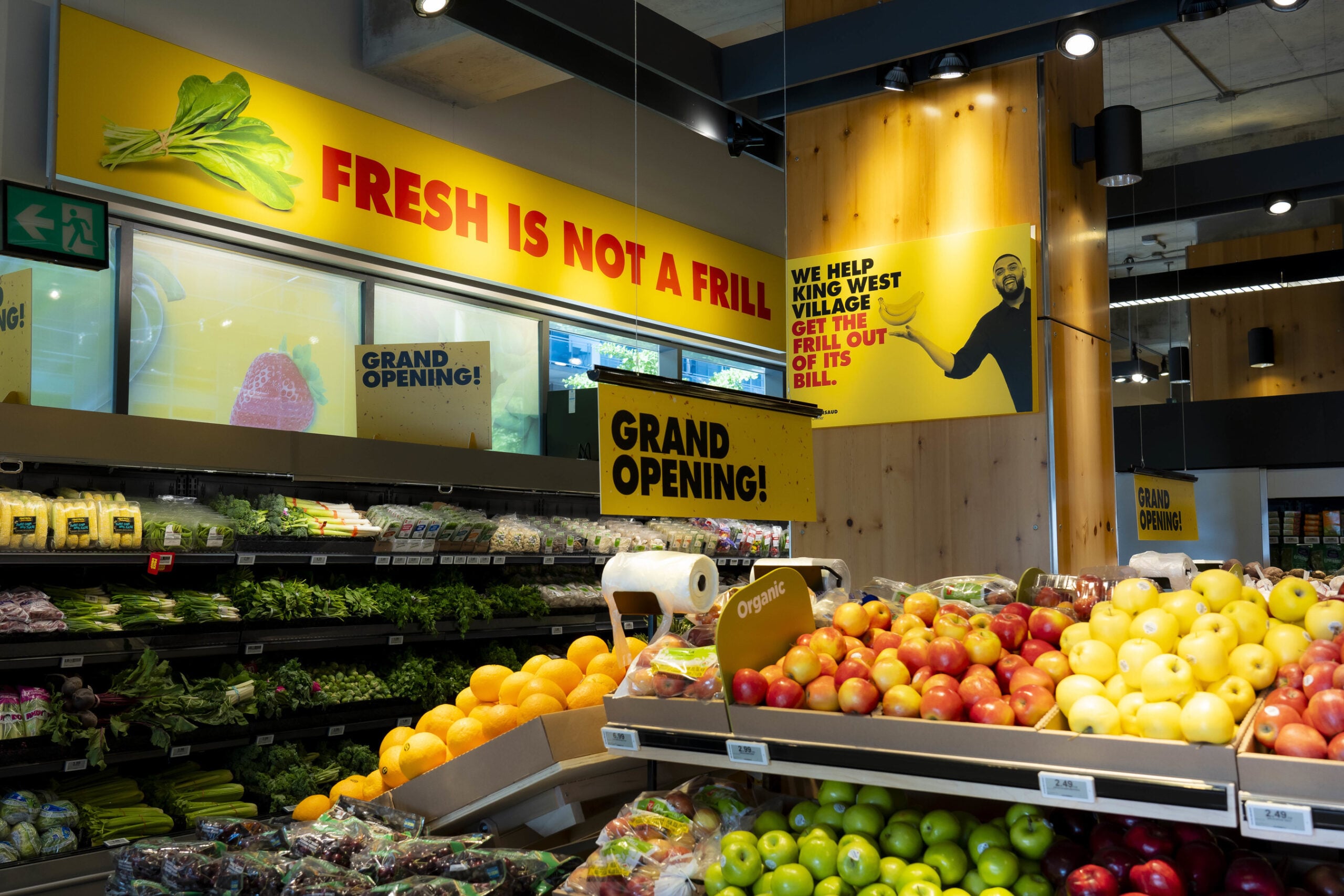
The practice, known as “volume discounting,” has been viewed by many as discriminatory against certain demographics, such as individuals who live alone or seniors who consume less food. According to a Dalhousie University survey conducted by Caddle last year, 38.1% of Canadians disliked the practice and wanted it eliminated. The only other industry tactic more reviled was shrinkflation, where the quantity of a food product is reduced while the price remains the same.
Volume discounting emerged years ago as a response to a surge in bulk-buying by consumers, largely inspired by the Costco model. Costco encouraged consumers to think big, promoting the idea that larger quantities yielded better deals. As volume discounting gained popularity, so did the criticism. Many argued it led to more food waste, as consumers were forced to buy more food to obtain a better deal.
However, a recent study in the European Economic Review found that ending volume discounts had unexpected consequences. Grocers in parts of Europe began offering more single-unit discounts, motivating high-consumption households to shop more frequently and purchase more. Loblaw likely read that study.
Conversely, a study in Health Economics suggested that multi-buys led more consumers to buy larger quantities of unhealthy foods.
Ending the practice is certainly a savvy political move for Loblaw and will likely be seen as a win by many consumers. However, the real impact will depend on how No Frills sets prices moving forward. Multi-buys or volume discounting benefited both retailers and suppliers with excess inventories or those wanting to promote certain products. This decision indicates a possible shift in the supply chain environment. This change does not guarantee a drop in prices or that deals for those who don’t need to buy in bulk will become more affordable. It merely ensures everyone is treated equally, which does not necessarily translate to better or more affordable treatment.
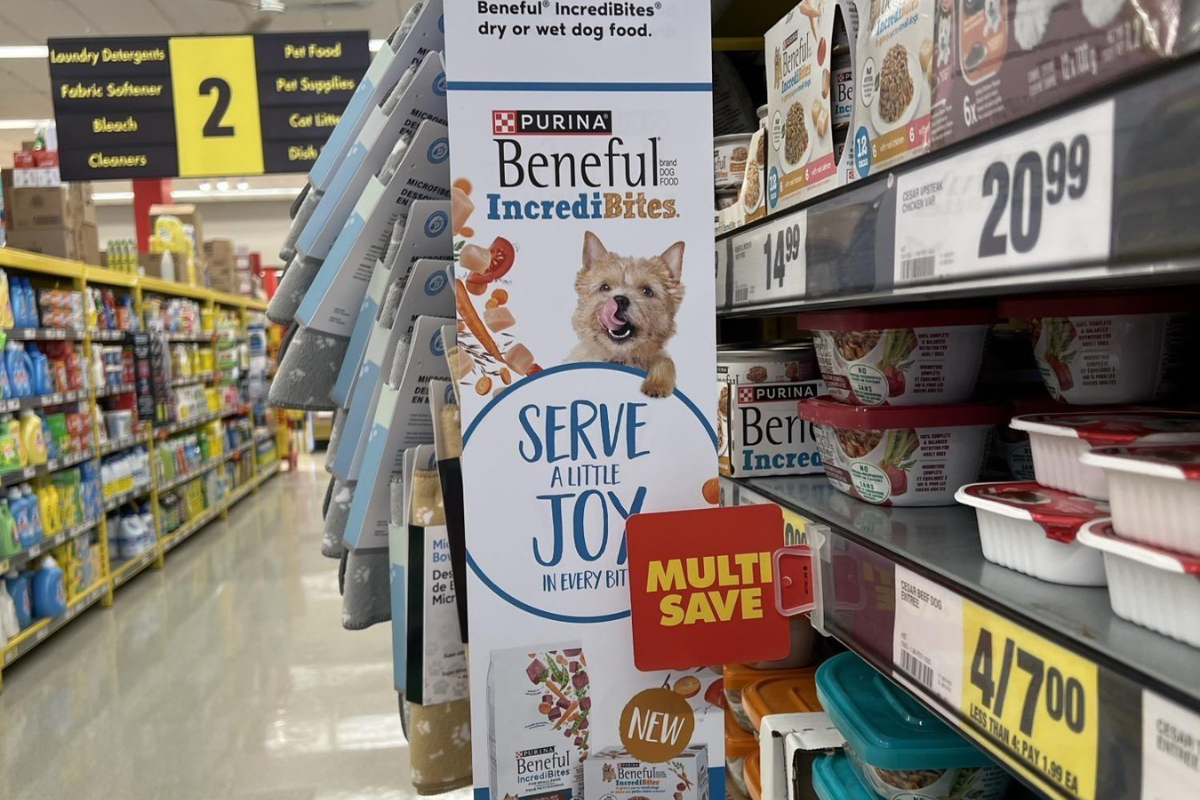
The timing of Loblaw’s announcement in July is telling. Consumer reactions will likely vary; while some will celebrate, others may take their business elsewhere.
Ultimately, it remains unclear if this was the best decision for consumers, as it could deprive some of the opportunity to save through volume discounts. Large families and groups benefited from these discounts. Volume discounts also helped the supply chain manage inventory more effectively. The ideal solution would have been to offer the same unit-price deal to those who requested it, as some grocers already do, giving consumers more choice.
Prices at No Frills will need close monitoring to determine if this change truly benefits consumers. If Loblaw promises low prices, especially at No Frills, the company should honour this pledge without multi-buy discounts and avoid using this decision to raise prices for all, merely to appease a vocal minority. It will also be interesting to see if other grocers follow suit.








wasn’t that one of the things that the boycott loblaws group wanted? they were mad that they have to buy multiple items to get the better price, well they got their wish.
What’s “telling” about Loblaw making this announcement in July?
You know being Loblaws it is not a goodwill gesture
Another move to increase profits
Volume discounts aren’t COMPLETELY bad in my opinion, it’s just the choice of which items to offer and how many to buy to get the deal. Often times the deal is 4-for-$x for something I rarely use or don’t need. So either I’m adding a lot to my bill if I’m taking advantage of a lot of these deals in one shop, money I may not have up front, or I’m bypassing items because they are items I feel a lot of people aren’t buying so you say “maybe i’ll buy it just because it’s on sale….”. Maybe 2-for-$x might feel better to some. I don’t know the answer.
I find it hilarious that the spot light seems to only be on Loblaws for this practice when other retailers such as Wal-Mart have also done this for years. Why is it that Loblaws seems to get 100% of the vitriol and coverage for these types of practices when other behemoths in the country also do the same.
Because LL has high prices and the boycott was originally against the high prices not the multi buy discount. Btw, the mbd is NOT a bad thing. I’m single and live in a small space and have relied on this to save money on groceries. Since I rarely buy brand names, coupons are not an option for me so mbd was one of the few ways I could save money on food. It infuriates me that this is no longer an option at No Frills. This will lead to higher prices, not lower,
This whole multiples sales trick should be illegal. It is pure discrimination against low income people, seniors and ESPECIALLY those on a disability income who often don’t have the money or the space or the actual ABILITY to carry so many items. This practice is almost racist! It needs to die. Put 1 thing on sale at a time like it has been forever and stop trying to trick customers!
I PASSONETTY disagree!!!!! I try to limit my trips to the grocery store to save time, money and extra purchases so I often buy more of something. Not only do I NOT feel the least bit discriminated against, I feet wronged and resent the store not providing at least a small discount if I’m willing to buy two or three of something. At Walmart, you can save .50 to as much a 3 just by buying two or three of things. Many times its something that can be frozen or will keep for awhile and I rarely have problems with food waste. Btw, I’m single, low income and live in a small space. I’m the person people claim are being harmed by this practice, but its helped me to save money on groceries. Getting rid of multi buy discounts will raise prices, why anyone would think higher prices, especially for groceries is a good thing is beyond me.