Retail Insider is streamlining its Canadian retail news from around the web to include a handful of top news stories that can be viewed quickly during the day. Here are the top stories from the past 24 hours.
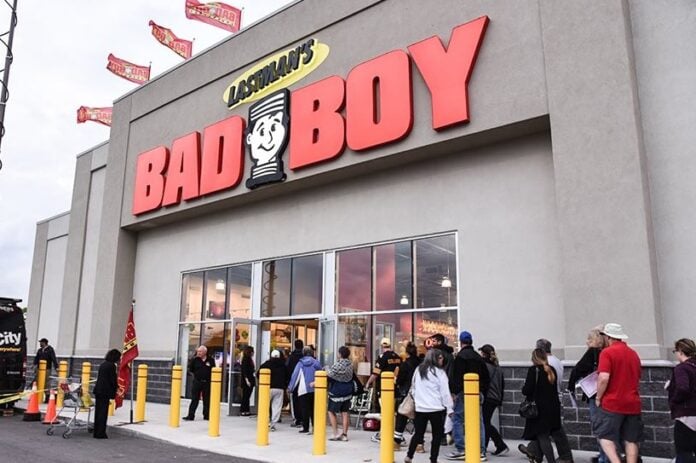
Grand Opening of Lastman's Bad Boy in Ancaster, Ontario in 2019. PHOTO: Lastman's Bad Boy (Facebook)
Liquidation of inventory is proceeding for iconic Canadian retailer Bad Boy Furniture.
Infinity Asset Solutions has been appointed to oversee the total liquidation of Bad Boy’s entire $25-million inventory.
KSV Restructuring Inc. is the proposal trustee for Bad Boy Furniture. The decision to hold the liquidation sale is part of Bad Boy Furniture’s strategic restructuring plan providing customers with a unique chance to enjoy extensive savings on a wide range of brand name furniture, electronics and home decor items, said officials in a news release.
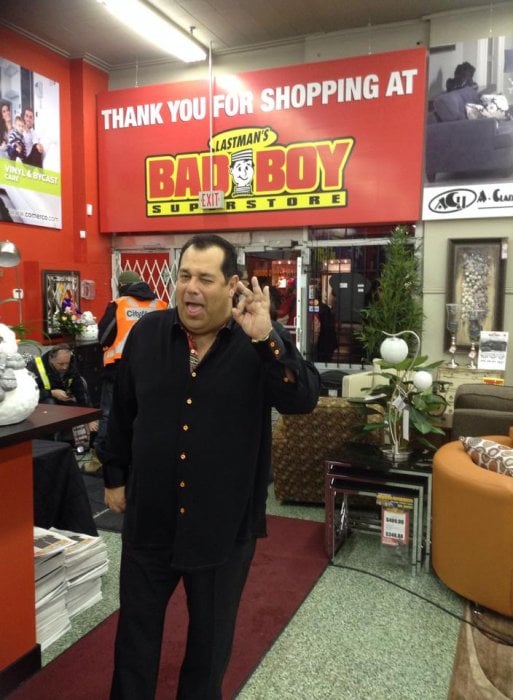
Blayne Lastman at Bad Boy in 2018. Photo: Lastman’s Bad Boy Twitter.
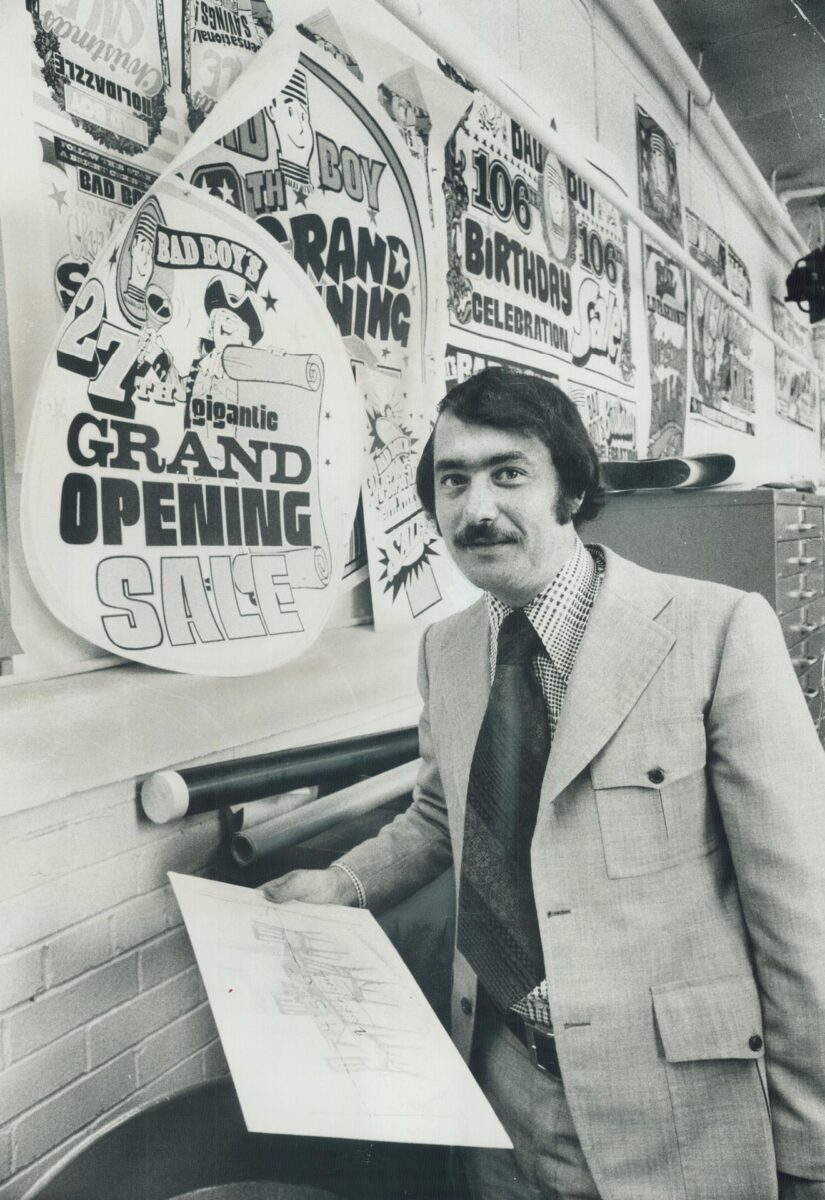
Man who minds the store while Mel (Bad Boy) Lastman is away being mayor of North York in 1973, is brother Allen, vice-president and chief financial officer of Bad Boy Appliances and Furniture Ltd. Photo: Toronto Public Library Digital Archives.
“The story of ‘Bad Boy’ began in 1953 with Mel Lastman, a flamboyant Toronto appliance salesman who went on to become mayor of Toronto. That year, his future wife, Marilyn, got her husband a salesman job at an appliance store in Toronto. A year later, he purchased the ‘Heather Hill Appliance’ store. With advice from a friend in marketing, 1955 saw the birth of the first Bad Boy store. By 1990, Bad Boy had a chain of over 40 stores. In 1991, Mel’s son Blayne revitalized the image of stores including the now famous slogan: “noooobody”! Mel died in 2021. Now, his legacy of stores is closing forever,” according to the release.
Officials said the liquidation marks a significant opportunity for consumers to acquire high-quality furniture and home goods at unprecedented price cuts. Discounts will start at 20 per cent to 50 per cent off the lowest marked price storewide. These massive discounts include a diverse selection of furniture, including sofas, bedroom sets, dining tables, mattresses, electronics and more.
“This is an excellent opportunity for consumers to enhance their living spaces with stylish and functional furnishings. All sales are for a limited time only and consumers are encouraged to shop early for the very best selection,” said the news release.
“Infinity Asset Solutions is known for its expertise in asset dispositions, ensuring a seamless and organized shopping experience for all Bad Boy customers. Bad Boys knowledgeable staff will be on hand to assist with any inquiries and provide guidance throughout the sale.”
Court Approved Liquidation Announcement from Bad Boy Website on November 22, 2023. Photo: Bad Boy Website.
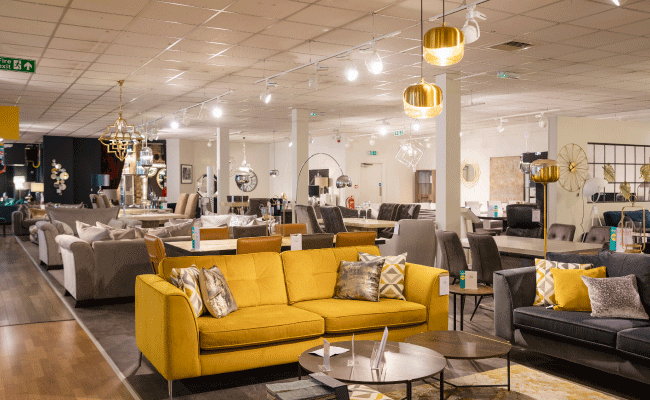
Bad Boy Showroom. Photo: Blue Link ERP.
Documents filed November 9 to the Ontario Superior Court of Justice (Commercial List) in Bankruptcy and Insolvency said:
“The Company is significantly in arrears to many of its vendors, including substantially all appliance vendors. The Company is also in arrears to most of its furniture suppliers. The Company is presently having significant challenges sourcing inventory, which is affecting its retail business and its Builder Business. Certain developers in the Builder Business have purported to terminate their contracts with the Company.
“In the ordinary course of business, the Company takes deposits from customers at the time of sale for the future delivery of merchandise. Customer deposits received by the Company are deposited into the Company’s bank account and then applied in reduction of the Operating Facility. The Company’s records reflect that it has received customer deposits totalling approximately $4.5 million. It is the Company’s intention to advise its retail customers who paid deposits and have not yet received their order to contact their credit card company to attempt to obtain a refund of their deposits. Where possible, the Company, in consultation with the Proposal Trustee, also intends to work with customers to complete orders if the cost of the merchandise is less than the balance owing, or if other arrangements can be made with the customer.
“The Company was incorporated under the laws of Ontario on July 17, 1990. The Company is wholly-owned by Lastman Furniture Inc., which is wholly-owned by Blayne Lastman, the Company’s President, Chief Executive Officer and sole director. The Company sells furniture, appliances and electronics through 12 retail stores across Ontario and through an e-commerce platform. The Company also sells appliances to real estate developers and property managers (the “Builder Business”). The Company’s head office and main warehouse is located at 3550 Sideline 24, Pickering, Ontario. The Company’s flagship store is located at 1119 Kennedy Road, Scarborough, Ontario . . . The Company presently has approximately 275 employees, including head office, warehouse and store employees. The Company’s workforce is not unionized and the Company does not offer a pension plan to its non-director employees.”
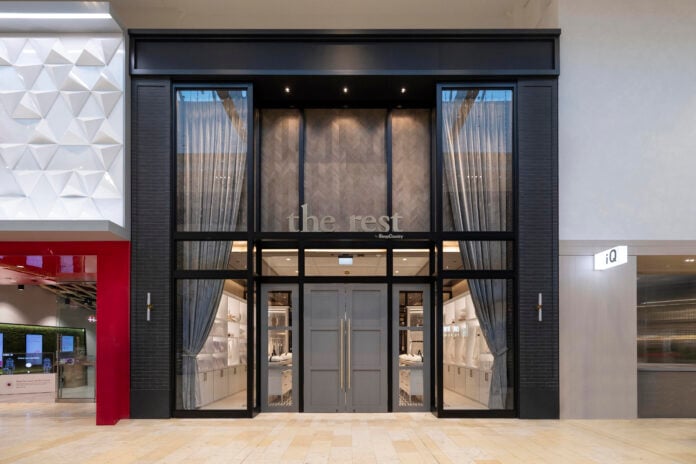
Canadian retailer Sleep Country has introduced its latest concept, the rest, with the first store opening at the Yorkdale Shopping Centre in Toronto.
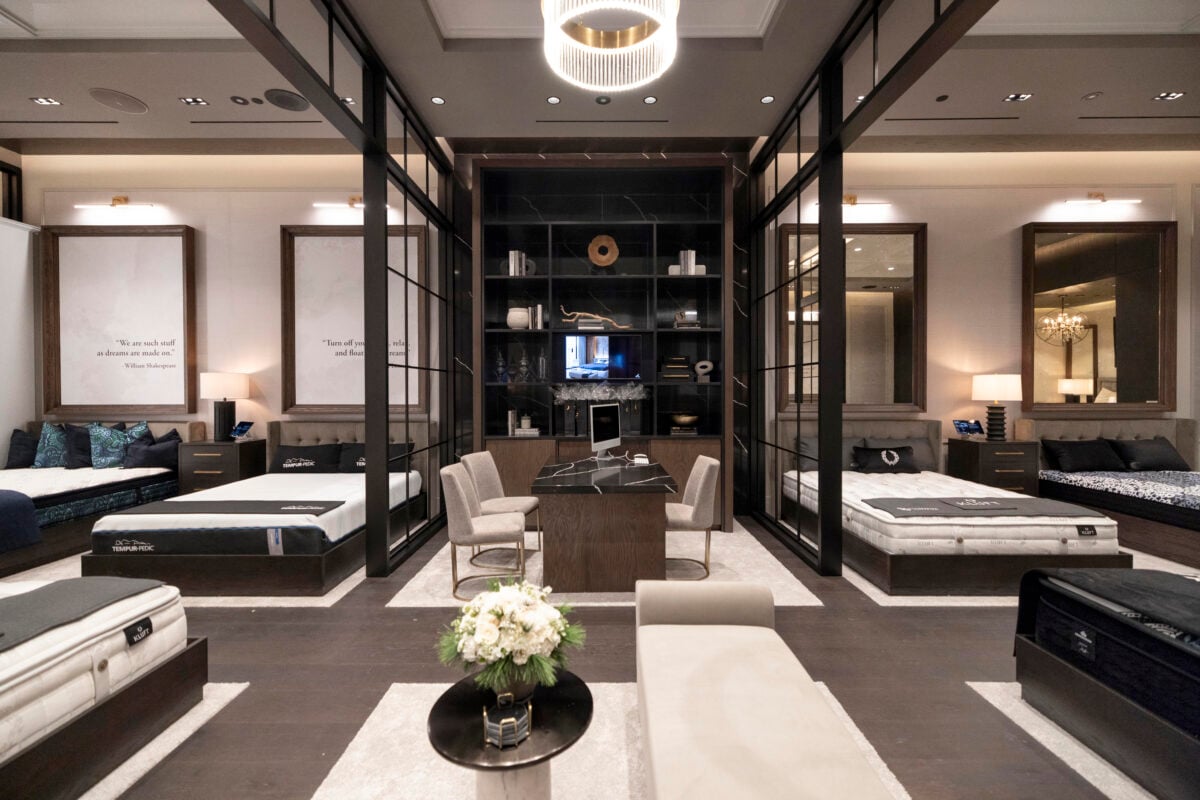
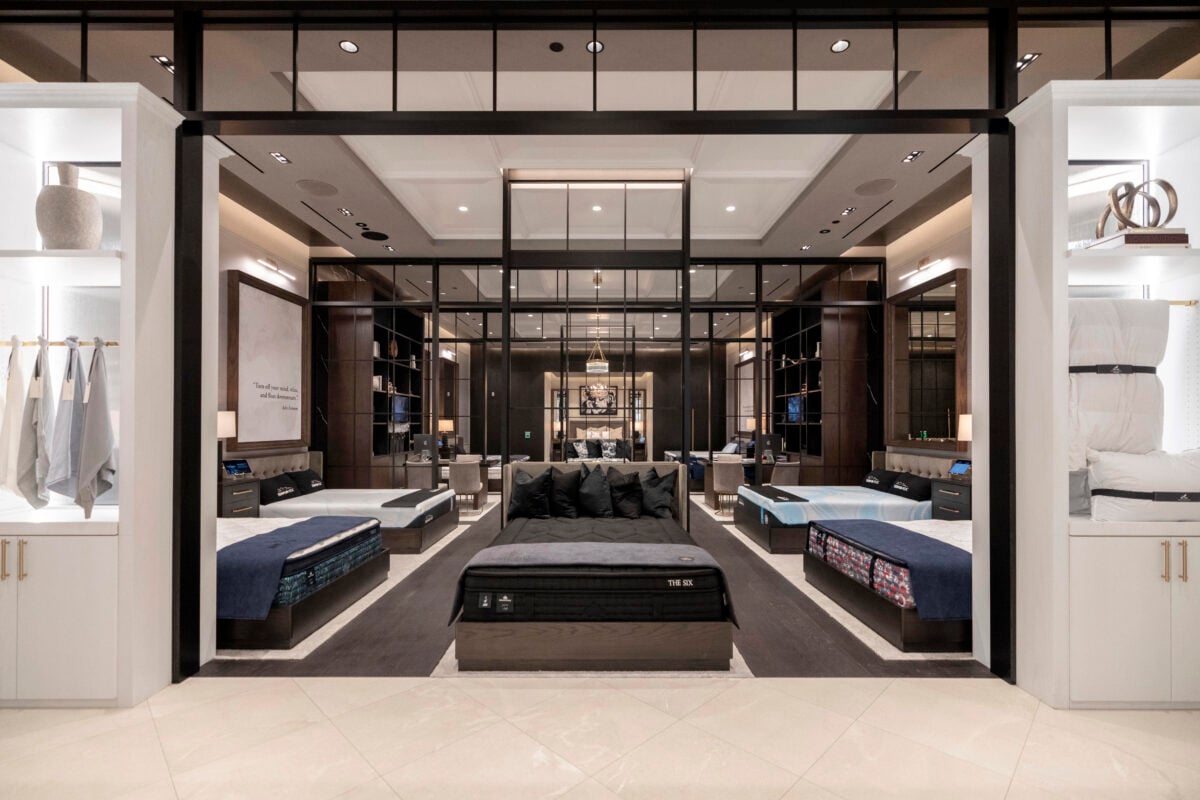
The new ultra-premium concept offers customers with a discerning taste for the finer things in life, a collection of luxurious, hand-crafted and exclusive products. The 2,100-square-foot retail boutique intends to immerse customers with a bespoke shopping experience providing them with the utmost personal care and guidance to find their absolute best rest.
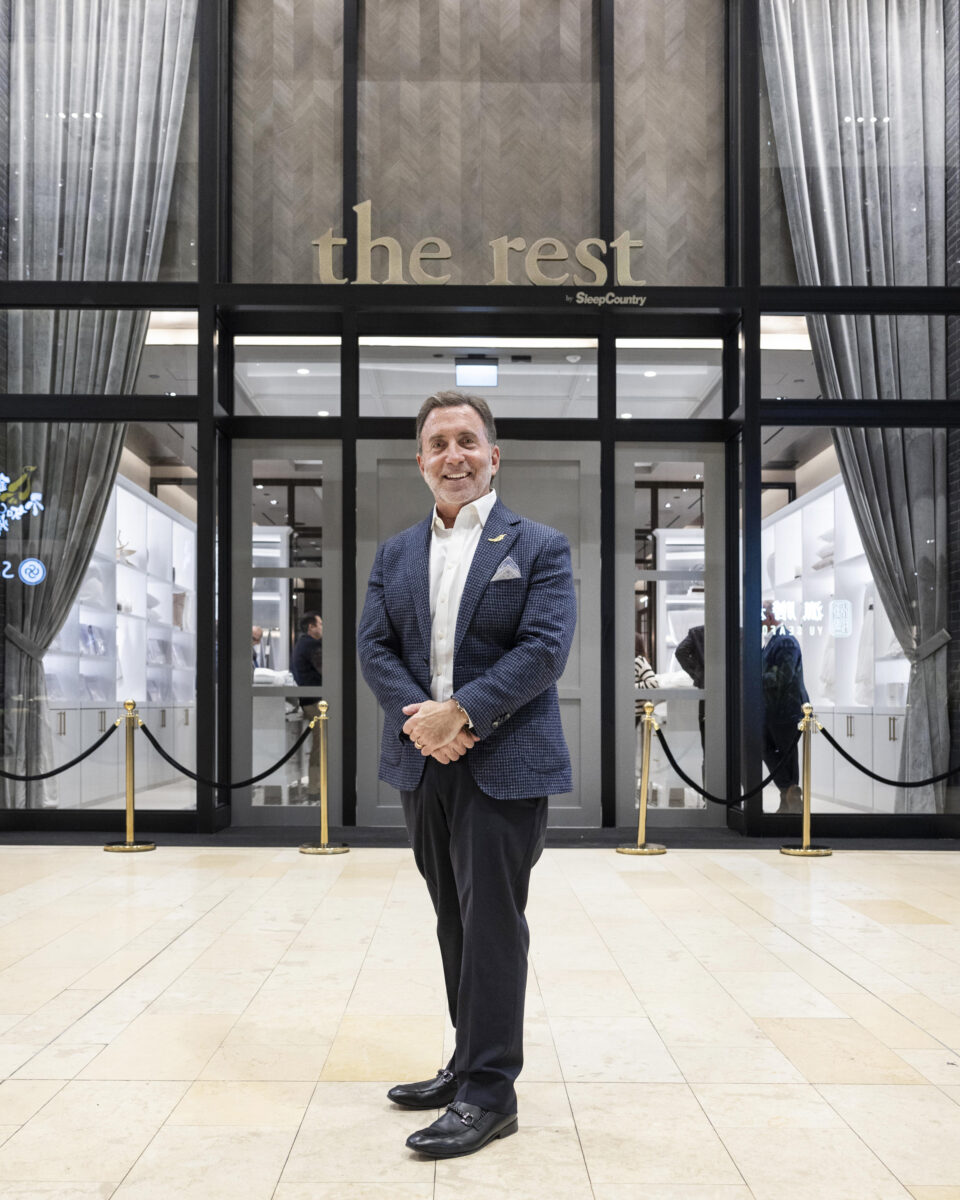
“Our new brand, the rest, will redefine luxury and sleep for those who know a good night’s sleep is priceless,” said Stewart Schaefer, President and CEO, Sleep Country.
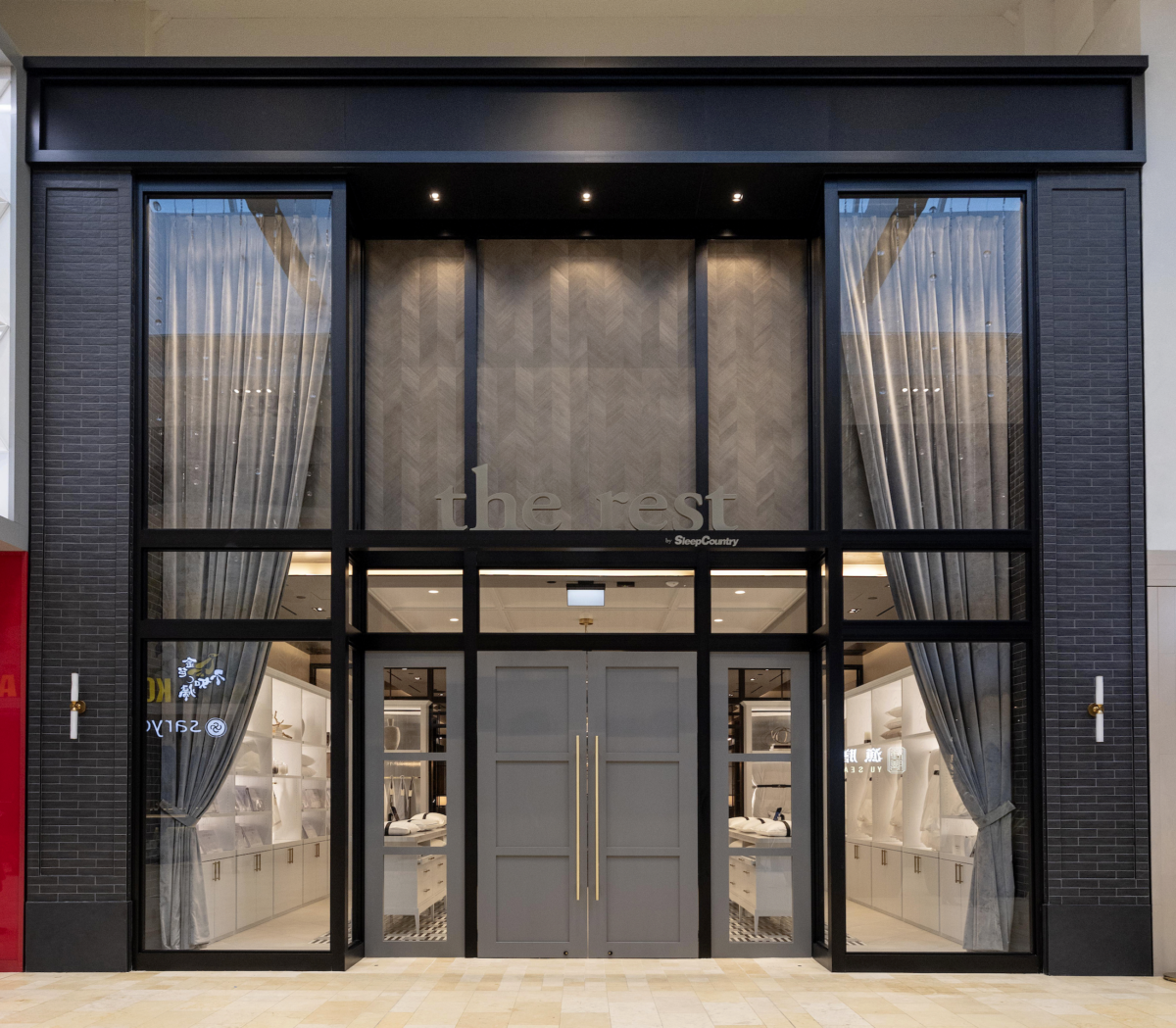
Stewart Schaefer, President and CEO, Sleep Country, in the new Yorkdale store. Photo suppliedthe rest at Yorkdale Shopping Centre (Image: Sleep Country Canada)
“From the moment you walk in the door, customers will be transported by the sheer luxury we have carefully curated. Our team has been focused on getting every little detail right within the collection – meticulously selecting the world’s most exquisite materials, artisanal designs, and sophisticated technology for our discerning customer – these beds are a work of art.”
He said the rest’s luxury sleep experience is expected to be rolled out in other key markets across the country.
Schaefer said premium luxury bedding is a growing segment of the market – about a $10 billion market.
“And it’s actually accelerated dramatically since COVID because people started to invest more in health and well-being and they started to invest more in premium bedding. We’ve seen it in our normal Sleep Country stores but there’s been little specialty, premium bedding boutiques popping up throughout the United States and Europe. So this is something we’ve had an eye on for a while,” he said.
“The timing of this worked out really well because there was a location that we wanted literally on the footsteps of Restoration Hardware which is in the Yorkdale mall – one of the nicest premium malls in the entire country and location wise it was perfect. We believe that the premium bedding market is a huge opportunity for us and Sleep Country is a great brand that transacts anywhere from call it $299 up to $5,000 and the rest will continue and be anywhere from $3,000 up to $50,000. So it’s a step up.”
Schaefer said the company will likely grow the rest brand to between six to eight locations in Canada in the next three years.
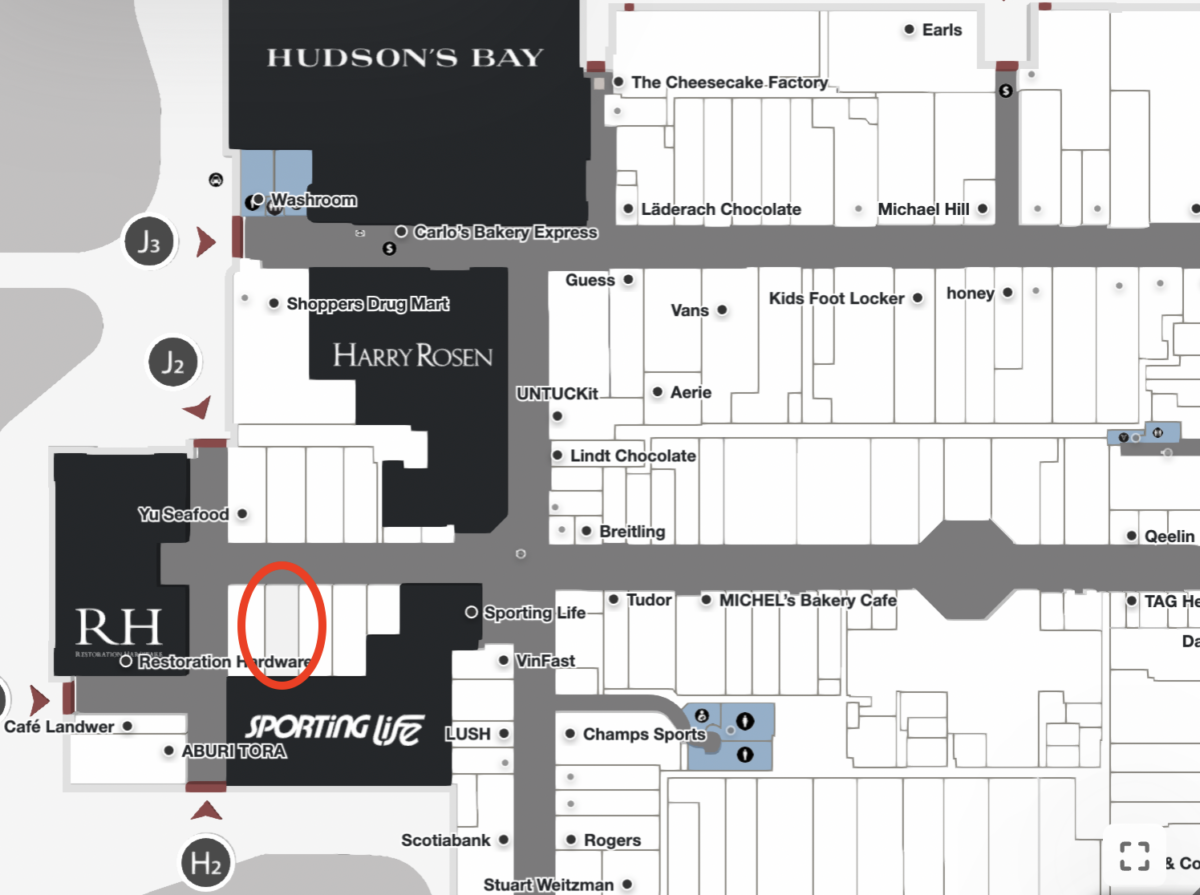
the rest at Yorkdale Shopping Centre (Image: Sleep Country Canada)Yorkdale mall map with ‘the rest’ location circled in red. Click image for interactive mall map
Sleep Country is Canada’s leading specialty sleep retailer with a purpose to transform lives by awakening Canadians to the power of sleep. Sleep Country operates under the retailer banners; Sleep Country Canada, Dormez-vous, Endy, Silk & Snow, Hush and most recently acquired, Casper Canada. The company has omnichannel and ecommerce operations, including 300 corporate-owned stores and 19 warehouses across Canada.
“Yorkdale Shopping Centre is known for embracing innovation, luxury and style, and provides an elevated consumer experience you can’t get anywhere else,” said Robert Horst, Vice President, Retail, Oxford Properties. “The rest is a first-to-market concept at Yorkdale that complements our exclusive range of luxury home décor retailers. We’re delighted to welcome the rest among the new brands opening at Yorkdale this year.”
Sleep Country describes the new concept as “sophisticated, and elegant with an exclusive and carefully curated selection of only the finest in sleep offerings.”
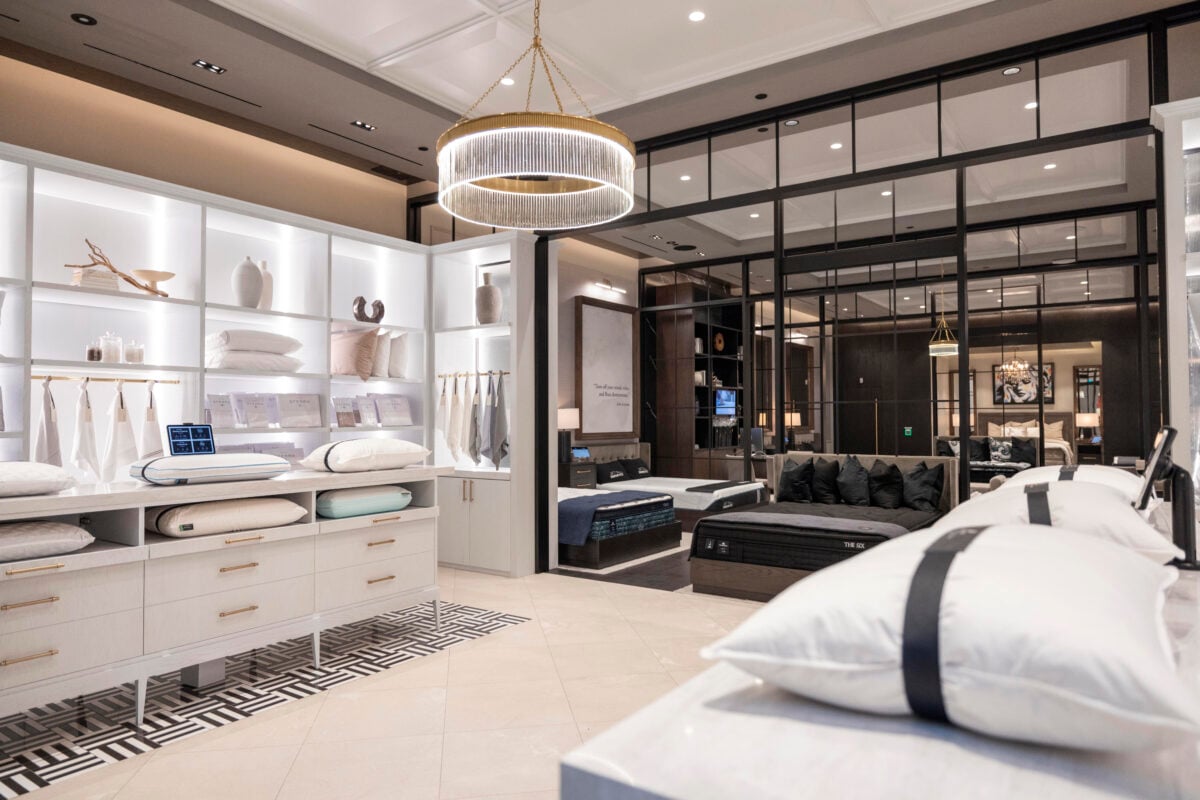
The rest at Yorkdale in Toronto. Photo suppliedthe rest at Yorkdale Shopping Centre (Image: Sleep Country Canada)
“Exclusive products, curated collections. With a selection of hand-crafted products only available at the rest, customers will be able to choose from the world’s most luxurious mattresses. Across the curated collection, many of the mattresses are hand tufted and made from the highest-quality materials, including horsehair, with its natural antibacterial properties, soft durable Joma wool, moisture-wicking Alpaca, and Cashmere,” it says.
“Works of art, the finest attention to detail. Beyond mattresses, the rest’s sleep concierge will help customers choose the perfect bed and accessories from a finely curated selection of ultra-premium quality brands. From SFERRA’s Italian master crafted bedding collections to personalized duvets, the rest will allow customers to truly tailor their at-home sleep experience.
“White glove, concierge service. Located in Canada’s premier shopping centre, the rest’s first store will be just steps from the largest collection of global prestige brands available in the country. In keeping with discerning expectations, from the moment a customer interacts with the brand, the rest will deliver a tailored, personal service, providing guidance and care in helping customers find their absolute best rest.”
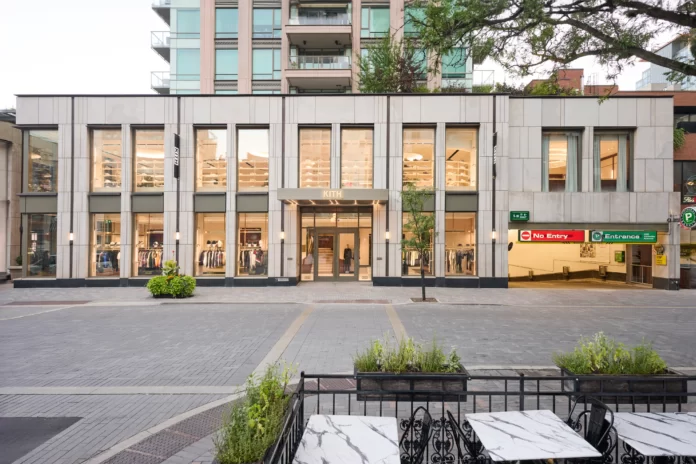
Exterior of the new Kith store at 78 Yorkville Avenue in Toronto. Photo: Kith
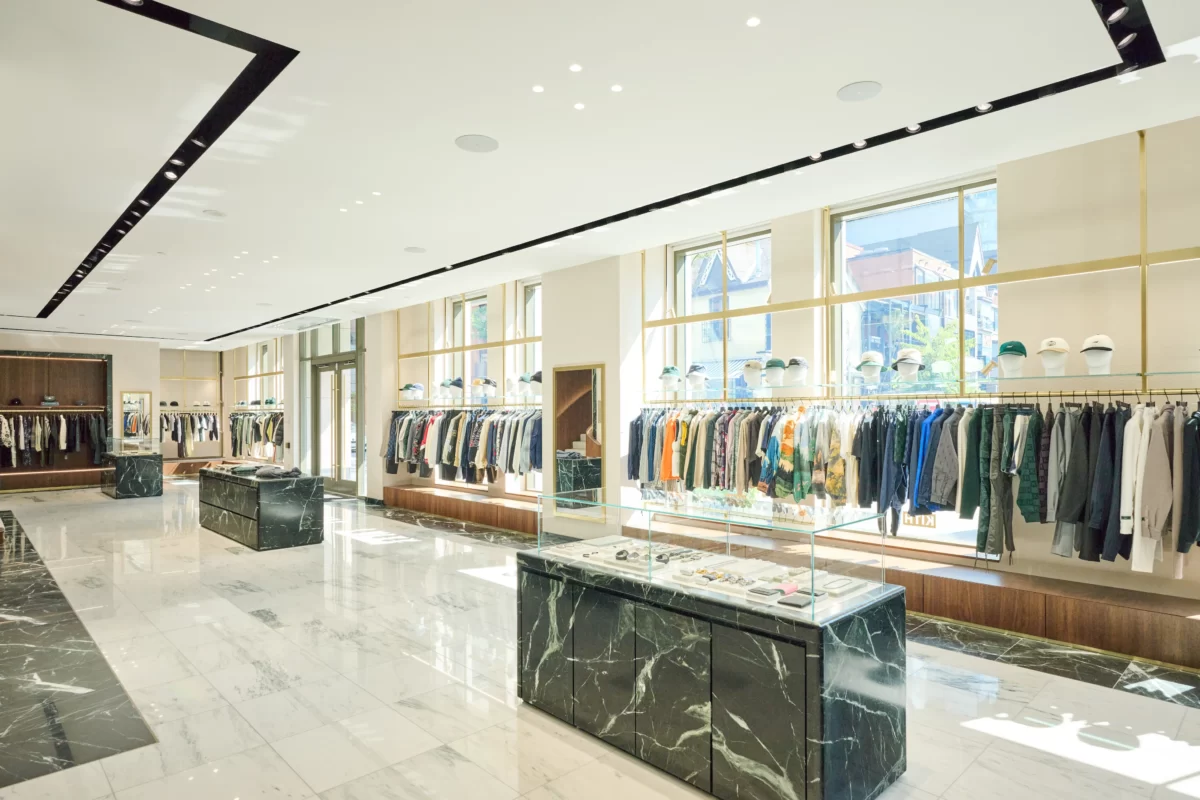
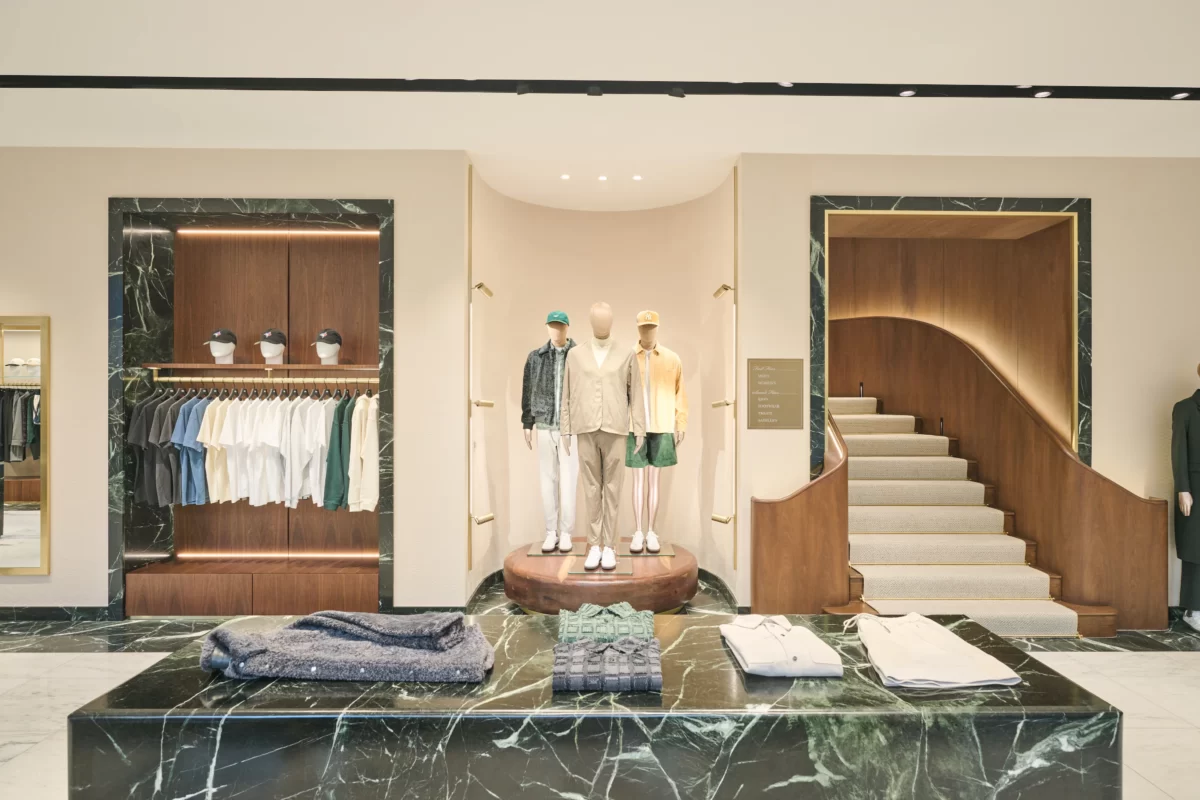
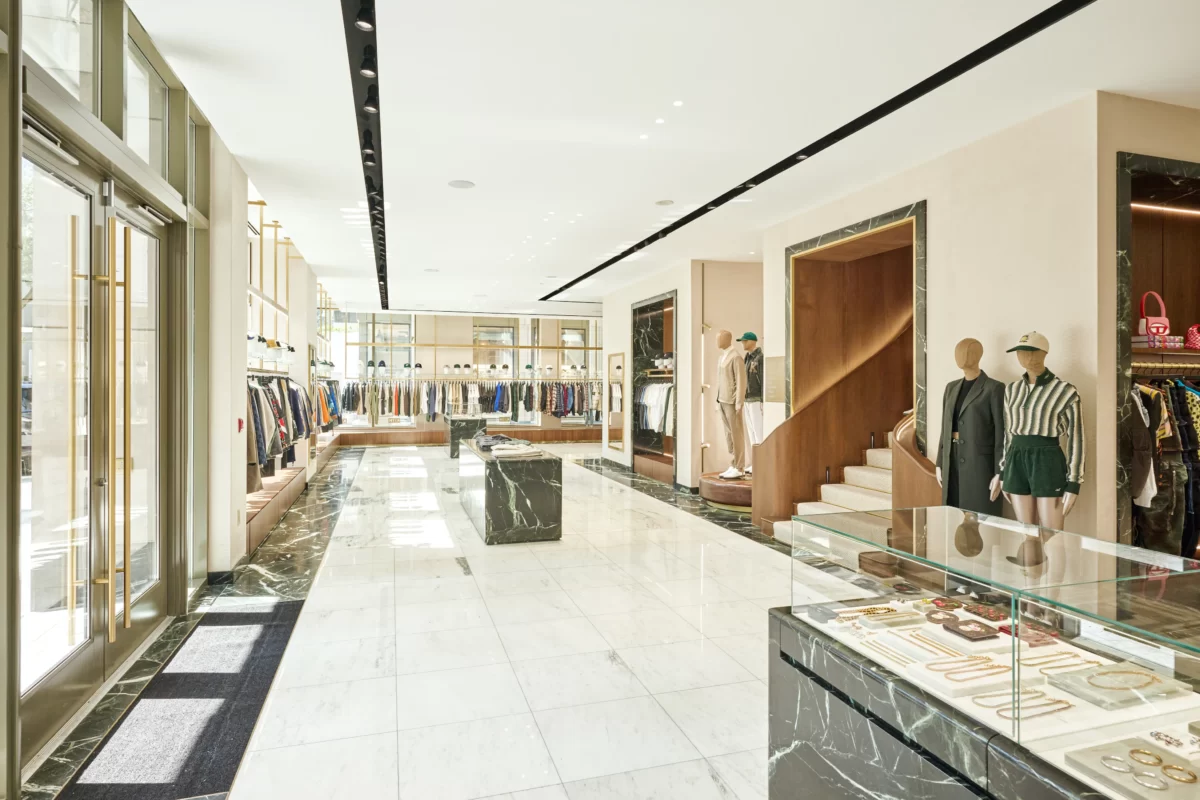
Retail Insider recently had the opportunity to tour the new KITH store at 78 Yorkville Avenue in Toronto with one of the heads of the design-build firm that brought the project to life. The stunning new KITH space sets a benchmark for luxury retailers in Canada in terms of retail design and quality materials.
Jon Guerrera, SAJO
SAJO’s Jon Guerrera explained how each of KITH’s stores are different, sticking to the retailer’s ethos of being unique while creating engaging experiences. Part of that experience is creating an impressive space to house merchandise within the 11,000 square foot store which took about nine months to build out, according to Guerrera. Porto Architecture designed the space.
The tour began with lunch at Sadelle’s, a restaurant concept from New York City that is part of the new KITH space. KITH is one of the pioneers of integrating food and beverage into fashion retail. Jon Guerrera talked about the store build-out over lunch, describing the store’s ample use of marble, wood and other high-quality materials. Also included in the restaurant area on the second floor is KITH Treats, which is an ice cream/cereal bar concept developed by KITH’s founder Ronnie Fieg.
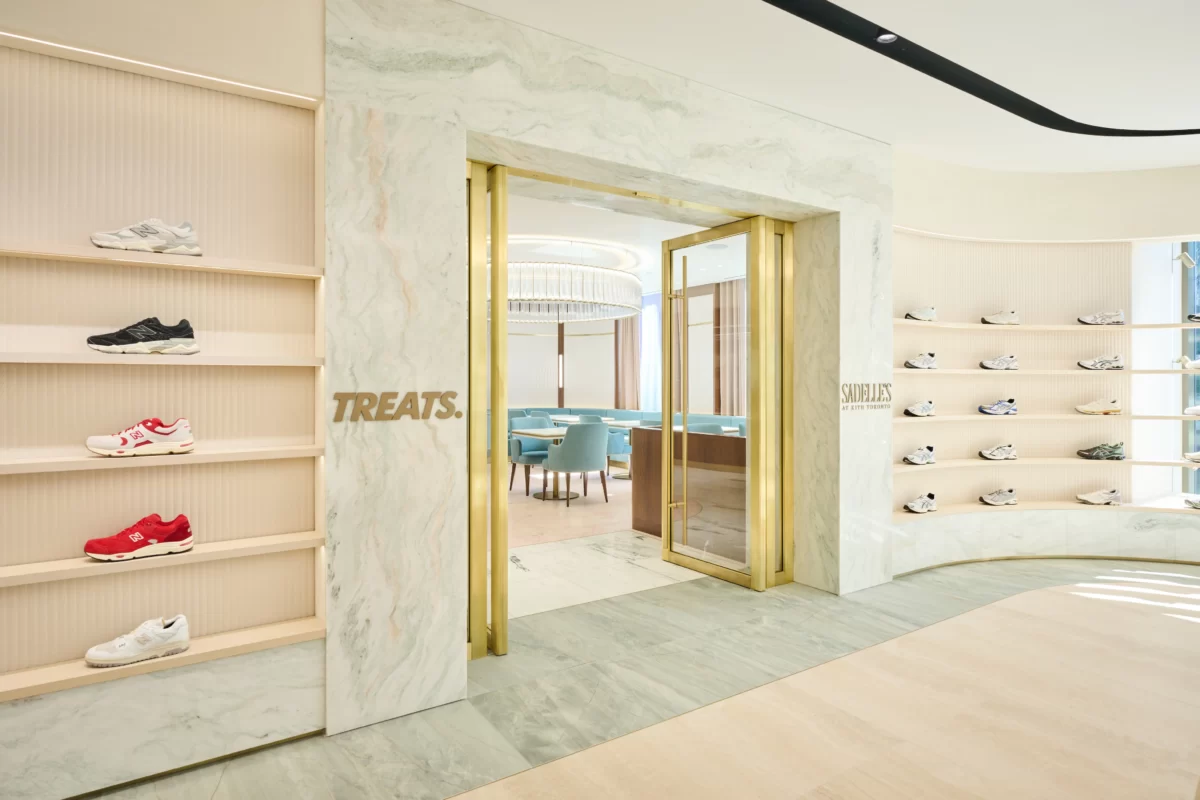
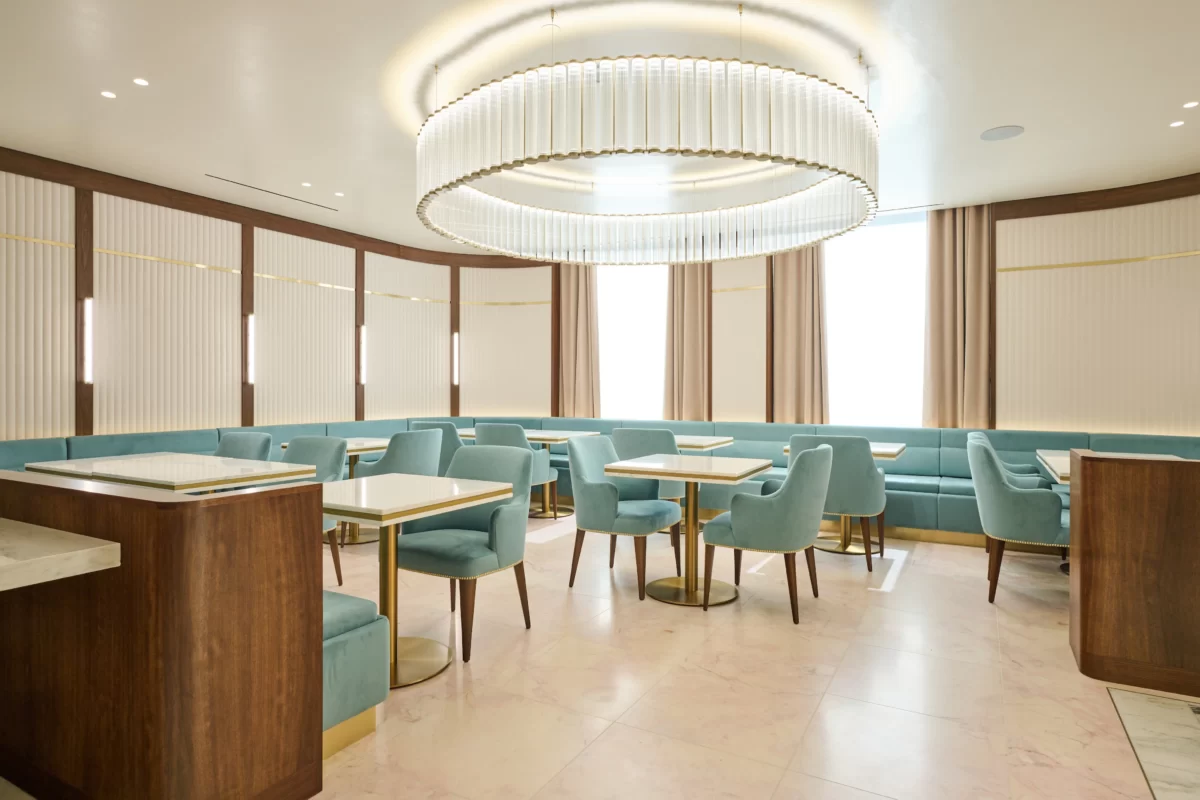
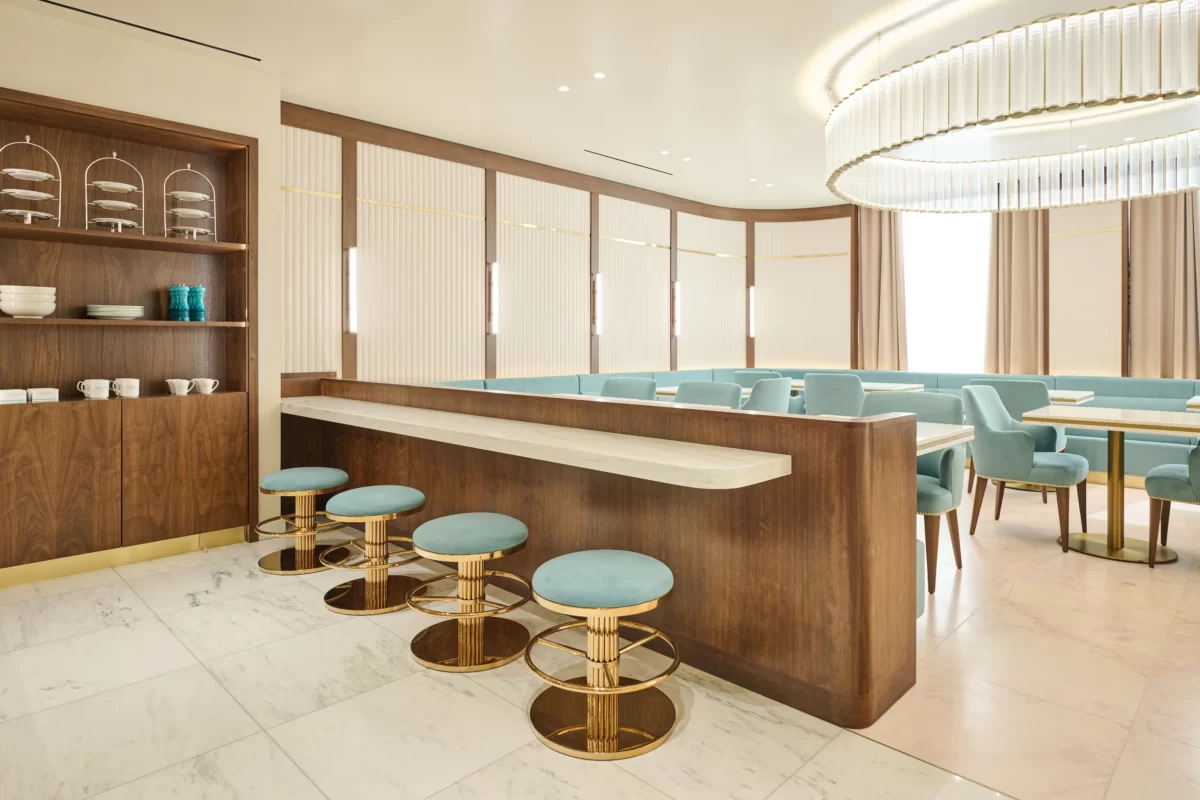
Second level entrance to Kith Treats/Sadelle’s restaurant at the new Kith store at 78 Yorkville Avenue in Toronto. Photo: KithSecond level Kith Treats/Sadelle’s restaurant at the new Kith store at 78 Yorkville Avenue in Toronto. Photo: KithSecond level Kith Treats/Sadelle’s restaurant at the new Kith store at 78 Yorkville Avenue in Toronto. Photo: Kith
Large brass doors lead to the separated food and beverages space, which features plush light blue velvet seating, walnut wood and ample use of Rosa Aurora marble flooring which is also found in washrooms nearby. White Mountain Danby marble from Vermont was also used on dining tables, the dining bar, and the coffee/service counter.
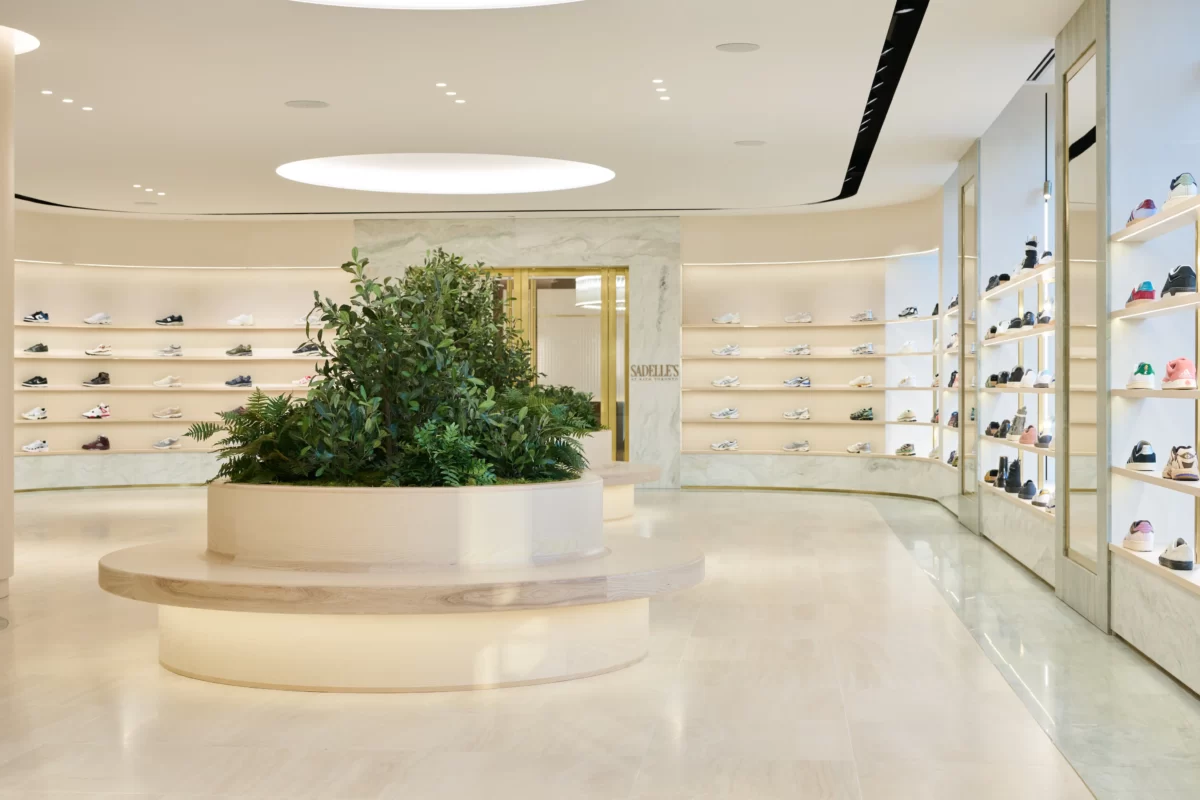
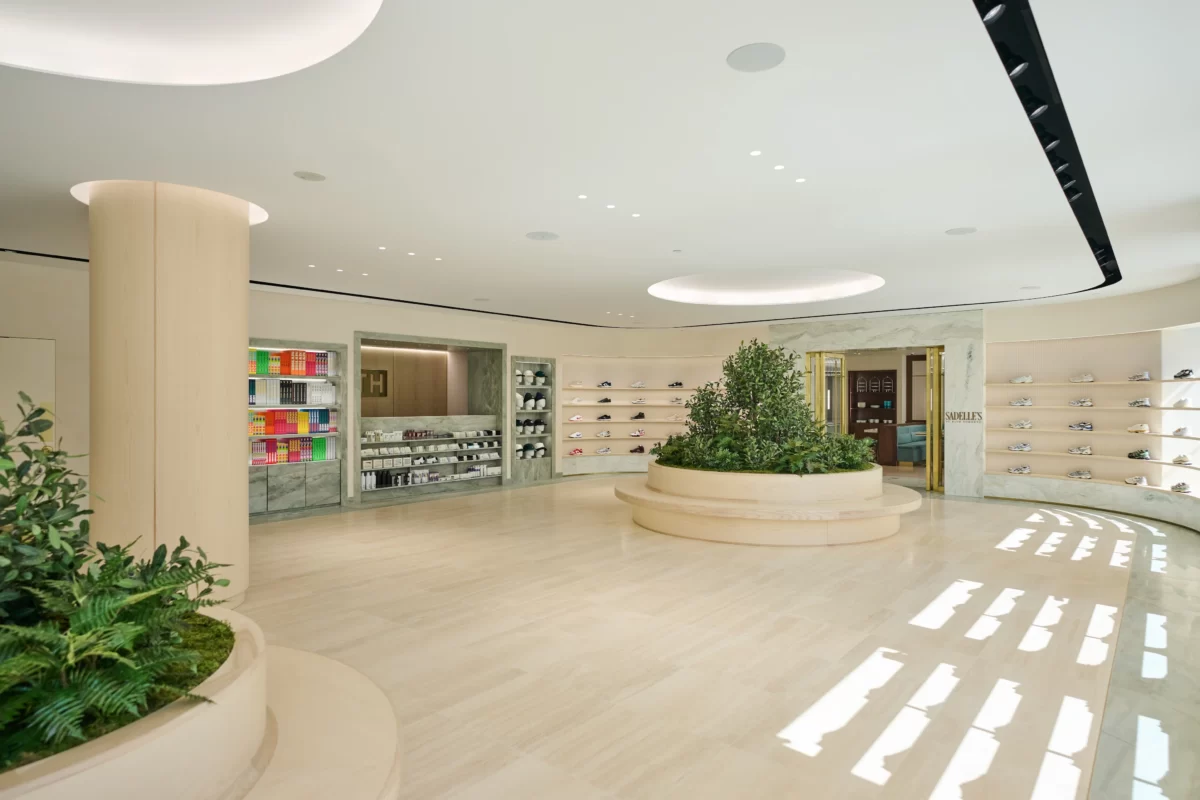
After lunch, the tour took us to an expansive footwear area in the store with brass and ash wood shelving showcasing a wide range of sneakers and other styles. Greenery is showcased in large planter areas at the centre of the footwear floor, while a collection of books and other items are found near a dedicated wood/stone paneled cash desk area. Children’s clothing and other items are on display upstairs, featuring a range of styles that appear to be for miniature adults.
Second level of the new Kith store at 78 Yorkville Avenue in Toronto. Photo: KithSecond level of the new Kith store at 78 Yorkville Avenue in Toronto. Photo: KithSecond level of the new Kith store at 78 Yorkville Avenue in Toronto, including kid’s fashion area. Photo: Kith
High-quality stone was used throughout the second-floor space, including Travertino Bianco flooring in the sales area as well as Alba Chiara marble used on perimeter millwork and a niche. Emerald quartzite was used on the second floor as border tile in the sales area as well as a perimeter millwork niche and point of sales counter area, as well as with a free-standing display case. The ceiling was created with recessed lighting, and a unique chandelier is featured in the Sadelle’s space. The look is luxurious and high-quality.
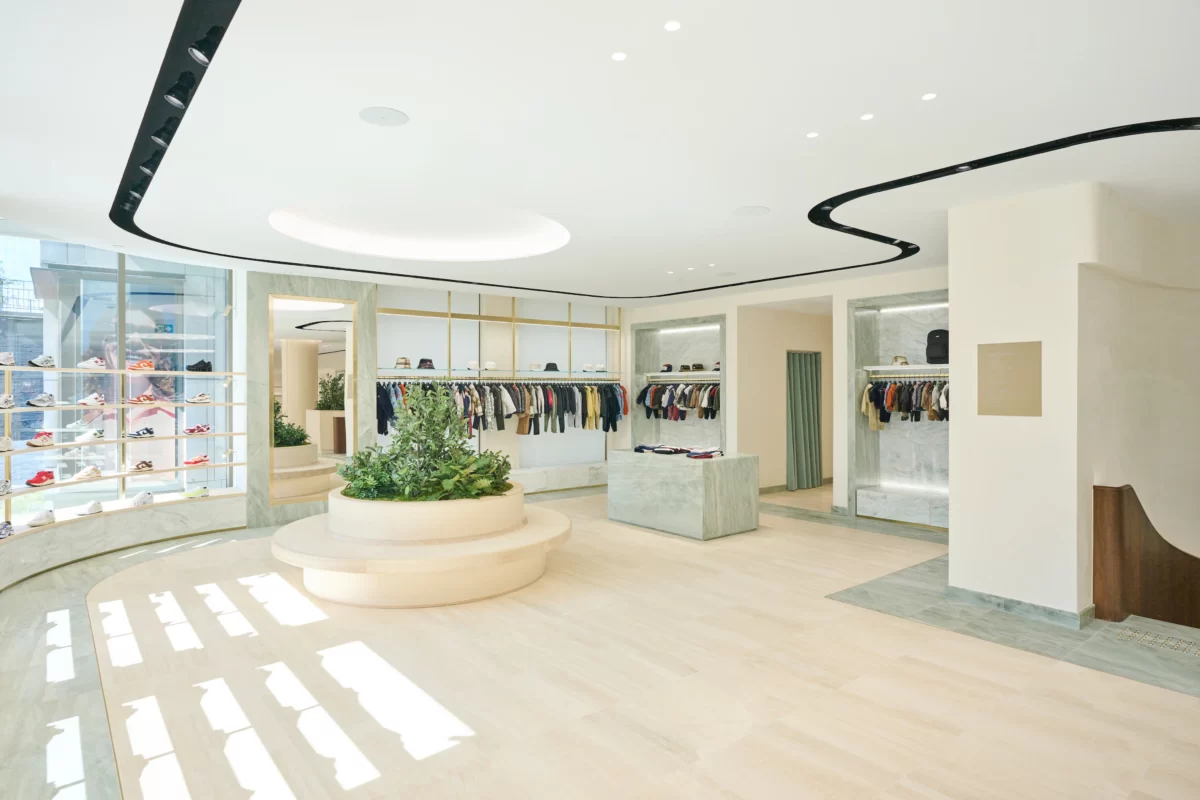
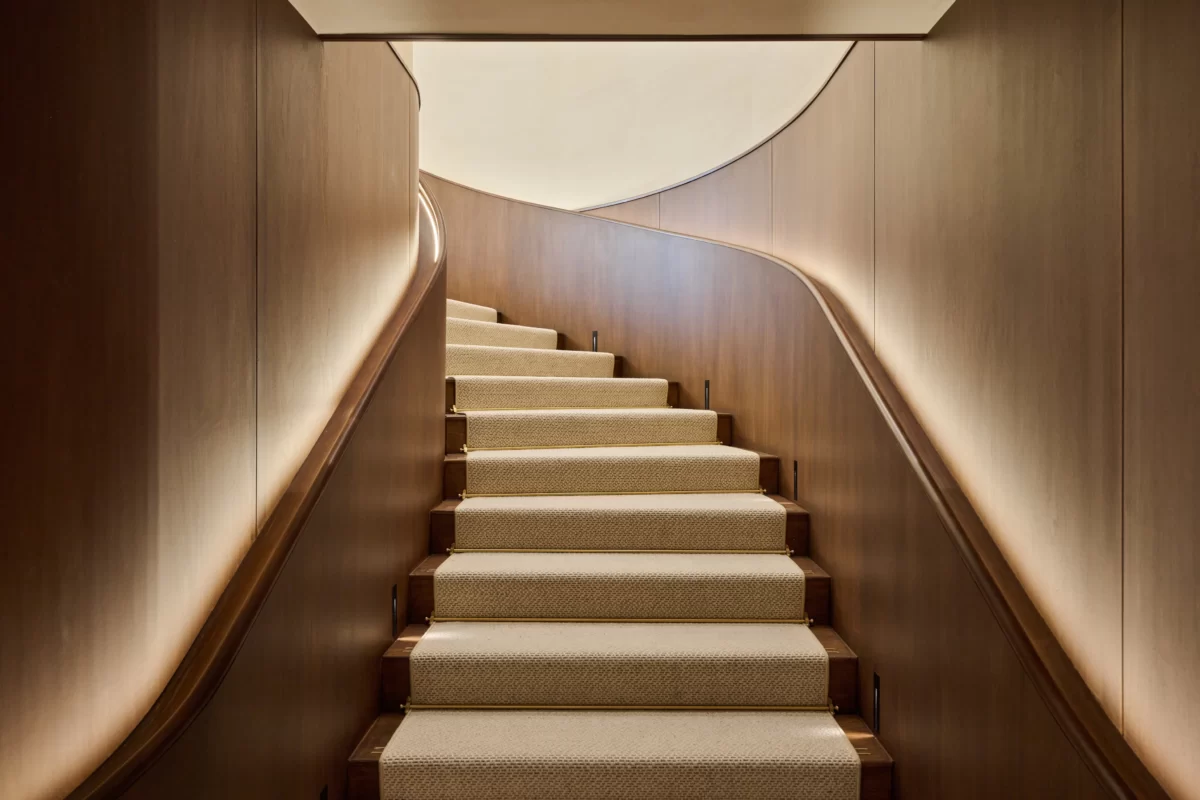
A stunning sweeping walnut staircase led us downstairs to the main floor of the store – the curved and dynamic movement of the stairs gives a sense of a free vibe, contrasting the main floor from the second one. The main floor houses edgy and unique ready-to-wear fashions and accessories for both men and women. Again, wood and marble play prominently in the design of the main floor, which is flooded by sunlight with its south-facing windows. Another impressive cash desk area, encased in wood and stone, anchors the space.
Stairway leading to the second level of the new Kith store at 78 Yorkville Avenue in Toronto. Photo: KithStreet level of the new Kith store at 78 Yorkville Avenue in Toronto. Photo: Kith
Varias Green is a key material on the main floor of the store, including border tile on the sales area flooring, a freestanding millwork display case as well as a perimeter millwork niche and point-of-sale counter area.
Guerrera also toured us through the dressing room area of the store, which is near a dedicated elevator that connects the two floors. One thing visitors will notice is cream-coloured KITH-embossed wallpaper that is also a characteristic in other KITH stores.
The clean and modern design of the store includes ample use of Venetian plaster. White, blue, brown and green are the primary colours used in the interior.
Wood millwork was used throughout the store, chosen to compliment the type of stone used for each floor. Brass was used to elevate the millwork on each level as well.
Street level of the new Kith store at 78 Yorkville Avenue in Toronto. Photo: KithStreet level of the new Kith store at 78 Yorkville Avenue in Toronto. Photo: Kith
Guerrera noted that SAJO had created a virtual reality experience for the brand and architects as part of the design-build of the Toronto KITH space. He said that seeing the store virtually helped finalize design decisions for all involved.
SAJO was founded in Montreal in 1977 and now does design-build work for luxury and other retailers in markets globally. The company has worked on various projects in Canada, and Guerrera says more will be coming — that includes some of the luxury brand stores at Yorkdale in Toronto and Royalmount in Montreal that will be opening next year, as well as Oakridge Park in Vancouver that will open sometime in 2025.
KITH opened its Toronto location in September in Bloor-Yorkville. The two-level Yorkville Avenue space housed an Anthropologie store that shuttered several years ago. SAJO also built the former Anthropologie store on the site.
The Toronto KITH construction began near when SAJO was completing the beautiful KITH store that opened in the Miami Design District in February. KITH operates 12 other standalone stores globally in the New York City area (four locations), Los Angeles area (two locations), Miami area (two locations) and in Honolulu, Aspen, Paris and Tokyo. The retailer also operates concessions at Bergdorf Goodman in New York City, Hirshleifers in Manhasset New York, and at Selfridges in London.
*Retail Insider worked with SAJO on this editorial content.
Retail Insider is streamlining its Canadian retail news from around the web to include a handful of top news stories that can be viewed quickly during the day. Here are the top stories from the past 24 hours.
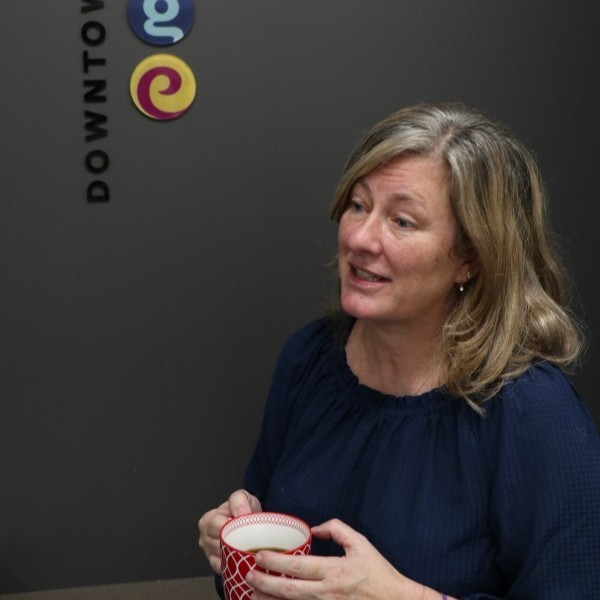
Since the pandemic, pedestrian traffic on Yonge Street has steadily increased. Pauline Larsen, the executive director and chief operating officer of the Downtown Yonge Business Improvement Area, shares insights on the evolving pattern of foot traffic, the retail landscape and forthcoming developments in the area.
Pauline Larsen
“Foot traffic is running about ten to 15 percent below 2019 levels, so we are not 100 percent back at full pedestrian counts where we were before the pandemic. We are seeing flashes of it starting to show up, especially over the holiday weekends. We got really excited over Thanksgiving weekend in 2022 as it was the first time since the pandemic we have seen it go above 2019 levels overall,” says Larsen.
This past Thanksgiving, Larsen says they saw an increase of five percent compared to last year with 2.5 million people visiting the area in one week. Foot traffic has also increased outside of holiday seasons.
What is influencing the increase?
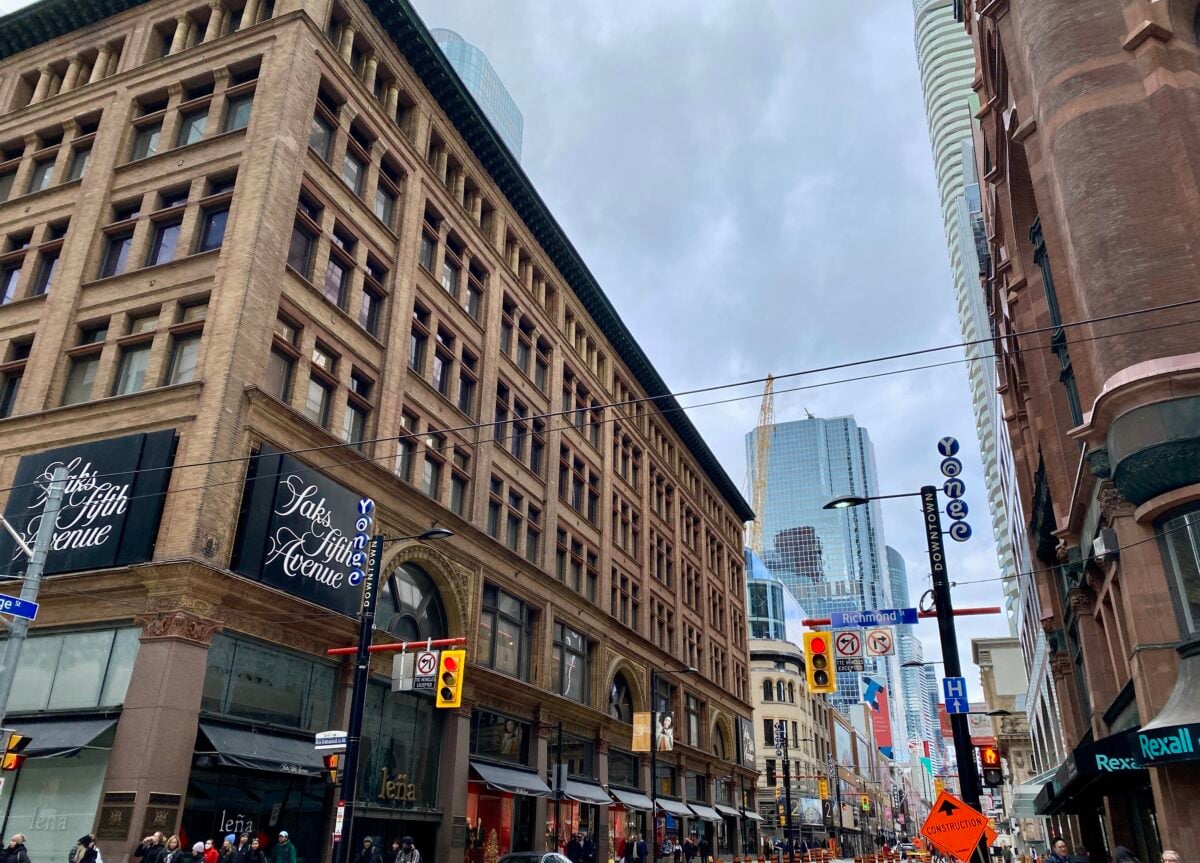
Yonge and Richmond in Toronto (Image: Dustin Fuhs)
Larsen says the increase of foot traffic is due to the university being back to normal, employees returning to offices, new retailers and the diverse experience the area provides. So far, 55 percent of office buildings are occupied on any given day of the week.
“It is just a little but more than half and it is growing slowly and people returning to offices has had a positive impact towards it as well. In regards to our diversity, we have a diverse experience people can have in this neighbourhood and it is important because they can come down here and do something different every time.”
The increase of community events has also led to the increase of foot traffic as Larsen says they have had more events compared to before the pandemic.
“We did 60 events during the first ten months of the year, which is actually more than we had in 2019. So the events and activities we had in this neighbourhood are more than they were pre-pandemic, so something to celebrate too. It brings an ongoing excitement around what you will find when you come here, so there is always something new happening in downtown Yonge and that helps boost foot traffic too.”
Retail Landscape Evolution
Healthy Planet Yonge Dundas (Image: Dustin Fuhs)
With over 700 retailers in total: 420 in the mall and 300 on the street front, Larsen says she is still seeing an overall vacancy rate of about 12 percent.
Larsen says the area has seen new retailers entering the area, not just retailers reopening after the pandemic lockdowns – but entirely new retailers to the neighbourhood: “I think that has provided quite a lot of excitement and foot traffic.”
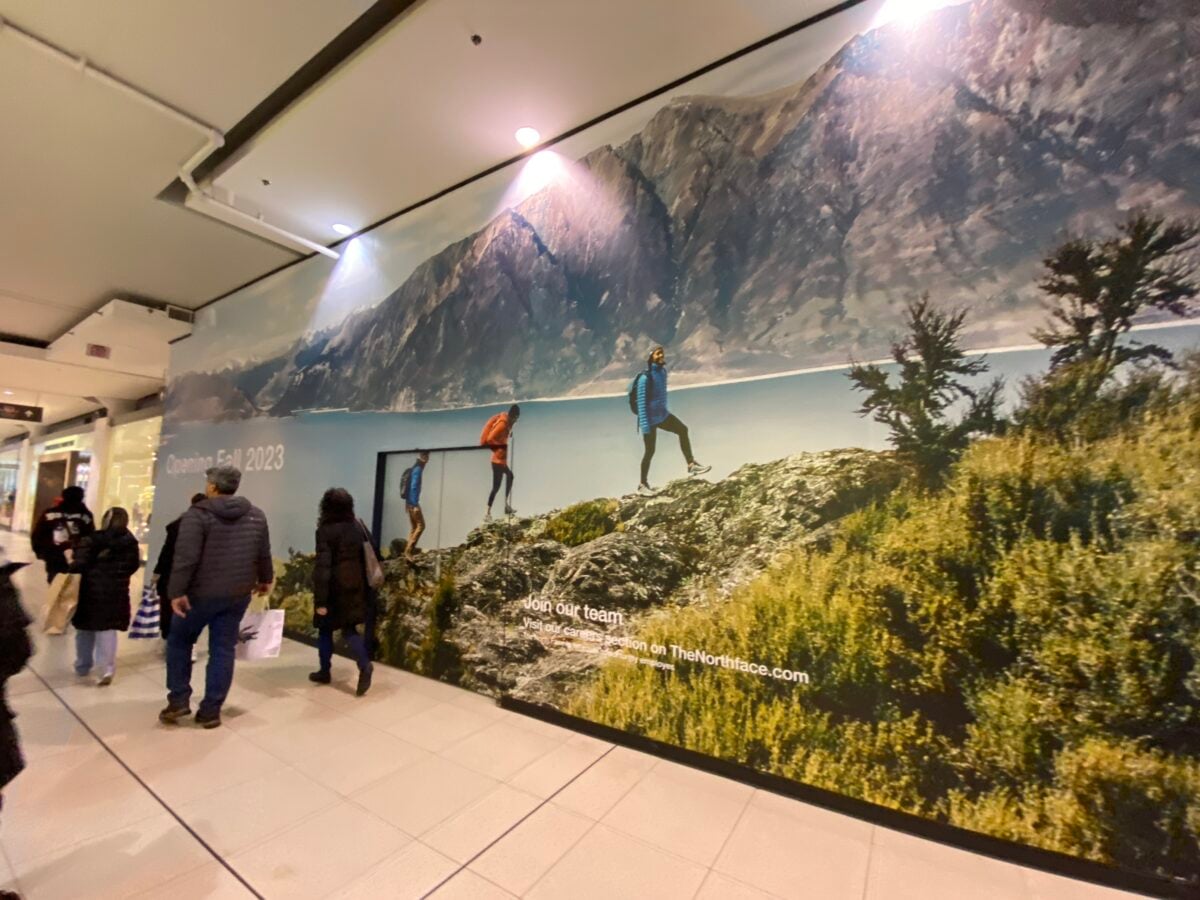
Future ‘The North Face’ at CF Toronto Eaton Centre (Image: Dustin Fuhs)
The following retailers have recently opened or announced openings in the area:
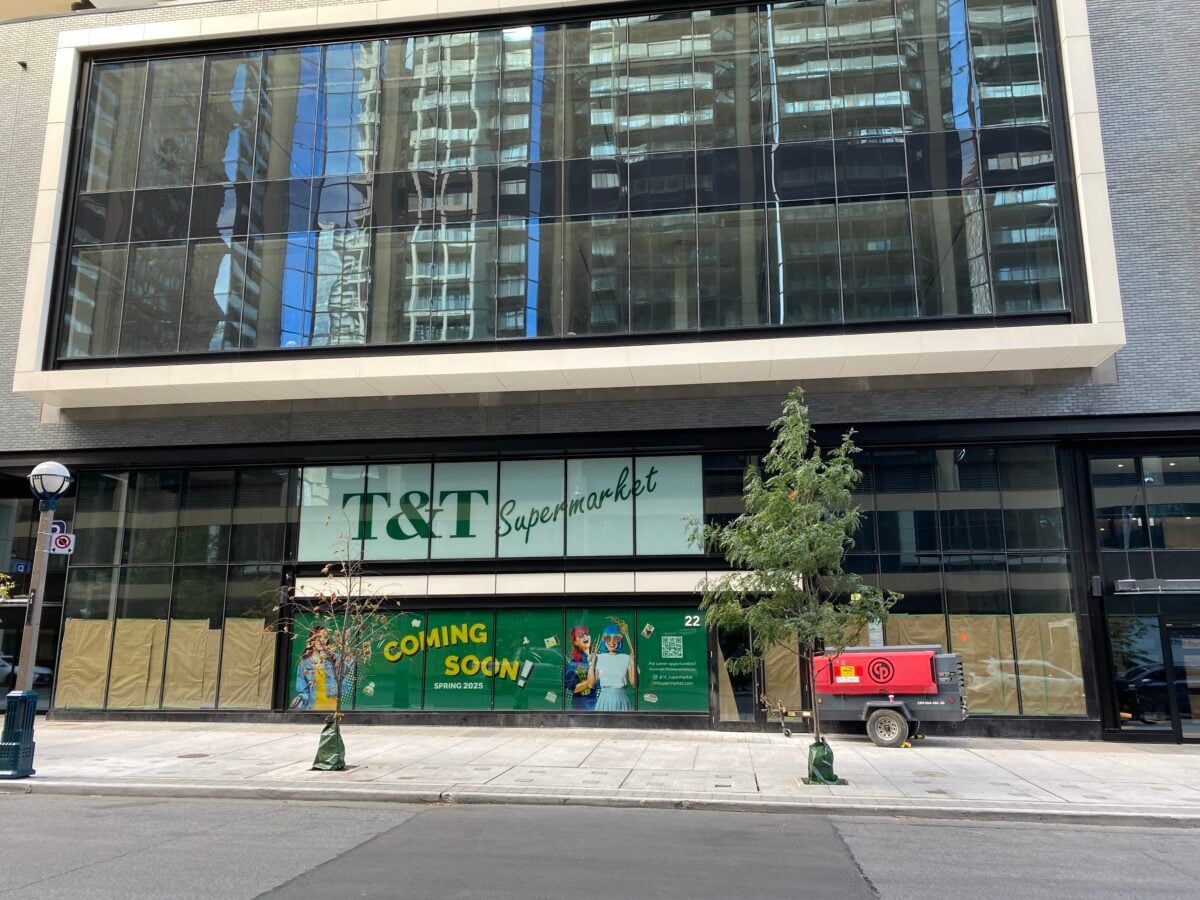
“One thing everyone is excited about, and I do not have the exact opening date yet, is the T&T supermarket is currently moving in on Edward Street right behind Atrium on Bay. The space is ready to go and I know there is a lot of excitement. There are also some new tenants going in such as the Ballroom. So there are a bunch of new things happening and a lot of diversity in different offerings.”
Larsen says with the variety of offerings available, more people will be attracted to visit as they can decide to go to theatres, restaurants, shops, or visit bars in the evening. Every store opening is “enhancing the overall experience for people.”
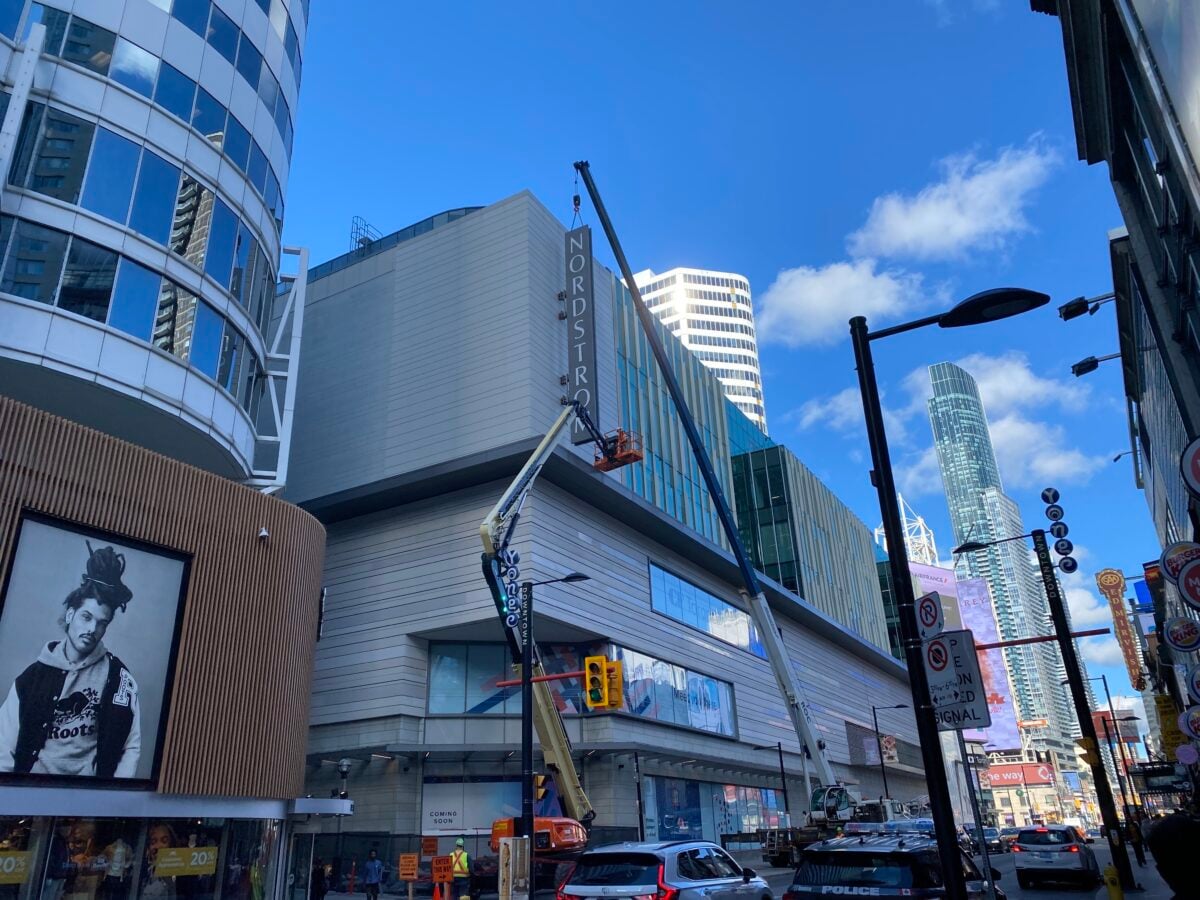
T&T Supermarket on Edward Street in Toronto Coming 2025 (Image: Dustin Fuhs)Nordstrom Signage Removal at CF Toronto Eaton Centre (Image: Dustin Fuhs)
Along with these new openings, the neighbourhood has also seen retailers close, including Boston Pizza, Rexall, Champs, Lids, and Nordstrom.
Larsen said she has been tracking retail closures throughout the pandemic and started in 2021.
“In the first six months of 2023, we had 46 businesses close doors: retail both in malls and on the street. But interestingly enough – we also saw 46 open, so the impact was actually zero.”
Larsen says retailers on the streets tend to have a higher closure rate than retailers inside the mall. The number is much lower than during the pandemic, but is still not back to normal. At the peak of Covid, Larsen says the vacancy rate was as high as 19 percent but now it is around 12.
“We have been seeing a five percent increase in the street front vacancies over the last two years or so and believe me – I will take it as a good trend that is going in the right direction.”
Filling empty spaces and new developments
To attract new retailers to fill up empty spaces, Larsen says the BIA updates its website to include monthly updates on retail opportunities, and a summary of pedestrian and vehicle counts. Larsen says retailers focused on residential opportunities should look out for spaces as the neighbourhood is looking at expanding its residential population as there are around 17,000 condo units that are currently being planned.
“Retail and services gearing towards the residential population are going to be very important. I know in the past year, we have seen something of an increase in things like entertainment, attractions, gaming. I would suspect that is probably something we would watch going forward.”
Ontario Line Construction on Queen Street (Image: Dustin Fuhs)Ontario Line Construction on Queen Street (Image: Dustin Fuhs)
Along with new developments of residential buildings in the area, Larsen says the construction of the Ontario line will have an impact on the area as it will take several years to complete. To create less frustrations among visitors, Larsen says the BIA will communicate through the construction process.
“The BIA is focused on construction mitigation and communicating with shoppers, drivers and people coming into the neighbourhood to make sure they are up to date with any closures that might impact them. The worst disruption is the one you experience when you were not expecting it – no one wants that, but in a way lots of people already know about it and they can work around it.”
Once completed, it will provide a new and easier way for people to visit the neighbourhood and make the neighbourhood more accessible – “I only see that as a good thing.”
Granville and West Georgia in downtown Vancouver. Photo: Lee Rivett.
Craig and Lee delve into a detailed comparison of the retail landscapes in Vancouver and San Francisco. The discussion starts with the alarming number of store closures in San Francisco, on and near Market Street and Union Square. Vancouver seems to be more resilient in this regard, especially in popular areas like Robson Street and Granville Street. The conversation takes a somber turn as they address the issue of poverty and homelessness which is more concentrated in Vancouver, notably in the Downtown East Side, leading to challenges for retailers in the area.
The dialogue transitions to the topic of retail crime, with both cities grappling with theft and shoplifting problems. San Francisco’s retail crime appears to be more brazen, while Vancouver is not immune to these issues. The situation has led to a coalition in British Columbia to address these challenges, impacting retailers of all sizes. Despite these hurdles, high-end retailers in San Francisco’s Union Square area are reported to be thriving, highlighting the persistence of luxury brands given the wealth in the city. Both cities offer a unique shopping experience, with San Francisco featuring a wide range of luxury boutiques and Vancouver ranking as the second-best city for luxury shopping in Canada, with continued growth potential.
The discussion concludes with a visit to Gastown and the Woodward’s atrium, highlighting the architectural and historical significance of the area. While they appreciate the unique elements, the hosts acknowledge the challenges posed by addiction and homelessness. Despite these difficulties, they hope for positive change in the future and emphasize the importance of discussing and addressing these issues in the retail context.
The Weekly podcast part of theThe Retail Insider Podcast Network by Retail Insider Canada and is available on Apple Podcasts, Stitcher, TuneIn, Google Play, or through our dedicated RSS feed for Overcast and other podcast players.
Subscribe, Rate, and Review our Retail Insider Podcast!
Drop us a line at Craig@Retail-Insider.com. You can also rate us in Apple Podcasts or recommend us in Overcast to help more people discover the show!
Background Music Credit: Hard Boiled Kevin MacLeod (incompetech.com). Licensed under Creative Commons: By Attribution 3.0 License. http://creativecommons.org/licenses/by/3.0/
One-of-a-kind group fitness studio, STRONG Pilates is launching its first of many Canadian studios on January 6, 2024.
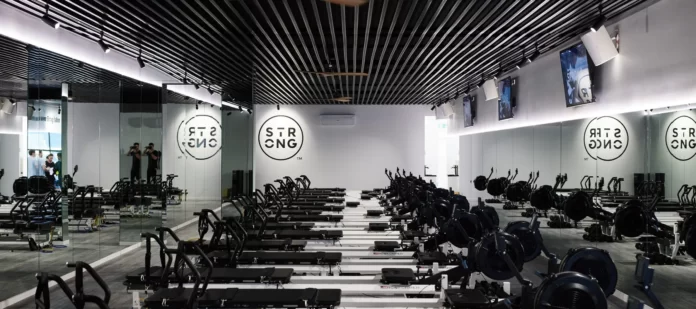
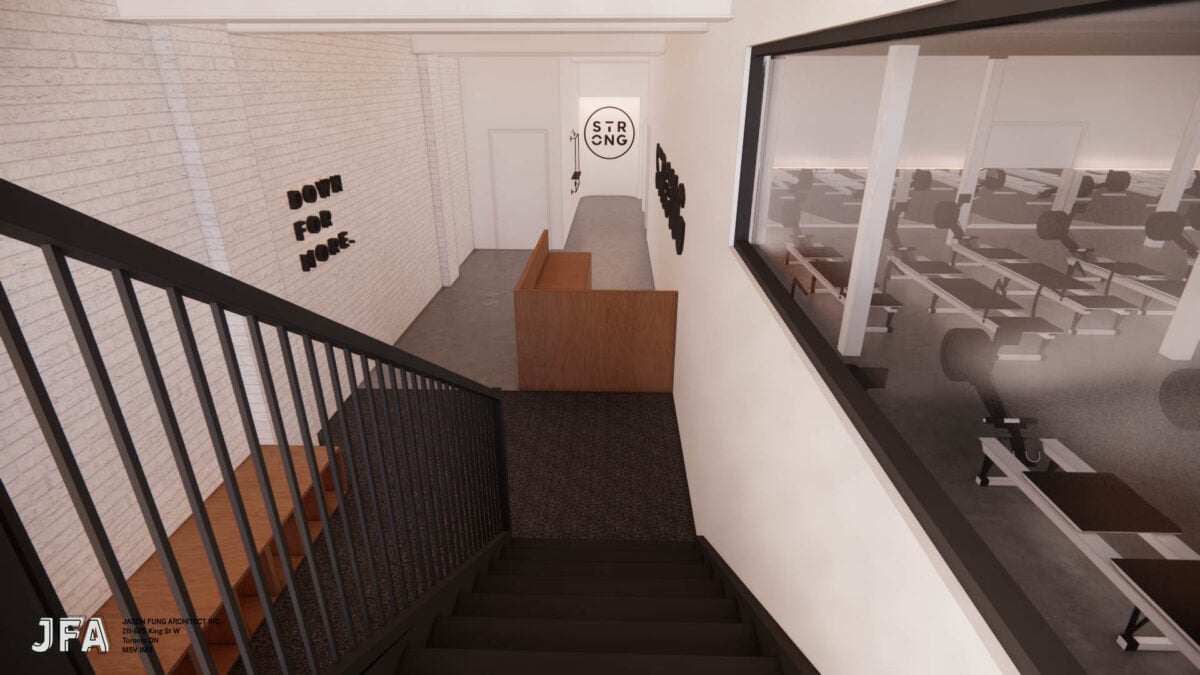
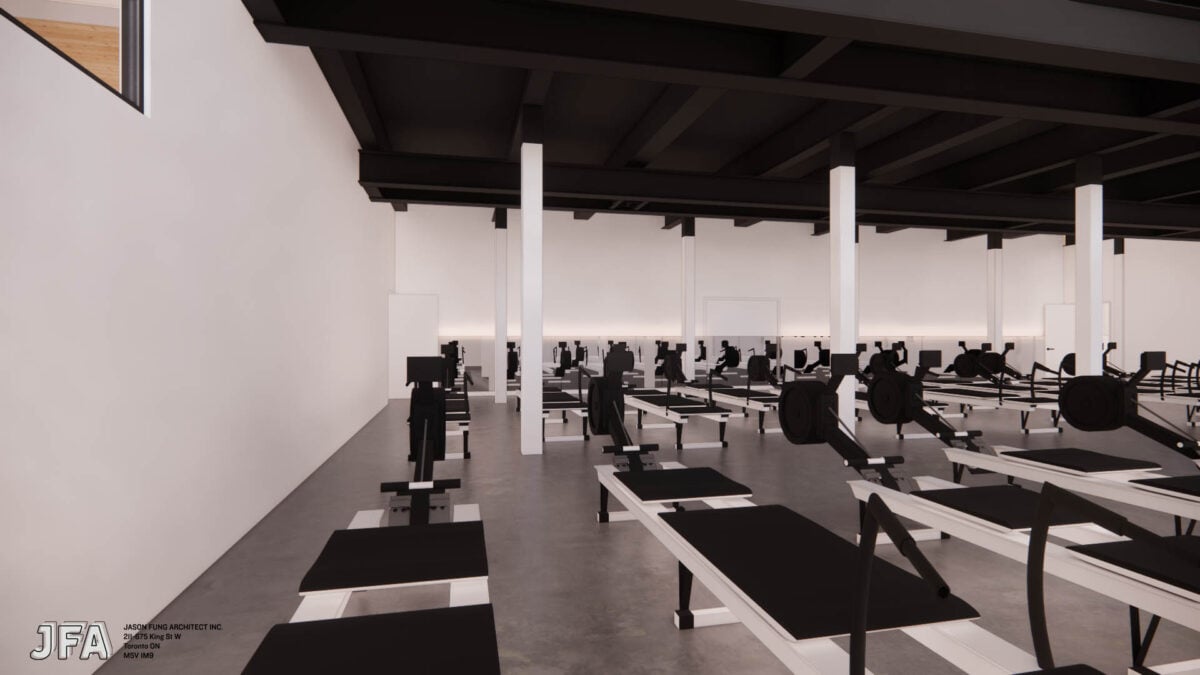
With over 5,000 square feet, this flagship studio, in Toronto’s Little Italy neighbourhood, will feature a workout space, beauty bar, washrooms with showers, stretching area and community collaboration space.
Alyce Luczak, Director of Operations & Performance for STRONG Pilates Canada, said the brand fills a gap in the market.
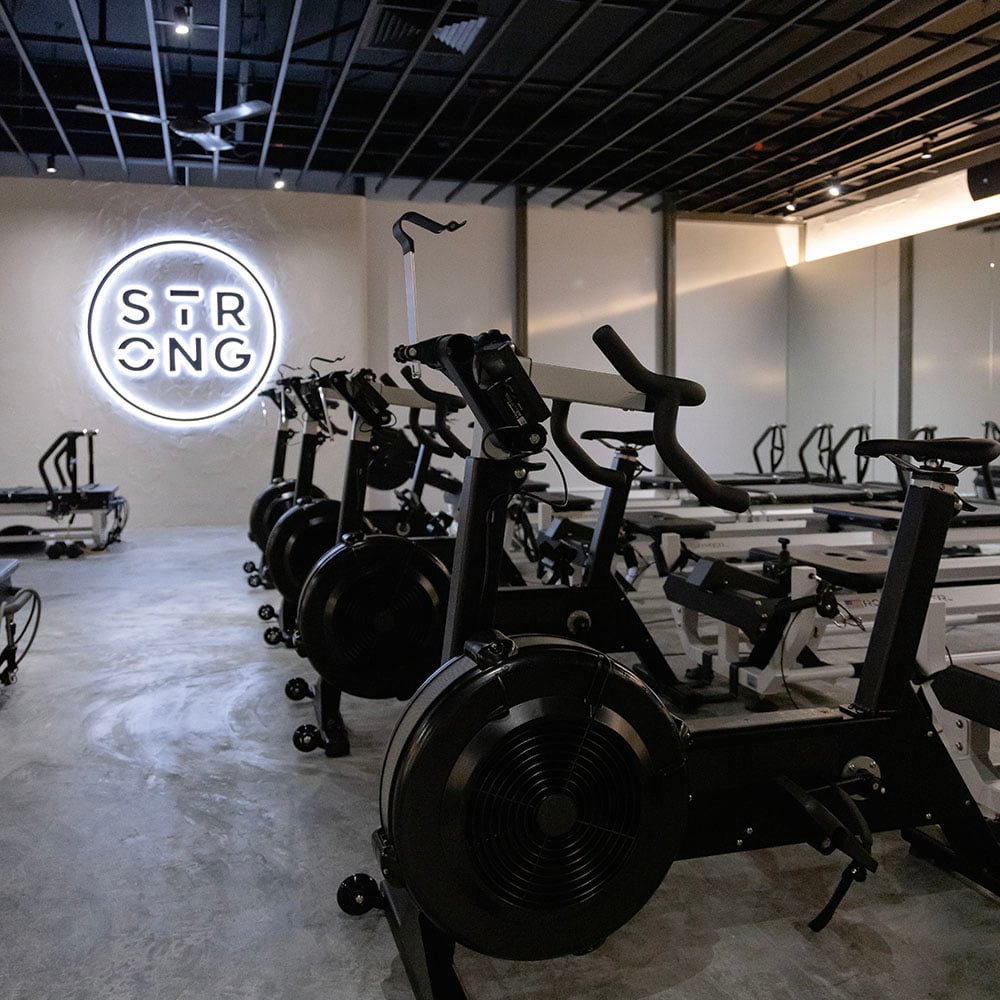
“We’re Pilates-inspired. So we’re not just solely a Pilates studio. It has basically the low impact workout formats that you would find in a Pilates class but it’s also a very high intensity workout. It has a very unique machine, which is the first of its kind in the Canadian market,” she said. “It has the option to either row or bike.
“That is where the high intensity comes from and it’s a really good mesh of the two formats together and on top of that you’ve also got your traditional resistance style training as well. So we do have the dumb bell aspect as well.”
Future STRONG Pilates in Little Italy in Toronto (Rendering: STRONG Pilates)Future STRONG Pilates in Little Italy in Toronto (Rendering: STRONG Pilates)
Ashley Haraburda, STRONG Pilates Flagship Studio Co-Owner, said the Toronto location will be the first in North America. It will be located at 533 College Street in the lower level of the building.
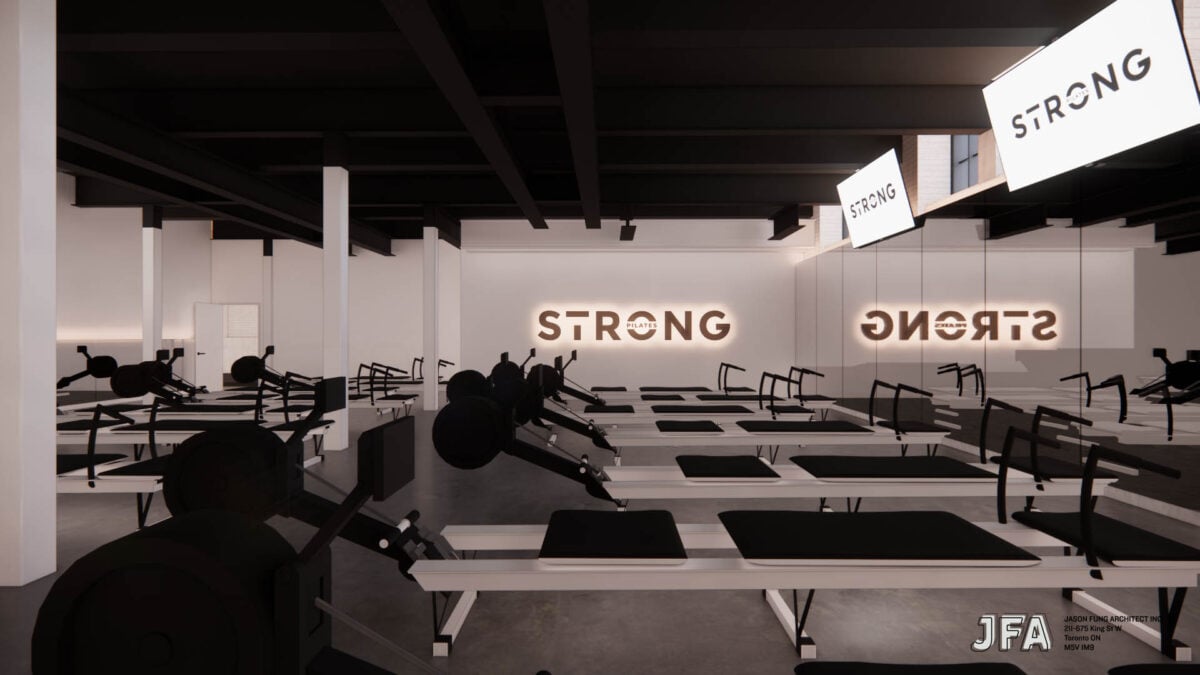
“Our location is just over 5,000 square feet so also for a Pilates studio it is very large in scale,” she said. “We are going to have 20 (of the row/bike training equipment). And options for clients to sign up to either row or ride. It started with the row and the bike has been a new part of innovation that the brand has implemented pretty recently. So we’re really excited that we’re going to be able to offer both those options to our guests.”
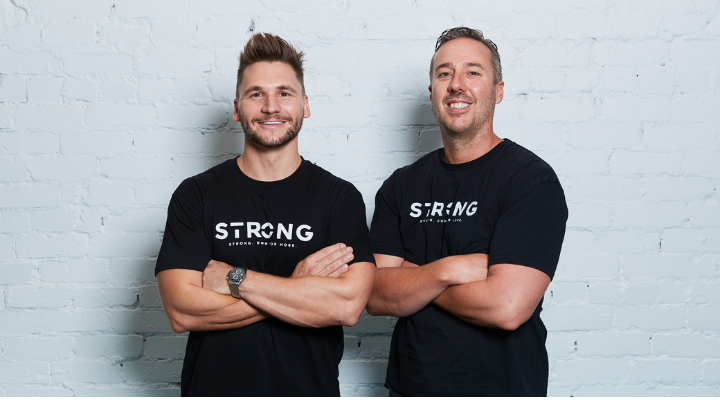
Strong Pilates co-founders Michael Ramsey and Mark Armstrong. (Image: STRONG Pilates)
The founding headquarters for the brand is in Australia.
“It launched in 2019 and ever since then it’s been going strong, pun intended, and it’s basically expanding across the globe. There’s studios obviously across Australia, New Zealand, in the UK, Singapore, soon to come in Indonesia and obviously in Canada soon,” said Luczak.
She said the company wants to have more than 50 studios across Canada, hitting all the major cities.
“At this point in time there’s a lot of interest in the GTA as well as Vancouver,” said Luczak. “Right now, we are going through all the inquiries and the leads that people are submitting to become a part of the franchise and just looking for the right fit for the brand.
“Looking to find those owner operators, the investors, that really believe not only in the STRONG workout, the brand and the network of it but are going to be able to drive it forward in a really positive way.”
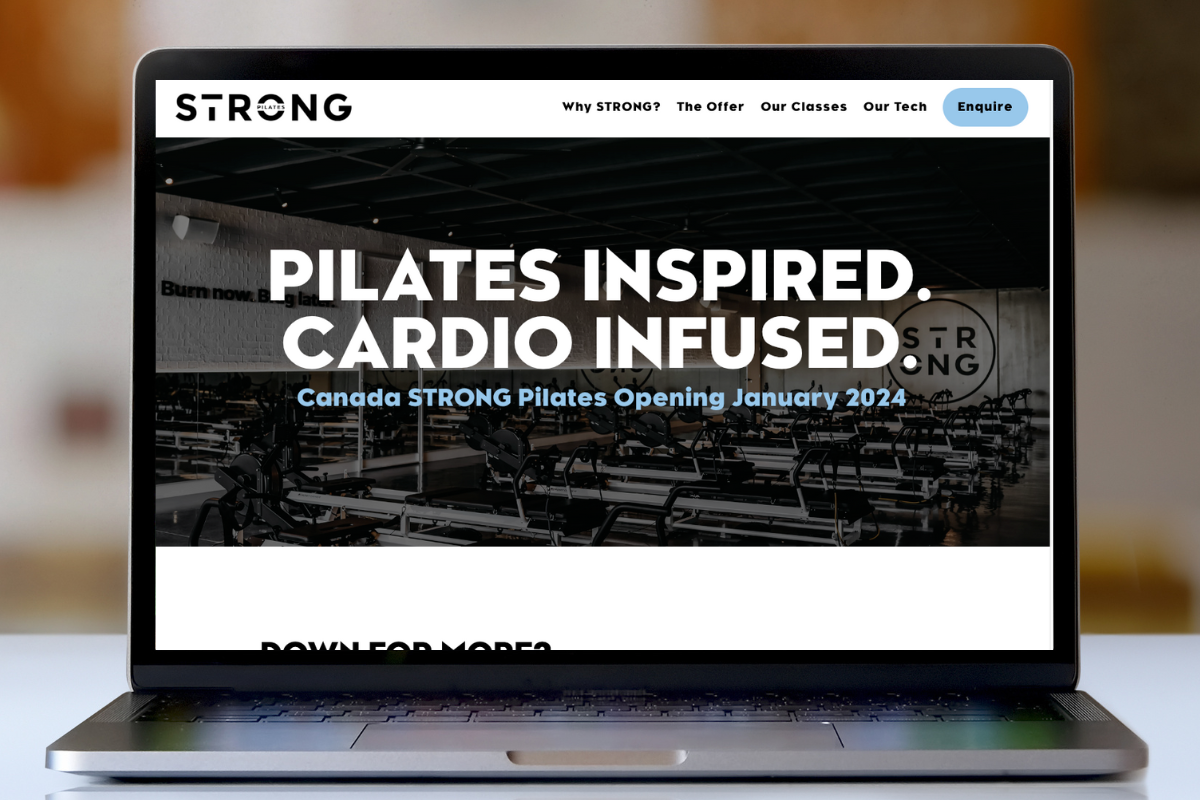
Image: strongpilates.caFuture STRONG Pilates in Little Italy in Toronto (Rendering: STRONG Pilates)
Haraburda said the brand can appeal to all demographics. Traditionally Pilates has been geared more towards women.
“In terms of actual workouts, it’s a combination of everything. It’s the best of Pilates, rowing, cardio, cycling and strength,” she said. “In the past, we’ve seen people who love Pilates, and my background is in dance, you tend to have your Pilates studio and then you’re going somewhere else for your cardio, or maybe you do a Pilates class and afterwards you want to go for a run to make sure you’re getting your heart rate up.
“We’re eliminating all that so now you can do everything in one studio and hold one membership and it’s open to everyone. And the way the classes are structured too, we make sure that you’re set up for success . . . Instructors are there to make sure you’re really working hard and sweating throughout the class.”
Image: STRONG Pilates
Haraburda said the studio also has a mobility area that encourages people to focus on recovery which is really important and has become more of a buzz word in the industry as well lately.
“So you can either stretch before class, after class and those moves are created to benefit the moves that you’re doing directly in the class,” she said. “So we’re really making sure that people are getting the most out of their time and classes are 45 minutes. We know people are busy. We’re accommodating.”
Retail Insider is streamlining its Canadian retail news from around the web to include a handful of top news stories that can be viewed quickly during the day. Here are the top stories from the past 24 hours.
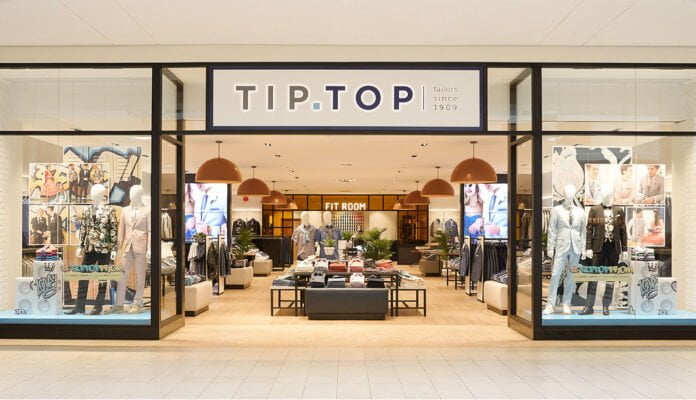
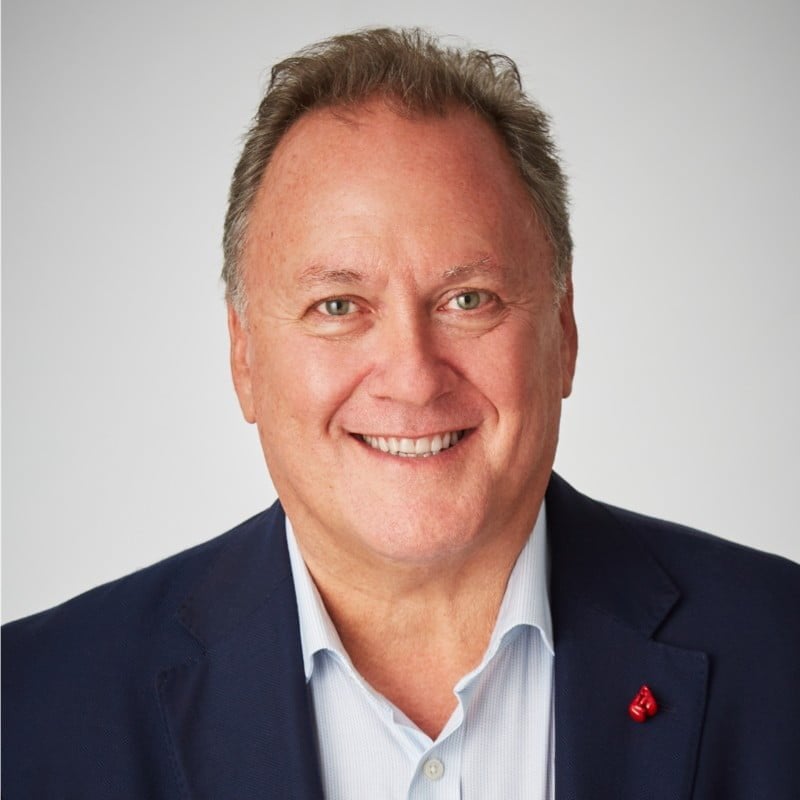
“Across Tip Top and our Big & Tall stores, Grafton Apparel offers unparalleled quality, value, and style that has delivered record results,” said Lance Itkoff, President and CEO of Grafton, in a statement.
“We are the definitive go-to solution for men’s workplace and event apparel as well as the only nationwide chain catering exclusively to the Big & Tall customer. Stern Partners brings us the benefit of strategic Canadian investors who understand the retail landscape and we look forward to leveraging their insight and resources to help us deliver even better value to our customers and enhanced growth for Grafton.”
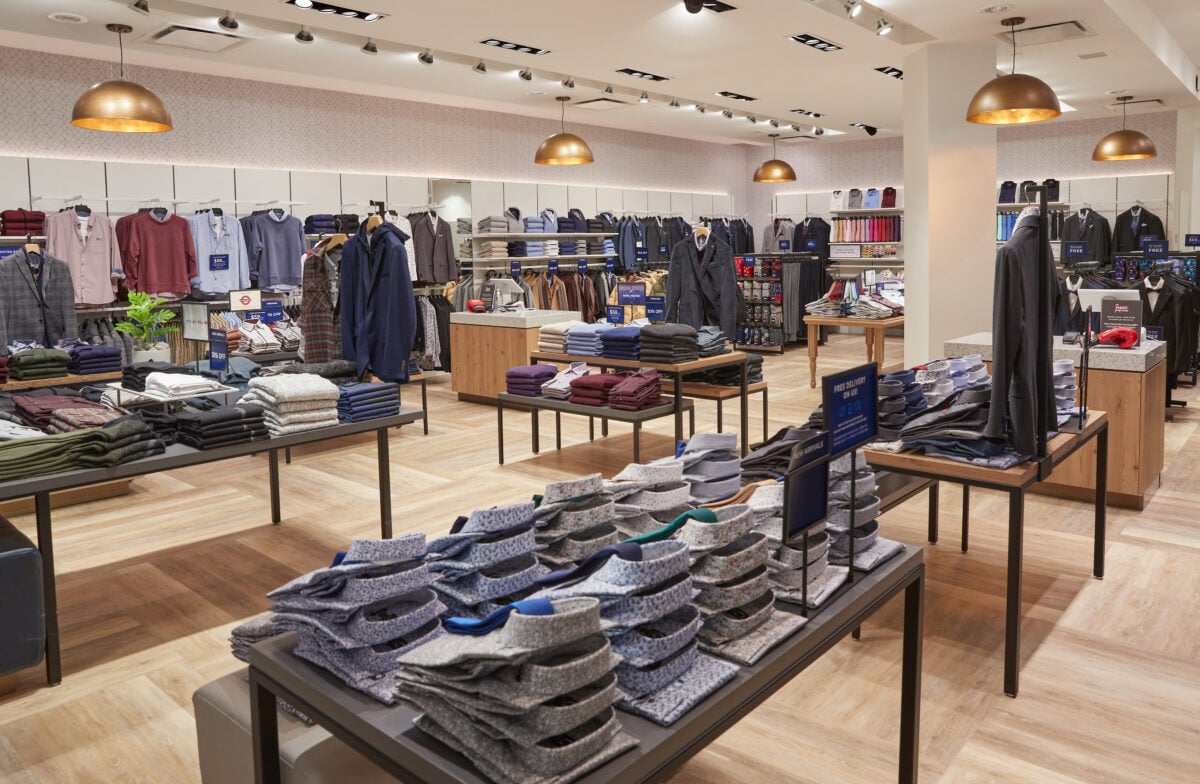
Tip Top Markham (Image: Tip Top)
Grafton said it will continue to independently operate and grow its retail and ecommerce businesses – Tip Top, George Richards and Mr. Big & Tall – in the Canadian market.
The transaction is subject to customary regulatory approvals and is expected to be finalized over the coming weeks. National Bank Financial acted as exclusive financial advisor and Davies Ward Phillips Vineberg acted as legal advisor to the Company on the transaction. Norton Rose Fulbright acted as legal advisor to the Purchaser.
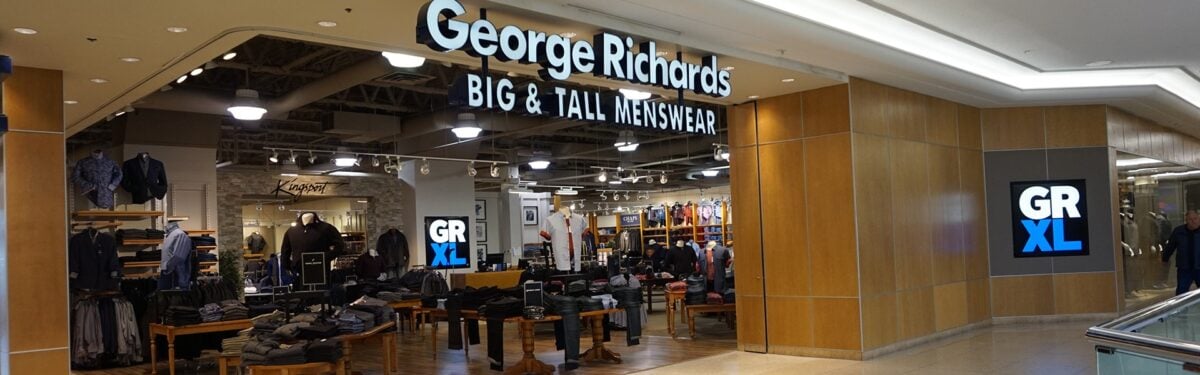
George Richards Big & Tall Menswear at West Edmonton Mall
Stern Partners is a Canadian investment firm with more than 30 years of experience investing in a diverse range of operating companies, including extensive long-term interests in the apparel industry.
“The growth of the retail apparel market in Canada has been an area of interest for us. Grafton’s commitment to delivering quality and value to consumers, backed by a strong team, has created a growth trajectory that we want to support,” said Daniel Cairns of Stern Partners, in a statement. “We are excited to partner with the strong team at Grafton as we turn the page into this next chapter together.”
Stern Partners’ investments currently include over 20 standalone businesses that collectively employ more than 7,000 employees.