Retail Insider is streamlining its Canadian retail news from around the web to include a handful of top news stories that can be viewed quickly during the day. Here are the top stories from the past three days.
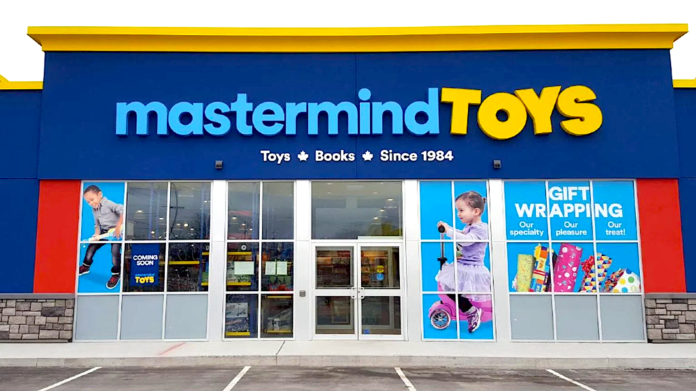
Last week’s news of Mastermind Toys entering creditor protection caught many off guard. It serves as a stark reminder of a fundamental truth in today’s retail landscape: impeccable execution of the traditional playbook is no longer a guarantee of success.
In 2022, Sarah Jordan, Mastermind’s former CEO, described their strategy as “reimagining the ways we meet our customers – whether in-store, at curbside, or online.” The company successfully launched initiatives like a digital loyalty program and created engaging editorial content. They did everything the typical consultants would recommend. So, why did they struggle?
Sarah Jordan, former CEO of Mastermind Toys
Some early analyses point to over-expansion or private equity ownership as the culprits. But the core problem is a decaying relevance and significance. By focusing on the customer experience, the traditional playbook falls short of meeting deeper consumer desires for transformation.
What does that mean? Businesses often focus on their own transformation, neglecting the transformative journey of their customers. Why do people buy high-end kitchen appliances, athletic apparel, or cosmetics? These products don’t just fulfill a need; they transform the buyer into someone they aspire to be — a better chef, a fitter individual, a more confident persona.
Leaders in these industries, like Wolf, Lululemon and Sephora, pair exceptional execution with a deep understanding of these fundamental human needs.
Truly enabling personal transformation requires an intimate understanding of your customers’ lived experience, unmet needs, and how your products can facilitate this journey.
Moreover, maintaining a clear perspective on market evolution is crucial. The journey towards facilitating personal transformation is not a sprint. It’s a marathon, requiring a vision of the market’s future landscape you will be evolving into.
Is the traditional value proposition of toys still relevant? Early indicators suggest a shift. Consider CAMP, the U.S. toy chain, billing themselves as “Family Experience Centers.” Their locations offer immersive theater spaces and party venues alongside traditional retail. Their focus on facilitating family connections and value-sharing is a step beyond mere transactional exchanges.
Their LA store is currently featuring a Bluey experience that allows families to play the games in real life that the characters play in the show and interact with Bluey’s world.
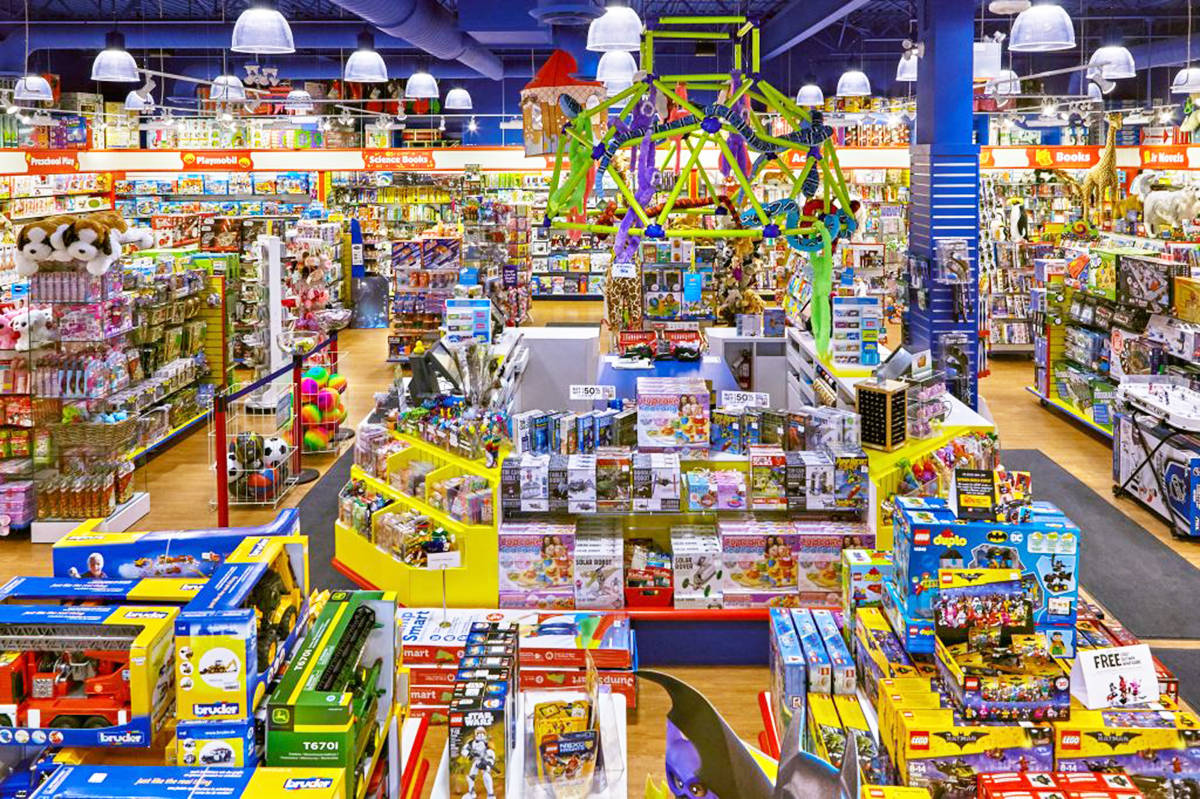
Inside a Mastermind Toys store. Photo: Mastermind Toys
CAMP believes that toys and games are fun, but they are at their best when they create connections. This connection can be between gifter and recipient, or between those playing together. Toys are also about sharing values. Do you look for organic materials in your toys? Avoid toy guns? These are all subconscious transmission of values. Selling toys on the way out turns the Bluey stuffie from a toy to a souvenir of their transformation.
In an era of tightened consumer spending, people still invest in experiences that resonate with their values. Look at the price of Taylor Swift tickets. The competition for toys isn’t just other toys, but experiences like concerts and immersive events. The toy market in Canada is valued at $2.9 billion, overshadowed by the $4.6 billion in-person entertainment sector.
Remember FAO Schwartz? It wasn’t just about the toys; it was about the memorable experiences.
I’m not saying Mastermind’s future is to catch up with CAMP, or that forging new connections through theatrical experiences is the answer for toys in general. Only that if they want to not only survive, but thrive, Mastermind needs to find a bigger reason for being. They need to discover and focus on the kinds of transformation that matter most to their customers and marketplace.
At Faculty of Change, we call this ‘going evergreen’ — finding and conquering new markets for real growth by serving bigger needs, rather than merely vying for a larger share of the existing one. It is the only proven method for lasting growth.
The situation with Mastermind Toys is disheartening, especially as the holiday season approaches. Yet, creditor protection isn’t the end. Many companies emerge stronger post-crisis. Here’s to hoping Mastermind Toys’ leadership pivots towards creating more transformative experiences, rather than just selling products. Such a shift would be the first step in going evergreen and ensuring the company’s future.
Jared Gordon is one of the founders of Faculty of Change. He and their team work with established retailers to go evergreen and uncover new sources of growth.
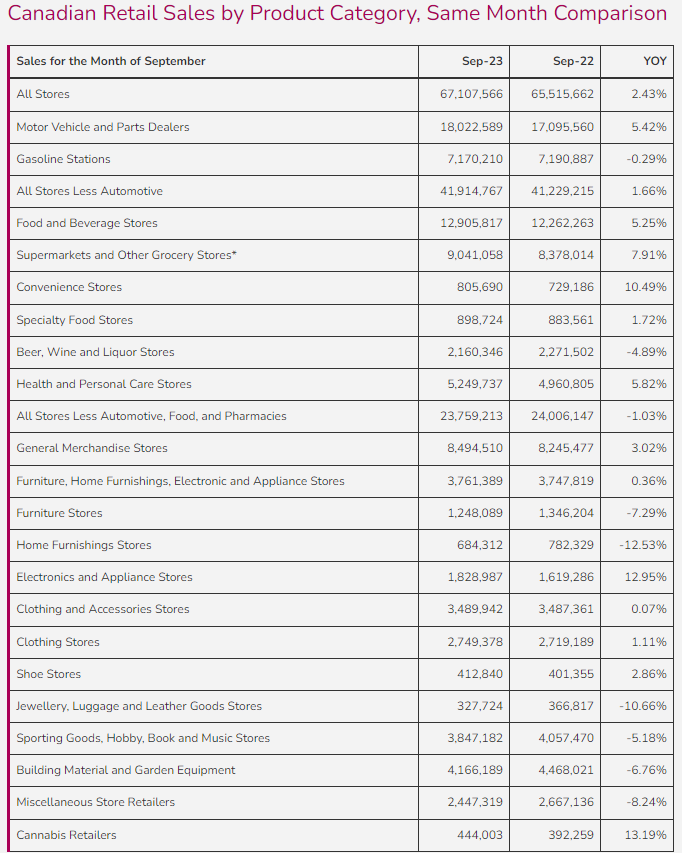
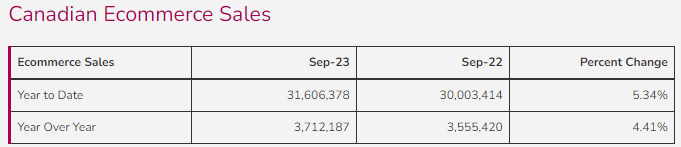
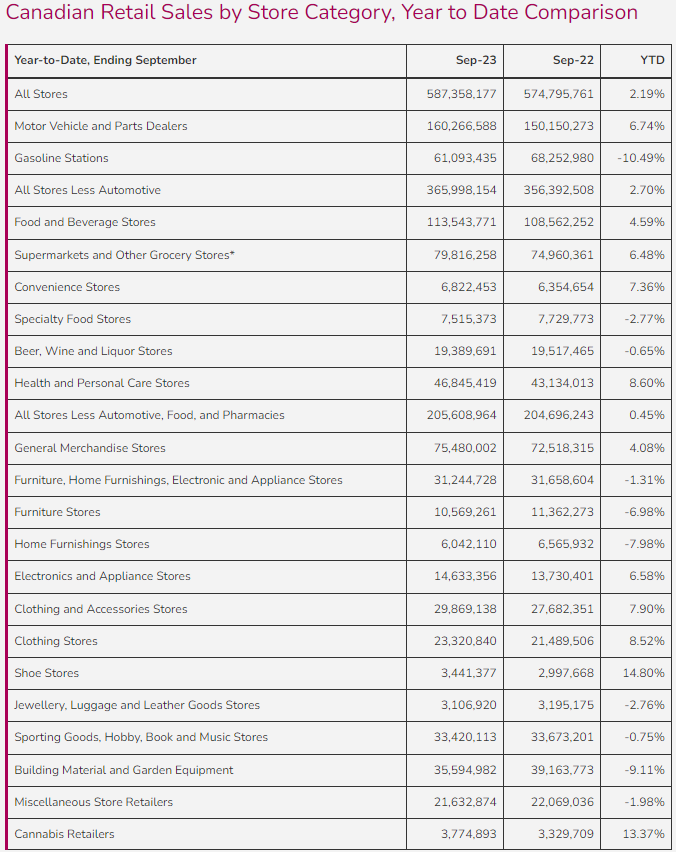
Canadian retail sales grew 2.4% YOY for All Sales in September as they continue on a path of slight growth. However, All Stores Less Automotive, Food, and Pharmacies were down -1.0% YOY as discretionary spend continues to decline even further.
JCWG would be remiss if not to mention how Black Friday was fairing in Toronto as StatCan’s release happened to fall on Black Friday. Observations in downtown Toronto showed lower than expected early traffic, with footfall at the CF Toronto Eaton Centre following suit. Considering 40% of consumers were planning to shop on Black Friday according to a RCC/Leger study, JCWG is a little surprised. However, this is likely as a result of continued work-from-home with many offices, and Friday being a very common day to stay home. Suburban shopping centres were likely to experience higher traffic as people leave on their lunch breaks or after work to try to stock up on gift giving purchases for the upcoming holidays.
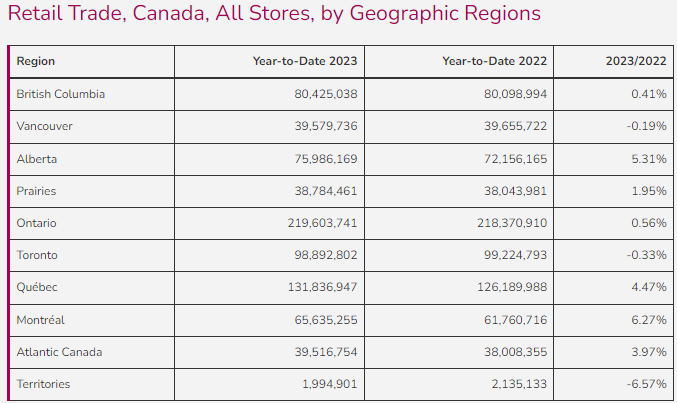
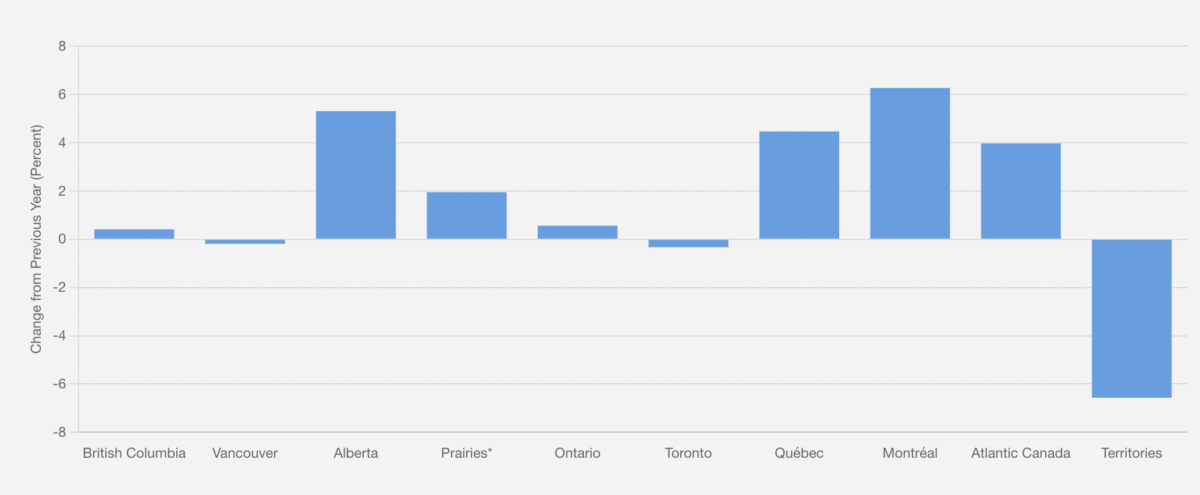
As with other months throughout summer 2023, wildfires had a significant impact on sales regionally throughout Canada. Retail sales in the Territories experienced a decline of -6.6% YTD, largely due to the fires in the Northwest Territories. In addition to fires, we continue to see lower sales in the most expensive provinces as inflation continues to grow, with British Columbia and Ontario only up 0.4% and 0.6% YTD respectively.
Furniture Stores, down -7.3% YOY, (August down -6.6%)
Home Furnishings Stores, down -12.5% YOY, (August down -8.4%) and
Building Material and Garden Equipment, down -6.76% YOY, (August down -7.2%).
Retailers in these categories will need to innovate going forward to maintain market share, and this decrease in sales may take some time to recover.
Holiday 2023 has had conflicting reports. Whereas the RCC and Leger have predicted an increase of 14% over last year, Deloitte is predicting an 11% decrease. While both studies have different respondents, JCWG is predicting trends to be more central, though further towards a negative spend. The economic outlook in Canada is not great, and consumers are struggling. However, maybe consumers will surprise us and splurge throughout the end of the year.
One report that many Canadians should make an annual tradition of reading to gain insight into upcoming food trends is the Trend Report from Canadian-based Nourish Food Marketing. The 2024 edition, just released last week, offers a comprehensive and insightful analysis of emerging trends in the food and beverage industry. It underscores the significant roles of technology, evolving consumer preferences, and the increasing importance of sustainability and health-conscious choices. For those involved in food marketing, this report always provides an intriguing and thought-provoking read.
As we enter 2024, according to the report, the food and beverage industry stands at a crossroads, shaped by technological advancements, evolving consumer expectations, and pressing global challenges. This 34-page document offers a window into this transformative landscape, highlighting key trends that are reshaping how we produce, market, and consume food. Most notably, it offers consumers a glimpse of how the industry aims to engage with us in the near future. While as consumers, we may not want to believe that our behavior is heavily influenced by marketing at the grocery store or restaurant, the reality is that it is.
One of the most striking developments emphasized by the report is the advent of AI in our kitchens and food supply chains. Although we may not always realize it, AI is already a part of our daily lives. However, it is about to revolutionize the food industry and how food is marketed to us. With the availability of free tools like ChatGPT, AI has become a practical tool that augments human skills in product development, consumer insights, and even taste testing. The report suggests that AI, in its various roles, will drive product innovation, enhance personalization in nutrition, and optimize supply chains, ultimately making our food systems more efficient and responsive to consumer needs. While this may be scary for some, it is invigorating for others.
Amidst the digital revolution, the enduring challenge of climate change looms large. The year 2023 saw record-breaking temperatures and widespread environmental disasters, underscoring the urgent need for sustainable practices. However, the report notes a paradox: while sustainability is crucial, immediate economic pressures like inflation often overshadow it in consumers’ minds. This presents a unique challenge for the industry – how to effectively communicate and implement sustainable practices in a way that aligns with consumers’ immediate needs and values. A recent survey by GlobeScan, however, suggests that consumers, especially from younger generations, increasingly view environmental stewardship as an integral part of their food choices, even in the face of rising food prices. This indicates a gradual shift in this trend.
And what would a marketing report be without mentioning the “Ozempic” craze? The report also highlights significant shifts in consumption patterns. The rise of the ‘Ozempic effect’ and an aging population suggest a potential decline in calorie consumption. Concurrently, consumers are increasingly focusing on health-conscious and brain-boosting foods, driven by a cross-generational demand for dietary choices that support cognitive and overall well-being.
Meanwhile, the world of vegetarian protein-based foods is experiencing a resurgence. The initial fascination with highly processed meat alternatives is giving way to a renewed appreciation for the inherent qualities of plant-based foods. This “back to basics” approach resonates with the growing consumer demand for simplicity, authenticity, and nutrition. In other words, the market has moved on from the “Beyond Meat” craze as it seeks choice, quality, and taste. The initial goal of replacing meat altogether seemed somewhat impractical, given that over 91% of Canadians continue to consume meat regularly.
A key demographic in this evolving landscape is Generation Alpha, those born after 2012. These children are growing up in a digitally saturated and environmentally precarious world. According to the report, they are expected to have adventurous palates influenced by diverse family structures and a globalized social environment. Observing this crop of consumers will undoubtedly be fascinating.
As we navigate through 2024 and beyond, the food industry is poised for dynamic changes. The interplay of technology, consumer health consciousness, sustainability concerns, and the rise of new consumer demographics will drive innovation and transformation in the sector. While the future of our cost of living remains uncertain, we can hope that 2024 will be a bit more interesting and less challenging than 2023 when it comes to the grocery store.
Craig and Suzanne Sears, the CEO and founder of Luxury Careers Canada discuss the challenges faced by new Canadians in securing employment, emphasizing the vast pool of highly educated, underemployed individuals in the Canadian workforce. She stresses the importance of retailers adapting to the reality that 35% of the workforce comprises new Canadians, urging a shift in mindset towards embracing diversity and providing equal opportunities.
The conversation delves into discriminatory hiring practices, with Suzanne addressing the prevalent demand for “Canadian experience” and the need for a cultural shift in employers’ expectations. She anticipates potential legal changes to discourage such discriminatory practices. Moving on, the discussion turns to recent developments in the hospitality industry, specifically the ban on unpaid labour for work trials. Suzanne applauds this change, emphasizing its positive impact on making the workplace more humane and fair, particularly for new Canadians unfamiliar with stringent labor standards.
The interview concludes with a glimpse into the holiday hiring landscape and economic predictions. Suzanne projects a growth of approximately 2% in the retail industry over the next six months, challenging earlier predictions of a flat or declining market. Despite cautious optimism, she anticipates retailers adapting to the changing economic climate, emphasizing the resilience and strength of the retail sector in Canada.
The Interview Series audio podcasts by Retail Insider Canada are available on Apple Podcasts, Stitcher, TuneIn, Google Play, or through our dedicated RSS feed for Overcast and other podcast players. Also check out our The Weekly audio podcast where Craig and Lee discuss popular content published on Retail Insider which is part of the The Retail Insider Podcast Network.
Drop us a line at Craig@Retail-Insider.com. You can also rate us in Apple Podcasts or recommend us in Overcast to help more people discover the show!
Background Music Credit: Hard Boiled Kevin MacLeod (incompetech.com). Licensed under Creative Commons: By Attribution 3.0 License. http://creativecommons.org/licenses/by/3.0/
Retail Insider is streamlining its Canadian retail news from around the web to include a handful of top news stories that can be viewed quickly during the day. Here are the top stories from the past 24 hours.
Craig and Suzanne Sears, CEO and founder of Luxury Careers Canada, discuss Ontario’s salary disclosure legislation. Suzanne provides valuable insights into the origins of this legislation, its initial cancellation by the Ford government, and its recent revival. The conversation delves into the legislation’s primary intent – addressing the gender pay gap and fostering diversity, equity, and inclusion within the retail sector.
The discussion further explores the potential repercussions for retailers, who may now be compelled to disclose salary ranges in job postings. Suzanne highlights the concerns within the industry, including the possibility of companies exploiting broad pay bands to avoid transparency. Craig raises the question of whether this move towards salary disclosure will indeed lead to increased costs for retailers and a necessary adjustment in employee compensation.
Shifting gears, the conversation touches on a fascinating trend in the employment landscape – the return of baby boomers to part-time retail positions. Suzanne sheds light on how this demographic, driven by the need for supplemental income amid rising costs of living, is becoming an untapped talent pool for retailers. The duo discusses the advantages and challenges associated with hiring older individuals, emphasizing the potential benefits for both employers and experienced part-time workers.
The Interview Series audio podcasts by Retail Insider Canada are available on Apple Podcasts, Stitcher, TuneIn, Google Play, or through our dedicated RSS feed for Overcast and other podcast players. Also check out our The Weekly audio podcast where Craig and Lee discuss popular content published on Retail Insider which is part of the The Retail Insider Podcast Network.
Drop us a line at Craig@Retail-Insider.com. You can also rate us in Apple Podcasts or recommend us in Overcast to help more people discover the show!
Background Music Credit: Hard Boiled Kevin MacLeod (incompetech.com). Licensed under Creative Commons: By Attribution 3.0 License. http://creativecommons.org/licenses/by/3.0/
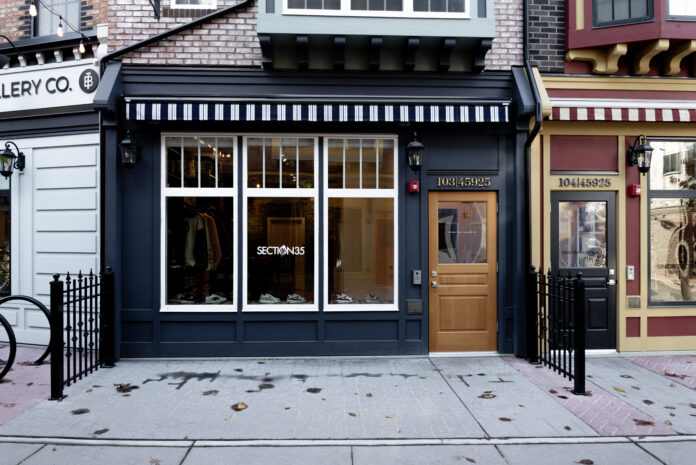
Entrepreneur Justin Louis has launched his first SECTION 35 retail store in Chilliwack, B.C.
Justin Jacob Louis
Louis, Creative Director and Owner of the brand, said the first physical space is about 500 square feet and gives him a smaller scale opportunity to get his foot into a retail location with the goal of expanding to a Vancouver flagship in the future while it can plan and search for the right location.
“The goal is to 100 per cent to open a flagship in Vancouver. The brand has a strong customer base in Chilliwack and gives us an opportunity to serve those customers directly,” he said of the brand.
“We are a streetwear brand based out of Vancouver. We make a wide range of products – hoodies, T-shirts, outerwear, bottoms, headwear. Just about everything. We’ve been in business since 2016.
“We’ve been strictly e-commerce but we do wholesale with places like Foot Locker and some other wholesale accounts. So we do have a small retail presence and we’re hoping to expand that and we’re also looking to expand into our own locations in some key places.”
SECTION 35 in Chilliwack, BC (Image: SECTION 35)
Louis said it’s important to offer physical locations to reach the brand’s customers where they can actually come into a store and interface with the brand – touch the products.
“One of the big things I think misses with wholesale is that we don’t get an opportunity to really share our full offering and our full story. Accounts will only buy certain stuff and sometimes they’re not carrying the whole breadth of what we offer,” said Louis.
“And for me as an artist and a creator, it’s really important that we create a space where we can really showcase everything we do and we’re not constrained to things that major retailers may have in place. So it’s really about telling our full story ourselves and creating a space to do that.”
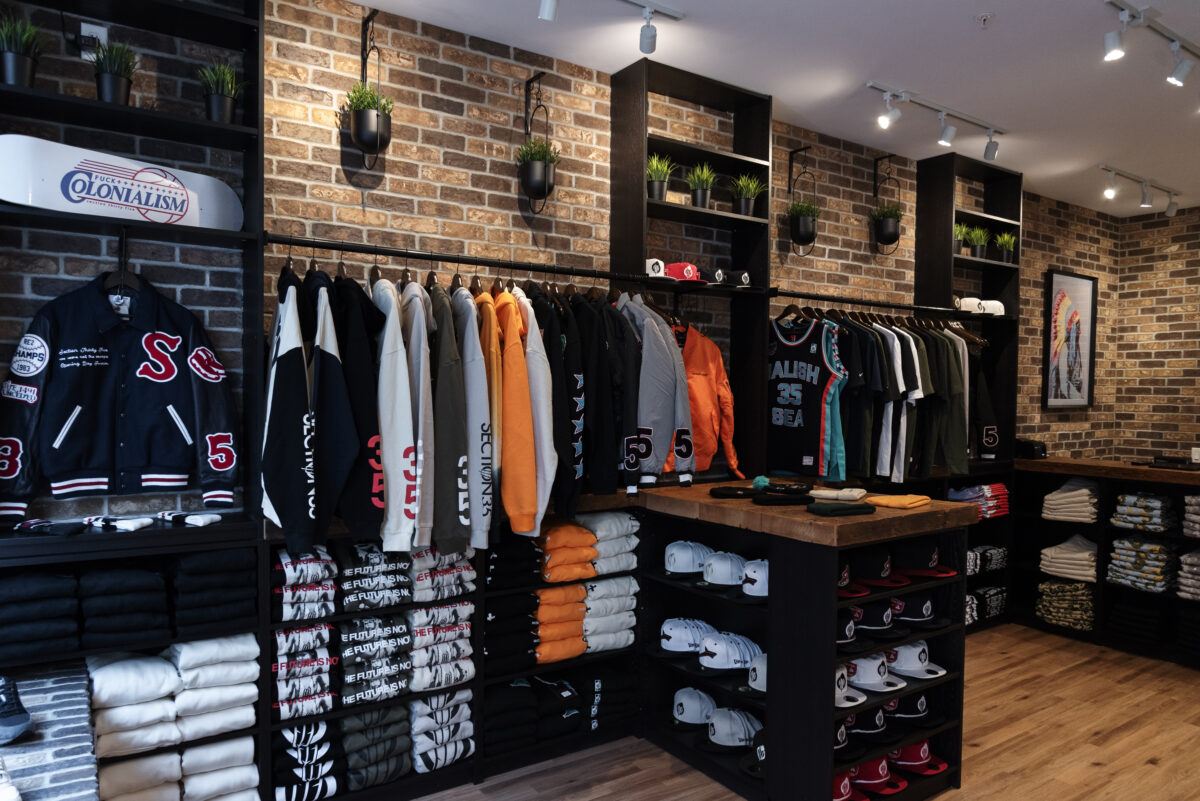
The Chilliwack store carries SECTION 35 collections and a small, curated footwear offering starting with Saucony and looking to add other brands which compliment the store and brand.
Louis is a member of the Samson Cree Nation and was born and raised in Nipisihkopahk (Samson) on Treaty 6 Territory. He now calls Unceded Stó:lō Territory his home. His work blends the past with the present and finds inspiration in the juxtaposition between these elements. He launched SECTION 35 in 2016 with the intention to use art and fashion to tell his peoples’ stories.
Louis was a finalist for Menswear Designer of the Year at the 2022 Canadian Art and Fashion Awards (“CAFA”) in Toronto. His work has seen features in numerous publications from Vogue to Complex and was included at “In America: A Lexicon of Fashion” at the Metropolitan Museum of New York in 2022.
Image: SECTION 35
Image: SECTION 35
SECTION 35 is an Indigenous owned streetwear brand based on the Unceded Territories of the Xʷməθkʷəy̓əm (Musqueam), Sḵwx̱wú7mesh (Squamish), and Sel̓íl̓witulh (Tsleil-Waututh) Nations.
SECTION 35 has been featured in Vogue, Complex and numerous other publications over the last year. In 2022, SECTION 35 had work featured at the Metropolitan Museum of New York’s “In America: A Lexicon of Fashion” Exhibition alongside some of biggest designers in America. The brand has shown on numerous runways from Indigenous Fashion Arts in Toronto and most recently Yamaava Fashion Daze in California which was produced by Kelly Cutrone. In February of 2023, the brand attended the prestigious White Milan Trade Show in Milan, Italy during Milan Fashion Week. SECTION 35 has also collaborated with brands such as OxDx out of Phoenix, Arizona to The Hundreds based in Los Angeles, California and just recently launched its first collaboration with Mitchell & Ness alongside powerhouse Salish Artist Debra Sparrow.
“Right now we’re a B.C. brand and we’re starting with this small store but our goal is to open a spot in Vancouver. That would be our next goal because we are a Vancouver-based brand originally. We’ve got a strong following and customer base out there and I think it’s important for us to have a presence out there. That would be the next move for us ideally.
“And then we’d love to have a presence further East. In the Toronto market. And potentially in the Prairies where we have a strong following as well. We’re taking our time. We’re not rushing into this and so this Chilliwack location really gives us an opportunity to get our toes wet so to speak with a smaller risk, a lower risk profile, for something in a market where I live and we have a strong following out here. So it’s a chance for us to kind of test the waters and wrap our heads around retail.
“I started designing in 2014 when we founded the brand. There wasn’t a lot of Indigenous-owned streetwear brands. There was none that I was aware of in Canada. They were all in the States. And there was maybe a handful of Indigenous-owned fashion brands in general that I was really aware of. I felt there was a place for it in the market, being Indigenous and being a consumer, I didn’t see a lot out there that really kind of resonated with me from where I come from and from the way we view the world. It really was just kind of the catalyst for me thinking maybe there was an opportunity for me to create something. I felt there was a void in the marketplace for something like this.”
People tend to ‘panic buy’ in times of crisis, which often leads to shortages of essential items. (Shutterstock)
Fear can cause people to behave irrationally in times of uncertainty. During the pandemic, this took the form of panic buying as people flocked to stores to stock up on essential goods. Some even sought to profit off of shortages by price gouging toilet paper and hand sanitizer.
This phenomenon wasn’t just limited to a few countries or communities, either; it was a global occurrence that emptied supermarket shelves and caused significant disruptions in supply chains.
But what drives people to behave in such ways during times of crisis? Is it a basic survival instinct, a herd mentality influenced by social pressures or something more complex?
During the onset of the pandemic, we conducted a study aimed at understanding the complex web of factors that compel us to act or overreact in the face of uncertainty.
Psychological traits of consumers
We examined the following factors in our study: narcissism, psychological entitlement, status consumption, fear of embarrassment, and fear of missing out. Narcissism is a trait characterized by a heightened sense of self-importance and a lack of empathy for others.
Psychological entitlement refers to the belief that one is inherently deserving of special treatment or privileges. Status consumption is the tendency to purchase items that confer social prestige or dominance.
Fear of embarrassment is anxiety about being negatively judged by others. Fear of missing out is the worry over missing out on rewarding experiences that others are taking part in.
Unique types of consumers
Our study identified four distinct consumer groups, each with unique psychological traits that drove their purchasing habits.
1. Egalitarians. Egalitarians displayed low levels of narcissism and psychological entitlement compared to the other groups. They tend to have a more community-oriented and balanced approach to life. They likely have a strong belief in communal responsibility and fairness. Egalitarians are the type of individuals who volunteer at local food banks or participate in community clean-up events.
In terms of purchasing, egalitarians did not hoard as much as other groups. While others might hoard hand sanitizers, for example, an egalitarian might buy just one or two bottles and leave the rest for others in the community.
People stand in an aisle of empty shelves in a supermarket in London in March 2020, amid panic-buying due to the coronavirus outbreak. (AP Photo/Kirsty Wigglesworth)
2. Conformists. Conformists are influenced by a moderate fear of missing out and a high fear of embarrassment. Conformists are the type of people who follow dress codes and rarely question authority.
When it comes to purchasing, conformists prioritized items that aligned with public health guidelines, like disposable masks. They are usually the first to buy masks in bulk when a new public health advisory is released.
3. Communal egoists. Communal egoists display moderate levels of narcissism and psychological entitlement. For example, this kind of person might organize a community event, but will insist on being the centre of attention during the event.
This group is particularly interested in food-related items like bottled water and snacks. A communal egoist might stock up on these products, not only for themselves, but with the intention of sharing with their neighbours in an effort to stand out.
4. Agentic egoists. Agentic egoists are characterized by high levels of narcissism and psychological entitlement. For example, an agentic egoist might cut in line because they believe their time is more valuable than others.
In terms of purchasing, agentic egoists are willing to spend more on items that directly benefit them. For instance, they might buy the last three bottles of an expensive, brand-name cough syrup, without considering that others might need it, too.
What this means for consumers
A significant lesson we’ve learned from the COVID-19 pandemic, and the subsequent global turmoil, is the importance of being ready for the unexpected.
If you’ve ever found yourself filling your shopping cart to the brim in a moment of panic, you’re not alone. But understanding who we are, why we make certain decisions and how we can be more considerate is the first step toward making better consumer choices.
Are you an egalitarian, thinking of the community while only buying what you need? Or perhaps you identify as a conformist, sticking strictly to items advised by health authorities? Recognizing these traits in ourselves can be a wake-up call, encouraging us to shop more responsibly, especially in times of fear and panic.
Understanding our motivations and behaviours as consumers can help us make wiser decisions. (Shutterstock)
What this means for retailers
Understanding the traits of different customer groups isn’t just about boosting profits. It’s a way to guide businesses in serving communities ethically and effectively, especially in times of crisis.
For example, if most of your customers tend to follow the crowd (conformists), consider offering reliable public health information in your stores. If your clientele leans towards fairness (egalitarians), make fair distribution of essential items a core part of your community support strategy.
If you cater to individuals who focus on their self-interest (agentic egoists), think about the long-term impact of promoting high consumption and how to encourage responsible buying. If a large portion of your customers are community-focused (communal egoists), think about setting up ongoing community-sharing programs or donation drives.
As we reflect on the challenges we’ve faced, retailers have an opportunity to plan for a future where their actions benefit not only their business, but society as a whole. Enhancing our self-awareness enables us to handle chaotic circumstances more gracefully and make decisions that are advantageous for everyone in our vicinity.
By Seung Hwan (Mark) Lee, Professor and Associate Dean of Engagement & Inclusion, Ted Rogers School of Management, Toronto Metropolitan University and Omar H. Fares, Lecturer in the Ted Rogers School of Retail Management, Toronto Metropolitan University.
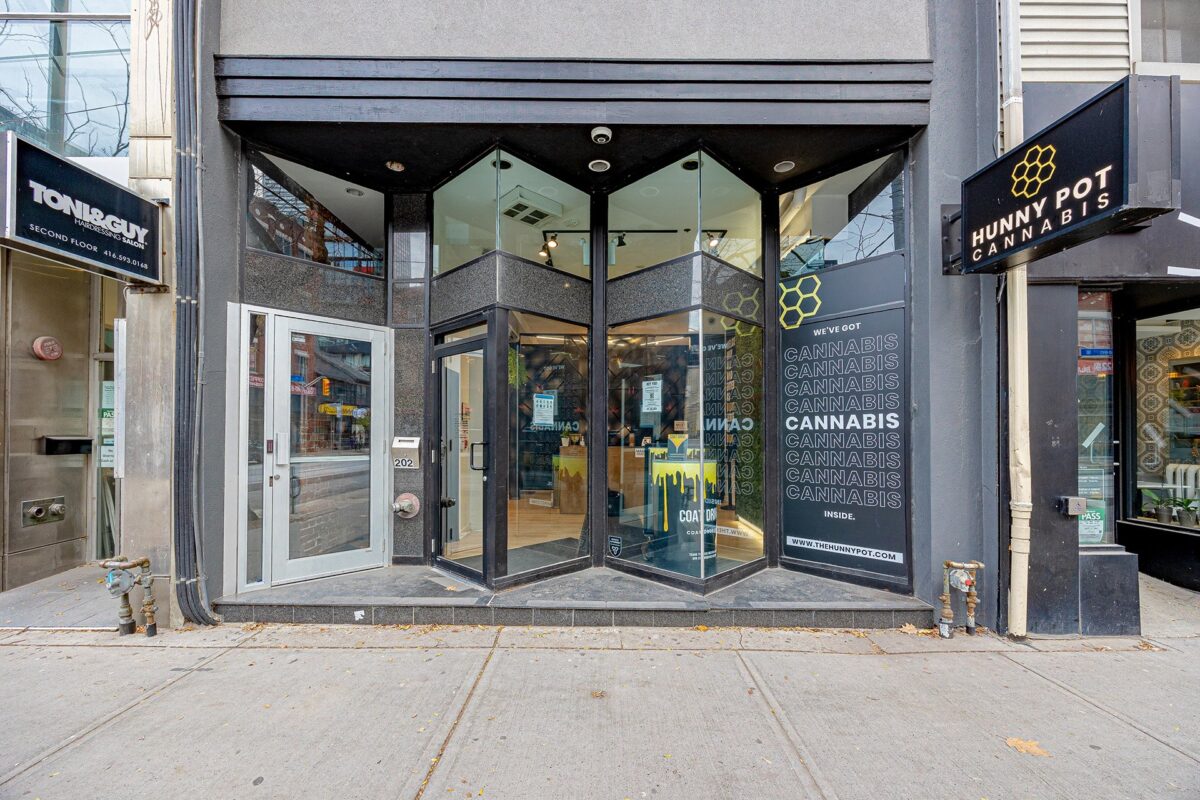
The four-level commercial building at 202 Queen Street West is for sale and has seen a significant price reduction. The building, housing Ontario’s first legal cannabis store, is asking $5 million, considerably less than its appraised value of $6.6 million.
202 Queen is located on a busy stretch of Queen Street West, about a block west of University Avenue, Osgoode TTC subway station and the Financial District. This particular stretch of Queen Street has seen various redevelopments, and is lined by a mix of local, national and international retailers.
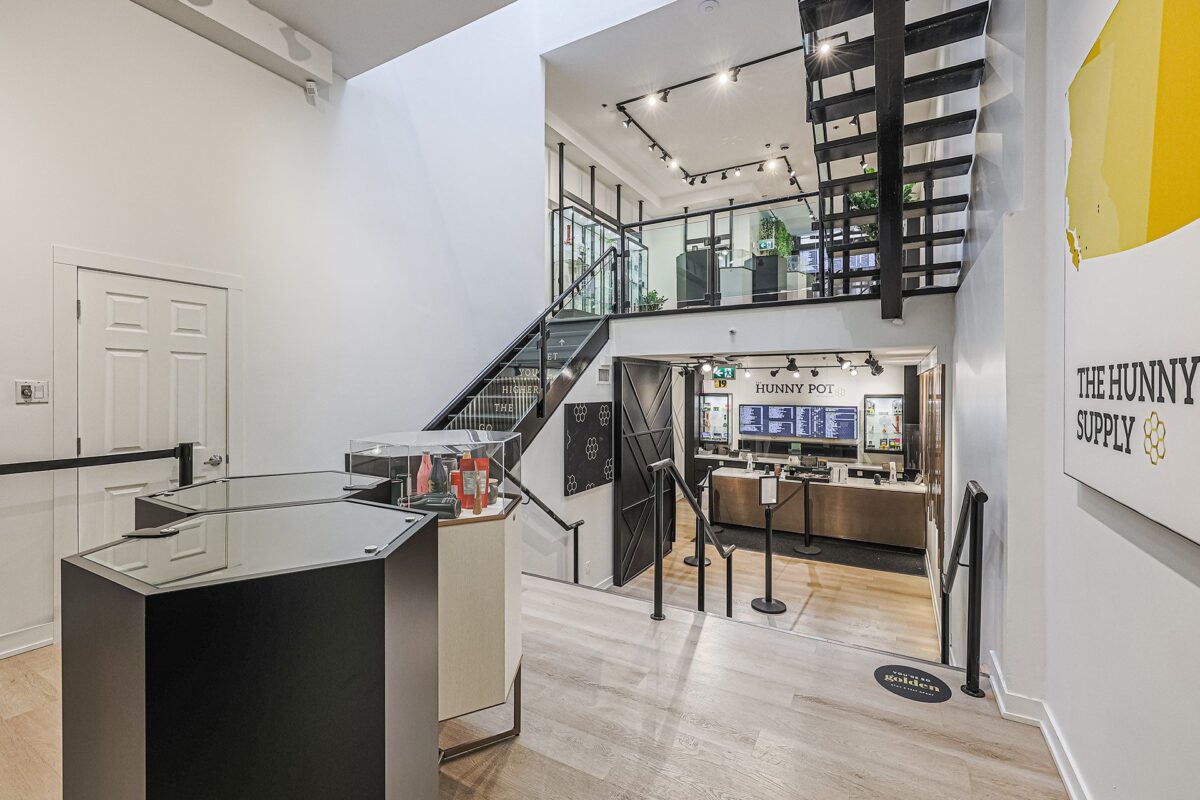
202 Queen Street West in Toronto. Photo supplied202 Queen Street West in Toronto. Photo suppliedInside the retail space at 202 Queen Street West in Toronto. Photo supplied
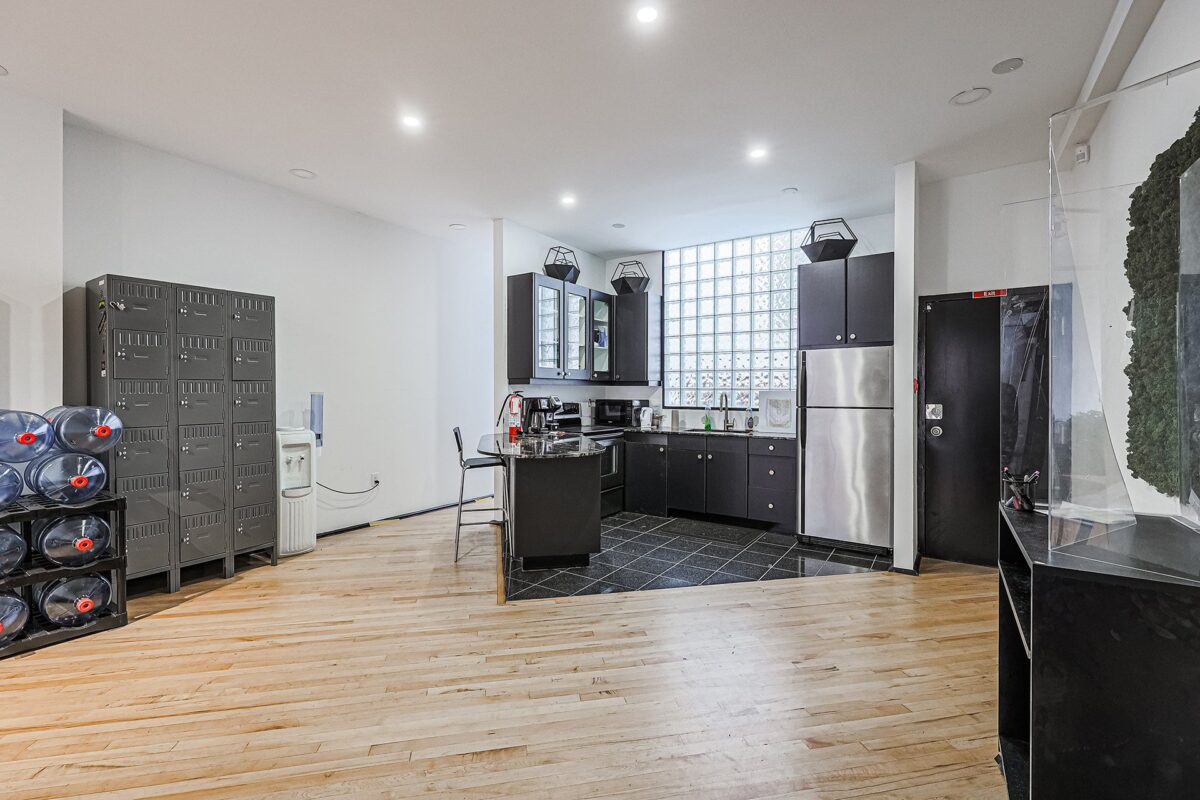
The total above-ground area of 202 Queen Street West building is 4,647 square feet, which includes a two-level retail area of 3,098 square feet and a third-level 1,549 square foot flex space that can be used for an office, apartment or other use. There’s an additional 800 square foot basement level. The building’s lot spans 20.16 feet on Queen Street and is 102 feet deep, with rear access onto Renfrew Place. There is parking at the rear of the building that it protected by gates.
Third floor office/apartment on the third floor of 202 Queen Street West in Toronto. Photo suppliedLuxurious bathroom in the office/apartment on the third floor of 202 Queen Street West in Toronto. Photo supplied
Prior to securing a permanent retail tenant, 202 Queen was home to numerous lucrative pop-up activations and prior to that, hat retailer New Era’s Canadian flagship occupied the building.
For more information and to contact the owner of 202 Queen Street West, you may contact Joseph Gatto, Sales Representative at Chestnut Park Realty, at: ggatto@chestnutpark.com or 416-723-6081.
The building also has a website that includes more photos and a Matterport 3D tour: www.202queen.ca