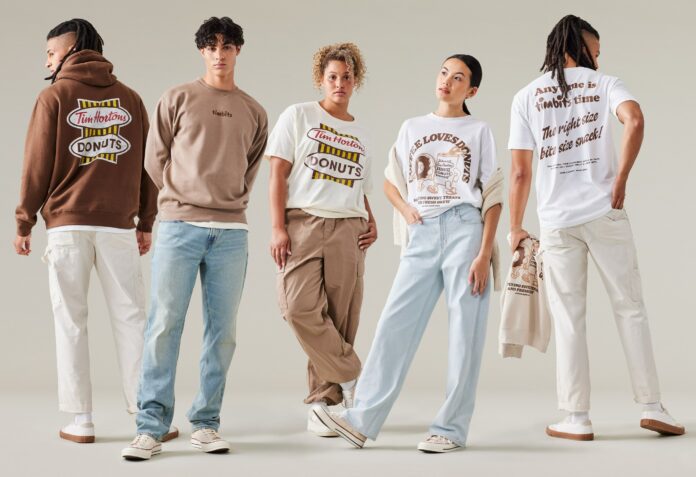
Tim Hortons launches TimShop.ca with NEW limited-edition merch including nostalgic vintage-inspired sweatshirts and T-shirts (CNW Group/Tim Hortons)
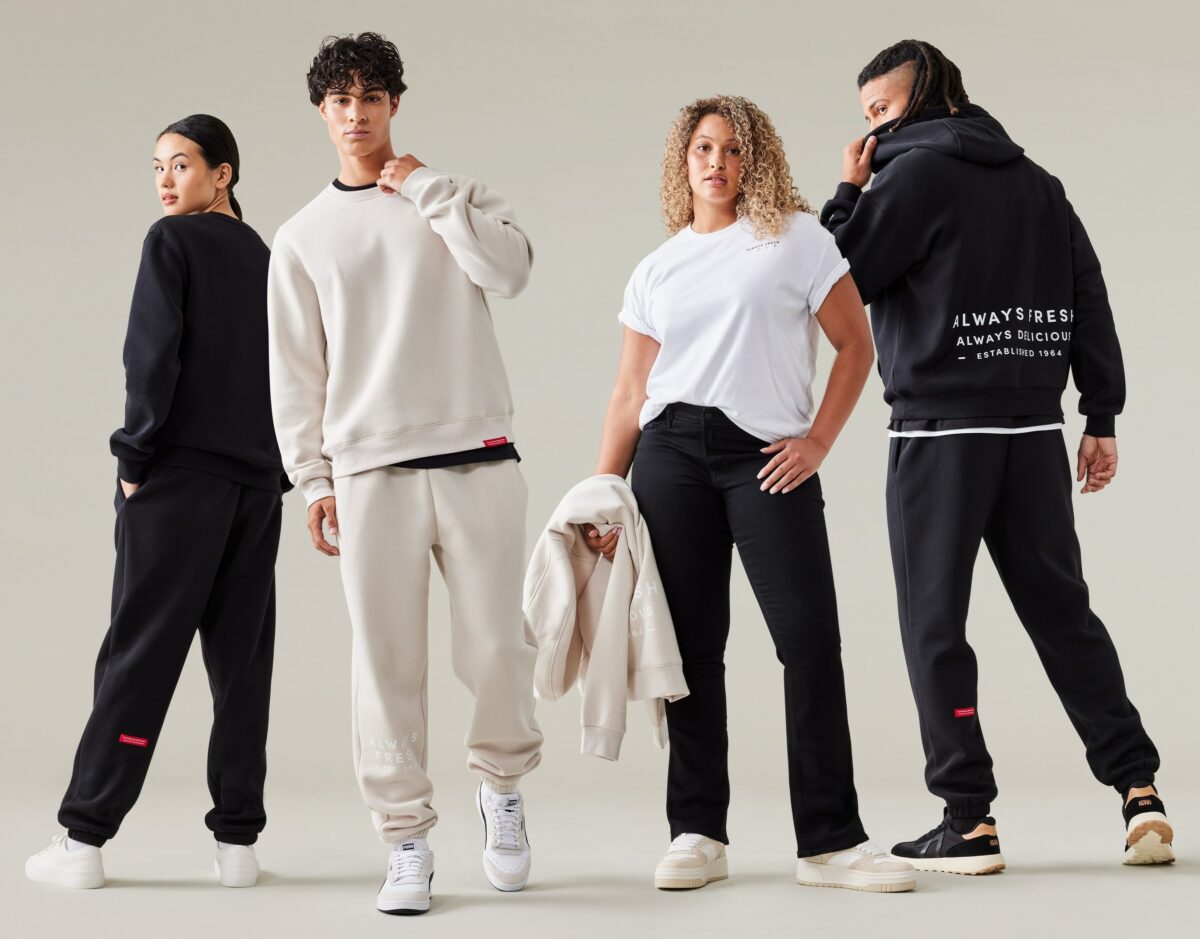
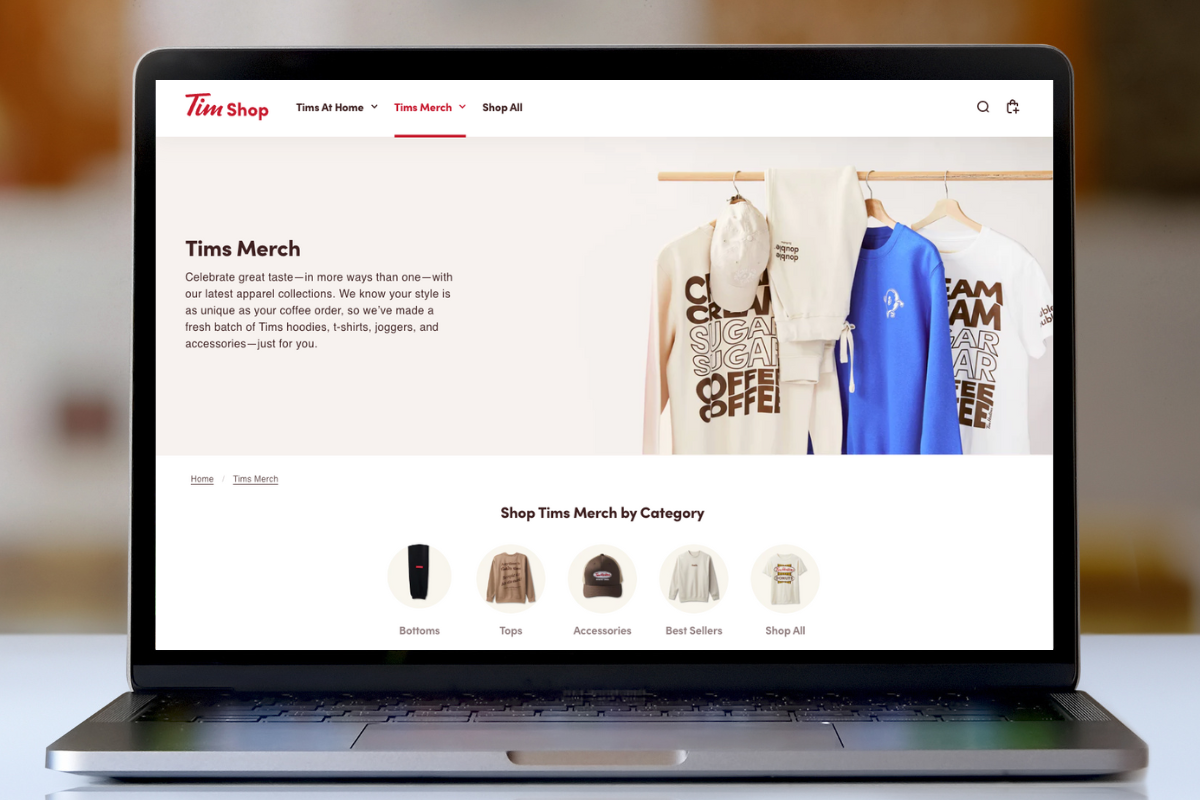
Iconic Canadian brand Tim Hortons launched TimShop.ca with new limited-edition merchandise including nostalgic vintage-inspired sweatshirts and T-Shirts as well as a variety of Tims home products.
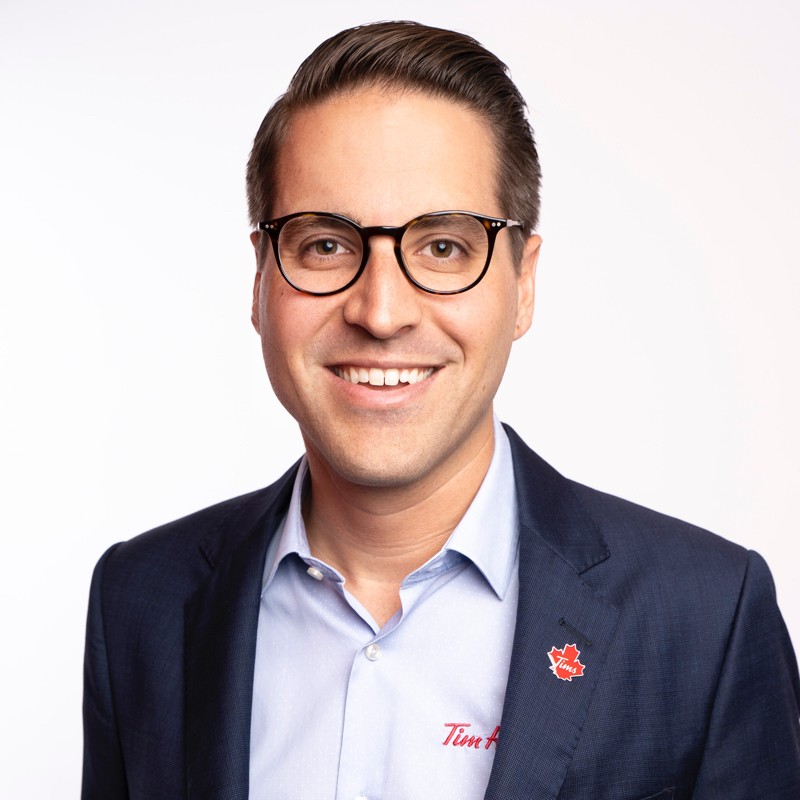
“We’re really excited about the launch of TimShop.ca and the new products that will continue to be shared with Canadians in the months to come,” said Markus Sturm, Senior Vice President of Consumer Goods, Digital and Loyalty at Tim Hortons.
Markus Sturm
“Canadians have long celebrated special moments with gifts from Tims and our retail team has an amazing track record of curating popular merch collections to be sold in Tims restaurants across the country – including the Timbiebs merch lineup we launched in 2021. In recent years, we’ve also launched two very successful online National Coffee Day apparel drops, a reflection of how Tims guests are increasingly interacting with the brand through our digital channels.
Tim Hortons launches TimShop.ca with NEW limited-edition merch including nostalgic vintage-inspired sweatshirts and T-shirts (CNW Group/Tim Hortons)
“The Tim Hortons mobile app in Canada has 4.9 million monthly average users and our Tims Rewards loyalty program is extremely popular with guests. Launching a new online shop as a convenient location to find great, uniquely-Tims merchandise is an extension of the great work that the Tims retail team has already been doing for many years.
“Most products on TimShop.ca will be available in limited quantities as we intend to regularly release new products and designs that we think our guests will love. We’re looking forward to an upcoming campaign on TimShop.ca later this month to support National Coffee Day. At launch, we’re focused on promoting the site through earned and owned channels, like social, PR and CRM.”
Image: TimShop.ca Tim Hortons launches TimShop.ca with NEW limited-edition merch including nostalgic vintage-inspired sweatshirts and T-shirts (CNW Group/Tim Hortons)
In 1964, the first Tim Hortons restaurant in Hamilton, Ontario opened its doors. Tim Hortons is Canada’s largest restaurant chain operating in the quick service industry with nearly 4,000 restaurants across the country. Tim Hortons has more than 5,400 restaurants in Canada, the United States and around the world.
“There are so many Canadians from coast to coast to coast who have told us they would love to see more apparel from us that celebrate the nostalgic look of Tim Hortons and a more modern reflection of the brand today,” said Sturm.
Tim Hortons is owned by Restaurant Brands International, one of the world’s largest quick service restaurant companies with over $40 billion in annual system-wide sales and over 30,000 restaurants in more than 100 countries. It also owns Burger King, Popeyes and Firehouse Subs.
In its recent second quarter financial report, Restaurant Brands said consolidated comparable sales increased 9.6 per cent and net restaurants grew 4.1 per cent in the second quarter versus the prior year. System-wide sales increased 14.0 per cent year-over-year. Net Income of $351million was up from $346 million and adjusted EBITDA of $665 million increased 10.3 per cent organically versus the prior year.
Retail Insider is streamlining its Canadian retail news from around the web to include a handful of top news stories that can be viewed quickly during the day. Here are the top stories from the past 24 hours.
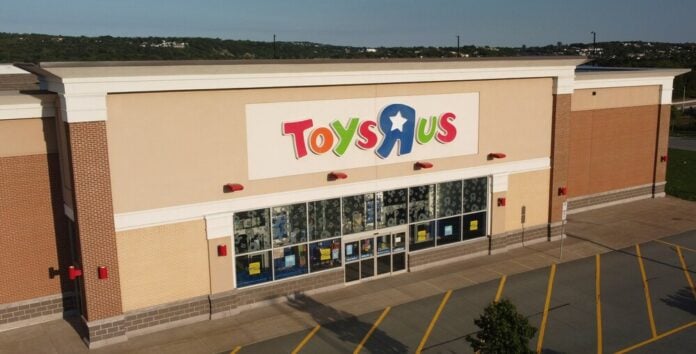
Toys R Us store. Photo Credit: Patrick Morrell / @patmorrell_drone
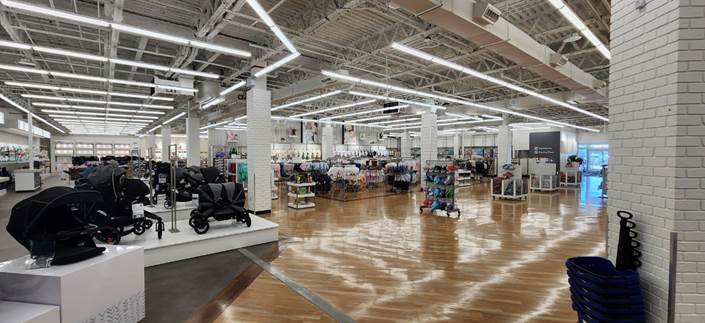
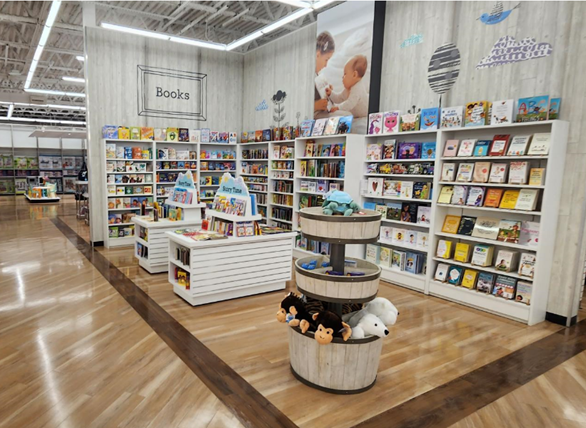
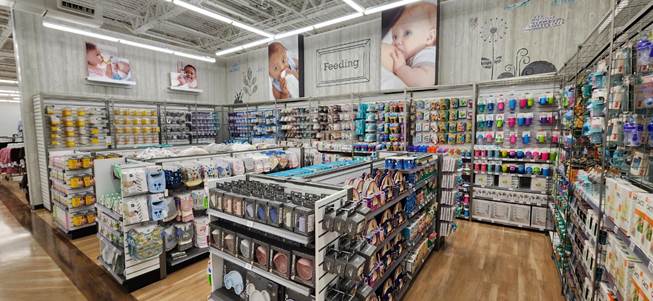
Babies”R”Us has launched two first-of-its-kind standalone stores in Canada as its sister brand Toys”R”Us expands as well by an additional eight stores in the country.
Doug Putman
The two new stores for Babies”R”Us have opened in Edmonton.
“I believe the Canadian consumer is looking to get out and shop in-store again. I see such a strong opportunity to invest in Canadian retail. Our recent lease acquisitions allows us to re-enter markets we were previously in, reach markets where we don’t have a presence, or, where we see potential to meet a greater demand,” said Doug Putman, of Putman Investments, the company which operates the two brands as well as the new concept rooms + spaces, which launched this summer.
Earlier this year, Putman purchased a number of the leases that were previously held by retailer Bed Bath and Beyond and buybuyBABY which exited the market.
Babies”R”Us at West Edmonton Mall (Image: MacIntyre Communications)
The new Toys”R”Us and Babies”R”Us stores are located in the following cities:
British Columbia:
Burnaby: Station Square, 6200 McKay Avenue (now open!)
Kamloops: Columbia Square, 500 Notre Dame Drive (now open!)
Alberta:
Edmonton: South Edmonton Common, 2017 98th Street NW (Babies”R”Us stand alone, now open!)
Edmonton: West Edmonton Mall, 8882 170 Street NW (Babies”R”Us stand alone, now open!)
Calgary: Brentwood Village, 3630 Brentwood Road (opening in October)
Calgary: Township Centre, 80 Longview Common SE (now open!)
Toronto: Lawrence and Allen Center, 700 Lawrence Avenue West (opening in October)
Québec:
Lachenaie: 790 Montée des Pionniers (opening in October)
Nova Scotia:
Halifax: Bayer’s Lake Power Centre, 208 Chain Lake Drive (now open!)
The company said the expansion totals more than 300,000-square-feet of retail space and brings the toy retailer to 105 locations across the country, including a number that are located as shop-in-shops in all the rooms + spaces stores.
Babies”R”Us at West Edmonton Mall (Image: MacIntyre Communications)
Nick Muriella, Vice President of Merchandising & Supply Chain for Babies”R”Us and Toys”R”Us, said Babies”R”Us has always been an important brand for the company throughout the years it has been in Canada.
Nick Muriella
“If you look back on our history, the U.S. entity and some of the global partners always had these standalone stores. Now Toys”R”Us pioneered the side-by-side store years and years ago,” said Muriella. “But as we started to look at the landscape and said listen, Bed, Bath and Beyond with buybuyBABY thrived as a standalone entity’.
“As we talked to moms through our store, we started to understand a little bit further about what they wanted in terms of a look and feel and the level of service and obviously with this real estate that Putman’s been able to get for us, it opened up that opportunity where that consumer was used to shopping at a baby standalone store. We’ve got a great brand with a great product assortment with great staff.
“We thought it was the time to kind of branch out and really give this standalone proposition a fair shake.”
Babies”R”Us at West Edmonton Mall (Image: MacIntyre Communications)
Muriella said Edmonton is one of the company’s strongest markets across the country.
“We’ve got some great Toys”R”Us, Babies”R”Us stores there. The real estate also allowed us to have a captive market to really talk from a marketing perspective, from a launch perspective, to talk to one market specifically versus an entire country as we work through opening up the new part of the chain,” he said.
The Babies”R”Us stores in Edmonton are about 22,000 square feet. Both are in former buybuyBABY locations.
All the new Toys”R”Us locations are also in the real estate Putman acquired with the exception of the Lawrence and Allen location in Toronto. Toys”R”Us stores are in the 22,000 to 30,000-square-foot range.
“We’re excited about what we’ve got started here. I think there’s some optimization that has to happen with assortment and service. So we’re going to see how this goes the back half of the year but it’s definitely on our road map. We’ve got some markets circled as to where we want to pop some of these in the future.”
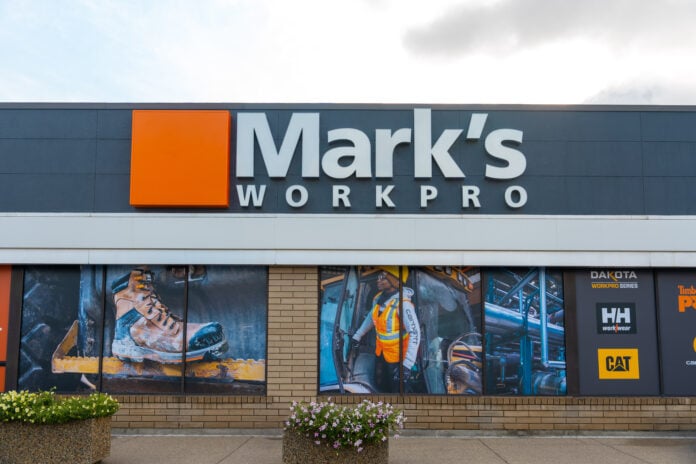
Retailer Mark’s, under the Canadian Tire Corporation umbrella, is launching two new brand concepts – industrial-exclusive retail destinations called Mark’s WorkPro and L’Equipeur Pro.
The four stores to be launched this year will cater to the needs of work gear customers and the “design ethos” behind the outlets revolves around enhancing convenience for industrial patrons, said the company.
“These stores are meticulously crafted to cater to the exacting needs of our industrial clientele,” said PJ Czank, President, Mark’s. “Our team remains steadfast in our commitment to enriching our customers’ lives, and simplicity plays a pivotal role in achieving this goal.
‘The WorkPro and L’Equipeur Pro locations are poised to offer industrial customers an expansive, dedicated selection of work gear, all within an expedited and efficient shopping environment.”
Mark’s WorkPro (Image: Mark’s)
The inaugural Mark’s WorkPro and L’Equipeur Pro store has officially opened its doors at 5004 98 Ave NW, Edmonton, conveniently situated just minutes away from Edmonton’s renowned ‘Refinery Row’. In addition to this landmark opening, 2023 will witness the debut of store locations in St. Catharine’s and Etobicoke, Ontario, as well as Pointe-aux-Trembles, Quebec.
“It’s noteworthy that every Mark’s WorkPro and L’Equipeur Pro store is strategically positioned in close proximity to local industries and skilled trade workers, underscoring the brand’s dedication to serving its core audience,” said the company.
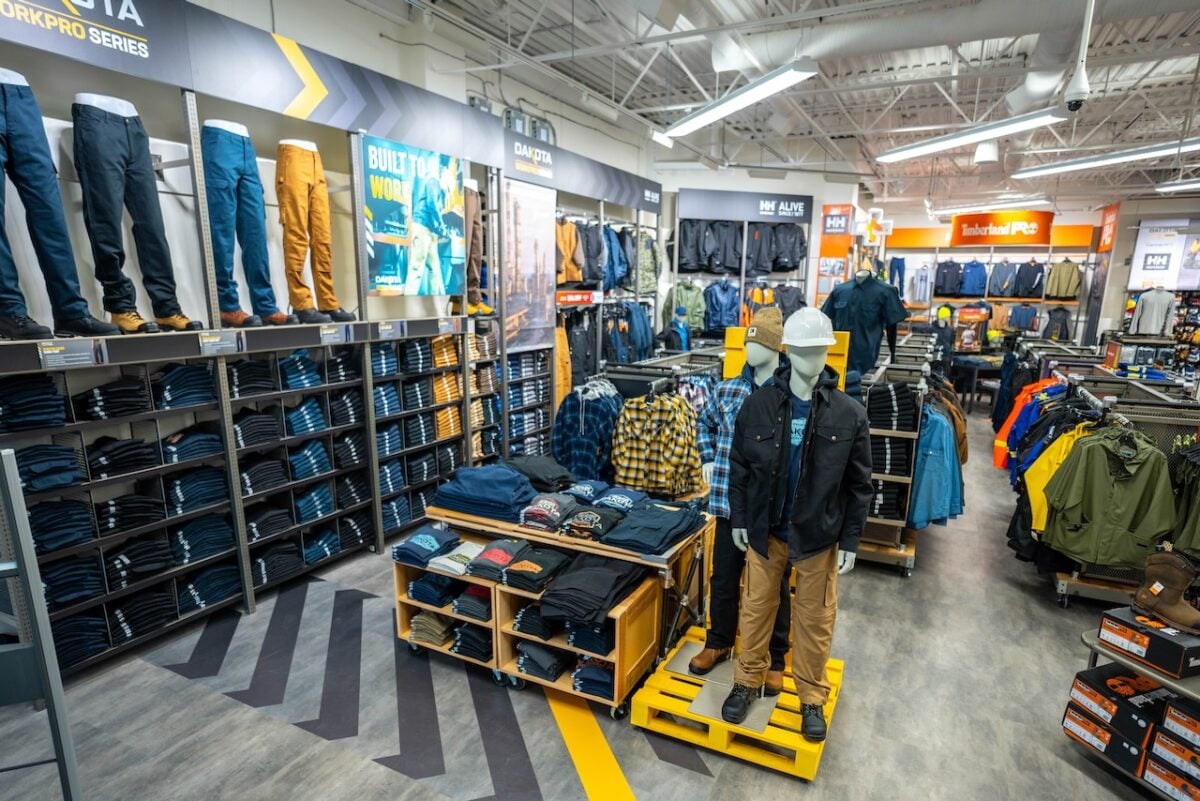
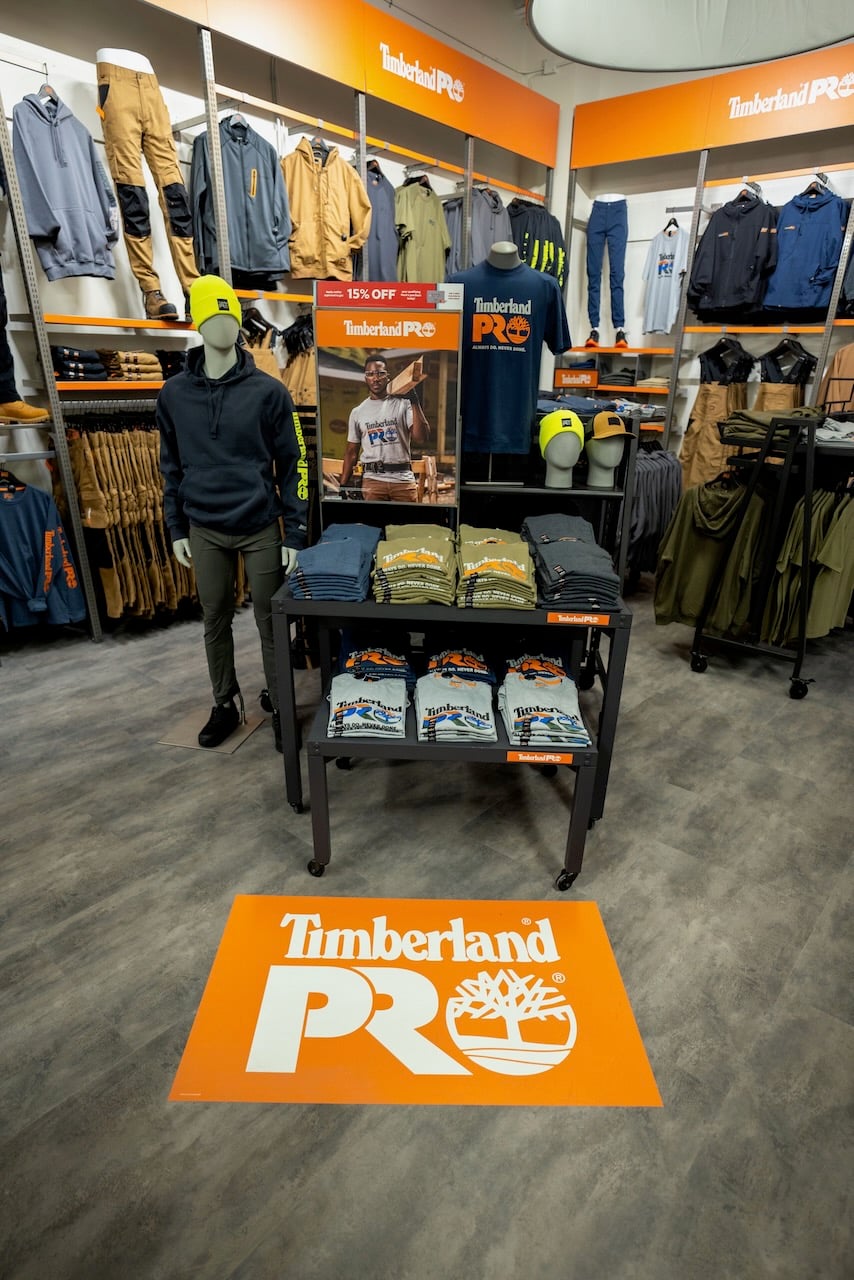
“The product assortment in each Mark’s WorkPro and L’Equipeur Pro store is curated to the specific local market and the unique industrial needs of the community. The stores will curate an assortment of industry leading owned and national brands, featuring names like Dakota, Carhartt, and Timberland Pro.
“Designed to align with the demands of industrial customers, these stores embody the essence of simplicity – enabling customers to swiftly access the essentials they require and promptly resume their tasks. The incorporation of features such as Buy Online, Pick Up In-Store (BOPIS) lockers further bolsters this straightforward shopping strategy.”
Mark’s WorkPro (Image: Mark’s)
Mark’s WorkPro (Image: Mark’s)
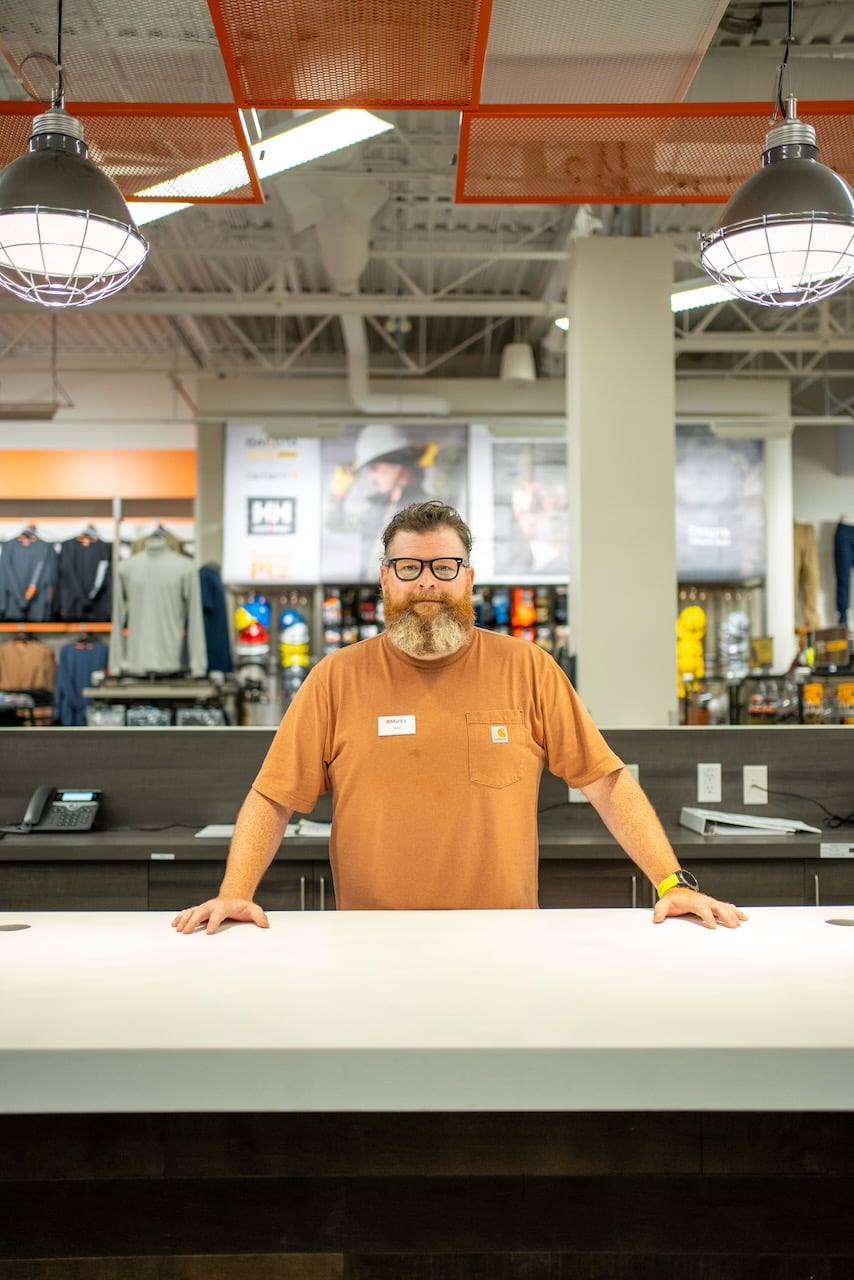
“We have recognized a fulfilling need for a more targeted and a more specific environment with highly-knowledgeable team members focusing on the blue-collar customer who can come into the store, get what they need for the job they have to do and leave as quickly and efficiently as possible,” said Czank.
“Time is money for these customers. We recognize that. So smaller stores. Highly industrialized areas. With assortments basically curated to the type of industry that the blue-collar professionals are in.”
He said the new concept will be located in areas where there is a high density of either industrial growth or construction, longer-term construction plans. It allows people to get what they need quicker rather than going to a mall or to an environment where they may not be as comfortable running in from a job site.
“These stores are located in sections where we don’t have existing stores, where it makes it more convenient for a blue-collar customer to come in from the job site, get there and get back to work as quickly as possible,” said Czank.
Mark’s WorkPro (Image: Mark’s)
He said the retailer will start with the four stores and learn from their experiences.
“We’re going to do the four stores for this year. We’re going to give them 12 months to see what the potential is and then we’ll grow from there. A lot of work has gone in to find exactly where the right locations are. And I think that’s probably going to be the key driver for how many stores we can open,” said Czank. “I don’t want to put a number on it yet. I think the four is a good start. We’re geared up for more as we need to but I think we’re probably going to wait 12 months to make sure we really know the customer proposition here and we’ll grow from there.”
He said the new stores are about 4,000 to 5,000 square feet. A typical Mark’s is on average about 13,000 square feet but Czank said all the new regular Mark’s stores that are opening are between 20,000 and 30,000 square feet.
The company will be opening a few new Mark’s locations next year.
Retail Insider is streamlining its Canadian retail news from around the web to include a handful of top news stories that can be viewed quickly during the day. Here are the top stories from the past 48 hours.
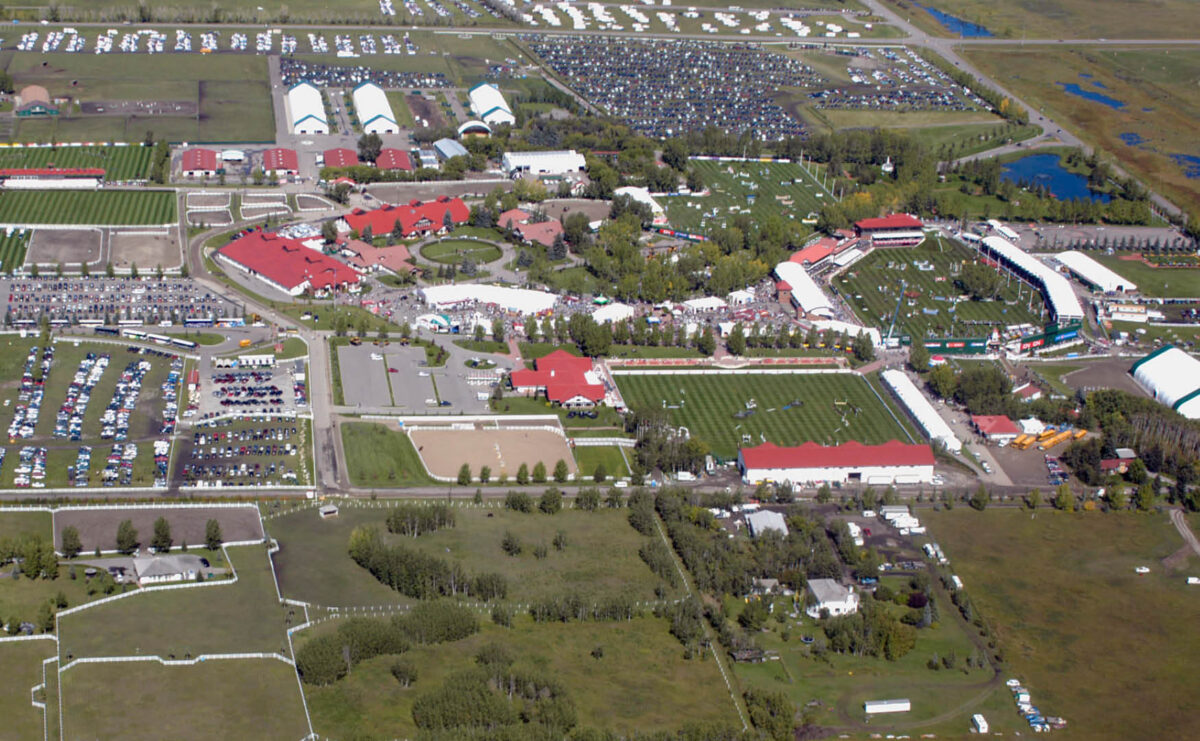
World-class equestrian facility Spruce Meadows, just south of Calgary, has ambitious development plans for the sprawling site which include a restaurant, a coffee shop, retail space and a hotel.
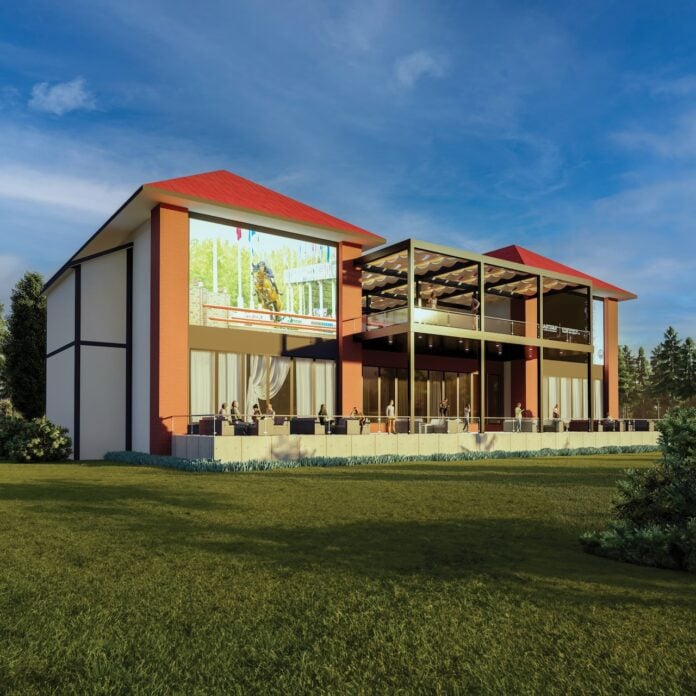
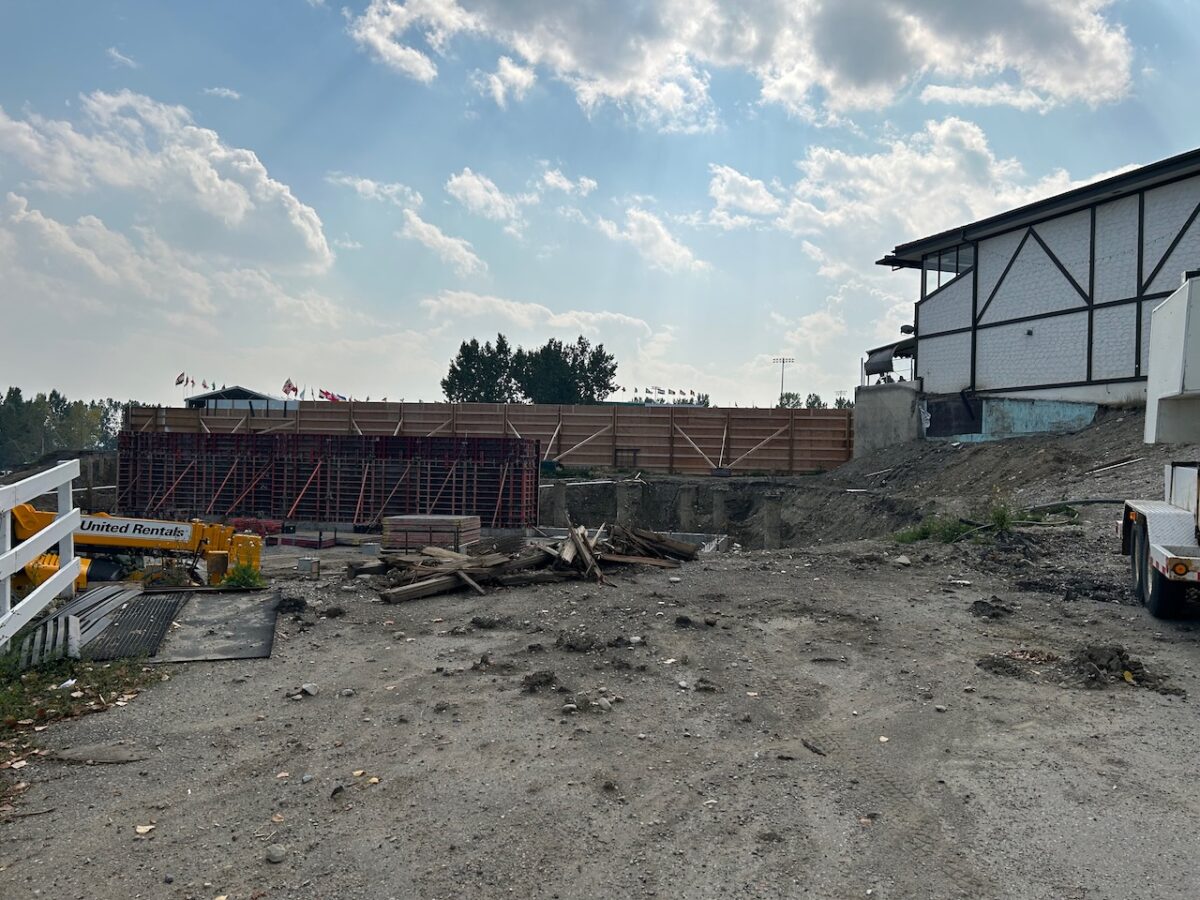
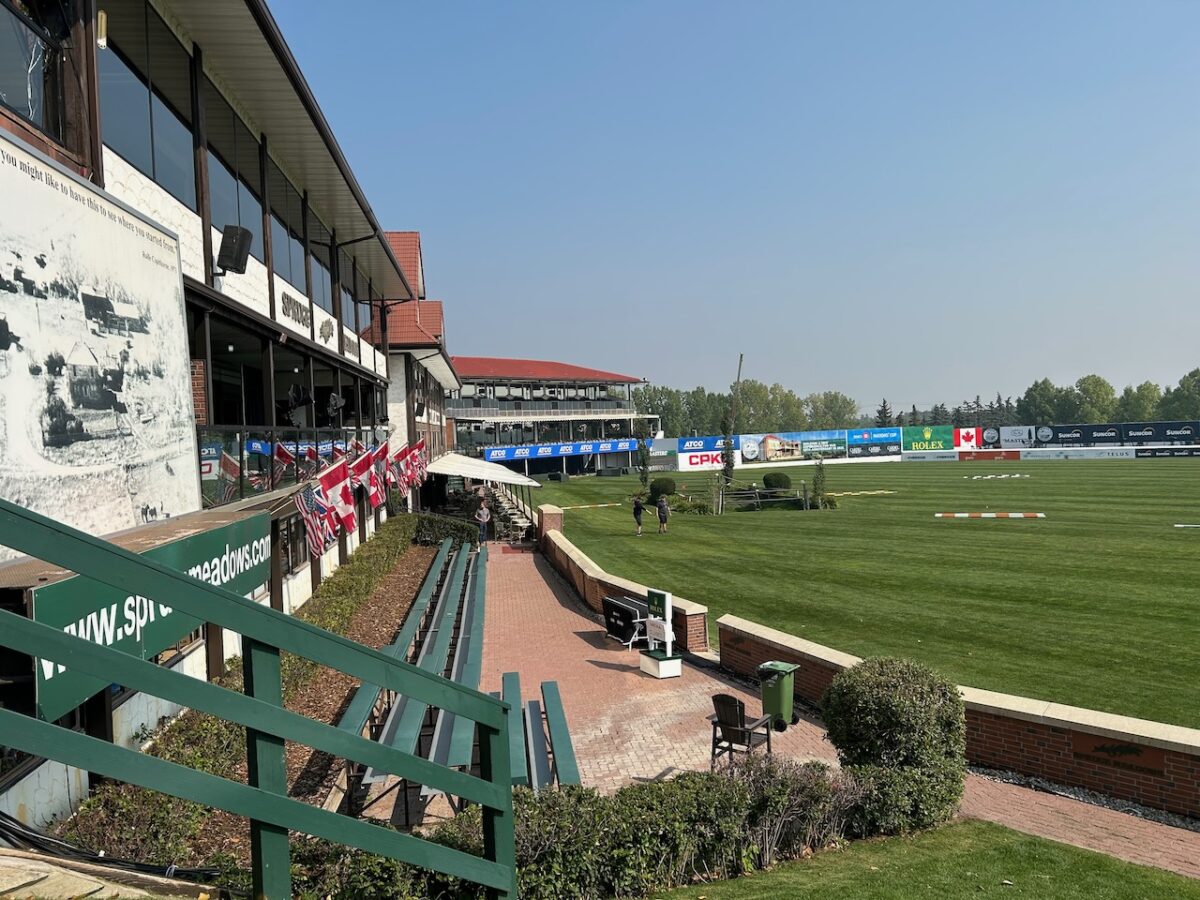
Construction has begun on the site which will house the new two-level restaurant and coffee shop, overlooking the International Ring where some of the world’s top riders compete each year. Those are expected to open in 2025 to mark the facility’s 50th anniversary.
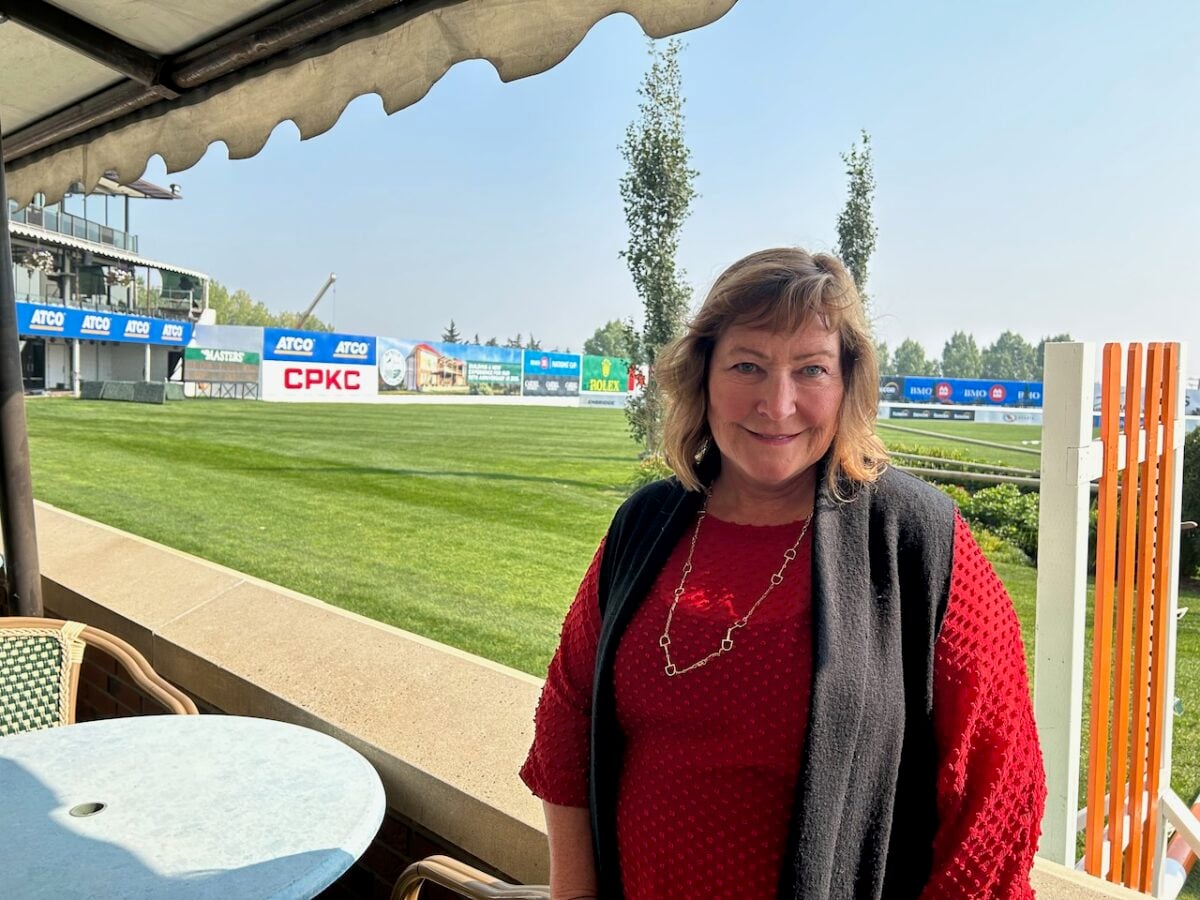
In an interview with Retail Insider, Linda Southern-Heathcott, President and CEO of Spruce Meadows, said Spruce Meadows is ever-evolving and ever-changing.
Linda Southern-Heathcott, President & Chief Executive Officer of Spruce Meadows Ltd (Image: Mario Toneguzzi)Image: Spruce Meadows
A new Spruce Meadows Area Structure Plan envisions and outlines the growth opportunities the site can have in the future with huge potential for commercial (retail) development.
“We’re not sure what it’s going to be. Is it a farmer’s market? Is it shops that are actually here year-round? Part of the reason why the growth opportunities are there is because the City has approved development which is east of us and south of us and that’s I believe 35,000-40,000 homes,” said Southern-Heathcott.
“So there is a huge growth corridor and how can Spruce Meadows be a part of it. I think it’s a natural fit for Spruce Meadows to have a coffee shop. I think it’s a natural fit to have something that grounds us year-round with a restaurant. The restaurant will overlook the International Ring and then on the backside will also overlook the pond. So a very tranquil area.
“I think it’s a sweet spot in the south and a great opportunity for us to have the grounding piece, component, that’s year-round.”
The Area Structure Plan also includes the eventual redevelopment of the current All Canada Ring to include a 12,000-seat stadium with a restaurant and skyboxes that would host sports, soccer, equestrian and outdoor events.
Spruce Meadows (Image: Mario Toneguzzi)Spruce Meadows (Image: Mario Toneguzzi)
She said the main restaurant will have capacity for about 140 people. There’s also 120 seats outside on a deck and space upstairs for about 80 to 100 people in a sports bar area. The coffee shop will have seating for about 35 people.
The restaurant has not been named yet.
“We’re going out with a Request for Proposal on who would run it,” she said. “The facility will be owned by us but it will be a contractor that is the caterer in there.”
From a retail perspective, Southern-Heathcott said the goal would be to support local vendors. Spruce Meadows has its own merchandise shop with both Spruce Meadows merchandise and of course merchandise for Calvary FC, a professional soccer club in the Canadian Premier League, which plays its home games at Spruce Meadows.
“Is there an opportunity with some of our vendors that are here for whether it’s the Christmas Market or at the Masters (tournament) we have a number of vendors as well,” she said. “What that looks like as we go forward, I’m not too sure, but I believe it’s another space that we can enter into and provide a great service to local entrepreneurial partners.”
Every year Spruce Meadows holds its Christmas Market and last year it was voted the fourth best Christmas Market in the world. A skating rink is being planned for the area. As well, Spruce Meadows will be offering long-table dinners in its Congress Hall.
Spruce Meadows (Image: Mario Toneguzzi)
Southern-Heathcott said the facility is looking to reach out to new fans.
“We have to always remember that lots of our original fans, they’re older now, and how do we reach the young people. We have a target audience of between 18 and 35 and we want to continue to create these experiences for them and then they can embrace Spruce Meadows going forward,” she said.
The Area Structure Plan has approved a hotel development on the site and Southern-Heathcott said there is a need for one.
“It will probably be a smaller boutique hotel but we haven’t dipped our toe yet into it. The Area Structure Plan really is envisioning everything we could possibly be,” she said. “It’s a 20-year horizon. So there’s lots of pieces, components, in there. For any destination like Spruce Meadows, a hotel is fundamental. For me, I wanted the restaurant first because it relates to our events and to what we can offer and then I think the next stage would be the hotel.”
Michael Kehoe, Broker of Record with Fairfield Commercial Real Estate in Calgary, said the transformation of Spruce Meadows into a diversified sports and entertainment destination with new dining, retail and other amenities is very exciting.
Michael Kehoe
“The introduction of new commercial uses in a “Sports and Entertainment District” is in keeping with the long-term growth, development, and diversification strategy at the venue. Spruce Meadows is a unique world-class facility and an iconic place for sport and equestrian show jumping for almost 50 years. Most people are not aware that it is privately-owned and open to the public year-round with more than half a million visitors annually. One of the focal points of the Sports and Entertainment District at Spruce Meadows will be an experiential 5,685-square-foot restaurant facility now under construction along with an adjoining main floor café space that have a projected summer of 2025 opening to the public,” he said.
“Fairfield Commercial Real Estate is assisting Spruce Meadows to secure a food service partner for the turnkey restaurant and cafe spaces. The restaurant will be an important amenity within the Sports and Entertainment District and will be a great addition to Spruce Meadows and the surrounding community.”
Spruce Meadows is wholly owned and operated by the Southern Family. The facility began as basically barren land when Ron and Marg Southern had a vision of turning it into what it has become today as a leading venue in the world for international horse sports with a focus on the organization and hosting of show jumping tournaments.
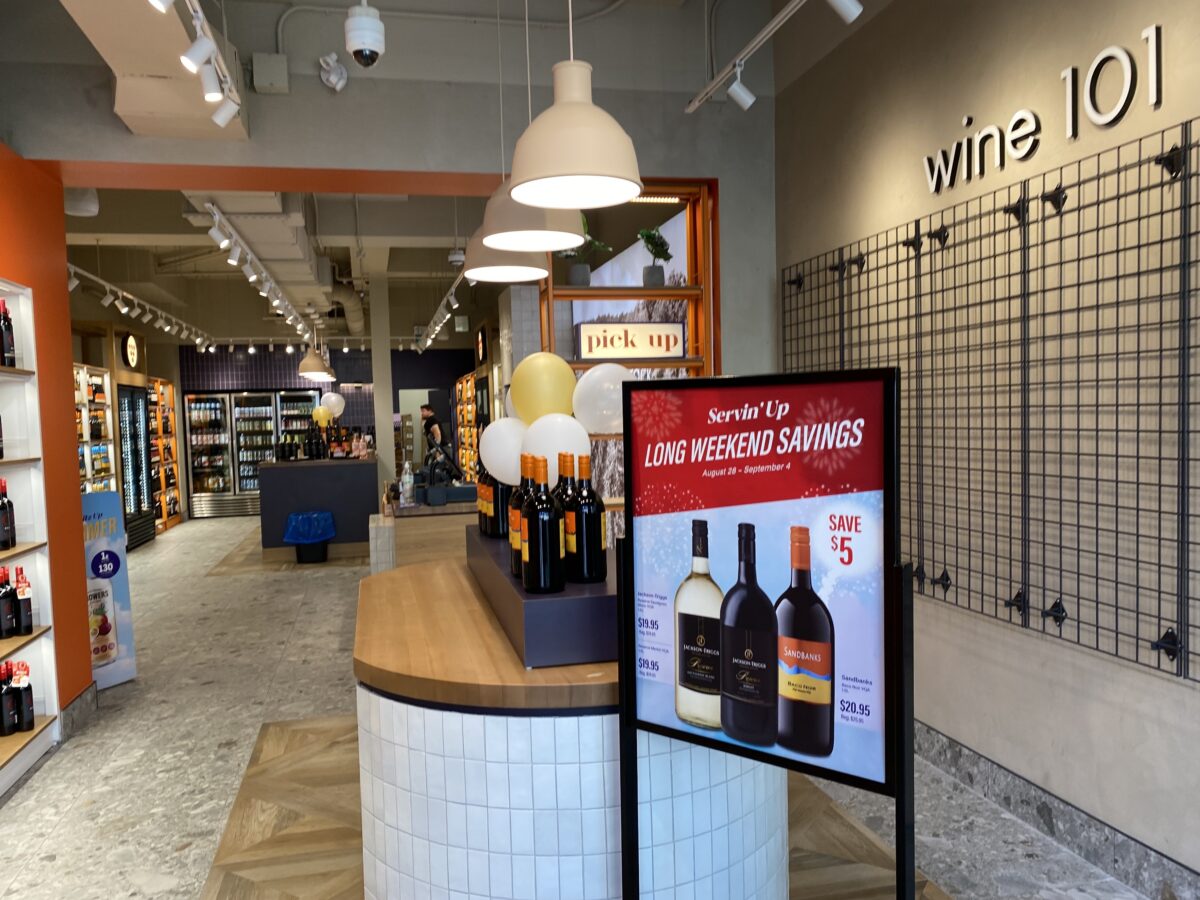
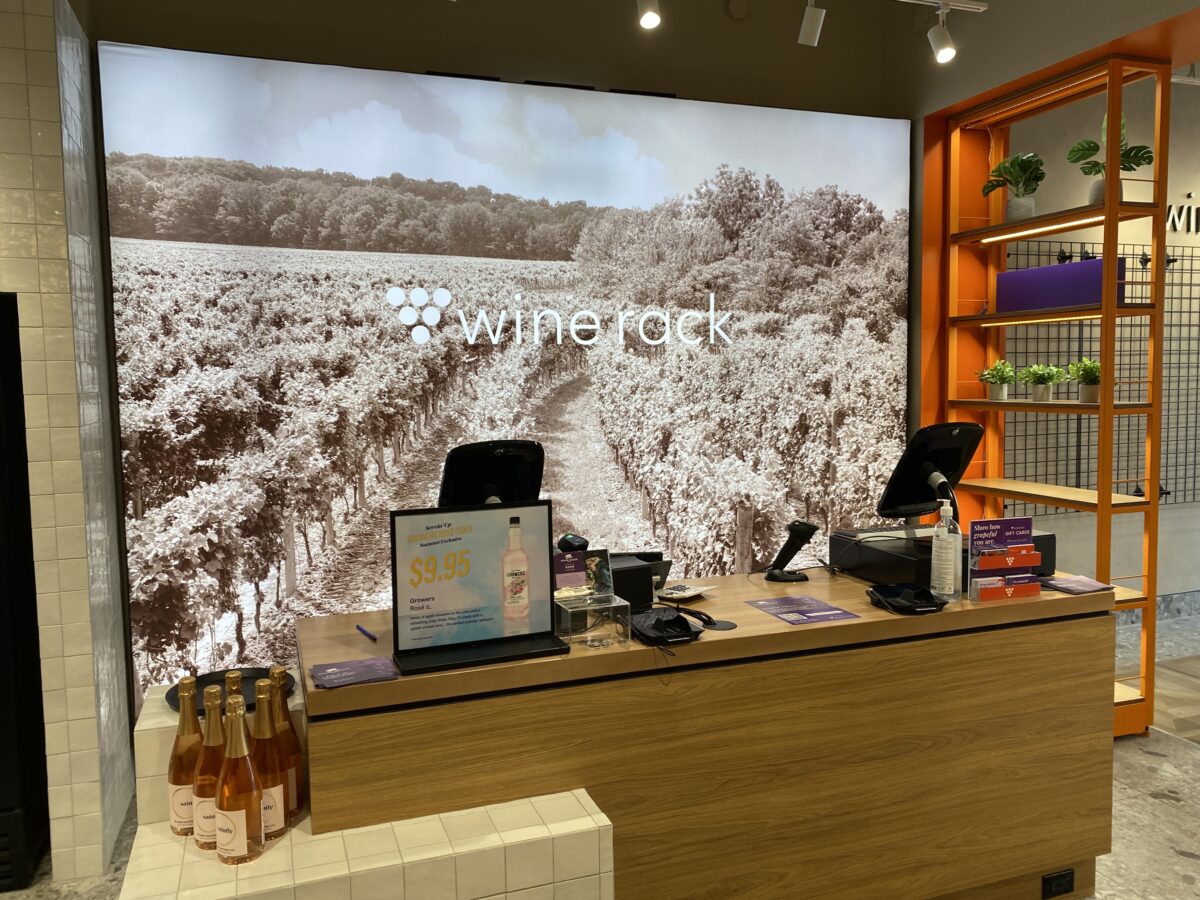
Wine Rack, the retail division of Arterra Wines Canada, has opened its 164th store in Ontario.
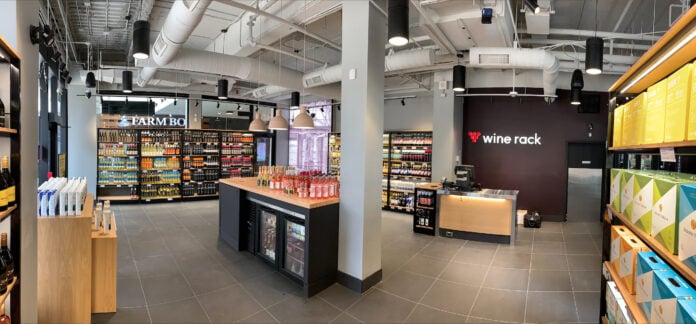
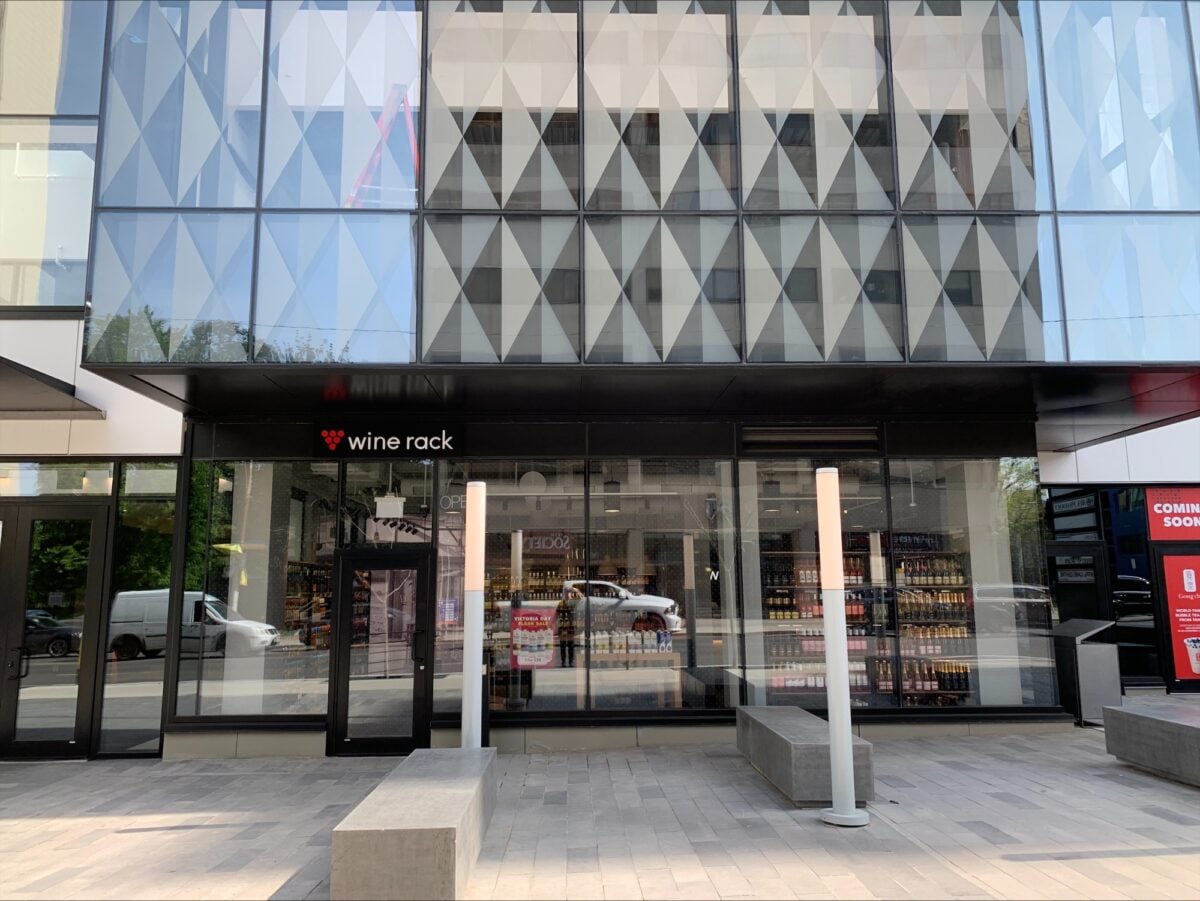
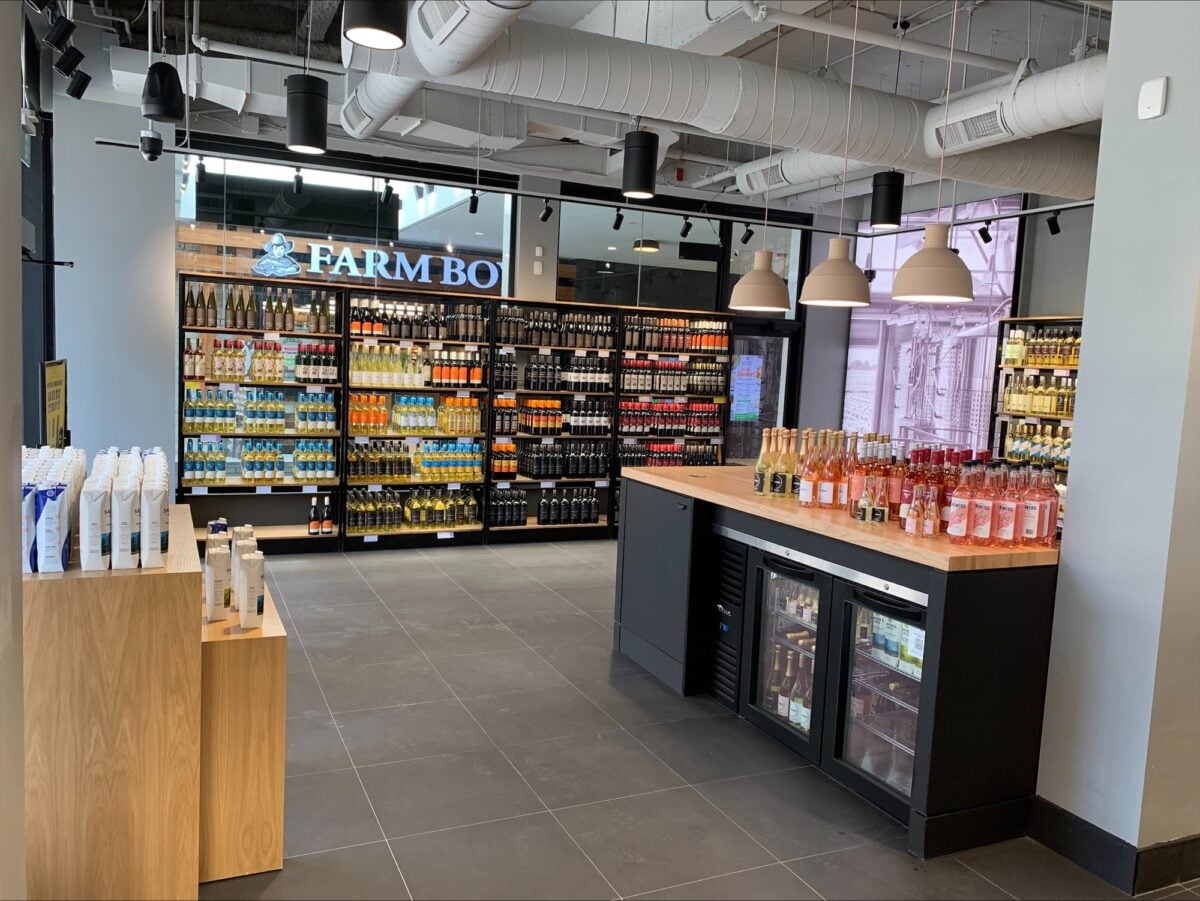
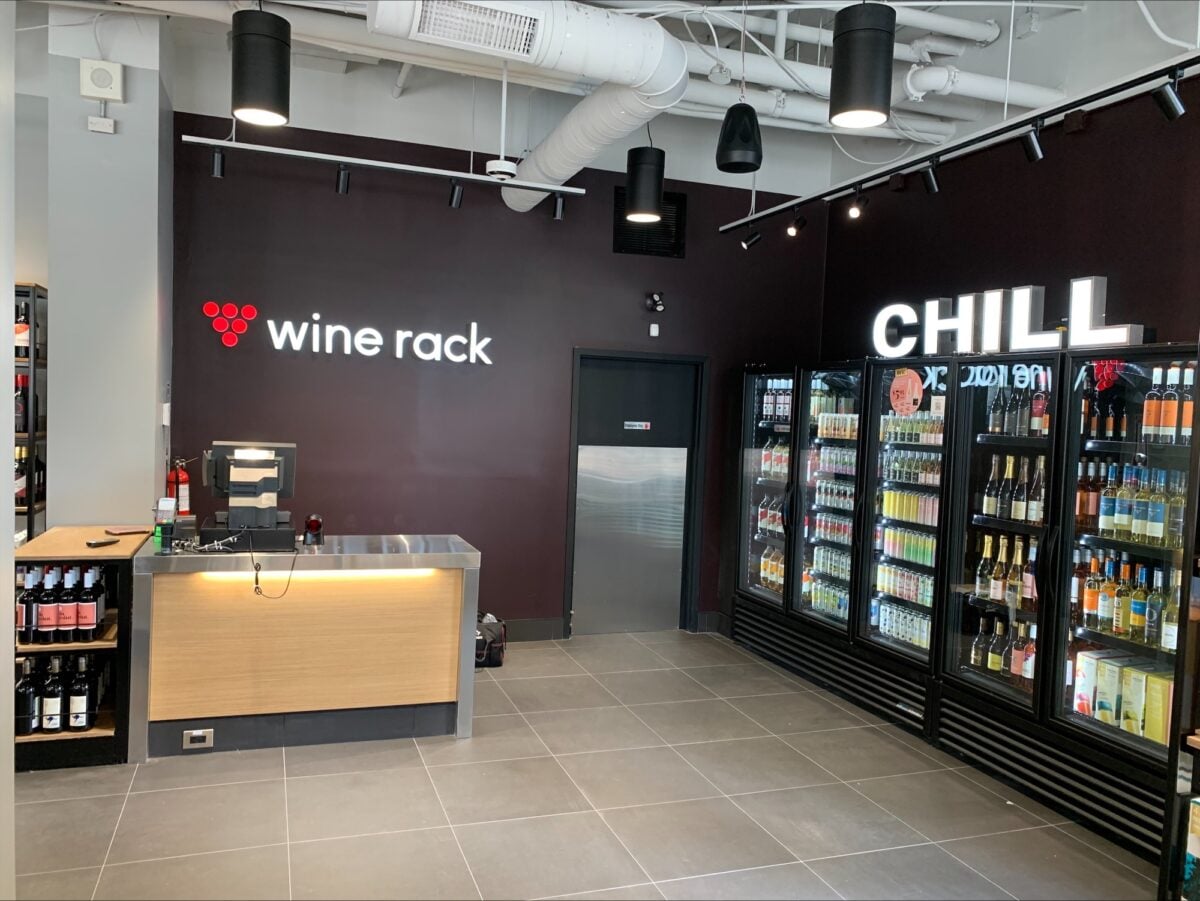
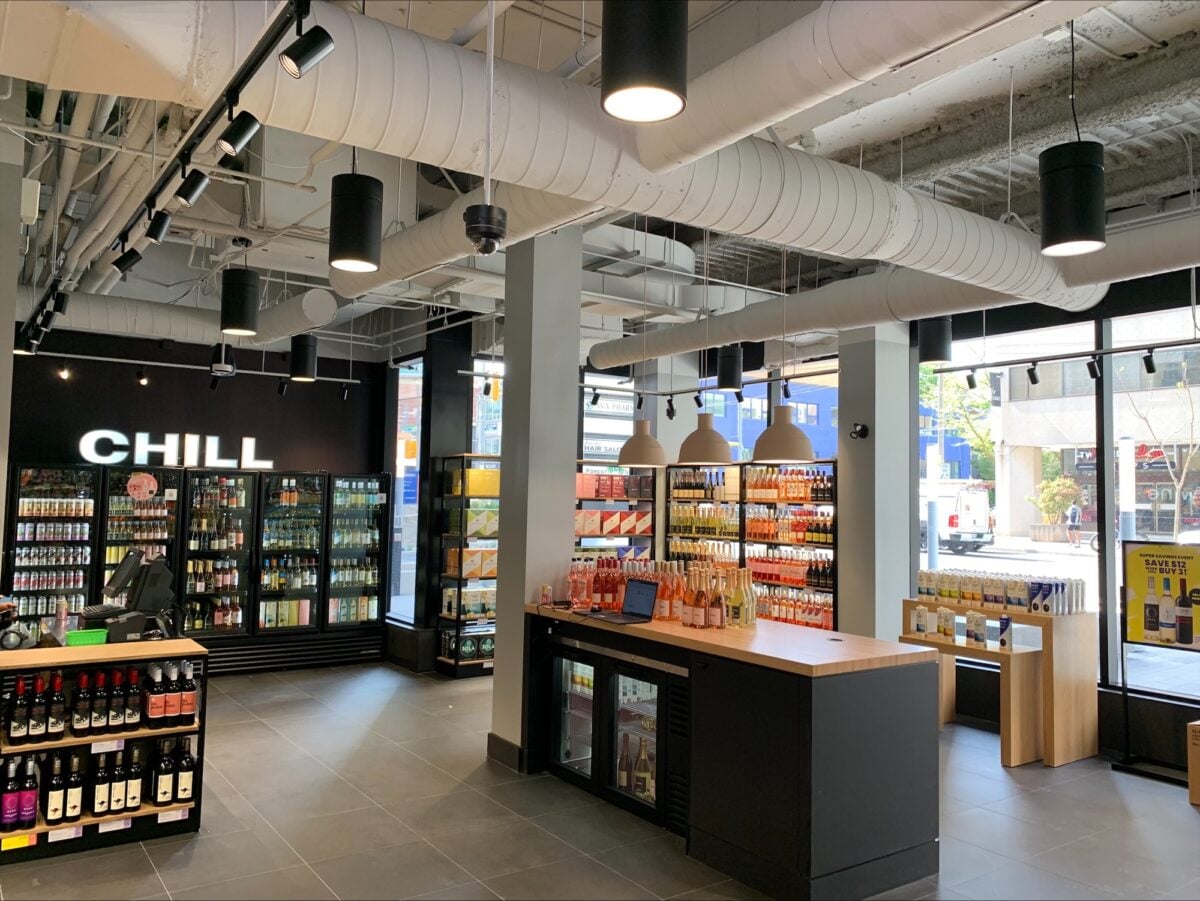
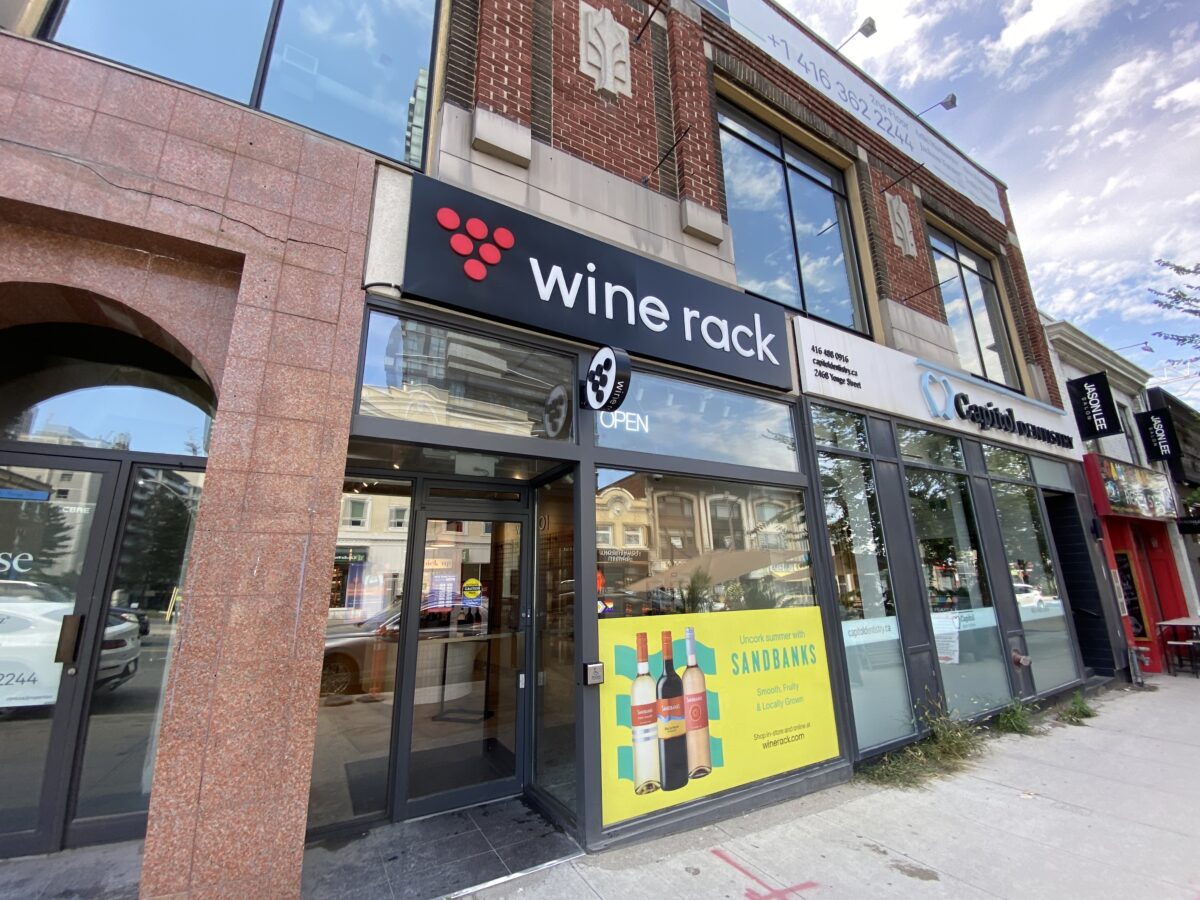
The Yonge Street and St. Clair Ave E Wine Rack location is the newest store expression for the brand.
Will Meijer
Will Meijer, Executive Vice President of Sales at Wine Rack, said the brand is all about local Ontario wines. It sells exclusively the products made in Ontario – wines and ciders.
“Our focus is to make Ontario wine accessible for all,” he said. “We’ve got convenient locations all across the province. We’ve got very handy online and delivery options and we have award-winning staff. Leger Marketing rated us in the top 10 in 2022 in best in-store experience in Ontario. So we have great, knowledgeable staff that can host any consumer from novice to enthusiast and help them make a great selection for their needs.”
Wine Rack Yonge and St. Clair (Image: Wine Rack)Wine Rack Yonge and St. Clair (Image: Wine Rack)
Wine Rack was established in the early 1990s when some wineries came together. They had their own individual winery stores at the time.
“We have a mixture of footprint. We have some standalone stores that are street stores, some are in strip malls, and some are in the footprints of select Ontario grocery stores,” said Meijer.
Arterra Wines Canada has been a pioneer in the Canadian wine industry. Its origins date back to 1874 when the Niagara Falls Wine Company was founded. One hundred twenty years later, it became known as Vincor International. Throughout the 20th century, trailblazing wineries like Jackson-Triggs and NK’Mip were founded and it acquired well-known wineries and brands such as New Zealand’s Kim Crawford. In 2006, it was acquired by Constellation Brands, a U.S.-based company that is a leading international producer and marketer of beer, wine and spirits. In 2016, the Canadian branch of Constellation Brands was acquired by the Ontario Teachers’ Pension Plan, and Arterra Wines Canada was born.
Meijer said the opening of the new location is following how the different communities in Ontario are evolving and the density that is building up within Toronto.
“When you look at the population that is surrounding those areas, it’s a really important destination and locale for us,” he said. “We used to have a store there some time ago and we’re constantly moving around and moving and renovating stores to address our community needs. This was a really important place for us to open back up into.
“And this is one of our larger stores. In the larger footprint, we’ve got a bigger chill zone or more available cold single serve products for more convenience. It’s a larger footprint so we can activate winemaker talks, we can do special programs, we can hold special events. We have a much more diverse assortment, including Wine Rack exclusives that you can only get at Wine Rack and also some more premium VQA (Vintners Quality Alliance) wines as we expand our estate properties in Ontario as well.”
Wine Rack Yonge and St. Clair (Image: Wine Rack)Wine Rack Yonge and St. Clair (Image: Wine Rack)
Meijer said the 164 stores are tied back to winery licences.
“So we won’t have more than 164 stores. So we’re not going to be opening net new ones but we will continue to evaluate the footprint, make sure we’re serving the province with super convenient locations with award-winning wines and access to Ontario’s amazing wines and our customer service in the stores,” he said.
“We’re constantly evolving but we are all across the province – northern Ontario down to Windsor and wineries east and west.”
Meijer said wine can be an intimidating category. It’s one of the reasons Wine Rack places such an emphasis on customer service.
“We do recognize that a lot of consumers in Canada right now are struggling. It’s a tough economic time right now. So we’ve got a lot of really good offers and promotions and SKUs really geared towards recession-busting and helping people get value out of their wine experience if they are struggling with their disposable income.
“Ontario consumers are very interested in local . . . Consumers are really interested in sustainability. They’re really interested in local businesses. And wine is one of Ontario’s largest value-added, agri-food businesses. We grow it, we harvest it, we bottle it and we sell it. All within a couple of hundred kilometres. It’s a really significant part of Ontario’s economy.”
Wine Rack Yonge and Eglinton (Image: Dustin Fuhs)Wine Rack Yonge and Eglinton (Image: Dustin Fuhs)Wine Rack Yonge and Eglinton (Image: Dustin Fuhs)
Meijer said the most important thing that Wine Rack does is connect Ontarians to Ontario wine country.
“There’s a couple of ways we do that. In our new stores, we’re putting more and more digital assets in so consumers can connect more directly. We’re piloting digital price tags and QR codes so we can connect consumers to a brand to hear about it from a winemaker directly to learn more (about wine). Digitally trying to connect all Ontarians to Niagara and Prince Edward County.
“And also through convenience. All of our stores are open on statutory holidays because people celebrate differently. They celebrate the way they want to celebrate. We want to be convenient and accessible for them. And also delivery options. Not everyone lives close to a Wine Rack store. As much as we’re spread out really well across the province, not everyone has one down the street so winerack.com offers a bunch of shipping options, we also have Skip and Uber for more immediate delivery but we really want to connect consumers digitally and physically as much as we can to wine region whether you’re in Niagara’s backyard or you’re in northern Ontario.”
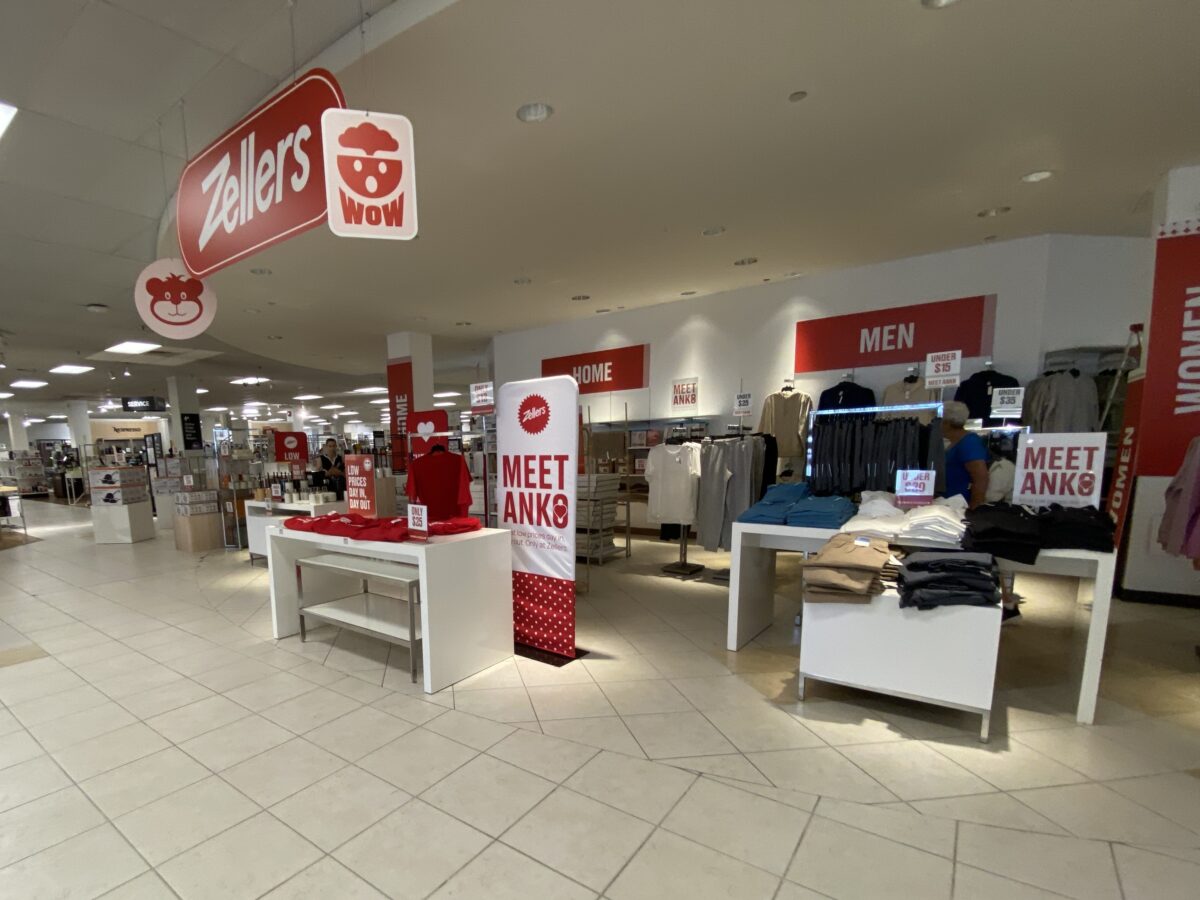
Zellers at Hudson's Bay Queen Street (Image: Dustin Fuhs)
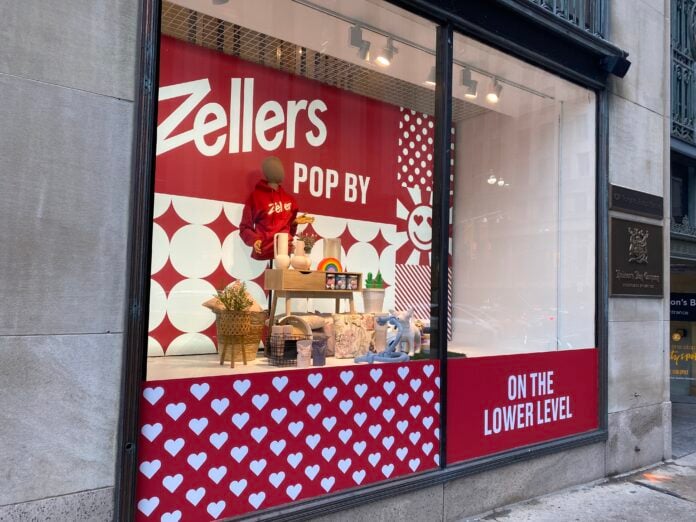
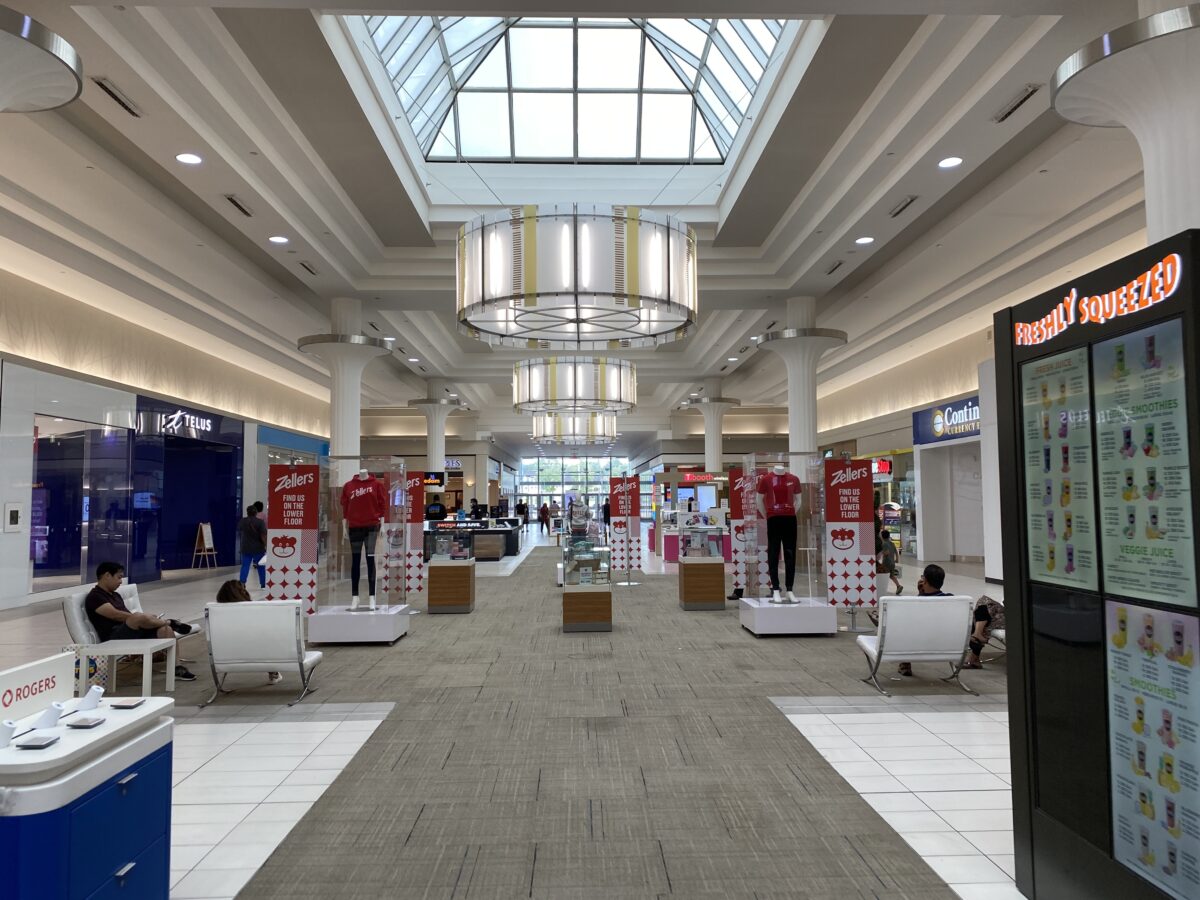
Retailer Zellers will launch pop-up locations in all remaining Hudson’s Bay stores across the country in time for the upcoming holiday season.
Sophia Hwang-Judiesch
“We continue to see Canadians embrace Zellers, and are delighted by the experience of people discovering the amazing quality and style of the assortment we carry,” said Sophia Hwang-Judiesch, President of Hudson’s Bay.
“As I’ve said before, pop-ups are a key ingredient in our expansion strategy, allowing us to explore and test in new markets and fine-tune our offering before establishing larger format store locations. Our customers are in the driver’s seat – they will tell us how and where to grow.”
Zellers at Hudson’s Bay Ottawa Rideau (Image: Dustin Fuhs)
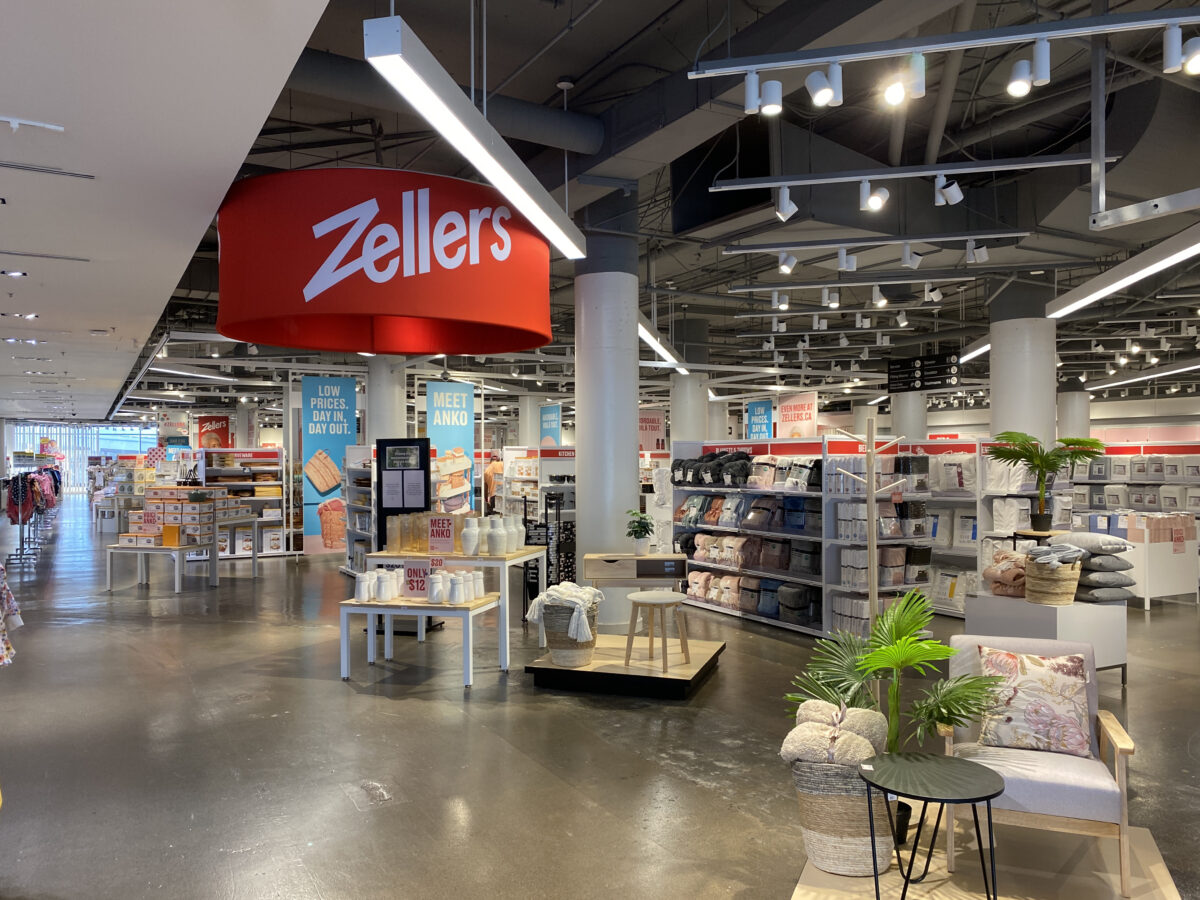
Currently, Zellers has 24 store-in-stores (and one more on the way) as well as 22 pop ups that opened earlier this year.
As previously announced, a new Zellers store-in-store will open at Bramalea City Centre in Brampton, ON, on Sept 27. With these additional pop ups, 78 Hudson’s Bay stores in Canada will now offer customers a Zellers experience.
The retailer said pop-up footprints will vary from store to store, ranging from 1,000 to 2,800 square feet (with the exception of Queen Street in Toronto) depending on location. Zellers stores within Hudson’s Bay range from 8,000 to 10,000 square feet.
“The pop-ups serve as strategic market tests to determine future Zellers store locations.,” said the company.
Zellers Pop-up at Pickering Town Centre (Image: Dustin Fuhs)Zellers Display at Pickering Town Centre (Image: Dustin Fuhs)
The final Zellers pop ups within Hudson’s Bay will open by Sept 22, at the following locations:
Alberta
Calgary Downtown, Calgary
Chinook Centre, Calgary
Market Mall, Calgary
Southcentre Shopping Centre, Calgary
Southgate Shopping Centre, Edmonton
West Edmonton Mall, Edmonton
British Columbia
Coquitlam Centre, Coquitlam
Mayfair Shopping Centre, Victoria
Metrotown Centre, Burnaby
Orchard Park Shopping Centre, Kelowna
Park Royal Shopping Centre, West Vancouver
Richmond Centre, Richmond
Village Green Mall, Vernon
Manitoba
Polo Park Shopping Centre, Winnipeg
Ontario
Bayshore Shopping Centre, Ottawa
Centrepoint Mall, Willowdale
Conestoga Mall, Waterloo
Fairview Mall, Willowdale
Hillcrest Mall, Richmond HIll
Limeridge Mall, Hamilton
Markville Shopping Centre, Markham
Masonville Place, London
Oakville Place, Oakville
Sherway Gardens, Etobicoke
Square One, Mississauga
Woodbine Plaza, Toronto
Yorkdale, Toronto
Quebec
Carrefour Laval, Laval
Centre Laval, Chomedey
Fairview Mall, Pointe Claire
Montreal Downtown, Montreal
“One of HBC’s most beloved brands, Zellers holds a special place in Canada’s maple leaf-shaped heart. With a brand new zellers.ca website and 25 locations (to start!) within Hudson’s Bay stores across the country, customers can expect a helpful, playful shopping experience packed full of low prices day in, day out. With a core focus on design and value – and a hint of the nostalgia that Canadians know and love – Zellers is gearing up to become the new go-to, from lifestyle to home and almost everything in between,” said the retailer.
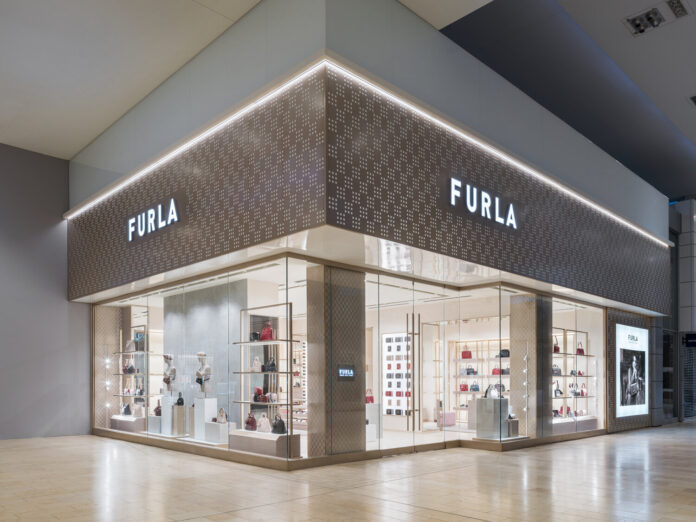
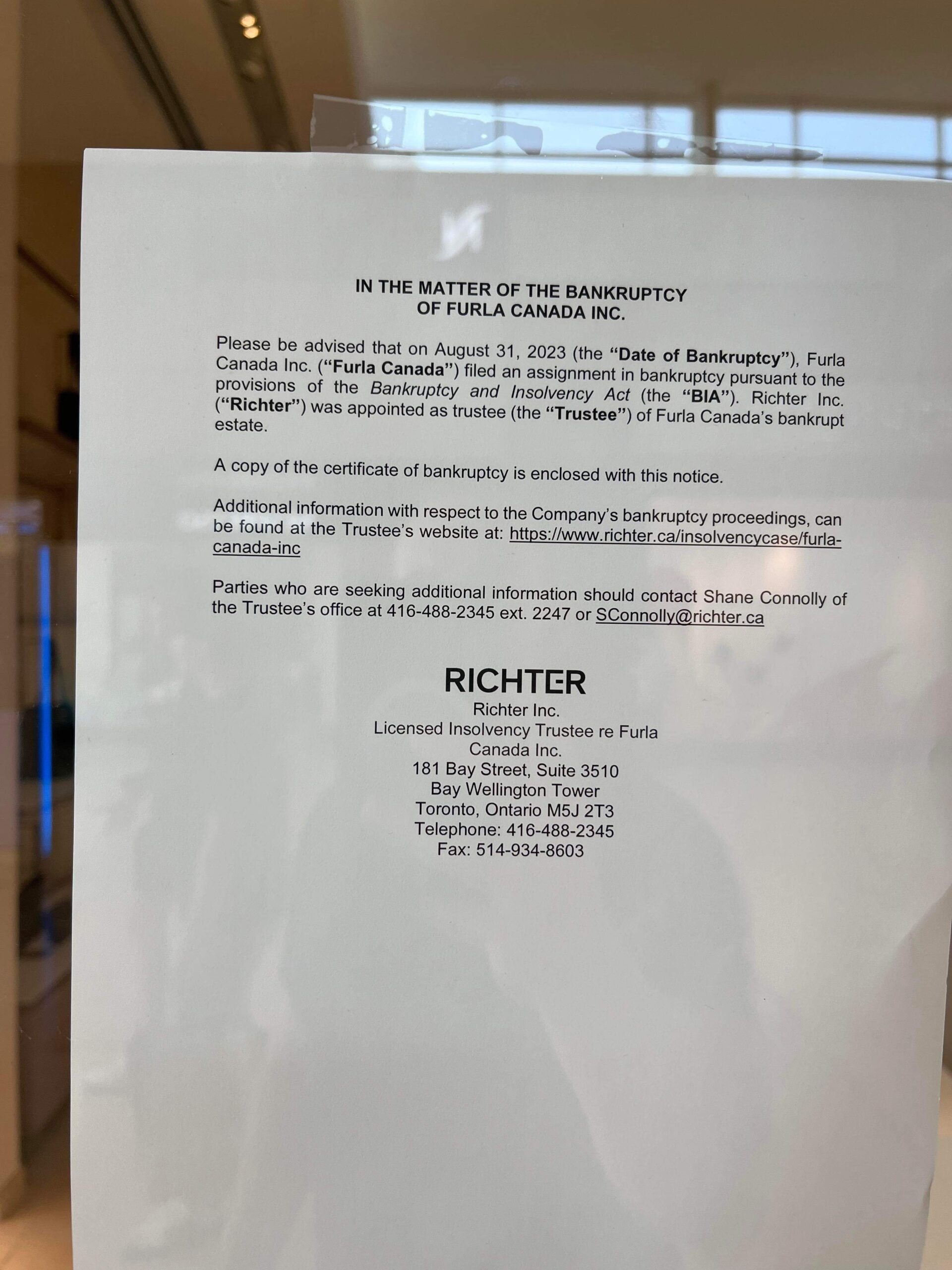
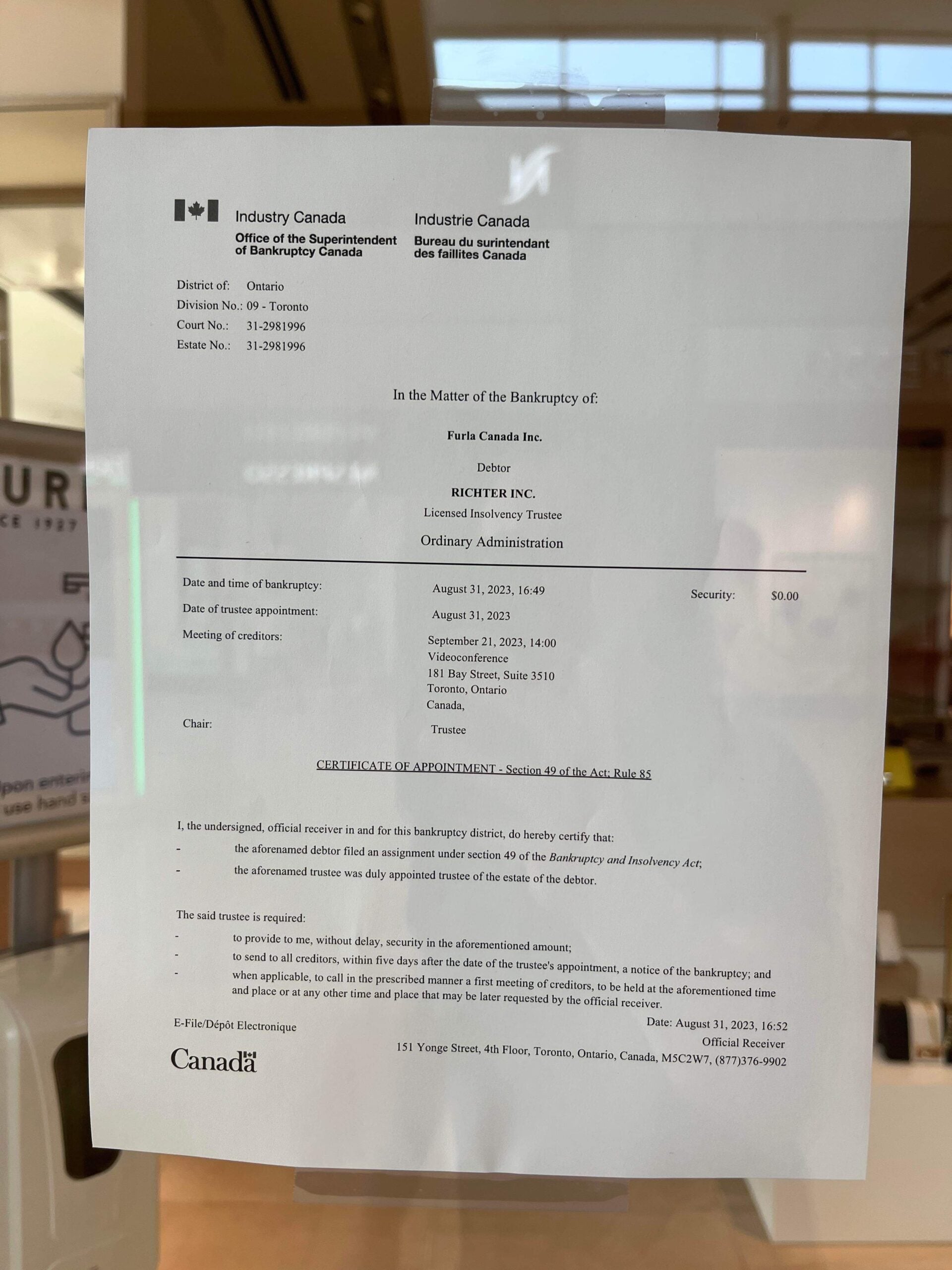
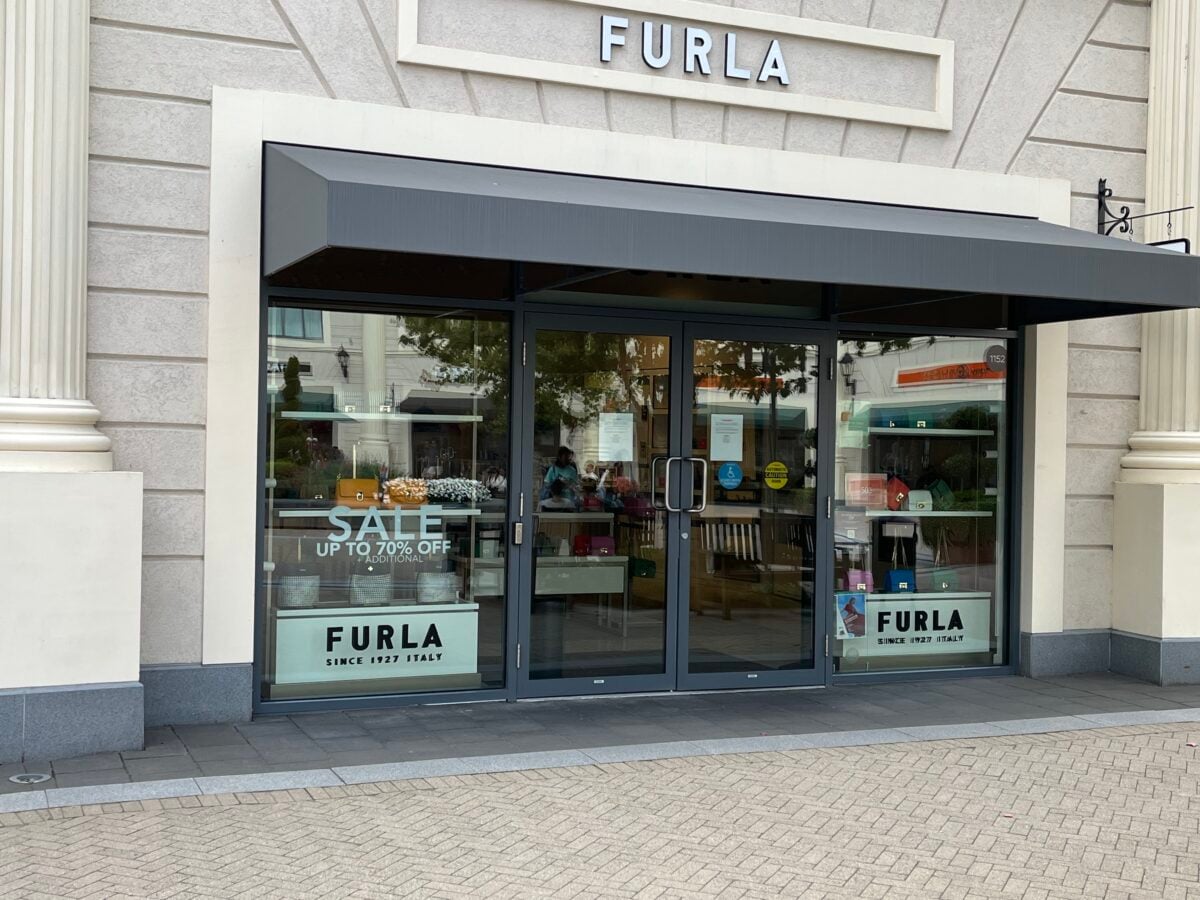
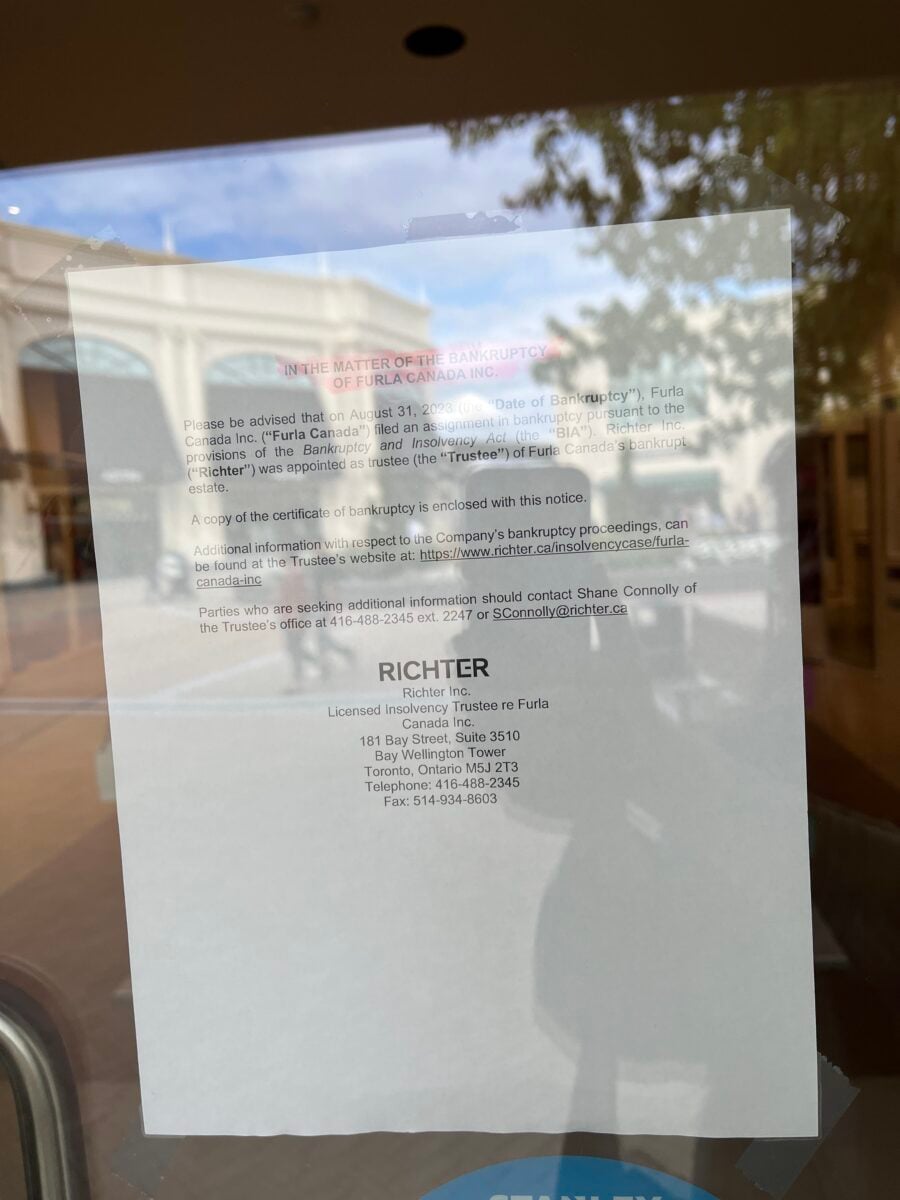
Upscale Italian brand Furla abruptly shut its Canadian stores last week in the middle of the day without any notice given to staff. The retailer opened its first of three locations in Canada prior to the pandemic and the Italian corporate entity is said to be responsible for the decision to exit the Canadian operations.
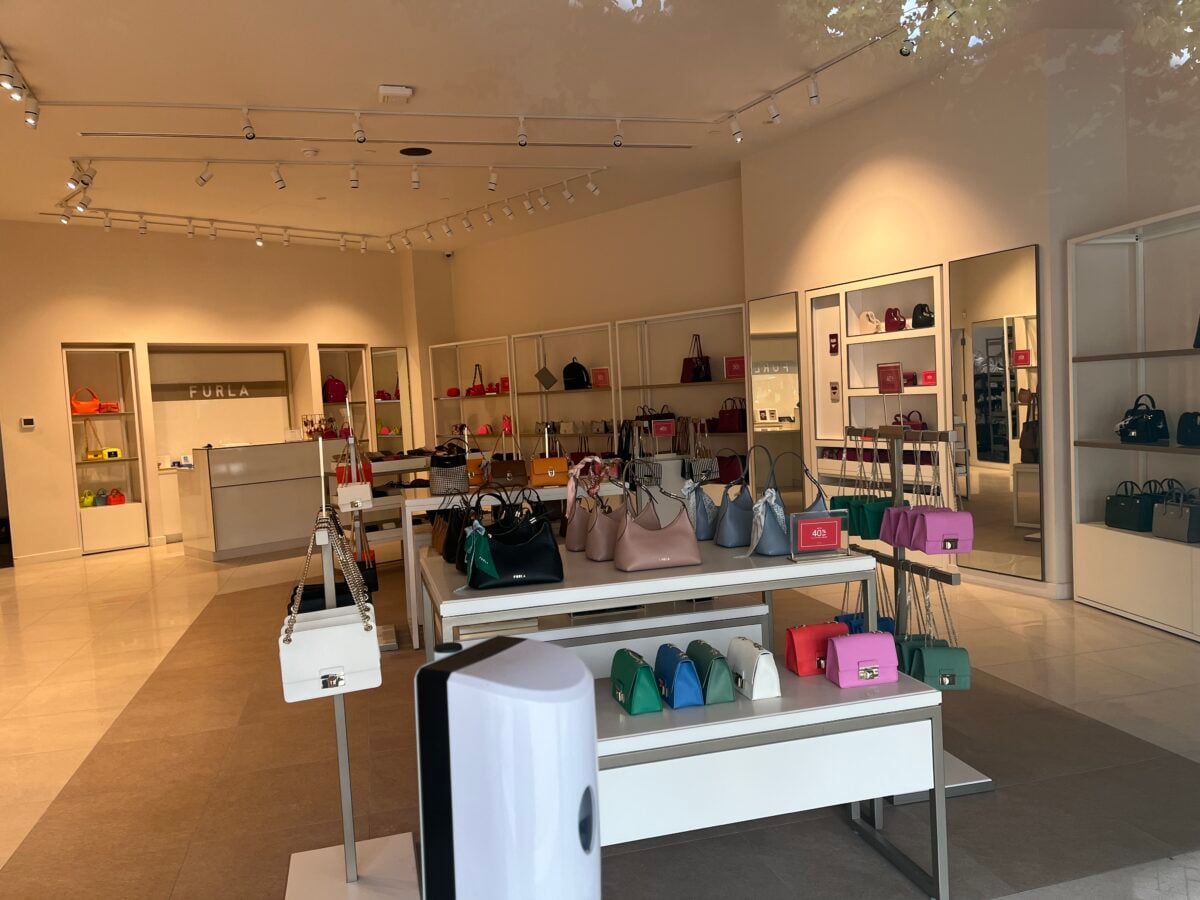
Furla, known primarily for its bags and accessories, opened a full-priced store at Toronto’s Yorkdale Shopping Centre in the fall of 2019. Two outlet stores subsequently opened in Canada, including at the Toronto Premium Outlets near Toronto in the fall of 2020 and a Vancouver location at the McArthurGlen outlets in early 2022.
All three stores were shuttered abruptly and the locks changed on the afternoon of Thursday, August 31st — staff and management were not notified prior, according to a source that spoke to Retail Insider about the situation. Richter is the receiver handling the winding down of Furla.
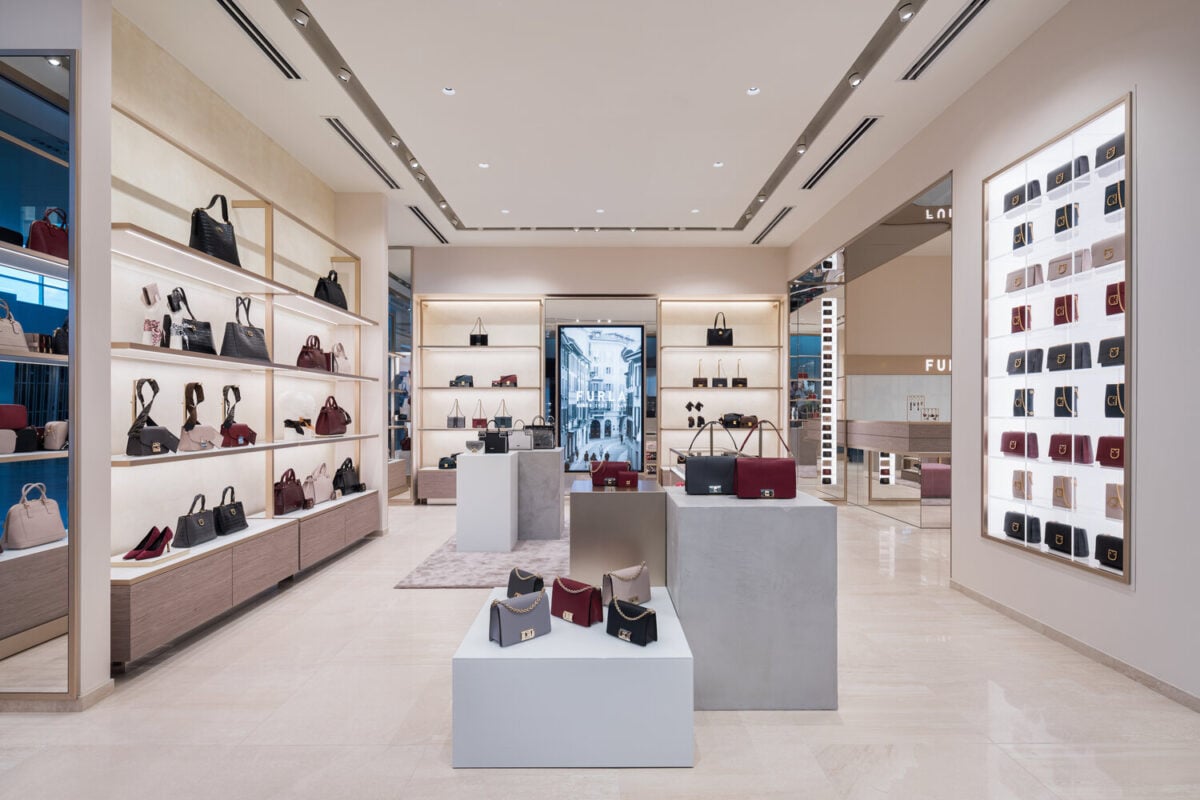
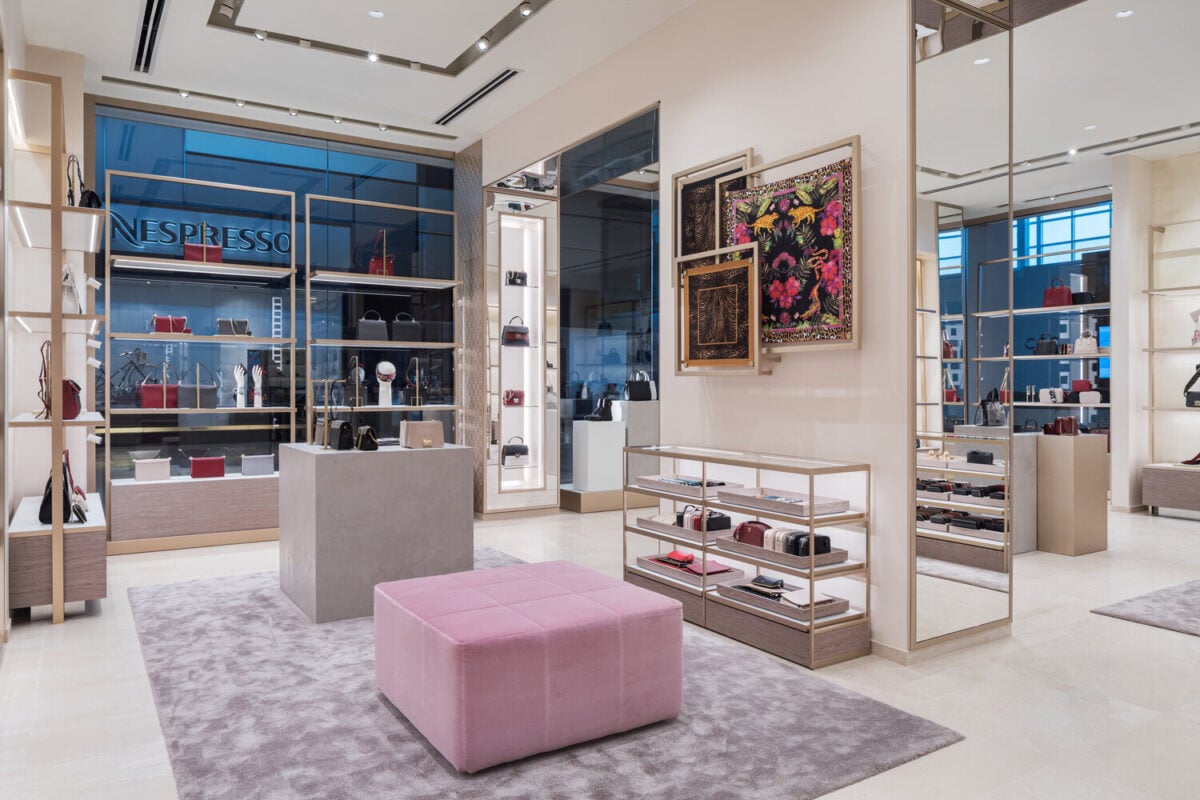
Furla Yorkdale (Image: Provided)
Furla Yorkdale (Image: Provided)
Furla’s Canadian entry in 2019 was in partnership with Montreal-based Halcyon Brands. It’s said that Halcyon was not the decision maker for Furla’s abrupt store closures and exit from Canada, and that Italy had “made the call” to shutter operations.
Lockdowns during the pandemic are said to be partly to blame, with sales numbers at the Yorkdale Furla store being ‘steady’ but not having recovered since the pandemic. Sales at the Vancouver Furla location were said to be strong following its opening last year. Furla hadn’t yet set up a dedicated Canadian e-commerce site despite being in Canada for nearly four years although quite recently, it began offering shipping to Canada from its international website.
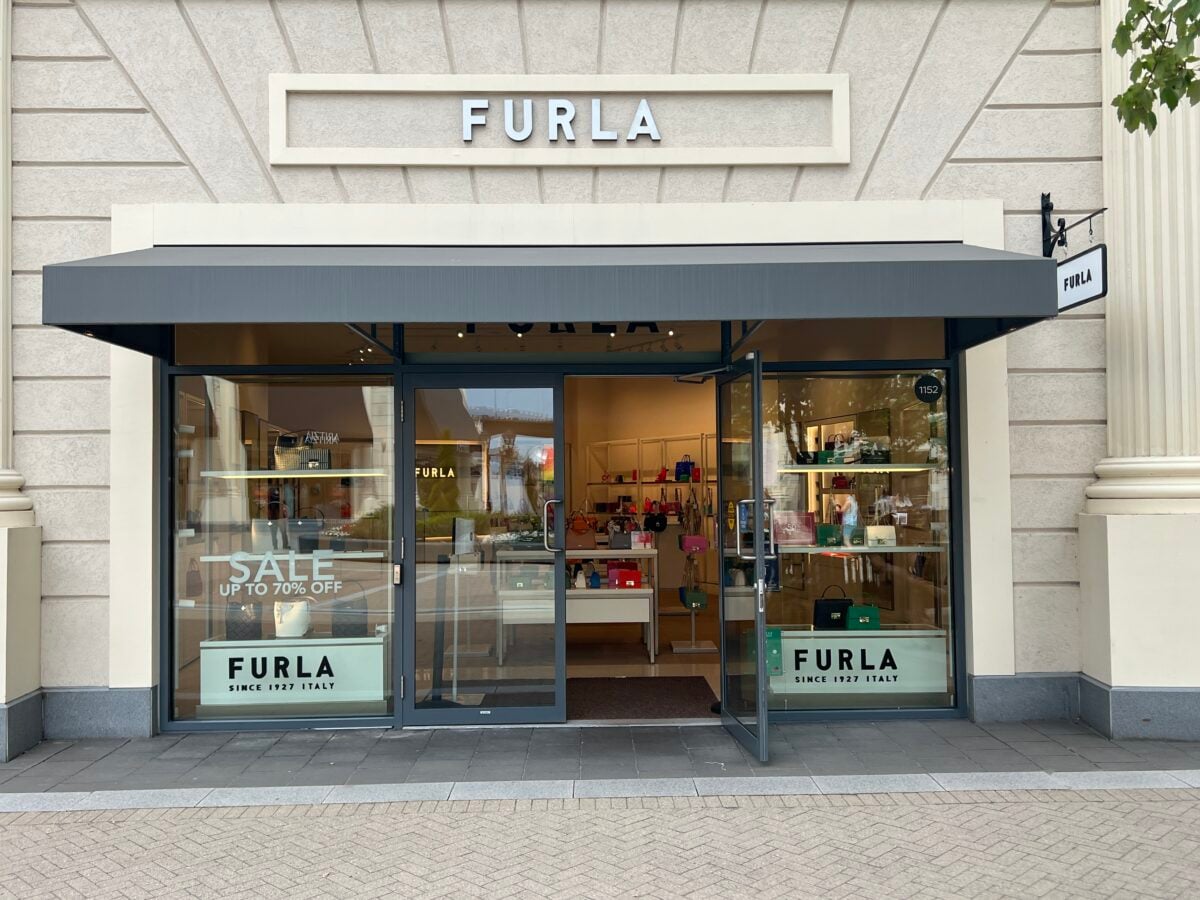
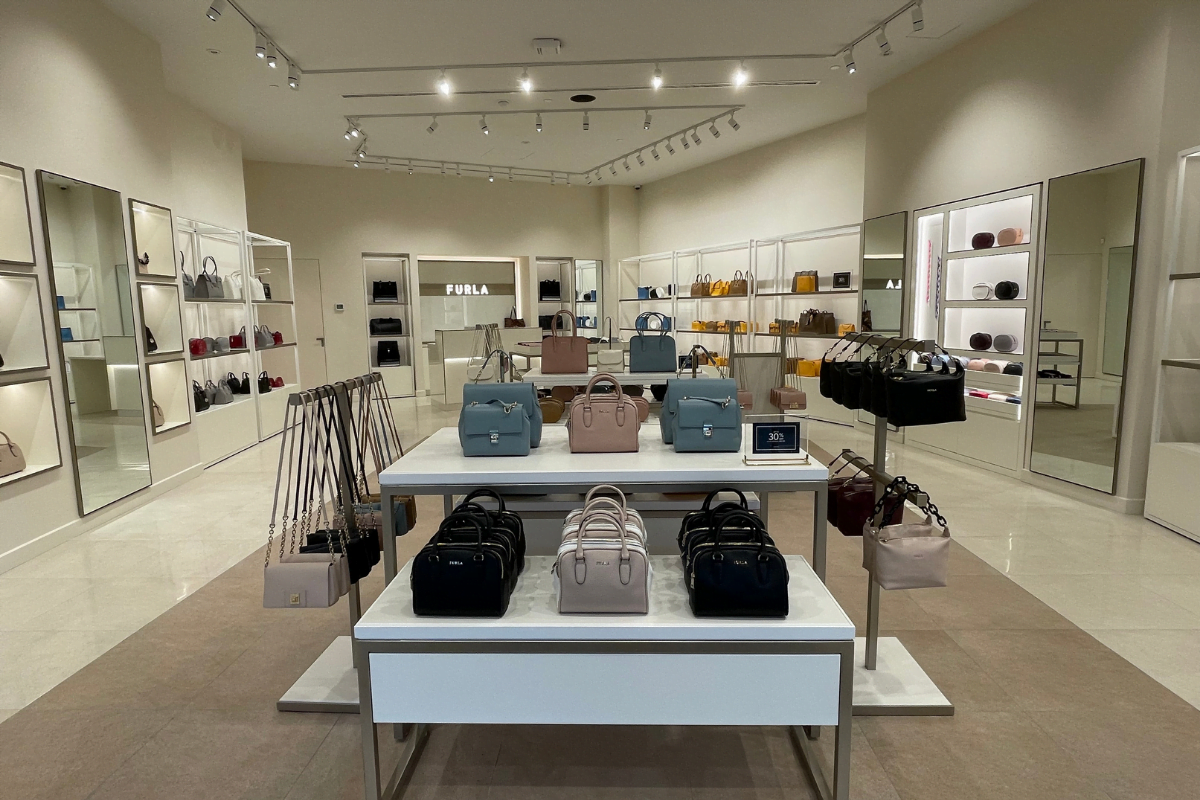
Shuttered Furla at McArthurGlen Designer Outlet in September 2023. Image ProvidedShuttered Furla at McArthurGlen Designer Outlet in September 2023. Image ProvidedShuttered Furla at McArthurGlen Designer Outlet in September 2023. Image Provided
A lack of a dedicated marketing budget for Canada could also be to blame — Furla had some brand awareness in Canada and arguably, it could have been much better. The same lack of advertising dollars is said to be one of the reasons why UK-based luxury brand Mulberry pulled out of Canada by shutting its stores here during the pandemic.
A new CEO was recently hired at Furla, which could be another reason why a decision was made to exit Canada, according to a source.
One source said that Furla was making inroads into the Canadian market in terms of sales, and that its exit was “too soon”. The perception of the brand in Canada could have been influenced partly by what is seen in its US operations. In the US, Furla might be seen more as an ‘outlet brand’ given its real estate with all but two stores functioning as outlet stores. Furla operates just two full-priced US stores in New York City and at South Coast Plaza near Los Angeles.
Furla Yorkdale (Image: Michael Muraz)Furla Yorkdale (Image: Michael Muraz)
In Canada, Furla products are still available online. A limited selection is also available wholesale at La Maison Simons in Montreal and Mississauga.
Years ago, Furla operated licensed stores in Canada, including a storefront at 41 Avenue Road (south of the former Hazelton Lanes) in Toronto as well as at 1008 West Georgia Street in Vancouver where an Hermes flagship store is now located.
Furla at McArthurGlen Designer Outlet in July 2023. Photo: Lee Rivett.Furla at McArthurGlen Designer Outlet (Image: Furla)
Furla was founded by the Furlanetto family in 1927, and it continues to remain family-owned. The company produces various product categories that include leather goods such as handbags and shoes, as well as an expanding category of accessories that include eyewear, jewellery and watches. Furla’s headquarters are in Bologna, Italy, in a historic 18th-century villa. In 2015, the company opened a five-storey tall ‘Palazzo’ in central Milan.
Furla’s pricing is lower than that of brands such as Chanel, Hermes and Louis Vuitton, which Furla says gives it a competitive advantage. “It is the only brand in the fast-growing premium segment that gives customers an authentic Italian experience with an attractive value for money proposition, positioning itself as one of the major global players in the leather goods market,” according to the company.
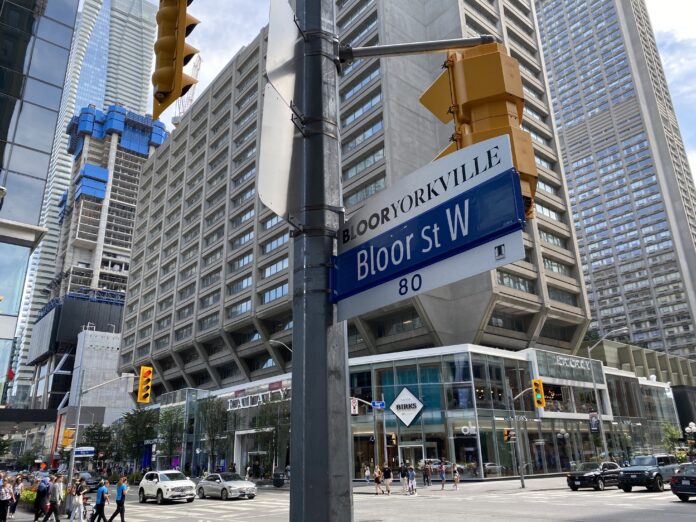
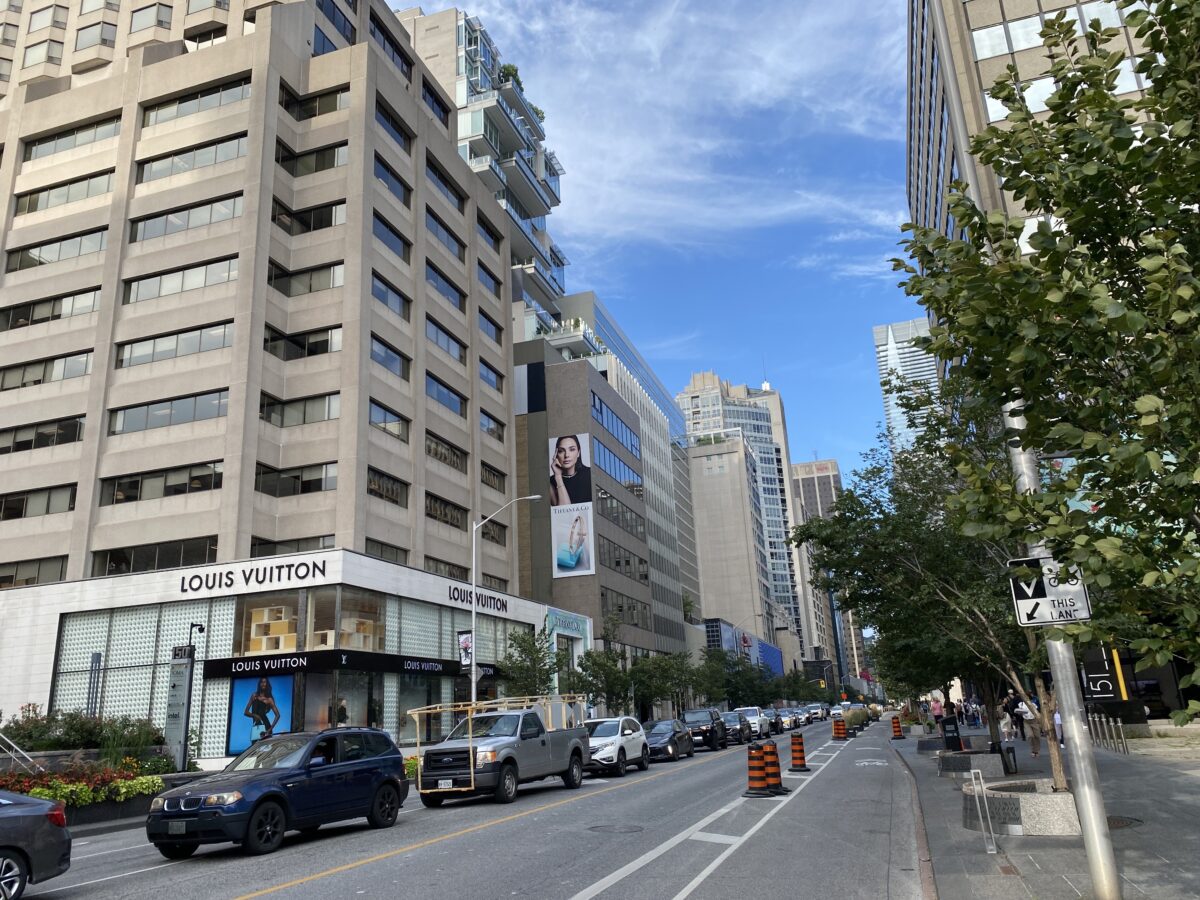
Bloor Yorkville at Bay Street (Image: Dustin Fuhs)
Craig and Lee discuss the fierce rivalry unfolding between Toronto’s Bloor-Yorkville and Yorkdale Shopping Centre in the realm of luxury retail. Delving into the nuances of this competition, they highlight the contrasting strategies and advantages each entitiy brings to the table. While Yorkdale’s dominance owes much to the streamlined approach offered by its single landlord, Oxford Properties, and its climate-controlled environment that appeals to shoppers during harsh Canadian winters, Bloor-Yorkville’s allure rests on its unique offerings and potential for a personalized shopping experience. Craig and Lee also draw parallels to similar trends in the United States, where luxury shopping has transitioned from vibrant downtowns to suburban malls due to shifts in consumer preferences and city landscapes.
Moving beyond Toronto’s borders, the hosts elaborate on luxury retail expansion in cities such as Vancouver and Montreal. They spotlight upcoming developments like the Oakridge Park in Vancouver and Royalmount in Montreal, both poised to reshape luxury shopping landscapes in their respective regions. The conversation shifts to the challenges posed by fragmented property ownership in Bloor-Yorkville, contrasting with the more cohesive approach of shopping centres like Yorkdale. As Lee aptly points out, navigating through individual building owners and their unique personalities can complicate retailer placement and leasing negotiations, underscoring the distinct advantages of mall environments for luxury retail expansion.
The Weekly podcast part of theThe Retail Insider Podcast Network by Retail Insider Canada and is available on Apple Podcasts, Stitcher, TuneIn, Google Play, or through our dedicated RSS feed for Overcast and other podcast players.
Transcript
Announcer 0:00 This is a Retail Insider Podcast. You’re listening to “The Weekly”.
Lee Rivett 0:08 Welcome to this week’s episode of “The Weekly” by Retail Insider. I’m Lee Rivett and I’m joined with the owner and publisher of Retail Insider Media, Craig Patterson, to discuss this week’s most read articles on retail-insider.com. So thanks for joining me, Craig.
Craig Patterson 0:22 Hello, everyone.
Lee Rivett 0:23 Now in our last article on Yorkdale getting a luxury expansion. We didn’t touch upon the Yorkville impact where traditionally a lot of the luxury retailers would be showing up there. So and again, not to confuse the Toronto “Yorkdale Shopping Center” with the “Yorkville shopping neighborhood” that’s outside. But Craig, where would you like to start?
Craig Patterson 0:43 One thing in the article that I didn’t address was Bloor-Yorkville, these updates to Yorkdale are exciting. This is really interesting in terms of what’s happening with luxury retail but I think to a degree this is also a little bit at the expensive of the Yorkville area and Bloor Street because the shoppers that are going up to Yorkdale to buy these expensive things at these new stores (especially the ones that are coming). If Yorkdale wasn’t there, they’d all be going to Bloor Street basically and Yorkville Avenue. That’s where all the fancy stores would be. Yorkdale certainly dominating. There’s a lot of stores up there that are not in Bloor Street. I have been told that a good number of the stores that may have opened first at Yorkdale will eventually make their way down to Yorkville and that Toronto was a “two store town”, I guess you can call it that but nevertheless, I think the Bloor-Yorkville area, I mean if you’re seeing an amplification of VIP programs and of the valet parking and have this experience at Yorkdale – I think Yorkville needs something like that as well.
Bloor Yorkville (Image: Dustin Fuhs)
Craig Patterson 1:40 But it’s it’s harder because Yorkville has independent landlords, it’s you know, a neighborhood with all kinds of different buildings, it’s not connected, it doesn’t have one landlord like Oxford Properties. So Yorkdale definitely has that advantage. And so you know, it’s gonna be interesting again to see how this plays out with Yorkville versus Yorkdale
Lee Rivett 1:58 And do you think this is unique to the Toronto area?
Craig Patterson 2:01 That’s happening in Toronto this is going to happen in Vancouver and Montreal next year and into 2025. I’ve talked about this before but Vancouver’s getting the Oakridge Park which is the overhaul of the Oakridge shopping center. It’s going to have lots of like two luxury stores. I think also about 100,000 square feet I think in total – so Yorkdale will have more in terms of square footage. I think Chanel and a few others are coming to Oakridge Park so this is exciting. And then in Montreal I’ve talked about this quite a bit but Royalmount is going to have also I think somewhere 100 or 150,000 square feet of luxury retail. They’ve named a few of the tenants – Louis Vuitton, Saint Laurent, Gucci, Tiffany and I think a few more like Jimmy Choo and Versace – there you know there’s a few others that I saw on the floor plan. I think Prada. I shouldn’t be naming these but there’s gonna be more expensive stores coming to Royalmount. So again, we’re gonna see the split or even perhaps the suburban dominance in the shopping center. And in Retail Insider the magazine. I wrote a very in depth article on this. So we’ll be posting this in Retail Insider.
Lee Rivett 2:59 And it’s the same thing unfolding in the United States?
Craig Patterson 3:03 The United States is a little bit different because in Canada, we still have these vibrant downtown’s, at least in Toronto, Montreal and Vancouver, in United States doesn’t have many cities left the vibrant downtown’s that support luxury retail I think there’s like five American cities and those would be San Francisco, Chicago, Boston, obviously Manhattan, Washington DC, – there isn’t much else out there. You know you with the downtown in an American city. So really, the luxury shopping in American cities is now in the in shopping centers. And usually in the suburbs. That’s where the fancy stores are. So in Canada, having Toronto, Montreal and Vancouver getting these luxury shopping centers in the suburbs, or having an addition of more luxury to existing shopping centers is really Americanizing these cities. And I just hope it doesn’t result in our downtown’s getting killed, or at least suffering significantly. That’s been, I think, a benefit to Canada as having these vibrant downtown’s. I mean, we’re definitely compared to United States doing better in terms of having vibrant downtown cores in major cities. Mainly again, Toronto, Montreal and Vancouver.
Lee Rivett 4:11 Looking at the American versions of Yorkdale Are there any that come to mind that we just want to highlight before we get into the wrap up?
Craig Patterson 4:18 Yorkdale isn’t certainly in a silo in terms of what it’s doing. We’re seeing some American shopping centers also adding more luxury retail so this is you know, Toronto is not the only city in the world where this is happening. I was recently reading (I want to do a little bit more reading and then I want to visit when it happens) is the Scottsdale Fashion Square in suburban Phoenix is taking the wing where Nordstrom is and turning it into a luxury wing with an even bigger Hermes store. I can’t wait to see this when it’s done because it’s it sounds like it’s gonna be another really innovative project that’s going to repurpose a whole bunch of retail space. We’ve seen this in different cities in California with Westfield Topanga center, a University Town Center in San Diego. Westfield Valley Fair in Silicon Valley, or Santa Clara added a whole bunch of luxury stores of the Bloomingdale’s. It wasn’t super recent, but it’s been the last within the last few years that we saw that progression happening. So it’s happening around the United States as well with with shopping centers.
Lee Rivett 5:16 Let’s just focus our last two questions here on just Yorkville and Yorkdale in Toronto. And firstly, like, imagine a normal winter in Toronto. It’s minus 30 degrees, it’s snowbanks everywhere, its blowing snow and you have this luxury shopper that’s potentially going to the Yorkville shopping street, and then having to go from one store, trudge through the elements to be able to schlep into the next door to the next door in the harshness of the Canadian winter. So that is a hard sell versus let’s say, just rolling up in a covered parking lot in Yorkdale Shopping Mall, you valet park your car and then be able to go from store to store in a covered heated comfortable environment. So the question for you, Craig is how is that going to be overcome by Yorkville – when its a shopping area/street that is in the elements of the Canadian winter?
Craig Patterson 6:10 I don’t even think I have to answer this question. I think we know the answer. I live in Yorkville, the downtown area where you know, I have to deal with the elements. I mean, no, you’ve hit it bang on – Yorkdale Shopping Center has valet parking. You drop your keys off and go into the mall. Honestly, because I don’t I don’t drive a car in the city. I take the subway up to Yorkdale. But I know there was valet in a great parking area under Nordstrom. So Nordstrom is closed, of course. But I so I don’t know what’s happening down there. But nevertheless, that opportunity is there if it’s not being utilized. I just haven’t looked to be honest, because it’s not relevant to me. Wintertime at Yorkdale. I mean, it’s climate controlled. It’s always a certain temperature in there and that temperatures comfortable for almost everybody. I’m sure. That’s the way it’s designed. It’s minus 20 in Toronto, and you’re walking down Bloor Street, it’s not fun. Yes, they clean the sidewalks of snow but it’s chilly. And it’s again it’s unpleasant. This is Canada. Let’s let’s face it. This is we don’t have great weather here. This is a huge advantage for Yorkdale. And then when do people do a lot of their shopping? It’s before Christmas. And yeah, that’s typically not the best weather in Canada. I mean, Toronto is not as chilly as Edmonton and Calgary, Winnipeg and at that time of year, but it’s still not the most hospitable weather.
Craig Patterson 7:31 Yorkdale definitely has some advantages, other advantages that Yorkdale has, as well as I mean, among other things, a lack of vagrancy I mean, I know there’s been the odd shooting and there’s been you know, a few issues here and there at Yorkdale. But Bloor-Yorkville has respite centers, you’ve got the mentally ill that walk around doing things (screaming), you’ve got vandalism, there is sometimes a little bit of at least a perception of a lack of safety. And yeah, there’s incidents that happen. I live in the neighborhood, I can tell you exactly what happens here. It’s not always pretty. And again, this is another reason why I think Yorkdale has an advantage over Yorkville is among many other things is the fact that they can control who comes in and out of that property. And because of the laws of Canada, people can freely come in and out of Bloor-Yorkville as they want. And that can be any type of person that you want. And there’s a lot of panhandling and there’s a lot of drug use (I shouldn’t say a lot but there it does happen and it happens openly).
Craig Patterson 8:28 You brought up a good point here, be it whether it be it just even personal safety or just the environment generally. Another thing again with Bloor Yorkville is – it’s great that Toronto is a boom town. It really is. It’s one of the world’s leading boom towns in North America. I think it’s the fastest growing city, but that means there’s a lot of construction. I mean, Bloor Yorkville is just basically a construction zone right now. And that’s not the most pleasant thing to be and I granted Of course, Yorkdale has a lot of construction, with its new stores coming but it’s not this obnoxious condominium construction, you know, the sidewalks on Bloor Street and other parts of the neighborhood in Yorkville are, you know, hard to pass through because there’s so many stores being built right now and it’s really, really exciting stuff. You know, new Lululemon, new Arc’teryx, new Brown Shoes, it’s just endless – Van Cleef and Arpels, Rolex – there’s all these stores under construction literally right now – but you just got to navigate those sidewalks. So all together the experience is not quite as nice as Yorkdale – I guess you would say. At the same time, I encourage people to come to Bloor-Yorkville and shop because there’s stuff down here you can’t get at Yorkdale. There’s a Hermes store for example. And also I believe that Van Cleef and Arpels is going to be carrying the high jewelry line that you won’t be getting at Yorkdale so I you know, the product might be a little different and maybe a little more expensive than Bloor-Yorkville so I think that the stores downtown are counting on rich people in places like Rosedale and Forest Hill and some tourists (high spending ones) coming in and shopping So, and hopefully that continues again because I don’t want to see Bloor-Yorkville fail – and also I don’t want to see Yorkdale fail and it won’t. Together this creates a double node situation for luxury retail in Toronto.
Lee Rivett 8:28 And just to wrap up the podcast, what’s your final thoughts on having a single landlord like Oxford Properties for Yorkdale versus having individual building owners for every single like building on Yorkville Avenue in Bloor Yorkville?
Craig Patterson 10:29 Yeah, I mean, having one individual landlord at Yorkdale is certainly an advantage because and I can use the new luxury wing, the center run, as a great example because what Oxford Properties is able to do is basically just take out all the demising walls – all the little individual stores that had been there before – they can just clear the walls in between and basically start afresh. Or they can take a spot they where Club Monaco was and say, “Okay, Club Monaco, you go up here, we’re putting Ralph Lauren here”. That’s what happened. That’s the new tenant for the former Club Monaco space at Yorkdale. And so Oxford Properties has the ability to control that space to give a brand what space it wants, say in this new luxury wing or to move brands around. It’s got all that flexibility. On Bloor-Yorkville, you’re at the discretion of all kinds of different landowners and building owners and some of them have different personalities and some of them are more interested and some are disinterested, and may leave a building sitting empty, they may want a certain rent. I mean, it’s much more complicated for brokers to do deals and put tenants into buildings in Bloor-Yorkville, because you’re dealing with existing buildings, of certain sizes on certain pieces of land, with different owners. Some of the buildings might be older, some literally like where Dolce Gabbana recently was closed was a house or two houses, it’s kind of hard to tell, because it’s been modified so much, but literally was a residential building 100 years ago probably. And so dealing with all of that is really quite complicated. And it works. I mean, you see big cities in Europe, and of course, it works there. Take a Strauss in Frankfurt, or Oxford Street in London. They’re all individual landlords for the most part, maybe there’s a landlord owning a few buildings, but they’re putting tenants in there, that’s much harder to do than a shopping center, where it’s almost like “fill in the lines and do what you want” type of situations. So if I had a choice of being a mall landlord and having to do a bunch of deals on a street in a city – Dear God, of course, you’re going to go with the shopping center, because it’s just got so much more flexibility, it’s just easier.
Craig Patterson 12:45 It’s it’s all around just gonna be a simpler process. Overall, to put retailers in a place like Yorkdale Shopping Center (or any shopping center) versus trying to navigate the ownership and landlords in a major urban center where you got all kinds of different buildings. So, again, I mean, this is a score-one for Oxford Properties, they’ve got an advantage here, I think, and that’s why I think Yorkdale has really taken off is the Oxford Properties has been able to create this mass clustering of brands and has been able to do it both with the flexibility of having that opportunity to do what it wants with that space. And also having all of the sales numbers from the stores that it’s able to show other brands and say “You should come here too, because Cartier does really well and Gucci does really high sales”. So that’s why we’re seeing even West Edmonton Mall succeeding. Downtown Edmonton has essentially died. No more luxury shopping downtown Edmonton essentially – other than a few stores that might be have some high end brands and who knows for how long. Triple Five, the owner and landlord of West Edmonton Mall, can say our Louis Vuitton or Gucci and Saint Laurent are doing very well. Tiffany’s a top producer. They’ve got these sales numbers and they can take space, they can move retailers around and say “Hey, come in here and move in here”. So, we’ll be reporting on Montclair opening a store at West Edmonton Mall and a couple of others that I won’t name yet. But it was much easier to do this than say if this was a bunch of buildings on a street.
Lee Rivett 14:17 Fair enough. And thanks for going through and talking about Yorkville versus Yorkdale. And as well as even going into a little bit further into the United States and such. And I’m looking forward to chatting more about all the different various things and otherwise, we’ll see you next week. Craig.
Craig Patterson 14:31 Thank you so much, everyone for listening. Take care and bye for now.
Subscribe, Rate, and Review our Retail Insider Podcast!
Drop us a line at Craig@Retail-Insider.com. You can also rate us in Apple Podcasts or recommend us in Overcast to help more people discover the show!
Background Music Credit: Hard Boiled Kevin MacLeod (incompetech.com). Licensed under Creative Commons: By Attribution 3.0 License. http://creativecommons.org/licenses/by/3.0/