First Capital REIT is launching a new program, Starter Space, to help small businesses in Canada launch their brick-and-mortar presence.
Noah Parker, Director of Marketing and Communications at First Capital, said the company understands that opening a first retail store can seem daunting for many. That’s why this new program is geared to helping growing businesses and concepts looking to break into the retail space – providing them with the brick-and-mortar space they need to thrive in the retail sector.
Noah Parker
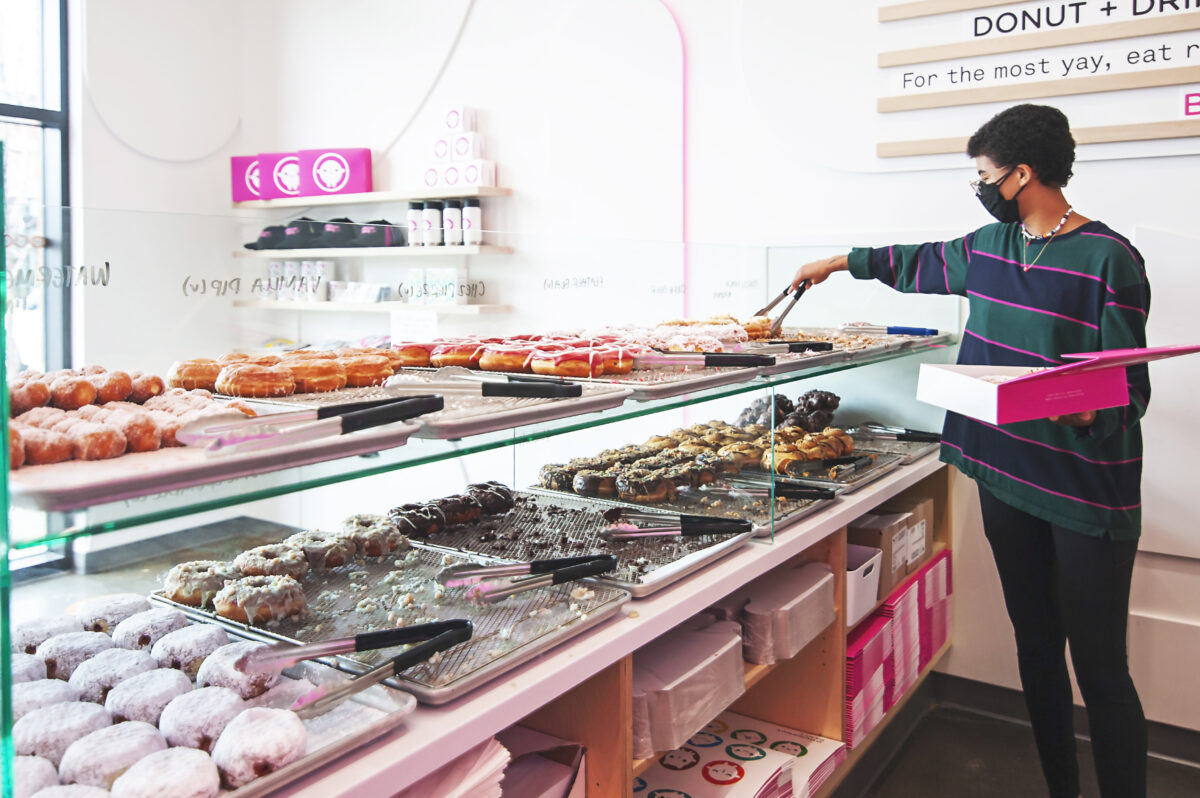
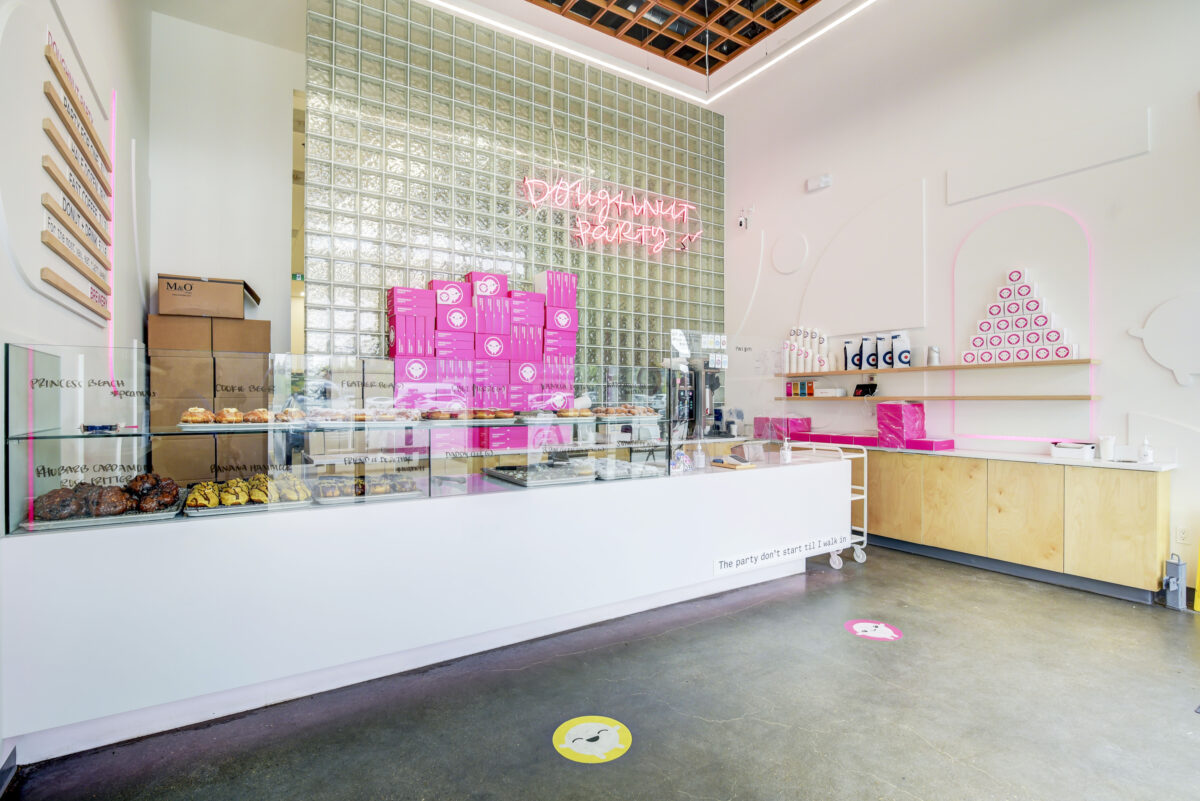
“We’re really taking an all-hands on deck approach with our marketing, leasing, operations, and legal departments to simplify the leasing process, and help small businesses make the jump into brick and mortar,” he said. The team had success helping small businesses in the past – like Burger Drops, Kate Hewko, and Doughnut Party, to name a few – and in a collaborative effort, developed this new program that will ultimately help others as well.
“At FCR, our biggest priority when it comes to leasing, is developing a vibrant tenant mix. This provides communities a ‘one-stop-shop’ shopping experience where all your retail needs are met in one convenient place. We’re looking for new tenancies to join our centres, to complement existing tenancies.”
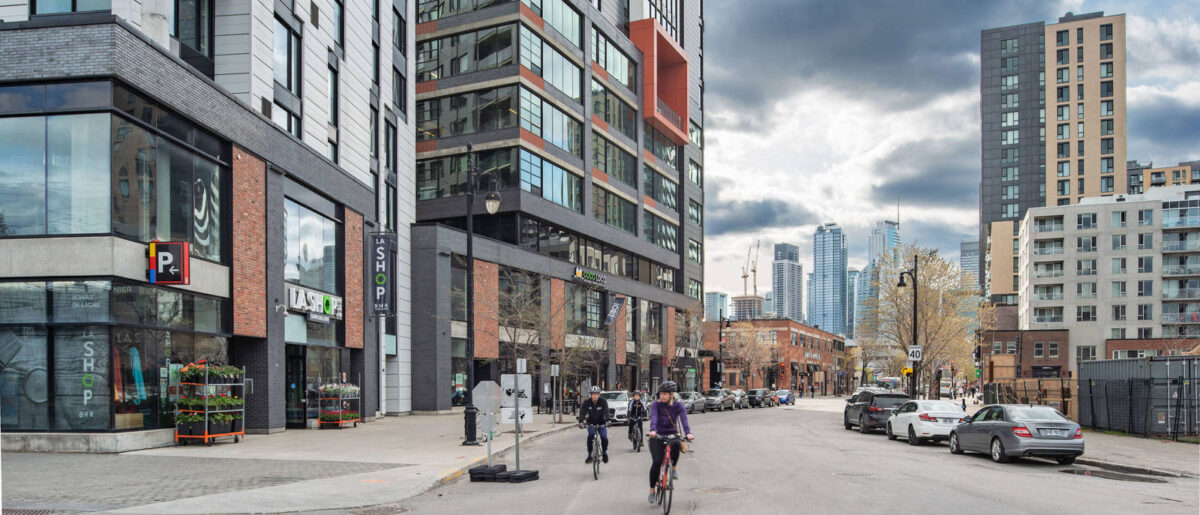
Griffintown 100 Peel – Montreal
Sophie DeWitte, Marketing and Communications Specialist, said First Capital wants to support small businesses along the process of opening a physical presence. By doing so, the FCR team will provide assistance and necessary resources for their shift from an online presence to a physical store front. Essentially enhancing accessibility and inclusivity in the realm of bricks and mortar retail.
Sophie DeWitte
“We’ve identified select spaces in our portfolio to introduce this program with – options from kiosks to small spaces to upwards of 2,000 square feet,” she said. These spaces are located at both enclosed and open air shopping centres across their portfolio including Yorkville Village in Toronto, ON; Semiahmoo Shopping Centre in Surrey, BC; Place Portobello in Brossard, QC; and many more.
First Capital, which operates in BC, Alberta, Ontario and Quebec, owns, operates, and develops grocery-anchored open air centres in neighbourhoods with the strongest demographics in Canada. It’s one of Canada’s leading REITs with over $10 billion in assets in over 145 Canadian neighbourhoods with more than 22 million square feet. The biggest markets are Toronto, Montreal, Edmonton, Calgary and Vancouver.
“We’re excited to find emerging and small businesses that are thriving online and help them make the jump. Many of them are on social media, running businesses on platforms like Instagram, Etsy, and TikTok” said DeWitte, adding it includes businesses that do pop-ups.
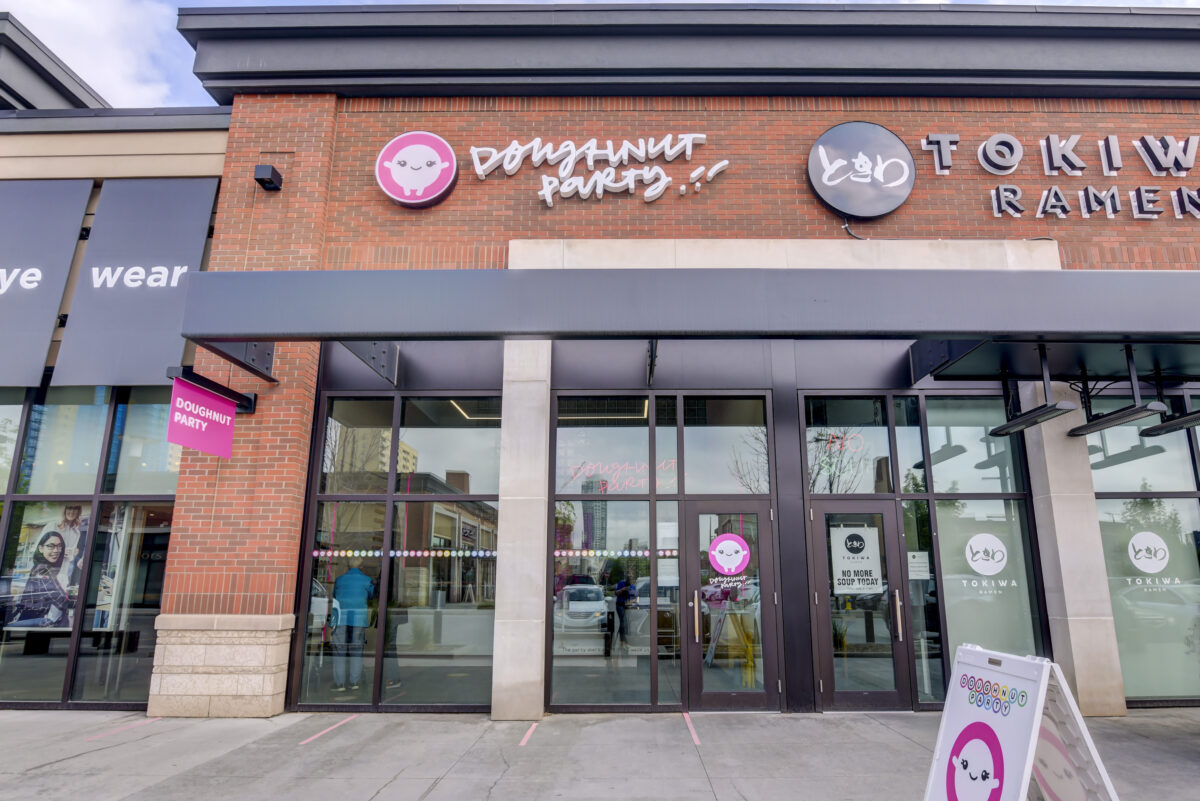
Doughnut Party Doughnut PartyDoughnut Party
“There are a lot of businesses, especially post COVID, that are solely e-commerce based,” she said. Pre-COVID however, making the retail leap was generally the main goal for small businesses, and the idea behind this program is to show them that it still is. We’ll work with them to find the perfect space that fits their needs and be where their customers are.
“That’s really what we’re trying to replicate. We’re excited to give some small businesses a chance to jump into a space that might be the missing piece to their business,” said Parker.
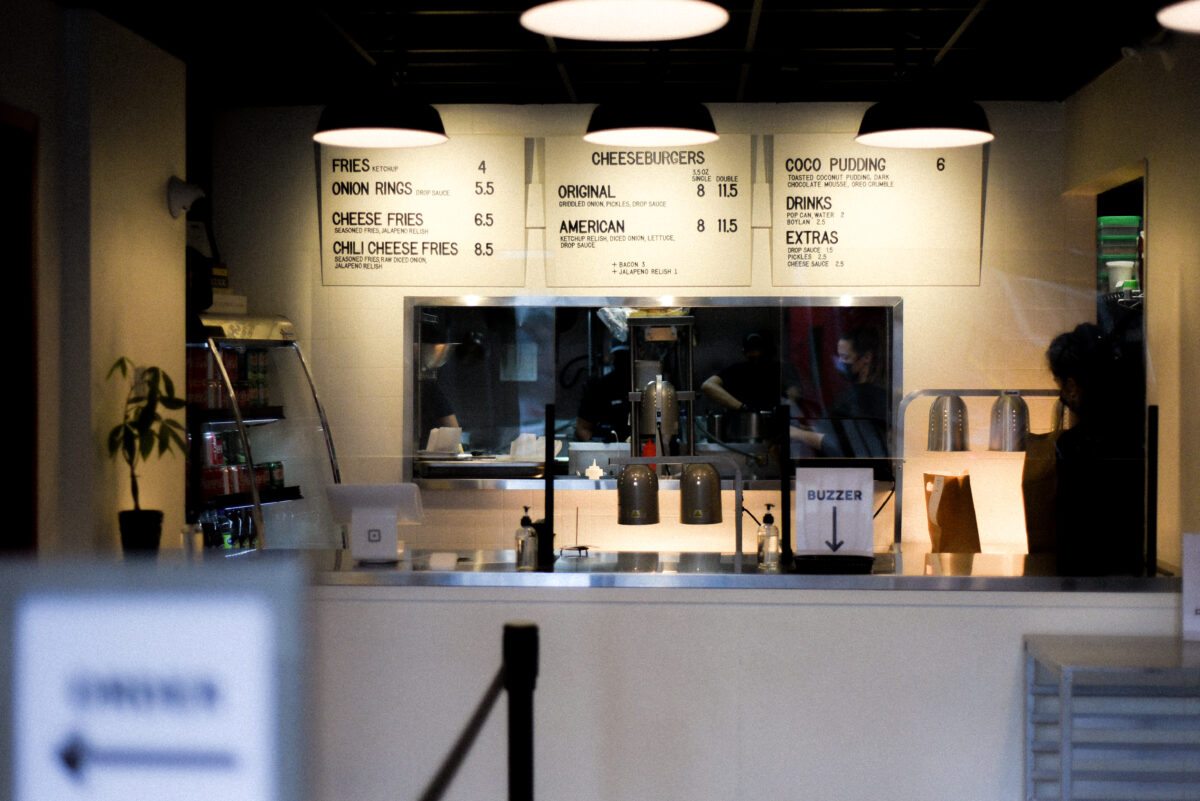
Image: Burger Drops
The program’s website highlights First Capital and who they are as a landlord, information on commercial leasing, and what small businesses need to consider. It connects them with a Leasing Representative to help guide them through the process and find the perfect space for them to thrive and grow their business in the retail space.
Retail stores connect businesses to their consumers in ways that cannot be achieved via e-commerce. While building your business online is a great starting point, expanding into a retail space helps businesses:
Foster closer relationships with consumers through in-person interaction
Provides convenience for consumers and reduces costs
In-store purchases translate to higher sales
Creates a strong brand identity and stand out amongst competitors
Allows businesses to become household names in their neighbourhoods
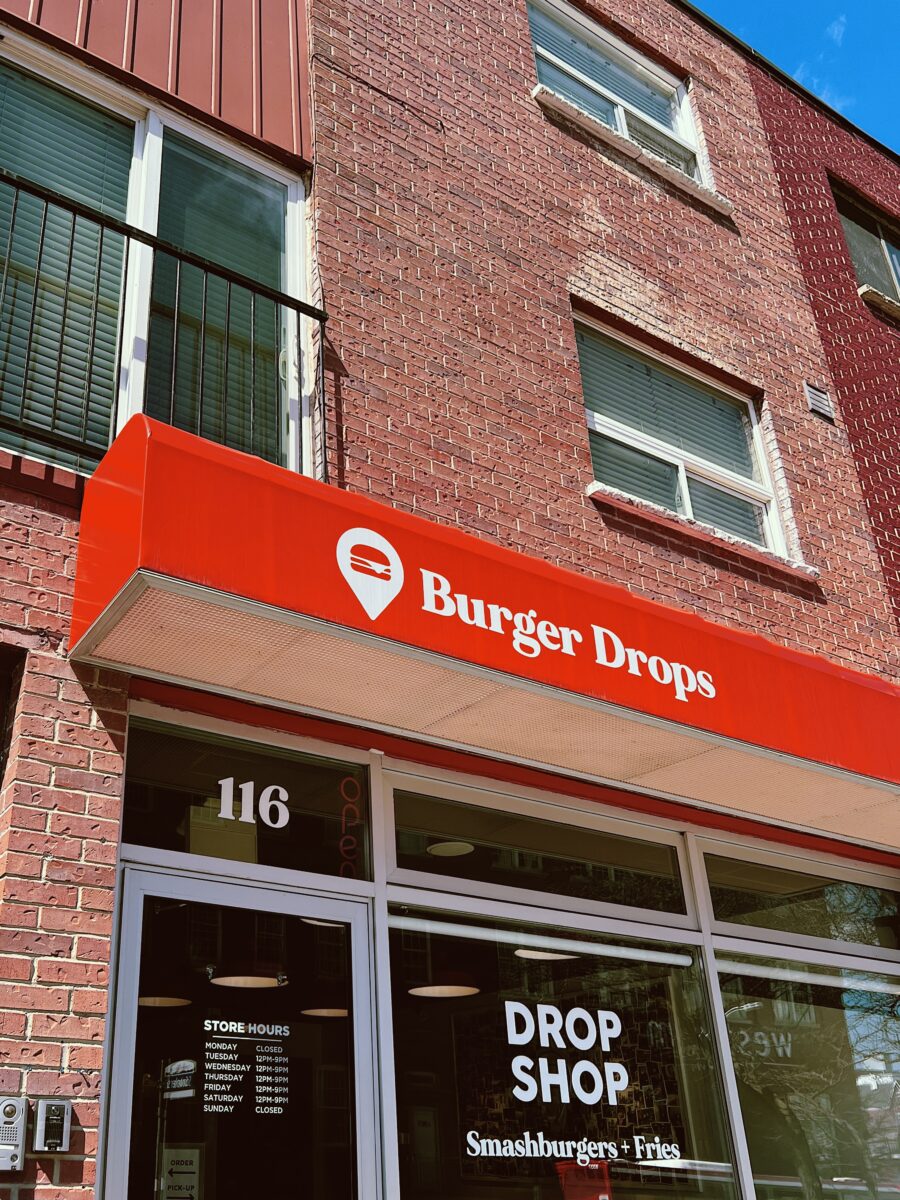
Burger DropsImage: Burger Drops
It’s no secret that with online shopping, shipping can take several days and even weeks. Retail stores provide greater convenience for consumers as they are able to take home their products right as they purchase them. Consumers return 15-40 percent of online purchases, but only return 5-10 percent of in-store purchases.
While e-commerce remains popular, consumers continue to value human interaction. In fact, 60 per cent of consumers feel that knowledgeable salespeople influence their willingness to go to physical stores and 75 per cent are likely to spend more after getting high quality service in store, says First Capital.
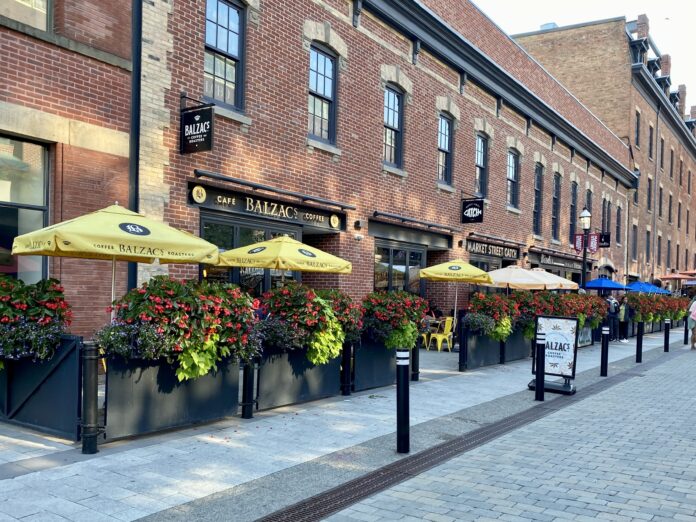
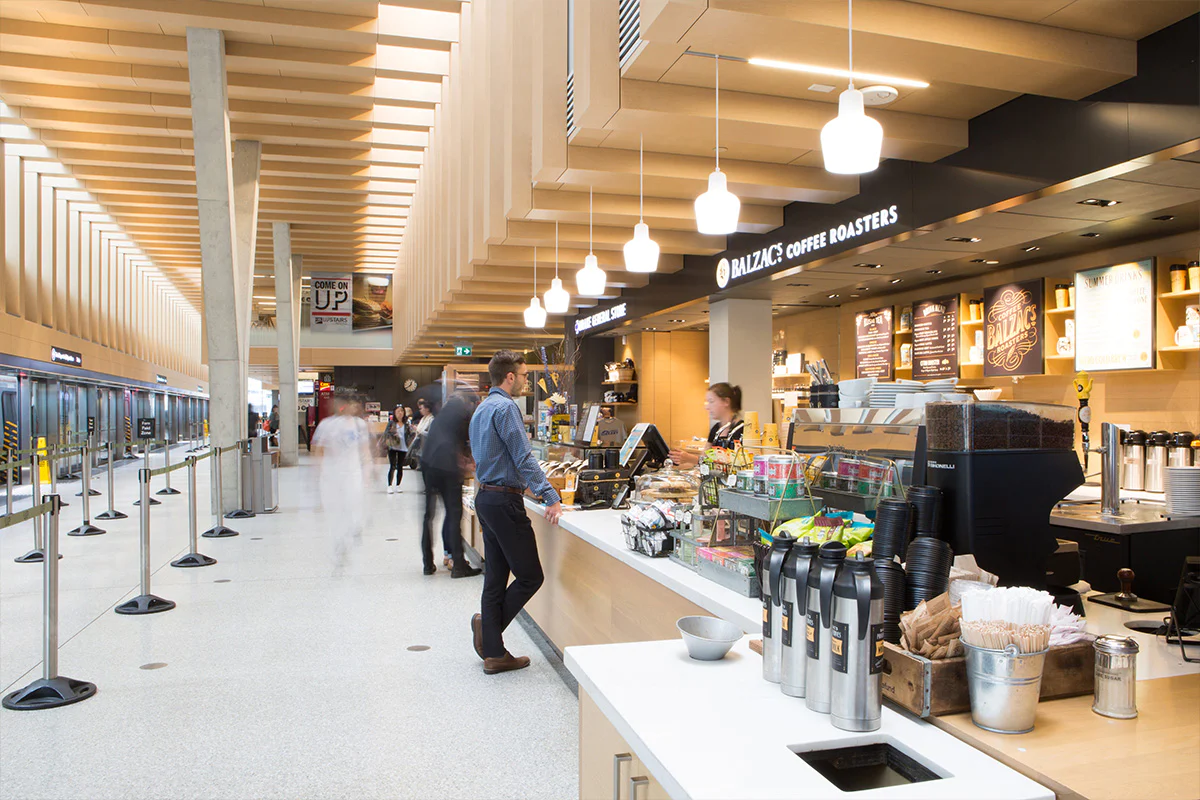
Balzac's Market Street in Toronto (Image: Dustin Fuhs)
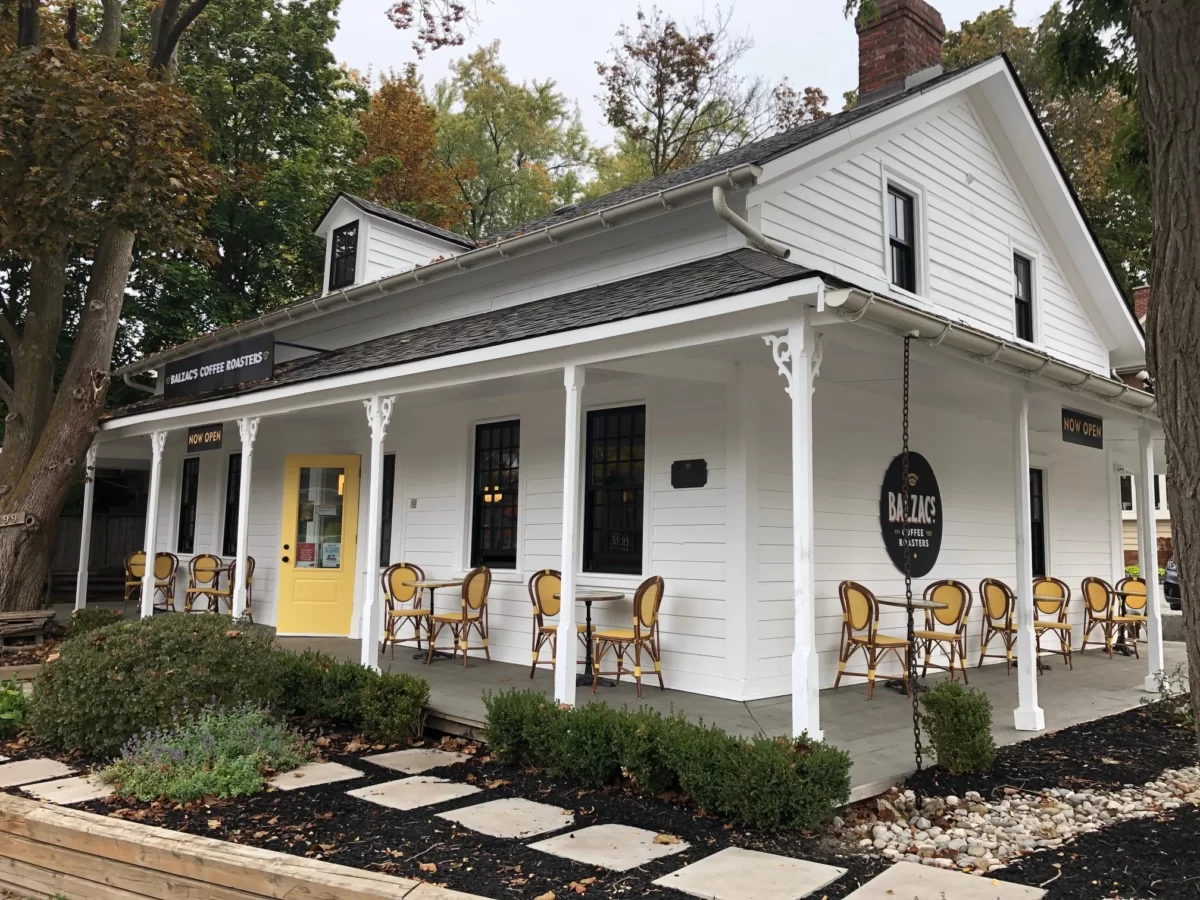
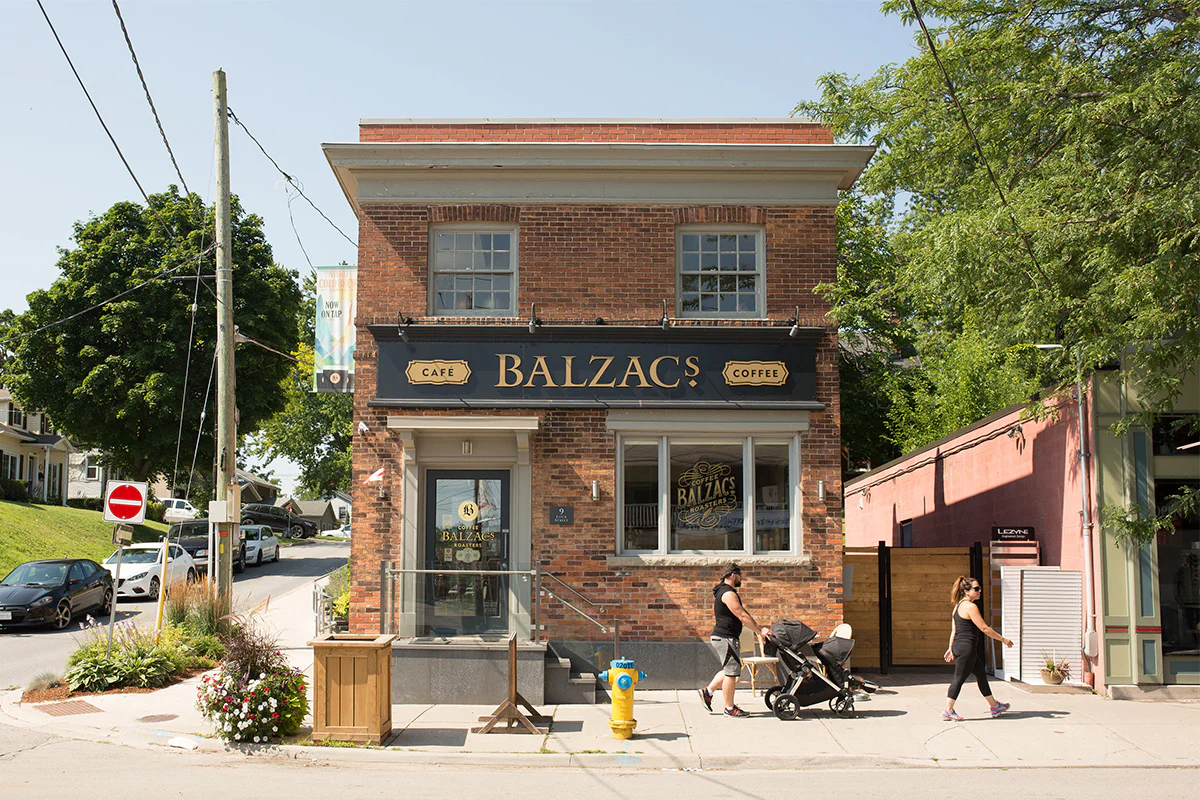
Inspired by the Grand Cafés of Paris, Balzac’s Coffee Roasters was brought to life by a burning ambition to bring that culture to Canada.
Starting as a coffee cart in 1993, it opened its first café in Stratford, Ontario in 1996. Since then, it has grown to 16 locations and can be found on the shelves of grocery stores across the country. The cafés are throughout the Greater Toronto Area and southwestern Ontario.
Christine Cruz-Clarke
As the company celebrates its 30th anniversary, CEO Christine Cruz-Clarke continues to look at how the brand can expand its footprint across the country.
“We want to see Canadians across the country continue to enjoy that best café experience and we’re going to continue to launch our coffee into retailers across Canada, expanding from our current footprint of over 2,000 stores with presence in every province,” she said.
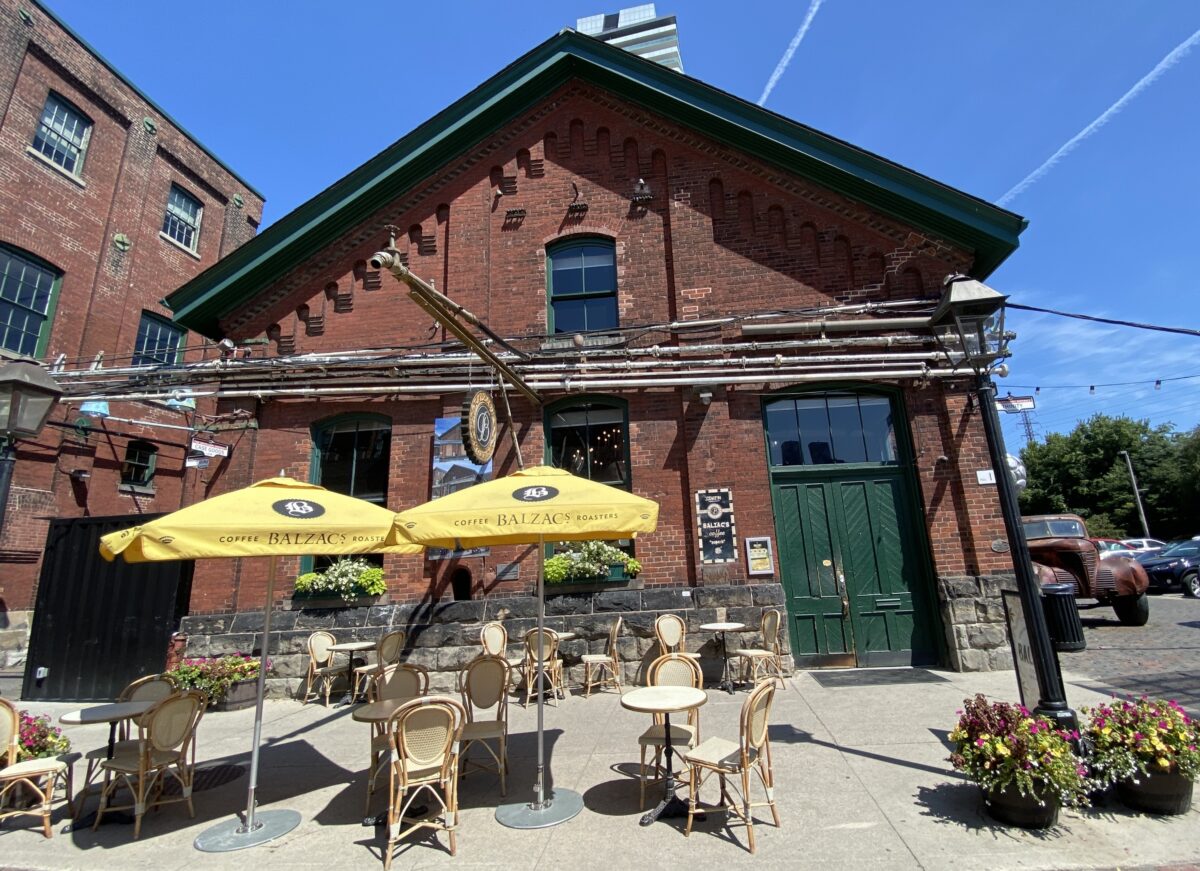
Balzac’s Coffee Distillery District (Image: Dustin Fuhs)Balzac’s Kleinburg Village (Image: Balzac’s)
She said the company, with its focus on the Canadian market, is the fastest growing super premium coffee brand in the country. There are no plans today to enter the U.S. market.
Cruz-Clarke said there is still a lot of potential for growth in Canada.
“Canada is actually a top five market in terms of coffee consumption. The amount of people drinking coffee in Canada is already high but that continues to grow year over year and what we’ve seen with the lasting impact of the pandemic is individuals who are continuing to invest in higher quality coffee rituals at home as a way to have that little luxury within your own home environment,” she said.
Besides its cafés across Ontario, it also has a roastery in Ancaster, Ontario.
The brand’s name was inspired by Honoré de Balzac’s famous quote, “the Café is the People’s Parliament.”
The brand is available through a number of major grocery banners from Costco and Loblaws, to Sobeys and Whole Foods – anywhere from traditional grocers to specialty stores. Cruz-Clarke said the company has a great shop on Amazon.ca.
Image: Balzacs.com Balzac’s 30th Anniversary Blend (Image: Balzac’s)Balzac’s Market Street in Toronto (Image: Dustin Fuhs)
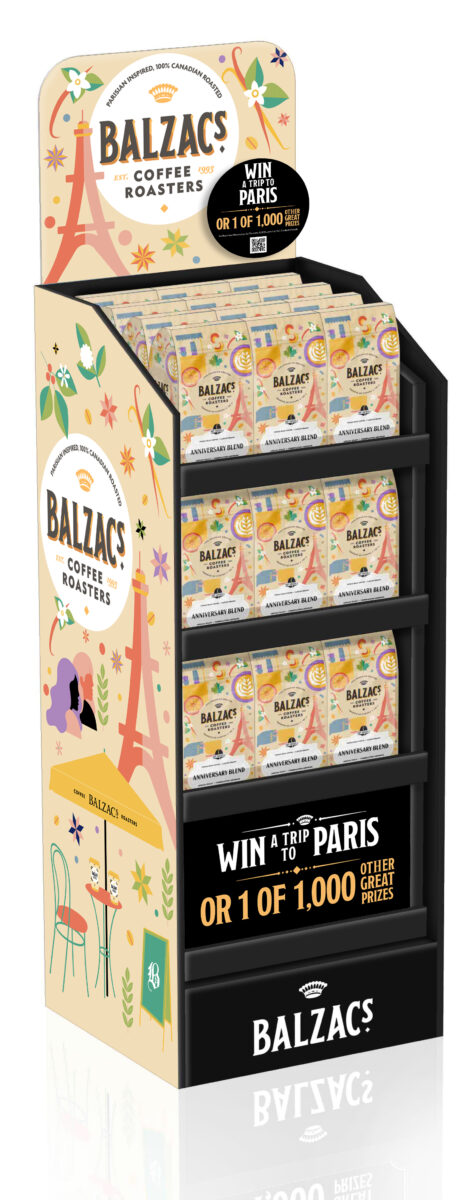
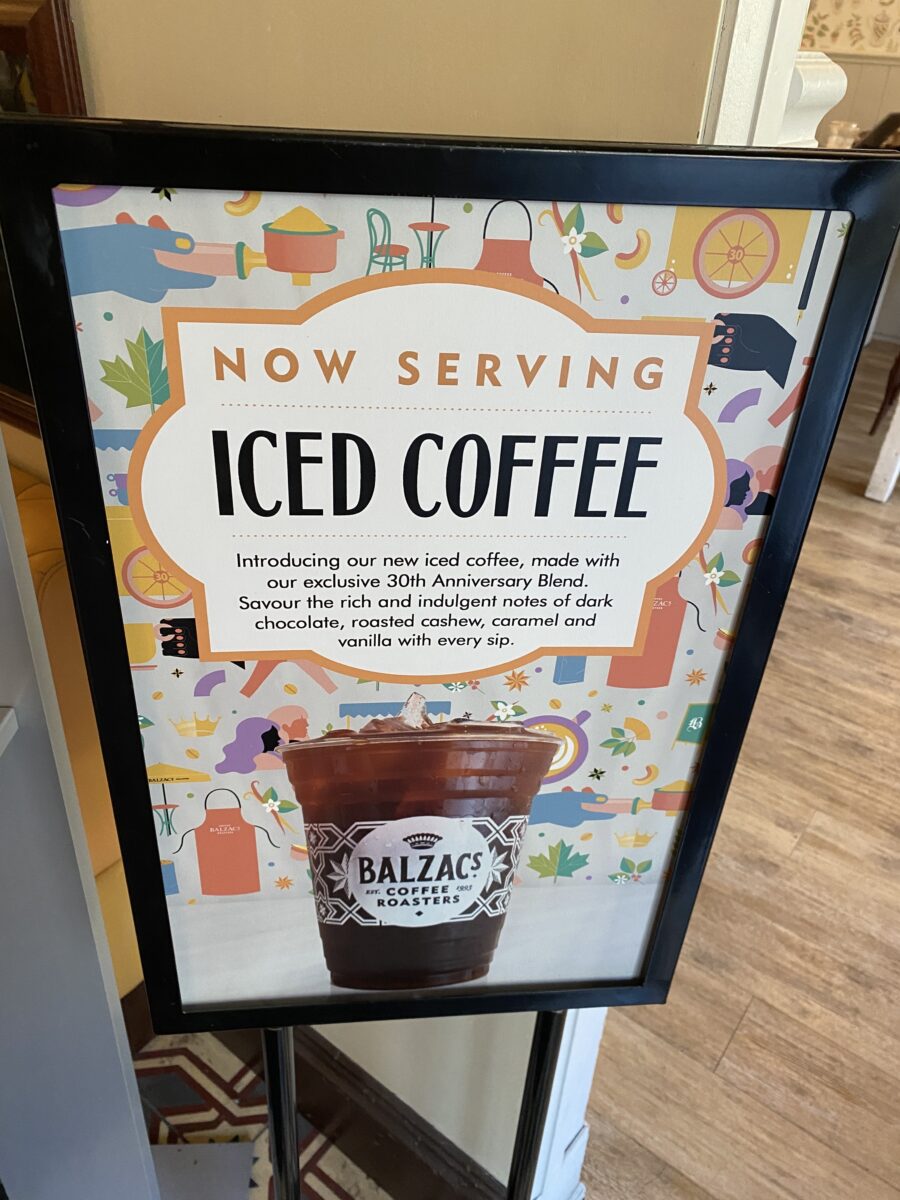
To celebrate Balzac’s 30th Anniversary in 2023, the company is launching a limited-edition ‘Anniversary Blend’ whole bean coffee. This unique blend of 100 per cent Arabica beans pays homage to where they came from, where they are, and where they’re going next. The Anniversary Blend will be available at all Balzac’s retail cafés.
Balzac’s will also be launching a digital consumer promotion offering Canadians a chance to win an all-expenses paid trip to Paris, France or one of 1,000 other coveted prizes. New advertising and promotional creative will also make its way in-market to create awareness for this special time in the brand’s history.
Cruz-Clarke said that over the past 30 years Balzac has really transformed from a humble coffee cart in Ontario Place to starting to grow one café at a time.
“Over our 30-year history, we have built relationships in every single community that we have integrated in which has allowed us to have a very genuine and authentic following across Canada. As consumers start to translate out-of-home experiences to in-home, they look to us for ways to recreate café favourites at-home. Those who have discovered us through social channels, create the recipes we share online to first experience and engage with us.”
Balzac’s Port Dalhousie (Image: Balzac’s)Balzac’s UP Express (Image: Balzac’s)
The coffee business is a competitive one these days with shops at almost every corner from global brands to local ones.
“A lot of people especially younger demographics want to have relationships with brands that are a reflection of who they are,” she said. “Individuals seek brands that align with their values. If you can connect with consumers at this level you can build a relationship that is both organic level and authentic helping you as a brand stand out in a crowded category.”
“Canadians are constantly looking for quality. Our winning formula comes from offering a high-quality product at good value and providing consumers with the brand and product experience that they’re looking for.”
Retail Insider is streamlining its Canadian retail news from around the web to include a handful of top news stories that can be viewed quickly during the day. Here are the top stories from the past several days.
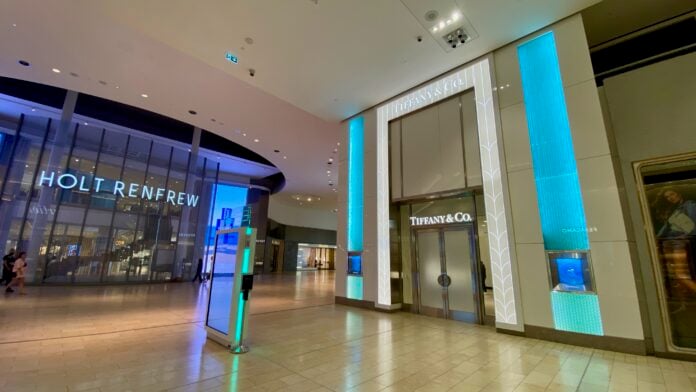
Tiffany & Co. was the first mono-brand luxury retailer to open at Yorkdale in 2009. The store has since been renovated and a 'new concept' Tiffany store is said to be in the works. Photo: Craig Patterson
Craig and Lee discuss the groundbreaking transformation underway at Toronto’s Yorkdale shopping center, a conversation centered on the future of luxury retail within this retail hub. The focal point of their conversation is the extensive luxury retail expansion that’s poised to redefine the mall’s allure. Craig provides listeners with intricate insights into how approximately 100,000 square feet of prime retail space will be thoroughly revamped to accommodate a meticulously curated collection of luxury brand flagships. While exact tenant names remain shrouded in secrecy due to ongoing negotiations and non-disclosure agreements, the venture is anticipated to usher in a dozen or so high-end stores, with one potentially standout store boasting an impressive 15,000 square feet.
Drawing on insights gleaned from an enlightening interview with William Correia, the visionary mall Director, Craig and Lee underscore the monumental scale of the ambitious undertaking. They reveal the staggering investment channeled into the meticulous renovation of the expansive central corridor. The conversation also delves into Yorkdale’s strategic pursuit of exclusivity as Craig traces the gradual migration of luxury boutiques down the centre’s corridor over the years. As the discussion progresses, the duo thoughtfully assesses the possibility of an oversaturation of luxury brands within the mall landscape, pondering whether Yorkdale might emerge as one of the globe’s preeminent luxury shopping destinations, enticing affluent consumers and fashion aficionados from far and wide.
The Weekly podcast part of theThe Retail Insider Podcast Network by Retail Insider Canada and is available on Apple Podcasts, Stitcher, TuneIn, Google Play, or through our dedicated RSS feed for Overcast and other podcast players.
Announcer 0:00 This is a Retail Insider podcast. You’re listening to “The Weekly”.
Lee Rivett 0:08 Welcome to this week’s episode of “The Weekly” by Retail Insider. I’m Lee Rivett and I’m joined with the owner and publisher of Retail Insider Media, Craig Patterson, to discuss this week’s most read articles on retail-insider.com. So thanks for joining me, Craig.
Craig Patterson 0:22 Hello, everyone.
Lee Rivett 0:23 Now for this podcast, our most read article was Yorkdale launching an unprecedented luxury retail expansion in Toronto. So Craig – you’ve been there, you took all the photos, you wrote the article. So where would you like to start?
Craig Patterson 0:36 Well, it was an interesting announcement, something we’ve seen for a little while anyone that’s been to Yorkdale. The centre run of the shopping centre (or centre spine or whatever people want to call it – I’ve heard it called multiple things) is being re-tenanted right now. About 100,000 square feet of space is going to be repurposed into luxury retailers. And they’re saying somewhere around a dozen or so stores will be opening in that wing. They don’t know the exact number because they’re still negotiating leases and determining how big the stores will be. So I think one of the units will be something like 15,000 square feet was what I was told.
Lee Rivett 1:12 Where did we get this information from? And just how massive of an upgrade or expansion is it?
Craig Patterson 1:18 So I spoke to the mall director, William Correia, and he was telling me that there’s over 900 feet of construction hoarding going up this hallway. They’re spending over $20 million. I think just on the build-out of the hallway itself. I don’t know, the question I didn’t ask is if it’s going to look different in terms the flooring and whatnot will be changing. This is something I’ll follow up on.
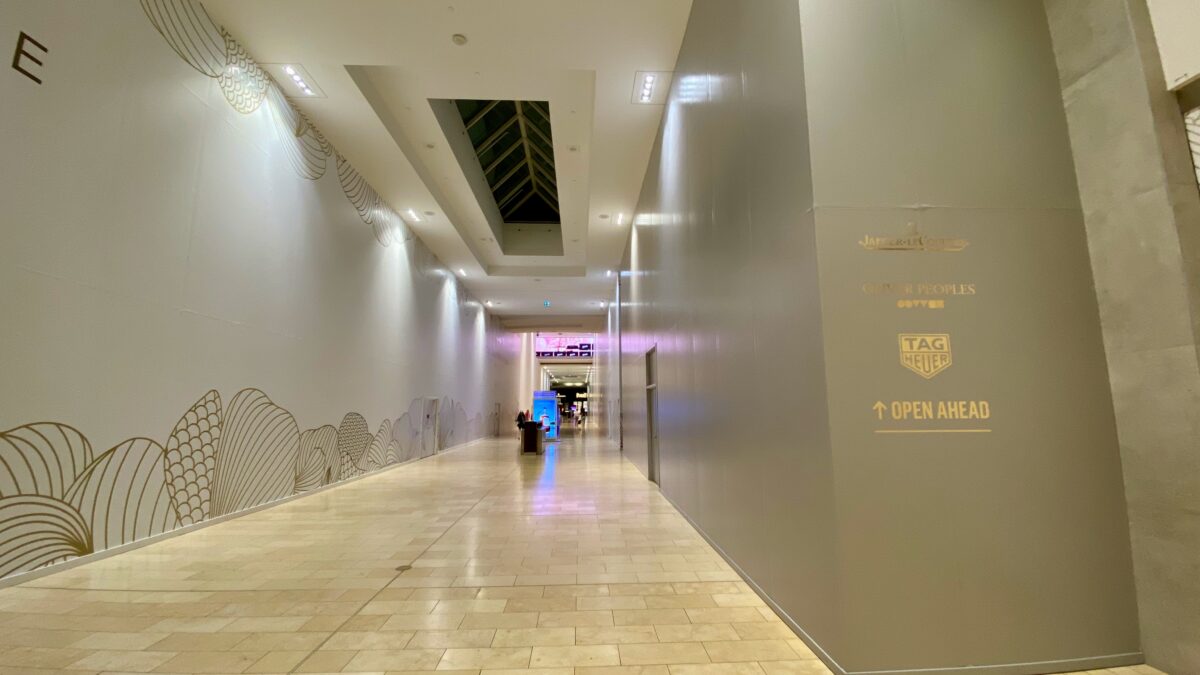
Almost empty: The central corridor of Yorkdale in preparation for its luxury retail debut. Photo: Craig Patterson
Lee Rivett 1:44 Now what’s going to be in the centre run?
Craig Patterson 1:47 The centre run is going to have a whole bunch of really expensive stores. They haven’t said what the brands are going to be. There’s a bunch of non-disclosure agreements there, there’s a couple that I will talk about only because they’re pretty darn obvious and moves are going to happen. And I won’t talk about the other ones out of respect for the process of the negotiations, and the whole thing. And plus, we want to announce more stuff later on. So I’ll hold off on that.
Lee Rivett 2:09 We were just talking before the podcast and you were mentioning that you were almost foreseeing expansion like this happening for that chunk of the mall, right?
Craig Patterson 2:18 I kind of figured this luxury expansion was coming down this hallway a while ago. The reason I say that is because we started to see luxury stores creeping down the hallway. I don’t mean that in a negative way. I mean, we started seeing expensive stores moving down this hallway. So taking you back in history. In 2009, Tiffany and Co. opened a jewelry store at Yorkdale right by Holt Renfrew. Now, taking it back even a little bit further, Holt Renfrew has been in the mall for a while and moved into an old grocery store at the south end of the mall. I think it was a Dominion store. So it had the high ceilings and whatnot. Holts at the time was was, I think 40,000 to 50,000 square feet moved into this old Dominion grocery store. And so high end retail at Yorkdale. But in 2009, Tiffany opened right across from it. And then we saw Burberry opened and then we started seeing Versace and Ferragamo and some other stores opening.
Craig Patterson 3:12 This was in around what’s this only 10 years ago, actually, and Retail Insider existed. So I was actually tracking this and that luxury expansion continued year over year. So we saw more brands opening in this little wing, which was basically protruding northward of Holt Renfrew. And then Saint Laurent kind of wanted its own space, but it wanted a bigger and broader facade. So it took a space near this luxury wing, but kind of to the side. And with that, Oxford Properties, obviously, they’ve got a longer term strategy that they don’t want publicly released, but it was to put more luxury stores in Yorkdale. Because they were doing – well sales were great. Cartier over $40 million, even before its expansion, Tiffany doing 10s of millions a year in sales. So they said, well, let’s put more expensive stores in here. It’s going to increase the productivity and you can charge more rent and it’s gonna make the mall fancier. So, Saint Laurent came in the long story short, added more luxury retailers, more luxury retailers who just kept coming. The there was a wing built in 2012, which saw Holt Renfrew expand. Holt Renfrew built some concessions with mall-facing entrances. We’ll talk about that a bit more. And most of the retailers in that 2012 wing right by Holt Renfrew, also are now luxury stores. So Ralph Lauren is about to open a store first in Canada of its kind. Dolce Gabbana just opened a store in that wing. And they all replaced other retailers that had been in that 2012 expansion wing before. So it’s really fascinating to see what Oxford Properties is doing in terms of bringing more luxury brands to Yorkdale.
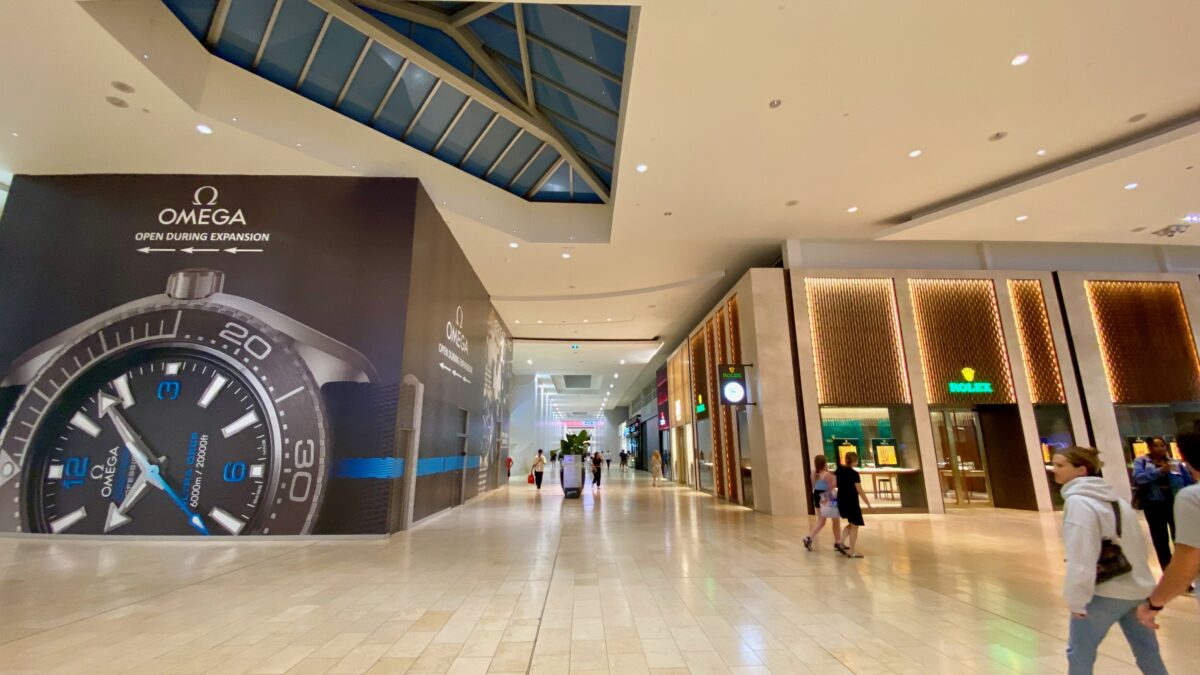
The western end of the future luxury wing at Yorkdale. Photo: Craig Patterson
Lee Rivett 4:34 Bring it back to the retail expansion. This is yet another one in the laundry list of retail expansions of a luxury bend. Is there potentially too much luxury going into Yorkdale?
Craig Patterson 4:46 Will Correia (and not even just him) are saying that this is going to make Yorkdale one of probably the world’s leading shopping centres with luxury brands. It’s, I think, true. You look at what’s happening in the United States and there’s a few but Yorkdale is gonna be I think up there with all of them.
Lee Rivett 4:59 And Yorkdale isn’t the only game in town. Yorkville, which is another downtown luxury node, is still there.
Craig Patterson 5:06 Yeah, the market is split. So this is quite remarkable because you know, Toronto with its size, and wealth seems to be maybe even punching above its weight for luxury retail.
Lee Rivett 5:15 It’s kind of exciting to see new retailers potentially coming up a luxury bend into this area. But what was the progress or progression leading up to this point at Yorkdale?
Craig Patterson 5:25 This luxury, expansion wing, we started seeing it was a 2017 European boutique opened an Omega store and they opened a Breitling boutique. Rafi jewelers across the hall has a Rolex on the corner opened a Tudor store before that Jaeger lacouture was there. But then it opened a corporate store at the other end of this now to become a luxury wing. So we started to see these luxury stores creeping inwards a little bit. So I saw that they had this entertainment space in the center, I think most recently was “The Office” experience – “The Office” being the TV show – and it’s gone now. So they’ve taken all this hoarding, they’ve put it down the hallway, it’s almost empty. UNTuckIT, it’s going to be moving. Mitchell’s bakery is going to be moving into a new spot. Aldo and Call It Spring. They’ll kicking out anybody that isn’t really fancy and expensive that isn’t already there. And putting in luxury stores. So this is pretty exciting, actually.
Lee Rivett 6:17 And what’s this new luxury run or concentration going to do for Yorkdale, in your opinion?
Craig Patterson 6:23 So, you know, really, to put it bluntly, more rich people are going to be coming to Yorkdale to shop. And even just people that want to have expensive things. They may not be rich, but there’s been a bit of an upgrading happening to the services Yorkdale expanded valet parking. I think a renovation to the valet lounge. I don’t think it’s been fully decided and it can’t be discussed yet regardless, but there’s gonna be some new VIP program around I think the valet parking and just customers in general. So really what Yorkdale is trying to do is bring in shoppers with money, especially those that are high spending consumers and get them to stay in the mall. So with that there’s a few restaurants in there as well that are kind of nice, that would, you know, keep people there shopping longer perhaps than they would otherwise if they got hungry.
Lee Rivett 7:06 We also had a little bit of juicy tidbits from a gossip perspective. Do you want to touch upon that really quick?
Craig Patterson 7:12 The Chanel concession at Holt Renfrew is going to expand quite significantly because there’s going to be some movement within Holt Renfrew. So some of the concessions that are at Holt Renfrew right now are going to be moving into this new Yorkdale luxury wing. And these will be standalone stores. One of them and this isn’t the reason I named it already is because it’s going to be moving. I think by December. It’s going to be Brunello Cucinelli, which has maybe almost 2000 square feet in Holt Renfrew as a concession with a mall facing entrance. And it’s next to Chanel. Well Brunello is going to exit probably take a pop-up space, I’m gonna guess probably where Mont Blanc is. I’m probably not wrong actually. It’s just a guess. But because currently they’re renovating the Mont Blanc store at a lead it’s about 5000 square feet this pop-up space I’m sure Brunello will take it. I mean, I’m just guessing. So don’t don’t hold me to that anyone but and then Chanel is actually going to annex. So Chanel is about 4000 square feet. I think that concession and Holt Renfrew it’s going to take that Brunello space and annex that so it’s already going to be quite big on the ground floor. But here’s the kicker. Chanel is also going to take I think the women’s contemporary area upstairs Holt Renfrew, as well. So it’s gonna be like, I don’t know, between 12 and 15,000 square feet. It’ll be just an obnoxiously large concession for Chanel, it’ll probably take 15% of the entire retail square footage of the whole store. So I think that’s fascinating.
Lee Rivett 8:33 Yeah, me too. And thank you for going through the popular article of the new construction that’s happening in Yorkdale. With this new luxury run, looking forward to seeing how it unfolds and chat. We’ll see you next week, Craig,
Craig Patterson 8:44 Thank you so much, everyone for listening. Take care and bye for now.
Subscribe, Rate, and Review our Retail Insider Podcast!
Drop us a line at Craig@Retail-Insider.com. You can also rate us in Apple Podcasts or recommend us in Overcast to help more people discover the show!
Background Music Credit: Hard Boiled Kevin MacLeod (incompetech.com). Licensed under Creative Commons: By Attribution 3.0 License. http://creativecommons.org/licenses/by/3.0/
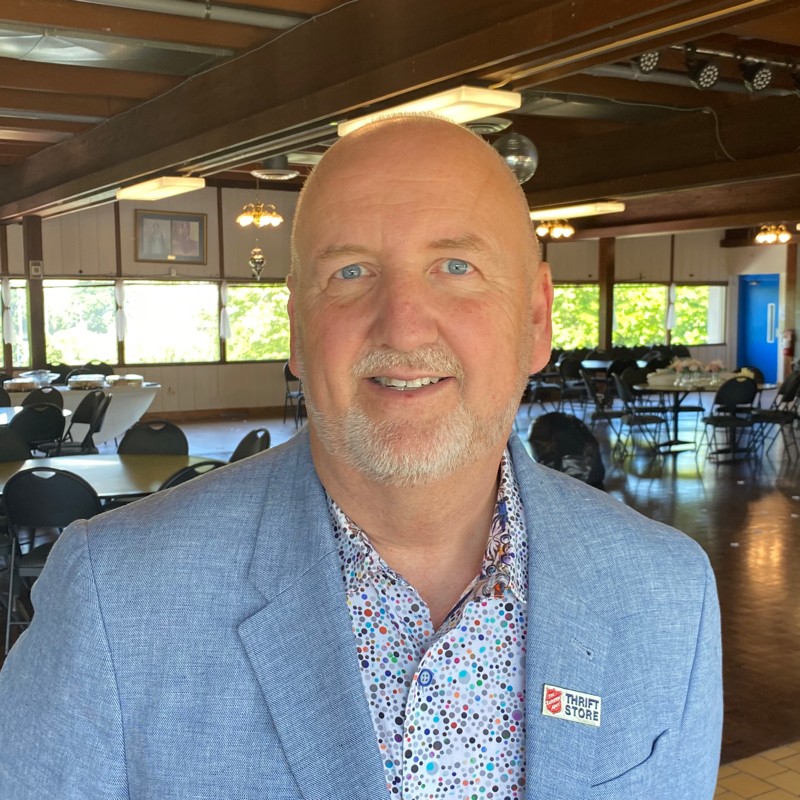
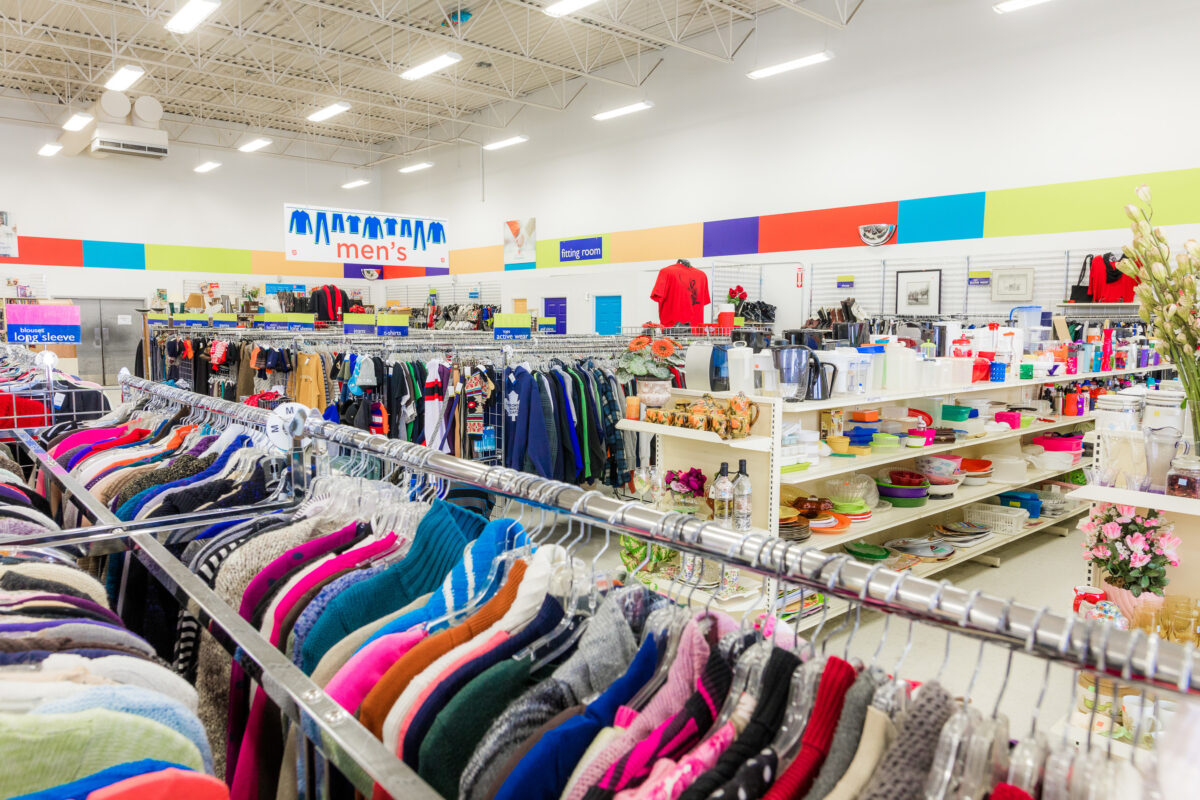
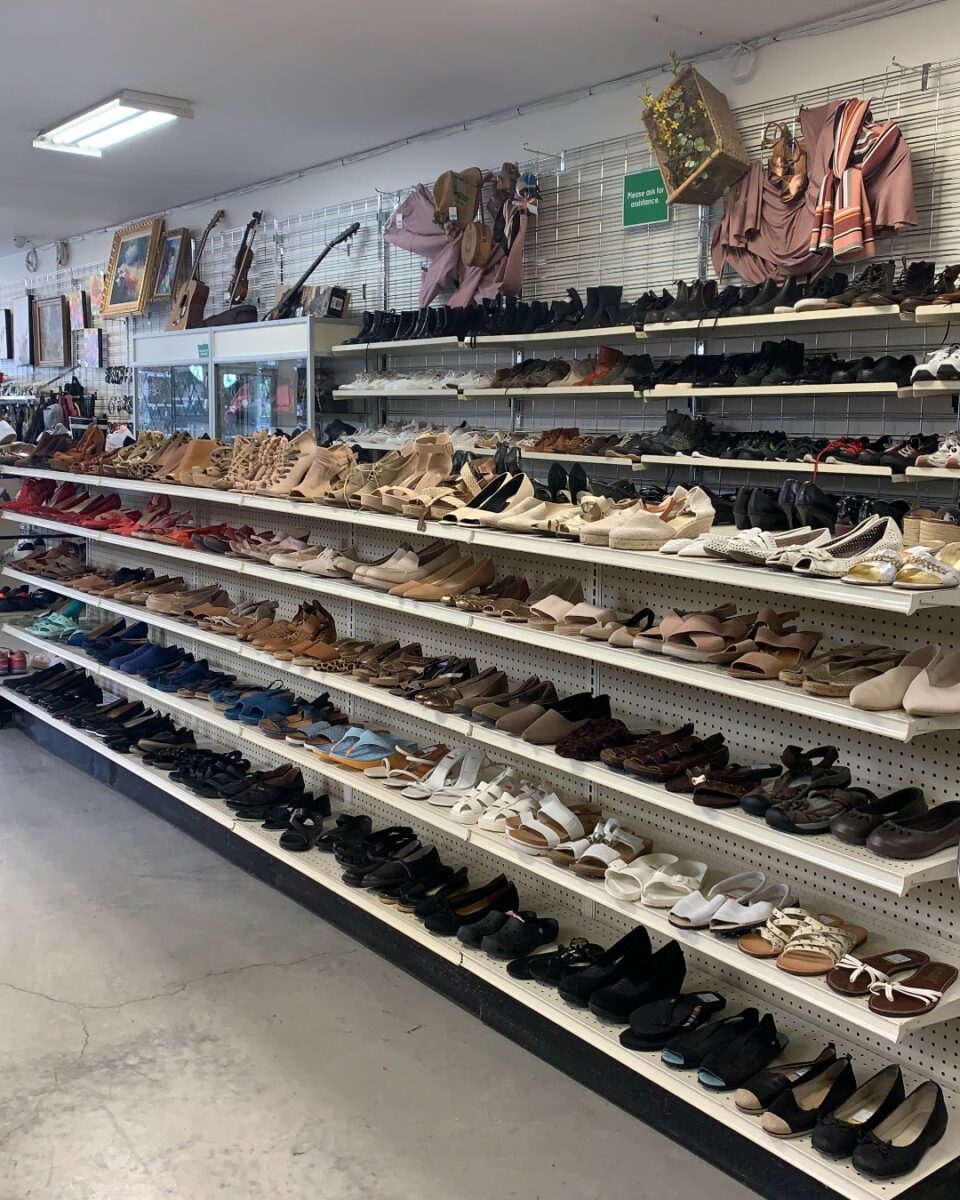
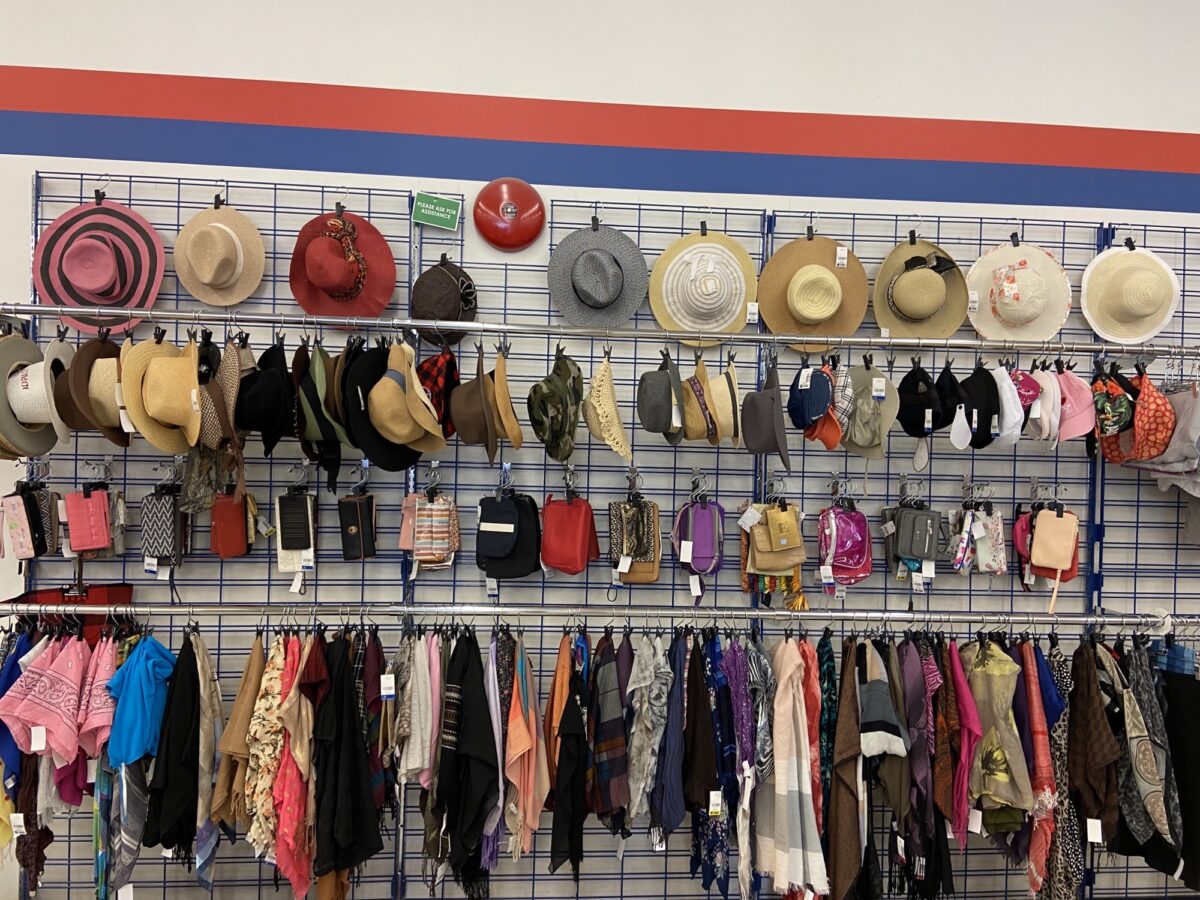
“The situation is critical as this is the first time we are experiencing a shortfall in donations at this time of year,” said Ted Troughton, Managing Director of The Salvation Army Thrift Store. “Our teams are having to be creative and modify the store layouts to accommodate the scarcity of products and prevent empty shelves.”
Ted Troughton
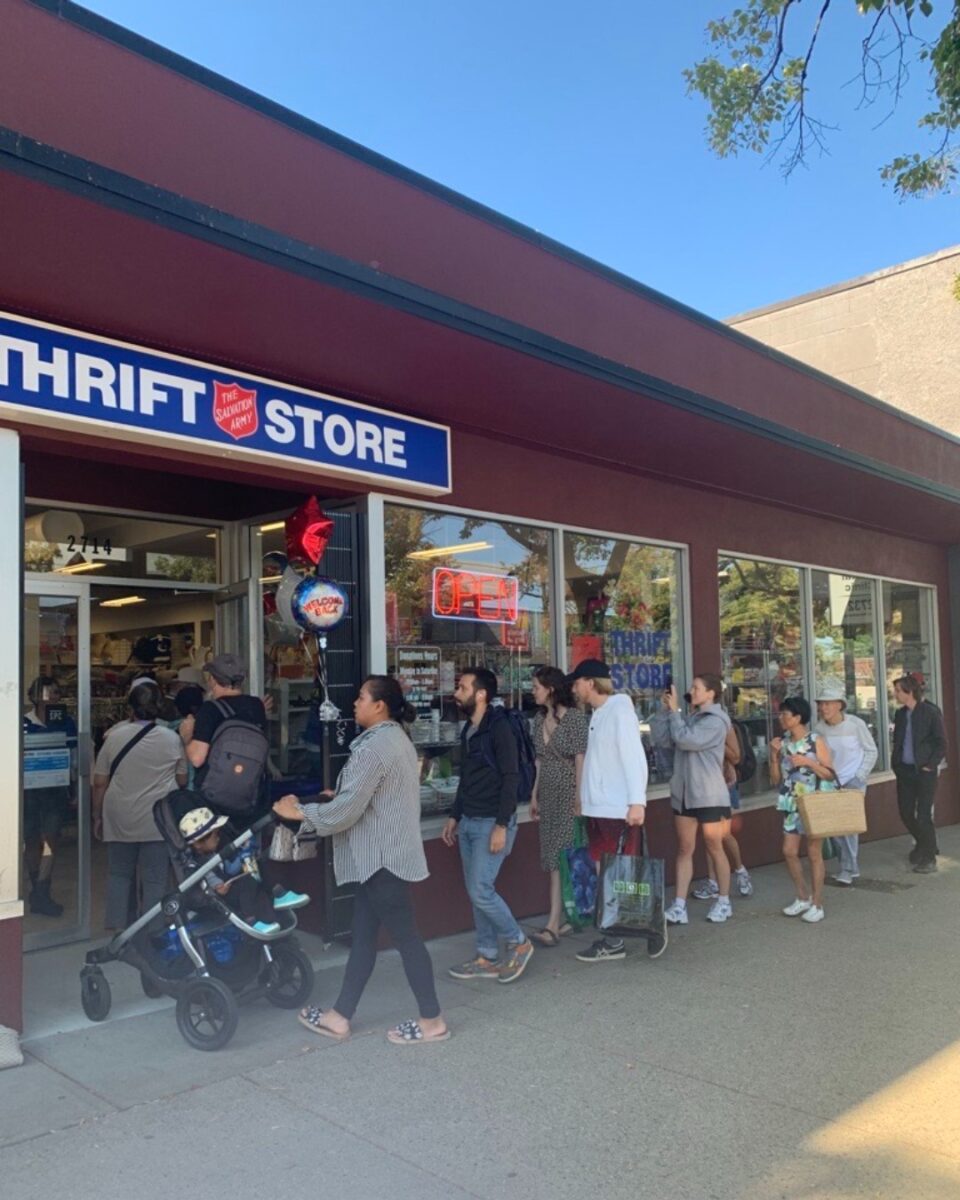
As the cost-of-living continues to rise, The Salvation Army Thrift Store has observed a concerning trend that is putting a strain on its ability to serve local communities across Canada. While more people are turning to their local Thrift store in search of affordable options, gently used donations of clothing and household items have seen a significant drop.
“Right now what we’re experiencing is an increase in sales, transactions. More and more people coming to the stores and trying to find a way to make their dollar go further based on a lot of reasons,” said Troughton.
Image: The Salvation ArmyImage: Salvation Army
“We’ve come out of COVID now we’ve gone into economic impact and rising prices. What’s happening is people are coming in and everything we need to do is we need donations to keep our stores full and fresh and ready to be shopped. That’s really what we’re seeing. We’re seeing that increased activity and the need for more donations.”
He said the Salvation Army is experiencing this right across the country in all of its stores.
“For most people, clothing is an easy one. It’s right there in your closet. It’s those household items, those small appliances, home decor, that stuff is maybe tucked a little bit away and those are the things we’re really seeing people are looking for,” added Troughton.
“And as we roll into the winter season, we’ve got season change coming up now we’re going to get into winter gear and back to school. Parents are going to be coming out shopping for their kids for clothes.”
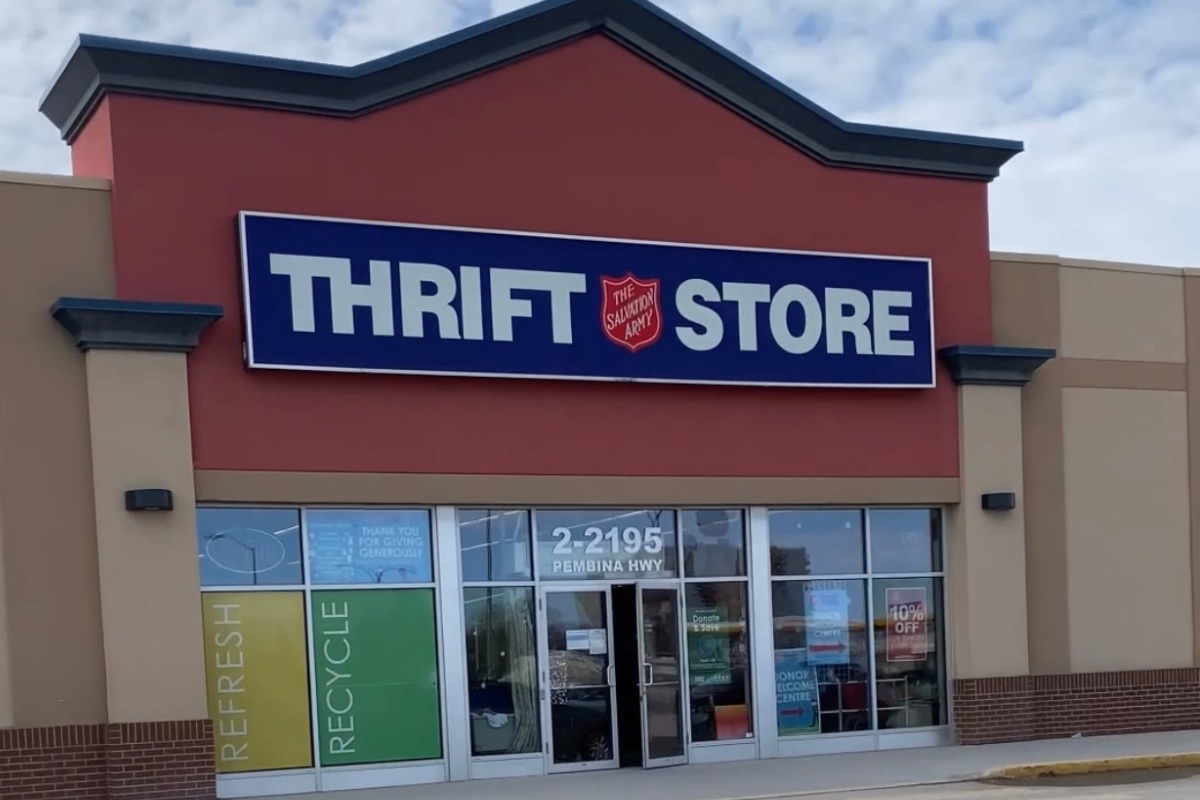
Salvation Army Winnipeg (Image: The Salvation Army)Image: Salvation ArmyImage: Salvation Army
The Salvation Army Thrift Store (National Recycling Operations) is a non-profit organization and the only national division of The Salvation Army. Through its 96 Thrift Stores across Canada, the organization offers savings on gently used clothing, textiles, and household items while generating funds to support local Salvation Army programs, services, and emergency relief efforts. As one of the country’s largest textile collectors and a leader in textile diversion in the charitable sector, The Salvation Army Thrift Store diverted over 87 million pounds of items from landfills from April 2022-23.
Troughton said one of the big contributors to the lack of donations is people taking the time to sell their items online.
“That is having an impact. We completely understand that there’s people who need those $5 and $10. They can add up and help themselves make it through to pay for more expensive gas, pay for the (increased) interest rates on their mortgages and their rents,” he said.
According to the 2023 PayPal’s Resale Renaissance Report, half of Canadians (50 per cent) say they have found reselling their unwanted items is a good supplement to their primary income.
Another factor is the amount of refugees coming into Canada from different parts of the world including Ukraine. Many of those refugees are recipients of clothing and household items directly from organizations assisting them such as churches.
“In these challenging times, we acknowledge the hardships many individuals face. However, it’s important to remember that when Canadians choose to donate to our Thrift Stores, they’re making a profound impact on the lives of our neighbors in need,” said Troughton.
Image: The Salvation ArmyImage: The Salvation Army
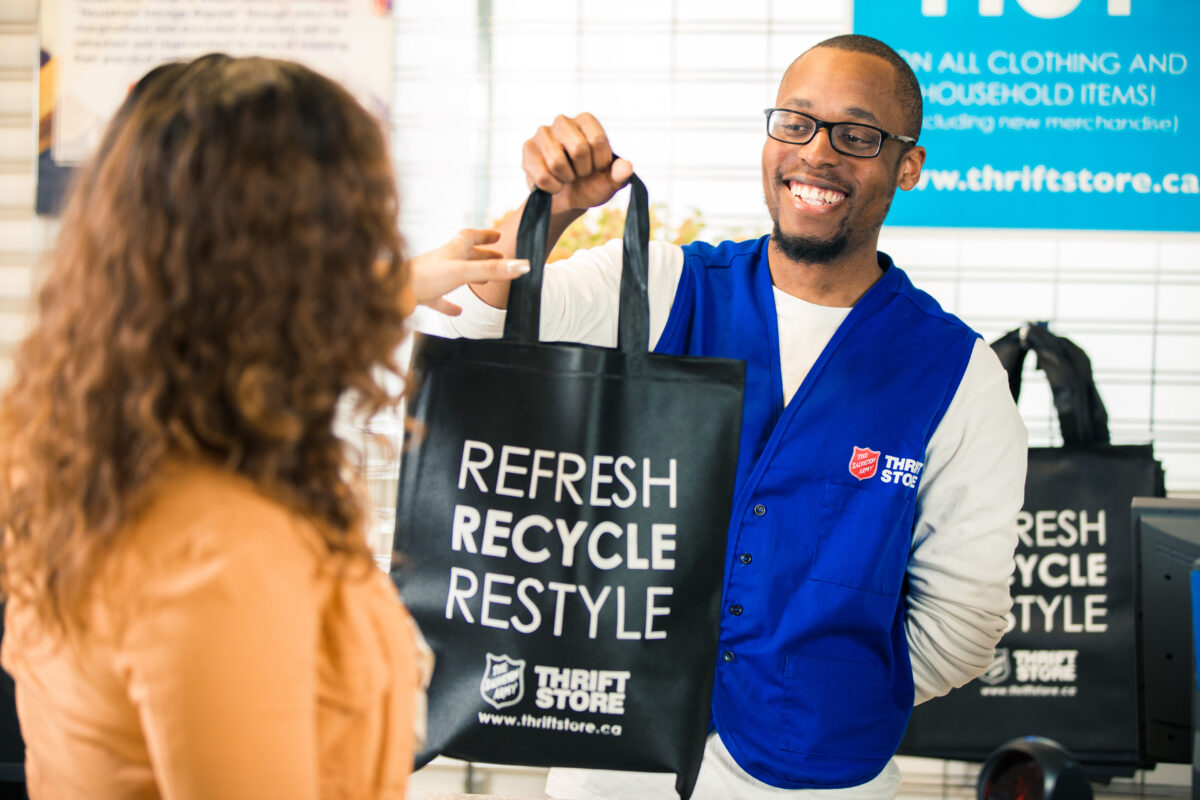
Donations are the lifeblood of The Salvation Army Thrift Store, enabling the organization to provide essential items at affordable prices to individuals and families facing economic challenges while generating funds to support crucial Salvation Army programs and services including foodbanks, shelters for people experiencing homelessness, modern slavery and human trafficking prevention, addictions rehabilitation and emergency disaster services throughout the country.
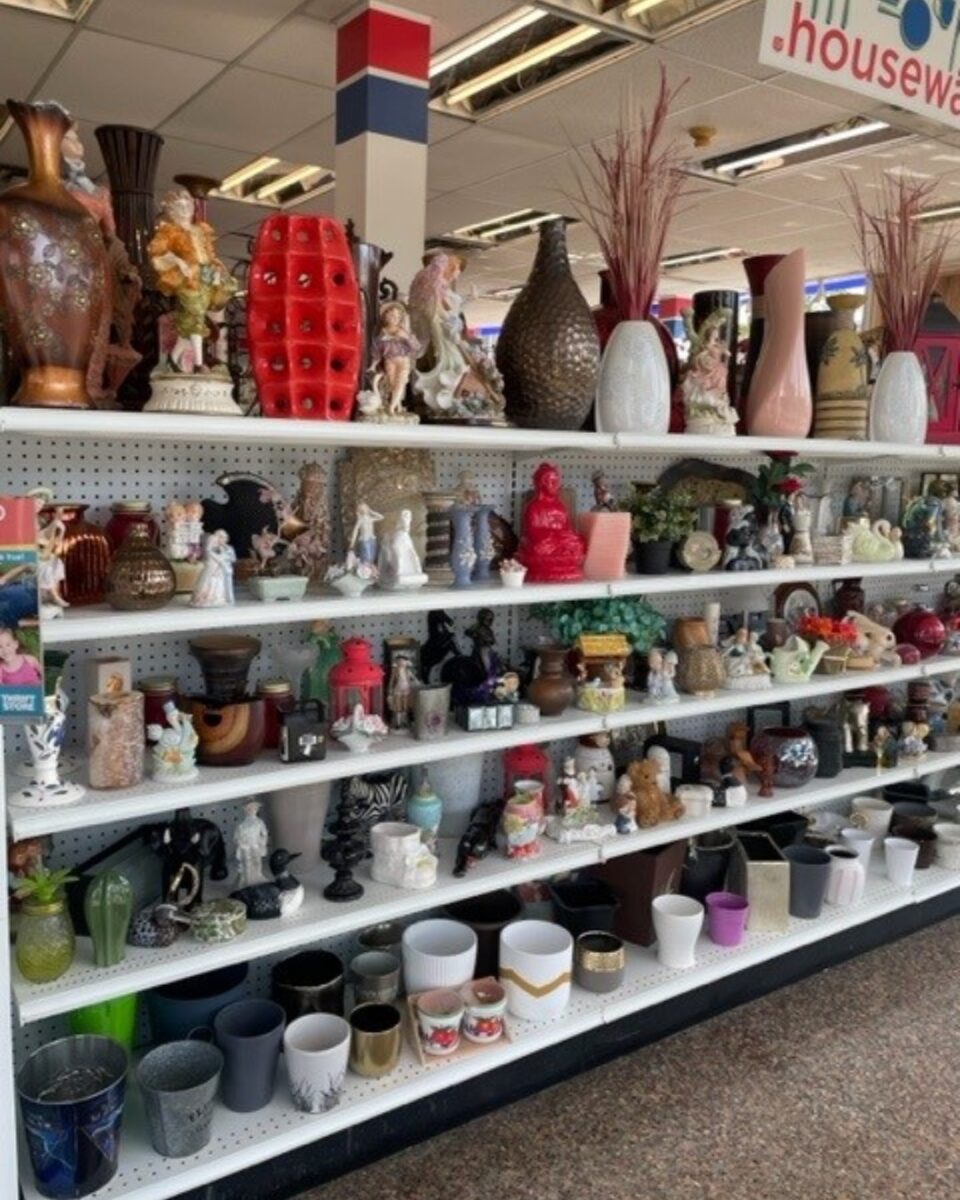
The organization is urgently appealing for nationwide support from individuals, communities, and businesses to bridge the gap in much-needed donations. They are seeking both public donations and business inventory contributions, with a particular focus on everyday household items like kitchenware, home decor, housewares, ceramics, and small appliances.
“The Salvation Army Thrift Store remains steadfast in its commitment to making a positive impact on the lives of Canadians in need, but we cannot do it alone,” said Troughton. “If each Canadian household donated two bags or boxes of items they no longer need or want, it would definitely help us replenish our shelves and strengthen our ability to serve those who depend on us the most.”
Troughton said we’re going to continue to see the rise of new people coming into the stores for a few reasons – the cost of living overall for Canadians.
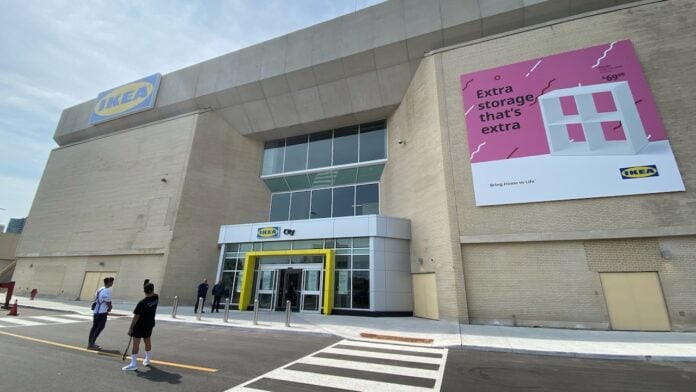
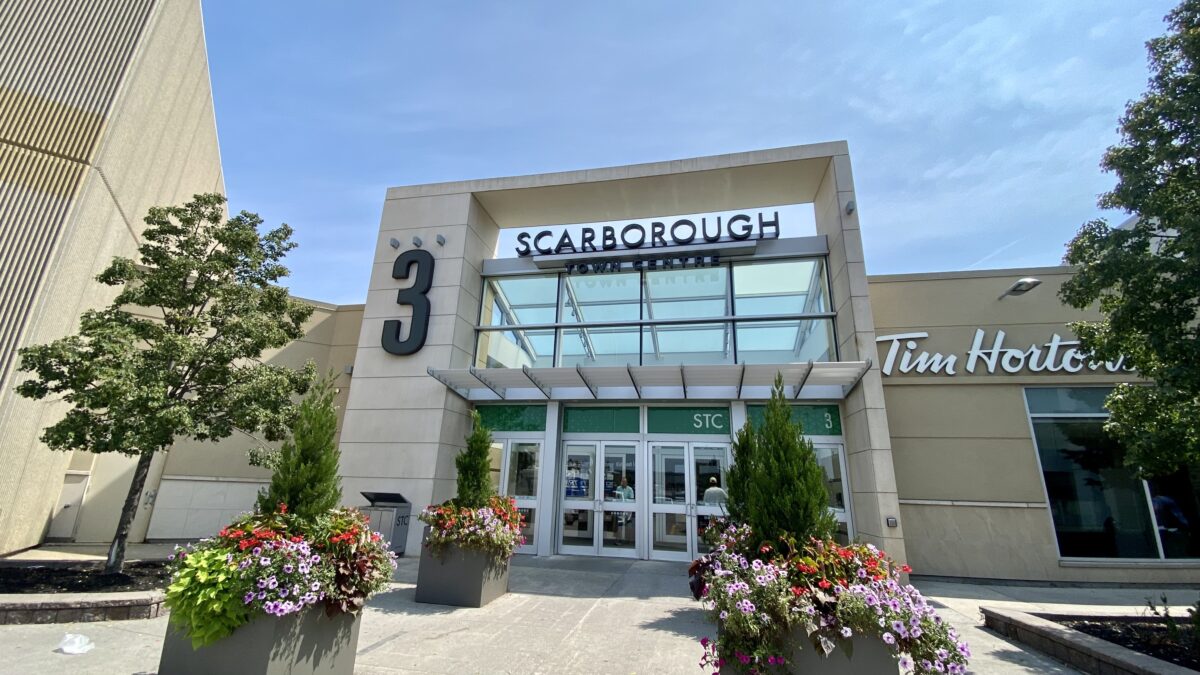
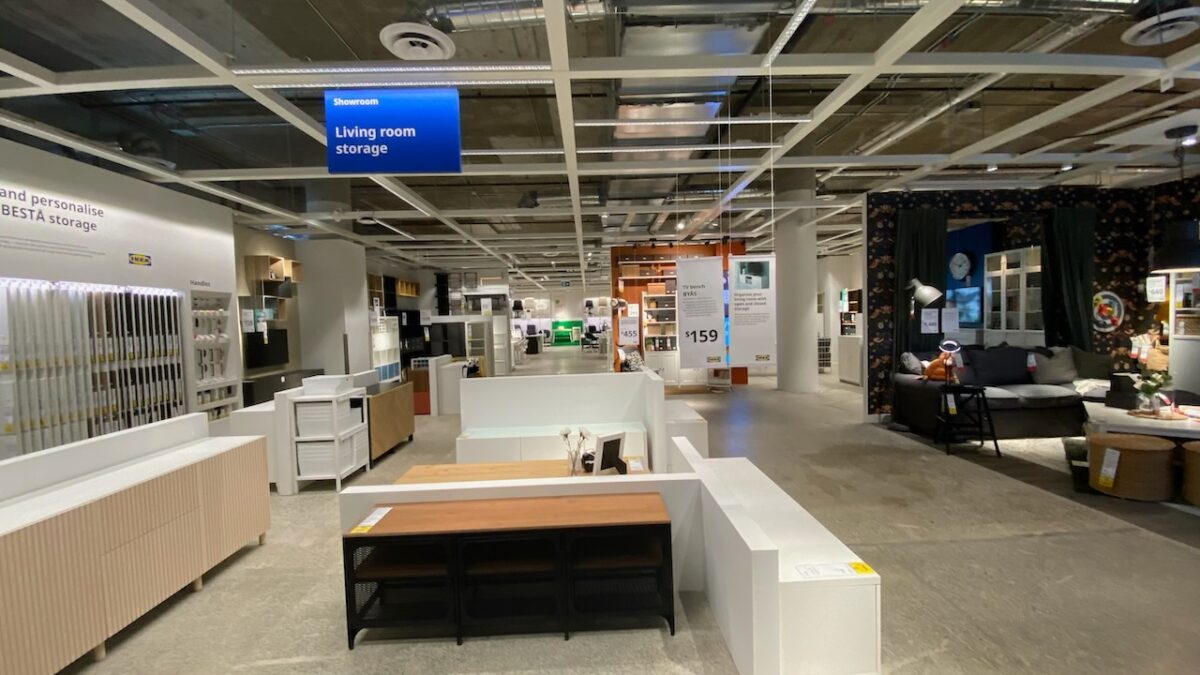
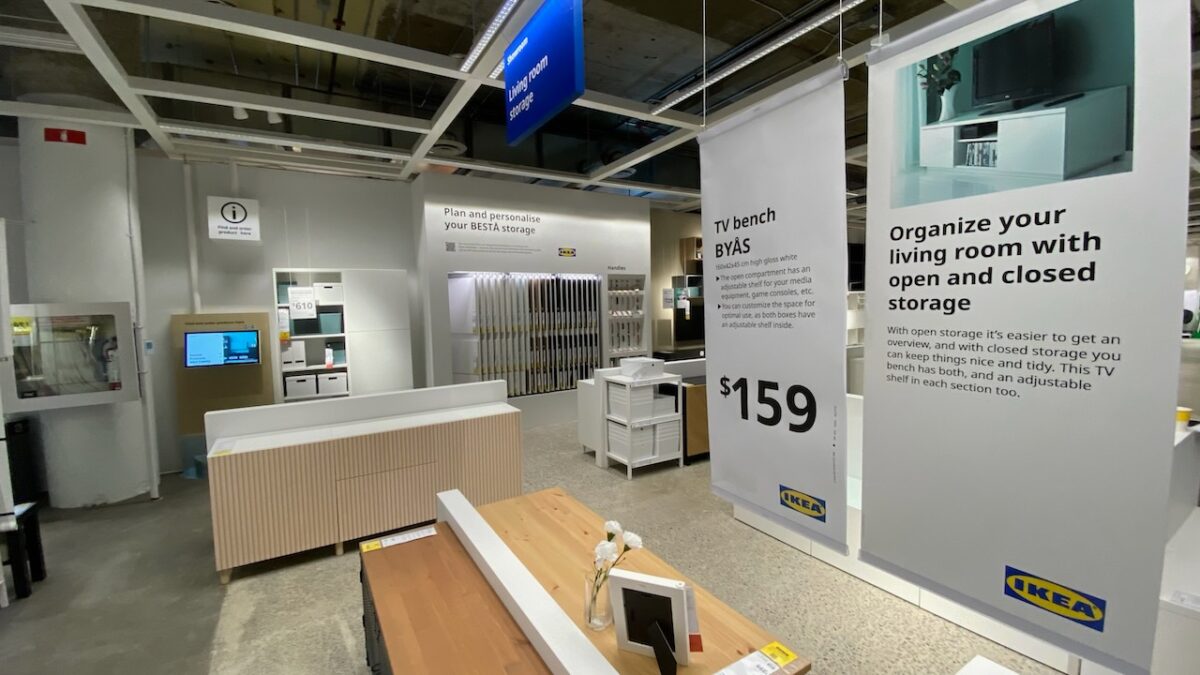
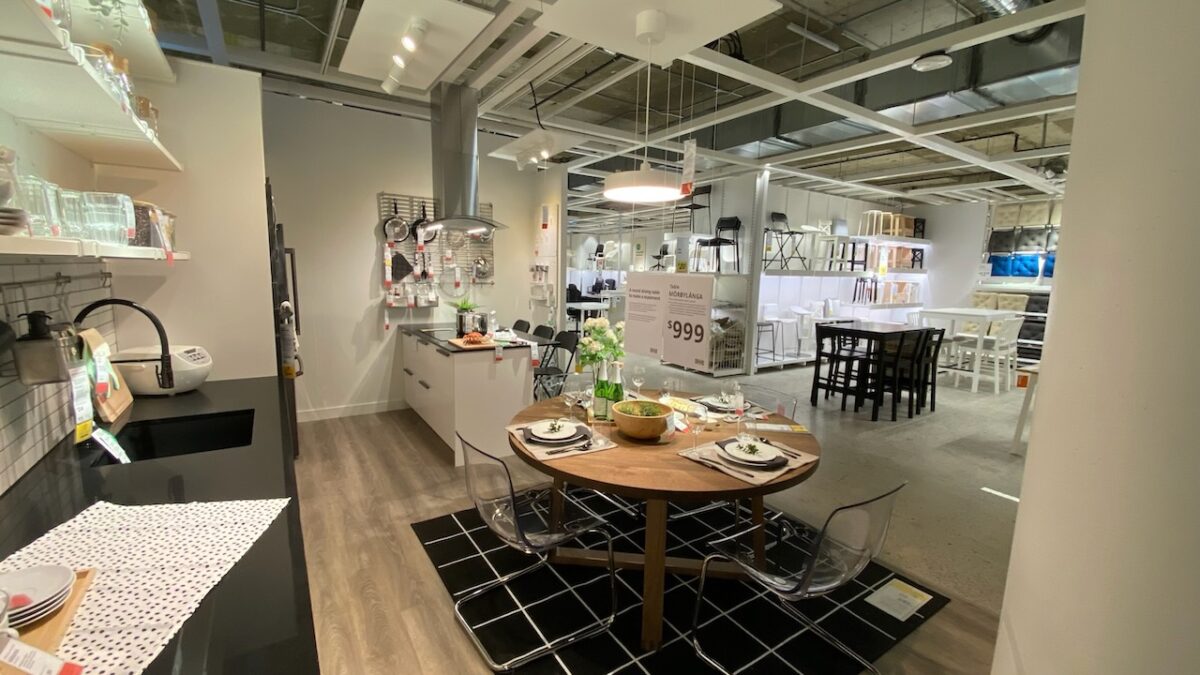
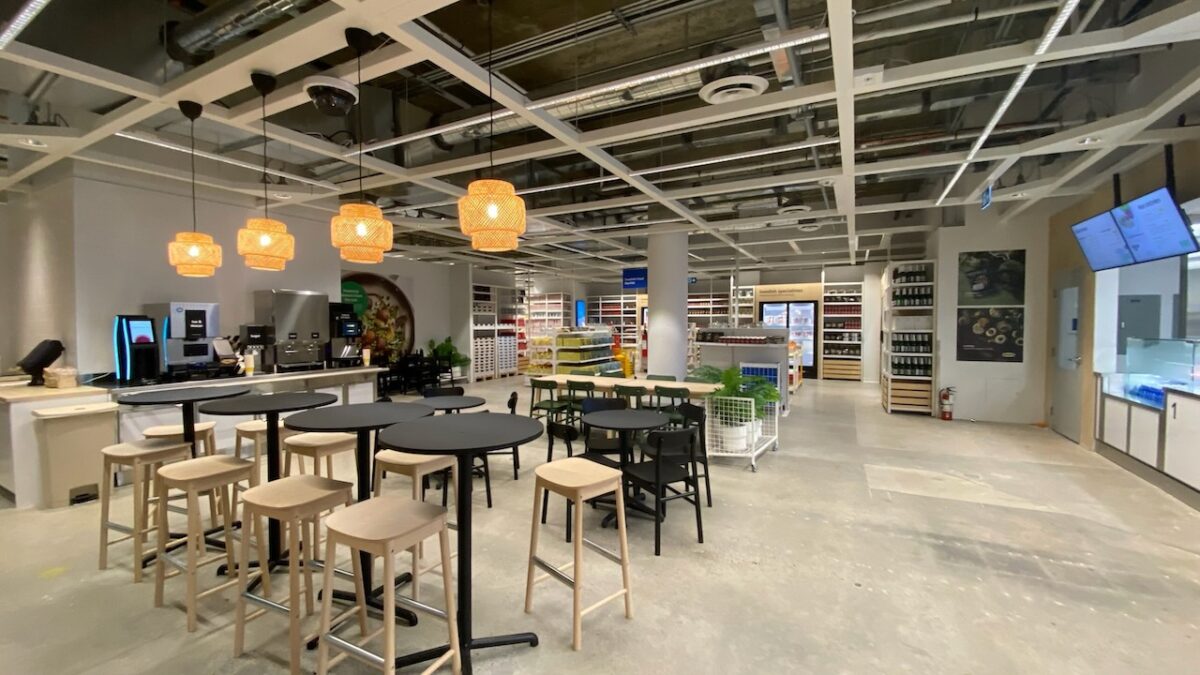
Scarborough Town Centre IKEA (Image: Craig Patterson)
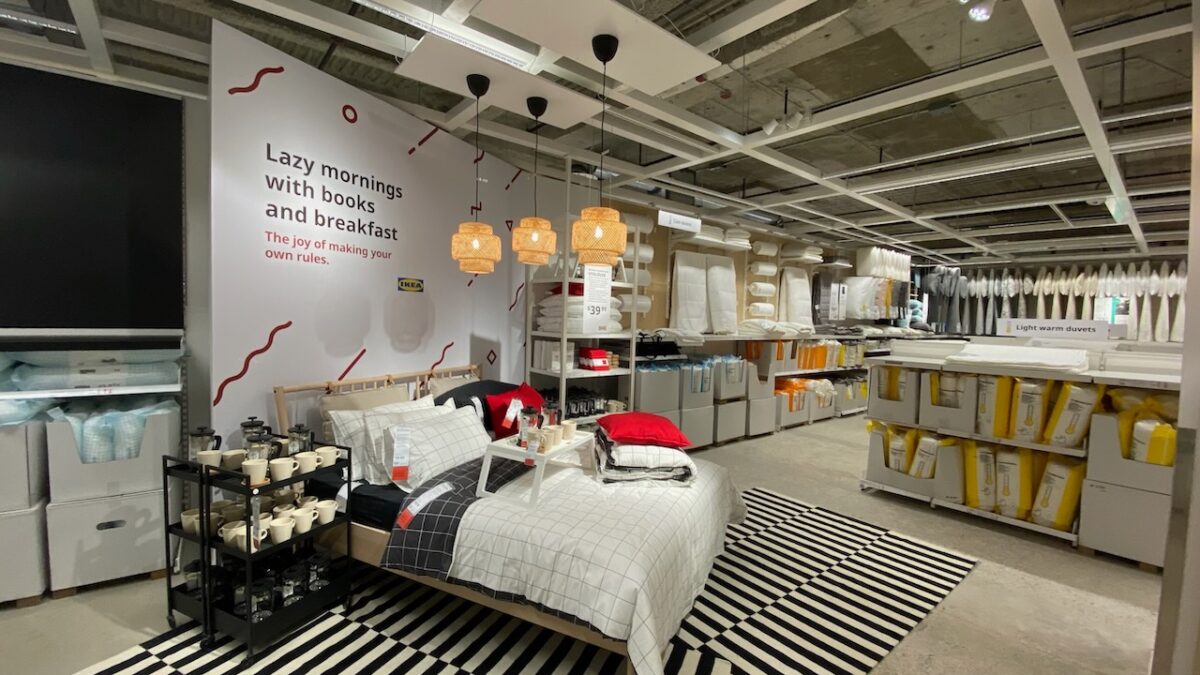
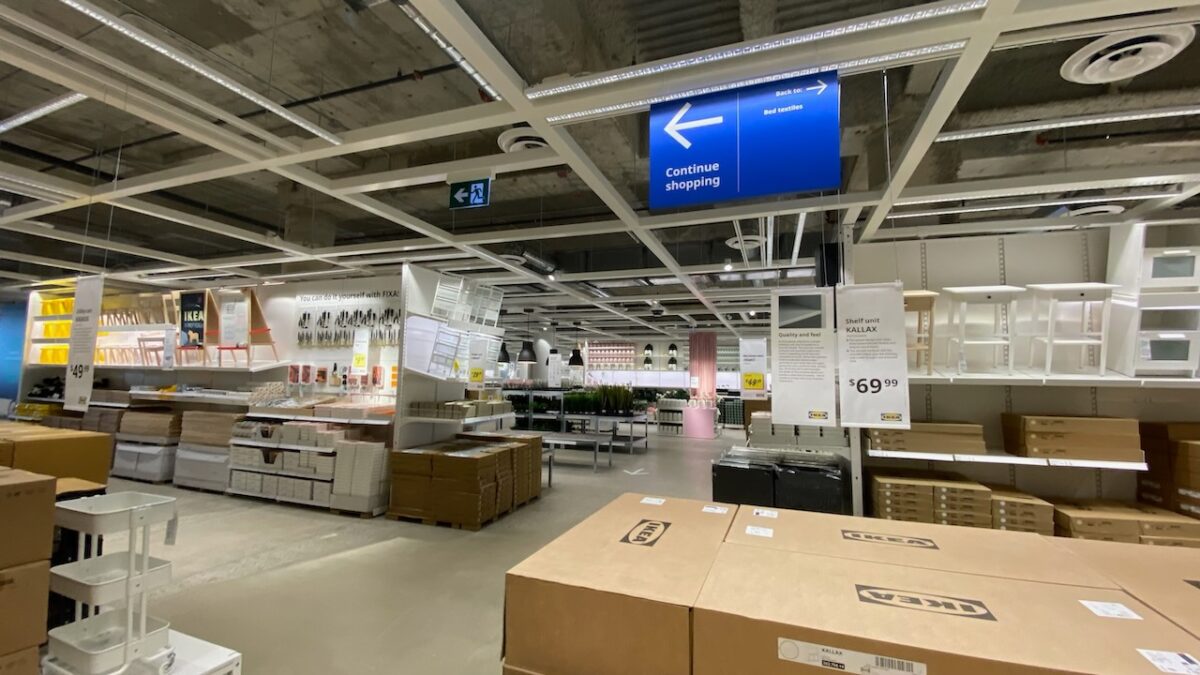
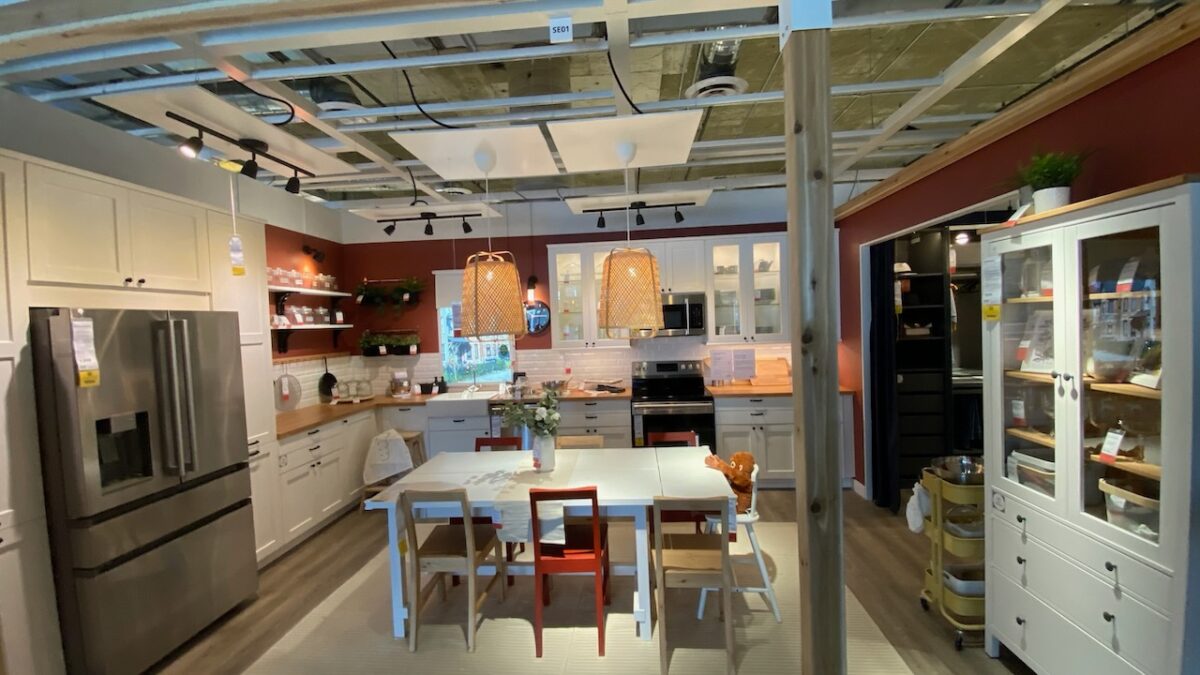
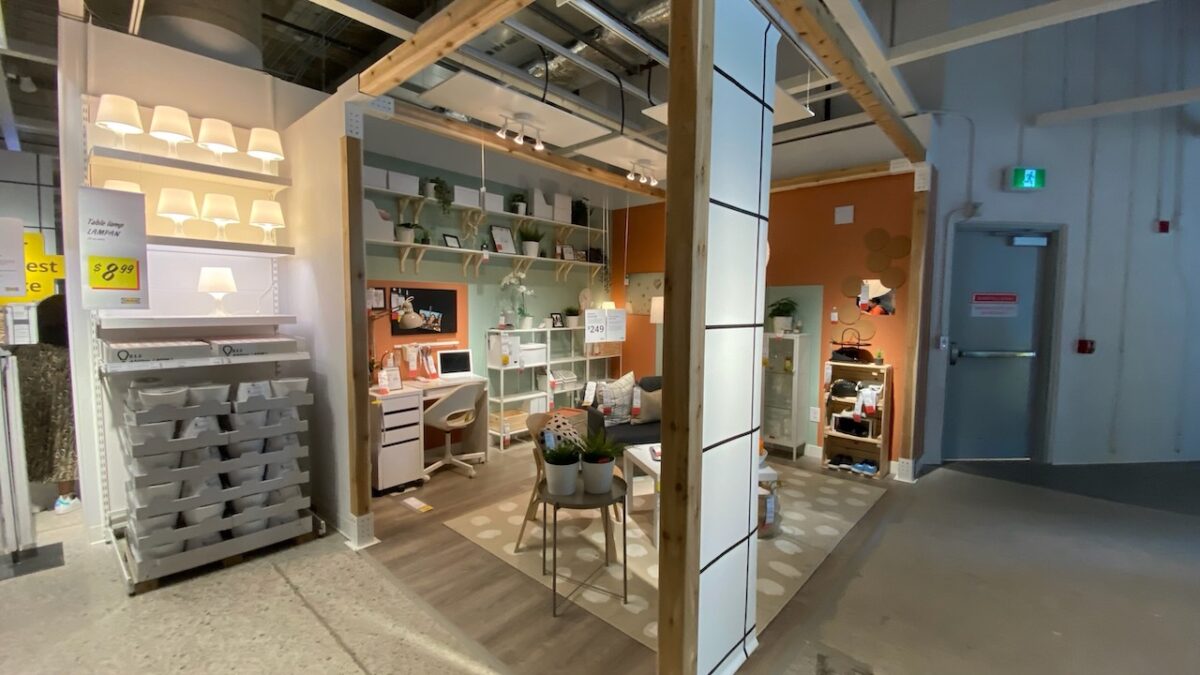
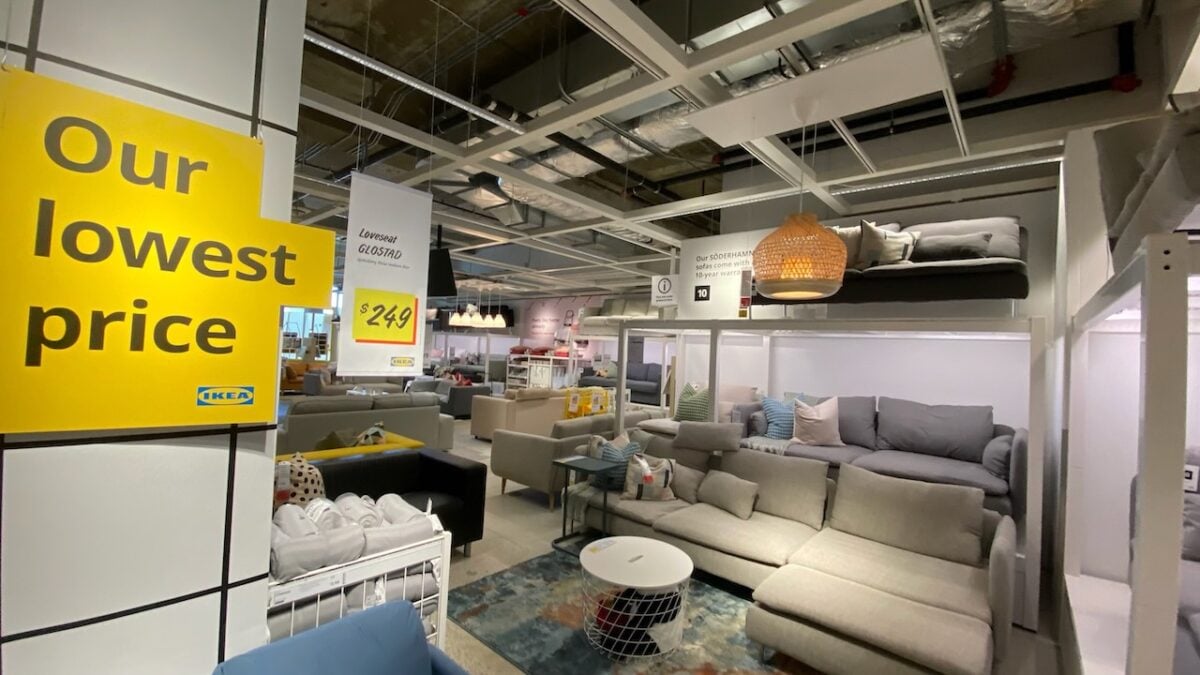
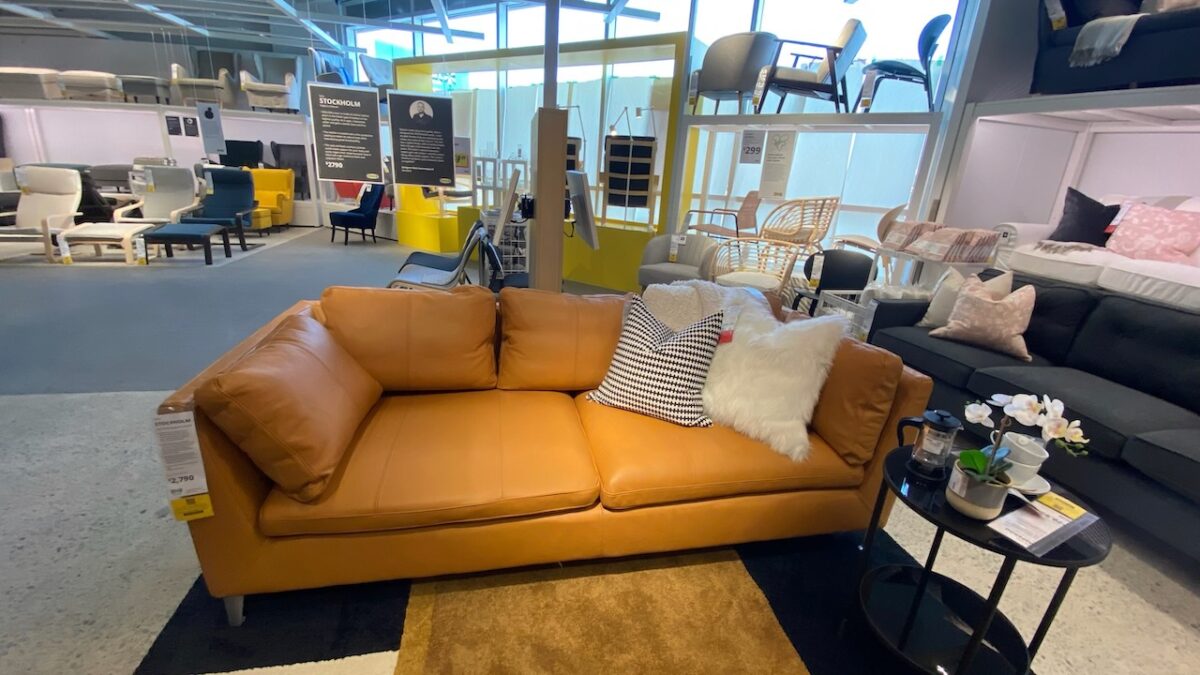
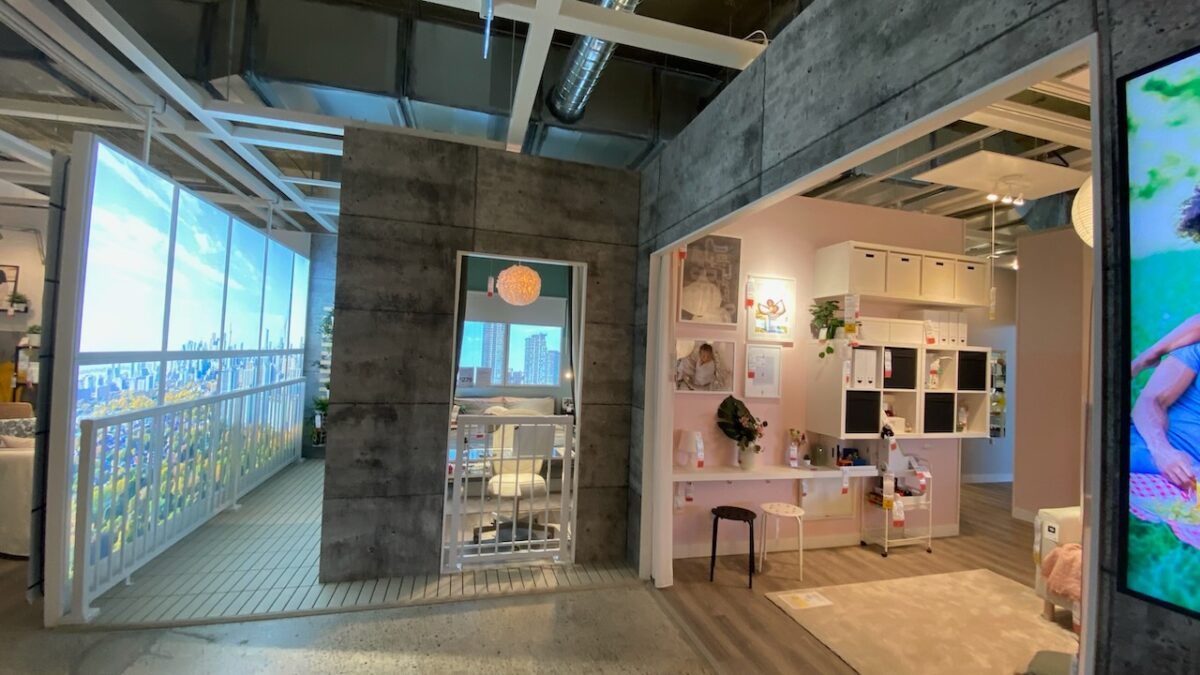
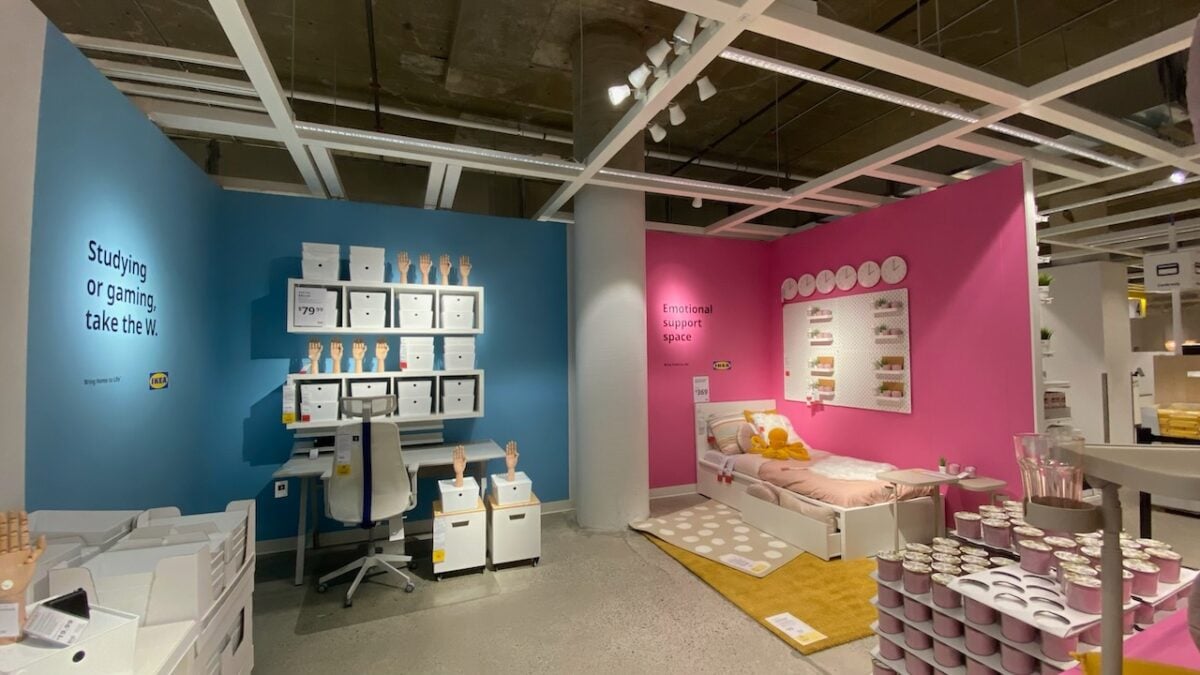
Home furnishing retail giant IKEA Canada is opening its second small format store in the country and first in an enclosed mall.
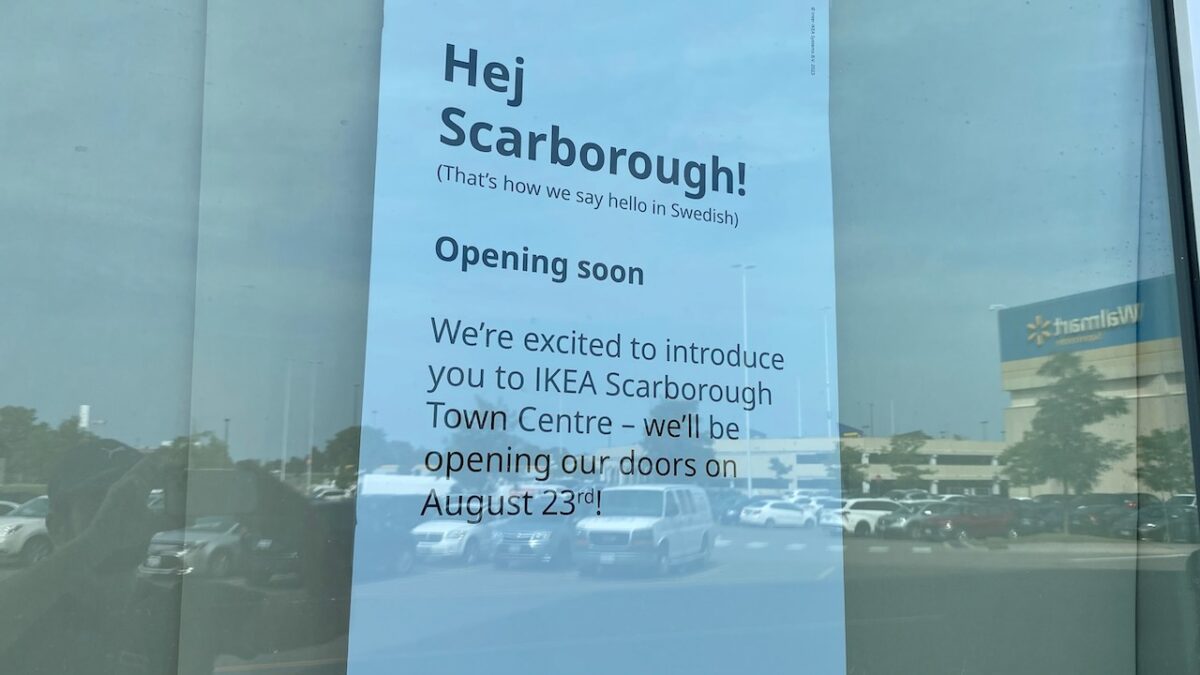
The retailer will open the company’s newest location August 23 at Scarborough Town Centre.
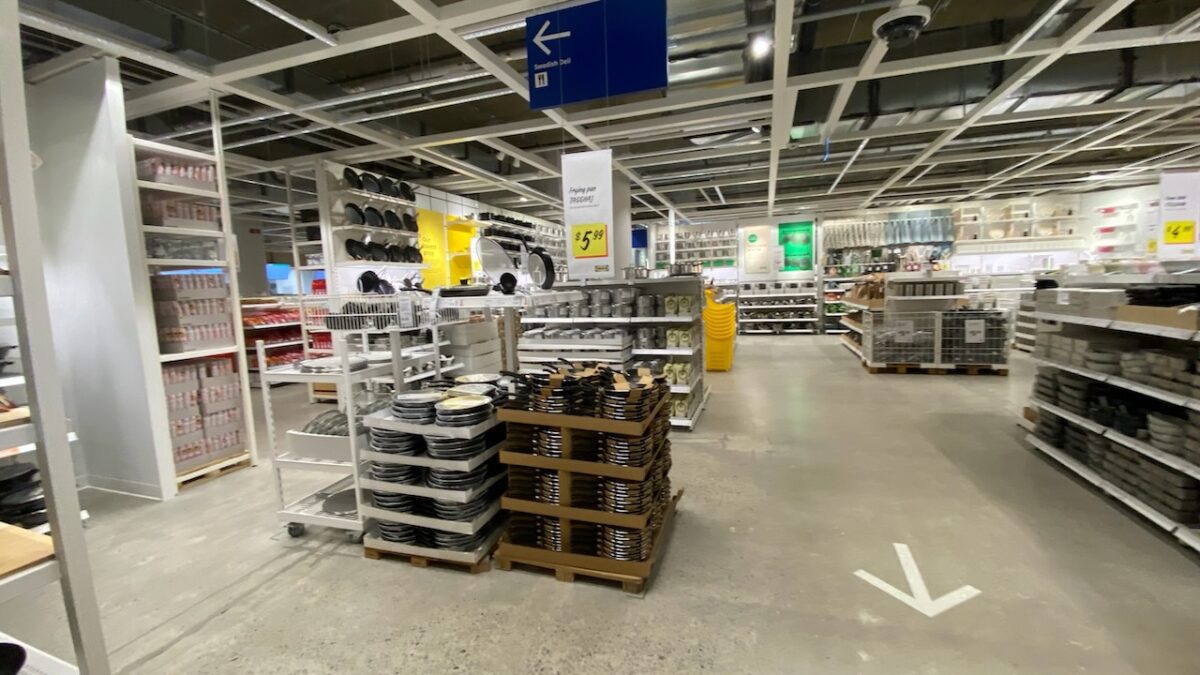
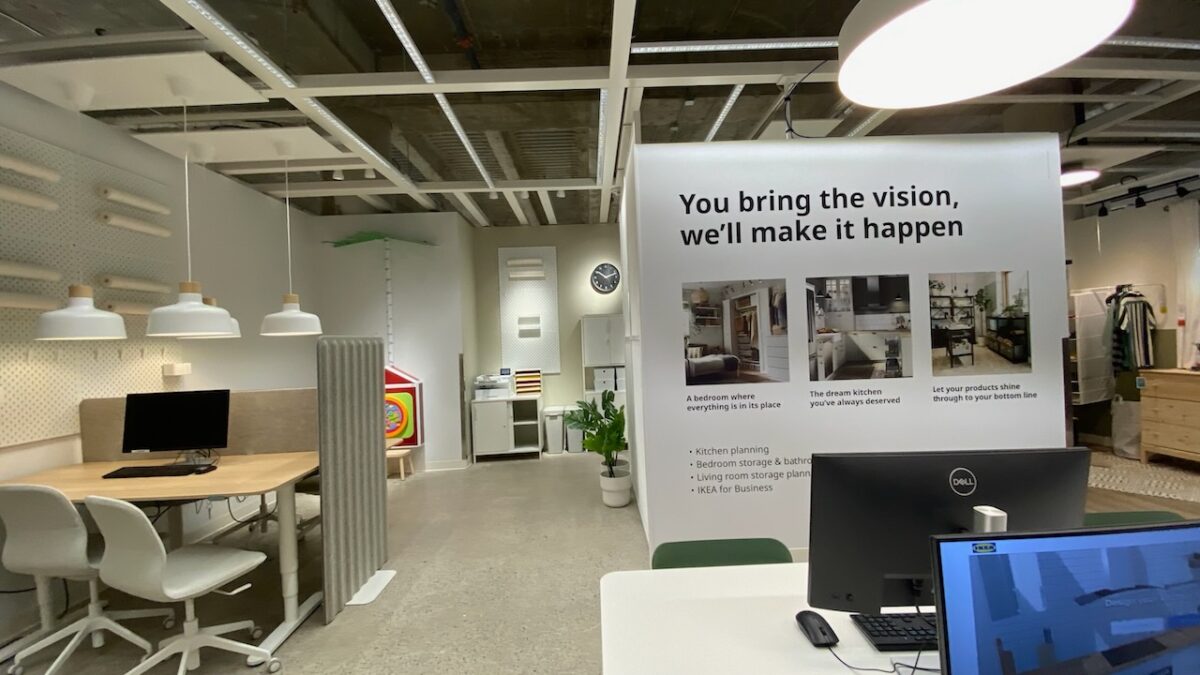
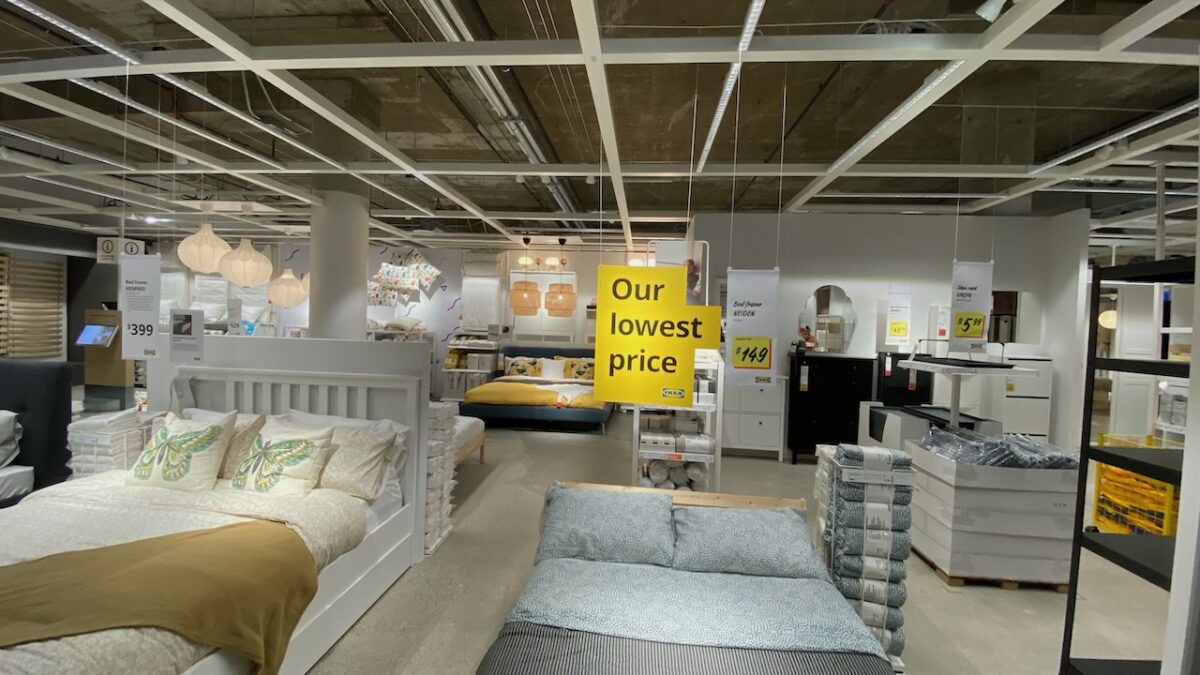
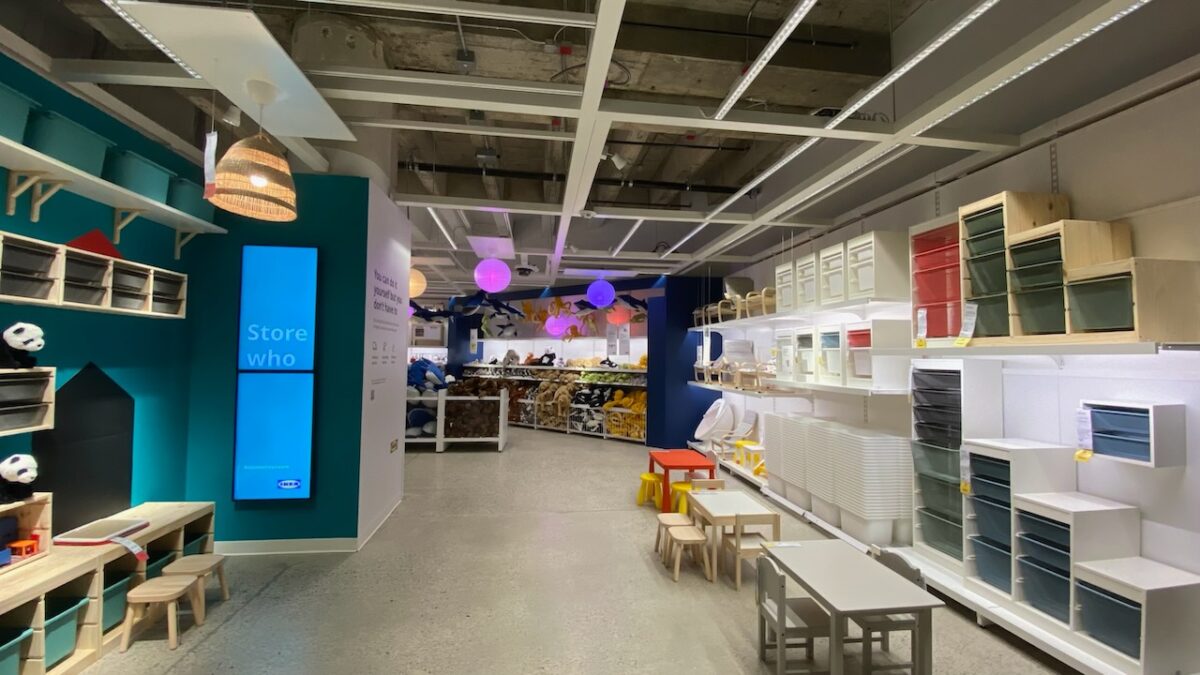
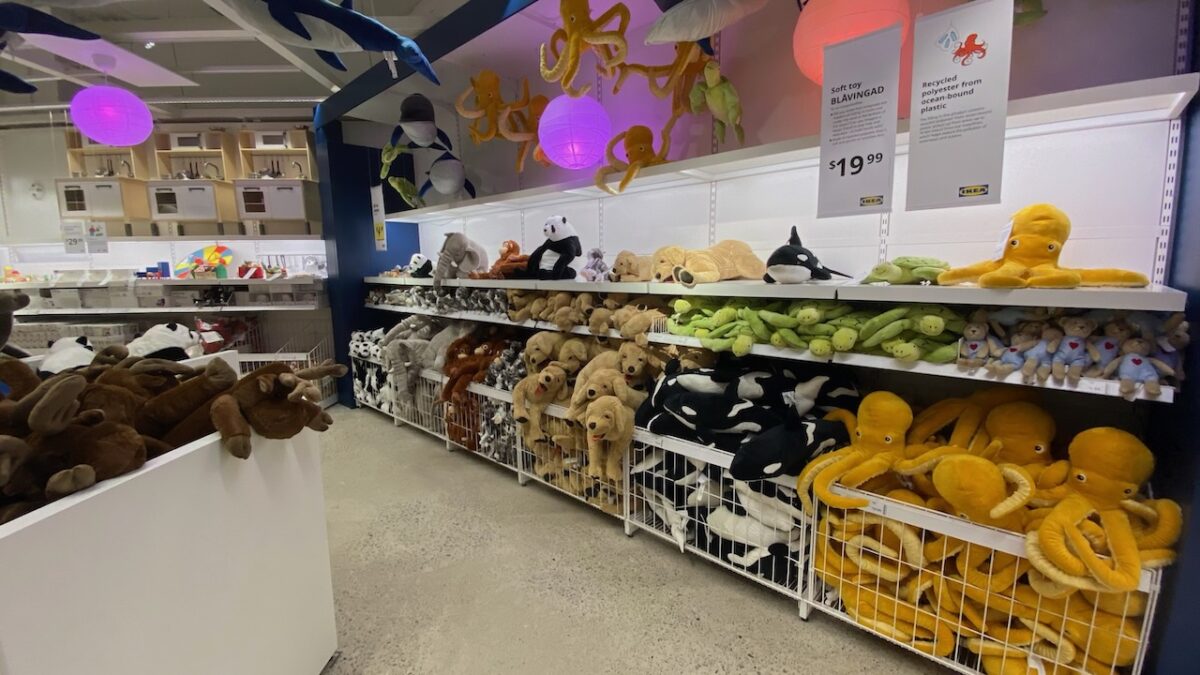
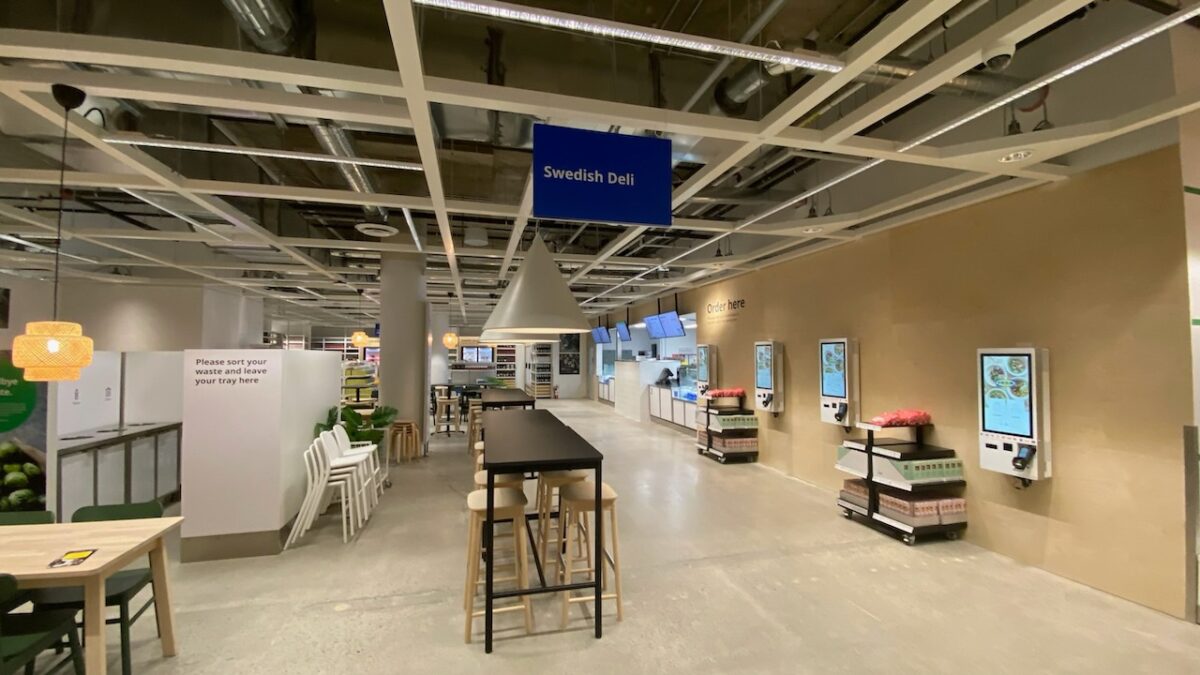
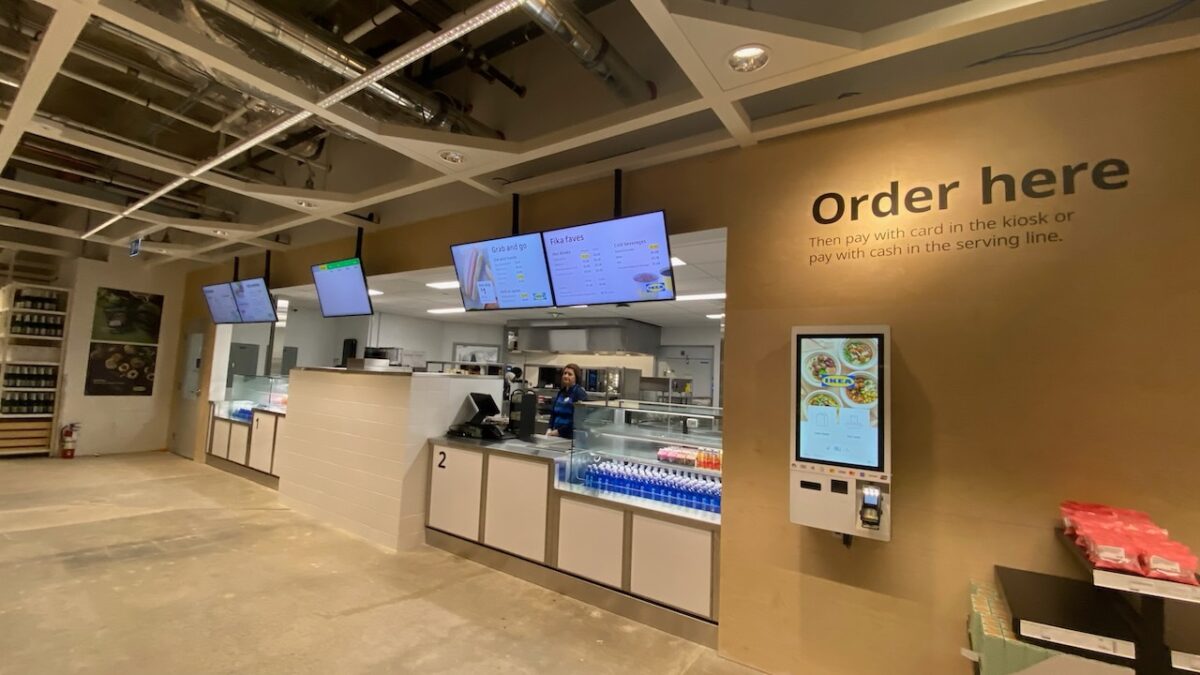
IKEA Canada introduced its small format Toronto Downtown – Aura store last year. The IKEA Scarborough Town Centre store will embrace many similar solutions displayed in Toronto including the Swedish Deli food experience where customers can enjoy contemporary and classic Swedish dishes including the meatball, veggie dog and much-loved frozen yogurt.
“We are excited to welcome the community of Scarborough to our new store. Every detail was created with the unique needs of Scarborough residents in mind, from the proximity to public transportation and delivery and assembly options, to the wide product range curated specifically to help them with solutions to live a better everyday life at home,” said Odette Walker, Market Manager at IKEA Scarborough Town Centre, adding that the Scarborough Town Centre is one of the largest and most connected retail destinations towards the east end of Toronto.
Scarborough Town Centre IKEA (Image: Craig Patterson)Scarborough Town Centre IKEA (Image: IKEA)
Odette Walker Liburd
“They have a huge amount of visitation. I think they see about 23 million visitors. So it’s highly accessible to Scarborough which is an area that previously we know that Scarborough residents faced travel time to meet IKEA. So we’re really working on bringing convenient and affordable home furnishings across Toronto.
“Scarborough Town was the ideal location for us being close to the 401 and also being accessible to transit riders as well. I believe approximately 26,000 daily riders will be in the Scarborough Town area as a hub. We’re off the 401. You can see us when you drive past on the 401. So it’s very accessible to the east end part of Toronto.
“It’s the first format in this size in a mall with this shopping experience in Canada.”
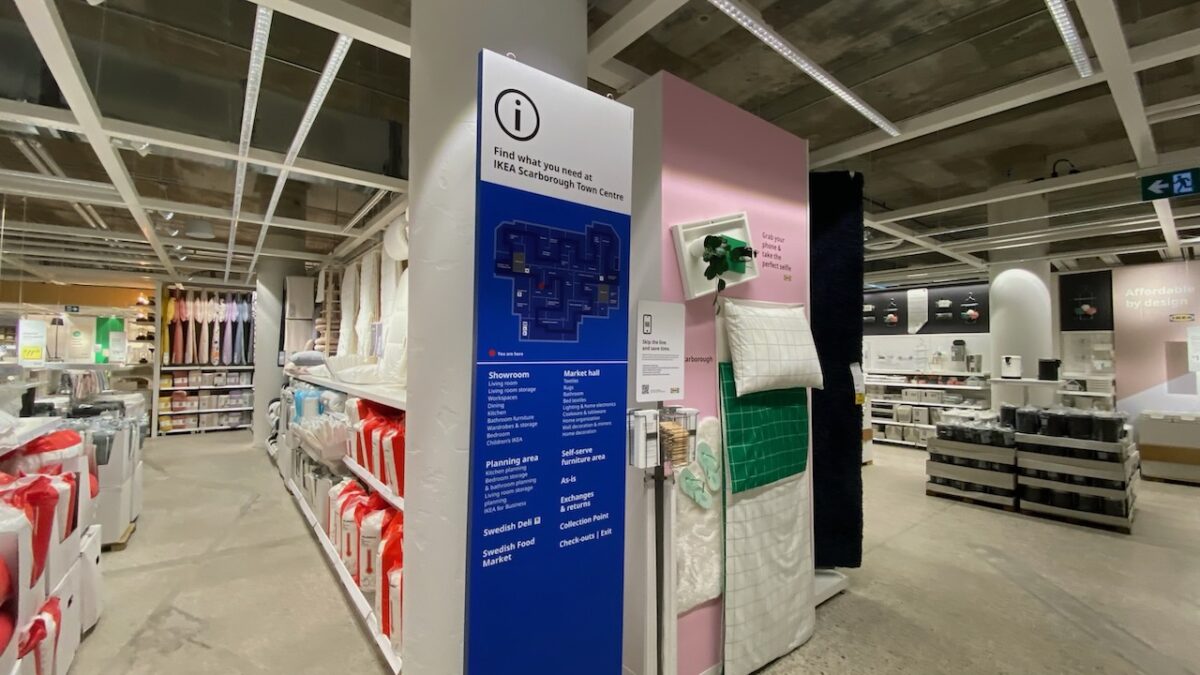
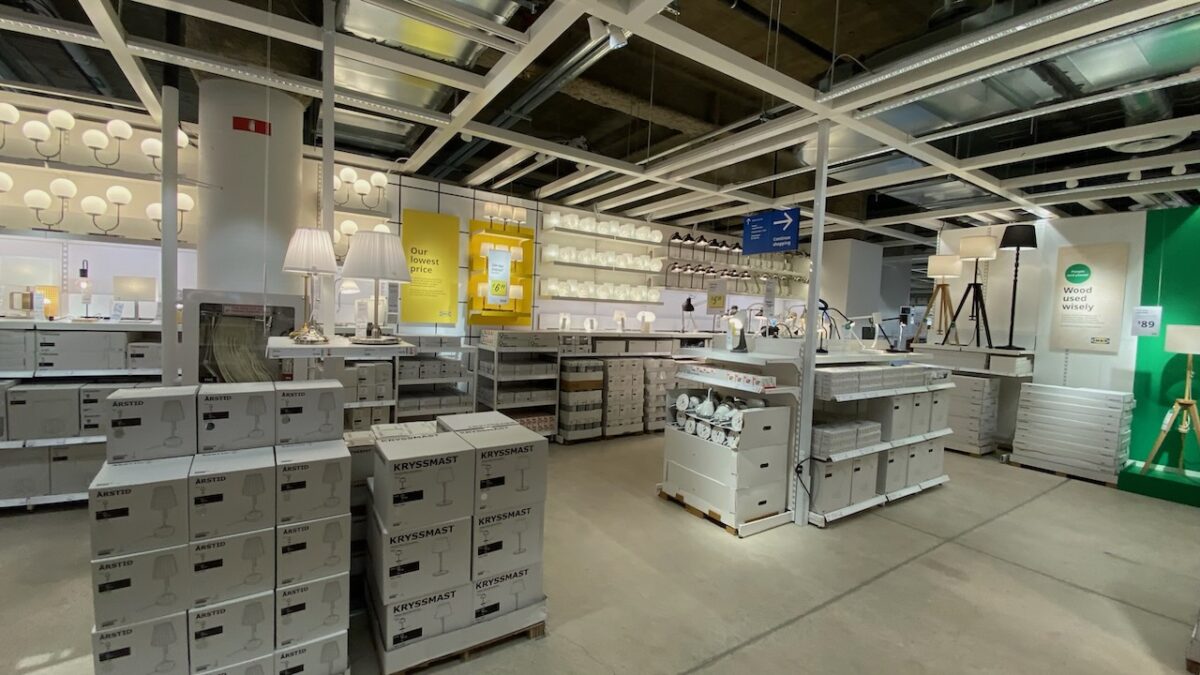
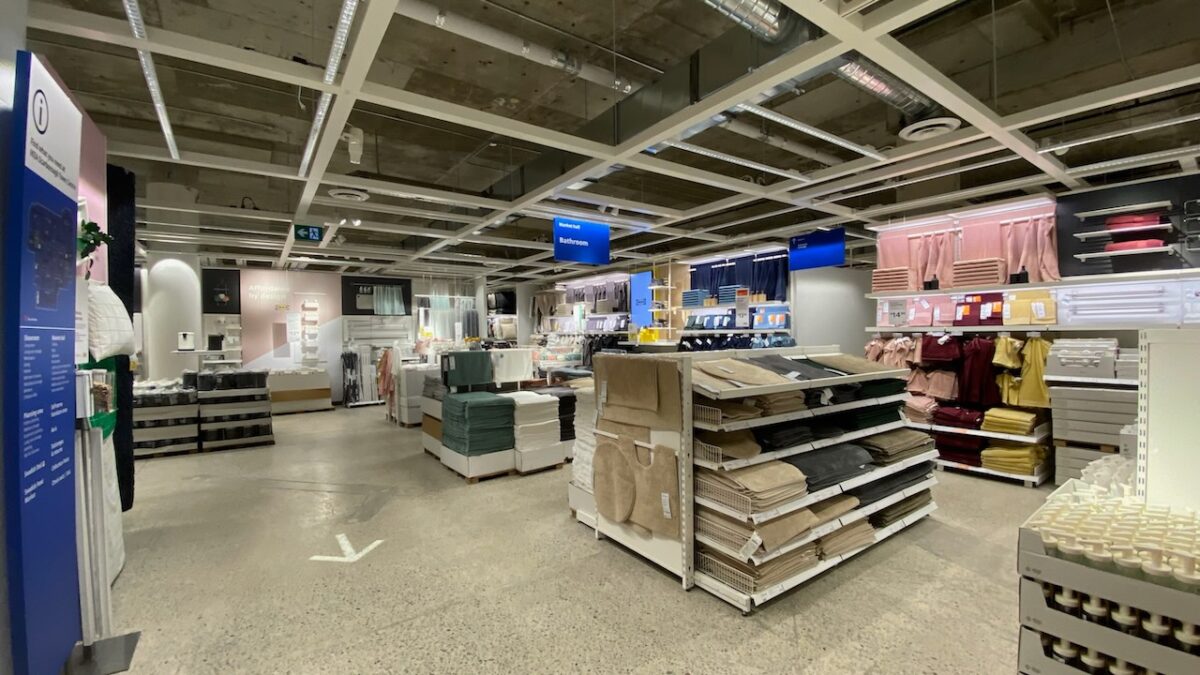
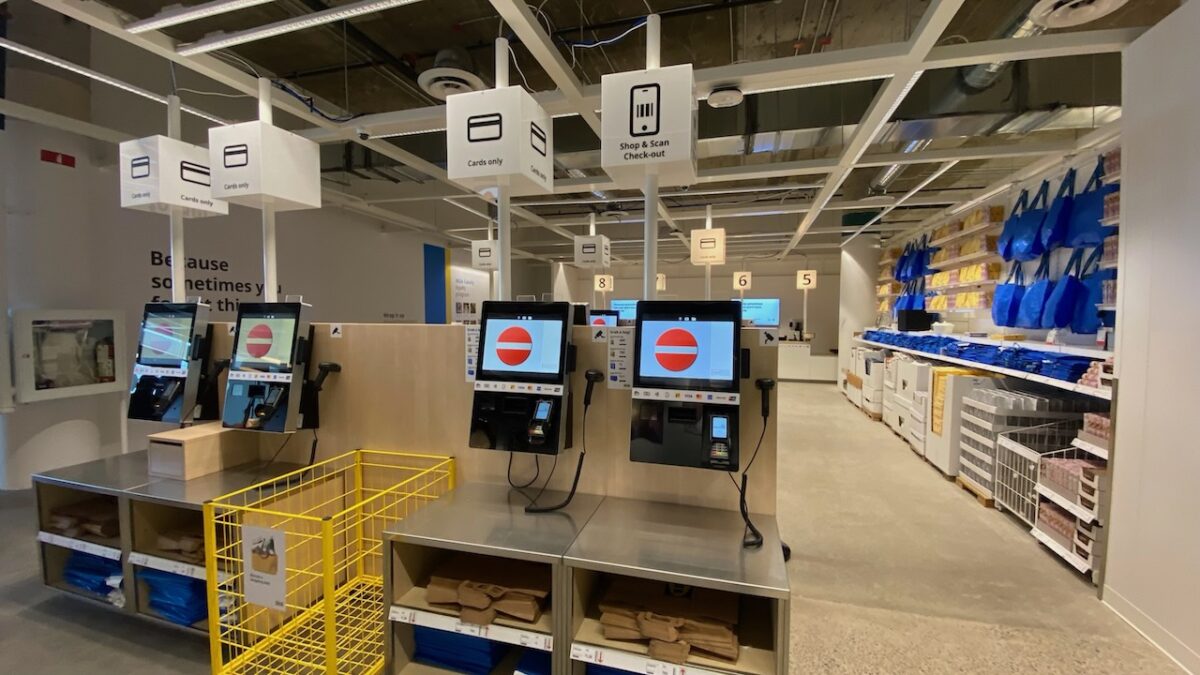
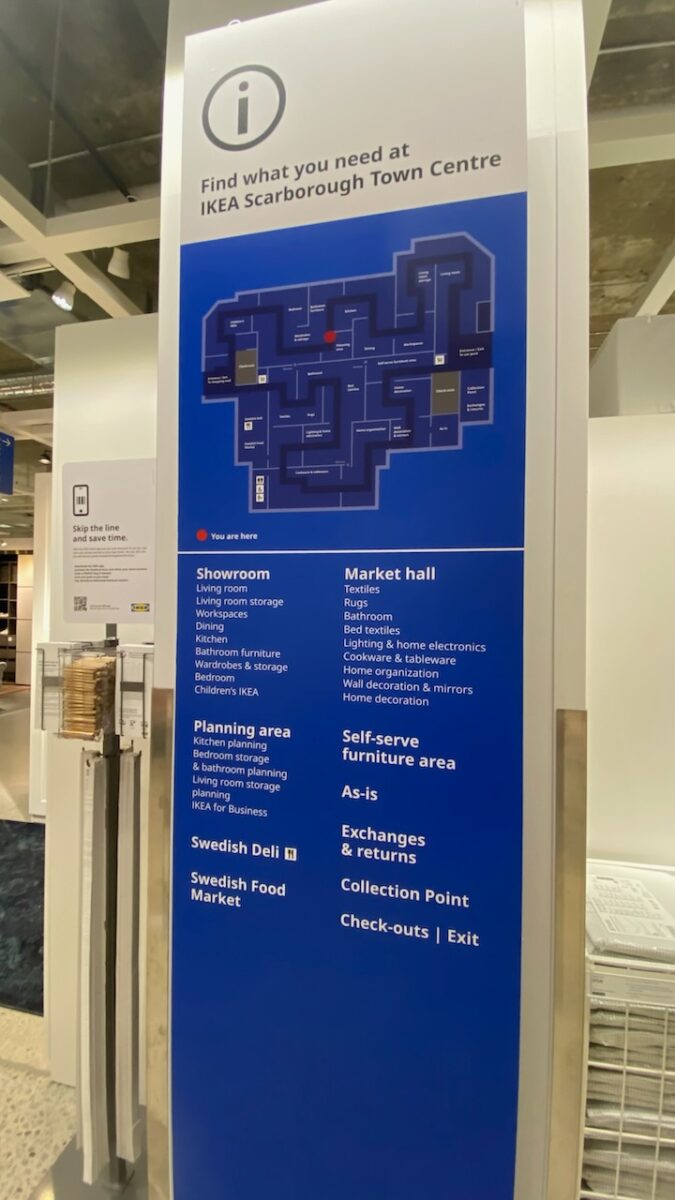
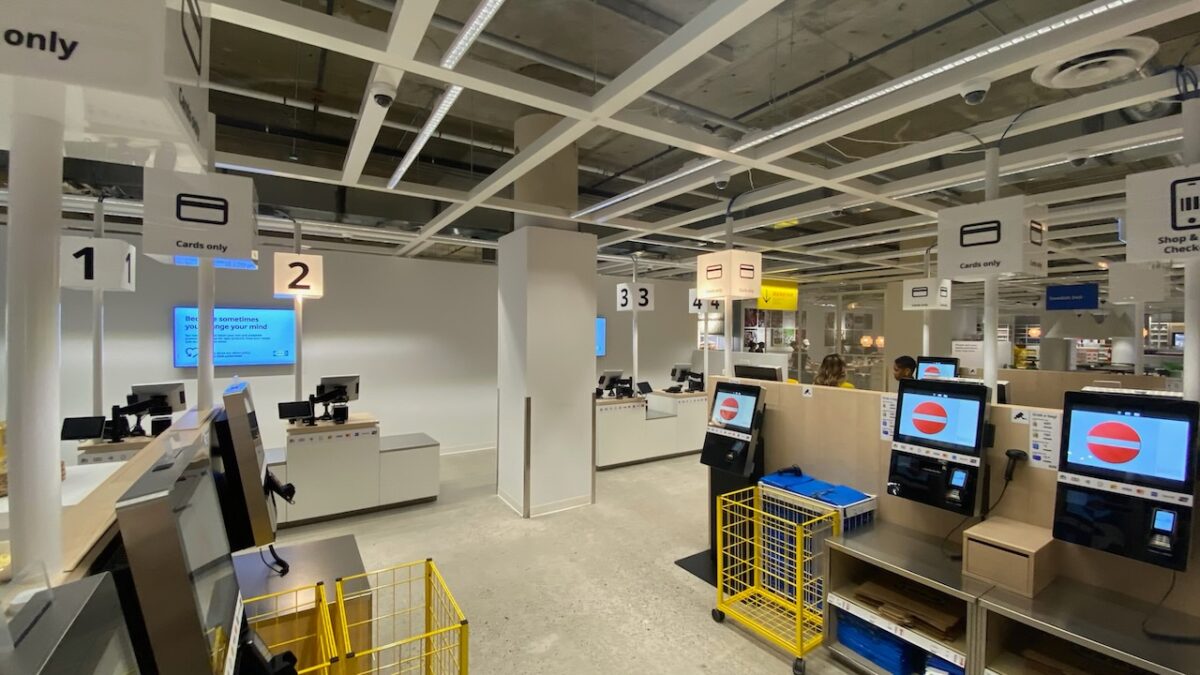
The 7,489-square-metre Scarborough store will feature the traditional one-way flow layout renowned at larger format IKEA locations, with two entrances/exits and check-out lanes at each for a smooth shopping experience. The store will also have digital tools throughout, and a complete range of convenient services including assembly, returns, home delivery and a dedicated Planning Hub. Larger furniture items will be on display, and available to view and order for home delivery or pick up at convenient pick-up locations across the city or the IKEA Pick up Point in the store.
There are two dedicated entrances from inside the mall and from the parking lot.
Niclas Karlsson-Järnkrok
“At IKEA Canada, we are on an omnichannel transformation journey with a clear objective to continue to meet our customers in an accessible and seamless way,” said Niclas Karlsson-Järnkrok, Market Area Manager at IKEA Canada, in a statement. “As a brand rooted in life at home, we hope our new store in the heart of Scarborough will serve as a convenient and accessible source of inspiration and home furnishing expertise.”
The retailer has 16 locations in Canada.
Scarborough Town Centre IKEA (Image: Craig Patterson)Scarborough Town Centre IKEA (Image: Craig Patterson)
Ryan Da Silva, Director & General Manager of the Oxford Properties Group, which operates the Scarborough Town Centre, said the addition of IKEA is a significant milestone for the shopping centre.
Ryan Da Silva
“This new store format brings a fresh and innovative shopping experience. This is considered a city format. It’s in between a smaller and a larger format. But we’re absolutely thrilled to welcome them here,” he said.
“We know it will draw huge crowds. There’s a ton of excitement from the community and that only continues to grow as we near their opening day.”
Future Decathlon at Scarborough Town Centre (Image: Craig Patterson)Future Decathlon at Scarborough Town Centre (Image: Craig Patterson)
The Scarborough Town Centre is about 1.3 million square feet with about 250 stores. It’s the fourth largest shopping centre in the Greater Toronto Area behind Square One Shopping Centre, Yorkdale Shopping Centre and CF Toronto Eaton Centre.
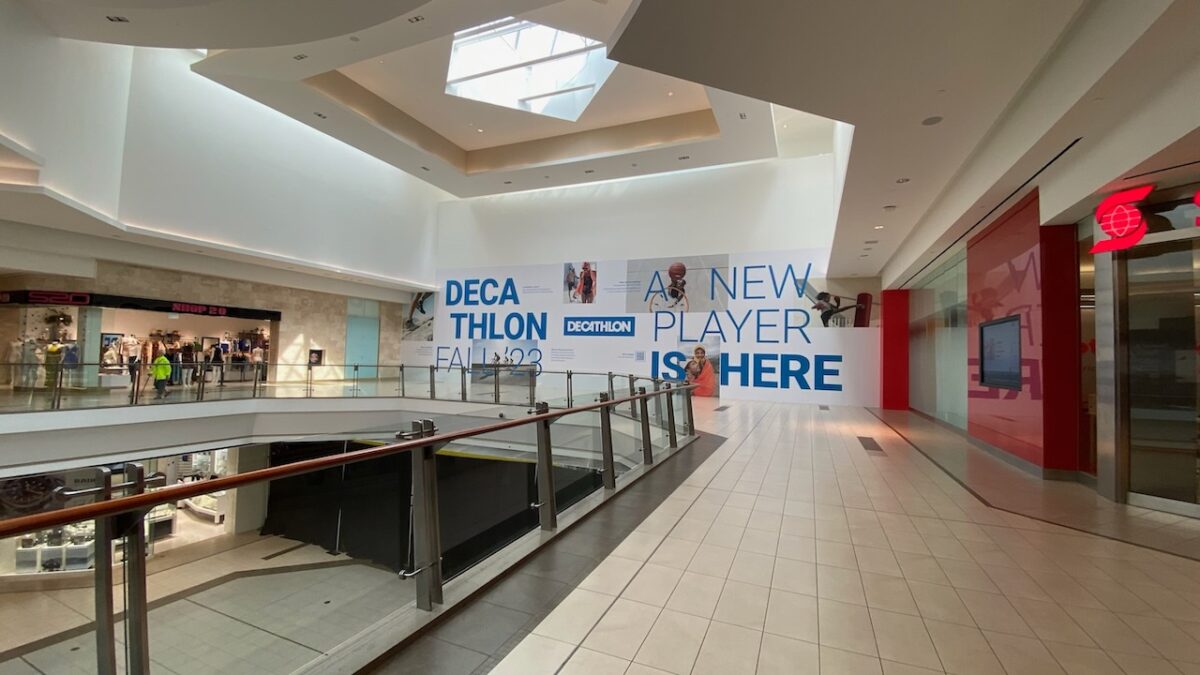
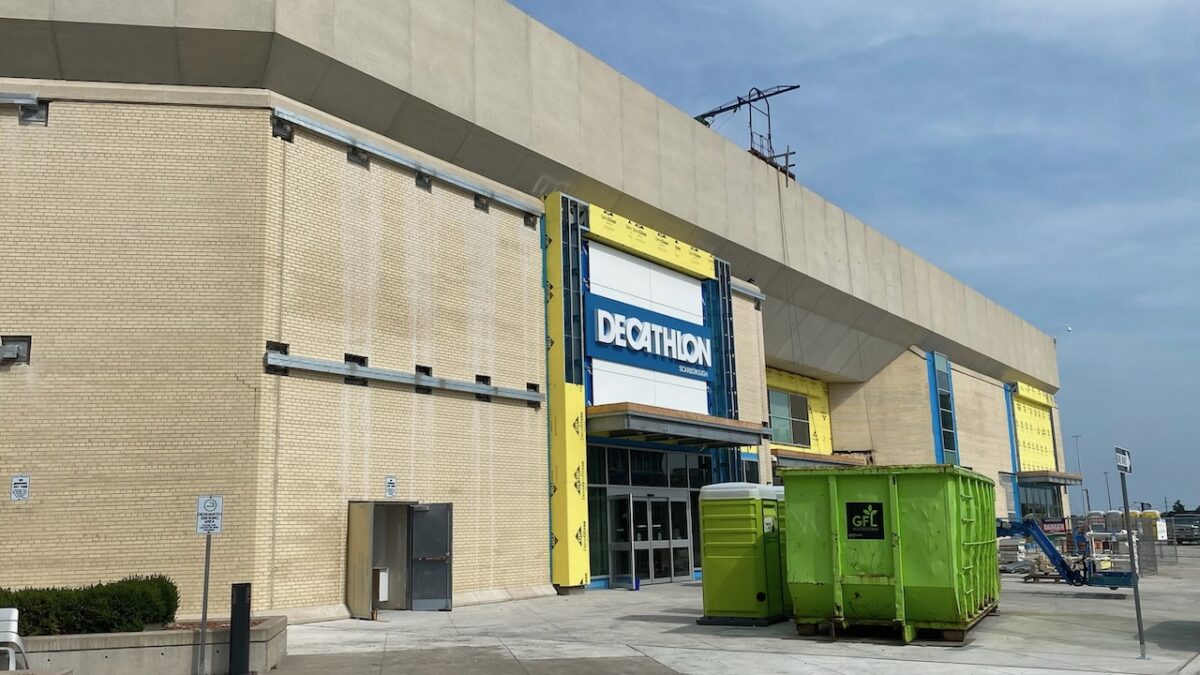
“We have a number of new retail stores that are opening in Scarborough for 2023 and pushing through to 2024,” said Da Silva. “For this year, we have Decathlon which is also opening at STC and they will be located in the former Sears box and that’s just above the IKEA store. That’s roughly a 60,000-square-foot Decathlon store. That will be opening in the fall.
“We have a number of openings. Some unfortunately we can’t announce yet as those deals are being finalized but some key brands and huge new retailers that are coming to STC. We’ll be able to announce those in the next few months as we ink those deals. Some exciting new tenants and they’ll be in their larger formats.”
Studio Dental at Scarborough Town Centre (Image: Craig Patterson)Bikini Village at Scarborough Town Centre (Image: Craig Patterson)
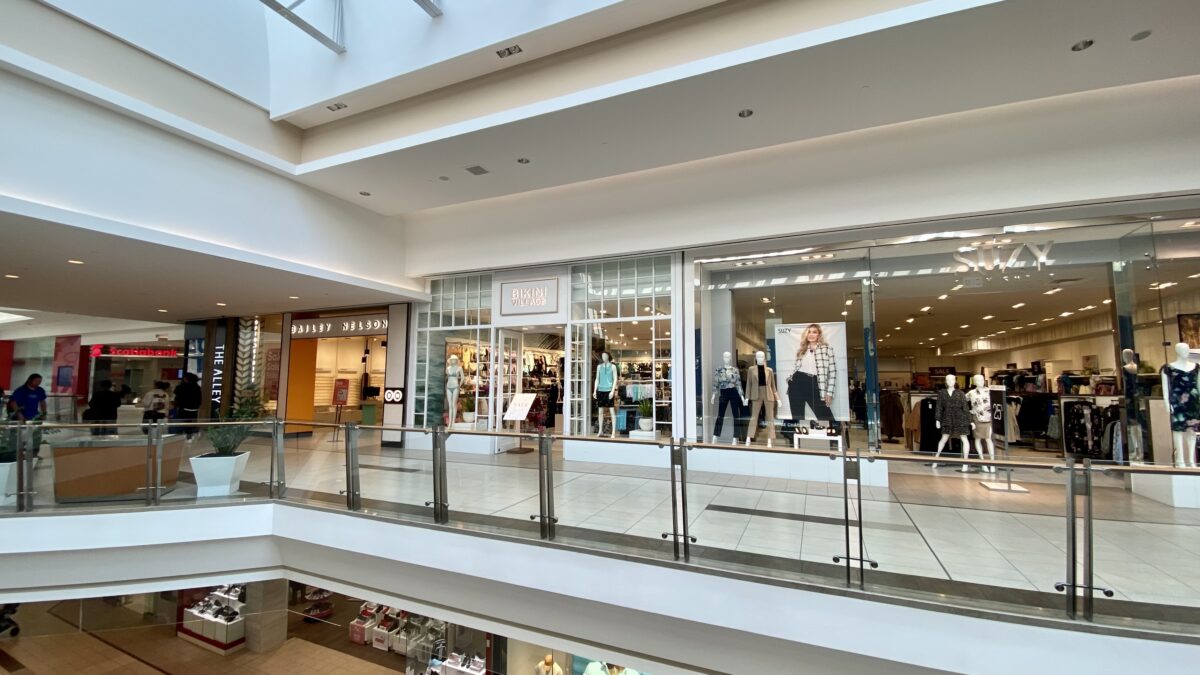
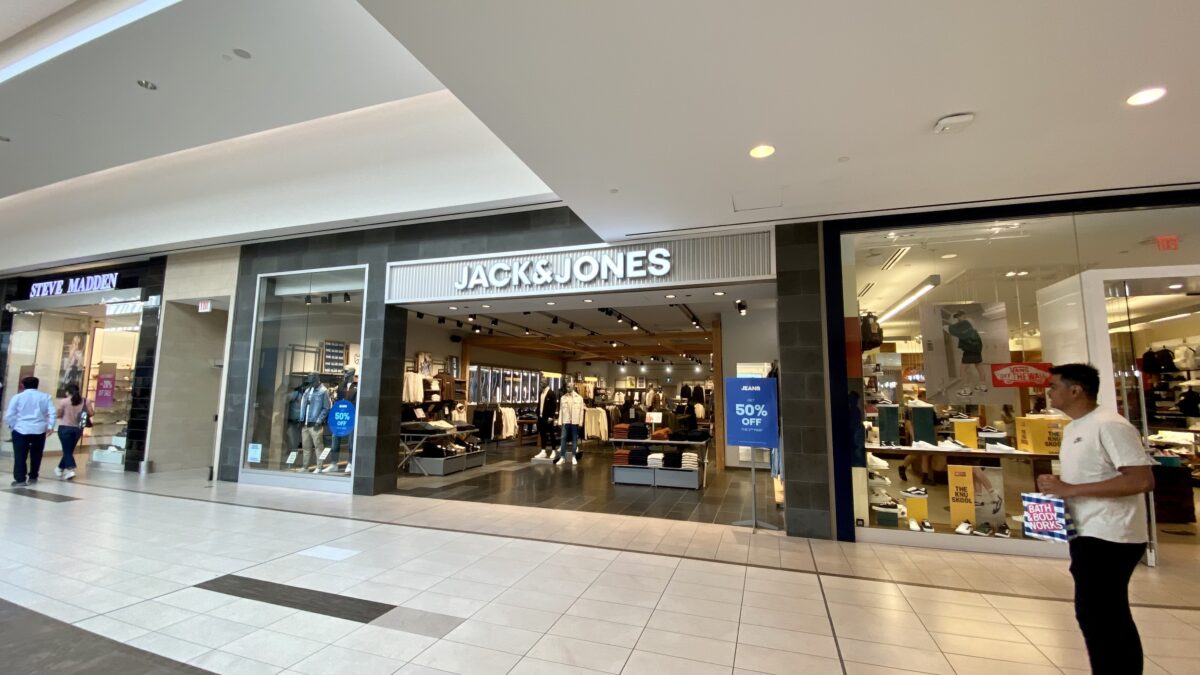
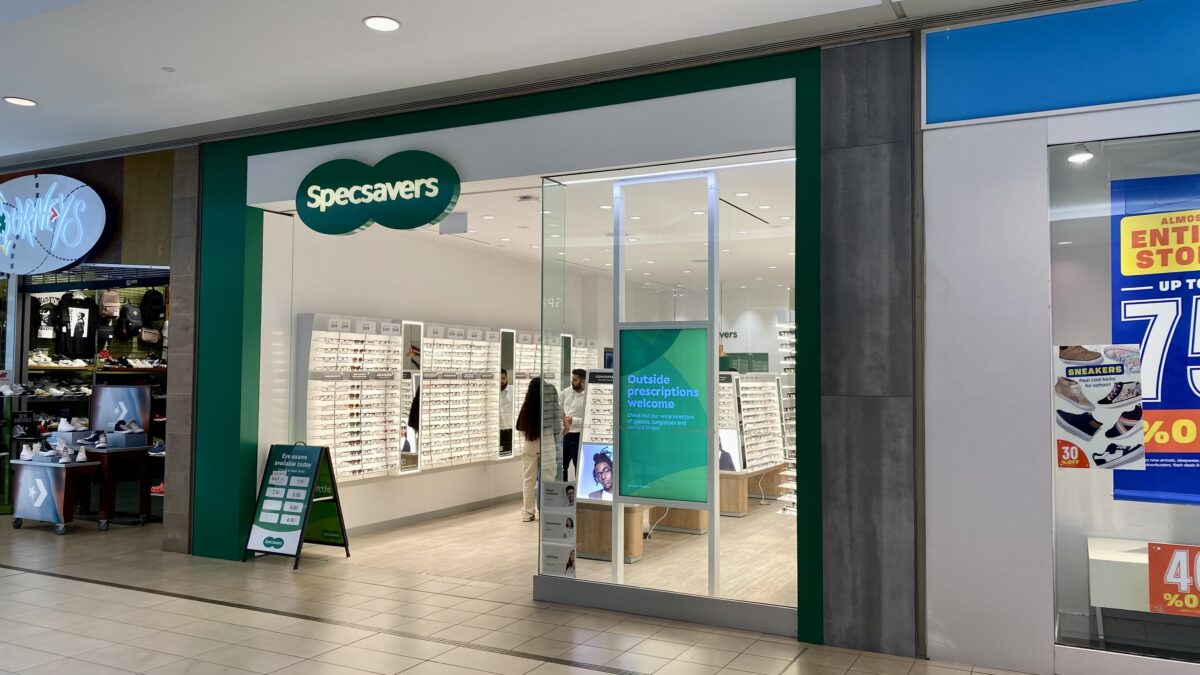
Recent openings at STC include Studio Dental, Bikini Village, Specsavers as well as a renovated Jack & Jones store.
“We just completed our 50th anniversary at STC. Definitely an exciting time. We are 50 years young as we continue to grow and expand Scarborough Town Centre. It’s quite an exciting time for us here at the shopping centre as we welcome a number of new first to market retailers as well,” said Da Silva.
Jack & Jones at Scarborough Town Centre (Image: Craig Patterson)Specsavers at Scarborough Town Centre (Image: Craig Patterson)Scarborough Town Centre (Image: Dustin Fuhs)
Additional Photos from IKEA Scarborough Town Centre
Scarborough Town Centre IKEA (Image: Craig Patterson)Scarborough Town Centre IKEA (Image: Craig Patterson)Scarborough Town Centre IKEA (Image: Craig Patterson)Scarborough Town Centre IKEA (Image: Craig Patterson)Scarborough Town Centre IKEA (Image: Craig Patterson)Scarborough Town Centre IKEA (Image: Craig Patterson)Scarborough Town Centre IKEA (Image: Craig Patterson)Scarborough Town Centre IKEA (Image: Craig Patterson)Scarborough Town Centre IKEA (Image: Craig Patterson)Scarborough Town Centre IKEA (Image: Craig Patterson)Scarborough Town Centre IKEA (Image: Craig Patterson)Scarborough Town Centre IKEA (Image: Craig Patterson)Scarborough Town Centre IKEA (Image: Craig Patterson)Scarborough Town Centre IKEA (Image: Craig Patterson)Scarborough Town Centre IKEA (Image: Craig Patterson)Scarborough Town Centre IKEA (Image: Craig Patterson)Scarborough Town Centre IKEA (Image: Craig Patterson)Scarborough Town Centre IKEA (Image: Craig Patterson)Scarborough Town Centre IKEA (Image: Craig Patterson)Scarborough Town Centre IKEA (Image: Craig Patterson)Scarborough Town Centre IKEA (Image: Craig Patterson)Scarborough Town Centre IKEA (Image: Craig Patterson)Scarborough Town Centre IKEA (Image: Craig Patterson)Scarborough Town Centre IKEA (Image: Craig Patterson)Scarborough Town Centre IKEA (Image: Craig Patterson)Scarborough Town Centre IKEA (Image: Craig Patterson)
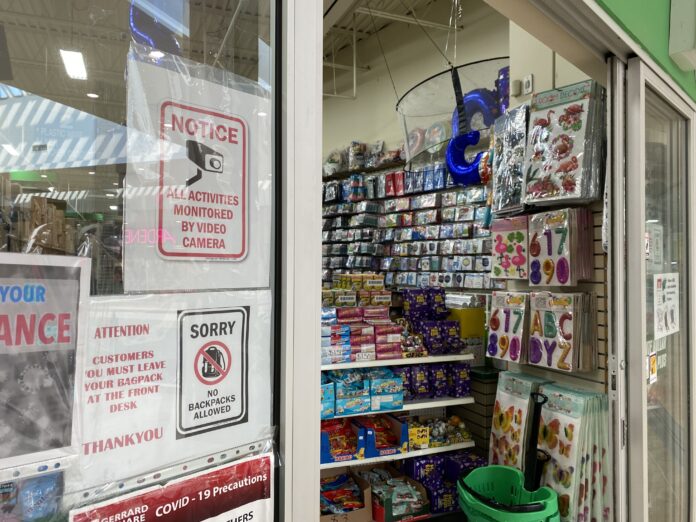
Security Signage at Absolute Dollar (Image: Dustin Fuhs)
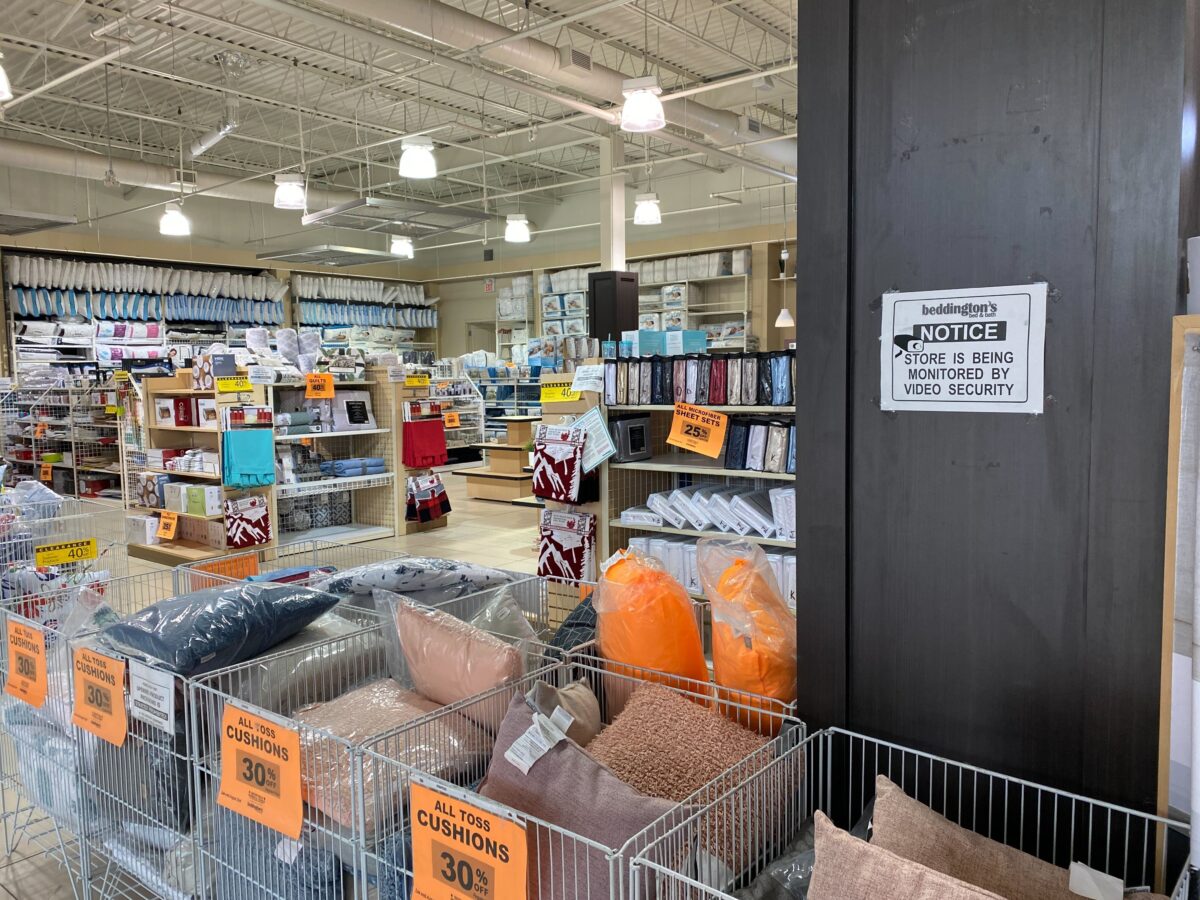
Recently, retail stores in Canada have faced criticism for implementing additional anti-theft measures to deter shoplifting.
But a recent poll by Leger indicates Canadians are most supportive of retailers implementing security cameras (88 per cent), electronic anti-theft alarms (85 per cent), and security guards (78 per cent).
The poll also found that Canadians are least supportive of retailers implementing limits to the number of customers allowed in stores (32 per cent), customers needing to leave bags in a locker/with an employee while shopping (32 per cent) and/or requiring customers to show ID to make a purchase (17 per cent).
Security Signage at Beddington’s (Image: Dustin Fuhs)
The poll also found:
45 per cent of Canadians think retailers are implementing the right amount of security measures to prevent theft, while 27 per cent think they are not implementing enough. Only 10 per cent think retailers are implementing too many security measures;
Over half (53 per cent) of Canadians think that where they live, there is about the same amount of shoplifting as other places in Canada. B.C. residents are more likely to think there is more where they live than in other areas.
Ian Large
Ian Large, Executive Vice-President, Consumer Insights for Leger, said people are starting to notice the security cameras.
“Because there’s been this significant increase in awareness of and conversations about shoplifting and security and you see these videos showing up on Facebook or YouTube with people just sort of emptying store shelves, there’s a heightened sensitivity to it,” he said.
“What I find particularly interesting in this poll is that there is a lot of support for most of these security measures and that’s going to be new.”
Large said inflation and affordability are top of mind for Canadians these days.
“There is a recognition that people stealing from grocery stores raises the prices. Those costs, that shrinkage, gets passed directly onto the consumer on top of the added costs for supply chain issues and the added costs of inflation . . . Most Canadians are saying I’m already paying so much for these things now these ne’er-do-wells who are shoplifting I’m going to have to pay even more to support their bad behaviour. And I’m not willing to do that,” he said.
“Somebody’s got to pay for it. And I don’t think consumers are naive to think that oh that’s just the cost of doing business or my grocery store or Apple store they’ll just absorb it. I think Canadians are smart enough to know that they the consumers bear the costs of those thefts.”
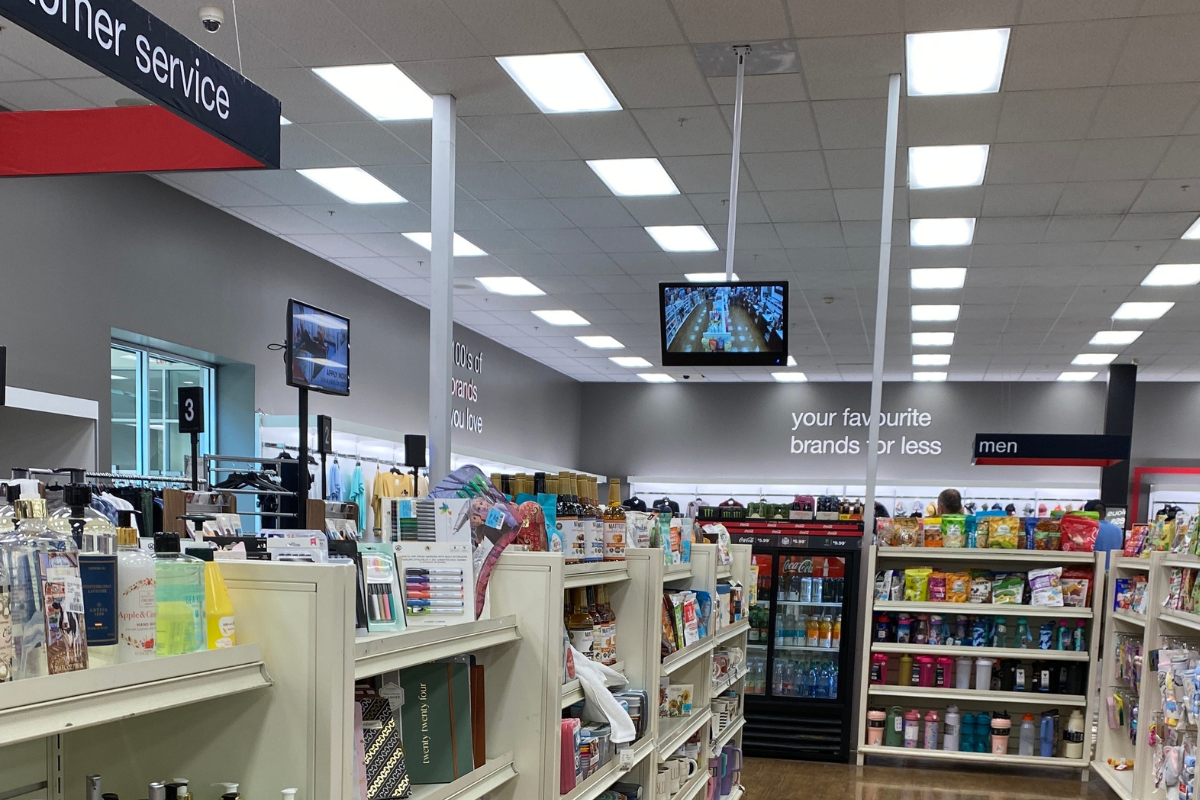
Security Camera and In-Store Video at Winners (Image: Dustin Fuhs)
Some other key findings of the report:
Three out of four Canadians have seen security cameras in the stores where they shop, and over a third saw electronic anti-theft alarms and locked display cases (68 per cent). On the other hand, less than one out of five Canadians saw the elimination of self-checkout machines (15 per cent), limits to the number of customers allowed in the store (13 per cent) and requiring customers to scan their ID (10 per cent);
Two thirds of Canadians said they would (or do) feel safe working in a retail store, with a significantly higher proportion among Quebec respondents (75 per cent).
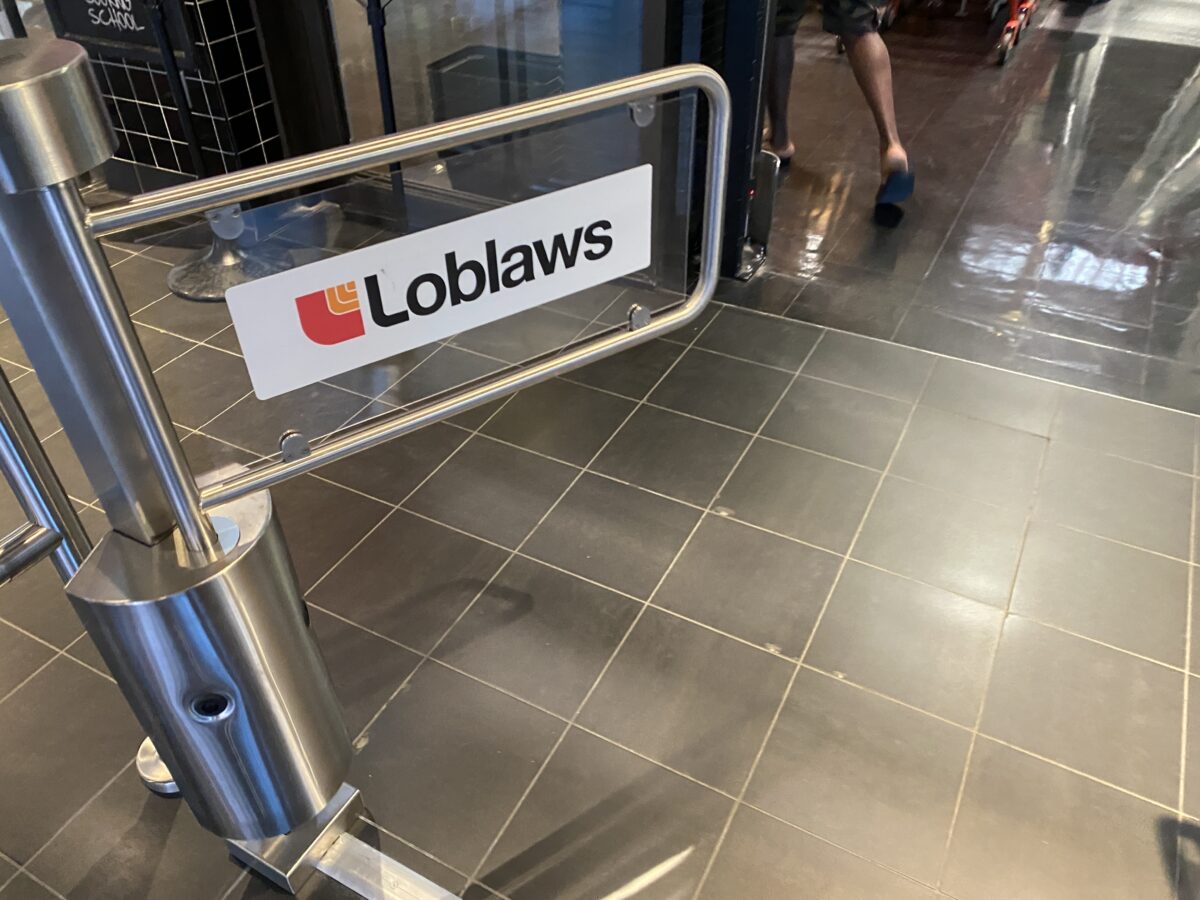
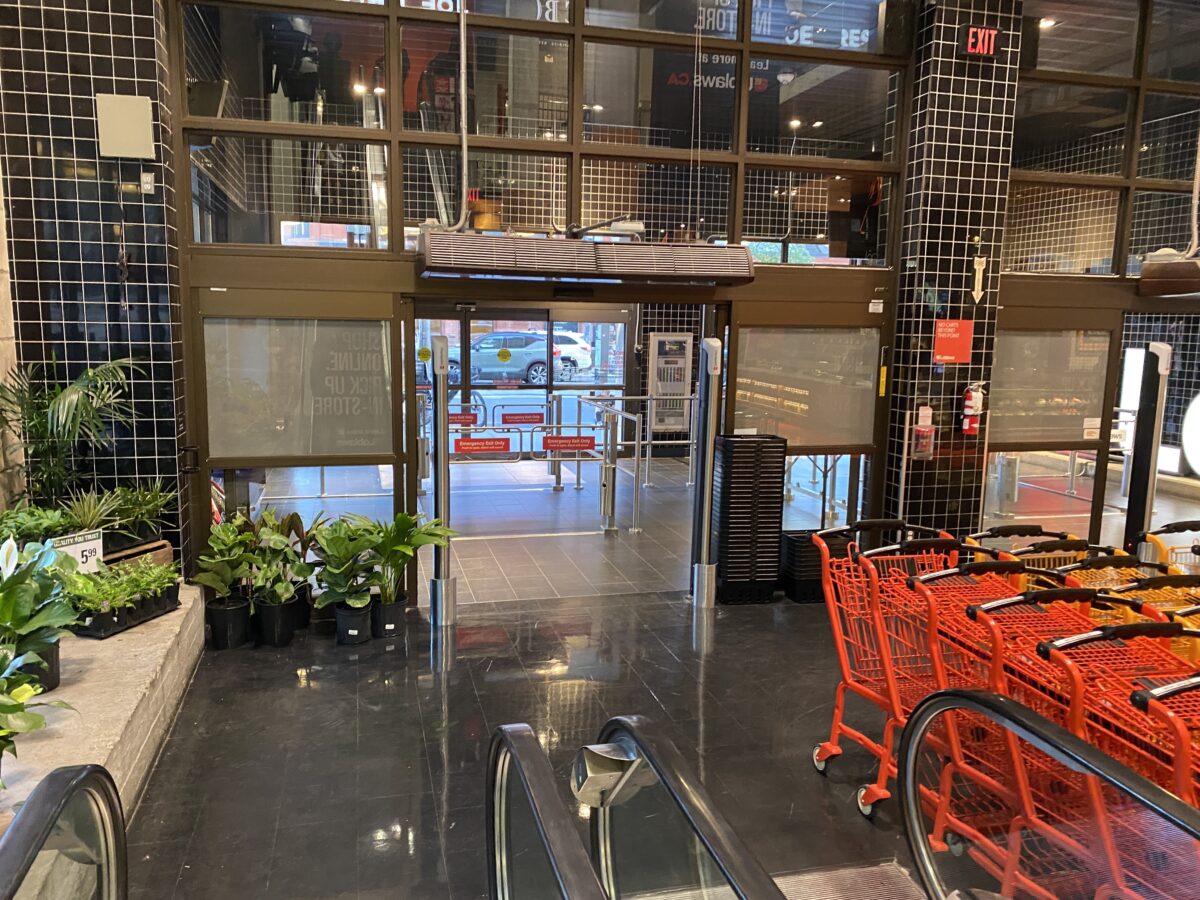
Loblaw Carlton Street Security Gates (Image: Dustin Fuhs)Loblaw Carlton Street Security Gates (Image: Dustin Fuhs)
Large said he was interested in seeing from the survey that in Quebec there is significantly less visibility for these security measures but much higher in Ontario.
“The other thing that really stood out to me is how much lower support was among young people for any of these introductions of these security measures and anti-theft measures, which is ironic because they’re the ones that can least afford it when prices go up,” he said.
“Young people are hyper sensitive about privacy issues and when you’re talking about security cameras and mirrors in stores, employees checking receipts, those are privacy issues for young people. That’s something that strikes a chord with them or raises red flags with them.
“But the other part of it is there’s probably less understanding of the connection between theft and increased prices.”
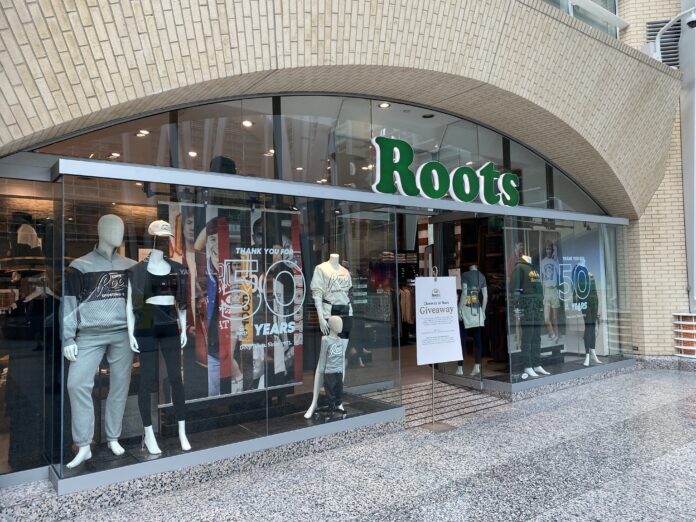
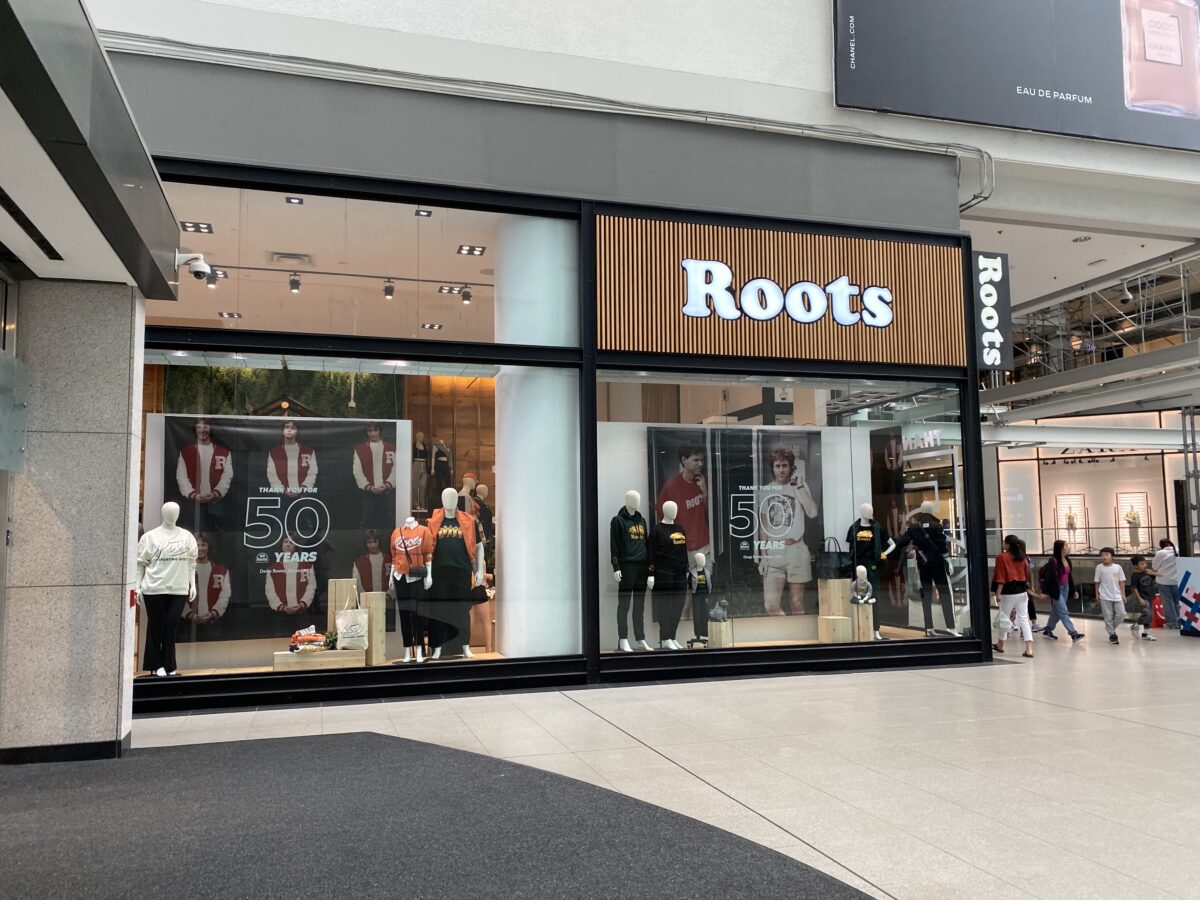
Roots at Brookfield Place in Toronto (Image: Dustin Fuhs)
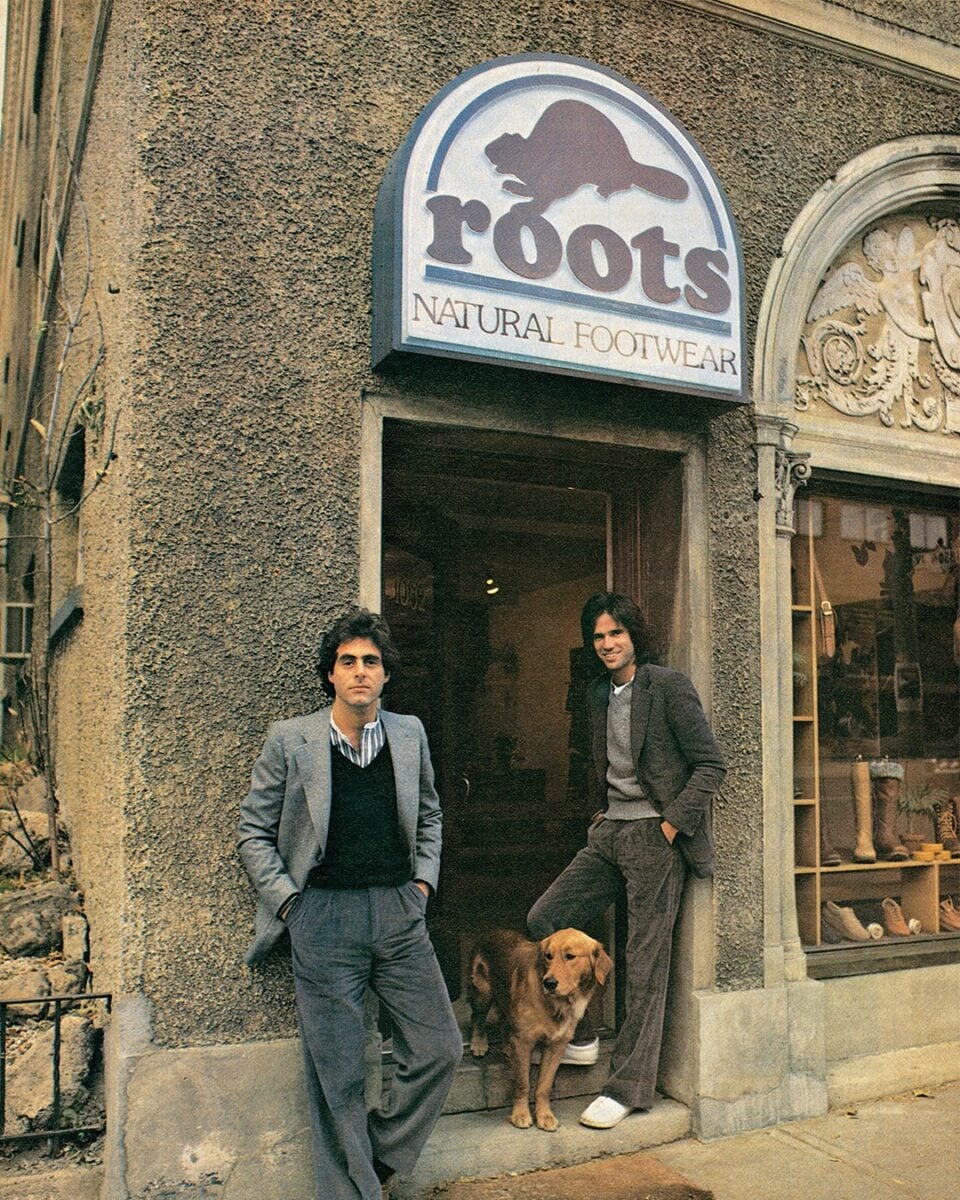
Roots was founded 50 years ago by Michael Budman and Don Green, two city kids from Detroit, who met at summer camp in Algonquin Park, Ontario, where they first fell in love with the ideals and beauty of Canada.
Starting from a little cabin, they created Roots, inspired by the experience of traveling from their city homes into the heart of Canada’s wilderness.
Today, as the retailer celebrates its 50th anniversary, it has more than 120 stores across North America, more than 110 internationally and it offers online shopping to more than 70 countries.
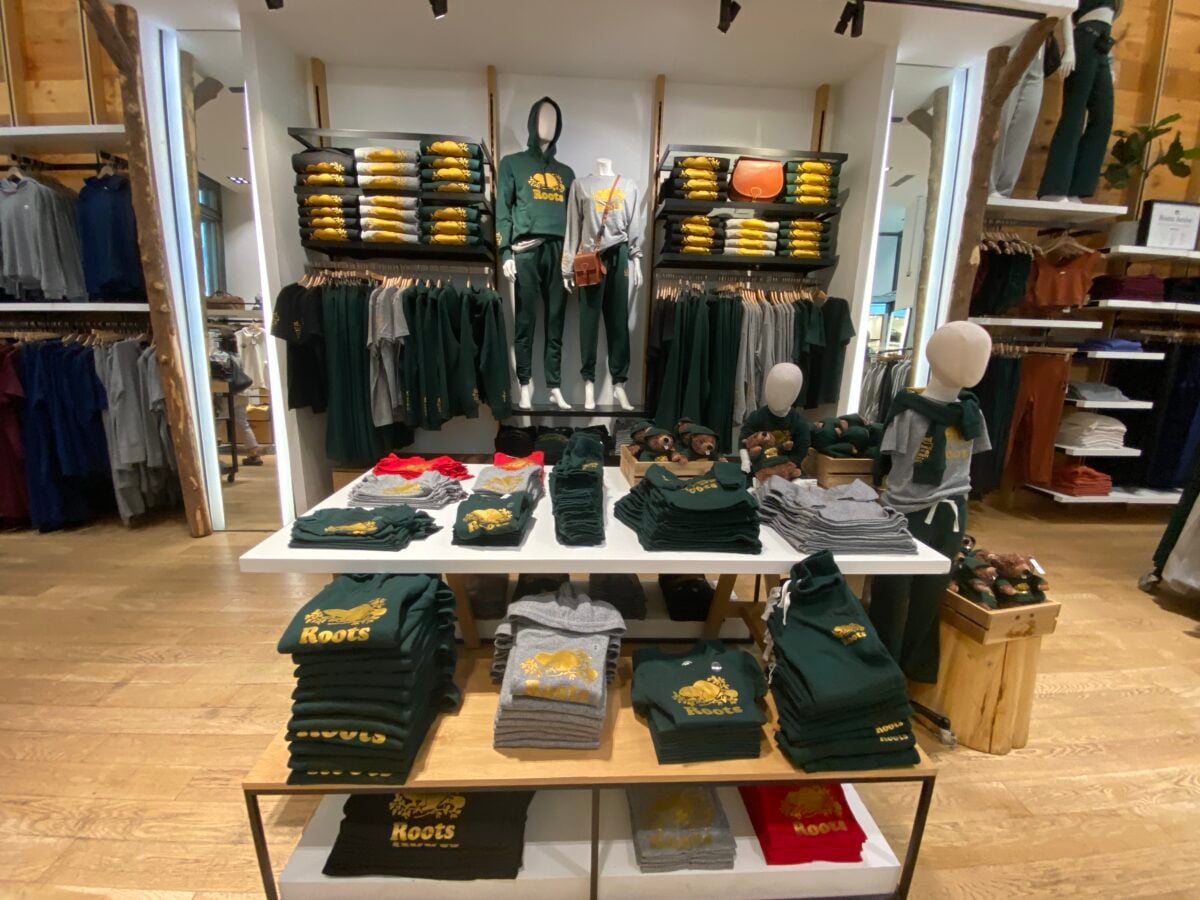
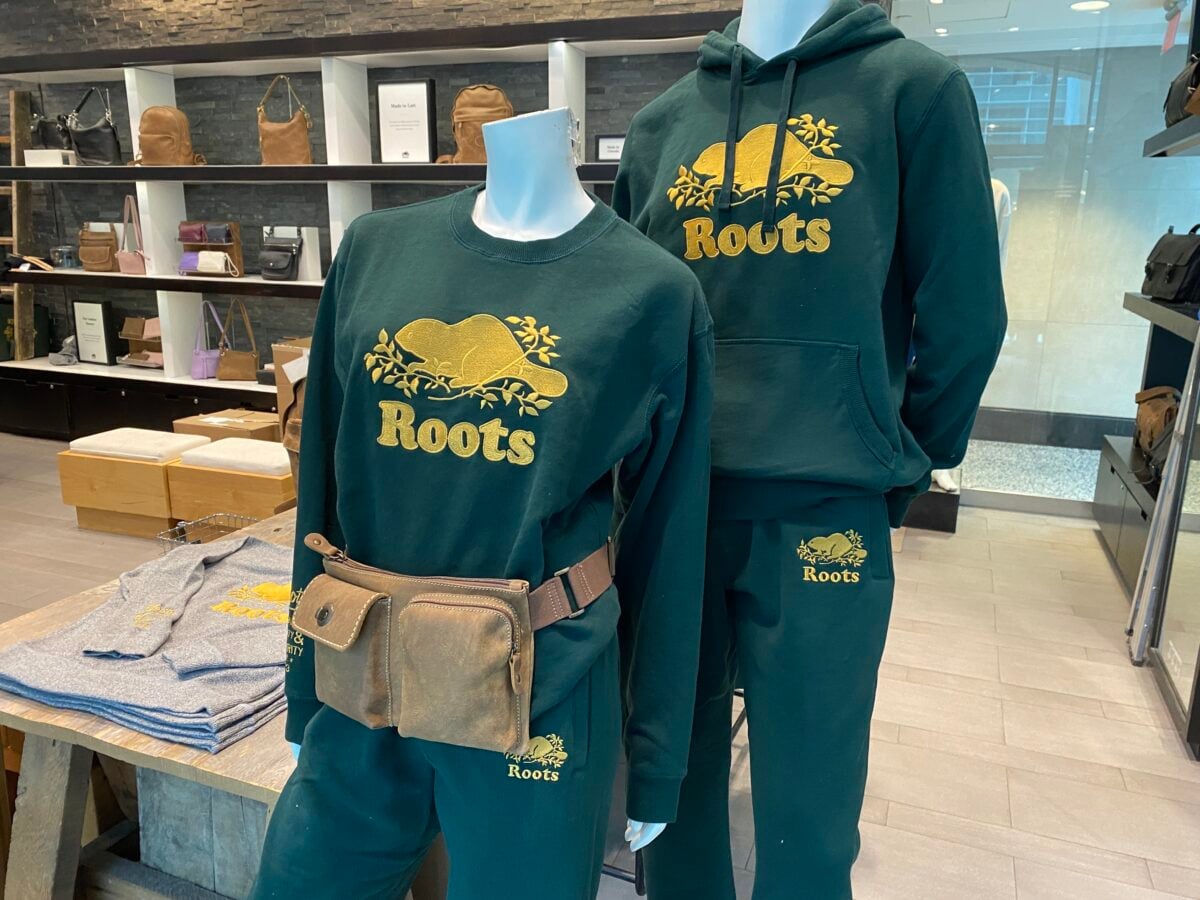
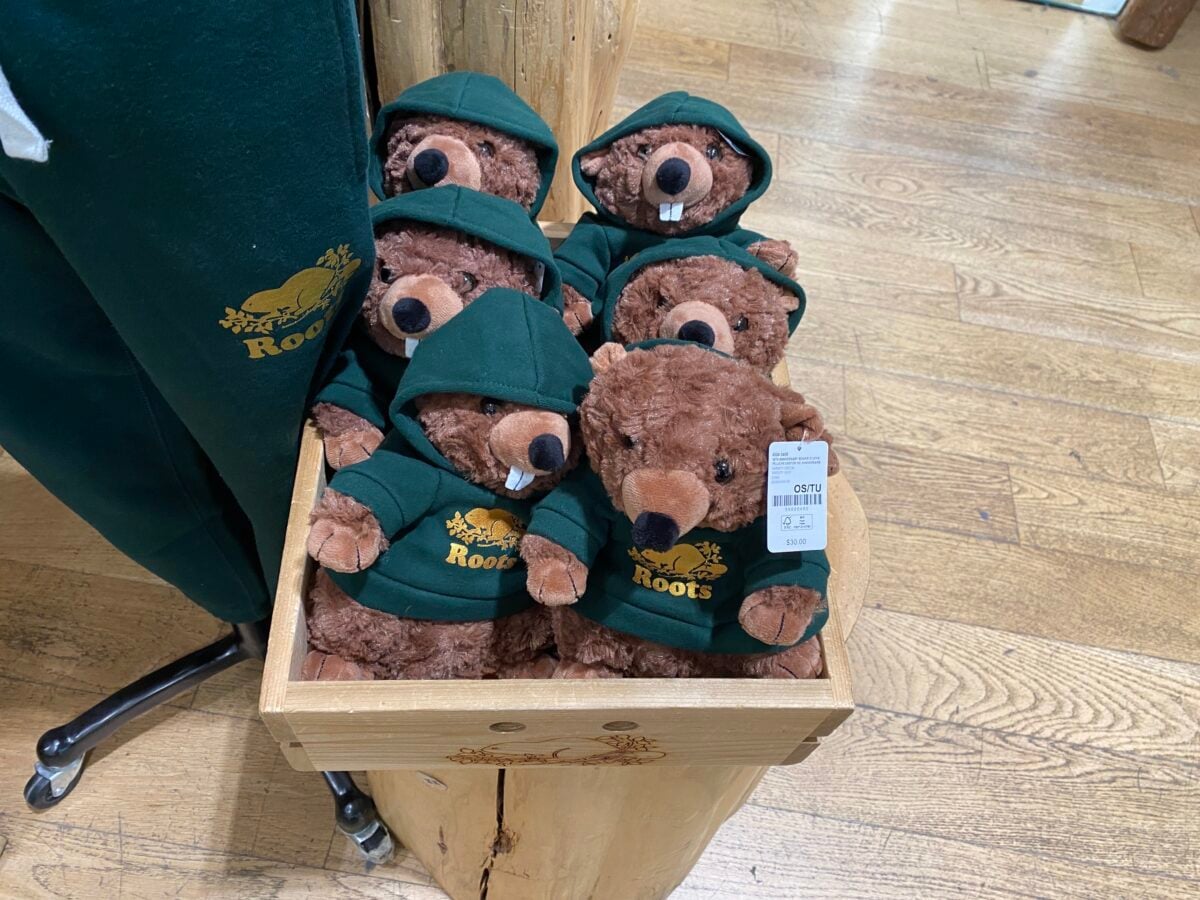
Roots 50th Anniversary Merchandise (Image: Dustin Fuhs)Roots at CF Toronto Eaton Centre (Image: Dustin Fuhs)
“At the heart of Roots’ 50-year legacy lies an unwavering commitment to quality, authenticity, and innovation. As we mark this milestone, we remain inspired by our rich heritage and continue to drive forward with a dynamic vision of creative leadership and a dedication to crafting meaningful connections with our global community. The founders and I are immensely grateful to the team at Roots (past and present) who continue to support this incredible journey,” said Meghan Roach, President & CEO of Roots Corporation.
Meghan Roach (Image: Helen Tansey)
“When you think about the Roots brand, what’s unique about it is the fact that it’s not really just about products. What’s so unique with the Roots brand over the last 50 years is that it’s really integrated itself into life. It’s been a lifestyle. People bought into the lifestyle. And as the world changed over the last 50 years the brand kind of changed with it. It continued to adapt. It continued to pivot. It continued to grow.
“When you talk to the founders and their wives, the business itself kind of changed as their lives have changed. So they had kids and they made kids’ clothing. They were really able to integrate themselves into the culture over the last 50 years and I think that’s what’s made it really iconic and also what’s made it successful for so long.”
In a statement, Budman and Green said: “We would like to thank the Canadian public and our supporters worldwide for bringing Roots into their hearts and allowing us to celebrate the first 50 years of Roots. We want to give our thanks and gratitude to our wives, Diane and Denyse, who have been essential to every step of the journey and to Karl Kowalewski and his family for being there from the beginning. The Roots Brand is 50 years young. We are thrilled to have created a solid foundation and are excited to see the growth continue so Canada and the rest of the world can experience the authentic Roots lifestyle.”
Roach said the founders, who are retired, remain as minority investors in the company. She said she has been able to use them as a sounding board for the business.
The retailer is celebrating its milestone with several limited edition collection launches and collaborations as well as a new content series called, Roots Stories.
“Tapping into the deep emotional connections the Brand and its Founders have built over the last 50 years, Roots will be pulling from its rich archives for its limited-edition anniversary collections, resurrecting past favourites all the way from the 70s, 80s, and 90s, and releasing future-forward designs that honour its rich heritage as well as the Canadian environment that serves as a consistent thread of inspiration,” said the company.
Image: RootsOn August 15, 1973,
Roots Founders Michael Budman and Don Green opened the first store in Toronto, Canada (Image: Roots)
“Throughout the year and until July 2024, a carefully curated assortment of must-have commemorative products with limited runs alongside capsule collections will excite long-time Roots loyalists and garner fanfare from a new consumer base. The first product drop will be the Roots Sporting Goods Collection and the Golden Beaver collection, an update on Roots core classics with a 50th anniversary spin.
“As a way of honouring the role Roots has played in generations of Roots customers’ lives over the last 50 years, Roots will be releasing Roots Stories on its website. This anthology, produced by Emily Spivack, author of the New York Times bestselling turned Netflix series Worn Stories, will chronicle the intersection of generations of Roots customers, and the part Roots pieces have played in their lives as told by Roots customers – from everyday folks to notable personalities. Closely following Roots Stories, a Roots 50th anniversary commemorative print magazine, an echo of Budman and Green’s 1980’s magazine, Paris Passion, that honoured arts, culture, design, fashion, and more, will launch. The first limited edition issue, 50 Years of Roots, will be released in-store in September.”
Roach said the next 50 years are not about reinvention but about reimagining aspects of the brand and the heritage while continuing to modernize it for the future.
“We’re focused on finding new customers through a couple of different ways and engaging our customers . . . Over the next 50 years, you’re going to increasingly see us be much more global. We have a good presence in Canada today, a good presence in Taiwan, a presence in China. Continue to expand on a global stage is something that’s going to be really important to us and especially in Asia where we have a lot of good traction,” said Roach.
“The second thing from a product perspective, we’ll continue to expand the product line.”
Roach said the brand will be reimagining some of its classics into a more modern and engaging way as well as reintroducing customers to the brand.
In its most recent financial report, covering the first quarter which ended April 29, the company said sales were $41.5 million, compared to $43.1 million in Q1 2022. Gross margin was 59.0 per cent compared to 60.9 per cent in the same period in 2022. Net loss totaled ($8.0) million compared to ($5.3) million in Q1 2022. Adjusted EBITDA amounted to ($5.8) million compared to ($3.2) million in Q1 2022. Inventory level increased 28.6 per cent year-over-year to $50.4 million, an improvement over Q4 2022.
“Our Q1 2023 results aligned with our internal projections and reflect a challenging economic environment,” said Roach. “Considering our historical patterns, it is worth noting that the first quarter traditionally represents less than 15 per cent of our annual sales. Consequently, our results also include several of the strategic investments made in our business during the first half of the year that support our revenue-intensive second half.
“We observed notable strength across most of our apparel categories in the first quarter, particularly in dresses, skirts, and activewear. While softness in demand for traditional fleece bottoms resulted in an overall year-over-year sales decline, our success in broadening our product range underscores the capacity of the brand to diversify and attract new customers. In Q1, we achieved our highest average unit revenue in the Company’s history, while maintaining gross margins above pre-pandemic levels.”
Roots x Martin Short (Image: Roots)
Leon Wu, Chief Financial Officer at Roots, said that despite the short-term sales and profitability headwinds, the company remains confident in the long-term operating fundamentals of the business.
Leon Wu
“The decline in gross margins were in-line with our expectations, as we transition to sustainable materials, a strategic initiative that began in late 2022, and offered higher discounts on select seasonal inventory amidst the current competitive landscape. We continue to remain disciplined around promotions with discount rates remaining significantly below pre-pandemic levels. We anticipate the gross margin declines to gradually moderate towards the latter half of the year,” he said.
“We have also made good progress towards right-sizing our inventory, aiming to achieve the right balance by the end of the second half of the year. By maintaining a robust balance sheet and ample liquidity, we remain well-equipped to navigate the unpredictable macro-economic conditions. Looking beyond the immediate challenges, we will continue to make prudent investments that generate sustainable growth and deliver long-term value to our shareholders.”
Headlines are dominated by reports of wildfires in Maui, Hawaii, Yellowknife, and the raging fires in Kelowna. These wildfires pose a significant threat to British Columbia’s Okanagan Valley, a region that contributes a remarkable 25% to the province’s total agricultural output. The Okanagan Valley plays a pivotal role in the cultivation of apples, peaches, pears, and various tree fruits, serving as the primary producer. The process of replacing trees in the event of damage can take several years, which is unsettling news for both farmers and consumers alike.
The media inundates us with increasingly frequent and destructive natural disasters, making it clear that climate change has become a major player in our reality. But how does this affect our dietary choices?
In partnership with Caddle, our Lab conducted a nationwide study, surveying 5,450 Canadians about their eating habits measuring the impact of climate change on their perceptions of food security. The results, based on a survey conducted just a few weeks ago this year, are revealing and raise questions about the growing influence of climate change on what we put on our plates.
The survey reveals that more than half of Canadians, a staggering 52.3%, are either very concerned or extremely concerned about climate change. This concern is not unfounded, as 73% of Canadians believe that climate change is affecting weather patterns, resulting in higher temperatures in Canada.
When it comes to food production, 61% of Canadians believe that climate change is impacting Canada’s ability to produce food. However, it is heartening to note that despite these concerns, 60.3% of Canadians believe that we will continue to have access to the same foods, regardless of climate-related changes and patterns. This suggests a certain confidence in the resilience of our food system.
Yet, Canadians are worried about food availability. Nearly half, or 47.1%, fear that climate change will affect food availability. Some have already noticed these changes, with 40.1% of Canadians reporting alterations in the availability or variety of certain foods during the summer over the past few years.
What is even more intriguing is that environmental concerns are now influencing the dietary choices of some Canadians. Nearly 38% of them often or always consider the environmental impact of their food choices during the summer. This demonstrates a gradual shift toward a more sustainable diet, one that is conscious of its environmental footprint.
However, there are regional disparities across Canada. Quebec, with 48.1%, has the highest percentage of respondents who consider the environmental impact of their food choices during the warmer months, while Saskatchewan, with only 26.4%, has the lowest percentage. These differences may be attributed to various factors, including regional dietary habits and awareness of climate issues. This is where urbanites’ proximity to agriculture varies greatly from one province to another.
In conclusion, the findings of this study clearly indicate that Canadians are becoming increasingly aware of the connections between climate change and their diet. The natural disasters that regularly afflict our country make us reflect, and environmental concerns are increasingly influencing our dietary choices.
It is crucial to note that the growing awareness of climate issues in our diet does not necessarily mean we should panic or completely give up meat, for example. The transition to a more sustainable diet can be gradual, by choosing environmentally friendly options, when possible, while still enjoying the foods we love. Small actions, such as buying local and seasonal produce and reducing food waste, can have a significant impact on reducing our ecological footprint. The key is to stay informed, make informed choices, and support more sustainable agricultural and food practices, which benefit both our health and the planet.
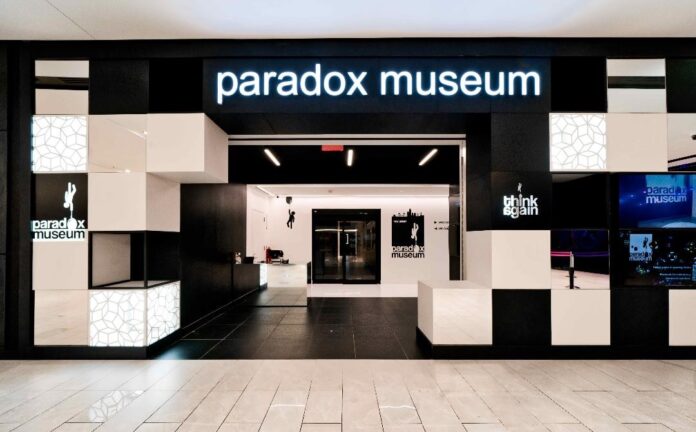
Paradox Museum at American Dream (Image: Paradox Museum)
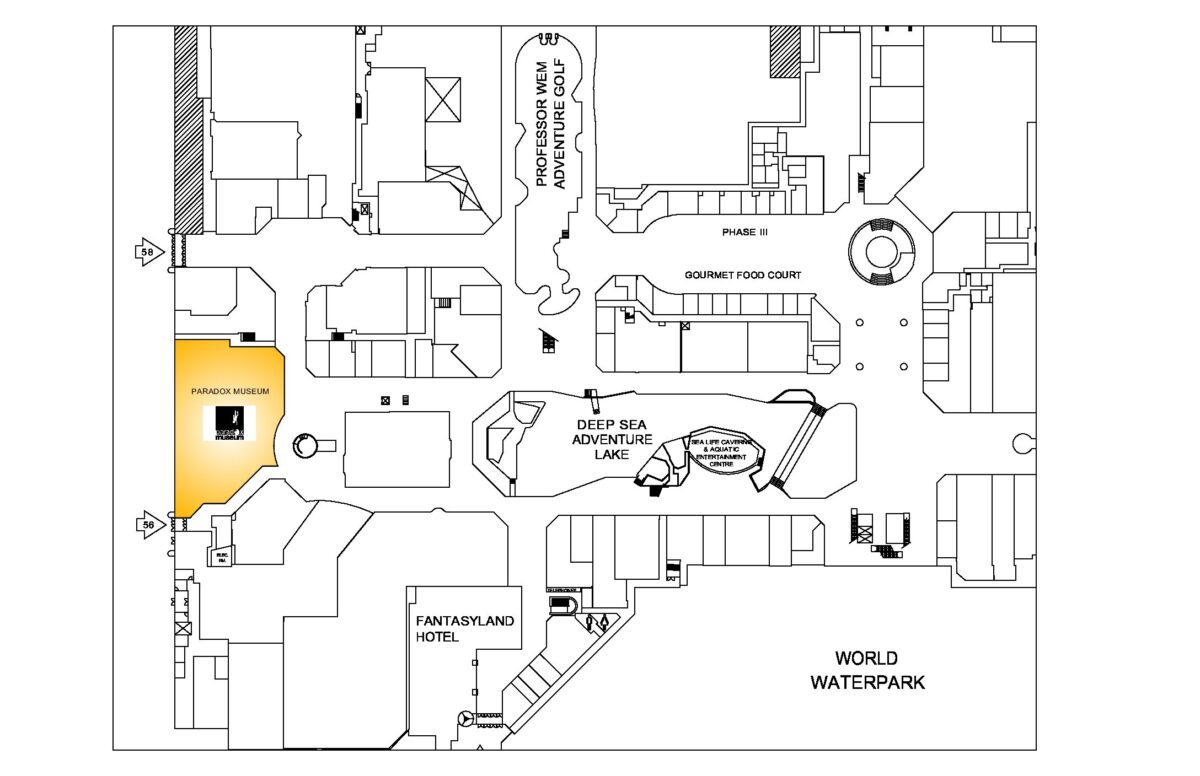
Paradox Museum, a global brand acknowledged as one of the most innovative spaces in the field of experiential entertainment, is coming to the West Edmonton Mall.
Pierre Charalambides
Pierre Charalambides, who is based in Miami and one of the co-founders of the concept and Managing Partner at Dolphin Capital Partners, said the interactive, entertainment museum will launch in Canada at WEM in the first quarter of 2024.
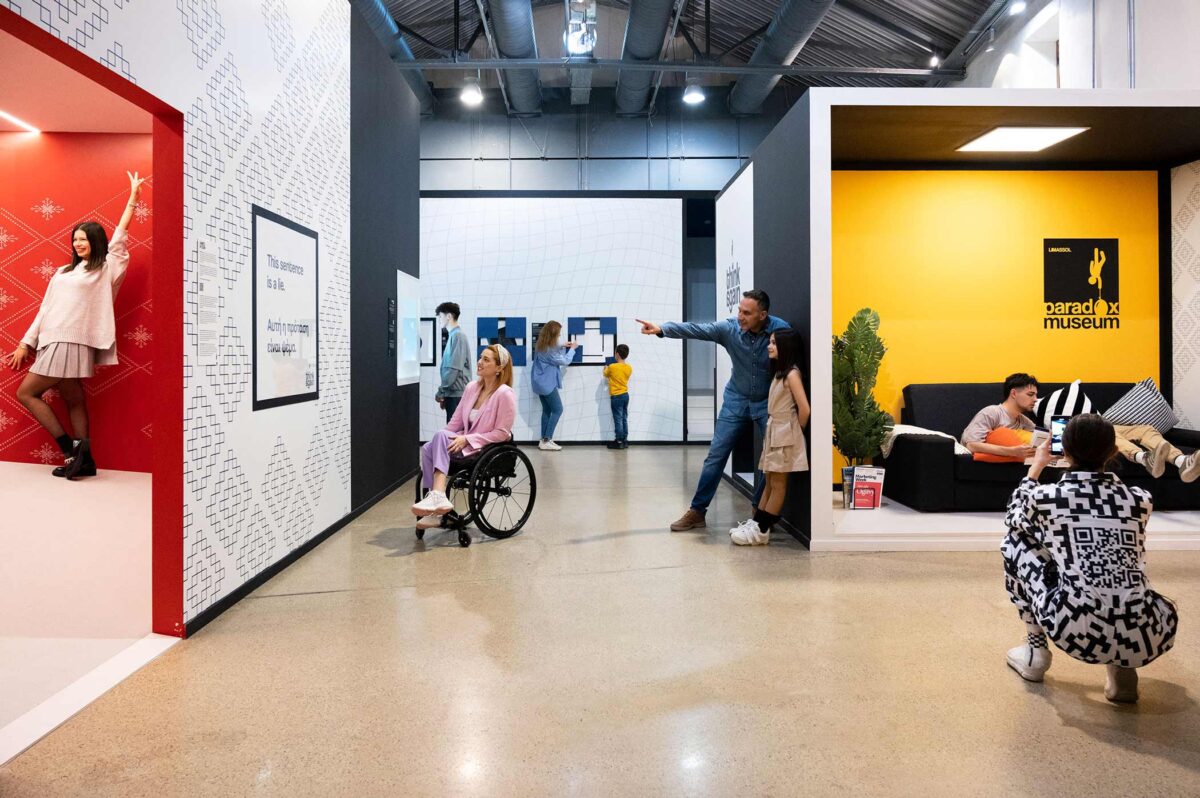
He said experiences are based on some paradox or illusion that enables a visitor to immerse themselves into the experience and the exhibit.
The first location opened in Oslo, Norway in April 2022. Then in December 2022, the first North American location opened in Miami.
Future Paradox Museum at West Edmonton Mall
Video via Best Edmonton Mall
Today, the concept is also in Paris, Barcelona, Stockholm and Cyprus as well as Las Vegas, Orlando and New Jersey.
“We just opened in the American Dream in New Jersey. It’s doing extremely well. We’re opening probably during Q1 of next year 2024 and in about six months or maybe a little more at the West Edmonton Mall,” said Charalambides.
West Edmonton Mall and American Dream are both projects by the Ghermezian family.
“We are excited to welcome the first Paradox Museum in Canada to West Edmonton Mall,” shared Dean Shaben, Vice President of Leasing, West Edmonton Mall. “As a destination where our guests can shop, stay, and play, this addition is a natural fit to enhance our continuously evolving mix of retail and entertainment offerings that sets WEM apart from any other center.
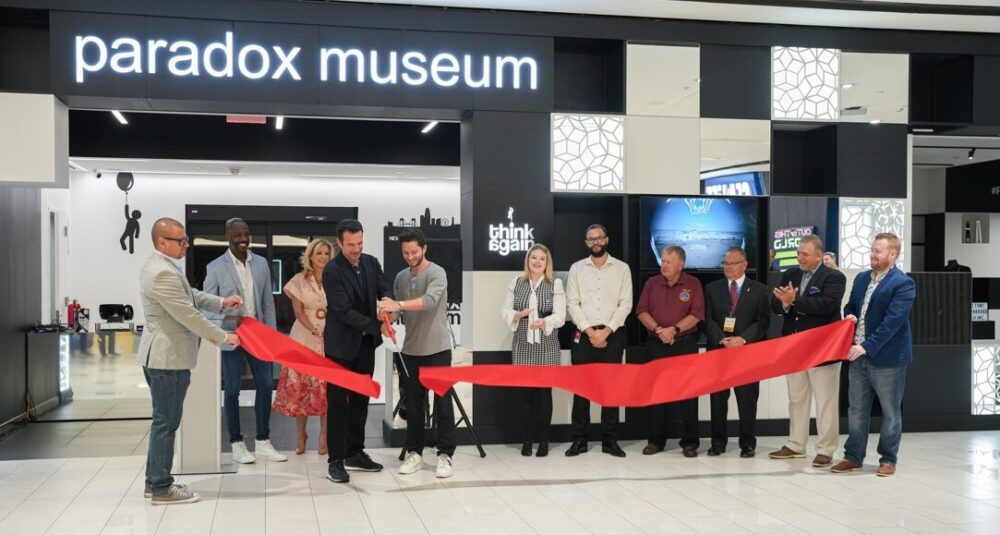
Paradox Museum – Limassol, Cyprus (Image: Paradox Museum)Image: PARADOX MUSEUMImage: PARADOX MUSEUMJoining Pierre Charalambides, owner of the Paradox Museum, who’s cutting the ribbon on the new location at American Dream on Aug. 10, are (from left): Kyle Kappmeier, vice president, BML Public Relations; Marc Gregory Tipton, regional sales and marketing manager, U.S. and Canada, Paradox Museum; Adi Addair, chief financial officer, American Dream; Myles Grossman, director of leasing and entertainment, American Dream; Dayna McNally, general manager, Paradox Museum New Jersey; Miguel Hernandez, operations manager, Paradox Museum New Jersey; George Cronk, East Rutherford councilman; Jeffrey Lahullier, mayor of East Rutherford; Jim Kirkos, CEO, Meadowlands Chamber; Anthony Sposato, sales and marketing manager, Paradox Museum New Jersey.
PHOTO: JARRETT BIRNBAUM/AMERICAN DREAM
Charalambides said the typical size of a Paradox Museum is about 10,000 square feet and the WEM location is about 11,000 square feet.
“It’s the largest mall in Canada and they have a lot of other entertainment venues,” he said. “They obviously have huge foot traffic coming to the mall itself. Within the mall they have a lot of other complementary entertainment venues. Often with other entertainment venues, it benefits us greatly because people come to the mall to do something.
“That creates a nucleus of attraction. That brings a lot of families. That brings a lot of schools. That brings a lot of corporate events. All of that has spillover effects into our own museum as well.”
Charalambides envisions more locations for the unique brand.
“We want to be in every large gateway city in North America and Europe,” he said. “Obviously where there is significant population and significant tourism. We have more museums coming in Dallas, Chicago, LA, New York, Denver, Atlanta.
“And in Canada we’re looking at considering ideally we’d like to be in Toronto, Montreal and Niagara Falls.”
Matthew from Best Edmonton Mall
Shopping centre fan Matthew Dutczak of Best Edmonton Mall said that the addition of Paradox Museum follows the decades-long strategy for the property.
“It’s exciting news to hear, but not exactly a surprise that something like this is coming to WEM. For as long a West Edmonton Mall has existed, it has been a truly unique experience, shared the YouTuber and West Edmonton Mall enthusiast.
“WEM seems to have a track record, tracing back to the 1980’s, of embracing new, whimsical, one-of-a-kind entertainment. The Paradox Museum Concept fits inline perfectly with the type of thing we’d expect to see at West Edmonton Mall, and further bolsters its plentiful offering of entertainment. The idea of strolling around WEM and experiencing something you won’t find anywhere else is, to me, at the very root of what makes it so amazing.
“Personally speaking, I’m really excited. As a long-time fan of the center, I can’t wait to visit the Paradox Museum once it opens.”
Image: PARADOX MUSEUM
Charalambides said the concept is a museum with the most paradoxical exhibits in the world.
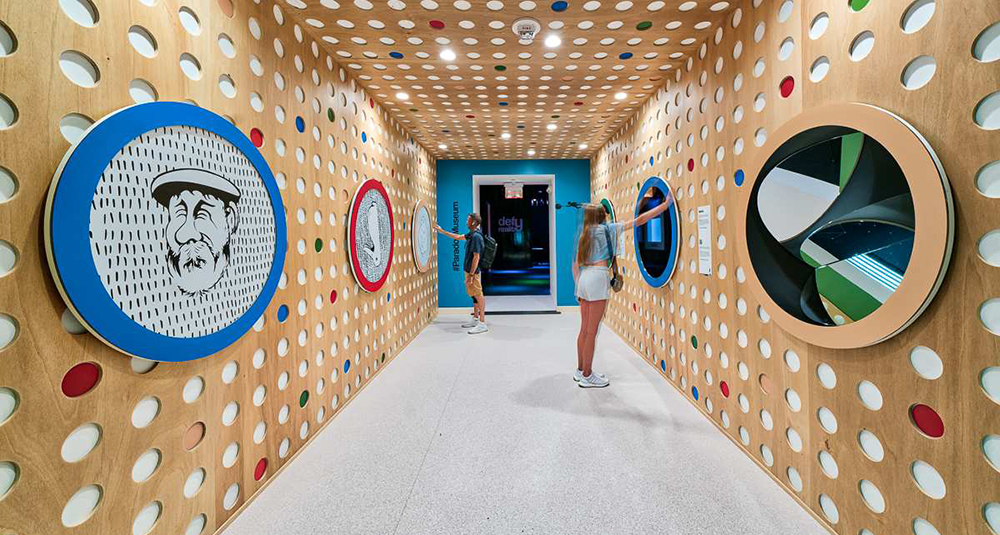
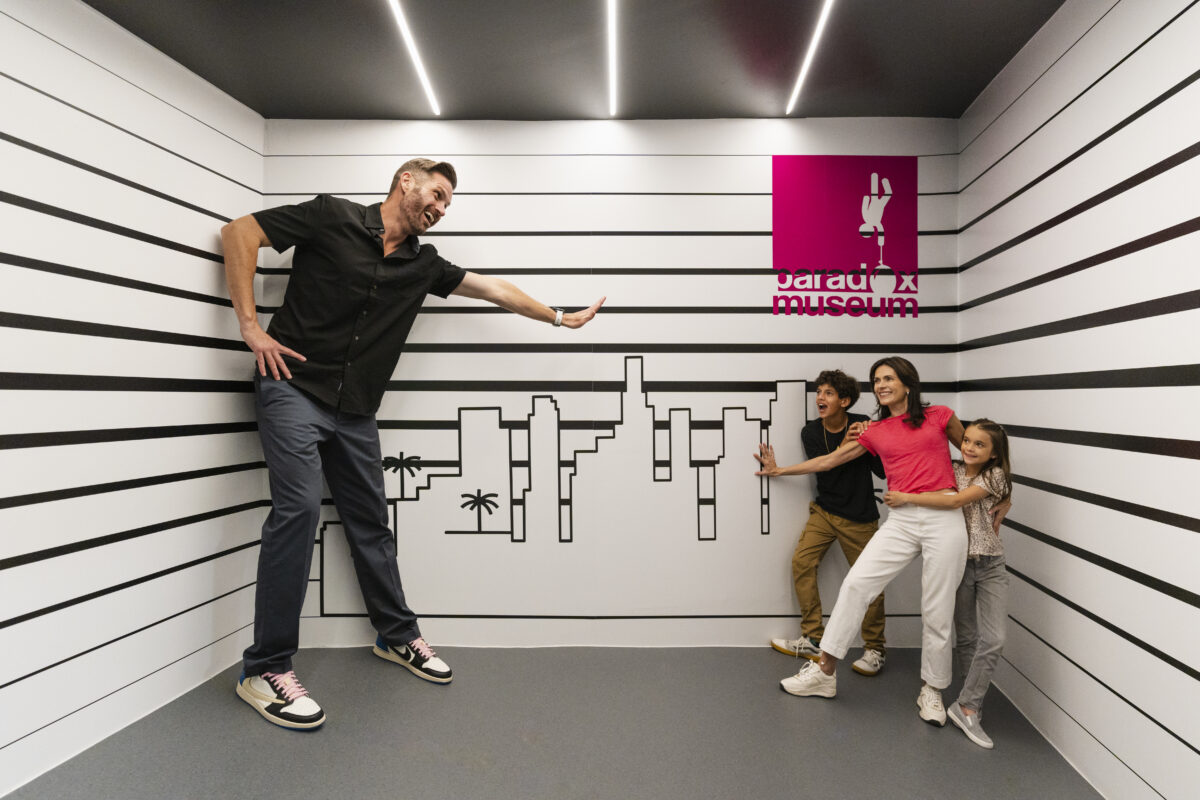
“There’s about 70 different exhibits. Some are rooms that you can immerse yourself into. Some are displays or boards that you look at. Every single exhibit has an effect that tricks the eye – so it creates a paradox. A paradox means there’s something that when you think is wrong or is false but when you understand it better it actually proves to be true,” he said.
“The exhibits are designed in a colourful fashion and every museum adapts to the regional environment. So a museum in Canada looks different than a museum in Las Vegas.
“Everybody can have a lot of fun as well as learn something while going through the various exhibits. It’s pretty unique. In a way, it’s not really a museum but an entertainment destination.”