Retail Insider is streamlining its Canadian retail news from around the web to include a handful of top news stories that can be viewed quickly during the day. Here are the top stories from the past 24 hours.
Calgary’s CF Chinook Centre experienced a very busy holiday shopping season and the city’s most popular mall is gearing up for a very positive 2023 with the addition of a number of high profile retailers this year.
“We’re going to be giving shoppers a whole bunch of new reasons to come here in the upcoming year in part because of the tenants that we’re going to be bringing on,” said Darren Milne, General Manager of CF Chinook Centre.
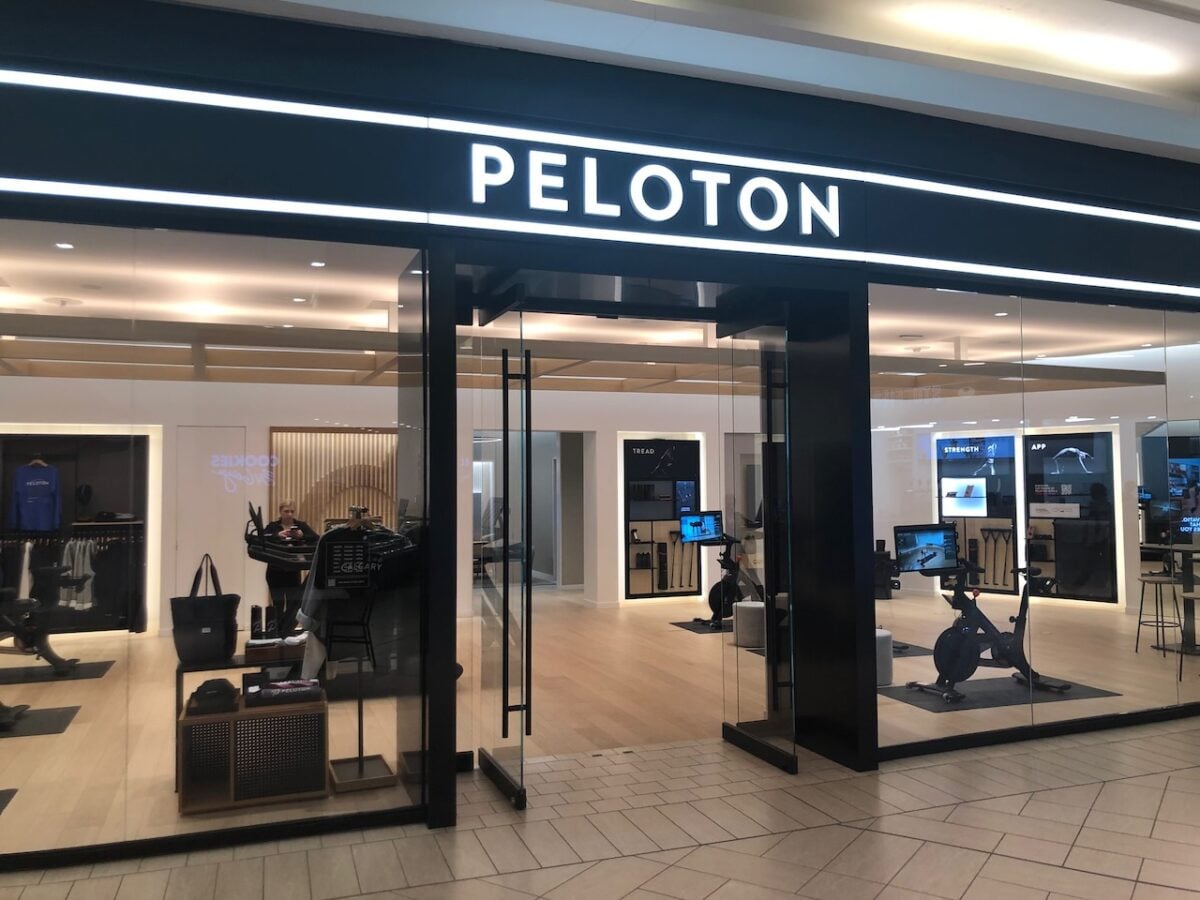
“So if you looked at 2022 and 2023 we did and will do 120,000 square feet of new leasing here at the centre. Not including renewals or anything like that. Just strictly new leasing. And in 2022 a couple of those deals that were really well received was a first to market Athleta. And then we opened the Peloton store.
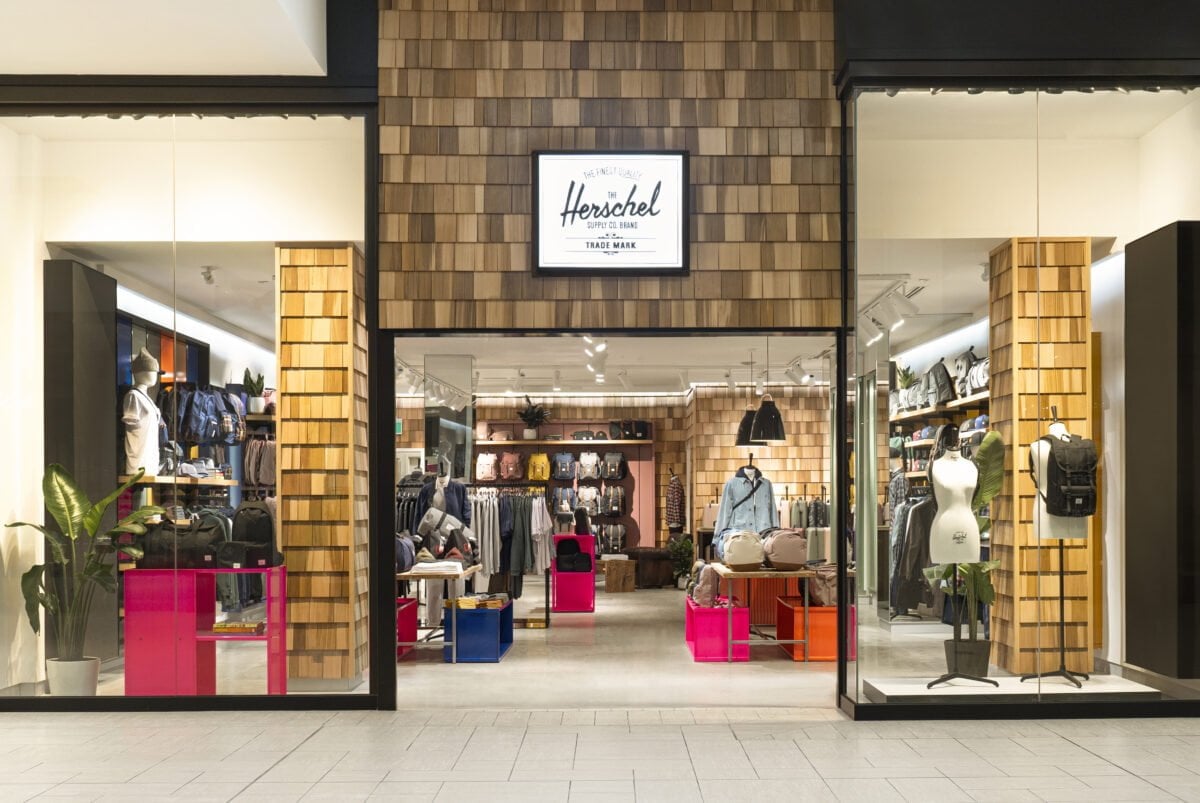
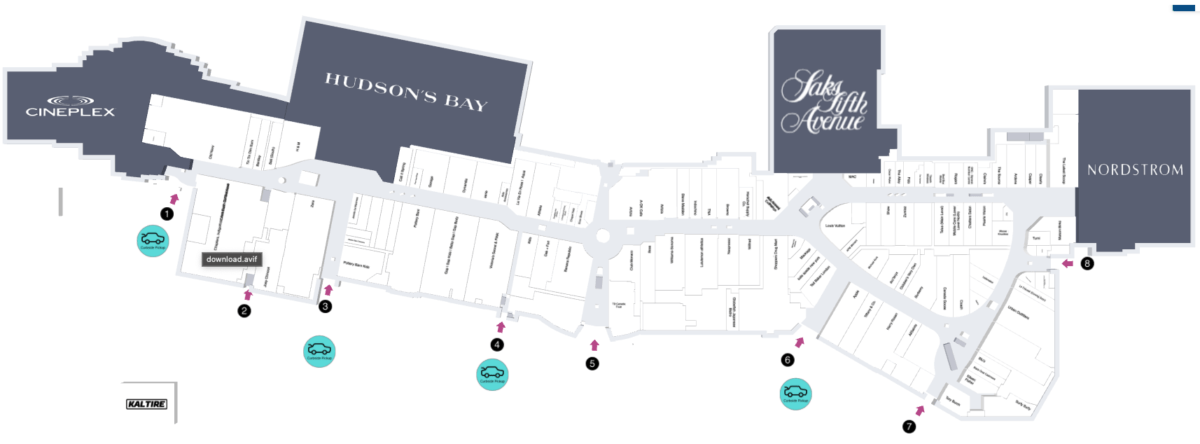
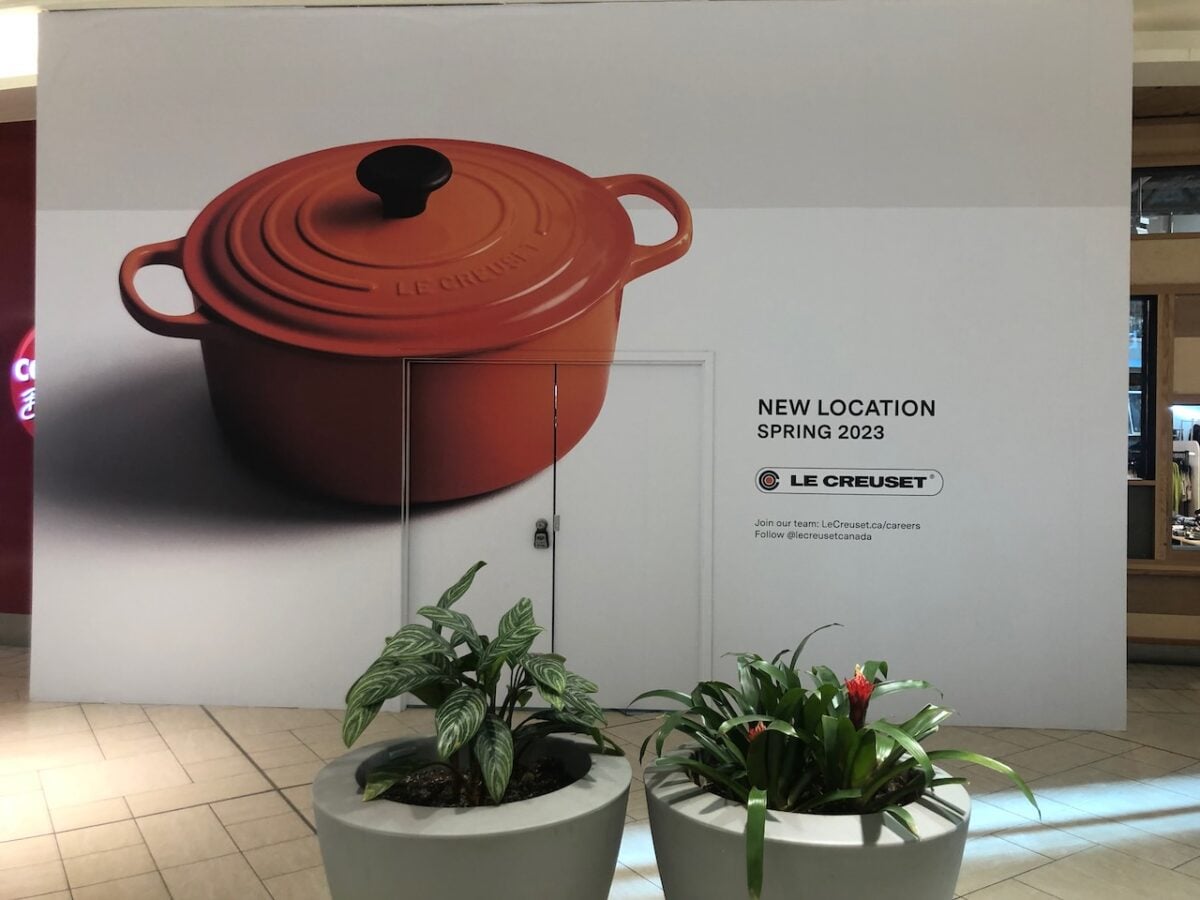
Herschel Supply Co at CF Chinook Centre (Image: Herschel)Peloton at CF Chinook Centre (Image: Mario Toneguzzi)CF Chinook Centre Leasing Map (Image: Cadillac Fairview)
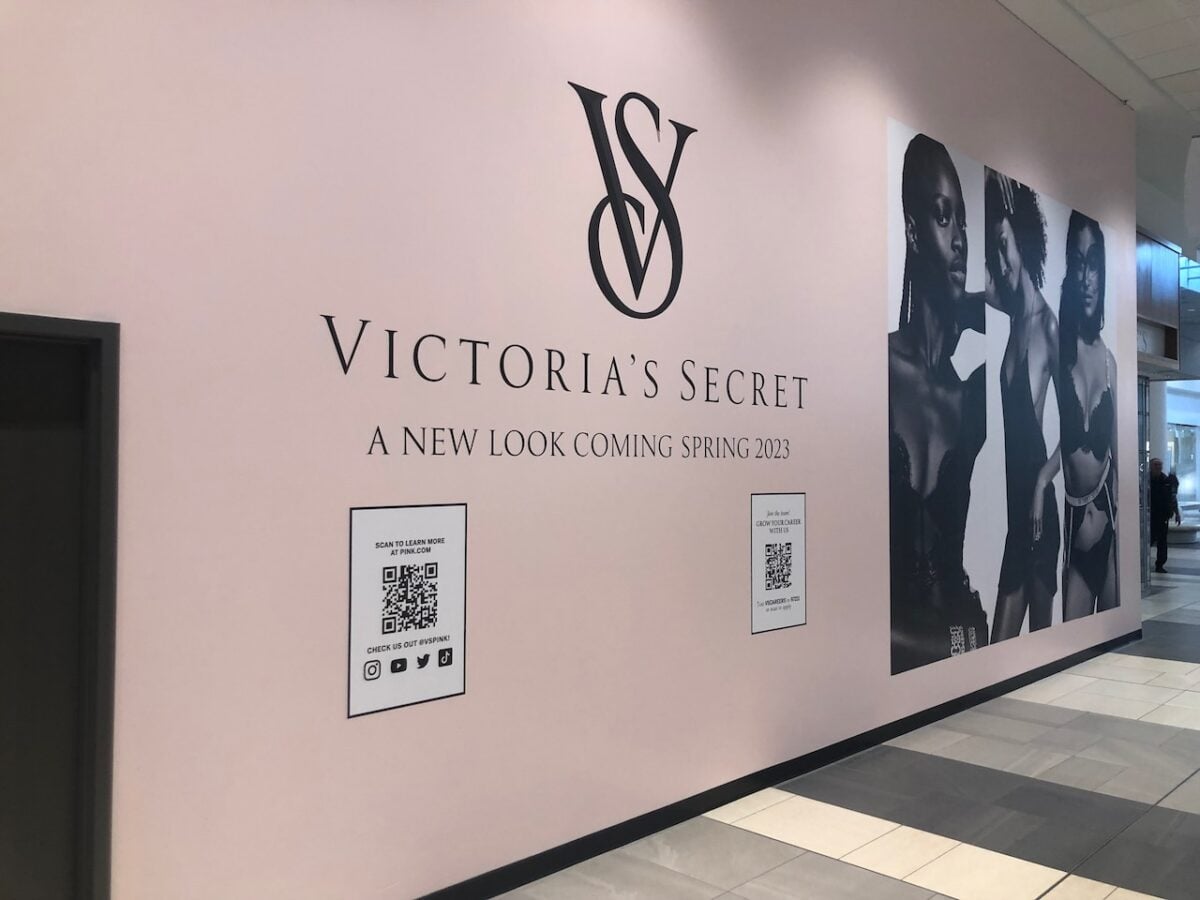
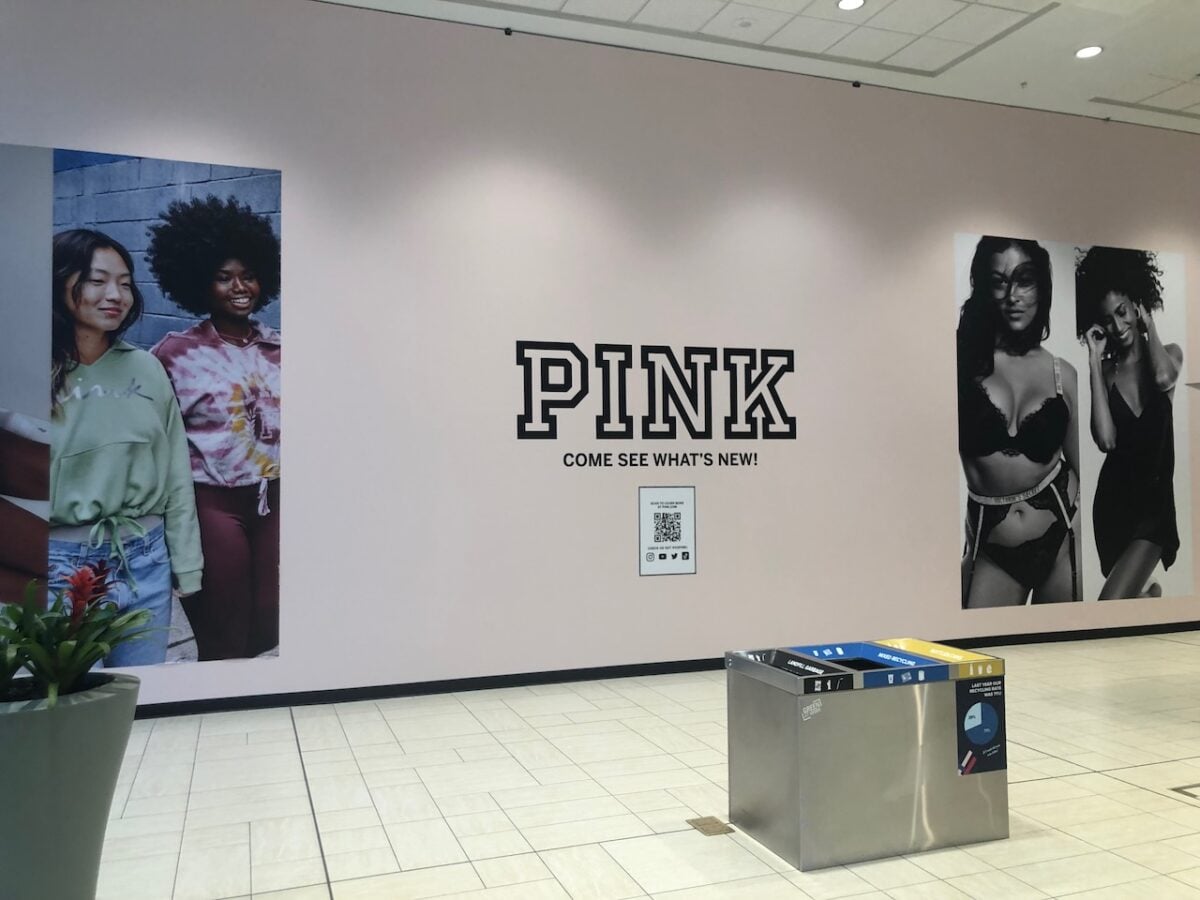
“2023 we have a lot of new to market stores that are coming. For example, the first Uniqlo, for Calgary, is going to be opening later this year. We have a Nike flagship store that’s going to be opening later this year. We’re doing a pretty significant expansion of the Zara. We’re going to be relocating and expanding Victoria’s Secret. Herschel just opened and that’s been a really popular brand and a brand that a lot of people have wanted.
Darren Milne
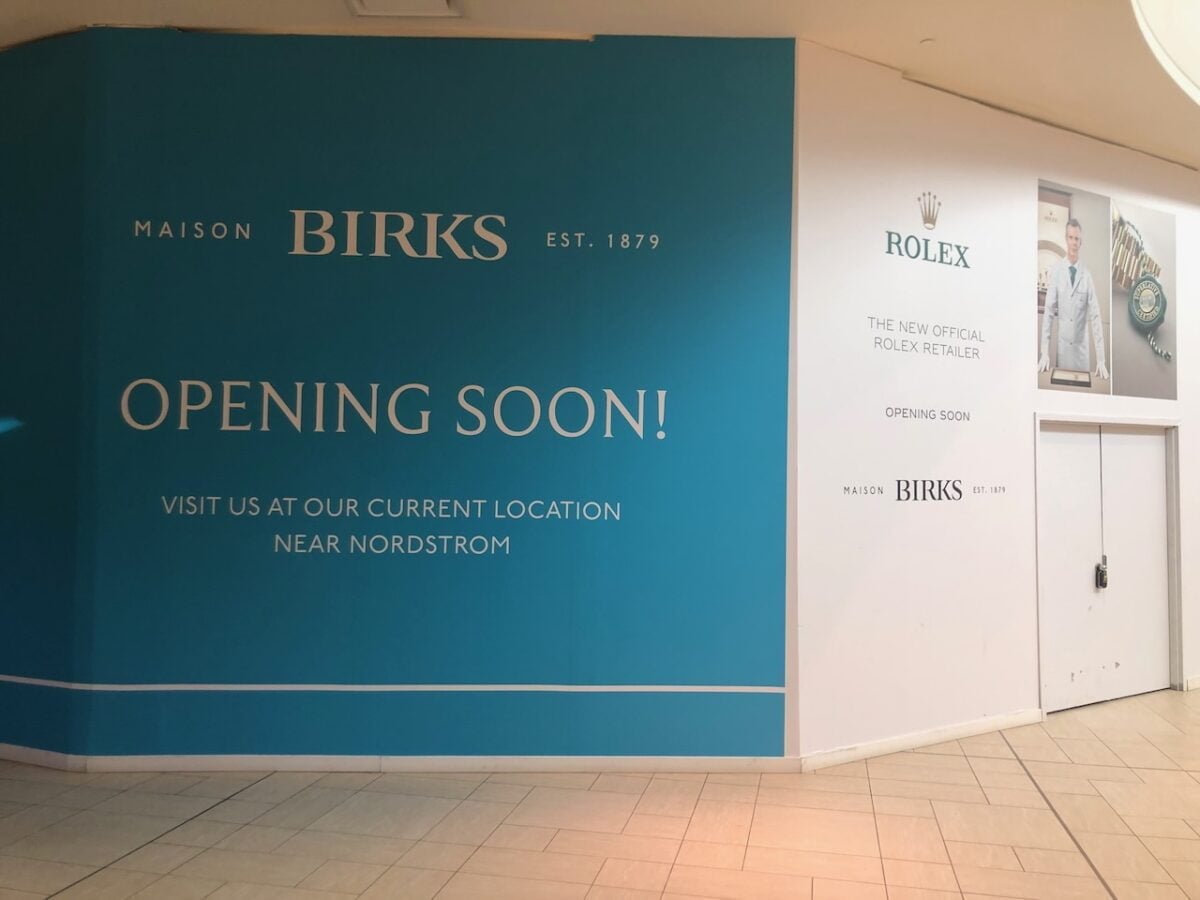
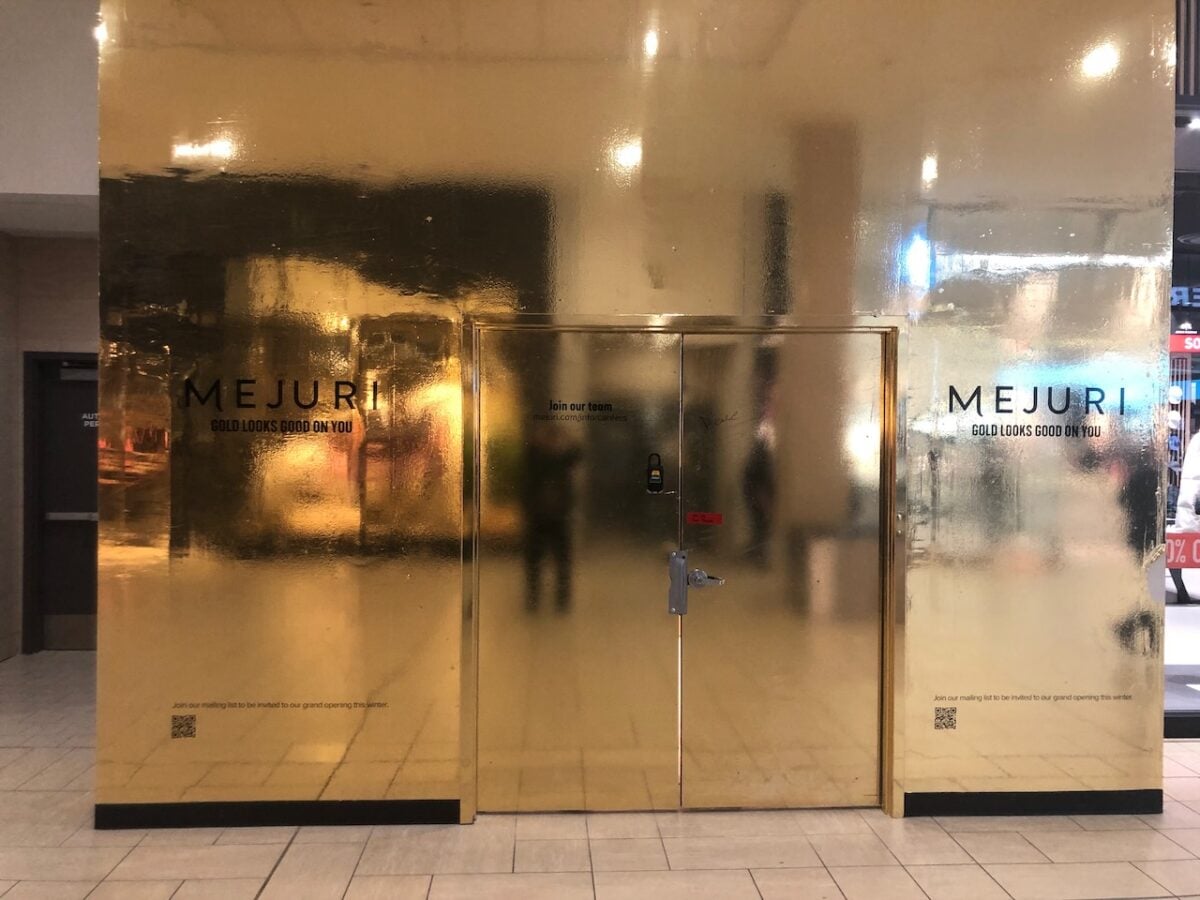
“Mejuri is about to open. Jo Malone is going to be opening later this year. And we’re also in the process of relocating and expanding Birks and then within the Birks store will be a Rolex shop. That’s been a brand that our shoppers have wanted for quite a long time.
“And over and above that we’ve got a couple of more deals that are pretty firm. One is firm. It will be a new tenant in an athleisure category. We’re just not able to announce yet. But they’ll be here later this year. And then we’re very close to doing a deal with a U.S. based restaurant who will have a first to market and probably their only store in Calgary will be here at Chinook Centre. That one is not finalized yet.”
Future Birks at CF Chinook Centre (Image: Mario Toneguzzi)Future Chatters at CF Chinook Centre (Image: Mario Toneguzzi)
Milne said full December sales for the shopping centre are not in yet but looking at November sales Chinook had a really strong month heading into Christmas.
He said sales productivity for the mall as a whole in November compared to November 2021 was up double digits and some categories that really got hit hard by COVID have more than fully recovered. For example, the food court and specialty food seem to be coming back.
“Even if you looked at categories that still actually did relatively well during the pandemic, like athleisure for example because nobody was really buying dress clothes anymore, athleisure did quite well during the pandemic,” he said, adding that this category also saw a double digit increase. Jewelry was also strong.
Future Mejuri at CF Chinook Centre (Image: Mario Toneguzzi)
“We saw some really strong sales coming into Christmas. Our expectation is that would have continued through to Christmas. Certainly traffic was very good.”
Milne said there’s been some pent-up demand for sales but also the economics for Calgary and Alberta are good with a high average household income. And people are feeling relatively comfortable about their disposable income and their desire to spend that.
“If you combine that not only with Chinook Centre but CF properties in general, we offer the kinds of retailers that people want to shop at and they want to purchase from. And retailers for their part this year, I think a lot of retailers felt like there might have been some headwinds coming into Christmas so you saw some really good sales prior to Christmas even prior to Black Friday. You saw some really good coordination from retailers across their whole omnichannel platform versus just focusing on one or the the other. I think just in general there was a lot of pieces that contributed to the strong sales. The foundation is really starting to firm up,” explained Milne.
Future Victoria’s Secret at CF Chinook Centre (Image: Mario Toneguzzi)Future Pink by Victoria’s Secret at CF Chinook Centre (Image: Mario Toneguzzi)
One of the trends these days with shopping centre properties is the densification of land, adding buildings specifically for residential use but also some commercial space.
“We still have plans to densify. I don’t know if that will start this year. We not only own CF Chinook Centre proper but we have some outparcels that we own as well,” said Milne. “I think that if you don’t see the densification on some of those pieces start this year you’ll see it start potentially the year after. Nothing’s finalized yet. But certainly we’ve got plans in place and that’s a piece that we want to move forward as well.”
Apple iPhone 14 at CF Pacific Centre location (Photo: Lee Rivett)
Inflation, followed by poverty and social inequality are the most pressing issues worrying people around the world right now. Canada has not been immune from the rising cost of living and is still fighting an inflation rate above the two per cent target preferred by the Bank of Canada.
High prices funnel wealth from consumers to owners of large companies and widen the wage gap between CEOs and workers. My research shows consumer prices are higher than they should be. This is even without considering inflation, because of a less studied phenomenon: compound markup.
Less competition than you think
Many economists rely on philosopher Adam Smith’s metaphor of the invisible hand to understand how the market economy works. According to Smith, the invisible hand is the natural force that drives individuals to unknowingly make economic decisions that are best for society.
This economic philosophy maintains the view that competition is ubiquitous in market economies such as North America and western Europe. Competition makes producers undercut other producers’ prices until prices become low enough to just compensate producers for their costs and time.
While still advocating for the principles of free market, including for the invisible hand, Adam Smith was aware that monopolies, which would prevent competition and inflate product prices, could emerge.
Prices much higher than production costs
The concept of markup, which is how many times a price is higher than the cost of production, is not new. Government organizations dedicated to watching the markets already exist to prevent large companies from conspiring against consumers by artificially maintaining high prices.
Economic literature considers only one product at a time or a few slightly differentiated products, such as Adidas and Nike, when measuring markups. Existing theories and estimations ignore that markups multiply when raw materials, ingredients and components travel from one company to another down the production chain.
A company sells an overpriced component to a second company, that second company incorporates it into their yet unfinished product, then sells it at a profit to a third company, and so on. By the time the finished product reaches the consumer, its price has been successively inflated several times.
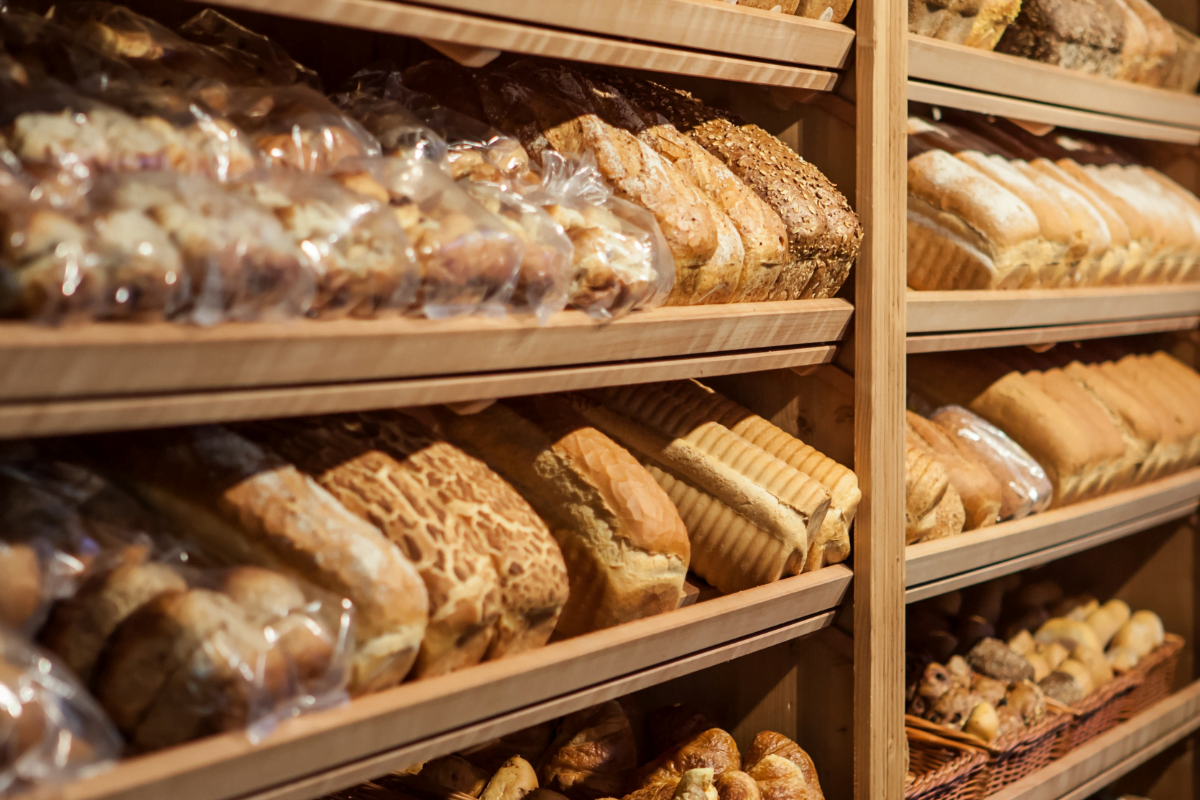
Take the bread market. My research implies that the price of bread includes substantial profit margins that go to a handful of large corporations. To produce bread, one needs wheat, which is also sold in competitive markets because all wheat is the same and there are many wheat producers.
Tractors need computer chips, steel, aluminium and tires that also come from large corporations. Batteries need rare earth elements, which come from just a few world producers. Each extra step in the production chain adds another layer of profit to the final product’s price — hence, the compound markup.
Consumer price markups are abnormally high
To determine the markups of different industries compared to the costs of production, I compared the market price of products with the “natural” cost of production. This natural cost is neighbourhood-specific and takes into account the average cost of rent, profits and wages for certain areas.
My notion of compound markup compares market prices to this concept of natural cost, because a fair price would equal this cost in a monopoly-free economy.
To do this, I measured the overpricing of complex final products such as electronics and transportation services, considering all the overpriced components that the final product incorporates. For data, I used input-output tables, which give flows of sales of intermediate goods from one industry to another. The results of this calculation are the compound markups.
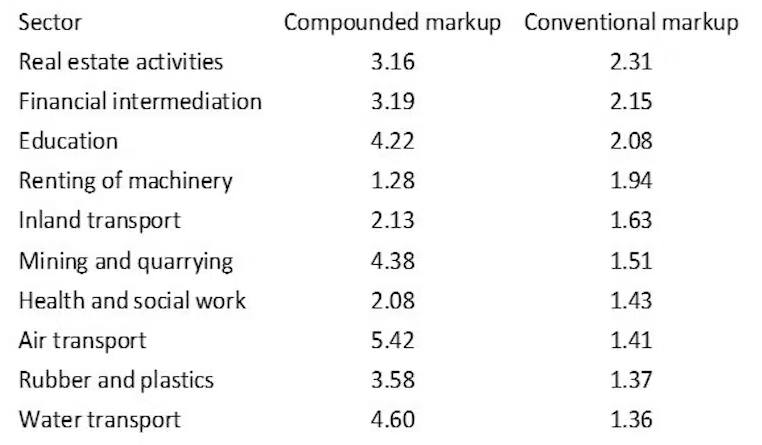
A compound markup of three means the price of the final product is three times greater than the natural cost, considering all the intermediate phases. In contrast, the conventional markup only considers the last phase of production, where the finished good is assembled and sold to a consumer.
Table showing compound markups compared to conventional markups in a few industries. The compound markups are substantially greater than the conventional ones. (Constantin Colonescu), Author provided
These results indicate that prices are, for many of the goods and services we all need, up to five times higher than the natural costs of production. The owners of large corporations make abnormally high profits at the expense of consumers.
Re-thinking market competition
An invisible hand is indeed at work in the supermarket, but it is one that Adam Smith would not recognize. The real invisible hand is there to benefit the producer, not the consumer, contrary to Smith’s belief. Concerned groups have identified fair trade as a goal in international markets for years, but not so much in our daily lives and not in the context of compound pricing.
Governments, consumers and consumer organizations could use research like this to promote more competition in markets, advocate fair trade within a country and re-think income inequality policies.
Large corporations tend to monopolize intermediate markets even more than they do in final goods markets. Because of this, antitrust government agencies like Canada’s Competition Bureau should supervise markets for intermediate goods such as fertilizers, agricultural machinery and rare earth elements — not just the markets for final consumer goods.
New details were released on Wednesday on where Canada’s first 25 Zellers stores will be opening this spring, including the fact that these Zellers shop-in-stores will be quite small and will likely not include restaurants. This follows our article on Tuesday discussing new details we’d found on the Zellers retail concept which is being revived in a very different format this year.
Zellers shop-in-stores will include a mix of urban and suburban locations spanning between 8,000 and 10,000 square feet — much smaller than the typical standalone Zellers stores that Canadians knew from the past which were on average 94,000 square feet. Given the relatively small size of these Zellers stores, it’s becoming apparent that the concept will be quite different from the past, and it’s less likely that the Zellers restaurant component will be returning, at least this year with the location announcements.
“2023 has arrived, and with it, Zellers on the horizon,” said the brand via a statement. “The beloved Canadian brand is thrilled to announce the planned locations for its first 25 Zellers store experiences within Hudson’s Bay. Opening in communities across the country, the brick-and-mortar locations will complement the first-ever Zellers.ca ecommerce site, ultimately bringing Zellers to nearly every community in Canada.
Image: Zellers.ca
“Customers will be greeted with a thoughtful selection of design-led products across home decor, toys, baby, apparel and pets, housed within Zellers’ signature red and white that will guide customers along in their retail journey. To stay in the loop, beginning today shoppers can sign up for updates on Zellers.ca – the future home of Zellers’ fully integrated e-commerce platform.
It’s unlikely that the selection of products, and particularly apparel, will be extensive in the physical shop-in-shops given the relatively small footprint.
“At launch, the Zellers experience within Hudson’s Bay will be between 8,000 – 10,000 sq ft., depending on location. The Zellers in-store experience and Zellers.ca are planned to launch simultaneously.”
There was no mention if teddy bear mascot Zeddy will be returning, though it’s likely given some recent marketing seen on Zellers social media. Zeddy was ‘adopted’ by Camp Trillium over a decade ago and an agreement could see the mascot return to Zellers.
The locations of the first 25 Zellers shop-in-stores were announced and here they are below — locations include primarily suburban shopping centre locations as well as two downtown stores:
British Columbia
CF Pacific Centre, Downtown Vancouver
Aberdeen Mall, Kamloops
Guildford Town Centre, Surrey
7 Oaks Shopping Centre, Abbotsford
Aberta
Kingsway Garden Mall, Edmonton
Medicine Hat Mall, Medicine Hat
Sunridge Mall, Calgary
Saskatchewan
Midtown Plaza, Saskatoon
Manitoba
St. Vital, Winnipeg
Ontario
Erin Mills, Mississauga
Burlington Mall, Burlington
White Oaks Mall, London
Scarborough Town Centre , Scarborough
Pen Centre Shopping Plaza, St. Catharines
Cambridge Centre, Cambridge
CF Rideau Center, Ottawa
St. Laurent Center, Ottawa
Cataraqui Town Centre , Kingston
Quebec
Place Rosemère, Rosemère
CF Galeries d’Anjou, Ville Anjou
Carrefour de l’Estrie, Sherbrooke
Les Promenades Gatineau, Gatineau
Les Galeries de la Capitale, Quebec City
Nova Scotia
Micmac Mall, Dartmouth
Mayflower Shopping Mall, Sydney
Downtown Vancouver will be getting a downtown Zellers shop-in-store within the Hudson’s Bay flagship store, as will downtown Ottawa where a large Hudson’s Bay department store is connected to the CF Rideau Centre shopping complex. Other Zellers locations will be in a mix of first-class and secondary malls in larger and smaller communities across the country. It also appears upon inspection that most of the Zellers locations will not initially be in the most productive Bay stores, save for a handful such as downtown Vancouver.
Given that Hudson’s Bay has over 80 stores in Canada (we’re told that at least two will be closing this year), there will be more opportunities for Zellers shop-in-stores to open within. That means more Zellers location announcements within Hudson’s Bay stores could happen into 2024.
Noticeably absent is markets such as Regina Saskatchewan, which would be likely to see a Zellers within its downtown Hudson’s Bay store as part of a second round of location announcements.
A request for an interview for this story was turned down by The Bay. Retail Insider will continue to analyze and report on the Zellers shop-in-store concept as new details become available, and we’ll be providing insights and analysis as these stores begin to open this year.
Retail Insider is streamlining its Canadian retail news from around the web to include a handful of top news stories that can be viewed quickly during the day. Here are the top stories from the past 24 hours.
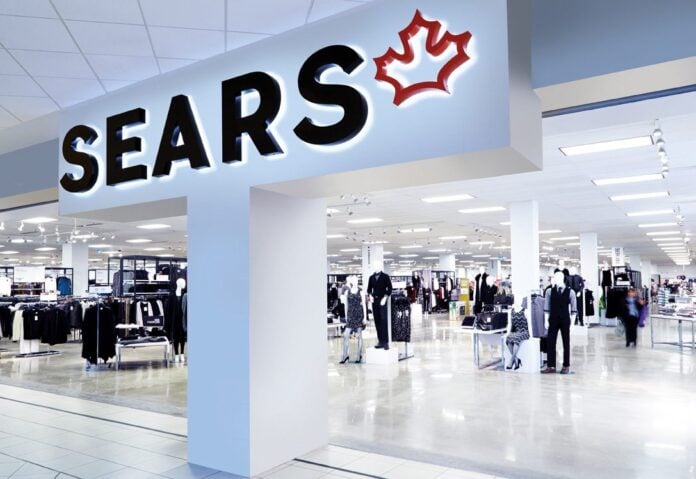
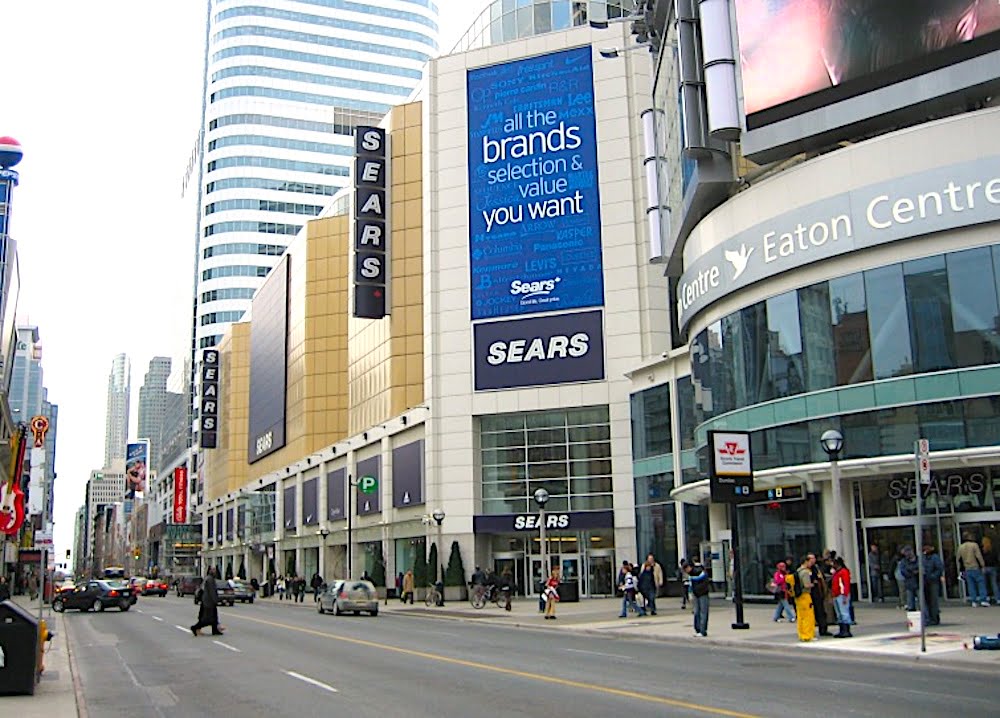
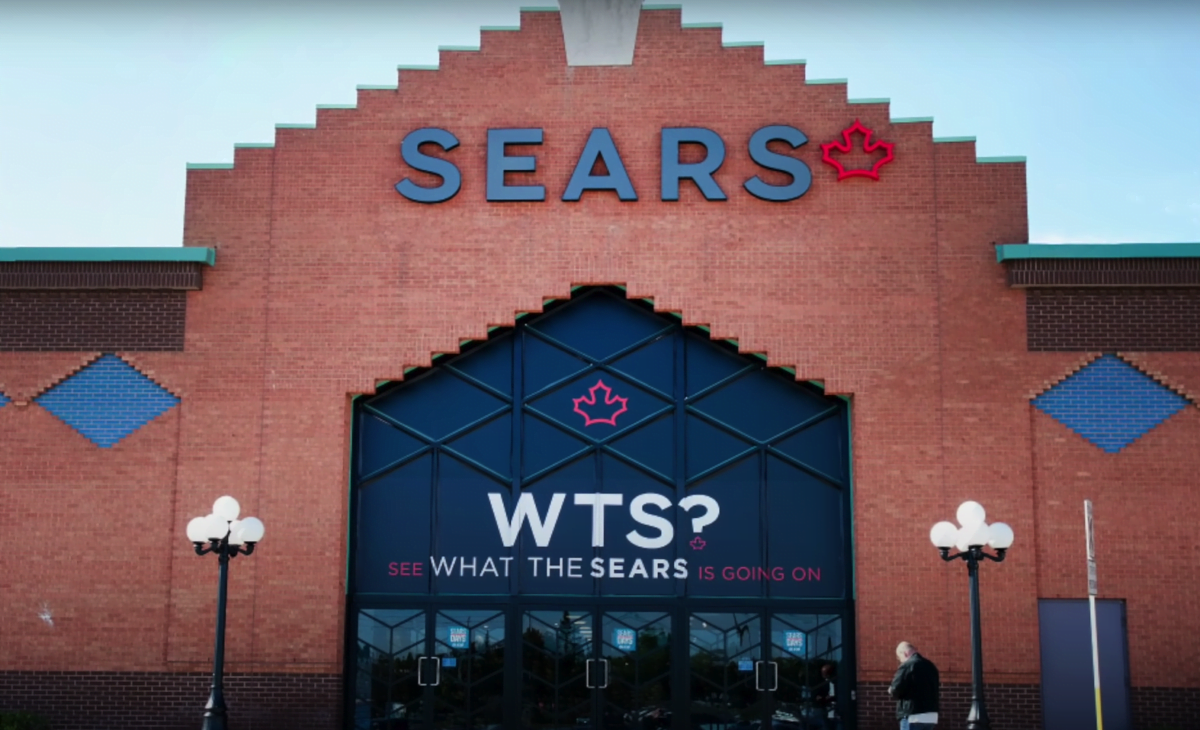
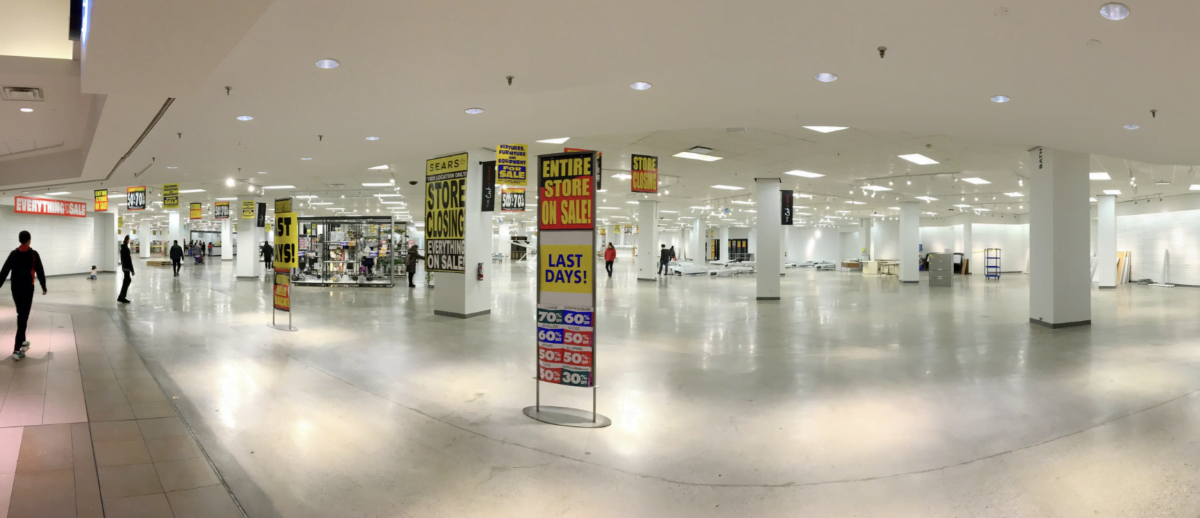
It was five years ago this month that Sears Canada shut down all of its stores, resulting in millions of square feet of vacated retail space and the loss of nearly 12,000 jobs. The final Sears Canada stores shut on January 14, 2018.
The impact on Canada was profound, with many malls losing an anchor store and the loss of a chain that had been in the country for decades. That included a network of physical department stores as well as a catalogue business that became so successful that it put a major competitor’s catalogue — Eaton’s — out of business.
Chicago-based Sears entered the Canadian market in 1952 when it struck a joint venture with Toronto-based Simpsons department stores. New co-branded Simpsons-Sears stores expanded across the country, as well as a national mail-order business that became the iconic Sears Catalogue, including its popular Christmas ‘Wish Book’.
The Hudson’s Bay Company purchased Simpsons in 1978, and the Simpsons-Sears joint venture was dismantled when HBC sold its shares to Sears — in 1984 Simpsons-Sears was renamed Sears Canada while in 1991 Simpsons stores were decommissioned, with some becoming Hudson’s Bay stores.
Former Sears Canada flagship store and headquarters at CF Toronto Eaton Centre in downtown Toronto. Photos via Wikipedia
Image: Sears Canada
In 1999, Sears Canada made a bold move and acquired department store chain Eaton’s, which was facing bankruptcy, and attempted to revive it under a new concept. That included a new store model with upscale brands and the efforts were a failure with Eaton’s 2.0 shutting down in 2002.
ESL Investments was the largest shareholder of publicly-traded Sears Canada. Eddie Lampert is chairman and CEO and also leads the US division of Sears which has almost no stores left in operation as of press time. ESL also owns US-based Kmart which is now on its last legs.
As early as 2016, Sears Canada was a pretty big business. The retailers had a network of 140 corporate stores (including full-line, Sears Home, and Sears Outlet stores), 71 Hometown stores, over 900 catalogue, and online merchandise pick-up locations, 69 Sears Travel offices, and a nationwide repair and service network. The Sears Catalogue was published until the last quarter of 2016 and offered online shopping at sears.ca until October 2017.
Sears Canada filed for creditor protection in June of 2017 and immediately announced that it would lay off 2,900 employees and shut 20 full-line locations, 15 Home stores, 10 Outlet stores, and 14 Sears Hometown stores. A series of further store closure announcements culminated with the October 10, 2017 announcement by Sears Canada that it would seek court approval to shutter all of its remaining stores in Canada and lay off 11,240 remaining staff. The Ontario Superior Court granted the Order and liquidation sales began on October 19, 2017. Store fixtures and equipment from the closed stores were sold until January 26, 2018.
The last day of Sears at CF Fairview Mall in Toronto. Photo: wyliepoon via Flickr
In December 2016, Sears Canada announced plans to add grocery sections in three-to-five remodelled stores in 2017 — the selection would be primarily organic, with a focus on low cost and e-commerce, and none of these efforts gained traction to save the business.
Prior to its bankruptcy, Sears Canada CEO Brandon Stranzl put forth further efforts to revive the chain, which included smaller more modern looking stores as well as a new set of lines which were showcased in a pop-up retail space on Queen Street West in Toronto. The efforts were ultimately unsuccessful as the retailer continued to flounder amid negative consumer sentiment.
Prior to the bankruptcy, Sears Canada sold some of its best leases to landlords in return for hundreds of millions of dollars. That move helped Nordstrom enter the Canadian market with its first store opening in September of 2014 in a former Sears location at CF Chinook Centre in Calgary. Nordstrom subsequently opened in former Sears Canada store locations in Ottawa, Vancouver, and Toronto including at the CF Toronto Eaton Centre where Sears Canada’s 800,000 square foot flagship once stood. Other leases were sold in other malls and other retailers moved in. At Square One in Mississauga, La Maison Simons occupies part of the mall’s former Sears box after the retailer sold that lease back to the landlord. At CF Sherway Gardens in Toronto, a Saks Fifth Avenue and Sport Chek occupy a former Sears store that was once Eaton’s.
After its demise, former Sears boxes across the country have been re-tenanted, which often involved demising space and reconfiguring former department stores for multiple retailers. One recent example is at Southgate Centre in Edmonton — the former Sears store in the mall (once a Woodward’s) is now home to London Drugs and Sporting Life.
In 2017, some mall landlords quietly told Retail Insider that they were not unhappy at the demise of Sears Canada — the shuttering of the retailer meant that some covenants could be lifted on shopping mall properties. Many Sears Canada leases, some of which were legacy leases from former department store retailers, included covenants restricting what landlords could do with their properties where Sears was located. Fast forward to today, Canada has become a global leader in shopping centre site intensification that includes the addition of residential uses in an effort to create ‘complete communities’, with the Toronto and Vancouver markets leading the way for theses redevelopments.
Female owned and operated Canadian jewelry brand, Suetables, will be opening its fifth brick and mortar store this fall at the massive The Well mixed-use development in downtown Toronto.
Suetables owner and designer Sue Henderson said the retail mix at The Well has been carefully curated.
“Suetables offers timeless jewelry and accessories that celebrate life’s most cherished moments and we can’t wait to bring our proudly Canadian, female-owned and operated brand to The Well’s diverse community,” she said.
“Suetables is all about creating a community and a curated experience, just like The Well, so our stores are always in neighbourhoods. We like being part of a local and vibrant community and The Well is certainly going to be a fun and engaging destination. I’m excited about the European-style food market, and overall, all of the unique experiences and offerings which align very well with the Suetables brand.”
Suetables Vancouver (Image: Nola Design)Image: The Well
Suetables currently operates two other stores in Toronto as well as stores in Montreal and Vancouver.
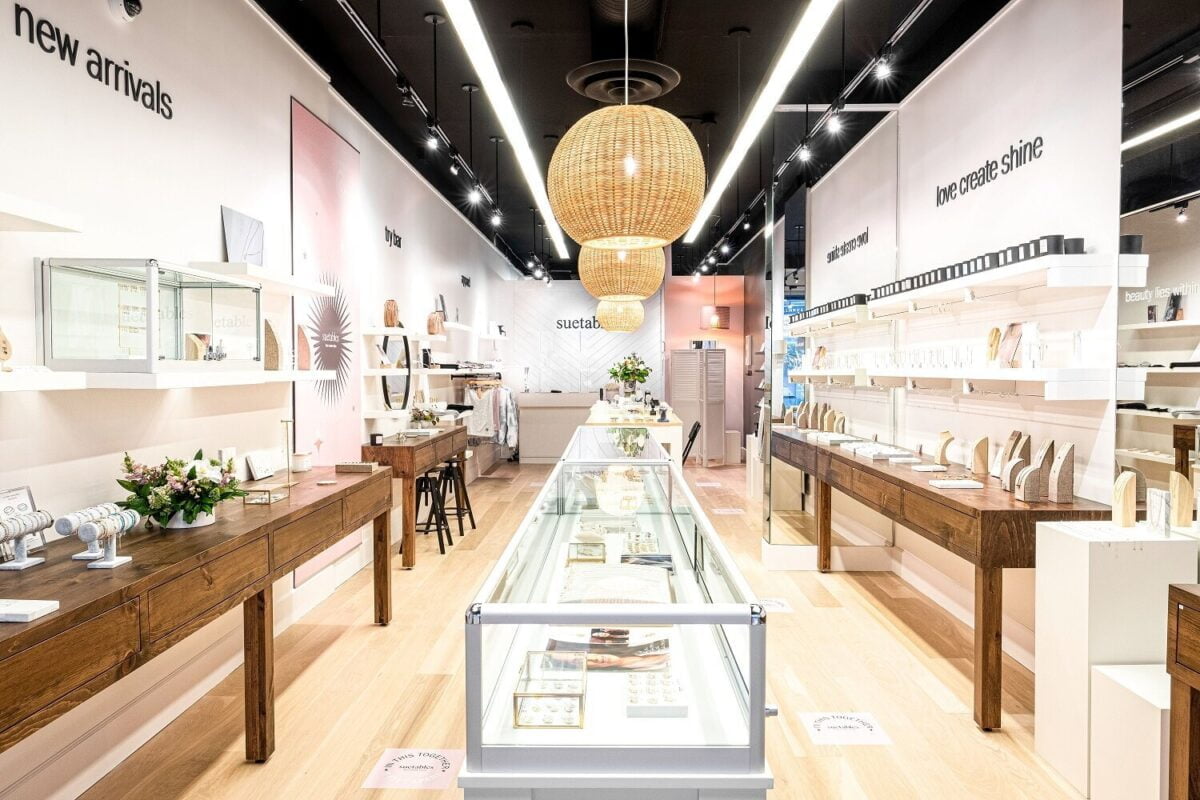
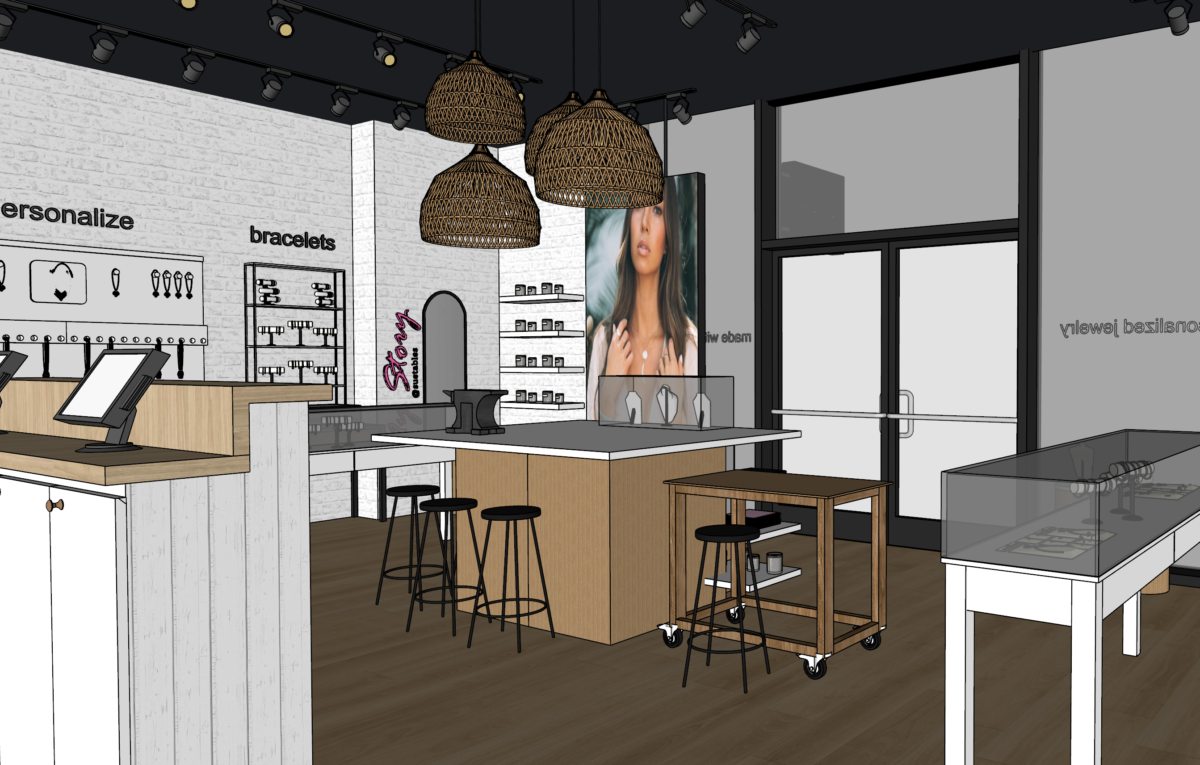
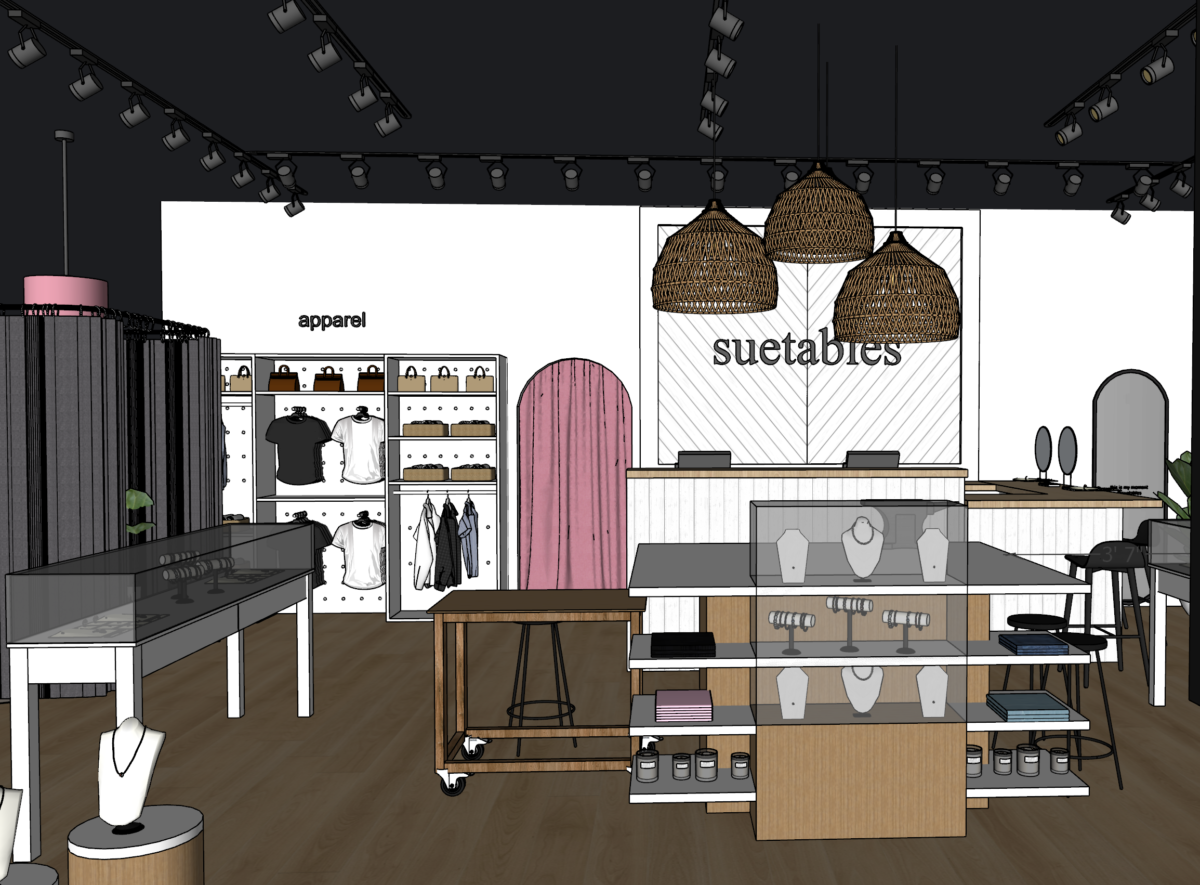
Suetables will be located on the ground floor of The Well’s retail component. At 947 square feet, the shop will feature clean lines and modern design details that complement Suetables’ range of demi-fine and fine jewelry and accessories. Like its other locations across Canada, the light-filled space will include a design bar where customers can mix and match, and personalize charms on the spot with a unique hand-stamping process. The brand will also offer welded bracelets within this location with a range of personalized birthstones and charms, said the retailer.
Suetables designs, creates and curates distinctive, one-of-a-kind jewelry and accessories that celebrate milestones and showcase storytelling and innovation. Worn by the likes of the Duchess of Sussex, Meghan Markle, Suetables was the first in Canada to hand stamp on jewelry on the spot, forging its own path to create and sell personalized products with style and substance, and leading the movement of ‘demi-fine’ jewelry at a reasonable price, said the retailer. Using metals such as sterling silver, 10 and 14k gold, gold filled and gold vermeil, Suetables creates meaningful, high quality jewelry that delivers connection and self expression.
Suetables is available in stores and online, shipping worldwide.
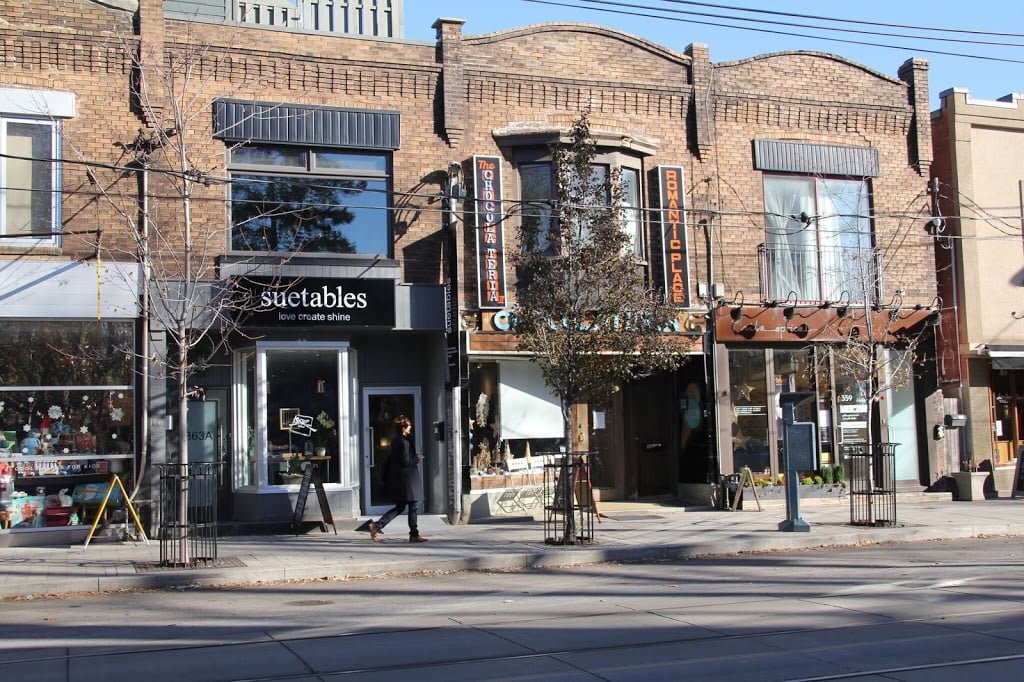
Suetables at The Well (Rendering: Suetables)Suetables at The Well (Rendering: Suetables)Exterior of Suetables store in Toronto’s Roncesvalles neighbourhood. Photo: Suetables
The Well is a joint venture between RioCan REIT and Allied Properties REIT consisting of three million square feet of retail, office and residential space over 7.7 acres in Toronto’s King West area It consists of 320,000 square feet of retail and food services, 1.2 million square feet of office space and 1,700 residential units spread throughout six residential rentals and condominiums, plus one office building connected to a three-level retail base.
“Suetables is a great destination for someone that doesn’t want to go to the mall, that wants something personal and unique,” said Henderson.
“I’m a big believer in the hybrid model in terms of our goal to build a community. I think that people find us through the stores. They have a good experience and then they’re comfortable shopping online. So we will continue with the hybrid model, opening stores and building our online presence which is how we started our business with online.
“We love Ontario. It’s close. There’s a lot of appetite for it. We have a great percentage of our orders coming from Ontario. I would be open to somewhere like Ottawa maybe.”
Image: SuetablesImage: Suetables
Henderson said the retailer is going to continue to build experience for store shoppers.
“We have personalization on the spot, hand stamping which is done one letter at a time. We have two new engraving machines that can do rings and different fonts on pendants and we just introduced just before Christmas welded bracelets that we will do on the spot at The Well as well.
“I’m really excited about it. I’m excited about it not just as a business owner but as a person that lives in Toronto. This is one of the biggest developments in Canada in the last 30 years and I think it’s going to be spectacular on a lot of different levels. I’m just delighted to be part of it.”
Cadillac Fairview and Shindico Unveil New Master Plan Vision for CF Polo Park (CNW Group/Cadillac Fairview Corporation Limited)
Shopping centre operator Cadillac Fairview is partnering with Shindico Realty to transform the CF Polo Park property and surrounding lands to create a “engaging community hub” in Winnipeg.
The Master Plan vision includes the redevelopment of the former Canad Inns Stadium lands.
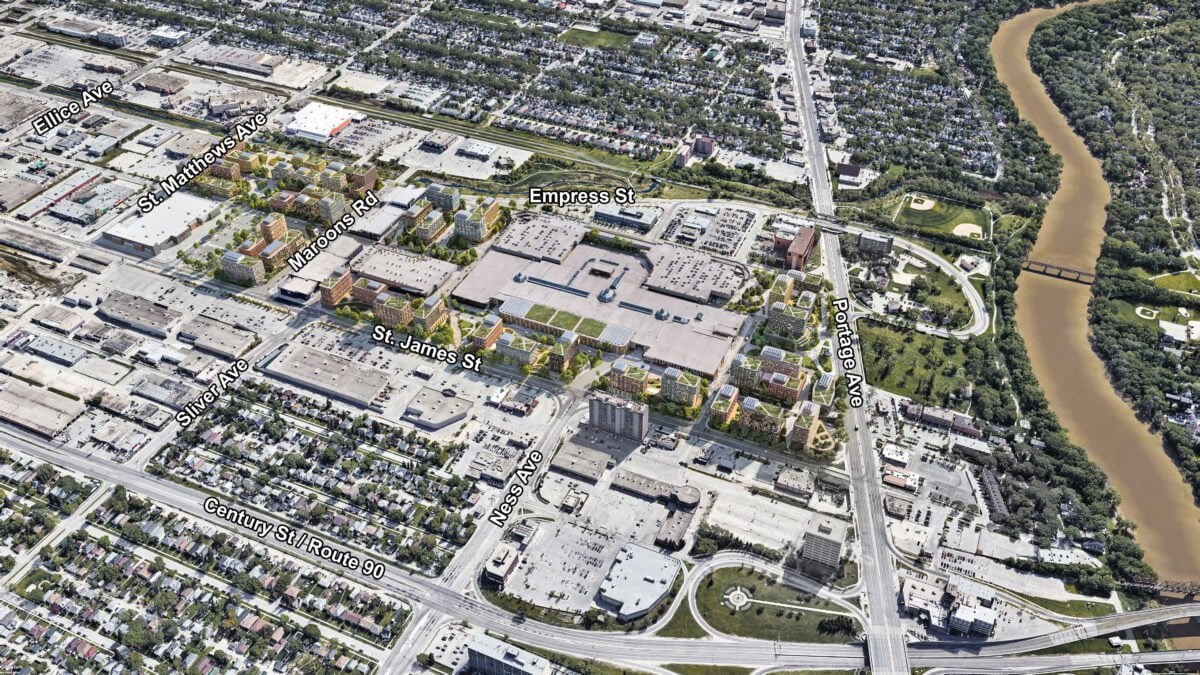
The Master Plan vision will create a complete community including a mix of residential, amenity and retail uses, a range of new parks, open spaces, a combination of private and public streets, as well as pedestrian and cycling connections centred around CF Polo Park, the largest shopping centre in Manitoba.
“This is a once in a lifetime opportunity to create a vibrant community around the most successful shopping centre in the Prairies. Shindico is excited to have attracted this significant investment in Winnipeg,” said Sandy Shindleman, President of Shindico.
Cadillac Fairview and Shindico Unveil New Master Plan Vision for CF Polo Park (CNW Group/Cadillac Fairview Corporation Limited)
“For more than 60 years, the centre has proudly served as a second downtown to Winnipeg and our redevelopment plan extends our long-term vision to further expand the community,” said Wayne Barwise, Executive Vice President, Development, Cadillac Fairview, in a statement. “We are thrilled to be in a position today to share the plans and will be submitting an application to rezone the Polo Park lands in the coming weeks.
“As we embark on the next phase of Polo Park, we continue to bring exciting new retailers to Winnipeg, and look forward to announcing some new first to market retailers in the coming months.”
Shindleman said the application for the project will be submitted to the City of Winnipeg in a month or so.
“We’re very hopeful that we can get some sort of entitlement certainly this year by the fall and then we would finish the planning and go into the ground in 2024,” he said, adding full build out will take about 10 years.
“There’s a shortage of labour and a shortage of trades as we look out from today’s point of view. So trying to do it in a faster method it would be even more costly and we’re cost conscious. We can’t sacrifice design or quality.”
Shindleman said the Polo Park lands are about 84 acres, including the vacant former Canad Inns Stadium. He said the development plan is to have about 4,000 residential units for about 5,000 people living on the site.
“The Polo Park shopping centre was built by the Cadillac Corporation in 1959 and Cadillac Fairview has expanded it and improved it so much that it’s one of the premier shopping centres on the Prairies. It’s always been well-anchored and well accepted by Manitoba. It trades into Ontario, Saskatchewan and North Dakota and Minnesota as well,” he said.
“We’re looking at quite a few buildings. About a dozen. Midrise is what we’re planning. If we add a hotel or assisted living we could go a little higher, and may.
“It’s going to be all rental. We haven’t been in the condo business and our partners Cadillac Fairview are interested in long-term cash flow for their pensioners of the Ontario teachers’ retirement. And it’s an asset that can’t be duplicated. So it’s certainly the intention of the partners to make this the premier rental community in Manitoba.”
The residential development could also have office and medical space as well as more retail.
“All of those things are possible but the focus is going to be on the rental community, on the livability community, sustainability and lifestyle,” said Shindleman.
Cadillac Fairview and Shindico Unveil New Master Plan Vision for CF Polo Park (CNW Group/Cadillac Fairview Corporation Limited)
The surrounding lands to Polo Park are bounded by Portage Avenue, St. James Street, St. Matthews Avenue, and Empress Street. CF and Shindico acquired the site over a decade ago and began engaging with stakeholders on the vision in 2018.
Cadillac Fairview is a globally focused owner, operator, investor, and developer of best-in-class real estate across retail, office, residential, industrial and mixed-use asset classes. Wholly owned by the Ontario Teachers’ Pension Plan, CF manages in excess of $42 billion of assets across the Americas and the United Kingdom, with further expansion planned into Europe and Asia.
Internationally, CF invests in communities with like-minded partners, including Stanhope in the UK, Lincoln Property Company in the U.S., and Multiplan in Brazil. The company’s Canadian portfolio comprises 68 landmark properties, including the Toronto-Dominion Centre, CF Toronto Eaton Centre, Tour Deloitte, CF Carrefour Laval, CF Chinook Centre and CF Pacific Centre.
Since 1975, Shindico, based in Winnipeg, has been a market leader in commercial real estate and investment management in Canada, providing full service to owners and occupiers of retail, office, industrial and multi-residential property.
Retail Insider is streamlining its Canadian retail news from around the web to include a handful of top news stories that can be viewed quickly during the day. Here are the top stories from the past 24 hours.
Retail leasing market activity rebounded during the latter half of 2021 and early 2022, with the loosening and eventual removal of restrictions on brick-and-mortar store capacity.
Consequently, retailer sales revenues rose, and a modicum of leasing market normalcy was restored. Retail operators focused on revenue growth, balance sheet stabilization, and operational efficiency while landlords focused on increasing occupancy, says Morguard Corporation’s recent Canadian Economic Outlook and Market Fundamentals Report.
“As leasing activity increased, market fundamentals began to stabilize. Vacancy levelled off in certain market segments, having steadily climbed across much of the country in 2020/2021. A combined average vacancy rate of 10.3 per cent was reported for retail properties contained in the MSCI (Morgan Stanley Capital International) Index, as of the first quarter of 2021. The rate has steadily declined since then, with an average of 8.4 per cent reported at the midway mark of 2022. Regional centre and non-anchored strip centre vacancy has also trended downward but remained elevated.
“By early 2022, there was some anecdotal evidence suggesting rents may have begun to stabilize. However, rental rates generally remained below pre-pandemic levels in most regions, particularly for less desirable space. Vacancy and rents have been relatively stable in centres with necessities-based tenants. Looking ahead to 2023/2024, leasing activity will remain relatively muted, having increased over the recent past.”
Morguard’s 2023 Canadian Economic Outlook and Market Fundamentals report
Keith Reading, Director of Research for Morguard, said the retail sector in 2022 performed better than most people expected.
Keith Reading
“I think that after the sort of worst of COVID was over, I think people thought it would be a long journey back. But that’s to say that there aren’t still some weaknesses there. But I think certainly retail fared better than most people thought,” he said.
“And my experience is things are never as bad as people think and they’re never as good as people think. And that was definitely the case with retail. We saw some decent expansion definitely in some of the newer developments. There didn’t seem to be a lot of concern with being able to find tenants. So better than we thought but I will say some of the longer term trends they didn’t go away because of COVID. Regional centres, we’ve still got double digit vacancy in some of the bigger centres. I’m not talking about the Yorkdale’s of the world or the Sherway Gardens. I’m talking about the next tier down . . . Some of those owners have struggled a little bit but I think even there, we’re starting to see vacancies slowly leased up.”
Yorkdale Shopping Centre (Image: Dustin Fuhs)
The consensus seems to be that Canada is either going to be in a recession or while we may not move into a recession it will feel like one, he said.
“But either way we’re going to see things slow down and part of that is what’s happened with interest rates,” said Reading.
“The one thing I think though that is working in the favour of consumers is we’ve seen some pretty healthy wage growth over the last little while. Consumer spending has certainly slowed down but people are still spending. We’ve got an unemployment rate of five per cent. That’s pretty close to full employment. So people have jobs right now. They’re still spending. They’re being a little more careful.
“So what does that mean for retailers? Their revenues might not be quite as good as last year. Leasing activity probably not quite as good as last year. But not terrible either. I think going ahead we’ll see things slow down but I don’t predict any kind of disaster. I don’t predict any kind of real pain. I think it’s just going to be quiet, which for real estate is not the best. But I think our country has proven over the decades that we can weather storms better than a lot of other places.”
Reading said COVID did contribute to a small jump in vacancy rates in the retail sector across the board from street fronts to shopping malls. But in some centres vacancy remained in the five to six per cent level even through COVID. Power centres continued to perform relatively well while secondary regional centres felt the most pain.
“If you want to summarize it, I would almost say you went from sort of a six, seven per cent up to eight or nine and now we’re back down to six or seven again,” explained Reading.
“So we’re not in a bad position to weather the next six, nine months of recession or recession-like conditions.”
Reading said investors are looking for properties anchored by grocery, drug and liquor stores – necessity-based retail. That still has a pretty strong audience and it has for several years.
“There is an appetite for shopping centres that have performed relatively well in the past and might need a little tweaking or perhaps more substantially a repositioning where the demographics are good, target market’s good, what can we do long-term, assuming they’ve got the cash to do that or can source the capital. I think there’s still a market for those types of retail assets,” he said.
“I think where it’s a little tougher or the audience is substantially smaller is in the properties where there’s a significant vacancy issue. Perhaps the property is tired. Maybe even at the end of its life cycle and it’s a significant redevelopment of some sort. There are groups that will look at those properties but you’ve got to be very careful. You’ve got to know what you’re doing and you probably need a partnership with a residential developer to add value to that property. It’s no longer strictly retail. It’s what else can you do with the property.”
60 Bloor (Image: Dustin Fuhs)
Retail property sector investment performance has improved recently, following an extended period of negative outcomes, said the Morguard report.
“Properties contained in the MSCI Index generated a moderately attractive 3.1 per cent total return for the year ending June 30, 2022. Previously, retail sector performance patterns were decidedly negative, with total returns of -10.1 per cent and -10.9 per cent posted for the same time period in 2020 and 2021. The return was largely income driven. The capital value erosion of the past few years has eased over the past year. The investment performance improvement of the recent past coincided with a stronger capital flow trend,” it said.
“Canada’s retail property sector recently experienced a significant increase in capital flow. Approximately $13.2 billion of debt and equity investment capital flowed into the sector during 2021 and the first half of 2022 combined. The 18-month total was markedly higher than the $5.7 billion of capital that flowed into the sector in 2019 and 2020 combined. Despite a moderately stronger capital flow trend investors remained cautious, given heightened industry and performance uncertainty. Lower risk properties and centres with necessities-based tenants were coveted. In early 2022, cap rates began to rise, as investors looked to reduce the impact of higher interest rates on performance. The cap rate increase followed a period of increased retail property investment market capital flow.”
The report said Canada’s retail leasing market will continue to stabilize over the near term, against an elevated risk backdrop. Leasing fundamentals will be largely unchanged over the second half of 2022 and into 2023, following an extended period of pandemic-influenced weakness. Vacancy will be relatively flat, across much of the country, given limited expansion activity. Retail sales growth is expected to slow significantly over the near term, which will likely erode retailer revenues. Rents will also stabilize, given elevated vacancy levels in most market segments and muted leasing demand. Some operators will continue to right size, resulting in store closures. On balance, Canada’s leasing market is expected to continue to stabilize over the near term.
“Retail property investment market risk will remain elevated over the near term. The probability of an economic downturn in the second half of 2022 or in 2023 is expected to remain high. A downturn would most certainly have a negative impact on retail sector performance. Additionally, the potentially negative impact of interest rate hikes and inflation on retail consumption is another significant near-term sector risk. At the same time, inflation and higher borrowing costs will erode landlord income streams. Ongoing changes in consumer spending behaviour and supply chain challenges are also significant performance risks. Cap rates will likely rise over the near term, given an elevated level of retail property investment market risk,” said Morguard.