Home Blog Page 746

Lush Cosmetics Sets Ambitious Expansion Plans for Canada Including New Spa Locations, Services, and Entertainment Partnerships [Interview]

Lush on Robson (Rendering: Lush)

Lush is planning on expanding more throughout Canada next year, adding spa locations, has plans to add new services, and wants to explore more lifestyle and entertainment partnerships.

At the end of the month, Carrie Harambasic, Head of Business Development at Lush, says Lush has opened a new location in CF Champlain in New Brunswick and has plans to open a few more shops in Ontario early next year. The new locations in Ontario have been signed off; however, the exact addresses will be released at a later date once things have been finalized.

Carrie Harambasic

With these new locations arriving in Canada, more SPA locations will be added to Canada with a possible location in Toronto.

“There is an overwhelming excitement around the upcoming SPA in Vancouver and we are already looking at expanding in Canada and in the United States. Toronto is a potential location in Canada,” says Harambasic. “There is a need and enthusiasm for SPA in Canada and in order to enhance the client’s experience, the Lush founders always wanted to incorporate a warm and homely feeling SPA, which gave customers an oasis away from the busy world to relax and renew.”
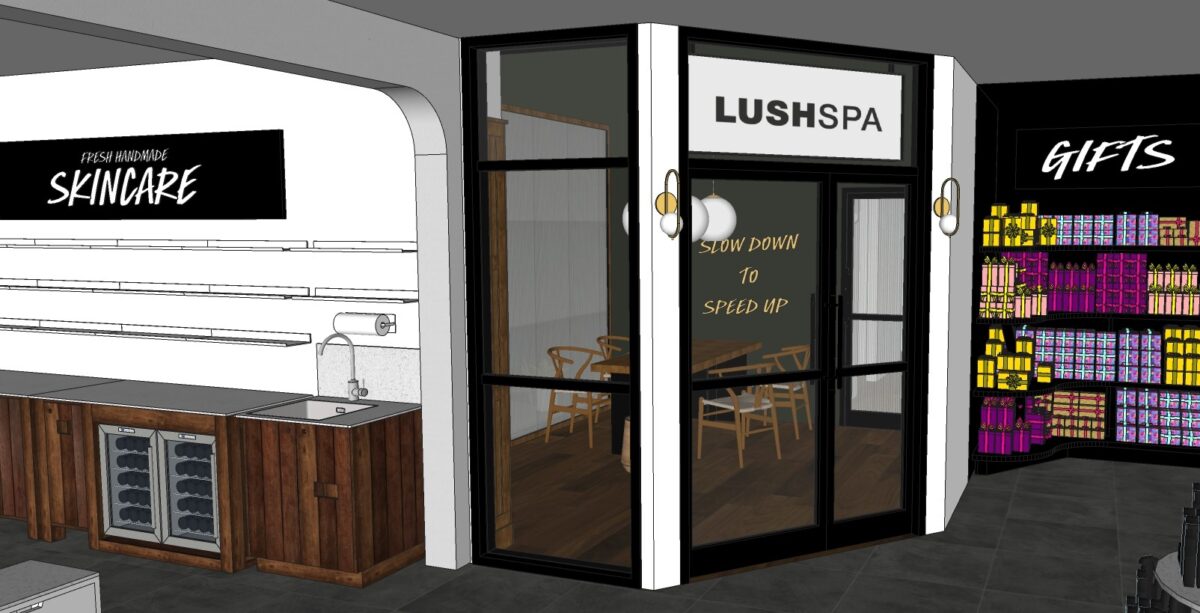

Lush Spa on Robson (Rendering: Lush)

The Lush SPA location in Vancouver was supposed to open this summer; however, it has seen setbacks. Harambasic says the new Lush SPA which will be 1350 square feet will open at the end of the year at 1020 Robson Street. This will be the first SPA location in Canada.

Harambasic said Lush will be adding two new spa locations and along with the traditional treatments such as facial and body treatments, lush will be adding another service.

“In addition to new facial and body treatments next year, we are also working on new services that showcase our dedication to fresh handmade cosmetics. This is still a work in progress, but all we can say is – there will be no more bad hair days.”

The Lush Spas will offer the same treatments and will have treatment rooms for facials, body massages, bath spa treatment, and more. Every spa appointment will be unique to each guest as they can decide how they would like to feel during their treatment, music, which bath bomb to use, and guests can decide the scents. Each appointment is customized to what the consumer is looking for as Lush wants everyone to have a unique experience and to leave fresh.

New App Updates
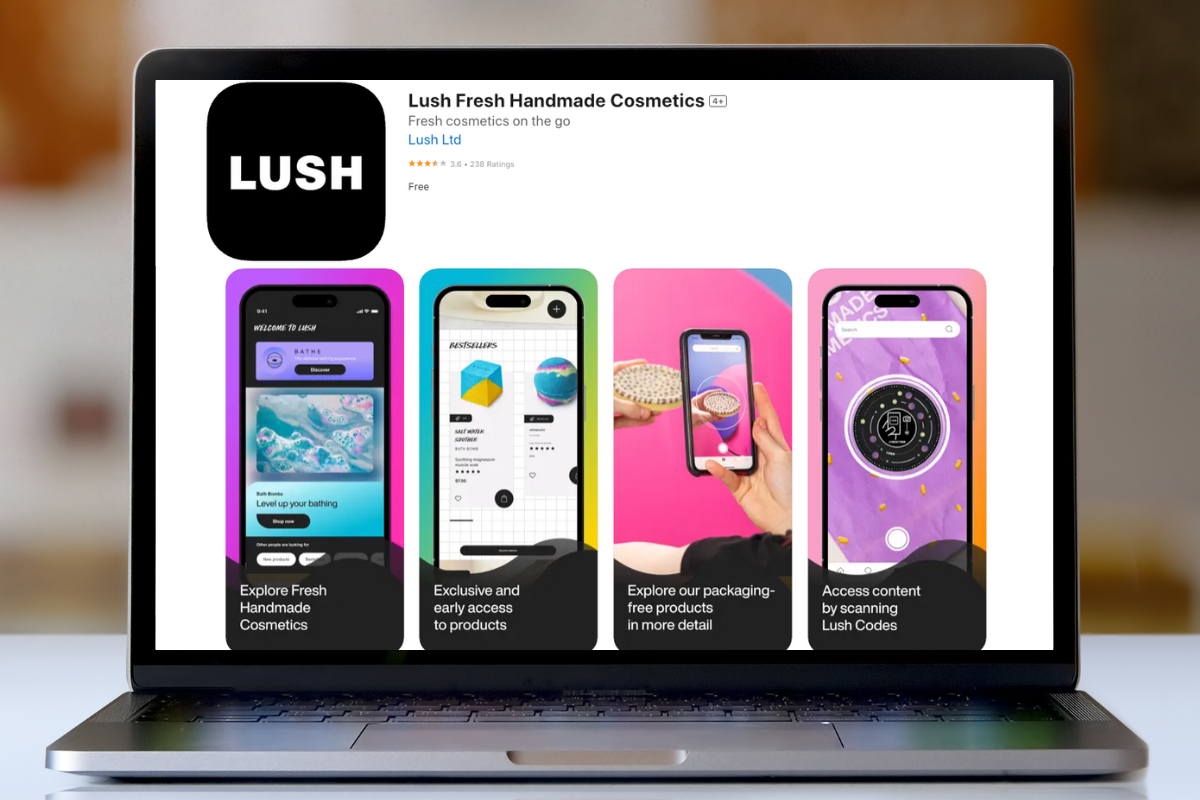
Lush App

Harambasic said Lush will be launching a new SPA section to introduce consumers to its new services.

“The App is definitely the platform you want to prioritize with extended features. You can now scan your favourite ‘naked’ Lush products, like massage bars for example, with the Lush Lens tool which will provide more information on the stores, ingredients, and even tutorials behind the products.”

The updated version of the app is also where consumers can book treatments at the Lush SPA once available in their area. This will make it easier for consumers to feel connected to the brand, understand each product, keep a history of which products they have used and enjoyed, and the app will make it easier for consumers to book appointments. The Lush app also offers early access to product launches, exclusive products, music playlist and guided meditations that match your product, wish lists, and provides an easy shopping experience.
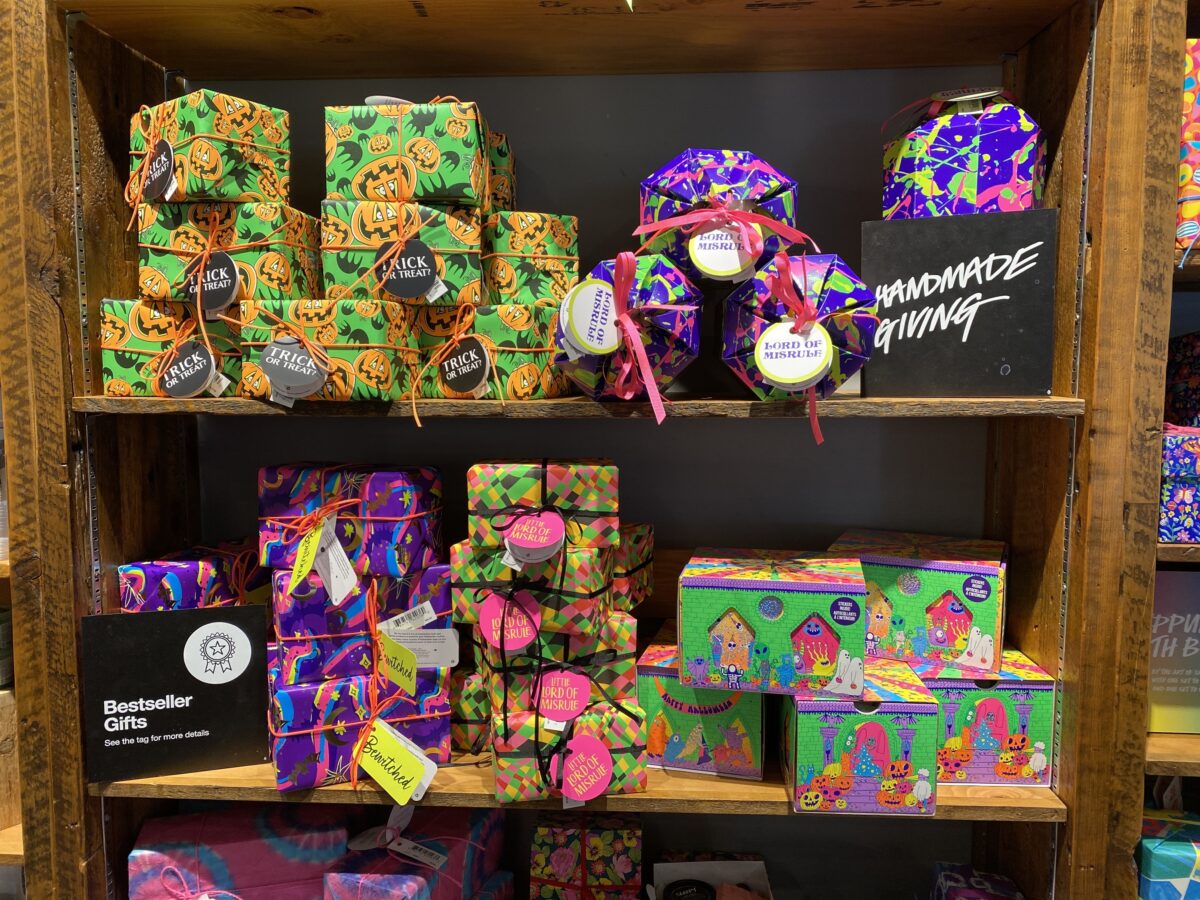
Lush Gifting (Image: Dustin Fuhs)

“The new global app comes with exciting new features – including early access to product launches, improved search functionality, access to Lush Lens, Lush Bathe, and more! We are working to bring all the features you love from the old North American app to the new global app,” states on Lush’s website.

Lush will also be working on adding more features such as the buy online and pick up in store program and gift cards.

Lifestyle and Entertainment Partnerships
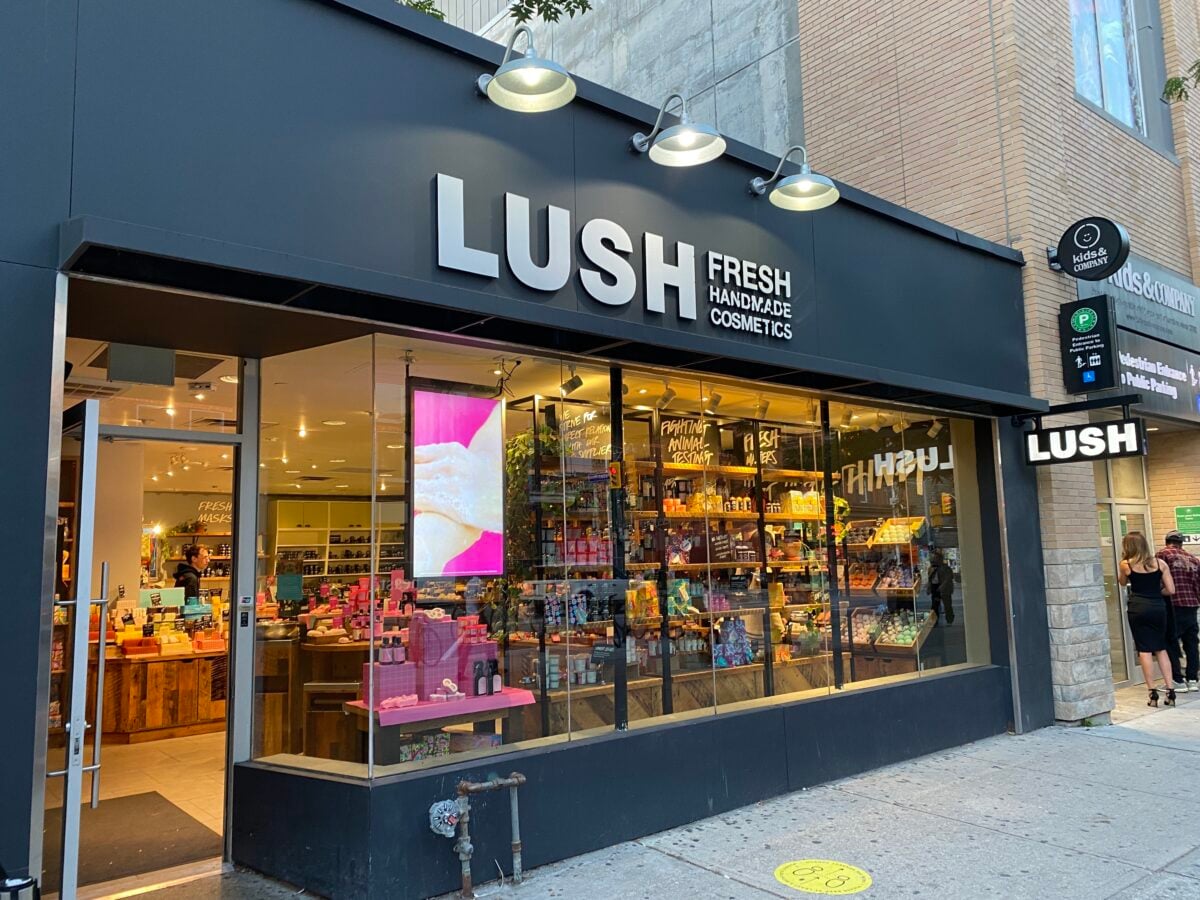
Lush Queen Street West (Image: Dustin Fuhs)
Barbie Partnership at Lush CF Toronto Eaton Centre (Image: Dustin Fuhs)

Harambasic says Lush also brings in new products for consumers to enjoy and have new collaboratives coming soon. Partnering with lifestyle and entertainment brands has been new to Lush this past year and they have launched eight collaborations so far, such as Super Mario Bros Movie, Stranger Things, Barbie, and have a Netflix partnership coming this year.

“Lots of exciting things. We have some new collaborative concepts that are hitting some key shops in markets across the US and Canada, similar to the concept shop that recently opened at the Miracle Mile Shop timed to our collection with Wes Anderson’s Asteroid City.”

As these partnerships have brought in around 30 percent more customers and are a great way to connect with shoppers, Lush will continue to add more .Along with the new collaboration with Netflix this year, Lush already has five new collaborations planned for next year.


Canadian Consumers Adjust to Higher Cost of Living [Survey/Video Interview]

Travel and in-person events have been back for some time, with many Canadians also returning to the office. While lockdowns and restrictions are no longer at play, some economic concerns that emerged through the pandemic still remain.

Moneris, Canada’s largest provider of innovative solutions for mobile, online and in-store payments, commissioned a survey in partnership with Angus Reid to capture the pulse of Canadian consumers as they navigate elevated inflation, a higher cost of living and a potential recession.

The survey took a close look at consumer sentiment and Canadians spending behaviours.

Moneris x Angus Reid Group Data Story 2023

When analyzing these areas, Moneris data and the survey revealed:

1.     When it comes to saving money, Canadians are cutting back instead of cutting out. Compared to last year, more Canadians said they were purchasing fewer items at restaurants (38 per cent in 2023 versus 34 per cent in 2022), while the number of outings remained unchanged.  

2.     Despite inflation falling, concern is rising – more Canadians (62 per cent) are stressed about their financial future as they grapple with a higher cost of living compared to 59 per cent in 2022.

3.     More Canadians (80 per cent) are looking for ways to make their dollars do more through sales/deals, an increase from the sentiment last year (75 per cent).

4.  If they had $1,000 less, 79 per cent of Canadians said they would buy fewer items with more than half saying they’d sacrifice entertainment (56 per cent in 2023 compared to 31 per cent in 2022) and restaurants (52 per cent in 2023 vs. 28 per cent in 2022).

5.   If they had $1,000 more, 62 per cent said they would buy more items with travel topping the list for a second year and groceries following closely behind with 48 per cent (up from 44 per cent in 2022). 

In this video interview, Sean McCormick, payment data expert with Moneris, discusses the results of the survey.

The Video Interview Series by Retail Insider is available on YouTube.

Connect with Mario Toneguzzi, a veteran of the media industry for more than 40 years and named in 2021 a Top Ten Business Journalist in the world and the only Canadian – to learn how you can tell your story, share your message and amplify it to a wide audience. He is Senior News Editor with Retail Insider and owner of Mario Toneguzzi Communications Inc. and can be reached at mdtoneguzzi@gmail.com.

Interviewed this episode:

Like, Share and Subscribe to Mario Toneguzzi on YouTube!

Follow Mario:

Also check out the other series offered by Retail Insider, including The Weekly podcast and The Interview Series, which are both available on Apple Podcasts, Stitcher, TuneIn, Google Podcasts, or through our dedicated RSS feed for Simplecast and other podcast players.

Follow Retail Insider:

Share your thoughts!

Canadian Shoppers Embrace Generative AI for Shopping Suggestions: Report

A new report by Salesforce, a global leader in CRM (Customer Relationship Management), says 33 per cent of Canadian shoppers say they’re interested in using generative AI for outfit/wardrobe inspiration and 45 per cent say the same for researching appliances and electronics.

The report said generative AI’s impact on retail is coming into focus with seven per cent of shoppers in Canada saying they’ve already used generative AI for shopping inspiration.

It said 92 per cent of Canadian retailers say they’re investing more than ever in AI.

Rob Garf

“Consumers are traversing a number of physical and digital touchpoints throughout the shopping journey – from browsing in stores to buying on social,” said Rob Garf, VP and General Manager, Salesforce Retail.

“Our research shows that generative AI is a game changer for retailers to increase personalization and decrease friction – ultimately driving loyalty and increasing share of wallet.” 

Image: Salesforce

The fifth edition of Salesforce’s Connected Shoppers Report showcases the mandate for retailers to increase loyalty and share of wallet. Notably, the research shows how retailers and shoppers are adapting to a post-pandemic retail landscape, the impact of generative AI, and a new paradigm in customer loyalty programs.

Other key findings from the report:

  • Social media’s influence ramps up. 48 per cent of Canadian shoppers report having made a purchase on social media — up from seven per cent in 2021. This is part of the shift to digital shopping channels: An estimated 42 per cent of transactions will take place over digital channels in 2023, a figure expected to rise to 46 per cent in 2025;
  • Stores increasingly blur the digital/physical divide. Stores increasingly function as ecommerce fulfillment centres, with many Canadian retailers offering services like buy-online-pickup-in-store (61 per cent) and ship-from-store (68 per cent). 27 per cent of store associates in Canada use mobile devices to complete tasks away from the register; and
  • Loyalty programs get a revamp. Canadian shoppers belong to an average of 3.69 loyalty programs — down from 4.07 in 2021. 87 per cent of Canadian retailers offer such programs, but relatively few have expanded beyond tried-and-true points-based schemes, leaving ample opportunity to expand into newer models such as tiered or coalition programs. 

Michelle Grant, Senior Manager, Strategy and Insights, Retail and Consumer Goods at Salesforce, said the growth in e-commerce is expected to continue after a rebound in the store shopping experience this year.

Michelle Grant

“That long-term trend of buying more online is going to continue and with that is the need to have an omnichannel experience . . . The whole notion of the need to be omnichannel is a key message from the report,” she said.

“But it’s very difficult to do still. We see that store associates still in Canada don’t have a single view of that customer. When you walk in it’s hard to identify them, understand their full purchase history, what sort of value they are to the retailer and service them appropriately because you don’t have all that information.

“We often see that on a company level there aren’t too many retailers that have a unified engagement platform where they’ve broken down the silos between marketing, commerce and service, have access to all the data that’s being generated through all the different touch points in order to deliver that omnichannel experience.”

Grant said AI has been around for awhile and has become standard in retail whether it’s product recommendations or other types of personalization.

“Everyone has been working towards that. But what we have now is the new format of AI which is generative. We’re able to take different aspects, different prompts, and generate whether that’s a text or images or videos or sound, new experiences due to that generative AI and that hasn’t really infiltrated the retail industry quite yet,” she said.

“I think what was fascinating about the Canadian market in particular is that the consumer adoption of generative AI was much lower as far as product inspiration. Only seven per cent of Canadians ever used it compared to 17 per cent (globally). However, the retailers identify it as a top opportunity. 21 per cent of Canadian retailers said that leveraging Gen AI is a top opportunity for the industry, making it into the top five most popular responses which didn’t make it in the global view of what the top opportunities were. 

“So you have this kind of disconnect where consumers a little bit may not be aware of it, not aware of it in a sense of a retail experience, but the retail industry itself is really excited about it which makes me think that going forward we’ll see a lot more experimentation by retailers in generative AI on a kind of a fast end of things and not necessarily some of the customer facing experiences that you can create using generative AI.”

Inside the New KITH Store on Yorkville Avenue in Toronto [Photos]

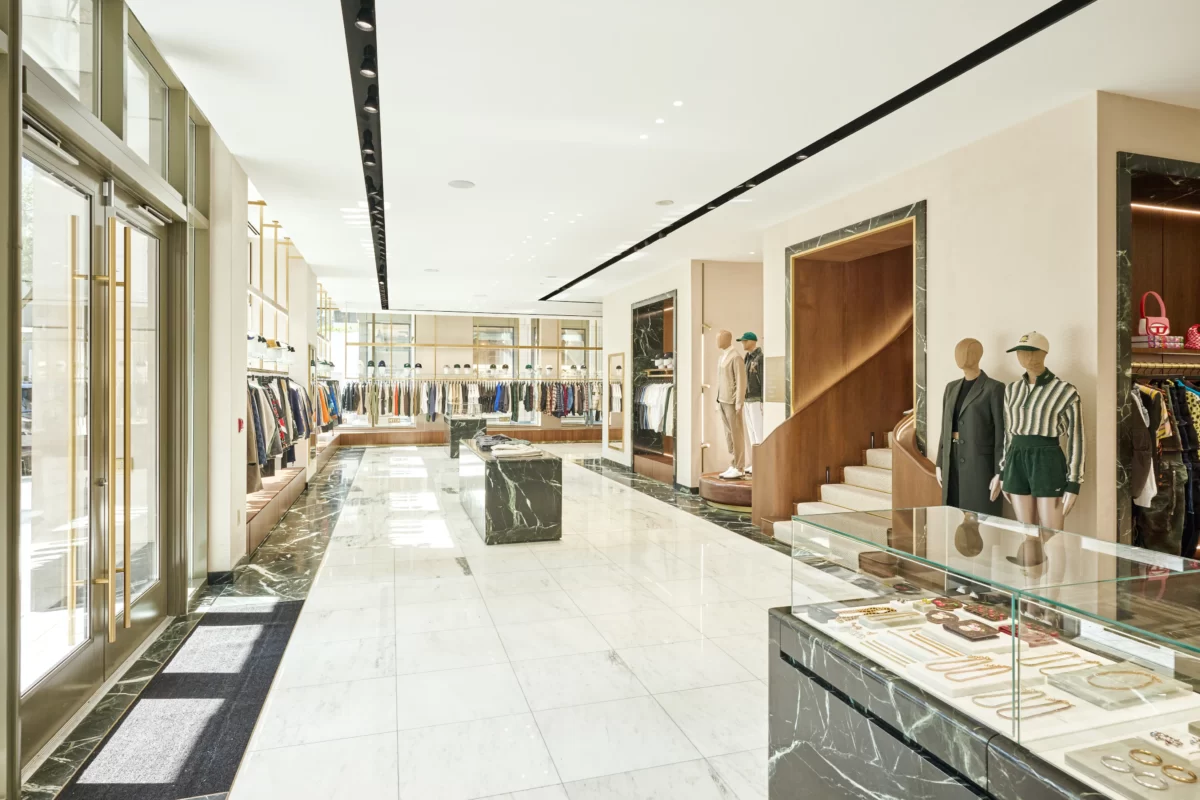
Kith store at 78 Yorkville Avenue in Toronto. Photo: Kith

New York City-based lifestyle retailer Kith is preparing to open its first Canadian store at 78 Yorkville Avenue in Toronto on Friday of this week. The stunning retail space took months to build, and features two foodservice businesses as well as an expansive range of fashions for adults and kids. 

The popular youthful retailer, founded in 2011 by Ronnie Fieg, began as a footwear retailer and later expanded to streetwear and other fashions. Kith has a handful of stores globally with Toronto now being among them. 

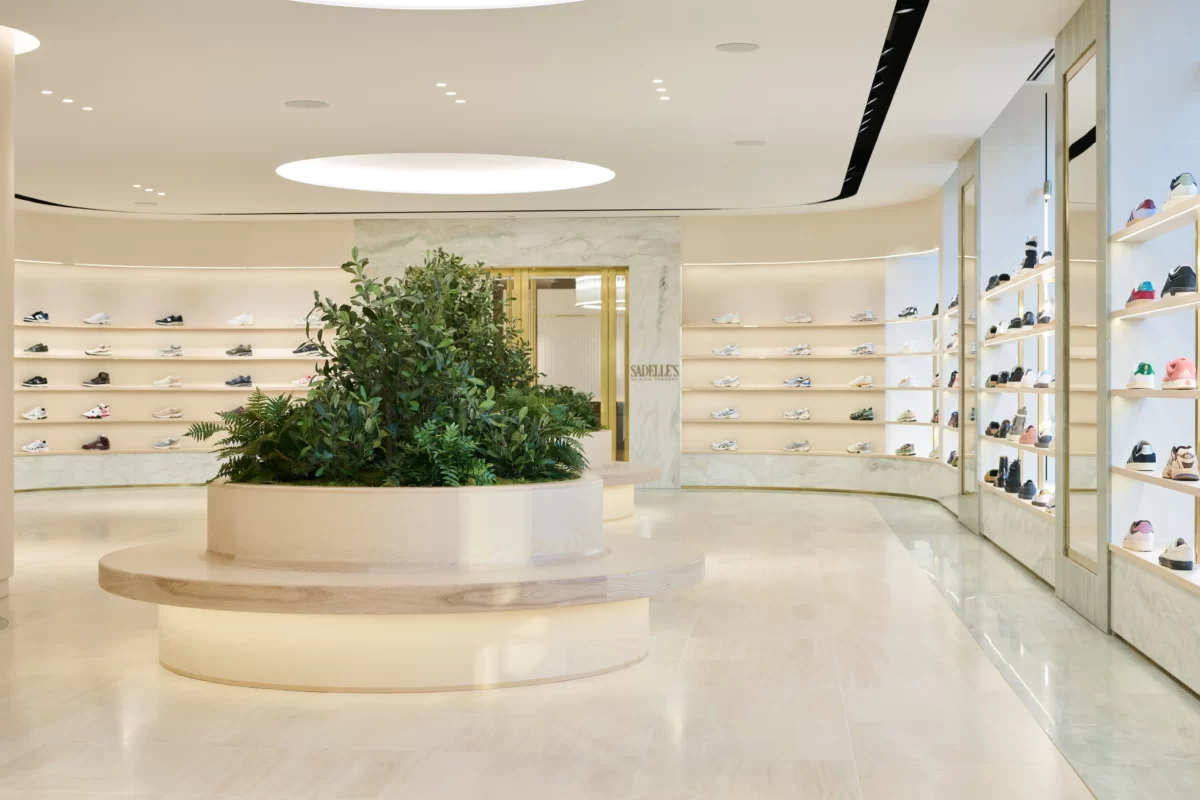
The approximately 10,000 square foot Toronto storefront spans two levels, in a retail space that most recently housed an Anthropologie store. And while the Kith store technically opens on Friday, it’s already been merchandised with photos supplied in this article. 

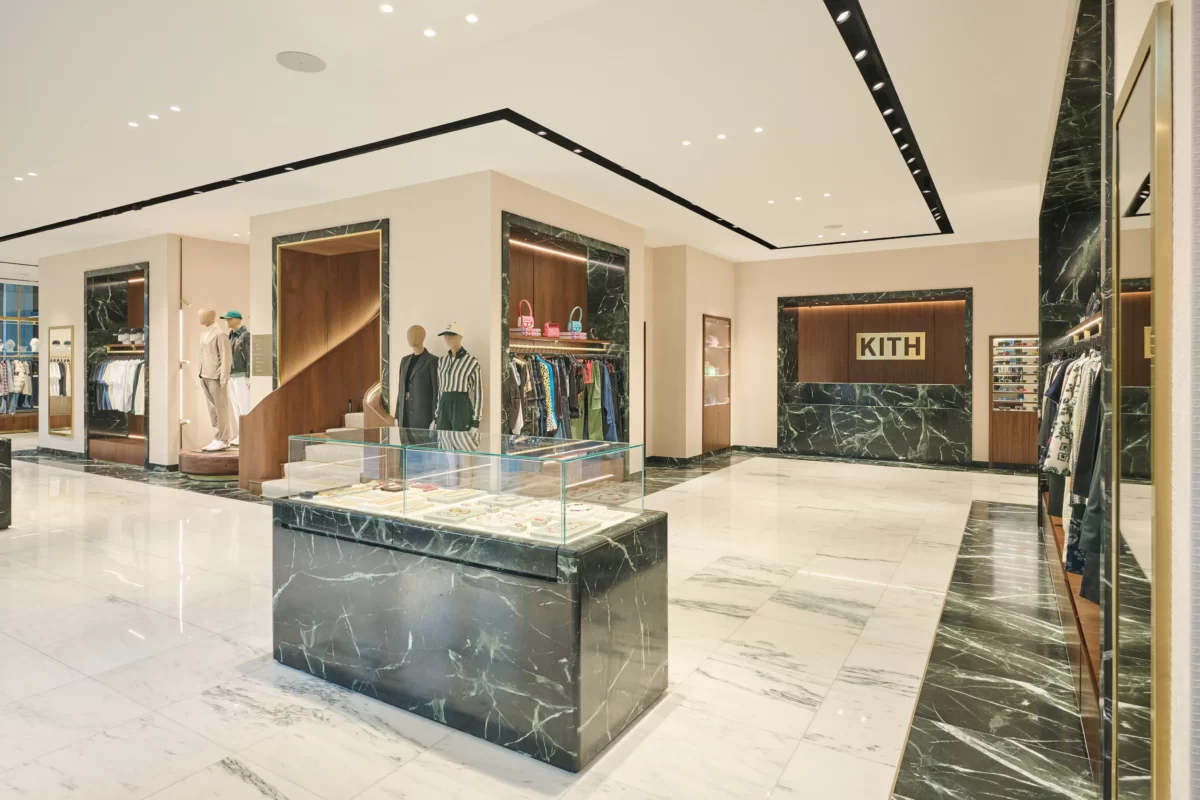
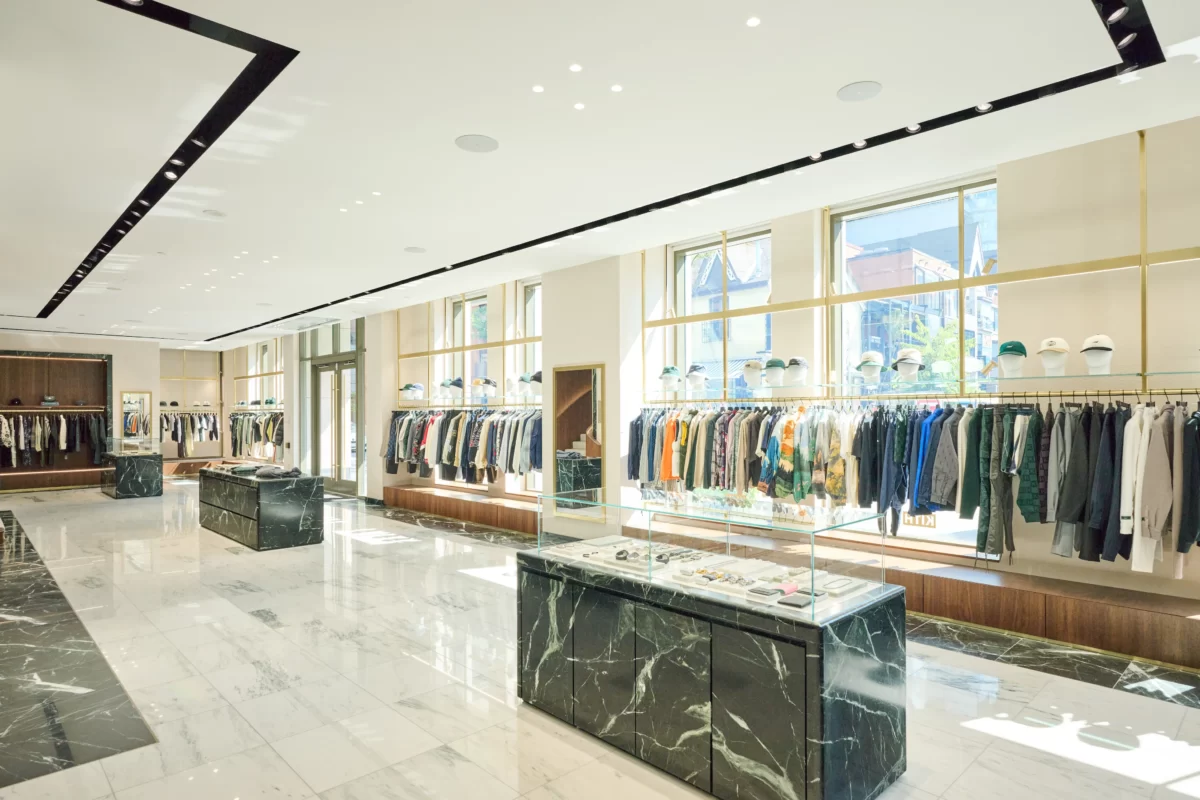
Street level of the new Kith store at 78 Yorkville Avenue in Toronto. Photo: Kith

Included in the new Toronto store is Kith’s own in-house branded products, as well as a range of other brands of ready-to-wear apparel, accessories, and footwear for men, women, and kids. Part of Kith’s business model includes limited edition product drops, which creates a perception of scarcity and will lead to occasional lineups outside of the new store. 

First Capital REIT owns the retail space where Kith is located in Toronto. Eric Sherman, Head of National Operations at First Capital, said, “We are thrilled to welcome Kith into our world class portfolio in Yorkville. This is a brand we have been coveting and working with for several years and it is super exciting to finally bring the concept to life in Canada in such an impactful way. We’ve worked with a lot of amazing and unique concepts, but I can assure you, this one is special!”

Michael Yadgard of brokerage Compass represented Kith in the lease deal with First Capital REIT. 

Kith’s founder/CEO/Creative Director Ronnie Fieg designed the space in collaboration with design-build firm SAJO, which has built numerous luxury brand stores in Canada as well as globally. 

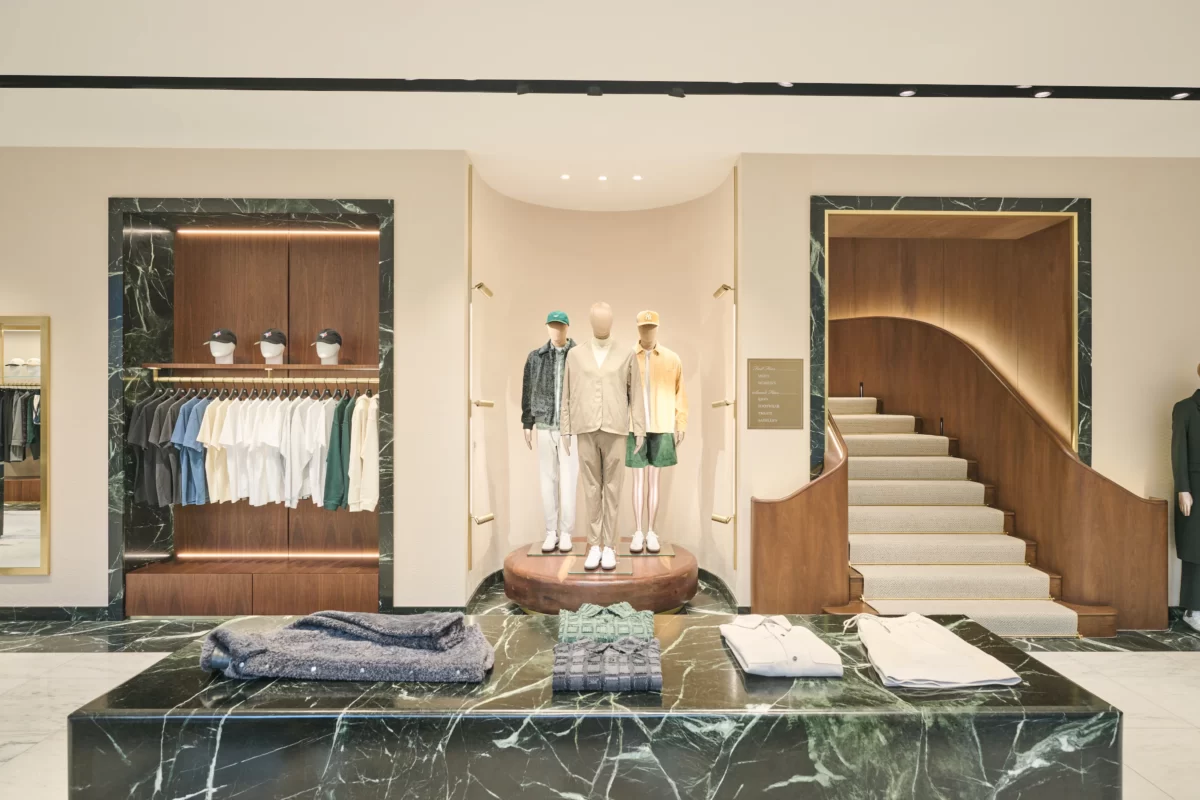
Stairway leading to the second level of the new Kith store at 78 Yorkville Avenue in Toronto. Photo: Kith
Second level of the new Kith store at 78 Yorkville Avenue in Toronto. Photo: Kith
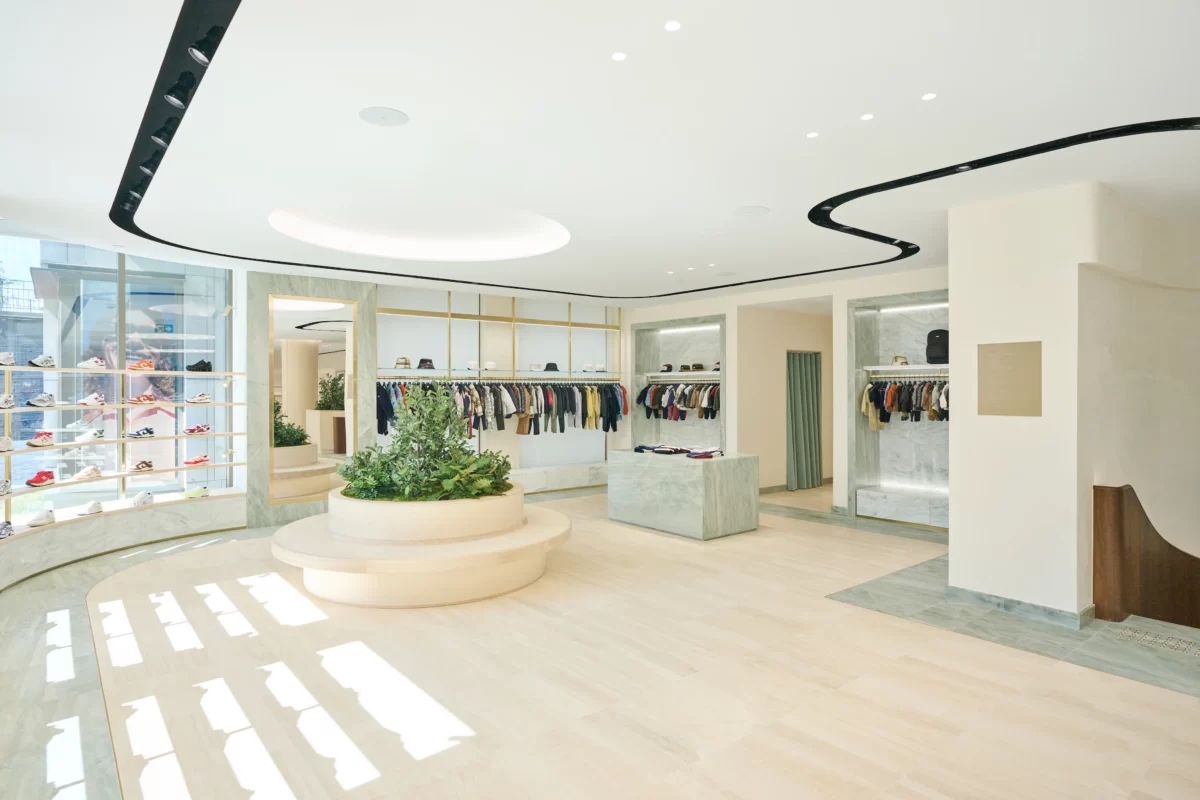
Second level of the new Kith store at 78 Yorkville Avenue in Toronto, including kid’s fashion area. Photo: Kith
Second level of the new Kith store at 78 Yorkville Avenue in Toronto. Photo: Kith

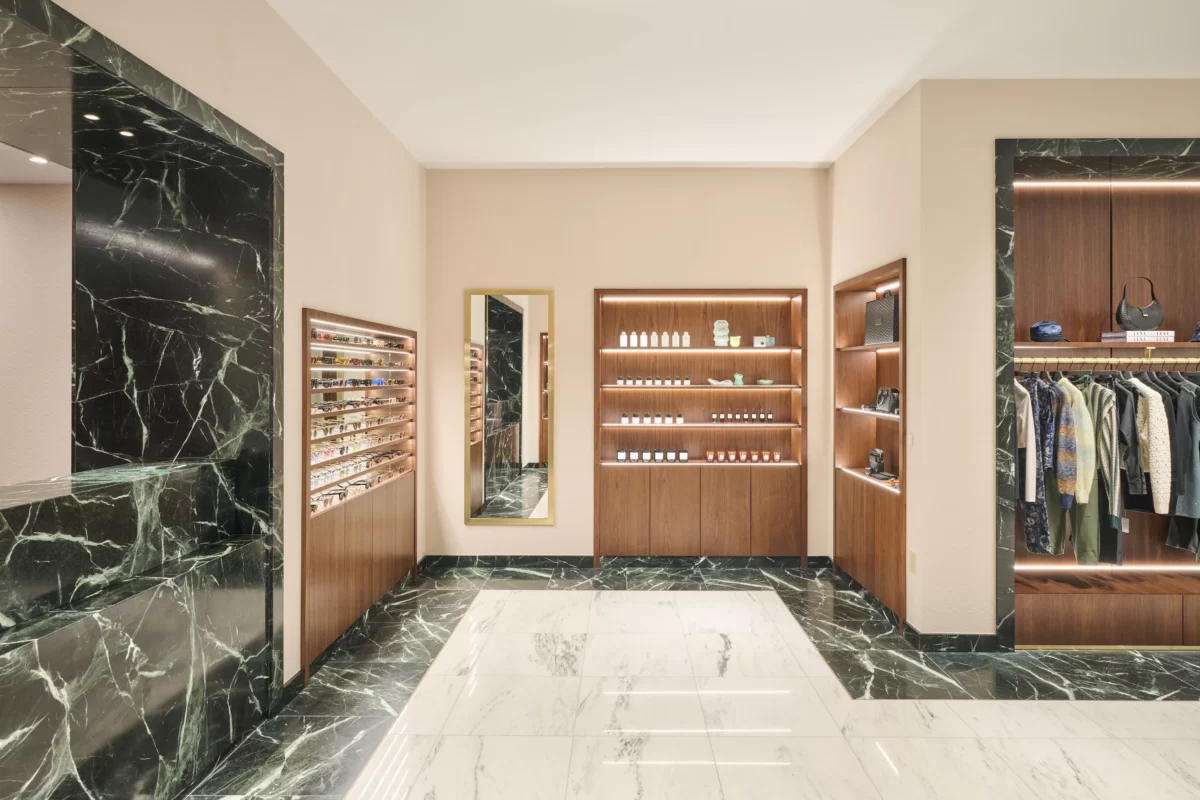
The design of the new Toronto Kith store is described as being “clean and modern” with ample use of Venetian plaster, Alba Chiara, and Verias Green Marble. White, blue and brown are the primary colours used in the interior, with greenery placed throughout the store. Change rooms and elevators are covered with vegan leather wallpaper featuring the Kith Classic logo. The south-facing retail space will be flooded with sunlight on sunny days, creating a dramatic space showcasing product within. 

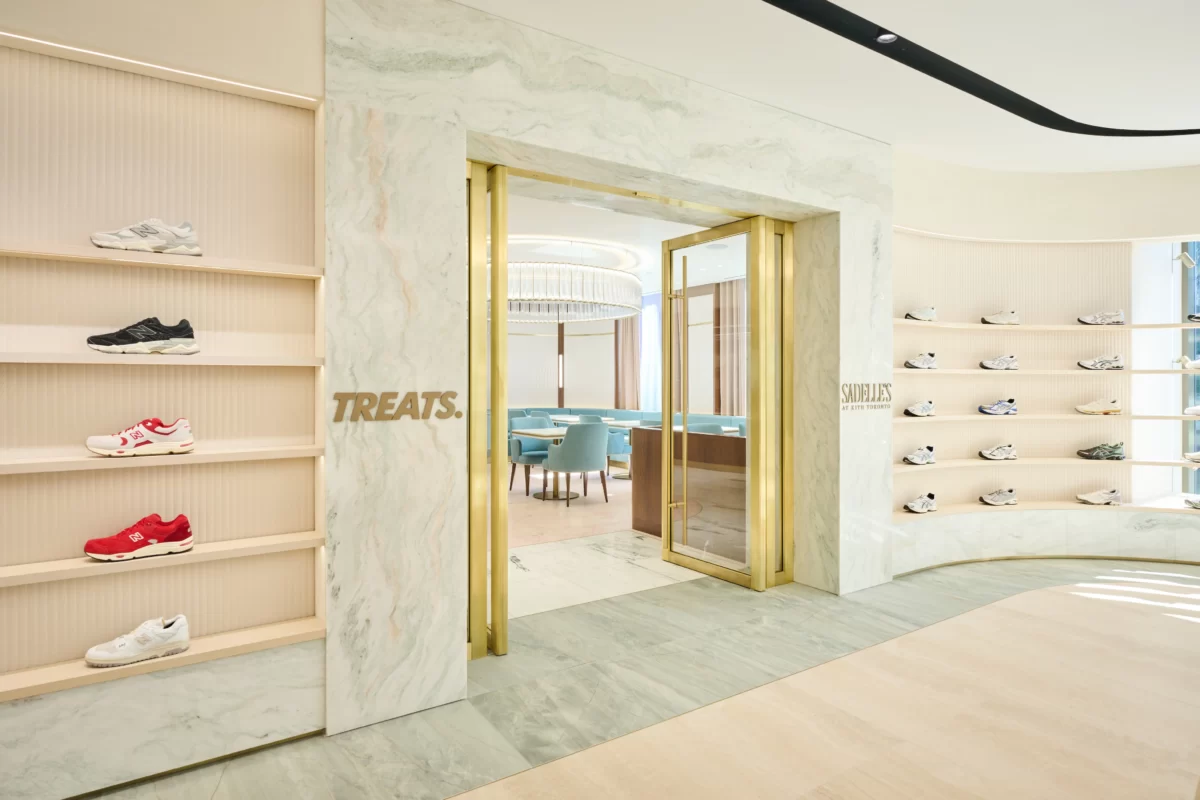
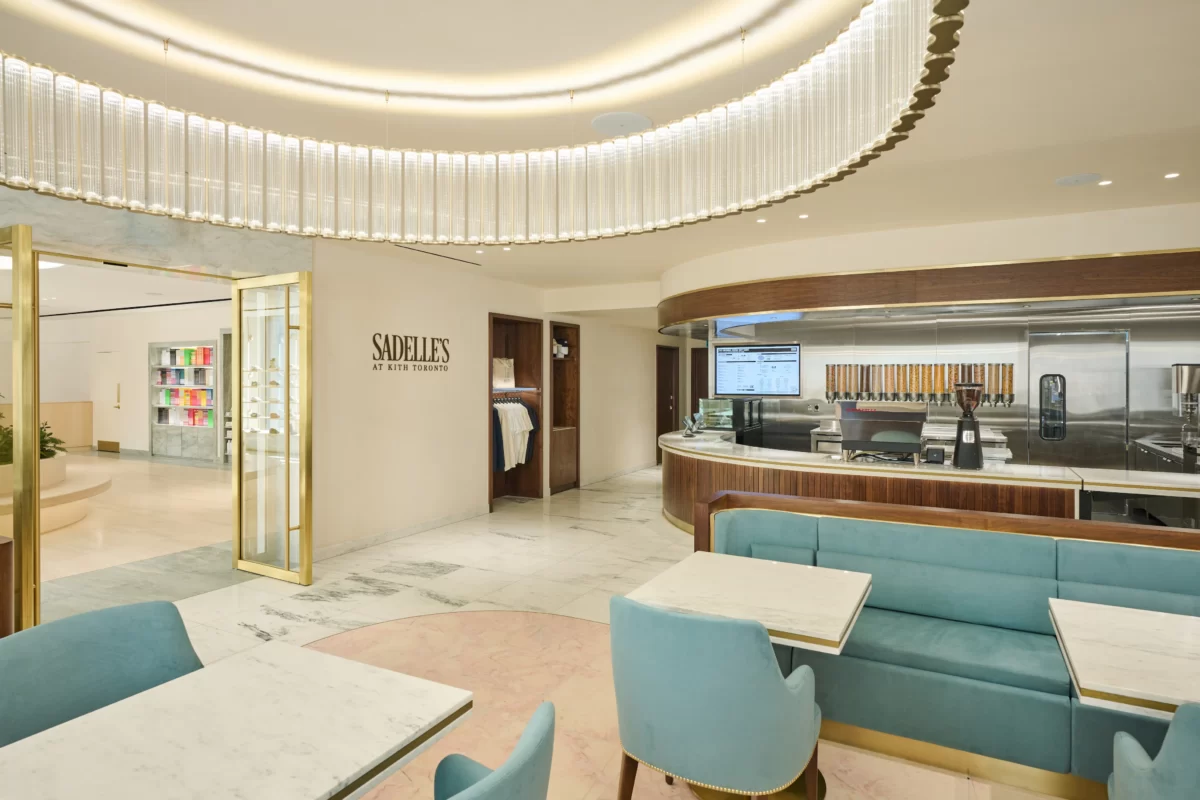
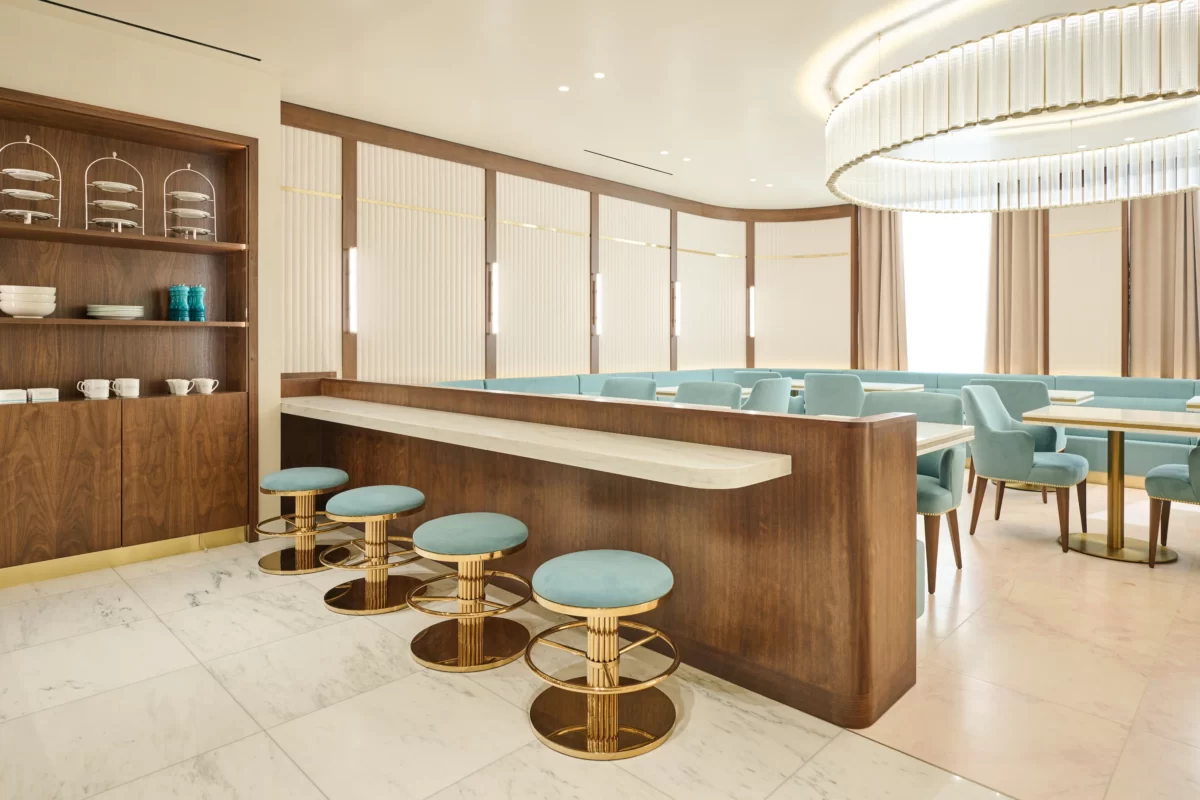
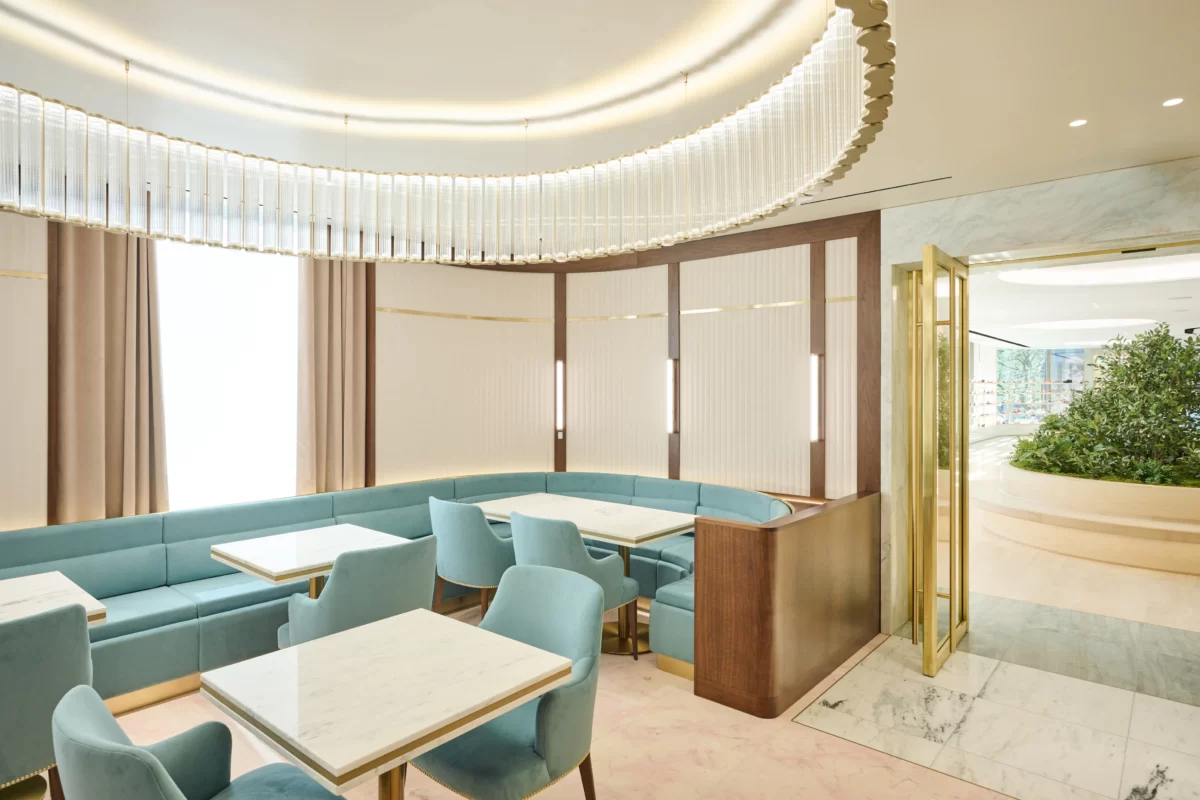
The main floor of the store houses men’s and women’s apparel and accessories. The second floor features an expansive footwear department and kid’s apparel. Also included on the second floor are kitchen facilities and dining areas for two foodservice businesses — a Kith Treats cereal ice cream bar and Sadelle’s restaurant, featuring views over Yorkville Avenue. 

Kith Treats was founded in 2015 and can be found in Kith’s large standalone stores globally. The Sadelle’s restaurant will feature all-day dining offerings of bagels, sliced-to-order salmon, chopped salads, French toast and more. The only other Kith stores to feature Sadelle’s are the locations at the Miami Design District in Miami, and in Paris. Other standalone Sadelle’s locations can be found in New York City, Las Vegas, Coconut Grove, Dallas, Boca Raton, and Riyadh Saudi Arabia. Pricing will be in line with what one might expect from a new restaurant in Yorkville.

Second level entrance to Kith Treats/Sadelle’s restaurant at the new Kith store at 78 Yorkville Avenue in Toronto. Photo: Kith
Second level Kith Treats/Sadelle’s restaurant at the new Kith store at 78 Yorkville Avenue in Toronto. Photo: Kith

To mark the Toronto opening, Kith worked with footwear brand New Balance to reinterpret the 1700 silhouette, with two new colorways inspired by the city. Each colorway features a premium pigskin leather upper with a padded collar seen on the interior. The Roccoco Red colorway will be available Friday, September 22 exclusively at the Kith Toronto flagship, and on Monday, Kith will launch a limited number of the Rococco Red colorway styles on Kith.com, EU.Kith.com, and CA.Kith.com. On Monday September 25, the Marshmallow colorway style will be available at all Kith stores, Kith.com, EU.Kith.com & CA.Kith.com.

Hours for the Toronto Kith store will be Monday to Saturday 11am-8pm, and Sundays 11am-7pm. 

Kith is expected to drive more foot traffic into Toronto’s Bloor-Yorkville area, which has seen a flurry of construction activity including the building of new stores. Kith will join other retailers in the area focusing on youth culture and streetwear including CNTRBND, which operates two retail spaces on Yorkville Avenue and Bellair Street. Yorkville Avenue is also home to luxury brands including Chanel, Balenciaga, Versace, Stone Island, Brunello Cucinelli, Christian Louboutin and others, while nearby Bloor Street is home to flagships for brands such as Louis Vuitton, Tiffany & Co., Dior, Prada, Gucci and others, with more on the way. 

Kith operates 12 other standalone stores globally in the New York City area (four locations), Los Angeles area (two locations), Miami area (two locations) and in Honolulu, Aspen, Paris and Tokyo. The retailer also operates concessions at Bergdorf Goodman in New York City, Hirshleifers in Manhasset New York, and at Selfridges in London.

Exterior of the new Kith store at 78 Yorkville Avenue in Toronto. Photo: Kith

Square Ventures into the Canadian Cannabis Market with Jane Technologies Partnership

Photo: iStock (licensed)

Technology company Square, knowns for its innovative payment solutions, has announced a strategic partnership with Jane Technologies, the premier online ordering platform service for cannabis dispensaries. This collaboration signals Square’s entry into the Canadian cannabis market, offering licensed cannabis retailers a comprehensive solution for both online and in-person commerce.

Jane Technologies, widely known as “Jane,” empowers cannabis dispensaries integrated with Square to expand their business horizons beyond traditional brick-and-mortar operations. Through the Jane platform, customers gain access to an up-to-date menu of cannabis products, enabling them to place orders for convenient pick-up or delivery.

This strategic alliance represents a significant leap forward in the joint mission of Square and Jane to enhance commerce solutions within Canada’s booming recreational cannabis industry.

As part of this initiative, Square is rolling out an exclusive Early Access Program tailored for licensed cannabis dispensaries. This program extends a unique opportunity to authorized cannabis sellers in Ontario, allowing them to be among the first to test Square’s comprehensive retail point-of-sale solution within their physical stores before its broader deployment.

Roshan Jhunja, Head of Retail at Square, expressed the company’s unwavering commitment to addressing the distinctive needs of cannabis dispensaries.

“Square is continually driven to resolve the challenges faced by sellers, and we recognize that cannabis dispensaries have been underserved when it comes to reliable and integrated commerce tools. Dispensary owners are searching for an easy-to-use, fully integrated omnichannel solution to streamline their operations both in-person and online. We are privileged to collaborate with Jane in developing a robust online offering and encourage cannabis dispensaries to explore our software, hardware, and payment solution through our Early Access Program,” he said.

Jane’s CEO, Socrates Rosenfeld, echoed the sentiment, highlighting the synergy between the two companies’ visions.

“Square’s reputation as a global commerce leader speaks volumes, and our partnership with Jane, driven by our shared commitment to empower traditional retailers with top-tier digital tools, felt like a natural progression. We are thrilled to merge Square’s robust point-of-sale infrastructure and APIs with Jane’s powerful ecommerce platform to deliver a best-in-class omnichannel experience to Canadian cannabis retailers,” he said.

The legalization of recreational cannabis in Canada in 2018 ignited a rapidly expanding market estimated to be valued at over $4.5 billion, with projections indicating annual growth of more than 18% through 2024.

Licensed cannabis dispensaries in Ontario keen on participating in Square’s Early Access Program to engage in in-person sales with Square for Retail and delve into online commerce through Jane can access detailed information and sign up via the official website.

Canadians Gear Up for Early Holiday Shopping Amid Economic Uncertainty [Feature Report]

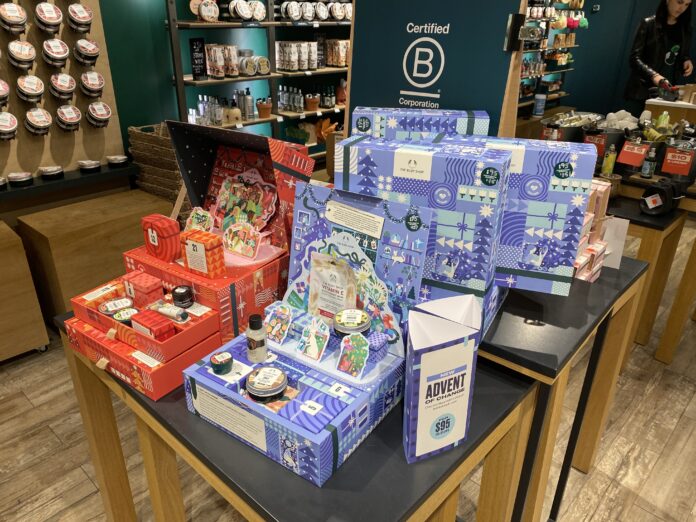
The Body Shop Christmas Advent Calendar (Image: Dustin Fuhs)

It’s hard to believe but Christmas is only a few months away and people are already starting to shop for holiday gifts in preparation for the busiest retail time of the year.

To get an early read on the biggest retail season of the year, Field Agent Canada surveyed 2,104 Canadians about their initial thoughts on holiday shopping for 2023. 

The survey found that 44 per cent of people are going to be shopping earlier, four per cent later and 52 per cent the same. 

TVs at Best Buy Canada on Black Friday 2022 (Image: Dustin Fuhs)

“Retailers and suppliers will be wise to put their best foot forward in terms of assortment and pricing to capture the spending by those early shoppers,” said Jeff Doucette, General Manager, Field Agent Canada. 

Jeff Doucette

“Shoppers will be on the lookout for deals and to create a Merry Christmas while controlling overall spending.”

When asked what month they will start their holiday shopping, the breakdown was as follows: already started, 18 per cent; September, 13 per cent; October, 25 per cent; November, 35 per cent; 1st 15 days of December, 10 per cent; and last few days before Christmas, three per cent.

Doucette said retailers are trying to get out earlier and earlier, ahead of each other. 

“I think COVID, and the supply chain challenges there, trained us to get it while you can,” he said. “And I think just with the recession, people have more of a sensitivity around price and if they see a good deal on something they’re grabbing it because it might not come back later.

“We asked people if they bought any holiday gifts during Amazon Prime Day in July and 26 per cent said yes. So sometimes they’re doing it not even consciously that they’re buying stuff for Christmas. It’s kind of out of sight, out of mind. 

Holiday Display at Lindt CF Toronto Eaton Centre (Image: Dustin Fuhs)

“Also, 74 per cent of respondents said they would buy Christmas gifts during the second Amazon Prime Day in October. The big events coming up for shopping like Black Friday 86 per cent will shop on that day, 76 per cent will shop on Cyber Monday.”

Here’s where Canadians plan to buy holiday gifts: shopping centres, 77 per cent; big box stores, 81 per cent; small local shops, 54 per cent; online retailers, 81 per cent; and craft fairs, 34 per cent.

With rising concerns about inflation and a potential recession, Canadians were asked if this would impact how much they spend this holiday season – 16 per cent said No and 84 per cent said Yes.

CF Toronto Eaton Centre on Black Friday 2022 (Image: Dustin Fuhs)

When asked if those factors would impact where they spend their money, 32 per cent said No and 68 per cent said Yes.

“We don’t have any comparables (to previous years) but sort of the sentiment when we go through some of the verbatims in the survey is like ‘my holiday budget hasn’t gotten bigger even though there is inflation, so I need to be smarter or in the end just buy less things’ and part of that solution is the follow on question of shopping in different places where they wouldn’t have shopped in the past to find gifts that may be a better deal,” said Doucette.

“Those big box, discount retailers have that advantage where people might shop early, grab some deals . . . watching the flyers a bit more. It’s pretty important.”

Doucette said people feel they have to be smarter these days to outwit inflation.

Walmart Canada Announces $50 Million Investment in Associate Career Development [Interview]

Image: Walmart Canada

Walmart Canada is investing $50 million over the next five years in associate career-driven learning and development, offered through programs at top-tier schools in Canada.

The company will cover the cost of tuition, books, and course fees for associates through its Live Better U (LBU) education program.

AnnMarie Mercer

“We believe there is a path for everyone at Walmart and we want to remove barriers to high quality education,” said AnnMarie Mercer, Chief People Officer, Walmart Canada. “We’re proud that through LBU, we’re offering our associates a program designed with them in mind. LBU meets associates where they are on their educational journey by offering online, flexible programs to help them balance work, life and school.

“As the retail environment, and I’ll actually go beyond just the retail environment, the world around us is changing quite rapidly and as we think about the future how do we ensure that we’re continuing to upskill our associates to meet the needs both today and in the future. That’s kind of the genesis behind LBU. It’s really about upskilling for the future.”

Live Better U Canada (Image: Walmart Canada)

LBU offers a path for all associates, whether they’re looking to accelerate their growth, get in-demand credentials, or receive a degree or licensing for a specialized role. The course offerings were curated based on the new and future needs of the business. Some offerings include:

  • Growth accelerators such as English as a Second Language, French as a Second Language and GED courses;
  • In-demand courses and certificates such as project management, data analytics, omni retail, ecommerce, business communications and strategy; and
  • Degrees and licensing for pharmacy technicians and opticians, with more to come.

“As we think about talent, every organization is looking for critical skills for the future . . . We want to make sure we have a path for all. Within Walmart we have very different career paths and associates can explore whether it’s a pure retail operations side or a career in HR, a career in technology, data, etc.,” said Mercer. “And given our size as an employer, 100,000 associates across Canada, we want to (ensure) we are creating opportunities for our associates to grow and that is both within our local market as well as preparing and creating paths for individuals internationally, given that we operate in many different markets around the world.”

Image: Walmart Canada

Mercer said the program in Canada will likely touch thousands of people across the country.

She said the retailer wants to ensure associates are trained and equipped with the skills of the future so they stay and grow with Walmart Canada. All eligible permanent part-time, full-time, and salaried Walmart Canada associates can apply to LBU.

“LBU has been a game-changer in the U.S. these past five years, and we’re thrilled to expand our footprint and offer this life-changing benefit to even more Walmart associates,” said Lorraine Stomski, SVP, Associate Learning & Leadership, Walmart Global. “Our participants are more likely to be promoted and less likely to leave the company than their peers, meaning it helps our people and our business. Nearly 120,000 Walmart U.S. associates have taken advantage of the opportunity to grow with the company while building a brighter future and better life. We can’t wait to see that impact continue to grow with this expansion.”

Walmart has more than 400 stores across Canada.

LBU is the latest offering in a comprehensive learning and development offering at Walmart Canada. Last year, they launched an internal talent marketplace: an AI-enabled platform that provides visibility to career paths within the company. In addition, associates have access to OnDemand learning platforms including Harvard Spark, Harvard ManageMentor, and ExecOnline.

“LBU is a part of a whole ecosystem of learning. Earlier this year we launched another program called OnDemand Skills and this is various different programs through key partners . . . It’s an element where you can take and upskill any time, anywhere. That’s for various different disciplines. It could be for data. It could be many different topics,” said Mercer.

“We also have our Walmart Academy which is really around building critical skills that we require which are job requirements for today. And LBU is really about preparing for the future. So that way we’ve got various different streams as we think of the whole talent ecosystem of how do we build pathways for all of our associates when, how and where they want to take it.”

Mercer said associates have told the retailer that they want to continue to grow, to continue to learn. This gives them the opportunity to continue to build skills for a future career with the company.

“I think we’re really excited about this because everyone is looking for critical skills in the future. We really have taken an internal first approach in a way that we can continue to grow our talent. They’re ambassadors of our culture and what we believe in. We have a very strong purpose as an organization with a save money, live better purpose. We believe that across all the things that we do,” she said.

“So if we can continue to develop talent within our organization, those are great leaders for the future as well.” 

Eliminating Plastics Should not Jeopardize Food Security In Canada [Op-Ed]

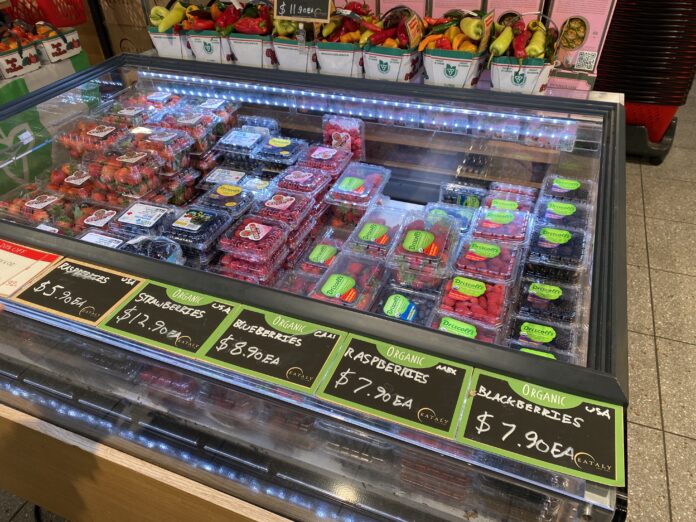
Eataly Bloor Street (Image: Dustin Fuhs)

Plastic undoubtedly remains a significant environmental concern, and there is a widespread consensus that it demands immediate attention. While addressing plastic bags and utensils presents relatively straightforward challenges, the real dilemma lies in addressing plastic packaging, particularly within the grocery store sector. This summer, the Canadian government introduced the Pollution Prevention Planning Notice (P2), a targeted initiative aimed at primary food plastic packaging used for food. P2 seeks to compel Canada’s largest grocery retailers to formulate pollution prevention strategies with a focus on reducing, reusing, and reimagining primary food plastic packaging, with a strong emphasis on incorporating recycled materials. Kudos to the government for taking this vital step.

A striking statistic reveals that roughly one-third of all plastic packaging in Canada pertains to grocery store food packaging, much of which is designed for single-use purposes. From juice boxes and produce bags to yogurt containers and meat trays, the sheer ubiquity of such packaging necessitates immediate action. Initially, Environment Climate Change Canada (ECCC) proposed voluntary industry targets, but it is not challenging to envision a progression towards more stringent obligations over time. However, recent developments indicate a notable shift in the approach’s tone, as the industry’s commendable efforts to reduce plastics are seemingly undervalued. ECCC appears to remain impervious to reasoning beyond ideology and seems to overlook the potential consequences of hastily pursuing plastic elimination, effectively sidelining science-based policymaking.

The ramifications of P2 could be profound for our access to fresh produce. Canada imports approximately $7 billion worth of fruits and $3.5 billion in vegetables annually. International trade plays a pivotal role in ensuring affordable food for Canadians. While we export our food globally, we also depend on global markets for our sustenance. Hence, the economics of food packaging hold immense significance, both domestically and internationally. Surprisingly, many foreign suppliers who provide produce to Canada remain unaware of P2 and its potential repercussions. Over the years, several food manufacturers, including Nestle, have exited the Canadian market for various reasons, withdrawing some brands. P2 could further discourage key suppliers that support our healthy aspirations.

A few years ago, a comprehensive assessment led by one of Canada’s foremost supply chain management and food waste experts, Dr. Martin Gooch, projected that ineffective packaging could lead to nearly half a million metric tonnes of increased food losses and waste compared to current levels, valued at CA$2.5 billion. It’s worth noting that this estimate is considered conservative. Significantly, the highest losses are anticipated in perishable commodities vulnerable to damage or those necessitating specialized packaging. Plastic packaging often extends the shelf life of products sensitive to ethylene, a natural ripening agent produced by fruits and vegetables. For example, carrots are susceptible to ethylene produced by neighbouring produce, which shortens their shelf life, affects their appearance, and diminishes their taste. Less appealing produce at retail translates to reduced consumer desirability.

Loblaw Empress Walk (Image: Dustin Fuhs)

The report’s findings were quite specific, indicating that beans would suffer the most significant increase in losses at 100%, followed by soft berries and cucumbers at 90%. Leafy greens (73%), carrots (61%), cherries and grapes (50%), beets (45%), and soft fruit (34%) would also see substantial losses. Across the 20 commodities currently sold prepackaged in plastic, moving away from plastic packaging would result in a 17% increase in loss. In essence, the elimination of plastics could inadvertently impact food prices at retail.

ECCC’s most significant oversight appears to be its failure to consider the unique logistical and trade realities of Canada. It seems that ECCC is primarily influenced by ideas drawn from European studies. However, it’s crucial to note that in the UK, for example, a far greater proportion of fresh produce sales are prepackaged compared to Canada. Less frequently mentioned is the fact that even these changes would lead to increased labour requirements, higher operational costs, and other forms of pollution, such as supply-chain emissions. More comprehensive data and a thorough scientific evaluation of the consequences are unquestionably required.

There is no denying the urgency of eliminating plastics from grocery stores. However, it is equally vital to understand the potential repercussions of such actions. Currently, it appears that ECCC is indifferent to the future blame that may be solely directed at the food industry for higher food prices when it was the implementation of ECCC’s policies that contributed to this outcome. And ECCC is fully aware it can evade accountability.

A more nuanced approach is undoubtedly warranted – one that adeptly balances environmental objectives with the economic and logistical realities of Canada’s food industry.