Retail Insider is streamlining its Canadian retail news from around the web to include a handful of top news stories that can be viewed quickly during the day. Here are the top stories from the past 24 hours.
Pilgrim, a Denmark jewelry brand, is going to be opening up its sixth location in Canada inside the CF Toronto Eaton Centre, has plans to expand, and will be celebrating its 40th anniversary this year.
Pilgrim opened in 1983 in Denmark by Annemette Markvad as she was inspired to create handcrafted jewelry that was fun without high prices. The brand started by Markvad selling her designs at music festivals and 40 years later, Pilgrim is known internationally.The brand was brought over to Canada eight years ago by Robert Hayes, the Pilgrim North American CEO, and has been growing steadily.
Robert Hayes
Hayes was introduced to the brand while living in Denmark and noticed how versatile the brand was as he saw a mix of generations wearing Pilgrim jewelry.
“This brand is for every soul and is a new concept. It is for everybody. Seeing a lot of people wear Pilgrim sparked my curiosity within the brand and then I approached Annemette Markvad, and it took a year to convince her that I would be the right person to carry her values and her brand into Canada and about eight years ago I started the distribution division in Canada,” says Hayes.
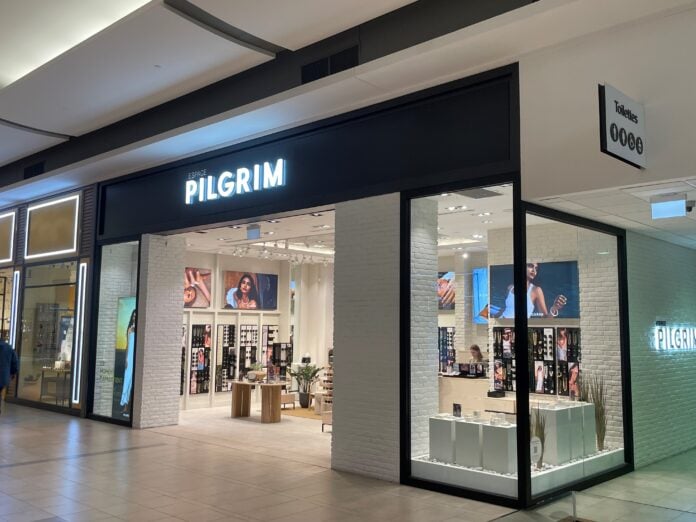
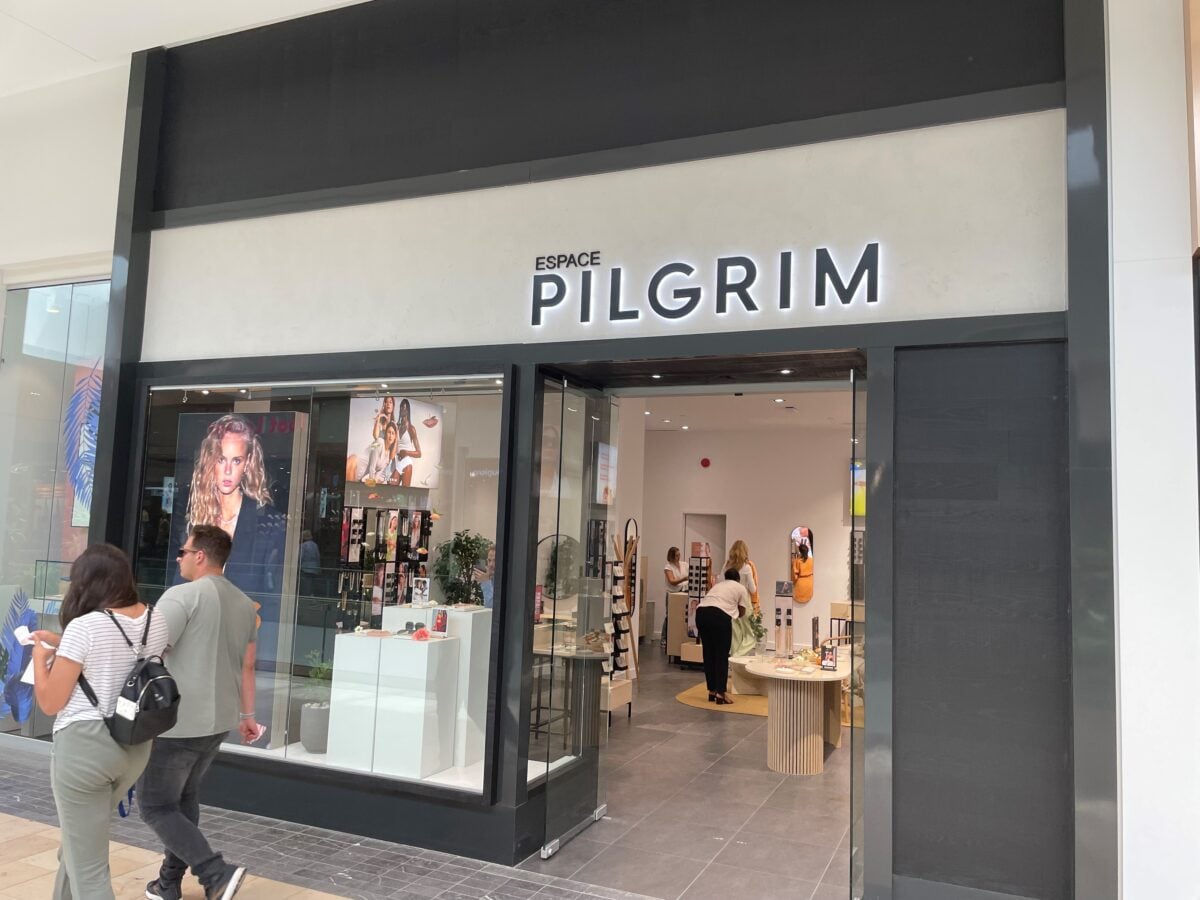
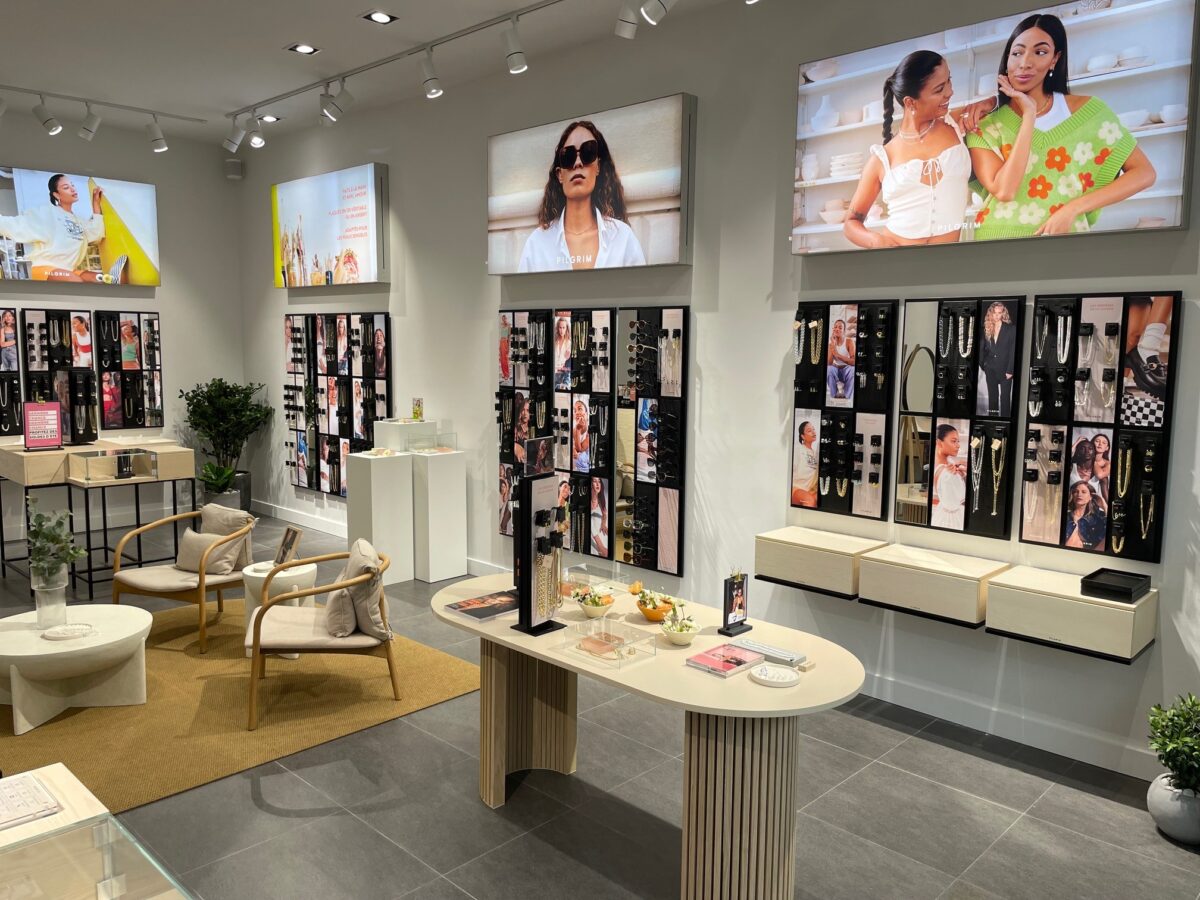
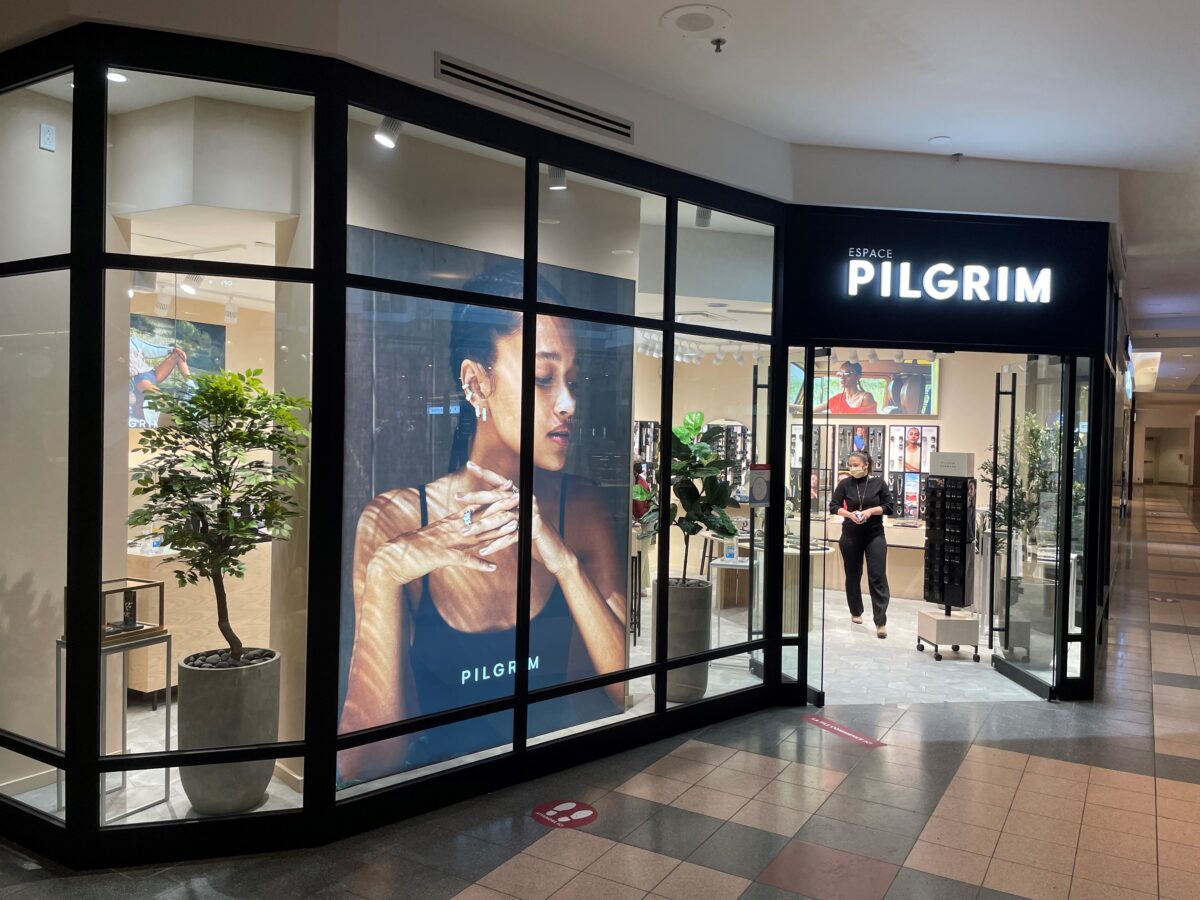
Future Pilgrim at CF Toronto Eaton Centre (Image: Dustin Fuhs)Pilgrim at CF Carrefour Laval (Image: Pilgrim)
All jewelry sold at Pilgrim is handcrafted, lead and nickel free, and have collections for everyone. Consumers can find assortments such as earrings, necklaces, bracelets, sunglasses, and more. All of Pilgrim’s products are also hypoallergenic.
The first location was in Montreal as a pop-up in 2019 at Place Montreal Trust where it later turned into a permanent location a year later. Pilgrim also has stores at Quartier DIX30 in Brossard, CF Carrefour Laval near Montreal, Galeries de la Capitale in Quebec City, and at CF Rideau Centre in Ottawa. Hayes says the next store opening will be in the CF Toronto Eaton Centre in Toronto, which will be opening at the end of June.
“The CF Toronto Eaton Centre has always been on my bucket list. I think that people in the Toronto area love to discover new things and so by being at the Eaton Centre, it allows us to expand our reach with new consumers and people who have already been following the brand.”
New Concept
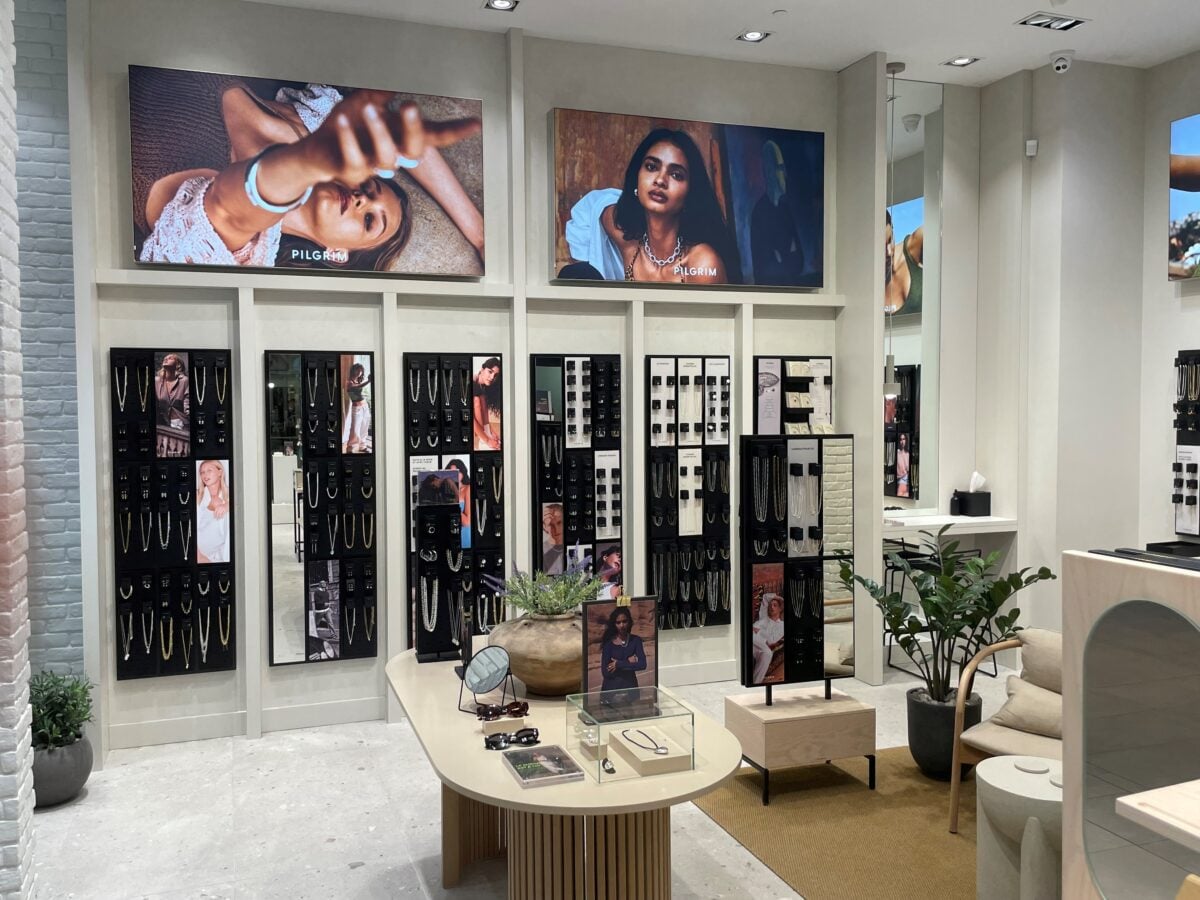
Image: Pilgrim
The Pilgrim locations in Montreal are usually between 700 to 800 square feet; however, the new location in Toronto will be 1,200 square feet as Hayes will be testing a new concept. The store in Toronto will have a piercing studio inside which will give consumers privacy and will provide an elevated experience.
“We found when it comes to piercings, there is not a lot of regulation. So all of our piercers are certified. When we did our research, we found that for most people, person A shows person B how to use the gun and that is it, and good luck. For us, we have a two week intensive course to bring a more elevated experience and a private area where consumers can get their piercings done will add onto their experience.”
The Toronto location will be the first Pilgrim store in Canada to have a piercing studio and if successful, Hayes would like to expand this new concept into all locations. The opening in June for the Toronto store will have a grand opening which Hayes says will include a DJ, free ear piercings, and will have a local non-alcoholic beverage brands to serve cocktails. Hayes also says he is looking to bring in someone to do people’s nails.
“We would like to have someone come in to do people’s nails at the grand opening so that people could do their nails and then be able to try on our rings and then have the perfect instagram picture of their beautiful fingers with beautiful rings on them.”
Expansion Plans
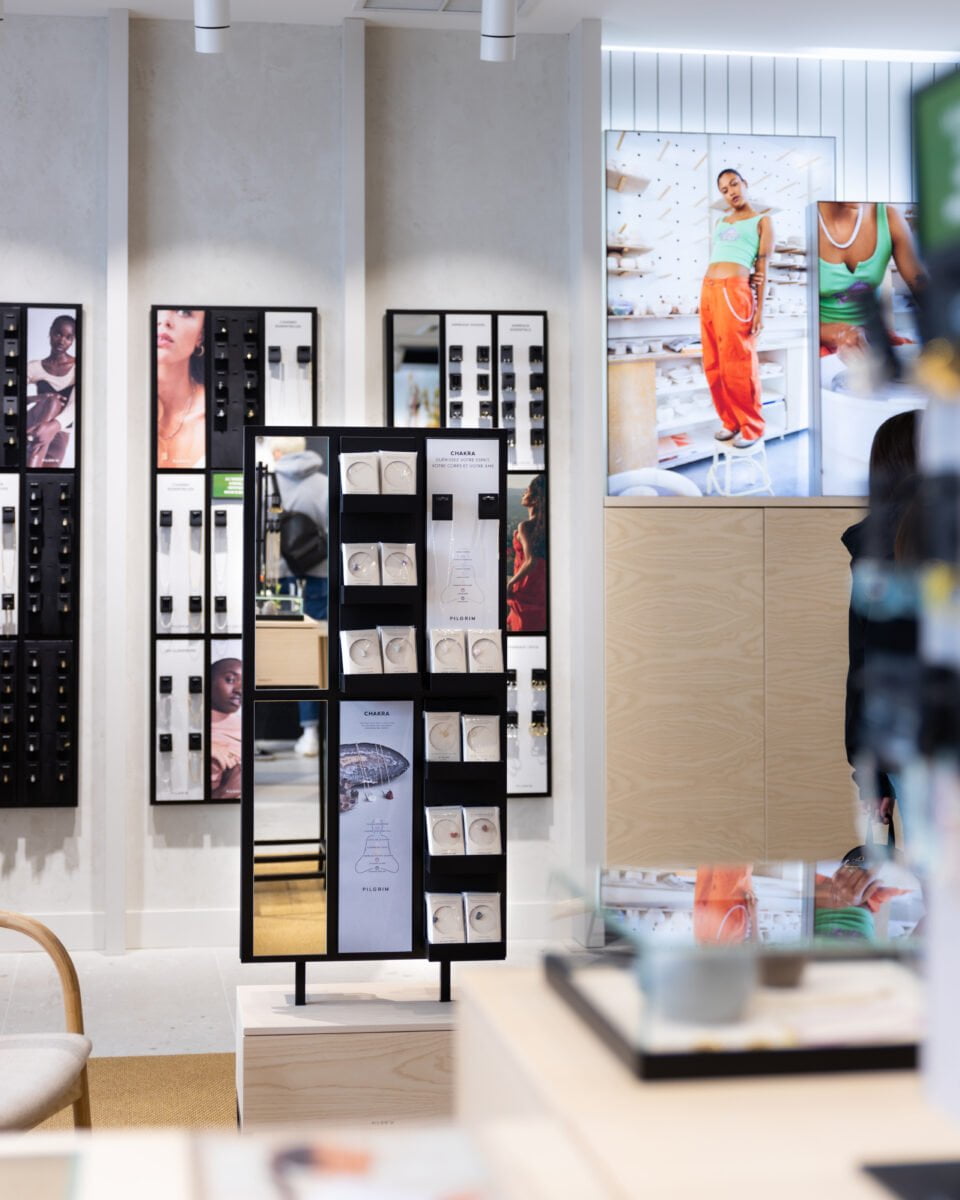
PILGRIM LES GALERIES LA CAPITALE (IMAGE: PILGRIM)PILGRIM LES GALERIES LA CAPITALE (IMAGE: PILGRIM)
Hayes said negotiations are currently in the process of three locations within the GTA area and will announce them once they have been finalized. If all goes well, Hayes says one of these stores will be opening before Christmas and the other two will be opening in January.
On top of these locations, Hayes says the overall goal would be to have thirty locations in Canada.
“I have thirty stores on my list. I had this list even before I started and it was my vision. I have just been slowly checking off the list and going down the road map which is something really important – slow and steady is always the way to go. We have seen a lot of brands come into Canada and move too fast and they don’t understand the market – so we want to make sure we do this slowly and find the perfect locations.”
Hayes says he does deep research before signing a new store as each location has different needs. For example, Hayes has noticed that in Ottawa they love silver, in Montreal they love gold, and in Laval there is a mix which means Pilgrim “needs to change the assortment based on customer demographic.”
“It is constantly evolving the buying merchandising strategy and we really need to adapt to what our customers want. About 32 percent of our customers downtown are also men, so we also have men buying from Pilgrim, so we have to make sure our marketing advertises that and we have the right selection – so that takes time. You don’t learn that right away, but until you roll up your sleeves and learn what consumers want, you won’t succeed.”
Pilgrim Place Montreal Trust (Image: Pilgrim)
In addition to meeting consumers’ needs, Hayes says Pilgrim is also focused on being sustainable. About 60 percent of Pilgrim’s jewelry is made out of recycled materials and Hayes says he is working on increasing that number to one-hundred percent. All the packaging, cards ,and materials used at Pilgrim are also made out of recyclable materials and Hayes says its bags are made out of pea oil so they are not the traditional plastic bag. As the brand expands, Hayes says its sustainability initiatives will also keep growing.
“Pilgrim unites everybody together, no matter who they are, no matter what journey they are on – together they can make their individual style and their own expression. We are all able to express ourselves through Pilgrim and that is the main point of the brand. We have a Scandinavian uniqueness, offer sustainable jewelry, and the price is fair as it is something that is not going to bust the bank.”
Global sporting retailer Decathlon is on an aggressive path of expanding the brand in Canada with upcoming store openings expected in Quebec, Calgary, Ontario and British Columbia.
Emily Manuel, Project Manager of Public Relations and Partnerships with Decathlon, said the retailer plans to open a store in Vancouver this year “which is a huge piece of news because we will finally be coast to coast.”
“We’re really excited about that and we have a couple of locations opening in Quebec. First will probably be Marché Central and then the next after that will probably be (CF Fairview) Pointe Claire and we also have an opening coming in Calgary (at CF Market Mall) and then another one in Toronto (Scarborough Town Centre),” she said. “All of these will be this year.”
The Vancouver location has not been confirmed yet.
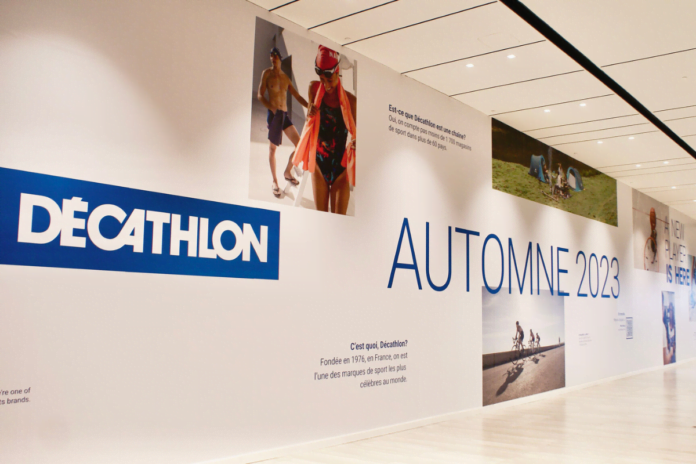
Future Decathlon at Scarborough Town Centre (Image: Decathlon Canada)
Currently there are 15 stores in Canada.
“First in Vancouver we’ll have a pop-up store and then probably in 2024 we’ll have a full size store. The next store opening will be Marché Central. That will be the next flagship store that we’ll have opening,” said Manuel.
She said the retailer’s flagship stores are typically between 35,000 square feet to 60,000 square feet. There’s a few concept style stores that are smaller like in Toronto at its Union Station location.
Manuel said the company does have plans to continue its expansion in Canada. In 2024, a store in Chicoutimi, Quebec is expected to open and the retailer is looking to open about four stores a year.
“Especially with the time in the market there’s definitely an economic shift in terms of how we purchase products and everything along those lines. We’re definitely seeing customers and people being very conscious about how they spend their money and we feel that with our product offering and being able to control everything within the supply chain, it really allows us to adjust our prices to speak to that kind of market and speak to the needs of where we are in the economy right now,” she said.
“We’re definitely seeing customers react positively to the prices we have in store and for our products and the quality is really matching that as well.”
Image: Decathlon CanadaImage: Decathlon Canada
Recently, Decathlon launched its “Play It Smart” campaign in Canada. The campaign aims to reinforce Decathlon’s commitment to offering active lifestyle products that are accessible to all, particularly during these challenging economic times. Decathlon’s new brand messaging highlights how their products are accessible for all while being cost conscious without compromising on quality.
“At Decathlon, our mission is to make sports accessible to as many people as possible, even in difficult economic times,” said Philippe Gariépy, Brand Marketing Manager at Decathlon Canada. “Sport brings so much to the physical and mental well-being, so we believe that it should never have to be sacrificed while the cost of living gets excessively high. That’s why we produce our own products in order to offer quality products at the right price and plan to continue innovating in this sense.”
Decathlon first appeared in Canada in 2018. Brokerage Oberfeld Snowcap is handling lease negotiations in Canada
The ‘Play it Smart’ campaign through traditional (billboards, radio etc.,), digital and in-store media initiatives is aimed to help solidify the retailer’s position in the Canadian market.
“We just want to show that even in these economic times, it’s important to remain active, put your active lifestyle first, if you will,” said Manuel. “And Decathlon is there to support you in those needs and that journey whether you’re starting or you’re working towards being an expert in your sport or activity. We really just want to show Canadians that we’re there to support them in that journey.”
Decathlon has more than 1,700 stores in more than 60 countries.
The ultimate celebration of grocery product innovation and trailblazing leadership is the Canadian Grand Prix New Product Awards Gala, which will take place this year on May 31, 2023, at the Toronto Congress Centre. Hosted by Retail Council of Canada and presenting sponsor Flipp, the celebration is considered to be the “Oscars” of grocery in Canada.
This year’s 30th Anniversary Canadian Grand Prix New Product Awards Gala promises to be bigger and better than ever, with over 100 food and non-food finalists vying for top honours. These finalists represent the most impressive food and non-food products launched into the Canadian market in 2022, as evaluated by an illustrious jury of 31 retailers, industry experts, and food influencers. Both private label and national brands submissions were reviewed throughout a rigorous, several-day, evaluation process to find the best of the best across 24 product categories. Winning a prestigious Canadian Grand Prix New Product Award is widely viewed as both an endorsement of excellence and a potential likelihood of a product becoming commercially successful. The winners of the 30th anniversary of the Canadian Grand Prix New Product Awards will be revealed to the industry for the first time at the Gala.
In addition to the new product innovators who will attend the Gala, the who’s who of grocery in Canada will also gather to honour two extraordinary individuals who have made significant contributions to the growth, advancement, and success of grocery retail in Canada. Serge Boulanger from METRO, and John Pigott, CEO of Morrison Lamothe and Club Coffee will both be recognized with Lifetime Achievement Awards which recognize individuals or families who have demonstrated outstanding service and dedication to the Canadian retail and grocery industries. Recipients reflect the industry’s spirit of community and trust. They have demonstrated a lifelong commitment to their company’s growth and innovation, to the communities they serve, and to philanthropy.
The Canadian Grand Prix New Products Awards Gala will be hosted by international food and travel celebrity and founder of Follow Me Foodie, Mijune Pak. Guests will enjoy an exceptional dinner, prepared under the consultation of world-renowned chef Mark McEwan.
The Canadian Grand Prix New Product Awards Gala will culminate the second day of RCC STORE 23, Canada’s biggest retail event, which this year will showcase 75+ speakers and attract over 2,000 retail leaders from across North America and around the globe.
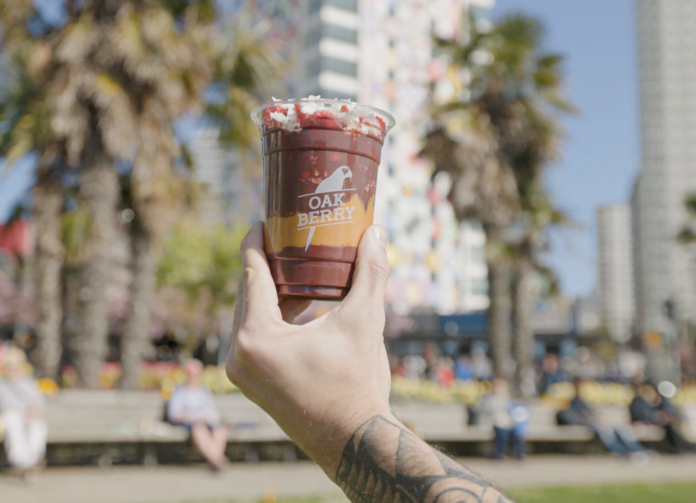
OAKBERRY, Brazil’s number one açai brand and purveyors of 100 per cent natural and always fresh açai bowls and smoothies, is set to open five stores in Vancouver this year with more to come throughout Western Canada.
Carter Friesen
“We are beyond excited to bring OAKBERRY to Vancouver, a city that embraces a wellness mindset and appreciates fresh, nutritious ingredients,” said Carter Friesen, Master Franchisee for Western Canada. “We can’t wait for people to taste this delicious superfood this summer and to see what all the hype is about.”
Friesen, based in Winnipeg, is CEO of Snowbank Capital, the company that is developing OAKBERRY stores across Western Canada.
Image: OAKBERRY
Created in 2016, OAKBERRY is a superfood hub, focused on açaí. With around 600 stores, the chain works within the franchise model and is present in more than 30 countries such as the United States, Brazil, the United Arab Emirates, Saudi Arabia, France, Australia, Peru, Spain, and Portugal. OAKBERRY offers premium açai bowls and smoothies that provide healthy fast food.
“Our focus is almost on developing OAKBERRY here in Western Canada,” said Friesen.
“Many Canadians are probably not familiar with açai. It’s a Brazilian fruit and 90 per cent of it is naturally harvested in the Amazon. It’s not traditionally farmed or produced the way most fruits are these days. This is farmers who own land and have these Euterpe palm trees growing on the land. They send up farmers on ladders to climb up these trees and take the natural açai off.
“Açai is insanely popular in Brazil. It’s the food of choice. I think if you talk to Brazilians they would say it’s probably their most popular food and you can get it on pretty much any street corner across the country as a breakfast food, as a dessert, as a substitute for meals as well.”
The açai pulp from the berry is a natural antioxidant rich in minerals like potassium and calcium, vitamin E, and healthy fatty acids like Omega 6 and 9.
OAKBERRY offers customers the opportunity to create and customize their own açai bowls and smoothies in small, medium and large options.
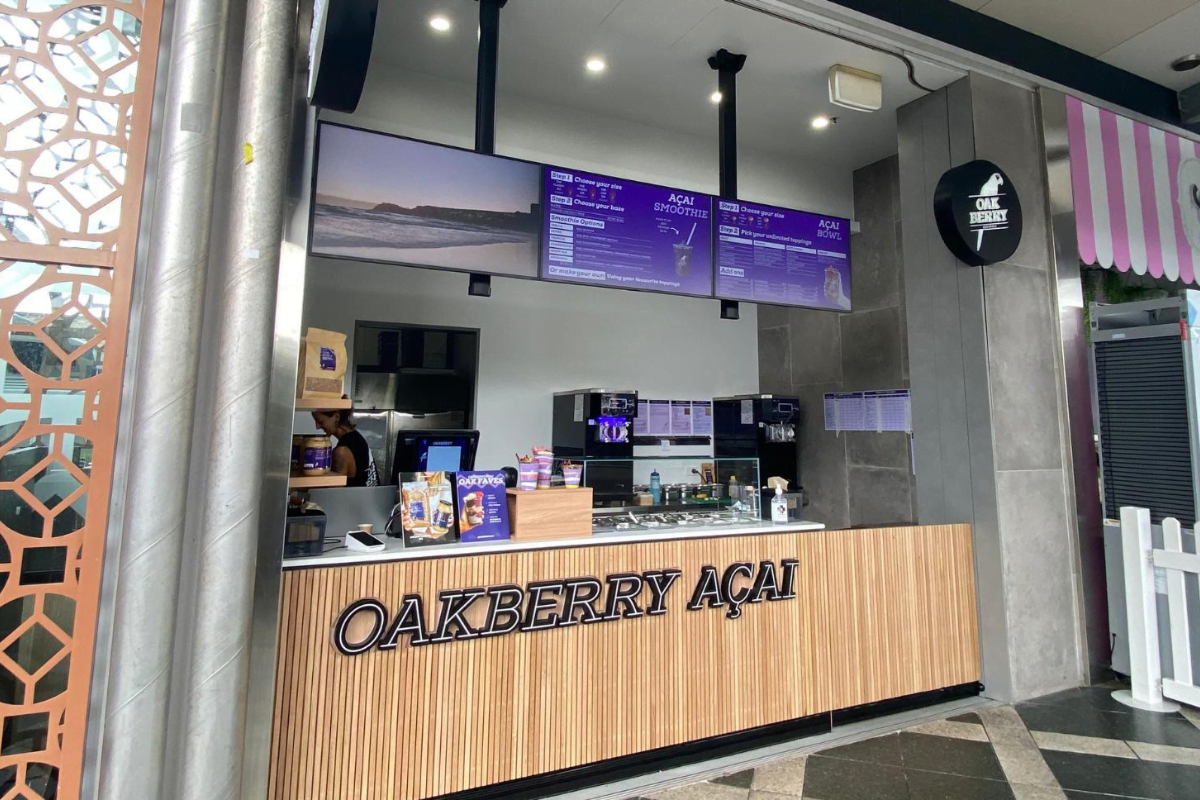
Oakberry at Sunshine Plaza in Australia (Image: Sunshine Plaza)
OAKBERRY smoothies come with up to three toppings, including fresh fruits like banana, strawberry and blueberries, as well as granola, chia seeds, cacao nibs and more. OAKBERRY bowls will offer unlimited toppings, each layered between delicious açai, creating a flavourful (and highly ‘grammable’) lunch or snack. Customers are encouraged to customize their bowls any way they like to create their very own take on this flavourful and nutritious food.
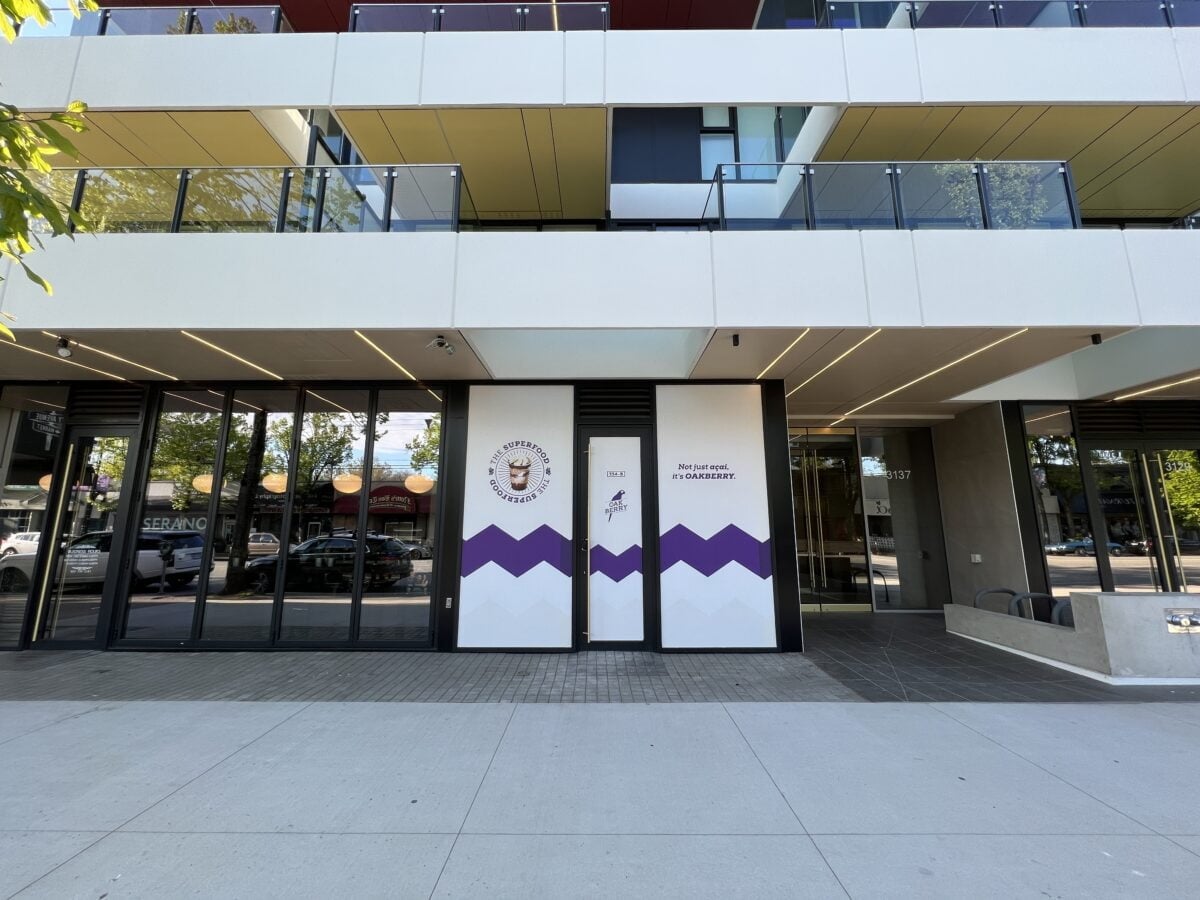
Vancouver’s first OAKBERRY will open late spring in Kitsilano at 3139 West Broadway. It marks the second western Canadian expansion of the brand, following a store opening in Calgary some time in May.
Additional locations will open in Gastown and Cambie Village. There will also be an OAKBERRY kiosk at The Post building downtown on West Georgia Street, and a signature store is set to open in the West End this summer, just in time for beach season. An additional five stores will open this year and next across Western Canada in Alberta, Saskatchewan and Manitoba.
“They’re going to range from small kiosks where you can take out and go to stores with small seating areas. Generally we won’t have seating for more than 10 people in the stores,” said Friesen.
“We’ve got pretty aggressive plans. We think there’s a real need for a product like this. I don’t know if we can share exactly what our plan is for the number we intend to open but our schedule will be fairly aggressive and we’re going to focus really hard on the lower Mainland and the major metropolitan areas in Western Canada.”
OAKBERRY operates in the GTA under a different master franchise agreement, including locations at Toronto Union Station, Mississauga, and a future location at The Well.
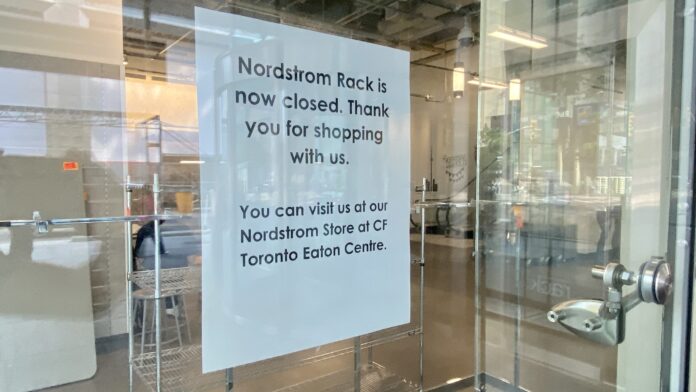
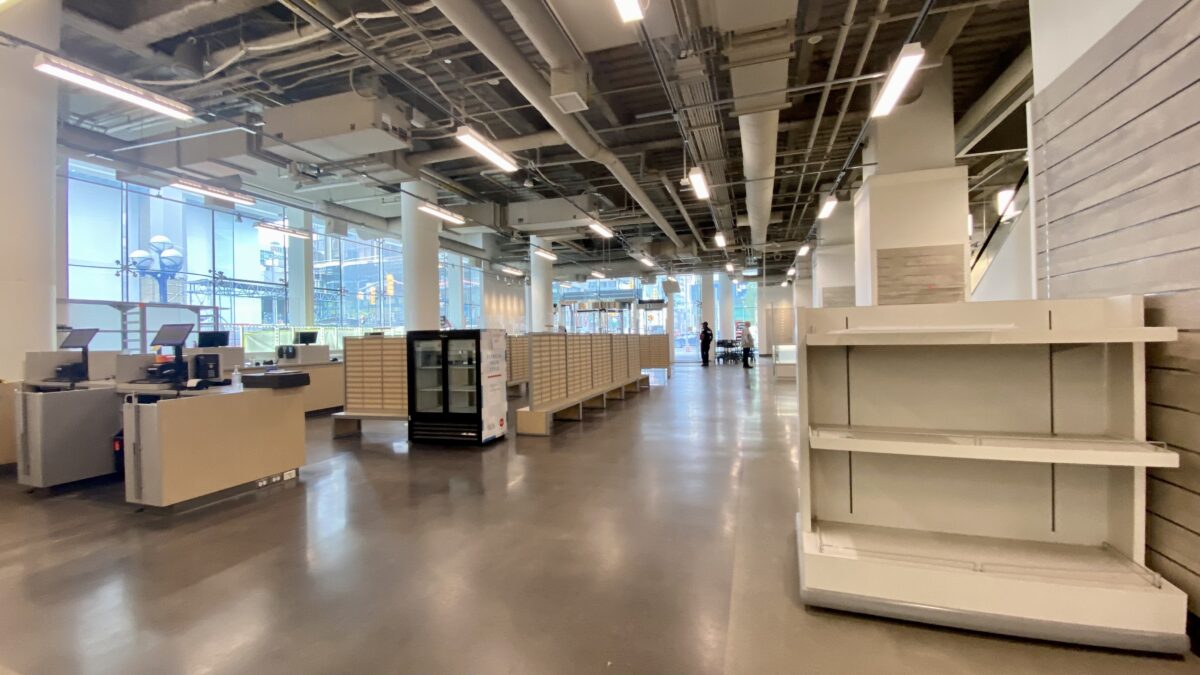
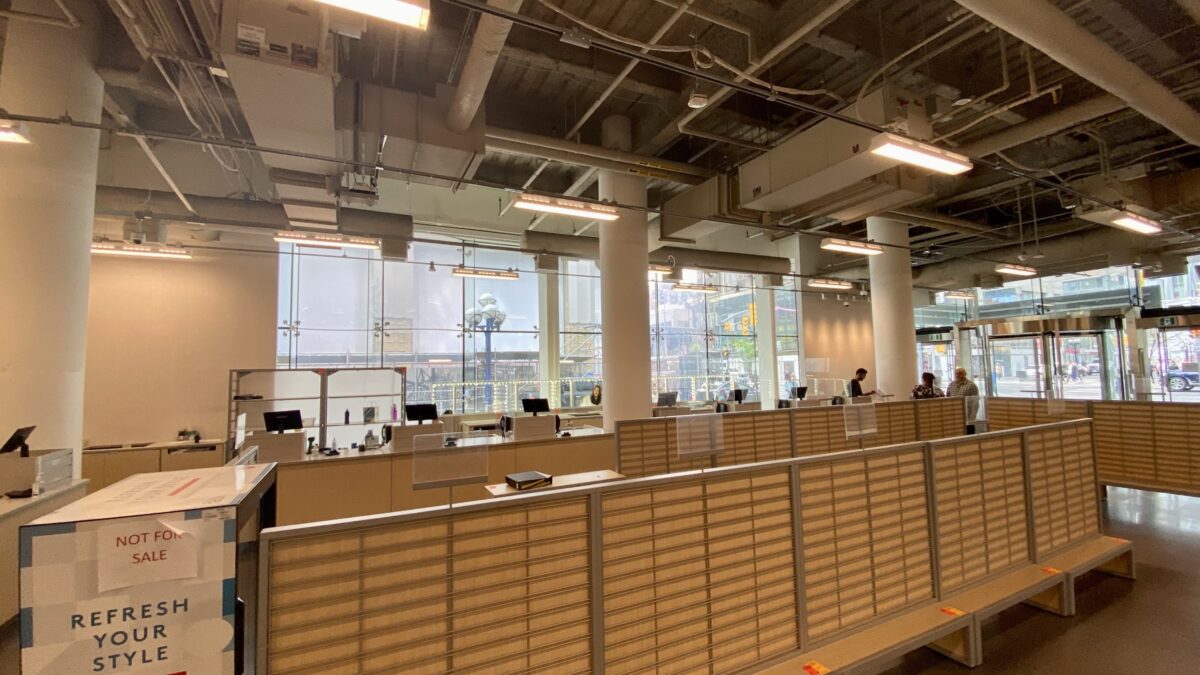
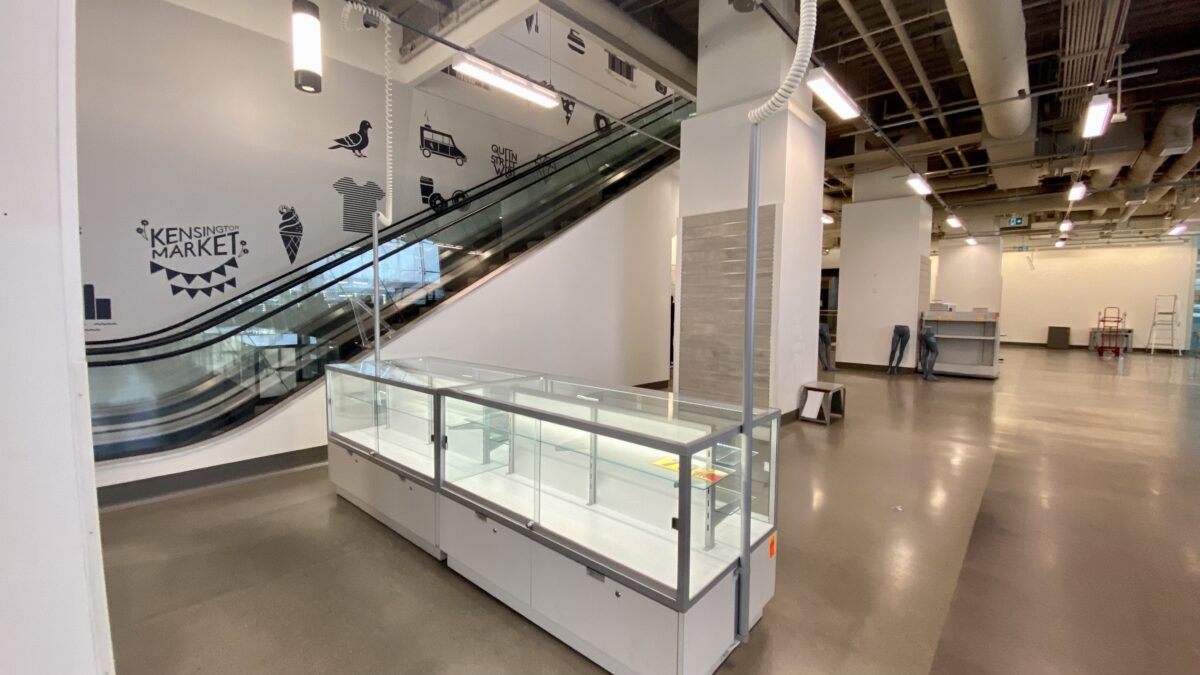
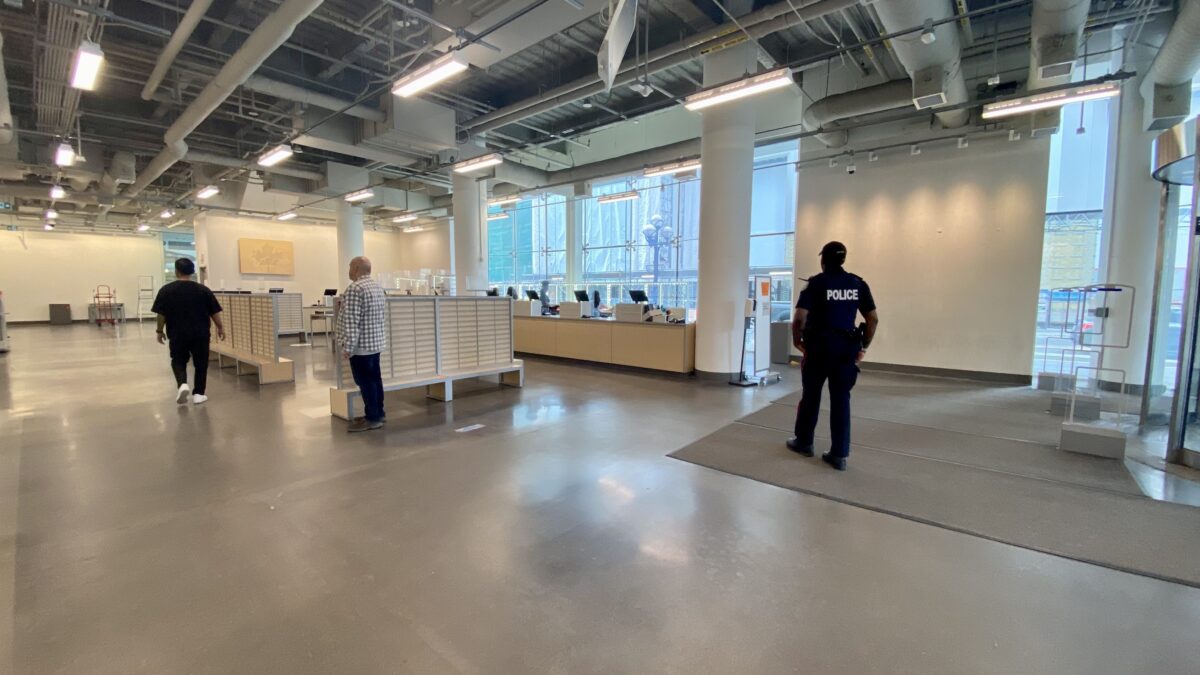
Nordstrom Rack at 1 Bloor Street East in Toronto on May 15, 2023. Photo: Lawrence Cheng
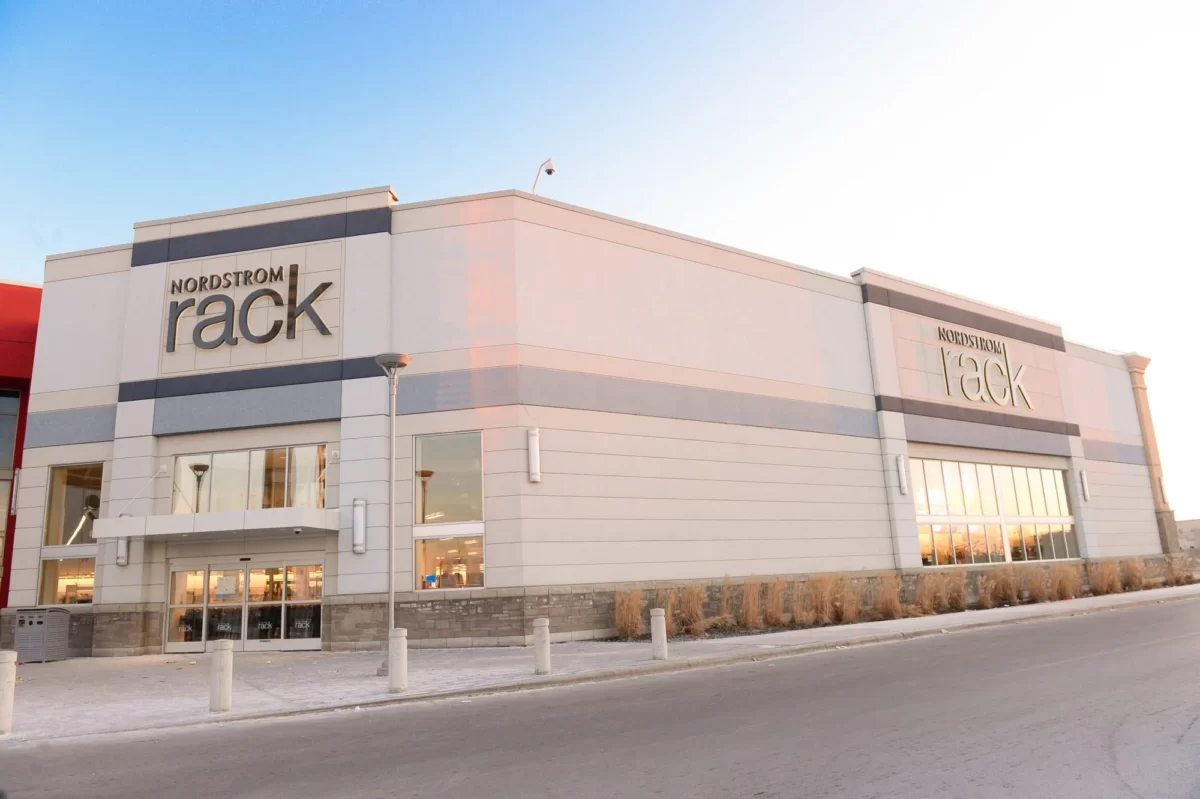
All of Nordstrom Rack’s Canadian stores shut at the end of day on Sunday, marking the end for the chain that saw seven of the off-price stores open in major markets in Canada. Nordstrom Rack’s first stores opened in Canada in 2018.
Nordstrom announced that it was exiting Canada on March 2 of this year, and liquidation sales began on March 18 after court approval. Nordstrom had filed to wind down its Canadian operations under the Companies Creditors’ Arrangement Act.
Since mid-March, Nordstrom’s liquidator has been holding sales at Nordstrom and Nordstrom Rack stores — the initial discounts in March were 5% off most items, drawing criticism and even mocking by some. Sales gradually became deeper until recently when Nordstrom Rack’s stores cleared out quickly with little merchandise being seen on closing day Sunday. Nordstrom’s liquidation efforts are being led by Hilco Merchant Retail Solutions ULC and Gordon Brothers Canada.
Nordstrom Rack at 1 Bloor Street East in Toronto on May 14, 2023. Photo: Lawrence ChengNordstrom Rack at 1 Bloor Street East in Toronto on May 14, 2023. Photo: Lawrence ChengNordstrom Rack at 1 Bloor Street East in Toronto on May 14, 2023. Photo: Lawrence ChengNordstrom Rack at 1 Bloor Street East in Toronto on May 14, 2023. Photo: Lawrence Cheng
When Nordstrom Rack’s stores first opened in Canada, there was excitement around the brand assortment that included an impressive offering of designer shoes, among other categories. The designer offerings appeared to diminish quickly, with many complaining that Nordstrom Rack’s Canadian store lacked interesting product that would have made the stores worth visiting. This was partly due to a shift in strategy by Nordstrom Rack, including in the US. The product assortment at Nordstrom Rack was also said to be somewhat inconsistent when compared to competitors such as TJX Group’s Winners and Marshalls banners in Canada.
Nordstrom Rack opened its first Canadian store in March of 2018 at Vaughan Mills near Toronto. Nordstrom Rack stores subsequently opened at Deerfoot Meadows in Calgary, at Yonge and Bloor in downtown Toronto, at Ottawa Train Yards in Ottawa, South Edmonton Common in Edmonton, Heartland Town Centre in Mississauga, and most recently in September of 2020 at the Willowbrook Shopping Centre in Langley near Vancouver.
The retailer had said in years past that it had planned to operate between 12 and 15 Rack stores in Canada, and store performance as well as the pandemic appear to have halted things. Nordstrom Rack stores are typically in the 30-40,000 square foot range and landlords will be looking to backfill these spaces.
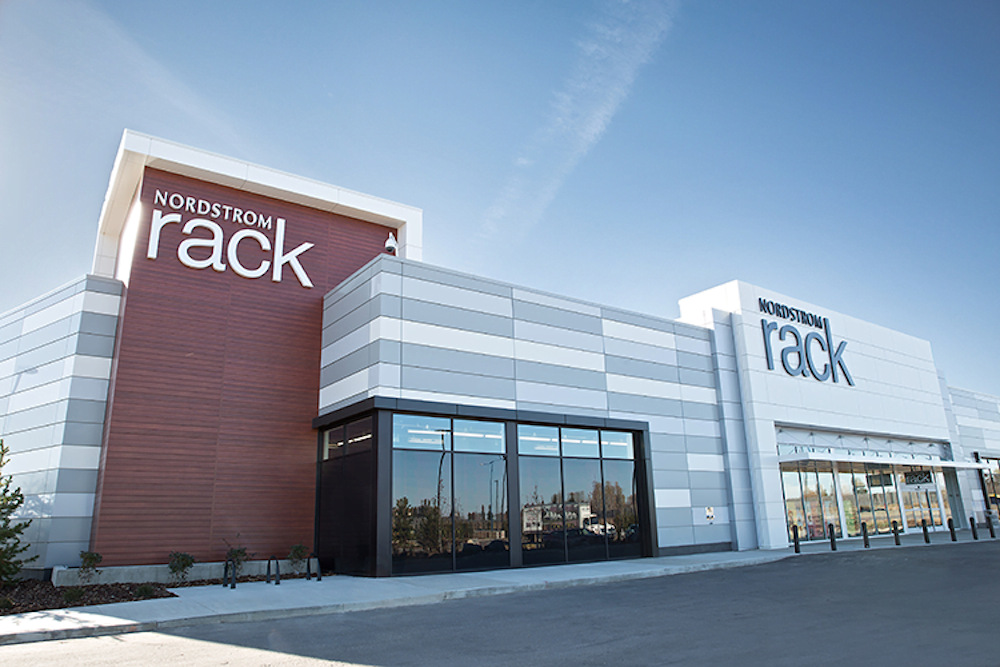
Nordstrom Rack Vaughan Mills. Image supplied by Nordstrom in 2018.
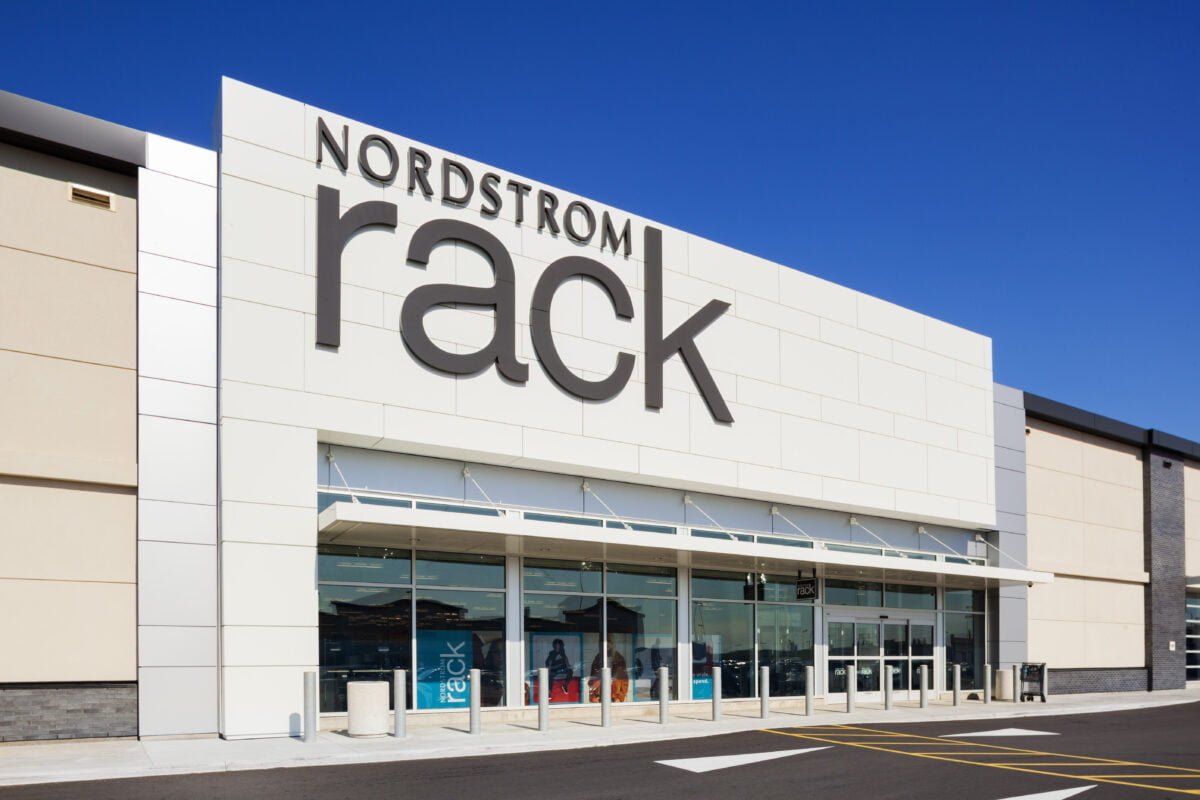
Nordstrom Rack Vaughan Mills, Friday May 12, 2023. Video by Norman Katz Nordstrom Rack South Edmonton Common. Photo: NordstromEXTERIOR OF NORDSTROM RACK AT HEARTLAND TOWN CENTRE. PHOTO: HEARTLAND TOWN CENTRE
The exit of Nordstrom Rack is good news for competitor TJX as well as Saks OFF 5TH, the off-price retailer owned by the Hudson’s Bay Company. Sales at OFF 5TH are also said to be weak with some units seeing sales of less than $100 per square foot, according to sources. It’s not known if Nordstrom Rack’s exit will be a boost to OFF 5TH, which has also seen numerous complaints from shoppers about a generally lacklustre assortment.
Nordstrom’s six full-priced, full-sized stores will remain open in Canada until next month when they, too, will shut forever. That will mark the end of Nordstrom’s run in Canada, which saw the chain lose money in Canada every year since its first store opened at CF Chinook Centre in Calgary in September of 2014.
Following the opening of the Calgary store, Nordstrom opened large full-priced locations in Ottawa (March 2015 at CF Rideau Centre), Vancouver (September 2015 at CF Pacific Centre), and three Toronto locations (CF Toronto Eaton Centre in September of 2016, Yorkdale Shopping Centre in October of 2016, and CF Sherway Gardens in September of 2017).
We’ll report back next month when Nordstrom’s remaining large-format stores shut forever.
Retail Insider is streamlining its Canadian retail news from around the web to include a handful of top news stories that can be viewed quickly during the day. Here are the top stories from the past week.
Recent news in the retail industry has spotlighted the shuffling of big box real estate in the country.
First, retail giant Canadian Tire announced it is expanding its Mark’s store footprint with the acquisition of several real estate leases formerly held by Bed, Bath & Beyond in Canada.
The retail giant announced it was acquiring 10 of those leases for $1.6 million.
Acquiring these leases will enable CTC to continue building on the growth of its Mark’s and Pro Hockey Life (PHL) banners. CTC has designated six of the 10 leases acquired for Mark’s relocations in Grande Prairie, Medicine Hat, Red Deer and Strathcona County (Alberta), Langley (BC), and Oakville (Ontario), it said.
In addition to the Mark’s relocations, the agreement will allow CTC to implement plans for four new Pro Hockey Life (PHL) stores in Ontario. The 10 leases combined represent more than 242,000 square feet of retail space, added the company.
Image: rooms + spaces
Then, Canadian entrepreneur Doug Putman announced he was launching a new Canadian home store brand called rooms + spaces in 21 retail locations formerly occupied by Bed Bath & Beyond and buybuyBABY storefronts.
Putman is acquiring more than 800,000 square feet of real estate and the new stores will open in early summer.
In this video interview, Liza Amlani, Principal/Founder, Retail Strategy Group, and Co-Founder, The Merchant Life, discusses the latest developments.
“It’s what attracts most of us to real estate. It’s a great price,” said Amlani. “I think both parties really got a great deal and I think that was critical for them moving forward on these deals.”
Amlani talks about the reason those spaces were attractive, what might happen to upcoming Nordstrom real estate, the new concept by Putman and the trend towards more shop in shop concepts like Zellers in The Bay.
Amlani said the reason why the leases were scooped up was simple.
The Video Interview Series by Retail Insider is available on YouTube.
Connect with Mario Toneguzzi, a veteran of the media industry for more than 40 years and named in 2021 a Top Ten Business Journalist in the world and the only Canadian – to learn how you can tell your story, share your message and amplify it to a wide audience. He is Senior News Editor with Retail Insider and owner of Mario Toneguzzi Communications Inc. and can be reached at mdtoneguzzi@gmail.com.
Also check out the other series offered by Retail Insider, including The Weekly podcast and The Interview Series, which are both available on Apple Podcasts, Stitcher, TuneIn, Google Podcasts, or through our dedicated RSS feed for Simplecast and other podcast players.
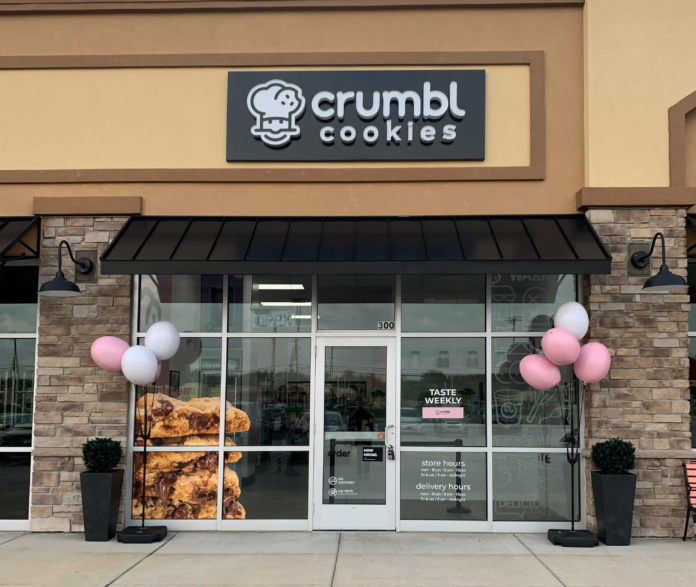
Crumbl Cookies in Edmonton at Rabbit Hill Crossing (Image: Crumbl Cookies)
Edmonton-based ZZA Hospitality Group, which operates several Boston Pizza franchises in Alberta, is expanding the gourmet Crumbl Cookies brand in the province.
The company recently opened Canada’s first location in Edmonton at the Rabbit Hill Crossing shopping centre in the southwest part of the city.
Dan Arndt, President of ZZA Hospitality Group, said more locations are coming in the province.
“Crumbl is a franchise out of the U.S. and they have been operating since 2017 and whole concept behind Crumbl is that we only sell cookies. So we have a rotating menu of six gourmet flavours of cookies each week,” said Arndt. “And those flavours rotate out of a catalogue of more than 200 different flavours of cookies. So the whole idea with Crumbl is this rotating menu. Every week we come out with six new cookies and they’re all gourmet flavours, interesting flavour profiles. That’s basically the whole song and dance behind Crumbl.”
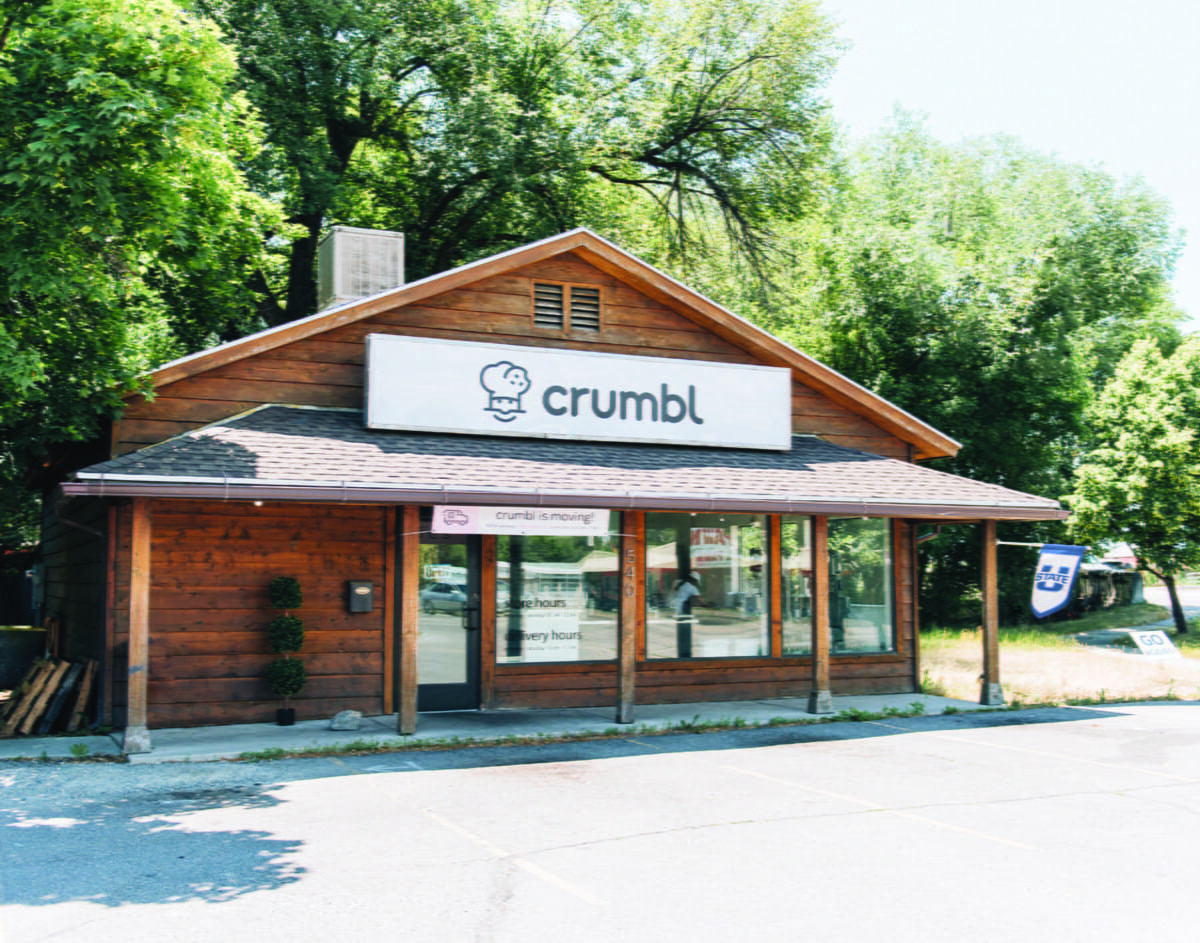
First Crumbl Cookies Storefront (Image: Crumbl Cookies)
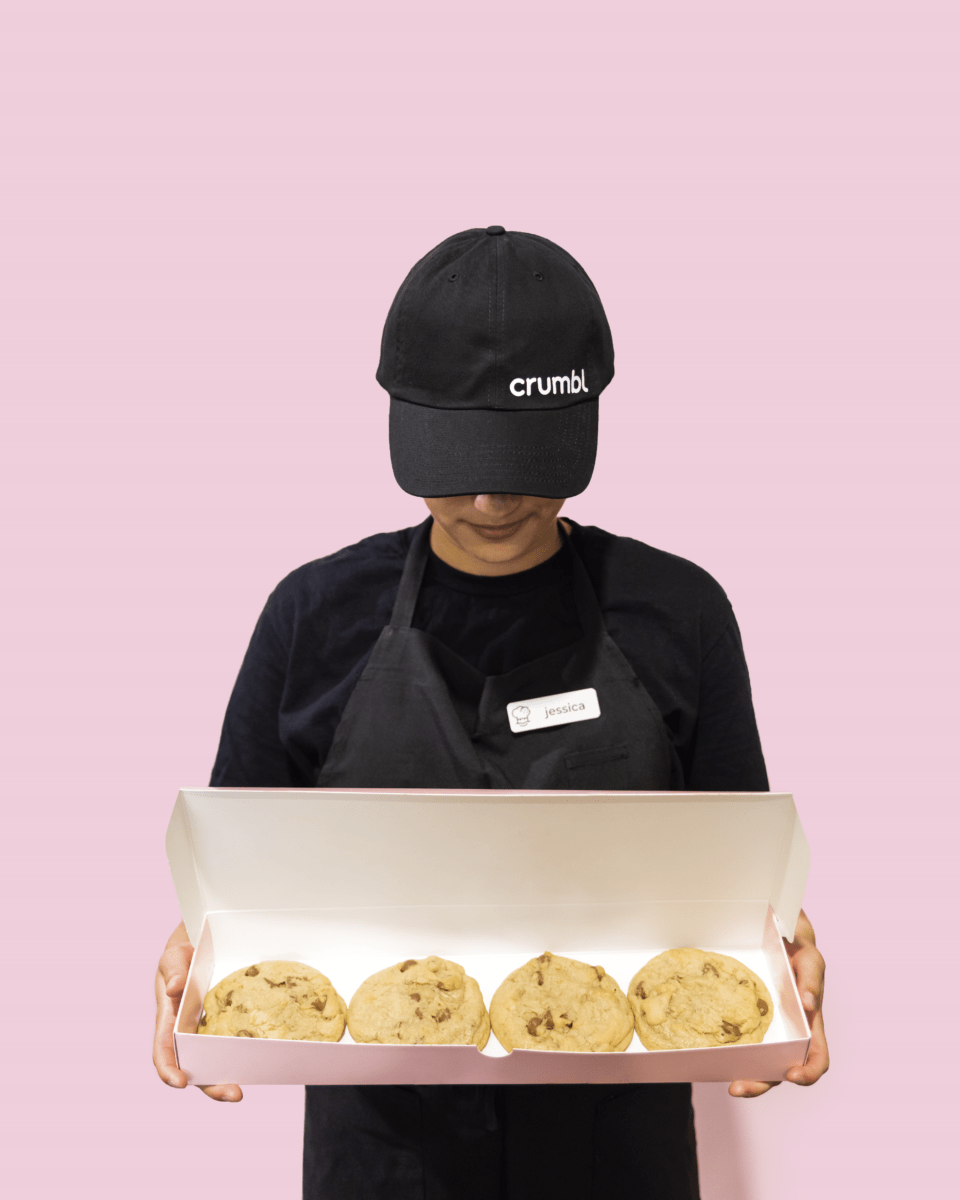
Cookies are made from scratch and in-house and everything is baked fresh. There is no seating area, just pick up.
Dan Arndt
“Crumbl in the U.S. opened five years ago and I think they just opened their 850th store in the U.S. I don’t know what their plans are for the brand overall in Canada but our group is working to open six locations through Edmonton and beyond.” said Arndt.
“We’re quite keen on the brand. It’s done very well to open and it’s been a good process for us to get this first store open. We are currently under construction on our next site in Airdrie and that’s set to open at the end of June. And then we have an agreement with Crumbl corporate to open four more locations that we’re currently working through real estate on but intend to open more locations in and around Alberta including St. Albert and Red Deer and then other locations.”
He said key real estate locations include busy grocery store areas in shopping centres or other similar anchor tenants like Walmart and Costco. The Freeson Bros. Fresh Market is located at Crumbl’s first site at the Rabbit Hill Crossing in Edmonton.
“There’s a lot of buzz around the brand. They do a lot of things incredibly well. Their social media presence is incredible. They have more followers on Instagram and TikTok than almost any other food provider. It’s crazy. I think they have 6.5 million followers on TikTok which is nuts. At one point, I think that was more than Starbucks and Nike combined. It may still be true today. A couple of months ago I know it was true for sure. Absolutely staggering numbers,” added Arndt. “They have a really strong brand presence.
“On top of that, it naturally appealed to our group. We all have young kids and it was a brand that just intuitively made sense to us. It was the kind of thing that we would be spending our own money. And it made a lot of sense. It felt like there was a real hole in the market for something like this here in Edmonton and in Alberta frankly.”
Image: Crubl Cookies
ZZA Hospitality Group has 11 Boston Pizza franchises – nine in Alberta, one in Whitehorse and one in Yellowknife.
“My dad got into the business 40 years ago this year. We’ve been doing that for a long time,” said Arndt. “That’s our background. We’ve a strong operations piece all through the province with that team looking after our Boston Pizza franchises.
“We had as many as 16 before COVID but we’re currently operating 11.”
Crumbl was founded in 2017 in Logan, Utah by Canadian dual-citizen Jason McGowan, and his cousin, Sawyer Hemsley.
It was love at first bite for Crumbl store owners Daniel, Andy, and Barry Arndt, Megan Moore, and Tamara Reich in Alberta.
Image: Crumble CookiesImage: Crumble Cookies
They said the appeal of Crumbl was obvious; a tech-driven bakery offering a fun, exciting, rotating menu was exactly what they were looking for in their next venture.
“We picked our first location in Rabbit Hill because we know this community well. Having a business in our own backyard also gives us an opportunity to support the local community. As we open our store, we are excited about opportunities to partner with schools and local groups to raise funds and strengthen the community,” the owners said in a statement.
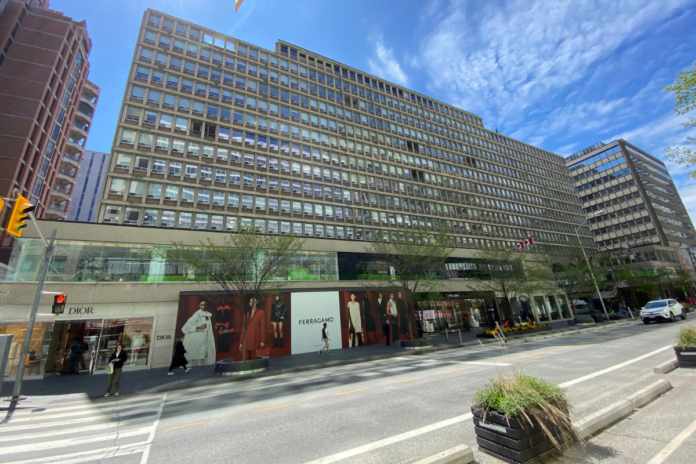
The Colonnade at 131 Bloor Street West (Image: Dustin Fuhs)
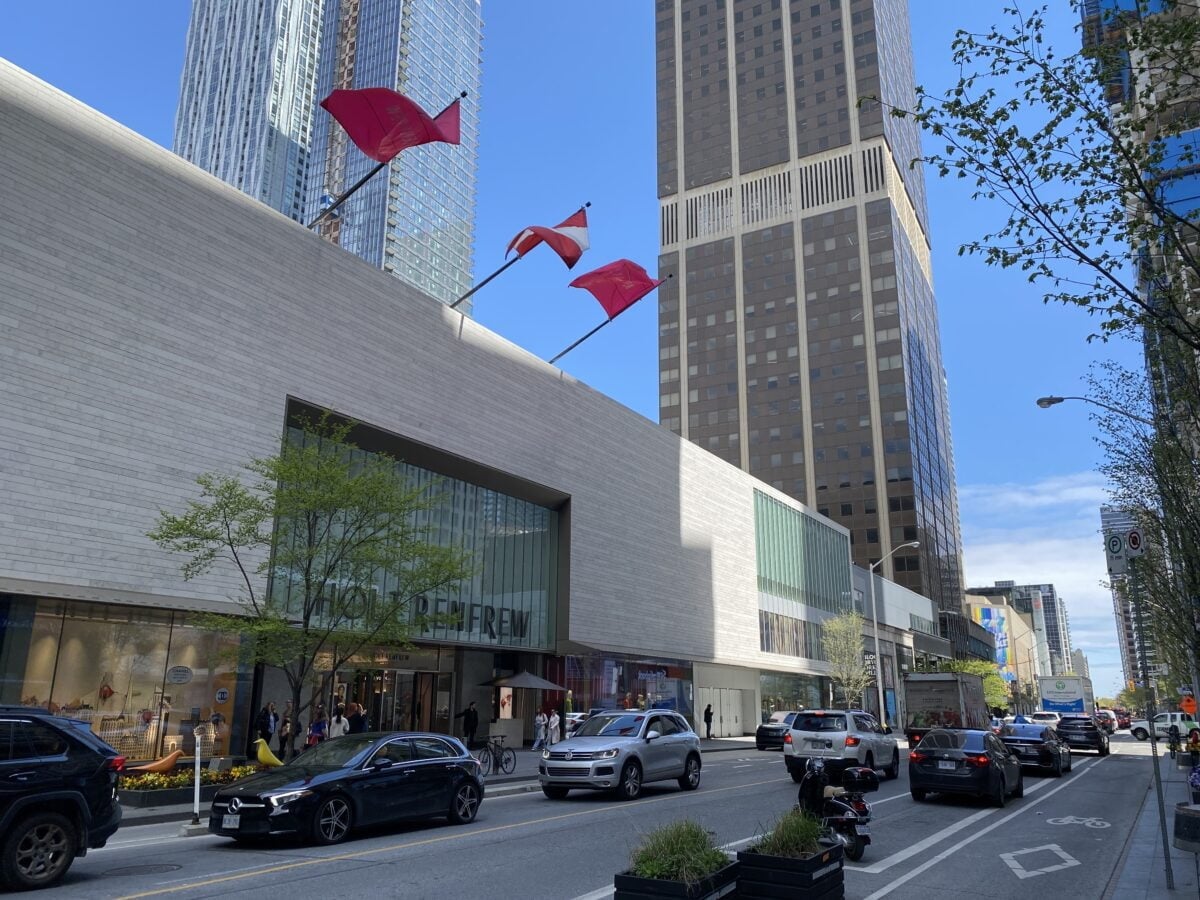
Canadian real estate company Morguard Corporation is looking at adding some new high end retailers to two of its jewel properties in downtown Toronto.
Joy Emanuele Rabideau
Joy Emanuele Rabideau, General Manager, Toronto Urban Properties, for Morguard Corporation, based in Mississauga, said the company will be adding high end brands to The Colonnade and to the Holt Renfrew Centre as traffic and office occupancy continues to grow in the downtown following the COVID pandemic.
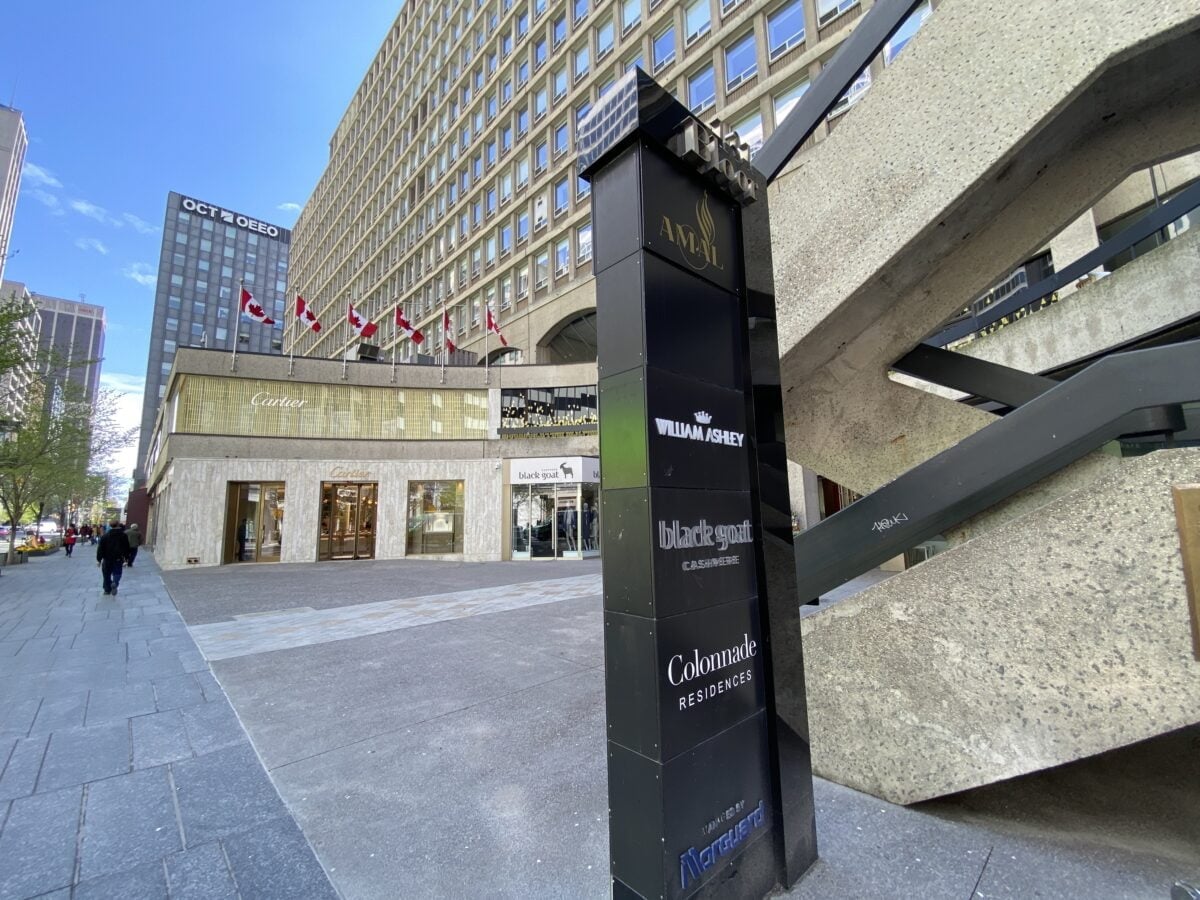
The Colonnade is the premier Bloor Street address for luxury retailers in Canada and home to Prada, Moncler, William Ashley, Cartier and Christian Dior. In addition, Hermes, Louis Vuitton, Montblanc, Tiffany & Co., Burberry and Gucci are steps away. The shopping complex is 71,479 square feet with 14 stores and services on two levels.
The Colonnade also includes 157 residential suites and three floors of office. It is home to Amal restaurant.
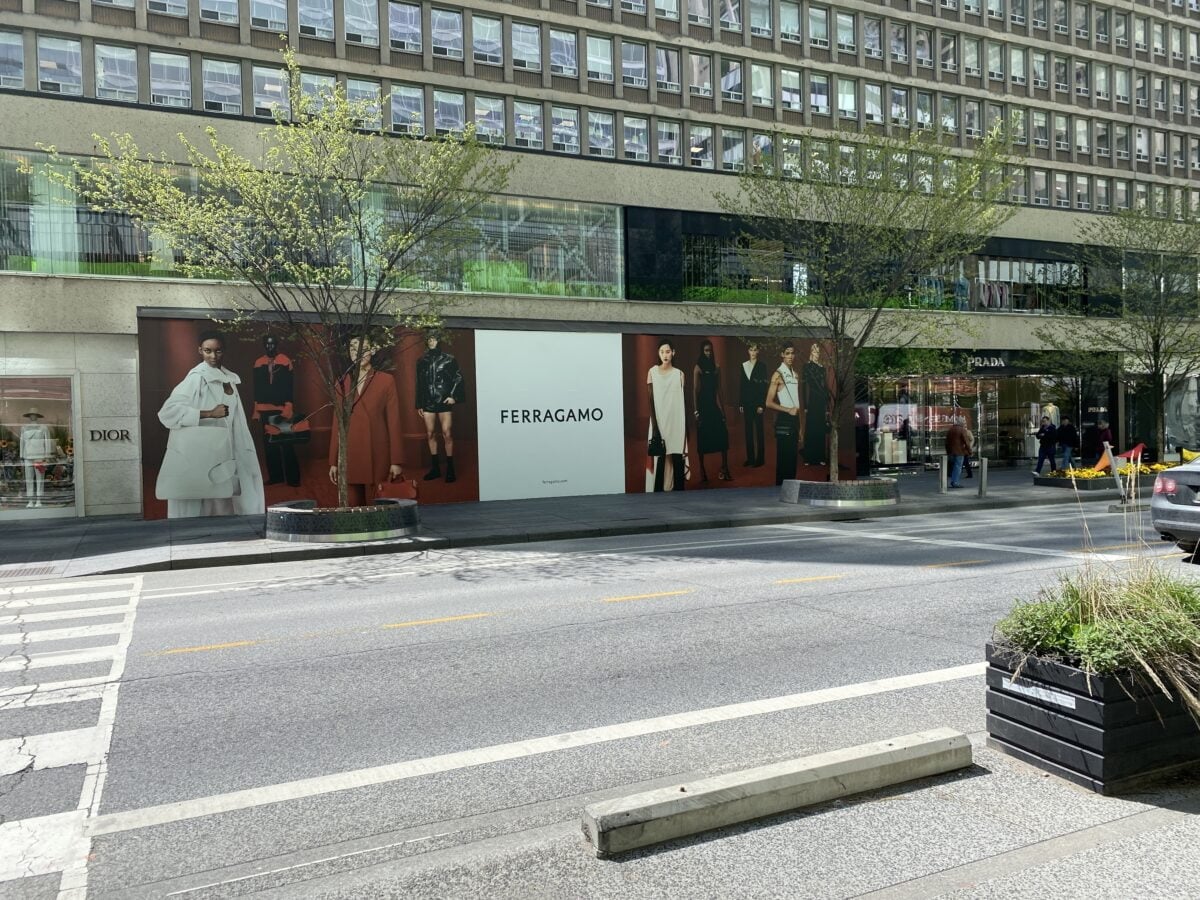
Rabideau said Salvatore Ferragamo will open there this year.
Future Salvatore Ferragamo (Image: Dustin Fuhs)
“And we potentially have another high end retailer to come to that property,” she said.
“We have right now vacant three spaces . . . The Colonnade is right on the south side of Bloor and St. Thomas. It’s in a really high end residential area. It’s really a great spot to be. They used to at one time call it the Mink Mile.”
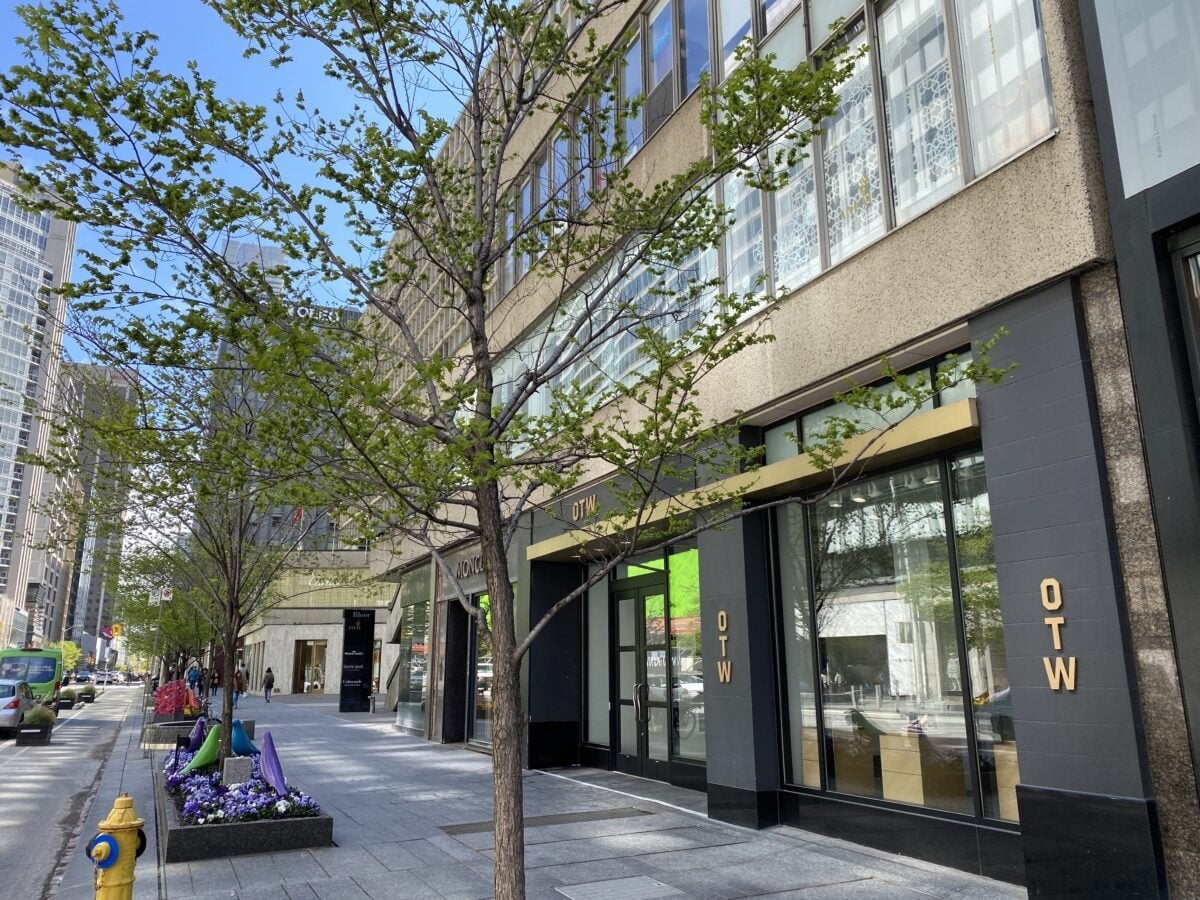
Cartier at The Colonnade (Image: Dustin Fuhs)OTW at 131 Bloor Street West (Image: Dustin Fuhs)
Rabideau said there have been some retail vacancies in the area along with redevelopment and construction that have presented some challenges.
“But the great thing about the Colonnade is its name and the tenants we have. We have go-to tenants. Even during COVID, Cartier and Christian Dior, they were able to assist their customers. They had curbside pickup. They had people that would just order online. People who would just call them. The brands there are great and the services too.
“These are tenants that really provide high end customer service. They have great management staff. They have good infrastructure in their stores to support their customers. Great outlook and Morguard was a big supporter of all of them during COVID in any way we could assist them.
“The negative is some high end retailers had some fails. Like Escada failed. That was a name brand at one time and they’re no longer part of the Colonnade. COVID was not good to all of them . . . That was a negative for the Colonnade losing that big player but since then we’ve been working with another retailer to try and do another deal. That’s the upside.”
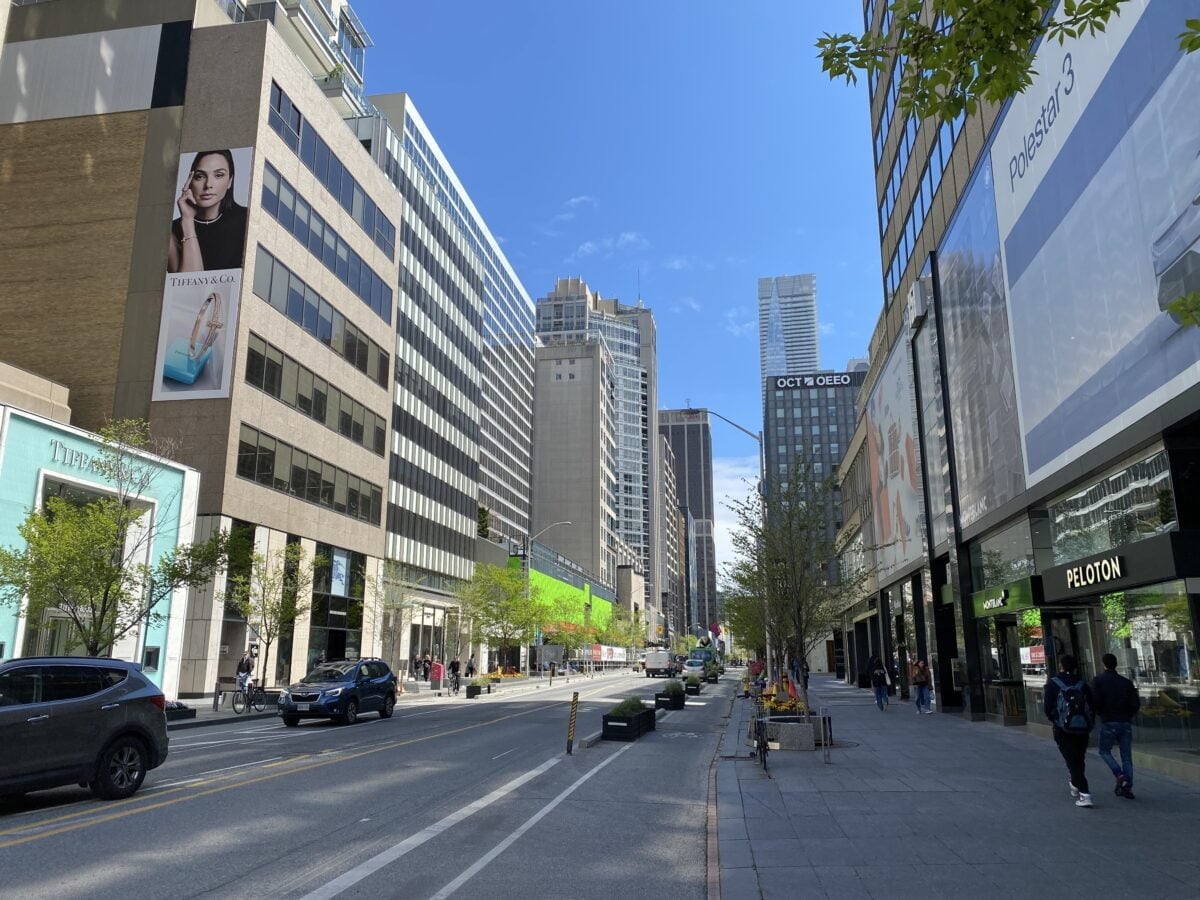
Bloor Street West (Image: Dustin Fuhs)Holt Renfrew Centre (Image: Dustin Fuhs)
The Holt Renfrew Centre is located in the prestigious Bloor-Yorkville area in Toronto. The property is well situated in the axis of the city’s east-west and north-south subway lines and is in close proximity to some of Toronto’s wealthiest areas such as Rosedale and Forest Hill. With over 6.4 million visits a year, the Holt Renfrew Centre’s sales surpass $994 per square foot.
The shopping centre is 274,915 square feet with total square footage of 83,989 square feet for CRU tenants. There are about 40 stores and services in the four-level centre anchored by Holt Renfrew and its 190,926 square feet.
Rabideau said Holt Renfrew is doing very well.
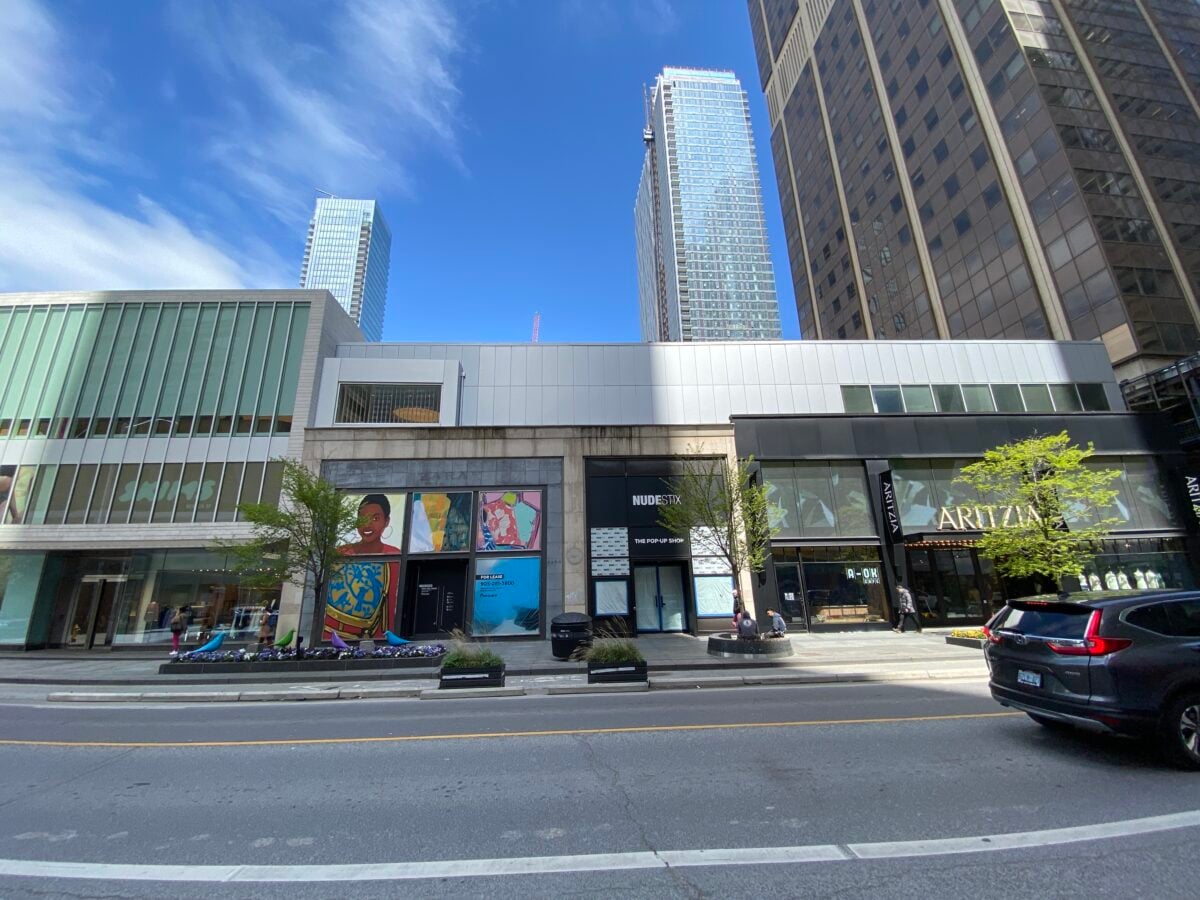
“We have a new deal – I can’t disclose it – that will be taking over the upper level of the former Zara and Fossil space. So our pre-construction (has started) on that space. It’s exciting news,” she said.
“Aritizia is doing very well there. Our lower level of the centre has suffered because of the volume of traffic in the GTA. When I first started this position in January 2022, office occupancy was about 16 per cent. It’s now at 38 per cent on average from Monday to Friday. Tuesday, Wednesday and Thursday are the busiest days for office occupancy.
“We’re doing deals in the lower concourse level and we have tenants like Laura Secord, Tim Hortons, Bell. Our traffic has gone up substantially.”
Holt Renfrew Centre Future Tenant (Image: Dustin Fuhs)
She said traffic for 2023 from January to March has increased by 33 per cent compared with the same period in 2022.
“We have some temp tenants, specialty leasing tenants, that we’ve done in the concourse that are high end retailers which we’ve been fortunate. So we do have some good news. The Flight Centre is doing well with people traveling all over the place. There is some action down there.”