INLAND Spring location at 157 Bloor Street in Toronto. Photo: INLAND
Craig speaks with Sarah Power, Founder and Creative Director of INLAND, about the new Canadian designer marketplace launching later this week. The conversation also includes a discussion of experiential pop-up retail and its benefits.
If you prefer to listen to the audio version, it is available below:
The Interview Series audio podcasts by Retail Insider Canada are available on Apple Podcasts, Stitcher, TuneIn, Google Play, or through our dedicated RSS feed for Overcast and other podcast players. Also check out our The Weekly audio podcast where Craig and Lee discuss popular content published on Retail Insider which is part of the The Retail Insider Podcast Network.
Featured during this interview:
Sarah Power, Founder and Creative Director, INLAND
Drop us a line at Craig@Retail-Insider.com. You can also rate us in Apple Podcasts or recommend us in Overcast to help more people discover the show!
Background Music Credit: Hard Boiled Kevin MacLeod (incompetech.com). Licensed under Creative Commons: By Attribution 3.0 License. http://creativecommons.org/licenses/by/3.0/
Retail Insider is streamlining its Canadian retail news from around the web to include a handful of top news stories that can be viewed quickly during the day. Here are the top stories from the past 24 hours.
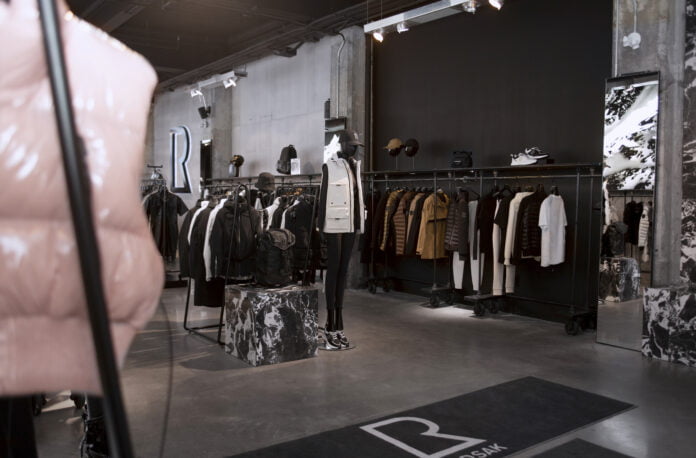
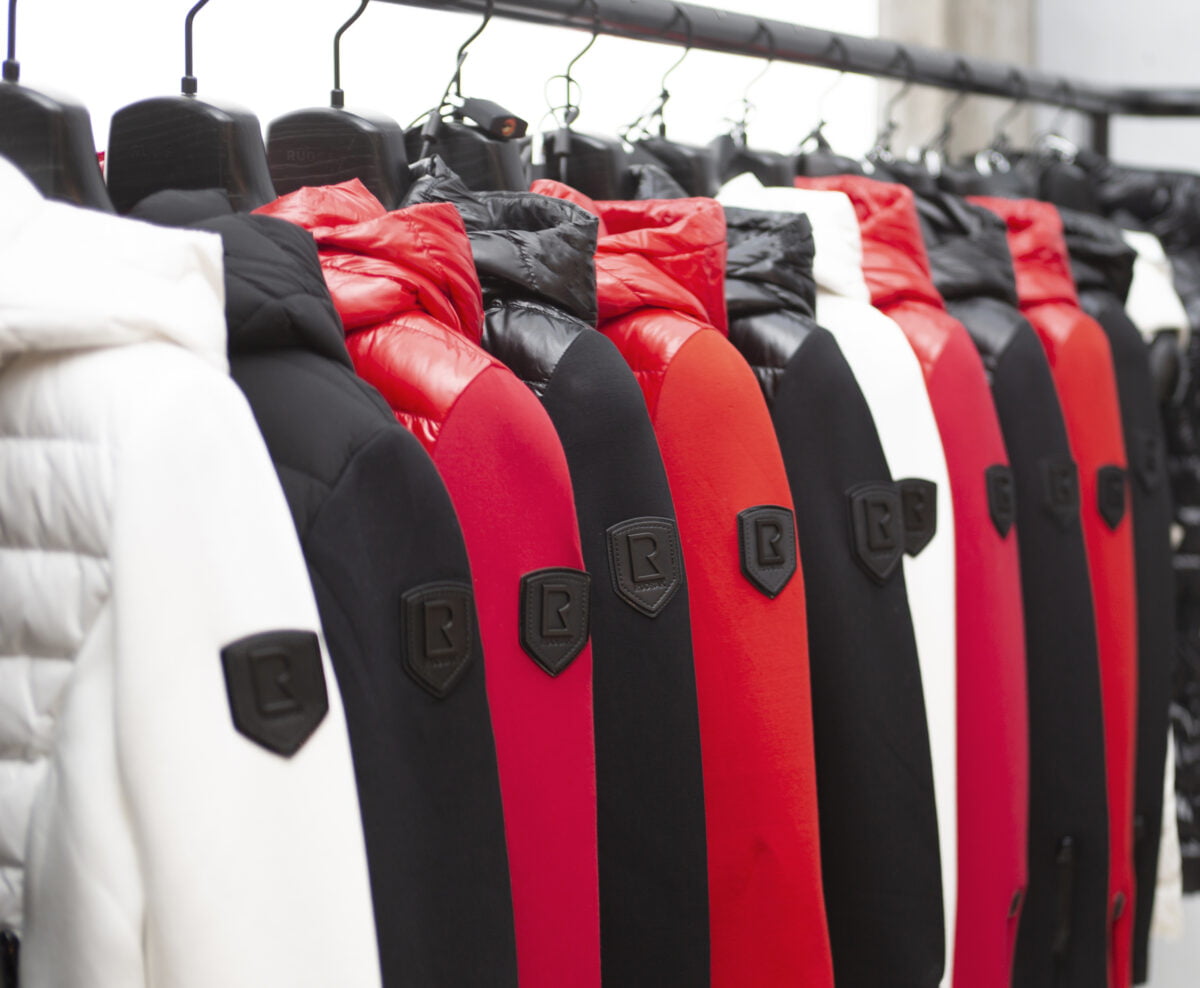
Canadian outerwear brand Rudsak is looking to expand internationally while giving a new look to its locations in Canada.
Rudsak currently has twenty-two stores in Canada, and instead of placing resources into opening new stores, the retailer will be improving the stores it currently has in the country.
“We are really focusing on retail to modernize and renovate our stores as we want to give our stores a more modern image. 2023 is a good year for us and we are excited to be also expanding internationally in e-commerce that allows us to now ship everywhere in the world and creates more brand awareness,” says Evik Asatoorian, the founder of Rudsak.
Modernizing Stores and Perfecting Customer Service
Image: Rudsak
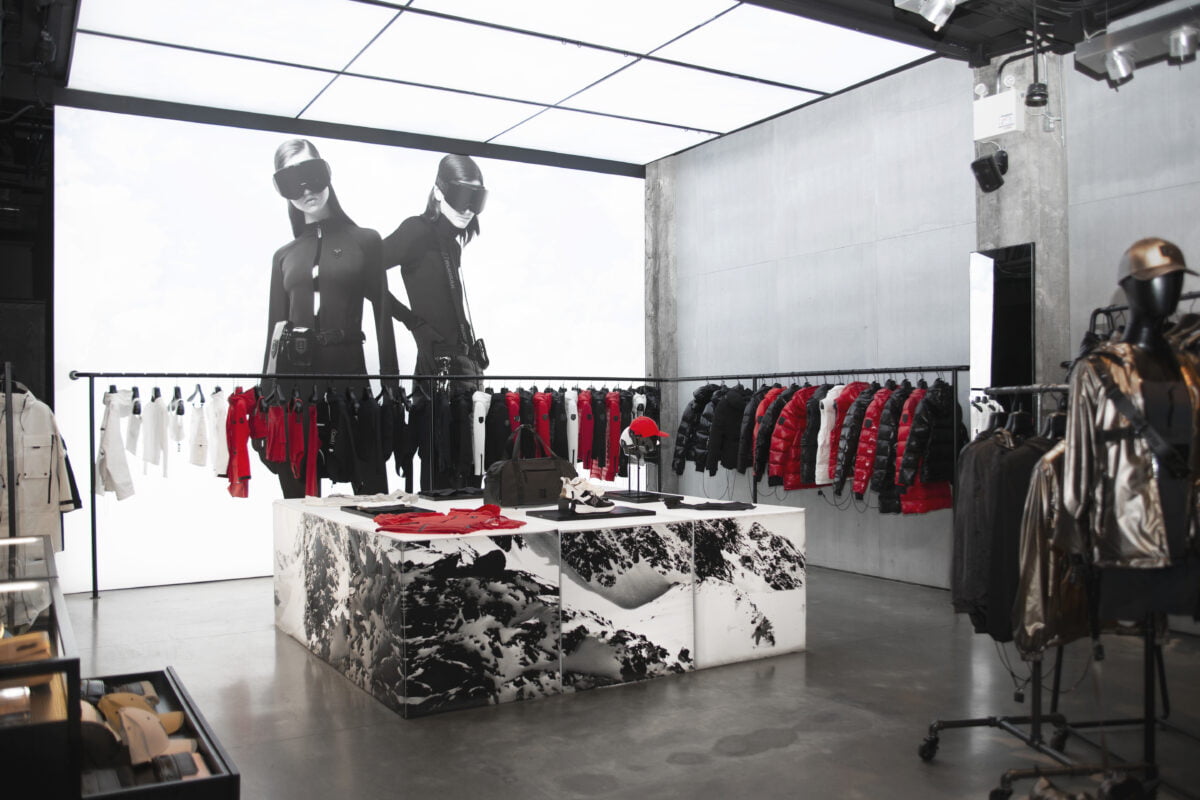
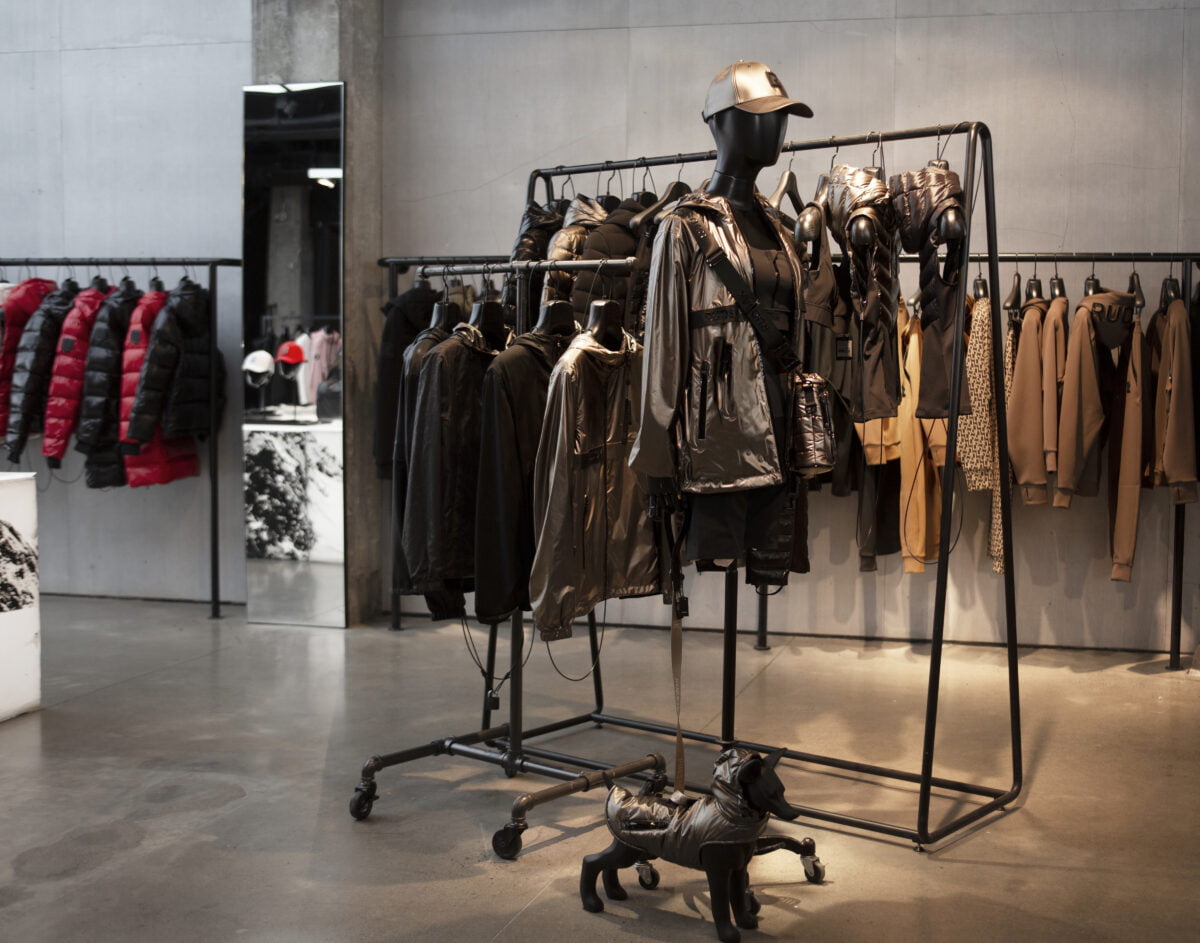
Alex Kocun, the Vice President of Operations at Rudsak, said the company is focusing on reconstructing its current stores in Canada to include modern finishings, central furniture, digital windows, incorporated LED windows, will update mannequins, clothing displays, add modern tables, and the store will be redesigned to have a more open concept for consumers.
“Customer experience is really our main focus as well. We are going to modernize the payments so the old cashier is going to disappear as we now have portable devices and there will be more one on one. The customer from the start will be welcomed and will be able to have one on one interaction with our employees, and that will enhance the customer experience,” says Kocun.
Omnichannel Updates
Image: Rudsak
On top of the new renovations, Rudsak will also be improving its omnichannel experience for consumers, making a seamless shopping experience online and in retail stores.
Rudsak will start using Shopify as its e-commerce platform as of next month and Asatoorian said it will improve and elevate consumers’ experience as it will enable new shopping features such as online orders, pick ups, shipping from the warehouse, and consumers will be able to book stylist appointments.
“Consumers will be able to book appointments with our stylist from our website, so we will be able to improve our relationships with our clients and it allows us to take a new step in adding more depth to different products categories, so you can meet with a stylist in the store and really experience that personalized shopping where they are really being able to complete the look that they want at Rudsak,” says Kocun.
Along with the updates with the e-commerce platform. Rudsak is also going to be relaunching its warehouse as it is looking to rebrand products to be more focused, clear, and more of an outdoor luxury brand. Asatoorian said they are going to be very selective, but already have a few stores in Canada where they will start wholesaling with and are also going to be wholesaling in the United States and see where it goes from there.
Entertainment Concept
Image: Rudsak
Rudsak has been known to also include an entertainment aspect to its stores, such as having an area of the store with fake snow where consumers could interact more with the products and the brand. This concept, Kocun said, is something they are looking to expand in Canada.
“We are trying to add entertainment areas in our stores. We did a concept with fake snow and the consumers loved it. They were interacting with the concept, taking selfies, and sharing photos on their social media pages. We want to create a fun activity in our stores because it is all about experience – and we really want to improve that,” says Kocun.
As adding entertainment areas in all stores will take some time and planning, Kocun said they will start to expand the concept gradually and will start with its flagship stores, but eventually the goal would be to have an entertainment area in every store in Canada.
Rudsak International
Image: Rudsak
Rudsak has announced it will be expanding into the US market as it has seen growth in the US retail and online. It will be opening its second store in Fall of 2023 in Roosevelt Field Mall on Long Island in New York and as previously mentioned, will be launching wholesale in the US as well. In addition to expanding into the US, Rudsak has also added a pop-up store in China. The pop-up store is currently open and the company will be looking at opening permanent locations in the future.
Rudsak was founded in 1994 when Asatoorian opened its first store downtown Montreal. Since then, the brand has grown with the presence of both physical and digital stores with a luxury outerwear variety for men, women, children, and unisex options. Consumers can also notice Rudsak’s focus on sustainability as 95 percent of its products have been made from recycled materials, such as recycled leather and fabrics and staying sustainable is important to the brand while moving forward.
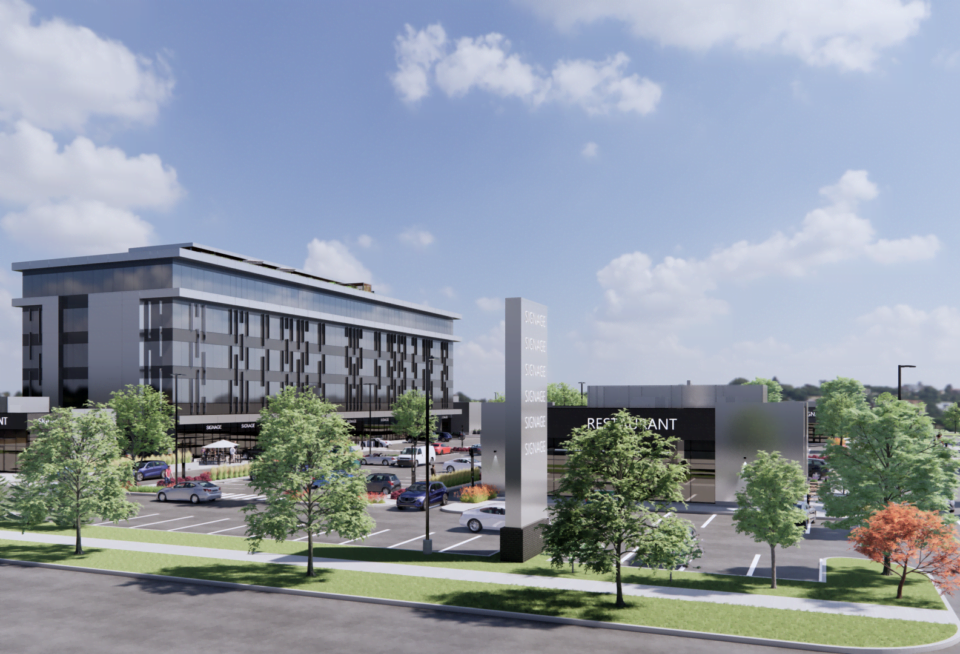
EVER Square (Image: EVER Real Estate Developments)
A new retail complex is being launched on the Gateway to Edmonton with multiple national tenants planning to take up shop in EVER Square, a seven building development.
The site, being developed by EVER Real Estate Developments, will be located on Calgary Trail and Gateway Boulevard, just north of Whitemud Drive and will be the future home of national franchises, local wellness providers and professional firms in the real estate industry.
“Our objective is to build a destination for Edmontonians. Whether you’re visiting the site as an employee, wellness patient, or restaurant patron, you’re first taking advantage of the convenience, and then the additional amenities on site. The business mix is therefore very important, and our team is working to bring unique, first-rate companies to EVER Square,” said Sam Narayan, Partner and President.
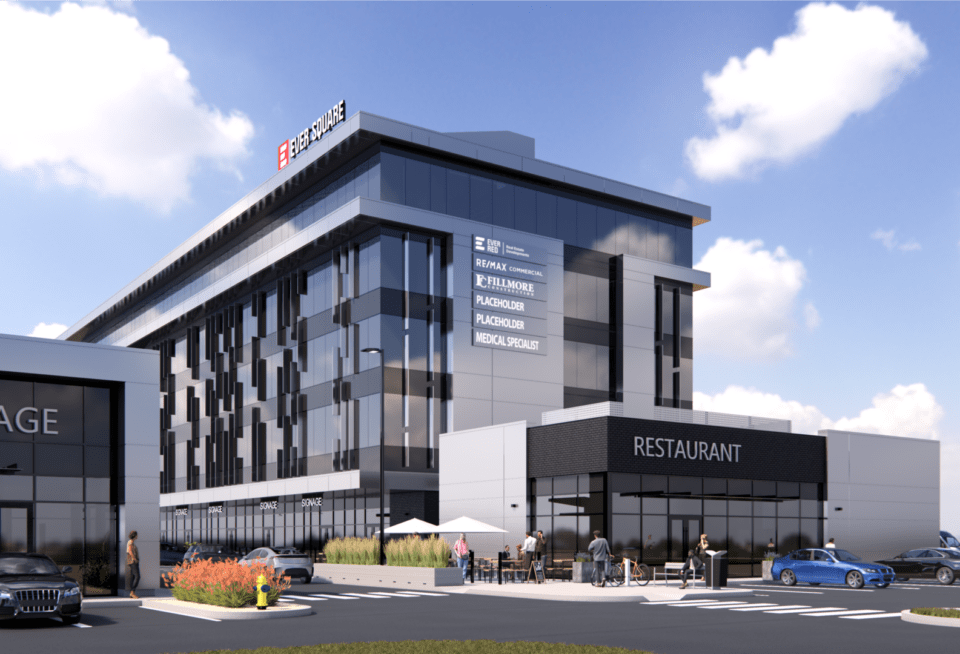
EVER Square (Image: EVER Real Estate Developments)
The development consists of a six-storey professional office tower with underground parking, four national drive-thrus, a lube service station, and single-story retail building. Construction is currently underway for the approximately 110,000-square-foot site and is anticipated to reach substantial completion in Q3 2024.
Sam Narayan
“We acquire land and primarily build retail and multi-family assets in the city and surrounding areas. Over the last 10 years we’ve done over 12 or 13 projects and over the last two years since launching the new company, we’ve really now stepped it up because we’re comfortable with our projects. The latest one is EVER Square. Outside of that, currently we have one that’s called EVER @ Ellersie where we’re building approximately 23,000 square feet. Again, medical oriented. We have one going on the west side of Edmonton called EVER on 170. We have one closer to here on 51st Avenue called EVER on 97 and now we’re getting into our multi-family development which is called EVER Living. That will be coming onboard towards the end of the year.”
EVER Square (Image: EVER Real Estate Developments)
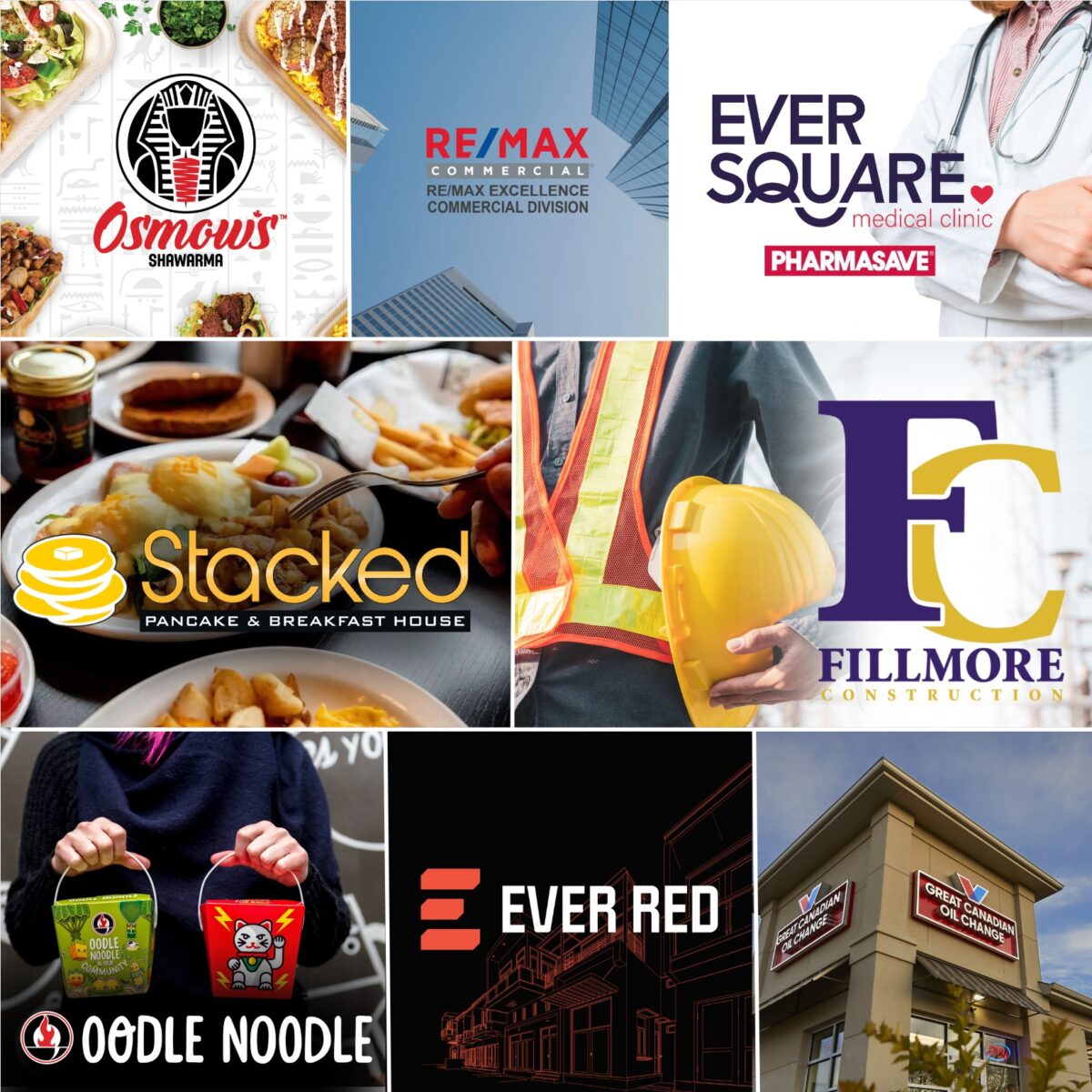
Tenants at EVER Square will include:
Fillmore Construction
Great Canadian Oil Change (Valvoline)
EVER Square Medical & Pharmasave
Stacked Pancake House
Oodle Noodle
Osmow’s Shawarma
RE/MAX Excellence Commercial Division
EVER Real Estate Developments
“This land we acquired two years ago from the group of individuals who had it for about two decades. They did have some significant plans on it but over time they decided to sell and we were able to acquire it,” said Narayan.
“We went through rezoning to make sure it fits our needs. We’re building seven buildings at the site. One is a five-storey building with a rooftop patio. The rooftop patio came from a lot of the office tenants that we have who are looking for amenities for their staff. We do have underground parking of 127 stalls. Surrounding that we’ve got drive-thru’s and retail CRU base.”
He said site servicing on the site has been completed and they are in the process of building the parkade which is well underway and expected to be completed over the next 30 to 45 days and then the vertical component of the building will come. By August of this year, the entire buildings should be up and Q2 of next year is when it is being projected to be turned over to tenants.
Image: EVER Square
“Our team has experience working on a project right across the street called South Trail Plaza which was 60,000 square feet and demand was pretty significant. There were a lot of tenants in here which we couldn’t accommodate. That gave us the idea to explore this site – a vacant site that really is sitting in the middle of Edmonton, 15 minutes away from the airport, eight minutes from downtown and 15 minutes away from West Edmonton Mall,” said Narayan.
“So the site looked very good and when we did our due diligence, took it to the market to understand, what we found is a lot of the tenants wanted to be here – not only be here but to open their flagship location. So we have office tenants that are moving locations and coming to this site in order to be at a location that becomes flagship.
“We have retail tenants who are putting their first location in Edmonton because of this site because this is really the Gateway to Edmonton when you’re coming in from Calgary this is the gateway and they all want to put their sign on the street. And when we found that, that’s what made this project viable and we decided to move forward and today we actually have more tenants than we can put in.”
Narayan said the office market remains tough in Edmonton’s core. But all the office space in the EVER Square development is spoken for.
As for the economy, he said the company is bullish on the Edmonton market.
“The economy today is tight. It is certainly a lot of work to put it together but we’re a company that is in this long-term. We’re not a company that builds and sells assets. We build and retain and we’ll be retaining this for the next generation. So we’re bullish.”
Craig speaks with Matt Crowell, Founder and CEO of GetintheLoop, about AI and its implications on malls and the retail industry as a whole. It’s an interesting discussion on what the future of AI might look like as it becomes accessible to the public. A transcript of the discussion is available below as well.
If you prefer to listen to the audio version, it is available below:
The Interview Series audio podcasts by Retail Insider Canada are available on Apple Podcasts, Stitcher, TuneIn, Google Play, or through our dedicated RSS feed for Overcast and other podcast players. Also check out our The Weekly audio podcast where Craig and Lee discuss popular content published on Retail Insider which is part of the The Retail Insider Podcast Network.
Craig Patterson 0:03 Welcome to the Retail Insider video series. I’m your host, Craig Patterson. And we’re joined here today with a special guest, Matt Crowell. He’s the founder and CEO of GetintheLoop. Welcome, Matt.
Matt Crowell 0:14 Hey, Craig, hey, thanks for having me.
Craig Patterson 0:17 Now, for those who are unfamiliar, tell us quickly what GetintheLoop is.
Matt Crowell 0:20 Yeah, um, so GetintheLoop. It’s a shop local platform. So for a business, they use us to deploy promotions or their loyalty strategies. So it’s all about attracting and retaining customers. And then we have our own app, the the GetintheLoop app. So it’s the largest shop local app in Canada. And so it’s a place for consumers to find great local promotions and loyalty rewards from local businesses, national brands, and even their shopping center.
Craig Patterson 0:42 Excellent. Speaking of shopping centers, we wanted to talk a little bit today about digital integration into shopping centers a little bit around AI, general conversation around that, and let’s break into it. What do you see in shopping centers in terms of sort of digital integration and new technologies? We can keep that as a bit of a broader question.
Matt Crowell 0:58 Yeah, I mean, I think you’ve seen quite a bit of a transformation over the last three years, I think the pandemic really set it on where a shopping center had to start to be a digital partner, with a lot of their tenants and retailers. And that’s just continued on. I mean, you see a lot of the big groups making significant investments, and even smaller groups really, really making it, it’s anywhere from some groups that are launching their own apps and their own Ecommerce solutions that include delivery and pickup. And even to the point that you see small strip centers now building their own website, where it’s important, even as a strip center with 15 tenants to have a website and some sort of digital presence for your tenants and for consumers, right? So it’s, it’s something that’s continually evolving, but we’re seeing quite a bit of investment in the space. And it’s neat to see.
Craig Patterson 1:41 It’s kind of like the conversation around omni channel with retailers themselves in terms of consumers now can go on a website, you know, get to know it’s there, perhaps before they go, some actual shopping centers even have I guess, shopping platforms that have been created where you can shop in the mall, digitally, but AI has certainly come into that as well, whether or not as chatbots or otherwise, how are we seeing AI being integrated into shopping centers and with brands in terms of marketing and otherwise?
Matt Crowell 2:07 Yeah, I mean, for the brands, especially right now, you know, you can see AI to me is what it’s really doing early on here is it’s allowing for personalization to be kind of supercharged, I think every brand wants to make their message and communication to a potential customer, as personalized as possible. And I think AI is just it’s ramping that up. And so a brand’s ability to not only target but communicate and be relevant to a consumer at a local level, and really a personal level, I think is continually evolving. And you’re seeing that more and more in terms of how a brand can market to you on cross channels across social across email, you know, whether it be alerts to your phone. So that’s one way and then from a shopping center point of view, I think there’s gonna be multiple ways that it starts to make a really big impact for them. I mean, we’re working on some stuff where we can help support their digital strategy. And it’s using AI in a way that really, really what it’s about is empowering the tenants, right and empowering the retailers to participate more digitally with that shopping center. But from a shopping center point of view, it’s gonna be anywhere from content creation, they’re going to be able to understand information better. So when they’re talking to potential tenants, I mean, you can see how it’s going to kind of go from top to bottom and what a shopping center does over time, but we’re kind of early days. And I what I’m seeing is just a personalized marketing approach has been really Supercharged.
Craig Patterson 3:19 And this is done through machine learning. So that becomes like a smarter and also understands what the consumer might be looking for.
Matt Crowell 3:24 Yeah, yeah, that’s, that’s the basic gist of it. Right, each brand, depending on their level of sophistication is going to be doing it better. And, you know, it’s going to be interesting to see because naturally, when new technology comes out, it’s the larger brands and the larger groups that usually take advantage of it earlier. But I really do think that AI can democratize that ability, right? It’s going to also bring automation, sophistication and personalization to local businesses and local brands at some point to its do they have the resources and wherewithal to use it in the right way will be the kind of key differentiator here
Craig Patterson 3:54 And is fake news for Ecommerce as well. I know with things like chat bots on websites, I’ll be on there and something will pop up and say, Can we help you? And it’s not probably going to be a human on the other side?
Matt Crowell 4:07 Yeah, yeah. It’s, it’s interesting. I mean, one thing that I think we’ve been seeing that that change happened for a long time, you know, there’s a lot of buzz, there’s been a bunch of new technology that’s coming out, that’s making a pretty big difference. But a lot of this has been going on, it just continues to get better. I think one of the biggest surprises for me, when when this has all become the phenomenon the last couple of months here, really, I would have never seen it really going up the creative space. I mean, I wouldn’t have thought, you know, it’s like it’s taking over a lot of the creative space, you’re seeing it, design images, write blogs, write custom posts, it’s, you know, that wasn’t where I saw AI taking over or making a huge impact, but it seems to be early on, it’s in the creative space, which was a surprise to me.
Craig Patterson 4:46 Well, now they’re saying that AI I mean, it’s almost adopting, in some cases, human tech qualities and there’s been some fear that it can almost become human and smarter than humans and I mean, there’s with AI lawyers and it’s quite interesting.
Matt Crowell 5:02 Yeah, that’s, that’s one of the biggest industries I’ve heard that it’s going to really make a difference on is things that can be printed pressed a little bit. I mean, you know, legal is obviously based off of a functional set of rules. And so it’s, you know, I’ve heard that there’s real disruption happening in the legal space right now, I don’t know much about it, but when I’m talking to different associates, that seems to be one of the spots that it’s going to make a big difference pretty quickly.
Craig Patterson 5:25 I’m curious myself as a former lawyer, I mean, it was pretty hard doing legal research years ago, I mean, databases. But anyways, with AI out there, the machine could have a competitive advantage over a human being that would actually have to be able to read these things. Let’s talk a bit about loyalty as well, including, say, retailers with multi brand locations, AI is being integrated into this and think a little bit as well. Can you tell me more about that?
Matt Crowell 5:53 Yeah, and I think I mean, it comes down to when you think about a multilocation brand, one of the challenges for them is how do you support all of your different locations? And potentially, where they are the types of customers they serve the point in their lifecycle? Are they just building up? Have they been in that location for multiple years? And that’s one of the things that I think multilocation brands have struggled with for years is how do you support various locations across the country that have different needs? I mean, it’s been one of their challenges on social media, if you look at different brands, they have 58 different social media accounts, and some of them are posting often some of them are never posting and and how do you how do you automate that, and so you can see where AI in their loyalty space and just in their digital approach is gonna make it a lot simpler for them, I mean, it’s going to be able to have a customized approach based on location based on a customer’s interests. And really loyalty is trying to serve up the right thing at the right time to a loyal customer. And it’s adding value, but really, what you’re trying to do is incentivize repeat purchases, larger purchases, and the more information you have on a consumer, and the better able to serve information that’s relevant, you know, the more successful the program will be. And so I’m sure we’re gonna continue to see a lot of this rolling out from, you’ve been seeing it for years, the big brands like Starbucks, but you’re gonna see that kind of going down market with smaller brands that will, you know, be getting access to this technology and being able to be more sophisticated in their approach to a consumer, and ultimately, in their approach to building loyalty. When you guys think about it, how do you see retail insider work? And like working this into your business? I mean, it’s I know, it’s also new to us, but you guys are very much in the content business? And I’m interested in how you see it?
Craig Patterson 7:28 That’s a good question. That’s a good question. Because, I mean, I’m a bit older. So I don’t want to stay my early adopter of technology. But I’ve definitely been thinking about ChatGPT more specifically, not not to cheat or to do anything, where we’re not giving the best editorial quality, hopefully. But in that ChatGPT I think right now is only available for information that’s up to some at some point in 2021. But I was thinking for something with, say, a historical background or something that we would need that, you know, would speak to something that had happened before 2021, even if it’s 1670 will say the Hudson’s Bay Company, ChatGPT could actually save us some time in terms of being able to have that research done having something that’s at least partially written, we would always want to go in and make sure that there’s edits and that it’s factually correct. I’ve heard that there could be some issues around fact checking need to be done and what not with these. It’s not perfect yet, but something that that’s something that I had looked at as well. In terms of other things with AI, I’m just thinking off the top of my head. I mean, we don’t have a chat bot on the website, would we do it? I have no idea. I don’t know if we would need it to be honest. We, we would sometimes I find them a little bit annoying when they pop up. I know I probably shouldn’t. But I don’t know. And maybe I should ask you as well, if you have any ideas for us, because again, with the publication here, AI is a little bit new to me. You know, I’m a little bit older than some of the employees will all of them that we have pretty much other than one. So…(laugh)
Craig Patterson 8:53 You know, I think it’s what you said I could see worlds where you guys obviously want to build very large amounts of relevant content that’s important to your readers. And so the ability for you know, the different products to be able to write content that’s relevant, I still think you need the lens, edited by an individual that can make sure it’s through the right lens and voice. I know, one thing we can chat about in the past is, you guys are always looking to be more localized and relevant to your readership. And I think there’s going to be ways that you can work that in where you can serve up more relevant information at a localized level. I know you do some of that already today. But those are early wins, I could see. And then, you know, one of the things that we are doing at loop and I think would be similar to you, you have a newsletter that you send out. And that newsletter is generally like a conglomerate of all the great articles that have been posted in the last week or different things with maybe a leading article. But it’s something where you could have that all pulled together pre written for you. And even back referencing other other letters that would be relevant. So it could be it can be really good at building that. That’s, that’s one of the like things that really made a difference for us pretty early on, is we’ve got a ton of content across the country of local businesses, promotions and things like that. And our email we had a recommender system built in a very light one that is supposed to show the right information at the right time to a consumer. But the reality is, that’s not simple. But now, when implementing some of these new tools, it can quite simply pull together so much better information in real time, right, a little bit of a note around that information. So it’s making that information easier to digest for our consumers. It’s even writing push notifications and things like that. Now, we still check it all off, because it’s pretty early days, but you can do quite a bit of unique stuff with it, I could see how that would work into your business kind of similar to ours, we’re both publishing content in a different way and, and trying to engage consumers, right.
Craig Patterson 10:34 Yeah, and GetintheLoop, I think a lot of information, was it? Would it has AI helped to aggregate things or tell me a bit about the usefulness that you’ve seen?
Matt Crowell 10:42 Yeah, I mean, early on, a lot of it was automating a lot of stuff that we had people doing, you know, so that’s been nice, we’ve been able to free up some resources by using it. And a lot of that was content creation. So we already had, you know, 1000s of businesses offers, but there’s still somebody in the background deciding what was the push notification, what should be in that email. And all of that is getting automated. So it’s freeing up resources to go do other things. So there’s a little bit of efficiencies in our business, which is come on pretty nice. And then one of the ways we’re really seeing it impact us and we’re excited about is our ability to integrate into social is really kind of getting supercharged by this. So we’ve been integrated into the social platforms. But the reality is, you still needed somebody to write a really neat, you know, caption and maybe attach an image and understand the right hashtags and the right time to send it out. Like, there was still a lot of, you know, human work that had to do that had to be done to get something live onto a social platform. And now with all of the different technology they’re coming up with, there’s some really neat ways that you can integrate into social and make it easier, I could see a world where it’s gonna get a lot easier for multilocation brands, shopping centers, and others, to get their content live more often in a better way. And at scale. But, you know, that’s going to take some time, there’s, those are some of the things we’re working on that I’m hoping that you guys will help support a new product launch we’re coming up with here in the next month or two. So I don’t want to say too much, but we’re definitely seeing some big opportunities with it. So we’ll be hopefully sharing more insight as we get it tested, and make sure it works the right way.
Craig Patterson 12:07 I bet you guys know I can’t wait to learn more because again, I gotta learn more about AI, I do feel like I’m going to be a late adapter with some stuff. Even though you know, retail insider here, it’s still one of those things where I remember when you had to, you know, spin a, spin up a panel to dial a phone on the wall, and a person rented by quite baffling, but also really exciting. And no smaller businesses can get it on, I guess, utilizing AI technology, generally, it’s just a matter I guess, of where to begin and how it’s going to be useful. And I know that some people, you know, may not know the answer to that, or what questions to ask even.
Matt Crowell 12:42 Yeah, I mean, that’s where I think it’s really neat, right? The number one thing that’s hurting small businesses, they’re resources, both in money and people. And so you know, if you’re today paying an outsourced Social Media Manager, there’s a real world opportunity here where you can have AI write you great social posts every day or week, and you can just approve them. And so one thing people struggle with is creative, you know, the ability to be creative and think about what to post on social. And you can go as far as saying what’s relevant for a coffee shop, like mine in the city? What sort of topics should be talked about this day, a week? Now? Can you write me some and it will, and those are things you pay the Social Media Manager for. And so it could be a savings of money, and potentially a better strategy they could deploy on social. So I think it’s gonna be neat to see which like, how quickly do small businesses adopt these tools, you know, entrepreneurs are usually pretty scrappy, they’ll figure that out. But digital adoption has accelerated so much. I mean, small businesses have had to take on a lot, it’s first get a website, and that would be an Ecomm. Now, do digital advertising, understand social, oh, implement AI, I mean, we’ll just see how quickly they can do it. But you can see how it can give a really neat competitive advantage to a small business. I mean, that’s, that’s really where our platform was built was helping local business. And some of the tools we’re building out on this is to help a small business better market themselves automatically, and make it simpler, because the reality is small business owners are good at what they’d like to do. And they’re not always great at digital. And so I’m hopeful that these tools really help bring some power to the local business community.
Craig Patterson 14:05 Well, that is excellent. And in terms of using AI generally, for business with age, I mean, obviously, there’s GetintheLoop for the loyalty side. And then you know, the other platforms you’ve got, say, if I wanted to start utilizing things, is there a general this is I feel like I’m dumb question I’m asking but a general place that a person can go like, I logged into the ChatGPT platform, I did not start using it yet. But I think I created an account, or at least I hope I did it right. Yeah. Is there a barrier to access? Or how easy is this to utilize? Or to just get started using? I guess that’s a better question.
Matt Crowell 14:37 That’s where I would start. I mean, I think the hard part for most people is probably even visualizing what it’s capable of doing and understanding the capabilities. Right. And I would start there and ChatGPT, get in there, ask questions. You know, it’s like, the early stages of learning, like start to understand the kinds of information it’s capable of the kinds of outputs it can do. And then as a business, start to think about how that plays into what you’re trying to achieve on a day to day basis, right and because there’s gonna be a lot of efficiencies in small businesses that this sort of technology is going to be able to help them with as well. I know it’s early days, but to me, it’s like it’s starting right where you hit, it’s getting there, ask some questions, and get the basic learning and then let your mind take you where you think you can really make a difference. Right? That’s, it’s, it’s a neat time, because it’s really early in the adoption curve here.
Craig Patterson 15:19 I’m gonna try this myself. I’m curious. I mean, I think a lot of people are curious, probably more after they watch or listen to this here. But because I think we are in some uncharted territory. Do you think that I mean, and this isn’t just a general question. I mean, I wonder how AI could and this is many people are going to ask this replace humans or I mean, obviously, we’ve got the efficiencies. But I’m just thinking over time, are we going to need a lawyer? Are we going to need, you know, obviously, a call center could be in, you know, at least efficiently reduced in terms of the number of employees there, but but this could have implications on the general population in terms of future employability?
Matt Crowell 15:54 Oh, yeah. I mean, it’s going to I mean, I’m sure it already is, in so many cases. I mean, as for our company alone, I can tell you that it has already replaced roles. And we those roles have been redeployed in other areas, but it’s automated stuff that that you could do more of quicker. I think, you know, I’ve read some posts, and I really like these comments is like, AI is not going to take your job, they’re still going to people that need to learn how to work, yeah, and work best. And it’s like it is going to take jobs with new jobs will be created on using these tools. Right. And that will create new opportunities. I’m always an optimist, that there, there will still be some good that comes out of this. But, you know, if you follow some of the major tech leaders, there’s a lot of concerns. And our our CTO, he always says to me, he’s like, just remember AI lies. Remember, AI lies. And so even as we’re working with, it’s a slow process to make sure you’re doing it in the right way. And and it will be interesting to see how it affects the employment market. It’s like I said, like I was, I was just shocked, I would have always believed the one place in the world that was safe was creatives. You know, people that could write music, write blogs, build design. And that’s where it’s going. And I was like, Oh, that was a big shock for me, I would have never seen that.
Craig Patterson 16:59 Yeah, I mean, for myself, I was thinking, but even if we are, say, writing an article with retail insider, I put an element of analysis into certain things, depending on what I’m doing. But I’m just thinking, you know, I might write about say a state standalone retailer opening a store, and that brand was in another multi brand store. And then it pulled out and they would talk about the trends around that. And I’m not sure if AI would do the same job as a human that has background knowledge and something I can analyze and think. But who knows, maybe I could, I don’t know.
Matt Crowell 17:31 Wait, you gotta, so you gotta send me a text. After you go try this, it is going to blow your mind how it will write articles on the most in depth information. If I was to type into AI, explain what GetintheLoop is, why a business would pay for it, why consumers love it, and write me a blog about it and write me a blog. If it’s relevant today, make that blog shorter, it will be way better than explain my company. I mean, it might sound a bit robotic, and you need a bit of editing. But yeah, I mean, I’ve done some tests around on this stuff. And it’s like, it’s, it’s pretty amazing. So I can see some real relevance in your world for like I said, you guys know your voice and, and you know, your audience. And so I think there’s still a certain level of human element that needs to be massaging and editing. But I mean, it could whip you out articles in five seconds, that will be 95% impressive. And, and real relevant. You know, it’s, it’s pretty impressive stuff. As you get an interest with it, I’ll be, I’ll be interested to see how much you guys implement it.
Craig Patterson 18:25 I’m gonna have to try this, you just convinced me to go in and at least try these things. For those watching or listening. We don’t plan on having low quality content, we’re not going to be changing things significantly. But I do want to try this out and just see because it sounds like you know, the quality could be there. There could be some efficiencies, perhaps we could be able to produce some more content, and perhaps more localized content, like say, you know, we may be able to break things down and say this is what’s happening in Regina. And this is what’s happening in Winnipeg, Yellowknife. I don’t know if much is happening up there. But you know what I mean, in terms of doing something localized, Kelowna, where you are doing a little bit more local reporting, because, you know, we’ve only we only have so many reporters and we really do have to handpick what we’re reporting on. And we try to do a mix of local and obviously, you know, really big stories, whether or not that’s Costco or Canadian Tire or Hudson’s Bay. But if there’s efficiencies that can come from this, I think that’s absolutely tremendous. It’s a matter of, I think, you know, we would want to maintain the quality of what we’re doing, and certainly at least make sure that we’re checking over what’s being written because I wouldn’t want you know, just any old crap going out basically.
Matt Crowell 19:27 Totally, ya know, it’d be like, it’s baby steps, right. But the number one thing is, you know, over I think we’ve all learned over time is when new technology comes into play, the The advantage is at least understanding and understanding it and seeing where you can implement it. And for anybody out there, I would encourage them to to learn as much as they can, because it’s not going away. It’s going to continue to be more and more relevant and not everybody has to be an expert or like it, but knowing about it is going to be helpful. It’s like anybody that didn’t think digital was important 10 years ago, or phones were important 20 years ago. I mean, it’s coming.
Craig Patterson 19:57 So that thank you so much. I’m looking at forward to hearing what’s going to be happening with GetintheLoop, you’re saying that there’s gonna be some announcements coming down the pipeline here. And it’s really interesting conversation about AI, integrating that into retail shopping centers, retail otherwise, and the future I’m gonna go off and try this myself here and start playing with it a little bit and just see what kind of capabilities that it has. So, this is Matt Crowell. He’s the founder and CEO of GetintheLoop. Thank you so much, Matt, for joining us today.
Matt Crowell 20:24 Yeah, thanks for having me Craig.
Craig Patterson 20:26 And I’m Craig Patterson. I’m the founder, CEO and publisher of Retail Insider Media Limited. I’m also the host of this Retail Insider video interview series. Thank you so much, everyone for joining us here today. Whether or not you’re watching this on YouTube or otherwise, or listening to this through our podcast channels that we have as well. Be sure to subscribe with whatever platforms you’re listening to this on, if you aren’t already. Thank you so much again for being with us here today. Take care and bye for now.
Subscribe, Rate, and Review our Retail Insider Podcast!
Drop us a line at Craig@Retail-Insider.com. You can also rate us in Apple Podcasts or recommend us in Overcast to help more people discover the show!
Background Music Credit: Hard Boiled Kevin MacLeod (incompetech.com). Licensed under Creative Commons: By Attribution 3.0 License. http://creativecommons.org/licenses/by/3.0/
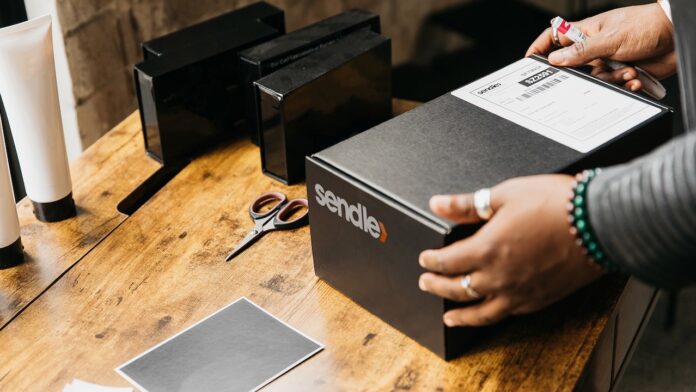
Delivery service Sendle has launched what it calls the cheapest tracked, door-to-door solution for shipping to the U.S. from Canada.
“From the day Sendle launched, we’ve been committed to challenging the functional postal monopoly in Canada in the name of small business. High parcel delivery prices are holding Canadian online retailers back from competing in the U.S., which is the second biggest ecommerce market in the world, and that’s not right,” said Lauren Helstab, Sendle’s country manager in Canada.
“Given the U.S. is our neighbour, it should be the easiest market for Canadian small businesses to expand into compared to any other country, and that’s why we are making shipping to the U.S. easier, cheaper, and better for them, We are confident that they won’t find a better rate for door-to-door shipping to the U.S. Plus, small businesses and their customers can feel good that their shipments are 100% carbon-neutral, and tracked, at no extra charge.”
In this video interview, Helstab discusses the new initiative, why it’s important for small businesses and what consumers today want from businesses.
The Video Interview Series by Retail Insider is available on YouTube.
Connect with Mario Toneguzzi, a veteran of the media industry for more than 40 years and named in 2021 a Top Ten Business Journalist in the world and the only Canadian – to learn how you can tell your story, share your message and amplify it to a wide audience. He is Senior News Editor with Retail Insider and owner of Mario Toneguzzi Communications Inc. and can be reached at mdtoneguzzi@gmail.com.
Also check out the other series offered by Retail Insider, including The Weekly podcast and The Interview Series, which are both available on Apple Podcasts, Stitcher, TuneIn, Google Podcasts, or through our dedicated RSS feed for Simplecast and other podcast players.
Retail Insider is streamlining its Canadian retail news from around the web to include a handful of top news stories that can be viewed quickly during the day. Here are the top stories from the past 48 hours.
Chinese tourism plays an important role for retailers in Canada, especially luxury brands, as in 2019 it “was the largest source of tourism arrivals from the Asia-Pacific region and Destination Canada’s second largest long-haul market and largest spend,” according to Jingjing Zheng, the Founder and Managing Director of Hexie. This was affected during Covid, and Zheng says it will mostly take a year or longer to fully recover to pre pandemic levels and talks about how China has an important part in Canadian retail.
Jingjing Zheng
“I am sure during Covid years things have completely changed, but now when I am looking at the recovery, I think we should look back at 2018 which was the peak as Chinese tourists spent the most amount of money in Canada compared to other countries, spent the most on luxury items, and spent the most time in Canada. So it was really obvious that Chinese tourists were one of the strongest and the most interested in luxury tag items.”
Zheng said in 2019, Chinese tourists spent an average of $2,900 per trip and spent an average of 44 nights. During Covid, the number of Chinese tourists, immigrants, and students dropped due to restrictions, causing a decrease of more than 19 percent according to Immigration Refugees and Citizenship Canada. Now since schools have mandated students back to campus earlier this year, Zheng says the pre-pandemic levels are expected to return.
“The number is expected to quickly return to what it was before the pandemic, but I would say the recovery is very slow, but might take a year or more. So with things slowly going back to normal, I would say it will probably take a year or even more to fully go back to the peak level, but it will come back and it is important that they do as Chinese customers are very important to luxury brands.”
Connections to Canada
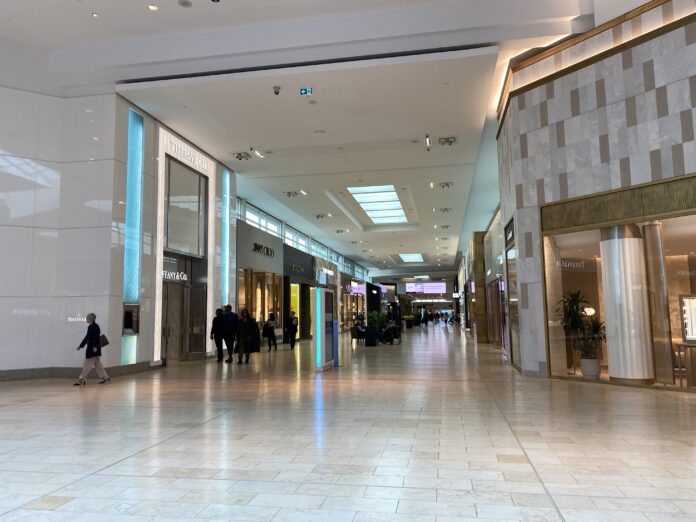
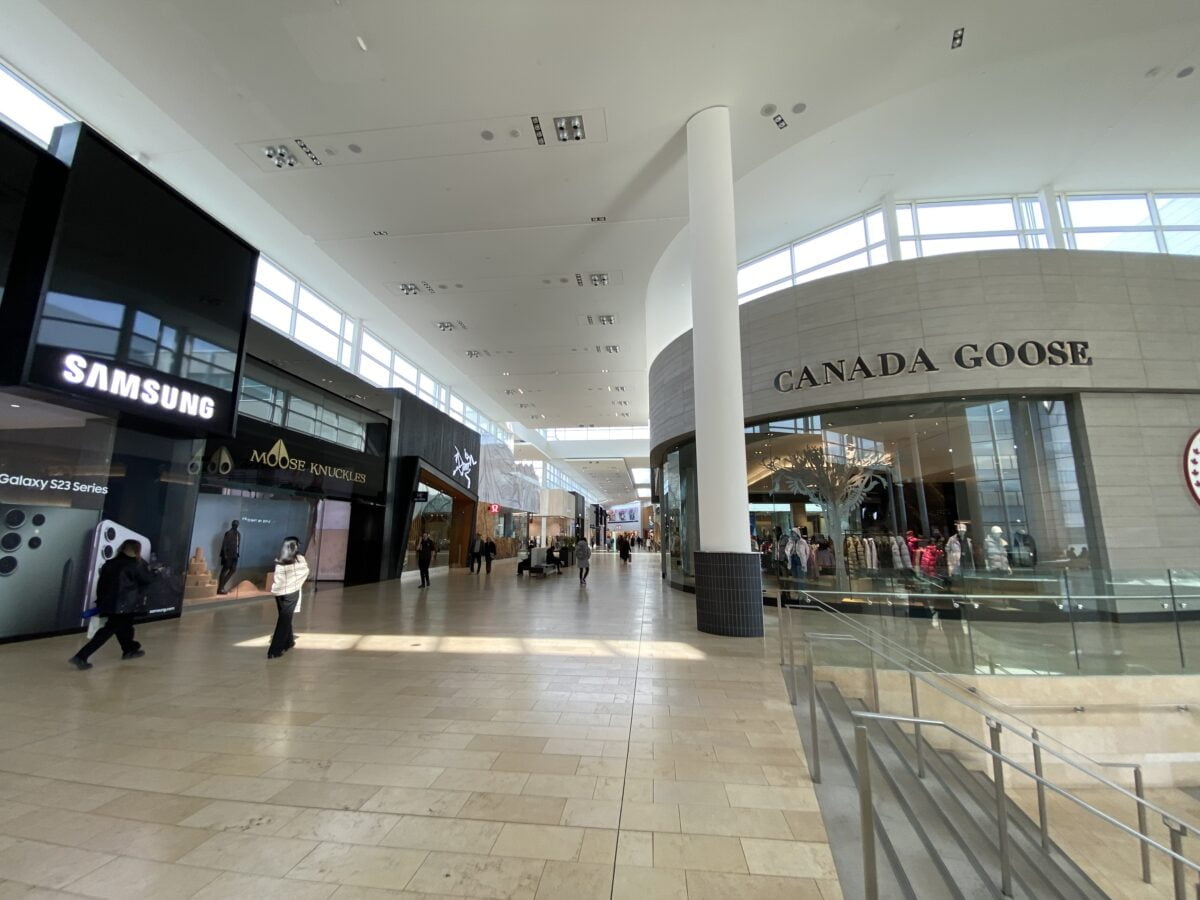
Yorkdale Shopping Centre (Image: Dustin Fuhs)
Zheng said in China, Canada is the top destination for traveling and immigration and says a lot of them visit Canada first before immigrating. In addition, Chinese people also visit more and spend more time in Canada because of their connections such as family and friends and therefore, will have time for sightseeing and more time shopping.
“If you look at the pattern, the type of people that come to Canada to visit, they are quite different from the tourists that go to Europe or even the United States. A lot of the Chinese tourists that come to Canada have some sort of ties, either they have kids studying in a Canadian university or they have friends who are immigrants. So the pattern, even before Covid, was that they could come here and they would spend longer times rather than just sightseeing, they would spend more time with their family, and spend more time shopping.”
Zheng also said that with the recovery of international students coming back, there will be a huge increase in the number of students and as there was a lot of negative views on how the Chinese government handled Covid and says because of this, there will be more people looking at immigration and heard from various immigration consultants that there is a huge demand in wanting to move to Canada. Zheng said that, although Chinese tourists shop in Canada and are important to luxury retail – it is not a reason why they come here as Canada is not seen as a destination for luxury shopping.
The Importance of Chinese Shoppers to Luxury Retail
Zheng said Chinese locals, tourists, and students are the most important group for luxury brands and although the exact statistics are unknown due to privacy regulations, Zheng said before Covid between thirty to fifty percent of revenue from luxury brands came from Chinese shoppers and as we head into recovery, there are ways we can improve and attract Chinese shoppers back to Canada.
One way is to have more Canadian luxury brands as Canadian brands are more known as environmentally friendly, safe, and clean – but we don’t have the same luxury brands as you would find in France or Italy. And with the Canadian brands that already exist, such as Lululemon and Canada Goose, Chinese shoppers play an extremely important part.
“Seeing the Canadian brands grow and become luxury brands that Chinese consumers will also love – that is our future. It is not like you should come to Canada to buy Louis Vuitton, you can buy it here but that is not our selling point. The key would be to grow our own luxury brands and that would be a win for Canada and the rise of these brands will help change the perception of Canadian brands.”
Furthermore, Zheng says the luxury brands we do have such as Lululemon and Canada Goose are fuelled by Chinese shoppers and they play an important role in building up these brands into luxury brands, growing them within the Chinese communities, and expanding them into the China market, which Zheng says helps brands grow stronger and into who they are today. Both Lululemon and Canada Goose have flagship stores and very strong Brick and Mortar stores in China.
Launching an Asian Influencer Marketing Platform
Zheng said one thing that will help bring back Chinese shoppers to Canada is putting more effort into bringing awareness and marketing and she is doing this by creating an Asian influencer marketing platform which will be available soon.
“We are going to be the only platform in North America to have local Chinese influencers within our network and they are very active online, especially in the luxury category, and these are the people that are going to be very important to retailers.”
The influencers, between the ages of 18 to 40, range from thousands of followers to millions of followers. The bigger ones will have an international reach, including China, which will help retailers have a deeper understanding of their audience. Zheng said the influencers are a mix of international students, new immigrants, and most of them live a luxury lifestyle. The followers, Zheng said, are the people retailers can reach out to and can help up their marketing game as the followers “are accurate consumers who are interested in spending money in luxury.”
“We know for sure that local Chinese, students, and recent Chinese immigrants are very important to all luxury brands, and should be retailers number one focus, and there is more we can do. There are more effective ways to reach out, more strategy, and more work can be done. People don’t think Canada is a shopping destination for luxury, so by changing the narrative and promoting Canada more is going to help.”
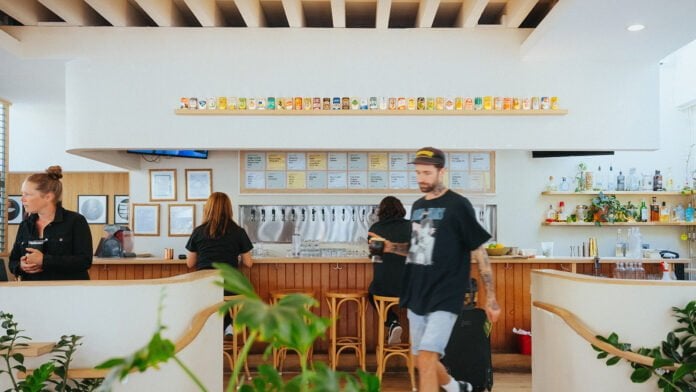
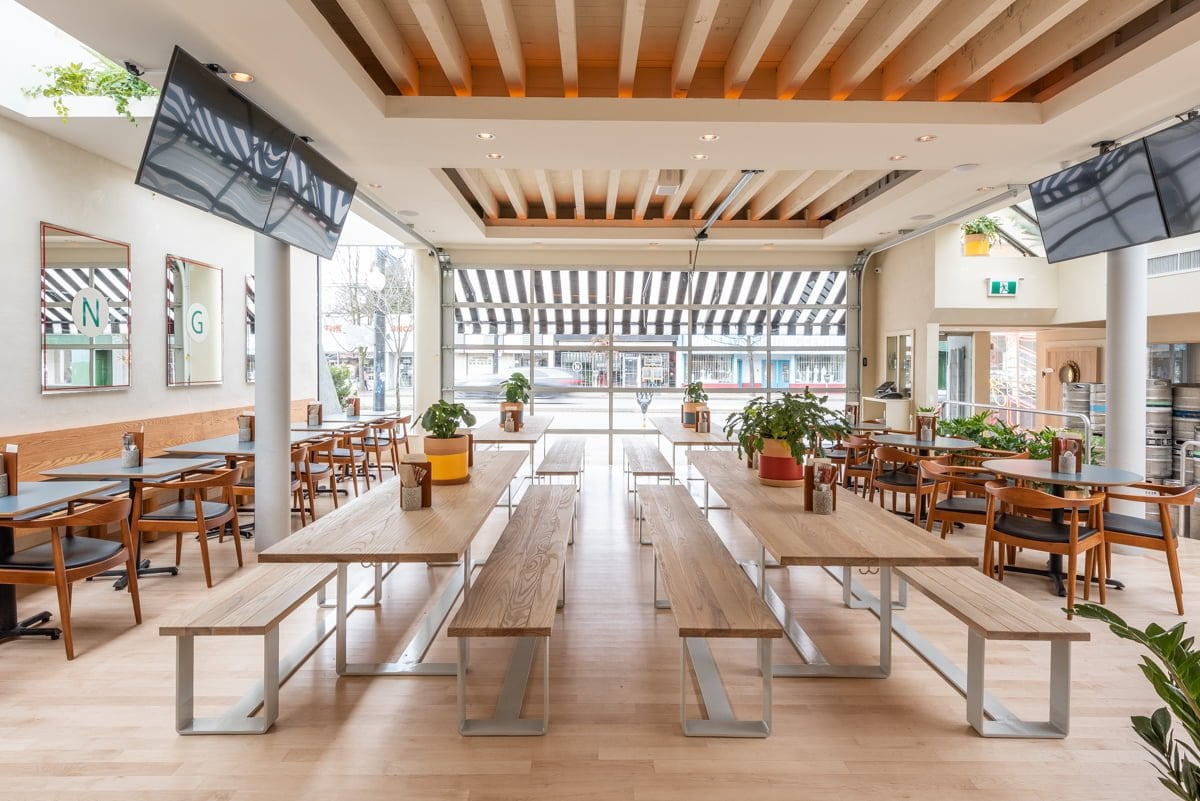
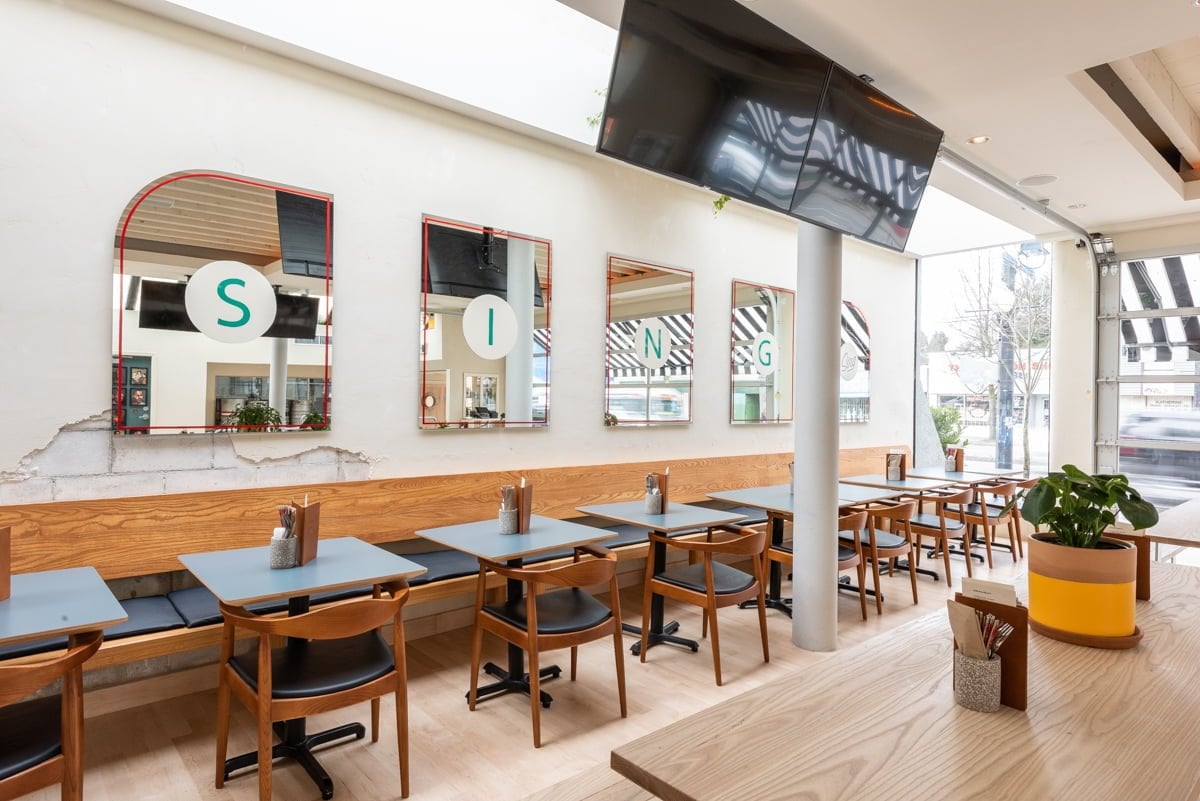
Bar at Sing Sing Restaurant in Vancouver. Photo: Sing Sing.
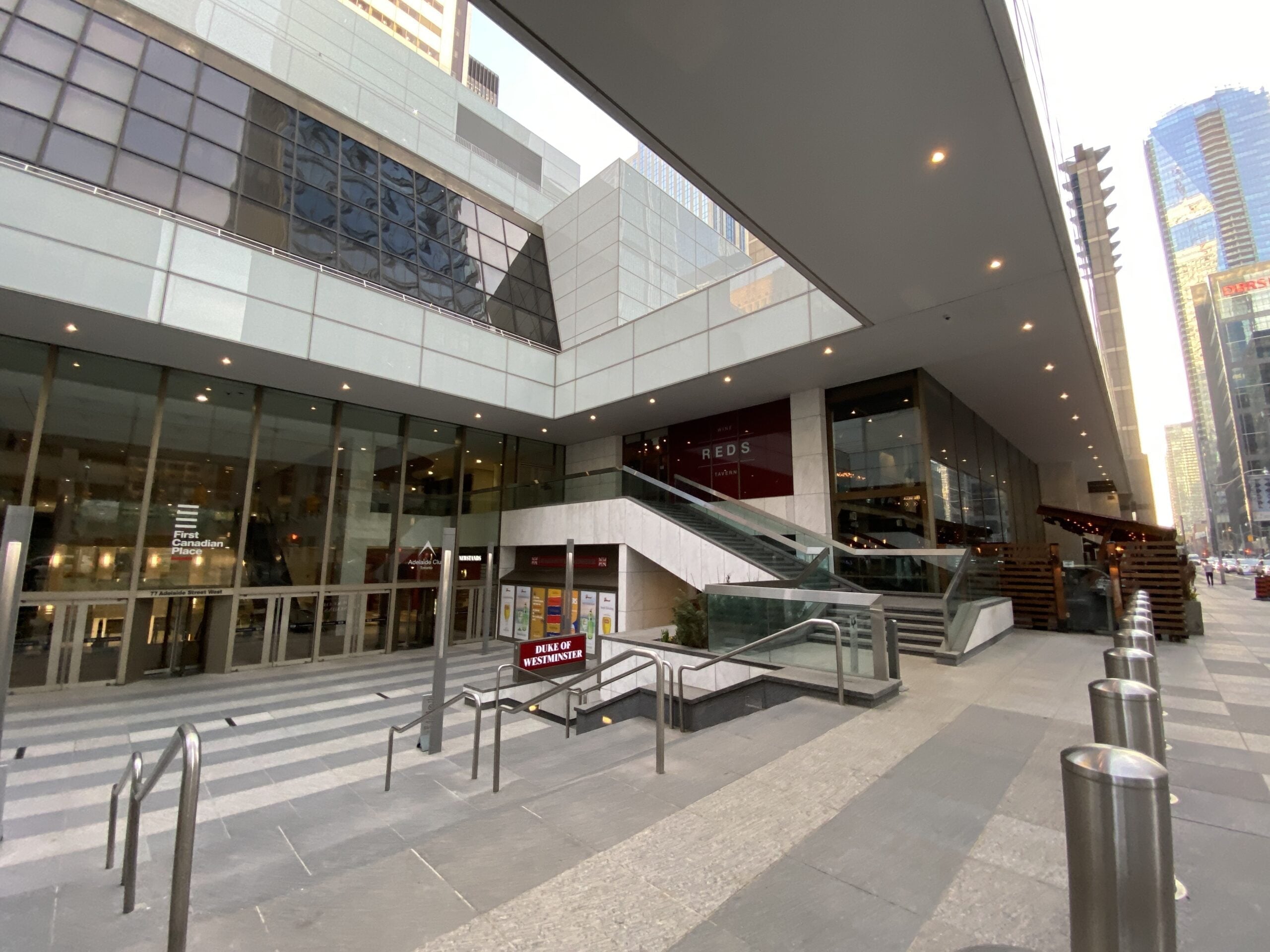
The unique Sing Sing Beer Bar concept, based in Vancouver, is expanding to other parts of the country with a new location at First Canadian Place in downtown Toronto.
“It’s called Sing Sing Beer Bar which maybe doesn’t give it enough justice because it’s really diverse in its product offering,” said Harrison Stoker, Chief Growth Officer for the Donnelly Group which operates Freehouse Collective. “We opened the first one here in Vancouver on Main Street (in 2019) to quite a bit of acclaim.”
Freehouse manages and operates a number of dining and drinking brands.
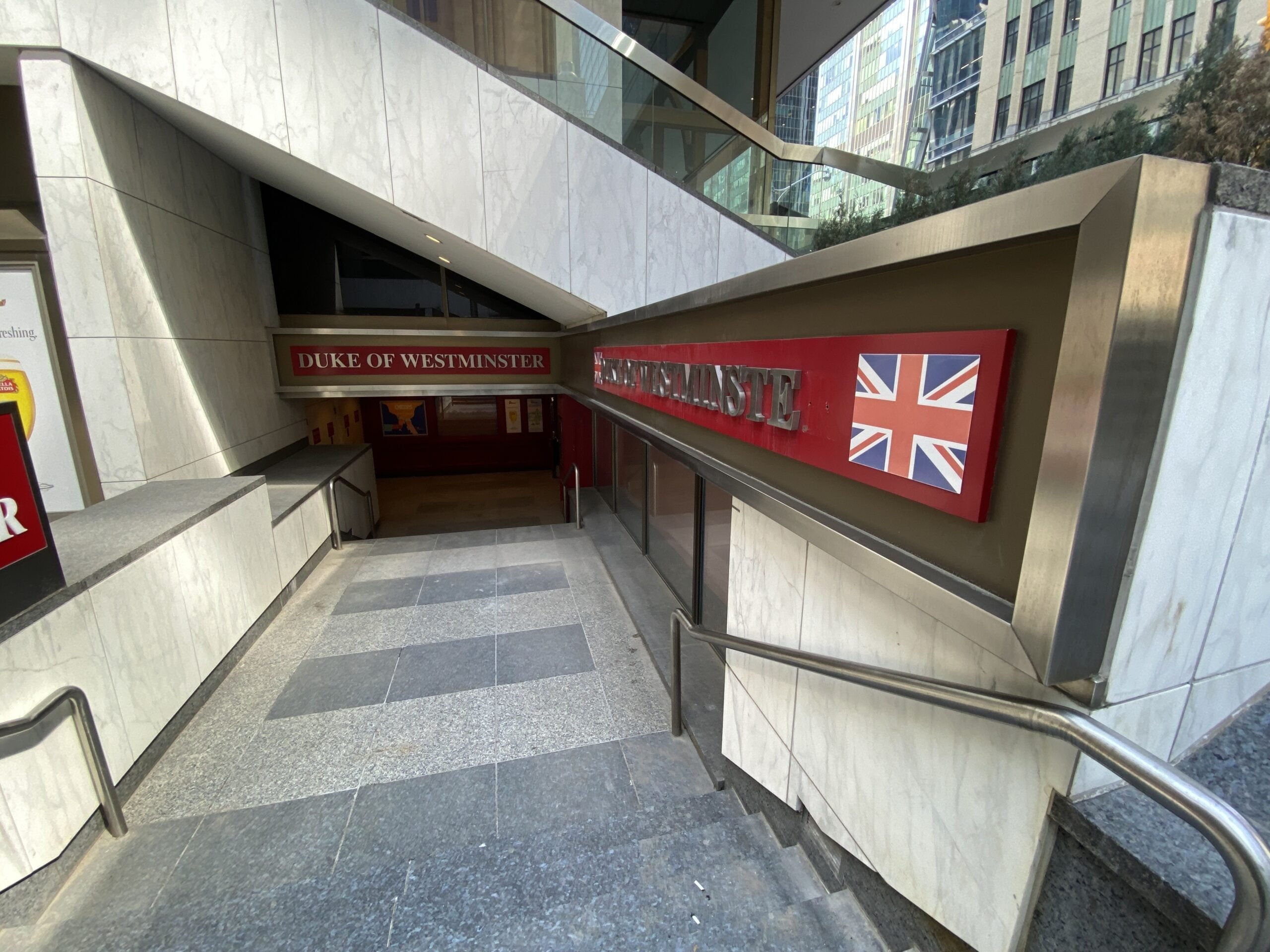
Former Duke of Westminster and Future Sing Sing (Image: Dustin Fuhs)
Former Duke of Westminster and Future Sing Sing (Image: Dustin Fuhs)
Bar at Sing Sing Restaurant in Vancouver. Photo: Sing Sing.
Harrison Stoker
“Interestingly enough through the pandemic, where most of our businesses were deeply challenged, Sing Sing was the one for us that actually grew both in revenues and popularity which is really great,” said Stoker.
“For that reason, it’s given us the confidence to give it to some new neighbourhoods and that’s why we’re bringing it to Toronto. It’s a restaurant and pub and bar all folded into one and it’s predicated on this idea of beer, pho and pizza, which are all very complementary in their own respects and together.
“It’s food designed to make you want to drink beer and beer designed to make you want to eat food.”
Sing Sing Restaurant in Vancouver. Photo: Sing Sing.
Photo: Sing Sing (Vancouver)
Photo: Sing Sing
Photo: Sing Sing (Vancouver)
Stoker said Freehouse does aspire to open more Sing Sings.
The Toronto location, he said, will be open by or before the summer.
Stoker said the company has some experience in Toronto’s Financial District. It has a pub called Walrus in the area.
“Where we really specialize is in inheriting second-hand spaces and re-imagining them and so the Duke of Westminster space was available and it’s actually really unique in its layout, a challenge if you will,” said Stoker. “And I think we’re sort of suckers for those kinds of challenges.
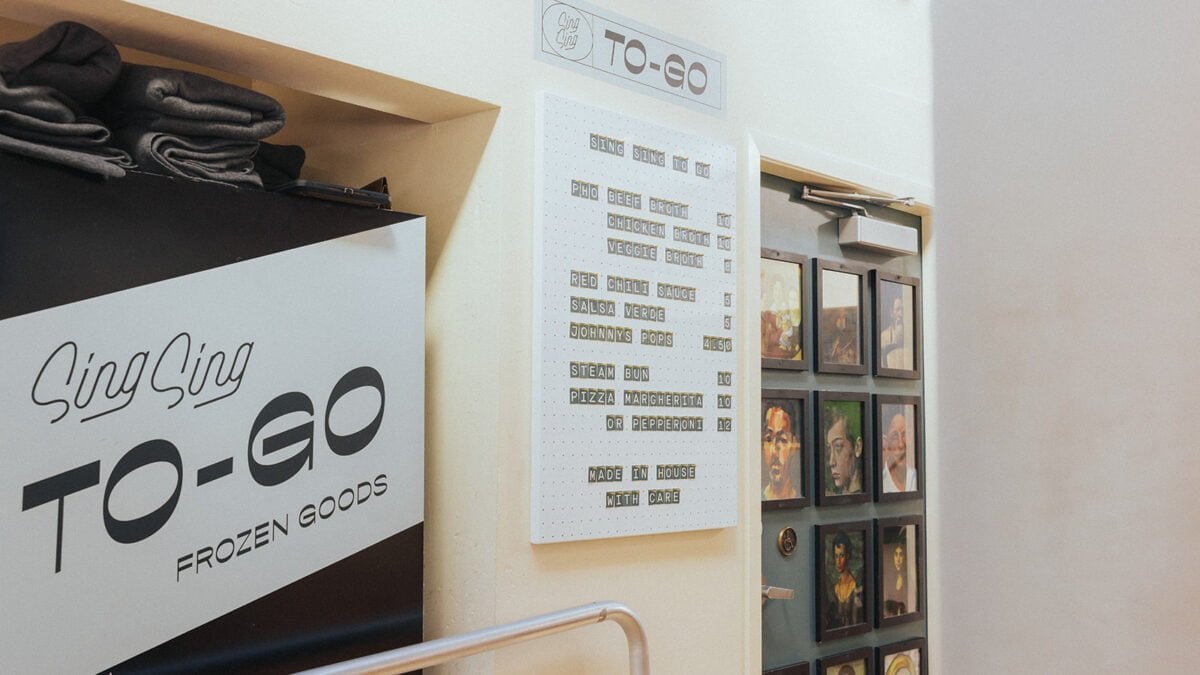
To-Go menu at Sing Sing Restaurant in Vancouver. Photo: Sing Sing.
“We found that space. It had great availability. It had a lot of history which we love and it was going to be a really unique challenge for us to reinterpret it as a Sing Sing. I think we’ve sort of rose to the occasion. We also had a real tremendous appetite to bring Sing Sing into a finance district, into a metropolitan centre, because long-term we’ll take it into more suburban neighbourhoods. But we first wanted to introduce it to the financial core, the metropolitan core, where we believe a lot of people are working and then they go back to their suburban neighbourhoods. That will be the next step – to bring that Sing Sing brand into suburban neighbourhoods.”
Grilled Cheese Appetizers at Sing Sing Restaurant in Vancouver. Photo: Sing Sing.
Stoker said the plan is to expand the brand eventually to other cities with plenty of growth potential in Ontario.
“We’ve got a lot of really good momentum with our brands. The idea is to double down on a few that we can scale,” he said.
Photo: Sing Sing
Photo: Sing Sing (Vancouver)
Photo: Sing Sing
“They will join the extraordinary roster of food and beverage operators at First Canadian Place. We felt the offering of pho, pizza and craft cocktails would be dynamic, and a one-of-a-kind in the city while adding to the F&B mix at First Canadian Place, which continues to draw a younger demographic, representative of the clientele in the financial core and the surrounding residential population.
“Along with Black + Blue Steakhouse, Sing Sing will be a welcome addition to flagship restaurants such as Cactus Club, King Taps, and Reds (which will undergo a full renovation this summer) already anchoring First Canadian Place and the Exchange Tower.”
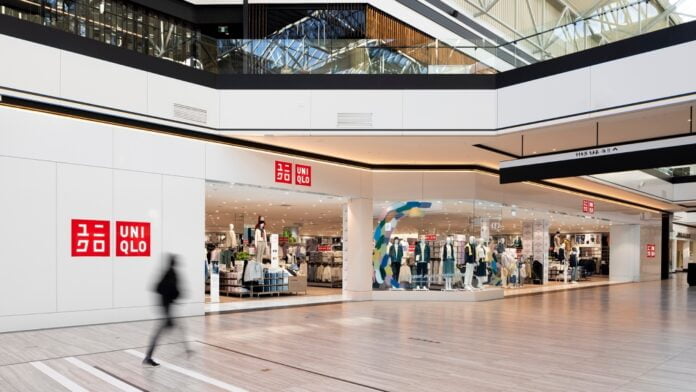
Uniqlo store at CF Fairview Pte-Claire in Montreal. Image: Uniqlo
Global retailer UNIQLO will open its first store in Calgary this spring at CF Chinook Centre in over 15,000 square feet.
Calgary will be Canada’s second new store opening this year after UNIQLO’s Ottawa location launching in June 2023. Building upon the momentum of its expansion strategy, UNIQLO is entering new cities across the U.S. and Canada. UNIQLO aims to open 20 new stores a year to reach 200 in North America by 2027, said the company.
“We are excited to open our first store in Calgary and expand our footprint in Alberta,” said Daisuke Tsukagoshi, CEO of UNIQLO North America. “Since opening our Edmonton store in 2019, it is clear that the Alberta customer resonates with the LifeWear message – that clothing is made for everyone every day.
“We opened our first Canadian location in 2016 in Toronto at CF Toronto Eaton Centre. Since then, we have grown in Canada; we currently have 16 locations throughout Ontario, BC, Quebec, and Alberta. And we are online at UNIQLO.ca. Since 2022 we have opened two new locations, both in Quebec at CF Fairview Pointe-Claire and CF Promenades St-Bruno. Additionally, we are excited to expand our footprint within new locations in Ottawa at CF Rideau Centre and Calgary at CF Chinook Centre.
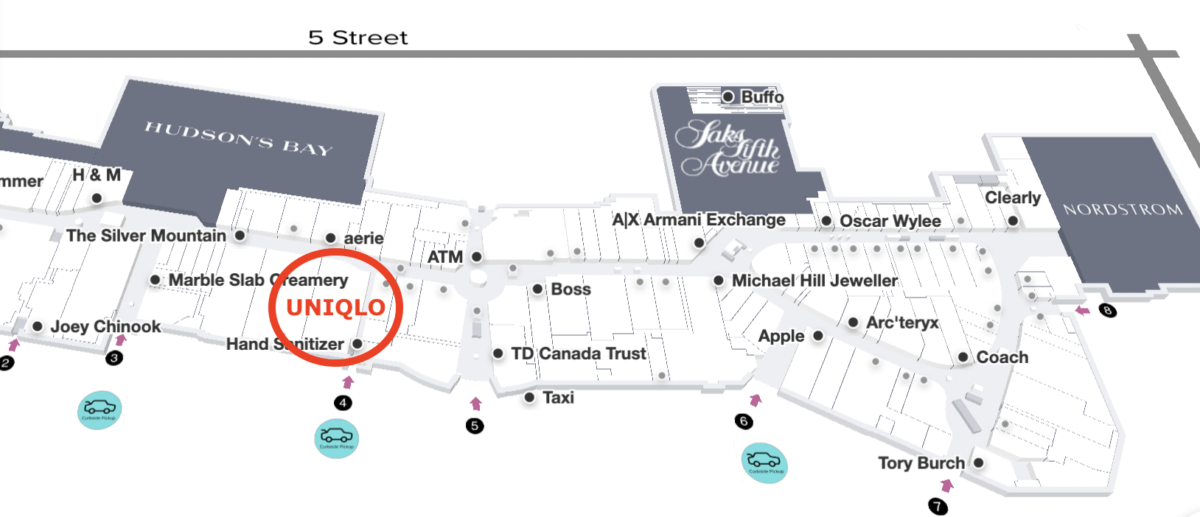
Click image for interactive mall map
“We look to expand within the North American market and have accelerated our growth strategy in Canada and the US; this includes opening new stores in key regions throughout Canada. We aim to open 20 new stores yearly to reach 200 in North America by 2027.”
Globally it has more than 2,400 locations across 27 countries.
Daisuke Tsukagoshi, image: Uniqlo
“Canadian customers are akin to European shoppers. Europeans share similar values as Canadians, such as resilience, humility, and good character. They shop with longevity in mind – essential clothing that compliments their lifestyles, made to be building blocks of their wardrobe that take you from year to year; this is one of the many reasons why UNIQLO resonates with Canadian consumers,” said Tsukagoshi.
The brand will be moving into the old Victoria’s Secret/Pink space at CF Chinook Centre as that retailer is relocating in Calgary’s most popular shopping centre.
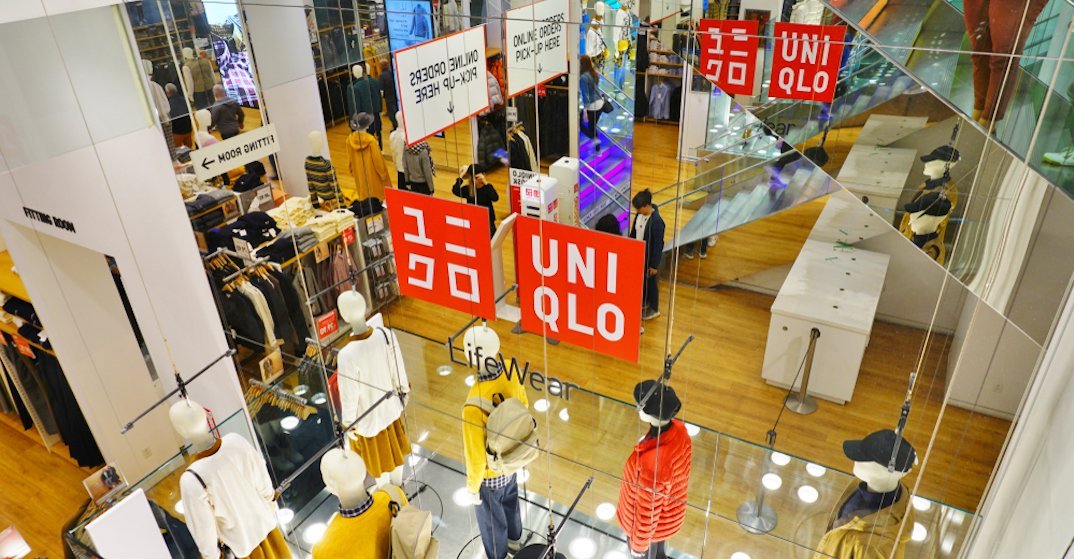
Uniqlo store
“UNIQLO Founder Tadashi Yanai began his career working with his family’s retail business, Ogori Shoji Co. In those early days, Mr.Yanai cultivated his skillset in the retail space. He later evolved the family’s business concept and opened the first UNIQLO in Hiroshima, Japan, in 1984,” said Tsukagoshi.
“UNIQLO has always strived to offer thoughtfully crafted clothing with life’s needs in mind; this truly sets us apart – we call this LifeWear. Our LifeWear philosophy – not just a term for our clothing but the philosophy in which we run our business; our purpose for existing.”
The company said its new location in Calgary will offer the brand’s unique guest experience with its entire lineup of LifeWear for men, women, and kids. Through the lens of innovation, LifeWear clothing is designed to make everyone’s life better. It is simple, high-quality, everyday clothing, thoughtfully crafted with life’s needs in mind and is constantly evolving to modern life, it said.
“UNIQLO will offer the brand’s iconic products for men, women, and children, such as Ultra-Light Down – warm, packable jackets perfect for layering or travel – and AIRism– an innovative breathable fabric that actively wicks away moisture and heat from the skin. Other staples include BlueCycle jeans, made using just a teacup’s worth of water – up to 99% less than in the standard jeans finishing process – and high-quality knits, windproof fleece, t-shirts, and more,” it said.
“Additionally, the store will offer its buy-online-pickup-in-store service to ensure customers leave with what they need in the right fit and complimentary alterations. For any pair of pants $20 or above (excluding athletic wear and sweatpants), UNIQLO provides free hemming services to ensure pant lengths fit the customers’ unique measurements.”