Advertisement
Home Blog Page 775

Retail Profile: Tsawwassen Mills Shopping Centre in Greater Vancouver (Winter 2021)

Main "Tsawwassen Mills" signage. Photo: Lee Rivett

Retail Insider continues its Photo Tour series of Canadian malls which began as a result of COVID-19 closures. We have been providing insights into shopping centres coast-to-coast which may otherwise be overlooked. This edition takes us to Tsawwassen Mills in Delta, BC – which is near the Tsawwassen Ferry Terminal operated by BC Ferries – near Vancouver, BC.

The LEED® certified enclosed mall opened in October 2016 featuring 16 anchors and 180 retailers, 50% of which are ‘pure outlet’ stores. Tsawwassen marked the third ‘Mills’ centre for Ivanhoé Cambridge, following the opening of Vaughan Mills north of Toronto in 2004 and CrossIron Mills in Calgary in 2009 (see CrossIron Mill’s retail profile from March 2021). Tsawwassen Mills at the time of its opening was the largest shopping centre to be built in Canada since 2009.

Tsawwassen Mills location (south of the City of Vancouver) on Google Maps. Photo: Google Maps
Aerial photo of Tsawwassen Mills just south of Vancouver. Photo: Industrial Steel Manufacturing.
Tsawwassen Mills Mall Map. Photo: Tsawwassen Mills Website

Tsawwassen Mills is an indoor shopping centre which was developed — and is now owned and operated — by Ivanhoé Cambridge. The retail and designated tourist attraction has resulted in 4.5 million annual visits, $377 sales per square foot, and $236 million gross sales volume (all as of December 2019). The shopping centre sprawls across 1.2 million square feet and boasts 15 large format anchors which includes:

  • Bass Pro Shops (149,277 square feet)
  • Saks OFF 5TH (32,733 square feet)
  • Urban Planet / West 49 (31,144 square feet)
  • Sport Chek (30,796 square feet)
  • Accents @ Home (29,383 square feet)
  • H&M (26,273 square feet)
  • Winners (25,261 square feet)
  • Marshalls (25,256 square feet)
  • Pro Hockey Life (24,656 square feet)
  • Blue Lotus Gallery (24,574 square feet)
  • Tommy Hilfiger (20,435 square feet)
  • Nike Factory Store (20,353 square feet)
  • Designer Depot (20,347 square feet)
  • DSW Designer Shoe Warehouse (20,335 square feet)
  • Old Navy (20,321 square feet)
Tsawwassen Mills in Delta, BC (December 2021). Photo: Lee Rivett.

History of Tsawwassen Mills

Vaughan Mills (near Toronto) and CrossIron Mills (near Calgary) were the predecessors and sister shopping centres to Tsawwassen Mills. The “Mills” were designed and built by Ivanhoé Cambridge based on the Mills Corporation highly-successful ‘race track’ format for outlet malls in the United States. Mills Corporation was subsequently acquired by Simons Property Group in 2007 and a year prior Ivanhoé Cambridge acquired the Canadian Mills properties. Ivanhoé Cambridge had originally planned for four Mills shopping centres in Canada, including:

  • Toronto (Vaughan Mills in Vaughan, Ontario which opened in November 2004)
  • Calgary (CrossIron Mills in Calgary, Alberta which opened in August 2009)
  • Vancouver (Tsawwassen Mills in Delta, B.C.)
  • Montreal (Laval Mills in Laval, Quebec which was abandoned in May 2011)

According to Ivanhoé Cambridge, more than $600 million went into building Tsawwassen Mills, which employed about 3,500 full-time and part-time staff at the time of its opening. The centre features a 6,000 stall parking lot with 14 electric vehicle charging stations. Other sustainable features include a LEED® certification as mentioned above, based partly on 20% of construction materials being recycled, as well as the planting of 2,000 trees on the property. 

Construction began on the massive Tsawwassen Mills in January of 2014, which is located at Highway 17 and 52nd Street in South Delta — about 30 minutes north of the Washington State border and less than 5 km from the Tsawwassen Ferry Terminal. Tsawwassen Mills holds the unfortunate title of being the least productive “Mills” in the Ivanhoé Cambridge as it has the lowest productivity figures of the three “Mills” as of December 2019:

Tsawwassen Mills

  • 4.5 million annual visits
  • $377 sales per square foot
  • $236 million gross sales volume
  • 1.2 million square feet of retail space

CrossIron Mills

  • 9.4 million annual visits
  • $689 sales per square foot
  • $547 million gross sales volume
  • 1.2 million square feet of retail space

Vaughan Mills

  • 14.6 million annual visits
  • $886 sales per square foot
  • $883 million gross sales volume
  • 1.3 million square feet of retail space

Tsawwassen Mills features a 1,100-seat food hall, four full-service restaurants, a children’s play area, a sports dome and six public entrances each featuring its own special design features.

The unique enclosed centre features five distinct shopping neighbourhoods – Fashion, Outdoor Life, Coast Salish, City, and Nature – each featuring its own custom artwork and design elements.

Zone 1 – Fashion Neighbourhood

Fashion Neighbourhood at Tsawwassen Mills. Photo: Lee Rivett.
Entry 1 at Tsawwassen Mills. Photo: Lee Rivett.

The main ‘Entry 1″ of the shopping centre is in the middle of the “Fashion Neighbourhood”. The key anchor tenants include:

  • Nike Factory Store
  • DSW Designer Shoe Warehouse
Corridor of the Fashion District at Tsawwassen Mills in Delta, BC (December 2021). Photo: Lee Rivett

Other key retailers include MAC Cosmetics, Peoples Jewelry, BBW, Guess, Under Armour, Eddie Bauer, Aldo, Elements Outlet, Aldo, Roots, Nominou, Levi’s, Epic Menswear, Puma, Pastime Sports, Victoria’s Secret, Bath and Body Works, and Samsonite.

Midway through the Fashion Neighbourhood is the 1,100 guest food hall with artwork adorning the various aspects points of the eating space.

Food Hall at Tsawwassen Mills in Delta, BC (December 2021). Photo: Lee Rivett
L’Occitane and La Senza next to Food Hall at Tsawwassen Mills in Delta, BC (December 2021). Photo: Lee Rivett

Continuing past the Food Hall at Tsawwassen Mills leads into the other half of the Fashion Neighbourhood where “Entry 2” is located and two additional anchor tenants reside:

  • Saks OFF 5TH
  • Tommy Hilfiger
  • Accents @ Home
Entry 2 at Tsawwassen Mills in Delta, BC (December 2021).
Entry 2 at Tsawwassen Mills in Delta, BC (December 2021). Photo: Lee Rivett
Saks Off 5th and Tommy Hilfiger off of the Entry 2 at Tsawwassen Mills in Delta, BC (December 2021).

The remainder of the Fashion Neighbourhood included tenants Banana Republic, Aritzia, Michael Kors, Melanie Lyne, Kate Spade, Browns Shoes, Lululemon, Premier Fashion, Coach Outlet, Brooks Brothers, Harry Rosen Outlet, Anatasia Jewelry, Laura, The Rack by After Five, and La Vie En Rose.

The transition between the Fashion Neighbourhood and the Nature Neighbourhood has a seating area with trees for shoppers to catch their breath (face masks required as of press time).

Tree seating area between Fashion Neighbourhood and Nature Neighbourhood at Tsawwassen Mills in Delta, BC (December 2021). Photo: Lee Rivett.

Zone 2 – Nature Neighbourhood

The southwest section of Tsawwassen Mills is home to the Nature Neighbourhood. It faces a busy intersection with the commuters heading to the BC Ferry terminal and is where the massive “Entry 3” is located.

Nature Neighbourhood at Tsawwassen Mills in Delta, BC (December 2021). Photo: Lee Rivett.
Massive 'Entry 3' at Tsawwassen Mills in Delta, BC (December 2021). Photo: Lee Rivett.
Massive ‘Entry 3’ at Tsawwassen Mills in Delta, BC (December 2021). Photo: Lee Rivett.

Just inside of the ‘Entry 3’ doors is a large open space which was configured to welcome visitors with a Christmas themed, Instagram-able display.

Christmas display near 'Entry 3' at Tsawwassen Mills in Delta, BC (December 2021). Photo: Lee Rivett.
Christmas display near ‘Entry 3’ at Tsawwassen Mills in Delta, BC (December 2021). Photo: Lee Rivett.

The main, anchor tenants for the Nature Neighbourhood included Winners and the Blue Lotus Gallery.

Winners at Tsawwassen Mills in Delta, BC (December 2021). Photo: Lee Rivett.
Blue Lotus Art Gallery at Tsawwassen Mills in Delta, BC (December 2021). Photo: Lee Rivett.

Other retailers in the Nature Neighbourhood included ECCO Shoes, Shoppers Drug Mart, Saje Natural Wellness, Lindt Chocolates, Showcase, Miniso, West Coast Leathers, Michael Hill, and Ardene.

This section of Tsawwassen Mills was home to Guest Services as well as several art installations.

Guest Services at Tsawwassen Mills in Delta, BC (December 2021). Photo: Lee Rivett.
Art Installation at Tsawwassen Mills in Delta, BC (December 2021). Photo: Lee Rivett.

Zone 3 – City Neighbourhood

A very short ‘neighbourhood’ on the northwest side of Tsawwassen Mills is home to the City Neighbourhood. It is also home to “Entry 4” with a large outdoor sculpture to welcome shoppers.

Children's Play Area between City Neighbourhood and Nature Neighbourhood at Tsawwassen Mills in Delta, BC (December 2021). Photo: Lee Rivett.
Children’s Play Area between City Neighbourhood and Nature Neighbourhood at Tsawwassen Mills in Delta, BC (December 2021). Photo: Lee Rivett.
Outdoor sculpture outside of 'Entry 4' at Tsawwassen Mills in Delta, BC (December 2021). Photo: Lee Rivett.
Outdoor sculpture outside of ‘Entry 4’ at Tsawwassen Mills in Delta, BC (December 2021). Photo: Lee Rivett.

The main retail tenants for this neighbourhood included Marshalls and Old Navy Outlet.

Corridor in City Neighbourhood at Tsawwassen Mills in Delta, BC (December 2021). Photo: Lee Rivett.

Other retailers in the City Neighbourhood included Famous Footwear, Carters/Osh Kosh, Sketchers, Fairweather, Reitmans, Peekaboo Beans, Claires, Mastermind Toys, Children’s Place and Inka’s World.

Another seating area for shopping centre visitors was located between the “City Neighbourhood” and the “Coast Salish Neighbourhood”.

Seating Area between City Neighbourhood and Coast Salish Neighbourhood at Tsawwassen Mills in Delta, BC (December 2021). Photo: Lee Rivett.

Zone 4 – Coast Salish Neighbourhood

The northern end of Tsawwassen Mills is home to the Coast Salish Neighbourhood. It runs across the north side of the Food Hall and is also home to “Entry 5” with a large outdoor sculpture to welcome shoppers.

Coast Salish Neighbourhood at Tsawwassen Mills in Delta, BC (December 2021). Photo: Lee Rivett.
Outdoor sculpture outside of 'Entry 5' at Tsawwassen Mills in Delta, BC (December 2021). Photo: Lee Rivett.
Outdoor sculpture of two leaping salmon (historically important symbols of local culture) named “Fish Icon” outside of ‘Entry 5’ at Tsawwassen Mills in Delta, BC (December 2021). Photo: Lee Rivett.

The two main retail anchors for the neighbourhood are H&M (including an H&M Men) and the Designer Depot which replaced a former Forever 21 store.

Indoor sculpture outside of Designers Depot at Tsawwassen Mills in Delta, BC (December 2021). Photo: Lee Rivett.
H&M at Tsawwassen Mills in Delta, BC (December 2021). Photo: Lee Rivett.

The other retailers in this neighbourhood includes SoftMoc, Bikini village, OK Boot Corral, The Body Shop, Polo Ralph Lauren, RW&CO, Calvin Klein, GAP, Lucky Brand Jeans, Danier, Call It Spring, Purdy’s, American Eagle, Classic Designs, Dynamite, Garage, Aeropostale, Chique Boutique, Suzy Shier, and Adidas.

Zone 5 – Outdoor Neighbourhood

The final neighbourhood of Tsawwassen Mills is on the north east end of the shopping centre and is home to the Outdoor Neighbourhood. It is also home to “Entry 6” with a large outdoor sculpture to welcome shoppers.

Outdoor Neighbourhood at Tsawwassen Mills in Delta, BC (December 2021). Photo: Lee Rivett.
Outdoor sculpture outside of 'Entry 6' at Tsawwassen Mills in Delta, BC (December 2021). Photo: Lee Rivett.
Outdoor sculpture outside of ‘Entry 6’ at Tsawwassen Mills in Delta, BC (December 2021). Photo: Lee Rivett.

The largest retail anchor for the shopping centre is Bass Pro Shops on the end of the mall which includes a themed bowling alley inside. Other major retail anchors for the neighbourhood include:

  • SportChek
  • Hockey Life
  • Urban Planet
  • West 49 (which includes a skate park within)
Bass Pro Shops at Tsawwassen Mills in Delta, BC (December 2021). Photo: Lee Rivett.

The Outdoor Neighbourhood has a number of art sculptures and seating areas for visitors.

Seating area in Outdoor Neighbourhood at Tsawwassen Mills in Delta, BC (December 2021). Photo: Lee Rivett.

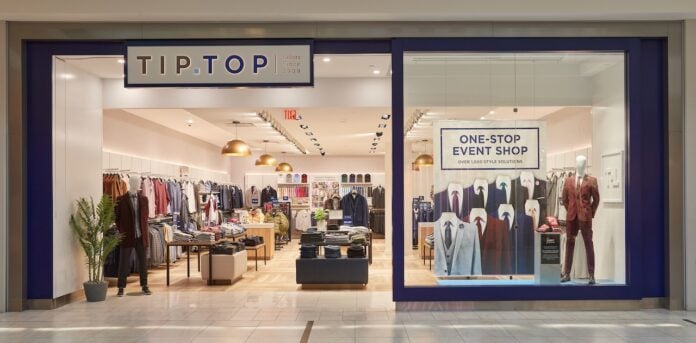
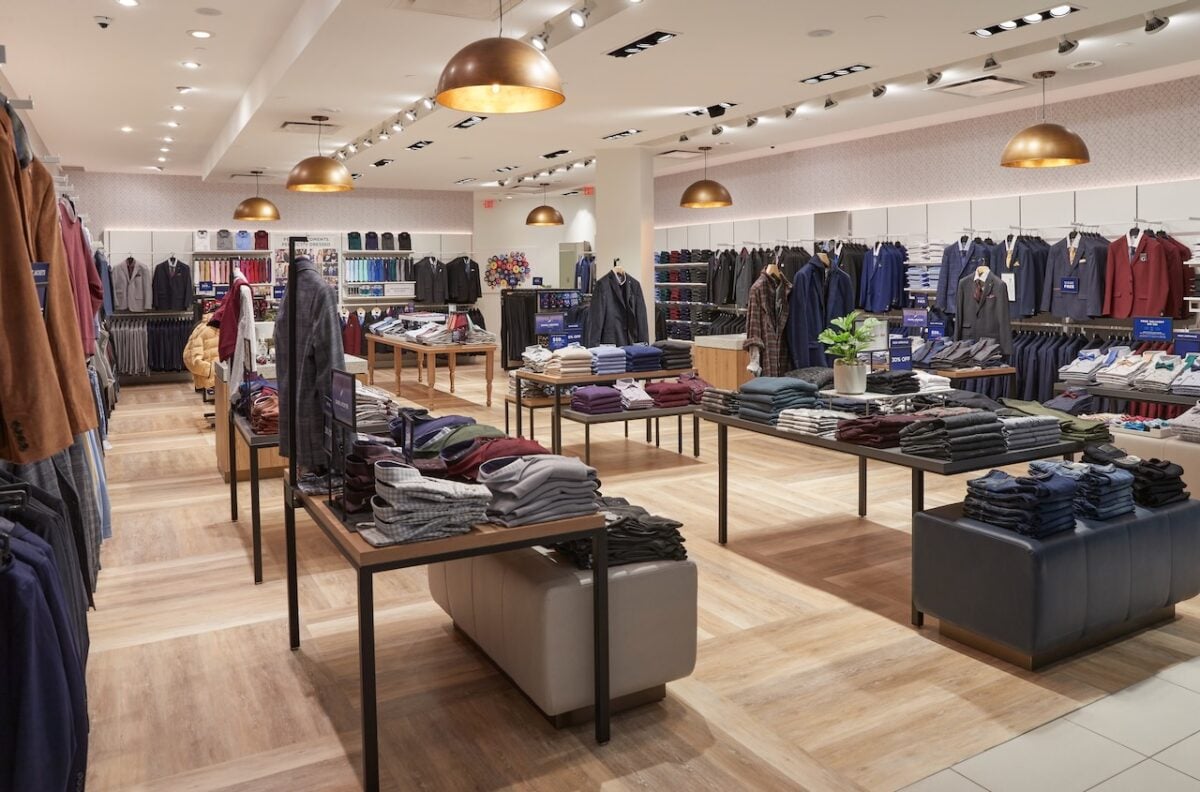
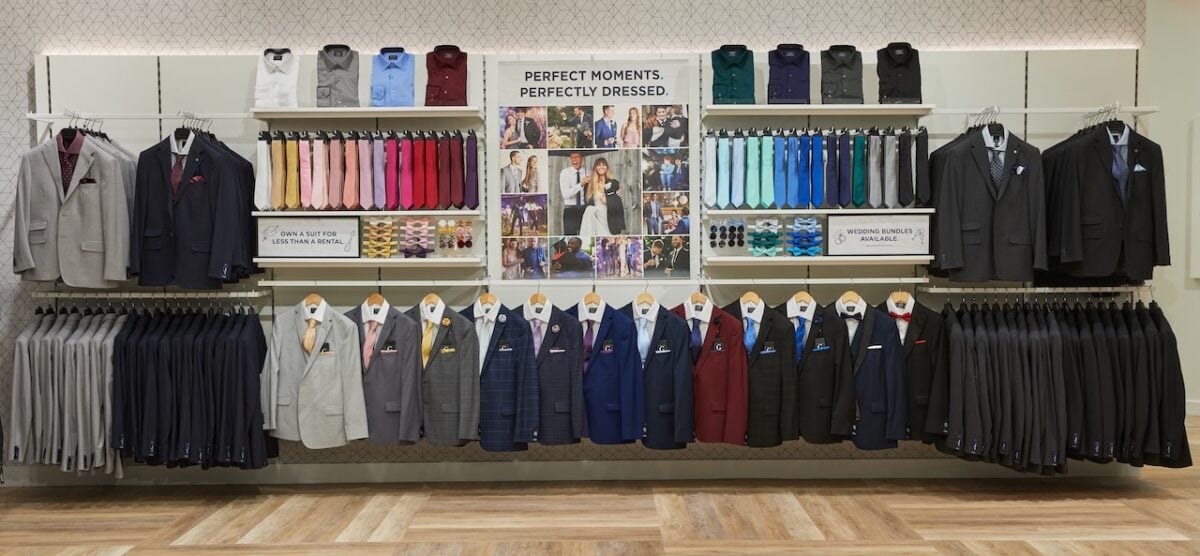
The other retailers in this neighbourhood include Bluenotes, Mountain Warehouse, Dollarama, Tip Top Tailors, Just Cozy, Blackwell, Bentley, Running Room, Lids, Spencer Gifts, Champs, International Clothiers, Zumiez, Urban Kids, Journeys, Boathouse, Footlocker, Hot Topic, and Reebok.

We had a very interesting photo walk around Tsawwassen Mills near Vancouver and we hope you enjoyed coming along with us. Don’t forget to check out our other retail photo tours and thank you for taking this tour with us.

Holiday Photo Series: Bayshore Shopping Centre in Ottawa

Image: Bayshore Shopping Centre

Retail Insider continues its Photo Series of Canadian malls with a Holiday update for shopping centres in 2021. This edition brings us to Bayshore Shopping Centre in Ottawa.

Bayshore Shopping Centre is one of Ottawa’s largest malls with nearly 900,000 square feet of space and has anchor tenants including Hudson’s Bay, Walmart, H&M, Zara, Sport Chek, and Apple. The centre was acquired by Kingsett Capital in July 2021 from Montreal-based landlord Ivanhoe Cambridge and is managed by Cushman & Wakefield Asset Services.

For the holiday season, Bayshore has installed a number of holiday offerings that include a blue and white themed centre-court display, complete with a two storey holiday tree and a meet & greet with Santa.

The shopping centre has also partnered with MDRN Activations for a holiday display on the 3rd floor, which includes a photobooth that allows shoppers to be transported virtually to Canada’s great white North with an arctic winter station. The Centre wanted to highlight the beautiful ecosystem that makes up 40% of Canada’s landmass and take in the sights that Santa and the other North Pole inhabitants take in every day.

In addition to the photobooth, Bayshore has filled out the activation around the 3rd floor location with a fishing hole and “snow covered” benches.

The wintery scene will be on display until March 2022, at which time it will be transformed into a spring theme.

Image: Bayshore Shopping Centre

We will be completing a full Retail Insider Photo Tour of Bayshore Shopping Centre in early 2022.

The Results are In: A Lacklustre Black Friday/Cyber Monday in Canada for 2021 Signals What’s in Store

Best Buy Black Friday 2021 (Image: Dustin Fuhs)

The prevailing storyline leading up to the Black Friday/Cyber Monday shopping period was that this year was going to be a very strong one for retailers in the country.

But was it really?

David Ian Gray

The Canadian Black Friday/Holiday Survey 2021, by Leger and DIG360, casts some doubt on that sentiment.

“I don’t think it was terribly surprising but I think Black Friday was a bit muted as an exciting sales event. I think it was a bit lacklustre. I think the retailers themselves were not over hyping it and I don’t think they wanted big traffic surges especially in store, especially if they may not have items in stock,” said David Ian Gray, Principal, Retail Strategist, Insights of DIG360.

“So they were kind of trying to have more of a message of just buy often and at a steady pace instead of focusing everything on the big event and the shoppers certainly reacted that way I believe. There was no big spike that occurred and in fact the participation of people both browsing and buying around Black Friday wasn’t terrible but it was a bit off from a peak in 2019.

“The other side of the coin is people were thinking it was going to be dramatically lower because of the pandemic and supply chain that wasn’t the case either. It was just a very steady and stable comp to 2019.”

CF Toronto Eaton Centre on Black Friday 2021 (Image: Dustin Fuhs)

Here are some key findings of the report:

  • Actual reported shopping behaviour continues the ongoing shift toward online purchasing at the expense of in-store. Fewer Canadians reported visiting a shopping mall or larger stores and significantly more shoppers said they spent money at online Canadian stores or other online marketplaces;
  • Although Canadians have said in previous surveys that they want to support local/independent stores during the pandemic, reported behaviour has shown no significant growth;
  • Reported Black Friday spending overall remains stagnant; not surprisingly, the shift towards online purchases continues. 2021 reported online spending outpaced in-store by a ratio of 2:1 compared to 2019 findings – particularly for purchase of $100 or less. Price competitiveness, selection availability, convenience and ongoing challenges with store experience are likely reasons for the shift to online;
  • Canadian shoppers express concerns over supply chain disruptions in advance of the holiday season. Roughly half of Canadians are worried supply chain issues impacting their holiday shopping and fear that on-time online delivery for December gift giving may be at risk. A similar proportion heeded the call to begin their shopping earlier this year to avoid delivery disappointments. Inflationary price increases and other supply chain problems related to availability and shipping issues are real-time realities for large majorities of consumers;
  • Perceptions of the value of Black Friday deals, discounts and promotions are decreasing. The proportion of Canadian shoppers reported ‘great deals’ declined from 2018 findings, nearly half reported poor to mediocre deals. This combined with supply chain issues, inflation, and pandemic related reluctance to charge into crowds for ‘door-crashers’ are all potential reasons for a stalled growth of Black Friday engagement;
  • Significant shifts from shopping malls and larger stores to online shopping with two exceptions. Local/independent store shopping has not declined – perhaps barriers presented earlier prevent growth? The percentage of Canadians who crossed the border to shop in person remained consistent with 2019 reported behaviour; and
  • Shoppers report a slight decline in what they perceived to be great Black Friday deals, discounts and promotions with near majorities expressing a lack of impressive opportunities and only 10 per cent feeling like they received excellent deals.

“From the shoppers’ standpoint, no one’s feeling elated and exuberant about shopping these days. Part of let’s call it excessive shopping, and impulsive shopping where you buy more than you intend, that tends to coincide with a sense of enthusiasm if people are in a good, upbeat mood especially for in-store. That’s when they tend to buy more,” said Gray.

Black Friday at Kate Spade (CF Toronto Eaton Centre) Photo by Dustin Fuhs

“So I think just because of the dragging on pandemic we can start with that, people just aren’t in the mood to go over the top. On the retailers’ side, they weren’t doing the big door crashes. In fact, it wouldn’t have been too cool to try and encourage a big crowd to surge a store. The retailers were also aware that the supply chain had so many hiccups that they couldn’t really promote items in advance of sales because they didn’t know they’d have them in stock.

“I think the customers heard that message. The lack of a hype message was connecting with them that they weren’t going over the top. It is the season where people are still traditionally looking to shop. It didn’t go to zero by any means. I mean it was still a big, big week and if you compare it to where things were for the last several months I think traffic was up. But we saw it from other studies coming out back in October saying that this was going to be the best holiday ever and it’s going to be double digit growth. No, that’s not happening. And this (report) bears that out.”

For the industry, Gray said, Black Friday is not great for a lot of retailers. It cuts into margins. It puts an incredible strain on store staff and internal logistics to make things work.

‘The industry created a bit of a monster with that,” said Gray.

Mondetta Pivots from Wholesale Clothing Manufacturer to Direct-to-Consumer Business Utilizing Afterpay

Image: Mondetta

Iconic Canadian apparel manufacturer Mondetta has partnered with Afterpay, a buy now pay later service, in an effort to pivot from being a 35-year-old leading wholesale clothing manufacturer to a direct to consumer business.

“We chose to partner with Afterpay because of their commitment to helping consumers spend in a way that’s convenient, safe and easy. The fact that Afterpay does not engage in external credit checks or allow customers to fall into debt is perfectly in line with our values as a BCorp Certified business. By offering Afterpay, we’ve been able to reach high-value customers, which has resulted in substantial benefits, including a 20x increase in our standard website referral rate and a 44 per cent uptick in average order values,” said Ash Modha, Founder and CEO of Mondetta.

Mondetta, which is based in Winnipeg, began in 1986. It started selling T-shirts on Grand Beach at Lake Winnipeg under the Mondetta brand, which means small world. It went from a small company selling T-shirts on the beach to a company selling across Canada, the US, Europe, Asia and other international places.

“We’ve kind of done five iterations of the company over the last 35 years. When we first started we were selling retail partners in small independents, large retailers . . . When that whole product category of big logos started waning in 1996, 97 we recalibrated the company and that’s when Costco Canada approached us and said ‘we love Mondetta, we want to carry your product’. We said ‘wait a second, do we think this is the right way of taking the next level for the brand. They walked us through the model of where retail was going. It was really interesting to see that if we weren’t part of this new retail as we moved forward 10, 15 years from now it would be very hard to get into a retailer like Costco,” said Modha.

Mondetta
Image: Mondetta

“They basically wrote a $5 million order on a napkin. It was that crazy . . . We actually got involved with them and it was an incredible opportunity for us. Today, 26, 27 years later it’s one of our biggest retail partners that we continue to work with.”

It then started making private labels for companies such as the Running Room, Athleta, Lucy and many major retailers.

Currently, the company has three different divisions – private labels, large scale retail under its own brands, and its direct to consumer which it sells to retail partners and online.

“In the last 35 years, the big opportunity for this company is we have a significant back end supply chain. We have 13 countries of origin with 55 factories from Vietnam, China, Indonesia, Cambodia and it goes all the way into the Middle East with Jordan, with Egypt, with Turkey,” said Modha.

“So we’ve really built a significal scale on the supply chain. We have capacity for almost 150 million units a year and fully compliant.”

Years ago, the brand had seven of its own retail stores. But decided over the years to exit that to focus on what it does now as a business model.

Modha said the recent partnership with Afterpay is a “fantastic marriage” and the right thing as a B Corp to be partner with the company.

“They’re very similar to Shopify. They just make everything so simple. I think we were up within six hours, eight hours with this whole linking system and actually getting on-boarded,” he said.

“For us, it’s been really fantastic. We’ve seen that with Afterpay a customer spends 40 per cent more than the average customer on an online order. So we can actually see the ability to scale the average cart size. Secondly, we’re seeing a conversion rate of 20x times the standard conversion rate which is huge. Consumers are looking at it as a great opportunity to buy and they get that flexibility of almost a credit card but it’s not, without having to put all the information  . . . I think Millennials are afraid of credit cards because of the significant impact of interest that is charged on a credit card. This allows them to budget.”

Afterpay also recently launched cross border shopping in the U.S., allowing merchants like Mondetta to reach millions of U.S. shoppers.

“As we start integrating cross border and then we start integrating internationally that gives us a significant run on that. That’s the one thing Afterpay, being an Australian company, they understand very similar to Canadian companies. They understand global versus if they were a US based company,” said Modha. “US based companies think more about the US market only and kind of forget all the other markets.

“These guys are savvy. They’ve thought about not only the US business but how do we expand globally and that ability to expand globally has been I think what is fascinating for us as a company.”

Afterpay has a network of 100,000 global retailers, which allow customers to receive items immediately and pay over time, with no fees. Merchants benefit from Afterpay’s customer base of nearly 20 million in North America.

Afterpay is currently available in Australia, Canada, New Zealand, the United States and the United Kingdom, France, Italy and Spain, where it is known as Clearpay.

In-Person Retail Traffic Rebounds Substantially in Canada from Year Prior: Avison Young

Tsawwassen Mills (Image: Lee Rivett)

Avison Young‘s latest Vitality Index reveals that in-person retail traffic has rebounded substantially in Canada from 2020.

Craig Leibowitz

Craig Leibowitz, Executive Director, Innovation and Insight Advisory, U.S. with the commercial real estate firm, said the Index is unique because it uses cell phone mobility data to measure visitor volumes across different unique retail experiences whether they’re in-person or online.

“What was really quite fascinating to me just looking at the data itself is a few things. One is the rebound in in-person shopping experiences across North America,” said Leibowitz.

Ali Fieder, Sales Representative, Vice President, Retail Sales & Leasing for Avison Young, said lockdowns in Canada did play a role in 2020 with decreased traffic.

Ali Fieder

“With that said, what my clients are saying, what I’m seeing because I work on both the landlord and tenant side of things, in general there is a big push for people wanting to leave the house, people wanting to get out of the house, they want to go shop, they want to experience, they want to touch and feel the product again,” she said. “Obviously on the hospitality side of things people want to get out and eat at restaurants. Obviously following health and public safety measures, everyone feels the urge and the need to get out which has been a great thing for the retail market to date.

“Holiday shopping is up and it continues to stay up as we saw in the Vitality Index and there’s maybe a bit of an overall renaissance with retail in Canada which has been really positive to see. We were able to see it qualitatively but now we’re actually able to quantify it with the data that Craig put together.”

The Vitality Index found:

  • In Canada, foot traffic on Black Friday jumped 86 per cent in retail corridors and 90 per cent in shopping centres over 2020 – but important to note that this volume remains behind 2019 pre-pandemic levels;
  • In Canada, for the week of December 5 versus week of Cyber Monday 2020: foot traffic was up 62 per cent for local, up 56 per cent for retail corridor, and up 73 per cent for shopping centres. (For example: in overall experiences, foot traffic is up 53 per cent in Calgary and 70 per cent in Edmonton); and
  • There was an explosion of online shopping throughout the pandemic, jumping 45 per cent since the fall of 2019, although latest visitor volumes at last-mile distribution centres (a useful proxy for e-commerce) show current declines from 2020 and 2019 levels, with tighter labour markets and supply chain challenges serving as contributing factors.

“There’s a tremendous amount of upward momentum as it relates to spending levels this year compared to last year where there are trillions of dollars of savings that people (in North America) have just been holding onto and depending on who you ask or what you read, there are different variables that play and a different extent to which there is that much spending power in the current environment,” said Leibowitz.

Fieder said it’s too early to know what the impact of the spread of the Omicron variant will have on the shopping experience.

“I think Canadians in general have been really receptive to the public health measures so I think it really just depends on what our government gives us guidance in,” she said.

Fieder said prior to COVID a big theme in the retail industry was how e-commerce was going to impact in-store shopping.

“The pandemic accelerated retailers’ plans to innovate. So what might have been a traditional retail store, maybe now they’ve done something different to bring people in . . . Some sort of experience to drive traffic into the store front. I think as challenging as the pandemic has been. It also created an opportunity for retailers to really rethink what they’re doing from an in-store experience standpoint which has added some excitement to the retail environment,” she said.

The Vitality Index can be found here: https://www.avisonyoung.com/retail-vitality-index

Fitness Industry in Canada Poised for “Incredible Growth” Post-Pandemic: Report

The fitness industry is poised for incredible growth post-pandemic, with fitness trends undergoing a seismic shift away from gyms and towards outdoors, home fitness, and digital options, according to a recent report by RunRepeat, a website that reviews running shoes.

The report said the fitness industry experienced a 32.45 per cent decline in revenue during 2020 but is projected to rebound to 0.55 per cent pre-pandemic levels by the end of 2021.

“Worth nearly $160 billion in 2021, the fitness industry is expected to grow 171.75 per cent to $434.74 billion USD by 2028,” said the report.  “The industries hit the hardest by the pandemic were the gym, health club, and boutique fitness studio industries. They declined up to 58.30 per cent in the first year of the pandemic. In 2021, they are projected to still be down 22.5 per cent from their pre-pandemic revenue levels in 2019.

“Meanwhile, online/digital fitness, fitness apps, fitness equipment, and fitness tracker markets all experienced significant growth due to the pandemic – experiencing a revenue growth of 40.61 per cent in 2020; projected to be up 66.32 per cent by the end of 2021, in comparison to their pre-pandemic levels.

“From 2021 to 2028, the online/digital fitness industry is projected to have the highest growth rate of 33.10 per cent per year. The industry with the lowest compound annual growth rate (CAGR) is the gym industry, growing at a rate of 7.21 per cent per year.”

In Canada, the fitness industry breathed a sigh of relief in late November when the federal government announced Bill C-2, an Act to provide further support in response to the COVID-19 pandemic. That gave fitness businesses the ability to apply for financial support to rebound and rebuild as a part of the program supporting hospitality and tourism.

Sara Hodson

Fitness Industry Council of Canada said it persistently lobbied the federal government to be recognized as a hard-hit industry. The federal government’s announcement to have the fitness industry included in a program for further support is more evidence that the relationship between the fitness industry and the government is strong, said the Council.

“We are proud of our lobbying efforts and the relationships we have built with our federal and provincial governments. (The) announcement showed us that our political leaders are listening,” said Sara Hodson, President of Fitness Industry Council of Canada and CEO of LIVE WELL Exercise Clinic. “We have lobbied on behalf of our industry to prevent more businesses from having to close their doors. Bill C-2 provides much-needed subsidies to help us rebound. Our members are very pleased that the government has listened to our concerns.”
Bill C-2 will provide targeted support benefits such as wage and rent subsidies. Prior to the announcement, the fitness industry was excluded from these financial assistance programs.

“The Canadian fitness industry has suffered huge losses since the pandemic began in March 2020, with over 40 per cent of businesses closing their doors, and even more job losses. FIC will continue to lobby the government to make gym memberships a medical tax deduction, a proposal submitted to the Liberals in February 2021, but not passed. More than 40 per cent of Canadians surveyed in July 2021 said that a tax deduction would motivate them to purchase a gym membership. Such an initiative would support Canada’s health and economic recovery,” said the Council.

Prior to the announcement, the Council, in October, said fitness facilities across Canada would struggle to survive and more would be forced to close their doors with federal support.

“The fitness industry will collapse without a federal subsidy similar to what is being offered to the tourism and hospitality sectors,” said Hodson at the time. “Most small businesses in our industry have only a few weeks of operating capital remaining – not months, weeks. We need urgent action from the federal government.

“More than 42 per cent of fitness facilities have closed since the pandemic began. Our members have done everything to comply with public health orders since the pandemic began, including closing our facilities when asked, enforcing vaccine mandates, reducing capacities and increasing ventilation and sanitation. We have increased our costs, while our revenues have significantly dropped – because we know the health and well-being of Canadians is paramount.”

According to a RunRepeat report in October, gyms in Canada generated $2.95 billion in annual revenue in 2019. In Canada, there are 6,587 gyms with over 6.18 million members. Approximately 16.67 per cent of Canadians are gym members. Canada’s gym industry has experienced an average of 4.1 per cent growth per year from 2015 to 2020, with revenue projected at $4.3 billion by the end of 2020. On average, there are 937.59 members per gym in Canada with each person bringing in about $467.87 in annual revenue. A Canadian gym brought in $447,115.53 in annual revenue in 2019.

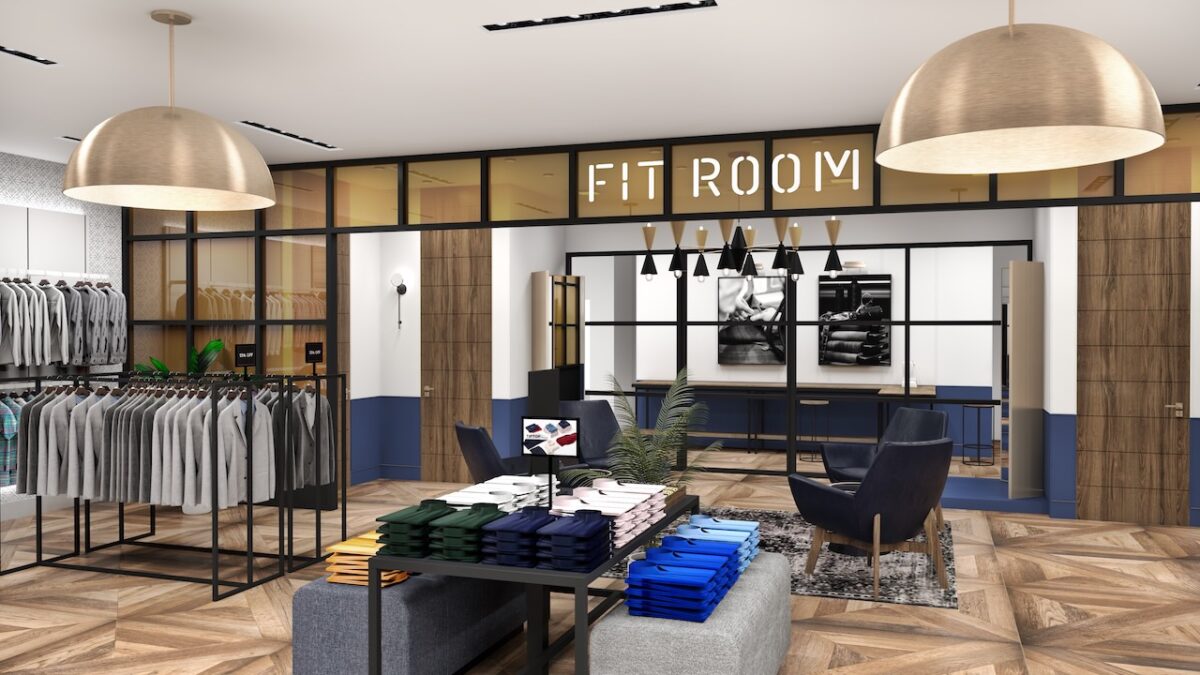
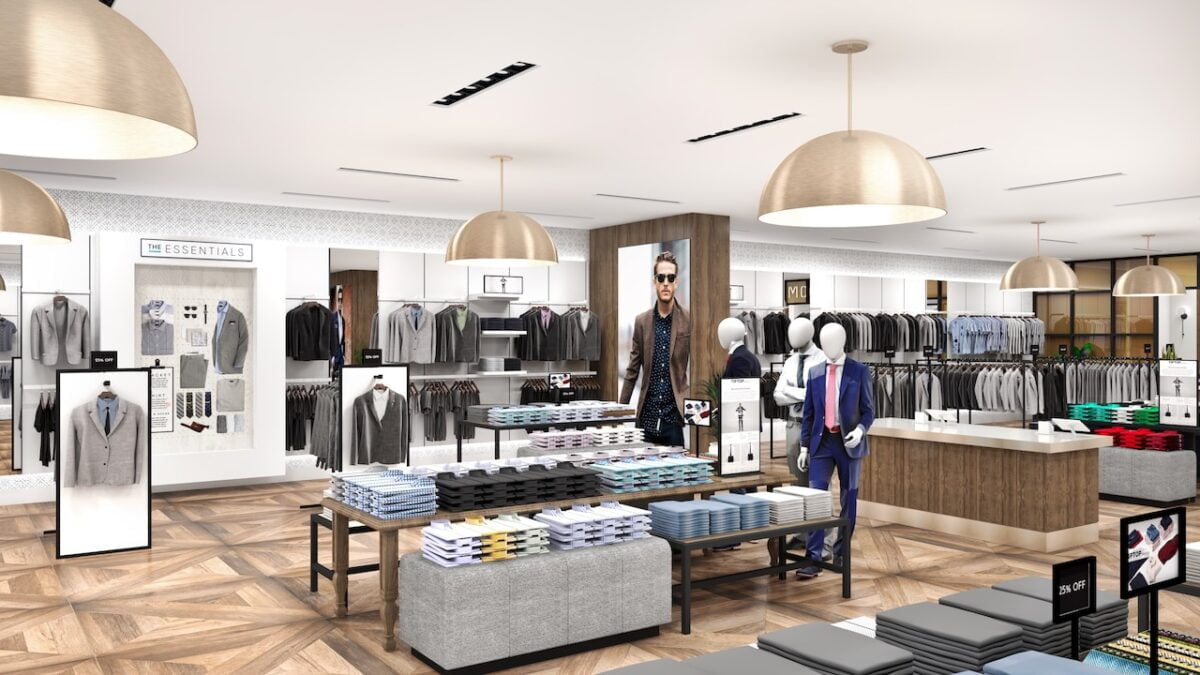
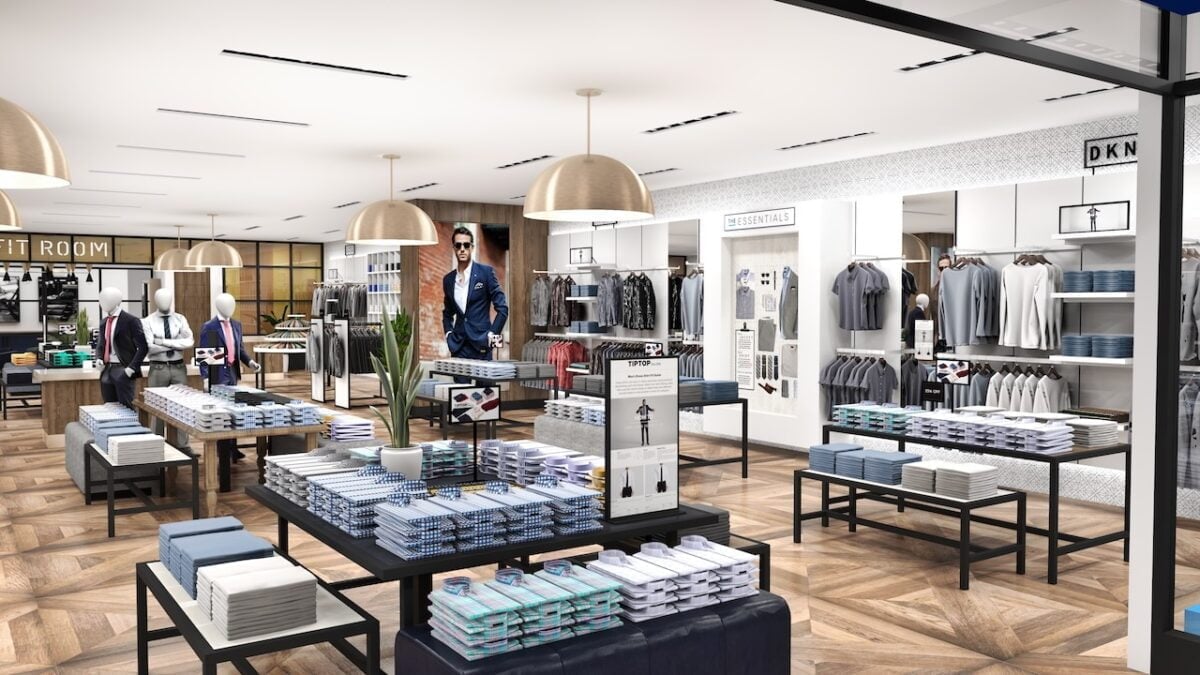
INDOCHINO to Expand into Womenswear with Significant Growth Plans for 2022: CEO Interview

Image: INDOCHINO

For made-to-measure apparel company INDOCHINO, 2022 is going to be a big year of expansion and growth.

The retailer plans to continue to open more showrooms across North America and expand into women’s wear while growing its men’s wedding apparel.

Drew Green, President and CEO of INDOCHINO, said the launch into women’s wear is one of the biggest announcements the company has ever made.

Image: Drew Green, INDOCHINO CEO

“It’s just seven years now that we entered into retail and really took the brand from being a niche brand to a global brand and every month I get asked when are you going to launch women’s, when are you going to launch women’s,” he said.

“And prior to COVID we actually had plans for that year. We were doing a lot of different testing to bring it to market and then of course COVID hit and we just didn’t feel like the timing was right. So we pulled back. But this is just something I’m really massively proud of and we think we’re going to have a lot of demand for it because it’s something women especially have been requesting for years and years and years.

“We know that many women are looking for well-tailored custom clothing that doesn’t cost a fortune and there simply isn’t a custom women’s wear brand comparable to INDOCHINO on the market. We’ve been looking to fulfill this need for years but wanted to make sure that the timing was right, we could do it right, and the brand was ready, so I’m delighted to share the news that we will be introducing our first women’s wear collection next year.”

The company has 79 locations in North America and could eclipse 100 in 2022. The company plans to expand into new markets such as New Mexico, Kentucky and Alabama, while continuing to increase its presence in prominent existing markets such as New York and California. The new stores will be in both standalone INDOCHINO showrooms and Nordstrom shops, as the brand continues to grow its partnership with the luxury department store.

Indochino (Image: @emilcohen)

“It’s one year at a time,” said Green. “We are extremely proud that during COVID we were bold enough to say look the world has changed. Things aren’t happening like they used to – weddings or people getting together, going to work, all those things – but it’s going to come back and we want to be prepared for when it does come back,” said Green.

“So we went from 52 showrooms at the beginning of the pandemic in March 2020 to 79 showrooms as of July 1, 2021. And the response has been incredible. A lot of our showrooms continue to be sold out on the weekends. Growing significantly. As we laid plans for 2022, we’ll exceed 100 showrooms in total for the year.

“And as I look out to the years ahead, there’s no reason why we can’t get to 200 and 300 showrooms but we just want to be pragmatic and take it one year at a time.”

About 80 per cent of the company’s online sales are in the U.S., about 17 per cent in Canada and the rest is global.

“We are only in North America from a store perspective but people order from all over the world every day,” explained Green, adding the company does have plans to expand into other global markets but once the pandemic ends.

Indochino TD Centre (Image: Dustin Fuhs)

“I look at Australia, Japan, the UK as sort of my three primary international markets that we want to expand into. We’ve had literally hundreds of conversations on partnerships and other ways to get into the markets from a showroom perspective and so it will happen. But we’ve got to see the pandemic come to a finale here before we invest in it from there.”

The company said it will also focus on increasing market share of men’s wedding apparel in 2022. This follows a sharp increase in sales of custom wedding attire in 2021, with year-to-date wedding appointments 79 per cent higher than the company’s highest benchmark.

In November alone, wedding appointments increased 141 per cent over 2019, signaling that INDOCHINO’s wedding business will continue to build into the new year, said the retailer, adding that this correlates with reports that 2022 is set to be the biggest year for weddings since 1984 and the brand is looking to capitalize on the surge, with a goal to be widely recognized as the experts in men’s wedding attire.

INDOCHINO is introducing more fabrics and product features for grooms and groomsmen. Sales of tuxedos, a mainstay of formal weddings, increased by 93 per cent in 2021 compared to 2019 and, launching in 2022, customers will have the ability to design any suit fabric as a tuxedo. Customers can also expect an expanded assortment of its most popular ongoing fabric collections, offering wedding customers even more choice throughout the year.

Podcast [Interview] Henry’s CEO Gillian Stein Discusses Being Bipolar

Henry's CEO Gillian Stein Discusses Being Bipolar

Craig and Gillian of Henry’s discuss mental health including her own struggles with being bipolar, marking the first time that a major Canadian CEO has made such a revelation.

The Interview Series podcast by Retail Insider Canada is available on Apple Podcasts, Stitcher, TuneIn, Google Play, or through our dedicated RSS feed for Overcast and other podcast players. Also check out our The Weekly podcast where Craig and Lee discuss popular content published on Retail Insider which is part of the The Retail Insider Podcast Network.

Interviewed this episode:

Subscribe, Rate, and Review our Retail Insider Podcast!

Follow Craig:

Follow Retail Insider:

Listen & Subscribe:

Share your thoughts!

Drop us a line at Craig@Retail-Insider.com. You can also rate us in Apple Podcasts or recommend us in Overcast to help more people discover the show!

Background Music Credit: Hard Boiled Kevin MacLeod (incompetech.com). Licensed under Creative Commons: By Attribution 3.0 License. http://creativecommons.org/licenses/by/3.0/

Influencers and Retail: Speaking with Superstar influencers Amra and Elma Beganovich

Amra and Elma Beganovich
Image: Amra and Elma Beganovich

Superstar influencers Amra and Elma Beganovich, who have turned into digital marketers based in New York City, are prime examples of how social media effectively used can grow a business.

In an interview with Retail Insider, Elma Beganovich said content remains king when it comes to social media and businesses who are not in the game will be left behind.

She and her sister Amra are founders of Amra & Elma, a digital agency ranking #1 on Google for hyper competitive keywords such as “top tech influencers,” “100 top sustainability influencers,” “top mom influencers,” “100 top Instagram influencers,” and “top micro-influencers.” Clients include the likes of Johnson & Johnson, EssilorLuxottica, Uber, Olay, and Nestle.
“There’s countless different ways to go about it but one of the main – and that has remained true basically since the beginning if you will of social media – is that you have to have really I think unique and spectacular and interesting content. So content is still king no matter which way you turn,” said Elma.

“So one of the ways to gain followers is through content, spectacular content, especially if you’re just starting out. That spectacular content will always be the base . . .  the pillars that support everything else. The other ways is to have partnerships. Partnerships with other accounts who share basically a similar target demographic as you do.

Image: Elma Beganovich

“Content is fascinating. People are always on the internet looking for valuable content. They’re looking for advice . . . Provide something that’s of value to your consumer.”

There’s also fun content that people can engage in.

“And then social media has such algorithms that once they see other people are looking they basically bump you up in their algorithm and so you get more exposure. A little creativity goes a long way.”

How does she feel about businesses right now who are not really into the social media space? Are they basically making a gigantic mistake?

“Absolutely. Social media is for free. It used to be you would have to pay ads in Vogue or other lifestyle magazines if you were in that direction or if you were in B2B you would have to pay ads to Wall Street Journal, Financial Times and so forth,” said Elma. “So social media is for free. They’re free eyeballs. It’s basically for free for the brand to influence whatever space you’re in  . . . It’s a big mistake not to look at that.”

One of the most common mistakes businesses make in social media is they’re not investing in it. They’re using an intern or someone fresh out of college to do this important task. The technology has become so sophisticated, explained Elma, “that you need somebody who is basically an adult or a professional in this space, so to sort of craft a strategy for you rather than just having a kid or again like maybe an intern still in college but not taking it seriously.”

“It has basically become what used to be window shops on Fifth Avenue, let’s say. It’s the first thing that the consumer, or even if you’re B2B, what they see about your business, who you are. They look at the followers, they look at the content, they look at your messaging and they judge you.”

When the Beganovich sisters began about 10 years ago, Facebook Pages wasn’t even out at that time. Then, an influencer meant something very different than it does to today. Obviously Facebook has developed enormously, TikTok has come onto the scene, Snapchat, Pinterest, YouTube.

“Now you can have political influencers. For example, AOC and Obama,  . . . They’re influencers, they work with advertisers on certain deals. Athletes are now influencers. They’re also getting sponsorships through social media. And then you have your traditional what you think of as an influencer somebody who is making spectacular content, giving something very useful,” said Elma.

“It’s really across different verticals, across different industries and they’ve all taken their spaces and they’re exerting their influence in that space.”

Amra and Elma Beganovich at NYFW

Elma said even if businesses don’t have the budget they could perhaps hire a part-time consultant or work with an agency on a small scale basis to test the waters.

“Start with that because you need someone to give you smart strategy advice. You’re going to ultimately be saving a lot rather than just throwing darts in the dark and hoping something is going to stick,” she said.

“You’ve got to find these smaller niche influencers who are really influential in their industry. They influence other influencers and other celebrities also follow them because they’re such an authority in that space even though they’re not as visible and notorious to the public at large.”

With less resources it’s going to take a company more time but it can still get to its goals. A company has to be patient. But the work on social media has to be steady and consistent.

“And don’t think because you engage one influencer and you don’t see results right away that that’s indicative of what the strategy would look like long term. So think months into it, or 12 months into it. So be patient and invest time. You don’t have to obviously invest all your time but a small amount of time carefully thought through will yield you the results,” said Elma.

For a company, the world of social media can be daunting. So many platforms to choose from. How does a company decide what platform to invest its money?

“That’s a really good question,” said Elma. “This requires a professional or research to go a thoughtful way about it . . . Some (platforms) are better than others for particular industries. For clothing for example, Instagram is one of the best. So you have to know that. Versus for example interior design we would tell our clients to do Pinterest. You have to understand where your industry, where the target demographic, is concentrated,” said Elma.

“For fashion for example we mentioned Instagram but TikTok is becoming pretty good but TikTok is now for the younger audiences. You have to be thoughtful what kind of clothing are you selling, are you targeting Millennials, Gen X, Baby Boomers, where am I going and then according to your target demographic you’re selling to then you decide which of the platforms is best.”

Here are the biographies of both Beganovich sisters as supplied by Amra & Elma:

Ms. Elma Beganovich bio:

Ms. Elma Beganovich is a digital marketing authority who has been named by Forbes as “Epicenter of Influence” and credited by Yahoo News as the driving force behind her “digital empire – A&E.” She is one of the top U.S. influencers with over 1M followers on social media.

Ms. Beganovich is the COO and co-founder of A&E, digital agency, and she is in charge of building the company’s list of world renowned partners and clients, including EssilorLuxottica, Huawei, Johnson & Johnson, Nestle, LVMH, Procter & Gamble, and Uber. Her area of expertise includes PR, she is responsible for hundreds of top media news placements, such as Time, Washington Post, Inc., Wired, USA Today, and Fast Company, media buying, has secured millions of eyeballs for industry leaders and Fortune 500 brands, and digital strategy, she devises and leads integrated marketing efforts for brands like Bvlgari.

Ms. Beganovich holds a B.A. in Government and French from Georgetown University (2007) and a J.D. from University of Miami Law School (2011). She attended Georgetown University School of Law for the LLM program in Securities and Financial Regulation (2012) and is a barred attorney in the state of New York.

Ms. Beganovich has been profiled by leading media such as NASDAQ, Bloomberg Television, Financial Times, Forbes, CNBC, Business Insider, Entrepreneur, WSJ, InStyle, Marie Claire, and Cosmopolitan.

Ms. Amra Beganovich bio:

Ms. Amra Beganovich is a leading authority in digital strategy, including Google where she has ranked 10,000+ highly competitive keywords to number 1 position. She has been named as one of the most popular U.S. lifestyle influencers by Business Insider and is currently followed by more than 1 million people on social media. Ms. Beganovich is the CEO and co-founder of A&E where she leads software development (she is both a front-end and back-end developer), Google marketing, and creative services teams.

She is responsible for driving organic 100,000+ unique website visitors resulting in $1,000,000+ saved revenue through free Google traffic. She works with some of the world’s most renowned brands including EssilorLuxottica, Huawei, Johnson & Johnson, Nestle, LVMH, Procter & Gamble, and Uber.

Ms. Beganovich has been named and profiled as one of the leading U.S. marketers by top publications such as Forbes, Business Insider, Financial Times, Entrepreneur, Bloomberg, WSJ, InStyle, Marie Claire, and Cosmopolitan.

Ms. Beganovich holds a B.A. in Economics from George Mason University (2006), where she graduated 14th in the Economics Department led by two Nobel Prize winners in economics, and an MBA from Schiller University (2008), with highest honors, in Madrid, Spain.

Previous to founding her own company, Ms. Beganovich worked as an economic development advisor for World Bank, IMF, and USAID projects in water, electricity, and transport.

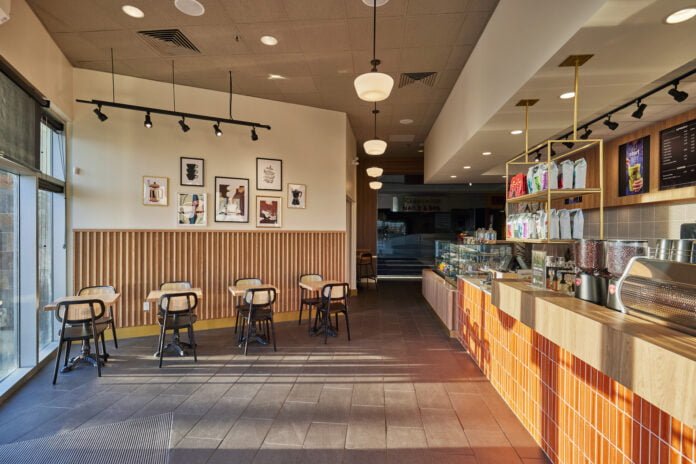
Source for Sports Rebrands with New Identity and Tagline: Interview

Image: Cleve’s Source For Sports in Antigonish, Nova Scotia

Source For Sports, Canada’s largest sporting goods retail buying group with 150 stores across the country and the U.S, has launched a comprehensive transformation that includes a new brand identity and tagline, a new in-store experience for customers and enhanced e-commerce capabilities.

“As with many legacy brands, after 20+ years in the market, we needed to take stock and understand how customers see our brand today and what is important for the future,” said Donna Finelli, Chief Marketing Officer for Source for Sports.

Source For Sports
Image: Source For Sports

“What really resonated with Canadians is our belief that when it comes to sports, no two players are the same.  We are uniquely positioned to help customers find the gear that is right for them – because of our commitment to highly personalized service combined with our expertise.  And we saw the opportunity to bring this to life with a new tagline and a reinvention of the SFS brand identity.”

Donna Finelli

The brand has been around since 1991.

“I think what’s unique about us is we are an amalgamation of independent small business owners across Canada and the U.S. We’re similar to the Home Hardware group for example in Canada. Home Hardware is also independent business people that are retailers across Canada,” said Finelli.

“What really sets us apart nationally, we learned this through consumer research that we conducted two years ago on this journey, was that sense of independence from a business person perspective really means that our owners, our members, are invested in their communities. They live and work in their communities and they have a very strong sense of pride for their stores and they’re very active obviously from a sports perspective and usually they’re very passionate about sports.

Cleve’s Source For Sports in Antigonish, Nova Scotia

“What consumers say is we have this incredible level of personalized service and expert advice and that really is what sets us apart from a big box retailer.”

The rebranding includes a complete reinvention of the brand identity:

  • New logo: A new SFS logo featuring a stylized S, comprising two parts to symbolize customer and staff coming together to find a perfect fit. The logo is designed to be bold, consistent, and recognizable in all uses, from social media icons to store signage;
  • New tagline: The new tagline, “We Fit Your Game”, emphasizes the personalized service and product knowledge athletes get when they shop at SFS. It is a customer-centric update of “We Know Our Stuff”, the brand tagline for more than 20 years; and
  • New Source Exclusive Collection: To reinforce the new identity, SFS is launching a branded collection of high-quality hockey accessories, including base-layer garments, hockey bags and skate guards.

The rebranding took two years of planning development in partnership with Conflict, an independent Toronto-based strategy, design, and advertising agency and Julie Prévost-Hilaire of JPH design d’intérieurs.

Image: Source for Sports

“We are basically changing our entire brand identity,” said Finelli.

Brad Hause

In the months ahead, the company said it will introduce elements of the transformation, with a full launch planned to coincide with the key Back to Hockey marketing campaign in July 2022.

“Like any good coach, we know our team’s competitive advantage: We are experts at understanding the needs of our customers and finding the right fit for each,” said Brad Hause, President of Source For Sports. “So, in planning this transformation, we looked at every touch-point in our customer journey and asked: How can we enhance what we do best?”

Stores will start to roll out new design standards including signage, updated exterior colours and materials, merchandising fixtures and branded graphics.  The new design standards are scalable across store formats and sizes, to reflect the needs of the independent store owner group. The changes should be visible in most SFS stores by July 2022.

Image: Source for Sports

“Further to the brand transformation piece, we have a digital evolution we are working through now as well. We are launching a brand new website. We currently have a website but we’ve done an audit of that and we felt there was a number of ways for us to improve the customer experience,” said Finelli.

“So that new website, that’s built on the Shopify platform, is launching in January and what’s unique about that is that it actually pools the inventory of all of these retailers across Canada and shows that inventory to a customer based on their location and the stores that are closest to them and allows them to shop that inventory locally or they may see something they love, they live in Ontario but there’s something a store has in BC that they’re trying desperately to find, and our website will be able to showcase that across the country.”