Retail Insider is streamlining its Canadian retail news from around the web to include a handful of top news stories that can be viewed quickly during the day. Here are the top stories from the past 24 hours.
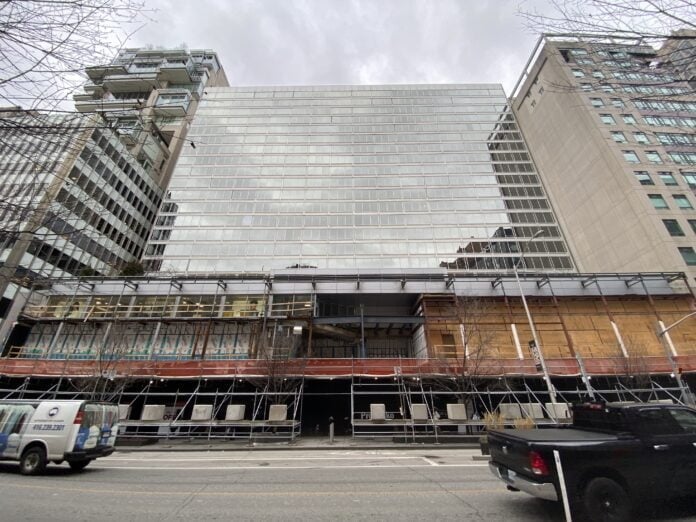
110 Bloor St. W., December 2022. Photo: Dustin Fuhs
Kering-owned French luxury fashion brand Saint Laurent will open a flagship next year on Bloor Street in Toronto. The store will become one of the largest in the world for the brand, and marks a milestone in the ongoing transformation of Bloor Street West as a luxury retail address.
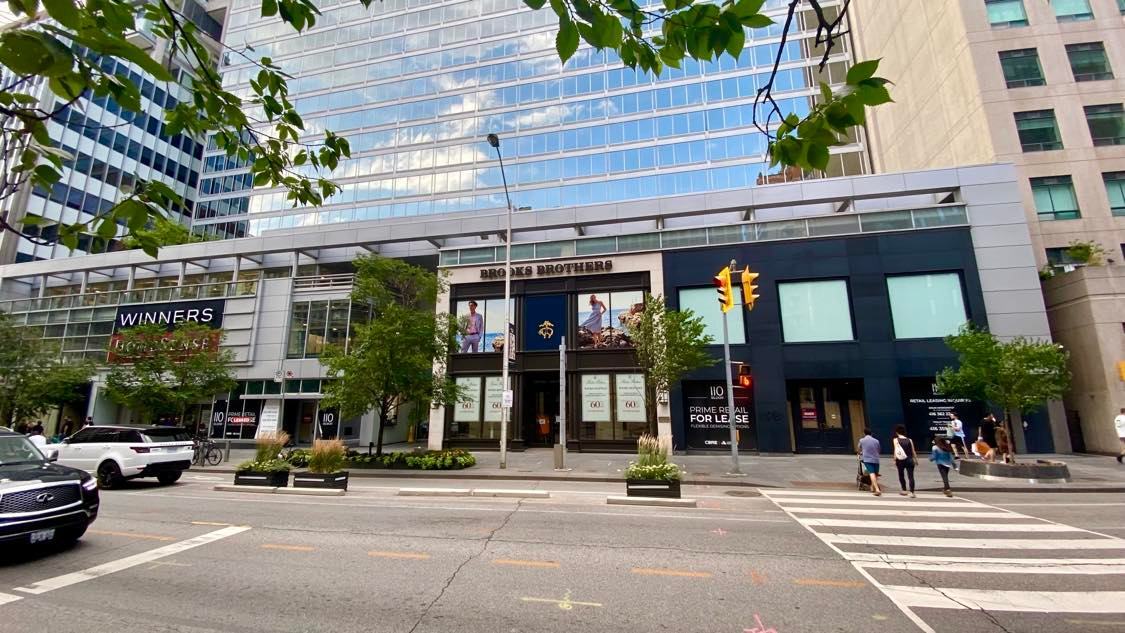
Saint Laurent will occupy an expansive 10,400 square foot street level space at 110 Bloor Street West where previous tenants J.Crew and Brooks Brothers once operated. The store design for Saint Laurent will be unlike other locations in Canada, marking a new chapter for the brand’s retail design.
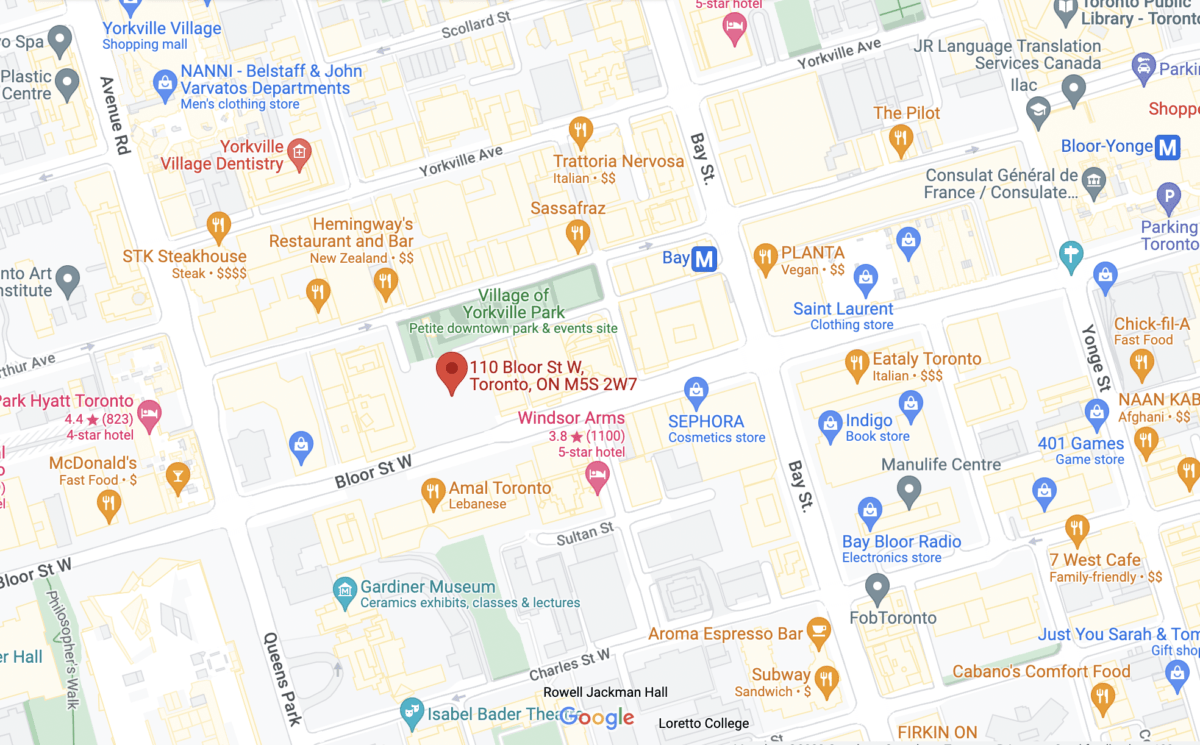
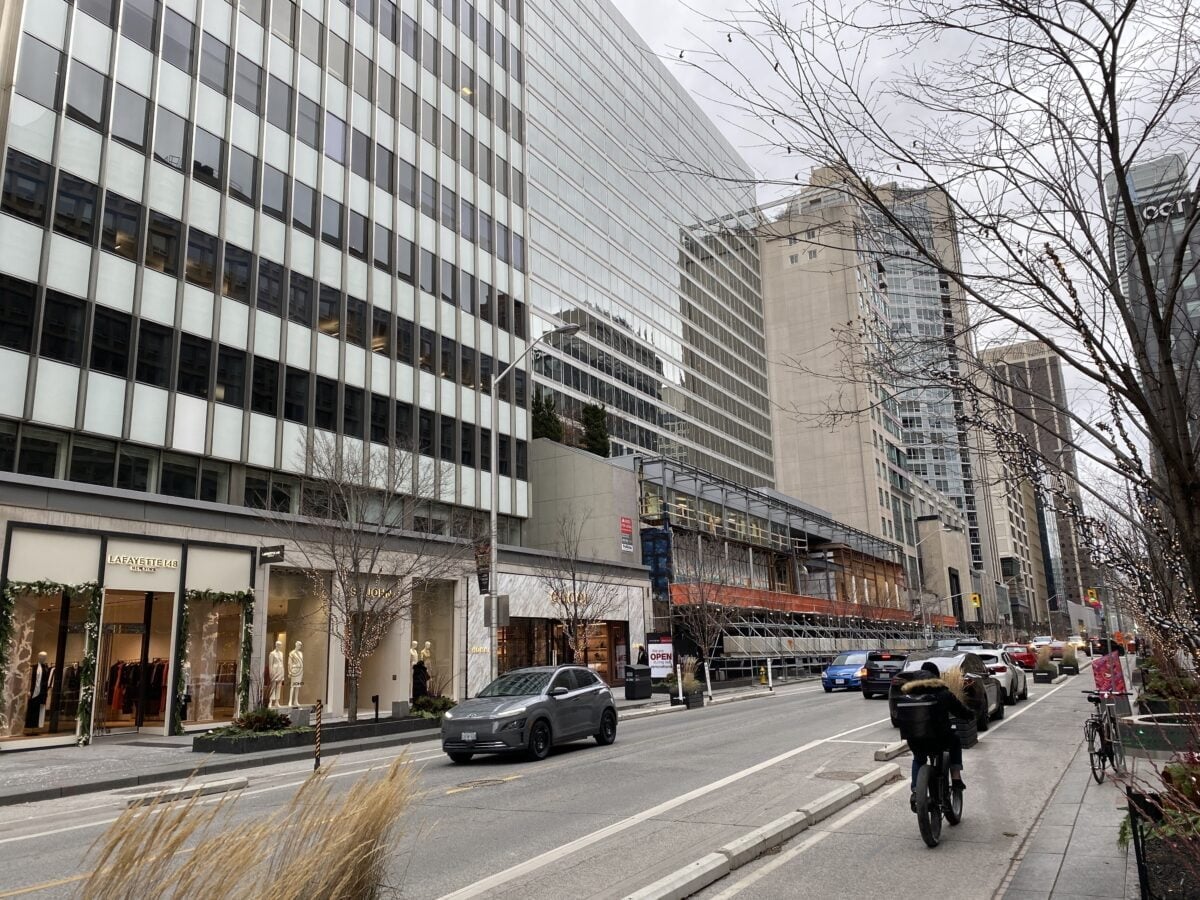
Click image for interactive Google MapBloor Street looking towards 110 Bloor St. W., December 2022. Photo: Dustin Fuhs
ProWinko is a landlord and developer that also recently completed the Ace Hotel in Toronto and owns luxury retail addresses at 1200 Bay Street, 94 Cumberland Street as well as 77 Yorkville Avenue where luxury brand Isaia is located. ProWinko is also developing other projects including the 1091 Yonge Street mixed-use tower in Toronto.
Other new retail tenants at 110 Bloor Street West will include upscale brands Alexander Wang and Anne Fontaine. Construction is now underway for both tenants that will open next year, in a retail podium that is also seeing an exterior facade overhaul. Toronto-based wellness concept Othership will open on the concourse level of 110 Bloor below the new Saint Laurent flagship. Negotiations are said to be under way for a casual restaurant concept, known for its healthy meal options, that would locate behind Saint Laurent next to a Starbucks.
Saint Laurent’s opening on Bloor marks a pivotal moment for the street, which is seeing a flurry of leasing activity and interest among luxury brands. In an interview, Markowitz said that the opportunity to help Saint Laurent secure a deal on Bloor that will lead to more brands wanting to lease space nearby.
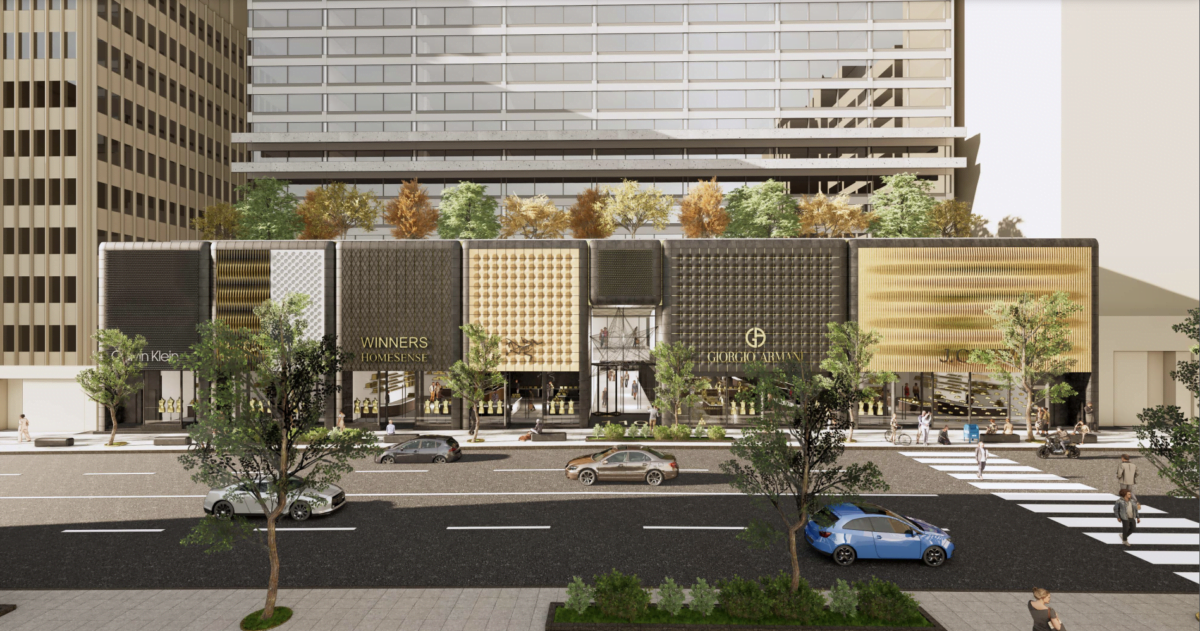
Saint Laurent will have an expansive storefront, replacing J.Crew and Brooks Bros. at 110 Bloor St. West. Photo from the Summer of 2022 prior to podium renovations, by Dustin Fuhs Future rendering of 110 Bloor St. W. — note that rendering tenants Calvin Klein, Giorgio Armani and J.Crew are not part of the future plans for the site. Image supplied
“The opening of Saint Laurent solidifies Bloor as Canada’s luxury retail street, joining other significant brands that already have stores nearby as well as new luxury retail brands that will be opening next year,” Markowitz said. “There is strong interest from other luxury players looking to open on Bloor Street and negotiations are currently under way for new tenants in the Bloor-Yorkville area”.
“I’m also excited about the leasing activity on Yorkville Avenue,” said Markowitz, noting a recent deal that he was part of that will see upper contemporary women’s fashion brand Veronica Beard open a storefront on the street. He said that several other exciting brands have signed leases nearby, including two youthful fashion brands that will bring an expanded and monied demographic into the neighbourhood. The CBRE Urban Retail Team includes Arlin Markowitz, Alex Edmison, Jackson Turner, Teddy Taggart and Emily Everett, who have been active in leasing in the area.
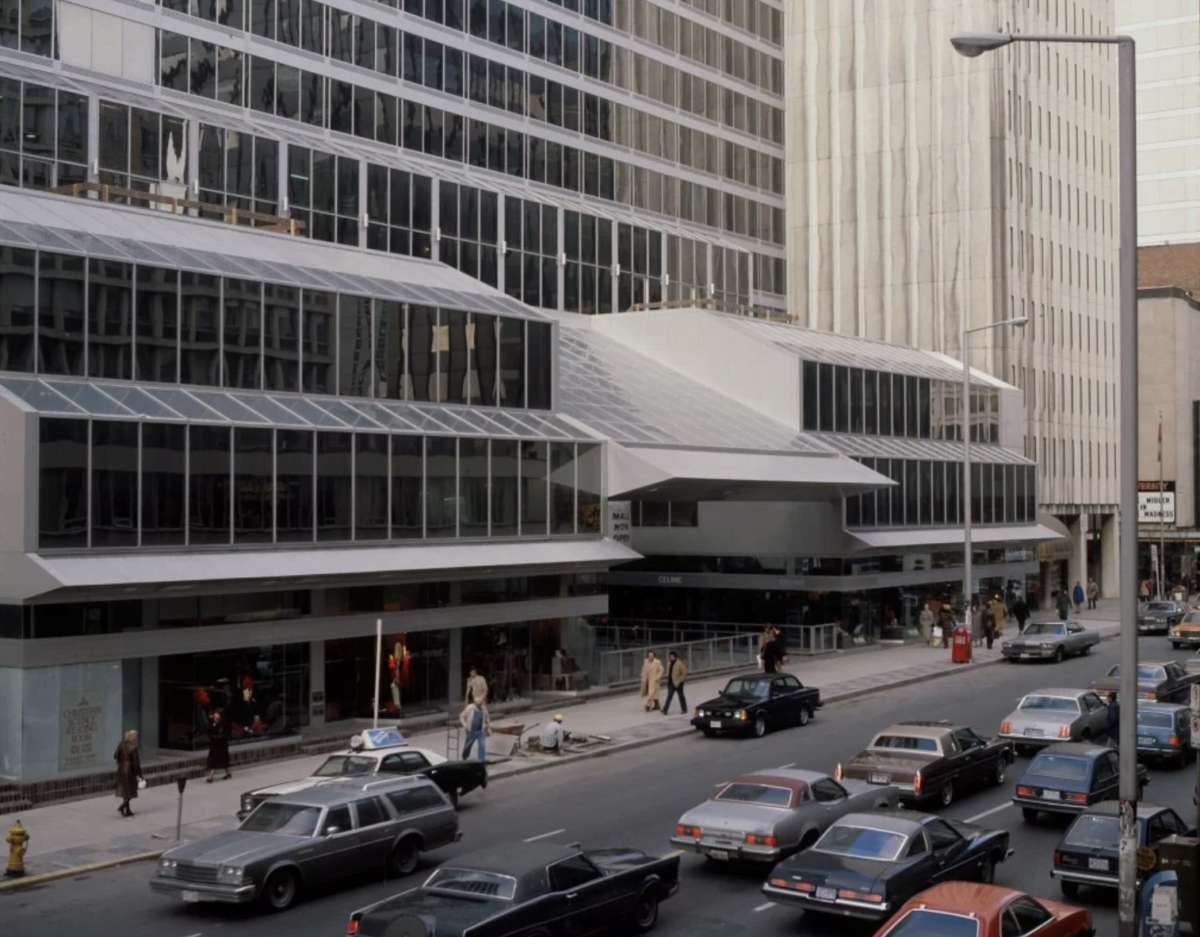
Retail podium of 110 Bloor St. W. in the early 1980s — tenants included Celine, Byblos, Marc Laurent and others. Photo: City of Toronto archives.
The commercial buildings at 83-95A Bloor Street West will eventually be demolished for a new mixed-use tower that will include opportunities for more luxury retail, according to Markowitz. The opportunity for new purpose-built retail space means that more big brands, currently not in the area, have an opportunity for a Bloor Street address.
The Bloor Street Saint Laurent flagship will become the largest in Canada, by far, being more than double the size of the 4,800 square foot two-level Saint Laurent storefront in Vancouver that was the first to open in Canada in the summer of 2016 at 746 Thurlow Street. Saint Laurent operates two Toronto locations, both measuring about 3,000 square feet. That includes a standalone store at Yorkdale which opened in November of 2016 and a street-level ‘world of’ concession at Holt Renfrew at 50 Bloor Street West which opened in the spring of 2018, both of which house men’s and women’s ready-to-wear as well as footwear, bags and accessories.
During the pandemic in late 2020, Saint Laurent opened a 2,900 square foot storefront at West Edmonton Mall in Edmonton. The store is said to be doing so well that it will be expanding by annexing adjacent retail space with details to follow.
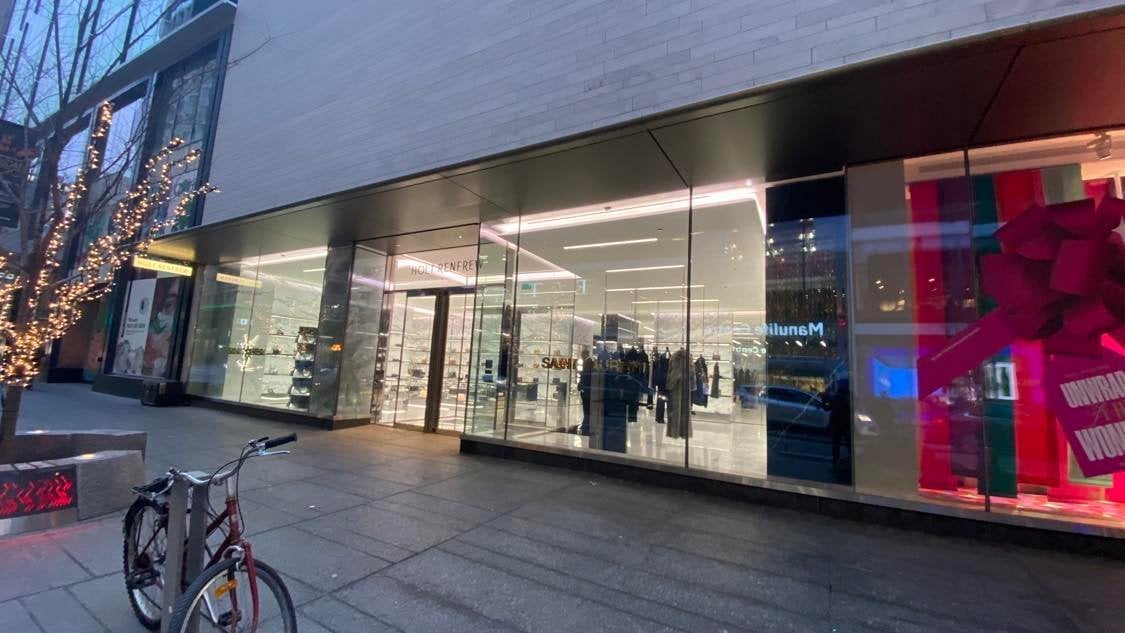
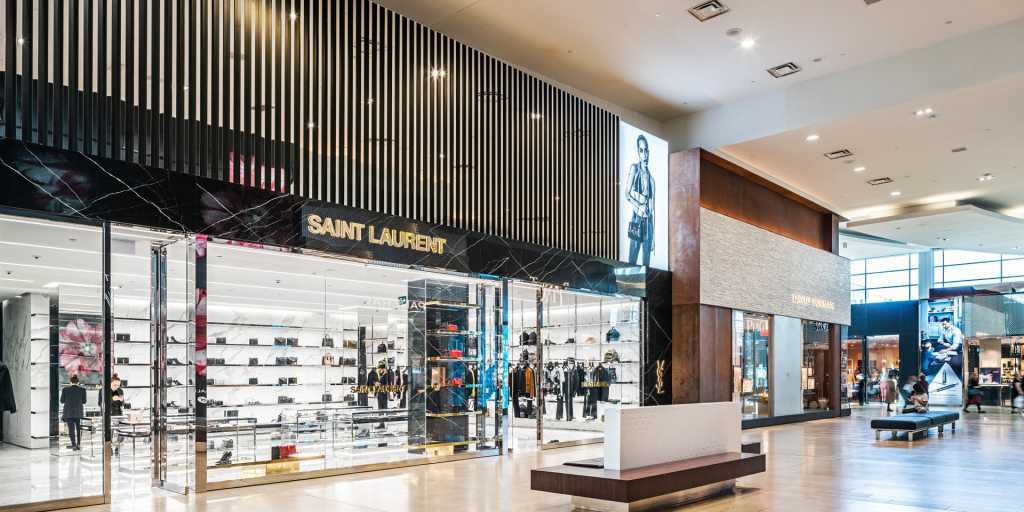
Saint Laurent streetfront facade at Holt Renfrew, 50 Bloor St. W. in Toronto on December 6, 2022. Photo: Craig Patterson Saint Laurent Yorkdale. Photo by Michael Muraz
Saint Laurent operates an outlet store at Toronto Premium Outlets in Halton Hills that opened in the winter of 2018. The brand also operates concessions within the Holt Renfrew Ogilvy store in downtown Montreal for women and men. In Vancouver, Saint Laurent operates concessions at Nordstrom including shops for handbags and women’s ready-to-wear.
Earlier this year Saint Laurent shut a bag/accessory concession on the main floor of Saks Fifth Avenue in downtown Toronto. That followed the closure of a ready-to-wear space for the brand on the third floor.
Designer Anthony Vaccarello is the designer for Saint Laurent, having replaced Hedi Slimani in 2016. Fashion designer Yves Saint Laurent founded the brand in 1961 and in the 1980s and 90s, Yves Saint Laurent was considered to be the pinnacle of fashion globally. The company had stores around the world including a substantial number of units in the United States. Department stores were an important part of the ‘Saint Laurent Rive Gauche’ expansion strategy. Stores such as Marshall Field’s, Dayton’s, Wanamaker, Rich’s, L.S. Ayeres, Kaufman’s, Halle’s, Nan Duskin, I.Magnin, and others featured Rive Gauche shop-in-stores.
In Canada, Yves Saint Laurent boutiques once operated in Toronto at Hazelton Lanes (now Yorkville Village) as well as at 1330 Sherbrooke Street West in Montreal. Department stores such as Simpson’s (now the Hudson’s Bay Company) and Morgan’s also carried the brand in decades past.
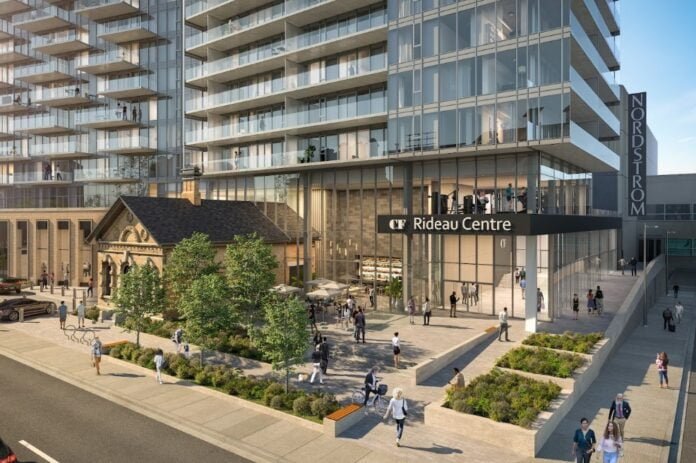
Cadillac Fairview's first residential rental project in Canada, The Rideau Registry, is a 288-unit building seamlessly integrated with CF Rideau Centre, Ottawa’s largest and busiest shopping mall. (CNW Group/Cadillac Fairview Corporation Limited)
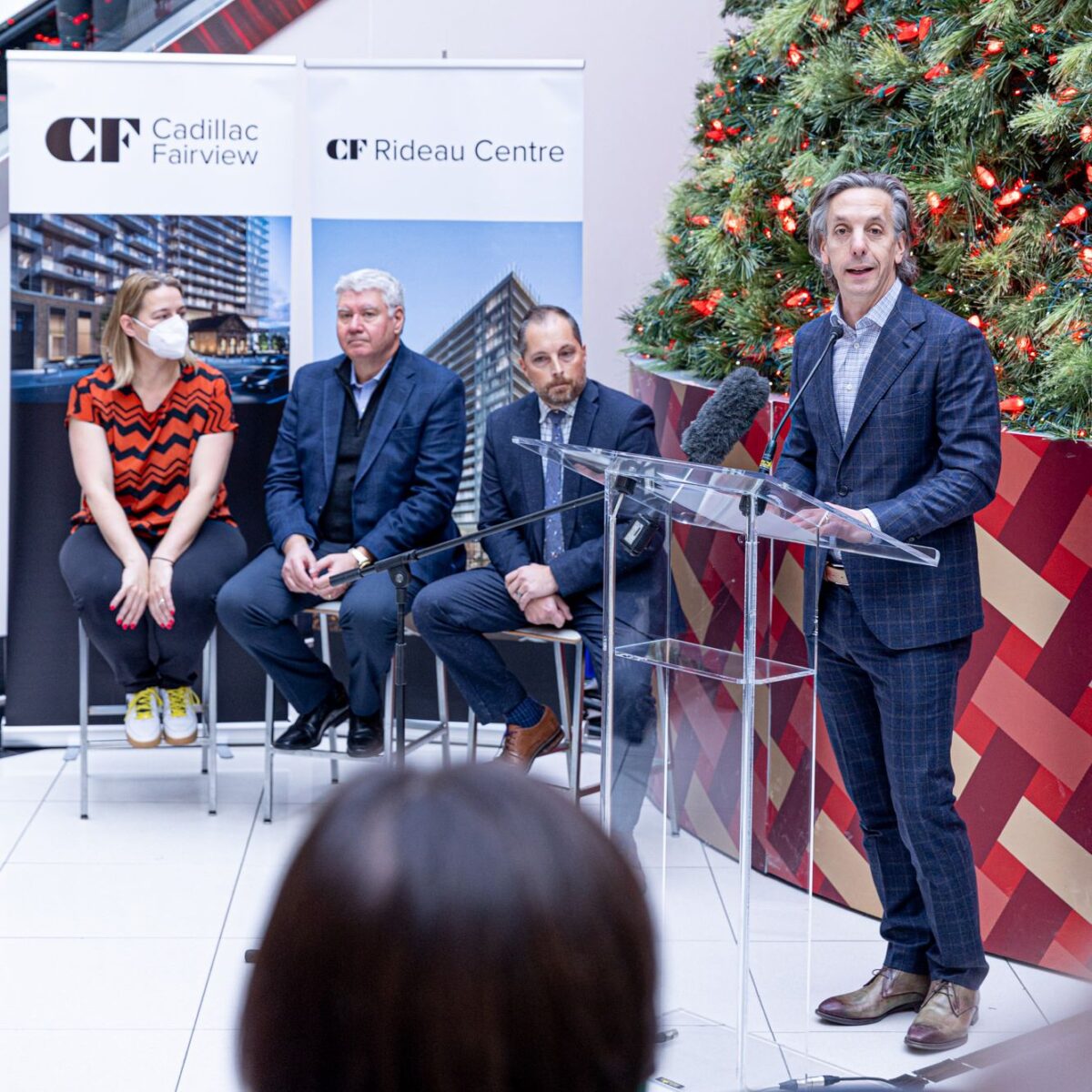
Canadian real estate property owner Cadillac Fairview has begun construction of a 288-unit residential rental building attached to its flagship CF Rideau Centre, Ottawa’s largest and busiest shopping mall.
It is the company’s first major investment in a residential rental building in Canada.
“CF’s Rideau Registry residences will offer a rental product that is unique and will stand out as Ottawa’s most-sought after address through innovative design and suite layouts, extensive amenities and professional management,” said Wayne Barwise, Executive Vice President, Development, Cadillac Fairview. “But just as importantly, we’re proud to continue contributing to the creation of a vibrant and connected community in downtown Ottawa.”
Brian O’Hoski, General Manager of the CF Rideau Centre, said the company is hoping to have the new residential tower ready for occupancy by 2026. The standalone building will have direct access to the shopping centre at the streetfront level.
“We have an existing entrance and that entrance will be repurposed to be the new entrance from both the residential tower and the street level,” he said.
Cadillac Fairview’s first residential rental project in Canada, The Rideau Registry, is a 288-unit building seamlessly integrated with CF Rideau Centre, Ottawa’s largest and busiest shopping mall. (CNW Group/Cadillac Fairview Corporation Limited)
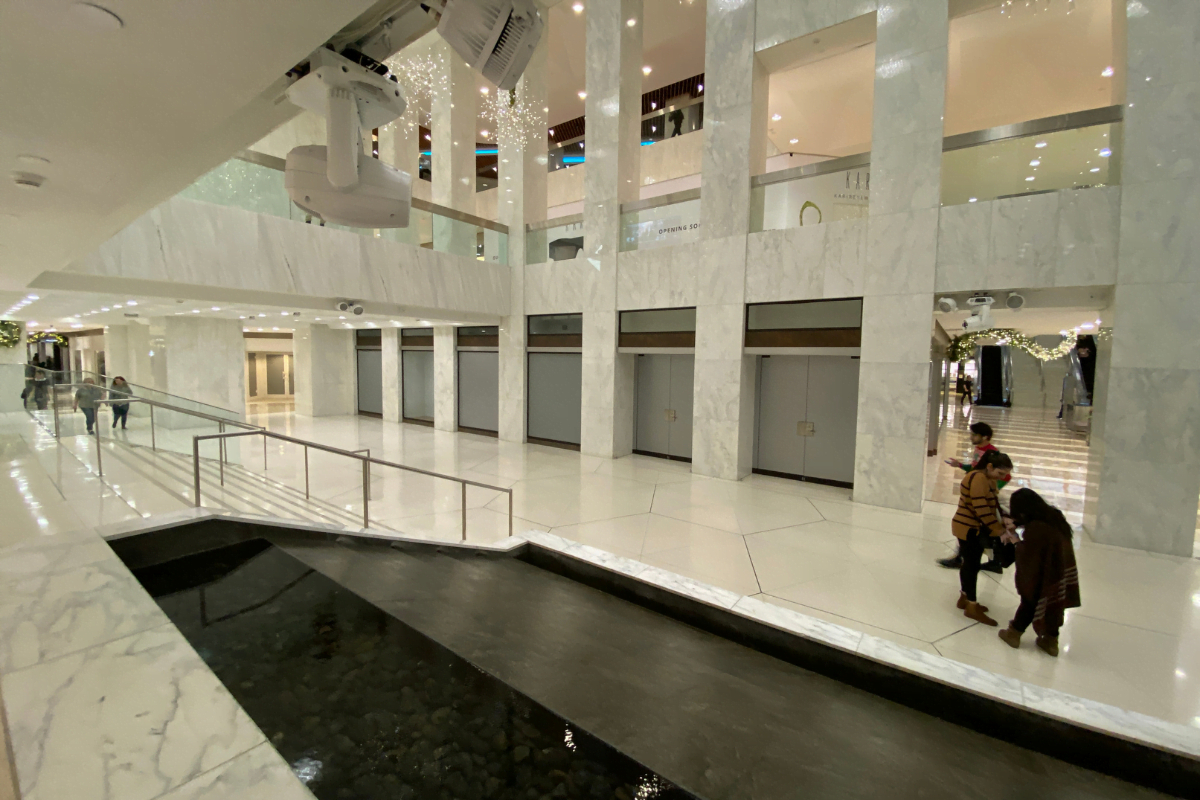
The Ottawa shopping centre is about 1.2 million square feet with about 180 stores.
CF Rideau Centre recently opened a new Indigo store as well as a newly-expanded larger footprint lululemon and a Hugo Boss. Oak and Fort and Aerie could open before Christmas as well.
“There are two big ones (in the coming year) but I’m not in a position to announce them. But we do have some exciting news coming up very shortly,” said O’Hoski, of additional retailers coming to the Ottawa shopping centre.
“We’re a downtown urban property so we’re certainly encouraged by the sales we’re seeing return. We are still missing some of that weekday office worker traffic but it seems that the retailers have found ways to make up and we’re certainly encouraged by the sales we’re seeing.”
Image: Cadillac Fairview
The development of a residential rental component to its property is part of CF’s strategy of expansion and diversification of its Canadian property portfolio through densification of its existing mixed-use assets.
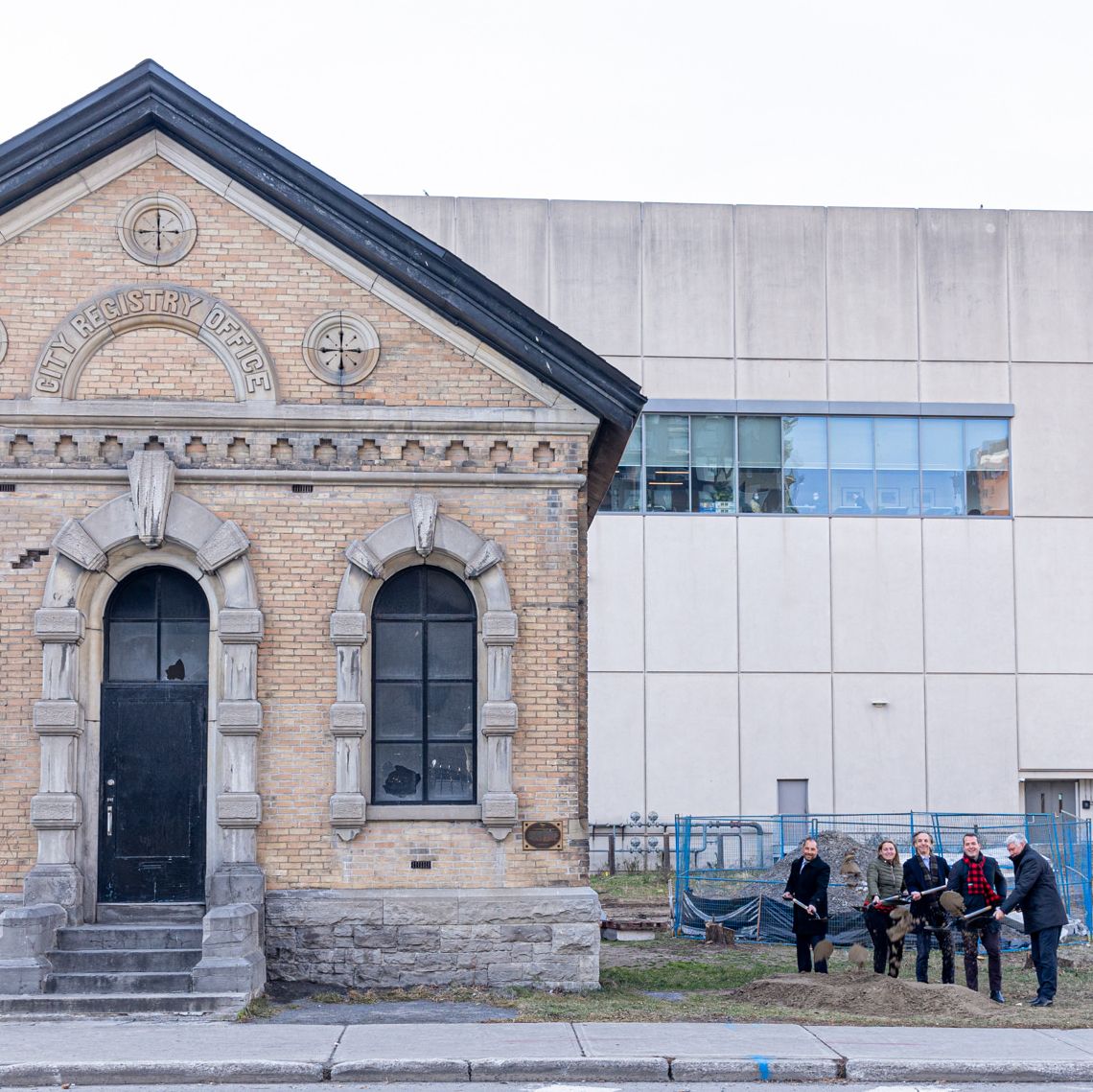
“In addition to its thoughtfully designed rental apartments and extensive amenities, the project will also feature the transformation of Ottawa’s historic Registry Office into a modern café-bistro, significant public realm improvements, and an enhanced entrance to the shopping centre. The building will be seamlessly connected to CF Rideau Centre, providing unparalleled access to shopping, dining and entertainment, as well as direct access to several of the city’s public transit options, including the O Train,” said Cadillac Fairview.
“The introduction of the rental residences at CF Rideau Centre is the next phase of an ambitious redevelopment program that began seven years ago, when CF invested $360 million to transform and revitalize the property, which included a four-level expansion, a new dining hall and a complete facelift including a range of enhancements and upgrades, new public art and a rebuilt pedestrian bridge over Rideau Street.
“The redevelopment also introduced a new wing which incorporated the historic Ogilvy Building. The preservation and integration of the historic Registry Office building as part of the new residences similarly presents an exciting opportunity to celebrate this historic building by featuring it as an important part of the residential project.”
Image: Cadillac Fairview
O’Hoski said residents of the new tower will appreciate the amenities that CF Rideau Centre has to offer. It’s one of the selling points for the residents.
“We’ve done a lot of condos. I think we’ve built over 6,500 condominium units across CF and our entry into residential is a thoughtfully planned extension of the significant reinvestments in the redevelopment activity within and around Rideau. It made sense.
“We do have an additional density available to us in the Red Parking Garage. That is a parking structure that would provide future development if that makes sense to us.”
Wholly owned by the Ontario Teachers’ Pension Plan, CF manages more than f$42 billion of assets across the Americas and the United Kingdom, with further expansion planned into Europe and Asia. Internationally, CF invests in communities with like-minded partners, including Stanhope in the UK, Lincoln Property Company in the U.S., and Multiplan in Brazil.
The company’s Canadian portfolio comprises 68 landmark properties, including the Toronto-Dominion Centre, CF Toronto Eaton Centre, Tour Deloitte, CF Carrefour Laval, CF Chinook Centre and CF Pacific Centre.
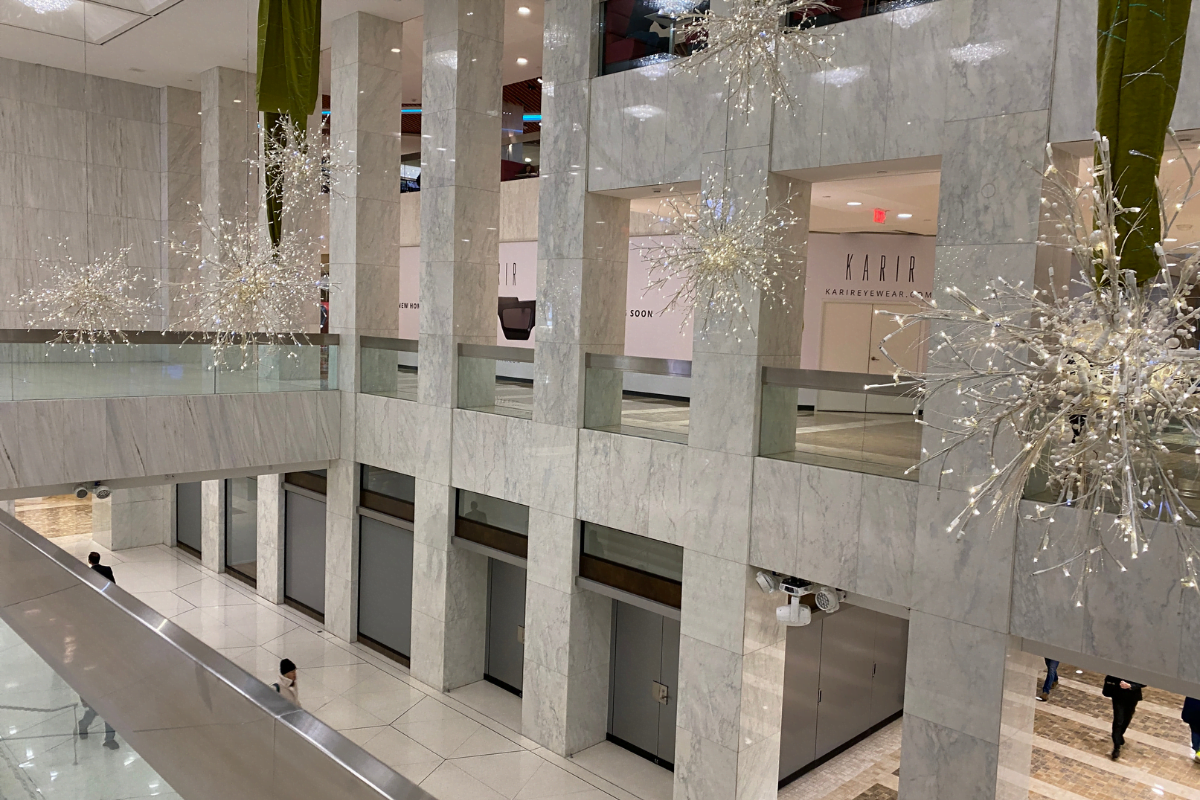
Future Modern Golf Location at First Canadian Place in Toronto (Image: Dustin Fuhs)
Modern Golf, Canada’s largest custom club fitter, academy and golf entertainment facility, continues to expand across the country announcing it will be opening a new location in the new year in the iconic First Canadian Place in downtown Toronto.
Paul Fisher, President, CEO and Managing Partner, described the newest location as centre ice for the company. Fisher said the location, in the former Tip Top Tailor space, will open in January 2023.
“This is as centre ice as centre ice can get. First Canadian Place is an iconic asset. It’s Brookfield. It doesn’t get any bigger than that. It’s so special to me.
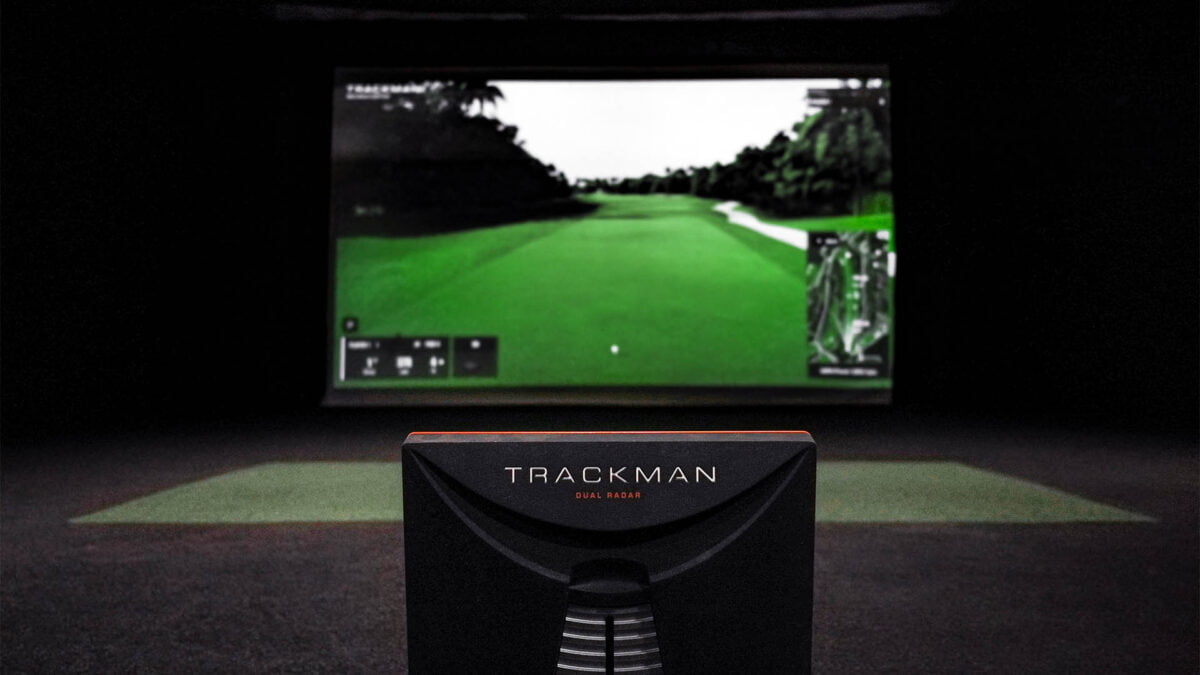
Image: Modern Golf
“I remember when I was young and we used to come to Toronto. It was a big thing to come to Toronto for the Santa Claus Parade. I would spend time with my grandmother and my mom and we’d walk The Path (the underground pedestrian walkway connecting downtown Toronto). I remember the excitement of The Path and I always had it in my heart that I wanted to do something here.”
“It’s a really special occasion to be able to bring Modern Golf to downtown Toronto and I think it’s going to be a really great asset for everyone in the downtown core. There are so many people that are looking for this experience. A lot of people are going back to the office and a lot of companies are looking for that social experience of indoor golf.”
The new Modern Golf Downtown Toronto is about 3,700 square feet. People will be able to store their clubs at the location.
Future Modern Golf Location at First Canadian Place in Toronto (Image: Dustin Fuhs)
“A huge part of what I want to portray about where we’re going with downtown is the social aspect of indoor golf. We really want to connect with golfers,” said Fisher. “A lot of people in the last year have started to leave golf. The game was very hot during COVID, but we have all started getting back to a more pre-pandemic life and it becomes challenging to continue with golf because it’s expensive and time consuming.”
“During COVID, the one thing everyone realized is golf is so much fun. The social side of golf and being able to play with your friends was amazing. We’re trying to bring that social element to downtown Toronto so that people can enjoy shorter experiences with their friends, using the indoor side of things. It’s all about energy and inclusiveness.”
Fisher said a studio concept location will also open in Langley, BC in the New Year as well as another location in Ajax, Ontario. Ajax will be an outlet concept of about 6,200 square feet.
Future Modern Golf Location and former Tip Top Tailors Store on the First Level of First Canadian Place in Toronto (Image: Dustin Fuhs)
Modern Golf currently has seven locations in Canada. The first location was launched in 2012 in Mississauga. Today, there are two in Calgary, one in Vancouver, one in Vaughan, one in Mississauga, one in Oakville, one in Halifax.
“Modern Golf is unique in that we’re first and foremost a golf club fitting company. We are retail driven and we are super experiential. People come to Modern Golf for the service and experience. It’s above and beyond what you would get in traditional big box retail,” said Fisher.
“I think what has made us really unique through our growth stage, and throughout the pandemic, is that we added this really experiential side to the business by offering golf lessons, introducing our indoor golf league and indoor golf memberships. Basically, we went from being a retailer to revolutionizing and creating the ultimate golf experience – somewhere where all golfers can feel totally at home in an inclusive environment that’s open to everyone. You can get new equipment, practice, get lessons or just have fun with your friends – you can do all of those things in one place.”
“It’s interesting,” said Curtis, Account Executive, Client Services, Oberfeld Snowcap. “Modern Golf, not dissimilar from retail in general, has evolved over the years. Really, the exciting thing about Modern Golf is that it’s not just one specific type of real estate we’re looking for. Because Modern Golf has such a wide range of service offerings, it allows us to attack different types of real estate.”
“The downtown Toronto location, for example, is going to be more urban. It will focus a little more on entertainment along with the golf club fitting component of the business. That kind of concept needs high traffic and accessibility. That’s why we ended up in First Canadian Place with Brookfield. Contrast that with the location we just signed on for in Ajax, that location is more about having a functional space where Modern Golf can create a flagship concept store that encompasses the entire Modern Golf brand. It is a destination retail concept for people to find something that suits their golf requirements best.”
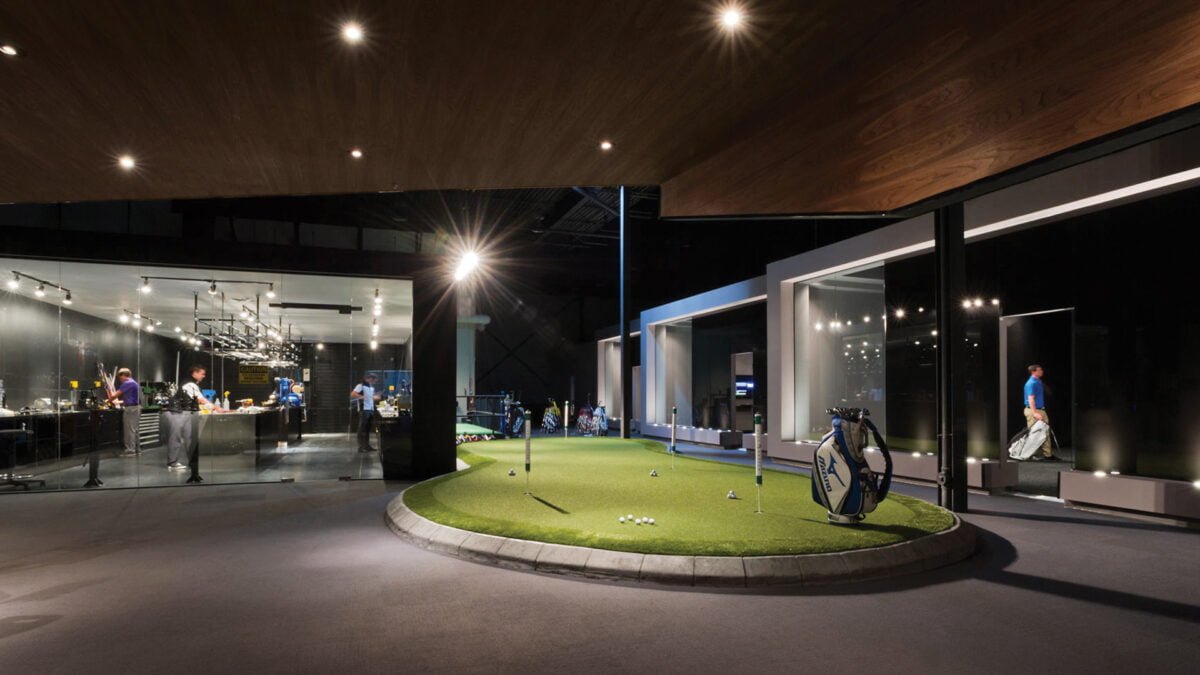
Interior of Modern Golf location. Photo: Modern Golf
Curtis said the company is looking for real estate ranging from 2,500 to about 7,000 square feet, depending on the concept.
“Our next main focus would be Ottawa,” said Curtis. “After Ottawa we would most likely be looking towards Edmonton. Once we find suitable locations there, we will pretty much have a location in every major market in Canada and begin to set our sights on a long-term strategy involving some of the smaller secondary markets in the country.”
Because of Modern Golf’s adaptability and different concepts, Curtis said they would look at power centre/street retail which would be the targets in Ottawa and Edmonton and they may also start considering more urban formats in downtown cores across Canada (similar to First Canadian Place) in the 3,000 plus square foot range.
As technology improves, the potential for retailers to make use of the metaverse will grow. (Shutterstock)
In 1968, American computer scientist Ivan Sutherland predicted the future of augmented and virtual reality with his concept of the “Ultimate Display. The Ultimate Display relied on the kinetic depth effect to create two dimensional images that moved with its users, giving the illusion of a three-dimensional display.
While no official definition of the metaverse truly exists, science and technology reporter Matthew Sparkes provides a decent one. He defines the metaverse as “a shared online space that incorporates 3D graphics, either on a screen or in virtual reality.”
Since the term was coined, the idea of the metaverse has remained more of a fictional concept than a scientific one. However, with technological advancements in recent years, the metaverse has become more tangible. Much of the recent hype happened after Mark Zuckerberg made the announcement to rename the Facebook brand to Meta. Many retailers have since jumped aboard the metaverse train.
While many retailers are capitalizing on the metaverse early, there is still uncertainty about whether the metaverse really is the future of retailing or whether it will be a short-lived fad.
Dispelling metaverse myths
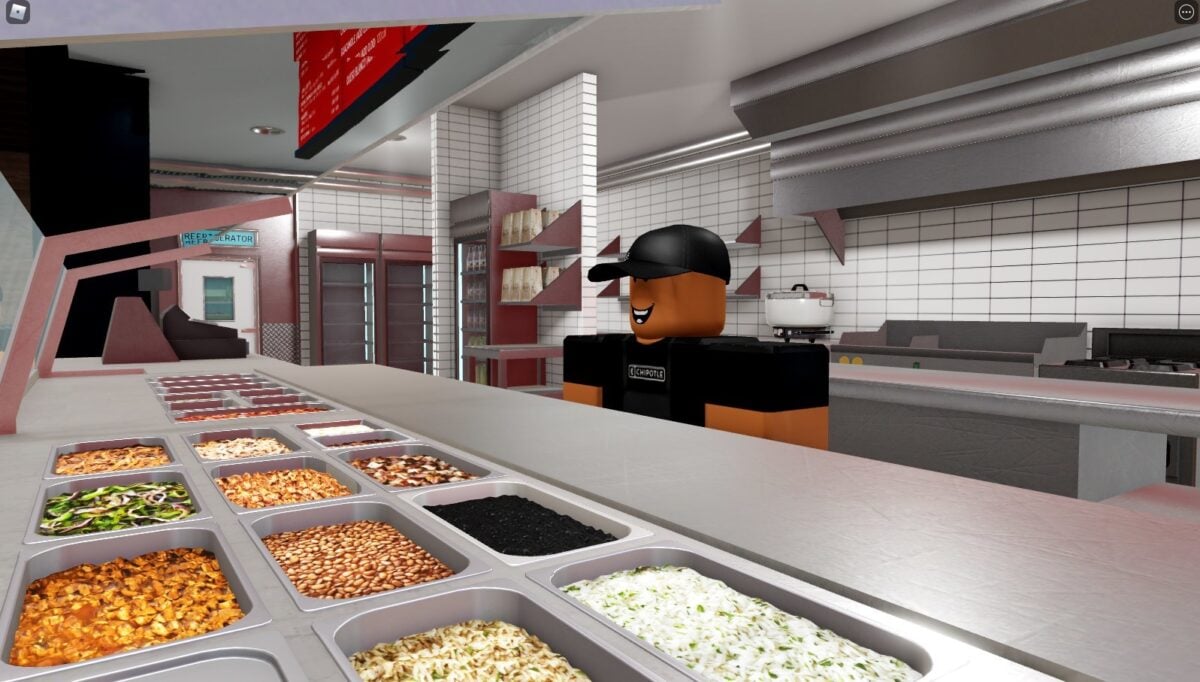
Chipotle Burrito Builder is a new simulation experience that will challenge Roblox players to roll burritos in the metaverse to earn Burrito Bucks, the brand’s in-experience currency.
Much of that uncertainty around the metaverse stems from confusion about the technology. While examining the top keyword associations related to the metaverse on Google Trends, I found “what is metaverse” and “metaverse meaning” to be the top phrases customers searched for. To alleviate some of this confusion, it’s important to dispel commonly held myths about the metaverse.
Myth 1: You need a VR headset to access the metaverse
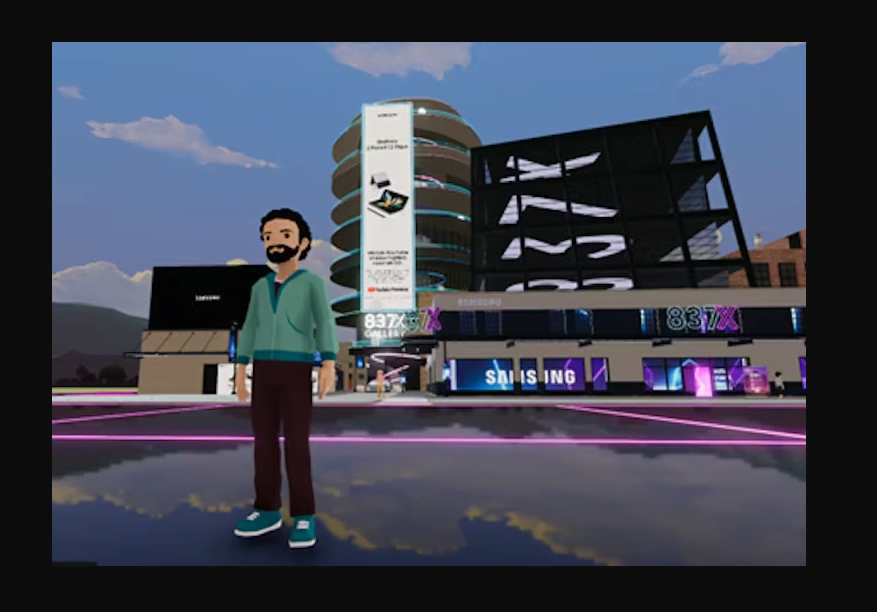
While an optimal experience in the metaverse can be achieved through VR headsets, anyone can access the metaverse through their personal computers. For instance, customers can create their avatars and access the metaverse in Decentraland on screen without a VR headset.
My virtual avatar in Decentraland. (Decentraland Foundation), Author provided
Myth 2: The metaverse will replace real-life interactions
Rather than replacing existing modes of communication, the Metaverse provides a more interactive mode of communication. New technologies always bring about predictions of the end of physical interactions. It’s helpful to compare the metaverse with the rise of smartphones. Smartphones enhance communication by allowing people to interact with their social networks, but have not entirely replaced face-to-face interactions. The metaverse will be the same.
Myth 3: The metaverse is just for gaming
While gaming remains the dominant driver of user involvement with the metaverse (97 per cent of gaming executives believe that gaming is the centre of the metaverse today), it’s not the only activity people can take part in.
Similarly, there appears to be tremendous hype and expectations around what the technology can deliver in its current form. A recent survey of 1,500 consumers found that 51 per cent of people expect customer service to be better in the metaverse, 32 per cent expect less frustration and anxiety while dealing with customer service agents in the metaverse compared to phone interactions, and 27 per cent expect interactions with metaverse virtual avatar assistants to be more effective than online chat-bots.
While such expectations can appear reasonable, metaverse technology is still in its infancy stage, where the focus remains on developing infrastructure and processes for the future. The unrealistic expectations may potentially lead to a metaverse bubble as reality struggles to meet expectations.
Challenges for retailers
As with any emerging technology, retailers need to be prepared for challenges posed by the metaverse. Some of these challenges include the following:
Data security and privacy: With the novelty of metaverse technology and the wealth of personal data collected, the metaverse will be an attractive target for cyber-hackers. New approaches and methods need to be considered for a safe metaverse that customers can trust.
Experienced talent: Having the right talent that can create, manage and support experiences in the metaverse needs to be at the forefront of engaging with the technology. However, due to the novelty of the technology, finding such talent will be a challenge.
Regulations:With no clear jurisdictions and regulations in place, the safety of virtual spaces in the metaverse may be compromised and end up pushing customers away. Retailers need to ensure these spaces are safe and protected.
Managing customers’ expectations: Retailers need to educate their customers about what can currently be done in the metaverse, and what customers should expect from businesses in the metaverse.
Despite these challenges, retailers will still be able to craft novel shopping experiences in the metaverse — it will just require appropriately skilled and qualified people to make it happen. With appropriate planning and preparation, retailers will be able to meet these challenges head-on.
Opportunities for retailers
As technology improves, the potential uses of the metaverse for retailers will grow. At the moment, the metaverse offers retailers three key opportunities for improving the online shopping experience.
The first is brand exposure. Retailers can expand their presence through virtual billboards and interactive advertisements with less noise, compared to existing online and mobile channels. Cloud Nine, an IT services company, is one of the earliest companies to advertise their services on virtual billboards in Decentraland. Virtual billboard advertising is something marketers should keep in mind.
Secondly, the metaverse offers unique experiences for customers to engage with brands through events, contests, and game-like features. Such experiences could increase loyalty and brand engagement. The Metaverse Fashion Week is an example of how retailers can create unique brand engagement opportunities. Retailers including Tommy Hilfiger, Perry Ellis and Dolce & Gabbana all participated in the pilot experience, leading the wave for immersive and unique customer-brand interactions.
Lastly, the metaverse provides retailers the chance to personalize customer experiences. Similar to how retailers can customize customers’ online experiences through data collection, retailers can tailor customer experiences in the virtual environment. In Meta’s Horizon Worlds, for example, users can create their own virtual worlds, invite friends and customize their own experiences.
By Omar H. Fares, Lecturer in the Ted Rogers School of Retail Management, Toronto Metropolitan University
Retail Insider is streamlining its Canadian retail news from around the web to include a handful of top news stories that can be viewed quickly during the day. Here are the top stories from the past 24 hours.
Montreal-based Foodtastic, one of Canada’s largest restaurant companies, is continuing its rapid growth as it moves closer to its goal of $1 billion in system sales by the end of 2023.
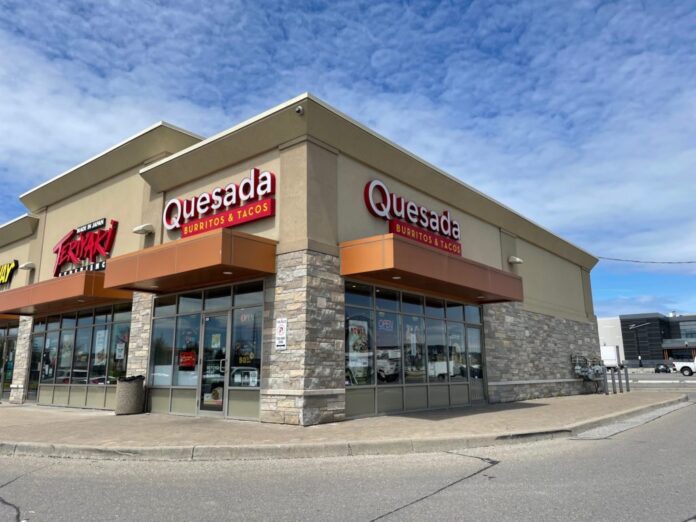
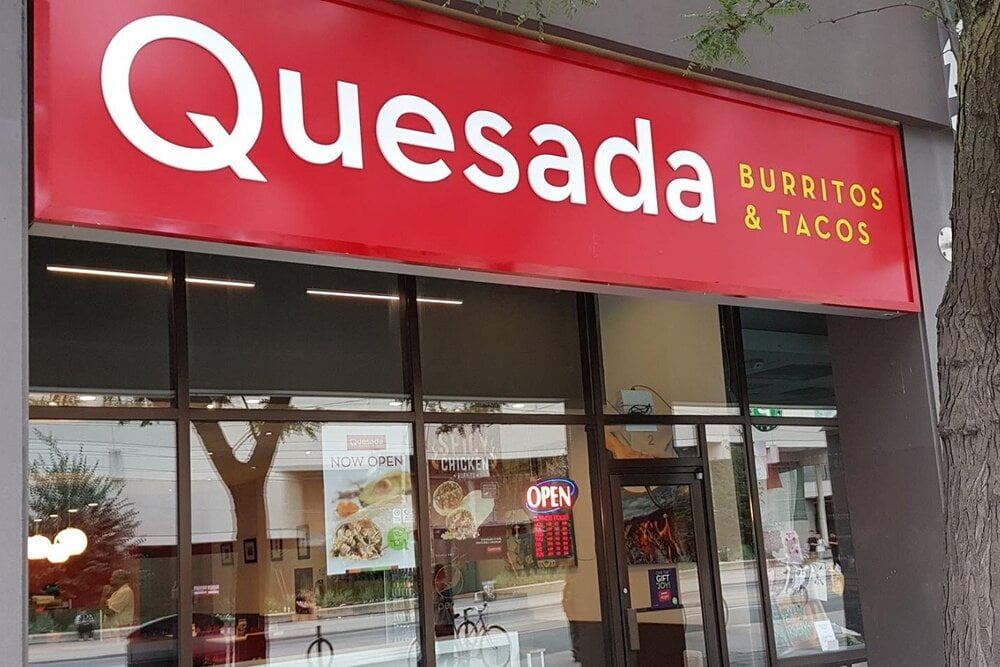
It has entered into an agreement to buy Quesada Burritos & Tacos with about 175 locations across eight provinces.
The acquisition will increase Foodtastic’s portfolio to 22 different brands, more than 900 restaurants and $830 million in sales.
Peter Mammas
“Quesada is one of the largest Quick Service Restaurant brands in the country, and we are happy to welcome this fast-growing brand into the Foodtastic family,” said Peter Mammas, President and CEO of Foodtastic. “We look forward to working with all our new franchisees and expanding the brand in Canada.”
He said Mexican food is a fast growing segment of the industry.
PHOTO: QUESADA VIA FACEBOOK
“Ourselves as a company we’re continuously looking to expand the company into areas we’re not in,” added Mammas. “So Mexican was one of them. There’s some other stuff like Asian, breakfast, hamburgers, that we would want to get into. Quick service pizza as well.
“We’re constantly going to be looking to grow the company through acquisition and new areas we’re not in. Quesada has been around for years. It’s proven. It’s growing. They opened close to 15 new stores in the last year, 18 months. The brand’s great.
“Honestly it came about because my son was always going to eat there. He came to me and said hey dad we should buy this place. It led to me calling the owners and making a deal.”
Quesada, which was founded in 2004, has grown quickly and Foodtastic plans to continue developing the brand, with more than 50 new locations expected to open over the next 36 months.
Foodtastic, which was founded in 2016, has several well-known brands including Second Cup, Pita Pit, Milestones, Fionn McCool’s, Shoeless Joe’s, Au Coq, La Belle et La Boeuf, and Monza.
“We are extraordinarily proud of our franchisee partners, front line workers and corporate team. With their support, we have grown Quesada from a single store into +175 locations across eight provinces. We are excited about the future of the brand and believe that as part of Foodtastic our franchisees will reach new levels of success,” said Steve Gill, Founder and CEO of Quesada.
Mammas said Foodtastic acquires brands that it thinks it could fix or brands it thinks it can grow.
“Sometimes we’re actually doubly lucky in the sense that we can fix it and grow it. And obviously when we’re buying brands we can fix the multiples are smaller, are less, because brands that are going well and expanding for sure the multiples are higher. We look at both,” he said.
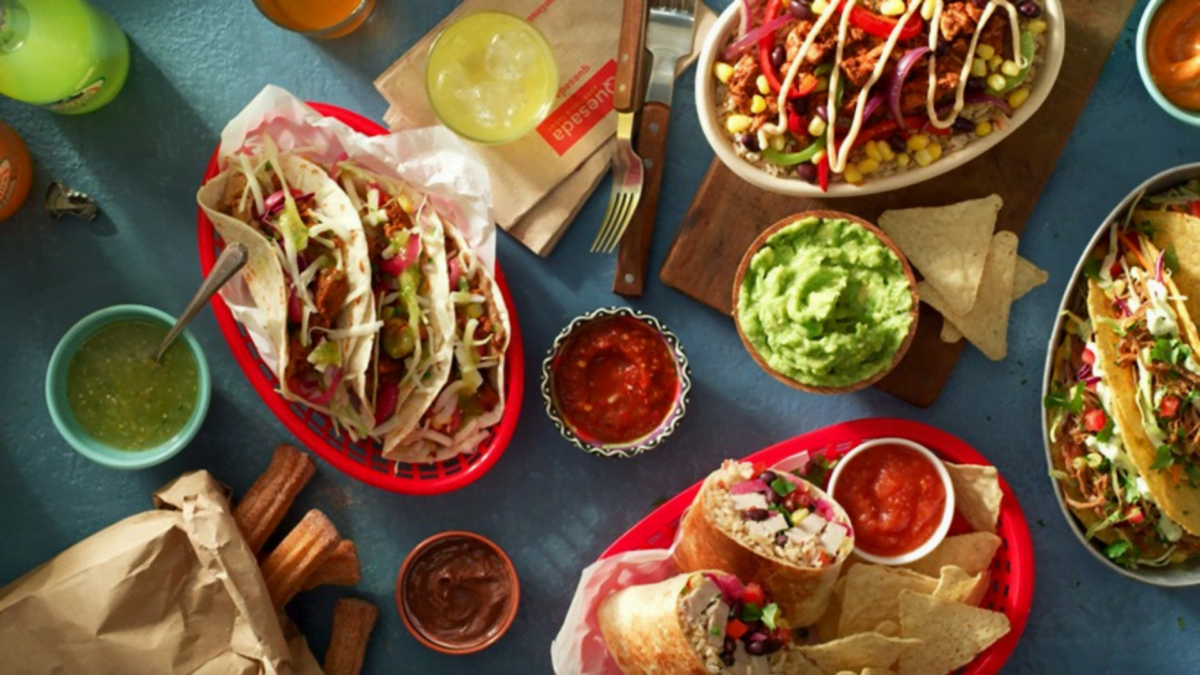
Image: Quesada
Mammas and his brother Lawrence have been in the restaurant business since their youth. In 1990, Lawrence came up with a concept called Nickels Deli with a local Quebec singer, who is now an international diva, Celine Dion. Together with Dion and her husband, René Angélil, and his cousin Paul Sara, the Mammas brothers started Nickels.
Beauty and the Beef started in 2012 with another partner, Jack Gaspo. Then they started Souvlaki Bar and then it purchased Carlos & Pepe’s and continued its expansion. In late 2018, they signed a partnership with Oaktree Capital, an investment firm out of the U.S., to help it continue its expansion and they acquired several brands.
In 2016, Foodtastic did about $20 million in system sales and started making acquisitions. Then COVID hit. Pre-COVID the company was doing about $100 million in system sales.
“When COVID hit our sales dropped by 85 per cent within I’d say 14 days but we kind of talked through it, we adjusted our system, we went on third-party delivery right away, we did whatever we could for the existing franchisees but we also realized and made the decision that COVID is going to go away one day and there’s no better time to do acquisitions than now.
“For the next 24 months, we went on a complete buying spree and we bought close to 12 brands and we went from $100 million pre-COVID and we’re going to be at $1 billion in sales in Canada by spring next year.”
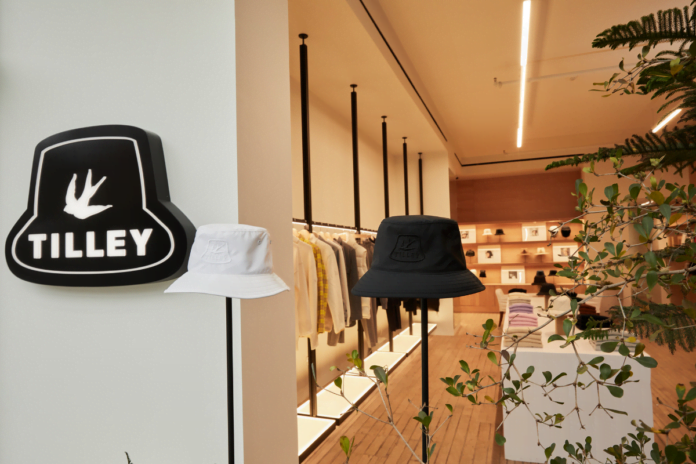
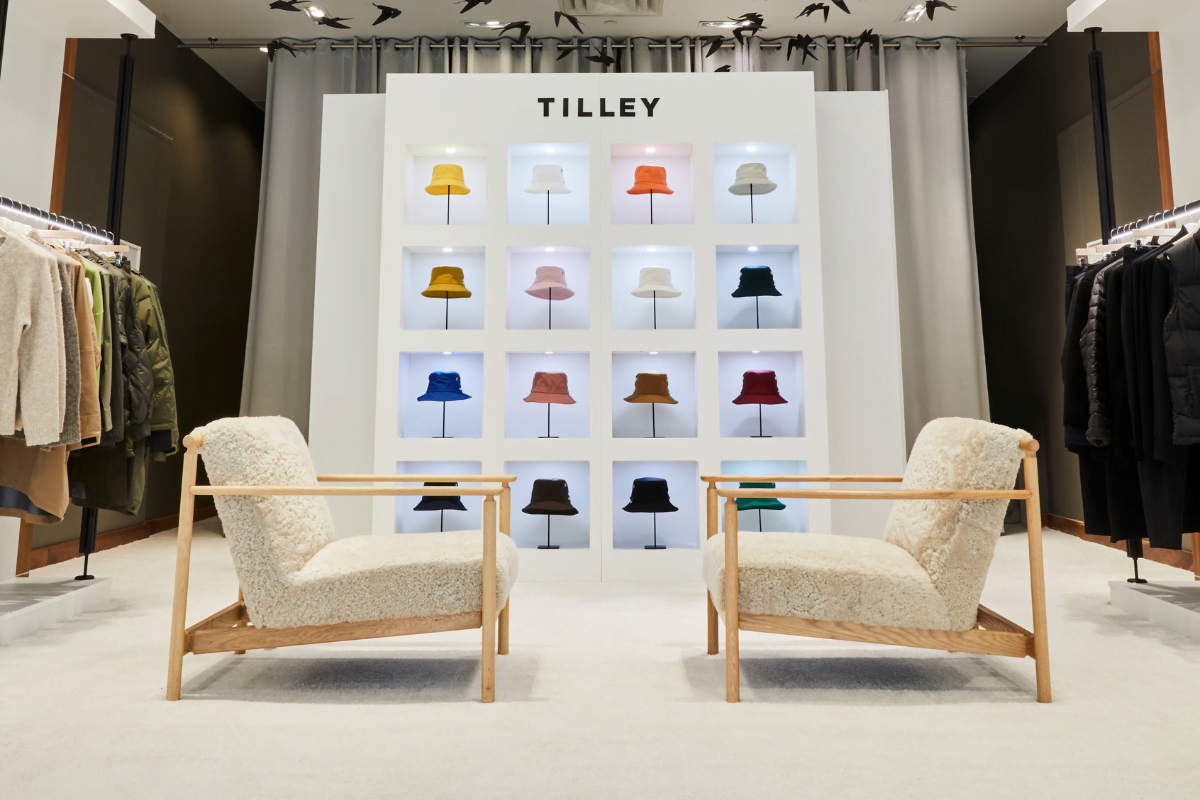
Tilley on Ossington Ave in Toronto (Image: Tilley)
Iconic Canadian retail brand Tilley, known for its signature outdoor adventure hats, continues to evolve its concept with the opening of its first store under the leadership of well-known designer and entrepreneur Joe Mimran.
The new 1,500-square-foot store at 61 Ossington Avenue in Toronto brings Tilley to the next generation of Canadians.
The new location marks the first store opening under a new ownership led by Mimran, who has taken an active role in expanding the iconic safari product line, while reinvigorating the brand.
“Tilley is an iconic lifestyle brand that proves fashion and sustainability can coexist. A Tilley hat is more than simply a lightweight, practical, durable, reliable, stylish travel essential. It’s a piece of fashion history on your head,” he said.
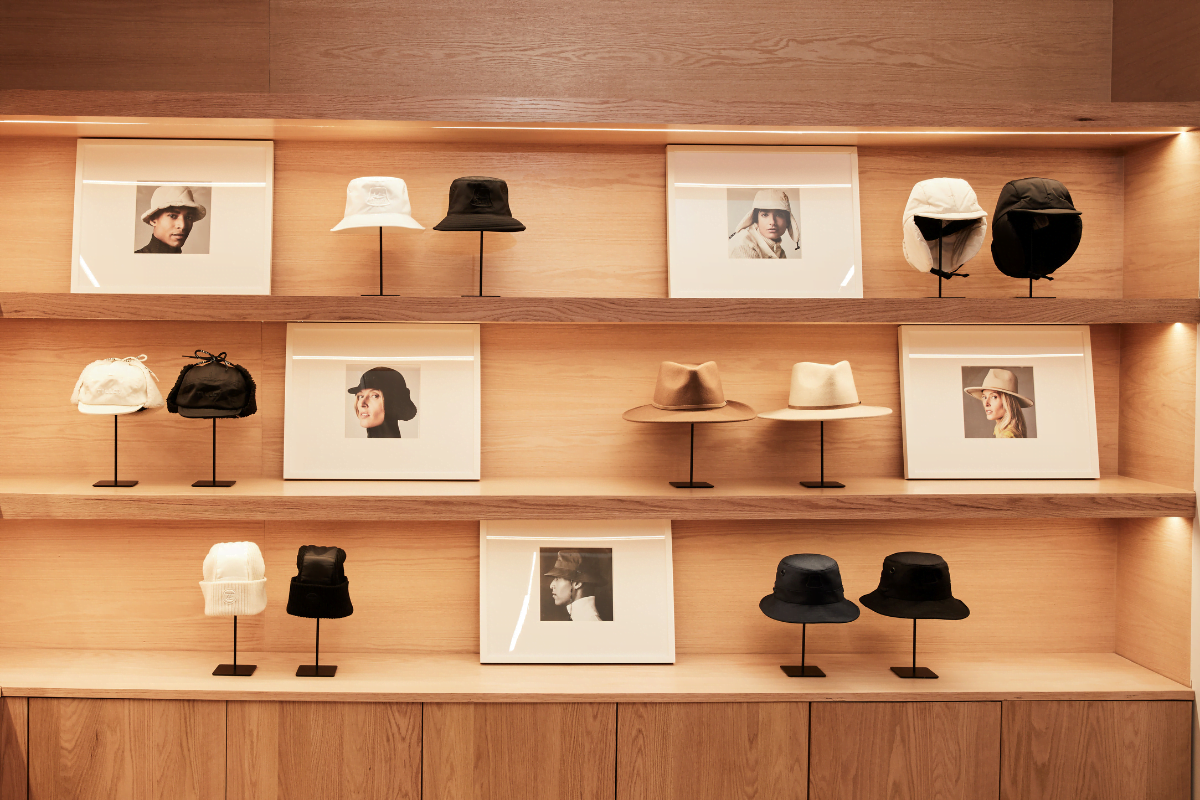
Tilley at 61 Ossington Ave in Toronto (Image: Tilley)
“The opening of this first reimagined store brings to life The World of Tilley in a way we simply couldn’t do in other retail channels.
“We don’t consider this a short-term journey. As consumers increasingly demand ‘no-compromise brands’ that are authentic and sustainable and ethical and fashionable and a good value, we believe Tilley has a home in everyone’s closet. And we look forward to having everyone come on the journey with us.”
Mimran today controls the company with his business partner Frank Rocchetti. The partnership took over the leadership about two years ago and began implementing changes to the brand.
“They’re pretty exciting changes for the company itself and for the brand,” said Mimran.
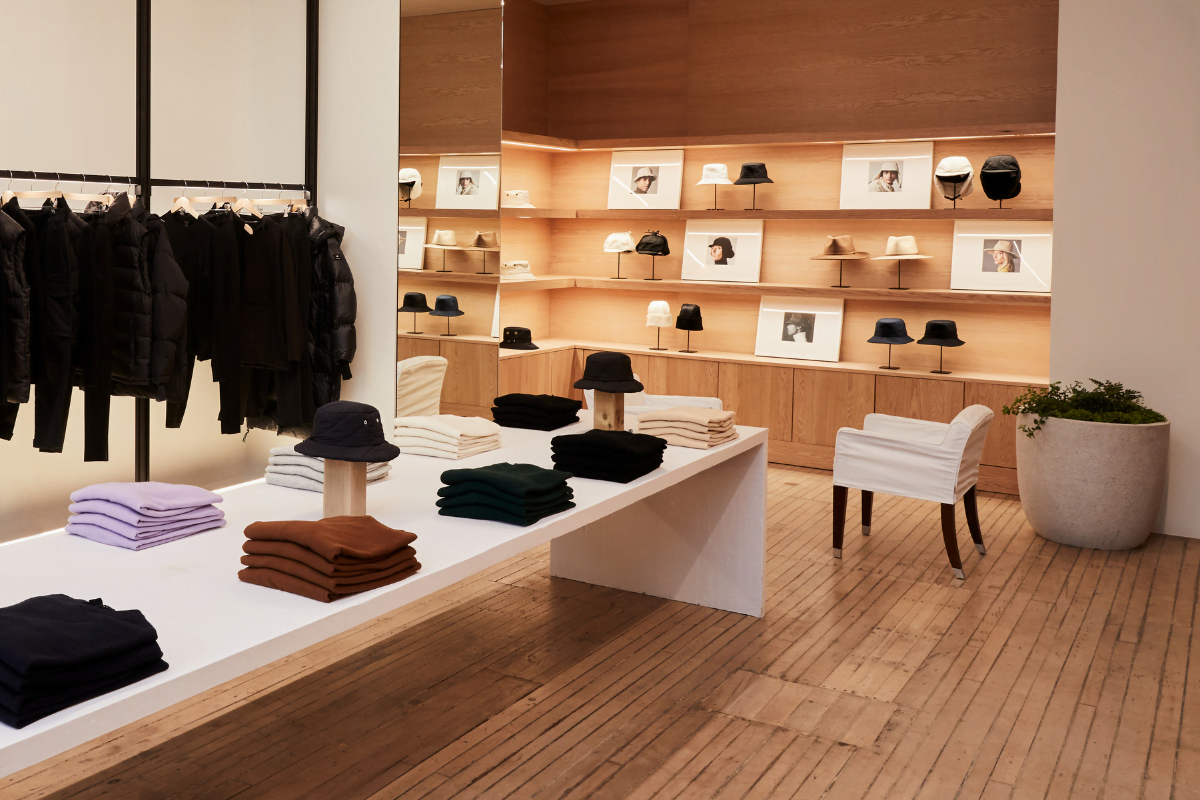
Tilley at 61 Ossington Ave in Toronto (Image: Tilley)
What began with a single hat in 1980, has expanded into mens, womens, and kids outerwear, apparel, and headwear, that marry form and function – high-performance materials and features, crafted into beautiful collections with character.
“This is the first Tilley store. All of the old Tilley stores have been closed down and this is the first of the renewed brand, the remastered Tilley brand. This is quite important,” said Mimran. “Even though it’s a neighbourhoood store on Ossington which is a very hot street here in Toronto and shopping centre, this is really the first look that people will have of the store.
“But we sell across Canada and the United States, UK, Australia now. We opened up Australia. And we sell in France, we sell in Spain, we sell in Germany. We have thousands of doors that we sell but this will be the first freestanding Tilley store.”
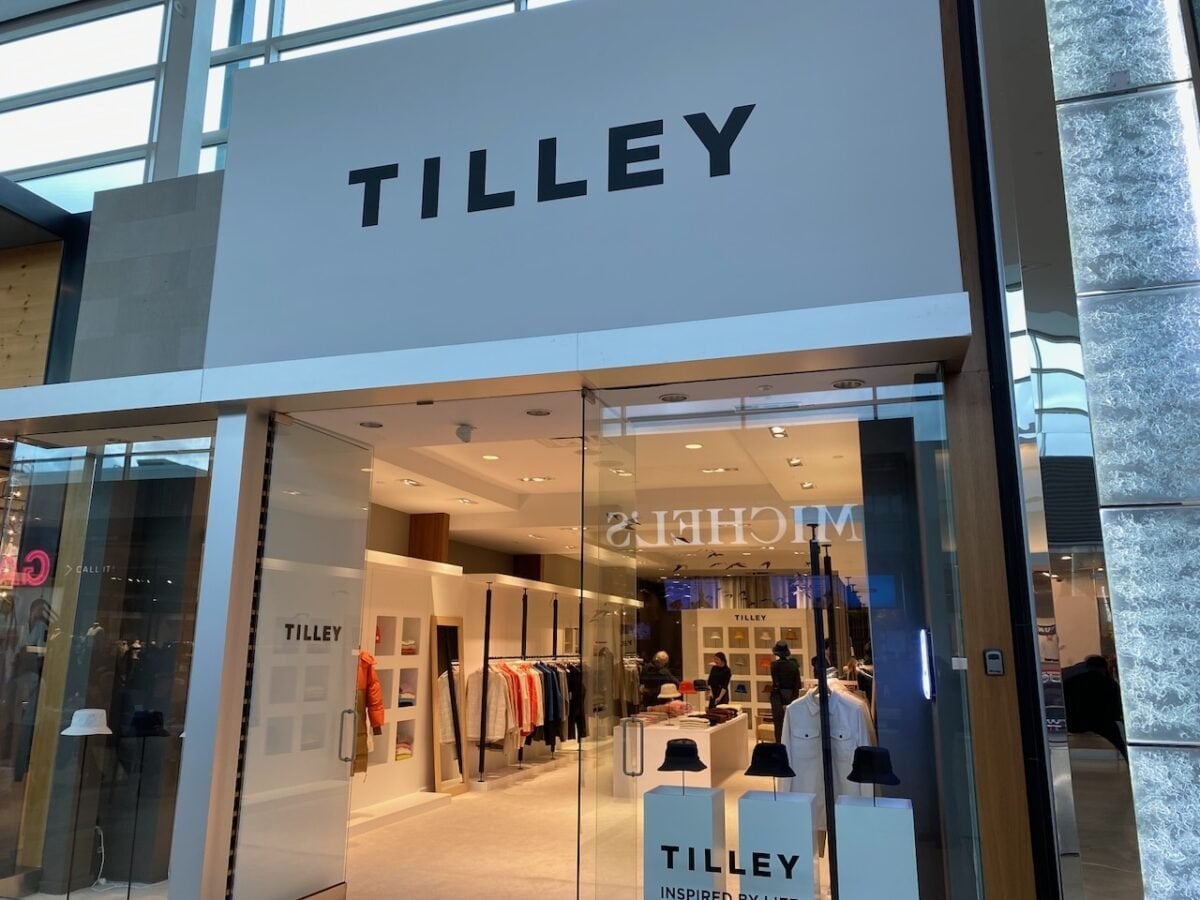
Tilley Pop-up at Yorkdale (Image: Dustin Fuhs)
Expansive windows and greenery invite shoppers in, and custom fixturing and Canadian Oak paneling create a beautiful backdrop to discover (and touch and try-on) merino, cashmere, canvas, cotton twills, technical materials, and more.
“We wanted to show the change in direction of the brand by putting it on what I consider to be an Indie street. It’s where a lot of fresh, new brands that come into the market want to hit a particular type of consumer. And it’s a street that I believe you get a certain level of credibility by being there,” said Mimran.
“It reminds me of the early days of Queen Street when I put the first Club Monaco on Queen Street way back when. It has that same kind of vibe to it. That was really what we wanted to signal to the market, that there’s this new fresh approach to the brand without taking out all of the great heritage that had been built into the brand.
“The company has been known essentially for its adventure hat . . . It’s usually worn hiking, fishing, and safari. And it has a very traditional appeal to an outdoor customer. It’s an incredibly well made product that’s guaranteed for life. But essentially that was sort of the entire business for the last 10 years. We wanted to extend that into apparel. We wanted to extend it into a winter product. It’s crazy that a Canadian company, hat company, is known for sun protection with no real winter offering to speak of. So we have amped up all of the winter offering on hats. We have introduced just a tremendous amount of apparel. We do a complete trek line. We do technical fabrics in travel type of apparel. So more fashionable but still all very functional and very outdoor inspired. This spring we’re introducing a golf line.”
Tilley Pop-up at Yorkdale Shopping Centre (Image: Tilley)
He said 70 to 80 per cent of the products are made from recycled materials or organic materials.
The brand has also just opened a pop-up location at the Yorkdale Shopping Centre.
“With the importance of omni-channel, we think that the stores will continue to be an important part of the growth of the brand,” added Mimran.
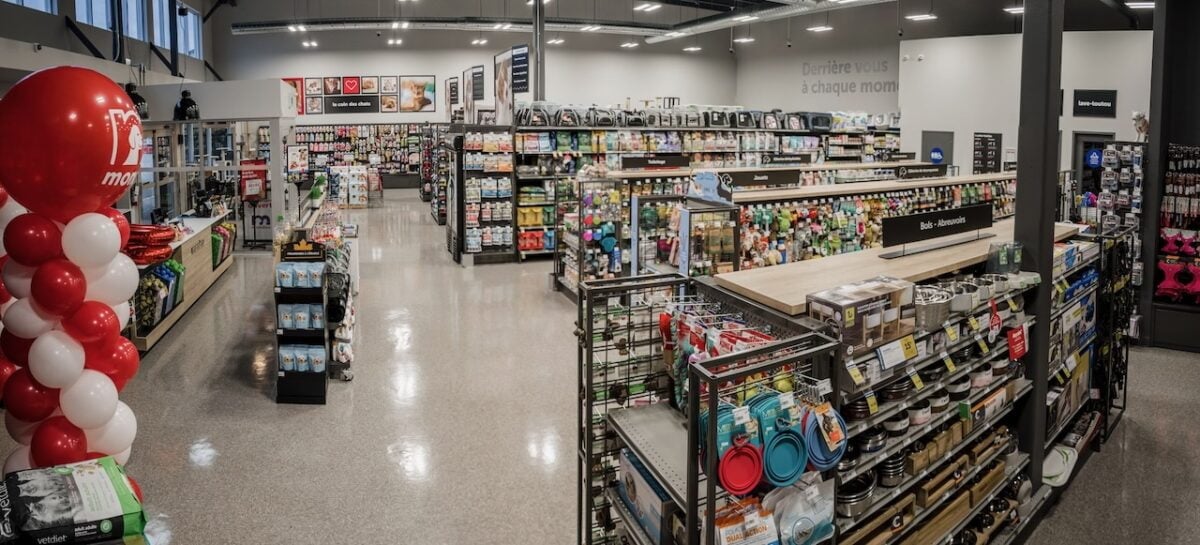
Mondou, a Quebec specialty pet supply retailer, has recently celebrated its 80th store opening and is looking to expand more into the Quebec market.
“We are very proud. We opened our 80th and it was a tremendous success. We are very happy and excited about the new store. It is a great place for us to grow our business because there were a lot of customers asking for a Mondou store in that region,” says Pierre Leblanc, the CEO of Mondou.
Pierre Leblanc
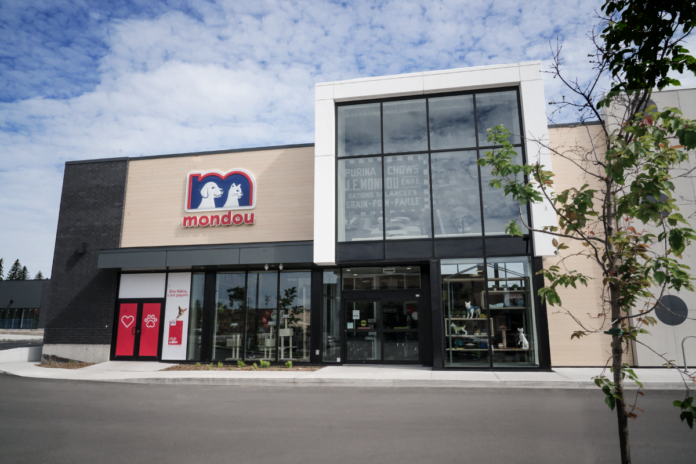
Located in L’Assomption in Quebec, the 80th store opened on November 10th and has 4,000 square feet of retail space. Mondou celebrated with a grand opening event where there was free coffee, nail clipping, dog washes, and gifts. “It was a really good event and celebration with our customers, it was a door crasher. We had dozens of customers waiting at the door – and next time we will do better,” says Leblanc.
Customers have been requesting this specific location and now they have it. The store, like all Mondou stores, will offer free nail clipping and dog washing.
“Mondou has 80 stores in Quebec and only focuses on Quebecers and that is basically where we are focusing at the present time, but that doesn’t mean it won’t change in the future but Quebec is our market area. We are really pleased to be there in that specific place, it is an average store but we have free services such as nail clipping and dog washing, so it was really great for our customers,” says Genevieve Paquet, the Merchandising and Store Concept Director at Mondou.
#1 Pet Specialty Store in Quebec
Image: MondouMondou L’Assomption (Image: Mondou)
Leblanc says Mondou is the number one pet store in Quebec in terms of sales and is still performing well. In 2022, Mondou opened six new stores in new markets and four Mondou locations were renovated or relocated.
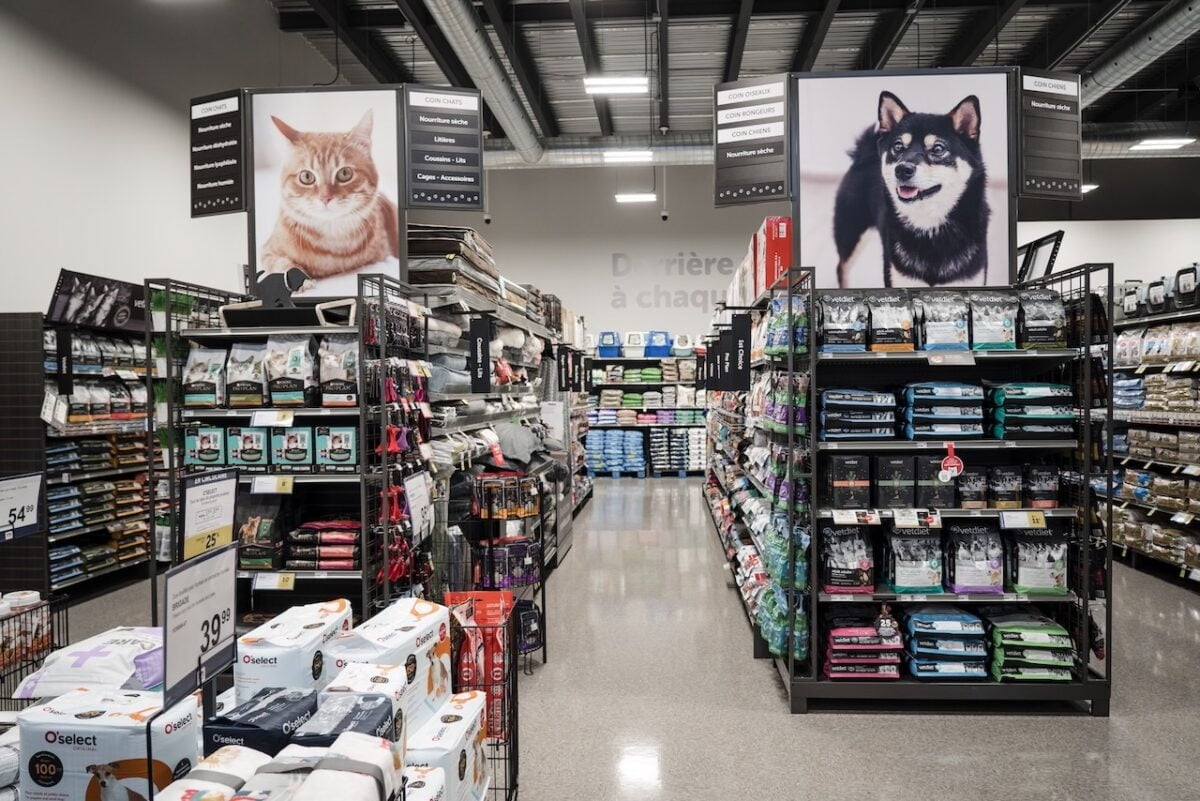
To achieve the number one pet speciality store in Quebec, Mondou focuses on building relationships with its customers. To do that, Mondou has three different concepts which are specialized to what that specific community needs. The three concepts are flagship, original, and smaller stores. Leblanc says Mondou also succeeds in its points program as it is the best program in Quebec, and not just under pet stores.
“We have a lot of loyal customers. Most of our customers are coming back all the time. They buy not only food, but from every different category. So we believe that is a significant reason why they want to come and they come back, so we are focused on that. We are not just a transaction based company, we like to build relationships with our customers. There is a reason why we have services like nail chipping and dog washing that are free – we are very close to our community and we believe in that,” says Leblanc.
One way Mondou supports and gives back to the community is by donating. From this year alone, Mondou has raised over a million dollars to go towards different shelters. “We are product, we are service, but more than anything – we really try to build long term relationships with our customers and I think that is the basis of our success,” says Leblanc .
Expansion Plans
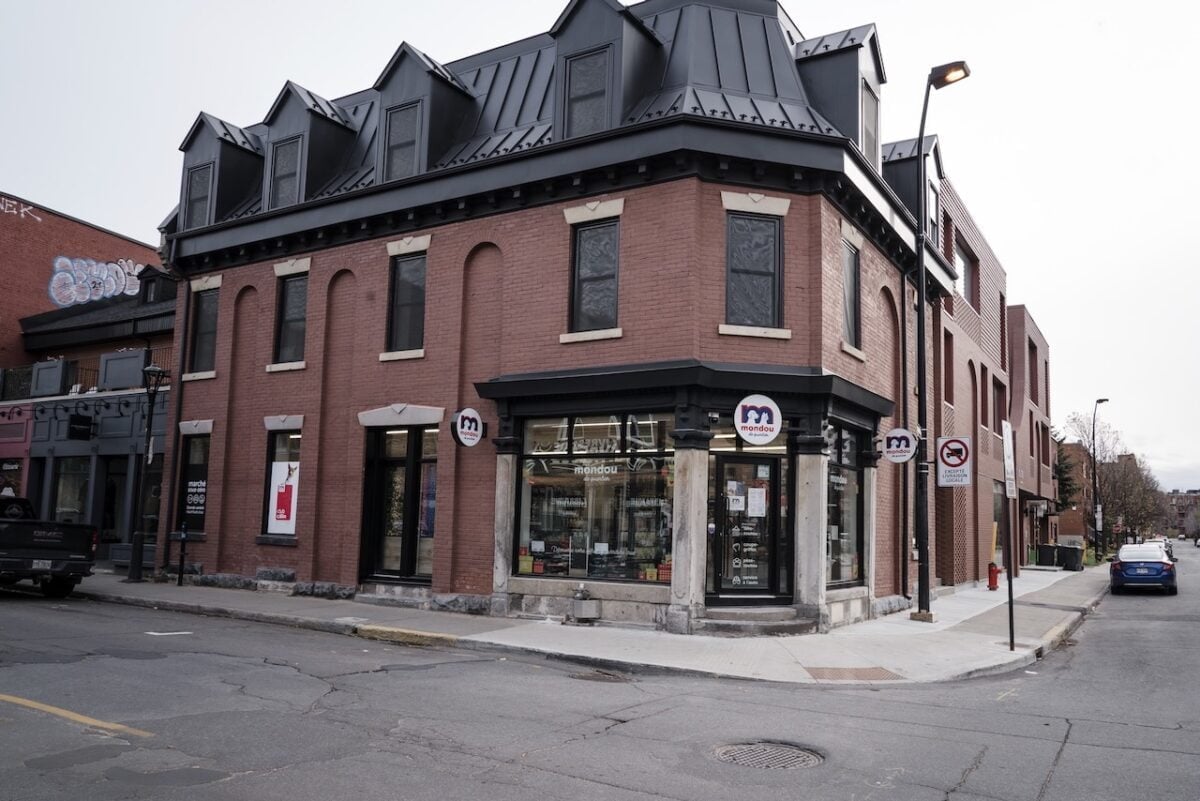
Mondou Atwater (Image: Mondou)
“We are going to accelerate. The customers are asking to have more stores closer to them, so yes we will be adding more stores. We want to be at the right location to serve our customers and next year we will be expanding more. We don’t know how many stores yet, but we are going to focus on the right market. We don’t want to open any stores unless it is the right location, place, and market,” says Leblanc.
Leblanc was only able to confirm two new Mondou store openings. One will be located at 670 Rue Principale in Sainte-Agathe-des-Monts and will be opening December 15th. The second opening confirmed is at 584 Chemin de la Touraine in Boucherville and will be opening January 26th (2023). The Boucherville store will be Mondou’s second location in that area.
In addition to upcoming expansions, Mondou has expanded its assortment and has introduced a new omnichannel Access Plus to make it easier for customers to access all products at Mondou.
“Access Plus will provide customers with more products that are not found in stores. Even when a customer is shopping at our smaller stores, we want to give full access to all the products to the customer by Access Plus where everything is available to them. We really try to serve our customers, and it is irrelevant which channel they are using to find the right product,” says Paquet.
Image: Mondou
Leblanc says this is another category where Mondou is ahead of almost everyone in Quebec, is that its online store and physical stores are not competing – they are working together to build the best customer experience and to do that, Mondou has merged its online and physical stores so customers can access everything Mondou has to offer.
To expand what Mondou has to offer its customers, Leblanc said it has expanded its assortment offerings and will continue to bring in new products to stores. In the past year, Mondou added 1000 SKU’s in not only food, but accessories.
“We are trying to pursue customer needs and trying to create something of an impulse to the customer to come in often to our stores, not only to buy a bag of food but also look at accessories such as toys. To stay on top of what is best, Mondou works with vets to ensure the product offers are the best for our customers.
“We have vets that work for us and they look at the products we sell to make sure they are pet approved because we have that concept of pet approved products. Those kinds of small details are all over the place, and for us the term wellbeing is not only something we place on the wall, it is something we live through everyday and customers know we really care for them,” says Leblanc.”
Retail Insider is streamlining its Canadian retail news from around the web to include a handful of top news stories that can be viewed quickly during the day. Here are the top stories from the past three days.