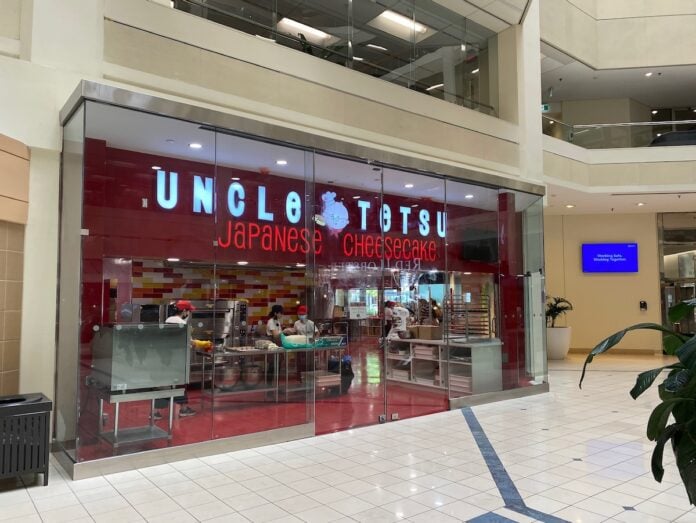
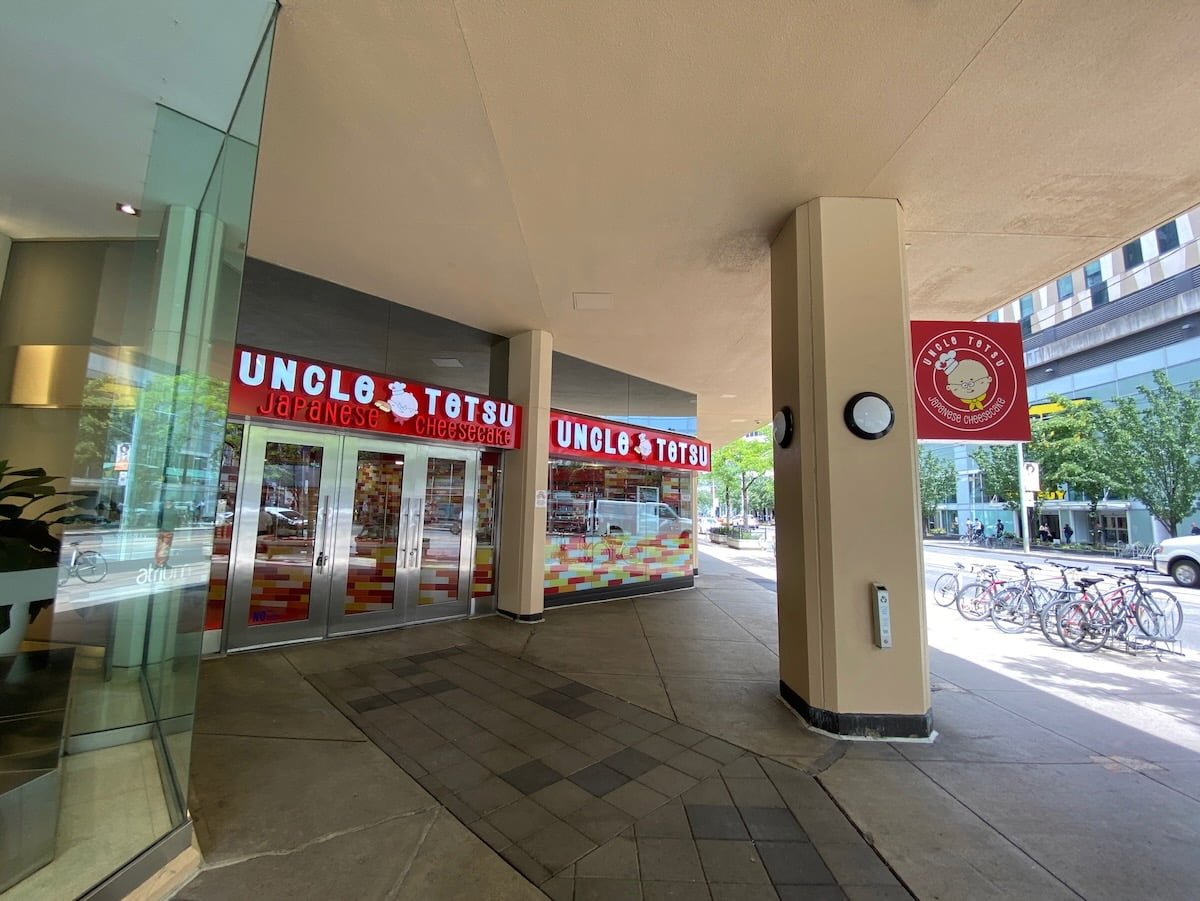
Fukuoka-founded Japanese cheesecake quick service dessert brand Uncle Tetsu has shuttered its original Toronto storefront, and has relocated across the street to a new retail space at The Atrium complex on Bay Street.
The new 3,216 square foot location at The Atrium is similar to the former location, offering take-out exclusive items including its famous spongy cheese cake. The production kitchen in the new location is viewable on three-sides, including the street and inside The Atrium ground level.
This retail space where Uncle Tetsu is now located at The Atrium was the former home of a MUJI pop-up and most recently MUJI wholesale, a furniture and discount section of the 18,389 SF MUJI flagship that’s located on the Dundas side of the Triovest-owned property.
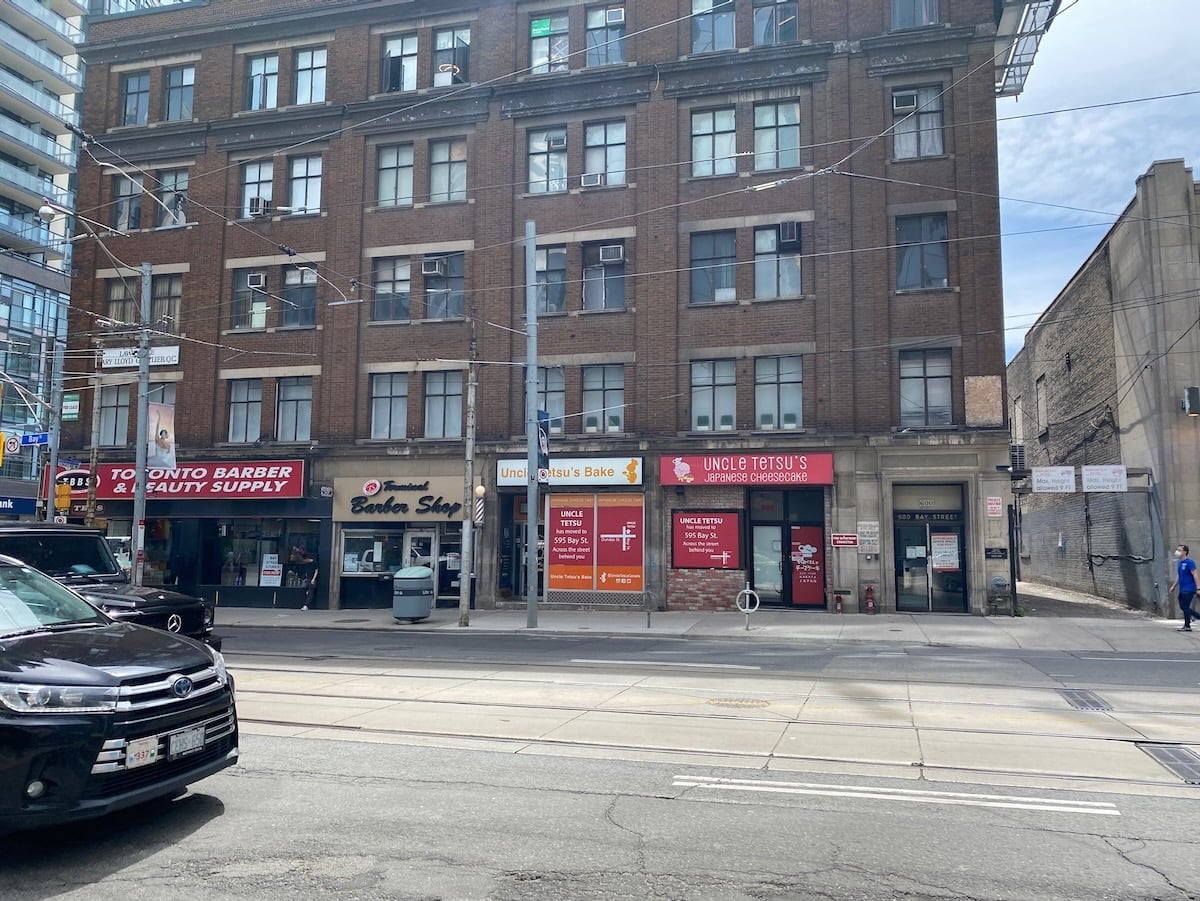
Former Uncle Tetsu at 598 Bay Street (Image: Dustin Fuhs)
Previously located at 598 Bay Street, next door to the former Greyhound Bus Terminal and steps from the Bay & Dundas intersection, Uncle Tetsu made its debut in the Canadian market with a takeout-style storefront. It then expanded to take over the storefront next door and gradually started to test out various concepts in the downtown core.
In 2016, the brand opened the Uncle Tetsu Angel Cafe at 191 Dundas Street West, which had a street-level pick-up window and a second-floor cafe. This restaurant had a maid theme, with stage shows and a full menu including desserts and drinks. On August 1st, 2018, the brand announced on Facebook that it was closing the location for “renovations and rebranding” with plans to reopen with a “new concept after a few months.” The location has yet to reopen.
The Uncle Tetsu brand has opened several small-format locations, growing to 15 locations in Ontario, BC and Quebec, including opening at Yorkdale Mall (in the Restoration Hardware wing) in Toronto, Vaughan Mills near Toronto and Metrotown in Vancouver.
Retail Insider has reached out to the brand for comment on the new location and will circle back.
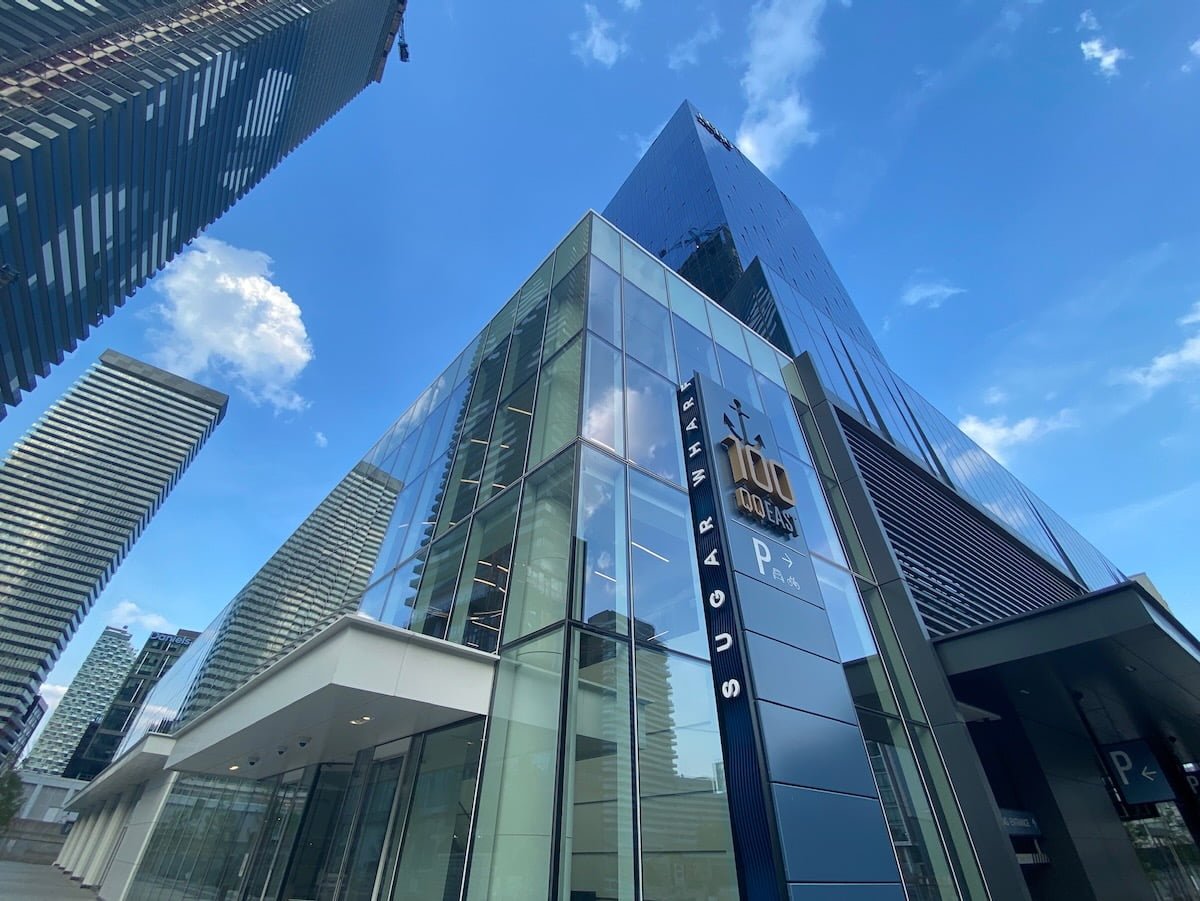
100 Queens Quay East at Sugar Wharf (Image: Dustin Fuhs)
Empire-owned, Ontario-based grocery retailer Farm Boy has secured a 30,000 square foot location at Sugar Wharf, an 11.5 acre mixed-use community development in Toronto’s East Bayfront that is currently under development.
This new store will be just 1.1 kilometres from an existing Farm Boy location at Queens Quay Terminal, located at York Street at Queens Quay.
The retail development at Sugar Wharf includes a 25,000 SF LCBO store, which Retail Insider covered in early 2022. Sugar Wharf will also include an unannounced “World Class Gym”, which has leased 42,000 SF. and is expected to open in Q4 2022.
Sugar Wharf recently announced several exciting office tenants including the 115,000 square foot Canada Goose head office that will join the 250,000 square foot office space for LCBO, Richardson Wealth’s recent 90,000 square foot office lease, and the Toronto Region Board of Trade’s 65,000 square foot leased space. The office development is currently sitting at 92% leased.
100 Queens Quay East at Sugar Wharf (Image: Dustin Fuhs)100 Queens Quay East at Sugar Wharf (Image: Dustin Fuhs)
Farm Boy has been rapidly opening stores with eight stores opening in 2021 alone. The most recent location opened in Barrie on March 31st – bringing the total store count in the chain to 44.
The brand will be opening a location in midtown Toronto at 81 St. Clair Avenue East in Fall 2022.
Empire purchased the Ottawa-based grocer in 2018 and has since made news by acquiring Longo’s and the e-commerce business Grocery Gateway. Nova Scotia-based Empire also owns banners including Sobeys, Foodland, FreshCo, IGA, Safeway, Voilà and others.
Cadillac Fairview, the owner of some of the premier shopping centres across the country, has launched new nationwide programming, including vibrant fashion pop-ups, live entertainment and culinary experiences, encouraging Canadians to rediscover the feeling of summer that brings communities together.
“We’re thrilled to engage Canadians with new, meaningful and inspiring experiences that will bring communities together this season as we all look to reconnect with friends, colleagues and hang out with family,” said Andrea Nickel, Senior Director of Experience and Engagement, Cadillac Fairview. “This will be the first summer in two years that many of us will feel a true sense of optimism. We take special pride in being a source of community connection, reinforcing ourselves as the exciting go-to destination for fashion, food, art and entertainment for guests of all ages.
“We’re seeing more and more optimism and visits from customers. As part of our purpose around transforming communities for a vibrant tomorrow, we’re just really excited and happy to bring these inspiring experiences to our customers to really enjoy at our properties.
“Ultimately we’re trying to reinforce Cadillac Fairview as that best place to shop, with incredible retailers and great entertainment. As much as we can connect our communities with these exciting, enjoyable experiences, support our retailer recovery, and really inspire that sort of shop by showcasing some of the trends of the season, showcasing our retailers, and create some amazing and innovative spaces and experiences to drive our communities and our customers back into our centres and give them something to be excited and optimistic about this summer, then we’re really winning. We’re just excited to continue to bring innovative, both physical and digital experiences to our communities and to help our retailers continue to recover this summer.”
CF Fairview (Artist: Franco Egalité)
The initiative’s intent is to create the “Meet you there” destination for summer fun.
Select CF properties will host an interactive Shop the Look digital-physical activation in partnership with stylist Peter Papapetrou, one of the most influential voices in Canadian fashion, to inspire shoppers to find their “look” from the latest fashion trends for both summer and fall available at CF retailers.
At CF Toronto Eaton Centre and CF Sherway Gardens in Toronto, CF Pacific Centre in Vancouver, CF Rideau in Ottawa and CF Promenades St-Bruno in Quebec, people will have an opportunity to interact with the digital display touch-screens in the Shop the Look installation where consumers can curate the perfect look at their fingertips, said Cadillac Fairview.
It said Papapetrou has also created an all-new online CF “lookbook” featuring summer and fall style and trend available online to all Canadians to “Shop the Look” at https://shops.cadillacfairview.com/shop-the-look.
CF will host a summer patio with The Lot at CF Sherway Gardens, which is opening on June 30th.
CF Masonville (Artist: Hawlii Pichette)
CF said it is also partnering with artists across Canada to create immersive art installations as part of its commitment to transform communities for a vibrant tomorrow. Displayed throughout the summer months, artists will create colourful designs that project joy and wellness, and incorporate mirrors highlighting words of positivity. Each artwork is designed to spark feel-good moments while encouraging the viewer to reflect on the beauty of life.
The participating CF locations and local artists include:
CF is also launching a unique and exciting search for digital content creators to help capture fun content for its Instagram and TikTok channels to showcase the latest fashion at our retailers, exciting events at our properties and so much more. Details will be announced soon.
And later this summer, CF Richmond Centre in Vancouver will offer a specially curated Back-to-School nostalgic pop-up shop, showcasing the hottest, must-have fashion trends for fall and back-to-school with a 90’s flare. Located on the first floor, the one of a kind space will be open from August 8 to September 24.
Nickel said Cadillac Fairview has always wanted to be part of the community where its shopping centres are located.
“We believe that part of encouraging and being part of that community, in a special place, is bringing people to have entertainment and the best retailers to shop at but encouraging them to come to shop, to eat, to enjoy an experience, so we’re really being part of the community,” she said. “And we really sort of become part of their day to day in terms of where they might go to bring their family or meet up with friends or reconnect with people who they haven’t seen for awhile.
CF Richmond Centre (Artist: Nicole Larsen)
“We’ve all had it so tough across Canada and it’s been a challenging two years but we’re really seeing a lot of optimism as we’re going into the summer and we do believe that people are excited about reconnecting with friends and family, being part of the community again. We are seeing that optimism. We are seeing rebounding traffic levels and people excited to come out and experience, excited to shop again. We’re definitely starting to see that with our centres.”
Cadillac Fairview is owned by the Ontario Teachers’ Pension Plan and manages in excess of $35 billion of assets across the Americas and the United Kingdom, with further expansion planned into Europe and Asia.
The company’s Canadian portfolio comprises 68 properties, including the Toronto-Dominion Centre, CF Toronto Eaton Centre, Tour Deloitte, CF Carrefour Laval, CF Chinook Centre and CF Pacific Centre.
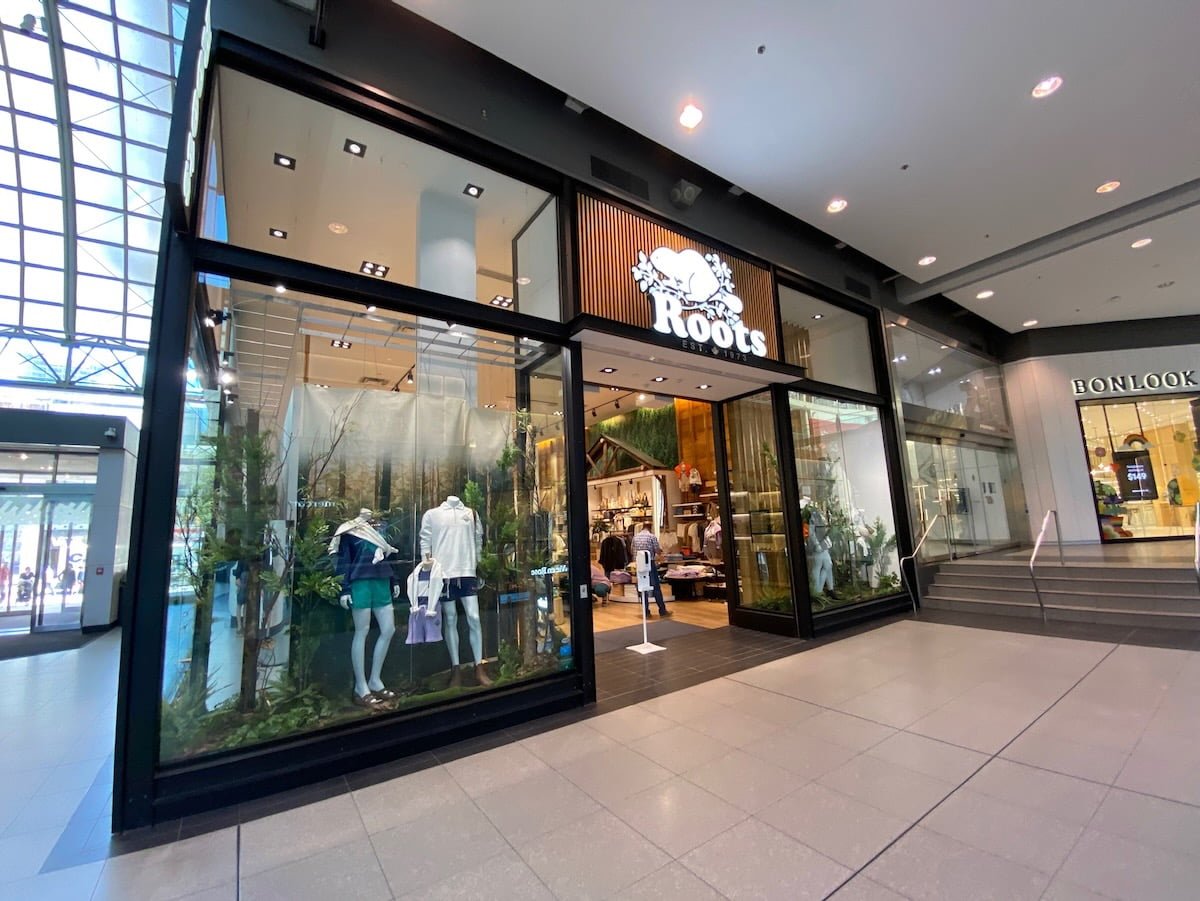
Roots Canada at Brookfield Place (Image: Dustin Fuhs)
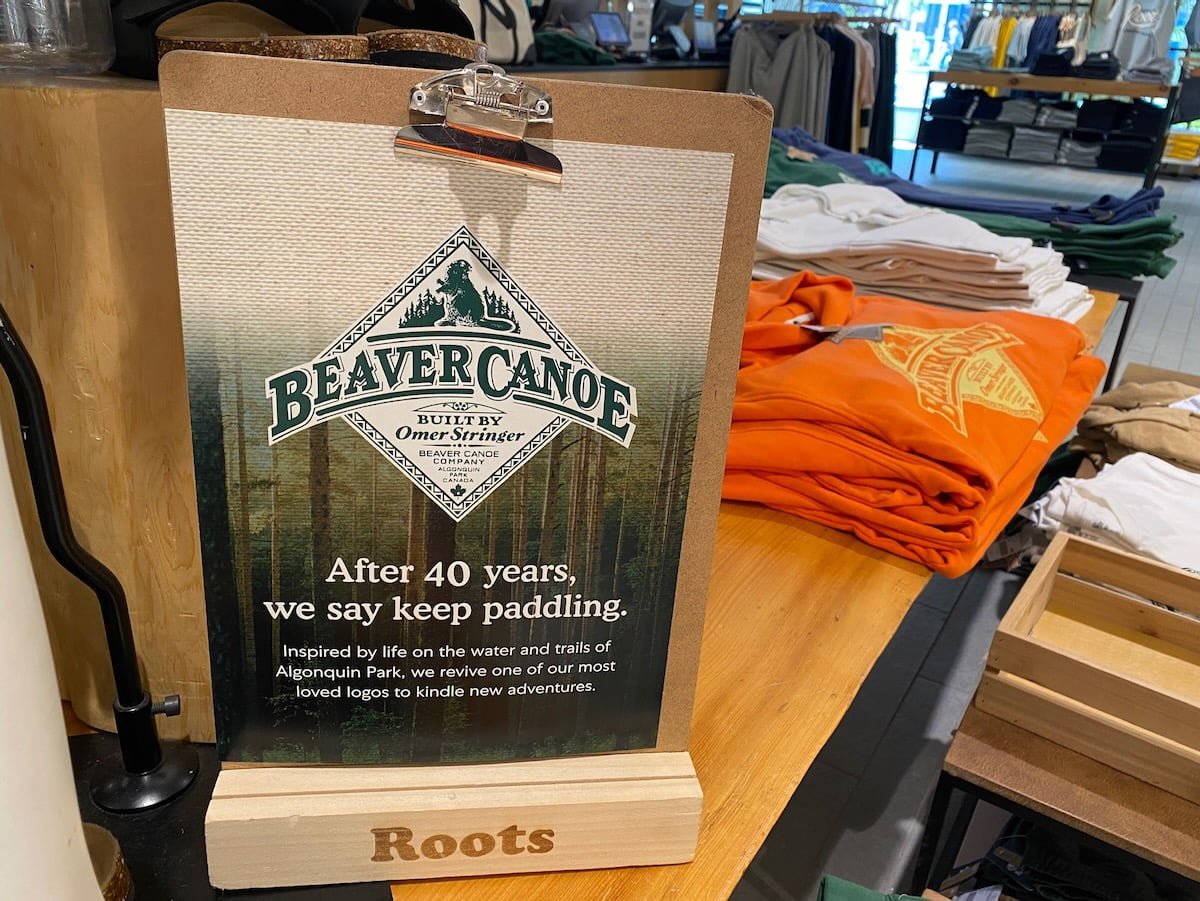
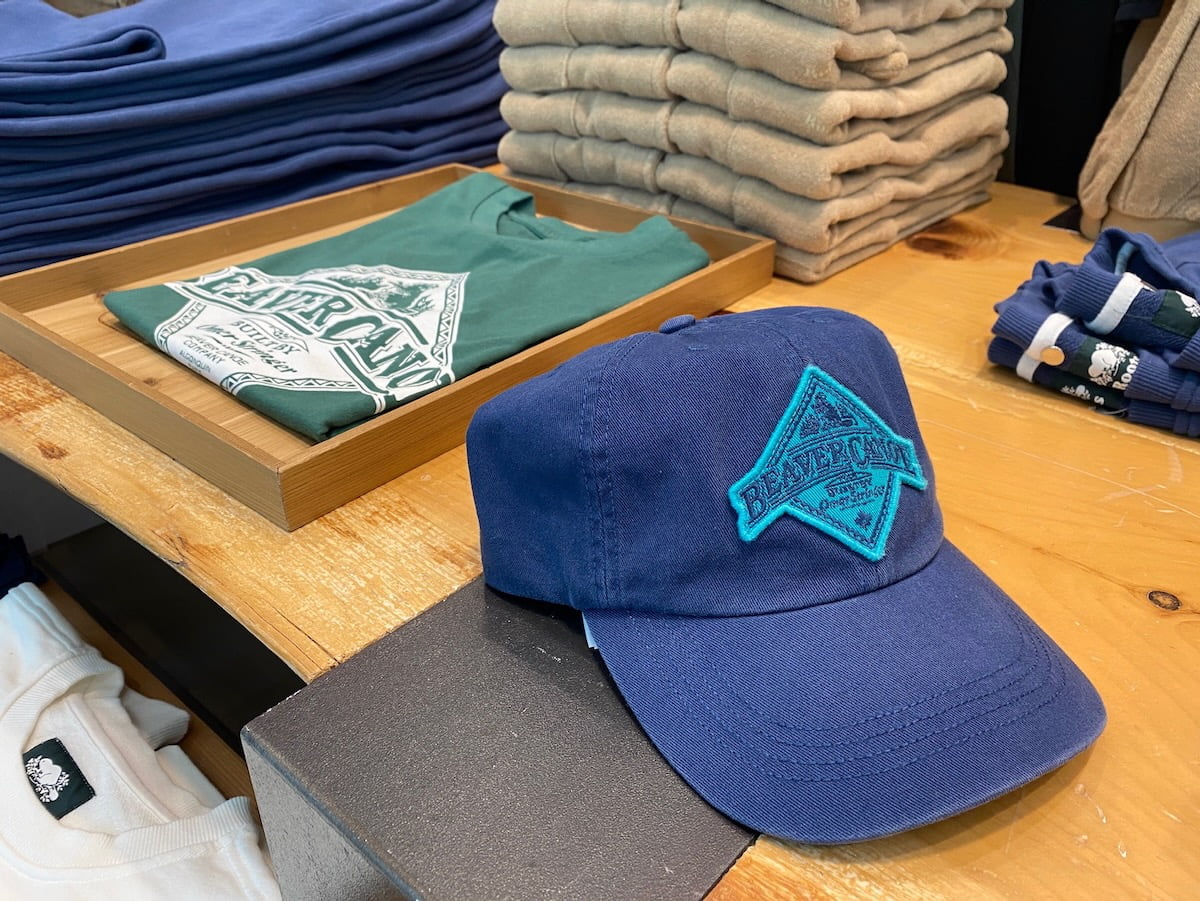
Iconic Canadian retailer Roots has re-introduced its historic Beaver Canoe brand to celebrate the brand’s 40th anniversary.
Meghan Roach, President and Chief Executive Officer of Roots, said Beaver Canoe was launched in 1982.
“The brand was associated with Roots for a very long time. We have our 40th anniversary this year and so from that perspective as we were looking at our archives and our heritage and thinking about what do we want to bring back and what are customers in love with today, one of the things is Beaver Canoe,” said Roach.
“If you think about the trends in the marketplace today from a retro logo perspective and also just from a resale perspective, we were seeing tons of people out there who were borrowing Beaver Canoe from their parents or buying them in the secondary market. So we knew there was a lot of demand for it. And so when we thought about what we wanted to bring back, Beaver Canoe was one of the top things.”
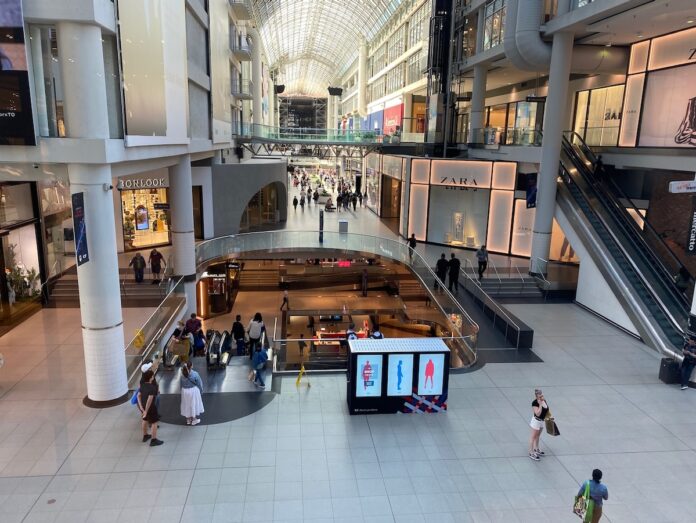
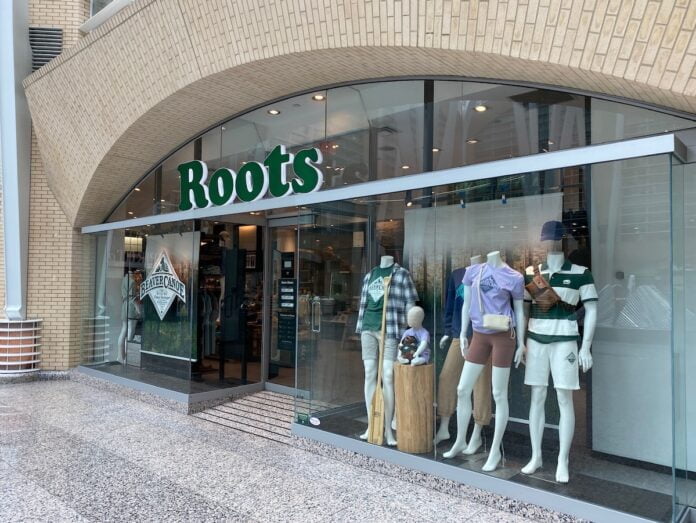
Roots Canada on Bloor Street (Image: Craig Patterson)Roots Canada at CF Toronto Eaton Centre (Image: Dustin Fuhs)
The last time the product line was in a Roots store was around 2012/2013. It was also in Target stores in 2014 into the beginning of 2015 when Target exited the Canadian market. It had a very large business in Target of about $20 million in its first year, said Roach.
Meghan Roach
Roach said as part of the retailer’s normal product development process it always has conversations about what it has in its archives, what’s meaningful and impactful to the brand potentially, and how does it bring those things back at the right time.
“A lot of that contributed to our decision to bring it back now,” she said.
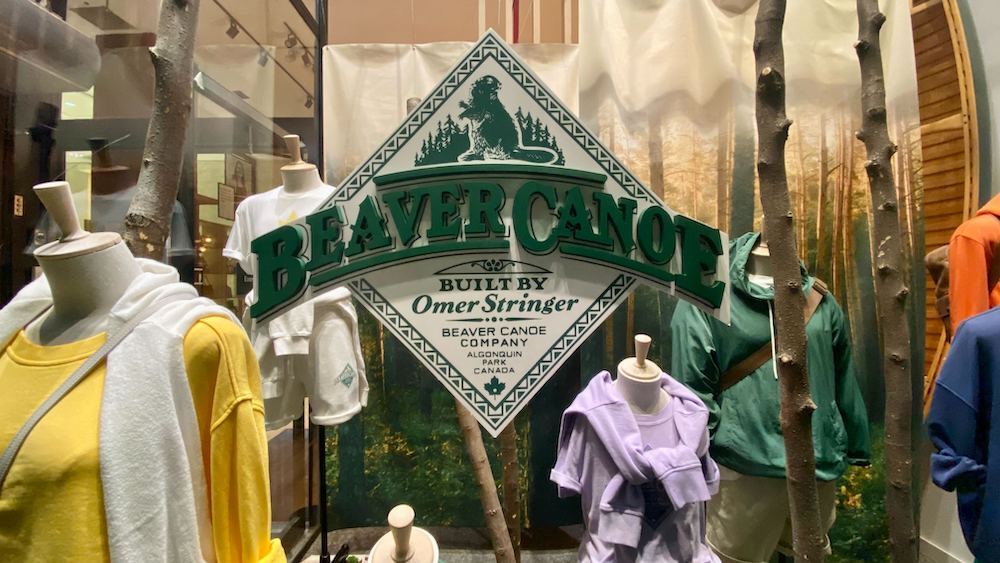
“Our business is a brand that’s always been known for being at home with nature. What you’re going to see from a digital perspective is you’re going to see a lot of exciting manifestations of nature in our windows. You go to some of our bigger stores – our Eaton Centre store, Yorkdale – you’re going to see the Beaver Canoe sign with the clothing, mossy, grassy ground. Those types of things that really bring to life the concept of this brand base associated with the outdoors and associated with the things Roots is associated with.”
Roots Canada at CF Toronto Eaton Centre (Image: Dustin Fuhs)
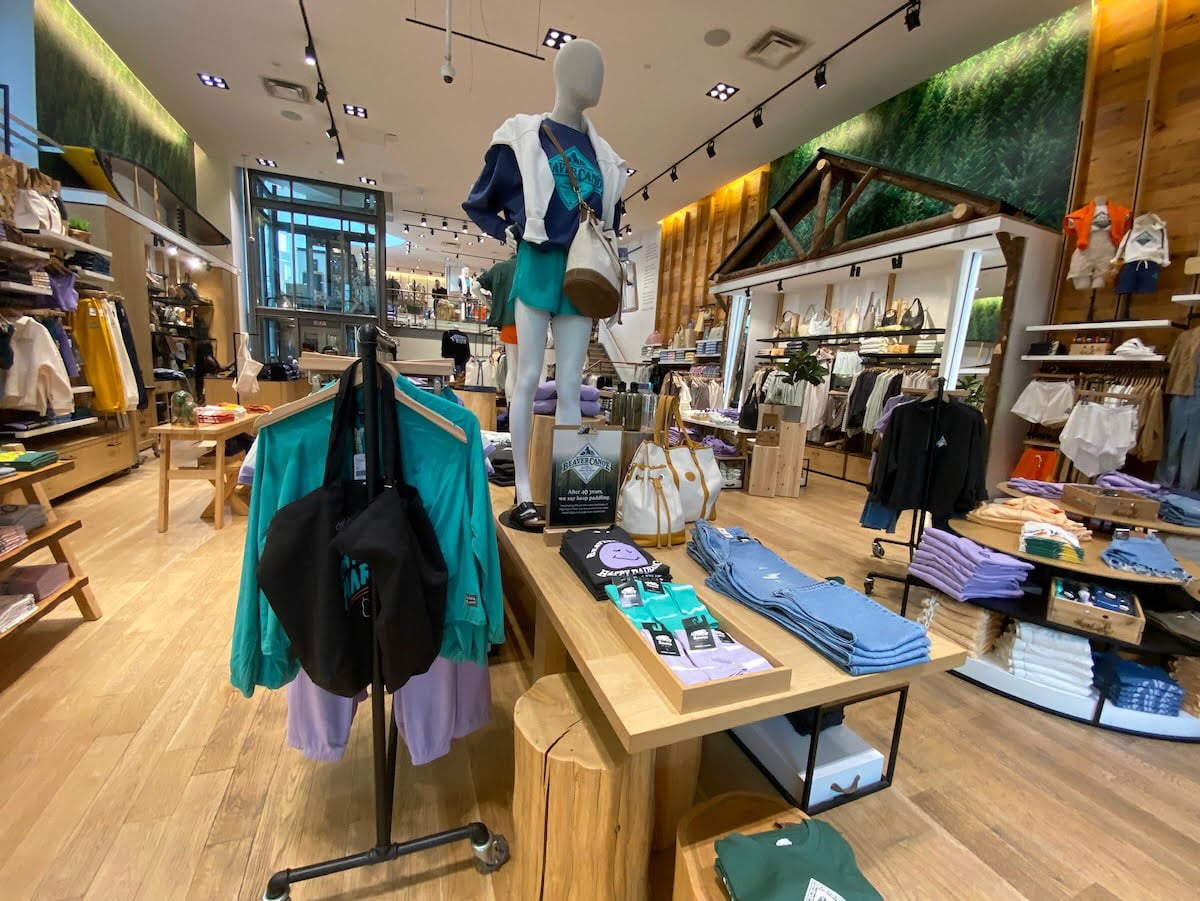
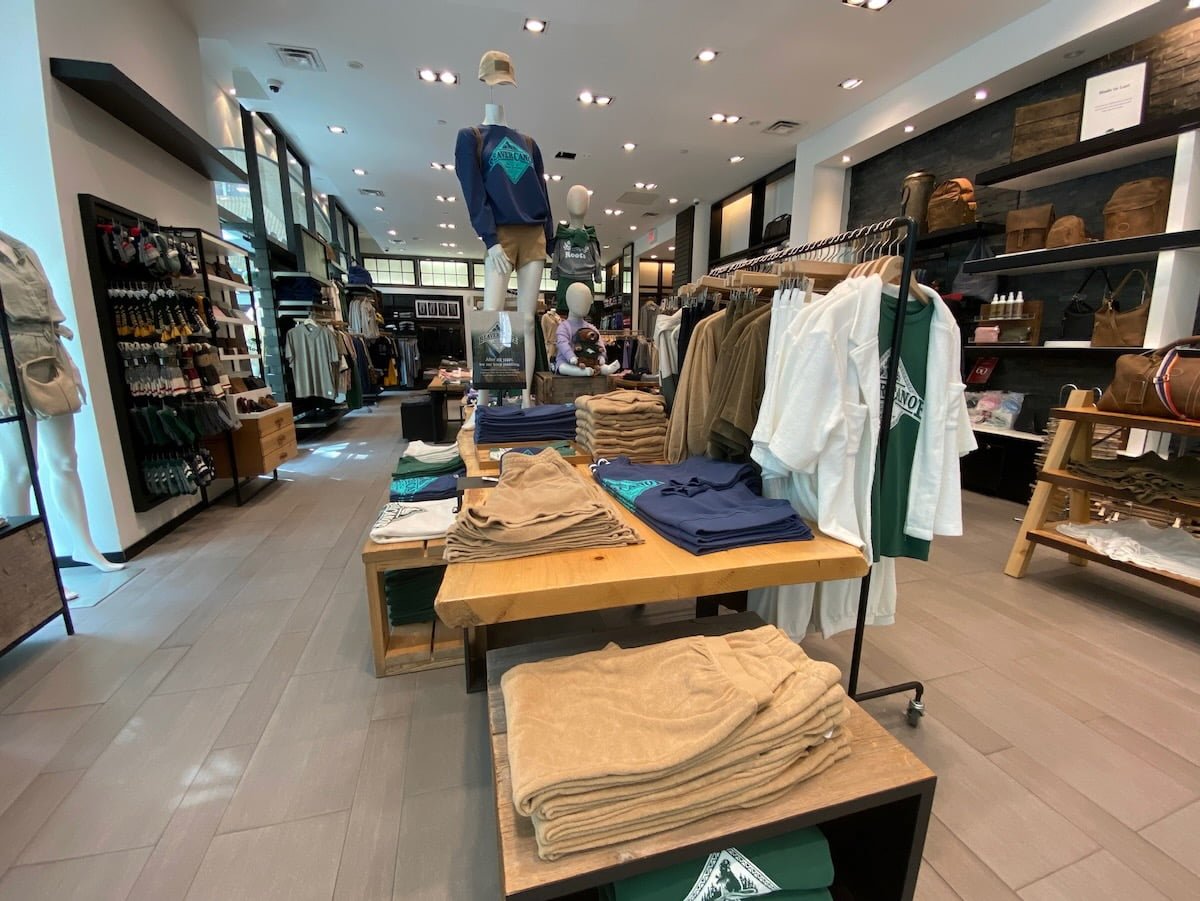
In the store, Beaver Canoe will be shown as part of the overall Roots brand and infusing it with everything it does in a physical location.
Roots Canada at Brookfield Place (Image: Dustin Fuhs)
“Beaver Canoe is across our portfolio. The other thing that’s really unique about Beaver Canoe is that it’s entirely organic. We’re shifting as a brand to have more organic and sustainable materials in our clothing. As we get to the Fall, the majority of our items will be made with sustainable materials. So this is kind of another launch,” said Roach.
Karuna Scheinfeld
The historic Beaver Canoe brand was started by canoeist Omer Stringer, who was born on Canoe Lake, Algonquin Park, in 1912 to an Algonquin Ranger.
Karuna Scheinfeld, Chief Product Officer, joined the company in July 2020.
“Beaver Canoe has had a strong and loyal following since it was launched in 1982. As we looked at our iconic heritage logos, we felt there was an opportunity for Beaver Canoe to be the focus of our summer collection, not only because it is so well loved, but also because of its authentic association with summer activities, from canoeing to cottaging to camp. We saw the 40th anniversary of Beaver Canoe as the perfect time to reintroduce the label, to offer great product for people who have loved it for years, as well as share it with people who are experiencing it for the first time, the response has been even more overwhelming than we anticipated,” she said.
Roots Canada at CF Toronto Eaton Centre (Image: Dustin Fuhs)
“As we brought this into store and started to shoot the product, it just reinforced the universal appeal of Beaver Canoe – all the people on the shoot became obsessed with the product, finding new ways to wear it, or just discovering it as their new favourite. The minute it was available we saw everyone at home office and our store staff buying and wearing it right away, always a key sign for a positive result. We allowed it to flow into stores as a soft launch prior to the official release, and the response was immediate as it jumped to the top of our weekly bestsellers.”
She said the photoshoot and windows both reflect the history of outdoor craftsmanship, shot in the Canadian wilderness of northern Ontario.
Patrick Davis, Director – Creative Marketing, said the Beaver Canoe campaign was an opportunity to go beyond just celebrating the brand with those who have known it for 40 years.
“As we honour and contextualize the four decades of the beloved brand, we also want to capture a contemporary feel for a new era,” he said.
“The faces of the campaign are not just people but friends that we built relationships within our community. Tamara & Peter, with their individual fond memories of being camp instructors and wearing the original crew. Also, millennials Alex & Nick hold a connection with nature and love the collection’s aesthetics. This sense of community goes even further by partnering with Black Canadian photographer, Liam MacRae, and Toronto-based artists, Trevor Wheatley and Cosmo Dean. We believe this new Beaver Canoe collection is for everyone.”
Roots Canada at Brookfield Place (Image: Dustin Fuhs)
Roots has 120 locations, including 11 pop-ups. It plans to open another four – three of them pop-ups – this year.
In the first quarter of this year, sales for the retailer grew 15.3 per cent year-over-year to $43.1 million. But net loss of $53 million was up from a net loss of $4.9 million in Q1 2021.
“Roots delivered solid first quarter results with sales increasing 15.3 per cent year-over-year mainly due to greater customer traffic. Our performance for the quarter validates our omni-channel growth plan and renewed strategy focused on optimizing our product portfolio, elevating our brand image and driving overall demand. While industry-wide supply-chain disruptions remain present, our team continues to stress operational excellence by diligently seeking optimal logistics solutions,” said Roach.
“Through high-profile collaborations with artists, celebrities and influencers, we continue to promote brand awareness to a broader global audience and leverage our highly attractive customer demographics. Over 70 per cent of our customers have been loyal to Roots for more than 10 years, while our brand has resonated across the marketplace for nearly 50 years. We also recently joined the Sustainable Apparel Coalition, reflecting our commitment to reducing our environmental footprint and promoting social justice throughout the global supply chain. Based on our enduring brand affinity, premium product offering and ongoing operational efficiencies, we plan to stay the course with a focus on our long-term, profitable growth strategy.”
Roots Canada at Brookfield Place (Image: Dustin Fuhs)
Gross profit reached $26.2 million in Q1 2022 compared to $21.5 million in Q1 2021, representing an increase of 22.1 per cent. Gross margin improved to 60.9 per cent in Q1 2022 from 57.5 per cent in Q1 2021.
“We really have focused on being a strong omnichannel brand,” added Roach. “We’re continuing to invest in that area as a brand to make sure we provide ourselves with a lot of flexibility.”
Roach said the brand learned through the pandemic how to be adaptable.
“Really thinking a lot about what’s the brand ethos. What does it mean to our consumers. How do we continue to develop and bring products to the forefront that our consumers are really seeking, excited about,” said Roach. “We have a really strong core business. And if you think about the market going forward and how challenging the last couple of years have been, the fact that we’ve had a really strong product portfolio and a core product portfolio has served us really well.”
She said the company has learned through the pandemic to be prepared during disruption. Disruption is a new normal in the retail industry.
“I think the concept of things going back to normal is not really going to happen. I think there is a new normal that’s been established. As a brand and as a retailer we have to prepare ourselves and build that muscle to respond to disruptive situations on a go-forward basis. So a lot of what we’ve been focusing on internally is how do we create ourselves to be very adaptable, how do we give ourselves the room to pivot. We really think about how do we deal with future macro situations by creating a lot of flexibility internally and being willing to pivot around as much as possible.”
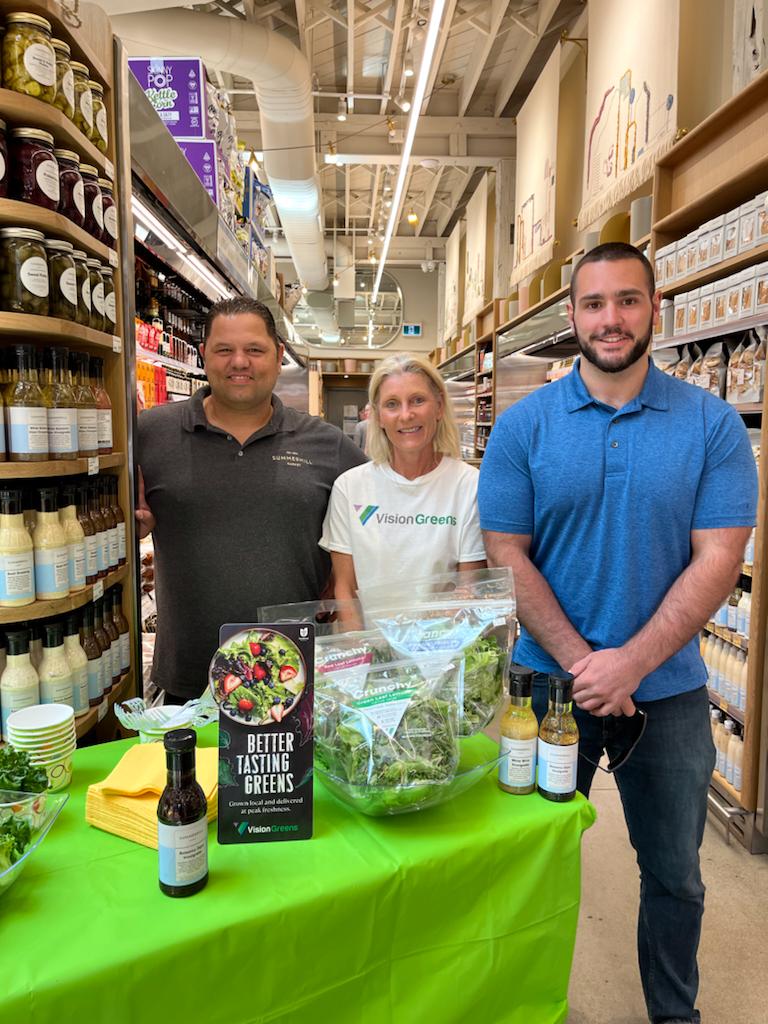
Welland, Ontario-based Vision Greens, a vertical farming startup, has raised $7 million from investors to grow its business with a mission to improve Canada’s food system by disrupting the multi-billion dollar lettuce import market.
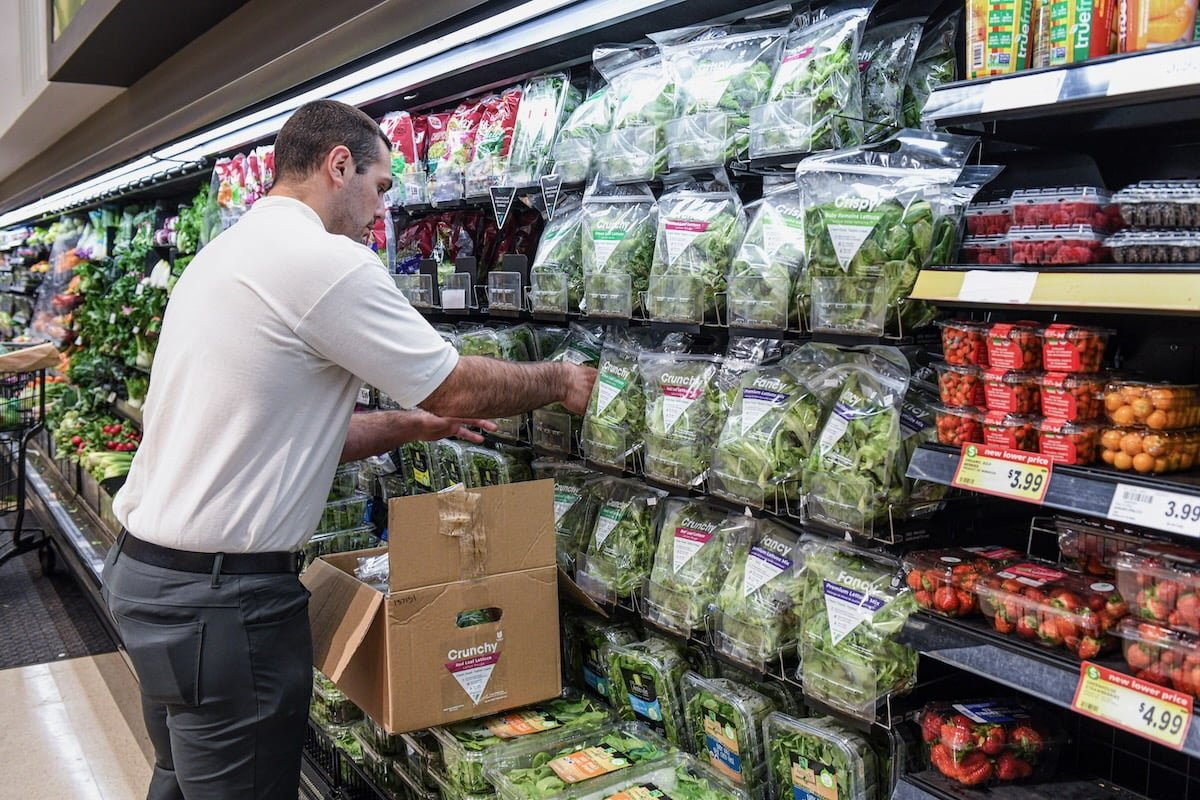
With the investment, Vision Greens will expand its operations to grow 700,000 pounds of saleable produce annually and scale distribution to leading grocers and meal kit companies that currently include Metro, Pusateri’s, and Goodfood.
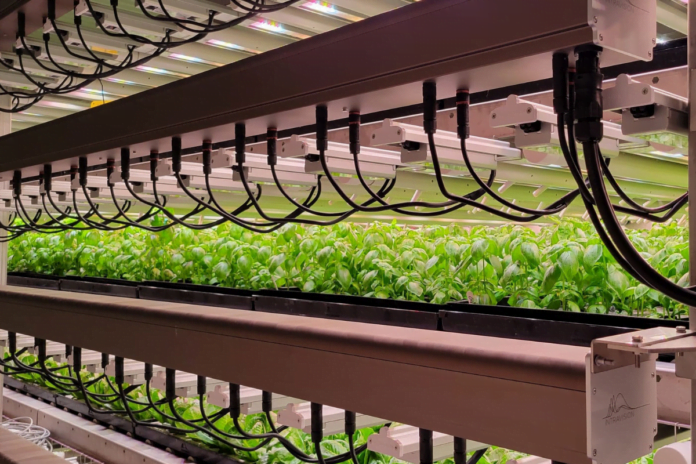
Vision Greens’ Foodland Ontario certified produce is grown, harvested and packaged at its Welland farm and travels less than 200 kilometres – or 92 per cent less food kilometres than imported lettuce to get from farm to table. The company grows its produce 365-days a year to provide consumers with fresh from the farm food, year round.
“Each year, Canada imports 559 million pounds or about $2.2 billion worth of lettuce from thousands of miles away. This funding is already helping us deliver on our mission to help fix Canada’s broken food system and replace imported produce with clean food that’s better tasting. Now we can meet increased demand from leading grocers and are on track to capture double digit market share over the next few years,” said Lenny Louis, CEO, Vision Greens, former Tesla Country Director and Microsoft veteran.
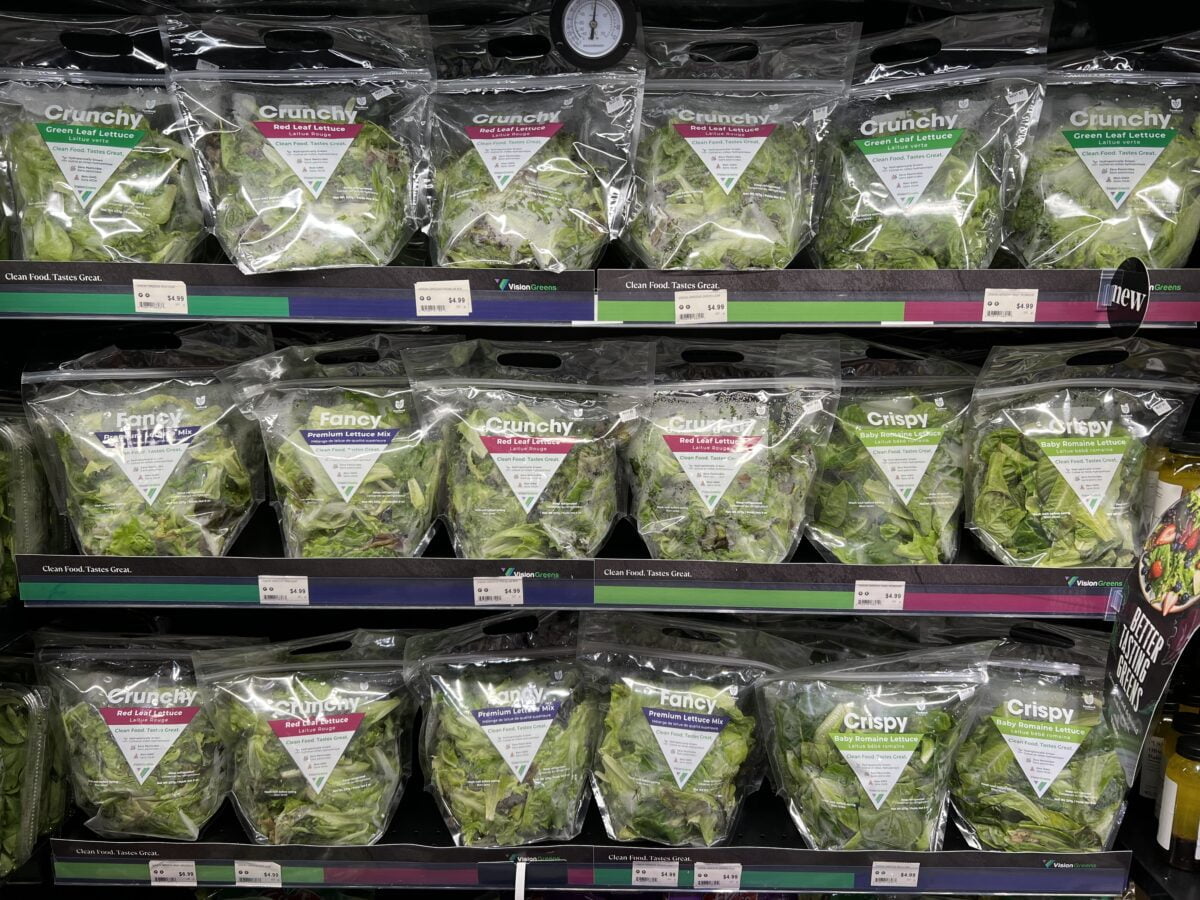
Vision Greens at Pusateri’s (Image: Vision Greens)
Vision Greens was founded in January 2020.
Lenny Louis
“We’re a vertical farm company. It is growing crops indoors in stacked layers. That’s really the gist of what vertical farming does. The complexity comes in that you’re controlling an environment to grow plants to perfection. And you have 26 harvests versus two harvests,” said Louis.
The facility is located in Welland in the Niagara region. With the growing area stacked, it gives the equivalent of about 25,000 square feet of total growing area.
Louis said the company is currently servicing mostly in Ontario.
“Part of the reason when we got into vertical farming the intent was can we create premium food without the premium pricing. People want the whole no pesticides and sustainable and low carbon footprint but they’re not willing to pay double or even a premium at the point of sale,” he said.
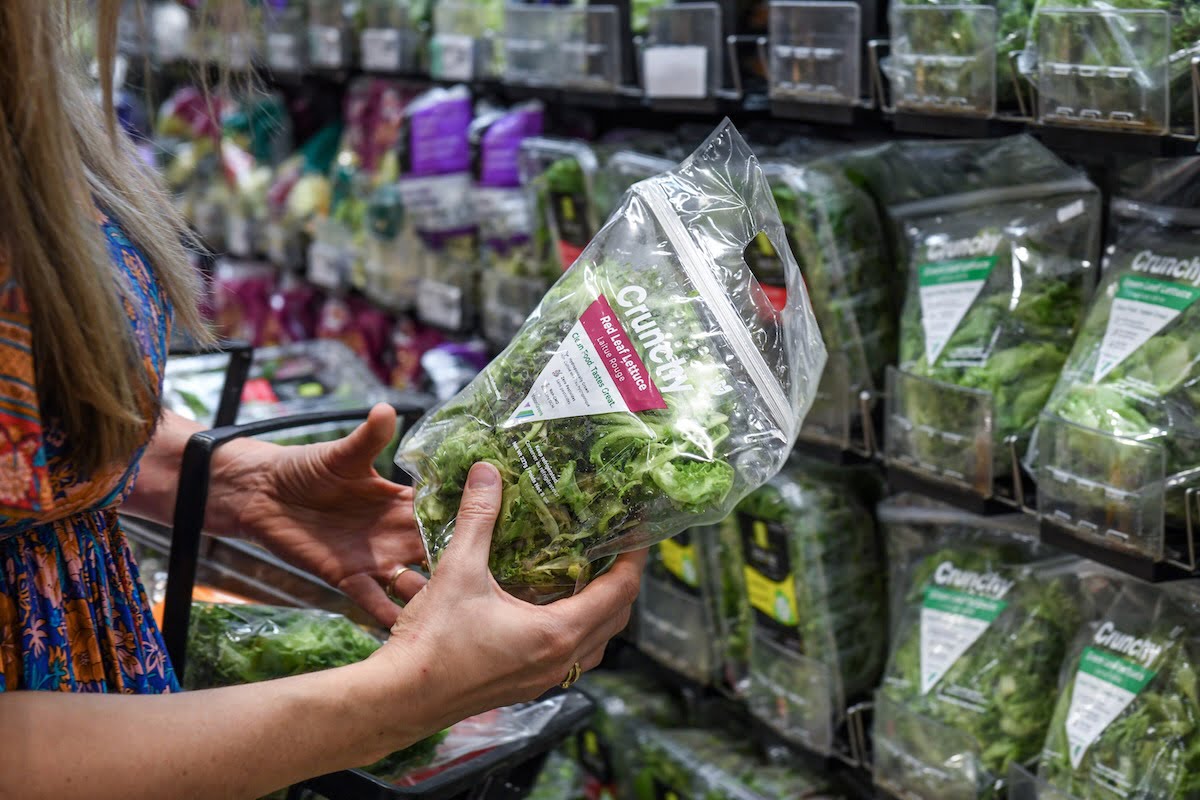
Vision Greens at Metro (Image: Vision Greens)Vision Greens at Metro (Image: Vision Greens)
“So if you’re going to create food and create it for the masses it has to be at an affordable price. We want to democratize premium food for the masses.”
Louis said the company intends to grow its business to other markets.
“If you just take lettuce, Canada is one of the largest lettuce importers in the world, if not the largest,” he said.
“We intend to at least have facilities in the major cities where we can access the most consumers. We’re in Welland which services the GTA. But we’ll be in Montreal, Vancouver and Calgary over the next three to five years.”
The new funding puts Vision Greens another step closer to achieving its plan to be the number one consumer choice for lettuce, with the largest market share for locally grown greens in Canada, said the company. Lettuce is among the top 10 fresh vegetables consumed by Canadians with most coming from Mexico and California. In fact, the average lettuce sold in Canada travels as much as 3,000 kilometres and can take weeks to reach the end consumer, it said.
Vision Greens at Summerhill Market (Image: Vision Greens)
“Vision Greens was founded by a group of accomplished business leaders concerned by mounting issues associated with imported produce, that include questionable food safety standards, lack of food traceability, increased chances of contamination, carbon emissions and poor quality. They recognized the opportunity to address these concerns through vertical farming and worked to develop a proprietary methodology for producing delicious, locally grown, non-GMO, pesticide-free, clean leafy greens at an affordable scale,” it said.
“Vision Greens leverages the latest in agtech from the University of Guelph, and Norwegian innovator, Intravision, that combined with its proprietary processes, enables it to grow high quality food at the lowest possible cost. This is a major feat considering many other vertical farms struggle with crippling operating costs that drive up price and make thriving in the consumer packaged goods market challenging.”
The company said it uses 95 per cent less water and land than traditional farming methods
Vision Greens product line up includes: Crunchy Green Leaf Lettuce, Fancy Premium Lettuce Mix, Crispy Baby Romaine Lettuce, Crunchy Red Leaf Lettuce, Zesty Arugula and Living Genovese Basil.
Retail Insider is streamlining its Canadian retail news from around the web to include a handful of top news stories that can be viewed quickly during the day. Here are the top stories from the past 24 hours.
Staples Canada in Calgary’s University District (Image: Mario Toneguzzi)
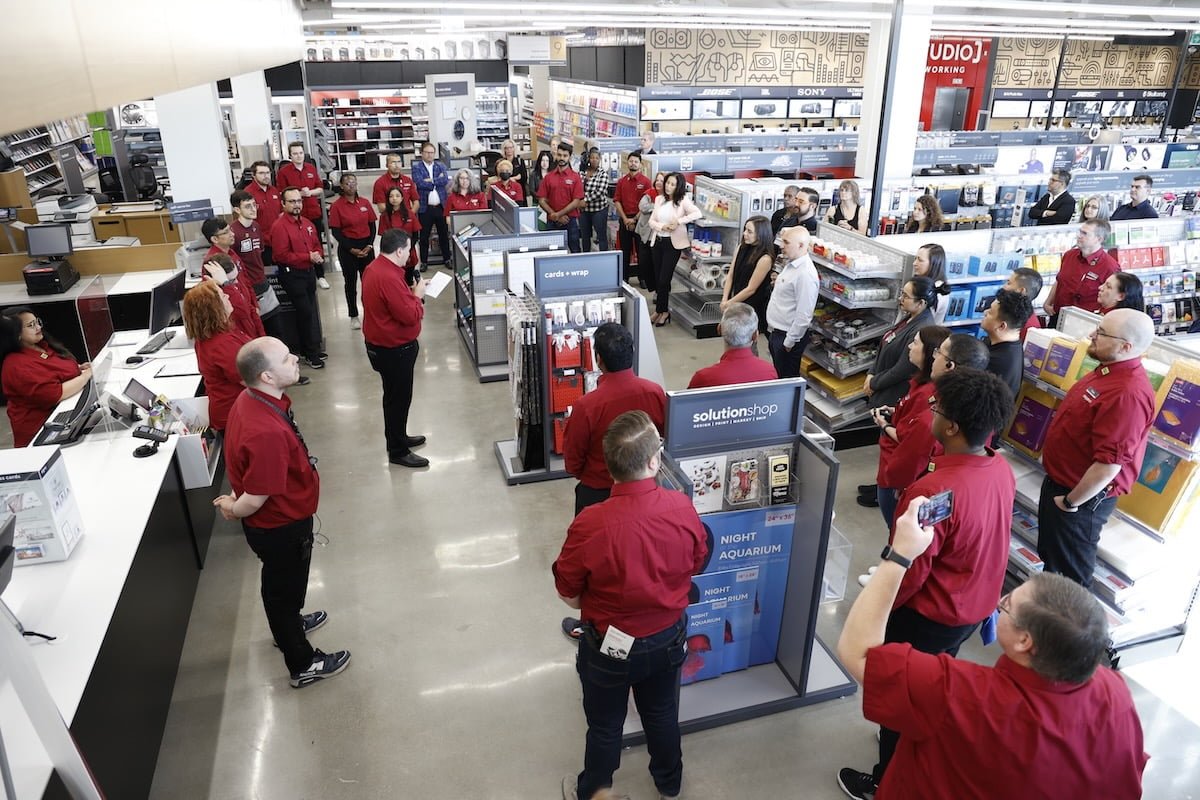
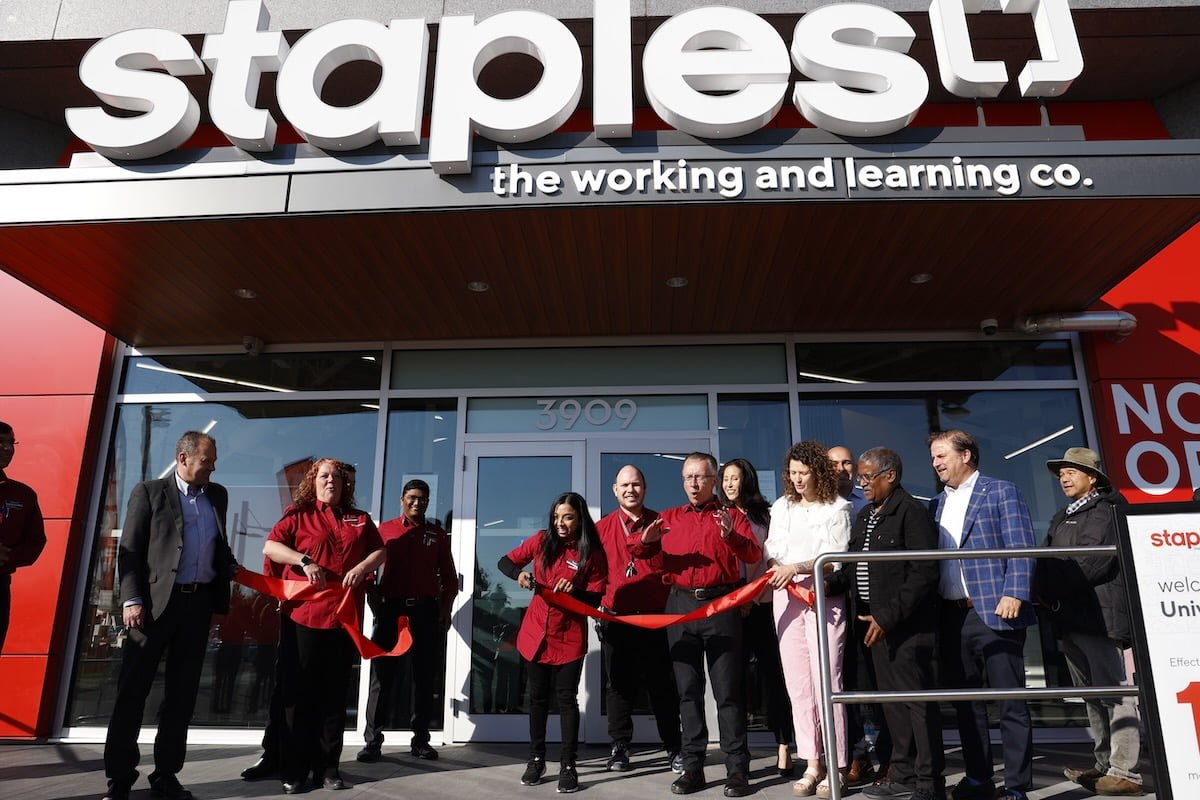
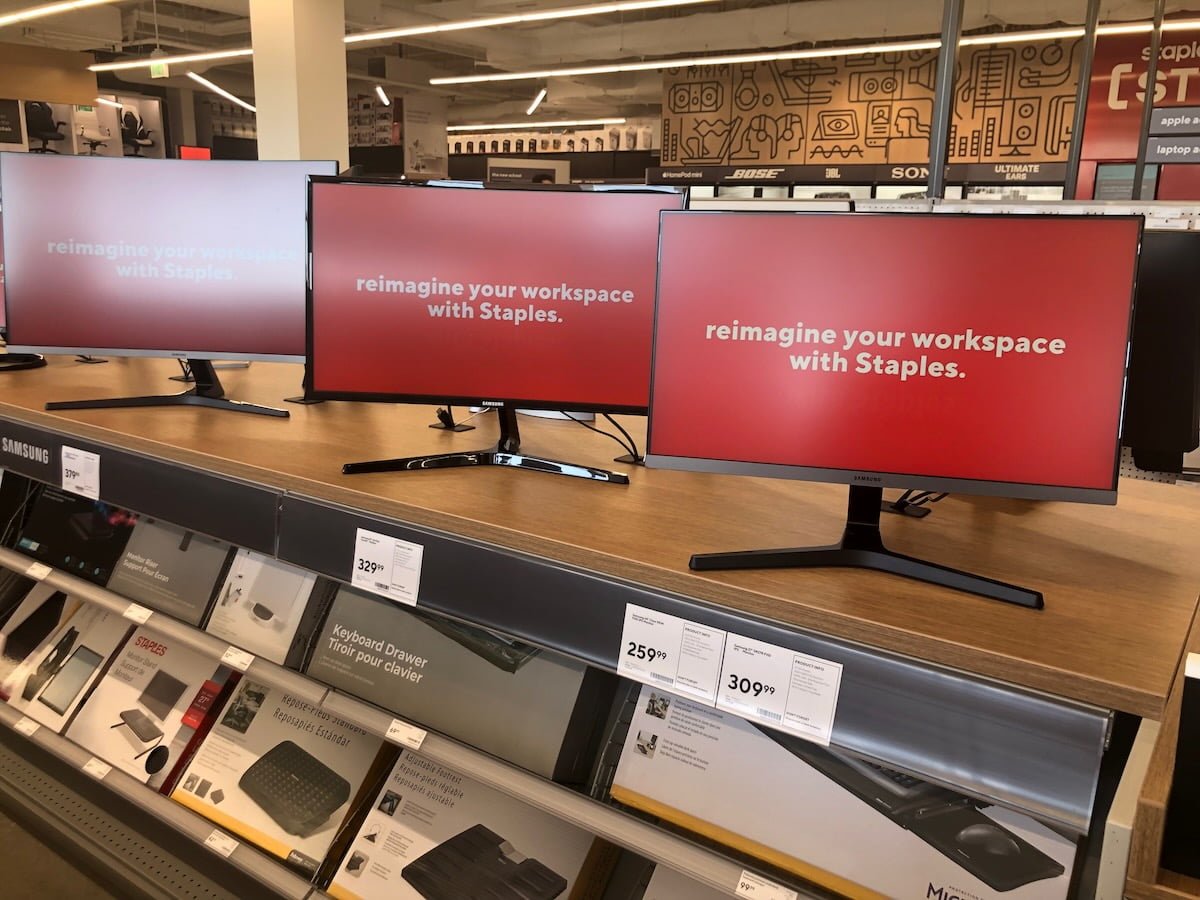
Staples Canada has unveiled its next generation of the Working and Learning store in Calgary’s University District, near the University of Calgary.
The company said the newest concept store in Calgary’s mindfully-designed community includes the largest Staples Studio co-working location to date.
David Boone
“As one of Canada’s fastest-growing cities, and a hub of commerce and entrepreneurship, we’re excited to bring our newest concept location to the Calgary market,” said David Boone, Chief Executive Officer, Staples Canada. “We are proud to continue our ongoing expansion of Staples Studio given strong demand amongst entrepreneurs, small businesses, and remote workers and learners. We are confident our new University District store will become a space where locals can meet, collaborate and thrive.
“The store is a culmination of everything we’ve been doing for the past four or five years. Staples Studio is continuing to expand. There’s a lot of demand now with hybrid work, how work’s changed and we are seeing our Studios fill up coming out of COVID. That is unique and we’ve made this one bigger. What’s also unique is it’s a two-floor store. Co-working is on the second floor.
Staples Canada in Calgary’s University District (Image: Jeff McIntosh) Staples associates and the executives cut the ribbon introducing the company’s newest working and learning store to Calgary’s University District neighbourhood at 3909 University Avenue NW, June 25. Photo Credit: Staples Canada.
“Services. You will see a dramatically larger and improved service experience. Many of our customers are looking for that. We have expanded our shipping options. Shipping is a big part of what Canadian businesses are doing right now. You will see us touch almost every category with new assortments, new brands, fresh experiences. The last thing that is unique is we’re bringing together our B2B and our B2C business. So you will see representation of Staples Professional. There’s an integration of all of our programs and businesses outside of stores into the store.”
In total, the new Staples store is about 24,000 square feet with 4,000 of that for the Studio.
Rachel Huckle
The store introduces the seventh Staples Studio location and first co-working location in Alberta. It is located on the store’s second floor, featuring a collaborative, open-concept environment. Staples’ latest Spotlight Space is also located on the second floor, an auditorium-style event and community learning space which can be booked by Staples Studio members and members of the public alike. Like all Staples stores across Canada, this store features a Solution shop location assisting locals with enhanced services, including tech support, graphic design, marketing solutions, shipping, commercial printing and much more.
“Staples has been a part of the Calgary community for 27 years,” said Rachel Huckle, Chief Retail Officer, Staples Canada. “As the Working and Learning Company, we continue to help contribute to the communities we serve by being a dynamic, inspiring partner. To this end, we’ve created a space that helps them solve problems and provides growth opportunities.”
Staples Canada in Calgary’s University District (Image: Mario Toneguzzi)Staples Canada in Calgary’s University District (Image: Mario Toneguzzi)
The University District store is its second one to be 100 per cent Bullfrog Powered – Bullfrog’s electricity comes exclusively from wind and hydro facilities that have been certified as low impact by Environment Canada under its EcoLogo program.
“Calgary is a great market for Staples. We’ve always done well in Calgary,” added Boone. “In this particular area, we are close to businesses, we are close to the university, we’re close to a retail district (CF Market Mall). And we’re really excited about this development. We got really intrigued by that.
“Many years ago we used to have a store close to here attached to a mall (CF Market Mall). And so we thought we could better serve the community here and with the new co-working, the innovation centres being created, entertainment, it’s a very unique concept and we want to bring our most unique concept here. (University District) really fits who we are. I’m very excited about being part of this innovation and entertainment park and attached to the university because as The Working and Learning Company it makes a lot of sense for us.”
Staples has more than 300 locations and its seven co-working facilities are located in Toronto, Kelowna, Oakville, Ottawa and Calgary.
Staples Canada in Calgary’s University District (Image: Mario Toneguzzi)Staples Canada in Calgary’s University District (Image: Mario Toneguzzi)
Boone said the retailer has the potential to expand its Studio concept “significantly more than we have now.”
“We haven’t put a number on it. But we’ve been watching post COVID what’s going to happen. We’re now at a point where we’re actually seeing demand come back and so I think there’s an opportunity for quite a few for us but we don’t yet have a number,” said Boone.
“There’s multiple different programs you can get in a Studio. You can lease an office in here. That’s been incredibly popular across Canada and we’re already seeing these offices in Calgary being leased out. You can buy and drop in or you can buy a regular monthly membership with unlimited access and you can access all of our studios across Canada.
“We’re trying to take the services that Staples have, the products we have, and a great experience, community experience, in Studio and put it together to create something unique for those that don’t want to be working from home or working from a cafe.”
Video Interview: Ryan Gubic Discusses Canadian Consumer Stress Amid Challenging Times
Ryan Gubic, Founder, Financial Advisor, MRG Wealth Management, discusses a new survey showing money is the top source of stress for Canadians today.
Gubic talks about the impact of financial stress on anxiety, depression and mental health, the concern about rising costs for groceries, gas and other goods and services, the impact on spending, as well as tips for people who are feeling financial stress.
The Video Interview Series by Retail Insider is available on YouTube.
Connect with Mario Toneguzzi, a veteran of the media industry for more than 40 years and named in 2021 a Top Ten Business Journalist in the world and the only Canadian – to learn how you can tell your story, share your message and amplify it to a wide audience. He is Senior National Business Journalist with Retail Insider and owner of Mario Toneguzzi Communications Inc. and can be reached at mdtoneguzzi@gmail.com.
Also check out the other series offered by Retail Insider, including The Weekly podcast and The Interview Series, which are both available on Apple Podcasts, Stitcher, TuneIn, Google Podcasts, or through our dedicated RSS feed for Simplecast and other podcast players.
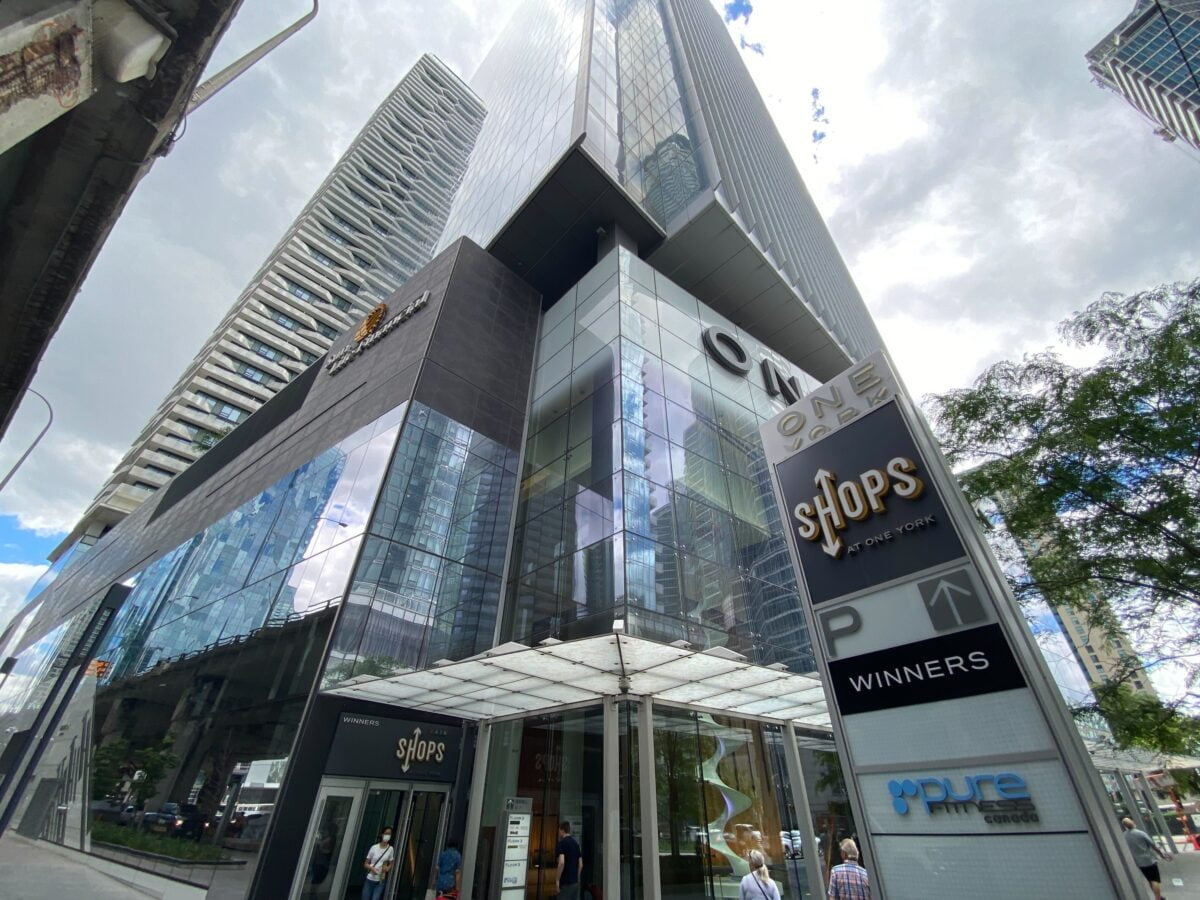
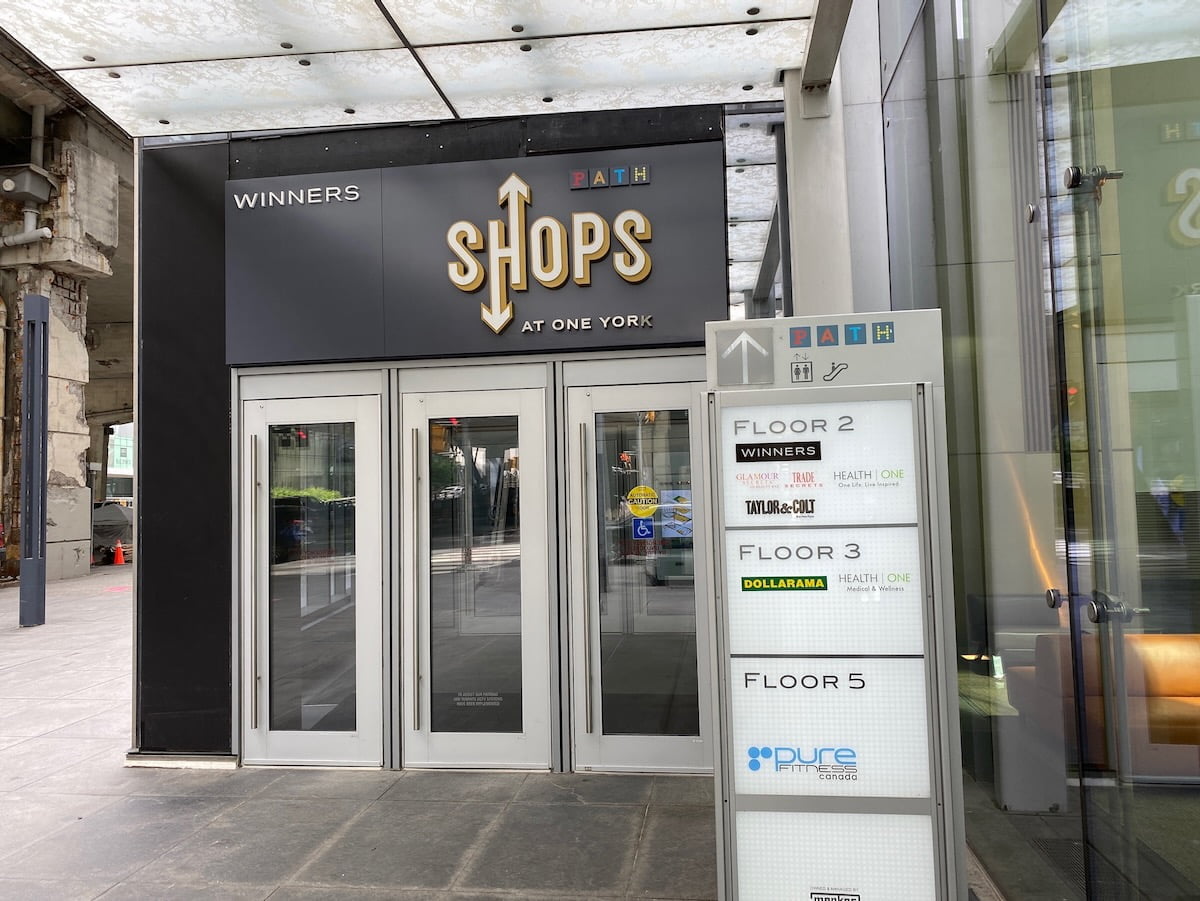
Shops at One York, image via Dustin Fuhs on June 27, 2022
Nature’s Emporium, a fast-growing and leading family-run health food market, is opening its first location in downtown Toronto as it kicks off a multi-year expansion across Southern Ontario.
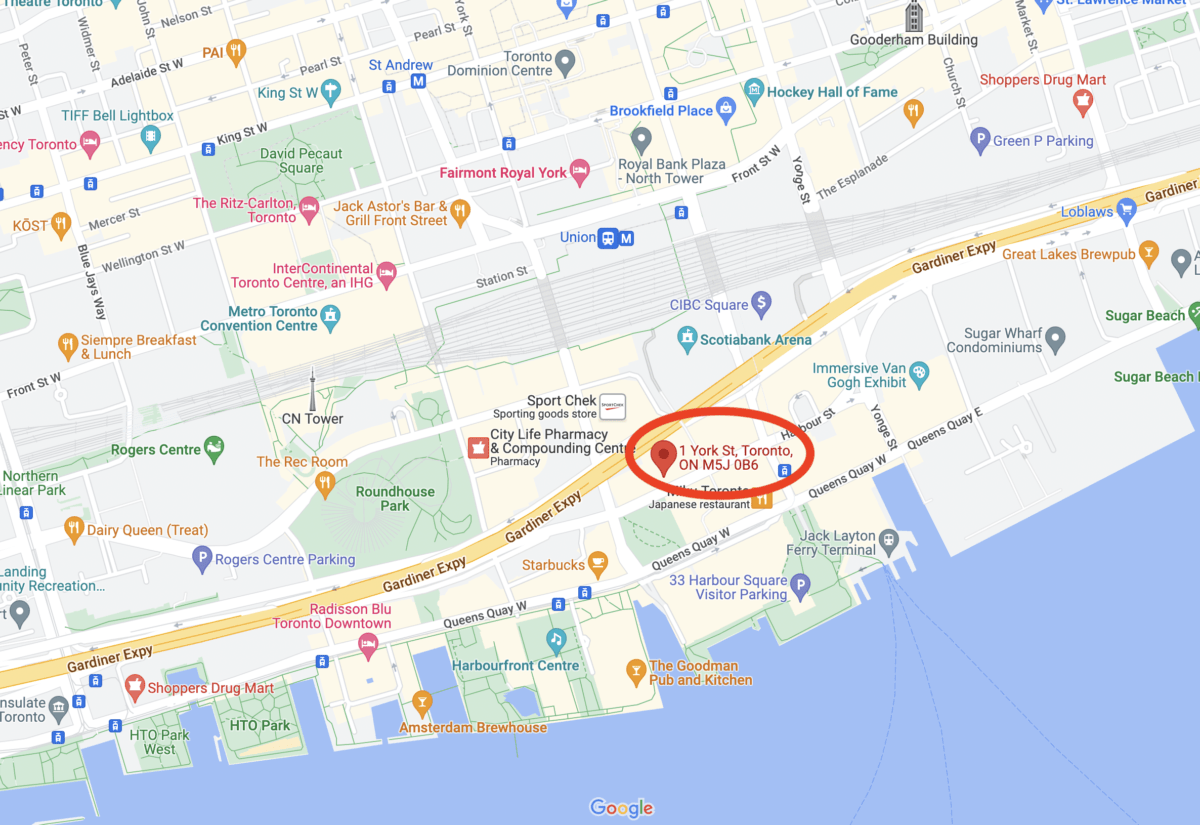
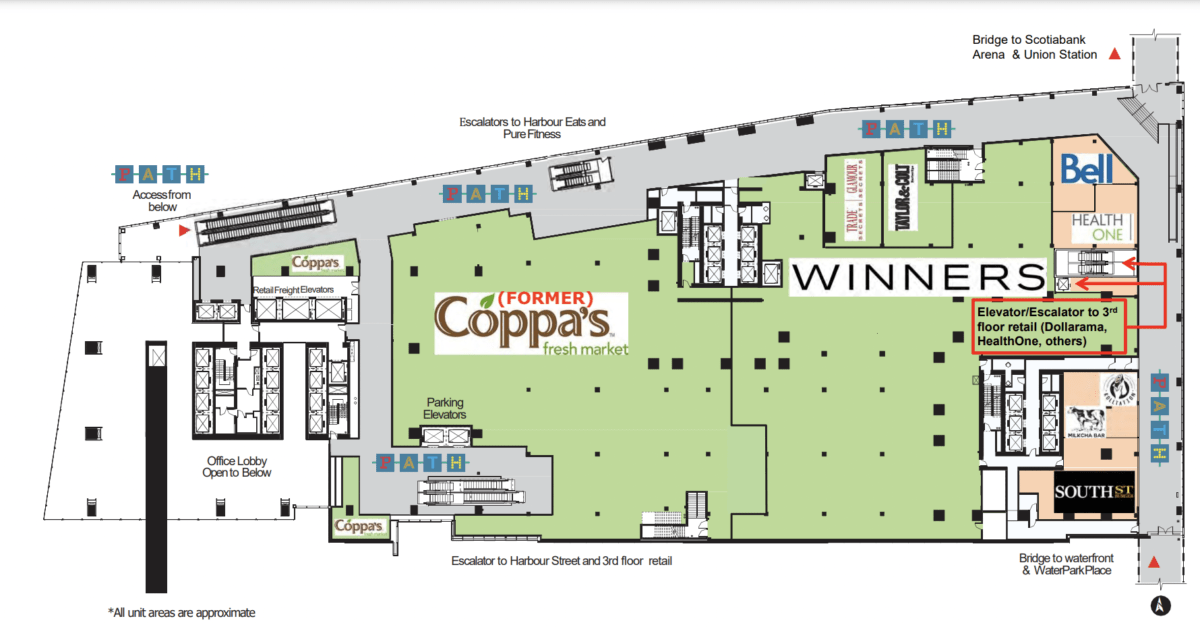
The brand, founded in 1993, will be Located at 1 York Street inside Menkes’ landmark One York development, the approximately 25,000-square-foot store is expected to open late 2022 to early 2023 and will employ approximately 100 people. The store will replace a Coppa’s grocery store that opened in March 2019 and shut last year.
Nature’s Emporium currently has locations in Newmarket, Maple, Burlington, and Woodbridge.
“We decided to seize the opportunity to bring a unique shopping experience to Toronto’s South Core District and Harbourfront communities,” said Joe D’Addario, Chief Executive Officer, Nature’s Emporium. “Our new location inside Shops at One York will offer exceptional all-organic produce, healthy handcrafted meals to-go, superior supplements, natural health and beauty essentials, and much more.
Click image for interactive Google MapThe Shops at One York (Image: Dustin Fuhs)
“We aim to be your ‘eat well and live better’, one-stop-market for food and health. Our team carefully selects and curates items intended to inspire healthy choices and healthier communities — this is the Nature’s Emporium difference and we’re beyond excited to bring it to the residents, office workers, and visitors in the area.
“We’ve been wanting to come to Toronto now for a number of years. A lot of people would message us and email us ‘can you please open up a store in Toronto’. We just weren’t able to find the right location until now. We found the right location. We think there’s a void in the city. There’s a void in the South Core and in the Harbourfront community here in Toronto. We’re here to fill that void. We’re super excited. It’s a very diverse community. Very active community. So we thought there was a need for a retailer or a supermarket that sold organic, as well supplements, health and beauty and everything to do with organic in a one-stop shop.
“The opportunity came here at the Shops at One York. We decided to seize upon that opportunity and finally get our number one store in Toronto and hopefully it will be the first of a few more to come in the city.” Shops at One York is the new name of the recently rebranded mixed-use building formerly known as One York.
Lease plan via Menkes — Second City theatre will be upstairsFuture Nature’s Emporium at The Shops at One York (Image: Dustin Fuhs)
D’Addario said the company has a couple of new locations coming, which are located more in the suburbs.
“We’re hoping to open up in the next five years at least 10 more stores. That’s the mandate that we’ve been given to do,” he said. “We have store number five here coming and six and seven coming soon and many more to come in the near future.
“It will go beyond the GTA. We’re hoping to be in more of the southern Ontario market and then hopefully after southern Ontario we’re hoping to expand even to Western Canada and Eastern Canada as well. But right now we’re focusing on GTA and the southern Ontario market.”
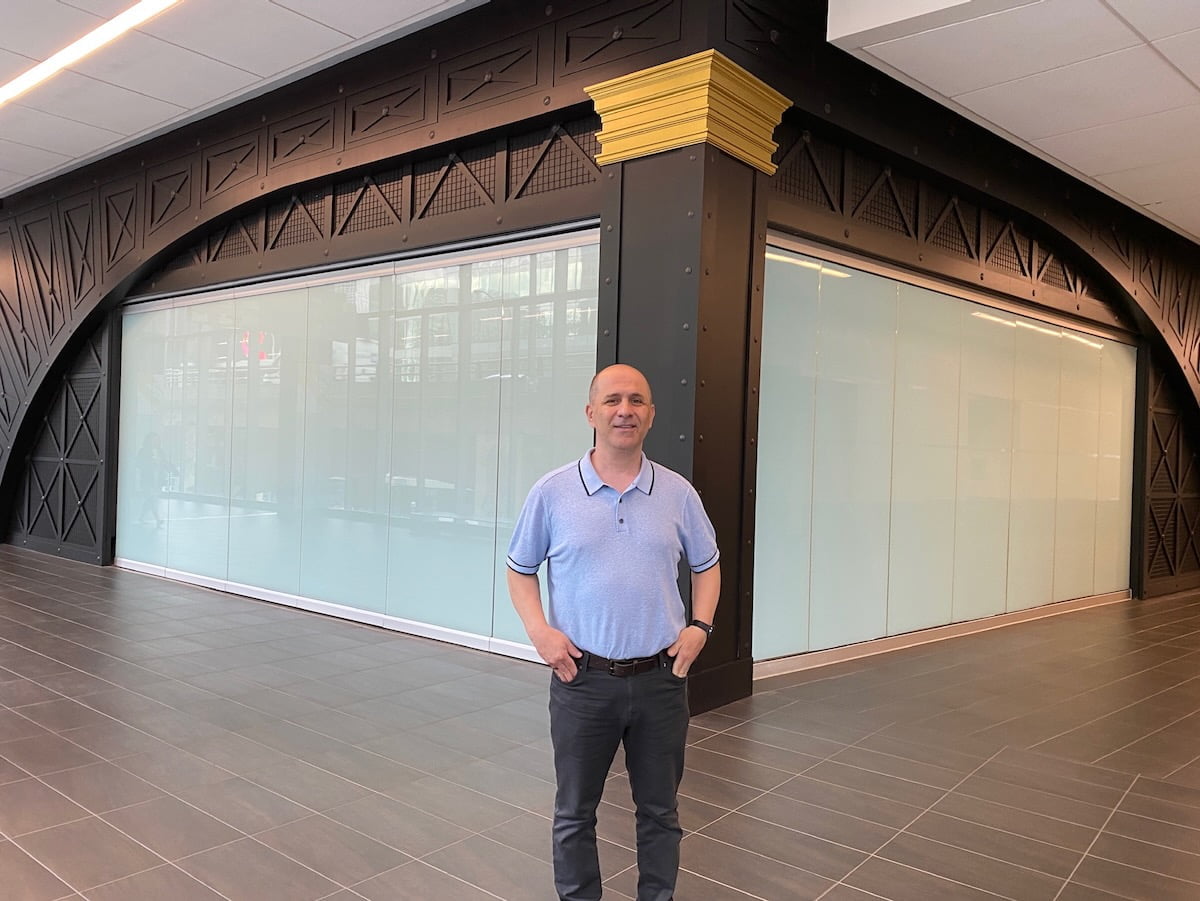
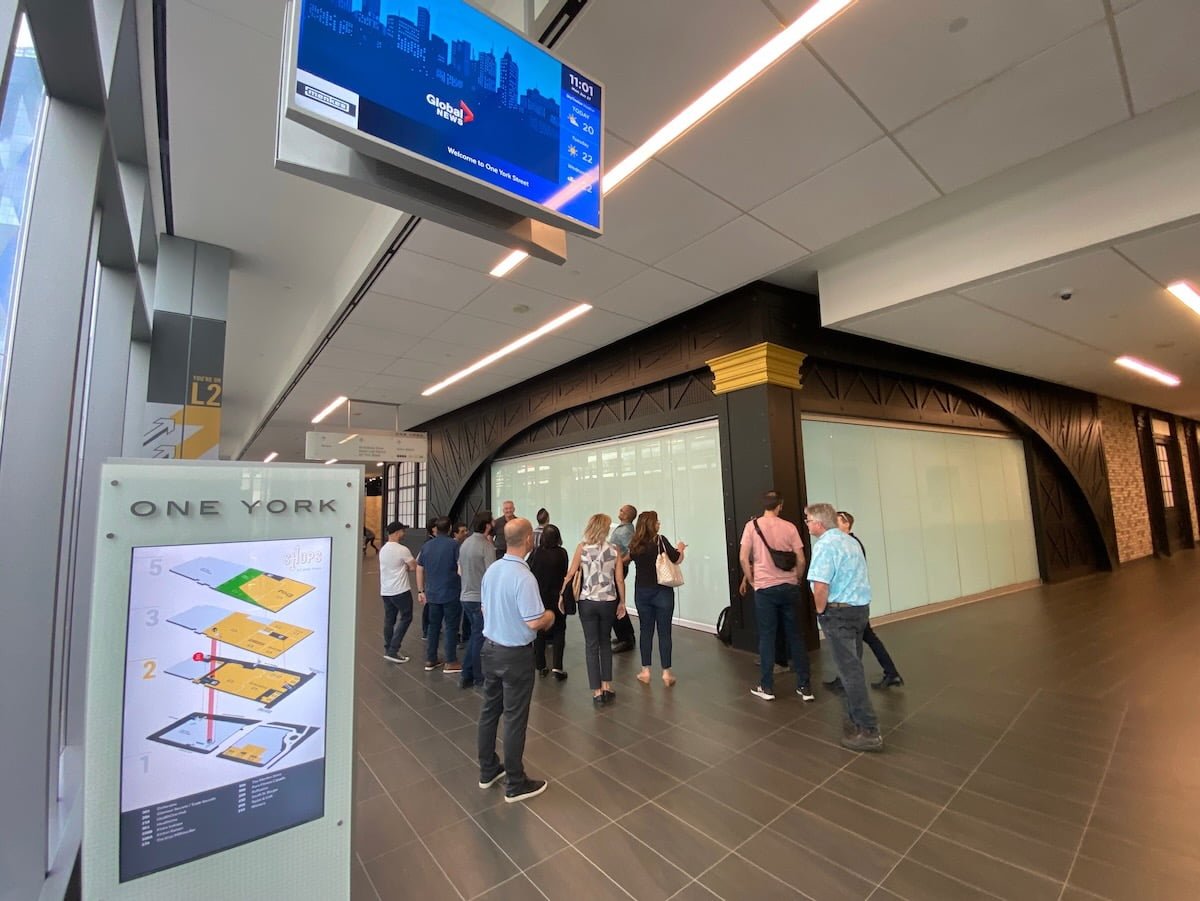
Joe D’Addario, Chief Executive Officer, Nature’s Emporium at the Future Nature’s Emporium at The Shops at One York (Image: Dustin Fuhs)The Nature’s Emporium Team at The Shops at One York on June 27th, 2022 (Image: Dustin Fuhs)
The company’s first location was in Newmarket.
“We’ve been in business for 30 years. Our mandate has always been to help educate people to live well and live a better, healthier, longer life,” said D’Addario. “And that’s been our mandate since day one. We’re hoping to spread it around to various communities around the GTA in the next few years.”
The story behind the launch of the company is an interesting one. D’Addario grew up in the business. His family has always been in the health food business since 1980. They started with a small health food store in Ajax. That store burned down years ago and after the fire it led D’Addario to Newmarket to start all over again.
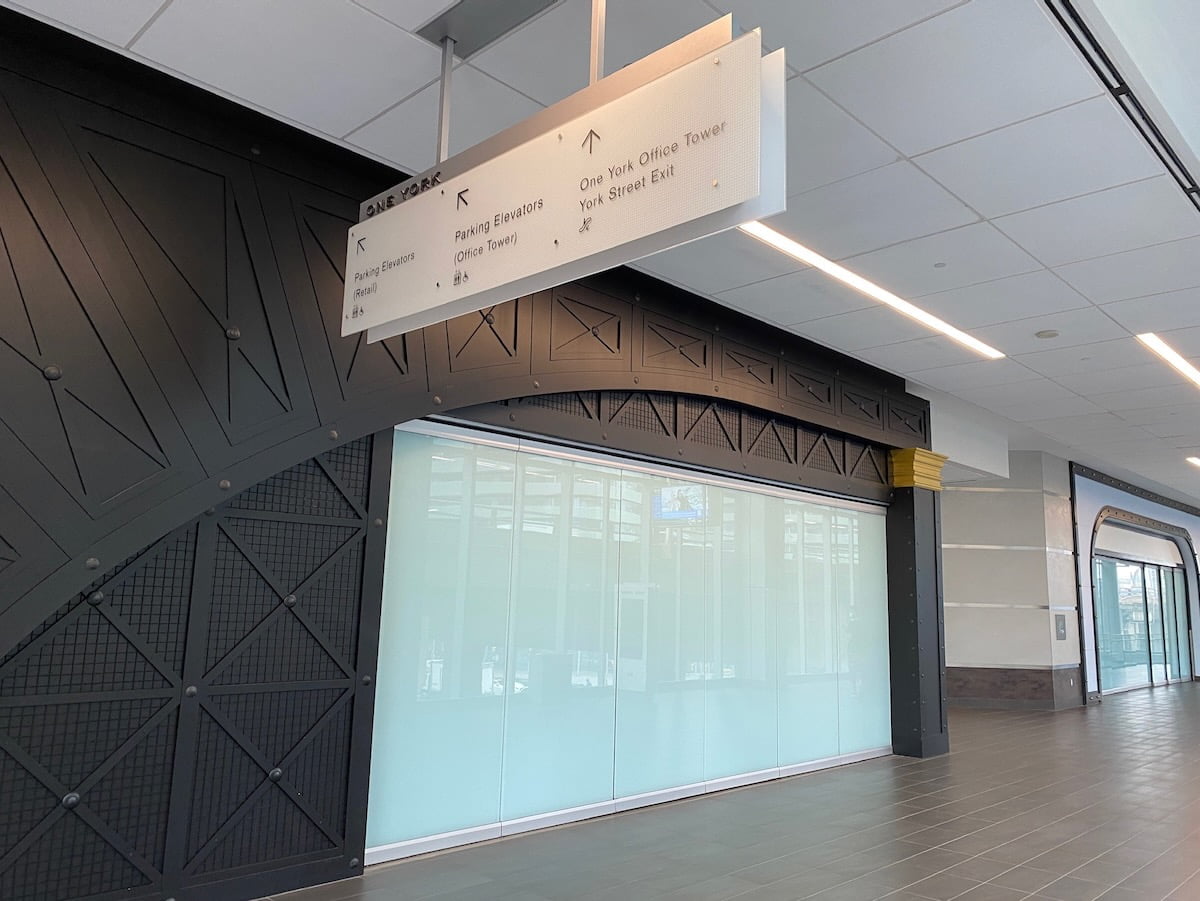
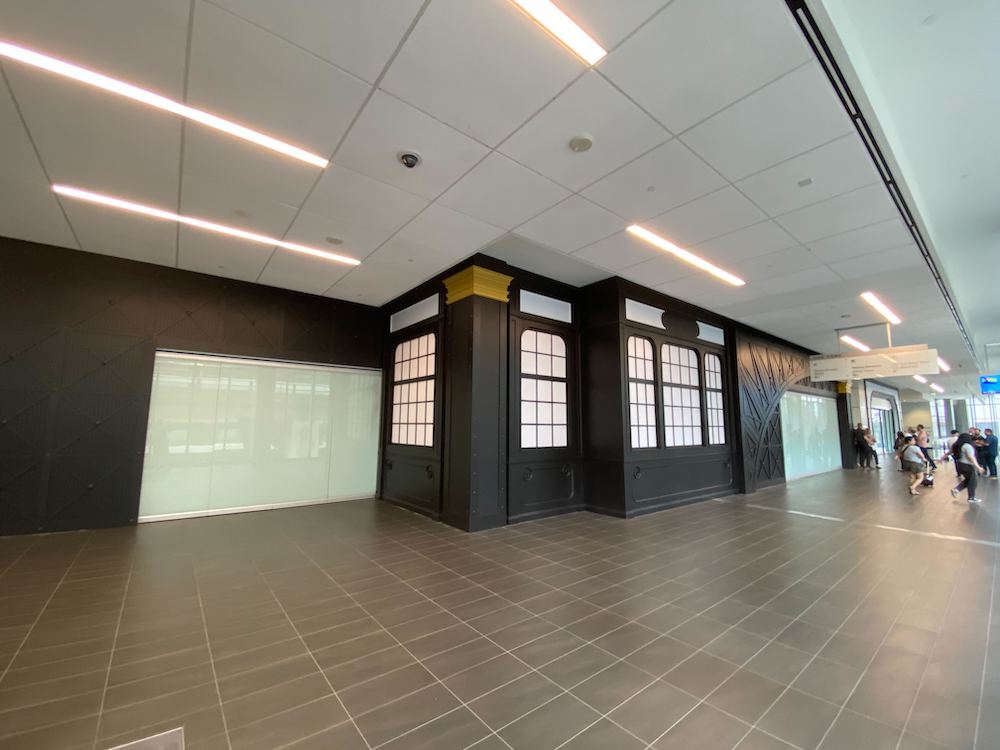
Former Coppas’s storefront at the Shops at One York on Monday, June 27. Photo: Dustin Fuhs
“That was the genesis of Nature’s Emporium right after we lost our business to a fire. We opened up a health food store that sold vitamins, supplements, as well as bulk foods. It was a small 4,000-square-foot store and over the years it evolved and today it’s 50,000 square feet. It’s truly a health food emporium,” he said.
“It just evolved over the last 30 years as the business grew and more and more people were interested in living a healthier lifestyle, and more and more organic products came on board, we evolved with the business.”
D’Addario said that Nature’s Emporium is bringing a really unique shopping experience to Toronto’s South Core and Harbourfront communities, one that no one currently offers. The products are unique and the in-house products are something the company believes the community is going to be really excited to get their hands on because it brings another level of healthy eating on the go to these consumers. With everyone today looking to take a preventative and proactive approach to their wellness, the company is fulfilling a need that people want right now.
The Shops at One York (Image: Dustin Fuhs)
“We’re coming out of COVID and the city’s starting to come back to life again. We’re just looking forward to being part of the rejuvenation of the downtown and the South Core of the city and welcoming all the people that have been working in the offices, welcoming them back to work and welcoming them with a healthy alternative for their lunches and their dinners as well,” he said.
“We are thrilled to welcome Nature’s Emporium to downtown Toronto at the Shops at One York,” said Peter Menkes, President, Commercial/Industrial, Menkes Developments, in a statement. “Nature’s Emporium has a highly-tailored, unique offering in the natural supermarket and supplements category that we are certain will complement the retail offering at the complex and be a very popular amenity among its residents and office workers.”
Retail Insider is streamlining its Canadian retail news from around the web to include a handful of top news stories that can be viewed quickly during the day. Here are the top stories from the past few days.