Advertisement
Advertisement
Home Blog Page 850

How Pickers, Packers, and Drivers Are More Important to the Brand Experience Than Ever in Canada

Pickers, packers, and drivers are more important than ever.

Ryan Webber, SVP of Enterprise Mobility, SOTI

Despite the retail industry experiencing a drop in overall sales during the pandemic, online shopping continues to boom globally. This surge has created an entirely new landscape in the retail and transportation and logistics (T&L) sectors and will likely influence new trends far into the future for both.

One trend, however, is already here. As online sales surge, efficiency in the supply chain and reliable last-mile delivery are becoming even more critical to creating a positive shopping experience that consumers expect and now demand.

Consumer Expectations Drive Need for Adoption

The increasing demand for online purchasing options has raised expectations for painless and seamless, delivery and return experiences. 38% of those surveyed in a recent SOTI study, From Bricks to Clicks: State of Mobility in Retail 2021 Report, said that they would look elsewhere if a retailer could not offer delivery in two days or less. Additionally, 63% said they would prefer an automated returns process, and 59% said they view an easy returns process as a major incentive to buy more product from a retailer. These expectations are having a serious influence on how consumers view brands and their loyalty to those brands in the future.

Warehouse Staff and Drivers Are Crucial

To best address the demand for optimized delivery and return options, retailers must focus on their supply chain and empowering staff, such as pickers, packers, and drivers, to facilitate a better process. As it stands, last-mile delivery remains the weakest link in the supply chain. Over 60% of those surveyed in another SOTI study, The Last Mile Sprint: State of Mobility in Transportation and Logistics, shared that last-mile delivery is the least efficient stage in the delivery process.

Supply chain workers, however, pointed to a technological deficit as the main culprit in these inefficiencies. 49% in that same study said the technology they are being instructed to use on the job is out of date and is holding them back from being able to operate as efficiently as possible.

If businesses believe they can thrive in a retail landscape that relies on pickers, packers, and drivers more than ever before, without providing the technology those professionals need to succeed, they are likely to be left behind.

Better Technology to Meet Expectations

Retailers should ask: what are the technologies that can support and empower these workers to operate at peak efficiency? The professionals in the T&L industry (IT Managers, IT Directors, Senior Management, and C-Suite Executives) that were surveyed noted that a mobile-first strategy — and a platform that can manage it — is essential to creating an efficient supply chain in today’s retail landscape; 76% of those surveyed in the T&L study stated a mobile-first strategy enables a better customer experience, and 58% agree that a mobile-first strategy for last-mile delivery has reduced their operational costs.

Insights like geolocation, analytics, and real-time inventory data can be used to gain visibility over the full supply chain and keep delivery operators updated. As a result, the entire supply chain is optimized, empowering professionals within it to react and adjust in real-time to any discrepancies or issues.

Those already using such a strategy are seeing the benefits. 48% of respondents from that same study agreed new technology has improved their productivity, and 46% agreed new technology increased visibility into their supply chain.

If deliveries and returns continue to be so important to the consumer experience, retail and T&L companies will need to be prepared to expand their delivery operations and use a mobile and IoT management platform designed with scaling up in mind.

Ryan Webber is Senior Vice President of Enterprise Mobility at SOTI where he oversees global mobility strategies for Fortune 100 companies looking to harness the power of mobility to transform their operations. Ryan leverages his unique expertise with more than 15 years of experience working in the mobile space, to help SOTI customers across a variety of sectors including retail, healthcare and field services. Prior to joining SOTI, Ryan held different roles at KORE Telematics and TELUS Business Solutions. Ryan holds a B.A. from McMaster University (Canada) and a MA from Griffith University (Australia).

What’s Next?

As retailers and T&L companies look to the future and how to best adapt to the changing demands of consumers, they must view delivery and return options in a new light. Those with the quickest and easiest deliveries and returns will not just survive the future, but also thrive. They will lead the pack with the strategies and technologies needed to empower their workforce to be efficient and productive, delivering exceptional customer service.

Canadian Retail News From Around The Web For April 19, 2021

Canadian Retail News From Around The Web

Advertisement

Top Stories: National

Advertisement

Central/Eastern Canada News

Western Canada News

Retail Profile: The CORE Shopping Centre in Downtown Calgary (Spring 2021)

The CORE from Stephen Avenue Mall (8th Ave SW) in Calgary.
The CORE from Stephen Avenue Mall (8th Ave SW) in Calgary. Photo: Ivanhoe Cambridge.

Retail Insider continues its Photo Tour series of Canadian malls to provide a glimpse into shopping centres which may be less visited lately due to the COVID-19 pandemic. This edition takes us to The CORE Shopping Centre in downtown Calgary, which spans across over three blocks and emcompasses four major office towers: TD Canada Trust TowerHome Oil TowerDome Tower, and the historic Lancaster Building.

Unlike suburban shopping centres, adapting existing architecture to evolve the shopping centre into the three-city-block, modern, unified retail centre presented a unique challenge for its owners, Ivanhoé Cambridge (50%) and Alberta Investment Management Corporation (AIMCo, 50%). The centre is managed by Cushman & Wakefield. For the horticulture enthusiast, another draw to The CORE is the Devonian Gardens — an indoor botanical garden with overhead vistas displayed through a continuous 85-foot-wide (26m), 656-foot-long (200m) suspended glass skylight down the heart of the centre.

Google Map of Calgary with "The Core" circled
Google Map of Calgary with The CORE circled. Photo: Google Map with highlight by Retail Insider
Google Satellite Map of "The Core" spanning across three downtown streets
Google Satellite Map of The CORE spanning across three downtown streets. Photo: Google Map with highlight by Retail Insider

The CORE is an indoor shopping centre with approximately 120 retail stores spanning over 600,000 square feet of floor space. The three main anchor tenants for The CORE include:

  • Holt Renfrew (146,887 square feet)
  • La Maison Simons (95,080 square feet)
  • Harry Rosen (27,821 square feet)

History of The CORE

The CORE has an interesting and complex history on how the three city blocks became the modern-day shopping centre. It all began with one city block through the opening of an Eaton’s Department store in 1929. The second city block was added when Eaton’s was joined by the neighbouring TD Square to the east in 1977. The third city block was added when Eaton’s moved one block west in 1990 while vacating the original first city block, which was redeveloped into the Calgary Eaton Centre and was anchored by a 27,000-square-foot Holt Renfrew. Thus the three city blocks (the new Eaton’s store to the west, the Calgary Eaton Centre in the centre, and TD Square to the east) took shape into what would eventually become one retail centre.

As Eaton’s faded into Canadian retail history in 1999, Sears Canada took over the western building from 2002 to 2008, prior to Holt Renfrew taking over most of it in 2009. The CORE now consists of Holt Renfrew (510 – 8 Ave SW) to the west, Calgary Eaton Centre (751 – 3 St SW) at the centre, and TD Square (317 – 7 Ave SW) to the east.

A three-year redevelopment of the centre was completed in 2011 and included the installation of the largest point-supported structural glass skylight in the world. MMC Architects and GH+A Design Studios collaborated on this project as lead architect and retail design consultant respectively.

Wayfinding Map of  "The Core"
Wayfinding Map of The CORE. Photo: The CORE website

Breaking Up The CORE

In order to make this photo tour manageable, the shopping centre has been divided into four tour zones based on the floor/level.

  • Ground Floor: The first floor is accessible from numerous street-level entrances, including from the pedestrian-friendly 8th Avenue SW (Stephen Avenue pedestrian mall) to the south and 7th Avenue SW (LRT Corridor rapid transit line) to the north.
  • 2nd Floor: The second floor is the highest foot traffic floor of the entire shopping centre due to its interconnection points to adjacent buildings to the north, east, and south through Calgary’s elevated Plus 15 pedway network.
  • 3rd Floor: The third floor is bathed in sunlight beneath the suspended glass skylight with retailers running the length of the floor. Not to be greedy, light wells share the natural light to the second level as well.
  • 4th Floor: While not truly a fully-fledged floor, the fourth level acts more like a tiara crowning the third level, housing a food court and the 2.5-acre (1.0 ha) Devonian Gardens. Most of the food concessions are perched upon the roofs of the third floor retailers as to not obstruct the view and natural light from cascading to the floors below.

The CORE at Ground Level

The retail areas on the ground level of The CORE are disjointedly separated due to the nature of the overall shopping centre spanning across three city blocks. While three distinct retail areas appear to be marooned with moats of city streets on ground level, the foot traffic from the 7th Avenue “light rail only” street and the pedestrian-only 8th Ave SW (also known as Stephen Avenue Mall) encourages a steady flow of potential patrons to the centre.

The only drawback is the two north-south flowing city streets which naturally split the centre into its three parts based on the bases of each respective office tower. The centre’s second and third floors unify the three city blocks, spanning over the two high-traffic streets, creating physical tunnels to allow traffic to flow with the adjoining high-density ‘Beltline’ residential neighbourhood to the south.

Ground level "Tunnel" created by 2nd Floor Retail Level spanning across 5th Street SW
Ground level Tunnel created by 2nd Floor Retail Level spanning across 5th Street SW. Photo: Jessica Finch

Any ambiance for foot traffic at street level is forcibly interrupted by the physical tunnels becoming acoustic tunnels as vehicles roar from red lights and pass beneath the second floor overhead walkways above each street. Pedestrians unwilling to wait for the crossing signals or wanting to evade the outside weather mostly duck into the closest entry point to ascend by escalator to the unified second floor.

Here our tour starts on 4th Street SW between 7th Avenue and 8th Ave SW.

Satellite Map on West side of "The Core" on 4 Street SW between 7th Ave and 8th Ave SW.
Satellite Map on West side of The CORE on 4th Street SW between 7th Ave and 8th Ave SW. Photo: Google Maps with highlights by Retail Insider

On the left side of the map above is the ground level of the first building that makes up The CORE. The westernmost building on the west side of 4th Street SW is home to Holt Renfrew and its luxurious stone-clad entrance, accompanied with various window displays for high-end retail brands including Gucci, Prada, Miu Miu, Burberry, Celine, Tiffany & Co. and the recently-opened Chanel boutique which we profiled in June 2020.

Holt Renfrew entrance at "The Core" in Calgary
Holt Renfrew entrance at The CORE in Calgary. Photo: Jessica Finch

On the east side of 4th Street SW (opposite Holt Renfrew) is the entrance to the former Calgary Eaton Centre which is the second (of three) buildings making up The CORE. The office tower is home to TD Canada Trust offices and its main lobby is located on the ground floor of this portion of The CORE. Before heading into the ground-floor entrance off of 4th Street SW, one of the key retail tenants is Brooks Brothers, which has access to 8th Avenue (Stephen Avenue) to the south and extends up to the second floor as well. The ‘tunnel’ spanning across 4th Street SW is noticeable on the left side of the following photo.

Brooks Brothers entrance at "The Core" in Calgary
Brooks Brothers entrance at The CORE in Calgary. Prior to 2009, this building housed a much smaller Holt Renfrew store featuring a pleasant wood-heavy interior. Photo: Jessica Finch
Ground Level at base of "TD Bank" building of  "The Core"
Ground Level at base of TD Bank building of The CORE. Brooks Brothers and Hy’s were both occupied by Holt Renfrew’s accessory, beauty and men’s departments until 2009 when the store relocated across the street. Photo: Map from The CORE website with Leasing Plan from Ivanhoe Cambridge inserted

Pictured below is one of the street level entrances to The CORE bringing visitors into the TD Square component of the shopping centre.

"The Core" entrance in Calgary
The CORE entrance in Calgary. Photo: Jessica Finch

Aside from Brooks Brothers, the rest of the ground floor for this section is occupied by a Second Cup, a Bell mobility store, a TD Canada Trust branch, and a Hy’s Steakhouse Restaurant accessible from 8th Ave (Stephan Avenue) through the historic Eaton’s façade which still remains as a nod to its retail history.

South exterior doors of Hy's Restaurant at "The Core" in Calgary
South exterior doors of Hy’s Restaurant at The CORE in Calgary. Eaton’s once occupied the building and Holt Renfrew leased the space until 2009. Photo: Jessica Finch

Another key traffic artery, 3rd Street SW, needed to be crossed to get to the third — and larger — ground floor retail section in TD Square. The building is home to the Home Oil offices and the tower lobby for the oil company is intermixed with the retail found on this floor.

Satellite Map on West side of "The Core" on 3 Street SW between 7th Ave and 8th Ave SW
Satellite Map on West side of The CORE on 3rd Street SW between 7th Ave and 8th Ave SW. Photo: Google Maps with highlights by Retail Insider
Crossing 3rd Street SW from TD Building (left) to the Cactus Club (right) under the 'tunnel' at "The Core" in Calgary
Crossing 3rd Street SW from TD Building (left) to the Cactus Club (right) under the tunnel at The CORE in Calgary. Photo: Jessica Finch
Ground Level at base of the main "The Core" building
Ground Level at base of the main The CORE building. Photo: Map from The CORE website with Leasing Plan from Ivanhoe Cambridge inserted

Included within the ground floor retail area sandwiched between 4th Street and 3rd Street SW is a Shoppers Drug Mart on the north side facing 7th Avenue.

Shoppers Drug Mart at "The Core" in Calgary
Shoppers Drug Mart at The CORE. Photo: Jessica Finch

Across the corridor to the south is a standalone Beauty Boutique by Shoppers Drug Mart, which is unusual, and is next to a Cactus Club Restaurant. Other retail tenants on the ground floor in TD Square portion of The CORE include a Bentley Leathers store and an Indigo Spirit bookstore.

Beauty Boutique (operated by Shoppers Drug Mart) to left of Cactus Club at "The Core" in Calgary on the South Side
Beauty Boutique (operated by Shoppers Drug Mart) to left of Cactus Club at The CORE. Photo: Jessica Finch
Indigo Spirit and Bentley at "The Core" in Calgary.
Indigo Spirit and Bentley at The CORE. Photo: Jessica Finch
Exterior Entrance to Indigo Spirit at "The Core" in Calgary
Exterior Entrance to Indigo Spirit at The CORE in Calgary. Photo: Jessica Finch

Outside of the Indigo Spirit exterior door on 8th Ave SW (Stephen Avenue) is the The Galleria Trees, which are formed by ten tree sculptures. The galleria was a gift from Trizec Hahn Office Properties to the City of Calgary in 2000 following the completion of the second Bankers Hall building located south of The CORE, which is interconnected by Calgary’s Plus 15 pedway network. Since it is difficult to grow trees in Calgary, it was decided that the ten sculptures comprised of two design types would take the form of stylized trees. They also project heat on cold winter days which is a benefit for the homeless trying to keep warm.

The Tree Galleria outside of IndigoSpirit at "The Core" in Calgary
The Tree Galleria outside of IndigoSpirit at The CORE in Calgary. Photo: Jessica Finch
The Tree Galleria seen from 2nd Street SW outside of La Maison Simons at "The Core" in Calgary
The Tree Galleria seen from 2nd Street SW outside of La Maison Simons at The CORE in Calgary. In years past, Austrian hosiery brand Wolford had a store at the corner. Photo: Jessica Finch

Returning inside The CORE’s ground floor, the second largest anchor tenant for the centre is Quebec City-based large-format fashion retailer La Maison Simons. Nestled against 2nd Street SW, the 95,080-square-foot retailer rises up three levels in the historic Lancaster Building which is part of the TD Square section of The CORE. This became Alberta’s second location for Simons when it opened in March 2017 and it connects with Hudson’s Bay on the second level which sits across 1st Street SW from The CORE.

The CORE on the Second Level

Ascending the escalators in Simons within the Lancaster Building brought our retail tour to the second floor. As mentioned above, the interconnected Plus 15 pedway network is a key pedestrian access point for downtown office workers to traverse the downtown regardless of outside weather conditions. The shopping centre is interconnected with other buildings not associated with The CORE, including the Hudson’s Bay and Scotia Centre buildings to the east, the Bank of Montreal (BMO) to the north, and Banker’s Hall to the south.

Second Floor Level of the main "The Core" building
Second Floor Level of the main building. Photo: Map from The CORe website with Leasing Plan from Ivanhoe Cambridge inserted
Simons entrance at "The Core" in Calgary
Simons entrance at The CORE in Calgary. Photo: Jessica Finch

Similar to the ground level, Simons continues on the second level along the main corridor that interconnects the Plus 15 pedway network. Foot traffic from the Hudson’s Bay building passes through Simons to enter The CORE on this level. Harry Rosen, the third largest tenant with 27,821 square feet of retail space, can be found on this level adjacent to the north Plus 15 entrance from the BMO building.

Harry Rosen and ShopMADE at "The Core" in Calgary
Harry Rosen and ShopMADE at The CORE in Calgary. Photo: Jessica Finch
Looking east from Harry Rosen towards Simons and the +15 to HBC at "The Core" in Calgary
Looking east from Harry Rosen towards Simons and the +15 to HBC at The CORE in Calgary. Photo: Jessica Finch

Other retailers on the second level in the TD Square portion of The CORE include Banana Republic, Aritzia, MAC, Browns Shoes, Curatedly, Just Cozy, Club Monaco, Femme De Carriere, Sephora, and GAP.

Montreal-based jewellery retailer Maison Birks is currently under renovation with construction signage noting a spring 2021 reopening. The store spans about 5,500 square feet over one level according to lease plans, including a small Rolex boutique that is connected and not in the photo below. In decades past, the Birks store at the former TD Centre was considerably larger and spanned two levels that were joined by a circular staircase. The Birks store shrank when it gave up its street-level space and then shrunk again when its space was demised to create a 2,700 square foot corner retail unit that was recently vacated by US fashion brand Michael Kors.

Birks "Coming Soon" at "The Core" in Calgary
Birks “coming soon” at The CORE in Calgary. Photo: Jessica Finch
Corridor between retailers open up to level 3 at "The Core" in Calgary
Corridor between retailers opens up to level 3 at The CORE in Calgary. Photo: Jessica Finch

Retailers on the third level have the privilege of being beneath the suspended skylight and light wells provide sky views for shoppers on level two as well. The unified second floor of The CORE crosses over 3rd Street SW and includes retailers suspended above the roadway below.

Second Floor Level within the "TD Bank" building of  "The Core"
Second Floor Level within the TD Bank building of The CORE. Photo: Map from The CORE website with Leasing Plan from Ivanhoe Cambridge inserted

In the Calgary Eaton Centre portion of level two, the monolithic entrance to Brooks Brothers is accessible. In years past, the space was occupied by Holt Renfrew’s women’s designer floor.

Brooks Brothers (2nd Level Entrance) at "The Core" in Calgary
Brooks Brothers (second floor entrance) at The CORE in Calgary. Photo: Jessica Finch

Other retailers on the second floor of the Calgary Eaton Centre portion of The CORE include Bellissma Fashions, Tip Top, L’Occitane, Aldo, Labels, and Tristan.

At this point within The CORE, the building transitions from the Calgary Eaton Centre to the Holt Renfrew section and some retailers occupy space in the suspended galleria above the 4th Street SW roadway below.

Dex10, Canada’s first fully-automated furniture retailer, opened in March 2021 in the Holt Renfrew building at the westernmost point of The CORE.

Couch display outside of DEX 10 at "The Core" in Calgary
Couch display outside of DEX 10 at The CORE in Calgary. Photo: Jessica Finch
Holt Renfrew 2nd Level entrance at "The Core" in Calgary
Holt Renfrew second Level entrance at The CORE in Calgary. Photo: Jessica Finch

Holt Renfrew is a key tenant for The CORE, especially since its signifiant expansion into the vacated Sears Canada space in 2009. The retailer announced plans to add a fourth floor in September 2014, which was set to include a restaurant and personal shopping suites. Oil prices crashed shortly thereafter and the expansion still hasn’t happened.

Holt Renfrew escalators (ascending from 2nd Level to 3rd Level) at "The Core" in Calgary
Holt Renfrew escalators (ascending from the second floor to the third) at The CORE in Calgary. One can see the main floor women’s footwear hall downstairs, the women’s designer floor including a Gucci boutique on this level and a men’s floor directly upstairs Photo: Jessica Finch

The CORE on the Third Level

The third floor of The CORE is the architectural icing on the metaphorical cake for the shopping centre. Before we go into the details of the suspended glass skylight, we start the retail photo tour on the west end as we emerge from Holt Renfrew.

Holt Renfrew 3rd Level entrance at "The Core" in Calgary.
Holt Renfrew’s third level entrance at The CORE in Calgary. This level is home to the menswear floor which features a dramatic high ceiling. Photo: Jessica Finch
Third Floor Level within the TD Bank building of  The Core
Third Floor within the TD Bank building of The CORE. Photo: Map from The CORE website with Leasing Plan from Ivanhoe Cambridge inserted

Through novel architectural design and construction, the gigantic skylight, which spans three city blocks, is suspended under structural arches by special spider fasteners which secure the four corners of each glass panel. It consists of 1,740 glass sections, and is 90 feet wide and 656 feet long, with 95 arches suspending the glass sections.

H&M at "The Core" in Calgary
H&M at The CORE in Calgary. Photo: Jessica Finch

The key tenant on the west side of the third floor, besides Holt Renfrew, is H&M’s 25,992-square-foot store. Next door to H&M is the soon-to-be-closing Le Chateau which is above the 4th Street SW roadway below.

Le Chateau (Closing) at "The Core" in Calgary
Le Chateau (closing) at The CORE in Calgary. Photo: Jessica Finch

Other retailers in the Calgary Eaton Centre section of the third level includes Suzy Shier, Ricki’s, Lenscrafters, Vivid Beige, Recreation World, and The Source.

Continuing eastward under the glass skylight brings our retail photo tour to the TD Square section of the third floor.

East end of the third level at The CORE in Calgary with Showcase and Glamous Secrets on the left. Photo: Jessica Finch
Third Floor Level of the main The Core building
Third floor of the main The CORE building. Photo: Map from The Core website with Leasing Plan from Ivanhoe Cambridge inserted

Other retailers on the third floor of the TD Square section of The CORE include David Jones, About the Bra, Echo Bridal, Roots, Showcase, Soft Moc, Rocky Mountain Soap, and La Vie En Rose.

Simons 3rd Level entrance at "The Core" in Calgary
Simons third level entrance at The CORE in Calgary. Photo: Jessica Finch

The CORE on the Fourth Level

The fourth floor of The CORE is home to the food court as well as the Devonian Gardens.

Food Court on Level 4 at "The Core" in Calgary
Food Court on the fourth level of The CORE in Calgary. Photo: Jessica Finch
Fourth Floor Level of "The Core" building
Fourth floor of The CORE building. Photo: Map from The CORE website with Leasing Plan from Ivanhoe Cambridge inserted

The original Devonian Gardens opened in 1977 at a cost of $9 million dollars. The park was closed in 2008 for four years while the major redevelopment of The CORE unfolded and reopened on June 27, 2012. It features additional seating for the CORE food court, a playground, and space for corporate events.

Devonian Gardens on Level 4 at "The Core" in Calgary
Devonian Gardens on level four at The CORE in Calgary. Photo: Jessica Finch

The CORE is a beautiful shopping centre property that we’d consider to be one of the most under-rated in North America in terms of overall design. It is worth a visit for those seeking a unique urban experience. The Holt Renfrew store has valet parking in its basement, and La Maison Simons is unlike any store in Canada in terms of its configuration and design.

Overall, we had a very interesting photo walk around The CORE in downtown Calgary and we hope you enjoyed coming along with us. Don’t forget to check out our other retail photo tours over the past few months. Thank you for taking this tour with us, feel free to leave your comments below and tell us what you think.

Retail Shift in Canada to Temporary Spaces: Interview with Gotstyle Founder Melissa Austria

Melissa Austria standing outside the Gotstyle retail location in Toronto's Distillery District. Photo: Dustin Fuhs

The COVID-19 pandemic has changed the retail landscape in Canada forever, with more consumers adopting online shopping and retailers transforming their businesses to adapt to the changing realities.

One of those changing realities in the future could very well be the increasing use of pop up concepts by retailers who don’t want to be locked into a fixed space for a long term.

Melissa Austria, who founded clothing retailer Gotstyle in 2005, has learned to adapt in these changing times by initiating virtual shopping experiences for consumers.

When asked if she foresees expansion in the future into more brick and mortar stores from its current one location in Toronto, Austria replied that the pandemic has taught the industry that you can definitely grow without having to grow your physical footprint.

“And not have to deal with the issue of leases, more staff. It’s really kind of growing the brand digitally and I think that’s one thing all retailers learned and all businesses learned — doubling down on the digital aspect,” she said.

“I would definitely do pop up shops for sure. I would do a pop up shop in a heartbeat. And God knows there’s a ton of space to do pop up shops in the city right now unfortunately, but I don’t think I would ever sign a long lease again. You just don’t need to really.”

“Even if we wanted to do something across Canada or the U.S. I would still just do a pop up shop because once you build a community in those areas you’re kind of forcing them to act so there’s that (thought) oh they’re only here for three weeks so I’ve got to go check them out. I think it’s a better way of doing business going forward.”

Melissa Austria inside the Gotstyle retail location in Toronto’s Distillery District. Photo: Dustin Fuhs

The clothing retailer has a 7,000-square-foot-store in the historic Distillery District in Toronto. The company closed its other Toronto store two weeks before the first lockdown as its lease was up and the landlord wanted to substantially increase the retailer’s rent. Austria did not want to renew and two weeks later the lockdown took place.

“It was a blessing in disguise because that would have been a nightmare,” said Austria.

“We are a lifestyle-based brand, started up for men. For the first 10 years we were menswear but we moved to the Distillery location because of the size and because of the nature of the traffic here, we added in womenswear. We are definitely based on outfits for men and for women as opposed to single items,” said Austria.

“So we’re really more about building your lifestyle, building your whole wardrobe, and helping men, and now women, do that. Very much on stylist based. Having your own stylist, customer service. That sort of mindset.

“We were definitely very big on digital and social media at a very early start. We tried to launch virtual shopping (we called it Skype shopping)eight years ago. We even did an award winning “naked man commercial” for it, but it didn’t take off because people weren’t comfortable with show their face on a call back then. We’ve relaunched it again during COVID, and with people so used to being on video calls now, it’s picking up traction.”

The retailer has also launched its Trust Us Clothing Kit where after a virtual consultation to find out what customers are interested in some outfits are sent to their homes or offices to try on. Whatever they don’t like, the retailer picks up the next day.

While the clothing industry has had to adapt and adopt virtual initiatives, Austria said there’s nothing that really replaces the touch and feel of retail that many consumers still love. And pop ups indeed may be the way of the future for many retailers.

“I think that pop up stores will take on a greater role in the future, whether physical or virtual,” said Bruce Winder, author of RETAIL Before, During & After COVID-19 and President of Bruce Winder Retail. “As more of retail migrates to e-commerce, more digitally native brands will experiment with physical pop up stores to test brick and mortar concepts.

“Pop up will make a lot of sense once the pandemic wanes as fewer retail stores will exist and could be a bridge to help retailers find the new normal in terms of optimal store count. Pop up stores, particularly outdoor pop up stores (weather permitting) will provide greater comfort to post pandemic germ-sensitive customers. Pop ups offer greater financial flexibility — a key ingredient for successful retailers in the future.

“Existing online powerhouses such as Amazon could leverage virtual pop up sites for special events such as Prime Day to further connect with core customers. Virtual pop ups differentiate retailers and create excitement and a sense of urgency for consumers. Operating at a fraction of the cost of physical pop ups, virtual versions offer even more opportunity to economically test new brands and events.”

Pop up retail stores and restaurants are helping proactive and creative landlords and building owners in Canada to keep their storefronts activated and incubate new long-term tenants, said Michael Kehoe, Broker/Owner of Fairfield Commercial Real Estate in Calgary.

“Pop ups have certainly enabled the enclosed malls to maintain a sense of vibrancy and stabilize vacancy levels that were on the rise as the pandemic accelerated over the past year,” he said. “These times are providing opportunities for retailers and foodservice professionals to test-drive new product and menu offerings on a short-term basis in a low risk ‘pop up’ commercial environment.

“Small business retail and foodservice entrepreneurs are popping up on main streets, in malls and in farmers markets sometimes for a few hours or a few months allowing them to sell directly to consumers and to launch new retail offerings and test new concepts. In Canada, 2021 is the year of the pop up.”

Canadian Fashion Brand ‘Ellie Mae’ Prepares to Open New Rosedale Flagship in Toronto [With Photos]

Ellie Mae's new storefront in Toronto's Summerhill/Rosedale neighbourhood. Photo: Ellie Mae

Toronto-based designer Ellie Mae Studios has announced the near completion of its first flagship store. Due to open this spring when pandemic lockdowns end, the ready-to-wear designer is setting up shop at 1096 Yonge Street in Toronto’s wealthy Rosedale/Summerhill neighbourhood.

The 650-square-foot store will serve to complement the brand’s already thriving North American e-commerce offering, and a showroom at the Ellie Mae Studio located in downtown Toronto.

“Opening our first flagship store in Summerhill felt like a natural progression for us; a gateway to deepen our relationship with our customers and provide meaningful brand experiences,” says Jeremy Wood-Ross, CEO and Sales Director, Ellie Mae Studios. “At the heart of the brand’s ethos is community, and we’re looking forward to being able to further connect with our Ellie Mae family in the already vibrant and close-knit Summerhill neighbourhood.”

Ellie Mae Waters and Jeremy Wood-Ross

Founded in 2015, the upscale brand began as a wholesale business. Finding this industry to be highly competitive and somewhat unpredictable, Ellie Mae soon after launched its e-commerce business. Finding success, the brand opened a popup location at Toronto’s stackt Market in 2019. It was a move that ultimately inspired Wood-Ross and Ellie Mae Founder, Ellie Mae Waters, to open the upcoming flagship store.

“We were a wholesale business to begin with and a lot of the decisions we make today are based on those early experiences. Being in wholesale really showed us the challenges within the fashion industry. It’s a competitive market, and the expenses that come with trade shows are a challenge along with trying to predict what feels right for the buyer. Through that experience we added e-commerce to our business model and found a lot of success being able to go directly to our customers”, says Wood-Ross.

“In 2019 we decided to put a stop to our wholesale efforts and focus directly on the customer. We were part of the inaugural group of stores at stackt Market. We started with a single shipping container and quickly moved to the flagship spot which we shared with a furniture company. We wanted to build an experiential space and it felt like the perfect spot to test out the brand and offer an experience that was controlled completely by us for the first time. We took those learnings and decided that we needed to focus on a physical space for Ellie Mae closer to our customer base in Summerhill.”

Under the creative direction of Ellie Mae Waters, each Ellie Mae collection is made with exceptional craftsmanship in small batches. With an eye on global design, and a reverence for the timeless approach of quality fabrics and high-fashion detailing, each Ellie Mae piece translates stories of the past for today’s always-in-motion lifestyle.

Ellie Mae’s new storefront in Toronto’s Summerhill/Rosedale neighbourhood. Photo: Ellie Mae

The new store promises to embody the true spirit of the brand and is set to be an intimate space adorned with rustic walls and vintage carpets that embraces unconventionality, creativity, and community. Designed by Toronto-based designer Ashley Montgomery, the store aims to be highly experiential while placing the customer at the centre of all that it does in a reimagined approach to physical retail. Music, which is infused in the brand’s DNA, will function as the anchor of the location, with Ellie Mae being the first store in the area to play music on the street to immerse customers and those walking by in the brand before even entering the store.

The shop will also feature an Ellie Mae Cafe, complemented by seating both outside and in, encouraging a space for people to gather with the Ellie Mae team.

“We’re a new brand and figuring out how to communicate ourselves is difficult within a very competitive market, but having that physical location at Stackt Market really helped. We’re excited about the flagship because we understand the benefits that come with a brick and mortar location. Although we have invested a lot in our e-commerce over the years — we’re coming up to our final phase of our new approach to e-commerce which launches simultaneously to our new store opening — we really think that there’s no beating the real experience. It’s something we’ve definitely learned over the last year. Our brand, being casual luxury, really benefits from the in-person experience. We can speak to the quality of the product — from the construction to the fabrication — and even the brand story itself, it is all much better communicated in person where the customer can experience Ellie Mae for themselves.”

And that e-commerce presence has served the brand well during the chaos that has been the last 12 months. With the pandemic cutting the brand’s time at Stackt Market short, Ellie Mae, like many others, began to pivot its focus, rolling with the incessant punches COVID-19 brought with it.

Sketch of the new Ellie Mae storefront.

“We had just invested in a larger space (at Stackt) and we were preparing for an incredible summer prior to pivoting. Like many other businesses we started making masks and that definitely helped with customer acquisitions and brand awareness. You take those small wins to help in our growth experience.”

“We took a moment to look internally and used the year to give the brand an internal facelift. We stripped right back to the pillars of our brand and made sure our messaging was clear. We filtered out the noise and got back to the root of Ellie Mae. Our message is the clearest it has ever been. This time has given us perspective”, says Ellie Mae Waters, Founder and Creative Director.

The Ontario Governments’ handling of the COVID-19 pandemic has been widely criticized during the many months of lockdowns and stay-at-home orders, largely due to many of the government mandates appearing to favour big box stores over Ontario’s small and local retailers.

“We think the way the government has handled the situation is unfortunate for many small businesses. We’ve seen other provinces and other countries handle this pandemic in a more effective way. We have many friends in the industry who have been caught in the cycle of opening and closing time and time again and it’s unfortunate because in this industry you rely a lot on foot traffic. At some point small businesses have to be considered and we have to find a way to make things function more efficiently for everyone,” says Wood-Ross.

“There’s also another side to this situation when you think of people’s mental health and wellbeing and the many stories of people who have put their life’s savings into their businesses and then are forced to close and watch the big box retailers remain open. This pendulum has swung very much in one direction and everyone is waiting for it to fall back somewhere in the middle,” says Waters.

“During this time we’ve been fortunate enough to manufacture all of our products under one roof and that means the team has stayed together over the last year. That sense of normalcy for the team has kept the moral up and kept the wind in our sales going into this year,” says Wood-Ross. “We’re optimistic that we’re going to be open in May despite Ontario’s current lockdown situation. We’re still in the construction phase and we haven’t slowed down.”

The pair are hopeful that this experience has demonstrated the significance of shopping local and supporting small businesses. The brand is focused on becoming an intricate part of the community in which it serves and looks forward to a prosperous future.

“We’re betting on people realizing the importance of supporting local as we begin to exit the worst of this experience. We’ve gained an interesting perspective on what the local market means to us here. We tend to sit at a higher price point than most brands founded in Canada and that can be a tough one to crack, but with our investments in the local market over the last year, we’re making sure we’re continuing to be a part of the community we’re entering into,” says Wood-Ross.

Waters and Wood-Ross have their sights set on the American and European markets for potential future Ellie Mae stores as the brand continues to grow.

For more information visit www.elliemaestudios.com.

In Conversation with Eric LaFlèche of METRO Inc. on Thursday May 6, 3pm-4pm ET

Photo: Shutterstock

Eric LaFlèche, President and Chief Executive Officer, METRO Inc., will join Retail Council of Canada’s President and CEO, Diane J. Brisebois, on Thursday May 6, 2021 at 3:00pm ET for an in-depth conversation about how METRO envisions innovation in grocery retailing, how the company has adapted to the new normal and strategies for a successful future. [Register: RCC Members $64.99 | Non-members $129.99]

Since the beginning of the pandemic, METRO has accelerated its efforts to further expand its e-commerce capabilities. An online Priority service was deployed to prioritize orders for seniors, customers with reduced mobility or shoppers needing to self-isolate in 250 METRO stores in Ontario and Quebec, and 170 METRO stores in both provinces will offer ‘click-and-collect’ service by the end of the company’s 2021 fiscal year in September. This summer, METRO will open its first dedicated online grocery store in Montreal to service the demand for online deliveries in the greater Montreal area.

This is the second of four In Conversation With Retail Leaders webinars where Canada’s most visionary retailers and industry insiders will discuss innovation in retail and provide critical insights to successfully lead businesses through disruptive times.

Other In Conversation With Retail Leaders guests this spring include:

Tickets: RCC Members $64.99 | Non-members $129.99

*Partner content. To work with Retail Insider, contact Craig Patterson at: craig@retail-insider.com

Canadian Retail News From Around The Web For April 16, 2021

Canadian Retail News From Around The Web

Advertisement

Top Stories: National

Advertisement

Central/Eastern Canada News

Western Canada News

IKEA Canada Announces Electric Vehicle Last Mile Delivery [Interview]

IKEA and Second Closet co-branded five tonne EV trucks. Photo: CNW Group/IKEA Canada

IKEA Canada is partnering with Second Closet and Lion Electric for last-mile delivery in the Greater Montreal, Toronto, and Vancouver markets using zero-emission electric vehicle trucks.

The IKEA and Second Closet co-branded, five-tonne EV trucks will service last-mile deliveries for IKEA locations in Boucherville, QC, Etobicoke, ON, and Richmond, BC beginning in the fall of 2021. 

“Electrifying our last-mile delivery service is an important step in our journey to become climate positive by 2030, especially with the rapid acceleration of our online business over the past year,” said Michael Ward, CEO & Chief Sustainability Officer, IKEA Canada. “We are pleased to work with Second Closet and Lion Electric, two great Canadian innovators, to support us in meeting our customers with people and planet in mind.”

Second Closet is a technology-enabled logistics and last-mile delivery provider based out of Toronto. It has submitted a purchase order to Lion Electric, a leading provider of all-electric medium and heavy-duty urban vehicles, for 15 Lion6 heavy-duty zero-emission trucks.

Mark Ang, CEO and Co-Founder of Second Closet, said a key area of focus for the company is ensuring both the quality and sustainability of its processes. 

“We’re super excited to be taking this next step in the journey. It’s an important one and as a newer company it’s kind of on us to change the landscape. So hopefully this helps have an avalanche effect,” he said. 

The company was launched in April 2017.

IKEA and Second Closet co-branded five tonne EV trucks. Photo: CNW Group/IKEA Canada

The company is focusing now on adding value to its enterprise clients where it stores and fulfills their finished goods and their business products.

“We’re a full end-to-end tech-enabled fulfilment house where we will store finished goods like a Shopify merchant, take the package and ship that product to an end-user or we will store like a large sofa and deliver it with our last-mile fleet for companies like IKEA or other larger furniture retailers,” said Ang.

“We consider ourselves to be a very young company in terms of our age and stages of business. But our team and our mindset and our energy is more youthful than the typical half-century-old logistics company. We’ve grown up in a society where we’ve seen climate change and global warming become a bigger impact on society. That’s been a topic in school. That’s something we can read about today. It’s shocking to me there’s still deniers and there’s people that are dragging their feet at acting quickly and swiftly.

“For me, as we become more successful and as our skill grows, we were on a path to just be consuming an ungodly amount of fossil fuels and emitting emissions, having greenhouse gas emissions on a daily basis and it just didn’t really feel right to be doing that. We shouldn’t consume more than we provide and I think we can probably be in a position where we are carbon neutral or carbon positive in that business. So electric vehicles were an important step in that direction in the sense that one of our core operating mechanisms are trucks and are fully electric. We wanted to be able to grow the business in a progressive manner both from a scale perspective but also from a climate and health and earth conscious perspective.”

IKEA is committed to 100 percent zero-emission deliveries by 2025. The company said its relationship with Second Closet will enable the retailer to achieve 20 percent of its ambitious zero emission delivery goals. The retailer said it is committed to reaching its 2030 goal to become a circular and climate positive business by reducing more greenhouse gas emissions than the IKEA value chain emits while growing the IKEA business at the same time.

In 2020, IKEA Canada completed over 500,000 home deliveries, a 30 percent increase from 2019.

IKEA has 14 stores in Canada. Last year, it had 22.9 million visitors to its stores and 178.4 million visitors to IKEA.ca and the IKEA app. 

“Overall as a business we have a goal to be 100 percent circular and climate positive by 2030. So not just closing the loop of our business but also reducing our emissions by 80 percent as a whole operation and as part of that climate positive goal we have the aim to provide 100 per cent EV delivery and services by 2025. This announcement was the first big step in the IKEA Canada journey to be able to fulfill that commitment for our market,” said IKEA Sustainability Manager Melissa Barbosa, adding that the home furnishing retailer has a responsibility to positively impact people and the planet.

“As a global organization we feel it’s important to do what we can to reduce those emissions . . . EV is just one part of that. We are doing a lot when it comes to our actual operations in terms of building more sustainably and reducing emissions by investing in renewable energy projects as well. This is just one area. We know that more and more customers are looking for home delivery as an option for purchasing their goods. We know that this is a transition we need to make to be able to reduce those emissions and be the climate positive business that we’re aiming to be.”

She said Canadian consumers are being much more selective these days of the brands they’re choosing. They want to ensure that brands are responsible, sustainable, while maintaining affordability and that they’re having a positive impact on people and climate.

“We know it’s what our consumers want. We know that’s the right thing to do as a business. As we see these kind of purchasing habits shifting and more demand to have at home delivery, this is one of the really customer facing ways we can show that we are a responsible business by being able to provide . . . 20 per cent of our delivery and services in Canada with EV vehicles.”

BRIEF: Hudson’s Bay Shuts Last Outlet Store, Famous Kim’s Convenience Store Comes to Market

News Brief - April 15, 2021

Hudson’s Bay Shuts Remaining Outlet Store Near Montreal

The Hudson’s Bay Outlet store at the Montreal Premium Outlets near Montreal has shut after operating for nearly seven years. It was one of two off-price outlet store locations for the Hudson’s Bay Outlet concept.

The Montreal Hudson’s Bay Outlet opened in the fall of 2014 in a 27,000-square-foot space in the outdoor outlet centre. It followed the opening of a Hudson’s Bay Outlet at Toronto Premium Outlets in 2013 which was converted to off-price retailer Saks OFF 5TH in March of 2016.

Entrance to Montreal Premium Outlets. Photo: Montreal Premium Outlets

Saks OFF 5TH was also supposed to replace the Hudson’s Bay Outlet store at Montreal Premium Outlets. An announcement for the new store was made in late 2016 and it never came to fruition. Saks OFF 5TH was also supposed to open a 45,000-square-foot store at the Montreal Eaton Centre in downtown Montreal and that too never happened — the space is now occupied by French sports retailer Decathlon.

In Canada, Saks OFF 5TH operates 18 stores in Canada with only one of those being located in Montreal. Plans had been in place for 25 OFF 5TH locations in Canada and the expansion has been halted. Competition is fierce in the off-price space in Canada with TXJ banners Winners, Marshalls, and HomeSense continuing to open stores during the pandemic, as well as Nordstrom Rack which now has seven stores across Canada with more expected.

Retail Insider’s Montreal correspondent, Maxime Frechette, noted that liquidator Continental is currently occupying the former Hudson’s Bay Outlet space at Montreal Premium Outlets.

Exterior of Kim’s Convenience store. Photo: Google

Kim’s Convenience Store Hits Market with Hefty Price Tag

The famous Kim’s Convenience store, which has starred on the hit TV show of the same name for the last five years, is up for sale. Located at 252 Queen Street East near Sherbourne Street in Toronto’s Moss Park neighbourhood, the retail property hit the market a few weeks ago with the price tag of $198,000.

It’s the first time it’s been up for sale in 35 years, and the retail listing coincides with the final season of Kim’s Convenience — a seemingly strategic move for the current owner.

A hefty price tag, perhaps, but it has been reported that the 1,300-square-foot store brings in about $15,000-$18,000 in sales every week, plus additional income from the lottery, ATM, and parking behind the store. These higher-than-normal earnings can most likely be attributed to the popularity of the show.

Further information on the property is available only to qualified potential buyers, and interested parties are being asked not to speak about it to the owner or any employees at the store.

Exterior shot of the soon-to-shutter Kartell storefront in Montreal. Photo: Kartell

Kartell Relocating its Montreal Storefront

Italian home furnishings retailer Kartell will shut its first Canadian location in Montreal’s trendy Griffintown neighbourhood according to Retail Insider’s Montreal correspondent, Maxime Frechette. The store opened in the summer of 2016 and the showroom will be relocated to Kartell’s suburban warehouse building.

The 1,500-square-foot Kartell store opened at 1120 Wellington Street in Griffintown, alongside other home furnishing retailers such as EQ3, West Elm, Mitchell Gold + Bob Williams, Ligne Roset, and others. Kartell featured a front terrace that will be open from May to October as well as an interior with soaring ceiling to display the store’s unique products.

Kartell was founded in 1949 and sells furniture, home furnishings, lighting and home accessories. The company collaborates with famous designers such as Philippe Starck and Eugeni Quitlet to create pieces, which are often colourful and unique. Plastic is used in innovative ways in many designs.

eBay’s Authenticity Guarantee for sneakers. Photo: eBay

eBay Canada Authenticating Sneakers in New Centre

Hot on the ‘sneaker head’ trend in Canada, online sales platform eBay has announced an ‘Authenticity Guarantee’ for sneakers being sold on the website. Select sneakers sold in the eBay Canada website exceeding $100 will be vetted and verified by an independent team of industry experts, according to the company.

eBay’s Authenticity Guarantee launches in early May with the opening of an authentication centre in Toronto dedicated to sneakers. eBay says that the collectable sneaker category on its platform increased by 325% last year. A pair of Air Jordan 1 “What The” Doernbecher was bought for more than $66,000, marking the highest sale for sneakers on eBay Canada in 2021 thus far.

The sneaker phenomenon is taking Canada by storm and this spring we announced that UK-based retailer Size? would be opening its first Canadian storefront this year in Toronto, with plans to expand further in Vancouver and potentially other markets. US-based online retailer StockX also expanded into Canada late last year as competition heats up.

Mobile Klinik at Guildford Town Centre. Photo: Lee Rivett

Mobile Klinik Offers At-Home Repairs with First Van Service of its Kind

Canadian smartphone and tablet repair company, Mobile Klinik, has recently launched Onsite Repair Units — the first van service of its kind to offer consumers and businesses the convenience of professional smartphone and tablet repair at the location of their choice.

Due to the changes in day-to-day life brought on by COVID-19, more Canadians are working and learning from home. The demand for at-home smart device repair services is on the rise and Mobile Klinik is now offering its expertise to over 100 communities nationwide from inside the Mobile Klinik service van or outside their homes or offices.

“The launch of Mobile Klinik’s Onsite Repair service is our latest initiative to make smartphone and tablet repair a more accessible, cost effective, and convenient option for Canadian consumers,” said Tim McGuire, CEO of Mobile Klinik. “Because we are spending so much time learning, working, and seeking entertainment at home, having reliable smartphones and tablets is paramount. We are proud to bring our services right to our customers’ doorsteps – at no extra charge – so they can resume using their device, often in less than an hour.”

Mobile Klinik says that it is committed to providing Canadians with flexible and affordable device repair options, servicing common issues like cracked screens, broken cameras, software updates, and battery replacements using high quality parts and state of the art diagnostics.

To further support Canadians during the pandemic, for a limited time, Mobile Klinik is waiving the $29.99 Onsite Repair Unit convenience fee. Customers in selected communities can book today either online or by phone to have a Mobile Klinik technician arrive at the location of their choice and service their repair in 60 minutes or less.

The company’s newest announcement comes less than a year after Retail Insider reported on Telus’ acquisition of Mobile Klinik, promising to bring with it an aggressive nationwide expansion.

To learn more visit mobileklinik.ca/onsite-repair.

The Brick storefront. Photo: The Brick

The Brick Celebrates Earth Day by Helping to Restore the Planet, Brick by Brick

In celebration of Earth Day 2021, The Brick, a wholly-owned subsidiary of Leon’s Furniture Limited, has announced the company’s latest waste diversion statistics, as well as upcoming initiatives to engage Canadians in helping to restore the earth, brick by brick.

In an effort to contribute to the sustainability movement, this month The Brick is asking Canadians to document their good green deeds with a photo or video, share them on Facebook or Instagram with the hashtag #TheBrickEarthDay, and comment on the Facebook or Instagram contest post to be entered to win one of four $1,000 gift cards to The Brick. Two winners will be chosen from each social platform.

Additionally, for every share on social media using the campaign hashtag, The Brick will plant a tree — up to a total of 2,500 trees — through its partnership with Tree Canada.

“At The Brick, we challenge ourselves each day to be more mindful of our environmental impact. On April 22, we‘re challenging Canadians to do the same,” said Dave Freeman, President, The Brick. “Whether a community cleanup or adopting more sustainable recycling practices, we look forward to seeing how Canadians are “going green” and showing our appreciation for the positive impacts these actions will have.”

The Brick first implemented its ‘Project Green’ in 2007, serving as the catalyst for all the company’s environmental initiatives, spearheaded by a recycling program in partnership with Waste Management. Beyond this, the company is also a partner of Tree Canada — a partnership that has resulted in planting and maintaining a total of 886 trees nationwide.

The Brick is also celebrating its 50th anniversary this year.

For more information on The Brick’s environmental initiatives, please visit thebrick.com/environmental/the-brick-goes-green/.

Read More News Briefs From Retail Insider:

5 Solutions Helping Canadian Retailers Operate As Shutdowns Continue

All retailers should be implementing curbside pickup services into their business models.

By Devin Partida

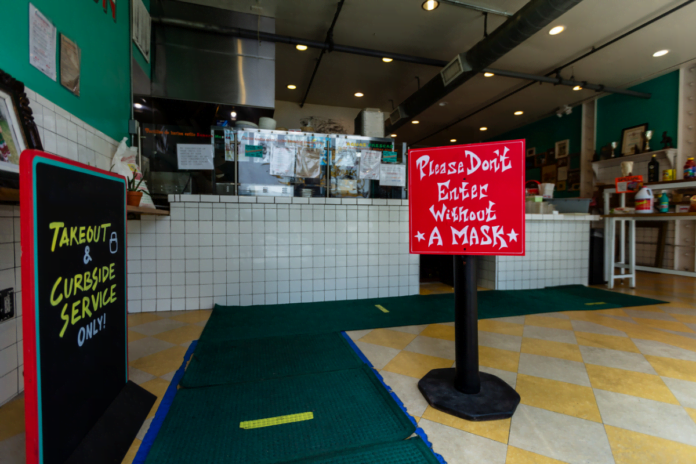
Though vaccines are steadily reaching more people every day, the pandemic continues. While cases were trending downward for a bit, Canadian officials have recently reinstated shutdowns and closures. This prolonged experience can be detrimental to businesses as they lose sales and potential customers. With the right tools, though, retailers can succeed during this time.

At the beginning of April, some Canadian regions are hoping to slow a third wave of COVID-19 with retail shutdowns. However, some of these new regulations don’t include paid sick leave for workers. That makes it harder to maintain business and physical safety as people are left with limited resources while trying to make a profit.

It’s unclear how long the pandemic will last or how many shutdowns the country will see in the future. Fortunately, Canadian retailers can use the following methods to continue operations. That way, they can make a profit despite lockdowns and closures.

1. Expand Purchase Methods

Canadian retailers have already had to adapt to new ways to sell their products and services. Delivery and curbside pickup are becoming the norm, especially as this third round of shutdowns comes into play.

When the pandemic began, 17% of Canadians started using curbside pickup. Any retailer that hasn’t expanded its purchase methods should start now. It offers contact-free ways for customers to get their items.

Once they pay ahead, they can pick up their orders in a hassle-free manner. This appealing process simplifies shopping as consumers don’t have to wait in lines or come near anyone.

2. Use Shipping Wisely

Shipping is invaluable for e-commerce, but retailers must know how to use it correctly. Inefficient practices can lead to losses owners can’t afford during the pandemic.

Specifically, retailers should focus on how they ship. If they mail to different parts of the country or elsewhere in the world, it may be cheaper to use freight forwarding instead of air travel. On the ground, it’s wise to get insurance for shipments so that, if a package goes missing, the retailer can get reimbursed.

In addition, it helps to have tracking numbers. That way, the retailer and customer can keep an eye on the package at all times to make sure it gets delivered.

3. Offer New Deals

A helpful way to engage new and existing customers is to offer creative deals. A discount or sale can draw people in, but consistent promotions and offers may be a more long-term solution.

Retailers can offer single or multi-use coupons for transactions, discounts, bundling, savings, and shipping. Other brands turn to a loyalty points program to keep customers coming back to buy and save. Retailers can use the method that most suits their business model to provide a more engaging approach to shopping.

From there, they can personalize deals. If a loyal customer keeps returning, the retailer can reward them with extra savings.

4. Diversify Partnerships

The pandemic is a trying time for many retailers, which means no business owner is alone with their struggles. At times, the best solution may be to partner with other companies — even ones that have historically been competitors.

A partnership can help with marketing and promotion, allowing retailers to share costs. Pooling resources can be a mutually beneficial experience as businesses share client lists or services for the public.

For instance, if two home furnishing small businesses are struggling, they may combine marketing tactics to reach more people for both stores. In some cases, a merger may even be the best idea for success.

5. Sell the Store

Any company that’s facing complete closure because of shutdowns should consider selling. Due to lower in-person shopping and with Canadian e-commerce set to surpass $33 billion in sales by 2024, offloading the store can ultimately make a profit as retailers switch to a completely online dynamic.

Retailers who don’t have a binding contract or are at the end of their lease might find selling the store immediately and focusing on e-commerce the best option. However, if a business owner does have a binding contract, they can also repurpose their store as a distribution center or sublease it.

That way, they won’t have to pay for the costs of having a store. Instead, they can focus on marketing and selling products online.

Devin Partida is a writer and blogger, as well as the Editor-in-Chief of ReHack.com

Success During the Pandemic

These five solutions can help Canadian retailers think outside the box during this new phase of shutdowns. From expanding curbside pickup and delivery to looking for new partnerships, retailers can still thrive in creative ways. Integrating these steps can help them succeed both during and after the pandemic.