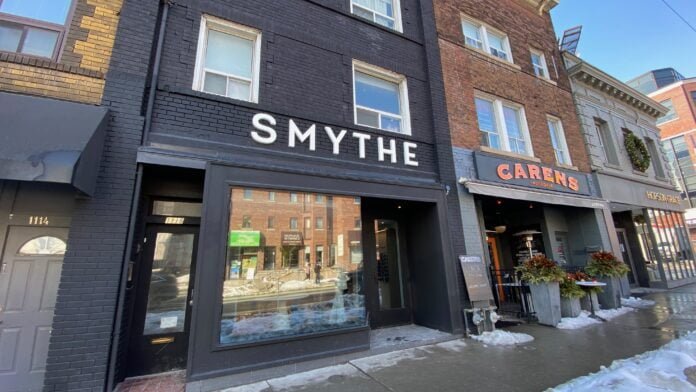
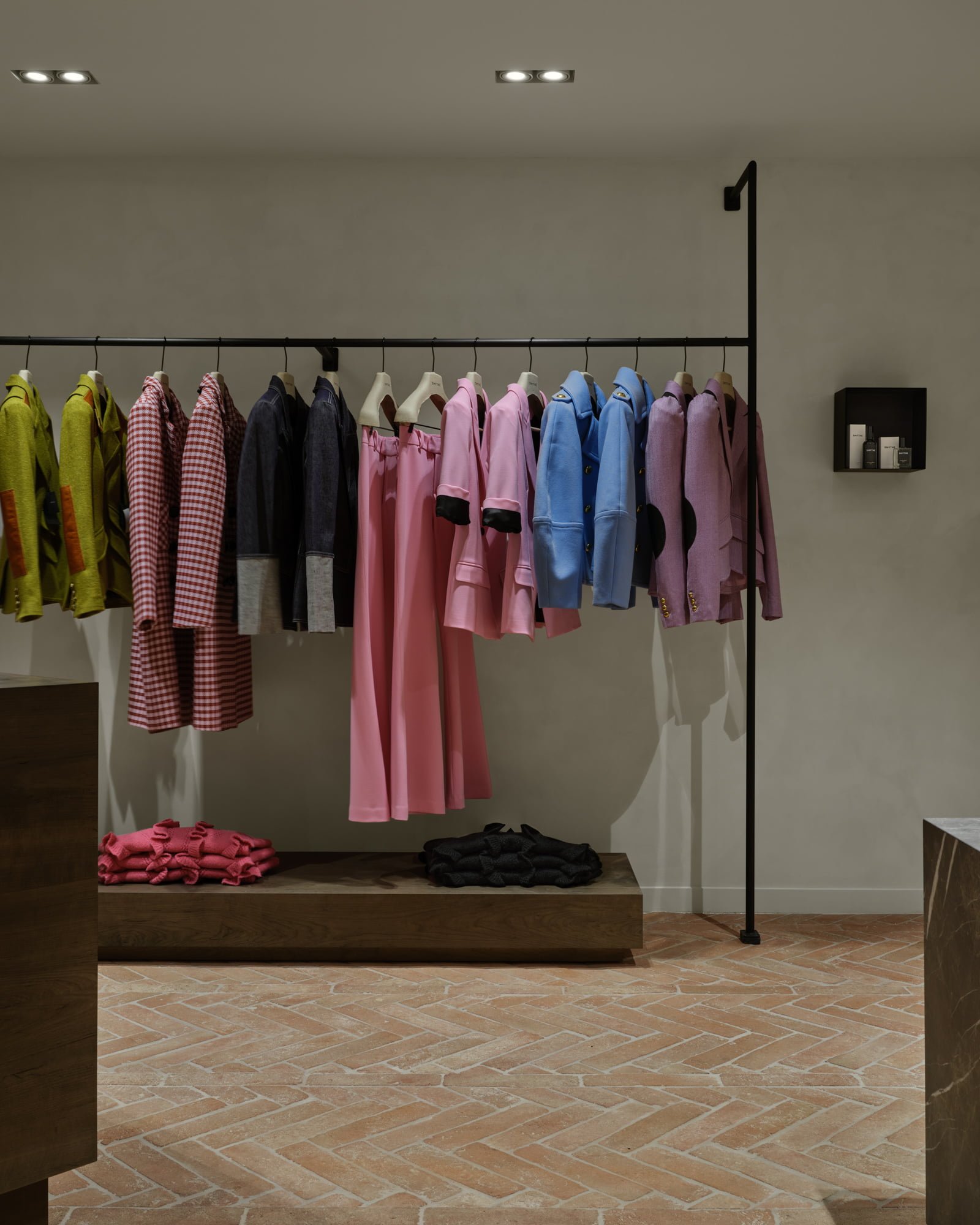
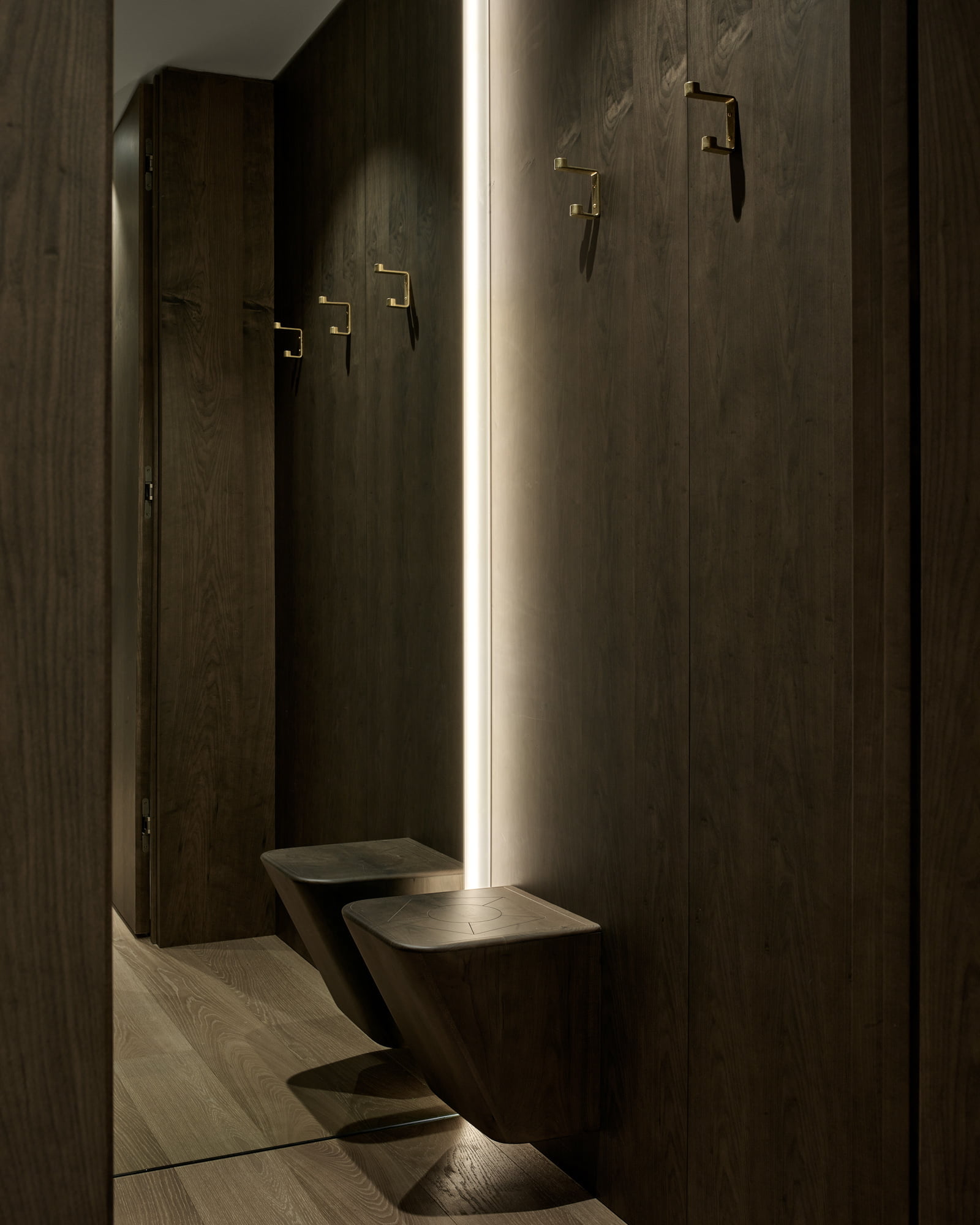
Upscale Toronto-based women’s fashion brand SMYTHE has opened its first standalone storefront in Toronto’s affluent Rosedale shopping area. The beautiful boutique space is an embodiment of the brand and more locations could open according to SMYTH’s co-founders.
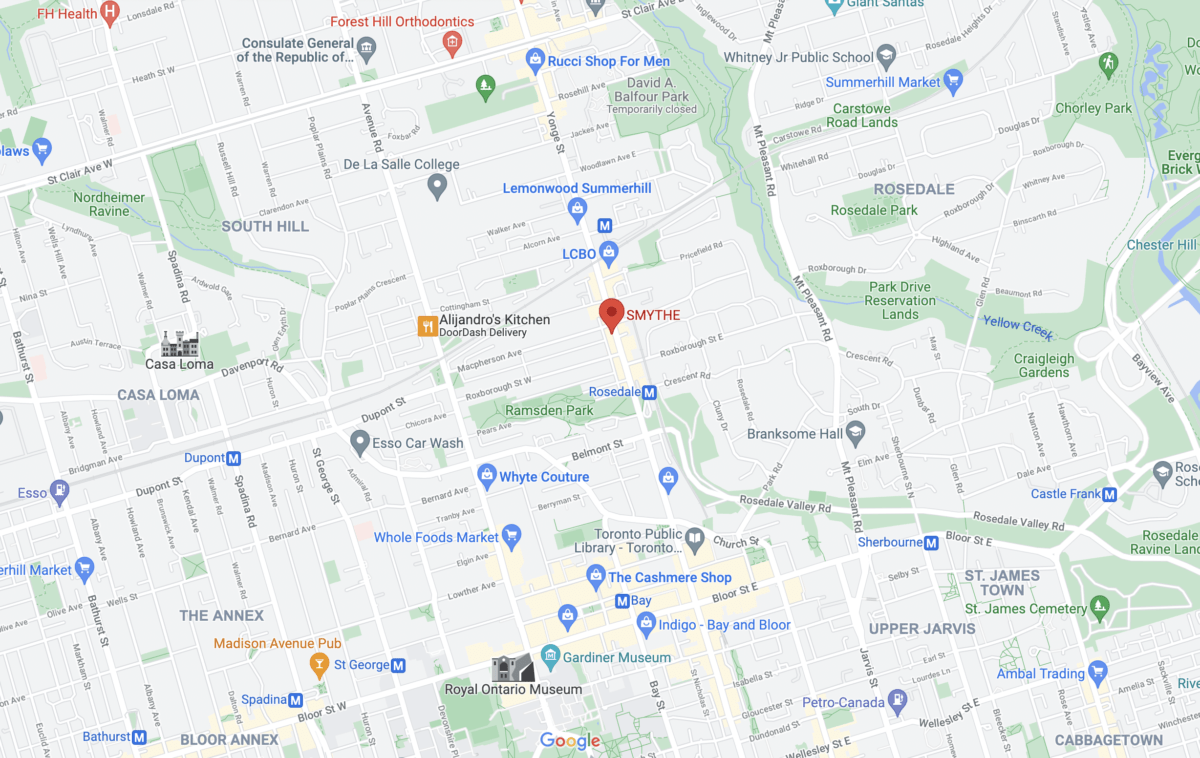
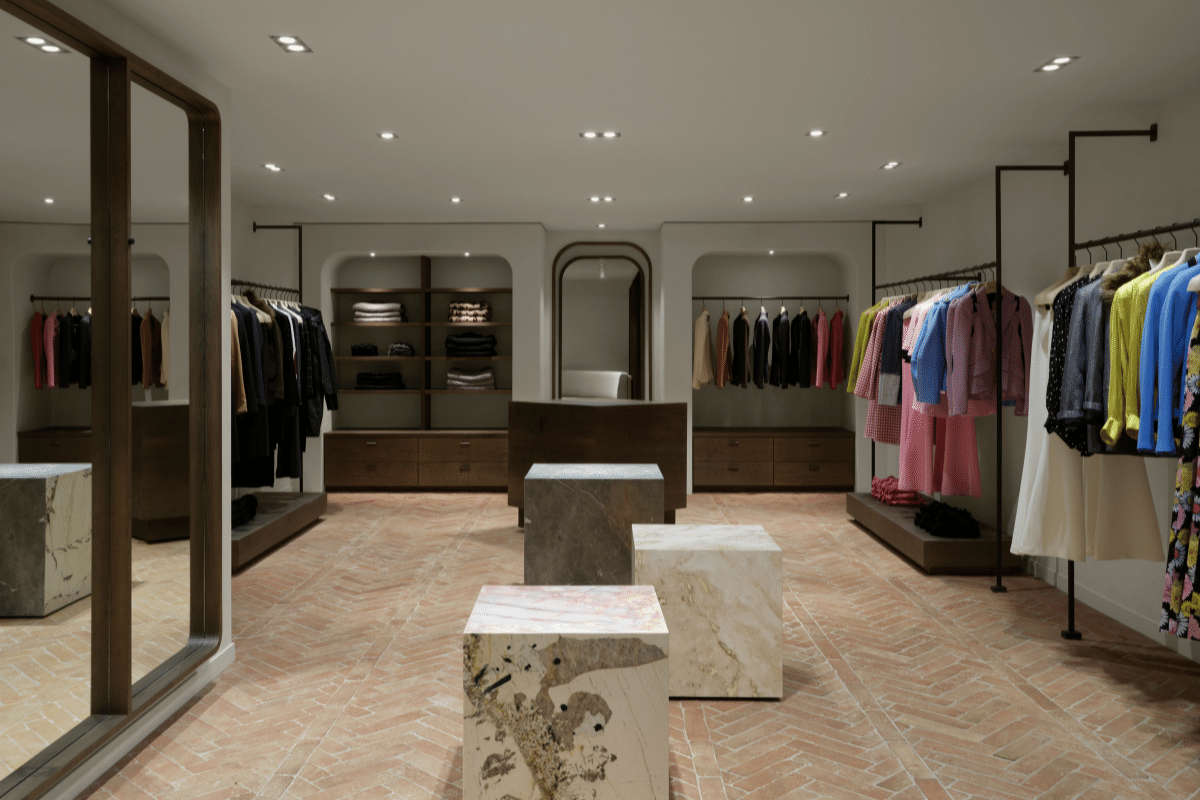
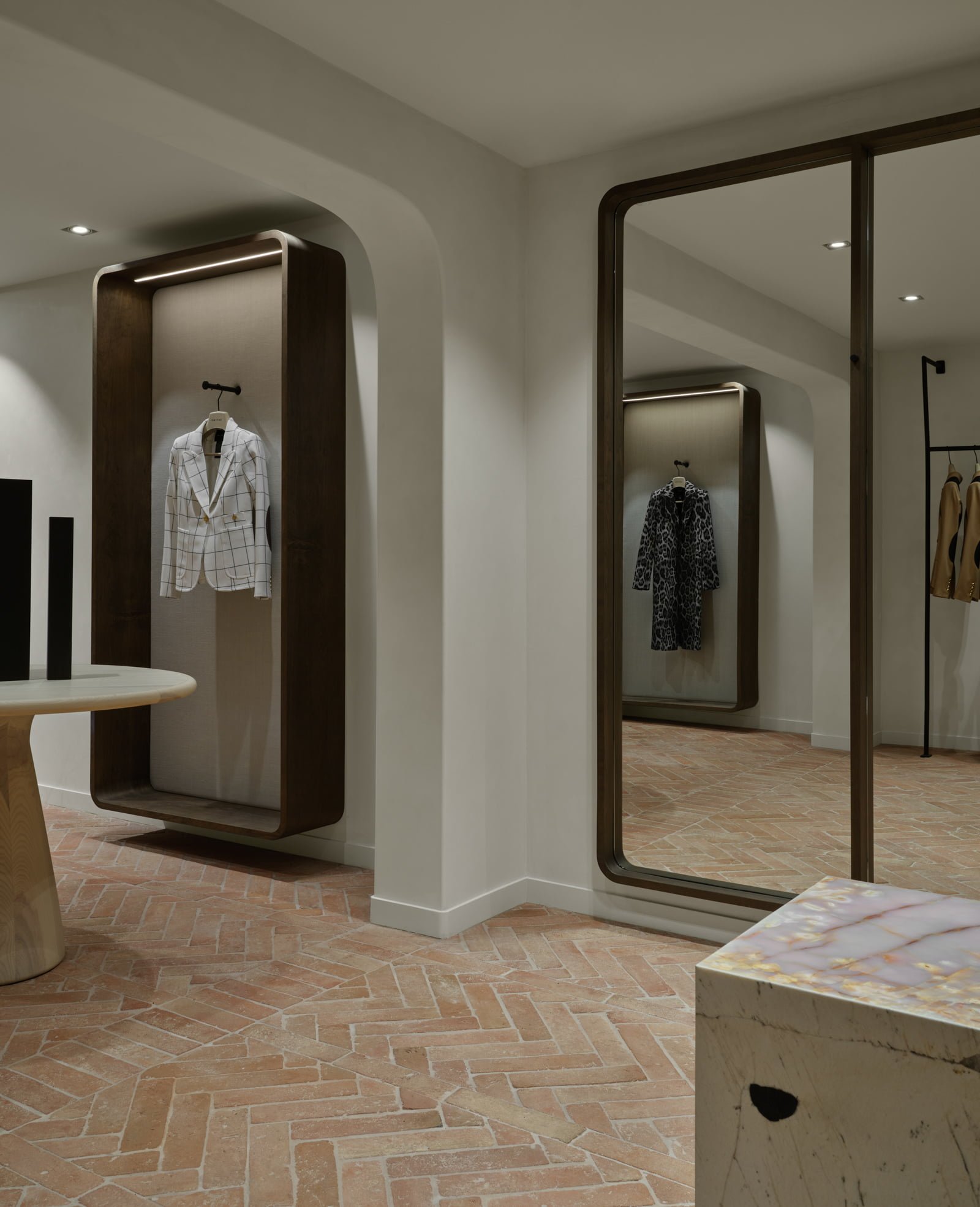
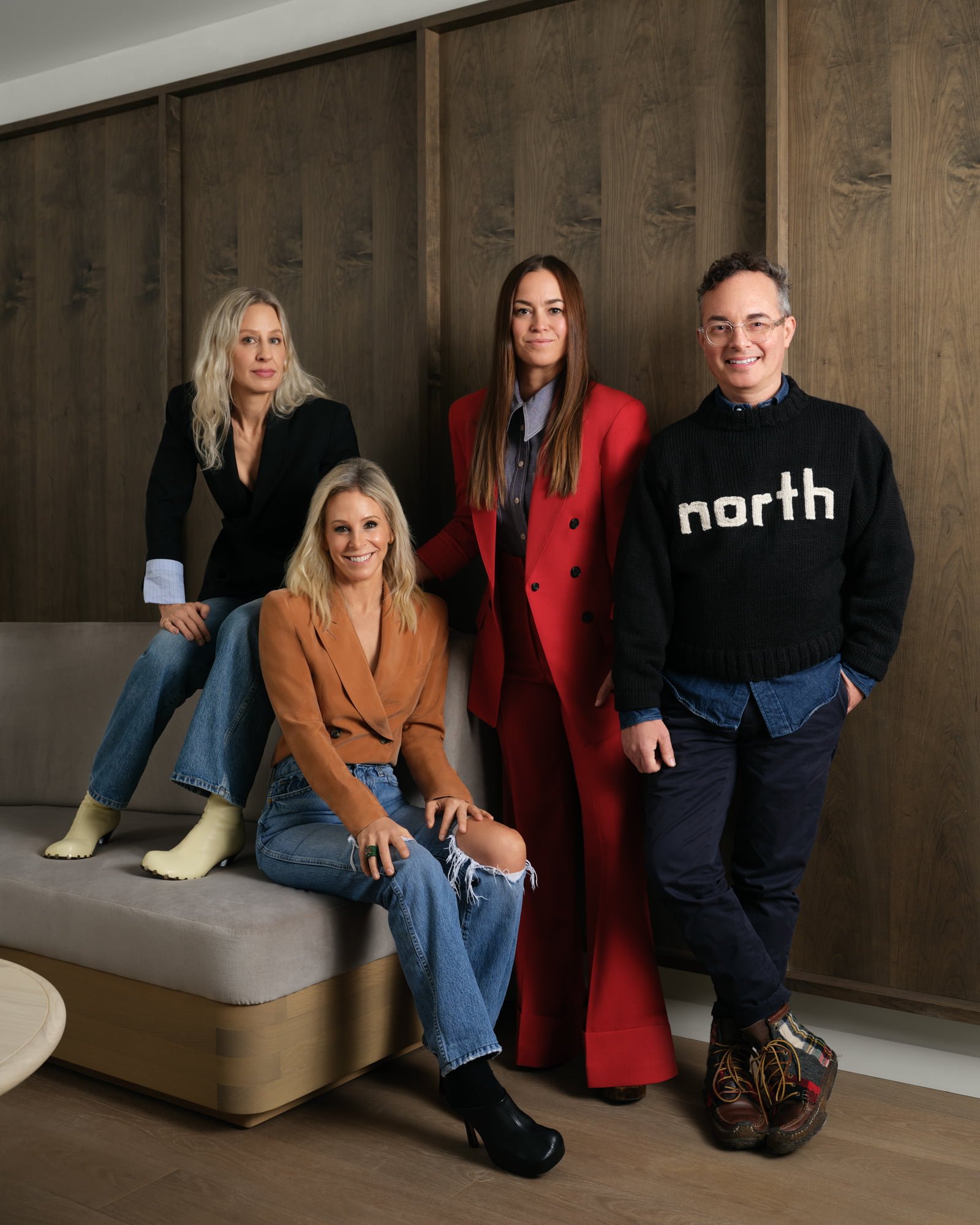
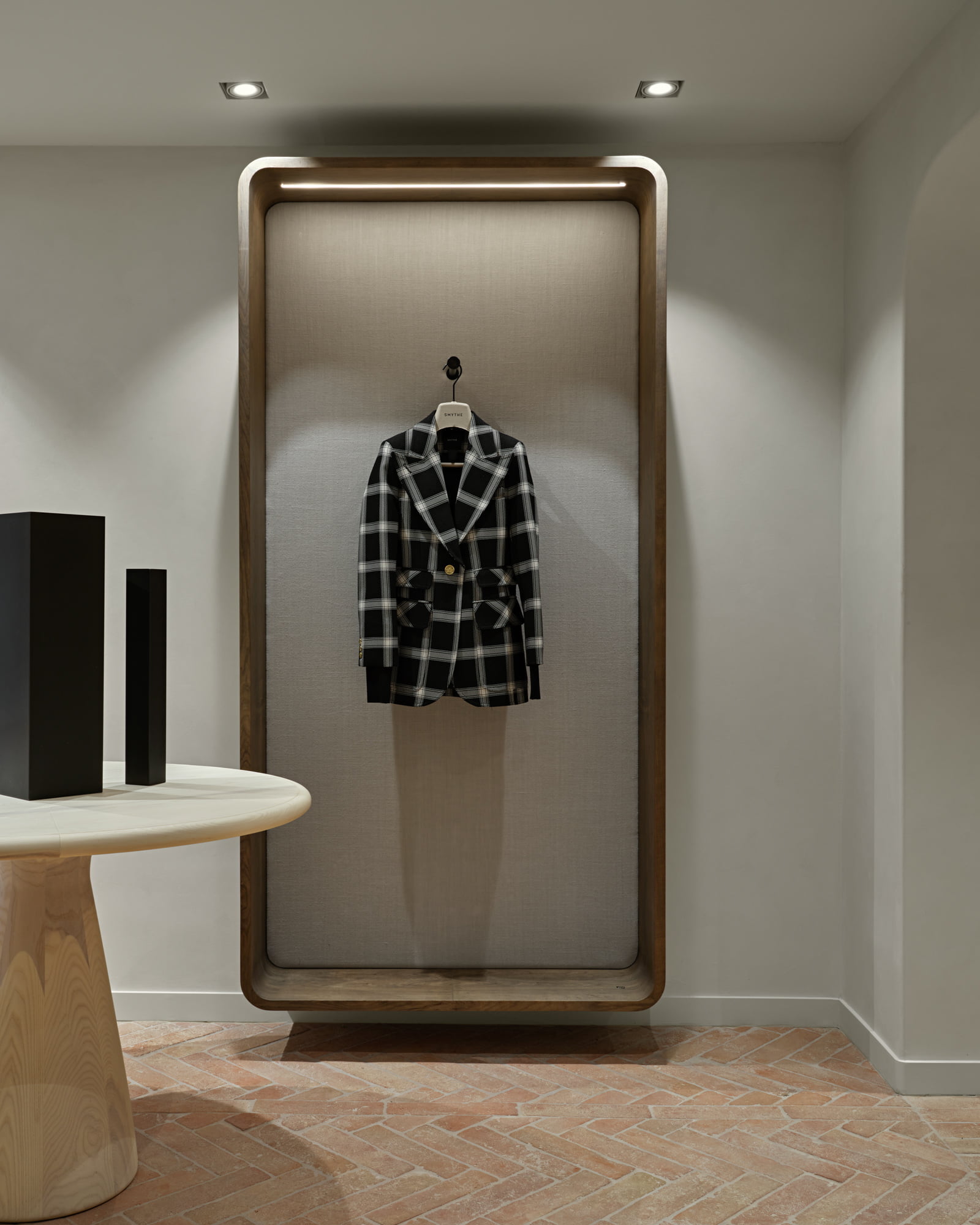
The new 1,250 square foot store is located at 1116 Yonge Street, replacing previous tenant Aesop. The new SMYTHE store features a front area housing fashions and a back area that acts as a private gathering place and flex area. The aesthetic for the store was developed in collaboration with interior designers, Ashley Botten (Ashley Botten Designs) and Tommy Smythe (TOM).
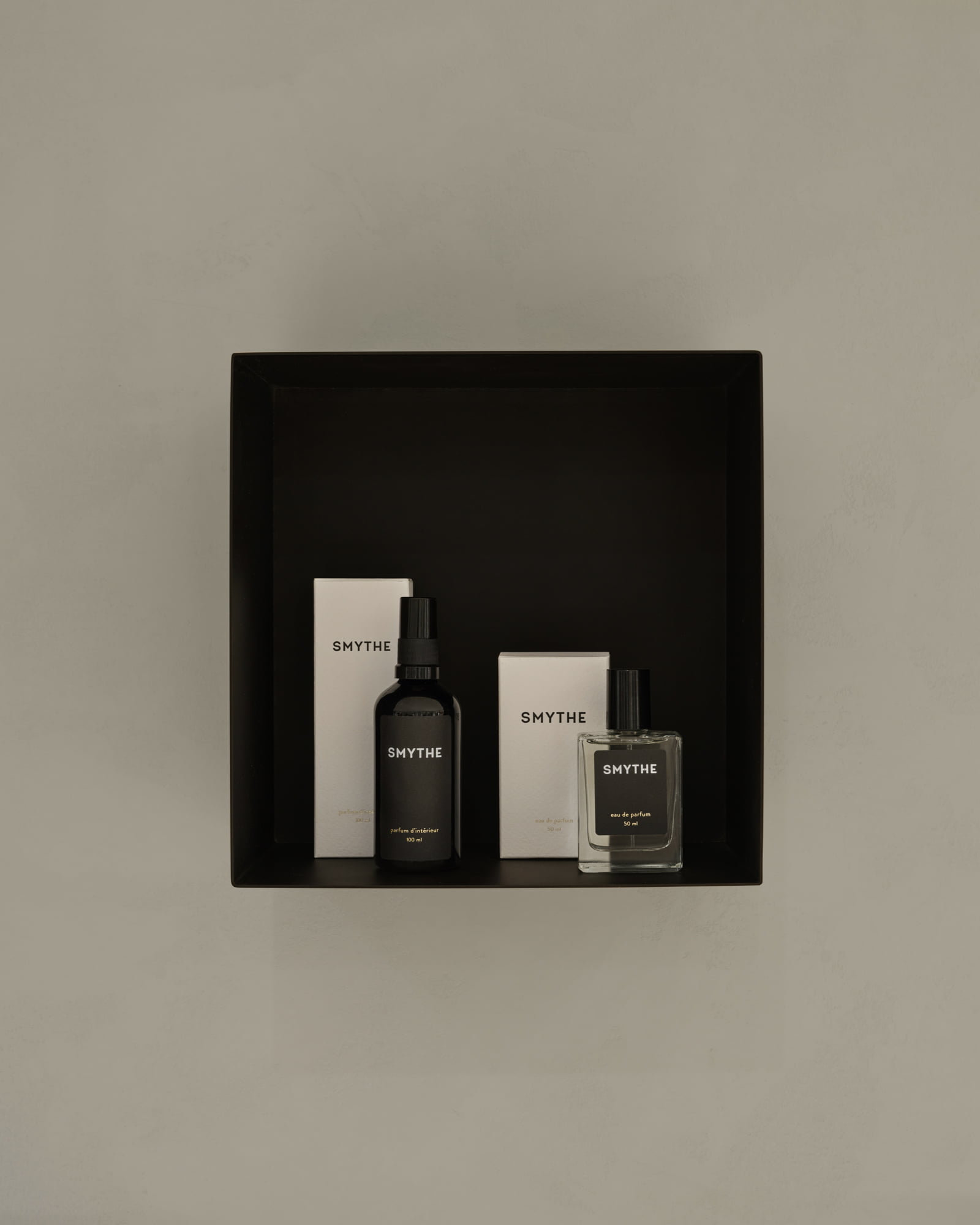
Andrea Lenczner and Christie Smythe founded the SMYTHE brand in 2004 with a goal of creating the perfect women’s tailored blazer. The brand now carries a range of women’s ready-to-wear items and the brand now also has a new fragrance in partnership with perfume brand Fueguia 1833.
Click image for interactive Google mapSMYTHE Toronto (Image: Patrick Biller)
SMYTHE Toronto (Image: Patrick Biller)
SMYTHE Toronto (Image: Patrick Biller)
The Toronto store is the only physical space to carry the brand’s capsule collection SMYTHEHOUSE, which is described as being a “collection of archetypal SMYTHE silhouettes reimagined in seasonless fabrics and colours.” The collection is also available online.
For years SMYTHE has had wholesale distribution in Canada as well as globally. According to co-founder Andrea Lenczner, opening a Toronto store allows SMYTHE to showcase its wares in its “purest” form while embodying the brand and getting face-to-face feedback from consumers. The store design and curated fashions within reflect SMYTHE’s brand DNA she said.
The store is located in a “community” rather than a busy shopping centre. The community feel is something that the duo decided was important for the launch of SMYTHE’s brick-and-mortar expansion.
SMYTHE Toronto (Image: Patrick Biller)
SMYTHE Toronto (Image: Patrick Biller)
SMYTHE Toronto (Image: Patrick Biller)
SMYTHE Toronto (Image: Patrick Biller)
The goal is to augment SMYTHE’s existing distribution which includes prestigious multi-brand retailers including Nordstrom, Holt Renfrew, Saks Fifth Avenue and Neiman Marcus.
More SMYTHE storefronts could open in Canada and beyond. Co-founder Christie Smythe noted that in Canada, the Calgary and Montreal markets sell well while in the United States, the New York City, Los Angeles and Nashville markets are showing significant promise and in the future, SMYTHE could look at opening standalone stores.
Aurora Realty Consultants represents SMYTHE under the direction of brokers Jeri Brodie and Jeff Berkowitz who are helping lead the store expansion with strategy and lease negotiations. According to Aurora’s website, the ideal SMYTHE storefront would be between 1,000-1,500 square feet and be located in upscale shopping areas near home furnishing retailers, fitness and cafés.
Eyewear retailer Clearly is expanding its presence in the competitive optical market in Canada with a handful of new stores in the near future and more to come later.
Arnaud Bussieres, the company’s CEO, said Clearly’s plan is to be the leader of vision care in Canada and continuing to grow from its existing store count of four stores in the country.
“The plan is probably to be between 12 and 15 stores within the next 24 months,” he said. “That would be a broader outlook of where we want to be.”
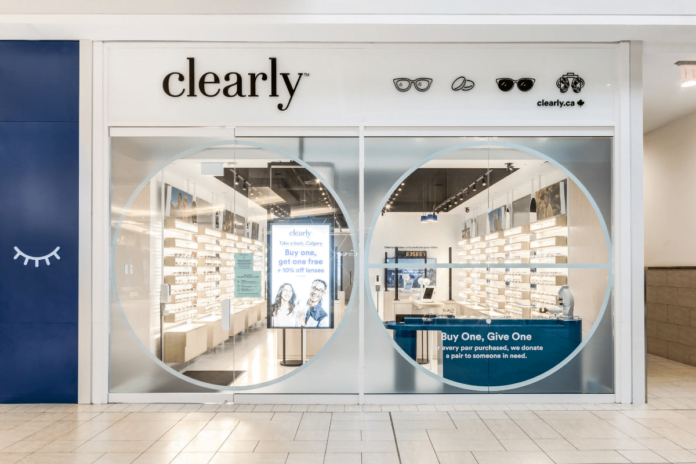
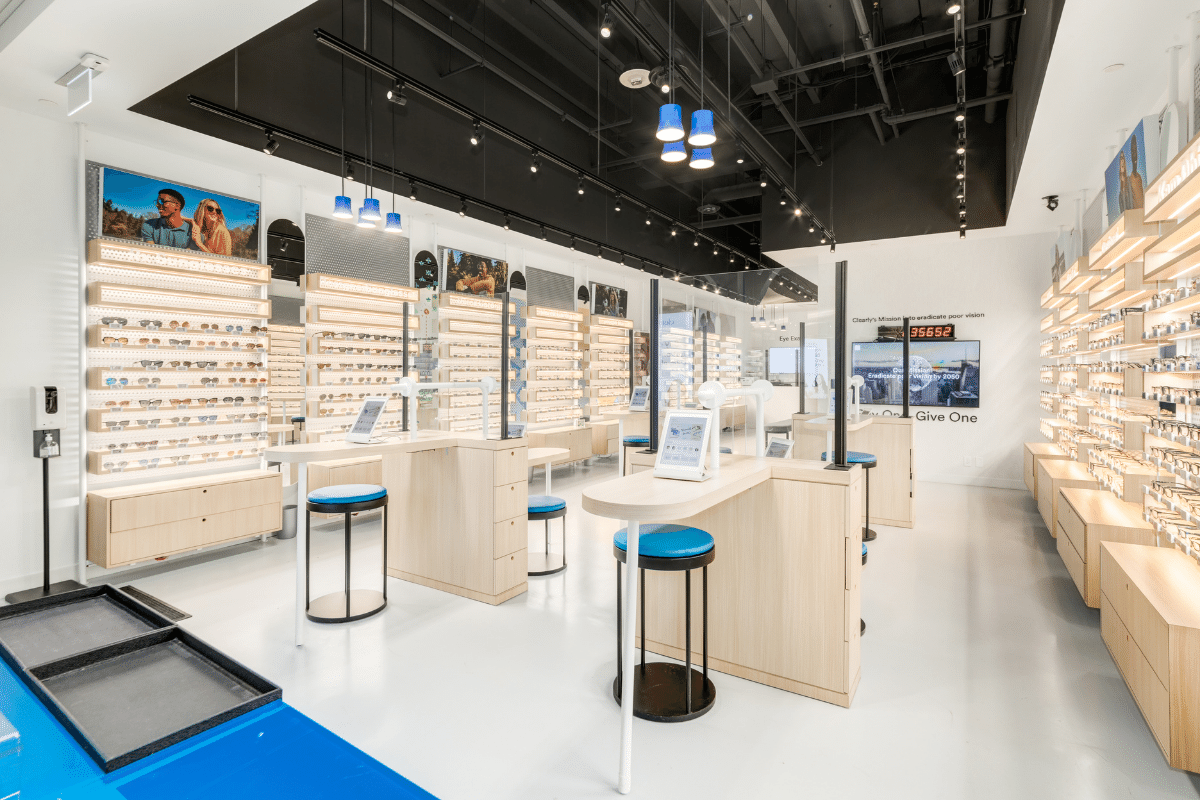
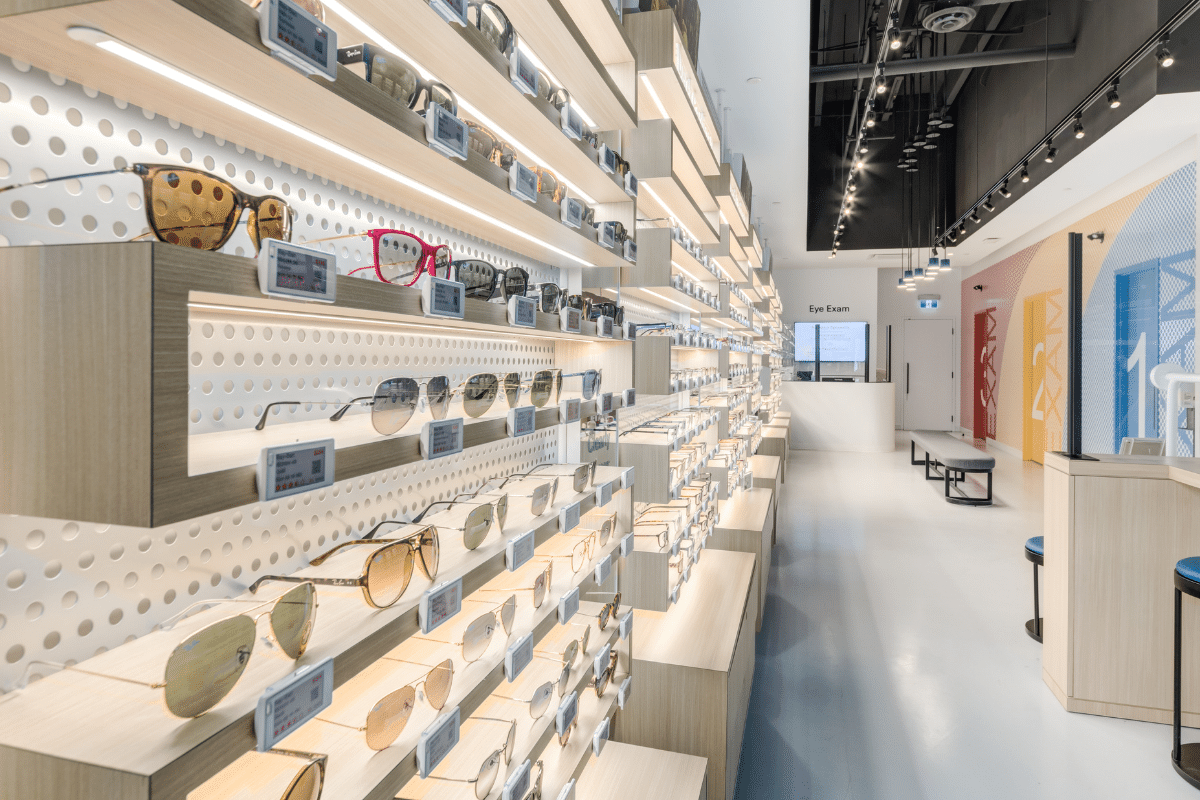
Clearly at CF Chinook Centre (Image: Clearly)
The parent company is EssilorLuxottica, originally from France and Italy, and a worldwide leader in the optical industry.
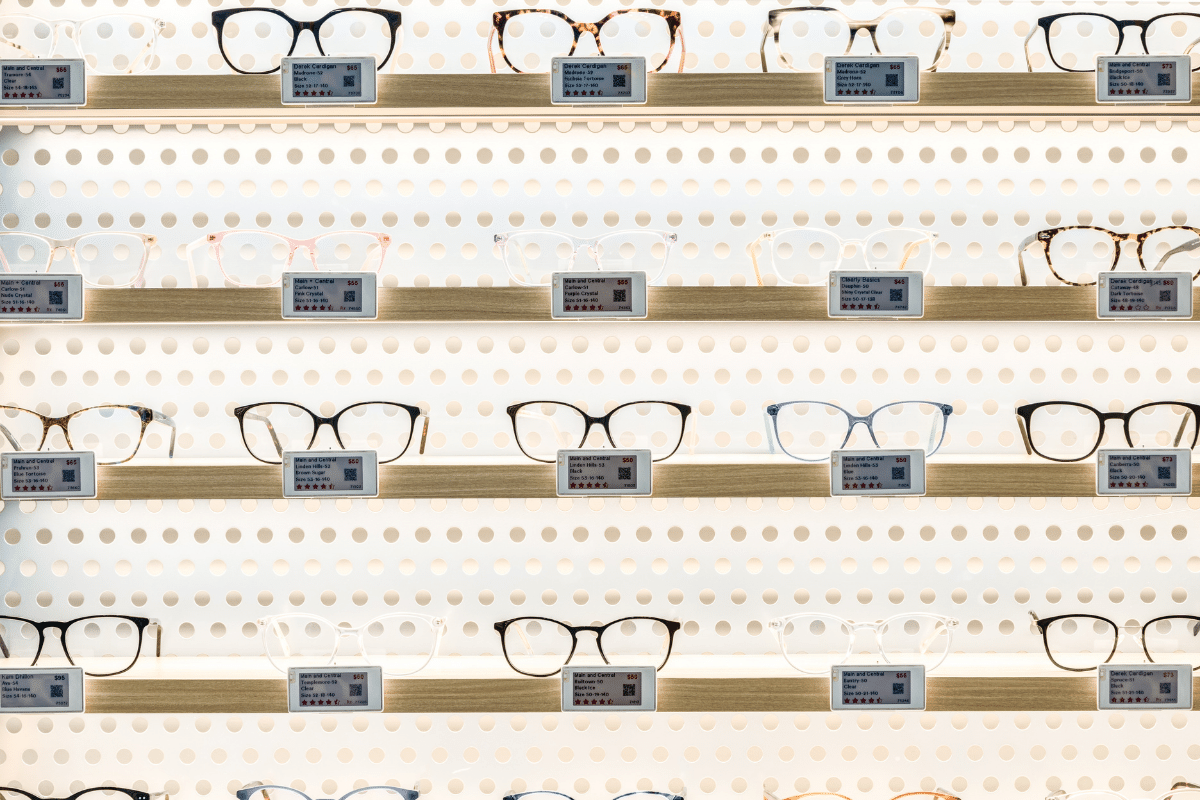
Clearly is a vision care company providing vision to consumers in Canada, the US, Australia and New Zealand. It sells contact lenses, eyeglasses and sunglasses online and in stores. The stores also have clinics for eye exams and the company also designs eyewear, carrying its own brands. The first Canadian store opened in 2013 in Vancouver.
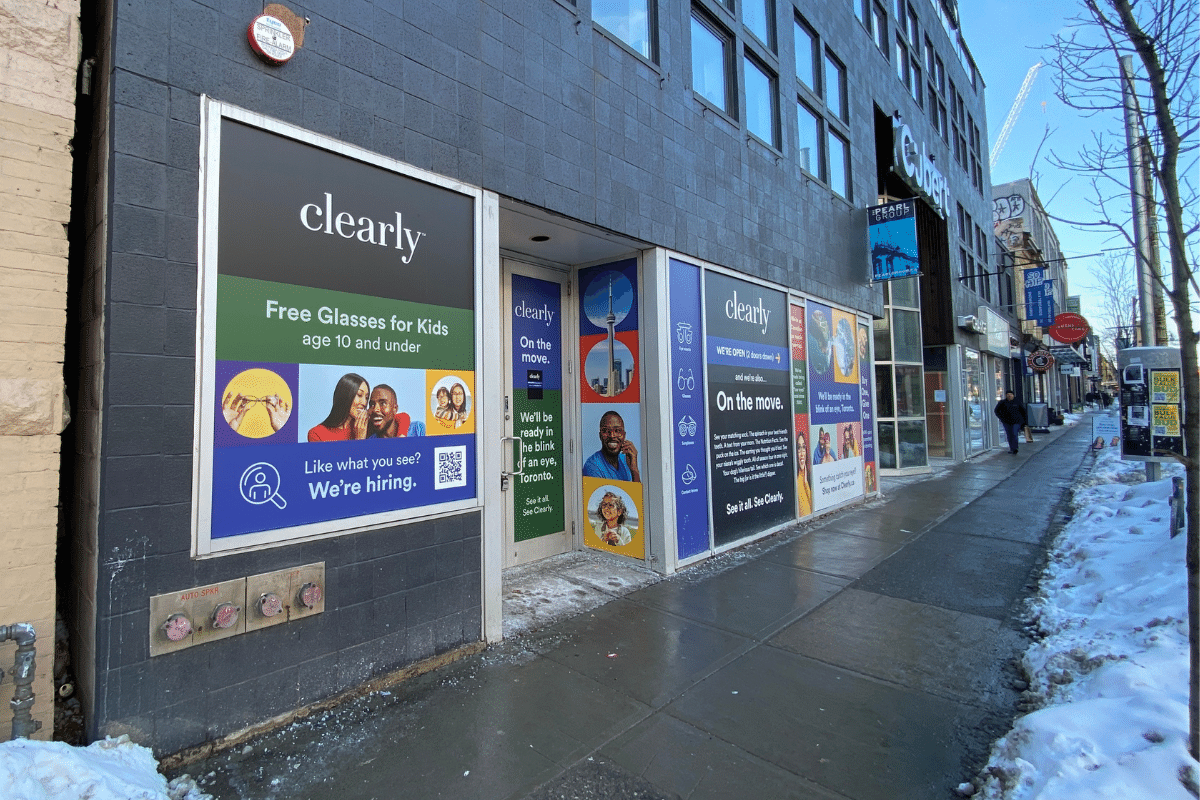
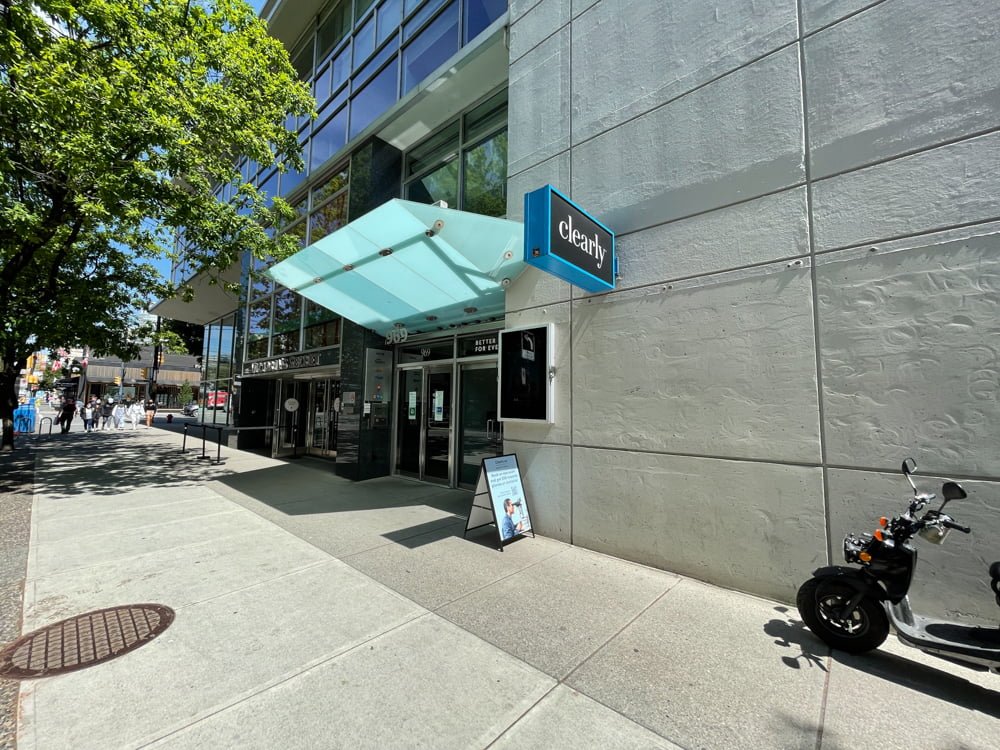
Currently, there are four stores in Canada – two in Vancouver on Robson Street and West 4th Avenue, one in Toronto on Queen Street, and one in Calgary at CF Chinook Centre. The Queen Street location is moving into a bigger location right next door to where it currently exists.
Clearly at CF Chinook Centre (Image: Clearly)
New stores are opening in Ottawa at CF Rideau Centre, in Edmonton at the West Edmonton Mall and in Mississauga at Square One Shopping Centre. Ottawa’s opening was delayed due to the trucker protest in downtown Ottawa. Edmonton and Mississauga locations should open by mid March.
“And we have plans to keep on expanding so that we have one showroom or one store in every large Canadian hub,” said Bussieres, adding that Quebec is on the company’s radar.
“When we think about locations, what we’re looking for is very large population hubs . . . and then we usually try to have one showroom or two maximum within one very large area. So that’s why in Vancouver for instance we have two and in the GTA (Greater Toronto Area) we’ll have two between Queen Street and Mississauga. We really try to be very close to large buckets of population.”
Future Clearly Location in Toronto on Queen Street (Image: Dustin Fuhs)
Clearly locations are typically between 1,200 and 1,300 square feet.
Bussieres said the optical market is fascinating because everyone needs correction or protection. It’s an ‘enormous’ consumer industry and there will be consumer needs.
“So the number of players to supply those needs to be honest is not so big. It’s competitive, yes, because there is a lot of noise (with international players such as Specsavers moving into the Canadian market),” he said. “But it’s just a very big market where everyone needs protection or some kind of correction.”
Clearly on Robson Street in Vancouver (June 2021). Photo: Lee Rivett. Clearly at CF Chinook Centre (Image: Clearly)
“There is a bit of lack of awareness about the Clearly brand. What people don’t know and what makes us different is we are the only ones to offer everything in terms of services and product at every single price point. For instance we sell eyeglasses that start at $9. These are in Canada from a company that is Canadian, headquartered in Vancouver. Most of our competitors that do that they’re all based in China or overseas. So we’ve decided to stay here to create employment for Canada and to really double down on our Canadian roots,” said Bussieres.
He also said the company’s mission is to eliminate poor vision as about 2.5 billion people worldwide don’t see properly. They don’t see properly because they either can’t access a doctor or a point of sale where they buy prescription glasses or they can’t afford eyewear.
Bussieres said 2.2 million Canadians suffer from the same problem for the same reasons.
“And so Clearly everything we do is to tackle one of those barriers which are access, affordability or awareness,” he said.
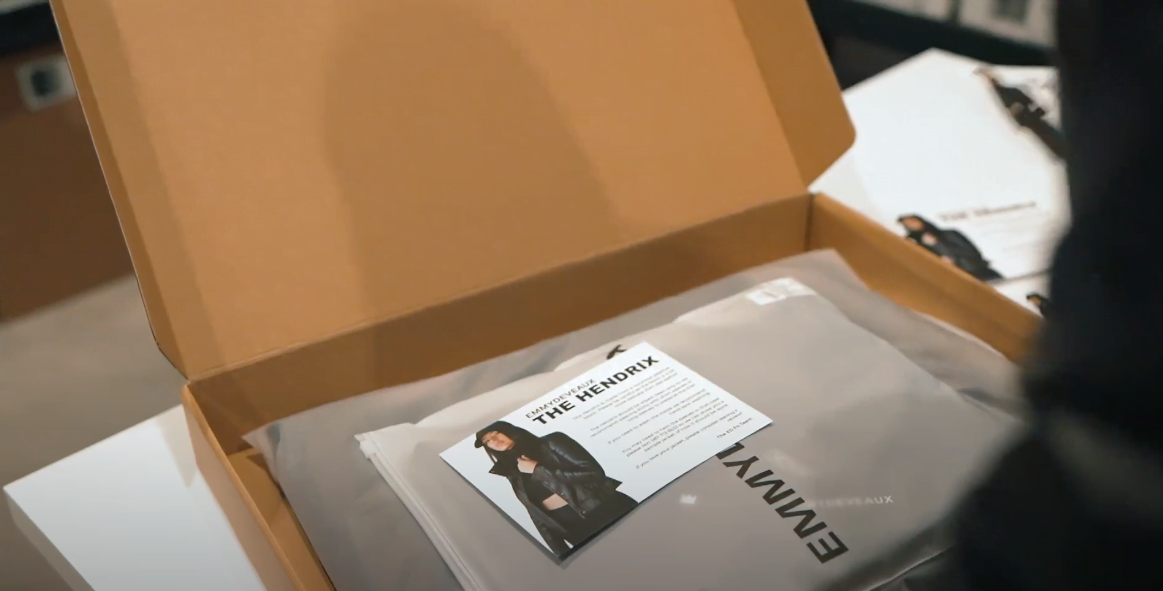
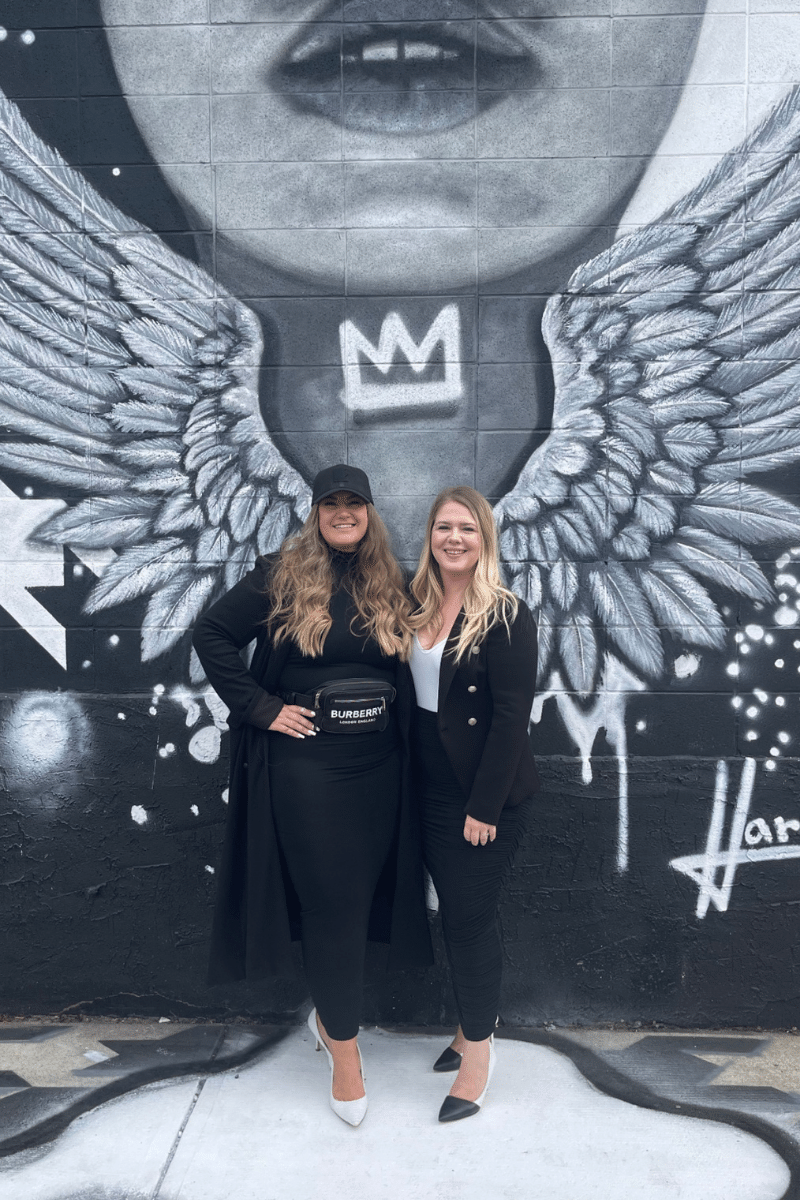
Edmonton-based fashion brand EMMYDEVEAUX has launched a new warehouse within the Edmonton International Airport‘s Sustainability Campus to enhance the company’s distribution network as the brand transitions to be a completely online business.
“We are in the process of moving to 100 per cent online,” said Emily Salsbury, owner and founder of EMMYDEVEAUX.
The brand had a showroom by appointment only in Edmonton for the past three years.
“With everything that’s been going on, the store took up 80 per cent of our efforts and only generated 20 per cent of our sales, whereas our fulfillment and shipping space makes up 80 per cent of our revenue and 20 per cent of our efforts because we’ve got such good logistic systems and partners,” she said.
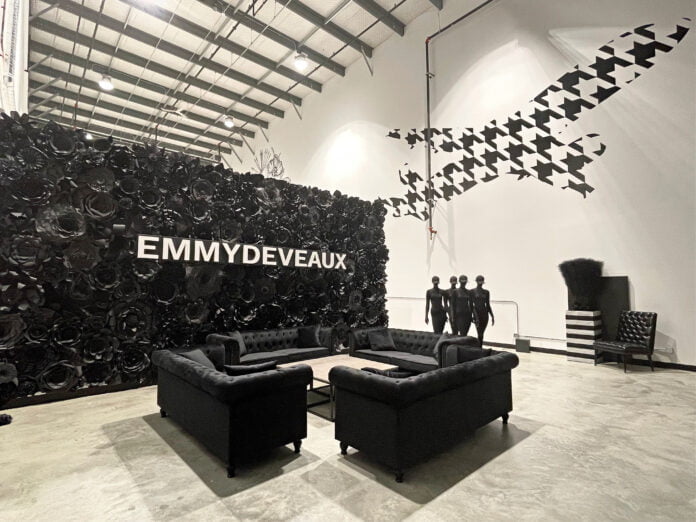
Image: EMMYDEVEAUX
“So when we were looking at the new year in 2022 it’s like are we going to keep this store that is challenging to keep it running, to keep the inventory stocked from the warehouse, when in reality it’s almost like a true showroom where our customers, they try on clothes to figure out what size they are and then they shop online thereafter. We have next day shipping in Edmonton, we have next day shipping in Calgary, we have two day shipping to Toronto.
“The customer confidence is so high with our brand and because of how the products are designed, their size, consistency, the return rate for our products is less than three per cent. In apparel, it’s usually 40 to 50 per cent. We’re sitting so low.”
The retailer’s new warehouse is located between air cargo shipping partners and Canada customs inside the Edmonton International Airport Sustainability Campus.
“We bring everything in on planes and we actually ship out to our customers on planes as well. That is a really unique offering but we’re just in a pilot program with a certain partner to do that and it’s been wildly successful in terms of getting our products on airplanes to Toronto same day and having that delivery last-mile driver getting it out to them the next day,” she said. “It’s really shortened our time as well as when BC was having a variety of issues, it actually completely didn’t affect us because we weren’t dealing with ground shipping. We’re dealing with air providers. We’re flying into all these different places.
Image: EMMYDEVEAUX
Image: EMMYDEVEAUX
“What I love about the industry now is the amount of people and companies that are investing in the logistics space and being a brand like ours with a history, and my history of consulting, helps us to capitalize on those strategic partnerships and helps us to pilot these programs that haven’t even been announced yet.”
The airport warehouse space is just over 4,200 square feet.
Recently, the EMMYDEVEAUX brand also launched into the men’s area with a couple of products to test out if it will resonate with that demographic.
“Are they going to like the fabrics? We’re super new to the men’s industry but if we can do it the way that we’ve done women’s it will be really, really successful with the male customer which I think it will because they’ve never experienced what it’s like to have an extremely well fitting sport coat that’s made from stretch,” said Salsbury.
“I think men every year have less and less places to shop. I’m really going to put my best foot forward and really see what I can create and so far so good. People are loving the products.”
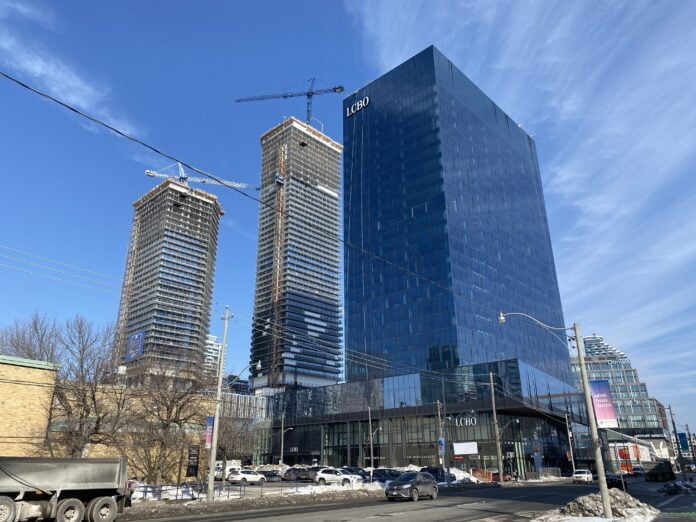
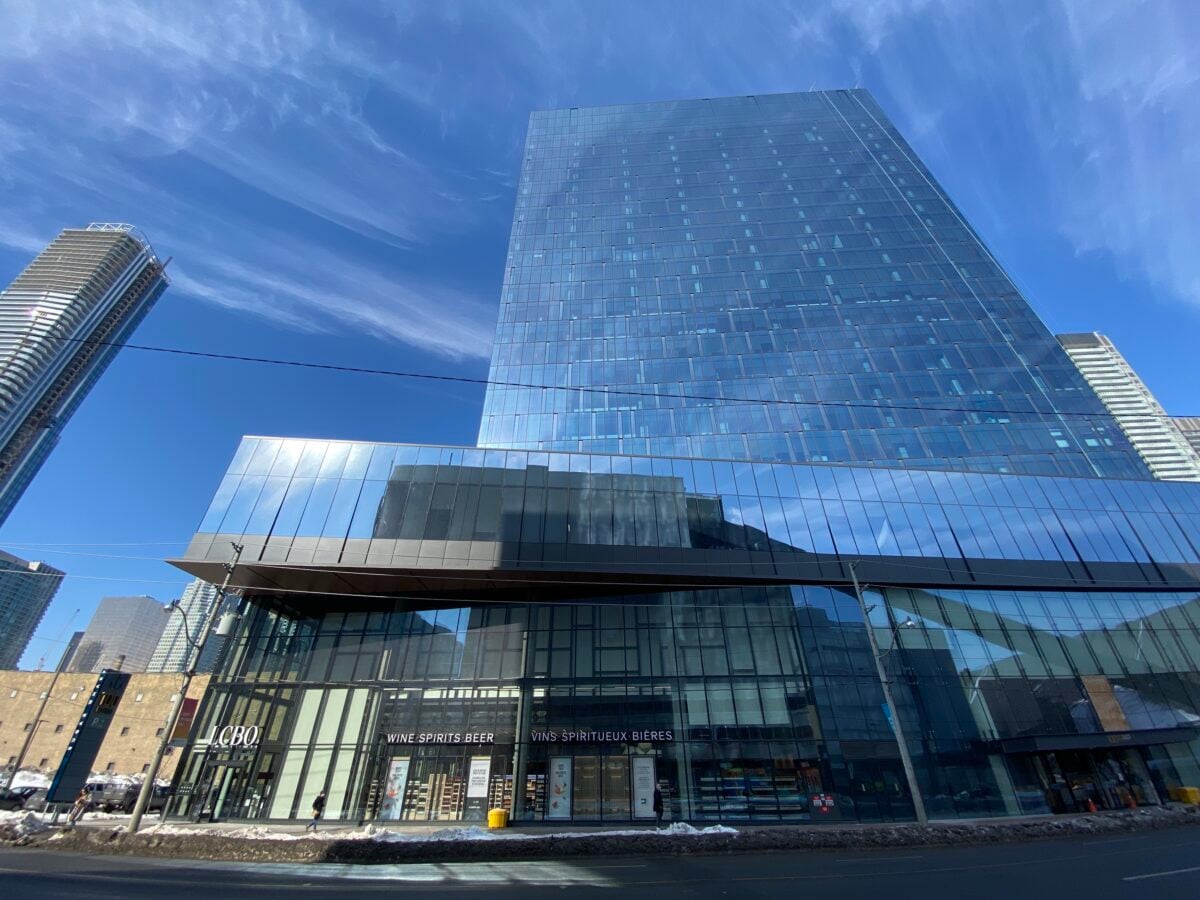
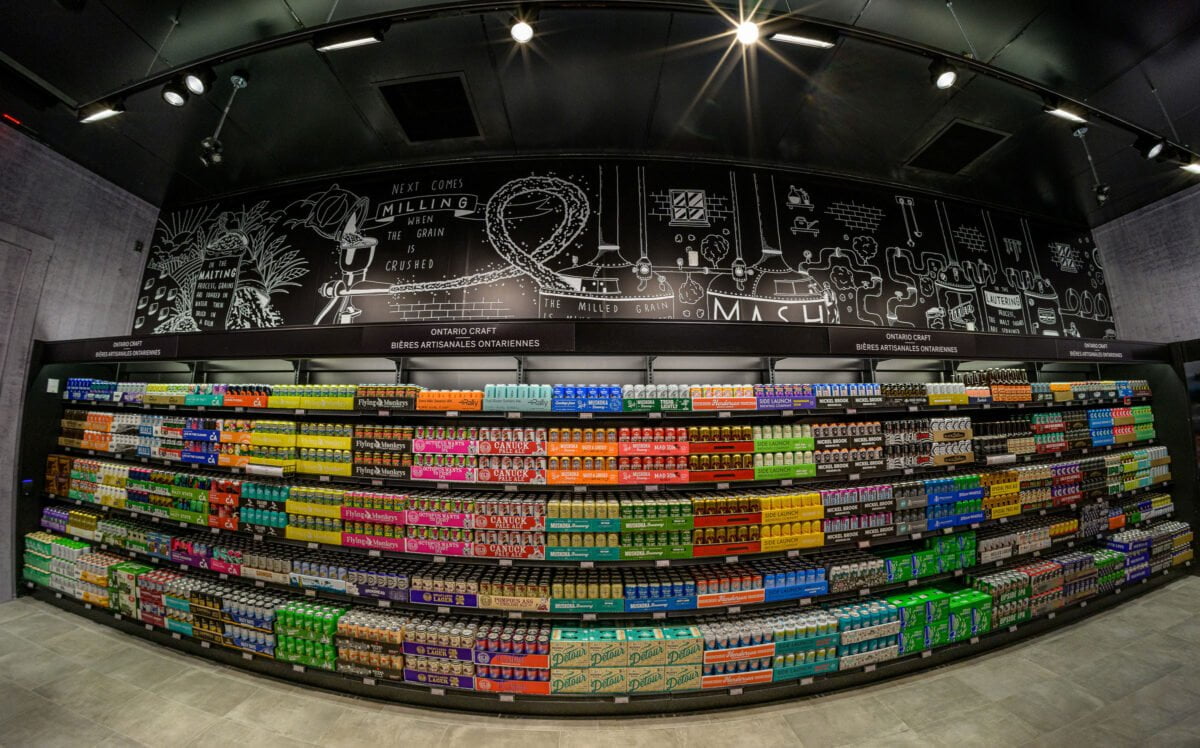
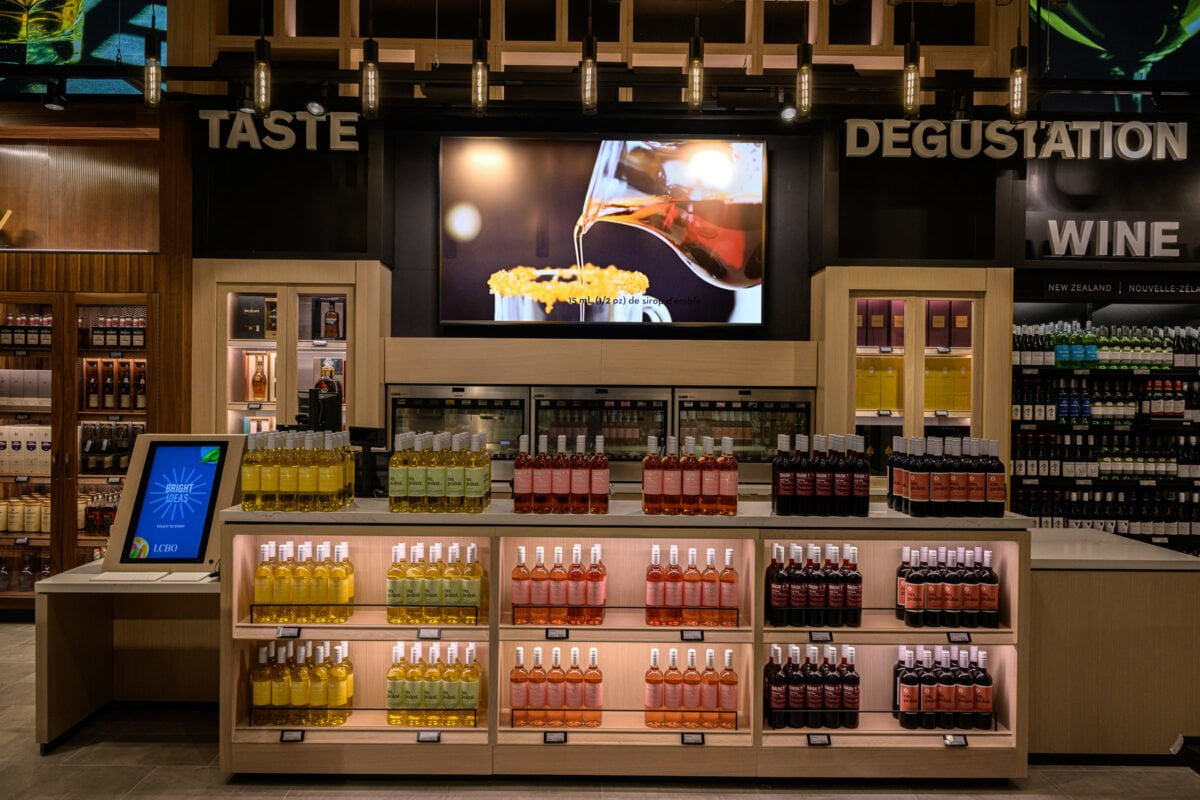
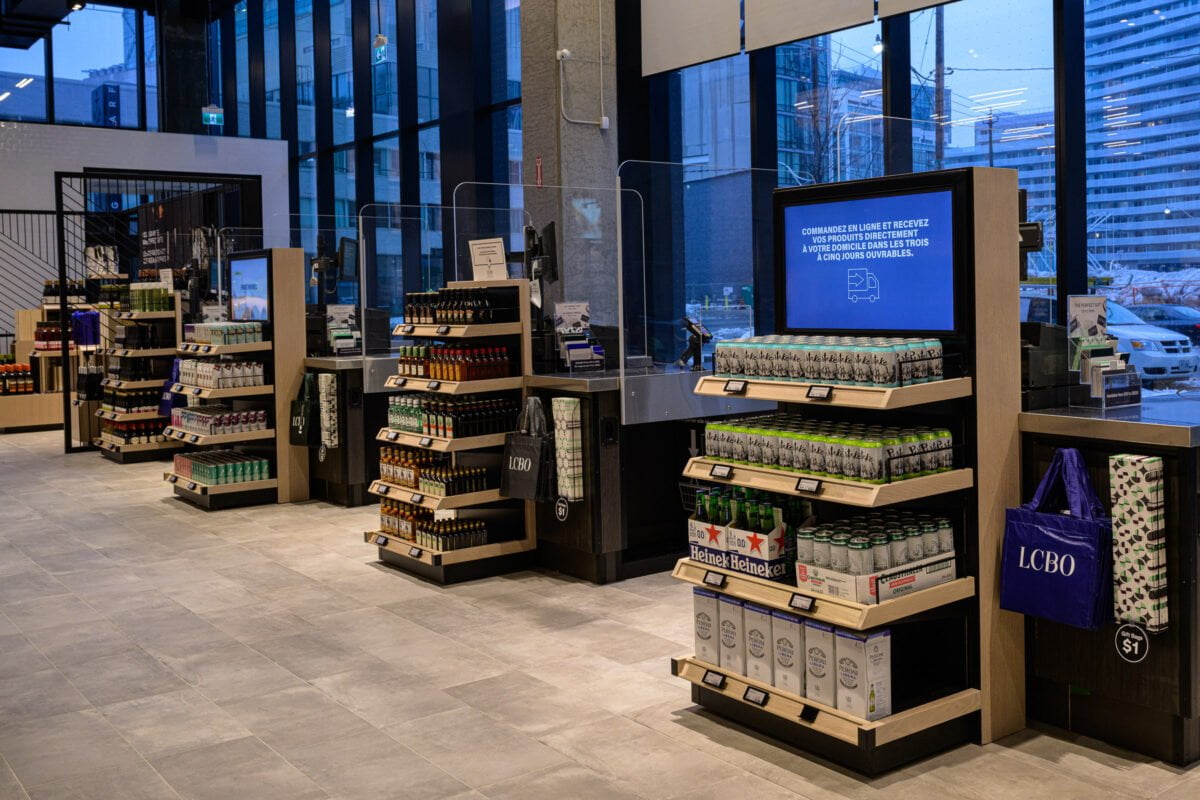
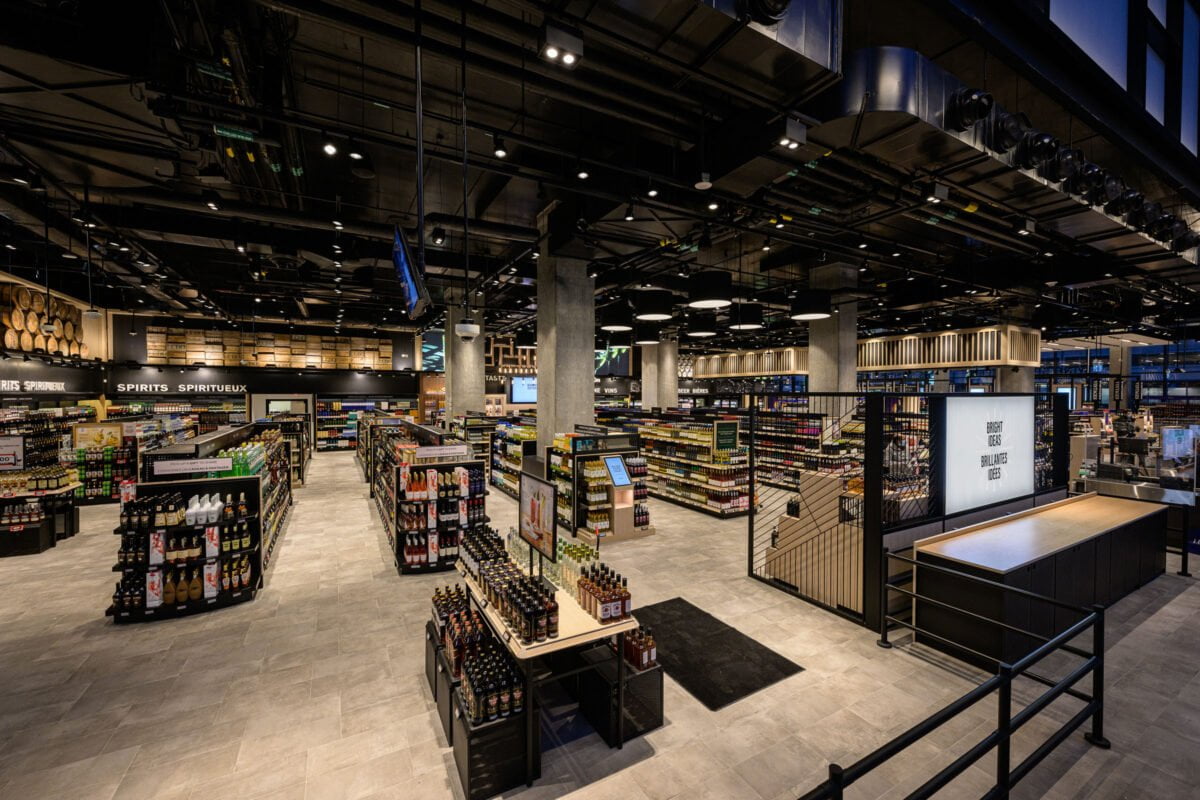
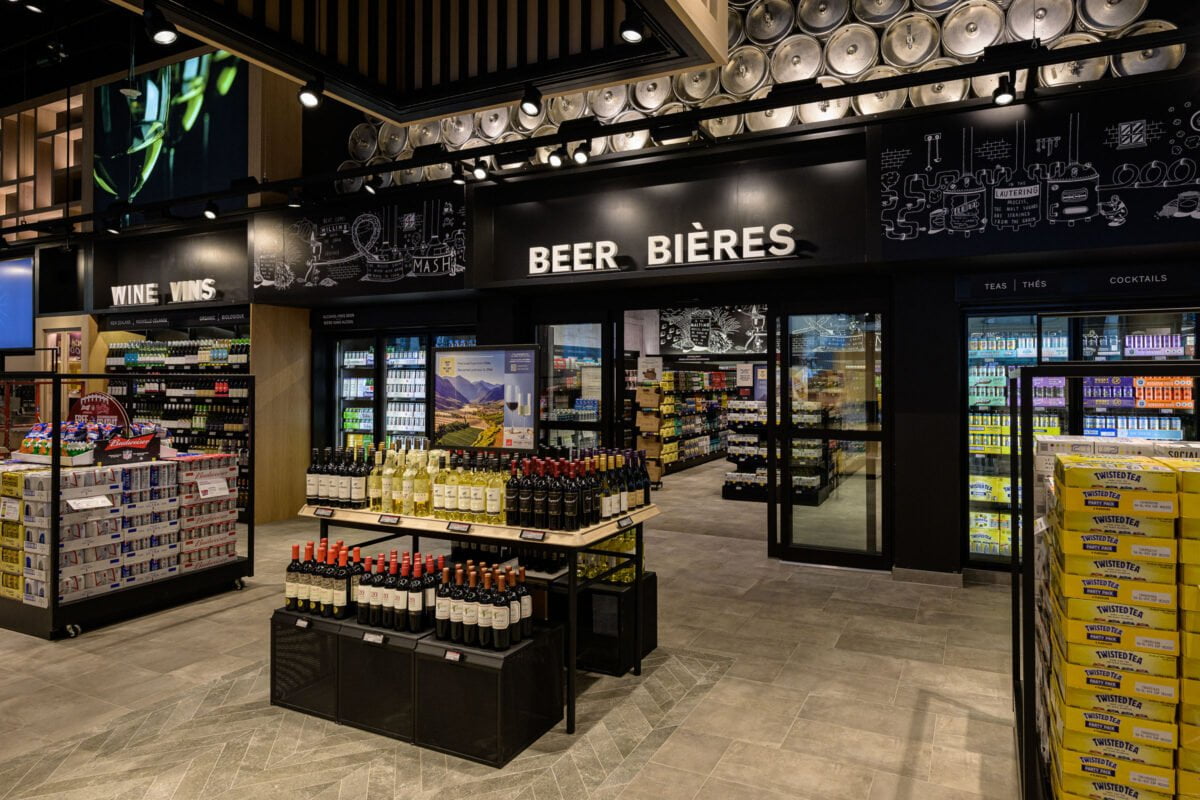
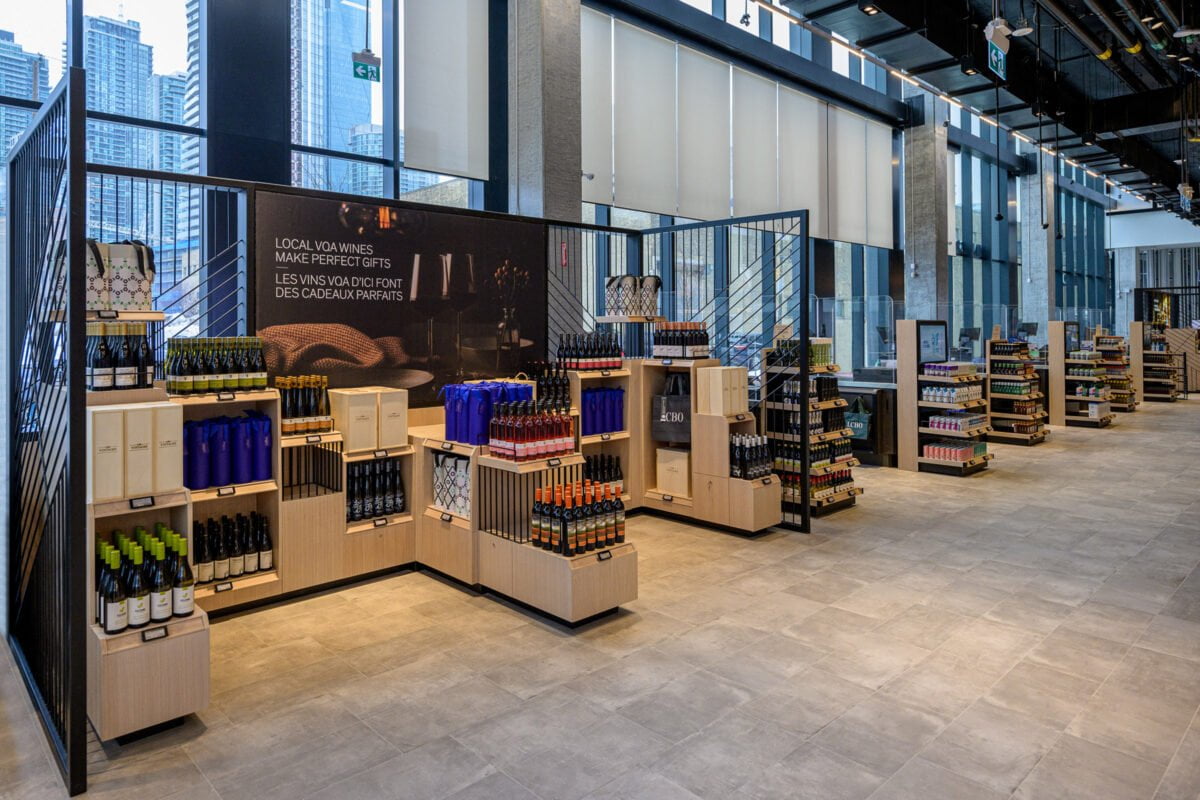
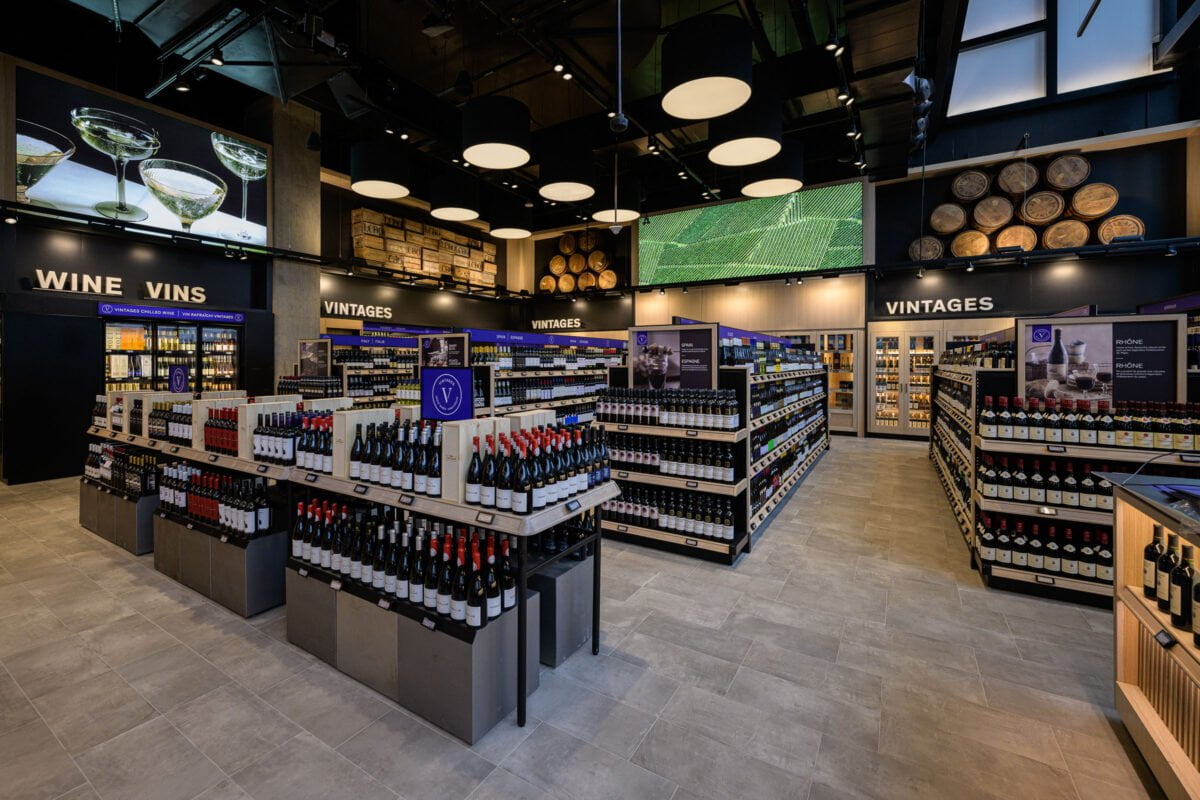
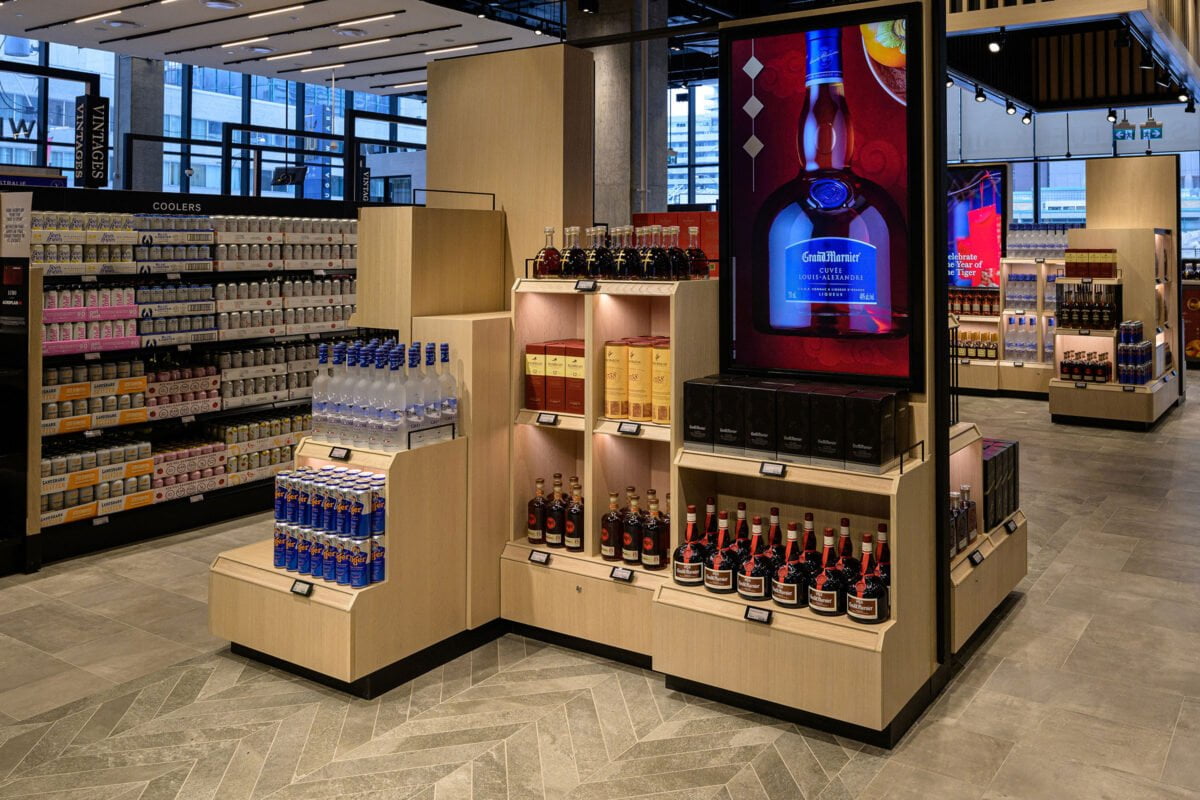
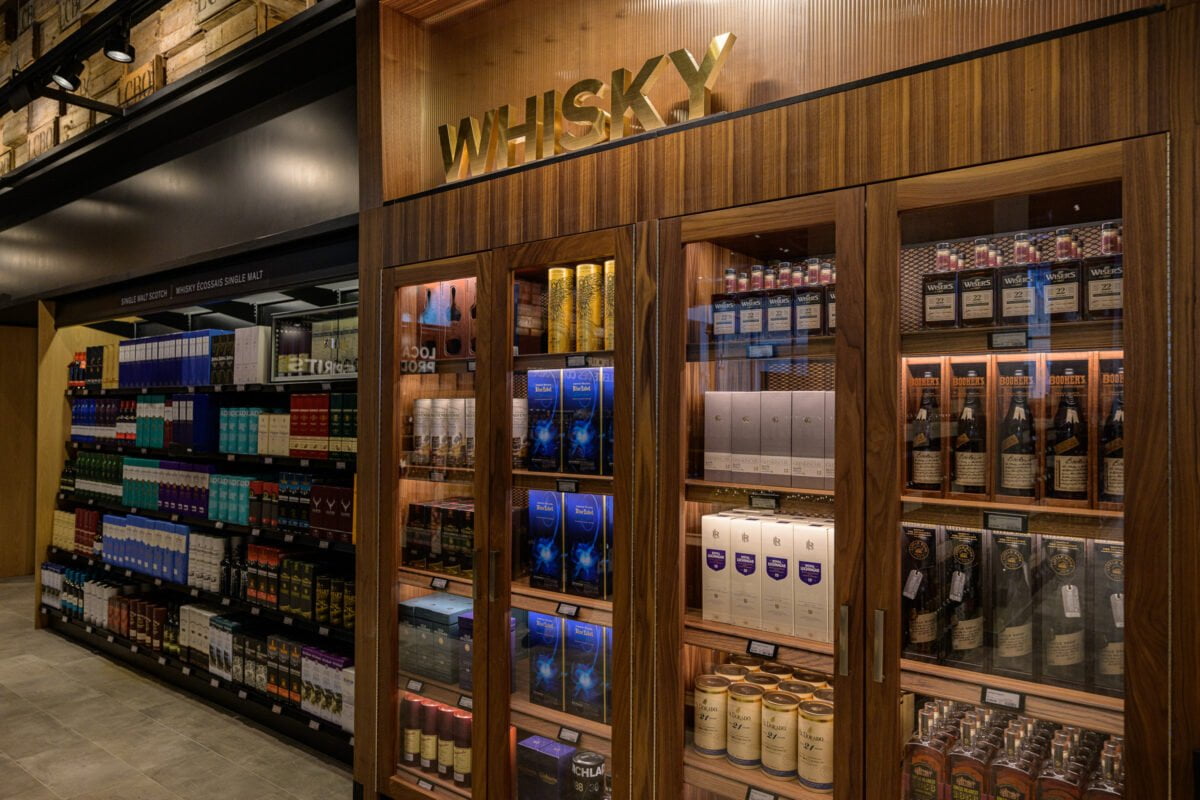
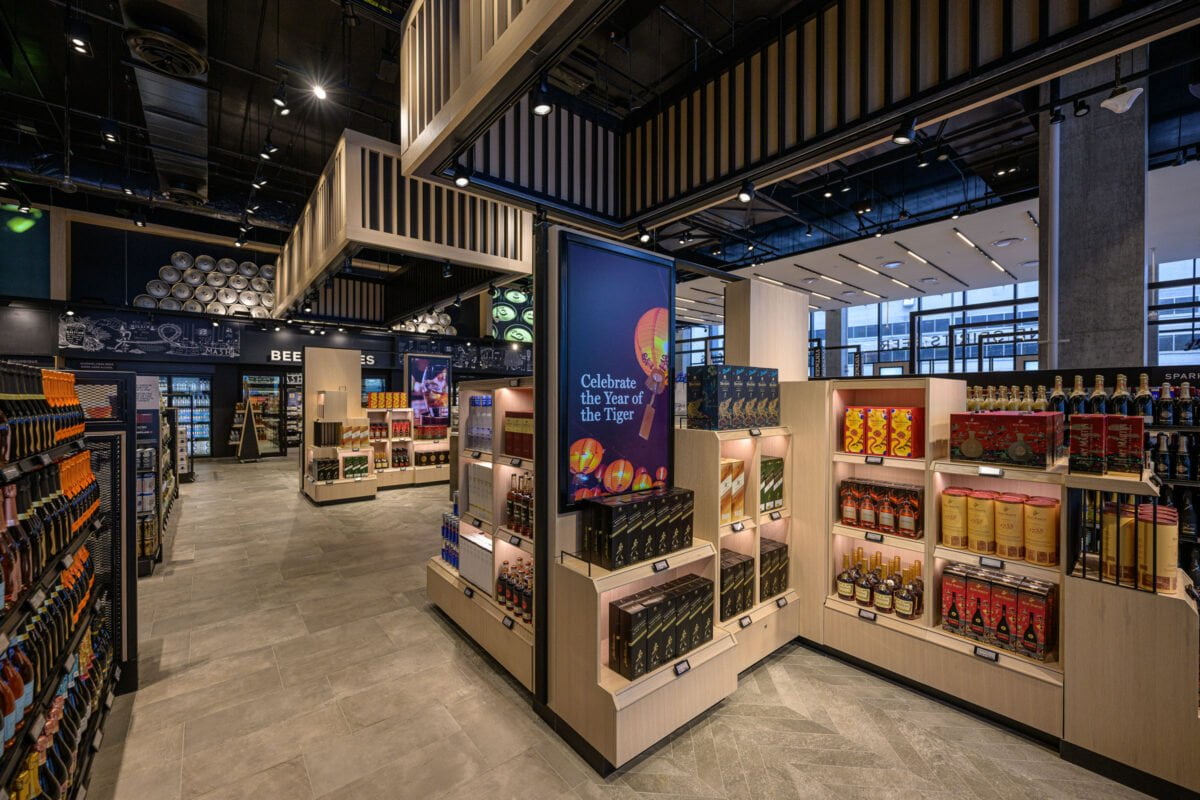
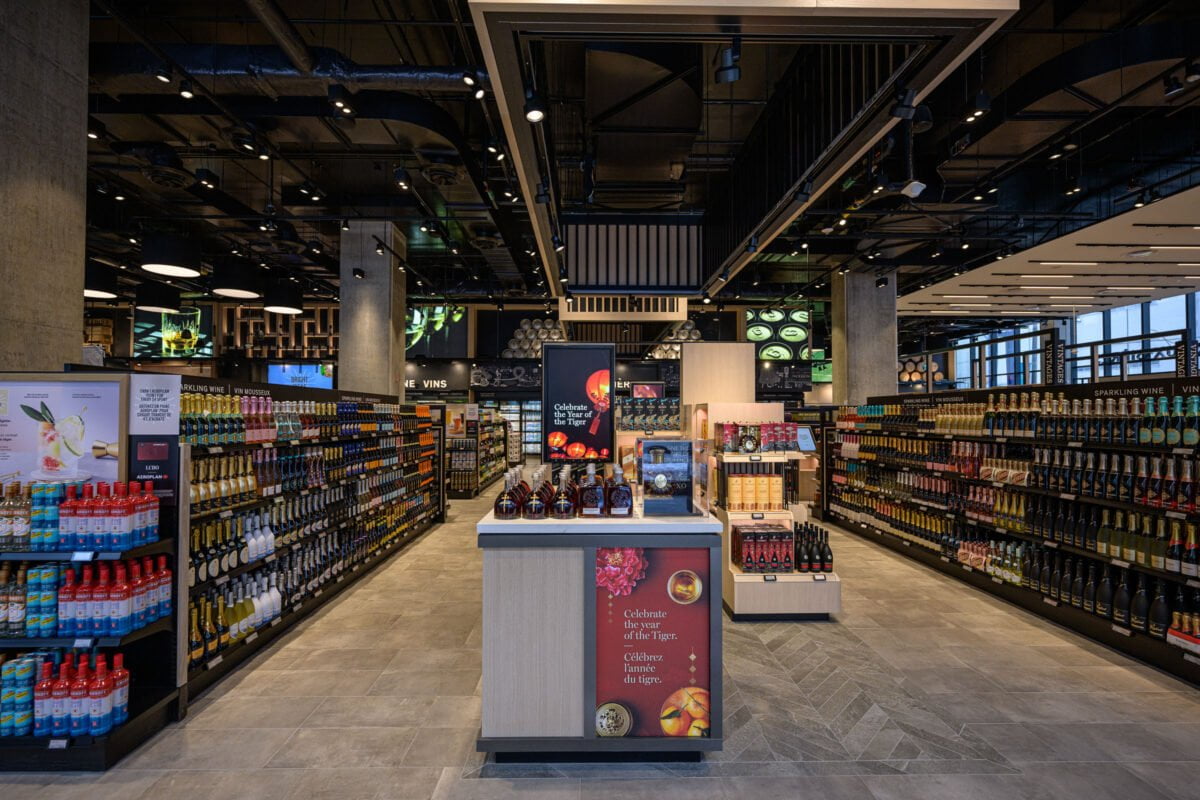
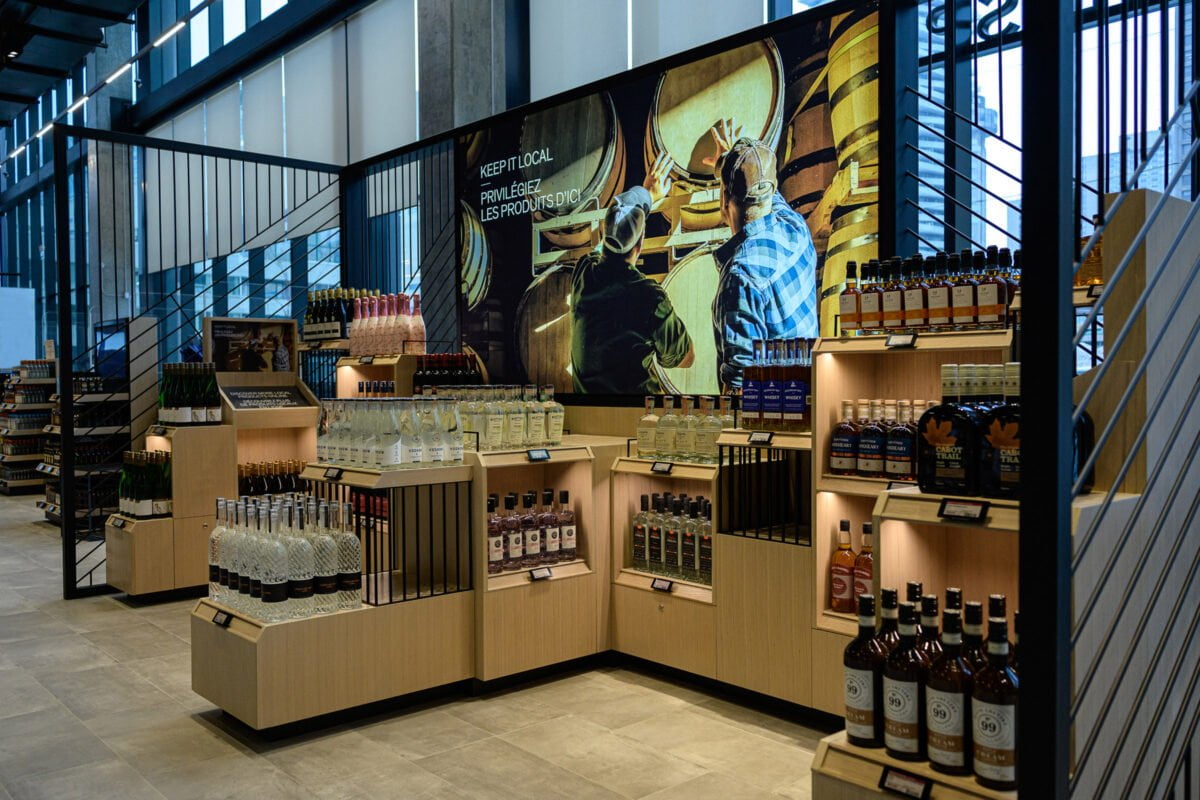
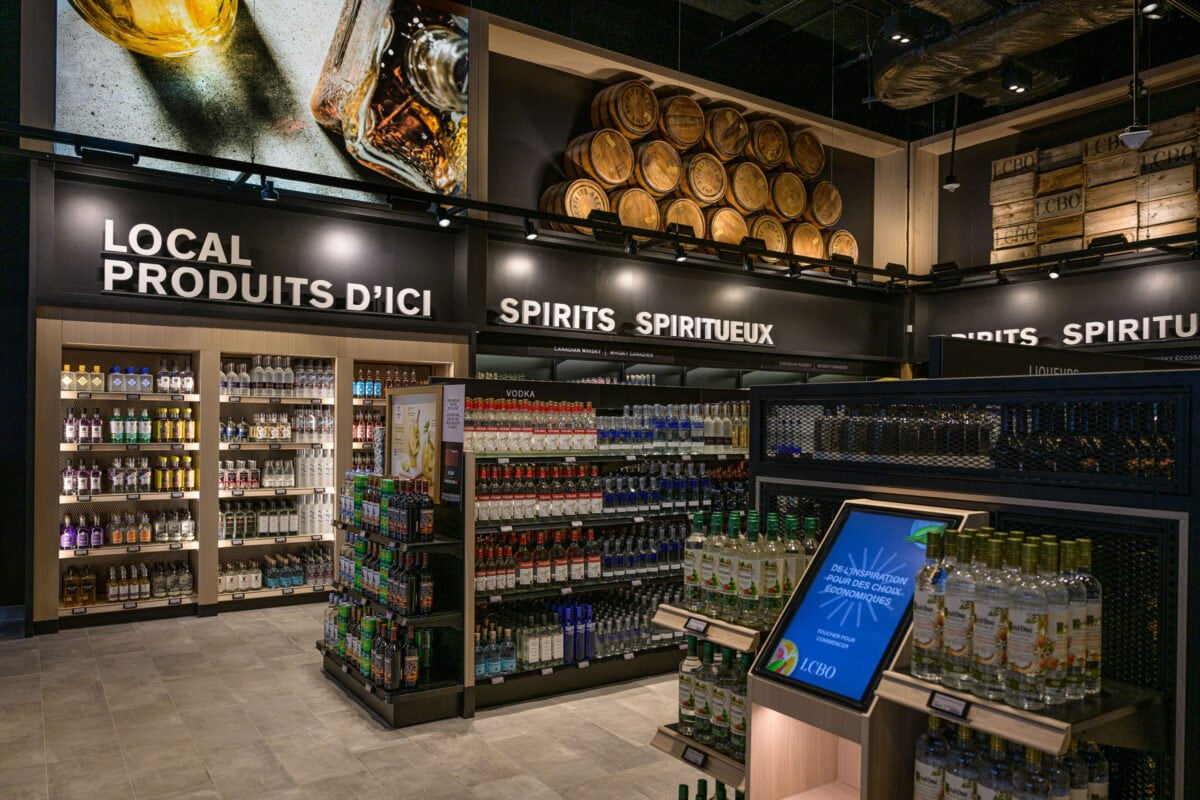
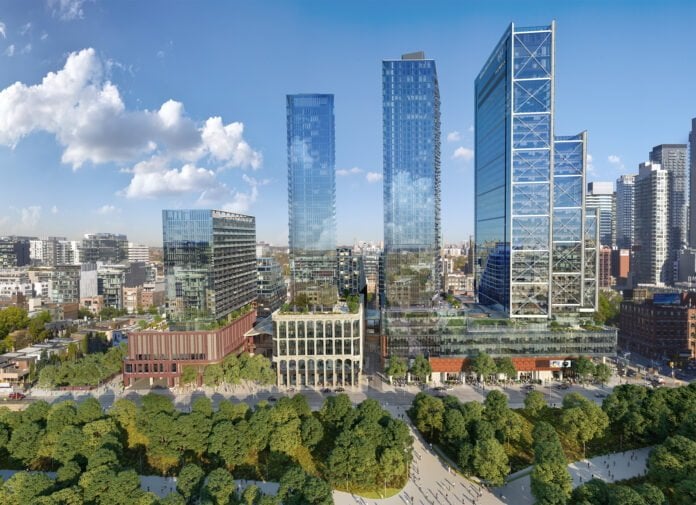
The Liquor Control Board of Ontario (LCBO) has opened its new 24,000 square foot storefront in the Sugar Wharf development in downtown Toronto. It has become the official flagship store anchoring the building that houses the new LCBO headquarters at 100 Queens Quay East.
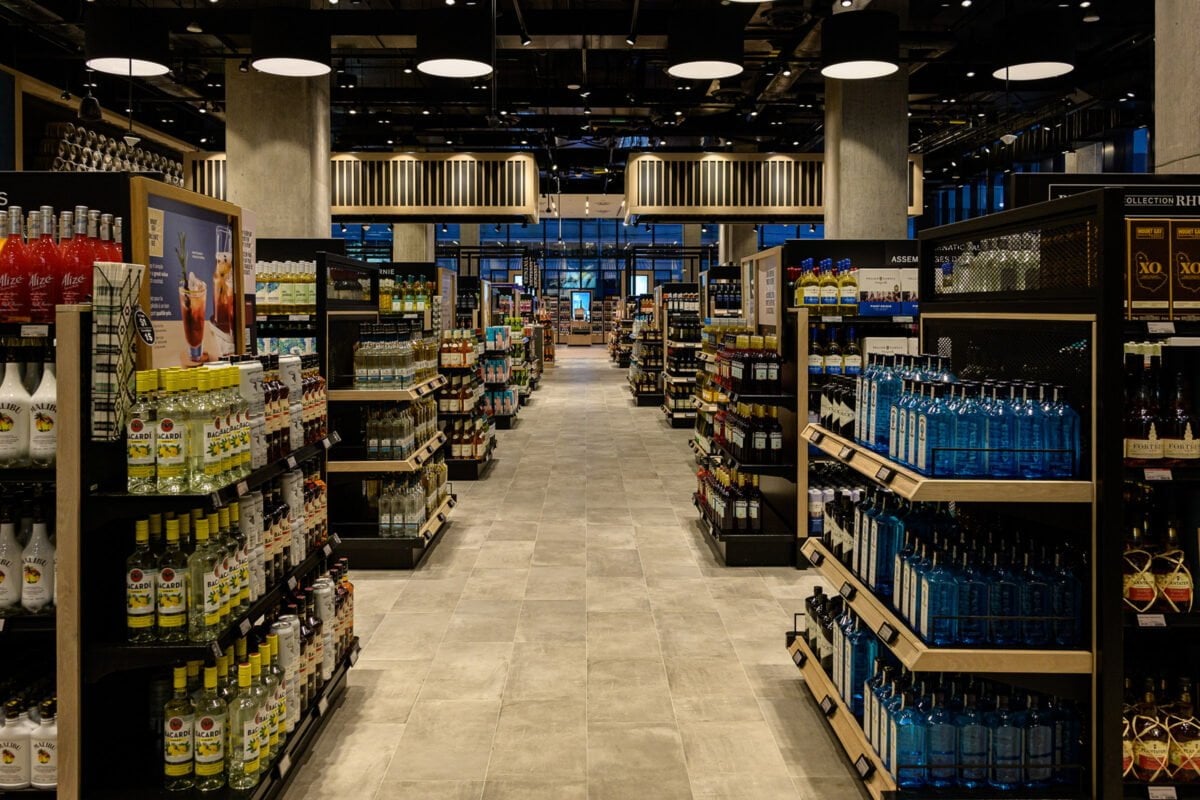
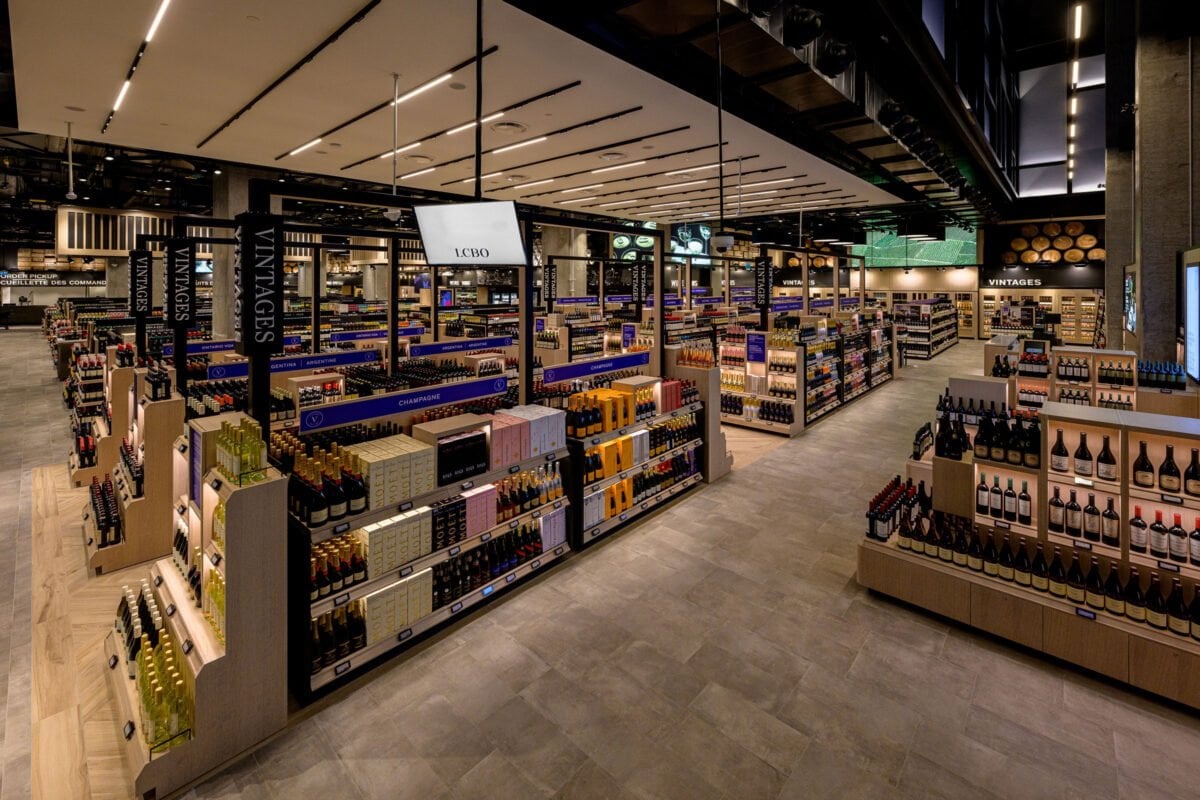
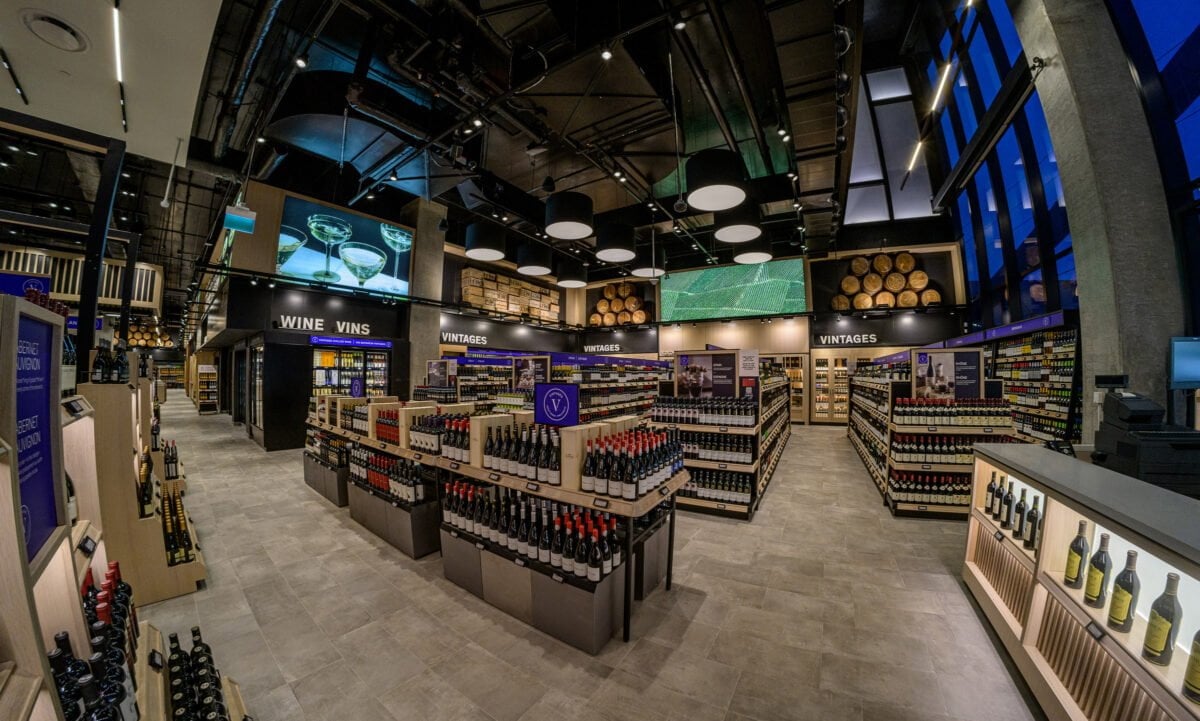
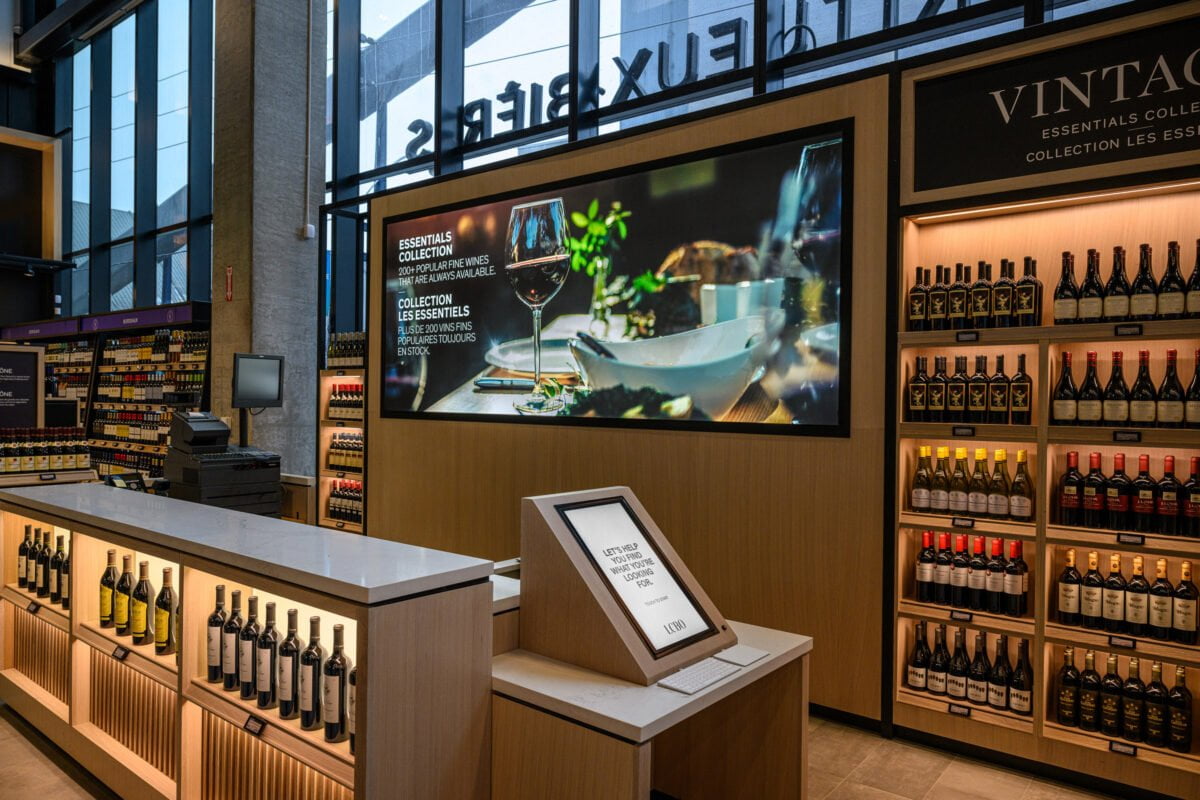
This location features a single-floor layout with over 4,000 products, with local and international selection and has the largest vintages selection in the entire 670-store network, with over 1500 wines.
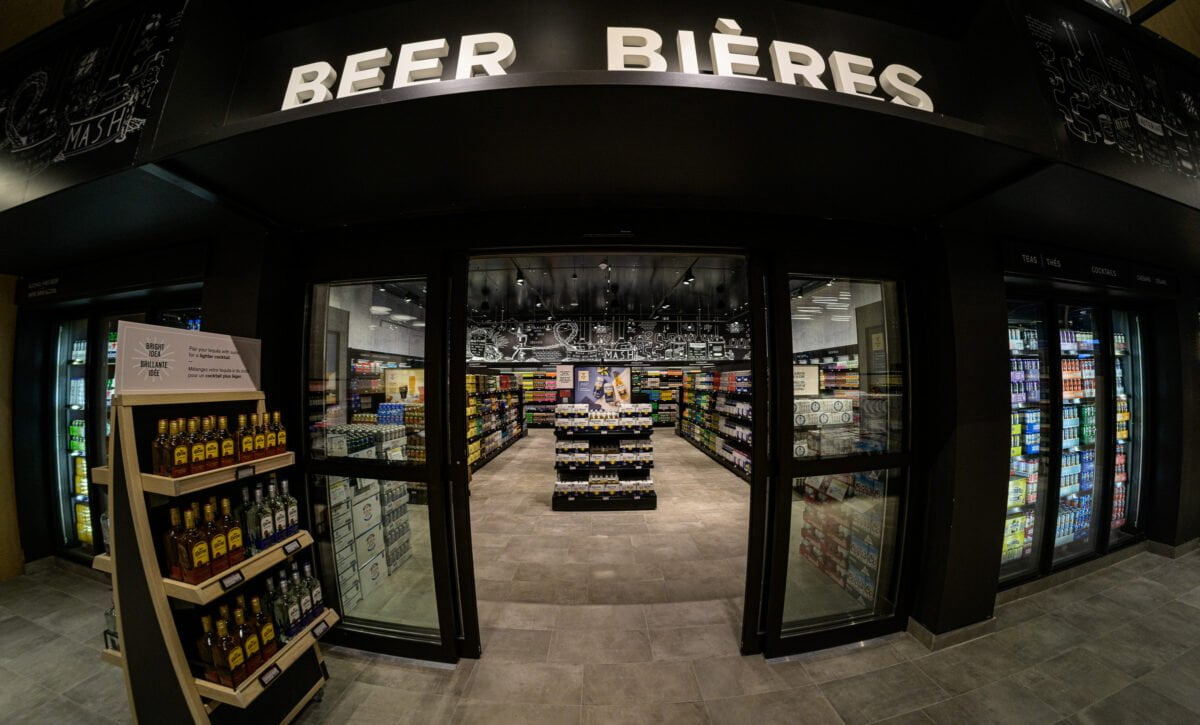
LCBO Flagship at 100 Queens Quay West (Image: Steven Neiman Photography/LCBO)
“On the 95th anniversary of opening our first LCBO store in Toronto, it is fitting to be celebrating another milestone by opening our relocated flagship store in this vibrant waterfront community,” said George Soleas, President & CEO, LCBO. “We are thrilled to offer new, innovative ways to shop while providing the enhanced convenience and choice Ontarians have come to expect from the LCBO.”
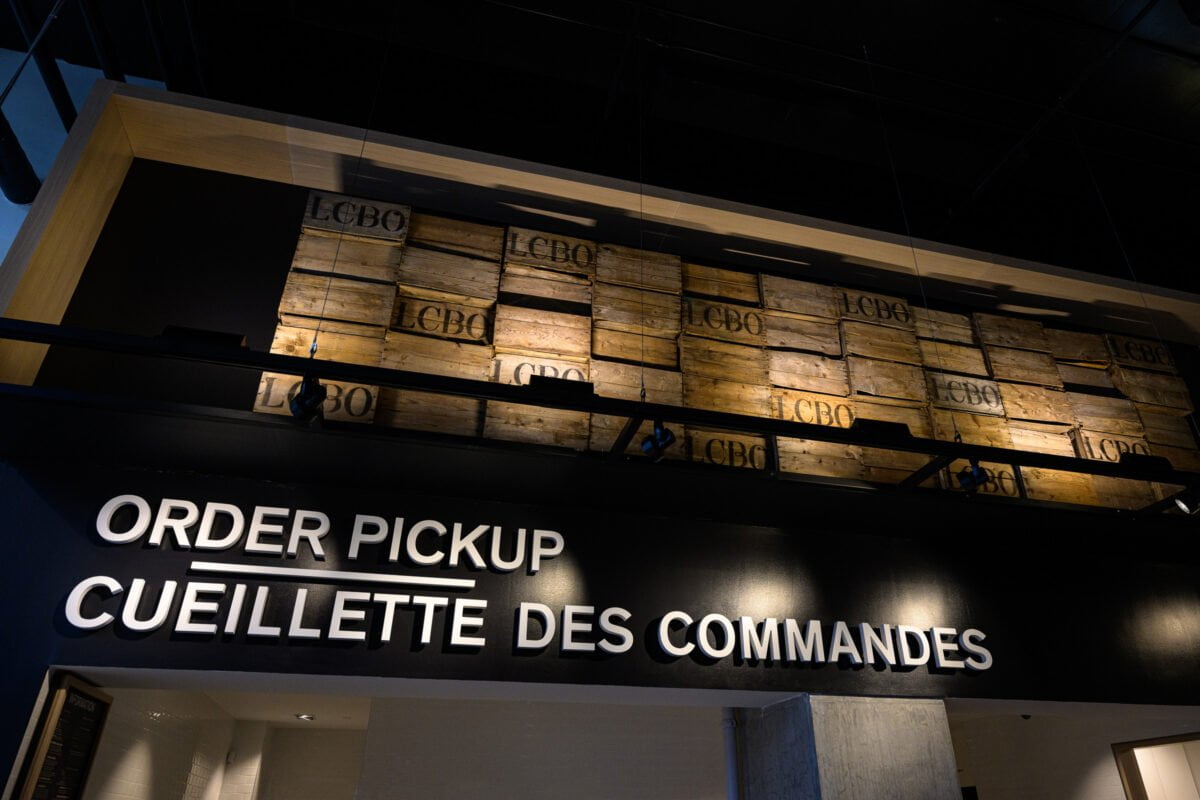
The store features a number of enhanced shopping customer experience trends, including a same day pickup service desk with three-hour order turnaround, digital product tags and pop-up shop experiences throughout the year.
“The new store will make it even easier for customers to find the perfect choice to make moments great, and will cater to those customers who want to quickly get in and out of the store, and those looking for a more immersive experience to discover something new.” said John Summers, Chief Retail Officer, LCBO.
LCBO Flagship at 100 Queens Quay West (Image: Steven Neiman Photography/LCBO)LCBO Flagship at 100 Queens Quay West (Image: Steven Neiman Photography/LCBO)LCBO Flagship at 100 Queens Quay West (Image: Steven Neiman Photography/LCBO)LCBO Flagship at 100 Queens Quay West (Image: Steven Neiman Photography/LCBO)LCBO Flagship at 100 Queens Quay West (Image: Steven Neiman Photography/LCBO)LCBO Flagship at 100 Queens Quay West (Image: Steven Neiman Photography/LCBO)LCBO Flagship at 100 Queens Quay West (Image: Steven Neiman Photography/LCBO)LCBO Flagship at 100 Queens Quay West (Image: Steven Neiman Photography/LCBO)LCBO Flagship at 100 Queens Quay West (Image: Steven Neiman Photography/LCBO)LCBO Flagship at 100 Queens Quay West (Image: Steven Neiman Photography/LCBO)LCBO Flagship at 100 Queens Quay West (Image: Steven Neiman Photography/LCBO)LCBO Flagship at 100 Queens Quay West (Image: Steven Neiman Photography/LCBO)LCBO Flagship at 100 Queens Quay West (Image: Steven Neiman Photography/LCBO)LCBO Flagship at 100 Queens Quay West (Image: Steven Neiman Photography/LCBO)LCBO Flagship at 100 Queens Quay West (Image: Steven Neiman Photography/LCBO)LCBO Flagship at 100 Queens Quay West (Image: Steven Neiman Photography/LCBO)LCBO Flagship at 100 Queens Quay West (Image: Steven Neiman Photography/LCBO)LCBO Flagship at 100 Queens Quay West (Image: Steven Neiman Photography/LCBO)
Retail Insider is streamlining its Canadian retail news from around the web to include a handful of top news stories that can be viewed quickly during the day. Here are the top stories from the past 24 hours.
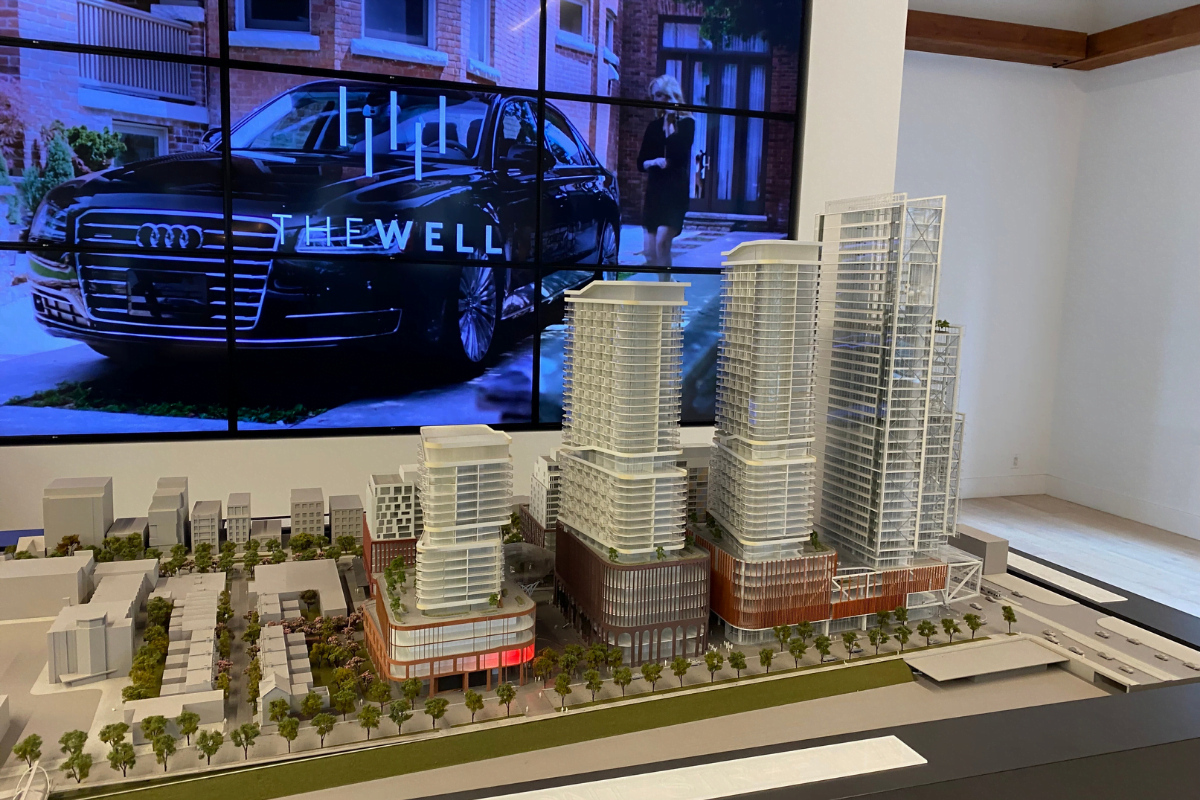
It’s not often that a single development poses the potential to impact a neighbourhood or district so dramatically that it completely changes the gravitational attraction within the area. And, just as seldom are these types of endeavours completed within a single phase of construction. Afterall, the magnitude of any project hoping to impose this kind of influence would be nearly inconceivable by any passive onlooker. As unlikely as it would seem, however, it’s exactly what’s currently coming to fruition at the site of The Well in Toronto – a development that’s set to become the city’s newest and grandest live, work, play community. It’s a project of such scale that it’s difficult to find a comparison exhibiting equivalent scope and vision anywhere. In fact, according to Alex Edmison, Senior Vice President at CBRE, The Well represents the single most exciting development project in Canadian history.
“The thing that you’ve got to immediately understand about The Well is the sheer scale of the project,” he asserts. “It’s a development that covers a massive area within the city. And, in conjunction with its size, the aspect of this undertaking that makes it so unique is the fact that the entirety of it is being built in one shot. Normally, projects of a similar size are constructed in a phased development. When people move in, they might be able to enjoy a coffee shop and a restaurant, but they have to wait until the rest of the community gets built out over the course of the next seven years to receive its full value. Because The Well is being developed within a single phase, residents will have access to a curated community with all amenities available to them on day one, as soon as the project reaches completion. It’s amazing to be a part of such an exciting development – something that will change the flow of the neighbourhood entirely, lending further to its vibrance and growth.”
The heart of Downtown West
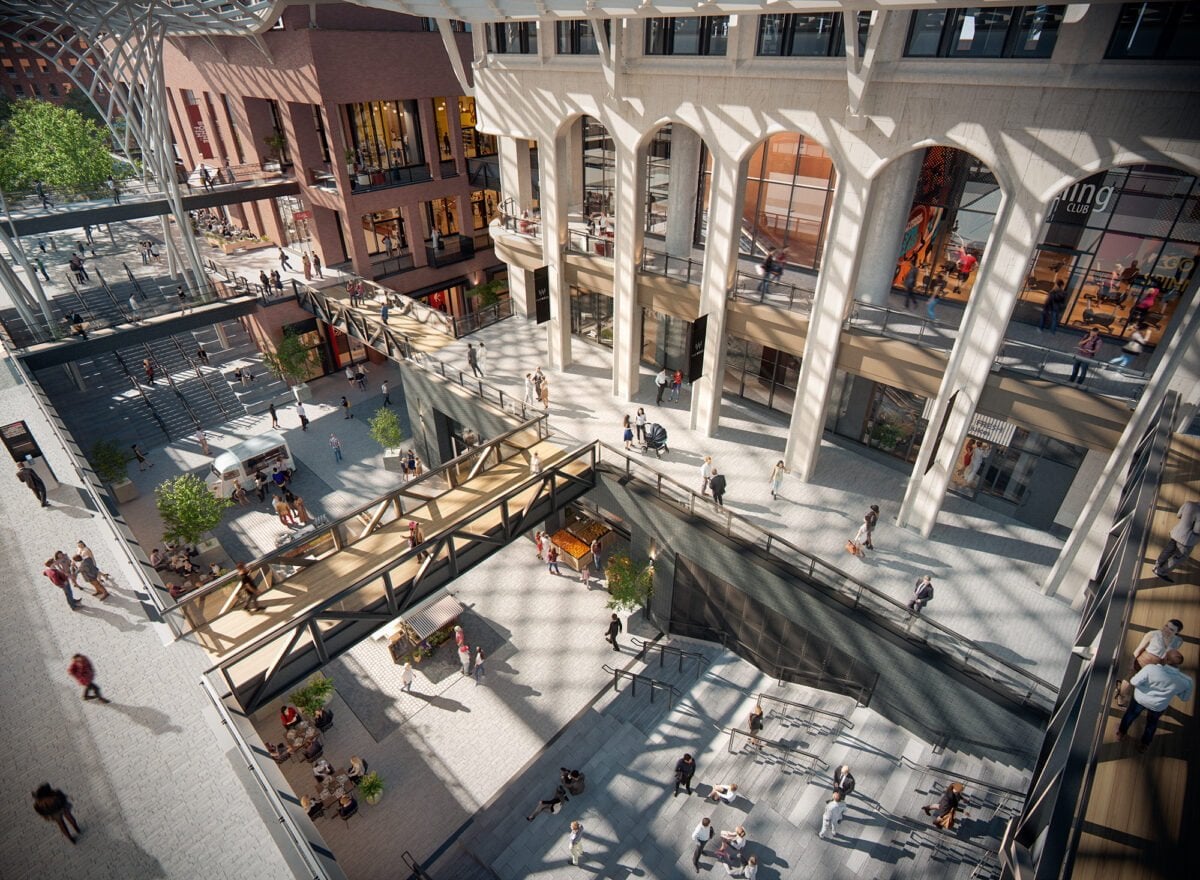
The Well (Rendering: RioCan)
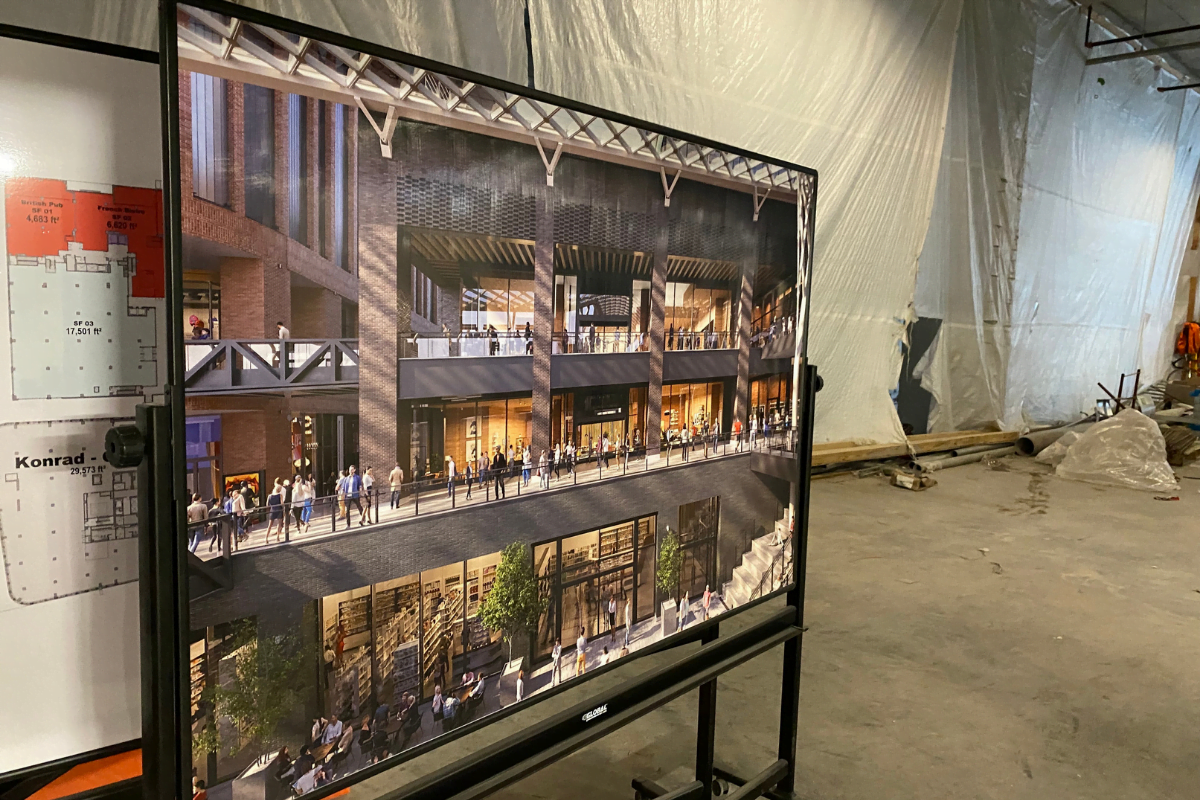
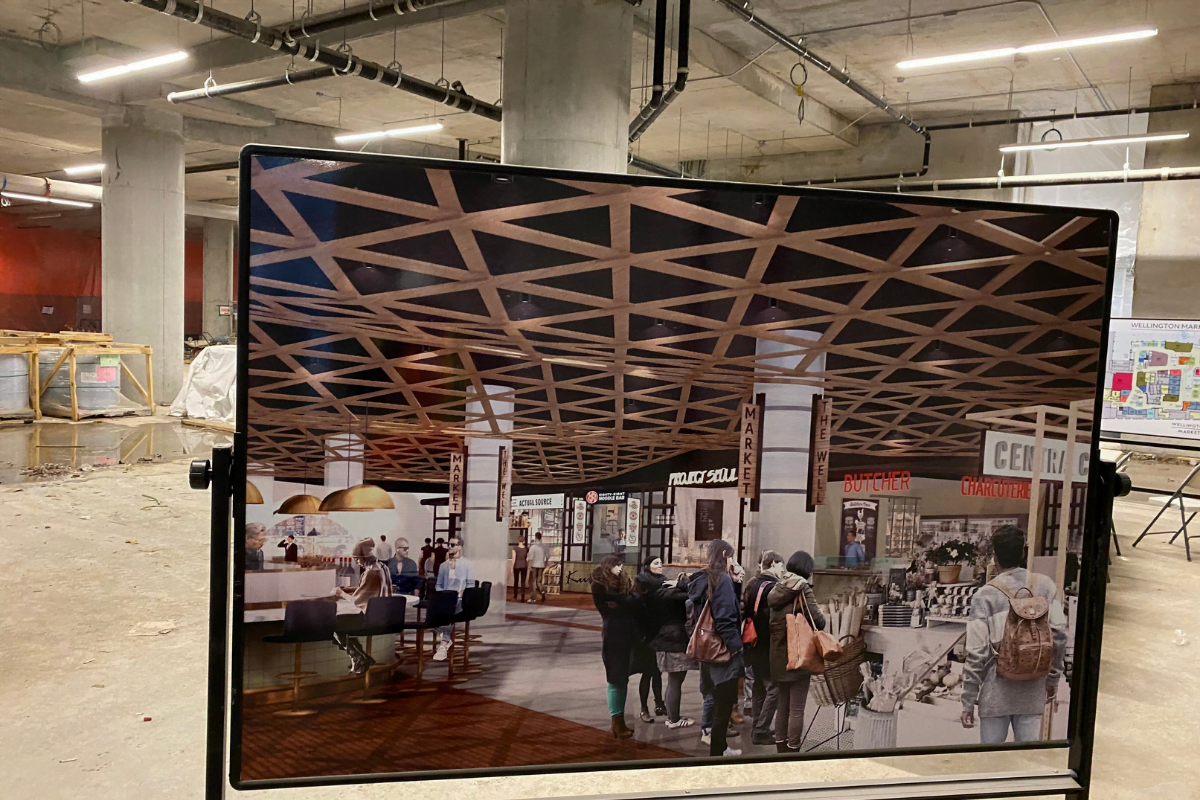
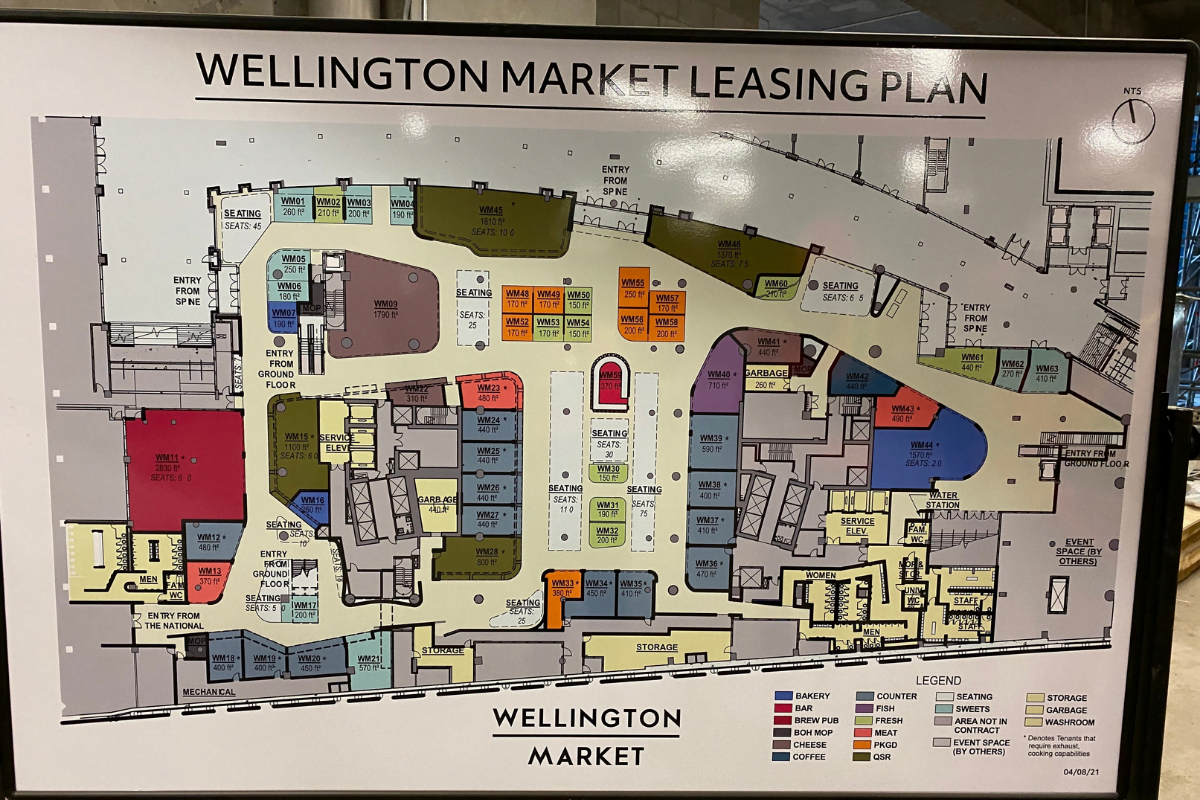
The Well, which is bordered by Spadina, Front and Wellington, is situated at the heart of the city’s most dynamic and energetic locales. Just minutes from Toronto’s Queen West, King West and the city’s Entertainment, Financial and Waterfront Districts, it’s a destination that regularly sees more than 7,100 pedestrians, 22,000 vehicles and 55,000 commuters pass through each day. With construction taking place on a massive 8-acre parcel of land, the project consists of seven towers that will accommodate 350,000 square feet of commercial retail offering, 1.2 million square feet of office capacity for an estimated 8,000 active workers, and 1.5 million square feet of residential space that includes 1,700 on-site condominiums and apartment units housing approximately 3,000 residents. The Well will also feature a world-class, 70,000 square-foot public food market offering an eclectic array of food and beverage options for residents and visitors to choose from. And, in order to welcome the traffic that is anticipated, an underground parking facility with 744 parking spaces, as well as valet options, will be available. It’s all part of what Edmison describes as the future ‘epicentre’ of the surrounding area, with an incredible retail assortment serving to entice and draw traffic.
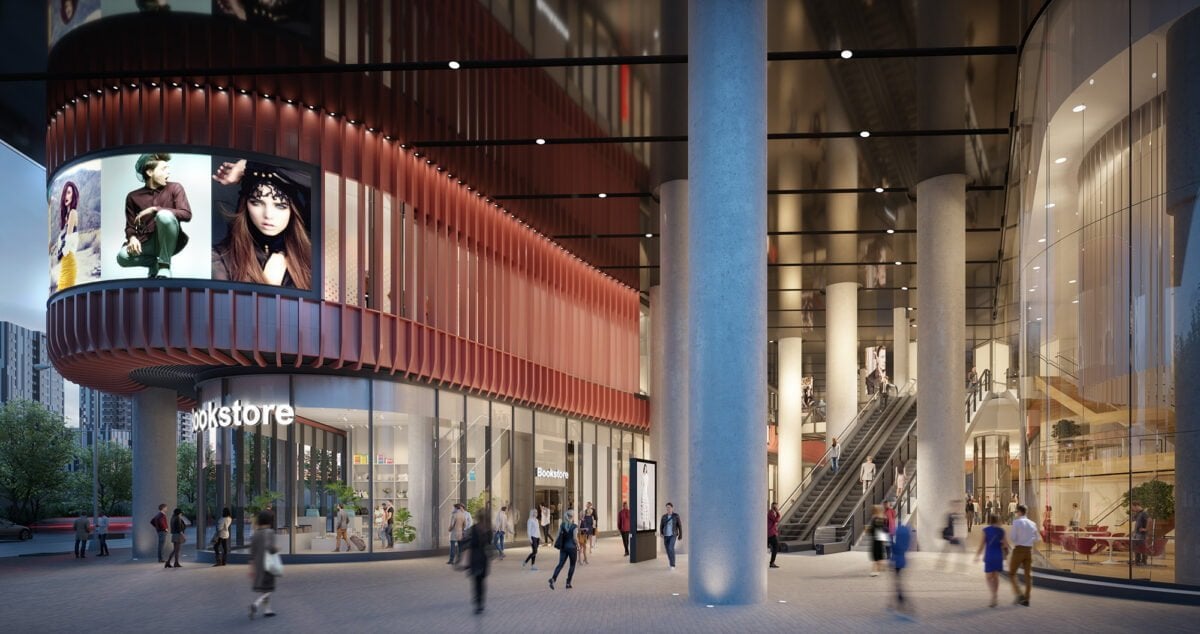
“The Well is such a unique project,” he says. “As such, we know the retail mix needs to reflect that uniqueness and will be critical toward ensuring its overall success. So, we’ve been focused on securing unique tenants, many of which are locally grown and developed businesses offering concepts that are new to the market and only available at select few other locations. It’s a retail mix, including restaurants, fashion, fitness, entertainment and cool new experiential experiences, that’s going to ensure that The Well is a one-of-a-kind destination with an offering that just can’t be replicated elsewhere. And, because of the way the project’s been designed, there’s enough space available in the public realm to have activations like the hosting of events and concerts, art displays or anything else that will help bring the community and visitors to the area together. In many ways, this development shifts the gravity of the entire Downtown West area. Adding the kind of commercial real estate and offering that The Well will introduce is really reflective of the creation of a focal point for an incredibly vibrant community.”
Next level mixed-use
Edmison, who’s serving as advisor on the project with CBRE partner Arlin Markowitz, says that there are many deals with unique, first-class retailers that have either been completed or are in the works that will all deliver a breadth of retail offering. He goes on to explain that if a person who buys a condo on the property never wants to step off of it for the rest of their lives, they likely wouldn’t need to given everything that will be available to them as residents. He says further that the project, one that’s been developing for the last number of years in a blockbuster partnership between Allied, RioCan and CBRE, is taking the whole notion of mixed-use developments to the next level, underscored by the special contributions made by the players involved.
“Mixed-use developments are clearly the wave of the future,” he says. “It’s just common sense for a developer and the owner of an asset to provide all of these amenities in one location and community. It results in an incredible competitive advantage. To offer everything at the tips of people’s fingers – to give them a place to live, work and shop in a single area – enables residents to create efficiencies and sustainability within their daily lives. It’s a project that’s been brought to life through a lot of hard work from everyone involved. Each of the three components within the project – residential, office and retail – have benefitted from having world-class partners involved. And each, at different times, have helped drive it forward. From filling the need and demand for multi-family condominium and rental apartments in Toronto to meeting requirements for tech-driven office space. And, even after everything that we’ve been through with COVID, there’s still an extremely high demand for retail space. All three components are equally valuable. And, combined, they result in a really fascinating development and community.”
Changing the energy and flow
The Well (Rendering: RioCan)
With respect to opportunities around these spaces, it’s a development and community that is quickly filling up. In fact, Edmison shares that in addition to the retail deals that are being brokered, 93 percent, or a little over a million square feet of office space has already been leased, with Shopify – Canada’s leading multinational ecommerce company – anchoring The Well’s tech presence. In addition, more than 600 condominiums have already sold, representing 90 percent of the total available units. It’s encouraging progress that’s recognized by Jeff Ross, SVP Leasing & Tenant Construction at RioCan, who also sees the potential inherent in The Well to dramatically change the flow and energy within the Downtown West neighbourhood. However, he adds that it’s the way in which the development has been carefully and thoughtfully inserted into the area that serves as perhaps the most impressive aspect of the project.
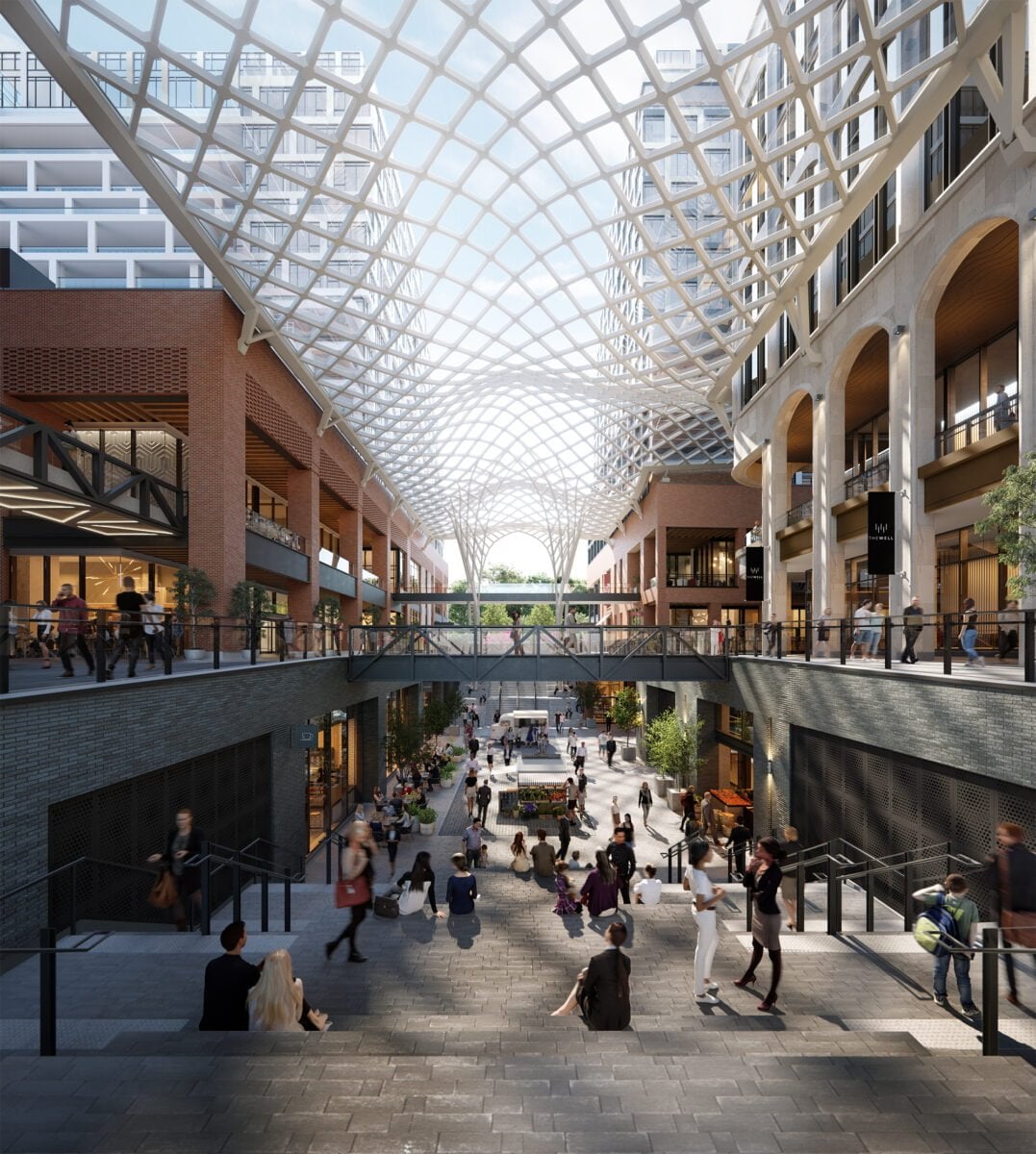
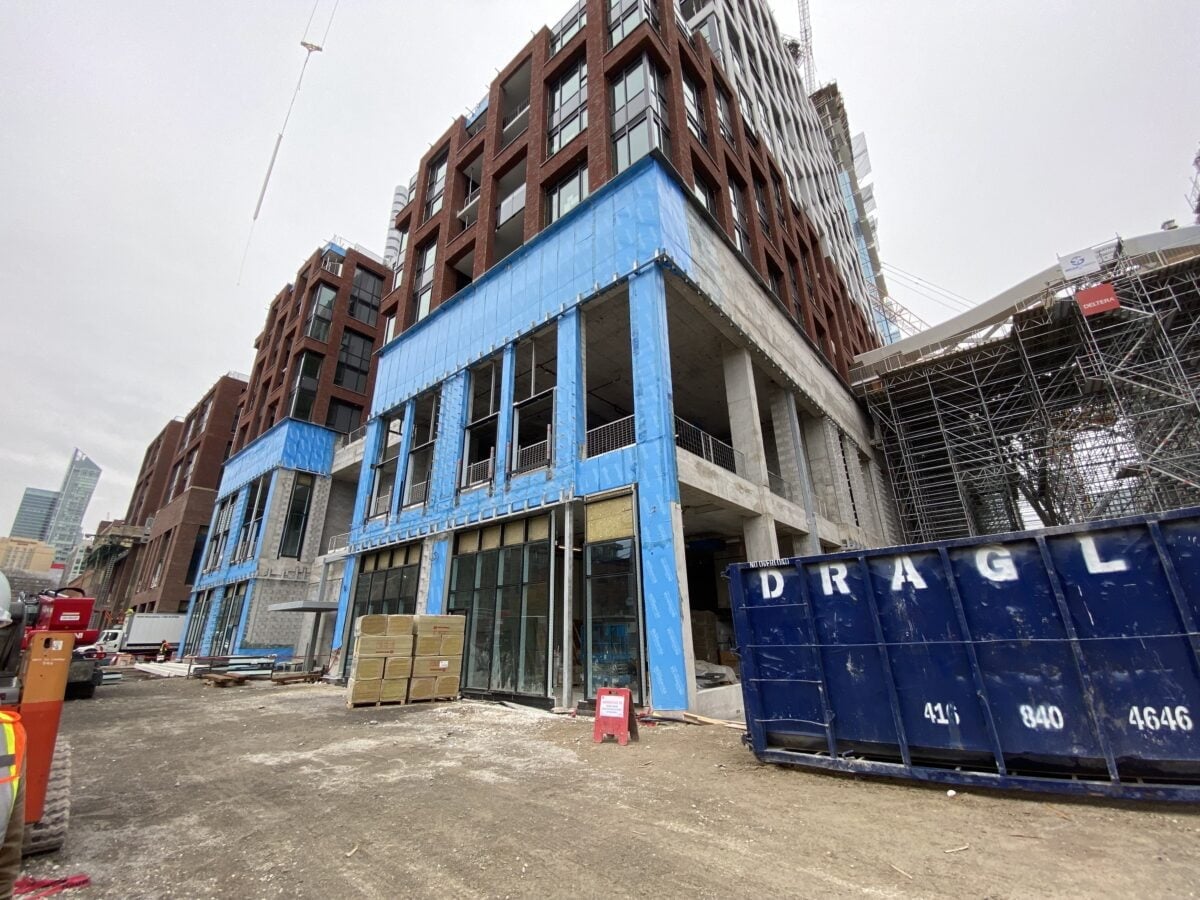
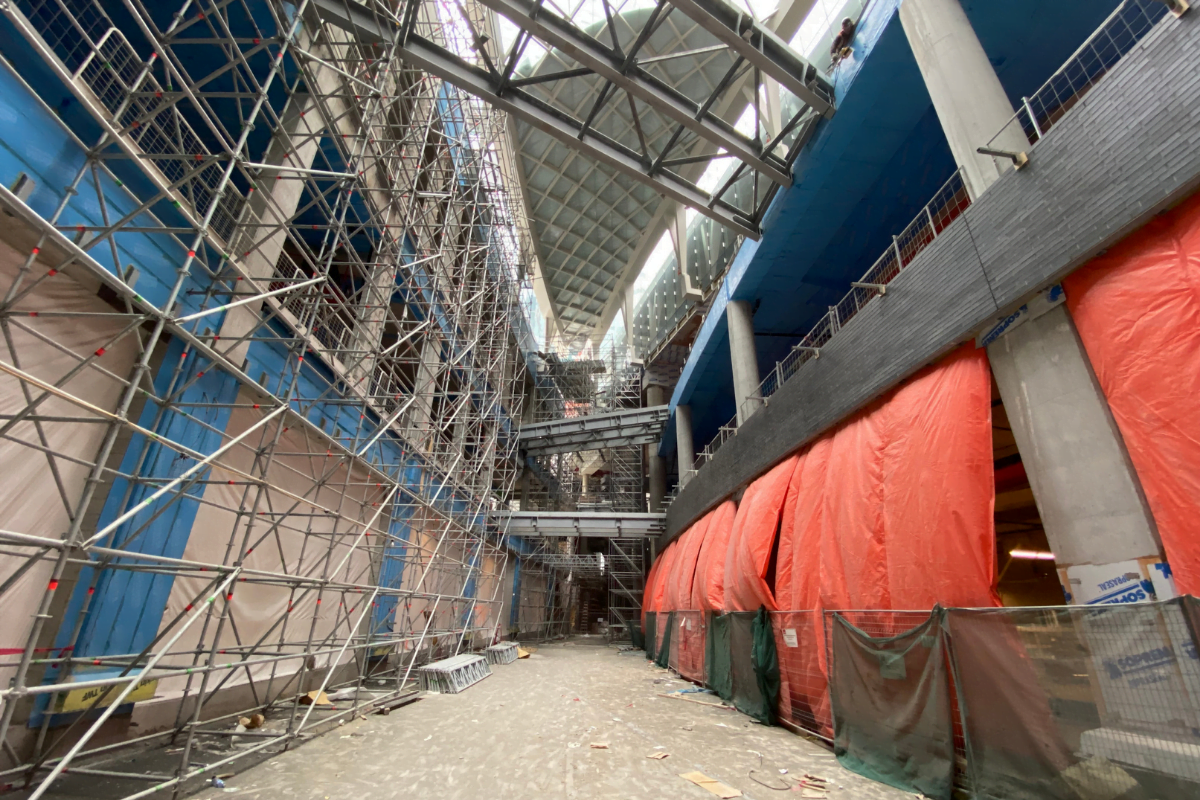
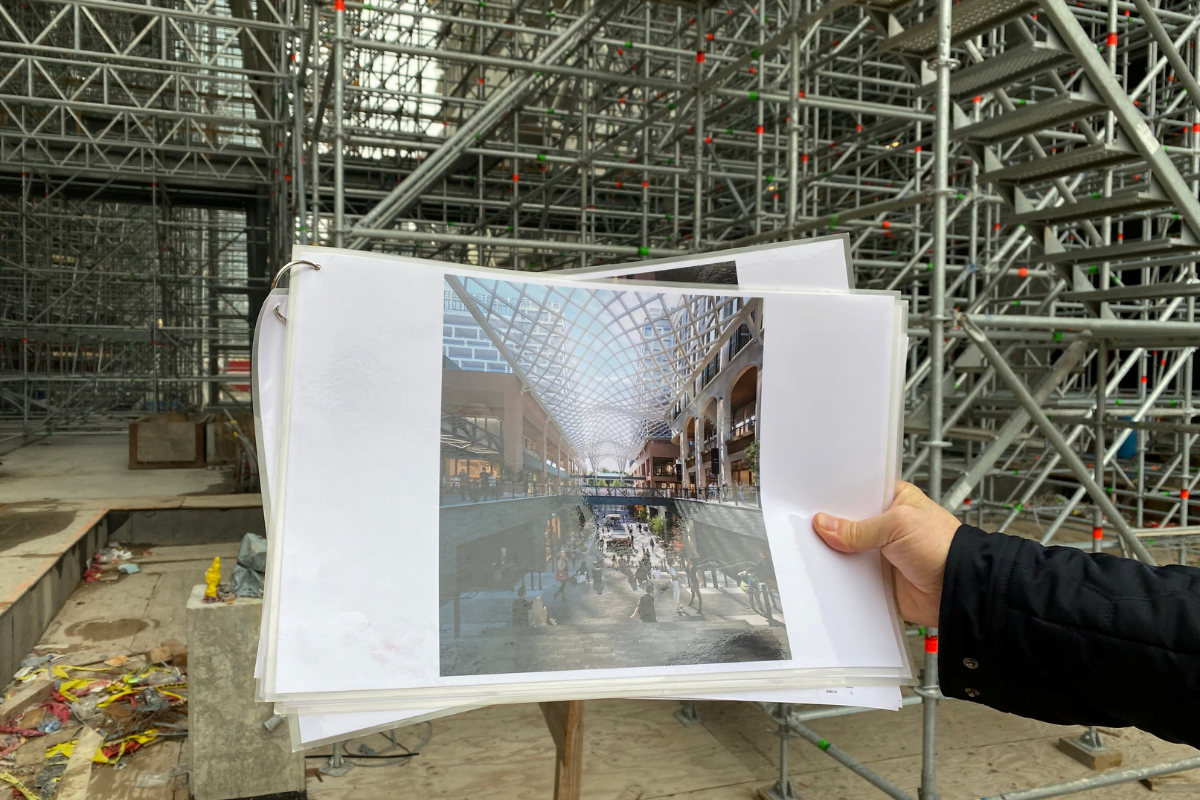
“What I’m most proud of when considering the development of The Well and the future of the site is the way in which it’s been blended into Downtown West,” he says. “We weren’t interested in simply building an enclosed mall. We wanted to develop something that enhances the area and adds to the history and appeal that the neighbourhood is already known for. This can be seen in the hand-laid vintage-style redbrick that’s been used for the construction and creation of much of The Well’s base façade, mirroring the neighbourhood’s elegantly antiquated aesthetic, which is juxtaposed by a majestic steel and glass enclosure that stretches the entirety of The Well’s central corridor, running right through the middle of the development. It’s design, combined with the elements of residential, office and retail, will help create a centre of community for the surrounding area, tying together a number of loose condominiums within the Downtown West neighbourhood, providing them with a centre of core and purpose.”
Adapting to the future
In addition to considerations made concerning the physical appearance of The Well, Ross explains that there were also many architectural decisions made in order to incorporate sightlines that create connectivity between all three components of the project. Linking the retail, office and residential spaces helps to ensure than none of them sit in isolation, amalgamating them and bringing them together as one single mixed-use entity. He describes it as a “development with a little city sprouting from its centre”, likening the venture to some of the largest that the world has ever seen. However, one of the elements of The Well that helps differentiate it from most other projects similar in scope and scale, he says, is the deliberate strategy that’s been involved in planning the development from day one.
“From the very beginning, when the vision for The Well was developing, it was done so with the intention of building this project out with flexibility and adaptation concerning the future growth of the area in mind,” he explains. “When you build real estate, you end up creating a finite envelope. But it’s the ways in which you build the physicality of the space that allows for that flexibility. On the office side, we’ve made sure to include flex floors so tenants can expand as needed. The retail has been designed in such a way that ensures every unit is divisible and linked to appropriate shipping and receiving areas so they can easily and efficiently fill their stores with merchandise. With these things in mind, we’ve designed The Well to not only satisfy what we’re delivering today, but to allow for its seamless evolution amid the continued development of the surrounding area. This is a complex that will be standing 100 years from now. And we want to make sure that its success and vibrance are sustained well beyond that point.”
Strengthening Toronto’s profile
The Well (Rendering: RioCan)
It’s clear when speaking with the players involved that the development of The Well, which is set to open to residents, businesses and visitors in Spring 2023, is not only being built with flexibility and adaptation at the fore of their thinking, but with an intention to facilitate the future growth of the entire Downtown West neighbourhood. As Ross points out, RioCan will be conducting renewals of retail tenants decades from now and are anticipating a flourishing surrounding area to lend only to the enhancement of The Well. It’s a sentiment that’s shared by CBRE’s Edmison, who goes one step further to suggest that the potential impact of the development may extend far beyond the Downtown West neighbourhood, enhancing the reputation of the entire city.
“The whole idea behind The Well is that it will serve to draw traffic in from the surrounding area. But we also think it possesses the potential to bring people from all over the world. Downtown West is already a well-known neighbourhood in Toronto that’s been on the radar of tourists visiting the city for some time now. So, The Well isn’t creating this attraction. It’s simply enhancing it, increasing the gravitational pull to Downtown West and to the city in general, strengthening Toronto’s profile as a truly global destination. To be able to showcase the fact that we can create developments of this calibre in Toronto, elevating the idea of mixed-use, providing a textbook for the future creation of similar projects, is really a tremendous achievement and one that we’re all extremely proud of.”
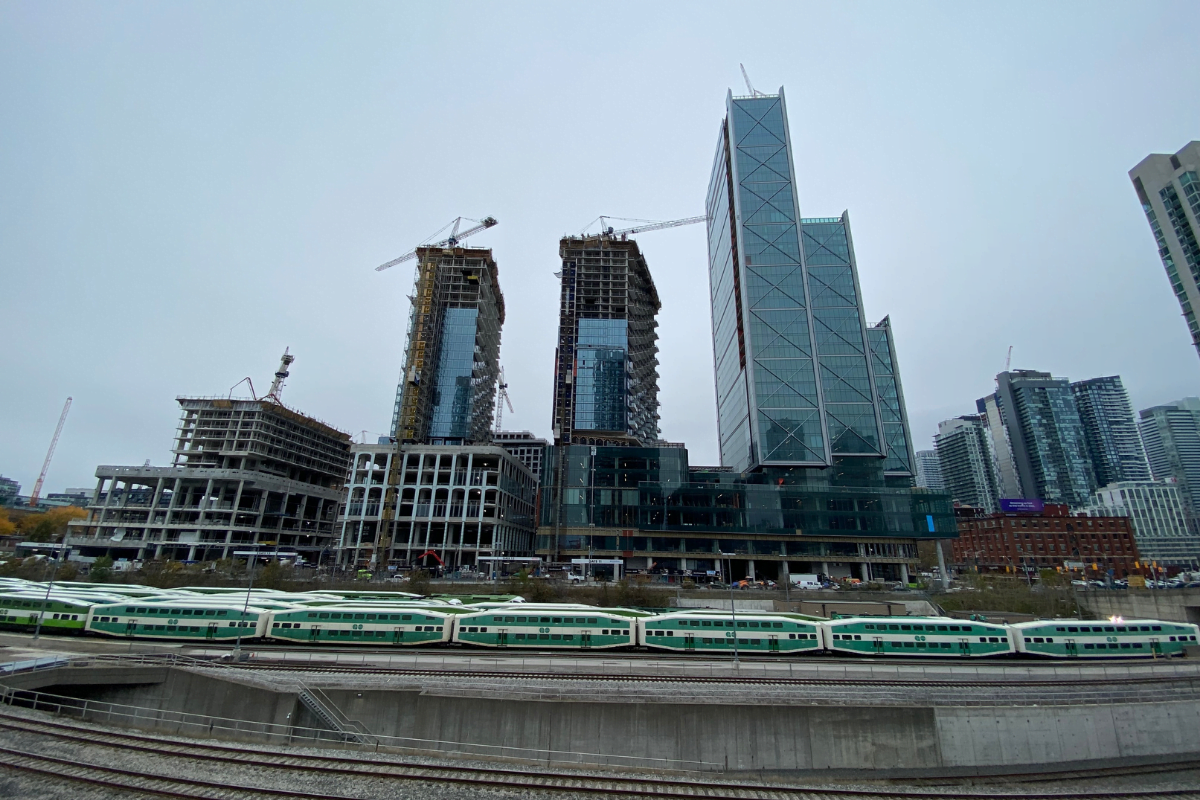
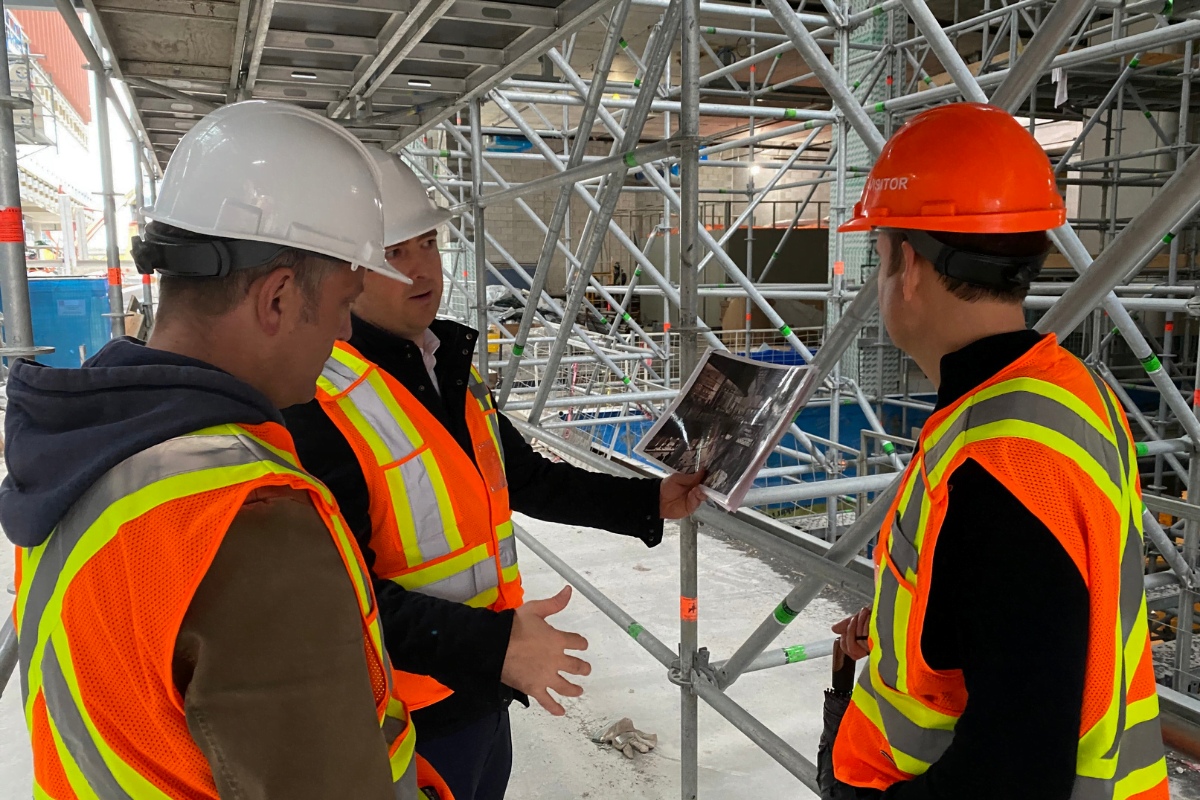
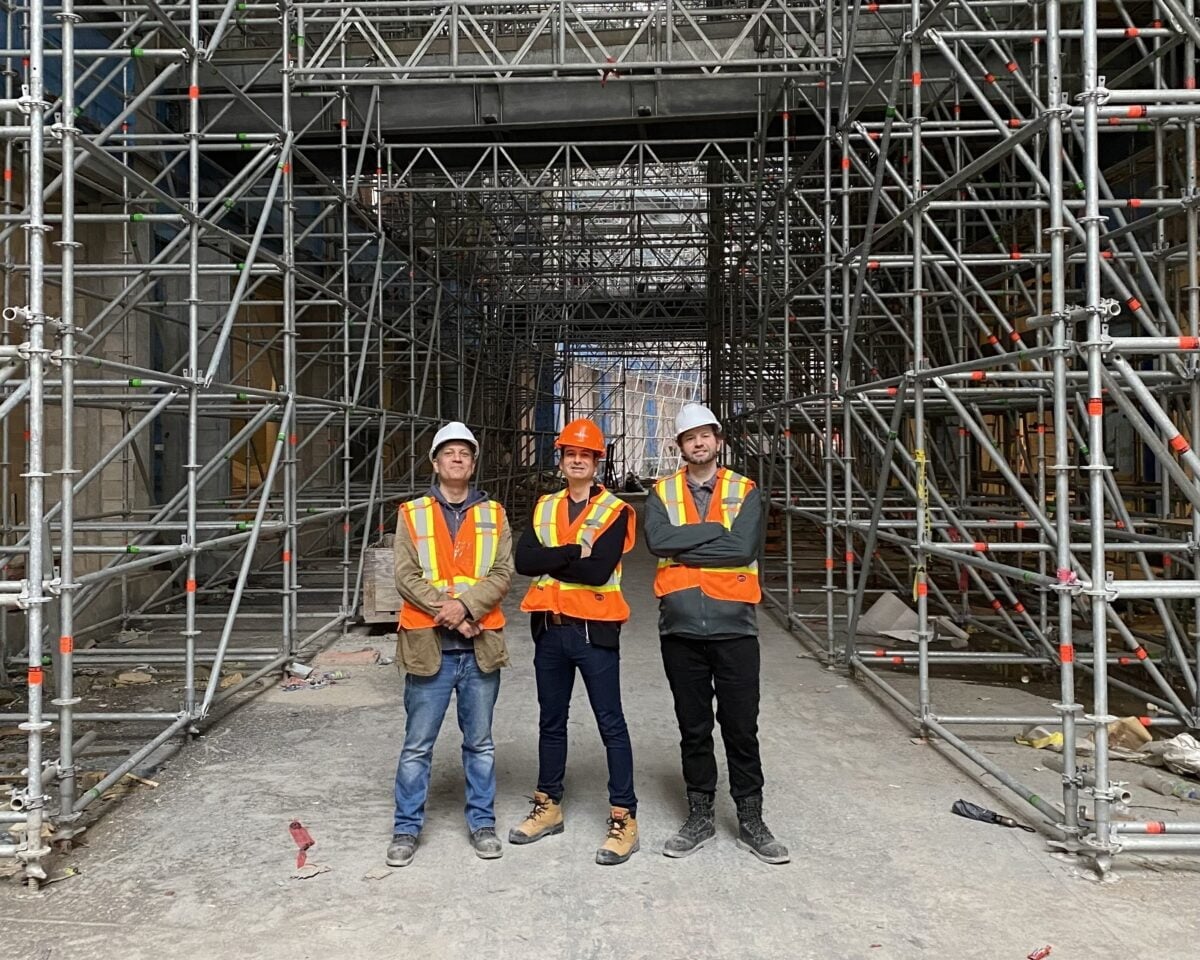
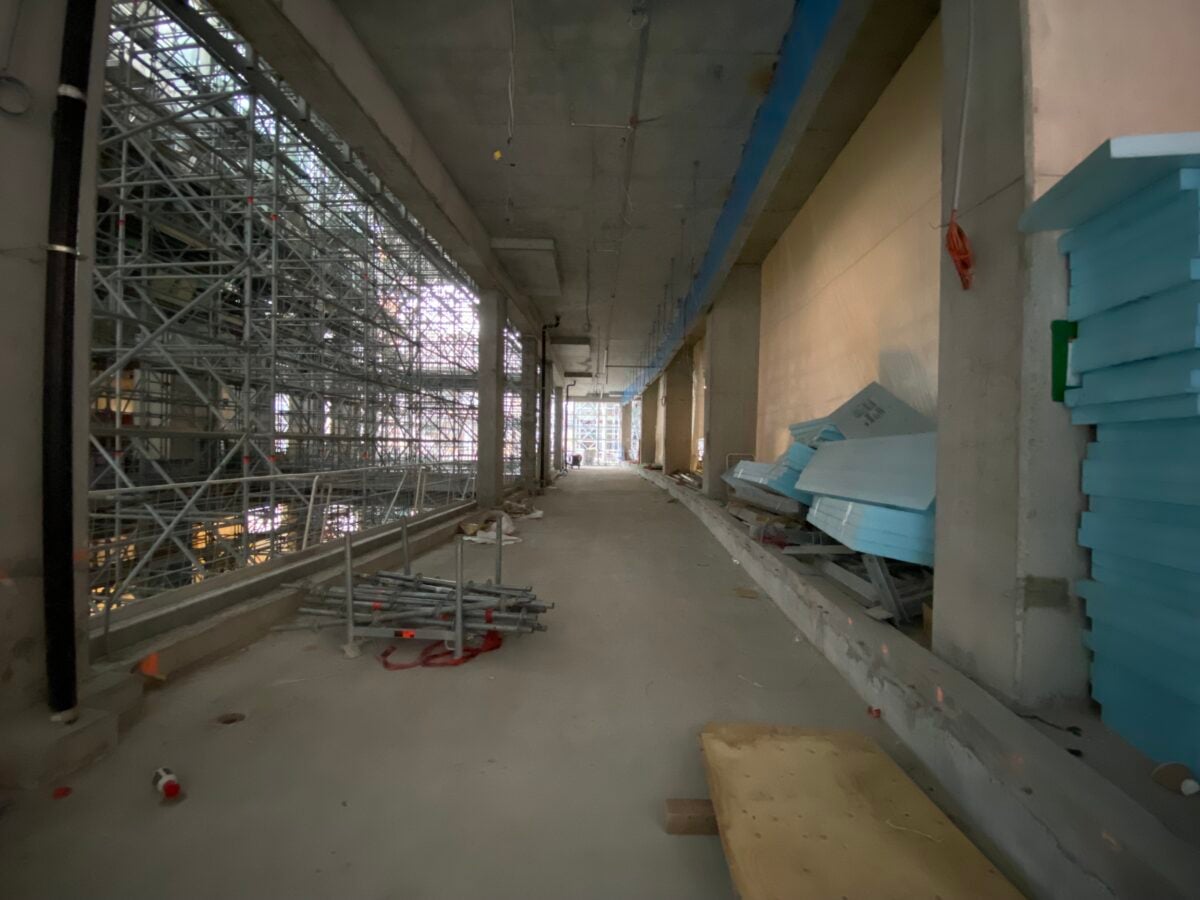
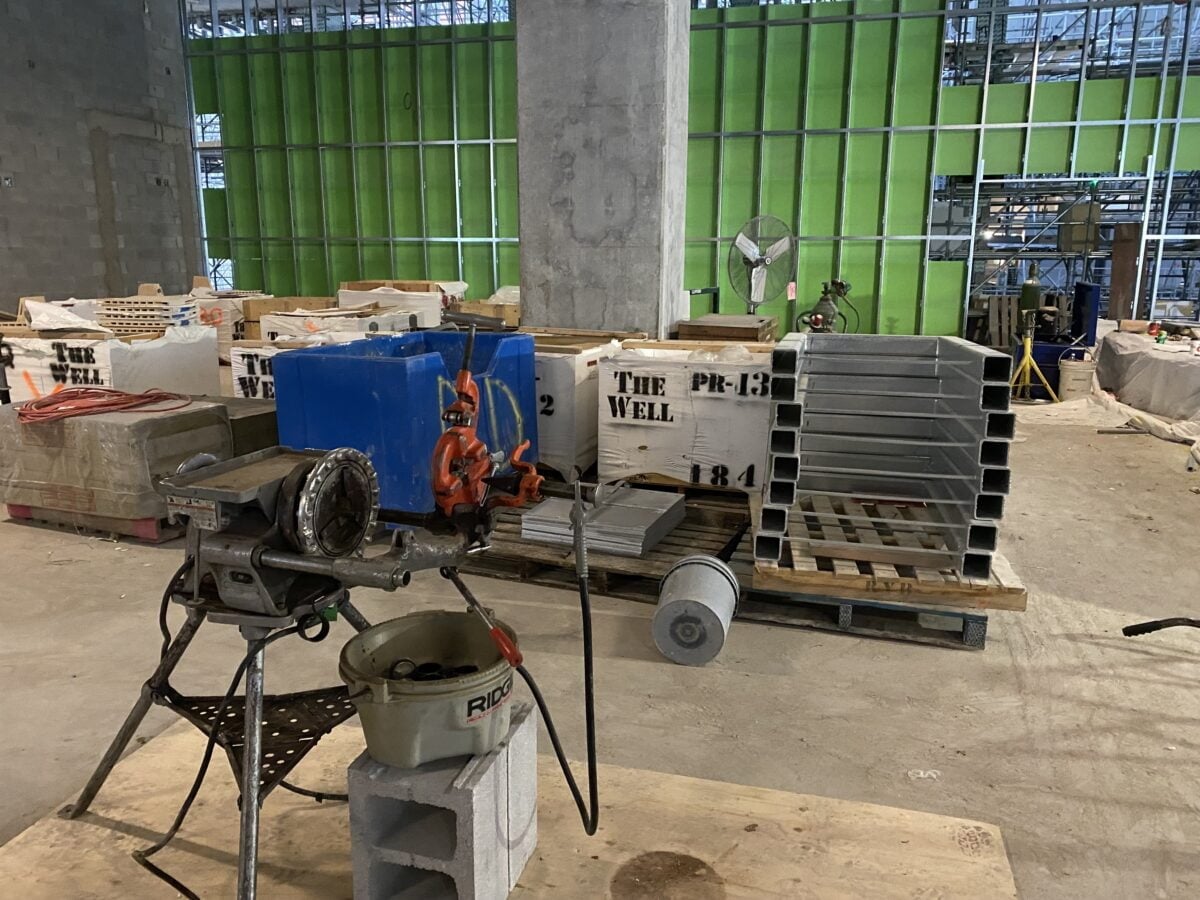
The Well (Image: Dustin Fuhs)The Well (Image: Dustin Fuhs)The Well (Image: Dustin Fuhs)Alex Edmison, Craig Patterson and Sean Tarry at The Well (Image: Dustin Fuhs) The Well (Image: Dustin Fuhs)The Well (Image: Dustin Fuhs)The Well (Image: Dustin Fuhs)The Well (Image: Dustin Fuhs)The Well (Image: Dustin Fuhs)Sean Tarry, Craig Patterson and Dustin Fuhs at The Well The Well (Image: Dustin Fuhs)The Well (Image: Dustin Fuhs)
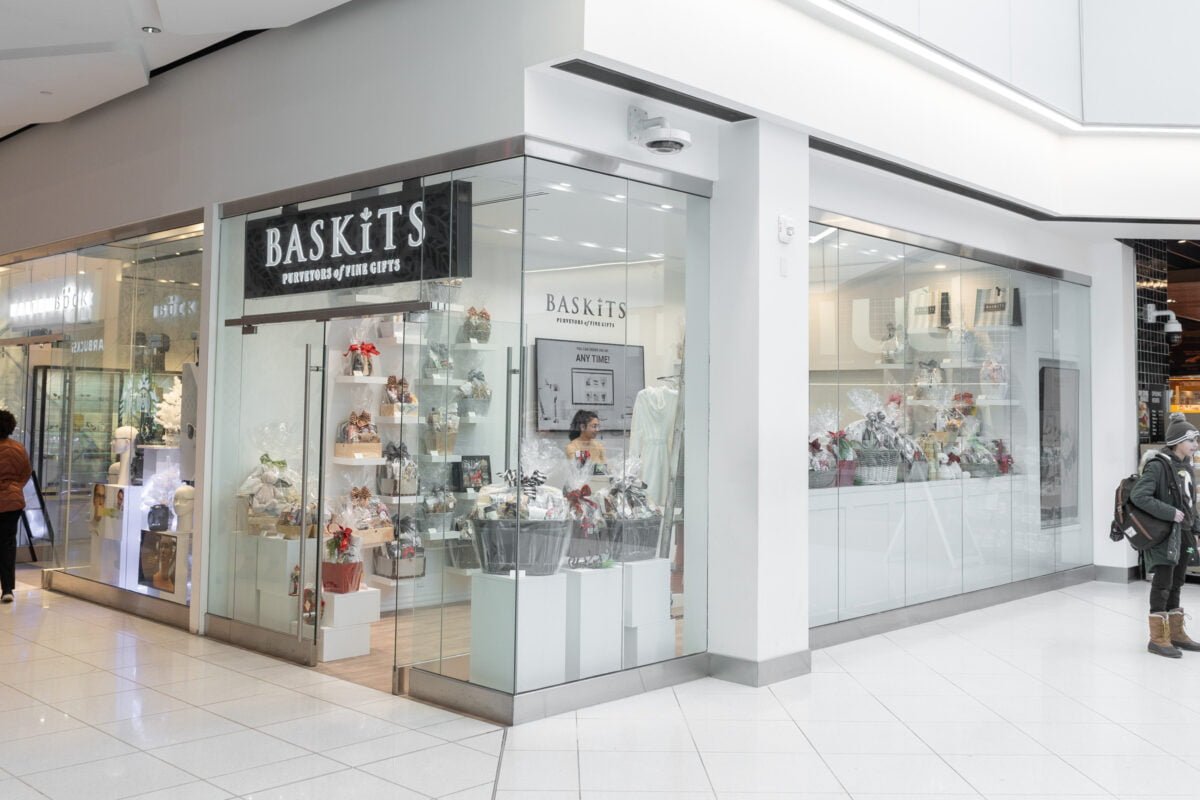
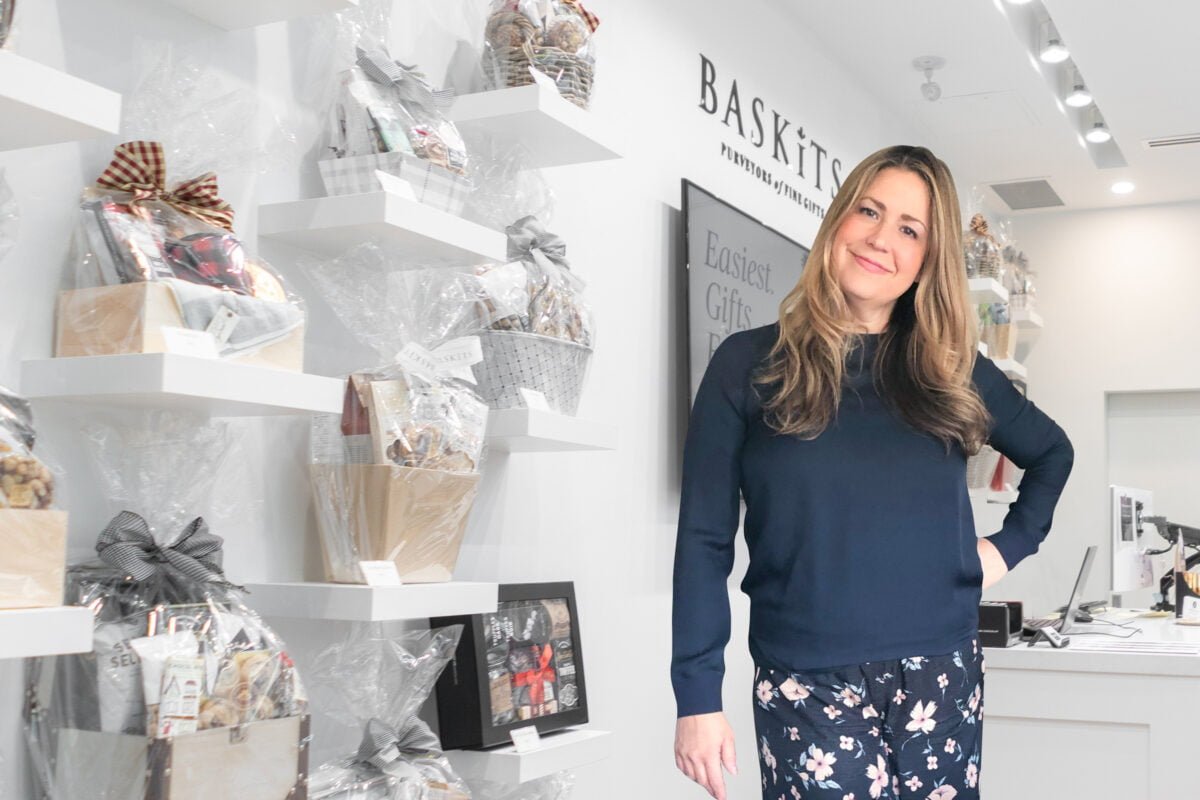
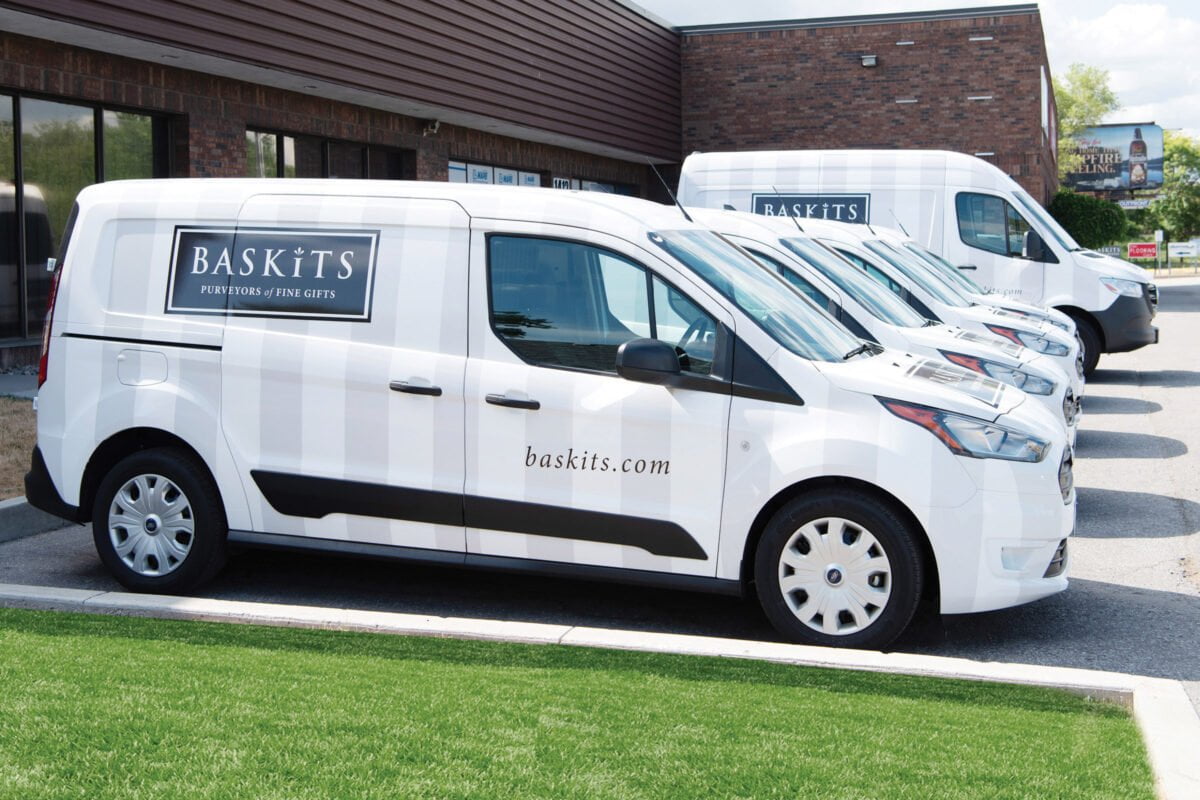
Baskits, the online retailer of gift baskets, has been in business since 1985 but in 2014 it was acquired by entrepreneur Robin Kovitz who has spearheaded explosive growth for the company in recent years.
For two years in a row, it has been listed on the Globe and Mail’s ranking of Canada’s Top Growing Companies. And Kovitz, the company’s President and CEO, was a finalist for the EY Entrepreneur of the Year 2021.
“We’re Canada’s leading gift delivery service company,” she said. “We’re an omnichannel retailer so we operate through bricks and mortar stores, through e-commerce stores, and a call centre. In a nutshell, we design, manufacture and ship /deliver gifts all across Canada and the US on behalf of customers from all around the world.
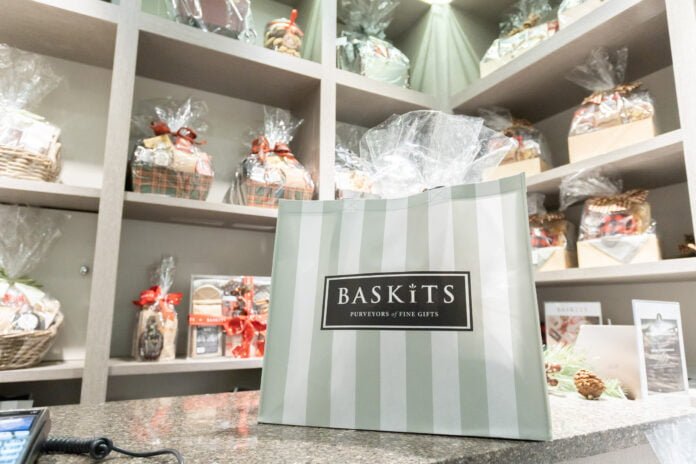
St. Clair Baskits Location (Image: Baskits)
“One unique aspect of our business is we have both B2B and B2C parts of our business. I would say it’s pretty evenly split. We service both markets.
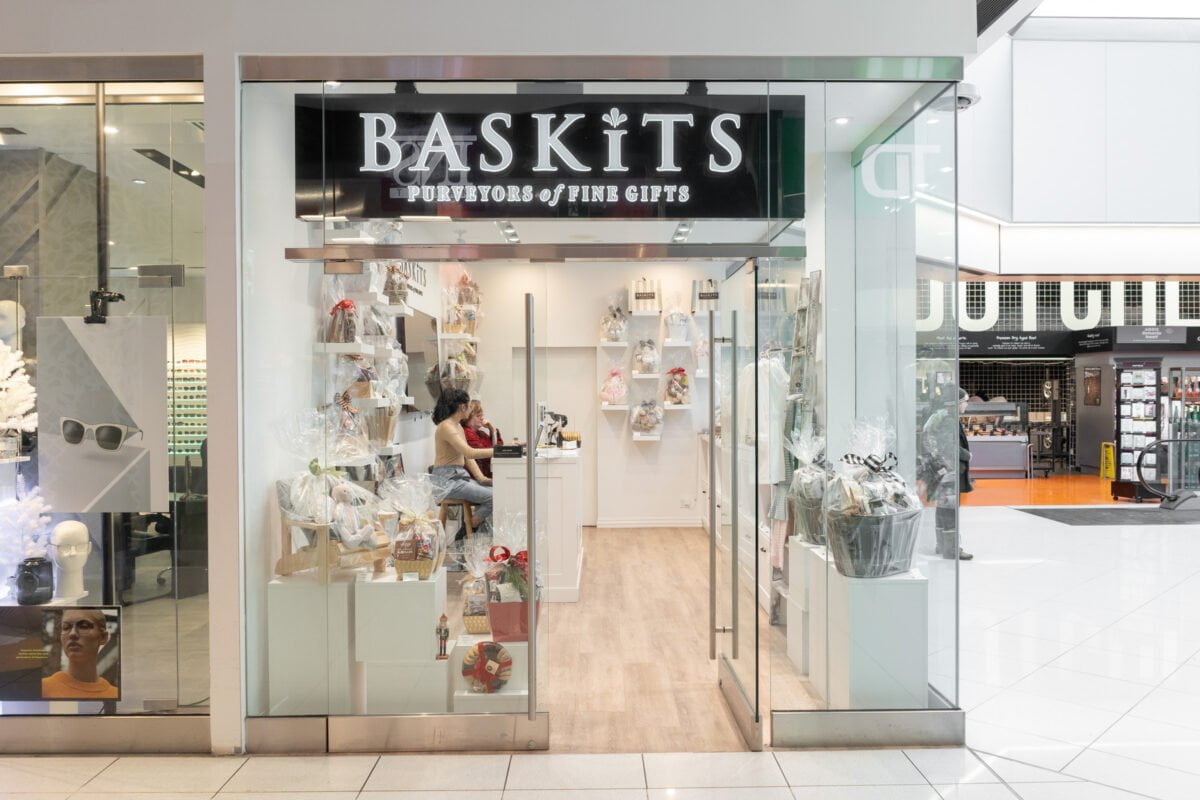
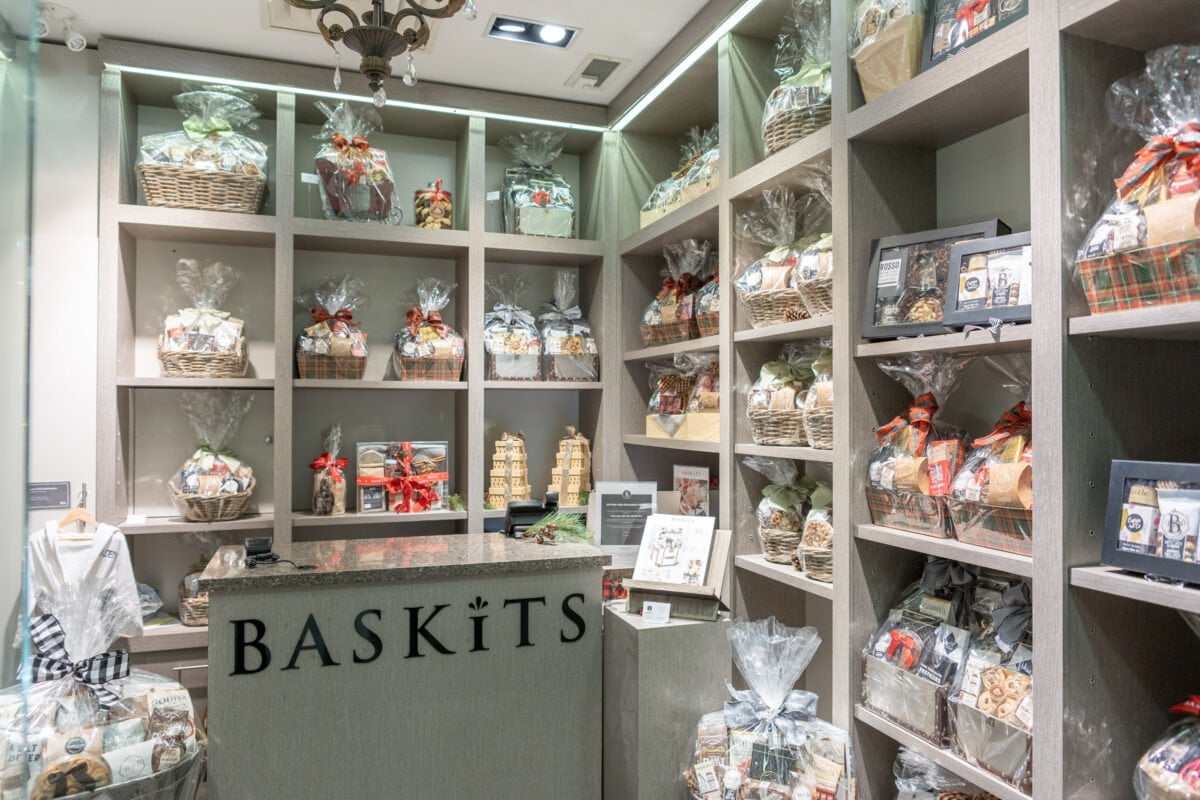
“We’ve taken a bit of a different approach to stores. Because my background is in investing, I see the stores a little bit differently than a traditional retailer would. We only have three locations and they’re very, very small. They’re micro stores, 200 square feet. And the purpose of the store is more as a delivery pickup point, as a showroom and a place for people to kind of confirm quality. But the goal is to sell not through the stores.”
Three locations are in Toronto.
Kovitz grew up in Calgary with a family business – Centennial Foods which was the largest privately-held meat manufacturing and distribution company in Canada with three plants in the city. She grew up evenings and weekends with her father and grandfather learning the business. After she graduated from high school, she went to Queen’s University for a Bachelor of Commerce. Kovitz then spent a few years in investment banking, advising people on buying and selling companies.
What followed was getting a Master’s from the Harvard Business School which was a dream come true for her. While she was there, she met many men in private equity.
President & CEO Robin Kovitz (Image: Baskits) St. Clair Baskits Location (Image: Baskits)
“I just thought private equity was the cat’s meow. The concept of raising money, buying a business, operating it and selling it. I just fell in love with this idea,” she said. “I came back to Canada because my husband’s a lawyer here. I was determined to work in private equity and I did that for a few years. Then I turned the ripe old age of 30, this was 11 years ago, and like many women started thinking of having a family. I looked over my career path and I thought yikes how am I going to have a kid, breastfeed, be accessible from home, do all these things, and also still do what made me successful, which is being at my desk 17 hours a day.
“I took a step back and thought about my strengths and skills and my family and husband encouraged me to buy a small business and see what I could do with it. I know I’m a workaholic but at least I knew I would have more flexibility over my schedule.”
That launched her on a path to study small businesses, trying to find one to acquire. She ‘lucked’ upon Baskits. At first she dismissed it. She didn’t think of it as a business for her. But over time she ended up acquiring the business.
TD Centre (Image: Baskits)Image: Baskits
“I do believe in fate and now I see it like my third child,” said Kovitz. “It’s a lot of fun.
“When I bought the business it had a few million in sales in 2014 and we’ve grown more than 7x since I acquired it.”
Kovitz said it has been a fun business to be in, building a world-class team – the success behind the operation.
“I get calls all the time. I’m not interested in selling it. I want to build. I want to build something greater than myself and I think giving gifts is a really fun and interesting space to be in.
“I think we’ve kind of made the gift basket have a bit of a comeback – a resurgence – with the merger of that with e-commerce. The gift basket from the 80s is back again and Baskits is at the core of that.”
The purchase included 12 key retail properties totalling just over 4.8 million square feet.
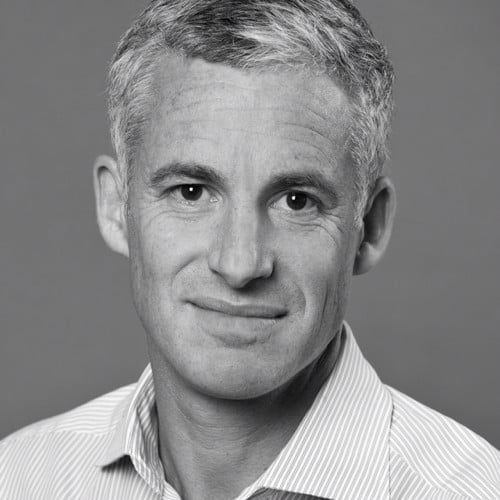
Brett Miller
Brett Miller, CEO of Canderel, said that over the last five years Quebec’s economy has been strong.
“There’s strong disposable income in Quebec because the allocation of household spend to mortgage payments and the home is proportionally a little lower than the rest of Canada,” he said. “Salaries are pretty much on a par. Rent or mortgages is lower. It’s because of a lower cost of real estate. Even though it’s climbed a lot in recent years it’s still lower than a Vancouver or a Toronto.
“There’s an historic, long-term propensity of Quebecers to put money towards entertainment, retail, going out, restaurants, leisure as opposed to putting all the money into housing.
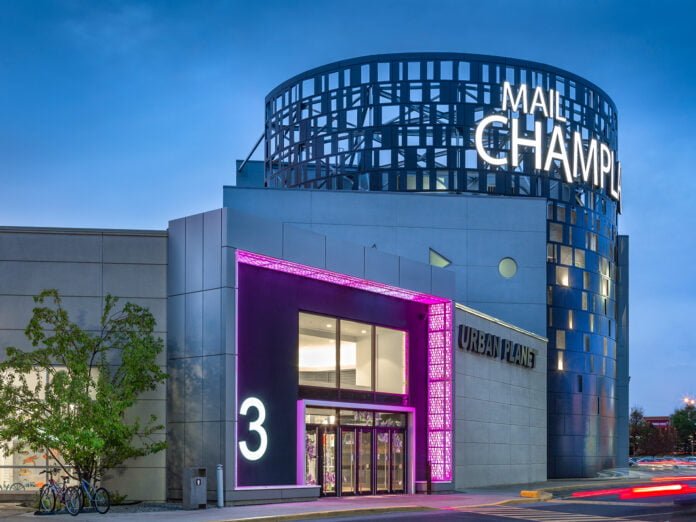
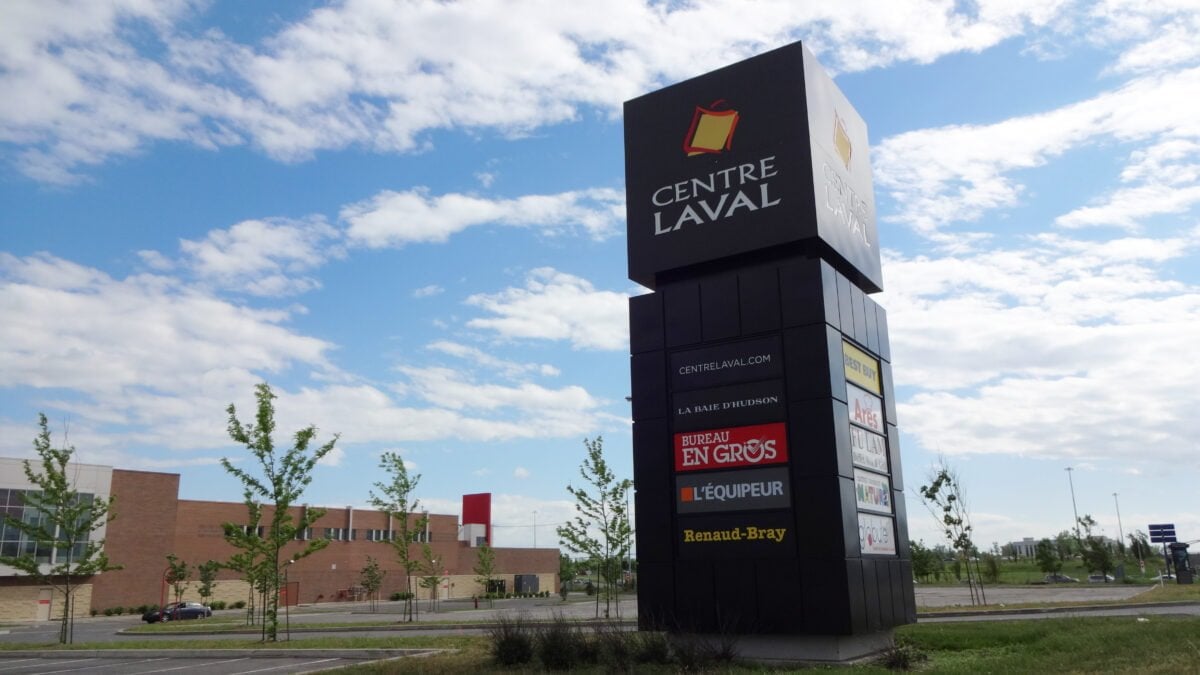
The major retail assets to be owned by Canderel will include: Champlain Mall, Brossard, 710,000 square feet; Centre Laval, Laval, 700,000 square feet; Alexis Nihon Commercial Center, Montreal, 410,000 square feet; Gare Centrale, Montreal, 90,000 square feet; Centropolis, Laval, 110,000 square feet; Galeries Rive-Nord, Repentigny, 550,000 square feet; Promenades Beauport, Quebec City, 600,000 square feet; Halles Fleur de Lys, Quebec City, 105,000 square feet; Centre Rockland, Montreal, 630,000 square feet; Montenach Mall, Beloeil, 370,000 square feet; Les Galeries de Hull, Hull, 285,000 square feet; and Quartier Laval, Laval, 265,000 square feet.
Miller said the retail assets are in key locations, connected to public transit and have potential for redevelopment.
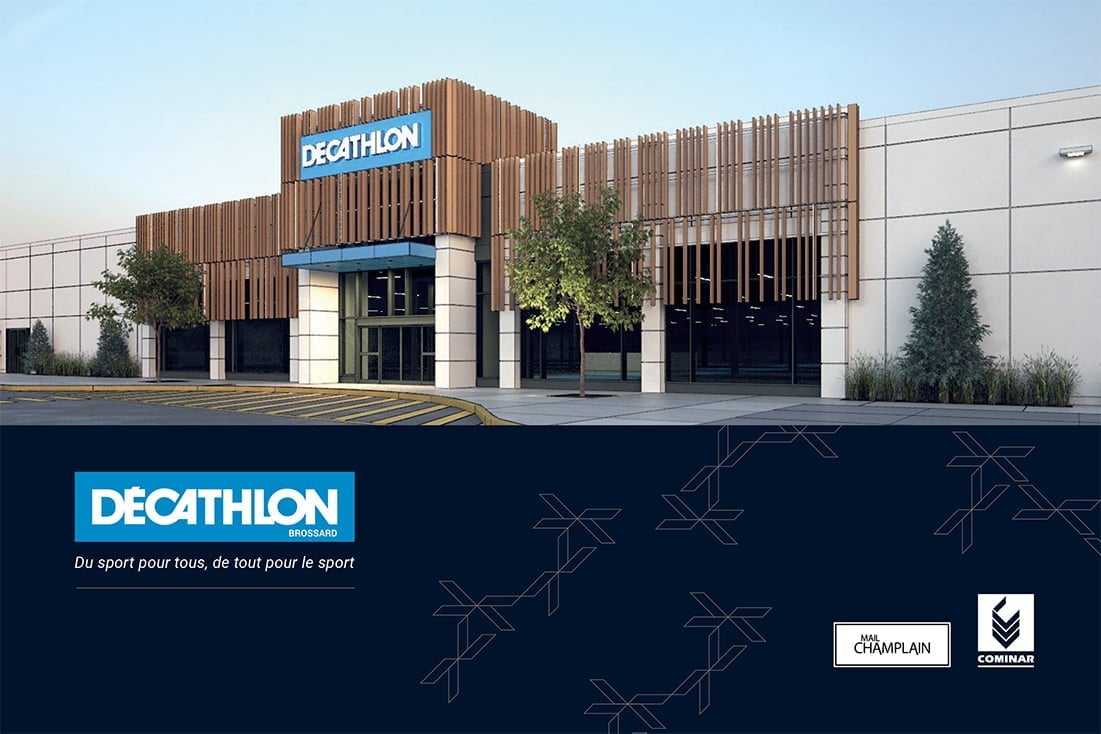
“Those are longer term value impactors but at the most basic level Cominar has done a very good job in transforming the centres by bringing in groceries or new retailers from out of the country plus moving towards a higher balance of food and beverage by moving away from fashion,” said Miller. “In particular, I’d say Cominar has built a great relationship with a retailer out of France, Decathlon. The first Decathlon in Canada was built in Champlain Mall. That continued to grow in the relationship. They also built a Decathlon in Quebec City.
Image: Decathlon at Champlain Mall (Cominar)
“The second privileged relationship is with a local Quebec whole foods concept which is called Avril. It really understands the Quebec higher end grocery consumer . . . and is also doing exceptionally well. And now Cominar is home to three or four of those shopping centres. Those are big drivers in malls in terms of repositioning them.”
Miller said retail is going through a transformation these days with the increasing popularity of e-commerce and he said Cominar had started working on that transformation.
“An example of such is that Cominar had a number of Sears big boxes that were converted into grocery, converted into sporting goods, and divided into smaller more service type retailers,” he said.
Miller said many major malls in Canada are looking to convert to mixed-use, higher density which in some cases is possible but in others it is not.
“The majority of all the Cominar malls due to their locations, which are very centred to their particular trading zones or neighbourhoods and their connectivity to public transport, they’re all highly, highly possible,” said Miller of the potential for redevelopment.
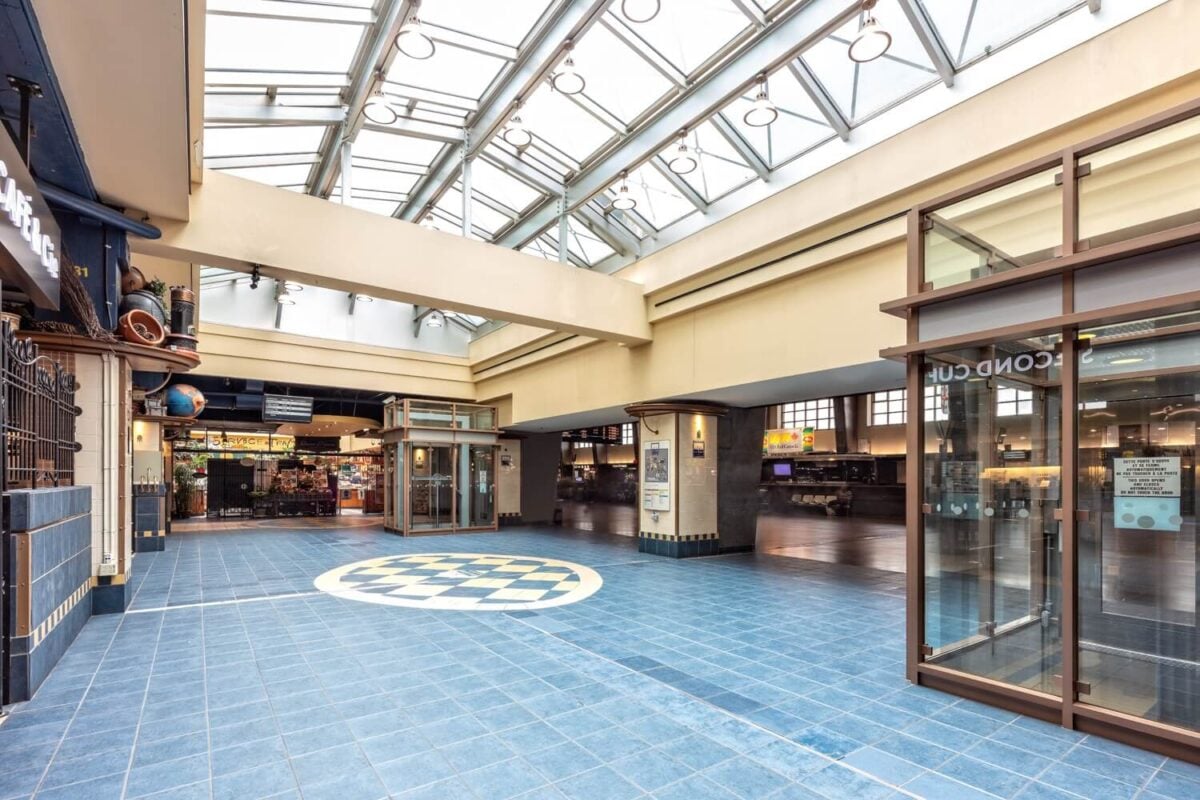
Image: Gare Centrale, Montreal
“So I take an example like Champlain Mall. Montreal is opening shortly a light rail transit system that connects the South Shore to the town centre. A bus commute that was 25 minutes at the best of times and a car commute, which in traffic was 45 minutes, to eight minutes (by light rail transit) and Champlain Mall is right at the REM (Réseau express métropolitain) station as an example.
“All of these are opportunities to rework these malls and add, for the most part, residential, rental and condo, plus a component of other uses – seniors, office, flex. It was very attractive to us. That applies to Champlain, Centre Laval, Centropolis. It doesn’t apply to the two downtown retail centres which still can be densified but obviously a downtown property is not the same as a suburban mall.”
He called the Gare Centrale as the “jewel in the cake.”
“It’s the heart of Montreal. It’s the Grand Central Station and it hasn’t been touched in 30 years and it’s the confluence of every system coming into Montreal – subway, VIA rail, this new light rapid transit – and it also has development density of another 1.8 million square feet but that hub can transform Montreal. We’re incredibly excited about it,” said Miller. “It will be the heart of downtown from a consumer and pedestrian point of view. There’s all sorts of potential and opportunity.”
The Cominar deal is expected to close by the end of this month. At close the industrial portfolio will be sold to Blackstone and a portfolio of about 42 retail and office properties will be sold to Groupe Mach. Groupe Mach will take over about 10 retail centres in secondary and tertiary markets in Quebec.
The remaining assets of 82 properties that the Canderel Consortium will retain include retail and office properties, and development opportunities in Montreal, Ottawa and Québec City.
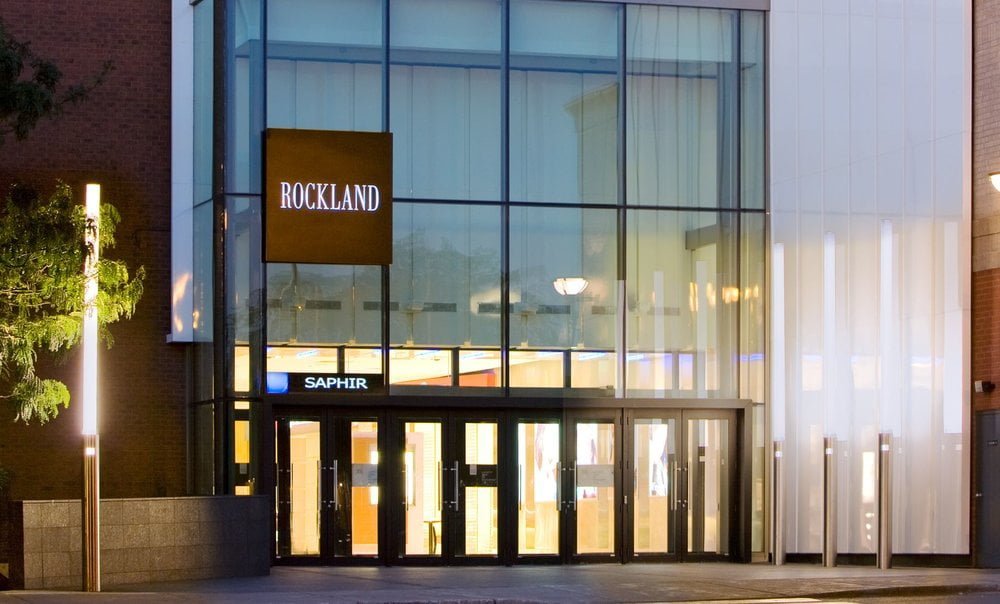
ROCKLAND CENTRE, PHOTO: COMINAR
“This transaction will provide significant benefits to key stakeholders, including tenants of Cominar, by leveraging the resources of the Canderel platform and a Québec-led group of investors with a long-term perspective to unlock opportunities for growth and development in the communities where Cominar operates,” said Miller.
At the time of the transaction, Cominar’s portfolio consisted of 310 office, retail and industrial properties, totalling 35.7 million square feet, located in the Montreal, Québec City and Ottawa areas.
The aggregate consideration to be paid implies an equity value and enterprise value for Cominar of approximately $2.2 billion and $5.7 billion, respectively.
“Other than certain non-strategic assets that may be sold, our investor consortium is taking a long-term view in acquiring the Cominar portfolio and expects to leverage the complementary development, operating and asset management expertise of our respective organizations to enhance the value of, and re-develop, these high-quality holdings, as we deploy additional capital into the Montreal, Québec City and Ottawa markets, where Cominar’s portfolio properties are located,” said Miller.
Canderel was founded over 46 years ago by Jonathan Wener and has since grown from its base in Montreal to seven offices across Canada. Canderel owns and manages a real estate portfolio of more than 27 million square feet in Canada’s seven major markets – Québec City, Montreal, Ottawa, Toronto, Calgary, Edmonton and Vancouver. Its 650 real estate professionals have executed more than $15 billion in acquisitions, developments and management projects.
Podcast [Interview] CEO of Porsche Canada Discusses Retail Future Including GTA Experience Centre
Craig and Marc Ouayoun, President and CEO of Porsche Canada, discuss the brand’s future in this country that includes new retail showrooms as well as the unveiling of one of the world’s only Porsche ‘experience centres’ opening near Toronto next year.
The Interview Series podcast by Retail Insider Canada is available on Apple Podcasts, Stitcher, TuneIn, Google Play, or through our dedicated RSS feed for Overcast and other podcast players. Also check out our The Weekly podcast where Craig and Lee discuss popular content published on Retail Insider which is part of the The Retail Insider Podcast Network.
Interviewed this episode:
Marc Ouayoun – President & CEO Porsche Cars Canada, Ltd.
Drop us a line at Craig@Retail-Insider.com. You can also rate us in Apple Podcasts or recommend us in Overcast to help more people discover the show!
Background Music Credit: Hard Boiled Kevin MacLeod (incompetech.com). Licensed under Creative Commons: By Attribution 3.0 License. http://creativecommons.org/licenses/by/3.0/
Retail Insider is streamlining its Canadian retail news from around the web to include a handful of top news stories that can be viewed quickly during the day. Here are the top stories from the past 24 hours.