Home Blog Page 889

Automated Cashierless Grocery Store Concept ‘Aisle 24’ Launches Aggressive Cross-Canada Store Expansion

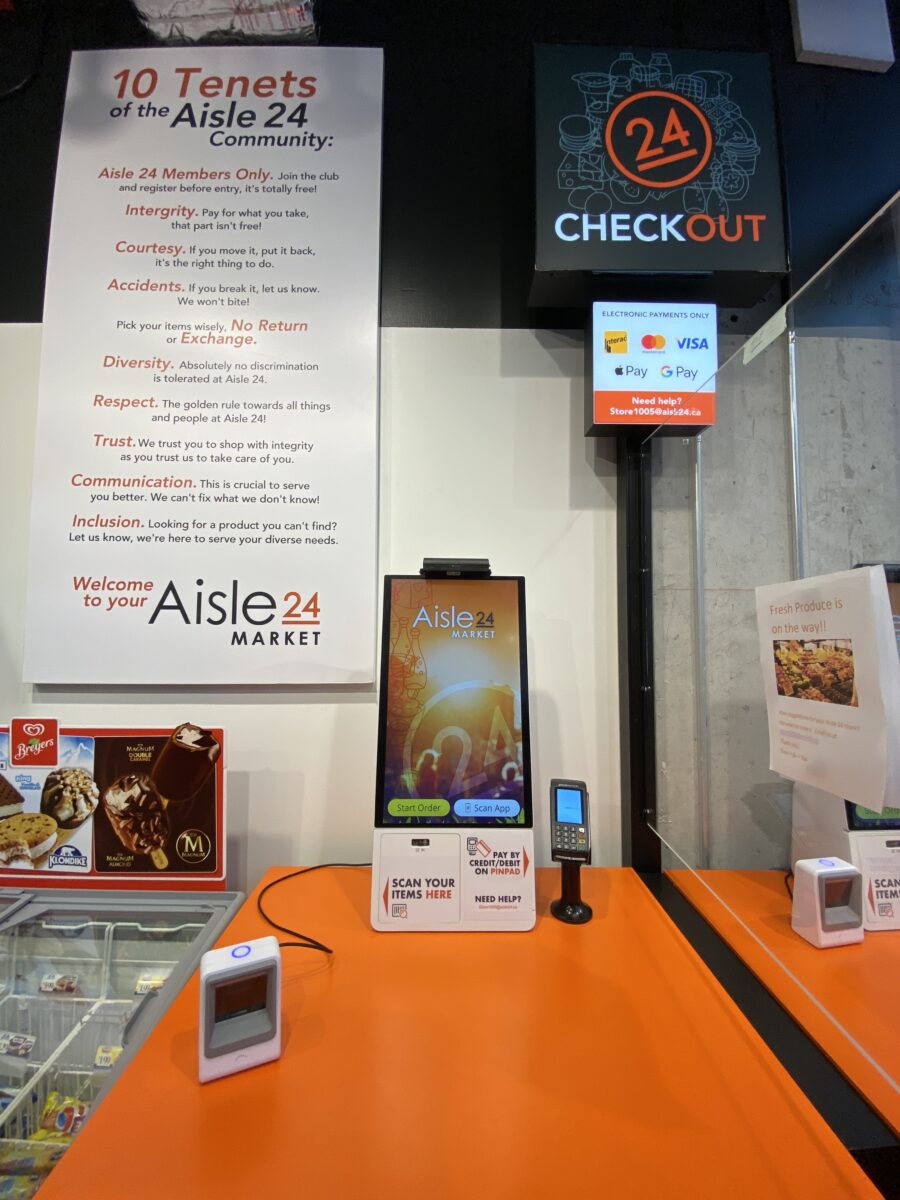
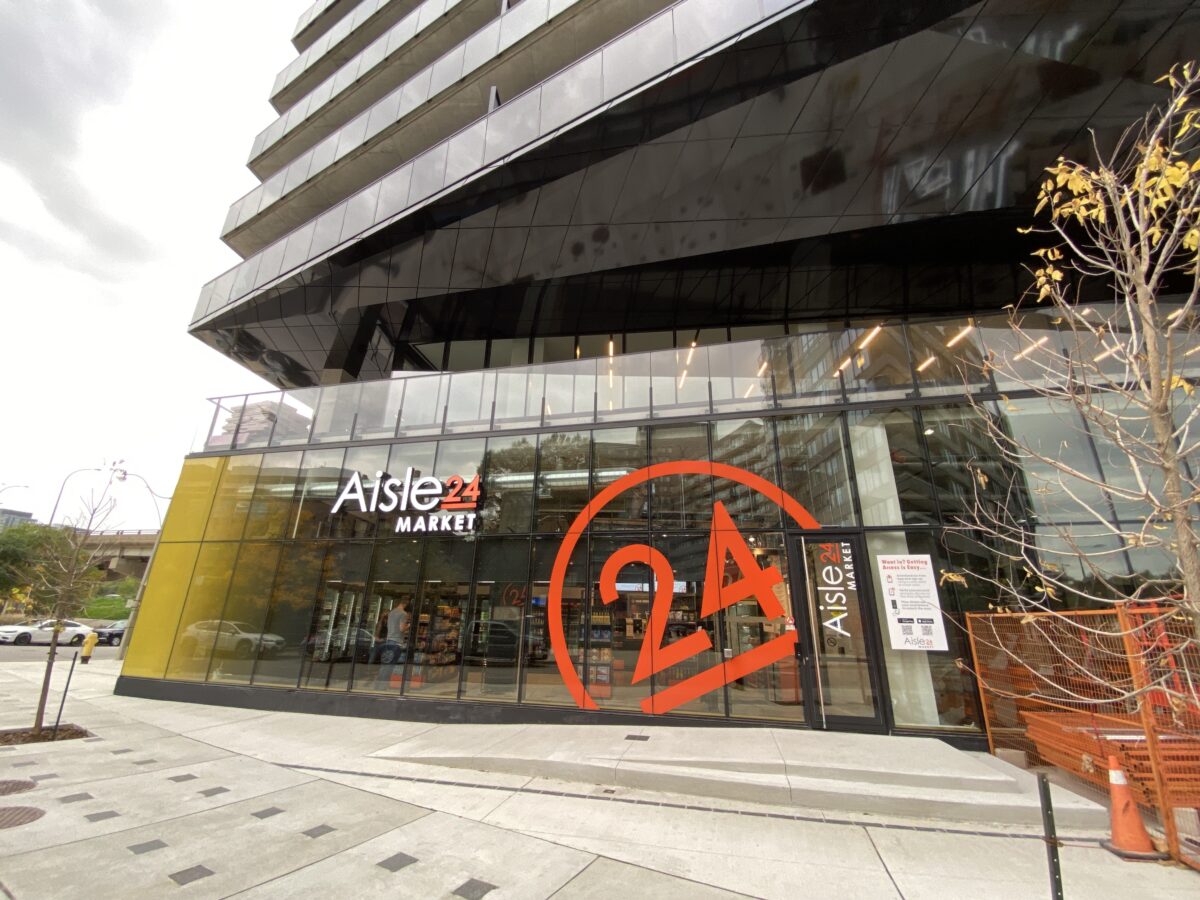
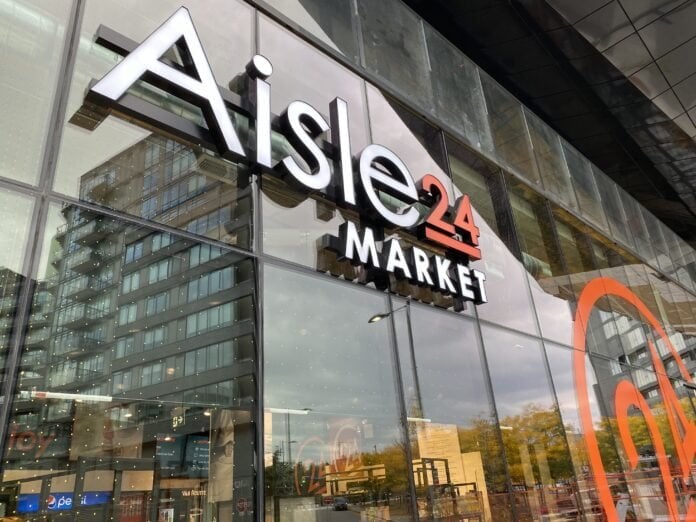
Aisle 24 Market in River City 4 (Photo by Dustin Fuhs)

Aisle 24, a fully automated, cashierless grocery store concept that is open 24/7, is in expansion mode with plans to open numerous locations across the country.

John Douang, Co-Founder & CEO of the company which opened its first location in Toronto in 2016, said the hyperlocal, unmanned market is in nine locations currently in Ontario and Quebec and about 30 stores are in the queue in either lease discussions and construction including in British Columbia.

“We utilize a lot of technology to supplement the store operations and we use a lot of our own platform of technology in order to secure the stores. All the stores are unmanned. We don’t have cashiers and we don’t have staff that are on site to greet customers or anything like that,” said Douang.

“The stores are 24/7, 365 days a year and the way it works is that all of our customers download our mobile app. They create their account and then they get access to the stores.”
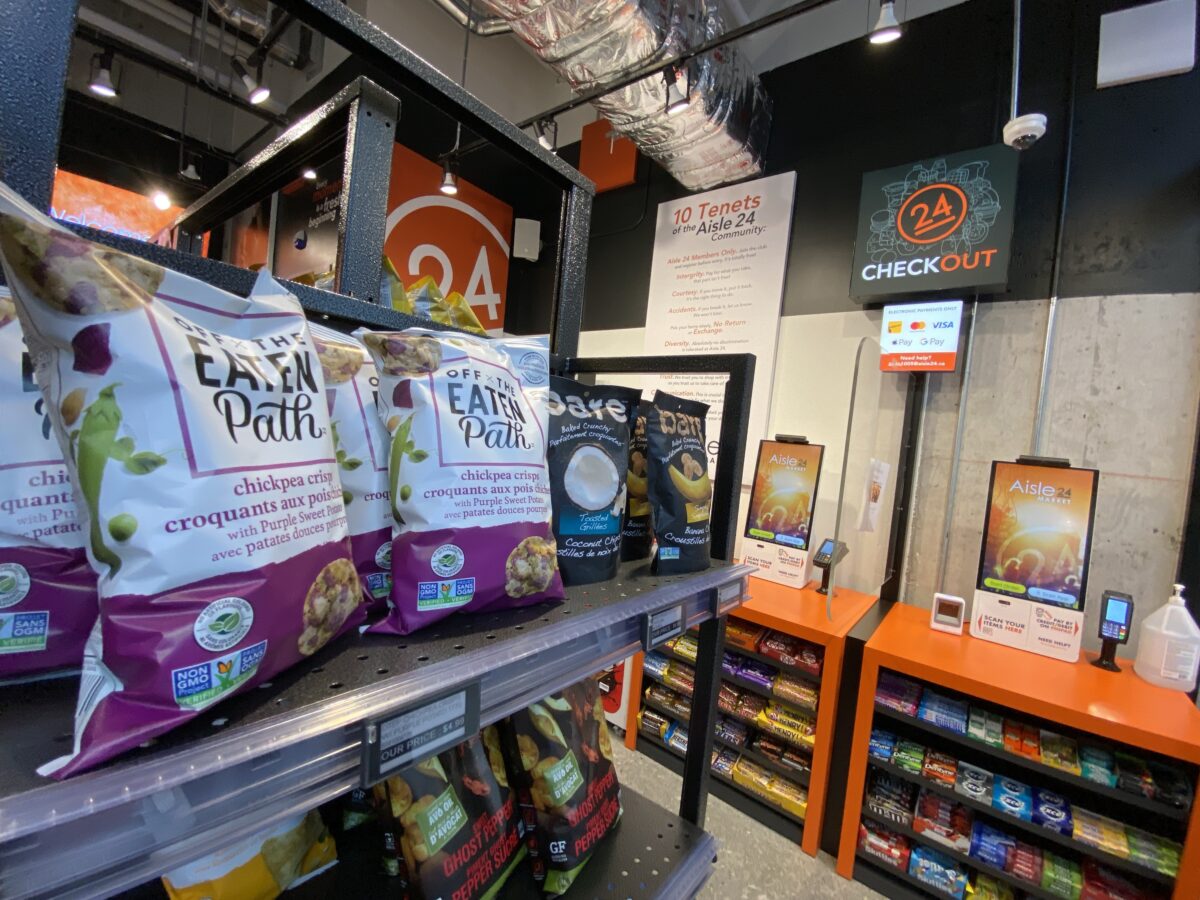
Aisle 24 Market in River City 4 (Photo by Dustin Fuhs)

Douang said there are two sizes for the stores. The first is the resident format which is typically inside the common area of a building. It’s about 350 to 600 square feet. The second is the community format which can go into a standard commercial space and those typically range from 1,000 square feet plus.

“We are more so a market rather than a convenience store because we don’t sell age-restricted products . . . We carry a wide range of grocery products. We’re like a mini market where you can find fresh prepared foods like sandwiches, soups, salads. A wide variety of frozen type goods. Your typical pantry type items. So canned goods, confectionary items like snacks and drinks as well. Mostly around grocery products. We do carry things like electronic accessories like cables and chargers and home goods like cleaning products and personal hygiene products,” he said.

“Our strategy for our store growth has been around placing our stores into residential communities. So we’re working with a lot of major national and international property developers to spec out space within their master planned communities – mostly around densely populated areas. We like to be in communities that have a dense population, usually by way of condominiums and apartment buildings . . . Our strategy has always been bringing the convenience to the customer so they don’t have to travel far to get some items.”

The company started franchising in 2020 and is supported by major investor and advisor, the newest Dragon on CBC’s Dragons Den – Wes Hall.

“I quite honestly feel that Canada can support literally thousands of Aisle 24 stores. When you look at the market as a whole, right now in Canada there’s about over 27,000 convenience stores and over 65 per cent of those are independently owned,” explained Douang. “We feel there’s a big gap in the market and that we can help to consolidate the market and bring a more consistent experience to the consumer.”

Youtube video

In September 2016, in partnership with Knightstone Capital and Centennial College, Aisle 24 launched Canada’s first cashierless grocery store at Centennial Place student residence, tailored to the specific purchasing habits of their community.

“COVID has changed a lot of things. I think even pre-COVID we were on the right trends – what the younger generation, the Gen Z’s, the Millennials, what they want because those people in those age categories are not shopping for the whole week. They’re doing two to three shopping sessions per week and they’re shopping for today and they’re shopping for tomorrow,” said Douang.

“Along those lines, people don’t want to have to deal with grocery shopping in a mega store. It’s almost become a burden now. They want to get in, they want to get out. Shopping is a necessity but it’s not enjoyable and they want to get on with their lives and that’s what we’re about. Our main motto is saving you time so you can focus on what is really important.

“Pre COVID we were already seeing a lot of interest and a lot of growth in our sector. COVID hit and I think it’s even more important now that our customers feel safer shopping closer to home where they have less risk and less exposure to potentially COVID. Their shopping behaviours are changing. They’re shopping more local. They are enjoying the touchless aspect of the business. They don’t need to speak with anybody in the store. They can go in, get what they need and leave in a few minutes.”
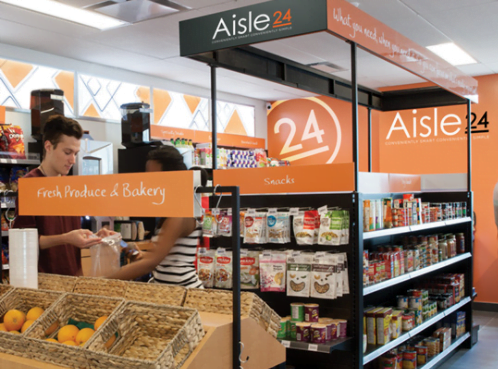
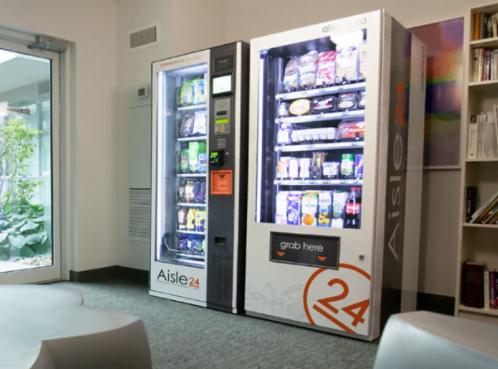
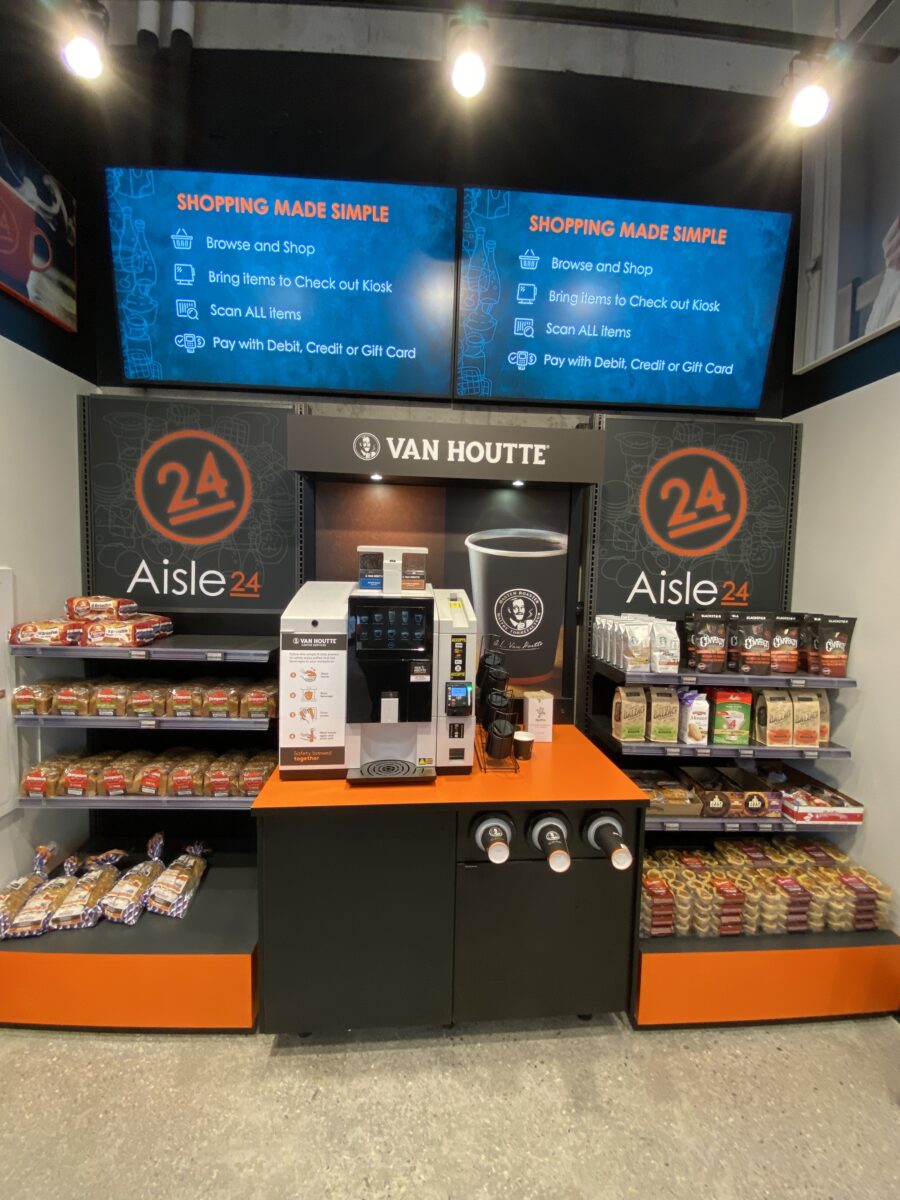
Aisle 24 Market in River City 4 (Photo by Dustin Fuhs)

The Aisle 24 process is simple. People download the mobile app, register an account and can get access right away. The mobile app also delivers special promotions and customer surveys. Customers use the app to unlock the door and start browsing. Every store includes enhanced security systems to discourage theft and reconciles inventory each week to closely track shrinkage.

Residents use the self-service kiosk to scan the products they want to purchase. Products are neatly displayed on open shelves and grocery freezers. If shoppers can’t find something, they can make requests via the kiosk for specific dietary requirements or preferences.

When it comes to paying, the only thing shoppers need is their smartphone, payment card, and a bag to carry their groceries.

The Aisle 24 store is serviced at least three times a week to clean, replenish shelves and check inventory.

Justin Curtis of Oberfeld Snowcap is handling site selection and real estate needs for Aisle 24.

Canadian Company Develops COVID-Killing Technology, Targets Retailers and Shopping Centres

Calgary-based Air Sniper is targeting retailers and shopping centres in Canada with its technology that is proven to kill COVID-19 at a very reasonable price point. 

Air Sniper is an air sanitization technology that utilizes UVC technology to reduce airborne pathogens. Air Sniper equipment is confirmed to continuously kill up to 99.9% of airborne COVID-19 particles in laboratory conditions. 

The cost for a convenience store-sized retail business would be about $3 per day, making it extremely cost effective. 

Features and benefits of Air Sniper include:

  • Commercial, industrial-scale air purification.
  • Covers to 7,500 cubic feet with recommended air turnover every 10 minutes.
  • Destroys 99.9% of airborne pathogens including COVID-19, influenza, staph, mould, and more.

Air Sniper COVID-19 test results are available online at airsniper.ca/test-results.

“We’re proud to be one of the first to be third-party tested and proven to kill 99.9% of COVID-19 as well as many other viruses and pathogens,” said Stuart Henley, President at AIR, a claim independently verified by use of EPA approved surrogate virus Bacteriophage MS2 to be accurate in laboratory conditions by a custom environmental testing chamber by Airmid HealthGroup of Ireland. “We hope that more businesses and facilities will take advantage of this solution in order to remain open safely.”

Calgary-based Air Sniper was founded about 20 years ago to filter air in commercial buildings. Testing was done last year to confirm that Air Sniper technology could also kill the novel Coronavirus COVID-19. The proven technology has since been introduced into the Peel District School Board as well as many other businesses. 

Retail Insider is partnering with Air Sniper on this announcement as the Air Sniper technology may help keep businesses and shopping centres open at a time when many are concerned about closures as a pandemic fourth wave takes hold into the fall/winter cold and flu season. 

Employees and visitors to businesses and shopping centres utilizing Air Sniper can enter with more confidence knowing that Air Sniper is handling air purification to kill unwanted germs. 

For businesses and landlords interested in learning more about Air Sniper, feel free to contact the company below in this partnership with Retail Insider. 

How Grocers can Overcome the Uncertainty and Flourish During Upcoming 2021 Holiday Shopping Season

Designated Voilà by Sobeys Curbside (Image: Sobeys)

As the 2021 holiday shopping season quickly approaches, many retailers throughout the industry continue to face unparalleled levels of uncertainty and disruption. Instability concerning the COVID-19 virus and any further lockdowns and tightening of social restrictions associated with its spread, combined with the unreliability of the current global supply chain, have retailers operating in every vertical and category scrambling to understand the complexities of a shifting and changing landscape. For grocers, given the essential nature of the product and services that they provide, these stresses and pressures are accentuated. According to Dan Surtees, Vice President of Strategy & Business Development at XCCommerce, without a clear understanding of the channels their customers plan to shop on, their performance during the most lucrative and critical period on the retail calendar is being threatened.

“One of the biggest questions for grocers as we move closer toward the holiday shopping season is where will customers want to shop and are they going to feel comfortable shopping in brick-and-mortar stores,” he says. “And, part of the challenge for many of the grocers in figuring this out is the fact that for every location the behaviour associated with those unique customer-bases are likely to be a little different. Every region has been impacted differently by the pandemic, and perspectives in each of those areas is different as well. So, many grocers are starting to put together their marketing and promotional strategies without the ability to accurately predict where the different markets will be buying.”

Multiple promotions strategies

The explosion of online grocery, including the availability of options that include home delivery, curbside pickup and buy-online-pickup-in-store, represented a boon for the many grocers that offered the services during the pandemic. However, it’s currently unknown whether the behaviour will be sustained through the upcoming holiday season. This presents challenges to grocers and their marketing teams tasked with developing strategies with the objective of driving customer loyalty, growing basket sizes, and delivering revenue this holiday season. To support their marketing efforts and prepare their stores and operations with the ability to satisfy the holiday meal, party and celebration needs of the consumer, Surtees suggests the development of multiple strategies.

“Building multiple strategies provides grocers and other retailers with the agility that’s required to move and shift as the market, economics and other factors change,” he explains. “A plan needs to be developed for in-store promotions. But, with the rapid changes that have been impacted and influenced by the pandemic, including lockdowns and increased social restrictions, that plan may not work within certain regions. So, simultaneous marketing plans need to be implemented for online delivery and curbside pickup that can be swapped in and out at the click of a button depending on particular market conditions. To do this, it requires agility within the organization as well as in the systems it uses.”

Sophisticated solutions

This agility can be facilitated by the implementation of a sophisticated promotion and offer management platform, enabling consistent execution of complex, overlapping offers across channels, devices, banners, locations and loyalty status, something that XCCommerce has been providing for retailers for more than 20 years. Equipping themselves with an automated solution allows retailers to manage, execute and analyze all of their complex promotional offerings, across all sales channels, helping them to compete in the extremely competitive and fast-paced retail environment. In that agility, explains Surtees, is the flexibility and ease of use inherent in the management of their promotions from a single platform.

“Perhaps the greatest benefit to businesses that utilize and leverage a sophisticated promotion execution and management solution is the fact that it helps them unify all promotions and execution for their brands across all channels,” he asserts. “So, if they need to make a change to their promotions, they make it in one system. It’s particularly beneficial to grocers that operate multiple banners and stores across cities, regions, and countries. Using a unified promotions solution allows them to tweak and change their digital offers, personalizing them for each digital channel and each individual store. And, it also provides them with the ability to more easily hone their strategies and target offers within certain geographical boundaries. What’s happening in one part of the country is not necessarily what’s happening in other parts of the country. The same can be said about the differences between urban and rural locations. A unified solution enables grocers and other retailers with the flexibility to create unique offers and promotions for each market and submarket that they serve, right down to single stores, whilst also enabling them to react quickly to ever changing market conditions.”

Driving customer loyalty

Surtees goes on to explain that the flexibility that’s inherent within promotions management solutions like those offered by XCCommerce also supports the creation of unique strategies and personalized promotions that can be targeted to individual customers. Based on a grocer’s level of understanding concerning the purchasing and browsing behaviours of their customers, they can make targeted offers to them through the digital channels where they are engaging. It’s a solution that can be used as an incredibly powerful and effective tool in driving customer loyalty, irrespective of the landscape or geographical location of the customer. According to Surtees, it’s exactly the kind of tool that could potentially help grocers incent consumers during the important upcoming 2021 holiday shopping season.

“Driving customer loyalty is obviously top-of-mind for any retailer throughout the industry, particularly within grocery. It just depends on the type of tactics and solutions that are being deployed to bring customers into the store or visit the website and increase their basket size and overall spend. With the holiday shopping season approaching, it’s going to be crucial that grocers both incent and reward their customers to shop with them. The challenge today is that many grocers and other retailers currently manage their promotions and engagement through disparate systems, rendering the experience for customers fragmented and inconsistent across channels. Equipping marketing teams with a unified platform to manage and execute all of their offers and promotions across stores and all digital channels provides an ease of control for them. This ultimately helps support the continued development of their organizations’ omnichannel efforts and the experience they offer.”

To learn more about XCCommerce and how they are delivering retail promotional excellence for the industry’s leading brands during this holiday shopping season, visit https://xccommerce.com

Canadian Retail News From Around The Web For October 13th, 2021

Canadian Retail News From Around The Web

Top Stories: National

Couche-Tard buys 6.3 million shares from co-founder for $300 million (Canadian Grocer)

The return of Zellers? Experts divided on whether pop-up will revive brand (CTV)

Cannabis has been legal almost 3 years, yet retailers say banks are shutting them out (CBC)

Winter tires are the next looming shortage for consumers (TorStar)

View from the C-Suite: How Altitude Sports is planning around disrupted supply chains (Strategy)

A treat for Halloween: After a dud year in 2020, manufacturers say candy is already flying off the shelves (TorStar)

Economy needs to shed reliance on government aid: Manley (BNN)

Canada’s high-end restaurants face struggle to survive (Paywall/Globe & Mail subscribers)

Central/Eastern Canada News

Western Canada News

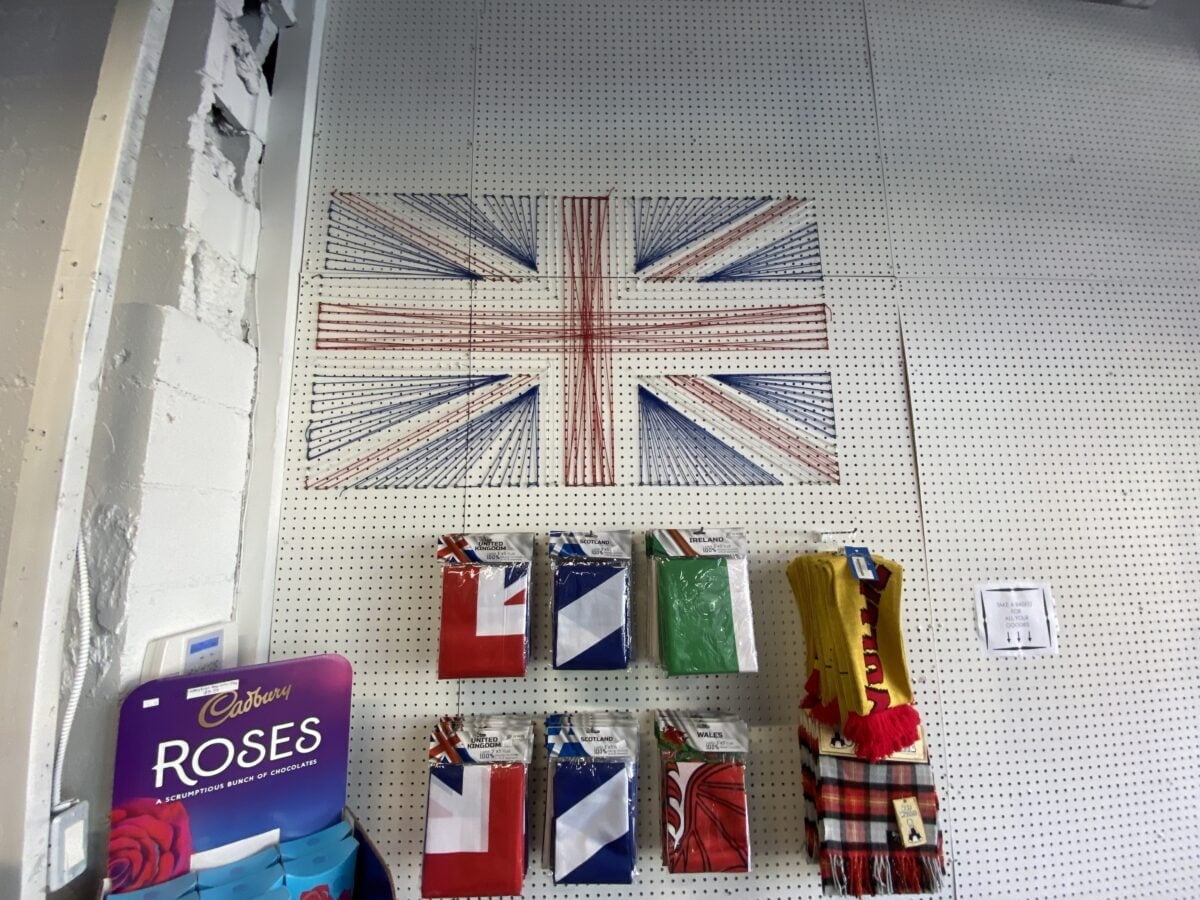
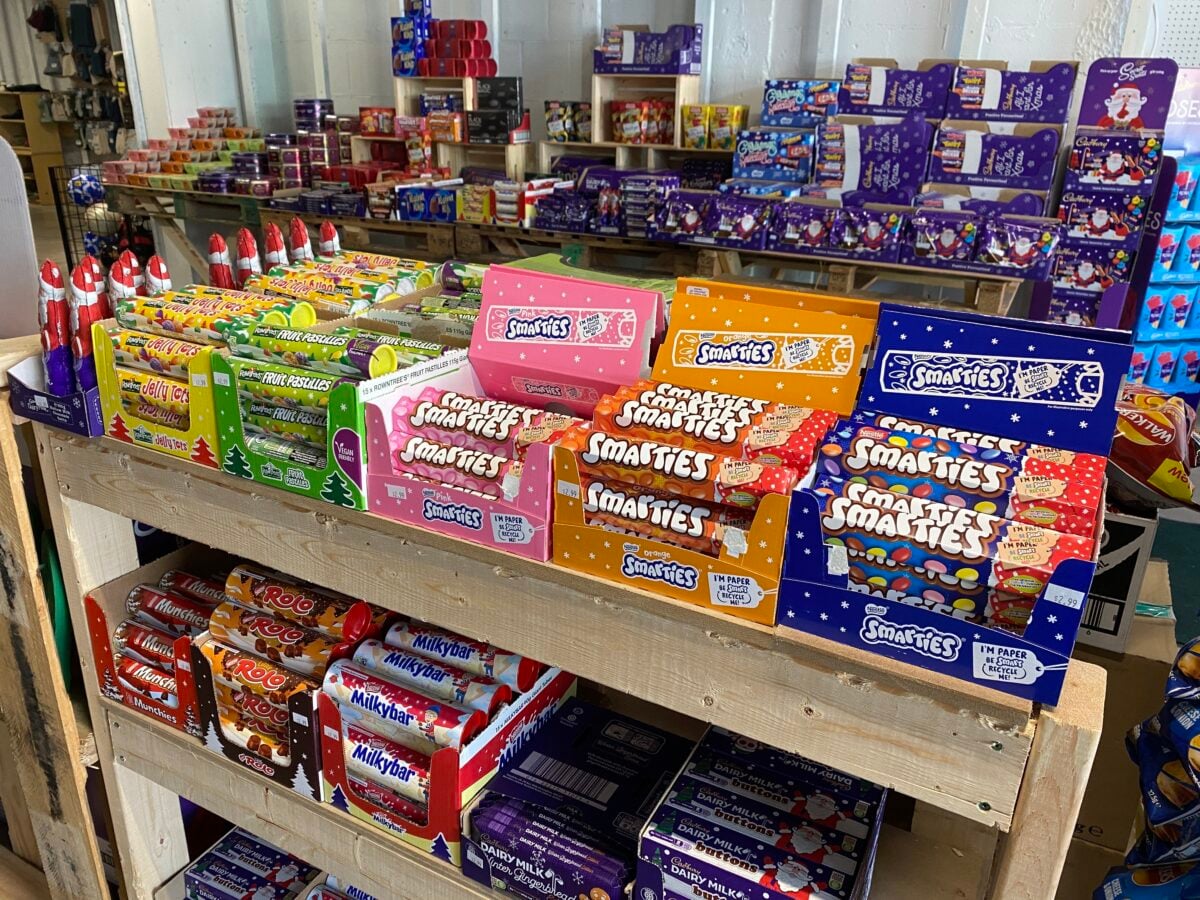
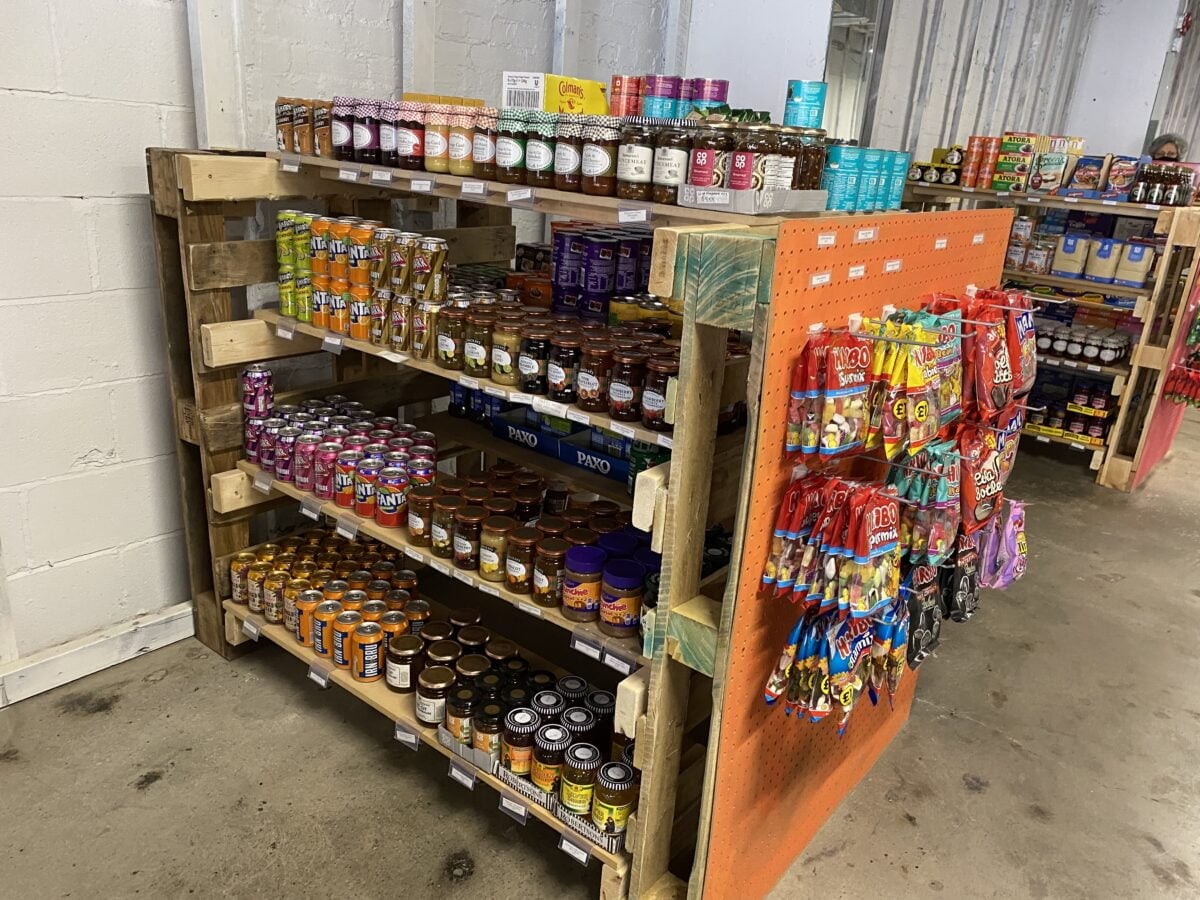
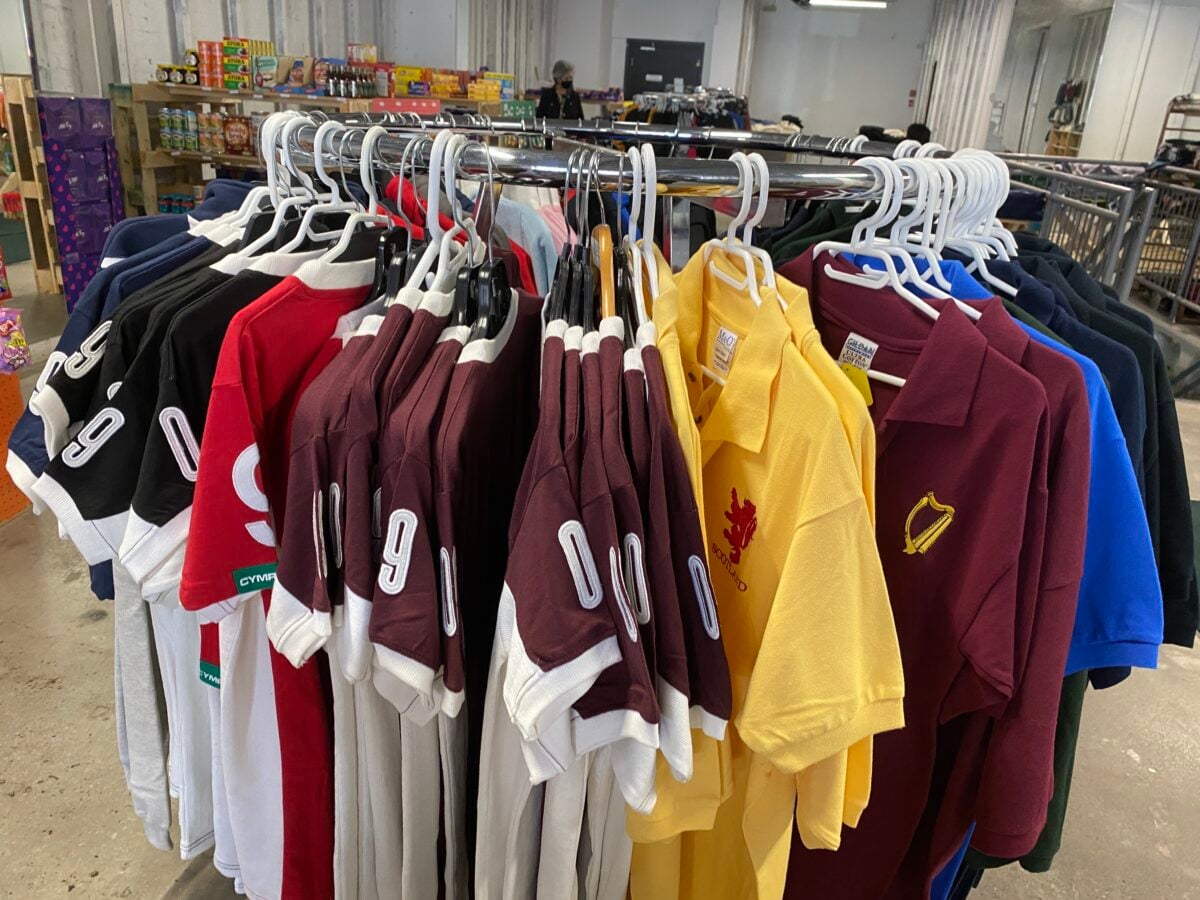
The Scottish & Irish Store Opens Pop-Up in Toronto’s Fashion District

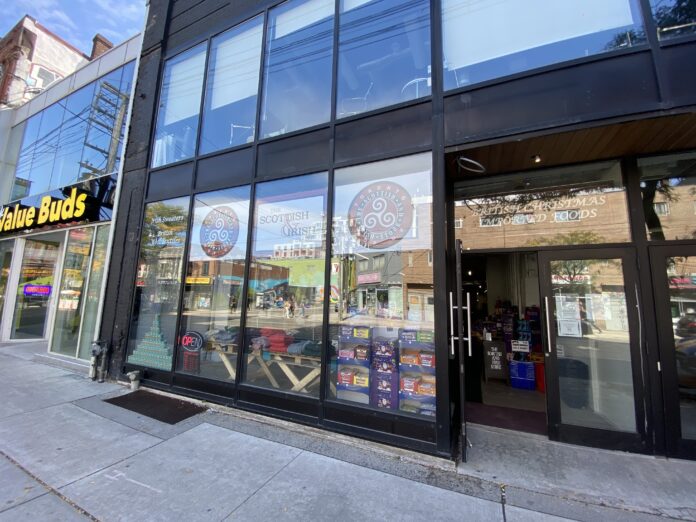
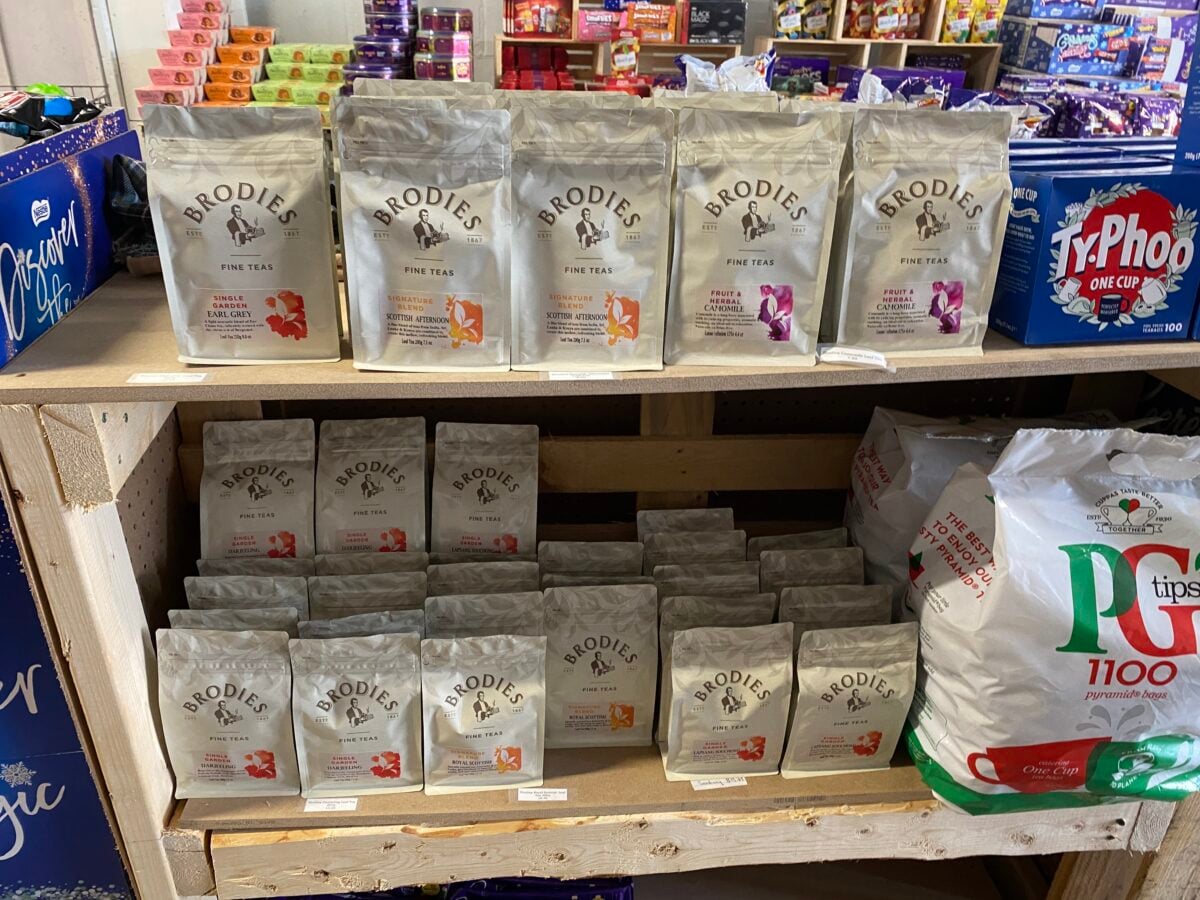
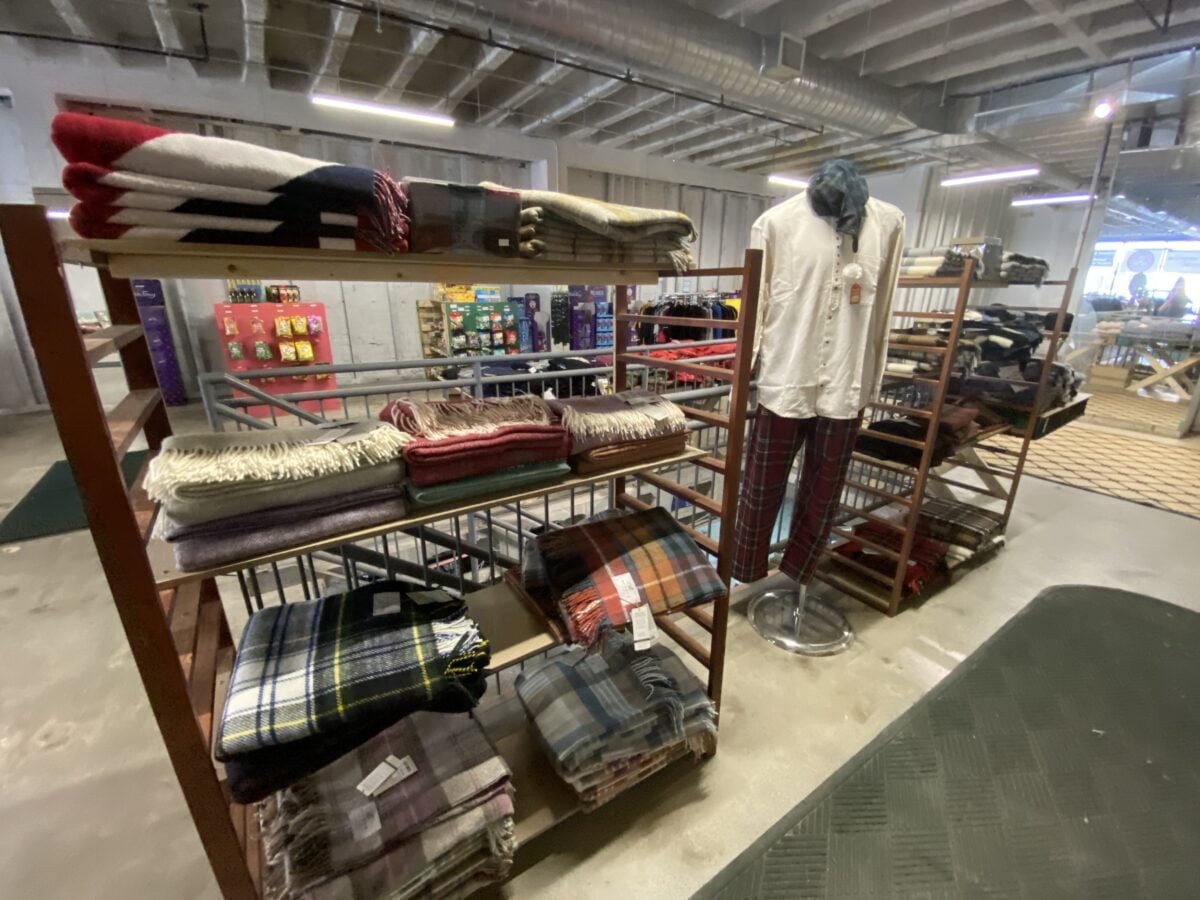
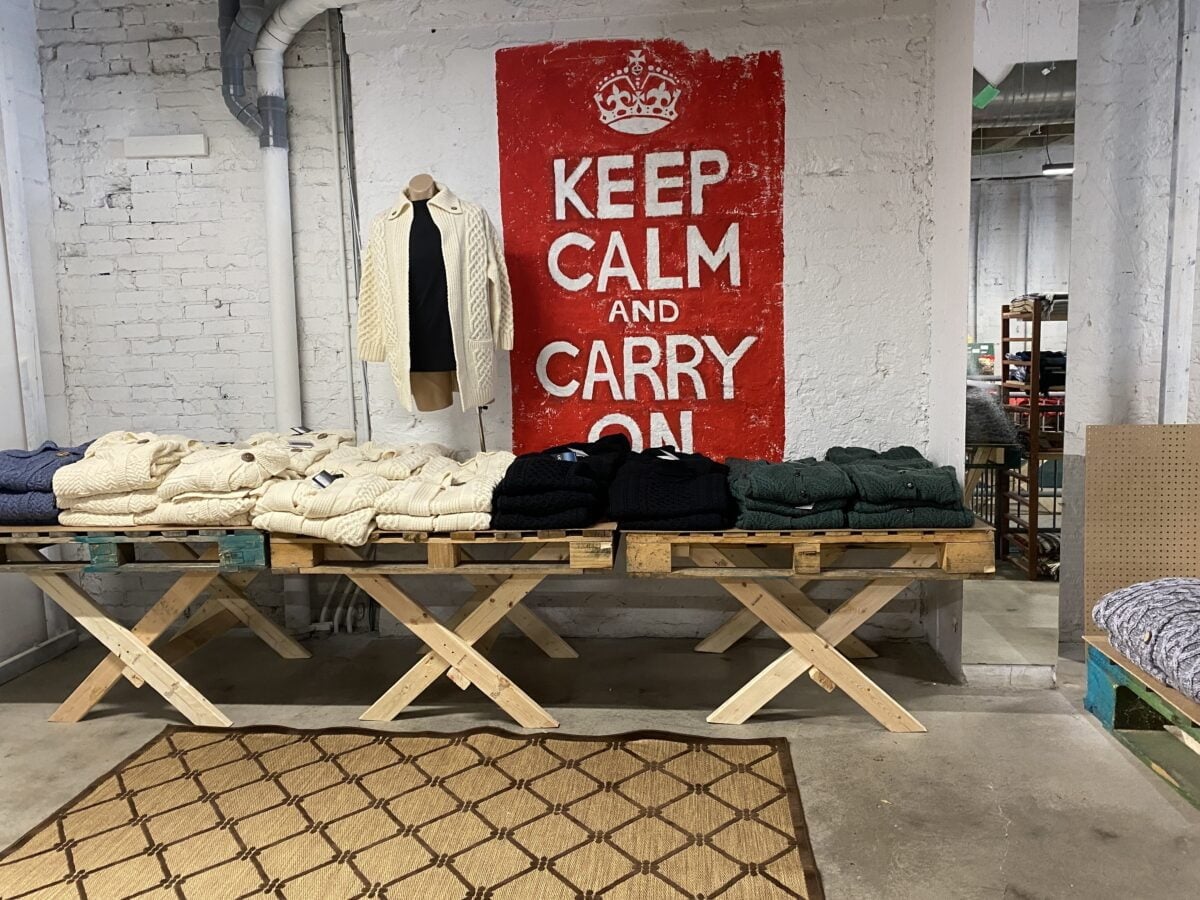
The Scottish & Irish Store Pop-up at 501 Queen Street (Photo: Dustin Fuhs)

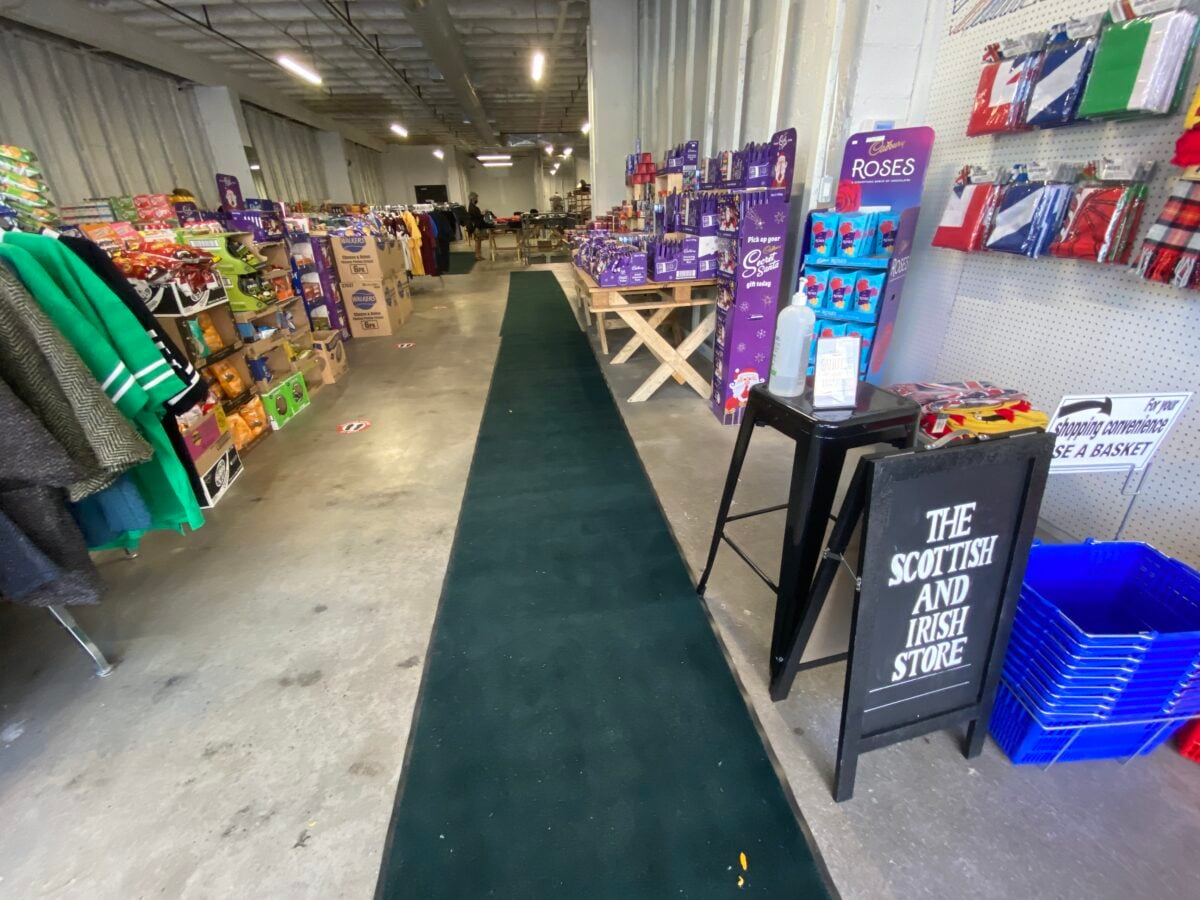
Ottawa-based retailer The Scottish & Irish Store has partnered with pop-up go for a pop-up activation at 501 Queen Street West.

Queen Street is the first pop-up for the brand, which was founded in 2001 and has two retail locations in Ottawa that each have over 6000 square feet.

“pop-up go’s match service was able to provide The Scottish & Irish Store with some really interesting spaces, but they loved the idea of being in the Fashion District on Queen Street West, just west of Spadina,” said Linda Farha, pop-up go’s Founder and Chef Connector.

“While it may be hard to travel right now, this pop-up will make you feel like you are euro bound with their lineup of Scottish and Irish snacks, clothing, jewellery, and more!”

The Scottish & Irish Store Pop-up at 501 Queen Street (Photo: Dustin Fuhs)

Quebec Family Nabs Zellers Trademark From HBC to Open Small-Format Zellers Stores and Restaurants 

The future home of the Moniz family's second Zellers storefront in Sorel-Tracy, Quebec. Photo: Google Street View

The Moniz family in Quebec is in the process of opening a second small Zellers-branded store in Sorel-Tracy, Quebec, after registering a trademark for the Zellers name earlier this year. The Hudson’s Bay Company, which let the trademark for the Zellers name lapse last year, is fighting back with litigation saying that it has the rights to Zellers after opening a pop-up in Burlington over the summer

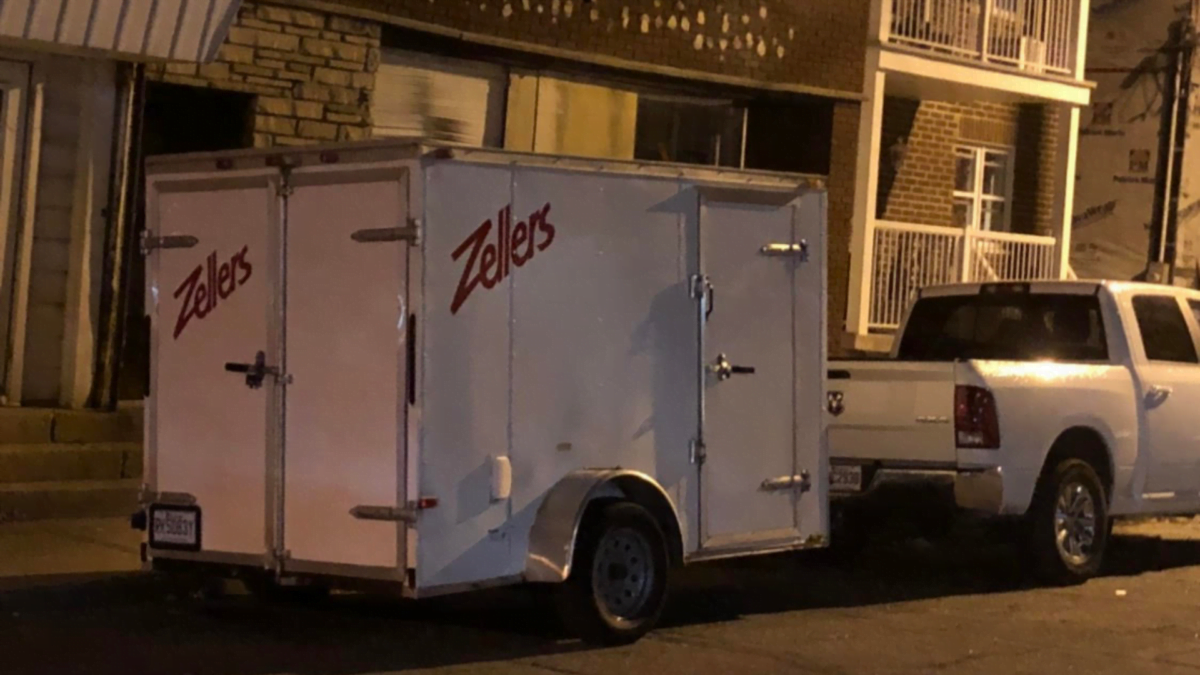
The second Zellers-branded store will open soon at 60 Hotel-Dieu in Sorel-Tracy. Construction has been ongoing for weeks in a retail space formerly occupied by a book store, and one local sent Retail Insider a photo showing a Zellers-branded trailer outside of the new store. The Moniz family says that it is waiting for permits prior to opening the Zellers store in the coming days even although the municipality says nothing has been filed and that the building has to be demolished. In April of this year, they opened a Zellers Express store on Augusta Street in Sorel-Tracy and oddly, there’s very little information online about where it is located or that it even exists. 

This follows at least one member of the Moniz family going after the Hudson’s Bay Company last year by registering the name Kmart in Canada — the Hudson’s Bay Company bought Kmart’s Canadian operations in 1998 and converted most stores to Zellers banners. The Moniz-owned Kmart store is now operational at 62 Rue Augusta, and again there is little information online about the store and its operations. 

A Kmart store operates out of the main floor of this building at 62 Rue Augusta. Photo: Google Street View

The Hudson’s Bay Company recently got wind of the Moniz family’s efforts to take over the Zellers name. On October 5th, the Hudson’s Bay Company filed a Statement of Claim in the Federal Court of Canada naming Defendants: Manuel Moniz, Maria Almerinda Moniz Sousa, Robert Moniz, Carlos Moniz, Zellers Canada Inc., Zellers Convenience Store Inc., Zellers Holdings Inc., Zellers Inc., and Zellers Restaurant Inc.

Retail Insider reached out to the Hudson’s Bay Company which provided the following statement about the situation: “To protect its ZELLERS brand and avoid consumer confusion, HBC has filed a claim in the Federal Court of Canada for passing off, trademark infringement and depreciation of goodwill. The allegations in the claim relate to planned unauthorized third-party ZELLERS stores, among other unauthorized uses of the ZELLERS brand. HBC intends to pursue this claim vigorously.” 

The statement follows Retail Insider’s report last month that HBC had opened a Zellers pop-up store within the Hudson’s Bay department store at the Burlington Centre mall near Toronto — we were the first to report on the pop-up that had already operated for about two months prior. A Zellers pop-up will next be opening at the Hudson’s Bay store at CF Galleries d’Anjou in Montreal according to an HBC representative, and other Zellers pop-ups could open inside of Hudson’s Bay stores the future. 

The Hudson’s Bay Company’s trademark for the Zellers name expired September 24, 2020 and it was subsequently registered by the Moniz family in 2021. Toronto-based intellectual property lawyer Anjli Patel noted that HBC should have received notice that its trademark for Zellers was set to expire prior to its expiry. 

Retail Insider was provided the above photo of a Zellers-branded trailer in Sorel-Tracy Quebec in early October. The location of this photo is in front of the 60 Hotel-Dieu Zellers store that is set to open soon.

Cast of Characters: The Moniz Family 

Several members of the Moniz family are involved with the new Zellers operations after registering the Zellers trademark including the logo many Canadians are familiar with. At least one of the family members has what has been reported as being something of a shady past that includes charges of mortgage fraud and car theft. 

Under Hudson’s Bay ownership, Zellers was headquartered in Brampton Ontario until the chain as we knew it was shut down in 2013. The new Moniz-operated Zellers business appears to be headquartered in Prince Edward Island, while a restaurant subsidiary is based in Quebec. 

Zellers Holdings Inc. was registered on June 11, 2021 and is headquartered in what appears to be a farm house named ‘Blue Lobster’ in Kensington, Prince Edward Island. Zellers Holdings Inc. has four directors: Manuel Moniz, Maria Almerinda Moniz Sousa, Robert Moniz and Carlos Moniz. Manuel and Maria have addresses listed in Laval, Quebec. Robert’s address is in Auclair, Quebec, and Carlos Moniz’s address is in Sorel-Tracy. 

Zellers Restaurant Inc. was registered on September 6, 2021, and has an address of a home in La Trinité-des-Monts Quebec. Maria Moniz Sousa is listed as the director of Zellers Restaurant Inc. 

The head office for Zellers Holdings Inc. is registered to a farm house named ‘Blue Lobster’ in Kensington PEI. Image via Google Street View

It appears that Manuel and Maria could be spouses, given that they share the same residential address and also once owned a company called Maria & Manuel Import Export Inc. — Manuel has had several other companies according to corporate registry records. 

Robert Moniz may be the best known of the family members mentioned above given accusations of mortgage fraud laid against him in 2010. Robert was charged with mortgage fraud totalling more than $5 million — the then 37 year old faced 53 charges, including fraud, forgery and uttering forged documents. Robert Moniz is alleged to have persuaded victims to lend him their names to help him buy properties in the Montreal and Laval areas in return for several thousand dollars and a promise that he could boost their credit ratings, according to an article in the CBC. Robert was also arrested in early 2010 in a stolen Mercedes in Belleville, Ontario. 

Both Carlos Moniz and brother Robert were involved in a plan to open a strip club in the former Doc’s Palace on Station Street in Belleville, which saw news coverage given that some were against the plans more than a decade ago. 

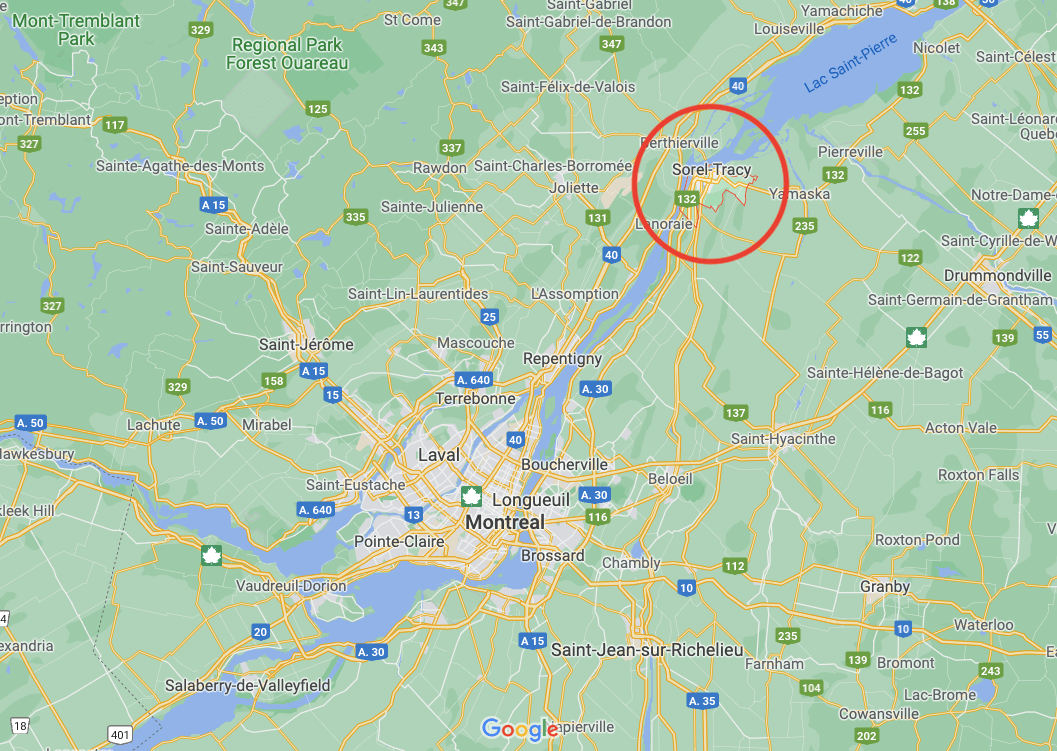
Sorel-Tracy is a community located northeast of Montreal. Image: Google Maps
Location of the soon-to-open Zellers store in Sorel-Tracy Quebec. Image: Google Maps

Kmart Canada 

Maria Moniz Sousa is also listed as being sole director of Kmart Canada which was registered in May of 2020. The headquarters for Kmart Canada is listed with a registered office in La Trinité-des-Monts — and the address for Kmart Canada is the same home as the new headquarters for Zellers Restaurant Inc. 

Retail Insider was unable to get a hold of Maria by press time for an interview after repeated phone call attempts to a listed phone number for Zellers in Sorel-Tracy. For more than a week we attempted to speak to her after an unidentified family member provided us with information on the progress of their Zellers expansion in two phone calls. 

What’s Next? 

Anjli Patel
Anjli Patel

Lawyer Anjli Patel said she was surprised that HBC had let the Zellers trademark lapse and noted that it may be challenging to get it back although the retailer did in fact operate Zellers stores across Canada for decades. HBC launched a Zellers pop-up over the summer in Burlington and will launch at least one more in Quebec, indicating the fact that HBC is intending to continue utilizing the Zellers name which it once owned without dispute. 

The Hudson’s Bay Company itself filed for a new trademark application for the Zellers name on June 30 of this year, indicating its intent to maintain domain over the trademark. HBC also filed a lawsuit in the Federal Court against the Moniz family and their Zellers-branded entities as noted above. 

The Moniz trademark application as well as the subsequent registration by HBC for the Zellers name are both in progress, and have not yet been assigned to government examiners as of press time. That means that litigation may be required to settle the dispute between HBC and the Moniz-owned Zellers entity which could result in the end of the small-format Zellers stores in Sorel-Tracy as well as any future expansion plans by the Moniz family.  

We’ll follow up this unusual story as it develops. 

Lenscrafters to Open at Park Royal in West Vancouver

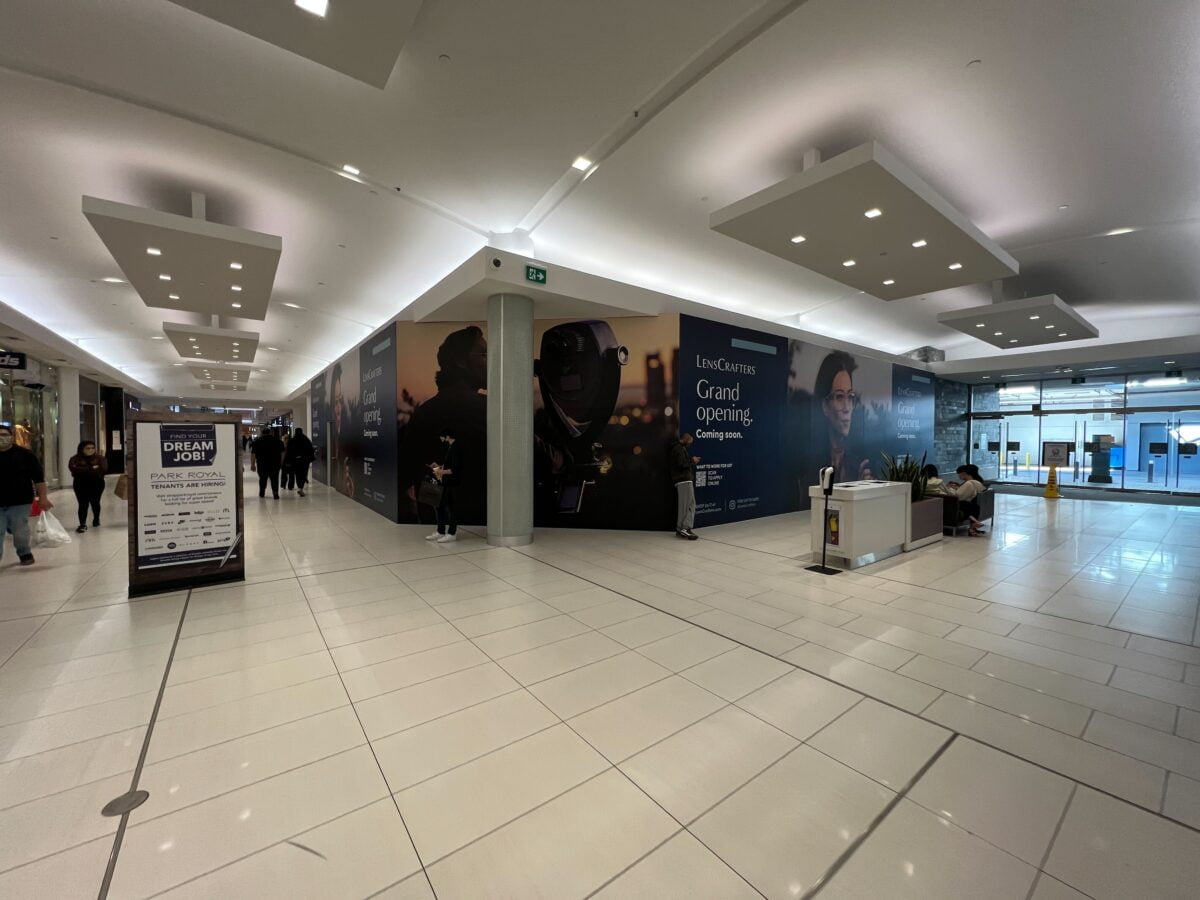
LensCrafters construction signage at Park Royal Shopping Centre (October 2021)
LensCrafters construction signage at Park Royal Shopping Centre (October 2021). Photo: Lee Rivett.

American prescription eyewear retailer LensCrafters has erected construction signage at West Vancouver’s Park Royal Shopping Centre.

This becomes the second international prescription eyewear retailer in the mall after Bailey Nelson opened in 2019 in addition to B.C.-based Image Optometry which has locations across the lower mainland, Vancouver Island and the interior of the province.

This will become the tenth location in the lower mainland for LensCrafters with other locations in North Vancouver, Vancouver, Richmond, Burnaby, Coquitlam, Surrey, Langley, Abbotsford, and White Rock.

LensCrafters construction signage at Park Royal Shopping Centre (October 2021)
LensCrafters construction signage at Park Royal Shopping Centre (October 2021). Photo: Lee Rivett.

LensCrafters was founded in 1983 and sold to the United States Shoe Corporation (U.S. Shoe) in 1984. Its current parent company, Luxottica, initiated a hostile takeover of U.S. Shoes in 1995 in an attempt of acquiring LensCrafters which resulted in a $1.4 billion agreement being inked.


LensCrafter’s eclipsed its closes rival, Pearle Vision, in growth by 1992 and Luxottica purchased the retailer in 2004 resulting in the combination of America’s two largest eyewear retailers.

End of Government Subsidies for Retailers and Businesses this Month Could Spell Doom Amid 4th Wave: Interviews

Vacated Tim Hortons on The Danforth (Photo: Dustin Fuhs)

Canadian small businesses are worried that crucial wage and rent subsidy support programs from the federal government are scheduled to come to an end on October 23 and they have yet to hear if those lifesaving initiatives will be continued.

With ongoing capacity restrictions in certain parts of the country, a labour shortage growing and continued uncertainty about the impact and length of the brutal fourth wave of the pandemic, the Canadian Federation of Independent Business is urging the government to immediately extend and expand these programs.

The same sentiment is being echoed by other business groups across the country including Restaurants Canada and the Canadian Chamber of Commerce.

Corinne Pohlmann

“Businesses need certainty as so many are still dodging constant curveballs with a slow pick-up in revenues, labour shortages, and wariness around ongoing restrictions in the months ahead,” said Corinne Pohlmann, Senior Vice-President of National Affairs at CFIB

“No business owner expects government support forever, but they need to know they have something to rely on until all restrictions are lifted, and they can fully operate their business once again. They can’t afford for the government to dawdle until the last minute.

“The end of the pandemic may be in sight for some, but business owners are just not there yet. Small businesses will take an average of two years to recover from the pandemic. Pulling support at such a critical moment in their recovery would be a huge misstep.”

CFIB’s latest Small Business Recovery Dashboard shows that only 40 per cent of small businesses are making normal sales and less than half are fully staffed. Last month’s Business Barometer showed the largest decreases in short- and long-term small business optimism since the start of the pandemic in March 2020. 

Bruce Winder

Bruce Winder, author of RETAIL Before, During & After COVID-19 and President, Bruce Winder Retail, said the two things that have made the difference between small business survival and extinction during the pandemic have been ecommerce and government supports.

“Along with ecommerce, small to medium sized firms have used government supports to remain solvent in this difficult time. Ecommerce to keep their virtual doors open and government subsidies to help keep workers employed and expenses paid. Without supports, thousands of small businesses would have shut down for good and with them, employees would become jobless. Therefore, supports must continue until markets return to some semblance of normalcy, when the virus moves to a manageable state,” he said.

“Stopping the payments now would only defeat the purpose of offering them in the first place. Much of the money provided thus far would have been wasted. Not to mention that governments would have a difficult time recovering loans if small to medium sized businesses were allowed to go under. Governments would be forced to line up with creditors to liquidate any assets that small to medium sized firms would have at a fraction of the value. Losses would be massive.”

“One can argue that businesses, at some point in time, must stand on their own and make or break it in this new reality. The world has changed, and some firms will not survive life on the other side of the pandemic. They perhaps were going to fail anyway. It’s the natural circle of life of retail and business in general. Lending them more money may be for naught. But this argument is short-sighted.”

“The right thing to do is to continue subsidies until COVID-19 becomes manageable. There will be a portion of loans that will not be recovered but that is the price tag for supporting the many. Without the continuation of subsidies, we would quickly see mass bankruptcies and mass unemployment – things we need to stave off at this fragile time of economic and societal recovery.”

Alla Drigola Birk

Alla Drigola Birk, Director of Parliamentary Affairs and SME Policy with the Canadian Chamber of Commerce, said the wage subsidy in particular has been kind of the make or break program for hundreds of thousands of small businesses in keeping their doors open and keeping employees on the payroll during the pandemic.

“The rent subsidy program as well has been crucial. It did have a bumpier start and it had to kind of come in in a new iteration last fall but since then the businesses that are still locked down and that still really need that support have taken advantage of the rent program as well,” she said. “Both of these programs are critical for businesses that are still hurting, particularly for those in the hardest hit sectors and we need to make sure that these programs continue through until the end of this year and through to the spring of next year for businesses in the tourism, hospitality and travel sectors.”

When asked what the consequences would be of those programs not being extended, she replied: “The consequences are that you brought thousands of businesses this far along and enabled them to survive when they otherwise would not have been able to and pulling these programs now is tantamount to letting folks drown 50 feet from shore. It wouldn’t make sense after all the (initiatives) that have been invested in keeping these businesses alive that you would pull the plug now, especially for those sectors that are not allowed to recover, who still have capacity restrictions, operating restrictions, travel restrictions. It’s really not fair for businesses who cannot operate normally to not be given the same opportunity to receive support from the government that other businesses in other sectors have had.”

Todd Barclay

Restaurants Canada is also calling on the federal government to increase and extend the wage and rent subsidies into 2022 to ensure foodservice businesses can pull through the ongoing pandemic.

“The fate of Canada’s 90,000+ restaurants is still uncertain,” said Restaurants Canada President and CEO Todd Barclay. “Most have been losing money or barely breaking even since coming out of initial lockdown last year, and at least 10,000 establishments have already closed. The rest need government support to help them survive the fall and winter so they can continue feeding our recovery.”

The national organization said recent survey results reveal restaurants need further support amid the ongoing pandemic:

  • 8 out of 10 restaurants have been operating at a loss or barely scraping by with a profit margin of two per cent or less throughout the entire pandemic; nearly half of all foodservice businesses have been consistently losing money ever since the first wave of lockdowns ended last year;
  • 7 out of 10 restaurant operators are still receiving the federal wage and/or rent subsidy; and
  • If these critical sources of support end this month nearly 80 per cent said they will struggle to keep existing staff/have to cut staff hours and more than half said they will struggle with hiring back staff/hiring new staff.
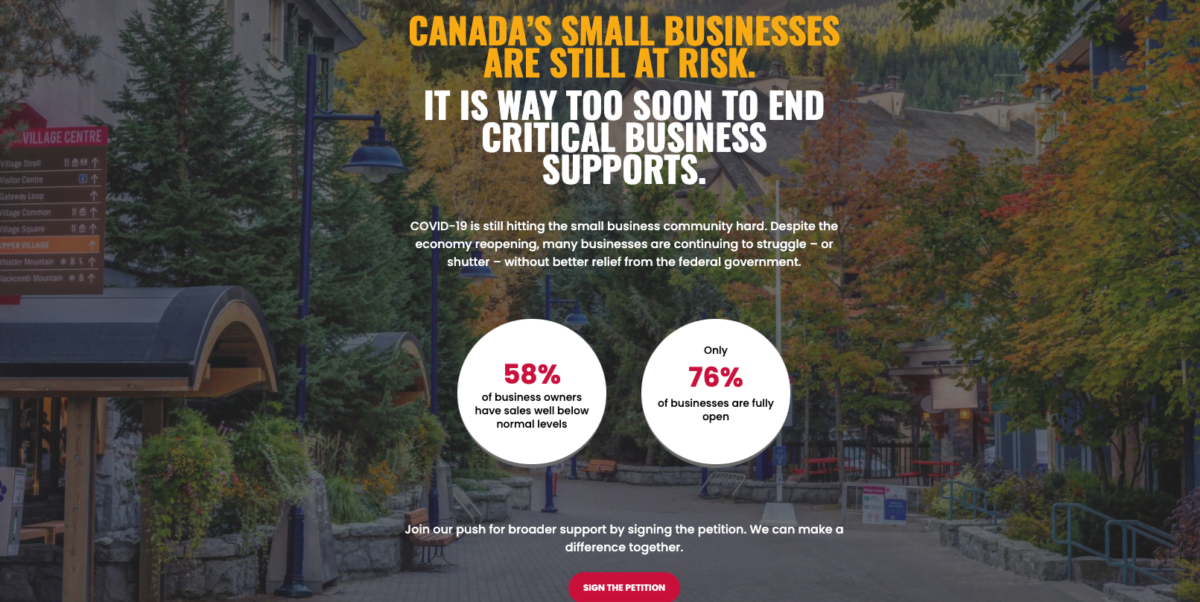
Image: CFIB

The CFIB has shared its concerns in a letter to Deputy Prime Minister Chrystia Freeland.

The national organization is urging the federal government to:

  • Immediately announce an extension to the Canada Emergency Wage Subsidy (CEWS) and Canada Emergency Rent Subsidy (CERS) to November 20;
  • Work with members of Parliament to further extend the Canada Recovery Hiring Program, CEWS and CERS, to March 31, 2022;
  • Return the maximum wage and rent subsidies to 75 per cent for all sectors of the economy, as promised to the tourism sector by the Liberal Party during the election;
  • Include new businesses that started after the pandemic began in all business support programs;
  • Offer additional funding through the CEBA loan and delay the repayment deadline to the end of 2024;
  • Change the Canada Recovery Benefit to ensure it does not incentivize workers to stay at home rather than returning to the labour force; and 
  • Dedicate the $1 billion in funding to provincial governments to implement passport systems to small business owners required to implement these systems.

Small business owners can sign CFIB’s petition at cfib.ca/covidpetition calling on the government to extend the federal support programs and support small business recovery.

Restaurant Concept by Yannick Bigourdan of Open Concept Hospitality to Open as Part of Toronto’s Union Station Transformation [Exclusive]

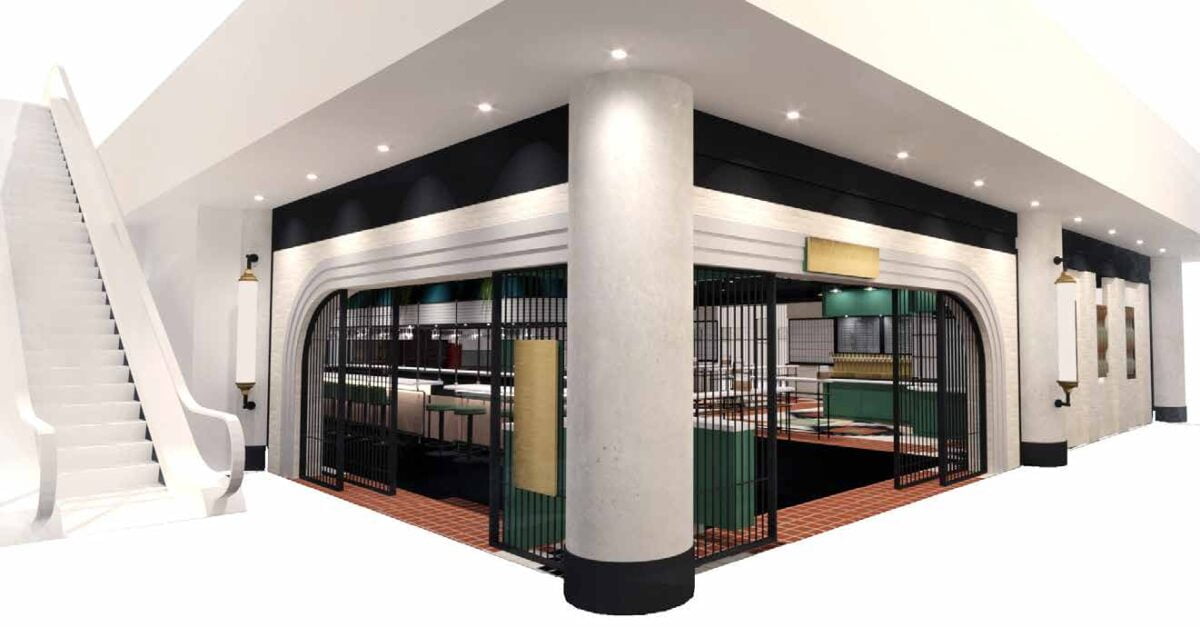
The Queenston Rendering (Image: Open Concept Hospitality)


Toronto’s Union Station is seeing an ongoing transformation that will make the transit hub into a destination for retail and foodservice businesses. The latest tenant to be announced is a restaurant concept called The Queenston which will open next year in Union Station’s Bay Street Promenade.

The Queenston is a collaborative team effort between entrepreneur Yannick Bigourdan and his partners at Open Concept Hospitality, Adam Teolis, Mike Angeloni and Dan Kennedy. Bigourdan is also responsible for several other restaurants and concepts in the city including Union Chicken, Amano, The Carbon Bar and Chefdrop.

The Queenston concept is described as something of a ‘station bar’ that will cater to visitors to Union Station whether they are commuting or attending an event such as a sports game in one of the nearby entertainment facilities.

Drawing inspiration from the Art Deco movement of the roaring twenties, the Queenston’s design will celebrate the history of Union Station with its Beaux-Arts architecture and use of Canadian Queenston Limestone. Once completed, the Queenston will serve as a place of modern nostalgia and memorable social gatherings where guests will define their own dining experiences.

“We are very excited to open The Queenston in the heart of Toronto, where people can dine or enjoy a cocktail, a beer while visiting Union Station.” said Bigourdan in an exclusive statement to Retail Insider. “This is a very important project for our Team, and we are very excited to welcome you and your guests in the future.”

The Queenston Rendering (Image: Open Concept Hospitality)
Future Home of The Queenston at Toronto's Union Station
Future Home of The Queenston at Toronto’s Union Station (Photo by Dustin Fuhs)

Bigourdan went on to provide further information on The Queenston, saying “Our Partner and Executive Chef, Michael Angeloni is working diligently with his Team to offer you an amazing food program.”

The Queenston will span about 10,000 square feet in the Bay Street Promenade section of Union Station, just outside the doors to Scotiabank Arena, which will also become home to several other retail and food concepts. Retail Insider announced last month that beauty brand Sephora would also be opening in the Bay Street Promenade in Union Station, and other tenants are either negotiating leases or are preparing to make opening announcements as well.

Union Station is Canada’s busiest transit hub and it is seeing an incredible overhaul that includes a repositioning and redevelopment of its retail component which will expand to a footprint of about 170,000 square feet. The mix of retail, food and service tenants will make Union Station a draw for locals and visitors in a unique heritage building in the heart of the city. There hasn’t been a more significant retail development in downtown Toronto since CF Toronto Eaton Centre opened nearly 45 years ago.

The Queenston Rendering (Image: Open Concept Hospitality)

Additional Images from The Queenston at Union Station

The Queenston Rendering (Image: Open Concept Hospitality)
Image: The Queenston

Canadian Retail News From Around The Web For October 12th, 2021

Canadian Retail News From Around The Web

Top Stories: National

Central/Eastern Canada News

Western Canada News