Home Blog Page 89

Canadian Consumers Keep Spending Despite Weak Economy and Trade War

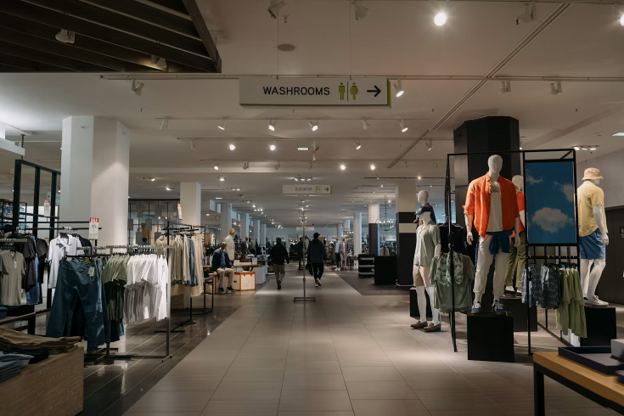
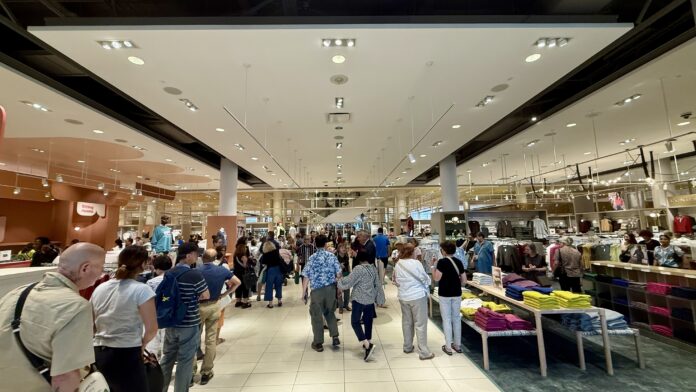
La Maison Simons at Toronto's Yorkdale Shopping Centre, August 14, 2025. Photo: Craig Patterson

Canadian consumers have plenty of reasons to cut back. The labour market is weakening, household debt remains high and the trade dispute with the United States is adding another layer of uncertainty for businesses and households.

They are still spending.

Recent results from some of North America’s largest retailers show Canadian sales holding up well and, in several cases, growing faster than comparable U.S. businesses. Walmart Canada has recently outpaced Walmart U.S. on sales growth. TJX Canada, which operates Winners, Marshalls and HomeSense, continues to post strong comparable sales. Home Depot has also identified Canada as an outperforming market.

The results do not show that Canadian households are financially stronger than Americans. They point to consumers who remain active despite a difficult economic backdrop, with value playing a larger role in where money gets spent.

Walmart Canada Picks Up Pace

Walmart Canada generated US$6.38 billion in net sales during the quarter ended July 31, up 4.3 per cent from a year earlier. Walmart U.S. sales rose 3.5 per cent over the same period.

The gap is wider over the first six months of Walmart’s fiscal year. Canadian sales reached US$12.1 billion, up 7.5 per cent from a year earlier. Walmart U.S. sales increased about 4 per cent.

The U.S. business is also slowing on a comparable-sales basis. Walmart U.S. comparable sales excluding fuel increased 2.6 per cent in the second quarter, down from 4.6 per cent a year earlier.

There is an important qualification. Walmart reports its Canadian sales in U.S. dollars, which means exchange rates affect the year-over-year comparison. The company does not provide a separate constant-currency net-sales figure for Canada.

Even with that limitation, the direction of the Canadian business is worth watching. Walmart Canada grew more slowly than Walmart U.S. in the previous fiscal year. That relative performance has since reversed.

Walmart’s results alone would provide limited evidence of a broader shift in consumer behaviour. Results elsewhere make the comparison more significant.

Winners, Marshalls and HomeSense Run Ahead

TJX provides a cleaner comparison because the company reports comparable sales separately for Canada and its U.S. divisions.

TJX Canada posted a 6 per cent comparable-sales increase in its latest quarter. Comparable sales at Marmaxx, the U.S. division that includes T.J. Maxx, Marshalls and Sierra, increased 1 per cent.

Canadian net sales reached US$1.47 billion, up 6 per cent as reported and 8 per cent at constant currency. Comparable sales in Canada were up 7 per cent over the first half of the year.

The source of that growth matters. TJX said increases in customer transactions and average basket drove Canadian comparable sales. Customers are visiting more often and spending more when they do.

Canada was already one of TJX’s stronger markets. Canadian comparable sales increased 9 per cent in the same quarter last year, compared with 3 per cent at Marmaxx.

The comparison still needs context. Marmaxx had a weak second quarter, while HomeGoods in the U.S. posted a 7 per cent comparable-sales increase. TJX Canada’s results are strong, but format and category remain important alongside geography.

Home Depot Adds Another Category

Home Depot broadens the picture beyond off-price and general merchandise retail.

Company-wide comparable sales increased 1.7 per cent in its latest quarter, while U.S. comparable sales rose 1.3 per cent. Management said Canada and Mexico performed above the company average and pointed to improving Canadian results.

The retailer also reported positive comparable growth in Canadian transactions and units during the first half.

That is useful context given the state of Canadian housing. Affordability remains difficult and residential activity has been uneven, yet consumers have continued spending on home improvement.

Costco Shows How Quickly the Picture Can Change

Costco provides the strongest reason to avoid declaring a broad Canadian victory over the U.S. consumer.

During the company’s fiscal third quarter, reported comparable sales increased 10.7 per cent in Canada and 9.4 per cent in the United States. After gasoline and foreign exchange were removed, Canada grew 6.2 per cent compared with 6.8 per cent in the U.S. Over the first 36 weeks of the fiscal year, adjusted Canadian comparable sales remained ahead at 7.6 per cent versus 6.4 per cent.

The advantage disappeared over the summer.

Adjusted Canadian comparable sales increased 4.9 per cent in June and July, trailing the U.S. in both months. In August, adjusted Canadian growth slowed further to 2.8 per cent, compared with 5.6 per cent in the United States.

For Costco’s full fiscal year, the two markets finished almost even. Adjusted comparable sales increased 6.7 per cent in Canada and 6.6 per cent in the U.S.

Costco’s results make the broader point clear. Canadian consumers performed strongly through much of 2026, but the evidence does not support a blanket conclusion that they are outperforming Americans across retail.

Retail Sales Show Consumers Are Still Buying

Broader Canadian spending data support the retailer results.

Retail sales increased 0.6 per cent in June to $74.3 billion. Core retail sales, which exclude motor vehicles and gasoline, increased 1.2 per cent. General merchandise sales rose 2.7 per cent, while clothing, accessories, footwear and jewellery increased 3.1 per cent.

Toronto recorded a particularly strong month, with retail sales rising 3.9 per cent.

The volume number is also important. Retail sales increased 1.5 per cent in volume terms, meaning higher prices alone did not account for the gain. Retail e-commerce sales increased 9.9 per cent month over month to $5.7 billion.

Household spending also contributed to Canadian economic growth during the second quarter. Real GDP increased 0.8 per cent from the previous quarter, with household consumption increasing by the same amount.

Disposable income rose faster than nominal household spending during the quarter, although government transfers, including a one-time GST/HST credit top-up, contributed to the income gain.

The figures show household demand remained firm through the second quarter. They do not show consumers free of financial pressure.

The Labour Market Says Something Else

Employment is the clearest risk. Canada lost approximately 42,000 jobs in August and the unemployment rate remained at 6.4 per cent. Average hourly wage growth slowed to about 2 per cent year over year.

The August decline followed several stronger months, so one monthly report does not establish a sustained employment contraction. The direction of the labour market nevertheless matters for retailers.

Consumers can remain cautious about the economy while continuing to shop. Sustained job losses are harder for household budgets to absorb.

Trade uncertainty creates another source of pressure. Tariffs and counter-tariffs move through supply chains at different speeds, affecting costs, sourcing decisions, pricing and margins before the full impact reaches consumers.

Value Retailers Are Winning

The retailers producing some of Canada’s stronger results provide a clue about where consumers are directing their money.

Walmart, Winners, Marshalls, HomeSense, Dollarama and Costco have different formats, but price and perceived value are central to each business.

Dollarama’s Canadian comparable sales increased 5.6 per cent in its most recently reported quarter. TJX Canada is producing higher transactions and basket sizes. Walmart competes heavily on price across grocery and general merchandise.

The evidence does not prove that Canadian spending strength is being driven by a wholesale shift toward value retailers. It does show that companies with strong value propositions are capturing meaningful spending.

Consumers are choosing where to spend, where to trade down and which purchases can wait.

For retailers, that leaves less room for weak assortments, unclear positioning or prices customers cannot justify.

The Fall Will Be a Harder Test

There are already signs that momentum could be slowing.

Statistics Canada’s advance estimate indicates retail sales fell 0.8 per cent in July after the strong June result. The estimate is preliminary and was based on responses from 56.5 per cent of companies surveyed, making the final July data important to watch.

Costco provides a more current warning. Its adjusted Canadian comparable-sales growth fell to 2.8 per cent in August after reaching 4.9 per cent in both June and July. U.S. growth was stronger throughout the three-month period.

Employment remains the bigger concern. If weakness persists, pressure will eventually reach discretionary spending.

The trade dispute adds another variable. Retailers and suppliers can absorb some tariff-related costs, change sourcing, adjust promotions or raise prices, but each response affects either margins or consumers.

The next few months should provide a clearer read on how much spending strength remains.

Retailers Still Have Reasons to Invest in Canada

Canada’s difficult economic headlines have not brought retail expansion to a halt.

TJX continues to see room for store growth, Walmart is investing in its Canadian operations and Dollarama continues to add locations. Home Depot has also identified Canada as a strong market.

Retailers make real estate decisions using store economics alongside national economic indicators. Sales productivity, traffic, occupancy costs, available locations, competition and population trends determine whether another store makes financial sense.

For landlords and leasing teams, that distinction matters. Cautious consumers can still produce strong stores, particularly for retailers that are taking market share or giving customers a clear reason to visit.

There is no guarantee Canadian consumer spending holds up through the rest of 2026. Employment has weakened, Costco’s latest Canadian numbers have slowed and the full effects of the trade dispute have yet to work through household budgets.

The performance to date is still notable. Consumers kept spending through a period when the economic backdrop suggested a sharper pullback was possible, and several large retailers recorded strong Canadian results along the way.

For retailers, the bigger issue is where the money is going. Canadian consumers have become harder to win over, and value appears to be carrying more weight in their decisions.

The fall will show how durable that spending really is.

More from Retail Insider:

Neo Financial chops 10% of its workforce

Neo Financial photo
Neo Financial photo

Calgary-based Neo Financial has laid off 102 people, about 10 per cent of its staff in what the company’s co-founder and CEO says is “one of the hardest decisions we’ve made as a company.”

In a LinkedIn post, Andrew Chau said the strategic direction of Neo rests with him as CEO and he takes full accountability for the decisions that brought the company to this.

“Our ambition has always been our defining strength, and it always will be. As we grew rapidly over the years, building almost everything at once meant complexity crept in and everything moved slower, while great people worked tirelessly covering too much ground,” Chau wrote in his message to employees.

“You came to Neo to build world-class products for Canadians and get them into users’ hands.  That is why today is not about shrinking our ambition. It’s about being laser focused on delivering what Canadians need.

“We exist to help every Canadian make real financial progress.  That means meeting Canadians where they are and helping them turn daily money management into better credit, build real savings, and ultimately unlock homeownership.”

He said that’s the mission and 100 per cent of its energy will go there. 

“To execute on this, we’re going to operate as a simpler and faster team with the utmost clarity of direction. We’re going to build fewer things faster, and build them exceptionally well,” said Chau.

“None of that makes today easier for the people leaving. These are not names on a chart. They are teammates and friends who built this company with us. There is no good way to do this. We tried to make a hard day more manageable in the ways that count: departing teammates are receiving severance, extended benefits coverage, waived equity cliff for those who haven’t hit their cliff yet, and career transition support. For anyone leaving who wants it, we’re helping them find their next role, and I’m personally making introductions across my network.”

Neo Financial is a technology company building what it says is a more rewarding financial experience through reimagined spending, savings, investing, and mortgages. It was founded in 2019 by the co-founders of SkipTheDishes.

Chau told remaining staff that the work ahead is clearer than it has been in a long time, “and the people doing it are the ones who will define what Neo becomes.”

More from Retail Insider:

The Growing Role of Cardboard Displays in Modern Retail Environments

In today’s competitive retail landscape, attracting customer attention has become more challenging than ever. Shoppers are surrounded by countless products, promotions, and visual distractions, which means brands only have a few seconds to make a strong first impression. If a product fails to stand out quickly, it often gets overlooked. This is why effective visual merchandising has become a critical part of modern retail strategy. Retailers are increasingly turning to practical and cost-efficient tools that can improve product visibility without increasing operational complexity or long-term expenses.

Traditional retail setups are no longer enough on their own. Fixed shelves and permanent fixtures offer structure, but they do not always provide the flexibility needed for frequent promotions, seasonal launches, or limited-time offers. As customer expectations continue to evolve, brands need display solutions that are not only visually appealing but also easy to manage, affordable, and adaptable.

Why Cardboard Displays Are Becoming Essential

One of the most effective solutions gaining popularity is the use of cardboard display stands. These displays help brands present their products in a more organized and visually appealing way. Unlike permanent fixtures, they are lightweight, easy to assemble, and flexible enough to support seasonal campaigns or short-term promotions. Their growing use is driven by the need for faster setup, lower costs, and better product visibility at the point of sale.

As a result, many businesses now rely on them to create better product exposure in retail environments. Whether used in supermarkets, specialty stores, pharmacies, or temporary retail spaces, cardboard displays help products appear more intentional and professionally presented. This improved presentation can increase the likelihood of customer engagement and purchase decisions.

Common Retail Challenges and Practical Solutions

Retailers often face several recurring problems when it comes to product presentation. These challenges can affect both sales performance and overall brand perception. Below are some of the most common pain points and how cardboard displays help solve them.

1. Limited Shelf Space

  • Products get lost among competitors
  • Important items fail to attract attention
  • New launches struggle to gain visibility

Solution:

Cardboard displays create dedicated product zones that stand out from regular shelving. By isolating key items in a focused display area, brands can guide customer attention more effectively and improve the chances of discovery.

2. High Cost of Traditional Displays

  • Metal and plastic fixtures are expensive
  • Setup and transportation can be time-consuming
  • Long-term storage adds extra operational cost

Solution:

Cardboard displays are more affordable to produce and easier to transport. They require less time to assemble and can be replaced or updated without major investment, making them a practical option for both small and large retail operations.

3. Lack of Flexibility for Campaigns

  • Permanent fixtures are difficult to change
  • Seasonal promotions require faster solutions
  • Campaign delays can reduce marketing impact

Solution:

Cardboard displays can be redesigned and replaced quickly for different campaigns. This allows brands to respond faster to seasonal demand, product launches, and promotional schedules without being limited by fixed display systems.

The Connection Between Packaging and Product Visibility

In the wider category of retail packaging, presentation has become just as important as protection. Customers not only want a quality product, but they also respond strongly to how that product is displayed. A well-presented item communicates value, care, and brand identity before the customer even interacts with it.

Well-designed packaging and display systems work together to create a stronger brand impression. When products are arranged neatly and supported by clear visual messaging, shoppers are more likely to stop, explore, and make a purchase. This is especially important in competitive retail spaces where similar products are placed side by side. Displays that organize products effectively can reduce confusion and make the buying process easier for customers.

Packaging and display design also influence perceived quality. Even a good product can appear less appealing if it is poorly presented. On the other hand, thoughtful display placement and structured packaging can improve the overall shopping experience and strengthen brand trust.

Sustainability and Modern Retail Expectations

Sustainability is another important factor influencing buying decisions. Many retailers are under pressure to reduce waste and move away from non-recyclable materials. Customers are also becoming more aware of environmental responsibility, which means brands are expected to show practical efforts in this area.

Cardboard displays support this shift because they are typically recyclable and easier to dispose of responsibly. Compared with many traditional display materials, they offer a more efficient balance between presentation needs and environmental considerations. This allows brands to maintain a professional appearance while also aligning with modern sustainability expectations.

In addition, the lightweight nature of cardboard displays can reduce transportation effort and related handling challenges. This makes them useful not only for in-store presentation but also for businesses that need to move and set up displays across multiple locations.

Building a Complete Packaging Approach

Flexibility remains one of the biggest advantages. Retail environments change frequently due to seasonal demand, promotions, and new product launches. Cardboard displays can adapt quickly, helping brands stay relevant without long production delays. This ability to adjust presentation methods in a short time frame is becoming increasingly valuable in fast-moving retail conditions.

For companies looking to improve both protection and presentation, a complete custom packaging solution from Tycoon Packaging can make a significant difference. When packaging and display systems are designed to work together, brands can create a consistent experience from shipping to shelf. This consistency helps protect products during transit while also improving how they appear once they reach the retail environment.

A coordinated approach also reduces the risk of mismatched presentation. When packaging, branding, and display design support the same visual direction, the overall product story becomes clearer and more professional. This can strengthen brand recognition and improve the customer’s first interaction with the product.

Final Thoughts

As retail competition continues to grow, businesses that invest in smarter presentation methods are more likely to capture attention and drive sales. Cardboard displays have become a practical and effective tool in this process, offering a balance of visibility, affordability, and flexibility that modern retailers need.

They help solve real operational challenges while also supporting better product presentation. When combined with thoughtful packaging design, they contribute to a stronger retail presence and a more organized shopping experience. In an environment where every second of customer attention matters, the role of cardboard displays continues to expand as a reliable and adaptable solution for modern retail brands.

Consumer Spending Trends in Canada: What Retailers Need to Know in 2026

Canadian consumer spending is growing this year, and the growth is narrow enough that an average national figure will mislead anyone who plans against it. Total consumer spending is tracking toward $1,485.2 billion in 2026, real growth of about 1.5% over 2025. That number covers a market where one group of households has resumed discretionary buying and another has moved its basket to discount formats and stayed there. Planning against the aggregate over-forecasts the discount half of that market and under-serves the other.

The Divided Household

Affluent households are spending at a normal pace. Middle and lower income households have moved toward discount operators, and those operators report stronger traffic even while the same shoppers describe themselves as cautious about total household spending. Income now predicts assortment better than region does, which is a reversal of how most national chains have historically planned their category mixes.

Those same middle and lower income brackets say they are preparing to tighten further in anticipation of price increases, and the tightening is concentrated in non-essential categories. A retailer with a discretionary assortment is therefore facing a customer who has already decided to cut, and the decision was made before the price on the shelf changed.

Trade policy is the second variable. About 61% of Canadian consumers say they are likely to seek out Canadian-made goods in response to tariffs, and between half and two-thirds report avoiding American products or services in at least some categories. The counterweight matters, because 77.3% say they have not actually changed what they buy. Stated preference and till receipts have separated, and a merchandising plan built on the survey number alone will carry inventory nobody buys.

Local Data in Site Selection

Retail location work depends on household counts at the block level. A chain deciding between two Edmonton sites reads building permits, school enrolment and residential turnover, because a street changing hands is a street buying appliances, paint and window coverings within eighteen months.

Reading edmonton mls listings against census tract income is ordinary practice in that analysis, and a landlord pricing retail space on a busy corner uses the same inputs from the other direction.

Category Detail in the June Data

The monthly numbers locate the split. Statistics Canada put June retail sales growth at 0.6% and total sales past $74 billion, led by general merchandise retailers and clothing stores. Sales volumes rose 1.5% in the same month, which matters more than the dollar figure because it strips out price movement. May had already produced a 1.0% increase, extending a run of monthly gains through the first half of 2026, so the June result confirmed a direction instead of announcing one.

Underneath the headline, the categories diverge sharply. Health and apparel gained. Food retail volumes contracted again, meaning grocery dollars rose while the quantity of food leaving stores fell. Electronics and appliances stayed weak. Gasoline produced substantial dollar growth with no matching demand growth, which is a price effect showing up as a sales increase. Gasoline dollars are a poor read on consumer strength in any month.

General merchandise leading the month fits the rest of the picture. That category holds the warehouse clubs and mass retailers where a trading-down household buys the same goods at a lower price point, so a strong month there indicates movement between formats inside a similar total spend. Clothing gaining at the same time indicates the discretionary side is still working for part of the market. Both are true at once, and a plan built around only one of them will miss the quarter.

The Online Share

E-commerce reached $5.7 billion in June, up 9.9% year over year, and accounted for 7.7% of total retail trade. The growth rate is high enough that a retailer without a working online channel is losing share every quarter to one that has it. The share figure is low enough that stores are still more than 92% of the total. Plans that treat online as the whole future tend to underinvest in the physical network that produces most of the revenue, and plans that dismiss it lose the fastest-growing tenth of the market.

Caution and Convenience

Retail analysts speaking to BNN Bloomberg describe the current shopping trends as a pairing of caution with convenience, and the two pull in different directions on the same shopping trip. A shopper who compares unit prices across three grocery chains will still pay a delivery fee to avoid a fourth trip. Price sensitivity and time sensitivity coexist in the same household budget.

For a retailer, that combination argues against choosing a single position. The chains gaining share are running a value message on the shelf and a convenience offer at the checkout, and treating those as one proposition. Loyalty programs that convert points into immediate discounts are performing better than programs that require accumulation, because the cautious half of the market wants the saving now.

Signals to Watch Next

The open question for 2026 is what happens when the survey response and the purchase finally align. If the two-thirds of Canadians who say they avoid American products begin to act on it at the scale they describe, the shelf changes in every category with a domestic substitute. If the 77.3% who have not changed anything hold that position, the pressure stays where it is now, on price rather than provenance, and the discount operators keep taking the volume.

The direction is not knowable in advance, so the workable position is to carry enough Canadian-sourced assortment to answer the first outcome without stranding capital if the second one holds, and to watch monthly volume rather than monthly dollars while the answer arrives.

Store Openings 101: The Print Checklist Every New Retail Location Needs

Opening Day Is Closer Than It Feels

Anyone who has opened a retail store will tell you the same thing: the fit-out always finishes later than planned, and the print jobs are always the last thing anyone thinks about. Stock arrives, staff get trained, the point-of-sale system gets tested a dozen times, and then someone realises there is no signage on the door, no business cards for the manager, and nothing to hand a customer who asks ‘so what exactly do you sell here?’

None of this is unique to any one industry. Whether it is a boutique, a café, a hardware shop or a services counter, the same list of print materials tends to get overlooked in the rush to open. Retail industry commentary keeps pointing to the same trend: new stores are opening at a steady pace across the country even as retailers tighten their belts elsewhere, which means more owners than ever are working through this checklist for the first time, often under time pressure.

This guide walks through the print essentials in the order most new retailers actually need them, from the moment a customer first sees the shopfront to the point they walk out with something in hand.

Start With What Customers See Before They Even Walk In

Signage is the first impression, and it is also the item most likely to be left until the last minute because it depends on a fit-out being finished. A shop with beautiful stock and a bare or half-finished storefront reads as unready, even if the till is working perfectly.

At minimum, a new location needs exterior signage that is legible from the street, window decals or posters that signal the store is open, and interior signs that help customers find their way around without needing to ask staff every five minutes. This matters more in the first few weeks than at any other point, because that is when a store is building its first impressions with the local area.

Retailers based in and around Melbourne often find it easier to work with a print company Melbourne businesses already use for their day-to-day print runs, simply because local production means signage delays do not become opening delays. When a shopfront banner or window decal needs a same-week reprint because of a measurement error, working with a supplier close to home saves a genuine headache.

Give Your Team Something to Hand Over

Once the shopfront is sorted, the next gap new retailers notice is usually at the counter. A manager meets a supplier, a wholesale buyer, or a local business owner interested in a partnership, and has nothing to give them. This happens constantly in the first month of trading, when a store is still building relationships with everyone from delivery drivers to neighbouring businesses.

This is where custom online business cards earn their keep. They are inexpensive, quick to reorder, and they solve a problem that email addresses cannot: a physical card left on a counter or handed over in person is far more likely to be remembered than a digital contact swapped in passing. For a new store, having cards ready from day one also means every staff member, not just the owner, can represent the business properly when a customer or supplier asks for a contact.

It is worth ordering more than feels necessary at first. New stores tend to go through cards faster than expected in the opening months, particularly if there is a launch event, a local sponsorship, or a run of media interest.

Tell the Story Before Someone Walks In the Door

Business cards handle one-to-one contact, but a new store also needs something that explains itself without a staff member standing there. This is the gap that brochure printing services fill well, and it is one of the most underused tools in a retail opening kit.

A simple brochure covering what the store sells, what makes it different from competitors nearby, and how to find it again online does three things at once. It gives customers something to take home and think about, it gives staff something to point to when explaining a range of products quickly, and it gives the store something to leave with local businesses, community noticeboards or events in the lead-up to opening.

This matters more than it might seem, because retail coverage over the past year has repeatedly noted that shoppers are becoming more price-sensitive and more selective about where they spend, particularly heading into busier trading periods. A brochure that clearly explains value, not just product, gives a new store a better chance of converting a curious passer-by into a returning customer, rather than relying purely on foot traffic and word of mouth.

The Small Print Jobs That Get Forgotten

Beyond signage, cards and brochures, there is a second tier of print materials that rarely make the opening-day checklist but get requested within the first few weeks regardless. Loyalty or appointment cards are a good example. Retailers often assume they will ‘add a loyalty program later’, but the businesses that introduce one from day one tend to build repeat customers faster than those that bolt it on after the fact, largely because the habit of collecting stamps or points starts with the very first purchase rather than the fiftieth.

Presentation folders are another item that quietly matters more than expected, particularly for stores that deal with wholesale buyers, local suppliers or media. Handing over a proposal or a media kit in a plain envelope looks noticeably less professional than a branded folder, and first meetings with suppliers often happen in the same week as opening, not months later. A folder also keeps price lists, order forms and business cards together in one place, which matters when a first meeting runs long and paperwork ends up scattered across a counter.

Stickers, pull-up banners and posters round out the list for stores running any kind of opening promotion or in-store event. These are cheap relative to their impact, and they are the easiest items to reorder in bulk once a retailer knows which sizes and finishes actually work in their space. A pull-up banner outside on a weekend, for example, often does more to bring in passing foot traffic in the first month than any single social media post, simply because it catches people who were not already looking for the store.

Why It Pays to Sort This Out in One Place

The pattern across all of the above is the same: new retailers end up needing several different types of print product within a short window, often with little lead time and even less patience for chasing multiple suppliers. Ordering signage from one place, cards from another, and brochures from a third adds unnecessary complexity to what is already a busy period.

This is really the argument for working with a single supplier that covers the full range from the outset. Browsing custom online printing services Australia retailers already rely on makes it possible to get instant quotes across every product category, place one combined order, and track fewer invoices during a period when attention is already stretched thin. For a store opening in Melbourne, working locally also means shorter turnaround times if something needs adjusting before opening day, rather than waiting on freight from interstate.

There is also a practical benefit once the store is trading. Reordering business cards after a staff change, running a fresh batch of brochures for a seasonal promotion, or getting new posters printed for a sale weekend is far simpler when the account, artwork files and past orders are already sitting with one supplier. New retailers rarely think this far ahead in the opening rush, but it is worth setting up with that longer view in mind.

It is a small operational decision, but it removes one more variable at a time when there are usually plenty of others already competing for attention.

The Opening-Week Print Checklist at a Glance

  • Exterior and window signage – the first thing passers-by see, and the easiest item to leave until it is too late.
  • Interior wayfinding signs – help customers find their own way around without needing staff for every question.
  • Business cards for every staff member – not just the owner, so anyone can hand over a proper contact.
  • Brochures – explain the range and the value on offer when no one is available to talk a customer through it.
  • Loyalty or appointment cards – set up from day one rather than added on once the habit is harder to build.
  • Presentation folders – for the first meetings with suppliers, wholesale buyers or media that often land in opening week.
  • Stickers, pull-up banners and posters – low-cost support for any opening promotion or in-store event.

Bringing It All Together

None of the items in this checklist are complicated on their own. Signage, business cards, brochures, loyalty cards and presentation folders are all things most retailers have ordered before in some form. The difference with a new store opening is timing: all of it needs to be ready at once, usually while a dozen other things are still being finalised.

Treating print as part of the opening plan, rather than an afterthought once the shelves are stocked, saves a scramble in the final week. It also means a new store presents itself properly from the very first customer, rather than needing a few weeks to catch up on the details that make a shopfront feel finished.

For anyone opening a new location in the months ahead, the simplest approach is to work through this list early, get quotes across the full range in one place, and leave enough lead time for at least one reprint if measurements or designs need adjusting. Opening day has enough moving parts without print being one of the surprises.

What Retail Businesses Are Doing To Prepare For Q4

The fourth quarter of the year is the most important time for most retail businesses; it’s where most of the money is made, and its success (or failure) can make or break a business for the whole year. Black Friday, the Christmas build up and post-holiday sales bring increased demand that all retail businesses must prepare for. 

As customer numbers rise, the most popular products can’t stay in stock, and staff face the most testing times of the whole calendar; retailers can quickly be put under strain. Customers are ready to spend, but businesses need to know how to react and be equally ready to meet that demand. 

From expanding stock levels, hiring new faces to tackle the masses, and even staying on top of the store presentation, retailers have plenty to prepare for before the Q4 seasonal rush even gets going in order for it to be a success.

Projecting Q4 Customer Demand

No business can go into the last few months of the year expecting there to be no change in demand and not get punished for it. Retailers must anticipate that there will be an increase in customer demand for products and need to respond accordingly. No customer will be happy if a store is completely empty, as it’s not prepared well enough ahead of time to get the demand right and will leave a lasting bad impression.

There is a fine line between underestimating and overestimating what is needed to prepare. Under-promise, and the shop will stay empty; over-deliver, and profit margins will plummet with plenty of seasonal stock left over that is unable to be sold. 

Retailers can get help anticipating the shop’s needs by utilising tools available to them. They can forecast the demand by looking at their current best sellers, reviewing market trends, and even analysing their own previous Q4 sales to learn from them. This means they can plan better and ensure supply matches demand, making the most of the seasonal rush.

Expand Regular Stock Levels

If a business runs out of stock, they’ve got nothing to sell and are missing out on the seasonal boom. Retailers have to make sure that they’ve got enough stock to cope throughout the festive season and to be able to cope with all the extra demands they face. Over-ordering slightly is less of an issue than being stuck with nothing to offer customers.

When it’s peak season for retailers, it’s also peak demand for suppliers, so deliveries of products may slow down. That’s why businesses must think about ordering products ahead of time, much earlier than they usually would; they cannot afford to wait until the shelves are empty as they don’t know when they’ll get a product in stock. Instead, they expand storage capacity and order in advance whilst at the same time avoiding excessive leftover inventory. It’s very much a calculated risk which can be heavily rewarded if judged right.

Increase The Regular Cleaning & Maintenance Schedule

Q4 will bring in more foot traffic than at any other time of the year for the average retail business. As well as preparing to make the most of this, companies need to get ready for all of the effects of the increased traffic. More people entering and walking around a retail store – coupled with the worse weather – means the store is going to get dirtier quicker than it would during the other 3 quarters.

There will be mud and dirt on the floor, loose leaves that have blown in from outside, excess water from all the rain, and so on.

Not only does this prevent the store from looking its most presentable, but it can also cause safety hazards where people slip and fall over. As a result, most retail companies learn that it’s better to increase the regular cleaning & maintenance schedule over this period. Commercial cleaners Jani-King note that cleaning is vital for keeping retail spaces ready and presentable throughout trading hours, regardless of the foot traffic. Instead of cleaning the store once at the end of the day, companies need to invest in cleaning teams that stay on-site and clean throughout the day during this busy period.

Hire & Train New Seasonal Staff

With increased sales comes the need for extra staff to handle all the additional customers and their needs. Q4 brings a significant increase in demand, so a lot of businesses need to hire additional employees to ensure that the store, warehouses and customer service continue to run smoothly all through the busiest time of the year. Taking on more staff earlier on also allows retailers to make sure they find the right candidates to fit with their business, before the demand for temporary workers increases and the season is in full swing. 

Recruitment is just the beginning. Even temporary employees need to have full training to understand how the business works, its products and customer expectations, as well as all the usual health and safety information that is important to know. Giving proper training from tills to stock monitoring, store procedures and customer relations might seem unnecessary for seasonal employees, but providing them with full training can help them become more productive more quickly rather than just learning on the job.

It’s important to get staffing levels correct. Too few, and the current employees risk being overworked and getting burnt out; there’s even the possibility of them quitting if it becomes too stressful. Too many, and the business ends up with unnecessarily high running costs. Businesses should rely on previous years’ sales and even discuss staffing with current employees to gauge staffing levels necessary to keep the business running smoothly during the busiest parts.

The Q4 rush not only presents businesses with opportunities to increase sales but also brings plenty of challenges. Its success depends on how well prepared, ahead of time, a retailer is. From having the right quality of stock, hiring new temporary employees and keeping the shop environment up to scratch even in the busiest moments can help retailers meet demand and customer expectations. Instead of waiting for the rush to hit and react, those who are the most successful will be able to plan ahead of time and put their strategy into place long before the seasonal rush begins.

Why retailers are adding private booths in-store

Private acoustic booths are quietly appearing on shop floors, and the reason is commercial, not cosmetic. As more of retail moves from transaction to consultation, stores need somewhere private to have a real conversation, take a call, or complete a considered sale. A small enclosed booth adds that privacy without carving up the floor plan. It is a modest fixture solving a growing problem.

Retail is becoming a conversation

The store has changed job. With so much buying now done online, the physical shop increasingly earns its keep through advice, service, and experience rather than volume alone.

That shift puts a premium on private conversation. A mobile network signing up a customer, an optician discussing a prescription, a bank or a jeweller handling a considered purchase, a beauty counter giving a consultation, all involve details a customer does not want broadcast across a busy floor.

Retailers talk about this as the shift from selling products to building relationships. Relationships need conversations, and conversations need somewhere to happen that is not a crowded aisle.

An open sales floor is poor at privacy. A booth fixes that in a small footprint.

Where a booth earns its place

A private booth is not for every store, but in the right setting it does clear work.

  • Consultations. Telecoms, opticians, hearing care, financial services, and travel all benefit from a quiet, seated conversation.
  • Considered purchases. High-value or personal categories, from jewellery to furniture, close better in a calm, private setting.
  • Click-and-collect and returns. A discreet space keeps sensitive or high-value handovers away from the queue.
  • Virtual appointments. Booths let a customer or a specialist join a video call from within the store.

In each case the booth is not decoration. It is the difference between a conversation that happens and one that does not.

The staff side of the story

Privacy is not only for customers. The back-of-house reality in most stores is that staff have nowhere quiet to go.

Team members increasingly need to take a supplier call, join a head-office video meeting, complete online training, or handle a private HR conversation. Stockrooms are noisy and cramped, and the shop floor offers no privacy at all. A booth gives staff a usable quiet space without dedicating a whole room to it, which matters most in stores where floor area is scarce and expensive.

There is a retention angle too. Frontline retail roles are hard to fill, and small signals that staff are looked after, including somewhere decent to take a call or a breather, quietly help.

Why booths, not building work

Retail space is rarely permanent. Leases turn over, layouts are refreshed on a cycle, and fit-out budgets are tight.

A freestanding acoustic booth suits that reality. It needs no construction, can be positioned where the floor plan allows, and moves with a refit or to another location rather than being written off. Options such as acoustic booths supplied by SoundBox Store range from single-person booths to rooms for a small group, so a retailer can match the size to the use, whether that is a quick private call or a seated consultation. For any enclosure, the useful measure is how much speech it keeps in or out, rated to the international standard ISO 23351-1.

The numbers tend to favour it. A booth is a defined cost that stays on the books as an asset you can relocate, rather than a fit-out expense written off at the next refit.

What makes a booth work on a shop floor

A retail booth has to do more than block sound. On a sales floor it also has to look right and stay welcoming.

  • Keep it visually open. Glazing on the front stops a booth feeling like a closed box and keeps staff and customers in sight of the floor.
  • Brand it. A booth is a surface, and a finish in the retailer’s palette turns a functional fixture into part of the store design.
  • Make it accessible. Level access and enough internal space matter for a fixture customers will use.
  • Plan the services. Power for devices, plus good ventilation and lighting, is the difference between a booth people use and one they avoid.

Placed well, near the relevant department rather than by the stockroom door, a booth becomes a natural stop rather than an obstacle.

The bottom line

As retail leans further into service and consultation, privacy becomes part of the offer, not an afterthought. A private booth adds a genuinely quiet space for customers and staff without the cost and permanence of building one, and it moves as the store does. For retailers rethinking what the floor is for, it is a small fixture with a useful return. The stores getting this right treat privacy as part of good service, and a booth as the fixture that quietly delivers it.

Why physical retail’s edge is design, not price

A physical store can no longer win on price or convenience. Online has both, permanently. What a store can win on is experience, and experience is built largely from design: the space, the light, the materials and the furniture in it. The retailers thriving in physical space have understood that the store itself is now the product, and they design it accordingly.

The store has to justify the trip

A customer who leaves the house to visit a shop has already chosen the harder option. They could have bought online in seconds. So the store has to offer something the screen cannot: atmosphere, service, a sense of place, a reason to be there rather than anywhere else.

Design is how that reason gets built. A well-considered space rewards the trip; a tired, purely functional one quietly confirms the customer should have stayed home and clicked.

The best operators have leaned into this rather than fought it. If a category can be bought online, the store stops trying to compete on selection or speed and competes instead on how it feels to be there. The showroom, the flagship, the beautifully fitted independent: these survive not because they are cheaper, but because visiting them is worth the effort in a way a web page never is.

Furniture shapes how customers behave

The furniture in a retail space does more than fill it. Somewhere comfortable to sit invites people to slow down, and customers who slow down tend to stay longer and buy more. A considered bench, a lounge chair near the fitting rooms, a proper table to gather around: these small decisions change how people move through a space and how long they linger in it.

Dwell time is not a soft metric. It tracks closely with spend, and furniture is one of the levers that quietly controls it.

Seating matters for a second reason that retailers often miss: it looks after the people who did not come to shop. The partner waiting, the tired parent, the friend along for company. Give them a comfortable place to sit and they stop hurrying the buyer towards the door. Take it away and every visit runs on a clock set by the least interested person in the group.

The space sells the brand before the product does

Customers read a store’s design as a statement about the business behind it, long before they pick anything up. A considered, well-made interior lends credibility to everything on the shelves; a cheap, careless one undercuts it, however good the products are.

The fit-out is not decoration arranged around the merchandise. It is the first and largest piece of brand communication a customer meets, and it colours everything that follows.

This works in the products’ favour when it is done well. A well-chosen chair beside a rail of clothes, a considered table under a display, lends its own quality to whatever sits near it. Customers cannot fully separate the goods from the room they are shown in, so a room that reads as premium makes the merchandise read as premium too, at no cost to the products themselves.

Design does not have to mean a huge budget

None of this requires a flagship budget. It requires spending with intent: a few considered pieces in the spots customers see and use, and restraint everywhere else. Recognisable design classics are useful here, because they signal taste and quality without a word, and they wear well under the heavy use a retail space demands.

Faithful reproductions make that affordable across a whole store. The Mobelaris range, for instance, offers reproductions of design classics sold honestly as reproductions, which lets a retailer put well-made, recognisable pieces on the floor without a licensed price on every one. Used sensibly, it is a way to make a store feel considered without a fit-out budget to match.

Make people want to stay

The goal of all of it is simple: make people want to stay, and want to come back. Give them somewhere comfortable to pause, one or two pieces worth noticing, and a space that feels made rather than merely stocked. A store that people enjoy being in is a store they return to, and in an age when they never have to visit at all, that is close to the whole game.

Return visits are also where the economics turn. Acquiring a new customer is expensive; a familiar, welcoming space that people drop back into brings them in for far less, again and again. Design, in that light, is not a cost centre at all. It is one of the cheaper forms of customer retention a physical retailer has.

In physical retail, design is no longer a finishing touch. It is the advantage. Spend where customers feel it, choose pieces that last and signal quality, and let the space do the work the price tag no longer can.

Toronto Pearson transforming customer experience with 30+ retail, dining openings

Toronto Pearson photo

Toronto Pearson Airport says it is transforming the passenger experience by opening more than 30 new retail, dining and lounge offerings throughout 2026 in a landmark commercial expansion that features a strong lineup of Canadian-owned, Toronto-founded and locally inspired brands alongside internationally recognized names.

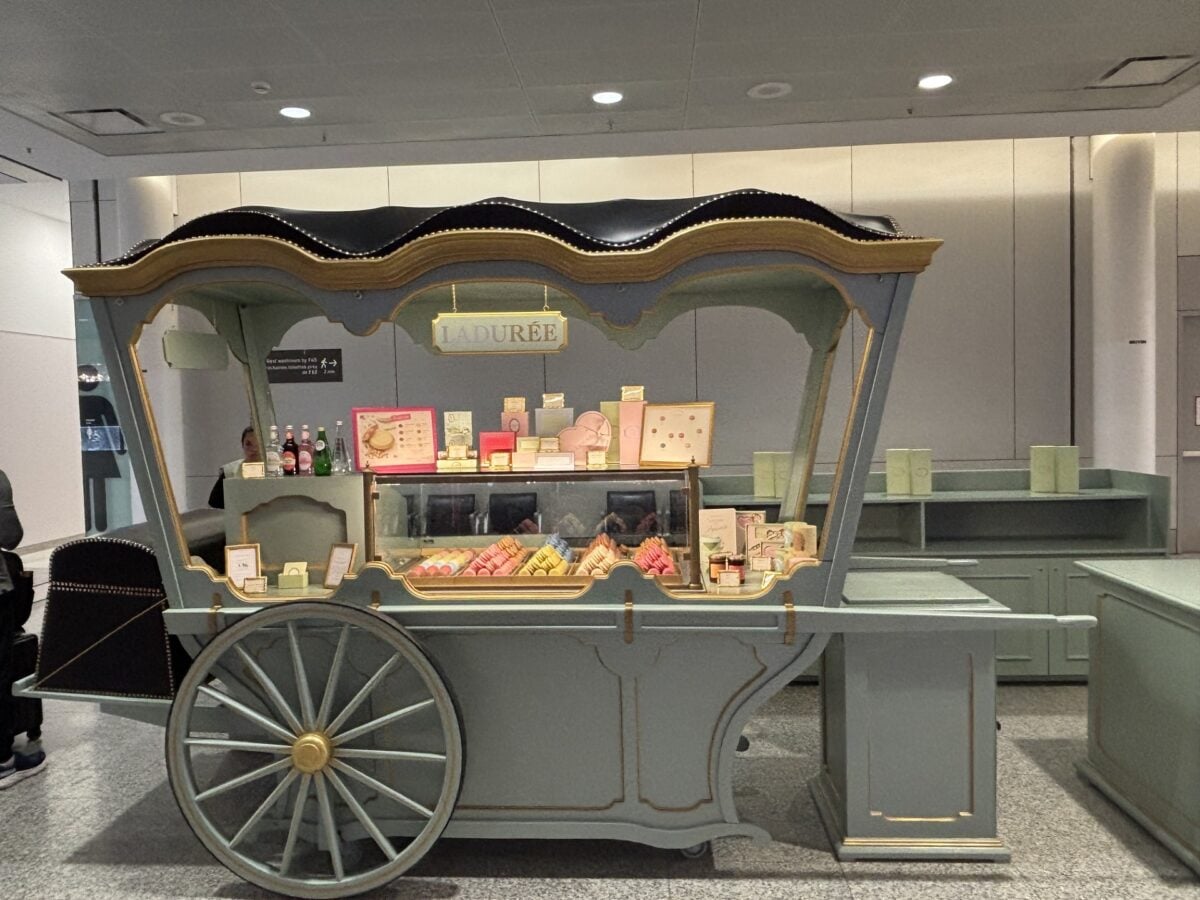
From homegrown favourites like Roywoods, Muskoka Supply Co., Greetings from Toronto, Mary Brown’s Chicken, Dillon’s, Libretto Slice Shop and KINTON RAMEN to premium global brands such as CHANEL and Ladurée, the new openings reflect Pearson’s commitment to delivering a more diverse, enjoyable and distinctly Canadian travel experience for passengers, it said.

“For millions of travellers each year, Toronto Pearson is where journeys begin, connections are made and Canada comes to life,” said Deborah Flint, CEO, Toronto Pearson. “By continuing to evolve our retail and dining options, we are creating a sense of place that reflects the diversity, creativity and entrepreneurial spirit of our country, while delivering an exceptional passenger experience.” 

Toronto Pearson photo

 Among the retail and dining openings are: 

  • Roywoods: The beloved Toronto Caribbean restaurant is bringing its bold flavours to Toronto Pearson with its first airport location, introducing travellers to one of the city’s most recognizable local restaurants. 
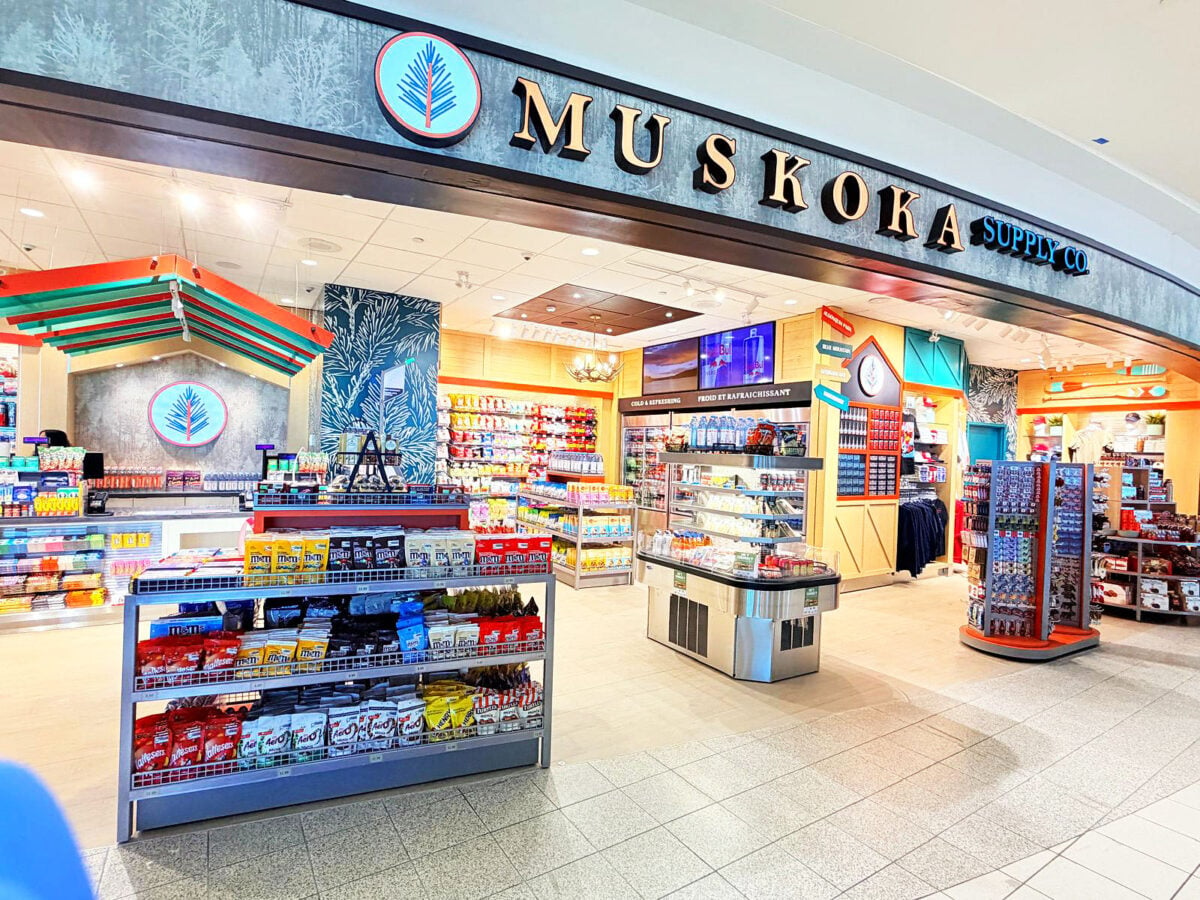
  • Muskoka Supply Co.: Muskoka Supply Co. offers travellers a distinctly Canadian retail experience featuring apparel, gifts and products that celebrate life in Ontario cottage country, 
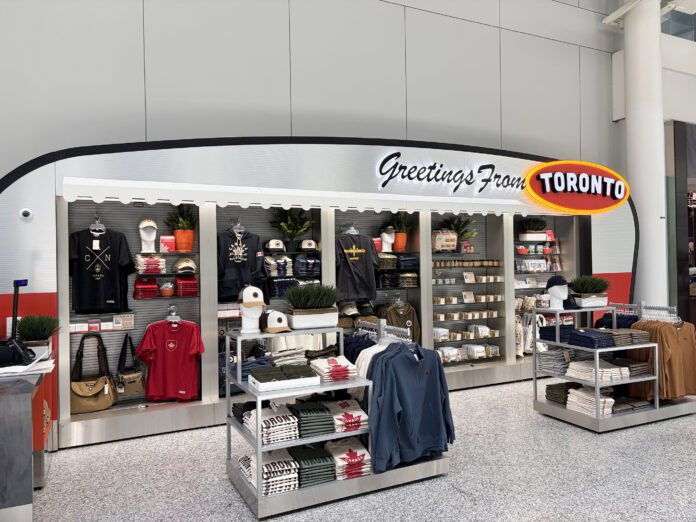
  • Greetings from Toronto: Designed to capture the spirit of Canada’s largest city, Greetings from Toronto offers locally inspired souvenirs and gifts that allow visitors to take a piece of it with them wherever they travel. 
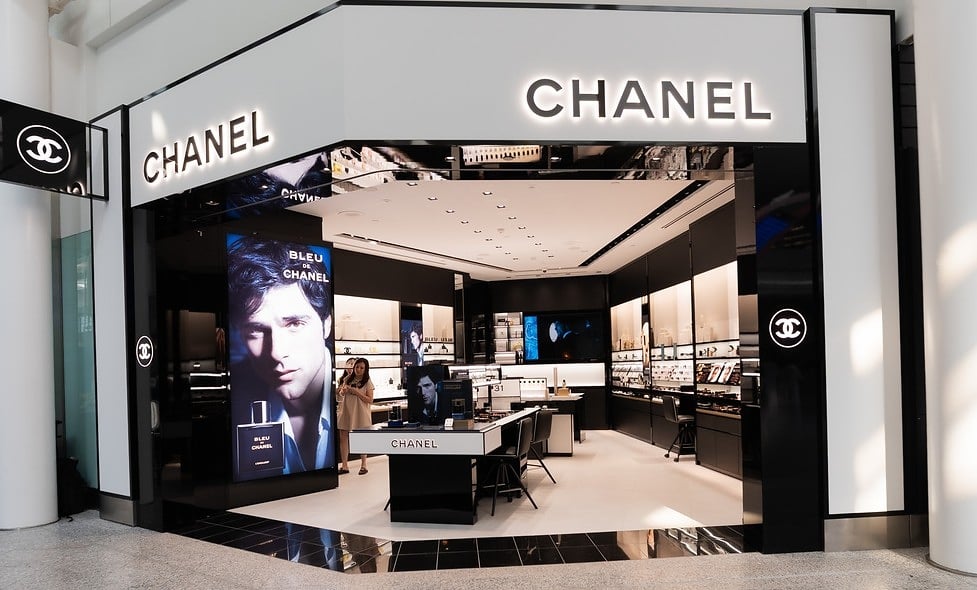
  • CHANEL (fragrance and beauty boutique): The opening of CHANEL’s fragrance and beauty boutique brings a premium luxury shopping experience to Toronto Pearson, giving travellers convenient access to one of the world’s most iconic brands before departure. 
  • Aura Beauty: The store showcases a curated collection of Canadian skincare, wellness, and personal care brands, highlighting locally crafted, cruelty-free, and innovative products while supporting Canadian entrepreneurs. 

Throughout the year, passengers will also see the introduction of a range of new dining concepts, including Boulevard Pizza, OEB Kitchen + Bar, Pret A Manger, Real Fruit Bubble Tea, Brasa Peruvian Kitchen and the airport’s first Mary Brown’s Chicken location, along with elevated lounge and hospitality offerings, including Wait N’ Rest private rooms and a new Plaza Premium Lounge opening, said the airport. 

Toronto Pearson photo

This landmark year comes as Pearson embarks on ambitious plans to modernize and prepare for future growth through the LIFT (Long-term Investment in Facilities and Terminals) program. These dining, retail and lounge openings create more opportunities for travellers to eat, shop and relax throughout the airport while providing Canadian and local businesses with a platform to connect with millions of visitors from around the world, it explained. 

“We understand how important it is for travelers to have meaningful retail options that celebrate the spirit of the region and the makers behind it. Bringing Muskoka Supply Co. and Greetings from Toronto to life is an exciting first step in the new vision at Toronto Pearson. Both concepts reflect a city that values local brands, thoughtfully curated goods, and a sense of place. We’re proud to partner with the airport to introduce experiences that truly resonate with travelers, and this is just the beginning,” said Gregg Paradies, CEO, Paradies Lagardère. 

 “Our decades-long partnership with Toronto Pearson has taught us what world-class truly means — and these new dining venues and retail stores are the fullest expression of that yet. Every concept we’ve introduced reflects our shared commitment to putting the traveler first: elevated food, curated retail, and a richer experience from the moment they walk through the doors. This is the result of a partnership defined by shared vision, mutual investment, and an unwavering dedication to the traveler,” added Steve Johnson, President & CEO, North America, Avolta.

“At Roywoods, we’ve always taken pride in delivering genuine hospitality, serving authentic Caribbean flavours made with quality ingredients, and creating an experience that makes everyone feel welcome. Opening at Toronto Pearson is an exciting milestone because the airport reflects the diversity that has always been at the heart of our brand. There’s no better place to share the flavours and culture we love with travellers from around the world,” said David Isaias, Co-Owner of Roywoods. 

The Greater Toronto Airports Authority is the operator of Toronto Pearson International Airport, Canada’s largest airport. 

Toronto Pearson has been named Best Large Airport in North America (serving more than 40 million passengers) seven times in the last eight years by Airports Council International, the global trade representative of the world’s airports. Toronto Pearson also continues to be recognized as a top workplace, earning a spot on Forbes’s Canada’s Best Employers list for the past three years. 

More from Retail Insider:

Toronto Pearson photo

Ottawa announces nearly $895,000 for Calgary clean-tech project aimed at indoor agriculture

Hydragreens photo
Hydragreens photo

The federal government is providing up to $894,673 to a Calgary clean-technology company to develop and test a lighting system designed to reduce electricity use in indoor agriculture.

Agriculture and Agri-Food Minister Heath MacDonald announced the funding during a recent visit to Hydragreens Produce Ltd. in Calgary. The funding is being provided to SmartGRO Bioengineering Inc. through the Agricultural Clean Technology Program’s Research and Innovation Stream.

The investment is part of the recently announced $3.2-billion National Food Security Strategy, which includes $750 million dedicated to controlled-environment agriculture. The federal government says the funding will help SmartGRO develop and test technology intended to make year-round indoor agriculture more energy-efficient and environmentally friendly.

SmartGRO, a Calgary-based start-up, is developing a lighting system that combines ultra-fast pulsing LED lights with plant sensors and artificial intelligence.

The sensors collect information on plants, including temperature, health and growth. The artificial intelligence system then adjusts the lighting based on the plants’ needs.

Hydragreens photo
Hydragreens photo

The company says the lights differ from conventional LED systems because they switch on and off very quickly rather than remaining continuously illuminated. Controlled tests showed plants grown under SmartGRO’s lights produced the same harvest weight as plants grown under regular LED lights while using up to 80 per cent less electricity.

The technology is intended to allow growers to produce more food while using less electricity, potentially lowering operating costs and reducing environmental impacts associated with year-round food production.

“Canadian agri-businesses are leading the way in creating innovative solutions to reduce emissions and build a more resilient agricultural sector. With support from the ACT – Research and Innovation Stream, SmartGRO can develop new technology that has the potential to help Canadian farmers grow more food while using less electricity. By making indoor agriculture more efficient and sustainable, this innovation can help reduce costs and environmental impacts, while strengthening year-round food production across Canada,” said MacDonald.

SmartGRO chief executive officer and co-founder Jared Wolfe said the funding will be used to test the technology at commercial scale.

“Canada has the talent and technology to lead the next generation of controlled-environment agriculture. This support from Agriculture and Agri-Food Canada will help SmartGRO validate at commercial scale a patent-pending, Canadian-developed lighting and intelligent control platform designed to help growers produce more food, year-round, using dramatically less electricity,” said Wolfe.

Hydragreens Produce is hosting SmartGRO’s commercial-scale trials at its Calgary greenhouse and is investing $916,197 toward the project, according to the federal government.

The collaboration is focused on product demonstration, validation and prospective adoption by large customers.

Hydragreens photo
Hydragreens photo

“We’re excited to partner with SmartGRO to test this advanced technology under real-world commercial growing conditions. Improving energy efficiency is essential to the future of indoor agriculture, and innovations like this can help growers reduce costs, increase productivity, and make year-round food production in Canada more sustainable. We’re proud to support its developmen,” said Marc Schulz, President, Hydragreens Produce Ltd.

SmartGRO is also working with the University of Windsor, Ontario’s Ministry of Agriculture, Food and Agribusiness, Lambton College, H&A Mastronardi Farms and Freeman Herbs to help validate its lighting technology.

The National Food Security Strategy is a 10-year, $3.2-billion federal investment intended to open the market for independent retailers, increase domestic food production and build a stronger and more affordable food system, according to the government.

The strategy includes $750 million for expanding year-round Canadian production of fruits and vegetables through greenhouses, vertical farms and other enclosed growing spaces.

Hydragreens photo
Hydragreens photo

The Agricultural Clean Technology Program provides funding to farmers and agri-businesses to develop and adopt clean technologies aimed at reducing greenhouse gas emissions and improving long-term competitiveness.

The program focuses on three areas: green energy and energy efficiency, precision agriculture, and bioeconomy solutions.

The government said 535 projects have been announced through the program to date, representing up to more than $314 million in funding across Canada.

More from Retail Insider: