On some of Toronto’s busiest retail streets, the city’s changing shopping landscape can now be measured in matcha cafés, Pilates studios, wellness clinics, athleisure stores, and packed restaurant patios.
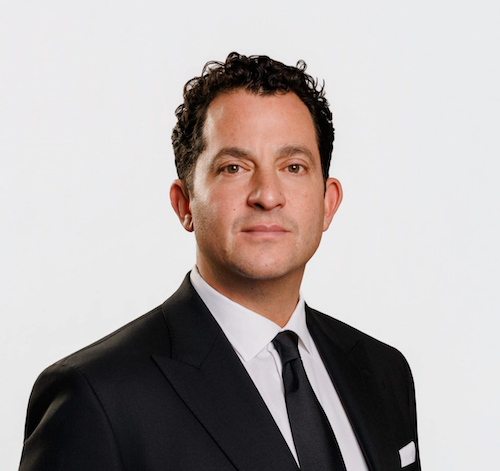
“We’re getting 20 calls a day for matcha and Pilates concepts,” said Arlin Markowitz, Executive Vice President with CBRE Canada’s Urban Retail Team in Toronto.
For Markowitz, the surge reflects a much broader shift underway across Toronto retail. Consumers are still spending, but increasingly they are prioritizing experience, lifestyle, convenience, wellness, and self-care over more traditional forms of discretionary spending.
Across many of Toronto’s strongest urban retail corridors, contemporary fashion, athleisure, wellness retail, experiential dining, and hospitality-driven concepts are reshaping leasing demand. At the same time, some traditional luxury expansion has moderated, creating opportunities for a wider range of brands to secure space in some of the city’s most sought-after retail districts.
The result is a retail landscape increasingly shaped by how people live rather than simply where they shop.
From Bloor-Yorkville and Ossington Avenue to Queen West, King West, and emerging districts around Dupont and Geary Avenue, Toronto’s retail market is becoming more neighbourhood-driven, experience-focused, and lifestyle-oriented as the city continues to densify and evolve.
Contemporary Fashion Expands Into Toronto’s Premier Retail Corridors
According to Markowitz, one of the biggest changes taking place across Toronto retail is the growing influence of contemporary fashion and lifestyle brands within premier shopping districts.
“For the first time, contemporary and lifestyle brands are getting opportunities that historically would have gone to major European luxury houses,” he said.
He pointed to brands such as Alo Yoga, Arc’teryx, Lululemon, and Frette as examples of retailers recently opening in the Bloor-Yorkville area. Markowitz said other similar concepts are now looking at locating nearby.
The trend aligns with a recent CBRE Canada analysis on contemporary fashion retail in which Markowitz noted that contemporary fashion and athleisure brands are increasingly filling vacancies in key shopping districts including Bloor-Yorkville, Ossington Avenue, and Yorkdale Shopping Centre.
Brands such as Luca Faloni and Eleventy have recently expanded into Yorkville, while retailers including Gentle Monster at Yorkdale and Carhartt WIP on Ossington have helped reinforce demand in other urban retail corridors.
Bloor-Yorkville remains Canada’s dominant luxury shopping district and continues to attract affluent consumers and international brands. However, the tenant mix is broadening as contemporary fashion, wellness, and performance-oriented brands increasingly compete for space alongside traditional luxury retailers.
“We have geopolitical uncertainty, higher interest rates, elevated housing costs, and a condo market correction in Toronto,” said Markowitz. “Luxury leasing on Bloor has become more cautious, but it’s also creating opportunities for other strong brands to enter the market.”
At the same time, Markowitz emphasized that major luxury and flagship deals continue to happen quietly behind the scenes in Yorkville.
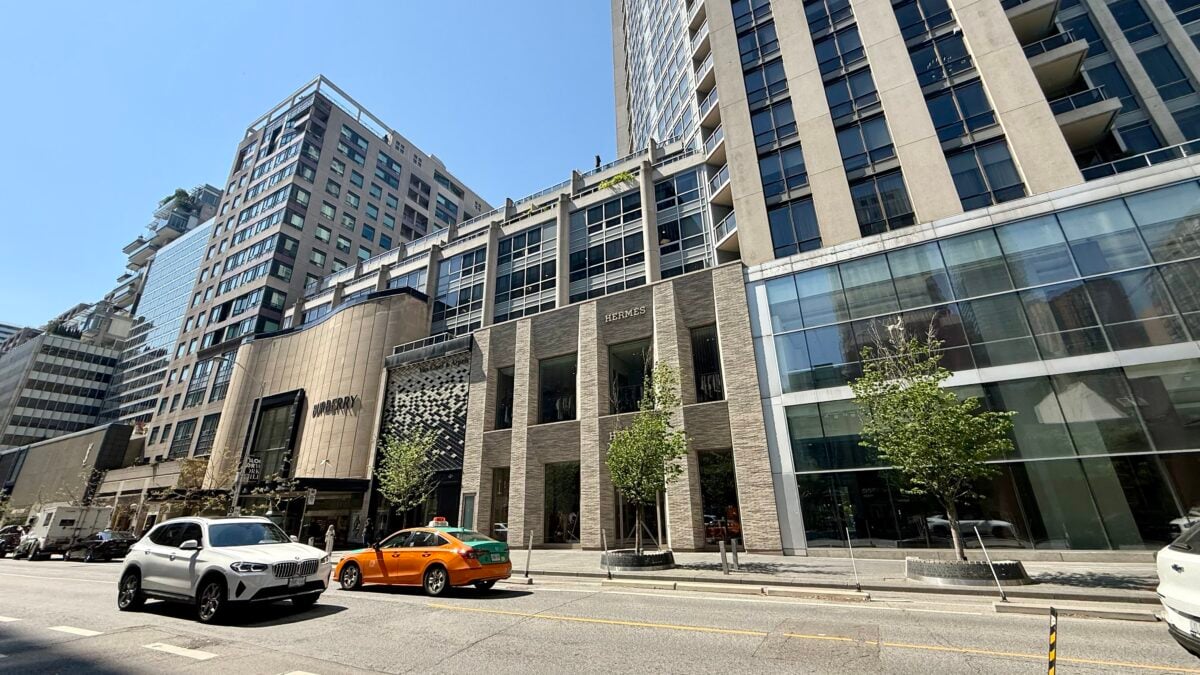
He noted that 157 Bloor Street West has been leased to what he described as a “world-class” brand that remains confidential for now. He also said the upcoming Harry Rosen flagship on Cumberland Street could help strengthen Yorkville’s western luxury corridor and shift additional pedestrian traffic toward Avenue Road.
The evolution reflects broader changes in consumer behaviour, particularly among younger affluent shoppers who continue to pursue aspirational products and experiences while becoming more selective about where they spend.
“It doesn’t have to be Hermès or Chanel to feel aspirational,” said Markowitz. “Consumers are increasingly finding that through brands like Reformation, Veronica Beard, James Perse, and Aesop.”
That shift toward what many in the industry describe as “accessible aspiration” is increasingly visible across Toronto retail. Consumers are not necessarily abandoning discretionary spending, but many are reallocating it toward categories tied to identity, wellness, dining, travel, and lifestyle experiences.
Wellness Retail Emerges as One of Toronto’s Hottest Growth Categories
The rise of wellness retail may be one of the defining stories shaping Toronto’s current leasing market.
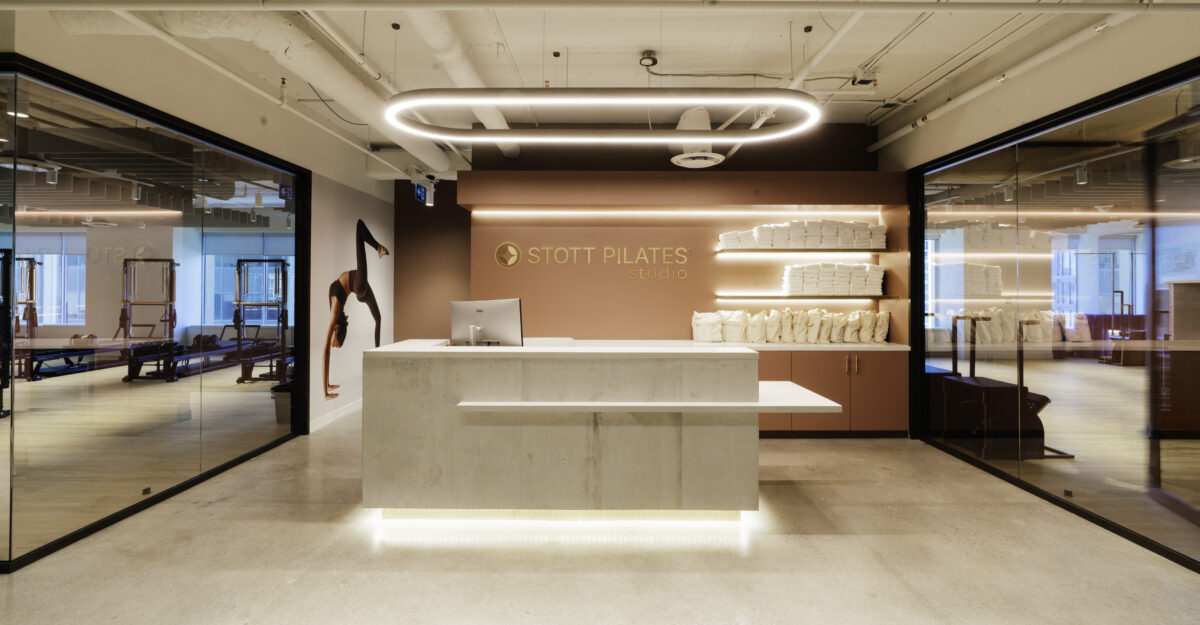
Alongside the growth of athleisure and contemporary fashion brands, Toronto is also seeing strong demand from Pilates studios, skincare concepts, cosmetic clinics, medi-spas, and beverage operators built around health and wellness positioning.
“We’re seeing tremendous demand across wellness, cosmetic, and self-care concepts,” said Markowitz.
In many downtown Toronto neighbourhoods, those concepts are increasingly clustering together beside cafés, restaurants, and fashion boutiques, helping create curated retail ecosystems that blend hospitality, fitness, wellness, and social experience.
The trend speaks to how consumer priorities have shifted in recent years. Even amid economic pressure, many consumers continue to spend on categories tied to wellness, self-improvement, dining, travel, and social identity.
“I think people would rather live in a smaller apartment but still spend on dining, travel, wellness, and lifestyle experiences,” said Markowitz. “Consumers are still prioritizing those experiences.”
That behaviour is especially visible among younger urban consumers, where wellness, fitness, food, fashion, and social culture increasingly overlap. Matcha cafés, boutique fitness studios, skincare concepts, and athleisure brands often feed traffic into the same neighbourhood ecosystems, helping strengthen Toronto’s most active urban retail streets.
Toronto’s Dining Scene Continues to Shift Toward Accessible Premium
Food and beverage remains another major force shaping Toronto retail, although some of the strongest-performing operators increasingly occupy a more approachable premium segment.
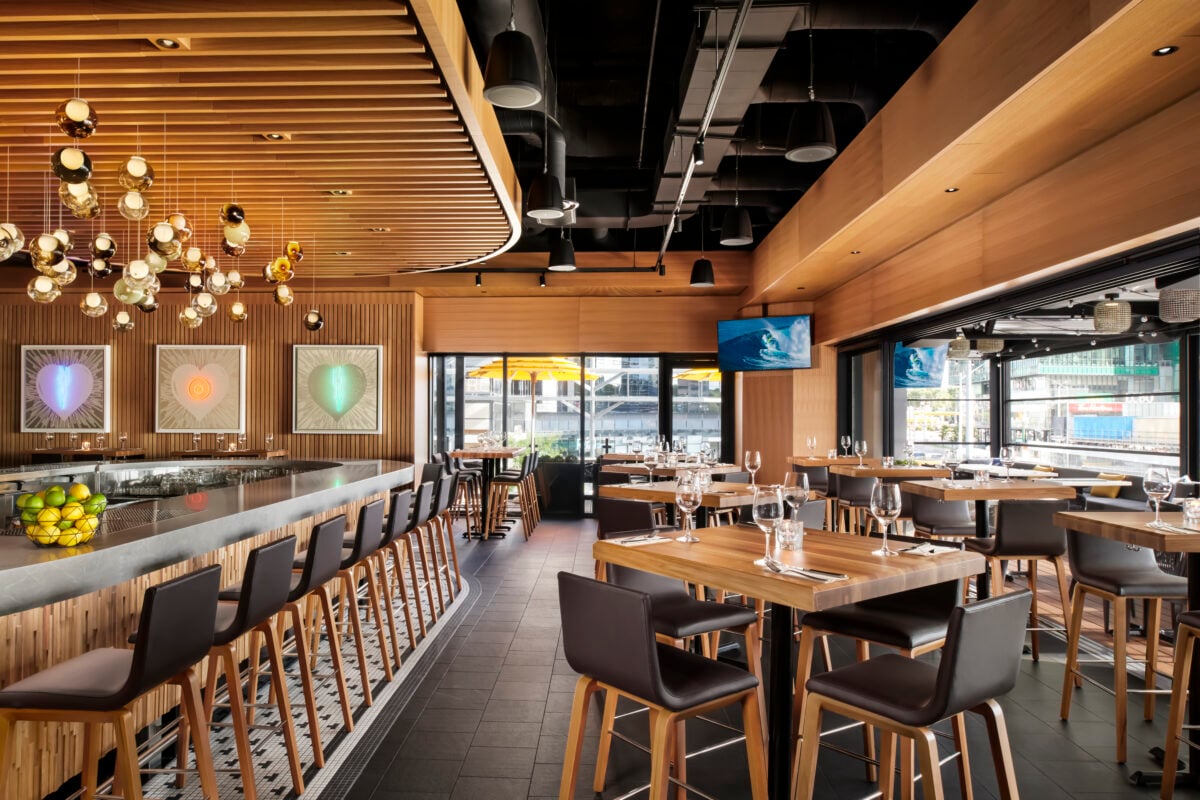
Markowitz pointed to brands such as Cactus Club Cafe, Earls, and JOEY Restaurants as examples of concepts benefiting from consumers seeking elevated experiences at more accessible price points than traditional fine dining.
“Consumers still want elevated dining experiences, but they’re becoming more selective about value,” said Markowitz. “Brands like Earls and JOEY offer a premium experience at a more approachable price point.”
Markowitz jokingly described the category as “West Coast Premium,” referencing the British Columbia roots of several of the restaurant brands.
The same recalibration visible in fashion is now playing out across dining. Consumers still want atmosphere, quality, and experience, but many are increasingly balancing aspiration with value.
That shift has helped support operators capable of delivering polished interiors, strong hospitality, and energetic social environments without the price points associated with luxury dining.
Ossington Continues to Outperform
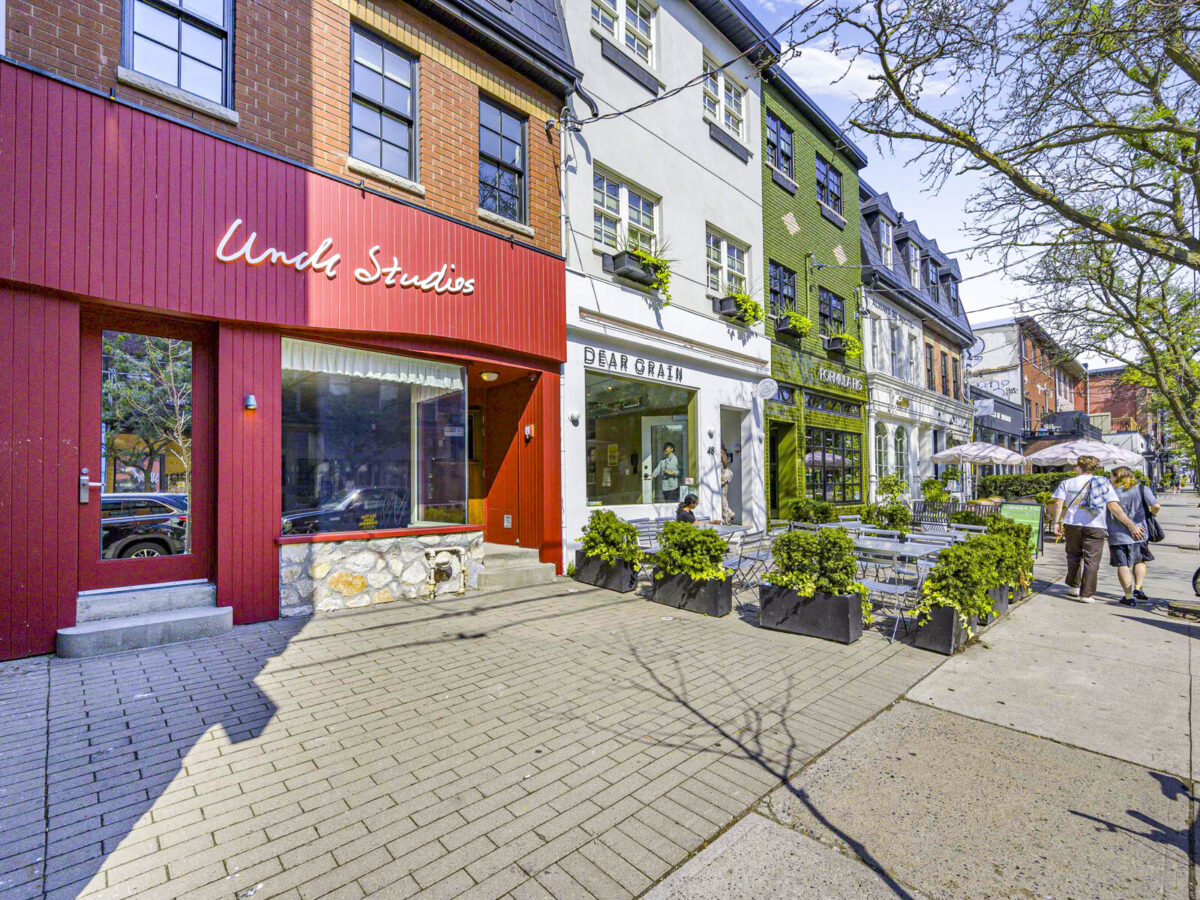
Among Toronto’s urban retail corridors, Ossington Avenue remains one of the city’s strongest-performing streets.
“Ossington is incredibly strong right now,” said Markowitz. “There’s very little space available.”
He pointed to a recent leasing situation involving the former Delysées space across from Bellwoods Brewery, where three offers arrived within a week.
The corridor’s strength reflects a balance of fashion, food, hospitality, independent retail, and neighbourhood culture that continues to attract consumers and brands alike.
Unlike districts dominated by a single retail category, Ossington generates activity throughout the day and evening. Cafés, boutiques, bars, restaurants, and lifestyle retailers operate within the same ecosystem, creating one of the city’s most active pedestrian environments.
On warm evenings, crowded patios and busy sidewalks spill across the corridor as shoppers move between cafés, boutiques, bars, and restaurants. That street-level energy has helped transform Ossington into one of Canada’s most closely watched urban retail districts.
According to CBRE’s recent analysis, brands including Carhartt WIP and Mejuri have helped reinforce the street’s growing national profile. The scarcity of available retail space has also intensified competition among tenants seeking well-positioned storefronts in the neighbourhood.
West Queen West Shows Signs of Recovery
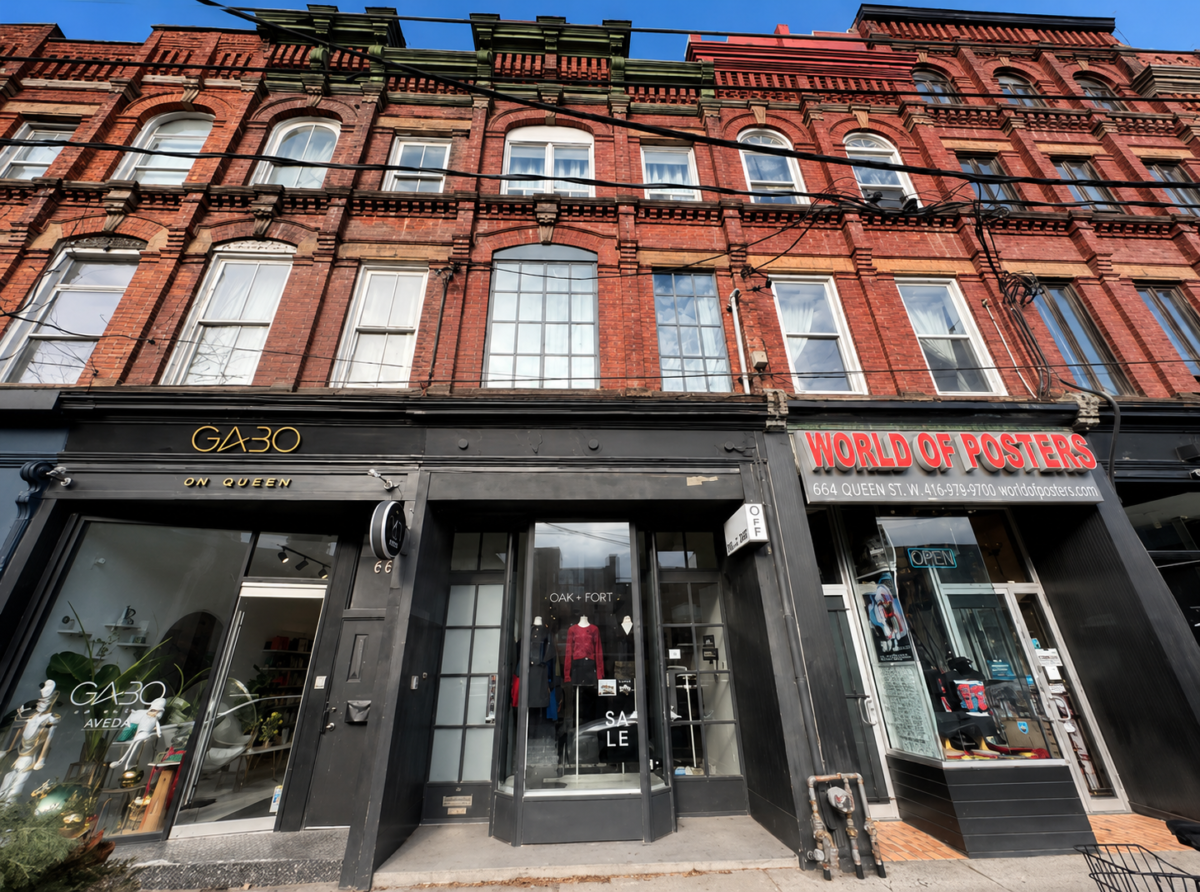
West Queen West is also showing renewed momentum after a more difficult post-pandemic period.
Markowitz said the area near the former Fluevog store on Queen Street West had been building strong momentum before COVID-19 disrupted activity across the corridor.
“West Queen West was building great momentum before the pandemic,” he said. “It was hit hard during COVID, but we’re seeing strong signs of recovery again.”
He pointed to The Botanist at 662 Queen Street West as an example of the kind of creative concept now helping drive traffic and interest in the area. The business combines matcha beverages, Vietnamese coffee, and a library-inspired interior concept.
“Creative experiential concepts are performing very well right now,” said Markowitz.
Vivobarefoot will be among the new tenants opening on West Queen West this summer.
The evolution reflects a broader shift taking place across many of Toronto’s urban retail districts, where successful operators increasingly blend food, hospitality, retail, design, and social interaction into hybrid environments.
Yonge and Eglinton Benefits From Density and Transit Growth
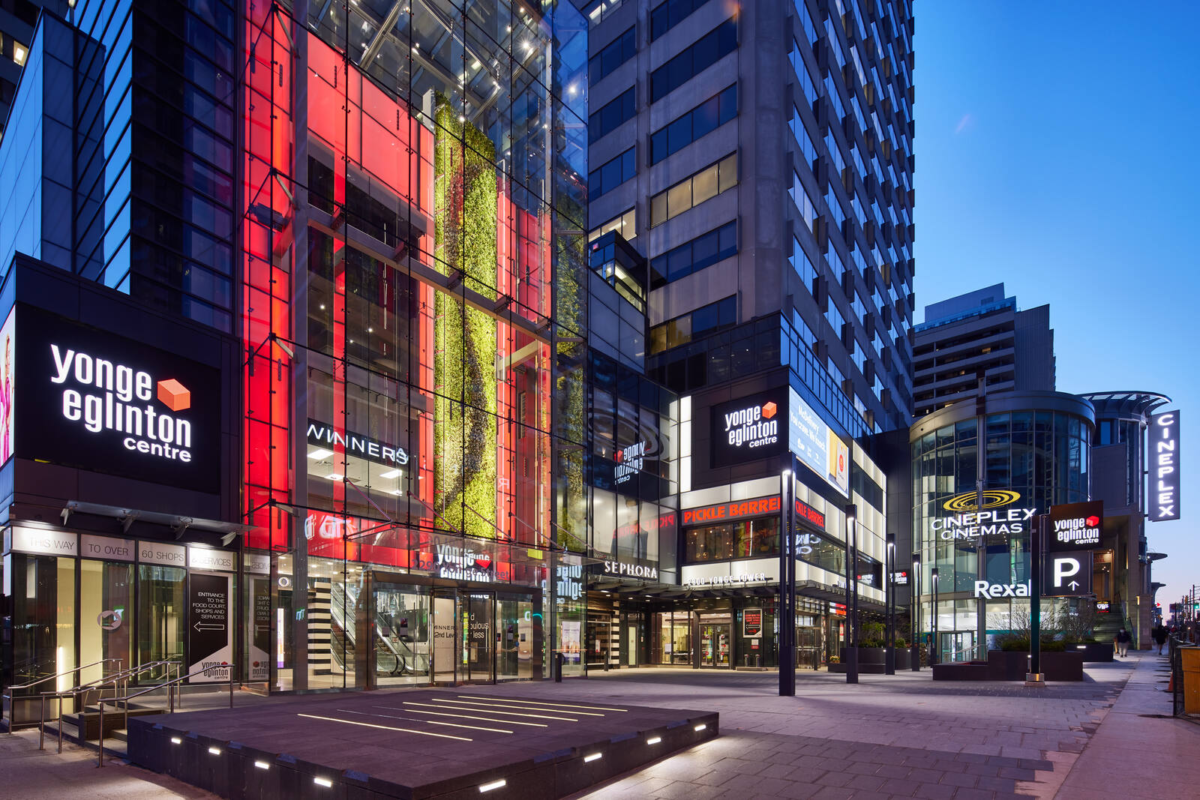
Yonge and Eglinton continues to strengthen as residential density intensifies around the corridor.
“Yonge and Eglinton is very strong,” said Markowitz. “The density there is incredible.”
The long-awaited Eglinton Crosstown LRT is also expected to support retail growth along the corridor by increasing accessibility and foot traffic, particularly for convenience-oriented and service-based businesses.
“Transit corridors will continue attracting convenience, food, and service retail,” said Markowitz.
As Toronto continues to intensify around major transit corridors, neighbourhood retail nodes are becoming increasingly important. While not every transit corridor will evolve into a major retail district, many are expected to support strong demand for food, beverage, wellness, and convenience-driven retail serving dense residential populations.
King West Faces Saturation Challenges
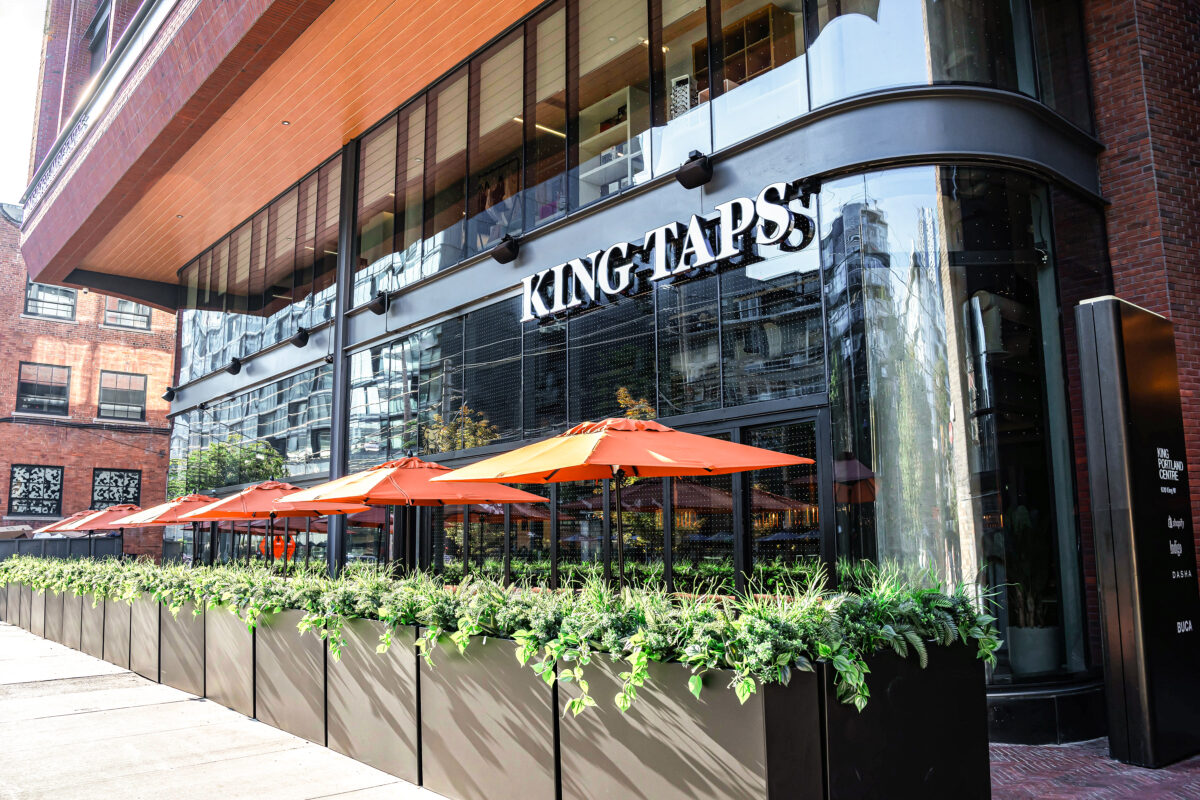
While several Toronto retail corridors continue to strengthen, Markowitz believes King West is entering a more complicated phase.
“King West is having a tougher moment right now,” he said.
According to Markowitz, the district experienced enormous momentum during 2021 and 2022, but the concentration of restaurants and nightlife-oriented businesses has created increasing saturation.
“Retail districts become vulnerable when they rely too heavily on restaurants and nightlife alone,” he said.
The observation highlights one of the broader lessons emerging across Toronto’s retail market. The city’s strongest urban retail districts typically combine multiple categories, including fashion, food, wellness, hospitality, services, and residential density. That diversity creates more resilient traffic patterns throughout the day and evening and helps stabilize neighbourhoods during softer economic periods.
Markowitz contrasted King West with areas such as Ossington, Queen West, and Yorkville, where multiple retail categories operate together.
“The strongest retail streets usually have a balanced mix of uses,” he said.
He added that rents on College Street in Little Italy have remained relatively stagnant for years, while more diversified retail corridors have experienced stronger rent growth.
Still, Markowitz believes King West could strengthen again as large-scale mixed-use projects reshape the neighbourhood.
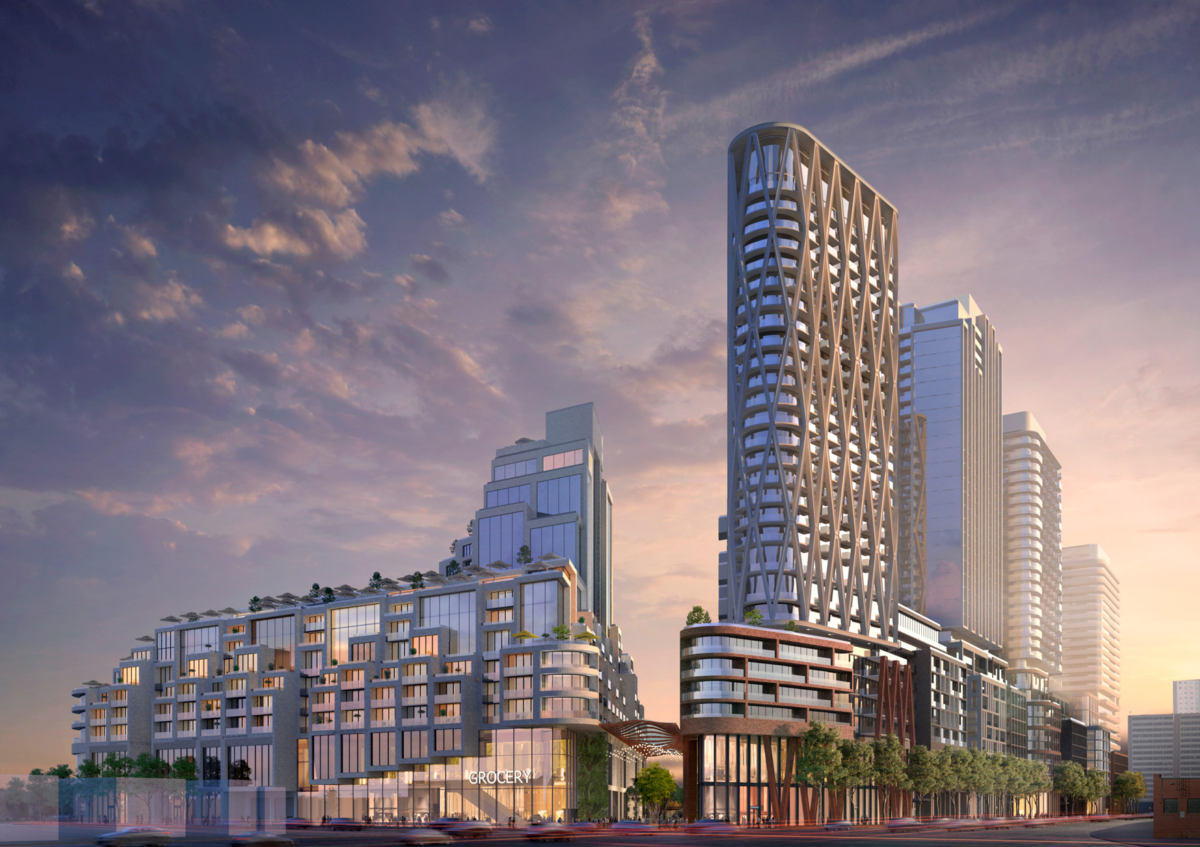
He pointed to the King Toronto development, where Whole Foods Market will serve as an anchor. A nearby Equinox gym will also be an attraction.
“Projects like King Toronto will help diversify the area,” he said. “Whole Foods and Equinox are the kinds of anchors that can strengthen a neighbourhood long term.”
Midtown West Emerges as Toronto’s Next Lifestyle District
Looking ahead, Markowitz believes the broader Dupont, Dufferin, Geary Avenue, Sterling Road, and Davenport area could become one of Toronto’s next major lifestyle-oriented retail districts.
“I do think there’s an emerging district there,” he said. “I call it Midtown West.”
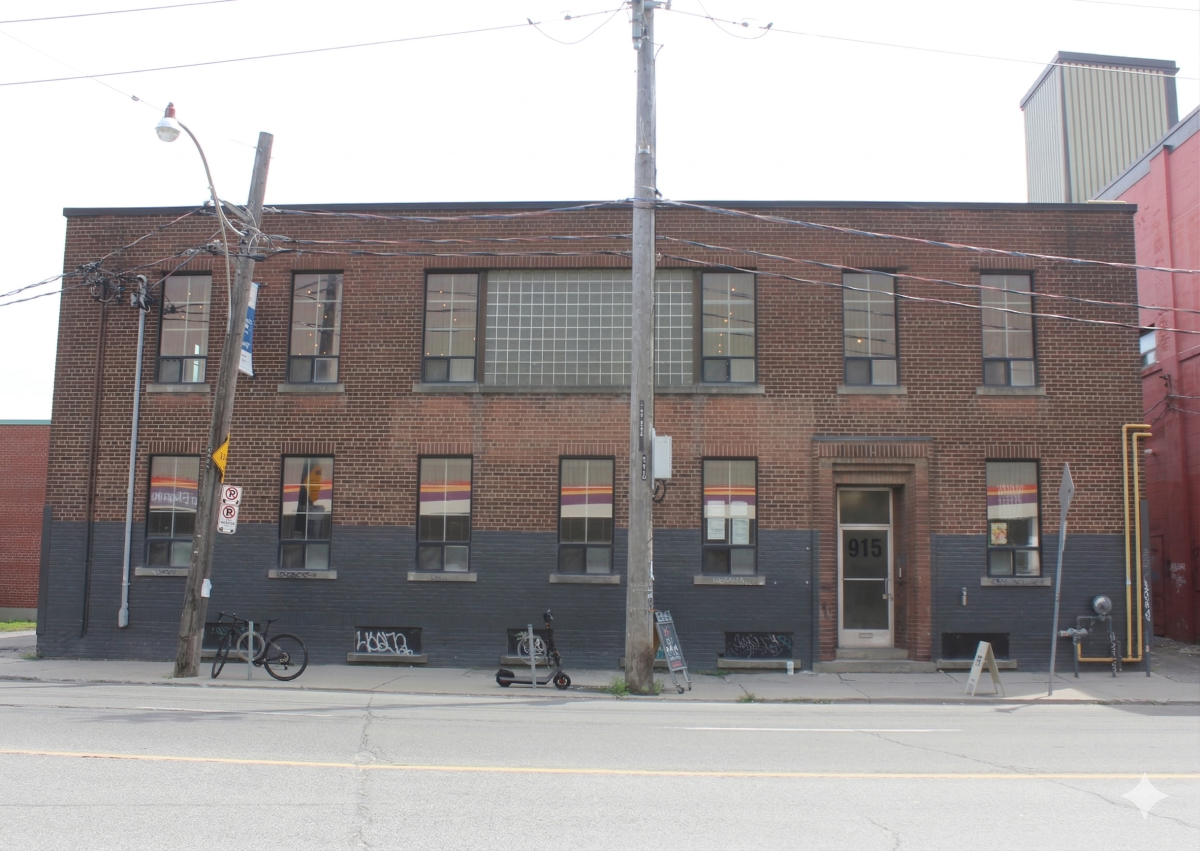
The area combines many of the ingredients that shaped other successful urban retail corridors earlier in their evolution, including adaptive reuse buildings, independent operators, residential intensification, creative businesses, restaurants, and cultural spaces.
Markowitz pointed to the Galleria development at Dupont and Dufferin, the Hazelview and Fitzrovia project at Bloor and Dufferin, activity on Geary Avenue, and the continued growth of Sterling Road as examples of momentum building across the district.
“It has a strong creative energy to it,” he said. “I think it’s going to become a very important area over time.”
Like Ossington and portions of Queen West before it, Midtown West is benefiting from a combination of lower relative occupancy costs, industrial character, residential growth, and increasing cultural momentum. As Toronto continues to evolve westward, the area may increasingly attract independent retailers, hospitality operators, and emerging lifestyle brands seeking opportunities before rents rise further.
Toronto Retail Is Becoming Increasingly Experience-Driven
Increasingly, Toronto’s strongest retail districts are being shaped by wellness, dining, experience, neighbourhood identity, urban density, and lifestyle spending.
Consumers may be more selective with spending than they were several years ago, but many continue to prioritize categories tied to self-care, social connection, hospitality, fashion, food, and experience. Retailers and landlords are adapting accordingly.
At the same time, strong urban storefronts are becoming increasingly competitive in Toronto’s best-performing retail corridors. From Ossington and Yorkville to Queen West and emerging districts such as Midtown West, demand for well-positioned street retail space remains intense.
Toronto’s evolving retail map now reflects something broader than shopping alone. It reflects how the city itself is changing. As density increases, transit expands, and neighbourhoods continue to evolve, Toronto’s most successful retail streets are increasingly functioning as walkable lifestyle ecosystems where food, fashion, wellness, hospitality, and culture intersect.
The city’s future retail winners may increasingly be the neighbourhoods capable of combining all of those elements into compelling urban experiences.