Home Blog Page 90

Brunello Cucinelli to Open at Fairmont Château Whistler as Oxford Elevates Luxury Retail Mix

Fairmont Chateau Whistler. Photo: Oxford Properties

Italian luxury fashion house Brunello Cucinelli is set to open at Fairmont Château Whistler in British Columbia as Oxford Properties works to elevate the retail mix within the resort hotel.

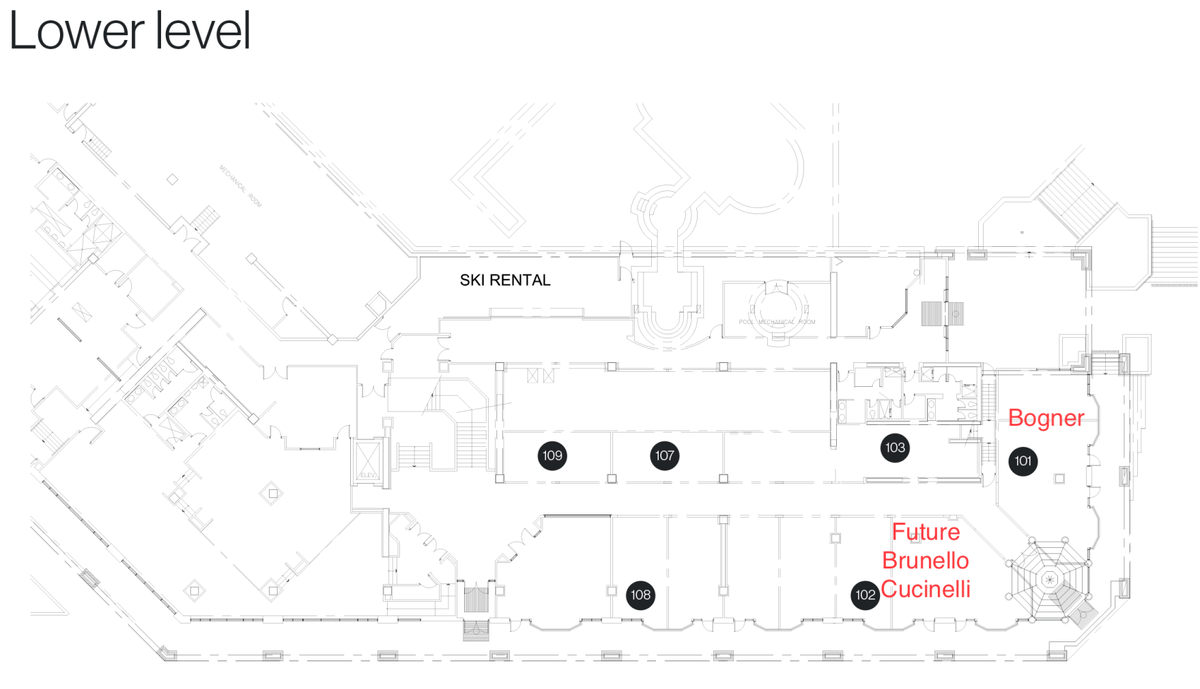
The brand will take space in the lower-level retail concourse currently occupied by Canadian outerwear retailer Snowflake. Additional luxury brands are expected to join the concourse as its tenant mix evolves, though no other new retailers have been announced.

DWSV Realty negotiated the transaction on behalf of Brunello Cucinelli, extending a longstanding relationship between the brokerage and the luxury brand in Canada.

“The arrival of Brunello Cucinelli at Fairmont Chateau Whistler reflects the strength of Oxford’s global retail platform and our ability to connect leading brands with exceptional destinations across our portfolio,” said Mark D’Eon, Vice President, National Retail Leasing at Oxford Properties.

“As luxury retail and hospitality increasingly converge, premier resort properties offer brands new ways to engage customers through elevated, values-driven experiences. For Oxford, this represents a natural extension of our retail strategy.”
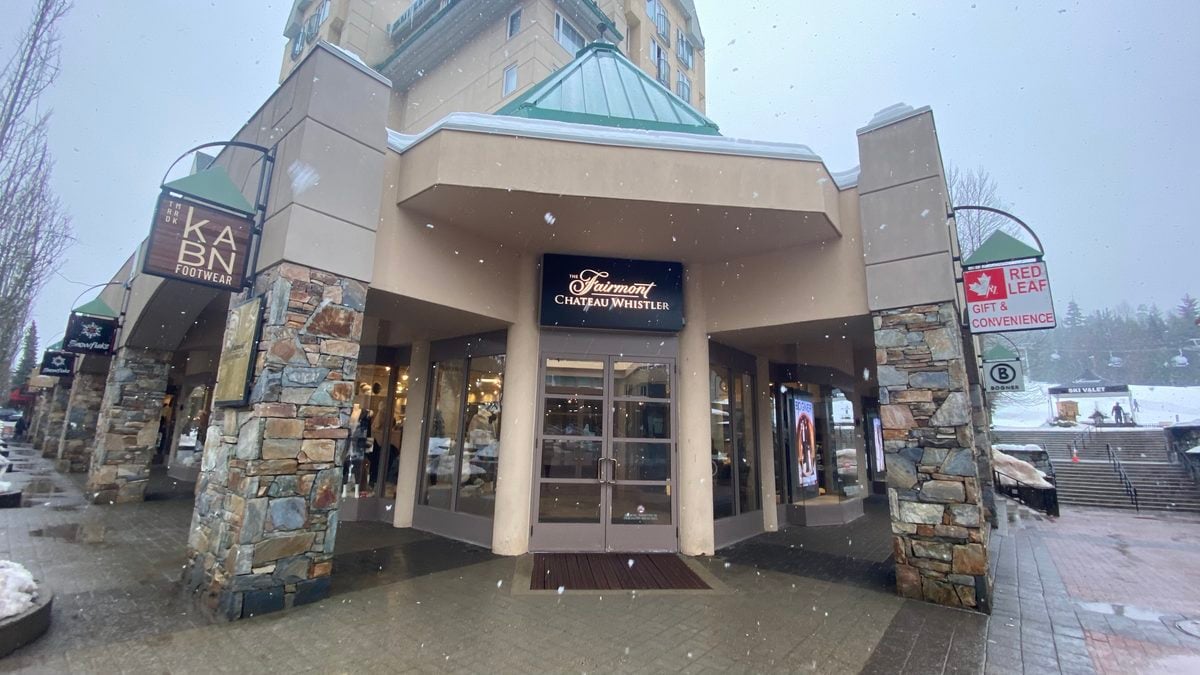
Street entrance to the retail galleria at the Fairmont Chateau Whistler. Photo: Craig Patterson

An Evolving Retail Concourse

Fairmont Château Whistler has approximately 11,000 square feet of retail space, according to Oxford Properties. The concourse is located on the lower level of the 519-room resort at the base of Blackcomb Mountain. Oxford’s current leasing materials identify Snowflake’s premises as Unit 102, spanning approximately 1,880 square feet.

The existing concourse includes fashion, art, gifts, footwear, wellness and resort-oriented retail. Tenants include Snowflake, Bogner, Mountain Galleries, Red Leaf Gift Shop, Three Singing Birds, KABN Footwear, Open Country and Vida Spa.

The tenant mix is expected to shift as additional luxury retailers are secured.

German luxury sportswear and fashion brand Bogner already provides an established high-end presence in the concourse. Its boutique has operated at the hotel for several years and occupies approximately 980 square feet next to the Snowflake premises.
Oxford Continues to Invest in the Resort

Fairmont Château Whistler opened in 1989, despite its château-style architecture giving the property a much older appearance. Oxford Properties owns the hotel as part of its portfolio of Canadian Fairmont resort assets.

Oxford has undertaken a series of upgrades at the property in recent years. Approximately 99 per cent of the hotel’s guestrooms were renovated between 2020 and 2022, increasing the mix of higher-rated Fairmont Gold rooms and suites.

The company has also highlighted ongoing investment in food-and-beverage and outdoor areas. For 2026, Oxford lists an expansion and optimization of the hotel’s outdoor patio for all-season use, combined with an expansion of the pool deck.

Further upgrades are expected within the property, including improvements involving common facilities, the spa and a main-floor restaurant as the hotel continues to move toward a higher luxury standard.

The retail component is increasingly part of that investment strategy.

“By broadening our deep brand partnerships beyond traditional retail environments and integrating them into our hospitality portfolio, we can create more immersive moments that strengthen and differentiate our properties while also delivering value for guests, brands, and partners alike,” D’Eon said.

“We look forward to welcoming brands like Brunello Cucinelli to these destinations as we continue to elevate the guest experience and meet growing demand for premium, experience-led offerings that bring together the best of luxury retail and hospitality.”

Oxford’s comments point to a broader effort to extend relationships with global retailers beyond shopping centres and other traditional retail properties and into hospitality assets.

Why Whistler Works for Luxury Retail

Whistler attracts approximately three million visitors annually, according to Oxford, with at least half coming from outside British Columbia.

Fairmont Château Whistler occupies a prominent position at the base of Blackcomb Mountain, adjacent to the gondola. Oxford describes it as Whistler’s only ski-in, ski-out resort.

That creates a different retail proposition from a conventional trade area. The customer base is driven heavily by domestic and international tourism, giving brands access to a rotating flow of visitors already spending within a premium hospitality environment.

For luxury retailers, the opportunity is tied less to Whistler’s permanent population than to its position as a major global resort destination.
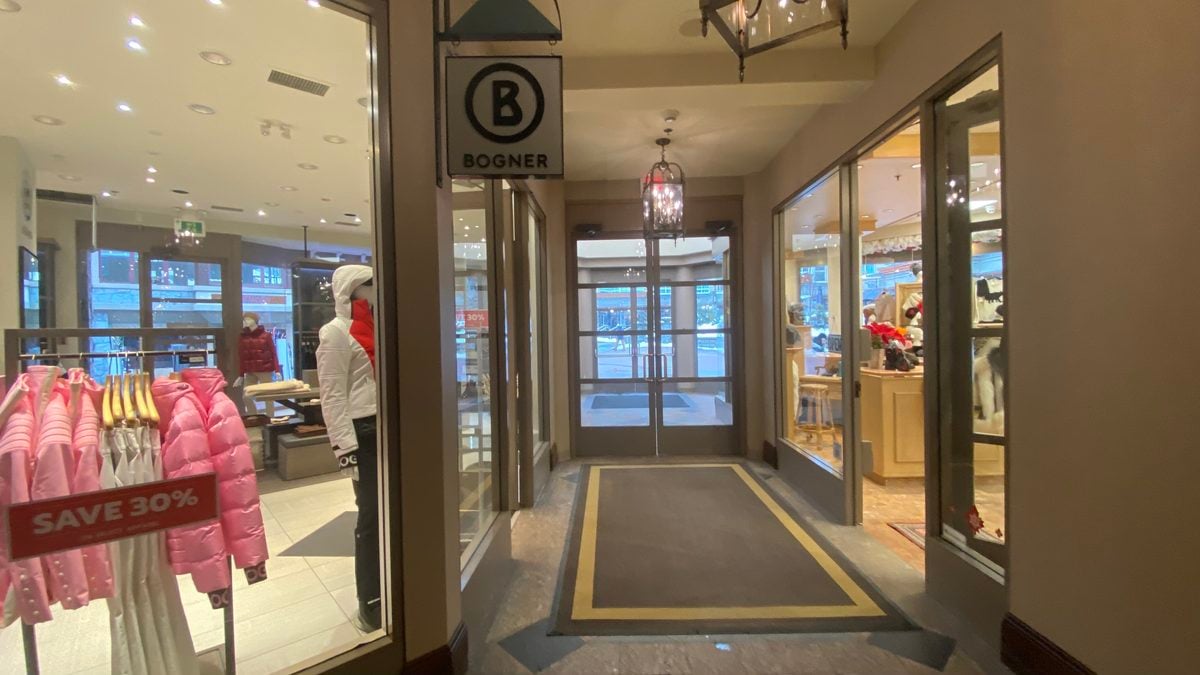
Retail galleria at the Fairmont Chateau Whistler. Photo: Craig Patterson

Brunello Cucinelli Expanding in Canada

The Whistler opening comes during a period of significant expansion for Brunello Cucinelli in Canada.

The brand recently enlarged its flagship boutique on Yorkville Avenue in Toronto and is in the process of expanding its downtown Vancouver store on Thurlow Street.

Brunello Cucinelli also recently opened at Oakridge Park in Vancouver, joining the concentration of international luxury brands at the newly opened development.

In Toronto, the company has expanded its department-store presence with a new concession for both men’s and women’s collections on the second level of Holt Renfrew’s flagship at 50 Bloor Street West.

Taken together, the moves point to substantial investment in the Canadian market across both freestanding boutiques and department-store partnerships.

DWSV has worked with Brunello Cucinelli on several Canadian transactions over the years, including new locations and expansions of existing stores. The Whistler lease continues that relationship while introducing the brand into a major resort market.
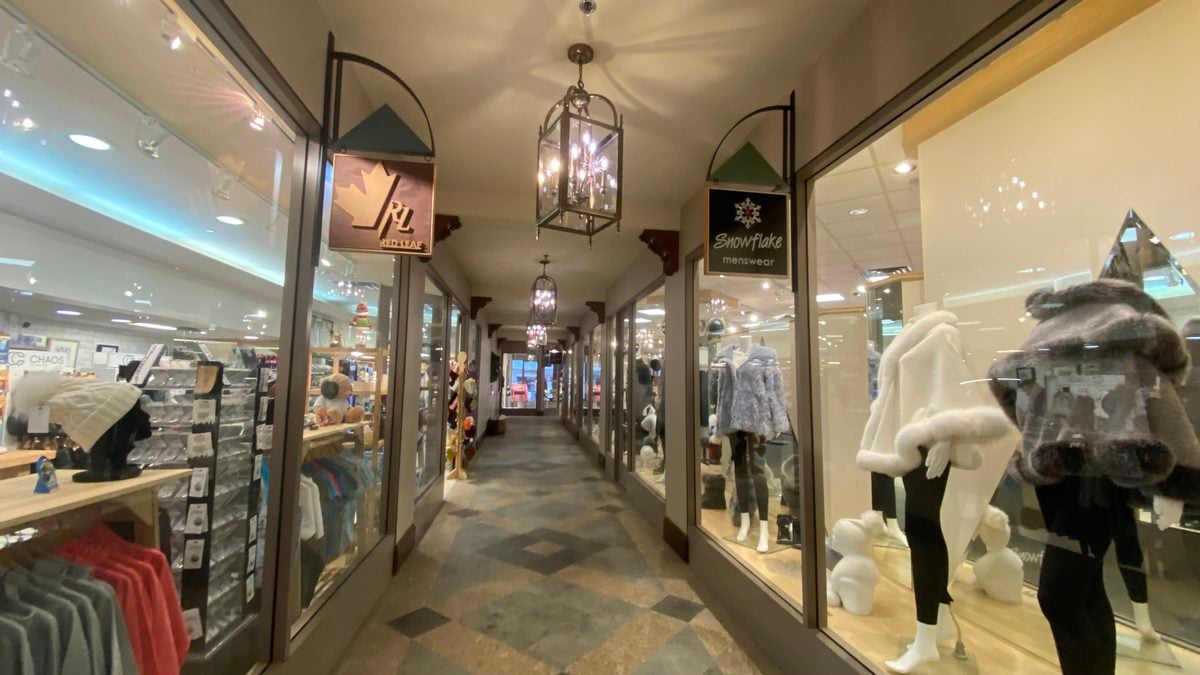
Retail galleria at the Fairmont Chateau Whistler. Photo: Craig Patterson

Luxury Retail Has History at Château Whistler

Luxury fashion retail at Fairmont Château Whistler has precedent.

Holt Renfrew opened an approximately 900-square-foot boutique at the hotel in 1991, only a few years after the property opened. The store operated for several years.

Former Holt Renfrew executive Daniel Ritchie previously told Retail Insider that the Whistler boutique proved challenging because the profile of visitors could vary considerably, making it difficult to determine the right merchandise mix for such a small location.

More than three decades later, the market looks very different. Whistler has developed further as an international resort destination, while global luxury brands now operate far more extensive Canadian networks and maintain relationships with customers across multiple markets.

Brunello Cucinelli’s arrival brings luxury fashion retail back into a hotel where Holt Renfrew tested a small-format boutique more than 30 years ago, this time as part of a broader strategy by Oxford to bring luxury retail more deeply into its hospitality portfolio.

A More Curated Luxury Offer

Fairmont Château Whistler’s retail concourse remains relatively small compared with a traditional luxury shopping destination. At approximately 11,000 square feet, the opportunity is likely to centre on a selective group of brands rather than a large luxury retail cluster.

Brunello Cucinelli will be the most significant new addition announced so far. With further luxury tenants expected and additional investment underway elsewhere in the hotel, the retail concourse is poised to become a more prominent part of the overall Fairmont Château Whistler experience.

More from Retail Insider:

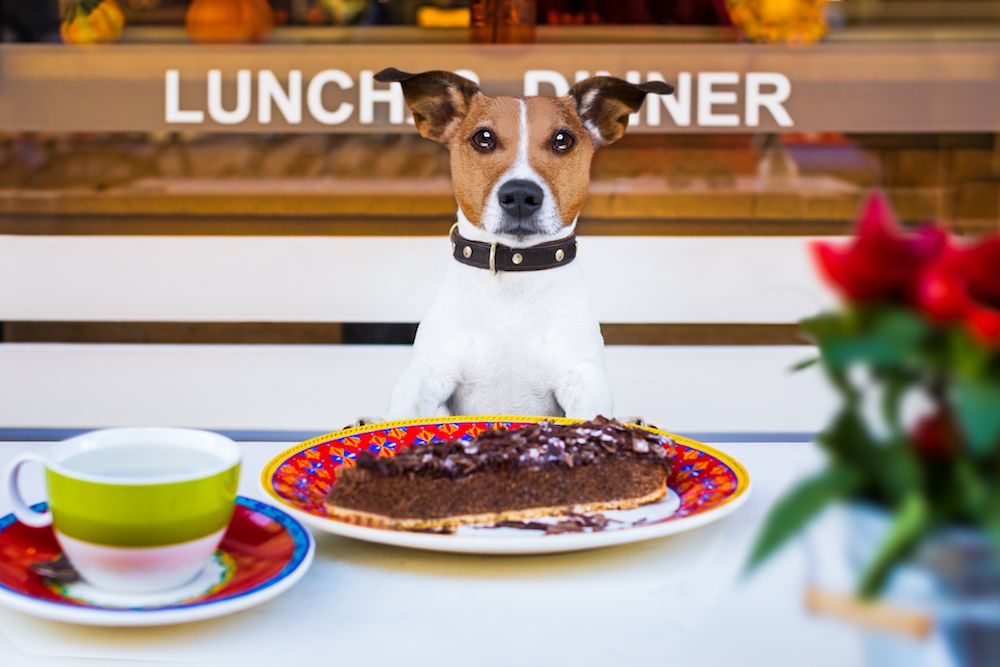
Dog Menus Could Boost Restaurant Visits and Spending, TMU Study Finds

Rishad Habib

A small menu for four-legged customers could help restaurants attract dog owners, generate word-of-mouth and increase how much customers spend, according to research from Toronto Metropolitan University.

The study found that dog owners shown a restaurant menu containing six items specifically for dogs reported stronger intentions to visit the restaurant, expected to enjoy the experience more and were more likely to recommend it than people shown the same restaurant without a dog menu. Average intended spending also rose from $12.82 to $16.47.

For casual restaurants, cafés and other foodservice businesses that already welcome dogs on patios, the research suggests that adding a few items for pets could influence how customers perceive the establishment.

“Having a dog menu means that we’re not just tolerating dogs in our space, we’re actually accommodating them” Rishad Habib, an associate professor of marketing management at Toronto Metropolitan University’s Ted Rogers School of Management, said in an interview with Retail Insider.

Dog Menu Increased Visit Intent and Spending

The research, conducted by Habib with Julie Kellershohn and Karun Tangri, examined dog ownership and restaurant behaviour through two studies involving a total of 830 participants. The paper was published in Consumer Behavior in Tourism and Hospitality.

The restaurant experiment involved 200 U.S. dog owners who were asked to imagine walking with their dog and encountering a casual restaurant with a dog-friendly patio. One group saw a menu containing six regular food items, while a second group saw the identical menu with six additional items created for dogs.

Both groups were told that dogs were permitted on the patio, meaning the experiment did not compare a pet-friendly restaurant with one that prohibits dogs. Researchers were testing whether adding a dog menu changed consumer responses after the restaurant had already decided to welcome pets.

Dining intent averaged 4.26 out of five among participants who saw the dog menu, compared with 3.79 among those who did not. Word-of-mouth intention increased from 3.50 to 3.84, while expected enjoyment rose from 4.13 to 4.39. Each difference was statistically significant.

Intended spending showed another notable change. Participants selected the menu items they would order, with average spending reaching $16.47 when dog items were available, compared with $12.82 without them, an increase of $3.65.

Customers in the dog-menu group spent an average of $11.40 on themselves and another $5.07 on their dogs. While participants spent somewhat less on their own food, the additional purchase for their dog more than made up the difference.

“Normally they would spend about $12 to $13,” Habib said. “And then with the pooch menu… it was more around $16.”

Image: Food & Wine

A Few Low-Priced Items Were Enough

The experimental menu was relatively modest. The fictional Mel’s Diner offered a Puppy Patty for $6, Good Boy Drinks for $2, Bark-B-Q Bone Bites for $4, Woof Waffles for $6, whipped cream for $2 and ice cream for $2.

The restaurant’s regular menu contained familiar casual dining items including pizza, hamburgers, fried chicken, fries, hot dogs and ice cream. The dog menu, reproduced on page 29 of the research paper, indicates that the concept did not require an extensive pet-food program or expensive products, which could make it particularly relevant to patios, cafés, quick-service restaurants and casual concepts where dogs are already common.

Habib’s interest in the subject began after visiting Rosie’s Burgers at Toronto’s Harbourfront and noticing its “pooch menu.”

“I didn’t even have a dog, but I was like, ‘Oh, this is interesting,’” she said.

A conversation with a server about customers’ response to the menu led Habib to look more closely at whether researchers had studied the idea. She found relatively little research examining pets as participants in shared consumer experiences.

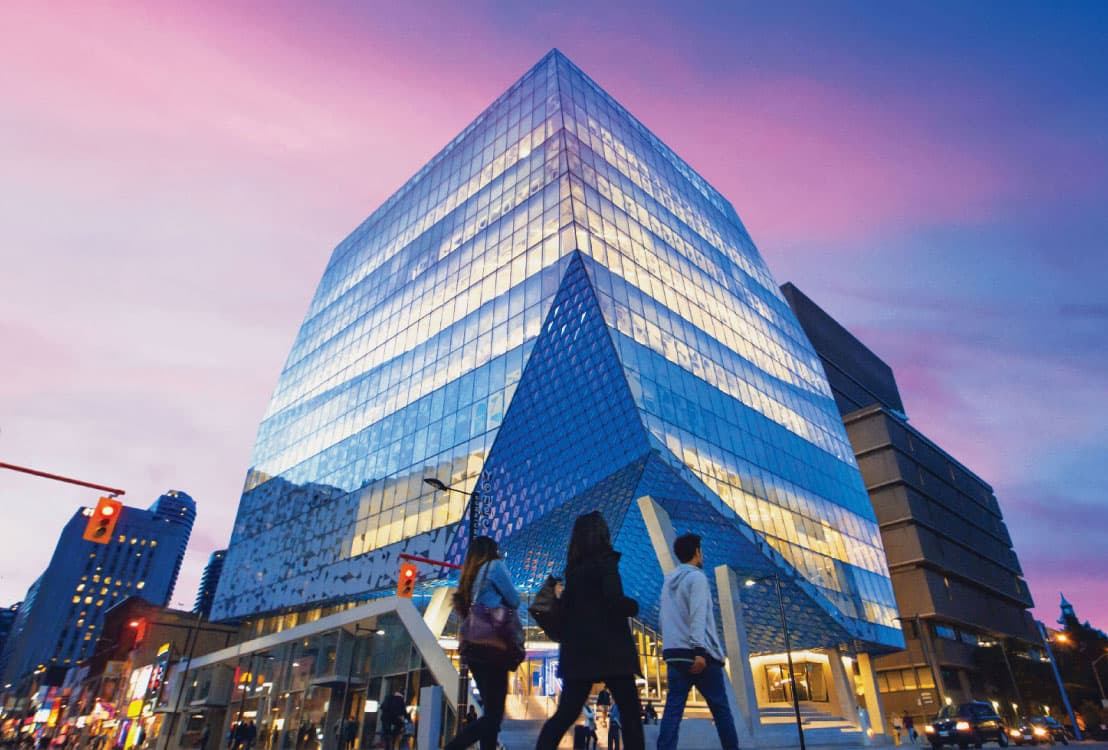
Toronto Metropolitan University. Image: torontomu.ca

Why Dog Owners Respond

The research comes as dogs increasingly occupy a family-like role in consumers’ lives. The paper cites American Pet Products Association data indicating that 44 per cent of U.S. households have dogs and that 85 per cent of those households consider their dogs part of the family. It also cites a 58 per cent increase in Yelp searches for restaurants where dogs are permitted between 2021 and 2023.

That relationship may help explain why actively accommodating a dog produces a different response from simply permitting one on a patio.

“You don’t even have to buy anything from the menu,” Habib said. “But just knowing that there is a menu means that the restaurant has put in effort.”

The effect, therefore, may extend beyond revenue from a $2 treat or $6 dog meal. A dog menu can signal to customers that a restaurant has considered the needs of people who bring their pets with them, potentially influencing restaurant selection before they sit down.

Dog owners walking through a neighbourhood also face a practical constraint when deciding where to eat or have a coffee. If their dog cannot be accommodated, some restaurants are effectively removed from consideration.

“If they can stop by and have a bite to eat or a coffee or whatever it is, they can’t just leave their dogs,” Habib said.

Canadian Study Examined Dog Owners’ Dining Preferences

A separate component of the research surveyed 630 Canadian dog owners who had recently dined at a restaurant or patio. Researchers examined what they describe as dog-directed parenting styles and how those approaches related to consumers’ expectations around dining with their pets.

Participants scoring higher on two “authoritative” styles were more likely to expect greater enjoyment from dining with their dogs and reported stronger intentions to visit dog-friendly establishments. An “authoritarian correction” orientation was not associated with greater enjoyment or restaurant visit intentions.

Habib described the more responsive group as consumers who are emotionally connected to their dogs and take the animal’s needs and preferences into account. For restaurants looking to reach these customers, the opportunity could include neighbourhood events and partnerships with businesses such as pet retailers, groomers and dog-training services.

Photo: Food & Wine

Actual Restaurant Sales Still Need to Be Tested

There is an important limitation to the findings for restaurant operators: the experiment measured intentions in a hypothetical setting rather than transactions in an operating restaurant.

Participants viewed a fictional restaurant menu and selected what they believed they would order. Researchers did not introduce a dog menu at an actual restaurant and track subsequent changes in customer counts, transactions or average cheque size.

“If we got some data from a real restaurant, then we would know exactly what effect this has on sales,” Habib said.

The research also focused on dog owners and did not measure whether a greater concentration of dogs on a patio could negatively affect customers who do not own them. Noise, interactions between animals, additional cleaning requirements and the costs associated with creating and serving dog-specific items could also influence the business case.

Restaurant format remains another consideration. The experiment involved a casual diner, and Habib said customers could respond differently at an upscale or formal restaurant where bringing dogs may fit less naturally with the dining occasion. The findings are therefore most directly applicable to restaurants whose patios and customer base are already compatible with pets.

From Pet-Friendly to Pet-Inclusive

Restaurants may not need an elaborate pet program to find out whether the concept works for their customers. The dog items tested in the study ranged from $2 to $6, yet their presence changed how participants perceived the restaurant before any purchase was made.

That could be particularly relevant during patio season in neighbourhoods with significant pedestrian traffic. Dog owners who are already out walking represent potential restaurant customers, and the ability to accommodate their pets can influence where they choose to stop.

Habib expects pet-friendly dining to become increasingly common as consumers organize more of their daily activities around their dogs. Whether the spending increase found in the experiment translates into actual restaurant sales remains to be tested, but for operators that already welcome dogs, a small pet menu offers a relatively simple way to find out.

More from Retail Insider:

BRP becomes official partner of Montreal Canadiens

BRP Inc. has entered into a partnership with the Montreal Canadiens, giving the Quebec-based powersports company visibility during the NHL hockey season while expanding its involvement with the team’s community initiatives.

The partnership brings together BRP and the Canadiens, with BRP brands Can-Am, Ski-Doo and Sea-Doo to have a presence at the Bell Centre and support the Canadiens Children’s Foundation.

As part of the agreement, Can-Am and Ski-Doo vehicles will be permanently displayed at the Bell Centre. BRP will also participate in community activities involving the Canadiens Children’s Foundation, including the Montreal Canadiens’ annual golf tournament.

“We are honored to partner with an organization whose values align so closely with our own,” said Josée Perreault, Chief Marketing Officer at BRP. “Proud of their Quebec roots, our two organizations share a rich heritage, a strong sense of belonging to our communities, and a shared commitment to creating unforgettable experiences for people.”

Luigi Carola, senior vice-president of corporate partnerships at Groupe CH, said the partnership brings together two Quebec-based organizations and their respective brands.

“We are extremely proud to welcome BRP into our family of partners,” said Carola. “Can-Am, Ski-Doo, and Sea-Doo embody boldness and a passion for performance – values that resonate with our organization. This partnership will allow us to bring together two Quebec icons whose influence extends far beyond our borders.”

The partnership will begin with the 2026-27 hockey season and BRP’s participation in the Canadiens’ annual golf tournament benefiting the Canadiens Children’s Foundation.

As part of a silent auction at the tournament, participants will have the opportunity to bid on a BRP Experiences adventure or a Can-Am Outlander all-terrain vehicle. The total contribution is valued at more than $16,500.

Photo: Francis Hamel photographer | iDA Productions

A Can-Am Defender side-by-side vehicle featuring the Canadiens’ colours will also be used as a refreshment cart during the tournament.

BRP, headquartered in Quebec, reported annual sales of $8.4 billion from more than 110 countries and employed close to 17,000 people as of Jan. 31, 2026, according to the company.

The company’s portfolio includes Ski-Doo and Lynx snowmobiles, Sea-Doo watercraft and pontoons, Can-Am on- and off-road vehicles, Quintrex boats and Rotax engines for karts, recreational aircraft and jet boats.

More from Retail Insider:

Jollibee partners with DreamWorks on Forgotten Island promotion

Jollibee is partnering with DreamWorks Animation on a limited-time North American promotion tied to the studio’s upcoming film Forgotten Island, with themed meals, merchandise, store events and a sweepstakes beginning Sept. 16.

The Filipino restaurant chain said the collaboration will run through Oct. 31, or while supplies last, across its North American locations, ahead of the film’s theatrical release on Sept. 25.

The promotion is part of Jollibee’s efforts to connect its Filipino heritage with the film, which features Filipino culture and talent. The campaign will include themed meal bundles with collectible bracelet charms, retro-inspired streetwear, an immersive store takeover in Toronto and a sweepstakes with a grand prize trip to the Philippines.

“Jollibee and DreamWorks’ Forgotten Island both centre on the pure joy of bringing people together and celebrating meaningful connections,” said Luis Velasco, senior vice-president and marketing head at Jollibee North America. “This partnership is a wonderful reflection of Jollibee’s heritage and our commitment to creating memorable, happy moments around great food. We can’t wait for families, moviegoers, and fried chicken lovers across North America to experience the magic of Forgotten Island with us.”

The promotion will feature three limited-time meal bundles. The Forgotten Island two-piece box meal includes two pieces of Jolly Crispy Chicken, steamed rice, small gravy, a Peach Mango Pie and a Calamansi Lemonade, along with a collectible bracelet charm and sticker sheet.

The Chicken Sandwich Box Meal includes a Jollibee Chicken Sandwich, regular fries, Peach Mango Pie and Calamansi Lemonade, as well as a bracelet charm and sticker sheet.

A six-piece Bucket Bundle includes six pieces of Jolly Crispy Chicken and three Calamansi Lemonades, along with three bracelet charms and three sticker sheets.

The campaign also introduces Calamansi Lemonade, featuring calamansi, a citrus fruit native to the Philippines. The beverage will be available at participating Jollibee North American locations during the promotional period, while supplies last.

The collectible campaign includes eight standard bracelet charms featuring Jollibee icons and characters from Forgotten Island, including Jo and Raissa. Customers can also find a rare “Golden Bucket” charm. A blank chain bracelet will be available for $2 with the purchase of a qualifying Forgotten Island Box Meal or Bucket Bundle.

The company is also releasing a co-branded apparel collection inspired by the film’s 1990s aesthetic. A Jollibee x Forgotten Island T-shirt will sell for $45, while a hoodie and windbreaker will each sell for $100. The T-shirt and hoodie will be available from Sept. 16 through Oct. 31 through the Jolly Merch Shop, while the windbreaker will be available from Oct. 2 through Oct. 31 through Complex Shop.

In Toronto, Jollibee will stage an immersive Forgotten Island promotion at its restaurant at 334 Yonge St.

The partnership also includes a sweepstakes beginning Sept. 16 for Jollibee Rewards members. Prizes include branded merchandise and North American travel packages, with destinations including Catalina Island, Calif., Cape Cod, Mass., and national parks.

The grand prize is a trip for two to the Philippines, including a stay in Palawan, with visits to El Nido and Puerto Princesa.

Jollibee said the film includes Grammy and Academy Award-winning H.E.R., actress Liza Soberano, Tony Award-winning Lea Salonga, comedian Jo Koy, and co-writer and co-director Januel Mercado.

More from Retail Insider:

IKEA Canada to open first compact store in London, Ont. on Sept. 29

IKEA photo
IKEA photo

IKEA Canada will open its first compact store format in London, Ont., on Sept. 29, introducing a smaller retail concept focused on everyday essentials and quick shopping visits.

The approximately 43,000-square-foot store at White Oaks Mall, 1105 Wellington Rd., will be about one-fifth the size of IKEA Burlington and will carry more than 2,500 everyday essentials and seasonal products.

The new format is intended to complement IKEA’s existing stores and digital shopping channels while providing customers with additional ways to shop with the retailer.

“We are excited to launch this new concept store as the first of its kind in Canada, making our affordable, functional, and inspiring home furnishing solutions more accessible to those in London, Ontario and surrounding areas,” said Selwyn Crittendon, CEO and Chief Sustainability Officer, IKEA Canada. “As a brand rooted in life at home, we’re committed to continuing to meet our customers’ evolving needs and dreams and helping to create a better everyday life for the many.”

The London store will feature room sets and home furnishing solutions, as well as about 400 furniture items available for immediate purchase and takeaway from its self-serve warehouse.

Customers will also be able to order IKEA’s full product offering, with delivery and collection options available.

The location will include a selection of IKEA food, including meatballs.

The compact store is part of IKEA Canada’s broader omnichannel approach, with other London-area locations continuing to serve customers with different needs.

Customers looking to plan, design and purchase more complex home furnishing solutions, including kitchens, will continue to be able to book one-on-one appointments with IKEA experts at the company’s London IKEA Plan and order point at 3120 Wonderland Rd. S.

IKEA Canada’s London Pick-up location at 1095 Wilton Grove Rd. will also continue operating, providing a location for customers to collect orders placed through IKEA’s various shopping channels.

The retailer said the compact store is designed to bring its products closer to where people live, work, socialize and shop on a daily basis.

A grand opening celebration will be held at the London location on Sept. 29with contests, offers and giveaways. The company said further details will be released closer to the opening.

IKEA Canada is part of Ingka Group, which operates 574 stores in 31 countries. In Canada, the company operates 15 stores and 13 Plan and order points.

The company said its stores received 33.3 million visitors last year, while IKEA.ca received 199.9 million visitors.

More from Retail Insider:

AutoCanada expands Edmonton collision repair network with Doug’s Place acquisition

AutoCanada photo
Car Display. Image: AutoCanada

AutoCanada Inc. has expanded its collision repair operations in Edmonton with the acquisition of Doug’s Place Southgate, adding about 7,540 square feet of repair capacity to its network.

The acquisition builds on AutoCanada’s purchase of the first Doug’s Place location in Edmonton’s Strathcona area in October 2025 and adds dedicated non-luxury collision repair capacity near six of the company’s franchised dealerships.

Doug’s Place Southgate also holds certifications for 10 original equipment manufacturers, including Honda, Acura, Stellantis, Ford, Kia, Nissan and Toyota, strengthening AutoCanada’s OEM-certified repair capabilities in the Edmonton market.

“The addition of Doug’s Place Southgate is an excellent strategic fit that enhances the efficiency of our overall Edmonton platform by adding much-needed capacity in close proximity to our existing footprint,” said Samuel Cochrane, chief executive officer of AutoCanada. “The acquisition advances our strategic focus on the collision business and directs additional capital toward assets where we have a demonstrated advantage and clear opportunities to create value.”

The facility also has Direct Repair Programs with several major insurance carriers, including TD Insurance, Intact, Co-operators, Definity and the Alberta Motor Association.

AutoCanada said Doug’s Place Southgate will continue operating with its existing local team while using the company’s national platform, insurer relationships, OEM partnerships and operational practices.

The acquisition adds capacity to AutoCanada’s Collision Operations segment, which operates under the ACX brand and includes 38 collision centres supported by 26 OEM certifications covering 37 vehicle brands.

AutoCanada’s dealership operations include 61 franchised dealerships across Canada, representing 23 automotive brands in eight provinces, as well as three independent used-vehicle dealerships. The company said its Canadian dealerships sold approximately 71,000 new and used retail vehicles in 2025.

The company also operates nine franchised dealerships in Illinois through Leader Automotive Group. AutoCanada said those U.S. operations, which sold approximately 8,000 new and used retail vehicles in 2025, are classified as discontinued operations as it progresses the sale of its U.S. dealership portfolio.

More from Retail Insider:

Miniso Expands MINISO LAND in Canada as Retailer Shifts to ‘Quality First’ Growth

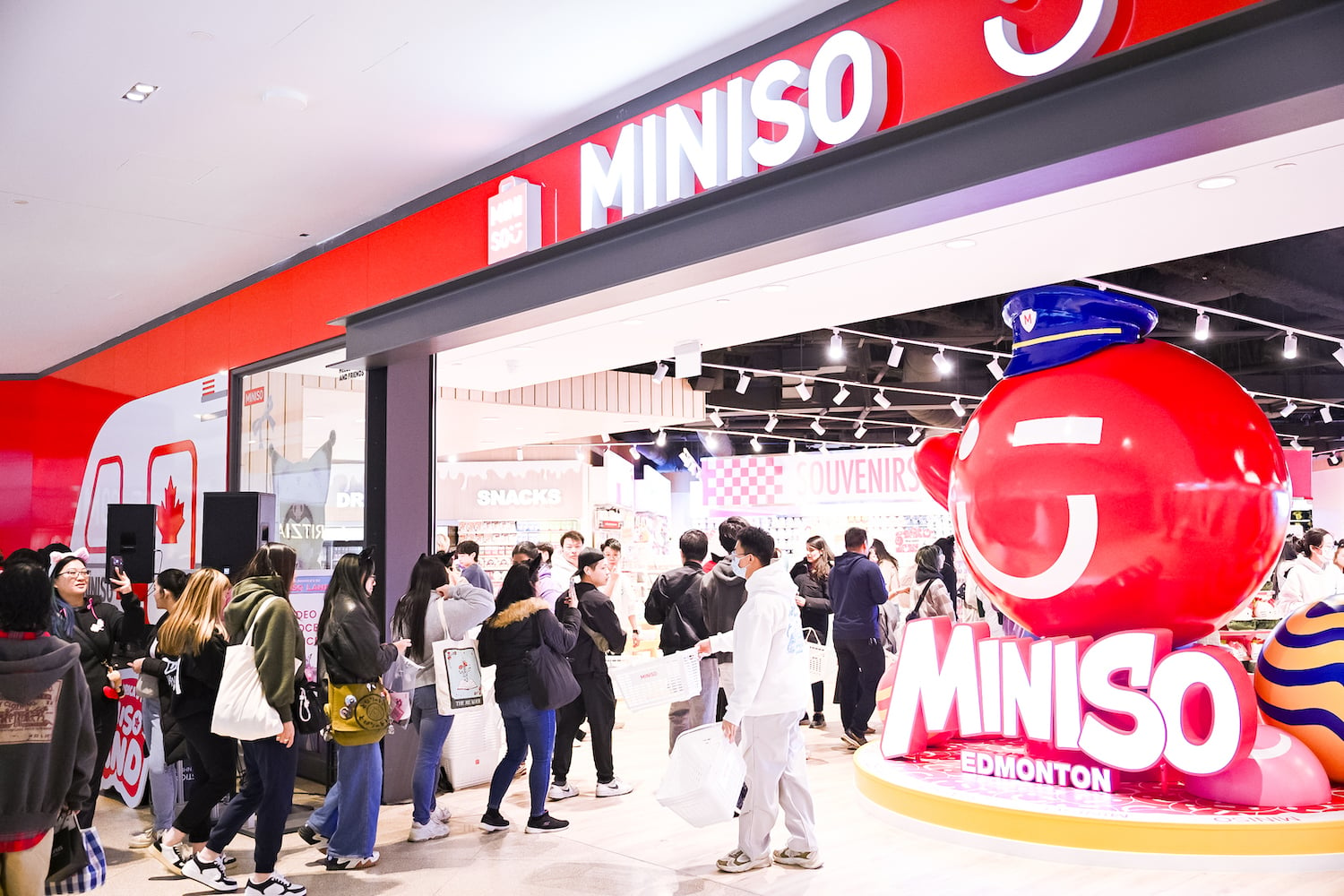
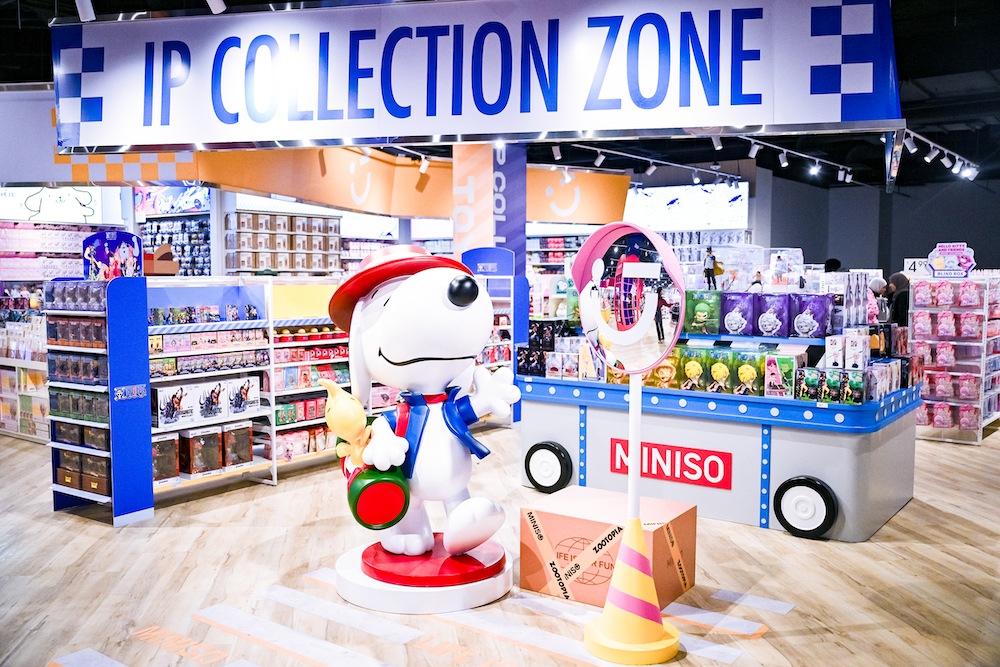
Miniso Land grand opening at West Edmonton Mall. Photo: Miniso Canada

Miniso is preparing to open its second MINISO LAND store in Canada at CF Toronto Eaton Centre, bringing its large-format concept to one of the country’s busiest shopping centres as the global retailer becomes more selective about international expansion.

The forthcoming Toronto location follows the Canadian debut of MINISO LAND at West Edmonton Mall in November 2025. That flagship spans approximately 12,000 square feet and marked a significant increase in scale for Miniso in Canada, with more than 5,000 SKUs and an extensive assortment of licensed intellectual property, collectibles and character-driven merchandise.

The expansion comes as Miniso Group reassesses how quickly it adds stores outside China. During the company’s latest earnings call, founder and chief executive officer Ye Guofu said the international business is shifting from an approach focused heavily on scale toward one emphasizing store quality, productivity and profitability.

The change provides important context for Miniso’s next phase of Canadian growth. Canada and the United States are managed together as the company’s North American business, where revenue continues to rise rapidly despite some moderation in comparable-store performance during the second quarter.

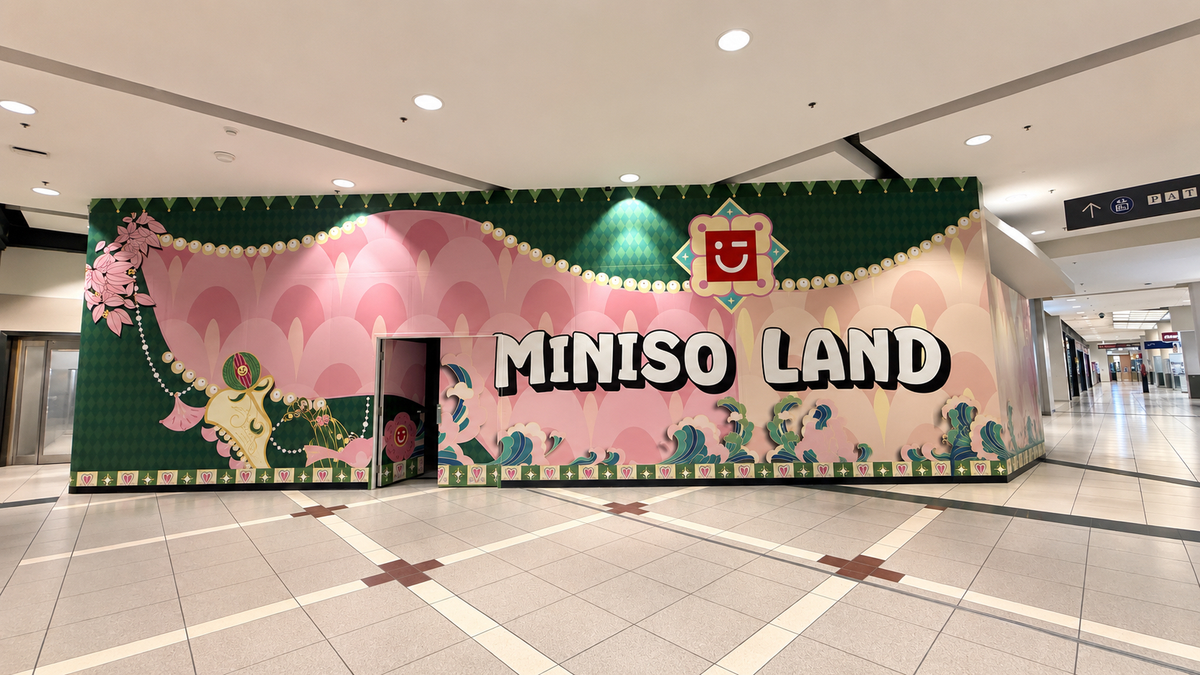
Construction hoarding for the new Miniso Land at CF Toronto Eaton Centre. Photo: Craig Patterson

Second MINISO LAND Coming to Toronto

The new MINISO LAND at CF Toronto Eaton Centre is expected to occupy approximately 8,100 square feet on Level 1, combining space previously occupied by Bluenotes and Journeys. Hoarding for the concept is in place, although an opening date has not yet been publicly announced.

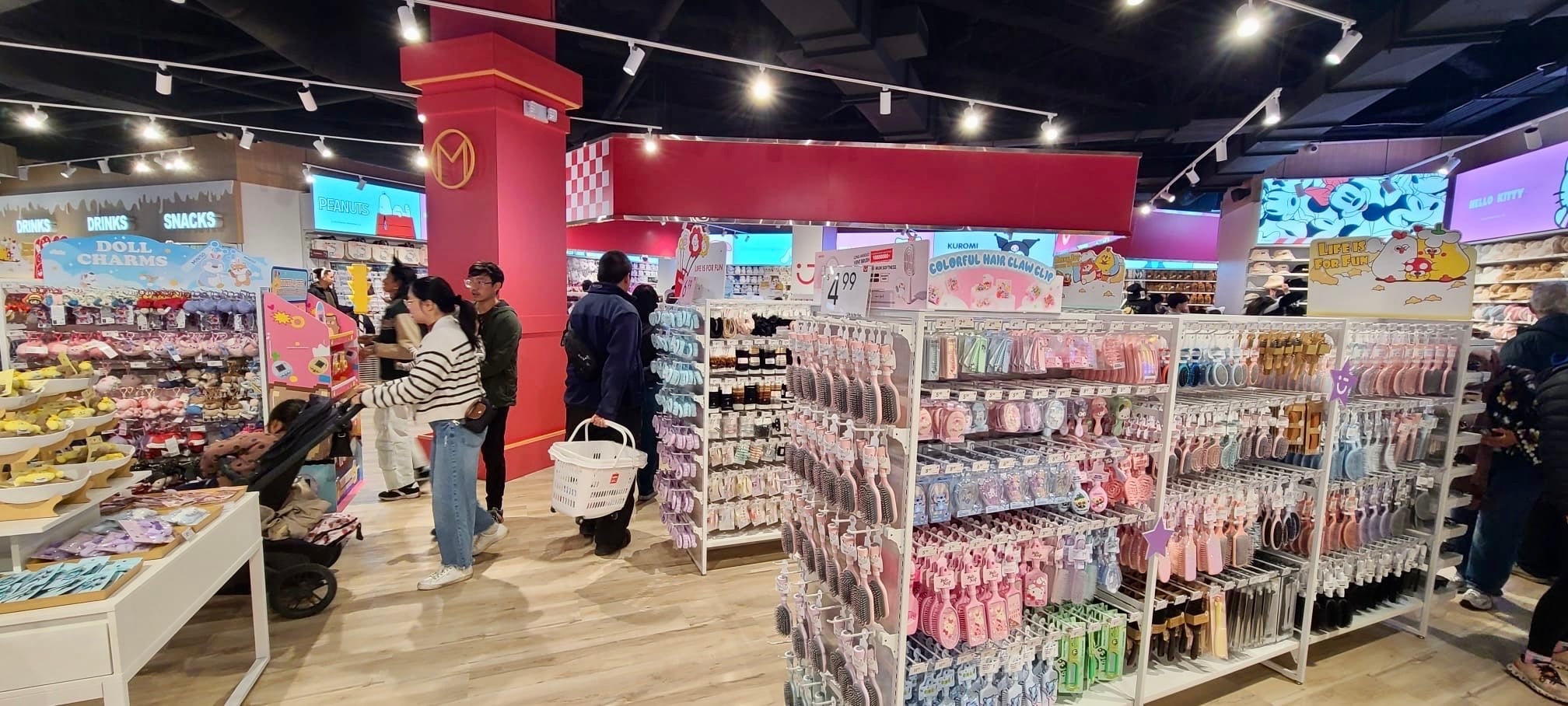
MINISO LAND represents a significant evolution from the smaller variety stores that initially established the Miniso brand in Canada. The format carries a larger assortment of licensed characters, collectibles, plush products and other IP-driven merchandise, presented through more elaborate displays and dedicated character environments. Miniso describes the concept as part of its “Super IP + Super Store” strategy.

Canada’s first MINISO LAND opened at West Edmonton Mall on November 1, 2025. At approximately 12,000 square feet, the store was roughly twice the size of what had previously been Miniso’s largest Canadian location and launched with more than 5,000 SKUs.

Miniso said the Edmonton flagship set a Canadian record for first-day sales. The strong opening provided an early indication of consumer interest in the larger format, which places substantially greater emphasis on licensed merchandise and collectibles than Miniso’s traditional stores.

Bringing the concept to Toronto less than a year later adds another major Canadian market to the MINISO LAND rollout, even as the company applies greater scrutiny to international expansion.

Miniso Land at West Edmonton Mall. Photo: Miniso Canada

North American Revenue Jumps 37%

Miniso’s North American business remains one of the stronger parts of its international operation. Revenue in the region increased 37% year-over-year during the first half of 2026 to approximately RMB 1.8 billion, while comparable-store sales rose by a mid-single-digit percentage.

Miniso does not disclose Canadian revenue separately. During the earnings call, Ye said the company internally manages the United States and Canada together as its North American business. Management continues to target approximately RMB 4 billion in North American revenue for the full year, along with a net profit margin of roughly 10%.

Growth moderated as the first half progressed. North American comparable-store sales increased approximately 10% during the first quarter before slowing in the second quarter, with management pointing to product availability and the timing of IP merchandise launches as contributing factors.

Miniso added approximately 75 net stores in North America during the first half, nearly double the number added during the comparable period a year earlier. That pace brought higher upfront costs as newly opened directly operated stores moved through their initial operating periods.

Management now plans to devote greater attention to the stores already in operation, part of a wider reset taking place across Miniso’s international business.

From ‘Scale First’ to ‘Quality First’

While Miniso generated strong overall growth during the first half of 2026, management acknowledged that its overseas business fell short of expectations in several areas. Distributor revenue weakened, some directly operated international markets remained in an investment phase, and overseas inventory turnover deteriorated.

Ye described the next stage of Miniso’s international development as a shift from “scale first” to “quality first,” drawing a parallel with changes the retailer made to its Chinese business several years ago. The company wants international teams to be more selective about new locations and place greater weight on expected returns before committing to stores.

During the second half of 2026, Miniso plans to concentrate on improving approximately 800 existing directly operated overseas stores while refining its international operating model. The company is also removing weaker locations from its network.

Miniso expects a net reduction of approximately 50 to 70 overseas stores during the second half. That includes 40 to 50 net additions to its directly operated network and a reduction of approximately 100 to 110 distributor-operated stores.

For Canada, the shift is significant because Miniso continues to invest in prominent locations while becoming more cautious about overall international store growth. The expansion of MINISO LAND suggests that larger stores in major shopping destinations remain part of the company’s plans.

Bigger Stores Deliver Stronger Productivity

Miniso’s experience in China helps explain the emphasis on larger formats. The company has spent several years developing stores capable of carrying broader merchandise assortments and considerably more IP product, and management says those locations are producing stronger results than conventional Miniso stores.

According to management, MINISO LAND stores in China are generating sales per square metre at roughly twice the level of regular stores. Franchisee profitability across the Chinese Miniso network also reached its highest level since 2019 during the first half of this year.

Miniso says the larger formats can strengthen its position with shopping centre landlords as well. Ye told analysts that the stores are increasingly viewed as traffic generators, which can help the retailer secure prominent locations and improve occupancy economics.

Site selection remains central to the model. Management said it prioritizes high-traffic commercial districts, strong visibility, corner positions and locations directly along major customer circulation routes. West Edmonton Mall and CF Toronto Eaton Centre align closely with those criteria, giving Miniso exposure to substantial local, regional and tourist traffic.

The company has simultaneously been reducing its reliance on conventional stores in China. During the first half, Miniso recorded a net closure of 121 regular stores while continuing to add newer formats, showing how the retailer is reshaping its network around store productivity rather than store count alone.

Miniso Land at West Edmonton Mall. Photo: Christopher Lui

IP Merchandise Reshapes the Miniso Model

The move toward larger stores is closely tied to changes in Miniso’s merchandise mix. IP products now account for roughly one-quarter of sales, and the company has developed relationships with approximately 180 global intellectual-property partners across entertainment, animation and character brands.

Miniso is also investing heavily in proprietary characters that it can develop internally and distribute through its global store network. The company set a target at the beginning of 2026 of generating RMB 1 billion in proprietary-IP sales and said it had already reached that level by the end of July.

Developing its own intellectual property gives Miniso greater control over product development, marketing and distribution and creates another source of merchandise alongside its extensive licensed portfolio. Management said margins on proprietary-IP merchandise have been above the company average, while inventory turnover has generally remained between 30 and 40 days.

Larger stores give Miniso considerably more room to showcase these collections and build dedicated environments around individual characters. That is particularly evident at MINISO LAND, where collectibles, plush and character merchandise have a much greater presence than in the retailer’s earlier Canadian store model.

The changes are also shifting Miniso’s position within the broader value-retail market. Affordable lifestyle merchandise remains an important part of the assortment, while character collaborations and collectibles are increasingly being used to generate traffic, encourage repeat visits and support higher transaction values.

North America Particularly Sensitive to IP Launches

The growing importance of IP merchandise introduces operational challenges. Management said North America carries a particularly high proportion of IP products, leaving sales more sensitive to the timing of major launches and the availability of popular items.

Miniso acknowledged that it did not maintain a sufficiently consistent cadence of new IP releases during the first half. Several best-selling products also went out of stock during the second quarter, contributing to softer traffic and conversion. The company expects some of those shortages to ease in September and is developing a more structured international launch calendar around major IP releases and local shopping periods.

Maintaining a steady merchandise pipeline will become increasingly important as Miniso seeks to bring customers back for new collections. It also places the retailer within a growing area of discretionary spending driven by collectibles and character merchandise, which management describes as “interest-driven consumption.”

Other specialty retailers are pursuing the same consumer interest. Pop Mart has been expanding its Canadian footprint, including at CF Toronto Eaton Centre. Miniso carries a much broader merchandise assortment, but its increasing emphasis on collectibles and proprietary characters means the two retailers are participating in some of the same character-driven retail growth.

Canada Could Test Miniso’s Next Phase

Globally, Miniso Group generated RMB 11.5 billion in revenue during the first half of 2026, an increase of 22.4% year-over-year. Operating cash flow rose 45.5%, while the company ended June with 8,674 stores across its various banners and markets.

International growth remains central to Miniso’s long-term plans, although management is changing how it evaluates that growth. Store productivity, inventory health and profitability are taking on greater importance as the company becomes more selective about adding locations.

Canada offers an early test of that approach. West Edmonton Mall demonstrated strong initial demand for MINISO LAND, while the forthcoming CF Toronto Eaton Centre location will bring the format into the heart of Canada’s largest urban retail market.

Together, the two locations show where Miniso continues to see an opportunity to invest: prominent shopping centres, larger footprints and deeper assortments built around licensed and proprietary IP. As the company slows its broader overseas expansion, the performance of its Canadian flagships will provide another measure of how successfully the MINISO LAND model can travel beyond China.

More from Retail Insider:

Daily Synopsis: Sep 8, 2026

Daily Synopsis2

Welcome to the Daily Synopsis by Retail Insider. We hope you enjoy the 10 articles we published covering key developments in Canadian retail.

MEC is expanding its focus on trail running by broadening its product range, emphasizing staff expertise, and launching community initiatives nationwide, aiming to integrate this category with its established outdoor expertise. Canadian retailers are confronting margin pressures and supply chain uncertainties as new U.S. counter-tariffs on Canadian goods take effect, particularly affecting categories like appliances, cosmetics, and dairy. Canadian retailers are expanding store footprints despite a significant decline in overall wholesale and retail employment, reflecting cautious staffing strategies amid economic uncertainty.

Läderach is expanding its North American footprint with a second British Columbia store at CF Pacific Centre in Vancouver, following openings in Connecticut and Utah. WINNERS has launched AcceptCookies.IRL, a nationwide in-store campaign in partnership with Craig’s Cookies that offers customers a custom cookie inspired by digital cookie-consent prompts.

🗞️ The Day’s Retail Insider Article List

🌐 Canadian Retail News From Around the Web will return tomorrow.

MEC Deepens Investment in Trail Running as Category Gains Momentum

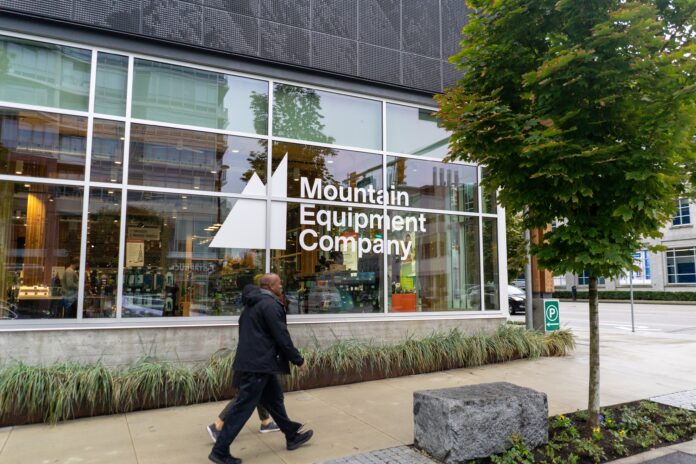
Source: Mountain Equipment Company

MEC is deepening its investment in trail running, a category the Canadian outdoor retailer expects will become a larger part of its business as it expands its product assortment and renews its focus on expertise and community programming.

The strategy builds on an area where MEC already has considerable experience. Rather than approaching running broadly, Chief Merchandising Officer Chris Speyer said the retailer sees a particularly strong connection between trail running and its longstanding position in hiking and other outdoor activities.

“When we think about running at MEC, we primarily think about trail running,” Speyer told Retail Insider. “We see a lot of people engaging and getting outside, and we love any way people get outside.”

MEC has historically been known for fitting customers with hiking footwear and outfitting them for time on trails. As consumer preferences evolve around how people move through those environments, Speyer sees trail running as an organic extension of expertise the retailer already has.

“We’ve been well known for fitting somebody to spend time on the trail in a hiking boot or hiking shoe. Now we’re seeing an evolution in what the customer is looking for in terms of how they run on the trail, or even walk in a pair of running shoes,” he said. “It’s a natural extension of an area of deep expertise for us.”

The investment comes as MEC continues its evolution following its return to majority Canadian ownership in 2025. A Canadian investor group led by Vancouver entrepreneur Tim Gu acquired control of the retailer from Kingswood Capital Management, with MEC CEO Peter Hlynsky and Speyer among the investors in the business.

Trail Running Becoming a Larger Business for MEC

Chris Speyer

Michele Guimond, MEC’s Vice President of Marketing, said the retailer is seeing increased participation in running generally, with particular interest in trails and longer distances. Some road runners are moving onto trails, while established trail runners are increasingly pushing into longer-distance events.

“There has been a massive increase in the uptake of running as a broader category, and certainly in trail running,” Guimond said. “We’re seeing people who may have been road runners looking to get out on the trails.”

Guimond and Speyer participate in the category themselves. Speyer recently completed an approximately 80-kilometre trail event, while Guimond completed her first two 25-kilometre trail races this year.

The enthusiasm extends throughout MEC. Guimond described the company’s latest trail-running initiative as “probably the most impassioned project” she has seen employees work on during her five years with the retailer.

MEC is backing that enthusiasm with a significantly expanded product offering. Guimond said the company is entering the fall with “probably the best running assortment we’ve had in years,” extending well beyond footwear.

Speyer pointed to rapid innovation across running shoes, including changes in cushioning, traction, weight, toe-box width, stack height, materials and shoe geometry. Similar developments are occurring across apparel, hydration and equipment.

“Customers want to be comfortable, fast and light, and they have a tremendous number of options now,” Speyer said. “Their expectations have risen exponentially because the offerings in the market have innovated significantly.”

MEC’s assortment includes footwear, apparel, hats, hydration systems, packs and other carrying solutions, nutrition and equipment intended for runners across different distances and environments. The retailer is also emphasizing products that can move between activities, including trail running, hiking, fastpacking, Nordic skiing and other high-output pursuits.

Guimond said that versatility has become an important consideration for MEC’s merchandising team, particularly when consumers are investing in technical products they can use across seasons and activities.

MEC Community Running. Image: MEC

Selling the Complete Trail-Running Kit

The breadth of the category could give MEC a way to distinguish its offering within an increasingly competitive running market.

As distances increase, runners have to consider considerably more than footwear. Guimond said questions around hydration, nutrition and carrying systems become increasingly important, particularly in remote environments where conventional aid stations may not be available.

“We get a lot of questions around what the right running pack is, whether it’s a hip belt or hydration vest, how much hydration someone needs to carry and how much nutrition they need,” she said. “There’s a big difference going from 10 kilometres to 50 in terms of what you need to sustain yourself when you’re out on the trails.”

That complexity plays into areas where MEC already has extensive product knowledge through hiking and backpacking. A runner visiting MEC can potentially assemble an entire system spanning shoes and apparel through to packs, hydration, electrolytes, nutrition, sun protection and other equipment required for longer periods outdoors.

“This has always been a natural part of who we are — understanding how to stay well fed and protected and how to carry your gear on the trail,” Speyer said. “If that was hiking and backpacking previously, and now the natural extension is going for a long- or short-distance run, it falls right into our existing areas of expertise.”

The opportunity for MEC therefore extends beyond competing for individual footwear purchases. Its broader specialty-retail proposition is built around outfitting customers for the complete trail-running experience.
Speyer identified three primary components of that proposition: expertise, thoughtfully curated merchandise and community.

MEC invests in hiring employees who have an interest in sharing their outdoor knowledge, while continuing to educate staff about the technology and brands represented in its stores.

“If you come into an MEC, one of the value adds we bring is our expertise alongside thoughtfully curated product assortments,” Speyer said. “We’ve made choices for varying levels of ability and the different ways customers participate.”

As technical choices proliferate and consumers can purchase many of the same brands online or directly from manufacturers, MEC is positioning knowledgeable staff as part of the value of visiting a physical specialty retailer.

Source: Mountain Equipment Company

Canadian Brands and MEC Label Part of the Mix

Canadian companies are playing a prominent role in MEC’s running strategy.

Speyer highlighted Montreal-based norda, Ciele Athletics and endurance nutrition company Näak among the Canadian brands contributing innovation to the category.

“There are some incredibly innovative and interesting Canadian brands in the trail-running space,” Speyer said. “We’re excited about the Canadian content we can put out there for people, and in a lot of ways I think Canadians are leading the charge in product innovation in this space.”

MEC is investing in its proprietary assortment as well, including its Pace collection of running apparel, packs and carrying products.

Speyer told Retail Insider that approximately 25 per cent of MEC’s overall business currently comes from its own MEC Label, with the retailer looking to increase that penetration over time.

“One of the things MEC was built on was demonstrating its expertise through the creation of product,” he said. “We think that’s an important space.”

The merchandising strategy involves determining where an outside brand provides the strongest solution and where MEC’s proprietary merchandise can complement the broader assortment. Running gives the retailer opportunities to expand both sides of that mix.

Photo: MEC

MEC Reconnects With Its Community Running History

Product is one part of MEC’s renewed running push. The retailer is also introducing Train for the Trails, a nationwide four-week initiative combining free clinics, guided community runs, weekly training challenges and digital resources designed to introduce runners to trail running and help existing participants develop their skills.

Each participating MEC store will have a run champion helping lead programming and working with community running groups. Salomon is a key partner in the initiative and will participate in local activations, including opportunities for customers to try products.

The community component has considerable historical precedent at MEC.

The retailer once operated a popular race series across Canada, offering comparatively inexpensive events intended to make participation accessible. Running was part of a much broader community program at MEC that included thousands of events spanning outdoor sports, education and skills development.

Guimond said MEC continues to hear considerable affection for elements of that history.

“When I came into the brand, there were things people kept asking for: ‘Bring back the catalogue. Bring back the Trail Race Series,’” she said. “Those were strong passion requests from members and from staff internally.”

MEC isn’t bringing the former race series back. Instead, the retailer is revisiting some of the principles behind it for today’s customer.

“Community-led events and our stores being community hubs are 55-year-old concepts for MEC. That’s not new. How we’re doing it is new,” Guimond said.

The approach reflects what Guimond describes as MEC operating as a national brand while remaining a local retailer. Individual stores can work with running organizations already active in their markets, allowing local expertise and relationships to shape the programming.

“This initiative celebrates the passion our members have for running and enables our store teams to be the experts in their markets and partner with local community running groups,” she said.

Speyer sees an important distinction between MEC’s former race series and what the company is building now.

“I loved the races, but ultimately there are six months of running that go into one day of racing,” he said.

Races can be intimidating or simply unappealing to some runners, while running itself can be a highly personal activity. Community runs provide another entry point where participants can exchange knowledge, discover routes and develop relationships with other runners.

“The idea of creating run clubs in the community is to create a friendly place where people can connect with each other,” Speyer said. “I love the old race series, but this is a smart way to build community and connection over the long haul rather than around individual moments on the calendar.”

MEC trailrunning. Image: MEC

More Than 1,000 Sign Up in First Weekend

The initial response to Train for the Trails exceeded MEC’s expectations.

Guimond said the company initially released a single video and sent an email, with relatively little marketing support before the larger advertising campaign was scheduled to begin.

More than 1,000 people registered nationally during the first weekend. In Vancouver, where the initial program had capacity for 100 participants, the available spaces were gone within the weekend.

“We’re going to add spaces,” Guimond said. “With very little marketing, there’s such an appetite for this.”

MEC is introducing waitlists and looking for opportunities to expand capacity. The early response gives the retailer a tangible indication of interest as it considers how community programming could develop alongside the running business.

“This is the start,” Guimond said. “If you don’t get into this program, look for more. We’re going to keep doing it, and we’re going to learn every time we do it. It’s the start of the roadmap for us.”

People unable to participate in the physical programming will also be able to access a digital training guide developed with two B.C.-based trail-running experts. The beginner-oriented resource will address equipment, nutrition, hydration and terminology, providing another way for runners to engage with the initiative.

Nanaimo store. Photo: MEC

MEC Says It Is in Running for the Long Term

The running investment comes as MEC continues to define its direction under Canadian ownership, something Speyer said remains important to the company and its employees.

“We’re incredibly proud to be back under Canadian ownership,” he said, pointing to the passion for outdoor activities and local knowledge among employees in MEC stores across the country.

The Canadian connection also extends into the merchandise mix through MEC Label and the Canadian running brands the retailer is carrying.

For trail running itself, Speyer said MEC is planning well beyond a single season or community campaign.

“We’re in this for the long game,” he said. “We see this as a natural growth extension of everything we do on the trail.”

MEC expects trail running to become a larger percentage of its overall business as consumers use technical running footwear and equipment across different outdoor activities. Speyer also sees accessibility as an advantage, with trail running taking different forms depending on where Canadians live — from mountain terrain around Vancouver to Toronto’s extensive ravine and trail network.

“We think this is going to become a larger part of our business,” Speyer said. “It won’t be a trend for us. We’ll be following natural growth in how people choose to get out on the trail.”

Train for the Trails offers an early indication of how MEC intends to pursue that growth. Its expanded running assortment, proprietary products, staff expertise and community programming bring together several elements that have long been part of the retailer’s outdoor business, adapted to a category MEC believes has considerably more room to grow.

More from Retail Insider:

VIDEO: Retailers face margin pressure, uncertainty as Canada’s U.S. counter-tariffs take effect

Canadian retailers could face higher costs and tighter margins as retaliatory tariffs on U.S. goods take effect, but the impact on consumers will depend heavily on how long the trade measures remain in place, retail analyst Bruce Winder says.

Winder said the federal government’s counter-tariffs were structured to limit their direct effect on consumers while putting pressure on the U.S. administration. Major appliances, beauty and cosmetics, and cheese and dairy are among the consumer-facing categories directly affected.

For retailers importing U.S.-made products in those categories, higher shelf prices could emerge as existing inventories are depleted. Winder said retailers with sufficient stock may be able to delay the impact for several weeks.

The greater concern is uncertainty, he said, particularly for small retailers that sell into the U.S. and may struggle with changing costs and supply-chain disruptions.

Retailers should examine their supply chains, seek Canadian suppliers and consider sourcing from other countries to reduce risk, Winder said. He also urged retailers to be transparent with consumers about the origins of products and any tariff-related price changes.

Winder said continued tariff uncertainty could contribute to layoffs, job losses, weaker business confidence and economic impacts if it persists for months or years.

More from Retail Insider: