Advertisement
Home Blog Page 904

BRIEF: GAP Shuts All 3 Mink Mile Stores, BentallGreenOak Welcomes 2 New Super Regional Centres to Portfolio

Retail Insider Brief

Toronto’s Mink Mile Says Goodbye to The Gap

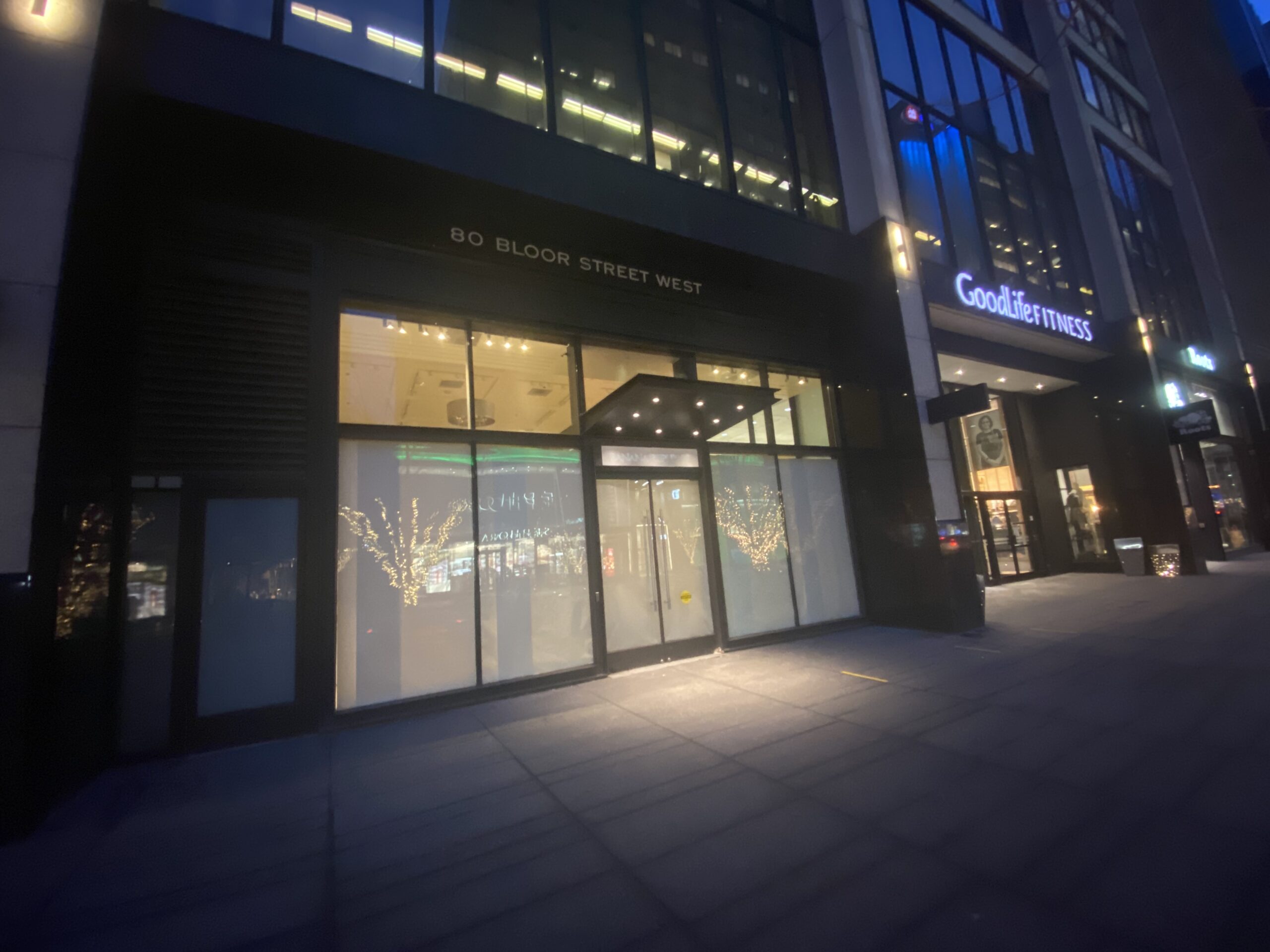
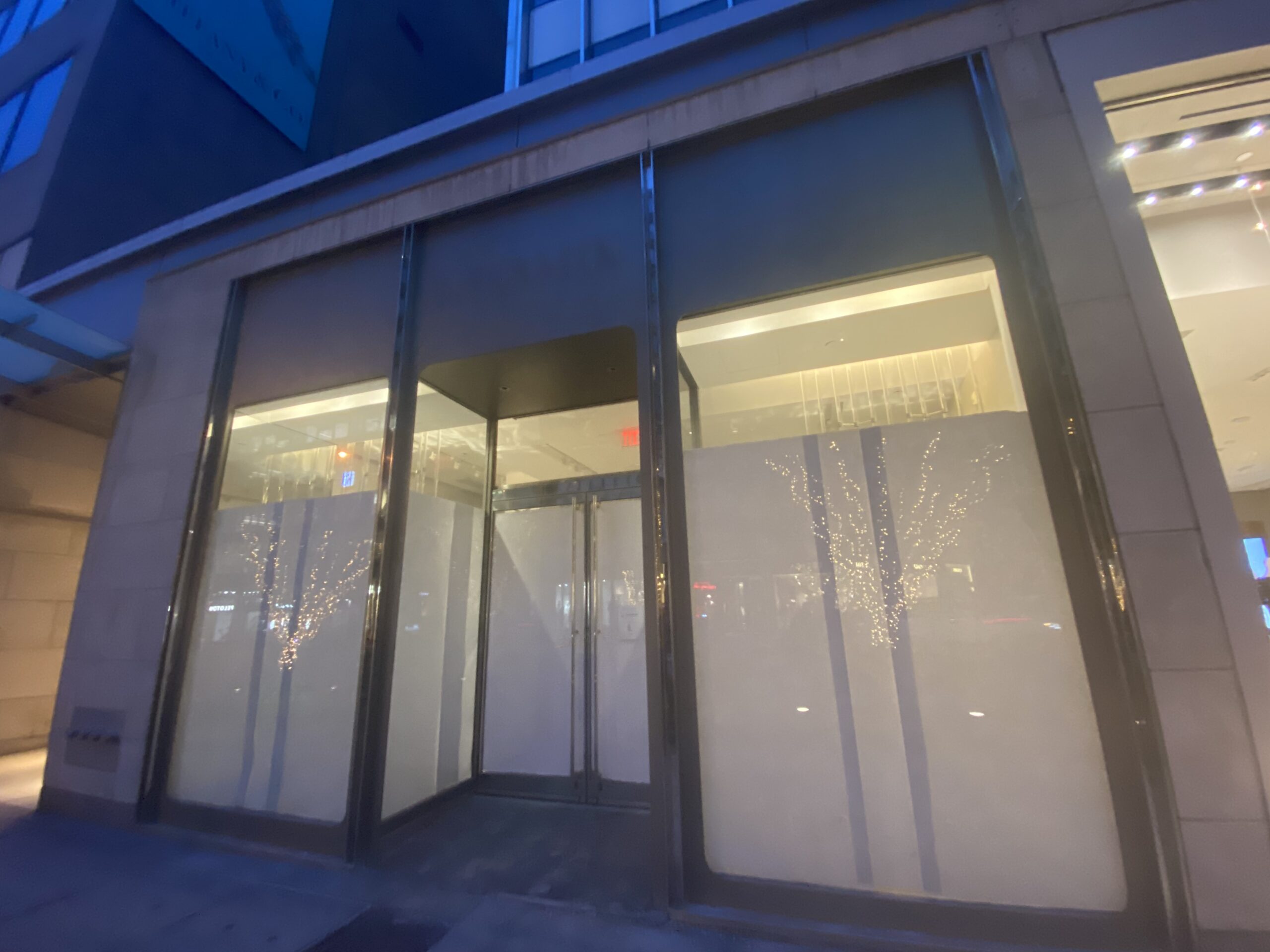
The signs are off all three of the Gap’s storefronts on Toronto’s prestigious Mink Mile. The Gap storefront at 60 Bloor Street West saw its signage come down earlier this week. On Wednesday, signage for the Gap-owned Intermix at 130 Bloor Street West was being taken down. Both of these developments followed the shuttering of the Banana Republic store at 80 Bloor Street West in October. 
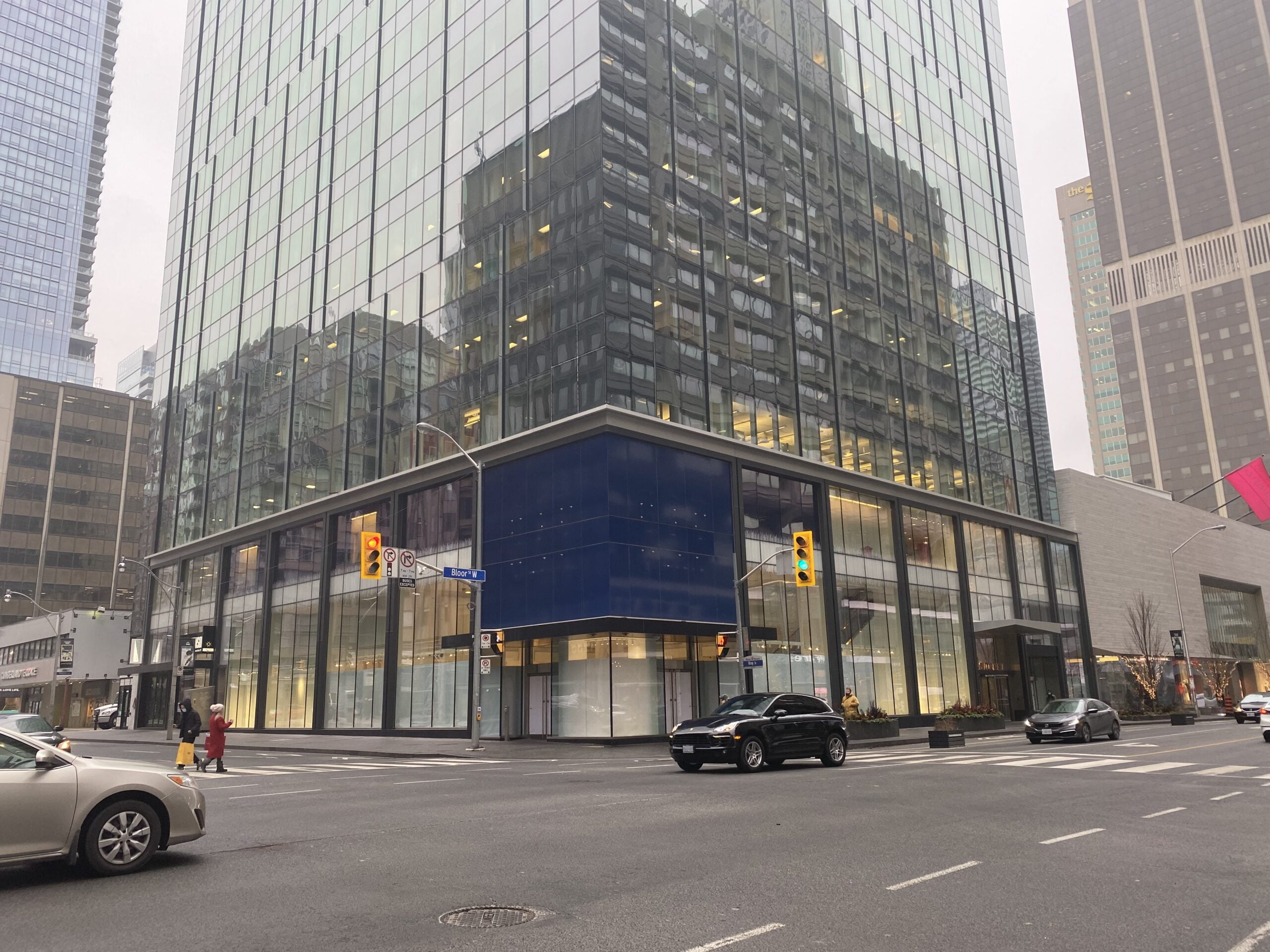
It’s the first time in more than two decades that the Gap has no storefronts on Bloor Street. The spaces will also have to be leased at some point — so far only the Intermix space has been leased, filling about 2,000 square feet. The Gap store on Bloor spanned about 17,000 square feet and Banana Republic was about 6,500 square feet. 

The Gap opened at 60 Bloor in 1999, joining the nearby Banana Republic store that had opened in 1995. Intermix opened in 2011 prior to being acquired by Gap in 2012. 

See also: The Gap to Close Bloor Street Flagship Store in Toronto in January 2021
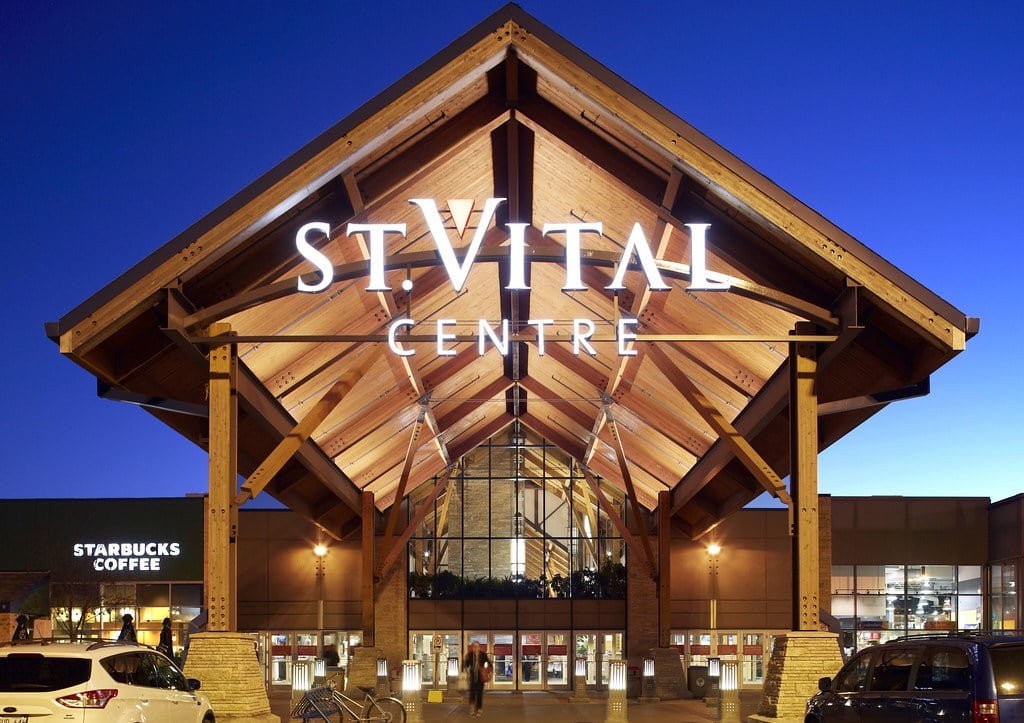
Exterior of St. Vital Centre. Photo: St. Vital Centre

BentallGreenOak Welcomes 2 New Super Regional Assets to its Retail Services Portfolio

BentallGreenOak has announced that, effective January 1, 2021, it has welcomed two new Super Regional Assets to its retail services portfolio. Having been awarded the management services mandate for St. Vital Centre in Winnipeg, Manitoba and Pen Centre in St. Catharines, Ontario, the addition of these two properties will increase BGO’s retail assets under administration by over 2 million square feet.

With 927,000 square feet of leasable space, St. Vital is home to 160 stores and services and is situated in one of Winnipeg’s fastest growing areas. St. Vital is anchored by Hudson Bay, London Drugs, Silver City, Sport Chek, Walmart, and the soon-to-open Homesense and Marshall’s. This centre welcomes over 8 million visitors per year. St. Vital is known for its expansive food hall and exceptional location that is easily accessible for families and students.
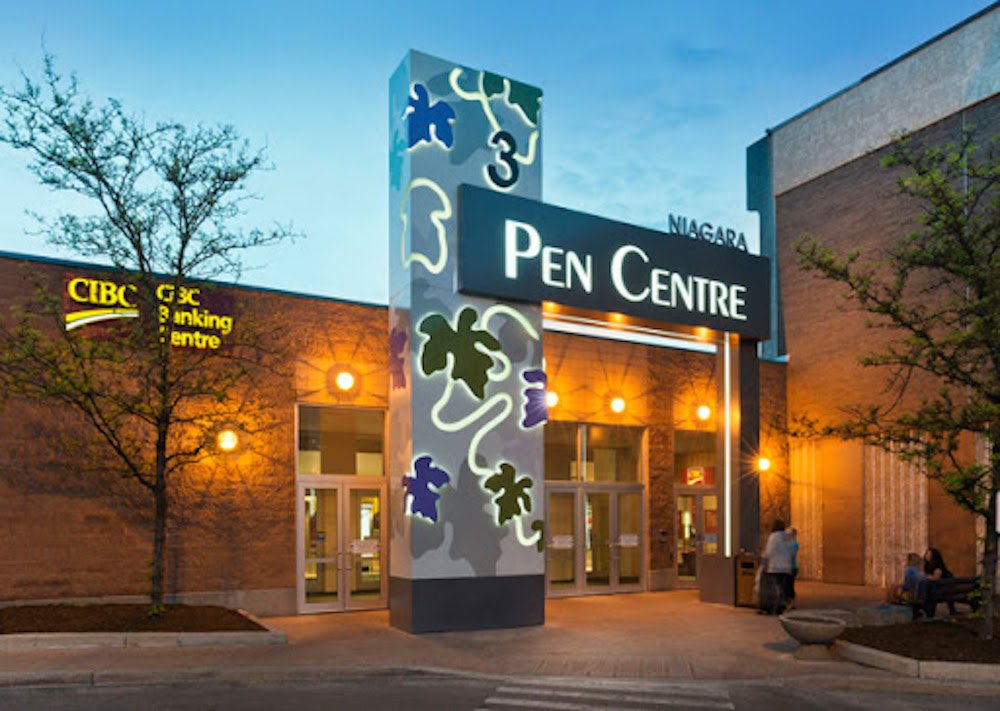
Exterior of the Pen Centre. Photo: Cushman & Wakefield

Pen Centre is the largest enclosed shopping centre in Ontario’s Niagara Region, with over 1,072,000 square feet of leasable space. Located just 15 minutes from two of Ontario’s largest tourism draws —Niagara-on-the-Lake and Niagara Falls — Pen Centre is perfectly positioned to welcome tourists as easily as it does local St. Catharine’s-area residents. An estimated 10 million customers per year visit Pen Centre for its 160 stores and services and impressive anchor mix including Hudson’s Bay, Landmark Cinema’s, Walmart, Winners/Homesense, H&M, Zehrs, and a new Sport Chek concept store.

For information on opportunities available in these two retail properties, please contact:

St. Vital Centre – Shane Epp shane.epp@bentallgreenoak.com / Brad Boyce brad.boyce@bentallgreenoak.com  Pen Centre – Garnet Peirson garnet.peirson@bentallgreenoak.com / Paul Ceresne paul.ceresne@bentallgreenoak.com

Exterior of Google office. Photo: Google

Retailers Ranked Among Canada’s Best Places to Work in 2021

This week Glassdoor announced the winners of its 13th annual Employees’ Choice Awards, recognizing the Best Places to Work in 2021 across Canada. The awards are based on the input of employees who voluntarily provide anonymous feedback by completing a company review about their job, work environment and employer over the past year.

Ratings were based on a 5-point scale: 1.0=very dissatisfied, 3.0=OK, 5.0=very satisfied.

Lululemon ranked seventh in the list and Ikea ranked 17th. Apple, which has a network of stores in Canada, ranked 4th although that could include support services. The top 10 list include the following:

  1. Google (4.5 rating)
  2. Microsoft (4.4 rating)
  3. TC Energy (4.4 rating)
  4. Apple (4.4 rating)
  5. belairdirect (4.4 rating)
  6. Sage (4.3 rating)
  7. lululemon (4.5 rating)
  8. SAP (4.3 rating)
  9. Manpower (4.3 rating)
  10. Salesforce (4.3 rating)

See also: 25 Best Places to Work – Canada

Rendering of Kia Motors Canada showroom. Rendering: Kia Motors

Kia Canada Reports Record-Breaking Year in 2020

Despite a challenging year and a turbulent automotive market in 2020, Kia celebrated eight months of record sales (January, February, June, July, August, September, October, and December) including their best-ever month in Canadian history, in August.

Kia sold a remarkable 72,452 units in 2020, with top models Forte and Sorento among the best-selling models, and newcomer Seltos emerging as a consumer favourite. Kia attributes its record-breaking year to Canadians’ desire for uncompromising quality, leading design, innovative technology and award winning vehicles. Kia was also awarded top position for the 6th year in a row in the J.D. Power IQS report in the US.

“During a year where Canadians were looking for vehicles that could not only meet their needs, but that they could rely on for quality and safety, we are grateful that we can deliver on products that satisfy both,” says Elias El-Achhab, Chief Operating Officer at Kia Canada.

Kia Canada offered a range of consumer promotions in 2020, including the industry leading “Kia Has You Covered” incentive from May to August, in which Kia paid, not deferred, the first six months’ of payment on finance and the first three months’ payment on leases, on a number of their most popular models. As an extension of the Power to Give COVID-19 response initiative — in which Kia Canada partnered with Food Banks Canada to deploy vehicles and funds to local hunger relief organizations — the brand is also proud to have donated protective Face Shields  to the Public Health Agency of Canada for the dedicated frontline workers of Canada.

Interior of Crocs store showcasing a variety of colours. Photo: Crocs

Crocs Cleaned Up in 2020

Crocs is on track to report its best annual sales ever as the pandemic gives new life to the brand. Revenue for 2020 will climb more than 12% to about $1.4 billion, a record high, the company said Monday in a statement. That’s well above Crocs’ earlier forecast for sales growth of no more than 7%. It also anticipates sales growth of 20% to 25% in 2021.

Crocs shares jumped as much as 11% in New York trading. The stock has been on a four-year winning streak and gained 50% in 2020.

“Amidst a global pandemic in 2020, we will deliver the strongest revenue in Crocs’ history,” Crocs CEO Andrew Rees said in a statement. “Our brand momentum is exceptional, and we anticipate another record year in 2021. We definitely benefited from consumer casualization,” said Rees, adding that the clogs are also easy to clean and sanitize, thereby enhancing their pandemic-time appeal.

Looking ahead, he said value and comfort will continue to be important for shoppers. More younger consumers also gravitated to the brand during the pandemic due to various collaborations rolled out by Crocs. In the past 12 months, the brand teamed up with a number of artists and brands, including Post Malone, Justin Bieber, and fast-food chain KFC on special edition collections.

“They were younger, predominantly female consumers. This was a big driver of growth in North America. As the year progressed, it broadened to new younger male consumers,” he said.

There are currently Crocs stores in three Canadian cities — Edmonton, Montreal, and Ottawa — and many retailers across the country, like Softmoc, also sell the ever-popular sandal.

RBC, Rexall and Be Well Logo (CNW Group/RBC Royal Bank)
RBC, Rexall, and Be Well Logos. Photo: CNW Group/RBC Royal Bank

RBC and Rexall Team Up to Reward Canadians for Managing Their Health and Wellness

Royal Bank of Canada (RBC) and Rexall have announced a new strategic partnership that will allow RBC clients to earn and receive even more value and savings, while accessing Rexall’s health and wellness resources. RBC clients will receive 50 Be Well points for every $1 spent on eligible purchases at Rexall when they link their eligible RBC credit and debit cards to their Be Well™ card. This will deliver 5x more value than nonRBC Be Well™ members or unlinked RBC clients.

“We’re thrilled to be adding Rexall to our highly successful loyalty partner program,” said Sean Amato-Gauci, Executive Vice-President, Cards, Payments & Banking, RBC. “Through our proprietary RBC Rewards loyalty program and strategic loyalty partnerships, our clients receive additional ways to instantly save and earn more RBC Rewards points. We’re proud to be partnering with Rexall, a company that shares our common values of supporting the health and wellness of our employees and clients.”

Rexall’s Be Well™ loyalty program, which launched this past September, already has over 1.7 million members and provides access to tools and insights into managing and improving health and wellness, while also delivering value and savings.

“This new offering enhances our mission of making the journey to better health and wellness easier, simpler, and more rewarding,” said Nick Caprio, President, Rexall. “We’re looking forward to growing our partnership with RBC to give additional tools and benefits to Canadians searching for a path to better health.”

RBC clients can visit www.rbc.com/rexall to learn more about this new program and for more information about Be Well, visit www.letsbewell.ca.

While Rexall’s efforts to create loyalty are commendable, it still has a way to go to meet the top loyalty program in the country, PC Optimum, under the Loblaw/Shoppers Drug Mart umbrella.

Lineup of Flow flavours. Photo: Flow Alkaline Water
Lineup of Flow flavours. Photo: Flow Alkaline Spring Water

Flow Alkaline Spring Water Innovates Online with New Flavour

Peach + Blueberry Flow Alkaline Spring Water

Flow Alkaline Spring Water, a leading premium water brand emphasizing sustainability in sourcing, packaging, and practice, introduces a new addition to its range of delicious flavours ‘Flow Peach + Blueberry’. The flavour joins the following line-up of premium spring water with organic flavours including: Cucumber + Mint, Strawberry + Rose, Blackberry + Hibiscus, Lemon + Ginger, and Watermelon + Lime.

Launching in January 2021, Flow’s newest organic flavour Peach + Blueberry will be available for preorder from December 26th, 2020.

The Peach + Blueberry flavour has organic flavour derived from essences of organic fruits and is  a pure tasting alkaline, mineral-rich flavoured water with no sugars, juice, or calories and emphasizes sustainability through its eco-friendly packaging. This new flavour is still packaged in 100% recyclable cartons and made from +75% renewable materials, underscoring the brand’s commitment to sustainability.

“Flow’s Peach + Blueberry is a taste of summer in the colder months,” says Krissie Millan, CMO of Flow Alkaline Spring Water. “Great tasting, thirst-quenching water is a simple, necessary pleasure you should be able to enjoy anytime, and in any flavour you like.”

During the first COVID-19 pandemic in April of 2020, the Canadian brand donated a total of $1 million worth of Flow water to frontline healthcare workers across North America.

Available for pre-order online from the end of December on flowhydration.com and in retail stores including Loblaws, Metro, Longo’s, Whole Foods, Healthy Planet and more.

Read More Retail Insider Briefs:

Why Couche-Tard Is Looking to Become a Grocer Amid Carrefour Acquisition Bid: Sylvain Charlebois

Exterior of Couche-Tard store. Photo: Couche-Tard

We heard this week that Alimentation Couche-Tard (ACT) is looking at acquiring European-based Carrefour, the seventh largest food retailer in the world. A non-binding, friendly offer was sent to Carrefour, which is worth south of $13 billion currently. Buying a grocery chain would be a significant departure from what ACT is known for. ACT is all about the convenience store economy. They have achieved greatness, just by building a massive business out of a piece of the retail landscape that is often overlooked or not taken seriously: convenience stores. Other than 7-Eleven, no other company in the world has been as committed to the customers who are in between meetings or meals, or service people on their rounds. But running supermarkets is a different story.

ACT, which is now worth about $46 billion, has grown through acquisitions of companies that didn’t manage to capitalize on being at the right place and the right time, with quality products at people’s disposal. Carrefour would be the largest acquisition in ACT’s illustrious history — a big bite to take. The company’s largest transaction to date was Texas-based CST Brands for about $6 billion in 2017. Investors may not see how the fundamentals of such a business deal could make sense for a company like ACT, but this may not in fact be such a long strategic reach for them.

What may be motivating Couche-Tard in acquiring a company like Carrefour is how the car industry is slowly transitioning towards electric vehicles. Couche-Tard has been a formidable force turning fuel business into food and convenience dollars. With fewer gas stations, many ACT-owned outlets will need to think differently about the market.

Carrefour also presents a rebuilding situation ACT would enjoy exploring. Carrefour’s network and brand need to be reenergized. For the last decade or so, despite posting decent figures, shareholders have been left wondering if the grocer could do better. Unlike convenience stores, groceries always offer limited margins with few prospects for growth. But ACT has a reputation of generating value by polishing hidden gems in companies like Carrefour. So, it is fitting for ACT to look at Carrefour as a tremendous opportunity.

What is also largely unknown about ACT is its highly effective supply chain. The company has been able to provide above-par products in stores, just because of how they deal with suppliers and how they focus on in-store merchandizing. Practices at ACT are very much transferable to an environment like food distribution.

Deal Between ACT & Carrefour Presents Unique Opportunity for Canadian Food Products

A deal between ACT and Carrefour could also present a unique opportunity for Canadian food products. Food manufacturing offers some of the best products in the world, and some of the safest ones. Having access to a portal like Carrefour in Europe, coupled with favorable conditions provided by the Comprehensive European Trade Agreement, an ACT-owned Carrefour could become the food ambassador Canadian companies need to generate more business on the old continent. Things could get interesting.

In essence, ACT is arguably one of the least understood and appreciated Canadian companies out there. Most investors will understand the company since it has delivered financially, time and time again. But most Canadians have never taken the time to appreciate how an empire can be built by selling fuel, chips, slurpees, and soft drinks. The unglamorous aspect of the business has gotten many to overlook the genius of Alain Bouchard and his team. It’s an impressive legacy.

Food retailing is not beyond what ACT can do in the future. The deal is not only about hedging against fossil fuels and the move to electric energy in the car economy, but also about making an iconic company more successful in the future. Financial multiples may not make sense right now given how the food retailing has performed well in recent months due to the pandemic, but the deal is still worthy of consideration.

The French government was quick to state that an acquisition would pose a food security threat to the French people. Such a claim makes little sense, given that Carrefour generates most of its business outside of France, and that France’s food distribution market is highly fragmented, unlike Canada’s.

An acquisition of Carrefour by ACT offers an interesting storyline. There are so many intriguing elements to this deal, it would be regrettable if it does not happen.

5 Predictions for Canadian Retail in 2021: Expert Comment

A row of vacant Queen Street storefronts in Toronto. Photo: Dustin Fuhs (January 10th 2021)

Despite the recent arrival of the vaccine for the COVID-19 pandemic, HRC Retail Advisory in a report expects the first half of 2021 to be a continuation of 2020’s acceleration toward digital and omni-channel, as most shoppers remain at home.

“Despite that, we anticipate pent-up demand to be unleashed in late 2021, bringing relief to some of the retail sectors that have struggled since the industry was thrown into turmoil last spring,” said Antony Karabus and Farla Efros, CEO and President respectively of Toronto and Chicago-based strategic advisory firm HRC Retail Advisory.

Karabus said, “2020 was a year of mass chaos, which descended upon retailers with virtually zero warning. This brought significant opportunity for those in all facets of home, home improvement, backyard, pet, food, exercise, and other sectors that previously had only experienced modest growth rates. Retailers in these sectors that invested in robust store fulfilment of digital orders and digital capabilities ended 2020 with decent results, despite the pandemic.”

Farla Efros & Anthony Karabus

“2021 is likely to be a good year for retail, with increased consumer spending in the back half of the year due to pent-up demand in categories that suffered the biggest declines in 2020. Spending will also likely see an increase as many consumers will have additional savings, due to a lack of spending on discretionary items in 2020.”

Here are the top five predictions for retail in 2021 from the team at HRC Retail Advisory:

Retail Will Experience Two Different Calendar Halves

While the first half of 2021 will see a continuation of 2020’s spending patterns on home and backyard categories, exercise equipment, food, and comfort and active apparel, we expect that the second half of 2021 will see the unleashing of pent-up demand for entertainment, eating out, travel, work and dressy apparel for special occasions, and other discretionary categories that have been hardest hit by the pandemic in 2020.

“Because the lockdowns are being driven to a large extent by the hospitals being overwhelmed across the country — as the higher risk populations get vaccinated, that slowly but surely will reduce pressure on the hospitals and their ICU’s,” said Karabus and Efros. “At some point they’re going to loosen the reins on lockdowns and an increasing percent of the population is going to be vaccinated.

“We’re assuming that gradually, starting in the second quarter, we’ll have less restrictions on society which means people will be able to shop in retail again the way they did in late 2020 with some restrictions. By the third quarter and the fourth quarter, especially by the fourth quarter, we believe that it will be a lot closer to business as usual and normal life.”

Karabus and Efros say that many sectors of retail have really suffered through the pandemic such as apparel, department stores, and luxury. Those will see the benefit of pent-up demand in the second half of 2021.

Digital Will Continue to Dominate as Consumers’ New Shopping Habits Are Reinforced

The shift from stores to e-commerce will continue to accelerate in 2021. The decline in store traffic will also continue, but begin to reverse by Q3 of 2021. Over the past year, digital and omni-channel grew to become 50 percent or more of some retailers’ sales, and the need to create and enhance these capabilities — whether it means investing in processes, tools, or talent — will remain a critical priority in 2021.

“Even though we see a slow and gradual return back to normal life, we believe that habits have been developed and people are now accustomed to shopping online,” said the HRC Advisory’s leaders. “Over the last 10 years, online has been incrementally growing year over year as a percentage of total retail sales. And it has had a massive acceleration because of the pandemic. We do not see the same upward acceleration but rather a continuation of the shift from physical stores to online but not at the accelerated pace we saw last year.”

Karabus and Efros added that omnichannel is going to be a more critical part as well of that online experience.

“A lot of people are down on retail. We’re not down on retail. We’re down on retail done poorly,” they said.

Retailers Will Need to Strategically Build on Their Category Strengths

By expanding into relevant, adjacent categories, retailers can increase share of consumers’ wallets. The success of pharmacy and dollar sectors’ expansion into food and consumables is a great example of capitalizing on traffic and consumer brand trust. Other potential opportunities for success include categories such as household cleaners and other replenishable categories that are considered “essential”.

“The epitome of who has done it really well is Walmart, Costco, Indigo and Canadian Tire. They sell a lot of adjacent categories and succeed at it based on the trust of the consumer in their brands,” said Karabus.

Additional Bankruptcies Are Likely in Discretionary Sectors That Have Suffered in 2020

Retailers with weak balance sheets and declining sales will remain at risk. As such, HRC expects that landlords may make additional acquisitions of troubled retailers to avoid loss of tenant income, as evidenced with their purchases of JCPenney, Forever 21, and Aeropostale.

“I don’t think it will accelerate but we think tons of small mom and pop retailers will go away because they don’t have the access to financing that the bigger, more sophisticated retailers have. But if you consider the bigger retailers that have filed for bankruptcy in the last 12 months – Aldo, Reitman’s, Laura, Le Chateau, Henry’s, MEC and a few others, at the end of the day, few of the CCAA filings were really surprising,” said Karabus and Efros.

“Many of the retailers that filed had not invested most effectively to transform their business to the right place given the new world. They used bankruptcy as an opportunity to close hundreds of stores that should have been closed earlier.”

The Store Role, Processes, and Customer Experience Must Be Redefined

Given the continued reduction in store traffic and growing customer expectations for more seamless in-store experiences, retailers must focus on improving the shopping experience. Doing so will help increase conversion rates and transaction value, and enable them to capitalize on their foot traffic. To effectively compete, retailers must find the right balance in their stores of serving walk-in traffic and fulfilling digital orders in stores.

“Retailers need to think about their business over the next five years and not over the next month and they need to say where is the consumer going and if the consumer is going to continue buying online at a greater rate year after year they need to ask themselves how they are going to service their consumer in the best possible way,” said the HRC leaders.

“You’ve got to find the right combination of closing stores where the mall doesn’t have a future, where the market doesn’t have a future, and keeping stores open while repurposing them as dual purposes where they serve the customer coming in the door and they also serve as micro fulfillment centres.”

Canadian Company TraffikFlo Creates Physical Distancing Traffic Management Platform to Help Retailers Manage Crowds

TraffikFlo logo posted in front of TraffikFlo lights in store window. Photo: TraffikFlo Facebook

A Toronto-based company has created a physical distancing traffic management solution to help retailers manage pedestrian traffic in their stores.

Basically, like a traffic light on a roadway, the TraffikFlo app is connected to a sign that tells customers if it is okay for them to enter a store. The simple box, placed on storefront doors or windows, indicates to consumers whether they can either walk into the establishment right away (green light) or have to wait depending on store capacity numbers (red light).

Damian Wright, Founder, Owner and Creative Technologist at WXM, the company behind the app, said the sign itself is connected by Bluetooth and it can be controlled manually by an app on someone’s phone or tablet or through a web browser.

“It can be set up somewhere that is easily visible,” said Wright.

The sign is made out of cardboard, recycled materials, with a Go (green light) or a No (red light).

The concept was launched last summer. From the idea stage to when it was produced and manufactured, took about three months. Initially it focused on working with local retail stores ensuring the concept was up and running and working the way it should.

“The local consumers around us really loved it and they were singing its praises. What they really liked about it, and the feedback we were getting from the customers, was that it was just so simple for them to know that I could enter a store,” said Wright.

WXM has been in business for about seven years. The creative technology company has specialized in creating interactive technology for events and for advertising campaigns.

The innovative TraffikFlo app can be downloaded through either Google Play or the App Store and syncs via Bluetooth. Alternatively, the sign can also be controlled through a Chrome web browser at app.traffikflo.com. For added security, access is controlled through the app using a personal pin number.

The traffic system can be controlled through either Manual or Counter Mode. Counter Mode allows stores to input a max number of patrons within the store. As patrons enter, they add to the tally until the max number is reached, which will turn the display from green to red. As people leave, subtract from the total and the light will turn back to green. This is not an automatic system, but a useful alternative manual process.

“My idea was the mom and pop shop. They don’t want to be hiring security. They don’t want to be having to spend the extra money when things are so tough and they don’t want to have to spend extra salary on a person just to control the lineup here and there where it’s needed,” said Wright.

“With this sign, I made it for those small and independent stores. But what we’ve actually found is that a lot of other stores and other locations are interested. We’ve had security offices buy it. We’ve had a recycling plant in Kingston buy it. Any which way that they can help control people around them. Or control that flow of traffic which easily communicates to customers it’s safe to enter that space. I’ve even had people talk to me about having it in their work offices and spaces where people aren’t sure if they should be entering or not.”

The concept is being sold online and through Shopify throughout North America. Also word of mouth is helping spread the word about the innovative and simple but effective sign.

“It’s across the U.S. now but we’ve actually had people reach out to us in the UK. So now we’re looking at selling it in the UK. We’ve been talking to a company in France who would like to take it on.”

Wright sees the potential for other uses of the sign even when times return to ‘normal’.

“I do have a couple of ideas of where it could go. I think we’re going to be into social distancing for awhile. I’m focusing right now on making sure we can help the small retailers but I definitely think in the future, outside of the pandemic, it could have potential in other areas of business and also other areas of work. I’m working on developing those right now and I’ve got some really fun ideas for it,” said Wright.

Free Zoom Webinar on January 21 on Bill C-11 and its Implications for Businesses in Canada

Consumer protection, law and justice concept with man's hand holding magnifying glass.

On November 17, 2020, there was a sea change in the House of Commons that may affect how Canadian private companies, as well as brands doing business in Canada, collect, use, disclose, and store customer personal information.

Formally titled ‘An Act to enact the Consumer Privacy Protection Act and the Personal Information and Data Protection Tribunal Act and to make consequential and related amendments to other Acts‘, the legislation is also known by its shorter name, the Digital Charter Implementation Act, also known as Bill C-11. If passed into law, the bill would accomplish two goals:

  • Remove the data privacy protection sections from PIPEDA and put them into a dedicated customer privacy rights law, the Consumer Privacy Protection Act (CPPA);
  • Create a legal tribunal that would hear cases related to breaches of privacy, known as the Digital Privacy Tribunal.

Canadian private-sector privacy legislation has been criticized for not having the punitive powers that may compel companies to take customer privacy rights more seriously. This makes it difficult for Canadian consumers to seek legal recourse when their privacy rights have been breached, other than through the long litigation process. A prominent example is the Tim Horton’s incident from the summer of 2020, which is now the subject of a class-action lawsuit. Retailers have already been facing great privacy challenges due to the vast amount of information-sharing that has been necessitated due to the COVID-19 pandemic, and the introduction of Bill C-11 will hopefully provide additional guidance for retailers.

The CPPA will empower the privacy commissioner’s office to levy considerable fines upon companies who flout privacy law. It appears to be modeled on Europe’s General Data Protection Regulation (GDPR), and in particular the GDPR’s schedule of standard fines. The GDPR is generally considered to be the gold standard in global customer data privacy rights law.

At this time, Canadian privacy law has no set schedule of legislative penalties on privacy law violations. If passed into law, the CPPA will have two “levels” of fines similar to the GDPR, set at the following:

  • For more “run-of-the-mill” breaches relating to IT security failures, the CPPA fine is set at $10 million, or 3% of a company’s annual gross revenue, whichever is larger;
  • For more serious privacy breaches where the customer’s rights to privacy are seriously breached, companies may be fined $25 million, or 5% of a company’s annual gross revenue, whichever is larger.

These fines are not set in stone, as penalties for violating the GDPR have easily run into the hundreds of millions of Euros. Additionally, the amounts above are not capped, and the privacy commissioner would be empowered to levy additional fines similar to how a court of law determines damages. However, if implemented, Canadian data privacy penalties would easily become the most severe of any G7 nation. The penalties in the EU under the GDPR are already severe, such as a €50,000,000 penalty against Google France, and a €35,000,000 fine levied against H&M in Germany. Facebook has set aside an astonishing €300,000,000 in anticipation of a fine against them that may be levied in Ireland. Expect the CPPA to follow similarly in terms of levying fines.

The CPPA also creates new rights for consumers that were previously not available before. They include:

  • Greater transparency: Companies must be up-front and specific about the way they collect, use, and disclose customer personal information. They cannot obfuscate or bury critical information about how this is done in overly lengthy privacy notices that are difficult for the average consumer to read.
  • Algorithmic transparency: Companies must be able to demonstrate how the technology they use complies with data privacy law. They must also demonstrate the reason why data was used to predict, recommend, or make a decision, particularly as it relates to performing credit checks, creating customer profiles, and creating advertising.
  • The Right to Data Portability: This is a new right from the GDPR which allows customers to request all the personal information they give to a company and direct them to transfer it to another business, such as direct competitors. As the personal information belongs to the customer, businesses cannot object or deny a customer their right to data portability.

Although the overall purpose is to protect Canadian consumers’ right to privacy, the following are some of the other key objectives in Bill C-11:

  • To penalize companies that do not report privacy breaches;
  • To compel companies to create records of breaches;
  • To discourage over-collection and unnecessary retention of PI;
  • To prevent use of PI in ways that are privacy-invasive;
  • To prevent selling or disclosure of PI to other organizations without proper consents or legislative reasons for doing so; and
  • To discourage companies from silencing whistleblowers.

Kobalt, a Vancouver-based IT security company, will be presenting a free Zoom webinar on January 21, 2021, on Bill C-11 and its implications for businesses in Canada. The presentation will include an overall introduction to the legislation, from both the consumer’s and the business’s point of view. To register for the webinar, click here.

BRIEF: SEE Eyewear Exits Canada, LCBO Scores Coveted Corner Mink Mile Retail Space

Retail Insider Brief collage

SEE Eyewear Exits Canadian Storefront and Cancels Expansion Plans

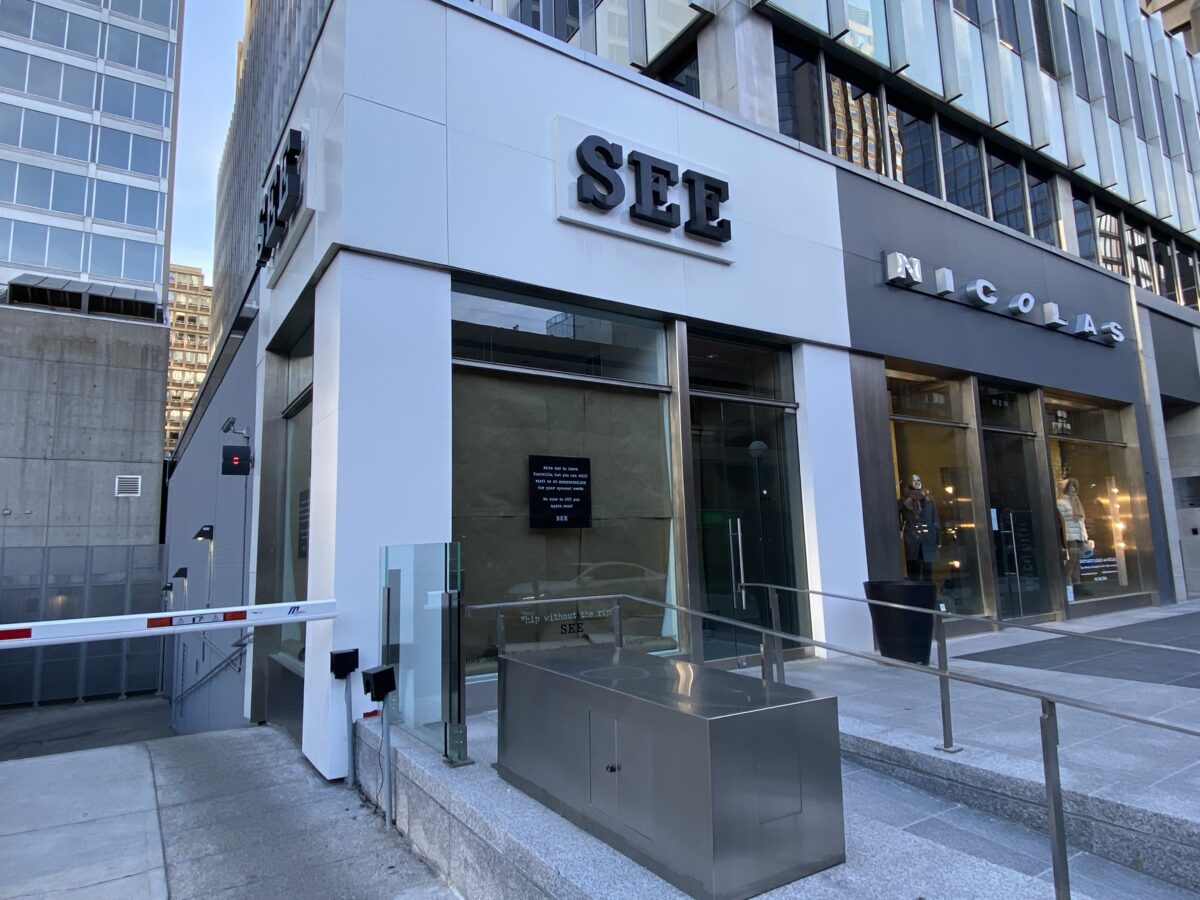
Edgy and popular SEE Eyewear has shut its only Canadian storefront that was located at 153 Cumberland Street in Toronto’s Yorkville neighbourhood. The 812-square-foot boutique opened in November of 2017 and plans were in pace to grow the retail chain across Canada.

Urban locations were being targeted for SEE locations and Toronto’s Queen Street West was already being looked at for a second Canadian location according to Founder and Owner, Richard Golden, during an interview at the store opening. The expansion would have been carefully planned with Vancouver and Montreal being among the targeted cities for future locations.

SEE is still available to Canadians online according to a sign on the storefront noticed by Retail Insider over the weekend.

SEE, which stands for ‘Selected Eyewear Elements’, was founded in 1997 by optical pioneer Richard Golden with an aim to provide consumers with affordably priced, fashion-forward eyewear. The company’s prices encourage shoppers to create a ‘wardrobe’ of glasses, with a wide variety of styles available. In the Toronto store, SEE’s collection ranged from $199 to $599 for eyeglasses and include single-vision plastic or polycarbonate lenses. All sunglasses are priced at a reasonable $149 per pair.

The chain doesn’t appear to have grown a lot in the US since we first reported on it more than three years ago — in 2017 SEE had 40 stores and according to its website, there are currently 43 locations in the US only.

Rendering of The Manulife Centre Podium at 55 Bloor Street West

LCBO Secures Highly-Coveted Mink Mile Corner Storefront

(Note: a previous version mentioned CBRE, which was not involved in this particular deal)

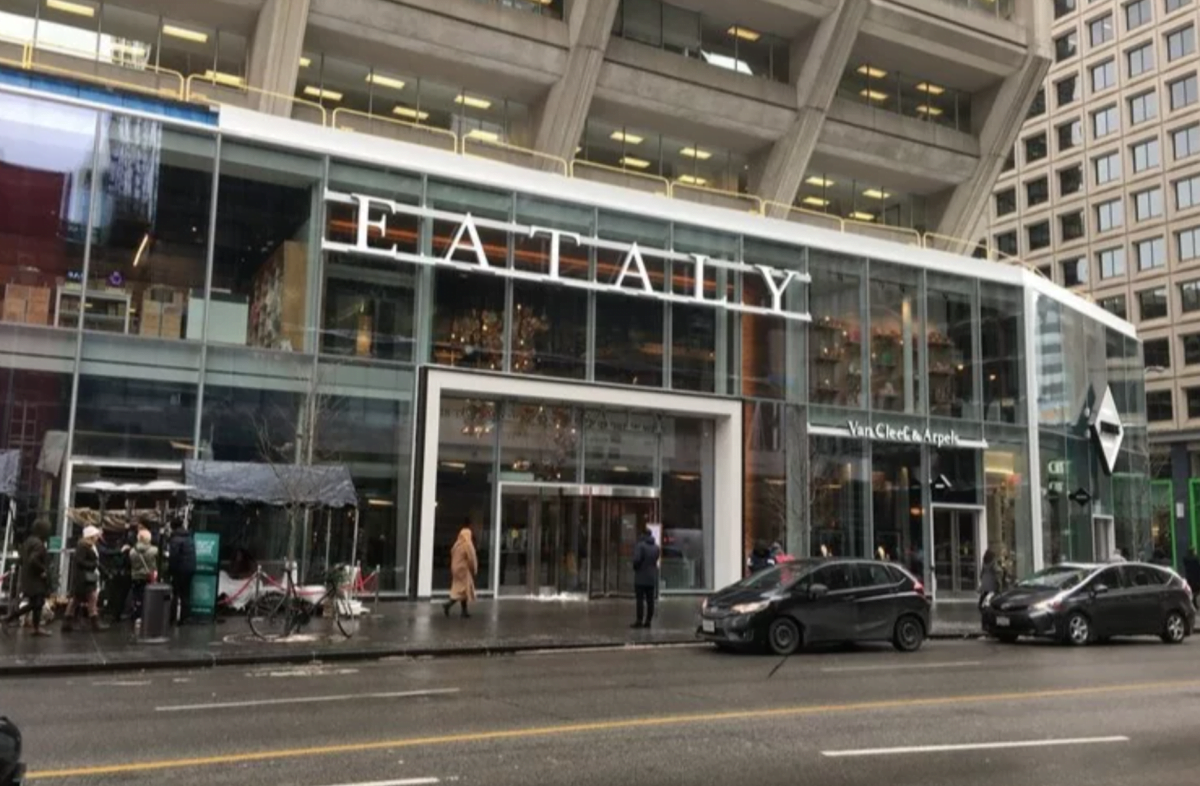
The Liquor Control Board of Ontario (LCBO) has leased a more than 10,000-square-foot space on the street level of the Manulife Centre at 55 Bloor Street West in downtown Toronto. The coveted location is at the corner of Bloor Street and Balmuto Street in the renovated podium of the Manulife Centre which cost well over $100 million to renovate and features a 50,000-square-foot Eataly location that opened last year. The new location will replace a smaller LCBO store in the basement of Manulife Centre.

The previous tenant in that street level corner space at Manulife Centre was tableware retailer William Ashley, which in the spring of 2018 relocated nearby. In years past, iconic luxury multi-brand retailer Creeds occupied the Bloor-Balmuto corner.

Several more commercial spaces are available at the Manulife Centre which includes recently opened Shoppers Drug Mart and Over the Rainbow storefronts, as well as an overhauled Maison Birks flagship that we featured in the spring of 2019.

Corner of The Manulife Centre where the new LCBO is set to go. Photo: Craig Patterson

We’ll follow up on this story when more details are available — we might expect a premium liquor selection, given that the new LCBO store will face directly towards Holt Renfrew’s flagship store across the street.

Other recent tenants opening on Bloor Street include Hakim Optical at 66 Bloor Street West and a Bogner pop-up at The Colonnade at 131 Bloor Street West. Some prominent stores have recently closed on the street including The Gap, Banana Republic, Mulberry, Victorinox, MAC Cosmetics, and several others, with Club Monaco set to join them. A new set of tenants will eventually replace them as the Mink Mile sees something of a transformation.

The LCBO raised eyebrows in the spring of 2020 amongst landlords and brokers when the Crown corporation asked for rent breaks despite being declared an ‘essential’ retailer that was allowed to remain open during shutdowns. Some argued that such a government-owned business should not be asking private landlords for such a discount.

The North Face x Gucci collaboration. Photo: Gucci

Gucci Opens North Face Collab Popup in Toronto and Customers Probably Won’t be Able to Visit

Gucci announced last week that it would open a select few The North Face x Gucci popup stores in North America, and Toronto’s Holt Renfrew store at the Yorkdale Shopping Centre is one of the locations. The popup opened last week and will operate until February 14th. With Toronto’s lockdowns of ‘non-essential’ retail extending into at least February 10th, customers will only be able to do virtual appointments, make telephone orders, and pick-up purchases curbside.

Toronto is one of only a handful of places in North America for The North Face x Gucci pop-ups. Other locations include at standalone Gucci ‘Pins’ storefronts in Brooklyn NY and in downtown Los Angles, as well as at the Gucci flagships in Union Square in San Francisco and on North Michigan Avenue in Chicago.

The North Face x Gucci collaboration includes a wide range of products, from windbreakers and fleeces to a series of bags and backpacks emblazoned with the new logo —The North Face has adapted its quarter-circle stamp, which pays homage to the famous granite Half Dome in Yosemite National Park, and now includes Gucci’s green-red-green stripe for the collaboration, which is 70s inspired.

Exterior of CF Promenades St-Bruno. Photo: CF Promenades St-Bruno
Exterior of CF-Promenades-St-Bruno. Photo: CF Promenades St-Bruno

CF Promenades St-Bruno’s ‘Marché des Promenades’ Adds New Merchants

Spring of 2021 will see new additions to the popular CF Promenades St-Bruno’s ‘Marché des Promenades’.

The 13,000-square-foot open exchange space continues to bring together the cream of passionate culinary craftsmen, producers, and restaurateurs from Quebec, Greater Montreal, and its surrounding agricultural regions. 40 additional merchants are set to join Marché des Promenades within the next few months, including Edward Smoked Meat, SAQ, Quai des Glaces, and LAPop.

Landlord Cadillac Fairview had originally announced its investment of $67.5 million in its CF Promenades St-Bruno shopping centre property to create a “market-style food hub” in mid 2019. With the goal off reinforcing the centre as a key destination for Montreal’s South Shore community, Cadillac Fairview officially opened the innovative space in late 2020, promising a “unique food, beverage, and entertainment experience”.

The market, which resides in CF Promenades St-Bruno’s former Target space, is all part of a much larger investment on the part of Cadillac Fairview, which has seen more than $175 million spent over the past several years on updates and expansions.

Hillcrest Mall lululemon popup store. Photo: Hillcrest Mall Instagram

Seasonal lululemon Popup Opens at Hillcrest Mall

lululemon has opened a seasonal popup store in Richmond Hill’s Hillcrest Mall and now no one can visit it due to pandemic lockdowns. The pop-up could signal a permanent lululemon location eventually opening in the mall.

The popup store opened in December when in-mall shopping was still allowed under Ontario’s COVID-19 restrictions. As of recently, however, Hillcrest Mall is closed to the public and is only offering centralized and curbside pickup services for its shoppers.

The popup offers an array of lululemon’s favourite activewear, all of which can be browsed and purchased at shop.lululemon.com and picked up safely outside the mall.

Working with select retailers within the centre, Hillcrest mall is providing locals with the means to shop their favourite stores despite the current situation. Hillcrest are encouraging those interested to contact the retailers directly (online or by phone) and there is a list of participating retailers featured on the mall website. Once you have placed your order with the store, you will be contacted by email notifying you of your pickup time. All curbside pickups will be conducted at Entrance 4 of the mall.

lululemon operates 87 locations across Canada as of 2021, with 17 of those being seasonal stores.

To learn more visit hillcrest-seasonal@lululemon.com

Exterior of Eataly Toronto. Photo: Craig Patterson

Eataly Celebrates Turning 14 as it Marks a Year in Canada

Italian grocerant Eataly turns 14 this year and the popular upscale store is encouraging its shoppers to “Sale-a-Brate” with them. With up to 50% off hundreds of its favourite products through to February 7 and month-long offers and weekly popups, Eataly is hoping to celebrate its birthday in style this new year.

Available until Sunday, January 17, shop up to 50% off the following high-quality products:

  • Select Italian extra virgin olive oils & vinegars
  • Pecorino Toscano
  • IGP & Sicilian Pepato
  • Hearty winter greens & chicories, housemate sauces and seasonal fresh pasta

The hybrid grocery store opened its Toronto location in November 2019 in the city’s Yorkville neighbourhood. The introduction of the 50,000-square-foot, three-level Eataly location was met with considerable hype, with lineups every day for weeks post opening.

Featuring a grocery store, fresh market, four restaurants, and at least six bars, and coffee shops, Eataly has managed to weather the COVID-19 storm despite having to close its restaurants and bars during 2020.

Eataly Toronto partnered with Selfridges Group and Terroni Restaurants for its entrance to Canada, though Terroni is reportedly no longer involved with the Toronto concept. Eataly’s Canadian operations are partially owned by the billionaire Weston family, who also own Holt Renfrew, directly across the street from Manulife Centre.

Eataly Toronto is open for in-store shopping and is also providing online options at shoptoronto.eataly.ca or on Instacart.

Extended Ontario Lockdown Announcement Blasted by Association and Experts for Inequitably Harming Small Retailers: Interviews

An empty intersection at Wellington & Blue Jays Way in Toronto. Photo: Dustin Fuhs (January 10th 2021)

The Canadian Federation of Independent Business has lashed out at the Ontario provincial government for once again failing to level the playing field between small business and big box stores such as Costco and Walmart.

On Tuesday, Ontario declared a second Provincial Emergency to address the COVID-19 crisis by issuing a Stay-at-Home Order and Introducing enhanced enforcement measures to reduce mobility. 

Non-Essential Stores to Open Only Between 7 a.m. – 8 p.m.

Among other measures it declared that all non-essential retail stores, including hardware stores, alcohol retailers, and those offering curbside pickup or delivery, must open no earlier than 7 a.m. and close no later than 8 p.m. The restricted hours of operation do not apply to stores that primarily sell food, pharmacies, gas stations, convenience stores, and restaurants for takeout or delivery.

Julie Kwiecinski, Director of Provincial Affairs, Ontario, for the CFIB, said the organization received clarification that big box stores that sell a full range of groceries are exempt and allowed to keep their current hours.

“Nothing is really changing for Walmart or Costco,” she said. “We’ve actually been working really hard on this issue to try and get government to see that they need to level the playing field between big box and small business,” she said. “They had that opportunity and they didn’t do it. 

“Let’s say I want to buy a book. Right now I have to buy that book by 8 p.m. if I want to buy it from a small retailer but I can’t go in the store. I could do it by curbside pickup. So I’m not allowed to go into that small business store. I can buy that book by curbside or pickup but I can only do it before 8. Yet if I want to buy that same book at Walmart I can waltz into the crowded Walmart store at 9, 10, 10:30 at night and buy the book. It is just not fair to small businesses and again the government had an opportunity to level the playing field. We’ve been working on this file for a couple of months because the holiday season that retailers rely on to make or break is now over.

“They had to make the sales in October, November, or December. And even now today you would think that the government would take the opportunity to level the playing field after all of the concerns that have been raised by small business and they chose not to. We are extremely disappointed in the Ontario government.”

To make matters worse, she said, the CFIB understands there are different rules for Amazon on retail delivery than smaller outlets. She said the organization was told that if a business wants to do a retail delivery after 8 p.m. it is okay for a restaurant but if there is delivery through a third party they must cease operations at 8 p.m. If the business does its own delivery like Amazon, they are allowed to deliver after 8 p.m.

“So once again the big guy Amazon wins. So I would say the score for today would be Goliath two David zero,” said Kwiecinski.

Dan Kelly, President of the CFIB, said no other province has locked down small retailers while handing huge competitive advantages to big-box stores.

“Incredibly, the Ontario government made the deep unfairness in lockdown rules even worse by implementing a new curbside pick-up and delivery curfew of 8 p.m. for small businesses, while exempting big box stores like Walmart,” he said.

“Walmart, Costco, and Amazon can continue to sell non-essential goods in-store or deliver them to Ontarians with no additional changes, but small retailers will not be allowed to hand a product to a customer outdoors or even deliver one after 8 p.m. How this will help stop the spread of COVID-19 is anyone’s guess.

“CFIB is also very worried that ineffective lockdown rules will now be applied to additional business sectors, like construction. We need to find a pathway to allow small businesses to safely reopen.”

Deserted street in Kensington Market. Photo: Dustin Fuhs (12 January 2021)

Bruce Winder, author of RETAIL Before, During & After COVID-19 and President of Bruce Winder Retail said retailers that are not in the grocery, gasoline or pharmacy categories are most vulnerable now. 

“Within the vulnerable, those that do not have e-commerce or sell products or services that are not conducive to e-commerce will suffer the most,” added Winder. 

He said smaller retailers need to get online and offer delivery and/or curbside pickup, offer new innovative products or services that cater to consumer lifestyles during the pandemic, take full advantage of government subsidies, negotiate with landlords, lenders, and suppliers to defer payment or pay less to preserve cashflow, defer capital expenses or any other expense to preserve cash.

Winder said the future will see less stores, more warehouses/parcel pickup spots, cheaper store rents, more frugal consumers (except high end segments which are thriving), less competitors but those who remain become bigger, more work from home lifestyle goods, stickiness of e-commerce, lower mall traffic, the need to continue to offer safe/clean store operation protocols, higher insurance rates, and higher supplier costs.

Nothing is Changing for Big Box Retailers like Walmart, Costco, & Amazon

Gary Newbury, retail supply chain and last mile interim executive, said the future of essential businesses, particularly big box retailers, seems guaranteed as the government has allowed stores and supporting supply chain to remain open, subject to safety protocols and extra vigilance on lineups outside stores. 

“These networks have the scale of operations to prosper during this period and to drive excellence into online services such as home delivery, curbside and pickup in store. Although, on the inside, the staff must feel in a continued frazzled state, often covering for colleagues who are required to self-isolate, these businesses will continue to see record sales, record profits and cashflow, and no obstacles in their way from adjacent competitors, and continue on their transformational journeys to winning in the 2020s,” he said.

“The converse is true for those designated ‘non-essential’, within retail. As well as apparel retailers, the classic ‘mom and pop’ stores, and service businesses, often single store businesses will have been very unprepared for the first lockdown, invested in the safety protocols and then been forced to shut down on Christmas Eve, missing Boxing day/week sales and January clearance they would have been banking on to restore their cashflow and turn their inventory. They have a double whammy of a loss of big sales, and now being saddled with unsold inventory for potentially months. For many, they face a grim choice; to sink more of their personal capital into the enterprise to support home delivery, or simply lock up and hand over the keys to the bank/landlord.

“The most unfortunate situation is this; for many years some of these businesses were able to create strategies to compete with their larger competitors by specializing their proposition to the local community and offering personalized, friendly service. Now they face an incredible challenge as their former customers find equivalent products at mass merchandisers such as Costco and Walmart. Many will, justifiably, feel they have been let down by their government for not insisting essential retailers can only sell grocery and pharmacy supplies.

“For those businesses that quickly adapted themselves for e-commerce, maybe leveraging Shopify to accelerate their digital transformation, creating and implementing a clear differentiation strategy, and aggressively marketing themselves in the local community, they stand a good chance, through these digital investments, to continue to trade.

“In fact, they may have equipped themselves very well for when the economy reopens and economic growth can be contemplated.

“The tough decision is whether to labour on with the costly home delivery service and keep the majority of their staff employed or come to an arrangement with their landlord and close shop until the latest lockdown is lifted. Some do not have the cashflow reserves to do the latter and so they are forced into trading, even if this means cutting into profits, or worse CCAA (creditor protection),” he said.

“Overall, this latest development across Ontario will have a devastating impact not only on smaller retailers, their suppliers, and the wider ecosystem that supported them. It is hard to avoid suggesting the 10 months, and what is in front of us for small and mid-sized business, is nothing short of an apocalypse. Some of this effect may have already been in motion during 2018/19. Government intervention has certainly put the pedal to the floor on their unfortunate demise.”

Veteran retail expert George Minakakis, a global retail executive with over 25 years of experience, said lockdowns are not applied evenly or fairly.

“And I don’t understand how one thinks that reducing hours of operations at the retail level is going to help. That idea simply forces more consumers to go out during the shorter hours creating more crowds and traffic,” said the CEO of the Inception Retail Group. “Second, we should divide businesses into two categories: Demand in the form of needs versus wants. Those that will benefit later from pent-up demand. Hair salons, barber shops, dental, optometry will lose appointments initially, however most patrons and patients will return to fill those needs when they can. 

“Those whose revenue relies on filling immediate wants such as retail, restaurants, bars, movie theatres, conferences, and hotels. You don’t get back lost demand in these environments, it is usually lost. Both need the revenue to pay their expenses but the group that serves essential needs will bounce back faster, if they are good operators. Non-essential businesses that fill wants will have a tougher time rebounding and are the most vulnerable.”

Minakakis said there are two crises underway, a health crisis and within that a business crisis. Lockdowns unfortunately cannot be avoided given the current scenario. 

“At the end of the day those with the deepest pockets or strongest balance sheets have the means to ride this through, provided they are also leveraging government support programs,” he said. “Today, as in 2020, I would be working under the premise that this isn’t going to end anytime soon. The number one question all businesses should be asking is how long they can hold on? If you can be in the game for a year under these circumstances, you are in a good position. 

“With that said, then I would be employing a lot of grassroots (old school) marketing initiatives: Whatever your digital assets are, work them 24/7; Be visible and be engaging; If you have a customer database use it; Survival is about guerrilla marketing warfare, this will be like working in the 1960’s with e-commerce; Collaborate with other businesses where you can and create an environment where all can benefit from a pseudo co-op; Conduct all levels of marketing even if email or flyers is all you can do. Do it; Be prepared to personally deliver to customers if your business calls for it; With delivery or curbside, if you can afford to, throw in a surprise with the order. Customers will appreciate it and will remember it. But be consistent about it; Above all demonstrate proper care hygiene, wear masks, social distance, and no heroics like secretly cutting hair at someone’s home; and  Conduct scenario planning. We are in a fluid situation and be prepared to change direction.

Minakakis said he hopes that everyone has learned retail street fighting skills through this pandemic. 2021 is the year to focus on improving an organization’s culture, on building agility and resilience.

“Further develop your digital assets. The vaccines may be coming, but don’t count on anything being normal this year or next,” he said. “Create a hybrid model for your business. That means be better at both physical and virtual retail simultaneously. The days of mono business models are over. In Asia independent and mid-sized retailers remained sound during their outbreak because they could easily shift to e-commerce.

“2022 will be a year filled with a lot of competitive fighting to make up lost ground, be prepared, it will be ruthless to gain back share. The future after 2022 will be powerful and exciting. It will be the roaring Twenties but keep in mind that things will be moving faster, everyone will be pursuing technology. I expect stores to be investing in virtual experiences as should malls and department stores. Once consumers emerge from this pandemic, if retailers want to draw them back it will be all about an experience of entertainment value, and not the ones with just subtle niceties. This means it must be technology driven and engaging.

“The other aspect of the future we have been observing during the pandemic is consumers will be looking for and want more leisure time. The shift to work from home is not going away. That means delivering “convenience” should be looked at as a service to improve on continuously, and you need to own every detail outside your store or distribution centre.

If you are an independent, join up with a similar business and hire an advisor. Mid-sized businesses should have an advisory board (but filled with experts with diverse backgrounds). This will help you prepare for many unintended scenarios and a fast-moving future. Finally, this pandemic has taught us that life is precious, don’t waste it just browsing…live it! Consumers will be back!!”

Lightspeed Revolutionizes Supply Chain of Independent Retailers with Launch of Supplier Network

Lightspeed Supplier Network

Lightspeed, a leading provider of cloud-based, omnichannel commerce platforms, has today announced the initial availability of the Lightspeed Supplier Network for North American retailers. The launch of the fully-integrated stock ordering solution is set to transform supply chain management for SMBs by democratizing access to the strategic inventory visibility once reserved predominantly for enterprise retail and eCommerce giants.

As the global COVID-19 pandemic continues to place pressure on supply chains in 2021, this direct integration between businesses and brands provides merchants with an automatically updating supplier catalog system, easy order management tools, and automated shipment handling directly within Lightspeed’s cloud-based platform. Lightspeed’s Supplier Network enables SMBs to more easily adopt a demand-focused inventory model to remain nimble, placing independent businesses on equal footing with large chains while providing suppliers access to a ready-to-buy customer base and real-time sell-through data. 

“Connecting SMB retailers directly to their suppliers through the Lightspeed Supplier Network is nothing short of revolutionary. This new tool enables independent businesses to discover new products, more easily sell online and make better use of their capital to strategically increase order frequency,” said Dax Dasilva, Founder and CEO of Lightspeed. “The disruption of 2020 cemented the need for SMBs to use technology to remain agile and the Supplier Network is deeply in line with Lightspeed’s mission to strengthen their operational resilience.” 

“With the growing demand for bicycle-related products and supply being lean, product curation and inventory visibility are key to success for SMBs,” said Charles Bisaillon, Retail Success Leader for Specialized Bicycle Components. “The direct integration our brand has with Lightspeed creates an ecosystem that ensures our retailers have full visibility of Specialized products to satisfy that growing demand, a critical capability in 2021.” 

Key Advantages of the Lightspeed Supplier Network: 

  • A harmonized marketplace. Provides the same direct supplier access and inventory visibility as the big box stores, easily managed through a single platform. 
  • Automates manual ordering and consolidates supplier portals in the POS. Improves transparency of when a shipment will arrive and what goods will be included, shortening the receiving cycle and getting items into consumers’ hands more quickly. 
  • Makes new suppliers and products more discoverable. Product details, including photos, are imported into the POS with a click of a button, eliminating a barrier to selling online. 
  • Increases control of supplier branding. Easy import workflow for retailers ensures merchants are using brand-approved names, product descriptions and high-quality imagery. 
  • Provides suppliers aggregated and anonymized sell-through data in real time. Brands are granted unprecedented visibility of goods sold by independent merchants.

The Lightspeed Supplier Network will be initially available for retailers in the Bike, Outdoor Sport, Jewellery, and Pet verticals. For more information and to become part of the growing marketplace, please visit www.lightspeedhq.com/partners/supplier-network.

On social media: LinkedinFacebookInstagramYouTube, and Twitter

*Partner content. To work with Retail Insider, email: craig@retail-insider.com

The Unintended Consequences of a Pandemic and the Planning of a Retail Recovery: OpEd

Business center closed due to COVID-19.
Business centre closed due to COVID-19.

By George Minakakis

Defining businesses as essential or nonessential was an honest attempt to protect the public from the pandemic. However, it was a decision that has taken market share from large to small businesses deemed nonessential. One such example is the apparel sector; it was already floundering in performance. According to Mckinsey & Company, they expected sector profit to drop by 93% during 2020. Of course, restaurants, malls, travel, cruise lines and airlines, hotels, conventions, and banquet halls, to name a few, all have taken an enormous hit from the pandemic. The question is, how long can they hold out?

E-commerce has never been healthier, at least for most operators. Of course, retailers labeled essential have not been sitting idle either. They are no doubt investing in protecting their market gains. Today essential businesses need innovation to ensure they can keep their newfound market share. The grocery sector is one of those crucial retail benefactors. Loblaw plans to launch an autonomous delivery fleet. Sobeys with Voila home delivery is already on the road. It’s my view that the pandemic sales growth essential businesses have gained will only be as sustainable as their technology and digital capabilities to execute and deliver convenience.

Disruptive innovation will continue to shake up and redefine the retail landscape. It’s a simple strategy, identify outdated business and consumer models with poor service and product offerings, invest in technology, innovate, simplify, and deliver greater convenience, which at a basic level is disruptive innovation.

The vaccine raises hopes for a business resuscitation, but that may be a lot slower than we anticipate. The vaccine rollout targets to have at least 50-70% of the population vaccinated by September 2021. That is if there are no delays. Secondly, polls early in the pandemic and more recently indicated consumers would wait months post-vaccine. A poll I held in November suggests that 16% will wait six months and 31% up to 12 months post vaccine before returning to everyday shopping habits. If that holds, that means recovery may not begin until the first or second quarter of 2022. Either way, the vaccine doesn’t eradicate the virus; it protects us from it; for businesses, that spells pervasive uncertainty around how soon consumers will return.

Also, too much of the plan for a recovery has been on the $90 Billion or more Canadians have saved. Decoupling consumers from their savings may not be that easy, at least not for middle-class consumers, those saving for retirement or homes. The pandemic has also created a sense that we already have enough as we watch the numbers climb. The public is harbouring a wait and see opinion around the vaccine and returning to their past behaviours. They see businesses closing, the job market is being impacted, and continued implementation of technology. In every downturn, there have been irreversible changes that take place. Companies have always looked to technology investments to improve productivity, which generally displaces workers. In the last 12 years, we have had the financial crash, the great recession and global quantitative easing, a trade war, and now a pandemic. A December CBC poll suggests there is apprehension around the vaccine with when the public will take it and whether or not they will line up for it.

Pandemic Was a Catalyst for E-Commerce but Convenience Is a Consumer Driven Catalyst

What retailers need to consider is that “convenience” will continue to dominate consumer choices. However, we need to lessen our reliance on convenience as solely an experience at physical stores. Retailers need to think of convenience relative to what it means to a consumer’s free time and what they choose to do with that free time. Convenience, whether ordering online and having it delivered or curbside pick-up thanks to the pandemic, is here to stay. We need to appreciate that consumers have been moving towards e-commerce much faster since 2007, not just because of lower prices or home delivery, but because their own leisure time is more important to them and technology has made that possible. Convenience must be seen as a service with just as many touch points to deliver a brand experience. This isn’t to suggest that the future of stores is over. Not at all, however, store visits need to be far more exciting. And the retailers of those stores will need to deliver an exceptional experience that’s personalized and customized. Not to forget, everyone needs to move much faster towards building that hybrid model. A sudden rebound to shopping in person is not immediately likely. After all, where would we go? Malls have a lot more closed stores and retailers are looking to shrink their store counts.

China’s Rebound Is not a Physical One

The recovery in China is clouding our perceptions of what a rebound will be like and the future of retail. First, in the west, media is not state controlled; the reporting is as free as the writers are to voice their opinions. Their reports on the pandemic are ever-present 24/7. I lived in China during the financial crash and while the government was reporting increases in retail growth, thousands of people were losing their factory jobs. We don’t know about the accuracy of retail growth in China, consumer behaviour, nor how well the virus is under control. Secondly, if we look closer at Chinese e-commerce, it has been more widely accepted. The pandemic shift wasn’t tricky for merchants; many had already adapted to more hybrid models. China is an excellent example of what the future of retail could be. However, their path through the adoption of technology and consumerism bypassed many technological development hurdles than what we in the west have gone through. For the west to move where China is today with e-commerce, we would have to be willing to give up many of our past consumer behaviours. We’ve done a fair bit already with the pandemic. Retailers in the west who have vision will invest heavily in digital assets, including AI and robotics, within their physical stores. And create a new experience, there is no choice. Our culture will remain with stores for some time, but it will not survive as it is today.

Plan for the Future State of Retail

The pandemic has left consumers with concerns. Unless there is confidence and trust a rebound will be a challenge in all countries.

I would like to see retailers and other business operators planning based on scenarios (if this, then that, approach) especially when in crisis mode. Retailing is in a crisis within a health crisis. Planning needs to consider the state of the emergency monthly and build agility into all plans, as it is the only way to maintain resilience.

What are the scenarios? What I have learned as a board director that the best approach to resilience is to have the courage to forecast the unimaginable, every other plan becomes easy.

For example:

2021 – is the year of vaccines, plan for soft volumes, closures, continued social distancing and masks. This is also the year of rebuilding resilience and agility into the business culture. If you don’t have enough internal management capabilities contact an advisor.

2022 – be prepared to launch creative and innovative strategies planned in 2021. It will be a better year provided 2021 goes to plan on vaccines. However, it will not be quite back to 2019 revenue levels. Consumers need to catch up. That will take more time.

2023-2025 – Rethink your brand and the industry. Don’t follow a wait and see approach. That’s what happened to others with e-commerce and social media. It would be best if you reimagined the future. Stores and e-commerce need to come to life. Where we are today will not do. I would be building stores with a technology experience AI and robotics with human service ambassadors.

Based on my experience in recovering from a business crisis, leaders need to plan 2021 and 2022 together; planning for 2021 alone is not a reliable tactic. We may only need 70% to achieve herd immunity. Still, we need pretty close to 100% participation in the economy for a recovery to benefit all businesses to pre-pandemic levels. Therefore, predicting a rebound’s timing with conviction around the vaccine alone is a stretch.

Retailers should continually upgrade and improve their e-commerce platforms and all other digital assets. Digital assets need to be refreshed more frequently than even a store front especially in keeping up with social media as a marketing channel. Also start wrapping your minds around live-streaming. Retailers also need to personalize and customize that e-commerce transaction and experience. The problem is that once your product has left your store or your distribution centre, it is no longer about your brand. The only way to change this, and I have said this to the luxury sector, is to ensure that when your customer receives the package your brand needs to come to life again. Otherwise, that opportunity to sustain a brand relationship diminishes.

What’s potentially the most significant unintended consequence of all? The emergence of the leisure society between 2025-2030, we’ve already had a taste of convenience with the pandemic and it will accelerate as all retailers get better at it. That leisure society will usher in new business opportunities we haven’t yet considered.

George Minakakis is the CEO of Inception Retail Group Inc. The author of The Great Transition The Emergence of Unconventional Leadership.

Online Pharmacy Aims to Disrupt Retail with Next Day Delivery

EasyDrugs delivery service. Photo: EasyDrugs Facebook

A group of British Columbia pharmacists has launched a new online drug store called EasyDrugs to provide free next day delivery of prescriptions and health products throughout B.C.

There is also the opportunity to have real-time virtual pharmacist consultations as well as by phone or by email or text messaging.

“The idea for this and starting the development began really near the beginning of the COVID-19 pandemic in Canada. So back in March, April. There was this heightened and more urgent sense of a need to allow patients to be able to receive their prescriptions without leaving their home,” said Dr. Afshin Khazei, medical advisor and partner with the company.

The concept was created by a group of experienced, licensed pharmacists in B.C. who saw the need to accelerate the development of a next-day delivery of an online pharmacy for British Columbians in all corners of the province.

EasyDrugs delivery service. Photo: EasyDrugs Facebook

“That’s the initial idea that rose out of COVID-19 and the fact that people were encouraged not to leave their homes, but also there is a certain amount of fear, particularly in older patients, and older patients of course are those who often have more prescriptions that are more a critical need to make sure there are no interruptions in their prescriptions,” said Khazei.

“But beyond that kind of initial need for convenience and safety during isolation, we saw an opportunity to build in some innovative features into the app that are actually going to promote safety and quality around prescription use. It’s sort of beyond convenience and moving on to trying to use technology and innovation to actually improve safety and quality.”

The new service provides a single online system to make it easier to talk to a pharmacist, easier to order, reorder, and transfer prescriptions — and easier and quicker to receive them.

EasyDrugs operates via a website and smartphone app to connect people to their pharmacist and their prescriptions while also providing family members and caregivers the ability to manage the prescriptions of others, reducing needless visits and trips to the pharmacy.

The new service also features direct billing service with insurance providers and no cost shipping.

The service is available throughout B.C. but the vision does exist, said Khazei, potentially rolling out the idea to other parts of the country.

EasyDrugs delivery service Instagram post

“We see a need for this across Canada but we want to make sure that we demonstrate excellence within the B.C. landscape first and then from there would scale up to go across Canada,” he added.

“I think there’s different reasons why different demographics would use it. The seniors would really come to mind immediately because it eliminates the need for a trip to a physical pharmacy, having to park, wait in the physical space for a prescription to be filled, and then driving home. So that convenience and some elements of safety in the context of a pandemic.

“But then when you look at some of the safety features once you create your profile it will save your medication prescription history and keeps it all on a consolidated medical profile. So that if you’re visiting multiple doctors or seeking care in an emergency department or ambulance visiting you, or you’re travelling outside of Canada, you can show whoever is looking after you, your current medication. This reduces the risk of preventable, adverse medication interactions if the care provider has full knowledge of your profile. You then can also enable family members, your physician, your nurse, other care providers that are in your circle of care, with your permission to co-manage your medication account. So they could help with things like doing refills and they also could help with communicating what you’re on. Really in essence it helps to co-manage and keep everyone on the same page.”

Another interesting element, he said, is the ability to enable text reminders which would send people a text at the time of day when medications need to be taken.

“It addresses a very common issue in medication use which is compliance. We know that a significant number of patients don’t remember to take their medication on time or even take it at all.”