Advertisement
Home Blog Page 952

Reitmans Files for and Obtains Bankruptcy Protection

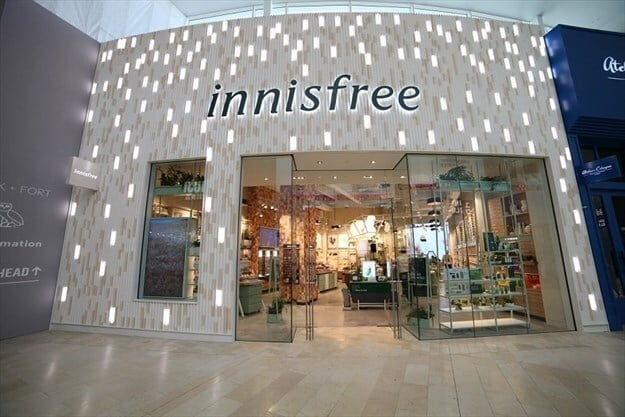
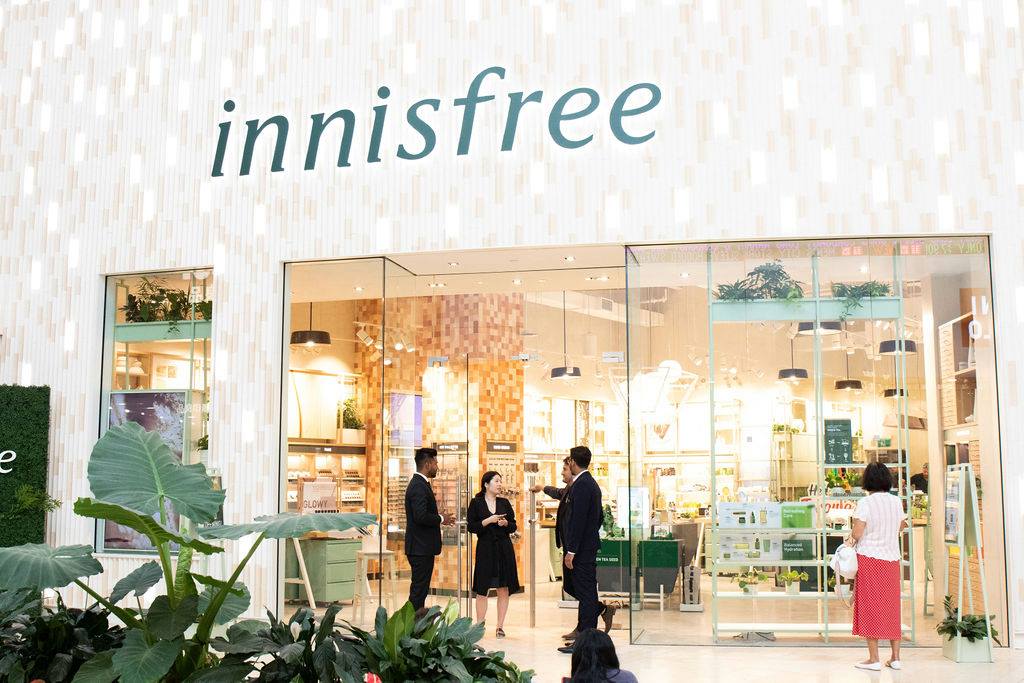
REITMANS’ NEW CF CARREFOUR LAVAL BOUTIQUE PHOTO: REITMANS

Iconic Canadian retailer Reitmans, which has been in existence for close to 100 years, has obtained protection under the Companies’ Creditors Arrangement Act to “facilitate its operational, commercial, and financial restructuring” as it reacts to the negative impact of the COVID-19 (coronavirus) pandemic.

The company, which is a leading ladies apparel retailer with retail outlets throughout Canada, employs approximately 6,800 people and operates 576 stores consisting of 259 Reitmans, 106 Penningtons, 80 RW & CO., 77 Addition Elle, and 54 Thyme Maternity.

“Filing for protection under the CCAA is truly the hardest decision we have had to make as an organization in our almost one hundred years of history, but this pandemic has left us no choice – we believe that this is the only course of action to ensure we remain successful in the future,” said Stephen Reitman, President and Chief Executive Officer of Reitmans, and grandson of the company’s founders, in a statement.

PHOTO: MALL CHAMPLAIN

“We have many strengths: we’re the Canadian leader in specialty retail, we have a strong leadership team and talented employees, great national brands, an omnichannel retail strategy with robust online sales, and most importantly, loyal customers who have been shopping on our websites at a record pace since the start of the pandemic. We will dedicate ourselves to the restructuring of our business, and then we’ll carry on with what we do best: offering affordable fashion and great service to our customers and communities for many years to come.”

The news on Tuesday comes as many retailers across North America struggle with the devastating impact the pandemic is having on the sector. Also on Tuesday, Pier 1 Imports announced that it has filed a motion seeking Bankruptcy Court approval to begin an orderly wind-down of the company’s retail operations as soon as reasonably possible after store locations are able to reopen following the government-mandated closures during the COVID-19 pandemic. J.C. Penney also announced recently it will permanently close nearly 30 percent of its 846 stores as part of a restructuring plan under bankruptcy protection.

Bruce Winder, a retail analyst at Bruce Winder Retail, said this period is the acceleration of retail as a number of forces being felt in retail before the pandemic were hurting companies like the ones that are going bankrupt right now.

“What this has done is this has accelerated those changes. You look at some of the stores that are closed that are going for it (creditor protection and bankruptcy) they were weak anyways. The value proposition was weak. They were not best in class. A lot of them have huge debt on their balance sheet because they were owned by venture capital or private equity,” said Winder. “So they didn’t have the balance sheet to weather the storm. Their business model was outdated. In other words, it wasn’t sort of modern and contemporary.

“So they were going to fall anyway. All this did is push them over the edge quicker.”

Winder said more of this will be taking place in the coming days, weeks and months.

“Sadly you’re going to start to see more of this happen in the next few weeks and even months and it’s all a function of how strong is their balance sheet, how patient are their investors, and where do they fall from a category standpoint. This year will be the story of bankruptcies in Canada, in the U.S. and around the world where you’re seeing the brands who are weaker, the brands who have poor balance sheets, old business models, many of them, not all, are going to have to close down and enter Chapter 11 (U.S.) or in our case (Canada) CCAA.

PHOTO: REITMANS
PHOTO: REITMANS FACEBOOK

“It doesn’t mean that they’re all gone. Some of them will come out of it leaner and meaner but I would suggest that most won’t.”

In a news release, Reitmans said the CCAA process will allow the company to implement a restructuring plan that addresses the impacts of COVID-19 in order to build a more resilient organization that will be positioned for long-term success.

“Throughout this process, the Company will remain fully operational through its brands’ e-commerce websites; all physical stores will re-open in conformity with provincial and regional governmental guidelines. As the restructuring gets underway, the Company will look to optimize its retail footprint in Canada to emerge from this process in a stronger state,” it said.

PHOTO: REITMANS

“The retail landscape has been in constant flux over the past several years, resulting in the evolution of consumer behaviour and purchasing patterns. Reitmans has implemented a successful digital-first strategy, amongst other omnichannel initiatives, to drive sustainable growth in this evolving retail environment. However, the COVID-19 pandemic forced the closure of all retail stores, and pushed the retail industry into a new and unknown era.

“In conjunction with its filing under the CCAA, the Company has undertaken a process to secure an interim financing (DIP) that shall provide the required liquidity to meet all of the anticipated needs of Reitmans and its brands to continue normal operations following the opening of its retail locations and throughout the CCAA process. Reitmans is also in discussion with lenders with respect to a permanent financing upon exit from the restructuring process.”

In its fiscal year 2020 which ended February 1, Reitmans reported sales decreased by $53.5 million or 5.8 percent, to $869.5 million from fiscal year 2019. Net loss for fiscal 2020 was $87.4 million ($1.56 basic and diluted loss per share) as compared with $6.8 million net earnings ($0.11 basic and diluted earnings per share) for fiscal 2019.

Michael Kehoe, Lead Ambassador in Canada for the New-York based International Council of Shopping Centers, called the Reitmans’ court protection a significant event on the Canadian retailing scene.

“The firm has been a pillar within the retailing fabric of the country for a generation and the problems they face are common in these challenging economic times. The firm had faced challenges in the recent past related to unproductive locations, high rents, changing shopping patterns and shifting demographics,” said Kehoe, a veteran of more than 40 years in the industry and broker/owner of Fairfield Commercial Real Estate in Calgary.

“The face of shopping centres in Canada will be forever changed as fashion mainstays like Reitmans with their numerous retail banners will emerge from restructuring with a significantly reduced footprint. Retailing is always changing and evolving and Reitmans will carry on in an era of the omnichannel environment.”

Alberta PR Firm Offers Free Media Strategy Services to Retailers and Businesses Post-COVID-19

STREET RETAIL IN CALGARY.

A Calgary public relations company has launched a unique and innovative initiative to help businesses that have struggled during the current economic crisis caused by the COVID-19 pandemic.

WILD PR is offering businesses a complimentary Post-COVID-19 Revive & Thrive PR Package that outlines how businesses can secure valuable media opportunities for themselves in order to have their stories heard by the community and give their brands a much-needed boost.

Kristen Novak, Founder of the company, said it has put together a package that any small business, regardless of what industry they are in or their size, can use to develop their own public relations strategy and book their own media interviews.

“The reason we wanted to do that is because we know PR is expensive. As a reputation, it tends to be on the expensive side. But we know people’s funds are so limited. We know that businesses have been shut down and people are coming back from nothing. So we really wanted to give a resource to people so that funds weren’t the limiting factor for them to get that press coverage too,” said Novak.

ERICA MORGAN AND KRISTEN NOVAK

“Press coverage gives credibility. It gives you exposure. It really does wonderful things for a business. The bottom line is how can we help small business right now do something to help them come back from this.”

The package is available as a free resource that can be downloaded from the company’s website at https://wildpr.ca.

Novak said the coronavirus has taken a toll on businesses of all sizes and the company wants to be cheerleaders of small business and a support system to help them “come back with a vengeance.”

She said WILD PR wants to equip businesses with the tools to revive their business, get eyeballs on their services or products, and speak to their consumers in a way that resonates to drive business right back up.

“This package is all about the fundamentals so we are going to keep things simple and to the point. Our belief is that you don’t need to know absolutely everything to be able to get media coverage, you just need the foundation,” she said.


View this post on Instagram


Boost your brand for FREE! 🎉 With everything going on in the world, we wanted to do our small part in lending a hand to our fellow small businesses by providing free resources to help support your brand post-COVID-19. We are excited to officially announce the launch of our Revive & Thrive PR Package, which will set you up for success with everything you need to know to land amazing media opportunities, have your story heard by the community and get your business back on top. . We want to be your cheerleaders and support system so your business can come out the other side of these strange times stronger than ever. Here’s to resiliency, to sticking together and to all the new and exciting things we know are within reach for you and your business! . The WILD Revive & Thrive PR Package is available for download at www.wildpr.ca (link in bio) and we are always here to answer any questions you have. . #yyc #yycpr #yeg #yegpr #freepr #publicrelations #covidsupport #lovelocalyyc #shoplocalyyc #supportlocalyyc #yycfree #wildpr #postcovid #yycbusiness #yycbossbabe #calgarybusiness #reviveandthrive #yycentrepreneurs #yycbusinessbabes #bossbabeyyc #yycgirlgang

A post shared by WILD Public Relations Inc. (@wild.pr) on

“We’re a small business ourselves and we have seen and experienced how basically COVID has been wreaking havoc not only on people’s livelihoods but on their dreams too. If you look at so many businesses that have just opened and had to immediately shut down, it’s incredibly sad from my perspective. We’re just looking at what we can do to give back and what we can do to help others at a time like this.”

Erica Morgan, Senior Account Manager of the company, said the initiative is reflective of that spirit in Calgary of everyone wanting to pull together and do everything they can.

“Even though we’ve been impacted, that was something that we had always been in discussion about. What can we do to give back with our resources and our knowledge and abilities. This was kind of the result of that,” said Morgan.

Novak said it is extremely important for businesses to communicate to their customers and clients, especially during a time like this. Customers and clients want to know who is re-opening and how they’re re-opening.

IMAGE: WILD PR FACEBOOK PAGE

“I think there’s going to be a lot of businesses that are coming out of this wanting to get their story heard. But even if everyone’s doing it, you need to find your voice within the masses,” she said.

“If people stop communicating, people are going to think that business is out of business. So you have to keep going. You have to keep letting people know what’s going on.”

Morgan said people place a high value on transparency. When businesses can use that communication to be open and honest with people, they appreciate that even if businesses have to close or change their business model.

“There’s value in showing what’s really going on to your customers and your stakeholders,” she added.

207: COVID-19 2 Month Review, HBC Closing Downtown Edmonton Store

exc-5ec346aaa7afac1ecbcb87a2

This week Craig & Lee review the COVID-19 articles since March, as well as the Hudson’s Bay Company’s announced closure of its downtown Edmonton store.

The Weekly podcast by Retail Insider Canada is available on Apple Podcasts, Stitcher, TuneIn, Google Play, or through our dedicated RSS feed for Overcast and other podcast players.

Article Details

  1. Stores Close and Malls Reduce Hours in Canada Amid COVID-19 Pandemic and Mass Store Closures in Canada Escalate Significantly Amid COVID-19 Pandemic [Update]
  2. Fitness Studios in Canada to See Substantial Changes Post-Pandemic
  3.  Hudson’s Bay Exiting Downtown Edmonton After 207 Years

Subscribe, Rate, and Review our Retail Insider Podcast!

Follow Craig:

Follow Retail Insider:

Listen & Subscribe:

Share your thoughts!

Drop us a line at Craig@Retail-Insider.com. You can also rate us in Apple Podcasts or recommend us in Overcast to help more people discover the show!

Listen on Google Play Music

Share your thoughts!

Drop us a line at Craig@Retail-Insider.com. You can also rate us in Apple Podcasts or recommend us in Overcast to help more people discover the show!

Wild Tea Kombucha Launches Ecommerce Platform for Local Businesses

PHOTO: WILD TEA KOMBUCHA

Calgary-based Wild Tea Kombucha has launched a collaborative one-stop online shop to provide shoppers with easy access to food and beverage and other products from a number of local businesses.

The new ecommerce platform, which is being powered by WTK founders Emily Baadsvik, the company CEO, and Brigette Freel, its COO, have lined up a number of businesses to join the network as consumers change their shopping habits due to social distancing and store closures brought on by the COVID-19 (coronavirus) pandemic.

“Brigette and I were just brainstorming ways once we knew the pandemic was becoming the real thing and we quickly saw the effects of all trends and businesses closing or having restricted hours,” said Baadsvik. “So we immediately wanted to do something to bring awareness to the small businesses in Calgary and try to bring extra sales because it’s the small businesses that don’t have the big multi-conventional distribution. We have to struggle to stay open.

IMAGE: WILD TEA KOMBUCHA

“So basically just on an idea we texted a bunch of our local business friends and then immediately they all replied and it’s just grown organically from there.”

WTK, which has been in business since 2015, has a goal to add more local brands to the platform to simplify the shopping process for Calgary while also helping fellow business owners to stay afloat during these challenging times.

“We’d like to grow it. We haven’t really thought about putting any kind of cap on it yet. So anyone that’s interested is welcome to reach out to us and join us in this little endeavour,” said Baadsvik.

When asked if the concept might continue on when the pandemic is over and times return to a normal state, she said: “It’s going to be just play it by ear. I think that it just depends. If people continue to want home delivery, it’s something that we’re really glad to do and I think that collaborating with our friends and having more than one option besides Kombucha is just smart business.”

EMILY (LEFT) AND BRIGETTE (RIGHT). PHOTO: WILD TEA KOMBUCHA

She said the initiative involves contactless delivery because the company is trying to limit the number of people that are coming to the facility and the contact with the outside world.

“We just want to help the small business community in Calgary,” said Baadsvik. “The thing is a lot of us don’t qualify for the benefits – the 75 per cent wage subsidy. You have to show that your business decreased by 30 percent and when you’re a small business you’re trying to grow every year. So it’s a bit of a weird situation. Even though our sales have gone down they haven’t gone down enough so we don’t qualify. So we have had to lay off some staff.

“Right now it’s just about survival and taking it day by day, week by week. So whatever we can do to lift each other up that’s all that matters.”

The businesses on the platform include:

Wild Tea Kombucha – bottled and canned kombucha and kombucha cider at wholesale, case lot pricing.

Micro YYC – Sustainably grown, nutritious micro greens.

Partake Brewing – Award winning, craft brewed non-alcoholic beer.

Pioneer Butchery & Charcuterie – Locally sourced, naturally raised meats.

Little Tucker – Guilt-free, plant powered snacks.

Nudefood Market Peanut Butter – All natural, sustainable and locally made peanut butter.

IMAGE: SCREENSHOT OF WILD TEA KOMBUCHA ECOMMERCE STORE

Five’21 Roasters – Locally roasted, organic coffee.

Torill’s Table – Norwegian style waffle and pancake mix.

Real Treat Cookies – Unapologetically delicious organic gourmet cookies.

Fitwave Protein Energy Balls – Plant based whole food energy balls.

Sangster’s, Glenmore Landing – High quality vitamins and supplements.

Ganesha Foods – Cold Ground Organic Spices.

Sarjesa – Beautifully crafted teas supporting women’s social programming.

Pilot’s Friend – Organic, natural energy tonic.

Oodle Noodle Plans Substantial Store Expansion in Alberta and Western Canada

Oodle Noodle PHOTO: CANADA247

Being part of the community and giving back to it has been a part of Edmonton-based Oodle Noodle since it was first opened about 12 years ago by Sonny Pham.

And that has been even more important in recent weeks as the authentic Asian restaurant has stepped up to help different charities during the COVID-19 pandemic.

“One of the things we do better than many others is we have a very strong community presence,” said Ziad Kaddoura, general manager of the company, who is mainly in charge of business development and running the day-to-day operations.

“We do donations and charity work throughout the year but since COVID-19 started, every week we’re donating about 300 pounds of noodles and sauces to the different food banks or charities. So far we’ve donated close to 2,000 pounds. And we try to pick different charities.

“The other thing we started doing about three weeks ago is 10 percent of our walk-in sales end up being donated to community charities. And on a weekly basis we’re donating about $3,000 in hard cash money to these local charities. These are charities that are not able to get funding from other people. So they’re very small charities. It could be anything to do with kids that have pressure because of COVID-19. It could be women’s shelters. It could be whatever. That community work that we’re doing is paying back because basically our community has been very supportive of the work that we’ve done.”

The first restaurant was on Whyte Avenue. Today the company has 13 locations with the 14th opening in mid-July in Edmonton.

“They’re all in Edmonton, Spruce Grove, Sherwood Park, and Leduc for now,” said Kaddoura, who has been in the food business for more than 30 years.

SPRUCE GROVE LOCATION. PHOTO: CANADA247

The way the brand has grown in locations is the company looked at the key neighbourhoods where they could put in a store to serve that neighbourhood. None of the stores are cannibalizing other stores but at the same time the brand is serving everyone.

Kaddoura said he doesn’t think the company can grow much more in Edmonton other than maybe up to two or three more stores in the city.

“We’re looking at putting a store in St. Albert. We’re looking at putting a store in the centre north end of the city like the Castle Downs area. Because we have our supply solution and all our product comes pre-packed and pre-portioned it makes it easy for the product to be transported to other cities,” said Kaddoura. “And we have a strong also central support team, so now we’re starting to look at Calgary and we’re looking at opening maybe three stores next year.

PHOTO: UBER EATS

“I do believe that Calgary could see 10 to 12 stores easily. We will be looking at opening a store in Grande Prairie, a store in Fort McMurray. My plan is to move to about 40 stores by 2025 in Alberta. Once we hit the 40 then we can start going beyond and looking at B.C., looking at Saskatchewan, looking at other areas.”

Kaddoura said one of the keys to the business success of Oodle Noodle is how well things are streamlined in its operation.

“Our operation is a very easy operation for any franchisee to take on,” he said. “We have a very strong relationship with our franchisees. We meet quarterly with them making sure they’re happy with what we’re doing.

“The other thing that makes Oodle Noodle very unique is we have our own factory where we produce our fresh noodles and our fresh sauces. We have three different noodles and 12 sauces. So basically putting the noodles and the sauces together gives you a meal. And then we’ve got some rice dishes.”

Location Data Shows the Impact of COVID-19 Restrictions on Shopper Behaviour

A shopper walking in front of shop window at dusk

By: Vladi Shunturov, VP Product – Retail IoT Solutions, Acuity Brands Lighting

COVID-19 has changed (and will continue to change) the way consumers shop in stores and what they elect to purchase and prioritize. When COVID-19 guidelines were enacted, essential retailers had to quickly adapt operations to comply with social distancing regulations. Retailers who had the availability of real-time location data were able to monitor shopping patterns to gain insight into how they can better meet new COVID-19 safety requirements while adapting to what consumers want during this pandemic.

Anonymized and aggregated data from five large North American retailers show a shift in the average shopper journey from mid-March, when shelter-in-place restrictions began to take effect. The data shows a combined 44% increase in paper products, household products and dry goods. At the same time, the data reported a combined almost 50% decrease in shopping for clothes and shoes. The data also showed an 11% increase in traffic to brick and mortar locations during the week of March 9 -16, 2020. From this analysis, it can be easily seen that consumers began stocking up on essential goods as soon as the call for shelter-in-place was made.

Location data helps keep up with changes in shopper habits

An Internet of Things (IoT) sensory network of intelligent lighting installed in stores enables retailers to analyze and take action on the movement and utilization patterns of carts and baskets as they move through the store. The anonymized and aggregated heat maps below show shopper traffic before and after shelter-in-place announcements were communicated.

On the left, the heat map shows relatively normal shopping behaviour for the week of February 17, with traffic dispersed throughout the store. Fast-forward a few weeks to March 11, when WHO declared COVID-19 a global pandemic and the traffic patterns shift dramatically in the same store. As the heat map on the right indicates, shoppers were dwelling almost exclusively around essential goods: grocery, health, household, and baby supplies (formula, diapers, wipes, etc.).

What can retailers do with this information?

Utilizing real-time location data allows retailers to see shopping patterns so they can adapt resources such as where and how to staff employees, what products and/or aisles need to be restocked and how to prepare for peak shopping hours. Additionally, they can use the data to capture the most stagnant times and allocate those time frames for the “at-risk” demographics to shop.

Use data to inform store design in a crisis

Stores can use shopper journey, dwell, and behaviour trend data from this pandemic to retrofit low-traffic departments (e.g., apparel in these examples), to disburse high-demand items. The insights from this data can help retailers create more space for shoppers who are buying in-demand items and can also support social distancing mandates.

Improve Buy Online Pickup in Store (BOPIS) operations

Since Canada clarified the list of essential businesses, many non-essential retailers have seen their businesses transform from receiving only a couple dozen BOPIS orders a day, to quickly having BOPIS orders becoming the only way to enable sales. Mobile wayfinding technology can help new and/or temporary employees find items faster and be more efficient to serve consumers in this new way. IoT sensory networks and location services greatly simplify the common challenges associated with order fulfillment and product search.

Shopper analytics data gives retailers the knowledge required for strategic decisions which can help address associate safety during COVID-19. Detailed understanding of stores and zones with incidence of congestion allows retailers to take immediate action, implement new protocols in near real-time and ensure compliance with local safety regulations.

As retailers prepare for the prolonged effects of COVID-19 on shopper behaviour, adoption of tools and technologies can provide real-time operational insights across a series of store locations. These insights can help a retailer improve customer experience and implementation of safety guidelines while helping to protect their store’s bottom line.


Vladi Shunturov

Vladi is a founder, product leader and innovator in the IoT, data analytics and connected buildings space. He is passionate about solving complex problems using data and building cloud-first solutions with a great user experience. Vladi serves as VP of Product for Atrius - Acuity’s Connected Lighting and Indoor Positioning technology business unit. He was also a co-founder and CTO of Lucid (acquired by Acuity Brands in 2018), maker of BuildingOS - a connected buildings cloud platform used by Facility, Energy and Sustainability management professionals across 500+ enterprise customers and 25,000 commercial buildings to centralize all building operations data (utility, meter, BMS, IoT, asset & maintenance). He is the recipient of numerous industry awards including from the U.S. EPA and the Cleantech Open. He has previously been invited to speak and share his expertise at Autodesk University, CoRE Tech, DisruptCRE, the EPA and DOE, Greenbuild, and at TEDx.

Hope on the Horizon for the Sleep Industry

Coronavirus has ravaged the world’s economies, but there’s hope on the horizon, especially for businesses in the sleep industry. In a recent interview published in Forbes online, the CEO and a co-founder of Simba Sleep Limited, explained that sales had been increasing during the pandemic.

This was especially the case of single mattresses, with consumers self-isolating or just feeling the need for some space from their partner or others in the household. The CEO also revealed he had plans for the business’s supply chain in Canada.

Sleepless nights all around

Simba extended the trial period on their mattresses and it turned out to be a sound decision. Two other smart moves were to highlight the company’s attention to good hygiene in its factories and the importance of contactless delivery. Until the official announcement of the lockdown, sales had dipped, but then the company saw their online sales surge when the nation knew what plans its government had for them. Since then, many people will have been having sleepless nights and the lockdown has made self-care a priority.

Of course, business owners, too, will have spent nights awake, wondering how they’re going to get through this. Simba has some good news for Canada because the CEO is concentrating on building a strong supply chain in the country, as well as in the UK, France and China. The plan is to increase security and reduce lead times. The quicker the production, the faster the business can respond to demand and get its products out there. 

The fact that an overseas business is talking about operating in Canada is good news at a time when businesses have been feeling fear over the future of their livelihoods. The Canadian government did rush to the rescue in March and announce a major package to support them during the crisis. They’ll have quelled a few fears and doubts and the owners will be able to sleep slightly better, but retail businesses, like many others, will still have to fight their way out of this as recession starts to hit.

What was happening before all this?

Long before the coronavirus, the sleep industry had been experiencing a wave of change in Canada. Tired citizens had been shying away from pharmaceuticals and moving towards alternative sleep products to help themselves get that much needed shuteye. White noise machines, weighted blankets, sleep apps and “smart” beds, which moderate the temperature of the mattress, had all been part of a boom in alternative sleep products. Canadians had been giving their health and wellbeing serious consideration. Getting a good night’s sleep had been part of this.

In the UK, an interview with the Digital Director of the online beds company Bedstar, Jonathan Stalker, revealed some interesting trends. Mr Stalker had commented that fabric beds, especially in grey, had become popular with the company’s customers. He explained that ottoman beds had also started to enjoy much more popularity in the last few years.

Additionally, he pointed out the general trend that people were paying a lot more attention to interior design when they bought their beds. Before it had been about buying a bed on which they could sleep comfortably and which suited their requirements; now the bed is the focal part of the room and manufacturers are bringing out upholstery in different colours.

How can retail businesses find their way out of the current situation?

Listen to a few financial podcasts and you’ll find they’re not as gloomy as you’d expect. Some guests on them have been optimistic about the economy, saying that it will bounce back quickly as businesses reopen, consumers make up for lost time and buy all the things they needed but to which they didn’t have access during the lockdown. The question is, how can retailers find themselves out of the situation that the pandemic has created?

Get ready for the built-up demand

People have had to do without lots of different things and when shops open for business again, they’re going to get spending. A lot of businesses will have made cutbacks, but they should revise these now and have steps in place so that they can cope with the high demand when the shoppers hit the streets again.

Work on long-term investments

The slowdown has been a good time to take a long, hard look at operations, processes and platforms. Where are the opportunities? What’s missing? Now is the chance to think about long-term strategic planning and work out how the business can still grow as coronavirus starts to subside.

Think about the problems customers are facing

The lockdown will have created real pain points for consumers. Retail businesses need to work out what these are and how the business can help them. This could involve re-positioning the business or certain products so that customers still see the value of them. Consumers may be worried about managing their money or access to certain goods or services. How does the business address these concerns?

Make the most of new channels

People have still wanted or needed things during this crisis. Businesses have had to embrace certain channels — namely, online — so they can carry on serving their customers. What is clear is that consumers will have adjusted some parts of their lifestyle. When life returns to “normal”, they may find they’re happier going through the channels that, originally, were a plan B. As a result, retail businesses should consider expanding their online operations or improving them and continue running them on this larger scale.

It’s been a frightening time for businesses, but light seems to be appearing at the end of the tunnel, especially for the sleep industry. Consumers are trying to take better care of themselves, which includes investing in getting a good sleep.

Retailers are analysing their operations and studying how they can keep their businesses going now and beyond the crisis. Meanwhile, there’s a sense of optimism about the prospects of the world’s economies, which can emerge from their coronavirus-induced slumber sooner than their citizens might expect.

Hudson’s Bay Exiting Downtown Edmonton After 207 Years

Hudson's Bay at Edmonton City Centre. Photo by Difei Xu.

The Hudson’s Bay Company has announced that it is shutting its 168,000 square foot Hudson’s Bay store in downtown Edmonton this fall, marking the closure of the last remaining department store in the city’s core. It’s a blow to Edmonton’s downtown which in January saw large-format luxury retailer Holt Renfrew shutter and years before that, the closure of Eaton’s and Woodward’s department stores nearby.

The downtown Edmonton Hudson’s Bay store will reopen temporarily on May 19 along with the company’s other Alberta stores. The downtown Edmonton store will gradually close by the fall and employees will be provided with the opportunity to transfer to Hudson’s Bay’s other five remaining Edmonton-area stores which include Southgate Centre, West Edmonton Mall, Kingsway Mall, Londonderry and St. Albert Centre.

Located in the Edmonton City Centre shopping complex, the downtown Hudson’s Bay store moved into its current location in May of 2002. Before that, an Eaton’s department store occupied the space — Eaton’s went bankrupt in 1999 before being acquired by Sears Canada. Hudson’s Bay relocated to its current downtown space after exiting a large building nearby that had been formerly occupied by a Woodward’s store. Before relocating into the Woodward’s space, Hudson’s Bay occupied a massive five-level building 470,000 square foot building on Jasper Avenue that in the 1990s was branded as the ‘Hudson’s Bay Centre’. The Hudson’s Bay Centre shopping complex was a failure and the building was eventually sold and converted to the current University of Alberta Enterprise Square. Remarkably, Hudson’s Bay operated two downtown Edmonton stores for about two years in 1993-1995, including the Jasper Avenue Hudson’s Bay Centre store as well as the store in the former Woodward’s space.

CLICK FOR INTERACTIVE GOOGLE MAP

Last year, Oxford Properties sold the two-block long Edmonton City Centre complex, which includes a shopping centre, office towers and a hotel, to a four-member group of investors. At the time we were told that the group had been considering demolishing the downtown Edmonton Bay store for a new tower to capitalize on the site’s value through densification. Hudson’s Bay had denied that the downtown Edmonton store was closing though in years past, Oxford Properties was said to have been looking to other uses that could have included a Nordstrom store in the Bay space — plans were also in place to add new Holt Renfrew and Target stores to Edmonton City Centre, though plans changed with the downturn in oil prices in 2015 which saw Alberta’s economy collapse.

Edmonton will become the first major city in Canada (with a population of nearly one million within city boundaries) to have no downtown department stores. This puts Edmonton in line with many cities in the United States which over the years have seen the shuttering of all downtown department stores. Winnipeg is likely the next large city to lose its downtown Hudson’s Bay store — the Winnipeg store once spanned 675,000 square feet and was the company’s flagship store for many years until a new Toronto store at 44 Bloor Street West opened in 1974. Downtown department stores also still operate in Vancouver, Toronto, Ottawa, Montreal and Calgary.

Calgary, which has an unofficial rivalry with Edmonton, currently has three department store retailers in the city’s core. Hudson’s Bay operates a 500,000 square foot flagship store and nearby, La Maison Simons operates a 96,000 square foot store. A block away, Holt Renfrew operates a 150,000 square store in a space once occupied by Eaton’s.

In the two largest cities in Saskatchewan, Hudson’s Bay operates downtown stores in Saskatoon and Regina. Both stores relocated to downtown shopping centres from standalone buildings after the demise of Eaton’s. 

INSIDE THE EDMONTON CITY CENTRE HUDSON’S BAY STORE. PHOTO: GOOGLE MAP REVIEWS
INSIDE THE EDMONTON CITY CENTRE HUDSON’S BAY STORE

In downtown Edmonton, the 32,000 square foot Holt Renfrew store closed in January of this year. Half a decade prior, plans had been drawn up to move Holts into a much larger location at Edmonton City Centre in part of the space that was once occupied by a Woodward’s department store. Woodward’s had a 400,000 square foot store which opened in that location in downtown Edmonton in 1974 until its bankruptcy in 1993 — Woodward’s first downtown Edmonton store opened on the same block in 1926. Iconic Toronto-based Eaton’s operated a large multi-level store nearby until its demolition in the mid-1980s to make way for the new Edmonton Eaton Centre, which merged with the adjacent Edmonton Centre to create the single Edmonton City Centre complex in 2002.

The Hudson’s Bay Company founded its Fort Edmonton trading post, focused on the fur trade, in 1795 near the current city of Fort Saskatchewan. Fort Edmonton was relocated to downtown Edmonton in 1802 in the city’s Rossdale area and in 1830, it relocated up the hill near where the Alberta Legislature is currently located. Hudson’s Bay’s first standalone downtown Edmonton store opened on Jasper Avenue in 1890 in a town of only 400 people. In 1905 when Alberta was founded and Edmonton became the capital, Hudson’s Bay expanded its store to three levels after the community grew to a population of 7,000.

Further expansions saw the block grow and by 1956, it encompassed 470,000 square feet on the north side of Jasper Avenue between 102 Street and 103 Street. In 1989, the Hudson’s Bay Company sold the massive Edmonton store to Stewart Green Properties and the Hudson’s Bay Centre was developed with the Bay occupying 118,000 square feet and the remainder tenanted by smaller retailers and food & beverage concepts, which never reached its potential.

THE FIRST STANDALONE HUDSON’S BAY COMPANY STORE IN EDMONTON, JASPER AVENUE, IN 1894. PHOTO: HBC HERITAGE
THE EXPANDED STANDALONE HUDSON’S BAY COMPANY STORE IN EDMONTON, JASPER AVENUE, IN 1906. PHOTO: PHOTO: HBC HERITAGE
THE EXPANDED 470,000 SQUARE FOOT JASPER AVENUE LOCATION IN THE 1950’S PRIOR TO MOVING TO EDMONTON CENTRE. PHOTO: HBC HERITAGE
FORT EDMONTON, 1867 BY GEORGE LORNE HOLLAND BOUCHARD. HBC CORPORATE COLLECTION. PHOTO: HBC HERITAGE
FORT EDMONTON, 1872. HUDSON’S BAY COMPANY ARCHIVES. PHOTO: HBC HERITAGE
BETWEEN 1993 AND 2002, HUDSON’S BAY OCCUPIED THE FORMER WOODWARD’S BUILDING AT EDMONTON CENTRE FACING ONTO CHURCHILL SQUARE. PHOTO: CITY OF EDMONTON ARCHIVES
EDMONTON CENTRE TRANSITION FROM WOODWARD’S TO HUDSON’S BAY. PHOTO: WOODWARD’S FACEBOOK PAGE

The suburbanization of retail has hit the downtown cores of cities across North America hard. The rise of automobiles and the suburban shopping centre saw consumers gravitate away from downtowns, creating competition and reduced foot traffic which proved insurmountable for many downtown businesses. Department stores themselves have become irrelevant over the years in North America. The rise of brands themselves along with retail category killers, discounters and online shopping have all played a role.

The Hudson’s Bay Company was recently taken private by CEO Richard Baker, and it’s unclear what the future holds. Some are speculating that a filing could be at play to rightsize the chain which currently has 89 stores across the country, not to mention other banners including Saks Fifth Avenue.

Sources have said that a concession strategy is in the works for Hudson's Bay which will see departments run by third party vendors for the Bay stores that remain open after a post-privatization restructuring.

Retail Education Program ‘retailu’ Launches ‘Pay-What-You-Can’ Courses Amid COVID-19

PHOTO: RETAILU

The COVID-19 crisis, which forced the closure of thousands of retail businesses across the country over recent weeks, has also provided retailers with an opportunity to engage their teams in professional development during this time.

April Sabral, Founder & President of retailu, an online learning platform that focuses on competency-based leadership development programs for retail managers, said leadership development is essential to store managers, district managers, and higher levels.

“Currently, we are offering our courses to everyone on a pay-what-you-can-afford donation. We have been amazed how many retail managers have taken advantage of this offer and joined, telling us that managers want leadership development,” said Sabral, an experienced retail executive who has worked for companies such as Apple, Gap, Starbucks, Holt Renfrew, and DAVIDsTEA.

APRIL SABRAL ON THE COVER OF HER UPCOMING BOOK ‘THE POSITIVE EFFECT’

“For businesses wanting to purchase for their management teams, retailu is simple and easy to onboard. We literally can have them up and on the platform within 24 hours with no integration. Fully accessible on an employee’s mobile device. After working in operations for over two decades, I understand it needs to be simple. We are adding live lessons for retailu members to support our retailers right now develop their people during this time.”

Retailu recently engaged managers from Huddle Group, a management and consulting firm specializing in retail, to develop their leadership skills, in a time when strong leadership will be required when returning to their stores, dealing with conflict, problem-solving, developing ambiguity, and communication skills. Those skills will all be necessary, especially now.

The Huddle Group’s services range from strategy, analytics, recruiting, and team building to full-service management of Operations, Marketing, HR, Payroll, and inventory control. It provides leadership and expertise to support all areas of retail operations.

“We believe that ongoing employee development is critical to delivering results, keeping our leaders engaged, and retaining the best talent.

The majority of our retail clients are provided with brand-focused training, which connects their product, visual displays and selling behaviours for a seamless/branded customer experience. Building on this foundation, we strive to fulfil our leadership teams’ desire for professional development through ongoing mentoring, coaching and skills development training,” said Jason Sanderson, COO of Huddle Group.

CLICKTHROUGH FOR MORE DETAILS. IMAGE: RETAILU

Sanderson explains, “The sudden change in the retail landscape due to COVID-19, coupled with our clients’ desire to keep their leadership team with full employment, provided us with a rare opportunity to roll out a leadership training program that was able to leverage the ideas and input from our entire team of leaders. We’re proud to work with clients who put their people first, partnering with April at retailu allowed us to seamlessly transition to work-from-home with a full range of leadership training. The online platform of retailu paired with follow up virtual meetings allowed us to continue our commitment to the growth and development of our team, without interruption. This kept our team engaged and set up for success, ready to hit the ground running when the stores reopen.”

Sabral said many retailers took the opportunity during the ‘down time’ to pursue professional training development programs for employees.

“Many people are doing it. However, a lot of people don’t have the content we have. They’re very focused on policies, product knowledge, campaigns and all the stuff that happens on an everyday basis. Still, they don’t have the leadership skills and the competency skills, we even have an online District Manager skill-building course,” said Sabral.

PHOTO: RETAILU

“That’s where we fill that gap, I would say consider us like LinkedIn learning for retail leadership development because that’s basically what we are. The best investment you can make is in your frontline managers, and Huddle Group did the right thing, their managers will go back stronger than ever, engaged and ready to lead. We want more people to discover retailu because the feedback has been so positive from the managers who take the courses,” they always say, “I wish I knew about this sooner.” “ We have managers from Gap to Tory Burch joining retailu.”

“As retailers think about the new norm returning to business, finding solutions like retailu.ca and Huddle Group who together can support operations and training could help retailers save cost and help them with efficiencies. I have known Jason Sanderson COO of Huddle for over 15 years from our time working in operations. Having experienced retail leaders like us supporting retailers could really pay off. I feel like we are like the best-kept secrets of operational support and training and development. The new norm of retail will have to find affordable solutions without sacrificing these two areas, operational support and development of people. We all need to look at the way we run our businesses a bit differently”, Sabral says.

The platform was launched last fall.

Amber Hamilin, Store Manager of Pandora in Devonshire Mall in Windsor, Ontario, said Huddle Group provided the store with an amazing opportunity to complete the retailu courses while working from home these past few weeks.

“This proved to be an impactful growth opportunity for us as leaders. These courses are exactly what we needed and are so consistent with the support we have with Huddle Group.” Huddle Group manages brands such as Pandora, Swarovski, Tous, Soccer shots, and Oshawa Jewelry.

*Partner Content. To work with Retail Insider, contact: craig@retail-insider.com

New Strategies for Intimates Brand ‘Knix’ Drive Strong Sales

INTERIOR OF THE TORONTO KNIX STORE. PHOTO: KNIX

At a time when many retailers are struggling with depressed sales and revenue as a result of the unprecedented COVID-19-related physical distancing measures, some companies are thriving thanks to new and innovative steps they’ve taken to adjust their operations and adapt to the current environment. Toronto-based intimate apparel brand Knix is one example of a company that has embraced new digital strategies, which have translated into strong sales.

“We’ve really had to challenge the way we typically think about doing things and find new and creative ways to do business,” says Joanna Griffiths, founder and CEO of Knix. The company originated as an online business in 2013 and opened its first two physical locations in Toronto and Vancouver last year. Despite its digital roots, however, Griffiths says in-person interaction has always been a big part of the brand’s culture, through regular community events, photo shoots, testing products and other ways of interacting with customers.

The pandemic has forced the company to temporarily close its physical stores and find different ways of engaging customers. One of the first steps Knix took to adapt in March was to accelerate the launch of a ‘Virtual Fittings’ program that had been in the works for some time. The program allows customers to schedule a video chat, during which a Knix consultant can help customers find products suitable for them and assist with determining the right size. The sessions have been very successful so far, Griffiths says, with high demand for appointments and a strong conversion rate.

EXTERIOR OF VANCOUVER STORE. PHOTO: VANMAG.COM


View this post on Instagram


To our loyal customers in Toronto & Vancouver, we have made the difficult decision to close our permanent locations in both cities until further notice. Given the recent developments regarding the COVID-19 outbreaks, we’ve put the health and safety of our staff and of our community first. What we know for sure is that social distancing is one major way we can play our part in limiting the spread of this virus. For us, what may be a difficult internal decision is the easiest human decision we’ll ever make. We’re thinking of each and every one of you during this difficult time, and we will continue to do so in the upcoming days and weeks. One promise we can make is that we’ll be there for you— virtually, always! Our team is dedicated to talking to you, everyday. We’re dedicated to creating lasting relationships with you, getting to know your wants and needs, and of course getting you into your correct Knix size, now and always! Customers, you can find us online at knix.com or knix.ca, 24 hours a day, 7 days a week. You can chat with our support team, give us a call or send us a DM or a comment through our social channels. Send us a note, we’ll try our best to make you smile today. Stay safe, stay inside, we’ve got this. Love, Team Knix. 📲 https://knix.com/pages/contact

A post shared by Knix (@knixwear) on


View this post on Instagram


“400,000 masks and gloves as well as 1000 litres of hand sanitizer. Every week we ship to roughly 75 hospitals, long term care facilities, homeless shelters and other community organizations. For 90% of the places we ship to, we are the only PPE they have received. When we took on this initiative, I didn’t foresee us becoming the critical source for so many organizations, it’s been an honour to help and we are so grateful for your support” @joannaknix on the Knix campaign to get PPE to frontline workers, which has reached almost $500,000 in donations. We knew our Knix community was incredible, but we’re continuously blown away by all of the love and support you have to give. When the world seems to be in a dark place, it’s beautiful to see people coming together to make it much, much brighter. Visit our stories and swipe up to read more on our blog, The Lift! #knix

A post shared by Knix (@knixwear) on

“We’re finding that typically at the start of the week, we’re already at 95-100% capacity for the appointments,” she says. Since determining the right fit is so important with products such as bras and swimwear, the Virtual Fittings program helps customers feel more comfortable buying these products online.

“We’re removing some of the traditional friction points that are associated with buying something online,” Griffiths says. Given the popularity of the Virtual Fittings sessions, she says Knix plans to continue offering the program permanently.

Another adjustment that Knix made in response to the pandemic was to switch its annual warehouse sale, held in April, from an in-person to an online event. The expanded North America-wide reach of the online format translated into a significantly higher volume of sales. In fact, merchandise sold so quickly that what was a three-day event last year only lasted four hours this year.

“We sold more in the first 10 minutes of this virtual sale than we did over the full three days last year,” says Griffiths. “We had a really overwhelming response.”

PHOTO: KNIX
PHOTO: KNIX

At the peak, more than 35,000 customers were shopping on the site at the same time during the sale, which offered discounts averaging between 40%-60% off the regular price.

“For me, it was a very eye-opening experience,” Griffiths says, adding that the virtual warehouse sale will likely become an annual event for Knix. “It really shines a light on the power of e-commerce.”

Knix sales overall have been trending higher during this pandemic. April marked the strongest month in the company’s history in terms of sales, Griffiths says, as demand for loungewear, sports bras and comfortable intimates has been on the rise with customers spending more time at home. Even in March, loungewear sales jumped by 360% over the previous month, according to Knix.

“We’re really fortunate to be in a category that people are still interested in buying,” Griffiths says. “If you look at the broader consumer trends of what it means to be working from home, they want to be comfortable.”

Griffiths also attributes some of Knix’s recent success to its efforts to support healthcare workers during the pandemic. Specifically, the company launched a fundraising campaign in March to donate personal protective equipment (PPE) to Canadian hospitals. She says that initiative has strongly resonated with Canadians, given the significant challenges associated with PPE throughout this pandemic.

“We’re doing a lot to give back and support the community,” Griffiths says, “so that’s one factor that I think that is pertinent to the success we’re seeing.”