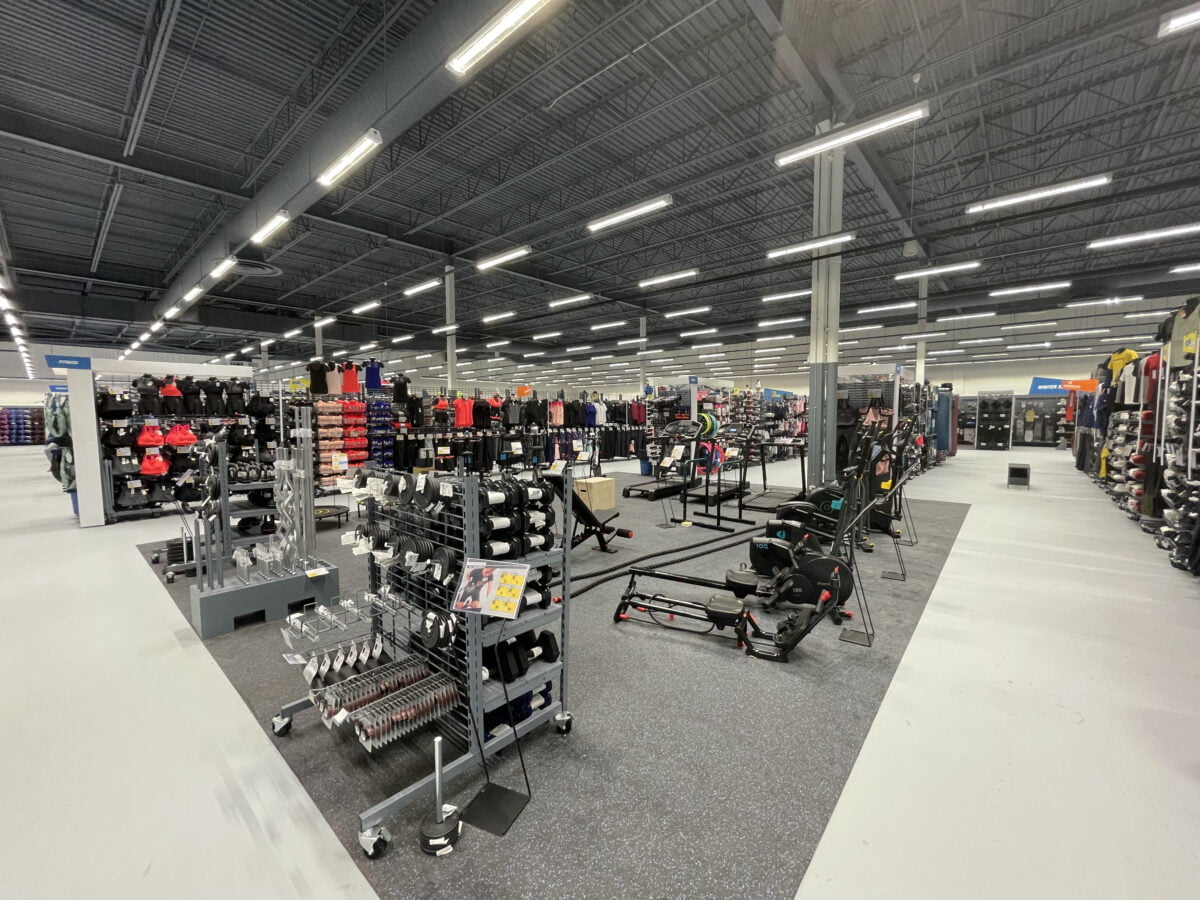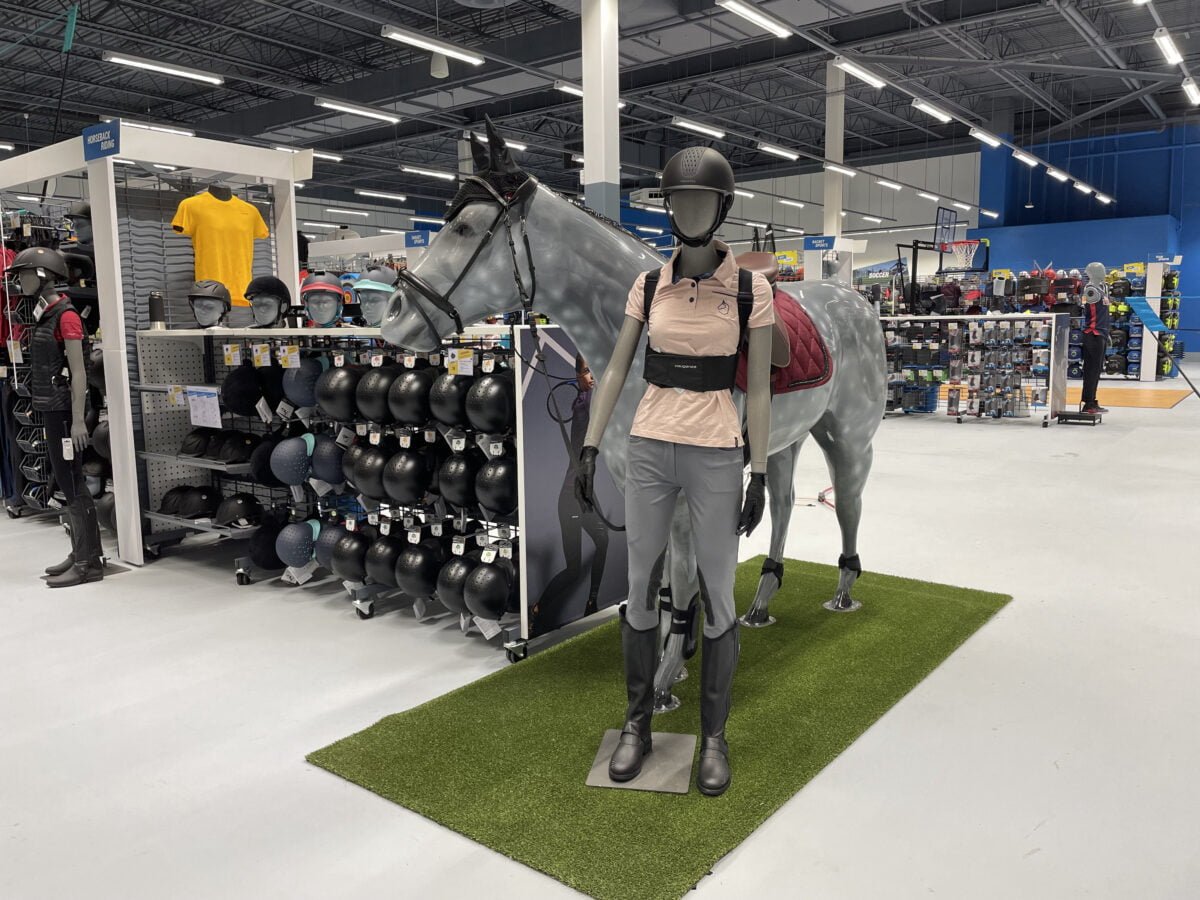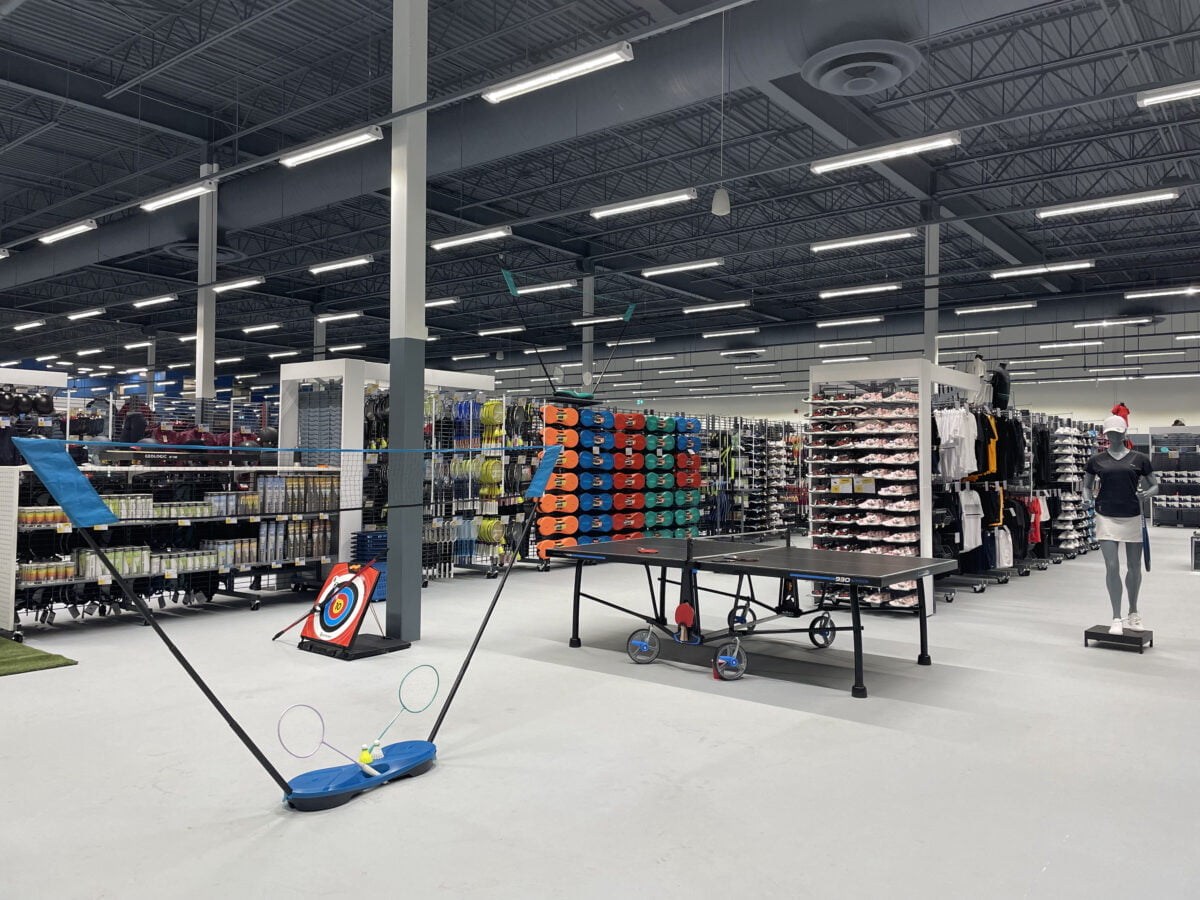
Northern Reflection Store in Cherryhill Village Mall in London, Ontario. Photo: Cherryhill Village Mall
Canadian women’s retailer Northern Reflections is poised to grow after a corporate and financial restructuring process that is being supported by JAMCO Capital Inc., a Vancouver-based venture capital firm.
Christopher Kape, President of JAMCO Capital, said Northern Reflections, which was founded in 1985, has been a mainstay in the Canadian retail landscape for decades, and “this restructuring event ensures it will continue to bring its much-loved ladies wear to Canadian women across the country for years to come.”
JAMCO is a family office/venture capital firm that actively invests its own capital and puts its operating knowledge into a very diverse group of companies.
Christopher Kape
“We’ve not done anything in the retail space until now. We’ve mostly focused on the ecommerce, online space over the last 20 some odd years. But we are agnostic in our industries. It just so happens that most of the industries that we’ve invested in have been wellness or skin care or online gambling around the globe, which in and of itself has paid off tremendously in the last few years just because of the changes in the legal landscape in that industry,” said Kape.
Northern Reflections delivers moderately-priced fashions nationwide, strategically focused on the largely underserved demographic of women aged 45 and over.
“To be honest, the retail space has never been that attractive in so far as how fast it was growing. It was a mainstay of course of the economy but when you looked at the ‘new economy’ from 2000 onwards, everything was focused on hyper growth in the online space. We were always attracted to that. We always look for ways to achieve higher returns with our capital,” said Kape.
“The reason why Northern Reflections became something exciting for us is because 2020 of course was the worst year on record for Canadian retailers — it might have been the worst year on record in the history of the world for any retailer. When you’re chasing opportunity, it’s like the stock market, you kind of look for diamonds in an industry where things have been kicked down quite a bit. Certainly COVID has presented a tremendous amount of challenges during the last year and a bit. But many companies in retail have slimmed down as a result of COVID, have renegotiated with landlords and suppliers in an effort to stay afloat. Almost everybody is operating as lean and as efficiently as possible.
1 of 2
Northern Reflections store in Intercity Shopping Centre in Thunder Bay, Ontario. Photo: Intercity Shopping Centre
Northern Reflection Store in St. Albert, Alberta. Photo: Google
“For some retailers that still has resulted in CCAA (creditor protection) filing or some sort of court order protection or in some cases a full on bankruptcy. In other words, that’s resulted in a very slimmed down and lean operation. Northern Reflections was somewhere in the middle of there. It has done everything it could but it still needed some capital to get to the other side of COVID and the reason why it needed that capital is they were under tremendous stress to repay back their asset based lending. I won’t say who the lender is but it is one of the Canadian banks.”
Kape said JAMCO looked at a number of other deals including a high profile one which he can’t name. The company had touched base in the past year with different ABL groups letting them know that if any retailers came to them with problems and needed some capital injection JAMCO might be interested. The venture capital firm then began to receive a number of inquiries.
“Northern Reflections is one of those darlings. It operates in a great space with fewer competitors, even fewer as a result of COVID. It’s really cleaned itself up. It has quite a number of employees. It’s a good Canadian company. A nice business to save. And it had a lot of appeal from the perspective of the fundamentals of the business,” said Kape.
The JAMCO investment will allow Northern Reflections to maintain its 135-store footprint from coast to coast along with its approximate 800 jobs.
“This has been a collaborative achievement that brought together all our stakeholders: our dedicated employees, manufacturers, suppliers, landlords, vendors and others,” said Lalonnie Biggar, president of Northern Reflections. “Like so many other retailers, COVID-19 brought unforeseen challenges to our operations. Now, thanks to the significant financial support of JAMCO, we are set up for success as we emerge from this period as a stronger, more efficient and better focused organization.”
Kape said Northern Reflections has migrated to newer ways in having customers interact with the retailer including purchases over the phone, curbside pickup, and ecommerce.
“And we’re talking about an older demographic of women in Canada and they were a little bit resistant, not as a full group, but it’s a little harder to move people to the online space when they’re in their 60s, 70s. We took a lot of time in showing them how beneficial it was to utilize all these new tools we had available to them to continue their shopping,” he said.
“The company knows its customer base quite well. The managers and employees in the stores are actually on a first name basis with many of their customers and they were able to really guide them through the processes via phone or via email in all these other ways to do things. And we did have an uptick in that type of shopping by quite a substantial percentage. It didn’t of course account for replacing the loss in bricks and mortar sales but it certainly was a great uptick.

“As far as growing from the 135 store footprint, there’s a tremendous amount of opportunity once COVID is kind of abated. Many of our competitors are either under court protection or have closed completely. We believe that with a few of these groups out of the way, it lends itself to a new landscape for us where our competition is a little less and where we can open up new stores in shopping centres and facilities that maybe were unavailable to us before in the sense that they were very expensive for the lease rates or there were competitors in the area that made it a little bit hard to justify opening in those locations. Now the landscape has completely shifted such that we will be able to roll out into these new areas.”
Northern Reflections’ office is based in Toronto and will remain there. The entire employee base will be kept including the executive management team.
“Canadian household spending decreased in 2020 by quite a substantial amount of money, lending itself to a huge amount of savings. The last figure I read was over $200 billion and most of those Canadians . . . are all interested in getting back to what I would include the new normal which has to include socializing, getting out there, restaurants, going to work. Even if it’s going to change, it’s still going to require a lot more outward focus. With that savings, with that extra money, with the ability to go back out, and quite frankly a lot of us have gained a little bit of weight and with the fact we’ve gained some weight we need a new wardrobe,” said Kape.
“We anticipate that the retail sector is going to see a big resurgence once COVID is behind us. People will have to go shopping. They will have to go get new clothing. And it’s one of those things that’s very hard to do online exclusively. This is where I could see the true opportunity for JAMCO.”
A partnership has been announced with an aim to provide small and medium-sized businesses in need with the tools required to succeed in a changing retail world. Lightspeed, a leading provider of cloud-based, omnichannel commerce platforms, has announced a partnership with TABIA’s Digital Main Street (DMS).
The partnership will utilize Digital Main Street’s ShopHERE initiative, which was established in collaboration with the City of Toronto in May of 2020 to help build and optimize online stores for Toronto’s independent businesses and artists amid the COVID-19 pandemic.
Lightspeed says that it is also committed to supporting the other Digital Main Street programs and support offerings, joining in the mission of helping as many SMBs grow through the adoption of digital tools and technologies as possible.
“At the heart of every thriving community is a healthy main street. Providing businesses with the right digital tools to adapt and succeed is what Lightspeed does.” said Peter Dougherty, Vice-President of Partnerships at Lightspeed. “With DMS, Lightspeed will have a greater opportunity to help SMBs access and benefit from our omnichannel solutions. We remain focused on driving innovation and delivering those democratizing tools, so that we can all come back to a stronger, healthier and more diverse post-pandemic economy.”
To be eligible for the ShopHERE program, businesses must be registered in Ontario, and have fewer than 10 full time employees (or fewer than 25 employees if they are a cafe, restaurant, or bar). Additionally, businesses cannot be part of a corporate chain or franchise.
“We are thrilled to welcome Lightspeed to our group of partners in support of Digital Main Street.” said John Kiru, Executive Director of the Toronto Association of Business Improvement Areas and founder of DMS. “Now more than ever small business owners across the country need to continue embracing the concept of Digital Transformation not only as part of their recovery but also to thrive in the ever changing consumer landscape. Bringing Lightspeed on board with their focus on omnichannel will be a welcomed addition and support resource for our business community.”
Through this partnership Lightspeed and DMS are aiming to help create resilience within the small and medium-sized business retail landscape — pushing innovation that will future-proof the economy by stimulating economic growth and equipping businesses with the technology to take on any challenge.
“As local economies continue to deal with the impacts of the pandemic, our government is committed to ensuring that our small- and medium-sized enterprises don’t just survive, but thrive,” said the Honourable Mélanie Joly, Minister of Economic Development and Official Languages and Minister responsible for the Federal Economic Development Agency for Southern Ontario. “We are proud to support the partnership between Digital Main Street and Lightspeed and look forward to seeing the impact the platform will have on future proofing small businesses in our communities.”
Competition for talent in the retail industry has always been fierce in Canada. Sadly, the retail industry has one of the highest turnover rates in North America, and it is a challenge to find and retain talent in this sector.
The current pandemic has undisputedly exacerbated the problem. Disproportionately affecting the retail industry with massive furloughs and layoffs, it has left thousands of workers without a job. One therefore assumes that when establishments reopen in full, there will be a large pool of eager candidates to choose from.
But it’s quite the opposite that is happening. Many employees have left the retail sector all together, either moving away from major urban centres or avoiding frontline positions due to anxieties over safety, health, and wellbeing. In addition to those concerns, the poor renumeration, lack of recognition and absence of career path are ongoing compounding effects.
The consequence will be a dearth of talent and loss of expertise in the retail industry that will affect every business and overwhelmingly the specialty and luxury retailers who rely largely on physical spaces for growth and brand awareness.
Managing the situation has never been more urgent. Experts have suggested various solutions from increasing remuneration to allow employees to have a viable salary to overhauling the HR departments to make them more “marketing oriented”.
These propositions are all commendable and certainly necessary, but unfortunately don’t address the root of the problem: The pervasive belief amongst retailers including specialty and luxury ones that their front store staff are not highly valuable members of the company’s overall human capital.
A paradigm shift is necessary if things are to improve. Retail management and leadership must recognize the inherent importance of customer-facing employees and put adequate measures in place to ensure that they not only return to retail but also thrive, grow, and stay. There are 3 sine qua non factors to attract and keep people: Better compensation, training, and career planning.
Compensating Well
The retail industry has long suffered a reputation for low compensation, and improvement has been slow despite numerous studies showing the benefits of paying staff well. In 2015, when some prominent US retailers decided to increase their minimum wages in an effort to curb turnover, their move was immediately questioned. Weren’t they risking “the wrath of investors by forking over more money to their least-valuable employees?”
While investor concern is admirable, what is shocking is that front-store employees are considered expendable. This stance is unfortunately alive and well in the retail world, including at some luxury and specialty retailers who fail to appreciate the inherent value provided by store teams. However, with the physical store under threat and the customer now king, it is vital to acknowledge the importance of store employees.
Gone are the days when retailers could just hire “bodies” for the stores. Today, they need the best talent available and to attract them, paying well is the first step. When one knows that poor compensation is a recognized source of employee dissatisfaction and that disgruntled employees tend to deliver subpar performances, eventually leaving the business altogether, it seems unreasonable to ignore the issue.
To overcome this, some experts have recommended an increase of the minimum wage. While doing so would elevate the industry as a whole and benefit the average individual, it won’t solve the lack of talent problem as it levels the playing field without making a significant difference in terms of vying for and rewarding the best candidates.
In view of the rapidly shrinking talent pool, the truth is that remunerating adequately is too little, too late. Multiple studies have demonstrated that one of the most effective ways to vie for the best talent is through better compensation packages. Therefore, specialty and luxury retailers must pay substantially higher wages and provide other benefits to attract and retain the finest talent. Doing so will entice superior candidates who are more engaged and deliver greater returns on investment. Employers can hold them to higher standards and expect more of them. “Paying good wages is not altruism,” says Jim Sinegal, CEO of Costco, “it’s simply good business.” Only retailers convinced of that fact will have a chance to survive and thrive.
Training Cannot be an Afterthought
Together with higher wages, retailers must offer employee training and development. Doing so leads to better job performance and greater confidence. Employees are more skilled and knowledgeable, and deliver enhanced customer service which in turn triggers a direct improvement to the company’s bottom line.
Surprisingly, few retailers invest in comprehensive coaching. They either lack the proper training tools, believe on-the-job training delivers adequate results or hire someone else if the current candidate doesn’t work out. Even when training is available, it rarely addresses the blatant skills gaps. One of the most critical is “sales” aptitude.
It is common knowledge that many “sales associates” cannot actually “sell” and are nothing more than glorified cashiers. Retail expert Pamela Danziger sounded the alarm in 2018 stating that having warm bodies on the sales floor was simply not enough to meet the customers’ evolving expectations and that “stores should staff to maximize sales and profits, not to minimize costs.”
Granted, retailers might have overlooked the need for true salespeople in the past when retail was largely product-driven, and brands could spur demand through elaborate marketing campaigns. But the emotional intelligence needed to sell is a skill that can no longer be ignored. The days of the uninspiring retail associates are over. Today’s retail personnel must be experts in their domain, highly knowledgeable about their industry and their products, capable of developing noteworthy relationships with customers that last over time. They connect and engage with shoppers to ultimately inspire them to purchase. Teaching employees to do so is not that hard but it requires a willingness from the employee to learn and a deep commitment from leadership.
Yet, retailers still argue that the cost of training outweighs its benefits. They are missing the point when they forgo this critical step in employee management and ignore the high cost of turnover to focus on short-term benefits. In North America, turnover represents 16% of the average employee salary. It impacts every aspect of the business from productivity and customer engagement to employee morale and overall perceived organizational culture. Replacing departing employees is significantly more expensive than retaining them.
Retailers may also blind themselves to future possibilities. Providing superior training is an expense, but one that is quickly amortized by revenue growth, increased customer engagement and turnover decrease. In an industry with growing e-commerce capabilities, the client who visits a physical store expects nothing less than superior expertise and competence and that can only be delivered through comprehensive training.
Career Path Planning is Key
One future benefit of having well-trained and competent team members is that it builds a pool of strong candidates who are groomed for growth opportunities within the organization. Training not only allows retailers to give teams more satisfaction and self-confidence, challenging work, and more autonomy, it also sets them up for advancement. What retailer wouldn’t want to retain its best and brightest to move them up the company’s ladder?
Unfortunately, career planning is rarely addressed in retail and when it is, the timing is often wrong. Talking about future career options must be done upon hiring if retailers wish to remain competitive in the marketplace. This ensures they are perceived as an employer of choice since providing a clear career path is a critical part of the equation. According to consulting firm Mercer, 44% of employees say that they would stay longer with their current employer if they knew their career path. Without one, a third of employees see their employment as a job, not a career.
Discussing the issue during the interview also allows employers to get a sense of the candidate’s drive and ambition, further enabling them to better tailor their hiring selection. Once the candidate is hired, the career journey is then included in his or her development plan, so long as key milestones are achieved, allowing for better human capital forecasting. When one knows that it takes companies an average of 52 days to fill an open position and find a suitable candidate (the equivalent of 2 months of resources), it makes sense for companies to invest in the talent they already have and build strong succession plans.
Retail Needs Committed Leaders
Luxury and specialty retailers are faced with a tough challenge addressing the dearth of talent in Canada. It is one that takes long-term commitment, conviction and a clearly executed strategy. When leaders start really crunching the numbers, they are bound to realize that not implementing changes will not only be detrimental to their company in the short term, but also in the long run. They would be foolish not to commit to focus on hiring, training, and retaining the best talent.
A non-profit organization founded by Zeynep Ton, a professor at the MIT Sloan School of Management, calls such an employee-centric strategy, the Good Jobs Strategy. Triggered by the competitive landscape, some companies have implemented such a strategy recognizing that engaged employees are more productive, provide better service and are less likely to jump ship – an especially significant concern in retail where turnover was, before COVID, at an all-time high.
The Good Jobs strategy is not something that is done overnight, but once retailers are convinced that labour cannot be viewed as a cost to be minimised but as a driver of sales and profits, it is considerably easier to carry out. They are able to create a virtuous circle where investing in employees drives excellence in operational execution, in turn boosting customer satisfaction, sales and profits, and allowing for a larger labour budget.
If Costco is able to pay 22$ an hour despite being a low-cost retailer and still be profitable, it is absolutely possible for luxury and specialty retailers to offer significantly higher wages. After all, those retailers typically benefit from making luxury margins. Leaders must commit to use some of their profits to invest on their most important assets: The associates who face their customers and generate revenues every day.
Solange Strom
Solange Strom, visionary and entrepreneurial retail executive with a track record of driving growth through employee-centric strategies. 25 years helming global brands such as Boiron, L’Occitane en Provence and Repetto Paris. Founder of the Radical Retail Method, a training program aimed at supporting retail organizations in their quest for excellence. To contact Solange visit www.solangestrom.com.
Photo: Frederic Dimanche
Frederic Dimanche is a Professor and Director at the Ted Rogers School of Hospitality and Tourism Management at Ryerson University. He has thirty years of professional and academic experience in service marketing and consumer behaviour, particularly in hospitality and tourism. His academic experience includes in the USA, France, and Canada.
Purolator announces the launch of fully electric curbside-delivery trucks and electric–cargo bikes (e-bikes) in Vancouver.
Purolator announced this week that it is launching fully electric curbside-delivery trucks in Vancouver — the first to be launched nationally by a Canadian courier company.
The new 18-foot electric delivery trucks and electric cargo bikes (e-bikes) expand Purolator’s fleet of innovative eco-friendly vehicles already in use on the streets of Montreal and Toronto, it said.
Purolator’s new electric delivery vehicles are built on Ford’s F-59 platform and electrified by Motiv Power Systems. Motiv’s Electric Power Intelligent Chassis (EPIC) is a market-leading platform for delivery vans. Purolator’s deployment of this technology marks Motiv’s first collaboration with a company in Canada.
John Ferguson
Like many courier companies, Purolator has seen its residential deliveries soar by about 50 percent in the past year as a result of the COVID-19 pandemic, as demand for transportation and courier services continues to grow.
The company said the use of electric vehicles will cut down on noise and pollution and the new vehicles will reduce greenhouse gas (GHG) emissions by 24 metric tons per year (per vehicle).
“At Purolator, we’re committed to adapting intelligently and providing sustainable solutions for the unique challenges of urban growth, the rise of e-commerce and unprecedented volumes of home deliveries,” said John Ferguson, President and CEO of Purolator. “Transforming our infrastructure and fleet is a key focus area of our growth and innovation strategy, and the cornerstone of our commitment to reduce our environmental footprint.”
Paul Merrick, General Manager, Western Canada for Purolator, said the Vancouver market will start with five electric trucks and an additional four of the low-speed electric cargo bikes.
Paul Merrick
“The electric cargo bikes are a pretty neat solution for us. We’re still working through the best application. Currently we’re running five in Montreal. We call them e-bikes. Basically they are electric-assisted pedal bikes. Almost like a tricycle. Single front wheel, two wheels at the back and a removable cargo container sits on the back and the courier pedals with electric assist and completes the delivery from a small removable container that sits on the back. The neat thing about those is you can load multiple containers so because they’re obviously a much smaller cube capacity, you can break it down into three containers — load one, courier does deliver, comes back, loads another one, and can complete more deliveries,” said Merrick.
He said the company has been working with the latest technology for some time now to reduce greenhouse gas emissions. The company has 315 hybrid vehicles in the fleet.
“We’ve also been working with an electric option for some time. We’ve had an electric vehicle we’ve been working with for many years now and just sort of learning from. It’s just the natural evolution in the technology. As the technology evolves it just becomes more practical for us to deploy the solution,” said Merrick.
“It will be something we continue to work with and continue to electrify wherever it’s possible and reduce greenhouse emissions.”
Merrick said ecommerce was already, prior to COVID, on a fairly significant growth trajectory. What COVID did was accelerate that.
“We were already involved in and embracing and continuing to adjust to high residential demand driven by ecommerce and now you’ve got this significant growth. That aligns with the desire to be more environmentally responsible as a company but also to work with cities that are demanding that of service providers,” said Merrick.
“You’ve got the mutual benefit of reduced congestion, noise and air pollution, greenhouse gas emissions. Then you’ve got this kind of market change, consumer change, where certain technologies and certain solutions become more practical with the ability to deploy them and they’re available. They also make better sense. The opportunity to deploy them with multiple benefits across multiple stakeholders you get this alignment that makes sense.”
1 of 2
Purolator announces the launch of fully electric–cargo bikes (e-bikes) in Vancouver. Photo: CNW Group/Purolator Inc.
Purolator announces the launch of all electric 18-foot delivery vehicles in Vancouver. Photo: CNW Group/Purolator Inc.
Motiv Power System was founded in 2009 and is headquartered in the San Francisco Bay Area. It describes itself as a sustainable technology company delivering electric truck and bus chassis and related charging infrastructure. Motiv’s proprietary and California Air Resource Board (CARB)-certified electric vehicle (EV) technology operates at over 98 percent uptime today and uses high-performance BMW batteries for many configurations, including step vans, box trucks, work trucks, shuttle buses, school buses, trolleys, and more. Motiv has delivered 120 vehicles that have travelled more than one million miles across North America.
The company says its solutions not only offer fleets up to 85 percent operation and maintenance cost savings, but also provide operators with a healthier and more comfortable driving experience without polluting the communities they serve.
“The introduction of all-electric vehicles into Purolator’s fleet is a critical step in reducing their GHG emissions and helps to advance our mission of freeing fleets from fossil fuels,” said Matt O’Leary, Chairman and CEO of Motiv. “We applaud the organization’s commitment to implementing innovative and sustainable technologies and look forward to working alongside them to modernize their fleet and delivery solutions throughout Canada.”
The use of non-standard vehicles in the supply chain network is becoming increasingly more popular including autonomous vehicles.
Recently, Retail Insider reported that Gatik, an autonomous technology company deploying autonomous vehicles for B2B middle mile logistics, was awarded $997,706 in support through Ontario’s Autonomous Vehicle Innovation Network’s (AVIN) R&D Partnership Fund, along with $8,000,000 in industry contribution, to winterize its autonomous driving technology.
Gatik has major retail partners such as Walmart and Loblaw. In late 2020, it expanded its retailer presence into Canada with a partnership in the Greater Toronto Area with Loblaw.
Also, Retail Insider recently reported that Canadian Tire is teaming up with Toronto-based startup NuPort Robotics, Canada’s first autonomous trucking company, to partner with the Ontario government to invest $3 million to undertake an automated heavy duty trucking project to test a first-of-its-kind-in-the-world technology.
The automated trucks are currently transporting goods between a Canadian Tire distribution centre in the Greater Toronto Area and nearby rail terminals within a 20 kilometre radius.
Numinus Wellness Inc., a company creating an ecosystem of health solutions centered around the safe, evidence-based and accessible use of psychedelic-assisted psychotherapies, has plans to expand its footprint across the country.
Stacey Wallin, Chief Strategy Officer and Co-Founder, said the company is headquartered in Vancouver with locations in Nanaimo on Vancouver Island and in Montreal.
The company was started in 2019.
“We’re a mental health and wellness leader, specifically with expertise in providing what we call psychedelic assisted psychotherapy — really actually from the supply of psychedelics all the way through program development and into therapy delivery,” explained Wallin.
Stacey Wallin
“We really have three different business units. The first one is our Numinus Bioscience lab which is licensed by Health Canada to do a variety of research activities and provide contract services for a range of psychedelic substances. At the lab we do things such as analytical testing or the development of formulations, production of final products. We can actually sell and supply to other clinical researchers or licensed groups.
“Then we have an R&D unit and this unit trains therapists, develops therapeutic policies and protocols, and actually leads and conducts clinical trials. This is really our testing ground where we R&D everything that we do.
“Lastly we have our Health unit where we provide actual client-facing therapy and supportive services delivery. This is via specially-designed clinics and also via virtual platforms.”
Currently, the company has three clinics — two in Montreal under the name Mindspace Wellbeing, and one in Vancouver.
The Montreal clinic, which Numinus acquired, is an example of what the company can do as it has about 40 practitioners and offers a variety of services such as psychology, psychiatry, counselling, and mindfulness.
“Numinus spelled the way that it would normally be with an ‘ous’ at the end is actually like the presence of divinity or having a strong religious or spiritual quality or suggesting the presence of divinity. There’s a couple of different definitions but it’s really around being mysterious or awe-inspiring or arousing spiritual or religious emotion,” added Wallin.
Numinus treatment room. Rendering: De Style Design
“We offer a variety of different therapies. So we do psychedelic therapies which are used alongside a host of other offerings which can include psychotherapies, mindfulness practices and lifestyle options. This is a combination of traditional one-to-one in a psychotherapeutic offering as well as our psychedelic-assisted therapy protocols as regulations allow. And then also relationship centred or community centred care with different protocols for different kinds of patients where we’re cultivating community and peer forms of healing.”
Numinus is a leader in the industry as the first public company in Canada to receive a licence to produce and extract psilocybin from mushrooms, the first to complete a legal harvest of psilocybe mushrooms using this licence, and the holder of a Health Canada dealer’s licence to import, export, possess, test, and distribute MDMA, psilocybin, psilocin, DMT, and mescaline.
Don Gregor
Don Gregor, Executive Vice-President of Aurora Realty Consultants Inc. — which is handling the real estate side of things — said the company will be looking at developing a hub and spoke type of rollout across Canada.
“The idea being that there will be the community-based spokes which will offer conventional psychiatry, psychology and the typical types of services you would get in a lot of one-on-one treatments, a lot of talking with a counsellor, and after a number of sessions people may be referred to a larger hub facility where they would potentially get additional medical treatment,” said Gregor.
These facilities will be located in traditional and non-traditional medical, office and retail commercial real estate facilities with emphasis on client access and convenience, said Gregor.
“The community-based clinics will probably be about 2,500 square feet on average. Maybe 3,000 square feet and they’ll have a conventional office type of feel to them. What Numinus had really engaged us for is they want to try and get away from the conventional medical feel of the clinic and get away from the stigma associated with mental health,” said Gregor.
“So we’re really going to try and avoid the real medical building, medical clinic type of scenario. They approached us to try and make it more mainstream and make mental health, part of what everybody’s talking about and open the discussion and make it more part of people’s lifestyle. We’ll be considering street fronts. We’ll be considering potentially grocery-anchored shopping centres for these smaller community hubs.
“The larger hub facility that the spokes will feed will probably be about 8,000 to 10,000 square feet, possibly as large as 12,000. And they will be built with more medical consideration. There will be treatment rooms and specialty electrical HVAC and temperature control.”
Wallin said a number of factors will determine how many locations the company eventually opens. Those include finding the right and available space in the right locations.
“At this point, we’re not disclosing a number but we do have a really ambitious growth strategy in place for this year above and beyond acquiring Mindspace and (the Vancouver location) but I can’t disclose specifics at this time,” she said.
Expansion by the company is targeting both acquisitions and purpose-built facilities.
Recently, Numinus announced it has closed a bought deal financing of 28 million units of the company at a price of $1.25 per unit for total gross proceeds of $35 million.
Payton Nyquvest
With the close of the offering, Numinus now has $65 million on hand and it said it is well capitalized to act on revenue-generating growth initiatives including the Numinus Bioscience lab expansion, clinic acquisitions and purpose-built flagship facilities.
“I want to thank our investors for their overwhelming confidence in our vision of bringing forward safe and evidence-based approaches to mental health challenges, including through the delivery of psychedelic-assisted psychotherapies,” said Payton Nyquvest, President and CEO of Numinus. “Millions of people struggle with depression, anxiety, trauma, pain, and substance use, and are seeking novel approaches that are intended to cure rather than manage symptoms. Our financing puts us in a strong position to drive much needed innovation in mental healthcare and provides the necessary resources to create new ways to support healing and wellness.”
The offering’s net proceeds are expected to be used to acquire and build local community clinics and flagship facilities offering a wide variety of amenities including psychotherapy, health and wellness services and, when regulated, psychedelic-assisted psychotherapy. The remaining net proceeds will be used for general working capital purposes.
BarterPay office in Stoney Creek. Photo: BarterPay
BarterPay has partnered with the Retail Council of Canada to launch a grant program that will distribute $25,000,000 in value to retailers through Barter Credits™. The initiative aims to help independent retailers across Canada in their recovery from business challenges due to the COVID-19 pandemic.
The process aims to be simple. Upon opening an account, BarterPay will advertise the retailer’s idle inventory to its established network of BarterPay members for Barter Credits™ at full retail value. One Barter Credit™ equals one Canadian dollar and is supported by the Canada Revenue Agency (CRA).
Once the retailer earns 1,000 Barter Credits™ through the trade of its inventory, BarterPay will match and provide the retailer with an additional 1,000 Barter Credits™ in the form of a grant. This gives the retailer 2,000 Barter Credits™ that they can utilize back within the BarterPay ecosystem to offset some costs. Regardless of who acquired their inventory, the retailer can take these newly earned Barter Credits™ and redeem for anything on the system like PPE, printing, advertising, employee gifts, construction, signage, web design, social media management and so much more.
BarterPay aims to help Canadian businesses convert, at full retail value, their unsold time and space and/or idle inventory, their ‘spare capacity’ into Barter Credits™. Instead of typical one-to-one bartering, it’s a one-to-many ecosystem where BarterPay members are able to exchange what they have to get what they need in an organized way. Through Barter Credits™, retailers can trade their idle inventory for other goods and services and acquire some things they need at their wholesale cost of goods rather than dipping into cash.
“The retail industry is suffering tremendously right now and we’re eager to help” said John Porter, Founder and CEO of BarterPay. “Prior to COVID-19, all businesses had some spare capacity, but we’re in a situation right now where downtime and idle inventory is magnified”, says Porter.
Diane J. Brisebois
“It’s a tragedy to see so much product sitting idle where the value is not being monetized. By leveraging BarterPay, retailers can capture full value for slow-moving goods and then redeem it for what they need, all while keeping precious cash in the bank. The time is now for BarterPay to step up and deliver as much value as possible to Canada’s retail sector.”
“Retail Council of Canada (RCC) is excited to partner with BarterPay on this innovative business model that will help retailers across Canada,” said Diane J. Brisebois, President and CEO, Retail Council of Canada.
“This kind of transformative commerce initiated by BarterPay, along with the addition of this generous grant program, will complement the incredible creativity and resilience retailers have demonstrated throughout the pandemic to remain viable and serve their customers.”
BarterPay is a social profit enterprise and Canada’s only national business-to-business barter system headquartered in Hamilton. In 2019, BarterPay completed almost $40 million in barter transactions. The network currently represents close to 4,000 businesses and over 100 charities in 18 Canadian cities and growing fast. BarterPay says that it plans to scale to 50,000+ business members and 5000+ charities by 2025 generating over $500 million in business transaction volume and more than $100 million per year in charitable giving.
For further details and to enroll and qualify for the grant program, visit: retail.barterpay.ca
Photo: JD Rocheteau and Jonathan Muschalle, QuoteMachine
Montreal, Canada (March 29, 2021) — QuoteMachine, a Montreal-based retail software company that aims to bring human connection back to the centre of digital commerce, announced a $1 million CAD seed round today to grow its team and expand partnerships with retail software platforms.
Founded in 2018 by former Lightspeed product leaders, JD Rocheteau and Jonathan Muschalle, QuoteMachine strives to become the customer relationship management platform (CRM) for big-ticket retailers. Its digital solutions seamlessly integrate with cloud-based sales platforms like Lightspeed to enable retailers with complex sales processes (think interior designers or bike shops) to deliver high-value, personalized sales experiences and convert in-store conversations into online sales.
This $1M CAD funding round will enable QuoteMachine to greatly expand partnerships with major digital sales platforms so their retail clients can close more omnichannel sales. Software platforms currently partnering with QuoteMachine have seen a 30% increase in their merchants’ gross merchandise revenue (GMV) once integrated. Growing the product team will further enable the expansion of the platform’s communications channels so that sales associates can interact with customers via online chat, messaging apps and video, and also embrace new post-Covid trends like shop by appointment and in-store pickup.
THCAP led the round, joined by the Maple Leaf Angels’ fund MLA48 III, Real Ventures, and other angel investors.
Varun Dalal, Principal at Telegraph Hill Capital says:
“QuoteMachine’s solutions address a market that is currently underserved by ecommerce. Not only does it enable businesses selling customizable products to bring their interactions from the show-room floor online, but it also gives customers the opportunity to visit a store—see and experience the items they wish to buy— and continue the conversation with an expert from their smartphones or computers, translating to significant increases in sales for those businesses.”
The QuoteMachine team believes that digital commerce needs to shift its focus toward sustainable human relationships and away from anonymous transactional consumption as experienced on major online sites. By enabling retailers to offer personalized, human support to their customers, whether in a store, online or both, users of the QuoteMachine platform have already seen massive increases in their sales — closing 70% of all conversations supported by QuoteMachine — as well as higher customer satisfaction.
“QuoteMachine is a game changer for local retailers,” says Katy Yam, FounderFuel’s General Manager. “The reality is that independent retailers often provide critical decision-making expertise for high-ticket or complex products, only to lose that sale to an online retailer after the customer leaves their store. QuoteMachine gives these retailers the tools to convert their expertise into sales, increasing both their profitability and competitiveness with a custom sales journey. We are impressed by the results achieved to date and are excited to see future integrations beyond Lightspeed with Shopify and other digital retail platforms.”
QuoteMachine participated in Real Ventures’ FounderFuel accelerator in 2020 and was noted as particularly promising given the current retail trends toward omnichannel sales and the co-founders’ depth of knowledge and innovative approach.
“It will be interesting to watch QuoteMachine evolve and tackle developments in the retail industry during and following the pandemic,” Mohammed Ghalayini, Vice-Chairman of the Board of Directors & Chair of the Investment Review Committee at MLA explains. “COVID-19 has further heightened the demand for e-commerce and we believe QuoteMachine will be fundamental to expediting the online sales process of many businesses.”
The QuoteMachine team believes that digital commerce needs to shift its focus toward sustainable human relationships and away from anonymous transactional consumption. By enabling retailers to offer personalized, human support to their customers, whether in a store, online or between both worlds, users of the QuoteMachine platform can significantly increase their sales and customer satisfaction by meeting them where they are with the expertise they seek.
“QuoteMachine is the perfect solution for retailers with custom high-value sales,” JD Rocheteau, QuoteMachine CEO says. “The simplicity of our process and the ability for sales associates to start a conversation online or digitally close conversations that started in-store changes the game for retailers.”
About QuoteMachine
QuoteMachine is a customer relationship management software (CRM) for retail that streamlines and brings a personalized, human experience to the customer journey. We believe independent retailers should have the ability to offer personalized, high-value support to their customers whether in a store, online or between both worlds — so they can close more sales and build stronger relationships. www.quotemachine.com
About THCAP
Telegraph Hill Capital (“THCAP”) backs entrepreneurs obsessed with solving big problems. THCAP invests in seed stage startups across various sectors – enterprise software, eHealth, proptech, cyber security, eCommerce enablement etc. The firm brings to bear decades of business relationships and a dedicated team, in the US and Europe, to help founders achieve their vision. www.thcap.com
About Real Ventures
Real Ventures serves mission-driven entrepreneurs and nurtures the communities in which they thrive. Established in 2007, the firm backs visionary founders building innovative tech companies that will have large-scale positive impacts on society. The firm also helps entrepreneurs to realize the full potential of their companies by providing them with the guidance, stage-specific help and communities required to develop the self-awareness and operational capabilities for global success. Real has invested in over 280 companies across five funds, with $330 million under management. www.realventures.com
About MLA
Maple Leaf Angels enables high-potential companies to grow, realize their potential, and offer excellent returns by bringing together investment, experience, and a network of partners. To date, MLA members have invested over $38 million in 78 companies across Canada. MLA offers Curbside Mentoring events and weekly complimentary office hours to connect the brightest, most passionate entrepreneurs with accredited investors in a streamlined process. www.mapleleafangels.com