Home Blog Page 954

Celine Exits Saks Fifth Avenue’s Downtown Toronto Flagship As Yorkdale Standalone Celine Store Opens 

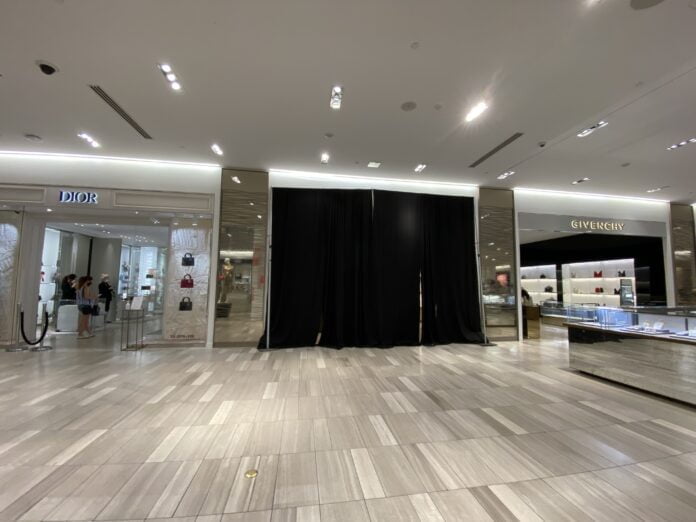
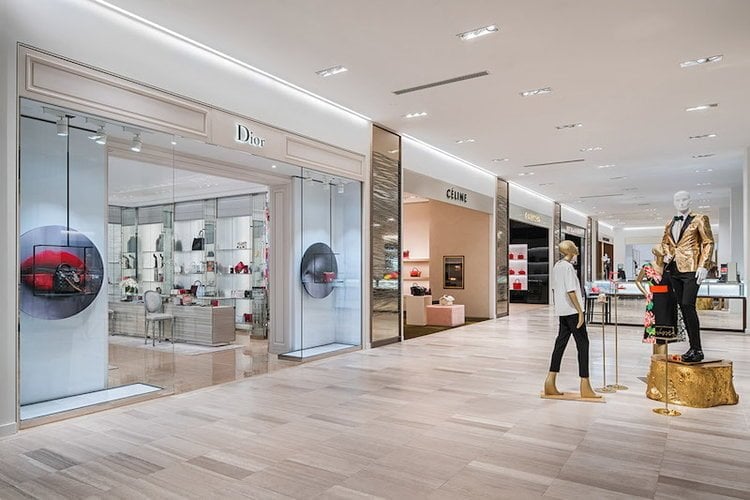
Former Celine Boutique in Saks Fifth Avenue at CF Toronto Eaton Centre
Former Celine Boutique in Saks Fifth Avenue at CF Toronto Eaton Centre - Photo by Craig Patterson

The accessory boutique space for LVMH-owned luxury brand Celine at Saks Fifth Avenue in downtown Toronto (Queen Street/CF Toronto Eaton Centre) has shut to coincide with Celine’s opening of a standalone store at the Yorkdale Shopping Centre. The closure of the downtown Toronto Saks Celine follows the brand’s exit from the fashion floor at Nordstrom Yorkdale last month. 

Prior to the pandemic, a Celine women’s fashion boutique on the third floor of Saks CF Toronto Eaton Centre also shut down, and the space is now occupied by Dolce & Gabbana. 

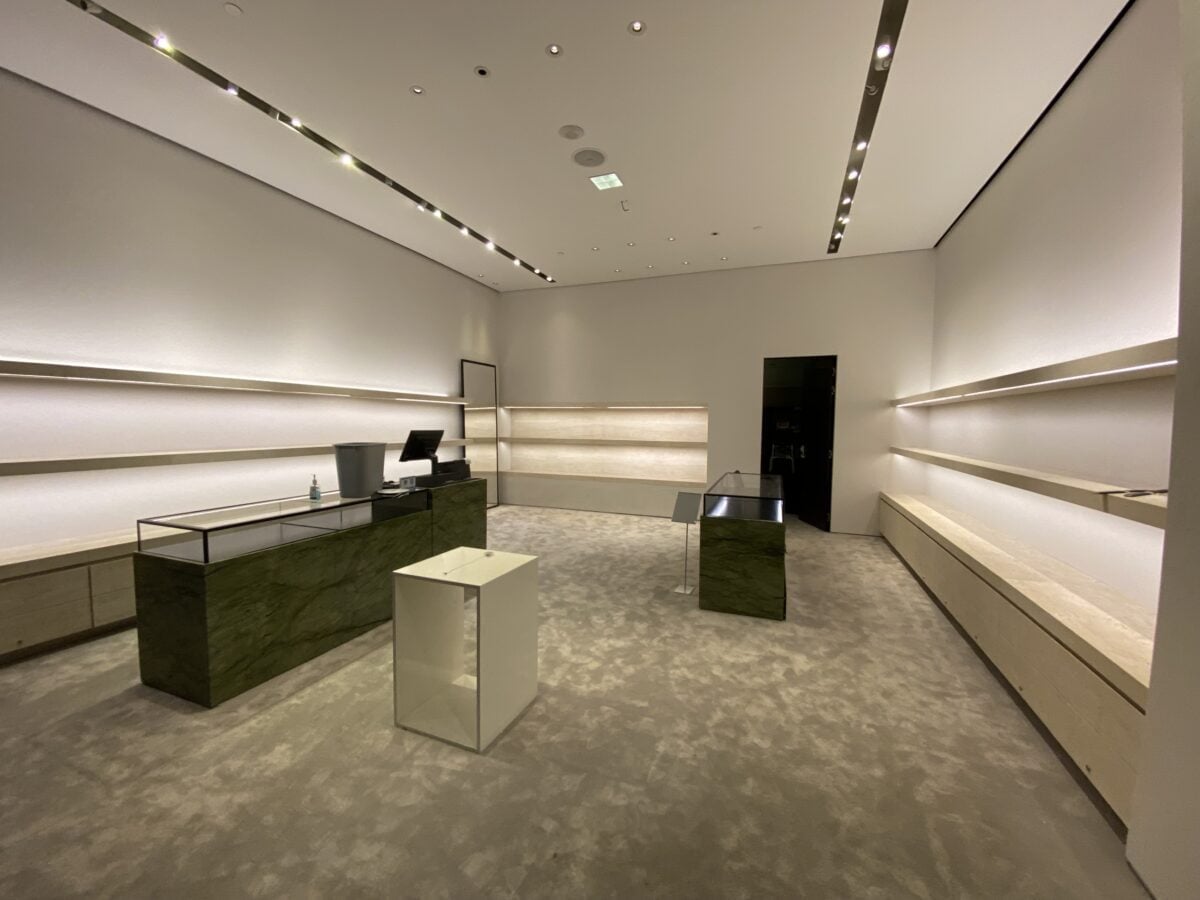
The Celine accessory space on the ground floor of Saks will be converted to a Balenciaga boutique according to a sales associate in the store. 

Celine was one of about a dozen shop-in-stores that opened on the main floor of Saks Fifth Avenue in February of 2016 — CF Toronto Eaton Centre was the first location for the luxury retailer in Canada with two other locations now operating at CF Sherway Gardens in Toronto and at CF Chinook Centre in Calgary. 

Former Celine accessory boutique on the main floor of Saks. Photo: Michael Muraz
Inside the former Celine accessory boutique at Saks in downtown Toronto — the space will be converted to a Balenciaga boutique. Photo: Craig Patterson on August 28, 2021

Other boutique spaces that have shut over the past two years at Saks CF Toronto Eaton Centre include two jewellery boutiques on the main floor — Boucheron shut its boutique prior to the pandemic and De Grisogono shut down several months ago. An Aesop beauty concession also closed its doors last year in the store. 

On the third floor of Saks, three of the original womenswear fashion boutiques have shut over the past two years and have been replaced with other brands. A space for Saint Laurent is now occupied by Balmain, the former Celine space is occupied by Dolce & Gabbana and the former Azzedine Alaia boutique is now occupied by Burberry. 

Rexall Shutters 4th Downtown Toronto Store Location in 3 Months

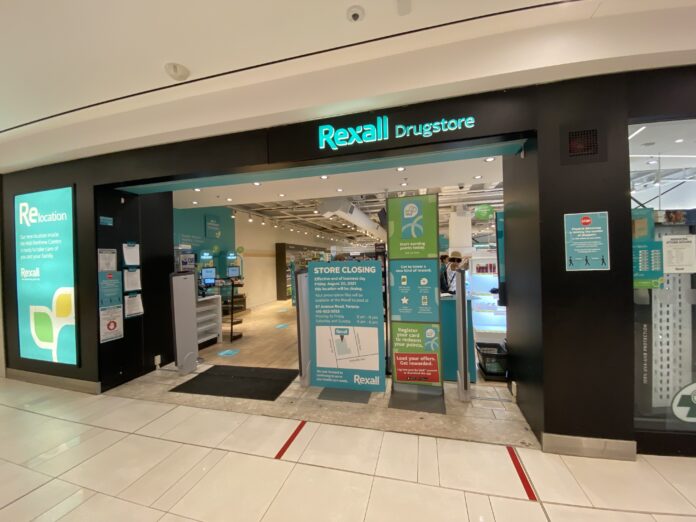
Holt Renfrew Rexall store a day before it closed. Photo: Craig Patterson

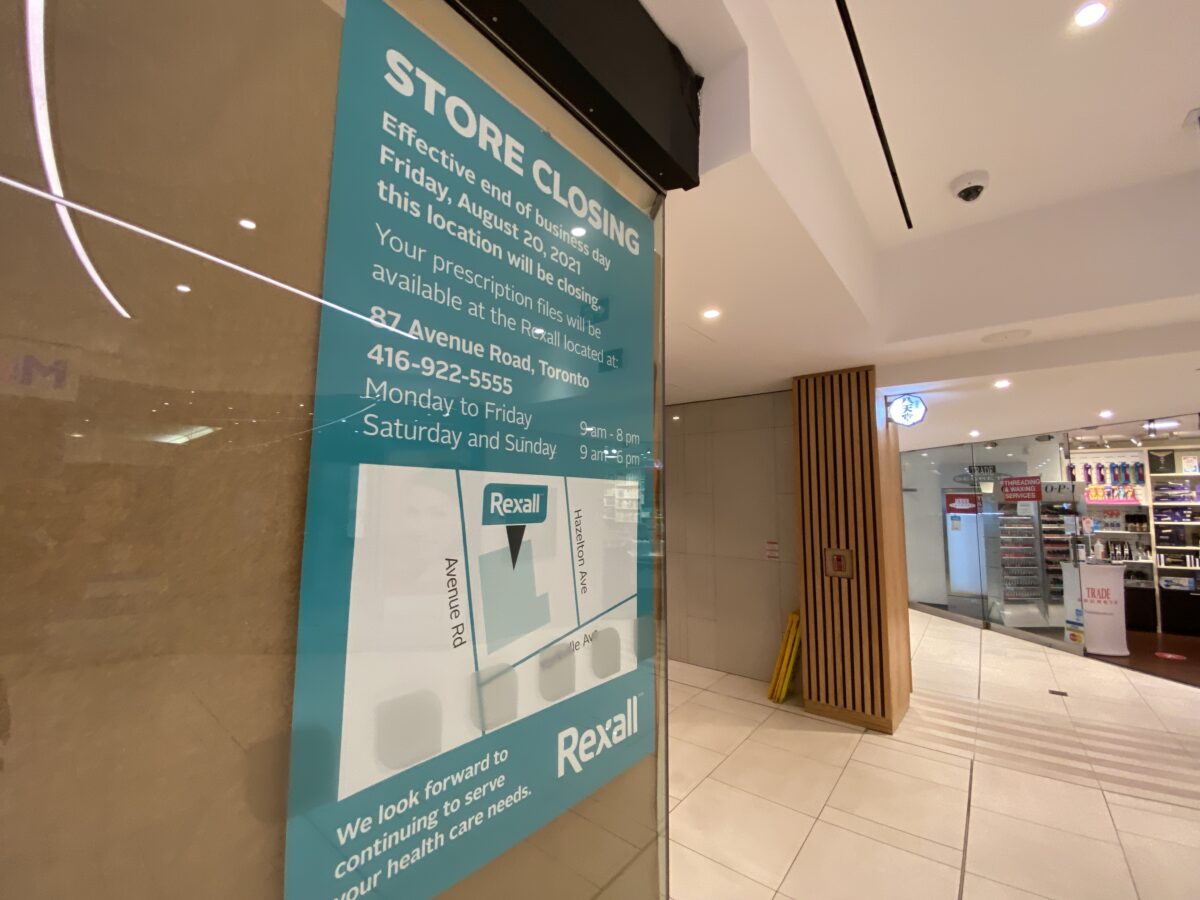
Drug store chain Rexall has shut its storefront at the Holt Renfrew Centre on the concourse level at 50 Bloor Street West in downtown Toronto. It’s the fourth Rexall location to close in downtown Toronto since June of this year. 

Signage went up last week that the store would be closing and signs were posted letting those with prescriptions in the store know that their files had been moved to the Rexall store at the Yorkville Village shopping centre complex. 

The closure of the Holt Renfrew Centre Rexall follows the closure of two downtown Toronto Rexall locations in June, including one at 48 Yonge Street at the corner of Wellington Street and another at 401 Yonge Street near Gerrard Street. A third Rexall, housed in a historic building once home to a dive bar on Bloor Street West at Brunswick Avenue, shut in July. 

Holt Renfrew Centre Rexall Store Closing – Photo by Dustin Fuhs

In Bloor-Yorkville, Rexall competed with Shoppers Drug Mart which operates three locations a short distance away. That includes a store on the concourse level of the Hudson’s Bay Centre which connects to the Holt Renfrew Centre, another Shoppers Drug Mart on the concourse of the Manulife Centre which also connects to the Holt Renfrew Centre, and a larger two-level Shoppers Drug Mart store at the southwest corner of Yonge Street and Charles Street West. There are several others within a 10 minute walk. 

The Holt Renfrew Centre Rexall store opened in 2019 after relocating from the concourse level of the Manulife Centre. The closure coincided with the ongoing renovation of the Manulife Centre which now houses Eataly and numerous other retailers. 

While Shoppers Drug Mart has a stronger loyalty program, some consumers prefer shopping at Rexall because it staffs its tills with people rather than encouraging the use of self-checkout counters. Some Shoppers Drug Mart stores are actually directing consumers to self-checkouts with stores we’ve observed often having no one staffing checkouts at all. It’s a complaint about Shoppers Drug Mart we’ve heard from several readers recently which could lead to a decrease in consumer loyalty longer-term. One reader not wishing to be named said “Shoppers Drug Mart is going downhill and despite its narrative, it’s clear that the company values profits over actually offering a good retail experience for its customers”. 

Medical Complex to Open at Rockland Centre in Montreal

ELNA Medical at Rockland Centre - Outdoor entrance (CNW Group/ELNA Medical)

Montreal-based ELNA Medical, which operates the largest network of medical clinics in Canada, will be opening a new medical complex at Rockland Centre near Montreal. It represents a unique non-retail use for a shopping centre in a massive space.

Opening by the end of 2021, the new 24,000 square foot healthcare facility will be bringing leading-edge medical technology to the local community which includes several upper-income nodes in the immediate area.

“The addition of this new clinic to the ELNA network offers a greater range of high-quality care services to populations in the vicinity of Rockland Centre, in an ultra-modern and high-tech setting”, said Laurent Amram, President and Founder of ELNA Medical. “Situating a medical complex within in a shopping centre is a thoroughly innovative concept; as there is a tendency today for such venues to redefine themselves, we are very proud to participate in our own way to a transformation that is beneficial for the population.”

ELNA Medical at Rockland Centre – Indoor entrance (CNW Group/ELNA Medical)

“We’re really excited to bring ELNA Medical and Rockland Centre together. ELNA is Canada’s largest network of primary and specialty healthcare clinics,” affirmed Sébastien Dubois, Vice President, Leasing – Retail at Cominar. “We are certain that this new offering within Rockland Centre will enhance our guest experience while ensuring another successful operation for ELNA Medical in Quebec. This new medical complex will definitely be a highlight of our work to diversify use and turn our shopping centres into everyday destinations. In fact, this additional service will give more than 25,000 visitors a year the opportunity to take advantage of other services, retailers and restaurants at Rockland Centre.”

The new clinic will join ELNA’s 56 other facilities across Quebec, Ontario, Manitoba, Saskatchewan and Alberta, with over 800 professionals providing in-person and telemedicine care to over 1 million Canadians and 1,500 organizations every year.

Lucid Motors Opening at Toronto’s Yorkdale Shopping Centre 

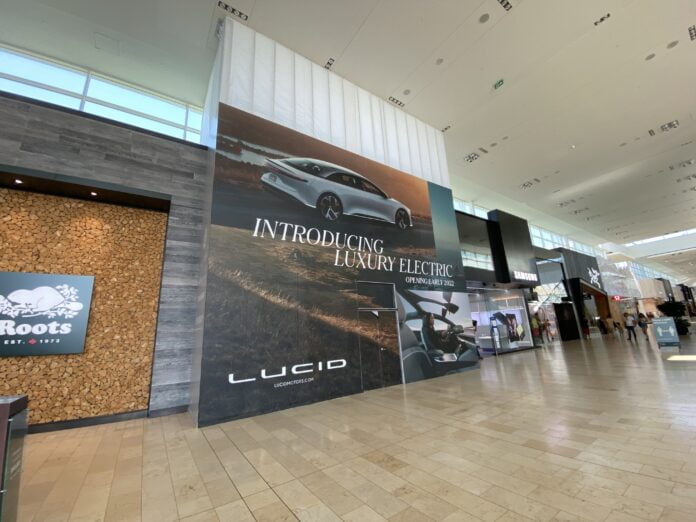
Yorkdale Shopping Centre in August of 2021. Photo: Craig Patterson

US-based electric car brand Lucid Motors will open a showroom at Toronto’s Yorkdale Shopping Centre this fall in a retail space formerly occupied by UK-based brand Hunter’s first North American showroom. The news follows our article in May of this year where we announced that Lucid Motors was opening at CF Pacific Centre in Vancouver in a space formerly occupied by Michael Kors. 

The Yorkdale Lucid Motors showroom will span about 2,850 square feet in the former Hunter space in the 2016 expansion wing of Yorkdale. Nearby tenants include Roots, Samsung, Canada Goose and a Starbucks which is located across the way. 

Lucid Motors is a new luxury electric vehicle company based in Newark California. The design of the Lucid Air, the company’s first vehicle, is said to have been influenced by the state of California. The interior of the Lucid Air including its colours, materials and finishes, is said to be inspired by the diversity of landscapes and geography of the state creating a “post luxury” aesthetic, according to the company.

The Yorkdale Lucid showroom will offer visitors the opportunity to see the new Lucid Air in person, including its technology, exterior finishes and interior materials. Because Lucid showrooms often only have one vehicle on display, a virtual reality experience will be offered where visitors can see different models, colours and interiors. Visitors will be able to put two cars side-by-side to compare different colour and trim options, for example. Technology from online gaming will be used as part of the virtual reality experience which will boast high-quality graphics.

Competitor Tesla currently operates a showroom at Yorkdale which before the pandemic was said to have seen sales exceeding $70 million annually. Tesla has said that it’s looking to shut its inline mall stores to replace them with standalone locations. A Nissan showroom is also currently located across from Tesla at Yorkdale in a space most recently occupied by Microsoft. Over the past five years, automobile brands have been expanding into enclosed shopping centres to get closer to consumers and judging by Tesla’s sales at Yorkdale, the strategy may be a good one. 

Sungiven Foods Continues Vancouver Market Openings

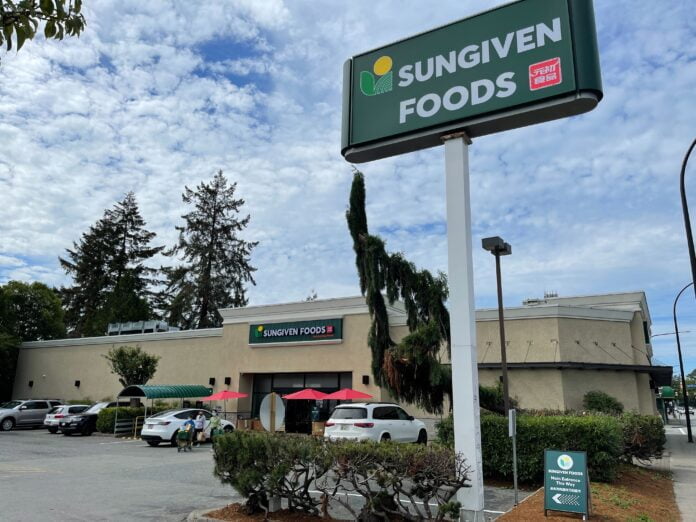
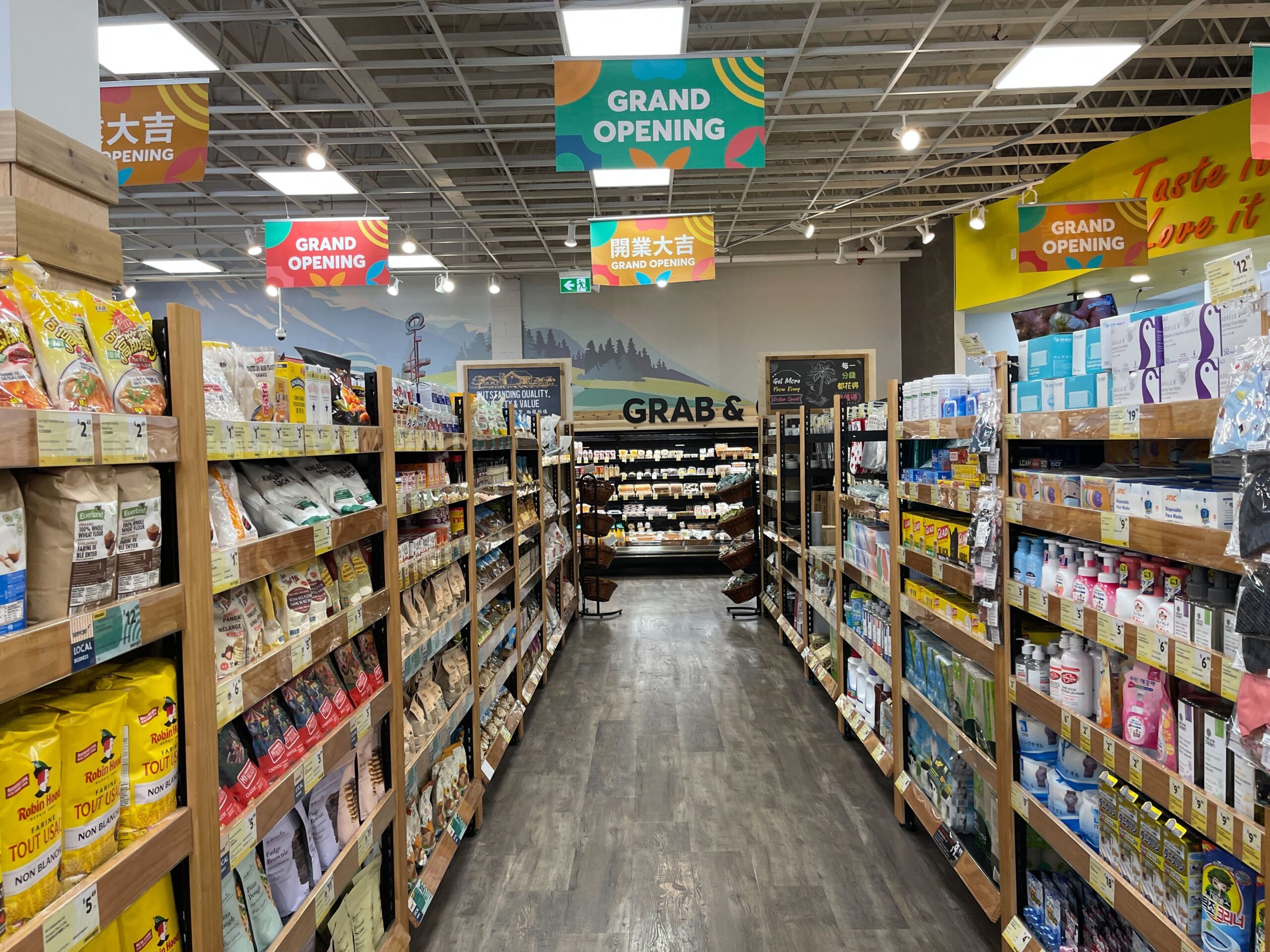
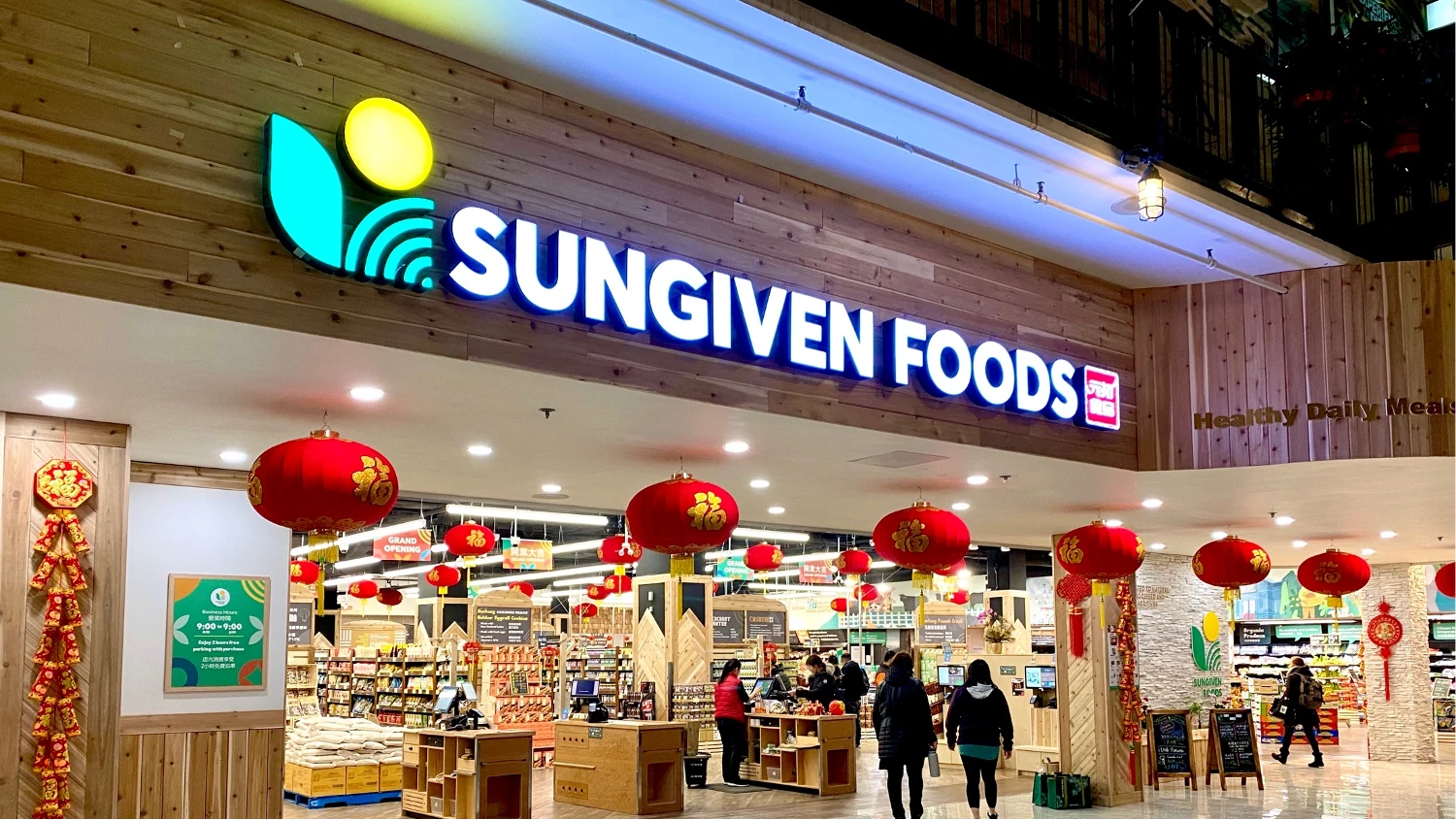
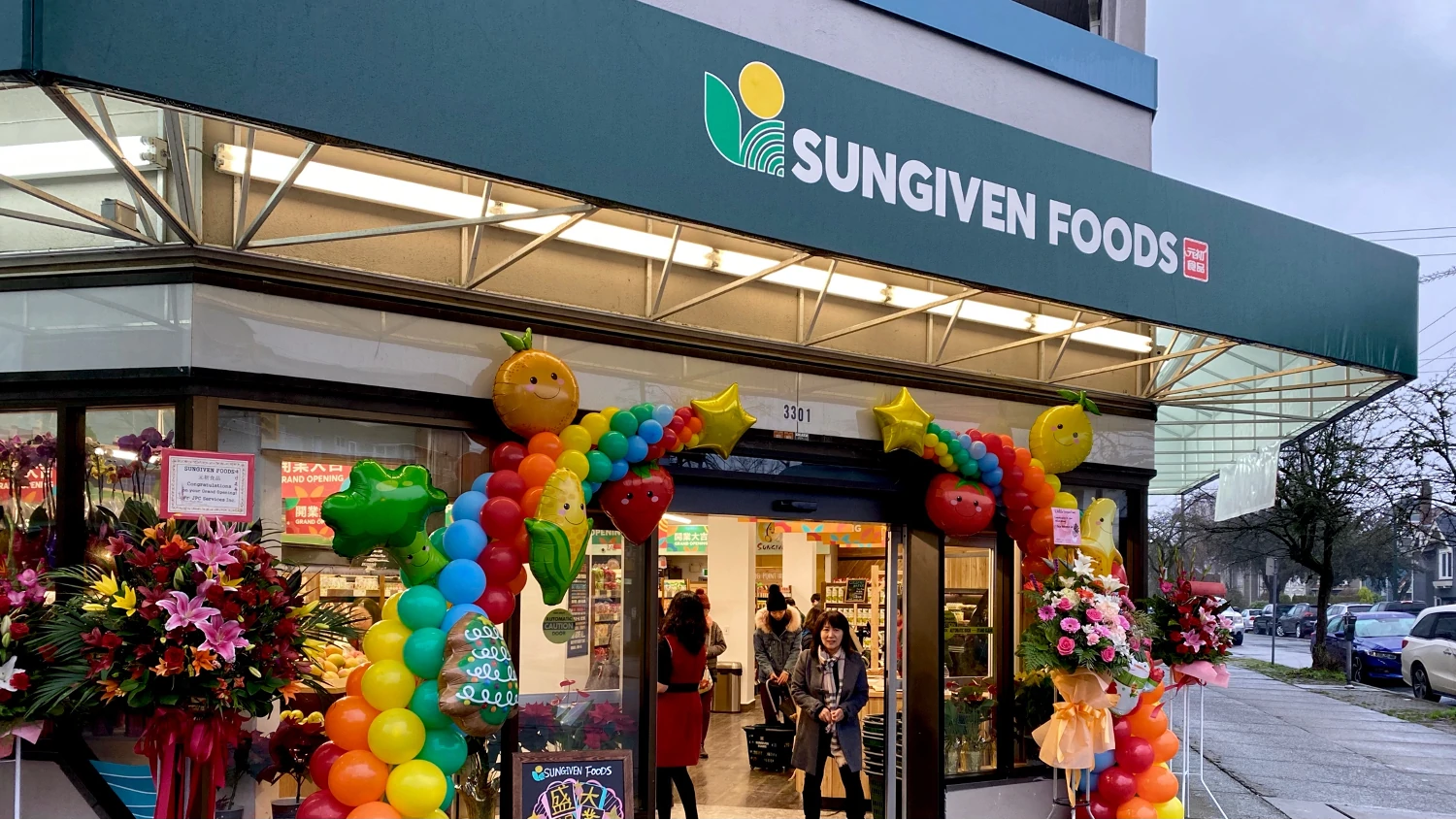
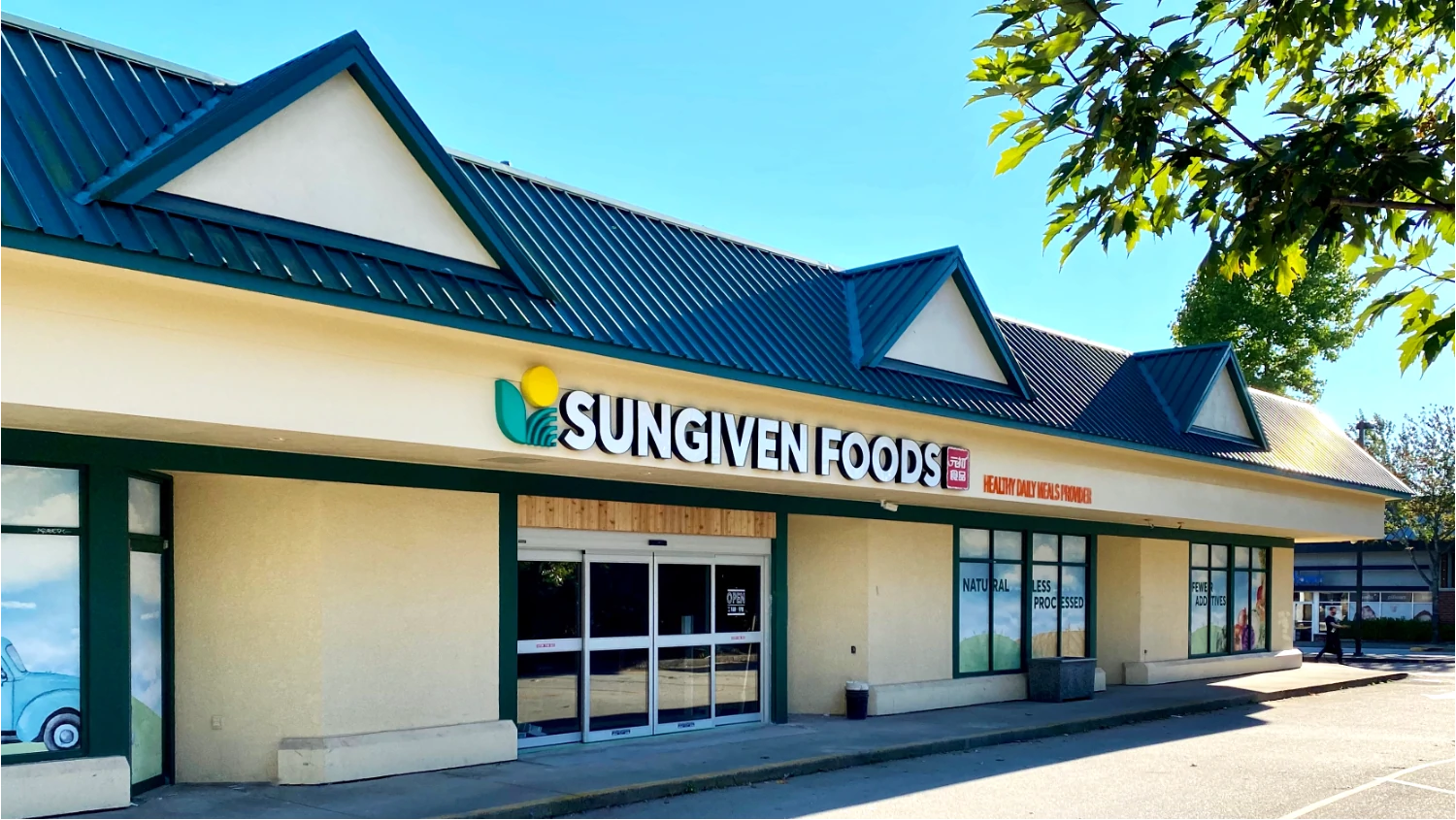
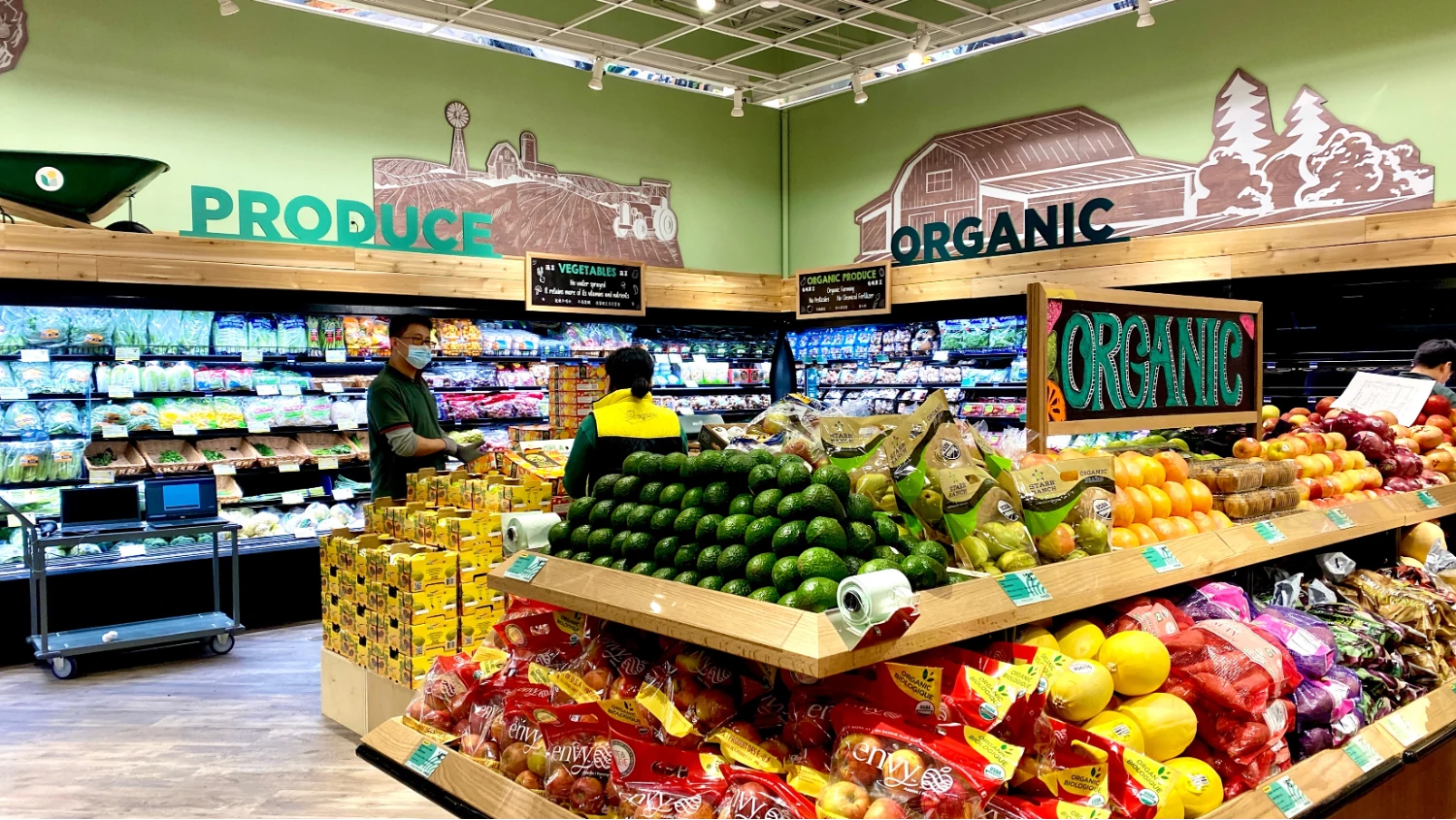
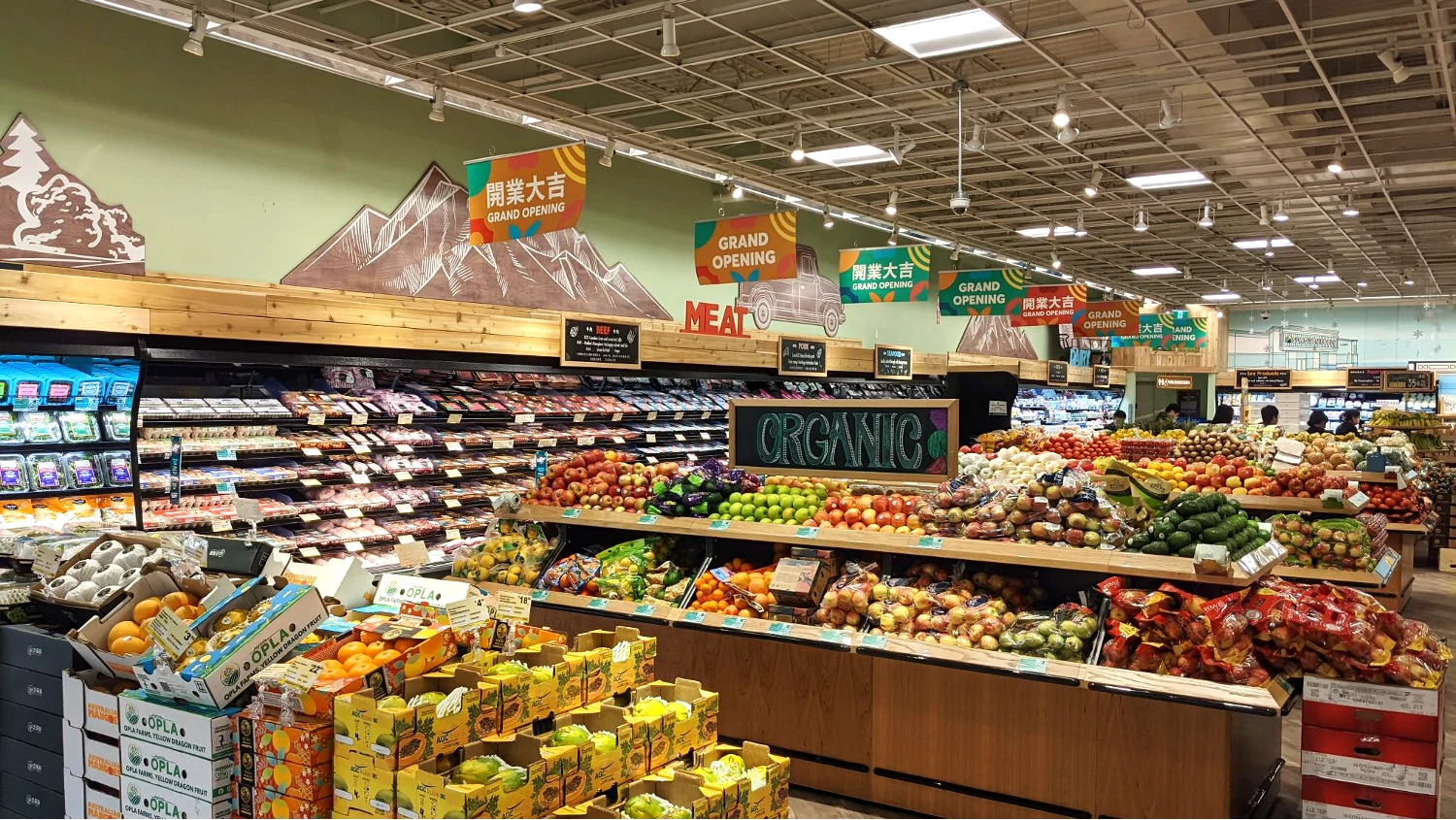
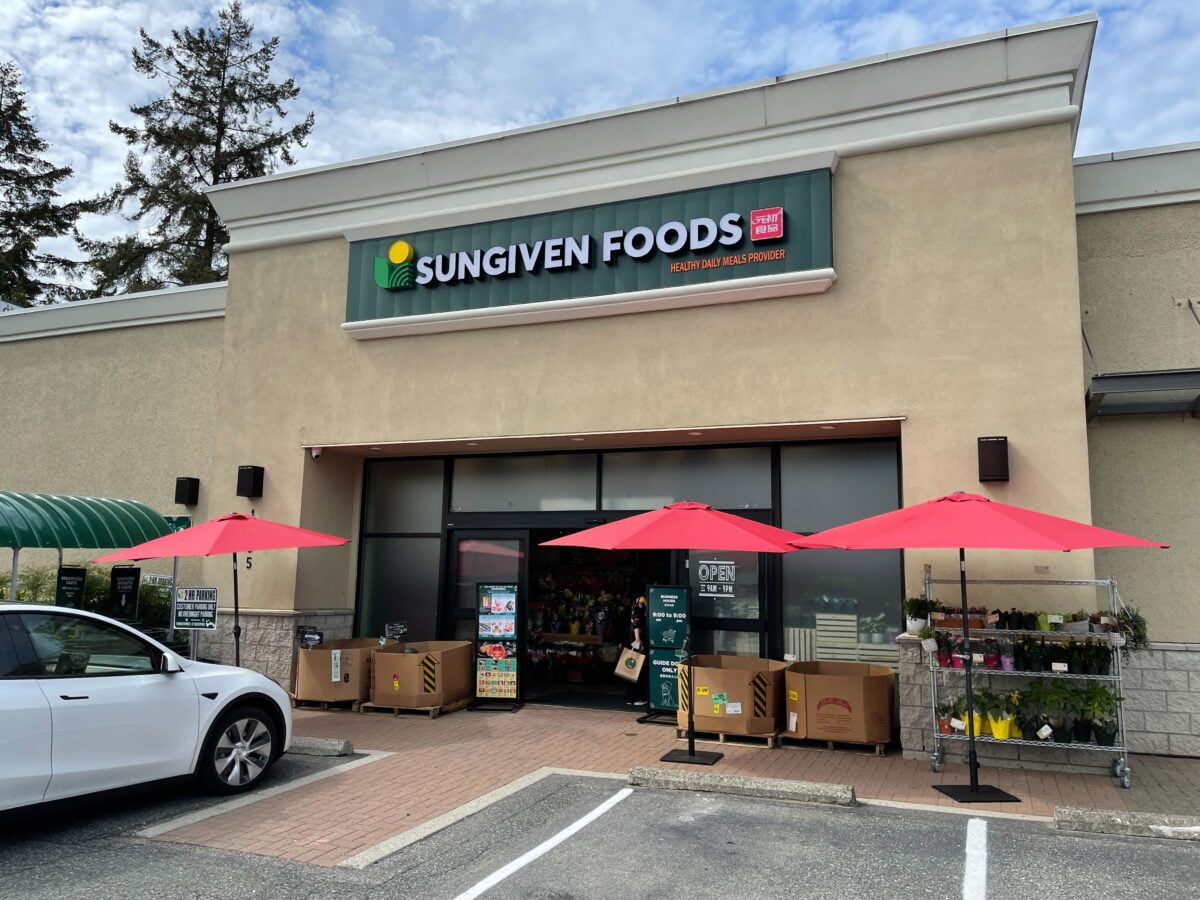
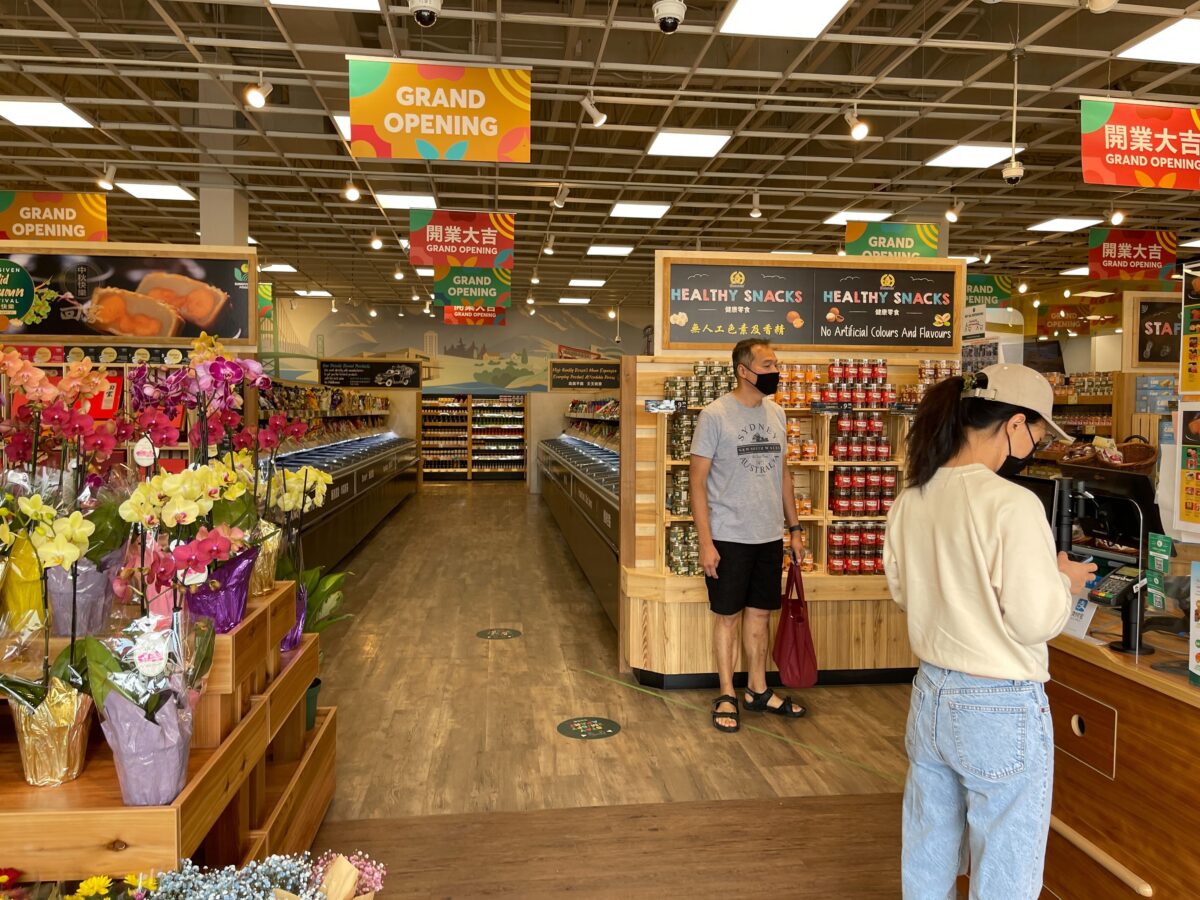
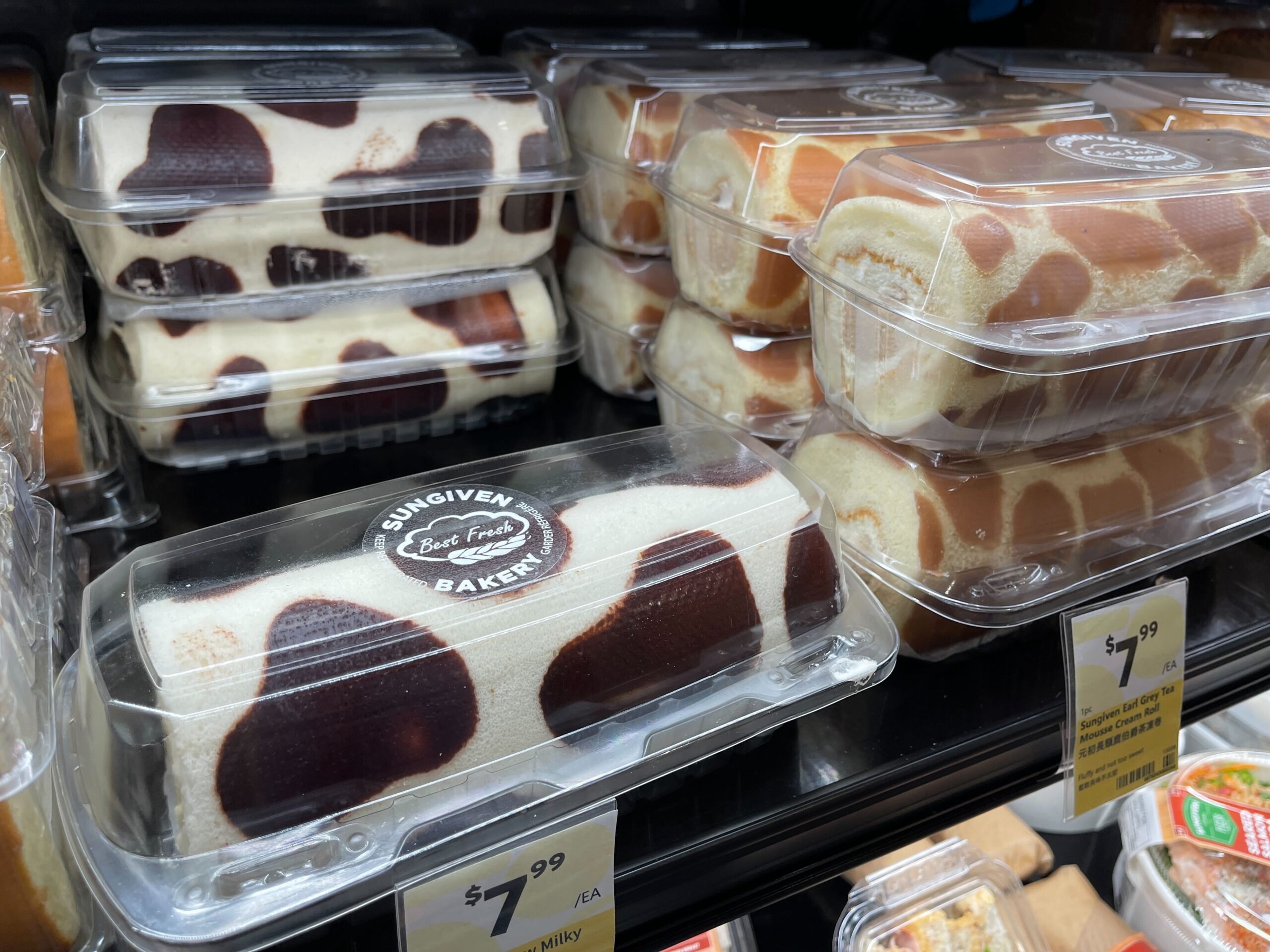
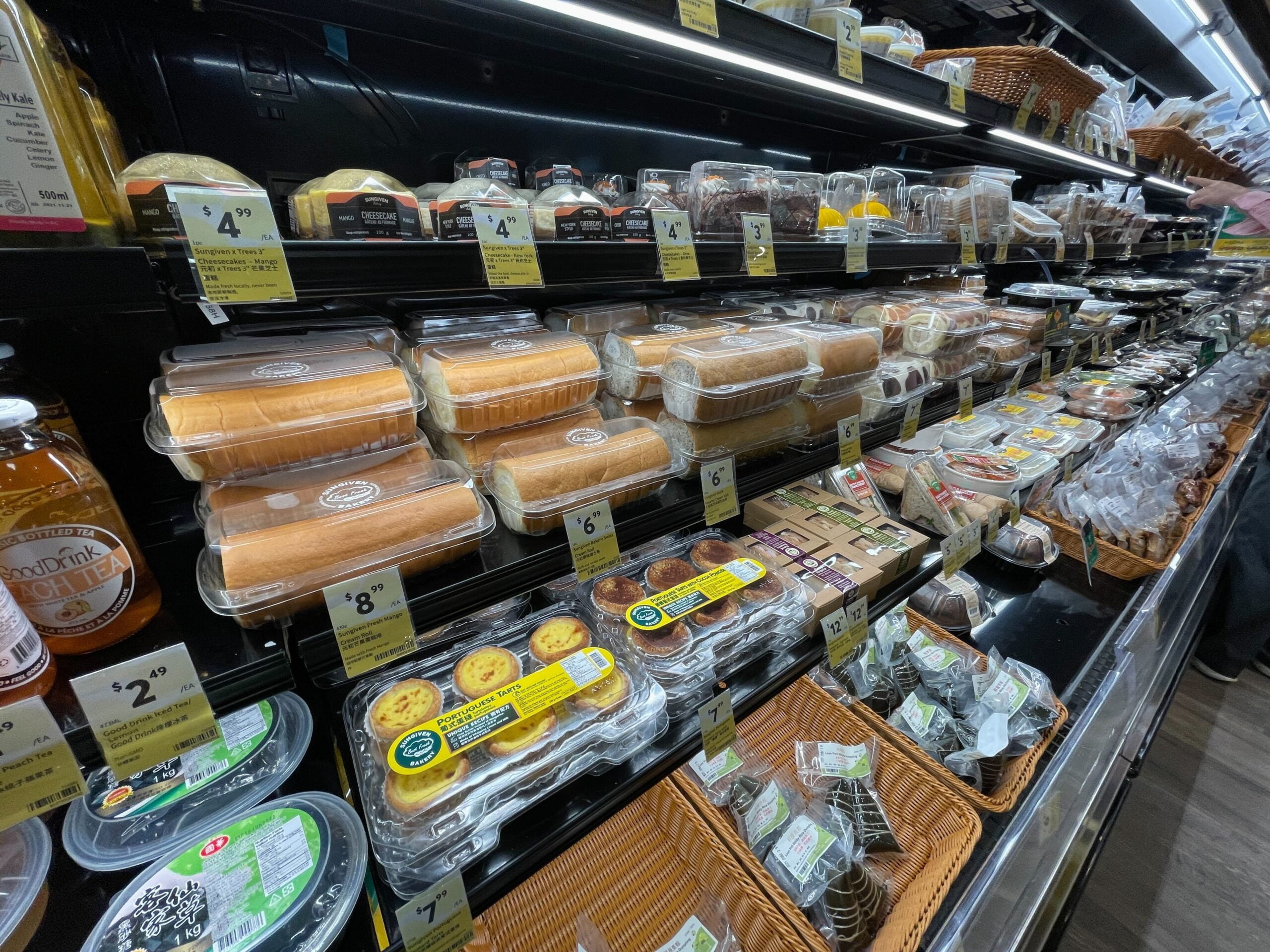
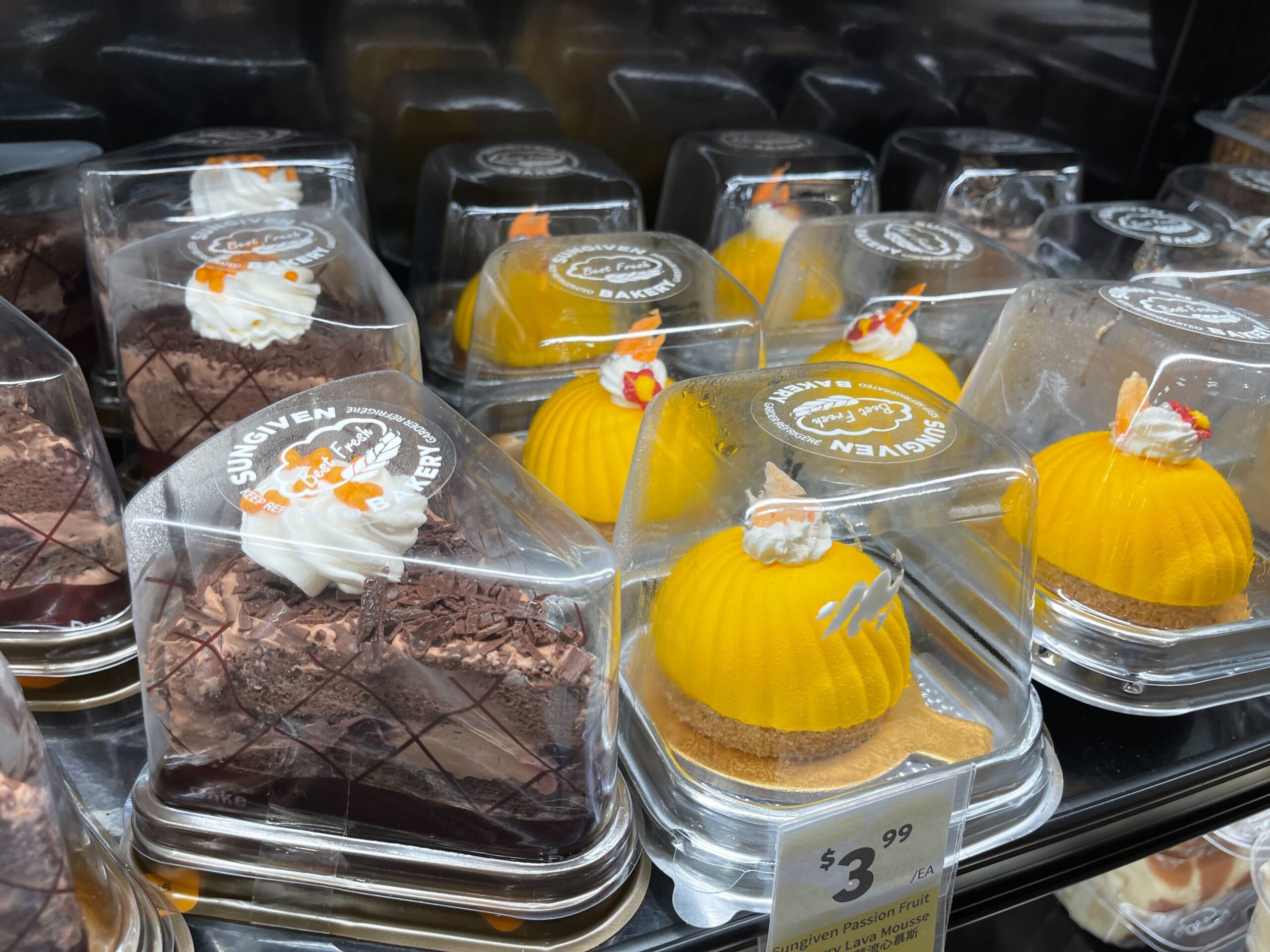
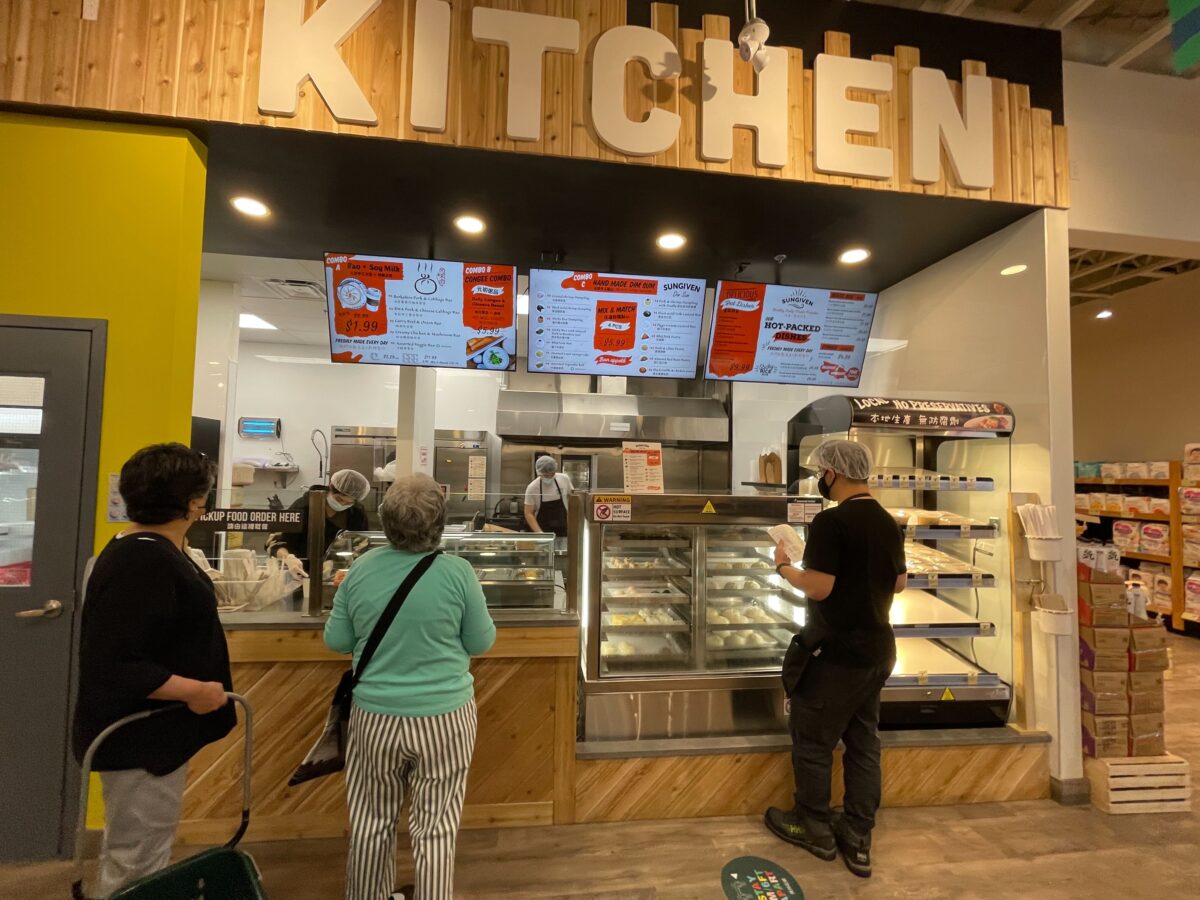
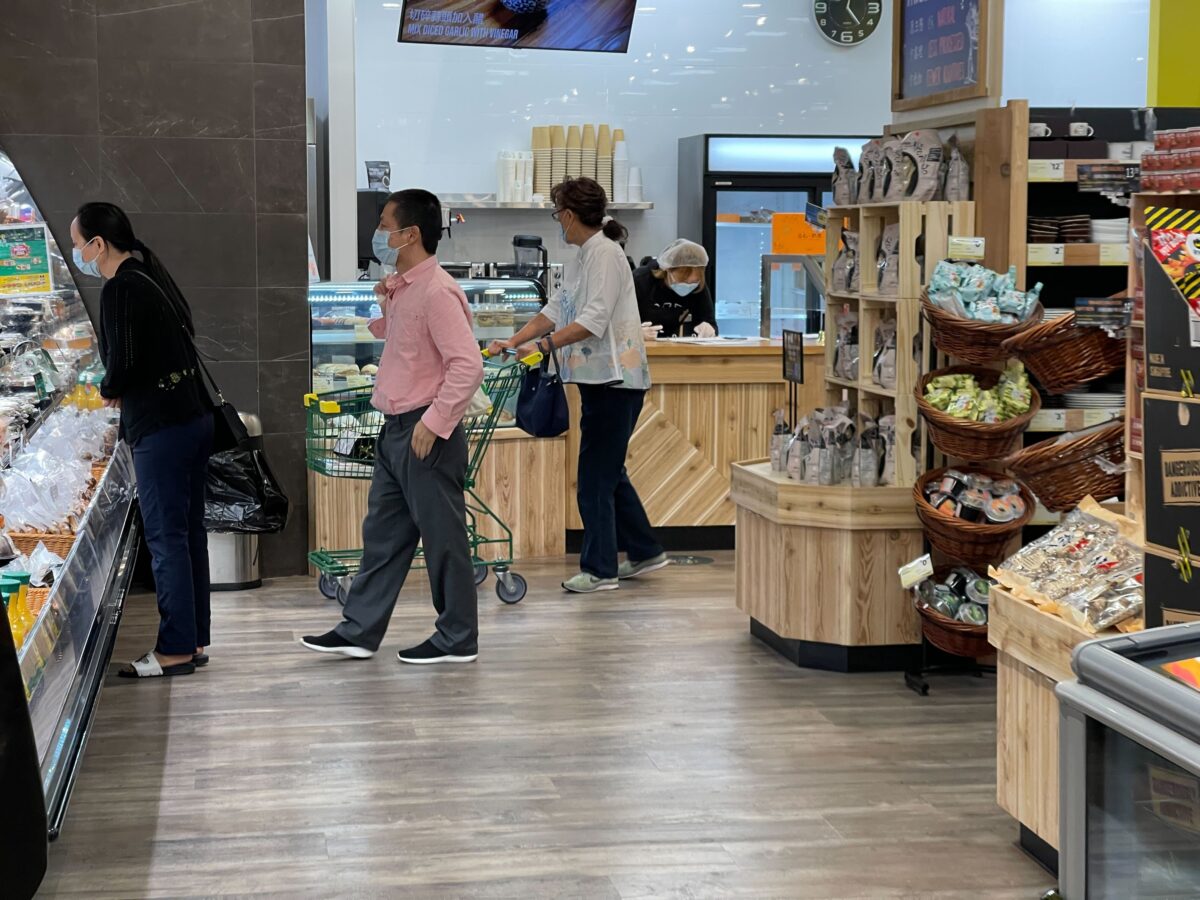
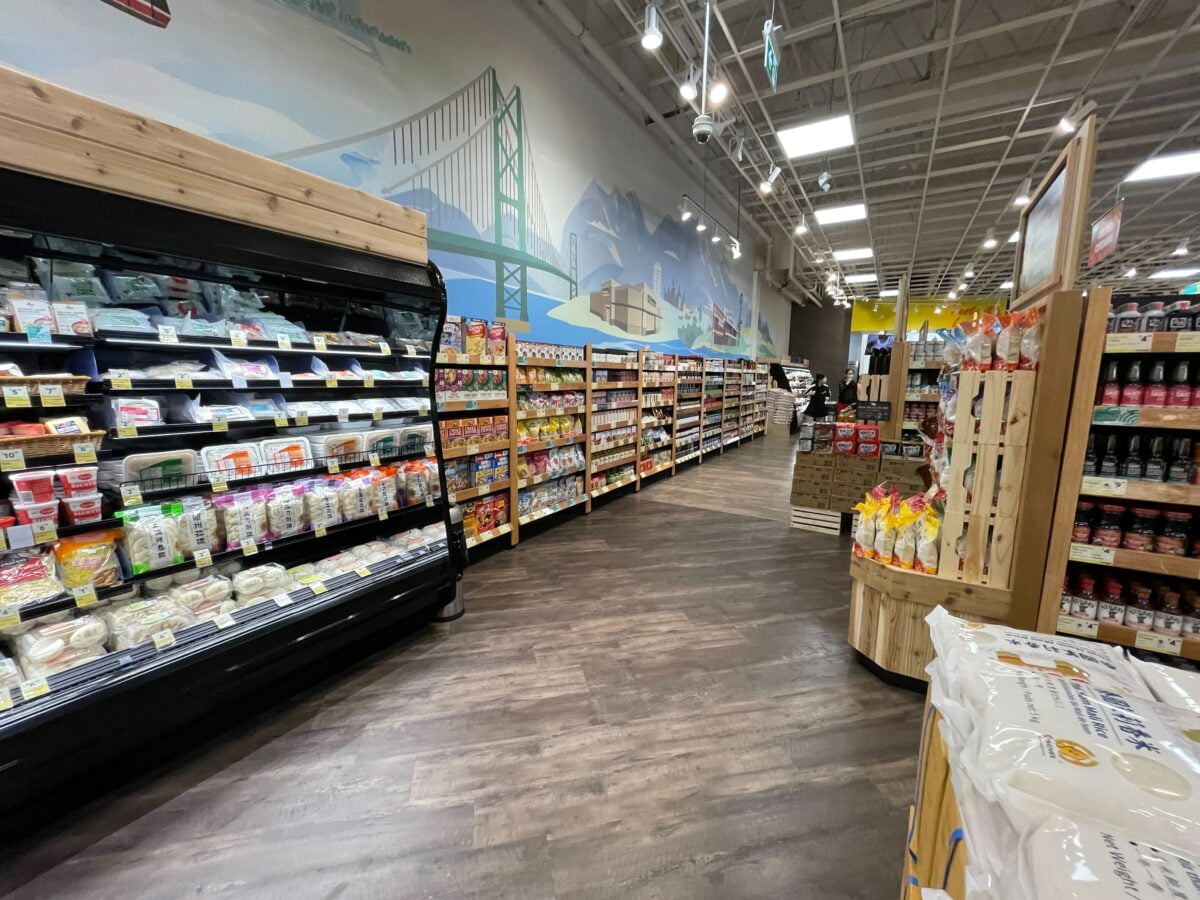
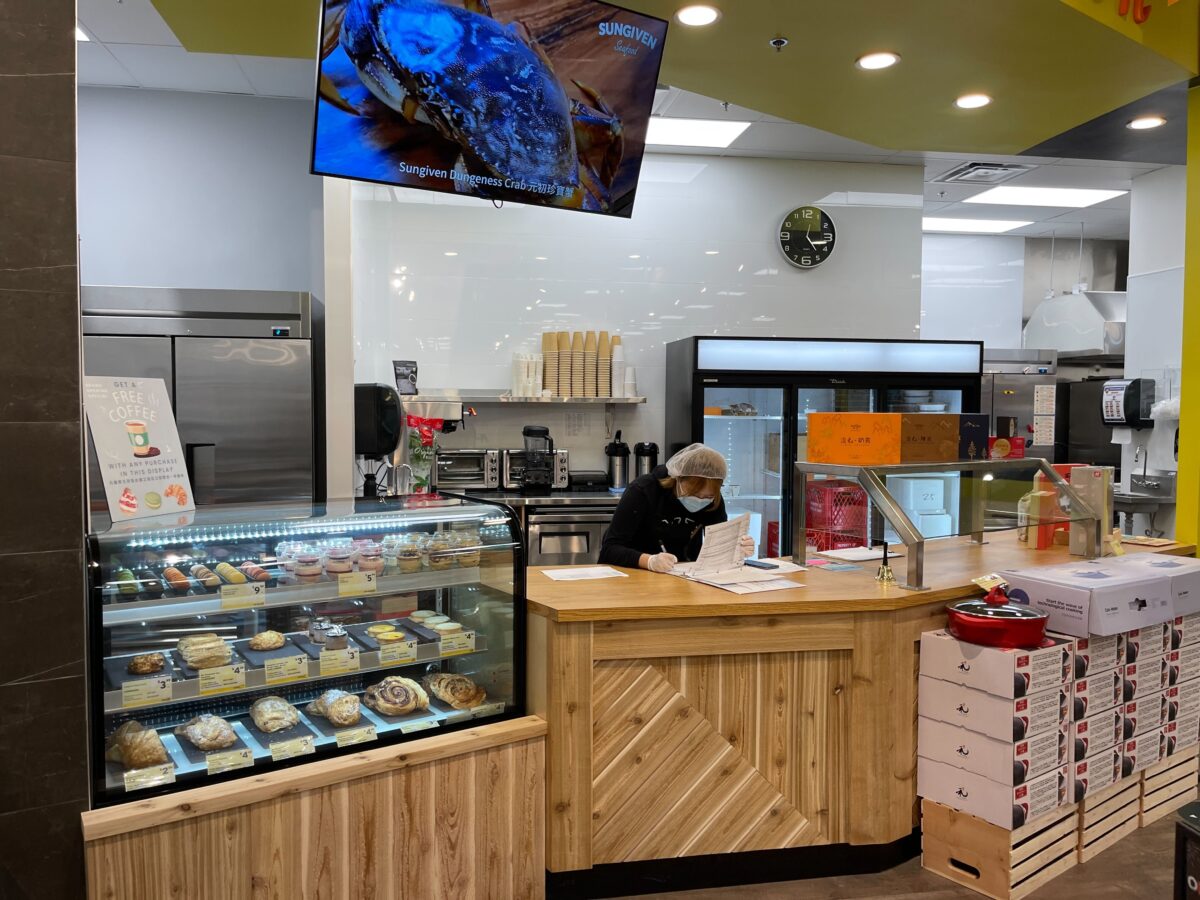
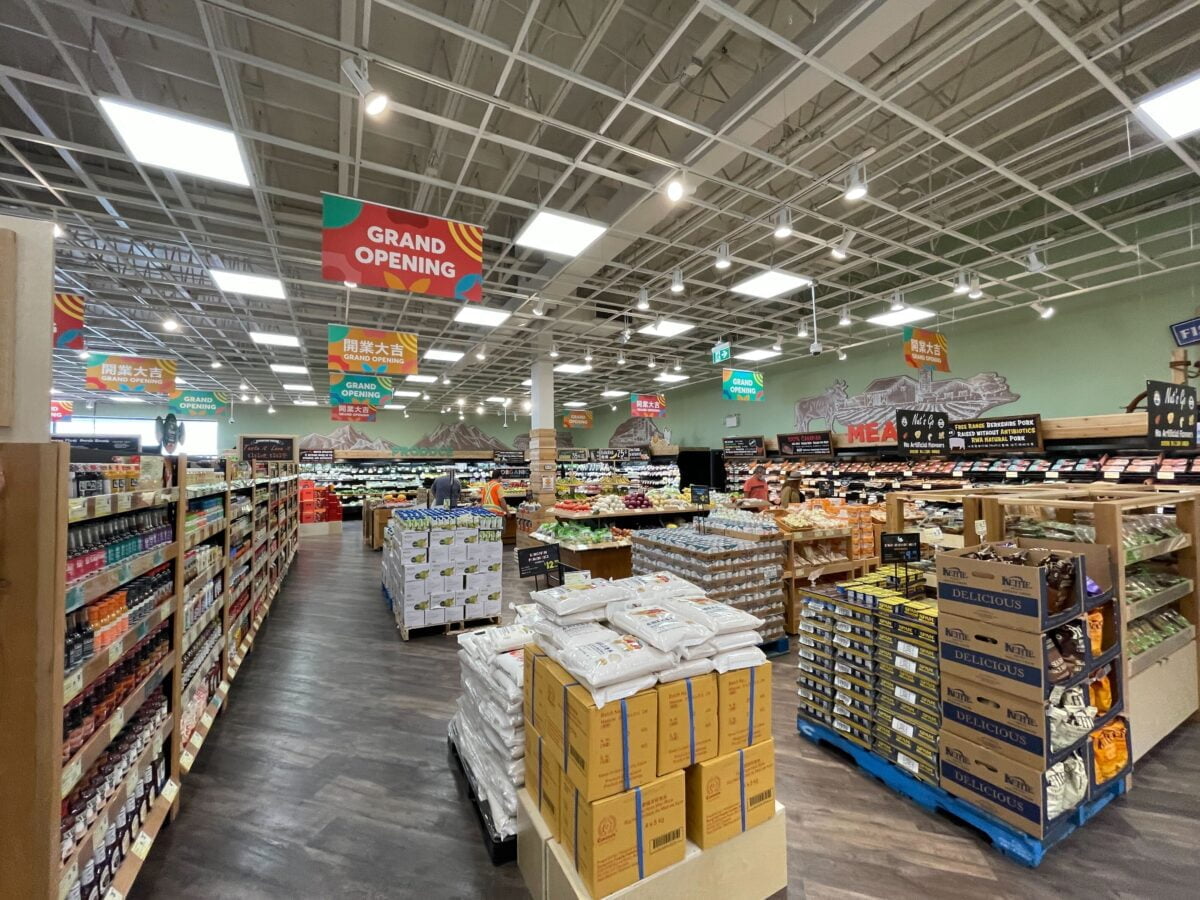
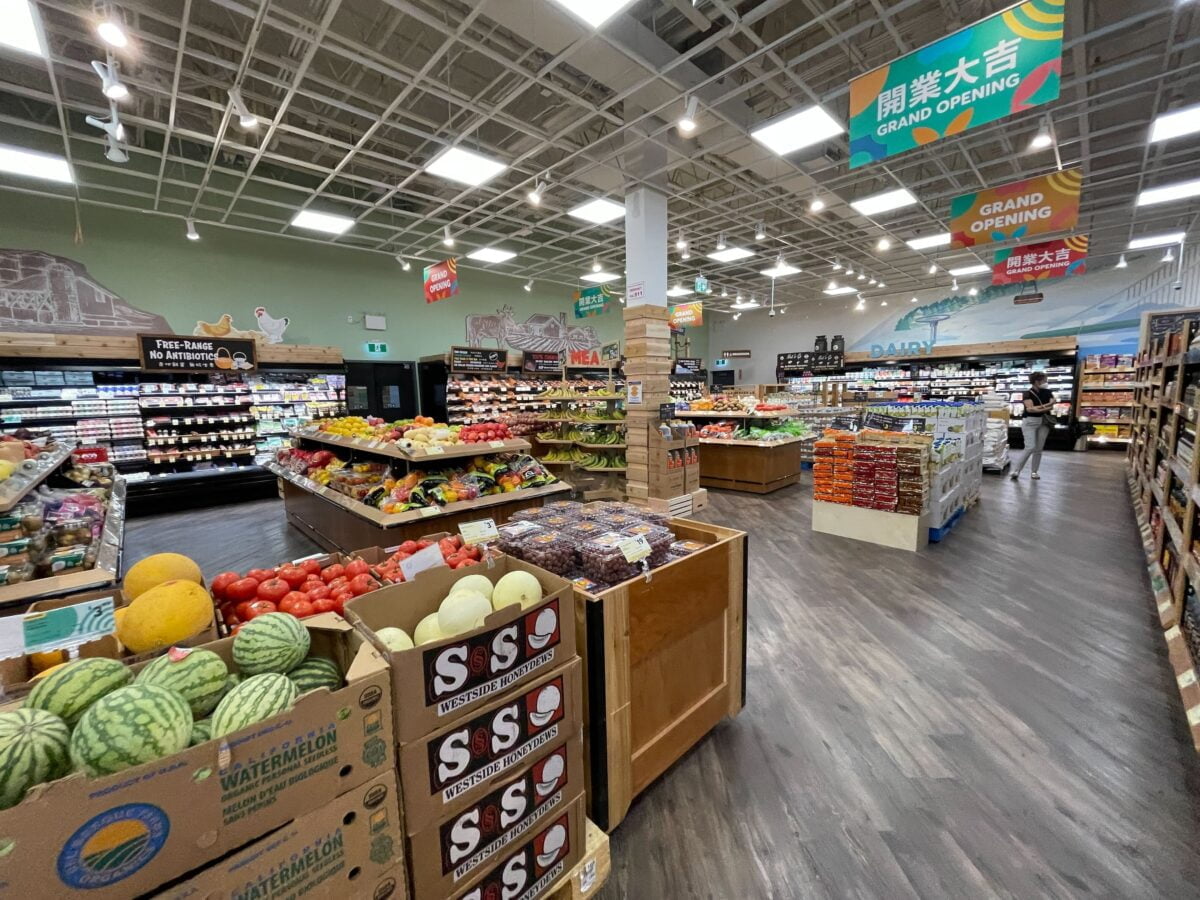
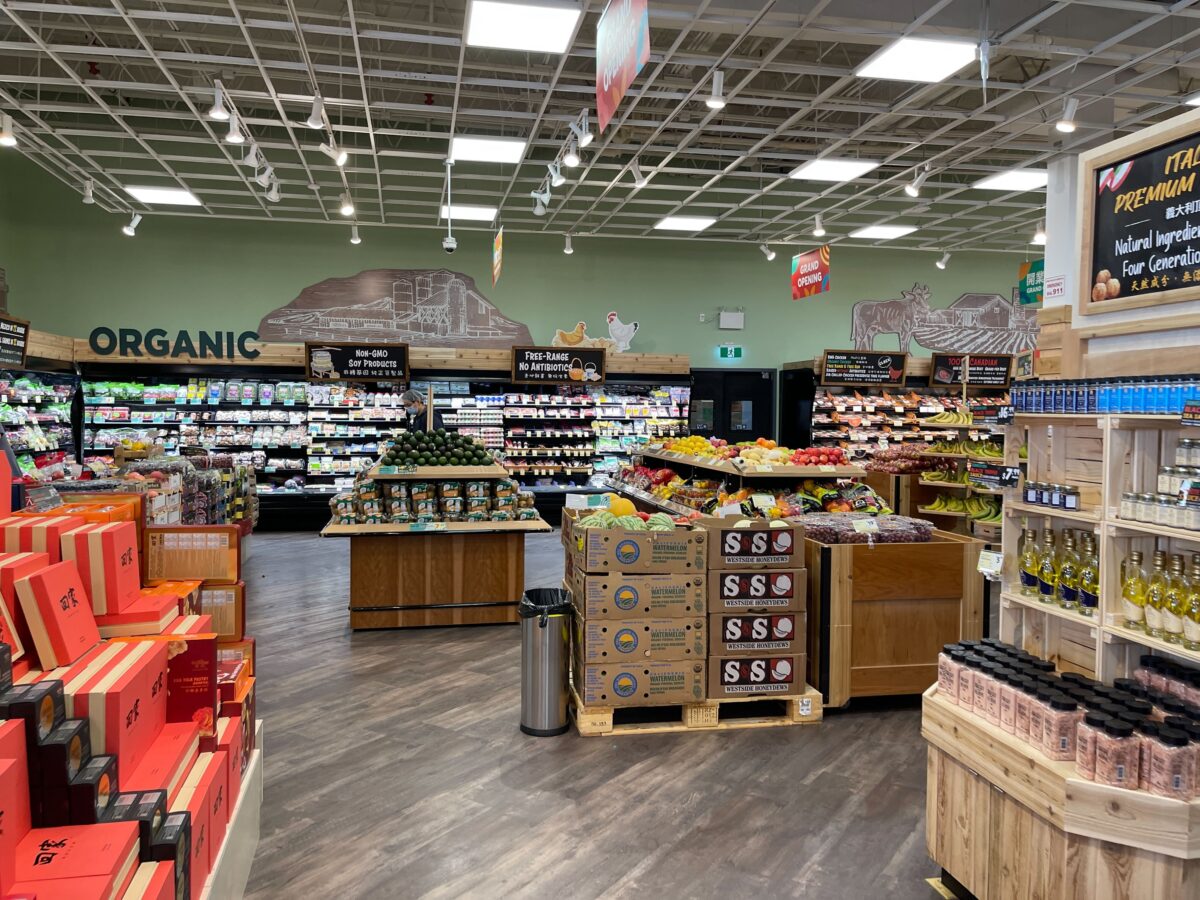
Sungiven Foods open in North Vancouver (August 2021).
Sungiven Foods open in North Vancouver (August 2021). Photo: Lee Rivett.

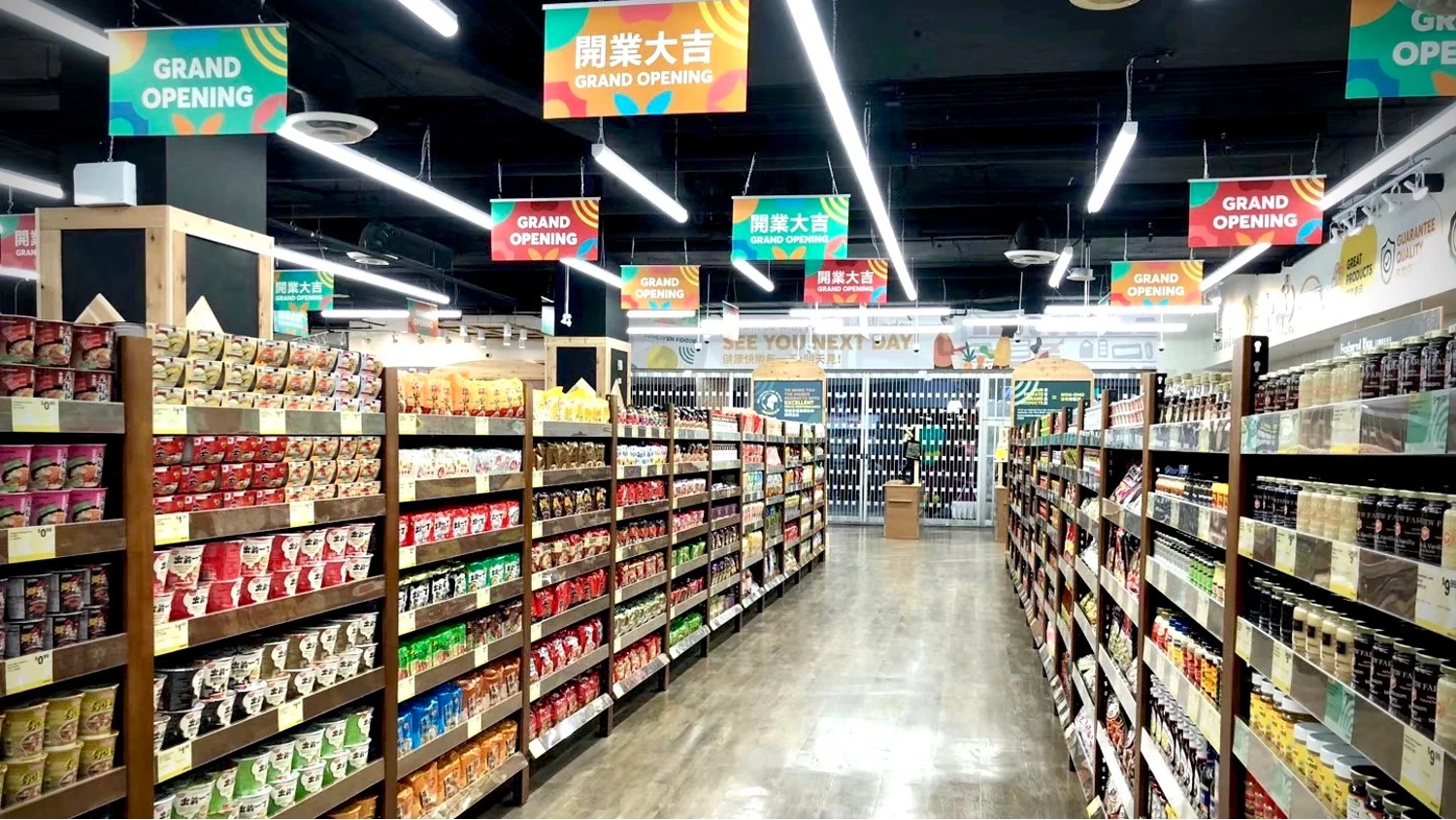
Chinese grocery chain Sungiven Foods has now opened six locations across the metro Vancouver area with another two coming soon.

In the fall of 2019, Sungiven Foods opened its first Canadian store at City Square in Vancouver. The store was the first of about 15 locations planned for the BC Lower Mainland over the next several years.

A cross-Canada store expansion is expected, which could heat up competition amongst grocery retailers and particularly with Asian grocers as well as chains such as T&T. Sungiven Foods operates more than 100 stores in China and will also expand into the US. [Read the Full Article Here]

The North Vancouver location (1595 Marine Drive) opened earlier this month and its construction was reported in July 2021 replacing a former Pier 1 Imports location which was a casualty of the February 2020 Canada-wide closure announcement.

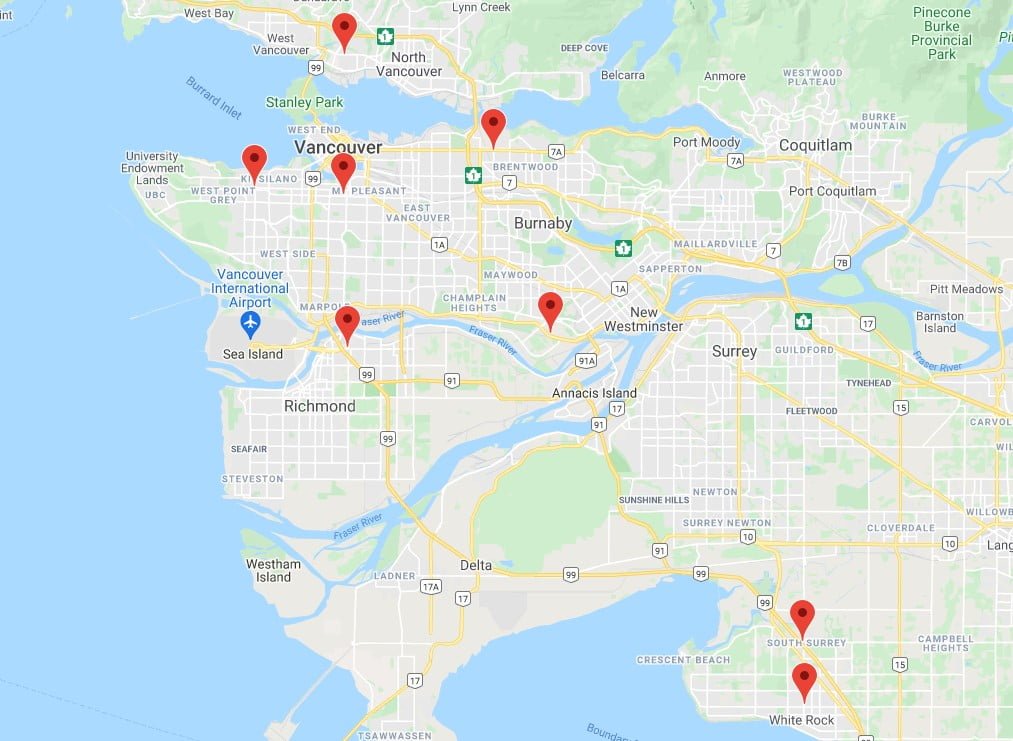
The Sungiven Foods locations in the metro Vancouver area include:

  • City Square Store (42-555 West 12th Ave, Vancouver)
  • West Broadway Store (3301 West Broadway, Vancouver)
  • Burnaby Hastings Store (4106 Hastings Street, Burnaby)
  • White Rock Store (1640 152nd Street, Surrey)
  • Richmond Bridgeport Store (9771 Bridgeport Road, Richmond)
  • North Vancouver Store (1595 Marine Drive, North Vancouver)
  • Burnaby Big Bend Store (600-5771 Marine Way, Burnaby) – Coming Soon
  • South Surrey TPC Store (3211 152nd Street, Surrey) – Coming Soon
Sungiven Foods Locations across Metro Vancouver. Photo: Google Maps via Sungiven Foods Website (Location Page)

Sungiven Foods Canada Inc. is a subsidiary of Xiamen Sungiven Foods Holdings Ltd., based in Xiamen, China. The company operates more than 90 stores in China, most being in Xiamen. The company’s Canadian head office was opened earlier this year in Burnaby.

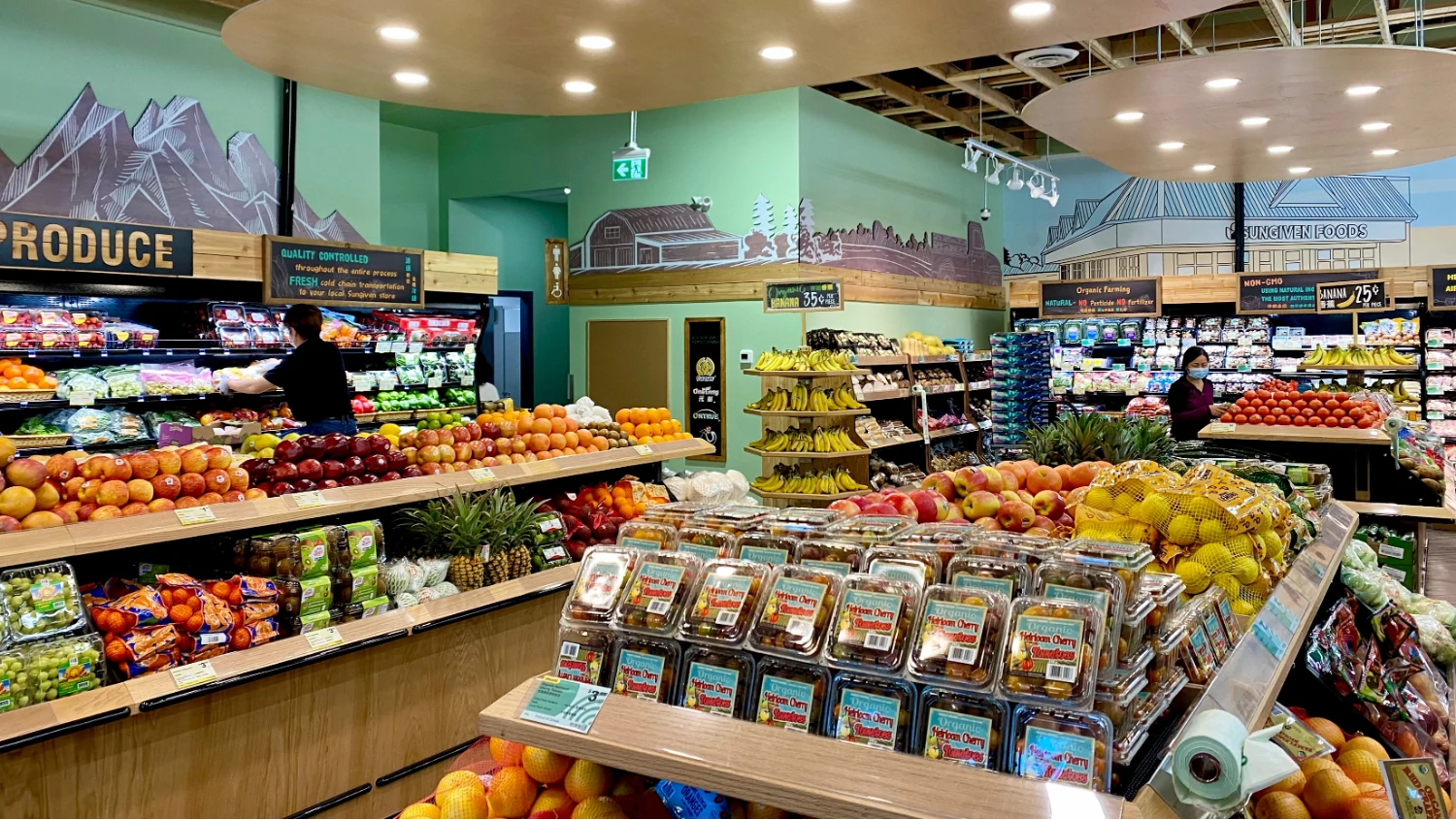
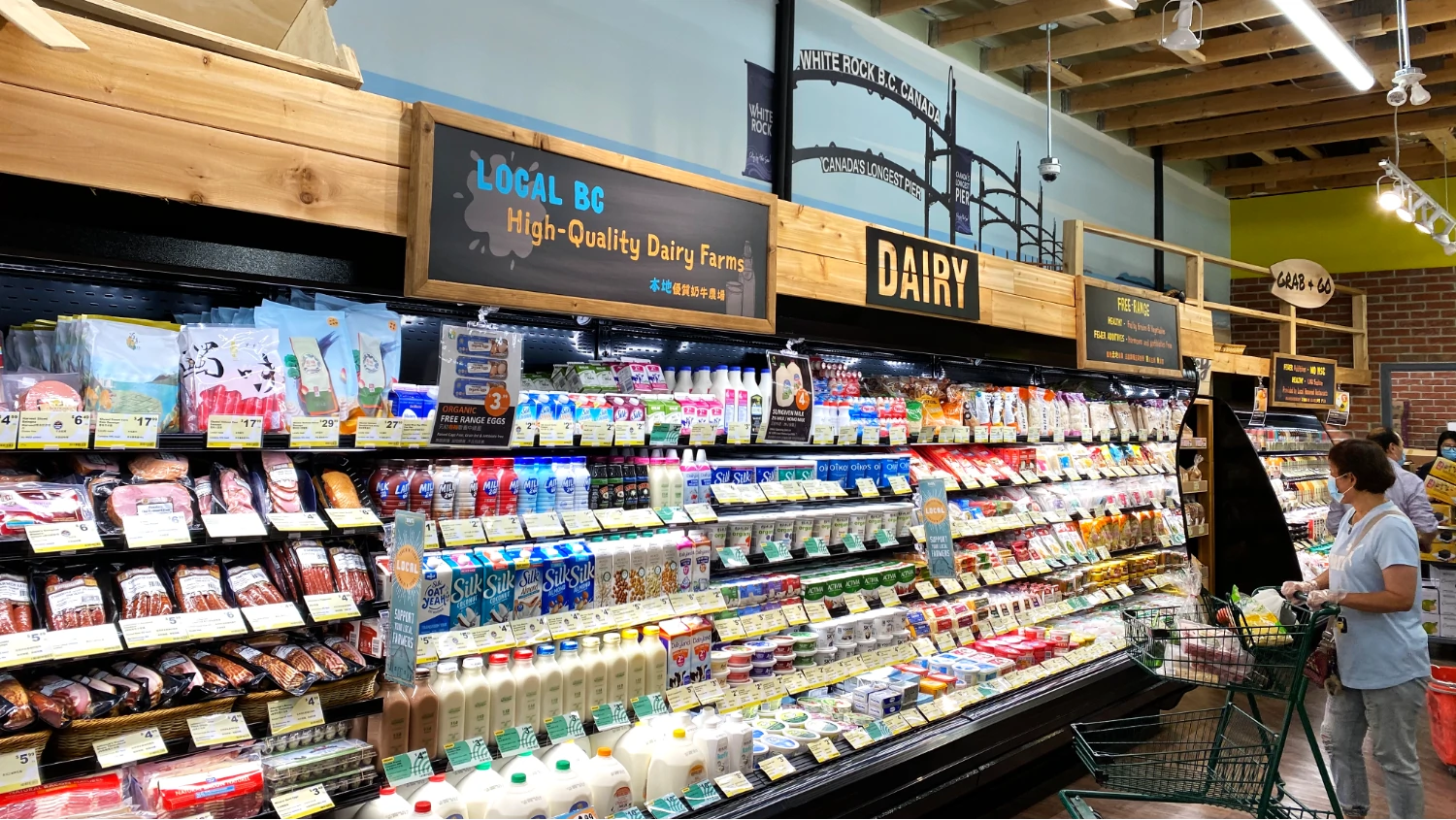
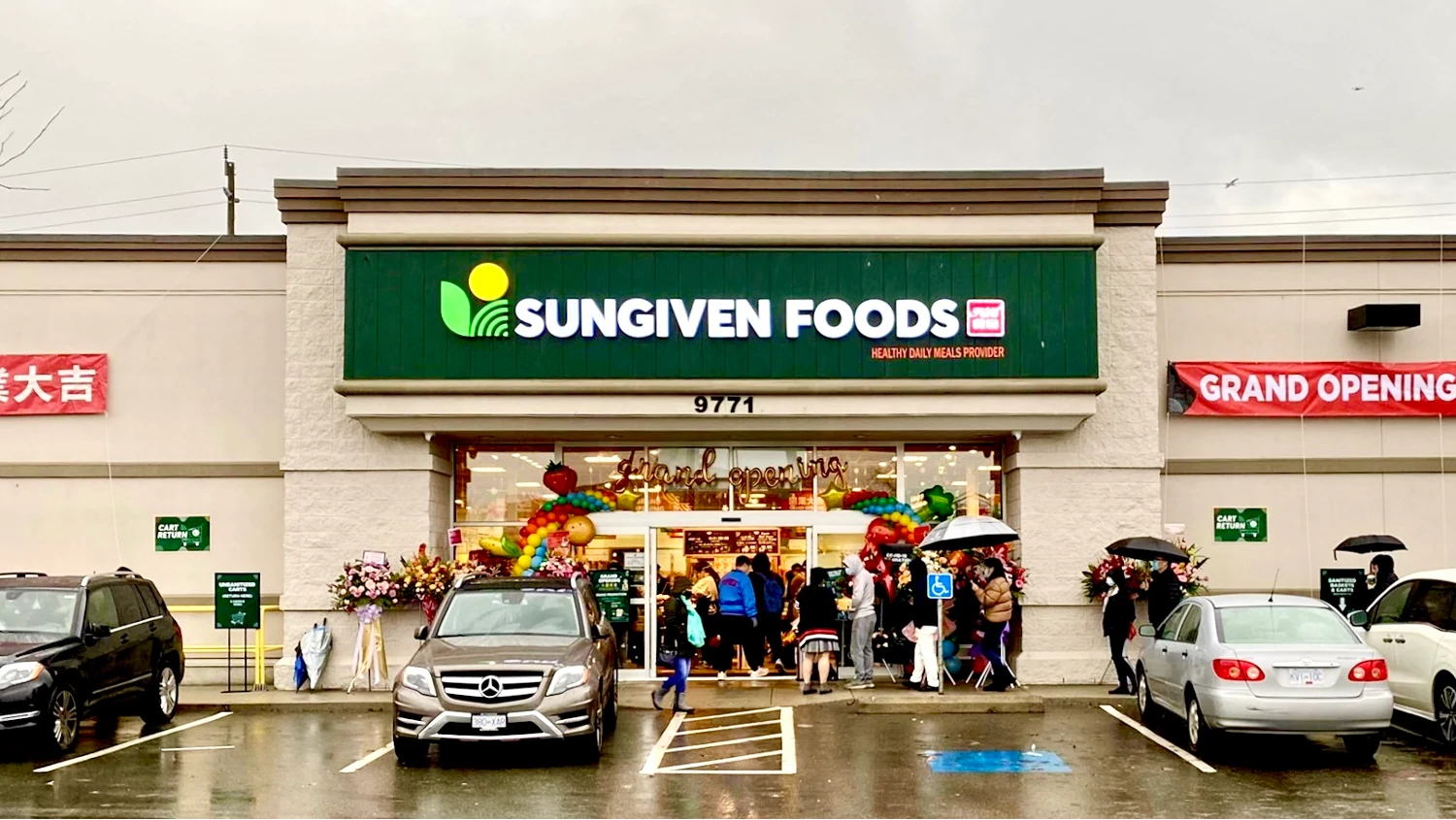
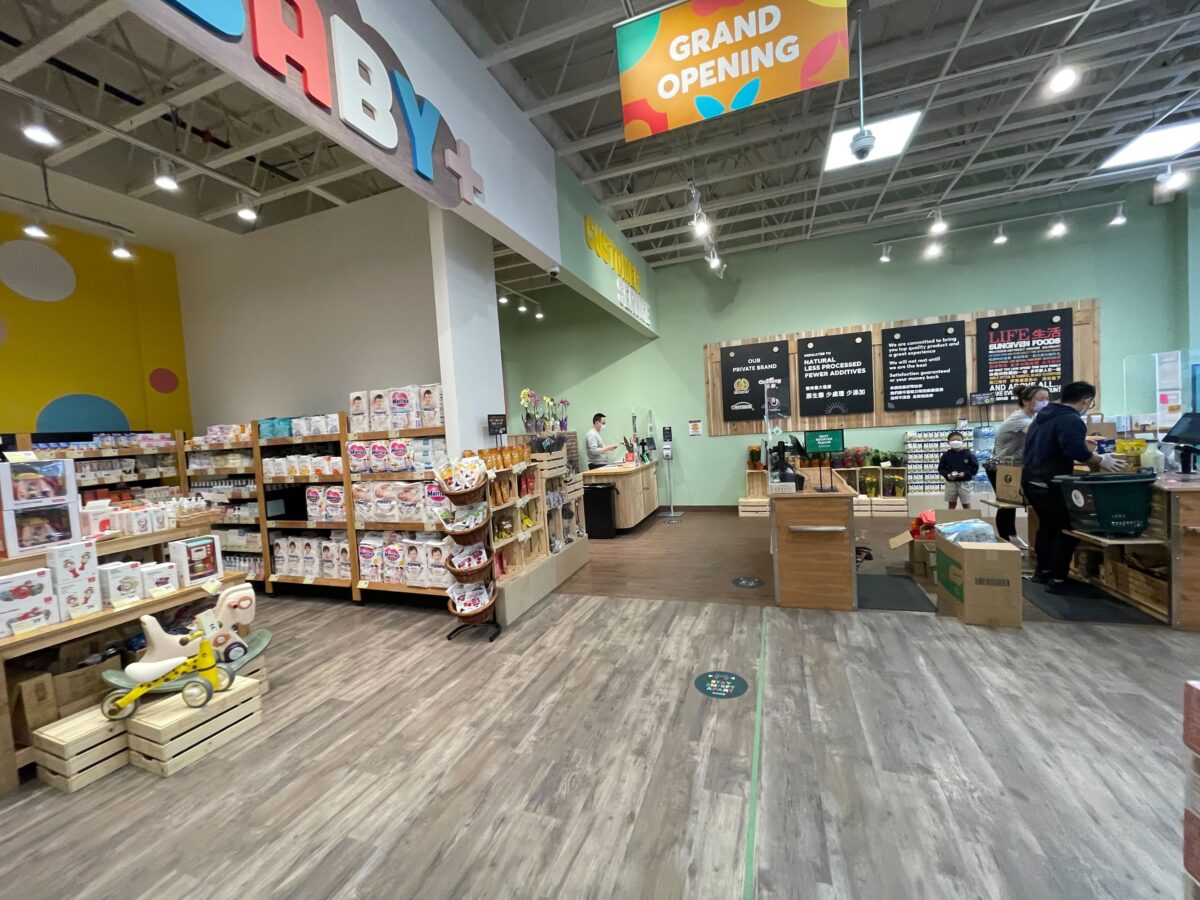
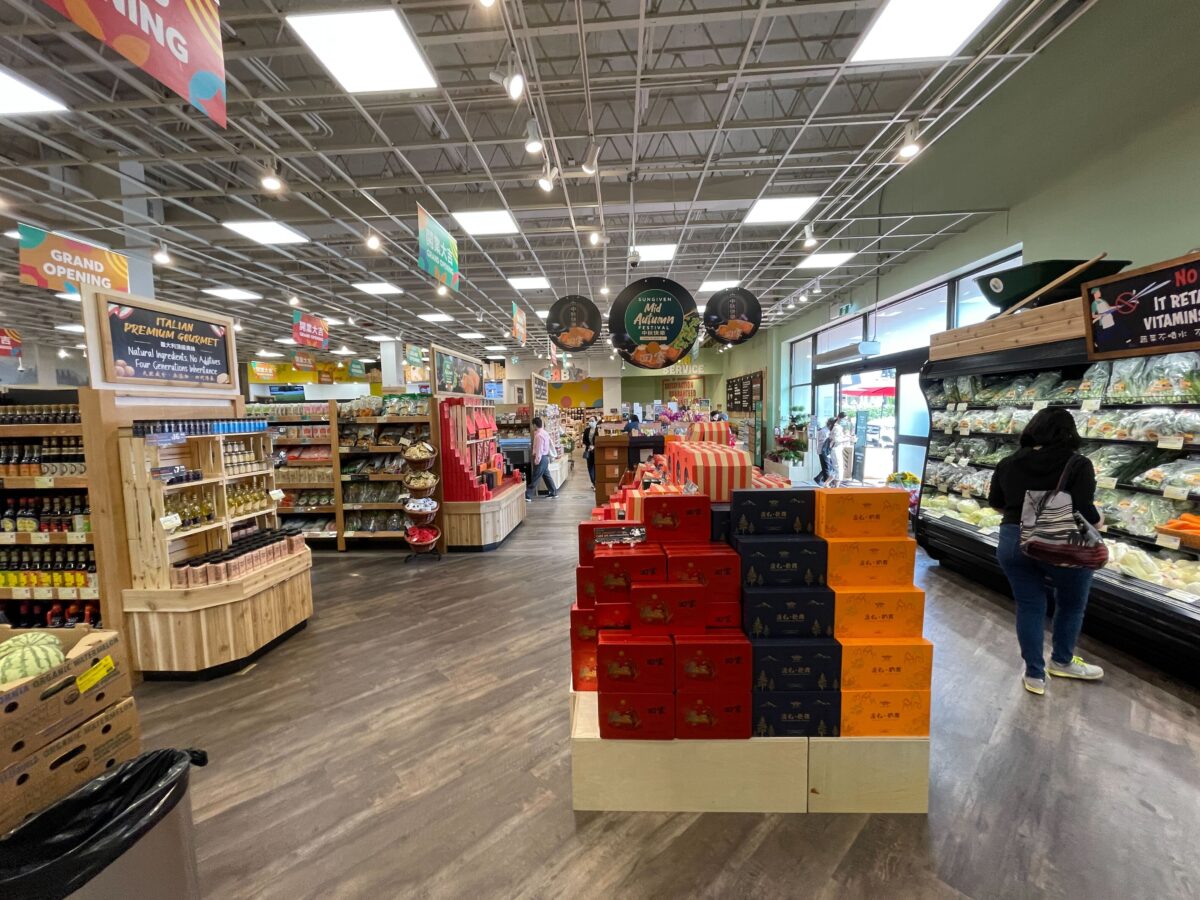
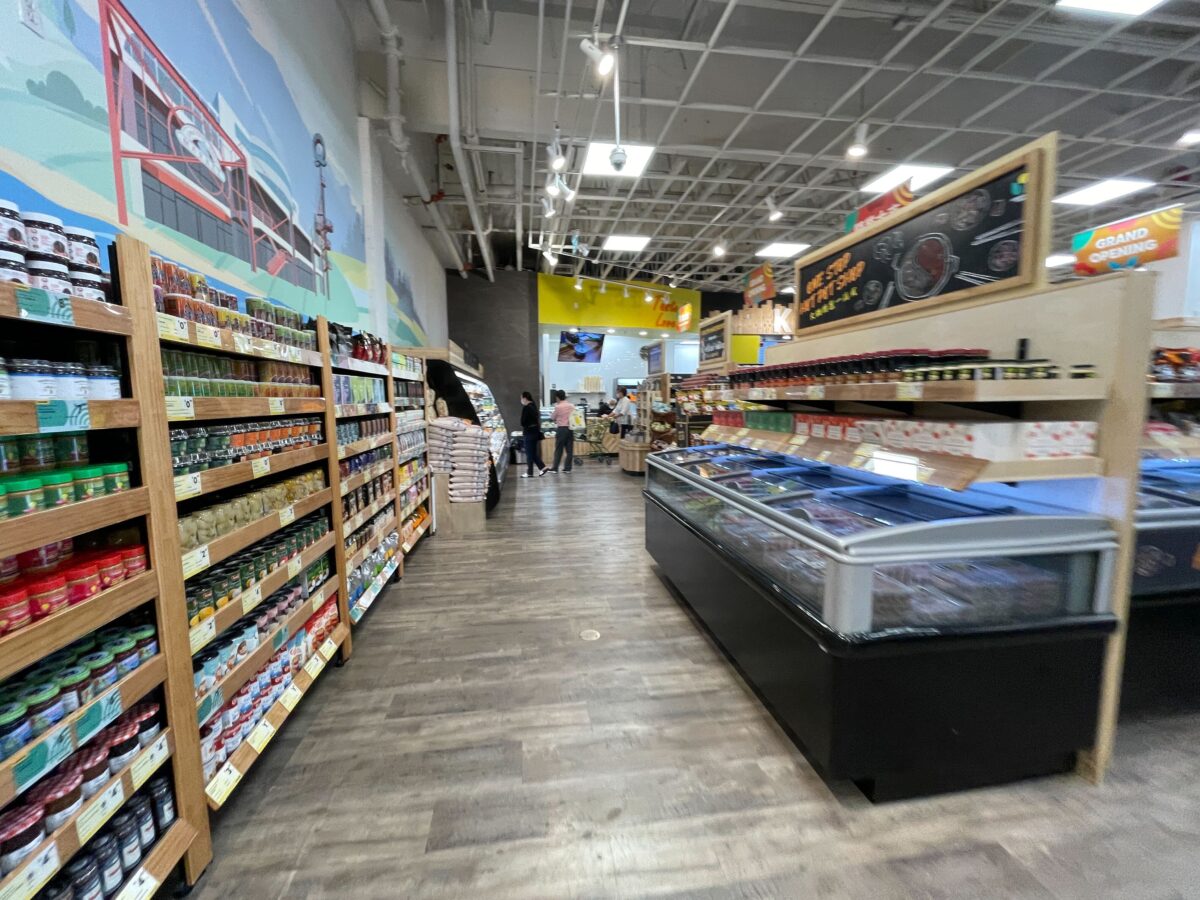
The following are additional photos of the North Vancouver store taken in August 2021:

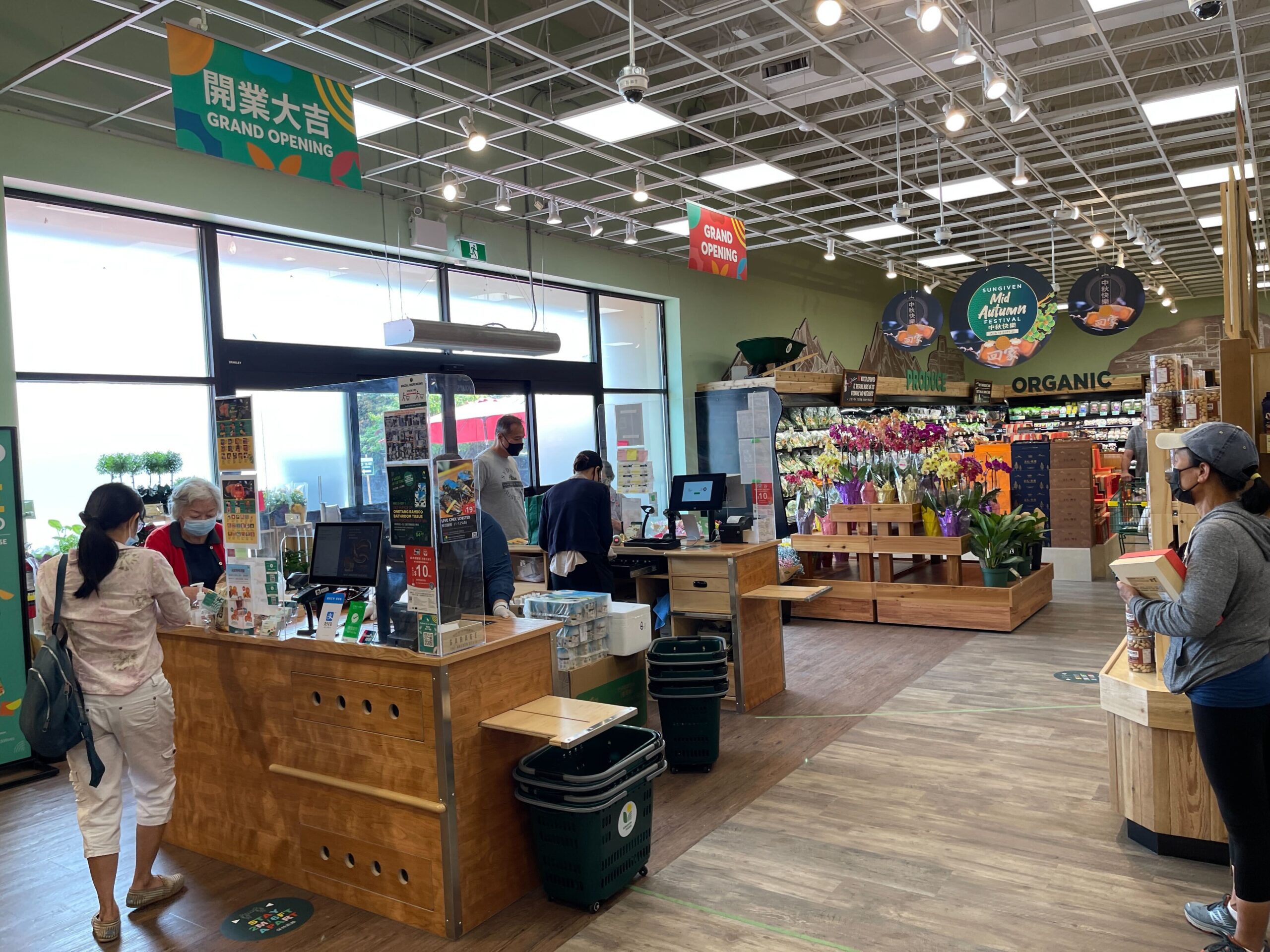
Sungiven Foods open in North Vancouver (August 2021)
Sungiven Foods open in North Vancouver (August 2021). Photo: Lee Rivett.
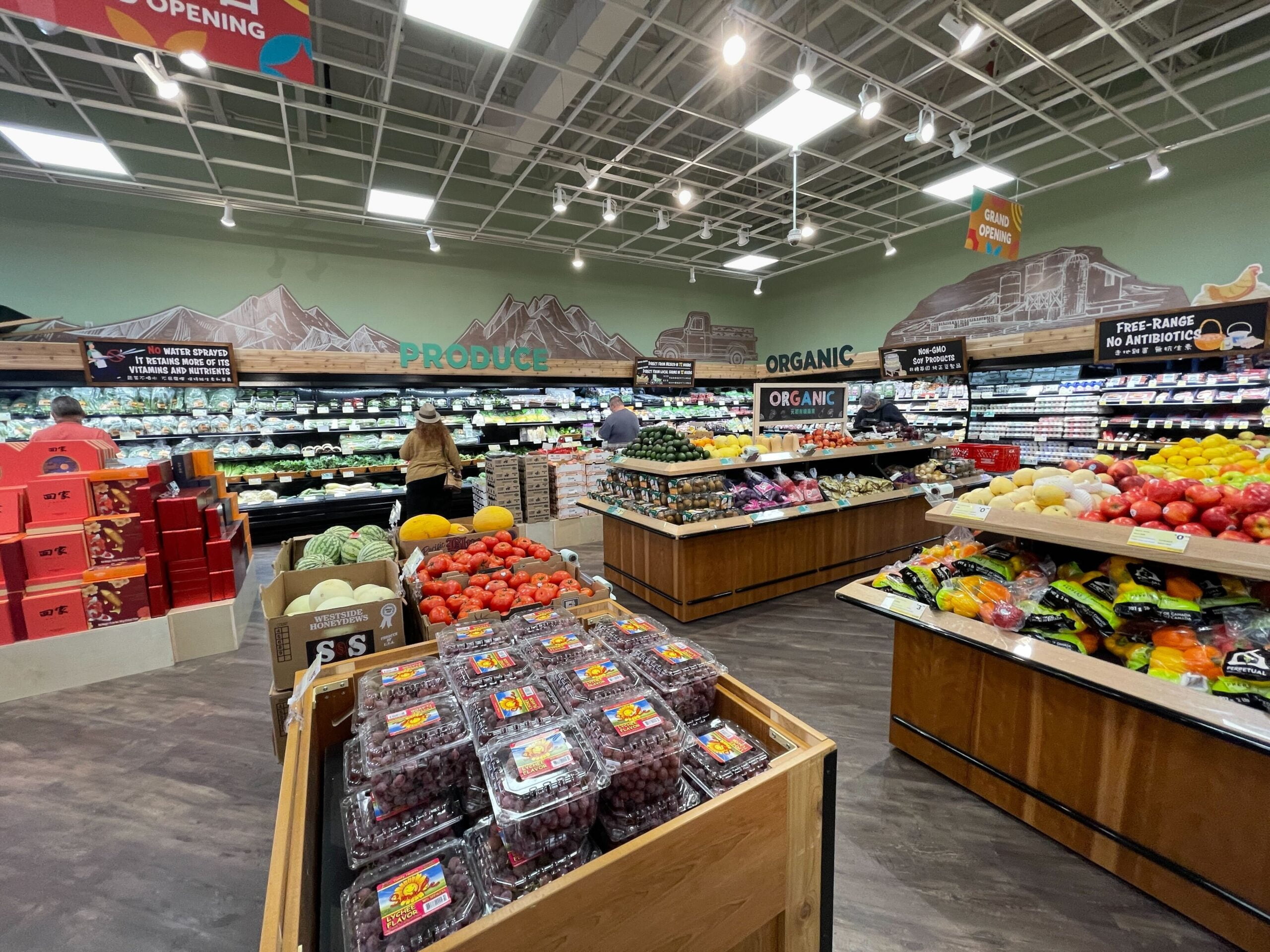
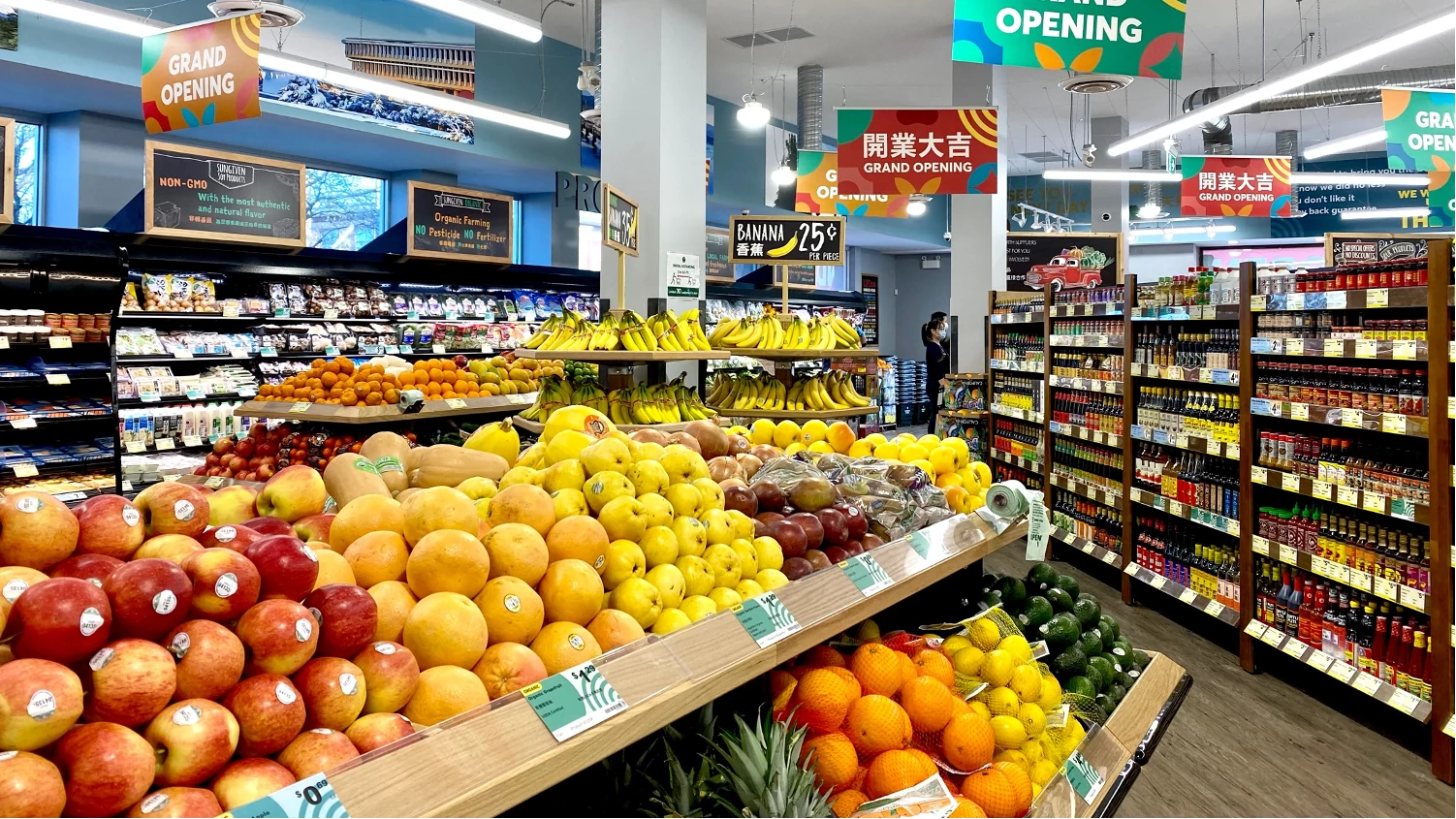
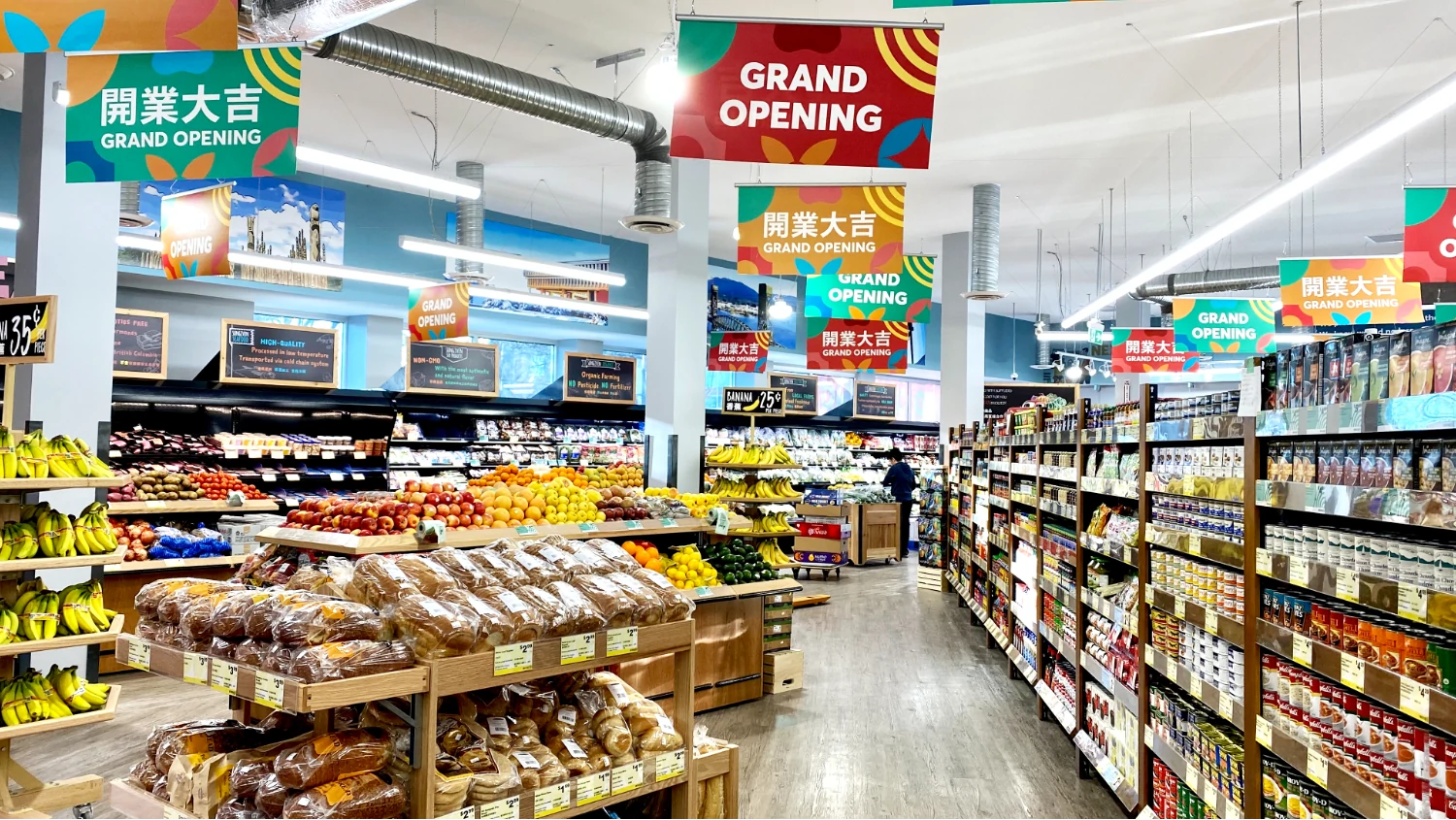
Interior of open Sungiven Foods in North Vancouver (August 2021). Photo: Lee Rivett.
Sungiven Foods in North Vancouver (August 2021). Photo: Lee Rivett.

Canadian Retail News From Around The Web For August 30th, 2021

Canadian Retail News From Around The Web

Top Stories: National

Central/Eastern Canada News

Western Canada News

Majority of Retailers in Canada Want Staff and Customers to be Vaccinated which Could Dictate Mandatory Mandates: Poll

The tumult caused by the COVID-19 global pandemic continues to linger across the country, challenging the recovery efforts of retailers from coast to coast. Though social restrictions in many provinces may continue to loosen as economies endure their gradual reopening, some fear that the virus has not yet been adequately contained and that further waves of its spread could be expected through the Fall and Winter months ahead. And, as vaccination rates are generally considered from a medical and health and safety point-of-view to be the primary forcing function that will either quell or prolong our current situation and the incidents of further COVID-19 cases, retailers are being presented with a philosophical dilemma concerning the unvaccinated among their staff. In fact, according to Suzanne Sears, retail staffing expert and President of Luxury Careers Canada, issues around vaccinations are perhaps the most critical that retailers face today in ensuring a safe and comfortable environment for employees and guests.

“Anecdotally, when we start to develop a clearer understanding of the general public’s perception of the vaccinated and unvaccinated among them, and whether or not they’d feel comfortable shopping in stores where there are unvaccinated employees and customers, the issue immediately takes on massive significance for retailers,” she says. “And, on the employee side, a good majority of the people asked would prefer to work alongside and serve customers who have been fully vaccinated. All of the data, right across the board, is pretty compelling, suggesting strongly that vaccinations is a really key issue for both the suppliers of services and goods as well as the buyers of those services and goods. It’s something that retailers are going to need to address because it’s not going to go away.”

Majority rules?

The data that Sears refers to was generated by a recent sample survey of Canadians which indicates that the issue of vaccinations is not one that is necessarily split evenly among the public, but is one that will continue to intensify as a return to “normal” comes increasingly into the balance. According to the survey, 68 percent of those asked believe that vaccinations should be mandatory for retail store staff, while 65 percent of employees are not willing to work with unvaccinated team members. These are statistics that start to highlight a bubbling narrative around health and safety concerns in the workplace, and could very well be the precursor to some heated debate among the general public on the issue. And, as Wagish Yajaman, Occupational Hygienist and Manager, Speciality Services at Workplace Safety and Prevention Services, points out, it’s an issue that’s already prompting conversation within many retail organizations as they currently attempt to navigate it.

“Vaccinations have become available to everyone across the country, and we’ve experienced a relatively effective rollout of the doses,” he says. “However, there is also the freedom of individuals to not take the vaccine. And that’s where the issue and concerns start to rise. Vaccines are well understood to be one of the layers of controls of the virus and one that everyone, if they are able to, should be practicing. At the moment, some jurisdictions have developed or are developing vaccine passports or other kinds of passes that are being distributed that contain an individual’s vaccine records. A province like Ontario hasn’t gone that direction just yet. But others have. And as employers across the country continue to take a closer look at the issue and the concerns that can arise from it, they’re considering ways to address it, primarily from the point-of-view of protecting the health and safety of their employees.”

Standard set

It’s clear form a health and safety perspective that the impetus for retailers to deal with the vaccination dilemma has been evident for a while. But, with the Canadian Federal Government’s announcement on August 13 that it would be making vaccinations mandatory for all federal employees, and that it would require this obligation to be fulfilled as early as the end of September, came a precedent for all industries to follow. And, closely behind the government, it seems that some retailers are already seriously considering their options when it comes to requirements for employment in order to deal with the issue.

According to a recent poll conducted by KPMG Canada, 62 percent of small- and medium-sized businesses in Canada are developing plans to make COVID-19 vaccinations mandatory for all of their current and future employees. Further, 84 percent agree that vaccines are key to avoiding another lockdown and should be mandatory, and 84 percent support vaccine passports to perform certain jobs or enter certain places. And, some companies have already decided to announce mandatory vaccination requirements for their employees and/or future hires, including all of the countries major banking institutions and Twitter, which has an office in Toronto. Disney in the United States recently came to an agreement with its employees’ union over the issue. And several other companies with operations in Canada – Google, Uber, Lyft and Netflix – are also considering mandatory vaccinations for in-office employees. And, although this seems to be the direction that most organizations will follow, Yajaman points out that the issue of mandatory vaccination requirements could become a very difficult and complicated one for any retailer to resolve.

“These measures may be implemented by organizations with the aim to protect the health and safety of others, but it becomes challenging with respect to the human rights component that’s inherently involved. At the moment, a retailer can ask the question, but the employee isn’t required to answer. So, then what do you do as a retailer in those situations? Your actions could be taken as discrimination if an employee is treated in a different way than others. In the end, the whole issue of taking the vaccine or not is very interesting from the perspective of how we’re going to deal with it.”

Retailer action required

It’s going to be interesting, indeed, as statistics and data continue to generate around the effectiveness of the vaccine or, rather, the ineffectiveness related to not getting it. According to the Public Health Agency of Canada (PHAC), nearly 90 percent (89.8%) of all COVID-19 cases reported since vaccination campaigns began back in December 2020 are among unvaccinated individuals. Further, PHAC data shows that 84.9 percent of Canadians that have been hospitalized with COVID-19 were also unvaccinated, while 82.3 percent of those who died as a result of the virus’ symptoms had not yet received their doses. The data is staggering, and is backed up by research that indicates that people who have been vaccinated are 69 percent less likely to be hospitalized and 49 percent less likely to die from COVID-19 than those who were unvaccinated.

Based on these statistics, it goes without saying that, as vaccinations are one of the most important layers of defence against and containment of the spread of the virus, it’s frustrating for some to follow the slow trajectory of vaccination rates across the country. Currently a less than comfortable 66.1 percent of Canada’s eligible population have been fully vaccinated, far below the 80 percent that’s believed to be required in order to reach herd immunity and begin our emergence out of the pandemic lifestyle. It’s becoming an indictment of the inaction and negligence of some within society – inaction and negligence that Sears says retailers must avoid falling victim to.

“Most of the retailers in Canada have, up until now, been waiting for government action,” she asserts. “Rather than ending up in front of the various provincial labour boards, they’ve been waiting for federal and provincial direction. And now that the direction has arrived, retailers would be doing themselves and their brands a disservice by not attempting to deal with this issue. As we speak, there’s almost an anger building within the vaccinated among us who feel as though the unvaccinated are the reason that we’ve entered another wave and that, if we experience another lockdown, they’ll be solely to blame. There’s a tremendous fear and anger issue that’s about to boil over. And the longer it takes for retailers to develop policy around vaccination requirements, the longer their difficulties around this issue will continue.”

Related Retail Insider Articles

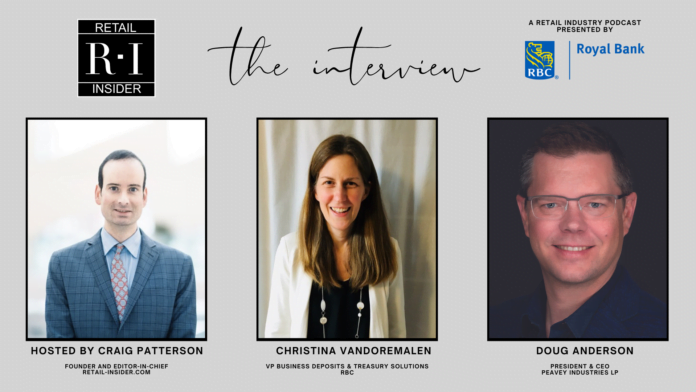
Podcast [Interview]: Christina Vandoremalen of RBC and Doug Anderson, CEO of Peavy Mart, Discuss RBC Insight Edge

Craig speaks with Christina Vandoremalen, VP of Business Deposits and Treasury Solutions at RBC and Doug Anderson, President & CEO of Peavey Industries. They discuss RBC Insight Edge and how it helps support data-driven decision making for expanding retailers looking to gain local insights.

The Interview Series podcast by Retail Insider Canada is available on Apple Podcasts, Stitcher, TuneIn, Google Play, or through our dedicated RSS feed for Overcast and other podcast players. Also check out our The Weekly podcast where Craig and Lee discuss popular content published on Retail Insider which is part of the The Retail Insider Podcast Network.

Interviewed this episode:

Subscribe, Rate, and Review our Retail Insider Podcast!

Follow Craig:

Follow Retail Insider:

Listen & Subscribe:

Share your thoughts!

Drop us a line at Craig@Retail-Insider.com. You can also rate us in Apple Podcasts or recommend us in Overcast to help more people discover the show!

Background Music Credit: Hard Boiled Kevin MacLeod (incompetech.com). Licensed under Creative Commons: By Attribution 3.0 License. http://creativecommons.org/licenses/by/3.0/

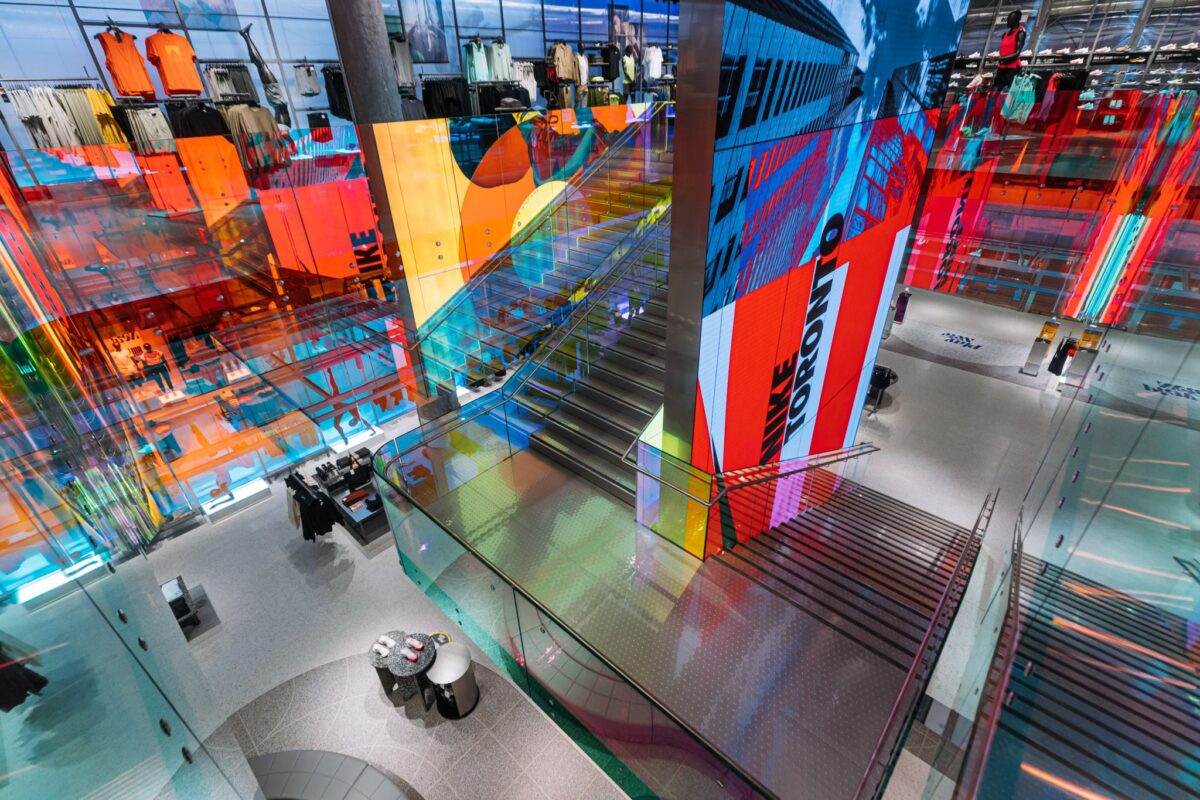
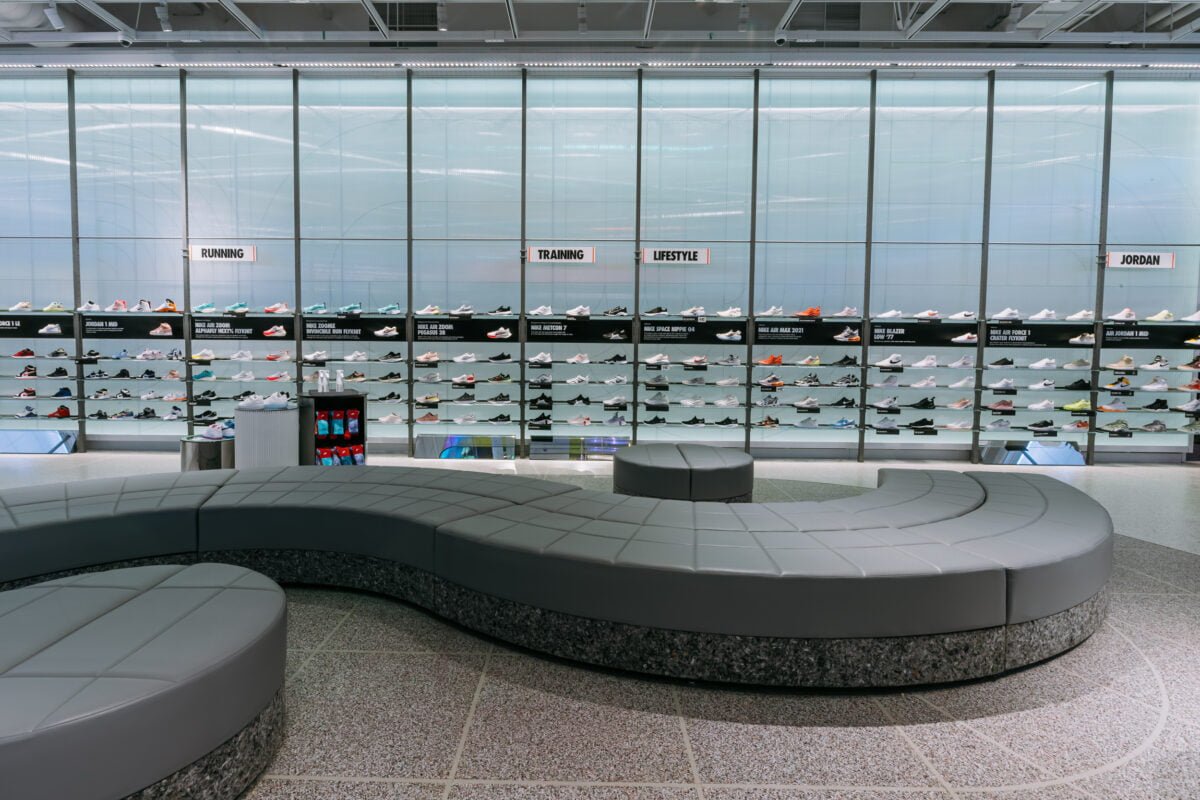
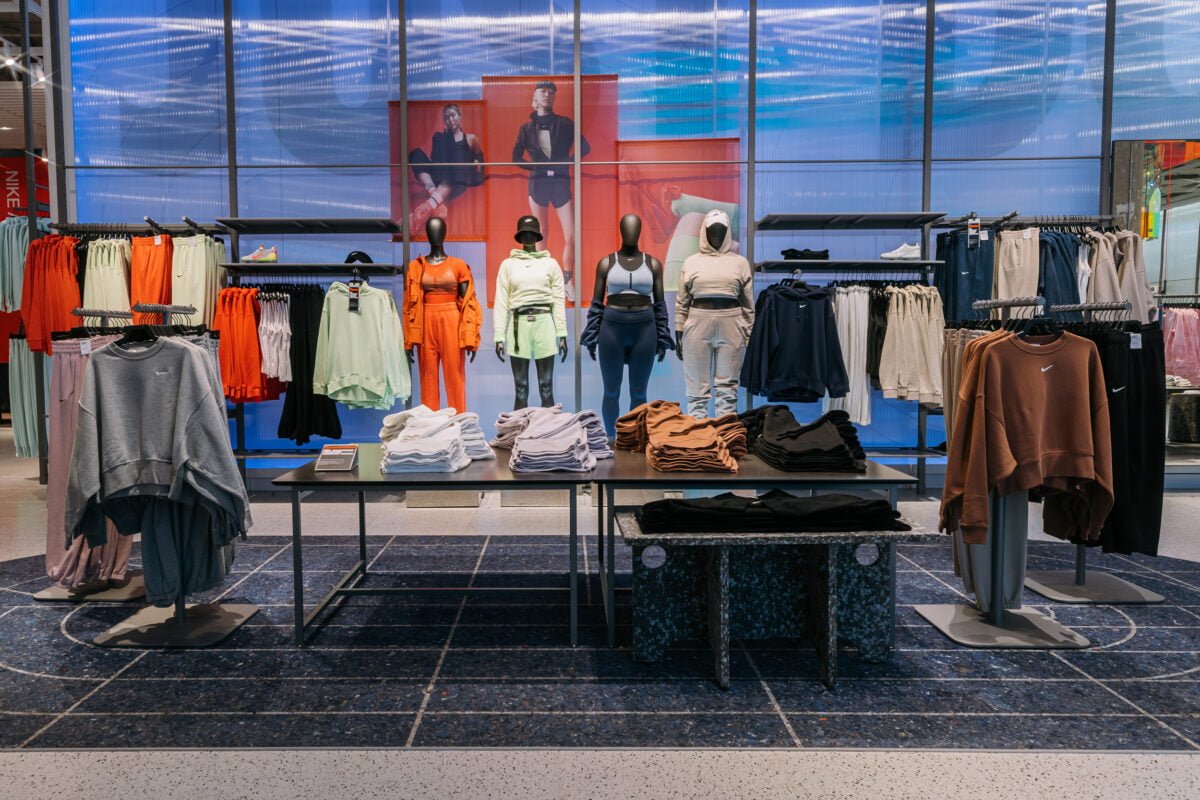
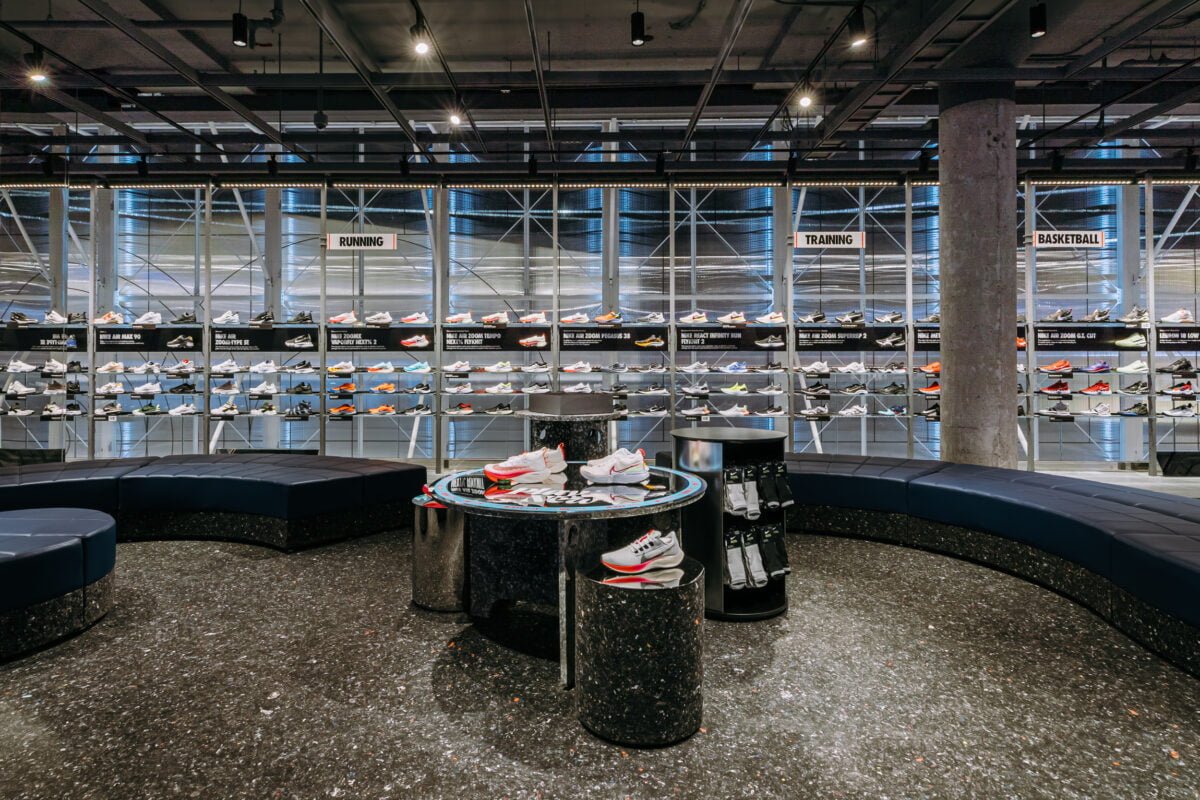
Nike Opens Massive Flagship Store at Toronto’s Yorkdale Shopping Centre

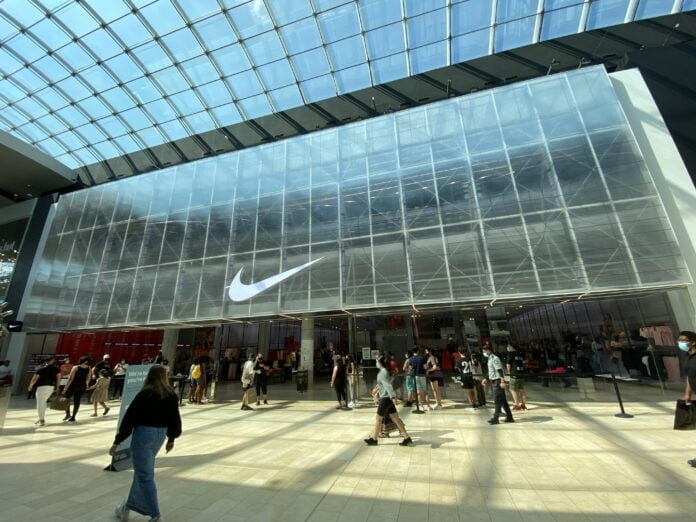
Nike store at Toronto's Yorkdale Shopping Centre in August of 2021. Photo: Craig Patterson

US-Based retail giant Nike has opened its first new concept flagship store in Canada at Toronto’s Yorkdale Shopping Centre. More locations are expected to follow as Nike continues with a store partnership with Israel-based retail fashion chain Fox-Wizel Ltd which already operates sports and beauty stores in Canada.

The Nike store was supposed to open in November of 2020 and it was delayed because of the pandemic. A report in Israel-based news publication Globes in September of 2019 announced that a 25,000+ square foot Nike store would be moving into Yorkdale. The now-open store occupies part of the mall’s former Home Outfitters storefront on the upper level as well as two main level retail spaces formerly occupied by Zara Home and Le Chateau. 

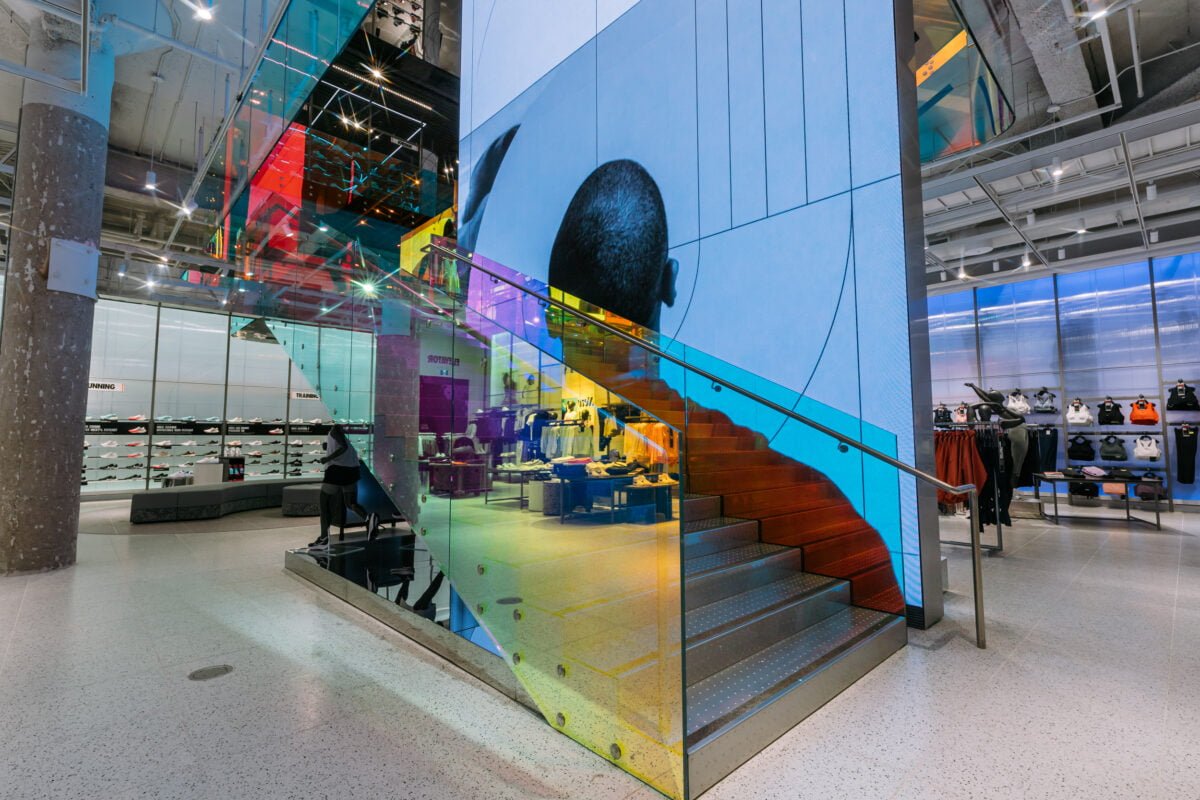
Photo: Nike

The store’s interior features video screens and various departments. The main floor includes Nike fashions for women and kids as well as a service desk. A steel and glass central staircase leads to the second floor which includes men’s items, Air Jordan products and washrooms. 

With an eye towards sustainability, the store features recycled flatpack fixtures, as well as details such as repurposed felt and rubber floor coverings and felt wall coverings as part of Nike Grind, a global sustainability program that helps transform manufacturing scrap and end-of-life shoes into recycled materials.

The Yorkdale store’s design was a collaboration between Nike Store Design in Portland, Oregon and BDP Quadrangle.

According to the 2019 news report, Fox-Wizel invested about $12 million in the construction of the new Nike store with a substantial amount of the financing coming from Yorkdale’s landlord, Oxford Properties. A ten-year lease for the store was reportedly signed with an option to extend it for five years. Annual revenues for the Yorkdale Nike store at the time were projected to be in excess of $20 million annually. 

Nike Yorkdale
Nike Yorkdale (Image: Nike)
Photo: Nike

The Yorkdale Niketown is Fox-Wizel’s largest storefront in the world, containing an expansive assortment of Nike products including fashions as well as technology and gadgets. Fox-Wizel already operates several Nike stores in Canada through its subsidiary Fox Canada that also includes Israeli beauty chain Laline, which is also expanding aggressively into the Canadian market. 

In 2017, Fox-Wizel signed an agreement with Nike Canada to set up a chain of stores in this country over a period of seven years. As a result, a chain of Nike stores have rapidly opened in Canadian cities. More large-format Nike stores are expected to open in major Canadian cities with targets including downtown Toronto and Vancouver. 

Photo: Nike
Photo: Nike

While the brand opens standalone stores, Nike has been pulling out of wholesale partners in multi-brand retailers globally to focus on direct-to-consumer stores. It remains to be seen what happens in terms of distribution of Nike products in Canada in the future.

In years past, Nike operated Niketown locations in major cities globally, though the concept was scaled back. A Niketown location once occupied nearly 40,000 square feet of space at 110 Bloor Street West in Toronto, which is now part of a Brooks Brothers store in a commercial podium that will soon see a significant redevelopment.

Hudson’s Bay Launching SPACE NK Beauty Concept in Canada Including Shop-in-Stores  

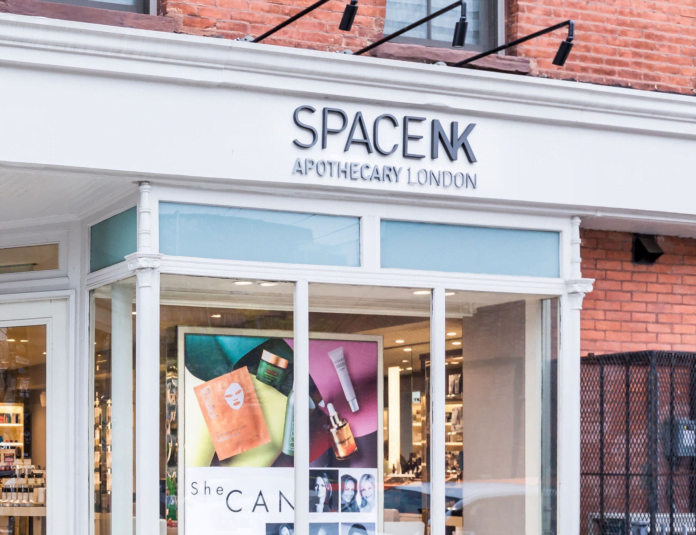
Photo: Space NK

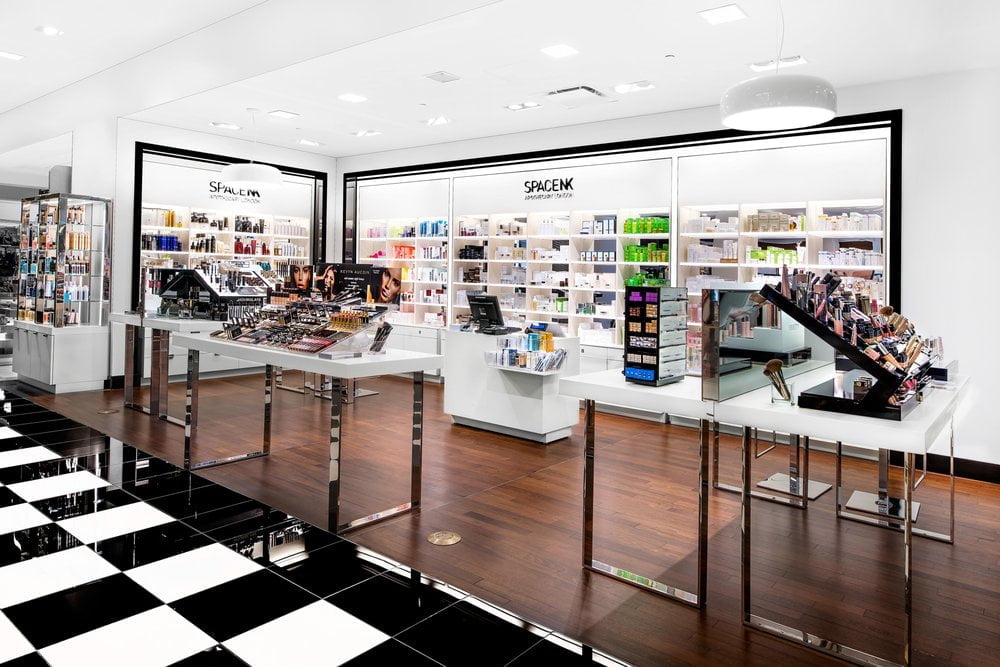
UK-based beauty apothecary concept Space NK is launching an initial three physical shop-in-stores in Hudson’s Bay flagships this fall with an online presence beginning immediately. The long-term strategic partnership could be the beginning of other national brand partnerships with Hudson’s Bay stores. 

The first three physical Space NK wholesale shop-in-stores will be at Hudson’s Bay stores in Toronto, Montreal and Vancouver in October. In Toronto, Space NK will occupy about 1,100 square feet in the main floor beauty hall of the Yorkdale Shopping Centre Hudson’s Bay store. In the downtown Montreal Hudson’s Bay flagship, Space NK will occupy 755 square feet on street level while in Vancouver, the brand will have a 569 square foot main floor shop-in-store at the downtown Hudson’s Bay flagship. More Space NK locations within Hudson’s Bay are expected as the wholesale partnership expands including the Queen Street flagship store in downtown Toronto. 

Hudson’s Bay’s newly rebranded website ‘The Bay’, along with its app, officially began carrying Space NK products on Friday. And this fall, 25 Hudson’s Bay stores will carry a select line of hair care products from brands such as R+co, Virtue, Christophe Robin and Philip B in branded display ‘towers’. 

Space NK at Bloomingdale’s Aventura Mall in Miami. Photo: Bloomingdale’s

An initial 17 brands are being carried at The Bay with with the Space NK partnership, including a range of premium, independent and niche brands never before carried in Bay stores or online in categories including skincare, haircare, and makeup. Brands such as Sunday Riley, Aesop, Tata Harper, Chantecaille and Boy Smells are now available online at thebay.com and more brands will be added in the coming months. 

“This is a beauty game-changer for the Canadian consumer. With a digital-first approach, Space NK brings innovative and sought-after brands to The Bay. Customers will discover an array of skincare, makeup, haircare and lifestyle products,” said Jo Osborne, Senior Vice President of Beauty at The Bay. “This transformative partnership reflects how we are innovating and expanding our beauty experience, for every Canadian, at every stage in their beauty journey.”

Noah Rosenblatt, President of Space NK’s North American operations, said, “Our ability to act as the ‘curator’ of some of the world’s most desired beauty brands uniquely places us to support the beauty businesses of our retail partners. The Bay’s customer profile and presence in the market make them the perfect partner to expand our department store business in Canada.”

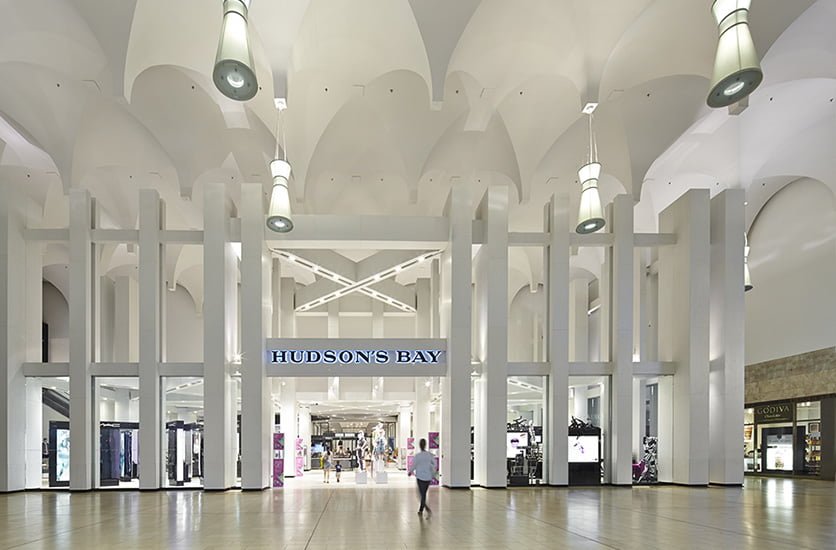
Hudson’s Bay beauty hall at Toronto’s Yorkdale Shopping Centre. Photo: Alex Rebanks Architects Inc.
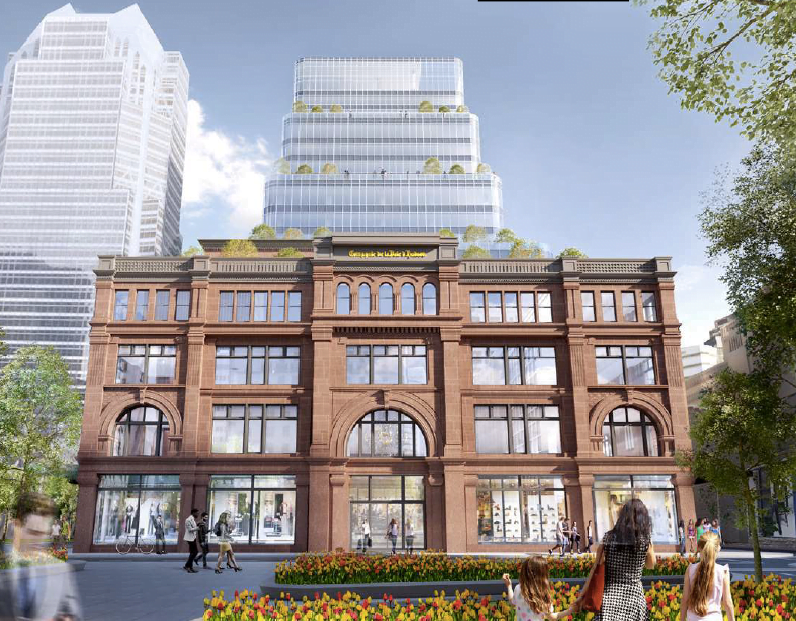
Rendering of the renovated downtown Montreal Hudson’s Bay store. Photo: Hudson’s Bay Company
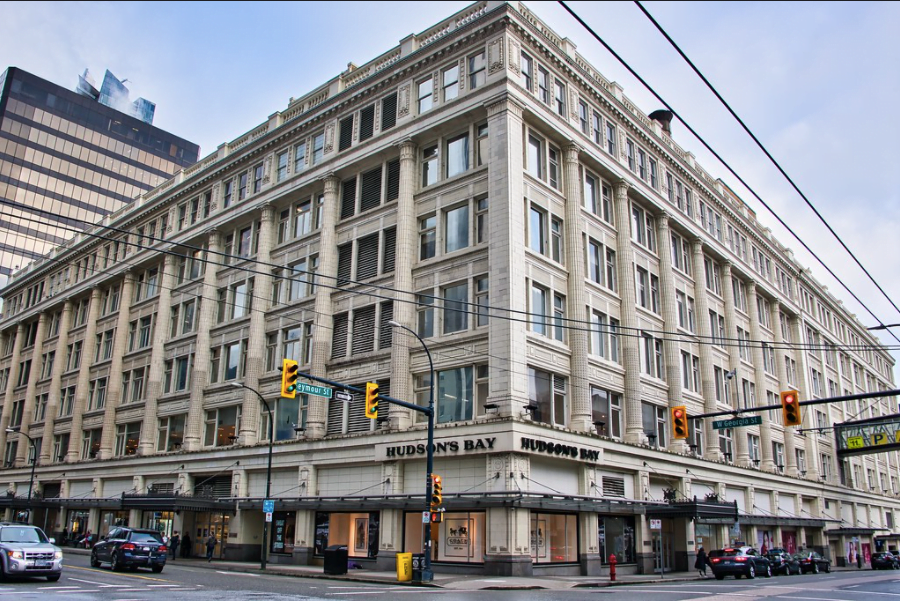
Downtown Vancouver Hudson’s Bay store, image: Ted McGrath via Flickr

Space NK was founded in London in 1991 with a storefront in the city’s Covent Garden which opened in 1993. The company now has over 70 standalone stores across the UK and Ireland. Until last year, Space NK also had eight standalone stores in the United States and the company recently shut them to focus on a wholesale model for the North American market. 

Similar to Hudson’s Bay, Space NK also has partnered with department store retailers in the United States. In 2008, Space NK partnered with Bloomingdale’s to open concessions in several store locations and these are now being converted to a wholesale model as per Space NK’s new strategy. Space NK shop-in-stores are also found in several American Nordstrom store locations. 

Other retailers in North America are also launching beauty shop-in-stores. US-based Kohl’s began rolling out Sephora shop-in-stores earlier this month with plans for at least 850 locations by 2023. At the same time, Sephora is terminating its partnership with JC Penney (which began in 2006) with those Sephora shop-in-stores to shut by next year.

The Space NK partnership marks a new chapter for Hudson’s Bay which is seeing a transformation after a recent announcement that its physical store business and online businesses would be separated into two different divisions. As part of the shift, the physical stores retained the banner Hudson’s Bay while the online division recently took the official name of The Bay. A Hudson’s Bay representative told Retail Insider this week that the retailer will be launching an updated store concept with the opening of an entirely new space at the Oakridge Centre in Vancouver in 2024 as well as in a renovated and downsized downtown Montreal flagship store. The store design will be attractive and the offerings will be innovative according to the retailer.

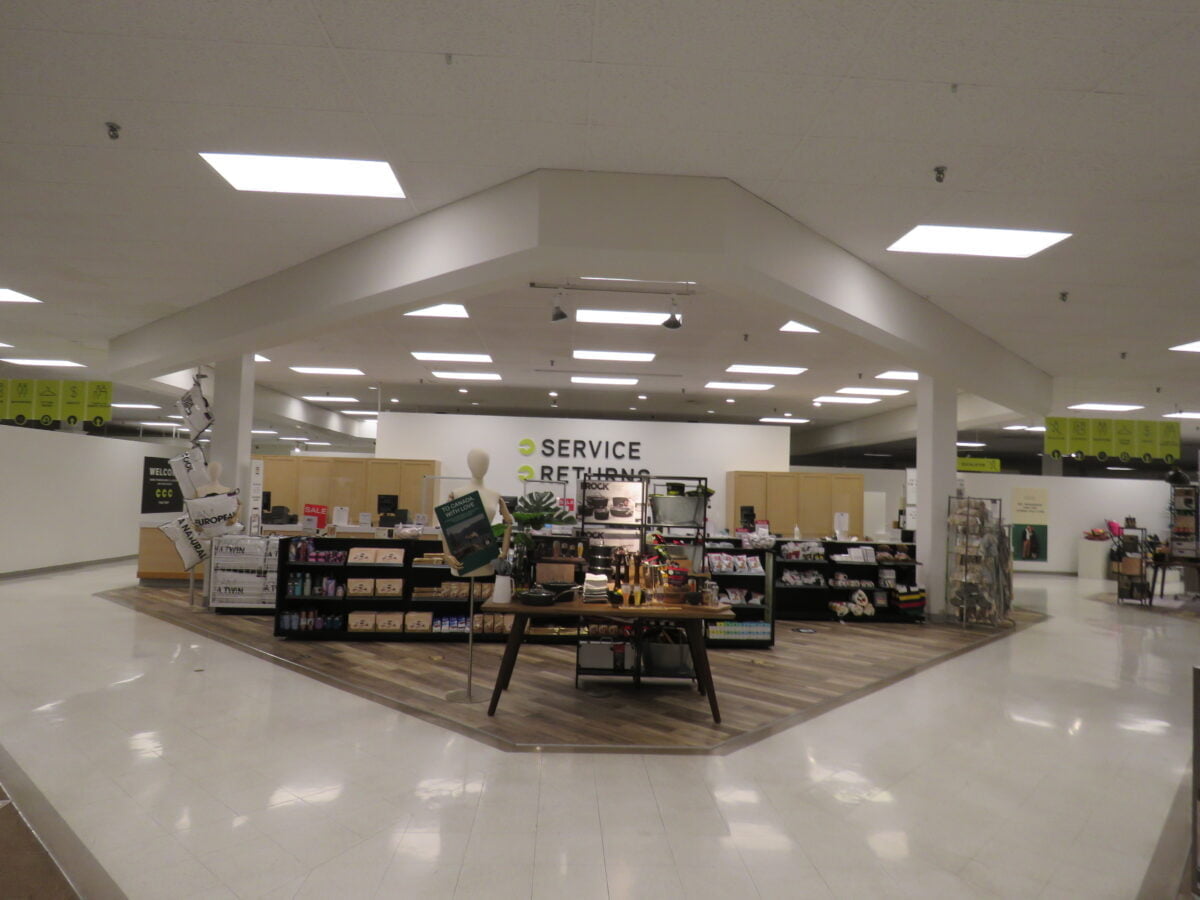
Other Hudson’s Bay department stores in Canada have seen recent updates including a partial renovation to the Londonderry Mall store in Edmonton which now features showroom spaces for baby items and home goods. The two-level store features central checkouts on each level, mirroring recent changes to Hudson’s Bay stores at Centrepoint Mall in Toronto and at the Centre Laval near Montreal. 

New central check-out at Hudson’s Bay Londonderry Mall in Edmonton. Photo: Christa Patterson

More partnerships are expected for Hudson’s Bay in the coming months as the retailer continues to transition its business model and bring in new brands. Hudson’s Bay is competing with the likes of Nordstrom which entered Canada in 2014 as well as a range of retailers and standalone brands that are selling both in-store and online. The department store model has seen a downward trend in North America in recent years as brands increasingly sell direct-to-consumer while pressure also mounts from discounters, off-price and online retailers. Prior to the pandemic, Hudson’s Bay was said to be looking at converting various departments to a concession model where outsourced third parties would operate such departments as footwear and jewellery, with UK-based Kurt Geiger rumoured to have been in discussions to run Hudson’s Bay’s footwear departments in Canada while Australia-based Michael Hill was said to be in negotiations to take over the jewellery operations. 

Hudson’s Bay may still look to a concession model as brands increasingly demand autonomy in terms of selling directly to consumers. Toronto-based Holt Renfrew, currently part of London-based Selfridges Group, shifted its business model in recent years to include a significant amount of leased floor space dedicated to brands operating their own stores such as Gucci, Prada, Louis Vuitton, Fendi, Saint Laurent and others. The concession model is also being adopted by Seattle-based Nordstrom which said several months ago that it planned to expand concession-based sales from 5% to 30% in its stores.