Advertisement
Advertisement
Home Blog Page 957

Alberta-Based Men’s Lifestyle Retailer ‘Adesso Man’ Eyes National Store Expansion

PHOTO: ADESSO MAN

Calgary-based retailer Adesso Man began in 2016 with a mission to provide the latest in men’s lifestyle products at an accessible price point without compromising on quality.

And Abdul Ahmed, founder and CEO of the company, said the goal is to turn the brand into a global retailer in the coming years.

“We’re a men’s lifestyle brand and we specialize in men’s products. Kind of a full range from accessories, lifestyle goods, leather products, gifts. We want to create a one-stop-shop for men’s fashion, style, and personal care products so that we can ultimately help people feel more confident in their daily life,” said Ahmed.

“We have a five, 10-year plan we do want to eventually be a global company. We started off locally. We want to spread nationally. We want to expand into Toronto and Vancouver and across country hopefully in the next two or three years.”

PHOTO: ADESSO MAN

Ahmed said the company began in May 2016 with its first store in Edmonton in the Londonderry Mall. Currently, the company has two locations in Calgary in CF Market Mall and Southcentre Mall. It will have a couple of pop-ups over the holiday season in Kingsway Mall in Edmonton and the downtown Calgary Bow Valley Square. It also usually has a pop-up at the Calgary Farmers’ Market.

“We’re looking at Toronto for the spring/summer of 2020,” said Ahmed. “We’re going to do some locations temp locations to try out the market next year in Toronto.”

Ahmed said the business was started to cater to the niche in the market for men’s accessories and lifestyle products.

“We found that it was very hard to find European-inspired products that were a little bit unique, that were different, that were bold but were also affordable and accessible at the same time. Especially in the men’s market we had to go to four or five different places to get everything we needed. So we wanted to create convenience as well as offer really unique products,” he said.
“We originally were just going to be an accessory company and an accessory brand but our brand’s kind of expanded over the last three years to really cater to more of the lifestyle for men. Now we’ve expanded into grooming and leather goods and gifts. A little bit of apparel as well. Over time, our vision has changed a little bit.

“The problem we’re speaking to or trying to solve is to really help men feel more confident through fashion and personal care. We really want to offer an outlet for men to be expressive and feel comfortable and non-judged and really help them feel good through the platform that we have which is through fashion accessories and personal care and grooming and gifts.”

Ahmed said the company’s initial target market is men between the ages of 22 and 38 – in that Millennial kind of space. But it also has a plus 38 years old group which is different and looks for more classic, quality goods, and more conservative items. The brand also appeals to female customers who are looking for gifts for the men in their lives.

As he looks to the future, Ahmed said the goal is to expand.

“We definitely want to be a major player regionally and we’re looking to expand nationally into bigger markets as well. We see Adesso being the go-to men’s lifestyle brand in Canada and the United States within the next 10 years. Being a recognized brand, the brand of choice for men that are looking to really elevate the way that they look and feel,” said Ahmed.

“In the next three years depending on how things go, we want to have a presence in major cities. So eight to 10 stores would be highly doable but we also want to really expand our reach in North America through our online platform as well. So really being more global and having a lot more reach in the ecommerce space. Obviously having the pop-up stores and stores is great for presence and from a service standpoint too to really get our brand message across and let people experience the brand.

“I totally believe in brick and mortar. It’s highly important for our business and any retail business. But just to make it more interactive and more experienced based. Whereas from a reach perspective we definitely want to expand into the United States in the next two years and really start our growth in the U.S. It’s a large market and it’s a lot of opportunity for us as well.”

In Italian, the word adesso means ‘now’; ‘In the moment.’

“One of our business partners is Italian. When we first started out we were very inspired by Italian fashion. A lot of our products were coming from Italy. We were looking for something that resonated with our brand and who we were,” said Ahmed.

“Adesso means ‘now’ and ‘in the moment’. Current. It kind of signifies that we’re always going to be in the now, on trend and it’s also really easy to remember. It’s an easy name that resonates with people.”

JLL Releases Study Indicating Strong Retail Fundamentals and Record-Low Vacancy Rates in Canada

PHOTO: RETAIL INSIDER (QUEEN STREET, TORONTO)

By Mario Toneguzzi

Retail fundamentals in Canada remain strong as vacancy rates reached a record low in key markets and for most property types in the second quarter of this year, according to commercial real estate firm JLL’s .

The report says the Canadian retail market remains robust well into 2019 with the lowest vacancy recorded in four years at 2.3 per cent as net absorption continues to surpass deliveries. 

PHOTO: CADILLAC FAIRVIEW (TORONTO EATON CENTRE)

“The average asking rent growth has decelerated from its peak last year but remains positive. General retail reached the highest net absorption in the first half of the year with over 2.2 million square feet, followed by shopping centres with 1.4 million square feet of net absorption year-to-date,” says the report. 

“In contrast, malls have seen a slightly negative net absorption and a corresponding marginal increase in vacancy rates. This is particularly prevalent in Western Canada, where landlords are keen on redeveloping retail spaces, repositioning existing tenants or bringing new options to become more competitive in the marketplace.

PHOTO: JLL

“Overall retail sales growth in Canada is lower than historic averages but remains robust, growing at 1.9 per cent in the first half of 2019 compared to the same period in 2018. Montreal and Toronto are pulling that average up, however, growing by 6.4 and 4.5 per cent, respectively. The top contributors to sales growth are grocery, beer, wine, and liquor; jewellery, luggage and leather goods; and furniture sales. Cannabis sales have also seen exponential growth in Canada with the recent legalization of its use for recreational purposes.”

JLL described Canada, and in particular, Toronto and Vancouver as being in their “peaking market” category in the real estate cycle. Montreal and Ottawa were in the “rising market” category while Calgary and Edmonton were in “bottoming market” in the cycle.

Of course, the retail industry’s health is predicated on the overall economy.

“The Canadian economy picked up in the second quarter of this year. Overall, GDP grew at an annualized rate of 3.7 per cent, marking the best performance since 2017. Despite weak consumption and business investments, household disposable income has increased. As global economic conditions become less favourable, the trends Canada is seeing are certainly encouraging,” says the JLL report. “Strong job growth pushed unemployment down to 5.4 per cent this May, the lowest rate in 43 years. Consumer confidence remains above historical average levels and consumer spending has gradually grown each quarter over the past two years. 

“Going forward, Canada will confront short and mid-term challenges that may undermine its growth. The challenges include uncertainty surrounding the upcoming federal election, high household debt, slower housing activity, U.S.-China trade tensions, a possible U.S. recession, and moderating global economic growth. However, Canada has rising energy prices, manageable federal finances, and a growing labour population to help abate these threats and challenges. We expect Canada to continue its growth trajectory on par with its historic average.”

The report says Canada, like the U.S., is facing growing pressures of increasing rates of online sales, cost-efficiency of operating businesses, and the surplus of department store space from mid-price department store closures. But Canada has not been affected by the wave of U.S. store closures as one may think. Canada has about 40 per cent less shopping centre space per capita than the U.S., which has put Canada at an advantage during the wave of closures over the past few years. 

The influx of international retailers has reinforced Canada’s role as an entry point for U.S. brands looking to open stores abroad and Asian retailers that are trying to establish outposts in North America, says the report.

“Reflecting on Target and Sears’ Canadian experience, many brands have preferred to test the waters and gain small wins before rolling out multiple stores nation-wide,” the report says.

PHOTO: YORKDALE SHOPPING CENTRE

L.L. Bean opened its first store in the Greater Toronto Area (GTA) late this summer after launching a Canadian e-commerce site and selling products through Canadian retailers. L.A.-based Reformation opened its first location outside of the U.S. just north of Toronto at Yorkdale Shopping Centre in July. Ulta Beauty has announced the opening of its first international store in Canada sometime in 2020. Chick-fil-A opened its first Toronto location at Bloor and Yonge Streets, steps away from Nordstrom Rack and McEwan. UNTUCKit has plans to open additional stores following the success of its first storefront in Toronto that opened at the end of 2018. 

“After launching its first Canadian physical presence in 2017, digital native, mattress-in-a box retailer Casper now has locations in the GTA, Calgary, and Vancouver. Eyewear Warby Parker expands West with its first location in Vancouver’s Kitsilano in February 2019. Seafood City, a California-based Filipino-focused grocer, plans its expansion nationwide in partnership with fast-food chain Jollibee,” states the JLL report. 

“Japanese dollar store, Oomomo, opened the doors to its first Toronto location last December. MUMUSO, a Korean-inspired dollar store, opened its first Toronto location this July at the North York Centre. Though the brand is based in China, its business and products are marketed as Korean. Innisfree, an all-natural cosmetic brand based in South Korea opened its first Canadian store at Yorkdale Shopping Centre this summer. Korean-inspired retailer, Ximivogue is coming to Toronto at CF Fairview Mall and CF Sherway Gardens. The Japanese fashion retailer, Uniqlo opened its first Canadian store at the CF Toronto Eaton Centre in 2016. The retailer now has 11 stores and has just opened its first Alberta storefront at the West Edmonton Mall. Japanese minimalist style retailer Muji opened its first location in 2014 on Dundas Street in Toronto. After undergoing major renovations, the space reopened as the first flagship in Eastern Canada. 

Miniso, a Chinese-owned and operated company branding itself as a Japanese retailer, launched in Canada in 2017 and rapidly opened 67 stores across the country, with another 11 announced. This July, Miniso was granted credit protection for undercapitalization and intends to continue to operate the stores. With the goal to reach 100 branches over the next five years, Filipino fast-food restaurant Jollibee continues to expand in Canada and opened this August its fifth location in Edmonton, after Winnipeg and the GTA. Dutch retailer, HEMA, announced it will be opening in Ontario later this year thanks to a partnership with Walmart. The value-based retailer sells household goods, beauty products, clothing, and more. 

PHOTO: RETAIL INSIDER (WEST EDMONTON MALL)

“Italian food concept Eataly is set to open at the Manulife Centre in the Bloor-Yorkville corridor in Toronto this fall. It is rumoured that the concept will expand into Montreal and Vancouver in the future. The French sporting goods retailer, Décathlon, has announced expansion plans following its first successful storefront location in Quebec.”

JLL’s report also says Canada’s luxury market continues to grow and thrive with the continued concentration of luxury brands in Toronto’s Bloor-Yorkville corridor and Vancouver’s Robson Street corridor; the solidification of Yorkdale Shopping Centre as a luxury node where several international luxury brands have decided to establish their flagship; the emergence of luxury in West Edmonton Mall with new doors from Louis Vuitton and SJP by Sarah Jessica Parker; the under construction Royalmount in Montreal that will dedicate significant space to luxury brands. 

PHOTO: ROBSON STREET (VANCOUVER)

All in all, the report provides a comprehensive overview of the state of Canada‘s retail market, not only covering key trends and developments across the country, but also exploring the nuances of its major markets. It ultimately demonstrates with numerous examples and market indicators why retail in Canada, despite constant pressure and change, remains favourable.

*Partner content. To work with Retail Insider, email: craig@retail-insider.com

RioCan Intensifying Retail Properties in Canada to Create High-Density Mixed-Use Communities

PHOTO: RIOCAN (KING AND PORTLAND CENTRE, TORONTO)

RioCan Real Estate Investment Trust, through its residential brand RioCan Living, is shaping the communities where Canadians shop, live, and work by delivering best-in-class purpose-built rental units and condos along Canada’s most prominent transit corridors. Many projects involve site intensification of existing RioCan retail sites.

The real estate company has 41 potential residential projects, 20,000 potential units, 2,700 units currently under construction, 2,100 additional units underway by 2021, and they’re all located in Canada’s major markets.

The mixed-use developments are in high growth, high population, and transit-oriented major markets where existing retail properties may otherwise be under-utilized.

RioCan is one of Canada’s first and largest REITs focused on the ownership, management, and development of high-quality, mixed-use properties with strategic positioning in Canada’s six major markets.

“We have seen a trend towards urbanization and we’ve seen a trend toward transit-oriented, mixed-use developments for quite some time. We’ve got a lot of really well located retail properties that have always been an important component to any community but we also sense that in order to be a thoughtful land owner and city builder that a lot of these properties that are sort of 25 per cent coverage – where you’ve got a building covering only 25 per cent of the land it’s on – is certainly not at that property’s highest and best use to be utilized as such,” said Jonathan Gitlin, RioCan President and Chief Operating Officer.

“That there’s a much more important community building exercise that we can undertake which underscores the need for housing, underscores the need for a proper community hub, and underscores the need for new and dynamic retail which all makes up a part of a lot of these mixed-use developments. Based on all those components and ideas, we have gone about reviewing our portfolio of retail properties and where we think those themes all connect to a property we’ve really gone about rezoning them, ensuring that the market and area around us will absorb the property both in the sense that they will welcome it this new more dynamic mixed-use development and another prominent feature is making sure that the city, the municipality, likes the exercise because they are promoting a lot of density where there is transit. And we happen to have a lot of properties where there is transit.”

RioCan has an enterprise value of $14.3 billion with 230 properties and net leasable area of 39.1 million square feet.

The company’s strategy is to concentrate within major markets, drive organic growth, unlock intrinsic value, and mitigate risk effectively.

Those six markets have 97.8 per cent committed occupancy.

PHOTO: RIOCAN (BRENTWOOD VILLAGE & BRIO, CALGARY)

In the six major Canadian markets, RioCan has 175 assets with 30.9 million square feet. The breakdown of the number of assets and space for those cities is: Vancouver, seven, 1.8 million square feet; Edmonton, 12, two million square feet; Calgary 14, 3.4 million square feet; Ottawa, 36, 4.8 million square feet; Toronto, 86, 15.9 million square feet; and Montreal, 20, three million square feet.

RioCan has a total development pipeline of 27.2 million square feet – 48 per cent or 13.1 million square feet has zoning approval, 27 per cent or 7.3 million square feet has applications submitted, and 25 per cent or 6.8 million square feet is future estimated density.

RioCan has 2,700 residential units under construction with an additional 2,100 units underway by 2021.

PHOTO: RIOCAN (5TH & 3RD EAST VILLAGE, CALGARY)

“We have really tried to create a consistent portfolio so that when people see a RioCan Living building they know it because of certain attributes. One obviously the biggest is that they’re transit-oriented. They will typically be on or near LRT or subway lines or in some cases BRT lines. That is certainly something that is consistent throughout all of our mixed-use developments,” said Gitlin.

“The other is that they are operated in a first-class manner. They’ve got modern amenities. They are new purpose-built rental buildings. They’re also representative of really good mixed-use environments where we’ve married retail and residential in a really good manner. Being Canada’s largest retail landlord we bring a lot to the table being able to curate a perfect mix of retail that serves as a great amenity to the residents above and I think it also benefits the retailers below having these residents above them. We really strive to create that perfect balance between the retail and the residential.

“The other consistent theme is always ensuring what we build fits into the fabric of the community in which those properties are located. So we’re not just building for scale for the purpose of gaining scale. We’re building something that we usually go out to the community beforehand, consult with them, get their sense of what is needed in that neighbourhood.”

PHOTO: RIOCAN (NATIONS, TORONTO)

Part of RioCan’s success is staying ahead of changing consumer trends. The increasing strength and quality of its income is a result of growth in necessity-based and service-oriented tenants within its portfolio. In fact, as of the second quarter of this year, 74 per cent of rent came from necessity-based and service-oriented tenants. Also, no single tenant represents more than five per cent of annualized rental revenue.

PHOTO: RIOCAN (LAWRENCE ALLEN CENTRE, TORONTO)

“Our portfolio alone we’ve seen a pretty dramatic shift over the last call it decade or so where we’ve seen the amount of apparel and department stores as a portion of our overall portfolio shrink quite dramatically. It’s about eight per cent now and that’s down about eight per cent in the last 10 or 11 years. So you’ve seen a shift over towards in our portfolio more necessity-based goods. Grocery and personal services and value retailers like dollar stores. Specialty retailers. Even the apparel business has shifted dramatically where we are by and large getting out of that sort of middle of the road apparel purveyors and we’re getting more into the Winners and Marshalls and more value-oriented tenants,” said Gitlin.

PHOTO: RIOCAN (THE WELL CONDOS, TORONTO)

“The consumer out there wants value and we’re there to provide it. And these uses are harder to be disintermediated by the internet and internet shopping.”

Gitlin said that over the last few years RioCan has accelerated its shift towards being a major market portfolio.

“We announced it two years ago in 2017. At the end of 2017, we came out and said we want to be in a position where 90 per cent of our income is coming in from the six major markets in Canada and around 50 per cent of our income is coming in from the Greater Toronto Area. And we’re just about to succeed in both of those objectives and that’s simply a by-product of the fact that there’s just simply more population growth in those six markets,” he said.

“We speak to our retail tenants all the time, engage where their interest lies. More often than not, they’re looking to grow in those markets over some others. That to us has been a key strategic shift and it’s really a bit of a game change for us from the way we operated our business. Between that and our evolution to focus on developing these mixed-use communities that covers a significant amount of how we are changing our way of doing business.”

Eataly Announces Toronto Opening Date as it Kicks Off Canadian Retail Expansion

Eataly frontage on Bloor at the newly renovated Manulife Centre (CNW Group/Eataly)

Italian food concept Eataly has announced the November opening date of its first Canadian location, which will be located in the overhauled retail podium of Toronto’s Manulife Centre at 55 Bloor Street West. The company says that more locations will open in Canada if the right spaces can be found. 

Eataly is a hybrid grocery store/restaurant, which some refer to as a ‘grocerant’. The Toronto location will feature a grocery store, fresh market, four restaurants, and at least six bars, counters, and coffee shops. The company expects locals to make weekly shopping trips to shop for groceries at Eataly, which will become another grocery option for Toronto’s affluent high-density Bloor-Yorkville area. 

The Toronto Eataly will open to the public at 5:00pm on Wednesday, November 13, according to Eataly’s social media. The company formerly announced the Manulife Centre in September of 2016 after much anticipation. Negotiations for the space were ongoing for years and Retail Insider first reported on Eataly’s search for Toronto space in February of 2014. A source familiar with the location search informed us that the company was seeking space in a historical-looking building with King Street West begin an option, as well as Manulife Centre which was ultimately decided on for a variety of reasons. 

MANULIFE CENTRE ON OCTOBER 21, 2019. PHOTO: RETAIL INSIDER
EATALY’S STREET-FACING ENTRANCE WILL INCLUDE A REVOLVING DOOR AND PROMINENT UPPER-LEVEL SIGNAGE. A VAN CLEEF & ARPELS TO THE RIGHT IN THIS PHOTO IS PART OF THE RECENTLY RE-OPENED MAISON BIRKS STORE. PHOTO: RETAIL INSIDER

Eataly partnered with Selfridges Group and Terroni Restaurants for its entrance to Canada, though Terroni is reportedly no longer involved with the Toronto concept. Eataly’s Canadian operations partially owned by the billionaire Weston family, who also own Holt Renfrew, directly across the street from Manulife Centre.  

Eataly’s Manulife Centre space will span about 50,000 square feet over three levels, with the majority of space occupying a second level space that has been under construction for a couple of years. A street-level entrance facing onto busy Bloor Street West will greet guests with revolving doors in a space with grab-and-go options and escalators leading upstairs to the main space. In addition, there will be a lower-level space in the Manulife Centre that connects to adjacent commercial buildings including the Holt Renfrew Centre, Cumberland Terrace, and the Bloor-Yonge subway station contained within the Hudson’s Bay Centre

Included will be dining options with a view over Bloor Street, featuring seasonal dishes with an Italian theme. Both local and Italian products will be available in the grocer component of Eataly, including options from small-scale farmers as well as artisanal producers in Italy. Eataly will also have an element of ‘theatre’ with live demonstrations, cooking classes, and complimentary tastings.

Manulife Centre’s retail podium has seen an overhaul at a cost of more than $100 million, and an expansion of the podium added about 35,000 square feet which will be occupied primarily by Eataly. Earlier this year, Maison Birks reopened its flagship store in the Manulife Centre at the southeast corner of Bloor Street and Bay Street, and the centre’s Indigo flagship store also recently saw an overhaul. Shoppers Drug Mart moved into the concourse level of Manulife Centre a couple of months ago, and the concourse-level Bloor Street Market grocery store recently renovated and rebranded as a Loblaw Independent CityMarket. Real estate consultancy

Celebrity chef Mario Batali helped put Eataly on the map in the US, and is no longer involved with operations after allegations of sexual misconduct. He was not involved in the Canadian expansion, according to Eataly. 

RENDERING: MANULIFE

Eataly will give Toronto’s Bloor-Yorkville area a boost when it opens next month. The area has struggled for foot traffic amid considerable construction which includes the overhaul of Manulife Centre, the renovation of Holt Renfrew and the adjacent 60 Bloor Street West commercial building, ‘The ONE’ at 1 Bloor Street West, and other area construction that has resulted in the reduction of hundreds of parking spaces. We recently reported that JLL brokers are bullish on the area as construction is finished and new retailers move into Bloor-Yorkville. 

RENDERING: CITY OF TORONTO/BUILDING APPLICATION

Grocery options are already plentiful in Toronto’s Bloor-Yorkville area, which boasts the highest concentration of grocery stores anywhere in Canada. Whole Foods operates a 50,000 square foot store at the nearby Yorkville Village, and Pusateri’s Fine Foods operates about two blocks north of Eataly at the southeast corner of Bay Street and Yorkville Avenue. Chef Mark McEwan opened a grocery store at 1 Bloor Street East earlier this year, and Longo’s operates a small grocery store at the northwest corner of Bloor Street East and Park Road. Rabba Fine Foods also operates several locations in the immediate area, all of which are open 24-hours. 

Eataly is considering opening a second Toronto location, according to the company, and several options are likely being considered. As mentioned, a heritage building could be sought to open another downtown location closer to Toronto’s Financial District, though there’s a risk that it could cannibalize sales at the Manulife Centre location. Eataly has opened a handful of locations in shopping centres, and Toronto’s Yorkdale Shopping Centre could therefore be a target for a suburban Eataly storefront. 

PHOTO: EATALY (LAS VEGAS)

The Vancouver and Montreal markets are also targets, according to Eataly. The right spaces will have to be found, however. In Vancouver, Eataly was said to have been presented a retail space at the Sinclair Centre at 757 W. Hastings Street — Eataly would have occupied a space formerly occupied by a Plaza Escada store at the northwest corner of Hastings and Granville Streets, though it was deemed too small. Finding a large enough space for Eataly in downtown Vancouver could be a challenge. 

PHOTO: LA EATER (EATALY LA)

The Montreal market is also said to be a target for Eataly. The city has more heritage buildings in its downtown core than both Toronto and Vancouver, and some possible retail spaces are coming available. Forever 21 will vacate its 25,000 square foot space at the northeast corner of Ste-Catherine Street West and Rue de la Montagne this year after the retailer announced that it was pulling out of Canada amid bankruptcy — Holt Renfrew Ogilvy is located directly across the street. Another option is the existing Holt Renfrew store at 1300 Sherbrooke Street West, which will be closing next spring upon the completion of the newly rebranded Holt Renfrew Ogilvy two blocks south. Sources say that the existing Holt Renfrew store on Sherbrooke Street will be redeveloped to include retail at its base as well as luxury residential residences above. 

Globally, Eataly operates almost 40 locations, with 12 being in Italy. Other global markets include Brazil (Sao Paulo), Germany (Munich), Turkey (Istanbul), South Korea (Seoul), Sweden (Stockholm), Russia (Moscow) as well as multiple locations in markets including the Middle East and Japan. Eataly’s first location in the UK will open in London next year — Eataly had originally planned to open at Selfridges in London, though the deal never concluded. In the United States, Eataly operates two locations in New York City (Flatiron and downtown), Chicago, Boston, Los Angels, and Las Vegas. A Dallas location will open next year at NorthPark Center, which is the city’s equivalent to Toronto’s Yorkdale Shopping Centre.

PHOTO: CHICAGO BUSINESS (EATALY CHICAGO)

The Chicago location spans 63,000 square feet over multiple levels, and was forced to close temporarily after it sold out of all of its food during its first week of operations in December of 2013. The Flatiron location in New York City reportedly saw sales exceeding US $85 million in 2013. The Westfield Century City Eataly, which opened in the fall of 2017, is the largest in the US with about 67,000 square feet of space. The largest Eataly in the world, located in Rome, spans 170,000 square feet. 

Eataly was founded in Turin, Italy, in 2007. Founder Oscar Farinetti wanted to combine elements of a lively, open environment with a learning centre to create an atmosphere conducive to shopping, tasting, and learning about high-quality Italian foods. Inspired by the European food-hall concept, its massive stores are populated with tasting areas and gourmet restaurants to complement the upscale food offerings. Customers can taste the artisan products, learn about them from educated staff, and buy the ingredients to recreate Eataly’s restaurant food at home, all at fair prices. 

We will be touring the Toronto Eataly space before its opening and will report back. 

Lightspeed POS Partners with Ikeono to Bring Business Texting to Independent Retailers

PHOTO: BENJAMIN FROM REBICYCLE POWERED BY LIGHTSPEED RETAIL SINCE 2016

By Retail Insider 

Montreal-based Lightspeed, the leading cloud-based provider of omnichannel point of sale software, solutions and support systems primarily for independent retailers and restaurants, has partnered with Ikeono to bring a suite of texting and workflow management features to independent businesses. 

It’s another innovation brought to the market by Lightspeed, which has grown rapidly after a successful IPO earlier this year. Ikeono partnered with Lightspeed on a platform that Ikeono had originally conceptualized for bicycle retailers. 

Ikeono was founded by bicycle retailer Brett Lang and his brother Dru Lang. “Ikeono was born in independent bicycle retail with features designed to be used by service, sales, and management,” said Brett Lang, who founded Tribella Sports Group in Denver in 2017. He said that he quickly realized that the industry required a better way to communicate.

Ikeono struck a strategic partnership with Lightspeed to roll-out the technology in major markets including Canada, the United States, and Australia. The platform has seen rave reviews from small business owners using the Ikeono technology. “We have so much more time since using Ikeono! All it takes is a click or two and our customers are notified via text. Bikes get picked up faster too. Ikeono is a huge win for independent bicycle shops,” said Dan Sirkin, owner of Solon Bicycle.

PHOTO: LIGHTSPEED

Ikeono features within Lightspeed Retail include the following:

  • Sending and receiving SMS/MMS text messages using an existing business phone without leaving Lightspeed, including within customer profiles and work order screens,
  • Automated messaging based on a Lightspeed work order status,
  • Lightspeed Special Order integration to make Click and Collect easier,
  • Text sale receipts and work order quotes to customers,
  • Automated customer feedback loop to drive positive experiences to review sites and allow businesses to handle negative experiences quickly, and
  • An Ikeono Apple iPad app that brings texting integration to Lightspeed iPad POS.
PHOTO: LIGHTSPEED/IKEONO POS

As part of the Lightspeed/Ikeono partnership, more innovations are planned. Those include:

  • The ability to manage Facebook Messenger within Lightspeed Retail with Ikeono,
  • The introduction of an easy to install website texting widget that allows customers to contact retailers quickly and efficiently, and
  • iPhone and Android apps to take a retailer’s communications on the go.

Lightspeed Retail has been adding various features that help independent retailers with this including negative inventory reports, a home data-driven dashboard, vendor returns, and newly supported images, dimensions, and formats. Lightspeed says that this helps it deliver unparalleled inventory management control, offering retailers added insight into how a business is truly performing.

PHOTO: SAMPLE IPAD SCREEN SHOWCASING THE LIGHTSPEED/IKEONO TECHNOLOGY

As it continues to innovate and strike up partnerships Lightspeed also just announced this week that it has acquired Australia-based Kounta Holdings Pty Ltd, a rapidly growing, cloud-based POS solutions provider to small and medium-sized businesses operating within the hospitality industry. Combining with Kounta will strengthen Lightspeed’s resources to provide even greater customer experiences as it expands into the Asia-Pacific region, while gaining the talent and expertise needed to accelerate Lightspeed’s mission of becoming the leading global POS platform for small and medium-sized businesses.

“Kounta’s impressive track record is thanks to its team, and we are excited to welcome them into the Lightspeed family,” said Dax Dasilva, Founder and CEO of Lightspeed. “When smart minds collaborate, our merchants are the main beneficiaries of the resulting innovation, ultimately enabling SMBs around the world to reach their full potential through our technology.”

Mr. Dasilva was recently recognized as one of Canada’s Top CEOs in 2019 by Globe and Mail’s Report on Business, having been declared ‘Innovator of the Year’.

Montreal-based Lightspeed is a cloud-based commerce platform powering small and medium-sized businesses in over 100 countries around the world. It’s considered to be an ‘all-in-one solution’ that includes smart, scalable, and dependable point of sale systems, helping restaurants and retailers sell across channels, manage operations, engage with consumers, accept payments, and grow their businesses. Lightspeed has grown to over 800 employees, with offices in Canada, USA, Europe, and Australia, and its platform is now in 51,000 customer locations. The company issued a highly successful IPO in March of this year.

*Partner content. To work with Retail Insider, email: craig@retail-insider.com

Costco Continues Phenomenal Growth As it Becomes Canada’s 2nd Largest Retailer

PHOTO: COSTCO

Retail giant Costco is poised to continue to grow its market share in Canada in the coming years and widen its sales margin over Walmart as the second highest in the country behind Loblaws, says a retail expert.

Toronto-based Amar Singh, a senior analyst on retail and ecommerce for Canada with Kantar, a global data, insights and consulting company, said Costco is the second largest retailer in Canada now and ahead of Walmart, Sobeys, and Metro.

“One of the reasons it has been successful is their grocery expansion. It’s more becoming a grocery store now with a very strong grocery presence,” said Singh. “And it still delivers on its true value hunt experience which Canadians love.

PHOTO: SEEKING ALPHA (COSTCO)

“Costco has very strong penetration as much, if not higher, than Walmart in Canada, but Loblaws as we all know is the biggest retailer across all channels and with all the portfolio and presence that they have in Canada. But Costco is really a competitor. And what we forecast is that it is going to widen its gap to Walmart in terms of revenue. It’s going to dwarf Walmart over the next five years as well.”

Because most of Canada’s population lives in the urban centres, Costco has been very strategic in placing its stores. When it first moved into the country, it targeted urban centres and suburbia.“They have very strong accessibility amongst Canadians and on a per capita basis the penetration of Costco in Canada is greater than the U.S.. Canada over-indexes when it comes to penetration,” said Singh. “On a per capita basis, Costco has a higher penetration in Canada versus the U.S. and that’s just because Costco has been very strategic of where they opened their clubs and with that they’re accessible to most Canadians.”

Singh said it’s important to understand why Costco has been successful in Canada and what Canadians expect. “You’ve got to understand the Canadian shopper DNA. Canadians are value driven shoppers. What that means is they expect good quality but pricing is important to them,” he said. “The price value equation is very important to them. As well, Canadians are open to non-traditional brands. So as long as you can provide good quality and good benefits Canadians are not married to brands. They’re open to try new things and try differentiated offers.

“Costco does all of the above. It provides great value with the packaging and the product offering and what it is doing now with Kirkland, its private label brand, they are providing differentiated products in grocery, in general merchandising, in consumables, non-edibles as good quality product with very low margins.

“In Costco’s playbook, they make money by memberships. Membership signings and renewals. That’s their business model. They are not too hung up on margins. That’s why they give the value back to their members. So the club is designed to bring in people, more traffic inside the club and then provide that value hunt experience more of a cash and carry experience but also now differentiating themselves with the private brand and offering.” Costco also provides gas stations and auto services that attract traffic to the stores. They also offer low cost travel packages, for more info on that check out this guide about Costco Travel.  

PHOTO: BUSINESS INSIDER (COSTCO)

Singh said that over the past year or so the home and beauty category has been an area where Costco has expanded as has medical devices such as contact lenses. “We believe that expansion is going to still continue beyond contact lenses. If you look at other medical devices they will provide in the club, Costco will get into that in terms of like thermometers and what have you. But the model really is get people to come to the club,” he said.
“That’s one of the reasons they’re not doing pick up services in Canada. They’re delivering. That’s alright. They’re delivering in Ontario the corridor of the (Highway) 401 where it starts in Windsor all the way to Ottawa. They guarantee two-day delivery on non-perishables and consumables. But we don’t think they are going to start pick up services because they want members to get inside the club. That’s important to them.”

Recently, U.S.-based Costco Wholesale Corporation announced its operating results for the 16-week fourth quarter and the 52-week fiscal year, ended September 1, 2019.

PHOTO: THE HAMILTON SPECTATOR (COSTCO)

Net sales for the quarter were $46.45 billion, an increase of 7.0 per cent from $43.41 billion during the similar period last year. Net sales for the fiscal year were $149.35 billion, an increase of 7.9 percent from $138.43 billion during the similar period last year.

The company said net income for the fourth quarter was $1.097 billion, or $2.47 per diluted share, compared to $1.043 billion, or $2.36 per diluted share, last year.

PHOTO: RED LION DATA

Net income for the fiscal year was $3.66 billion, or $8.26 per diluted share, compared to $3.13 billion, or $7.09 per diluted share, in the prior year.

Costco currently operates 783 warehouses, including 544 in the United States and Puerto Rico, 100 in Canada, 39 in Mexico, 29 in the United Kingdom, 26 in Japan, 16 in Korea, 13 in Taiwan, 11 in Australia, two in Spain, one in France, one in Iceland, and one in China. Costco also operates ecommerce web sites in the U.S., Canada, the United Kingdom, Mexico, Korea, and Taiwan.

Luxury Italian Brand ‘Furla’ Enters Canadian Market with Multi-Store Expansion [Photos]

Furla Yorkdale (Image: Michael Muraz)

Italian luxury brand Furla has officially opened its first Canadian storefront as it kicks off a national expansion that is expected to see multiple locations in the coming years. Furla says that it saw demand in the market from e-commerce sales which prompted the brand to open its first direct-to-consumer storefront at Toronto’s Yorkdale Shopping Centre last week. More standalone Canadian units are expected as Furla gains a foothold in the Canadian market. 

Furla’s Yorkdale location features a prominent facade with a design showcasing the latest look for the brand. Inside, the bright space features an assortment of women’s leather goods, footwear, sunglasses and scarves. A Canadian e-commerce site will be launched in January 2020, providing Canadians the opportunity to shop the brand online while creating brand awareness ahead of a multi-store expansion. 
The Yorkdale Furla store spans nearly 1,500 square feet in a retail space across from the mall’s highly productive Holt Renfrew store. The retail space, once housing a Vince Camuto store, is adjacent to a soon-to-open replacement store for French luxury brand Longchamp. Yorkdale’s landlord Oxford Properties has conceptualized the area, including a run of the mall leading towards Sephora and Zara flagships as a new ‘luxury run’ with other brand announcements forthcoming. 

Yorkdale Map
Furla Yorkdale (Image: Michael Muraz)

“We have seen high traffic on our e-commerce site from Toronto-based customers and have identified this Canadian region as an opportunity for growth,” says Alberto Camerlengo, Furla’s CEO. “We are excited to enter this specific market through such an established shopping center and offer shoppers the full brand experience in our store.”

Montreal-based licensee Halcyon Brands is behind the Furla brand expansion in Canada. Jeff Berkowitz of Aurora Realty Consultants negotiated the Yorkdale lease with landlord Oxford Properties, and is working on a Canadian store expansion that could see Furla stores in several major Canadian markets. According to Aurora’s website, Furla is seeking retail spaces between 1,000 square feet and 1,500 square feet on high streets as well as in major shopping centres. 

The Toronto market could be in line for at least one more Furla store — the city is growing quickly, having added more than 125,000 new residents in the area last year alone. Toronto is seeing an incredible tech boom with more than 80,000 tech jobs having been added over the past five years, placing the city just behind the San Francisco Bay Area and Seattle in terms of employees in the sector. The city now has more than 240,000 tech workers with an average salary of more than $100,000, which has resulted in rising real estate prices as well as retail growth. The booming centre, which is considered to be the business capital of Canada, has a robust economy generally with a substantial percentage of the population having a net worth in excess of $1 million. Luxury brands are taking notice and many are eyeing the city to open direct-to-consumer stores, if they haven’t already. 

Furla Yorkdale (Image: Michael Muraz)

The Toronto market is expected to see a Furla store open somewhere in the downtown core, either in the upscale Bloor-Yorkville area or at the busy CF Toronto Eaton Centre. Bloor-Yorkville has seen considerable construction including an overhaul to Holt Renfrew’s flagship, Eataly which will open on November 13, and a clustering of luxury brands on Bloor Street West and more recently on Yorkville Avenue. CF Toronto Eaton Centre remains the busiest shopping centre in North America with more than 52-million annual visitors, and is anchored by flagship stores for Hudson’s Bay, Saks Fifth Avenue, and Nordstrom. Either of these locations could be targets for Furla’s second Toronto storefront. 

Nordstrom at CF Pacific Centre (PHOTO: NORDSTROM)

The Vancouver market, which is also growing quickly and is seeing a tech boom of its own, is also a highly desirable market for luxury brands. Particularly high sales at luxury retailers in the city has been attributed to a high Asian population, as well as tourists visiting the beautiful city from around the world. As of late, luxury brands have been seeking space primarily in the city’s downtown ‘luxury zone’, which spans roughly between the Hotel Vancouver on West Georgia Street and the Shangri-La Hotel on Alberni Street, with adjacent streets seeing some of the world’s biggest names on several streets in the area. Nearby CF Pacific Centre also houses a range of upscale shops, including several luxury boutiques, as well as the highest-selling locations anywhere for both Nordstrom and Holt Renfrew. 

Finding space in Vancouver’s ‘luxury zone’ area has been challenging for some brands while at the same time, QuadReal’s Oakridge Centre is courting major brands in its own ‘luxury zone’ which will include a run within the enclosed shopping centre that could give downtown Vancouver a run for its money. Already, Tiffany & Co. has relocated its Oakridge storefront to the new luxury run at Oakridge, and negotiations for other big brands are said to be in the works. 

Furla Yorkdale (Image: Michael Muraz)

Developer SHAPE partnered with L Catterton in the development of The Amazing Brentwood in Burnaby, which is also targeting luxury brands on an upper level wing. Retail Insider was provided with a confidential lease plan indicating that the project is targeting some of the world’s biggest luxury brands, not to mention possibly a well-known large-format luxury retailer that was recently in discussions to open in the centre. 

The Montreal market could also be a target for Furla, with a downtown core seeing new upscale brands as well as the massive Royalmount project which will be completed in several years. Luxury shopping in downtown Montreal is now concentrated primarily at Holt Renfrew Ogilvy as well as the run of Rue de la Montagne northward to Sherbrooke Street, where brands such as Montblanc and Christofle have opened stores. Royalmount will feature a luxury wing spanning as much as 70,000 square feet, and at least one upscale anchor store could also locate in the centre, according to sources. 

The Calgary market, which continues to be home to many affluent households, is another potential target for Furla as CF Chinook Centre secures luxury brands in the shopping centre that is anchored by Alberta’s only Saks Fifth Avenue and Nordstrom stores. Louis Vuitton opened at CF Chinook Centre in the fall of 2018, joining Tiffany & Co., Burberry, and Canada Goose, among others. The Edmonton market is also seeing luxury brands gravitating to West Edmonton Mall — over the summer, Louis Vuitton opened in the massive centre which also houses Tiffany & Co., Rolex, and Canada Goose, with more luxury brands said to be on the way. 

Furla was founded by the Furlanetto family in 1927, and it continues to remain family-owned. The company produces various product categories that include leather goods such as handbags and shoes, as well as an expanding category of accessories that include eyewear, jewellery, and watches. Furla’s headquarters are in Bologna, Italy, in a historic 18th-century villa. In 2015, the company opened a five-storey tall ‘Palazzo’ in central Milan.

Furla’s pricing is a bit lower than that of brands such as Chanel, Hermes, and Louis Vuitton, which Furla says gives it a competitive advantage. “It is the only brand in the fast-growing premium segment that gives customers an authentic Italian experience with an attractive value for money proposition, positioning itself as one of the major global players in the leather goods market,” according to the company. Furla also has regional headquarters in New York City, Hong Kong, and Tokyo, and the company employs more than 1,600 people. Interestingly, about 90% of these are women who represent more than 100 nationalities, with an average age of 36. 

Furla has more than 1,600 points of sale worldwide, with approximately 1,200 of those being in multi-brand retailers and department stores. Furla also operates a network of nearly 450 stores worldwide in 100 countries, with about half of them being directly owned and the rest being franchised, as is the case in Canada. In the United States, Furla operates stores and outlet stores in major markets in California, Nevada, Texas, Florida, New York, and Massachusetts. In Canada, the brand can be found in a handful of prestigious retailers including a shop-in-shop at the Peace Arch Duty Free store on Highway 99 in Surrey, south of Vancouver. When Bonnie Brooks was brought in to revive the Hudson’s Bay Company in 2009, a selection of Furla bags were carried in the Toronto and Vancouver Hudson’s Bay flagship stores for several seasons. 

Furla Yorkdale (Image: Michael Muraz)

Some Canadians may already be familiar with the Furla brand, which in years past had Canadian storefronts that operated under another licensee. In the earlier 2000’s, a Furla boutique was located in Toronto at 41 Avenue Road (south of the former ‘Hazelton Lanes’) and in Vancouver, a Furla boutique occupied the prominent southwest corner of Burrard Street and West Georgia Street (in the city’s ‘luxury zone’), which is now anchored by a Hermes flagship store that was profiled in Retail Insider last month

We will continue to follow Furla’s expansion into the Canadian market, as well as analyze the growth of luxury retail in Canada as brands open direct-to-consumer storefronts as well as leased concessions in Holt Renfrew stores. 

BRIEF: Volvo to Open Polestar Stores in Canada, Lululemon Shuttering All ivivva Stores

exc-5da804b7272dc53dc70c5138

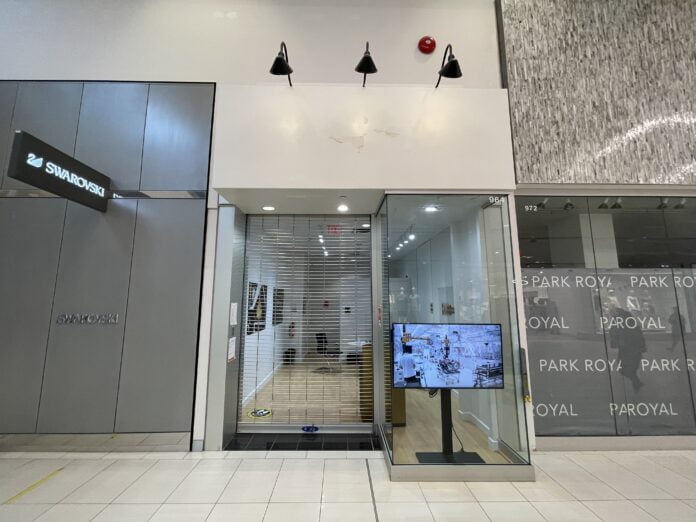
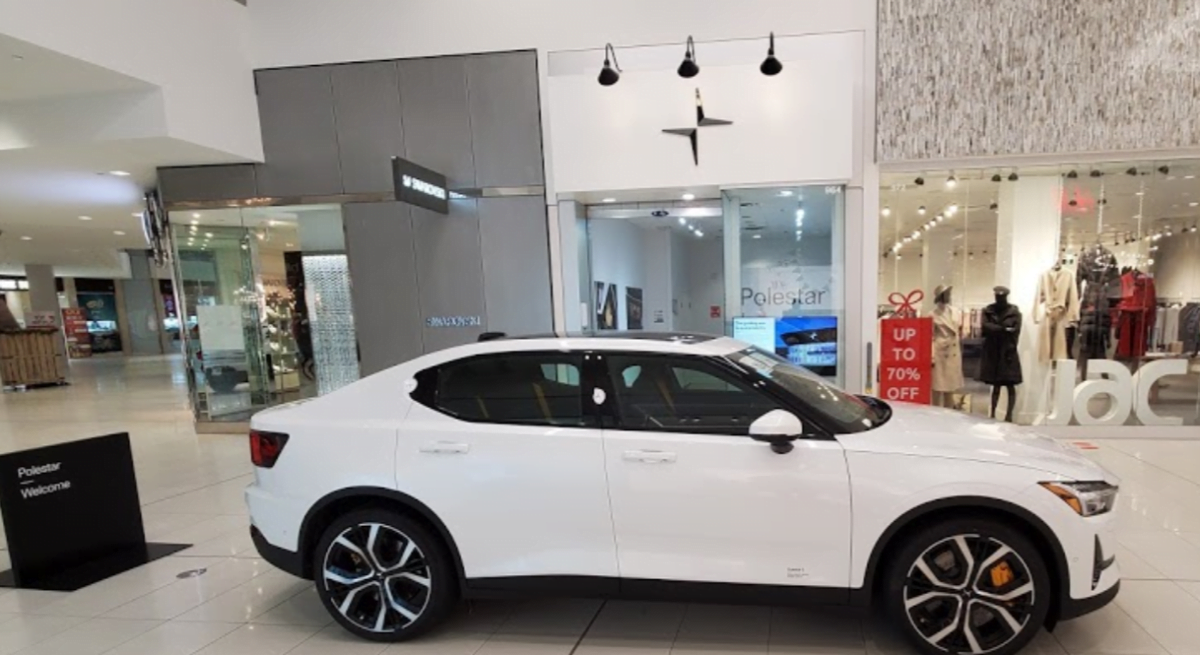
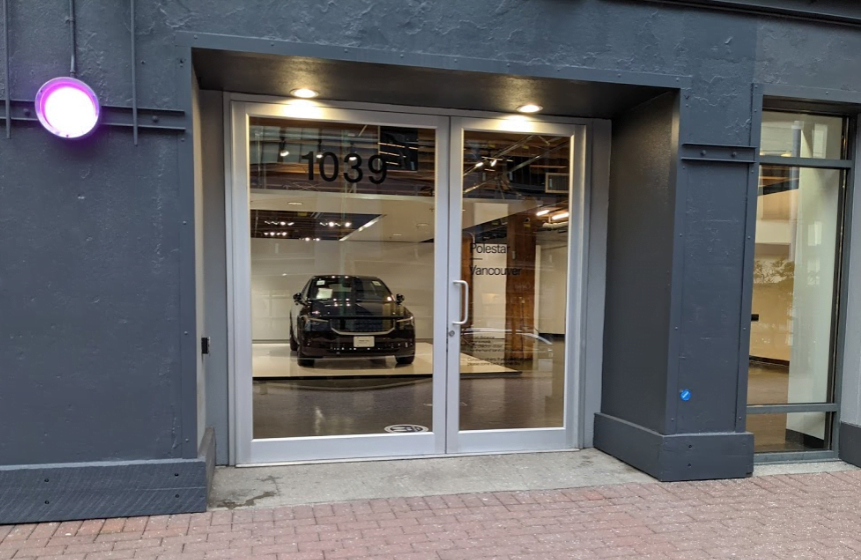
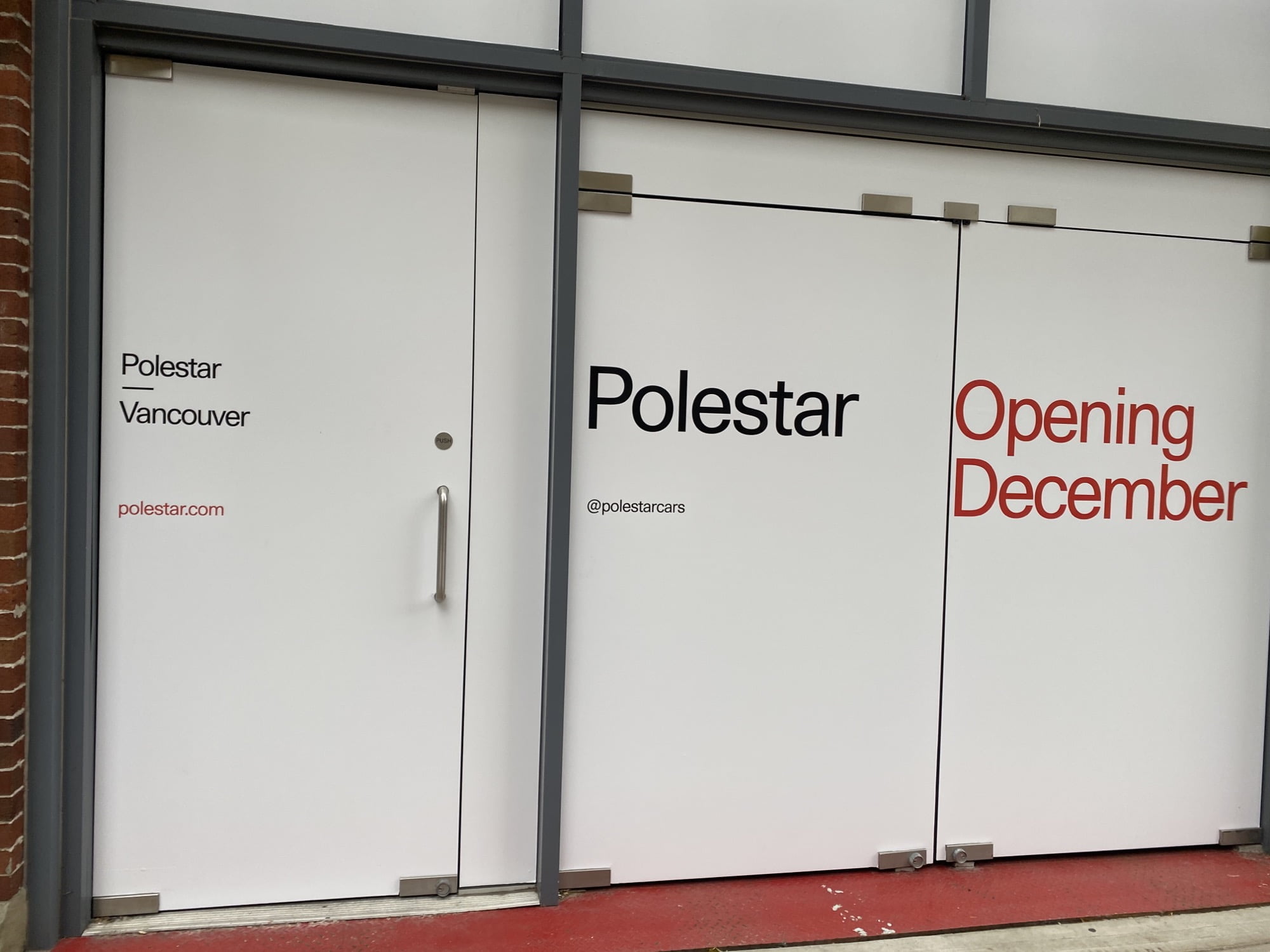
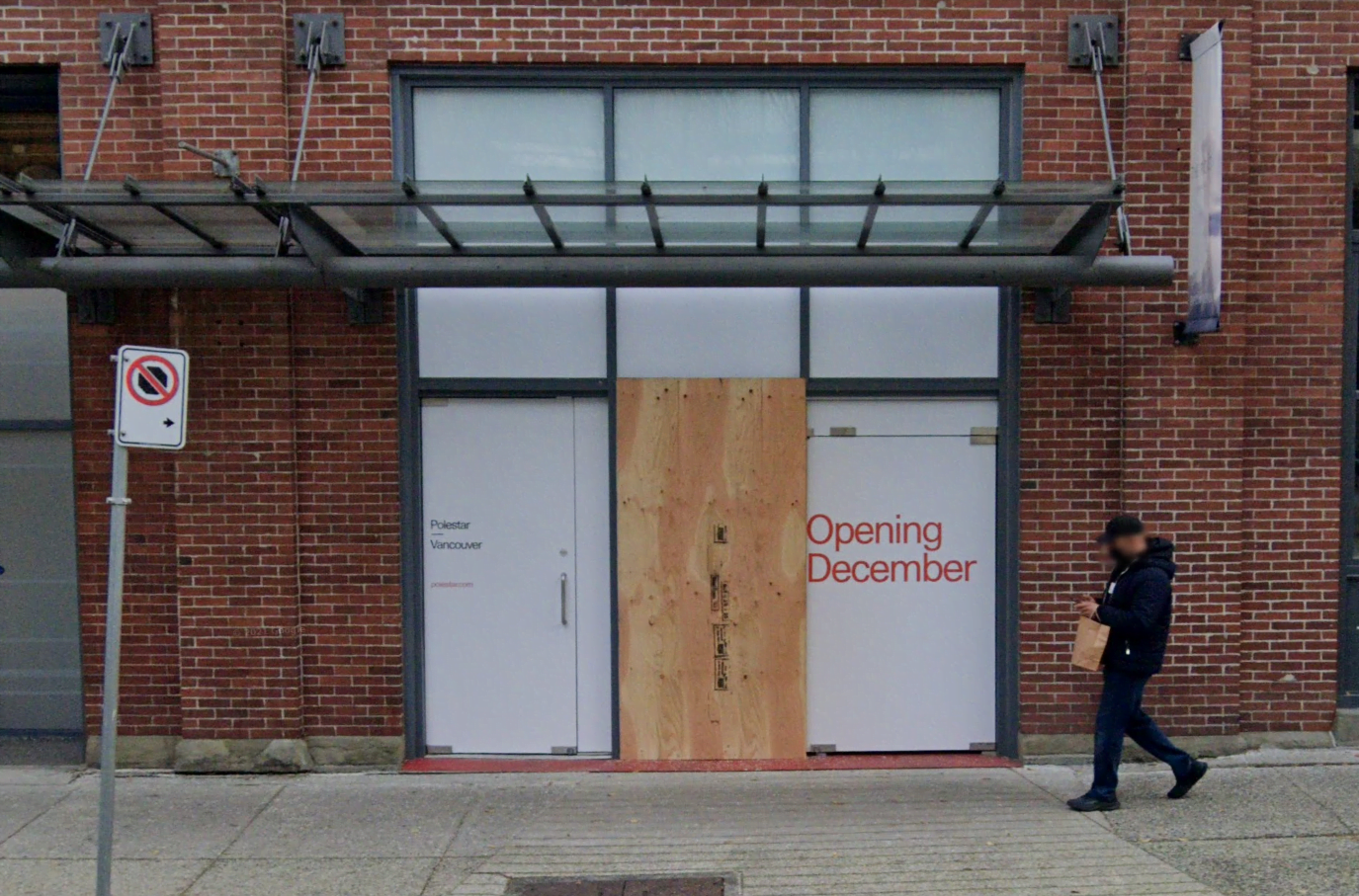
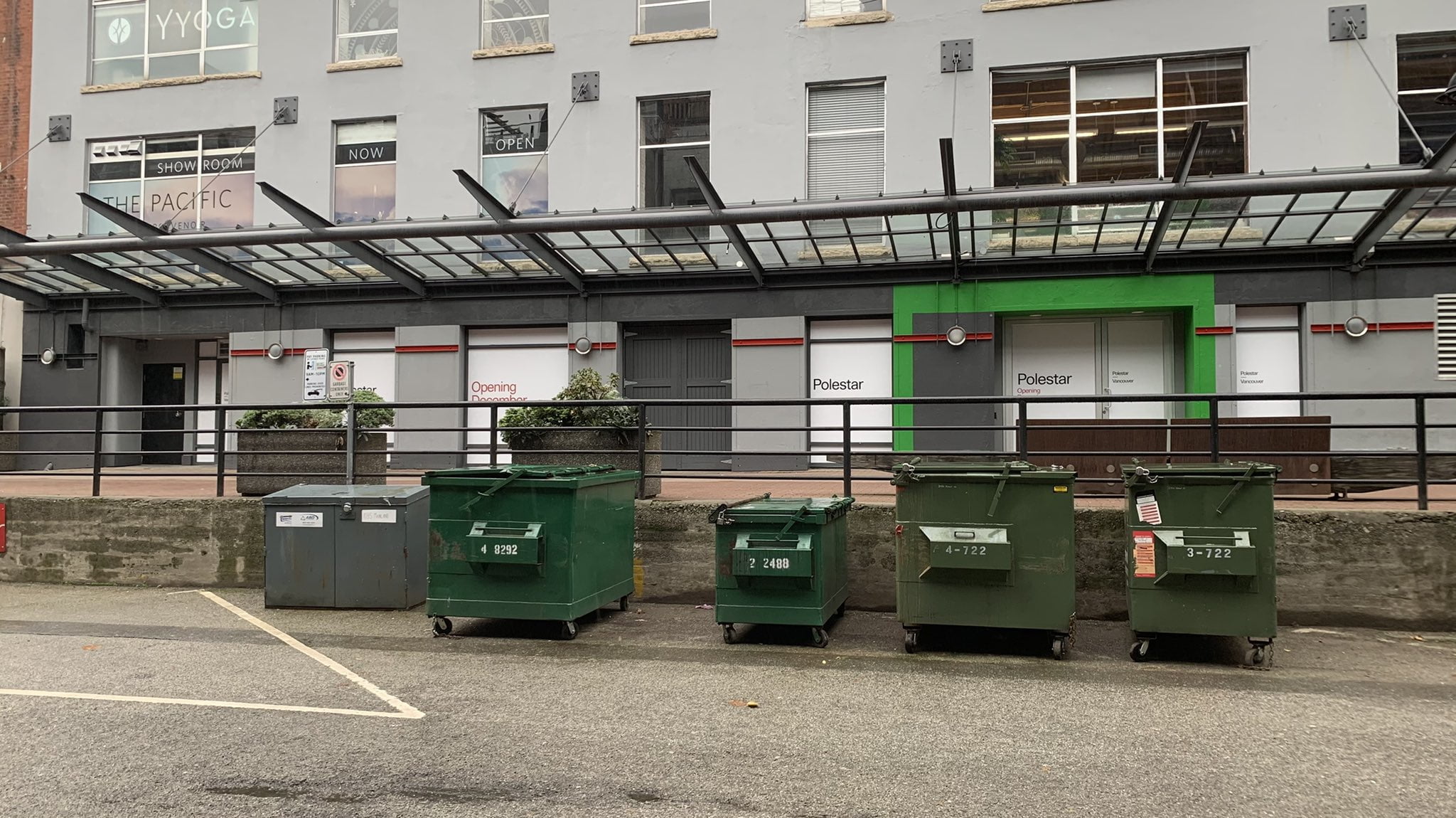
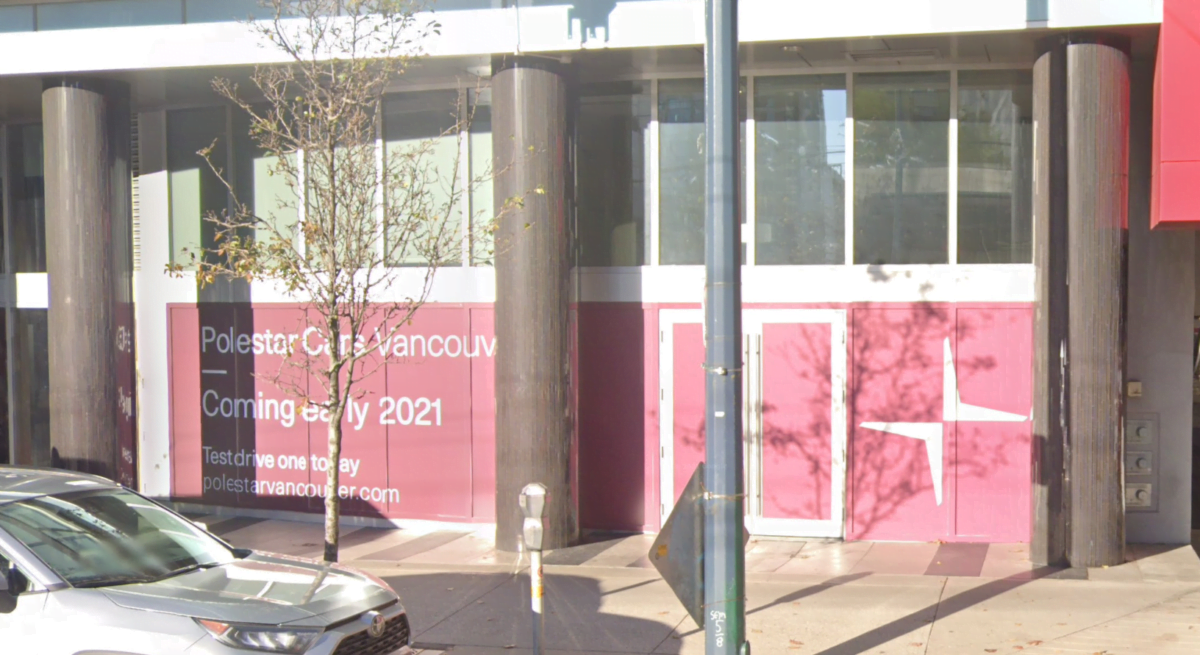
Volvo Electric Car Brand ‘Polestar’ to Open Canadian Storefronts: Automaker Volvo electric performance brand Polestar will open storefronts in major Canadian markets, according to a press release issued on Wednesday. The first will open in Montreal in a partnership with Groupe Park Avenue, which has the honour of being a Polestar’s first retail partner in the Americas region.

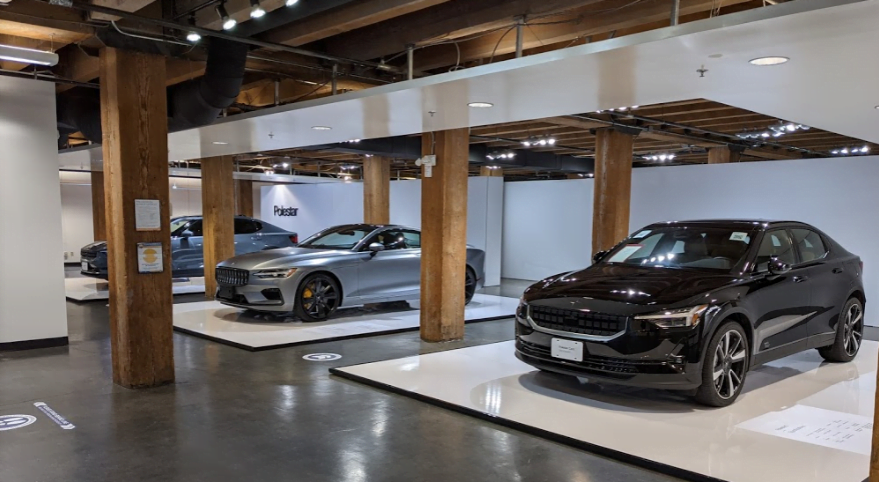
Polestar is on the hunt for retail space in the Montreal market to open a first showroom in 2020. The Toronto and Vancouver markets will subsequently see Polestar retail spaces, according to the company, with plans for all three to be open by next June. Polestar’s retail spaces will be located in busy downtown locations where between two and three vehicles can be displayed, with non-commissioned salespeople and demonstrators to be part of the retail experience, according to a report in Automotive News Europe

The retail strategy is similar to Tesla, which operates a small showroom on busy Robson Street in downtown Vancouver as well as at the Yorkdale Shopping Centre in Toronto. Hyundai-owned Genesis Motors operates several small showrooms in major shopping centres in Canada as well as at Pearson International Airport in Toronto. 

Groupe Park Avenue operates 18 automobile dealerships that sell 12 brands, as well as a Harley-Davidson dealership. 

Polestar also announced a new Country Manager for the Canadian business — Hugues Bissonnette

Lululemon to Shutter Remaining ‘ivivva’ Stores: Lululemon’s girl-focussed brand ivivva will shutter its remaining seven stores by early 2020 after a 10+ year run. Three of the remaining locations are in Canada and four are in the United States. Lululemon will also decommission eight ivivva shop-in-stores currently within larger Lululemon stores. The closures follows the June of 2017 announcement where Lululemon said that it would close 40 of the 55 ivivva stores that were operating then. 

The ivivva brand’s product focused on girls aged 6-14 with a range of athletic sportswear focused on dance, running, yoga, ice skating, gymnastics, and court sports. Its first store opened in Vancouver in 2009 expanded into the US in 2012 — the chain expanded to about 70 locations in both countries. In June of 2017, Lululemon announced that most locations would close. 

The remaining locations set to close include three Canadian locations including 2123 W. 4th Avenue in Vancouver, Vaughan Mills near Toronto, and West Edmonton Mall. US closures will include ivivva units at the Somerset Collection near Detroit, NorthPark Centre in Dallas, 92 Derby Street in Boston, and at the Mall of America in suburban Minneapolis. 

The store closures won’t be nearly as challenging to fill as with the closure of major chains Forever 21, which earlier this month announced an exit from its Canadian operations. In terms of size, ivivva’s West Edmonton Mall store measures 2,375 square feet according to lease plans, and its Vaughan Mills unit is 1657 square feet.

Lululemon has plans to double its men’s business as well as online sales, and plans to quadruple its international business by 2023. 

Tobacco Outlet Cigar Boutique adds a Fourth Store in Calgary in an Upscale Neighbourhood: After an overwhelming reception of its last store in Calgary’s West MarketTobacco Outlet Cigar Boutique has just opened a fourth shop in Calgary at 5128 Elbow Drive S.W. in the upscale Britannia area. The retailer says that there has been a demand for Tobacco Outlet’s approach in the niche market despite adverse conditions for retailers, especially in Calgary and even more so in the tobacco industry.

As with the three other locations, the newest boutique offers a wide selection of cigars, specialty tobaccos and select emerging tobacco products. The store features an official IQOS (a “heat not burn” technology that uses real tobacco but avoids the smoke) shop-in-shop —  the only official IQOS shops in Calgary. An in-store walk-in humidor is slightly raised and surrounded with glass to maintain “perfect conditions” for cigars.   

The new shop is located at the base of Britannia’s ‘The Windsor’ residential complex which opened late Summer. OrangeTheory Fitness and Planet Organic are anchors.

Pricing at Tobacco Outlet Cigar Boutique is kept competitive while the retailer aims to provide an exceptional customer service experience. Challenges in the industry include the government’s complete overhaul to convert to plain packaging and the retailer says that having well-trained staff as well as attractive and well stocked storefronts is paramount. 

Business partners Mike Kinch and Calvin Quan, who met 31 years ago in junior high, opened the first Tobacco Outlet Cigar Boutique in Calgary’s Bridgeland area in 2011. That was followed by locations in Silverado and West Market. 

Upcoming IT@CA Event to Feature Prominent Italian Retail Figures: The first-ever IT@CA event is set to take centre stage at the Toronto Design Exchange on October 25, 2019. The daylong program will present seven of Italy’s cultural and commercial success stories, including legendary retailer Oscar Farinetti, who is set to bring his luxury Italian grocery store, Eataly, to Toronto in November. Additionally, Riccardo Illy (illy Caffé) and Angelo Gaja (Gaja Wineries) have produced some of the world’s foremost coffee and wine products that have lined retail shelves across the world throughout their storied histories. 

The event’s organizers – Embassy of Italy to Canada, Consulate General of Italy in Toronto, Italian Trade Agency, Istituto Italiano di Cultura, Italian National Tourist Board and Italian Chamber of Commerce of Ontario – have organized a diverse lineup of speakers in addition to the aforementioned retailers. Joining them will be theatre figure Rosanna Purchia, Arctic scientist Antonio Meloni, architect Michele De Lucchi, and photographer Oliviero Toscani. The event is hosted by TV Personality Laura Albanese and moderated by CBC’s Rome correspondent, Megan Williams. Ticketing information can be found at https://www.eventbrite.ca/e/itca-italys-creativity-culture-and-entrepreneurship-in-canada-tickets-68798158143

Caroline Neron Shutters Remaining Stores: The website for Montreal-based jewellery and accessory designer Caroline Neron is no longer operational as her company shutters its business, which included several retail stores. The brand had plans to expand across Canada at one time and had a storefront at West Edmonton Mall that operated briefly. 

The well-known access and singer founded her namesake brand in 2004, beginning with wholesaling jewellery and accessories. In 2010, the company launched its first store locations in the province of Quebec. The company sold accessories, handbags, and jewellery, and also retailed a line of fragrances and sunglasses. Besides its headquarters in Montreal, Caroline Neron also had an office in Paris. 

When we last reported on Caroline Neron in October of 2016, the company had 12 standalone stores in Quebec as well as extensive wholesale distribution. After launching its first store outside of Quebec at West Edmonton Mall that year, the company had plans for an aggressive store expansion that would have included standalone units in Toronto at Scarborough Town Centre and at Mississauga’s Square One in late 2016, followed by fall 2017 openings at CF Toronto Eaton Centre and Yorkdale Shopping Centre. Vancouver and Calgary stores were planned with an ultimate goal of operating between 20 and 24 storefronts while also expanding wholesale distribution in multi-brand retailers. An international expansion was also in the works with standalone stores in the United States as well as international e-commerce business. 

The company went into bankruptcy in January of 2019 with debts of more than $9 million — with 14 stores operating at the time, financial agreements were made with creditors in May of this year. Restructuring was a challenge and Ms. Neron told Marie-Eve Fournier of La Presse in September that insurmountable costs made it impossible for Caroline Neron to pay bills on time. High rents were partly to blame, according to Ms. Neron, with annual lease payments for the CF Carrefour Laval store in suburban Montreal being $225,000, for example. When that lease was signed five years ago, the retail climate was different and sales began tanking subsequently. 

Ms. Neron told La Presse that she has no plans to revive her retail business, and that she intends to give lectures on her life lessons over relating to the situation. 

President’s Choice and Community Food Centres Canada Partner to Fight Food Insecurity Across Canada: The Big Social is a new national fundraising campaign that supports healthy food programs in low-income communities. The initiative will see thousands of meals hosted in communities across Canada between November 1st – 10th. 

People sign up to host a meal at BigSocial.ca, set a fundraising target, and invite their friends and family. The type of meal is up to the host – it could be a potluck, an easy family dinner, a supper club – even an office lunch.  Guests are asked to make a small donation to the cause instead of brining a gift. The goal – to have 1,000 participating Canadians host a meal and collectively raise $100,000. The money they raise supports low-income Canadians access healthy food and empowering programs.

spot_img
spot_img

About

Contact

Media

Follow

© 2025 Retail Insider Media Ltd. All Rights Reserved. The content on this website is protected by the copyrights of Retail Insider Media Ltd. or the copyrights of third parties and used by agreement. No part of any of the content of this website may be reproduced, distributed, modified, framed, cached, adapted or linked to, or made available in any form by any photographic, electronic, digital, mechanical, photostat, microfilm, xerography or other means, or incorporated into or used in any information storage and retrieval system, electronic or mechanical, without the prior written permission of Retail Insider Media Ltd. or the applicable third party copyright owner.