Also, 13 of its 19 shopping centres across Canada were listed in the Study’s top 30.
The full Study, including the Special Physical Retail Edition of Canadian Retailer, can be downloaded here.
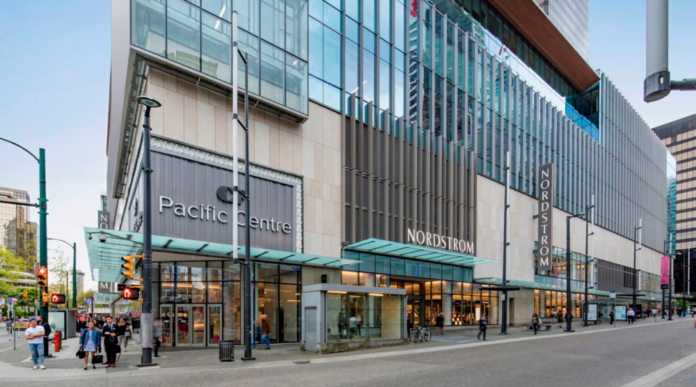
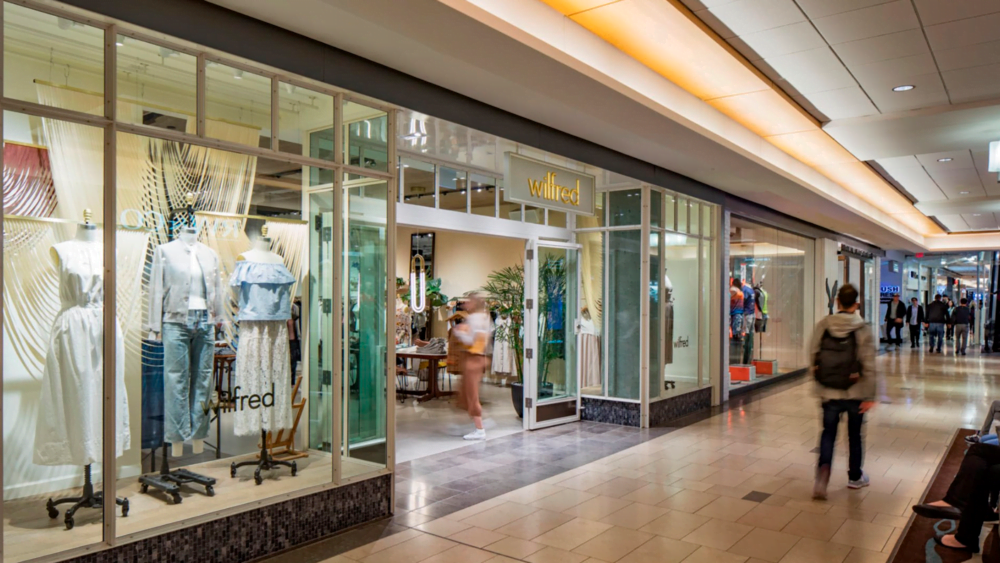
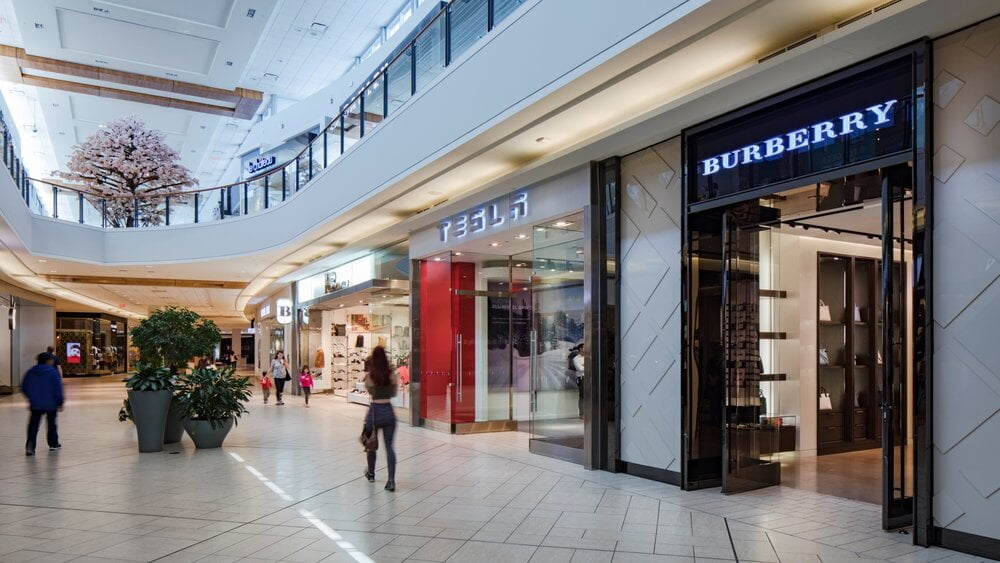
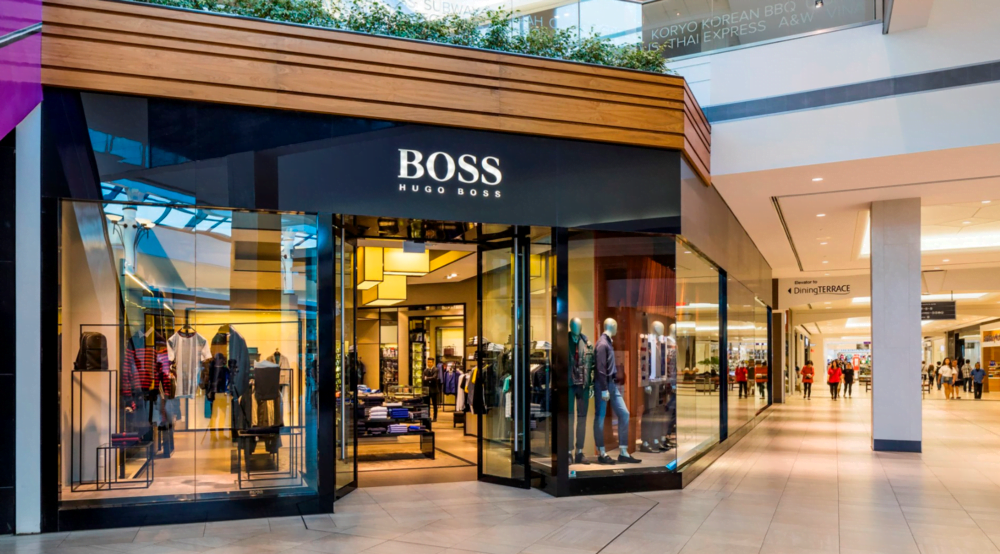
Cadillac Fairview properties making the top 10 list include: 2. CF Pacific Centre (Vancouver); 3. CF Toronto Eaton Centre; 6. CF Chinook Centre (Calgary); 8. CF Sherway Gardens (Toronto); and 9. CF Richmond Centre (Vancouver).
CF PACIFIC CENTRE. PHOTOS: CADILLAC FAIRVIEW
1 of 3
Cadillac Fairview’s Salvatore Iacono said the company’s success in the retail space can be attributed to choosing the right markets and, just as importantly, making the right investments to ensure it has properties in the right locations where consumers are looking for the best offerings.
“Once we picked the right locations, we made the properties special in terms of how they’re laid out, in terms of all the amenities that we’re providing – safety, security, parking access, great environment, great atmosphere, great common areas,” he said.
“The single most important thing that we’ve done, however, is ensuring that we’ve always had the right retail mix. At the core of it, customers – our clients – come to the mall because we give them the best choice of retailers possible under one roof. That’s part of our retail DNA. We’re constantly striving for the best retail mix and merchandising mix to ensure that people have the ability to come to our locations and get what they need and what they want. It’s what keeps people coming back to us.”
CF TORONTO EATON CENTRE. PHOTOS: CADILLAC FAIRVIEW
1 of 4
All of the company’s shopping centres are enclosed malls with the exception of CF Shops at Don Mills in Toronto, which is an open-air mall. Cadillac Fairview also has a number of retail spaces as part of mixed-use properties in locations that include the Toronto Dominion Centre, an office complex, and Maple Leaf Square.
Across Canada, the landlord currently owns about 20 million square feet of retail space.
CF CHINOOK CENTRE. PHOTOS: CADILLAC FAIRVIEW
1 of 4
CF CHINOOK CENTRE. PHOTO: TRAVEL ALBERTA
CF CHINOOK CENTRE. PHOTOS: CADILLAC FAIRVIEW
Iacono said that Cadillac Fairview is in a constant process of learning, researching and investigating with respect to consumers, trends and other markets as it continues to change the mix of retailers at its malls. The landlord’s diligence results in it being able to constantly offer properties that are fresh, vital and interesting for its visitors, enticing them to return to its shopping centres.
“Retail is always changing and in a constant state of renewal,” said Iacono. “As shopping centre landlords, we need to have our finger on the pulse of who’s hot, who’s less hot, the different merchandising categories that are being created. Somewhere in the world as we speak there’s a retailing concept, format, merchandise or product that’s being ideated that we’re not familiar with. And five years from now, we’ll probably have it in one of our malls. We’re always looking out for that new brand, new retailer or new product that makes it interesting for our clients to keep coming back to our malls.”
Throughout the company’s history, it’s also made sure to prioritize its properties and investments. At one point in time, Cadillac Fairview owned about 70 malls or retail properties across Canada. But it picked the ones it wanted to focus on, selling the others.
CF SHERWAY GARDENS: PHOTOS: CADILLAC FAIRVIEW
1 of 4
“We made massive investments in the properties that we decided to focus on,” said Iacono, adding that the company is ensuring it is spending the money to make its properties the best they can be. “For example, at CF Sherway Gardens in Toronto, we invested in excess of $500 million, completing the project about three or four years ago.”
In addition to the investments the landlord has made in its retail spaces, it’s also focused considerable attention to the redevelopment of some of its shopping malls as multi-use properties.
CF RICHMOND CENTRE. PHOTOS: CADILLAC FAIRVIEW
1 of 4
CF RICHMOND CENTRE. PHOTO: TRIPADVISOR
CF RICHMOND CENTRE. PHOTOS: CADILLAC FAIRVIEW
CF RICHMOND CENTRE. PHOTOS: CADILLAC FAIRVIEW
CF RICHMOND CENTRE. PHOTOS: CADILLAC FAIRVIEW
“The work that we’re doing is not just about enhancing and improving our existing retail. It also includes future densification, which is really exciting. At CF Richmond Centre near Vancouver, we’re embarking on the sales program of a couple of phases of new residential projects that we’re going to be building as part of our property. We have the opportunity to add close to 2,000 residential units at Richmond.
“This is the trend going forward for Cadillac Fairview,” he said. “And it’s also a trend for many other shopping centre owners across Canada. There’s been an acknowledgement that in order to ensure the vitality of a property and improve the sales and traffic, you’ve also got to make sure that you can enhance the value of the retail experience by adding density and other uses around the mall.”
Canada might not be the most ideal country to set up a retail golf business but Modern Golf, one of the country’s largest golf retailers, is aggressively looking at expanding its experiential concept this year.
Paul Fisher, Managing Partner of Modern Golf, said the company, which was initially established in 2012, is set to add more locations in 2020 from its current locations in Toronto, Vancouver, and Vaughan.
“There’s two locations coming in Calgary and they’ll be our fourth and fifth locations,” said Fisher.
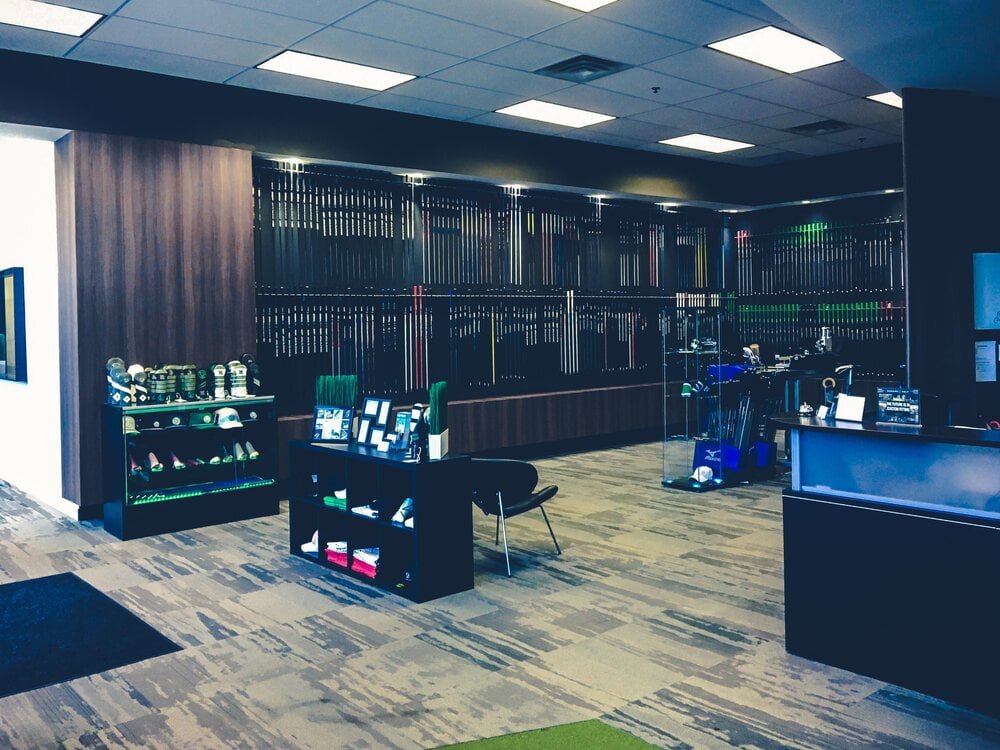
“The future Modern Golf 2.0 is ever evolving. Modern Golf is a custom club golf club fitting facility. The Toronto location is 13,000 square feet with five custom fitting bays and basically customers come in and they’re able to purchase equipment but also get a full fitting for it. We use technology to derive what will basically be the best equipment for them. There’s upwards of 30,000 different combinations that a customer can be put into them. We custom build the product basically to PGA Tour specs.
PHOTO: MODERN GOLF
“While basically the entire golf retail world has failed in recent years, we’ve had a fantastic run and are set to open aggressively across the country. We have 10,000 square feet coming in Calgary opening in February.”
Fisher said the Calgary facility will have practice time and include having memberships. It’s not just a facility where people come in to buy equipment but they’re also coming into practice and get lessons as well.
The second location in Calgary will be the company’s first one in Canada as a standalone at a golf course. Modern Golf will be partnering with Country Hills Golf Club. The strategic partnership includes Modern Golf handling all equipment retail on the golf club’s behalf.
PHOTO: MODERN GOLF
“We’ll staff the facility and we’ll also offer an elite level service that’s not available anywhere else in Canada at a private club level and they’re willing to open their doors that outside members can come in and take advantage of the service. We’re excited. It’s different. It’s something we’ve never done before but we see it as a huge growth opportunity for ourselves – that ability to partner with private golf courses and help them offer a higher offering than what they currently have,” said Fisher.
That will open sometime in the spring.
He said the company also plans to launch a location in Halifax later this year.
“We are looking for expansion to the GTA (Greater Toronto Area),” added Fisher.
CALGARY SKYLINE. IMAGE: MODERN GOLF
Fisher said the Modern Golf space looks very much like a showroom – sleek and modern looking. But the locations are really driven by the performance end of things where a customer is going into an individual bay with a professional who will fit the customer for their clubs. The product will be ordered and then built to spec for the customer.
Modern Golf locations have a number of other features including putting greens, video driving ranges, coaching, and lounges.
“Up until this year, we’ve never sold anything other than equipment. It’s only been your traditional drivers, irons, woods, wedges, putters. We never jumped into the space of giving into soft (equipment),” said Fisher.
“This will be the first year we dive into getting into bags. We’re really going to use pop-up models rather than invest in having a lot of inventory and kind of being sunk by inventory. We’re going to use the fact that we are kind of a showroom to be more opportunistic, change and have different brands in there and really drive foot traffic like a pop-up sale would be.”
PHOTO: MODERN GOLF
PHOTO: MODERN GOLF
Modern Golf stocks all major grips and specializes in shaft repairs, adapter installation, sandblasting, paint fill, and many other customization and retrofitting services.
“Golf in Canada is such a difficult business. It’s so so hard on the retail side because of the seasonality. That was a huge impacting factor. If you’re only going to be able to sell golf clubs for six months a year, what are you doing for the rest of the year,” said Fisher.
“Retail’s got such a high fixed cost that if you don’t have other things that you’re dabbling in it’s so tough and golf is the perfect example of that. At the end of the day for us because we kind of pivoted away from retail, that we built this hybrid model, now I would say it opens up any market to us. We’ve got recurring revenue streams that come off of these membership platforms. I would say Montreal, Ottawa, Winnipeg, Edmonton are all possibilities for us now.”
The recent NRF Retail’s Big Show in New York was the 109th edition of the largest annual industry Conference in North America. It featured approximately 40,000 attendees, including 16,000 retailers, 800 exhibitors, 200 sessions, and more than 100 hours of content, sprawling across the massive Javits Centre in Midtown Manhattan.
Participating since 1996, we have viewed this as a terrific window on the mega trends that are shaping the industry. Over that time, it has become primarily a technology show on the trade floor; while some are grumbling about the narrowing of focus, this no doubt reflects technology’s role as the prime driver of change and innovation in the sector.
In the past several years, we have seen a growing contingent of retail executives attend from Canada. This is encouraging. It was not so long ago that our retail leaders tended to shun strategic level industry events, perilously believing that their businesses were “different”, that what others were doing did not apply to them. Yet as one of our client CEOs puts it: “we may not be expanding around the globe, but the best of the globe is quickly coming to compete with us!” Leaders demonstrating a thirst for knowledge outside their own bubble is one of the qualitative indicators my firm, DIG360, notes when conducting a retailer ‘health check.’
While in New York, I caught up with Piers Fawkes, the Founder and CEO of PSFK, one of the go-to retail and direct to consumer trend spotters. I attended several activities in their NY Retail Innovation Week, running concurrent to and including NRF’s Big Show. The highlight was the PSFK Conference, where carefully curated innovators present TED-style in a tight and well-delivered half-day. This is a much smaller event, but where the cool kids play, such as the Matt Alexander, Co-Founder of post-modern department store Neighbourhood Goods, and Dave Cobban, Nike’s lead for its Adventure Club – a subscription model meets circular economy shoe play. Both are betting big on physical retail.
Often the themes on this annual trek are a progression of the previous. However, this year some things are beginning to pop.
Stores are back. Oh, you may not believe me due to this month’s chain-wide store closures, but there are so many more new doors opening every week. What’s clear is that the legacy retailers who have dealt with systems-wide change, right down to who they are and who they serve, are emerging changed but renewed on the other side. At NRF, there was an endorsement of physical retail from equity analysts to CEOs of both online plays and bricks and mortar operators to a critical mass of technologies. However, how “physical” shows up is changing quickly and significantly.
Technology is not just to “keep the lights on.” This should not be news, but let’s make it official. Technology is a strategic asset. Sophistication is growing in how tech serves the business, but also shapes its definition. Erik Nordstrom, co-President of the namesake department store, acknowledged the call for retailers to become technology companies, but noted the risk of simply bolting on new technologies for their own sake. Rather, deft IT vision andmanagement at the C-suite is now a required core competency for all. And tech is separating clearly into the big enterprise systems and the myriad new and smaller innovators driving future change. At NRF, the Innovation Lab showcased the latter. It has grown tremendously and is grabbing a critical mass of traffic at the show. As noted by Simon Foster, Founder of Toronto-based innovator Chatter Research “more and more very senior executives are walking this area [at NRF], to take a peek around the corner.” This is a good sign.
Data needs unlocking. According to Microsoft CEO, Satya Nadella, retail is already generating over 40 terabytes per hour. We are gathering plenty of data and more will come. The issue now is turning that investment into value. As we have been telling our clients, the answer lies more in culture change than it does in the tools themselves. For example, Nadella is calling for retailers to put more information and decision control in the hands of the employees, down to the front lines.
Direct-to-Consumer (D2C) brands are driving the future. Many of the innovation stories shared were drawn from consumer brands going to store and the myriad digital-first D2C plays. Doug Stephens has noted the focus on customer acquisition economics and the improving impact from a focus on stores relative to Facebook and Google ad spend. The use of built space for these businesses is inherently shape-shifting to fit a bespoke need. To paraphrase Erik Nordstrom: customers are seeking solutions not channels. There is lots of trial and error in play and I’m not sure we will lock on definitive new models in the next year. We will learn plenty though.
Diversity is a board level issue. This was a main stage staple for the second year in a row. This covers two fronts: representing a more diverse customer base (primarily in fashion and beauty categories) and developing a more diverse workplace (primarily gender and ethnicity). The case was made that these efforts do more than serve a societal demand – they are good for business. In a particularly articulate and insightful keynote on innovation, Mastercard CEO, Ajay Banga, highlighted that diversity should be more than demographics; that men and women from the same Ivy League Schools might not present very diverse perspectives, and it is perspective that leads to innovative solutions. Notably, the ShopTalk Conference in March will only feature female presenters.
In addition to these, I will share observations in subsequent articles on: the need for better retail data literacy, snapshots of some NY Innovators, fresh takes on partnerships, implications for landlords and developers, and what the future holds for leaders of legacy retail chains.
David Ian Gray is Principal of DIG360, a national advisory for retail leaders and those adding value to this evolving sector.
With the Vancouver area projected to add nearly one million more people by 2041, increasing density will open opportunities for retailers and landlords, says a new report by commercial real estate firm .
“Bounded by mountains and the Pacific Ocean, Vancouver stands to benefit from high-density urban retail. After the metro area ran out of development sites, landlords began redeveloping existing areas, particularly low-density shopping centres and their adjacent parking lots,” says the report.
“At the same time, Vancouverites are increasingly seeking communities where they can live, work, and shop. This demand has been met by intensification projects that deliver purpose-built rental units and condos, as well as substantial amounts of retail and office space along strategic transit corridors.”
SOUTH GRANVILLE, VANCOUVER
SOUTH GRANVILLE, VANCOUVER
Currently, downtown Vancouver and surrounding neighbourhoods, including Kitsilano and South Granville, are the densest areas in the city, some equaling Tokyo’s population density, says the report. The JLL study outlines that Vancouver’s high-trafficked retail streets – Robson, Alberni, West 4th, and Granville – present enticing opportunities for retailers and investors alike to benefit from high concentrations of potential shoppers.
Vancouver topped PricewaterhouseCoopers’ 2020 survey for overall real estate prospects by demonstrating strong space demands and diminishing vacancy rates.
“Vancouver (retail) reached the lowest vacancy rate in four years, even among major markets, at 1.3 per cent in the second quarter of 2019. Average rents have increased by almost 20 per cent since 2015. Inventory growth has slowed as several retail spaces have been demolished for redevelopments, but that should speed back up once renovated spaces go back on the market. Robson and Alberni Streets are among the most highly sought-after streets in North America,” says the JLL report.
Besides the overall population growth, another key driver of the retail market in the city is Chinese consumers who make up 20 per cent of the Greater Vancouver population and have a strong preference for luxury goods.
“A 2019 study conducted by the market research firm Vivintel revealed that one in three Canadian consumers with Chinese heritage buys luxury brands to differentiate themselves from the rest of society, including 40 per cent who prefer to drive a luxury vehicle. Vancouver’s Holt Renfrew – Canada’s homegrown luxury retailer – is said to have the strongest sales performance among its eight stores. Recently renovated, its Vancouver store accepts Chinese payment methods such as AliPay, and spans 190,000 square feet over four levels, two of which are dedicated to exclusive personal shopping suites. In Greater Vancouver, nearly half a million people identify themselves as Chinese,” says JLL.
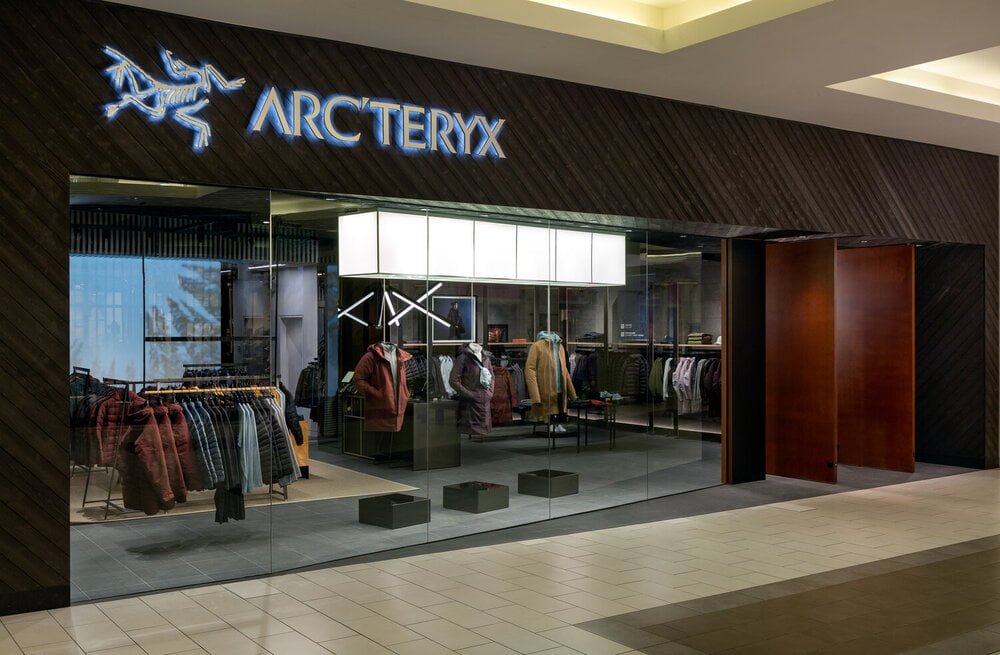
Arc’teryx at Metrotown (Image: Arc’teryx)
An influx of tourists has also driven the local retail sector, particularly those who are wealthy and purchase luxury goods. The relatively low value of the Canadian dollar has provided an incentive for foreigners to spend locally, adds the report.
An influx of tourists has also driven the local retail sector, particularly those who are wealthy and purchase luxury goods. The relatively low value of the Canadian dollar has provided an incentive for foreigners to spend locally, adds the report.
Vancouver is a key retail hub in Canada. Many big-name brands have their roots in the West Coast city such as apparel brands Aritzia and lululemon, outdoor-wear MEC, RYU, Reigning Champ, and Arc’Teryx, and drugstores Pharmasave and London Drugs. Digitally native tailored suit brand Indochino, founded by students of the University of Victoria, established its head office in Vancouver. Other names include Article furniture, Save-on-Foods, Urban Barn, Purdy’s Chocolatier, Saje Natural Wellness, and House of Knives. Vancouver also has several successful national restaurant chains that were either founded or headquartered in the area — The Keg, Earl’s, Joey, Cactus Club, and the Donnelly Group, among others.
“Back in the day, Best Buy Canada, Costco, LUSH Fresh Handmade Cosmetics, and HSBC Bank Canada established their first Canadian outposts in Vancouver. More recently, retailers from all over the world are choosing Vancouver as they expand globally. Europe: Stefano Ricci, Graff, Patek Philippe, Hublot, La Maison Valmont, Catimini, Brunello Cucinelli, Dior, Jaeger LeCoultre. Asia: Miniso, Mumuso, Douchanglee, Lao Feng Xiang, Lemongrass House. USA: Kohler, Clinique, Filson.
Vancouver has also been Western Canada’s first location for several luxury retailers. That’s been the case for French jeweller Van Cleef & Arpels, Swiss watch brand IWC Schaffhausen, and German accessory brand Montblanc,” reports the study.
The report says the sheer magnitude of Vancouver’s future population growth will require the construction of 400,000 new homes.
RENDERING OF OAKRIDGE CENTRE. RENDERING: WONDERWALL
“Vancouver has encouraged landlords to use their properties more efficiently by adopting property tax assessments based on highest and best use. A property that is not currently built out to its maximum use or density now carries the cost of an assessment as if it were fully developed,” says the JLL report.
“As a result, developers and landlords have taken the opportunity to rebuild old and underutilized prime real estate and expand their retail offer. Demolitions peaked in 2019, and more landlords have included demolition clauses in leasing agreements, making them more adaptable to the time frame of developers. There is indeed considerable room for more retail space in the metro area. Per a 2018 study from Altus Group, Vancouver’s shopping centre inventory per capita is 25 per cent lower than the provincial average and 12 per cent lower than the national average.
“With the continued pressure for growth, Vancouver will have to become even denser by redeveloping projects. Consistent with this, several densification projects have emerged across the region including Amazing Brentwood, Oakridge Centre, and Metrotown. One of the largest redevelopment projects in the area, Oakridge Centre is well positioned next to Metro Vancouver’s Canada Line Skytrain rapid transit system. Property owner QuadReal Property Group is adding approximately one million square feet of retail, 430,000 square feet of office space, and 2,600 residential units within 10 towers and four mid-rise buildings over the next five to seven years.”
Canadian bag and accessory brand VENQUE has seen stunning growth since it entered the Chinese market a couple of years ago with plans of further expansion in the southeast Asian market in the coming years, as well as within Canada and into other markets.
Simon Cui, the Toronto-based retailer’s co-founder and CEO said VENQUE moved into the China market in late 2017 and the brand has grown to a $3-million USD business there in just two years.
“We do online in China and we have 50 partner stores that carry our products,” he said.
“We see doubling growth in 2020. First of all, the market is very big and we really penetrated to target a younger group of Chinese customers because they’re the ones who spend quite a bit. Right now, the China market is similar to the rest of the world. The offline business there is shrinking but it’s being replaced by the major brands like Zara, H&M. All these things are taking over the shopping malls. But the boutique stores are suffering like the small Canadian brick and mortar stores.
“So we’ve invested 90 per cent of the human resources or money online because 90 per cent of the sales are coming from online. There’s a lot of tricks to do the online. We had to do a lot of research on the trends and on the demographics and the styles because they’re quite different than the North American trends.”
He said it’s important that the company have the ability to adapt to different markets.
Cui added that the retailer is also seeing huge growth in the Japan market.
The company was started in 2011 by Cui and his brother Viktor. In Canada, the retailer has more than 100 partner stores which sell VENQUE products.
“We first started off selling just the backpacks and briefcases. Then we expanded more including some apparel. We just launched the hoodie line last year and some accessories and small items. We position ourselves as the travel and outdoor brand,” said Simon Cui.
He said the company is content right now with how it operates through a distribution network and online and it is not at this moment considering setting up its own stores.
“We are focusing more online and trying to be more like a direct to consumer kind of brand. Maybe in the future we’ll have some experience stores or pop-up shops.
“We launched our first collection off KickStarter and since then we’ve had a few distributors from other countries, and also some small boutique stores reached out to us back in 2014. We slowly gained more retailers little by little each year. Back then, 90 per cent of sales came from those brick and mortar stores. Over the years we noticed those sales with the boutique stores we worked began to decline year by year. We were trying to figure out the reasons and obviously it was the overall impact of the online business.
“We noticed that trend and we started to push our products via online sales. That was in 2016.”
VENQUE’s products are made in China, are hand-crafted and designed for the modern adventurer.
Brothers Simon and Viktor are fashion industry veterans and they left a top fashion design house to craft the perfect backpack designed for urban trendsetters and commuters.
“The increasing demand of their single-item prototype quickly turned into a full collection of luxury, travel, tech and work accessories inspired by the English and French Culture of Canada,” says VENQUE on its website. “Shaped by tradition, technology, and culture, VENQUE is committed to professional artisan quality, detail and durability. Our passion for sustainability in synergy with our culture created what VENQUE is today.
“We have set out to manufacture the highest-quality, handcrafted leather goods available. The VENQUE brand only works with leather providers that pass our rigorous selection process. Our partnerships with the best fabric and bag manufacturers, allow us to deliver an unparalleled carrying experience. It is our mission to find that blend of sustainability and quality that all our customers love. Everything you see at our stores is handmade by real people. Artisans who have spent their professional lives learning the art of making beautiful and functional leather products.”
GoodMorning.com, based in Edmonton, has been described as a “sleeping giant”, becoming Canada’s largest Independent online mattress company as it nearly tripled growth in 2019, reaching revenue of over $40 million.
“We were the first online mattress company to launch the in-home trial. That was the point where the online mattress revolution, if you want to call it that, began. It all started with us,” said Sam Prochazka, President and CEO of the retailer
The company was founded in 2009 as Novosbed and rebranded to GoodMorning.com in early 2019.
“Since then we’ve been working hard to build this company,” he said, adding that the retailer has sold more than 60,000 mattresses across Canada.
SAM PROCHAZKA AND NOVOSBED MATTRESS. PHOTO: GOODMORNING.COM
The company’s roots began when Prochazka had a “terrible” experience mattress shopping in the traditional way in late 2008.
“I just felt there was a real opportunity to offer more value to customers – huge opportunity. And over the last 10 years we validated that sentiment,” he said.
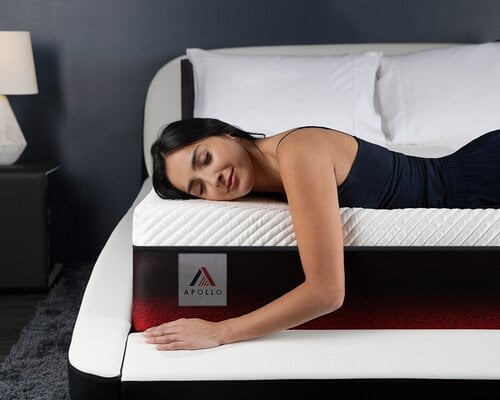
APOLLO MATTRESS. PHOTO: GOODMORNING.COM
APOLLO MATTRESS. PHOTO: GOODMORNING.COM
“We’ve grown this business without investment. We’ve sustained double- or triple-digit growth every year since inception. Healthy growth every year since we started even with the onslaught of competition.”
The company does sell across North America but 95 per cent of its business is in Canada. Prochazka believes the company is the largest e-commerce business in Alberta.
JUNO MATTRESS. PHOTO: GOODMORNING.COM
JUNO MATTRESS. PHOTO: GOODMORNING.COM
“When I look at the ebbs and the flows of the business in the last 10 years, it’s the periods of time that forced us to innovate and add more tools to the toolbox that were turning points,” he said. “That’s what I would attribute the last 12 months of growth to, the foundation for the next year, and well into the 2020s. Competition is healthy. But in this industry, it’s also ruthless.”
The retailer’s success was helped by a number of digital-friendly, customer-centric innovations including 100 per cent free returns, a mattress donation program, and a 100+ night in-home sleep trial that changed the future of a multibillion-dollar industry.
“It’s an enormous amount of work. In many respects in Alberta we’ve got this can-do attitude without the hubris. I would ascribe the majority of our success to that. We’re constantly focused on optimizing the way we deliver the products, what’s in the products, how we market them. We obsess over the customer experience. Those are the ingredients,” said Prochazka.
“In 10 years, by the end of the decade, we want to have a quarter of Canadians sleeping on a GoodMorning.com mattress. That’s our goal. It’s really just a matter of how we get there. We think there’s a real opportunity in this business to build a mattress company that is very different. We differentiate between the approaches of a most loved versus least hated approach.
IMAGE: GOODMORNING.COM
“We see big opportunity coming to it from a more customer centric standpoint if we can offer value through things like consistent pricing year-round so people don’t have to worry about haggling or waiting or timing their purchase properly, things as simple as that we think we can change the traditional approach to business.”
The mattresses are designed in Edmonton and are manufactured across the country. The retailer sells mattresses of all sizes and prices. This week, they will launch their seventh and most technologically-advanced mattress, coined Apollo, which uses cooling copper-infused foam.
Like the retail industry, the magazine sector has changed dramatically in the last 10 years. But one thing that hasn’t changed is the special feeling consumers get when browsing magazine newsstands in store.
A recent study by Magazines Canada and BrandSpark found that print magazines still play an important role in the retail experience. As consumers browse attractive magazine covers and discover evergreen content in special issues, they are enticed to make impulse purchases that add to retail revenue.
Retailers that stock specialty or niche magazines can use visible magazine displays to attract traffic into the store and get shoppers browsing. A curated selection of niche magazines can also add to a store’s aesthetic appeal.
In addition to these benefits for retailers, the study also found that survey respondents whose shopping trip included a magazine purchase reported greater satisfaction with their shopping experience.
According to Chris Chambers, Retail Accounts Manager for Magazines Canada, it’s not just traditional book and magazine stores that can benefit—non-traditional magazine retailers are also seeing the results of selling magazines. Consumers enjoy going to specific retailers for magazines because of the selection they’ll find.
“Supermarkets and drugstores might carry the top 50, the top 75 titles, but rarely do you see a nice big rack there like a good bookstore or a magazine store can provide,” he said. “That’s their advantage in the broad range that they can carry.”
PHOTO: MAGAZINES CANADA
PHOTO: MAGAZINES CANADA
Canadians choose Canadian magazines
Although retailers typically carry a relatively small selection of Canadian magazines, shoppers demonstrate a strong appetite for Canadian content.
That’s why Magazines Canada distributes Canadian magazines directly to stores. Magazines Canada is the country’s only direct-to-retail newsstand distributor, and the only distributor dedicated exclusively to Canadian magazines.
“We actually distribute about 150–160 titles into book and magazine stores that we have accounts with across the country,” said Chambers. “I will formulate a plan with a new publisher or modify a distribution plan with an existing publisher and figure out how to get copies into stores.”
Through a cross-country network of specialty, independent and chain retailers, Magazines Canada distributes Canadian magazines to about 150 retailers with a further 120 stores, including Chapters Indigo, through wholesalers partnerships.
Setting up an account to sell Canadian magazines through Magazines Canada’s distribution program requires very little financial commitment. All magazines distributed through the program are returnable for full credit if the magazines don’t sell through.
What’s next
Magazine displays at grocery check-outs have been the standard for years. But as the retail experience shifts to online and mobile shopping, Magazines Canada’s next retail study will examine the feasibility of incorporating magazines into click-and-collect grocery sales.
“We are doing more research around that now that people are ordering their groceries in a click-and-collect world. We’re just trying to figure out how viable or useful it might be to have some magazines, or how even possible it would be, to have them available where they’re collecting their groceries,” said Chambers.
“Of course if you have a retail space, you can sell your magazine. [But] you can sell other well chosen products,” added Chambers. “It’s kind of exciting to see this happening. They see a need. They are coming at it from basically a publishing background and they’re going for it.”
Magazines Canada is a national not-for-profit organization that represents the majority of Canadian-owned magazines. Magazine Canada members publish a wide variety of print and digital publications which include consumer, cultural, specialty, professional and business-to-business magazines. Learn more about the organization at magazinescanada.ca
Italian Fashion in Toronto – Mission to Canada for Scalfarotto.
CNA Federmoda is set to launch “WeLoveModainItaly Toronto” on January 28 and 29, 2020 as part of its commitment to support and promote Italian SMEs in the fashion sector.
The CNA Fashion Union’s companies, in partnership with Consorzio Moda in Italy, and with the support of the Ministry of Foreign Affairs and International Cooperation as well as the Italian Trade Agency, will showcase a selection of Fall-Winter 2020/2021 collections to the fashion industry in Canada.
Event attendees will have the unique opportunity to network with some of Italy’s favourite brands in the hopes of cultivating possible commercial relationships in Canada. Brands and companies set to be participating in the exhibit include: Artico, Ave Caprice, Bovina, Colb, Daniele Callegari, Flò Sophie, Giulia Brunetti, Landi Fancy, Luca Della Lama, Martylò, Mod.E, Mori Castello, Rosanna Pellegrini, Roberta Gandolfi, Rossomenta, Suprema, and Zerosettanta Studio.
The relationship between “Made in Italy” and sustainability will serve as a theme throughout the event. A keynote presentation on the principles of “Made in Italy” – craftsmanship, exclusivity, quality and uniqueness – and its close connection to sustainability will be held on Tuesday, January 28, with opening remarks by Antonio Franceschini, CNA Federmoda National Manager.
In addition, President of Consorzio Moda in Italy, Mr. Roberto Corbelli, who is a specialist in research and analysis of trends, will further the discussion on agenda topics throughout the duration of the two-day affair.
As part of a trio representing the Italian Government, Undersecretary for Foreign Affairs and International Cooperation, Ivan Scalfarotto, will assess the CETA agreement impact on trade exchange during his mission to Canada for “WeLoveModainItaly.”
He will be accompanied by the Italian Ambassador to Canada, H.E. Claudio Taffuri and the Italian Trade Commissioner to Canada, Matteo Picariello, as they continue to promote Italian SMEs in the fashion sector.
A meeting with the aforementioned Italian organizations and the National President of CNA Federmoda, Marco Landi, is scheduled to take place on January 29 in Toronto.
The CNA Federmoda Association – Joining together the textile, clothing, shoe, fur & leather, fashion, eyewear manufacturers, and affiliate businesses, the CNA Federmoda Association protects and represents approximately 25,000 small-scale manufacturers and other SMEs in the Italian fashion industry, both private-label producers and third-party manufacturers.
The beginning of 2020 will not be remembered fondly by many in the Canadian retail industry. In this article, Retail Insider counts well over 700 store locations that will be closing or have recently closed in this country, with news coming in daily that more stores and chains will be shuttering. At the same time, some industry insiders are saying that many new stores and other concepts will be opening in Canada this year, including new international brands that will include fashion, food and beverage, fitness, and entertainment, among others.
After the December holiday shopping season, January is often a time when retail chains begin closing unprofitable locations and in some instances, shut down entirely. Store closings will result in significant job losses as well as headaches for landlords having to find ways to fill vacated spaces.
Carl Boutet, retail expert and Chief Retail Strategist at Studio Rx, explained how “January is always a tough month on retailers who struggled to make it past Q4 with inflated holiday revenue expectations.” He suggested that Canada may be “more over-stored than we thought,” though he remains optimistic that new concepts will come in to fill vacated spaces. “I suspect the long tail of indie retail will fill some of the void created by the departure of the larger undifferentiated mass market retailers,” said Mr. Boutet, while also saying that he was “puzzled by the complete closure of all retail locations for a brand like Bose that has so much to gain by having an engaging physical presence focused on discovery.” He went on to say, “many retail concepts haven’t changed in the past 10 to 20 years. Just think how much our lifestyles have changed in that same period of time.”
Retail expert Suzanne Sears, who owns Toronto-based Retail Staffing Canada, said that the store closures are due to several factors. That includes high rents for retail spaces as well as additional costs, as well as a shift in consumer preferences while many choose to shop online. Amid increasing cost of living and stagnant wages, many households are squeezed while at the same time discretionary income is increasingly being spent on experiences such as food and travel. At the same time, despite increases in minimum wages in some provinces, Ms. Sears said that employee salaries are less to blame for struggling retailers given the costs particularly associated with high store leases.
One source with a major landlord who was not authorized to go on the record to be quoted in this article, was otherwise optimistic. The source said that there were many concepts looking at coming into the Canadian market, including new retail brands as well as food and beverage, fitness concepts and entertainment concepts. European and US-based food and beverage brands will be entering Canada this year with Toronto being a particularly strong target, given the city’s diversity and population growth. The source also said that there will be a gradual increase in store count for new and many existing retailers over the next five years and that the source was otherwise optimistic for what will happen in 2020.
International retailers continue to enter Canada in record numbers. In 2019, Retail Insider counted more than 30 global brands that had opened standalone stores in Canada — in 2018, about 30 entered the country and in 2017, a record-breaking 50+ international brands came into Canada by opening stores. That might be an indication of why some established retailers are shutting stores in Canada — increasing competition from global retailers are more than ever fighting for Canadian dollars. Given the shifts in consumer behaviour coupled with new technology and brands going direct to consumer via online and social media channels, retail in Canada will never be the same again according to some experts.
The following is a list with a discussion of many of the retailers that will either be closing stores over the next few weeks in Canada, or have very recently done so. The numbers are staggering and the list below isn’t exhaustive. Retail Insider continues to receive information on chains shuttering, including several that have been revealed this week alone. Here are some of them.
Ten Thousand Villages
Ten Thousand Villages: On Tuesday of this week, Ten Thousand Villages announced that it would be shuttering all of its corporate stores in Canada, as well as its headquarters and distribution centre in New Hamburg, Ontario. The Mennonite Central Committee, which is the Winnipeg-based charity that runs most of Canada’s Ten Thousand Villages stores, said that a “challenging retail environment” was a reason why it had decided to shutter all remaining corporate stores in Canada. The company’s Canadian e-commerce site and wholesale division will also shutter. Ten Thousand Villages operated here for 74 years.
The 10 remaining corporate stores in BC, Saskatchewan, Manitoba, Ontario, and New Brunswick will close before the end of May of this year. Ten Thousand Villages was known for its handcrafted products by artisans in developing countries. We were informed by a source that the head office would be shuttered by the end of February. However not all Ten Thousand Villages stores in Canada will shutter — separate boards also operate stores and eight of them will remain open in Canada for the time being. Ten Thousand Villages U.S., which is a separate entity, will remain operational as well and as of June 1st, the US division will be available to fulfill online orders for Canadians.
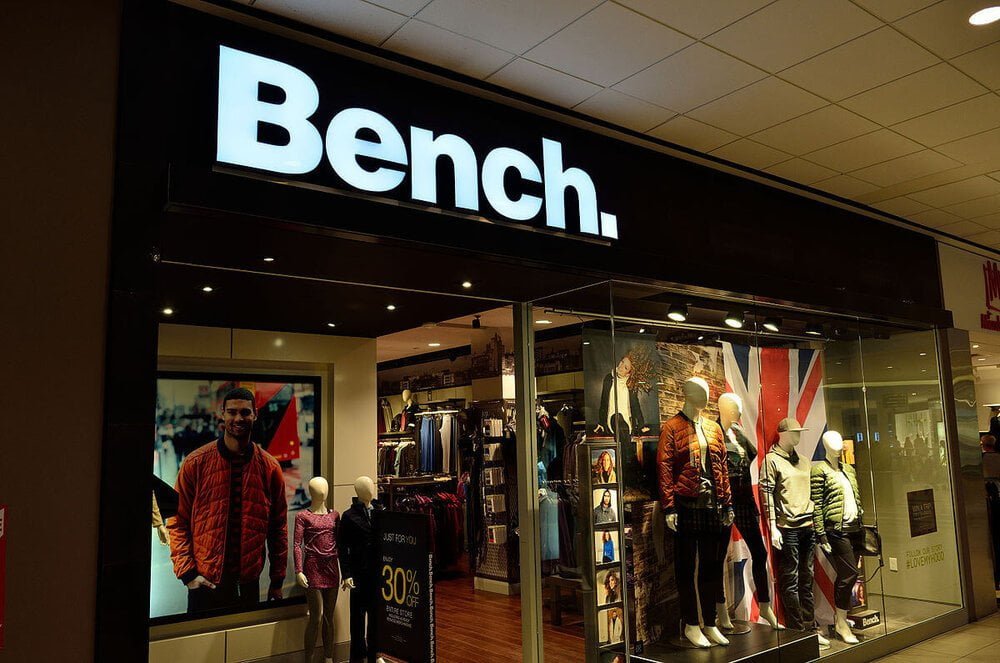
Bench Promenade Mall
Bench: A source confirmed this week that all Bench stores in Canada will be closing as part of a Notice of Intention to file by Montreal-based Freemark Apparel Brands. According to its website, Bench operates 24 stores in Canada in BC, Alberta, Saskatchewan, Manitoba, and Ontario. Last year, three stores closed in Quebec. The casual clothing chain Freemark Apparel Group was also expected to bring the Esprit brand back to Canada, though the expansion didn’t take hold. Bench is a UK-based casual fashion brand that has had stores in Canada for years, and US-based Freemark had previously filed for creditor protection.
PHOTO: PAPYRUS
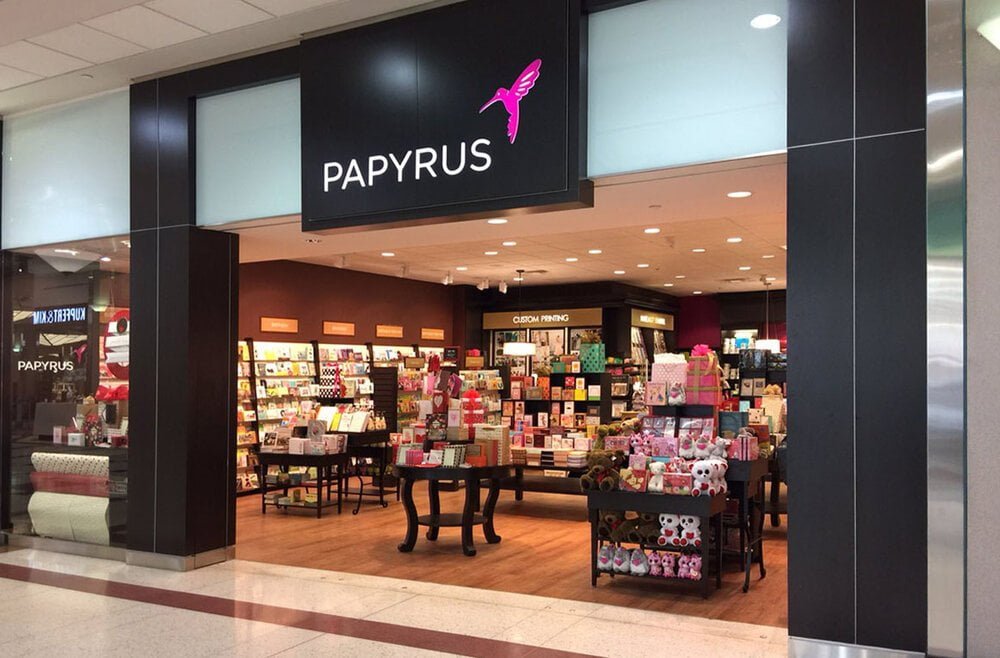
Papyrus: US-based stationery and greeting cards retailer Papyrus will shutter all 18 of its Canadian stores within the next few weeks, and clearance sales are ongoing. Papyrus operates 10 stores in Ontario, four stores in Alberta, two stores in Quebec, and two stores in British Columbia. Papyrus once had 450 stores in the United States — the company cited “current challenges of the retail industry” as a reason for its shuttering all stores, including south of the border.
Carlton Cards: The greeting card and gift chain, owned by Papyrus, is also shuttering all of its stores in Canada. According to a Google search, the company has 10 stores in British Columbia, eight stores in Alberta, three stores in Saskatchewan, three stores in Winnipeg, 25 stores in Ontario, at least two in Quebec, five stores in Nova Scotia, and two in Newfoundland. Five stores in New Brunswick and PEI are listed as ‘closed’, as is one in St. John’s Newfoundland. Competitor Hallmark will face less competition moving forward, though Hallmark also shuttered a few of its Canadian stores last year.
People are giving fewer greeting cards in the digital age, and stores such as Dollarama offer a variety often at a fraction of the price of those found in retailers such as Carlton Cards.
Clair de lune
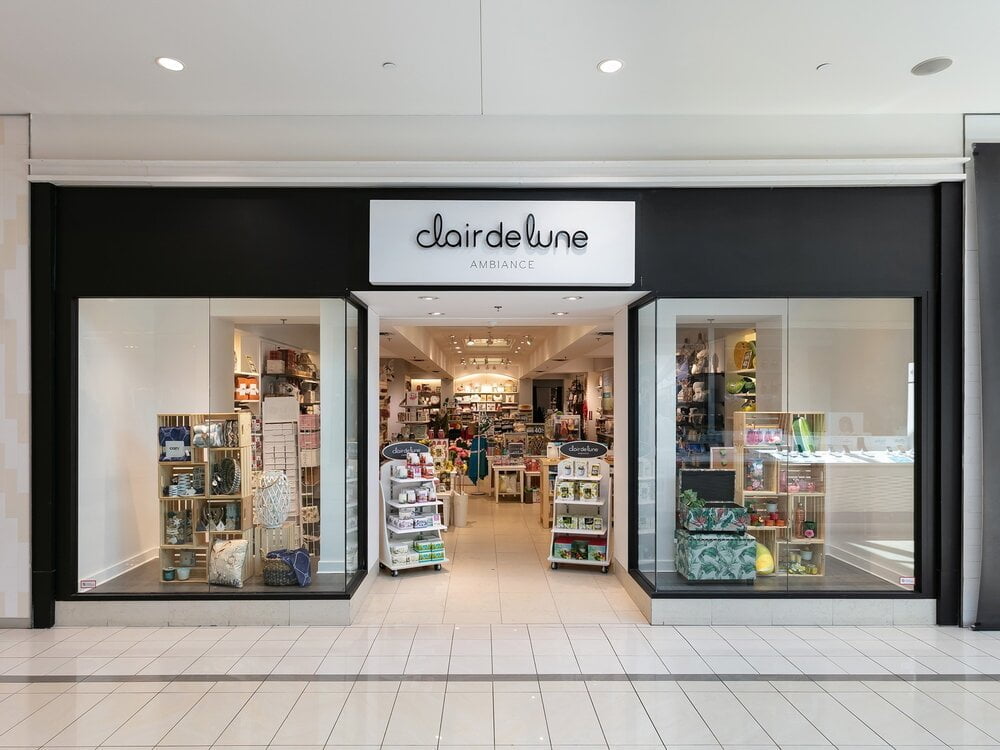
Clair de Lune: Quebec-based home accessories and decor retailer Clair de lune will close 44 of its 70 stores in Quebec and Ontario as part of a restructuring, according to a report this week in La Presse. Stores will close in the coming days. President Abert Levy blamed online shopping and excessively high rents in malls. The company, which employs about 300 people, filed for creditor protection on December 17.
La Senza
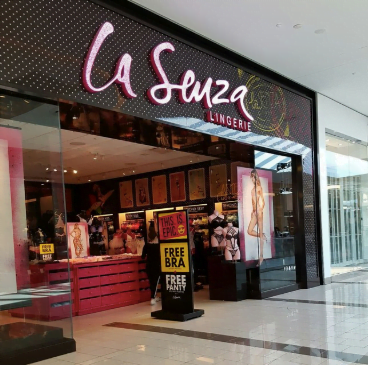
La Senza: Canadian fashion retailer La Senza, known for its intimate apparel, is said to be closing 17 stores in Canada in the near future as parent company, Regent, downsizes the chain. Columbus Ohio-based L Brands sold La Senza to Regent in January of 2019 — L Brands bought La Senza for $710 million in 2006. La Senza will continue to operate its many remaining Canadian stores across the country, though some landlords have said quite a few stores have been struggling amid increased competition. At the same time, Canadian chain La Vie En Rose is said to be doing well here.
Update: The future of the entire La Senza chain is in question as multiple suppliers to the Canadian lingerie retailer filed papers on Friday, January 24 asking that the company be put in Chapter 7 bankruptcy in the US. La Senza owes US $9.3million to the suppliers. La Senza operates almost 110 stores in Canada according to its website.
PHOTO: THOMAS SABO
Thomas Sabo: German jewellery brand Thomas Sabo’s Canadian stores will shutter. Grant Thorton is handling the bankruptcy filing. In the spring of 2017 the company had 16 stores in this country. Thomas Sabo operates at least eight stores in Canada at the moment, according to a Google search — its website is currently offline for “updates”. Thomas Sabo store are located in BC, Alberta, Ontario and Quebec locations appear to have been shuttered.
The Gap: San Francisco based fashion retailer The Gap is downsizing its Canadian footprint by closing at least nine of its Canadian stores. This follows several others that have shuttered over the past couple of years. New store closures include Gap units at Toronto’s Yorkdale Shopping Centre and on Queen Street West, Government Street in Victoria BC, Fairview Park in Kitchener ON, Centre Rockland in Montreal, as well as at CF Pacific Centre in Vancouver and at Bower Place in Red Deer, Alberta. Gap Kids stores at CF Toronto Eaton Centre and at the Yonge-Eglinton Centre in Toronto are part of the closures as well. Old Navy, also owned by the Gap, was to be spun-off from the company though that decision was recently reversed.
PHOTO: PIER 1
Pier 1 Imports: Struggling US-based home furnishings chain Pier 1 announced this month that it would close up to 450 of its 942 stores. The company hasn’t yet revealed how many of those are in Canada. Some landlords have said that sales have been less than stellar for some Canadian stores, and it remains to be seen if any will remain open after a tentative bankruptcy filing.
Things Engraved: Kitchener Ontario-based gift and keepsake engraving retailer Things Engraved quickly shut its Canadian stores this year after a 38 year run. The company was losing money despite turnaround efforts reported in Retail Insider in 2018. Things Engraved operated 73 stores (about a third of which were kiosks) in Canada earlier this month, which was down from 90 locations in the summer of 2018.
A statement on Things Engraved’s website states: “It is no secret that the current brick-and-mortar retail marketplace has not been a thriving sector of the Canadian economy, and this has unfortunately rung true for Things Engraved. Because of this, it is with great sadness that we have regrettably been forced to shut down our store locations. Our online store will remain open until further notice.”
PHOTO: BENTLEY LEATHERS
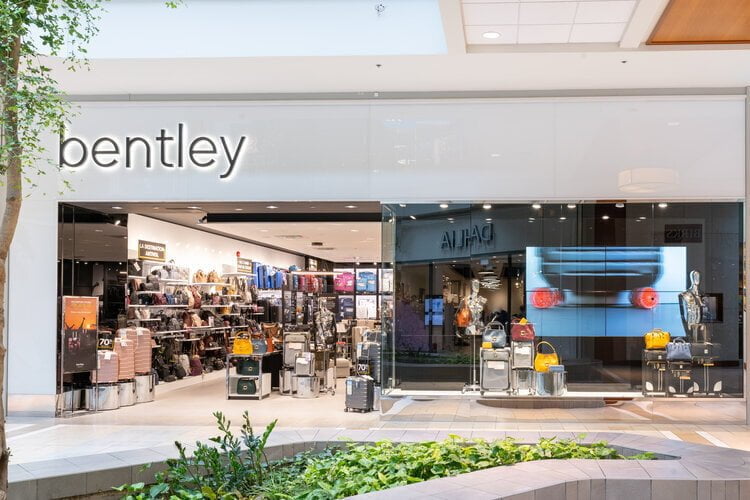
Bentley Leathers: Montreal-based bag and luggage retailer Bentley Leathers is shutting 88 of its 250 stores in Canada amid a restructuring that was reported recently in Retail Insider. The company managed to come out of restructuring quickly with a strategy that will include new store concepts. CEO Walter Lamothe told Retail Insider that the retailer simply had too many stores and that the retail climate has changed — leases signed years ago were no longer viable and were bleeding the company’s finances. Mr. Lamothe said that he thinks Bentley Leathers has a bright future and will continue to operate for years to come.
CANADA, LONGUEUIL, Jeudi 25 Octobre 2017, Reouverture du Rona. Photo : Thierry du Bois / Groupe NH photographes
Lowe’s/Rona: Home improvement retailer Lowe’s recently announced that it was shuttering 34 stores in Canada, 26 of which were branded as Rona. The company was said to be struggling amid competition as well as a reduction in consumer spending. Customer satisfaction surveys ranked Lowe’s poorly in many instances, which may have contributed to the issue. Retail Insider reported in December of 2014 that Lowe’s had planned to operate about 120 stores in Canada in the coming years, and sources familiar with the company have told us that there has been internal turmoil in the company, including various management layoffs that have not been reported in the press otherwise.
Destination Maternity: US-based maternity apparel brand Destination Maternity announced last year that it was shuttering stores in Canada, which is now confirmed to be all of them. In total, the retailer operated about 30 stores in Canada, most of which were branded as Motherhood Maternity. We reported on the fist batch of store closures in October of last year in a Brief.
PHOTO: YELP
WOW! Mobile Boutique: Mobile phone retailer WOW! Mobile will reportedly shut some of its Canadian stores amid low sales. Closures will begin in February. A statement from the company said that 80 locations would continue to operate. Considering there were recently 93 stores in Canada, one might figure that about 13 stores will shutter next month. Rogers and Telus jointly launched the WOW! Mobile concept in 2013 and Retail Insider was the first news source to report on it, following a tip from a reliable source in the know.
PHOTO: BOSE
Bose: Pricey audio equipment brand Bose is shuttering its remaining four stores in Canada as part of a downsizing that will see 119 stores close in North America, Europe, Japan and Australia. About 130 stores will remain open in Asia. Last year, Bose shuttered two stores in Canada including a Vancouver unit which at one time was the company’s top performer in this country. We discussed Bose at length last week in an article in Retail Insider.
Zellers: The remaining two Zellers stores operating in Toronto and Ottawa will close at the end of this month, marking the end of the brand which was once a retail powerhouse with 350 stores. The two remaining stores operated primarily as clearance centres for Hudson’s Bay Company merchandise — Target took over many of the Zellers leases from HBC in 2011, and many were converted to Target stores. After a disastrous couple of years in Canada, Target exited the country amid losses exceeding $5 billion dollars, shuttering all 133 Canadian locations in early 2015. We reported on Zellers closing its final Canadian stores in August of 2019.
PHOTO: MINISO
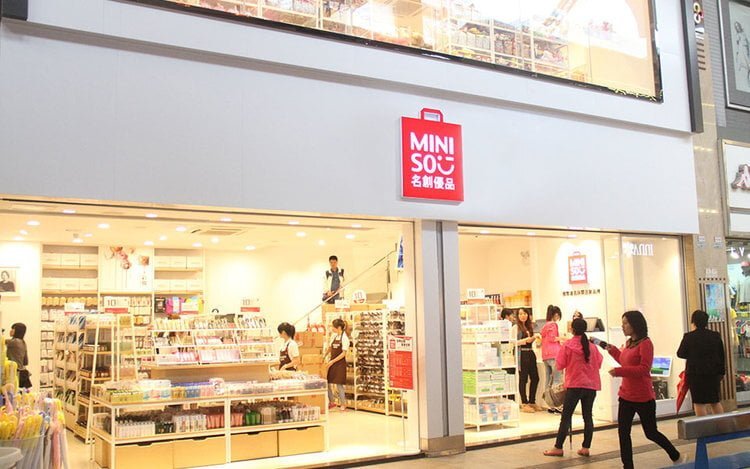
Miniso: Chinese variety retailer Miniso, which positions itself as a Japanese lifestyle brand, has quietly closed many of its Canadian stores after announcing plans in 2017 to open about 500 locations nationwide. Miniso’s entry into Canada was challenging from the beginning — the Chinese parent company in late 2018 applied to put the Canadian division into bankruptcy amid claims of fraud, though a deal was said to have been worked out. Investors operating Miniso stores in Canada have reached out to Retail Insider to inform us that there continues to be turmoil and that the Chinese parent company is attempting to buy them out for pennies on the dollar, amid litigation. Many of the shuttered Miniso stores were independent franchises that were losing money amid supply and other issues. Incredibly, the company has publicly stated recently that it plans to continue opening many locations across the country.
PHOTO: TOM SANDLER
Links of London: Upscale UK-based accessory and jewellery retailer Links of London has been liquidating its five Canadian stores as the entire chain shutters globally. Four of the Canadian stores were in the Greater Toronto area and one was in Vancouver. Links had planned to open several more units in Canada until its parent company saw turmoil as discussed at length this month in an article in Retail Insider.
PHOTO: IKEA
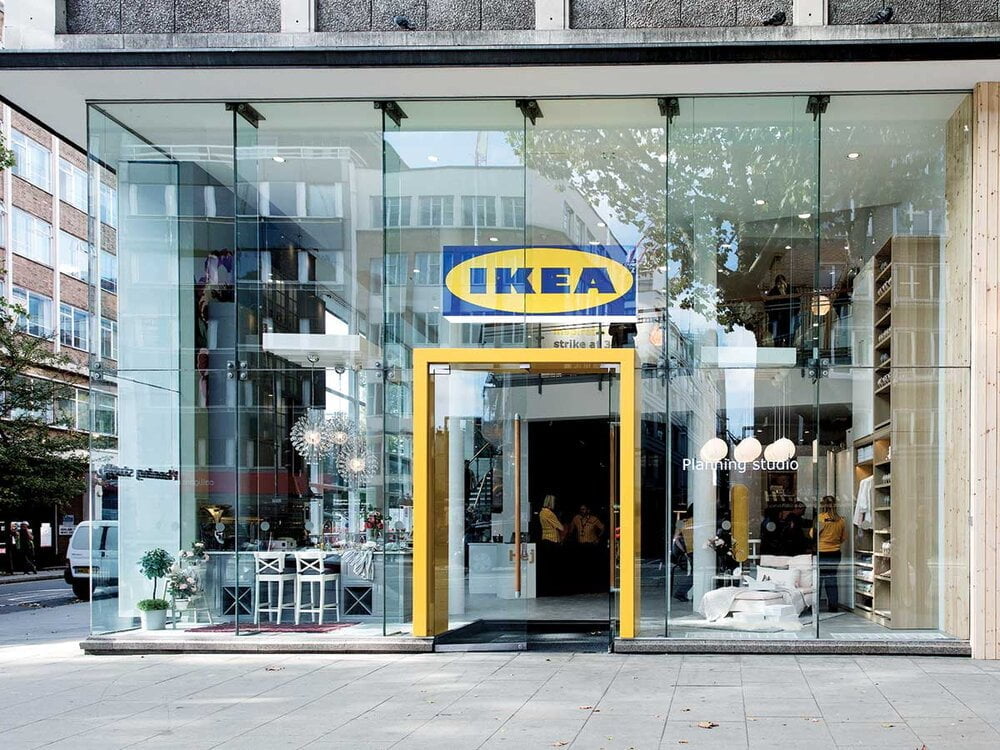
Ikea: Swedish home furnishings retailer Ikea is shutting all five of its ‘pick-up and order’ store locations in Ontario this month. The concept was launched about five years ago with plans to roll the concept stores out into smaller markets nationally. Ikea will continue to operate its large stores in Canada and recently announced that it would be looking to open urban format stores in the coming years, including in downtown Toronto.
PHOTO: IKEA
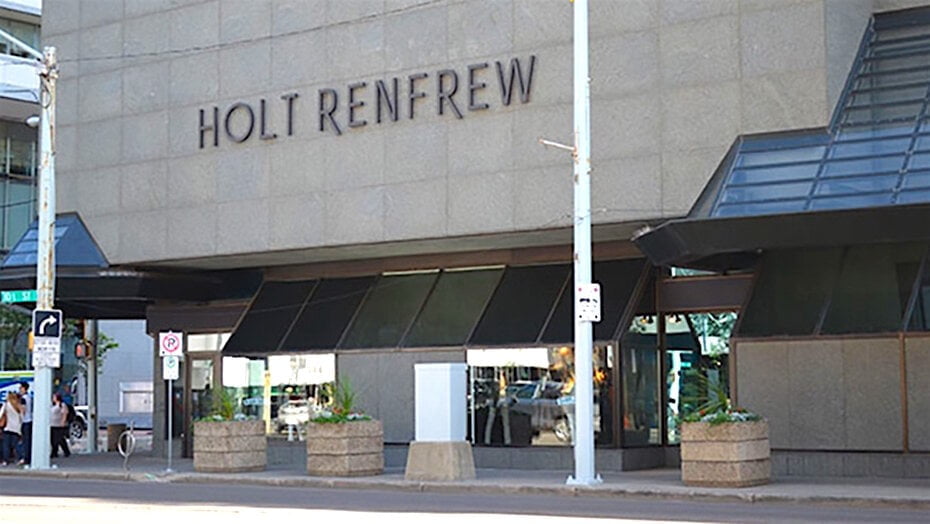
Holt Renfrew: Large-format Canadian luxury multi-brand retailer Holt Renfrew shuttered its Edmonton store on January 11th, and will close its Montreal store on Sherbrooke Street West this spring. The Edmonton store closure was due in part to vendor partners not wishing to operate concessions in downtown Edmonton, and West Edmonton Mall scooped luxury brand Louis Vuitton which was said to be responsible for more than 50% of sales in the Edmonton Holt Renfrew store. In Montreal, the spectacular 250,000 square foot Holt Renfrew Ogilvy will be finished in the spring, which was made possible by merging Selfridges Group-owned Ogilvy and Holt Renfrew. The Holt Renfrew chain overall is said to be doing well, with several units seeing annual sales well surpassing $100 million. A planned second Vancouver-area store was recently said to have been cancelled several months ago.
Other store closings: Sources across the country have reached out to Retail Insider to inform us that many stores have been closing in various markets coast-to-coast, including plenty of independent retailers that are struggling amid declining foot traffic and costs associated with operating stores (rent, taxes, and additional costs).
We haven’t had the opportunity to quantify the numbers as store closings have been spread out across the country and may not be otherwise tracked. Some important brands have closed single locations — earlier this month beauty and make up brand MAC shuttered its store on Toronto’s Bloor Street West, and Vancouver-based RYU recently closed its CF Sherway Gardens unit in Toronto, for example.
Detroit-based Shinola also recently closed its only Canadian store, located on Queen Street West in Toronto — we reported on its opening in the summer of 2016. Various other stores such as a People’s Jewellers store in Saint John, New Brunswick, as well as Kings Fine Jewellery at Southgate Centre in Edmonton, closed last month. Feel free to add other store closings that you’re aware of in the comments section below in this article.
Various other store locations closed in late December, including all of Williams Sonoma’s Quebec stores. A Vancouver location was set for closure though negotiations with its landlord will see it remain where it is for the time being.
We were also just informed by a reader that Victoria’s Secret has shuttered its large store at CF Sherway Gardens in Toronto. Other store closures for the lingerie and underwear retailer are expected — the number of store closures in Canada over the course of the next three months will likely well surpass 500, which could be record-breaking in terms of total store count.
Conclusion
Despite the extensive list of store closings above, many landlords, brokers, and retailers have high expectations for this year as innovative concepts expand while some outdated brands shutter stores. The retail industry is changing amid a shift in consumer spending and preferences. Online shopping continues to grow faster than brick-and-mortar sales, though many still seek out physical retail experiences for a variety of reasons. Consumers are being squeezed amid increased cost of living due to housing and other expenses, and whatever discretionary income that might be available is being spent on experiences and technology such as pricey mobile devices. Retail Insider will be interviewing industry experts over the course of the year and reporting on what is expected to come as we shift into a new era.
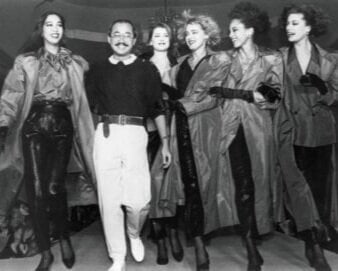
Longstanding Canadian fashion brand Alfred Sung is undergoing a revitalization and shifting away from mass fashion, towards a bespoke experience that lets customers personalize their garments.
The shift is taking place as Mr. Sung, founder of the brand, has recently retired and officially passed the reigns to Tamara and Jordin Mimran of Mimran Group Inc. With the sibling duo having spent many years working for the Alfred Sung brand and learning from Mr. Sung himself—and given their family’s extensive history in the fashion business—Tamara says it was a natural transition for the two to take over full-time management of the brand.
“We grew up around the brand, so we’ve had exposure since we were really young,” Tamara says. “It feels great to be able to take the brand under our wing and keep it alive for hopefully generations to come.”
PHOTO: ALFRED SUNG
The change in leadership presented an opportunity for the Alfred Sung brand to change its direction. After many years of concentrating on mass fashion and licensing through retail relationships, Tamara says they saw an opportunity to return to the brand’s historical roots of specializing in tailored workwear for women and re-establishing a direct relationship with the customer.
When the Alfred Sung brand launched in the 1980s, “We were really that tailoring destination for the working woman,” she says. “It was important to go back to that and realize why people fell in love with Alfred Sung in the first place, as a brand and as a style philosophy.”
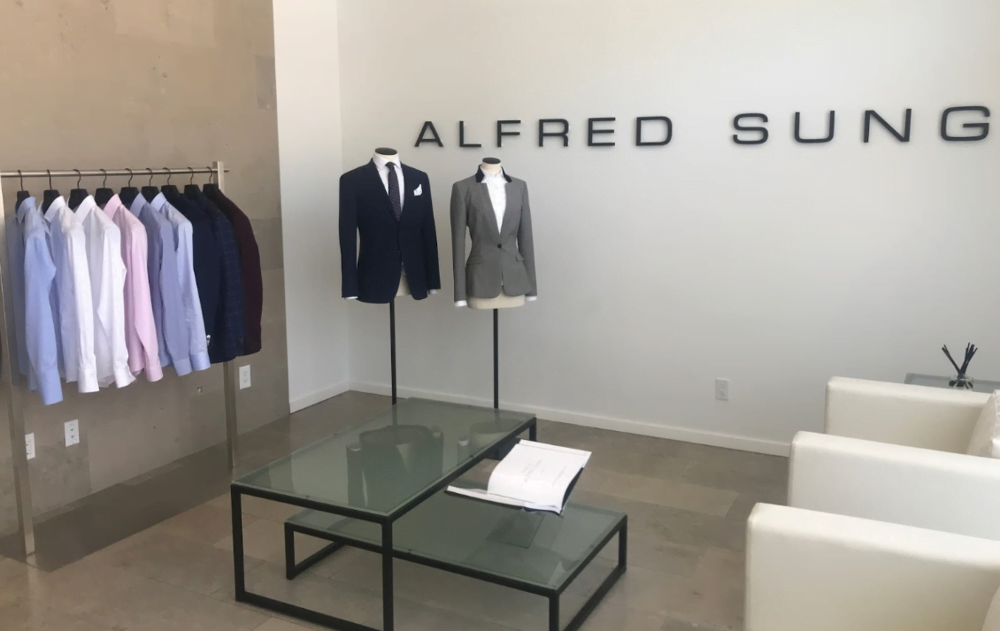
Alfred Sung launched its new bespoke service for men and women in late 2019, which includes custom fit shirts, pants, skirts, suits and outerwear. Customers can book an appointment at the brand’s Toronto showroom, located at Bathurst and Dupont, to get measured, choose their fabrics and design details, with the help of stylists on staff. Once the garment is ready, within two to three weeks, customers return for a final fitting and any necessary alterations.
Tamara says the decision to launch the bespoke service was prompted by a shift in consumer behaviour, with growing demand for tailored garments and customization.
“Customers are looking for a different sort of experience in shopping,” she says. “So, we’re excited to offer that—to offer them personalization.”
Whereas custom suits have become increasingly popular among men in recent years, Tamara says there was a gap in the bespoke marketplace for women, which presented an opportunity for Alfred Sung. “It’s something that women are looking for,” she says.
The bespoke service also offers Alfred Sung an opportunity to reconnect with its end customers, after many years of focusing on retail relationships. “We’re working on connecting with her again, figuring out who our modern woman of 2020 is.”
ALFRED SUNG. PHOTO: RYERSON UNIVERSITY
ALFRED SUNG. PHOTO: TORONTO LIFE
The bespoke concept appeals to women of all ages, according to Tamara, but she says she’s noticed high demand in particular among working women between the ages of 25-45. Since the products aren’t inexpensive, with shirts starting at $250, blazers starting at $900 and suits starting at $1,300, the concept caters to customers who are looking for an investment piece, she says.
“For something that is made specifically for you, and with the quality of fabrics that we’re offering, it’s a great price,” she says. “But, it’s not for everyone. You have to want to invest in these pieces.”
As demand for the bespoke service grows, Alfred Sung is looking to relocate its Bathurst showroom to a more central Toronto location, according to Tamara. The brand is also exploring the possibility of opening showrooms in other cities across Canada and the U.S., such as Ottawa, Vancouver, Miami, and New York, on either a pop-up or permanent basis.
For customers who prefer not to go through the process of getting measured and customizing their garment, the brand plans to make certain items available in popular sizes on the website.