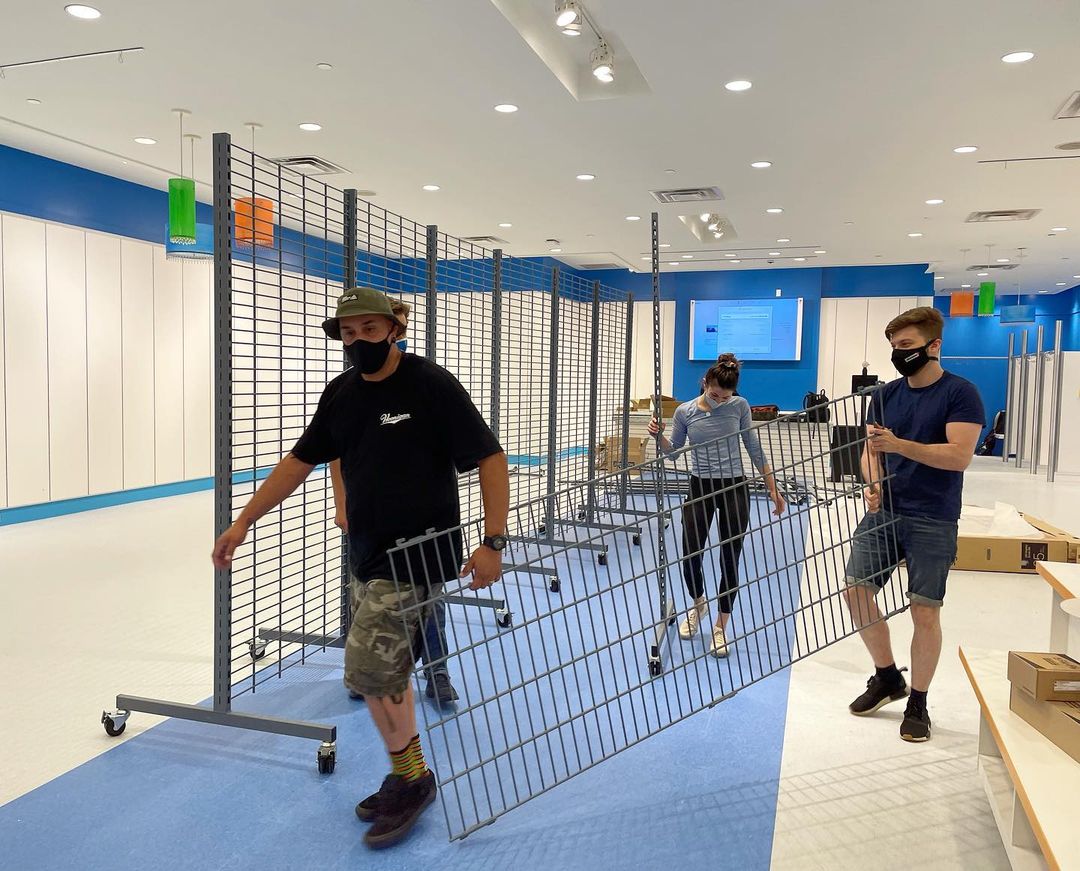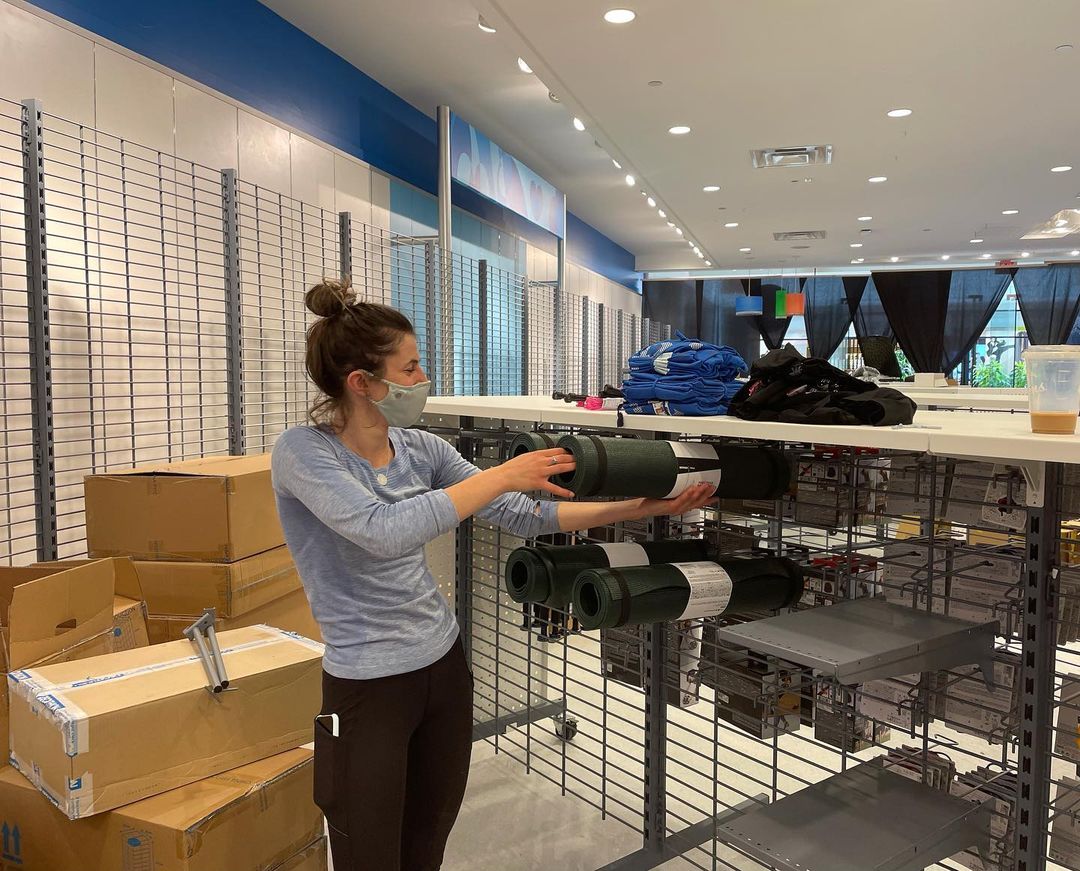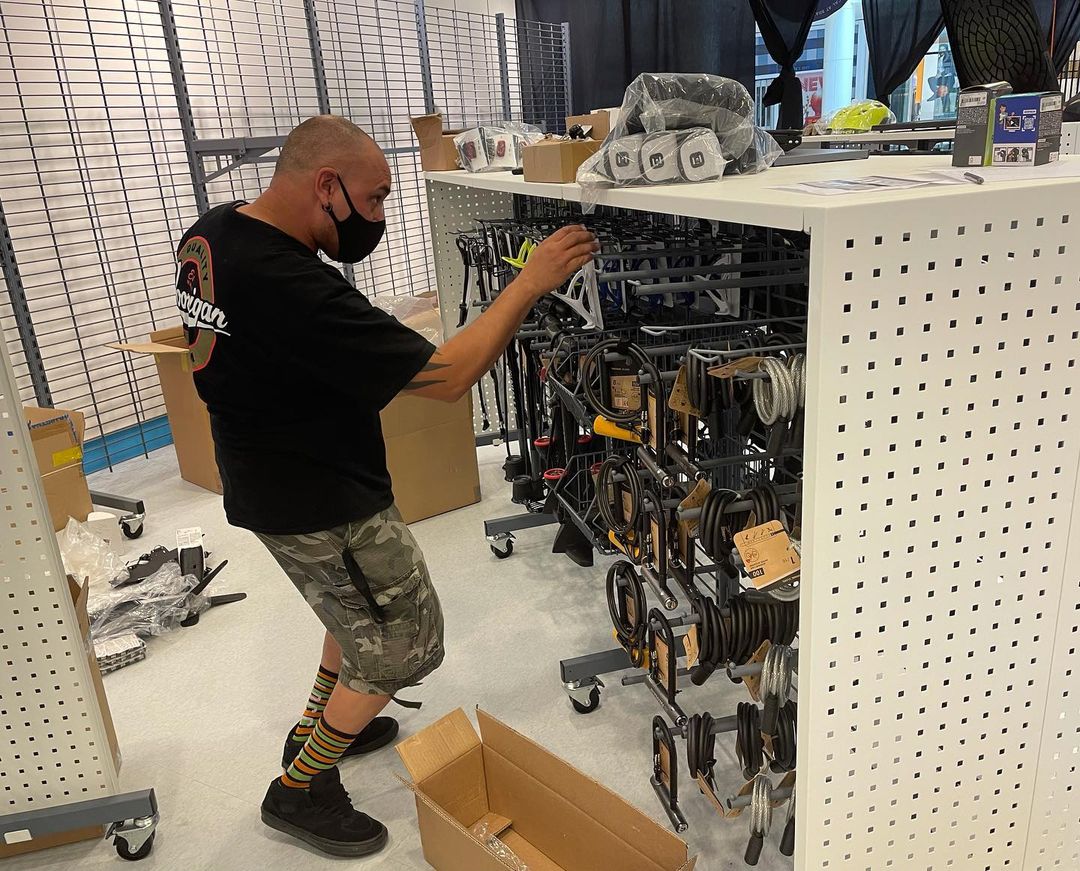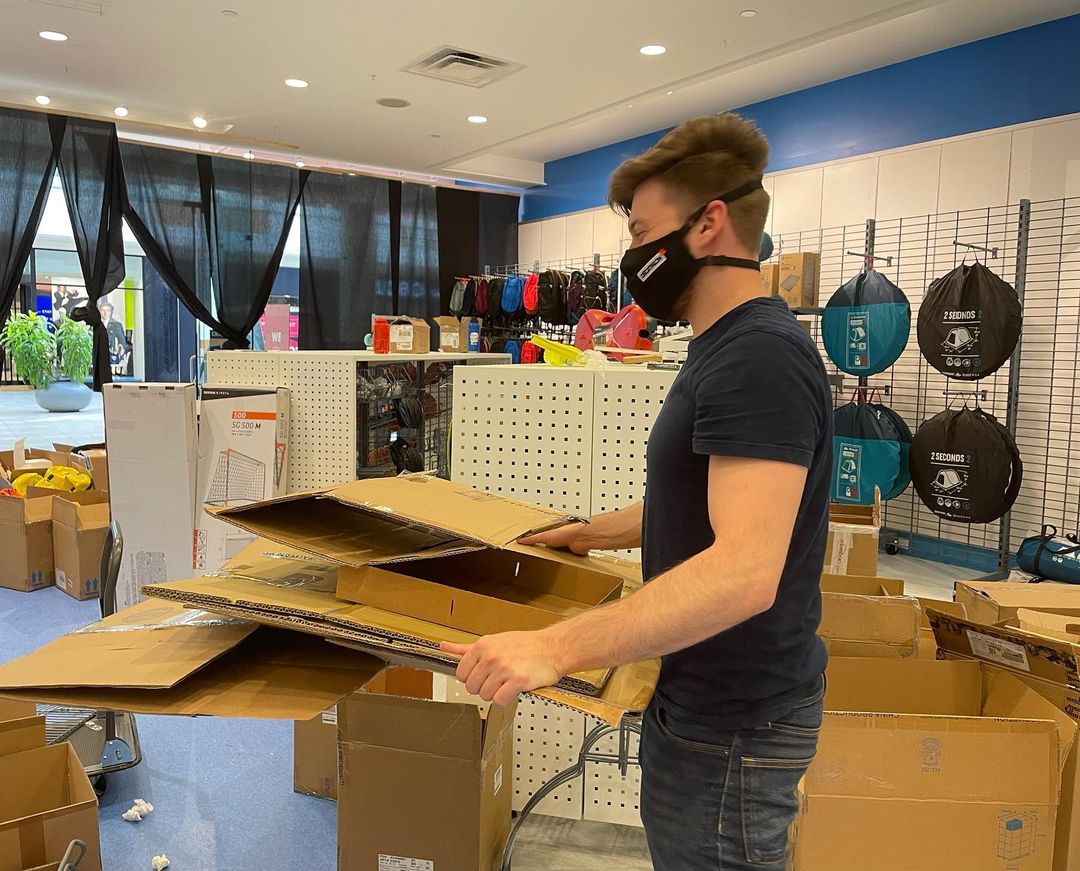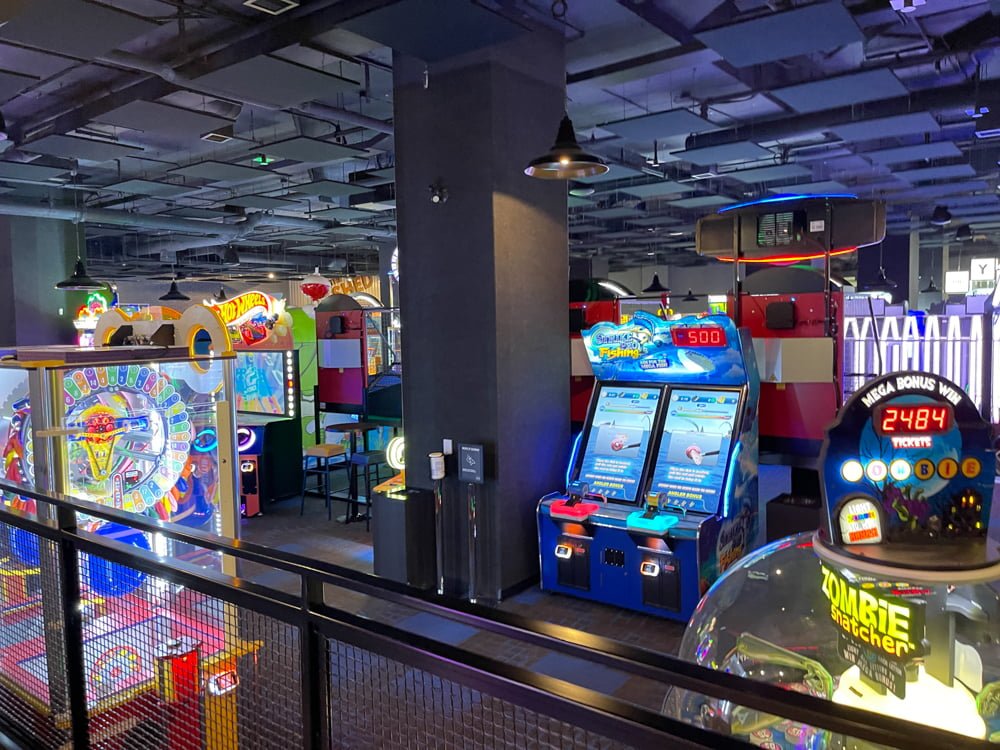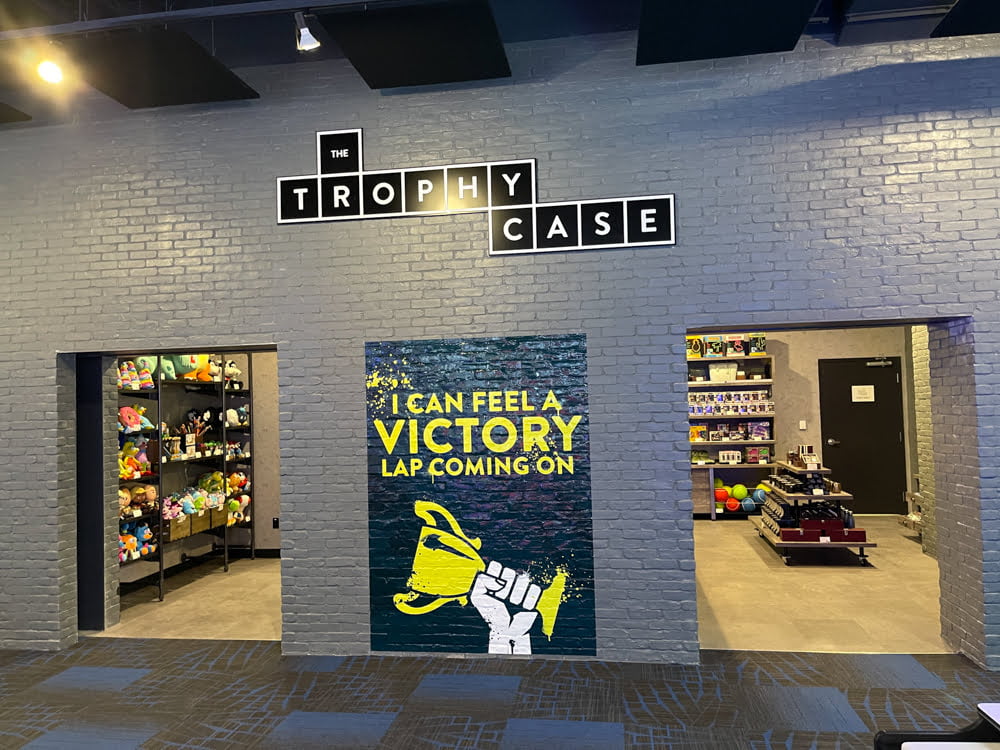
The Canadian retail industry is shifting drastically; companies are increasingly seeking out ways to clear out excess inventory, while at the same time, consumers are increasingly seeking out bargains. Costs of living are going up, and incomes are stagnating, leaving more consumers than ever before embracing warehouse sales.
As a result, companies with excess products are turning to warehouse sale facilitators to quickly and efficiently sell out inventory. Coordinating such large events can be challenging, as it requires organization as well as extensive marketing efforts.
One company in particular, OPM Sales, stands out with its value proposition that includes professional services that aim to make the process as convenient as possible for vendors.
The following are seven key factors that vendors should consider when choosing a warehouse sale facilitator.
(1) Location
It’s important that a warehouse sale be accessible to a large population of consumers in order to maximize foot traffic and to drive sales. Given the nature of warehouse sales, highway access with connectivity to the region is particularly important.
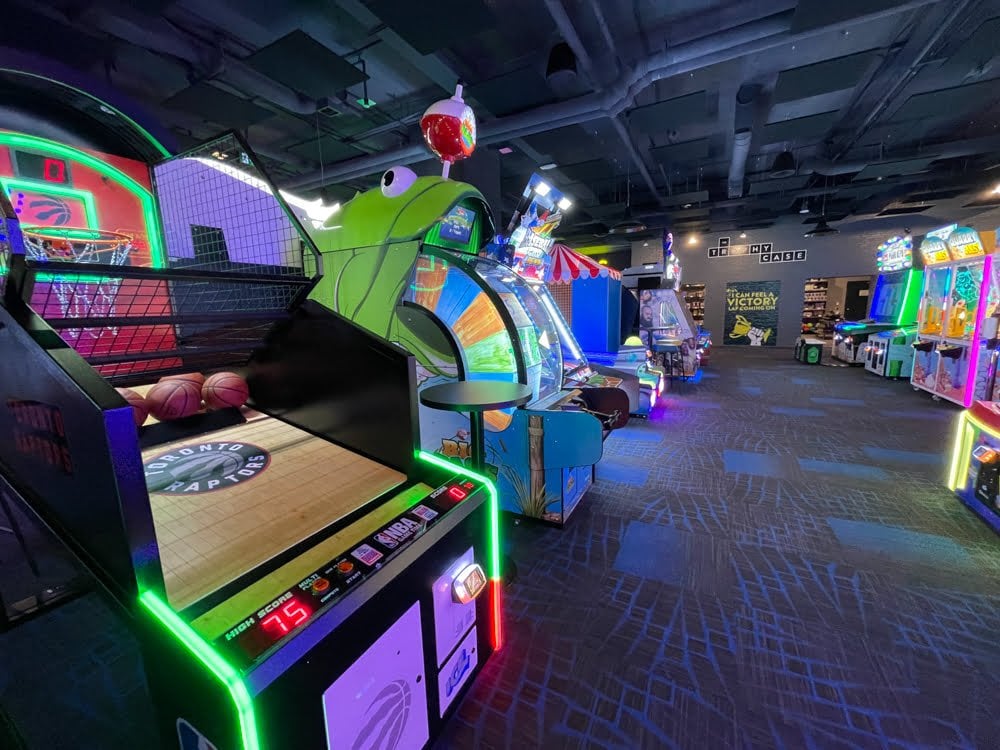
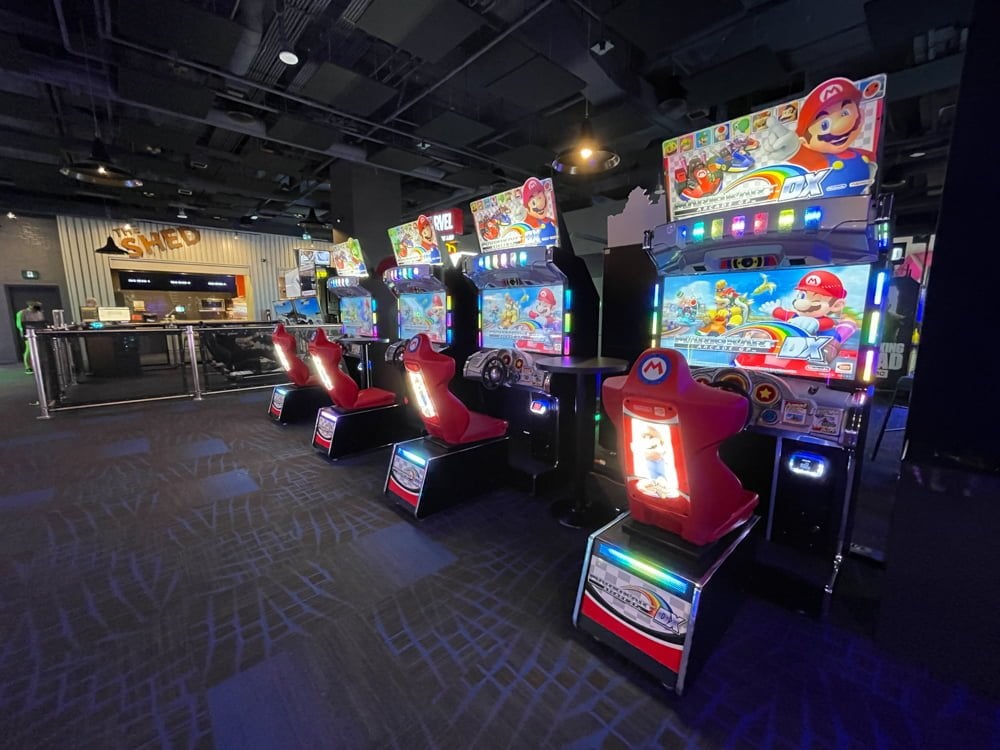
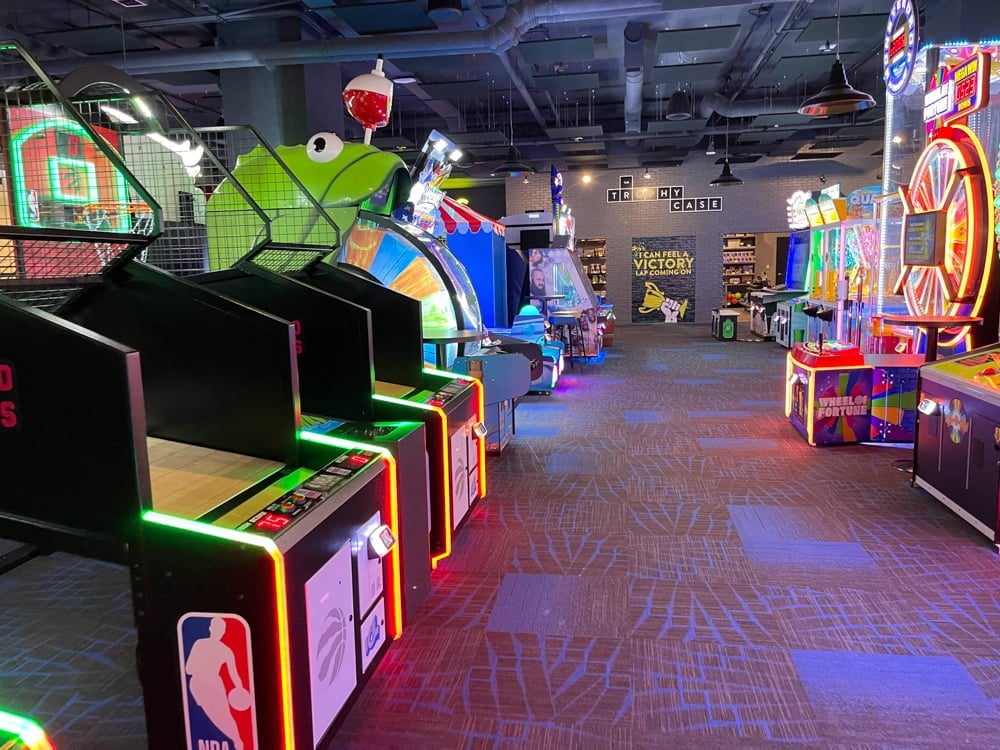
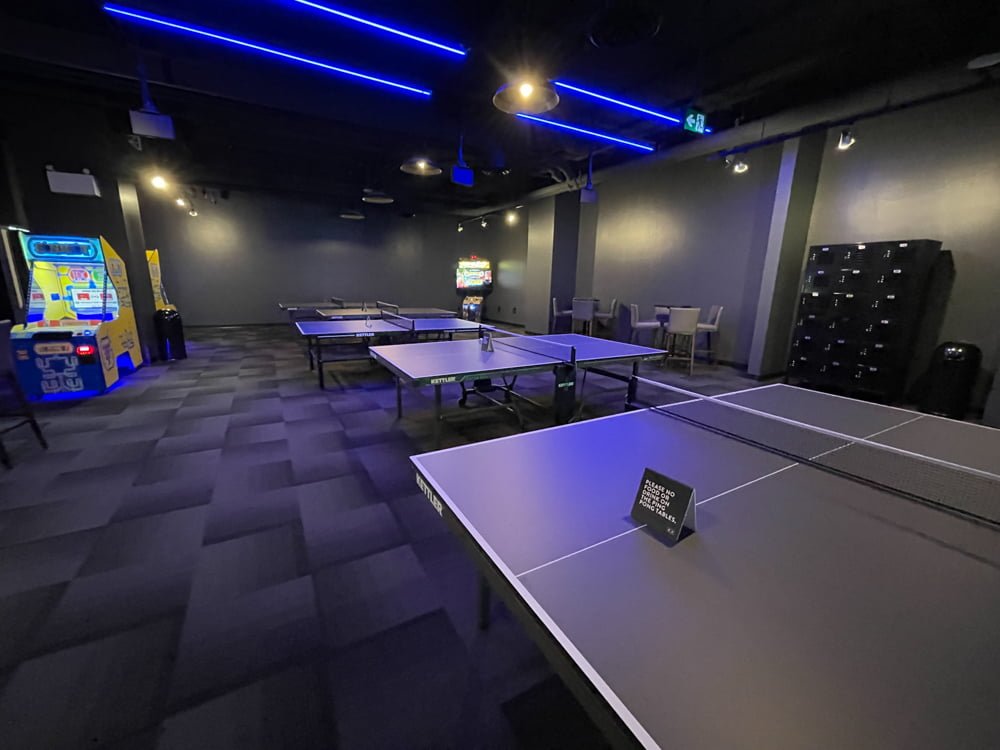
In the Greater Toronto Area, OPM Sales’ massive 60,000+ square foot warehouse in Newmarket is located just off of Highway 404 and Mulock Drive, making it a prime location for those in the Greater Toronto Area. With Toronto’s rapidly growing region of more than six million residents, OPM has managed to draw a massive attraction to their events.
(2) Marketing Team
To make your warehouse sale a success, it’s important to get the word out to as many people as possible. Between social media, TV & other digital mediums, let alone traditional print media, it can be difficult to capture the attention of shoppers.
OPM Sales has a professional marketing team that solely focuses on getting the word out and driving as much foot traffic as possible to the sale. One strategic asset is OPM Sales’ expansive database of loyal shoppers in its email list – some customers have been attending these sales since the beginning, while new customers are continually being added. As a result of OPM’s strong marketing team & ever-expanding mailing list, we have seen consistent growth in attendance to OPM’s warehouse sales.
(3) Merchandising Team
To make a warehouse sale event successful, organization is required as well as ensuring a well-stocked sales floor at all times.
Through years of experience conducting warehouse sales, OPM understands the importance of merchandising and restocking. As a result, OPM employs staff that’s sole duties are to focus on restocking top selling merchandise. Retail Insider mentioned in an article last month that OPM Sales has expanded its warehouse liquidation events to all industries.
(4) New and Repeat Vendors
It’s a great sign when vendors repeatedly utilize the same warehouse sales facilitator when they want to clear out excess stock. Success is measured in how much stock is sold, and how quickly.
Many vendors have become repeat vendors at OPM Sales and have expressed appreciation for OPM Sales’ capabilities to clear out product quickly and efficiently. Sale Event, a leading surplus retailer of Health & Beauty products has stayed with OPM Sales since the beginning. Through the years, OPM Sales has cleared thousands of SKUs for Sale Event, and they will once again be returning to participate in this month’s July Sale (July 24-28).
“SaleEvent has been a vendor with OPM from the start! We have experienced great success at their 5-day sale events, and see many happy customers return for our merchandise. We are also very pleased with the team at OPM who is always attentive and accommodating to our needs.” – Nancy Purdy, National Events Coordinator

(5) What Customers are Saying
Consumers can voice their opinion over many different mediums, making consumers more powerful than ever. Look at the companies’ reviews; if they are consistently positive, it is a sign that they’re doing something right. In the mind of a consumer, a successful warehouse sale includes expansive product offerings, attractive prices and an overall positive service experience.
In the case of OPM Sales, its online customer reviews are exceptional with many five-star ratings. That includes Google reviews, Facebook, Yelp and other websites that provide the opportunity to voice such opinions.
Brandon Roach, a loyal OPM customer, described OPM Sales’ events as having “Great prices, huge selection on just about everything”, while another loyal customer, Dianne Hughes Bourgeois described how OPM Sales has a “very professional staff and always great deals to be had”. She enthusiastically went on to say “I Love this place!”
(6) Sales Team
Having enough trained staff and supervision is critical to the successful operation of a large warehouse sale.
As OPM Sales specializes in warehouse sale events, the company employs fully trained, reputable staff at each of its sales, which includes full-time cashiers, sales associates and an experienced management team. OPM Sales dedicated management team aims to make its warehouse sales as successful and as enjoyable as possible for you. The result has been thousands of happy customers who return again and again for OPM Sales’ warehouse events.
(7) Full-Service
Hosting a warehouse sale is complicated, and vendors have said that they appreciate the convenience of having a company that is able to streamline the process. OPM Sales recognizes this and has created a process to ensure there is minimal effort on your part. OPM Sales handles parking and security, and everything in-between — vendors that have worked with OPM Sales say that they appreciate the simplicity of the process where they supply product to be sold, and OPM Sales handles the rest. As mentioned above, as well, OPM Sales employs full-time staff and marketing professionals to ensure that its regular warehouse events are a tremendous success.
OPM Sales recently announced that they are now clearing out product from various industries. While OPM Sales continues to clear out footwear, apparel and other related products, it has also expanded into clearing out products from categories such as appliances, toys, home décor, outdoor furniture, and more.
Vendors and suppliers interested in working with OPM Sales are encouraged to contact Matthew at: matthew@opmsales.com.
For those seeking to experience one of OPM’s premium warehouse events themselves, the July sale takes place at OPM Sales’ massive 60,000 square foot warehouse facility at 400 Harry Walker Parkway in Newmarket during the following hours:
Wednesday, July 24 to Friday, July 26 from 10:00 AM to 8:00 PM
Saturday July 27 and Sunday, July 28 from 10:00 AM to 6:00 PM
After spending many years under the radar, Toronto-based clothing design firm Call & Response has begun to move into the spotlight. A popular label among musicians, including stars such as Cher, Shania Twain and the late Prince, Call & Response has quietly developed a global reputation for its edgy hand-made clothing, purely through word of mouth.
Lori Marcuz and Cathy Robinson are the designers behind Call & Response, which launched 16 years ago. “We just started making clothing,” says Robinson. The label has a store at 702 Queen Street West that doubles as its clothing production studio.
Marcuz describes Call & Response’s ethos as “design without boundaries: personal, experimental, raw & refined.” The brand’s collections include plenty of fringe, zippers, snaps and studs. Items range from black and grey to boldly dyed colours, and the extensive range of materials and textures used include leather, silk, suede, shearling, sequins and antique tapestry, among others. “We’re always looking for different types of materials,” Marcuz says.
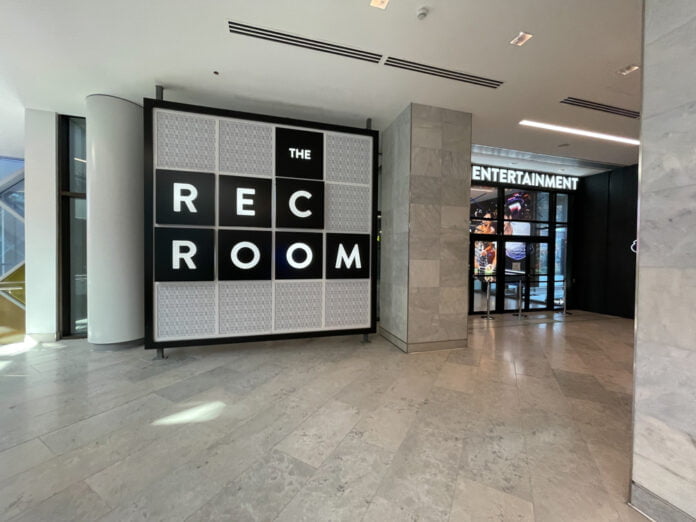
Both music and musicians are big sources of inspiration for both designers—particularly 1960s/70s-era stars such as Stevie Nicks and Jimi Hendrix. Marcuz and Robinson listen to music all the time when designing and making clothing in their Toronto store. In fact, even the name of the label—Call & Response—is a musical term.
PHOTO: CALL & RESPONSE
1 of 2
From day one, the label’s designs have attracted “creative spirits,” according to Marcuz, including rock stars—both “real and imagined.”
“We have this rather unique clientele,” Robinson says. “Very progressive people who are interested—in a time when individuality is mass-marketed—in seeing something that is truly individual.”
In 2011, the label was approached to make clothing for world-famous musician Prince. During the five years that followed, Prince continued to request apparel from Call & Response and wore their garments unaltered at many high-profile public events, such as the Grammys and various magazine cover shoots.
“That sort of took over for five years,” Robinson says. “We were just listening to music and making clothes as fast as we could and as well as we could, because you didn’t know where they were going to end up.”
Call & Response would send Prince a full box of garments at a time, and then immediately start working on the next box. “He essentially bought anything we made,” Robinson says.
Since Prince was “intensely private,” she adds, the brand didn’t promote the fact that the star was a customer until they were given permission following his death. Nonetheless, many of the musicians associated with Prince also became customers during that period, including 3RDEYEGIRL, Liv Warfield and other members of the NPG.
Call & Response is also popular on the Canadian music scene, with clients such as opera singer Measha Brueggergosman.
Although marketing and publicity have not been top priorities throughout Call & Response’s history, the brand has recently begun to attract attention for its edgy designs and its high-profile client list. A 2018 article in Vogue, for example, profiled the brand’s work and its relationship with Prince.
Beyond its music industry clientele, Call & Response sells its clothing through a limited number of independent retailers in the U.S. and through its Toronto storefront, which consistently gets a lot of traffic, according to Marcuz.
“Queen Street is a really good place for us to be,” she says. “We get a lot of tourists, but we still have a lot of locals who will walk by and they’ve never been in before and they love it, and they get hooked.”
Marcuz and Robinson enjoy being able to interact with customers in the same space where they’re creating the clothes, since they can get an instant reaction to their designs and creations. “We get to feed off of what people say,” Marcuz says.
The brand has also attracted customers from around the world through its website, which showcases a broad selection of its merchandise.
Megan Harman is a business reporter based in Toronto. She writes about topics including retail, financial services and technology. Megan covers Toronto’s retail industry through her blog Retail Realm (torontoretail.wordpress.com). Follow her on Twitter at @meganmharman.
Canada is on its way to becoming a hub for international luxury brands, with several upscale retailers recently opening stores in the country. The question these luxury retailers have is whether there is enough potential to satisfy the supply. Many brands such as Saks Fifth Avenue, Nordstrom, Tory Burch, Versace and Bvlgari are optimistic and investing in the industry.
Now that Canadians have a greater reason to shop domestically, it will play a strong role in supporting the stores and brands. Possessing proportionally fewer high-income earners than the US, it might appear that there is a lack of justification when examining the investment that these brands have made here. The Canadian luxury industry still has potential as a popular tourist shopping destination, hence continued expansions.
SAKS FIFTH AVENUE AT CF SHERWAY GARDENS PHOTO: HBC
Canada’s Best Customers
Upper-middle-class aspirational shoppers are not the only positive indicators for luxury and lifestyle retail. The Asian demographic has become a major driver for the growth for luxury brands, a trend that is only expected to pick up steam thanks to ready sources of income from countries like India, China and Iran. Chinese customers have made over $65 billion of luxury purchases in the past decade, according to a McKinsey & Company report. Changes to Canada’s immigration policy in the past few years mean that a huge number of emigrants too, mostly Asian, have created an entirely new demographic to cater to.
With income levels no longer being the best indicators of potential, retailers are trying to gain more data with another indicator: The tourist industry. 2017 was a landmark year for Canadian tourism with a record 43 million visitors to Toronto, spending $8.8 billion. Following the US, China was the second highest source of tourists with strong future growth indicators for the visitor economy. Coming along as a huge incentive to brands, retailers are looking at specific markets with higher disposable incomes and tourist areas. These brands might be new to Canada but they are seeing that a significant number of Asian tourists visit Canada and making valuable purchases.
PHOTO: BLOOR YORKVILLE BIA VIA FACEBOOK
Hermes PHOTO: BLOOR YORKVILLE BIA VIA FACEBOOK
Asian Spending Habits
The massive amount of retail sales generated by Asian tourists in Canada is a hard number to estimate, given fluctuations in time, location and consistency. However, the opportunity is undeniable with luxury brands looking to offer value such as social status and personal identity. Key to doing so is understanding the difference between Western and Eastern cultures.
These differences go beyond language or seasonal celebrations. Asian cultures differ even amongst themselves as motivations and buying decisions vary widely. Indian luxury consumers are heavily affected by the opinions of others and look for societal acceptance, which leads to groups, rather than people, directing purchase decisions. Chinese luxury consumers, on the other hand, without any marketing to create a relationship, look to possess the quality that the luxury brands represent and are willing to pay for it.
It is a common practice for tech-savvy and aware Chinese tourists to travel to Western countries like Canada and make luxury or lifestyle purchases. Their luxury purchases are made subtly as they are not allowed to purchase or advertise luxury brands in China. With government intervention fuelling demand, tourists buy such products overseas from countries such as Canada.
FENDI’S HOLT RENFREW BLOOR STREET CONCESSION PHOTO: FENDI
Adapting to the Market
Last year, local retailer Holt Renfrew invested $400 million to renovate and expand stores across Canada, with a focus on luxury apparel and beauty brands. The stores will feature 75 luxury concessions that include brands like Chanel, Gucci, Fendi, Louis Vuitton, Dior and others. Aware of the latent demand that exists amongst the Asian demographic in Canada, luxury brands know that visitors have an appetite for luxury goods and retail stores and are taking steps to make their stores more appealing to Asian consumers. Some examples include:
Store designs are mirroring designs of upscale Asian department stores, stocking them with product styles and brands that appeal to Asian consumers and payment facilities that enable easier transactions.
Asian customers are relatively loyal and prefer to build relationships with sales staff. This means that hiring the right employees has a great impression on the targeted segment.
Luxury brands should consider hiring staff who understand the home countries’ preferences as well as both Canadian and Asia cultural nuances and trends.
Sales representatives are being chosen for their language abilities, cross-cultural experience and relationship building qualities to connect better with customers.
HOLT RENFREW VANCOUVER PHOTO: HOLT RENFREW
PHOTO: BLOOR YORKVILLE BIA VIA FACEBOOK
Future Forecast
While it might be convenient to treat each demographic the same way, the reality is that same messaging does not work across every market. Communication and marketing will need to be tailored to the culture and consumption patterns of that particular emerging market demographic.
As per EY-Parthenon, the premium segment will grow by 6 % from 2016-2020, a higher growth rate than the predicted 3.4% for the luxury segment. However, expected growth rates for the shoes and accessories category is a resounding 11% and 6% in the luxury segment. Applying these insights, strategies and services will require someone familiar with the culture to customize and emphasize what consumers are looking for and identify the best channels to reach out to them.
It will be interesting to see the direction the Canadian luxury and lifestyle industry assumes in years to come. Will the demand continue to remain strong or will brands have to diversify or redirect their efforts? In all this, Asian tourists and their spending power hold the answer to the direction the market will take.
Unique Toronto-based retailer BRIKA, which initially launched in 2012 as a direct-to-consumer brand selling wares from various ‘makers’, has shifted its strategy to become a business-to-business operator in various commercial properties. The company has recently been working together with online gourmet food retailer foodiepages, to cover all categories from goods to food, to collaborate with landlords and brands on various temporary activations that are helping small brands across the general goods and food categories to be showcased to a wider audience, and to assist big brands in feeling “smaller” and more authentic.
Their goal, according to co-founder Jen Lee Koss, is to work with landlords and brands to create pop-up concepts for brands, many of which are direct-to-consumer while providing them distribution opportunities that they might not otherwise have. For a second summer in a row, for example, BRIKA and foodiepages partnered with landlord First Capital Realty on a pop-up concept at Toronto’s Yorkville Village called ‘UpMarket’, which sees up to 25 vendors occupy ‘the Laneway’ at the centre’s Yorkville Avenue entrance every Wednesday until the end of August. During the rest of the year, they have launched a number of different UpMarket “edits” themed for each season including Holiday, Valentine’s Day and Mother’s Day.
PHOTO: BRIKA
Ms. Koss noted that she has been working with Erin Maynes from foodiepages to secure independent vendors and new partnerships with developers, property groups and real estate brokers to reformat spaces and open up opportunities for pop-up retail experiences, she said. Collectively, they have been working with nearly all the major property developers and thousands of small businesses over the past few years, creating meaningful opportunities for these makers/brands/independents. It’s an opportunity to get brands offline and into the brick and mortar space as a turnkey solution, which is proving to be successful in Canada as well as internationally.
Last year, BRIKA and foodiepages partnered with landlord Oxford Properties at its Upper Canada Mall property in Newmarket, just north of Toronto, which launched Canada’s first mall-based multi-vendor food market called Market & Co in September. Their new concept called ‘First Batch’ is described as “a pop-up collective featuring pantry essentials, table and barware and unique hostess gifts, all crafted by more than 60 emerging and independent makers.” It is currently popped up at Square One Mall’s new Food District concept giving more than 65 independent brands a platform to be featured.
BRIKA plans to continue working with landlords and brands to create curated spaces for vendors seeking exposure who might not otherwise venture out on their own by opening a store.
PHOTO: BRIKA
Ms. Koss explained that BRIKA is now expanding outwards by working with landlords to create multi-vendor or singular vendor pop-ups at various properties. This past spring, they partnered with Cadillac Fairview to operate 20 curated retail shops across the country over 17 days for their CF Spring Market initiative. Nearly 150 vendors participated in these “local” artisan shops for Mother’s Day.
The company is in discussions with several other major developers, brands and retailers to do branded pop-ups – the company says that there is no shortage as to the demand.
BRIKA has also deviated from the ‘artisan’ product mix last fall when they took over a retail space in Toronto’s affluent Summerhill area for a week to launch a pop-up space for Australian women’s fashion brand Scanlan Theodore which has 30 standalone stores across Australia. The pop-up was a huge success, according to Ms. Koss, and BRIKA has plans to do similar pop-ups with larger more established brands as opportunities present. Such pop-ups also allow brands to test the market and reach core customers in a different way.
In addition, they are working with brands including Maple Leaf Foods to create pop-up activations across Ontario in partnership with community outdoor movie nights.
1 of 2
PHOTO: BRIKA VIA FACEBOOK
“Toronto is a great place for brands to test out,” said Ms. Koss. She referred to the diversity of the city, which is also seeing remarkable growth as well as a cultural shift with an unprecedented influx of newcomers, many of whom are immigrants.
Ms. Koss said that she thinks the future of retail leases, in many respects, will be for shorter terms than the traditional five and 10 year deals common in most parts of Canada.
BRIKA was founded in 2012 as an online retailer by Ms. Koss, a Harvard MBA graduate and Kena Paranjape, a University of Toronto MBA graduate, former retail buyer and blogger. In 2013, the company opened its first brick-and-mortar store on the concourse level of Hudson’s Bay’s Toronto flagship, prior to opening its Queen Street stores. Seeing how brick-and-mortar locations complimented and augmented online sales, the founders opened a store at 642 Queen Street West in Toronto in the spring of 2015, followed by a second Leslieville location at 768 Queen Street East in the spring of 2016.
foodiepages was similarly founded in 2012 as an online marketplace for emerging independent food and drink brands by Erin Maynes, a graduate of the Queen’s School of Business. It has worked with and feature more than 1,000 small business owners in Canada.
PHOTO: BRIKA
BRIKA’s initial target consumer was the busy women who wanted unique, hand-crafted products but didn’t have time to scour online sites such as Etsy. The name BRIKA comes from the Spanish word “Fabrica”, which means “Factory”. The company points out that there’s irony to its name, considering that products sold are neither generic nor mass-produced.
And while the strategy shift to business-to-business is a new direction for the companies, BRIKA has hosted multi-vendor concept shops with landlords in the past — In 2015, it launched a unique partnership with Oxford Properties to open a 3,000 square foot store at Toronto’s super-productive Yorkdale Shopping Centre for the winter Holiday Season. The store featured crafted products as well as a cafe and workshop at the back. The concept was a huge success and Oxford Properties has since launched its own permanent pop-up space called CONCEPT.
Ms. Koss says that BRIKA will continue to work with landlords and businesses to sell their wares, utilizing a dynamic retail model that is more temporary but highly turnkey in nature. Their focus is also on brands that are looking to get a toe-hold into Canada.
Acuitis Quebec Shuts Store as it Files for Bankruptcy: French optician and acoustics specialist Acuitis Quebec Inc. has closed its CF Carrefour Laval store in suburban Montreal after the company filed a Notice of Bankruptcy in the Superior Court of Bankruptcy and Insolvency. The Notice was filed on July 5.
Raymond Chabot Inc. was appointed trustee of the estate of the bankrupt Acuitis Quebec Inc., according to documents, “subject to affirmation by the creditors of the trustee’s appointment or substitution of another trustee by the creditors”.
The first meeting of the creditors of Acuitis Quebec Inc., will be held at 2:00pm on Friday, July 19 at the trustee’s office at 600 de La Gauchetiere St. W., suite 2000, in Montreal. Creditors must file proof of claim to vote at the meeting and where necessary, a proxy.
Raymond Chabot Inc. provided a full list of creditors with claims amounting to $25 or more and creditors must prove their claim against the estate of the bankrupt to share in the proceeds realized from the estate. Debts appear to be in the amount of $854,675.34, according to documents. Acuitis France is owed $152,831.94 and the Development Bank of Canada is owed $133,125, according to the filing. Much of the other debt is held by Desjardins, exceeding $400,000. Acuitis Quebec Inc. also owes landlord Cadillac Fairview $20,000.
Acuitis entered the Canadian market in late 2017 when it opened the 3,226 square foot flagship in Laval. The store featured eyewear and hearing aid services. A second location opened CF Promenades Saint-Bruno in suburban Montreal, and that unit was open when Retail Insider called the store on Thursday. Sales staff was not aware of any immediate plans to close that location.
Family-owned Acuitis was founded in France in 2010 by father-son team Daniel and Jonathan Abbitan, with a goal of offering quality, affordably accessible eye and hearing care while also providing personalized, customer-centric service. Acuitis offers an ‘all inclusive’ service for its eyewear including eye examinations, mounting, lenses and any required adjustments. Glasses are often ready within an hour, with prices ranging from $120 to $550. Local Opticians Sevan Kechichian, Rémi Xhenseval and Juliette Fournier-Lemaire were behind the opening of the CF Carrefour Laval Acuitis, according to an article by Maxime Frechette published in Retail Insider in October of 2017.
JLL’S NEW SENIOR VICE PRESIDENTS BRANDON GORMAN (L) AND GRAHAM SMITH (R)
Mr. Gorman and Mr. Smith each bring over a decade of urban retail experience to JLL’s Retail team and are widely regarded as two of Toronto’s top retail leasing professionals. Over their career, they have been trusted advisors to Canada’s top retailers and have developed meaningful relationships with developers and institutional landlords across the country.
Over the past year since acquiring Northwest Atlantic, JLL has grown its retail team to over 50 retail professionals and increased its tenant mandate to over 200 premium retailers. In 2018, the team completed 1,300 transactions, totalling 1,400,000 square feet. More hiring announcements are expected as JLL rapidly grows its operations in Canada.
West Vancouver’s Park Royal Adds New Retailers As it Achieves Record Productivity: The unique Park Royal Shopping Centre in West Vancouver recently added new storefronts for Aussie eyewear brand Bailey Nelson, as well as a relocation for casual US-based fashion brand Tommy Bahama. Park Royal, which is one of the top shopping centres in the Vancouver area, has also achieved annual sales per square foot exceeding $1,000, making it one of Canada’s most productive shopping centres.
An 11-screen Cineplex theatre opened in the spring including four VIP cinemas, which has resulted in increased foot traffic to the centre. Other recently opened retailers include Vancouver-based Hills Dry Goods, PetSmart, and a third Starbucks location. Taiwaneese women’s fashion brand Douchanglee opened last year, as well as The Shoe Company which expanded and relocated.
The centre is almost 100% leased and continues to see increased footfall and productivity after landlord Larco recently invested more than $150-million to upgrade the property. Construction is underway for the ‘Gateway Residences Park Royal’ which will include more than 200 rental residential units as well as 29,000 square feet of commercial, daycare and public plaza, set to open in 2021.
Park Royal, located at the foot of the Lions Gate Bridge, opened in the fall of 1950 and was Canada’s first department store-anchored shopping centre. Woodward’s was the anchor and it’s space was taken over in the early 1990’s by Hudson’s Bay after Woodward’s bankruptcy and subsequent acquisition. The centre spans almost 1.5 million square feet and has more than 225 shops, restaurants and services. It’s home to La Maison Simons’ only location in British Columbia.
THE NEW TOMMY BAHAMA STORE AT PARK ROYAL SHOPPING CENTRE: PARK ROYAL SHOPPING CENTRE
Casper Opens 1st Vancouver Storefront: New York City-based sleep brand Casper, which has been expanding its Canadian operations by opening showrooms as well as a flagship/headquarters, opened its first Vancouver showroom on Thursday in the city’s Kitsilano area. It is the third Casper location in Canada after two storefronts opened in Toronto last year, and more are confirmed to be on the way.
Casper opened its first Canadian location in the spring of 2018 at Toronto’s CF Sherway Gardens, which was followed by its Canadian flagship at 342 Queen Street West in Toronto, which also houses the brand’s Canadian headquarters. Casper’s Canadian manufacturing facility is now producing mattresses for the local market.
Casper’s showrooms feature several ‘nap houses’ displaying the brand’s range of products that include mattresses-in-a box as well as pillows, bed sheets, bed frames, bedside tables and pet items.
CASPER’S NEW SLEEP SHOP IN VANCOUVER ALL PHOTOS: CASPER
1 of 3
In Canada, there are plans to roll-out more locations in British Columbia, Alberta and Quebec, as well as more in the Ontario market. Construction hoarding is now up for a location at CF Chinook Centre in Calgary in a 2,200 square foot space on the mall’s main level near Nordstrom. A Toronto location at Yorkdale Shopping Centre is also under construction set to open this winter, spanning more than 2,400 square feet, across from the mall’s Dyson store.
Casper was founded in New York City in 2014 as a direct-to-consumer online retailer and has celebrity backers including Leonardo DiCaprio, Tobey Maguire, Adam Levine and Ashton Kutcher. The company boasts sales in the hundreds of millions of dollars annually.
Amazon ‘Prime Day’ Sees Success in Canada:Amazon held its Amazon Prime Day this week for a 48-hour time period on July 15 and 16, and it was the largest shipping event in Amazon’s history both in Canada as well as in the United States. According to Criteo, statistics pulled pertaining to the event saw an overall increase in sales of about 24% on July 15 and a 25% increase in sales on July 16 from the norm, which was similar to that seen in the United States. Web traffic was also up significantly over the two-day event and even before, as shoppers appeared to be looking at products prior to them being discounted.
Amazon Prime Day is available to those with Prime Memberships, which continue to be $79 annually in Canada, or $7.99 per month. Perks include free shipping on many items as well as a range of premium services otherwise not available to non-members. In the United States, Amazon Prime costs $119 annually or $12.99 per month in US dollars, which means Canadians are paying a lot less for Amazon Prime at the moment. Amazon says that it saw more new Prime members on July 15 than any previous day, and almost as many on July 16. That means this year’s event was a promotional success, being the two biggest days ever for member signups.
In total, the 48-hour event saw more than 175-million items sold globally in 18 countries. In Canada, some of the top categories that Prime members shopped for included Beauty, Home and Fashion. The top-selling products in Canada were:
PlayStation 4 Slim with Spiderman and Horizon Zero Dawn
LifeStraw Personal Water Filter
23andMe Health + Ancestry kits
As well, Prime Day was the largest event ever for Amazon devices, when comparing two-day periods. In Canada the top-selling device deals were:
Echo Dot
Fire TV Stick with Alexa Voice Remote
Fire TV Stick 4K with Alexa Voice Remote
Prime Day was the biggest event ever for Alexa devices with screens, such as Echo Show and Echo Show 5. It was also the best Prime Day ever for fire tablets.
Amazon Prime Day is clearly a successful event and we expect to see continued growth next year. At the same time, Amazon might want to look into the rampant increase in counterfeit goods on its website. After China cracked down on counterfeits on websites such as iOffer, we’ve noticed even more being available from overseas vendors on Amazon.ca. Try entering “Louis Vuitton” into the search bar, for example, and a few of the first things to pop up include an LV monogram belt selling for $14.85 and a Pochette Metis Monogram handbag asking $104.98 — and with free shipping to boot.
Whole Foods Marks 20 Years of Sustainable Seafood in Canada: TheMarine Stewardship Council (MSC) is marking 20 years of partnership with its longest standing retail partner in North America, Whole Foods Market. In 1999, Whole Foods Market became the first retailer in North America to introduce credible, certified sustainable seafood as a concept to consumers by sourcing and selling MSC certified wild seafood with the MSC blue fish logo. Today, 14 stores in Canada (and over 475 stores in the US) offer consumers certified sustainable seafood choices that deliver positive impacts on the water.
Whole Foods
Recent findings by research consultancy GlobeScan found that 83% of Canadian seafood consumers agree that fish and seafood must be protected for future generations.
Throughout the summer, Whole Foods Market and the MSC will celebrate the positive change this partnership has delivered and educate consumers on how their purchase of MSC certified sustainable seafood can have a measurable impact on ocean and fishery health. Customers can learn more via signage at Whole Foods Market stores across Canada and at Brewery and the Beast events in Vancouver and Victoria.
One example of the change effected by Whole Foods Market on sustainable seafood is with Patagonian toothfish, also known as Chilean seabass. In 1999, fish stocks were edging towards collapse due to overfishing and illegal, unreported and unregulated catch. Whole Foods Market took a stance and delisted toothfish, and four years later, the local government of South Georgia and environmental organizations responded, working together to implement major improvements that would ensure the long-term sustainability of toothfish.
By 2004 the fishery was able to achieve third-party MSC certification demonstrating at a global level that it is sustainable and well-managed. Two years later, Whole Foods Market once again led the charge, becoming the first North American retailer to bring toothfish back to consumers, this time only selling it as MSC certified sustainable with the MSC blue fish label as a signal that it comes from a responsible, well-managed fishery. Today, stock health is on the rise, fishing of Patagonian toothfish is at its lowest in recorded history and well over 50% of global toothfish fisheries are MSC certified as sustainable.
1 of 3
Ossington Avenue to Host Annual Street Party: One of the coolest streets in Canada is hosting a street party on July 27, called OssFest 2019. The party was created and hosted by the not-for-profit Ossington BIA. This year will be the fourth year of this annual event. Everyone is welcome and the street will be fully pedestrianized between Queen Street West and Dundas Street West.
Highlights will include:
Meditation and yoga in the streets starting at 9am-10:30am
Live music stage featuring indie bands and artists from 2pm until 11pm
Over 20 patios featuring drinks and eats from some of Toronto’s best and most notable restaurants 11am to 1am
Great sales and promotions from the retailers of the Ossington Strip from 11am-7pm
Wrestlers in the streets starting at 3pm
Visit the one day pop-up Fire museum and historic fire truck from 11am-7pm
The Ossington BIA represents over 100 businesses with efforts of community building, streetscape improvement, advocacy on local issues and creating a thriving economic landscape for the member businesses.
Ossington Avenue is home to the only Canadian location for smart glasses brand ‘Focals by North’, located at 113 Ossington Avenue. Retail Insider’s Craig Patterson got his pair last week and has been trying out the various features. He’ll be posting on his personal Instagram, handle: @craig_patterson_toronto
The pace of change in consumer behaviour has never been higher than in the last couple of years. While large corporations are struggling with the digital transformation, small agile firms emerge every day and challenge traditional retailers.
Although Amazon is certainly the most dominant player within this field, there are smaller firms which can offer attractive services to consumers and push traditional and slow adjusting retailers out of the market.
Why are there so many digital commerce companies which can challenge large traditional retailers and even force them into bankruptcy?
The founders of Benkheim&Co, an online brand which seeks to change the traditional luxury watch concept, explains how motivated entrepreneurs benefit from globalization, efficient fulfilment services and new technologies.
One of the cofounders explains how he witnessed first-hand while working at a bank that a lot of traditional retailers were in trouble as internet retailers ate away their margins. They had difficulties paying back their loans and even when they wanted to close their stores, they could not get out of their real estate lease agreements which they signed for multiple years. Banks were already taking a close look at rising internet retailers and saw them as a promising new potential client group. When his boss asked him to map and monitor all fast-growing E-Commerce companies in the Netherlands, he saw how fast these companies were growing, with some of them quadrupling their revenues year after year.
After his time at the bank he used his experience to start his own brand. What helped him was his passion for the product and an excellent business partner. The first question that arouse was how they were going to start with only very limited funds. One concept was to cut down on inventory warehouses and send the products directly to the customers. This way they could mitigate inventory risk and costs at the same time. However, it would have taken too long for the customers to receive their product.
The solution was crowdfunding. Convince enough people to support your project and start the business. Even if you already have sufficient funding, the founders still recommend launching a campaign before investing your own hard-earned savings in a project. The campaign serves not only as a mean to raise capital, but also as a strong market validation and as an excellent sales channel.
However, the two founders urge to have all media, distribution channels and marketing materials (website, webstore, Instagram etc.) finalized before the crowdfunding campaign. A look at popular crowdfunding platforms such as Indiegogo or Kickstarter shows that the vast majority of campaigns unfortunately fail due to an unprofessional look. Is the online store still under construction? Have only three pictures been uploaded to Instagram? Is there only very limited visual content? All these are factors that many founders underestimate, especially in terms of time.
Above all, the visual content can be a thorn in the side of many crowdfunding enthusiasts. On the one hand, every founder is aware that pictures will be the decisive selling point, while on the other hand, this material is unfortunately also the hardest to produce. Has the supplier still not sent the latest model with the latest changes? Are the competitor’s pictures still way better? Is it just impossible to find a good background for that one picture? Since many entrepreneurs are not hobby photographers, those questions often lead to panic right before launching the campaign. The two founders spent two full months doing nothing but producing image and video material. The commercial video for example, can be seen above and here.
New technologies such as chatbots and virtual reality are trends with which young entrepreneurs grew up with. For them it is easier to implement these technologies in a creative way and challenge traditional retail companies who are not innovating. The real competition within the retail landscape is online and companies which lack understanding of new technologies and of the digital commerce landscape are highly threatened by these developments.
The rise of digital commerce and technological developments have severely lowered the barriers of entry to the retail industry. The founders explain how at the end, the combination of passion and hard work are what it takes to set up a business like Benkheim&Co.
After two years of dedication, countless days and after-work nights, the founders are proud to finally introduce the first Benkheim Claudel. A German engineered luxury time piece with exclusive design.
Click this link and receive one of the first 100 limited edition Benkheim watches with a 50% retail price discount by backing their campaign.
International retailer DAMAT/ TWEEN, an upscale men’s fashion brand from Turkey, is opening its first Canadian store in CF Rideau Centre in Ottawa.
The first flagship store, which opens August 24, is being brought to Canada by Nextrue, a family-owned firm working hand-in-hand with many of the world’s leading corporations, and being marketed by Luxi Management, an international fashion marketing agency.
Luxi Mathi, CEO of Luxi Management, said the retailer will then expand to Toronto, Vancouver and Montreal and flagship stores will enter the U.S. as well.
She said the concept will be rolled out to the Canadian cities in the next four years.
RENDERING: DAMAT/TWEEN
“DAMAT is kind of the 30-year-old plus audience they’re going for. However, in the Canadian market I’m kind of predicting 25 plus because we tend to dress a little more mature. TWEEN is more young adults up to 30,” said Mathi.
“It’s a luxury men’s suit line. So for example like a Hugo Boss. Around that kind of marketing. A Nordstrom. That’s why it’s on the third floor of the Rideau Centre.
“It’s a really nice brand. The quality. All those other big brands they import from Turkey and Bangladesh but Turkey is usually the place where they get the textiles that are very high quality and because this brand is from there it’s like you kind of get the best of the best at good prices.”
Mathi said DAMAT stepped into the ready-to-wear sector in 1986 and registered as a “consumer’s favourite menswear brand”, creating modern styles with high quality fabrics and elegant designs. TWEEN gained acclaim from its original designs in the menswear sector.
RENDERING: DAMAT/TWEEN
Orka Holding, which established the brands, describes DAMAT as an affordable luxury brand with the ‘total look’ philosophy. It describes TWEEN as a trendsetting, unique and dynamic brand – a “perfect synthesis of technology and tradition.”
DAMAT has locations in five continents and 82 countries around the world. It has about 380 stores and more than 1,000 sales points globally.
Mathi said the locations for the other Canadian cities have been picked out but they have not been finalized yet. However, they will be in Cadillac Fairview malls.
“It’s selling high fashion, high quality in the luxury line. All high-quality fabric. It’s obviously a pre-made fashion line. Nobody’s personalizing it with every kind of design,” she said.
RENDERING: DAMAT/TWEEN
“I’m very passionate about the Canadian market getting business. Our industry has so much capability of expanding in certain ways but we don’t put the emphasis on it.”
Mathi said that Canada is slowly becoming fashion forward.
“People are slowly investing into fashion design and obviously presentation is important. And when you wear a known brand it kind of accentuates your presence because when you’re dressed well versus when you’re not, people perceive you differently,” she said.
“And the luxury market right now I find it’s actually doing really well, especially companies like this because fashion is very forward in Europe. So as we’re getting direct links from Europe into here – because we’re going to bring another two brands as well and they’re all European – it’s going to make that transition of Canada being behind one step forward. I’m finding that all the luxury brands are establishing themselves around the world first and then stepping into the Canadian market. Because we’re not as fashion forward, we tend to only invest in what we’ve heard. We don’t really jump into the new things that we don’t really know until we create something for them.”
Retail employment expert Suzanne Sears, of Best Retail Careers International Inc., describes the current state of the market in Canada as an “emergency” as staff shortages continue to sabotage sales for retailers.
Canadian retailers are struggling to find talent, and that talent pool is limited and, in many instances, insufficient. This is leading to retailers retaining sub-par employees if they can find them at all.
“While retailers are focused on desperately trying to increase shopper traffic into their stores with creative new experience strategies and marketing campaigns, what is eating away at the underpinnings of increases in sales is a chronic 40-year level low of available and willing staff,” said Sears, who is retained primarily by retailers for private searches to fill roles from the Executive to Sales Clerk level.
“We’ve reached the point where the number of available jobs vastly exceeds the number of job seekers. That’s number one. And number two, the turnover rates are pretty much around 80 to 90 per cent annually. That means people are not even staying one year. If you believe that bricks and mortar retail is a service industry – because if you don’t believe that you might as well be an ecommerce provider – how do you provide that service? Everything else that you’re doing in product, innovative product, innovative attraction systems, advanced marketing, at the end of the day it comes down to that face-to-face interaction with the consumer.
SUZANNE SEARS
“If you don’t have enough, or you don’t have the calibre that is really needed, how do you sell anything? If you’re not self-serve, if you’re not a Walmart, how do you actually sell anything with no people or not enough people? Certainly, we are seeing stores that are actually unable to open without violating provincial labour laws because they don’t even have enough people to provide for lunch breaks.”
She cited a recent IDC/Telus study showing that 47 per cent of all retailers say staffing is a significant problem, higher than 44% across other industries.
“Retail has to recreate their entire employment programs or risk losing all their investment in other great things they are doing by enhancing the entire job experience,” she said.
“There comes a time to realize that obtaining staff is a very high priority and it simply isn’t free in a talent shortage market. Firms that don’t have professional retail recruiting support will find their sales negatively trend downwards.”
She said stores are so understaffed to the level that many stores even in major malls are either not open at the posted times or are closing altogether on certain days. Lost sales are the result. Also, budgets set aside for wages go unused. That money stagnates producing nothing. And budgets for recruiting ads are going sky-high with lower and lower returns as retailers seem completely lost in how to bring new candidates forward to their teams.
The retail staffing crisis can be traced to some demographic factors. More and more Baby Boomers are retiring. Sears said Millennials will be 75 per cent of the workforce by 2025, yet they are avoiding retail or leaving as a career in droves. Many people are choosing other industries for careers.
“There’s a massive hole in the employment market and then add to that the unemployment rate itself is at a 40-year historic low. It’s only 5.5 per cent. And in Vancouver it’s even less. It’s actually even below four per cent in some cases. In certain cities in Quebec, the unemployment rate is two per cent,” said Sears.
But customers want more service while retail is delivering less and less via auto check outs, central cash outs or fewer staff. In 2018 Forbes reported on the Gladly Customer Service Expectation survey showing that 68 per cent of all customers would pay more to get great service. Sears said the same survey reports 92 per cent of consumers will stop spending with a brand that delivers poor service.
“Retailers falsely continue to believe they can source their own candidates while the time to fill rates are at a historic high and all the evidence is proving this assumption to be false. Rather like doing your own dentistry or being your own lawyer,” explained Sears.
“In fact, most retailers in Canada don’t even bother to track their time to fill rates because they don’t really grasp that empty roles generate lost productivity and lost sales.”
She said studies have shown that a single vacancy generates four times the monthly salary loss in sales and productivity. So, one $3,000-a-month missing person costs a retailer ultimately $12,000-a-month in lost sales and productivity.
So what’s the solution?
“The solution is number one is you have to rebuild, remodel, reconfigure what retail is as a career. You have to build into retail some of the perks, some of the benefits, that other industries have. You have to build in professional training programs. They have to build in flexibility in the schedule,” said Sears.
“Retail’s lagged behind. They’ve lagged behind in pay. They’ve lagged behind in benefits. They’ve lagged behind in work/life balance. They’ve lagged behind in satisfaction of feeling good about who you work for. A company has to achieve so many things. A pay that people can live on. Values that people can buy into. Enough flexibility in the schedule. As Millennials age they’re going to be 75 per cent of the workforce in six years. If retail is not prepared to accommodate them, you can be sure that they will not accommodate retail.
“So as the brain drain leaves – when you don’t have people you don’t have the brains to groom and promote to senior levels – effectively you end up stealing from each other, raiding from each others’ talent pools. So you have this endless turnover. And the consumer feels it. They want to go to a store and see the same clerk year after year.”
“In order to integrate millennials, who are swerving on retail as a career in massive numbers, retailers need to create a platform to land on that resonates with this demographic. This includes revamping organizational charts, doing away with ancient job descriptions and singular accountability models as well as doing away with old-school annual performance reviews. Basically nearly everything attached to the retail employee experience needs to be tossed out and reworked from scratch”.
Sears says that retail leadership at the highest levels needs to be aware of the scope of these problems. “”Lack of budget for staffing is nearly always the obstacle HR departments run into when trying to fix their staffing crisis issues. One solution is for HR departments to have funding to hire external professional consultants to create and execute new staffing strategies, as old systems no longer work. This includes using external recruiters to massively increase the number and quality of candidates brought to interview. “Free” recruiting is a myth in a shortage of labour market,” she said.
If you are a retailer who is curious to learn more about Retail Staffing Canada’s membership-based recruiting, fill in the form below and Ms. Sears will get back to you as soon as possible.
*Best Retail Careers International Inc. is a sponsor of Retail Insider. To work with Retail Insider to get the message out, email Craig Patterson at: craig@retail-insider.com
Montreal-based home furniture brand Bois & Cuir has launched its newest location in the city set in a converted bank – a flagship boutique on Rue St-Antoine at the corner of Atwater (3000 St-Antoine Street West).
“We consider this as one of our most important flagships because it’s in the neighbourhood that allows us to best connect with our clients, who are mostly millennials and Gen Xs – right on the edge of Westmount and St-Henri,” said David Ouaknine, CEO and Creative Director of Bois & Cuir who also holds the same titles with CDI Furniture which is the retailer’s wholesale supplier and design house.
“B&C is known for our ability to completely redesign spaces with our in-house designers, the very same ones that design all of our furniture. This furniture store is hands down one of the nicest in the city.”
Ouaknine said the 7,500-square-foot historic location inspires all who enter, with gorgeous vintage elements, unique to the building.
“Browse through the brand’s eclectic collection of home accessories, as natural light flows into the store, thanks to the floor-to-ceiling windows. What better way to find new design inspiration, than through Bois & Cuir’s various collections designed in Montreal and displayed in the historic nineteenth century building. Bois & Cuir’s new location will also display the unique collaboration between its design house CDI Furniture and artist Stikki Peaches,” says the company.
Established in 2014, Bois & Cuir offers a unique selection of home furnishings, lighting, and accessories; featuring a wide range of styles that reflects their belief that furniture is fashionable. The boutiques offer a varied selection that moves from industrial to classic, to vintage and more.
There are three stores in Montreal, one in Quebec City, one in Victoria, and one in Yorkville Village in Toronto. The brand is expecting to have a total of 10 to 15 stores by the end of 2020.
“We’ve just acquired a property in Winnipeg and one in Kingston which is actually the next stores we’re doing. We also just finalized a deal with Carrefour Laval and Cadillac Fairview to do a few more stores with them starting with one in Carrefour Laval which is the biggest mall in Quebec right now,” said Ouaknine.
“We’re in a pretty strong expansion. The store on Atwater is an example of the concept of Bois & Cuir which is really taking these buildings that have a lot of heritage . . . We kept the original safe inside. We broke down through all the windows, through all the concrete to get all the way to a floor to ceiling window. When you walk in you have 22 or 24 foot high ceilings with chandeliers that are amazingly displayed.
“And then we get the CDI design team which travels the world all the way from Italy to Asia to London to Paris to really be able to understand what’s going on with hotels, architecture. We really put our twist with our key components which are our concrete, barnwood and different elements that we use to really give the space its true and original aesthetic with a modern take that really helps explain our furniture and where we come from and how we design everything ourselves in-house. CDI Furniture has a design team of eight to nine people in the Montreal headquarters which actually designs every single piece of furniture which is then produced in Asia.”
CDI Furniture has also unveiled a one-of-a-kind collaboration with Montreal-based and renowned street artist Stikki Peaches. Now shoppers can browse through a unique set of home furniture pieces and interact with the art from the CECI N’EST PAS UN DIVAN CDI Furniture x Stikki Peaches collection.
“Bois & Cuir is a concept where we basically sell all of the CDI furniture through a brick and mortar and online channel, business to consumer, but that concept is mostly going to morph into franchises,” said Ouaknine.
Ouaknine said CDI Furniture first reached out to Peaches with the idea of creating a limited vintage leather sofa collection. The brand provided Peaches with four of their vintage distressed leather sofas and divans, upon which the artist used materials like painted Tunisian tiles, spray paint, acrylic paint, and metallic studs amongst others to create something never before seen in home furnishings. As Stikki’s tagline goes “what if art ruled the world” the CECI N’EST PAS UN DIVAN collection begs the question; what if art ruled your home?
“From the very beginning, I wanted these to be pieces of furniture that I could identify with; the design, the quality, the history. These are all characteristics that my favourite couch, the Chesterfield, has: a timeless, classic piece of furniture with a royal feel to it. Being able to dive into each piece with no restrictions from CDI Furniture enabled me to treat each one as a blank canvas and use my signature details that I would normally use on my mixed media paintings. CDI Furniture gets it, they know what’s up,” said Peaches.
According to a recent survey by Payments Canada, 42 per cent of consumers use cash fewer than four times a month when purchasing food. A year ago, it was only 20 per cent.
Our food transactions are becoming more digitalized and the conversion rate away from using cash is phenomenal. There has been a lot of talk about Amazon Go’s cashier-less model in the United States, which will come to Canada at some point.
However, little attention has been given to how a cashless world could affect how we shop for food in the future.
It’s convenient, easy and, frankly, as soon as your food is picked or served, most of us want to enjoy the food and then leave the grocery store as soon as possible. This is an ideal exit scenario for most of us and so, more and more consumers are going cashless, with the industry playing along.
This doesn’t sit well with everyone, though. San Francisco lawmakers are now considering a proposal to ban cashless stores. New Jersey and Philadelphia are considering similar bans. Ban supporters argue that cashless stores discriminate against low-income shoppers who may not have a bank account or the means to have credit or debit cards. Close to a million Canadian adults are unbanked and have no credit or debit cards. Many of them are single mothers. These are arguments that can hardly be overlooked, especially if food is involved.
The pressure was so intense for Amazon.com Inc. that it had to backtrack somewhat. The company announced that its Amazon Go stores will accept cash eventually. No plans have been released yet, but the company intends to launch a new program that will allow anyone to go cashless, regardless of socio-economic status. It is piloting a new program called Amazon Cash that allows shoppers to add cash to a digital account.
Given this narrative, the food retail industry going cashless will be a process aimed at making it a more inclusive experience for all.
In food service though, the cashless agenda is very different. Some argue that digitizing food transactions is allowing food service companies to inconspicuously increase food prices. If the price of a cup of coffee was raised by 5 or 10 cents, it is easily noticeable when you visually see your money before paying the cashier. Now, though, you’re just a tap or a swipe away from that coffee. No paper, no coins, no visuals.
When it takes less time to pay, a business will likely increase its sales, and since these shoppers don’t visualize any money physically leaving their wallets, the focus is more on satisfaction and experience while prices go up. As such, shoppers are likely to spend more. Furthermore, when transactions are repetitive, are part of a daily routine and need to be quick, a moneyless world can make a difference when managing margins and can boost profits. Recent studies in behavioural economics suggest that such a theory is not only academic, it works.
The optics of a cashless food economy can be imperative especially when the industry is dealing with higher labour costs, more environmental and food safety regulations. Managing cash can also be quite costly. On average, a cashier can spend anywhere between 40 to 80 minutes per shift handling and counting cash. Some managers can spend almost 20 hours each week validating the work of others and dealing with the bank. The economic case for a cashless food economy is quite strong. It does make the system more efficient and convenient for the consumers, plus a cashless economy is also less prone to theft and human error.
Online, where cashless is really the only option, convenience of payment is becoming a huge factor. According to the same survey from Payments Canada, 73% of Canadians will choose a food-purchasing website based on what method of payment is available. Shoppers are increasingly considering how they can exit their experience before even looking for what products they will be buying. Psychologically, it is a totally different game as an increasing number of shoppers are driven by transactional convenience rather than what they intend to buy.
Though the cashless movement is primarily urban and confined, for now, to the food service industry, a growing number of businesses in Canada are turning a cold shoulder to cash. Grocers and restaurants will continue to offer options and will accept cash, but we all should expect things to change. The adage suggests that cash is king, and although that remains true for now, cash may leave its throne in the not-so-distant future.