By Amish Dargan
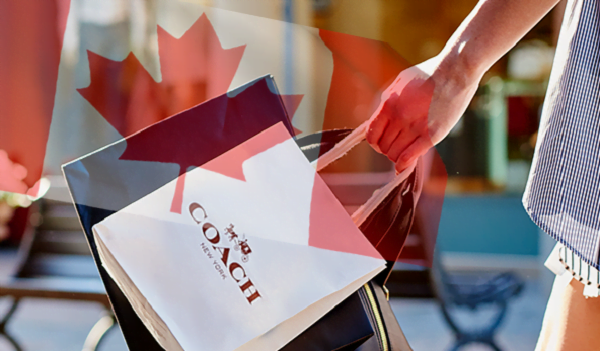
Canada is on its way to becoming a hub for international luxury brands, with several upscale retailers recently opening stores in the country. The question these luxury retailers have is whether there is enough potential to satisfy the supply. Many brands such as Saks Fifth Avenue, Nordstrom, Tory Burch, Versace and Bvlgari are optimistic and investing in the industry.
Now that Canadians have a greater reason to shop domestically, it will play a strong role in supporting the stores and brands. Possessing proportionally fewer high-income earners than the US, it might appear that there is a lack of justification when examining the investment that these brands have made here. The Canadian luxury industry still has potential as a popular tourist shopping destination, hence continued expansions.
Canada’s Best Customers
Upper-middle-class aspirational shoppers are not the only positive indicators for luxury and lifestyle retail. The Asian demographic has become a major driver for the growth for luxury brands, a trend that is only expected to pick up steam thanks to ready sources of income from countries like India, China and Iran. Chinese customers have made over $65 billion of luxury purchases in the past decade, according to a McKinsey & Company report. Changes to Canada’s immigration policy in the past few years mean that a huge number of emigrants too, mostly Asian, have created an entirely new demographic to cater to.
With income levels no longer being the best indicators of potential, retailers are trying to gain more data with another indicator: The tourist industry. 2017 was a landmark year for Canadian tourism with a record 43 million visitors to Toronto, spending $8.8 billion. Following the US, China was the second highest source of tourists with strong future growth indicators for the visitor economy. Coming along as a huge incentive to brands, retailers are looking at specific markets with higher disposable incomes and tourist areas. These brands might be new to Canada but they are seeing that a significant number of Asian tourists visit Canada and making valuable purchases.
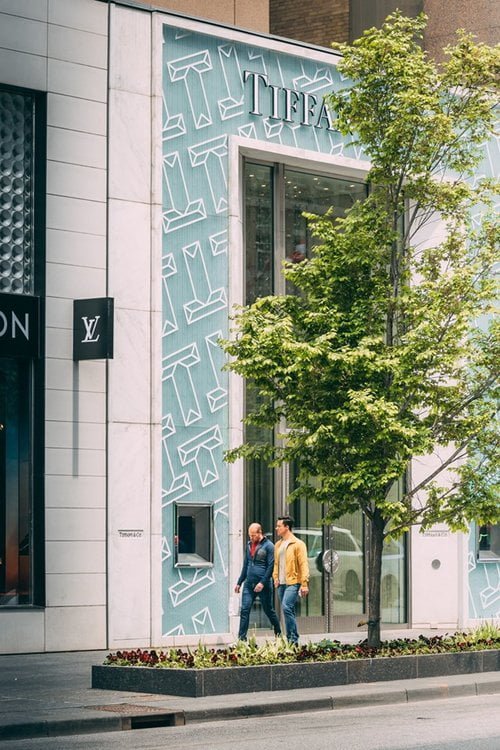
PHOTO: BLOOR YORKVILLE BIA VIA FACEBOOK 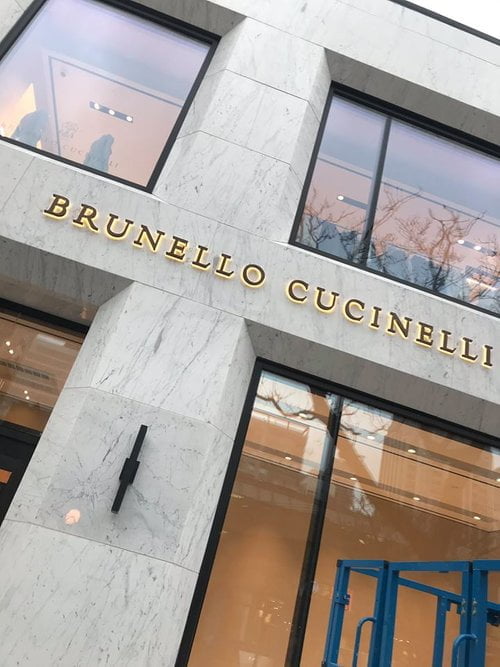
PHOTO: BLOOR YORKVILLE BIA VIA FACEBOOK
Asian Spending Habits
The massive amount of retail sales generated by Asian tourists in Canada is a hard number to estimate, given fluctuations in time, location and consistency. However, the opportunity is undeniable with luxury brands looking to offer value such as social status and personal identity. Key to doing so is understanding the difference between Western and Eastern cultures.
These differences go beyond language or seasonal celebrations. Asian cultures differ even amongst themselves as motivations and buying decisions vary widely. Indian luxury consumers are heavily affected by the opinions of others and look for societal acceptance, which leads to groups, rather than people, directing purchase decisions. Chinese luxury consumers, on the other hand, without any marketing to create a relationship, look to possess the quality that the luxury brands represent and are willing to pay for it.
It is a common practice for tech-savvy and aware Chinese tourists to travel to Western countries like Canada and make luxury or lifestyle purchases. Their luxury purchases are made subtly as they are not allowed to purchase or advertise luxury brands in China. With government intervention fuelling demand, tourists buy such products overseas from countries such as Canada.
Adapting to the Market
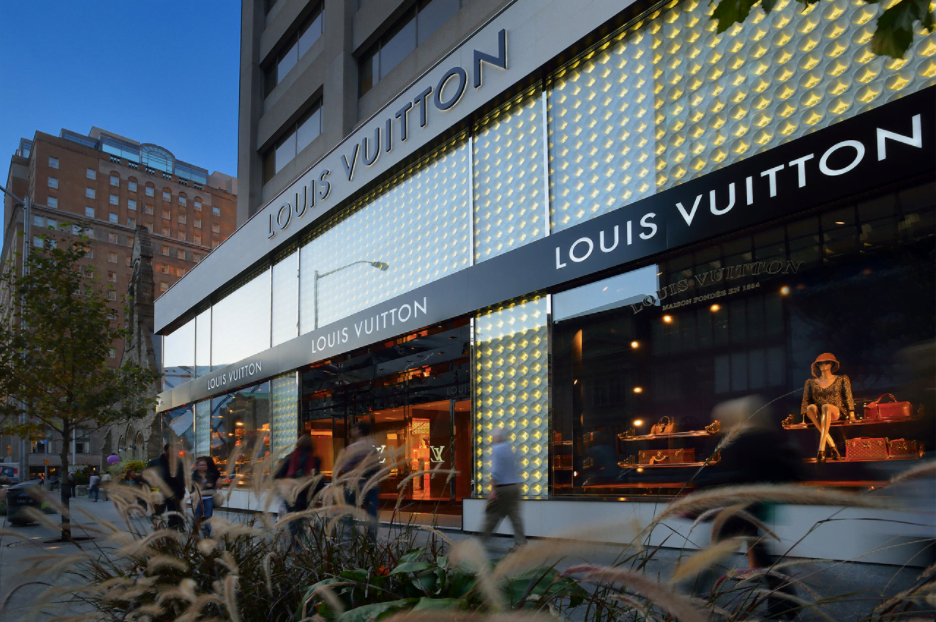
Last year, local retailer Holt Renfrew invested $400 million to renovate and expand stores across Canada, with a focus on luxury apparel and beauty brands. The stores will feature 75 luxury concessions that include brands like Chanel, Gucci, Fendi, Louis Vuitton, Dior and others. Aware of the latent demand that exists amongst the Asian demographic in Canada, luxury brands know that visitors have an appetite for luxury goods and retail stores and are taking steps to make their stores more appealing to Asian consumers. Some examples include:
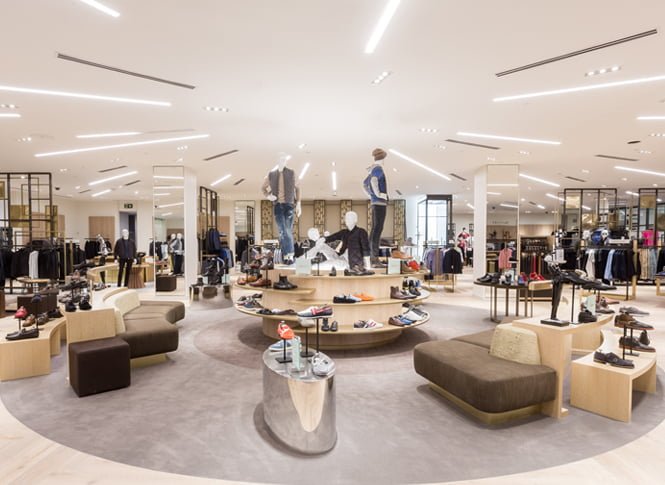
Store designs are mirroring designs of upscale Asian department stores, stocking them with product styles and brands that appeal to Asian consumers and payment facilities that enable easier transactions.
Asian customers are relatively loyal and prefer to build relationships with sales staff. This means that hiring the right employees has a great impression on the targeted segment.
Luxury brands should consider hiring staff who understand the home countries’ preferences as well as both Canadian and Asia cultural nuances and trends.
Sales representatives are being chosen for their language abilities, cross-cultural experience and relationship building qualities to connect better with customers.
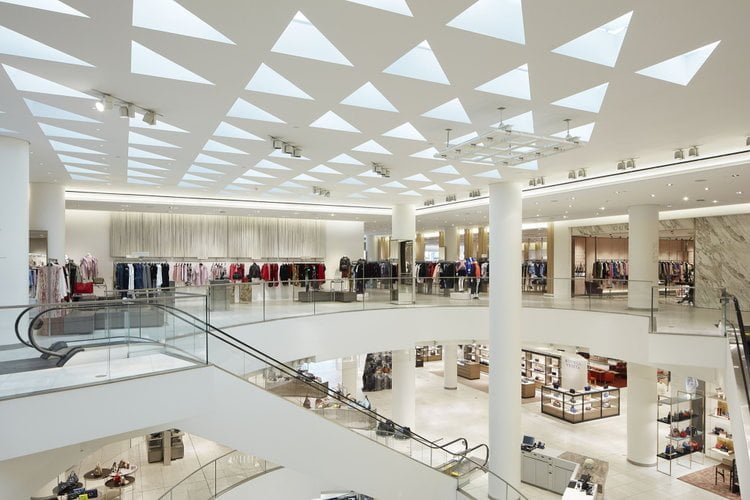
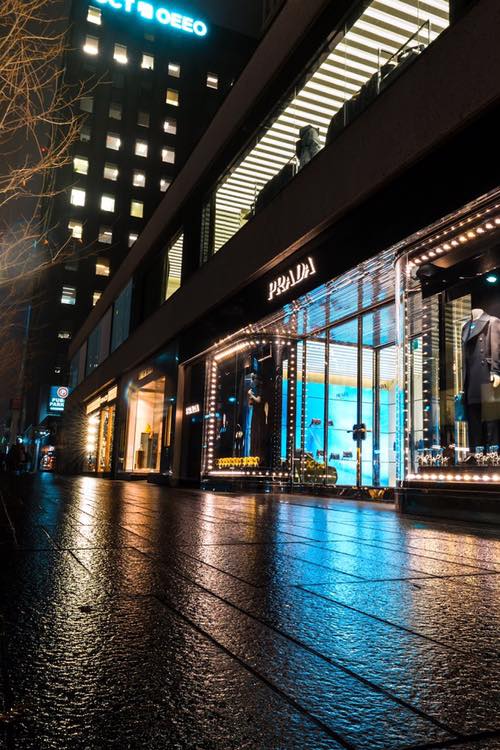
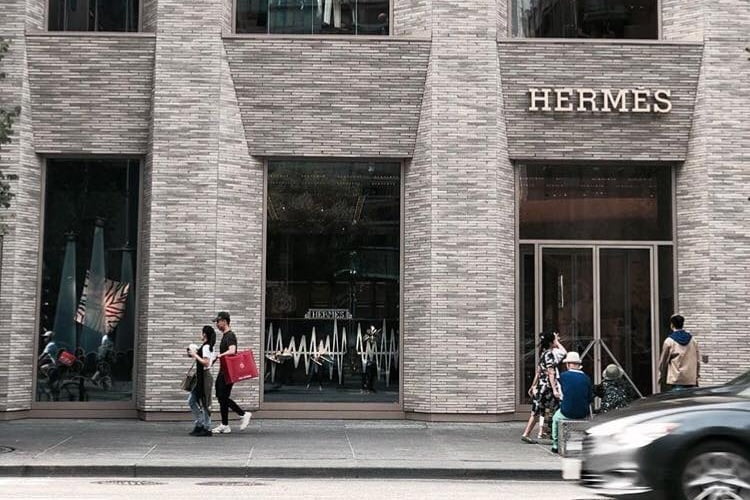
PHOTO: BLOOR YORKVILLE BIA VIA FACEBOOK 
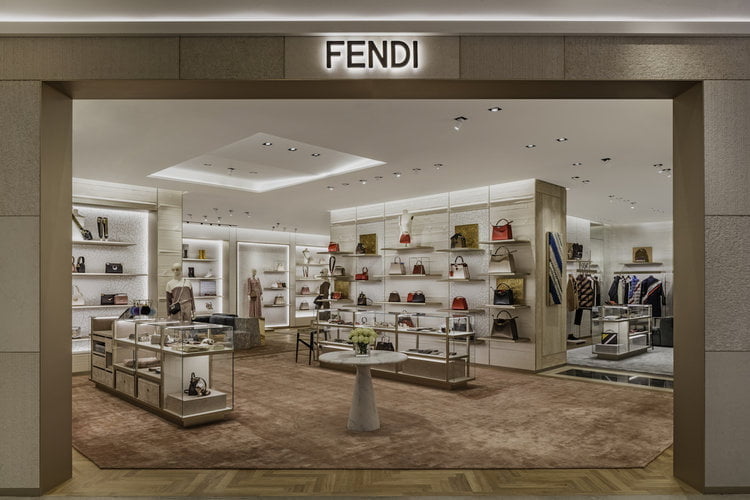
PHOTO: BLOOR YORKVILLE BIA VIA FACEBOOK
Future Forecast
While it might be convenient to treat each demographic the same way, the reality is that same messaging does not work across every market. Communication and marketing will need to be tailored to the culture and consumption patterns of that particular emerging market demographic.
As per EY-Parthenon, the premium segment will grow by 6 % from 2016-2020, a higher growth rate than the predicted 3.4% for the luxury segment. However, expected growth rates for the shoes and accessories category is a resounding 11% and 6% in the luxury segment. Applying these insights, strategies and services will require someone familiar with the culture to customize and emphasize what consumers are looking for and identify the best channels to reach out to them.
It will be interesting to see the direction the Canadian luxury and lifestyle industry assumes in years to come. Will the demand continue to remain strong or will brands have to diversify or redirect their efforts? In all this, Asian tourists and their spending power hold the answer to the direction the market will take.

Amish Dargan is a luxury branding specialist based out of Toronto. Follow him on LinkedIn, Twitter @amishdargan or his website at www.amishdargan.com.