Consonant Skincare Eyes Expansion [Feature]

Date:

Share post:

Toronto-based natural skincare brand Consonant Skincare is currently expanding across the Greater Toronto Area, having recently opened a new store at Yorkdale Shopping Centre. This marks the company’s third location, following the openings of two successful retail locations at Richmond-Adelaide Centre in Toronto’s Financial District, and at 2479 Yonge Street in the city’s Yonge & Eglinton neighbourhood.

Consonant Skincare was founded in Toronto by skincare enthusiast Bill Baker. “A friend turned me on to natural skincare around ten years ago,” says Mr. Baker, who suffered from dry skin himself before discovering natural ingredients were key to solving his skincare needs. 

Consonant Skincare uses 100% natural ingredients in its product range. Although ‘all-natural’ is a term thrown around loosely in the skincare industry, Consonant Skincare is one of the few brands that holds true to the meaning. “Our skincare is truly 100% natural, without qualifications,” emphasizes Mr. Baker.
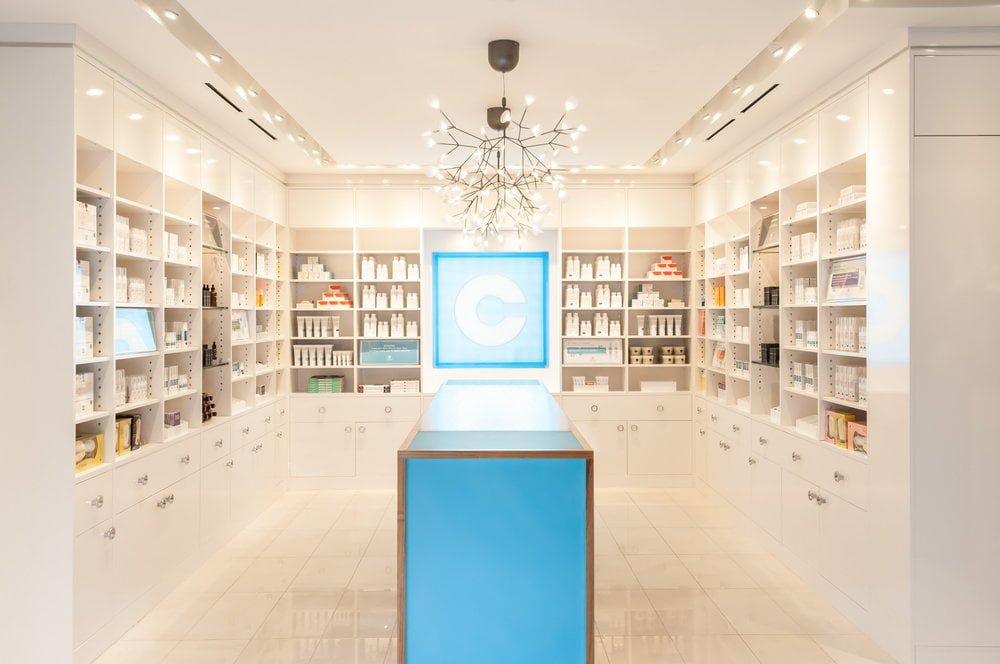
To Consonant, ‘all-natural’ means no added fragrance, no parabens, or synthetics – only ingredients from natural origin aimed to give customers their best skin. “Most natural skincare products on the market contain usually 97-98% natural ingredients. We believe the magic is in the extra 2-3%,” says Mr. Baker.

As Canadians are beginning to care more about what they put in and on their bodies, more consumers continue to search for true all-natural skincare products. Many mainstay retailers in Canada including Kiehl’s, LUSH, and The Body Shop have all explicitly marketed the ‘natural’ aspects of their brands. Consonant Skincare emphasizes that their products contain none of the harsh and irritating ingredients that can be found in other skincare brands. Their use of natural ingredients features prominently at the beginning of their ingredient list. For example, Consonant’s Natural Lip Conditioner contains pure almond oil as its top ingredient, followed by beeswax and jojoba oil – nothing else added.
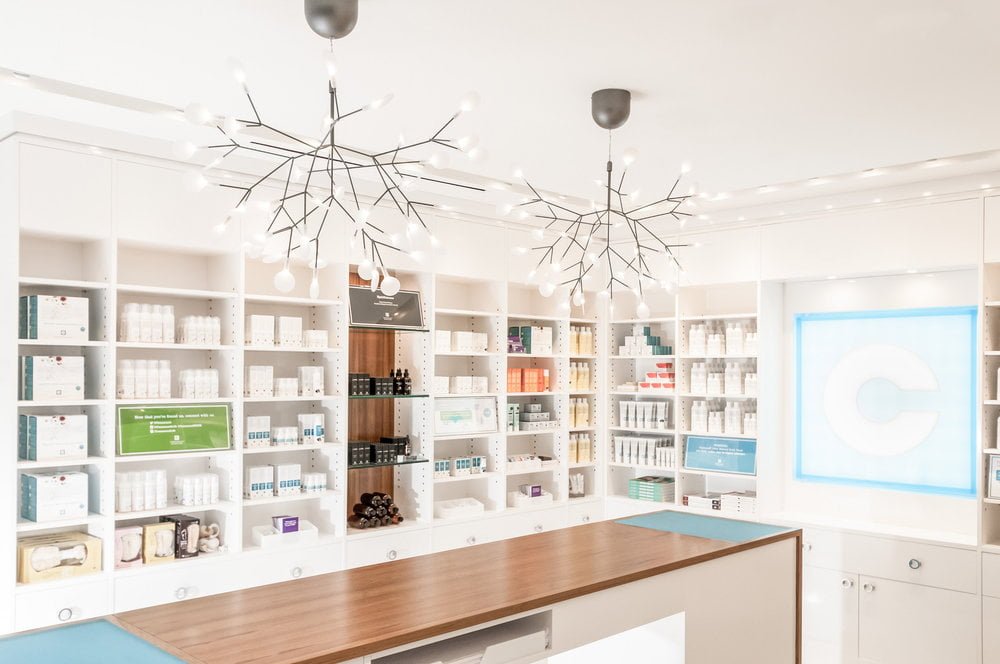
Consonant Skincare’s product ranges from skin care products (moisturizers, eye creams, cleansers, serums), to body care products (bath bombs, body lotion, exfoliators). 

Consonant’s product offerings remain relatively small. For example, only two different types of moisturizers are available – ultra moisturizing organic face cream, and ultra moisturizing organic face cream for “dry skin”. Why not a wider variety of selections of moisturizers like other skincare brands?

“A friend of mine said ‘You don’t need 18 moisturizers, you need one or two good options,” Mr. Baker says. Rather than confusing customers with multiple options, the company focuses on limited selection. Although the company plans to release new products that will complement its core offerings “I don’t see us ever starting to add 3, 4, or 5 moisturizers,” Mr. Baker says.

With no synthetic preservatives added to the products, how do Consonant Skincare’s products stay so fresh? “It was one of our biggest challenges to develop formulations that would stay fresh, and have a meaningful shelf life after purchase”. Consonant Skincare’s products use a combination of Lactose Peroxidase and Glucose Oxidase. This combination allows products stay fresh for 12-18 months, and also means the products don’t have to be refrigerated. 

Consonant Skincare opened its first location almost six years ago on Yonge Street in the Yonge & Eglinton shopping area. A second location followed in the spring of 2015 at Richmond-Adelaide Centre in Toronto’s PATH System. Consonant’s latest location opened in October of 2016 at Yorkdale Shopping Centre — although Mr. Baker says this location will be a temporary location and that the company is searching for another space inside the mall. 

Although a very new company with low brand recognition to the general shopper, Mr. Baker says the company is 100% interested in future expansion. “It has been a great year for us,” mentioning the company is accelerating at a fast rate. Consonant has begun to sell their products at Sephora in the U.S. and Canada, giving the company further brand recognition among skincare enthusiasts. The company’s products are also featured heavily in beauty magazines and lifestyle television shows as ‘top skincare picks’.
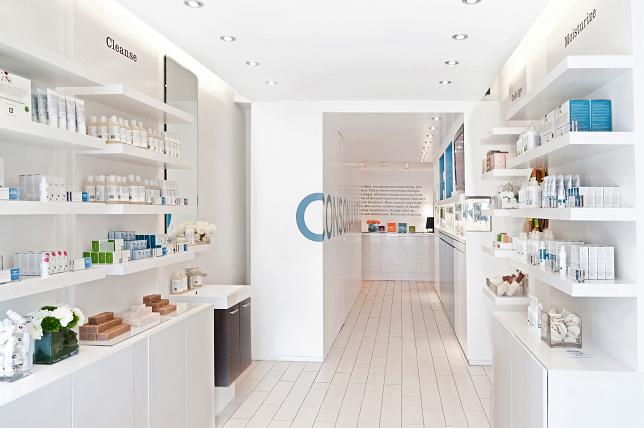
As for Consonant branded retail stores, the company plans to expand their store count. Mr. Baker says the choice for Consonant to open its own stores was to gain a closer relationship with their customers.”You’re not really hearing honest feedback from customers [without a retail store]. You’re not able to identify the current trends from customers as quickly”, says Mr. Baker, discussing the benefits of companies having their own retail spaces. 

In terms of expansion, the company remains quiet on specific locations. A mall store, a street-fronting store, a store in Toronto’s PATH gives Consonant a chance to see how their store concept works in a variety of different retail spaces. “What’s interesting about our array of stores, it gives us a chance on how best to go forward”.

By Devon Johnson

RELATED ARTICLES

Subscribe to the Newsletter

Subscribe

* indicates required

RECENT articles

Retail sales climb to nearly $75 billion in August: Statistics Canada

Core retail sales, which exclude gasoline stations and fuel vendors and motor vehicle and parts dealers, were up 1.1% in August.

Retail Insider “Q3 2026 Apparel & Fashion Report”: Stores Have to Earn Their Investment

Canadian fashion retailers are expanding, relocating and closing stores within the same market. The Q3 report examines why location productivity and network contribution matter more than headline store counts.

Canadian Franchise Sector Supports Nearly 2 Million Jobs: CFA

Canadian Franchise Association CEO Sherry McNeil discusses franchise ownership, opportunities for entrepreneurs, industry growth and the importance of due diligence.

OpenTable report highlights restaurants’ economic impact on Canadian communities

OpenTable survey finds half of Canadian diners spend an average of $133 at nearby businesses before or after restaurant visits, while no-shows remain a cost for operators.

Tahini’s targets 30 new restaurants as social media drives franchise growth

The Canadian Mediterranean fusion chain has 76 restaurants and plans further expansion in Canada and the U.S., with some franchisees discovering the brand online.

Toronto-Based Panda Hub Raises $4 Million to Expand Mobile Car Care Marketplace

Panda Hub plans to launch its Panda 2.0 platform, enter new markets and add premium automotive services as it prepares for Series A funding.

Canadian Small Businesses Emphasize Local Identity as Holiday Costs Rise: VistaPrint Survey

VistaPrint research finds 51% of Canadian small businesses cite financial pressures as a key holiday challenge, while 32% prioritize attracting new customers.

Daily Synopsis: October 22, 2026

Canada Post starting weekend parcel delivery in Toronto Montreal and Ottawa, Walmart Supercentre opens in Fort McMurray, Stony Plain Costco under construction, adults drive Halloween candy sales, and other news.

Kith Opens Second Canadian Storefront at Vancouver’s Oakridge Park

Kith has opened its second Canadian store at Oakridge Park in Vancouver. The approximately 9,000-square-foot store features men's, women's and children's fashion, footwear, Kith Treats and a distinctive street-facing design within the shopping centre's expanding international retail mix.

NAPA Canada Sales Rise 9% as Acquisitions Drive Expansion Amid Soft Market

NAPA Canada reported 9% sales growth in the third quarter of 2026, supported by its acquisition of Benson Auto Parts. Comparable sales rose just 1%, highlighting subdued demand as parent UAP expands its Canadian automotive distribution and repair network.

MUJI opening first Vancouver Island store as Canadian expansion continues

The Japanese retailer is introducing a community partnership program in Victoria, with plans to extend the initiative to future Canadian store openings.

WitchSchool Canada Tests ‘Reciprocal Retail’ Model in Ottawa’s ByWard Market

WitchSchool Canada is testing a collaborative retail model in a 160-square-foot storefront in Ottawa’s ByWard Market. Founder Kiki Keskinen says the grant-supported residency connects independent entrepreneurs through shared programming, customer referrals and promotional opportunities, while raising questions about long-term operating costs.

Cozey doubles size of Toronto flagship showroom (Photos)

The furniture retailer is expanding its Queen Street West location as it adds products and prepares for new store openings in Edmonton and New York City.

CouchHaus Expands Toronto Presence With New King East Pop-Up Showroom

The Canadian furniture brand is returning to Toronto after its 2024 Stackt Market test, using an in-person showroom to support customer experience and national growth.

Retail Insider “Q3 2026 Grocery Report”: More Capacity, a Harder Fight for the Basket

Canadian grocers are adding stores, converting banners and reworking online fulfilment. The Q3 report examines whether more capacity can capture additional household spending at an acceptable cost.

Two-thirds of small business owners plan to exit within decade, CFIB says

A CFIB report says limited succession planning could put Canadian business assets, jobs and community services at risk as owners prepare to retire or sell.

One in four Canadian small business owners required to guarantee financing personally: Equifax

Equifax Canada survey finds younger entrepreneurs are more likely to use personal credit and assets to support their businesses as owners face customer, cost and cash-flow pressures.

HEINZ enters Canada’s ready-to-eat soup market with six new products

Kraft Heinz Canada is introducing six soup varieties in portable bags, targeting consumers seeking convenient meal options beyond traditional canned soup.

Canadian small businesses expand teams as employee turnover declines: Wagepoint

Wagepoint’s 2026 report finds median hourly pay rose 27% from 2019 to 2025, while part-time roles declined and Gen Z’s share of small-business workers more than doubled.

Pinterest teams up with Mattel for Barbie experience

The experience lets Pinterest users bring Barbie DreamHouse inspiration into their homes through five signature style edits, offering a new example of how brands can use personalized, visual experiences to move people from inspiration to action.