

By Jeff Howell
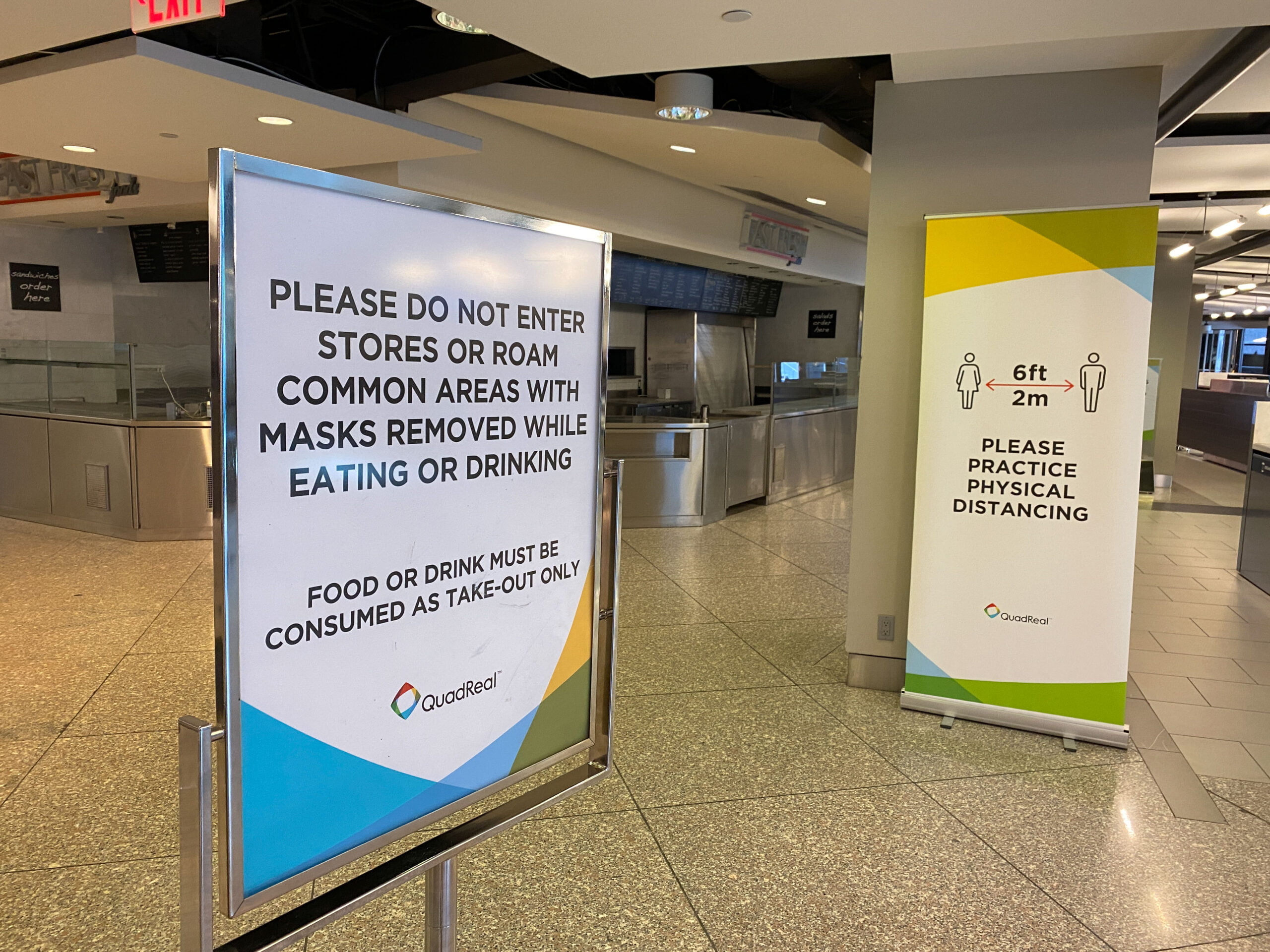
Social distancing will undoubtably be the term of the year. Unfortunately for the world of retail, it is a very toxic term. If there was a term that is the opposite of foot traffic, I think we have found it.
This “force majeure” or “Act of God” scenarios is typically not well dealt with in commercial leases. In face, it’s almost 100% the case that retail socage users have nothing in their lease that addresses what happens in the event of a pandemic.
With many retail tenants just holding on prior to this coronavirus, the fall out will no doubt be like nothing we have seen before.
But ironically there is some safety in these numbers. It is not in any landlord’s best interests to shut the doors and start the efforts to find replacement tenants. People are not even allowed to leave their homes — there are certainly no corporate retail estate executives conducting space tours. The Black Swan event is upon us and for now there is very little economic activity, particularly in the retail and real estate worlds.

Municipalities and banks need their realty taxes and mortgage payments and those ultimately come through the commercial space user, as small business is still the engine for economies.
So what is the win-win here? Finding a reasonable period of time in which the tenant has immediate rent relief in exchange for a back-end loaded lease. This could come in the form of increased rental rates after a grace period, or it could simply come in the form of a longer commitment.
If a landlord plays hardball, an insolvency will not benefit them, as the market is not dynamic and fluid – not many tenants will be looking to relocate in this market. Robust leasing activity will be nonexistent, so landlords will be incentivized to work with the dance partners they already have – not to find new ones.
There are no set rules on how these negotiations go. It really comes down to creditworthiness and long-term viability of the tenant (and the landlord), and what concessions the landlord can achieve with the powers that they answer to (municipalities and lenders).

In places like New York (and to a lesser extent New Jersey), the eviction process is typically a full year (and that’s when the courts are not overwhelmed with what will certainly be years worth of litigation). For this reason, New York-based leases typically have a Good Guy clause in which the tenant agrees to walk away from the lease with a minor penalty just so the landlord can get the space back quickly.
So what is the silver bullet here?
As governments scramble to provide relief packages, the first step a landlord and tenant can take is to evaluate when the quarantine period will lapse and the new normal will start (whatever that looks like). The agreed upon period will essentially be full shut down mode with little if any sales (most leases do not factor in online sales). Rent should be fully abated during this period if possible. Then there will be a recovery mode in which ideally the taxes, maintenance and insurance is covered by the tenant, but not base rent or minimum rent due.

In exchange for assistance from the landlord to weather the storm, an extension on the length of term would add long term value to the property. There can also be discussion around a rent escalator, or an immediate percentage rent clause, enabling the landlord to participate in the rebound of sales for a period of time. If the lease is already a percentage lease, then the natural breakpoint for that can be lowered, or the percentage could be increased for the balance of the lease.
These negotiation points are not standard – there are no hard and fast rules, especially in this circumstance in which Twitter seems to be breaking a new story hourly. The only certainty for now seems to be that grocery stores are the only retailer really thriving as people are panic purchasing. That is certainly a silver lining for the grocery-led properties.
In the meantime tenants should be investigating their leases to see if there is any “force majeure” specific wording in their leases and they should check their business interruption insurance to see if they have a policy that covers pandemic scenarios.

Jeff Howell is the Founder of Lease Ref, an online commercial lease review company that specializes in assisting retail tenants with their commercial lease matters. Jeff has been working with retail tenants for twenty years. For further information please contact Jeff at jeff@leaseref.com or at www.leaseref.com.






[…] Mach 28, 2020 April 1, 2020, will undoubtedly be a historic commercial rent payment deadline, as all non-essential businesses have been shut down by the Covid-19 pandemic and the Ontario state of emergency. “Social distancing” has become the new norm. Commercial tenants have shut their doors and very few tenants have adequate cash flow reserves to fund their rent obligations. The vast majority of commercial leases do not adequately address what should occur in the event of a social distancing pandemic such as Covid-19 (an “Act of God/Force Majeure) and do not provide rent relief under such circumstances. If landlords take the hard-line, declare an event of default and enforce their remedies, this will likely result in a vacant unit until a reasonable period after the pandemic (including any “second wave”) is eradicated. This is unprecedented and certainly not “business as usual”. Commercial landlords and tenants (including their real estate advisors and lawyers) need to communicate with each other and think creatively to find a mutual solution. The following article addresses some “blend and extend” strategies that can be used to provide temporary rent relief to tenants and also provide landlords with extended lease value: https://retail-insider.com/retail-insider/2020/3/retail-leases-can-be-negotiated-with-landlords-… […]