The tsunami of business creditor protection filings expected to take place as a result of the COVID pandemic simply hasn’t happened but more of them are likely to materialize this year with the end of government support programs.
Dina Milivojevic, Editor of Insolvency Insider, a national publication that covers the latest insolvency filings and court cases, said there has been a small increase in filings from last year which isn’t surprising given all of the COVID relief is now over.
“I think people expected to see, on an overall general level, even more filings than we’re seeing now,” she said. “So I think the expectation from the insolvency community is that we’ll continue to see those numbers rise and that’s born out in a survey that we recently put out to our readers just on a general basis – not industry specific.
“Pre-pandemic we had 60 CCAA’s (Companies’ Creditors Arrangement Act) and over the pandemic we’ve had 26 in 2020 and then 38 in 2021 and we asked whether our audience thought there would be more in 2022 and everybody, the vast majority, over 90 per cent, predicted that we’d more CCAA filings in the coming year.
“The perception industry wide is that the numbers are still pretty low and that they will continue to rise. Who knows what will happen given how low they’ve been? It seems like people are making an out and out filing formally. At least in the retail sector. Retail hasn’t been one of the hardest hit industries surprisingly. Construction has been really hard hit. Real estate has been really hard hit and that’s mostly due to the fact that there have been a lot of supply chain issues, the interest rates, there isn’t enough labour, etc, etc. We’ve seen quite a few filings in the real estate and the construction sectors but not that many in the retail sector.”
Milivojevic said one of the drivers for the lower count for retail is that stores are “rationalizing” rather than filing for formal insolvency.
“And so probably a lot of shops are closing down but maybe the numbers aren’t being borne out in the number of insolvencies because owners are taking preventative measures to close before going insolvent. One recent example that I’ve seen is that H&M is closing its second retail store in downtown Toronto.
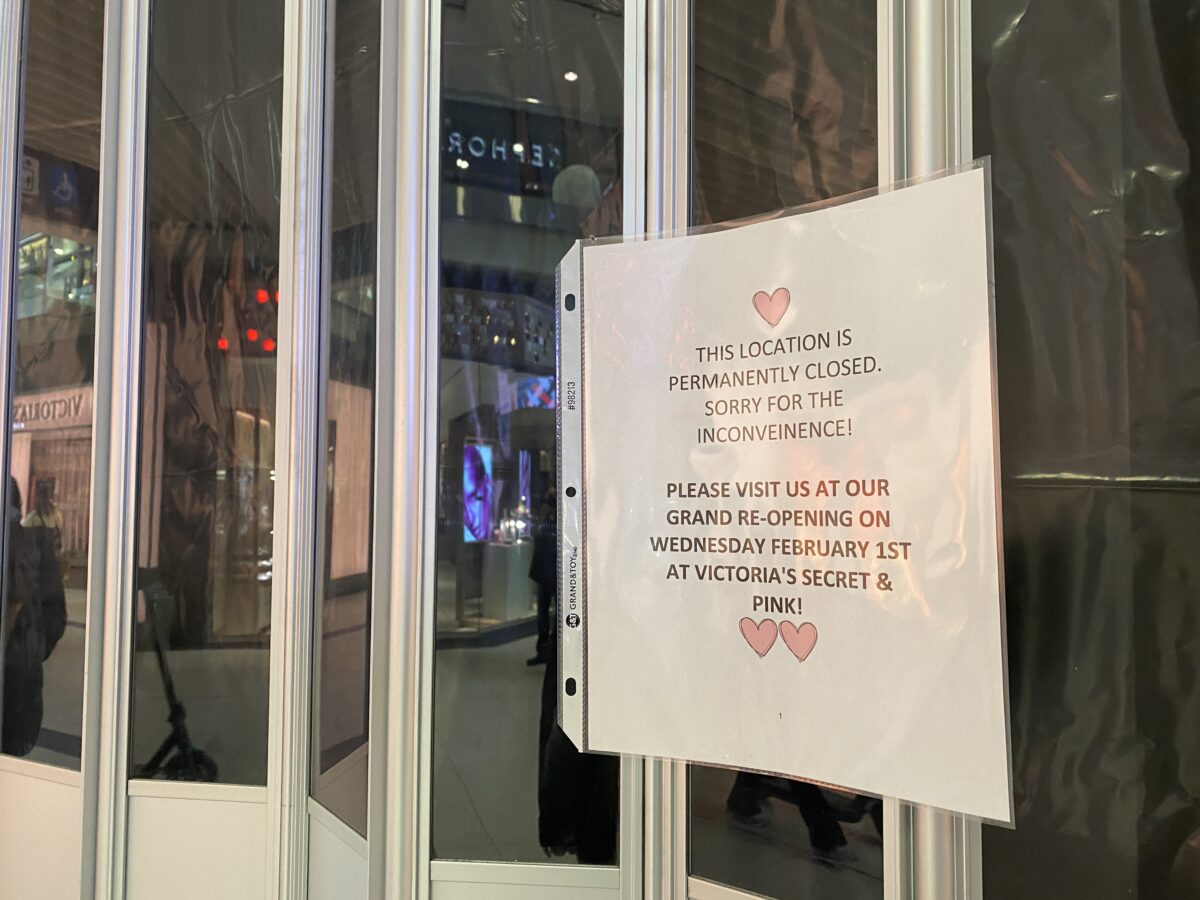
“So it looks like maybe that stores are taking steps. Branches of large chains are closing down some of their sites to save money and rationalize the business rather than having to formally file. That could be one of the reasons why.”

Milivojevic said consumer spending will likely not be as high this year as the retail sector would hope due to the challenges in the economy.
“That will definitely impact the number of filings going forward,” she said.
She said the stats are showing more bankruptcies and CCAA’s with smaller companies which isn’t surprising, based on the economy.
“The larger companies may have more saved up to allow them to survive through these hard times but we are seeing some of the bigger players shut down some stores,” she added.
“Over COVID, we definitely saw some issues pertaining to tenants, retail tenants, seeking rent abatements or commercial tenants seeking rent abatements. So for a period of time landlords and tenants were entering into forbearance agreements and things like that and that was part of the reason why they may not have gone under because the landlords didn’t want totally empty shopping centres after the pandemic ended. So they were a little more willing to enter into forbearance style agreements with their tenants. But now I think they’re getting a little bit more aggressive and expecting payment regularly, maybe not on discounted terms anymore.
“That may lead to more filings going forward too if the tenants aren’t able to pay their rents.”
According to the Office of the Superintendent of Bankruptcy, business insolvencies for the 12‑month period ending November 30, 2022 , increased by 37.8 per cent compared with the 12‑month period ending November 30, 2021. The sectors that registered the biggest decrease in the number of insolvencies were mining and oil and gas extraction, and finance and insurance. Accommodation and food services, and construction registered the biggest increases in the number of insolvencies.