International retail expert George Minakakis says retailers often forget that shopping consists of a set group of deliverables aimed at streamlining service and delivering an experience.
“This value proposition should be in a constant state of improvement, whether those changes are subtle or innovative, in order to surpass what competitors offer and meet new consumer expectations. The other challenge is staying ahead of changes in consumer behavior, which today are driven by either industry leaders or technology and apps that offer greater convenience,” says Minakakis, CEO, Inception Retail Group, and author of The New Bricks & Mortar: Future Proofing Retail.
“For example, smartphones by Apple and Samsung have greatly impacted shopping behaviour as consumers can now browse online, compare prices, products, and quality while shopping in stores. Few retailers were prepared for this change, and they cannot allow that to happen again. Retailers need to stay on top of consumer, technological, and competitive trends, as I noted in the book ‘The Last Retailer Standing’ in 2013. You are either creating trends or chasing them. This is how you grow traffic and sustain customer loyalty; this should never change as a goal for any retailer.”
Minakakis says today’s consumer is asking for more from retailers. And here’s why:
- Consumers hate wasting time and money, they want speed and a price that matches the overall brand promise;
- A sluggish economy is more complicated to navigate through for both retailers who want to manage costs and consumers who are managing a tighter budget;
- Technology to consumers has become an addiction and lifeline on many levels namely the need for greater convenience and simplification in all their shopping and service experiences; and
- Consumers judge retailers on their ability to connect with ease of access to browse, compare and buy whether they choose to do that in store or online.
“Today they expect a higher level of responsiveness from retailers in speed and quality of service, availability of products and overall price value perception. If consumers must pay a higher price including inflation, it had better be the best overall choice where no substitutions can be justified. That’s tough in this economy,” explained Minakakis.
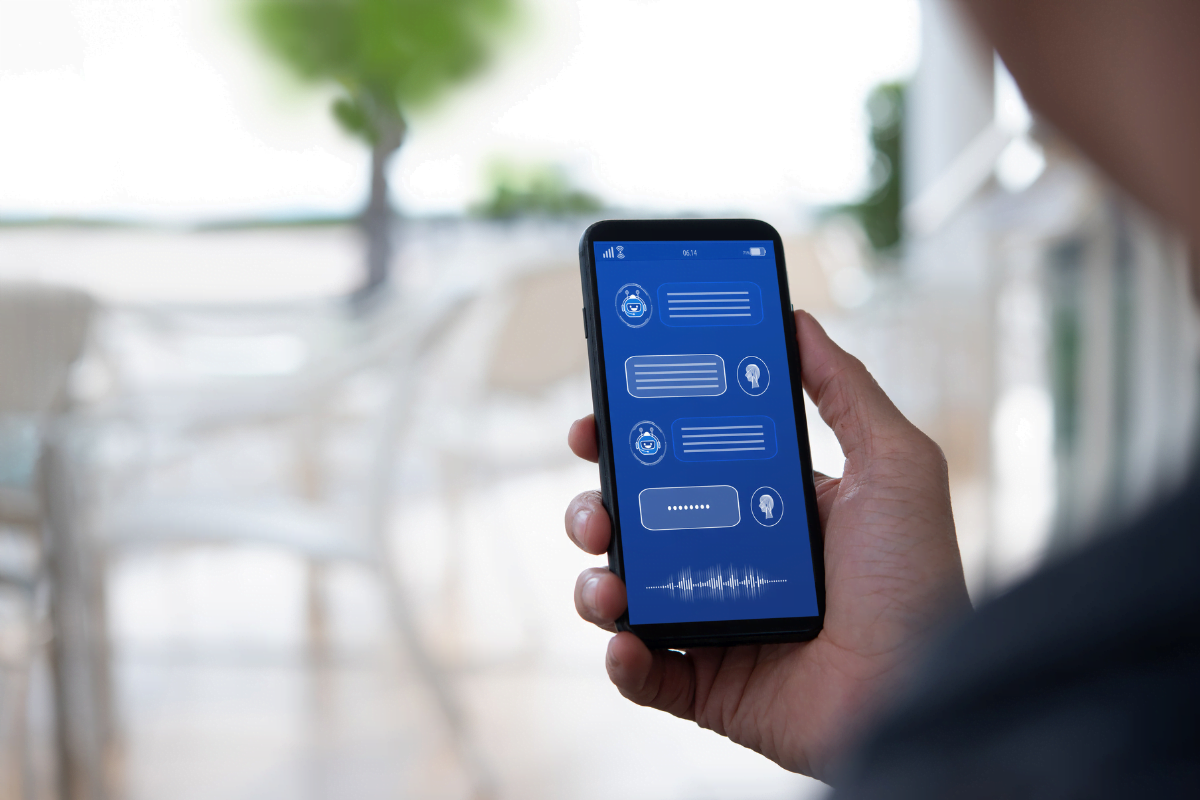
One of the big trends in society these days are Chatbots and the retail sector will be dealing with that in the coming years.
Minakakis describes Chatbots as a form of personalized attention to a single customer need. The technology is not new but the consumer facing capability has shocked everyone with its demand.
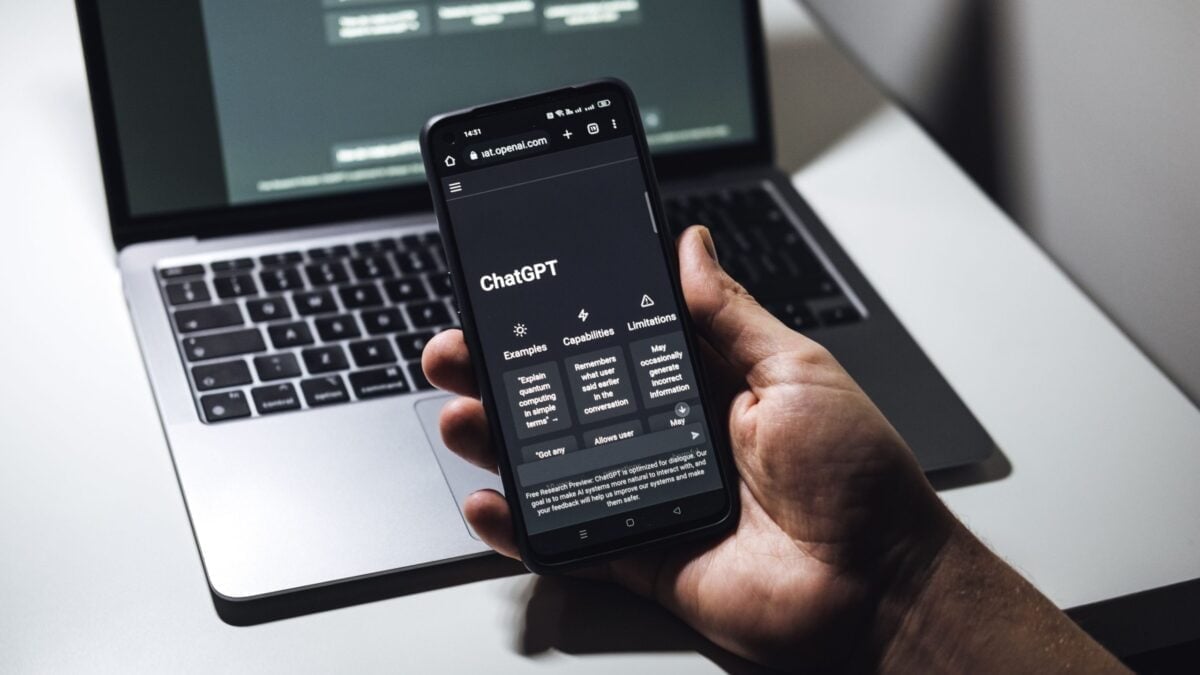
“Personally, I have been waiting for this moment to happen where consumers begin to chat with an AI (Artificial Intelligence) unit, and here we are. The first thing to keep in mind is that as we speak about ChatGPT Google is also launching their version called Bard.Ai. It is a very clear message that from a consumer perspective, the largest level of interest with this today will be within search engines,” he said.
“For example, I asked ChatGPT to pretend that it has access to the internet and that as a consumer I was looking to replace my built-in oven. The task was to create a table highlighting the types of built-in ovens, list the features, warranties and price ranges for each. It did just that in seconds. A consumer would be spending a few hours on their own. So will Chatbots impact the retail industry. Yes, in very many ways. This is the easiest of customer facing solutions for AI and consumers.
“While there is a great deal of hype around Artificial Intelligence itself, Chatbots are a very real and powerful consumer facing tool that is available. ChatGPT from Open Ai supported by Microsoft, Google with Bard.Ai and Baidu with ERNIE will employ them because consumers have already embraced it. When consumers can browse and make purchasing decisions it will be a disruptive moment in this inflationary market. The timing couldn’t have been better planned, when we recover to a healthier economy, retailers will have hopefully embraced this faster than they did e-commerce.”
Minakakis says he expects the e-commerce side of retail will continue to grow.
“We shouldn’t judge it based on the declines because the world is normalizing away from the pandemic. Anyone who thought that the pandemic volumes would stay was not being realistic. Although, I still see a lot of delivery trucks daily dropping off packages in my neighbourhood,” he says.
“We should also not think that stores will be the destination of choice for browsing or buying only. That will be a mistake. I have heard some suggest that stores will have a resurgence. I completely disagree with them. The shift to e-commerce will continue albeit at a slower pace. However it will grow, and physical retailers will continue to shift more sales to online. The important thing to keep in mind, stores are still a big part of the brand, however very few will be able to survive without having a stronger and visible presence on every channel that works for them. And especially in lieu of the opportunity that Artificial Intelligence and the Chatbots created to personalize a customer’s shopping experience.
“At the end of the day if you weren’t taking SEO, search engine optimization, as an example seriously you will have to. ChatGPT already has 100 million subscribers and 670 million visitors. If I were operating a retail chain or single brand, I would want to understand this and the implications it can have on my business and how I need to employ it.”
Minakakis says inflation is beginning to cool off. However, it is now more prevalent in services versus goods.
“The ball is now in the consumer’s court. We either cut back, or much higher interest rates will do that for us. Retailing will experience stronger competitive activity by larger retailers with the strategic and technological means to take share. Those protecting their positions weakened by past strategic choices and the pandemic will face the biggest challenges,” he says.