

It’s been a tough time recently for American-base retailers entering the Canadian retail market.
Many have failed including Target a few years ago.
Last week, it was announced that Seattle-based Nordstrom will be exiting its Canadian operations, including shutting its six full-priced Nordstrom stores as well as its seven off-price Nordstrom Rack locations and Nordstrom.ca. Nordstrom’s first store in Canada opened in 2014 and its first Rack location opened in 2018.
Also, Retail Ventures CND Inc. has been retained by Bed Bath & Beyond Canada LP and Alvarez & Marsal Canada Inc. (court monitor), to facilitate the sale of leases or other property rights for 54 leases of Bed Bath & Beyond and the 11 leases of Buy Buy Baby across the country.
Retail Insider asked a number of Canadian and international retail experts for their thoughts on Nordstrom and why so many American retailers have failed in Canada.
1. First, what are your thoughts on Nordstrom’s departure? Is it a surprise? What happened?

Doug Stephens, Founder, Retail Prophet: “There was always a degree of speculation around Nordtrom’s entry into Canada. Specifically, many wondered if there were enough high net worth shoppers in Canada for Nordstrom to capitalize on. Many believed the true luxury consumer in Canada was the kind of shopper that would either prefer to shop at Holt Renfrew or even get on a plane and travel to London to shop at Selfridges, but they would look right past Nordstrom because it simply wasn’t high-end enough. Based on the (recent) announcement, it appears clear that Nordstrom wasn’t able to capture enough of the high-end to make it work.”
George Minakakis, Principal of Inception Retail Group: “The announcement is disappointing and it couldn’t come at a more difficult time for employees as well given the economy. And I am a Nordstrom customer!
With respect to Nordstrom’s departure I have always known that the Canadian retail space could only handle so many department stores and fewer at the higher end. When it comes to premium and luxury sales Canada ranks one of the lowest in spending within the Western world. Nowhere near the US and China who rank number one and two.
We need to also keep in mind that very few Canadians wear luxury as a status symbol as they do in other countries.
“I have attended many high-end events in Canada and very few wear large gold Chanel belt buckles. In addition, Nordstrom’s presentation and service was not the same as what I had experienced in the US. Also, Nordstrom Rack in my opinion was the wrong fit for Canada, when I heard about that introduction I believed they would be dividing their customer base. Nordstrom was built on legendary service standards and customer experience. In fact, they were the gold standard for many of us who grew up in high touch retail service environments.
“For example, the first customer story that was shared with us as young executives took place in the US, where a customer returned tires to Nordstrom and the store took the return giving the customer a refund.
The interesting part was that Nordstrom didn’t sell tires! This was a legendary service era that is no longer possible unless consumers are willing to pay a very high price. While we can say that Nordstrom failed in Canada, I believe Canada is just simply a different retail animal. When foreign retailers ask me about Canada I tell them to visit Canadian Tire.
It’s not the kind of brand that would not dominate in the US but it is our brand.”
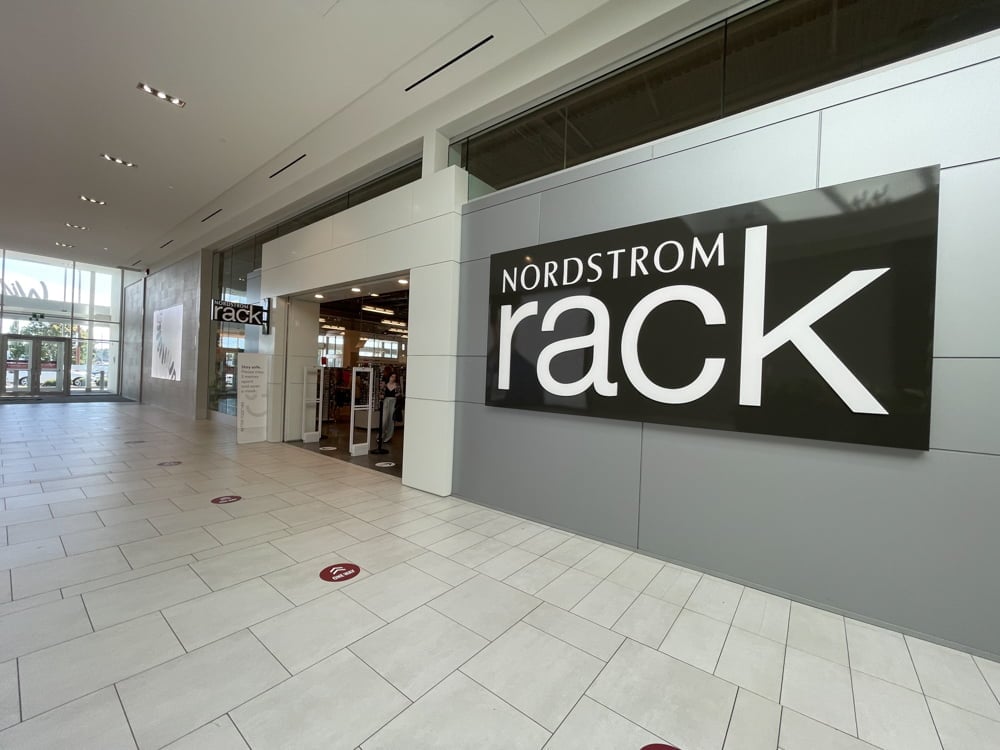
Gary Newbury, a retail supply chain and last mile expert and Rethink Retail’s Top 100 Retail Influencer in 2021 & 2022: “Fundamentally, Nordstrom, who declared at a court hearing no profit has been generated since arriving in Canada in 2014, shows a poor grasp of the basics of any retail business; if you have high overheads, which a fleet of 200,000 square feet high service large format stores will have, the business has to generate significant gross margin or go bust. This could be seen as a simple financial accounting 101 mistake in their execution. One cannot dispute the retail concept approach – high service, high premium, beautiful experience, selection of the best brands – well executed throughout their Canadian network, however the price pointing did not drive volumes required to show black, rather than serial red ink at the end of each fiscal. The first couple of years of operating losses might have been acceptable as the brand needed to establish itself in the minds of their target consumers and leadership’s attempts to drive traffic from a standing start, however seven years on (four to five years pre-pandemic), this underlined the lack of understanding a pricing adjustment needed to be addressed, which clearly wasn’t. The deployment of Rack stores did not address this, rather, I felt it was a distraction and perhaps something, created out of desperation south of the border, that was copied and pasted here to little positive effect.
“It also failed to recognize the move of its younger demographic to the resale market. Was the pricing strategy a US policy decision ladening the Canadian team? Canada is a different market to the US with vastly different geo-demographics and household wealth distribution. Or was this a disconnect at the top of the Canadian business? The latter appears unlikely as there didn’t appear to be any strong motivation for creating a standalone Canadian Headquarters to drive local decisions on branding.
“Overall, when we consider the department store format which has not weathered well in the last 20 years, Nordstrom’s entry to Canada seems very mistimed. Their lack of ongoing profitability and now their ultimate departure could be argued as entirely predictable. There simply is not enough of high-end consumers to support the network as it expanded.
In my mind it falls foul of the aphorism “Are you over stored or under storied” (a quote from Steve Dennis’s Remarkable Retail). The former seems to be the case, given the details of the financial model that was unlikely to work in Canada.”

Liza Amlani, Principal and Founder of the Retail Strategy Group: “This departure was not surprising as the retailer scaled in an unknown market too quickly and with too many stores concentrated in Toronto. Nordstrom should have opened up the Canadian market with a Vancouver and a Toronto location. The retailer should have taken its time to understand what the Canadian customer wanted across major cities. They should have pushed luxury to compete with what little Canada had to offer. The luxury consumer is changing and wants more choices.
They don’t want to shop at Holt Renfrew because the assortment has lost its relevance and the customer shopping experience is sub-par. The luxury and aspirational luxury customer also doesn’t want to shop at SSENSE where the assortment is catered to the ultra high fashion. The market is prime for a new player and Nordstrom did not take advantage of this. They didn’t know the market and what the Canadian customer was looking for, let alone understand the nuances between the different regions within Canada.
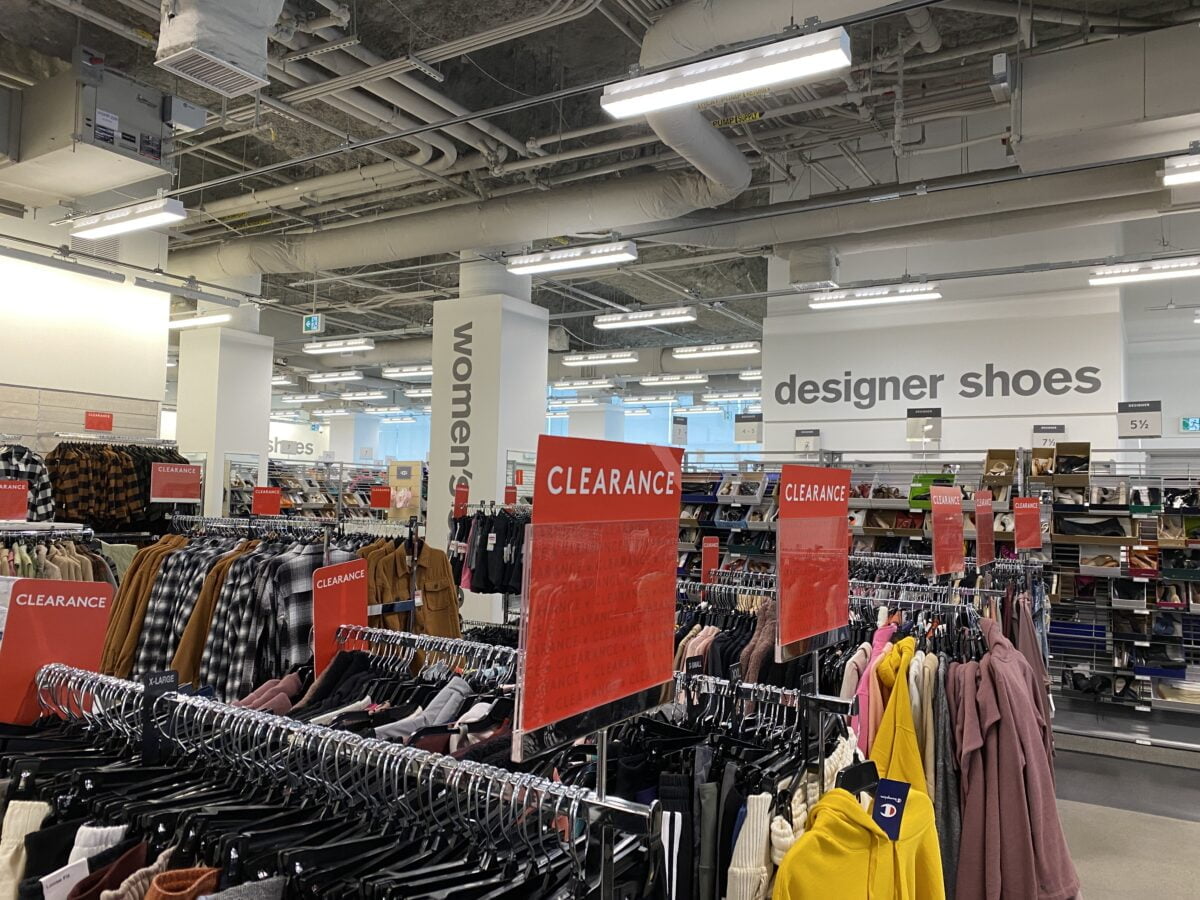
Also, Nordstrom should have left the off-price market to TJX. The Winners and Homesense customer is brand loyal and treasure hunts in these stores weekly, with many locations across rural and urban centers. We have also had a history of failed retail off-price attempts. Holt’s HR2, Designer Depot, Saks Off Fifth have all failed or are struggling. The assortment must be relevant and the ‘outlet’ model does not work in an off-price store. The excess inventory that Nordstrom Rack carried was dated and looked like merchandise that the full-price shopper did not want.
Lastly, I am a Nordstrom customer. I loved shopping in the stores and found the brand ambassadors and service spectacular.
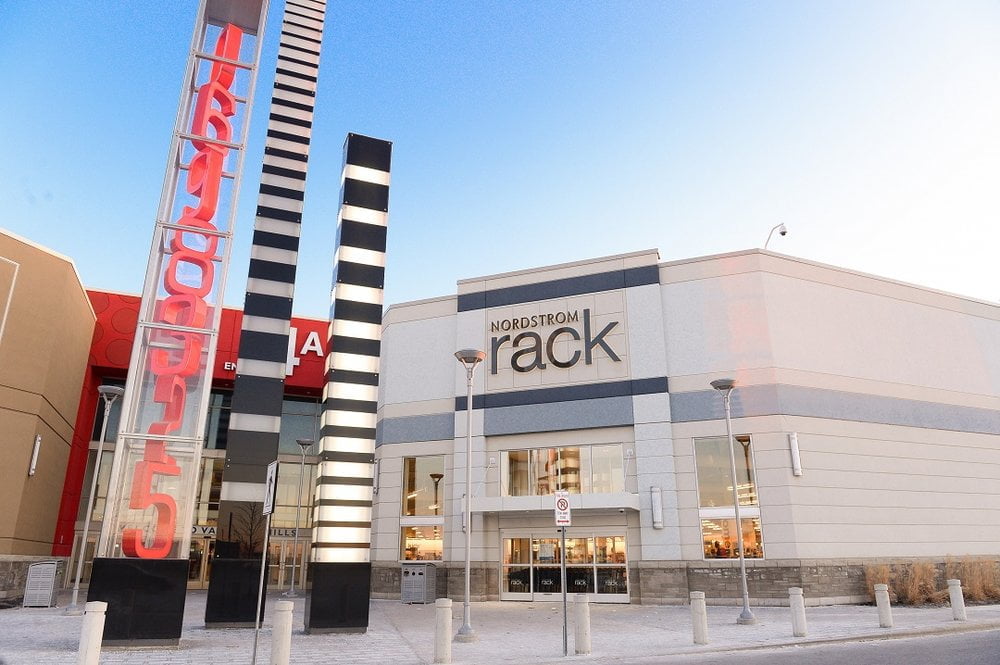
Michael Kehoe, Broker of Record, Fairfield Commercial Real Estate: “The Nordstrom store closure announcement was a bombshell in Canadian retailing circles and to say the least, the most significant event on the national retail landscape in recent memory. The sales numbers tell the tale according to Nordstrom officials that the situation was not sustainable, and the Canadian stores have to be closed. Many Canadians will miss their ‘best in class’ customer service and this will be a blow to downtowns in the cities where the stores were situated.”
David Ian Gray, Founder/Strategist with DIG360 Consulting: “In terms of this sudden, all-or-nothing, decision, I am shocked. That said, I have had concerns about the longer-run viability of Nordstrom, and department stores in general, across North America. Already facing disruptive forces shared across the retail sector, Nordstrom and other retailers of fashion were absolutely slammed by the pandemic and then by the ongoing full and hybrid work-from-home models. Our recent research has confirmed people changed their shopping habits and are slow to filling and shuffling their wardrobes at the same depth and pace of the past. Combined with inventory volatility, Nordstrom has taken a serious financial hit the past three years.
“The need to invest in modernization is hampered by limited access to funds in the current economic climate and now there is threat to family control from an activist shareholder. Rather than building a future, it seems the focus is on tightening the business. However, the notion that Canada is the main problem is ridiculous. They will have poor performing stores Stateside worth closing. Yes, they continued to be over-stored here. I believe Cadillac Fairview negotiated well to pass along to Nordstrom Ottawa, Calgary, and extra Toronto flagship locations. Chicago is roughly the same size as Toronto, and it has one flagship. Toronto has three. However, Vancouver performs well amongst the network and has long been considered the gem in the chain.
“Nordstrom Rack is problematic both sides of the border. Off-price was a hot subsector a decade ago. Now, much of the fashion world has become ‘value-priced’ in an era of a glut of product. Off-price is no longer special. I do think Nordstrom resonated with Canadian shoppers. I like Nordstrom. I think they brought excitement back to fashion in the markets they entered in Canada, and upped the game of those incumbents around them. Ian Rosen said as much in a recent post.
“Canada is collateral damage. Nordstrom is culling Canada to focus on their domestic base. Consider this: how would Canada’s performance compare with the bottom 13 US stores? A store-by-store financial breakdown would be interesting. The $35 million Canadian loss is likely skewed to certain locations and a strategy of closing those was an option. Save for some exceptional global cities with dense populations, I think the traditional department store concept is a relic of a bygone retail era. Yes, they still move lots of product in North America, but at a declining proportion of overall units. It seems that the ongoing challenge of the past 20+ years is in “preservation” rather than a blue-sky opportunity to seize. If the concept did not exist, would an entrepreneur invent a multi-floor, 200,000-square-foot “department” store today? What problem would it solve?
“Nordstrom in particular needs store traffic to showcase its culture of personal customer care. While stores still matter, the step change to greater online shopping has taken a bite. More importantly, more and more of its brands are selling direct to consumers, online and in their own stores. Labour, inventory and space costs have been rising and are a new normal. I am unsure it will be around as we know it in 2030. I might give it better odds than Hudson Bay. Simons’ shift to smaller stores might buy it some time.”
2. Why have we seen so many American brands fail in Canada in recent years?
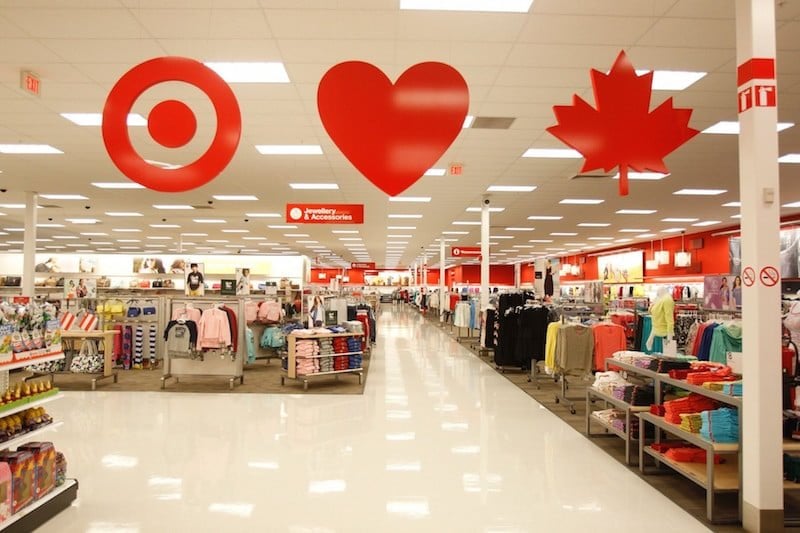
Stephens: “A few reasons I think. Some, like Target, have simply fallen flat on their faces. Target should have succeeded here but they were the masters of their own failure with operational missteps and PR disasters. Others, like Nordstrom perhaps, have simply overestimated the power of the Canadian consumer market. Over 70 per cent of US GDP is generated by consumer spending. I think many retailers assume the Canadian market is very similar. It is not at all the same as the U.S. We have less retail here but it’s not because we want or need more retail. It’s because we simply don’t spend as much as U.S. consumers.
“I also believe that Canada, as a market, requires a higher level of profitability in order to make sense. We require dual language offices and service, we come with separate taxation and legal issues, and, at the end of the day, we’re a market with a population that’s smaller than the state of California. If you have to close stores in a market, Canada is going to be at the top of your list.”
Minakakis: “First let’s start with the expectations Canadian consumers have of a US brand. It is based on their real world experience in the US. Second, Canada is not the US and I am a firm believer that if you don’t conduct thorough due diligence you just end up with another Target Retail Saga. My international experience and leading successful American brands in Canada has taught me that you have to strike the right balance between a brand’s heritage and host country’s culture.
“In Nordstrom’s case if they couldn’t get the brand product and price mix correct, they should have excelled at service. I didn’t see that, although it was better than other department stores. Today we talk about customer experience but it really is a shadow of what it was in retailing 20 to 30years ago. I believe this hurts brands like Nordstrom entering markets like Canada anticipating the service they offer in the US.”
Newbury: “This is an interesting one. Tony Chapman recently suggested during the Great Recession when the Canadian Dollar achieved parity, this allowed some US retailers to consider the Canadian market more positively. I am sure this is a factor that attracted, and latterly, had to be managed as we slipped back to around 1.33:1.00. Things simply got significantly more expensive for US brands operating here sourcing product outside of Canada. Putting this to one side, if we look at US brands expanding into Canada and then currently closing or sold to financial institutions, there have been several high-profile cases, and some quite raw ones on the list over the last decade: Toys’R’Us, Sears, Target, Lowe’s, Bed Bath and Beyond, and now Nordstrom. Saks 5th Avenue might follow who adopt a similar format. However, we should not forget the Canadian apparel retailers that sourced locally that have come and gone (e.g. Le Chateau), or at least had to submit themselves to CCAA arrangements during the pandemic. Canada is a tough market for those outside oligopolistic categories (e.g. telecoms, grocery).”
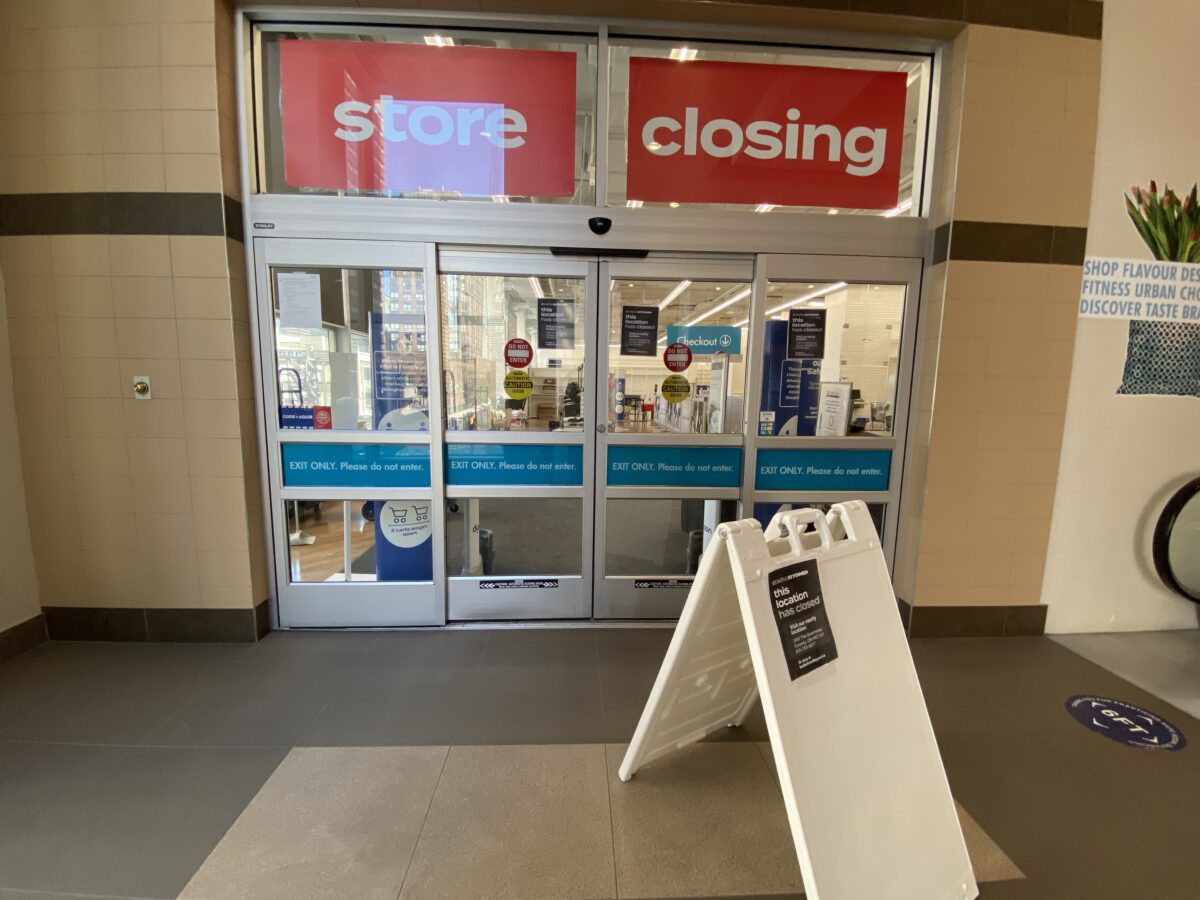
Amlani: “Many brands and retailers that have entered Canada have failed because they do not immerse themselves in the Canadian market. Hiring a Canadian team doesn’t cut it. Studying the market, shopping the market and getting to the know the nuances between major cities is crucial. We are all different and you can ask any Canadian across the country, we pride ourselves on being diverse. This is the beauty of Canada.
The customer in Vancouver is very different compared to the customer in Calgary, Toronto, or Ottawa. Thoroughly understanding the new market before scaling is the only way to enter a new market.”
Kehoe: “Target, Lowes, Bed Bath & Beyond among other high-profile retailers have failed in Canada due to a variety of reasons. Other American retail brands will come and go in the future as the Canadian retail scene is always evolving and changing. Although there is a negative perception related to the Nordstroms store closures, I see this as part of a continuous evolution of the retail industry to serve consumers with relevant merchandise offerings as shopping patterns continue to change across the country.”
Gray: “Three reasons: first, there are lots of American brands in Canada, so there is a probabilities effect during this disruptive era in the industry. Second, many come here without truly doing their homework to understand differences in our market – both the consumer and the operating conditions to serve them. As James Connell mentioned to me, there is a tendency to make decisions based on how to increase stores to boost a scale of business, rather than picking market opportunities to win. Third, and this is big for me, we often perform better than the US operations (Toys R Us is one example) but a US head office will prioritize preservation of its domestic business when distressed. Closing us is a fiscal means to that end.”
3. What do American brands need to do to be successful when they expand into Canada?
Stephens: “I think we can look at Walmart for a great example. They entered Canada with exceptional operational skill. They delivered on their primary competitive point of difference, that being low price. And most importantly, they came in for the long haul. It wasn’t simply an opportunistic move. Nordstrom and Target on the other hand came to Canada in the wake of the financial crisis – a time when Canada might have looked like a good place to be relative to the US economy which experienced a very slow recovery.”
Minakakis: “American and other international retailers need to understand the Canadian landscape. BC is not Alberta and Toronto is not Montreal. Fashion and service means something different all across this country.
Just because we share a common language with the US for the most part, except for Quebec, that’s where similarities begin and end. Everyone’s lesson should start with McDonald’s or Starbucks who conduct business globally. Why are they successful? Because they are “Glocal” Global and Local with their brands. If you understand countries as they do you could start doing a better job with international expansion. The same applies to marketing strategies, for example live streaming which is popular in China did not transfer well in Canada nor the US.”
Newbury: “On the positive side there are some great success stories too coming from Walmart, Costco, Home Depot. All have scale, operational discipline, appeal directly to their target consumers, are developing convenient omnichannel propositions and price pointed to drive volume, even in a market that Amazon continues to grow within. I suspect the success factors for US brands in Canada can be drawn from those three retailers. Also establishing a semi-autonomous and accountable Canadian Head Office that takes action locally, within a global context, giving the local team the opportunity to implement local initiatives in the marketing mix that make sense, drive margins and loyalty from bonding within the local communities to which they excel in serving.”
Amlani: “Brands from any region need to start small. Getting to know the customer and what gap you are filling in the market is critical. If it’s luxury, shop at Holt’s and define your strategy on what is lacking. If it’s contemporary, take a walk through any HBC and you are sure to find ways to retail better. Talk to the customers – what do they want to buy from you. If your brand carries cachée like Nordstrom, ask the Canadian loyalty customer what they want to buy that they can’t get in Canada and why they come to the US to shop from you.
The same thing happened with Target. Most customers who love Target and shop the retailer in the US were very excited with Target expanding to Canada. But. they scaled too quickly and didn’t realize the Target loving customer was concentrated to the ones that travelled across the border. They should have kept it tight and scaled once they better understood the differences between customers wants and needs across the country. Taking over empty Zellers flagship locations was not the answer. Additionally, the stores were too big and they should have started off testing with a small assortment instead of bulldozing themselves into Canada.”
Kehoe: “International retail brands need to cater to regional Canadian markets and avoid the ‘one size fits all’ approach that works in larger markets like the U.S.”
Gray: “Homework, homework, homework. Understand this market. Then commit to introducing themselves and winning us over. Establish a Canadian HQ with Canadian leaders. We are not simply a sales channel to push out what works – or increasingly does not work – in the home market.”
4. Do you see more American brands exiting the Canadian market? Any in particular come to mind?

Stephens: “If you’d asked me this question pre-pandemic I might have said Michaels, but they’ve benefited from the explosion in crafting which has grown during the pandemic. There are no other obvious U.S. candidates for closure but that could change depending on how the U.S. and Canadian economies fare throughout this year and into next.”
Minakakis: “I do see more of them leaving. I am reluctant to put names on the table. However, there are those that have diluted their brands substantially by way of overall operations, brand extensions coupled with equally weak, confusing or splintered ecommerce strategies. Then there are those under pressure to improve margins to appease the equities market.”
Newbury: “The Pandemic restrictions served no one well in the “non-essential” merchandising arena. Here, US store networks may have been at a disadvantage to domestic retailers, as their US leadership teams will have had to be focused on what’s happening south of the border and any distractions in the Canadian market (i.e. a lack of profitability) might have been seen as a reason to rationalize or withdraw from our market.
We have already seen some challenges with Lowe’s US and the Bed, Bath and Beyond, perhaps for different reasons, but the first territory that is likely to be put under the spotlight is Canada which can represent a challenging demographic and seriously different cost profiles due to the size of the country and transportation costs, inbound “country pricing” and limited scale for smaller players who may have to make significant changes to their proposition to create branding that is relevant.
“If there is no local head office, this is unlikely to go well. Frankly, no one is going to be shedding tears south of the border when they hear about the demise of the Canadian network, compared to a withdrawal from say, the Midwest which would hit the US headlines for days. All US store networks operating in Canada who have limited scale and a lack of local relevancy are figuratively in the doctor’s office, awaiting a diagnosis, and I am sure we will see two to three more major brands disengaged from US operations, sold to financial institutions, severely rationalized or just plain closed.
“This will create a rebalancing of the market as family budgets continue to be squeezed. Domestic retailers may indeed benefit from, often, prime locations as they expand to fill the gaps left behind. 2023 is a time for courageous Canadian retailers to really adopt the maxim of “thinking big, being bold and winning”, challenging though this might seem right now.”
Amlani: “Saks may be owned by HBC but will be next in line to exit. The retailer is lost within the context of The Bay and even though Saks is owned by Canadian HBC, this American retailer will be next to exit.”
Kehoe: “The Nordstrom spaces will be recycled and repurposed over time with other retailers, entertainment and other non-retail uses. Cadillac Fairview is an innovative and successful retail landlord and I have no doubt that interesting new shopping and dining destinations will be in the future at their Canadian properties.”
Gray: “The ripple effects of the pandemic and subsequent aftershocks will continue. Not just American chains, but the mix of European, Asian and our own will look different in five years. The definition of a “modern retailer” is still being created, but many that seem headed in the right direction on the surface are really just duct-taped together. There is heavy lifting still needed not only in terms of business models and systems, but in cultural change in the organizations to matrices, fostering greater adaptability. With many retreating, there will be openings for fresh concepts to emerge.”

















Unfortunately the general Canadian population doesn’t have the level of affordability the Americans do. Not just in retail closing sector but is same with the airline industry. Singapore airlines which have restored their flights to Vancouver will be exiting Canada again, and the Middle Eastern airlines are not looking to expand their operations in Canada.
Liza Amlani’s critique is somewhat tainted by her clear loathing for Holt Renfrew, but she does make the boldest of predictions when she flat out says that Saks Fifth Avenue will be the next to go. Others have also suggested that HBC’s luxury label is running on fumes in Canada as well as having difficulties in the U.S. where it competes with Nieman Marcus and a more robust assortment of direct to consumer upmarket retailers. It seems like the beginning of a shift or rationalization in the Canadian market. If established Canadian chains can’t take advantage of these American retreats, they’ll follow their south-of-the-border counterparts sooner rather than later.
Nordstrom exit is not about blaming Canadians. It’s about complete lack of inventory and lack of customer service. Every time I went online or in store the sizes were unavailable. How do you buy when there is nothing there. And yes I have bought luxury goods at Nordstrom a number of years ago. So I hate when we are blamed for needing a different market in Canada.
I totally agree with you, most Canadian shoppers don’t see the same level of choices offered in Canada by Nordstrom as they have at their US locations so what’s the point of having Canadian stores? Canadians have to travel to the US or abroad to get any decent shopping done unfortunately, or just simply buying on line.
The writers all forgot that Lowes is also exiting.
Staples/Business Depot,Bureau en Gros Quebec.has had great success in Canada because it had a Canadian head office and catered to the different markets across Canada.
Cabela’s and Bass Pro do good.
This is a great article with some excellent perspectives on retailing in Canada. In fact, I would go so far as to say it is a master class on how to go from surviving in retail to thriving and should be read and reread quarterly by every manager in retail for at least the next 5 years. Understanding what your customer wants and needs and then delivering that through exceptional service is the hallmark of great retail. A few do it well.
And then you could look at this through the franchised restaurant brand lens… so many foodservice companies have tried to cross the border and its just not the same game at all. The trouble is that the diners don’t recognize this either, and so the expectations for execution are rarely met. On the surface it all looks the same, but even the supply of beef is different. Never mind chicken. Or cheese/dairy. And these are huge factors. Other cost inputs, especially labour are greatly impacted by regional differences and then there is the transportation landscape, which makes it challenging to move products around effectively. Canada is a foreign country. its time for Canadians to own up to that and not expect to have the same offerings.
The article is reasonable and articulate in explaining the Canadian retail market. While in Dubai it wax noticed Canadians tent to look more and buy far less than some of our European or US counterparts. This is due to several factors, quality and the requirement to fill a need over a want for a longer practicality vs advertising a false lifestyle. Material goods don’t fill the spiritual gap that those with the monetary means have. That in the end is the bottom line.
American retailers in Canada often fail due to misreading Canadians and assuming they are exactly like Americans, with the same tastes and values. Due to higher taxes and living costs overall, Canadians also have a lot less disposable income. In addition, Canadians expect value for money, or a lot of bang for the buck. This is partly due to lack of disposable income and culture and also because Canadians tend to be a fairly practical people.
The author of the article is correct in stating that Canadians do not tend to purchase much in the way of luxury goods. Again, this is driven by personal economics and culture. In Canada, extravagant displays of wealth are considered crass and tasteless.
I knew Target would fail in Canada the minute I stepped into their store for the first time. The store appeared to be half-stocked. I looked around for opening week specials, and there were very few. One of their ‘specials’ was a case of pop, which I could get at the same price and an over-priced grocery store at the other end of the mall. Friends that go to the states frequenty said the prices were noticeably higher in Canada than they were in the US. Blaming Canada for dual languages, different taxes, and so on is a cop out. That is what those 100K+ executives get PAID FOR.
I found when I went to Nordstrom and Nordstrom the prices where much lower even with the exchange rate included