“Drawing inspiration from Carrefour’s proactive approach, as we navigate the ‘shrinkflation’ phenomenon, ensuring transparency in food pricing becomes the cornerstone of empowering and informing consumers in Canada.”
Two issues have been particularly vexing for Canadian shoppers at the grocery store: volume discounts, especially for seniors and those who live alone, and the phenomenon known as “shrinkflation.” Over the past 12 months, shrinkflation has garnered significant attention due to substantial price hikes in grocery stores. Fortunately, some grocers are now taking action.
For the past two weeks, the French supermarket chain Carrefour, the seventh largest in the world, has introduced labels on its store shelves to alert shoppers to the issue of “shrinkflation.” As many now know, shrinkflation involves manufacturers reducing the size of product packaging rather than increasing prices. Carrefour has applied these price warnings to various products, including Lindt chocolates and Lipton iced tea, with the aim of pressuring leading consumer goods suppliers such as Nestlé, PepsiCo, and Unilever to address this issue in anticipation of upcoming contract negotiations. This pressure has a cascading effect on the food chain.
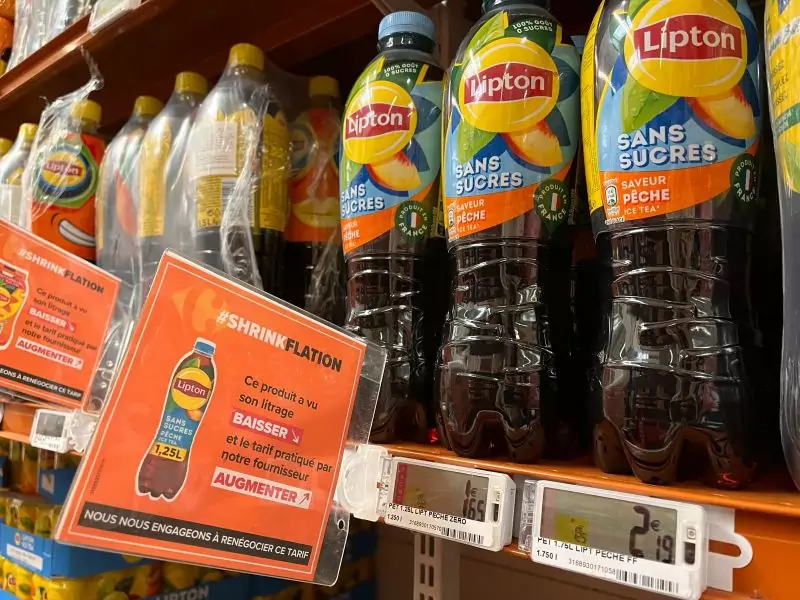
Carrefour has labelled 26 products with notices stating that the product is smaller than before, with most of these reductions occurring within the last 12 months. This situation could potentially unfold in Canada.
In the past year, Canada has witnessed about 20 cases of “shrinkflation” by major food manufacturers, with most of them garnering significant media attention. Minister François-Phillippe Champagne, who is meeting with food manufacturers this week and has pledged to combat food inflation and increase accountability in the food industry, undoubtedly has “shrinkflation” on his radar. The Carrefour approach in Canada is likely being considered to enhance transparency in food pricing. He has expressed his approval of the Carrefour approach, unsurprisingly, given its simplicity, ease of implementation, and potential popularity among Canadians who feel deceived and shortchanged. They are an easy target for such measures.
Historically, “shrinkflation” is a strategy often employed when input costs rise. The last time we witnessed numerous cases of this was during the financial crisis of 2008. We are currently nearing the end of another cycle and do not expect to see new cases for some time.
However, Carrefour’s motivation appears to be driven by the desire to shame manufacturers into gaining an advantage at the negotiating table, rather than genuinely benefiting consumers. It is worth noting that food manufacturers also produce privately labelled products owned by grocers. Carrefour’s actions have focused solely on major multinationals without disclosing whether some of its own privately labelled products have also decreased in size, which could be seen as deceitful.
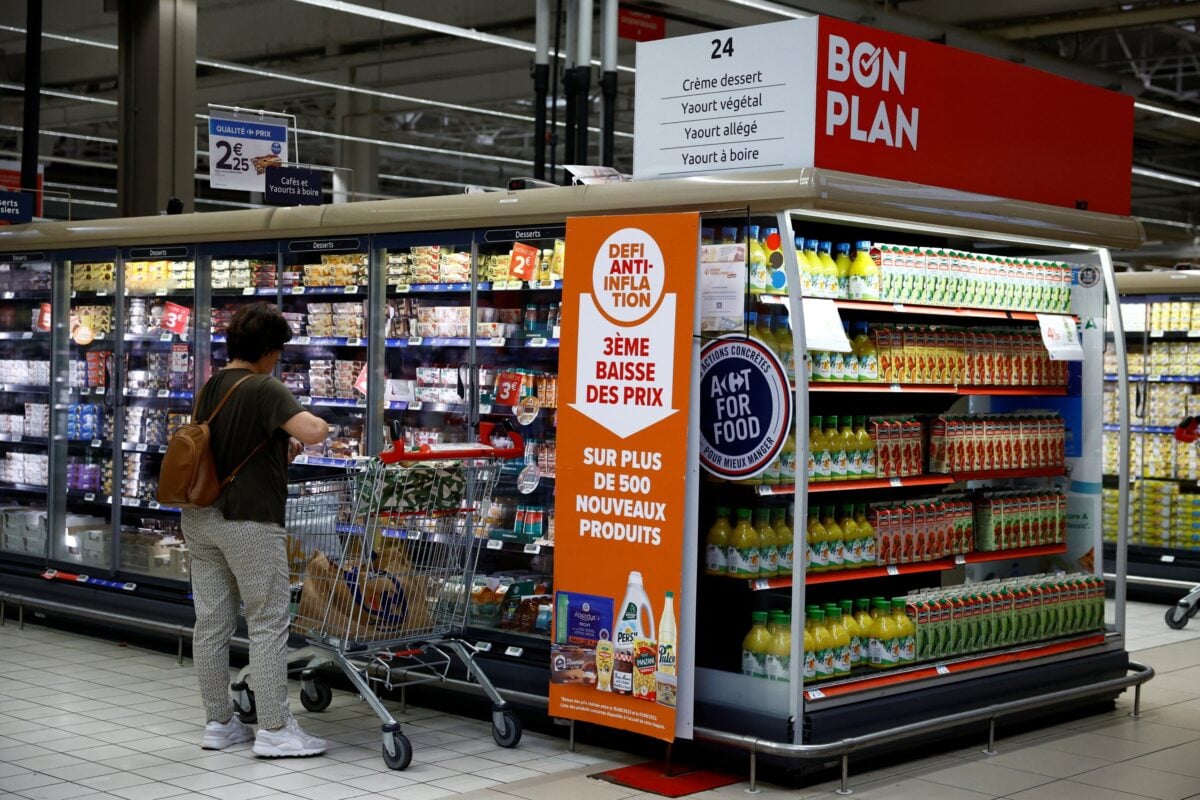
The impact of such a measure is likely to be short-lived. Beyond a few weeks, consumers may revert to their old habits. If Canada were to encourage grocers to adopt a similar approach, it should be implemented uniformly across the board. To go even further, Ottawa needs to abolish the “snack tax.” Many products have shrunk in size in recent years, making them subject to taxation by Canada’s revenue agency. Minister Champagne should clarify that any food sold in Canada if not served, should not be taxed, especially food products that are now too small to be considered as snacks. Many Canadians are unaware of this, and it is costing them daily at the grocery store. Ottawa has the means to rectify this situation.
Do not be surprised if the “shrinkflation” labels become a directive for our grocers by Thanksgiving. It is highly unlikely that we will see a windfall tax or government-mandated price controls, as these measures would have adverse economic consequences. Minister Champagne is astute enough to understand the implications of such actions on our food economy.
Instead, the focus is on the Competition Bureau, supported by Bill C-56. This bill may have received limited attention due to the India affair and President Zelenskyy’s visit, but it is precisely what Canadians need. Minister Champagne has accurately read the political landscape surrounding food. Enhancing the authority of the Competition Bureau is crucial for Canadians, although it will be a protracted process that could span several years. This is why labelling “shrinkflated” products will be an easily achievable victory for him and for Canadians.